
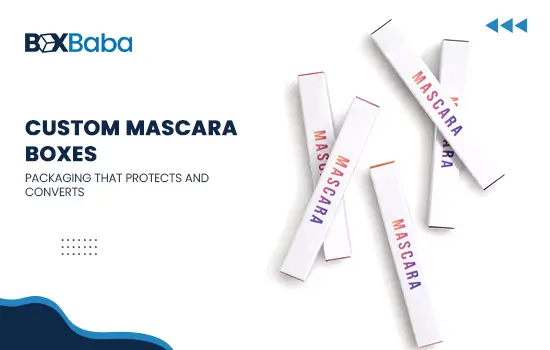
For most brands, the best custom mascara boxes are printed folding cartons sized closely to the product, made from paperboard or cardboard, and finished in a way that supports the brand without adding unnecessary cost.
That is the main decision.
Most buyers do not struggle because they lack packaging ideas. They struggle because they need to make the right packaging choices before requesting a quote. They want to know which box style fits best, which material makes sense, which finishes are worth paying for, and how to compare suppliers without wasting time.
This guide is built to answer those questions clearly. It will help you choose the right mascara packaging, understand the tradeoffs, and move toward a quote with fewer revisions and fewer mistakes.
If you are also comparing related beauty packaging formats, explore our custom cosmetic boxes, eyeliner boxes, and eye shadow boxes.
What Custom Mascara Boxes Are
Custom mascara boxes are printed secondary cartons designed to hold one or more mascara products.
Their job is simple:
- protect the mascara unit
- improve shelf presentation
- support branding
- carry product information
- help the product move through storage, packing, and shipping more safely
A good mascara box is not just decorative. It is a packaging decision that affects product fit, print quality, handling, and buyer perception.
Who Custom Mascara Boxes Are Best For
Custom mascara boxes are a strong fit for buyers who need branded packaging that looks professional and performs well in real use.
They are usually best for:
- beauty brands launching a new mascara line
- private-label brands building a consistent look
- Amazon sellers who want stronger presentation
- DTC brands focused on unboxing
- retailers and procurement teams placing repeat orders
These buyers usually care about:
- clean brand presentation
- better product fit
- print consistency
- finish quality
- reorder consistency
- smoother supplier communication
Who They Are Not Ideal For
Custom mascara boxes may not be the best choice in every case.
They are less ideal when:
- the product is still too early-stage for custom packaging
- the order volume is too low for branded cartons to make sense
- a plain unbranded carton is enough for the current stage
- the packaging idea depends on a premium structure that does not match the product price point
One common mistake is choosing packaging based on appearance alone. For example, rigid boxes can look premium, but for many standard mascara SKUs they add cost and shipping bulk without solving a real packaging problem.
Why Mascara Packaging Needs a Different Buying Approach
Mascara packaging has a specific fit challenge. Most mascara products are narrow, long, and easy to shift inside a loose carton. That means the box needs to do three things well:
- fit the product properly
- protect the surface during handling
- present the brand clearly enough to support the sale
If the fit is loose, the packaging feels cheap. If the stock is too light, the box may scuff or crush more easily. If the finish is too heavy, the package may look expensive but fail to improve the buying experience.
That is why the best custom printed mascara boxes usually balance fit, print, and practicality rather than chasing every available add-on.
Best Box Styles for Custom Mascara Boxes
The right style depends on where the mascara will be sold, how it will be packed, and what kind of brand presentation you need.
Folding Cartons
For most mascara products, folding cartons are the best starting point.
Common examples include:
- straight tuck end boxes
- reverse tuck end boxes
- tuck-end folding cartons
Why they work:
- practical for retail and ecommerce
- easy to print and customize
- usually more cost-efficient than rigid formats
- often shipped flat, which helps storage and handling
Best for:
- single-unit mascara packaging
- retail shelf display
- ecommerce orders
- repeat branded runs
Less ideal for:
- luxury gifting
- PR kits
- high-end presentation
- campaigns
Sleeve Boxes
Sleeve-style boxes create a more layered and premium look.
Best for:
- upgraded presentation
- launch sets
- boxed combinations with inner cartons
Less ideal for:
- simple high-volume runs
- products that need stronger standalone protection
Display or Multipack Cartons
These work better when mascara is sold in sets or merchandising formats.
Best for:
- retail counter display
- seasonal bundles
- gift-ready promotions
- multi-unit sets
Less ideal for:
- standard one-unit
- ecommerce orders
Rigid Boxes
- Rigid boxes should be treated as a special-use option, not the default.
Best for:
- premium gifting
- PR kits
- influencer mailers
- luxury packaging concepts
Not ideal for:
- everyday wholesale packaging
- cost-sensitive launches
- routine single-SKU mascara products
Corrugated Boxes
- Corrugated material matters, but mostly for shipping support rather than for the main retail carton.
Best for:
- transit protection
- outer mailers
- ecommerce shipping
- support
Not ideal for:
- primary on-shelf mascara presentation
- most standard cosmetic folding cartons
Comparison of Mascara Box Styles
| Box Style | Best For | Not Ideal For | Cost Level | Shipping Role |
|---|---|---|---|---|
| Folding carton | Standard retail, DTC, Amazon-ready product cartons | Premium gifting | Lower to moderate | Good as product carton, not full shipping protection |
| Sleeve box | Premium presentation, launch sets | Simple high-volume runs | Moderate | Depends on inner structure |
| Display carton | Bundles, retail display, promotions | Standard single-unit use | Moderate to higher | Varies by format |
| Rigid box | Luxury presentation, gifting, PR kits | Cost-sensitive standard orders | Higher | Bulky for routine shipping |
| Corrugated box | Outer protection, ecommerce transit | Primary retail presentation | Moderate | Strong for shipping |
Best Materials for Custom Mascara Packaging
Material choice should follow the product goal, sales channel, and print needs.
Paperboard or Cardboard
For most standard mascara cartons, this is the best commercial choice.
Why it works:
- supports strong print quality
- suits folding carton structures well
- balances appearance and practicality
- works for most quote-stage needs
Best for:
- retail cartons
- custom mascara boxes with logo
- repeat branded orders
- standard ecommerce product cartons
Kraft
Kraft works well when the brand wants a more natural or understated look.
Best for:
- earthy brand presentation
- simple graphics
- eco-positioned product lines
Tradeoff:
Kraft is not always the best fit for color-heavy or highly polished luxury-style designs.
Corrugated
Corrugated is useful when durability matters more than shelf appearance.
Best for:
- outer shipping protection
- master packs
- ecommerce transit
Tradeoff:
It is usually too bulky or too rough-looking for the main mascara retail carton.
H3: Rigid Board
Rigid board creates a stronger premium feel.
Best for:
- gift kits
- luxury launches
- high-impact presentation
Tradeoff:
It uses more material, increases bulk, and usually costs more.
Printing and Customization Options That Actually Matter
Many suppliers offer long lists of print and finishing options. Buyers should focus on the choices that affect fit, brand presentation, and cost.
Printing Options
Common examples include:
- CMYK printing
- Pantone-matched color printing
- inside and outside printing
These matter most when:
- brand color consistency matters
- the product sits next to other SKUs
- the unboxing experience is part of the brand strategy
Finish Options
Common examples include:
- matte lamination
- gloss lamination
- foil stamping
- spot UV
- embossing
These finishes can improve perceived value, but they should support the product rather than overpower it.
Good finish logic:
- matte works well for clean premium branding
- gloss helps colors stand out
- foil works best when used selectively
Bad finish logic:
- stacking too many effects at once
- adding premium embellishments to a price-sensitive SKU
- making product information harder to read
Structural Customization
Common examples include:
- precise sizing
- inserts
- cutouts
- windows
These matter most when the mascara needs better hold, a premium reveal, or reduced movement inside the box.
MOQ Expectations: Low MOQ vs Wholesale Volume
MOQ depends on the supplier. Exact BoxBaba minimums are Unclear.
The better question is not only What is the MOQ? It is What stage is this order for?
Low-MOQ Intent
Best for:
- product launches
- test runs
- influencer seeding
- smaller branded orders
What to watch:
- higher unit cost
- fewer finish options in some cases
- less room for cost optimization
H3: Growth-Stage Reorders
Best for:
- brands that alreadyvalidated the SKU
- repeat production
- tighter cost control
- cleaner forecasting
What to watch:
- color consistency
- print repeatability
- lead-time planning
Wholesale or High-Volume Orders
Best for:
- procurement teams
- established brands
- retail distribution
- unit-cost optimization
What to watch:
- consistency at scale
- proofing discipline
- support quality during repeat orders
A low MOQ sounds attractive, but it is not always the best buying decision if the unit cost becomes too high. A wholesale order can lower unit pricing, but only if the supplier can maintain quality and repeatability.
What Drives the Cost of Custom Mascara Boxes
Most cost differences come from a few clear variables.
1. Quantity
Higher volumes usually reduce the per-unit cost. Small runs usually increase it.
2. Box Size and Structure
A standard tuck-end carton usually costs less than a sleeve box, insert build, display structure, or rigid box.
3. Material Choice
Paperboard, kraft, corrugated, and rigid structures do not perform the same job, so they do not follow the same cost logic.
4. Print Complexity
More colors, inside printing, tighter color control, and specialty finishes usually increase cost.
5. Finishes and Embellishments
Foil, embossing, debossing, and spot UV can improve shelf appeal, but they also increase production complexity.
6. Proofing and Sampling
Physical samples and extra proof rounds may add cost, but they can prevent a weak bulk order.
The smarter question is not What is the cheapest mascara box? It is What packaging spec gives this product the right result without paying for features that do not improve fit, perception, or customer experience?
Turnaround and Proofing Considerations
Turnaround depends on quantity, finishing complexity, approval speed, and supplier workflow. Exact lead times are Unclear unless the supplier states them clearly.
Common causes of delay include:
- incomplete dieline details
- artwork revisions
- color approvals
- finish changes
- sample approval
- last-minute quantity changes
Digital Proof vs Physical Sample
A digital proof is best for checking:
- layout
- content placement
- design direction
- basic visual approval
A physical sample is better for checking:
- product fit
- stock feel
- folding accuracy
- finish quality
- overall presentation
For a simple reorder, a digital proof may be enough. For a new launch or a more premium packaging build, a physical sample is often the safer choice.
Shipping, Durability, and Sales Channel Fit
Mascara packaging has to perform in real handling conditions, not just in a mockup.
For Retail
The carton should:
- look clean on shelf
- hold its shape well
- present the branding clearly
For DTC
The carton should:
- survive picking and packing
- reduce avoidable scuffing
- still support a good unboxing experience
For Amazon or Marketplace Fulfillment
The packaging should account for:
- transit risk
- barcode or label placement
- whether the retail carton needs separate outer protection
A common mistake is expecting the mascara carton to do the full job of the shipper. In many ecommerce cases, the better setup is a well-fitted retail carton plus a separate protective shipping format where needed.
Sustainability Considerations
Sustainability matters to many buyers, but generic claims do not help real decisions.
A useful sustainability discussion should cover:
- whether the material is recyclable
- whether the structure uses more material than needed
- whether the finish affects recoverability
- whether the supplier can explain the stock clearly
Buyers should be careful with:
- vague eco-friendly claims
- oversized premium structures
- sustainability messaging that does not match the actual packaging build
How to Choose the Right Supplier
A good supplier does more than offer customization. A good supplier helps you avoid the wrong build before production begins.
1. Check Whether They Recommend the Right Structure
A useful supplier should explain why a folding carton, sleeve, rigid box, or insert does or does not make sense for your product and sales channel.
2. Check Whether They Explain Material and Finish Tradeoffs
You want a supplier that can tell you when paperboard is enough, when corrugated belongs in the shipping layer, and when premium finishing is worth the cost.
3. Check Their Proofing Process
Ask how they handle:
- digital proofs
- physical samples
- revisions
- artwork checks
- color review
4. Check Their Consistency for Reorders
Once you move past the launch stage, repeat quality matters more. Ask about print consistency, color repeatability, and reorder handling.
5. Check How Clearly They Quote
A strong supplier should tell you exactly what is needed to quote accurately, such as:
- product dimensions
- quantity
- material preference
- box style
- finish preferences
- sales channel
Red flags include:
- vague material answers
- unclear proofing steps
- overpromising without specification detail
- pushing premium formats for standard products
- treating low-MOQ and wholesale buyers the same way
How to Choose the Right Supplier
If your goal is to protect the product and support conversions, do not start with embellishments. Start with fit.
Then follow this order:
- choose the right structure
- choose the right material
- define the print approach
- decide whether premium finishes are justified
- confirm MOQ logic
- choose the proofing level
- check shipping and channel fit
- shortlist suppliers based on clarity, not promises
This sequence reduces wasted spend, improves quote quality, and makes the final packaging more useful for real selling conditions.
Final Takeaway
The best custom mascara boxes are not the ones with the most features. They are the ones that fit the product correctly, match the sales channel, support the brand clearly, and make commercial sense for the order stage.
For most buyers, that means starting with a well-sized folding carton, choosing materials and finishes based on the actual use case, and working with a supplier that explains tradeoffs instead of just listing options.
When you are ready to move from research to specifications, request your quote through the BoxBaba contact page.
Frequently Asked Questions Mascara Boxes
What is the best box style for custom mascara boxes?
For most single-unit mascara products, a folding carton with a tuck-end closure is the strongest starting point. It is practical, printable, and usually more cost-efficient than rigid packaging.
Are rigid mascara boxes worth it?
Sometimes, but mostly for premium gifting, PR kits, or luxury presentation. For standard retail or ecommerce mascara packaging, rigid boxes often add cost and bulk without enough practical return.
Which material is best for mascara packaging?
For most standard retail cartons, paperboard or cardboard is the best fit. Kraft works for a more natural look. Corrugated is usually better for shipping protection than for the main retail carton.
Do I need an insert for mascara boxes?
Not always. Inserts are most useful when the fit is loose, the packaging is more premium, or the carton needs better internal stability.
What affects the cost of custom mascara boxes most?
The biggest drivers are quantity, size, structure, stock choice, print complexity, finishes, and proofing requirements.
What MOQ should I expect?
MOQ depends on the supplier. Exact minimums are Unclear unless the vendor states them directly. Buyers should compare MOQ together with unit cost, not on its own.
Should I request a digital proof or a physical sample?
Use a digital proof for layout review. Use a physical sample when fit, stock feel, folding quality, or finish quality matters to the decision.
What should I send before requesting a quote?
At minimum, send product dimensions, target quantity, preferred box style, material preference, finish ideas, artwork needs, and sales channel requirements.