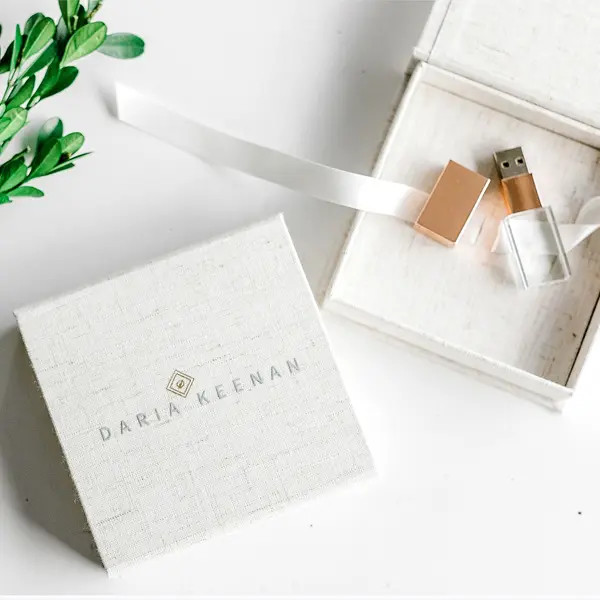
What Are Custom Rigid Boxes?
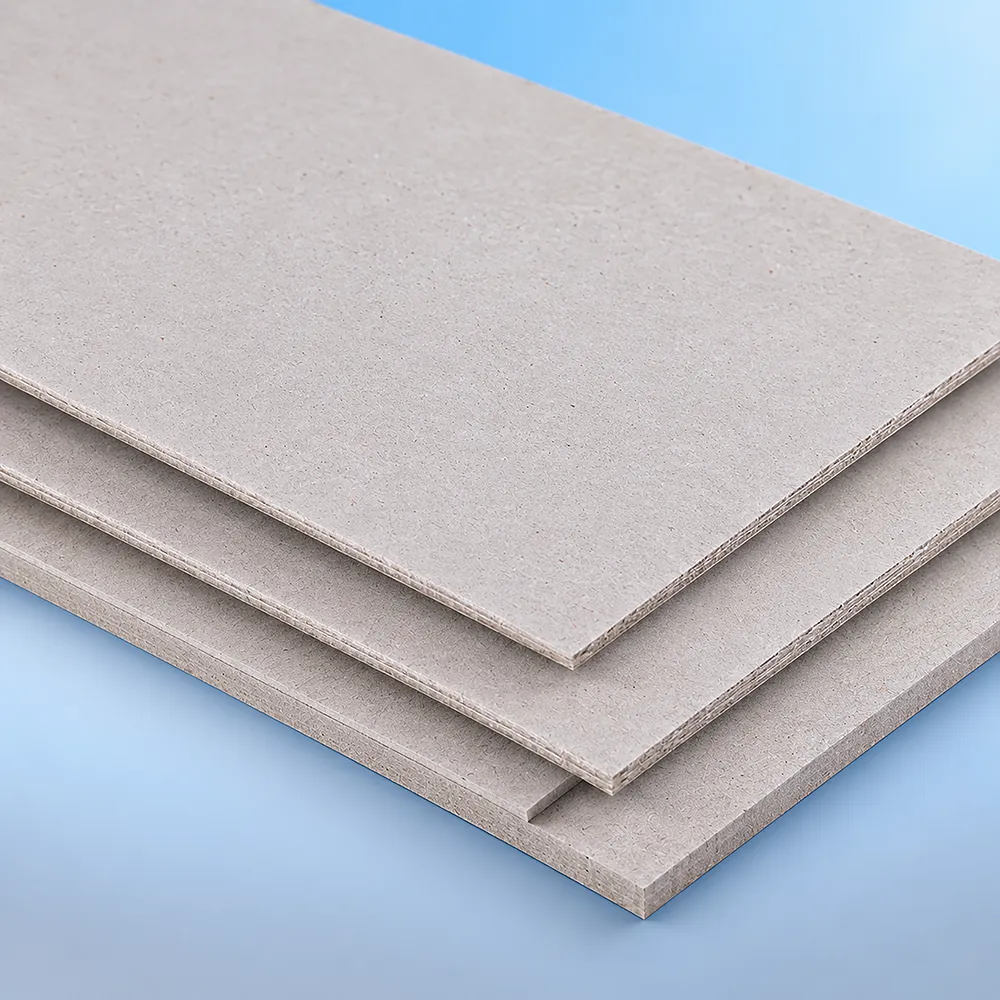
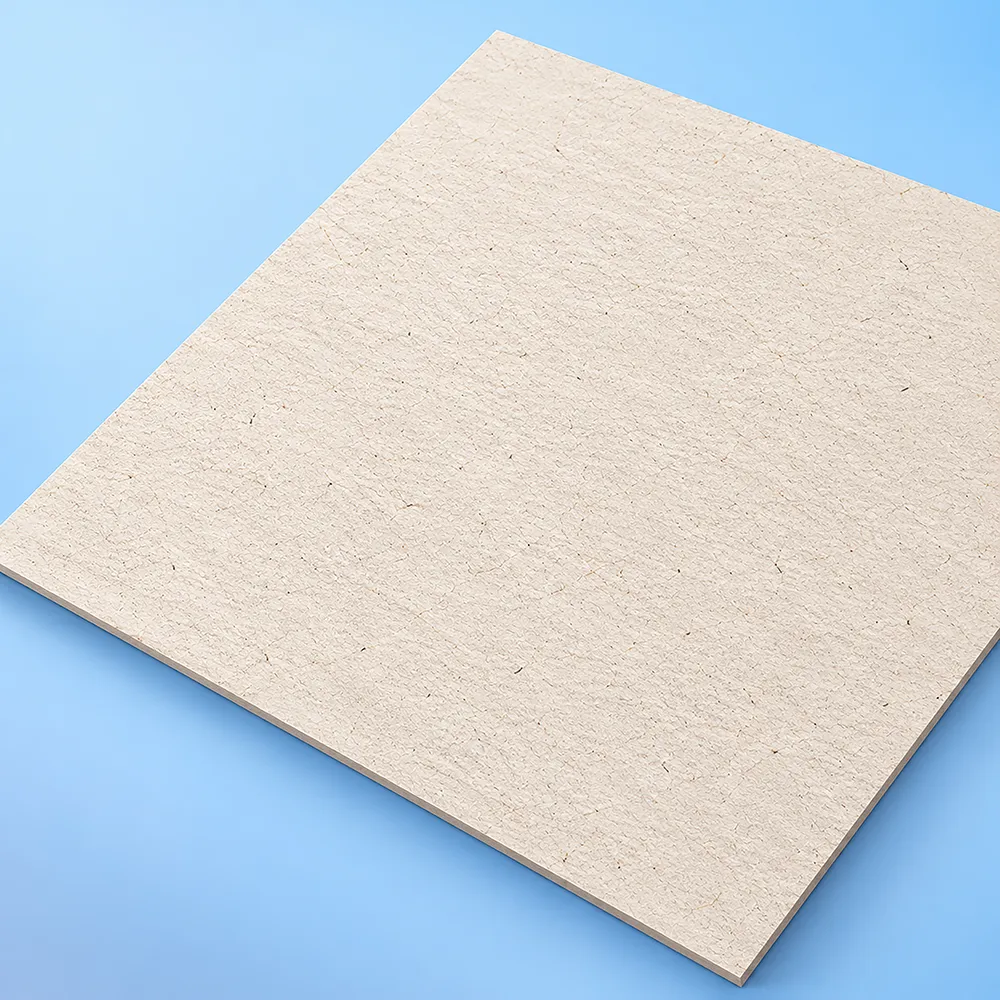
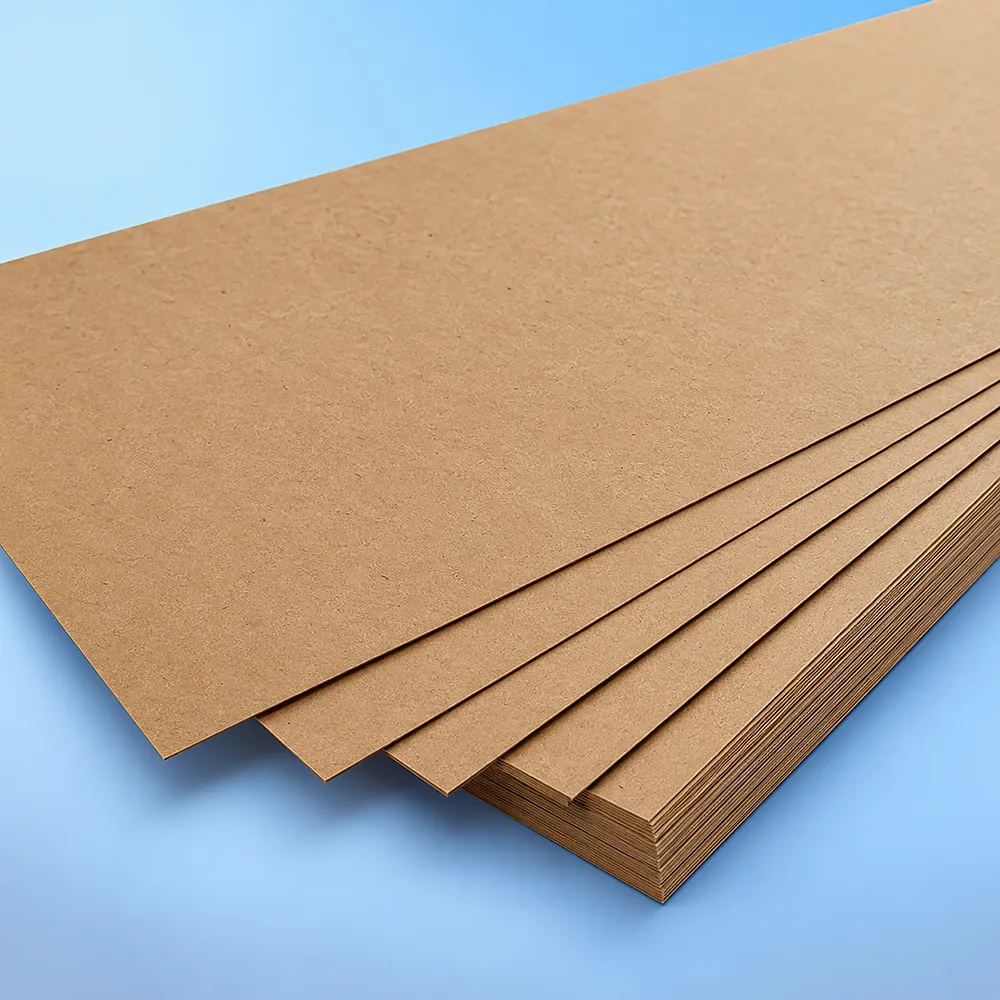
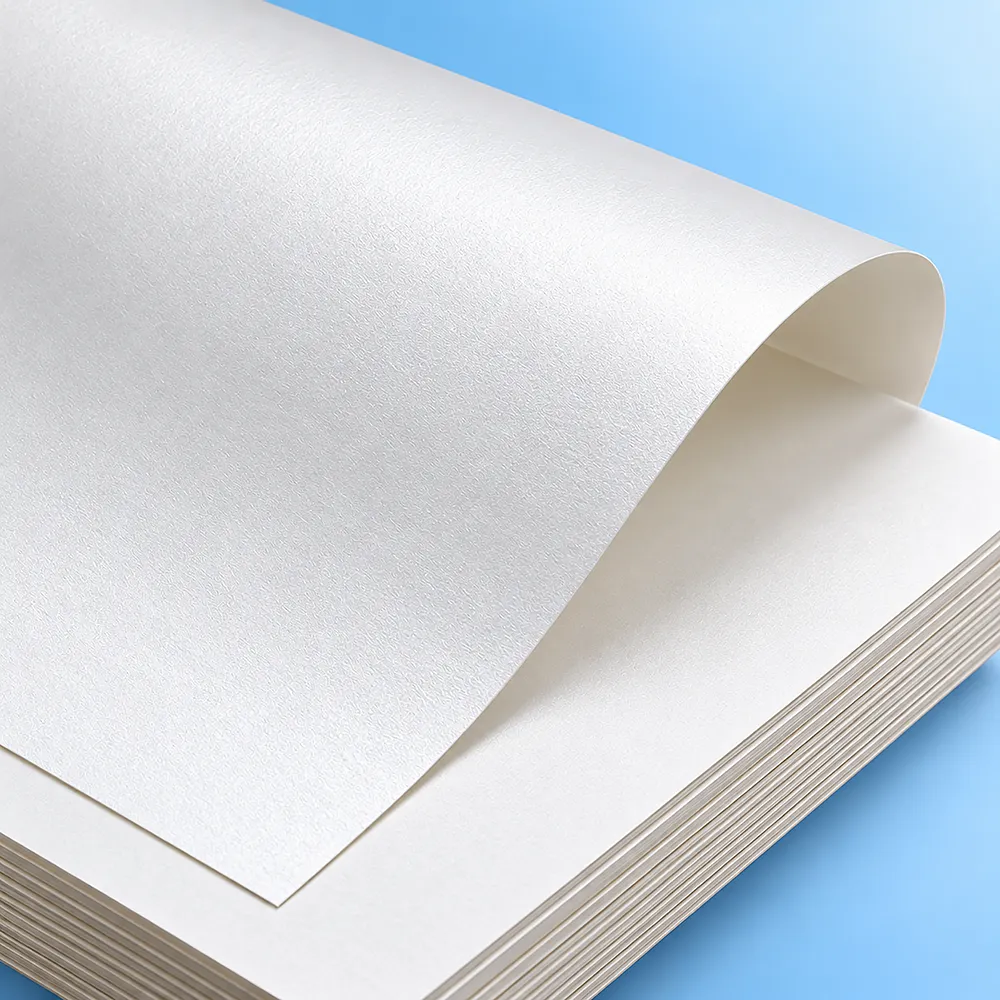
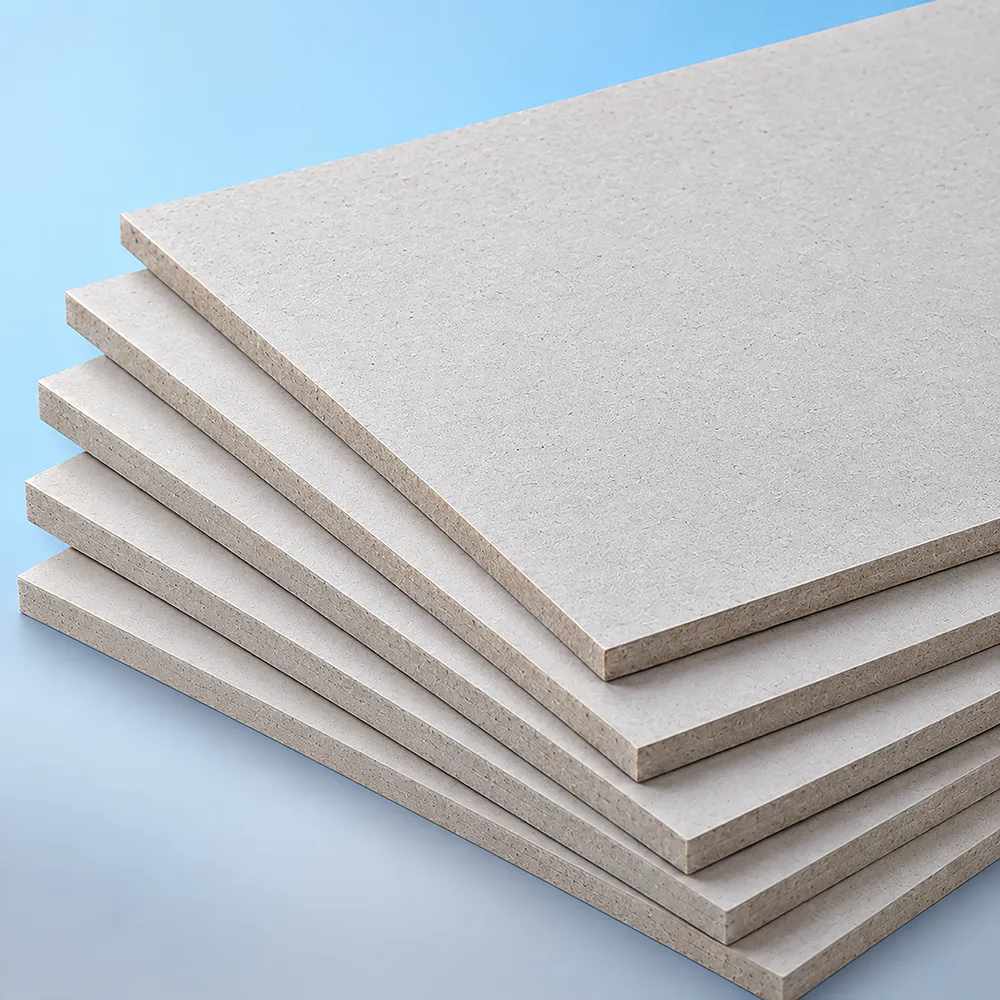
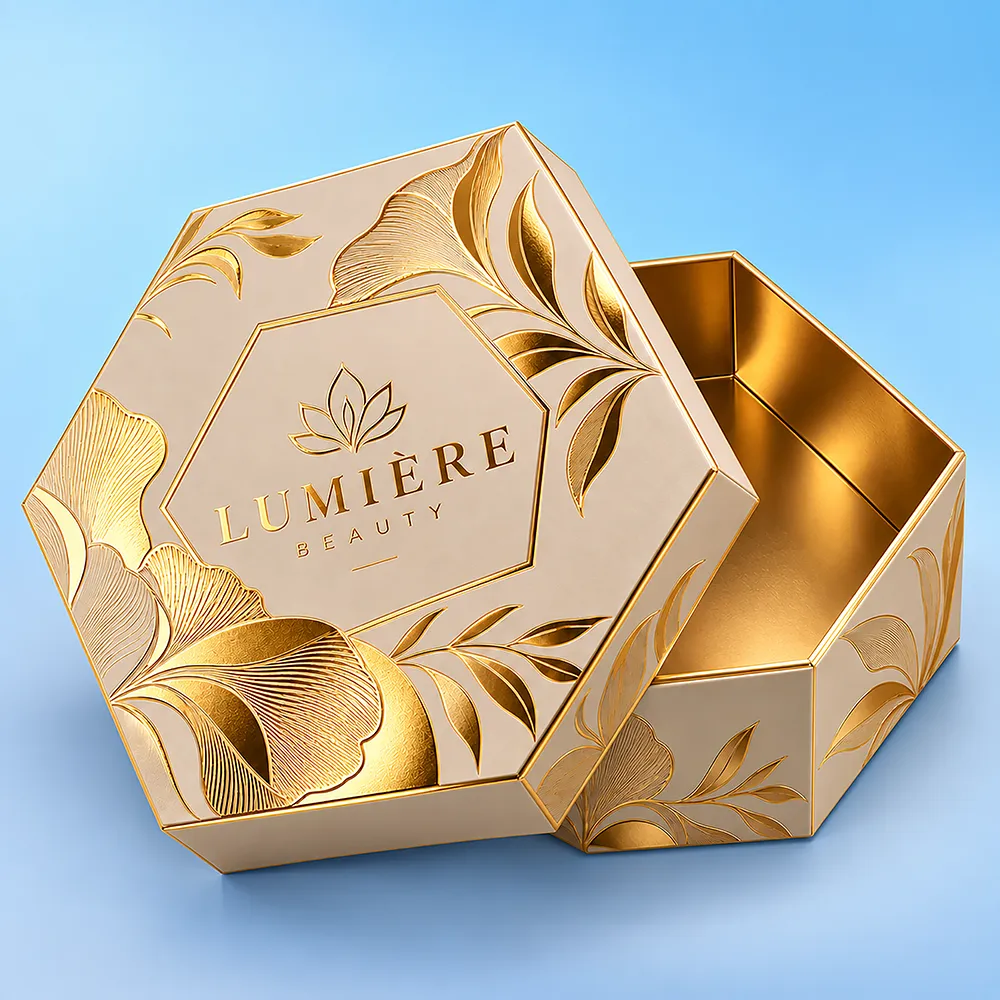
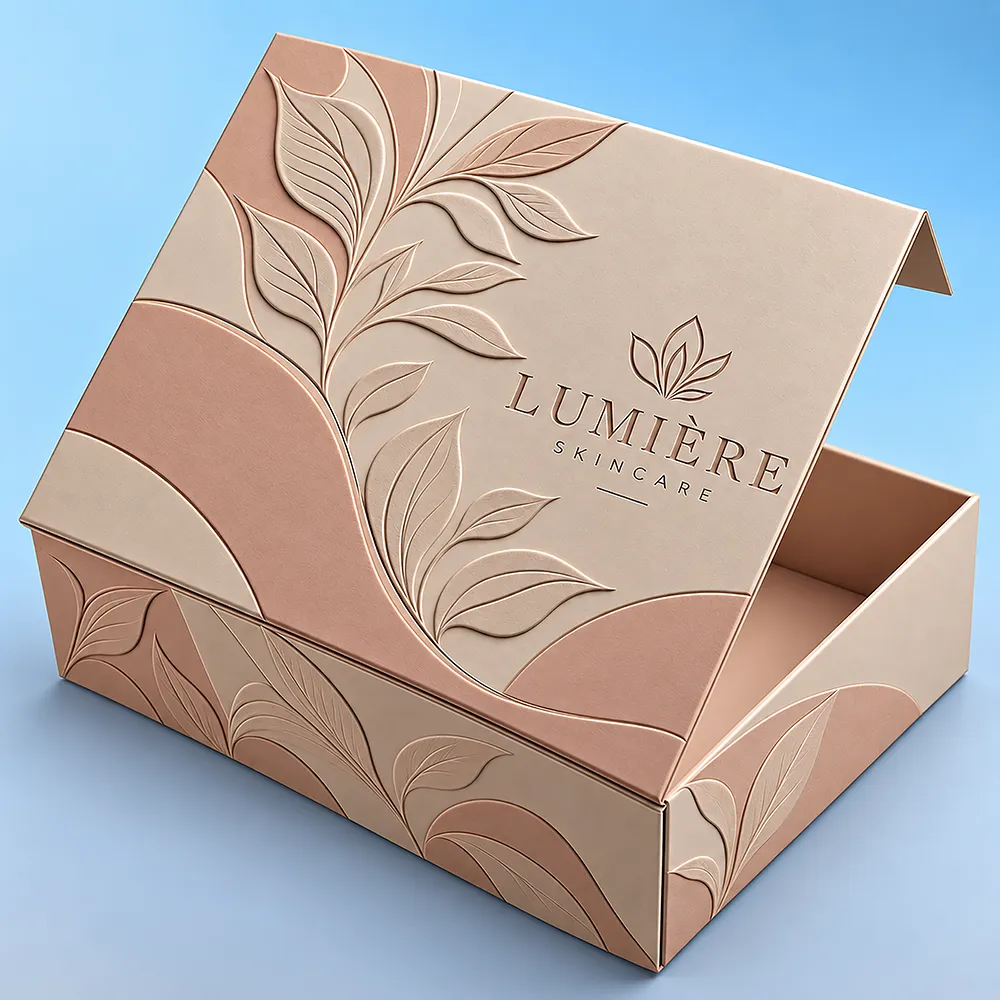
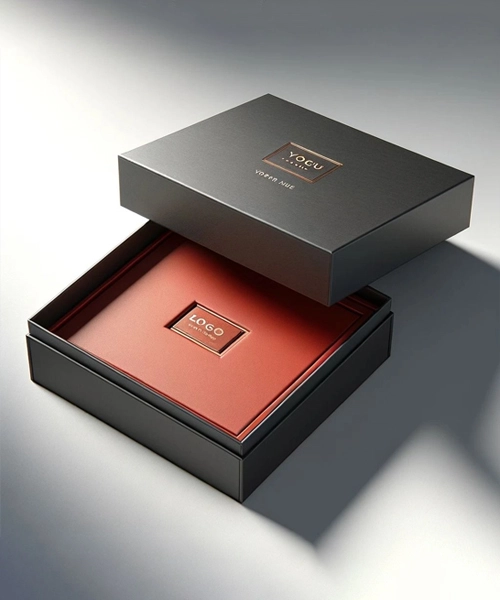
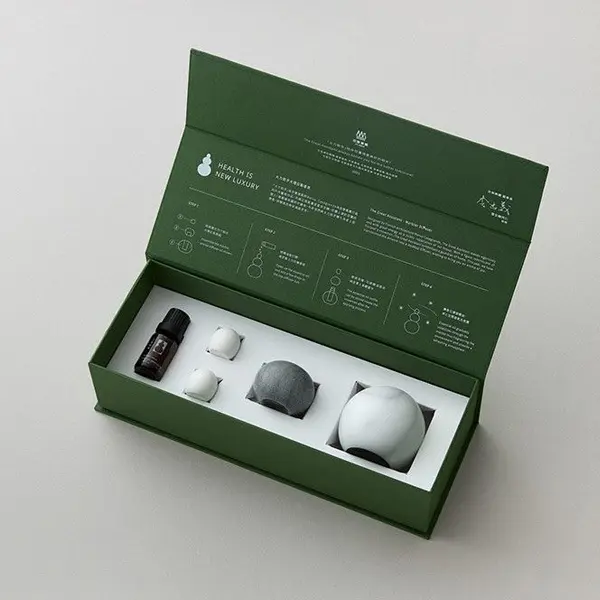
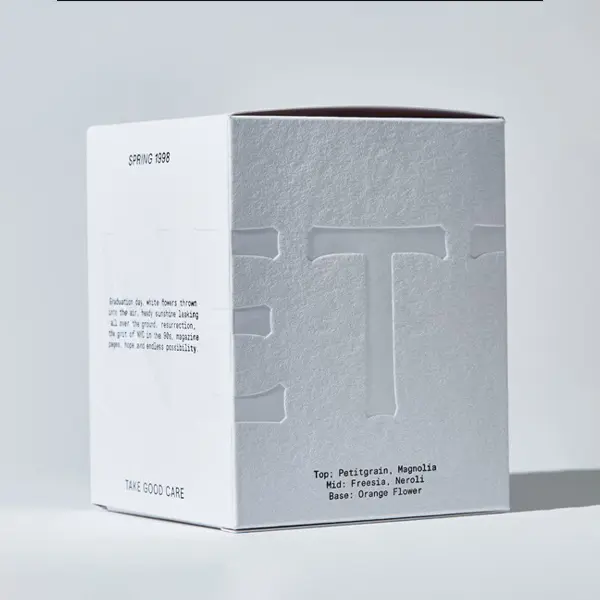
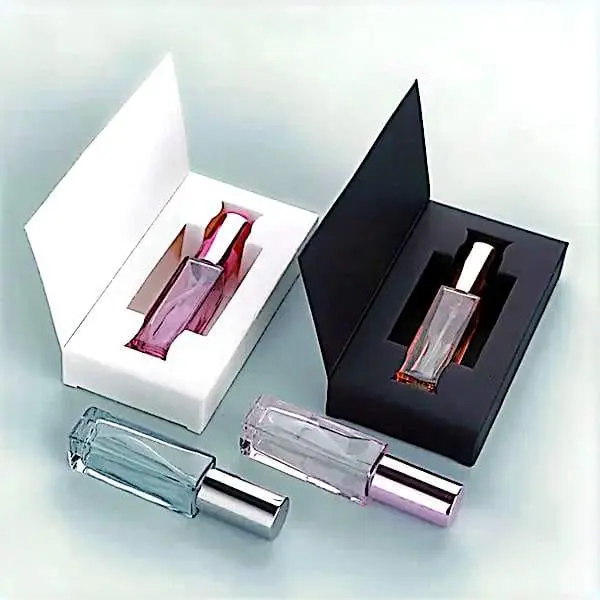
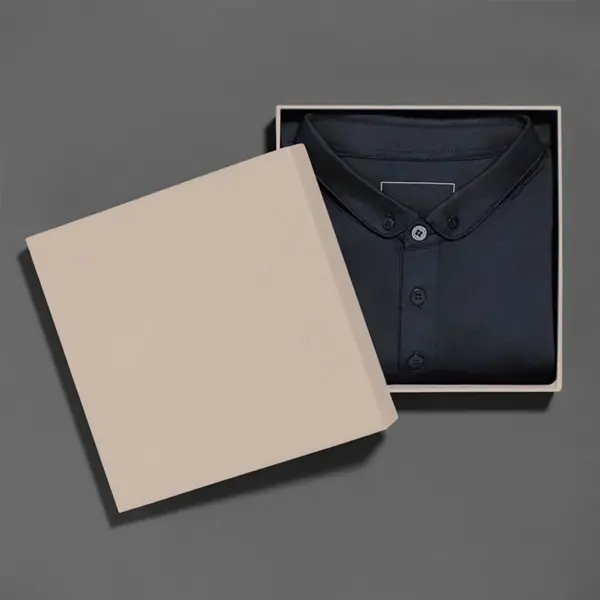
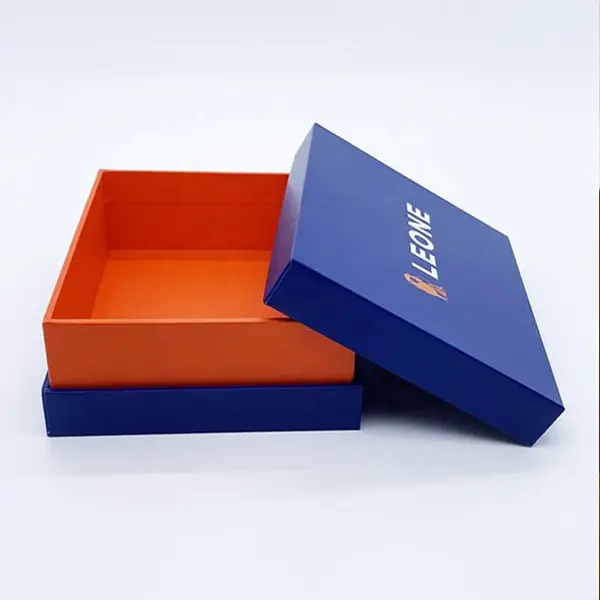
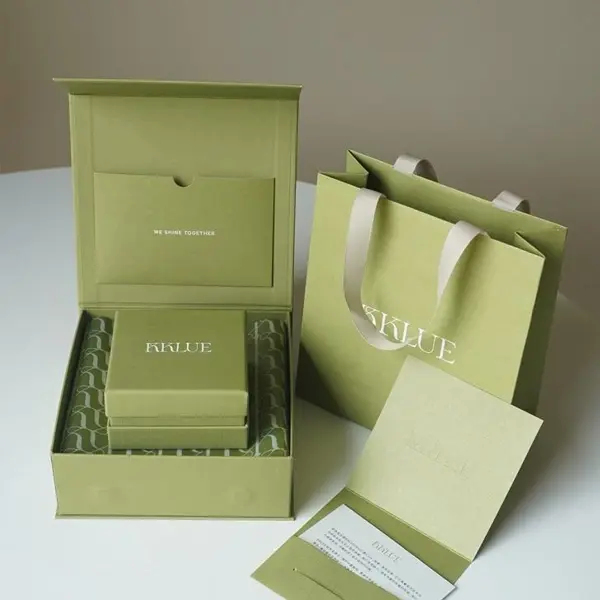
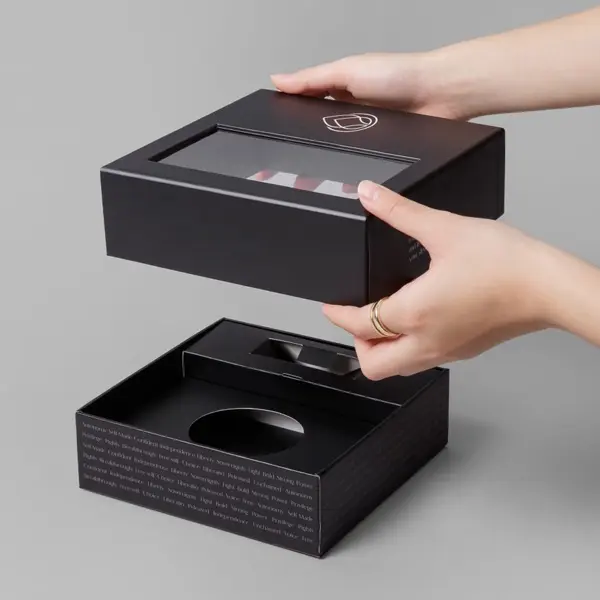
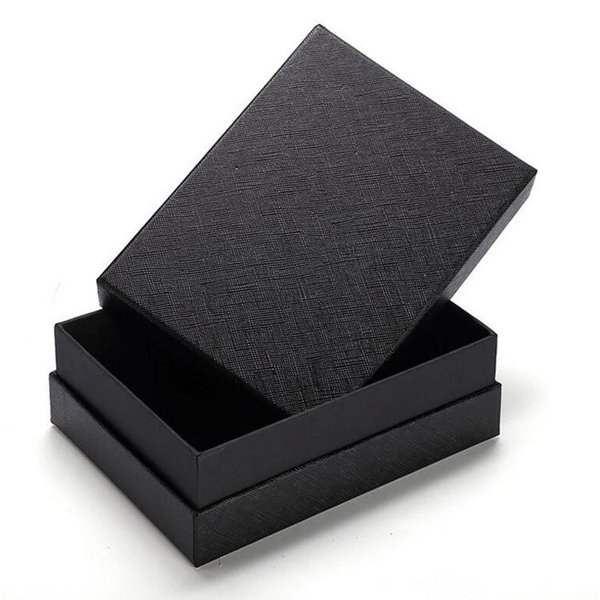
Custom rigid boxes are firm paperboard packages wrapped with printed, colored, textured, or specialty paper. Standard setup boxes stay assembled, while collapsible versions can fold flat before use. Rigid packaging is a strong choice when the product needs premium presentation, a controlled opening sequence, or a fitted insert.
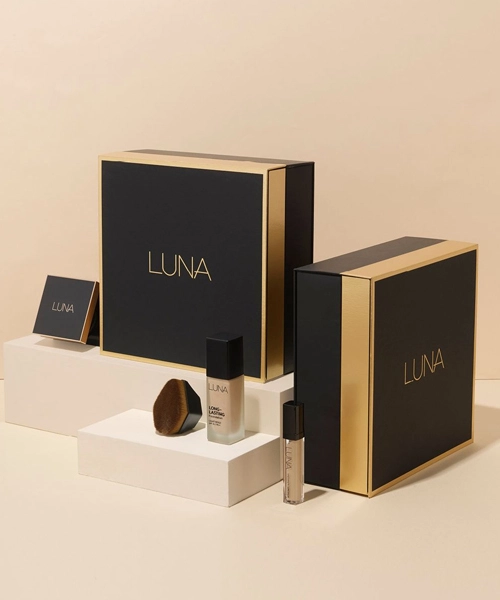
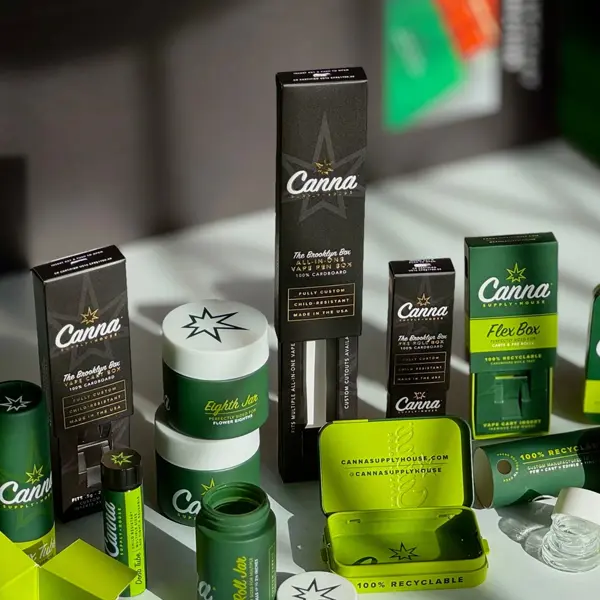
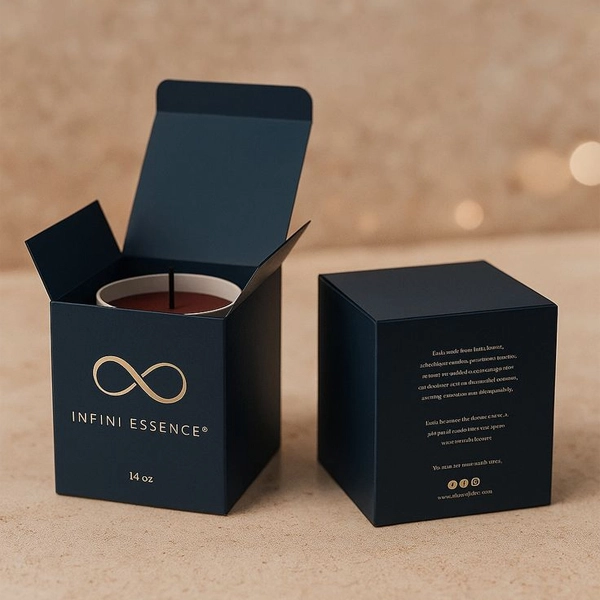
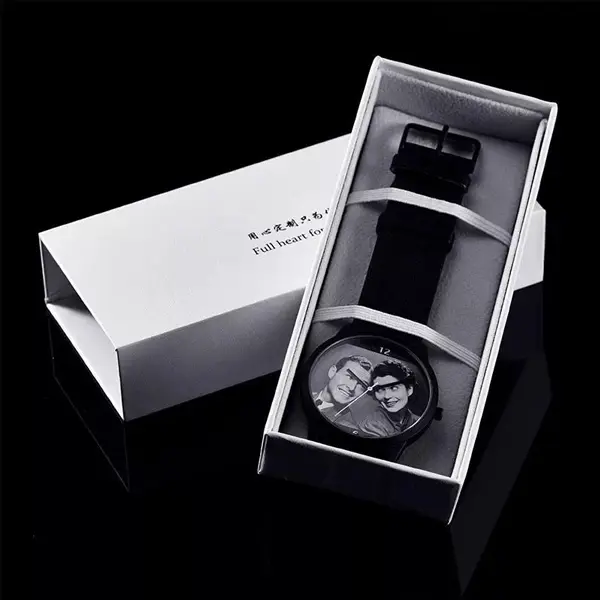
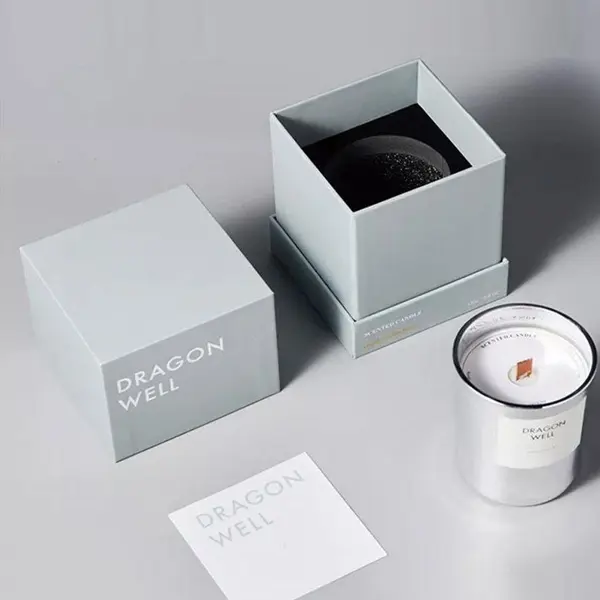
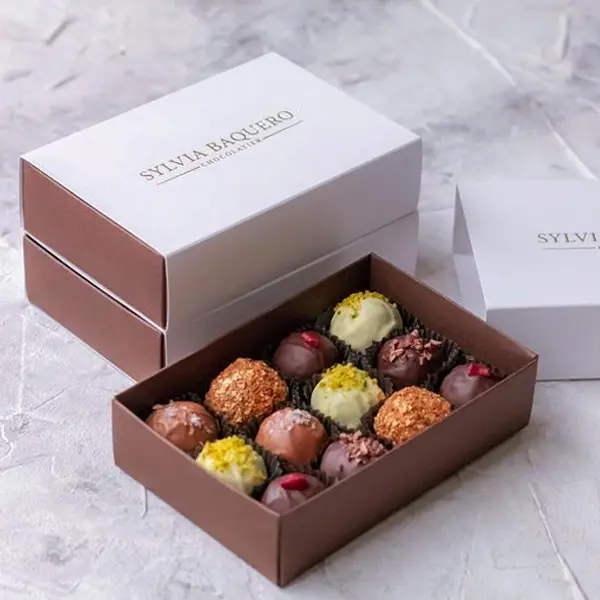
These boxes are widely used for jewelry, watches, fragrance, candles, apparel, confectionery, electronics, PR kits, and premium gift sets. The best structure depends on the product, how the customer opens it, and where the package will be sold or shipped.
Choose the Structure Before the Artwork
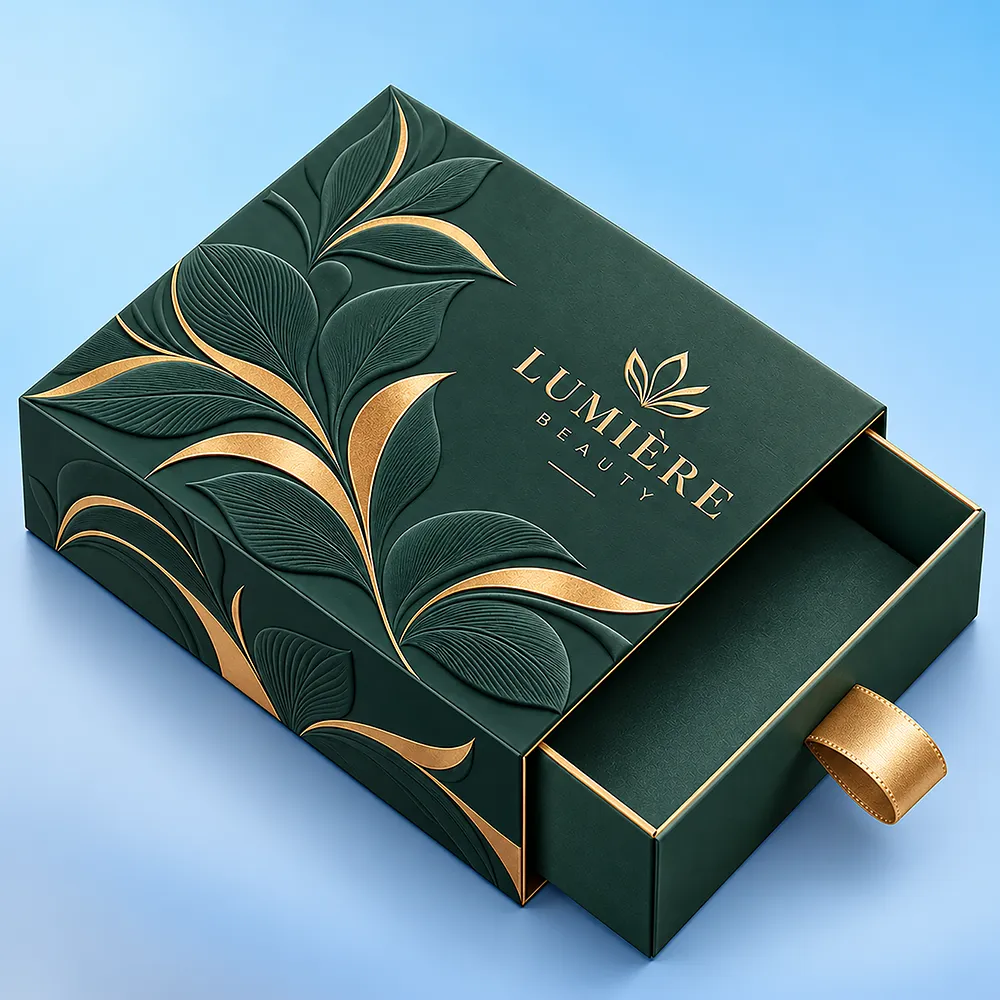
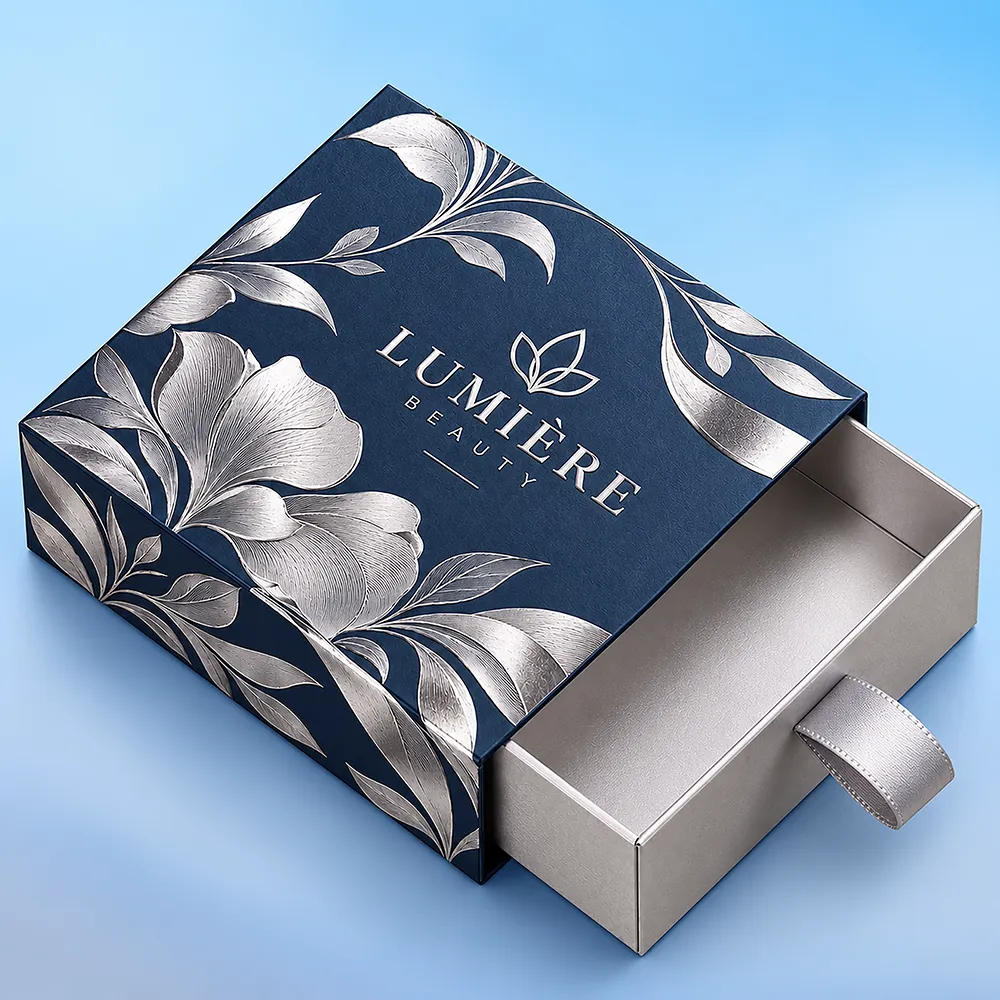
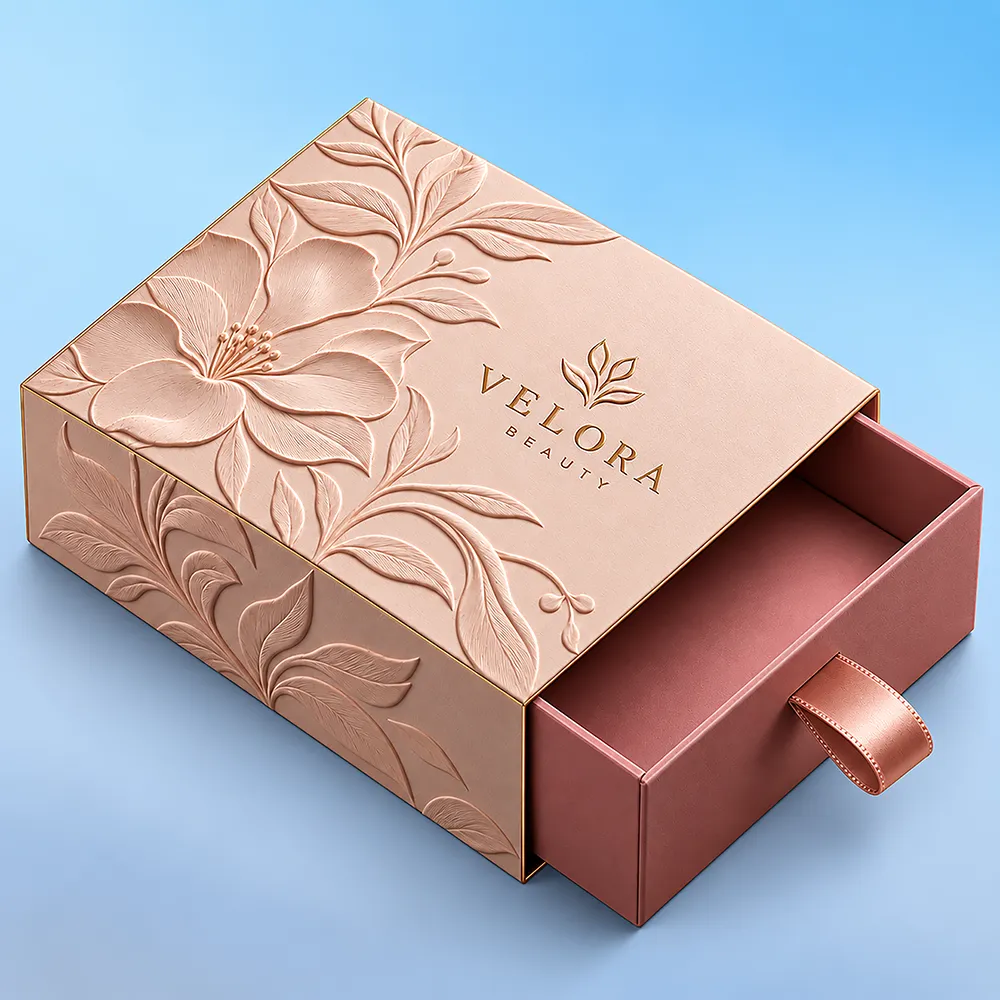
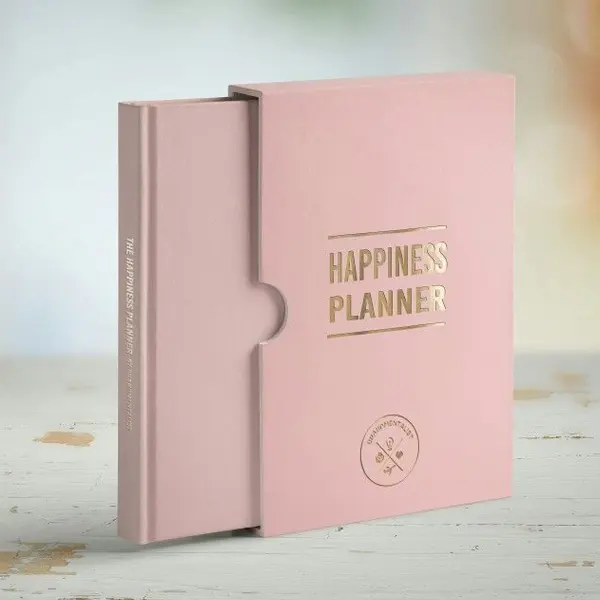
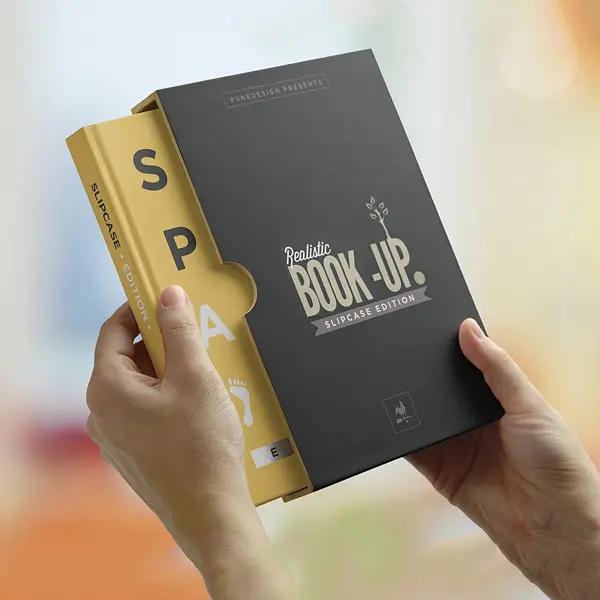
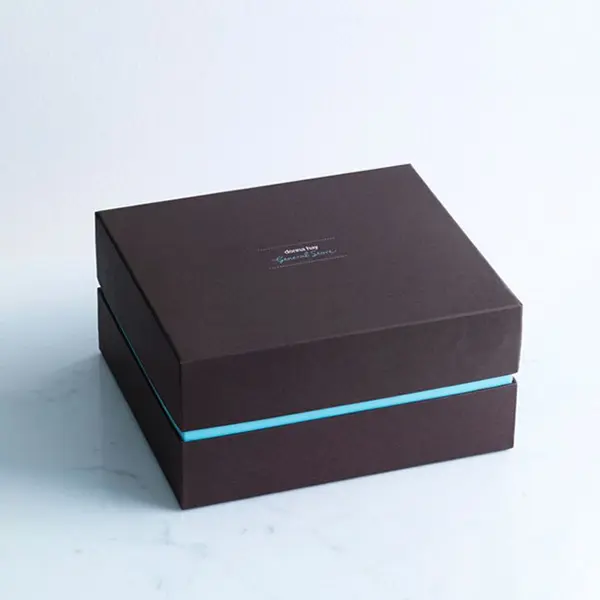
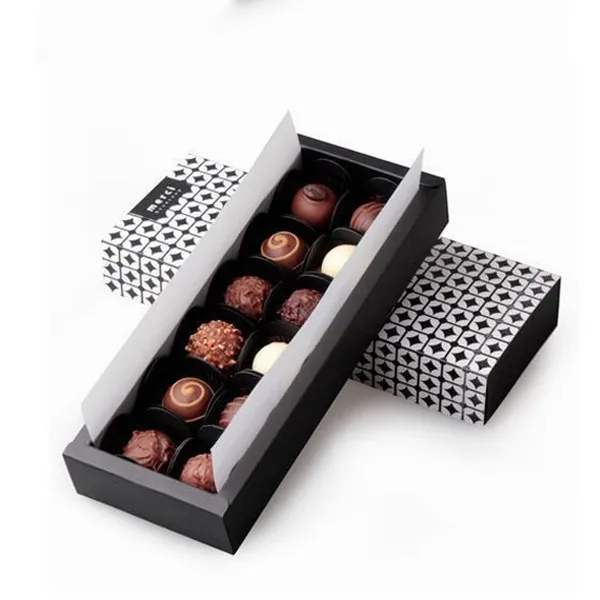
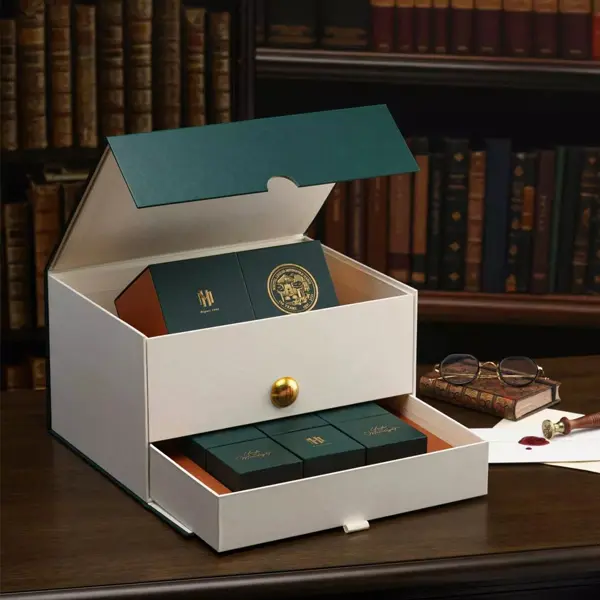
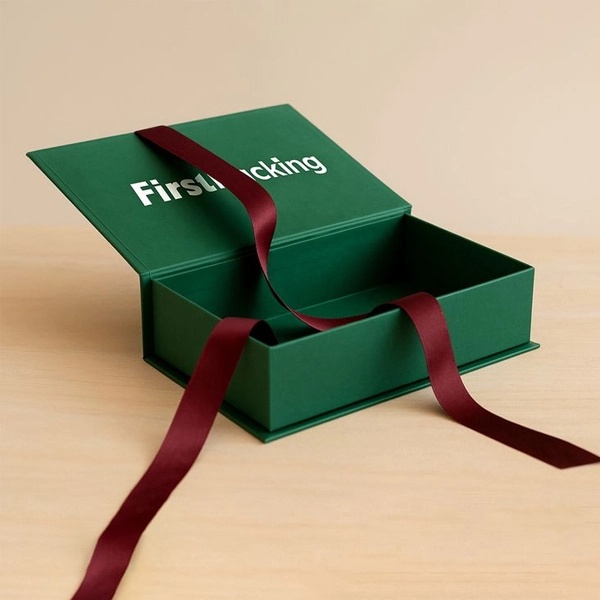
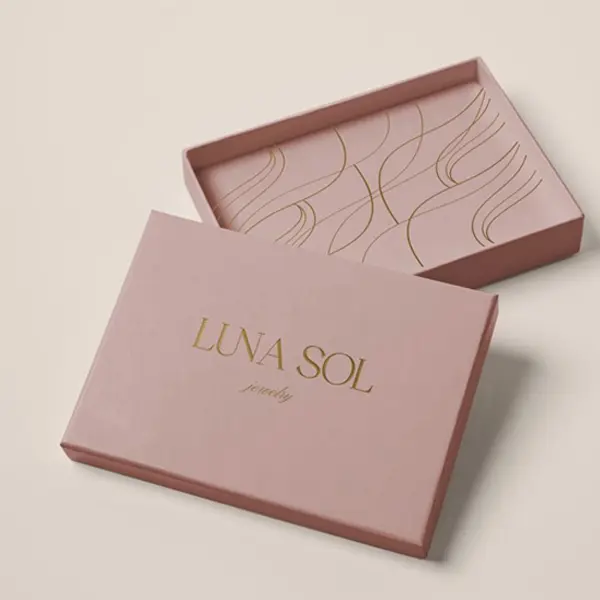
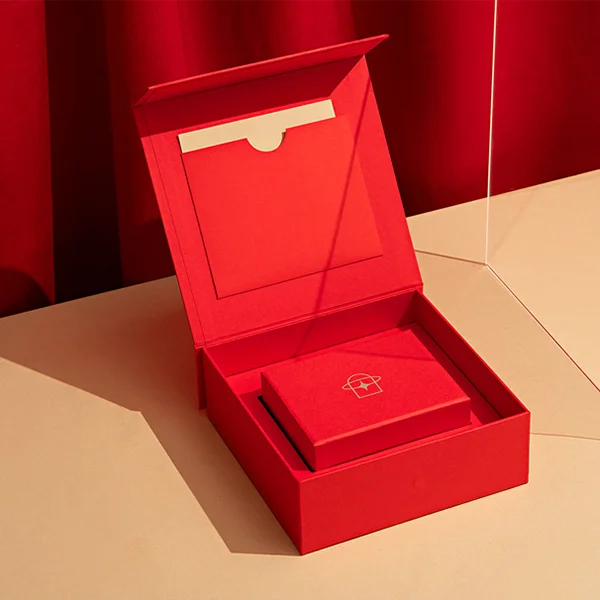
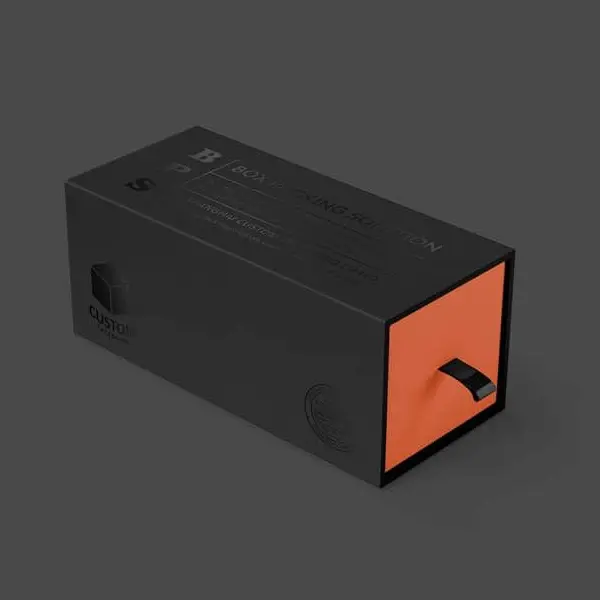
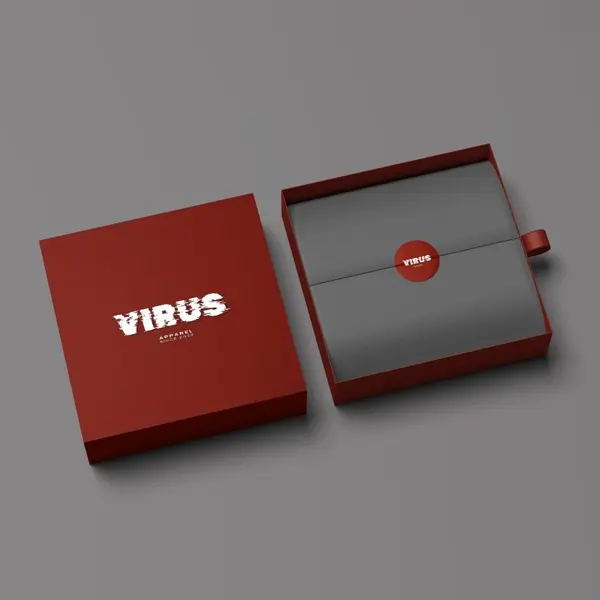
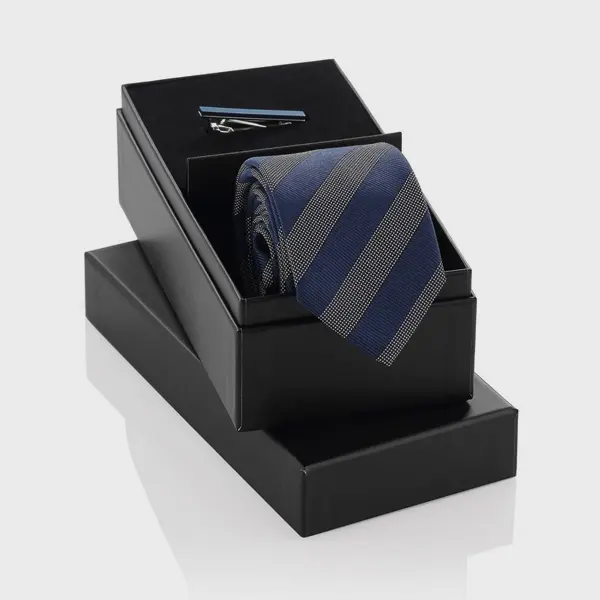
Rigid boxes can look similar from the outside but create very different opening experiences. Magnetic closure boxes open on a hinge and close with magnets. Drawer rigid boxes use a sleeve and tray for a slide-out reveal. Two-piece rigid boxes use a separate lid and base, while shoulder-neck rigid boxes add a raised inner platform.
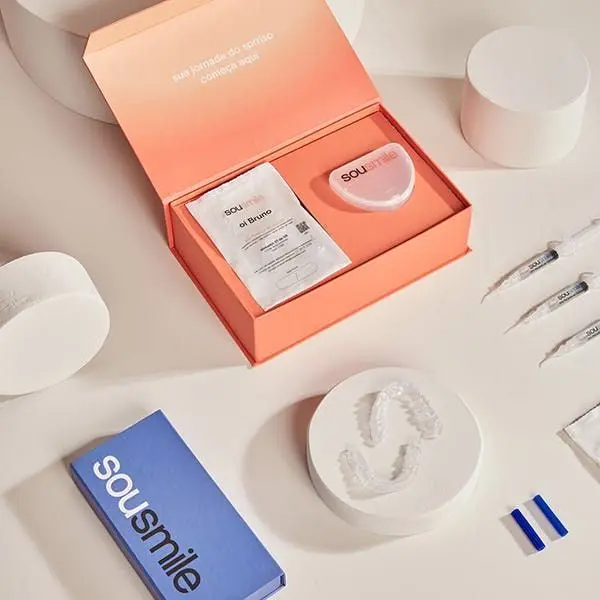
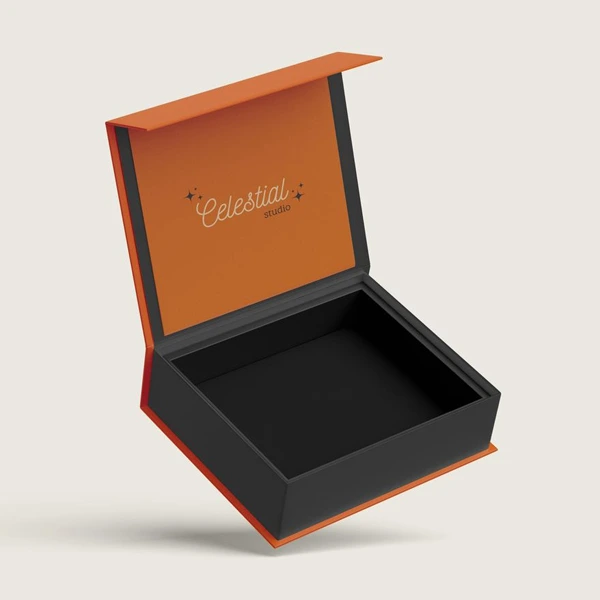
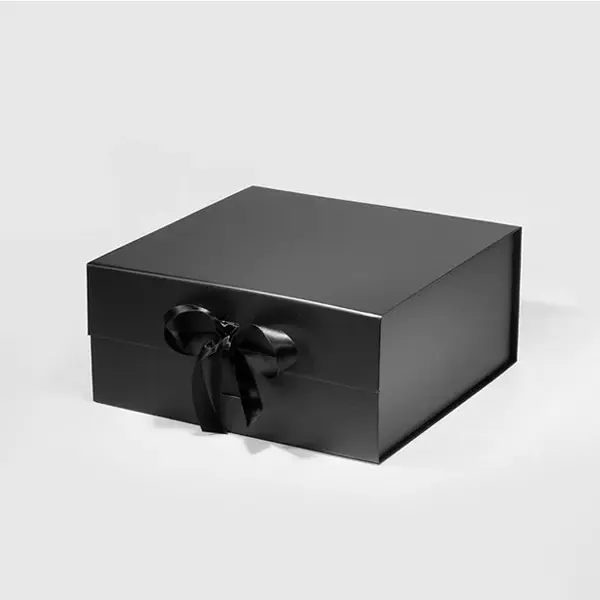
Book rigid boxes open like a cover and provide a large branding surface. Collapsible rigid boxes can reduce storage volume before assembly. Compare the reveal, product fit, pack-out process, storage needs, and sales channel before choosing a style.
Plan the Box and Insert as One System
Start with the real product. Record its finished length, width, height, weight, fragile areas, surface sensitivity, and any accessories. Include cables, booklets, lids, pumps, and other parts that must fit inside the box.
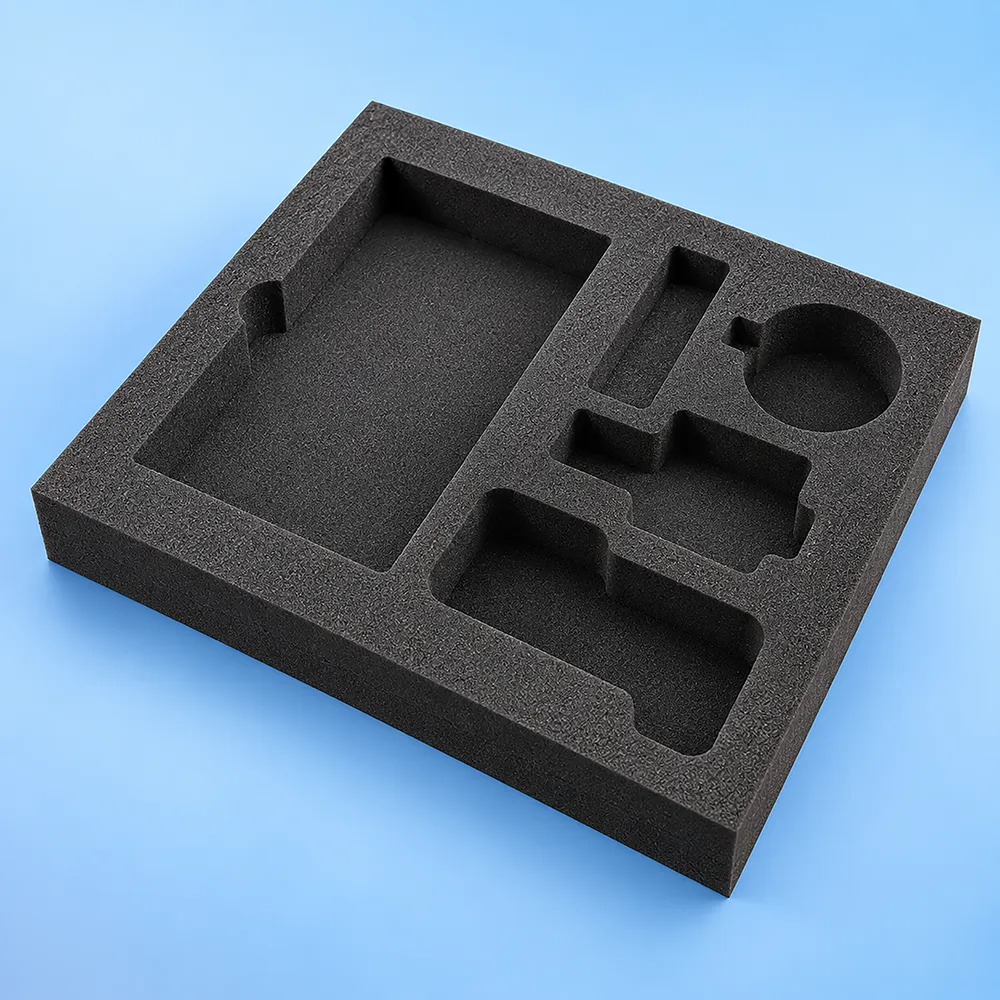
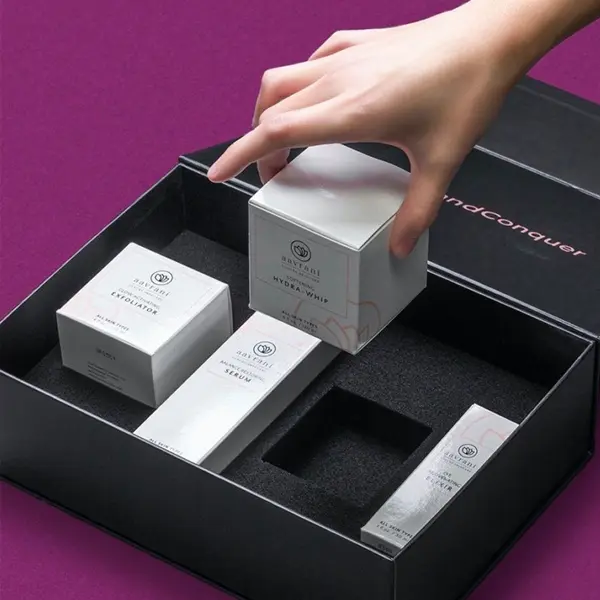
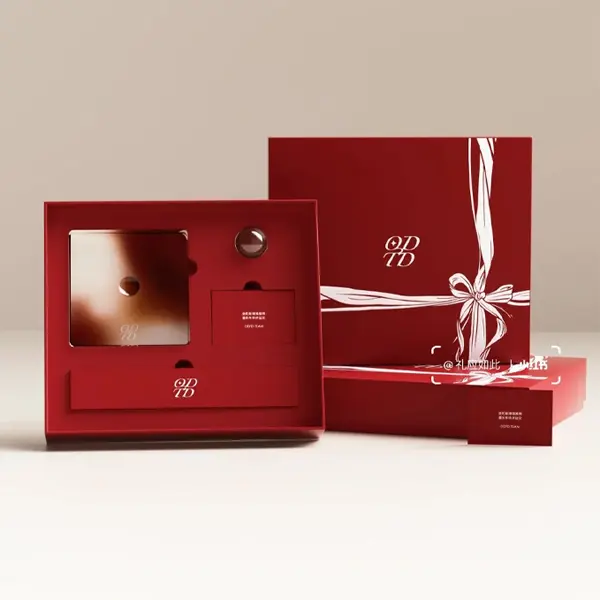
Use the box measurement guide to prepare clear dimensions. If the product needs support, plan the insert at the same time as the outer structure. Custom foam inserts can hold and separate products, but paperboard dividers, molded-fiber parts, or other insert types may suit different weights, budgets, and material goals.
The insert should make the product easy to pack and remove. It should also reduce movement without pressing against delicate surfaces. A good fit protects the product and improves the order in which each part is revealed.
Printing, Wraps, and Luxury Finishes
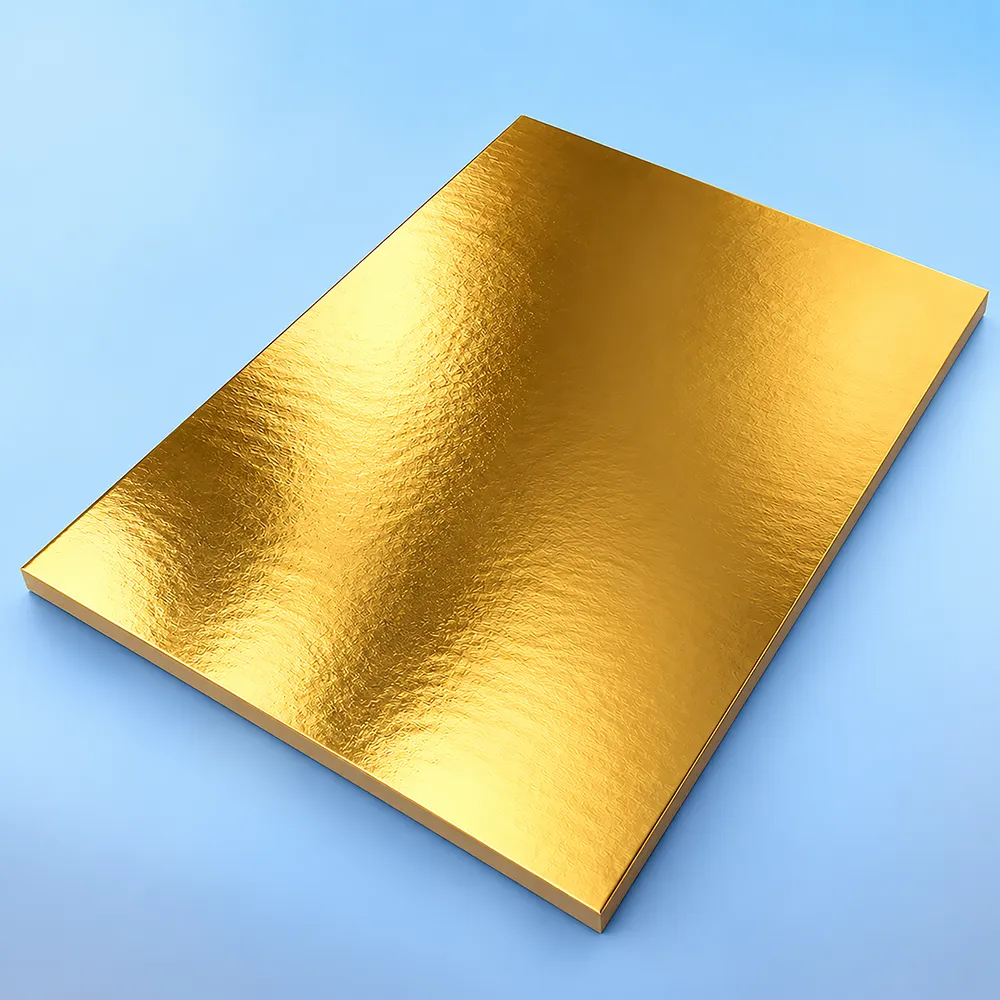
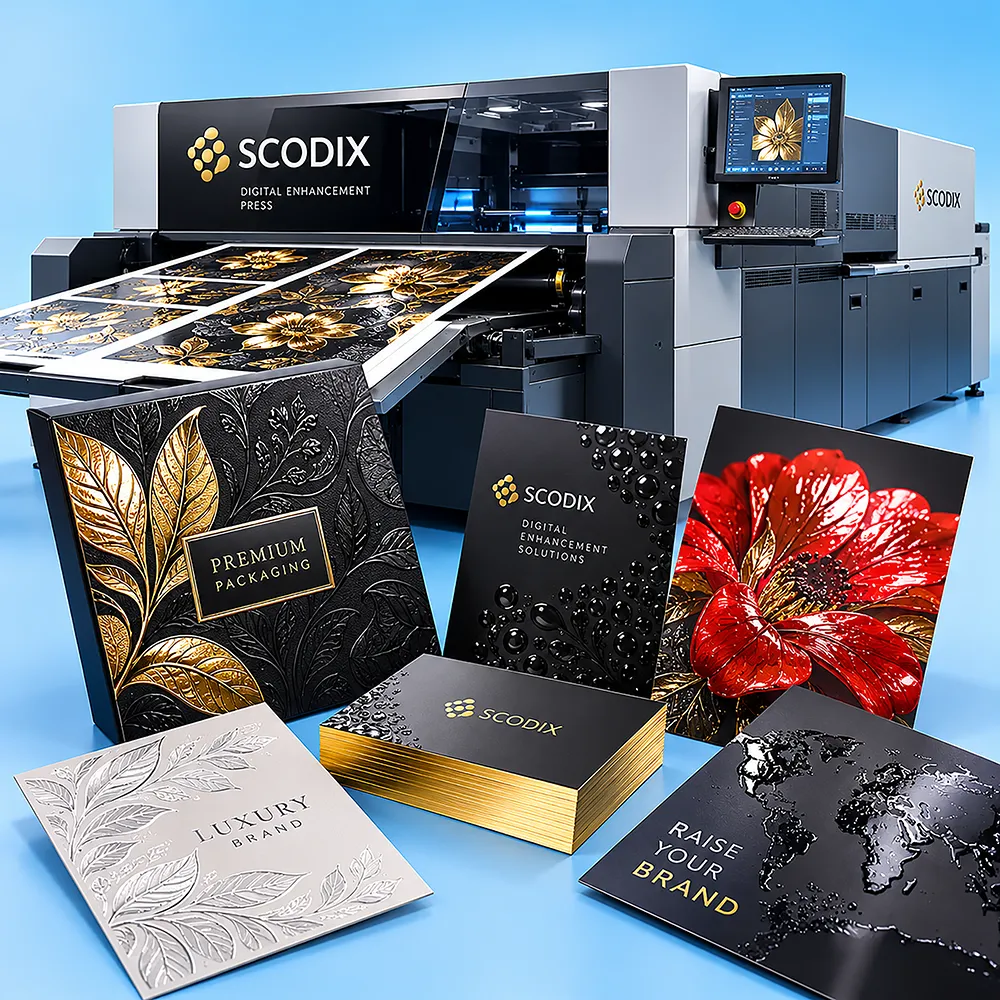
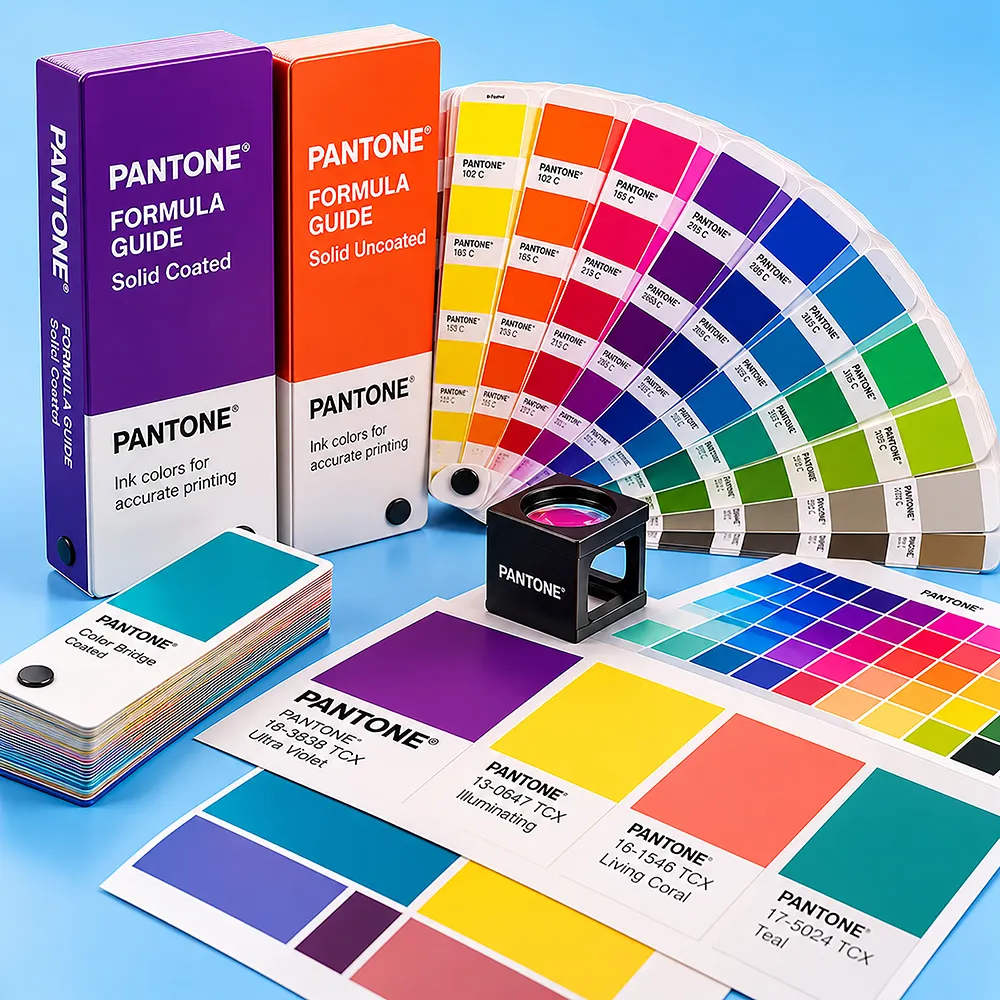
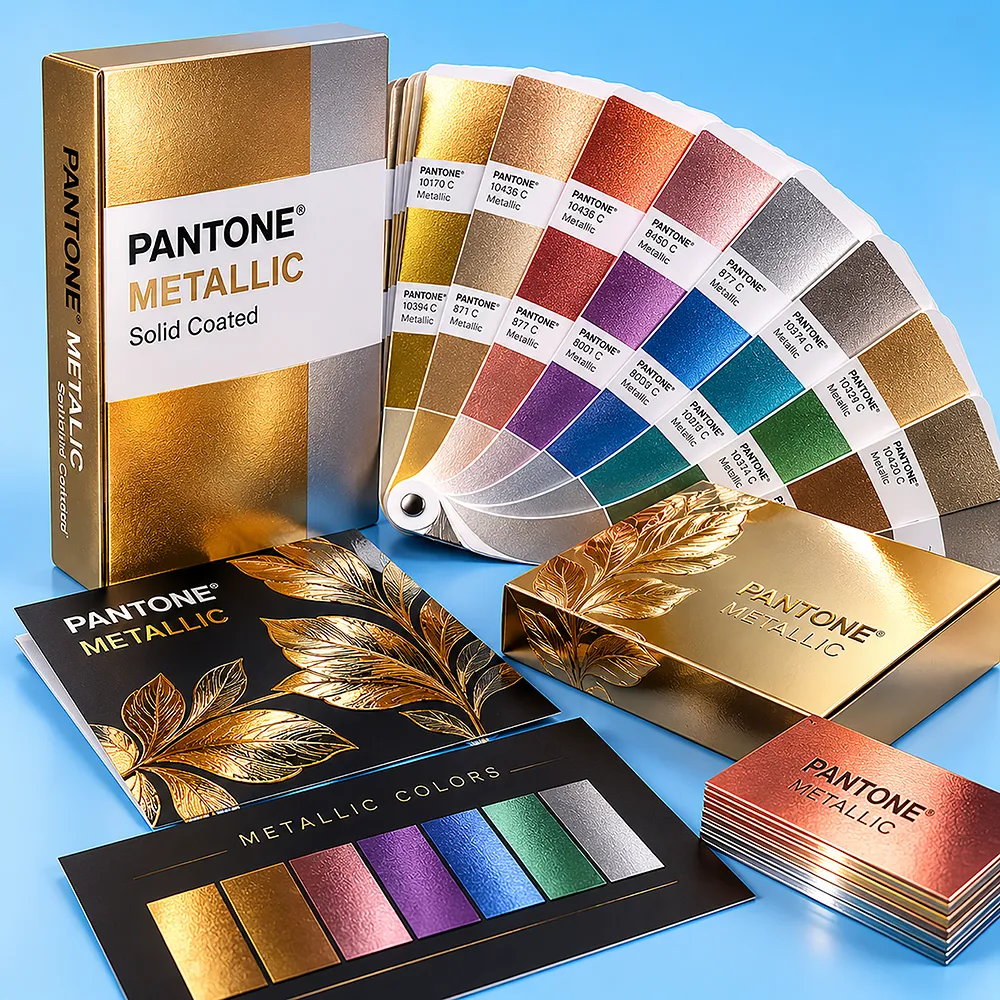
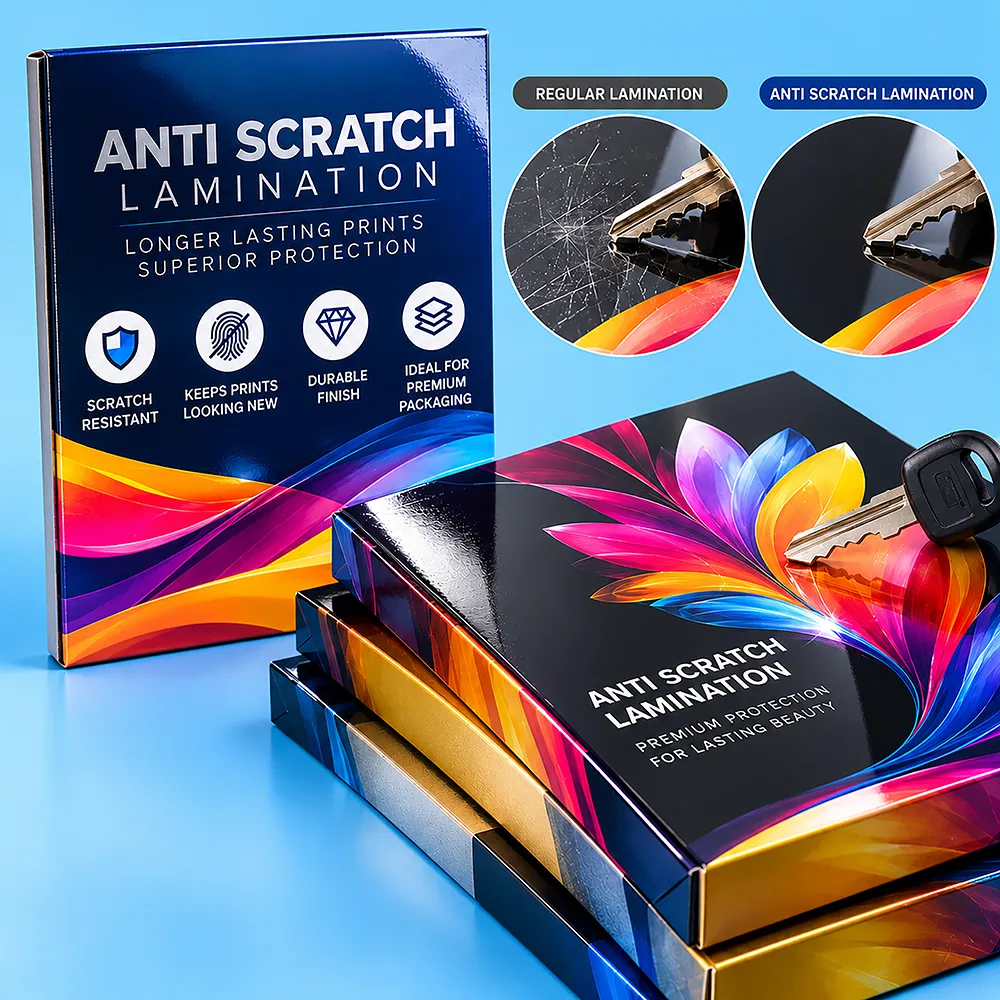
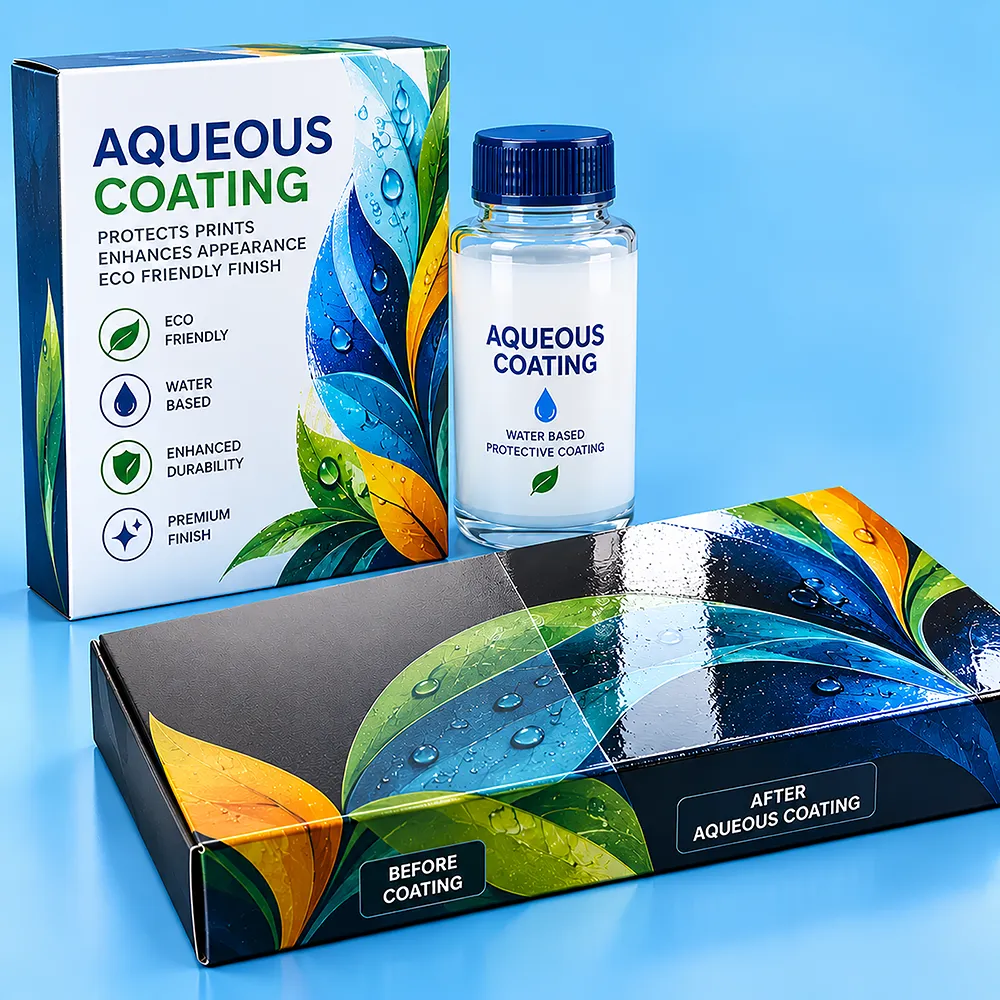
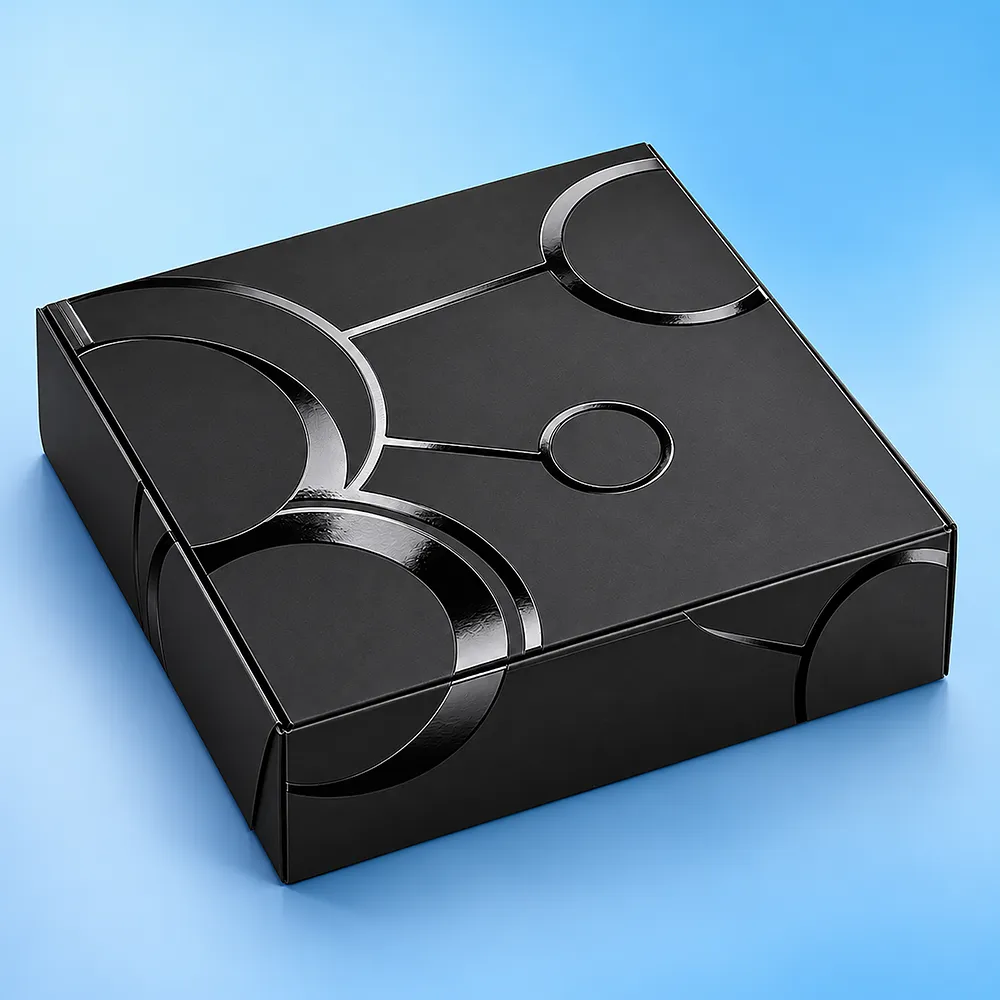
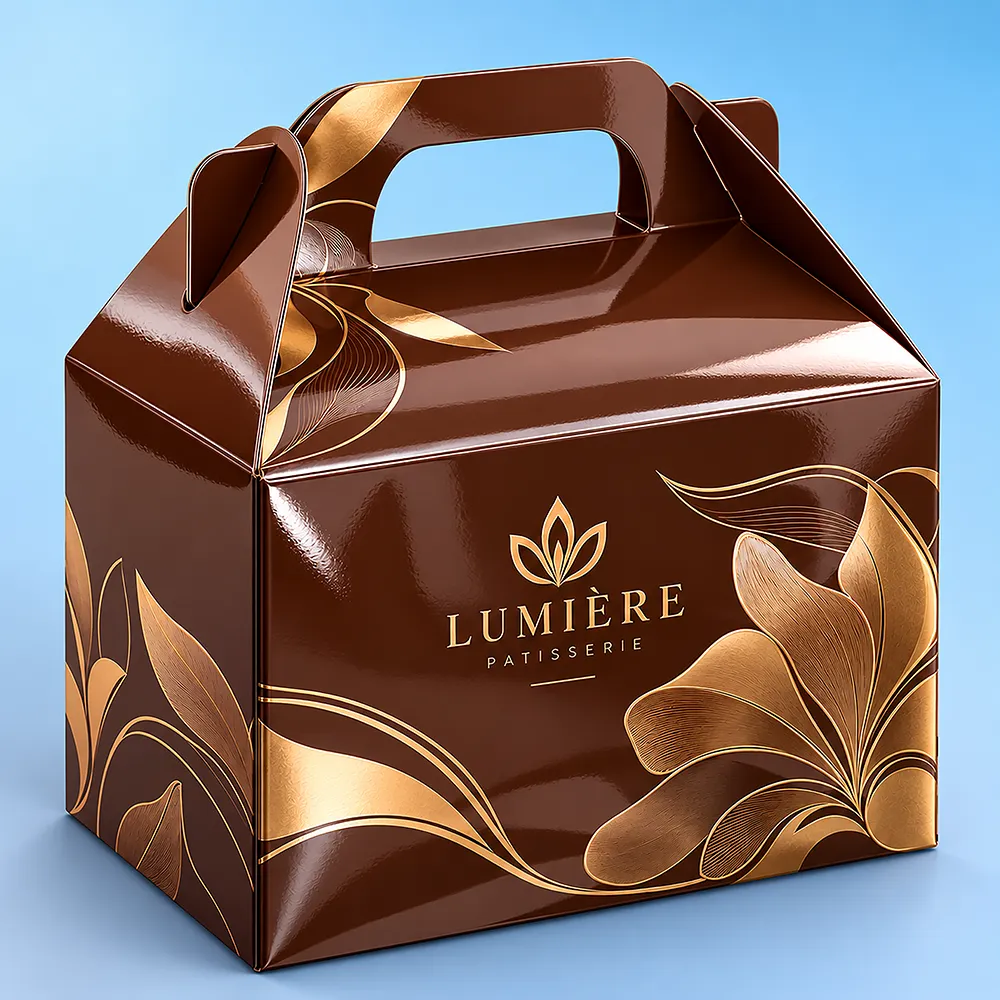
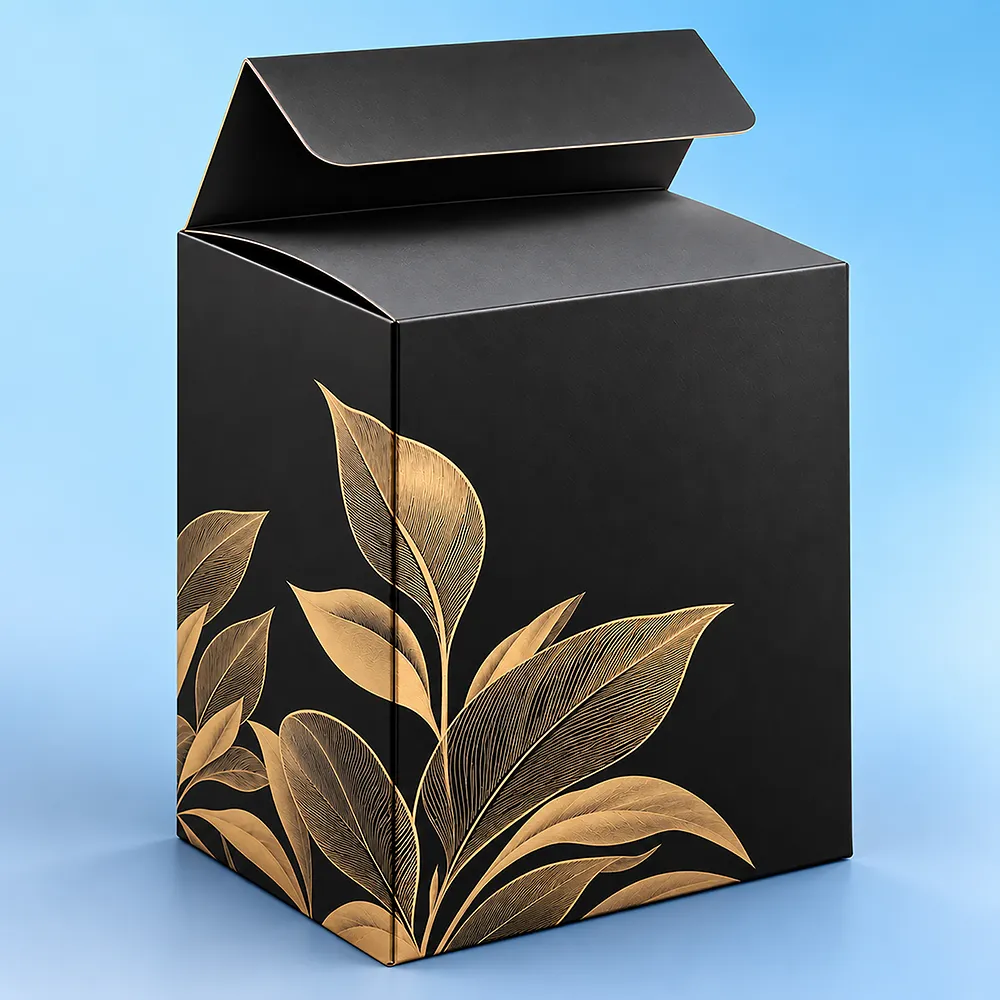
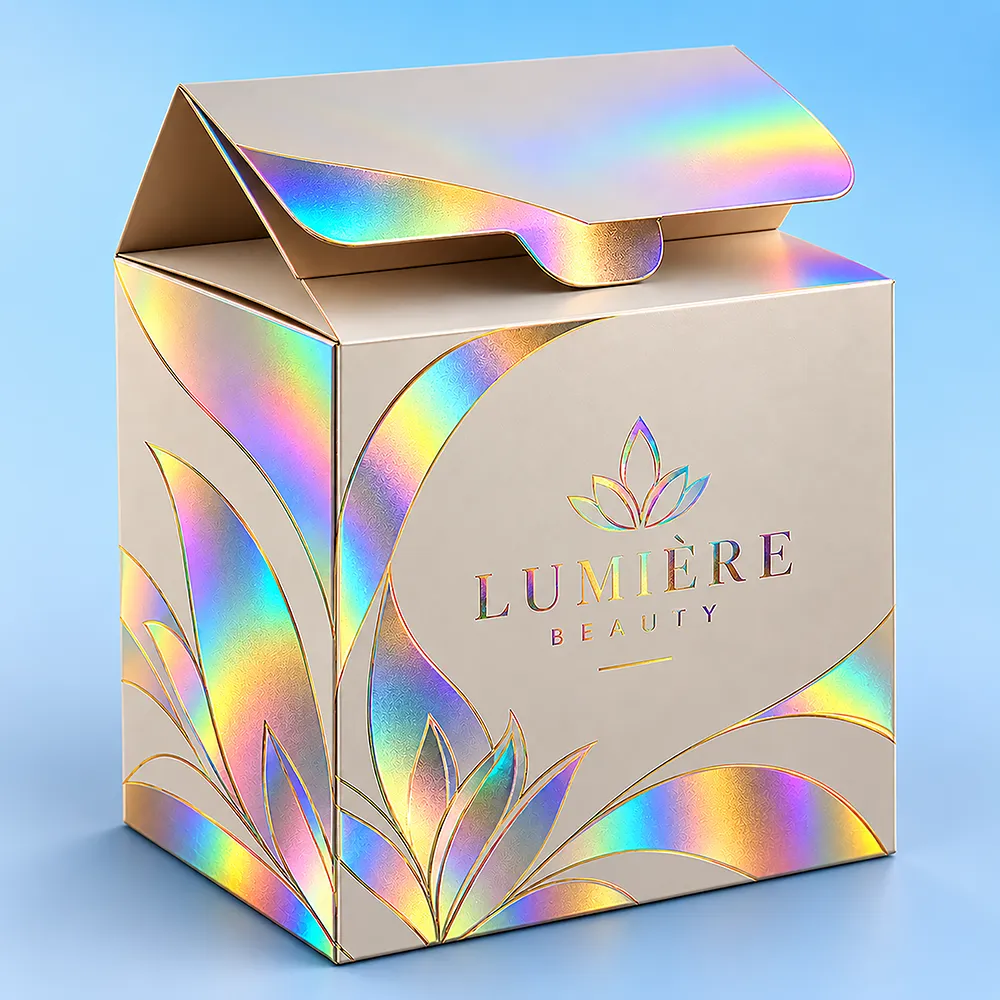
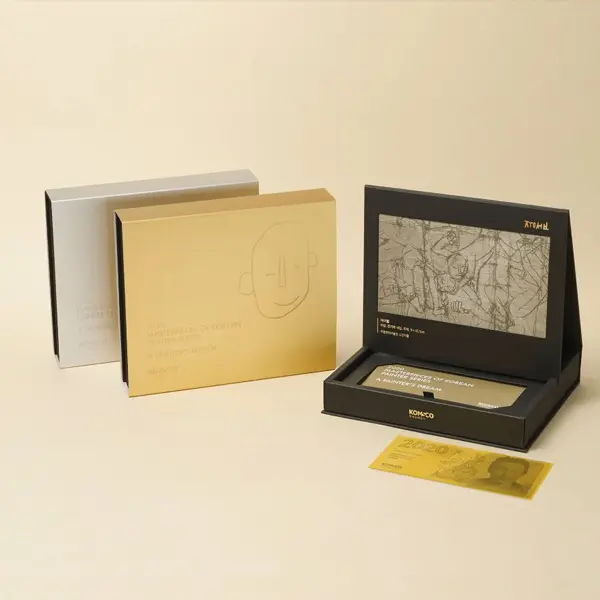
Rigid boxes can use printed, colored, textured, or specialty wraps. Depending on the project, decoration may include full-color printing, Pantone color matching, foil stamping, embossing, debossing, spot effects, or protective laminations and coatings.
Choose finishes that support the artwork and handling conditions. Small text, barcodes, legal copy, and product details must remain clear after the finish is applied. A simple finish plan often produces a cleaner result than several effects competing for attention.
Retail, Gifting, and Ecommerce Use
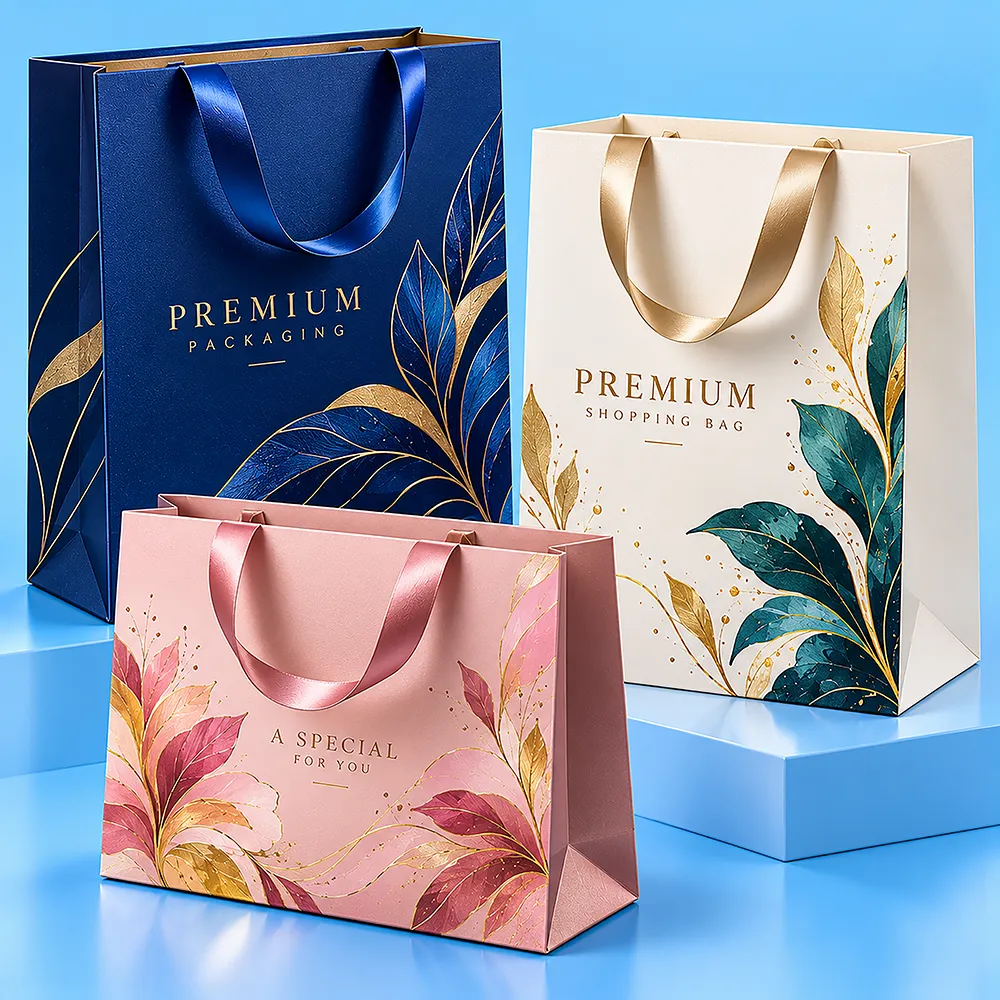
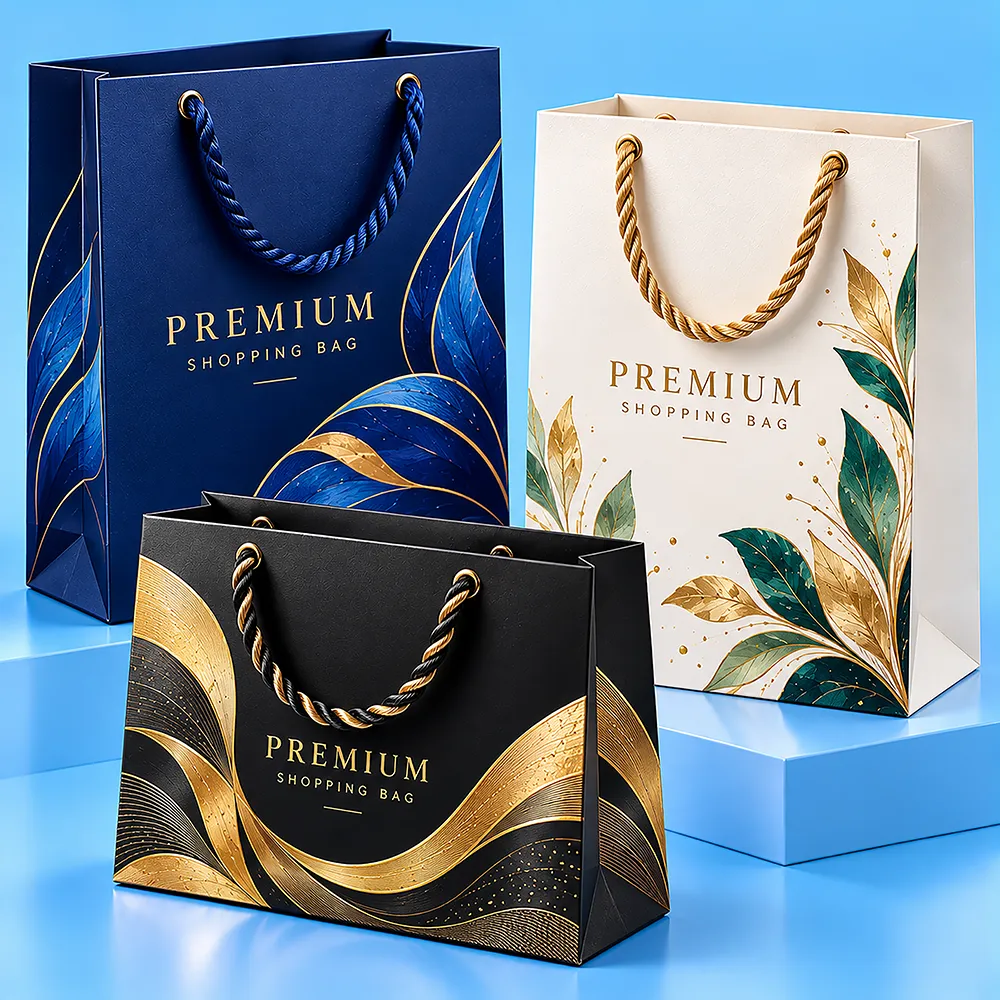
Retail packaging must help shoppers identify the product and find required labels or barcodes. Gift packaging can place more focus on texture, opening sequence, and the internal reveal. PR kits often need a clear order for several products, cards, and accessories.
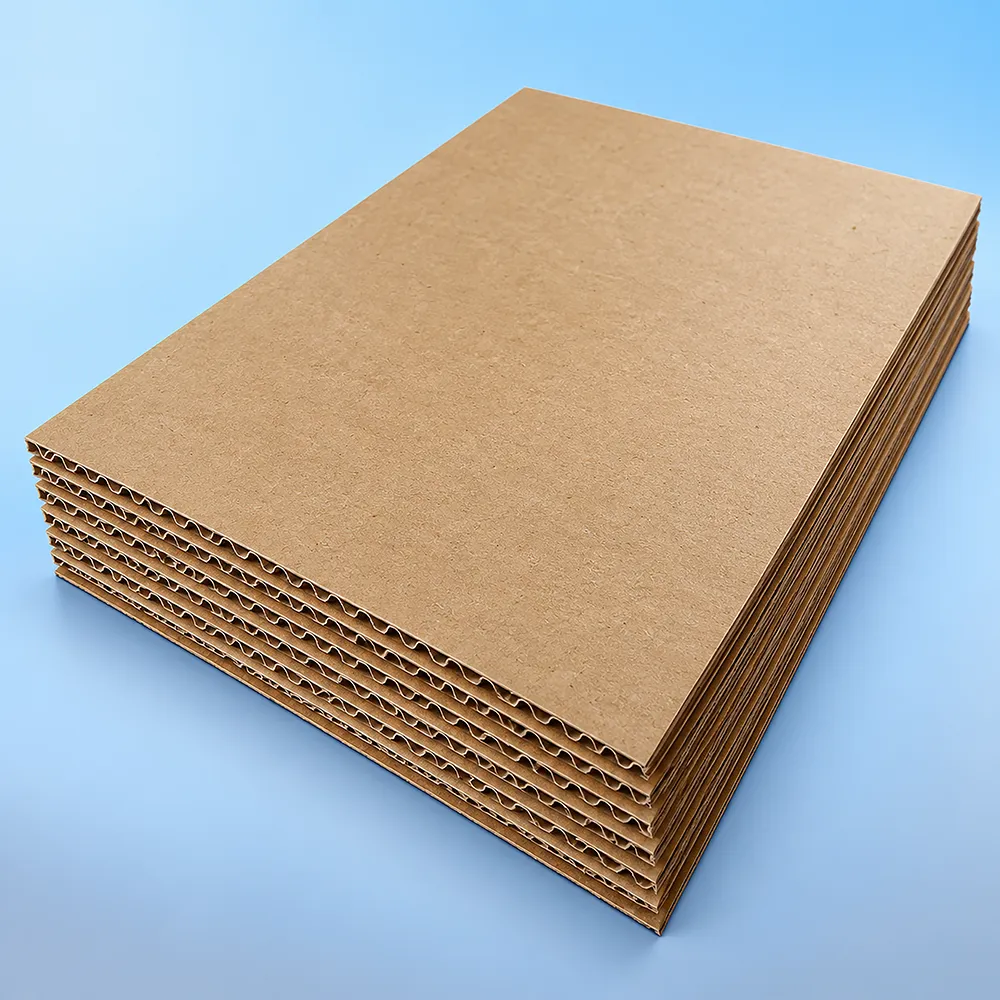
A rigid presentation box is not automatically ready for parcel delivery. Ecommerce orders may still need a fitted insert, protective wrap, and a corrugated outer shipper. For a shipping-first format, compare the category with custom mailer boxes. Transit testing should reflect the product weight, fragility, and delivery route.
How the Custom Rigid Box Process Works
- Share the project brief: Send the product dimensions, quantity, preferred style, artwork status, and delivery destination.
- Choose the structure: Compare the opening method, product fit, insert needs, storage limits, and sales channel.
- Review size and fit: Confirm the finished dimensions, internal clearance, product position, and insert layout.
- Prepare the artwork: Apply the design to the approved dieline and mark color, foil, embossing, barcode, and label areas.
- Confirm the specification: Review the final structure, quantity, finishes, insert, and written project schedule.
- Production and delivery: The minimum order is 100 boxes. Standard turnaround is 5-9 business days, with the project schedule confirmed in the quotation.
What Affects the Cost of Custom Rigid Boxes?
Price depends on the finished size, board construction, box style, quantity, wrap, printing, finishes, inserts, assembly, and delivery needs. A complete project brief makes it easier to compare the right options instead of quoting a generic box.
| Decision |
How it affects cost |
Cost-control direction |
| Finished size |
Larger boxes use more board, wrap, and packing space. |
Remove unnecessary clearance and standardize sizes where practical. |
| Box structure |
Magnetic, shoulder-neck, and multi-part styles need more components or assembly. |
Compare the unboxing benefit with a simpler two-piece structure. |
| Printing and finishes |
Several finishes add setup steps and production work. |
Use one focal finish instead of combining every premium effect. |
| Insert design |
Complex cavities, layered inserts, and specialty materials increase work and material use. |
Compare foam, paperboard, molded-fiber, or divider options for the product. |
| Number of SKUs |
Different dimensions or artwork versions may require separate specifications. |
Use shared outer dimensions when the products and brand system allow it. |
| Delivery requirements |
Large formats and urgent schedules can affect packing and logistics. |
Share the destination and required date early in the quote process. |
Responsible Material Choices
Responsible packaging depends on the full construction, not one broad claim. Board, paper wrap, lamination, foil, magnets, adhesive, and insert materials can all affect separation and recovery.
Ask for the exact material combination that fits the project. Confirm any recycled-content, sourcing, recyclability, biodegradability, or certification claim before publishing it on the product or box.
Why Choose BoxBaba for Custom Rigid Boxes?
BoxBaba offers a broad rigid-box range that covers core structures and product-specific formats. This helps buyers move from a general category to a more suitable style for jewelry, fragrance, apparel, confectionery, candles, electronics, gifts, or PR kits.
Projects can be planned around the product dimensions, opening method, printed wrap, finishes, insert, and sales channel. The minimum order is 100 boxes, and the standard turnaround is 5-9 business days.
Use the free quote form to share your specifications. You can also contact BoxBaba for help choosing a structure or preparing the project brief.