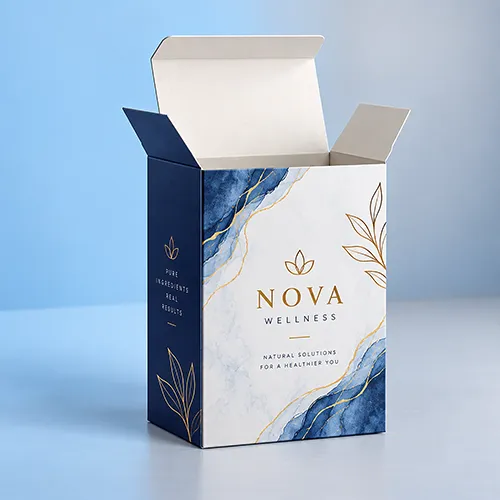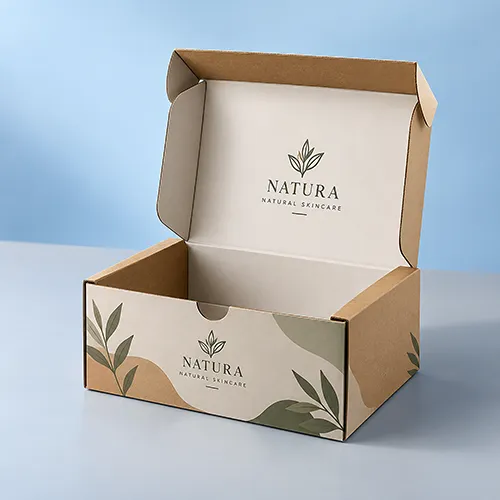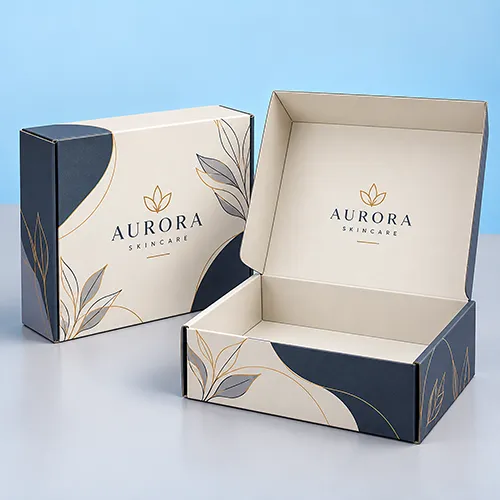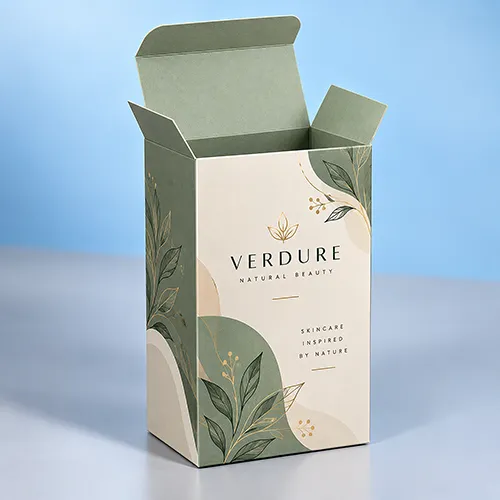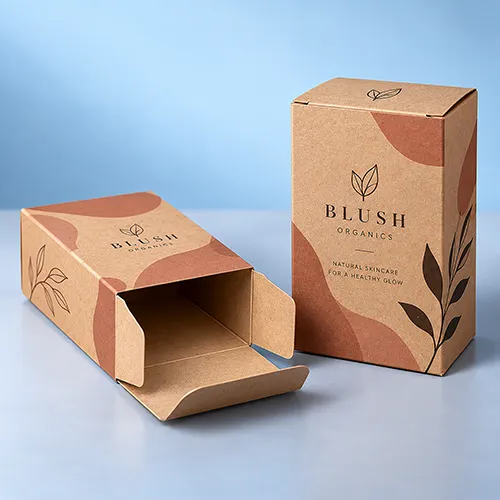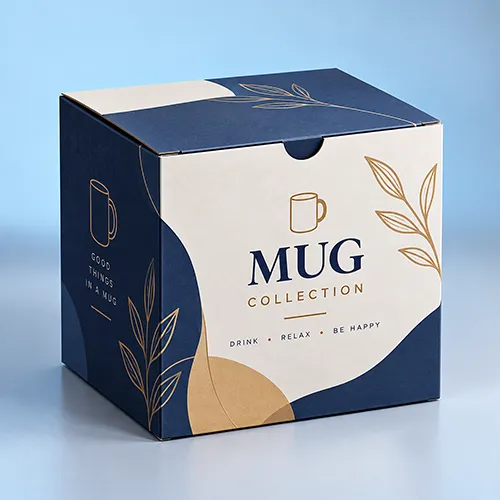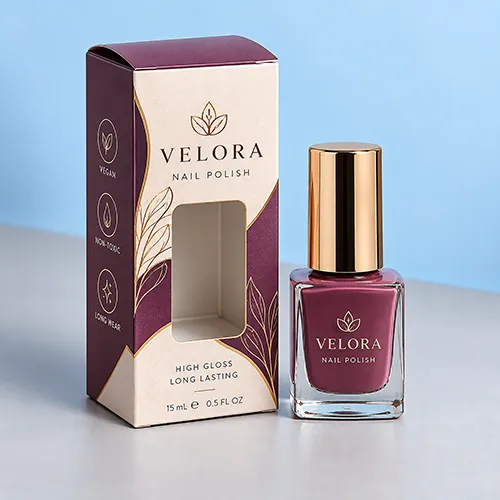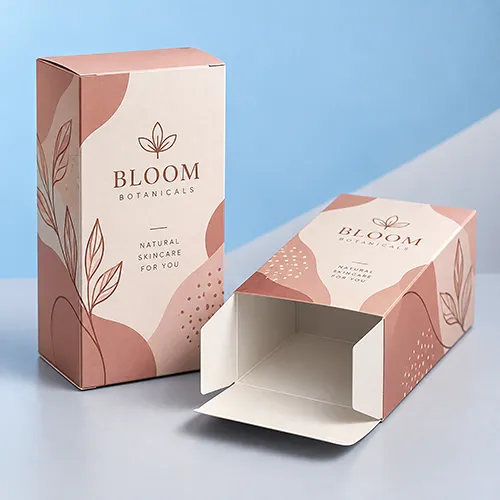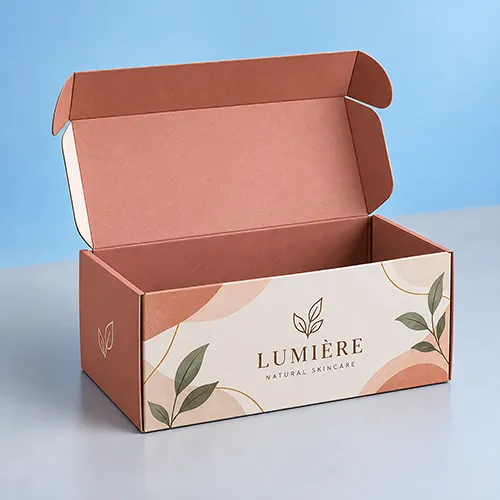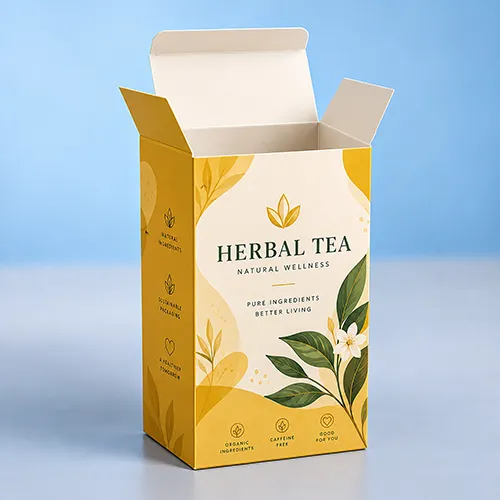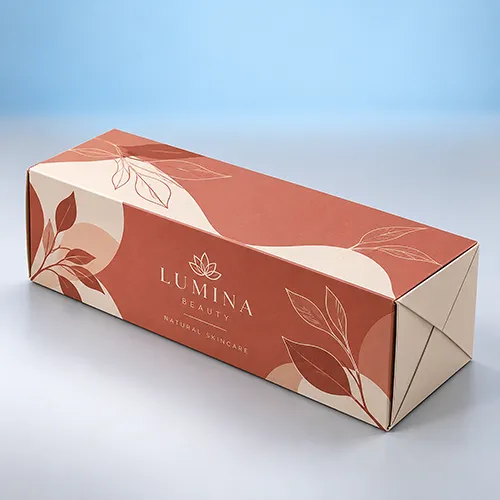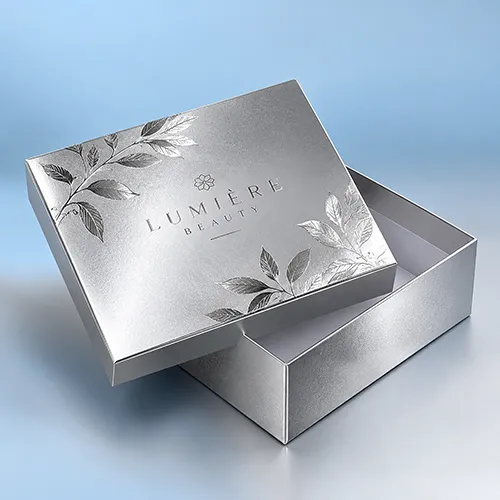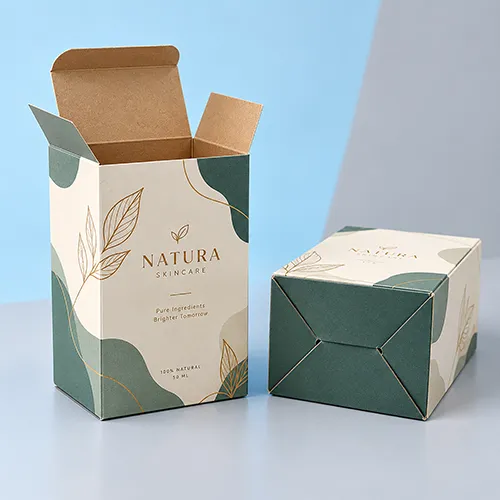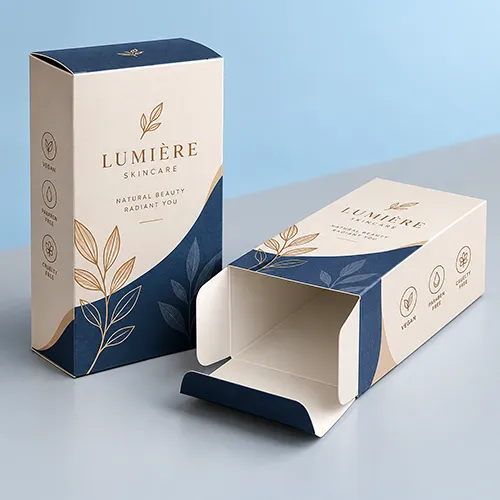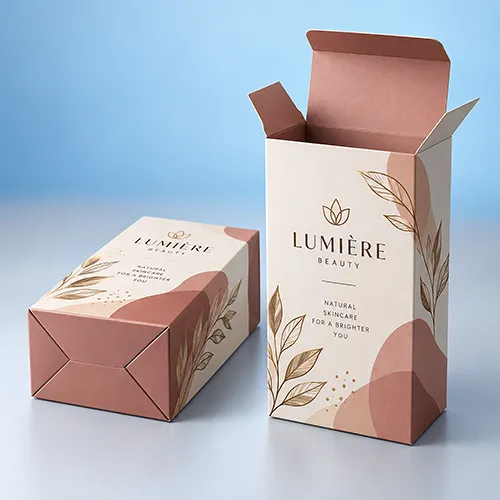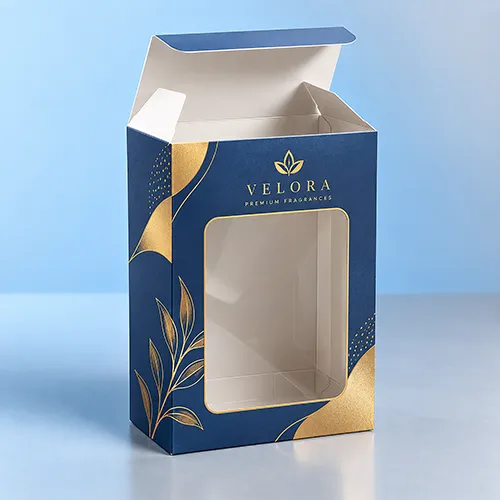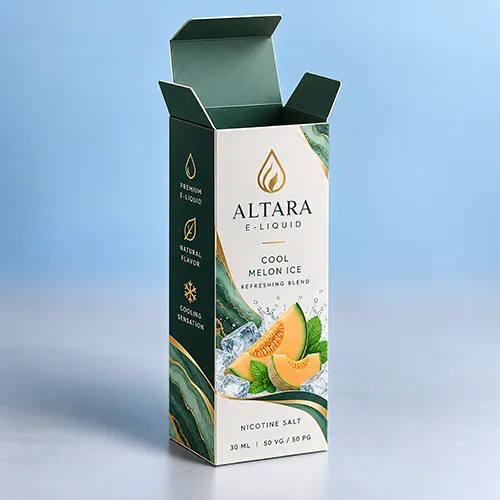

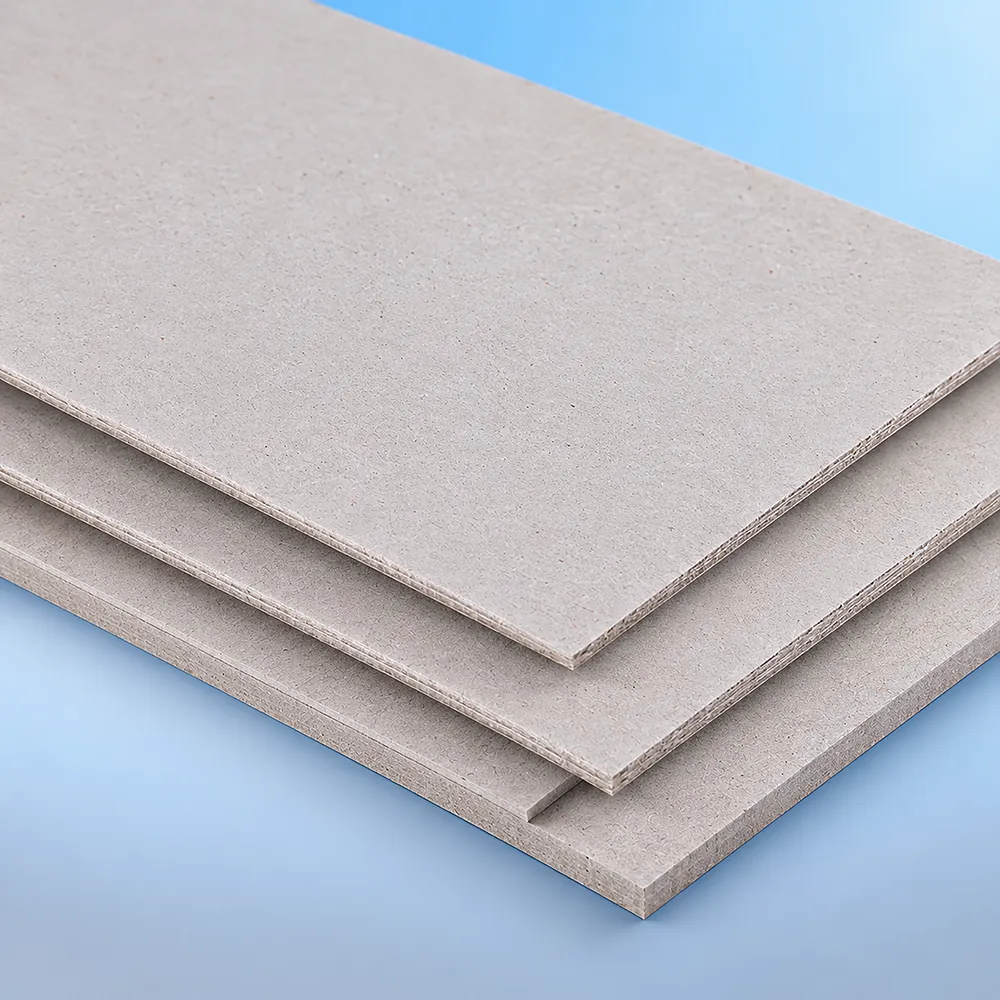
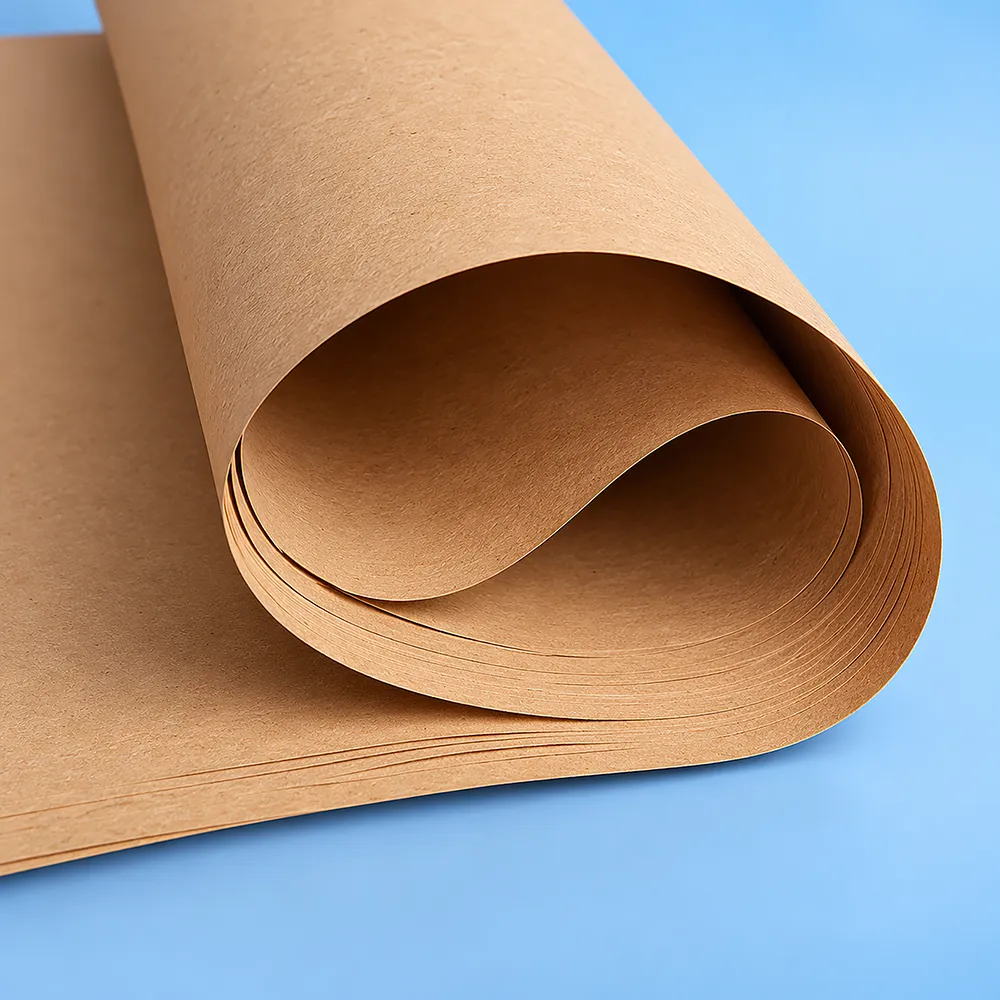
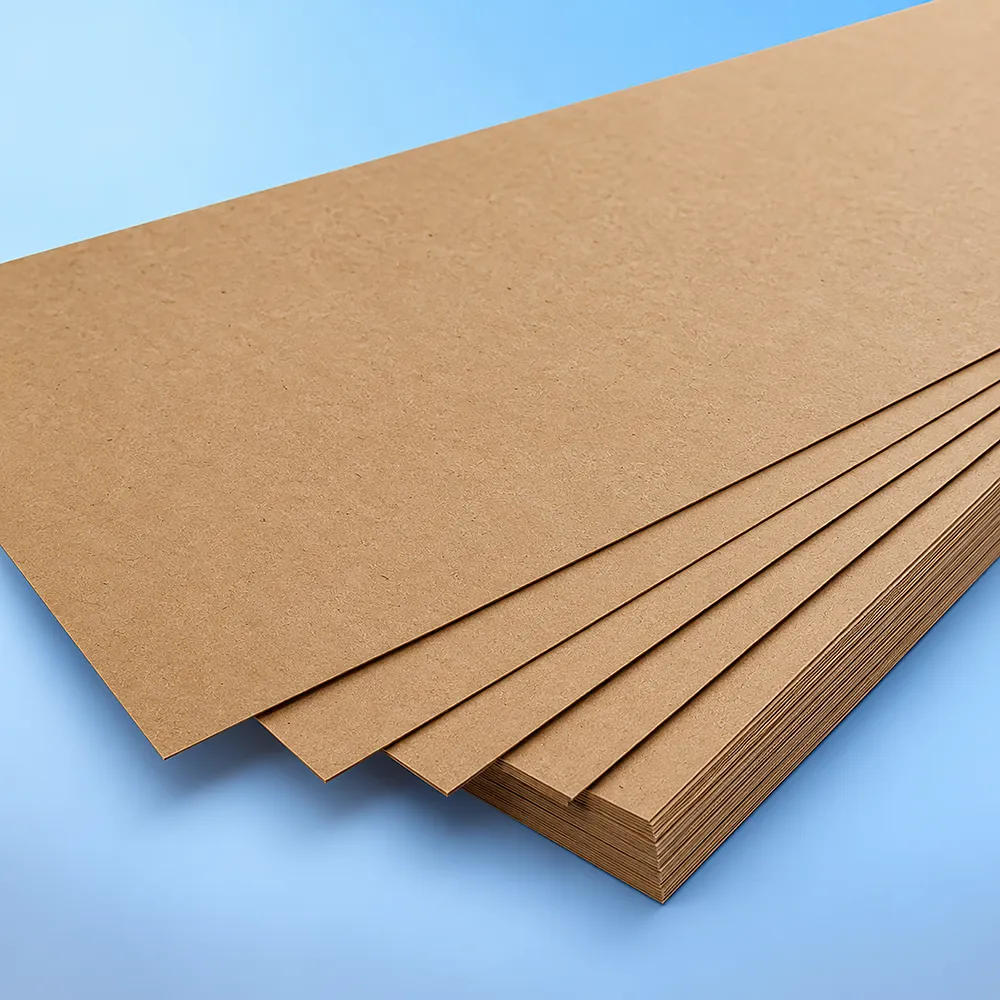
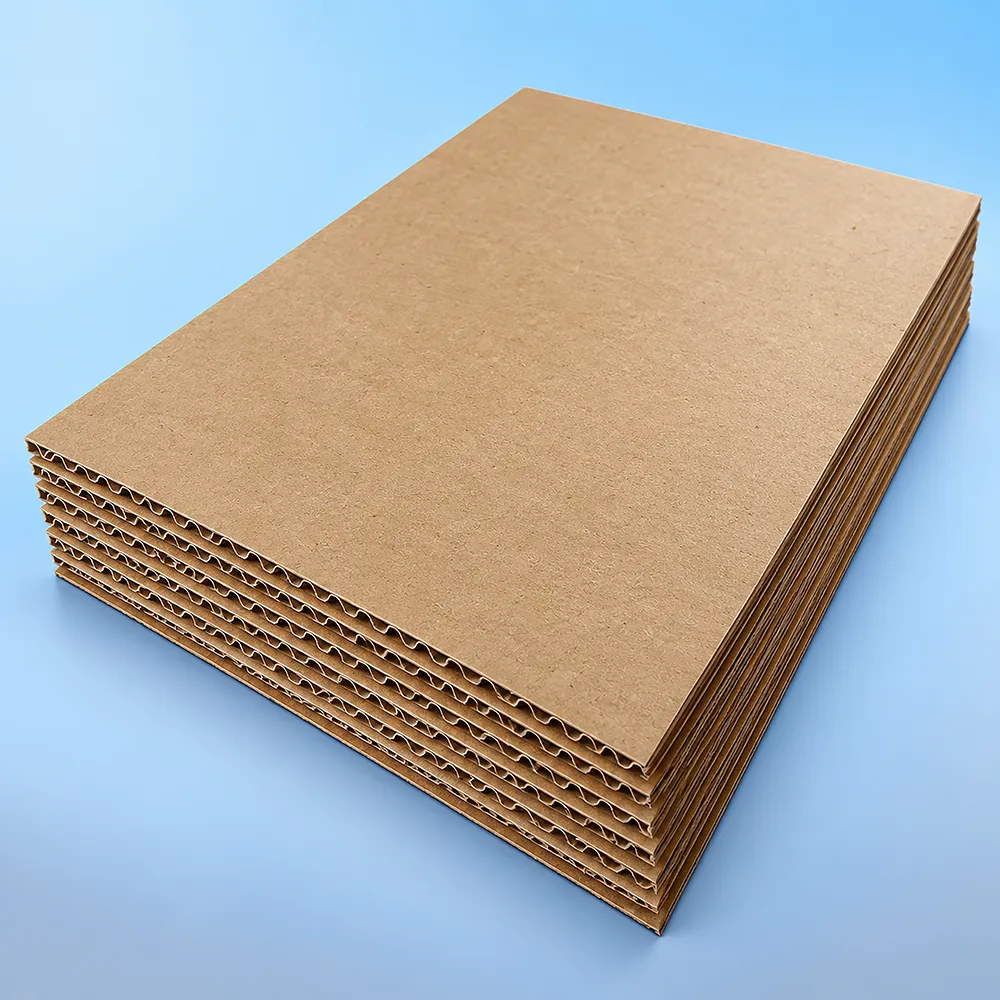
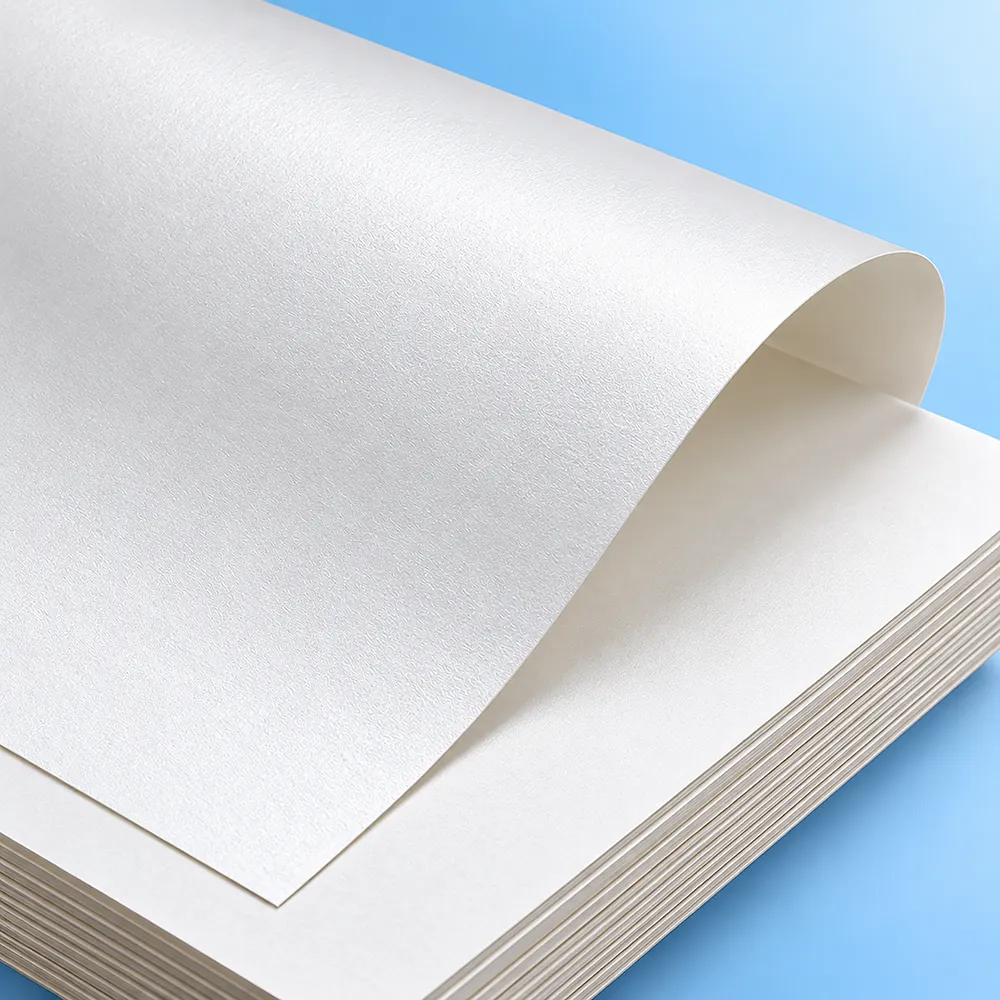
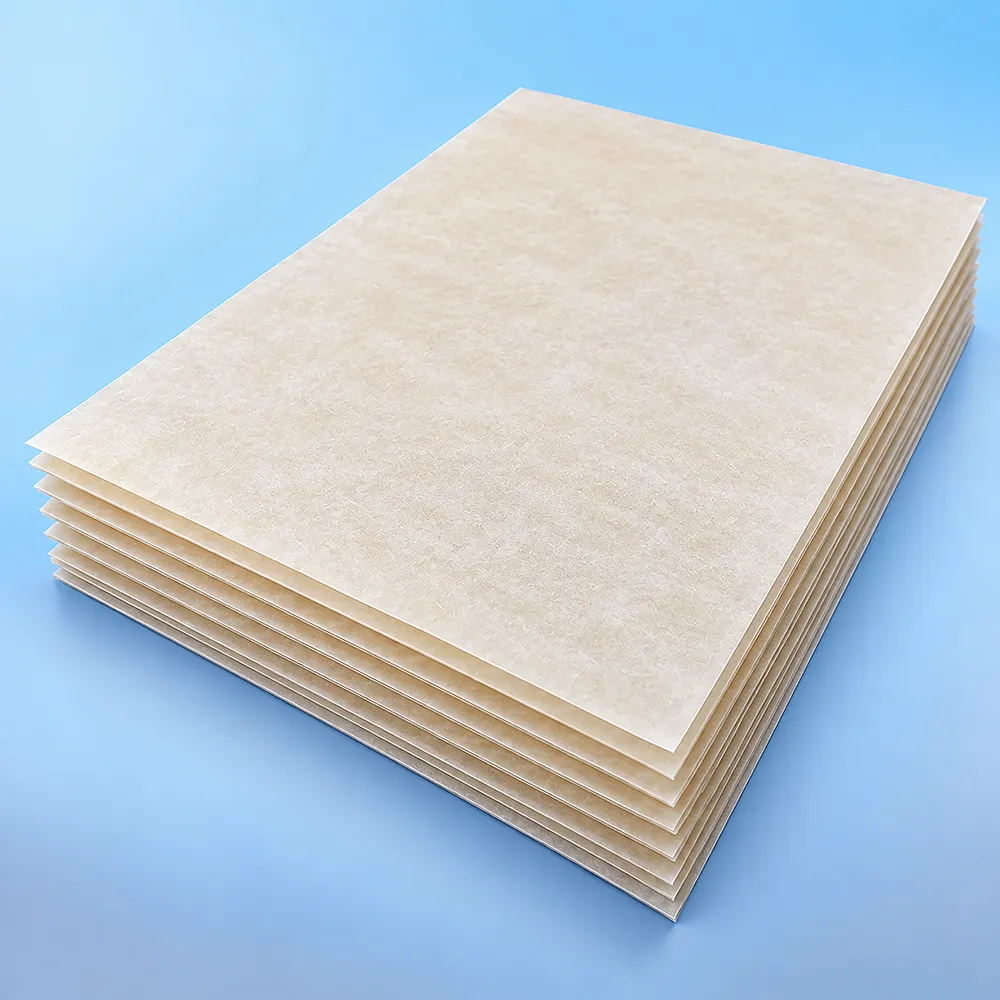
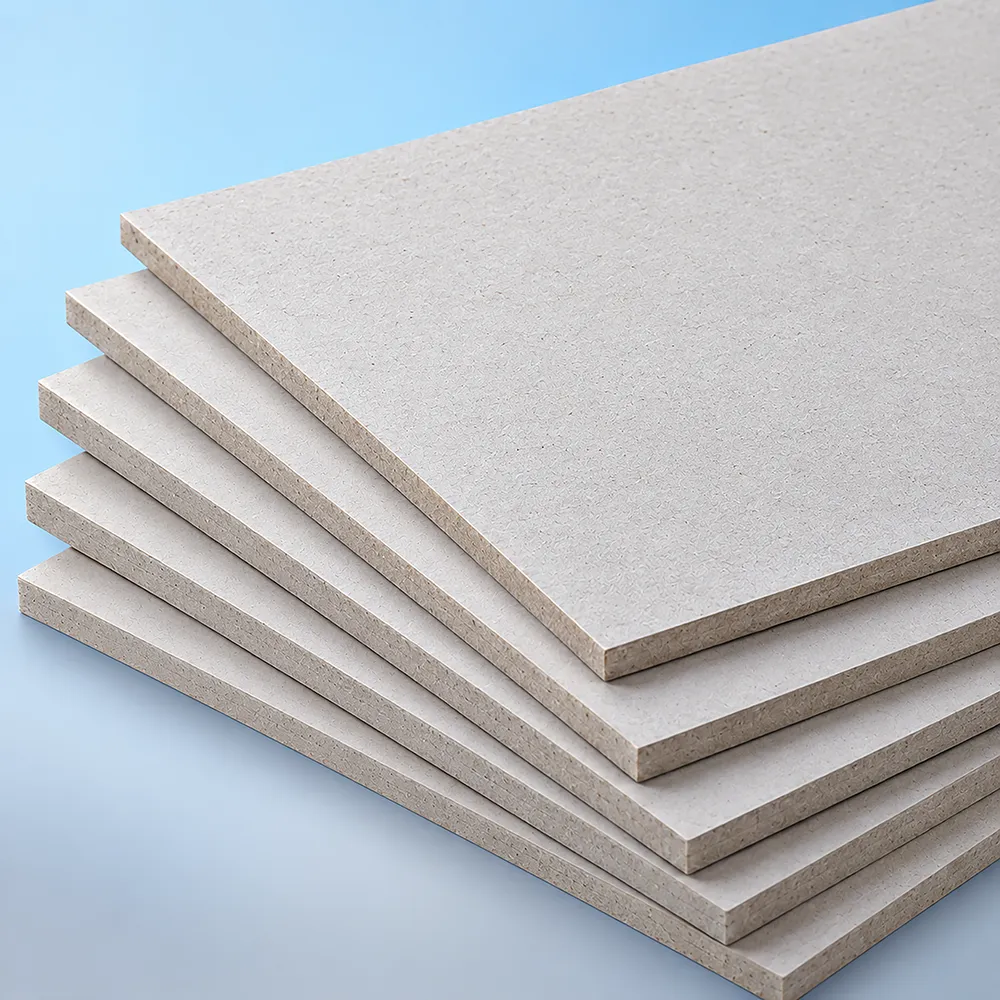
Packaging materials do more than hold a product; they influence protection, presentation and overall box performance. Cardboard provides a smooth, durable surface for custom printing and everyday retail packaging. Kraft paper offers a natural, sturdy option with an eco-conscious appearance. Corrugated stock adds extra strength for heavier products and shipping applications. We offer carefully selected paper stocks that balance durability, print quality, sustainability, affordability and premium presentation.
Printing methods enhance how your packaging looks and represents your brand. Digital printing delivers sharp details and vibrant colors, making it ideal for flexible custom packaging designs. Offset printing provides consistent color accuracy and crisp image quality for larger production runs. Screen printing creates bold, durable graphics on selected box surfaces and materials. We offer the latest printing methods to turn your creative ideas into realistic visuals, showcasing logos, patterns, artwork and branded graphics with clarity and precision.
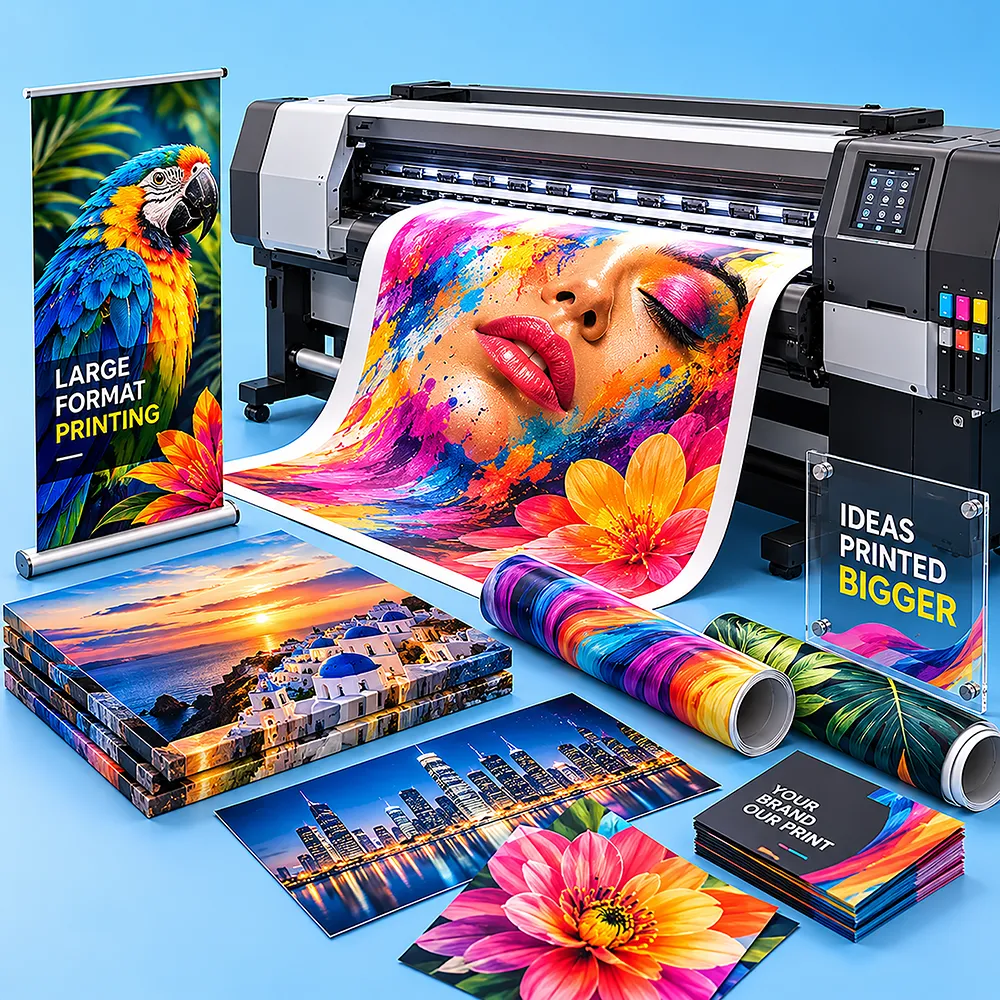
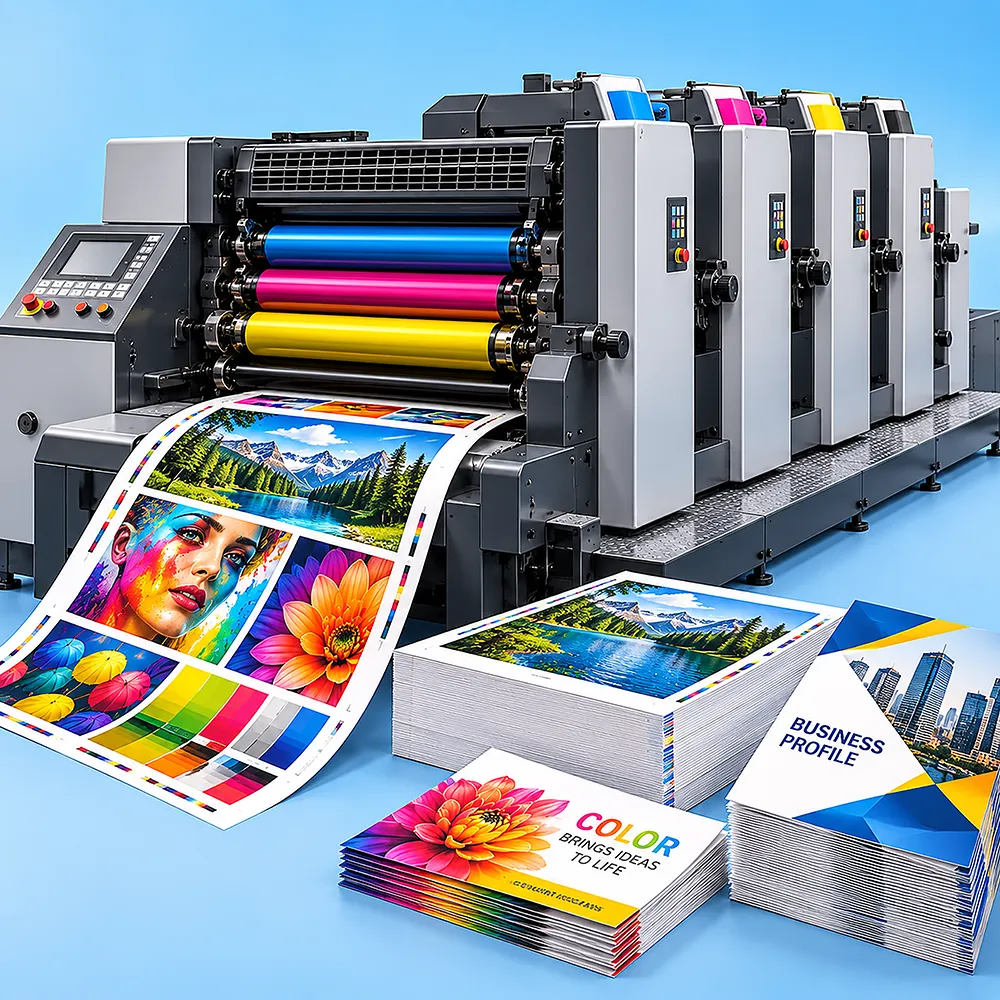
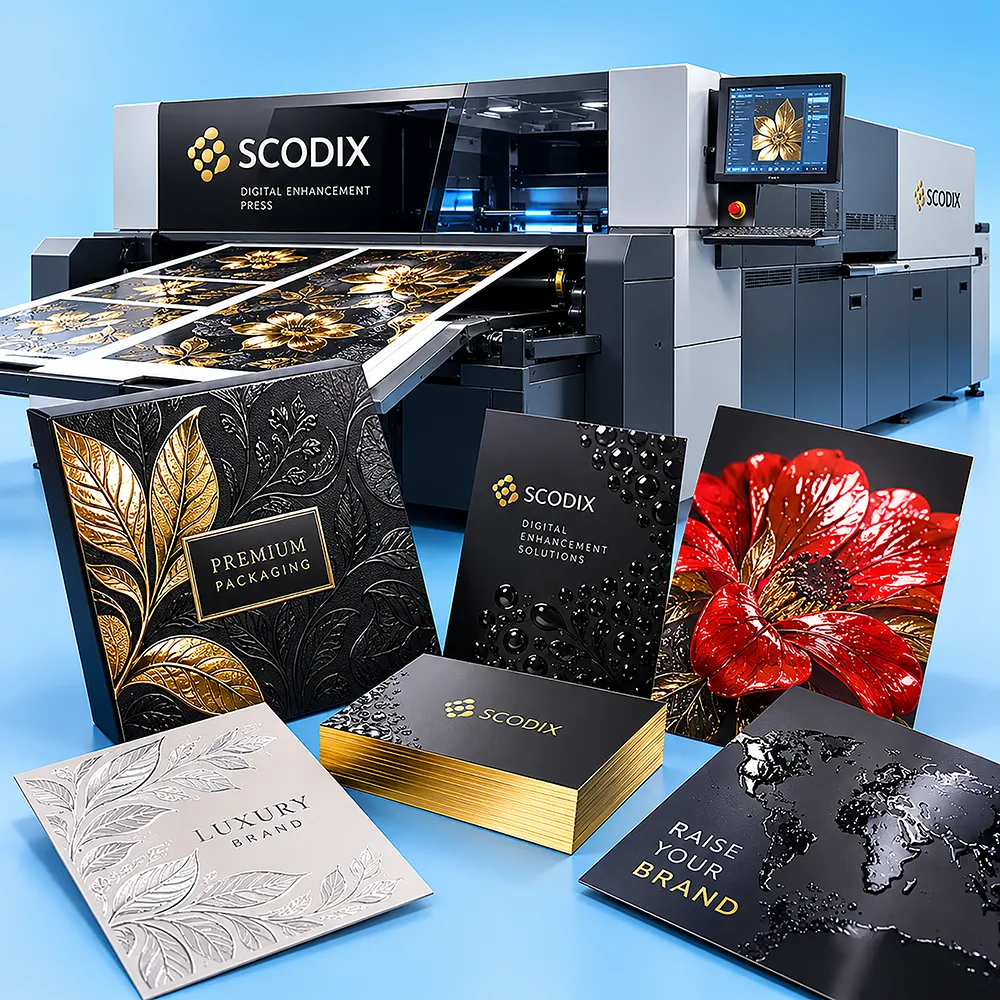
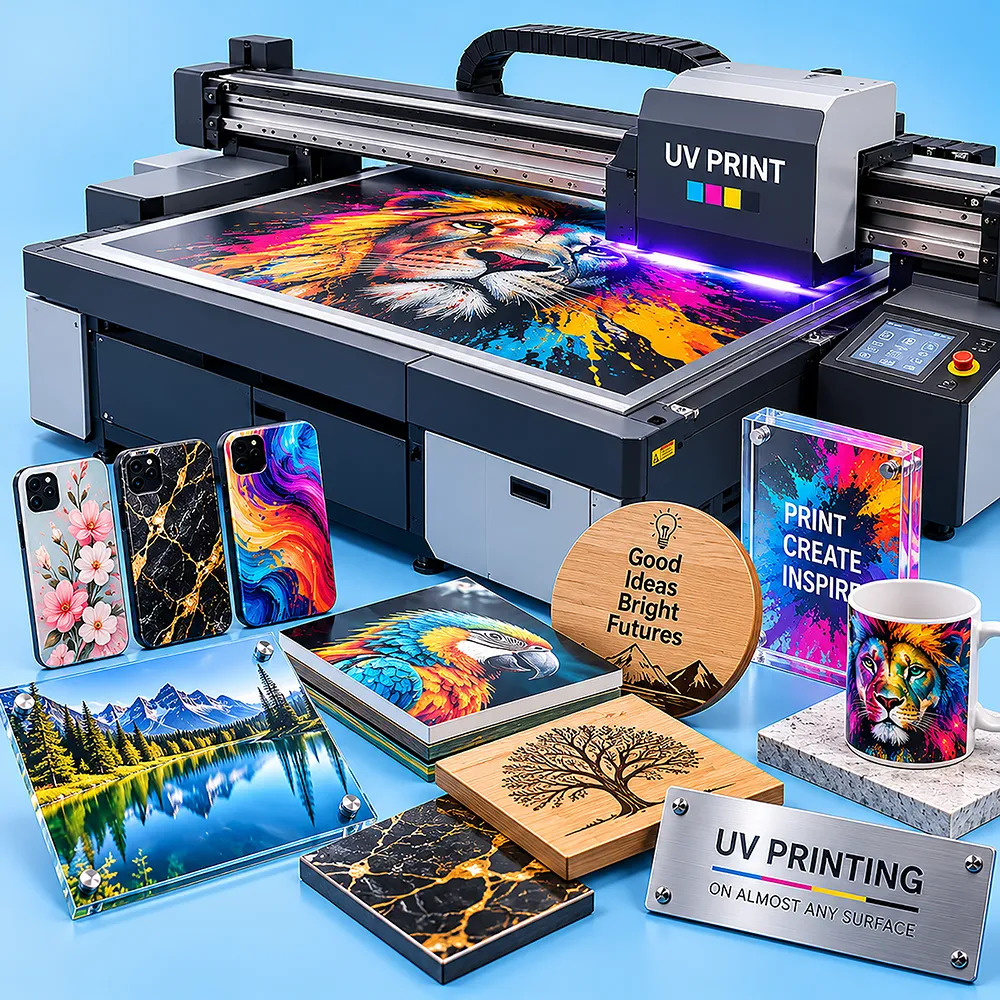
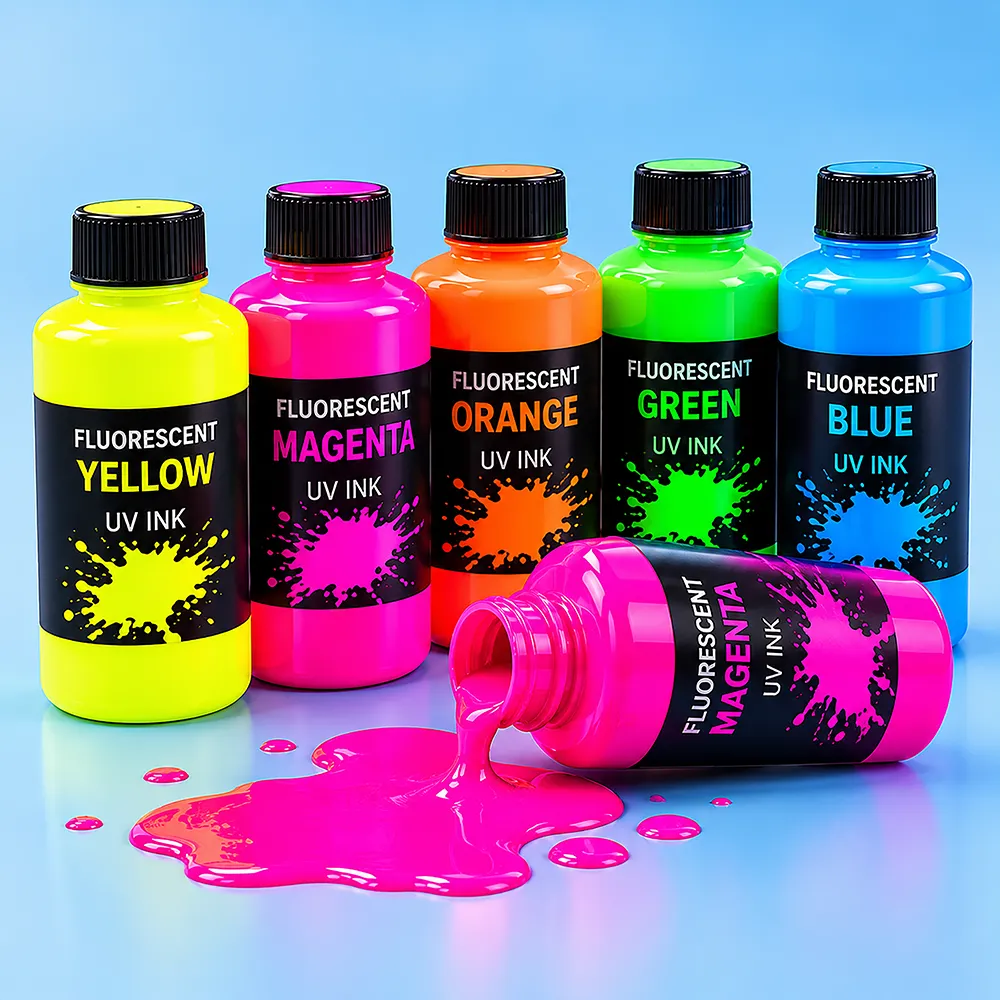
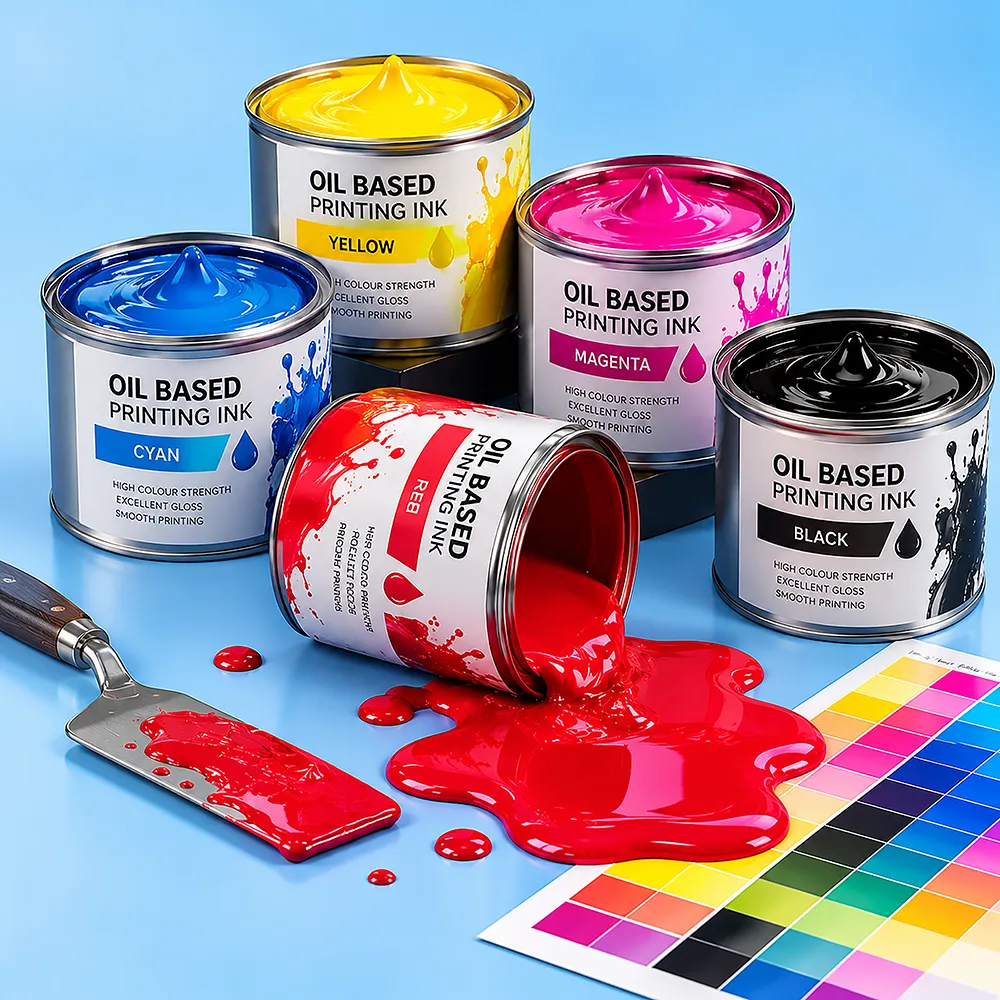
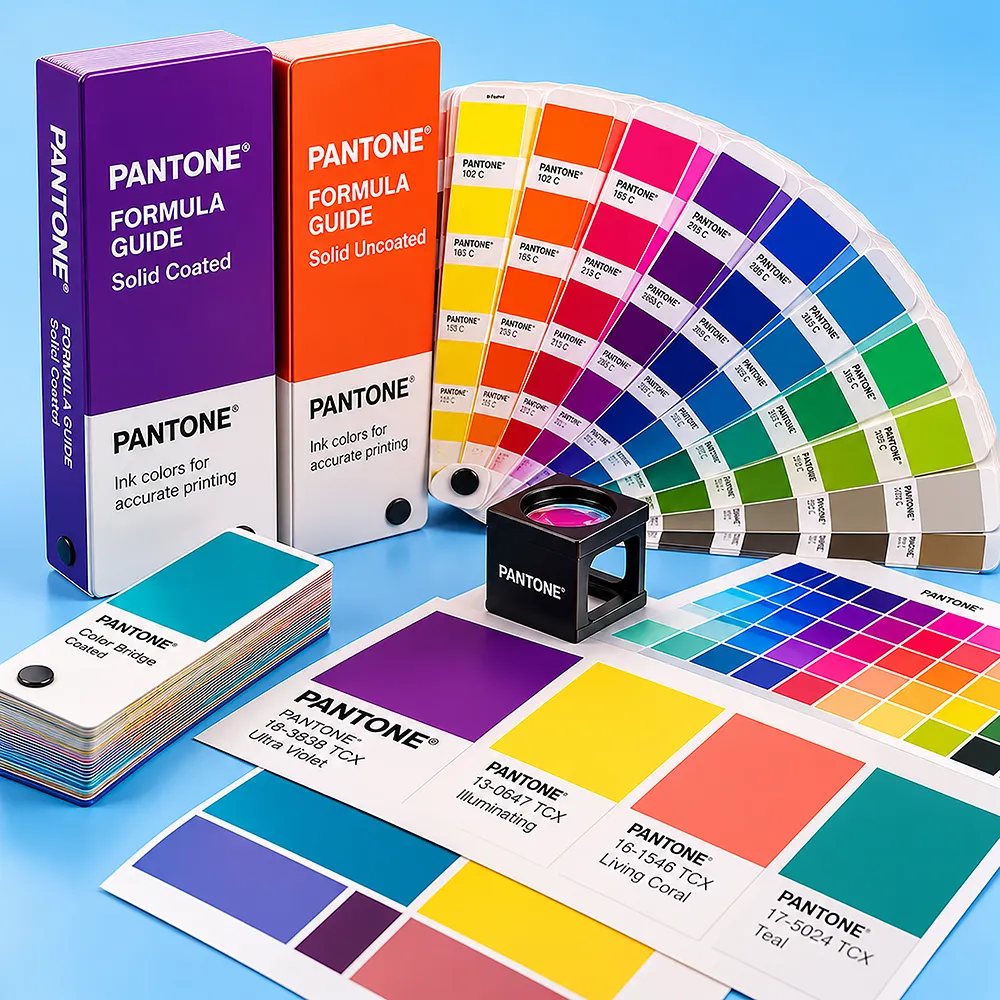
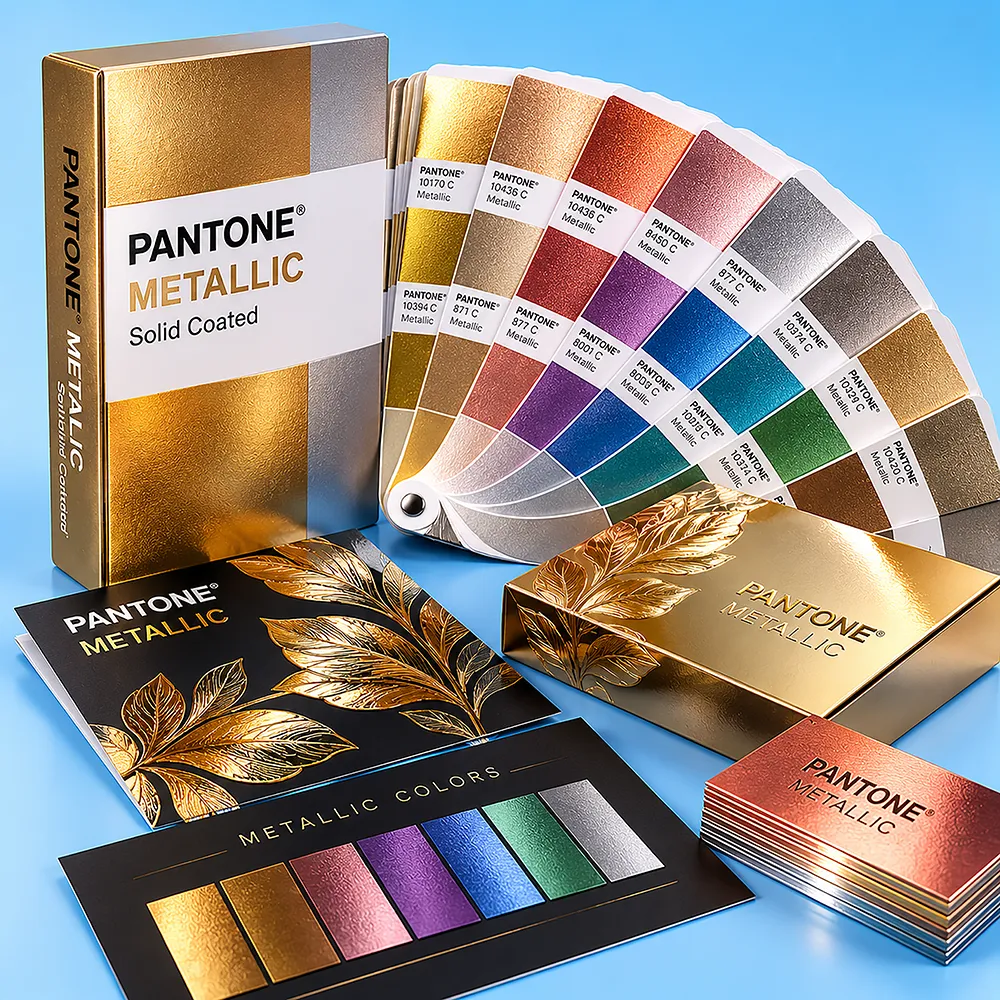
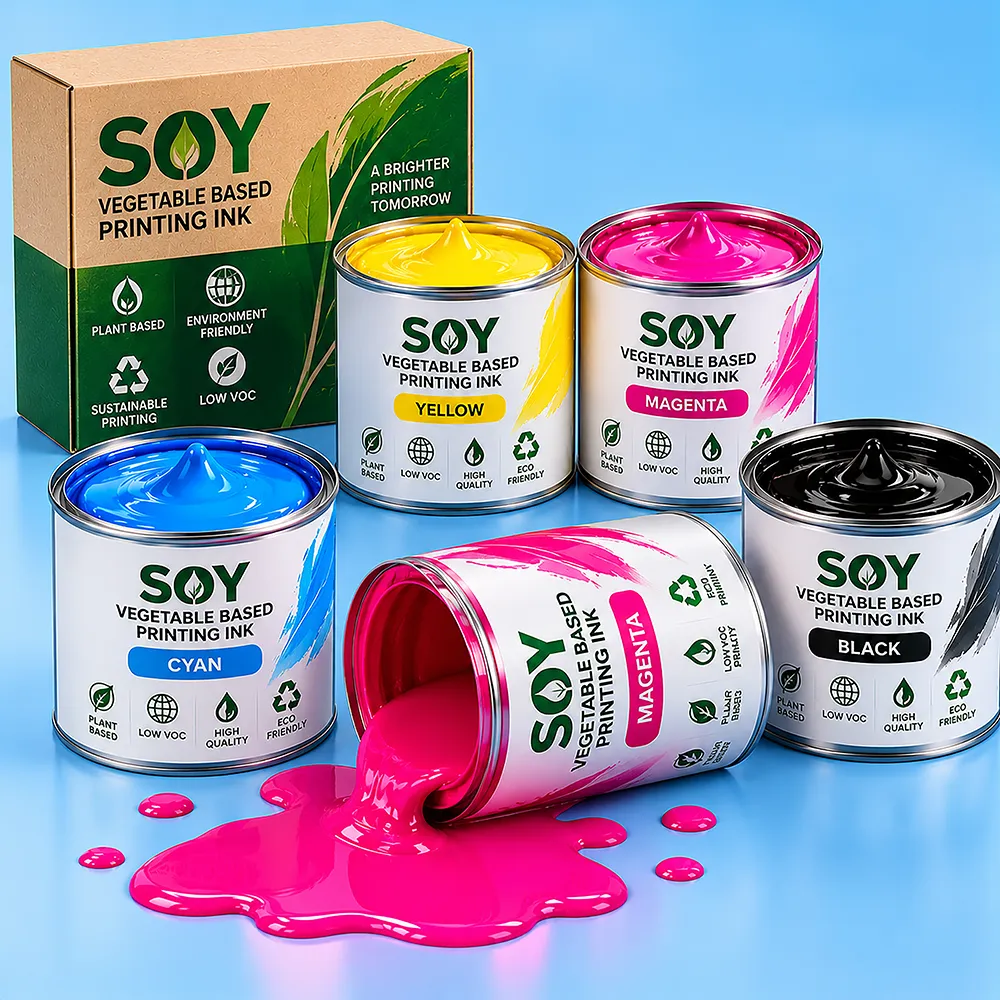
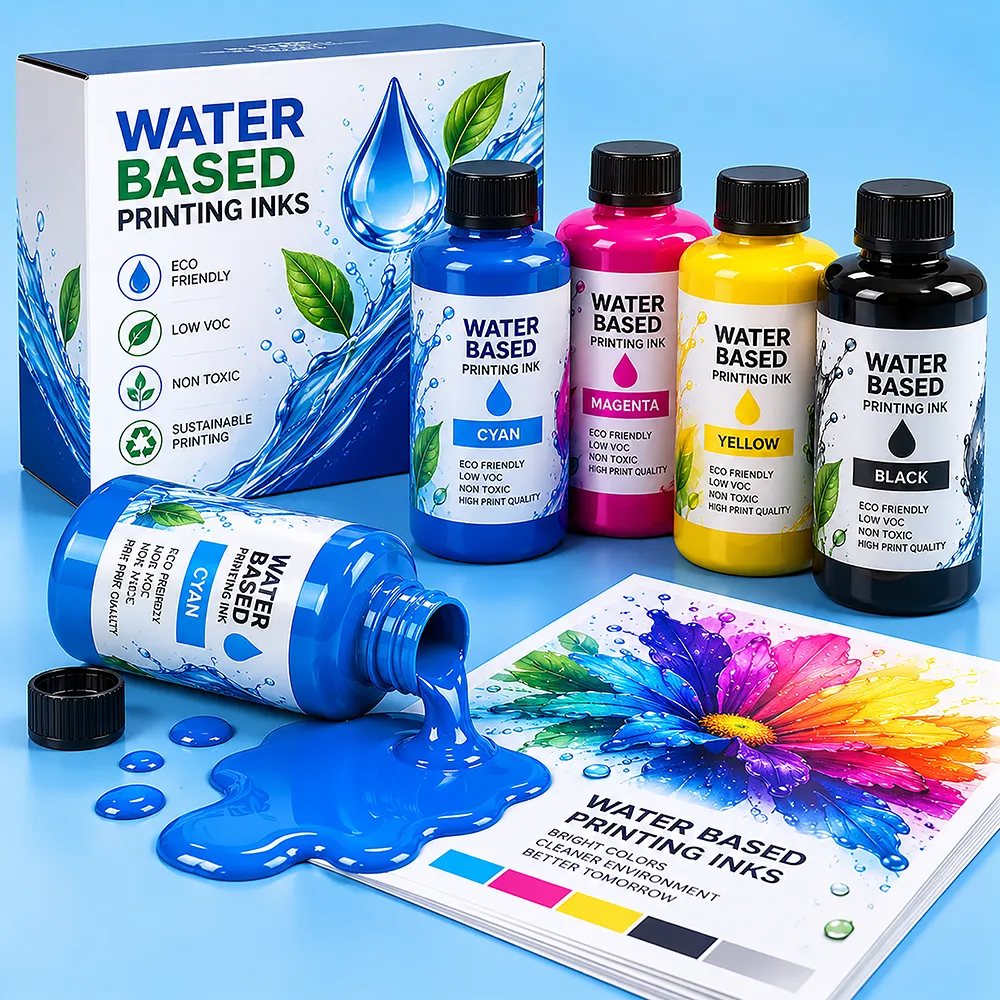
Printing inks bring packaging artwork to life with vibrant colors, clear details and consistent brand presentation. We offer a wide range of ink options, including Pantone colors, Pantone Metallic inks, oil-based inks and fluorescent inks for distinctive visual effects. Soy and vegetable-based inks provide versatile color reproduction, while water-based inks offer another practical printing option. Choose the right ink to reproduce logos, patterns, illustrations and branded artwork, turning creative ideas into attractive visuals with striking color and clarity.
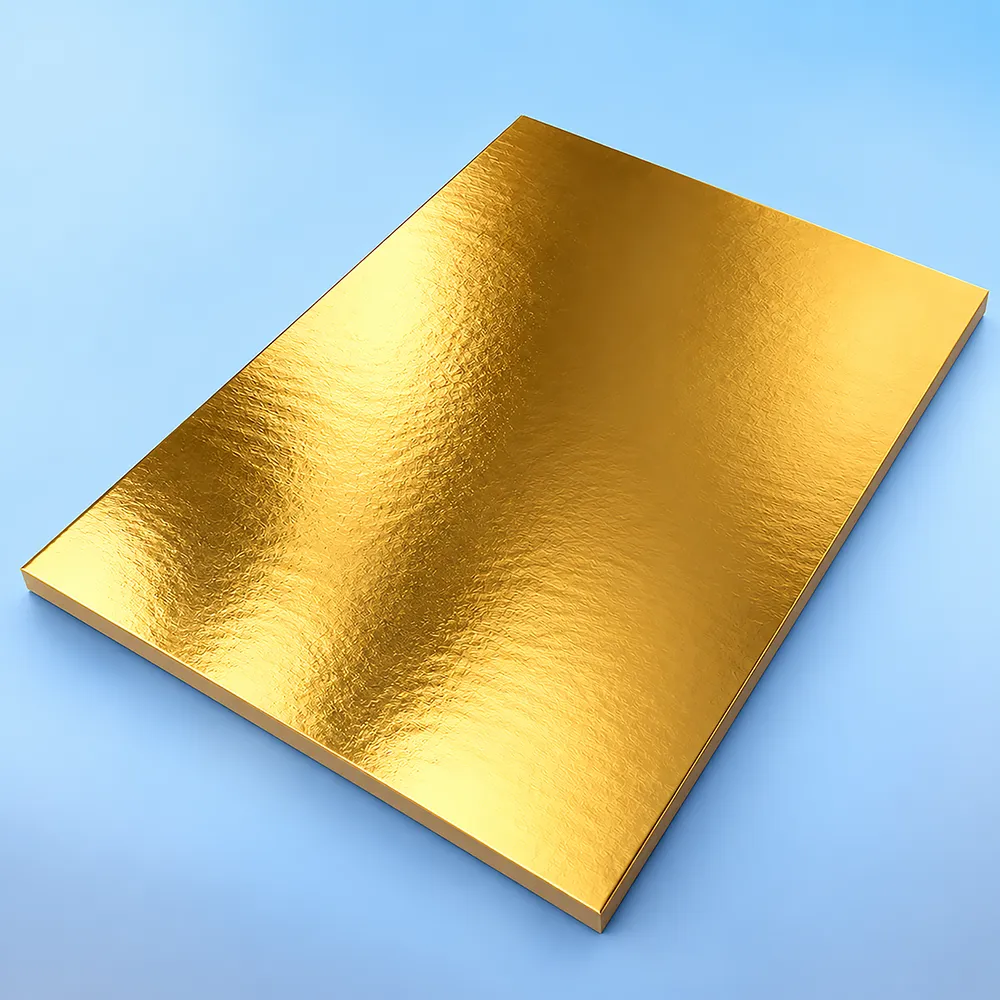
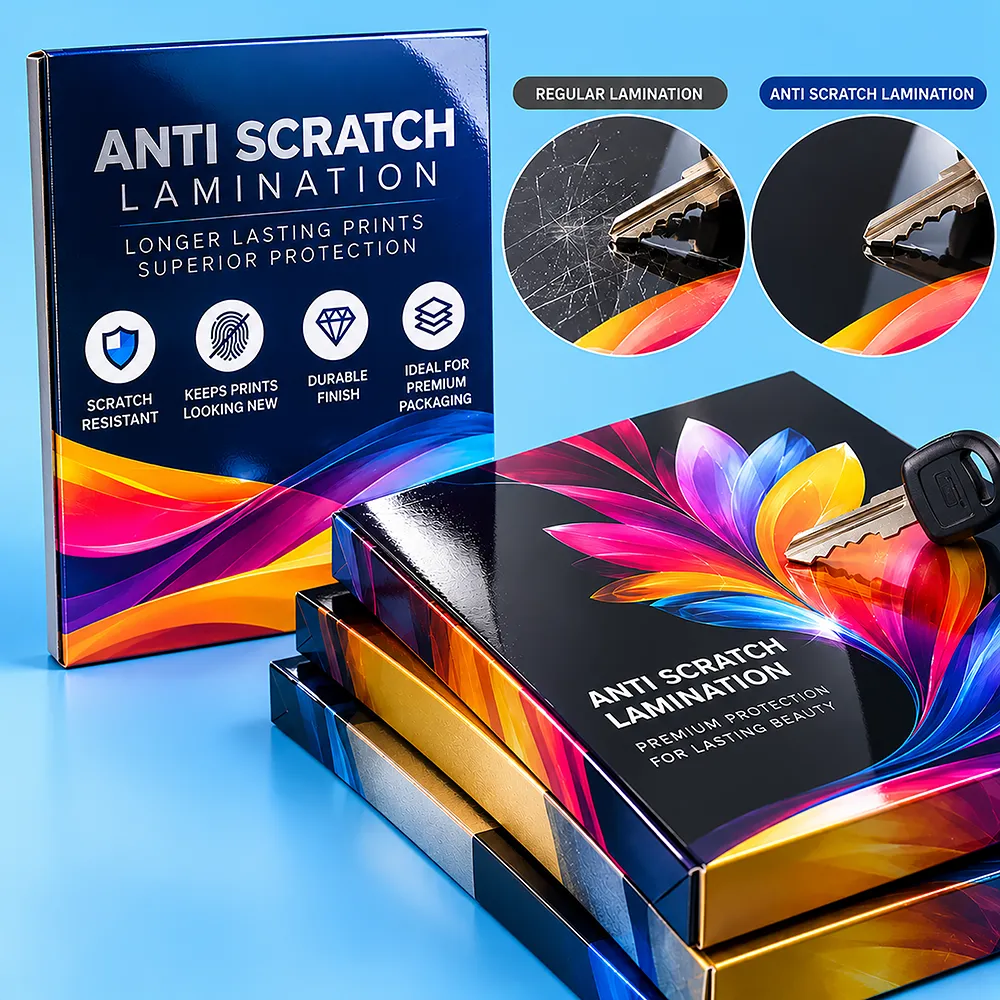
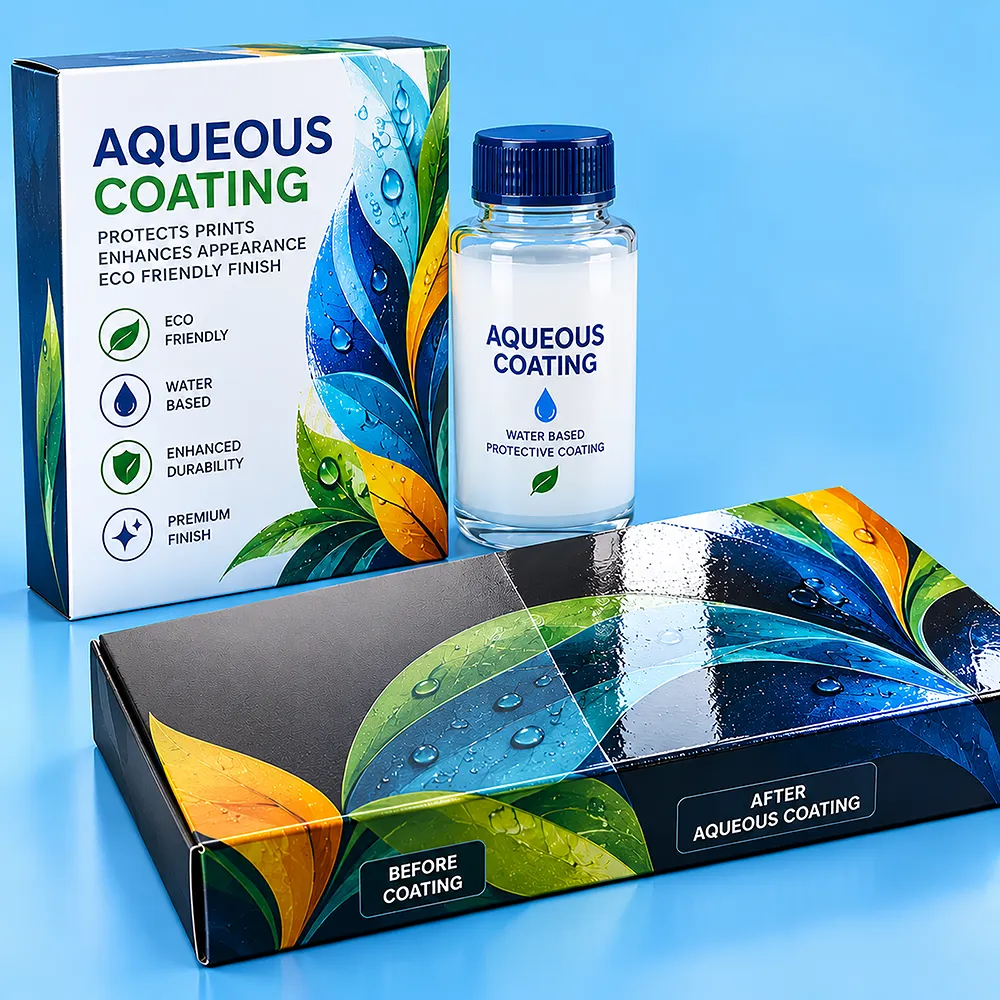
Premium finishes enhance the appearance and overall aesthetics of custom packaging. Matte and gloss laminations create smooth visual effects, while soft-touch adds a refined tactile feel. Foil stamping introduces metallic accents in gold, silver and other shades, while embossing and debossing add dimensional detail. Spot UV highlights selected design elements with added contrast and shine. Choose from versatile finishing options to make logos, patterns and branded artwork look more distinctive, polished and premium.
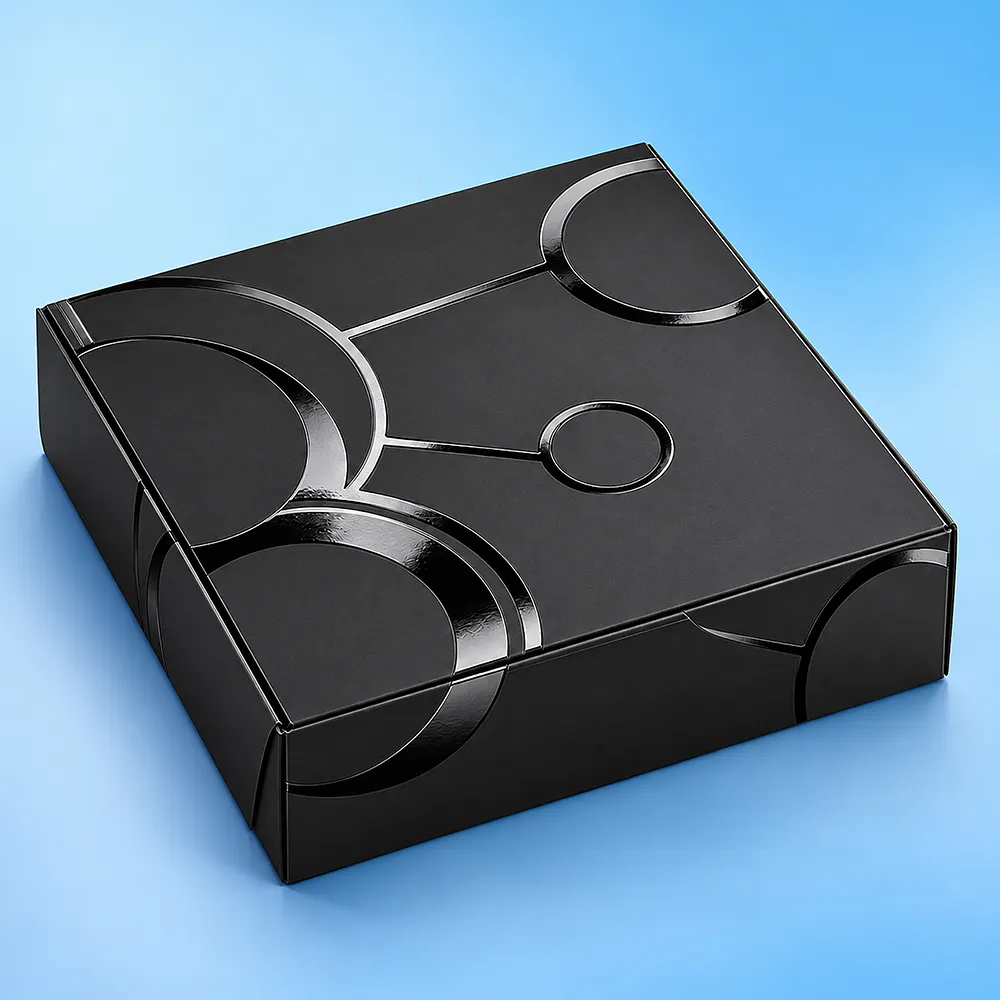
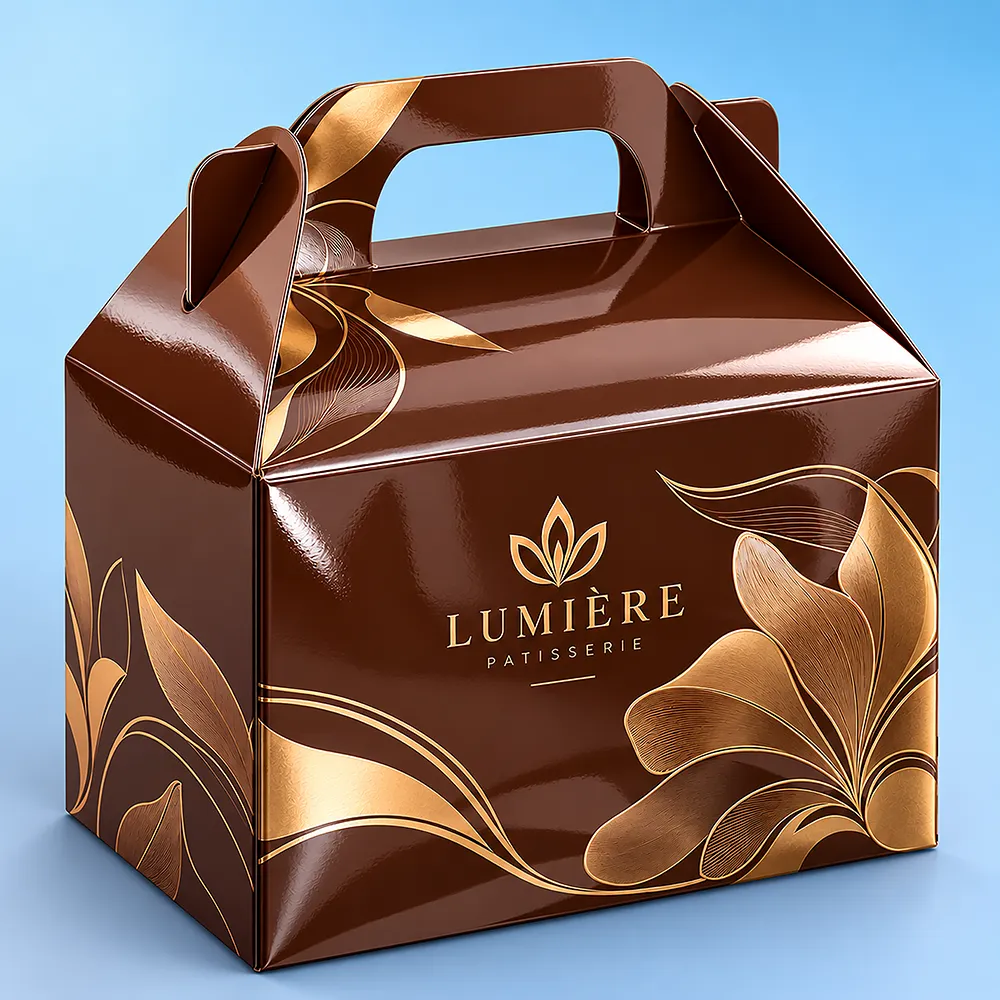
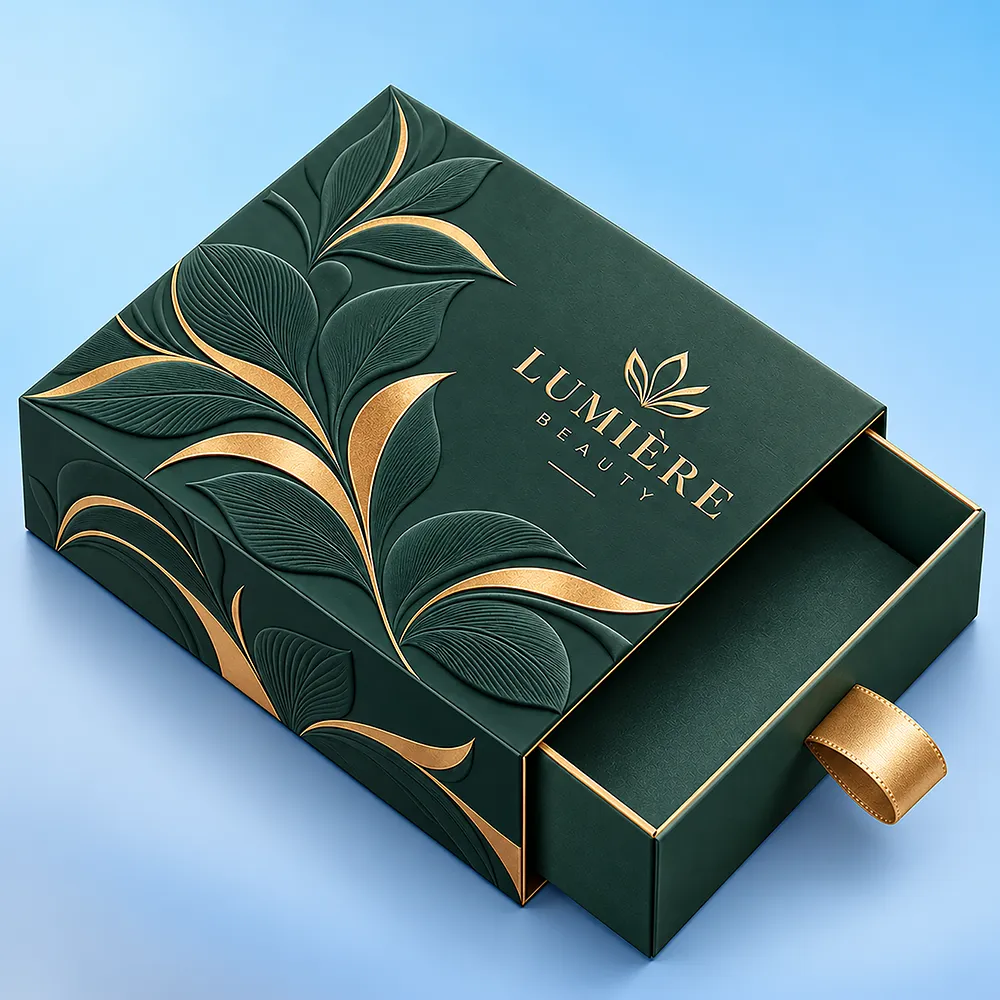
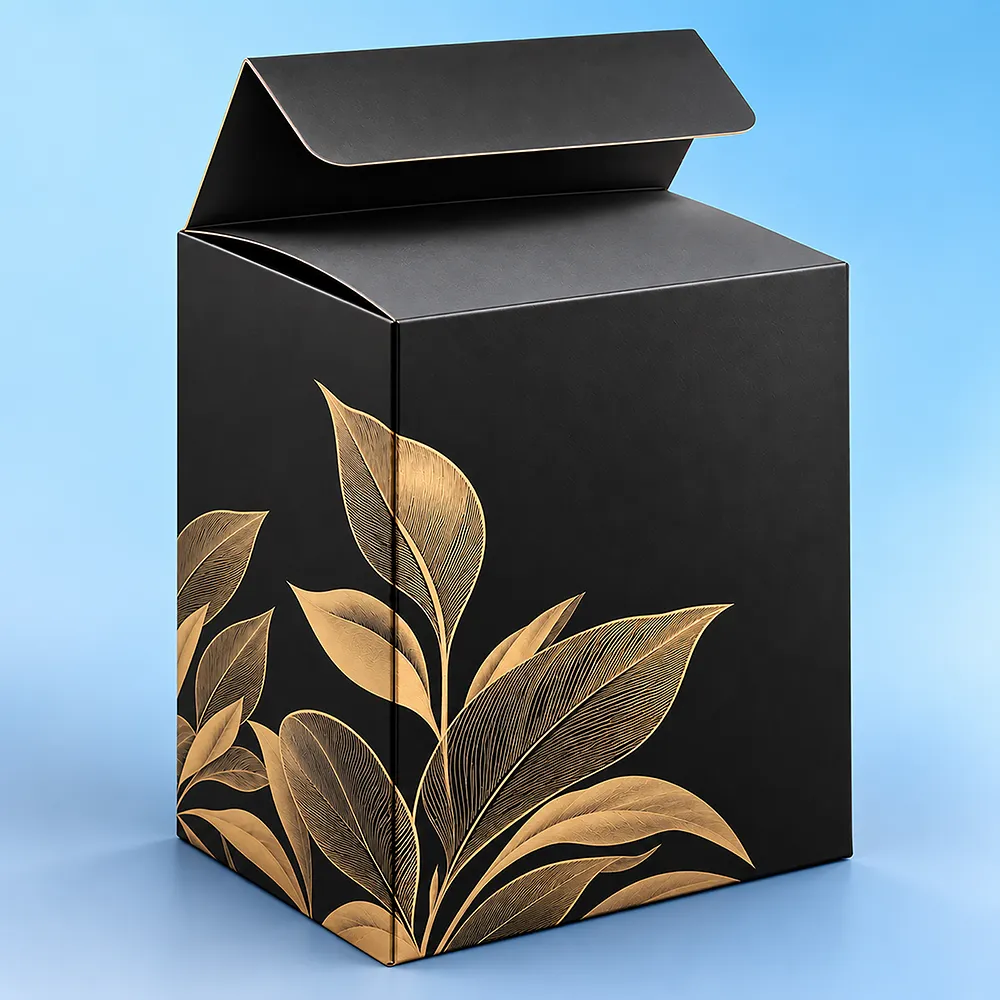
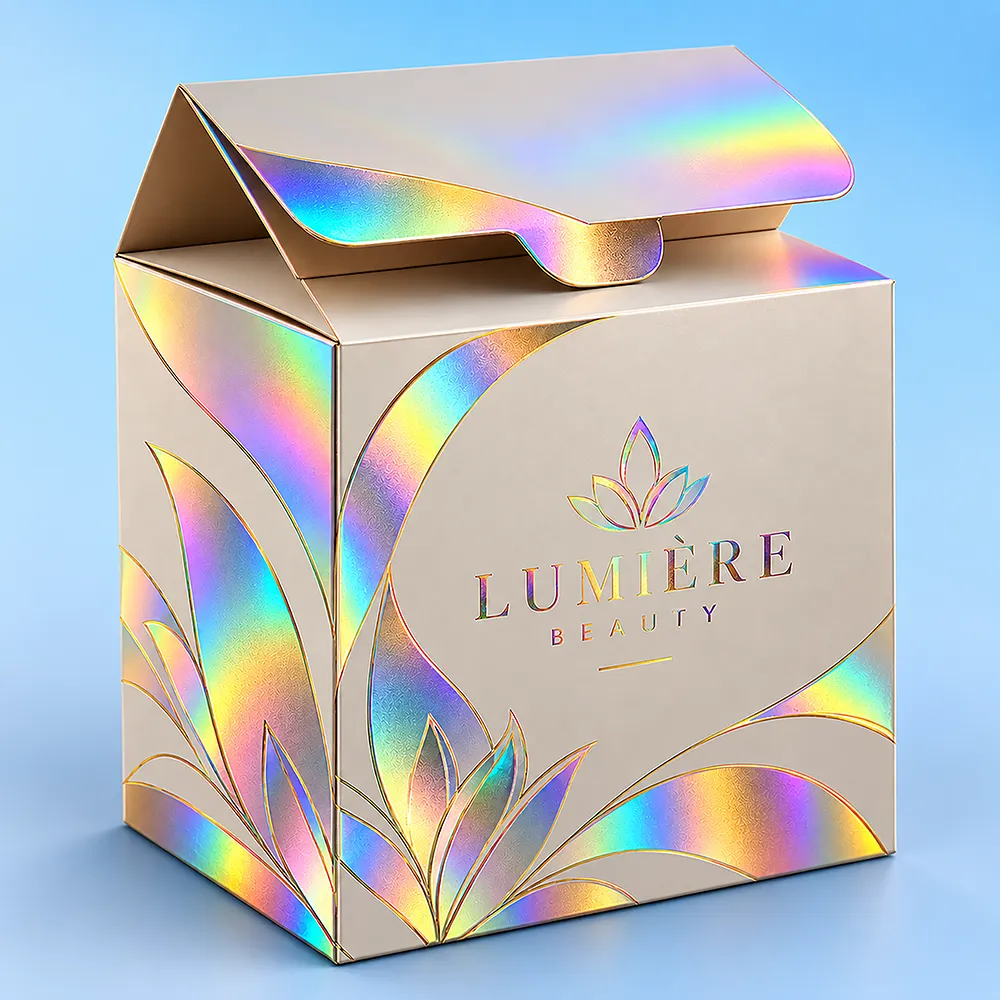
Packaging add-ons make custom packaging more attractive, presentable and visually captivating while increasing its perceived value. Gold foil adds a rich metallic accent, while silver foil creates a clean and sophisticated look. Holographic foil introduces eye-catching reflective effects that help selected design elements stand out. Embossing raises logos or patterns for added dimension, while debossing creates a refined recessed effect. Ribbons and handles add both decorative appeal and practical convenience, giving packaging a more distinctive and premium presentation.

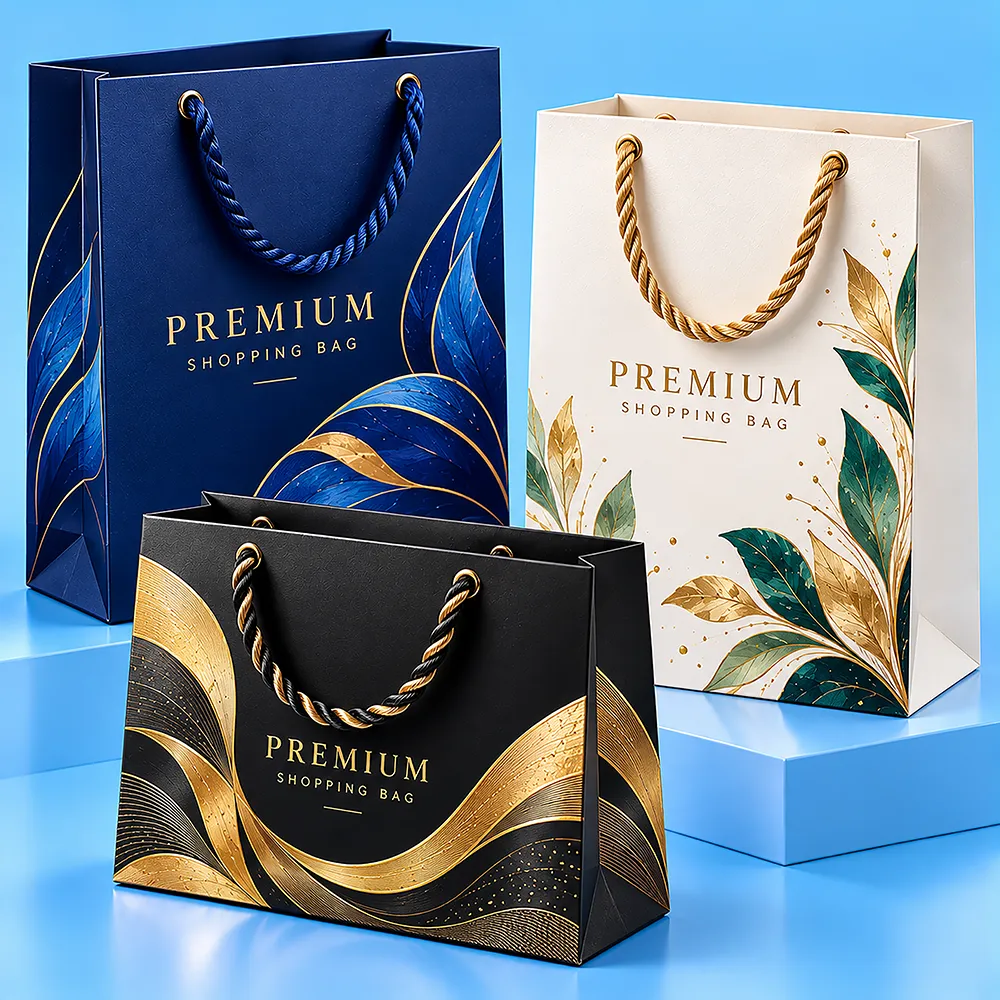
Fill out the form below to receive a customized packaging quote with competitive wholesale pricing and premium quality solutions.
A tuck box is a folding packaging structure in which one or more flaps tuck into the carton body or another folded feature to close the package.
The term describes a family of structures, not one dieline.
The main differences can involve:
For a buyer, the more useful question is therefore:
Which Tuck structure matches my product and packing workflow?
rather than simply:
Which Tuck Box looks best?
Different Tuck structures solve different packaging and packing requirements.
| Structure | Defining Relationship | When to Evaluate It |
| Straight Tuck End | Primary top and bottom tuck flaps close in the same general direction | Conventional folding-carton projects |
| Reverse Tuck End | Primary closures face opposite directions | When an alternative flap/panel orientation suits the carton |
| Tuck Top | Tuck-in upper closure combined with a selected lower structure | Top-opening product packaging |
| Snap Lock / 1-2-3 Bottom | Bottom flaps are manually folded and interlocked | When a manually locking base is preferred |
| Auto Bottom | Pre-glued base erects as the carton is opened | Repeated packing where bottom setup matters |
| Full Flap Auto Bottom | Pre-glued bottom with a different/full-flap base relationship | Projects requiring that specific base geometry |
| Seal End | Selected end panels are sealed rather than reopened as normal tuck flaps | Filling/closing workflows requiring a more permanent end |
| Seal End Auto Bottom | Seal-end relationship combined with an automatic bottom | When top/end and bottom requirements differ |
| Double Wall Tuck | Folded wall geometry reinforces selected panels | Wider or reinforced Tuck structures |
| Roll End Tuck Top | Rolled side/end panels combine with a tuck-top lid | Wider presentation and mailer-style structures |
| Five Panel Hanger | Extended panel supports a retail hanging feature | Peg-hook retail display |
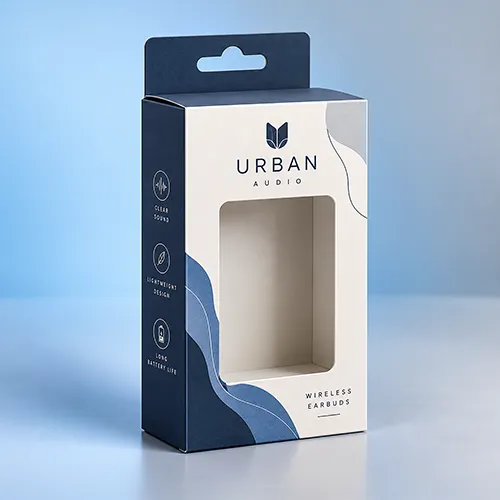
| Window Tuck | Die-cut viewing opening is built into a Tuck carton | When controlled product visibility is required |
A structure name does not provide a universal load rating. Product dimensions, loaded weight, board, panel size, bottom footprint and internal support still need to be considered together.
A Straight Tuck End Box uses primary top and bottom tuck flaps that close in the same general direction.
It is a common starting point for compact retail folding cartons because it provides a straightforward opening and a predictable panel arrangement for artwork.
Straight Tuck should be selected according to the loading direction, carton dimensions, product fit and artwork layout—not because it is assumed to be universally stronger than Reverse Tuck.
A Reverse Tuck structure places its primary top and bottom closures in opposite directions.
The erected carton may appear similar to a Straight Tuck box, but the flat blank, flap orientation and panel relationships differ.
That can affect:
opening direction → product loading → panel layout → artwork orientation
For that reason, the structural style should be confirmed before final artwork is positioned.
A Tuck Top Boxes uses an upper tuck flap as the primary opening.
Tuck Top describes the top relationship; it does not by itself define the bottom.
For example:
Tuck Top + Standard Bottom
Tuck Top + Snap Lock Bottom
and:
Tuck Top + Auto Bottom
are different structural configurations.
When requesting pricing, identify both the preferred top closure and bottom construction where those details are already known.
A Snap Lock Bottom—often called a 1-2-3 Bottom—uses bottom panels that are folded in sequence and manually interlocked.
The important relationship is:
Snap Lock / 1-2-3 Bottom → Manual Interlocking
This differs from an Auto Bottom.
A Snap Lock structure may be considered when a project benefits from a manually formed locking base, but it should not be assigned a universal product-weight capacity. The loaded product, footprint, board and complete carton still need structural review.
A Tuck End Auto Bottom combines a tuck closure with a pre-glued erecting base.
As the collapsed carton is opened and squared, the bottom panels move into their assembled relationship.
The key distinction is:
Auto Bottom / Crash Lock → Pre-Glued Erecting Base
versus:
Snap Lock / 1-2-3 Bottom → Manually Interlocking Base
This difference can matter when cartons are assembled repeatedly during packing.
A Full Flap Auto Bottom uses another pre-glued bottom configuration with a fuller bottom-panel relationship.
Its suitability should be evaluated from:
Product Dimensions + Loaded Weight + Bottom Footprint + Board + Carton Geometry
rather than from a generic “heavy product” rule.
Where the base relationship is important, a representative physical sample can help confirm how the carton erects and supports the actual product.
A Seal End carton uses selected panels that are sealed rather than functioning only as reopenable tuck closures.
The live BoxBaba range includes both Seal End Boxes and Seal End Auto Bottom structures.
These solve different combinations of closing and base requirements.
Remember:
Seal End ≠ Automatically Tamper-Evident
Seal End ≠ Automatically Leakproof
Seal End ≠ Moisture Barrier
If tamper evidence, barrier performance or another functional requirement matters, specify that requirement separately.
BoxBaba also carries Double Wall Tuck Front and Double Wall Tuck Top configurations.
In this context, double wall can refer to folded panel geometry that places additional board around selected sides of the carton.
It should not automatically be interpreted as double-wall corrugated board.
The useful relationship is:
Board + Folded Geometry → Finished Tuck Structure
If the project becomes primarily a shipping package, evaluate whether a corrugated box structure is more appropriate than extending a lightweight folding-carton design beyond its intended role.
Roll End Tuck Top structures use folded or rolled wall panels with an attached tuck-style lid. Competitor structure libraries consistently treat Roll End Tuck Top as a distinct folding-box style rather than simply another name for a standard Tuck Top.
They can be considered for wider products, kits, assortments and mailer-style presentations.
Because Roll End structures can overlap semantically with Mailer Boxes, the commercial decision should consider whether the package is primarily:
retail/product packaging
or:
the outer distribution package
A roll-end structure should not automatically be treated as parcel-shipping qualified without reviewing the complete packed system.
Some retail products need to hang from hooks or peg fixtures rather than sit only on a shelf.
A Five Panel Hanger carton extends an additional panel above the main body and incorporates a hanging location into that panel. This is recognized as a distinct retail folding-carton structure in current packaging catalogs.
BoxBaba also already references five-panel hanger structures for products such as eyeliner and mascara where peg-display requirements apply.
Before using a hanger structure, confirm:
packed product → carton width → hanger-panel geometry → hole/slot position → retail fixture
The hanging feature should be developed as part of the dieline rather than added after the carton structure is approved.
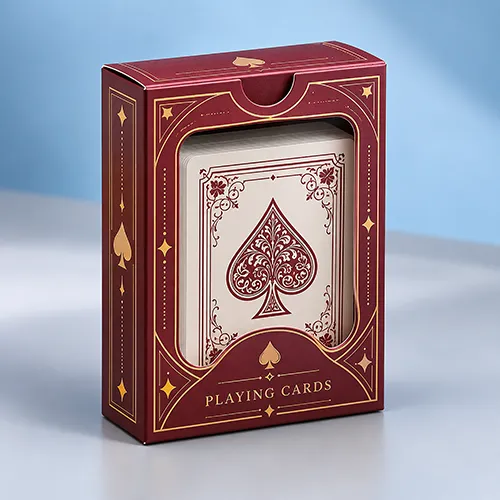
A Tuck Box can also include a die-cut opening where product visibility is part of the retail requirement.
The window may be an open cutout or may use a clear patch where the project requires one.
Window placement should follow:
Product Orientation → Visible Area → Window Geometry → Remaining Panel Area → Artwork
rather than being positioned only for decoration.
A large opening removes the board from the panel, so window size and location should be reviewed with the carton structure.
For broader window-packaging options, buyers can also explore Boxes With Window.
Tuck structures can be developed around many different products, but the carton should always follow the finished product geometry.
A Playing Card Tuck Box, for example, can be developed around the finished deck dimensions and opening requirement.
A Nail Polish Tuck End Box needs to account for the complete bottle, cap, shoulder profile and filled weight.
A Mug Tuck End Box must also consider the mug body, handle projection and any internal support required.
BoxBaba additionally carries Custom Tuck-End E-Liquid Boxes for bottles used as primary containers inside the secondary carton.
The important principle is:
Product Category ≠ Standard Tuck Box Dimensions
Material selection should follow the product, carton geometry, printing requirement and packaging role.
Folding paperboard or cardstock is the primary material direction for many compact retail Tuck Boxes because it can be printed, die cut, creased and folded into precise carton structures.
Do not select the board using GSM alone.
The relevant relationship is:
Product + Loaded Weight + Carton Size + Structure → Board Specification
A Kraft Tuck Boxes uses natural-brown Kraft as part of the material and visual direction.
Natural brown appearance alone does not prove that the finished package is:
recycled, recyclable, biodegradable, compostable or food-safe.
Environmental and product-contact claims should follow the actual material, coating, printing and intended use.
Selected roll-end, mailer or shipping-oriented Tuck structures may use corrugated construction.
Corrugated board should be specified through the appropriate liner, flute/wall and finished-box performance requirements rather than by treating folding-paperboard GSM as a complete corrugated specification.
Custom Tuck Box sizing should begin with the product in its finished, sale-ready condition.
Confirm:
maximum length × width/depth × height
along with:
filled weight + orientation + projecting caps/handles + quantity per box
Then account for any insert, divider, window relationship or other component that occupies usable internal space.
Use:
Finished Product → Required Internal Fit → Tuck Structure → Board → Dieline
Do not assume:
Product Dimensions = Final Box Dimensions
The final external dimensions depend on the approved internal fit, board and folded structure.
Not every Tuck Box requires an insert.
A correctly sized carton may be enough for a lightweight, regularly shaped product.
Internal support can become useful when the product:
Where internal positioning is needed, Printed Boxes With Inserts provides the related commercial packaging direction.
The insert and outer carton should be developed as one fit system.
Custom Tuck Boxes provide multiple printable panels for logos, product information, instructions, barcodes, QR codes and approved brand artwork.
Depending on the final project, BoxBaba supports digital and offset printing with CMYK process color and Pantone/PMS references where applicable.
Keep the terminology clear:
Digital / Offset → Printing Methods
CMYK / Pantone → Color Systems / References
Printing can be planned for exterior surfaces and, where supported by the selected construction and quote, internal panels.
Artwork should always be prepared around the approved dieline because folds, tuck flaps, glue areas, windows and other structural features determine where critical graphics can be positioned.
Printing and finishing are separate production decisions.
Depending on the board, artwork and structure, finishing options can include:
matte or gloss lamination, soft-touch treatment, foil stamping, embossing, debossing and Spot UV.
BoxBaba also has a dedicated Tuck End Foil Boxes option for foil-focused Tuck packaging.
Finish placement should be reviewed against:
scores + folds + glue areas + tuck zones + windows + barcodes / QR codes
rather than applied mechanically across every panel.
The dieline translates the flat printed board into the final Tuck structure.
Depending on the style, it can define:
front/back panels → side panels → tuck flaps → dust flaps → glue tabs → bottom panels → locking features → cut/fold lines
A Straight Tuck dieline is not interchangeable with a Reverse Tuck dieline.
A Snap Lock bottom requires different base geometry from an Auto Bottom.
A Five Panel Hanger adds an additional structural panel.
For general artwork and production-file fundamentals, review BoxBaba’s packaging dieline guide.
Finalize the structure before positioning critical artwork.
A standard paperboard Tuck Box is commonly used as retail or secondary product packaging.
That does not automatically make it the appropriate outer parcel shipper.
For ecommerce, determine whether the Tuck Box will:
sit inside an outer mailer / shipping carton
or:
serve as the external distribution package
If it is an inner retail carton, coordinate it with the appropriate outer Mailer Boxes or corrugated packaging based on the complete shipping configuration.
Reinforced or roll-end constructions can serve different roles, but shipping suitability should still be evaluated from the packed product and distribution requirement.
A good quote request reduces guessing and helps the carton be developed around the actual product.
| Quote Input | Why It Matters |
| Finished product dimensions | Establishes product envelope |
| Filled product weight | Adds structural context |
| Quantity per box | Defines loaded configuration |
| Product orientation | Affects loading and opening |
| Preferred Tuck structure | Identifies structural direction |
| Insert/divider need | Changes usable internal space |
| Window/hanger requirement | Changes panel geometry |
| Material preference | Supports board selection |
| Printing sides | Defines artwork scope |
| Finishes | Affects production specification |
| Order quantity | Supports production planning |
| Artwork status | Determines prepress/dieline support |
| Delivery destination | Supports quotation and delivery planning |
If you do not know whether Straight Tuck, Reverse Tuck, Snap Lock or Auto Bottom is more appropriate, provide the physical product information first.
Structure should follow the product—not the other way around.
BoxBaba custom packaging orders start from 100 units for many projects. Standard production is generally 5–9 business days after final artwork/specification approval, with free shipping available across the USA. Artwork, dieline and digital-proof/3D-mockup support are available. Sample support is also available; applicable sample-related or delivery charges can be reimbursed with the first bulk order according to the confirmed sample terms.
Final requirements can vary with the box structure, quantity, material and finishing specification, so confirm the project details in the quotation before production.
The right Tuck Box starts with the product. For reinforced or specialized retail requirements, consider the relevant Double Wall, Roll End, Window or Hanger structure according to the product and sales channel.
Share your finished product dimensions, loaded weight, quantity and artwork requirements with BoxBaba so the quotation can be developed around the actual packaging configuration. Place your order by calling +1 305 574 4357 or emailing sales@boxbaba.com.
Find all the urgent questions you may have.