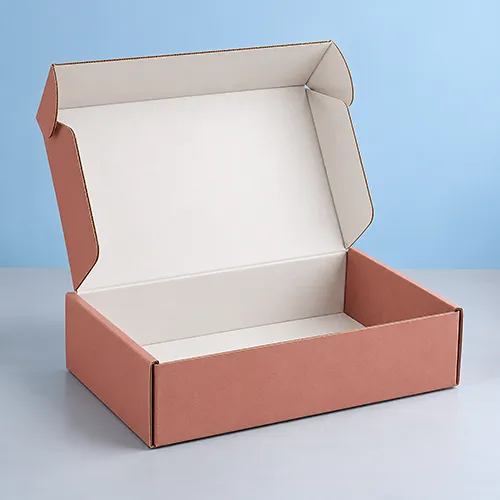
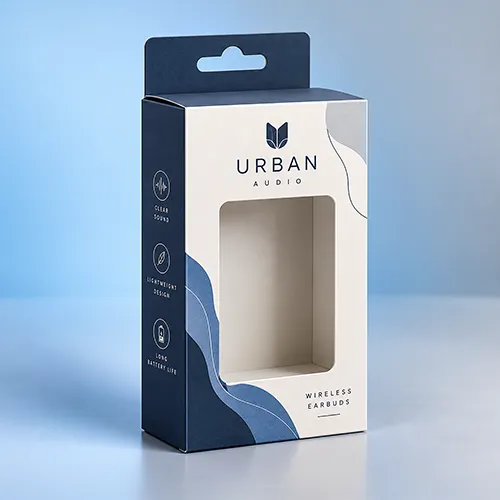
Custom Roll End Tuck Top Boxes
A Roll End Tuck Top Box is defined by two structural features working together: roll-end panels create the folded wall structure, while the hinged top uses a tuck closure.
That distinction matters because Roll End and Tuck Top describe different parts of the package.
Roll End = Folded Wall Construction
Tuck Top = Upper Closure
Together, these attributes create the RETT structure.
If you are comparing RETT with the wider family of folding-carton structures, explore our Custom Tuck Boxes.
What Is a Roll End Tuck Top Box?
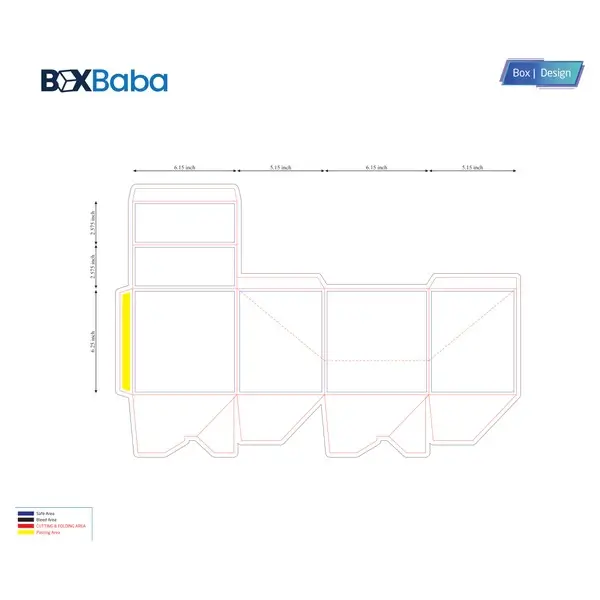
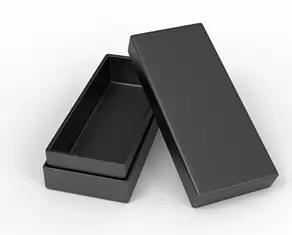
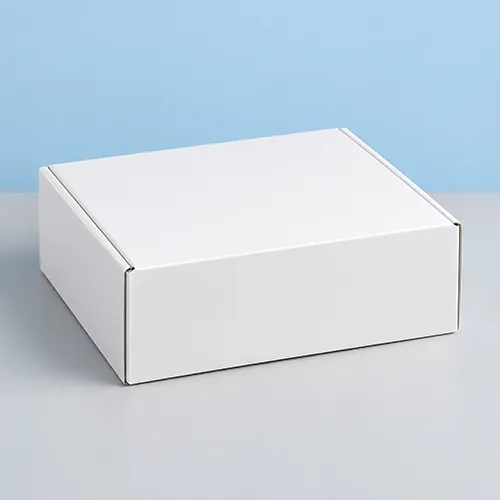
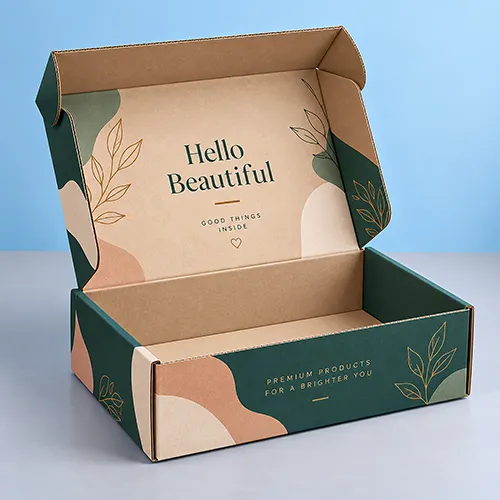
A Roll End Tuck Top Box is a die-cut package in which selected panels fold inward during erection to form reinforced side or end walls. An attached hinged lid then folds over the opening and closes with a tuck flap.
This creates the core structural relationship:
Folded Roll-End Walls + Tuck-Top Lid = RETT Box
The wide-opening lid can make RETT boxes practical for kits, accessories, product sets, samples, promotional packs and other products that benefit from easy top loading and organized presentation.
The RETT name describes the structure. It does not automatically determine the material, weight capacity or shipping performance.
What Does Roll End Mean?
Roll End refers to panels that fold or roll inward during assembly and become part of the erected wall structure.
The folded panels can create additional wall layers compared with a basic single-panel carton wall. The exact configuration, however, depends on the production dieline.
This should not be confused with double-wall corrugated board. Roll End describes folded structural geometry; double-wall corrugated describes a board made with multiple corrugated mediums and liner layers.
Keeping those terms separate prevents the box style from being assigned material properties it may not actually have.
What Does Tuck Top Mean?
Tuck Top describes the upper closure.
The attached lid folds over the box opening, and its tuck flap engages with the corresponding front or receiving area to close the package.
A regular tuck-top carton can use this closure without having roll-end walls. RETT adds the folded-wall construction to that closure relationship.
If reinforced roll-end walls are unnecessary and you simply need an upper tuck closure, compare our Tuck Top Boxes.
Roll End Tuck Top vs Standard Tuck Top Box
A standard Tuck Top Box primarily owns the tuck-style upper closure.
A Roll End Tuck Top Box adds another entity-defining attribute: folded roll-end wall construction.
Choose a standard Tuck Top when the product only needs a conventional folding-carton closure. Consider RETT when the product, presentation format or packing requirement benefits from the additional folded-wall geometry and wider opening.
The decision should therefore follow the product requirement rather than the keyword:
Simple Tuck Closure Required → Standard Tuck Top
Folded Wall Structure + Tuck Closure Required → Roll End Tuck Top
RETT vs Double Wall Tuck Top
The terms Roll End Tuck Top and Double Wall Tuck Top can overlap in commercial packaging terminology because some structures create reinforced walls by folding side panels over themselves.
They should not automatically be treated as identical.
The reliable comparison is the actual dieline:
Panel Geometry → Wall-Folding Relationship → Lid Closure → Finished Structure
For quoting and production, BoxBaba should identify the structure from its cut, score, fold and closure relationships rather than assuming two supplier style names represent the same dieline.
When Should You Choose a Roll End Tuck Top Box?
RETT is worth considering when the product needs more than a simple upper tuck closure.
It can be particularly useful when you need a wide-opening package for a kit or set, folded walls around part of the structure, organized top loading, an insert-led presentation, or a carton that needs more structural geometry than a basic tuck box.
RETT may be unnecessary when a conventional tuck carton already provides the required fit, closure and packing efficiency.
The practical selection sequence is:
Finished Product → Packing Requirement → Need for Folded Walls? → Need for Tuck-Top Access? → RETT Decision
This avoids adding structural complexity when the product does not need it.
Is a Roll End Tuck Top Box the Same as a Mailer Box?
Not automatically.
Roll End Tuck Top describes a structural arrangement. Mailer Box describes a broader packaging family commonly associated with ecommerce and direct-to-customer distribution.
Some corrugated RETT structures can function as mailers. Other RETT designs may be intended primarily for product presentation, kits or retail use.
If your main requirement is simply a branded ecommerce shipping box and you have not selected the structure yet, start with Custom Mailer Boxes rather than assuming RETT is automatically the right design.
Choosing the Material for RETT Boxes
Material selection should follow the finished product and intended packaging role.
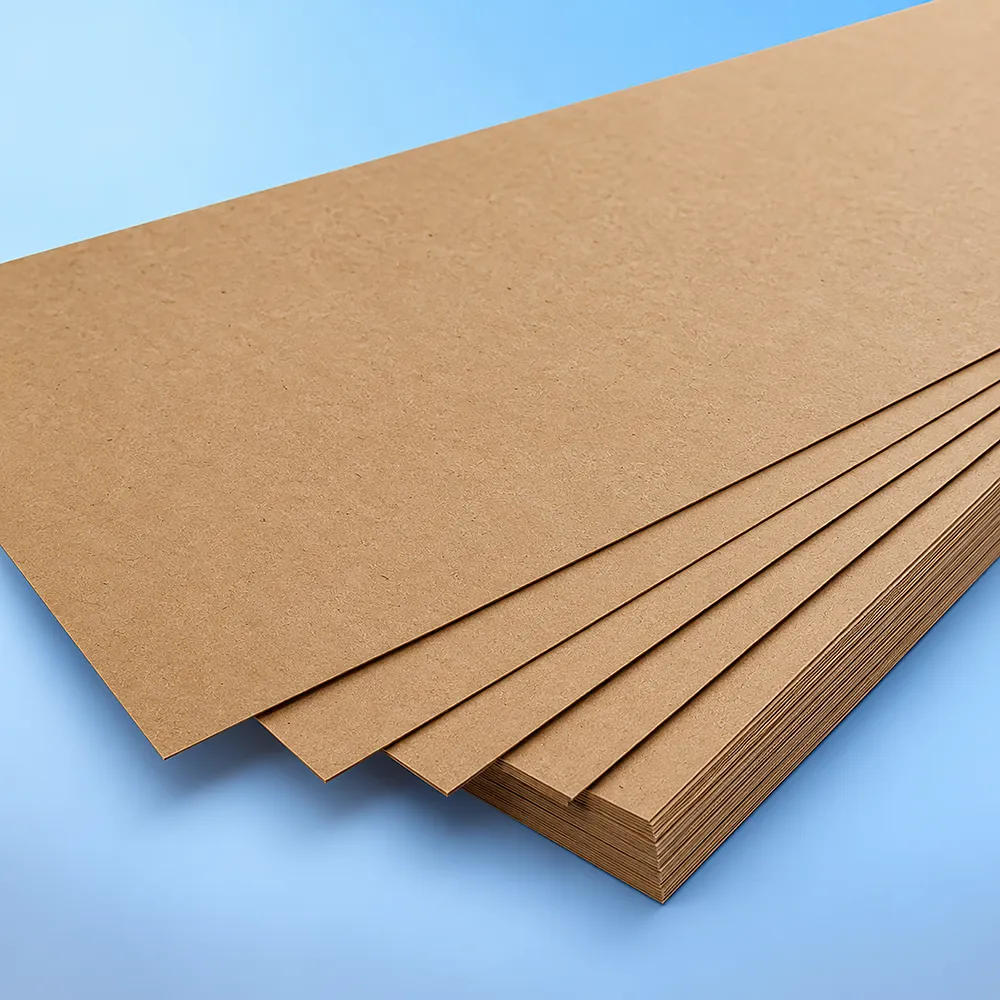
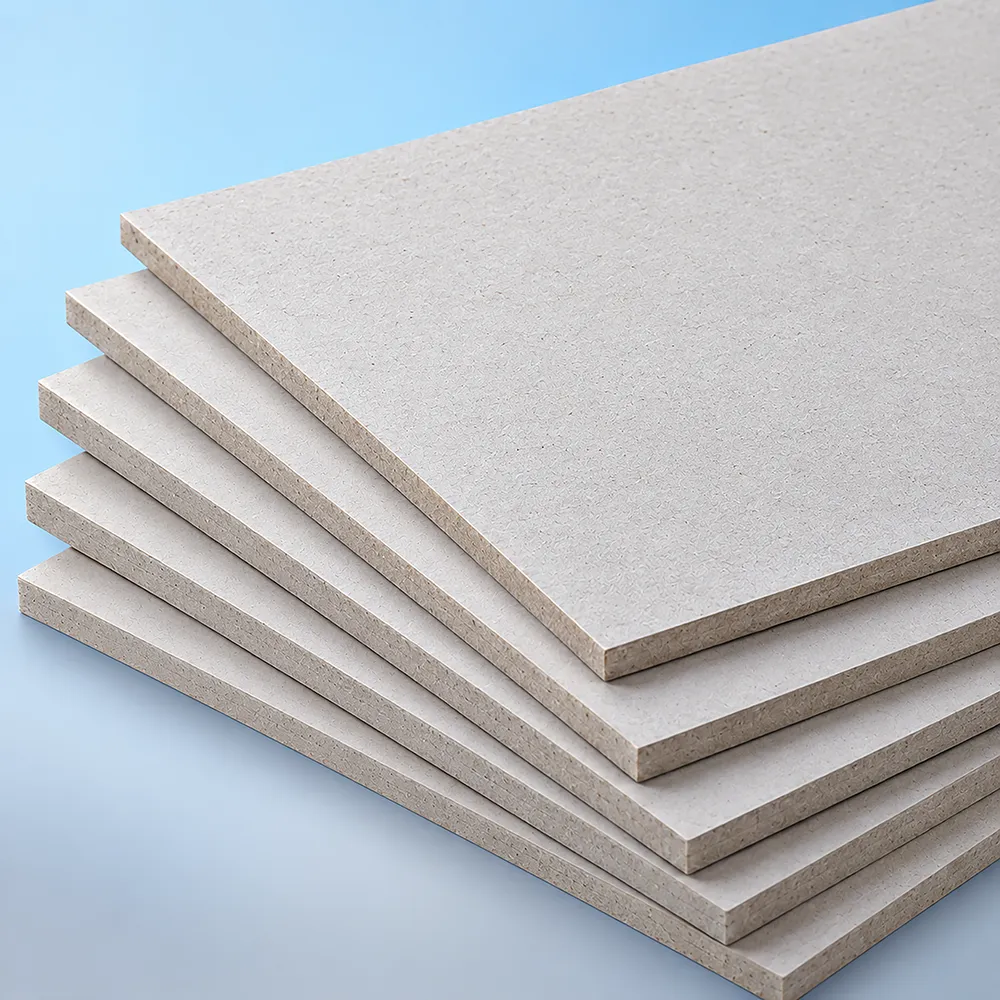
Suitable folding paperboard or cardstock can be considered for lightweight retail products, samples, promotional kits and presentation packaging. Kraft-based stocks may be selected where their appearance and printing characteristics suit the brand.
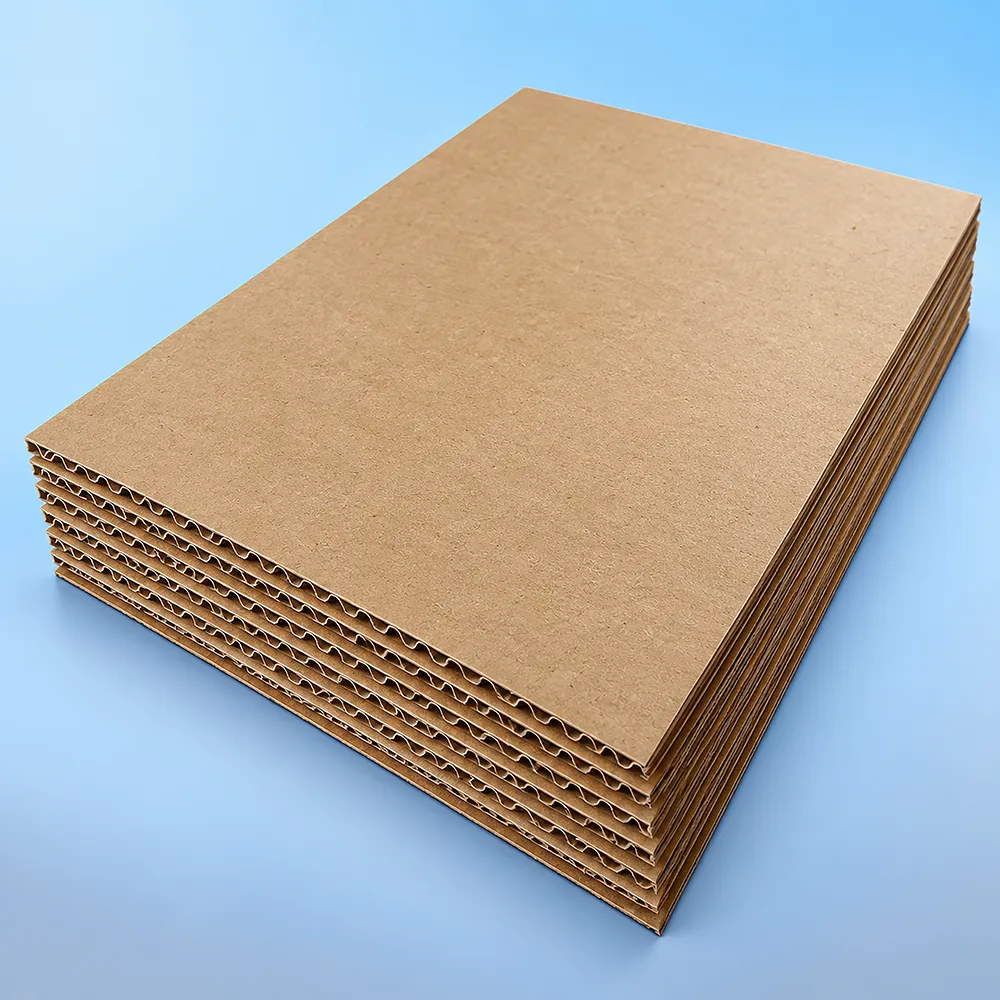
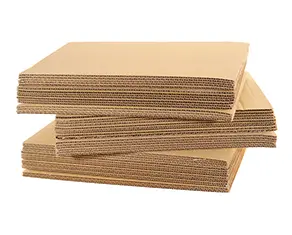
Corrugated board is more relevant when the RETT structure is being developed for larger product sets, fulfillment, subscription packaging or applications requiring a more transit-oriented board construction.
If shipping performance is the primary requirement, compare the project with Custom Corrugated Boxes before finalizing the board and structure.
The correct material decision follows:
Product Dimensions + Filled Weight + Packaging Role + RETT Geometry → Material Specification
rather than selecting board solely from the name of the box style.
Are RETT Boxes Automatically Suitable for Shipping?
No.
Using a Roll End Tuck Top structure does not by itself qualify a package for parcel shipping.
For ecommerce or courier use, the complete package needs to be reviewed around the packed product, including its weight, fragility, dimensions, board construction, internal movement, closure and expected distribution conditions.
A suitable relationship is:
RETT Structure + Appropriate Board + Product Fit + Internal Support + Distribution Requirement → Shipping Decision
This is more accurate than assuming every roll-end structure is automatically a shipping box.
How Are Roll End Tuck Top Boxes Assembled?
The exact sequence follows the approved dieline, but a typical RETT carton is supplied flat and erected during packing.
The base is formed first, followed by folding the roll-end panels into their designed wall positions. Inserts or dividers are positioned where required, the product is loaded, and the hinged lid is folded over before the tuck flap engages with the receiving area.
Because several panels interact during assembly, brands should consider packing volume and available labor before choosing the style.
A structure can offer excellent presentation while still being inefficient for a fulfillment operation if its assembly process is too slow for the expected packing volume.
Are Roll End Tuck Top Boxes Glue-Free?
Many RETT structures rely heavily on mechanical folds and locking relationships and may not require the packer to apply adhesive during box erection.
That does not mean every RETT structure is universally glue-free.
Custom modifications, conversion methods, seams or specific wall configurations can change the adhesive requirement. The approved production dieline should therefore determine whether glue is used.
If glue-free assembly is a project requirement, include it in the structural brief rather than assuming it from the RETT name.
How to Size Custom Roll End Tuck Top Boxes
Begin with the finished product or complete product set in its actual packing orientation.
Provide the product length × width/depth × height, along with its filled weight, footprint, quantity per box, loading orientation and any insert requirement.
The finished RETT dimensions cannot simply copy the product dimensions because the structure must also account for board thickness, folded wall buildup, tuck engagement and loading clearance.
The correct sizing sequence is:
Finished Product → Required Internal Space → Roll-End Wall Allowance → Closure Geometry → Finished Box Size
This becomes especially important for close-fitting kits and insert-led packaging.
Folded Walls Reduce Usable Internal Space
Roll-end panels occupy physical space after erection.
A flat blank can therefore look spacious while producing a smaller usable internal cavity once all panels have been folded into position.
For products with tight tolerances, evaluate the internal dimensions only after considering:
This is one reason the physical structure should be developed around the actual product rather than choosing a generic stock dimension first.
Product Weight and Footprint Affect RETT Selection
Two products with the same weight can interact differently with a box if their footprints and dimensions differ.
A wide, shallow product may load the base and side walls differently from a smaller but taller product. The selection should therefore consider the combination of:
Filled Weight + Footprint + Box Dimensions + Material + Wall Geometry
There is no single universal weight capacity for every Roll End Tuck Top box.
Board Thickness Affects Folding and Closure
Roll End structures contain several folds and score relationships.
Changing the board thickness can affect folding resistance, wall buildup, usable internal space, tab engagement and lid alignment. A thicker material is therefore not automatically better.
The relevant relationship is:
Board Thickness → Score Geometry → Folded Wall Build-Up → Closure Fit
Structural development should use the actual production material when final fit is being validated.
Custom Inserts and Dividers for RETT Boxes
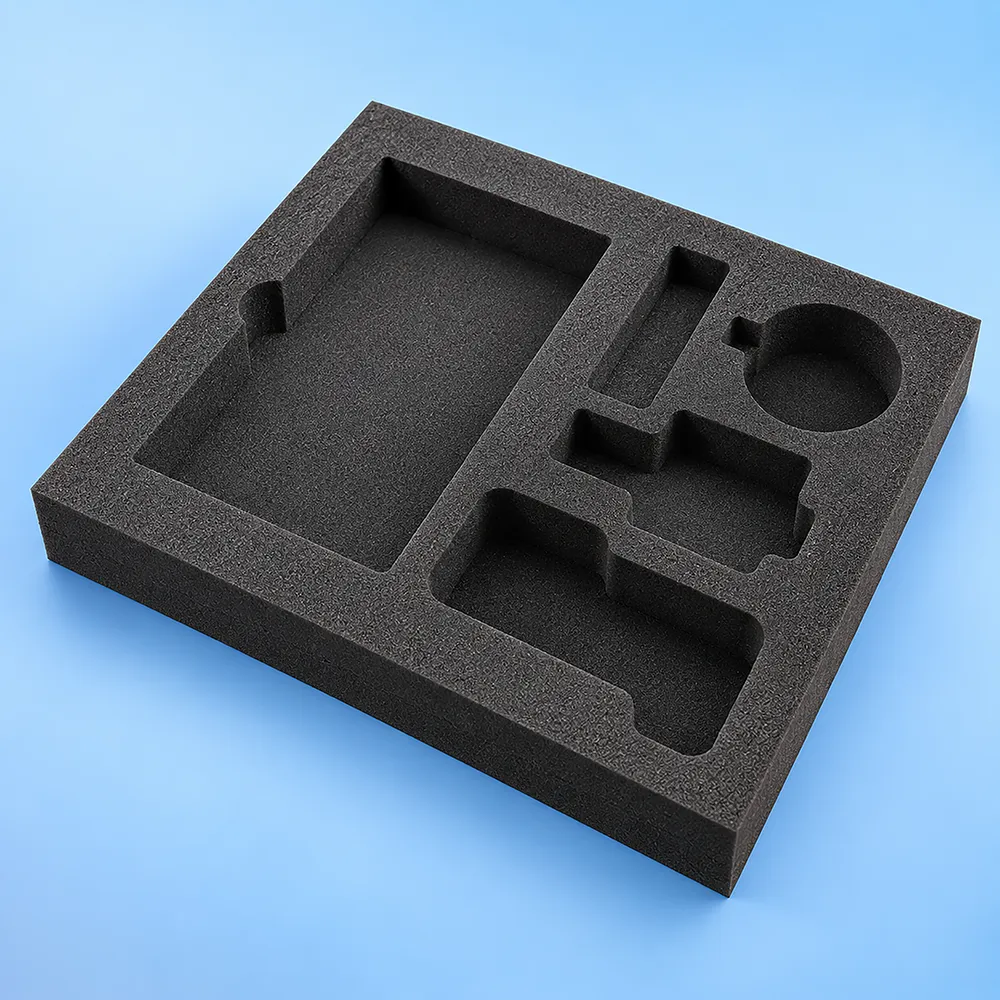
Roll End Tuck Top Boxes can incorporate inserts or dividers where products need controlled positioning, separation or a more organized presentation.
This can be useful for product kits, bottles and jars, accessories, electronic components, sample collections and multi-item promotional sets.
Because an insert consumes internal volume, the outer box should be developed around the insert rather than sizing each component independently.
Use:
Products → Insert Layout → Required Internal Space → RETT Outer Structure
If fitted internal organization is the main packaging requirement, explore Printed Boxes With Inserts for additional insert options.
Roll End Tuck Top Boxes With Die-Cut Windows
A viewing window can be added where the selected panel has enough remaining board to maintain the required structural relationship.
Window placement should follow the product rather than being positioned only for visual symmetry.
Consider the visible product area, roll-end folds, locking tabs, insert position and nearby artwork before approving the opening.
Avoid cutting through critical rolled-wall or locking areas without structural review.
Printing Options for Roll End Tuck Top Boxes
RETT boxes can be printed with logos, product information, instructions, branded graphics, barcodes and QR codes across suitable exterior surfaces.
Inside printing can also be considered where supported by the selected board and production method, particularly on areas exposed when the hinged lid is opened.
Depending on the project, compatible processes may include digital, offset or other material-appropriate printing methods. CMYK process printing and Pantone/PMS references can be used where applicable.
The print process should be selected after the material and structure are established.
Artwork Must Follow the Folded Structure
Artwork placement is especially important on RETT dielines because several panels change orientation during erection.
A panel sitting beside another panel on the flat structural file may become an internal wall after assembly.
Logos, product instructions, barcodes and QR codes should therefore be positioned according to their finished erected orientation, not simply their location on the flat blank.
For broader information about cut lines, crease lines, glue areas, bleed and safe zones, review our Packaging Dieline Guide.
Finishing Options for Custom RETT Boxes
Printing and finishing are separate production decisions.
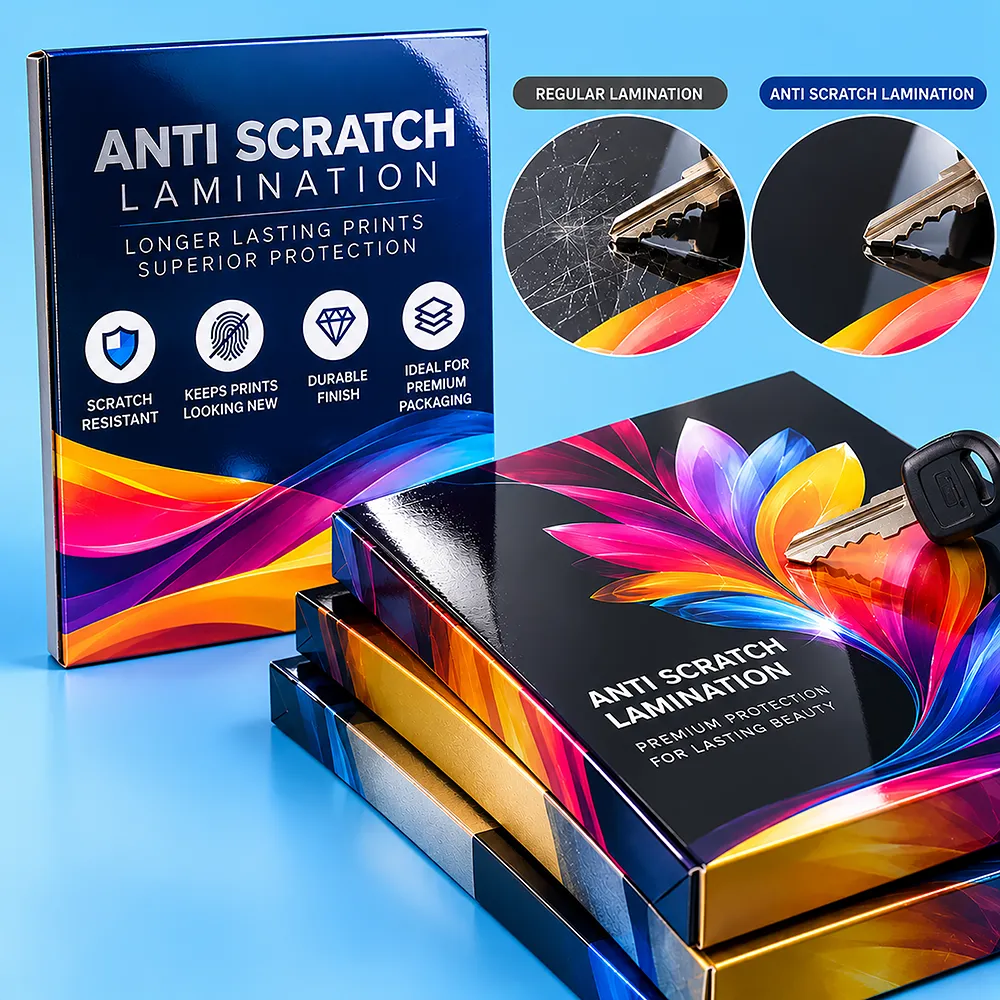
Depending on the selected material, printing process and fold geometry, RETT packaging may support finishes such as matte, gloss, soft-touch treatment, foil stamping, embossing, debossing and Spot UV.
Finish compatibility can differ between folding paperboard and corrugated constructions, especially near scores and heavily folded areas.
Confirm the material and structural dieline before final finish placement.
What Should Be Validated Before Bulk Production?
Digital proofing and physical structural sampling answer different questions.
A digital proof or 3D mockup can help review artwork positioning, panel orientation, print coverage and the relationship between exterior and interior graphics.
Where structure or product fit is critical, a representative physical sample is more useful for checking folded-wall assembly, internal usable space, insert fit, lid movement and tuck engagement.
For RETT packaging, these physical relationships matter because board thickness and folded walls can change the usable space after assembly.
What to Send for a Roll End Tuck Top Box Quote
| Quote Input |
Why It Matters |
| Finished product dimensions |
Establishes required internal space |
| Filled product weight |
Supports material and structural review |
| Product footprint |
Influences base and wall geometry |
| Packing orientation |
Determines product fit and presentation |
| Quantity per box |
Defines the complete packed configuration |
| Packaging role |
Separates retail/presentation requirements from shipping requirements |
| Material preference |
Helps establish paperboard, Kraft or corrugated direction |
| Insert / divider requirement |
Changes internal space requirements |
| Window requirement |
Affects panel structure and artwork |
| Inside / outside printing |
Defines print coverage |
| Finishing requirements |
Influences production specification |
| Order quantity |
Supports production planning and pricing |
| Artwork status |
Determines required artwork/dieline assistance |
| Delivery destination |
Supports shipping planning |
If the package will be used for parcel delivery, also provide its distribution role, packed weight and product fragility.
Custom Roll End Tuck Top Boxes Wholesale From BoxBaba
BoxBaba develops Custom Roll End Tuck Top Boxes around the finished product, required folded-wall geometry, tuck-top closure and intended packaging role rather than applying one universal RETT specification to every order.
Custom packaging projects can start from 100 units. Custom sizing, structural dielines, exterior and interior printing, inserts, windows and compatible finishing options can be incorporated according to the approved design.
Digital proof or 3D mockup review is available before production, with physical structural sample options where product fit, folded-wall assembly, insert alignment or closure engagement needs additional validation.
Standard production is typically 5–9 business days after final artwork approval, depending on the final structure, material, printing, finishing and insert requirements.
Free shipping is available across the USA.
Request Custom Roll End Tuck Top Boxes
The right RETT structure starts with the packed product—not the box-style name alone.
The recommended decision path is:
Finished Product → Fit + Filled Weight → Need for Roll-End Walls → Tuck-Top Closure → Material → Dieline → Structural Validation → Production
Send BoxBaba your product dimensions, filled weight, footprint, packing orientation, quantity, preferred material, artwork status and any insert, window, inside-printing or finishing requirements.
If the package will be used for ecommerce or courier delivery, include that distribution requirement before the structure and material are finalized.
Request your custom quote by calling +1 305 574 4357 or emailing sales@boxbaba.com.