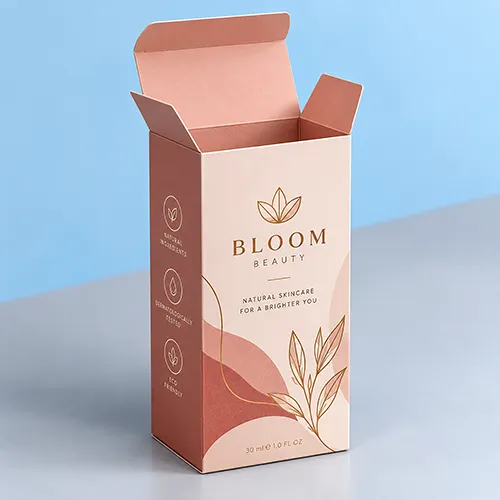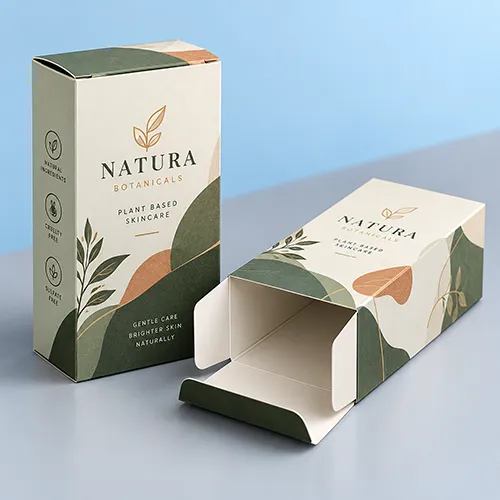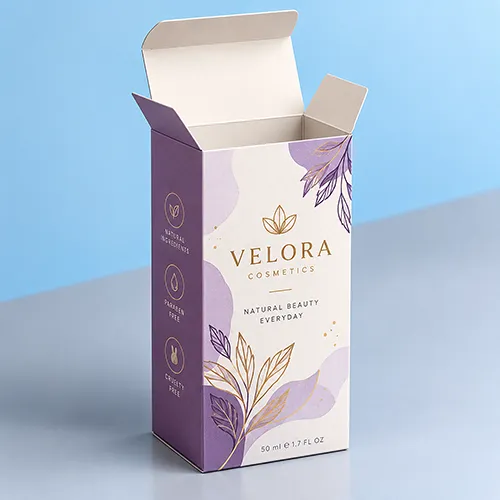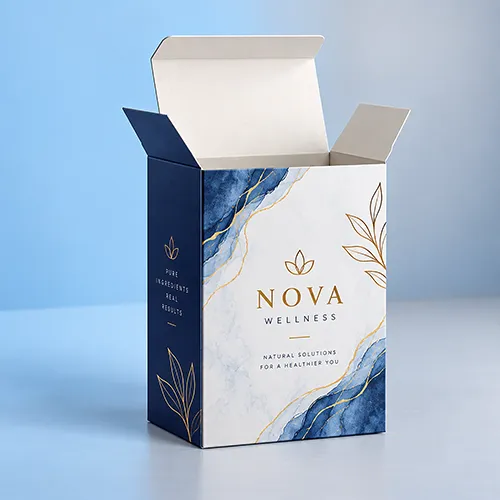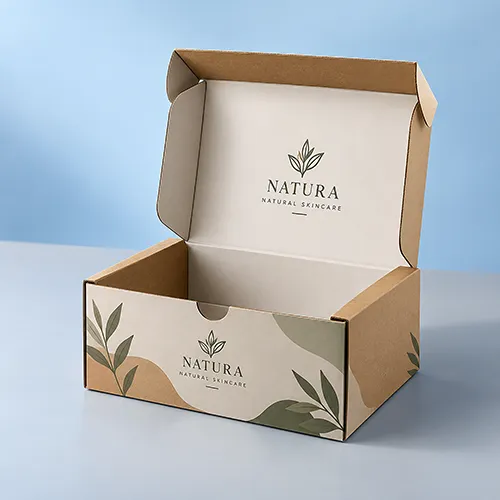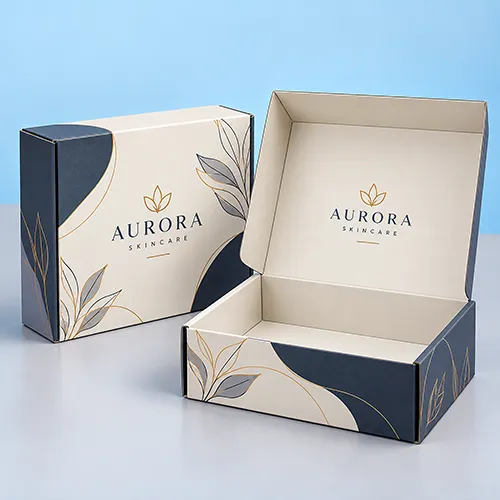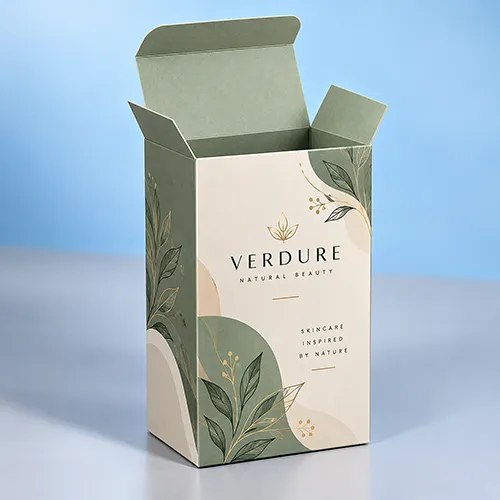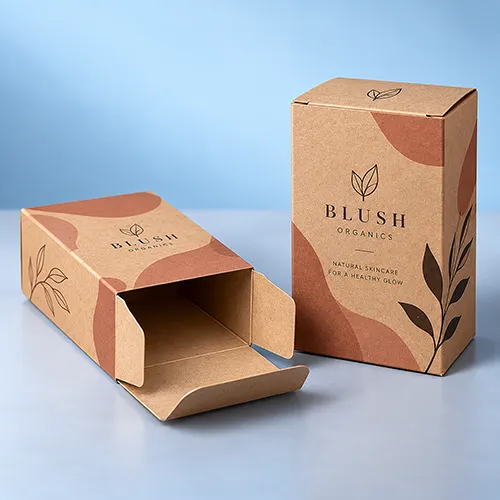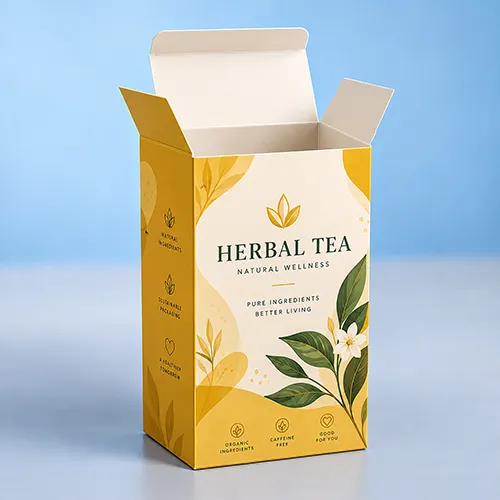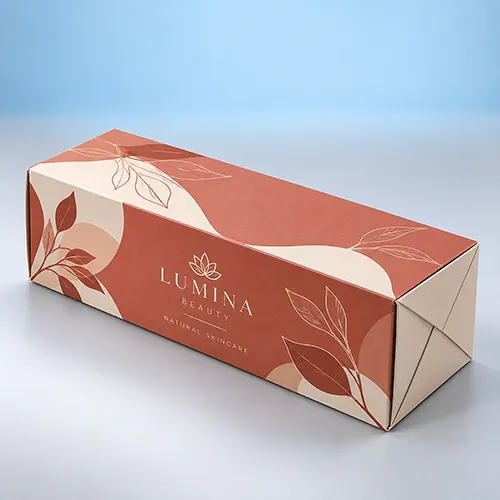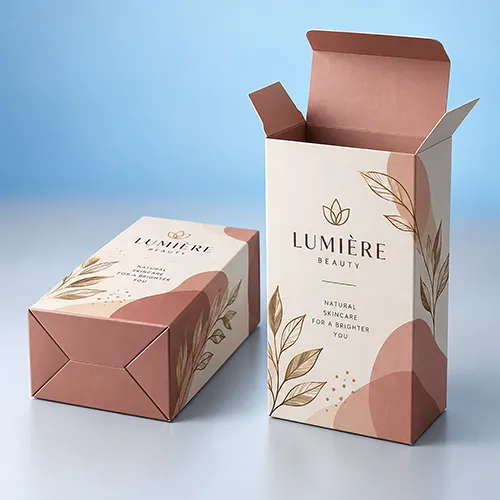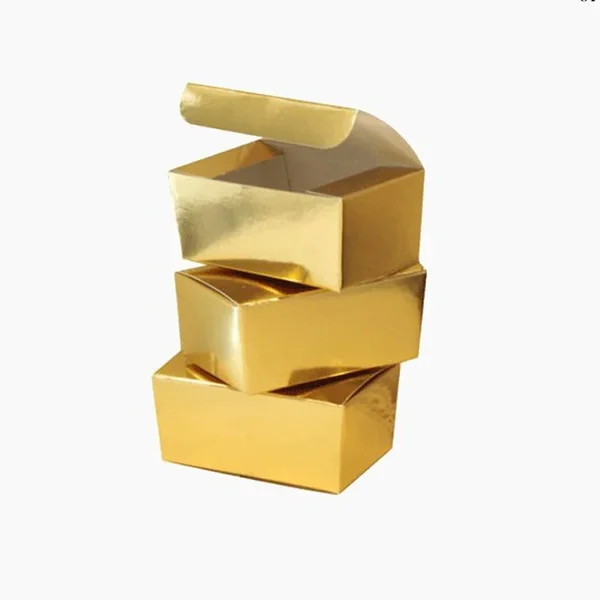

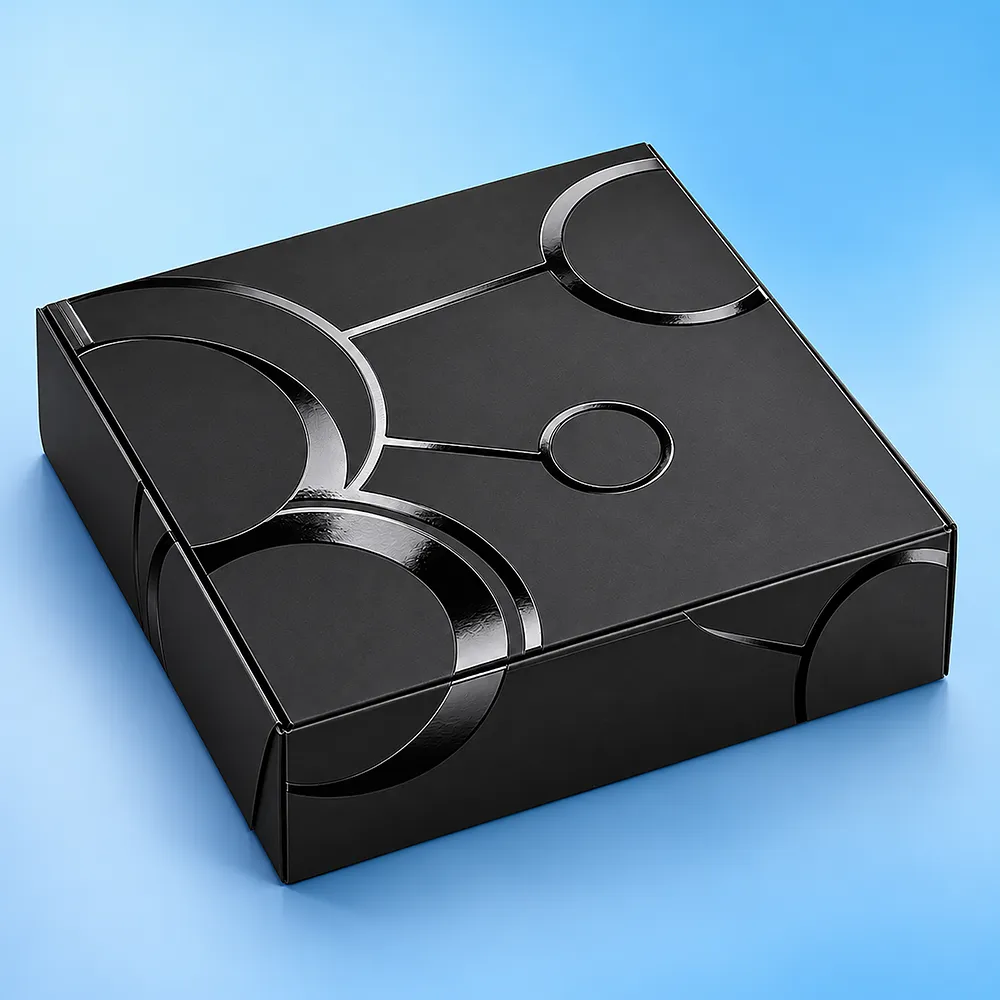
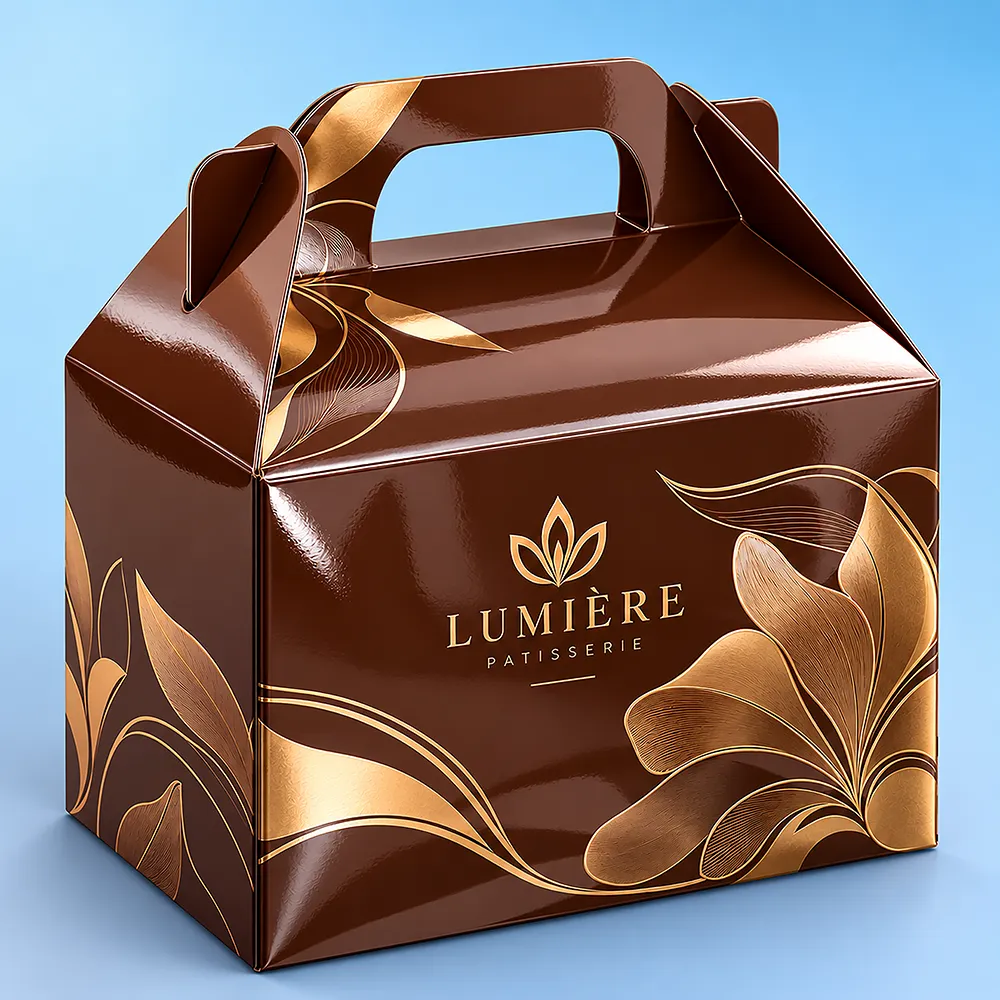
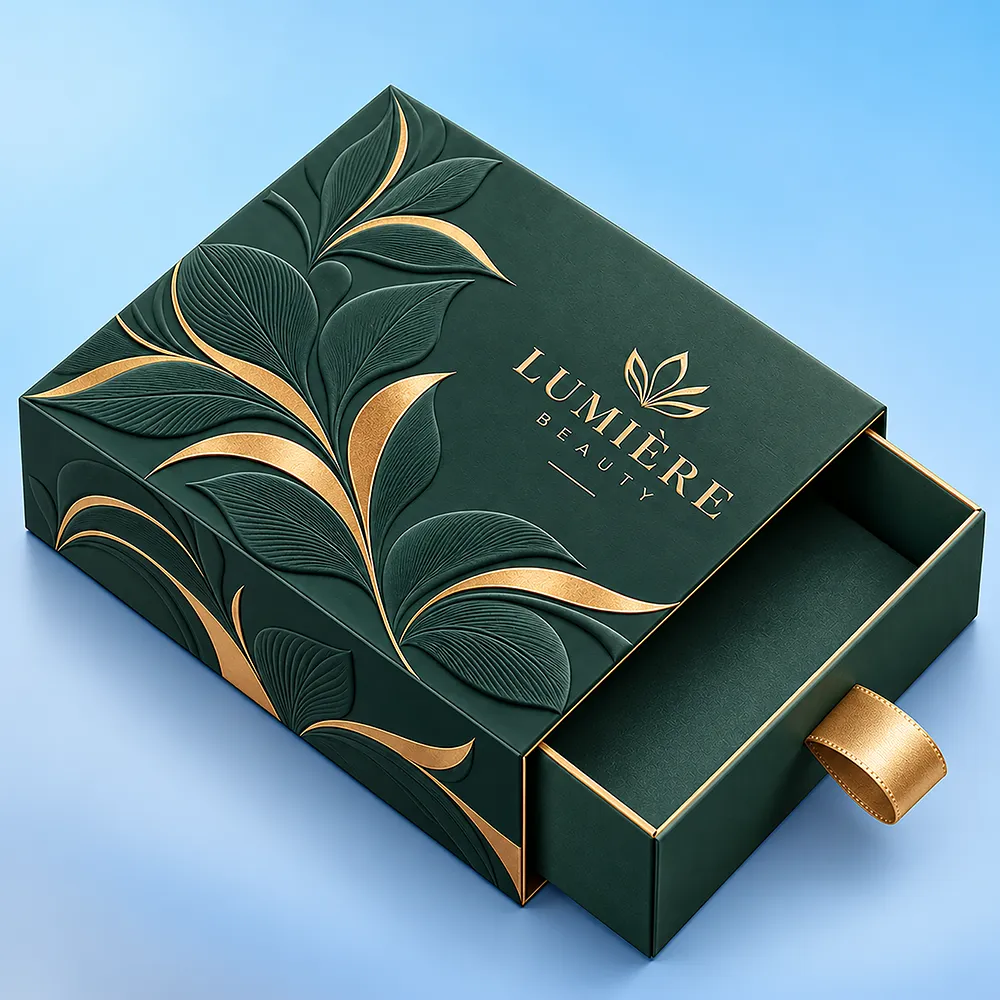
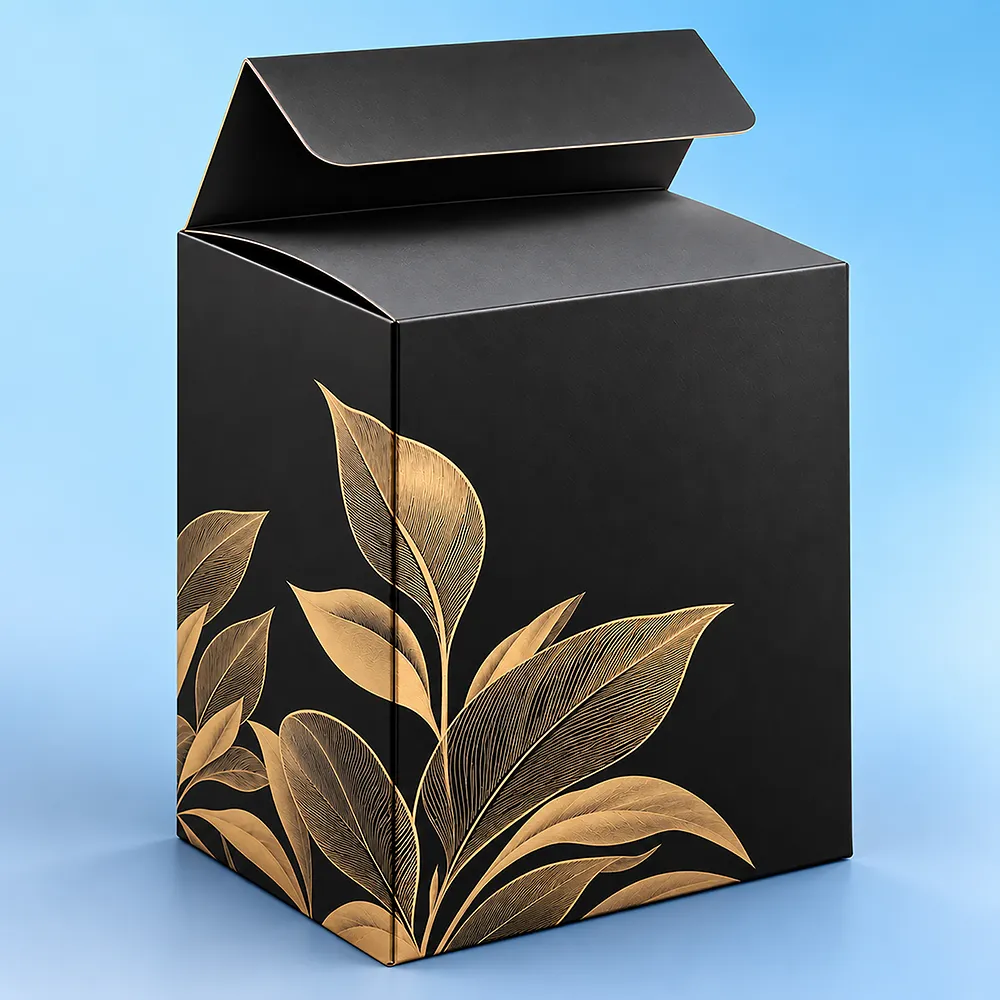
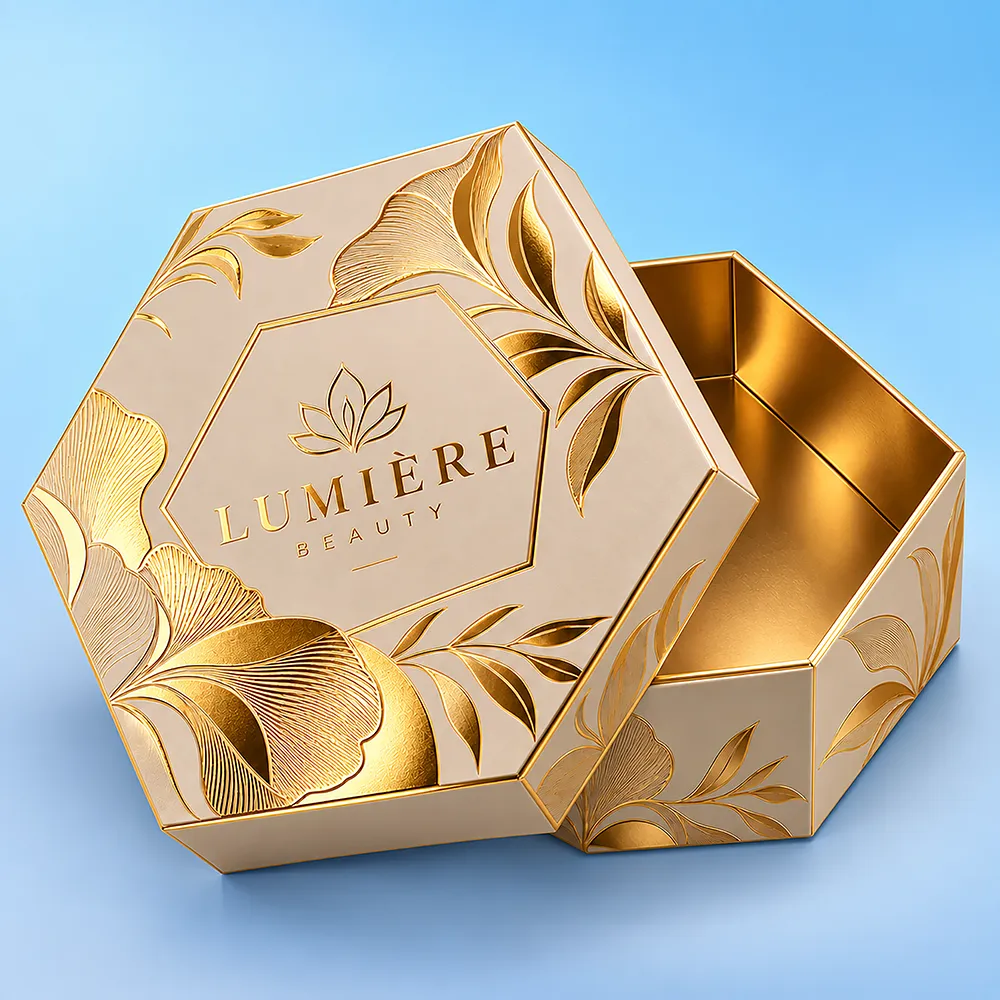
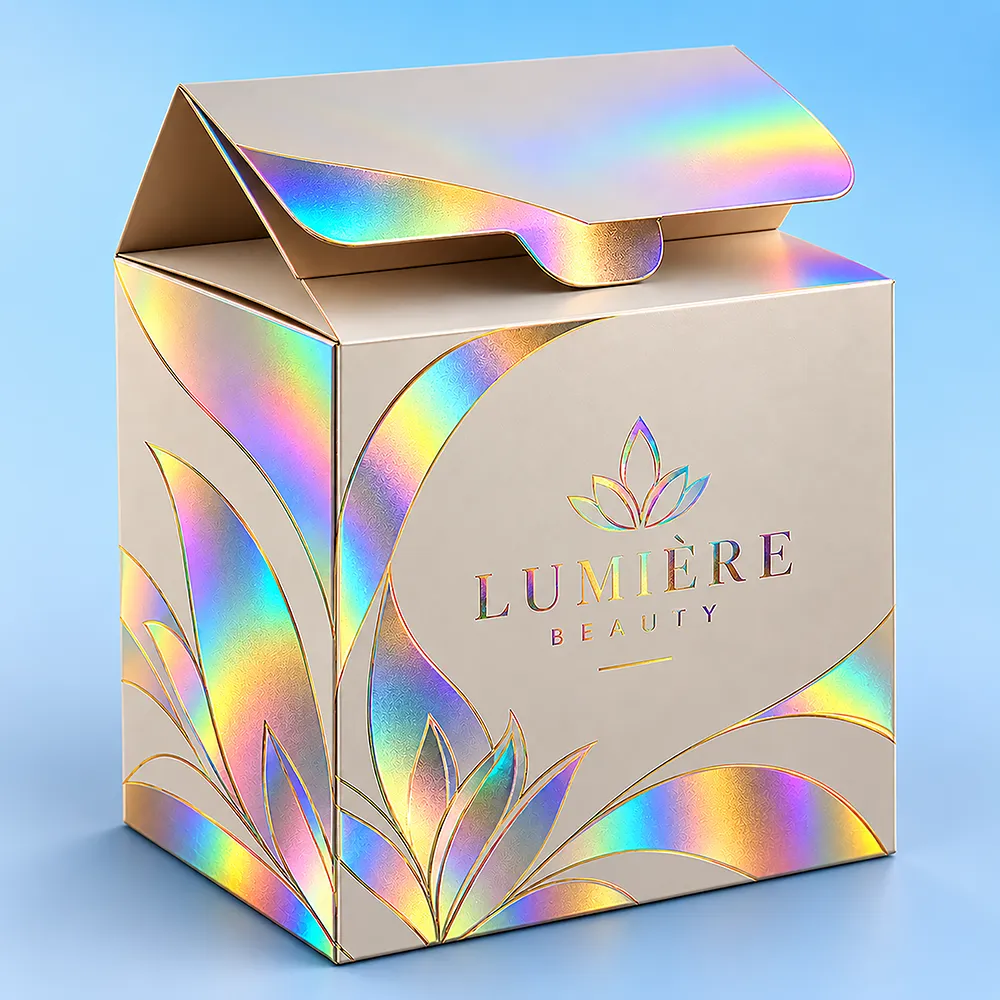
Straight Tuck End Boxes

Order custom straight tuck end boxes made around your product dimensions. Choose custom printing, inserts, windows and finishes with MOQ from 100 units. Custom Straight Tuck End Boxes are folding cartons with the primary top and bottom tuck flaps closing in the same general direction. This same-direction closure makes Straight Tuck End, or STE, a distinct folding-carton structure and influences the loading path, panel layout and artwork orientation. BoxBaba develops Straight Tuck End Boxes around your finished product dimensions, filled weight, product orientation and branding requirements. Custom printing, inserts, die-cut windows and compatible finishing options can be added where needed. Artwork and dieline support, digital proof or 3D mockup review and physical sample options are available before bulk production. MOQ starts from 100 units, with free shipping across the USA.
Trustpilot_Logo
5 out of 5 stars
4.5
Reviews 16 • Excellent

Straight Tuck End Boxes – Custom Printed Packaging for Cosmetics, Retail Products & Professional Branding

Straight tuck end boxes made with durable paperboard materials and customizable printing, ideal for cosmetics, skincare, electronics, and retail products while providing convenient assembly and professional product presentation.

What We Give

Create Custom Boxes Quick and Easy

Design

Get your custom boxes made in the required size, shape, and style.

Print

Upload your artwork and get it superbly printed the way you want.

Get it done

Order any quantity, enjoy a wholesale price, pay no extra for die plates.

Product Specification

Specification Available / Recommended Options
Box Structure Straight Tuck End folding carton
Structural Abbreviation STE
Defining Feature Primary top and bottom tuck flaps close in the same general direction
Top Closure Tuck-in flap with supporting dust flaps
Bottom Closure Tuck-in flap with supporting dust flaps
Supply Format Flat or collapsed carton for erection during packing
Loading Method Product loaded through an end opening
Size Custom dimensions developed around the finished product
Measurement Inputs Maximum length, width/depth, height, filled weight and orientation
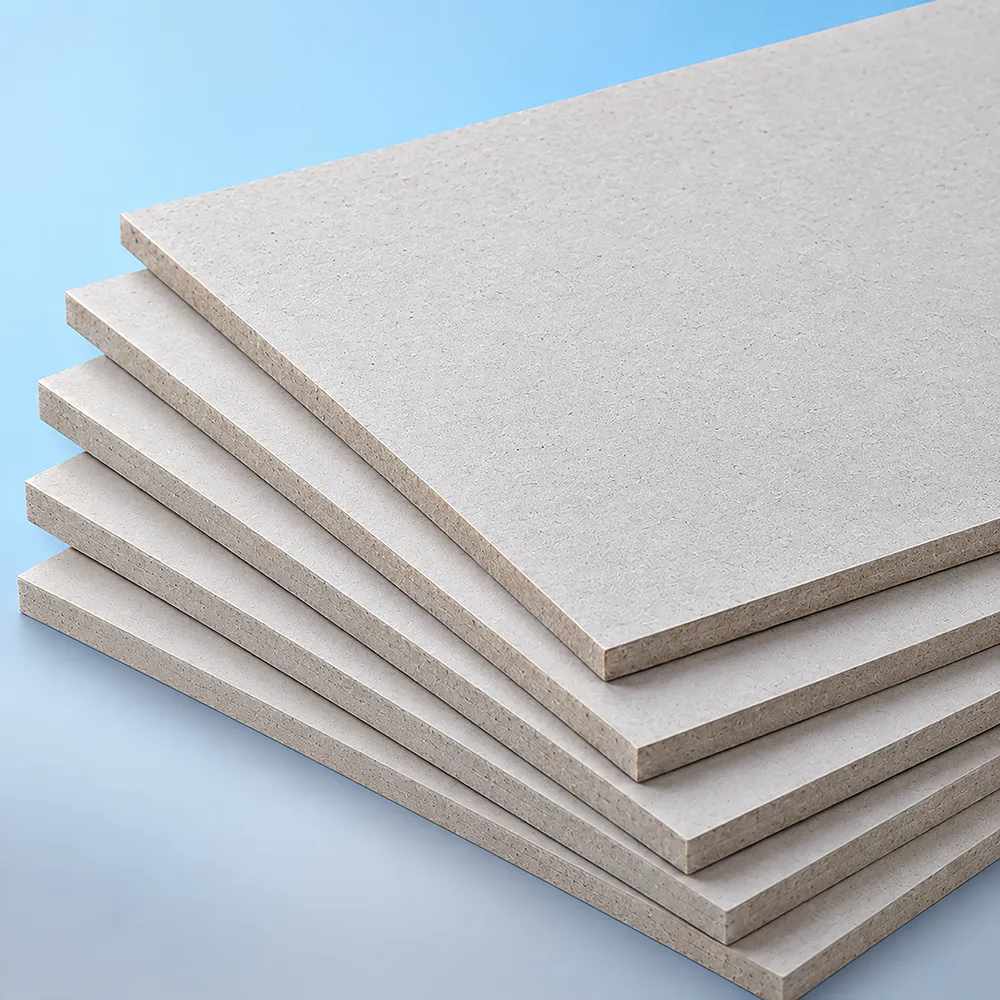
Material Options Folding paperboard/cardstock; natural Kraft paperboard where appropriate; other project-specific options subject to quotation
Printing Methods Digital and offset printing where appropriate
Color Systems / References CMYK process color and Pantone/PMS references
Print Areas Exterior panels; inside printing where supported
Window Option Open die-cut window or clear-patched window where structurally appropriate
Insert Option Custom insert where positioning, alignment or separation is required
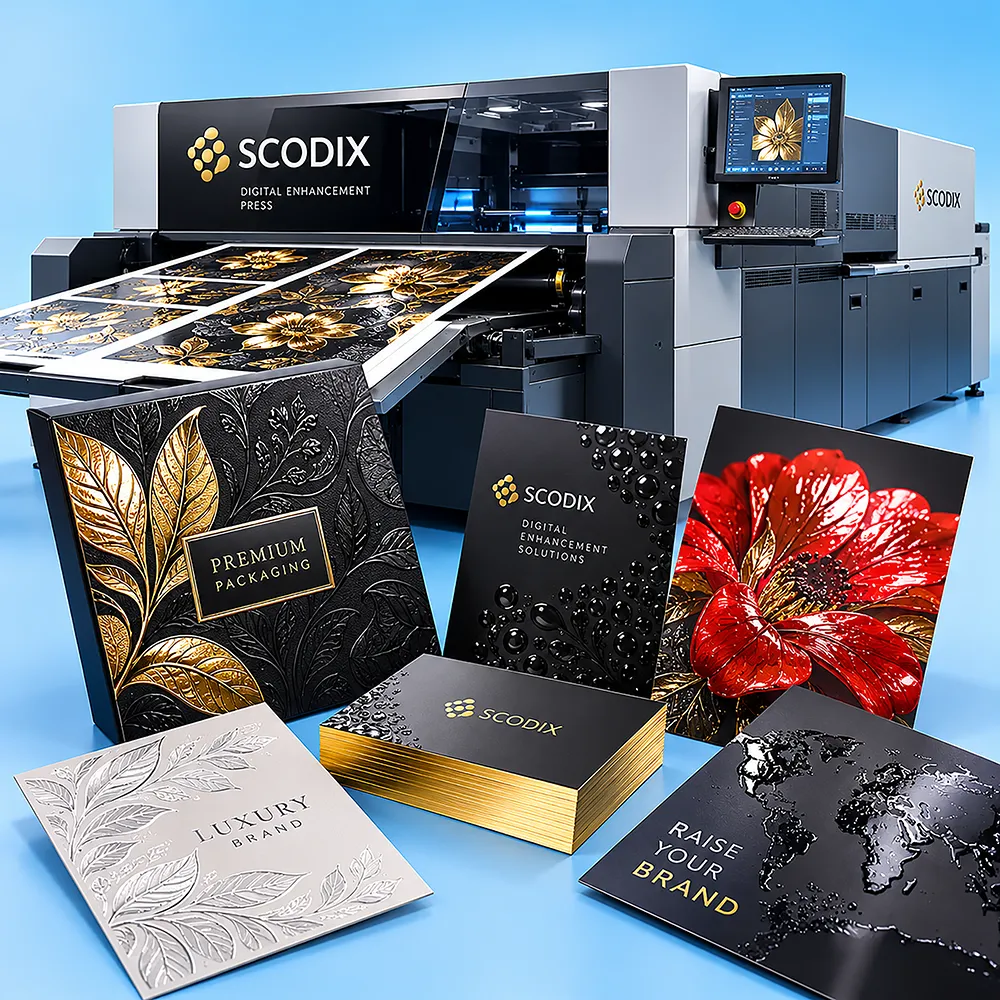
Finishing Options Matte, gloss, soft-touch, foil stamping, embossing, debossing and Spot UV where compatible
Dieline Support Available
Artwork Support Available
Proofing Digital proof / 3D mockup; physical sample options where required
MOQ Starting from 100 units
Standard Production Typically 5–9 business days after final artwork approval, depending on final specifications
Shipping Free shipping across the USA
Best Use End-loaded retail / secondary folding-carton applications where the STE orientation suits the product and panel layout
Outer Shipping Role Standard paperboard STE cartons should not automatically be treated as parcel shipping boxes

Related Products

Stock Type & Thickness

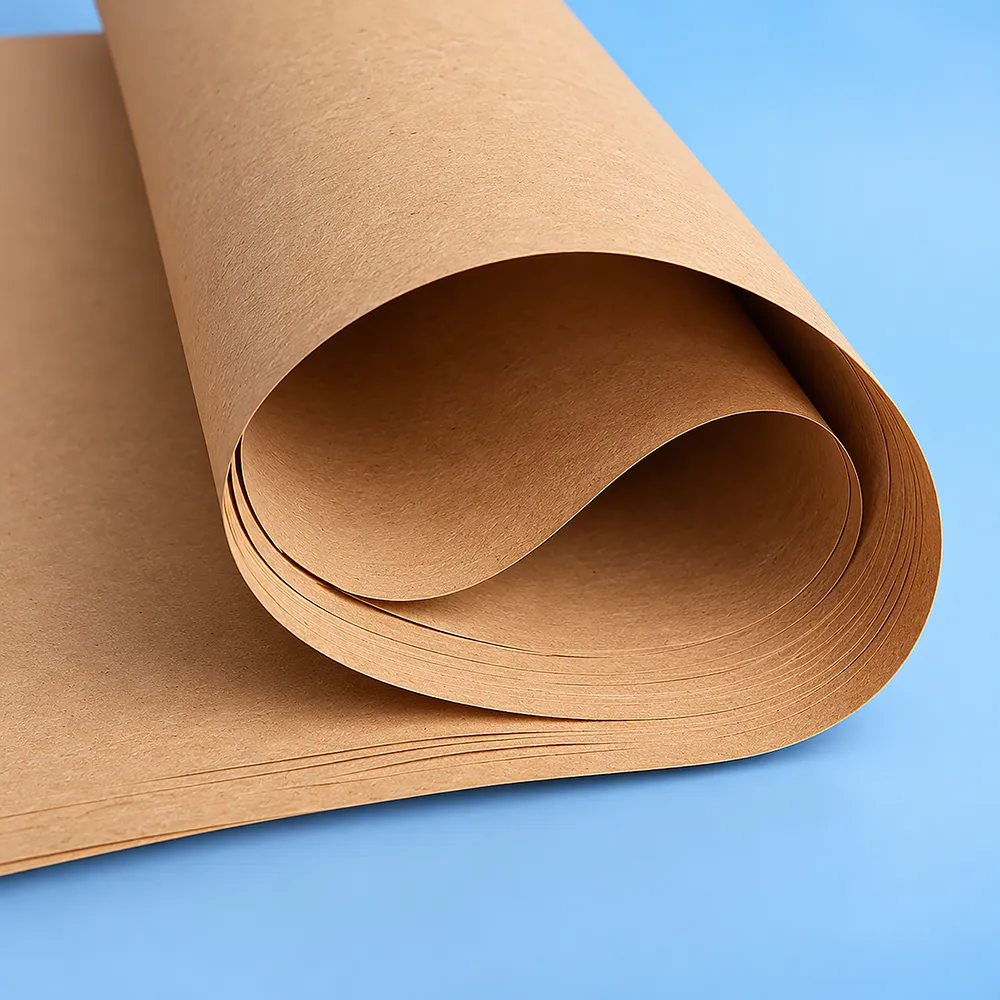
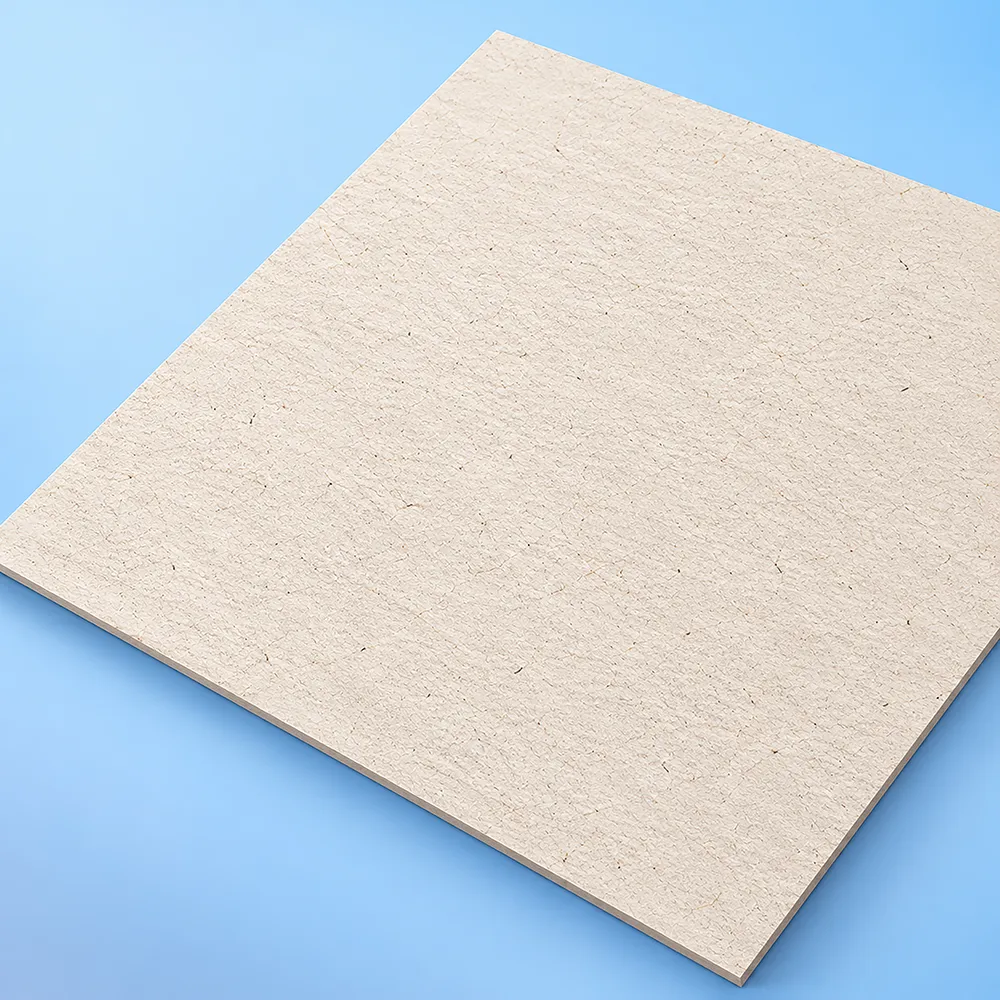
Cardboard

We use cardboard material with the least environmental impact and minimizes waste generation.
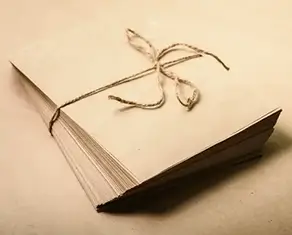
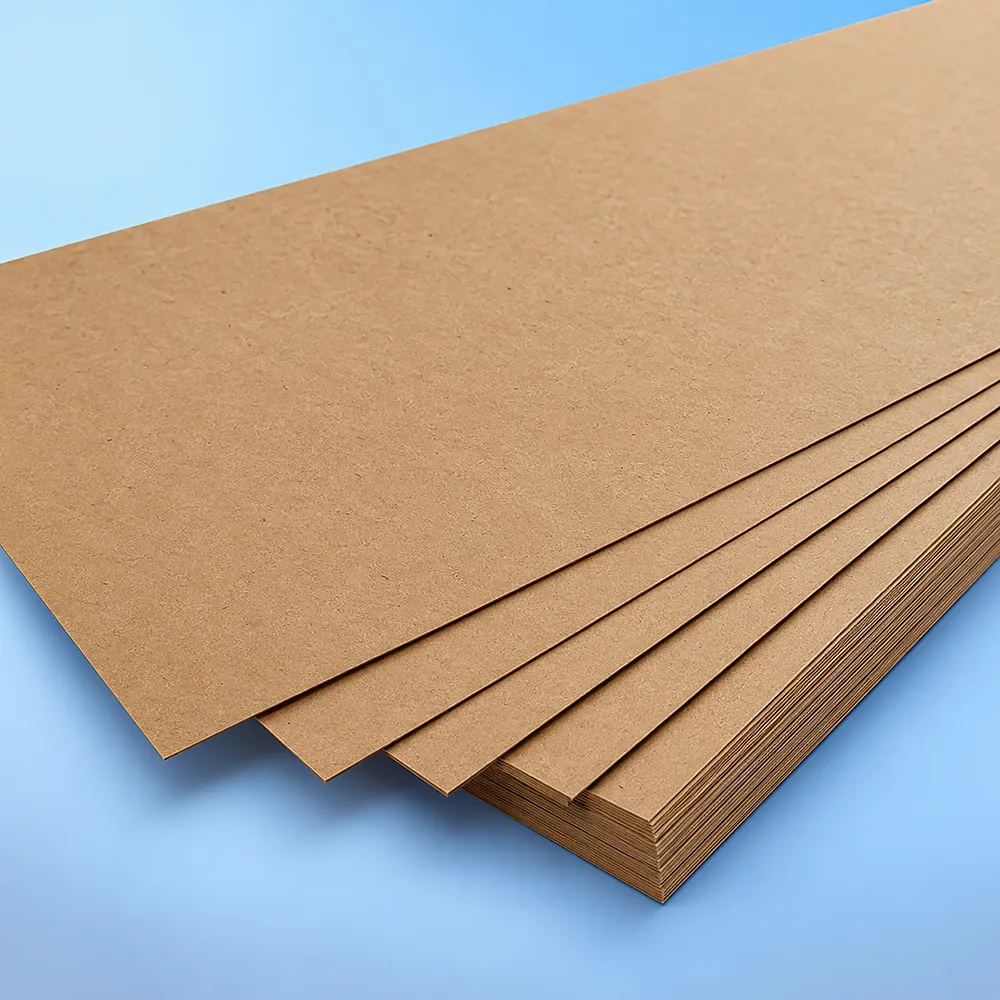
Kraft

Kraft paper is a strong, durable and reliable material that is widely used across many different industries.
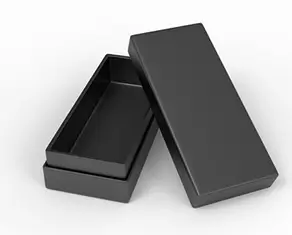
Rigid

Rigid is highly protective, affordable and recyclable material. These boxes provide maximum protection.
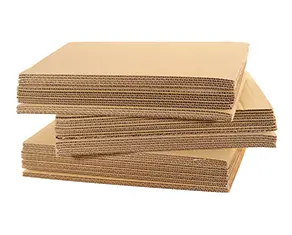
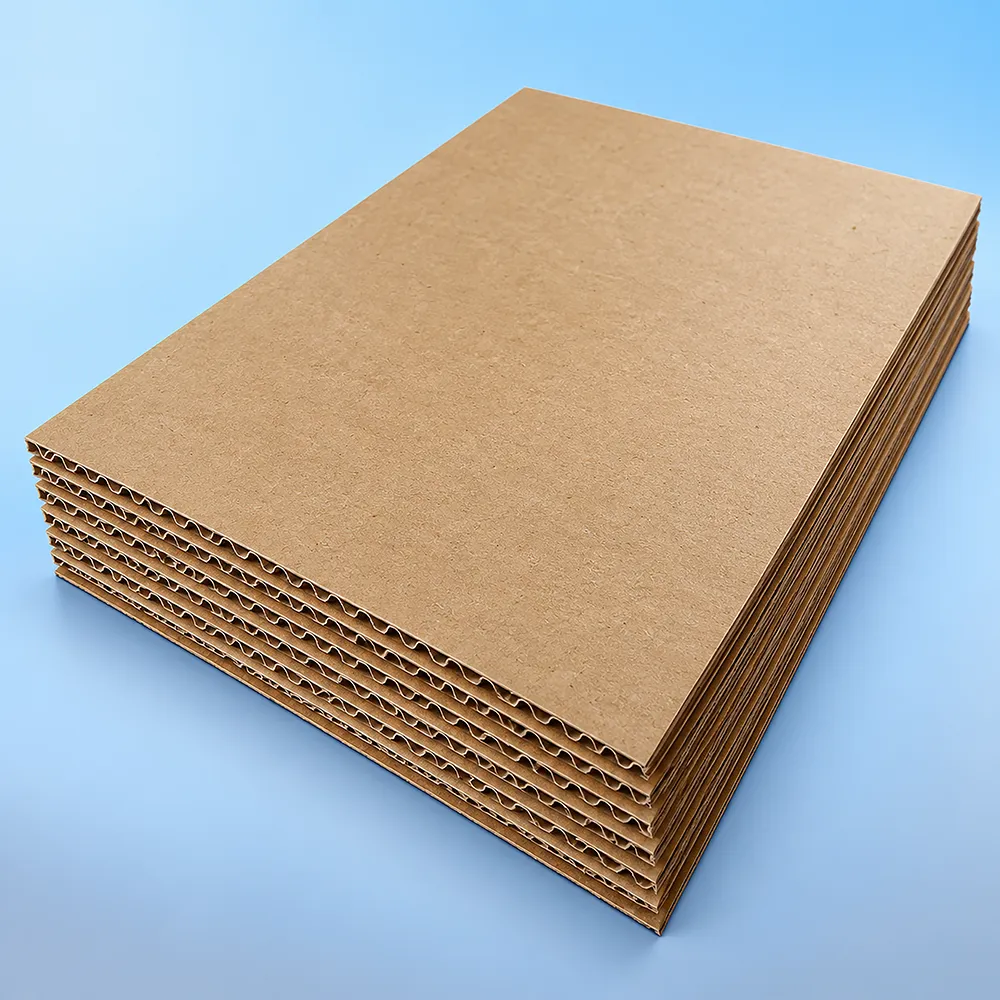
Corrugated

Corrugated material is easy to customize, cost effective and sustainable. It is also great for branding purposes.
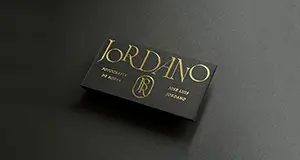
Finishing Assortment

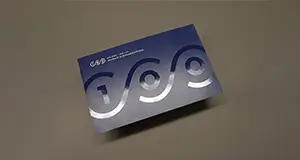
Foil Stamping

Foil Stamping

Enhance your packaging with premium foil stamping for a bold and luxurious appearance.
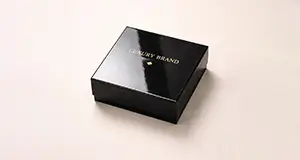
Spot UV

Spot UV

Our Spot UV coating adds a sleek shine and highlights key design elements beautifully.
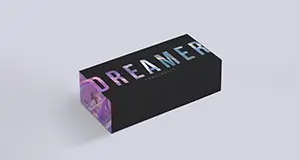
Gloss-Lamination

Gloss

Give your packaging a polished, glossy finish that enhances color and visual appeal.
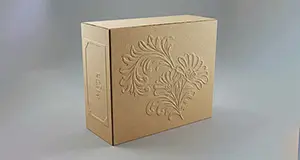
Holographic Foiling

Holographic Foiling

Create eye-catching packaging with holographic foil effects that shimmer from every angle.
Embossing

Embossing

Add raised textures and elegant detailing to make your packaging stand out.
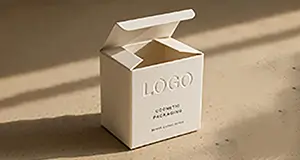
Debossing

Debossing

Create a refined pressed-in effect that adds depth and sophistication to your packaging.
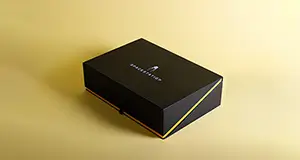
Matte

Matte

Achieve a smooth matte finish that minimizes fingerprints and delivers a modern look.
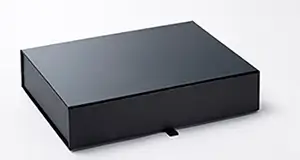
Soft Touch Lamination

Soft Touch Lamination

Protect your packaging with a silky-soft laminated finish for a premium feel.
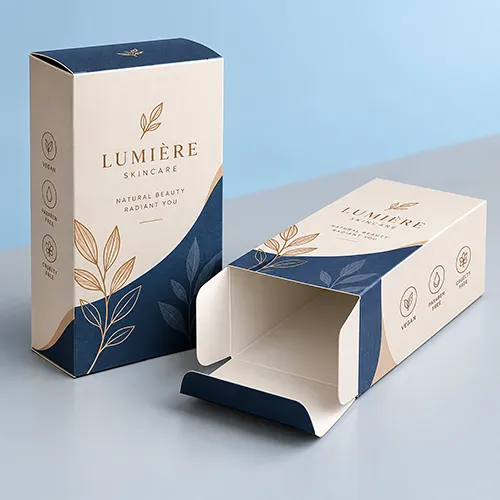
Custom Straight Tuck End Boxes for Retail Product Packaging

Custom Straight Tuck End Boxes are folding cartons in which the primary top and bottom tuck closures face the same general direction. That closure orientation is the defining feature of the structure and can affect how the product is loaded, how the finished panels relate to each other and how artwork is positioned on the approved dieline. Choose Straight Tuck when same-direction end closures work well with the intended loading path and panel orientation. Compare Reverse Tuck when opposing closures better suit the product, blank layout or artwork relationship. The useful specification path is: Finished Product → Loading / Opening Requirement → Same-Direction Tuck Orientation → Product Fit → Board → STE Dieline → Artwork → Quote For the wider structural family, explore Custom Tuck Boxes.  

What Is a Straight Tuck End Box?

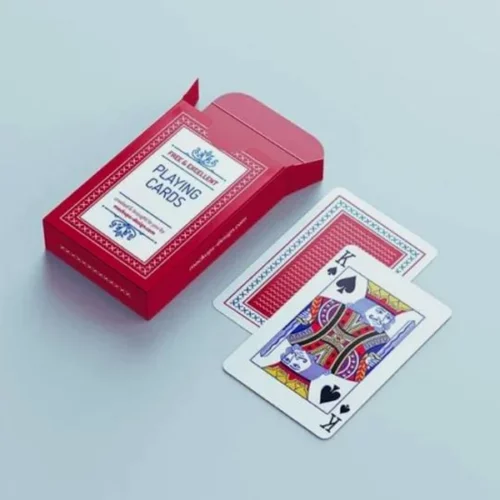
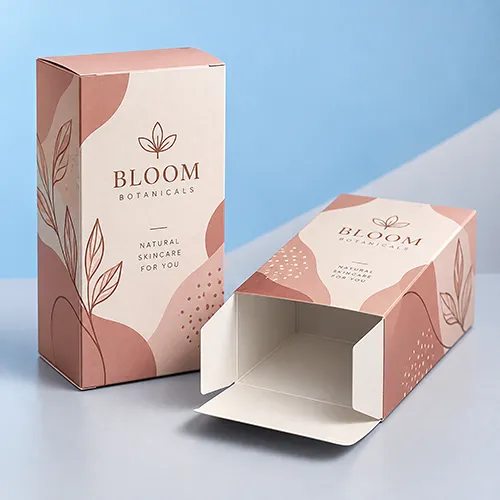
A Straight Tuck End Box is a folding carton whose main tuck flap at the top and main tuck flap at the bottom are oriented in the same general direction. The flat carton generally includes:
  • front and back panels;
  • side panels;
  • primary tuck flaps;
  • dust flaps;
  • crease lines;
  • and a manufacturer glue tab used to form the side seam.
The defining relationship is: Straight Tuck End → Same-Direction Primary Tuck Closures This identifies the structure. It does not mean Straight Tuck is universally stronger, more secure or better for heavier products than other Tuck styles. Board, carton dimensions, product load and the complete structure still influence performance.

Straight Tuck End vs Reverse Tuck End Boxes

Decision Factor Straight Tuck End Reverse Tuck End
Primary flap orientation Same general direction Opposite directions
Structural family Folding carton Folding carton
Typical loading End loading End loading
Artwork consequence Same-direction closures influence panel orientation Opposing closures create a different blank/panel relationship
Universal strength advantage No No
Selection should follow Product, loading, panel layout and dieline Product, loading, panel layout and dieline
A Reverse Tuck Boxes may be more suitable when its opposing tuck orientation better fits the required opening sequence or panel relationship. The decision is: Same-Direction vs Opposing Tuck Orientation not: Strong vs Weak

What Products Work With Straight Tuck End Boxes?

Straight Tuck End Boxes are most relevant when the finished product fits a compact folding-carton format and can be loaded efficiently through an end opening. Possible applications include cosmetic bottles and tubes, skincare containers, personal-care products, soaps, small accessories, supplement containers, vape or e-liquid bottles and other retail products with compatible dimensions and weight. Product type alone should not decide the structure. A lightweight tube and a filled glass bottle may occupy a similar space but create different structural requirements. Use: Product Geometry + Filled Weight + Loading Path → Carton Decision rather than choosing Straight Tuck simply because another product in the same industry uses it.

How to Sizing a Straight Tuck End Box

Measure the product in its finished, sale-ready condition. Record its maximum: length × width/depth × height including any cap, pump, shoulder, handle or other projection that changes the maximum product envelope. Also provide:
  • filled weight;
  • intended orientation;
  • quantity per carton;
  • insert requirement, if any;
  • and any window-alignment requirement.
Do not assume: Product Dimensions = Final Carton Dimensions The finished carton also has to account for internal clearance, board, folds, tuck engagement and any insert or divider. Use: Finished Product → Required Internal Fit → Board / Fold Geometry → STE Dieline Where fit is close or the product has an unusual profile, a structural sample can be useful before bulk production.

Product Loading and Straight Tuck Closure

A converted Straight Tuck carton is normally supplied flat or collapsed with its side seam already joined. During packing, the carton is erected, one end is closed, the product is loaded, and the opposite end is secured. The buyer should consider:
  • which end is easiest for packing;
  • which end should become the customer-opening side;
  • whether a cap or projection needs extra loading clearance;
  • whether the product can catch against dust flaps;
  • and whether an insert changes the loading path.
These decisions should be resolved before the final dieline and artwork are approved.

Materials for Straight Tuck End Boxes

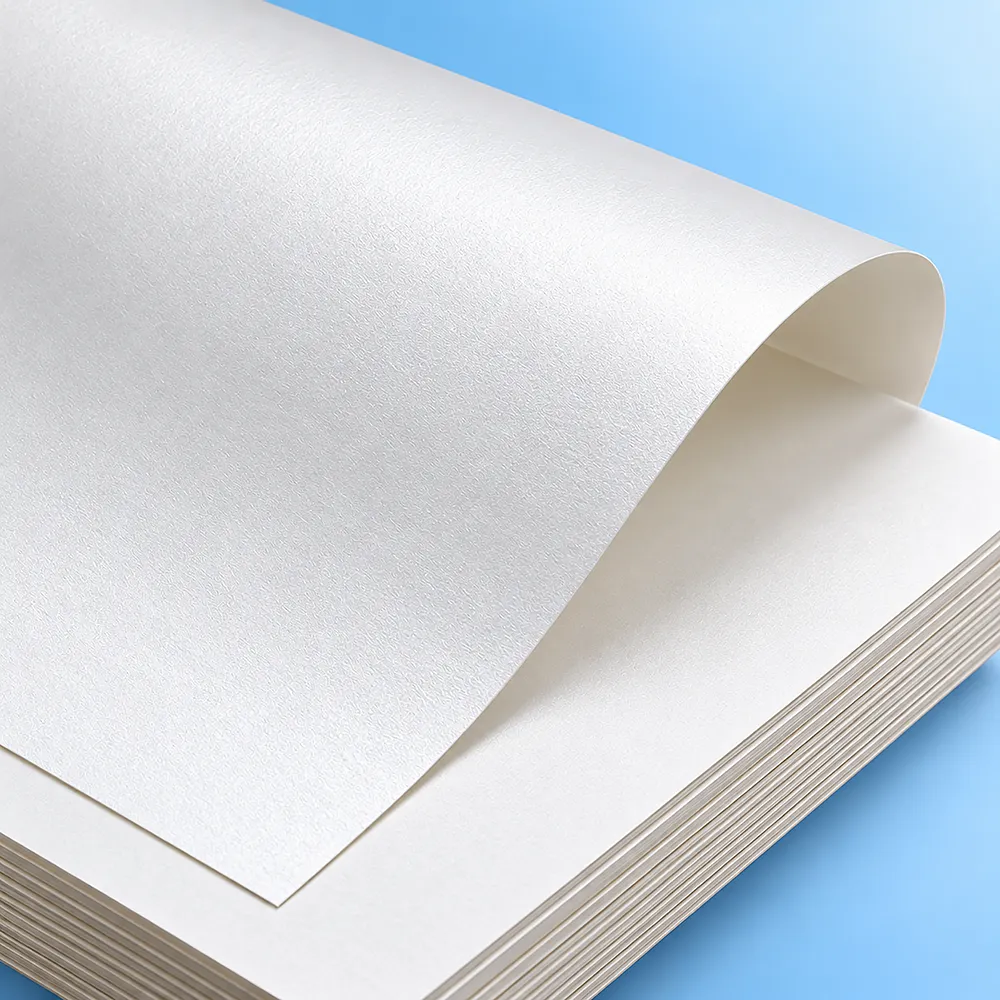
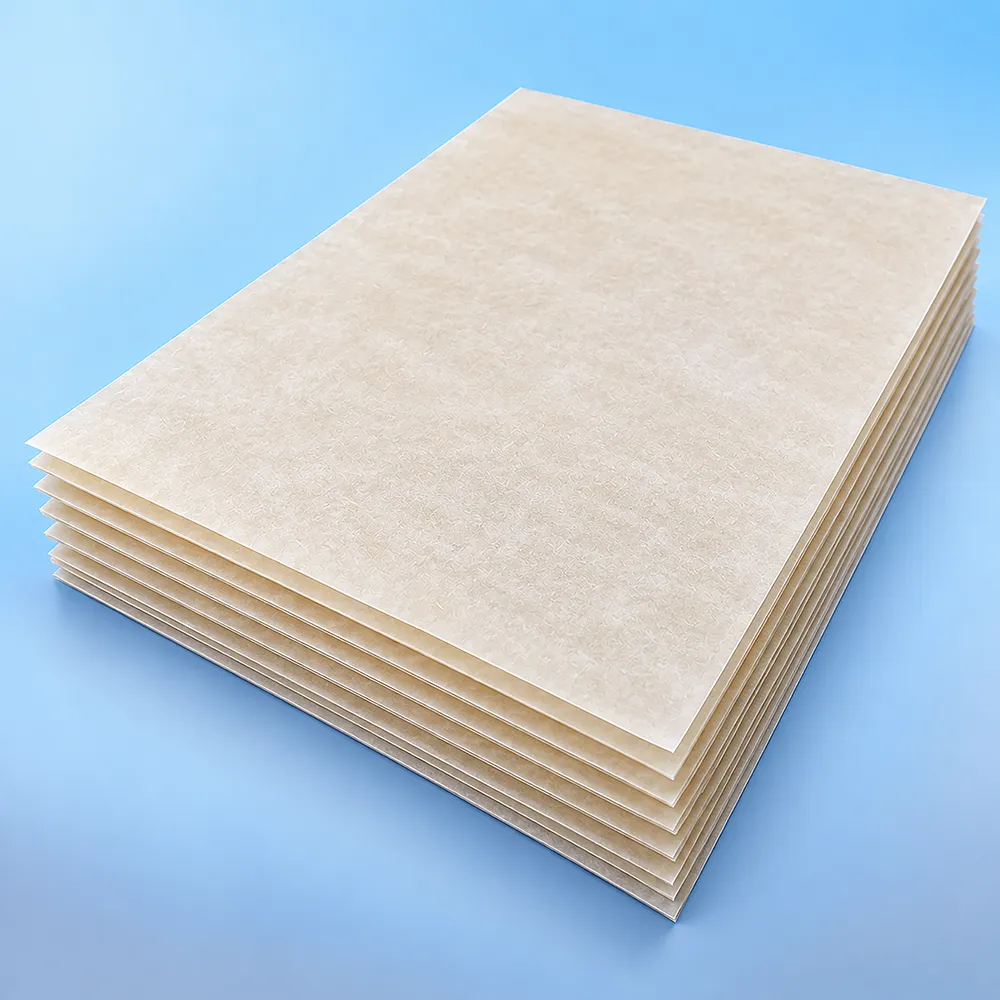
Straight Tuck cartons are commonly developed from folding paperboard because it can be printed, die cut, creased and folded into precise retail carton structures. Board selection should follow: Product Weight + Carton Dimensions + Panel Geometry + Tuck Relationship + Printing Requirement A single GSM value should not be treated as a complete board specification. White paperboard may be selected when a light print surface is preferred for detailed graphics and branded retail artwork. Natural Kraft paperboard can also be used where the brown substrate is part of the desired visual direction. However, Kraft appearance alone does not prove recycled content, recyclability, biodegradability or compostability. For buyers specifically looking for a Kraft material direction, explore Kraft Tuck Boxes.

Inserts for Straight Tuck End Boxes

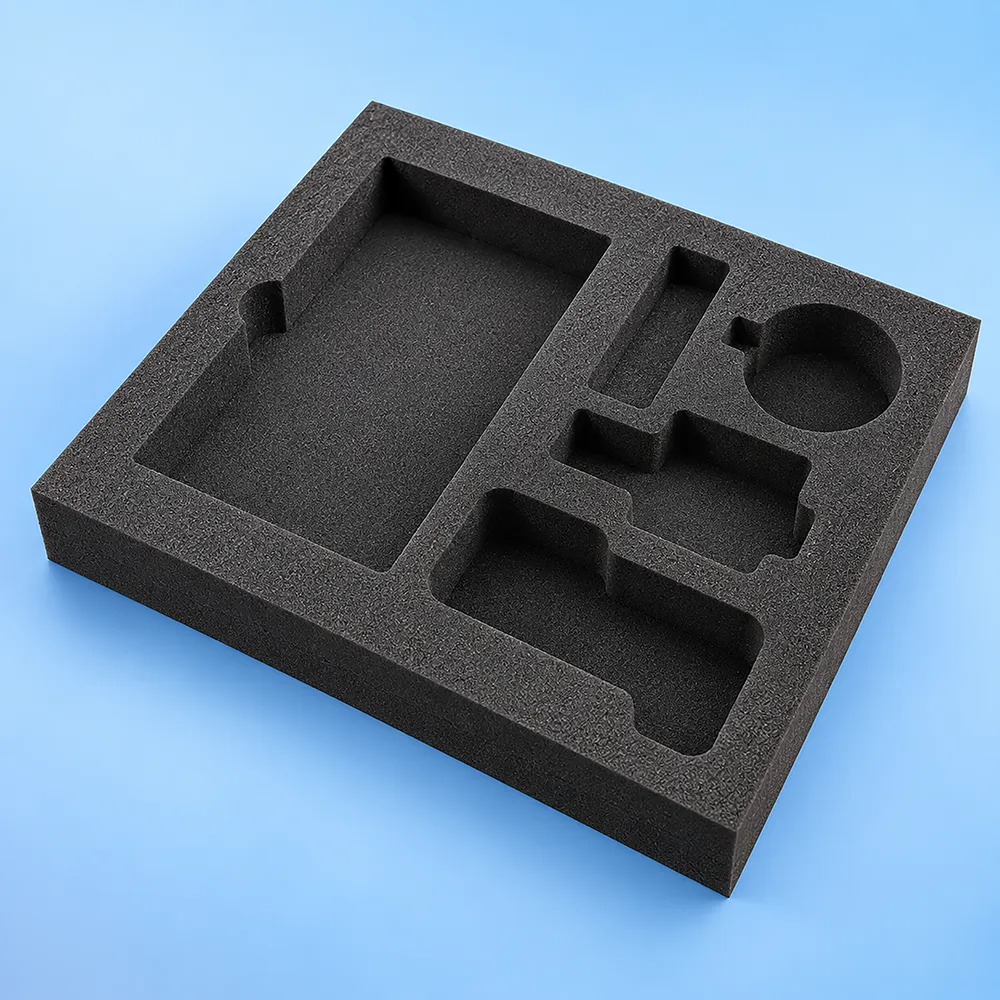
An insert is not necessary for every Straight Tuck carton. It becomes relevant when the product needs better positioning, orientation, separation or alignment inside the carton. The relationship should be: Product → Insert → Outer Straight Tuck Box rather than designing the carton first and attempting to fit the insert into leftover space. For projects where internal retention is a primary requirement, review Printed Boxes With Inserts.

Straight Tuck End Boxes With Windows

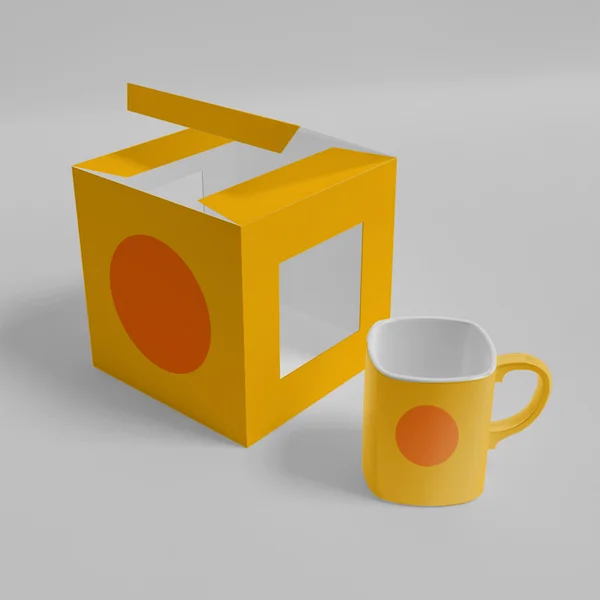
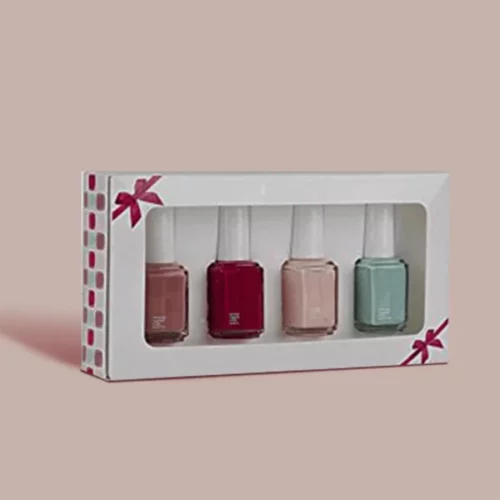
A Straight Tuck End Box can include a die-cut viewing window where part of the product needs to remain visible. The window should follow: Product Orientation → Visible Area → Window Position → Remaining Panel Area Because the opening removes the board from the panel, its size and location should be coordinated with the structure and artwork. For broader window-box formats, explore Boxes With Window.

Printing Options for Straight Tuck End Boxes

Straight Tuck End Boxes provide front, back and side panels for logos, product names, instructions, approved product information, barcodes and QR codes. Depending on the approved production setup, printing can include digital or offset printing with CMYK process color and Pantone/PMS references where applicable. Keep the terms separate: Digital / Offset = Printing Methods CMYK / Pantone = Color Systems / References Inside printing may also be considered where supported by the selected material and production specification. Barcode and QR-code areas should be planned on suitable flat panels and kept clear of folds, glue seams, window edges and heavily reflective decorative effects where practical.

Finishing Options for Straight Tuck End Boxes

Printing and finishing are separate production decisions. Depending on the board and artwork, finishing options may include:
  • matte lamination;
  • gloss lamination;
  • soft-touch treatment;
  • foil stamping;
  • embossing;
  • debossing;
  • Spot UV.
Finish placement should account for nearby folds, scores, glue areas and tuck flaps. Use: Structure → Artwork → Finish Placement rather than applying decorative effects without reference to the approved dieline.

Straight Tuck End Dielines and Structural Validation

The dieline determines how the flat board becomes the finished Straight Tuck carton. Because the top and bottom closures face the same general direction, panel orientation and artwork placement must be checked on the actual STE dieline. Use: Structure → Dieline → Artwork A Straight Tuck dieline should not simply be exchanged for a Reverse Tuck dieline while assuming every artwork panel retains the same functional relationship. For broader production-file fundamentals, review BoxBaba dieline in packaging guide.

What Should Be Checked Before Production?

A digital proof or 3D mockup can help review: text + panel orientation + artwork position + window / finish placement A physical structural sample is more useful when the main uncertainty is: product fit + loading path + tuck engagement + insert position + window alignment The approval method should match the unresolved risk. A digital proof should not be treated as proof that the physical product fits correctly inside the finished carton.

Is a Straight Tuck End Box a Shipping Box?

A standard folding-paperboard Straight Tuck carton is usually a retail or secondary package rather than an outer parcel shipper. For ecommerce, it may sit inside a separate mailer or corrugated shipping carton. If the carton itself must face parcel distribution, the complete package should be evaluated for that role. For outer ecommerce structures, explore Mailer Boxes or Custom Corrugated Boxes.

What to Send for a Straight Tuck End Box Quote

Quote Input Why It Matters
Finished product dimensions Establishes the product envelope
Filled product weight Adds structural context
Quantity per box Defines the loaded configuration
Product orientation Influences loading and opening
Straight Tuck preference Confirms structural direction
Insert requirement Changes usable internal space
Window requirement Changes panel geometry
Material preference Supports board selection
Printing sides Defines artwork scope
Finishes Affects production specification
Order quantity Supports production planning
Artwork status Determines artwork/dieline support
Delivery destination Supports shipping quotation
If you are not certain whether Straight Tuck is the correct structure, send the product dimensions, filled weight and packing requirement first. BoxBaba can then compare the project against other Tuck Box structures.

Custom Straight Tuck End Boxes Wholesale From BoxBaba

BoxBaba develops Straight Tuck End Boxes around the actual product dimensions, loading requirements and artwork. Custom packaging orders can start from 100 units. Artwork and dieline support are available, along with digital proof or 3D mockup review and physical sample options where needed. Standard production is typically 5–9 business days after final artwork approval, depending on the final project specification. Free shipping is available across the USA. Final material, printing, finishing, sample and production requirements should be confirmed for the specific order before production approval.

Request Custom Straight Tuck End Boxes

A Straight Tuck End Box should be developed from the physical product outward. Share your finished product dimensions, filled weight, required quantity, artwork status and any insert, window or finish requirements so BoxBaba can quote the carton around the actual packed product rather than a generic standard size. Place your order by calling +1 305 574 4357 or emailing sales@boxbaba.com.

Frequently Asked Questions

Find all the urgent questions you may have.

A Straight Tuck End Box has its main top and bottom tuck closures oriented in the same general direction. That flap orientation is the defining structural feature.
The structure is commonly abbreviated as STE. Buyers may also refer to it as a Straight Tuck Box or Straight Tuck Carton.
Straight Tuck uses same-direction primary top and bottom closures. Reverse Tuck positions the primary closures in opposite directions. The choice affects the blank, loading relationship and artwork orientation.
Not automatically. Flap orientation alone does not determine overall carton strength. Board, dimensions, product load and complete structure also matter.
The manufacturer side seam is normally glued during carton conversion. The main top and bottom tuck flaps are designed to close without requiring glue during normal packing and reopening.
Yes. A compatible Straight Tuck carton can include a die-cut window where the product position, remaining panel area and structure support it.
Yes. An insert can be developed when the product needs improved positioning, alignment or separation.
Yes. Natural Kraft paperboard can be considered where it fits the project. Printing appearance should be reviewed on the actual brown substrate because substrate color influences the visible print result.
Inside printing can be planned where supported by the selected board, dieline and production specification.
BoxBaba custom packaging orders can start from 100 units, subject to final dimensions, material, printing and project specifications.

Get a Custom Quote