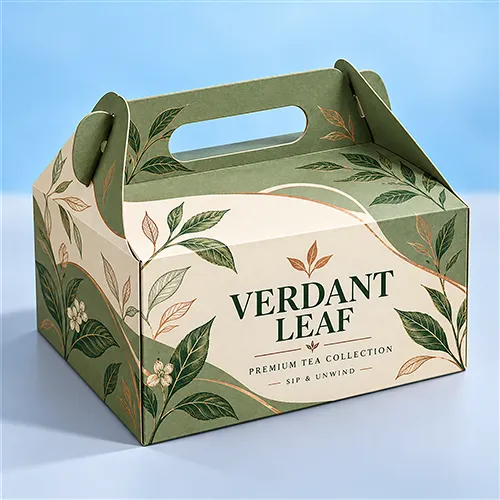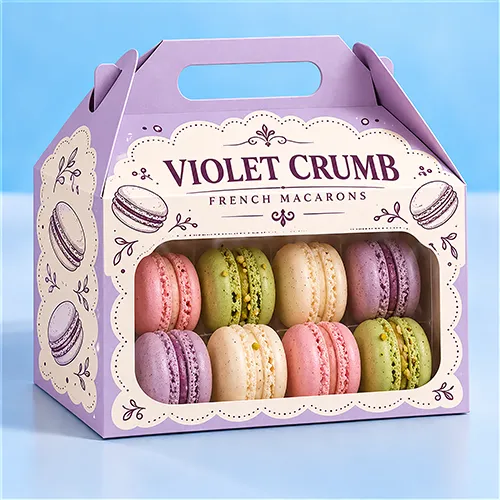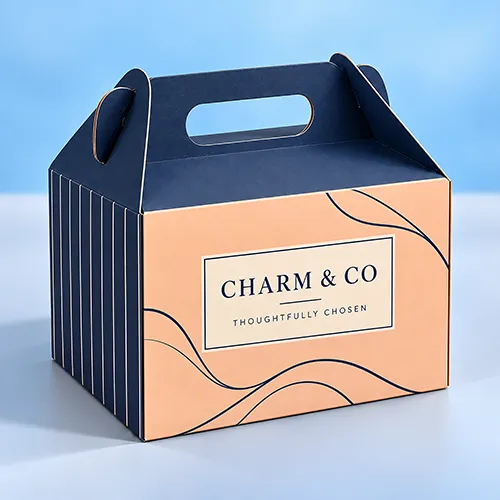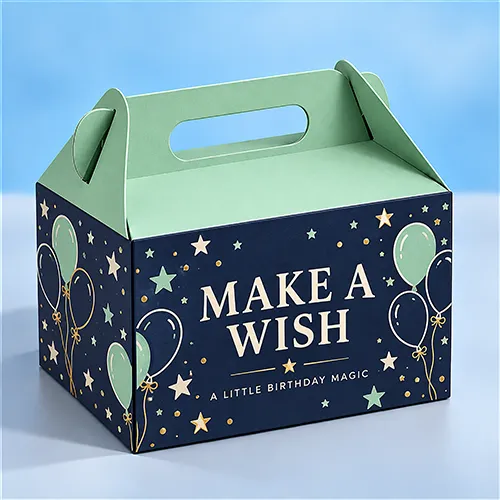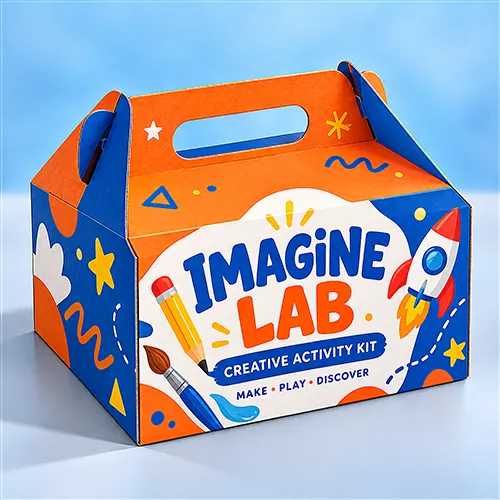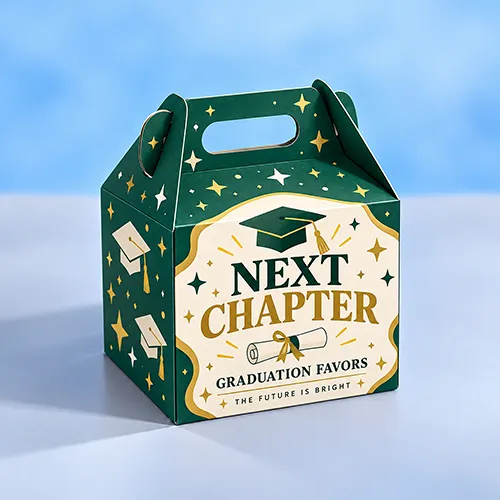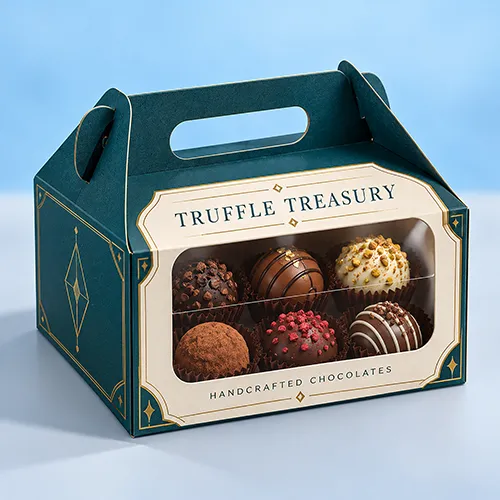

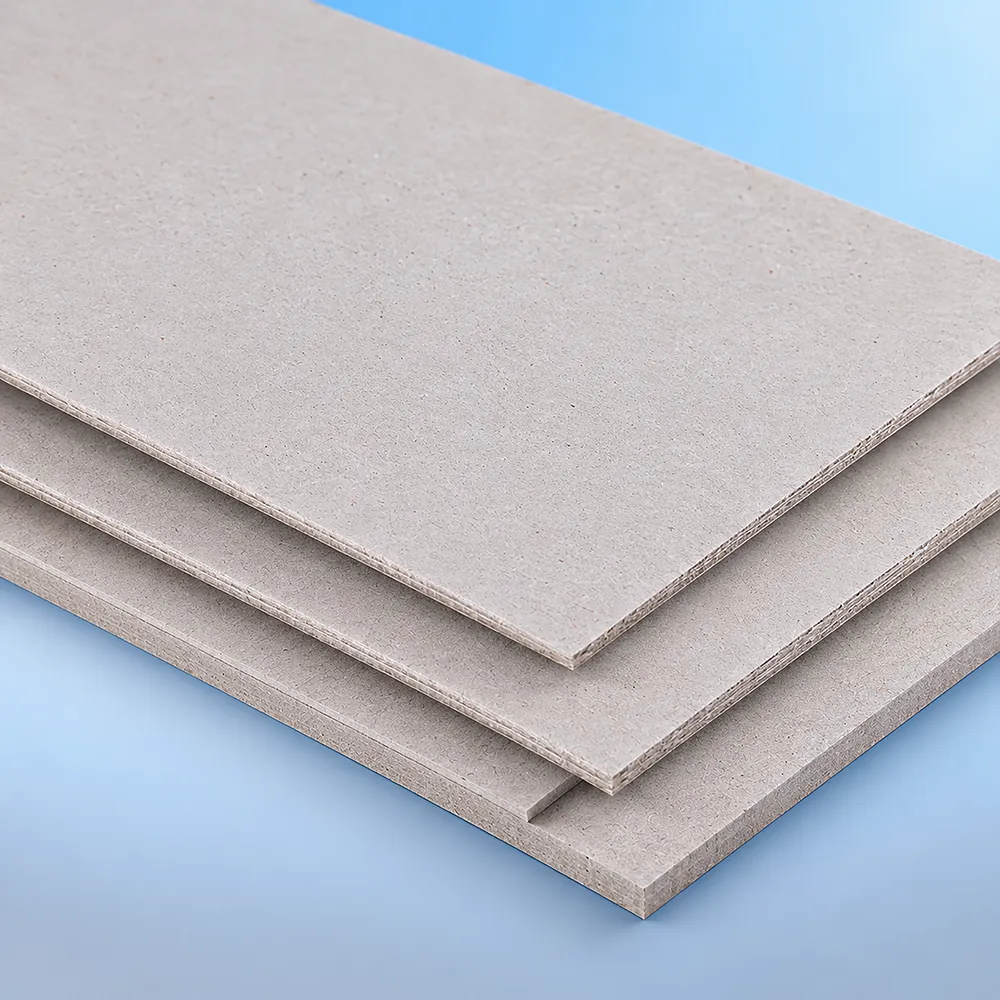
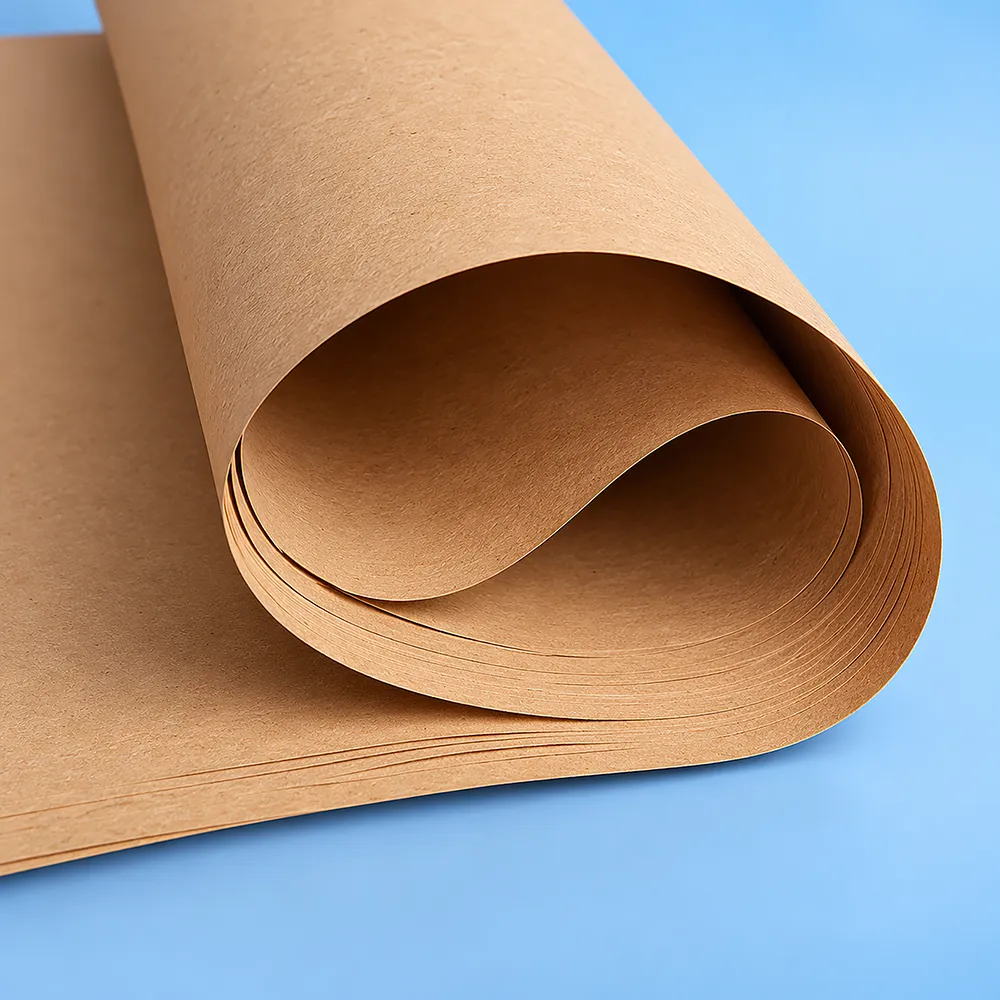
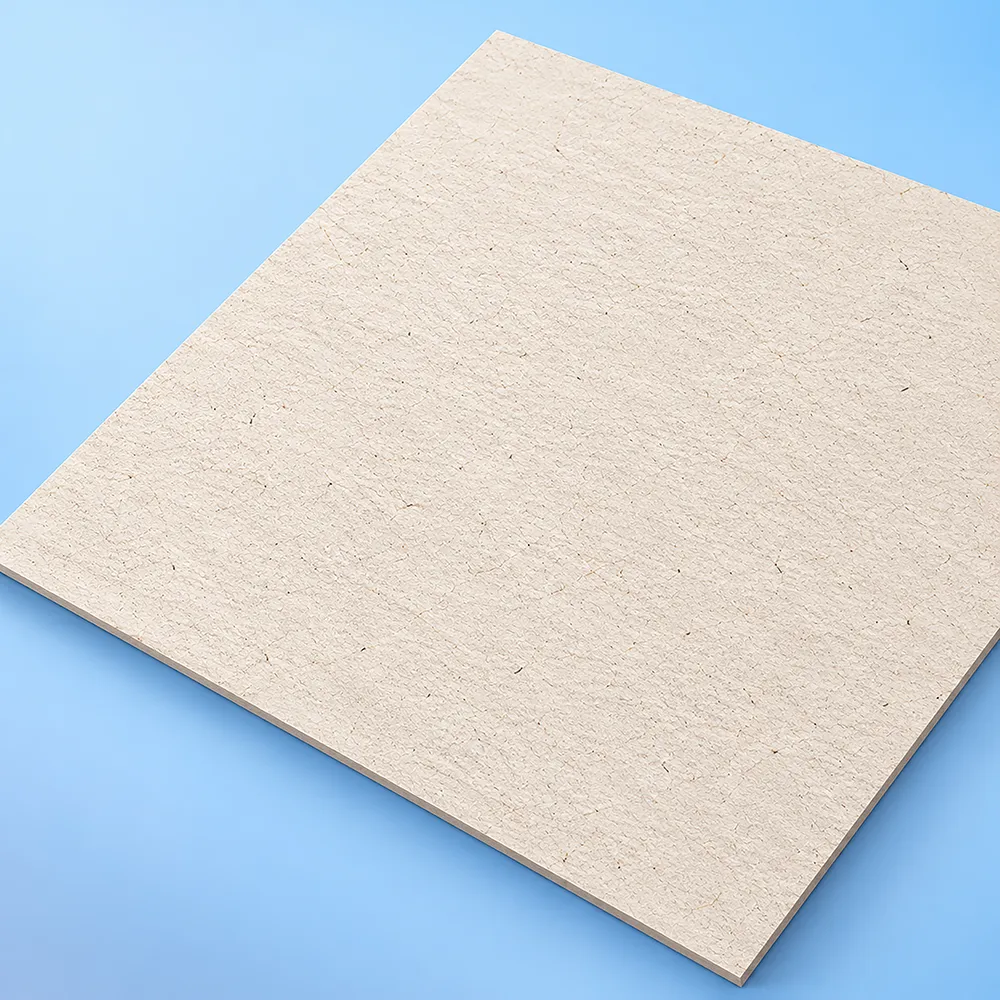
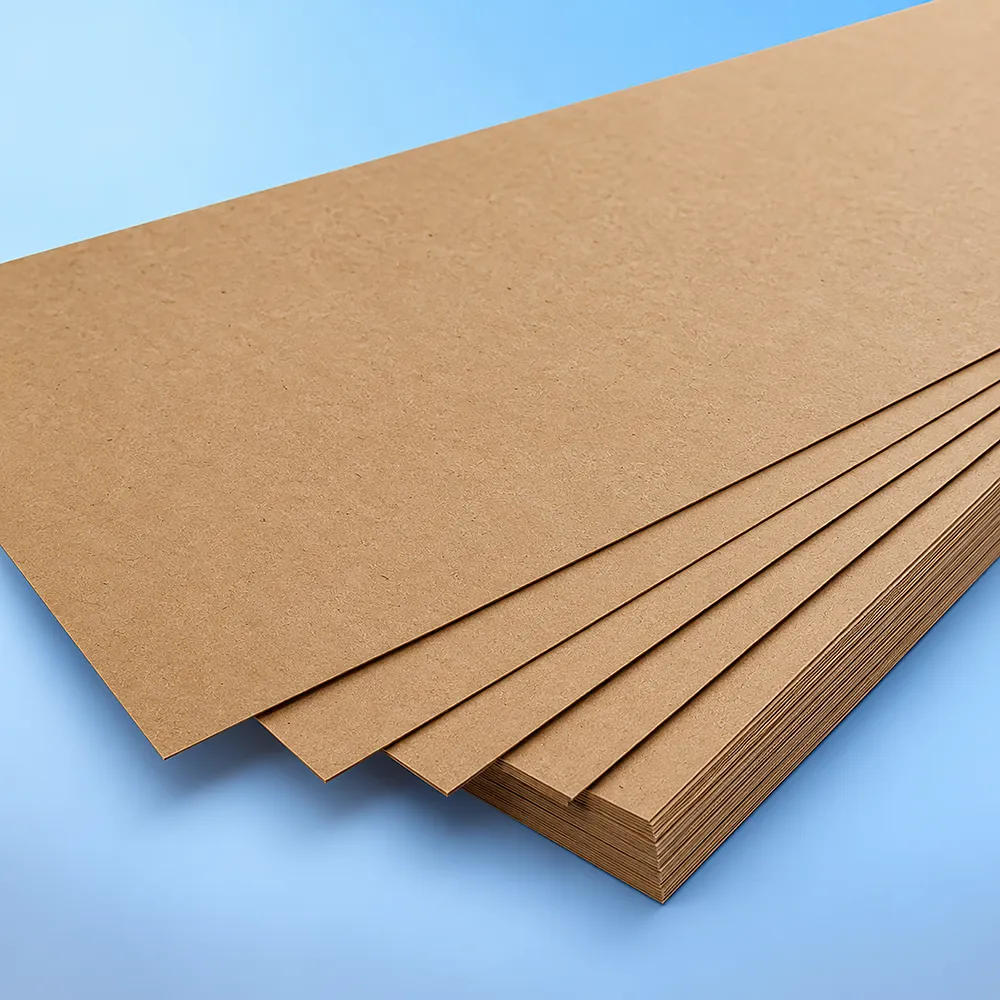
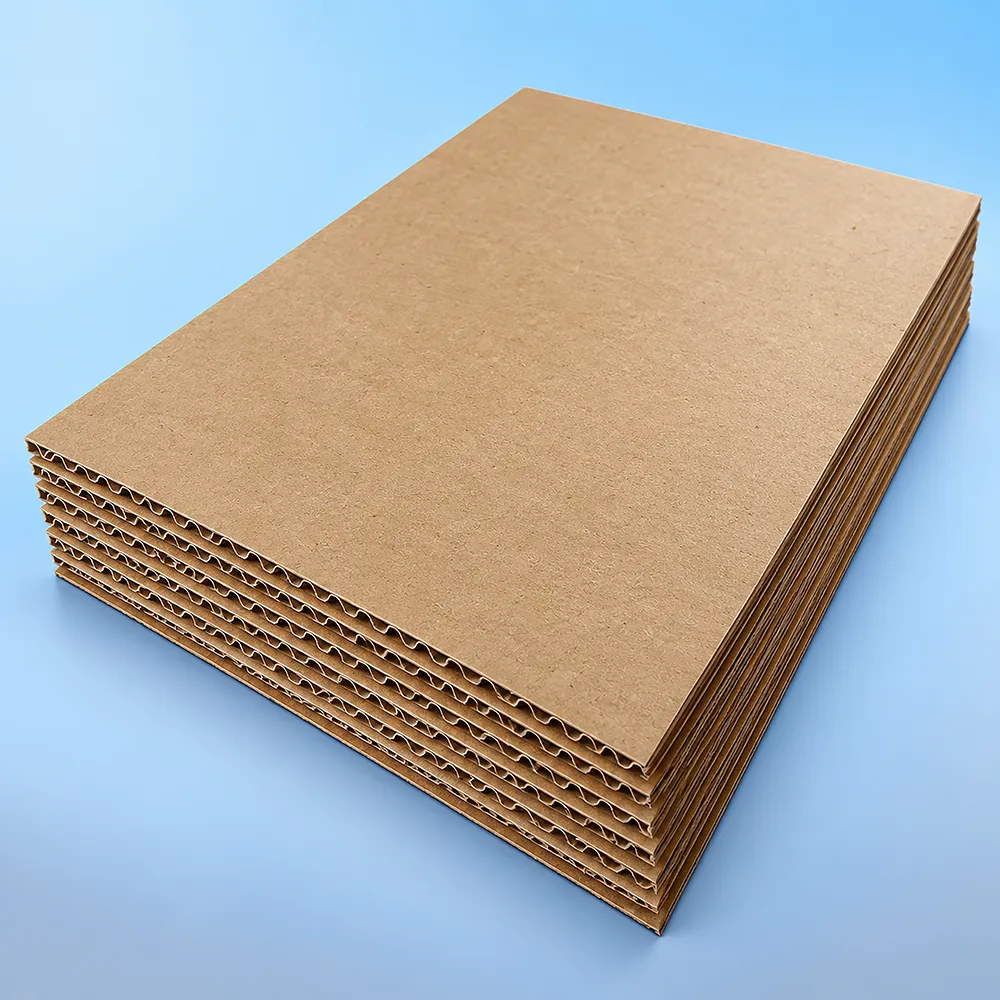
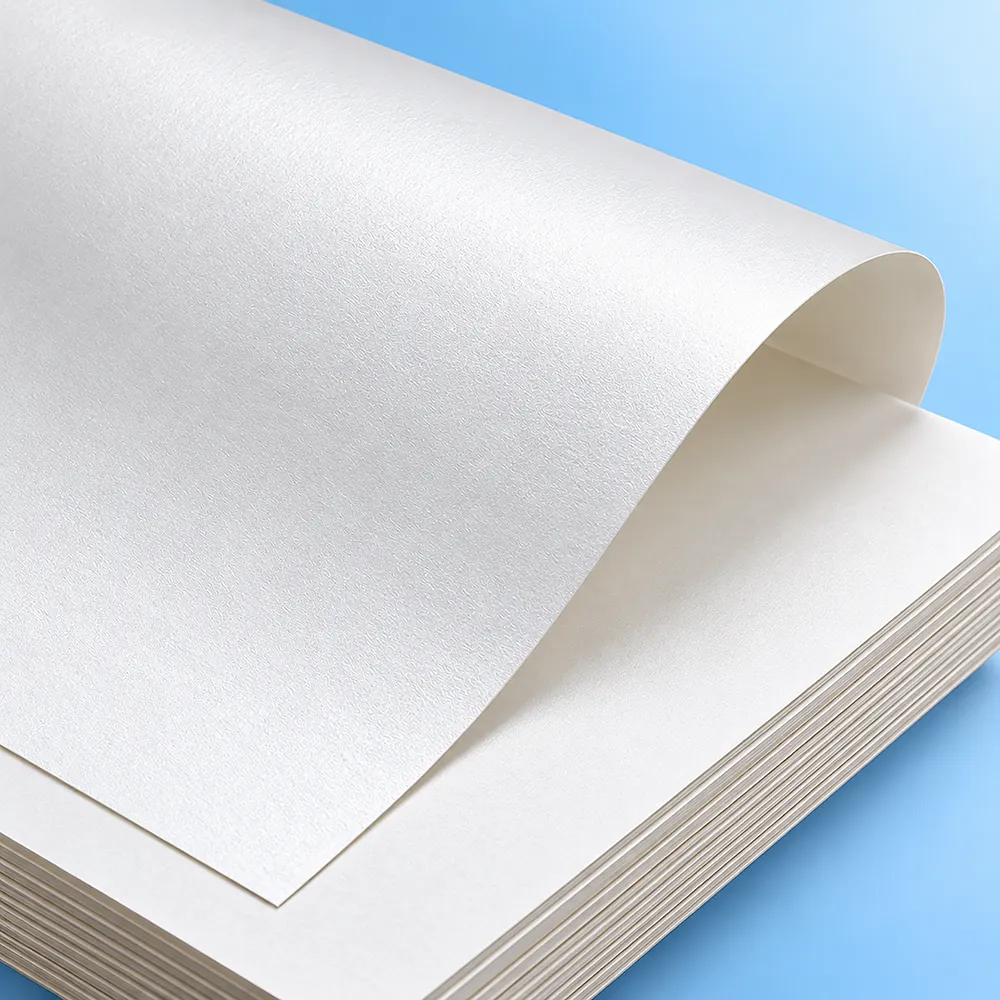
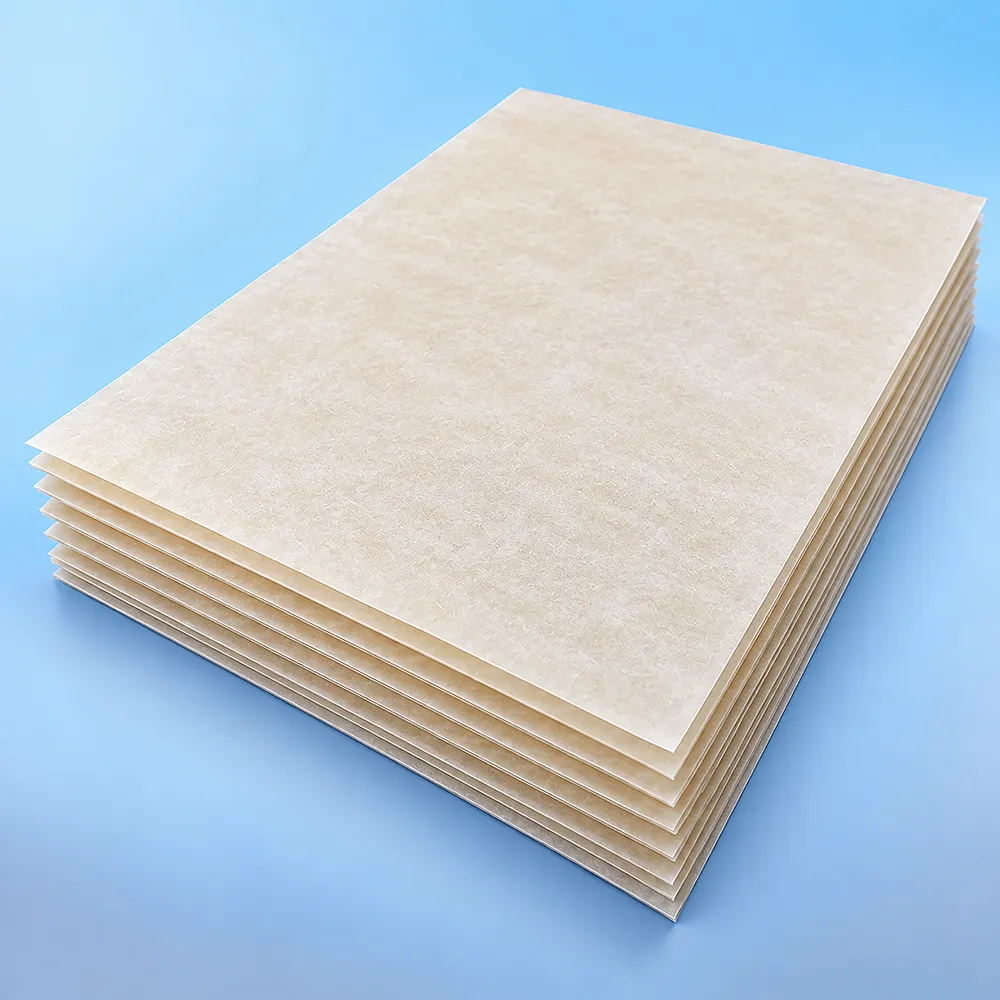
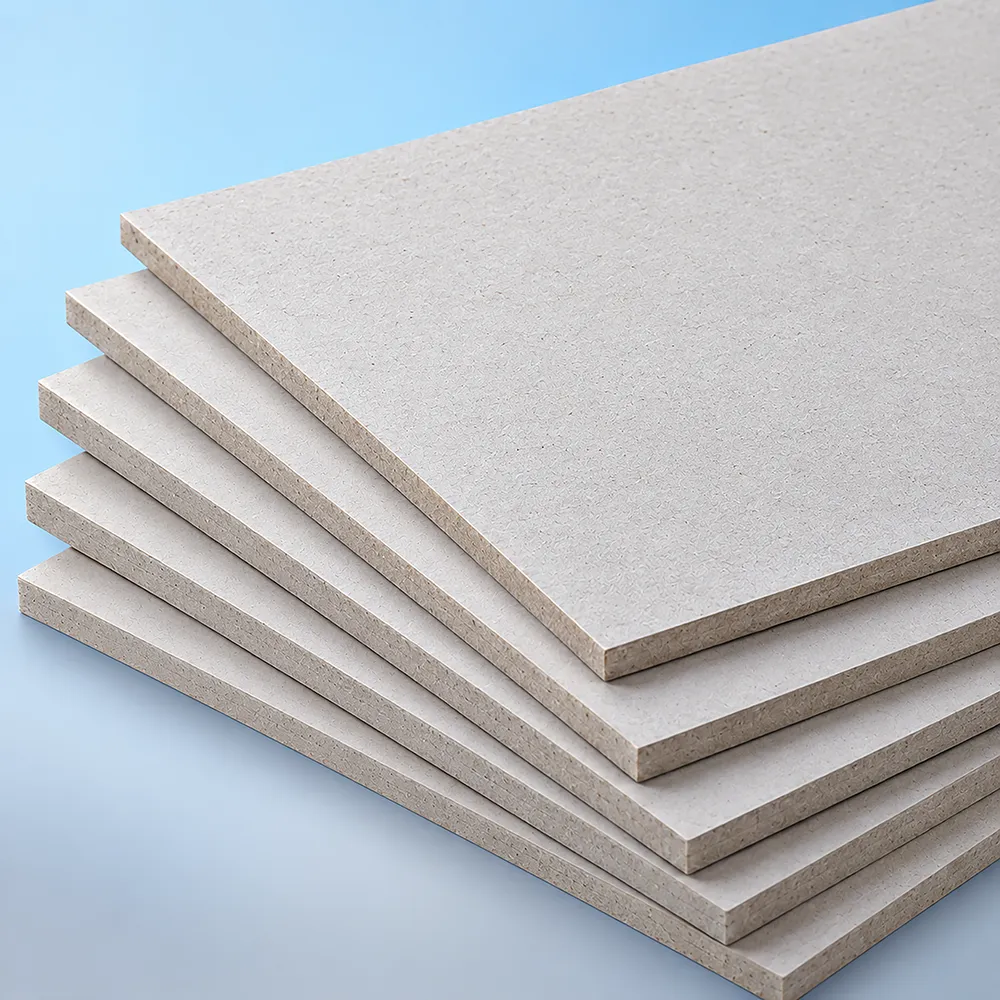
Packaging materials do more than hold a product; they influence protection, presentation and overall box performance. Cardboard provides a smooth, durable surface for custom printing and everyday retail packaging. Kraft paper offers a natural, sturdy option with an eco-conscious appearance. Corrugated stock adds extra strength for heavier products and shipping applications. We offer carefully selected paper stocks that balance durability, print quality, sustainability, affordability and premium presentation.
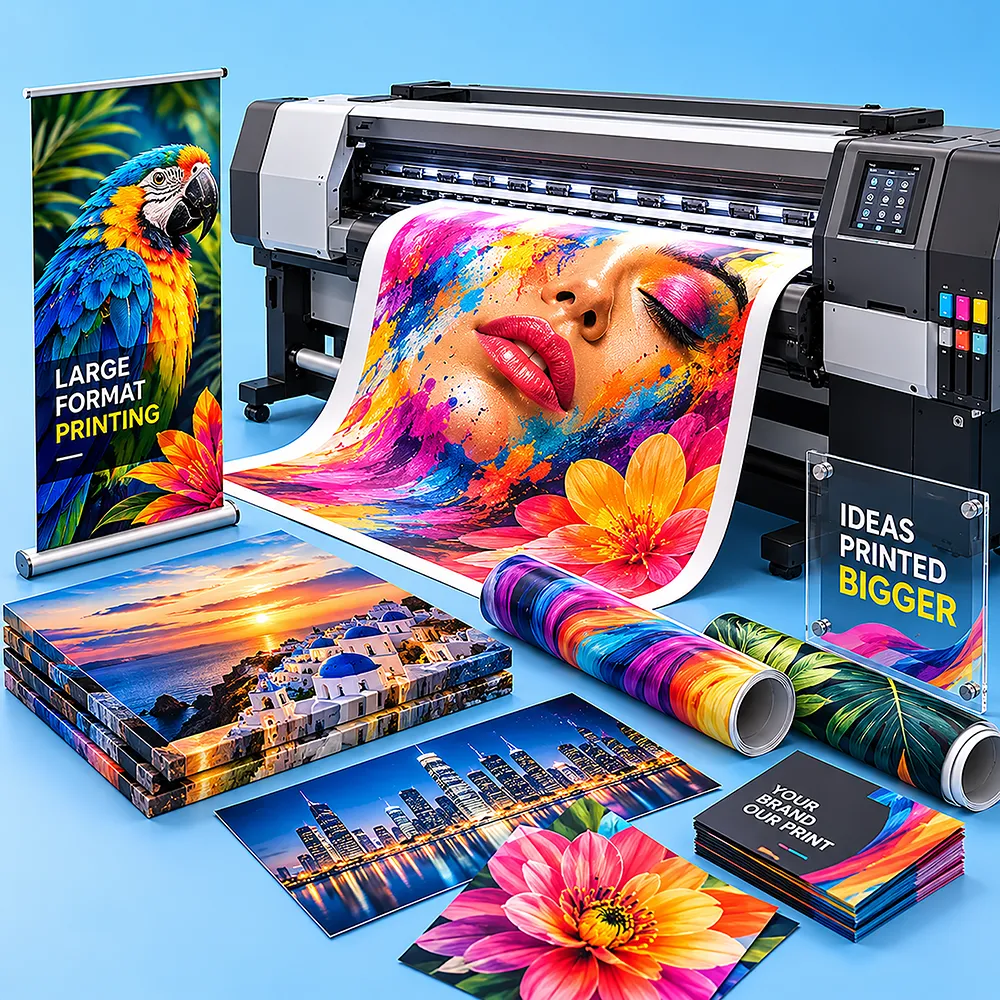
Printing methods enhance how your packaging looks and represents your brand. Digital printing delivers sharp details and vibrant colors, making it ideal for flexible custom packaging designs. Offset printing provides consistent color accuracy and crisp image quality for larger production runs. Screen printing creates bold, durable graphics on selected box surfaces and materials. We offer the latest printing methods to turn your creative ideas into realistic visuals, showcasing logos, patterns, artwork and branded graphics with clarity and precision.
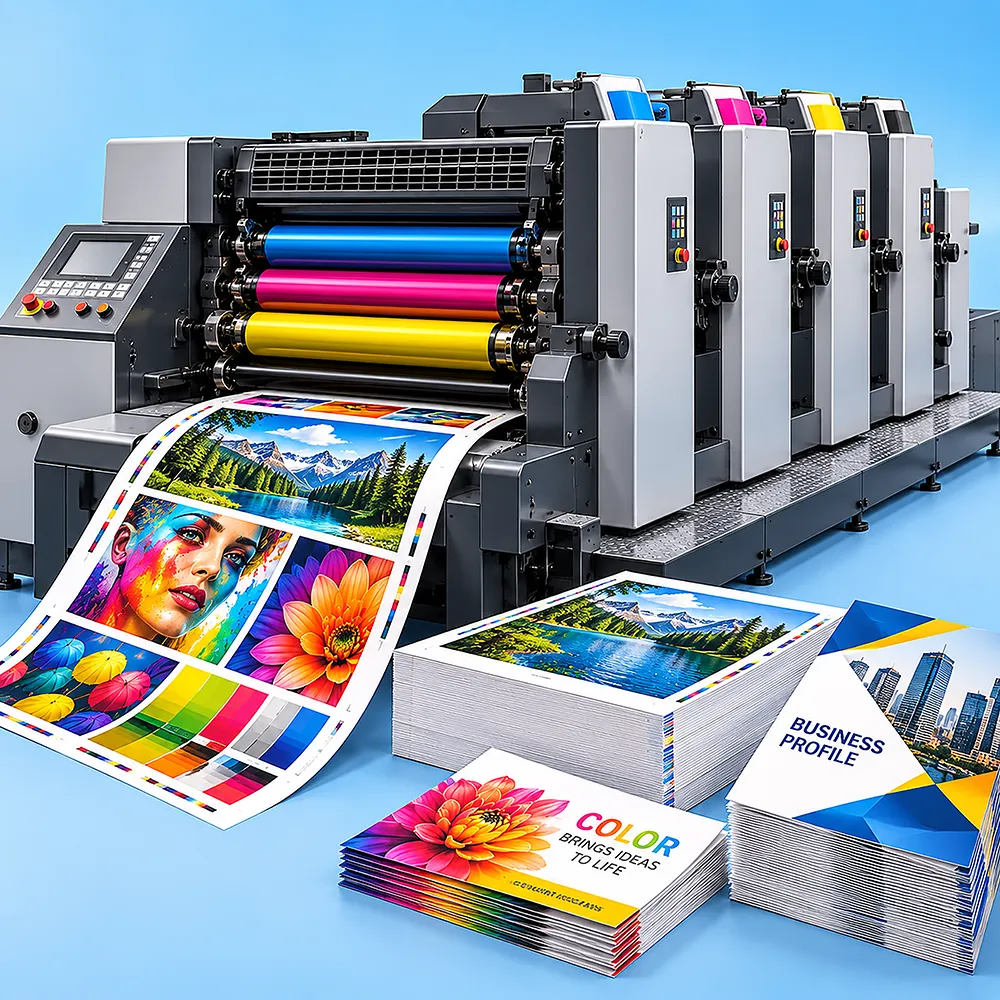
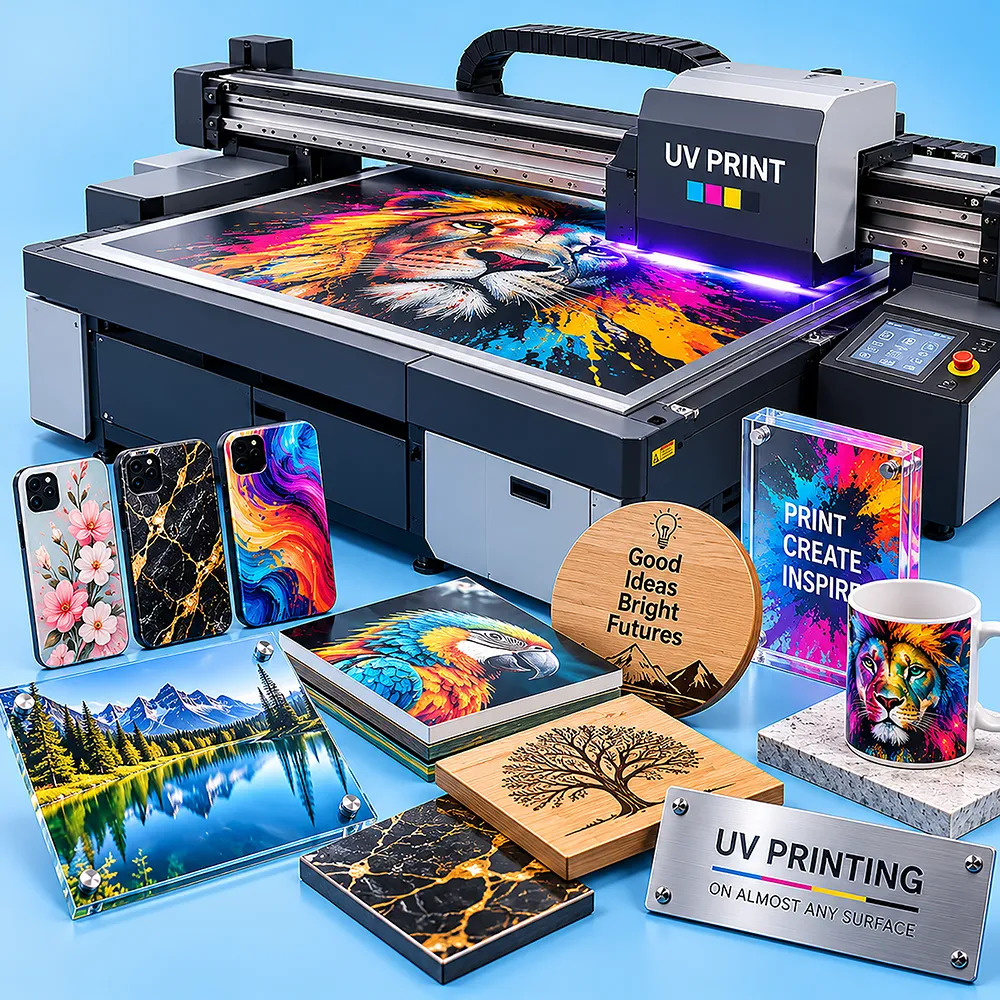
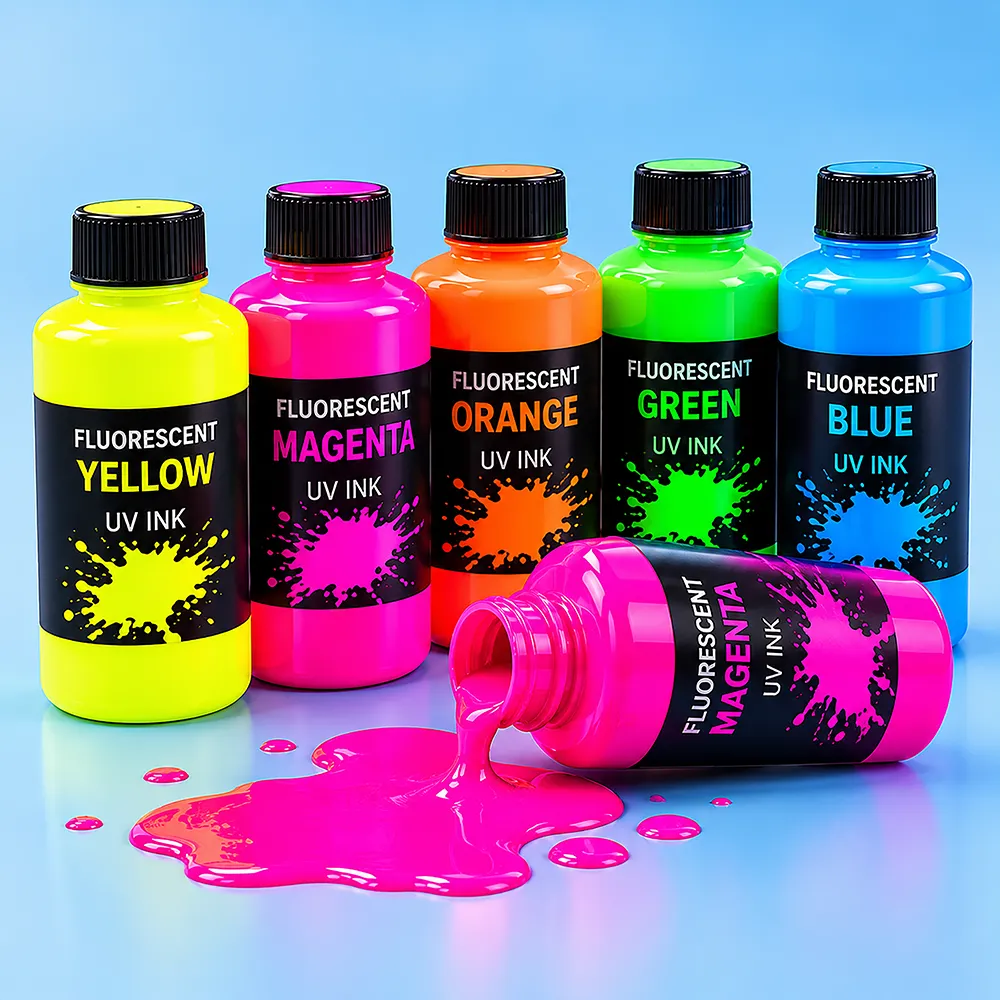
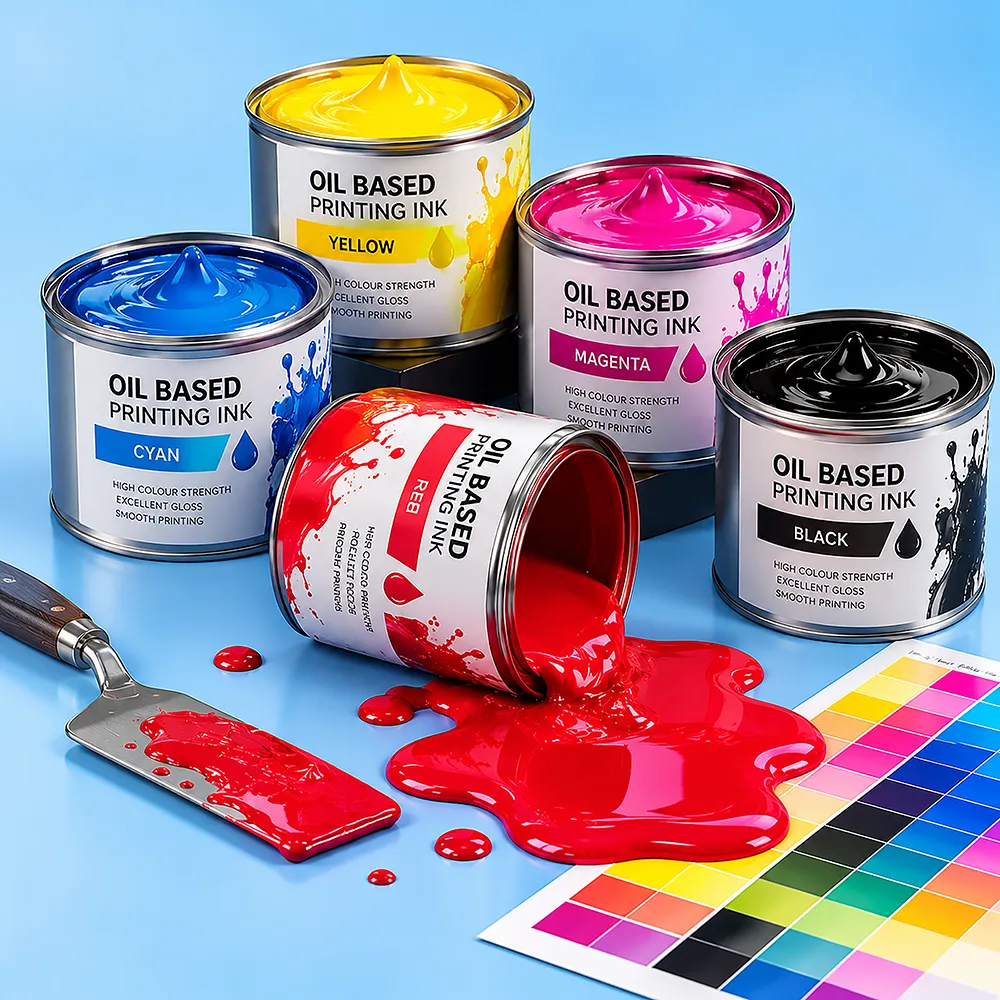
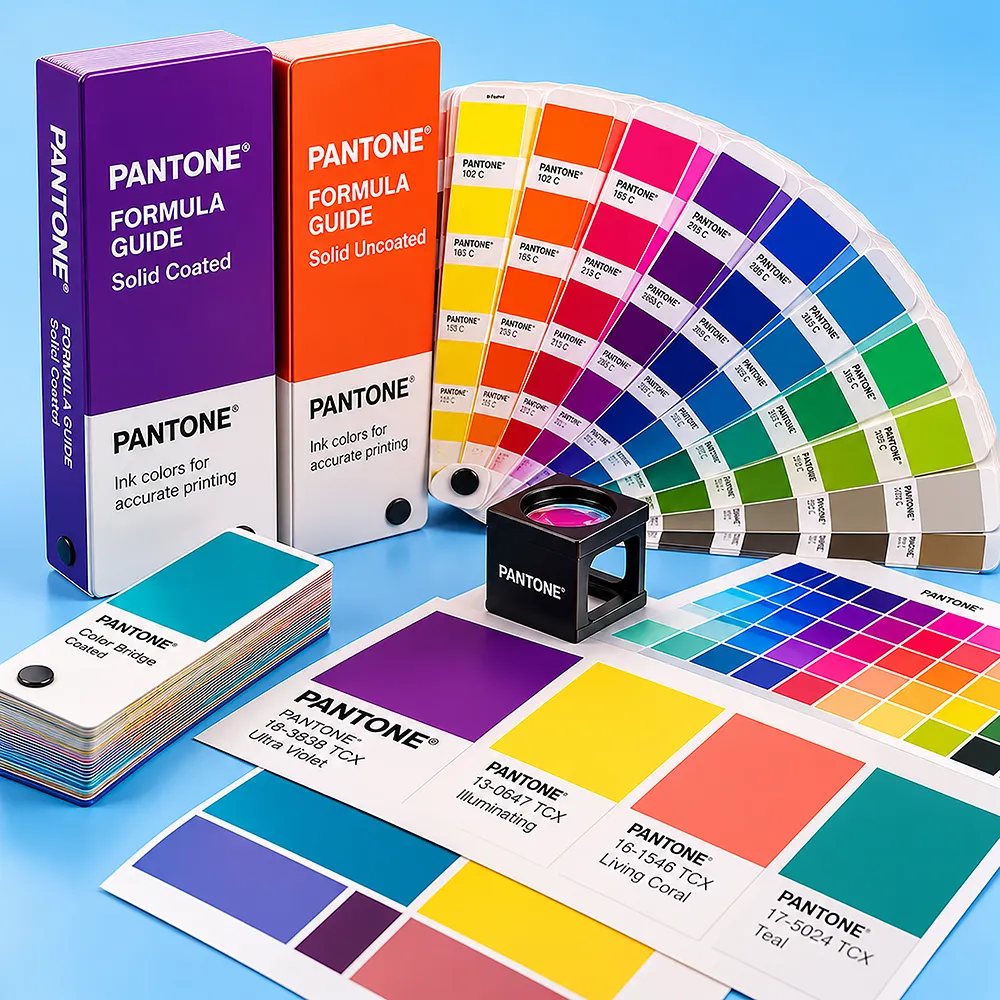
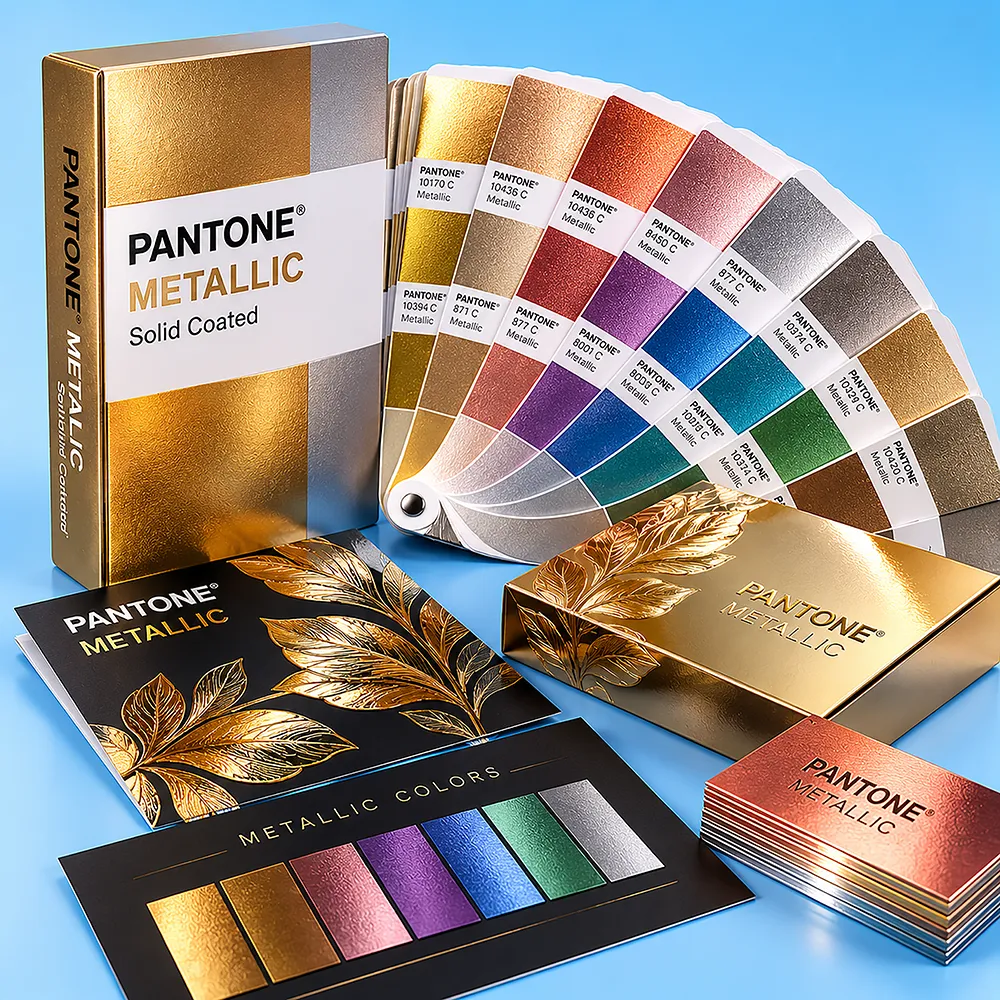
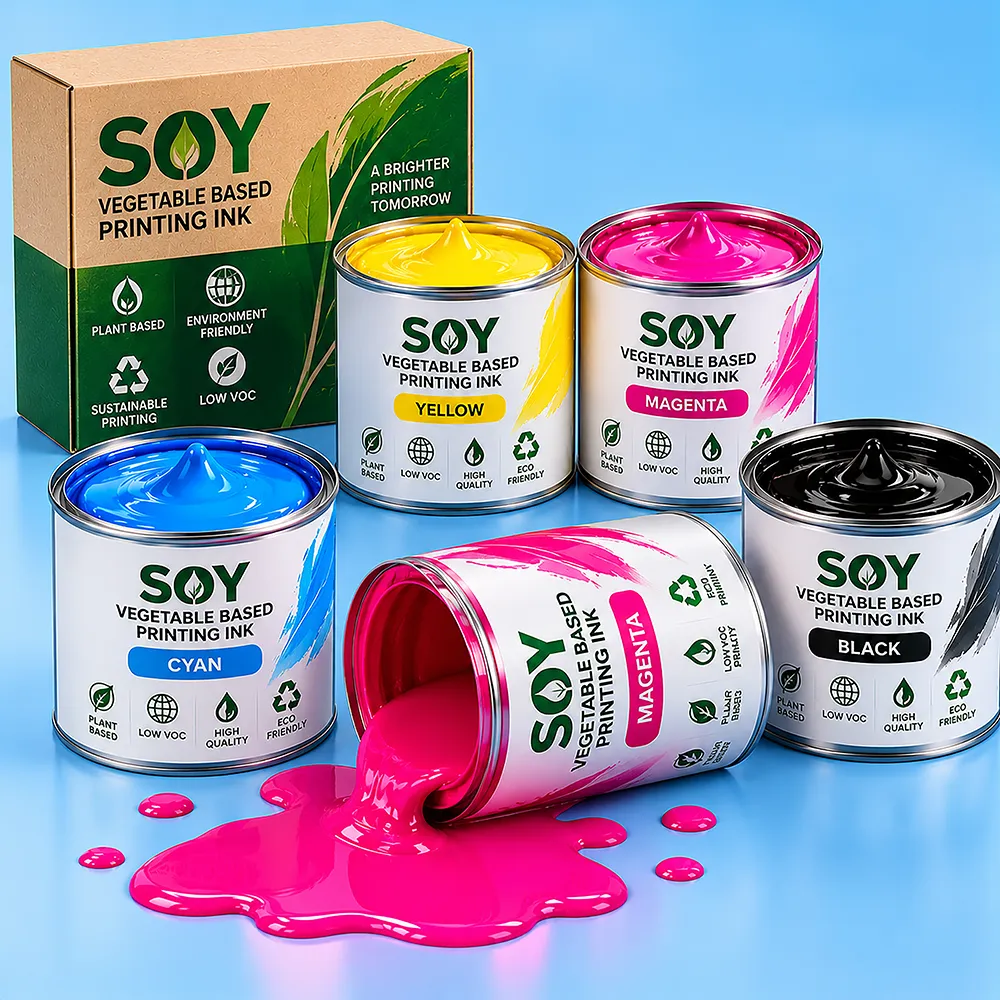
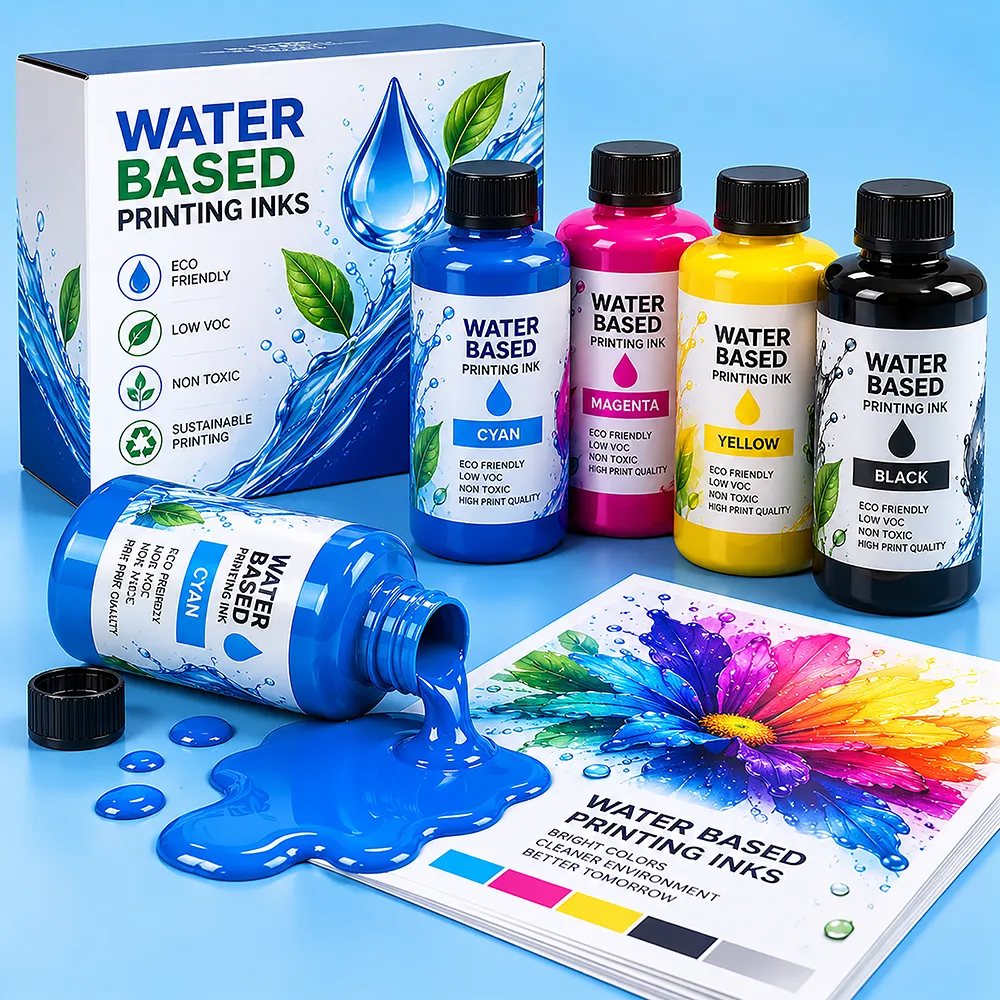
Printing inks bring packaging artwork to life with vibrant colors, clear details and consistent brand presentation. We offer a wide range of ink options, including Pantone colors, Pantone Metallic inks, oil-based inks and fluorescent inks for distinctive visual effects. Soy and vegetable-based inks provide versatile color reproduction, while water-based inks offer another practical printing option. Choose the right ink to reproduce logos, patterns, illustrations and branded artwork, turning creative ideas into attractive visuals with striking color and clarity.
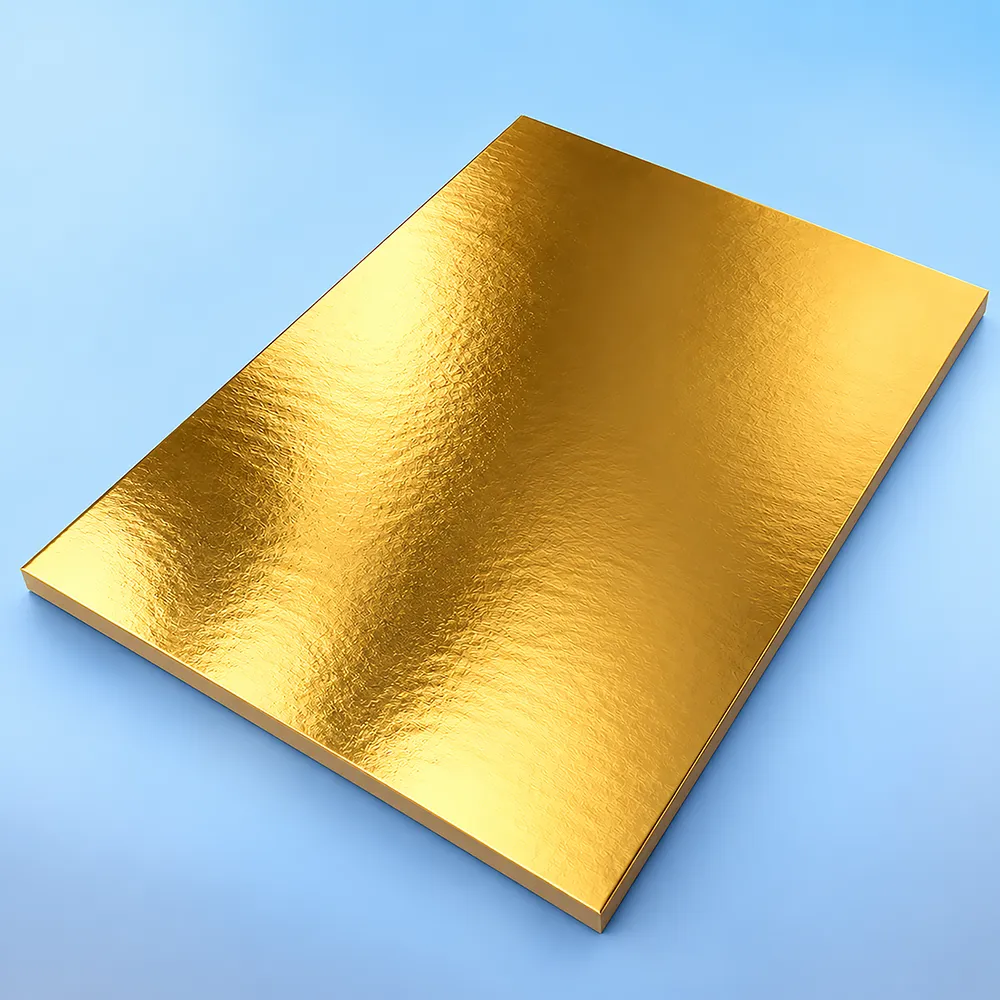
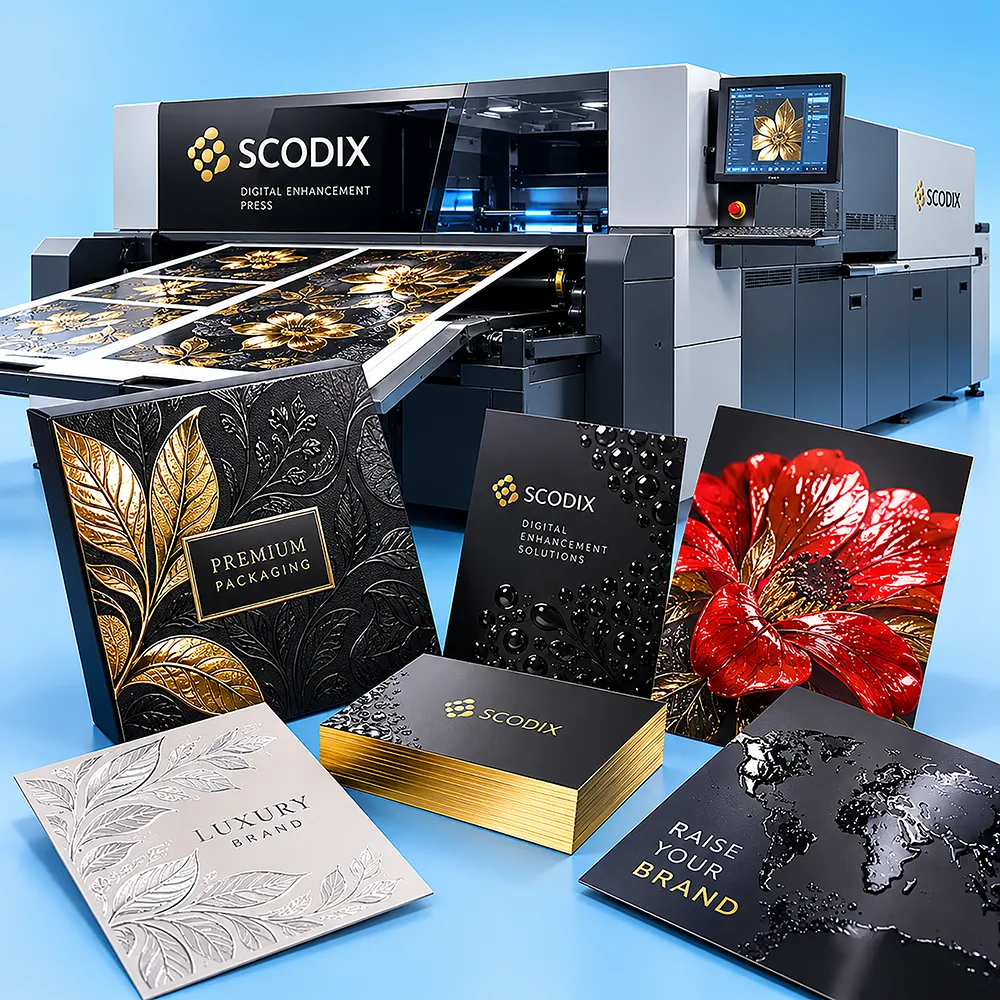
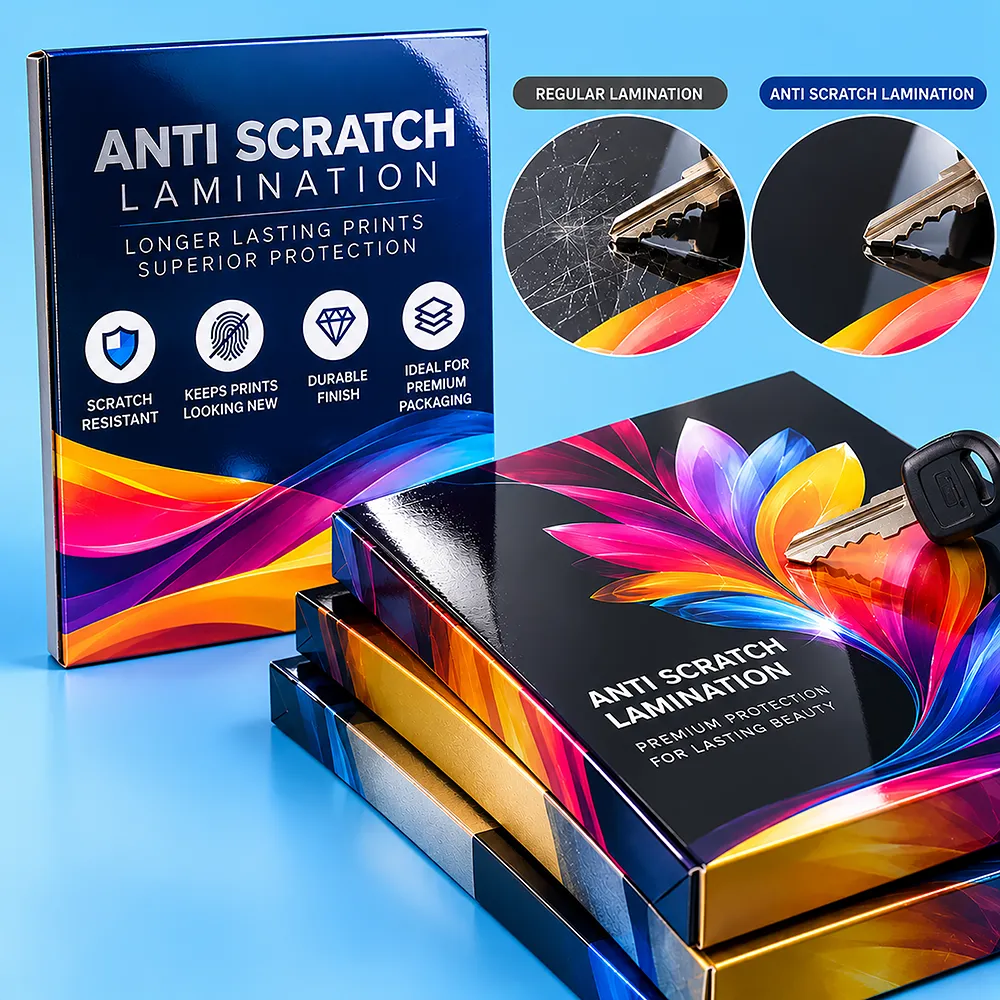
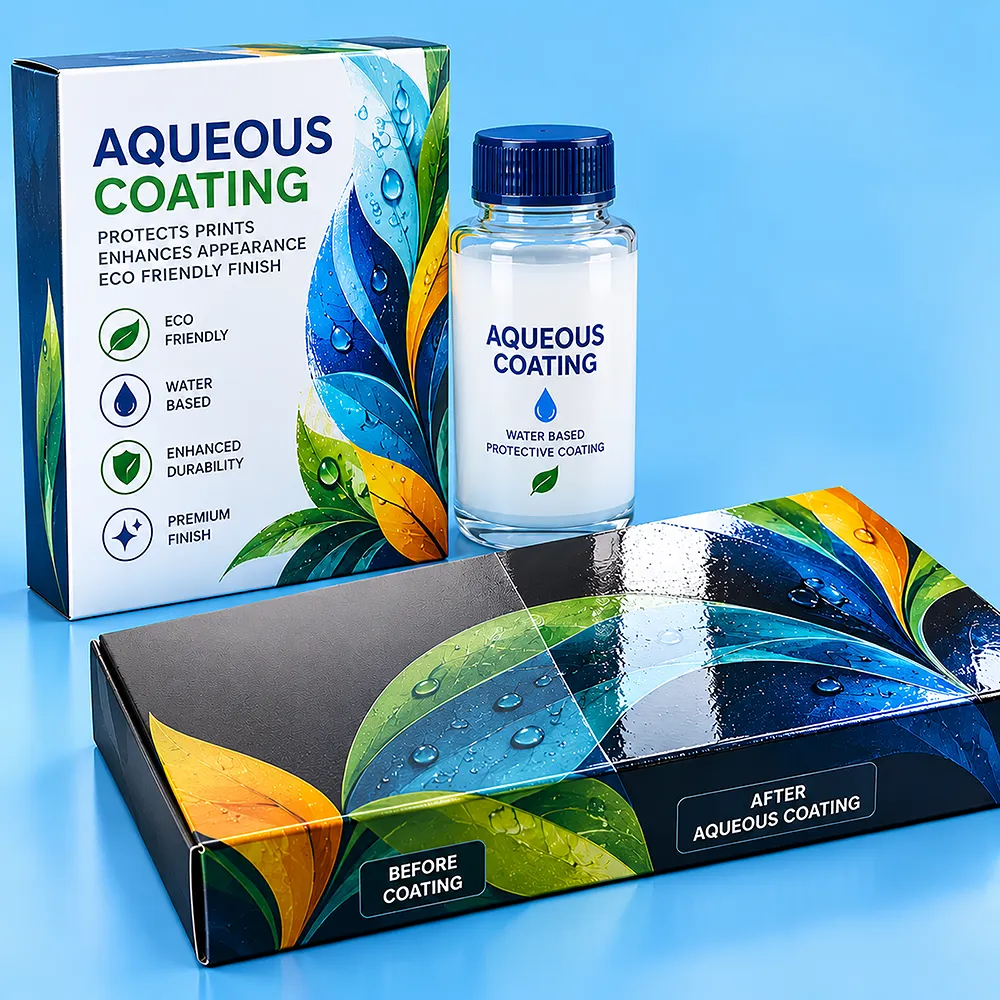
Premium finishes enhance the appearance and overall aesthetics of custom packaging. Matte and gloss laminations create smooth visual effects, while soft-touch adds a refined tactile feel. Foil stamping introduces metallic accents in gold, silver and other shades, while embossing and debossing add dimensional detail. Spot UV highlights selected design elements with added contrast and shine. Choose from versatile finishing options to make logos, patterns and branded artwork look more distinctive, polished and premium.
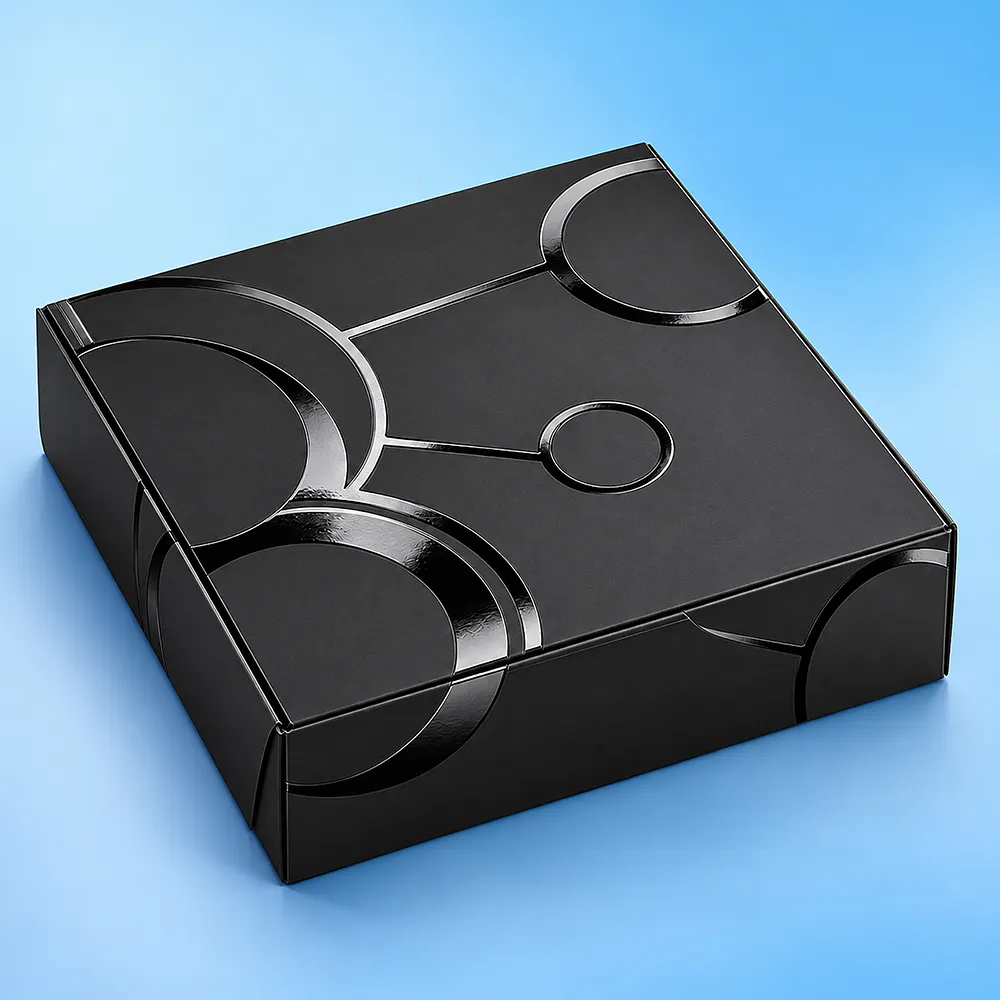
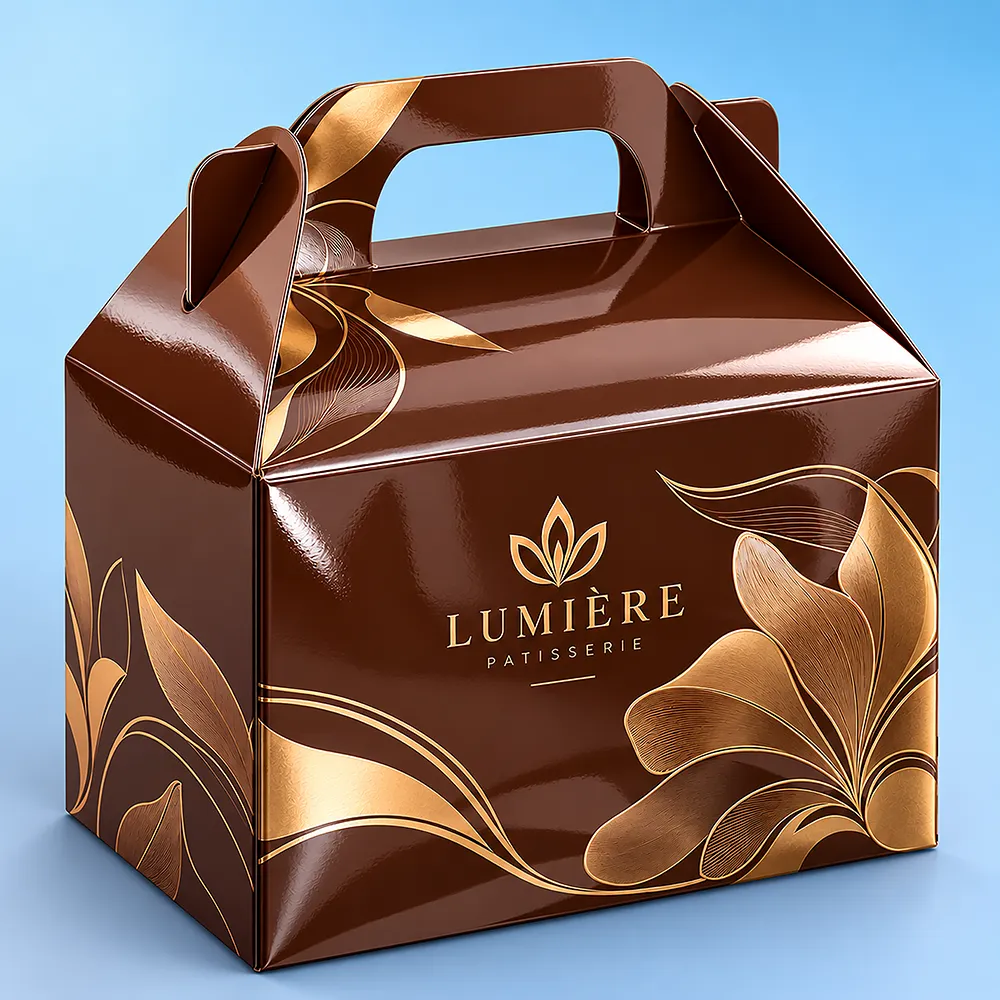
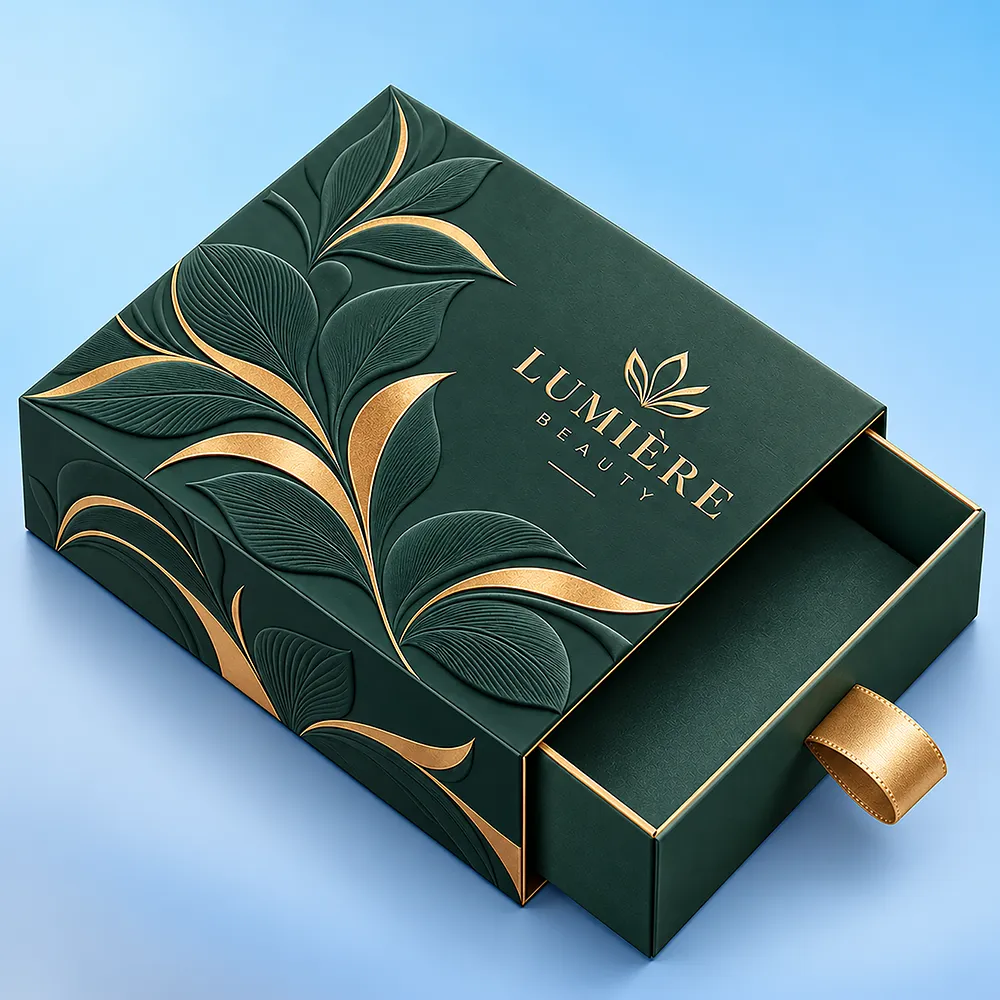
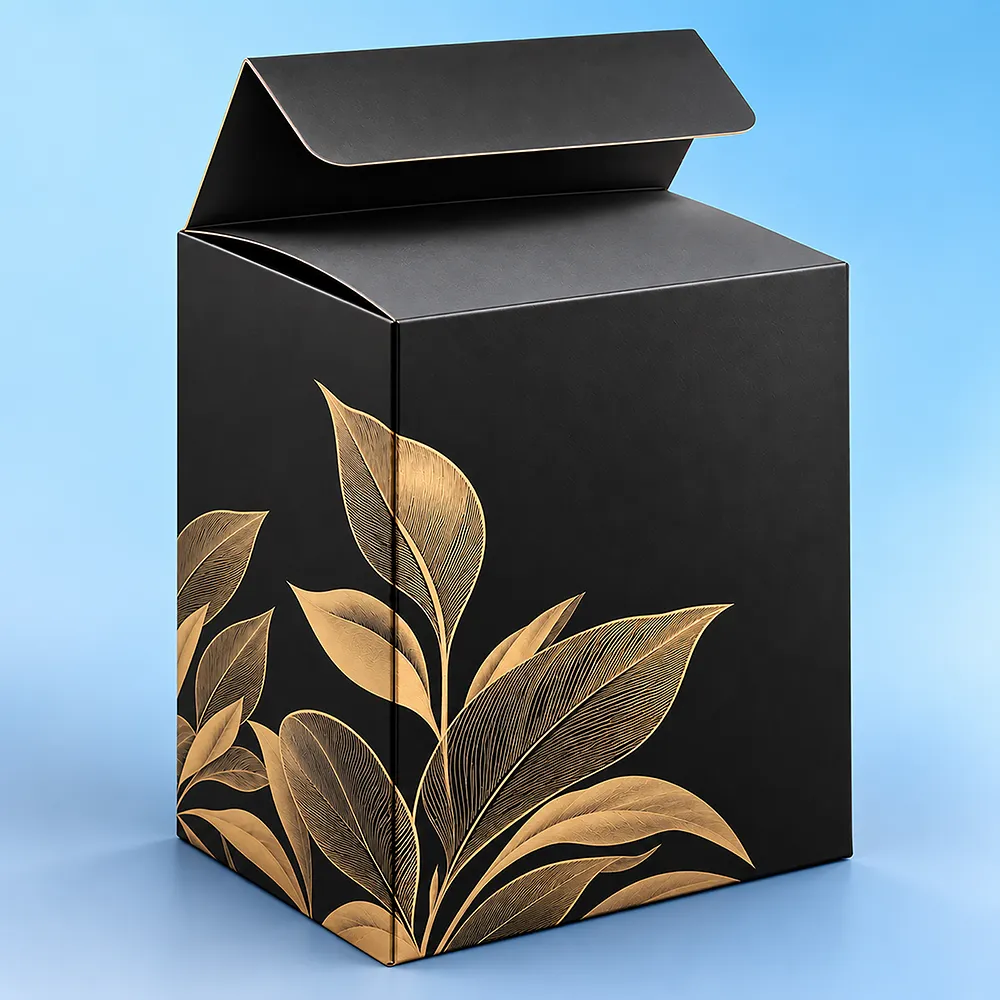
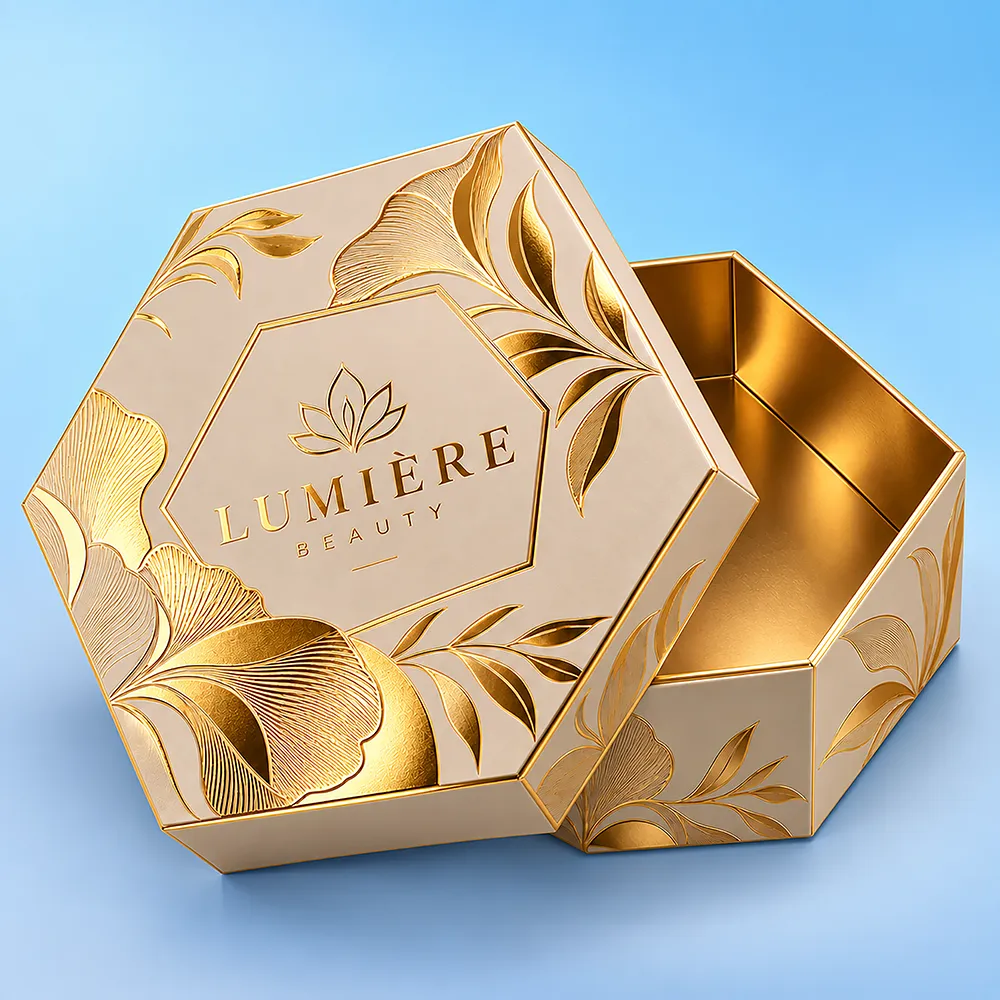
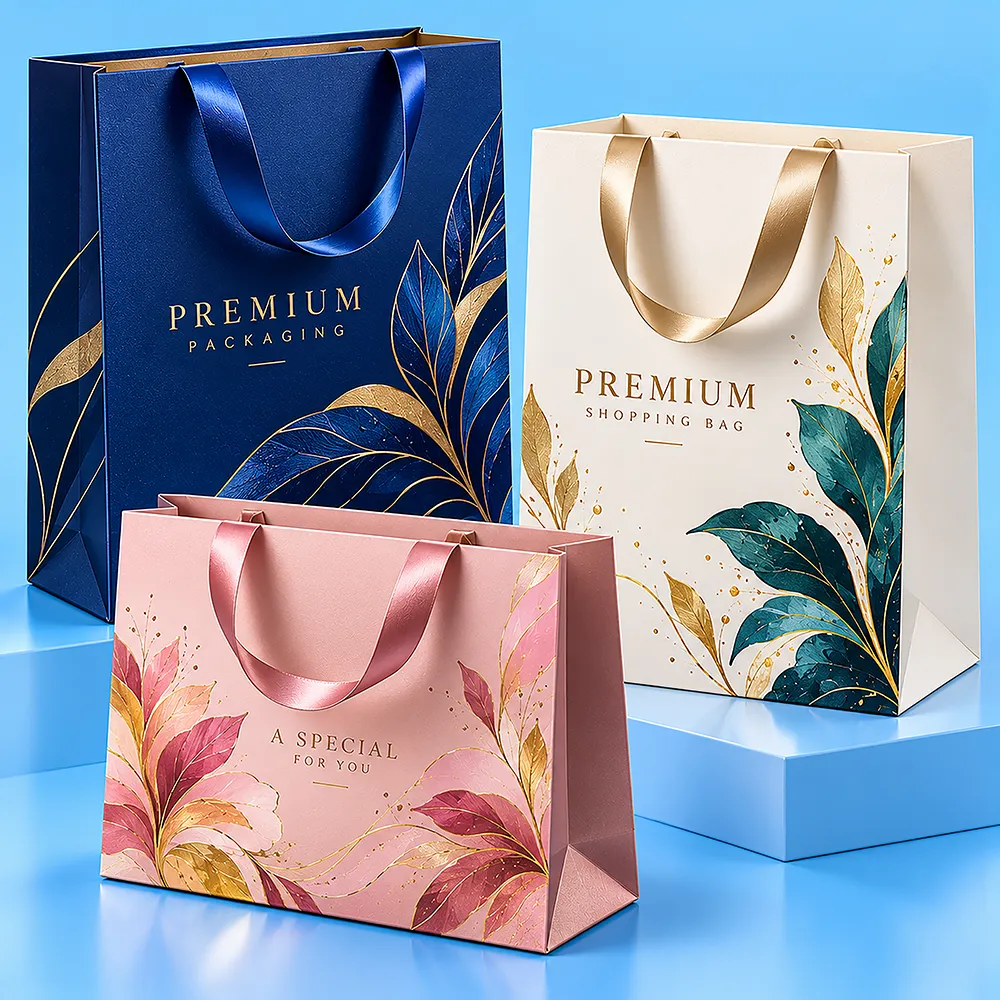
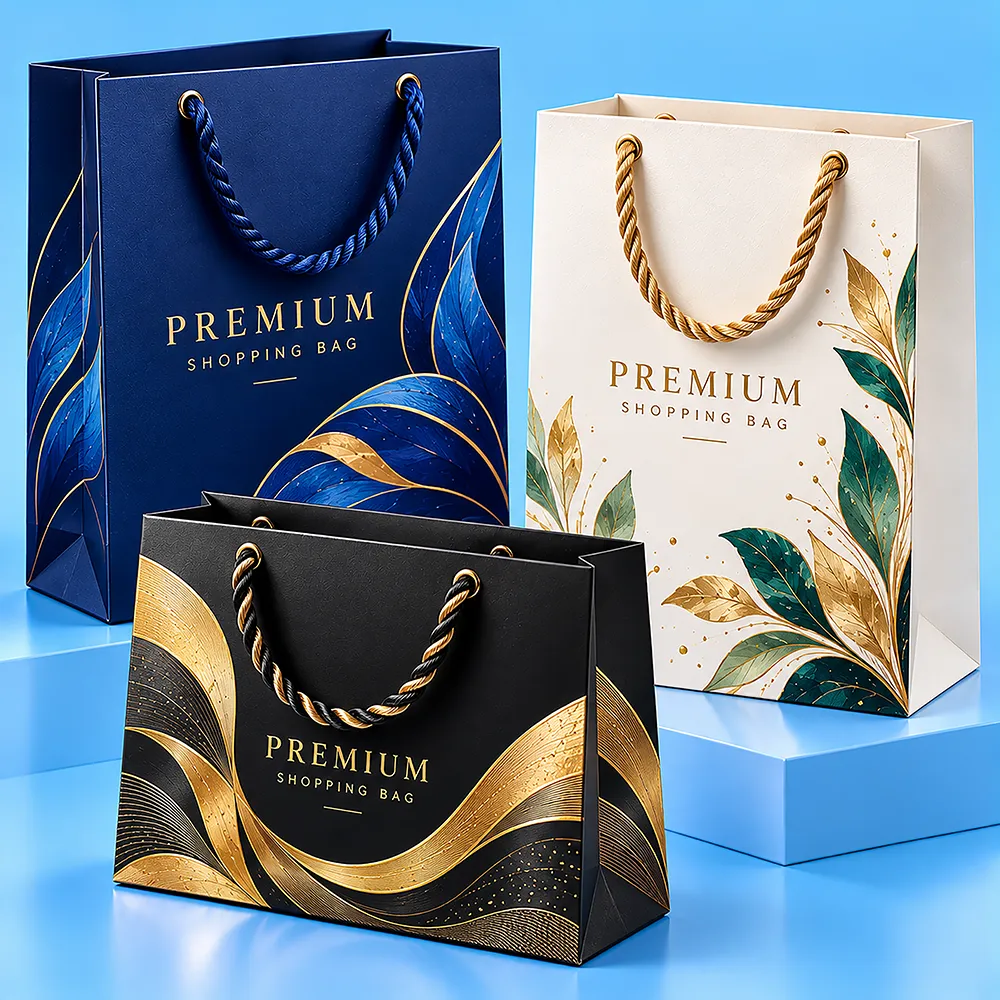
Packaging add-ons make custom packaging more attractive, presentable and visually captivating while increasing its perceived value. Gold foil adds a rich metallic accent, while silver foil creates a clean and sophisticated look. Holographic foil introduces eye-catching reflective effects that help selected design elements stand out. Embossing raises logos or patterns for added dimension, while debossing creates a refined recessed effect. Ribbons and handles add both decorative appeal and practical convenience, giving packaging a more distinctive and premium presentation.
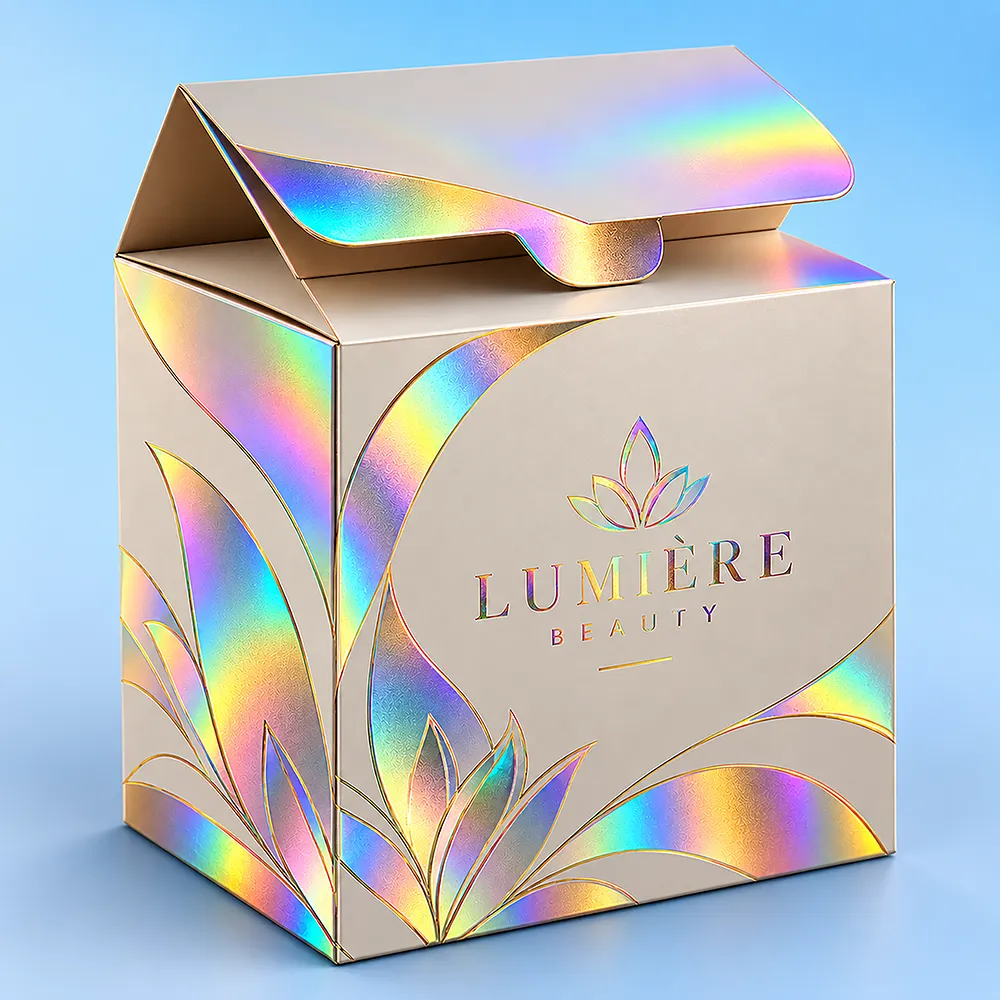
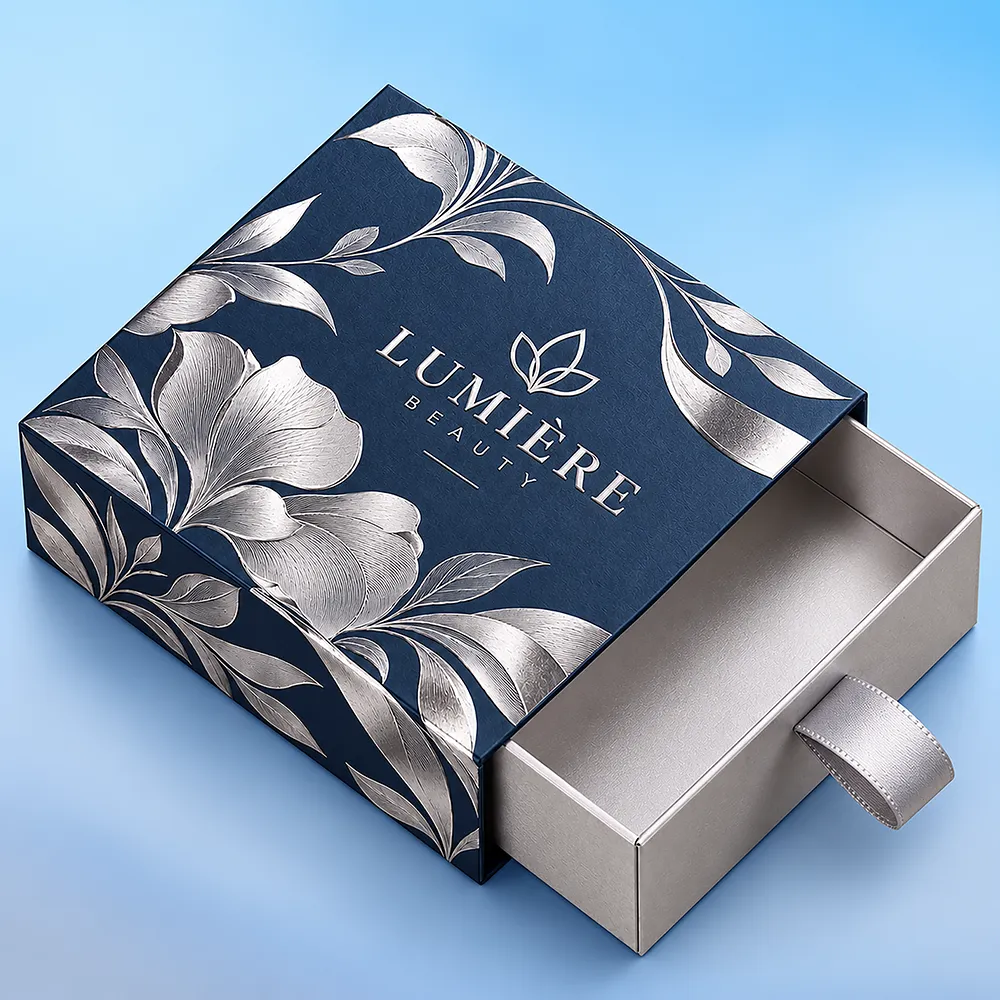
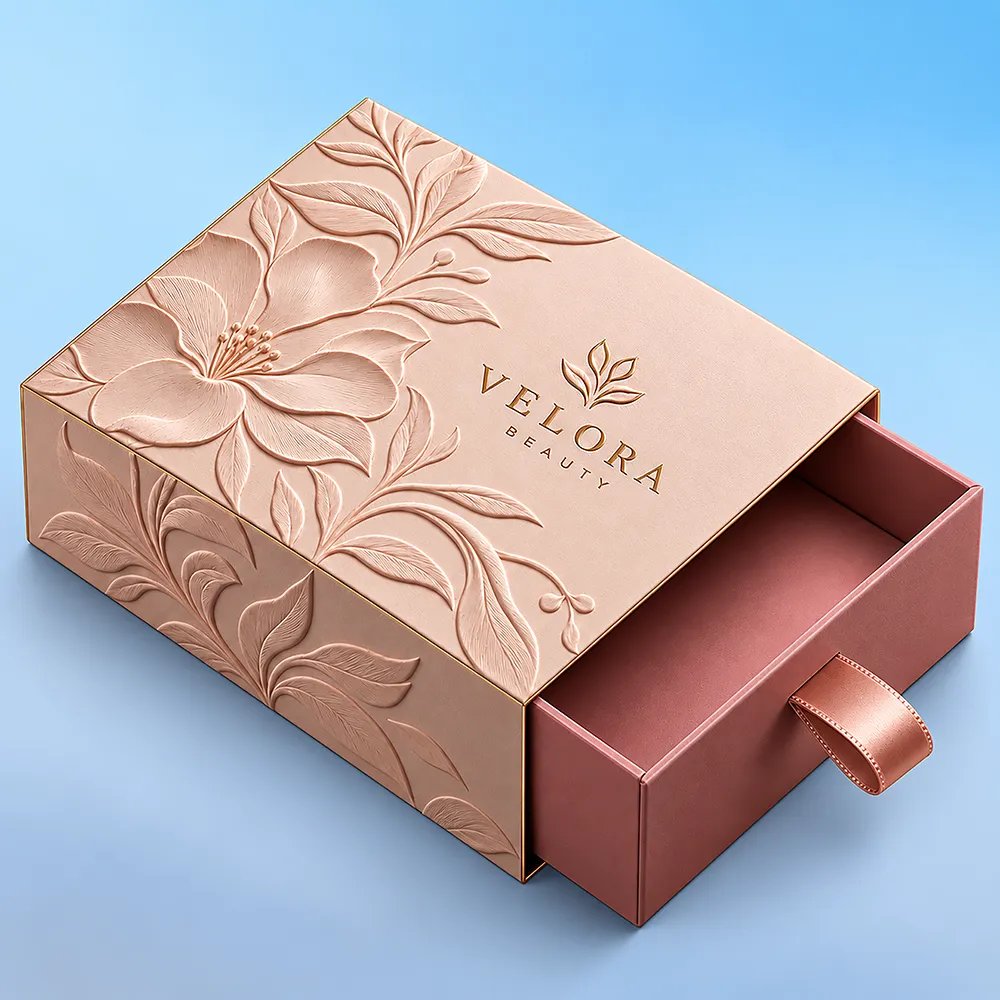
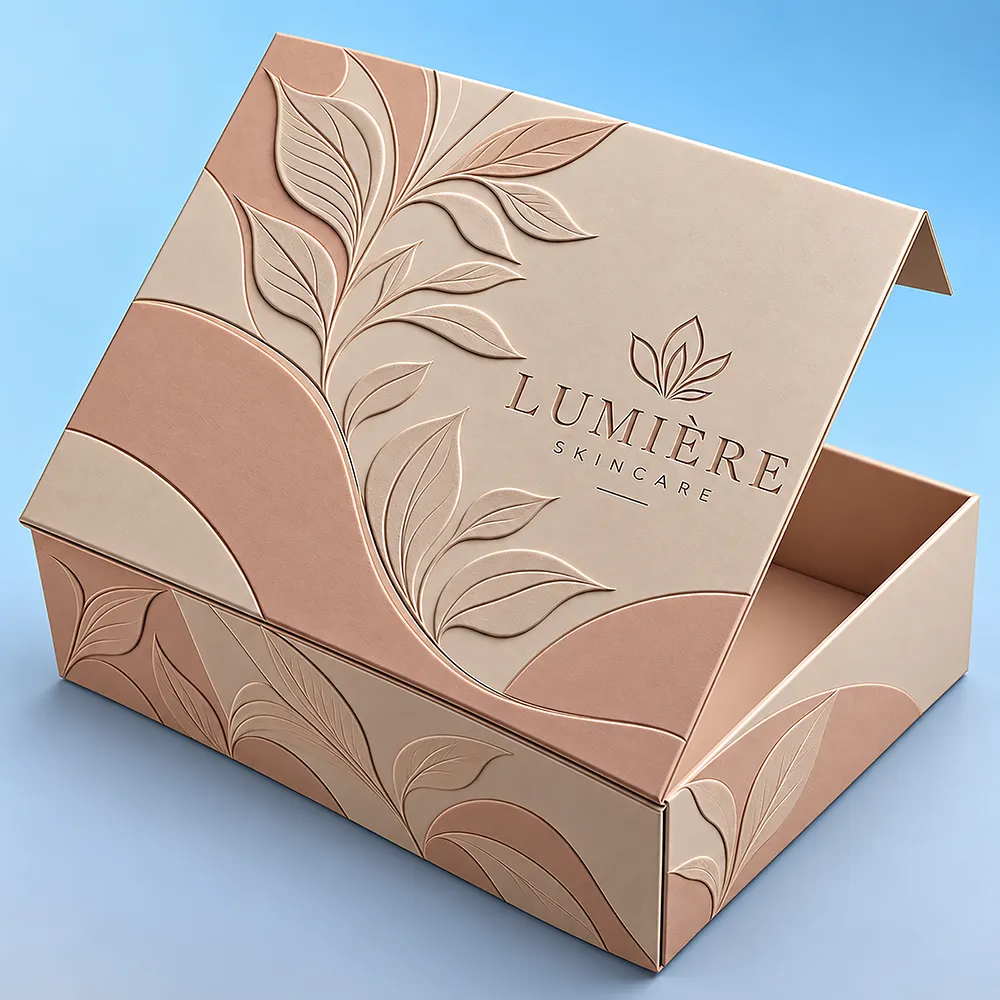
Fill out the form below to receive a customized packaging quote with competitive wholesale pricing and premium quality solutions.
The defining feature of a gable box is the relationship between its rectangular body and the upper panels that fold together to create the carrying section.
That structure introduces several considerations that do not apply in exactly the same way to a standard rectangular folding carton.
The total assembled height of a gable box can include the upper sloping panels and handle area.
That means a product may fit within the total outside height while still interfering with the point where the upper panels begin to slope inward.
When sizing a gable box, the buyer should consider the usable rectangular body area rather than relying on the overall handle height alone.
The integrated handle makes the box convenient to carry, but carrying performance depends on more than the handle opening itself.
Material, packed weight, weight distribution, box dimensions and bottom construction should be evaluated together for heavier or larger contents.
Gable boxes include folds, handle openings, closure areas and bottom flaps that affect artwork placement.
Important logos, small copy, QR codes and other functional elements should therefore be positioned on the final dieline rather than designed as though the box were one flat rectangular panel.
Material selection should start with the packed product, required rigidity, print appearance, handling conditions and presentation goal.
Kraft can suit projects where a natural brown paper appearance is part of the visual direction.
Because the substrate itself has color, printed artwork may appear differently than it would on a white surface. Contrast, ink coverage and white underprinting where applicable should therefore be considered during artwork planning.
A Kraft appearance should not automatically be treated as proof of recyclability, compostability or another environmental characteristic. Those claims depend on the complete finished packaging specification.
Explore Kraft Gable Boxes for a dedicated Kraft packaging direction.
Paperboard or cardboard gable boxes can provide a smoother printable surface for retail, gifting, events, bakery packaging and other branded applications.
White paperboard can be especially useful where the artwork relies on brighter process colors or cleaner brand-color presentation.
The appropriate board construction should be determined according to dimensions, packed weight, structure and intended use rather than a generic thickness recommendation.
Corrugated construction may be worth evaluating when larger dimensions, heavier contents or additional rigidity change the structural requirement.
Corrugated board also behaves differently from folding paperboard during printing, scoring and finishing. The material decision should therefore be made together with the structural and artwork requirements.
Consider:
BoxBaba can review these inputs before the final material specification is established.
Custom gable boxes should be sized from the finished product and its intended packed arrangement—not from a generic capacity description or another supplier standard box size.
Before requesting a dieline or quote, identify:
For gable packaging, the point where the upper panels begin to slope toward the handle is especially important.
A product that fits within the total exterior dimensions may still be too tall for the usable rectangular body.
BoxBaba can use the product information to develop an appropriate custom size. Final structural dimensions should be determined through packaging review rather than guessed from a product category alone.
The basic gable structure can be adapted according to the way the package will be packed, displayed and carried.
The raised gable top creates a convenient carrying area without requiring a separately attached handle.
For larger or heavier packages, however, the handle should be evaluated together with:
A single universal handle-load claim should not be applied to every gable-box configuration.
Bottom configuration can affect both assembly workflow and structural support.
An auto-bottom design may be useful for packing operations where faster setup is valuable. Other locking configurations may suit different product weights, quantities or production requirements.
The bottom should be selected around the actual packed product and workflow rather than simply choosing a structure by name.
A window allows the customer to view the product without opening the package.
Window planning should account for:
For projects where product visibility is central, explore Gable Boxes with Window.
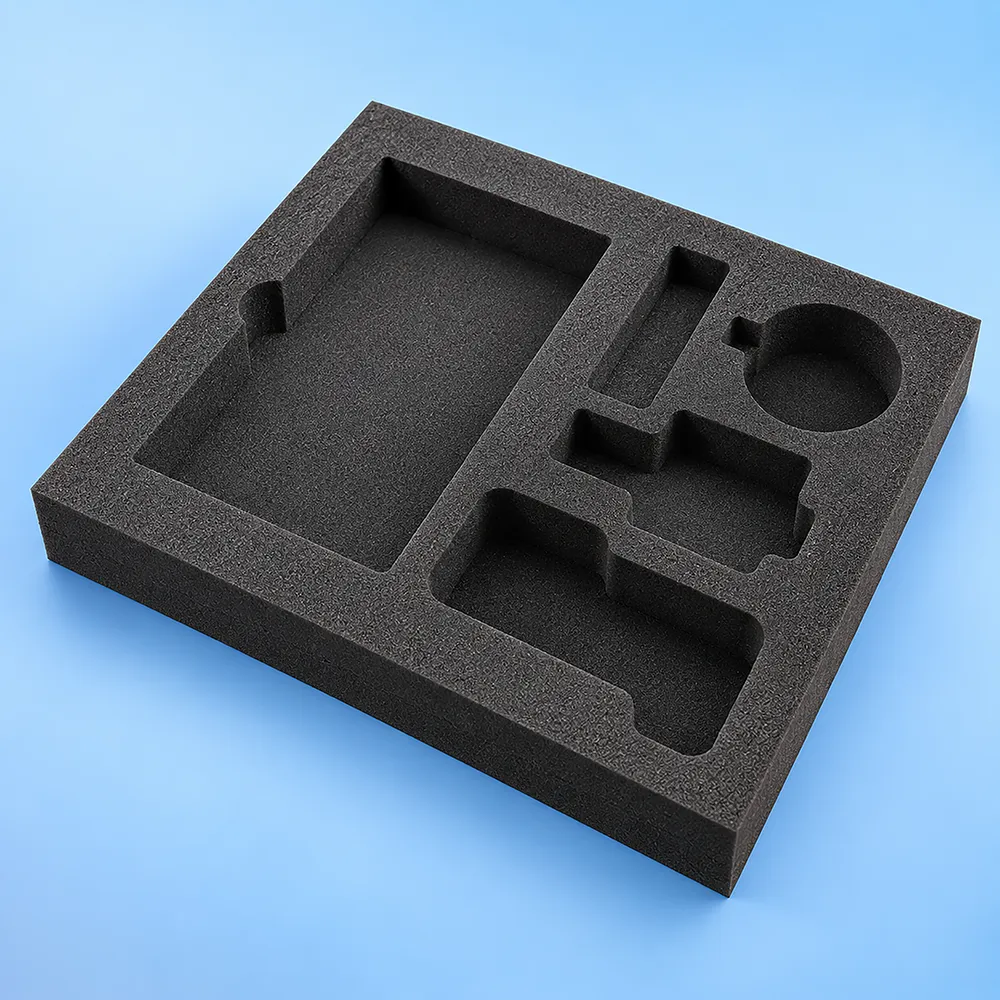
An insert should solve a defined packaging problem.
It may help:
An insert also consumes internal space and can affect the required outer dimensions, so it should be considered during the sizing stage rather than added after the box is already designed.
Gable boxes are often considered for bakeries, cafés, restaurants, catering businesses and grab-and-go packaging because the integrated handle makes the package convenient to carry.
Food applications require more than choosing a box by appearance.
Relevant questions include:
A generic paperboard box should not automatically be described as suitable for every form of direct food contact.
The material, coating, liner and actual contact conditions should be reviewed for the individual project.
For prepared meals and restaurant applications, see Gable Takeout Boxes.
Bakery packaging introduces different fit and presentation concerns depending on what is being packed.
Donuts, muffins, cookies, cupcakes and pastries can differ in:
For example, a decorated cupcake may require more vertical clearance than a cookie assortment even if both occupy a similar footprint.
The bakery product—not the generic term bakery box—should therefore determine the starting dimensions and internal-support requirements.
Gable packaging can also work well for gift sets, promotional items and event giveaways.
Smaller configurations may suit:
Larger gable gift boxes can be configured for product sets or multiple components when the material, bottom and handle are suitable for the packed arrangement.
For favor-oriented packaging, explore the current Gable Favor Boxes.
Seasonal campaigns can also use dedicated graphics, color systems and finishes. See the Christmas Gable Boxes for a seasonal packaging direction.
Printing and finishing are related but different parts of a custom packaging project.
Printing applies graphics, text, patterns and brand colors to the packaging.
Finishing changes the surface appearance, tactile quality or emphasis of selected design elements.
The best combination depends on the material, quantity, artwork complexity, number of SKUs and desired presentation.
Offset printing can suit projects where detailed graphics and controlled print reproduction are important on an appropriate paperboard substrate.
It may be considered for larger production requirements, but the appropriate process should be determined from the actual artwork, substrate and quantity rather than a fixed universal threshold.
Digital printing can be useful for shorter runs, multiple artwork versions or projects where reduced plate setup offers an advantage.
The best production method still depends on quantity, substrate and artwork requirements.
Flexographic printing may be considered for suitable paper and corrugated applications where the substrate, artwork and production requirement match the process.
No single printing process is automatically the best choice for every gable-box project.
CMYK process printing is useful for:
Pantone/PMS references can help when a particular brand color requires tighter production control.
However, final printed appearance may still be influenced by:
An absolute color-match guarantee should therefore not be assumed from a digital screen or color code alone.
Kraft and darker materials require particular attention because the underlying substrate can influence the apparent color of printed inks.
Depending on the selected stock and production process, compatible finishes may include:
A finish should be selected according to both appearance and structural location.
A decorative effect that works well on a large front panel may not perform the same way across a fold, handle opening, locking tab or heavily scored area.
Gable-box artwork should be developed on the approved dieline rather than treated as one flat rectangular design.
Review:
Important logos, small text and machine-readable codes should not be placed blindly across folds, cuts or closure areas.
BoxBaba provides artwork support and dieline, 3D mockup and proofing assistance as applicable.
A larger gable-box order involves more than multiplying the quantity of one carton.
Quantity can affect:
BoxBaba standard MOQ starts from 100 boxes.
For a wholesale or bulk project, you do not need to determine every production detail before contacting BoxBaba. Accurate product and project information provides a better starting point for packaging development.
Different project risks require different forms of review.
Useful for reviewing:
More useful where the main question involves:
A printed physical sample may be relevant when:
need to be reviewed before a larger production order.
BoxBaba standard production turnaround is generally 5–9 business days after final artwork approval.
Production time and shipping/transit time are separate.
Free samples are available under BoxBaba current policy. Sample shipping or delivery charges are reimbursed with the first bulk order. Custom or project-specific samples may require separate confirmation.
A gable box can be useful for portable retail, bakery, food, gifting and event applications, but it is not automatically suitable for every product.
Another packaging format may be more appropriate when:
Selecting the correct packaging format is more useful than forcing every product into a gable box.
BoxBaba supports custom gable packaging for businesses that need packaging developed around their actual product and brand requirements.
Current service benefits include:
The best starting point is to provide your product dimensions, packed arrangement, quantity, intended use and artwork status so the appropriate material and structure can be reviewed together.
Tell BoxBaba what you need to pack, how many units you need and how the finished packaging will be used.
For an accurate starting point, send:
Request a Custom Quote
+1 305 574 4357
sales@boxbaba.com
Find all the urgent questions you may have.