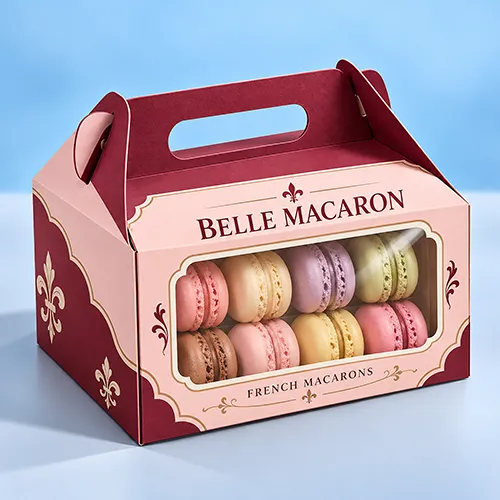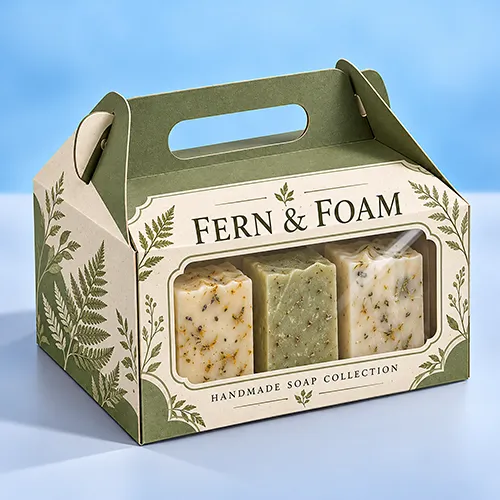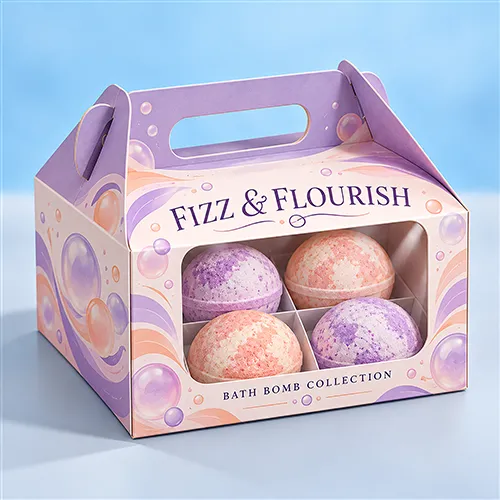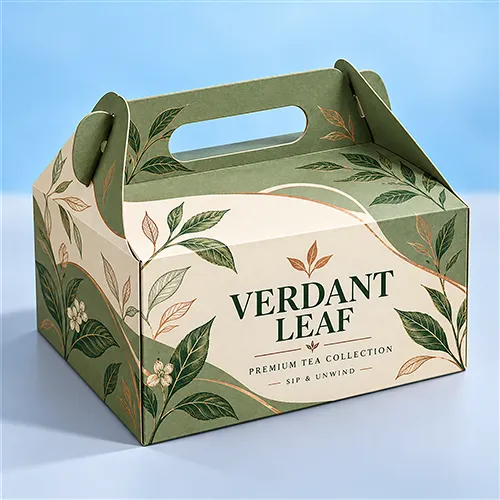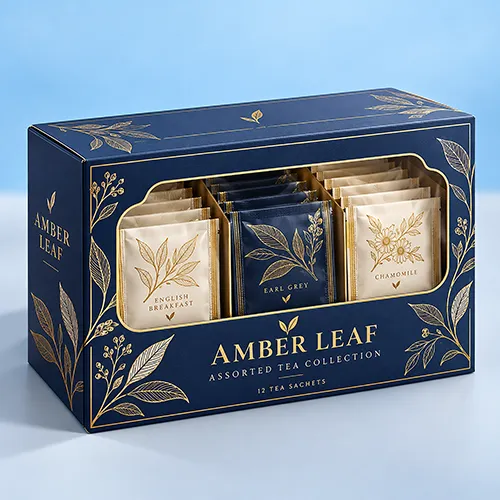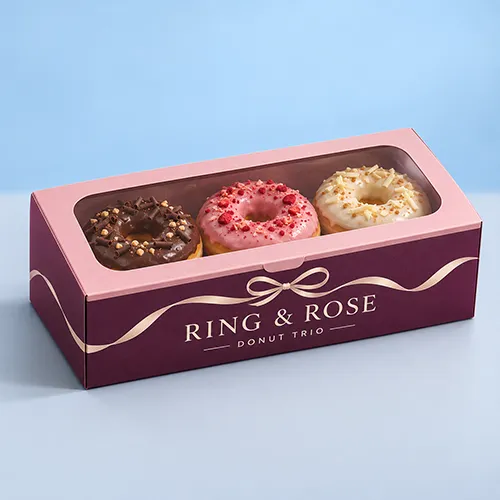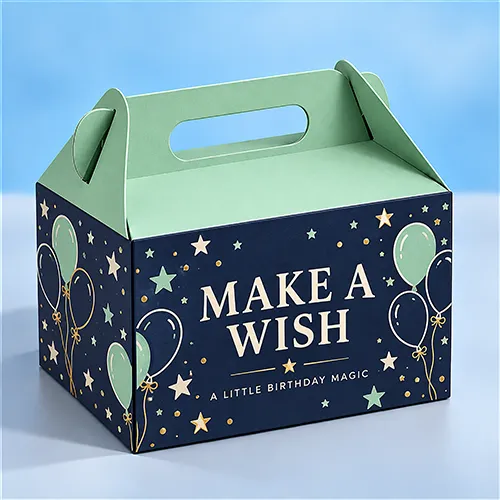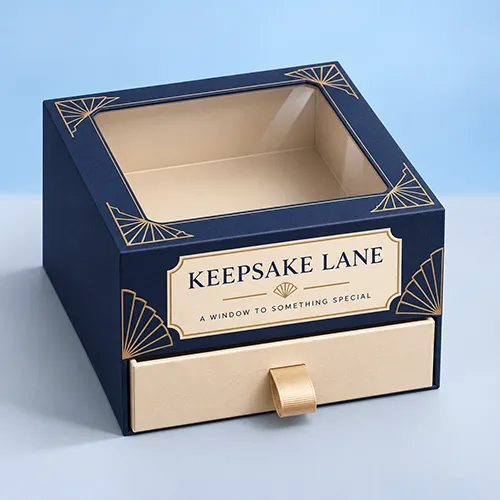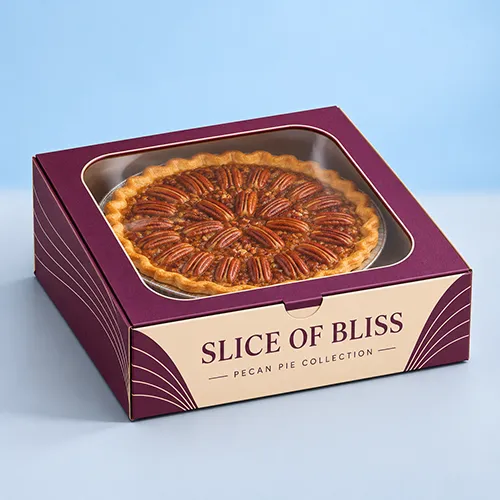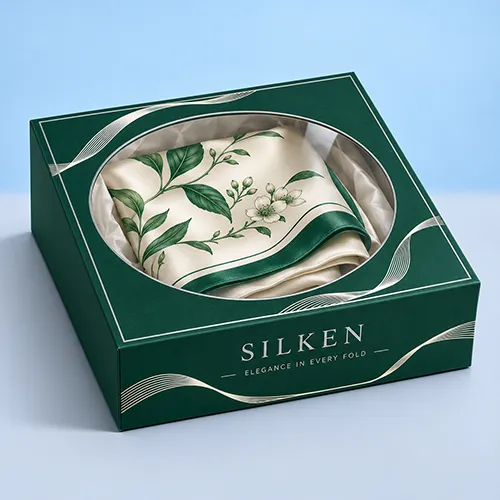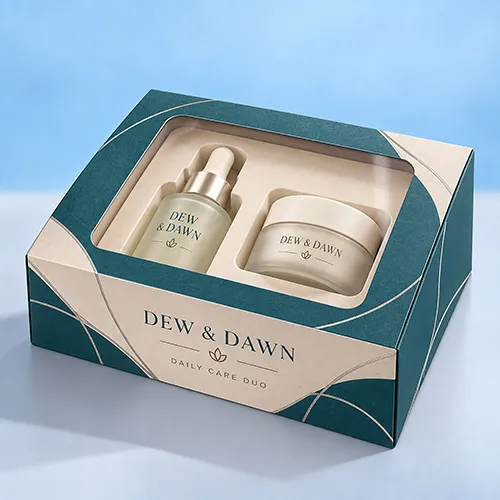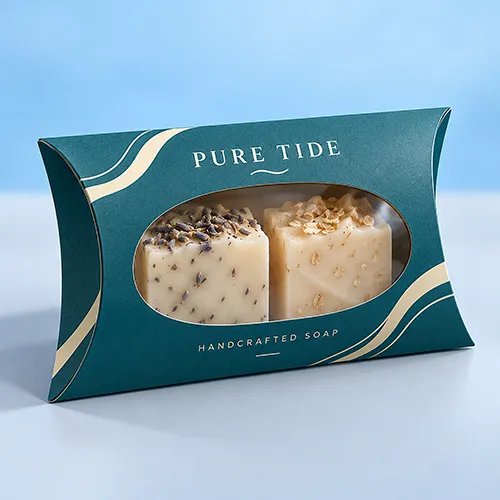
Window Gable Boxes

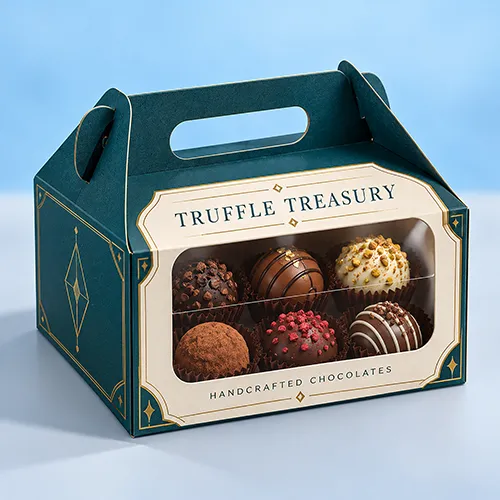
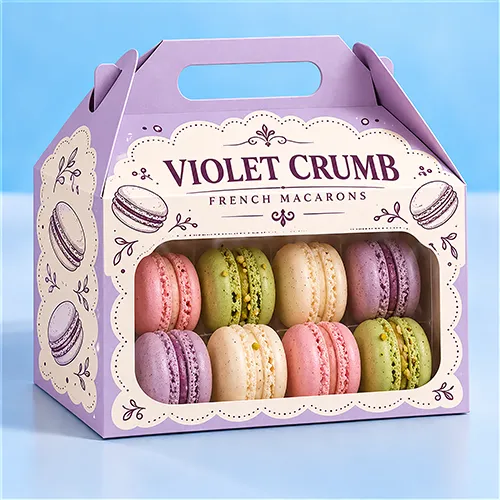
Custom window gable boxes combine an integrated carrying handle with a die-cut display opening so the packed product becomes part of the presentation. Depending on the project, the opening can remain uncovered or be evaluated with transparent window backing where a covered opening is needed. BoxBaba develops custom sizing and artwork around the actual product position, intended visible area, material, packed arrangement, and gable structure. Window size and placement should be planned with the carton—not added after the structure is finalized—because the opening affects printable space and the amount of board remaining in the panel. Compare the wider family of materials, structures, and uses in Custom Gable Boxes, or send your dimensions and visibility requirement to start a quote.
Trustpilot_Logo
5 out of 5 stars
4.5
Reviews 16 • Excellent

Custom Window Gable Boxes for Product Visibility & Professional Branding

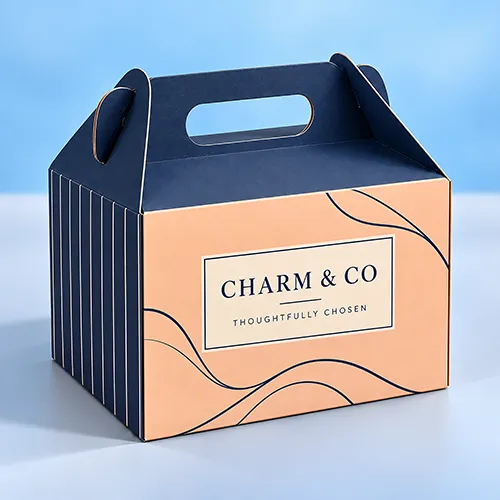
Custom window gable boxes designed for bakery items, gifts, retail products, favors, and promotional packaging with integrated carry handles, clear product visibility, custom sizing, branded printing, and compatible premium finishing options.

What We Give

Create Custom Boxes Quick and Easy

Design

Get your custom boxes made in the required size, shape, and style.

Print

Upload your artwork and get it superbly printed the way you want.

Get it done

Order any quantity, enjoy a wholesale price, pay no extra for die plates.

Related Products

Why Choose a Gable Box With a Window?

A window is most useful when seeing the actual product helps the customer evaluate something that printed graphics cannot show as effectively. A display opening can reveal:
  • product color;
  • texture;
  • decoration;
  • shape;
  • assortment;
  • arrangement;
  • presentation.
For bakery products, gifts, retail items, or event packaging, the product itself can therefore become part of the visual design. A window should still solve a real presentation need. When product visibility adds little value, a solid printed panel may provide more uninterrupted branding area and a simpler structure.
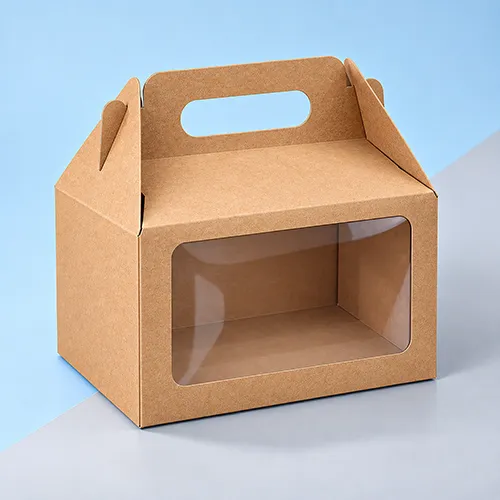
Open Die-Cut or Film-Backed Window?

The first window decision is whether the opening should remain uncovered.

Open Die-Cut Window

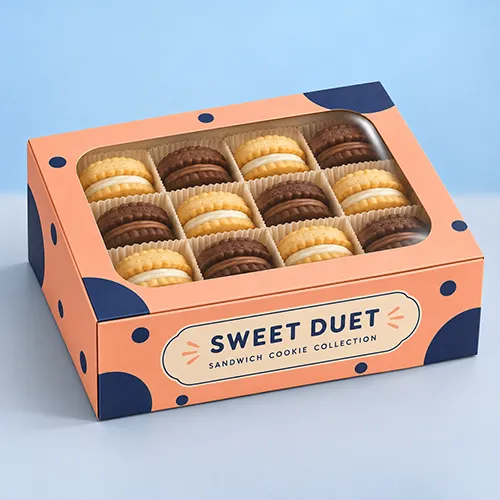
An open die-cut window removes a portion of the carton panel and leaves that opening uncovered. This may be appropriate where exposure through the opening is acceptable and the product already has suitable wrapping, containment, or another primary package. The decision should still account for handling, product movement, cleanliness requirements, and the actual use environment.

Film-Backed Window

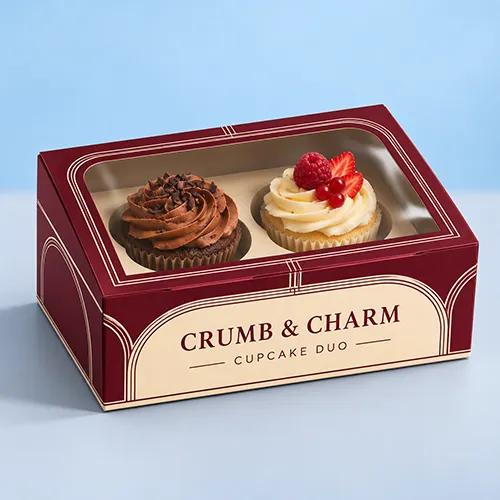
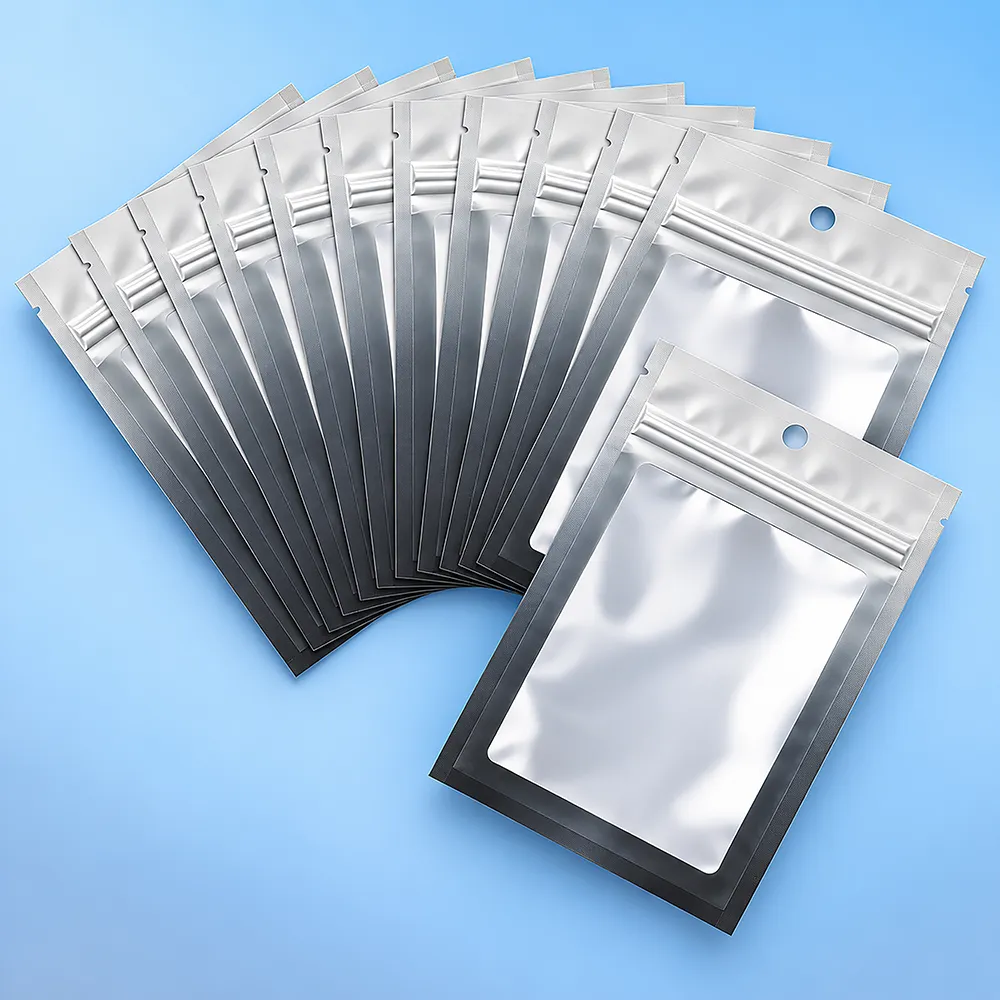
A film-backed window places a transparent layer across the die-cut aperture so the product remains visible while the opening itself is covered. The exact transparent material, attachment method, compatibility, and any food-contact or disposal requirements are project-specific and should be confirmed for the finished specification. The more useful question is therefore: What needs to be visible, and does the opening need to remain physically covered?

Decide What the Customer Needs to See

The largest possible window is rarely the right starting point. The opening competes with space needed for:
  • structural board;
  • branding;
  • product information;
  • graphics;
  • instructions;
  • barcodes;
  • QR codes;
  • other required copy.
Instead, define the specific product feature that needs to remain visible. For example, a window may be sized to show:
  • the decorated top of a bakery item;
  • several products within a gift set;
  • the color of an event favor;
  • the texture or finish of a retail product.
Once the intended view is clear, the window can be positioned around the product rather than simply maximizing the cutout area.

Position the Product Before Positioning the Window

A well-designed window is only useful when the product remains where the opening expects it to be. If the item can slide, rotate, lean, settle, or shift during carrying, the window may reveal the wrong face of the product, empty space, packaging components, or an insert instead of the intended presentation. Before the window is finalized, determine:
  • product orientation;
  • final resting position;
  • number of items;
  • packed arrangement;
  • expected product movement;
  • whether internal support is needed;
  • which product surface should remain visible.
Window placement and internal fit should therefore be developed together.

Keep the Window Away From Critical Structural Zones

A gable carton contains more than a front display panel. Window placement needs to account for:
  • main body panels;
  • sloping gable panels;
  • handle openings;
  • score and fold lines;
  • closure tabs;
  • bottom flaps;
  • glue areas;
  • locking features;
  • panel edges.
A window removes paperboard from the panel. Its size, shape, position, material, packed product, and remaining board should therefore be reviewed together. The goal is not to avoid windows. It is to place the opening where it achieves visibility without unnecessarily interfering with the rest of the structure.

Size Window Gable Boxes Around the Finished Product

The carton should be sized around the finished packed product—not around the desired window first. Provide:
  • product length;
  • product width;
  • product height;
  • widest point;
  • intended orientation;
  • quantity per box;
  • packed weight where relevant;
  • wrapping or primary container;
  • inserts or dividers;
  • decorative components;
  • the exact product area you want visible.

Account for Usable Body Height

The total assembled height of a gable box includes the upper gable panels and handle area. A tall product may fit within the overall exterior height while still interfering with the point where the gable panels begin to slope inward. The final design should therefore account for both usable rectangular body height and the required window position.

Use Inserts Only When They Solve an Alignment Problem

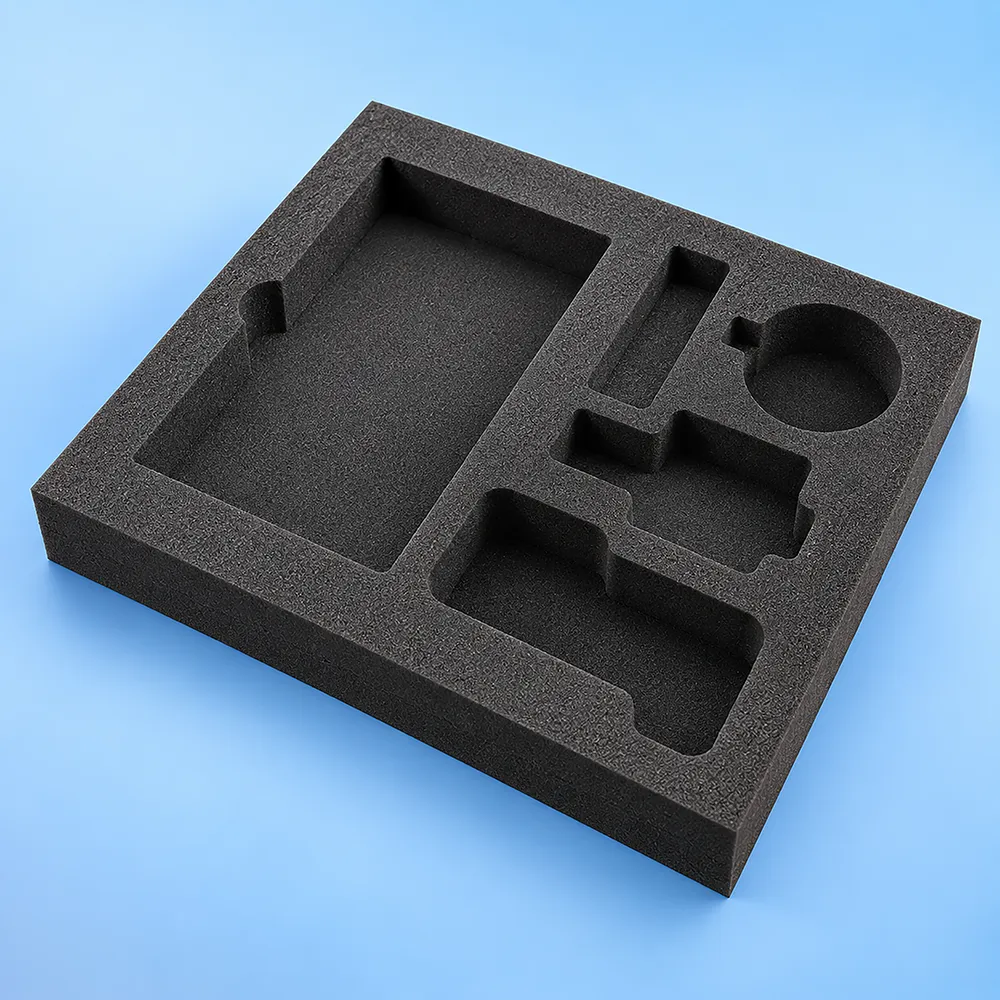
A window does not automatically mean the box needs an insert. Internal support becomes useful when it solves a specific problem such as:
  • keeping a product centered;
  • preventing rotation;
  • separating several visible items;
  • keeping a product from settling below the opening;
  • maintaining an intentional gift-set arrangement.
Because inserts and dividers occupy internal space, they should be included before the final box dimensions and window placement are approved.

Material for Window Gable Boxes

Window gable boxes require a material that works with both the gable structure and the display opening.

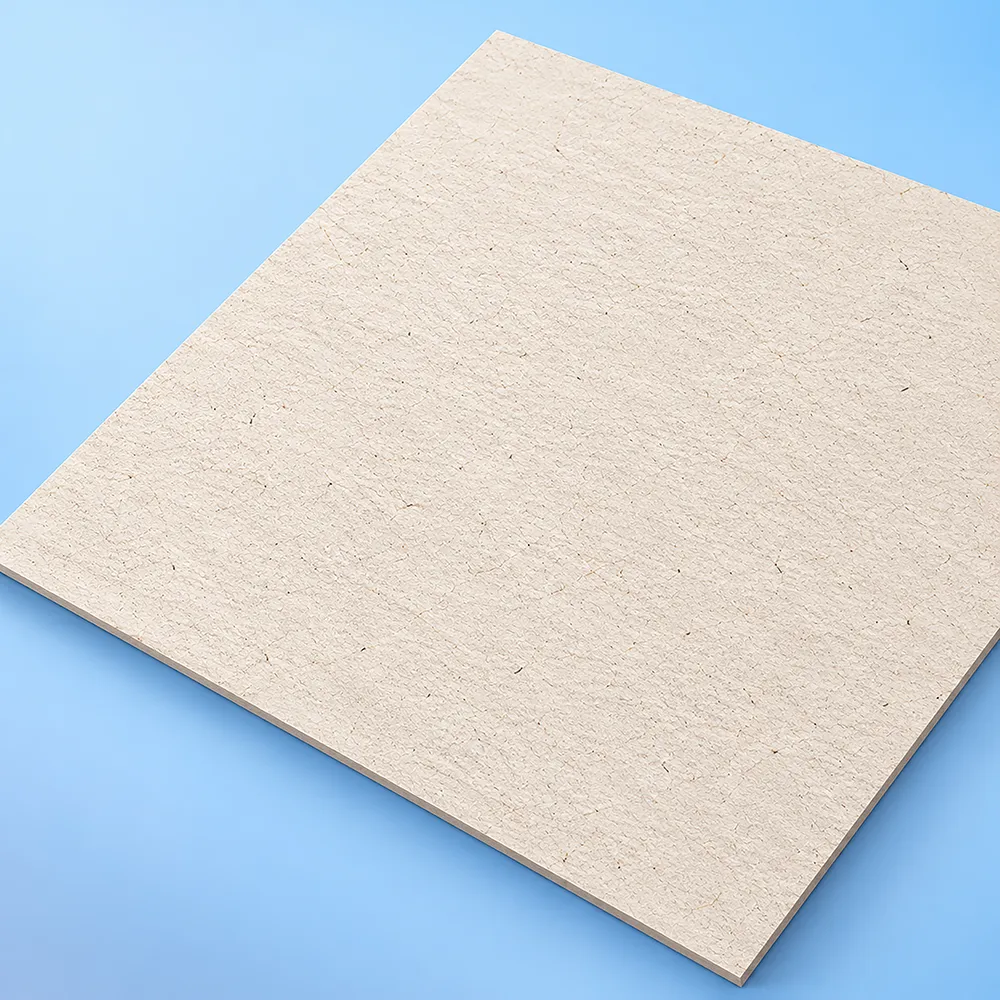
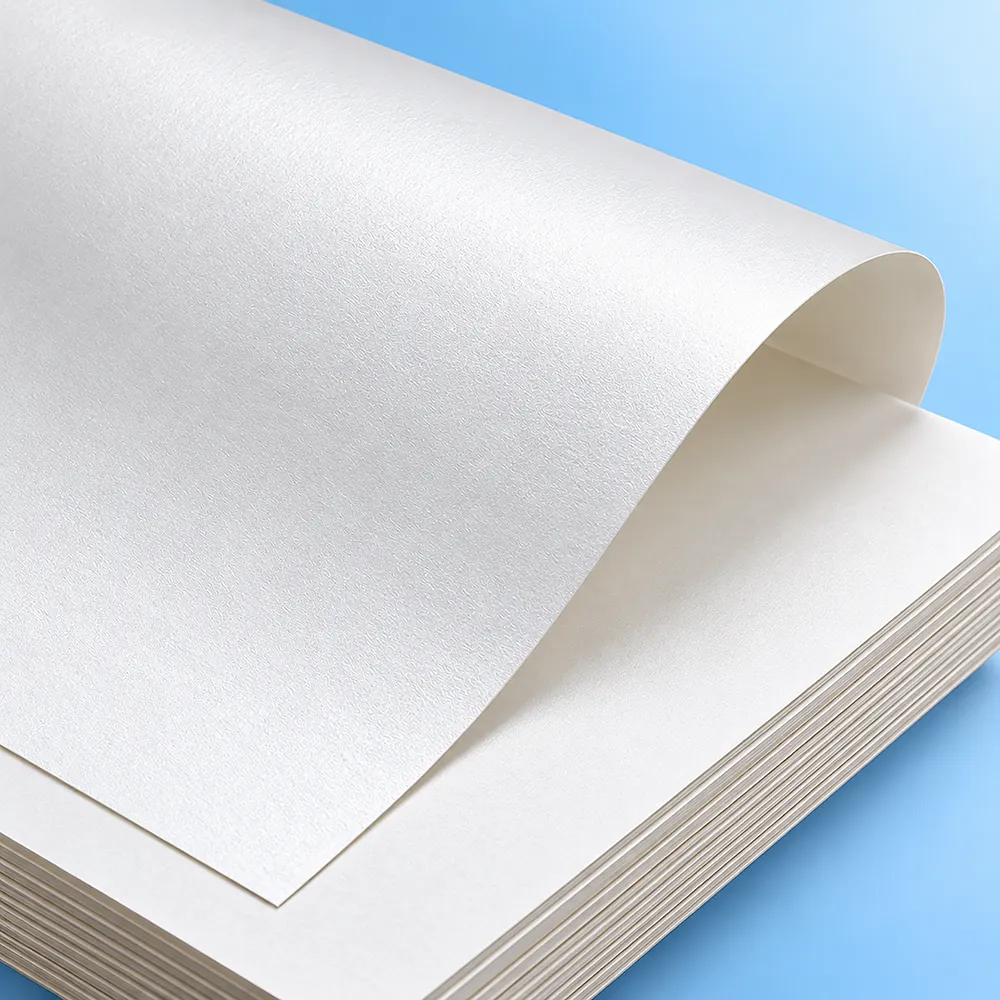
White Paperboard / Cardstock

A white paperboard surface can provide a neutral background for artwork surrounding the window. It may suit projects where typography, photographs, illustrations, or brand colors are important parts of the presentation. The final stock should be selected from the actual dimensions, packed use, window layout, handle, and printing requirements rather than from a generic thickness specification.

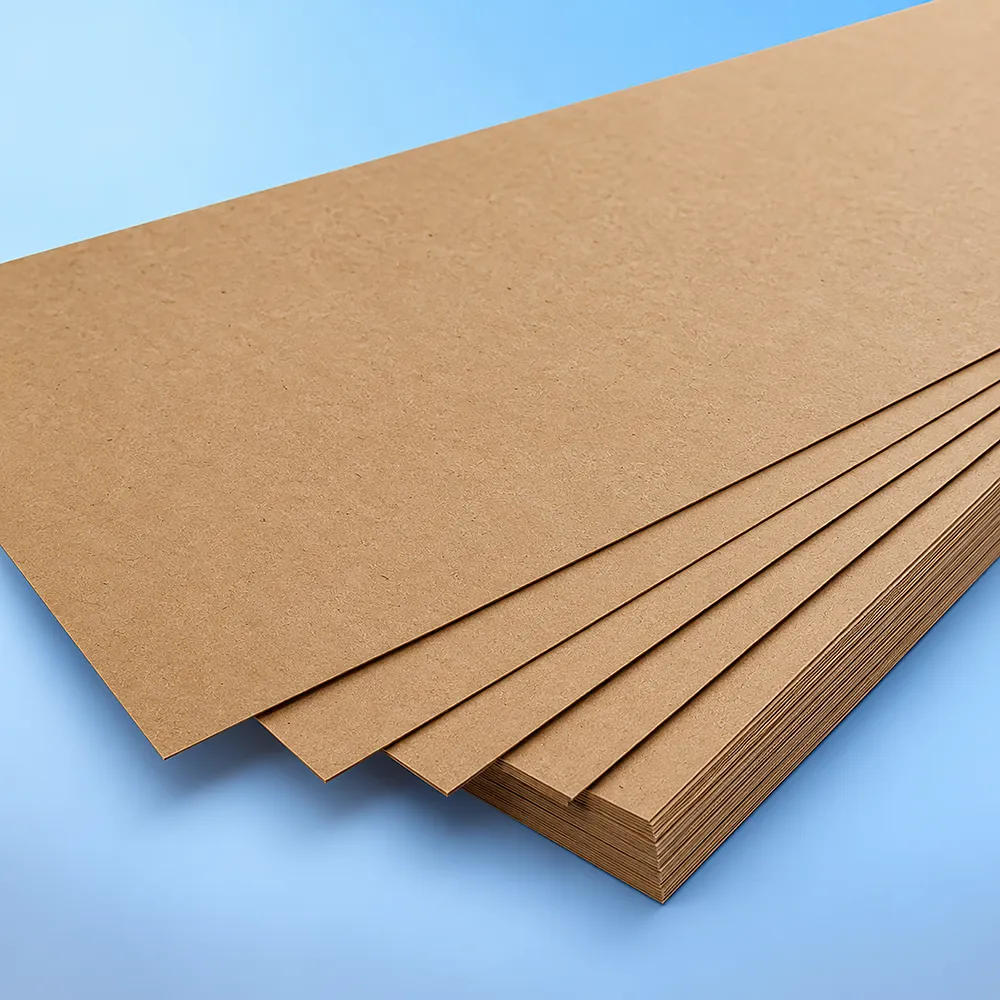
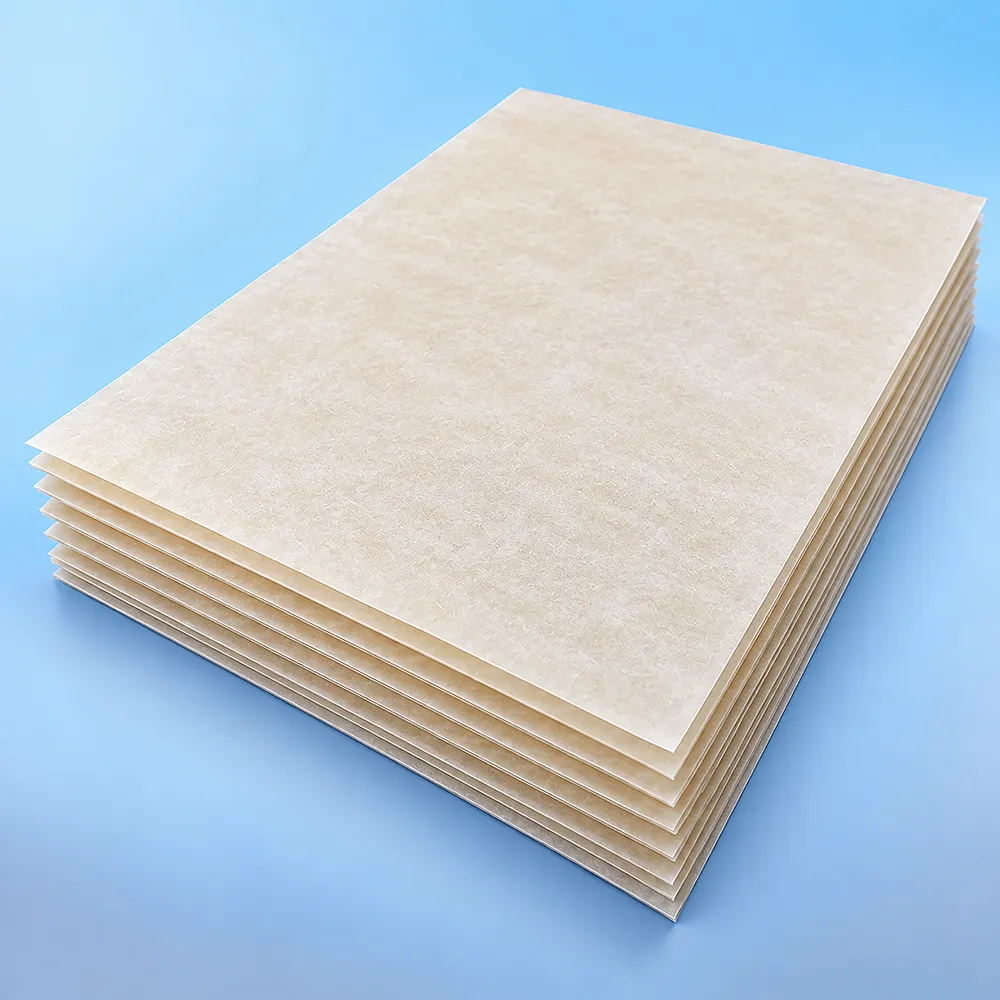
Kraft Paperboard

Kraft may be considered where a natural brown presentation and product visibility need to work together. The visible product becomes one design element while the printed artwork sits on the Kraft surface. If the natural Kraft substrate is the primary buying requirement rather than the window itself, compare Kraft Gable Boxes. Kraft artwork should also account for the substrate color because light colors and printed tones can appear differently than they do on white stock.

Material and Window Design Work as a System

Material cannot be selected independently from the opening. Consider together:
  • box dimensions;
  • window dimensions;
  • window position;
  • window shape;
  • packed weight;
  • product position;
  • handle geometry;
  • bottom structure;
  • print requirements.
A heavier stock is not automatically the best solution. The complete package still needs to fold, assemble, display, carry, and print as intended.

Window Gable Boxes for Food and Bakery Projects

A window can be valuable when the appearance of the food product contributes to presentation. However, the presence of a window does not make the package suitable for every food application. For relevant projects, identify:
  • whether the food directly contacts the carton;
  • whether it may contact the window component;
  • whether another wrapper or primary container is used;
  • grease or moisture exposure;
  • temperature and steam;
  • holding time;
  • liner or barrier needs;
  • relevant ink and adhesive locations.
The final material and window configuration should be reviewed against the actual intended use. Where prepared-meal portability, closure, steam, packed weight, and takeaway workflow are the dominant requirements, compare Gable Takeout Boxes.

Window Gable Boxes for Gifts, Favors, and Retail Products

A display window can be particularly useful when product arrangement itself supports the presentation. Potential applications include:
  • curated gift sets;
  • promotional kits;
  • favors;
  • samples;
  • small retail items;
  • coordinated merchandise;
  • seasonal sets.
For smaller event-focused packaging where favor size and guest distribution matter more than the window feature, compare Gable Favor Boxes. Window Gable Boxes should remain centered on visibility rather than trying to replace gift-, favor-, bakery-, or food-specific product pages.

Printing and Finishing

Printing should be designed around the window from the start. The most appropriate method depends on substrate, quantity, artwork detail, image requirements, ink coverage, number of SKUs or designs, and the required visual result.

Offset Printing

Offset printing may suit detailed branded graphics when the selected paperboard, quantity, artwork, and production requirements are compatible with the process. It can be considered where the areas surrounding the window contain detailed graphics, typography, or controlled brand artwork.

Digital Printing

Digital printing may suit shorter quantities, multiple artwork versions, or projects where reduced plate-related setup is useful. It can also help with campaigns containing multiple designs or SKUs, subject to substrate and project requirements.

Flexographic Printing

Flexographic printing may be evaluated where the substrate, artwork, quantity, and production format suit the process. No one printing method is automatically best for every window gable-box project.

CMYK and Pantone/PMS

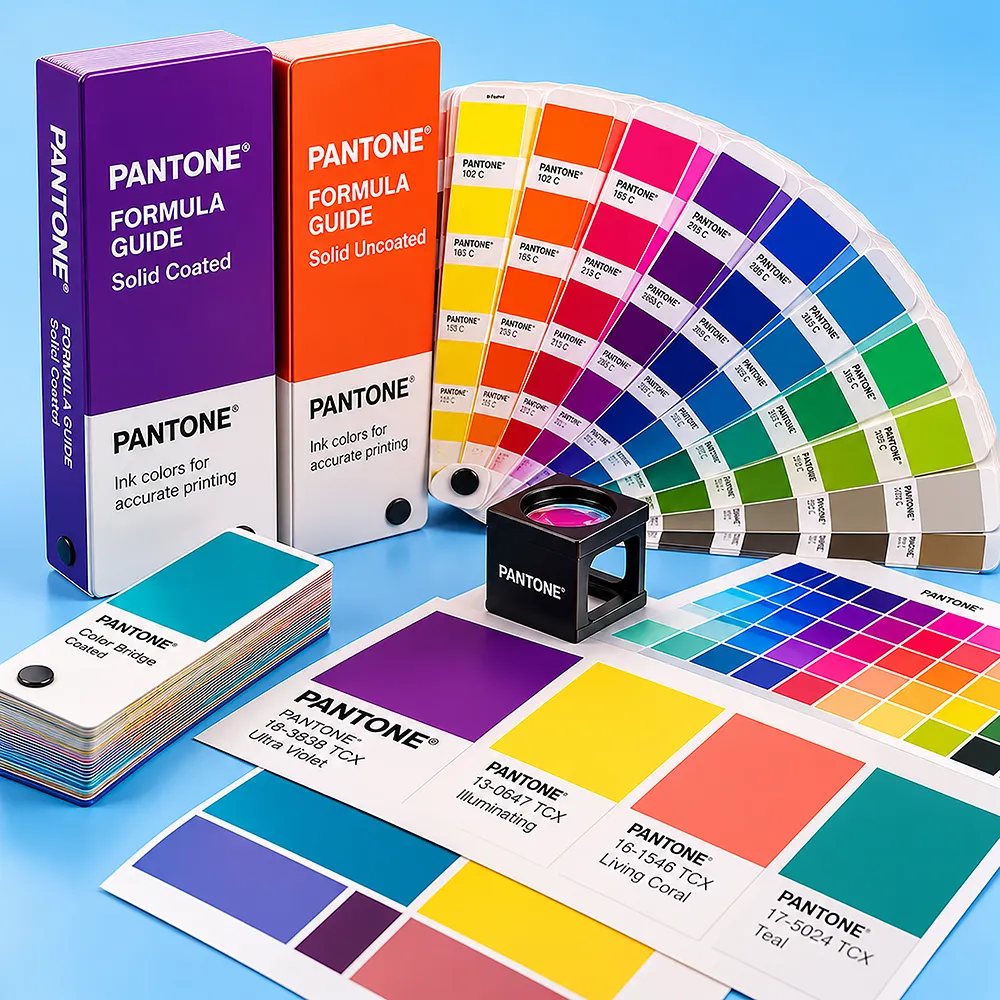
CMYK can support multi-color graphics, illustrations, and photographic artwork. Pantone/PMS references can help communicate defined brand-color targets where appropriate. Final printed appearance can still vary according to:
  • substrate color;
  • surface texture;
  • ink;
  • coating;
  • printing method;
  • finish;
  • proofing;
  • lighting.
An absolute printed-color guarantee should not be inferred from a screen value or color code alone.

Design Artwork Around the Window

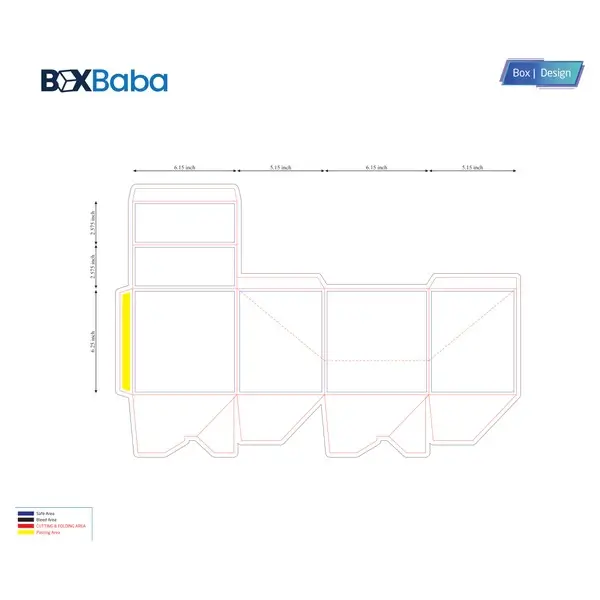
The approved dieline should guide final artwork placement. Account for:
  • front and back panels;
  • side panels;
  • sloping gable panels;
  • window opening;
  • any window-backing attachment area;
  • handle cutouts;
  • score and fold lines;
  • closure tabs;
  • bottom flaps;
  • glue and locking areas;
  • barcodes;
  • QR codes;
  • variable information.
Important logos, small text, and machine-readable elements should remain clear of cuts, folds, window edges, glue, and locks unless the approved dieline specifically supports the placement. The assembled package should also be reviewed so the printed artwork works visually with the real product showing through the opening.

Finishing Around the Window

Printing applies ink and graphics. Finishing is a separate process used to change surface appearance, tactility, or emphasis. Depending on the selected material and structural compatibility, finishes may include:
  • matte;
  • gloss;
  • soft touch;
  • foil stamping;
  • embossing;
  • debossing;
  • Spot UV.
A finish can visually frame the display area, but it should not interfere with folds, handle cutouts, window edges, or any attachment areas. Compatibility should be confirmed for the finished structure.

When a Window May Not Be the Best Choice

Project Requirement Consider a Solid Gable Box When
Maximum front-panel branding area The product itself does not need to be visible
Contents move substantially Efficient product alignment behind the opening is difficult
Contents should remain concealed Visual privacy is part of the presentation
Specialized containment is required The outer gable carton is not the appropriate primary barrier
An extremely large window is requested Too much functional panel area would need to be removed
Parcel-shipping protection is the main task A purpose-designed shipping package may be more appropriate
A window should solve a real visibility requirement rather than being added only as a decorative feature.

What Affects the Cost of Custom Window Gable Boxes?

Window gable-box pricing depends on the finished project specification. Relevant variables may include:
  • finished box dimensions;
  • selected material;
  • window size;
  • window geometry;
  • open or film-backed configuration;
  • die-cut complexity;
  • order quantity;
  • number of SKUs or artwork versions;
  • printing method and coverage;
  • inserts or dividers;
  • finishing;
  • sample or proof requirements.
An elaborate opening may add converting and assembly considerations, so window design should balance presentation with the rest of the packaging specification.

What to Send for an Accurate Quote

Provide:
  • finished product dimensions;
  • quantity per box;
  • whether an open or covered window is preferred, if known;
  • total quantity;
  • quantity by SKU or artwork version;
  • preferred material, if known;
  • insert or divider requirements;
  • artwork status;
  • printing and finishing preferences;
  • delivery destination;
  • required in-hand date, if applicable.
If you do not yet know the right window size, send product dimensions and a photo or description of what customers should see.

Samples, Proofs, and Window Alignment

Different approval methods answer different questions. A digital proof or 3D mockup can help review the relationship between the window, artwork, and panels. A structural sample is more useful for checking:
  • product position;
  • usable body space;
  • window size and location;
  • assembly;
  • handle relationship;
  • insert layout.
A printed physical sample may be relevant when the appearance of the window, graphics, substrate, or finishing needs physical evaluation. BoxBaba standard production time is generally 5–9 business days after final artwork approval. Production is separate from shipping and transit time. Free samples are available under the current policy. Sample delivery or shipping charges are reimbursed with the first bulk order. Custom or project-specific samples may require separate confirmation.

Why Choose BoxBaba for Window Gable Boxes?

BoxBaba supports custom gable projects around the actual product, packed dimensions, artwork, and presentation requirements rather than a fixed off-the-shelf configuration. Current project support includes:
  • custom sizing as applicable;
  • MOQ from 100 boxes;
  • artwork assistance;
  • dieline, 3D mockup, and proofing support as applicable;
  • sample support under the current policy;
  • standard production of 5–9 business days after artwork approval;
  • free shipping across the USA under the current offer.
Start with the product itself: what it is, how it will sit inside the box, and what the customer should be able to see.

Request a Custom Window Gable Box Quote

Send BoxBaba:
  • finished product dimensions;
  • quantity per box;
  • total quantity and SKU count;
  • artwork or logo files;
  • preferred material if known;
  • open or covered-window preference if known;
  • insert or divider requirements;
  • printing and finishing preferences;
  • delivery destination;
  • required in-hand date if applicable.
These inputs help BoxBaba review the window position, carton structure, material, artwork, and proofing requirements for your project. Request a Custom Quote +1 305 574 4357 sales@boxbaba.com

Frequently Asked Questions

Find all the urgent questions you may have.

A window gable box is a gable-style carton with a die-cut display opening that reveals part of the packed product. Depending on the project, the opening can remain uncovered or be evaluated with transparent backing.
An open window leaves the die-cut aperture uncovered. A film-backed window adds a transparent layer across the opening. The appropriate configuration depends on the product, handling conditions, visibility requirement, and finished packaging specification.
Window geometry can be planned around the product and artwork, but the final shape must remain compatible with the available panel area, folds, handle, closures, die-cutting process, and remaining structural board.
The useful size is the opening needed to show the relevant product feature while preserving enough board and branding space for the overall design. Final sizing should be based on the real product position and structural layout.
A window removes material from a panel, so size and placement can affect how that panel behaves. The finished structure should be evaluated from the window geometry, material, packed product, handle, bottom, and remaining board rather than using one universal strength assumption.
Not always. Inserts are useful when they solve a specific product-position problem, such as rotation, settling, movement, or keeping several items arranged behind the opening.
Kraft may be considered when the project requires both natural brown presentation and product visibility. Material, artwork, printing, and window structure should be reviewed together.
They may be evaluated for compatible applications, but suitability depends on the food, contact conditions, primary packaging, grease, moisture, temperature, holding time, liner or barrier needs, and the complete window/material specification.
BoxBaba standard MOQ starts from 100 boxes. Specialized materials, window configurations, printing processes, or other project requirements may require separate confirmation.
Standard production generally takes 5–9 business days after final artwork approval. Production time is separate from shipping and transit time.