

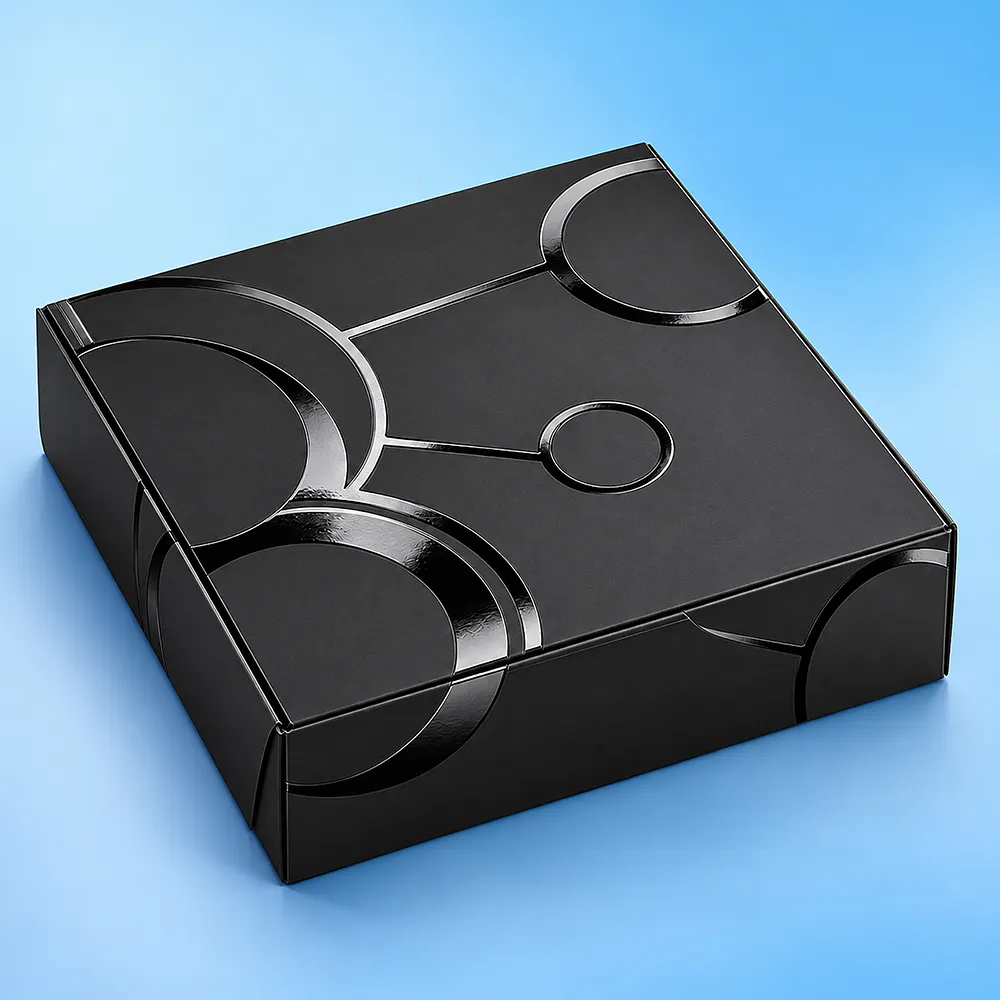




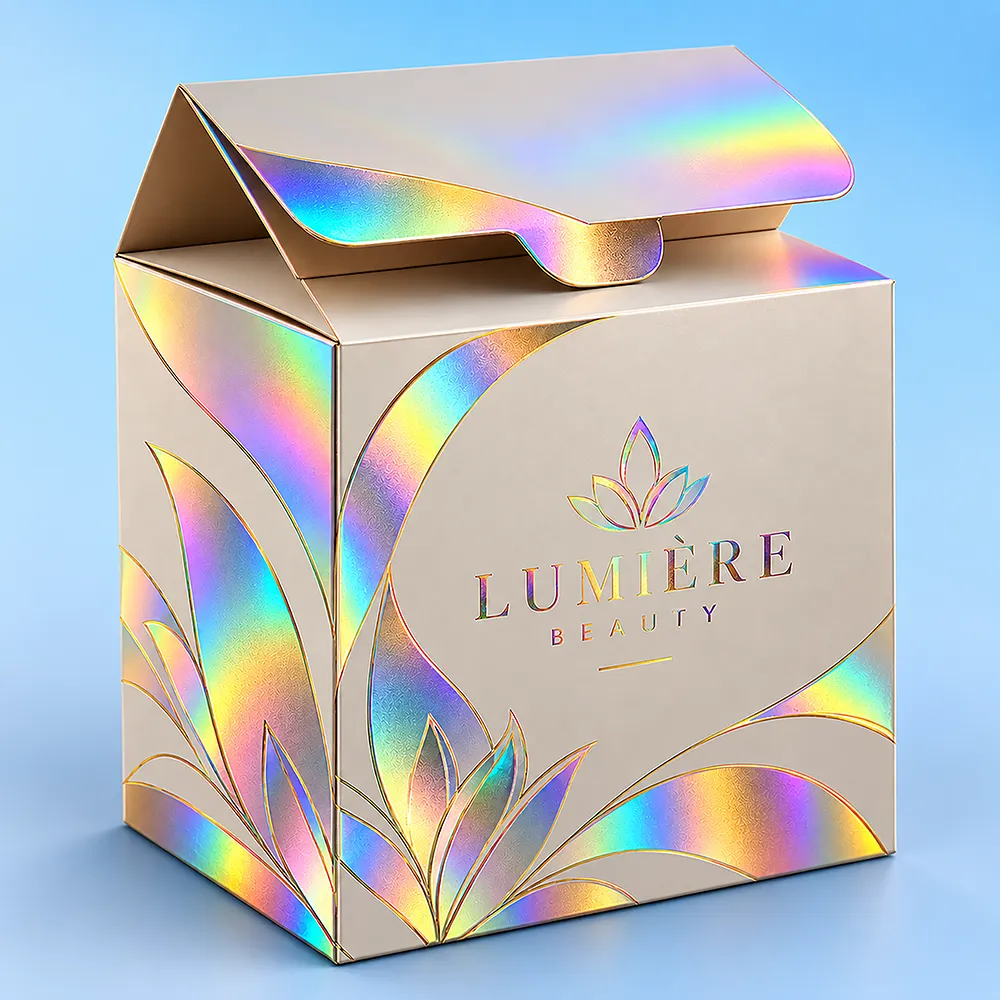
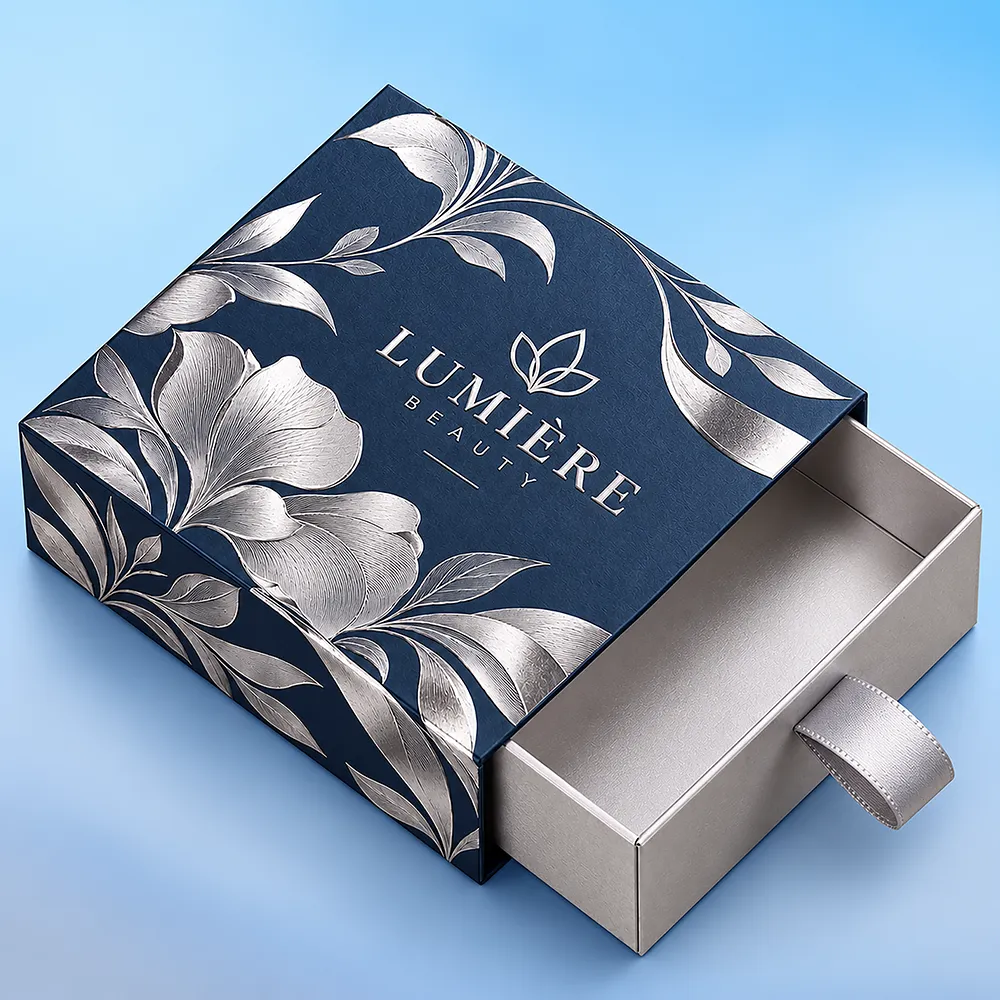
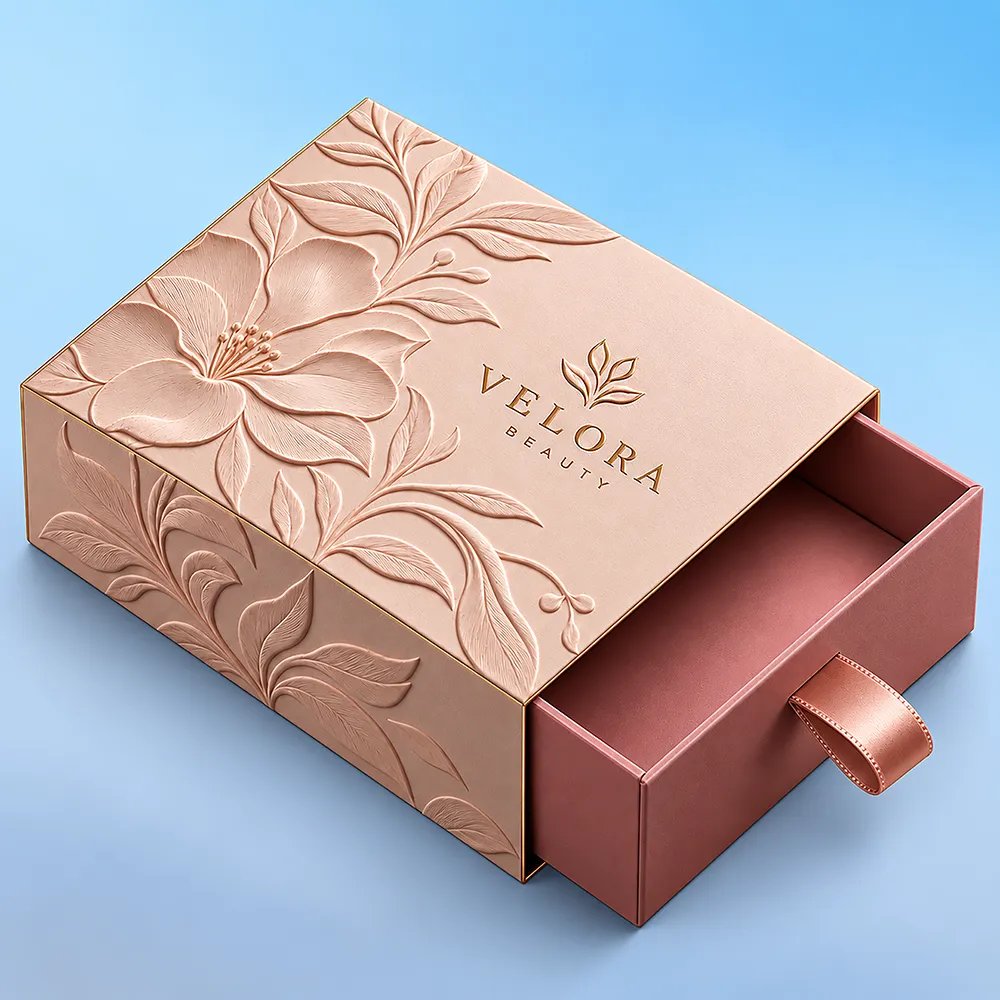

Rigid Boxes with Window

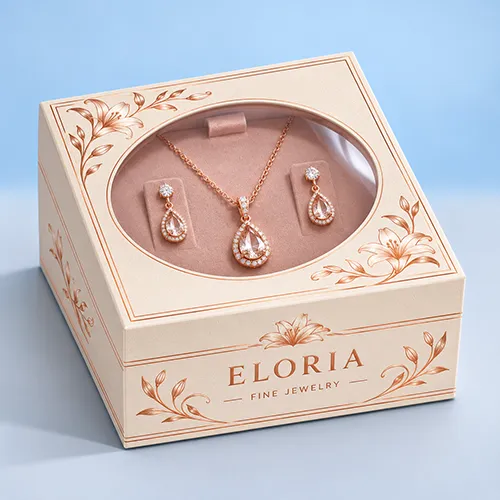
Custom Rigid Boxes with Window combine substantial rigid-board construction with a product-viewing opening that showcases selected items without opening the package. BoxBaba offers custom rigid packaging with window options for suitable beauty collections, jewelry, watches, accessories, electronics, premium gifts, and retail presentation sets. Each design is developed around the finished product dimensions, insert arrangement, opening method, window position, and branding requirements. Choose a compatible lid-and-base, magnetic closure, drawer, sleeve, or other approved rigid structure with a clear viewing panel, printed paper wrap, suitable inserts, and decorative finishes. Eligible custom rigid packaging projects can start from 100 boxes, with dieline, artwork, and 3D mockup assistance. The final minimum quantity, specialty window construction, production schedule, and sample arrangements are confirmed through a project-specific quotation.
Trustpilot_Logo
5 out of 5 stars
4.5
Reviews 16 • Excellent

Custom Rigid Boxes with Window | Luxury Packaging | BoxBaba

Showcase premium products with custom rigid boxes featuring transparent viewing windows, sturdy construction, luxury finishes, and fitted inserts for elegant retail and gift packaging.

What We Give

Create Custom Boxes Quick and Easy

Design

Get your custom boxes made in the required size, shape, and style.

Print

Upload your artwork and get it superbly printed the way you want.

Get it done

Order any quantity, enjoy a wholesale price, pay no extra for die plates.

Related Products

What Are Rigid Boxes with Window?

Rigid Boxes with Window are structured packaging boxes made from firm board, usually covered with a printed or specialty paper wrap, and incorporating a viewing opening in an approved panel or lid. Unlike a conventional folding carton, a rigid setup box generally maintains its assembled shape instead of relying on thin scored paperboard panels folded around the product. A viewing window adds a second requirement: the rigid board, paper wrap, transparent panel, and internal product arrangement must work together. The purpose of the window is to show a selected item or product feature while the box remains closed. It does not automatically provide a protective seal or make every rigid structure suitable for window installation. For more information about the available construction family, explore BoxBaba Custom Rigid Boxes. For the wider selection of product-viewing cartons, visit Custom Boxes with Window.

Why Choose a Rigid Box with a Viewing Window?

A rigid window box can be considered when a brand wants both structured presentation and visibility of the actual product. The design may be useful when the product should remain visible on a display shelf, inside a gift package, or within a collection that includes several items. Compared with a lighter folding carton, rigid construction uses a different board-and-wrap assembly, which influences the window opening, closure, production process, and cost. Compared with a fully enclosed rigid box, a window version reveals the product before the lid is lifted or the tray is removed. The appropriate choice depends on the product weight, fragility, intended display, budget, and preferred opening experience.

Custom Window Styles for Rigid Boxes

The correct window style depends on the chosen rigid structure.

Top-Window Rigid Boxes

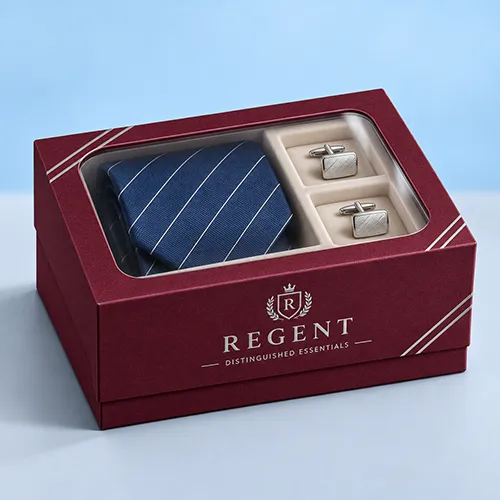
A top window can be incorporated into a structurally suitable rigid lid. This configuration is useful when products are arranged horizontally in a tray or insert and their visible faces are directed upward. Examples include selected jewelry sets, watches, cosmetic collections, and coordinated gift assortments. The aperture should be developed around the actual product positions, not simply centered on the outside lid. The remaining rigid-board border and paper wrap must be compatible with the approved lid construction.

Front-Window Rigid Boxes

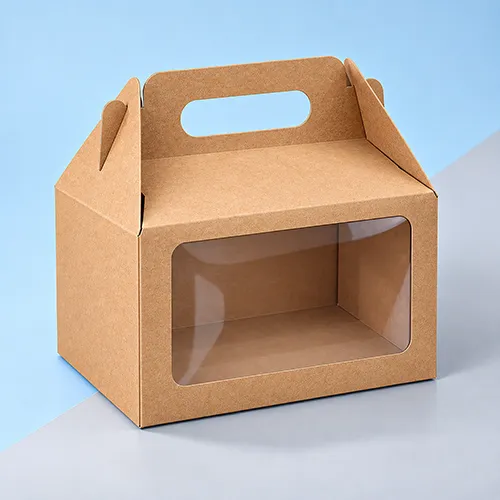
A front-facing window can be evaluated when the products are positioned to display a recognizable feature toward the front of the closed box. The selected panel must retain sufficient structural material for the approved design. For products positioned upright, the window should align with the visible bottle, container, accessory, or display surface rather than an opaque package component.

Elongated and Rectangular Windows

Rectangular and elongated openings can suit arrangements where several products are displayed in a row. For example, an insert-supported beauty collection might use a window aligned with the visible faces of several containers. The opening should follow the product arrangement and leave adequate surrounding board for wrapping, closures, and branding.

Custom Die-Cut Window Shapes

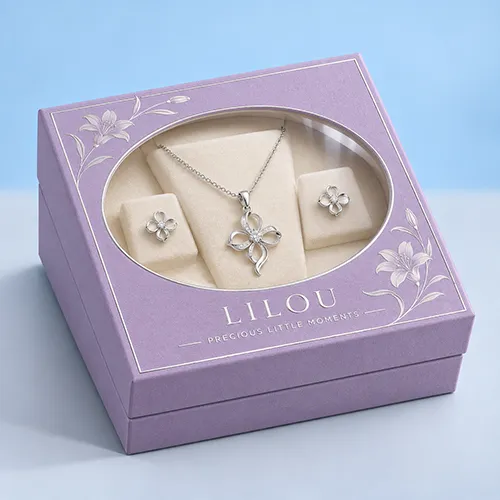
Circular, square, rounded, and selected decorative openings can be evaluated when the rigid construction supports them. The opening affects the structural board and may require special attention to cut edges, printed wrap alignment, and transparent-panel attachment. A decorative window shape should not be approved before checking its relationship to the actual product and the assembled box. For information about structural openings, read BoxBaba Die-Cutting Process in Packaging guide.

Transparent Film-Covered Windows

A transparent panel can be installed over a compatible cutout in the rigid structure. The panel material, attachment method, optical appearance, and interaction with the printed wrap must be confirmed for the finished construction. A film-covered window does not automatically make the package airtight, dustproof, moisture-proof, scratch-resistant, or suitable for every regulated product.

Open Die-Cut Rigid Windows

An uncovered opening may be assessed for a particular display concept, but it is not interchangeable with a film-covered window. Without a transparent panel, the opening leaves the displayed area exposed. The structure, product accessibility, handling method, and remaining board must be considered before approving an open-aperture design.

Rigid Box Structures That Can Be Considered for Window Packaging

Two-Piece Rigid Boxes with Window

A two-piece rigid box uses a separate lid and base. A suitable lid can be evaluated for a die-cut viewing window, while the product remains positioned inside the base. This structure can be considered for watches, small gift collections, accessories, and other products that need a removable lid. The window must be coordinated with the lid depth, board frame, product height, and insert position. For more structural options, compare Two Piece Rigid Boxes.

Magnetic Closure Rigid Boxes with Window

Magnetic closure boxes use a hinged lid or flap that closes through a magnetic interface. A viewing window may be evaluated where the proposed opening does not interfere with the hinge, closure area, magnet placement, or structural panels. This format can suit selected product launches, corporate gifts, and branded collections. The final window position must be assessed on the closed and opened box.

Rigid Drawer Boxes with Window

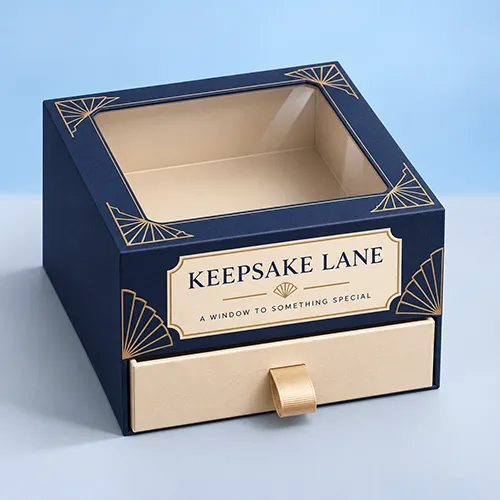
A rigid drawer structure typically uses an outer sleeve and a sliding inner tray. A window in the sleeve can reveal the contents when the inner tray is fully positioned beneath the opening. However, a window in the wrong location may show only an empty space, divider, or the outside of the tray. The sliding direction, tray stop position, insert height, and window alignment must be considered together. For the dedicated drawer construction, explore Custom Rigid Drawer Boxes.

Shoulder-Neck and Specialty Rigid Boxes

A shoulder-neck construction includes a raised internal platform or shoulder between the lid and base. Window placement can be evaluated where the internal shoulder and outer structure allow the intended product view. Specialty rigid designs may require a different window construction, board opening, or insert arrangement from a conventional removable-lid format.

Collapsible Rigid Boxes with Window

A collapsible rigid structure may be considered where reduced storage volume is important. The transparent panel and its attachment must remain compatible with any folding or assembly movement. Not every collapsible construction is suitable for a window, and a separately approved structural design is required.

How to Measure Products for Rigid Boxes with Window

A rigid window box must be sized around both product fit and the intended visible area.

Measure the Retail-Ready Product

Record the complete length, width, height, and weight of the product as it will be packed. Include projecting components such as caps, closures, handles, cords, decorative details, or attached accessories. If the item has its own primary package, measure the completed retail-ready unit rather than the unboxed product alone.

Confirm Product Orientation

Determine whether the product should stand upright, lie horizontally, or sit at an angle inside a fitted support. Product orientation affects the box height, insert, viewing area, and opening method. A window will only reveal the intended product feature when it faces the viewing direction.

Include Insert Dimensions

An insert changes the usable interior space. A fitted tray, foam cavity, platform, or divider can raise or reposition the product relative to the lid. The outer rigid box, insert height, and viewing window should therefore be planned together.

Calculate the Required Internal Space

The box internal length, width, and height should be based on the actual loaded arrangement. The external dimensions will also depend on the thickness of the rigid-board walls, paper wrap, lid fit, and other structural components. There is no single clearance value that applies to every product and rigid-box design. For general measurement guidance, read BoxBaba How to Measure Box Dimensions guide.

Product Visibility and Window Alignment

A viewing window should reveal the intended feature of the actual product.

Position the Product Beneath the Window

A fitted insert can position the displayed item beneath the aperture. Where several products share one rigid box, the insert should keep their visible surfaces oriented toward the opening. The window should be assessed with the box fully closed.

Avoid Hidden Products and Empty Viewing Areas

A transparent panel cannot reveal details hidden behind an opaque sleeve, wrapping, product carton, or display card. If the product is packaged in an opaque primary container, the window will show that container rather than its contents. Where the purpose is to show product color, material, texture, or a distinctive shape, verify that the chosen visible surface communicates that feature.

Check Product-to-Window Clearance

The product should not unintentionally press against the viewing panel. The necessary clearance depends on the finished product, insert support, lid construction, and intended handling. A raised platform may improve visibility but can also reduce available clearance beneath the lid.

Preserve the Opening Experience

The rigid box must remain practical to open and close. The viewing window should not obstruct the lid, hinge, sliding drawer, shoulder, or other closure component. The customer should also be able to remove the product without unnecessary pressure on delicate surfaces or accessories.

Custom Inserts for Rigid Boxes with Window

Inserts help establish product position, compartment layout, and presentation.

Paperboard Inserts

Paperboard trays and folded supports can be considered for suitable lightweight products and multi-item collections. The insert may be printed or developed with selected openings to display the visible products. Its dimensions must be incorporated into the rigid-box design.

Foam Inserts

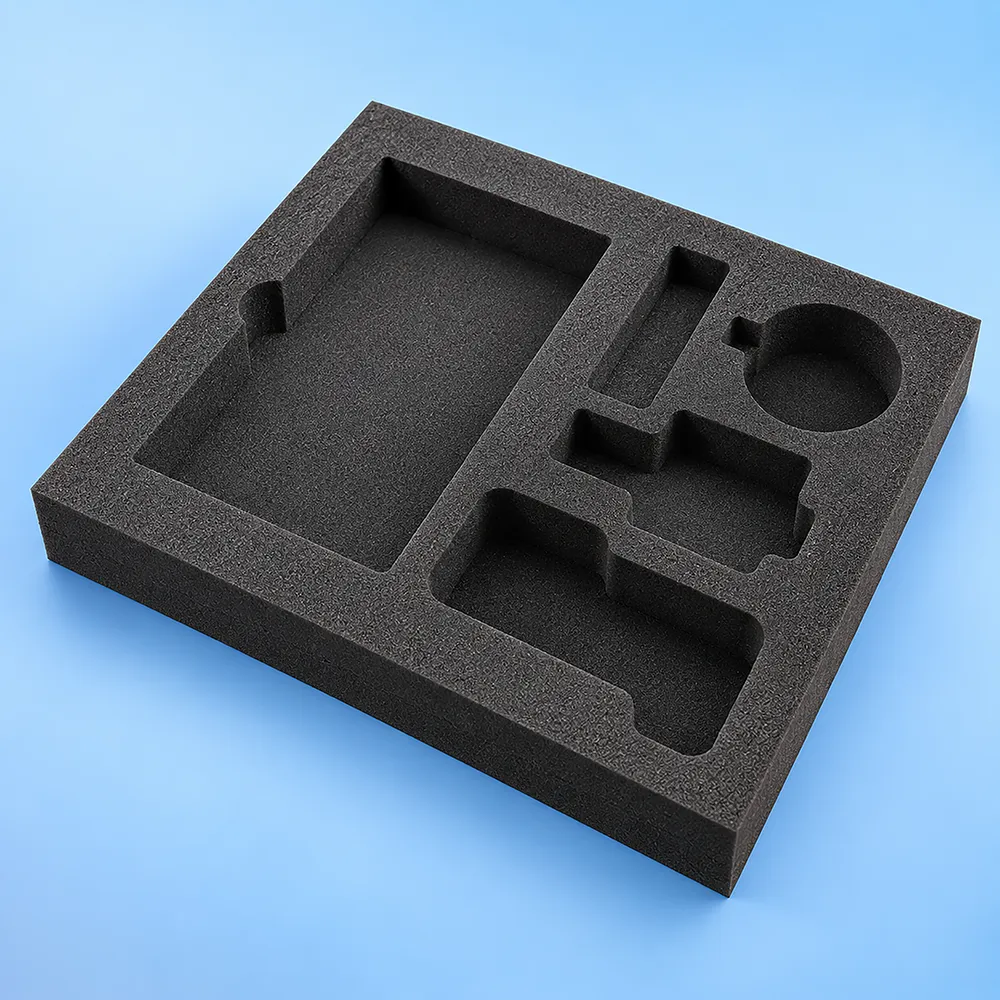
Suitable foam inserts can be evaluated for selected products that require a closely fitted cavity or more defined positioning. The material and cavity shape should correspond to the completed product rather than an assumed standard size. For projects requiring specialized cavities, explore BoxBaba Custom Foam Inserts.

Dividers and Presentation Platforms

Rigid-box interiors can incorporate compatible dividers, raised platforms, or supports for multiple products. These components can position products at an intended display height beneath the window. The design should preserve practical loading, product removal, and available window clearance.

Inserts vs. Shipping Protection

A fitted insert can position a product inside a retail package. It does not automatically establish that the completed package has passed drop, vibration, compression, or other transport testing. Ecommerce orders may still require a suitable outer shipping carton and additional support.

Rigid Boxes with Window for Different Products

Jewelry and Watch Packaging

A rigid window box can display a selected watch face, bracelet, pendant, or jewelry arrangement. The product may need a fitted holder or display support beneath the viewing panel. For watches and jewelry, the insert should accommodate closures, straps, clasps, and other projecting details while keeping the intended feature visible.

Cosmetic and Skincare Gift Sets

A window rigid box can be considered for a coordinated collection of skincare containers, makeup products, or beauty accessories. The viewing area should show the actual products or the intended visible portions of their primary containers. Bottle caps, pumps, droppers, and decorative closures should be included in the internal measurements.

Perfume and Fragrance Sets

For fragrance packaging, the completed bottle height, cap, filled weight, and base footprint affect the rigid-box specification. An insert may position the bottle beneath a front or top viewing window, depending on the intended orientation. Glass weight and potential product movement require separate structural assessment rather than relying on the window or premium appearance alone.

Electronics and Accessories

Suitable electronics or accessory kits may use rigid window packaging to display a device or an organized product collection. The inserted device, cables, charging components, and accessories should be measured in their complete packed state. Any transport-protection requirements should be evaluated separately.

Premium Gifts and Corporate Collections

Window rigid boxes can be evaluated for suitable corporate gifts, promotional collections, and branded presentation sets. If the main requirement is gift presentation rather than rigid-board construction, compare Gift Boxes With Window. For curated kits that emphasize the presentation arrangement and opening sequence, explore Presentation Box With Window.

Confectionery and Specialty Retail Sets

A rigid window box may be considered for suitable confectionery or specialty gift collections. If exposed food will contact the box, wrap, insert, liner, or transparent panel, the relevant materials must be assessed for the actual food-contact conditions. Rigid construction and a transparent window do not automatically establish food-contact suitability or freshness performance.

Material Options for Rigid Boxes with Window

Material selection should begin with the structural core, followed by the printed wrap, transparent panel, and any internal supports.

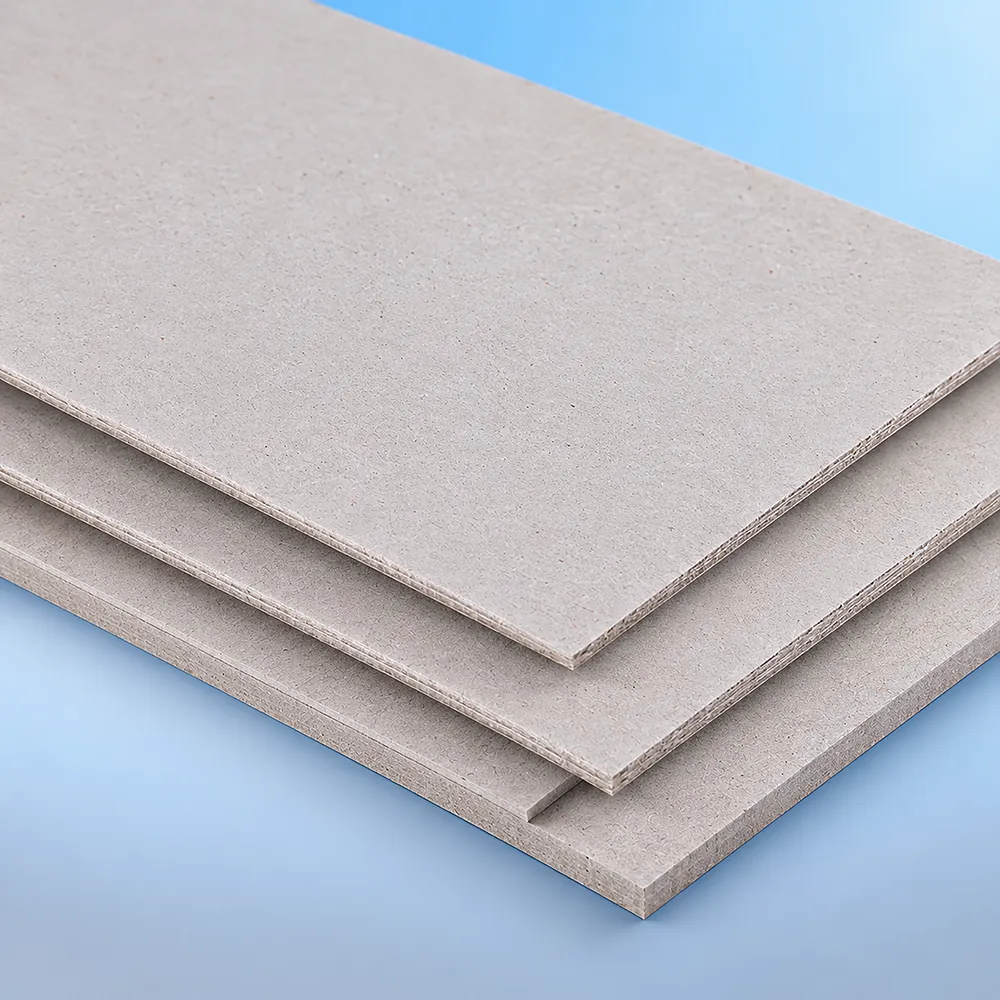
Rigid Greyboard Core

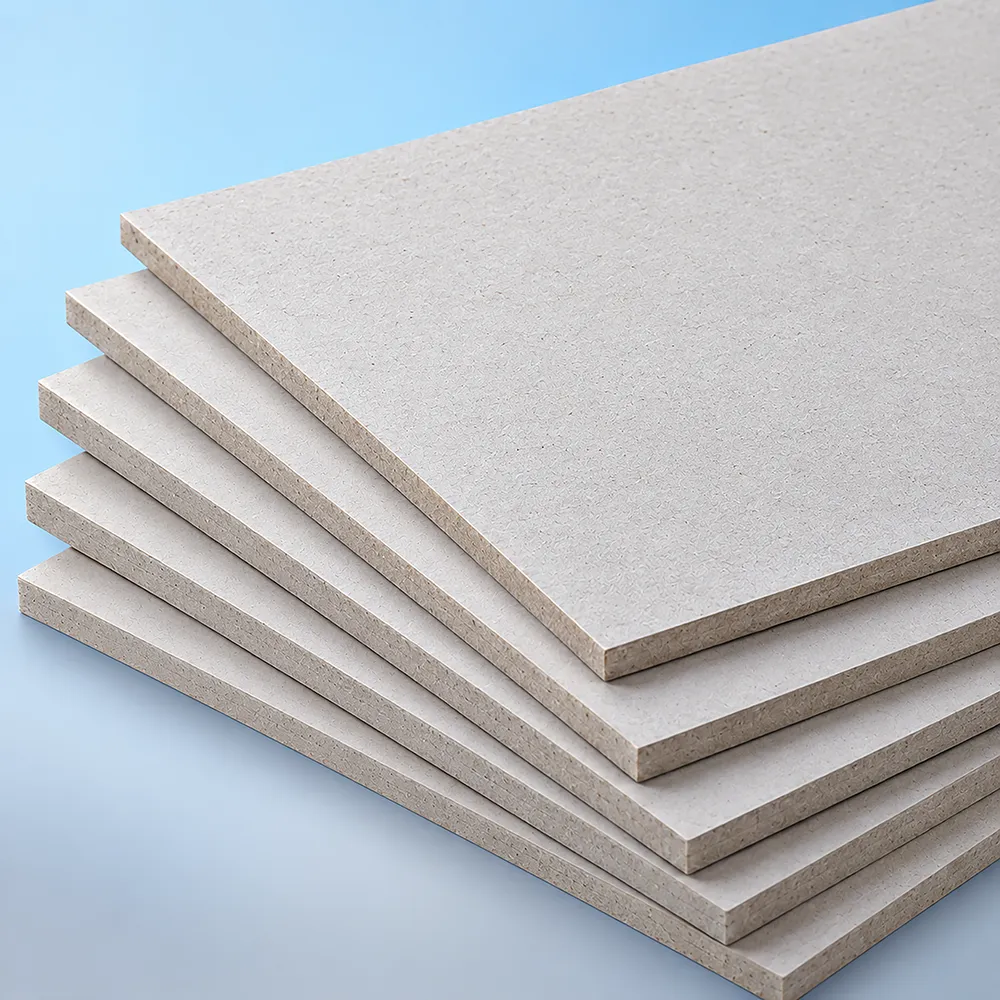
Rigid greyboard provides the main body of a conventional setup box. Its thickness and construction should be selected according to the product dimensions and weight, box structure, lid or sleeve arrangement, window opening, and handling requirements. The rigid core is not the same as the thinner paperboard used in a typical folding carton.

Printed Paper Wrap

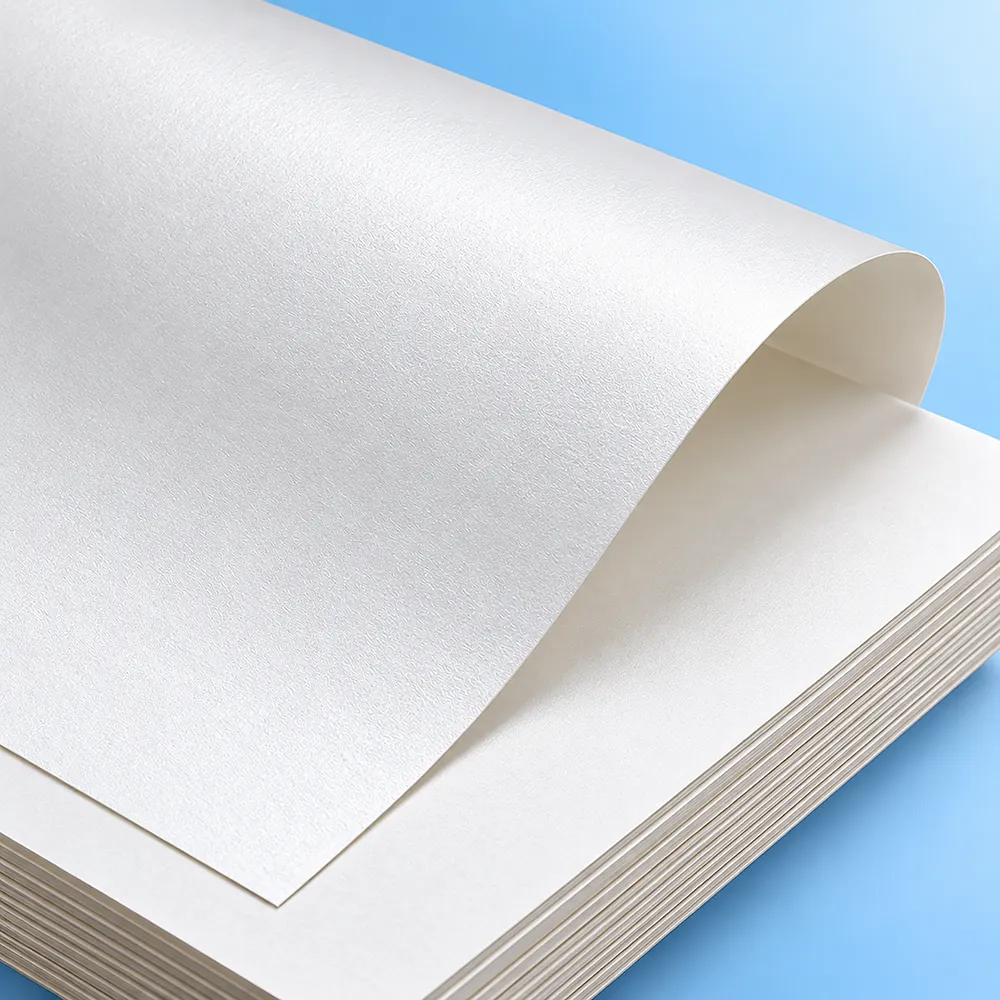
A printed or specialty paper wrap is applied around the rigid-board structure. The wrap provides the visible branding, texture, color, and decorative surface. Suitable wraps can include compatible coated papers, colored papers, and selected textured finishes. The chosen wrap must work with the structural opening and any exposed window edges.

Window Panel Material

The transparent viewing panel is a separate component. The exact film or sheet material, thickness, optical clarity, and attachment method must be confirmed for the approved rigid construction. PET, PVC, acetate, and other transparent materials should not be treated as interchangeable without reviewing the selected project requirements.

Insert and Lining Materials

Paperboard, foam, dividers, and specialty lining materials may be considered for compatible rigid-box interiors. Their selection depends on the product shape, weight, surface sensitivity, intended viewing angle, and loading requirements. The insert material should not obscure the product feature intended to be shown through the window.

Environmental and Disposal Considerations

The complete package may contain rigid board, printed paper, adhesives, transparent film, coatings, magnets, and insert materials. A paperboard core does not automatically make the completed rigid window box recyclable, biodegradable, compostable, or plastic-free. Any environmental claim should be supported by the actual component specifications and relevant collection or disposal conditions.

Printing & Finishing Options for Rigid Boxes with Window

Custom printing and finishing allow brands to coordinate the rigid-box structure with their visual identity. For many rigid constructions, artwork is printed on the paper wrap before or during the wrapping and assembly process. Printing produces the colors, patterns, illustrations, and branding. Finishing adds compatible decorative or tactile effects to selected surfaces. The chosen treatments must work with the rigid-board cutout, printed wrap, transparent-panel attachment, folds, and closure components.

Offset Printing

Offset printing can be considered for qualifying projects requiring detailed graphics, broad color coverage, or coordinated larger production runs. Its suitability depends on the selected wrapping paper, artwork, quantity, and finishing requirements.

Digital Printing

Digital printing may suit eligible smaller quantities or different artwork versions using a shared approved rigid-box structure. For example, a business may use the same box and window design with different printed graphics for several product collections. The printing method must be compatible with the chosen wrap and finishing processes.

Flexographic Printing

Flexographic printing can be assessed for suitable wrapping materials, artwork characteristics, and production quantities. It should not automatically be treated as the preferred method for intricate specialty rigid-box wraps.

CMYK and Pantone/PMS Printing

CMYK supports full-color artwork, illustrations, gradients, and photographs. Pantone/PMS references may be evaluated when supported by the selected production process. Final printed colors depend on the wrapping paper, inks, coatings, finishing, and production conditions. Color-critical brands should review appropriate proofs and material samples rather than assume guaranteed exact color matching.

Decorative Finishing Options

Compatible printed surfaces may be evaluated for:
  • Matte lamination: Creates a low-glare printed appearance.
  • Gloss lamination: Provides a more reflective finish.
  • Soft-touch finishing: Adds a smooth tactile effect.
  • Foil stamping: Highlights selected logos and decorative artwork.
  • Embossing: Creates raised details on compatible wrapping materials.
  • Debossing: Produces recessed visual effects where the construction permits.
  • Spot UV: Applies localized glossy accents to selected printed surfaces.
Some effects are prepared on the wrap before it is applied to the rigid structure. The final feasibility depends on the chosen material, surface geometry, assembly process, and finish combination.

Artwork Around the Window Opening

A rigid viewing window affects both the structural board and the printed wrap. The approved production drawings should identify the board opening, wrap cutout, transparent-panel attachment zone, closure features, and any magnets or internal supports. Important logos, text, barcodes, and product information should remain clear of cut edges and areas that may be hidden or distorted during wrapping and assembly. Foil stamping, embossing, debossing, and spot UV should not interfere with the viewing aperture, film attachment, wrapping edges, or closure operation.

Sample Approval Before Bulk Production

A rigid-box window should be checked in the completed assembled structure. A digital proof can help confirm the artwork and proposed window location, but it does not establish the actual product fit or the behavior of the finished transparent panel. Before approval, review:
  1. Box structure: Confirm that the selected rigid-board construction opens and closes as intended.
  2. Product fit: Check the finished product and insert against the usable interior dimensions.
  3. Window alignment: Inspect the visible product area with the box fully closed.
  4. Window construction: Review cut edges, wrapping, transparent-panel attachment, and finished appearance.
  5. Product clearance: Confirm that the viewing panel does not unintentionally contact the displayed item.
  6. Insert and removal: Check product positioning, loading, and access to the packaged contents.
  7. Artwork and finishes: Verify print alignment, branding, decorative treatments, and relevant material specifications.
BoxBaba provides artwork, dieline, and 3D mockup support. Stock samples are available under published terms. Initial sample-shipping charges are reimbursed with the first bulk order. Custom-printed samples are quoted separately, with their shipping charges also reimbursable under the applicable terms. A project-specific structural or printed prototype should be discussed where the rigid window construction requires physical verification.

Wholesale Rigid Boxes with Window

The price of custom rigid window packaging depends on the structural board, box dimensions, window opening, transparent material, paper wrap, closure, insert, printing, finishing, assembly, and order quantity. Additional components such as magnets, specialty interiors, multiple compartments, or complex shaped windows can affect the quotation. BoxBaba minimum order quantity starts from 100 boxes for eligible custom packaging projects. The final minimum for a specific windowed rigid construction must be confirmed. Standard qualifying cartons generally follow a 5–9-business-day production baseline after final artwork and specification approval. However, rigid window boxes may involve more complex wrapping, assembly, window installation, and sampling. Their actual production schedule must be confirmed in the written quotation rather than assumed from the standard-carton timeframe. BoxBaba offers free shipping across the USA under its Shipping Policy. Production time and shipping transit are separate stages. For multiple designs, provide the required quantity for each structural configuration and artwork version.

Why Choose BoxBaba?

BoxBaba offers a range of custom rigid packaging structures, along with sizing support, dieline preparation, artwork assistance, 3D mockups, and compatible printing and finishing options. Window configurations can be reviewed alongside the rigid-board structure, product insert, opening method, and intended product presentation. A project-specific quotation helps establish the appropriate construction, sample requirements, quantity, production schedule, and delivery details before approval.

Request a Custom Quote for Rigid Boxes with Window

Create custom Rigid Boxes with Window that combine structured product presentation with an approved viewing area and branded packaging. For an accurate quotation, provide the finished product dimensions and weight, quantity per box, intended product orientation, preferred rigid structure, window position and shape, transparent-panel requirements, insert layout, printing and finishing details, quantity per design, artwork status, and delivery ZIP code. Request a Custom Quote Email: sales@boxbaba.com Phone: +1 305 574 4357 Contact BoxBaba to discuss your custom rigid window packaging, physical sample requirements, and wholesale order.  

Frequently Asked Questions

Find all the urgent questions you may have.

Rigid Boxes with Window are firm, wrapped-board packaging boxes featuring a viewing opening. They allow selected product details to remain visible when the box is closed, provided the approved structure supports the window.
Yes. BoxBaba rigid packaging range includes window options subject to structural review. The window opening, transparent material, and attachment method are specified for the selected box.Yes. BoxBaba rigid packaging range includes window options subject to structural review. The window opening, transparent material, and attachment method are specified for the selected box.
Compatible lid-and-base, magnetic closure, drawer, sleeve, and specialty rigid structures can be evaluated. Window feasibility depends on the selected design, closure, and internal arrangement.

A rigid window box uses firm structural board with a separate paper wrap. A folding window carton generally uses thinner paperboard that is scored and folded into shape. The material, assembly method, cost, and window installation requirements differ.
Measure the complete product length, width, height, and weight. Include accessories, projecting components, the intended product orientation, and any insert or display support.
Yes. Compatible paperboard trays, dividers, platforms, and selected foam inserts can be evaluated. Their purpose is to position the products relative to the viewing opening and support the intended presentation.
No. A rigid box with window has an opening within a selected structural panel, while a clear-lid box uses a different lid construction. The suitable option depends on the desired viewing area, material, and opening method.
Yes. Eligible projects can use suitable printing methods, supported CMYK or PMS colors, and compatible matte, gloss, soft-touch, foil, embossing, debossing, or spot UV treatments. Final availability depends on the selected wrap and construction.
Eligible custom packaging orders start from 100 boxes. The MOQ and production schedule for a particular window-rigid structure are confirmed during quotation. Complex rigid projects should not rely on a universal standard-carton turnaround.
Yes. BoxBaba offers samples under its published policy. Initial shipping charges for free samples are reimbursed with the first bulk order. Custom-printed samples are quoted separately, with applicable sample-shipping reimbursement. Physical structural sampling can be discussed where window fit and assembly need verification.