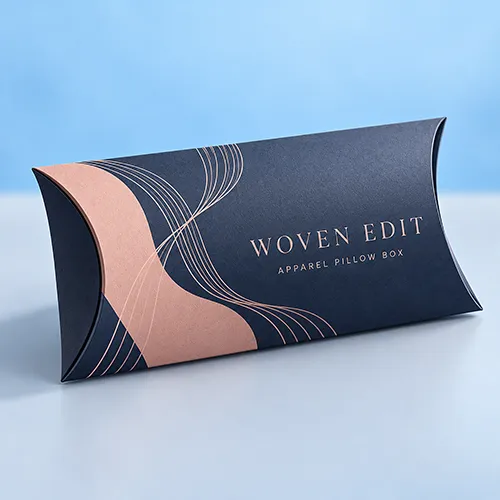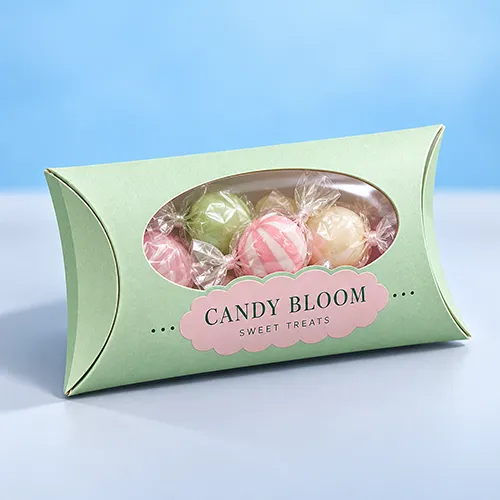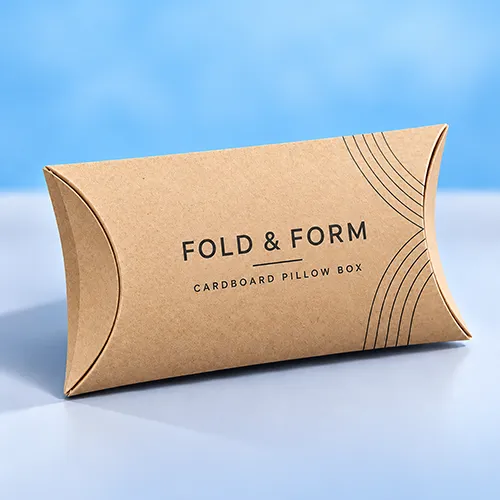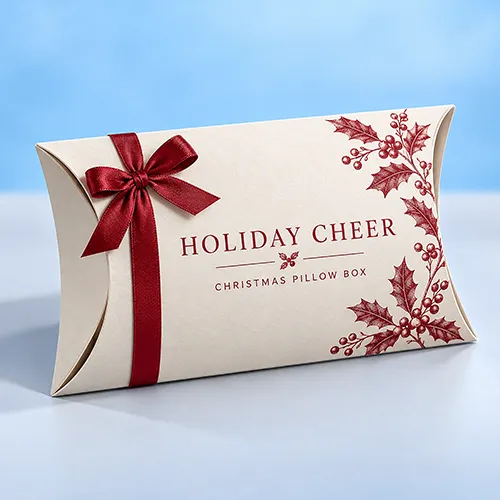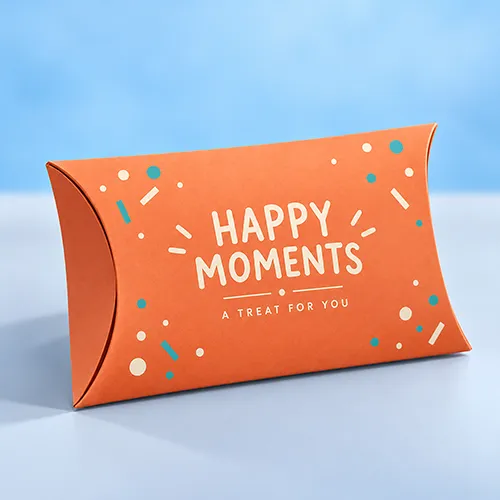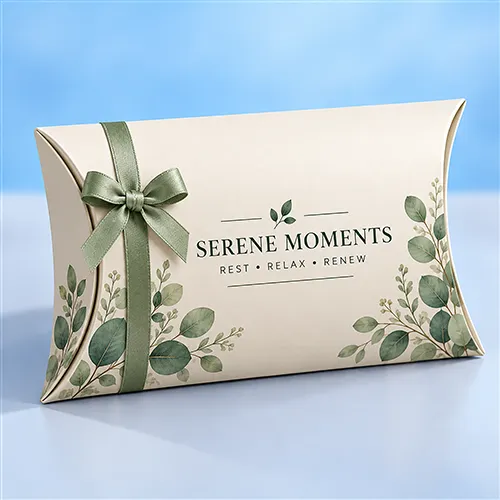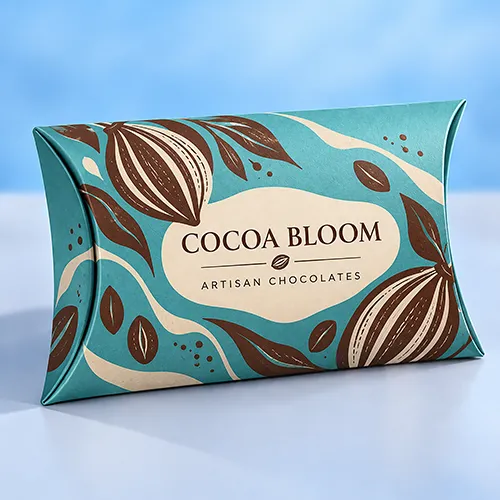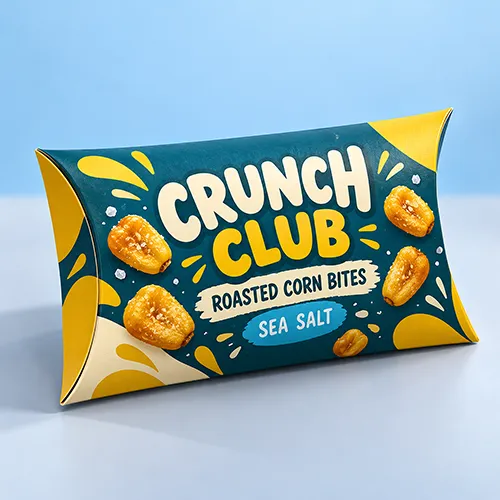
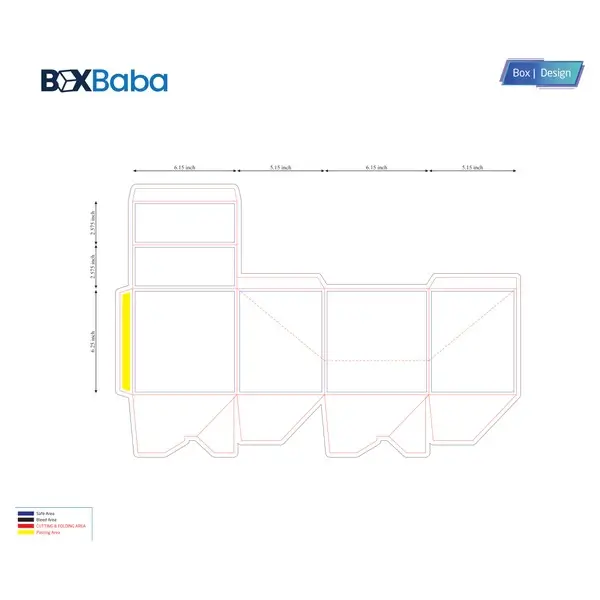
Window Pillow Boxes

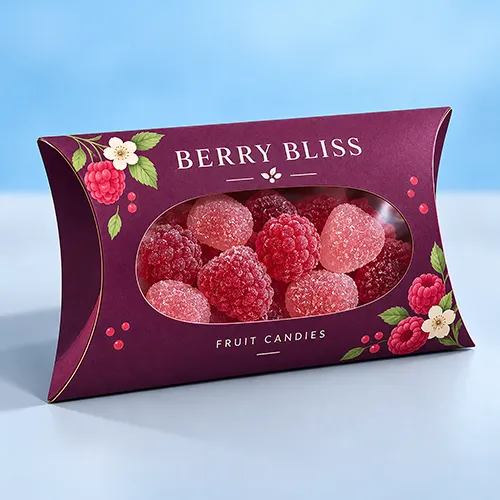
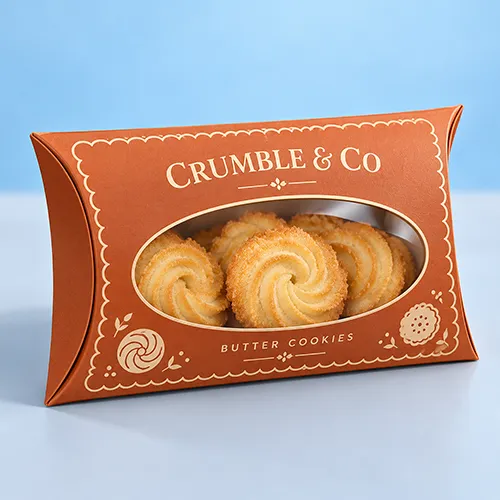
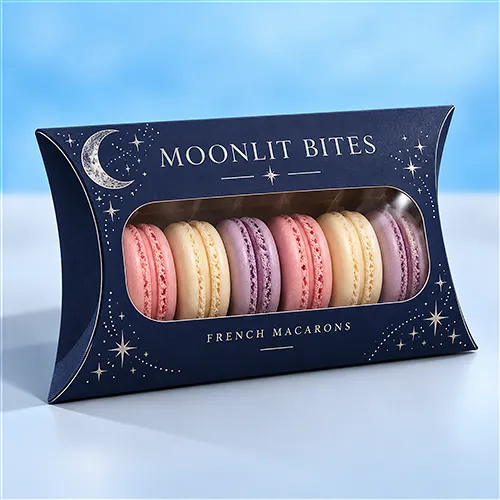
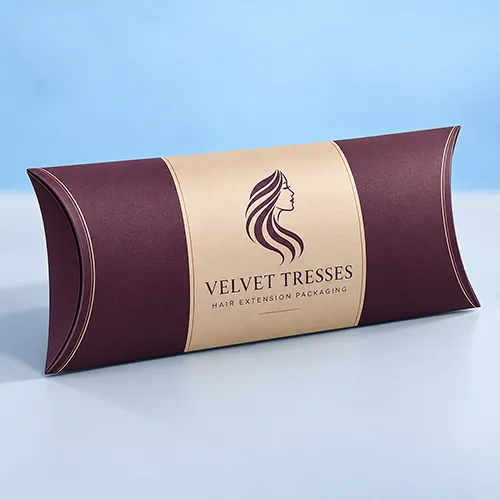
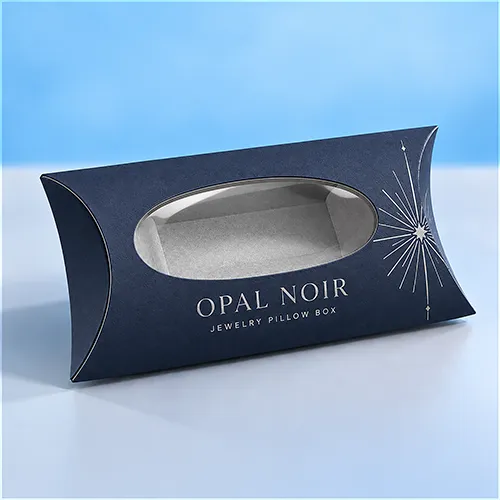
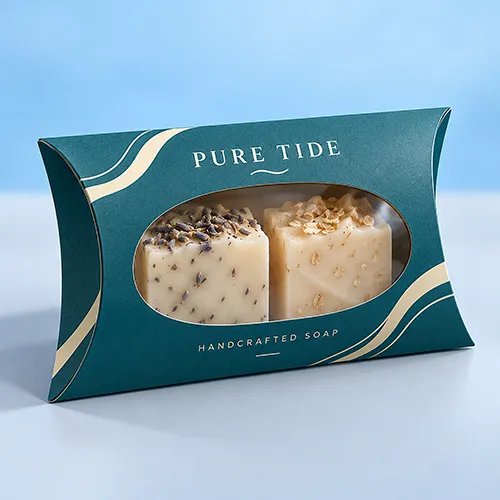
Window pillow boxes combine the curved profile of a pillow carton with a viewing area that lets customers see a selected part of the packaged product before opening the box. They are useful when product visibility contributes directly to retail presentation or product selection. The window should be planned around the product rather than added after the box has been designed. Product orientation, widest and deepest points, the area that should remain visible, available branding space, and any need for internal support can all affect the final configuration. BoxBaba supports custom sizing and artwork assistance for pillow-box projects. If product visibility is not essential, compare the broader Custom Pillow Boxes range before choosing the window format.
Trustpilot_Logo
5 out of 5 stars
4.5
Reviews 16 • Excellent

Custom Window Pillow Boxes for Product Visibility & Professional Branding

Custom window pillow boxes designed to showcase products while supporting secure packaging, attractive retail presentation, and professional branding with custom printing, durable materials, and premium finishing options.

What We Give

Create Custom Boxes Quick and Easy

Design

Get your custom boxes made in the required size, shape, and style.

Print

Upload your artwork and get it superbly printed the way you want.

Get it done

Order any quantity, enjoy a wholesale price, pay no extra for die plates.

Product Specification

Specification Available / Project Requirement
Product Type Custom pillow-style folding carton with a product-viewing window
Primary Function Allow a selected part of the product to remain visible before opening
Sizing Custom sizing based on product dimensions, orientation, widest/deepest points, and structural requirements
Window Placement Planned around the product area that should be visible and the available carton panel
Window Construction Project-specific; exact construction and transparent material, if required, must be confirmed for the project
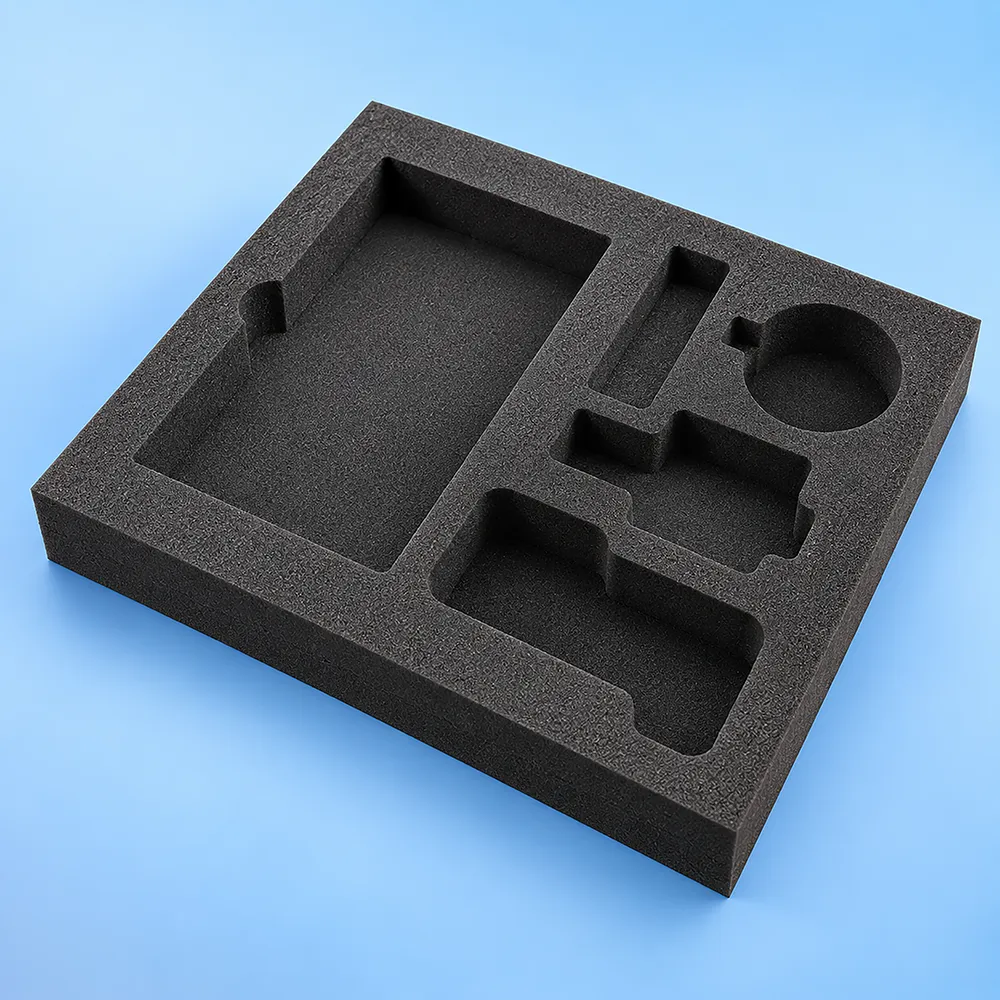
Internal Support Inserts or presentation cards may be considered where product alignment needs to be controlled
Materials Project-specific paperboard options, including kraft- or cardboard-led directions where compatible
Printing Custom branded printing; exact process depends on material, artwork, quantity, and project requirements
Finishing Matte, gloss, soft-touch, foil, embossing, debossing, and Spot UV where compatible
MOQ From 100 boxes
Standard Production Generally 5–9 business days after final artwork approval
Artwork Support Dieline, 3D mockup, proofing, and artwork assistance as applicable
Samples / Proofs Free samples are available under the current policy. Sample shipping/delivery charges are reimbursed with the first bulk order; project-specific samples may require separate confirmation
Shipping Free shipping across the USA under the current offer; production and transit times are separate

Related Products

Stock Type & Thickness

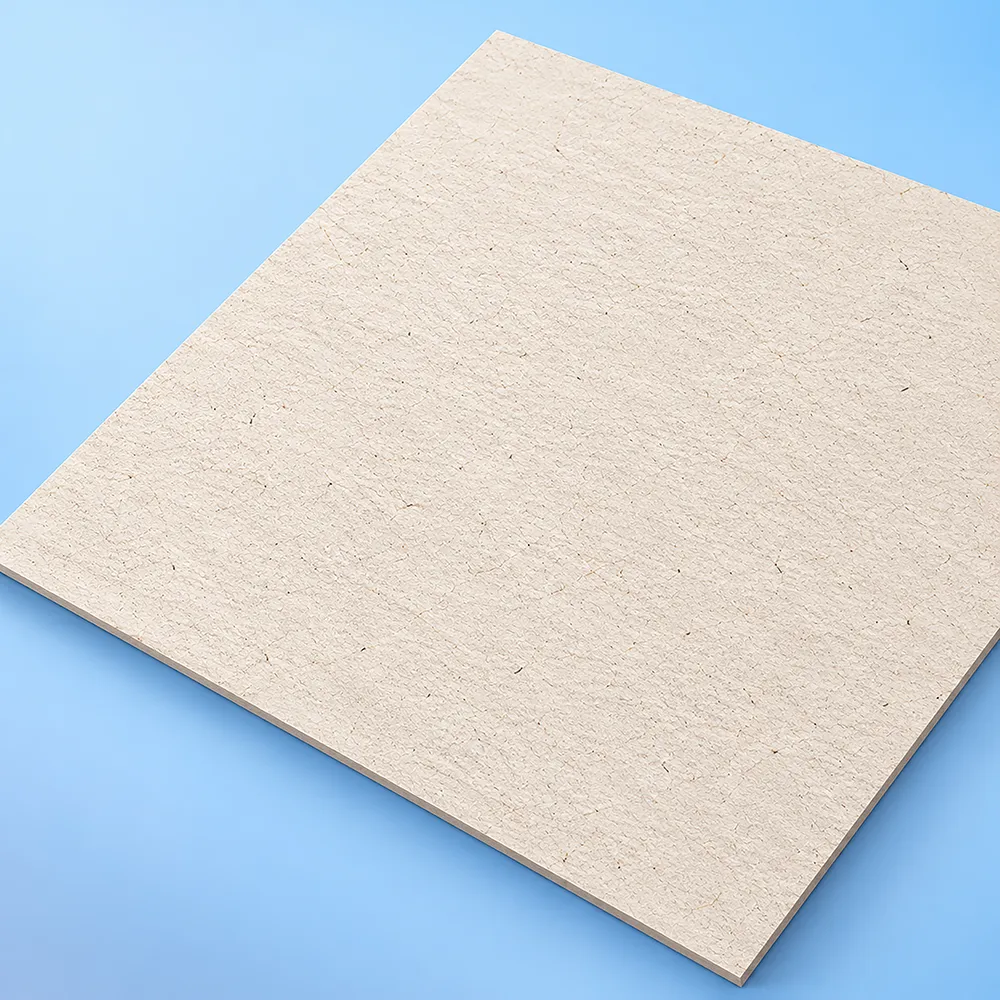
Cardboard

We use cardboard material with the least environmental impact and minimizes waste generation.
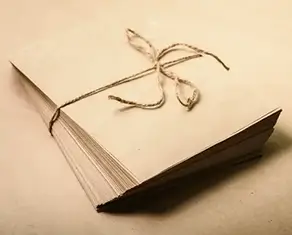
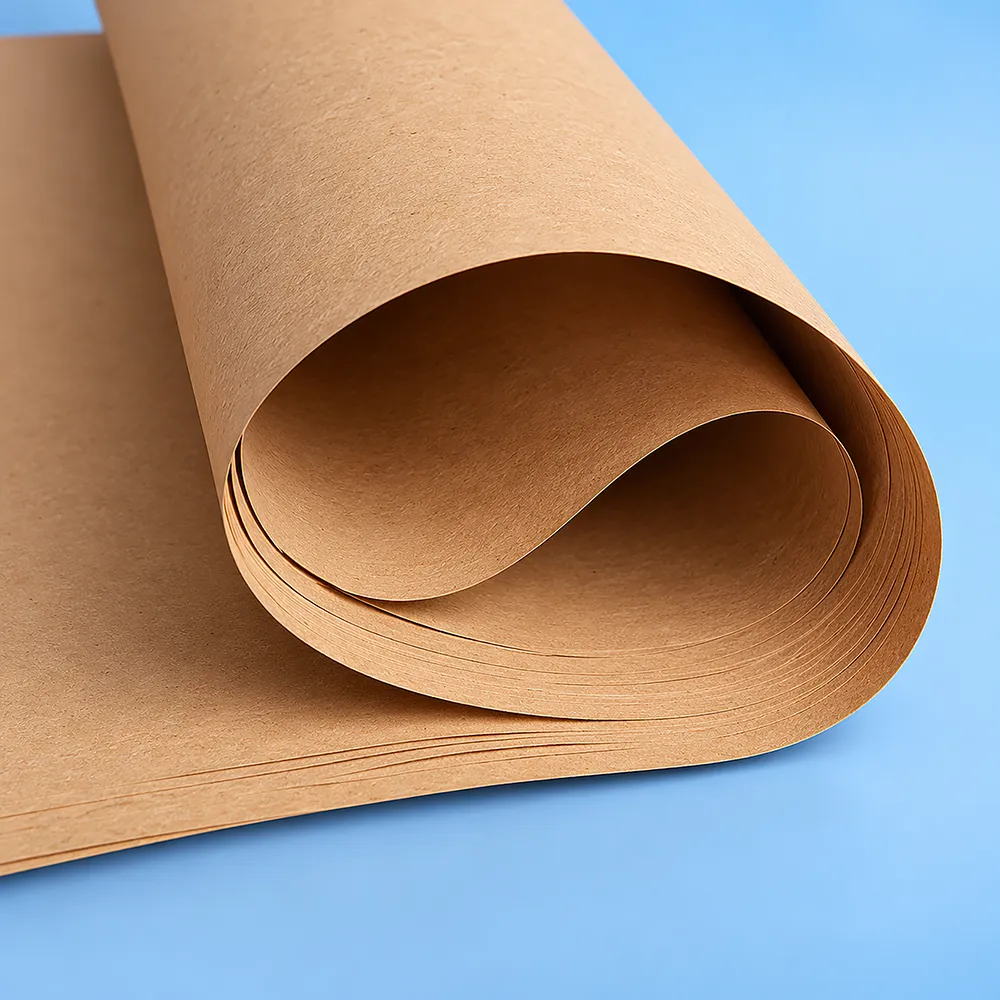
Kraft

Kraft paper is a strong, durable and reliable material that is widely used across many different industries.
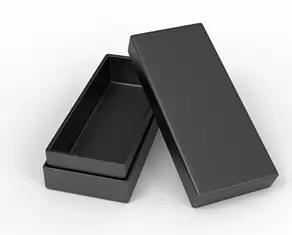
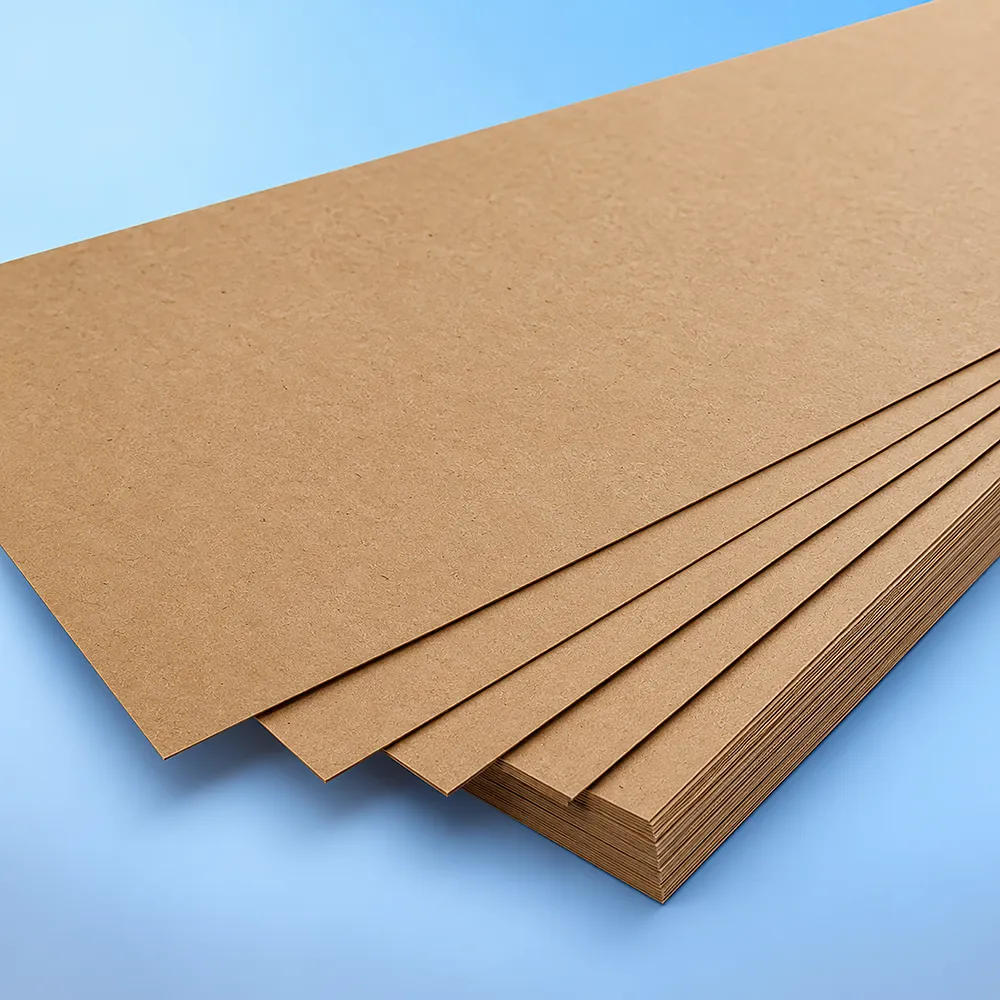
Rigid

Rigid is highly protective, affordable and recyclable material. These boxes provide maximum protection.
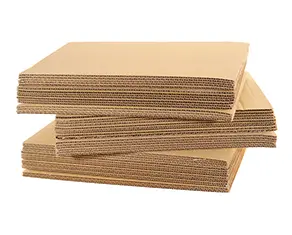
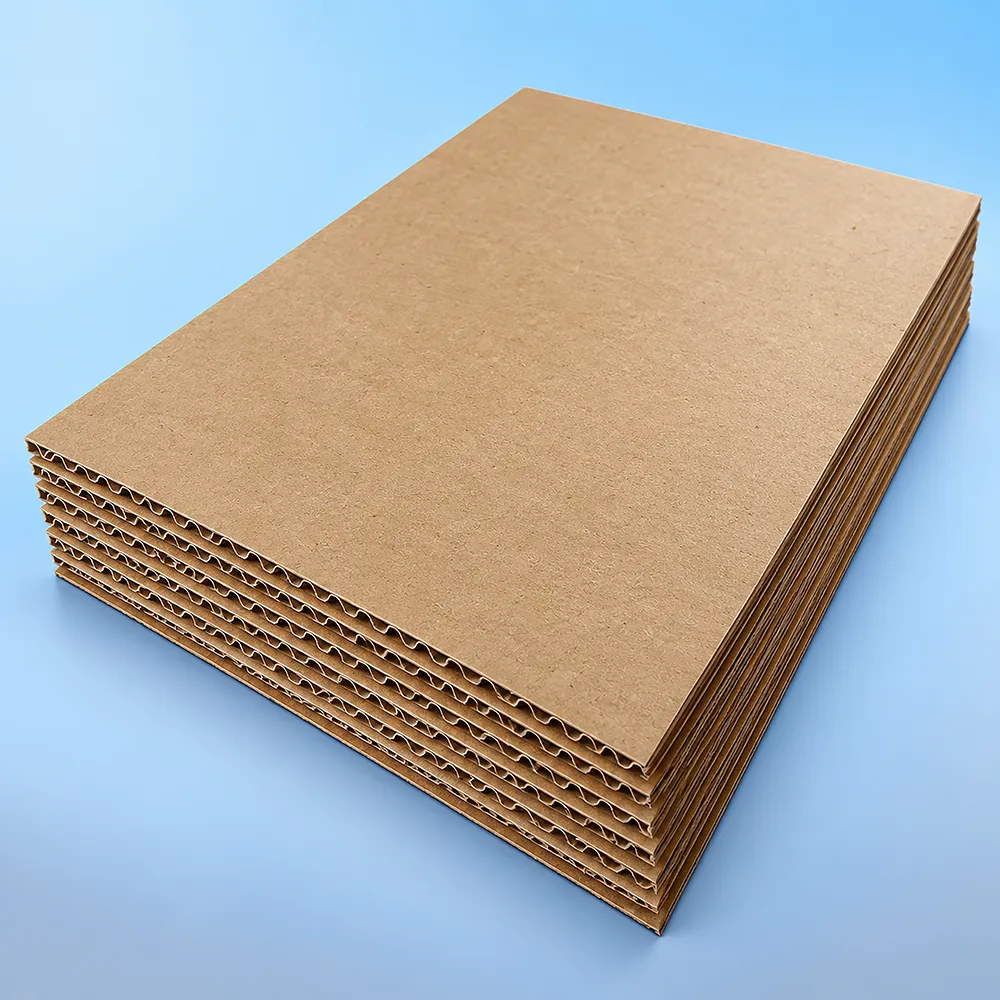
Corrugated

Corrugated material is easy to customize, cost effective and sustainable. It is also great for branding purposes.
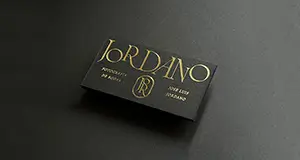
Finishing Assortment

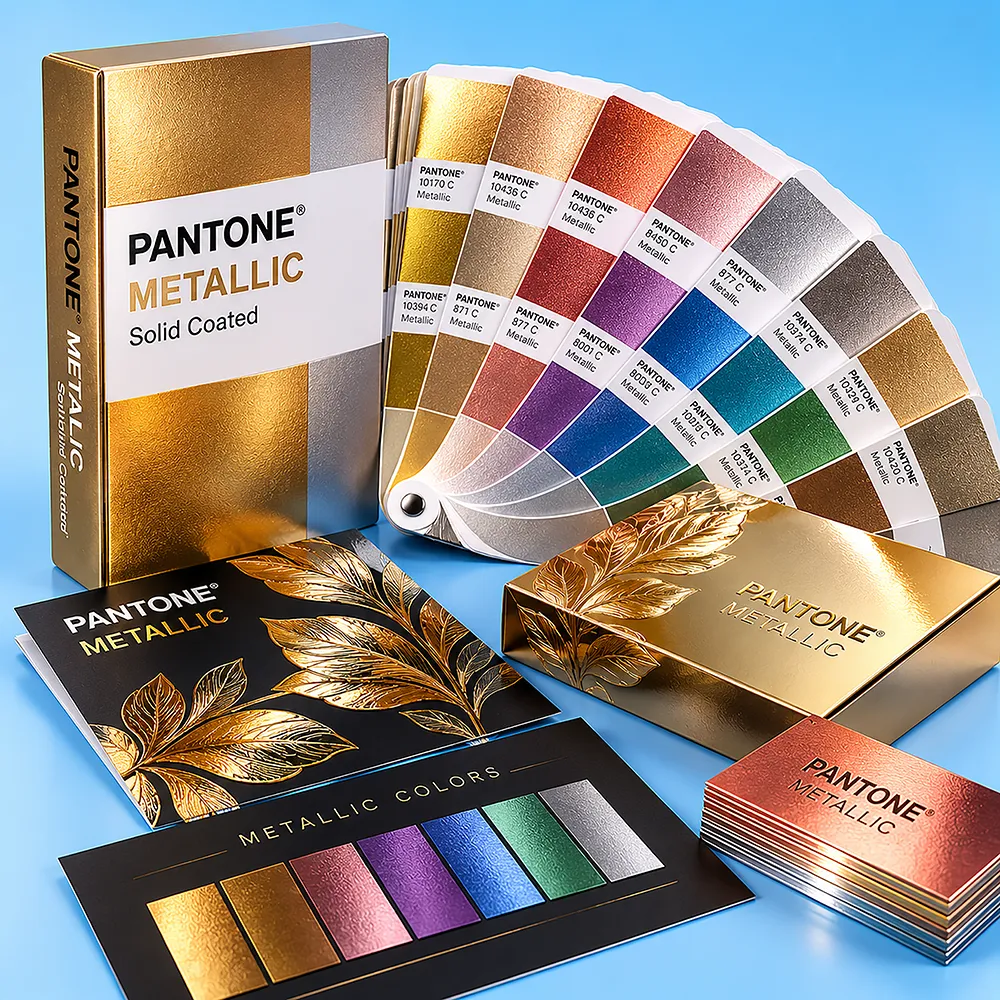
Foil Stamping

Foil Stamping

Enhance your packaging with premium foil stamping for a bold and luxurious appearance.
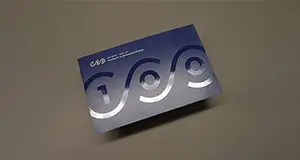
Spot UV

Spot UV

Our Spot UV coating adds a sleek shine and highlights key design elements beautifully.
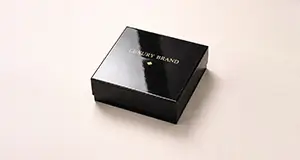
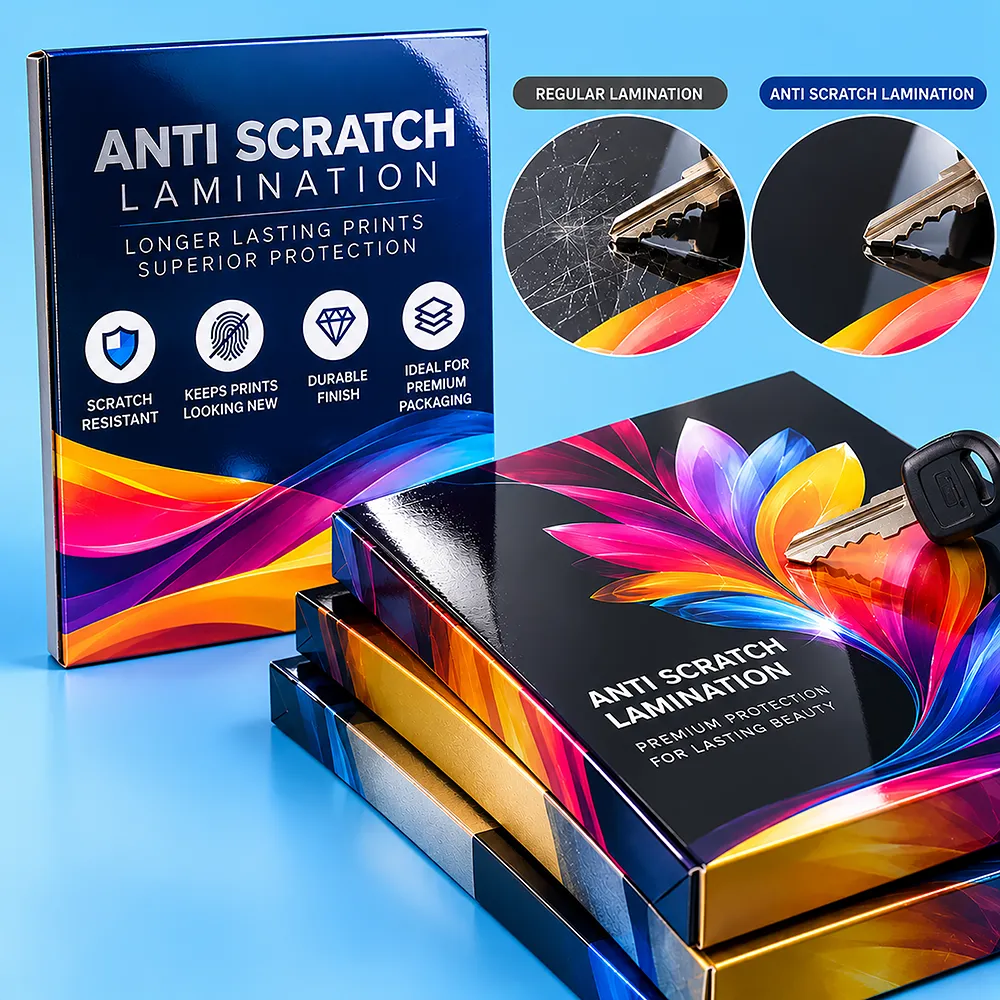
Gloss-Lamination

Gloss

Give your packaging a polished, glossy finish that enhances color and visual appeal.
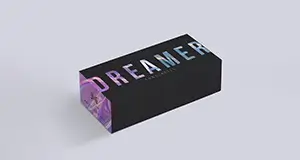
Holographic Foiling

Holographic Foiling

Create eye-catching packaging with holographic foil effects that shimmer from every angle.
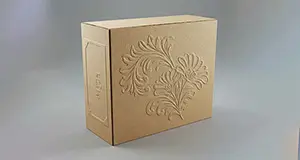
Embossing

Embossing

Add raised textures and elegant detailing to make your packaging stand out.
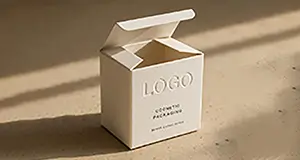
Debossing

Debossing

Create a refined pressed-in effect that adds depth and sophistication to your packaging.
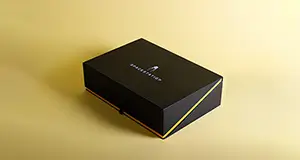
Matte

Matte

Achieve a smooth matte finish that minimizes fingerprints and delivers a modern look.
Soft Touch Lamination

Soft Touch Lamination

Protect your packaging with a silky-soft laminated finish for a premium feel.
What Makes a Window Pillow Box Different?

The defining feature of a Window Pillow Box is controlled product visibility. A standard pillow carton presents the product through its exterior shape, material, printing, and finishes. Adding a viewing area introduces another packaging decision: which part of the actual product should customers see before they open the carton? That means the buyer must consider:
  • what should remain visible;
  • how the product will sit inside the box;
  • how the window relates to curved panels and folds;
  • how much uninterrupted artwork area should remain;
  • whether the product must be held in position behind the window.
If a transparent viewing feature is required but the pillow structure itself is not yet decided, compare BoxBaba broader Boxes with Window range before selecting PB-02.

Start with the Reveal: What Should Customers See?

A useful window begins with a reveal objective. The goal is not automatically to expose as much of the product as possible. The goal is to show the part that helps the customer understand or evaluate the item. That might be:
  • product color;
  • texture or pattern;
  • overall shape;
  • one important component;
  • the contents of a set;
  • a specific product detail.
A larger window can show more of the product, but it also uses panel area that could otherwise support branding, product information, or decorative artwork. A better starting question is: What is the minimum useful area customers need to see? That answer gives the packaging designer a more meaningful basis for window placement and proportions.

Product Orientation Should Come Before Window Placement

Window placement works only when the packed product sits where the design expects it to sit. A product may need to be positioned:
  • face-forward;
  • horizontally;
  • vertically;
  • centered;
  • offset within the carton;
  • attached to a presentation card;
  • held by internal support.
If the product rotates or shifts after packing, the intended detail may no longer line up with the window. For that reason, product position and viewing area should be planned together instead of cutting the window first and trying to make the product fit behind it afterward.

Measure the Product Before Finalizing the Box

The product dimensions are starting inputs—not the final Window Pillow Box dimensions. Useful information includes:
  • overall length or height;
  • maximum width;
  • maximum depth or thickness;
  • widest point;
  • protruding parts or accessories;
  • intended packed orientation;
  • quantity per box;
  • any card, wrap, pouch, or internal support;
  • the specific product area that should remain visible.
The final carton must account for the pillow structure curved panels, closures, usable internal fit, and window position. Flat dieline dimensions and assembled usable space should not be treated as the same measurement.

Balance the Window with Branding Space

A window and branded graphics share the same packaging surface. As the viewing area increases, less uninterrupted panel space remains for elements such as:
  • logos;
  • product names;
  • instructions;
  • color blocks;
  • barcodes;
  • QR codes;
  • decorative finishes.
That does not mean a large window is necessarily wrong. It means its size should be chosen deliberately. For some products, the item itself should dominate the visual presentation. For others, the brand needs more printed space around a smaller reveal. When branded printing is the main buying requirement and product visibility is secondary, compare Printed Pillow Boxes instead.

When Does a Window Pillow Box Need Internal Support?

Not every Window Pillow Box needs an insert. Internal support becomes more useful when the viewing area depends on keeping the product in a particular location or orientation. An insert, card, or other retention method may help when the product:
  • moves significantly inside the box;
  • must face one specific direction;
  • needs to remain centered behind the window;
  • contains multiple pieces;
  • requires a presentation card;
  • has an irregular shape.
If the product naturally stays where it needs to be, adding an insert may introduce unnecessary material and complexity. The decision should therefore begin with product movement and presentation, not with an assumption that every window box needs internal support.

Window Construction Is Project-Specific

A viewing window does not automatically establish the exact material construction. The project may need to consider:
  • whether a transparent backing is required;
  • how the product is contained behind the viewing area;
  • the carton material;
  • product-contact conditions;
  • visual clarity;
  • structural layout;
  • end use.
The exact window construction should be confirmed for the individual project. A transparent window should not automatically be described as:
  • food safe;
  • FDA compliant;
  • moisture resistant;
  • oxygen resistant;
  • grease resistant;
  • recyclable;
  • biodegradable;
  • compostable.
Those properties depend on the actual material system and application—not on transparency alone.

What Products Work Well in Window Pillow Boxes?

Window pillow packaging works best where seeing the product adds useful information or presentation value. Potential applications include:
  • gifts and accessories;
  • jewelry or small retail items;
  • promotional products;
  • packaged beauty or personal-care products;
  • hair accessories;
  • compact apparel accessories;
  • wrapped confectionery;
  • favors;
  • other lightweight retail products.
These are examples, not automatic fit guarantees. The actual product should still be evaluated for size, depth, weight, shape, orientation, movement, and required viewing area. A heavy, unusually deep, fragile, or irregular item may need a different packaging structure. For products such as wrapped candy or confectionery, distinguish secondary packaging from direct food contact. A windowed pillow carton should not be presented as approved for direct food contact unless the exact complete construction has been verified.

Choosing Material for a Window Pillow Box

The carton material should support the curved structure, window layout, product, printing, and overall presentation. Important variables include:
  • finished dimensions;
  • product weight;
  • window proportions;
  • folding behavior;
  • artwork;
  • finishes.
If material choice is already driving the purchase decision, a material-led sibling page may be more appropriate. Compare Kraft Pillow Boxes for a kraft-focused direction or Cardboard Pillow Boxes for a broader paperboard/cardboard-led pillow format. Material appearance alone should not be used to make environmental claims. A natural brown appearance, for example, does not prove recycled content, recyclability, biodegradability, or compostability.

Custom Printing and Finishing Around the Window

Window pillow packaging presents both the product and the brand, so artwork should be developed after the viewing area has been considered. The design should account for:
  • the window boundary;
  • curved panels;
  • folds;
  • closure areas;
  • product-information zones;
  • barcode and QR-code locations;
  • final assembled appearance.
Where compatible with the exact material and structure, finishing directions may include:
  • matte;
  • gloss;
  • soft-touch;
  • foil;
  • embossing;
  • debossing;
  • Spot UV.
Printing creates the main graphic information; finishing changes selected visual or tactile areas. Both should be planned around the window and the functional geometry of the carton.

Window Pillow Boxes vs. Pillow Boxes with Handle

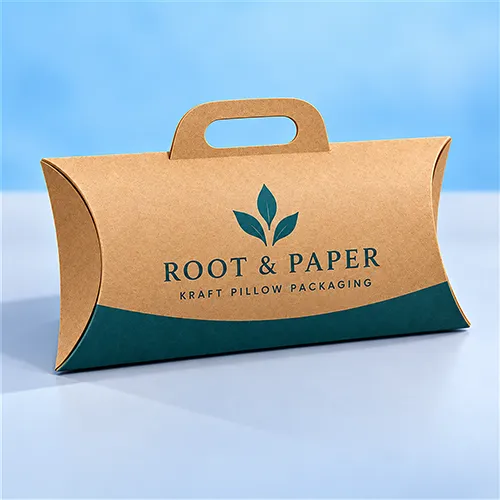
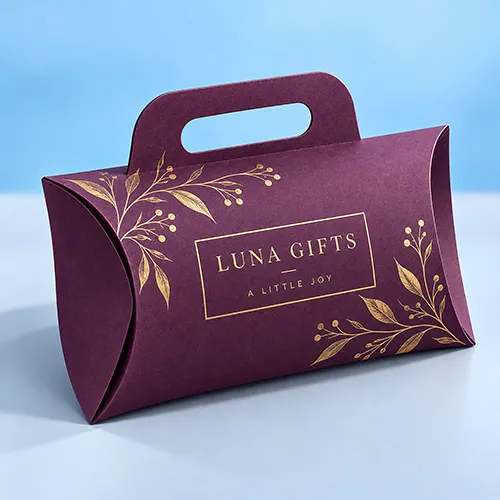
The two structures solve different buyer problems. Choose Window Pillow Boxes when product visibility is the defining requirement. Choose Pillow Boxes with Handle when carrying convenience is the defining requirement. It may be possible for a project to require more than one structural feature, but those features should not be combined by assumption. Each additional feature can affect panel area, product fit, artwork, folds, and the final dieline. The complete configuration should therefore be reviewed as one package.

Retail Presentation and Shipping Protection Are Different Jobs

A Window Pillow Box can function as retail, gift, presentation, or secondary packaging when the product suits the structure. It should not automatically be treated as an outer shipping package. For ecommerce fulfillment, the packaging system may instead be: Product → Window Pillow Box → Additional Protection if Required → Outer Shipping Package The outer packaging requirement depends on factors such as product fragility, weight, movement, and fulfillment conditions. If transportation protection is the primary packaging task, compare BoxBaba Custom Shipping Boxes rather than expecting a windowed retail carton to perform both roles.

What Information Should You Provide for a Quote?

You do not need to design the finished window yourself before requesting pricing. Provide the information that defines the product and presentation:
  1. Product type — what will be packed inside.
  2. Finished product dimensions — including widest and deepest points.
  3. Quantity — including quantity per SKU or artwork where relevant.
  4. Desired visible area — what should customers see?
  5. Packed orientation — how should the product face?
  6. Artwork status — finished, in progress, or assistance required.
  7. Preferred material — if already known.
  8. Retention requirement — whether a card or insert may be needed.
  9. Delivery destination.
Those details allow the product position, pillow-box structure, window, and artwork to be evaluated together.

Why Choose BoxBaba for Window Pillow Boxes?

BoxBaba supports custom packaging projects with custom sizing and artwork assistance as applicable to the project. Support can include:
  • custom sizing;
  • artwork assistance;
  • dielines;
  • 3D mockups;
  • proofing;
  • sampling under the current policy;
  • custom printing and compatible finishes.
The standard minimum order starts from 100 boxes. Standard production is generally 5–9 business days after artwork approval, with free shipping across the USA under the current offer. Production time is separate from shipping or transit time. The objective is to coordinate the product, viewing area, carton structure, and artwork instead of treating the window as an isolated decorative feature.

Request a Custom Window Pillow Box Quote

Start with the product and what customers should be able to see. Send BoxBaba:
  • product type;
  • finished product dimensions;
  • quantity and quantity per artwork or SKU;
  • desired visible area;
  • packed orientation;
  • artwork status;
  • preferred material if known;
  • insert or presentation-card requirements;
  • delivery destination.
These inputs help determine the product position, window layout, pillow-box dimensions, and artwork as one packaging system. MOQ: From 100 boxes Standard production: Generally 5–9 business days after artwork approval USA shipping: Free under the current offer Phone: +1 305 574 4357 Email: sales@boxbaba.com Request a Custom Quote

Frequently Asked Questions

Find all the urgent questions you may have.

Yes, the viewing area can be developed around the product detail that needs to remain visible, subject to the packed orientation, available carton panel, and final structural design.
Yes. Custom sizing is available as applicable. Final dimensions should be developed from the actual product measurements, orientation, viewing requirement, and any internal support.
Yes. The viewing area uses part of the carton panel that could otherwise carry artwork, so window proportions and branding should be planned together.
No. Internal support is useful when the product moves or must remain aligned with the viewing area. If the item naturally stays in position, an insert may not be necessary.
The exact window construction and material should be confirmed for each project. A universal transparent-film specification should not be assumed for all Window Pillow Boxes.
Food-contact suitability cannot be assumed from the pillow-box structure or transparent viewing area. Direct-contact applications require verification of the complete material construction and intended use.
They may work as product or retail packaging, but they should not automatically be treated as the outer shipping package. Additional protective packaging may be required.
BoxBaba standard minimum order starts from 100 boxes.
Standard production is generally 5–9 business days after final artwork approval. Shipping and transit time are separate.

Get a Custom Quote