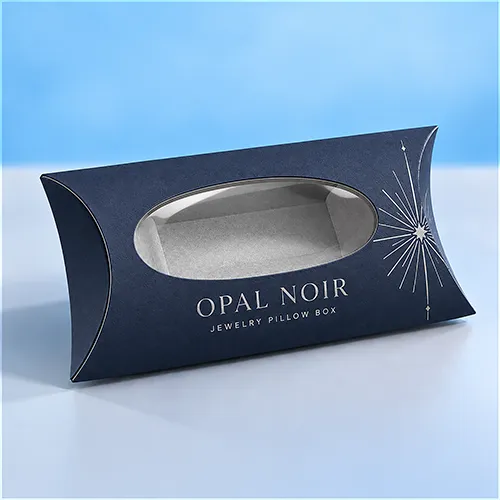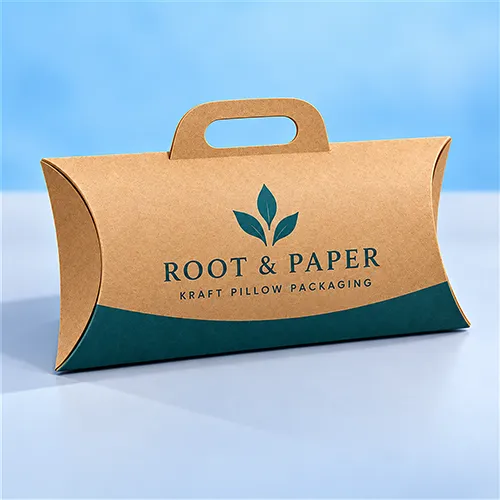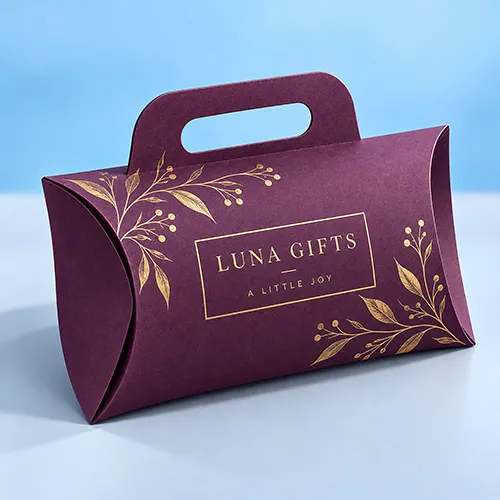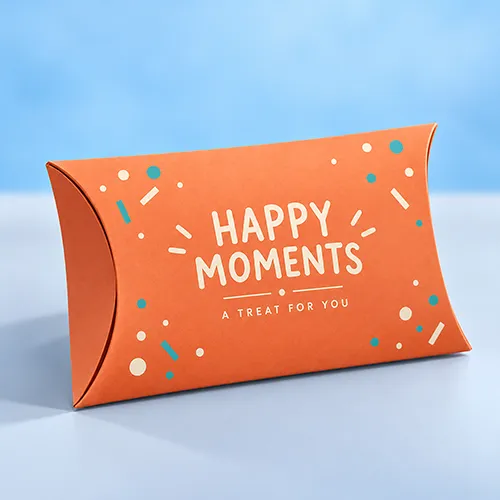
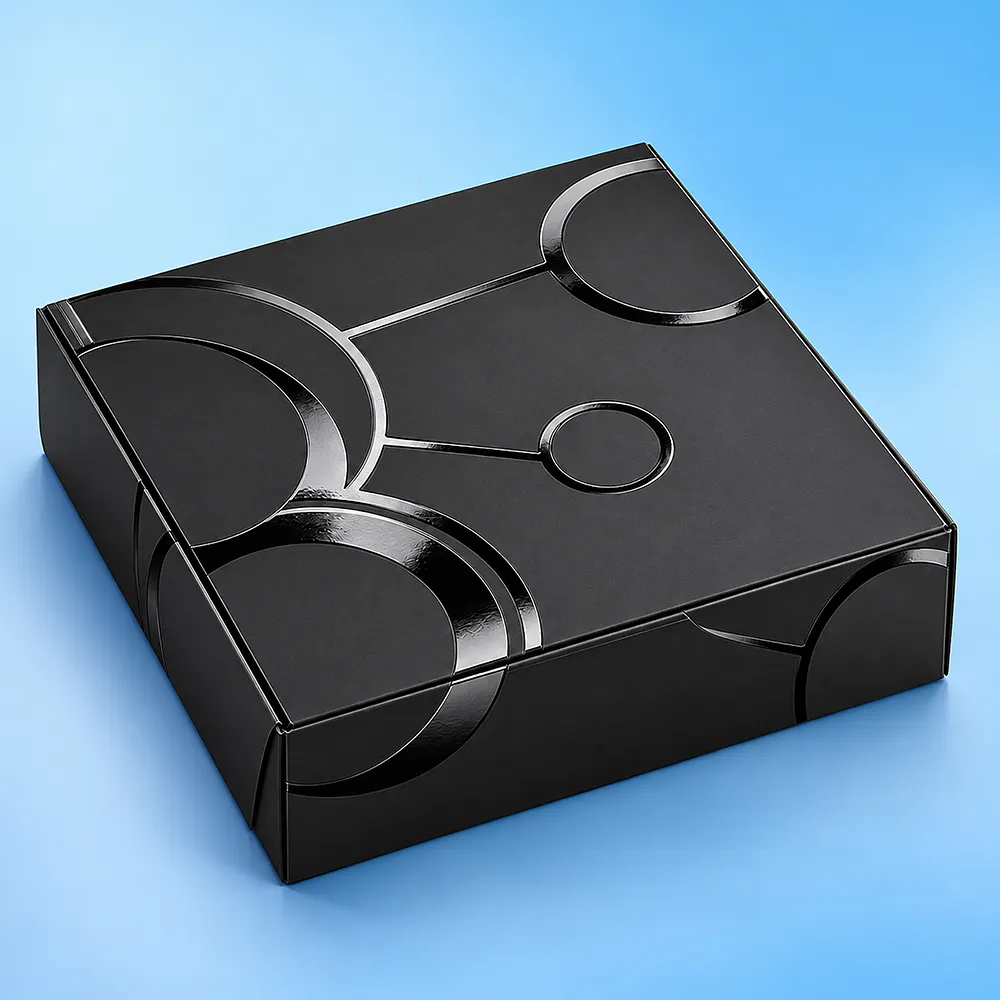
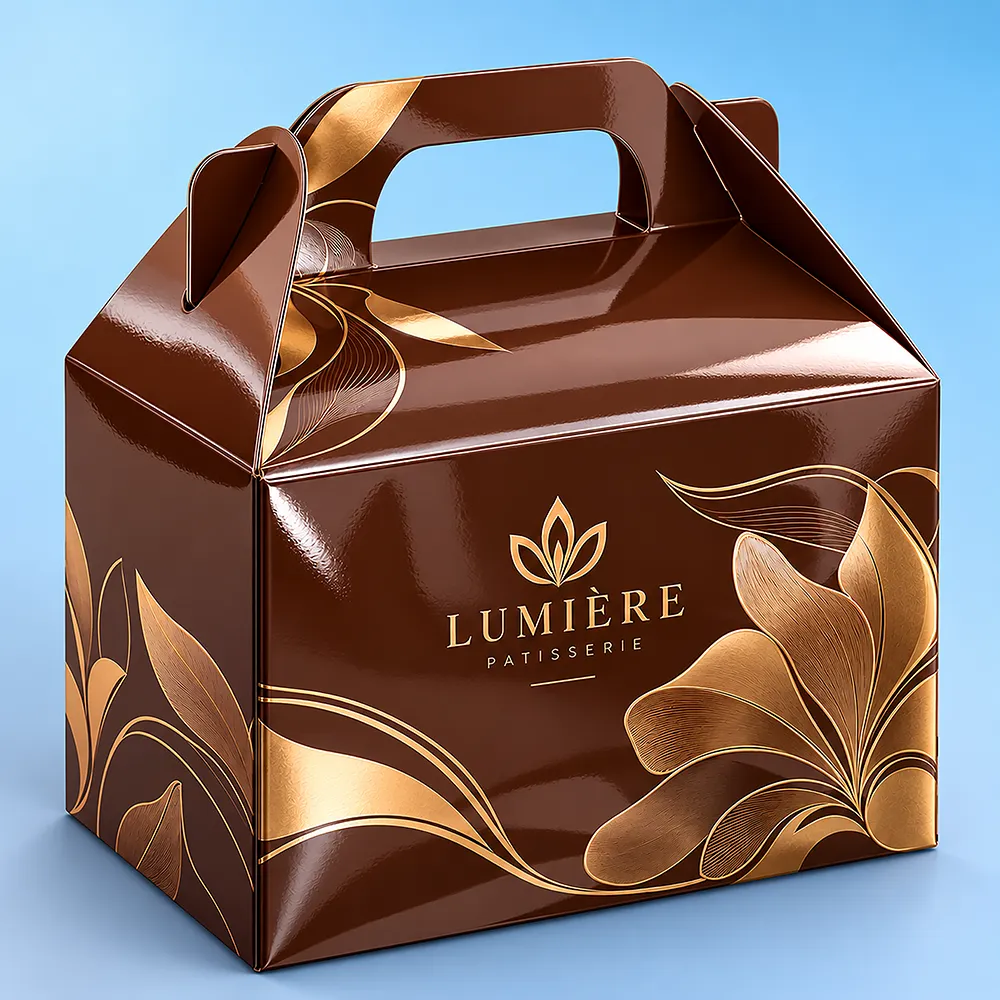
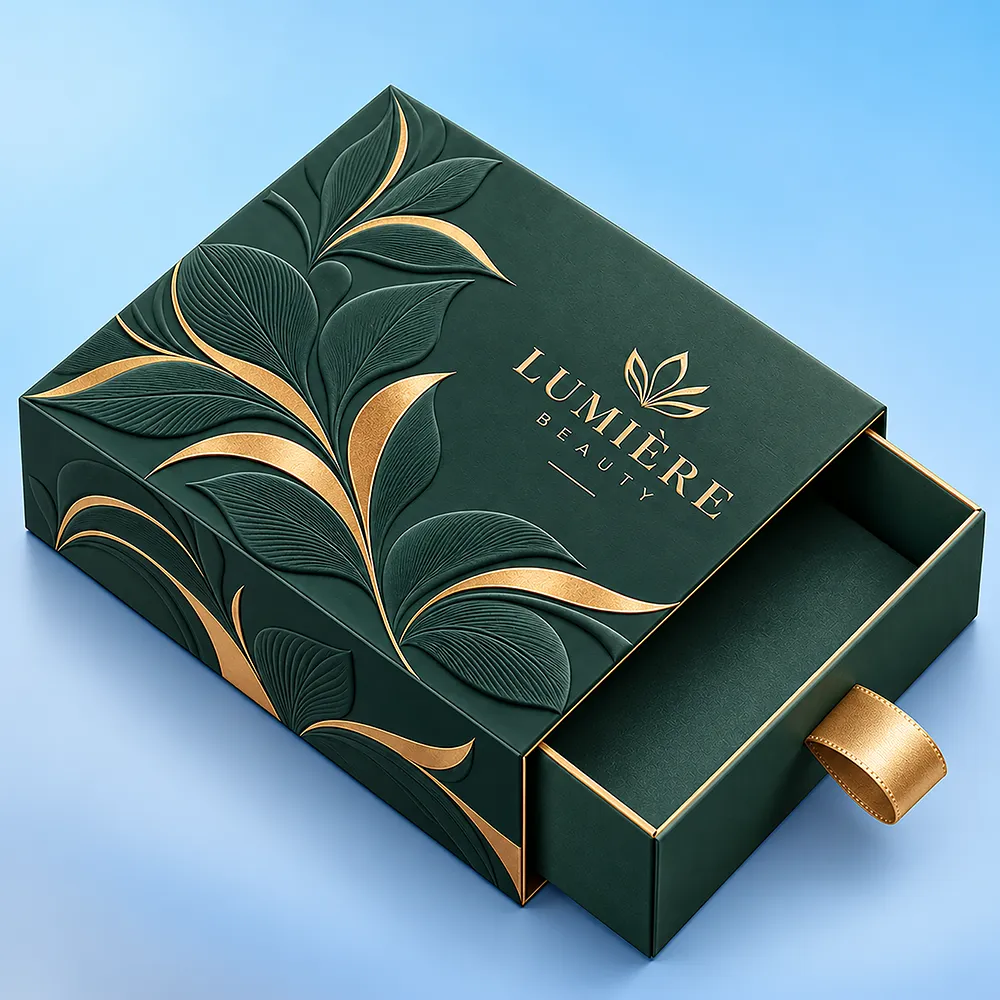
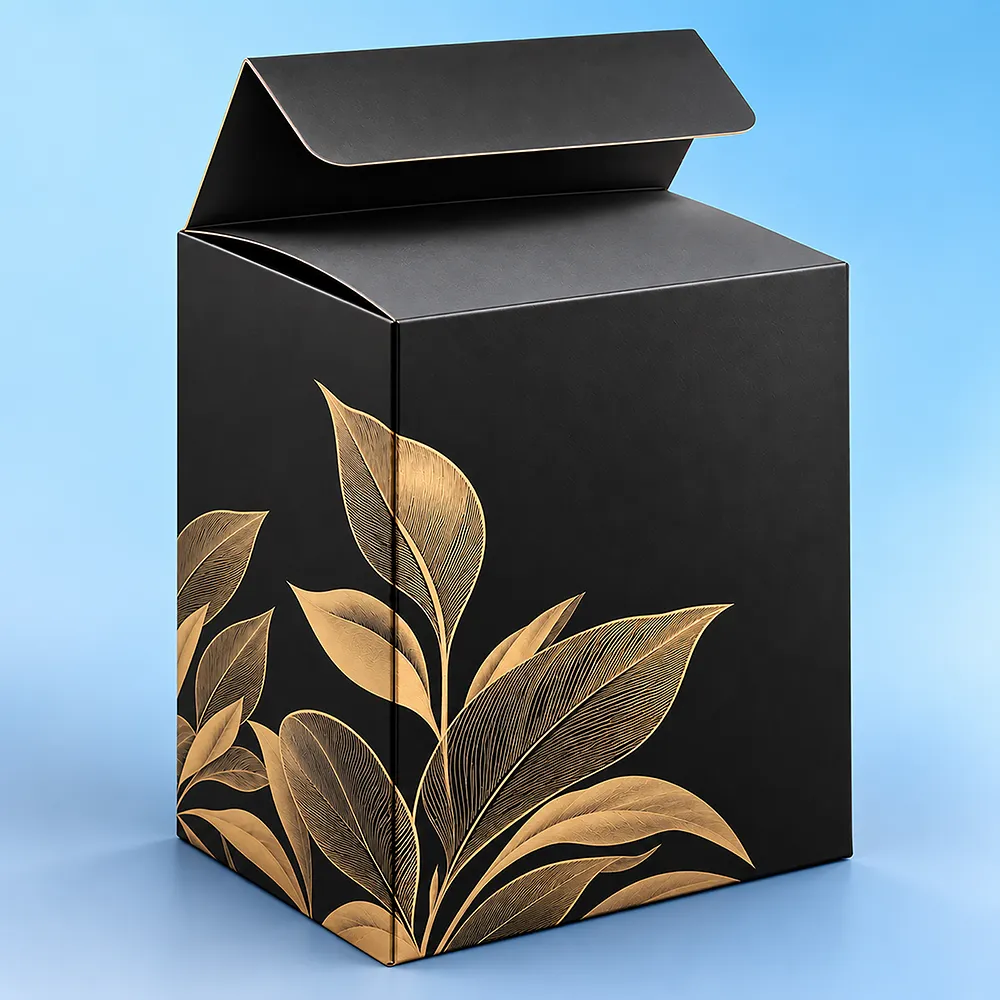
Printed Pillow Boxes

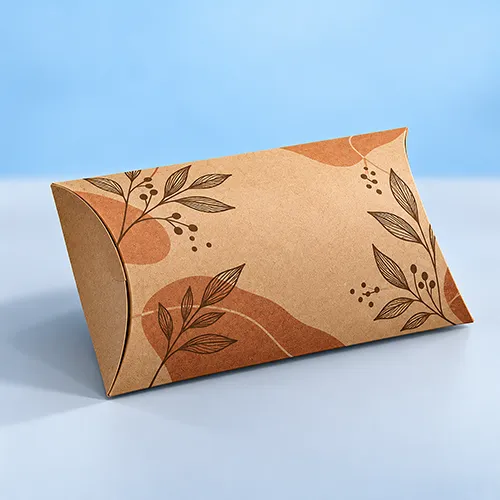
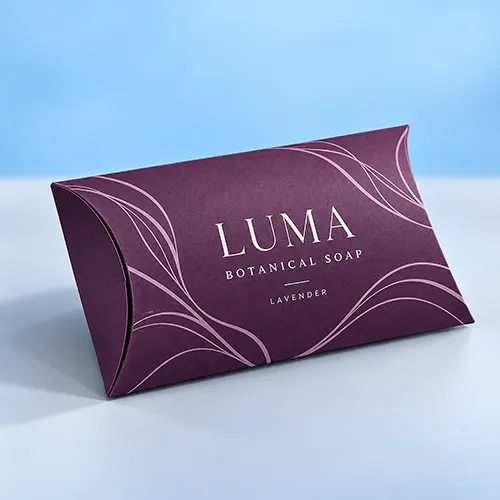
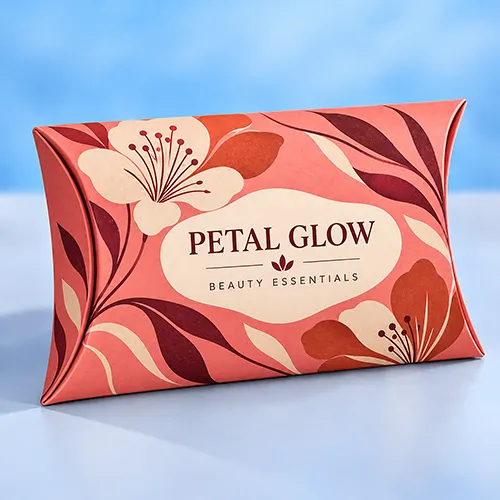
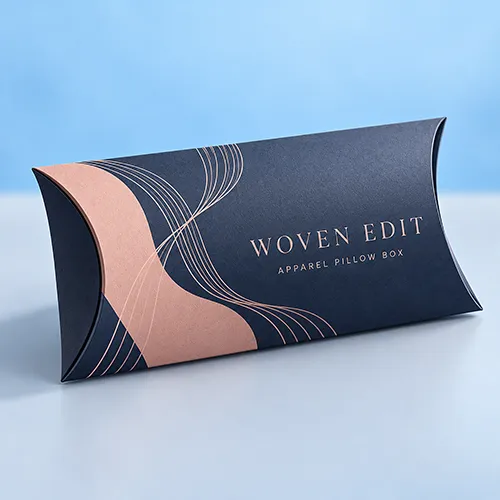
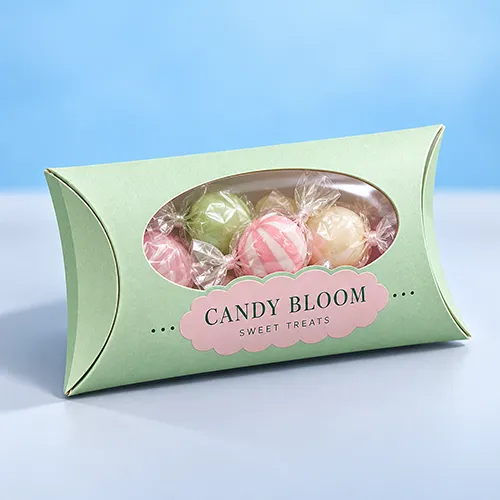
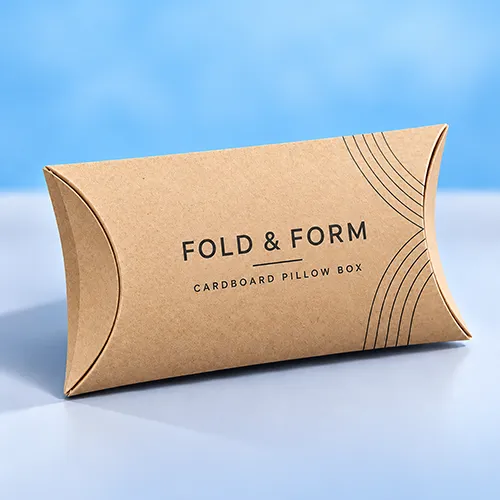
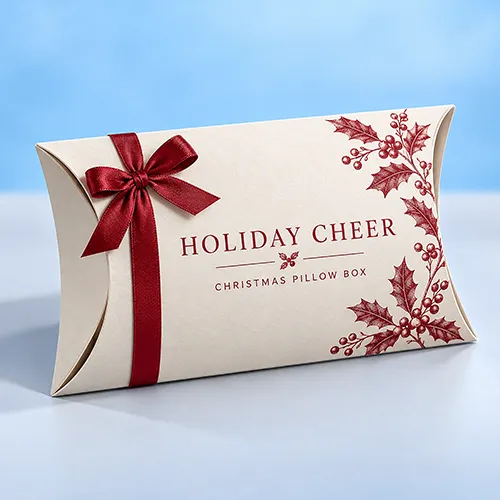
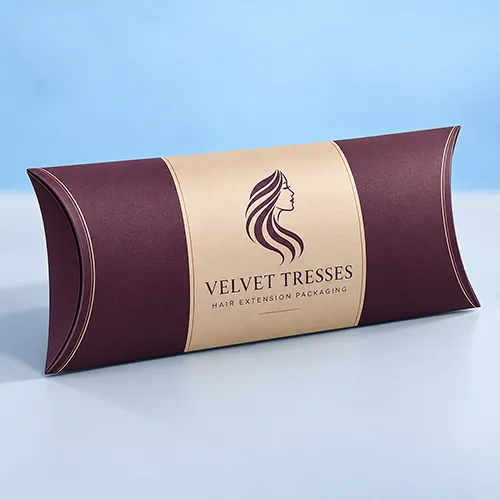
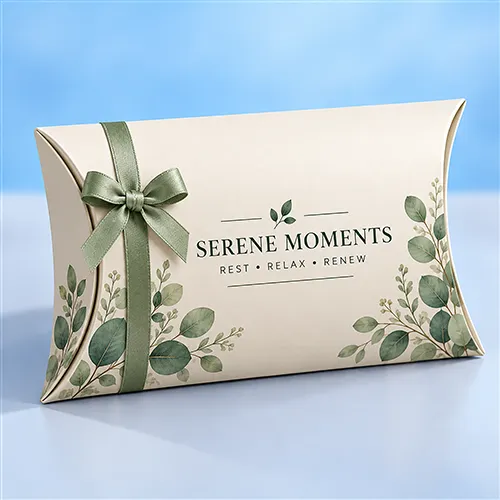
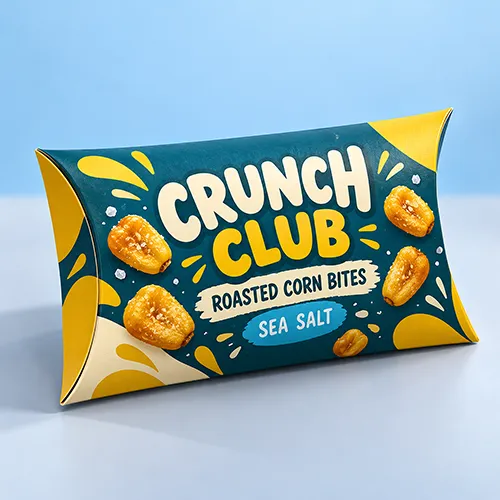
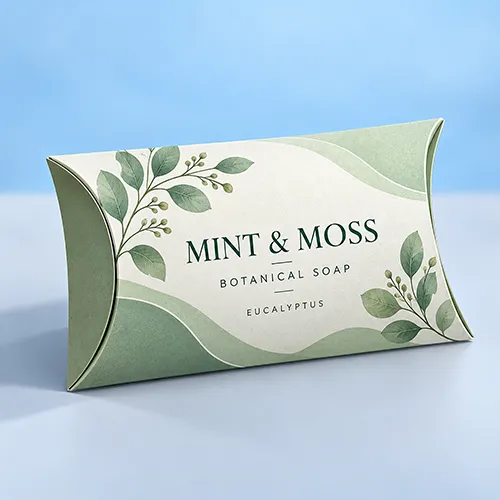
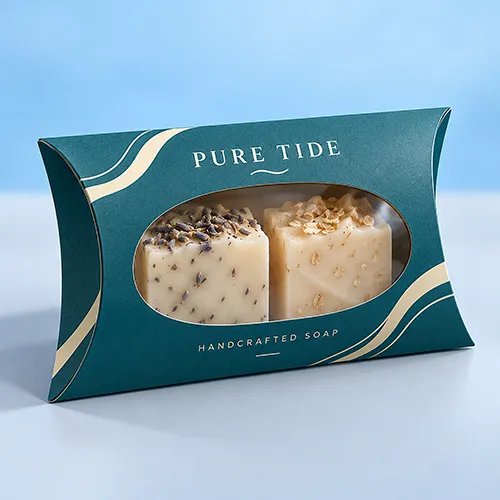
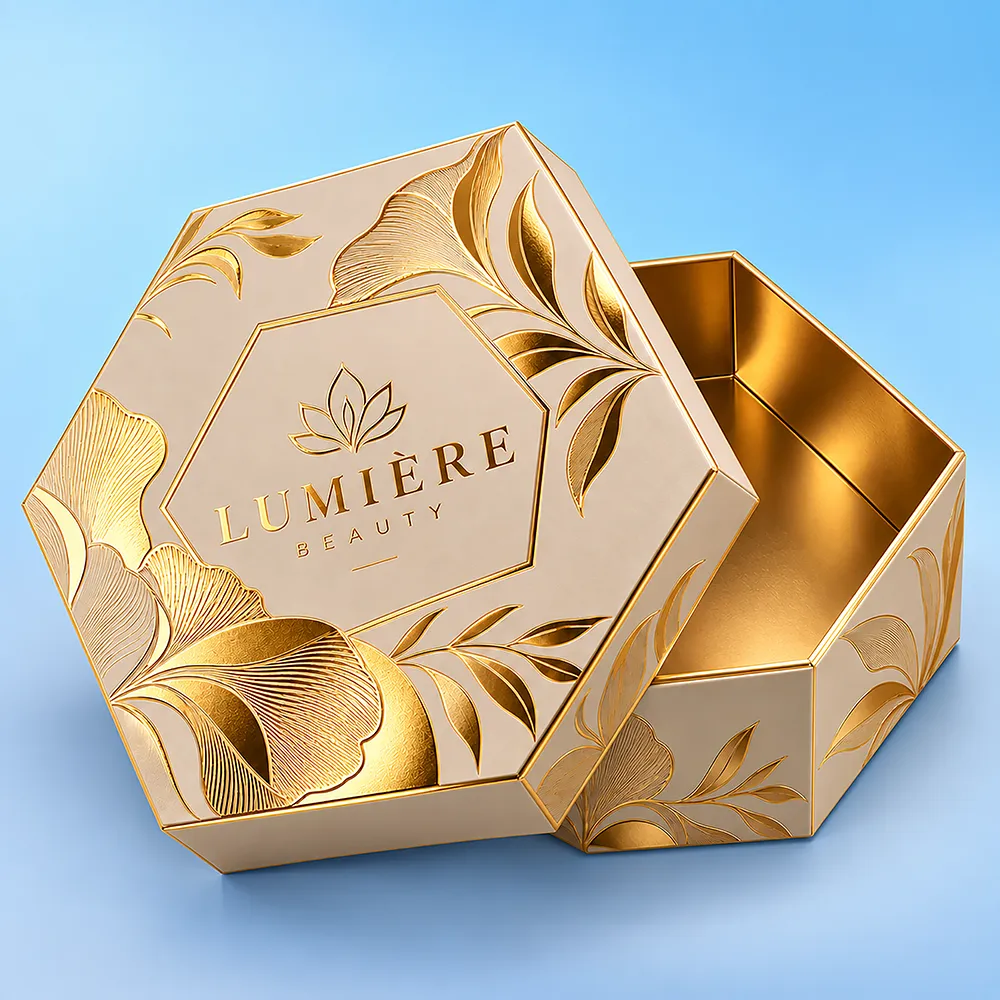
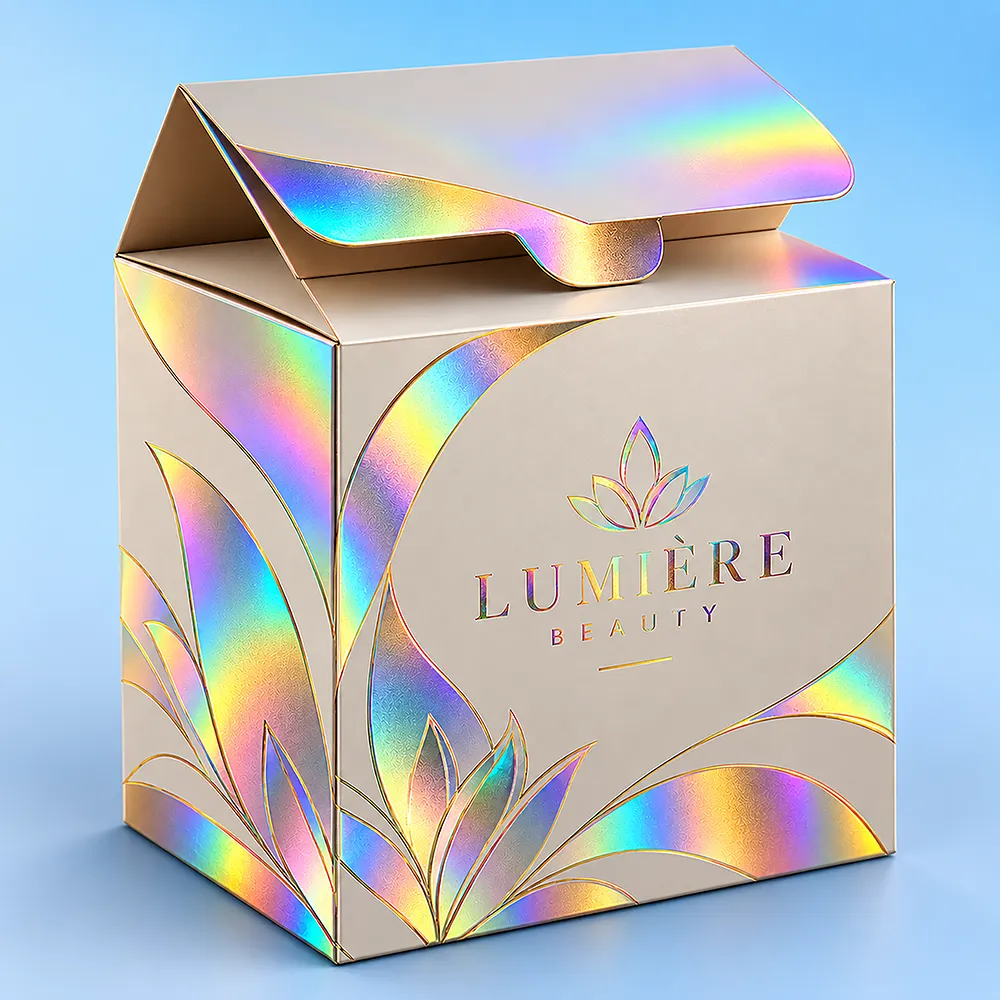
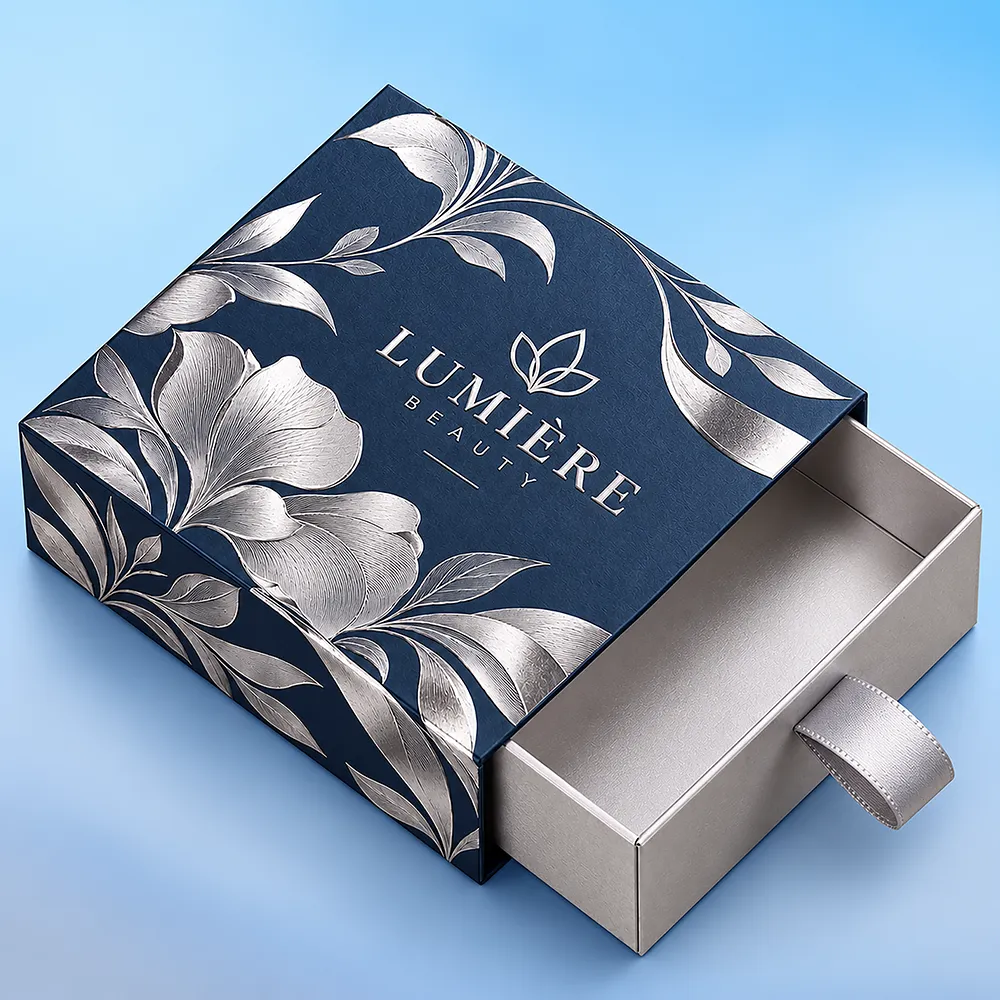
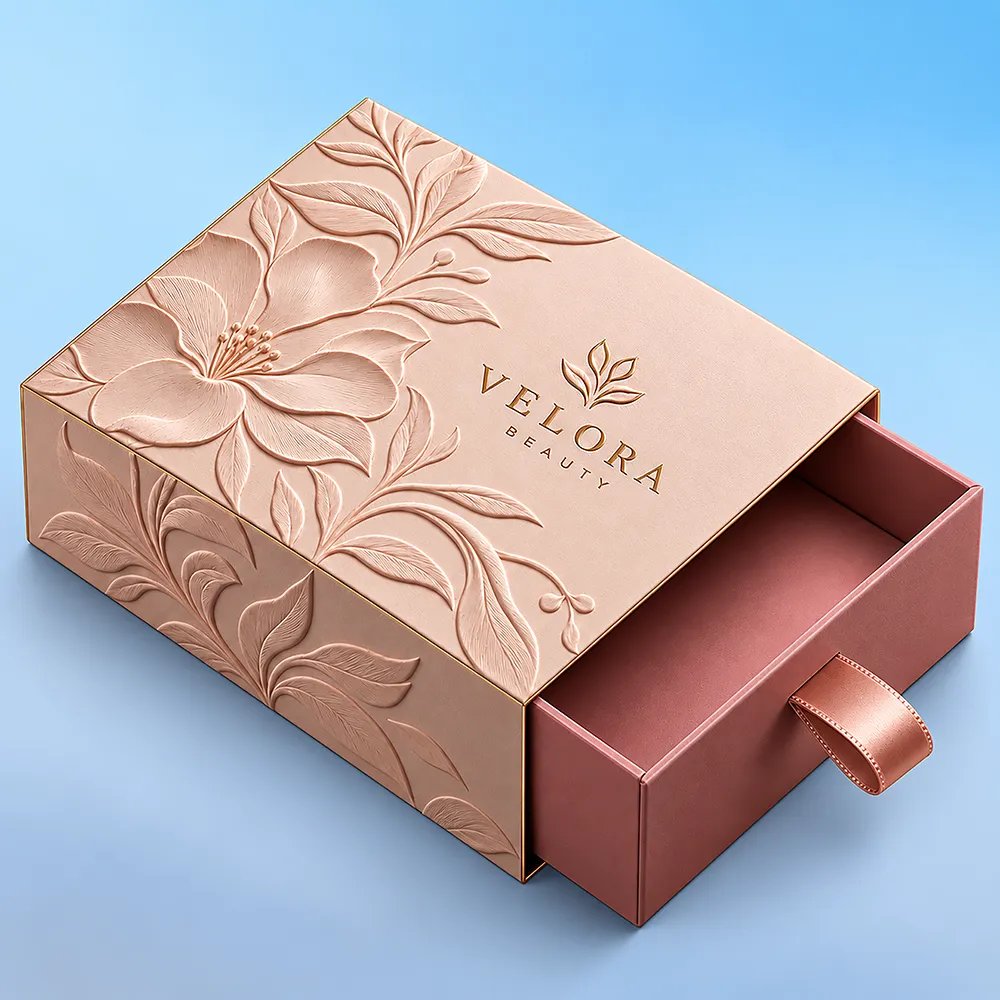
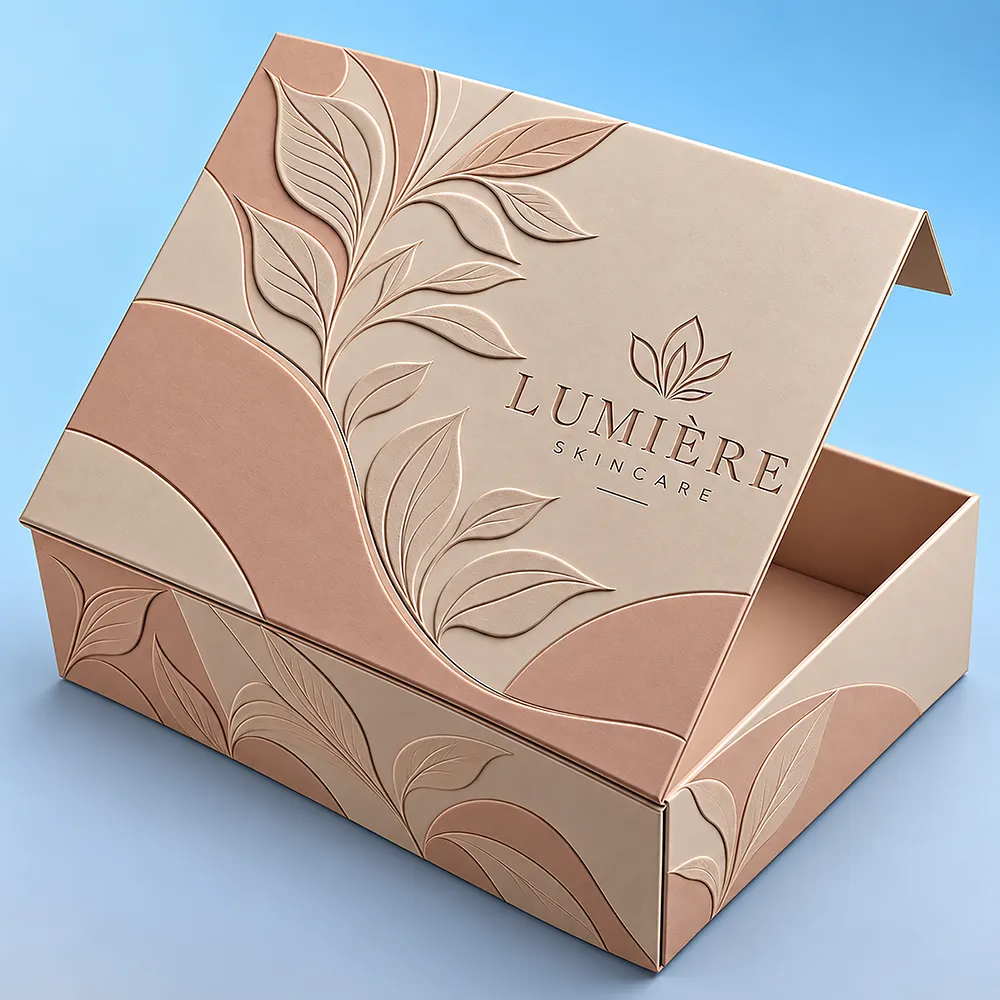
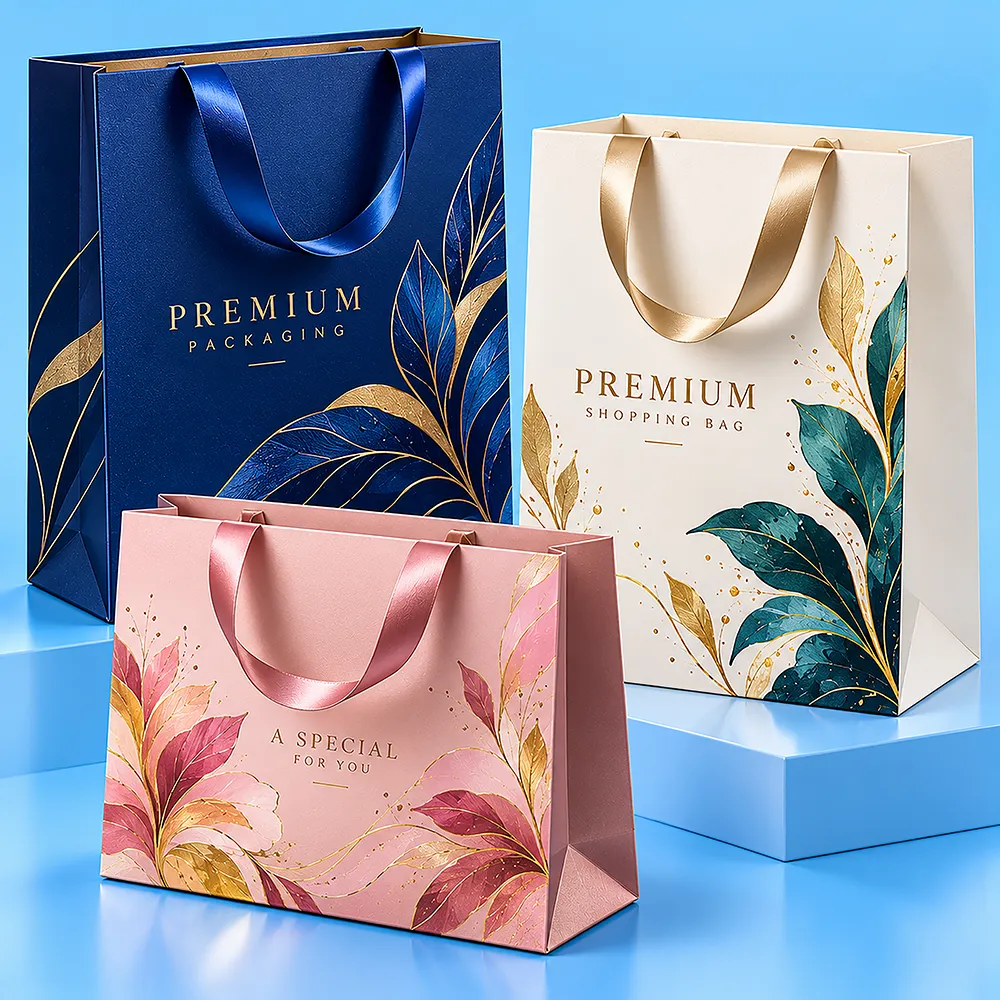
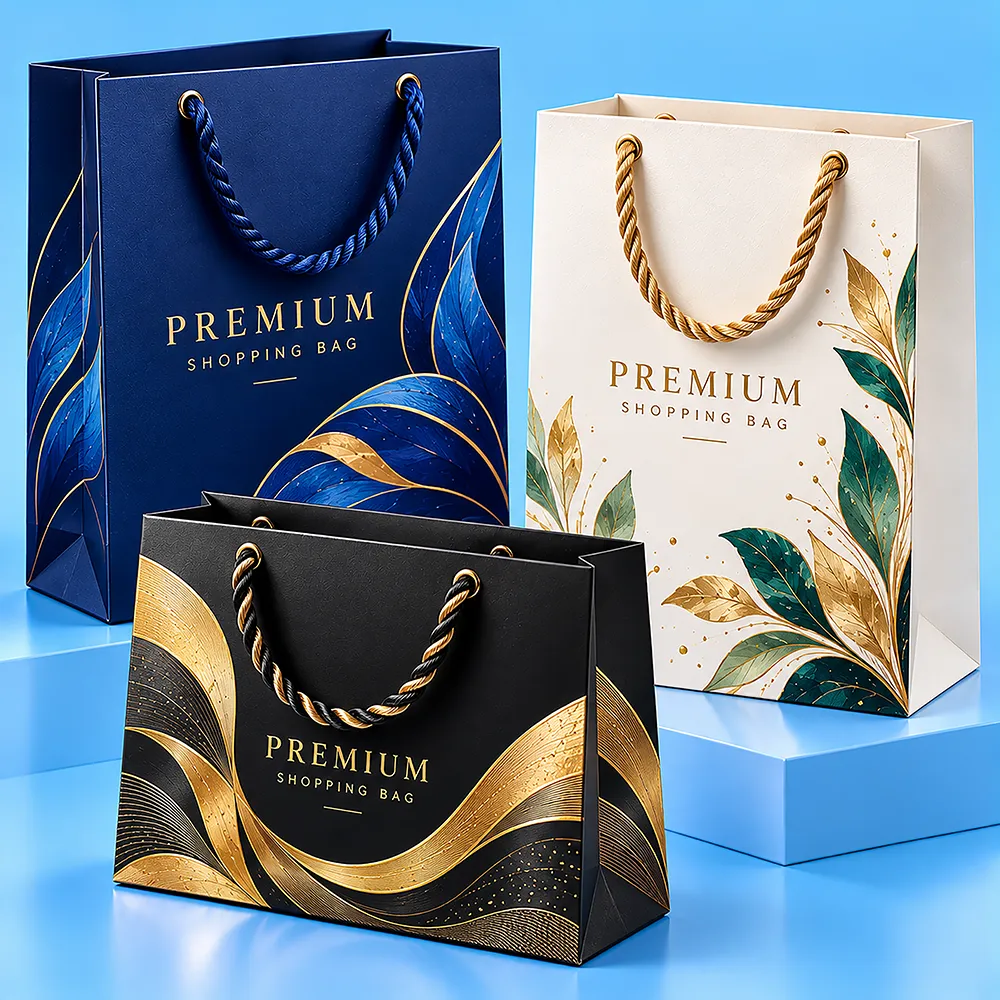
Printed pillow boxes combine the curved pillow-carton structure with custom branded artwork for products where visual identity is a primary packaging requirement. Logos, product names, patterns, campaign graphics, instructions, and other approved design elements can be planned around the exterior of the carton. The main design decision is not simply what to print. It is where important artwork should appear after the pillow box has been assembled. Curved panels, folds, closure areas, packed-product orientation, and material choice can all influence the final presentation. BoxBaba supports custom sizing and artwork assistance so the structure and graphics can be developed together. If custom printing is not the main reason for choosing the format, compare the broader Custom Pillow Boxes range first.
Trustpilot_Logo
5 out of 5 stars
4.5
Reviews 16 • Excellent

Custom Printed Pillow Boxes for Branded Packaging & Retail Presentation

Custom printed pillow boxes designed for branded product packaging, retail presentation, gifting, and promotional use with personalized artwork, durable paperboard, and compatible premium finishing options.

What We Give

Create Custom Boxes Quick and Easy

Design

Get your custom boxes made in the required size, shape, and style.

Print

Upload your artwork and get it superbly printed the way you want.

Get it done

Order any quantity, enjoy a wholesale price, pay no extra for die plates.

Product Specification

Specification Available / Project Requirement
Product Type Custom printed pillow-style folding carton
Primary Differentiator Branded artwork and printed presentation are central to the packaging requirement
Sizing Custom sizing based on the packed product, widest/deepest points, orientation, and structural requirements
Material Project-specific stock selected according to product fit, structure, artwork, and print requirements
Artwork Logos, patterns, product information, brand graphics, and other approved elements can be planned around the carton dieline
Printing Custom branded printing; exact process depends on material, artwork, quantity, and project requirements
Color Requirements Brand-color requirements should be included in the artwork brief; final appearance depends on the selected stock, production process, and approved proof
Finishing Matte, gloss, soft-touch, foil, embossing, debossing, and Spot UV where compatible
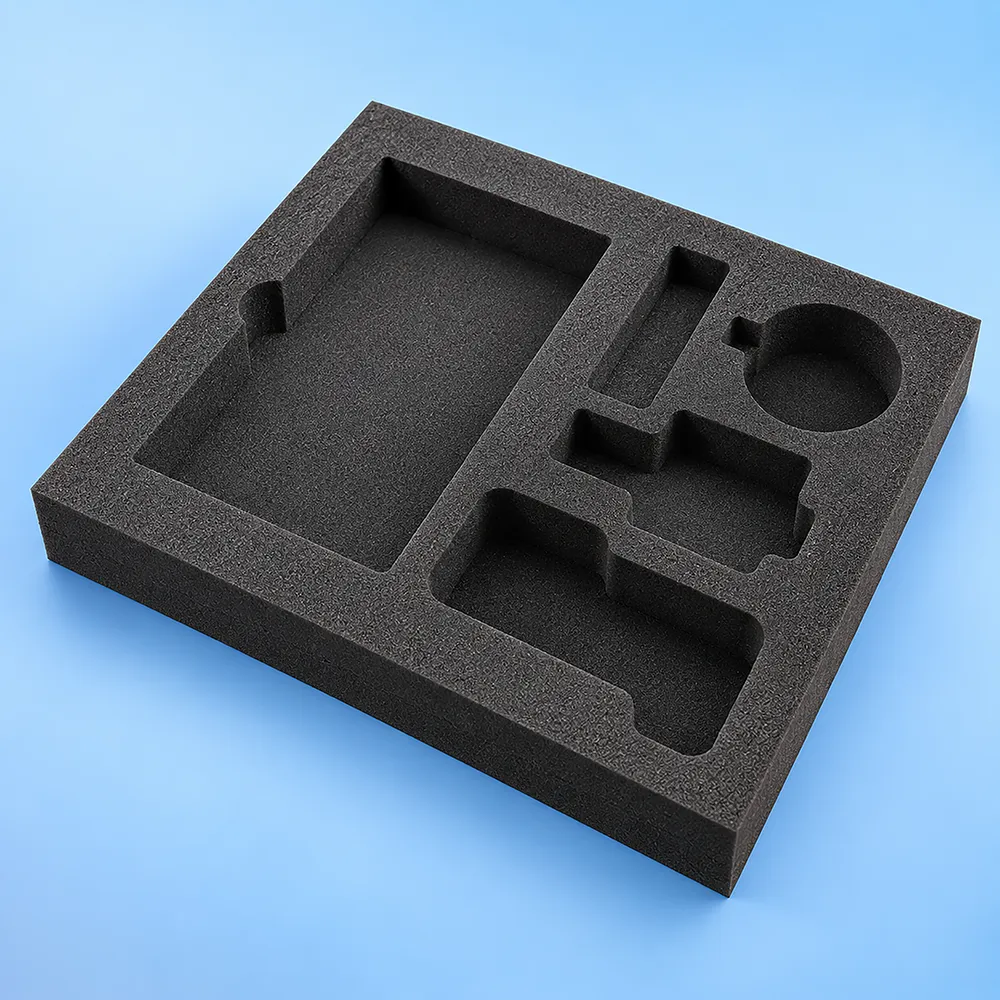
Internal Support Inserts or presentation cards may be evaluated when movement, orientation, or presentation requires them
MOQ From 100 boxes
Standard Production Generally 5–9 business days after final artwork approval
Artwork Support Dieline, 3D mockup, proofing, and artwork assistance as applicable
Samples / Proofs Free samples are available under the current policy. Sample shipping/delivery charges are reimbursed with the first bulk order; custom or project-specific samples may require separate confirmation
Shipping Free shipping across the USA under the current offer; production and transit times are separate

Related Products

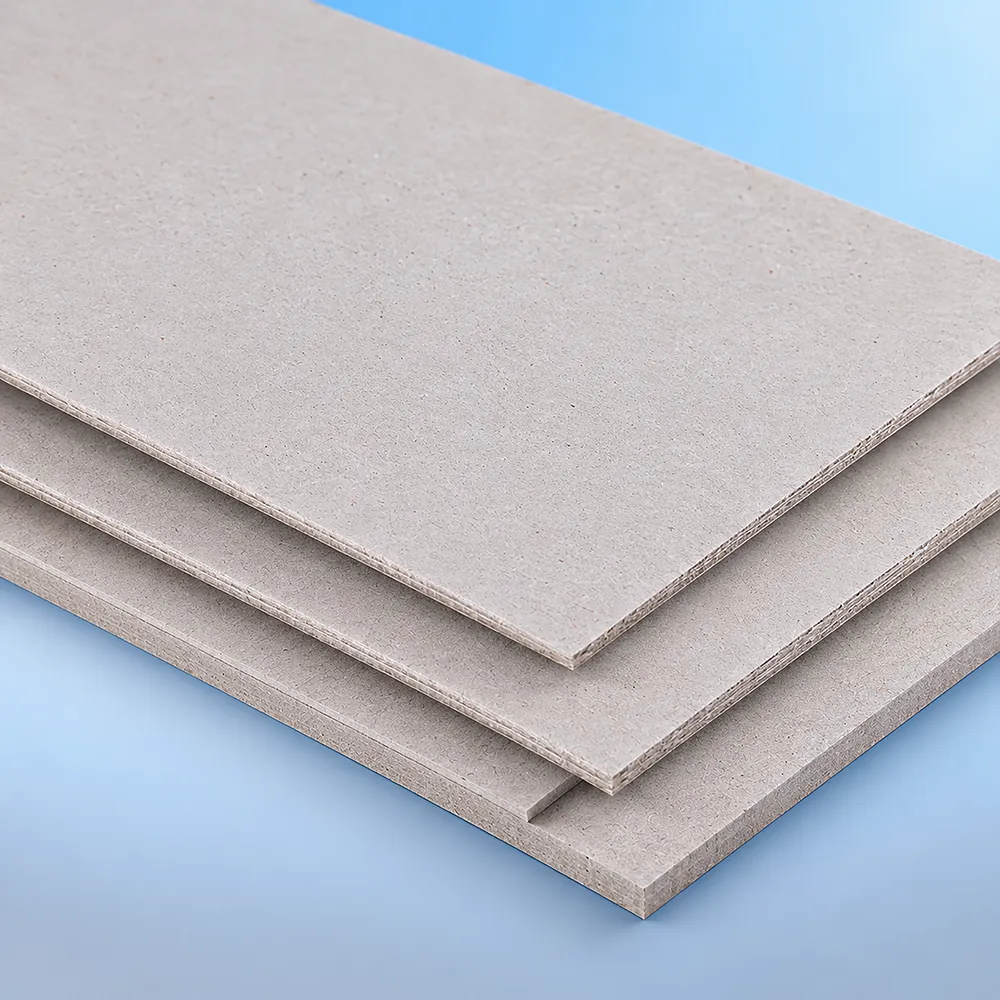
Stock Type & Thickness

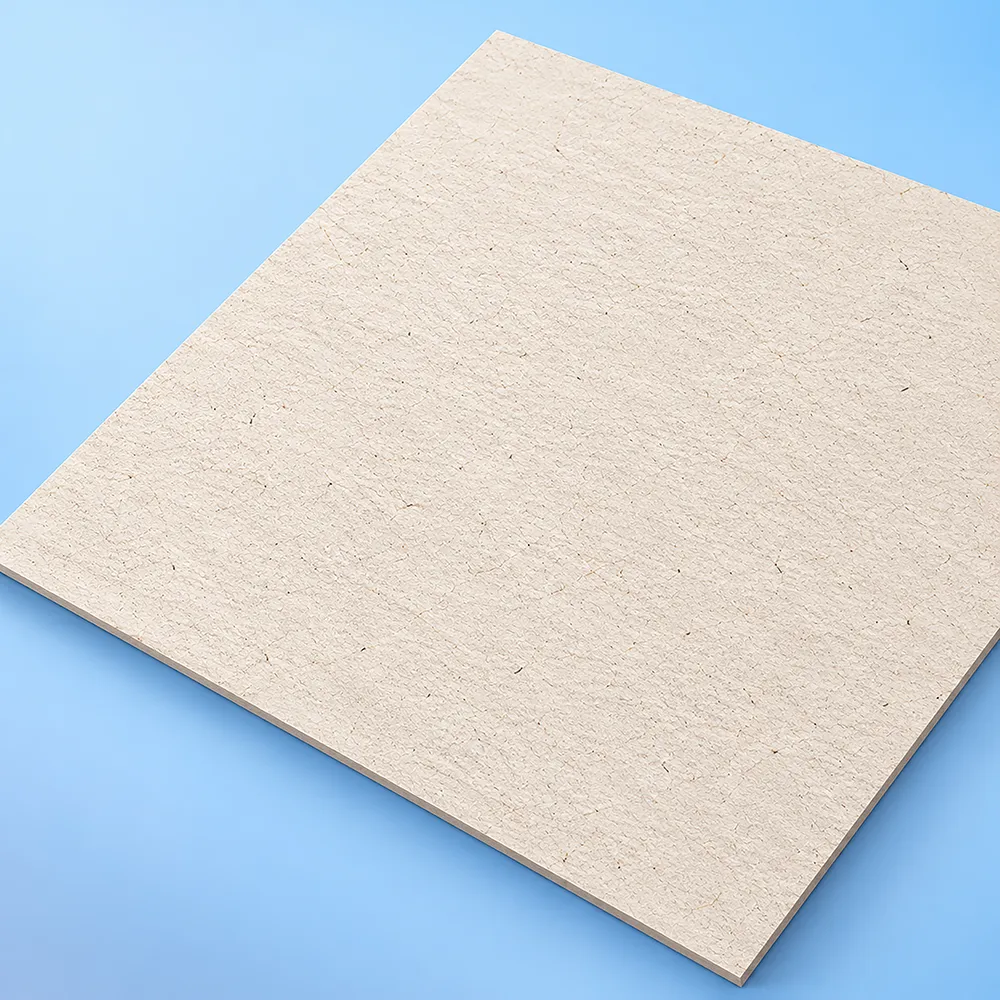
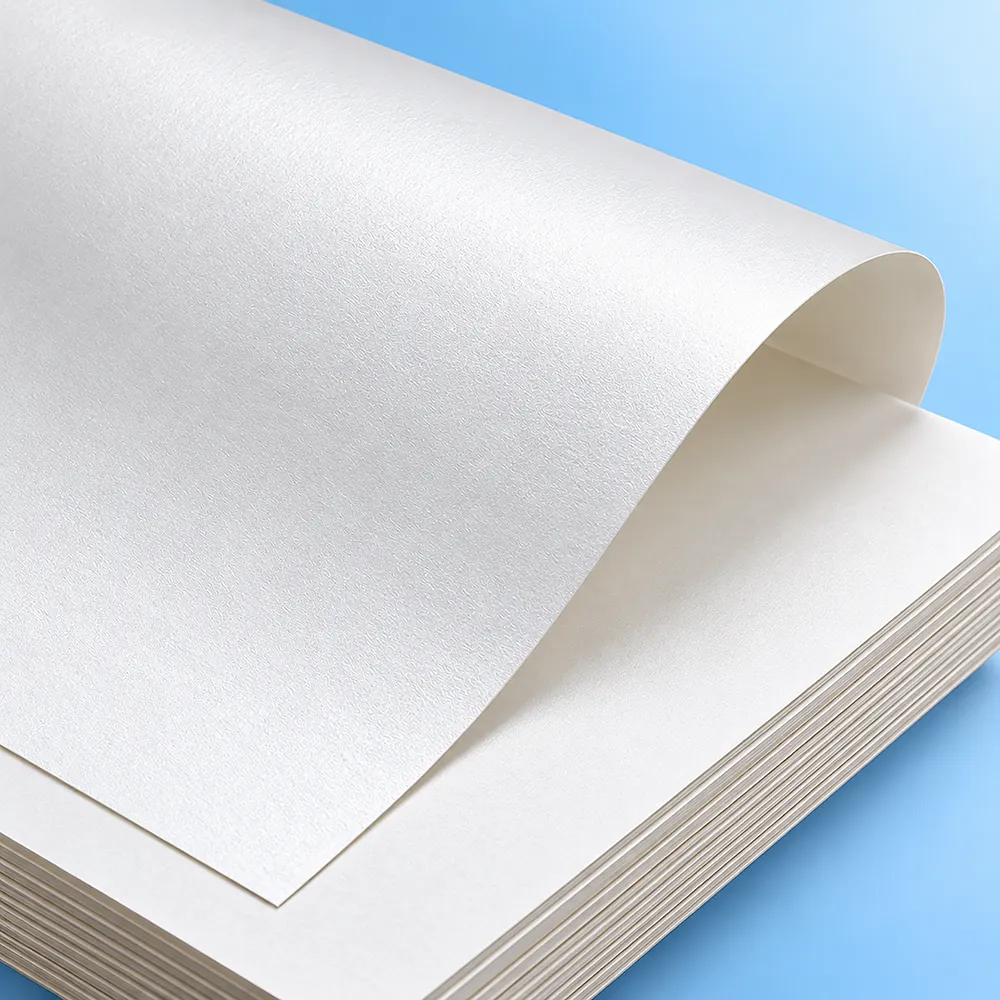
Cardboard

We use cardboard material with the least environmental impact and minimizes waste generation.
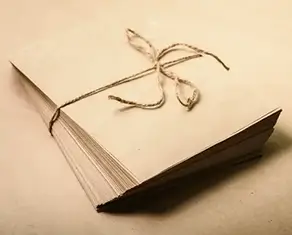
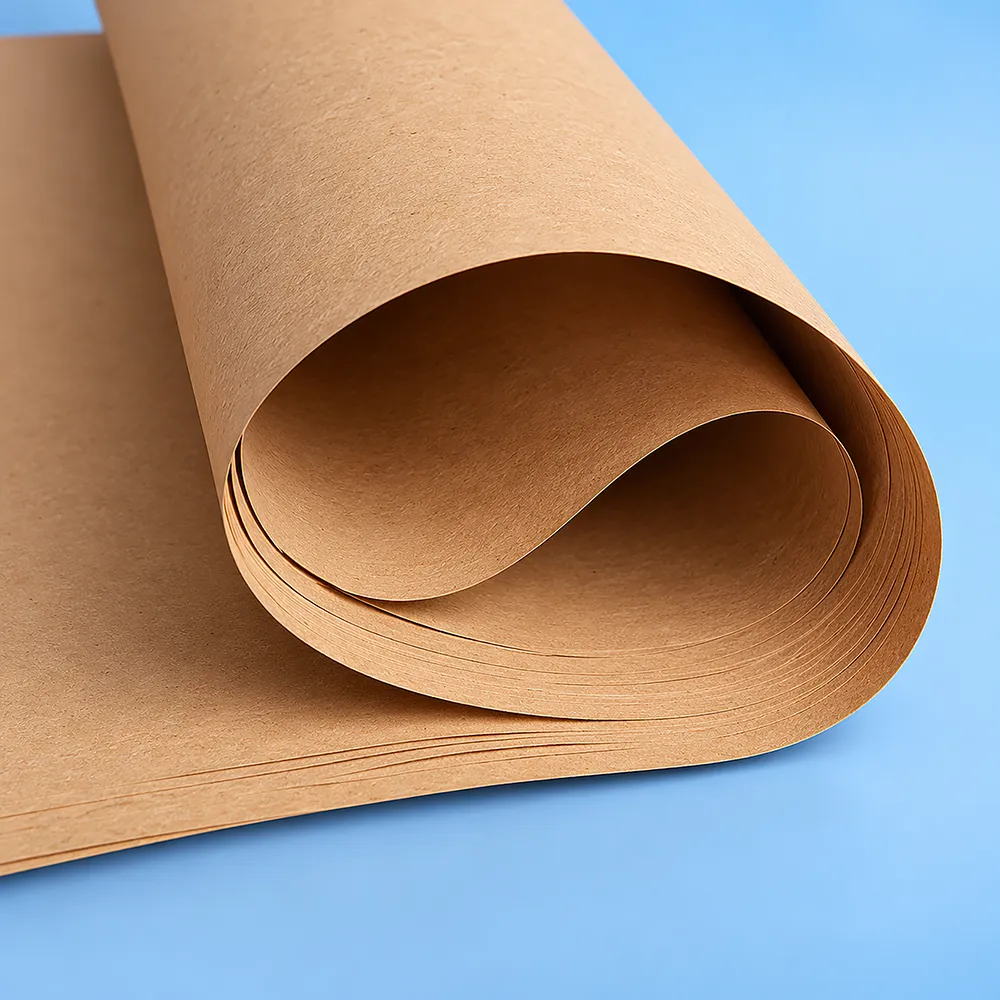
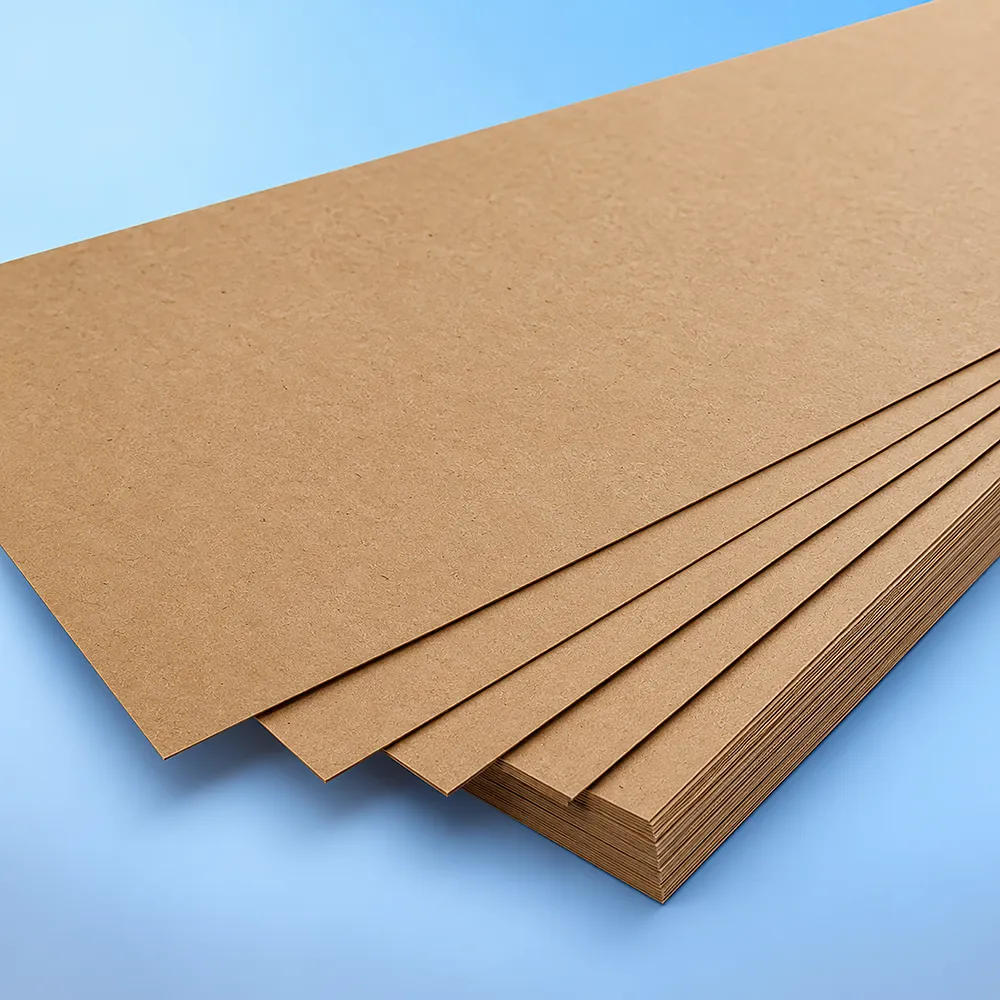
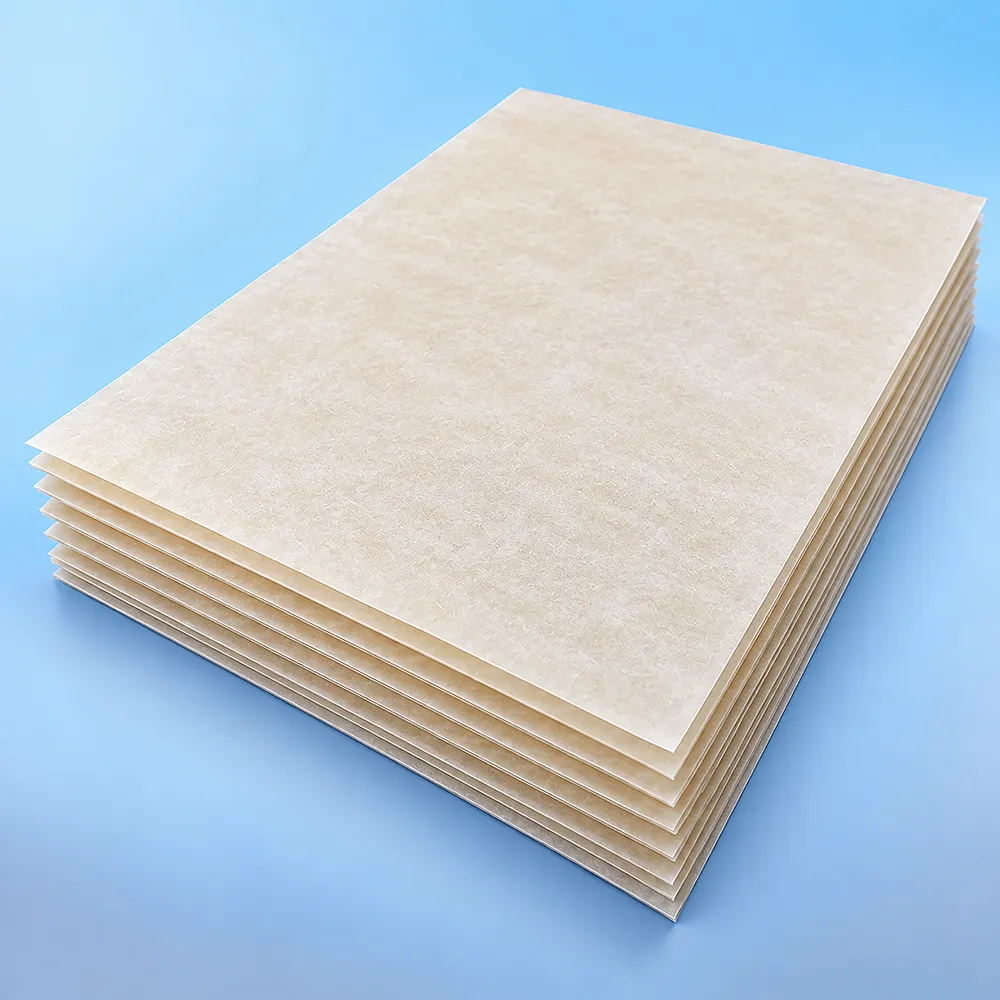
Kraft

Kraft paper is a strong, durable and reliable material that is widely used across many different industries.
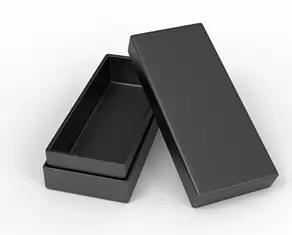
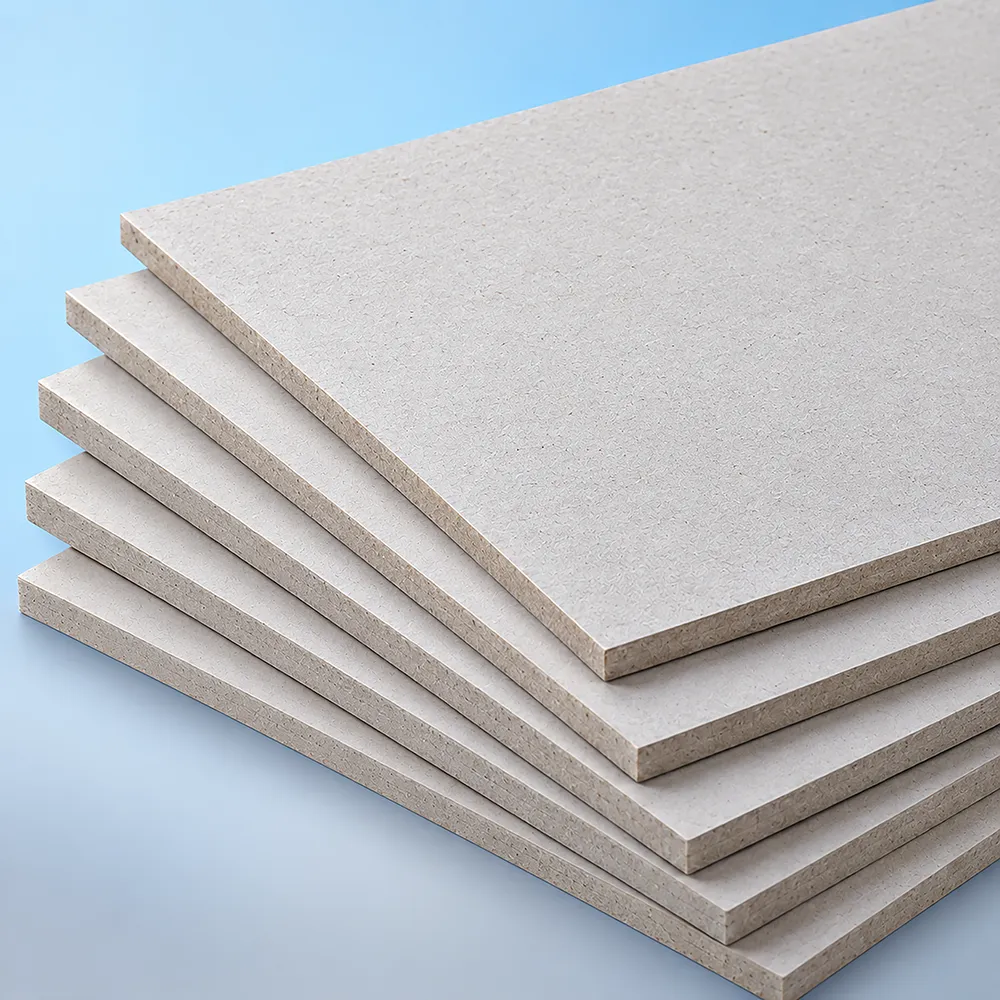
Rigid

Rigid is highly protective, affordable and recyclable material. These boxes provide maximum protection.
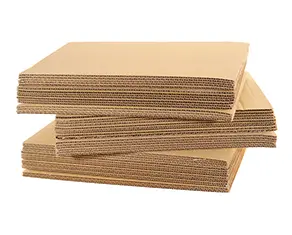
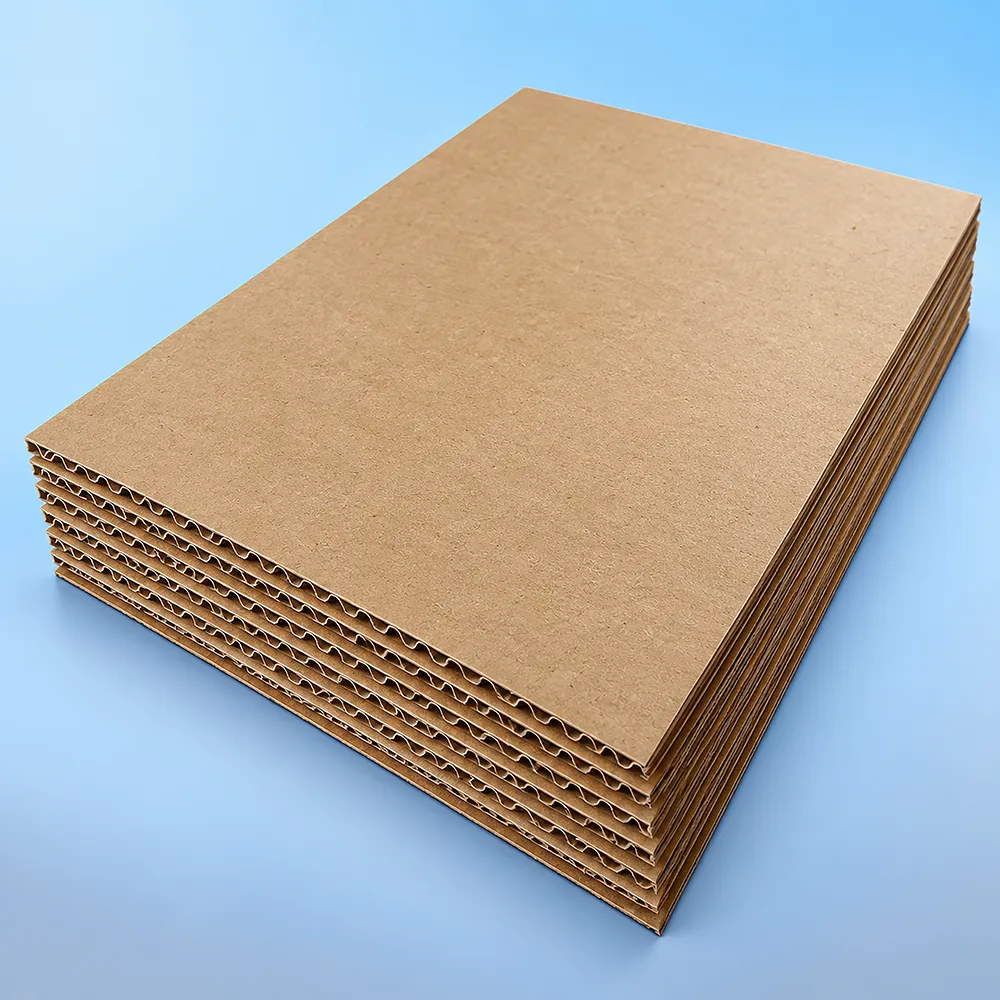
Corrugated

Corrugated material is easy to customize, cost effective and sustainable. It is also great for branding purposes.
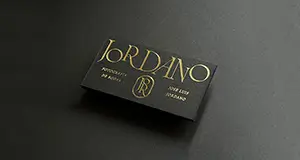
Finishing Assortment

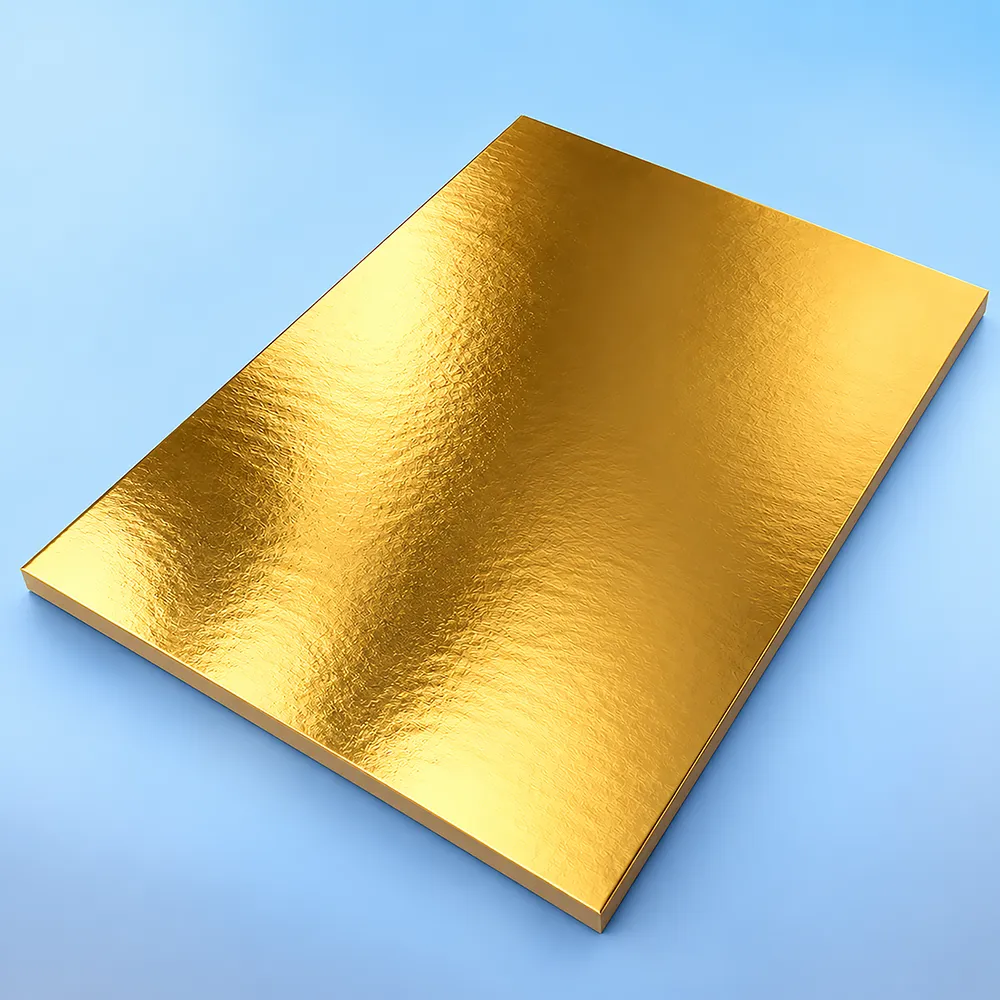
Foil Stamping

Foil Stamping

Enhance your packaging with premium foil stamping for a bold and luxurious appearance.
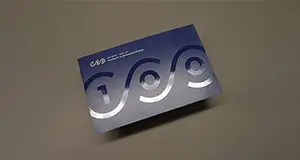
Spot UV

Spot UV

Our Spot UV coating adds a sleek shine and highlights key design elements beautifully.
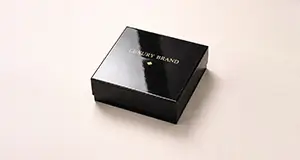
Gloss-Lamination

Gloss

Give your packaging a polished, glossy finish that enhances color and visual appeal.
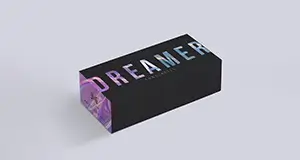
Holographic Foiling

Holographic Foiling

Create eye-catching packaging with holographic foil effects that shimmer from every angle.
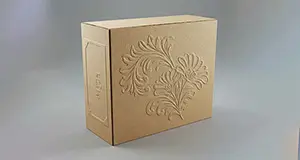
Embossing

Embossing

Add raised textures and elegant detailing to make your packaging stand out.
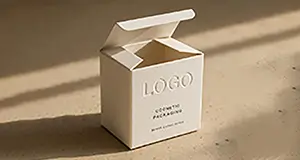
Debossing

Debossing

Create a refined pressed-in effect that adds depth and sophistication to your packaging.
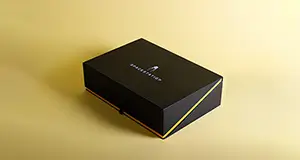
Matte

Matte

Achieve a smooth matte finish that minimizes fingerprints and delivers a modern look.
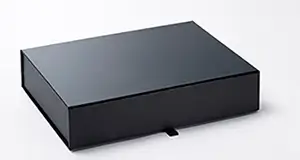
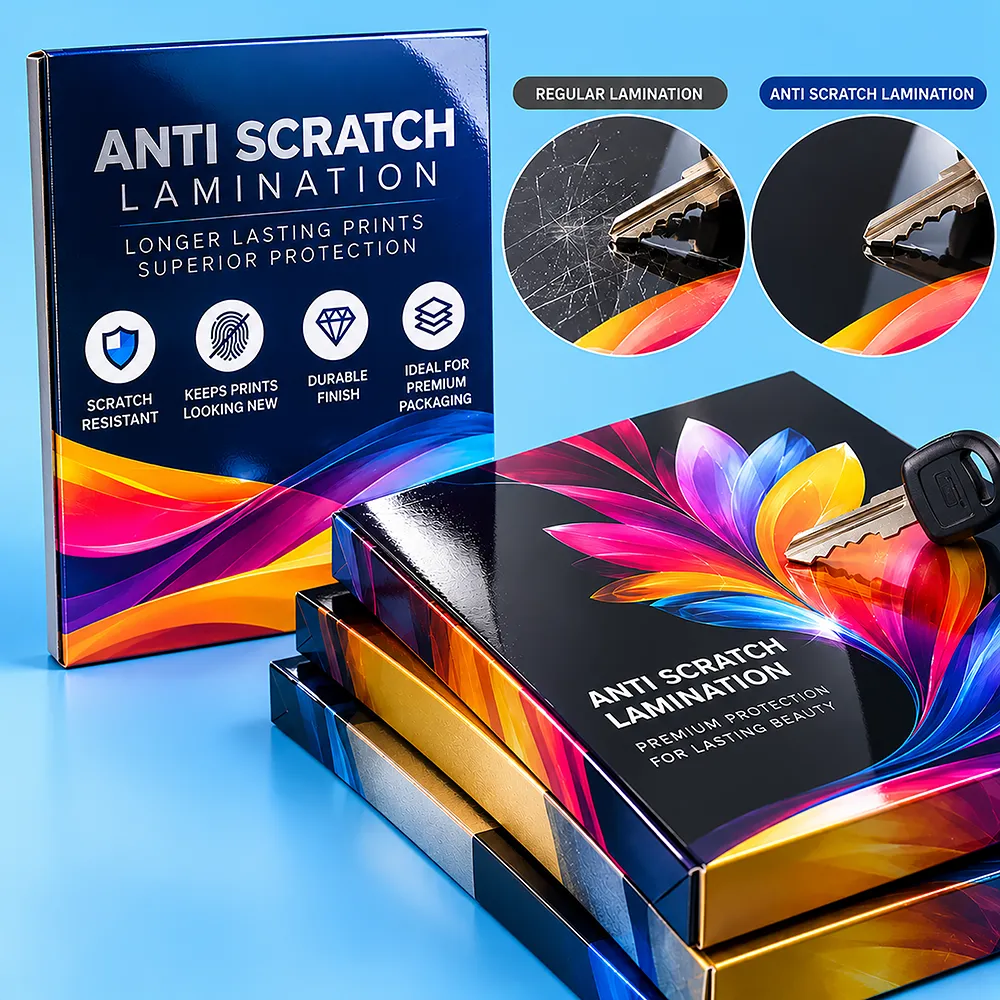
Soft Touch Lamination

Soft Touch Lamination

Protect your packaging with a silky-soft laminated finish for a premium feel.
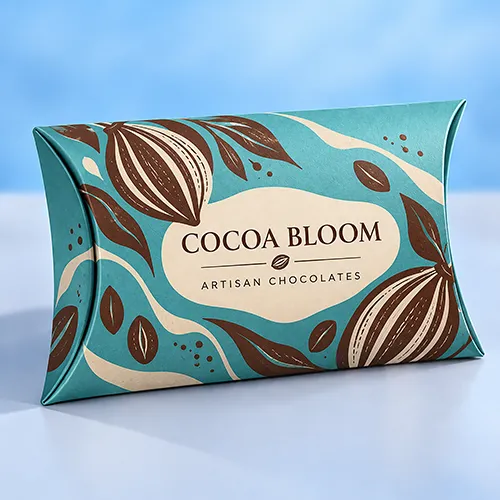
What Makes Printed Pillow Boxes Different?

The defining feature of Printed Pillow Boxes is brand artwork. A standard pillow carton provides the curved packaging structure. A printed version adds a second buyer task: brand information must remain clear after the flat carton is folded, curved, filled, and closed. That means artwork planning should account for:
  • the primary viewing area;
  • logo hierarchy;
  • product-name placement;
  • curved regions;
  • fold lines;
  • closure areas;
  • material color and surface;
  • product information;
  • barcodes or QR codes where required;
  • any decorative finish.
The artwork should therefore follow the approved packaging structure rather than being designed as a generic rectangle and transferred onto the box afterward.

Design for the Assembled Pillow Box

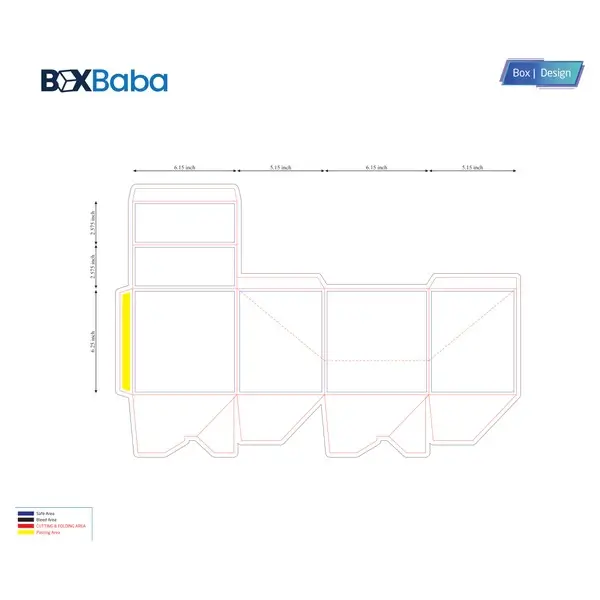
Printed pillow-box artwork is created on a flat dieline, but customers interact with the assembled carton. Those are different visual conditions. A logo that appears centered on a flat file can shift visually when the panels curve. Small copy placed too close to a fold may become harder to read. Graphics running into a closure area may become partly hidden after the box is assembled. Important artwork should therefore be reviewed against:
  • the main front-facing panel;
  • curved side areas;
  • folds;
  • end and closure zones;
  • structural cut areas where applicable;
  • the final orientation of the packaged product.
The dieline establishes the structural artwork area. The assembled view shows whether the design hierarchy actually works.

Give Critical Brand Information Priority

Not every part of a Printed Pillow Box needs to perform the same visual job. The strongest viewing area should normally prioritize what the customer needs to recognize first, such as:
  • the brand;
  • product name;
  • primary graphic;
  • SKU or product variant;
  • essential message.
Secondary information can then be distributed across other suitable areas. Small text, barcodes, QR codes, and other functional information should be placed where curves, folds, or closures do not unnecessarily compromise clarity. This creates a more useful packaging hierarchy than giving every available panel equal visual weight.

Confirm Product Fit Before Final Artwork

A strong print design cannot correct a poorly fitted box. Before the final structure and artwork are approved, provide measurement inputs such as:
  • overall product length or height;
  • maximum width;
  • maximum depth or thickness;
  • widest point;
  • protruding features or accessories;
  • packed orientation;
  • quantity per box;
  • product weight where relevant;
  • any card, pouch, wrap, or insert.
These are product measurements, not finished pillow-box dimensions. The final structure must account for usable internal space, curved areas, and closures before the dieline becomes the artwork reference.

Multiple SKUs May Need Different Artwork or Structures

A brand family does not always use one universal production file. If several products use the same finished pillow-box structure and dimensions, different artwork versions may sometimes share the same structural format. If the products differ in dimensions, depth, orientation, inserts, or structural requirements, another dieline or structural review may be needed rather than simply changing the graphics. When requesting pricing, specify:
  • total quantity;
  • number of SKUs;
  • number of artwork versions;
  • whether product dimensions differ between SKUs.
This helps distinguish a simple artwork change from a packaging-structure change.

Choose Material with the Printed Result in Mind

The selected material influences both structure and visual presentation. Different surfaces can affect perceived contrast, artwork appearance, and how much of the stock itself becomes part of the design. If material selection is driving the purchase rather than printing, use the relevant material-led page. For a broader paperboard/cardboard direction, compare the Cardboard Pillow Boxes. When kraft material and its visual character are central to the brief, compare Kraft Pillow Boxes. For PB-05, material and artwork should be evaluated together rather than treating the substrate as an invisible background.

Printing and Finishing Are Different Decisions

Printing creates the primary graphic information on a Printed Pillow Box. Finishing modifies selected visual or tactile areas after the structure and main artwork have been planned. Where compatible with the selected material and carton geometry, finishing directions may include:
  • Matte
  • Gloss
  • Soft-touch
  • Foil
  • Embossing
  • Debossing
  • Spot UV
Foil, embossing, debossing, and Spot UV are not substitutes for the main printing plan. They are finishing techniques that can emphasize selected logos, text, patterns, or other design elements. The package should still have a clear visual hierarchy before decorative finishing is added.

Use Finishes to Emphasize Specific Elements

More finishes do not automatically create a better package. A useful approach is to identify the element that deserves additional emphasis. For example, a project may use:
  • printed graphics with a foil logo;
  • restrained artwork with an embossed brand mark;
  • a matte surface with Spot UV on a selected graphic area.
The exact combination depends on material, structure, artwork, and production compatibility. Folds, curves, and closure areas can also affect finishing placement, so decorative treatments should follow the approved structural layout.

Match the Proof to the Question You Need Answered

Different proofing tools answer different questions. A dieline or digital artwork proof can help review:
  • content placement;
  • panel orientation;
  • spelling and product information;
  • logo position;
  • fold and closure relationships.
A 3D mockup can help evaluate how the artwork is expected to appear on the assembled pillow-box form. Where a project-specific physical sample is appropriate, it may help evaluate different questions around structure, material, printed appearance, or finishing. The important point is to review Printed Pillow Boxes as assembled branded packaging, not only as flat artwork files.

Printed Pillow Boxes vs. Pillow Boxes with Handle

Choose Printed Pillow Boxes when custom artwork and branding are the primary reason for the purchase. Choose Pillow Boxes with Handle when carrying convenience and the handle structure are the defining requirement. A handled pillow box can also be printed, but the buyer task is different because the handle changes the top-area structure and may reduce or alter usable artwork space. The feature driving the project should determine which product page is the primary commercial destination.

Does a Printed Pillow Box Need an Insert?

Not automatically. An insert or presentation card becomes useful when it solves a real fit or presentation problem, such as:
  • excessive product movement;
  • a required product orientation;
  • multiple components;
  • a presentation-card requirement;
  • the need to keep the product aligned with the intended branded presentation.
If the product already fits and stays correctly positioned, additional internal support may increase complexity without solving a meaningful problem.

Printed Product Packaging Is Not Automatically Shipping Packaging

Printed Pillow Boxes can function as retail, gift, promotional, or secondary product packaging when the product suits the structure. Custom graphics do not turn a pillow carton into a protective outer shipper. For ecommerce fulfillment, the packaging system may instead be: Product → Printed Pillow Box → Additional Protection if Required → Outer Shipping Package Whether another shipping layer is needed depends on product fragility, weight, movement, and fulfillment conditions. When transportation protection is the primary requirement, compare BoxBaba Custom Shipping Boxes rather than expecting a printed retail carton to perform both jobs.

What Information Should You Provide for a Printed Pillow Box Quote?

You do not need to have a final production-ready artwork file before requesting pricing. Provide:
  1. Product type — what will be packaged.
  2. Finished product dimensions — including widest and deepest points.
  3. Total quantity.
  4. SKU / artwork count — how many different designs are required.
  5. Packed orientation.
  6. Artwork status — complete, in development, or assistance required.
  7. Material preference — if already known.
  8. Finishing preferences — if known.
  9. Insert or presentation-card requirements — if applicable.
  10. Delivery destination.
These inputs allow the product fit, pillow structure, material, artwork, and order configuration to be evaluated together.

Why Choose BoxBaba for Printed Pillow Boxes?

BoxBaba supports Printed Pillow Box projects with custom sizing and artwork assistance as applicable. Project support can include:
  • custom sizing;
  • artwork assistance;
  • dielines;
  • 3D mockups;
  • proofing;
  • sampling under the current policy;
  • custom branded printing;
  • compatible finishing options.
The standard minimum order starts from 100 boxes. Standard production is generally 5–9 business days after artwork approval, with free shipping across the USA under the current offer. Production time is separate from shipping or transit time. The objective is to coordinate the packed product, pillow structure, material, and artwork so the branding is designed around the finished package rather than added after the structural decisions have already been made.

Request a Custom Printed Pillow Box Quote

Start with the product and the artwork you want the packaging to carry. Send BoxBaba:
  • product type;
  • finished product dimensions;
  • quantity;
  • quantity per artwork or SKU;
  • packed orientation;
  • artwork status or files;
  • material preference if known;
  • finishing preferences;
  • insert or presentation-card requirements;
  • delivery destination.
These details provide the basis for developing the pillow-box structure and printed presentation together. MOQ: From 100 boxes Standard production: Generally 5–9 business days after artwork approval USA shipping: Free under the current offer Phone: +1 305 574 4357 Email: sales@boxbaba.com Request a Custom Quote

Frequently Asked Questions

Find all the urgent questions you may have.

Yes. Printed Pillow Boxes can be developed around approved branded artwork, including logos, product graphics, and other design elements. Final placement should follow the approved structure and dieline.
Yes, the final production artwork should follow the approved packaging structure and dieline. BoxBaba provides dieline and artwork assistance as applicable to the project.
Yes. Custom sizing is available as applicable. The finished box dimensions should be developed from the actual packaged product rather than from the artwork alone.
Yes. Different artwork versions can be included in a project. If SKU dimensions or structural requirements also differ, another structural review or dieline may be required.
A kraft-led material direction may be considered where compatible with the project. Because the material influences the visual result, the artwork should be evaluated against the selected stock.
They are better treated as finishing or decorative enhancement techniques rather than the main printed graphics. Compatibility depends on the selected material, structure, and artwork.
They can serve as product or retail packaging, but they should not automatically be treated as protective outer shipping boxes. Additional shipping protection may be required.
The standard minimum order starts from 100 boxes. Standard production is generally 5–9 business days after final artwork approval. Shipping or transit time is separate.

Get a Custom Quote