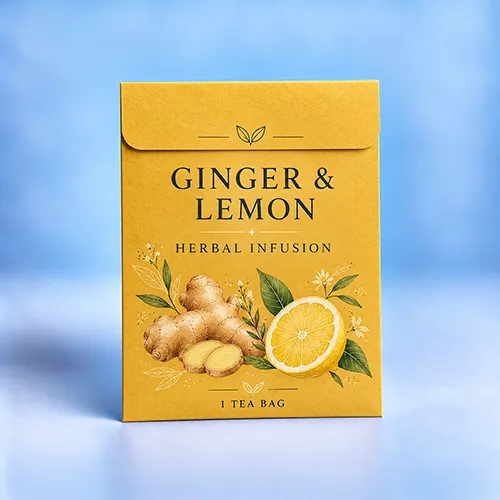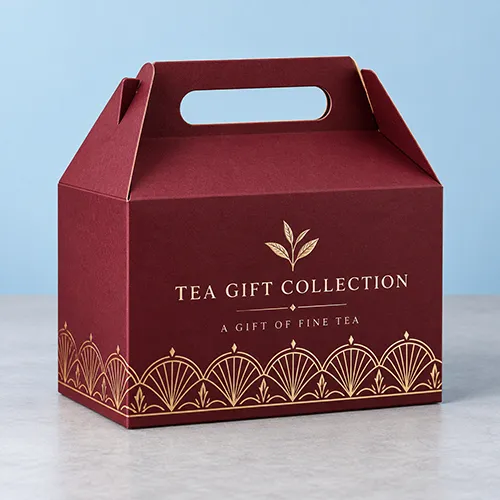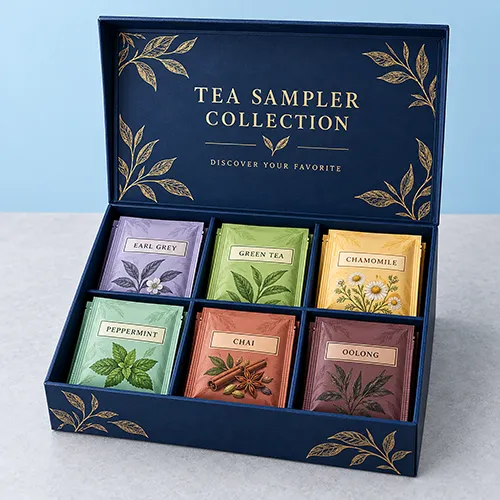
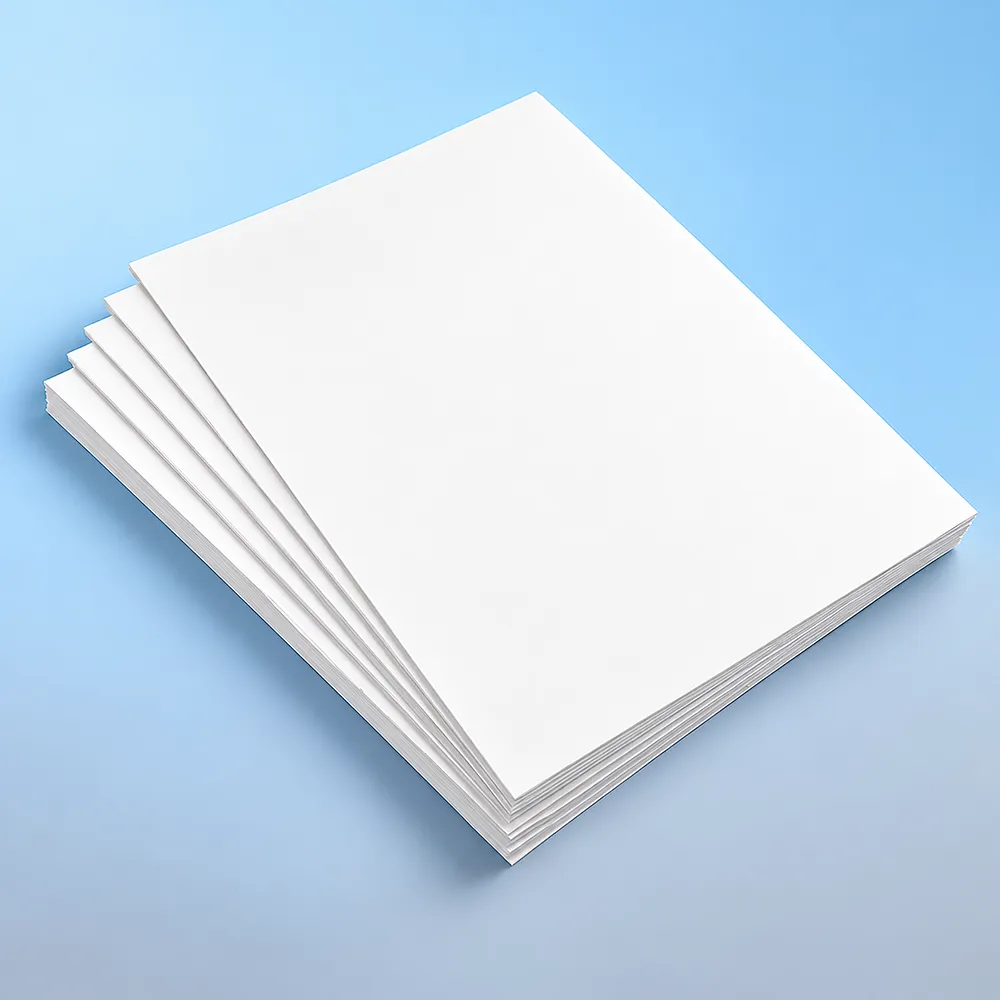
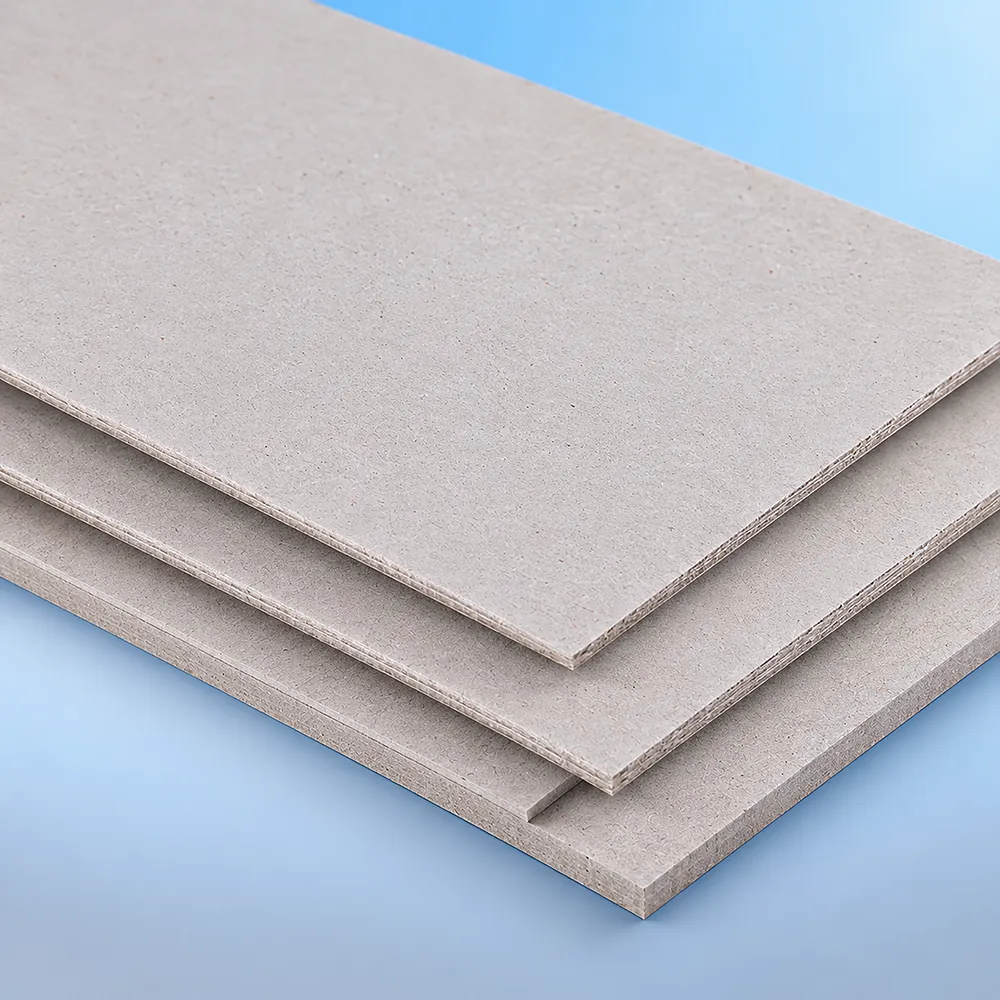
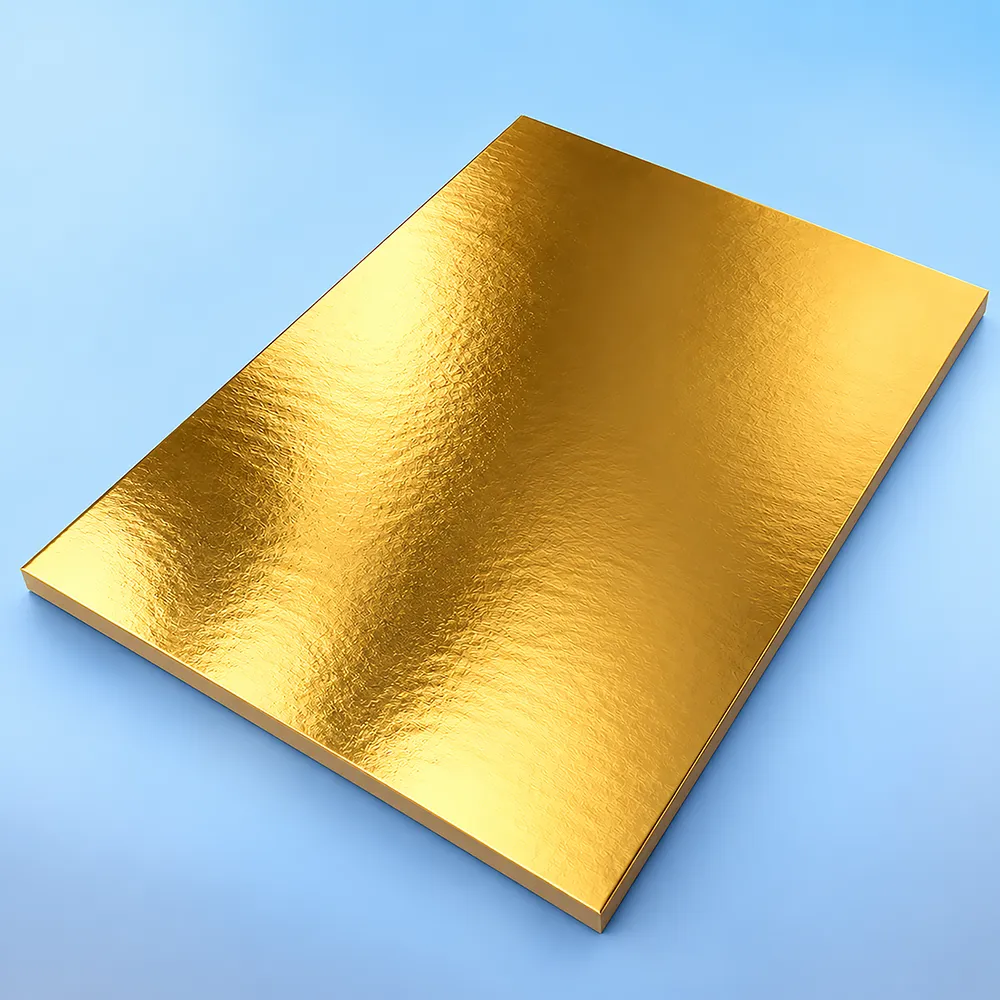
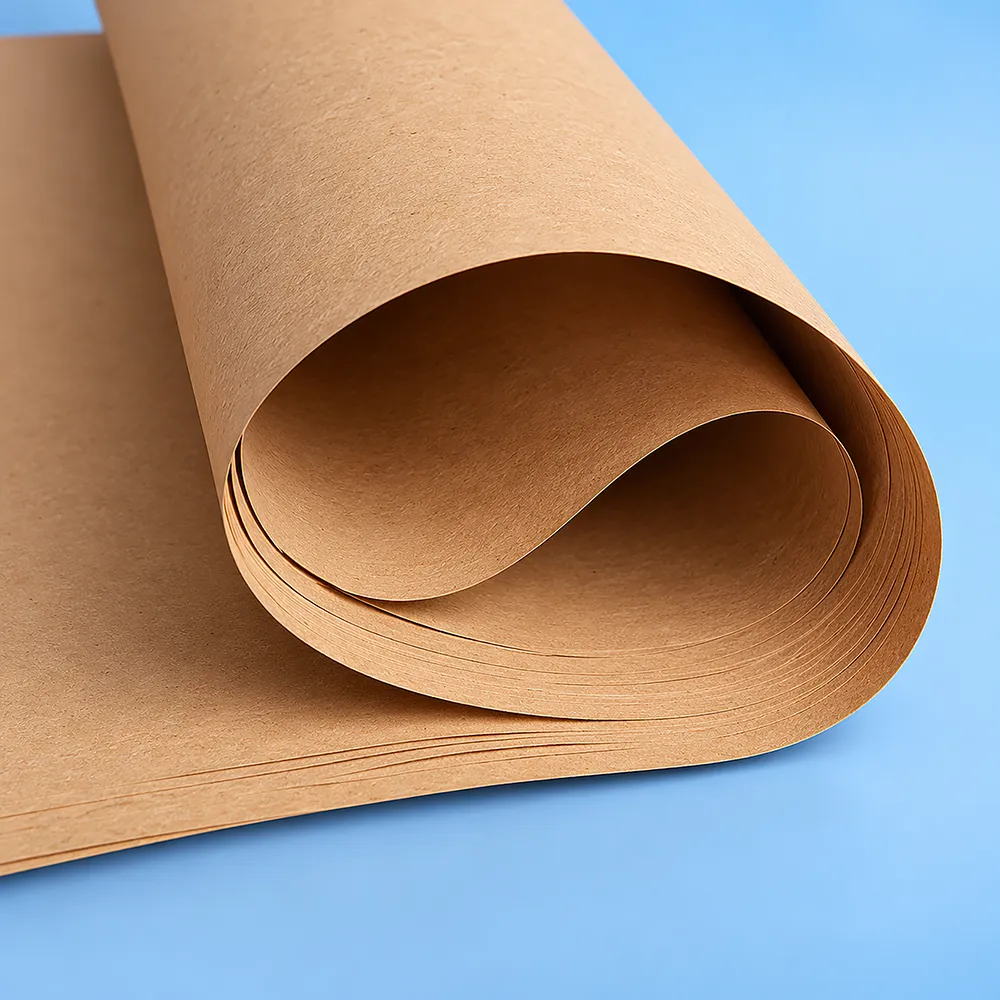
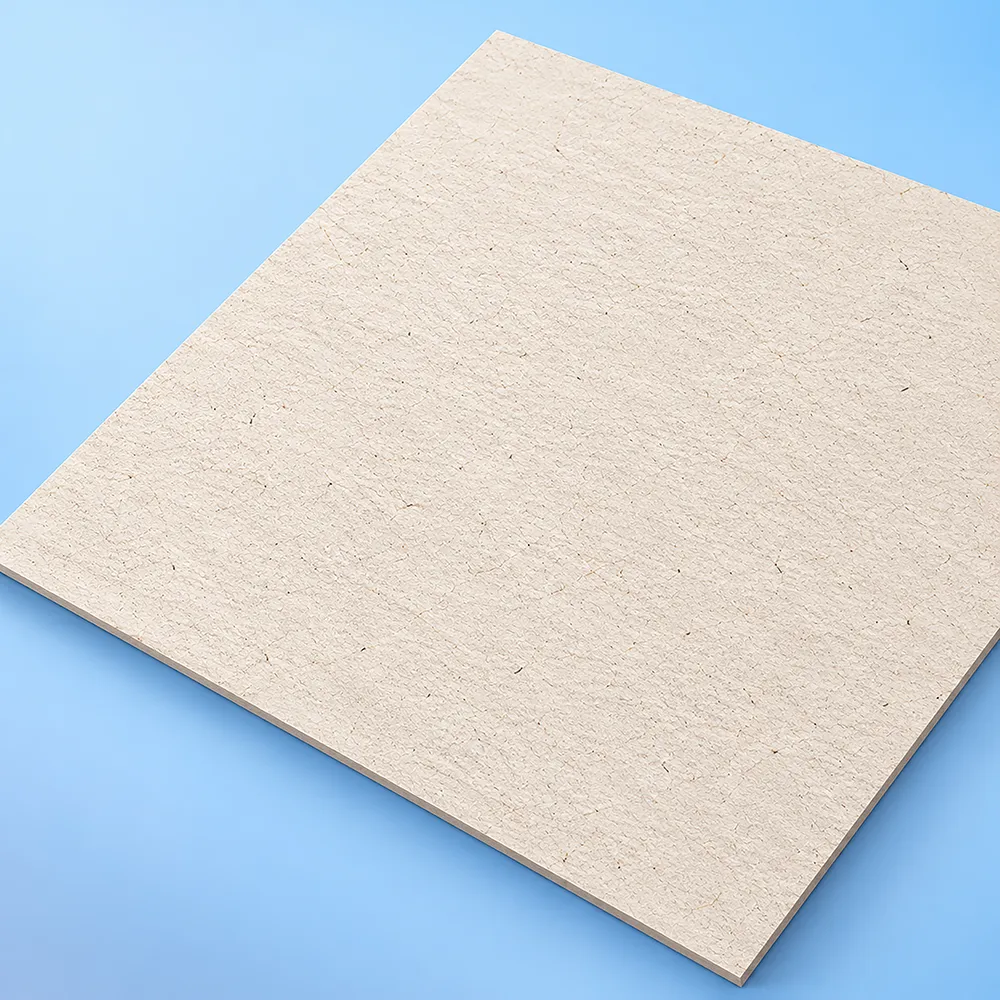
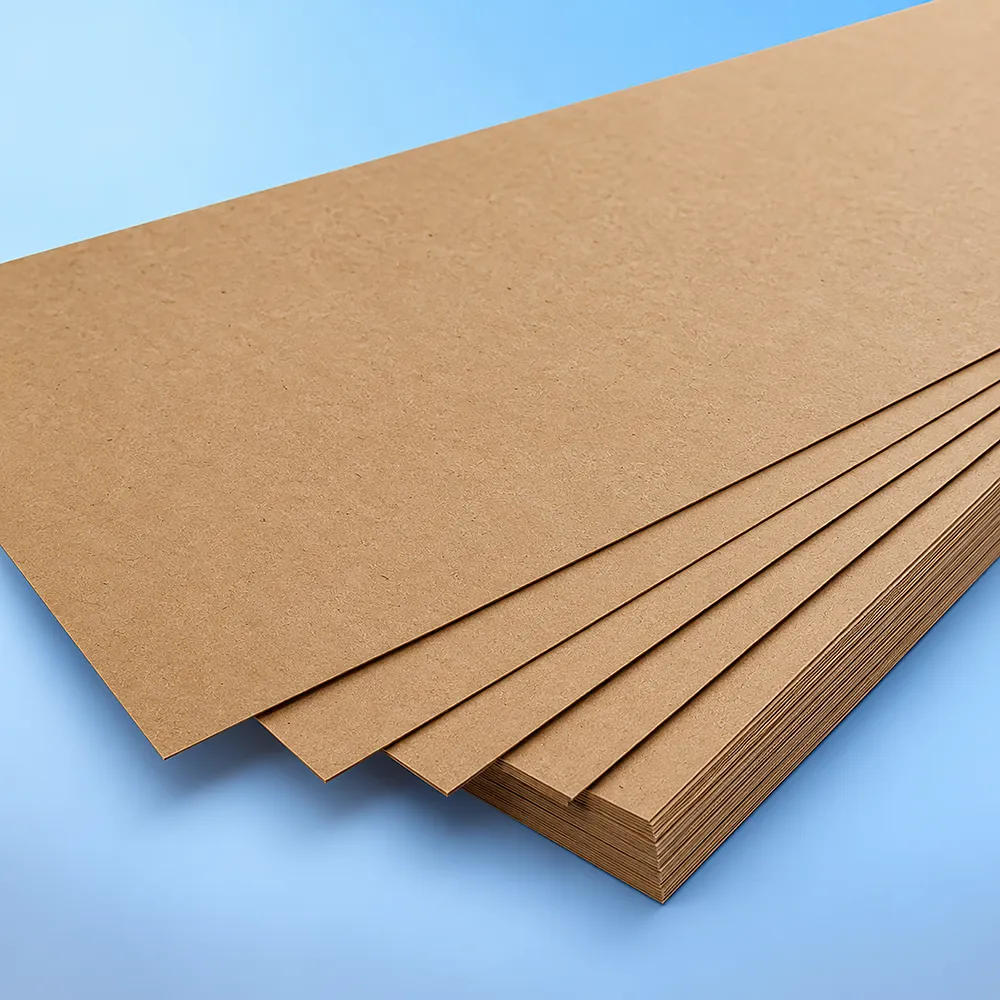
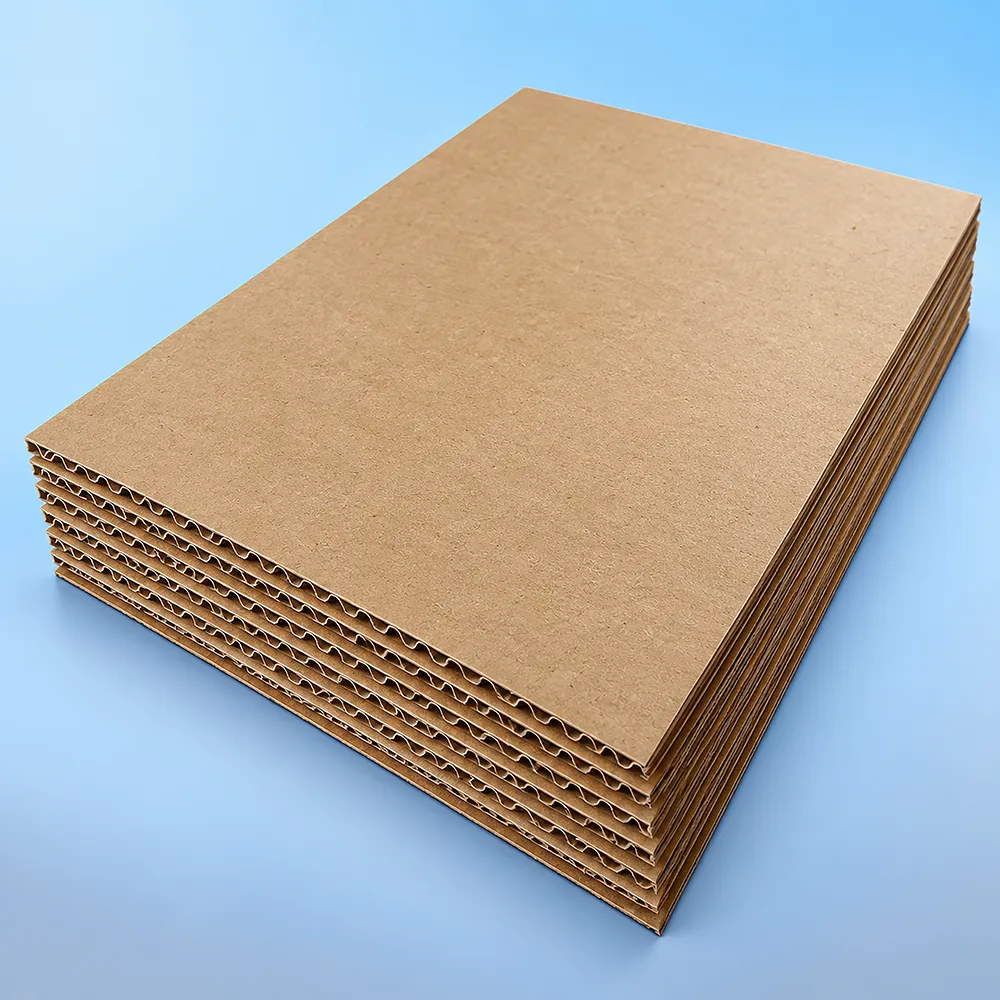
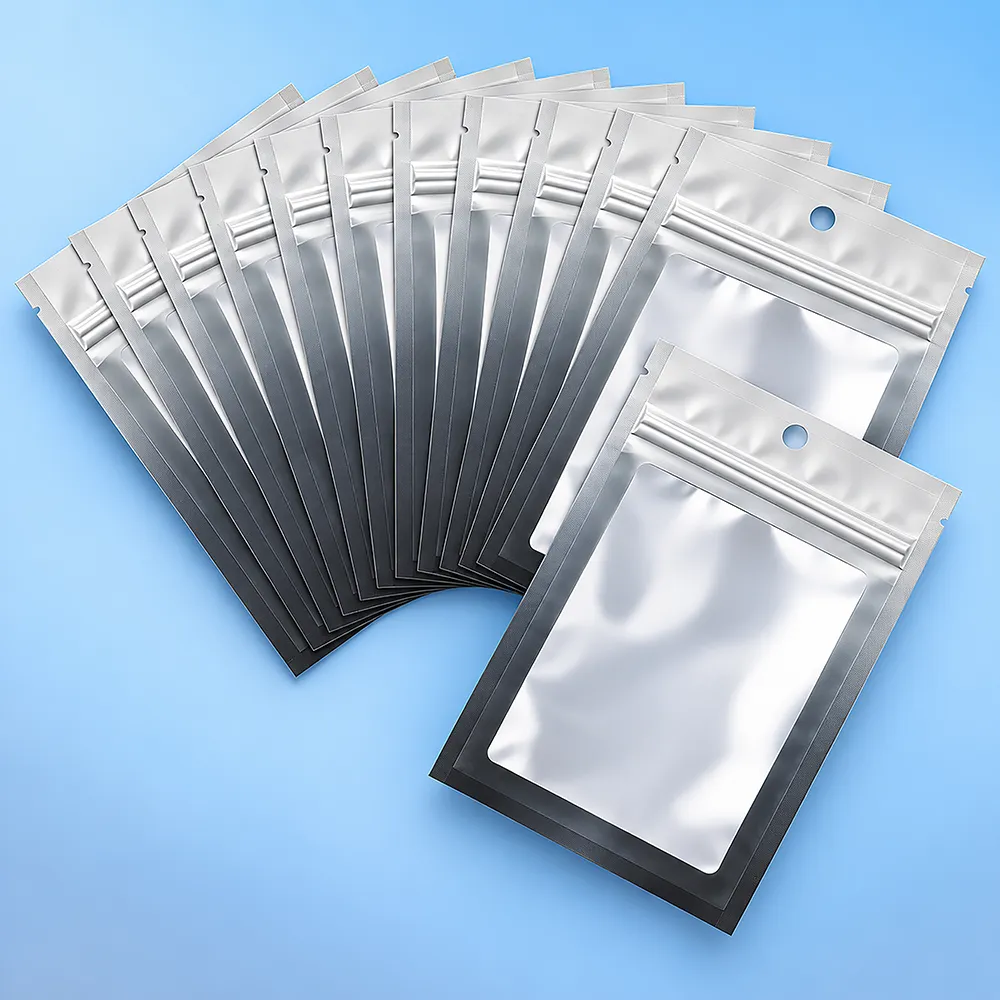
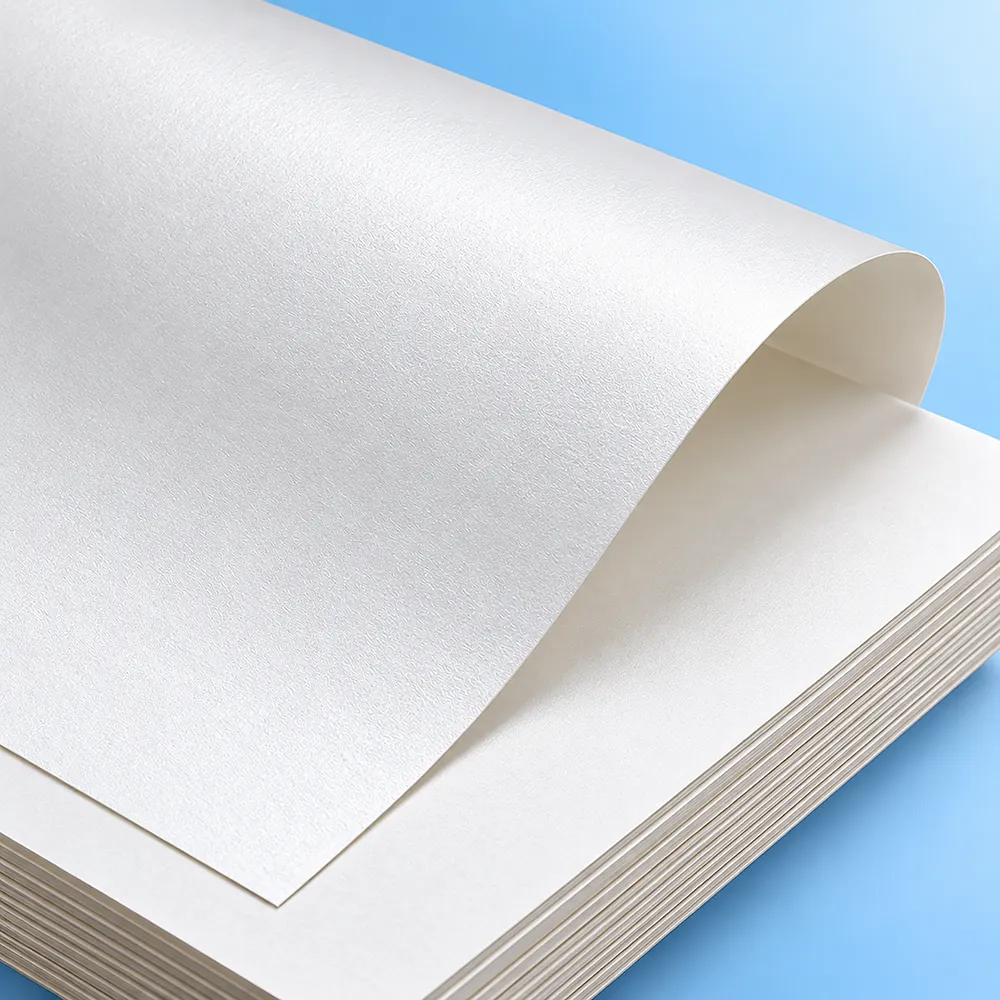
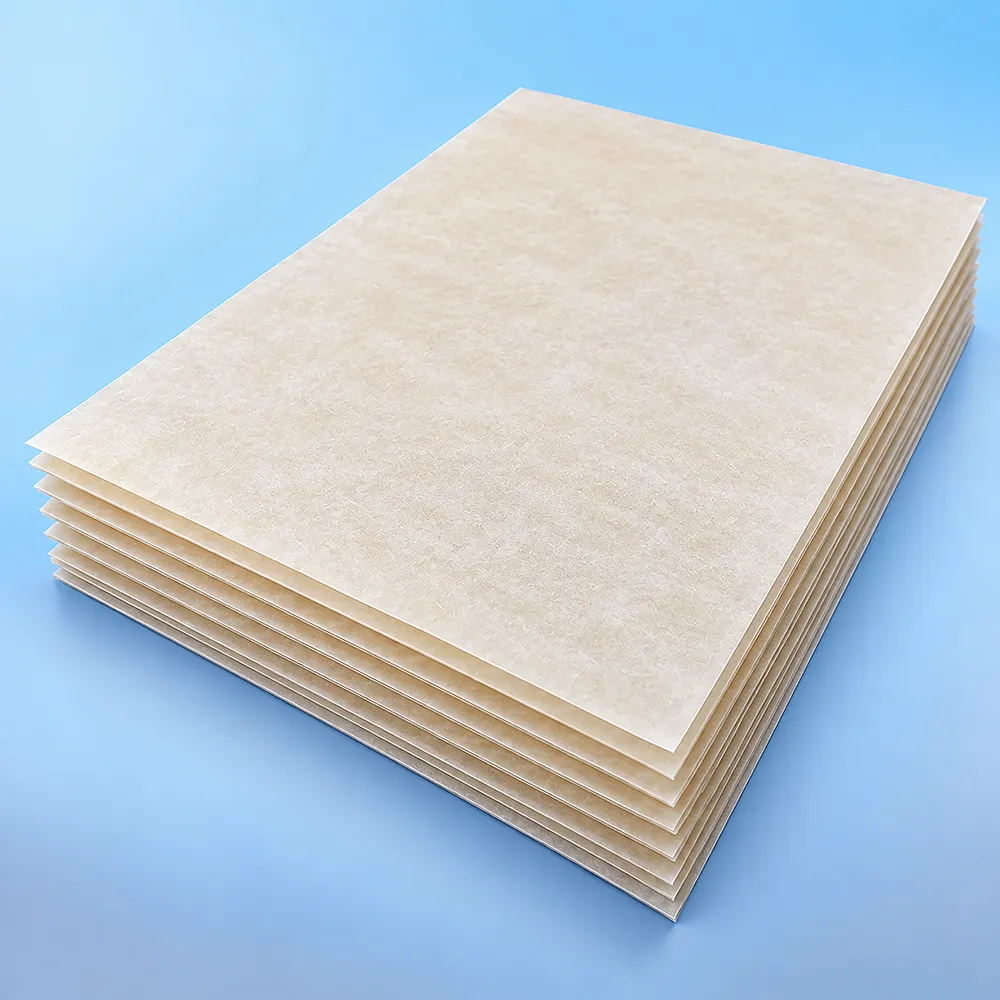
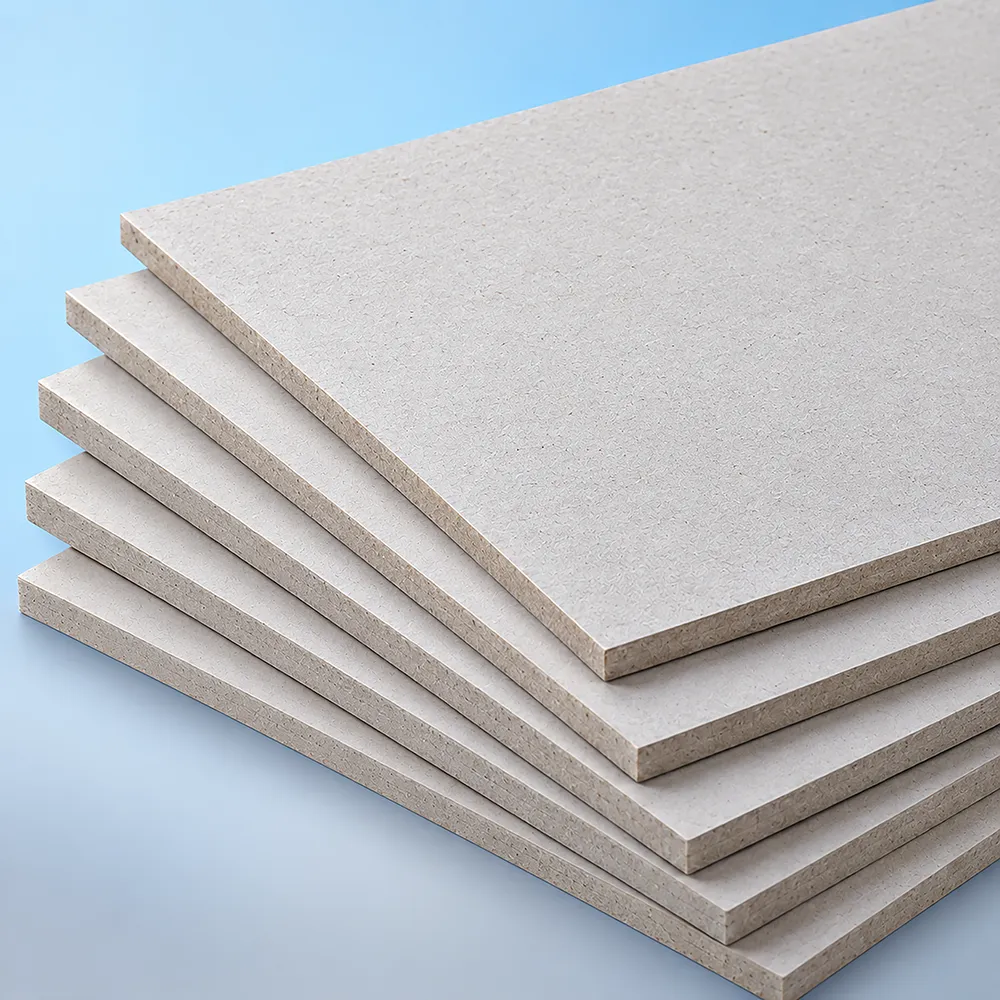
Packaging materials do more than hold a product; they influence protection, presentation and overall box performance. Cardboard provides a smooth, durable surface for custom printing and everyday retail packaging. Kraft paper offers a natural, sturdy option with an eco-conscious appearance. Corrugated stock adds extra strength for heavier products and shipping applications. We offer carefully selected paper stocks that balance durability, print quality, sustainability, affordability and premium presentation.
Printing methods enhance how your packaging looks and represents your brand. Digital printing delivers sharp details and vibrant colors, making it ideal for flexible custom packaging designs. Offset printing provides consistent color accuracy and crisp image quality for larger production runs. Screen printing creates bold, durable graphics on selected box surfaces and materials. We offer the latest printing methods to turn your creative ideas into realistic visuals, showcasing logos, patterns, artwork and branded graphics with clarity and precision.
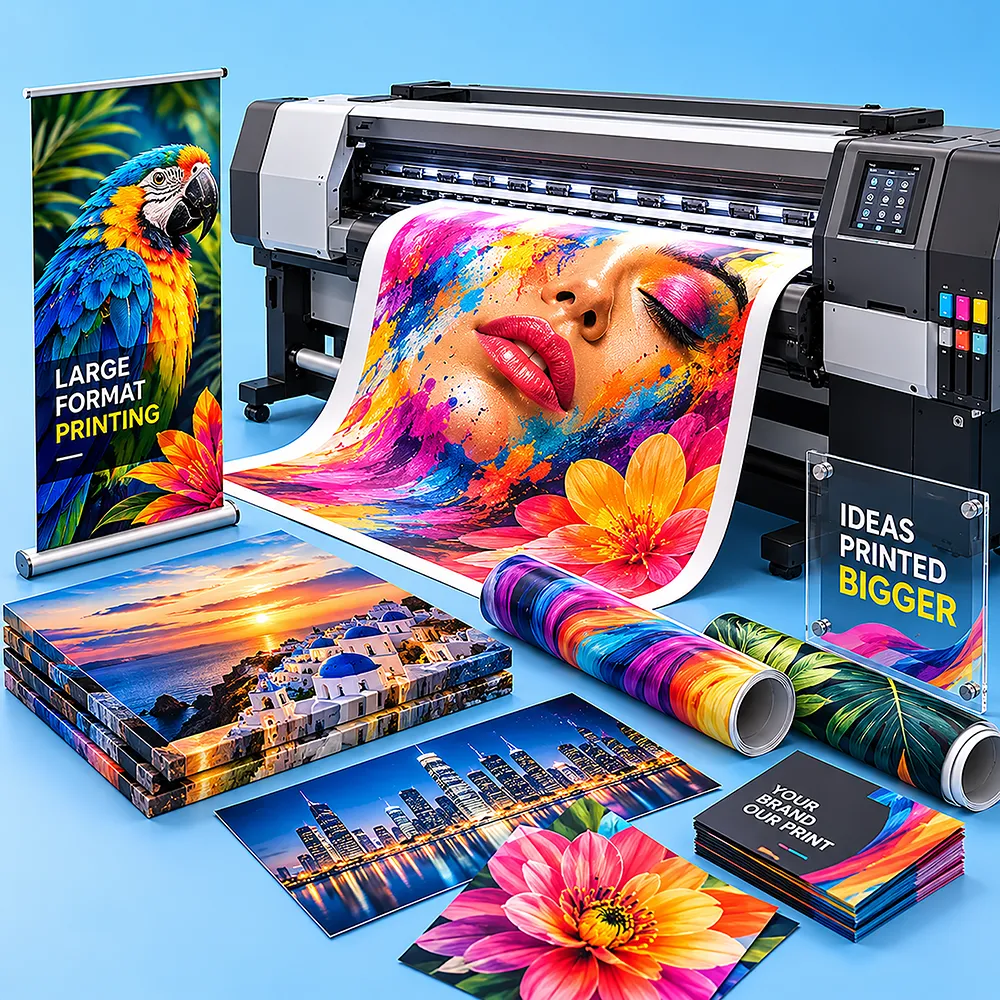
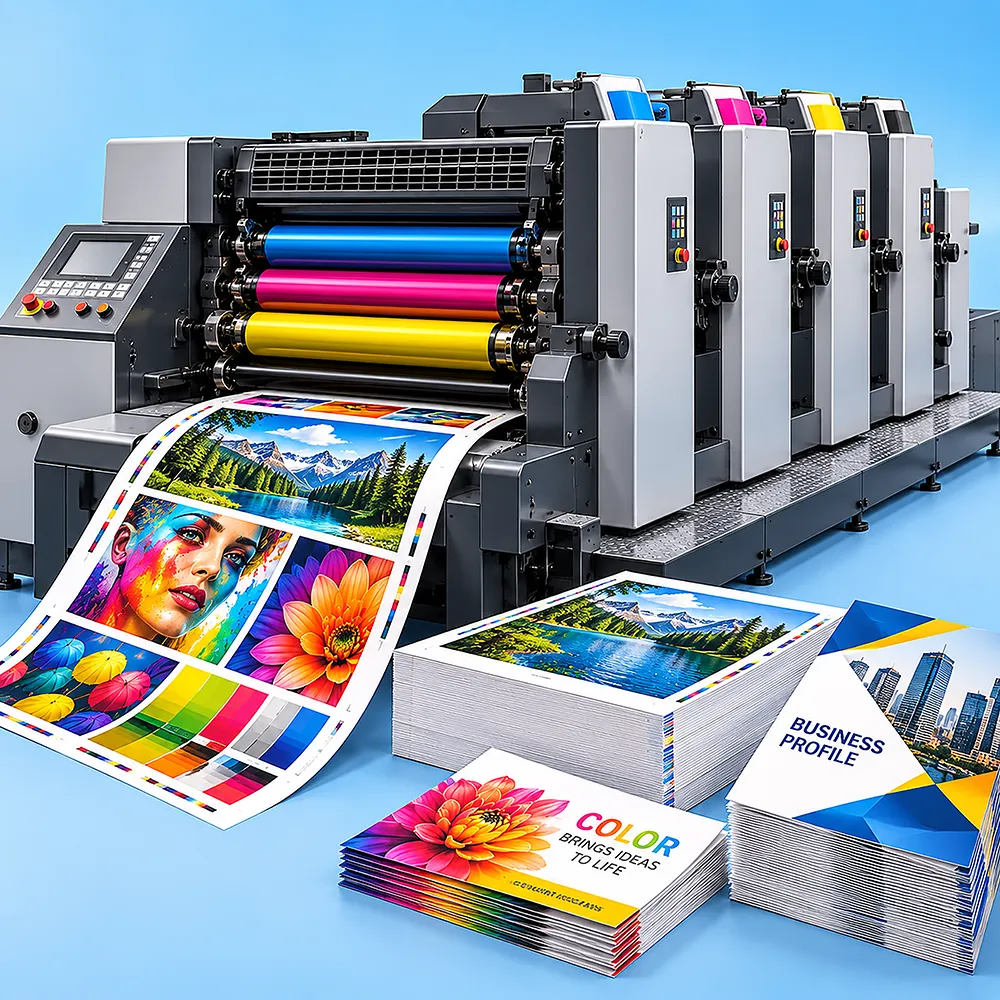
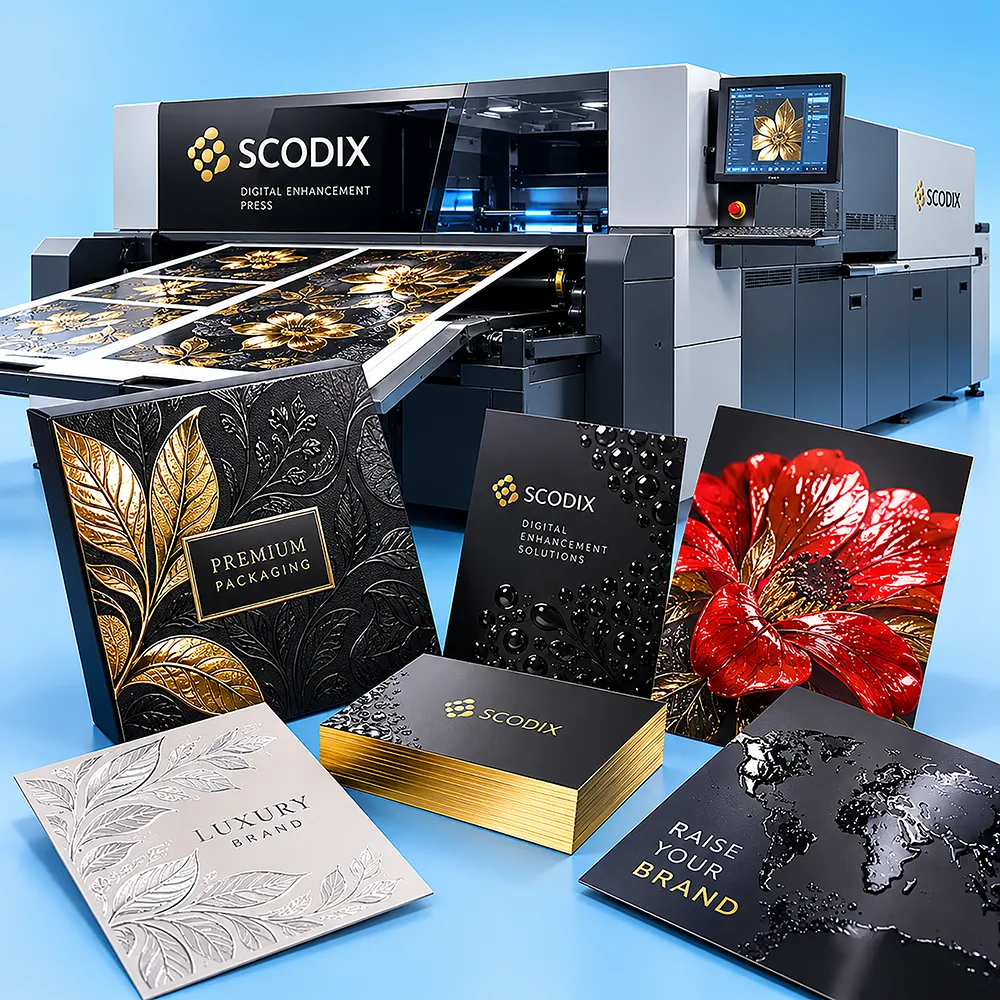
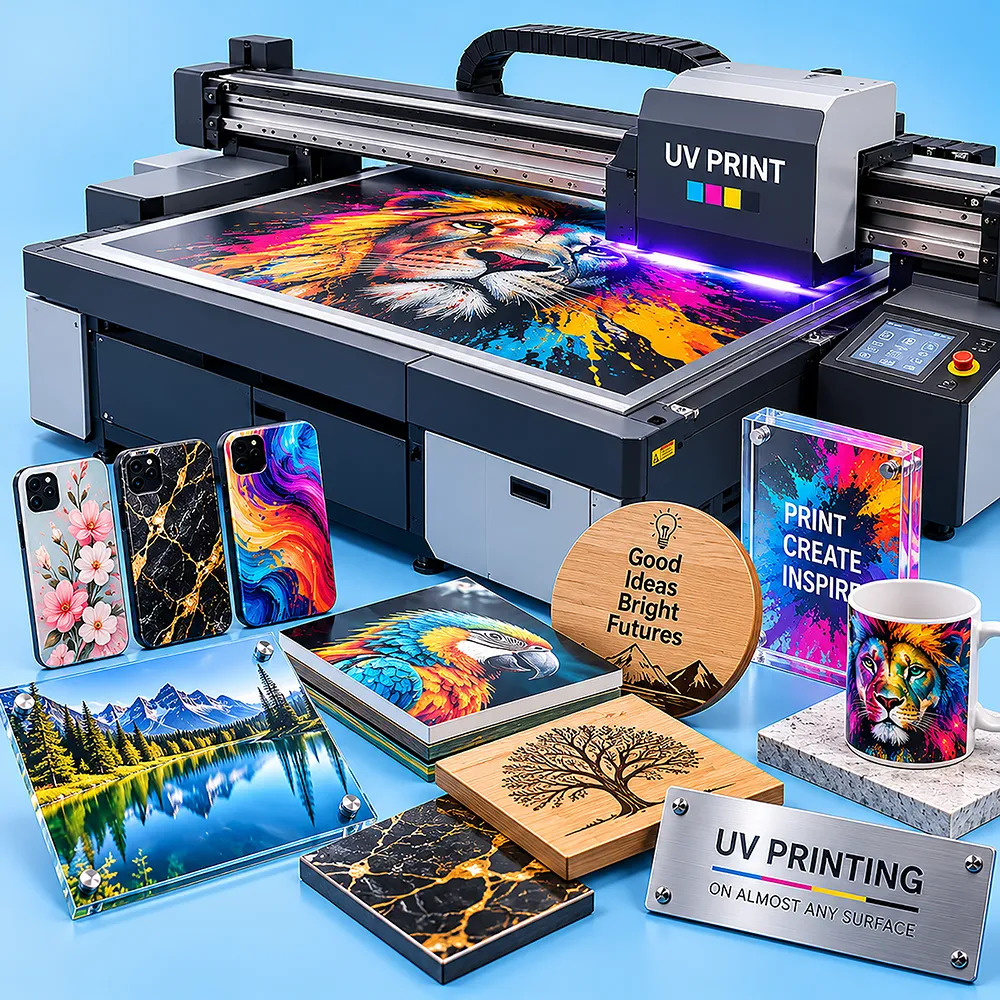
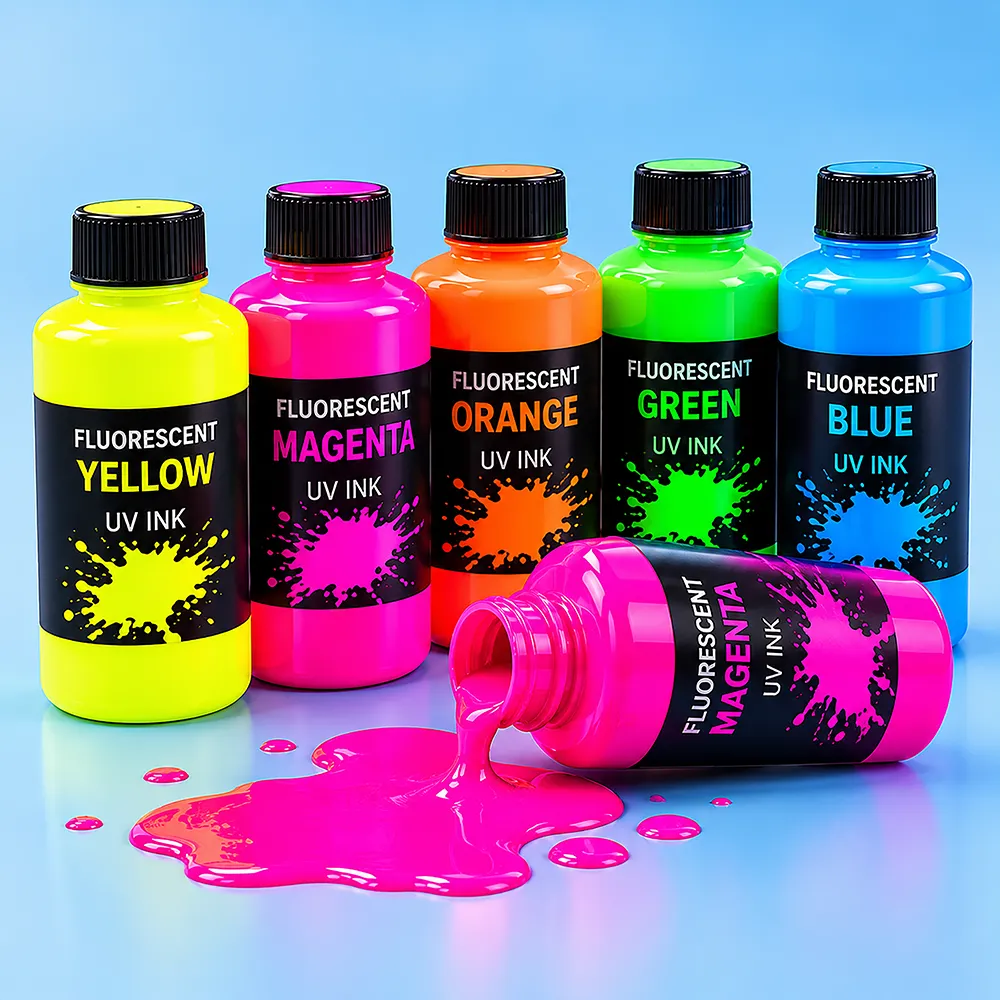
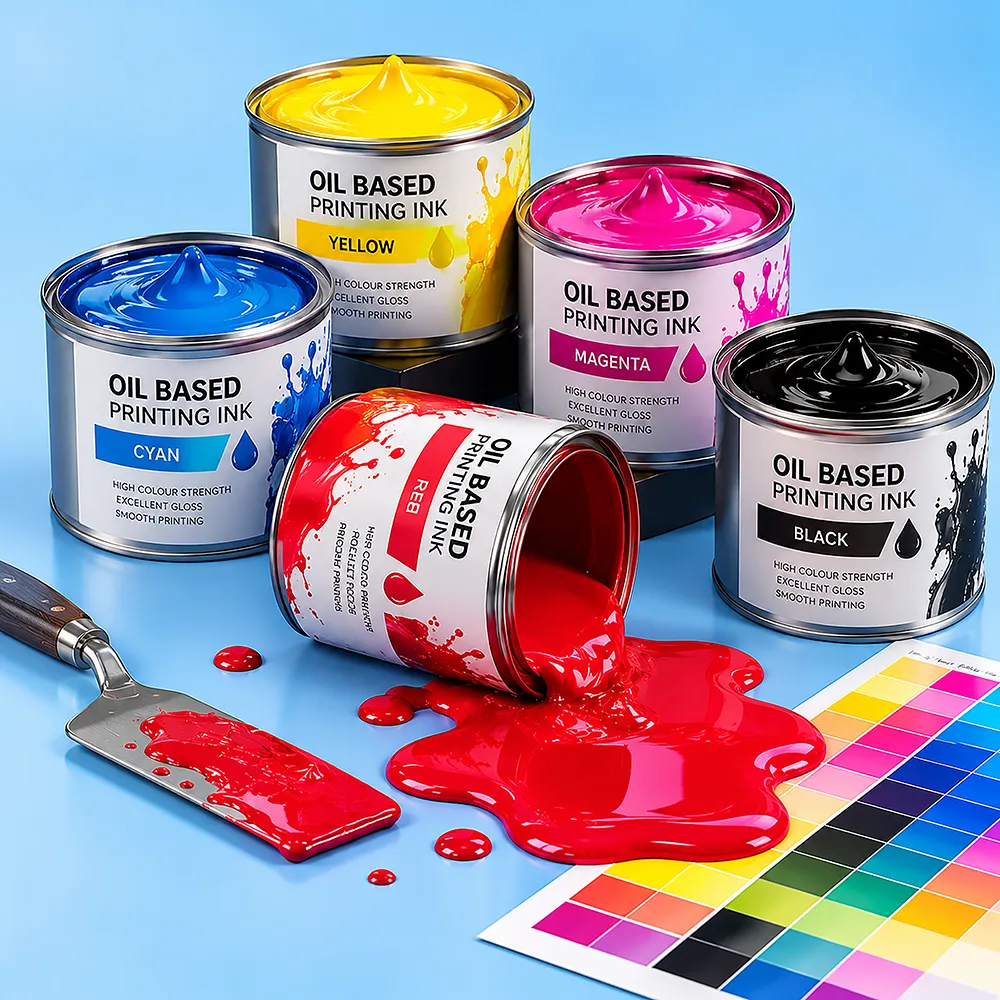
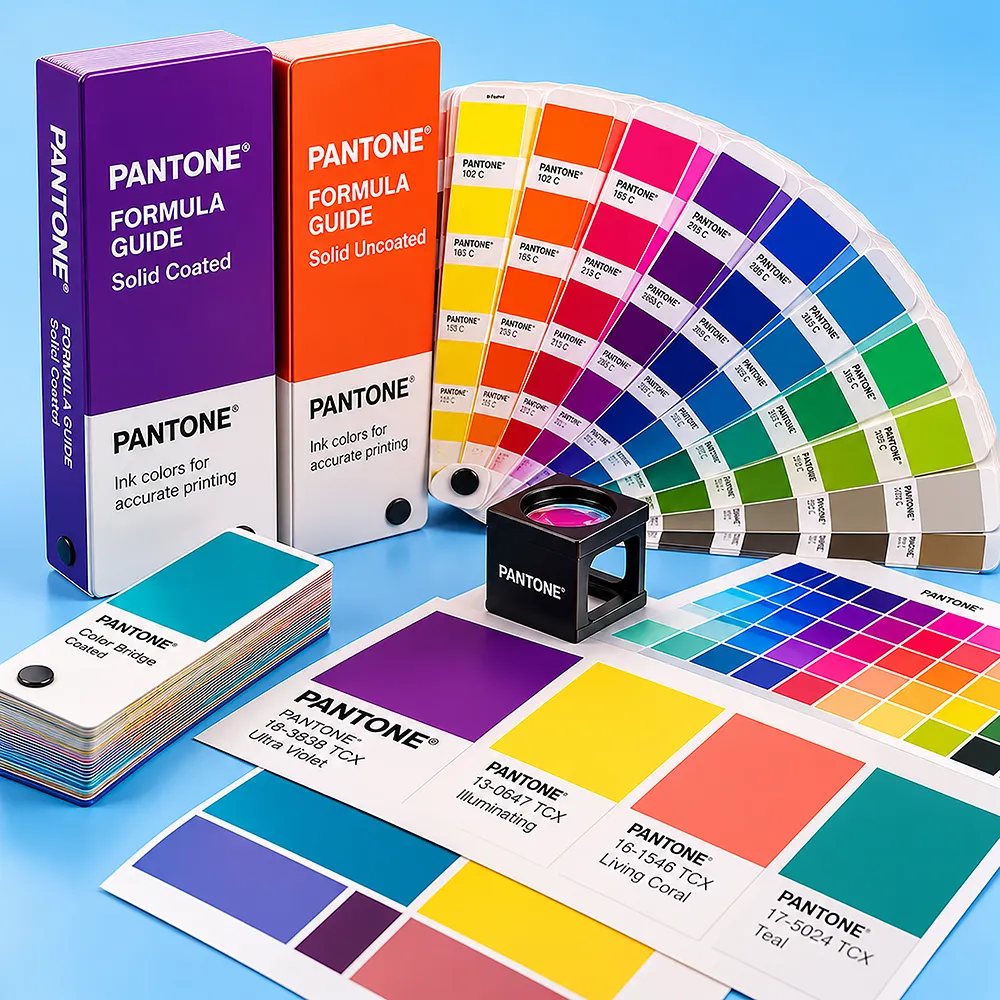
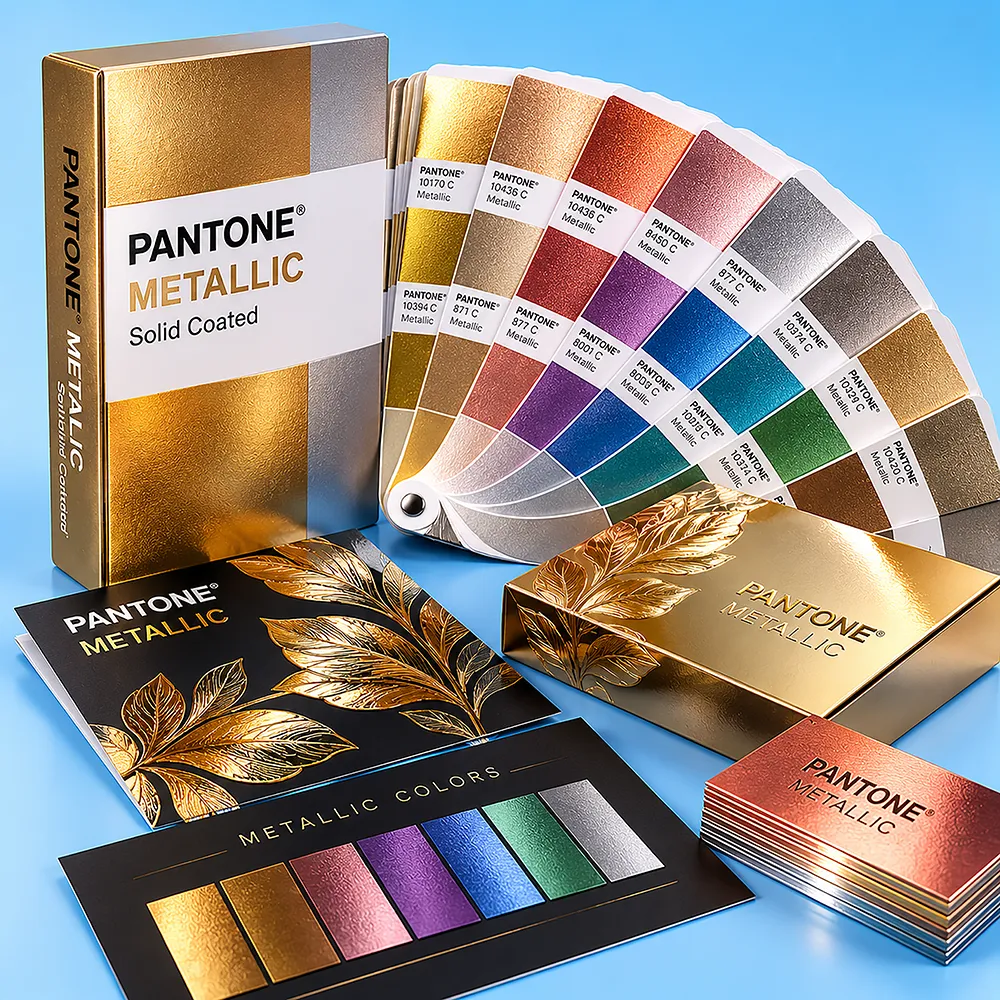
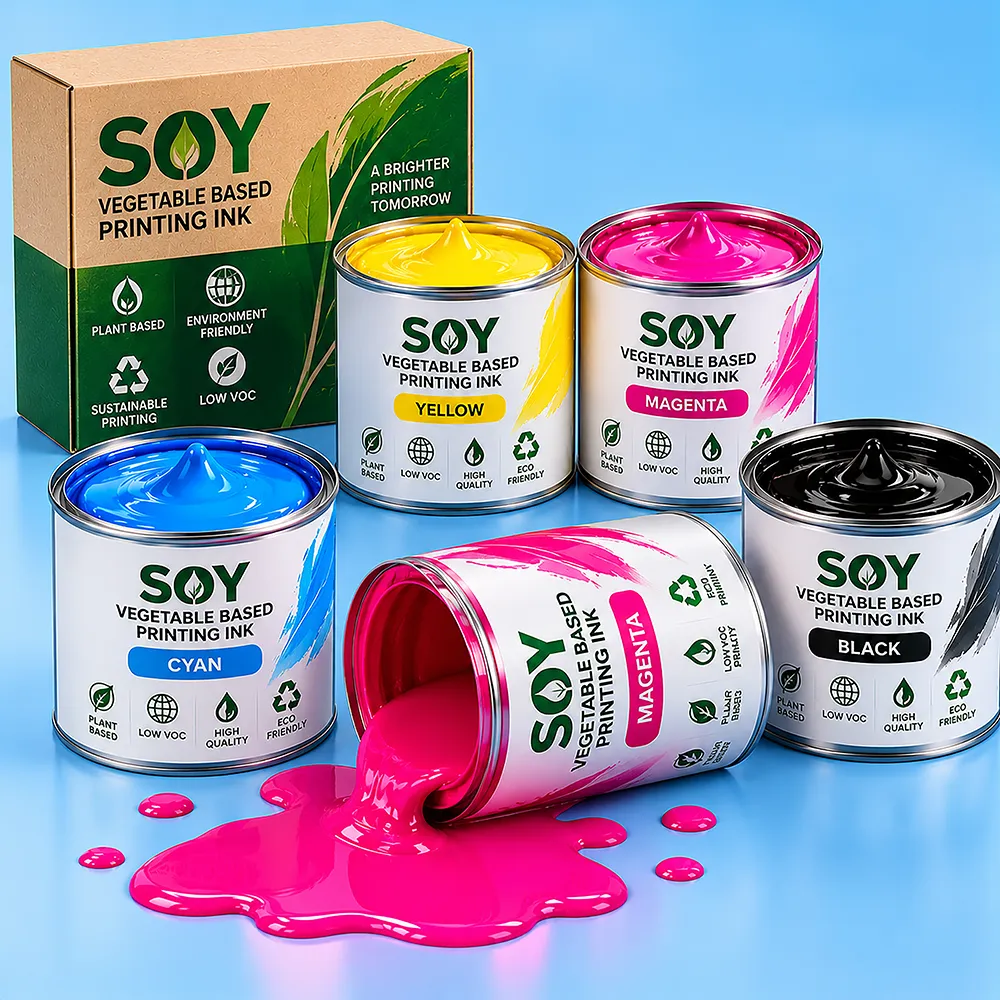
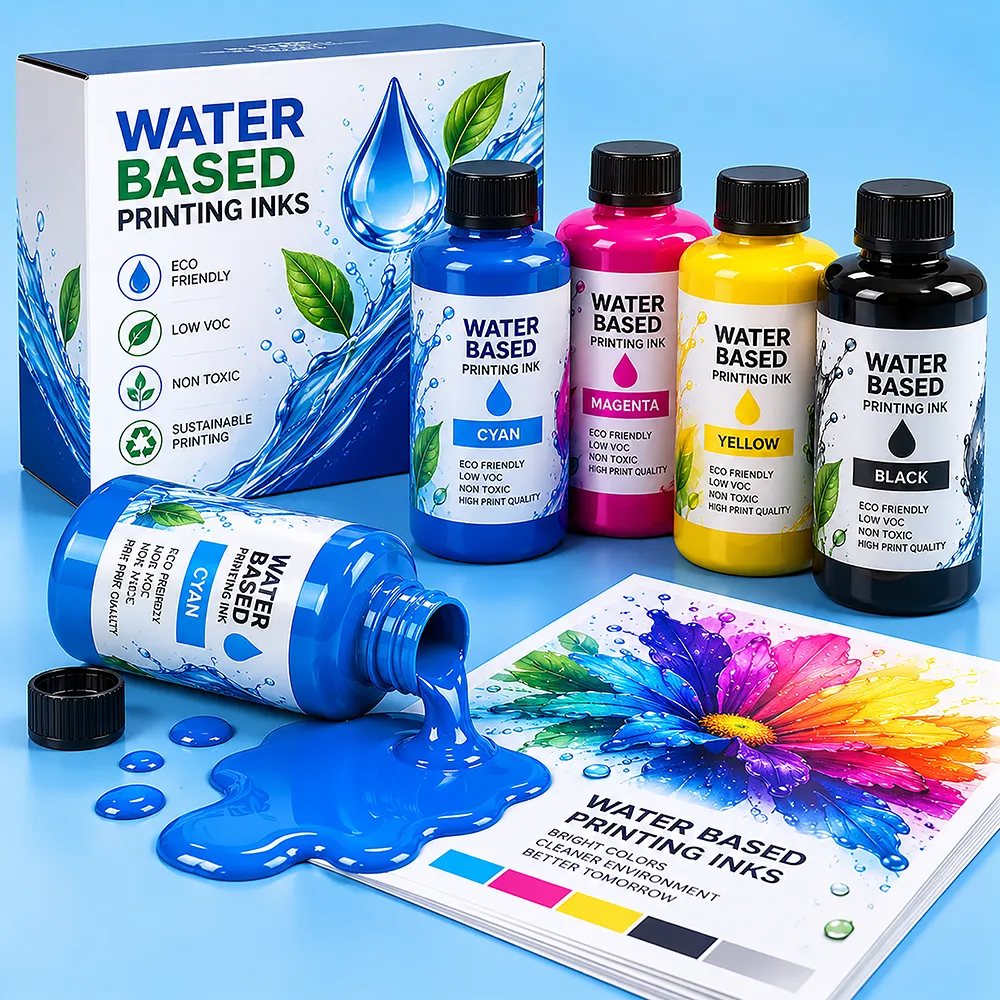
Printing inks bring packaging artwork to life with vibrant colors, clear details and consistent brand presentation. We offer a wide range of ink options, including Pantone colors, Pantone Metallic inks, oil-based inks and fluorescent inks for distinctive visual effects. Soy and vegetable-based inks provide versatile color reproduction, while water-based inks offer another practical printing option. Choose the right ink to reproduce logos, patterns, illustrations and branded artwork, turning creative ideas into attractive visuals with striking color and clarity.
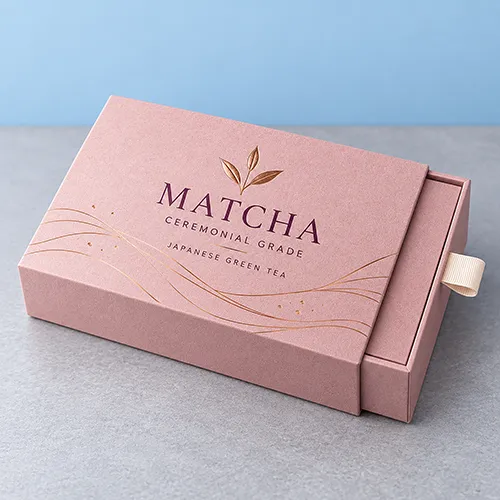
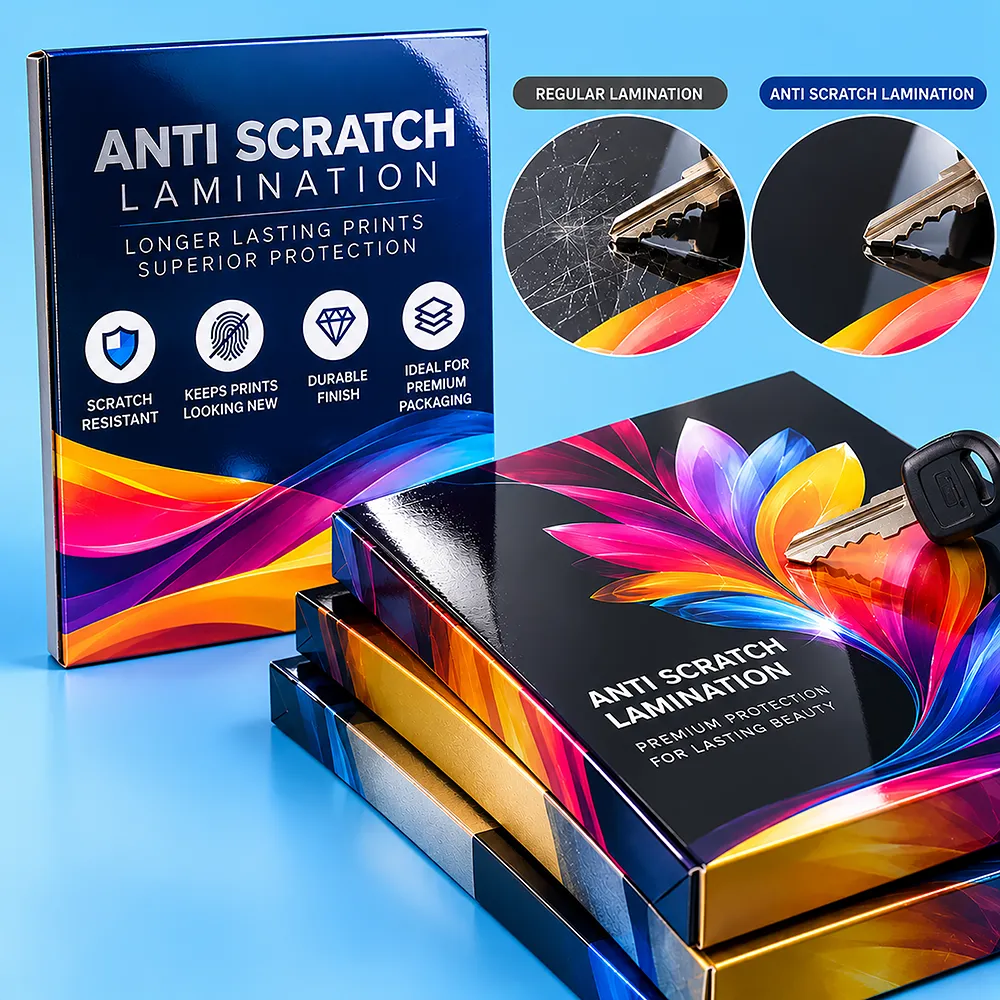
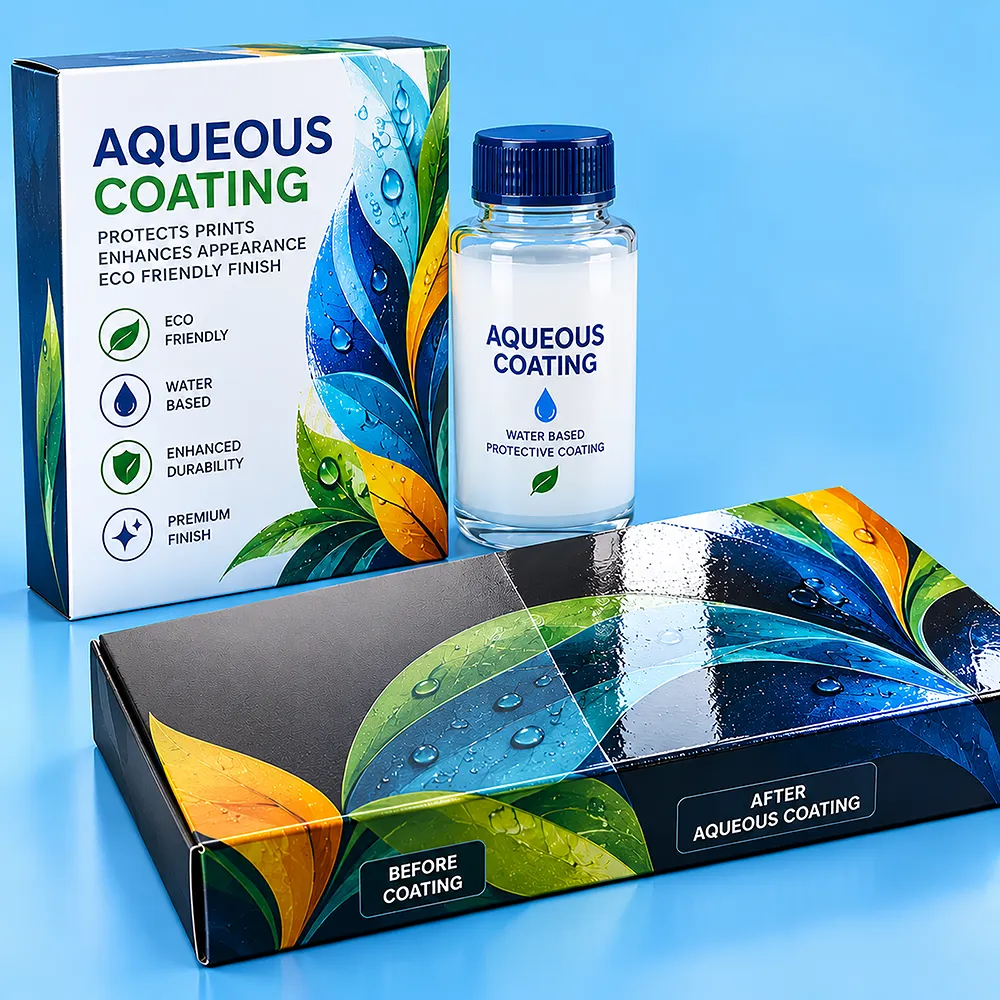
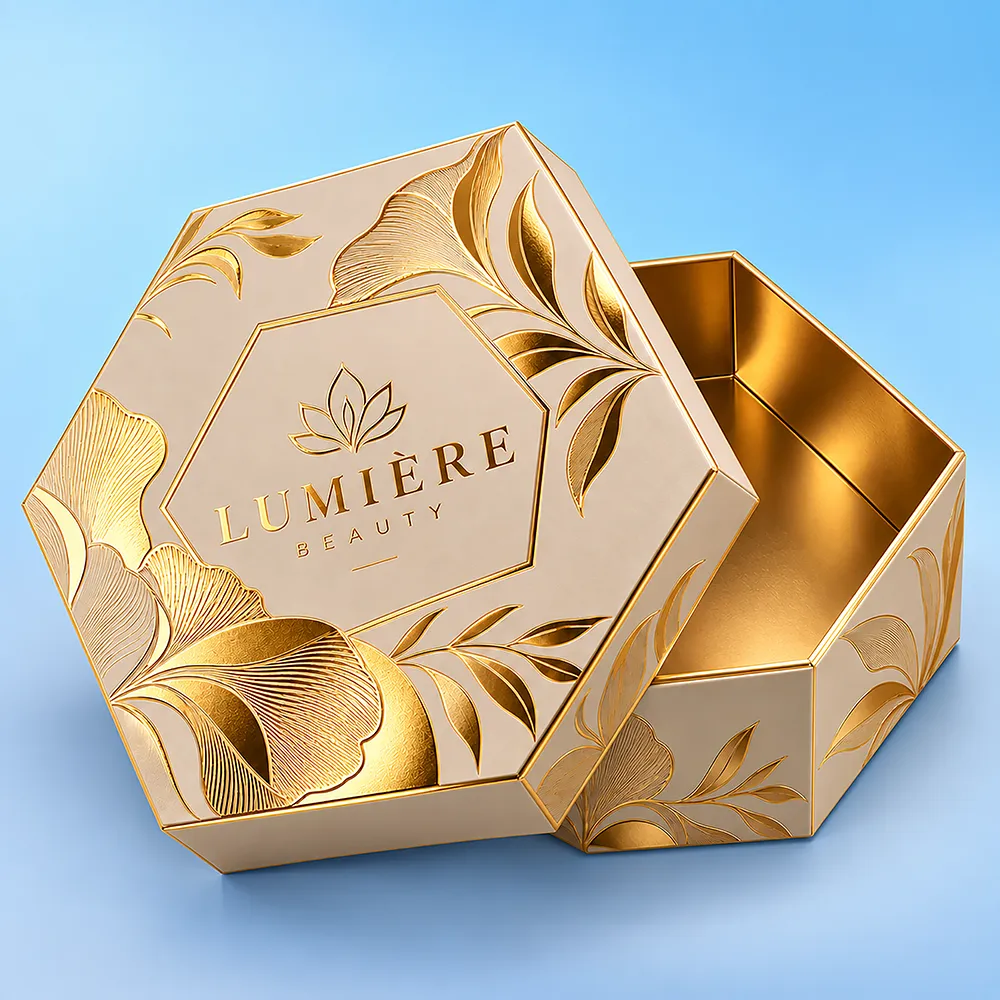
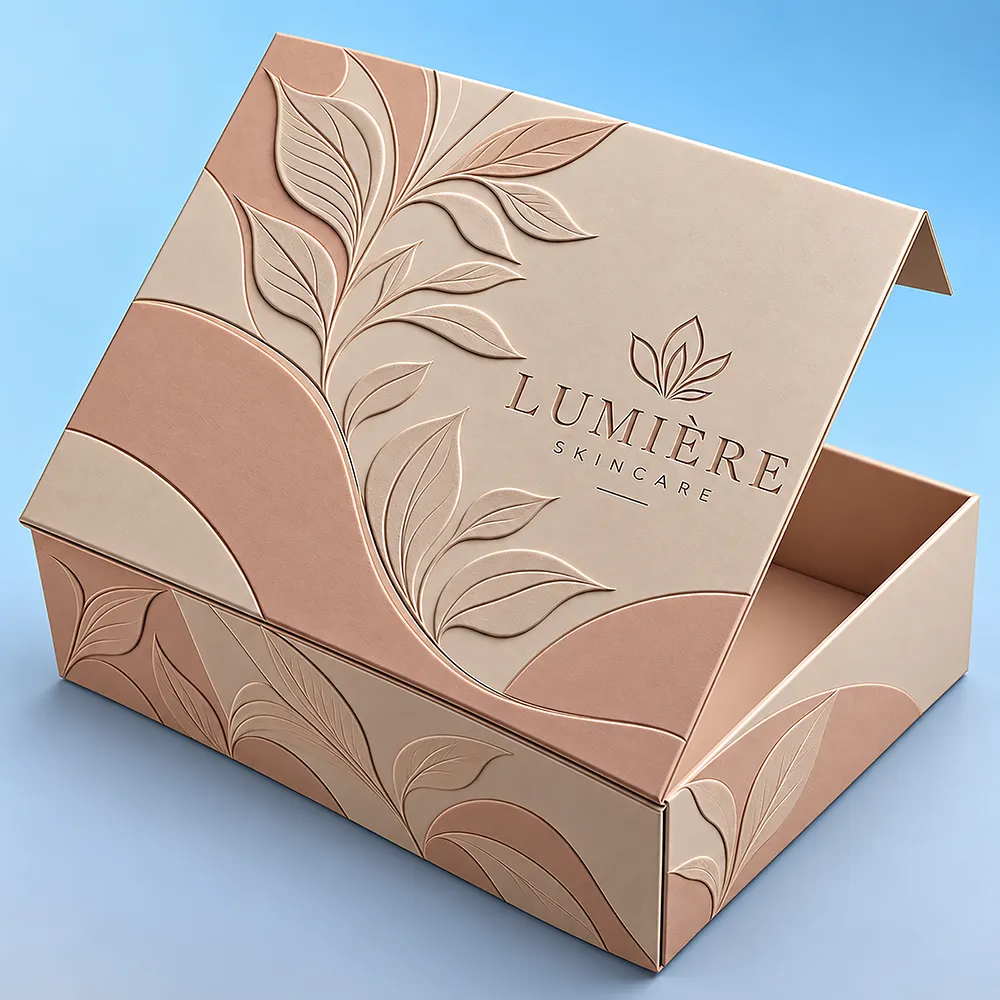
Premium finishes enhance the appearance and overall aesthetics of custom packaging. Matte and gloss laminations create smooth visual effects, while soft-touch adds a refined tactile feel. Foil stamping introduces metallic accents in gold, silver and other shades, while embossing and debossing add dimensional detail. Spot UV highlights selected design elements with added contrast and shine. Choose from versatile finishing options to make logos, patterns and branded artwork look more distinctive, polished and premium.
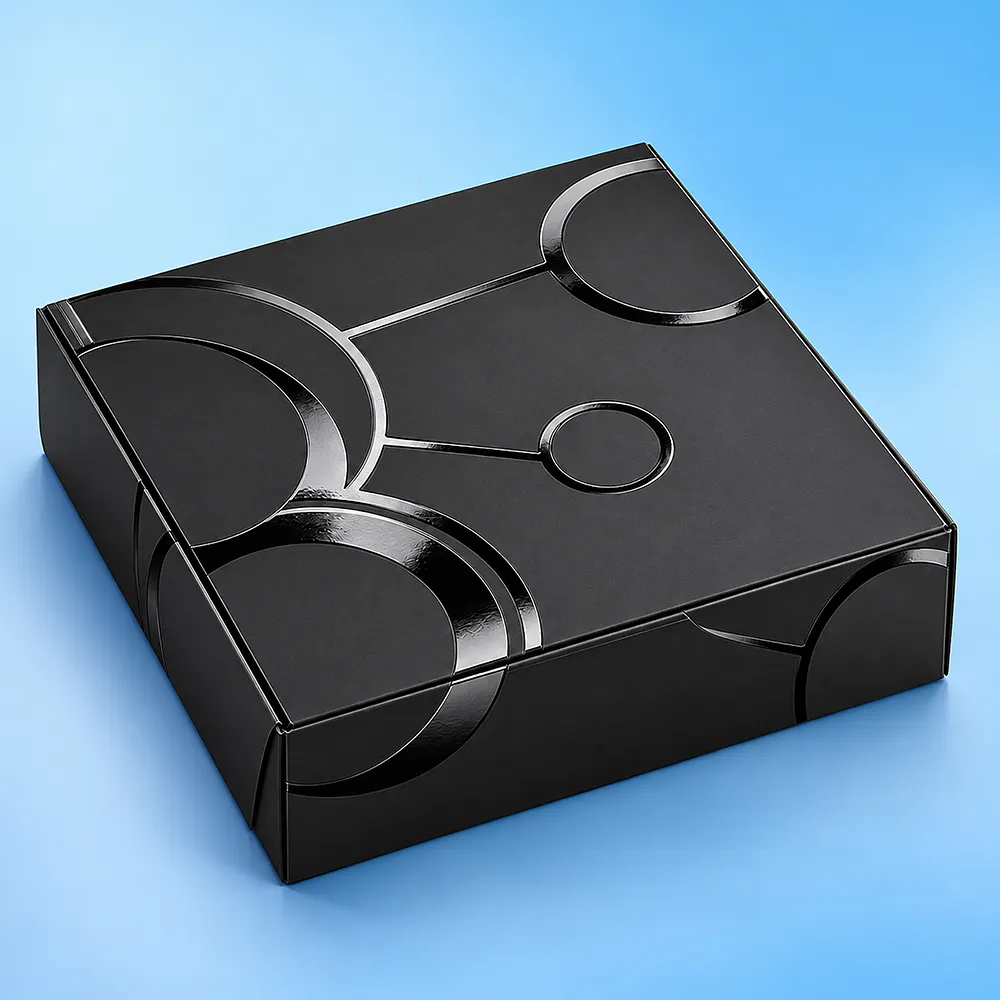
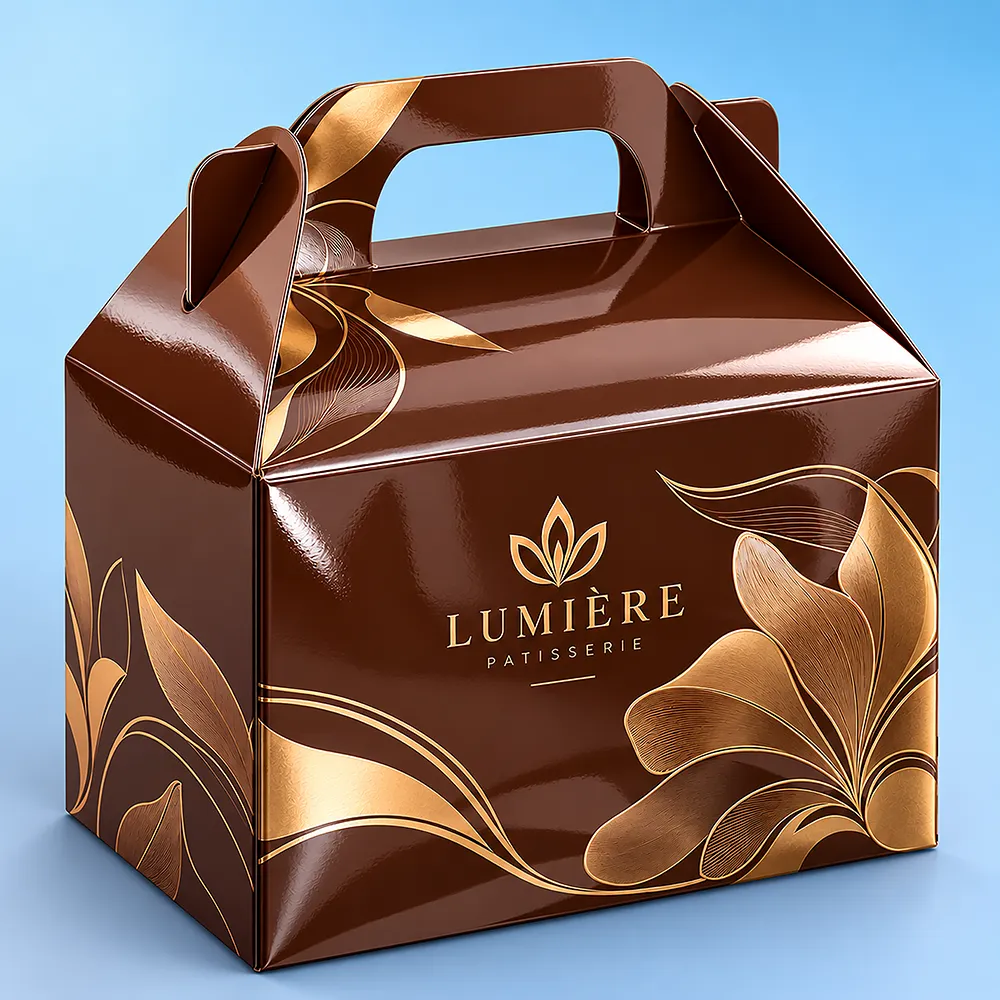
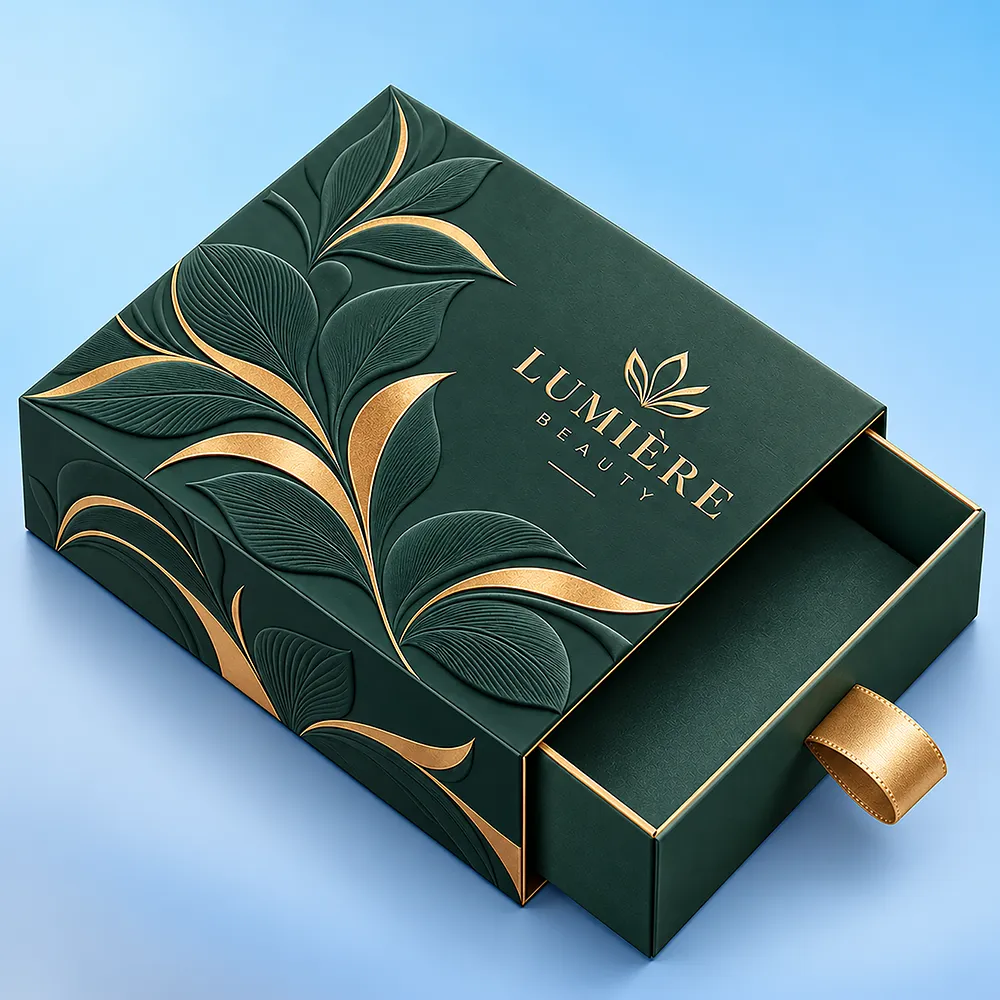
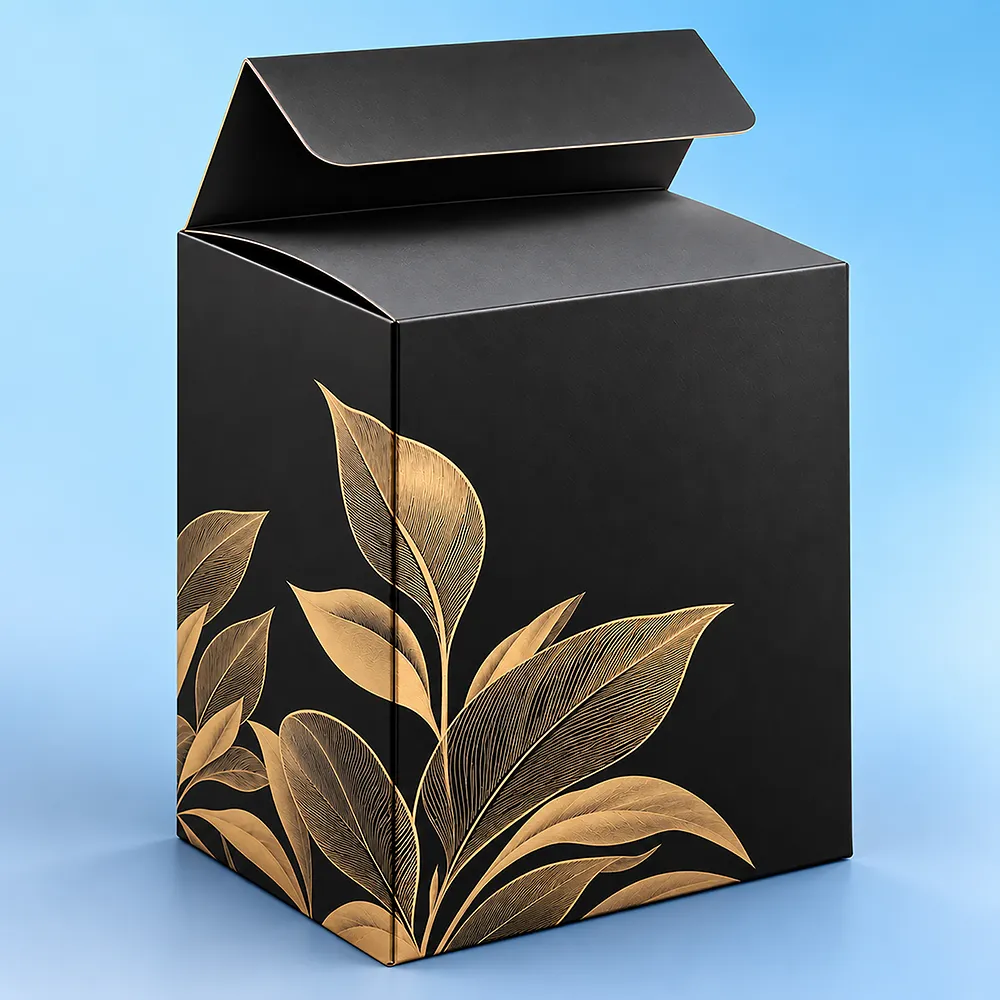
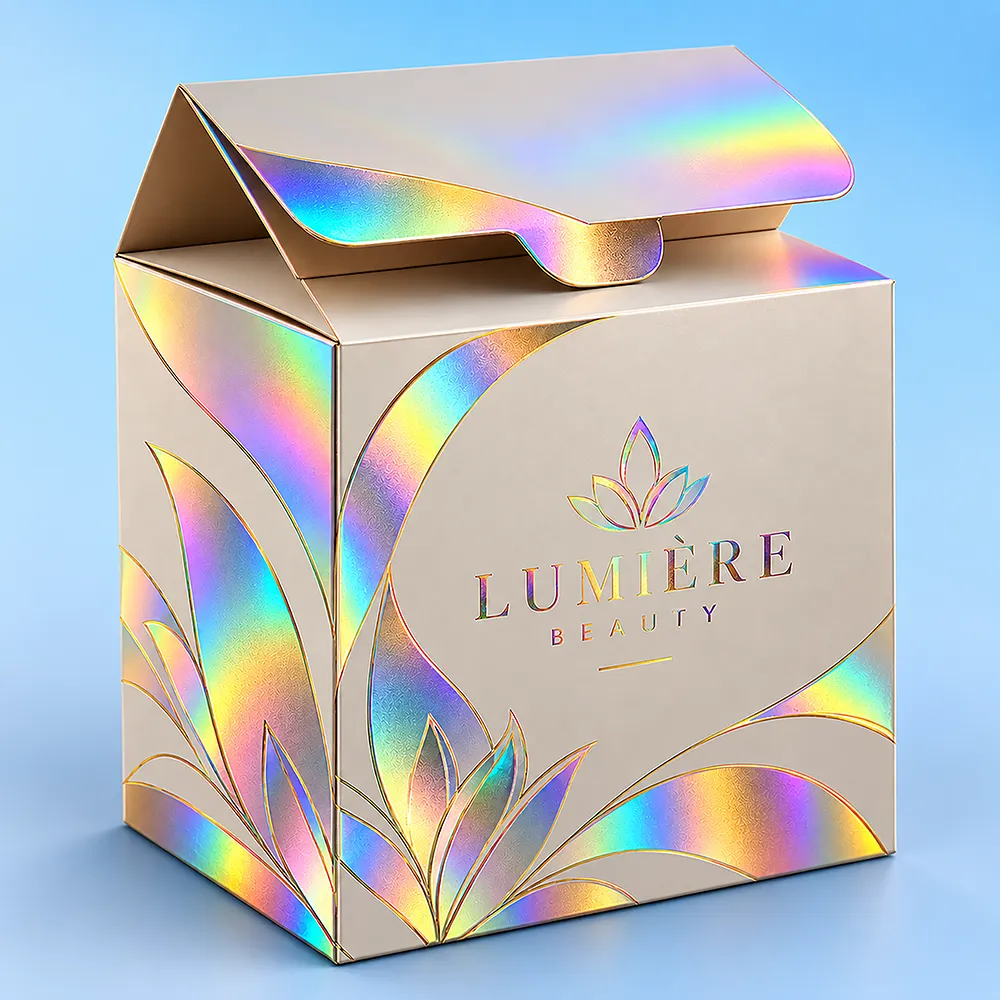
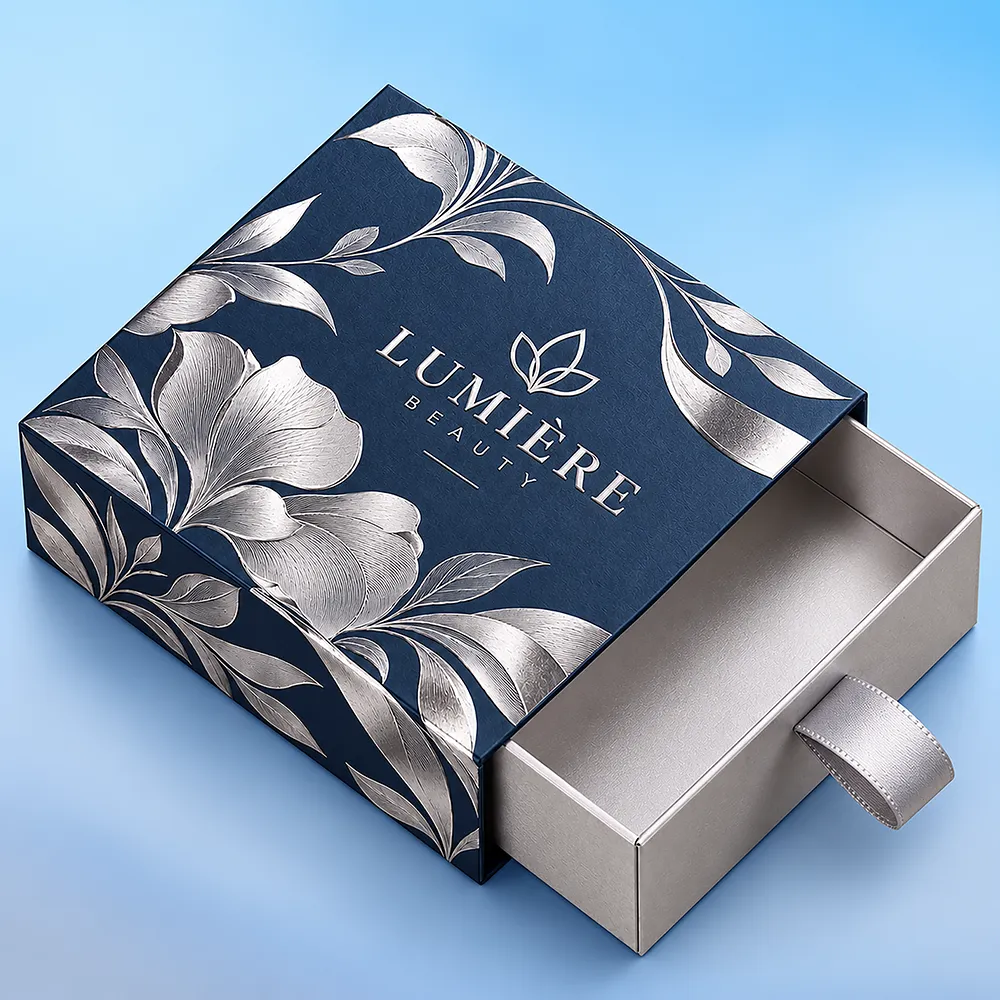
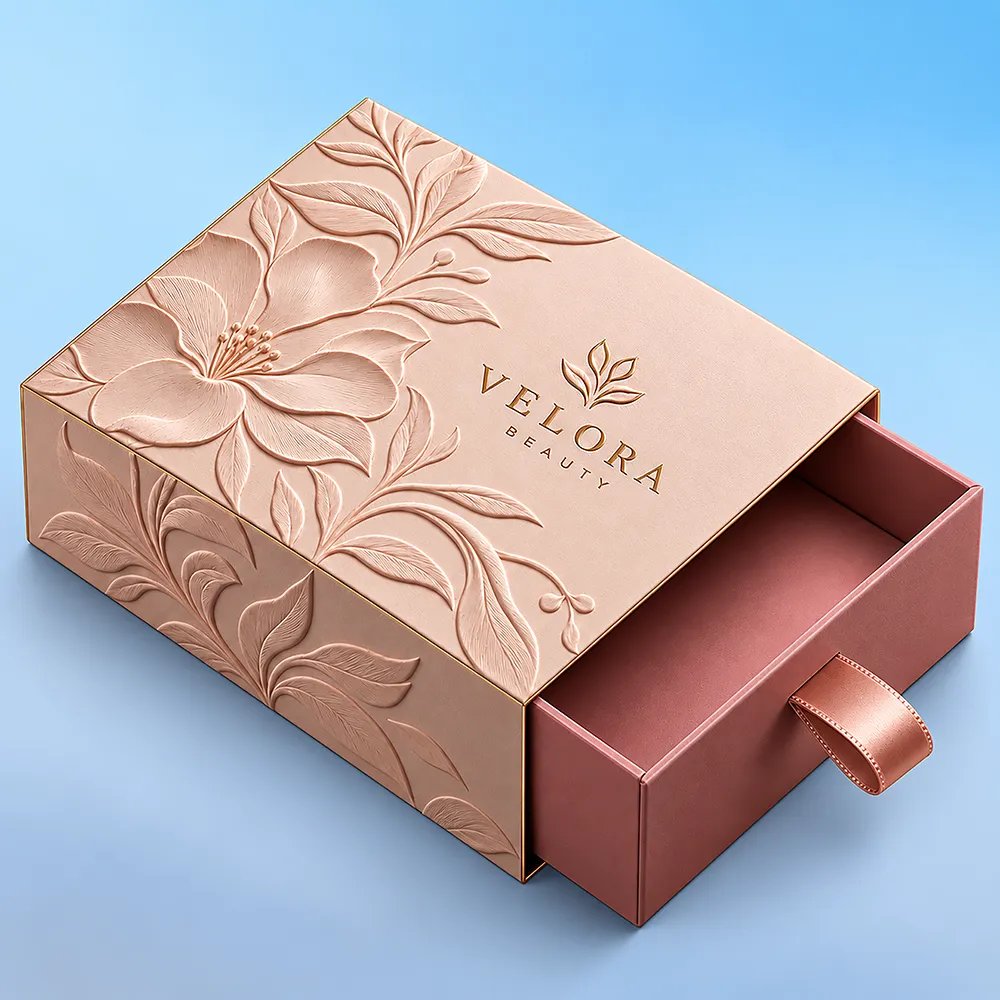
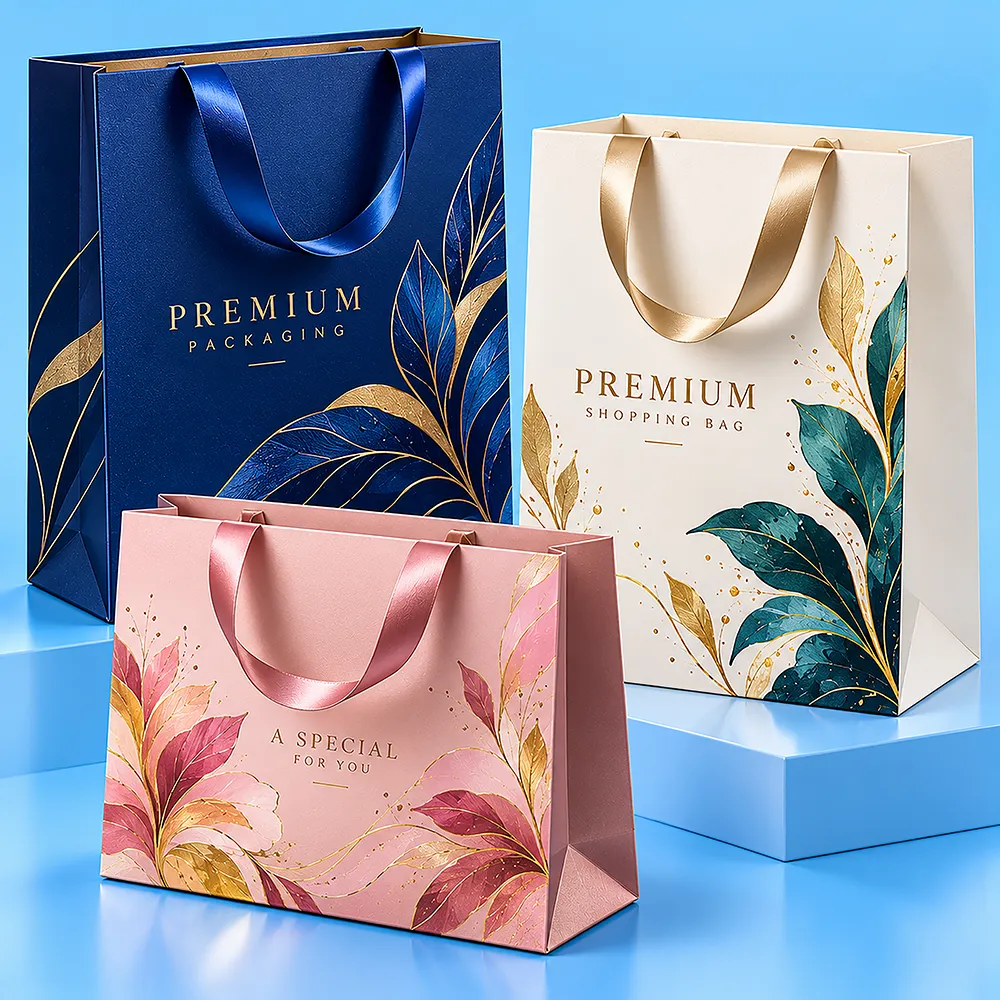
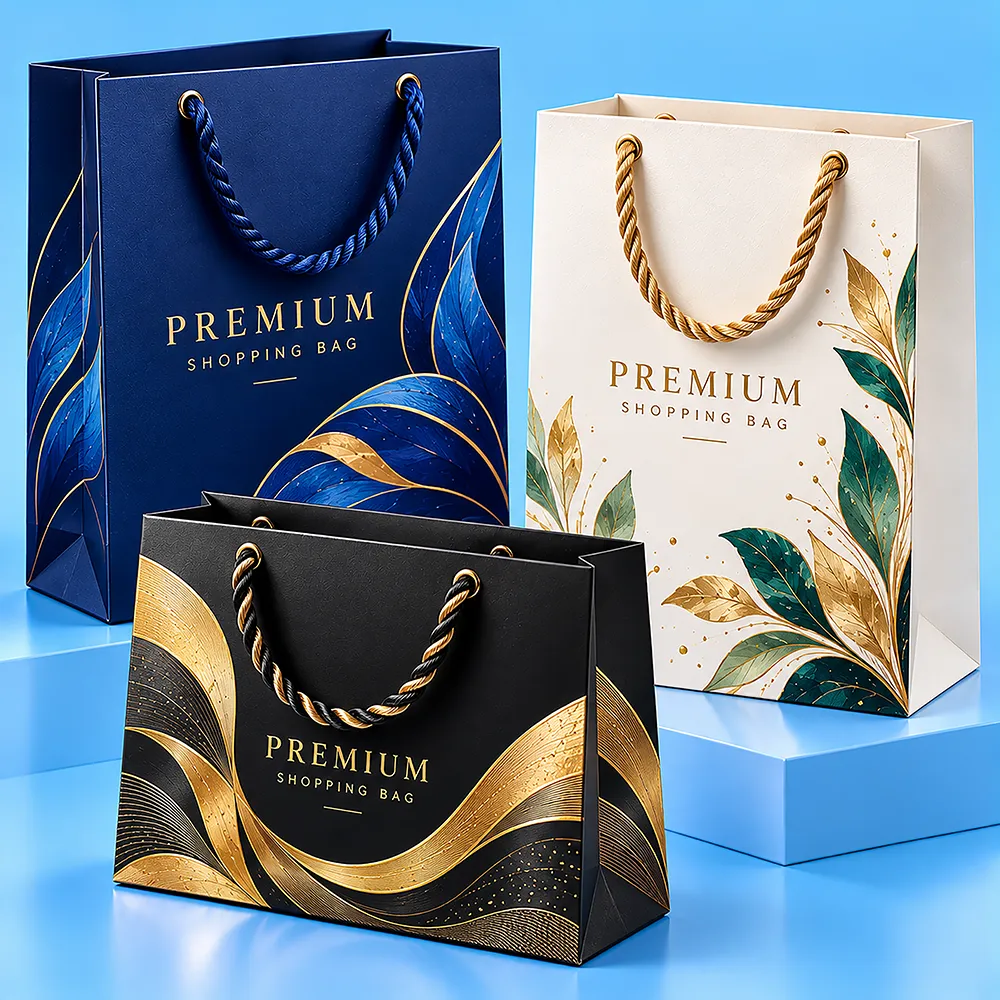
Packaging add-ons make custom packaging more attractive, presentable and visually captivating while increasing its perceived value. Gold foil adds a rich metallic accent, while silver foil creates a clean and sophisticated look. Holographic foil introduces eye-catching reflective effects that help selected design elements stand out. Embossing raises logos or patterns for added dimension, while debossing creates a refined recessed effect. Ribbons and handles add both decorative appeal and practical convenience, giving packaging a more distinctive and premium presentation.
Fill out the form below to receive a customized packaging quote with competitive wholesale pricing and premium quality solutions.
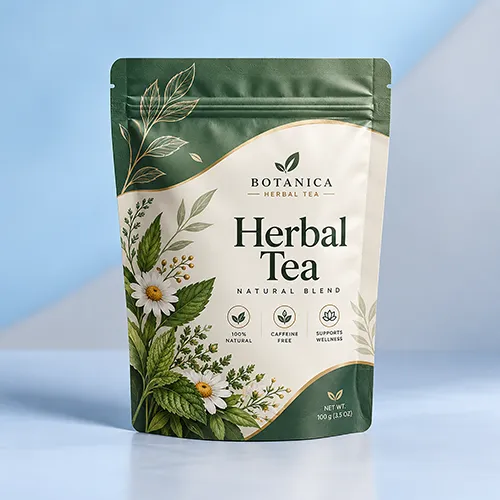
Custom tea packaging boxes are made-to-size printed folding cartons for tea bags, sachets, sealed loose-leaf pouches and other retail tea products. They give brands a structured outer pack for product information, shelf presentation and consistent packing while the appropriate inner wrapper, pouch or container handles any required freshness barrier. BoxBaba can develop straight tuck, reverse tuck, auto-bottom, snap-lock and selected window cartons around your finished product dimensions, count and orientation. Choose custom printing, inserts and finishes for retail, wholesale and ecommerce-ready product lines. Qualifying box orders start from 100 units, with dieline and artwork support, sample options, standard production in 5–9 business days after final approval, and free shipping across the USA under applicable terms.
Custom tea packaging boxes are part of BoxBaba broader Tea Packaging range, which also covers specialized tea-bag, envelope, pouch and gift-packaging formats.
Custom tea packaging boxes are printed folding cartons developed around the dimensions and arrangement of a tea product. They can hold multiple tea bags, individually wrapped sachets, a sealed loose-leaf pouch or a suitable tin or container.
The carton provides an outer structure for branding, product information, shelf presentation and organized packing. It should not automatically be described as the component that keeps tea airtight or blocks oxygen and moisture.
Where freshness requires a specific barrier, that role should be handled by an appropriately specified primary pouch, wrapper or container.
If your project requires the flexible package itself rather than an outer folding carton, review BoxBaba Custom Food Packaging Bags.
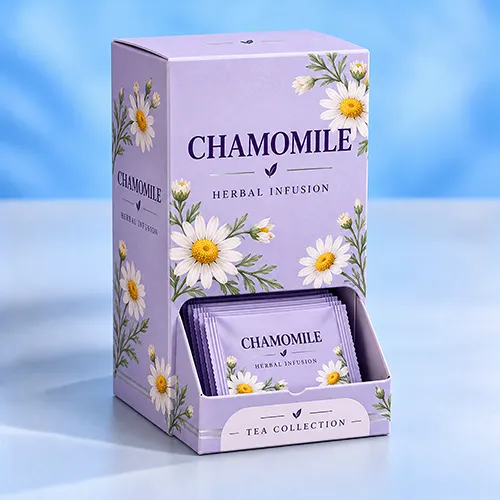
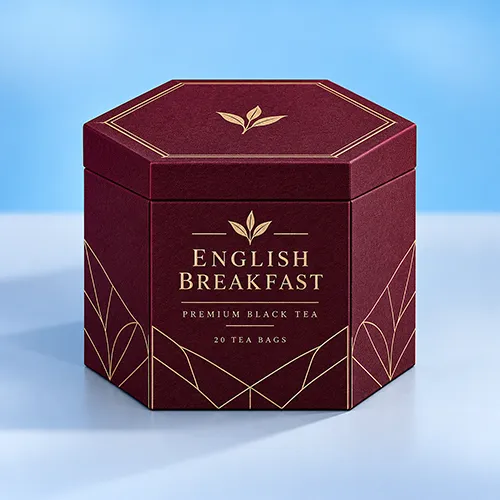
Printed cartons can organize individually wrapped or appropriately primary-packed tea bags in a defined quantity and orientation.
Carton dimensions should be calculated from the actual width, height and finished thickness of the bags—not from bag count alone.
For a product page focused specifically on multi-unit tea-bag cartons, capacities and packing arrangements, see Tea Bag Packaging.
If each individual tea bag also requires its own printed wrapper, that is a separate packaging component. BoxBaba Tea Bags Envelopes page covers that format.
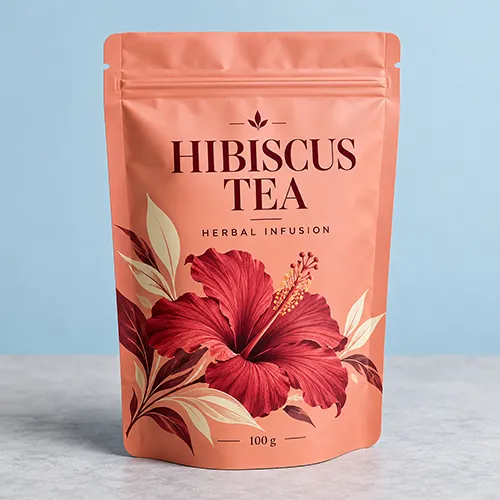
A filled and sealed loose-leaf pouch can be placed inside a printed folding carton for retail presentation and additional information space.
Measure the finished filled pouch, not an empty pouch. Filled thickness, gusset expansion, seals and zipper areas can materially affect the internal carton size.
The folding carton remains the secondary package; any required moisture, aroma or oxygen barrier should be established through the appropriate primary package.
Pyramid tea bags and other specialty sachets can require different internal space from conventional flat tea bags.
Before developing the carton, confirm the individual pack dimensions, quantity and intended stacking orientation.
A folding carton can also be developed around an already sourced tin, jar or other suitable primary container.
Measure the container at its widest point and full closed height, including any lid or closure that extends beyond the body.
For multi-item collections, accessories and presentation-focused assortments, use the more specialized Tea Gift Boxes range rather than forcing a standard folding carton to serve a gift-set requirement.
The correct box structure depends on the packed tea product, dimensions, weight, loading method and retail presentation.
Straight tuck cartons have their main tuck closures oriented in the same general direction.
They are useful for many lightweight retail tea products because they provide broad front and back panels for graphics and product information.
Reverse tuck cartons use opposing tuck-flap orientation.
They can work well for tea bags, sachets and sealed pouches where the panel arrangement and packing workflow suit the structure.
Neither straight tuck nor reverse tuck should automatically be described as universally stronger; selection depends on the actual carton and product.
An auto-bottom, sometimes called crash-lock bottom, uses a pre-glued base that moves into position as the carton is erected.
It can reduce base-folding steps during repeated packing operations. Suitability still depends on box dimensions, packed weight and board specification.
Snap-lock or 1-2-3 bottom cartons use manually interlocking base flaps.
They can suit projects that need a structured manually assembled bottom without a pre-glued auto-bottom mechanism.
Seal-end cartons use selected glued or sealed end-panel relationships.
This closure type does not automatically make a carton airtight, moisture-proof or tamper-evident. Those properties depend on the complete packaging system.
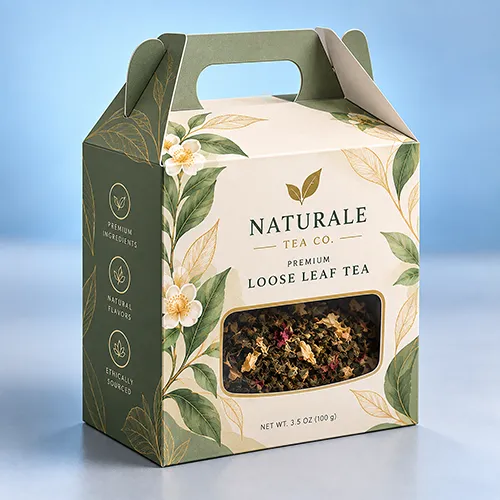
A die-cut window can expose an individually wrapped product, inner pouch or container without opening the box.
Window design should consider:
The product should be positioned consistently if the window is intended to frame a particular feature.
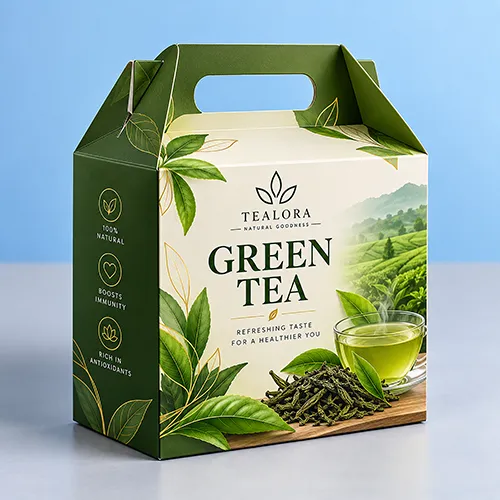
SBS provides a smooth light-colored surface that works well for detailed graphics, illustrations, typography and color-sensitive printed artwork.
It is commonly used for folding cartons around already sealed retail tea products.
Kraft board provides a natural brown surface suited to brands that want an understated paper appearance.
Because the substrate color influences printed artwork, lighter colors and exact brand tones should be evaluated during proofing.
Larger cartons, heavier primary containers or larger windows may require a different board caliper or grade.
The appropriate stock should follow carton dimensions, loaded weight, closure geometry and handling requirements rather than simply choosing the thickest material.
Corrugated board generally belongs to a different packaging role when tea products need an ecommerce mailer, wholesale case or transit carton.
A printed retail tea box should not automatically be treated as the complete shipping package. Evaluate the retail carton together with the outer distribution packaging when products will travel through parcel networks.
Accurate measurements should come from the tea product in its final packing configuration.
Provide:
Twenty flat wrapped bags can require very different internal dimensions from twenty thicker pyramid sachets.
Provide:
Do not size the carton from the empty pouch dimensions.
Measure:
An insert occupies internal volume.
The box should therefore be developed around the product plus insert, rather than sizing the carton first and attempting to add an insert later.
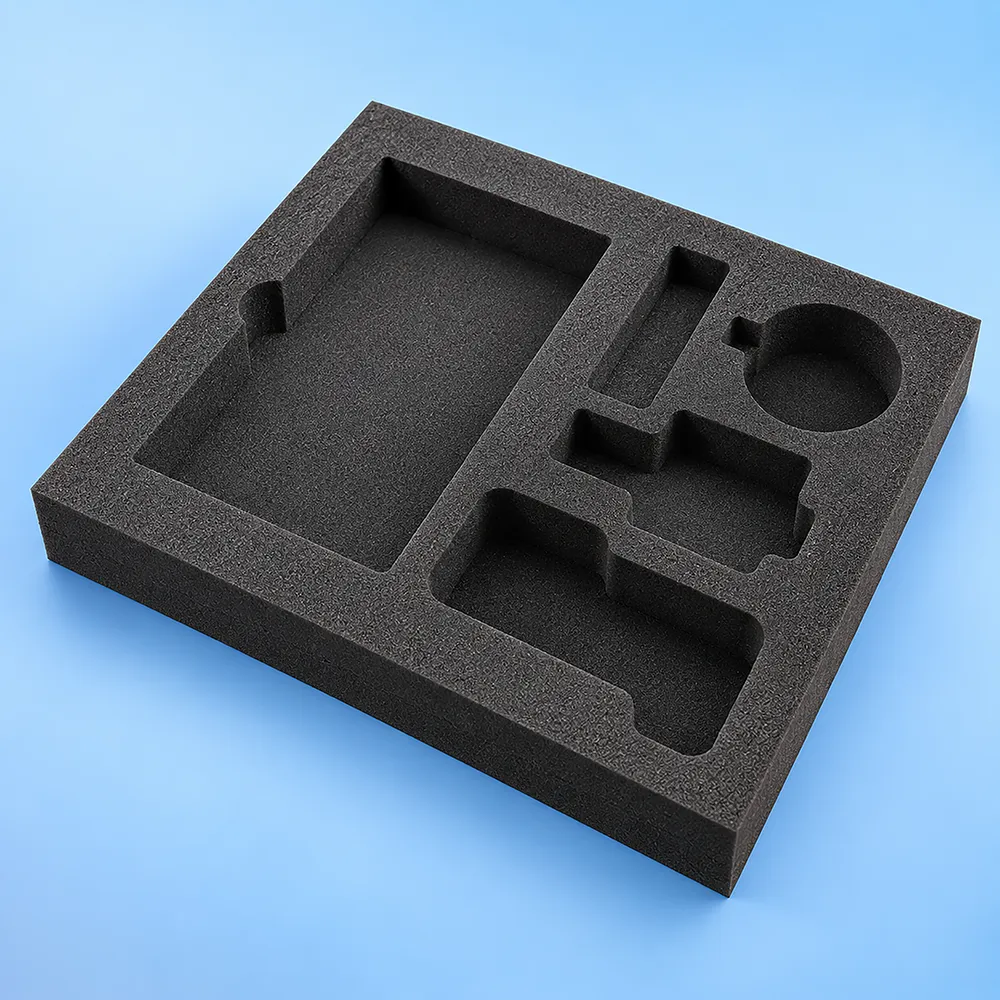
Paperboard inserts and dividers can be useful when a carton needs to position a pouch, container or grouped set of components.
A properly planned insert can reduce movement, establish repeatable placement and help align a product behind a die-cut window.
Insert design should be based on actual product dimensions and the complete loaded configuration.
Large multi-flavor assortments, presentation sets or boxes containing tea accessories may belong more naturally under Tea Gift Boxes instead of a standard tea-carton structure.
Printing can be used to organize product information and create a consistent identity across multiple tea SKUs.
Depending on the selected stock, quantity and artwork, options may include full-color CMYK printing and Pantone/PMS color matching.
Printed panels can accommodate:
For multi-flavor product lines, keep the logo, typography and information hierarchy consistent while using controlled differences in color or imagery to distinguish individual blends.
The tea brand remains responsible for reviewing its final food-label information and claims before artwork approval.
Matte creates a lower-sheen appearance, while gloss creates a more reflective surface and can increase visual contrast.
The choice should follow the artwork, retail lighting and desired presentation.
Soft-touch can add a smoother tactile effect to compatible paperboard projects.
It should be evaluated against handling conditions, cost and the chosen print construction.
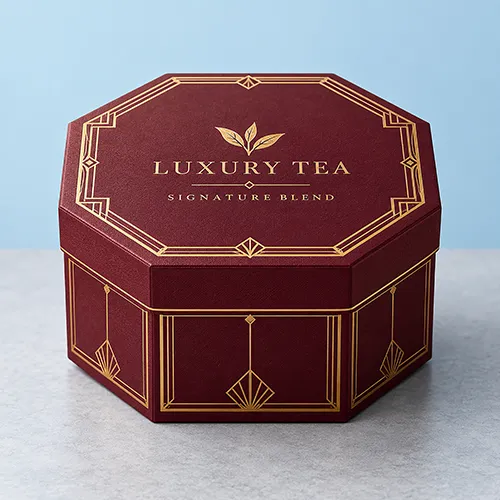
Foil stamping can emphasize logos, collection names, borders and selected premium design elements.
Artwork should reserve foil for intentional focal points rather than applying it indiscriminately across the carton.
Embossing raises a design feature from the surface; debossing creates a recessed impression.
Compatibility depends on the board, artwork position and proximity to folds or other structural features.
Spot UV can add localized gloss contrast over selected artwork areas on compatible printed surfaces.
Finish availability should be confirmed after the carton stock and print process are established.
A shared structural format can help organize a range of tea blends when the packed products use the same finished dimensions.
Keep stable elements such as logo position, typography, product-family naming and information-panel hierarchy.
Then differentiate SKUs through controlled flavor names, colors, illustrations or other clear identifiers.
Before production, confirm that each artwork file matches the intended blend, barcode and product information.
Do not force products with materially different inner-pack dimensions into one carton merely to standardize the range.
Retail cartons should communicate the tea type and product variation clearly from the shelf-facing panels.
Shelf dimensions, opening direction, barcode placement and front-panel hierarchy should be considered before finalizing artwork.
Wholesale product lines can benefit from consistent carton geometry where the packed products allow it.
Standardizing compatible SKUs can simplify case packing and inventory organization, but structural fit should take priority over forced standardization.
The retail carton should be evaluated as one component of the shipping system.
Depending on the product and order configuration, an ecommerce shipment may require a separate mailer or shipping carton and additional protection.
The dieline defines the panels, folds, cut lines, glue areas and closure relationships required to produce the carton.
Artwork should be applied only after the box structure and finished dimensions have been established.
Before approving production, review:
A 3D mockup can help review panel layout and appearance. Where exact physical fit is important, a structural or printed sample may be appropriate before bulk production.
For an accurate quotation, share:
If you have not selected a carton style yet, begin with the packed-product dimensions, quantity and intended sales channel so the structure can be reviewed before a dieline is prepared.
BoxBaba develops custom tea cartons around the actual product dimensions, count and packing arrangement instead of relying on a generic stock size. Our team can assist with box sizing, structural selection, dielines, artwork placement, 3D mockups and compatible windows or inserts.
Qualifying custom box orders start from 100 units, which supports both smaller launches and established multi-SKU tea ranges. Standard production is generally 5–9 business days after final artwork and specifications are approved.
Sample options are available according to the project, and free shipping is available across the USA under applicable order terms.
Develop custom tea packaging boxes around the way your tea product is actually packed, displayed and sold. Share your finished product dimensions, tea-bag count or primary-container size, required quantity, preferred structure and artwork details so BoxBaba can review the configuration and prepare your quotation.
Call: +1 305 574 4357
Email: sales@boxbaba.com
Find all the urgent questions you may have.