
Custom Tea Pouches

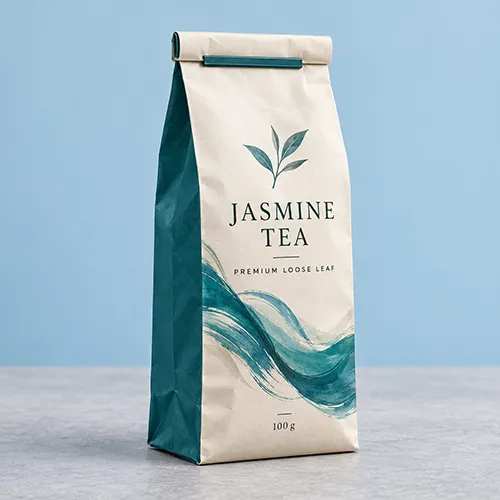
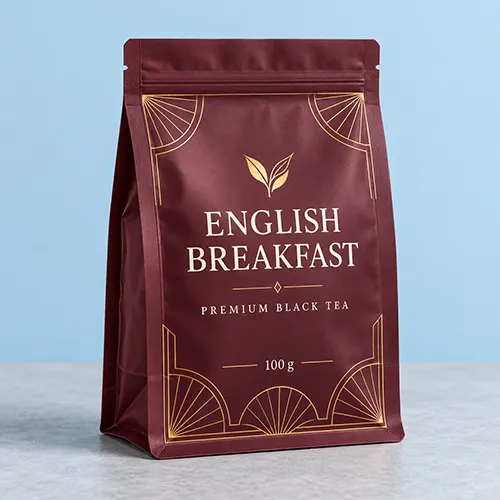
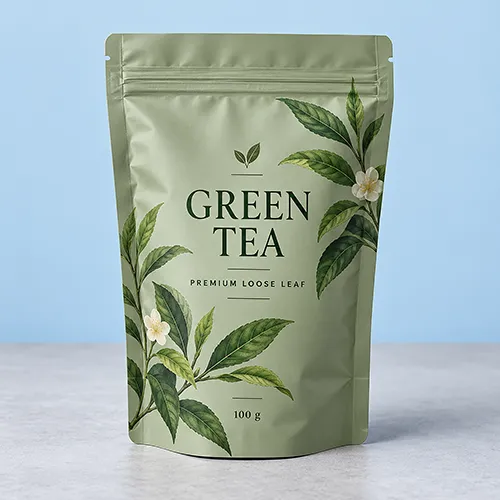
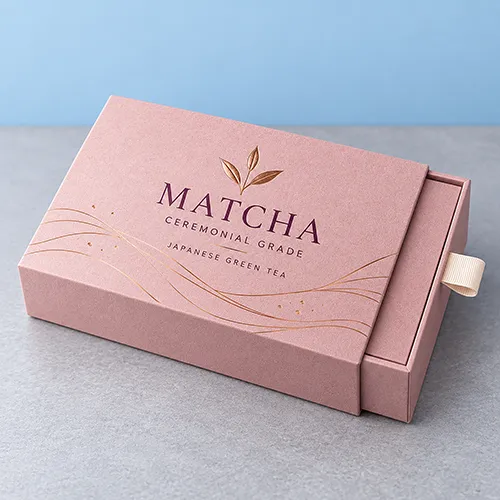
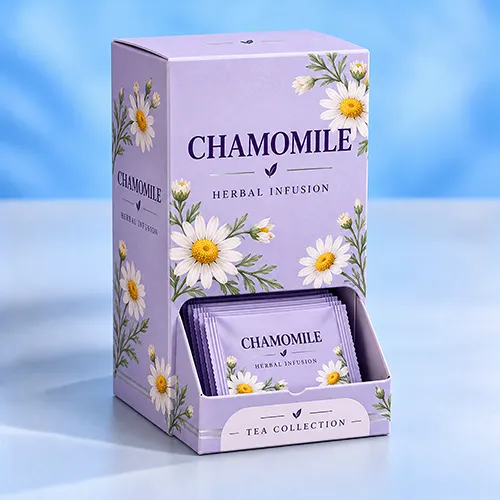
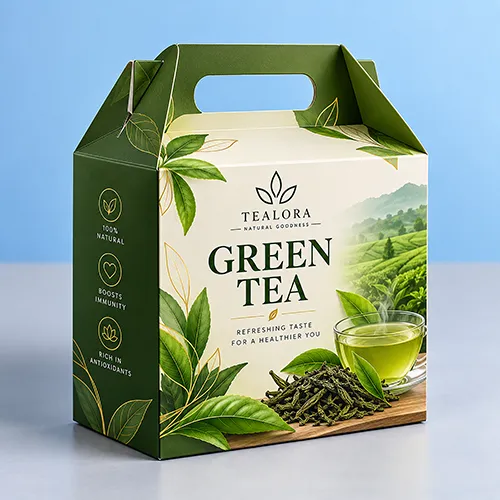
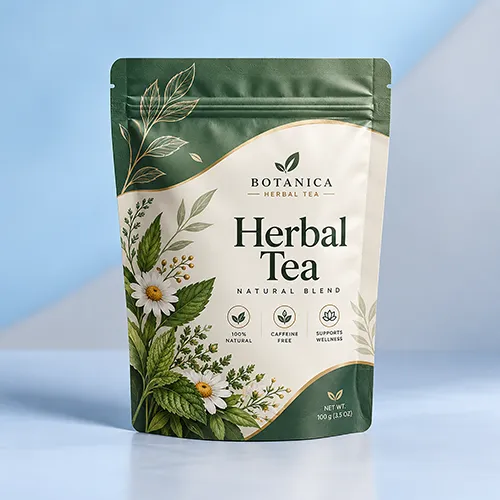
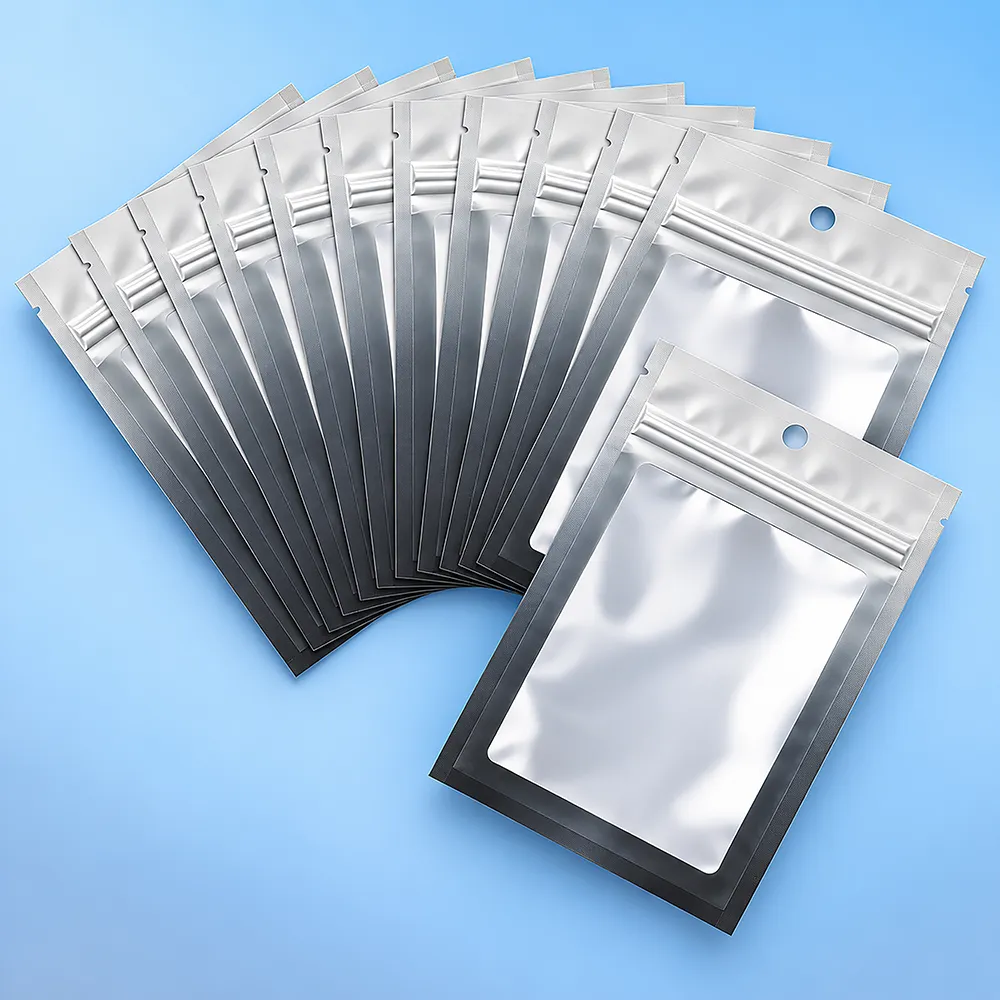
Custom tea pouches are flexible packages developed for loose-leaf tea, blended teas and other compatible dry tea products. BoxBaba can customize pouch dimensions, material construction, closure features and print layout around the actual filled volume, tea characteristics and packing process rather than relying on a standard pouch size. Available configurations can include stand-up, flat, side-gusset and flat-bottom pouches with resealable zippers, tear notches, windows and custom printing where suitable. Required moisture, oxygen, aroma or light protection should be specified through the complete pouch construction and sealing requirements rather than assumed from the pouch style alone. Standard production for qualifying projects is generally 5–9 business days after final approval, with MOQ and material requirements confirmed for the selected configuration.
Trustpilot_Logo
5 out of 5 stars
4.5
Reviews 16 • Excellent

Custom Tea Pouches for Freshness Protection, Convenient Storage & Branded Tea Packaging

Custom tea pouches made with quality materials and personalized printing, ideal for loose-leaf tea, tea bags, herbal blends, and specialty infusions while supporting freshness protection, moisture resistance, convenient storage, and professional brand presentation.

What We Give

Create Custom Boxes Quick and Easy

Design

Get your custom boxes made in the required size, shape, and style.

Print

Upload your artwork and get it superbly printed the way you want.

Get it done

Order any quantity, enjoy a wholesale price, pay no extra for die plates.

Product Specification

Specification Available / Project Requirement
Product Type Custom printed flexible pouches for tea products
Typical Contents Loose-leaf, blended and compatible dry tea products
Pouch Size Custom according to actual filled volume, headspace, gusset and seal requirements
Pouch Formats Stand-up, flat, side-gusset, flat-bottom, three-side-seal and other compatible formats
Material Construction Project-specific flexible film, laminate, Mylar-based or compatible paper-based construction
Closure Heat seal, resealable zipper or other compatible closure
Tear Notch Available for compatible formats
Window Available where compatible with the material and required product protection
Primary Printing Methods Digital printing, Offset printing and flexographic printing
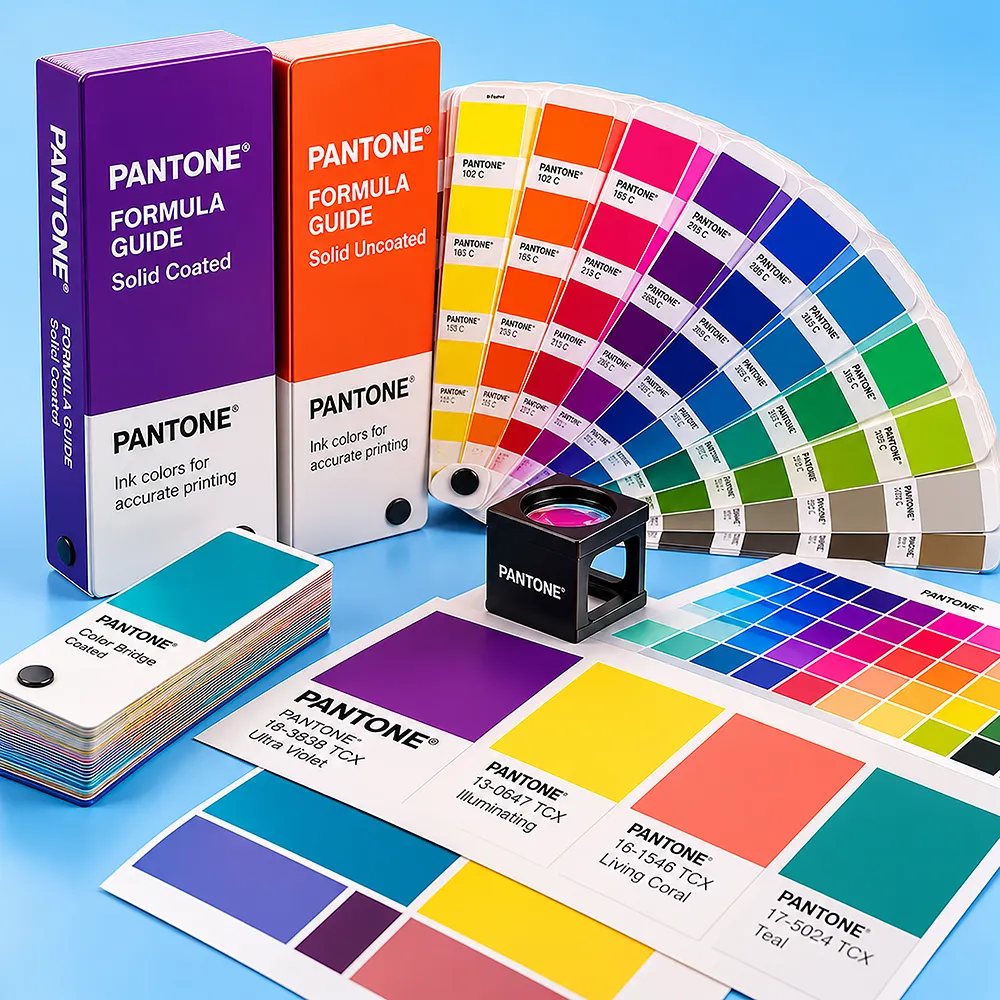
Color Options CMYK and PMS/Pantone matching where supported by the selected print process
Surface Finish Matte, gloss and other compatible treatments
Standard MOQ 1,000 pouches
Flexible MOQ Available depending on order requirements and specifications
Standard Production Generally 5–9 business days after final approval for qualifying orders
Artwork Support Artwork/layout assistance according to project
Samples / Proofs Available according to project requirements
Shipping Free USA shipping for qualifying orders under applicable terms

Related Products

Stock Type & Thickness

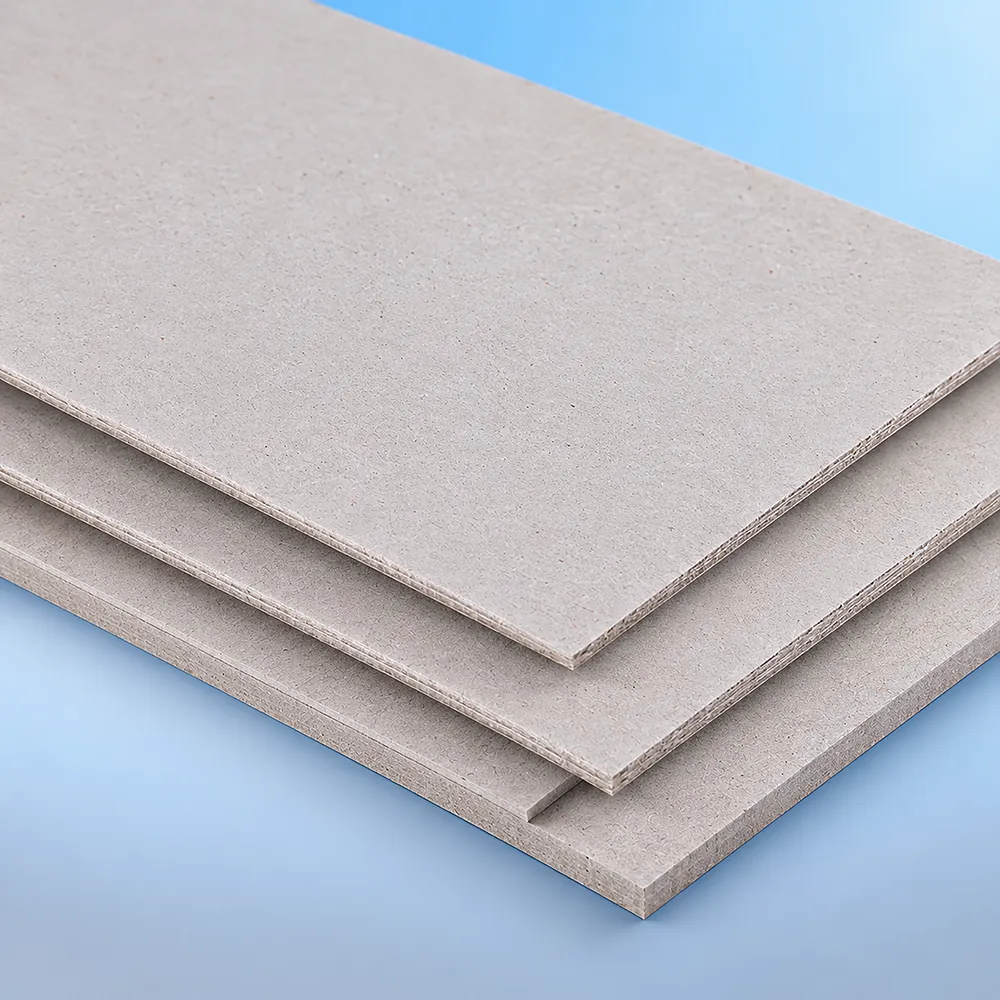
Cardboard

We use cardboard material with the least environmental impact and minimizes waste generation.
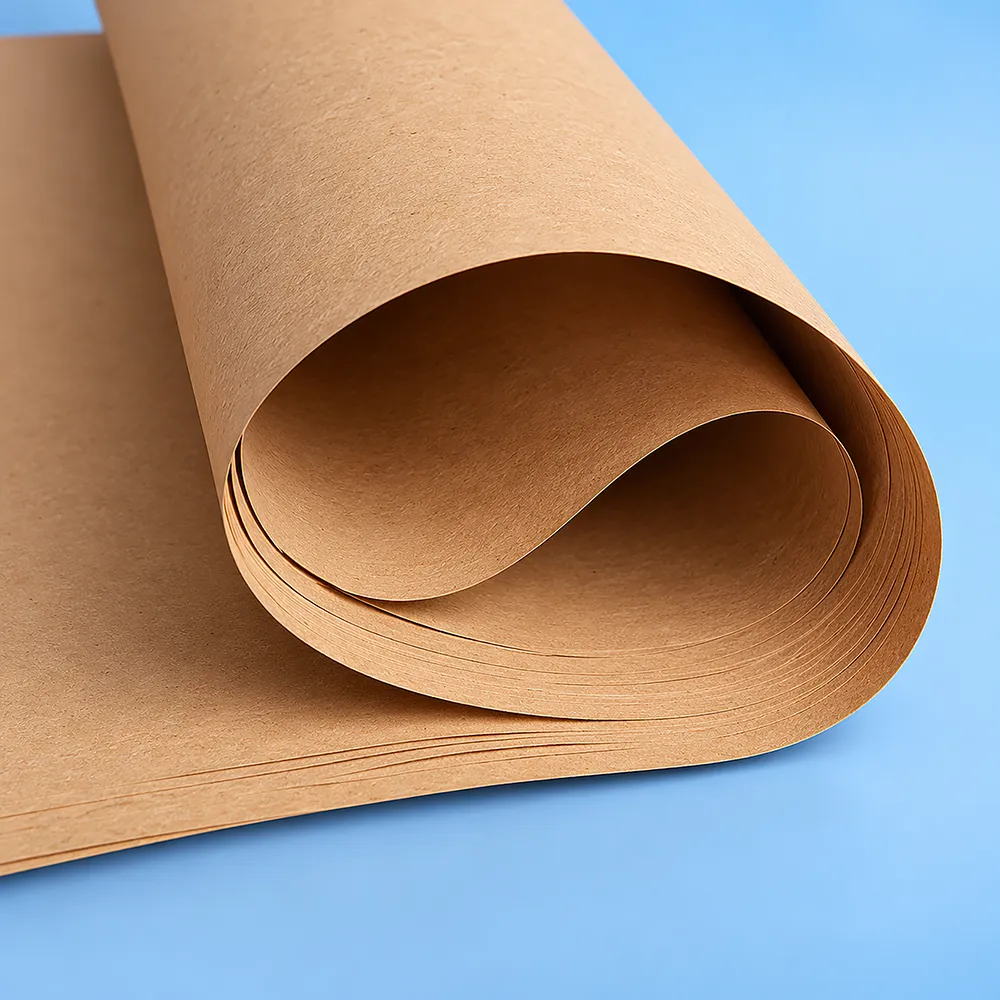
Kraft

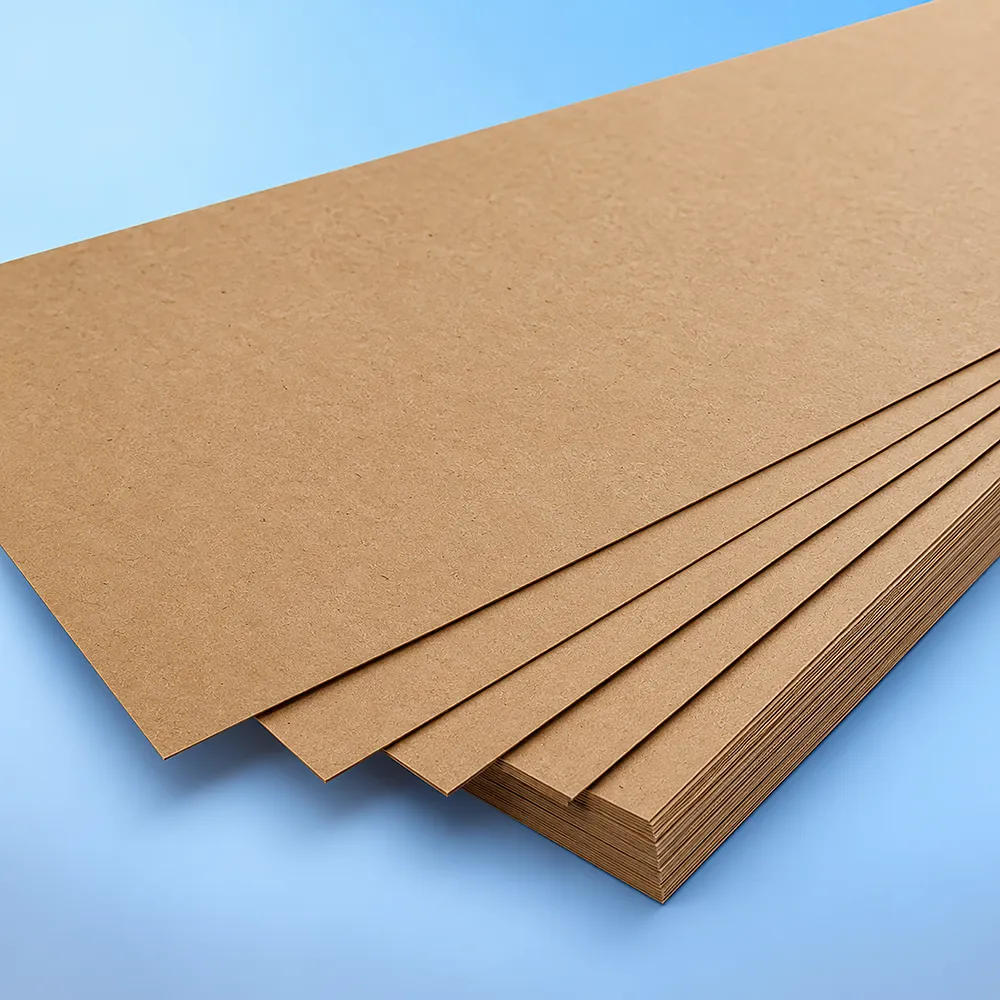
Kraft paper is a strong, durable and reliable material that is widely used across many different industries.
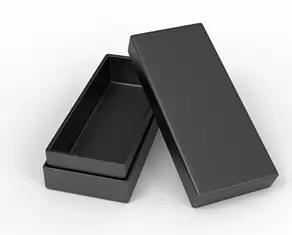
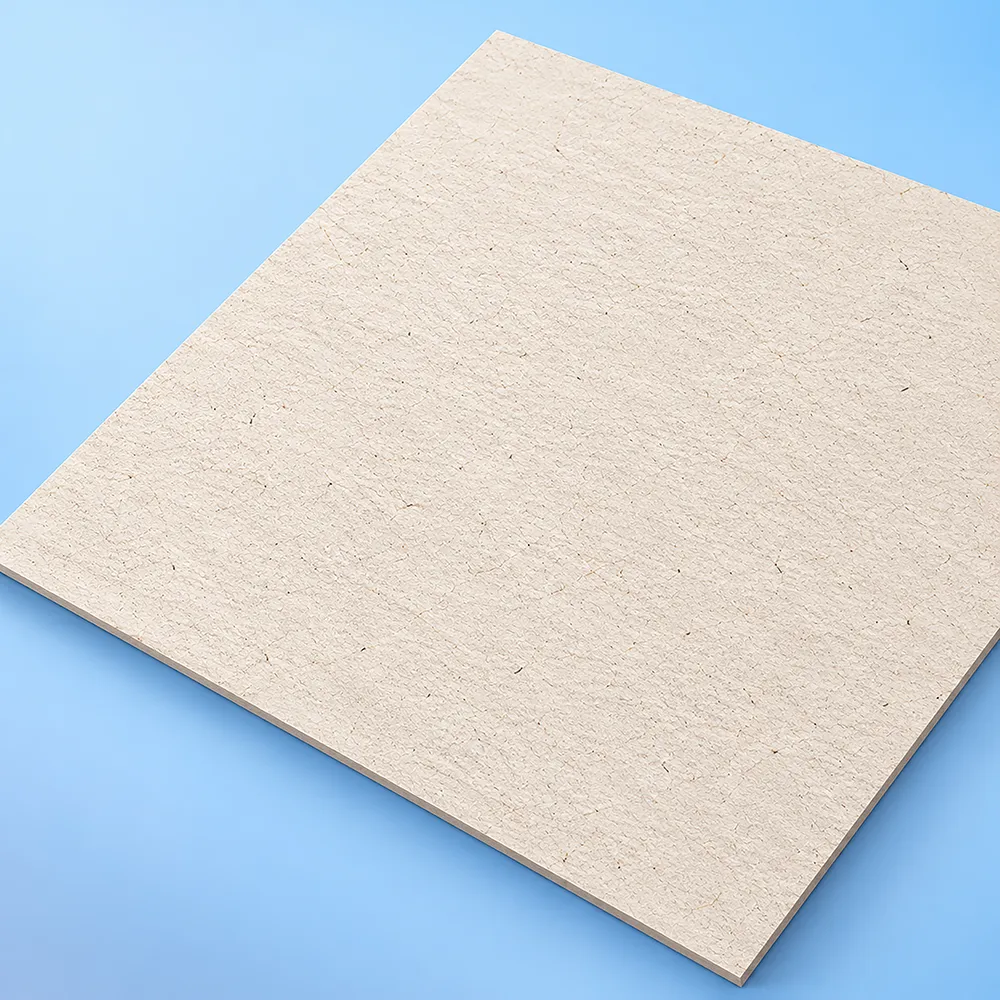
Rigid

Rigid is highly protective, affordable and recyclable material. These boxes provide maximum protection.
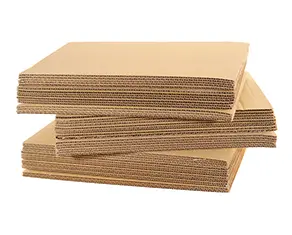
Corrugated

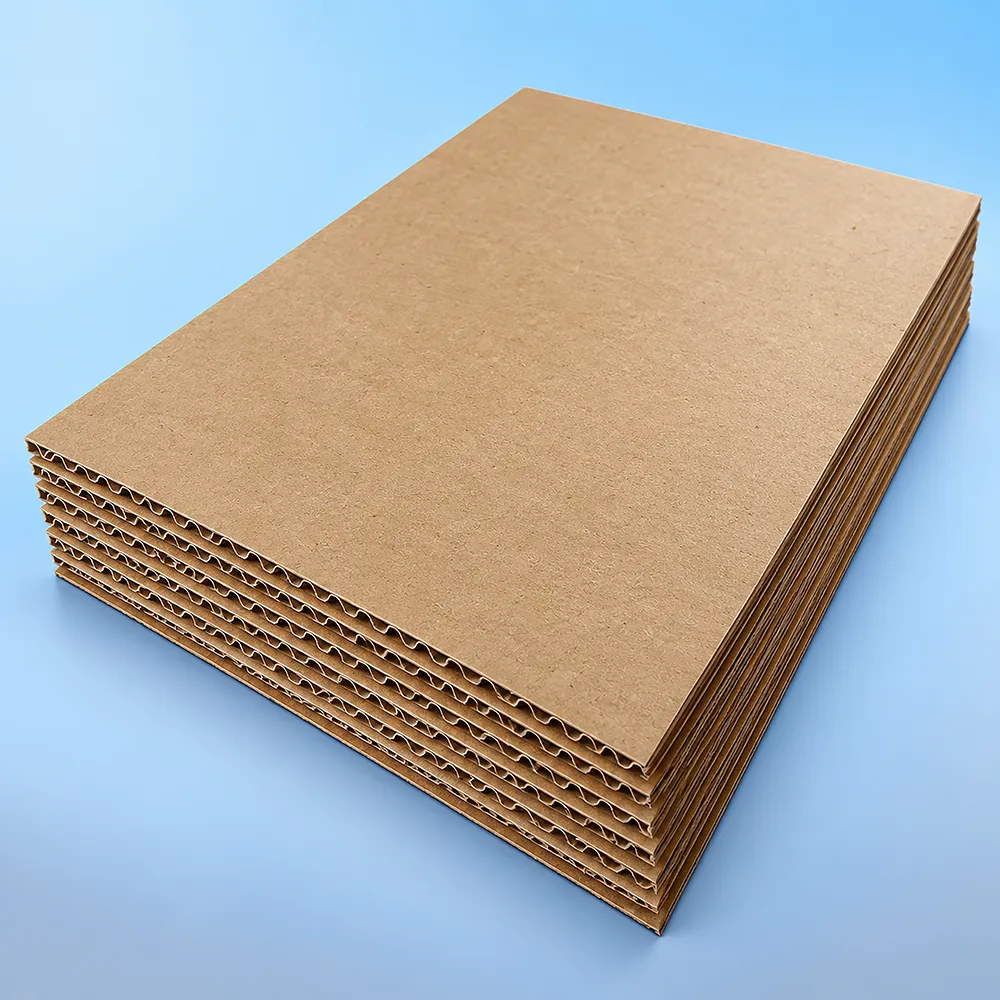
Corrugated material is easy to customize, cost effective and sustainable. It is also great for branding purposes.
Finishing Assortment

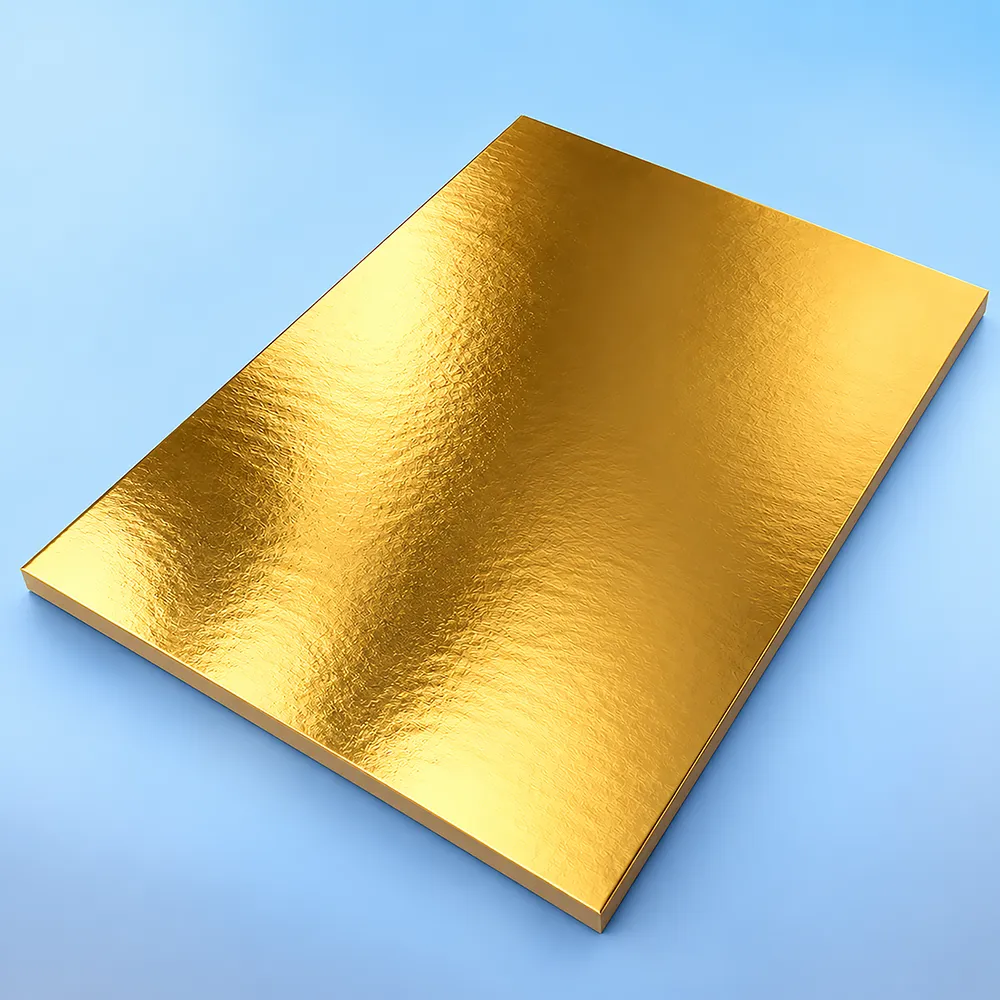
Foil Stamping

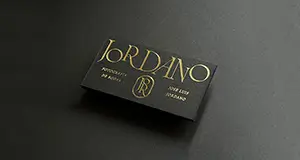
Foil Stamping

Enhance your packaging with premium foil stamping for a bold and luxurious appearance.
Spot UV

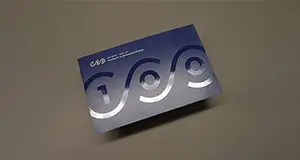
Spot UV

Our Spot UV coating adds a sleek shine and highlights key design elements beautifully.
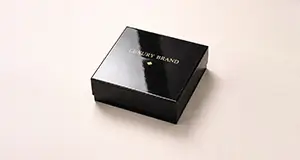
Gloss-Lamination

Gloss

Give your packaging a polished, glossy finish that enhances color and visual appeal.
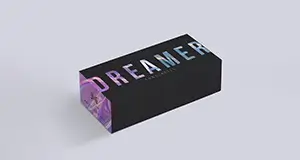
Holographic Foiling

Holographic Foiling

Create eye-catching packaging with holographic foil effects that shimmer from every angle.
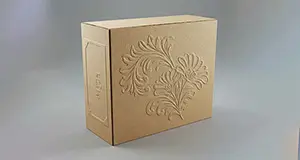
Embossing

Embossing

Add raised textures and elegant detailing to make your packaging stand out.
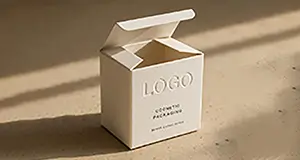
Debossing

Debossing

Create a refined pressed-in effect that adds depth and sophistication to your packaging.
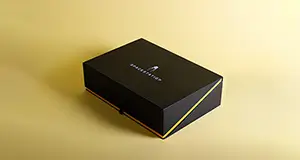
Matte

Matte

Achieve a smooth matte finish that minimizes fingerprints and delivers a modern look.
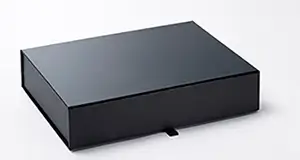
Soft Touch Lamination

Soft Touch Lamination

Protect your packaging with a silky-soft laminated finish for a premium feel.
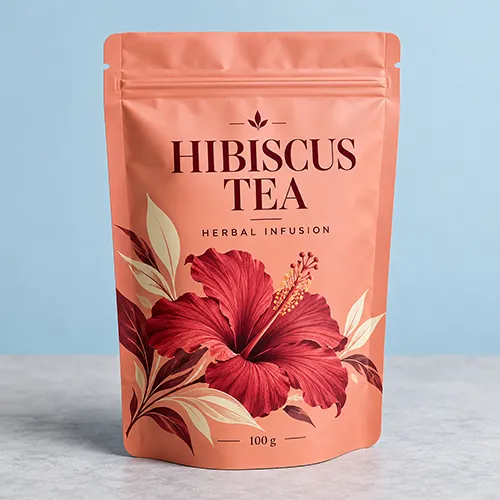
Tea Pouches Designed Around Fill Volume, Pouch Style & Closure

Tea density and particle size can affect how much space a finished product occupies, so pouch dimensions should be determined from the actual filled volume rather than tea weight alone. Stand-up, side-gusset, flat-bottom and flat pouch formats provide different options for shelf presentation, filling and storage. Depending on the selected structure, features such as resealable zippers, tear notches and windows can also be incorporated to support opening, product visibility and repeated use. Material construction and sealing requirements should be selected according to the tea product, packing process and required level of protection. Explore BoxBaba broader Tea Packaging range to compare pouches with cartons, envelopes and presentation formats. For secondary cartons designed around already sealed tea products, seeCustom Tea Boxes.

What Are Custom Tea Pouches?

Custom Tea Pouches are flexible packages designed to contain loose tea and present it for retail, wholesale or ecommerce sale. Where tea is packed directly inside the pouch, the pouch acts as primary packaging. That means the specification has to address more than visual branding. Important buyer decisions include:
  • actual tea fill volume;
  • product-contact material construction;
  • sealing method;
  • moisture requirements;
  • oxygen or aroma requirements;
  • light exposure;
  • reclosure requirements;
  • shelf presentation;
  • barcode and coding areas;
  • filling and packing workflow.
A pouch should not automatically be called airtight or high-barrier simply because it is flexible or metalized. Performance depends on the complete material construction and finished seal.

Custom Tea Pouches vs Outer Tea Boxes

Flexible tea pouches and paperboard cartons perform different jobs.
Custom Tea Pouches Outer Tea Boxes
Can function as primary packaging Normally function as secondary packaging
Can directly contain tea when suitably specified Hold an already packed pouch, tin or container
Material and seal influence required barrier performance Structure supports presentation and organization
Filled tea volume determines pouch size Filled primary-pack dimensions determine carton size
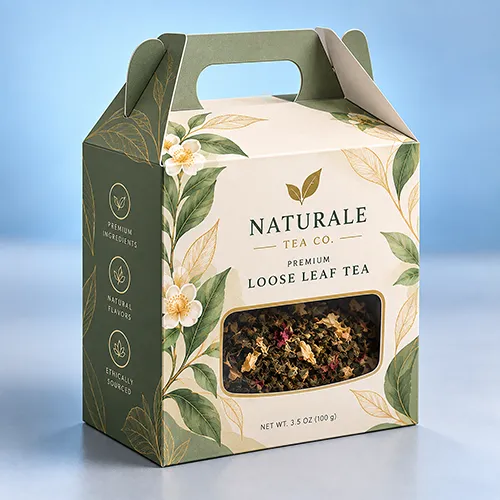
A brand may use both packaging layers: Loose tea → custom tea pouch → printed retail carton → outer shipping package Where a buyer only needs the carton around a finished tea pouch or tin, that requirement belongs to BoxBaba separate Loose Leaf Tea Boxes product once that page is published.

Custom Tea Pouches vs Herbal Tea Pouches

Custom Tea Pouches cover flexible packaging across a broad range of tea types. BoxBaba Herbal Tea Pouches are more specific to herbal blends containing leaves, flowers, roots, botanicals and similar ingredients. Use Custom Tea Pouches for broad tea-pouch requirements. Use Herbal Tea Pouches where the product and buyer intent are specifically herbal or botanical. This distinction keeps the general and herbal-specific product pages from competing for the same purpose.

Tea Products Suitable for Custom Pouches

Loose Leaf Tea

Custom pouches can be configured around whole-leaf, broken-leaf and blended loose teas. The final pouch size should follow actual product volume rather than net weight alone.

Black Tea

Loose black tea can use compatible flexible pouches where the selected size, material and seal suit the tea and packing process.

Green Tea

Loose green tea can use pouch packaging where the construction is selected according to its actual packaging requirements. Brands that need broader green-tea packaging—including cartons or tea-bag formats—can use BoxBaba Green Tea Packaging page for that wider product-specific intent.

White Tea

Whole-leaf white teas can occupy considerable volume relative to their weight. A fill test is therefore particularly useful before approving the pouch dimensions.

Oolong Tea

Rolled, twisted and larger-leaf oolong products can vary significantly in bulk density. Use the actual filled product when selecting pouch capacity.

Blended & Flavored Teas

Blends containing flowers, herbs, spices or dried fruit pieces can occupy different volumes from conventional single-origin tea. The pouch should be developed around the complete finished blend.

Available Pouch Styles for Tea Packaging

Stand-Up Tea Pouches

Stand-up pouches use an expandable bottom section that allows the filled package to remain upright. They can provide:
  • shelf-facing presentation;
  • front and back printable areas;
  • zipper options;
  • tear notches;
  • compatible viewing windows;
  • product-information space.
The expanded gusset must be included when determining capacity.

Flat Tea Pouches

Flat pouches can suit samples, smaller fills and compact tea products. They can also work where the pouch will sit inside a carton or another display system rather than standing independently.

Side-Gusset Tea Pouches

Side-gusset pouches expand along the vertical sides as tea is added. They may suit larger fill volumes where additional internal capacity is needed.

Flat-Bottom Tea Pouches

Flat-bottom pouches provide a broader standing base and several printable panels. They can be considered when shelf stability and additional branding surfaces are priorities.

Three-Side-Seal Tea Pouches

Three-side-seal pouches are closed on three edges and typically filled through the remaining open side. They can suit sample sizes, portions and selected compact tea products. Final suitability should be checked against the actual filling process.

How to Size Custom Tea Pouches

The correct pouch size depends on the actual filled tea, not simply the label weight. Useful sizing inputs include:
  • target net weight;
  • realistic filled volume;
  • tea type;
  • leaf size;
  • product density;
  • pouch width;
  • finished height;
  • gusset dimensions;
  • zipper position;
  • top-seal allowance;
  • headspace;
  • filling method.
Two teas sold at the same net weight can require very different pouch dimensions. For example, a bulky whole-leaf white tea may occupy more space than a denser broken-leaf black tea. Where practical, validate capacity with the actual product rather than relying only on an estimated weight-to-volume conversion.

Filled Pouch Dimensions vs Flat Dimensions

The dimensions of an empty pouch do not fully describe the final retail package. The package changes after filling because of:
  • tea volume;
  • gusset expansion;
  • product density;
  • headspace;
  • zipper position;
  • sealing area;
  • settling of the tea.
Features such as zippers and seals also reduce usable fill space. If the finished tea pouch will later be placed inside a carton or gift box, use its filled and sealed dimensions when designing that secondary package.

Material & Barrier Requirements for Tea Pouches

The pouch construction should follow the actual requirements of the tea product. Before selecting a material, establish:
  • whether the pouch directly contacts tea;
  • required moisture protection;
  • required oxygen control;
  • aroma-retention requirements;
  • light sensitivity;
  • filling conditions;
  • storage conditions;
  • sealing method;
  • distribution environment.
Do not automatically describe every tea pouch as:
  • airtight;
  • oxygen-proof;
  • moisture-proof;
  • UV-proof;
  • recyclable;
  • compostable;
  • biodegradable.
Those attributes depend on the complete material system, coatings or laminate layers, closure and finished seal. Where a documented barrier specification is required, provide that requirement during quotation.

Food-Contact Requirements for Primary Tea Pouches

Where tea will directly contact the pouch, the complete product-contact material system should be suitable for its intended use. That evaluation can include the contact layer as well as relevant adhesives, coatings, inks and other package components. A generic claim such as FDA approved pouch should not replace verification of the actual material construction and intended use. Provide any required documentation or compliance requirements before the final material is selected.

Mylar-Based Tea Pouches

Mylar-based constructions can be considered for compatible tea-pouch projects. However, the word Mylar does not by itself establish:
  • oxygen performance;
  • moisture performance;
  • light protection;
  • shelf life;
  • recyclability;
  • direct-food-contact suitability.
Those characteristics depend on the complete construction and seal. For broader Mylar and flexible food-packaging projects, buyers can also review BoxBaba Custom Food Packaging Bags.

Resealable Zippers for Tea Pouches

A zipper can allow customers to reopen and reclose a compatible pouch after the initial production seal has been opened. Zipper position should be coordinated with:
  • tea fill level;
  • pouch height;
  • tear notch;
  • top seal;
  • artwork.
The zipper does not replace the original production seal. Enough material should remain above it for the required sealing process.

Tear Notches & Opening Features

Tear notches provide a defined starting point for opening. Their position should coordinate with:
  • zipper location;
  • top-seal area;
  • artwork;
  • batch/date coding.
Important text and branding should remain clear of the tear path.

Heat-Seal Requirements

Compatible Custom Tea Pouches can use heat-seal closures. The pouch material, seal area and packing equipment need to work together. Before final production, confirm:
  • material construction;
  • sealing equipment;
  • required seal width;
  • filling method;
  • filling conditions where relevant;
  • production workflow.
If a contract packer or existing filling line will be used, share those equipment requirements when requesting the quote.

Clear Windows for Tea Pouches

A transparent window can show the tea where the selected pouch construction supports it. A window can be useful for visually distinctive teas, but its size and position should be reviewed against:
  • required light protection;
  • material/barrier construction;
  • available print space;
  • tea appearance;
  • storage conditions.
Do not add a transparent window solely for visual effect when the specified package requires a fully opaque construction.

Printing Options for Custom Tea Pouches

The print method should follow the pouch material, quantity, number of SKUs and artwork requirements.

Digital Printing

Digital printing can be useful for compatible shorter runs and multi-SKU projects. Digital printing can be particularly useful when multiple teas use the same pouch dimensions but need different artwork.

Flexographic Printing

Flexographic printing can suit larger flexible-packaging programs and repeated artwork. Plate, color and artwork requirements should be confirmed before production.

Offset Printing

Offset printing should be treated as a project-specific method for compatible constructions, rather than a universal flexible-pouch printing process.

CMYK Full-Color Printing

CMYK can reproduce multicolor graphics, gradients, illustrations and photographic artwork.

PMS / Pantone Color Matching

PMS/Pantone matching can help control selected brand colors where supported by the substrate and chosen print process.

Finishing Options for Custom Tea Pouches

Finishing depends on the flexible material and printing process.

Matte Finish

A matte surface creates a lower-reflectivity appearance and can support a restrained retail design.

Gloss Finish

Gloss produces a more reflective appearance and can increase visual contrast.

Soft-Touch or Tactile Effects

Tactile effects may be available on compatible flexible constructions. Availability should be confirmed for the selected material and production method.

Metallic & Specialty Effects

Metallic, foil-like or other decorative effects may be possible with selected flexible-packaging systems. The pouch material performance, sealing and product-contact requirements should remain the priority.

Custom Tea Pouches for Multiple SKUs

Brands often use one pouch format across several tea products. Where filled volumes are compatible, a common structure can support multiple artwork versions. Keep consistent:
  • logo placement;
  • typography;
  • information hierarchy;
  • net-quantity location;
  • brewing-information area;
  • barcode position.
Differentiate individual SKUs using:
  • tea name;
  • variety;
  • origin where substantiated;
  • flavor or blend name;
  • controlled color systems;
  • illustrations.
If the teas occupy materially different volumes, do not force them into one pouch size solely for visual consistency.

Tea Pouches for Retail

Retail tea pouches should make the product identity and quantity easy to understand while fitting the chosen shelf presentation. Consider:
  • shelf footprint;
  • standing or non-standing format;
  • front-panel hierarchy;
  • zipper position;
  • viewing window;
  • barcode placement;
  • brewing information;
  • net quantity.
Artwork should be designed around the seals, gussets and closures rather than treated like an unrestricted flat panel.

Tea Pouches for Wholesale

Wholesale programs may use coordinated pouch dimensions across several compatible tea SKUs. Consistent dimensions can help simplify:
  • case packing;
  • shelf planning;
  • inventory organization;
  • brand artwork systems.
However, tea volume and packing requirements should determine the final fit.

Tea Pouches for Ecommerce

Flexible pouches may reduce package weight and volume compared with some rigid formats, but the retail pouch still forms only one part of the ecommerce shipping system. Depending on the product and order configuration, additional packaging may include:
  • an outer mailer;
  • a corrugated shipping carton;
  • puncture or compression protection;
  • multi-unit organization;
  • cushioning where required.
Do not assume the retail pouch is automatically sufficient as the complete parcel-shipping package.

Tea Pouches in Gift Sets

Printed tea pouches can also be used as components of gift assortments. Where the project primarily involves multiple teas, accessories, fitted inserts or presentation compartments, BoxBaba Tea Gift Boxes provide the more appropriate outer packaging. Custom Tea Pouches should remain focused on the flexible tea package itself.

Artwork & Pouch Layout

Flexible-pouch artwork must account for structural areas that affect usable print space. Before approval, review:
  • front and back panels;
  • side or bottom gussets;
  • seal areas;
  • zipper location;
  • tear notch;
  • window position;
  • barcode or QR-code space;
  • batch/date-code area;
  • artwork orientation;
  • printing method;
  • number of artwork versions.
Keep critical text and logos away from seals, gusset folds and tear areas.

Proofing, Samples & Fill Validation

A digital proof can help review artwork and panel layout. A physical pouch sample or fill test can help check:
  • actual capacity;
  • filled shape;
  • gusset expansion;
  • headspace;
  • zipper position;
  • opening access;
  • sealing requirements;
  • fit with the filling process.
Where pouch capacity is important, testing the actual tea inside the proposed structure provides better evidence than flat dimensions alone.

Information Needed for a Custom Tea Pouch Quote

For a more accurate quotation, provide:
  1. Tea type — black, green, white, oolong, blended or another compatible tea.
  2. Target net weight.
  3. Approximate filled volume or physical product sample.
  4. Preferred pouch format, if known.
  5. Required dimensions, if already established.
  6. Material or barrier requirements.
  7. Tear-notch requirement.
  8. Window requirement, if any.
  9. Required order quantity.
  10. Quantity for each artwork version.
  11. Preferred printing method, if known.
  12. Artwork or brand guidelines.
  13. Sample or proof requirements.
If the pouch size and material are not yet selected, begin with the tea itself, realistic filled volume, target weight and filling workflow.

Why Choose BoxBaba for Custom Tea Pouches?

BoxBaba develops Custom Tea Pouches around the actual tea type, filled volume, packing workflow and branding requirements rather than relying on one generic pouch size. Stand-up, flat, gusseted and other compatible formats can be reviewed with zipper, tear-notch and window requirements according to the project. Digital and flexographic printing are available for compatible flexible-packaging projects, with offset printing considered where the specific construction supports it; CMYK and PMS/Pantone requirements can be coordinated with the selected print process. Artwork assistance, proofs, sample options and standard 5–9 business day production for qualifying orders after final approval support a clearer path from pouch specification to production.

Order Custom Tea Pouches

Develop flexible tea packaging around your actual tea, filled volume and packing workflow, not a generic pouch size. Share the tea type, target fill weight, approximate filled volume, preferred pouch format, required quantity, closure or window requirements, material needs and artwork so BoxBaba can review the configuration and prepare your quotation. Call: +1 305 574 4357 Email: sales@boxbaba.com

Frequently Asked Questions

Find all the urgent questions you may have.

Custom Tea Pouches are flexible packages developed for loose-leaf and blended teas using product-specific dimensions, materials, closures and printed artwork.
Compatible pouch constructions can be developed for black, green, white, oolong, blended and other dry tea products according to the tea and required packaging specification.
Stand-up, flat, side-gusset, flat-bottom, three-side-seal and other compatible formats can be considered according to filled volume, retail presentation and packing process.
Yes, compatible formats can include resealable zippers. Zipper location should be coordinated with the fill level, initial seal and tear notch.
Not automatically. Airtightness and specific moisture, oxygen or aroma performance depend on the complete material system and finished seal.
Use actual filled volume together with target weight, leaf size, density, gusset expansion, headspace, zipper position and seal requirements.
Yes, compatible pouch structures may include a window. Its effect on light exposure, material requirements and available print area should be evaluated before production.
Digital and flexographic printing can be used for compatible flexible-pouch projects. Offset printing may be available for selected compatible paper-based or specialty constructions.
Yes, when their filled volumes and other packaging requirements are compatible. Separate artwork can identify each tea variety.
Standard production for qualifying Custom Tea Pouch projects is generally 5–9 business days after final artwork and packaging specifications are approved. Shipping and final delivery are separate.

Get a Custom Quote