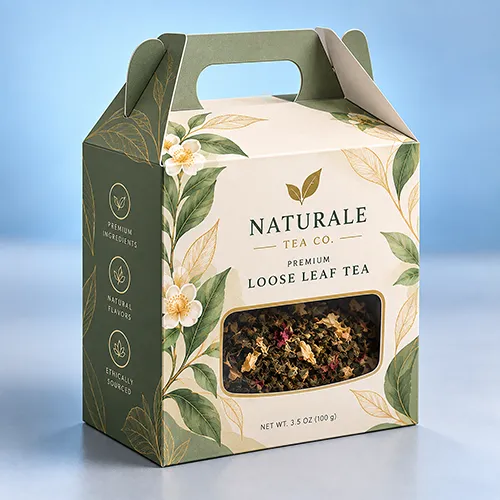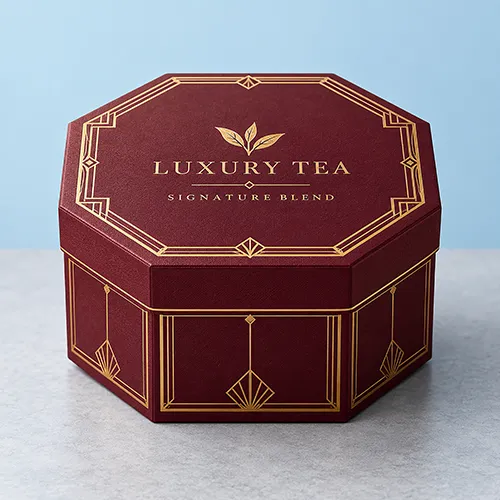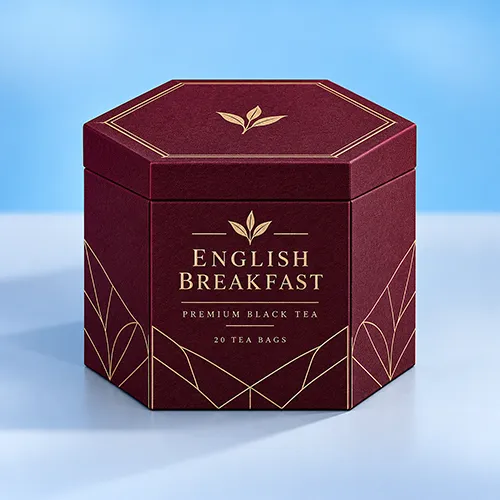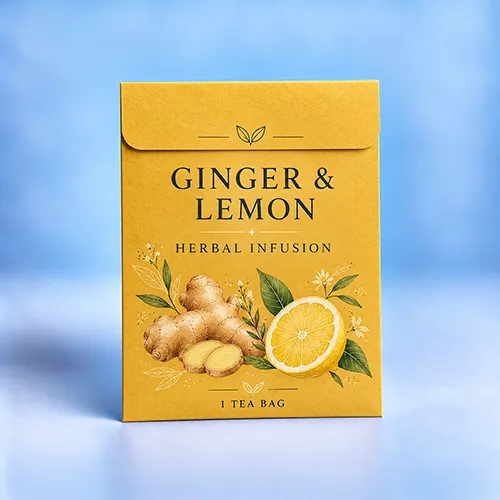


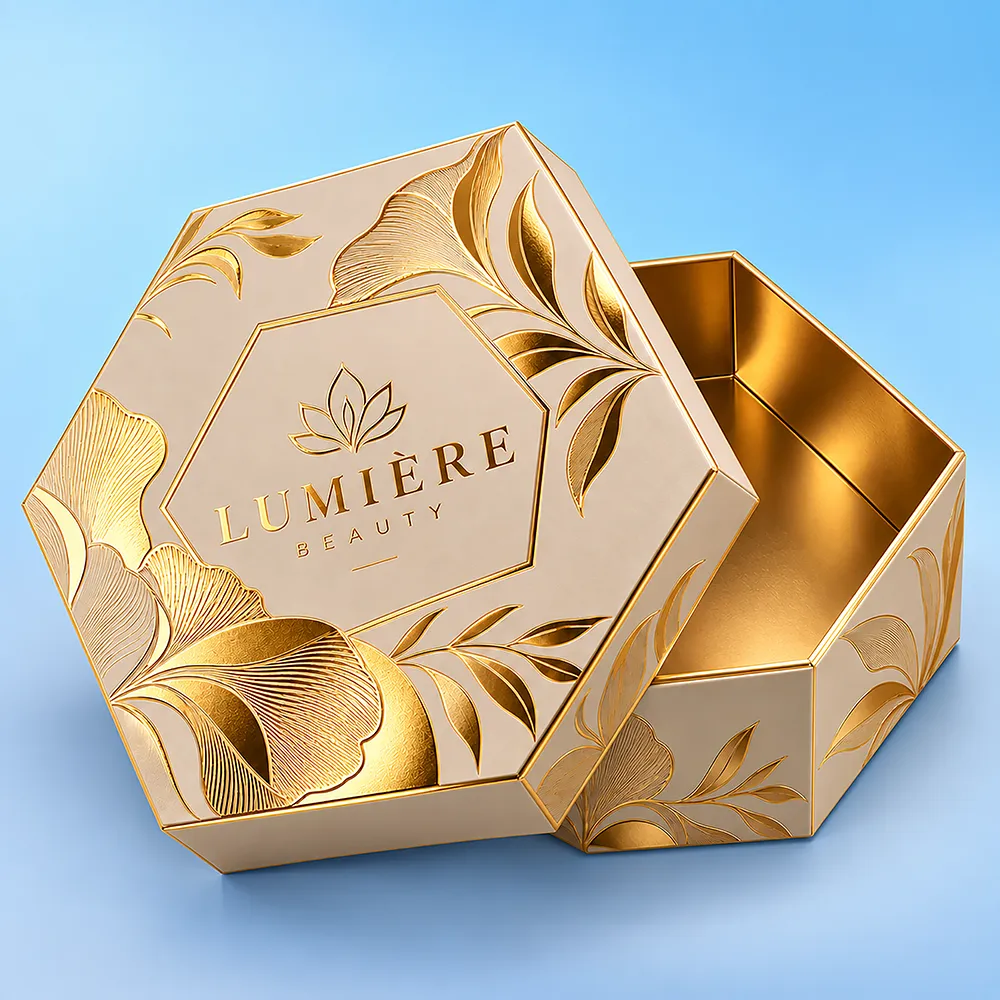
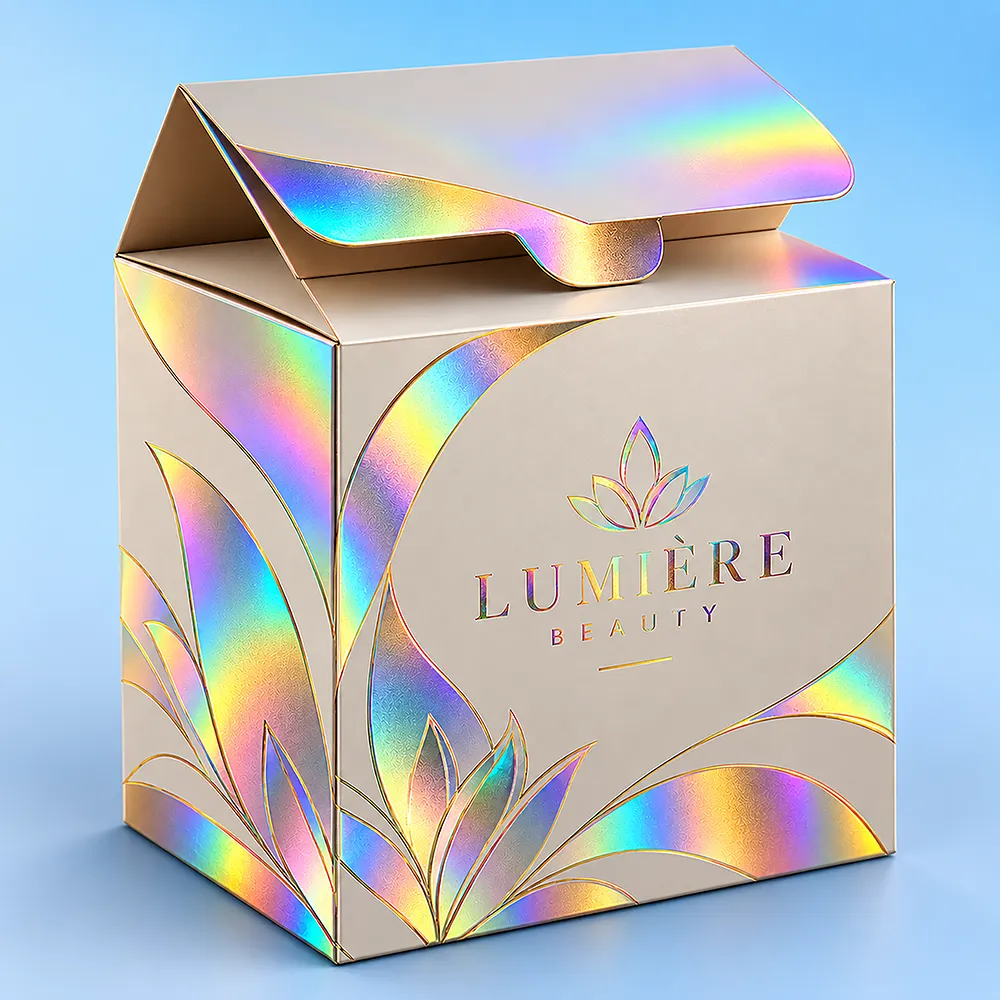
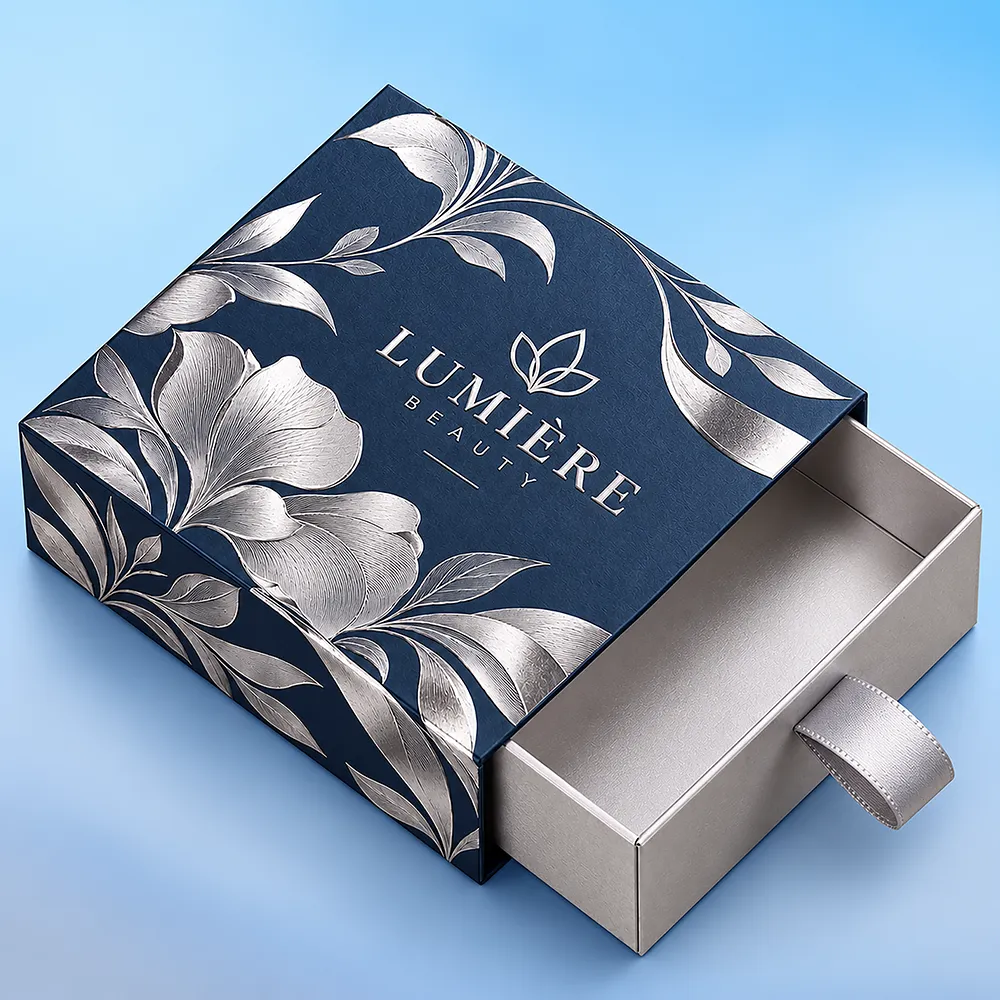
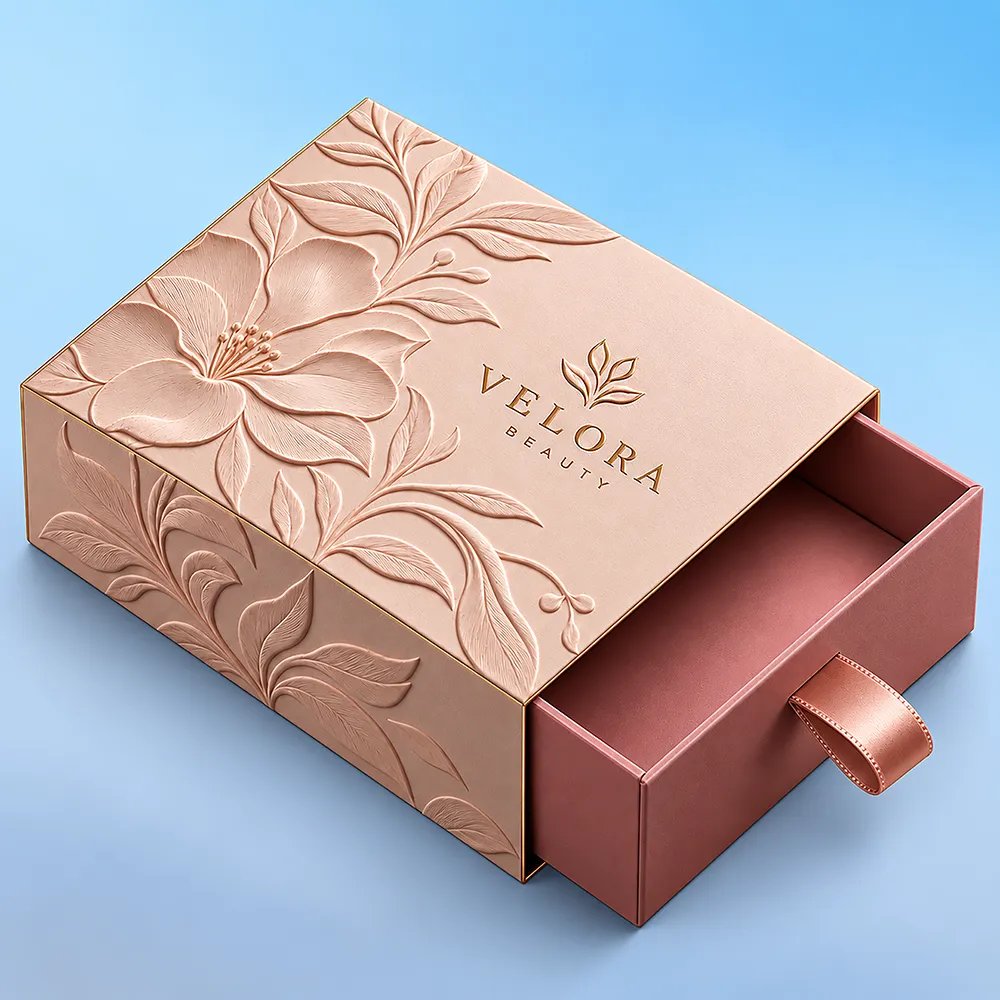

Custom Tea Display & Dispenser Boxes

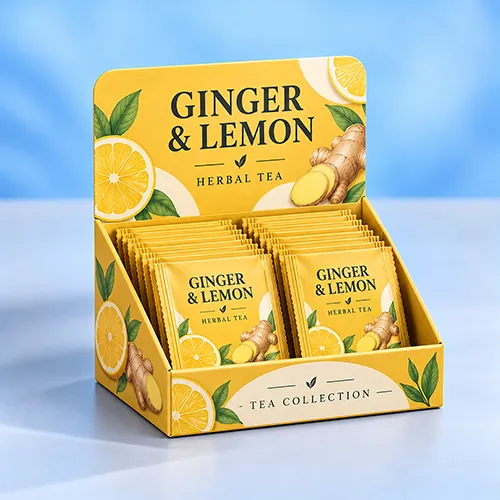
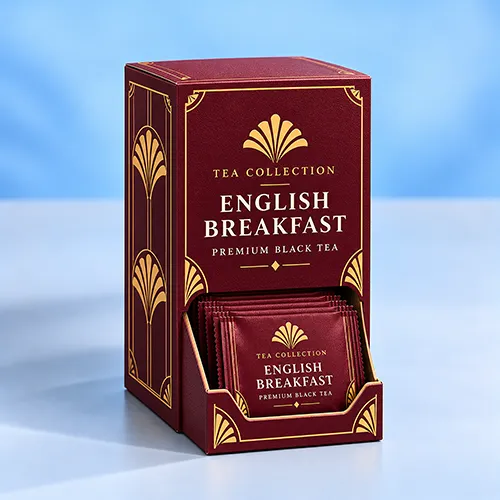
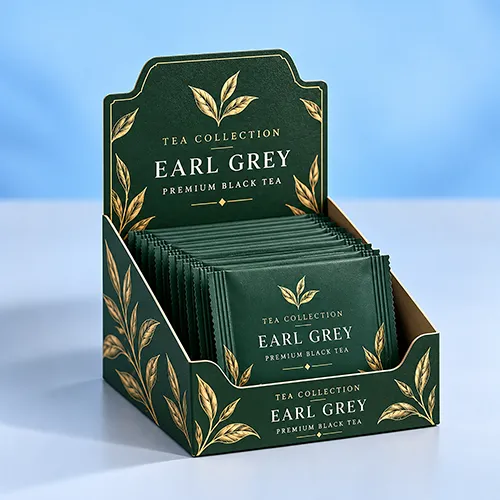
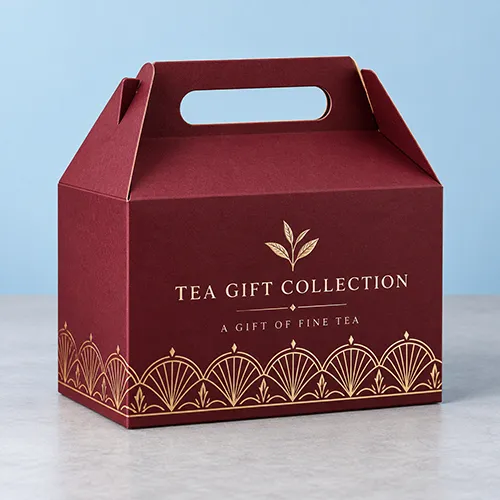
Custom tea display and dispenser boxes are designed to organize multiple individually packed tea units for accessible presentation on retail shelves, counters and hospitality service areas. BoxBaba can develop the structure around the actual sachet, envelope, pouch or small carton dimensions, required unit capacity, number of flavors or SKUs, loaded weight and available display footprint. Available formats can include countertop displays, shelf-ready trays, dispenser cartons and partitioned structures with custom sizing, dividers, headers, printing and compatible finishes. The opening and access direction can also be adjusted according to how units need to be presented or removed. Qualifying paperboard orders start from 100 boxes, with standard production generally taking 5–9 business days after final artwork and structural approval.
Trustpilot_Logo
5 out of 5 stars
4.5
Reviews 16 • Excellent

Custom Tea Display & Dispenser Boxes for Retail Shelves, Tea Bags & Brand Visibility

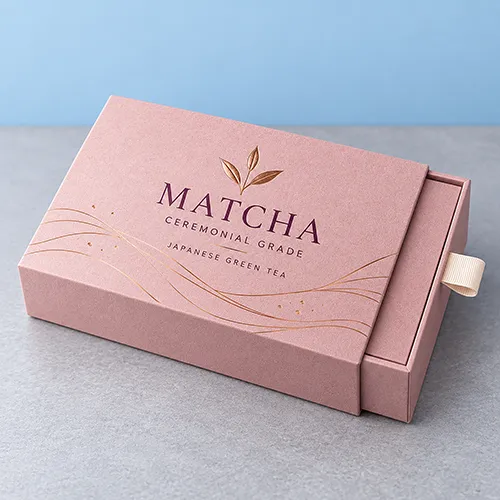
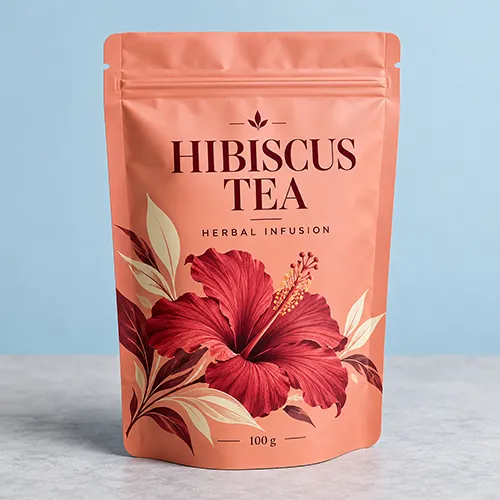
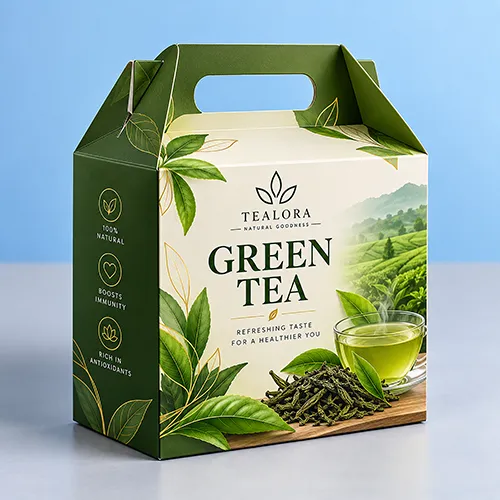
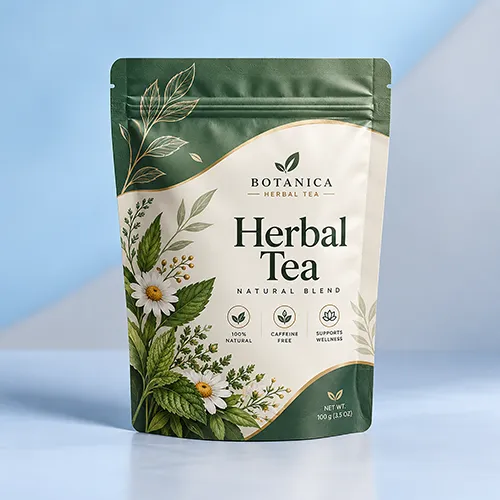
Custom tea display and dispenser boxes made with durable materials and personalized printing, ideal for tea bags, herbal blends, green tea, and assorted tea products while supporting easy product access, organized retail displays, convenient dispensing, and enhanced brand visibility.

What We Give

Create Custom Boxes Quick and Easy

Design

Get your custom boxes made in the required size, shape, and style.

Print

Upload your artwork and get it superbly printed the way you want.

Get it done

Order any quantity, enjoy a wholesale price, pay no extra for die plates.

Product Specification

Specification Available / Project Requirement
Product Type Multi-unit tea display or dispensing packaging
Typical Contents Individually wrapped tea sachets, tea-bag envelopes, sealed mini pouches and compatible retail tea units
Placement Countertop, retail shelf or compatible hospitality/service location
Structures Countertop display, shelf-ready tray, dispenser carton, partitioned display and compatible custom structures
Capacity Custom according to unit dimensions, SKU count and required quantity
Size Based on packed-unit dimensions, arrangement and available retail footprint
Materials SBS paperboard, kraft and project-appropriate corrugated board
Dividers Paperboard dividers and partitions where required
Header Integrated or custom display header where compatible
Printing Methods Digital and offset printing for compatible paperboard structures
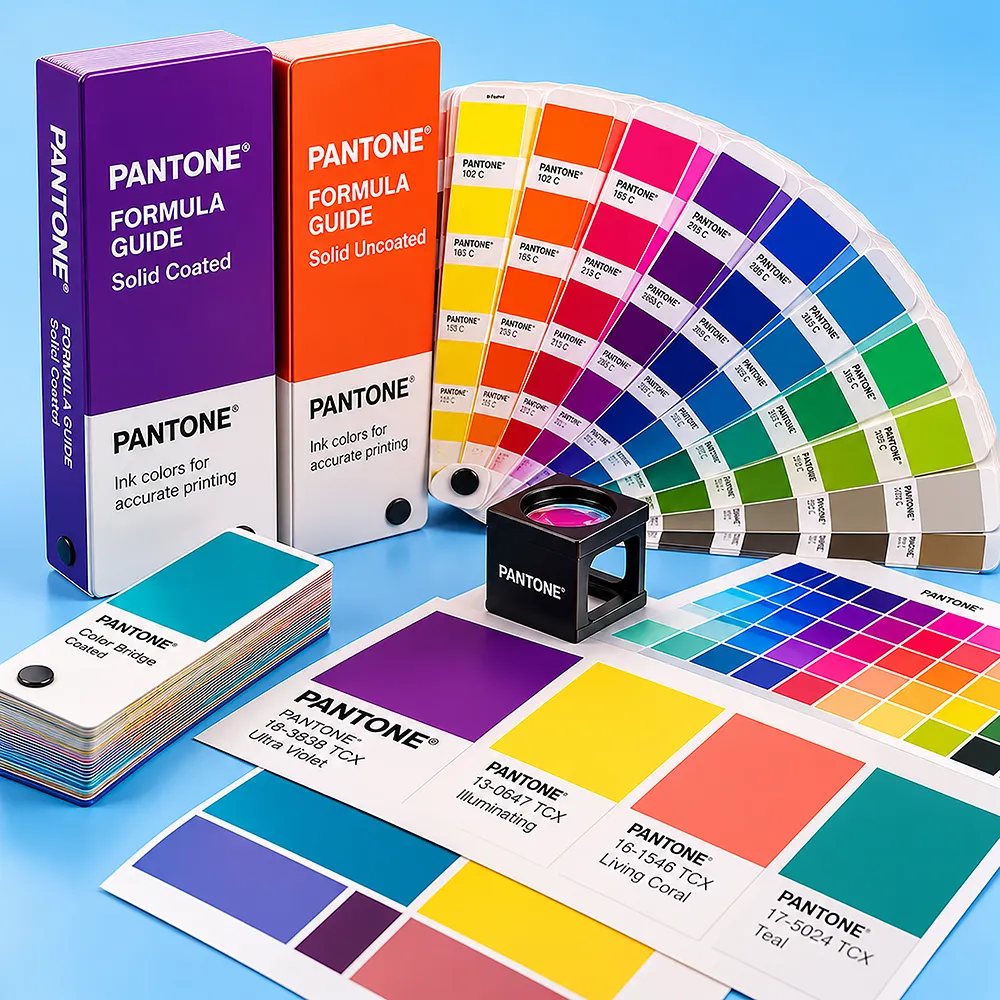
Color Options CMYK full-color printing and PMS/Pantone matching where applicable
Finishing Matte, gloss, soft-touch, foil stamping, embossing, debossing and spot UV where compatible
Packaging Role Multi-unit secondary display/dispensing package around appropriately packed tea products
MOQ From 100 boxes for qualifying paperboard projects
Standard Production Generally 5–9 business days after final artwork and structural specifications are approved
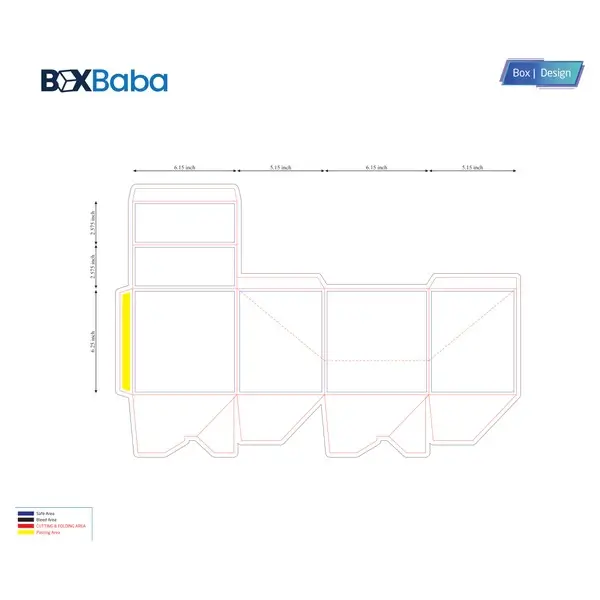
Artwork Support Dieline, 3D mockup and artwork assistance
Samples Available according to project requirements
Shipping Free USA shipping for qualifying orders under applicable terms

Related Products

Stock Type & Thickness

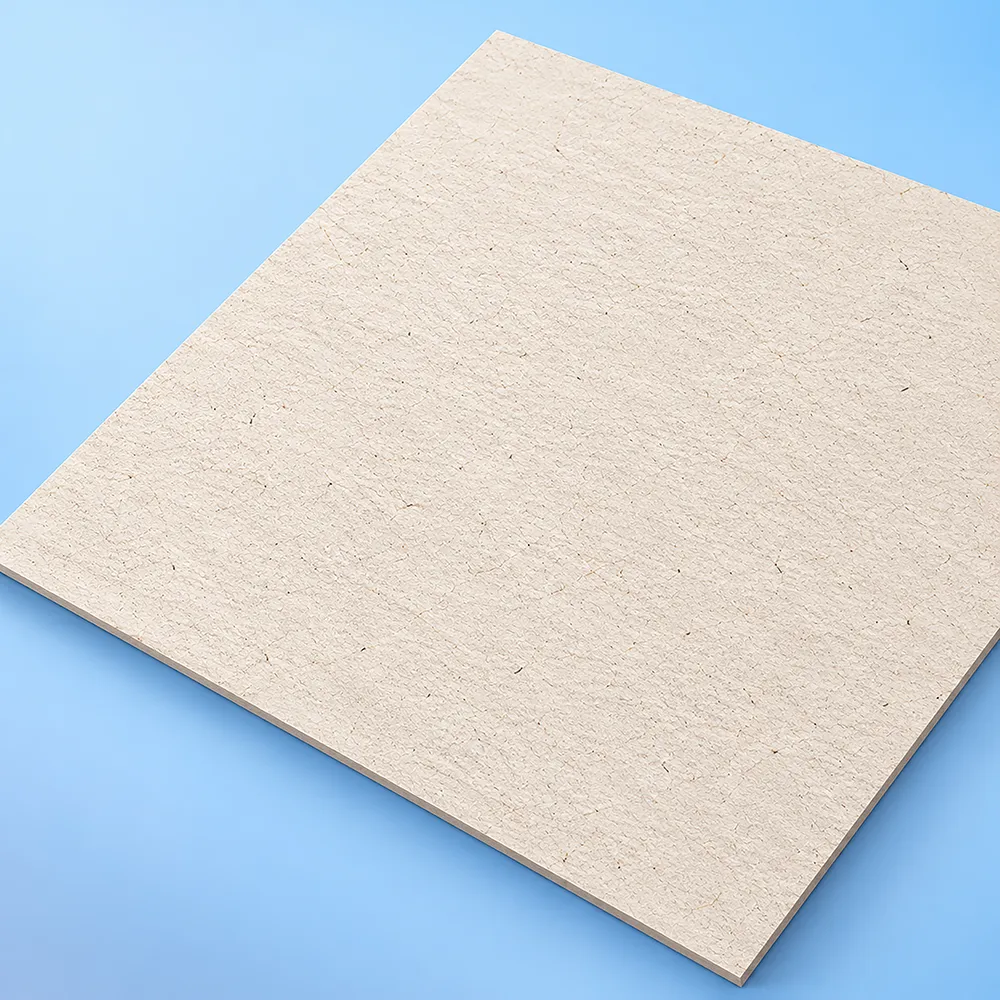
Cardboard

We use cardboard material with the least environmental impact and minimizes waste generation.
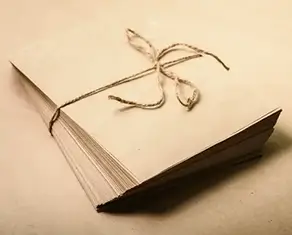
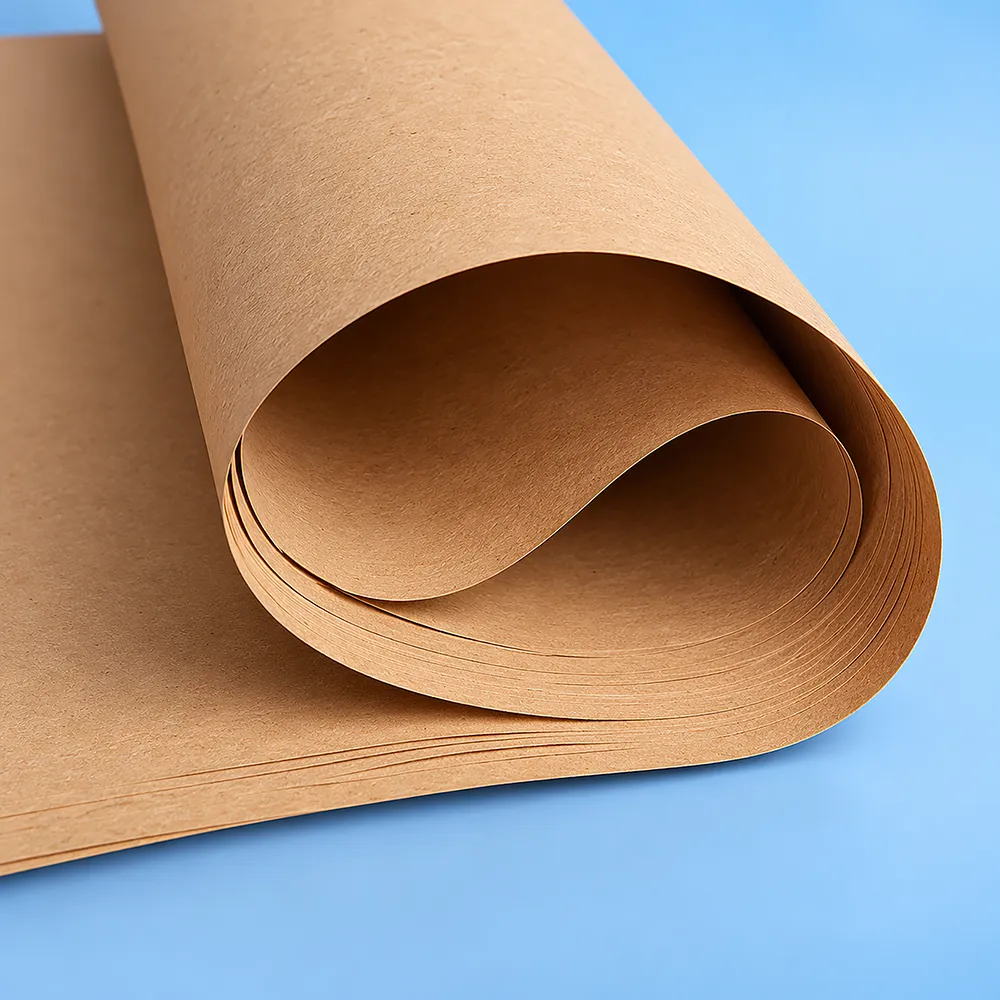
Kraft

Kraft paper is a strong, durable and reliable material that is widely used across many different industries.
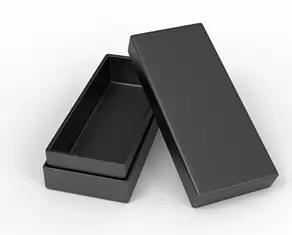
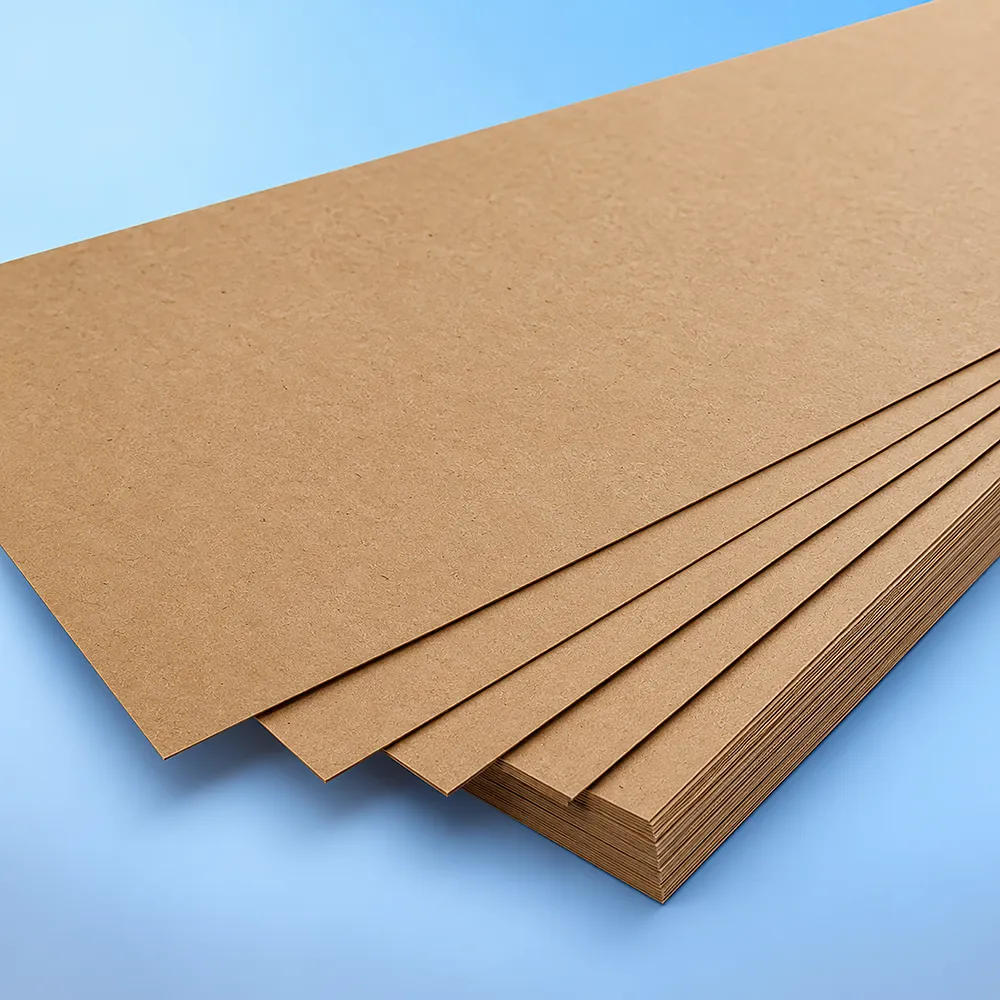
Rigid

Rigid is highly protective, affordable and recyclable material. These boxes provide maximum protection.
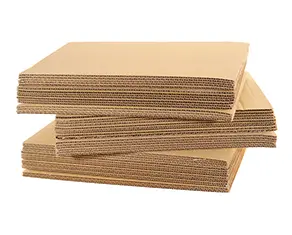
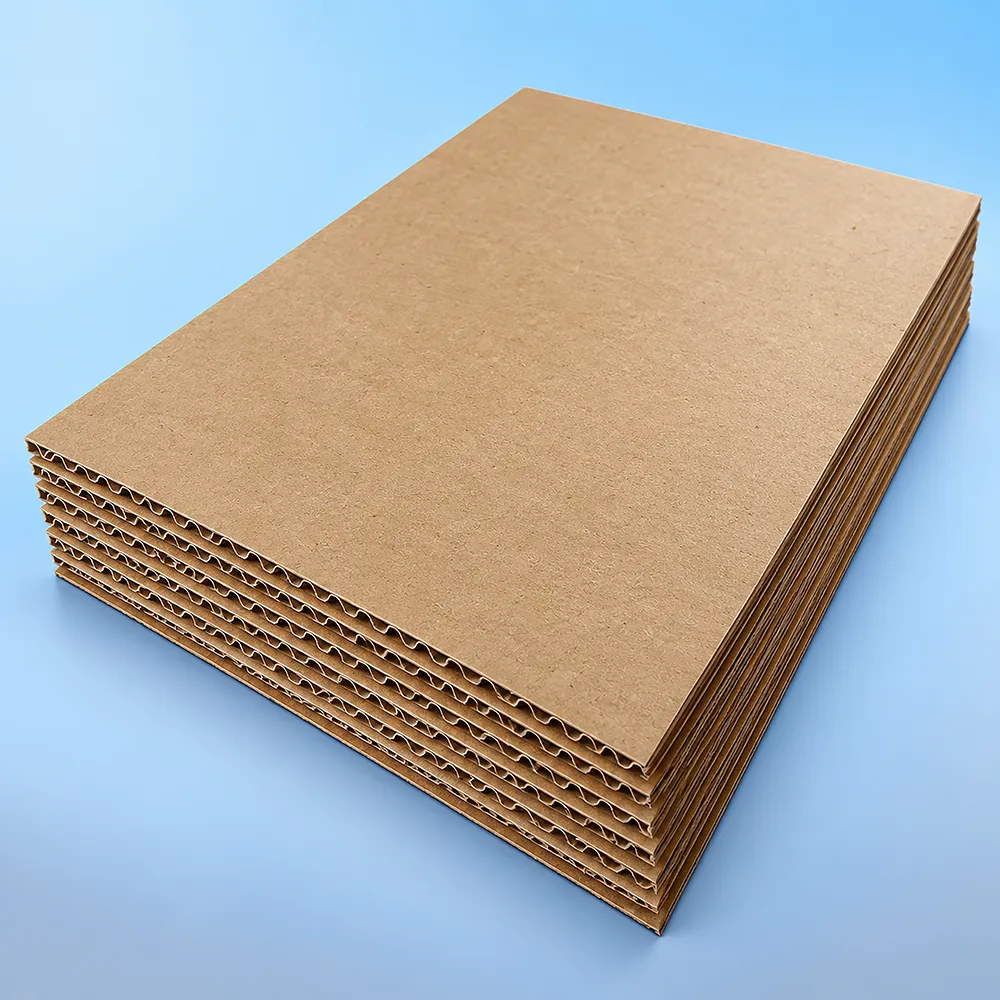
Corrugated

Corrugated material is easy to customize, cost effective and sustainable. It is also great for branding purposes.
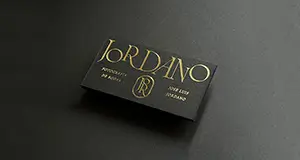
Finishing Assortment

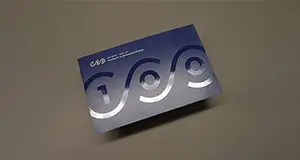
Foil Stamping

Foil Stamping

Enhance your packaging with premium foil stamping for a bold and luxurious appearance.
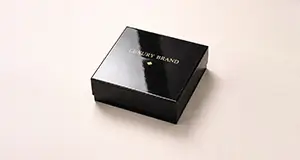
Spot UV

Spot UV

Our Spot UV coating adds a sleek shine and highlights key design elements beautifully.
Gloss-Lamination

Gloss

Give your packaging a polished, glossy finish that enhances color and visual appeal.
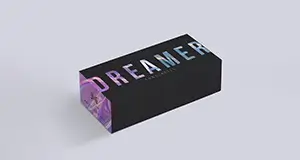
Holographic Foiling

Holographic Foiling

Create eye-catching packaging with holographic foil effects that shimmer from every angle.
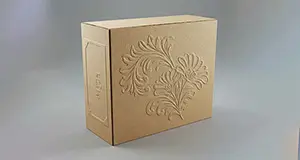
Embossing

Embossing

Add raised textures and elegant detailing to make your packaging stand out.
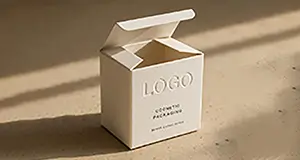
Debossing

Debossing

Create a refined pressed-in effect that adds depth and sophistication to your packaging.
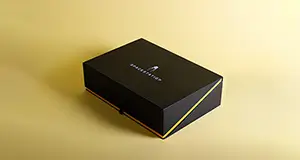
Matte

Matte

Achieve a smooth matte finish that minimizes fingerprints and delivers a modern look.
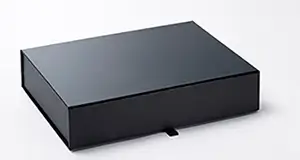
Soft Touch Lamination

Soft Touch Lamination

Protect your packaging with a silky-soft laminated finish for a premium feel.
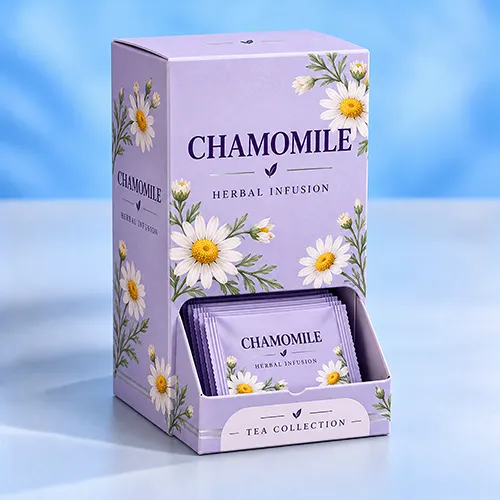
Tea Display & Dispenser Boxes Designed Around Capacity, Access & Display Space

Tea display packaging should be developed around the exact size and number of individually packed units it needs to hold, along with how customers or staff will access them. Sachets, tea bag envelopes, pouches and small cartons can require different internal depths, divider layouts and dispenser openings depending on the unit count, number of flavors and presentation direction. Countertop displays and shelf-ready formats can also be sized around the available retail or hospitality footprint while maintaining organized product access and clear branded presentation. Explore BoxBaba broader Tea Packaging range for other tea-specific formats. For individual wrapped units commonly used inside dispenser boxes, see Custom Tea Bag Envelopes.

What Are Tea Display & Dispenser Boxes?

Tea Display & Dispenser Boxes are multi-unit structures developed to present or dispense individually packed tea products from a defined retail, counter or service location. Unlike a conventional retail carton that contains one tea product for purchase, a display organizes several sale-ready or service-ready units at the same time. Before choosing the structure, establish:
  • the dimensions of each finished tea unit;
  • units per display;
  • number of flavors or SKUs;
  • product orientation;
  • customer or staff access;
  • replenishment direction;
  • complete loaded weight;
  • available shelf or counter footprint.
Those inputs should determine the display structure—not the other way around.

Tea Display Boxes vs Tea Dispenser Boxes

Display and dispenser structures overlap, but they are not always identical. A Tea Display Box prioritizes merchandising and visibility. Products may sit in an open tray, divided counter display or shelf-ready structure. A Tea Dispenser Box prioritizes repeated removal through a defined access opening while the remaining packed units stay organized inside the structure. Some finished packaging can perform both functions. Where the project mainly needs a generic dispensing format beyond tea, review BoxBaba Dispenser Boxes.

Tea Display Boxes vs Tea Bag Packaging

Tea Bag Packaging and Tea Display Boxes can both contain several tea units, but they solve different problems.
Tea Display & Dispenser Boxes Tea Bag Packaging
Designed around merchandising or repeated access Designed primarily as a closed tea-bag retail carton
Shelf/counter footprint is central Retail carton dimensions are central
May contain several SKUs Often represents one SKU
May remain open during use Normally remains closed until opened by the buyer
Dispenser opening/header may be structural Conventional carton opening may be sufficient
Replenishment workflow matters Packing count is usually the main workflow
Where the buyer simply needs a closed carton containing a defined number of tea bags, use the Tea Bag Packaging product rather than turning every multi-unit tea carton into a display.

Tea Display Boxes vs Tea Sampler Boxes

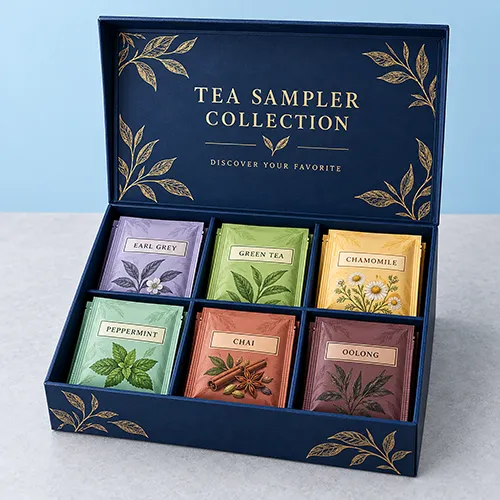
A Tea Sampler Box combines several tea varieties into one tasting or discovery product purchased as a complete set. A Tea Display Box presents multiple individual units for repeated shopper or hospitality access. For example, six tea varieties inside one purchased tasting set represent sampler intent. Thirty individually wrapped tea sachets arranged for repeated selection from a counter represent display/dispenser intent. The buyer intended workflow should determine which structure is appropriate.

Tea Products Suitable for Display & Dispenser Boxes

Individually Wrapped Tea Sachets

Wrapped flat sachets are well suited to display and dispenser packaging because the structure can be developed around their actual finished wrapper dimensions.

Individually Wrapped Pyramid Sachets

Pyramid-style tea bags can also be displayed where their complete wrapped thickness and dimensions are included in the structural calculations.

Small Sealed Tea Pouches

Mini pouches can sit in open trays or partitioned displays. Use the filled and sealed pouch dimensions, not the empty pouch dimensions.

Small Retail Tea Cartons

Shelf-ready trays can organize several sale-ready tea cartons when the purpose is merchandising individual products rather than dispensing single tea bags. Loose unpackaged tea should not be placed directly inside an ordinary display carton unless the complete food-contact packaging system has been specifically developed for that use.

Available Styles for Tea Display & Dispenser Boxes

Countertop Tea Display Boxes

Countertop displays organize individually packed tea products in a compact merchandising footprint. They can be developed for retail checkout areas, cafés, hospitality counters and other compatible settings. Confirm:
  • available counter width;
  • available depth;
  • vertical clearance;
  • unit capacity;
  • loaded weight;
  • product-removal direction;
  • header requirements.
For broader product-display projects beyond tea, BoxBaba Custom Display Boxes category covers the wider display structure family.

Shelf-Ready Tea Display Trays

Shelf-ready trays organize multiple tea products within a defined shelf footprint. The front-stop height should provide enough support to retain the products while still leaving the shopper-facing artwork visible.

Tea Bag Dispenser Boxes

A Tea Bag Dispenser Box provides a defined opening through which individually packed tea units can be removed repeatedly. The opening should be developed around:
  • wrapped-unit width;
  • wrapped-unit thickness;
  • stack or row arrangement;
  • customer access;
  • remaining supporting board;
  • replenishment direction.
A dispenser opening that is too small can restrict access. An unnecessarily large cutout can remove useful product support.

Partitioned Tea Displays

Dividers can create individual lanes or sections for multiple flavors. Each section should be developed around the actual tea unit assigned to it.

Display Boxes with Header Panels

A raised header provides additional space for:
  • brand logo;
  • tea collection;
  • flavor family;
  • promotional artwork;
  • QR codes;
  • retail messaging.
The header must remain within the available vertical clearance of the intended display location.

Tear-Away or Convertible Display Cartons

Some compatible projects may use a carton that converts into a display after a section is opened or removed. The tear-away area, remaining support structure and final product access should be reviewed as part of the dieline rather than added after the carton has already been sized.

How to Determine Tea Display Capacity

Capacity should come from the actual merchandising requirement. Start with one finished tea unit. Then establish:
  • units per row;
  • number of rows;
  • units per flavor;
  • number of SKUs;
  • divider arrangement;
  • orientation;
  • desired replenishment frequency.
A display that holds 40 units does not simply need “space for 40 tea bags.” It needs space for 40 finished wrapped units in a defined arrangement. The useful design relationship is: Finished tea unit → capacity → SKU arrangement → access/replenishment → loaded configuration → retail footprint → final display structure

Measure the Tea Units Before Designing the Display

Measure the packaging unit that will physically sit inside the display.

Wrapped Sachets & Envelopes

Measure:
  • finished width;
  • finished height;
  • maximum thickness;
  • individual packed weight where relevant.

Filled Mini Pouches

Measure:
  • filled width;
  • filled height;
  • maximum thickness;
  • gusset expansion;
  • packed weight.

Small Retail Cartons

Measure the complete sale-ready box rather than the tea product inside it. Also identify the front-facing panel so the display can present the correct artwork to the shopper.

Plan Rows, Columns & SKU Arrangement

Two displays holding the same total number of products can require very different dimensions. For example, a 24-unit display might use:
  • 4 rows × 6 units;
  • 3 rows × 8 units;
  • 4 SKUs × 6 units;
  • 6 SKUs × 4 units.
Each configuration changes the width, depth, divider arrangement and shopper access. The total unit count is therefore only one input.

Plan Multi-Flavor Tea Displays

A Tea Display Box can contain one or several flavors. For multiple SKUs, confirm:
  • number of flavors;
  • quantity per flavor;
  • packed dimensions of each SKU;
  • row or compartment position;
  • flavor identification;
  • refill direction.
Equal compartments work best when the packed products use compatible dimensions. Where one tea uses a thicker sachet or larger pouch, the internal sections may need different widths. Product fit should take priority over visual symmetry.

Front-Opening Tea Dispenser Design

A front dispenser opening can allow individually wrapped tea units to be removed without opening the top of the box each time. Important dimensions include:
  • opening width;
  • opening height;
  • tea-unit thickness;
  • stack height;
  • front-stop height;
  • hand/finger access;
  • remaining side-wall support.
The opening should expose enough of the next packed tea unit for practical removal without removing unnecessary board from the display.

Replenishment Direction

Product removal and product replenishment are separate workflows. A customer may remove sachets from the front while staff refill the dispenser through the top or rear. Confirm both before the dieline is finalized. A structure designed only around customer access can become inconvenient if staff cannot reload it efficiently.

Self-Service vs Staff-Service Tea Displays

The intended user can change the structural priorities.

Self-Service Retail

A customer-facing display should support:
  • clear flavor identification;
  • easy unit removal;
  • enough structure to retain remaining units;
  • visible branding as stock levels fall.

Staff-Service or Hospitality

A staff-operated dispenser may prioritize:
  • rapid repeated removal;
  • easy replenishment;
  • compact counter footprint;
  • clear flavor lanes;
  • practical access direction.
Do not assume every tea display requires the same opening.

Shelf & Counter Footprint Planning

Before approving dimensions, confirm any maximum:
  • width;
  • depth;
  • height.
A well-designed display still fails commercially if it does not fit its allocated space. Retail buyers should consider shelf depth, vertical clearance and adjacent products. Countertop buyers should consider whether the display sits against a wall, beside equipment or in a customer-facing position. BoxBaba Retail Display Boxes provide the broader cross-industry context for retail display packaging.

Loaded Weight & Structural Planning

Display material should follow the fully loaded configuration, not the empty box. Calculate the approximate complete load from:
  • individual product weight;
  • total capacity;
  • divider system;
  • display structure;
  • any additional components.
A lightweight sachet display and a display containing several small boxed or rigid tea products may require different structural directions even when their external dimensions appear similar.

Dividers & Product Lanes

Dividers can:
  • separate flavors;
  • maintain rows;
  • create SKU lanes;
  • limit sideways movement;
  • support organized replenishment.
Divider thickness consumes usable internal space. Include it before finalizing the outside dimensions. For several tea varieties, divider positions can also align with printed flavor labels.

Materials for Tea Display & Dispenser Boxes

SBS Paperboard

SBS provides a smooth light-colored surface suitable for:
  • detailed printing;
  • full-color graphics;
  • flavor coding;
  • typography;
  • retail branding.
It can work well for compatible lighter countertop and dispenser structures.

Kraft Paperboard

Kraft provides a natural brown paper appearance. Its substrate color affects printed graphics, particularly pale colors and precise brand tones. Do not use kraft appearance alone to claim that the complete display package is certified, recyclable or environmentally preferable.

Corrugated Board

Corrugated board can be considered for larger, heavier or more structurally demanding displays. Final board/flute selection should follow:
  • display dimensions;
  • loaded weight;
  • structure;
  • product arrangement;
  • handling requirement.
For wider corrugated-display needs, BoxBaba broader Display Boxes architecture should guide the final structural direction.

Tea Display Packaging & Product Protection

Tea Display & Dispenser Boxes normally function as secondary or multi-unit presentation packaging. Each tea unit should already use an appropriate primary package such as:
  • an individual wrapper;
  • a sealed tea-bag envelope;
  • a suitable mini pouch;
  • another compatible primary pack.
The display can organize, separate and present those units. It should not automatically be described as the tea oxygen, moisture or aroma barrier. Those requirements belong to the actual primary packaging specification.

Printing Options for Tea Display & Dispenser Boxes

Printing should follow the material, order quantity, artwork complexity and number of display versions.

Digital Printing

Digital printing can suit compatible:
  • shorter display runs;
  • promotional projects;
  • hospitality programs;
  • seasonal tea collections;
  • multiple artwork versions.

Offset Printing

Offset printing can suit compatible larger paperboard display runs where detailed artwork and controlled color reproduction are priorities. Applications can include:
  • countertop displays;
  • dispenser cartons;
  • shelf trays;
  • larger wholesale programs.

CMYK Full-Color Printing

CMYK can support:
  • multicolor branding;
  • illustrations;
  • gradients;
  • photography;
  • flavor-color systems.

PMS / Pantone Color Matching

PMS/Pantone matching can help maintain controlled brand colors where supported by the substrate and print process.

Inside Printing

Compatible structures can use selected interior printing for:
  • flavor identification;
  • refill guidance;
  • compartment labels;
  • brand messaging;
  • artwork visible as stock levels fall.

Finishing Options for Tea Display & Dispenser Boxes

Matte Finish

Matte creates a lower-sheen surface and can reduce reflections.

Gloss Finish

Gloss provides greater reflectivity and can increase color contrast.

Soft-Touch Finish

Soft-touch can create a smoother tactile surface on compatible paperboard structures.

Foil Stamping

Foil can highlight logos, collection names or selected artwork.

Embossing

Embossing creates raised detail on compatible surfaces.

Debossing

Debossing creates recessed artwork.

Spot UV

Spot UV can create localized gloss contrast on selected print areas. Finishes should not interfere with:
  • dispenser openings;
  • perforations;
  • tear-away sections;
  • fold lines;
  • glue areas;
  • frequently flexed or handled edges.

Header & Branding Panel Planning

A header can remain visible above the products while the display is full or partially empty. Useful branding areas can include:
  • rear header;
  • front lip;
  • side panels;
  • divider labels.
When planning the header, confirm the maximum vertical clearance at the final retail or service location. The header should not make the display too tall for its assigned shelf.

Samples & Loaded-Display Validation

Tea displays should ideally be evaluated in their loaded configuration. A structural sample can help check:
  • unit fit;
  • capacity;
  • divider positions;
  • opening geometry;
  • product removal;
  • refill access;
  • header clearance;
  • retail footprint.
Also review the structure after some products have been removed. A display that works only when completely full may not provide the same organization or access when partially empty. Where practical, validate the structure using the actual individually packed tea units rather than nominal measurements alone.

Tea Display Boxes for Retail

Retail Tea Display Boxes should keep products accessible while maintaining clear brand and flavor identification. Consider:
  • shopper viewing angle;
  • shelf location;
  • front-facing product artwork;
  • SKU labeling;
  • product access;
  • price-label area where applicable;
  • replenishment.
If several tea varieties share the display, the assortment should remain understandable as inventory decreases.

Tea Dispenser Boxes for Cafés & Hospitality

Hospitality displays can organize individually wrapped sachets for:
  • cafés;
  • hotels;
  • meeting rooms;
  • offices;
  • compatible beverage-service locations.
The structure can prioritize repeated access, compact footprint and clear flavor organization. Confirm whether guests or staff will remove the tea units and how the dispenser will be refilled. This packaging page addresses structure and presentation; it does not imply food-service, sanitation or hygiene certification.

Tea Displays for Wholesale Programs

A tea brand may use one structural display across several wholesale customers or product collections. Where the packed-unit dimensions, capacity and arrangement remain compatible, the same structural dieline may support several artwork versions. If the tea-unit dimensions or merchandising arrangement changes, recheck the structure.

Shipping Tea Display & Dispenser Boxes

A retail display is not automatically a transit carton. Depending on the project, the display may:
  • ship flat before assembly;
  • be packed into an outer corrugated carton;
  • require additional protection after loading.
Evaluate transit requirements separately from merchandising and dispensing requirements. Do not describe a countertop display as parcel-shipping-ready without validating the complete shipping configuration.

Why Choose BoxBaba for Custom Tea Display & Dispenser Boxes?

BoxBaba develops Tea Display & Dispenser Boxes around the actual packed tea units, capacity, SKU arrangement, access direction, replenishment workflow and available retail footprint rather than selecting a generic display first. Countertop, shelf-ready, dispenser and partitioned structures can be planned around individually wrapped tea products and the way customers or staff actually use them. Digital and offset printing, CMYK or PMS/Pantone color options, headers, dividers and compatible finishes can be coordinated with the approved display structure. Qualifying paperboard orders start from 100 boxes, with standard production generally taking 5–9 business days after final approval, supported by dielines, 3D mockups, artwork assistance and sampling options.

Order Custom Tea Display & Dispenser Boxes

Develop your tea display around the actual packed units, capacity, flavor arrangement, access method, replenishment workflow and retail footprint rather than a generic display size. Share the tea-unit dimensions, total capacity, number of SKUs, units per flavor, intended shelf or counter space, dispenser-opening requirements, quantity and artwork so BoxBaba can review the structure and prepare your quotation. Call: +1 305 574 4357 Email: sales@boxbaba.com

Frequently Asked Questions

Find all the urgent questions you may have.

A Tea Display Box is multi-unit secondary packaging designed to organize individually packed tea products for counter, shelf or compatible hospitality presentation.
A Tea Bag Dispenser Box holds multiple individually wrapped tea units and provides a defined access opening for repeated removal.
Yes. Compatible structures can use dividers, product lanes or separate sections to organize multiple flavors according to their packed dimensions and required quantities.
Tea Bag Packaging normally functions as the closed retail carton for a defined tea-bag count. A Tea Display Box is developed for merchandising or repeated access from a shelf or counter.
Measure each finished tea unit, then establish total capacity, units per SKU, arrangement, access direction, dividers and maximum available shelf or counter dimensions.
Yes. Compatible structures can include a header where the final structure and available vertical clearance permit it.
Yes, some compatible structures can use top replenishment while products are removed from another opening. The refill workflow should be established before the dieline is finalized.
Yes. Digital and offset printing can be used on compatible paperboard display structures according to quantity, substrate and artwork requirements.
Qualifying paperboard orders start from 100 boxes. Larger corrugated or specialty display projects may use different minimum quantities.
Standard production for qualifying paperboard Tea Display & Dispenser Boxes is generally 5–9 business days after final artwork and structural specifications are approved. Specialty structures are confirmed separately.

Get a Custom Quote