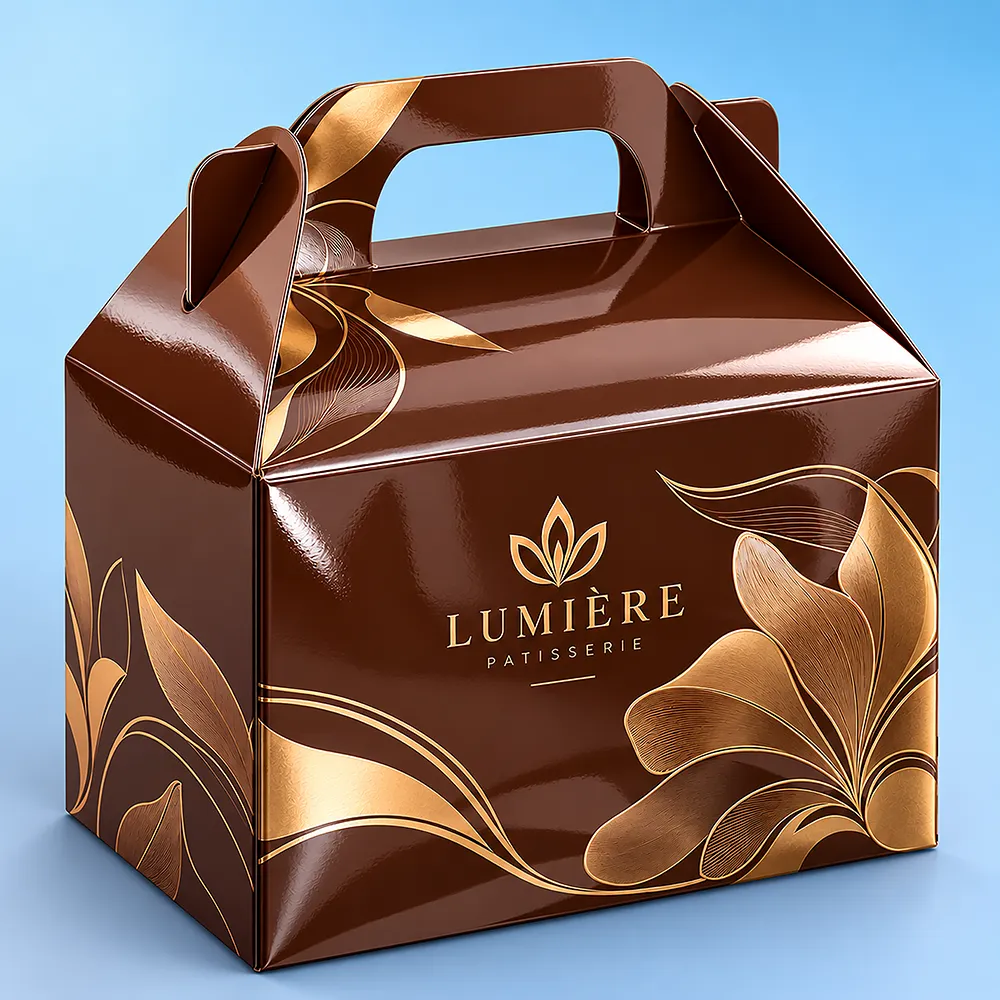
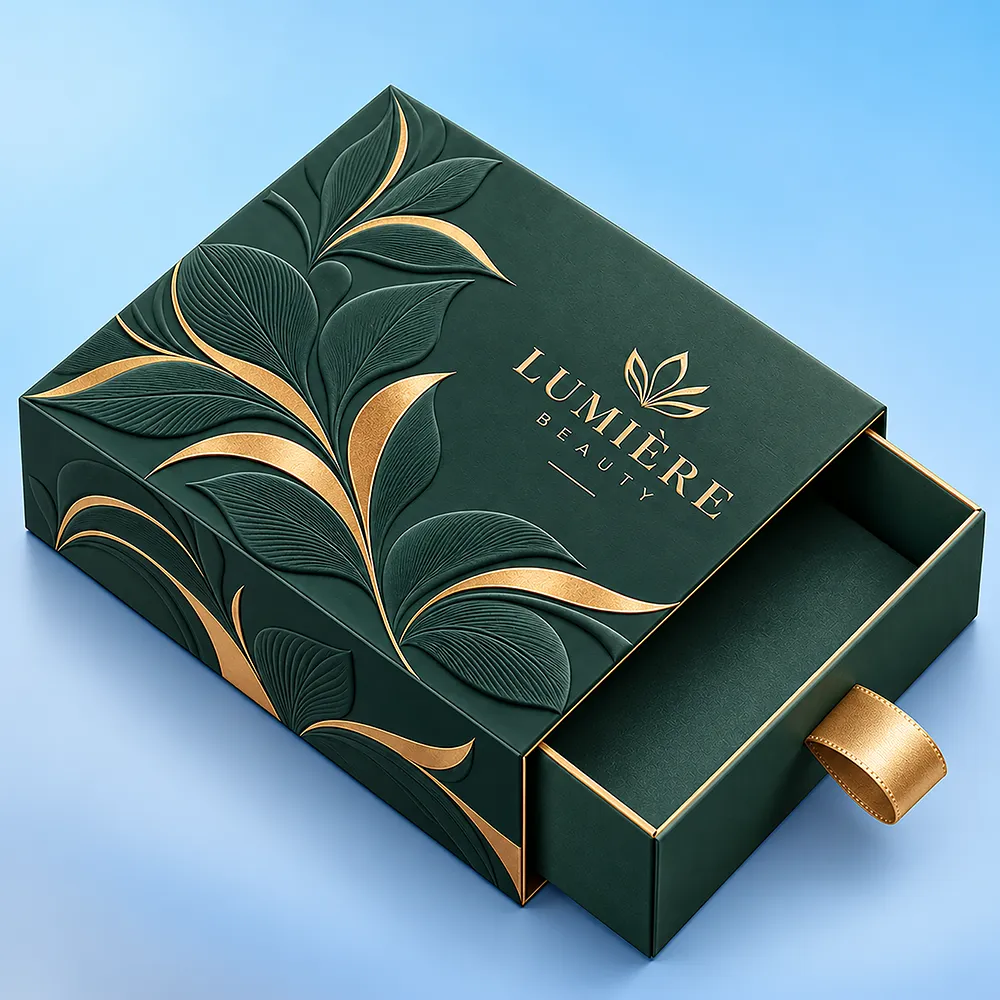
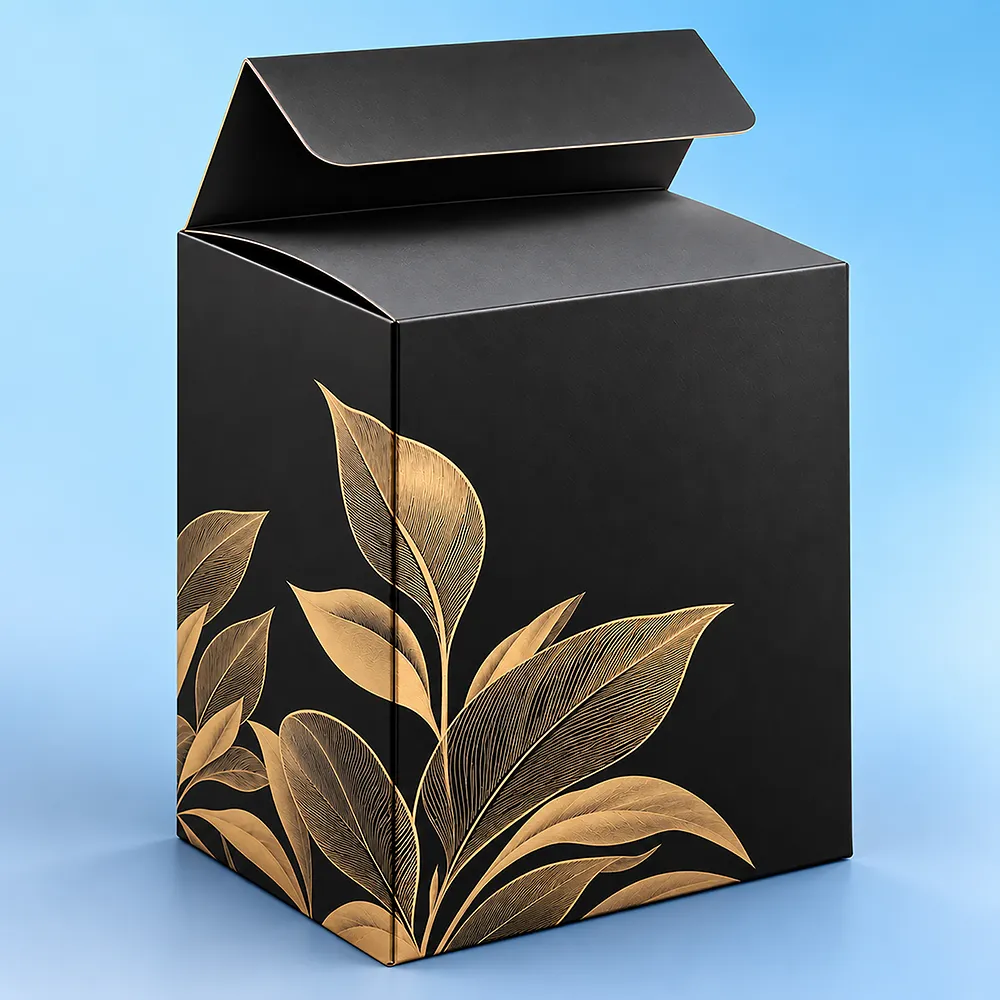
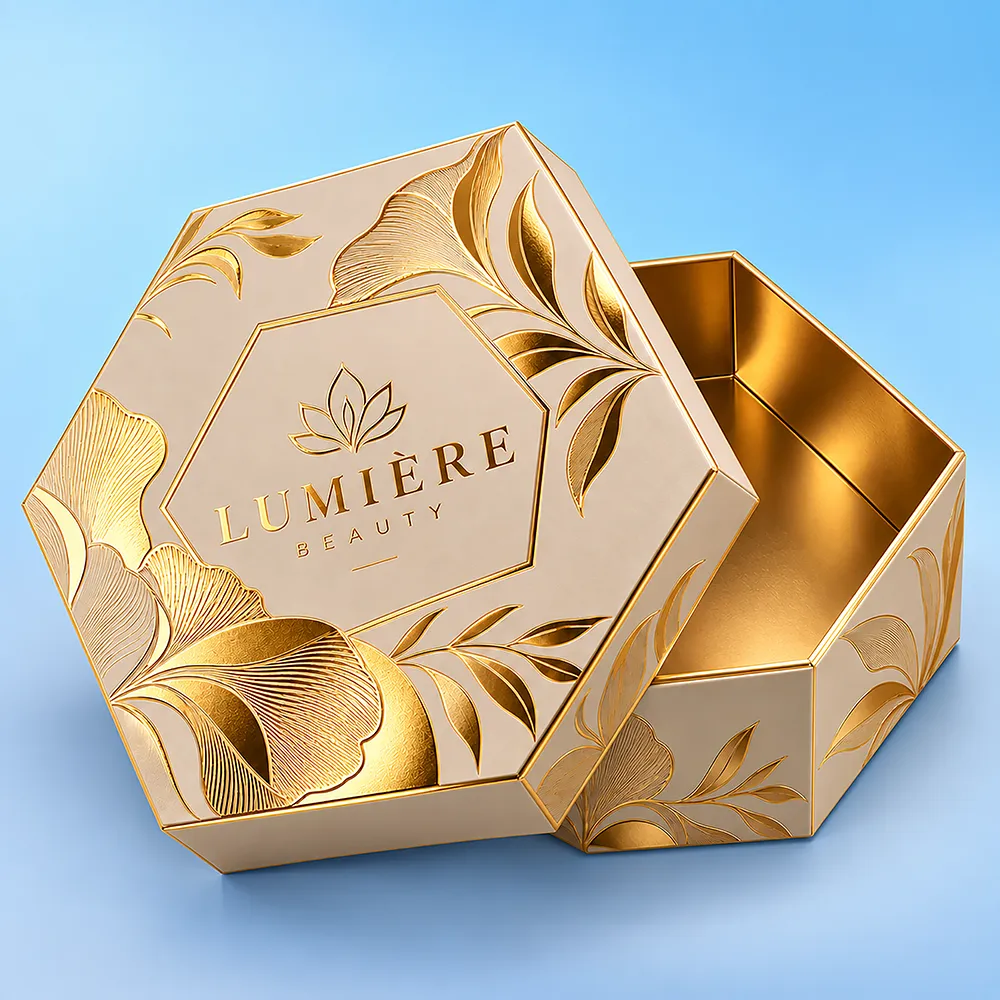

Custom Matcha Packaging

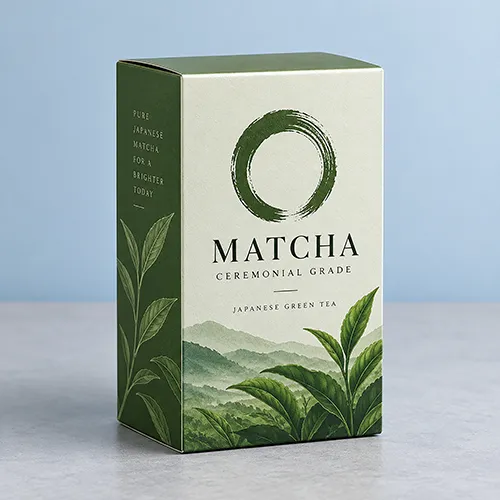
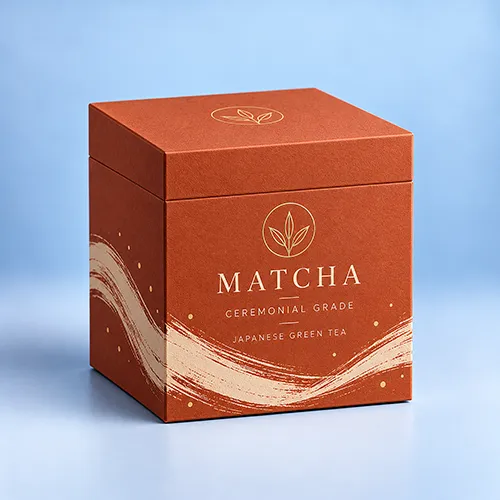
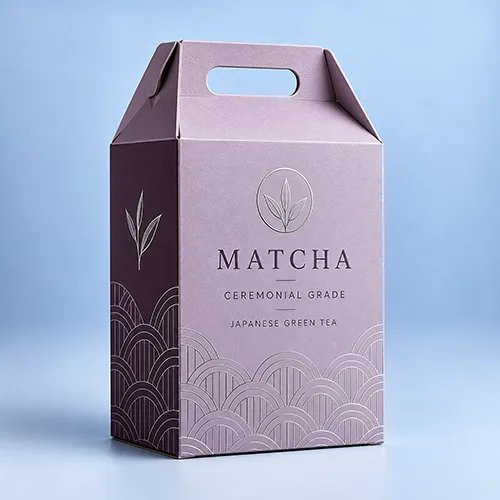
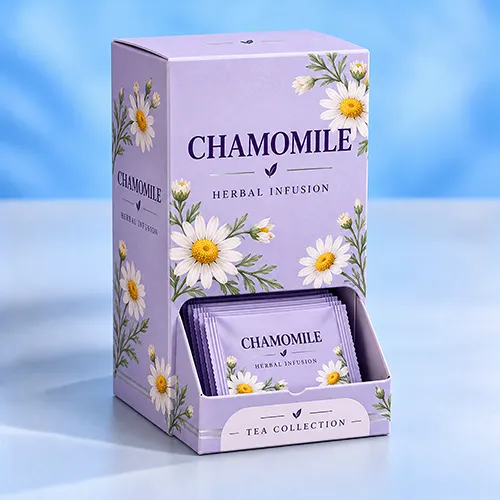
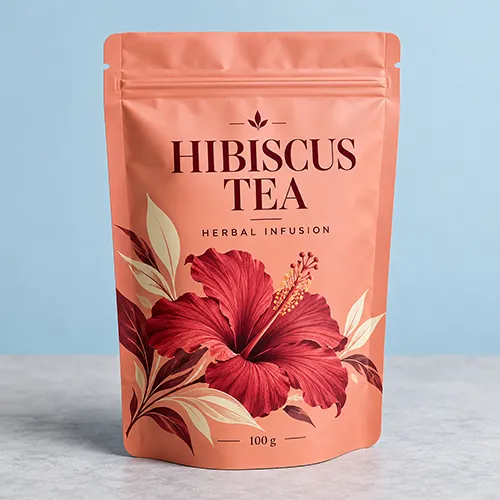
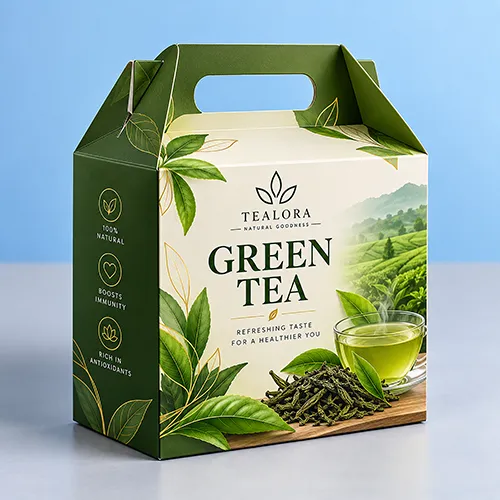
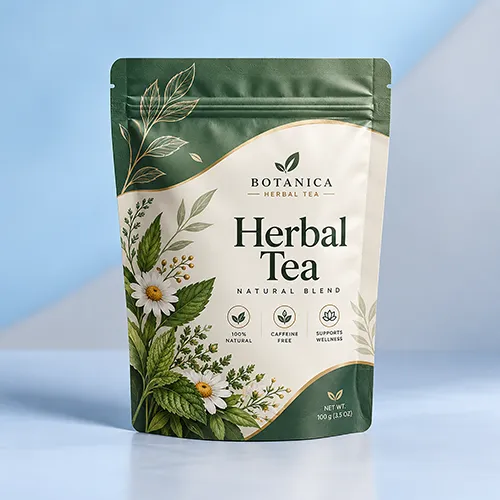
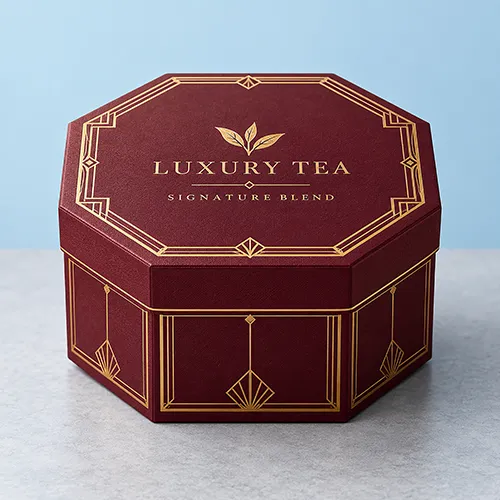
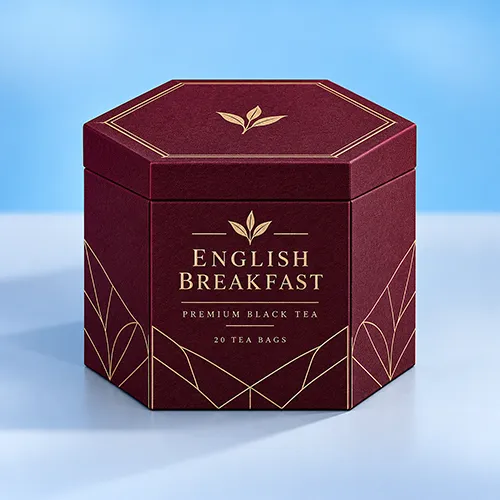
Custom matcha packaging is developed around powdered tea, its target fill weight, primary container, filling process and retail presentation rather than being treated like standard loose-leaf tea packaging. Matcha can be packed in a suitably specified flexible pouch, tin or canister, with a printed secondary carton added where extra branding and presentation are required. BoxBaba can customize compatible pouches and paperboard boxes with product-specific dimensions, closures, inserts, printing and finishing options. Required moisture, oxygen or light protection should come from the specified primary-pack construction rather than the outer carton alone. Qualifying carton orders start from 100 boxes, with artwork support and standard production generally taking 5–9 business days after final artwork and structural approval.
Trustpilot_Logo
5 out of 5 stars
4.5
Reviews 16 • Excellent

Custom Matcha Packaging for Freshness Protection, Premium Branding & Retail Display

Custom matcha packaging made with quality, food-safe materials and personalized printing, ideal for matcha powder, ceremonial-grade matcha, organic green tea powder, and matcha blends while supporting freshness protection, convenient storage, attractive retail presentation, and professional brand recognition.

What We Give

Create Custom Boxes Quick and Easy

Design

Get your custom boxes made in the required size, shape, and style.

Print

Upload your artwork and get it superbly printed the way you want.

Get it done

Order any quantity, enjoy a wholesale price, pay no extra for die plates.

Product Specification

Specification Available / Project Requirement
Product Type Primary flexible packaging plus optional secondary cartons for matcha powder
Primary Pack Flexible pouch, buyer-supplied tin/canister or another compatible container
Pouch Formats Stand-up, flat and other compatible flexible formats
Carton Formats Straight tuck, reverse tuck, sleeve, auto-bottom and compatible custom cartons
Size Custom according to actual powder fill volume or finished primary-pack dimensions
Pouch Material Project-specific flexible film or laminate construction
Carton Materials SBS, kraft and other project-appropriate paperboard stocks
Pouch Closure Heat seal, zipper or another compatible closure
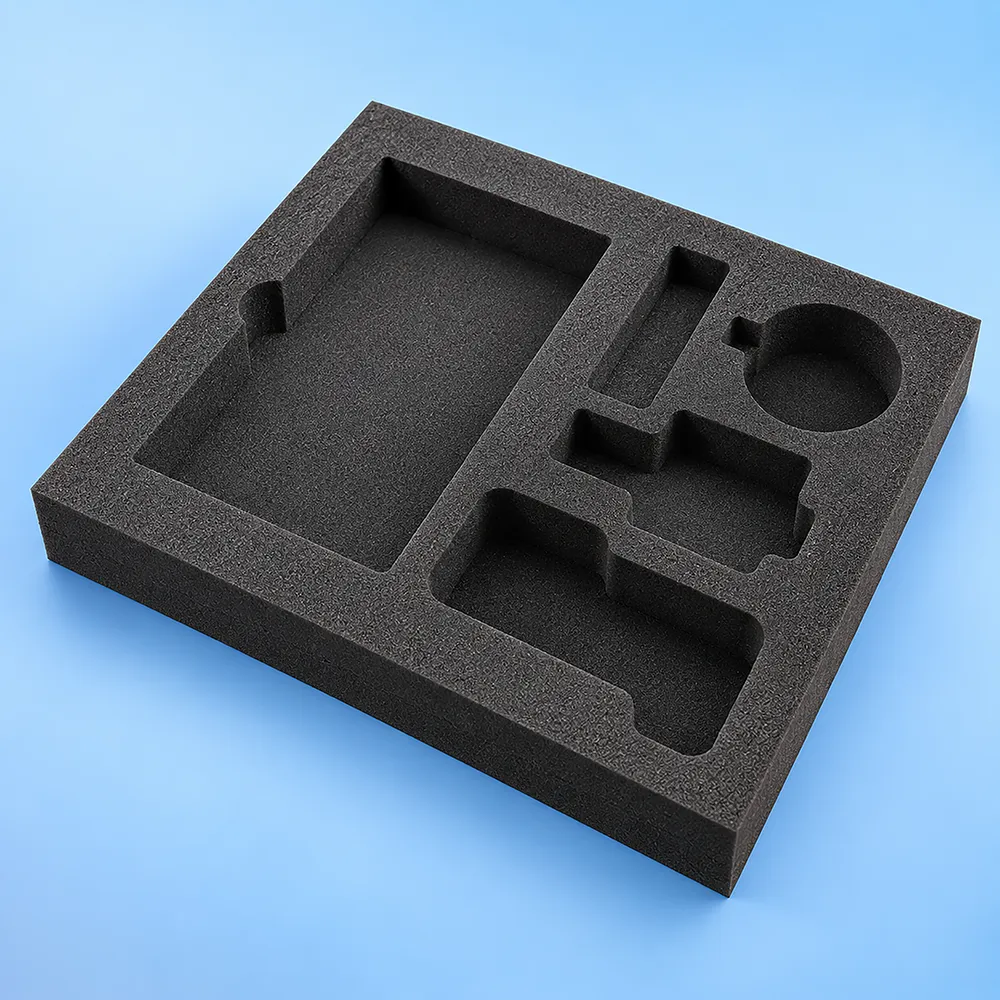
Inserts Paperboard inserts for compatible tins, canisters or pouches
Pouch Printing Digital or another compatible flexible-packaging print process according to construction
Carton Printing Digital printing and offset printing
Color Options CMYK and PMS/Pantone matching where supported
Carton Finishing Matte, gloss, soft-touch, foil stamping, embossing, debossing and spot UV where compatible
Pouch Finish Matte, gloss and other compatible flexible-packaging treatments
Packaging Role Primary pouch/container with optional secondary printed carton
Carton MOQ From 100 boxes
Pouch MOQ Project-dependent according to material, dimensions, print process and quantity
Standard Carton Production Generally 5–9 business days after final artwork/specification approval
Pouch / Specialty Container Timeline Confirmed according to final quotation
Artwork Support Dieline, 3D mockup and artwork assistance according to project
Samples / Proofs Available according to packaging format and project requirements
Shipping Free USA shipping for qualifying orders under applicable terms

Related Products

Stock Type & Thickness

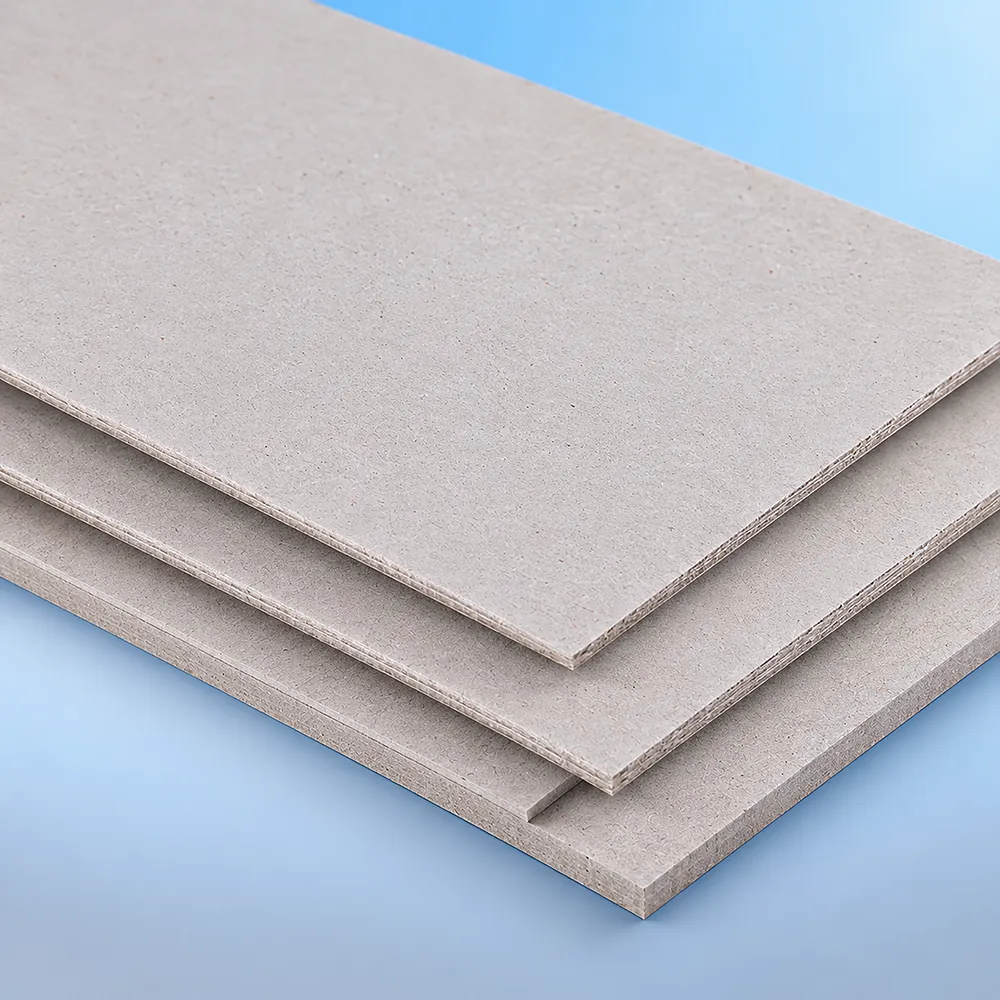
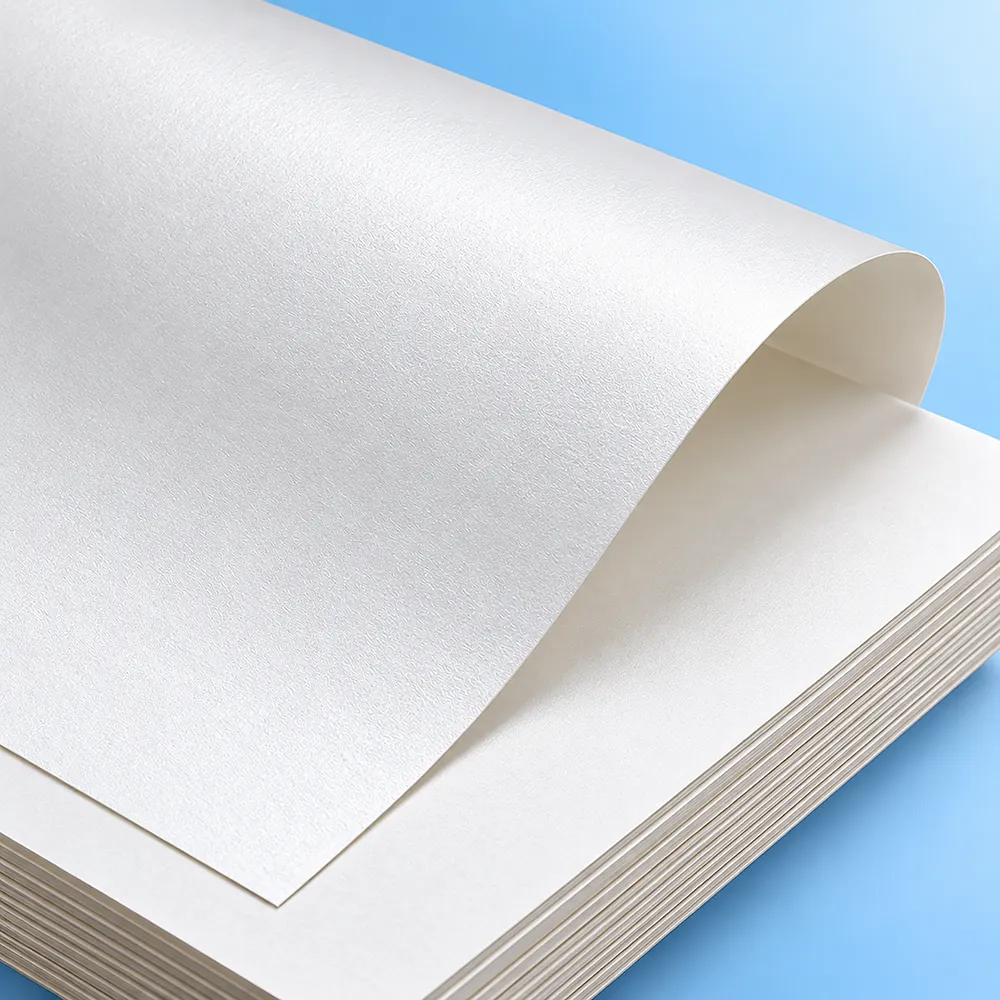
Cardboard

We use cardboard material with the least environmental impact and minimizes waste generation.
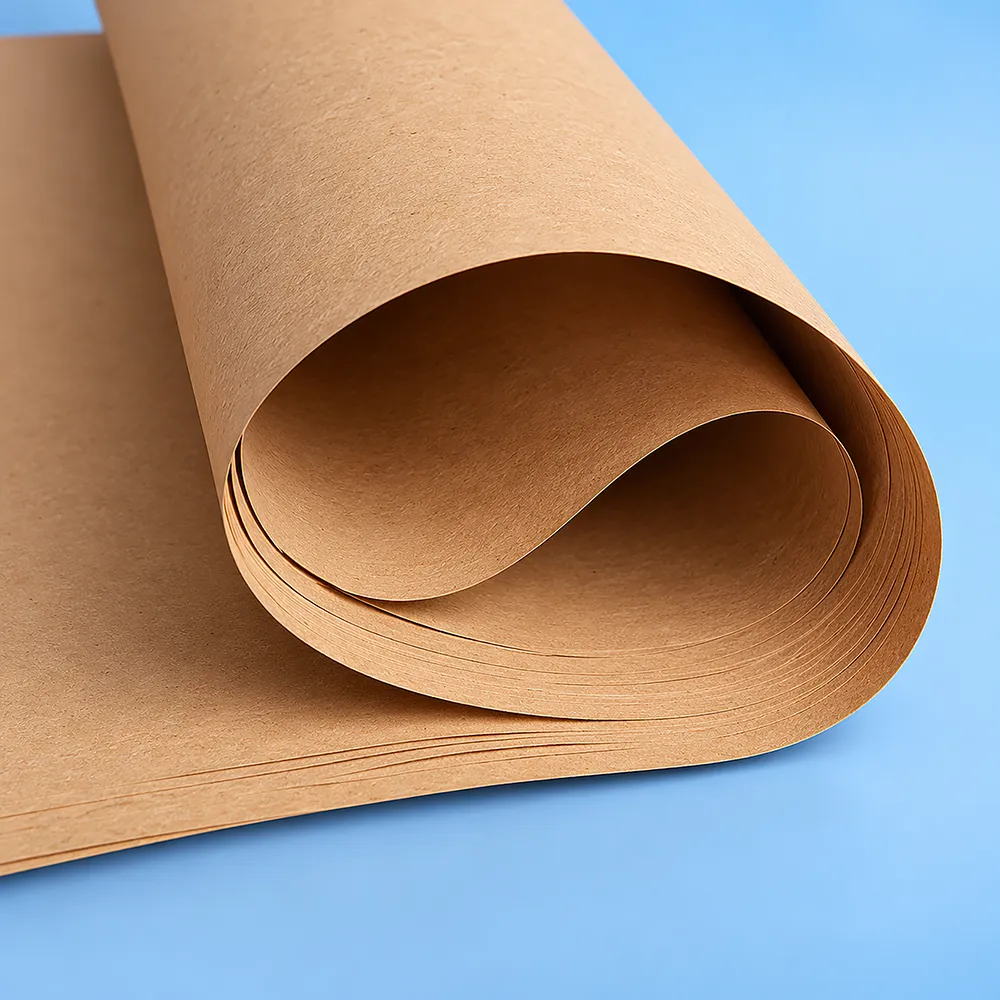
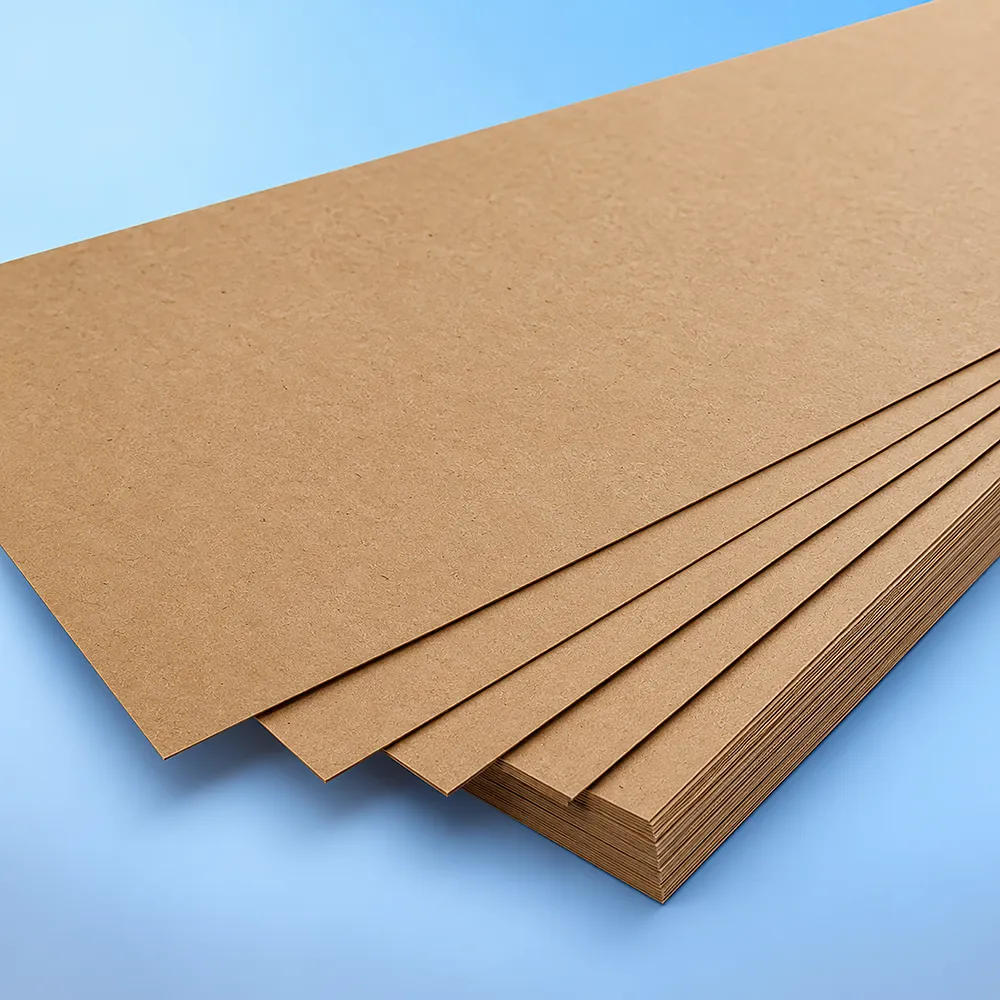
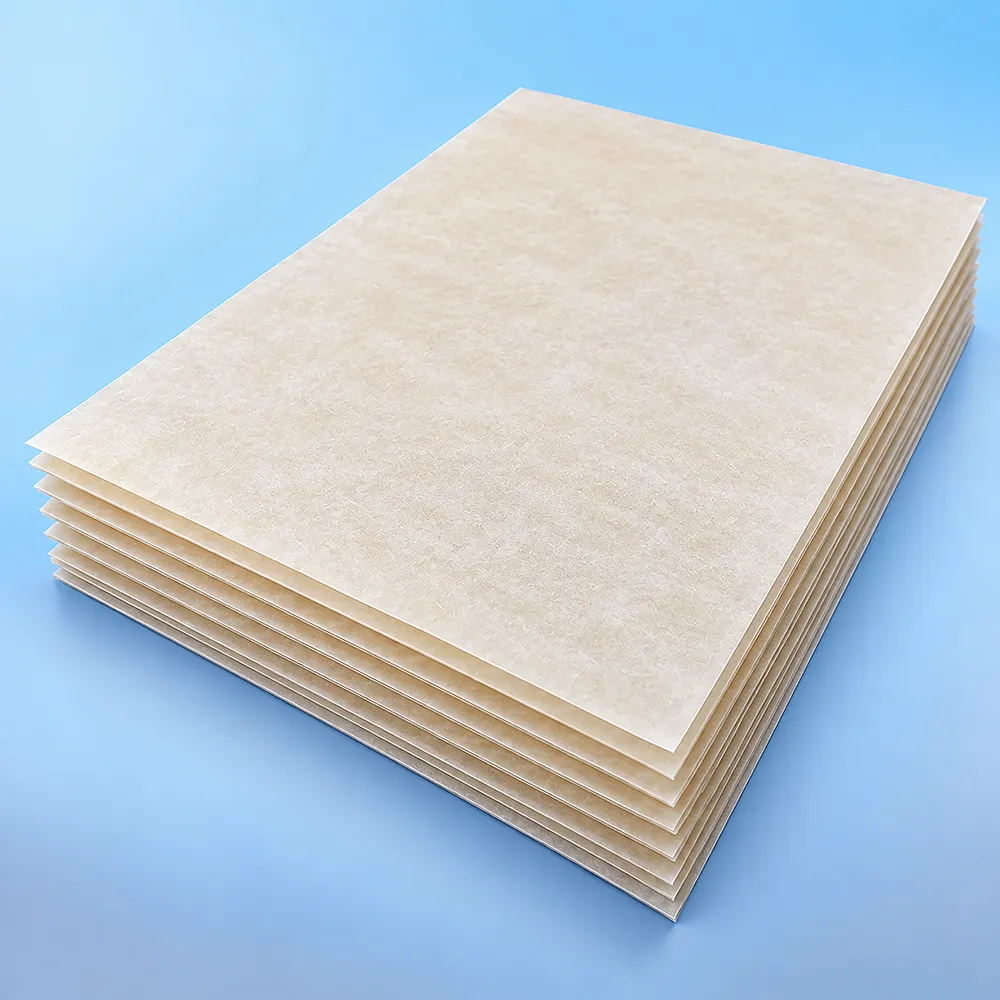
Kraft

Kraft paper is a strong, durable and reliable material that is widely used across many different industries.
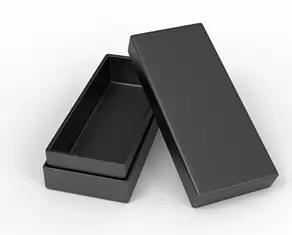
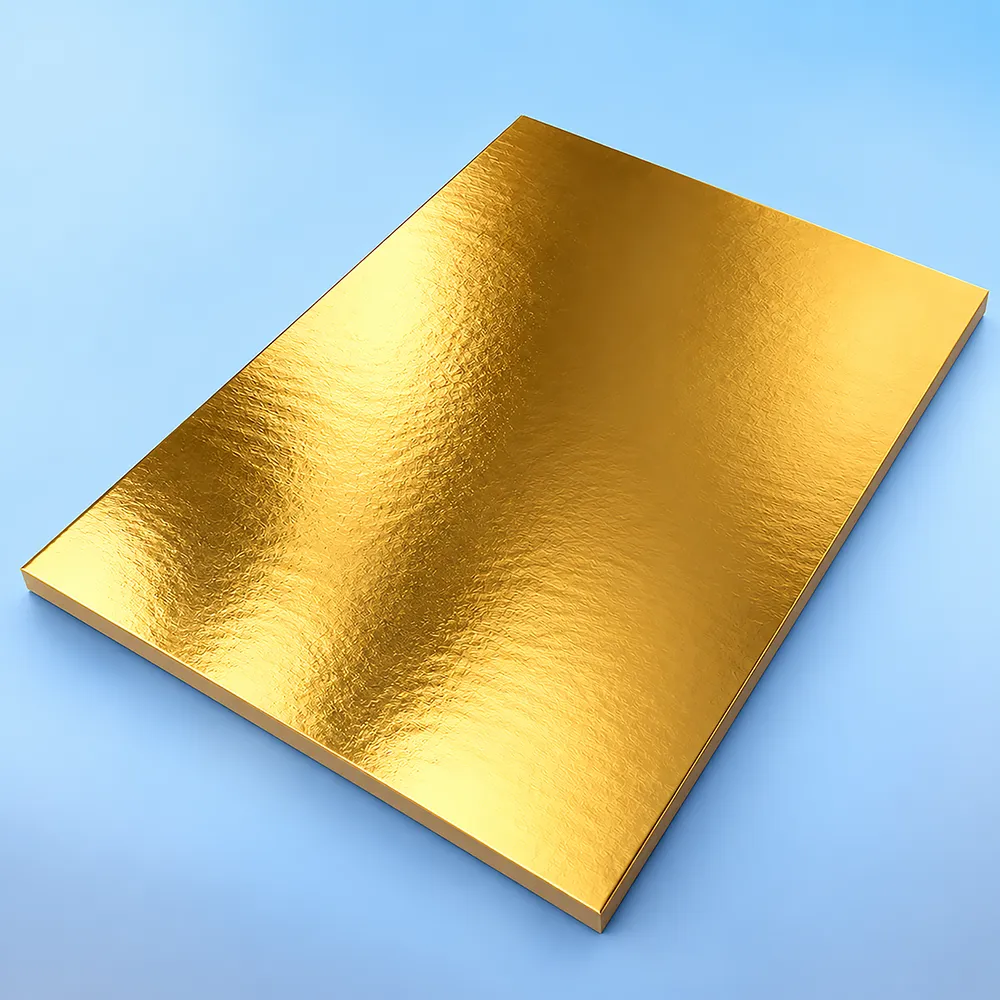
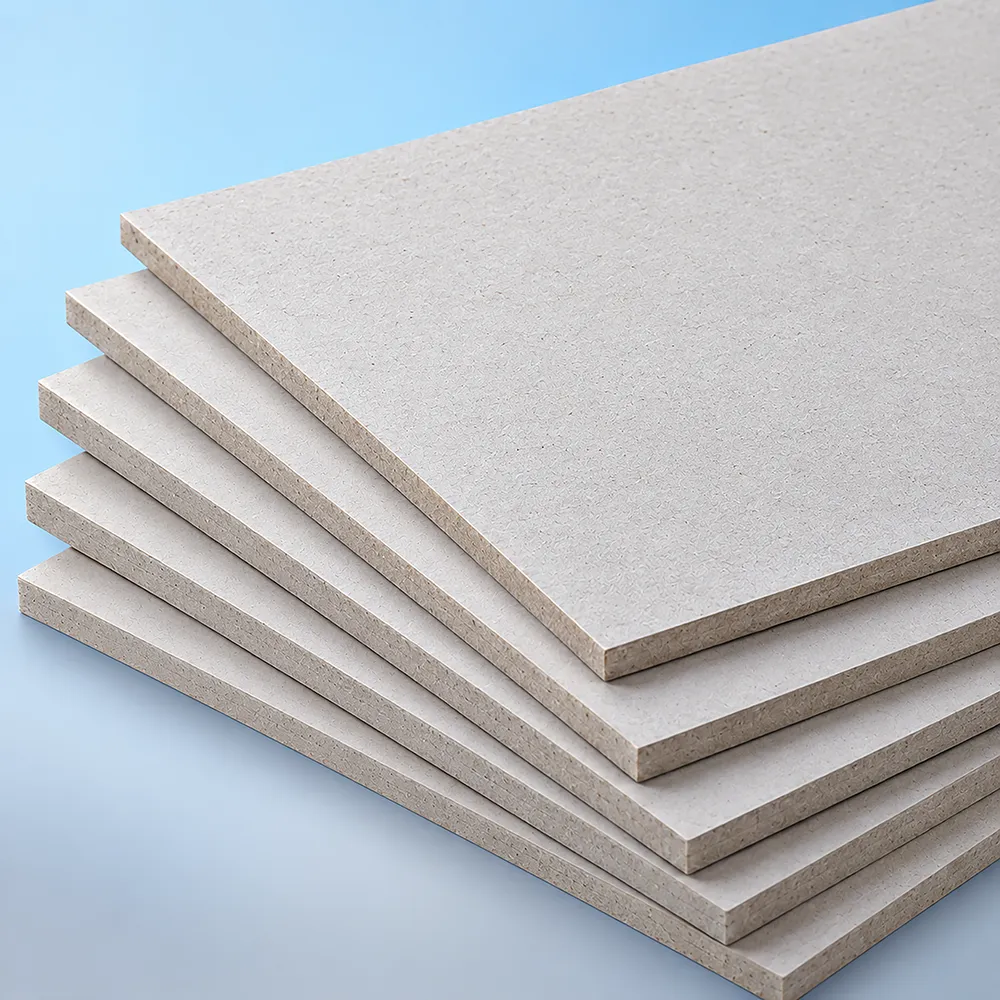
Rigid

Rigid is highly protective, affordable and recyclable material. These boxes provide maximum protection.
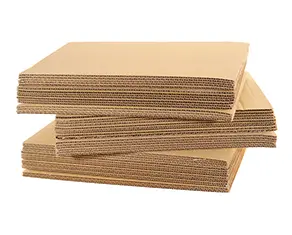
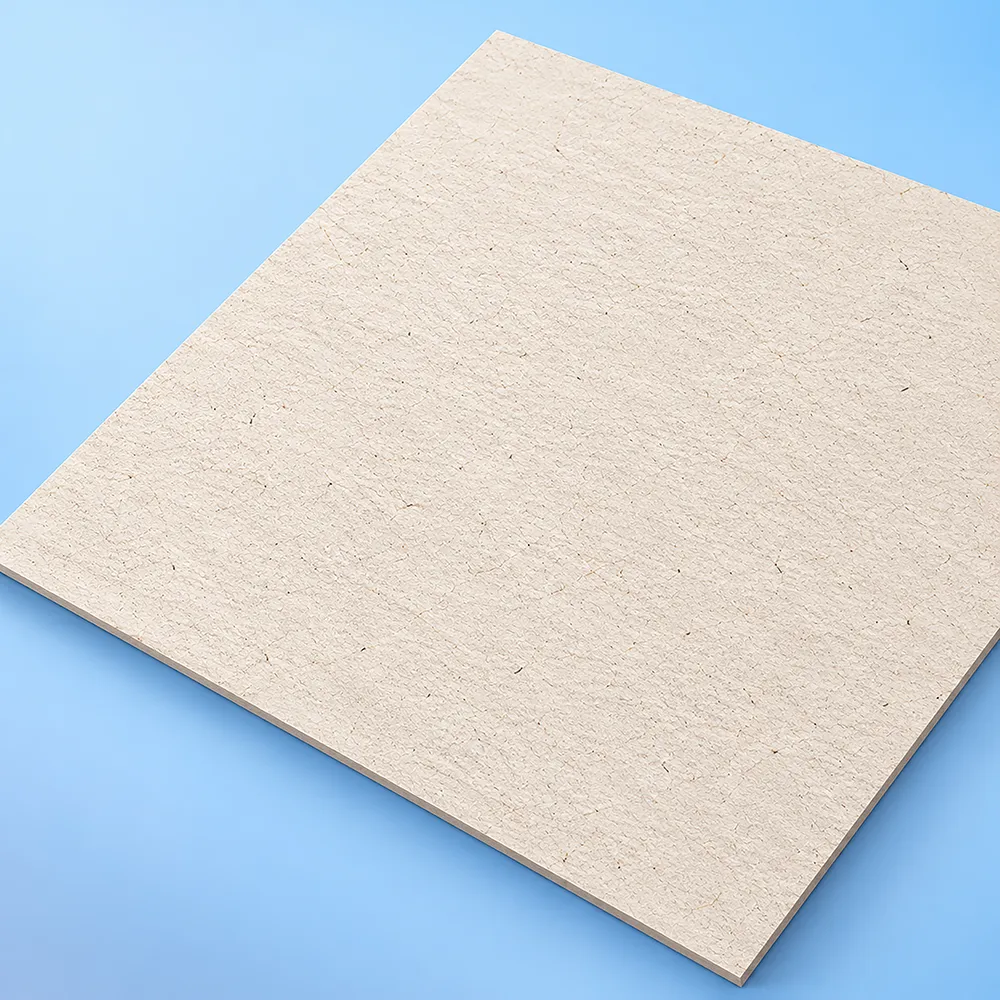
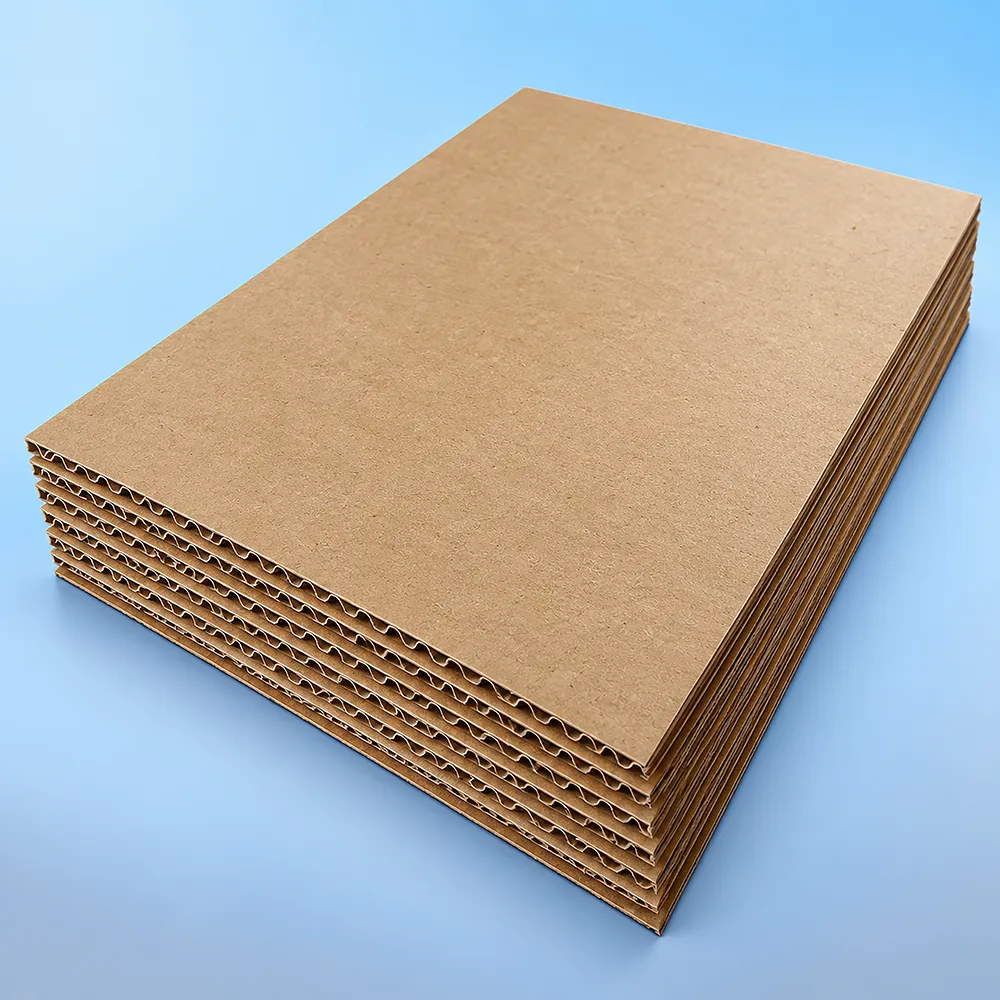
Corrugated

Corrugated material is easy to customize, cost effective and sustainable. It is also great for branding purposes.
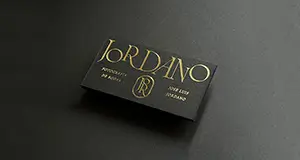
Finishing Assortment

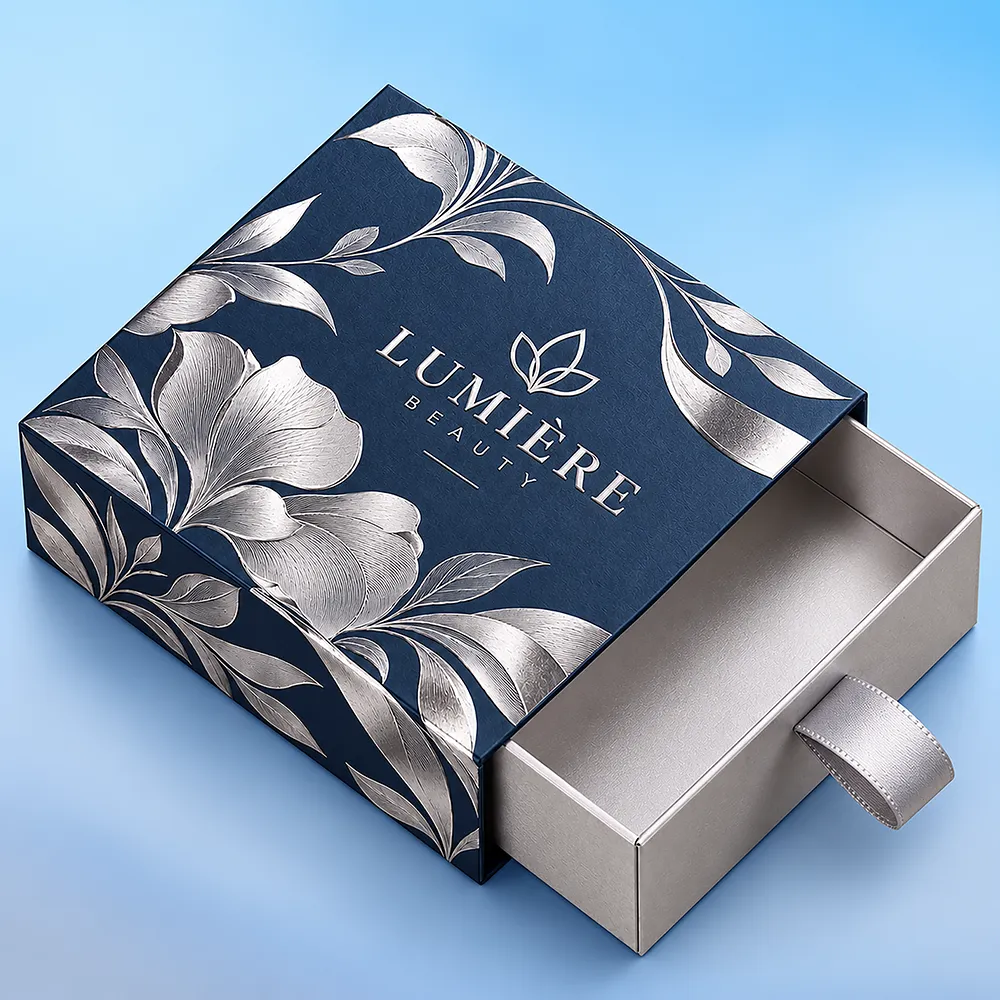
Foil Stamping

Foil Stamping

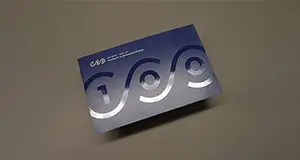
Enhance your packaging with premium foil stamping for a bold and luxurious appearance.
Spot UV

Spot UV

Our Spot UV coating adds a sleek shine and highlights key design elements beautifully.
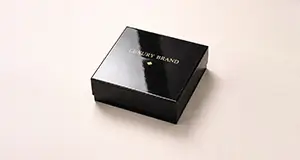
Gloss-Lamination

Gloss

Give your packaging a polished, glossy finish that enhances color and visual appeal.
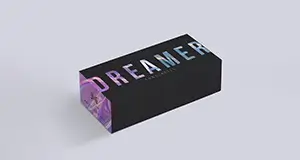
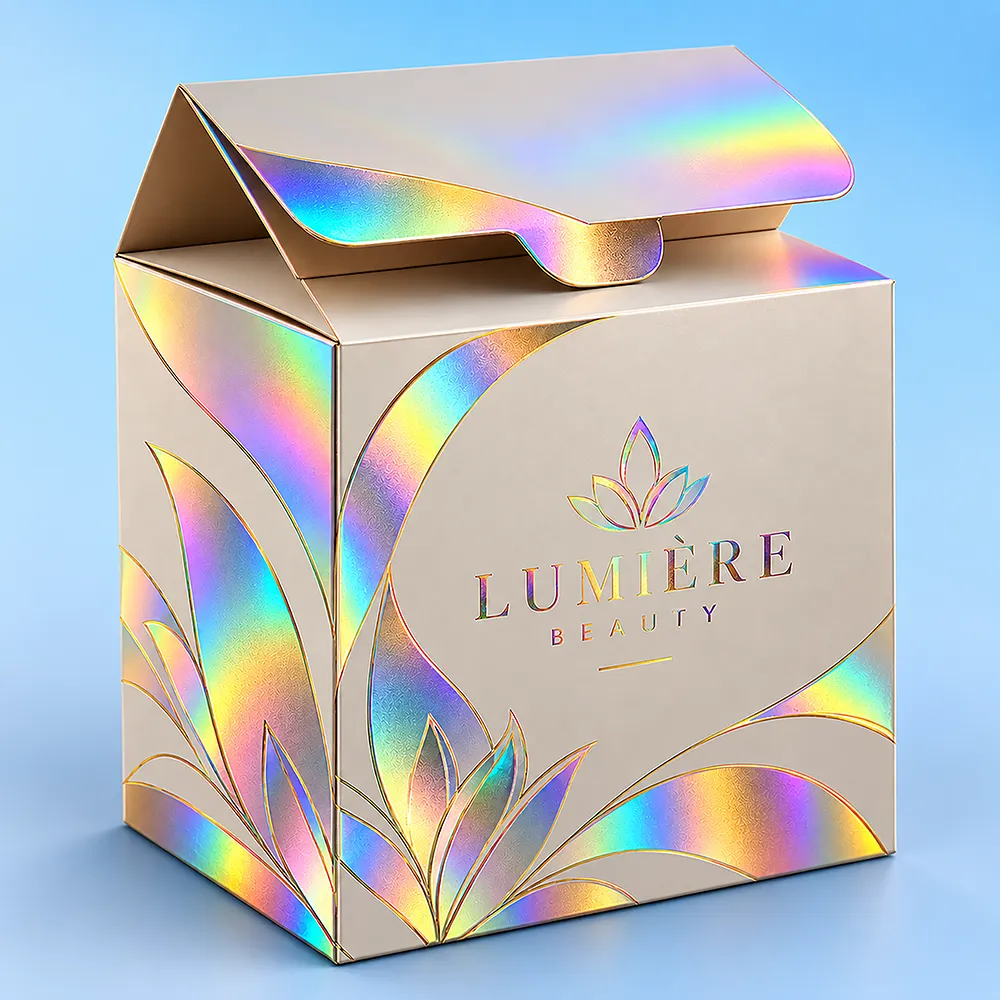
Holographic Foiling

Holographic Foiling

Create eye-catching packaging with holographic foil effects that shimmer from every angle.
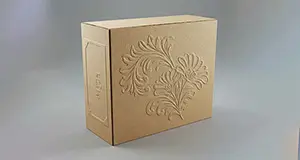
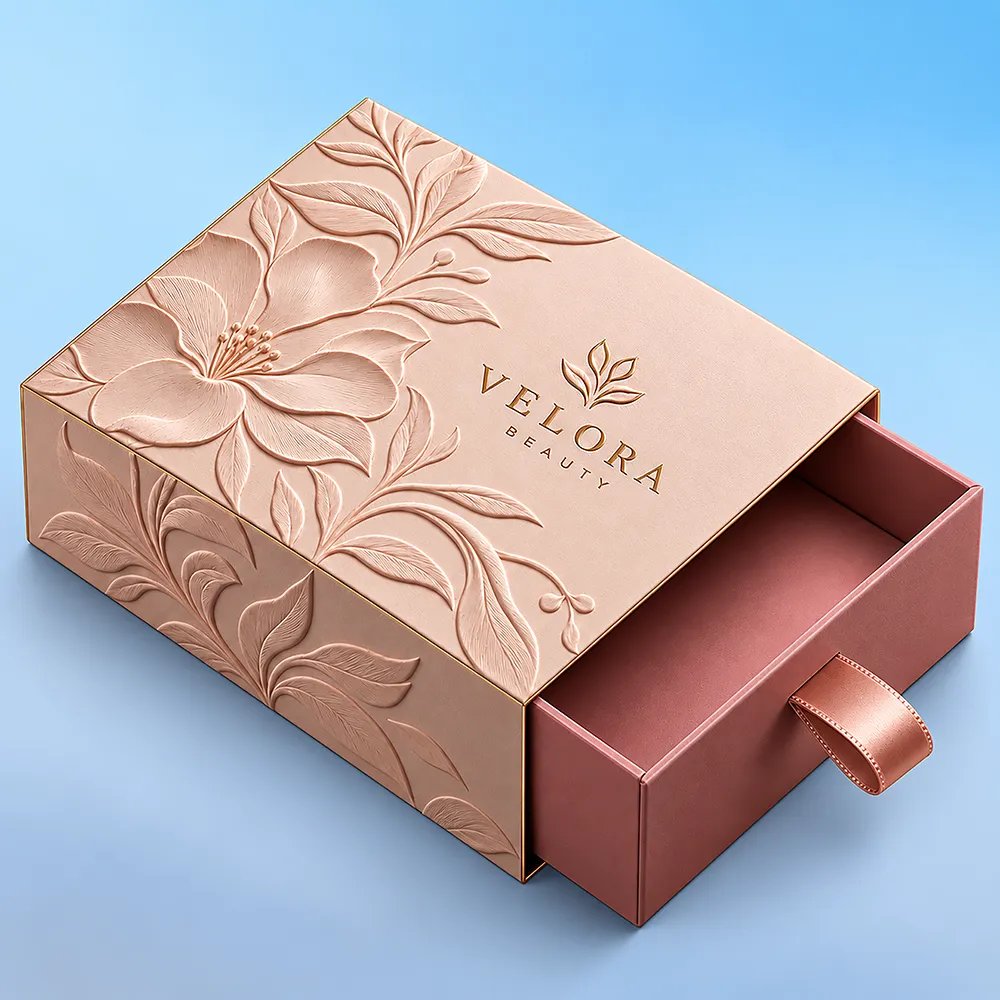
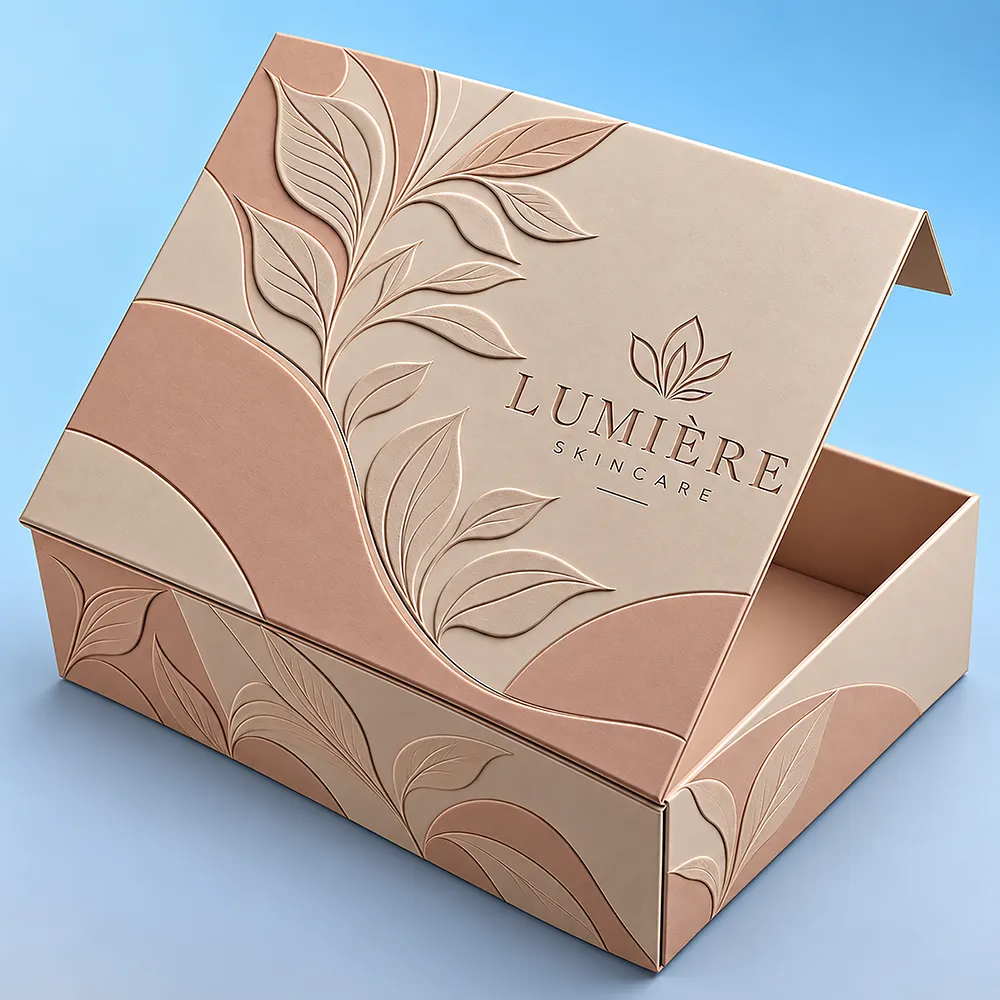
Embossing

Embossing

Add raised textures and elegant detailing to make your packaging stand out.
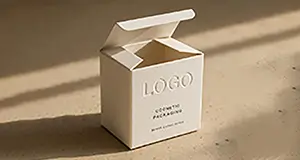
Debossing

Debossing

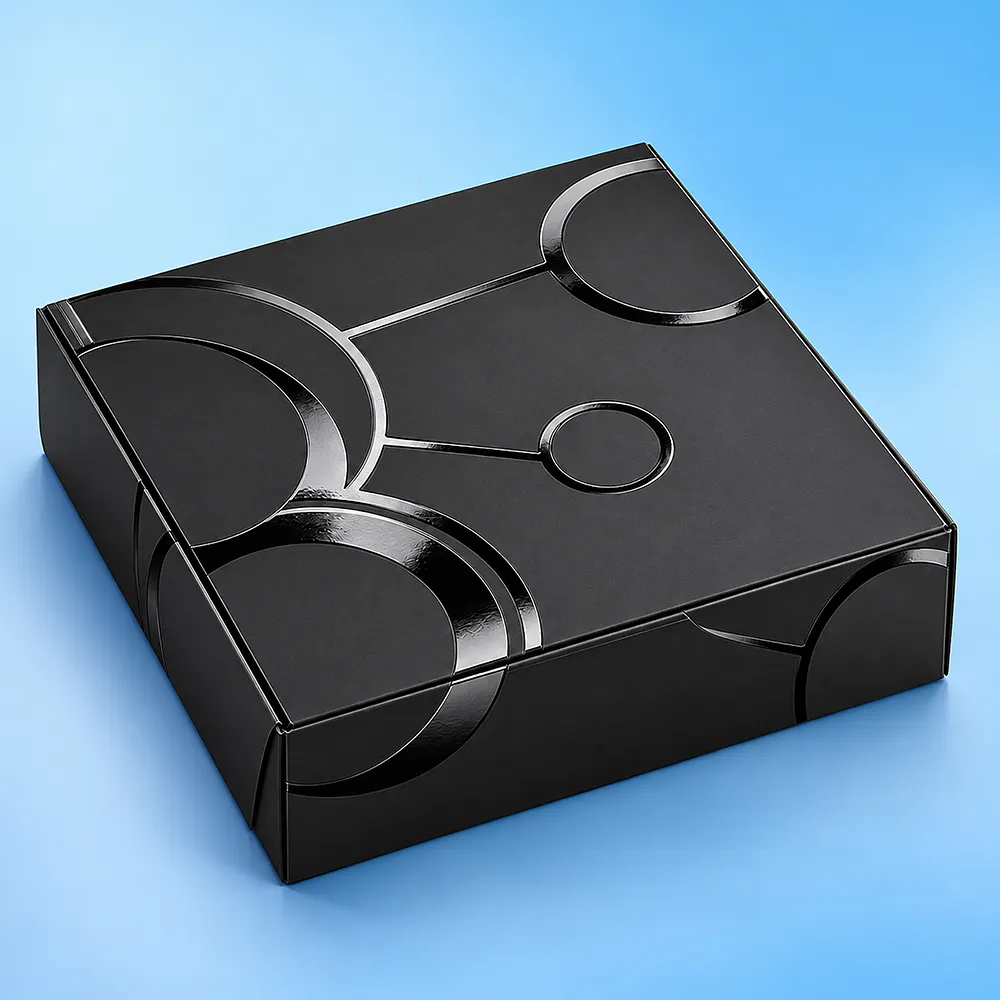
Create a refined pressed-in effect that adds depth and sophistication to your packaging.
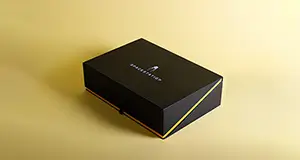
Matte

Matte

Achieve a smooth matte finish that minimizes fingerprints and delivers a modern look.
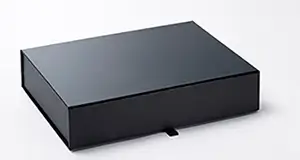
Soft Touch Lamination

Soft Touch Lamination

Protect your packaging with a silky-soft laminated finish for a premium feel.
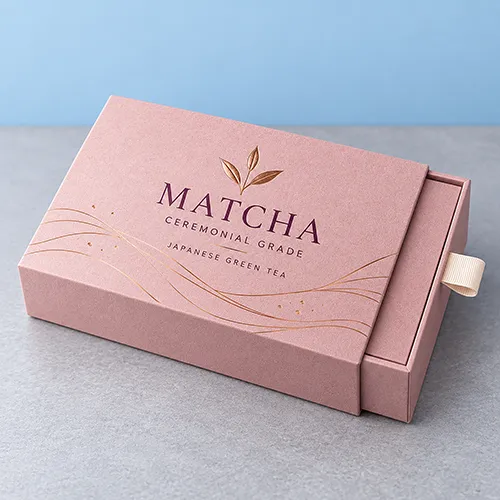
Matcha Packaging Designed Around Powder Format, Fill Weight & Primary Pack

Matcha powder requires packaging to be planned around the actual primary container and filling requirements rather than being sized in the same way as loose-leaf tea. Flexible pouches, tins and canisters can each require different dimensions, closures and secondary carton configurations depending on the target fill weight, packing process and retail presentation. Where an outer paperboard box is used, it can be developed around the finished pouch or container with fitted inserts, printed panels and selected finishes, while the primary pack provides the required product containment and protection. Explore BoxBaba broader Tea Packaging range for other tea-specific formats. For flexible packaging used across loose-leaf and blended teas, see Custom Tea Pouches.

What Is Matcha Packaging?

Matcha Packaging is the complete package system used to contain and present powdered matcha products. A retail configuration may include: Matcha powder → suitable primary pouch, tin or canister → printed secondary carton → outer shipping package Each layer performs a different job. The primary package handles direct product containment and any specified barrier requirements. The printed carton can provide:
  • branding;
  • retail presentation;
  • product-information panels;
  • container organization;
  • space for an insert;
  • an additional structural layer around the primary pack.
An ordinary paperboard carton should not automatically be described as airtight or as the primary moisture, oxygen or light barrier.

Matcha Packaging vs Green Tea Packaging

Although matcha is a tea product, its fine powdered form creates packaging requirements that differ from conventional tea bags or loose green tea.
Matcha Packaging General Green Tea Packaging
Developed specifically around powder Covers broader green-tea formats
Powder filling and seal areas matter Tea bags, sachets or leaves may be central
Pouch/tin selection is a primary decision Retail carton may be the main packaging requirement
Fill behavior and headspace affect sizing Count or filled loose-leaf pack often determines size
TP-10 should therefore remain focused on powdered matcha rather than absorbing all green-tea packaging intent.

Primary Packaging Options for Matcha Powder

The primary package is the component that actually contains the matcha. Common project configurations can involve:
  • flexible pouches;
  • buyer-supplied tins;
  • canisters;
  • other compatible containers.
The correct option depends on the powder, fill volume, filling method, opening requirements, required material performance and sales channel. Where flexible primary packaging is required, BoxBaba’s broader Custom Food Packaging Bags range provides additional context on pouch structures and filling considerations.

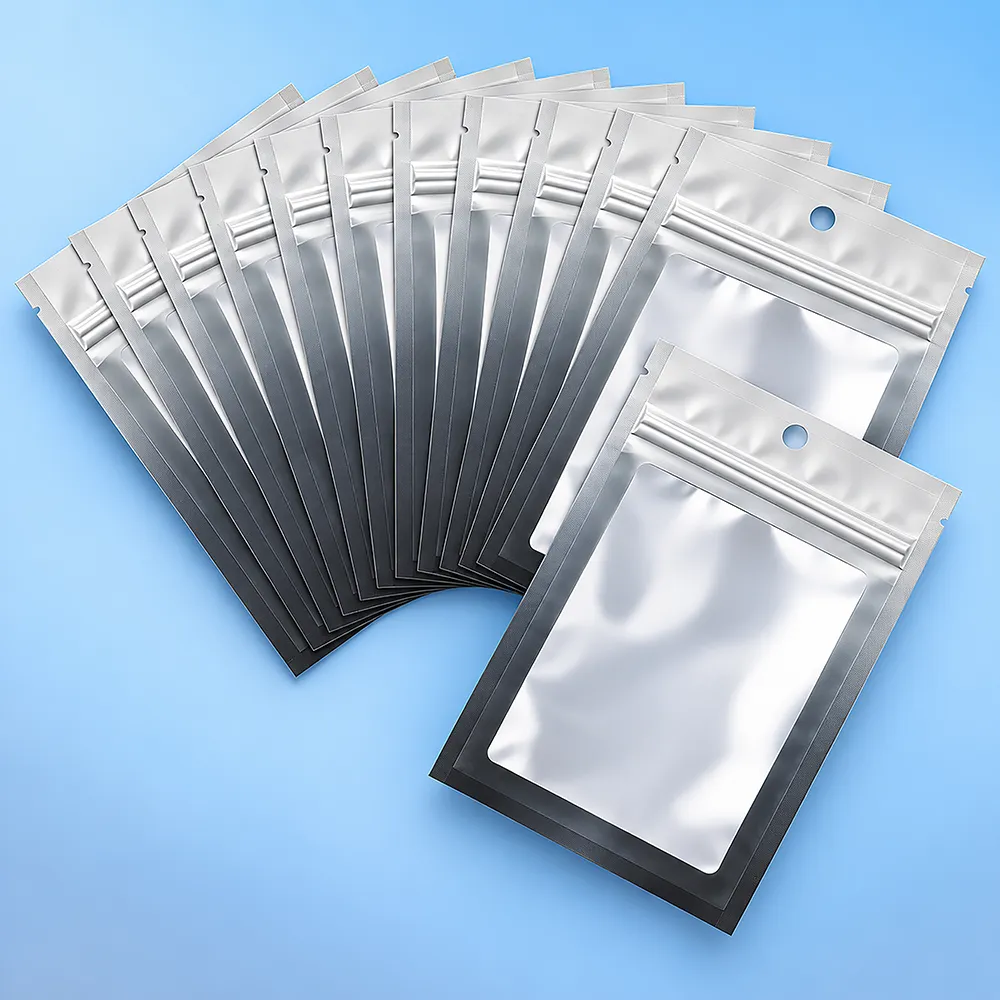
Matcha Pouches

Compatible flexible pouches can function as primary matcha packaging when the complete material and seal construction suit the intended product. Possible formats include:
  • stand-up pouches;
  • flat pouches;
  • compact refill formats;
  • other compatible flexible structures.
Important specification inputs include:
  • target net weight;
  • realistic filled volume;
  • pouch width;
  • finished height;
  • gusset dimensions;
  • required headspace;
  • top-seal area;
  • zipper position;
  • filling process.
Matcha pouches should be developed around the actual powder and packing workflow rather than a generic tea-pouch size.

Matcha Tins & Canisters

Matcha is also commonly presented in tins or canisters. Where the buyer already has the primary container, the secondary carton can be built around its actual finished dimensions. Measure:
  • maximum width or diameter;
  • complete closed height;
  • lid or closure overhang;
  • filled weight;
  • intended orientation.
If custom tin supply is required as part of the project, container availability, minimum quantity, printing/decorating method and production timing should be confirmed during quotation.

Custom Matcha Boxes for Pouches & Tins

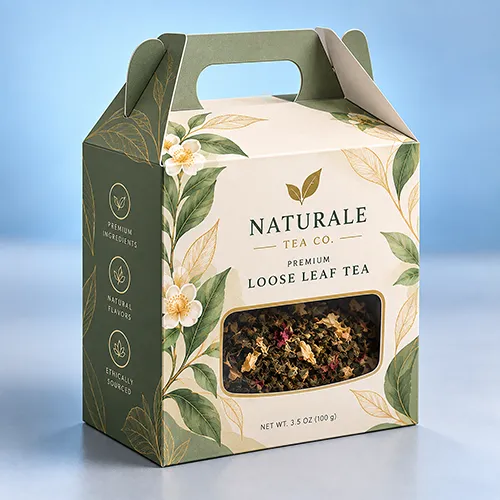
A secondary paperboard carton can be developed around a finished matcha pouch, tin or canister. The outer box can provide:
  • shelf-facing branding;
  • information panels;
  • product organization;
  • space for a fitted insert;
  • window options where appropriate;
  • compatible specialty finishes.
The box dimensions should follow the finished primary package. For a general tea carton that is not specifically being developed around powdered matcha, BoxBaba Custom Tea Boxes are the broader packaging option.

Why Matcha Weight Alone Does Not Determine Package Size

Net weight is only one packaging input. Two products with the same labeled weight may require different packages because usable capacity can be affected by:
  • powder density;
  • fill level;
  • headspace;
  • gusset geometry;
  • zipper location;
  • seal allowance;
  • primary-container shape;
  • filling process.
Do not assume that every 30 g, 50 g or 100 g matcha product uses one universal pouch or carton size. Validate the actual filled configuration whenever possible before approving final dimensions.

Fine-Powder Filling & Seal Considerations

Fine powder introduces practical filling questions that should be addressed before pouch dimensions are finalized. Confirm:
  • how the powder will be filled;
  • whether filling is manual or equipment-based;
  • required headspace;
  • required seal width;
  • zipper position;
  • whether powder can enter the intended seal area during filling;
  • how the filled pouch will be handled before final sealing.
These factors can affect usable capacity and the location of the zipper, tear notch and artwork. If an existing filling or sealing line will be used, provide its relevant requirements during quotation.

How to Size Matcha Pouches

Begin with both target weight and realistic filled volume. Useful dimensions and inputs include:
  • target net weight;
  • measured or estimated filled volume;
  • pouch width;
  • finished height;
  • bottom or side gusset;
  • zipper location;
  • seal allowance;
  • headspace;
  • filling method.
The final pouch should provide enough usable space for filling and sealing without creating unnecessary empty volume. A fill test with the actual powder can provide better sizing evidence than the nominal weight alone.

How to Size Matcha Boxes

Where the matcha is already inside a pouch, tin or canister, size the outer carton from that finished package.

For Filled Pouches

Measure:
  • filled width;
  • filled height;
  • maximum thickness;
  • expanded gusset;
  • top-seal and zipper position.

For Tins & Canisters

Measure:
  • maximum diameter or width;
  • complete closed height;
  • lid overhang;
  • filled weight.
If a paperboard insert will be used, include its thickness and geometry before establishing the final internal carton size. The sizing sequence is: Filled matcha package → orientation → insert/clearance → internal box dimensions → external carton dimensions

Material & Barrier Requirements for Matcha Packaging

Primary-pack material selection should begin with the actual product and required storage performance. Where matcha directly contacts a flexible package, establish:
  • intended food-contact use;
  • required moisture protection;
  • required oxygen control;
  • light-protection requirements;
  • aroma requirements;
  • filling conditions;
  • sealing method;
  • intended storage conditions.
Do not automatically describe every matcha pouch or container as:
  • airtight;
  • oxygen-proof;
  • moisture-proof;
  • UV-proof;
  • recyclable;
  • compostable;
  • biodegradable.
Those properties depend on the complete material system, closure and finished seal. If a particular barrier specification is required, include it in the packaging brief before material selection.

Food-Contact Requirements for Matcha Packaging

Where matcha directly contacts a pouch, liner, coating or another packaging component, the complete contact-material system should be suitable for the intended use. Relevant components may include:
  • inner contact layer;
  • coatings;
  • adhesives;
  • inks;
  • liners;
  • closure components.
Do not rely on a blanket phrase such as “FDA-approved packaging.” Any required food-contact documentation should be requested and confirmed for the exact material system and intended application.

Resealable Matcha Pouches

Compatible pouch structures can include a resealable zipper. The zipper provides reclosure after the initial production seal is opened. Coordinate its position with:
  • powder fill level;
  • pouch height;
  • top seal;
  • tear notch;
  • artwork.
The zipper does not replace the initial production seal. The packaging specification should leave sufficient material above the zipper for the intended sealing workflow.

Tear Notches & Opening Features

A tear notch can provide a defined starting point for opening the pouch. Coordinate the notch with:
  • zipper location;
  • top seal;
  • artwork;
  • lot/date-code area.
Keep critical text and branding away from the tear path.

Windows for Matcha Packaging

A viewing window can be considered on compatible structures, but the decision differs between primary and secondary packaging.

Carton Windows

A die-cut carton window can reveal the sealed matcha pouch, tin or canister inside.

Pouch Windows

A transparent area in a primary pouch changes the package construction and product exposure. If light protection is part of the required packaging specification, assess that requirement before adding a clear window. Presentation should not override the required material performance.

Printing Options for Matcha Packaging

Printing should be specified separately for the primary pouch and secondary carton.

Digital Printing for Matcha Pouches

Digital printing may suit compatible flexible-packaging projects, particularly shorter runs or several artwork versions. It can support:
  • full-color graphics;
  • multiple matcha SKUs;
  • seasonal artwork;
  • shorter design runs.
Final suitability depends on the actual pouch material and construction.

Other Flexible-Pouch Printing

The appropriate production print process for a flexible pouch depends on its material construction, quantity and supplier workflow. Where a specific process is required, confirm it with the final pouch quotation rather than assuming that every film or laminate uses the same printing method.

Digital Printing for Matcha Boxes

Digital printing can be used for compatible paperboard cartons, particularly shorter runs, launches and multiple artwork versions.

Offset Printing for Matcha Boxes

Offset printing is suited to compatible paperboard carton projects where detailed artwork, consistent color reproduction or larger quantities are priorities.

CMYK Full-Color Printing

CMYK can reproduce multicolor graphics, illustrations, gradients and photographic artwork.

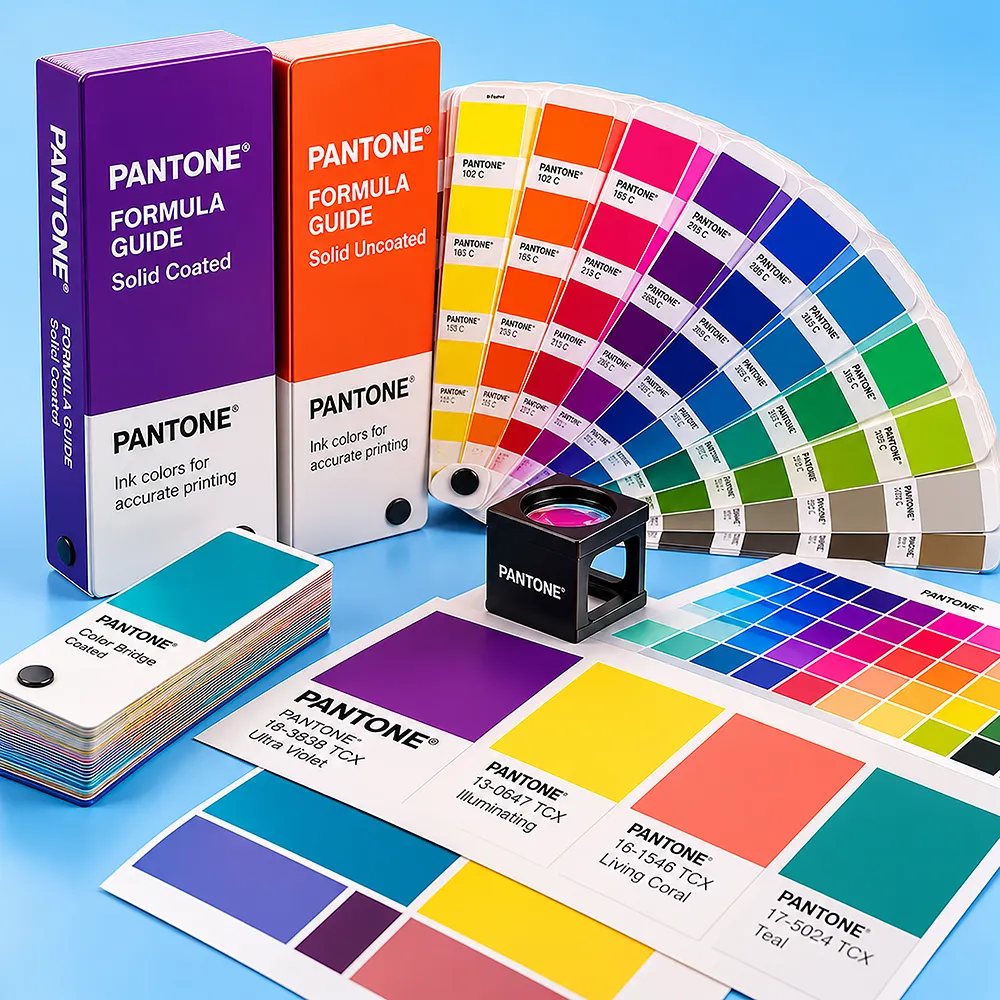
PMS / Pantone Color Matching

PMS/Pantone matching can help maintain controlled brand colors where the substrate and printing method support it.

Tin Decoration

Direct printing or decoration of a tin is project-dependent. Confirm the actual container, decorating method, order quantity and artwork before including tin decoration in the final production specification.

Finishing Options for Matcha Packaging

Finishing should follow the packaging component and material.

Matcha Pouch Finishes

Compatible flexible constructions may support:
  • matte appearance;
  • gloss appearance;
  • selected tactile treatments;
  • specialty effects where available.
The exact options should be confirmed with the selected pouch construction.

Matcha Box Finishes

Compatible paperboard cartons can support:
  • matte;
  • gloss;
  • soft-touch;
  • foil stamping;
  • embossing;
  • debossing;
  • spot UV.
Do not assume that conventional paperboard finishes can automatically be applied to flexible pouches.

Inserts for Matcha Tins & Containers

A fitted insert can position a tin or other primary container inside the secondary carton. Plan the insert around:
  • container diameter or width;
  • container height;
  • loaded weight;
  • orientation;
  • removal clearance;
  • carton opening direction.
The insert consumes usable internal space, so it should be developed before the final outside box dimensions are approved.

Matcha Packaging for Multiple SKUs

Brands may offer different matcha grades, fill weights or product lines. Where the primary packs have compatible dimensions, one packaging structure may support multiple artwork versions. Keep consistent:
  • logo placement;
  • typography;
  • product-family hierarchy;
  • net-quantity position;
  • barcode location;
  • preparation-information area.
Differentiate individual SKUs using product names, controlled colors and approved brand graphics. If fill weight or primary-container dimensions change materially, recheck the package size.

Matcha Packaging for Retail

Retail matcha packaging should identify the product clearly while supporting the actual opening and filling configuration. Depending on the format, useful panel space may include:
  • product identity;
  • matcha type or grade;
  • net quantity;
  • brand-supplied preparation guidance;
  • barcode or QR-code area;
  • lot/date-code area;
  • storage information;
  • other required brand-supplied information.
The tea brand is responsible for reviewing its final product labeling and claims before artwork approval.

Matcha Packaging for Ecommerce

The retail pouch, tin or carton should be considered one layer within the ecommerce shipping system. Depending on the product and order configuration, additional packaging may include:
  • an outer mailer;
  • corrugated shipping carton;
  • cushioning;
  • protection around tins or canisters;
  • protection for specialty finishes;
  • multiple-unit organization.
Do not assume the customer-facing matcha box is automatically suitable as the standalone courier package.

Matcha Packaging for Gift Sets

A matcha pouch or tin can also form part of a larger presentation set. Where the main project involves multiple products, accessories, fitted compartments or a gifting experience, BoxBaba Tea Gift Boxes provide the more relevant outer-package solution. This page remains focused on the packaging configuration of the matcha product itself.

Artwork & Packaging Layout

Artwork should be prepared after the packaging format and dimensions are established.

For Matcha Pouches

Review:
  • front and back panels;
  • gussets;
  • seal areas;
  • zipper position;
  • tear notch;
  • barcode or QR area;
  • lot/date-code area.

For Matcha Boxes

Review:
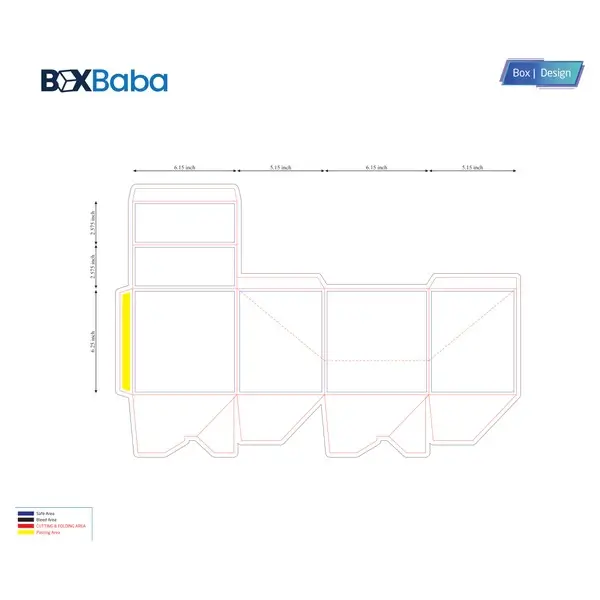
  • dieline panels;
  • folds;
  • glue areas;
  • window position;
  • insert layout;
  • digital or offset printing method;
  • finishing positions.
Keep important text and logos clear of seals, cuts, folds, glue areas and other structural boundaries.

Proofing, Samples & Fill Validation

A digital proof can help check artwork, orientation and text before production. Depending on the format, a physical sample or fill test can help evaluate:
  • actual powder capacity;
  • headspace;
  • filled pouch shape;
  • zipper position;
  • seal clearance;
  • container fit;
  • insert fit;
  • carton dimensions.
For powder packaging, actual fill behavior provides better sizing evidence than weight alone.

Information Needed for a Matcha Packaging Quote

For an accurate quotation, provide:
  1. Primary-pack format — pouch, buyer-supplied tin/canister or another compatible container.
  2. Target net weight.
  3. Approximate filled volume for pouch projects.
  4. Finished primary-pack dimensions, where available.
  5. Preferred pouch or carton structure.
  6. Outer carton requirement.
  7. Insert requirement, where applicable.
  8. Order quantity.
  9. Quantity for each artwork version.
  10. Preferred printing method, if already known.
  11. CMYK or PMS/Pantone requirements.
  12. Finishing requirements.
  13. Artwork or brand guidelines.
  14. Sample or proof requirements.
If the structure has not yet been selected, begin with the matcha powder, intended fill weight, realistic filled volume, primary-pack preference, filling workflow and sales channel.

Why Choose BoxBaba for Custom Matcha Packaging?

BoxBaba develops Matcha Packaging around the actual powder format, fill volume, primary package and filling workflow instead of treating matcha as a generic loose-leaf tea product. Custom pouch and paperboard-box requirements can be coordinated with filled dimensions, closures, inserts and retail presentation. Digital and offset printing are available for compatible paperboard cartons, while flexible-pouch printing is matched to the selected construction and project requirements. Qualifying carton orders start from 100 boxes with standard 5–9 business day production after final approval, supported by artwork assistance, dielines, 3D mockups and project-appropriate sample options.

Order Custom Matcha Packaging

Develop Matcha Packaging around your actual powder, fill volume and packing workflow, not a generic tea package. Share the target matcha weight, primary-pack format, filled dimensions or volume, required quantity, material requirements, filling method, outer-box needs and artwork so BoxBaba can review the complete packaging configuration and prepare your quotation. Call: +1 305 574 4357 Email: sales@boxbaba.com

Frequently Asked Questions

Find all the urgent questions you may have.

Matcha can be packed in suitably specified flexible pouches, tins, canisters or other compatible primary containers. The best configuration depends on fill volume, filling method, material requirements and retail presentation.
Matcha is a fine powder, so filling, headspace, seal areas and primary-container requirements differ from conventional tea bags and loose leaves.
Yes. Compatible flexible pouches can be configured around the intended powder weight, actual filled volume, sealing process and material requirements.
Yes. Paperboard secondary cartons can be developed around the actual finished dimensions of a compatible tin or canister, with fitted inserts where required.
Compatible pouch structures can include resealable zippers. The zipper position should be coordinated with powder fill level, the initial production seal and tear notch.
No. Airtightness and specific moisture, oxygen or light-barrier performance depend on the complete pouch construction, closure and finished seal.
Use the target weight together with actual filled volume, headspace, pouch width, gusset, zipper position and seal allowance.
Digital and offset printing are available for compatible paperboard matcha cartons. Flexible-pouch printing depends on the selected material, construction and production method and is confirmed with the pouch specification.
Secondary Matcha Boxes start from 100 boxes. Flexible-pouch, tin and specialty-container minimums depend on the exact specifications and are confirmed with the quotation.
Standard production for qualifying paperboard Matcha Boxes is generally 5–9 business days after final artwork and specifications are approved. Flexible pouch, tin and specialty-container schedules are confirmed separately.

Get a Custom Quote