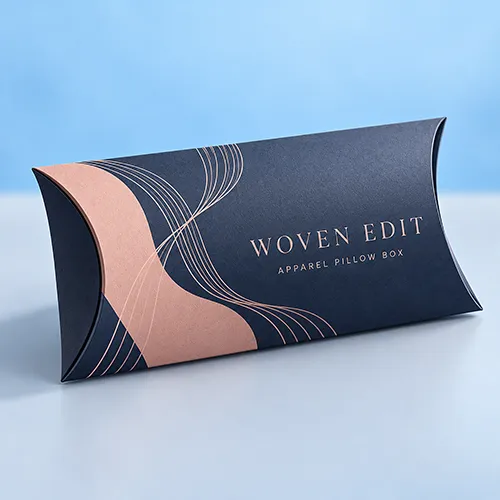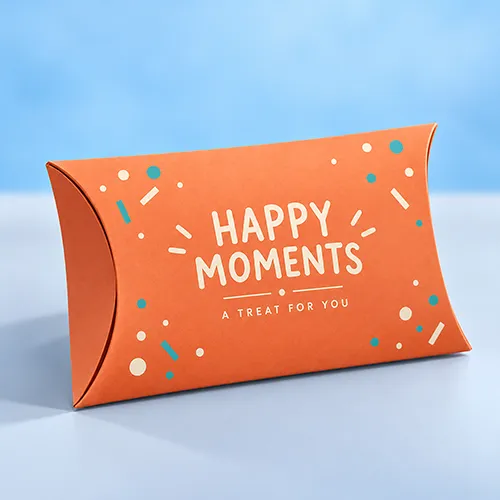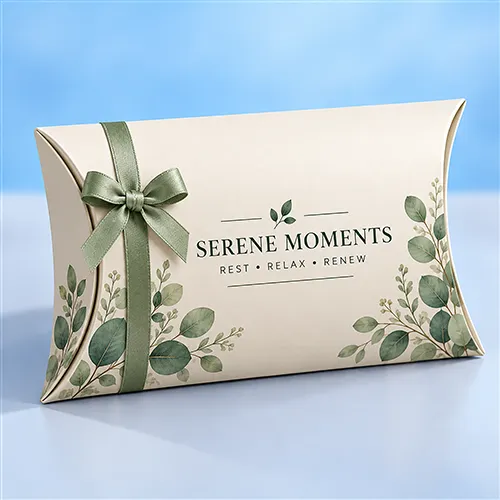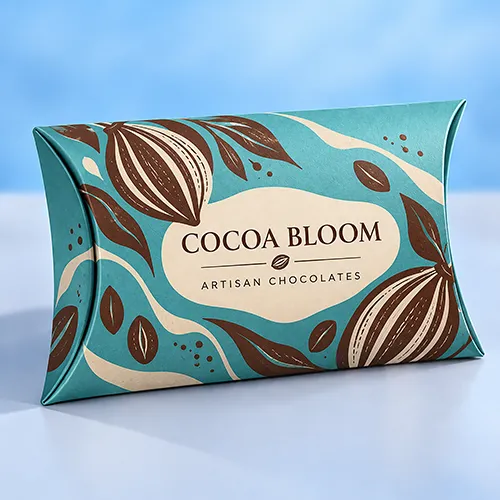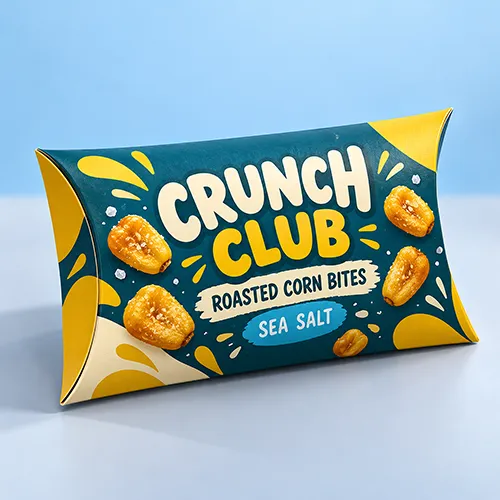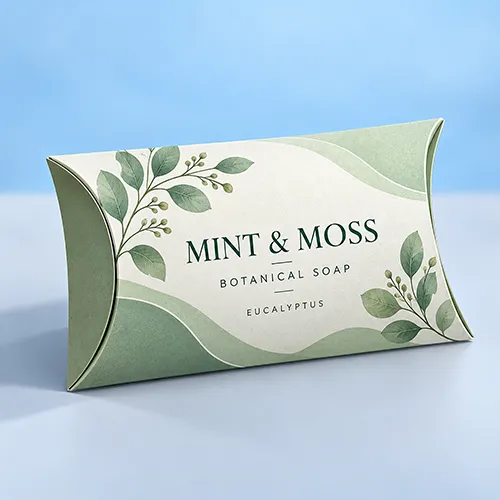
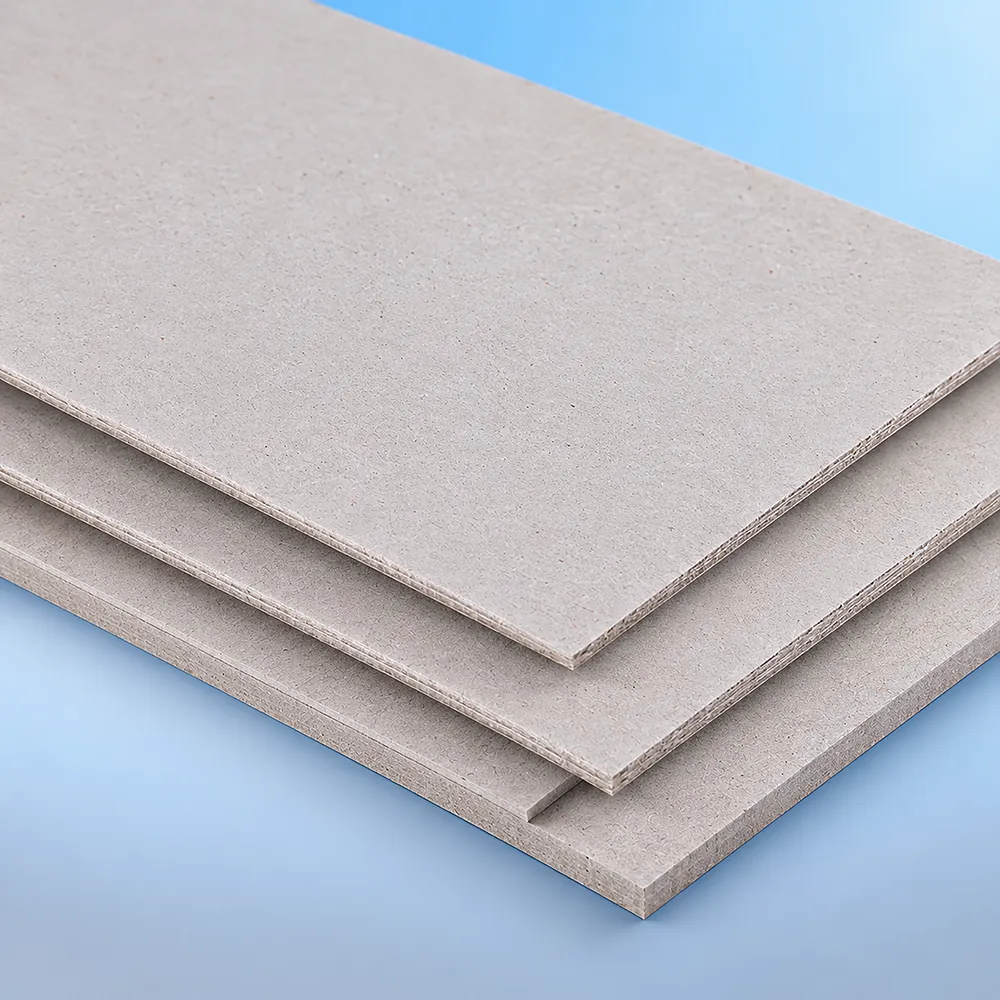
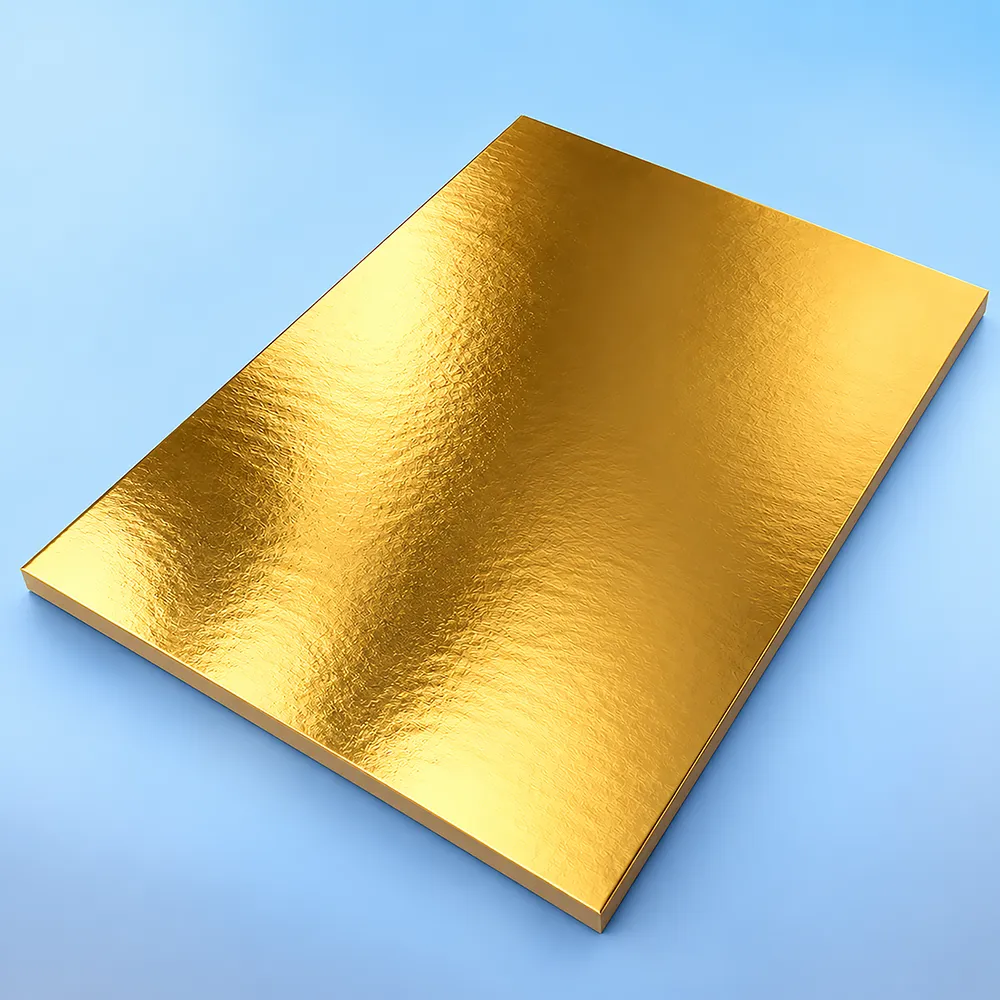
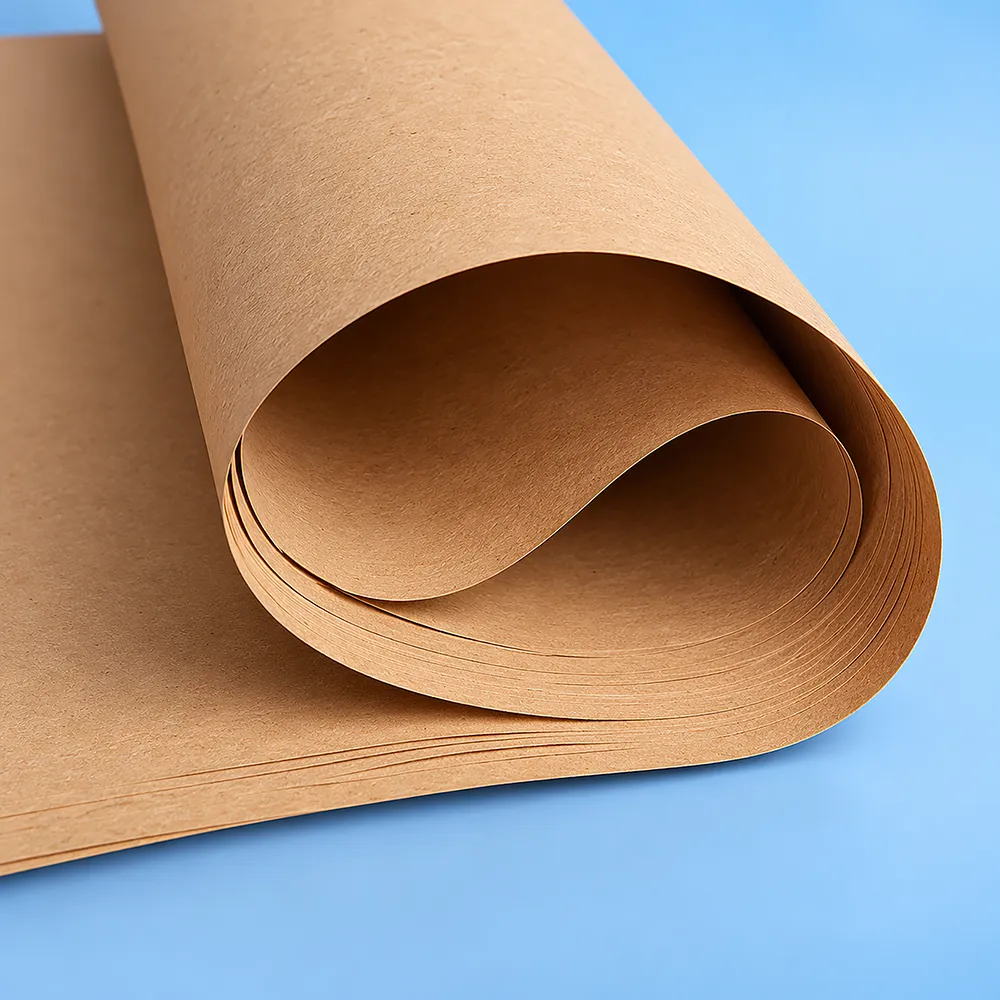
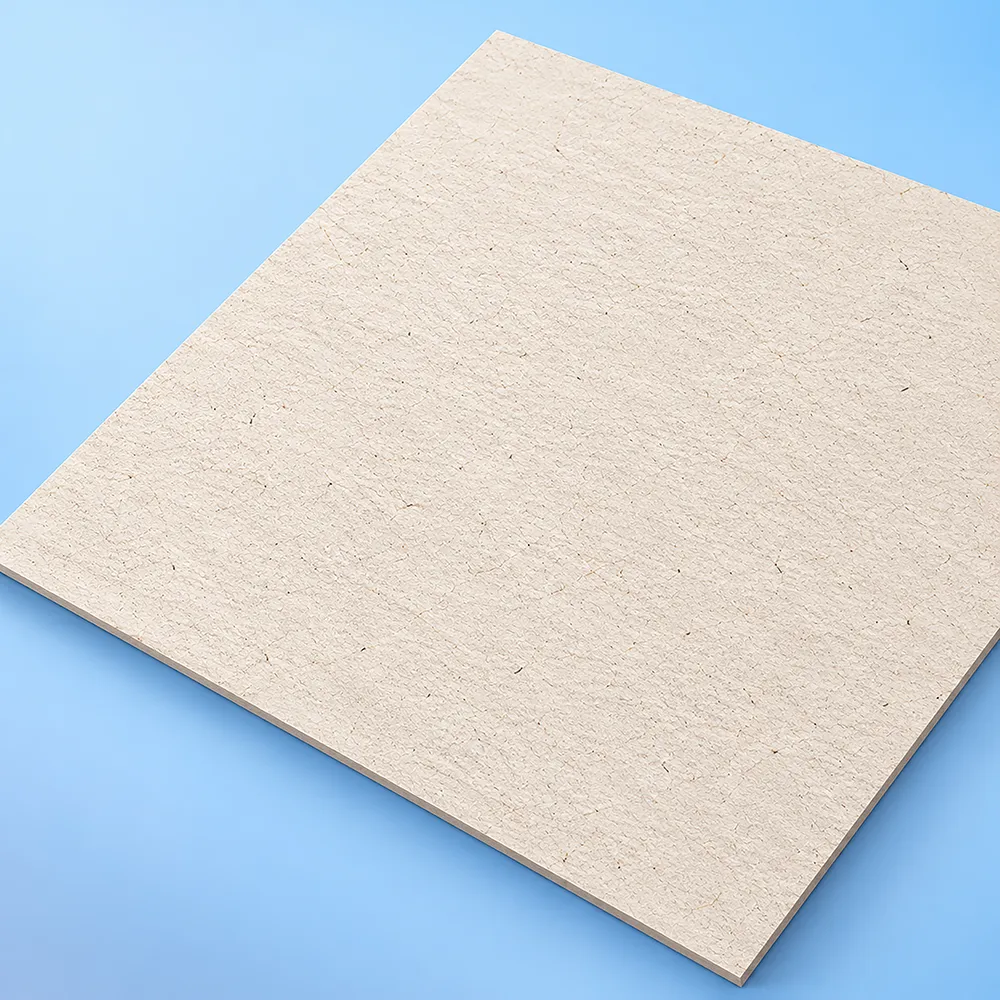
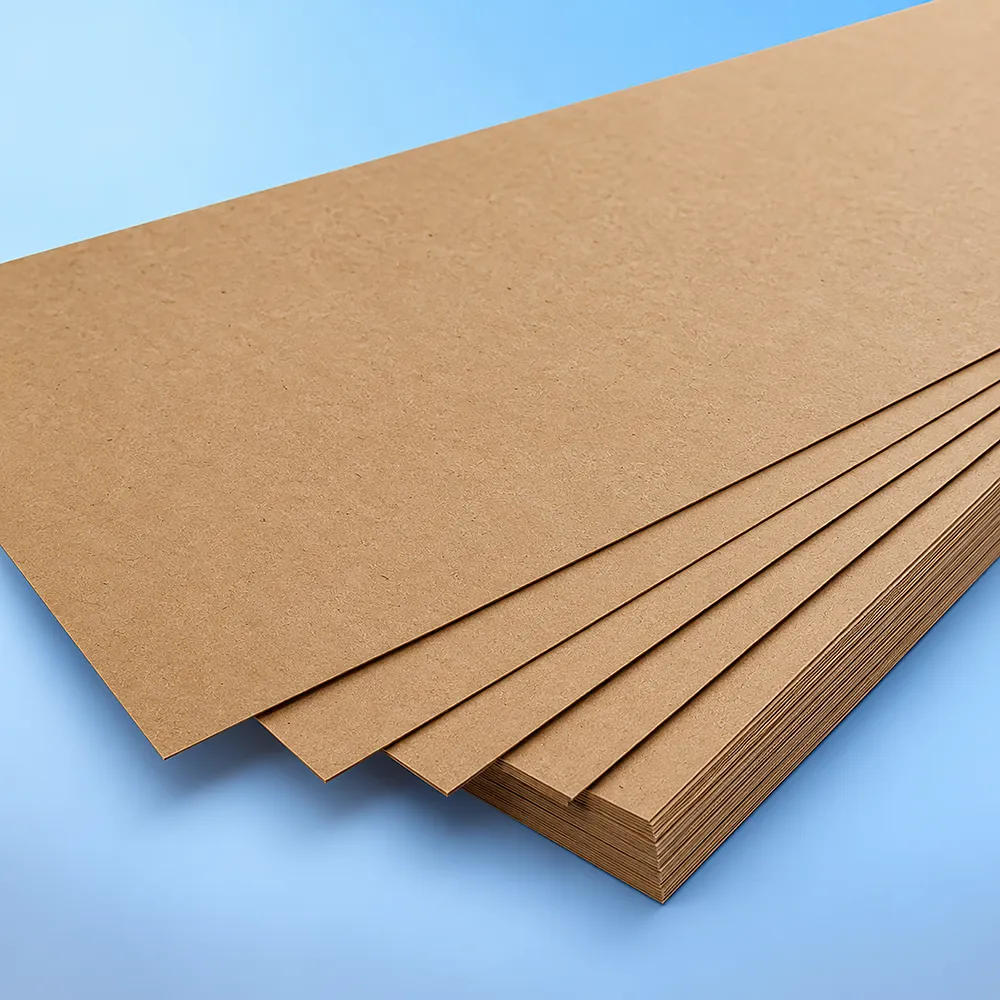
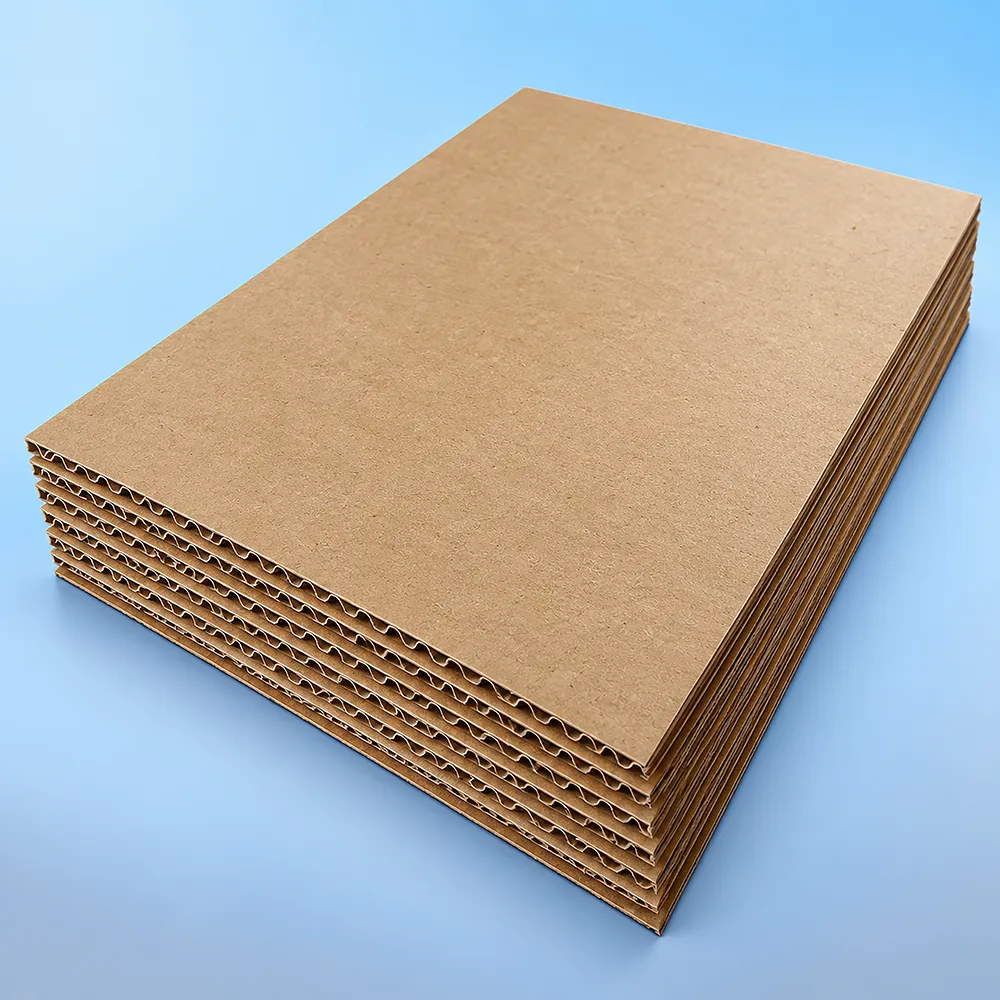
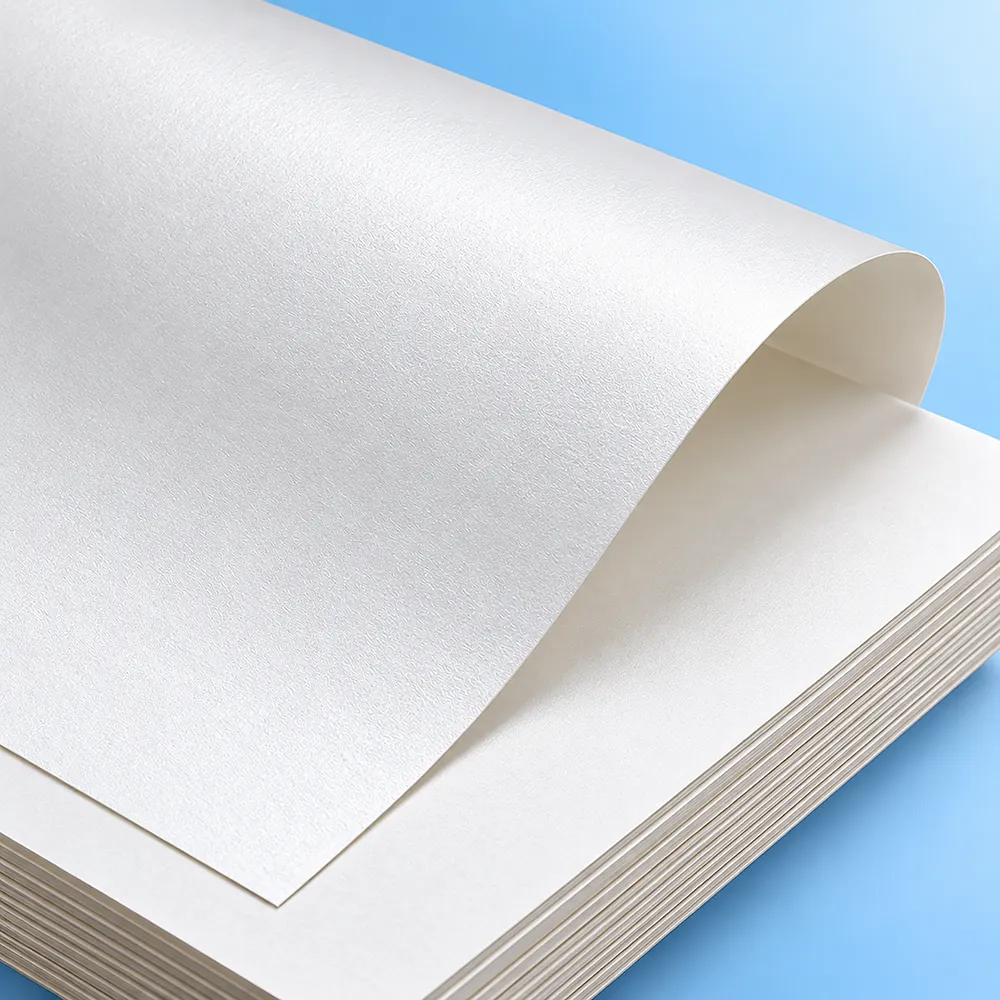
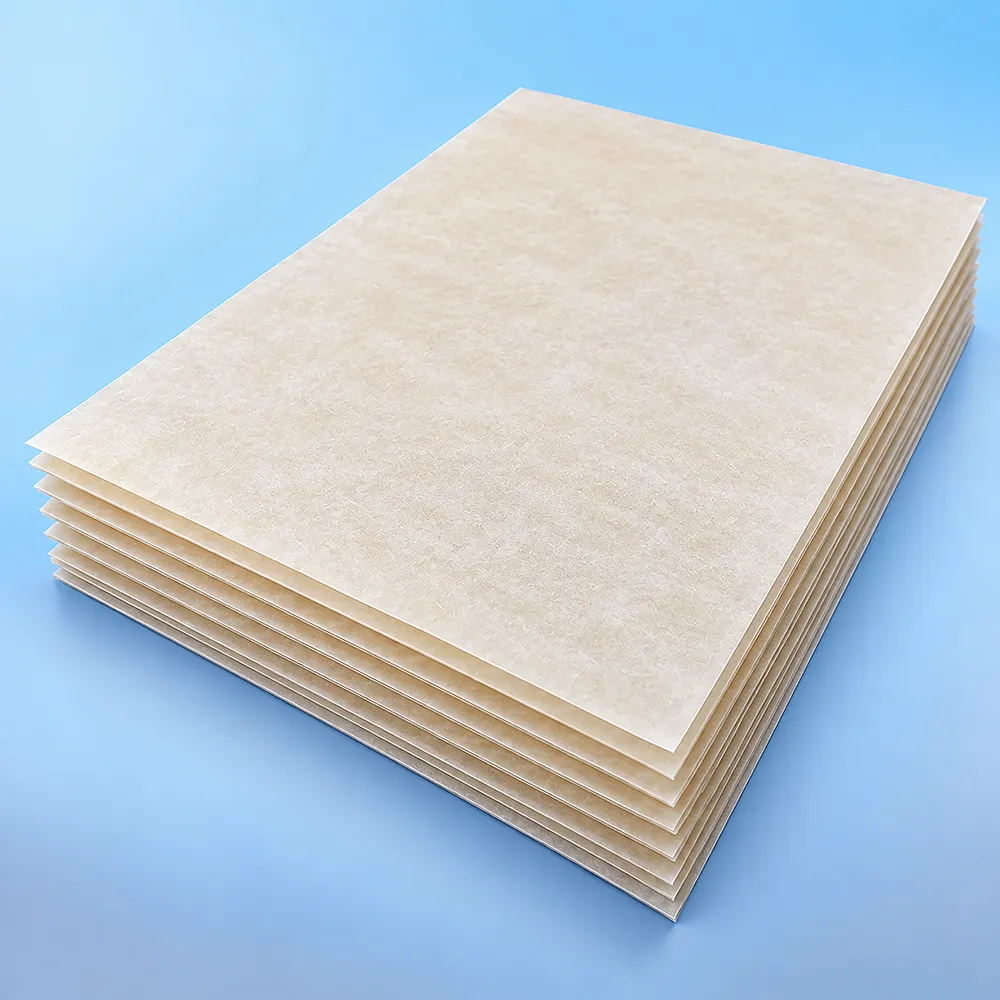
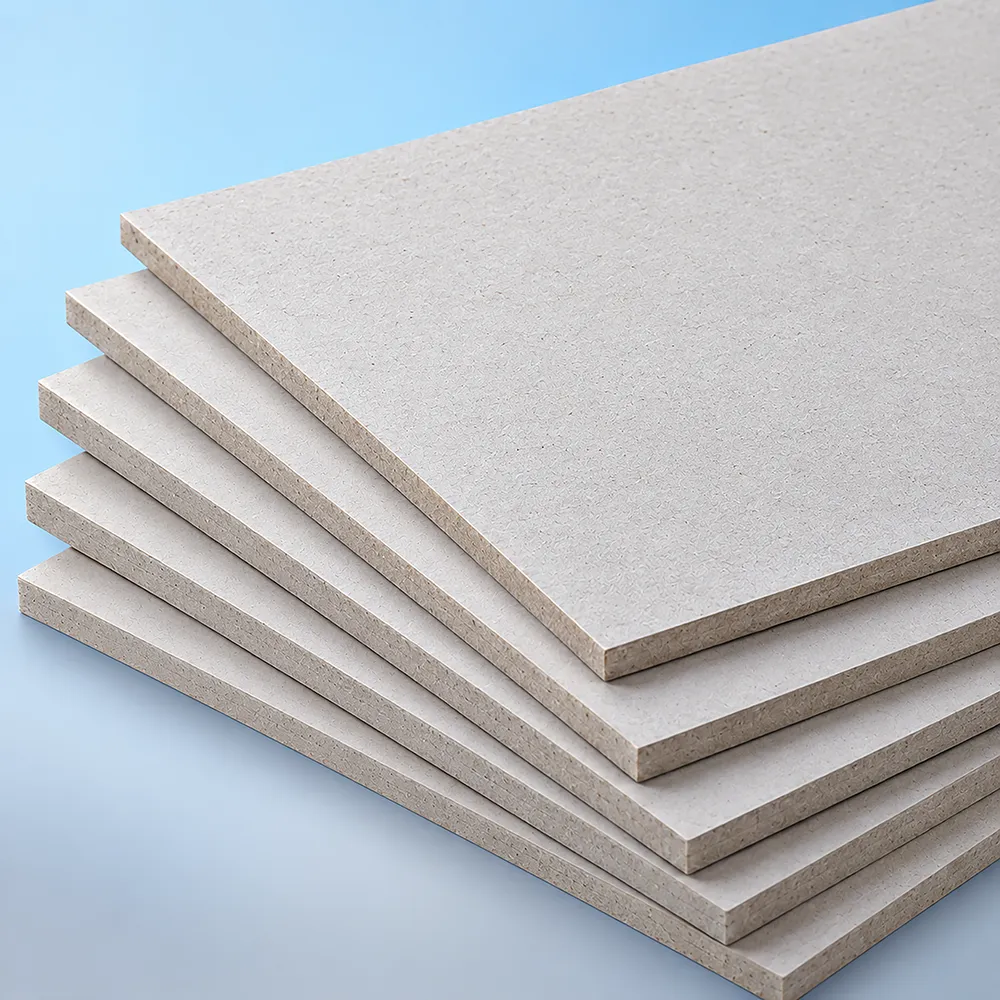
Packaging materials do more than hold a product; they influence protection, presentation and overall box performance. Cardboard provides a smooth, durable surface for custom printing and everyday retail packaging. Kraft paper offers a natural, sturdy option with an eco-conscious appearance. Corrugated stock adds extra strength for heavier products and shipping applications. We offer carefully selected paper stocks that balance durability, print quality, sustainability, affordability and premium presentation.
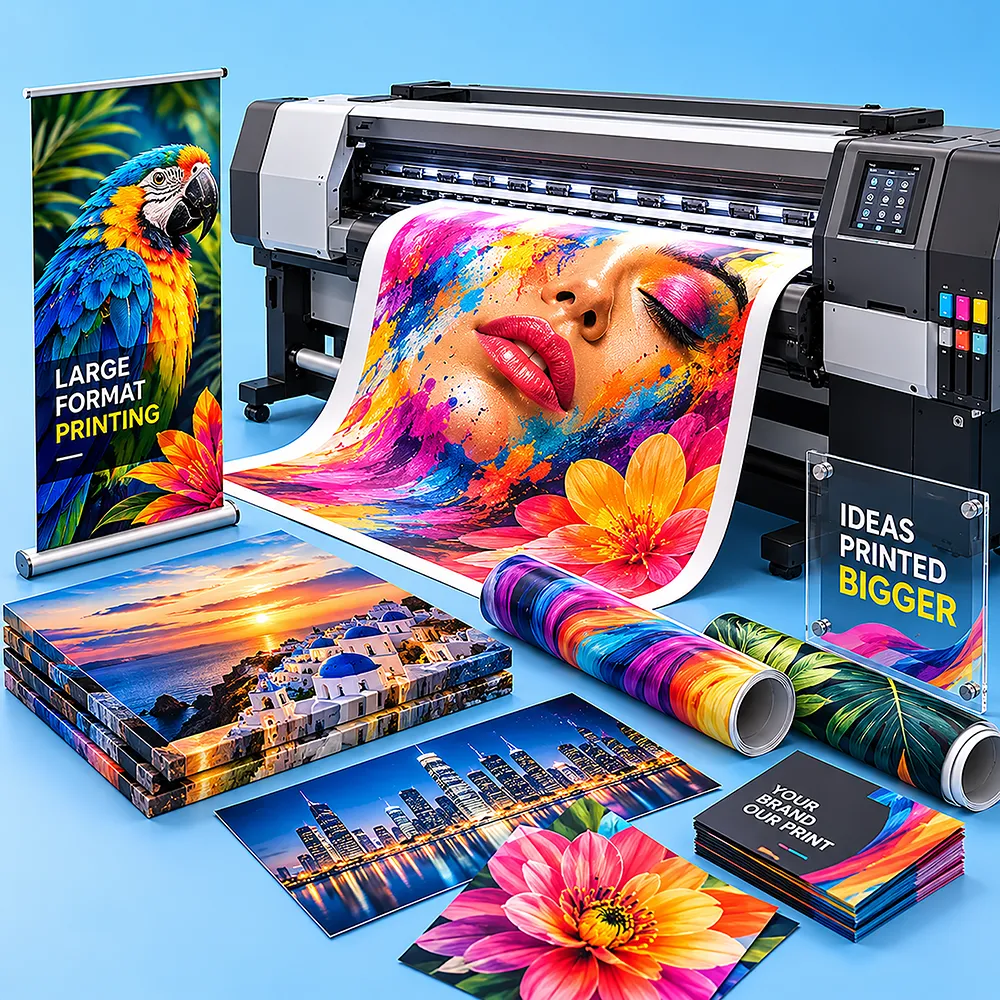
Printing methods enhance how your packaging looks and represents your brand. Digital printing delivers sharp details and vibrant colors, making it ideal for flexible custom packaging designs. Offset printing provides consistent color accuracy and crisp image quality for larger production runs. Screen printing creates bold, durable graphics on selected box surfaces and materials. We offer the latest printing methods to turn your creative ideas into realistic visuals, showcasing logos, patterns, artwork and branded graphics with clarity and precision.
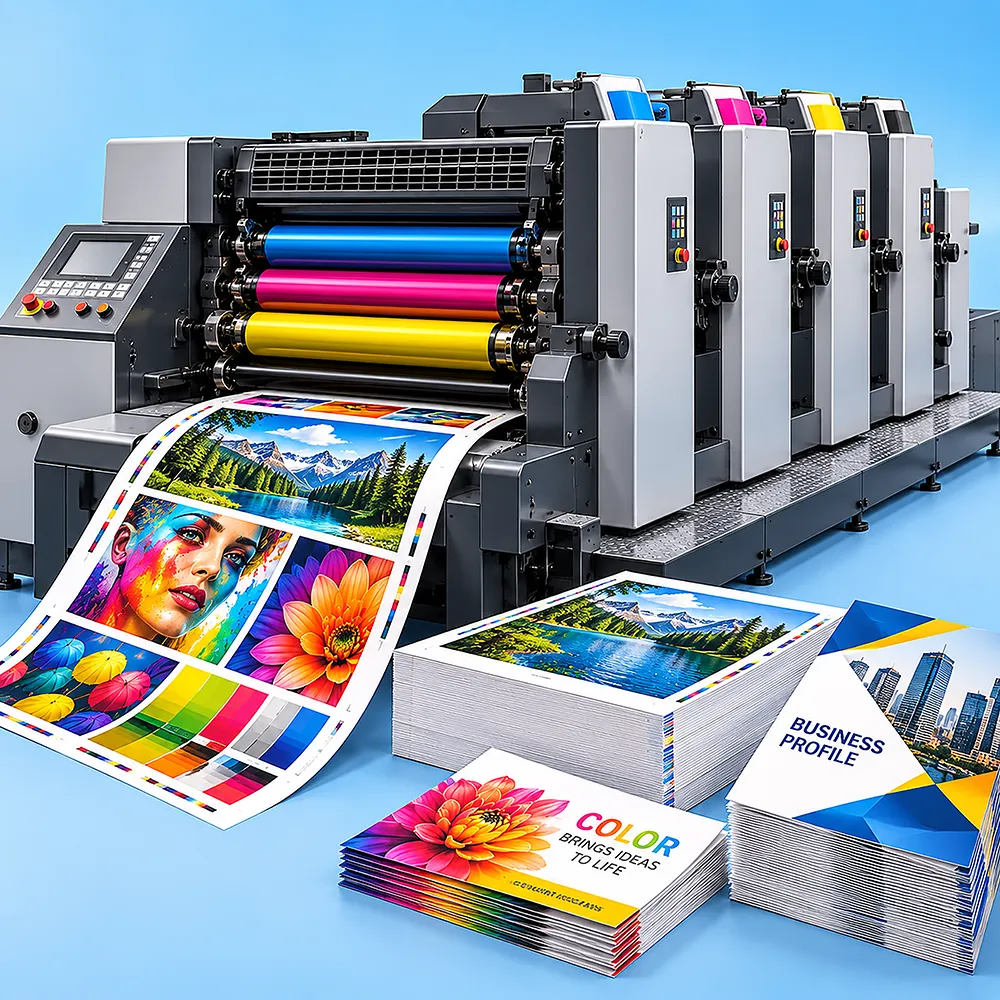
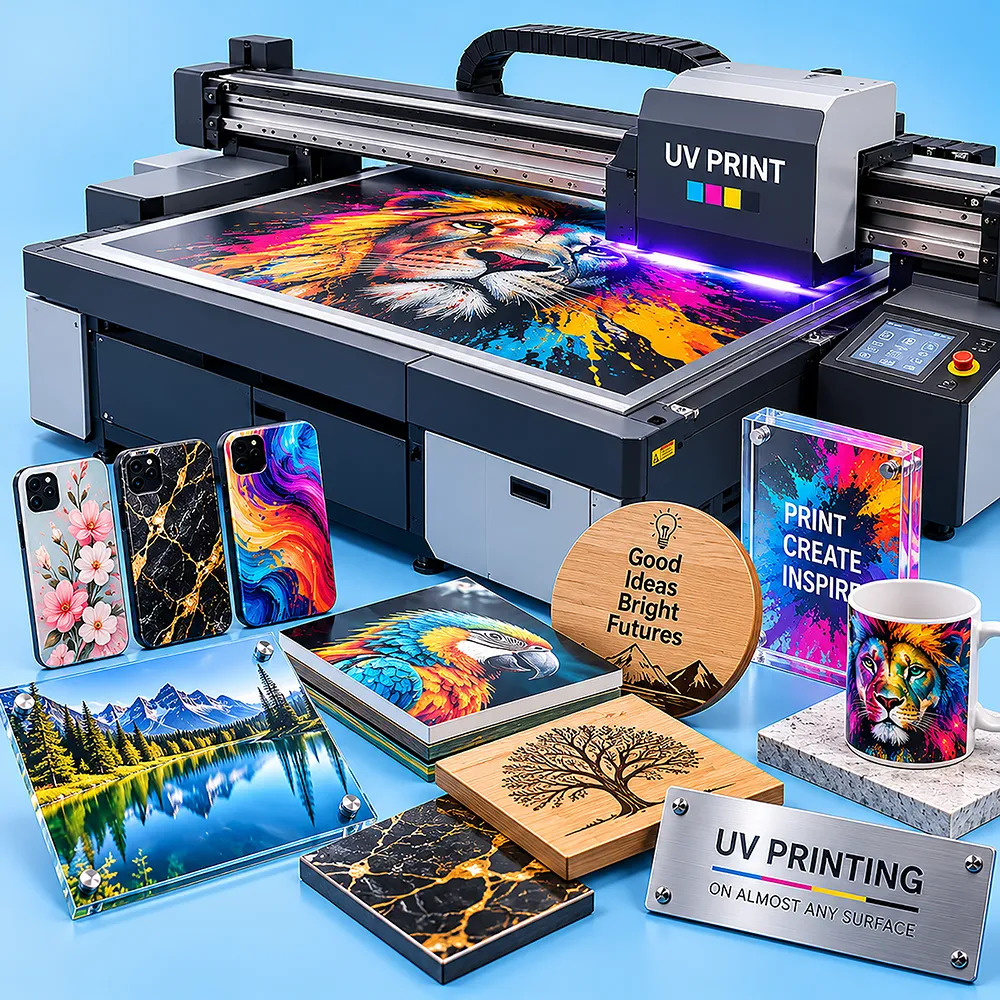
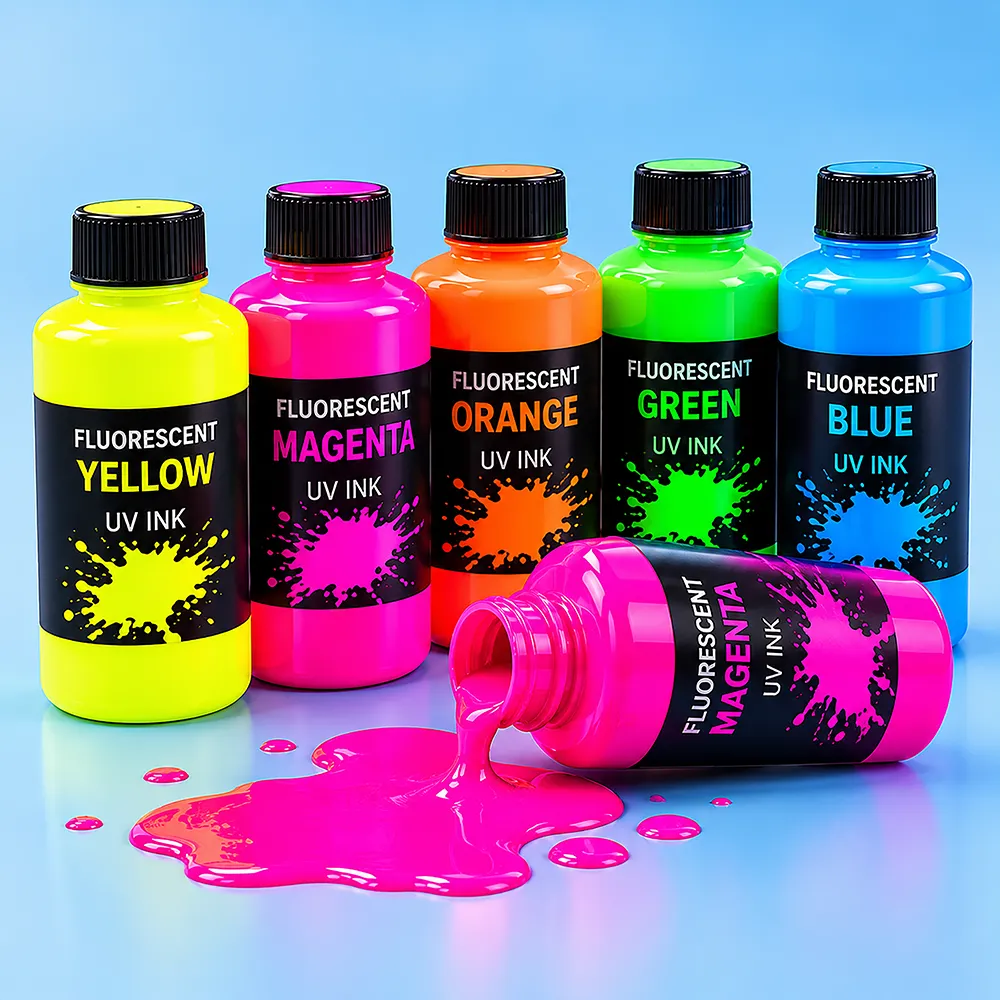
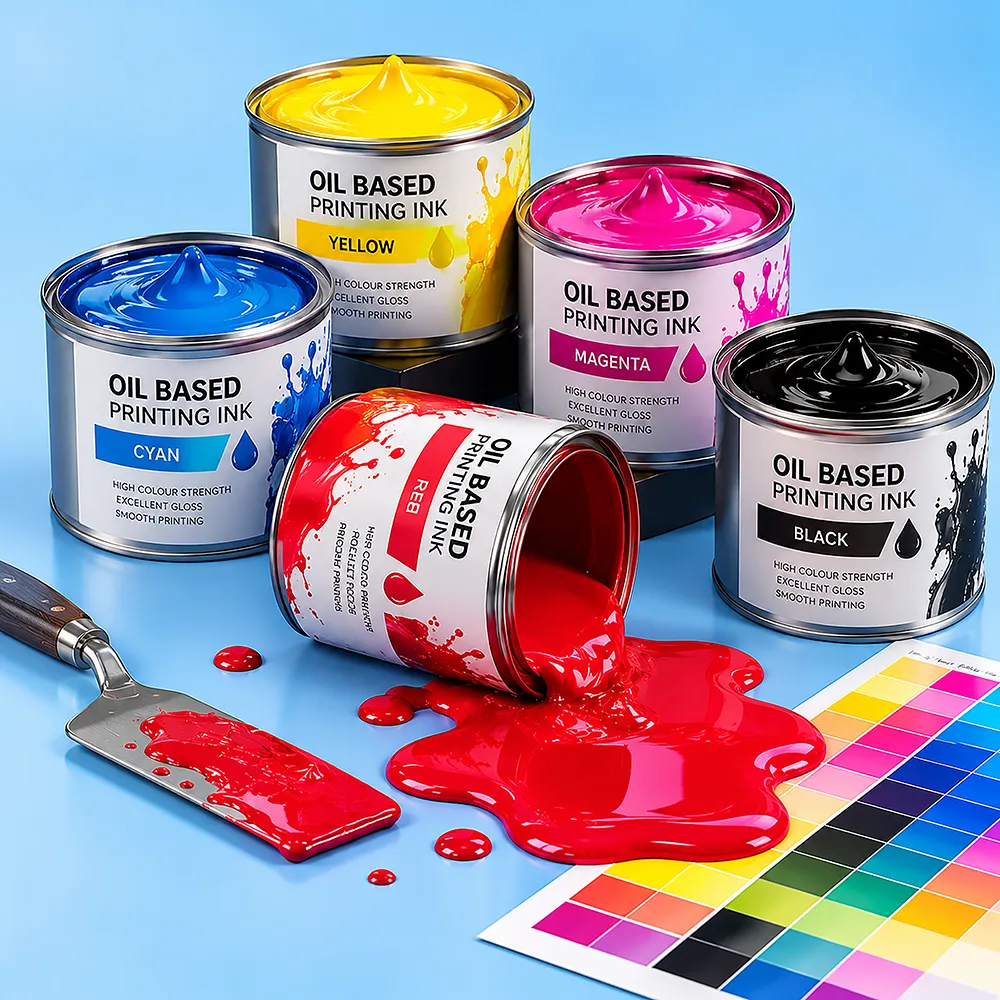
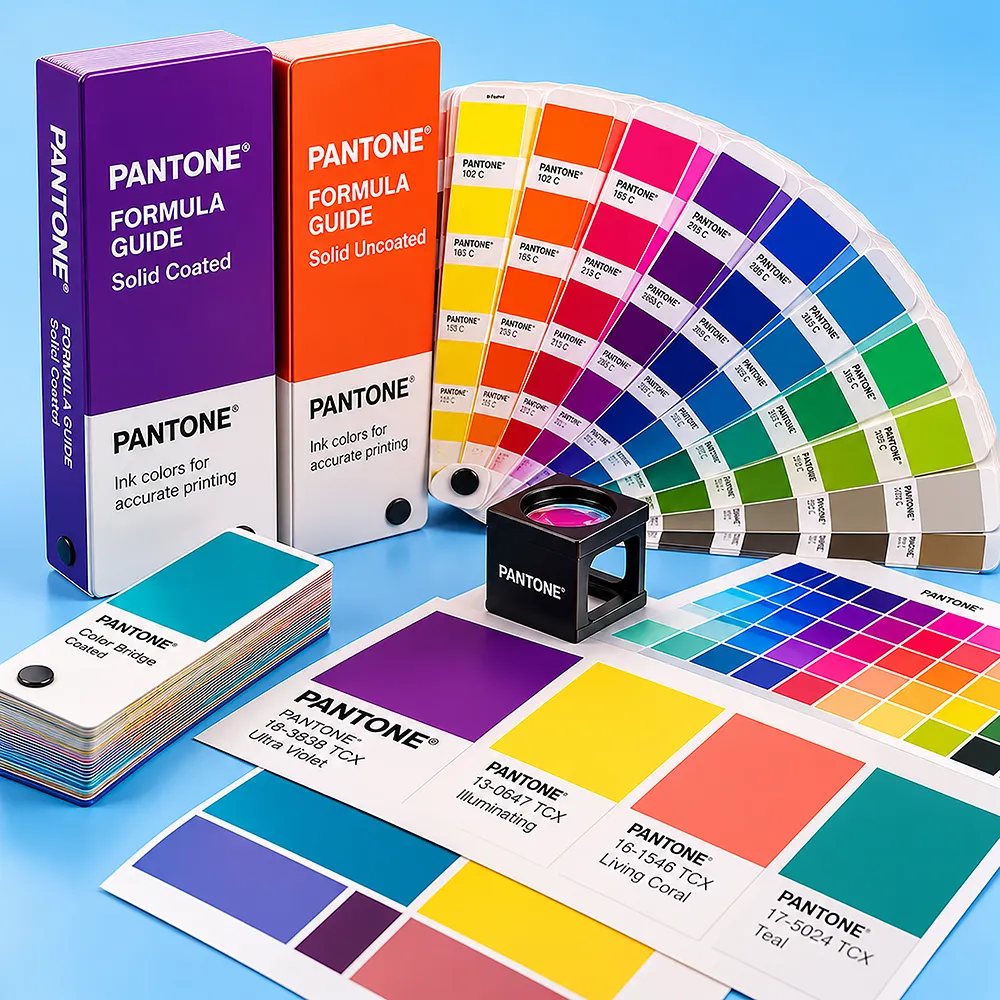
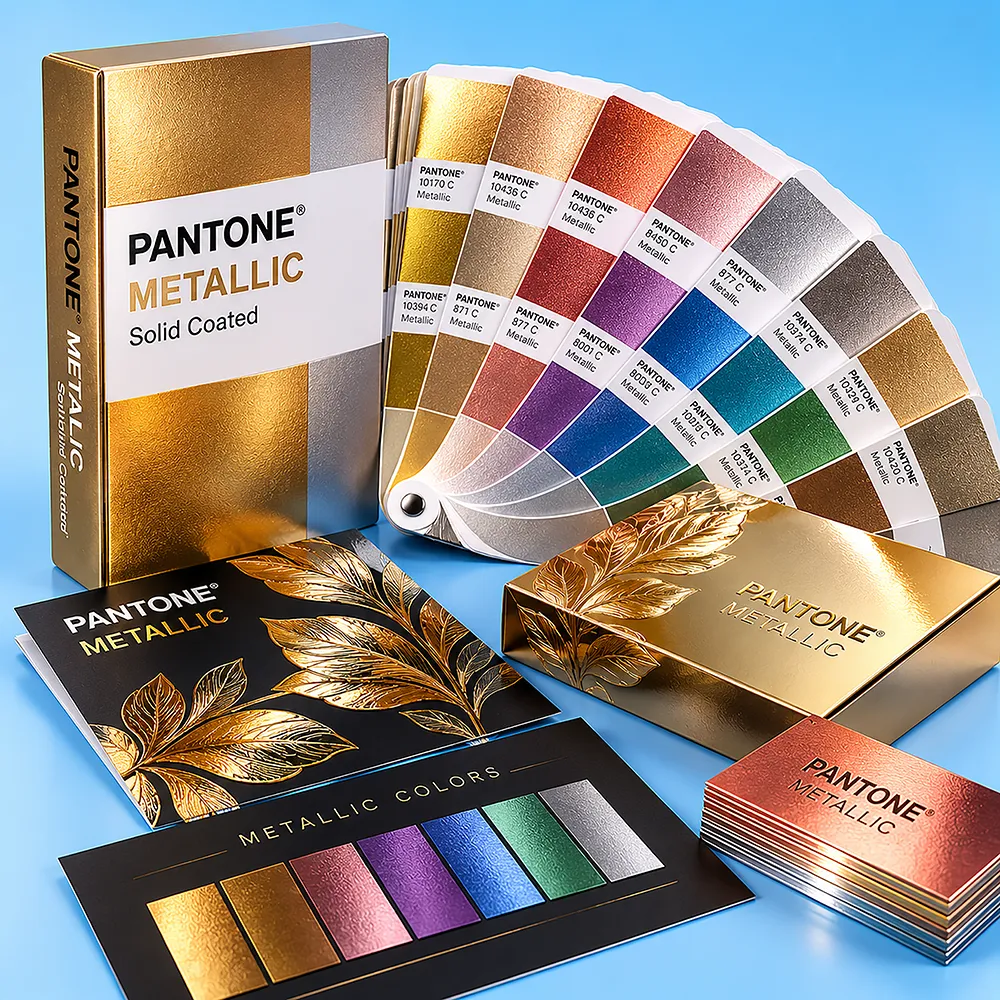
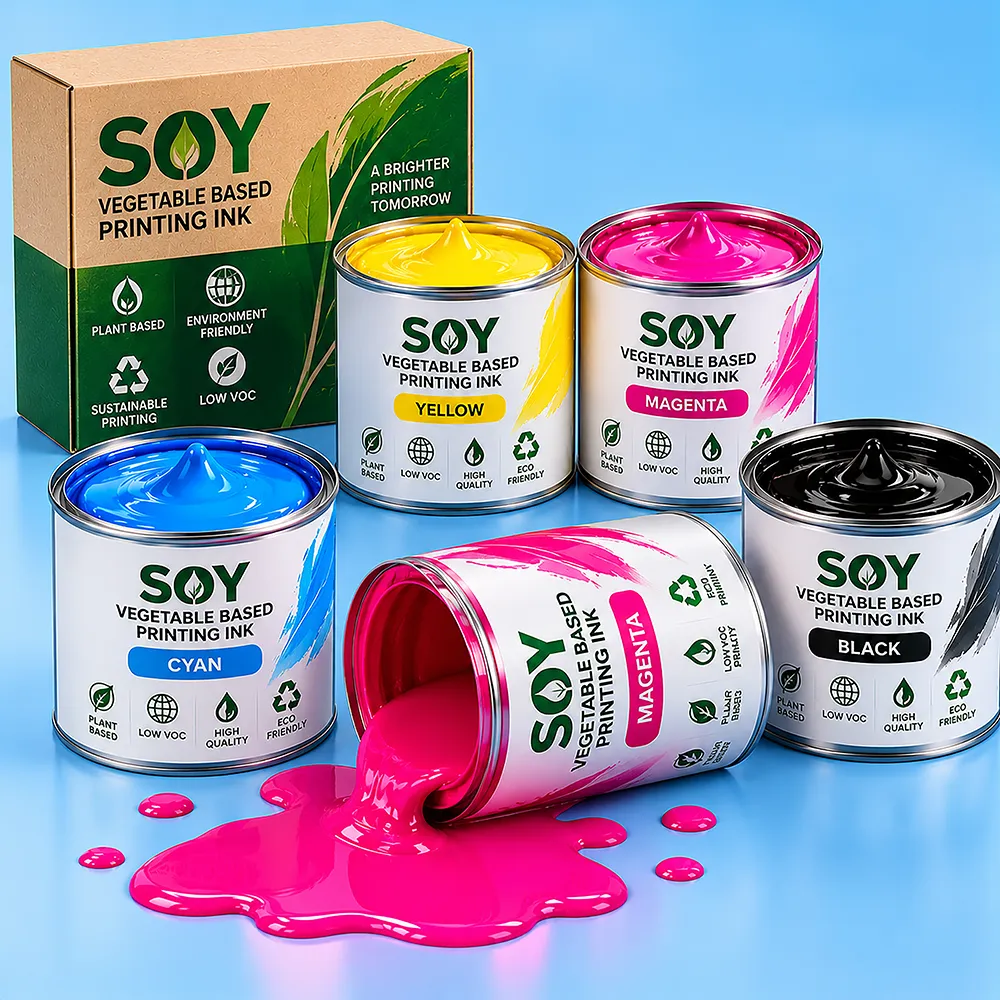
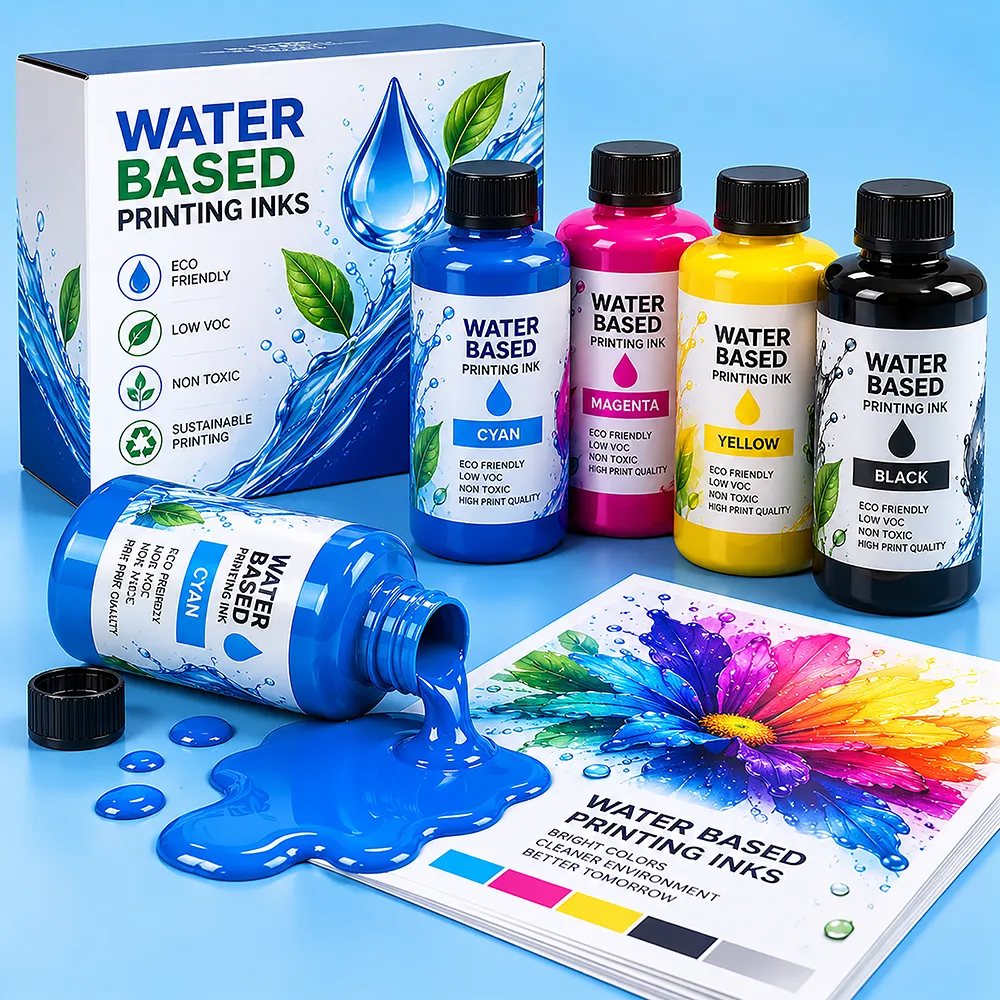
Printing inks bring packaging artwork to life with vibrant colors, clear details and consistent brand presentation. We offer a wide range of ink options, including Pantone colors, Pantone Metallic inks, oil-based inks and fluorescent inks for distinctive visual effects. Soy and vegetable-based inks provide versatile color reproduction, while water-based inks offer another practical printing option. Choose the right ink to reproduce logos, patterns, illustrations and branded artwork, turning creative ideas into attractive visuals with striking color and clarity.
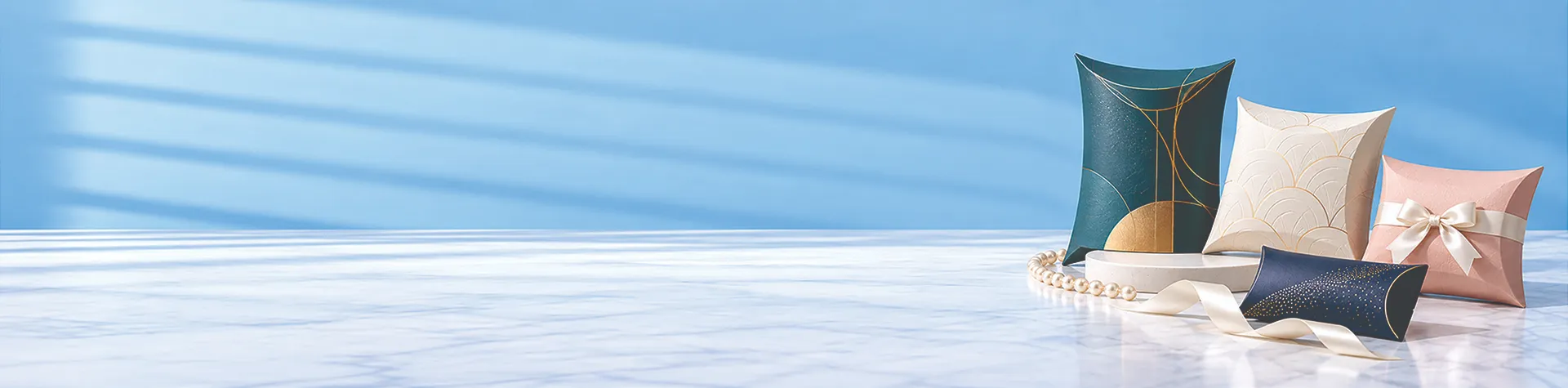
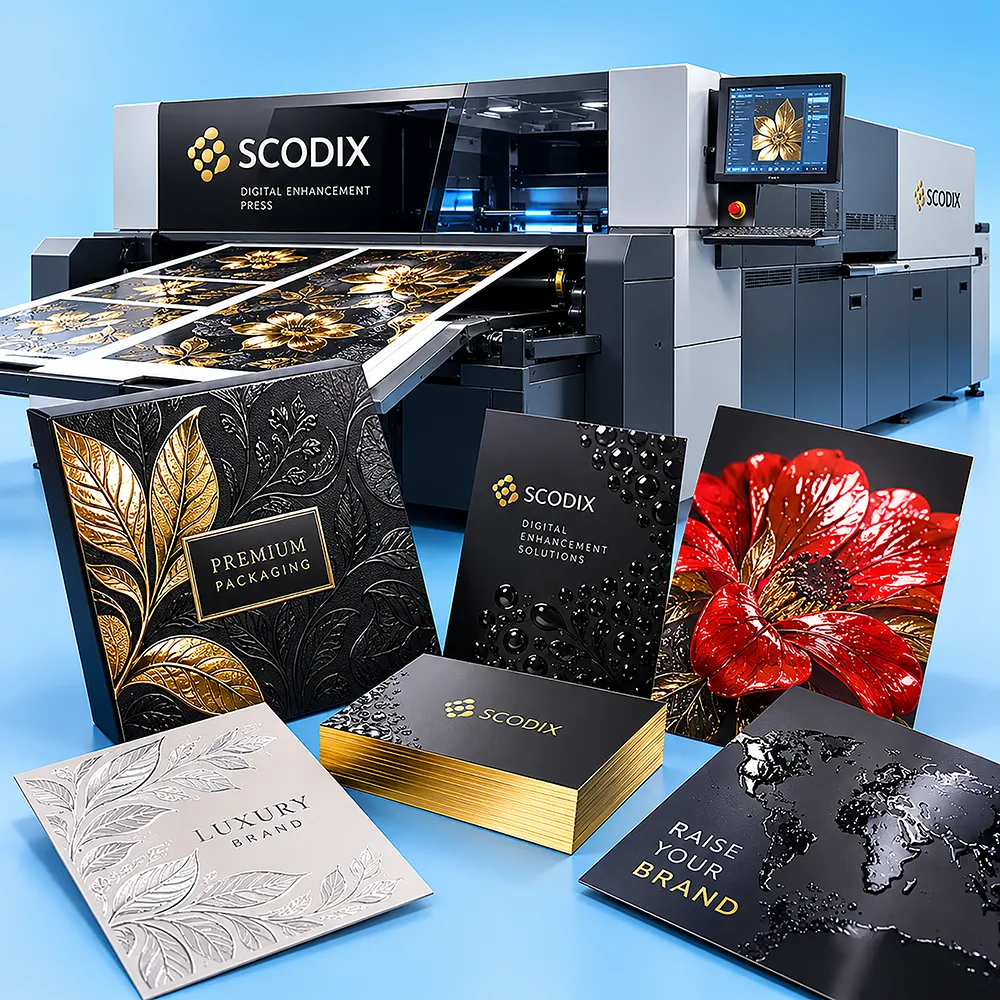
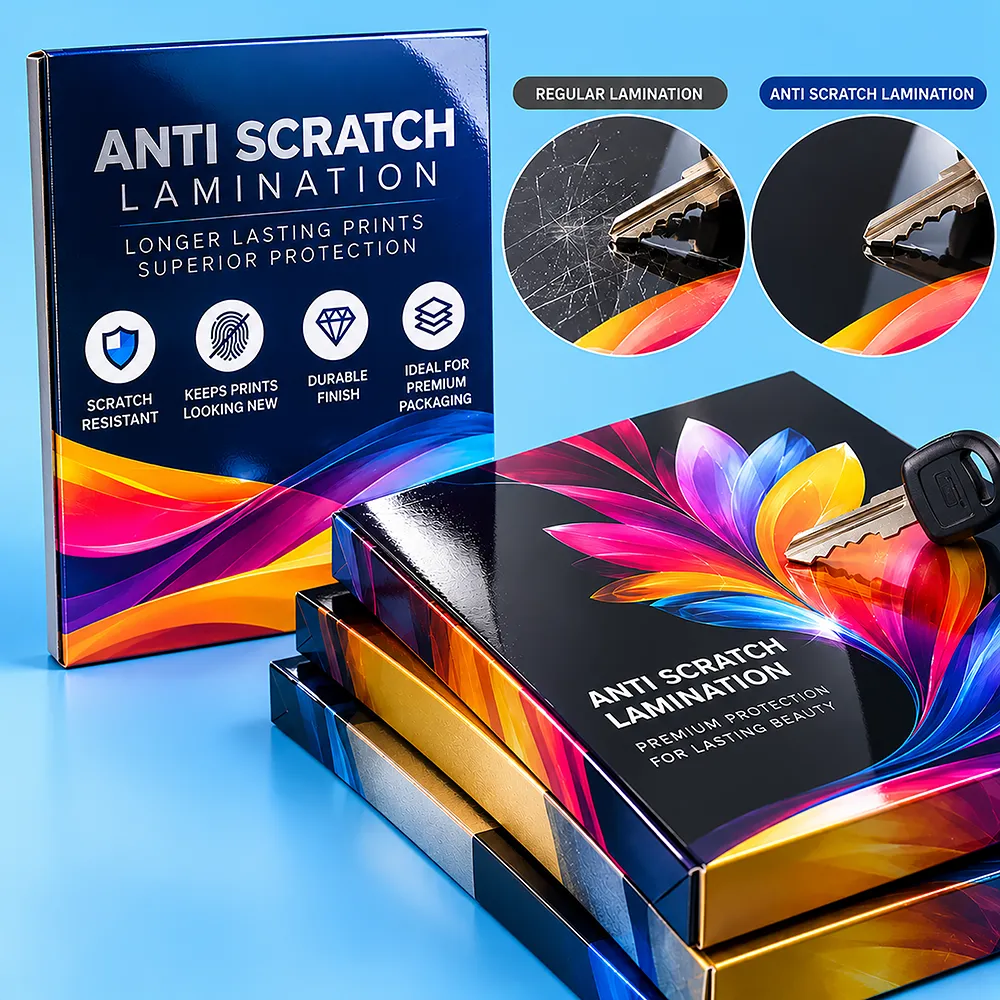
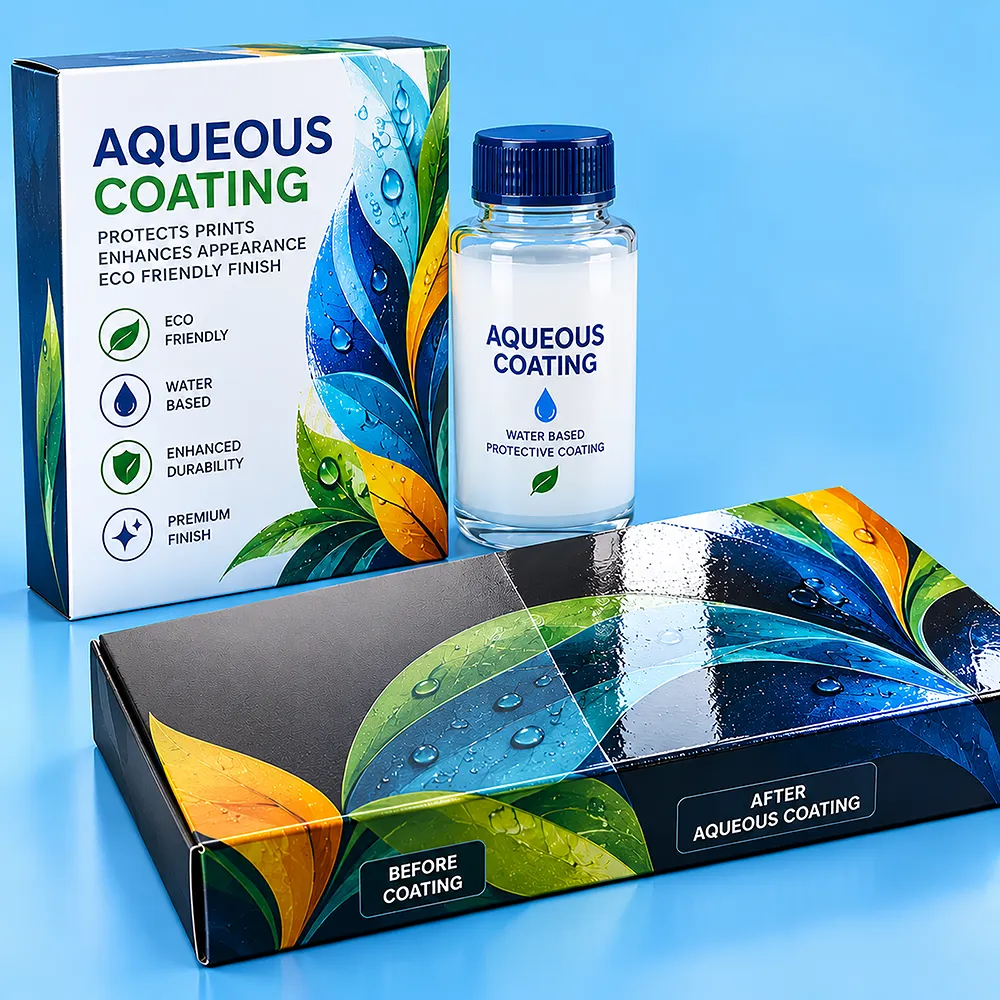
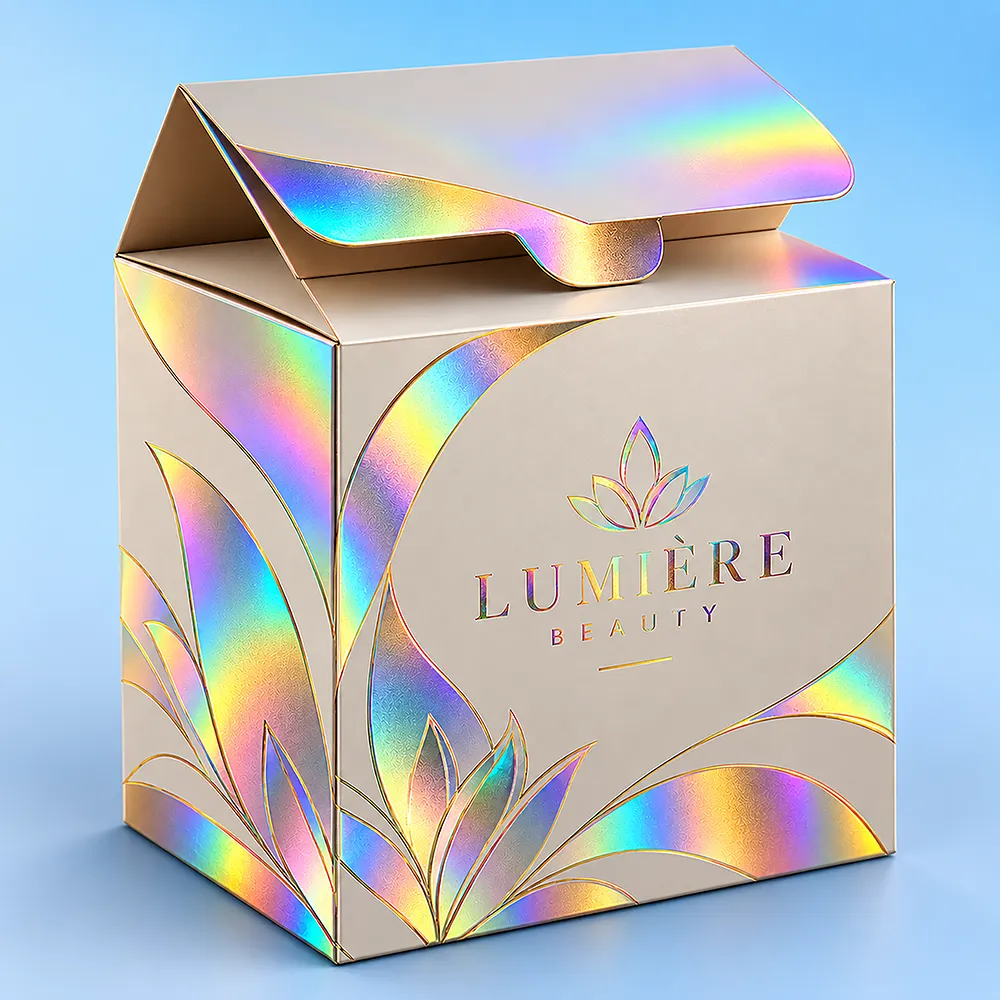
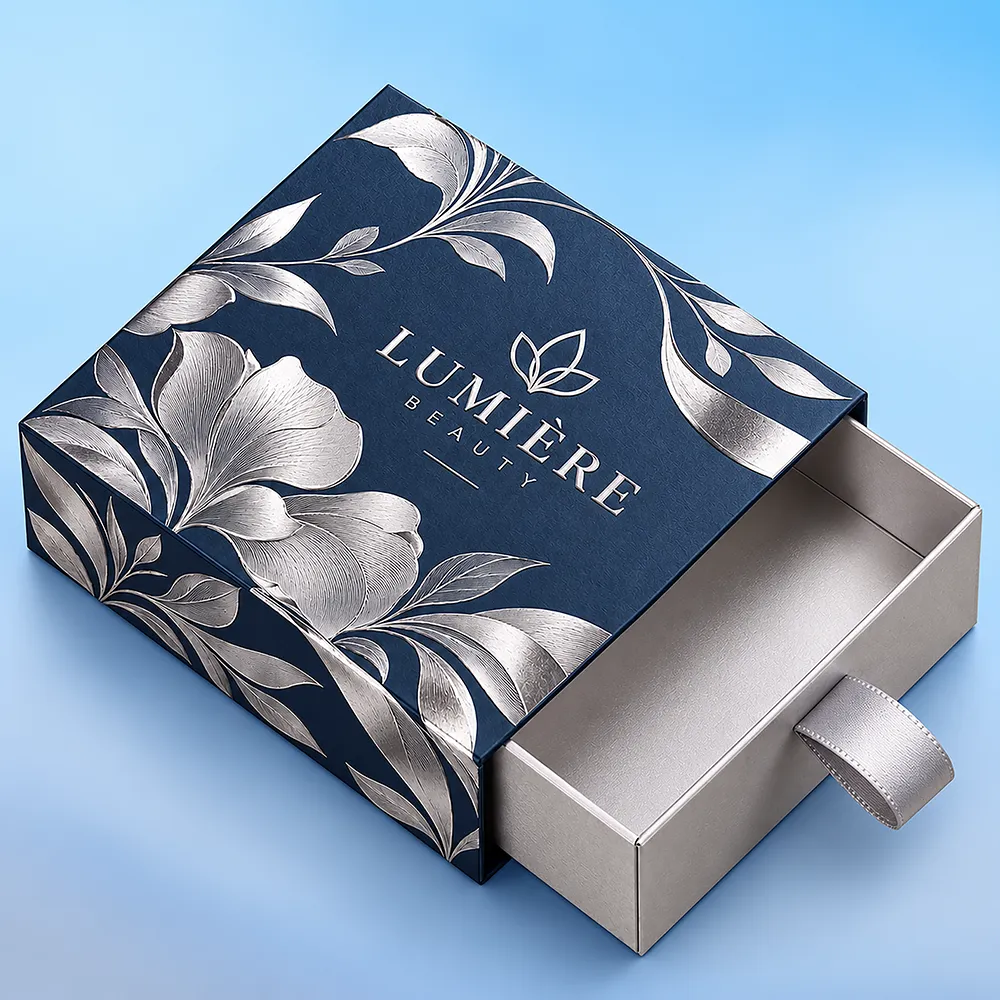
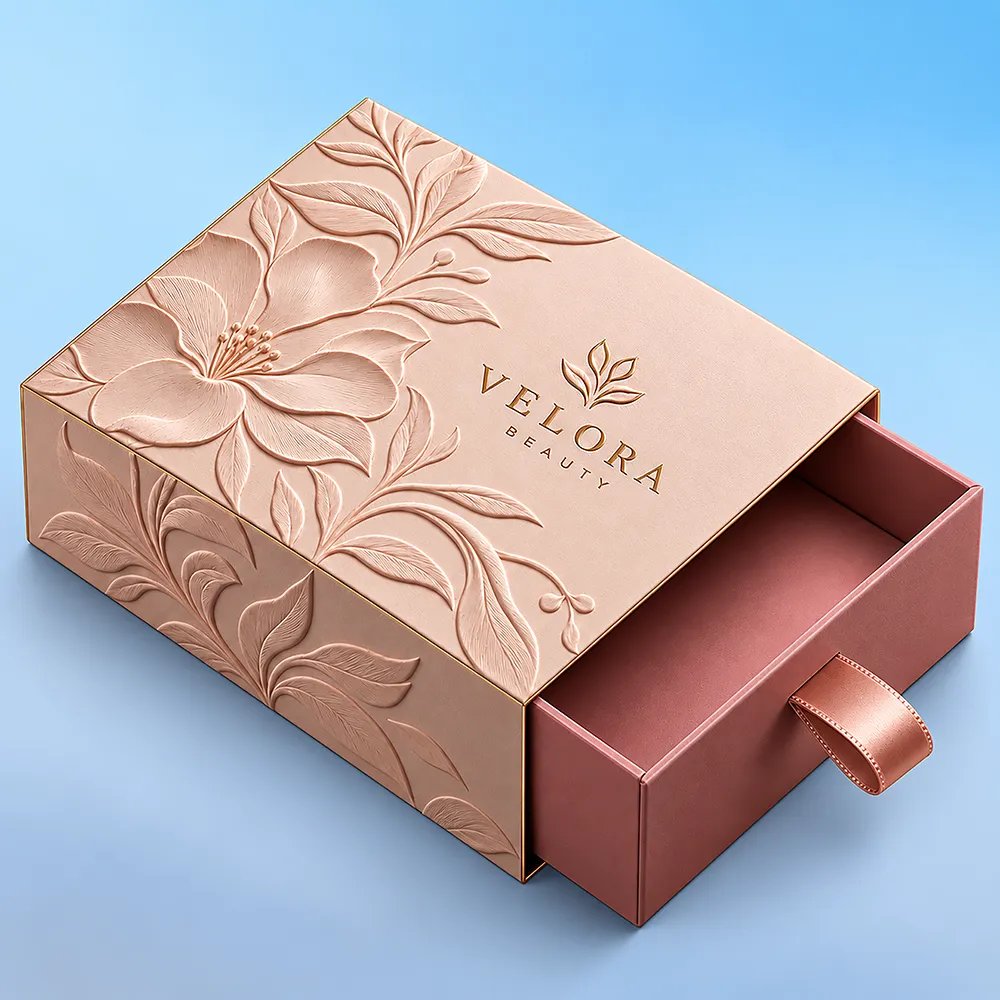
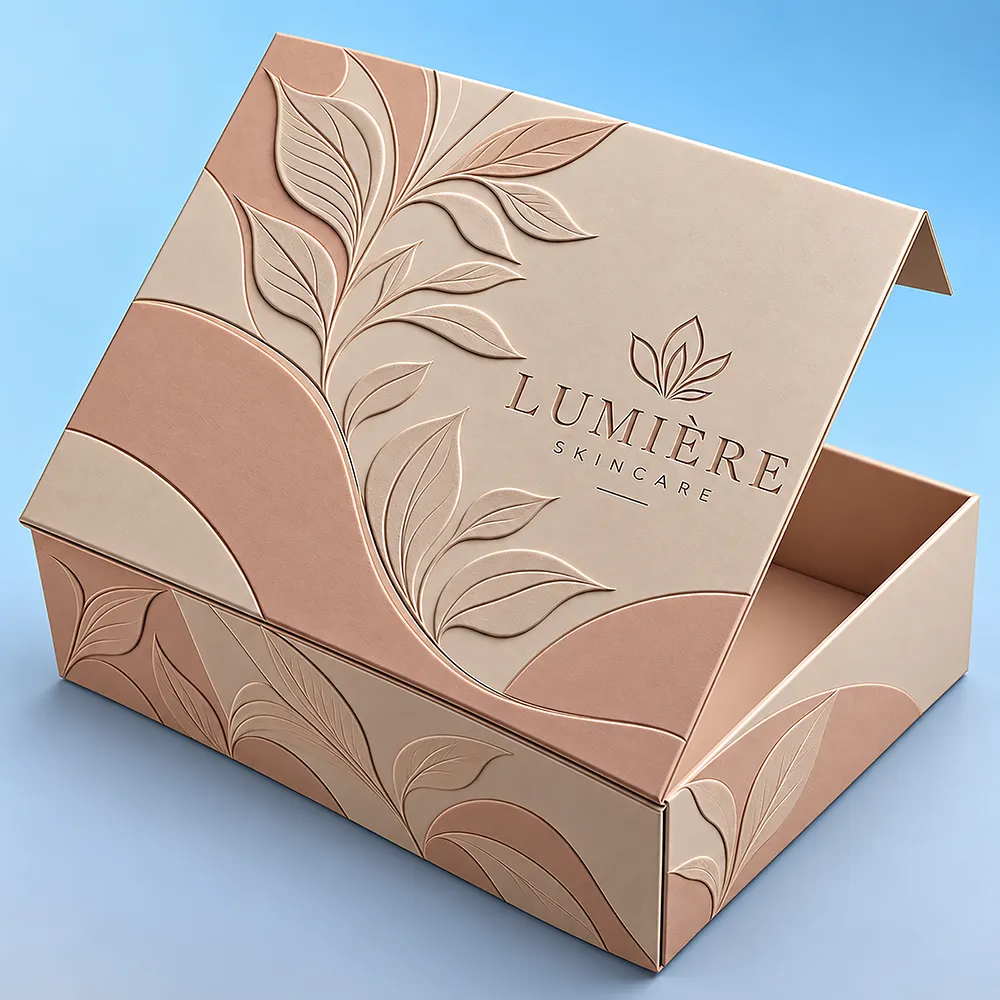
Premium finishes enhance the appearance and overall aesthetics of custom packaging. Matte and gloss laminations create smooth visual effects, while soft-touch adds a refined tactile feel. Foil stamping introduces metallic accents in gold, silver and other shades, while embossing and debossing add dimensional detail. Spot UV highlights selected design elements with added contrast and shine. Choose from versatile finishing options to make logos, patterns and branded artwork look more distinctive, polished and premium.
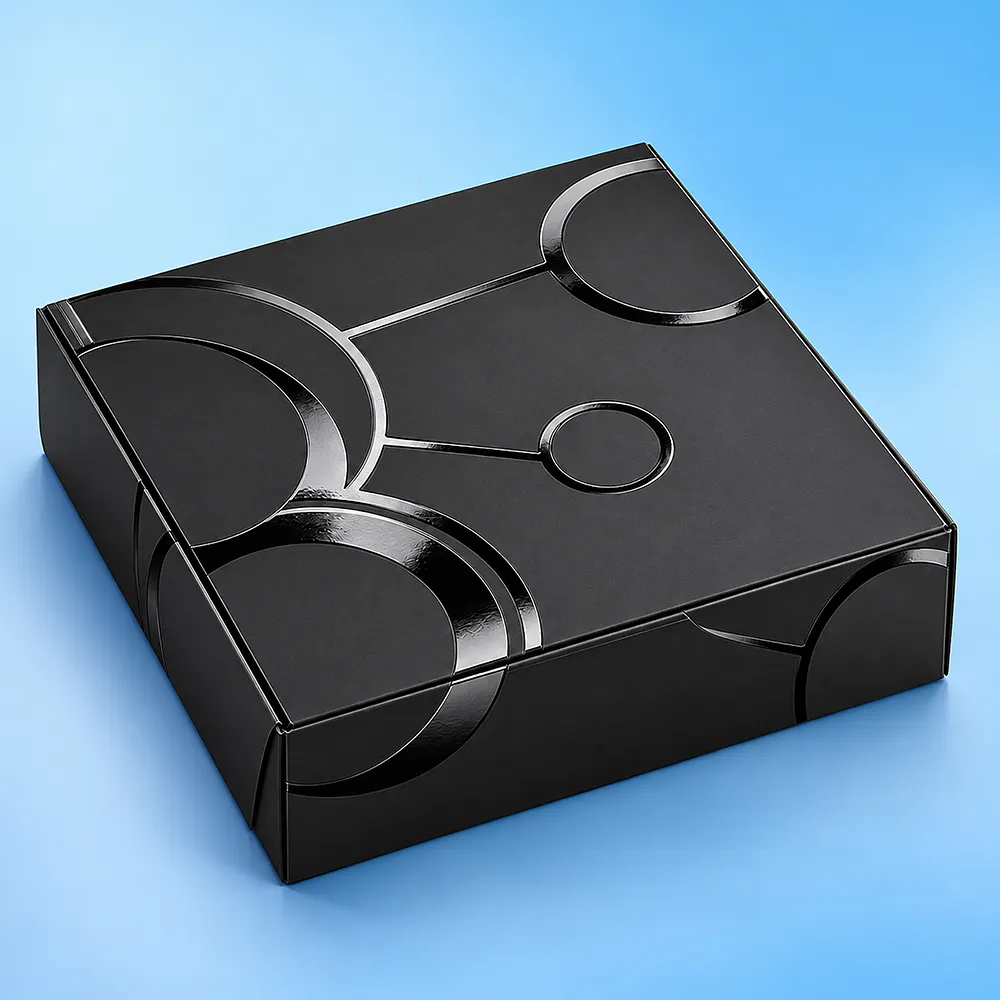
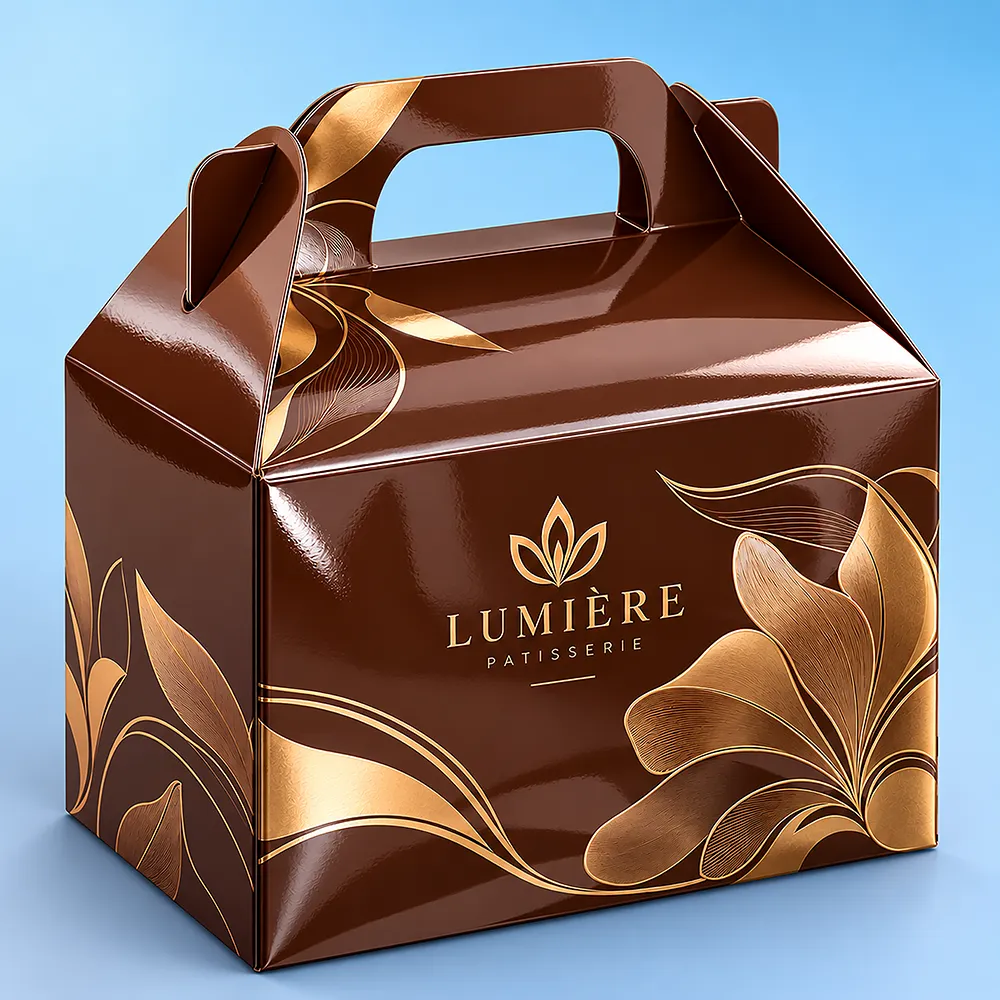
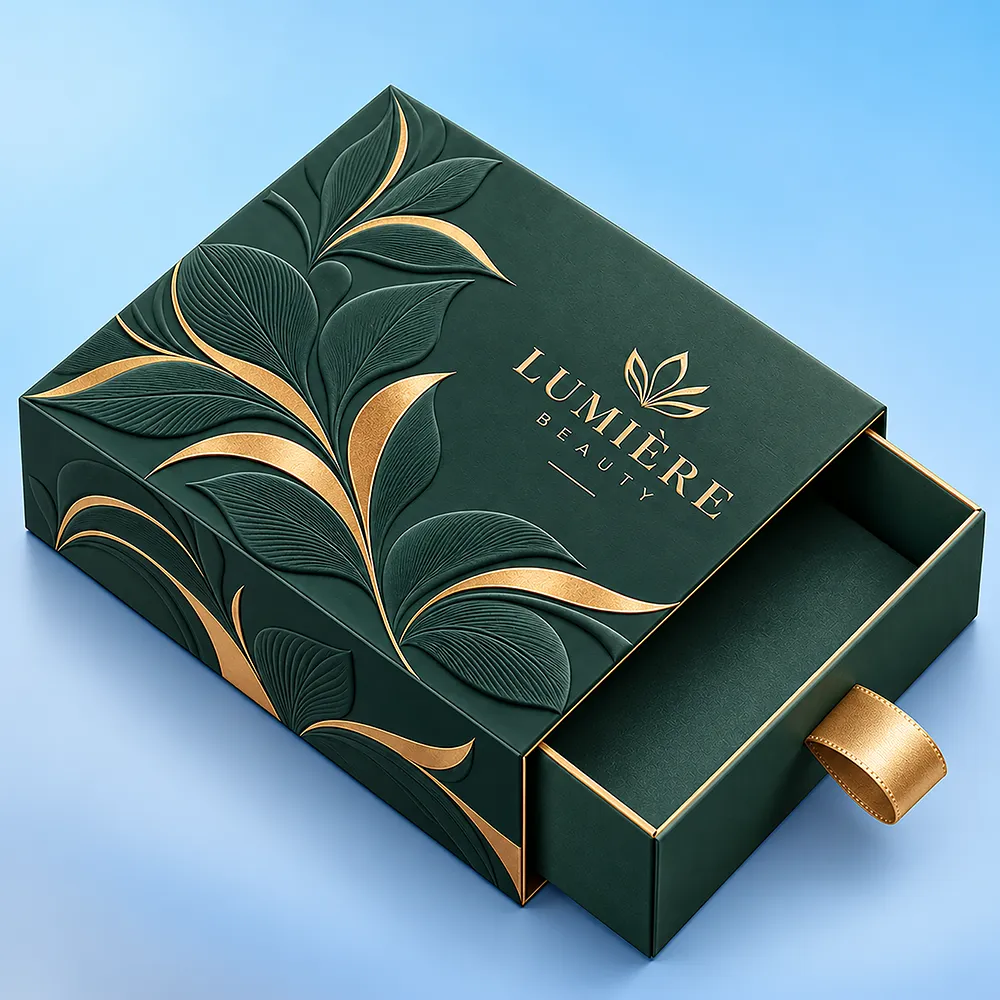
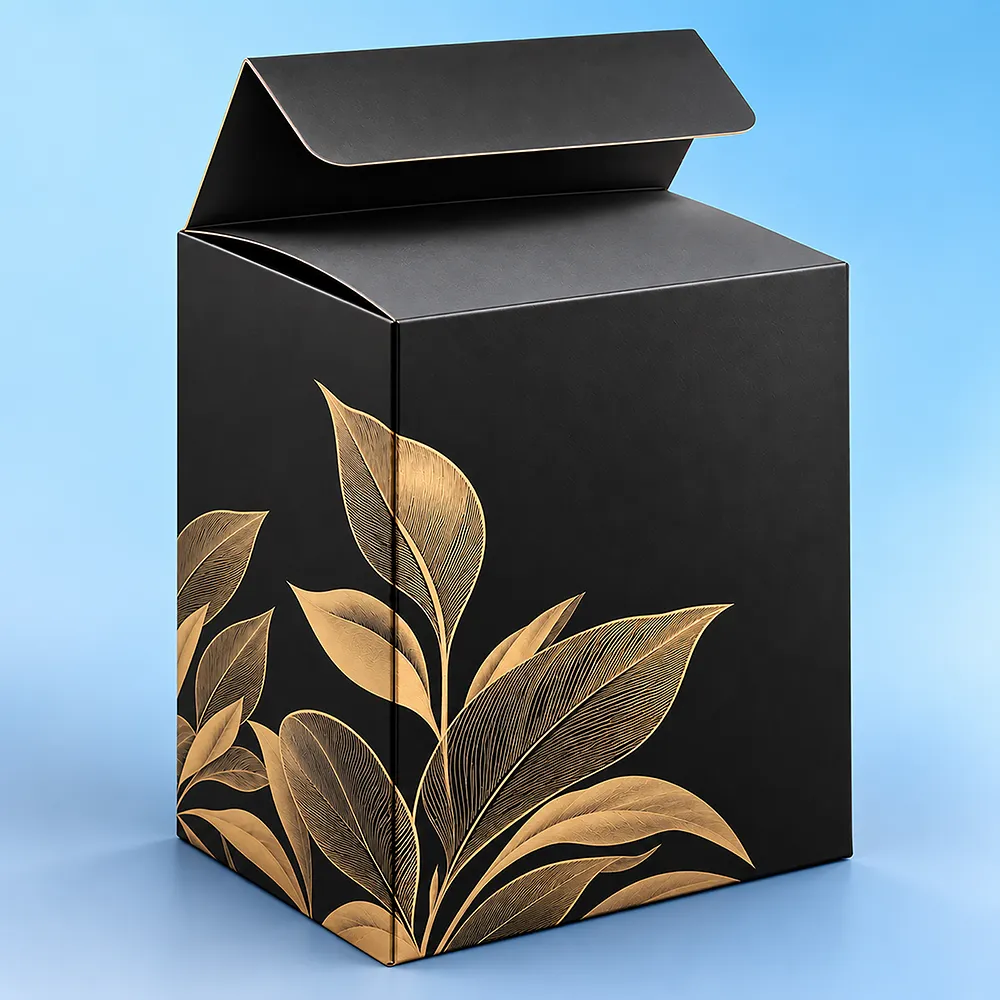
Packaging add-ons make custom packaging more attractive, presentable and visually captivating while increasing its perceived value. Gold foil adds a rich metallic accent, while silver foil creates a clean and sophisticated look. Holographic foil introduces eye-catching reflective effects that help selected design elements stand out. Embossing raises logos or patterns for added dimension, while debossing creates a refined recessed effect. Ribbons and handles add both decorative appeal and practical convenience, giving packaging a more distinctive and premium presentation.
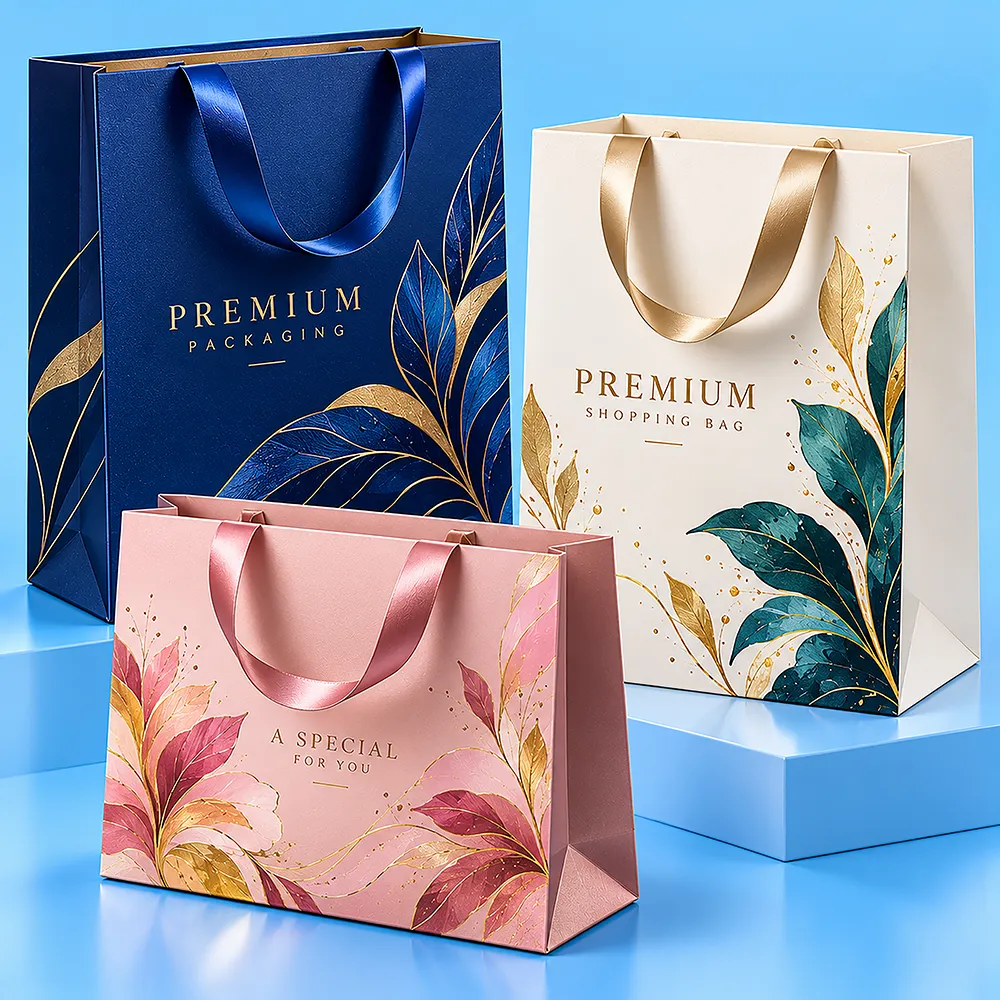
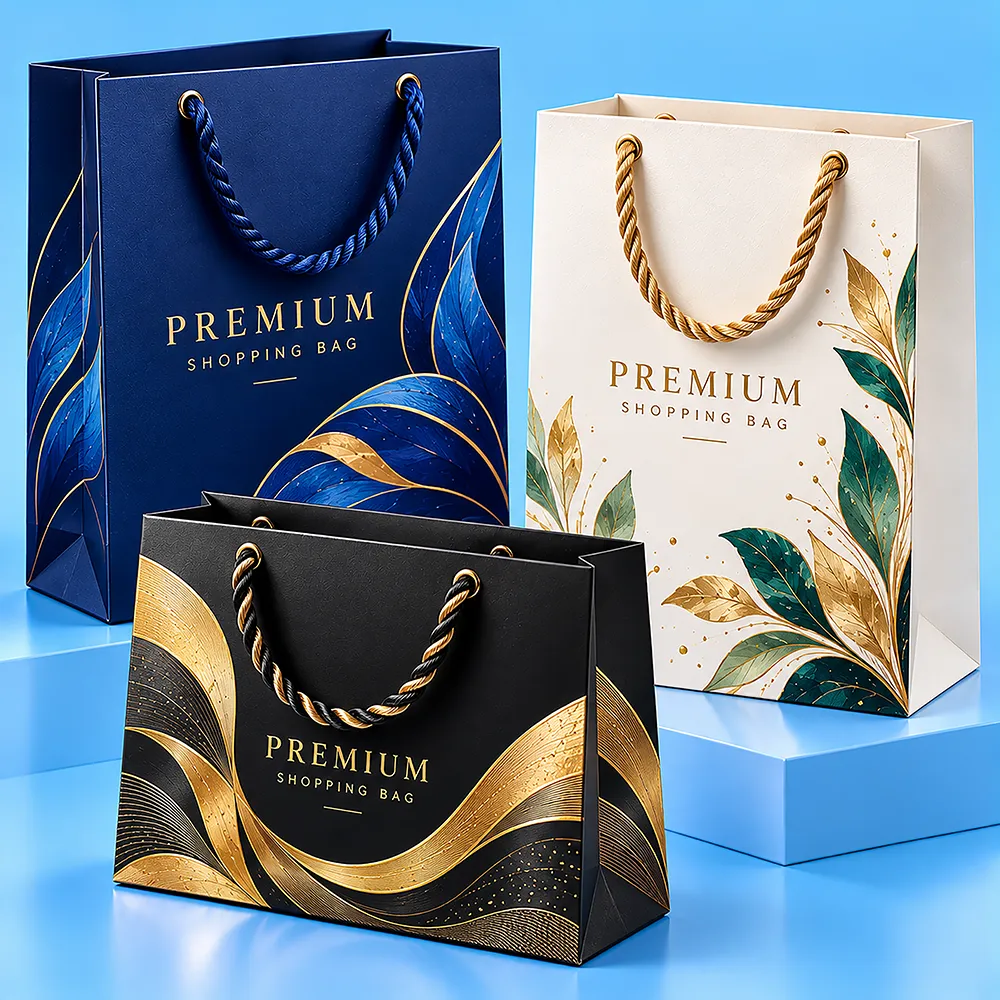
Fill out the form below to receive a customized packaging quote with competitive wholesale pricing and premium quality solutions.
A pillow box is a folding carton that develops a rounded, pillow-like profile when its curved ends are closed. Its structure differs from a conventional rectangular tuck carton because the curved panels and end closures influence both the usable internal space and the exterior presentation.
Pillow packaging is often selected when a brand wants a more distinctive profile than a conventional rectangular carton while retaining the efficiencies of a folding package.
The key decision is whether the finished product works with the structure.
Product size, depth, widest points, weight, orientation, and presentation requirements should be evaluated before material, printing, or decorative finishes are selected.
Different pillow-box configurations solve different packaging requirements. The useful distinction is the job the package needs to perform—not simply a difference in color or size.
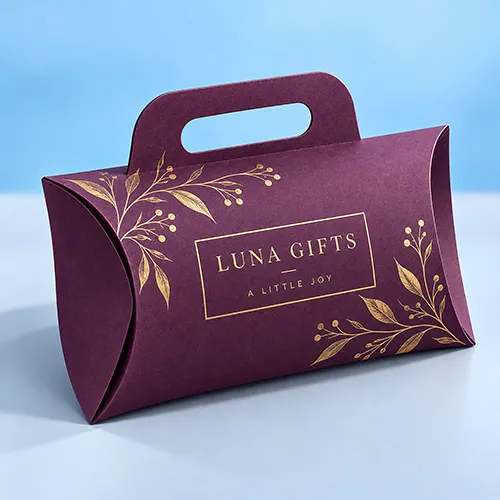
A handle adds a carrying point to the curved pillow-box structure. This format can work for gift, promotional, event, and selected retail applications where portability contributes to the packaging experience.
For projects where carrying convenience is a defining requirement, explore BoxBaba Pillow Boxes with Handle rather than treating the handle as a minor add-on to a standard box.
The packed product, dimensions, handle configuration, and intended use should be reviewed together. A handle should not be treated as having a universal weight capacity.
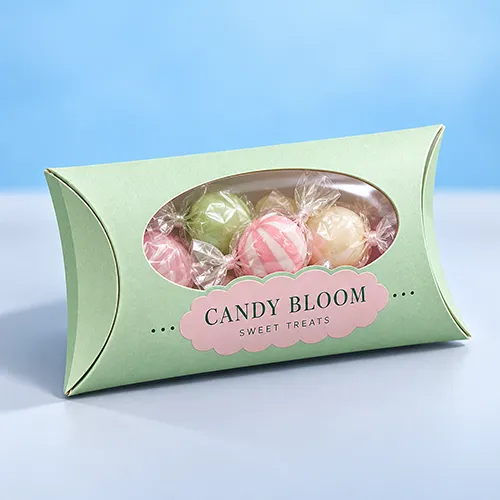
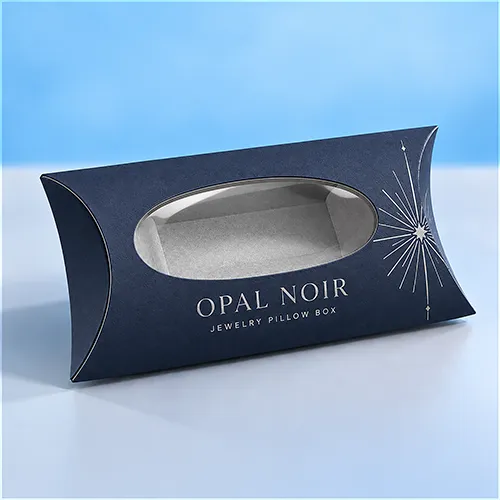
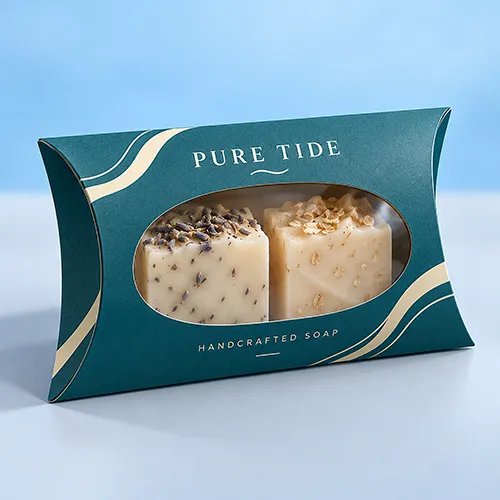
A window can be useful when seeing the product is important to the buying decision.
Window placement should be considered together with:
Brands comparing other packaging structures built around product visibility can also review BoxBaba broader Boxes with Window range.
The exact pillow-box window material and construction should still be confirmed for the individual project. Transparency alone does not establish barrier, moisture, grease, food-contact, or environmental properties.
Printed pillow packaging is the stronger direction when branded graphics and product presentation are central to the project.
Artwork may include logos, brand colors, patterns, product information, promotional messaging, barcodes, or QR codes where appropriate.
For packaging where printing is the dominant requirement, the dedicated Printed Pillow Boxes page provides the closest commercial path.
Because pillow cartons include curved and folding areas, important design elements should be positioned according to the approved dieline rather than treated as though every surface remains completely flat after assembly.
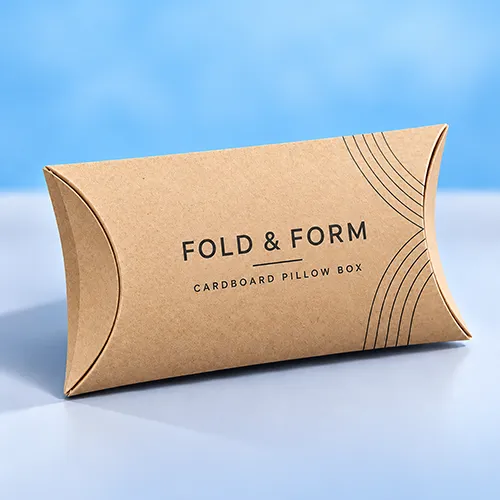
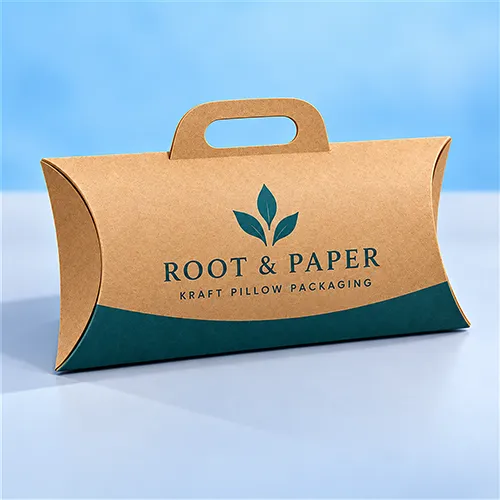
Kraft pillow boxes can support projects where a kraft-led material appearance forms part of the desired presentation.
Buyers specifically considering that direction can explore the dedicated Kraft Pillow Boxes option. For a broader view of kraft-based packaging structures beyond the pillow format, BoxBaba also has a dedicated Kraft Boxes category.
Material should still be evaluated for its structural, printing, folding, and finishing requirements.
A natural brown appearance should not automatically be interpreted as proof of recycled content, recyclability, biodegradability, compostability, or another environmental characteristic unless the exact stock supports that claim.
Cardboard pillow boxes provide a paperboard-led direction for brands that want the curved pillow format combined with customizable graphics and finishes.
If cardboard/paperboard is already a core project requirement, review the dedicated Cardboard Pillow Boxes. Buyers comparing pillow packaging with other cardboard structures can also move into the broader Custom Cardboard Boxes range.
The exact stock should be selected according to factors such as product dimensions, required structure, printing, finishing, product weight, and finished presentation.
Cardboard should not be treated as one universal material specification.
Pillow packaging can suit a range of products when the item physical characteristics work with the curved structure.
Potential applications include:
The product category alone does not determine suitability.
A compact, relatively lightweight item may work well in a pillow box, while a heavy, unusually deep, rigid, fragile, or multi-component product may need a different carton or additional internal support.
For products that move beyond the practical limits of a pillow structure, comparing another structure within BoxBaba broader product packaging range can be more useful than forcing the item into the pillow format.
When there is uncertainty, evaluate the product first and the box style second.
Pillow boxes can be used as secondary or presentation packaging for selected confectionery and snack applications.
For candy-focused projects, the dedicated Candy Pillow Boxes keeps the packaging decision centered on confectionery presentation. For broader snack applications, buyers can instead review the Snack Pillow Boxes.
For any food-related project, determine whether the package will contain:
Food-contact suitability depends on the exact material and application and should not be assumed simply because the package is used for candy or snacks.
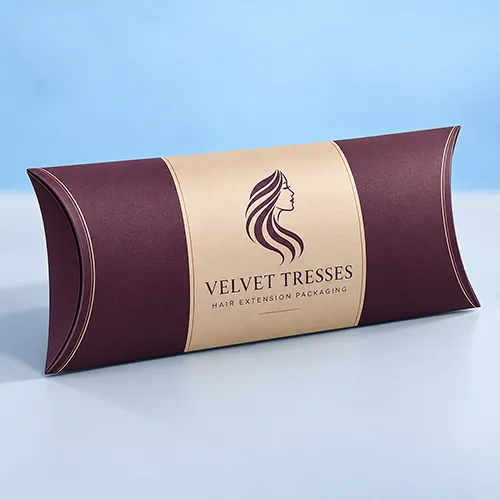
Hair extensions, hair accessories, garments, and apparel accessories can vary significantly in packed shape and volume.
For hair-extension projects, consider:
Brands specifically considering the pillow structure can review Hair Extension Pillow Boxes. If the pillow format is only one of several structures being evaluated, the broader Hair Extension Boxes category provides the better comparison point.
For apparel applications, use the items folded packed dimensions rather than relying on its general clothing category. A scarf, accessory, undergarment, or compact garment may require a very different pillow box from a bulkier folded item.
Gift and favor pillow boxes use the same broad structural family but serve different buying situations.
Gift packaging typically places more emphasis on product presentation and the gifting experience. If that is the central requirement, explore the dedicated Pillow Gift Boxes.
Favor packaging is more closely associated with:
For that buying situation, the Pillow Favor Boxes is the more specific commercial destination.
The structure and size should be selected according to the product and use case instead of relying only on decorative labeling.
Jewelry and small accessories can work with pillow packaging when the product geometry, presentation method, and retention needs suit the curved internal space.
A jewelry project may need to account for:
If the pillow format is not yet confirmed, buyers can compare it against BoxBaba broader Custom Jewelry Boxes category before selecting the final structure.
The pillow-box category should remain the structural choice; the jewelry category should remain the broader application choice.
A pillow box may also work as secondary packaging for selected soap or personal-care products when the finished item fits the curved structure.
The first distinction should be whether the product is:
Do not assume moisture resistance, grease resistance, cosmetic compliance, barrier performance, or direct-contact suitability without verification for the exact material and application.
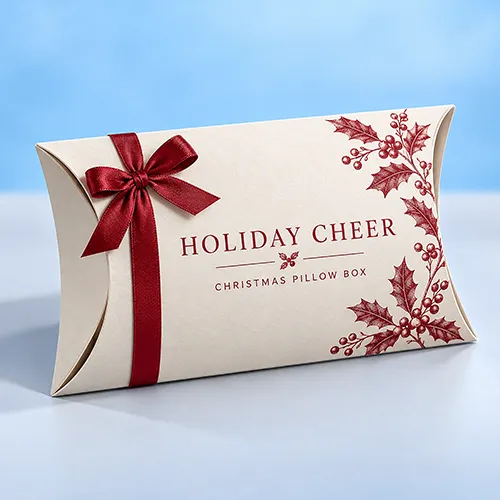
The pillow format can also be adapted around seasonal gifting and promotional campaigns.
For Christmas-specific presentation and artwork, BoxBaba already offers a dedicated Christmas Pillow Boxes.
A seasonal design should still begin with the same structural questions as any other pillow box: what is going inside, how it will fit, how it will be oriented, and how artwork will interact with folds and curved areas.
Seasonal artwork alone should not override structural fit.
The packaged product provides the starting measurements.
Useful information can include:
These measurements help determine the required packaging structure.
They should not be mistaken for the final finished-box dimensions.
A product dimensions, usable internal packaging space, assembled external dimensions, and flat dieline dimensions are related but different measurements.
This distinction becomes especially important when the product has an irregular profile, must remain aligned behind a window, or includes a presentation card or internal support.
Terms such as small pillow boxes and large pillow boxes describe general size requirements rather than universal packaging standards.
A small jewelry box and a small apparel-accessory box may require completely different proportions.
For larger pillow boxes, additional factors become increasingly important, including:
For custom packaging, actual measurements provide more useful information than a generic small, medium, or large label.
This is also why BoxBaba does not need a separate commercial product page for every size modifier: sizing is a project attribute of the broader pillow-box family.
Pillow-box material selection should support both the structure and the presentation.
Material can influence:
BoxBaba offers kraft- and cardboard/paperboard-led pillow-box options, while the exact stock should be confirmed according to the individual packaging project.
Buyers already leaning toward a kraft presentation can move directly to the Kraft Pillow Boxes. Avoid selecting material solely by appearance. Structure, product requirements, printing, and finishing should be evaluated together.
Custom printing allows pillow packaging to become part of the brand system rather than functioning as an unbranded outer carton.
Artwork may incorporate brand colors, graphics, logos, instructions, promotional information, and functional elements.
The final dieline should guide placement because folds, curved areas, closures, windows, handles, and other structural features can reduce or alter usable artwork zones.
Where compatible with the exact material and structure, finishing options may include:
For projects where branded printing and decorative treatment are the central purchase requirement, Printed Pillow Boxes should be the next commercial step.
Printing and finishing should be selected according to the actual brand and packaging requirement rather than adding effects without a clear purpose.
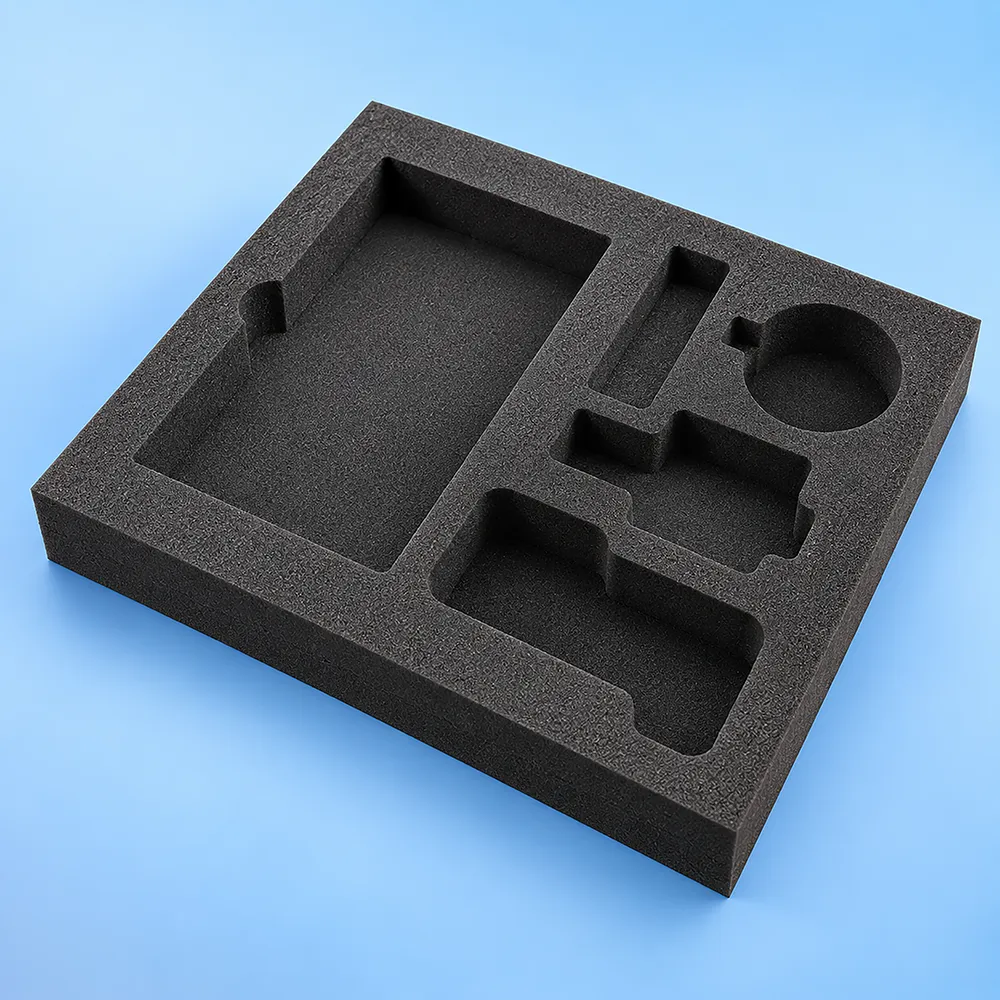
Not every pillow box requires an insert.
Additional internal support becomes more relevant when the product:
If the product already fits and presents correctly without extra support, an insert can add unnecessary material and complexity.
The right question is therefore not Can we add an insert? but What packaging problem would the insert solve?
A pillow box can serve as a retail, presentation, gift, promotional, or secondary product package.
That does not automatically make it the appropriate outer shipping package.
For ecommerce fulfillment, packaging may need to be considered as a layered system:
Product → Pillow Box → Additional Protection if Required → Outer Shipping Package
The exact shipping system depends on factors such as product fragility, weight, movement, shipment conditions, and other items traveling in the same order.
When the primary requirement shifts from retail presentation to transportation and fulfillment, compare the pillow box with BoxBaba dedicated Custom Shipping Boxes category rather than expecting one package to solve both jobs automatically.
Wholesale pillow boxes do not require an entirely different packaging structure.
Wholesale primarily describes the commercial purchasing requirement.
B2B buyers should prepare information such as:
BoxBaba standard minimum order quantity starts from 100 units.
This keeps wholesale intent within the main Custom Pillow Boxes category instead of creating a separate page that competes with the parent category for essentially the same commercial task.
You do not need to design the entire package before requesting pricing.
Start with the information that defines the project:
These inputs give the packaging team a better starting point than guessing finished box dimensions or material specifications.
BoxBaba supports custom pillow-box projects from initial product information through artwork approval and production.
Depending on the exact project, support can include:
The standard minimum order starts from 100 units.
Standard production is generally 5–9 business days after final artwork approval, and free shipping across the USA is available under the current offer.
Production time and shipping/transit time are separate parts of the project schedule.
The objective is to configure the packaging around the finished product rather than force the item into an arbitrary stock size or structure.
Start with the product you need to package.
Send BoxBaba your product type, finished dimensions, quantity, artwork status, packaging use, and any requirements such as a handle, window, or internal support.
Those details provide the foundation for evaluating the appropriate pillow-box structure, material, artwork, and configuration for your project.
MOQ: From 100 boxes
Standard production: Generally 5–9 business days after final artwork approval
USA shipping: Free under the current offer
Phone: +1 305 574 4357
Email: sales@boxbaba.com
Request a Custom Quote
Find all the urgent questions you may have.