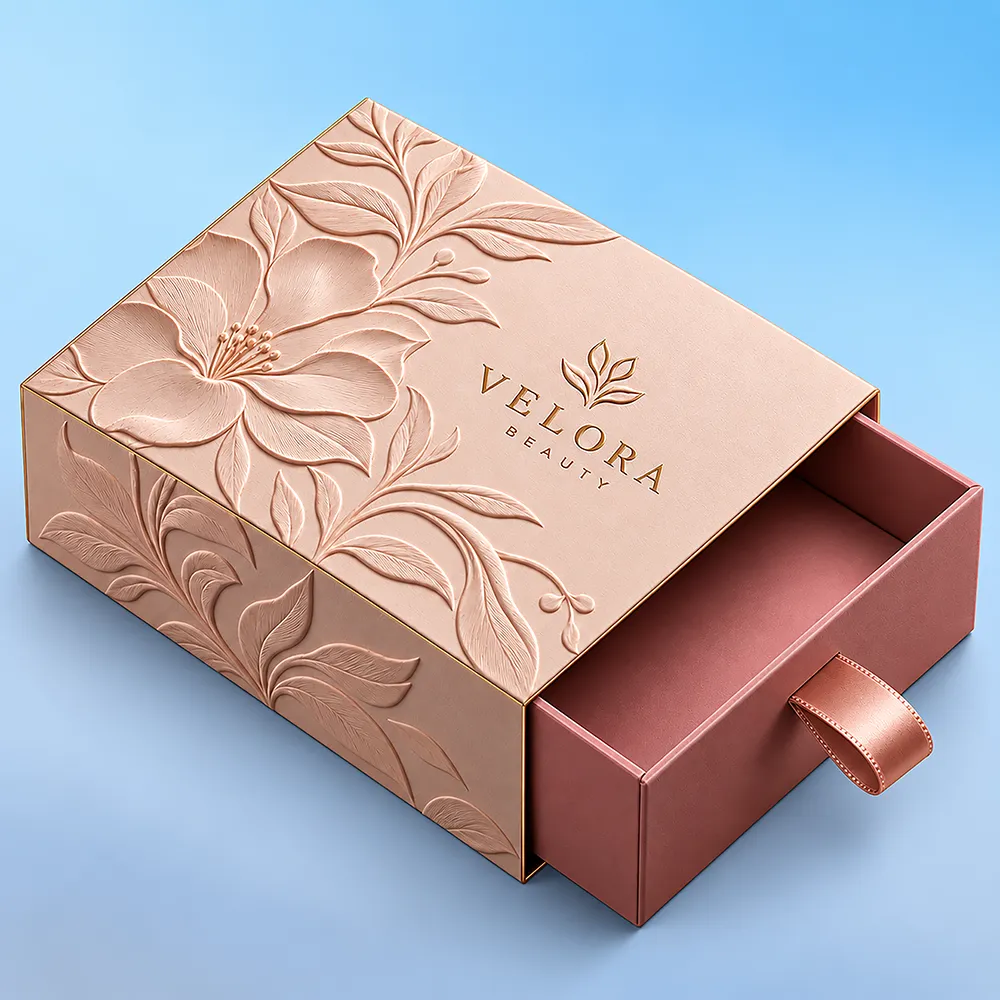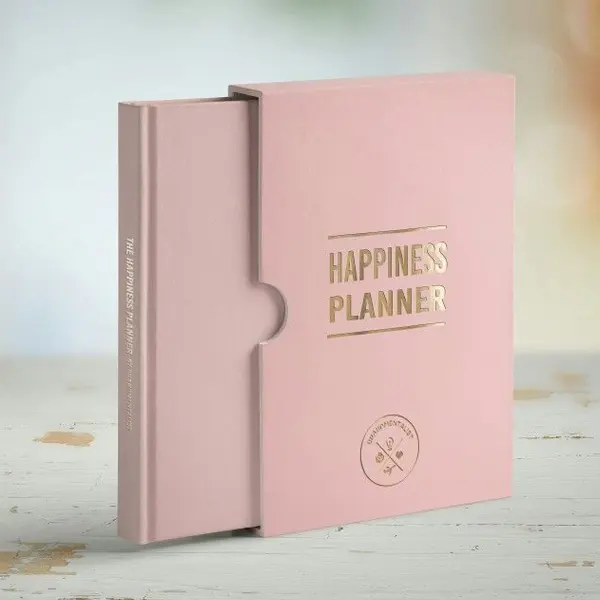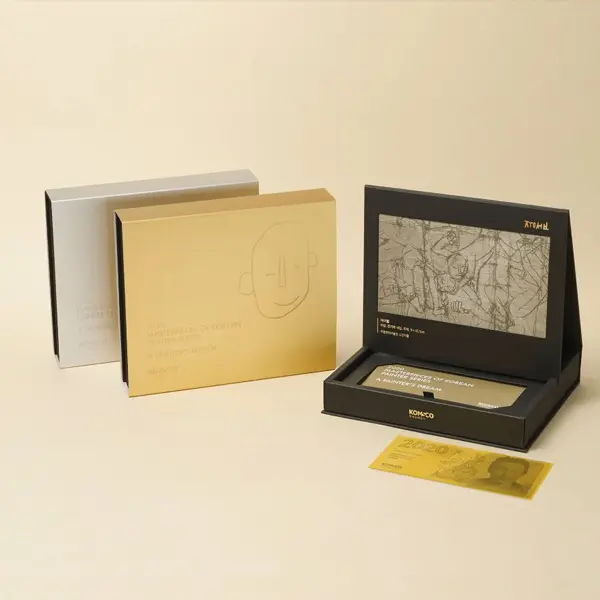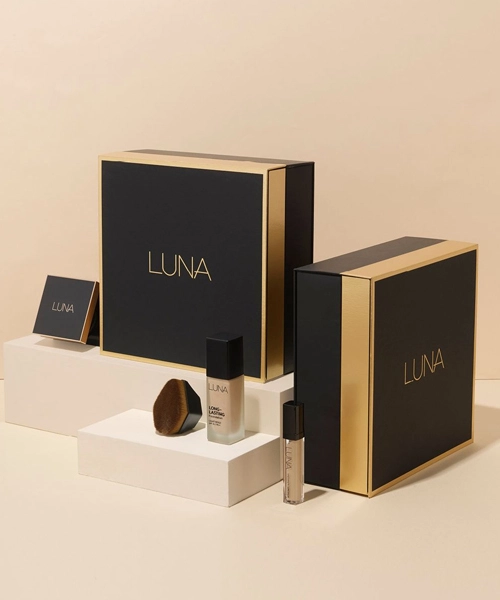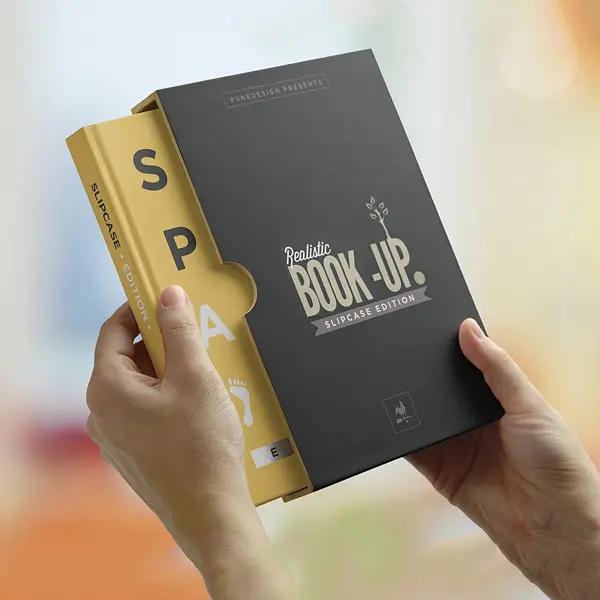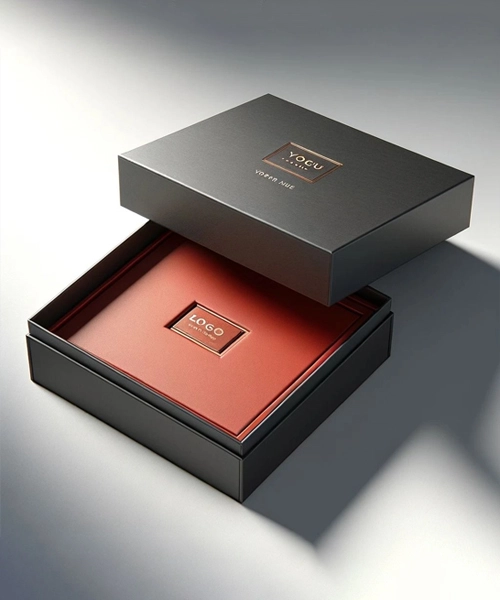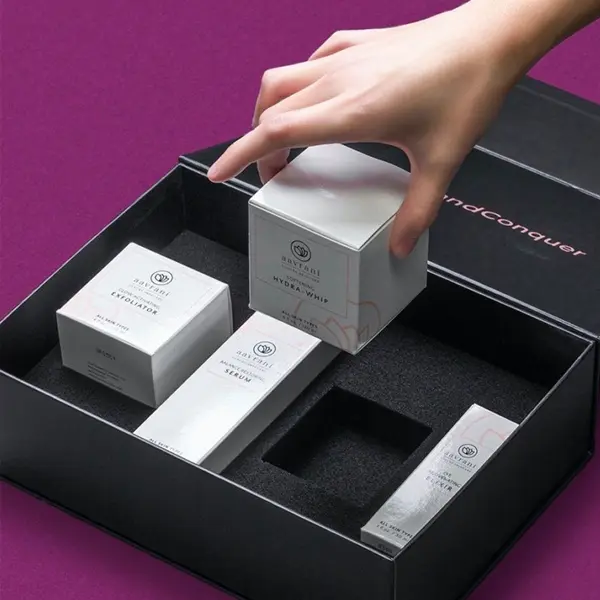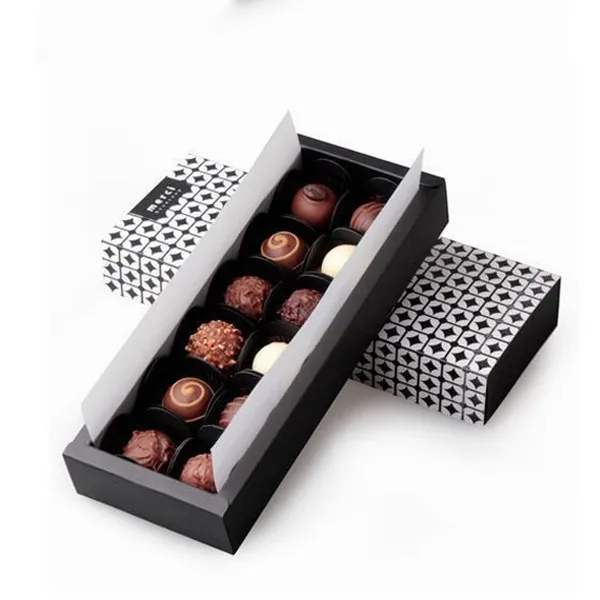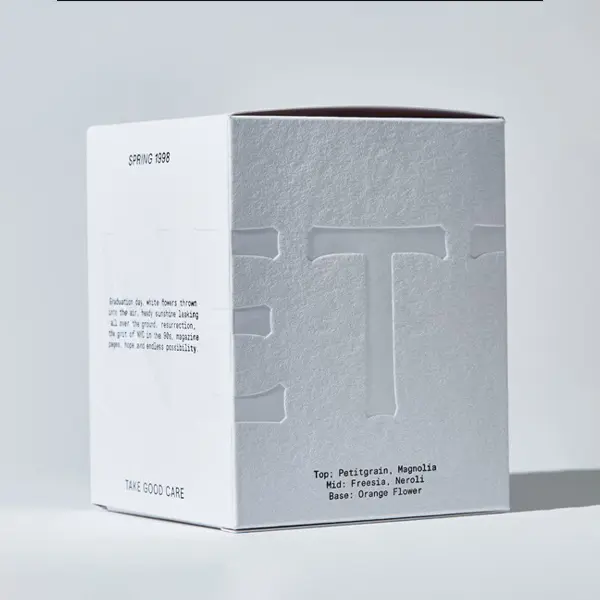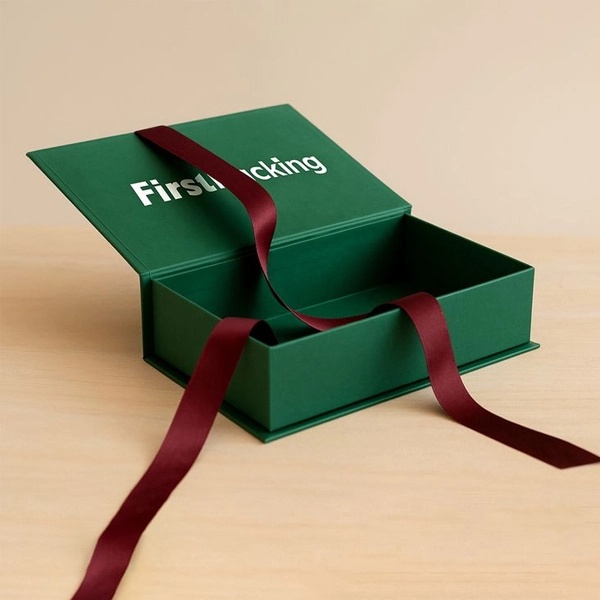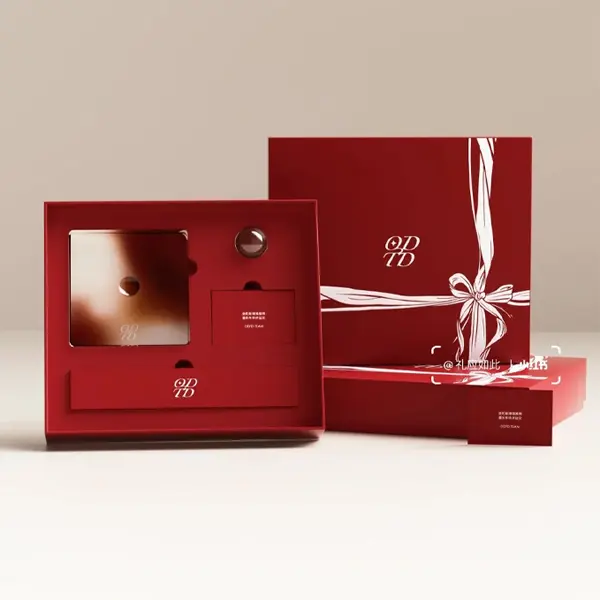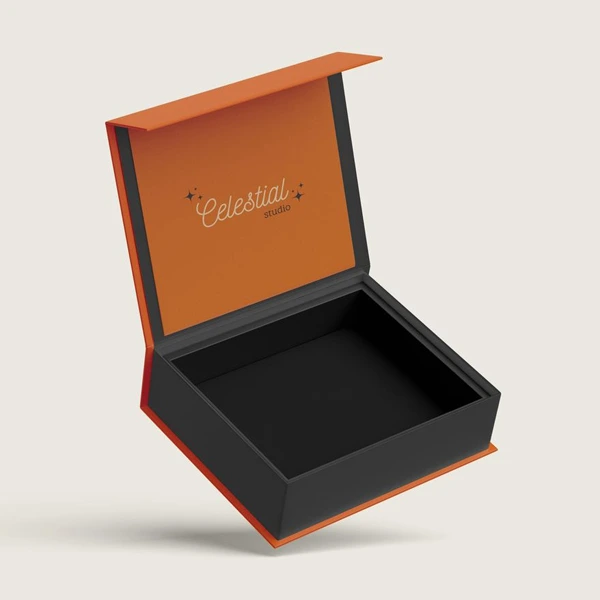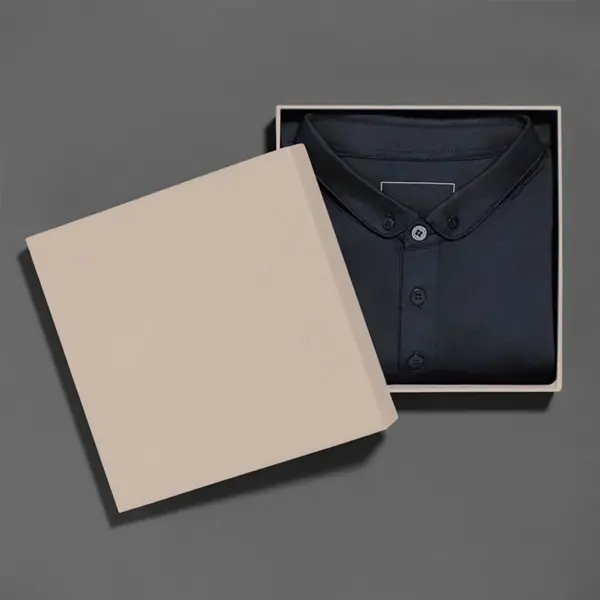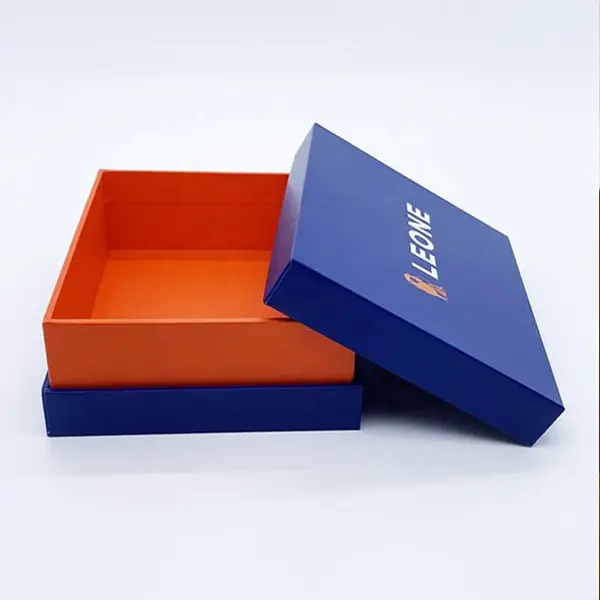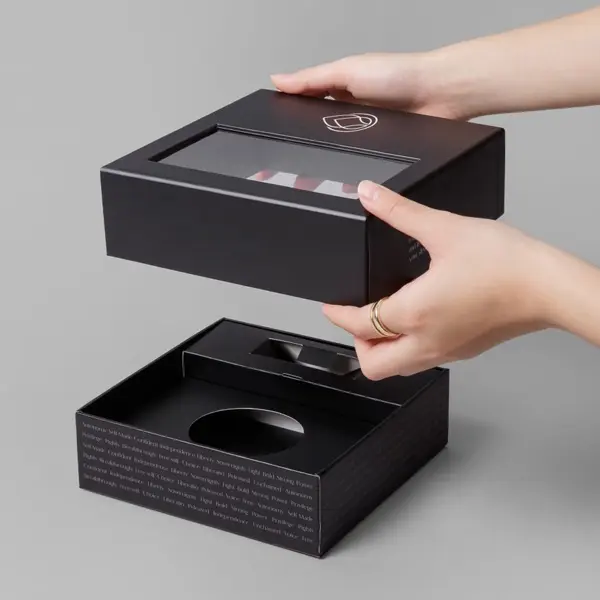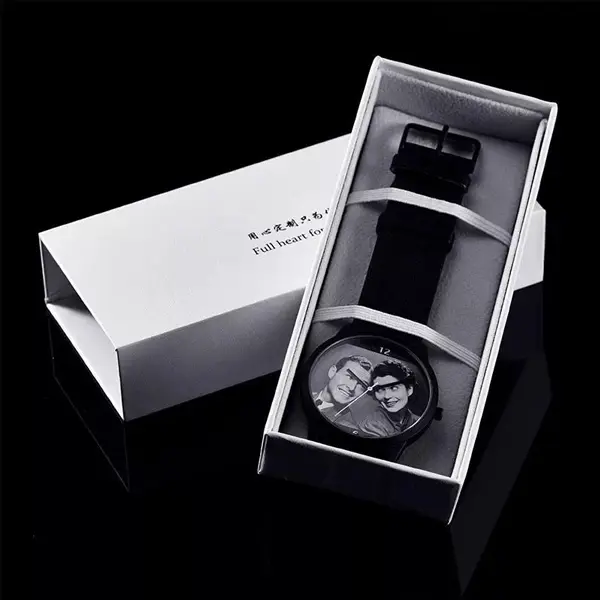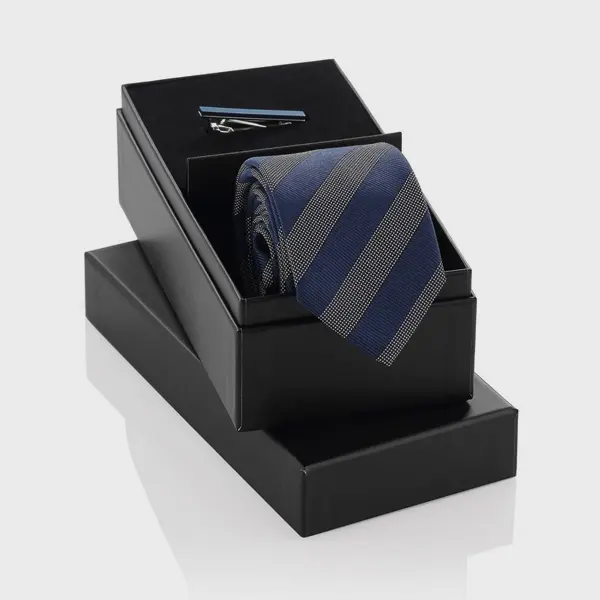
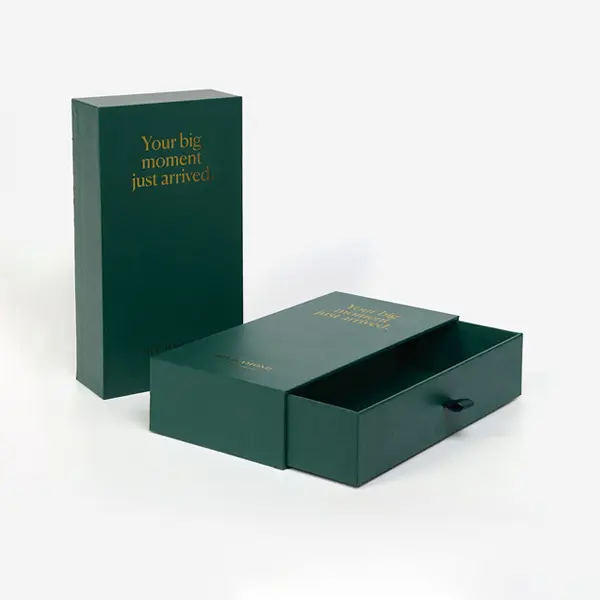
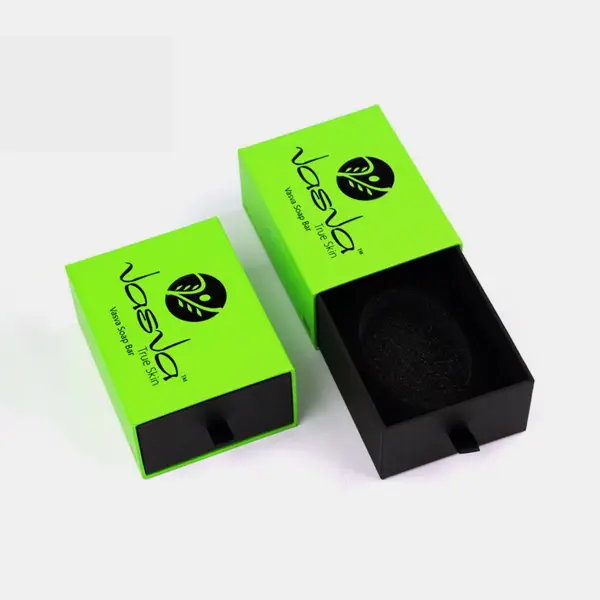
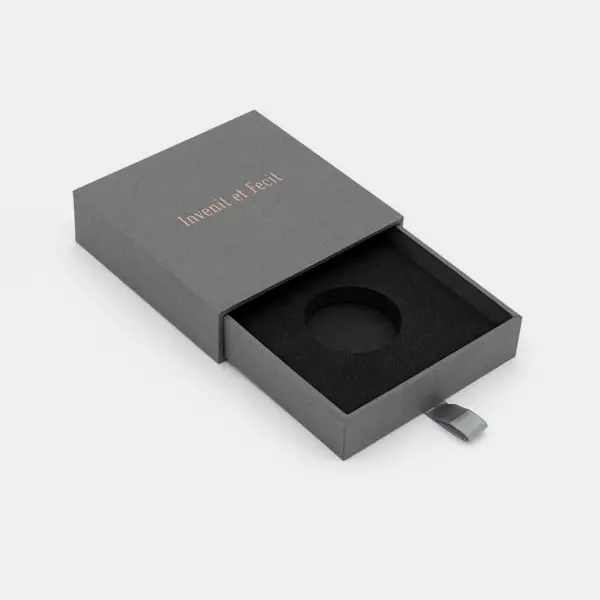


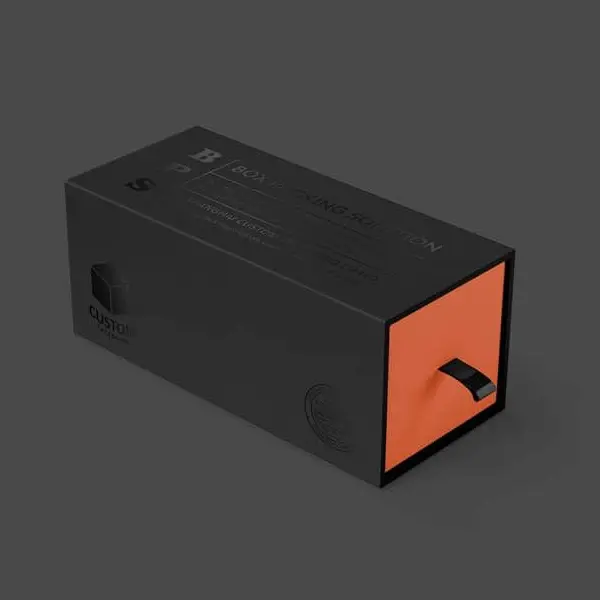
Custom rigid drawer boxes use a structured outer sleeve with a sliding inner tray to create an organized presentation for products that benefit from controlled access and secure positioning.
Configure the box around your product dimensions, branding, accessories, and interior requirements for jewelry, watches, cosmetics, electronics, gift sets, and other presentation-led products.
Share your product details, required quantity, and artwork requirements to get a custom quotation based on your project specifications.
Custom Rigid Drawer Boxes Packaging for Luxury Products
Give your products a sleek, premium feel with Custom Rigid Drawer Boxes. These sturdy, eco-friendly slide-out boxes can be tailored in size, color, finishes, and branding, making them perfect for gifts, accessories, and high-end retail items.
What We Give
Create Custom Boxes Quick and Easy
Design
Get your custom boxes made in the required size, shape, and style.
Print
Upload your artwork and get it superbly printed the way you want.
Get it done
Order any quantity, enjoy a wholesale price, pay no extra for die plates.
Product Specification
Specification
Details
Product
Custom Rigid Drawer Boxes
Box Structure
Rigid outer sleeve with sliding inner tray
Dimensions
Configured according to product and packaging requirements
Product Fit
Planned around the product, accessories, and interior requirements
Construction
Rigid-board structure with wrapped visible surfaces
Opening Style
Sliding drawer / inner tray
Branding
Custom artwork, logo, brand colors, and presentation details
Print Areas
Exterior and interior areas where the approved structure allows
Insert
Product-specific insert or compartment planning where required
Surface Treatment
Selected according to artwork, material, handling, and presentation requirements
Pricing
Custom quotation based on final project specifications
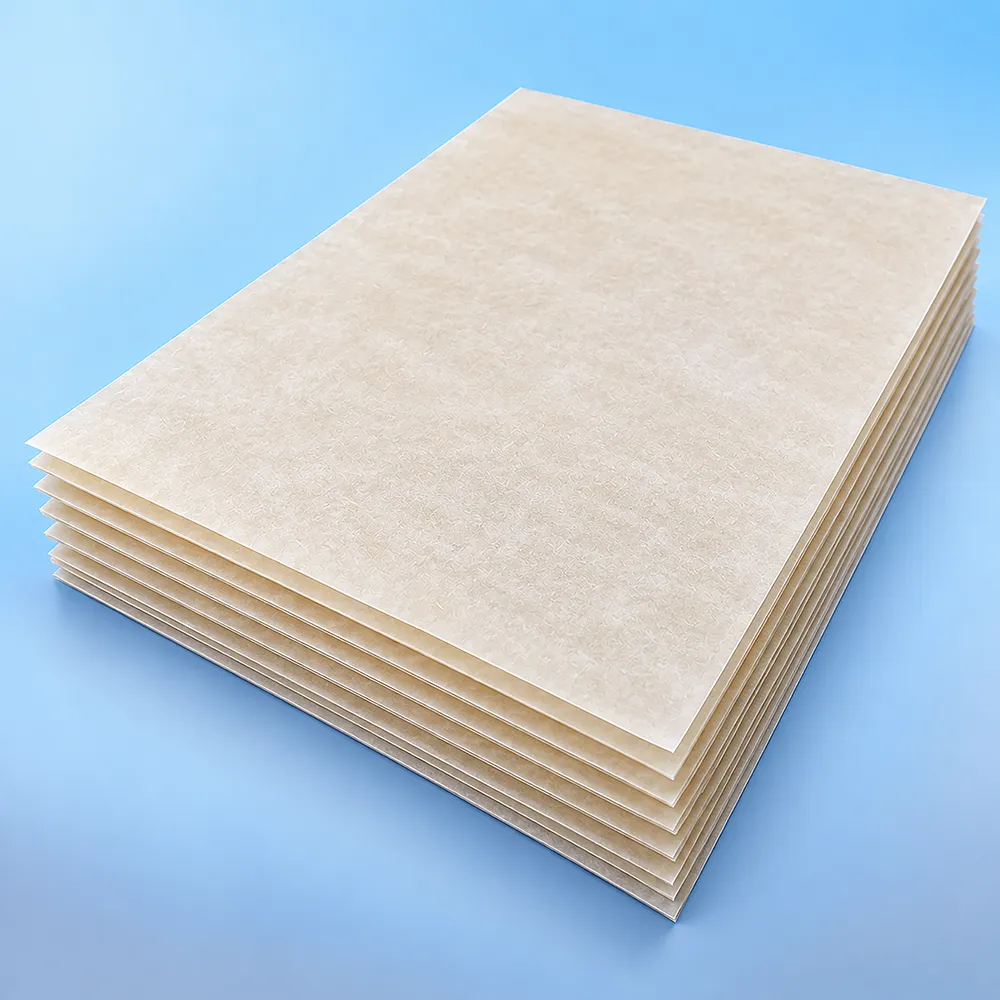
We use cardboard material with the least environmental impact and minimizes waste generation.

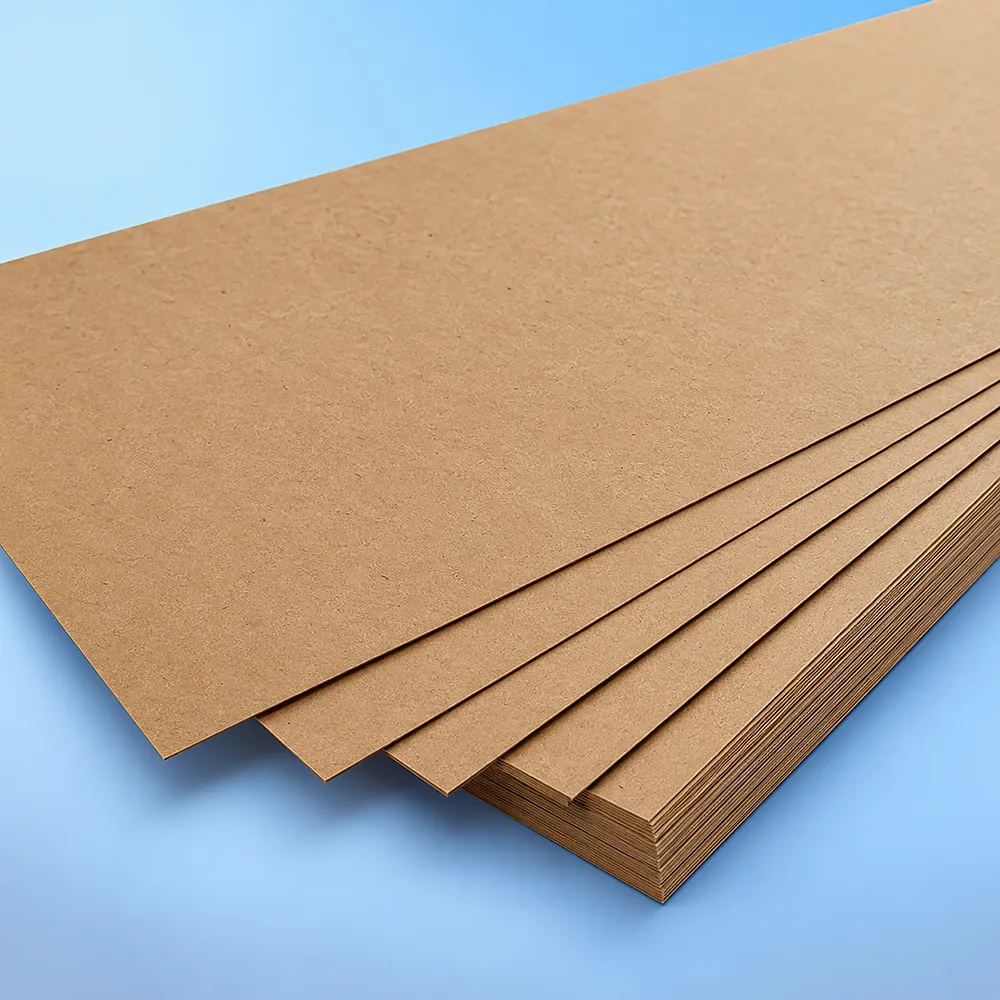
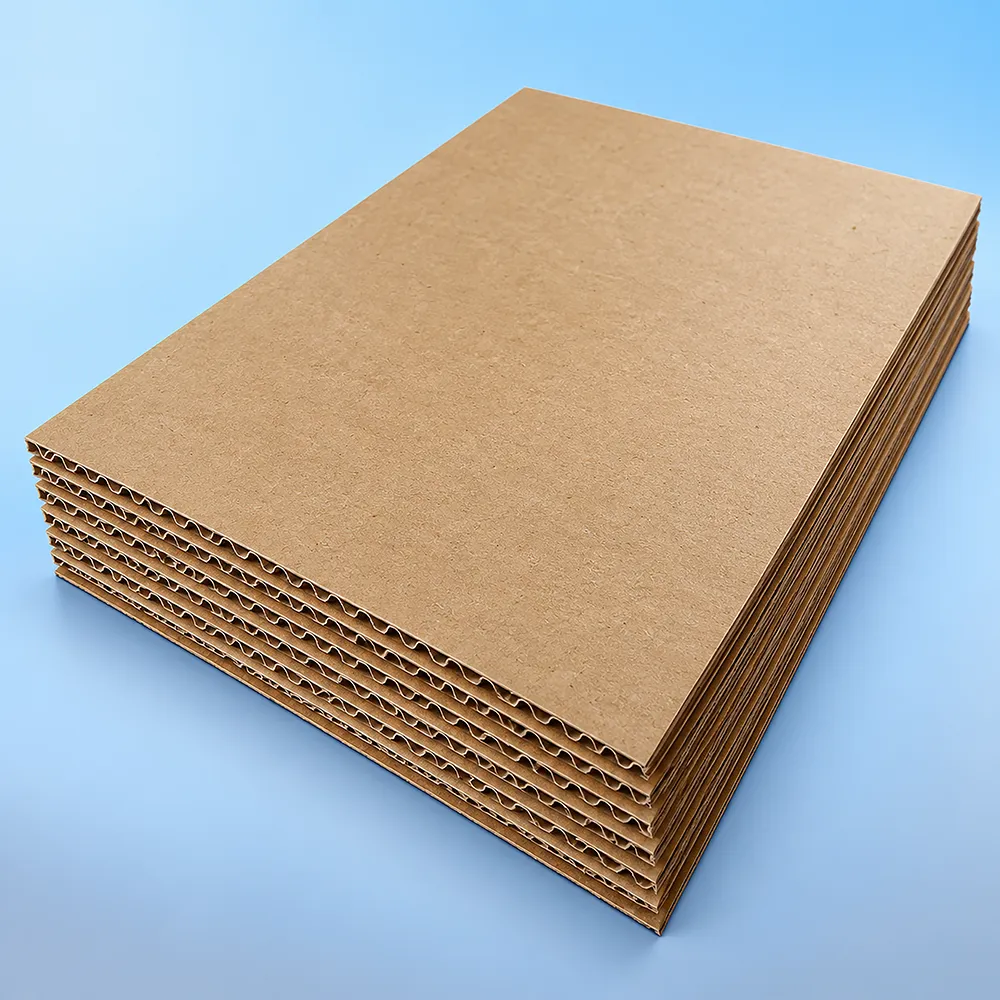
Kraft
Kraft paper is a strong, durable and reliable material that is widely used across many different industries.
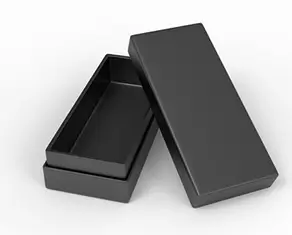
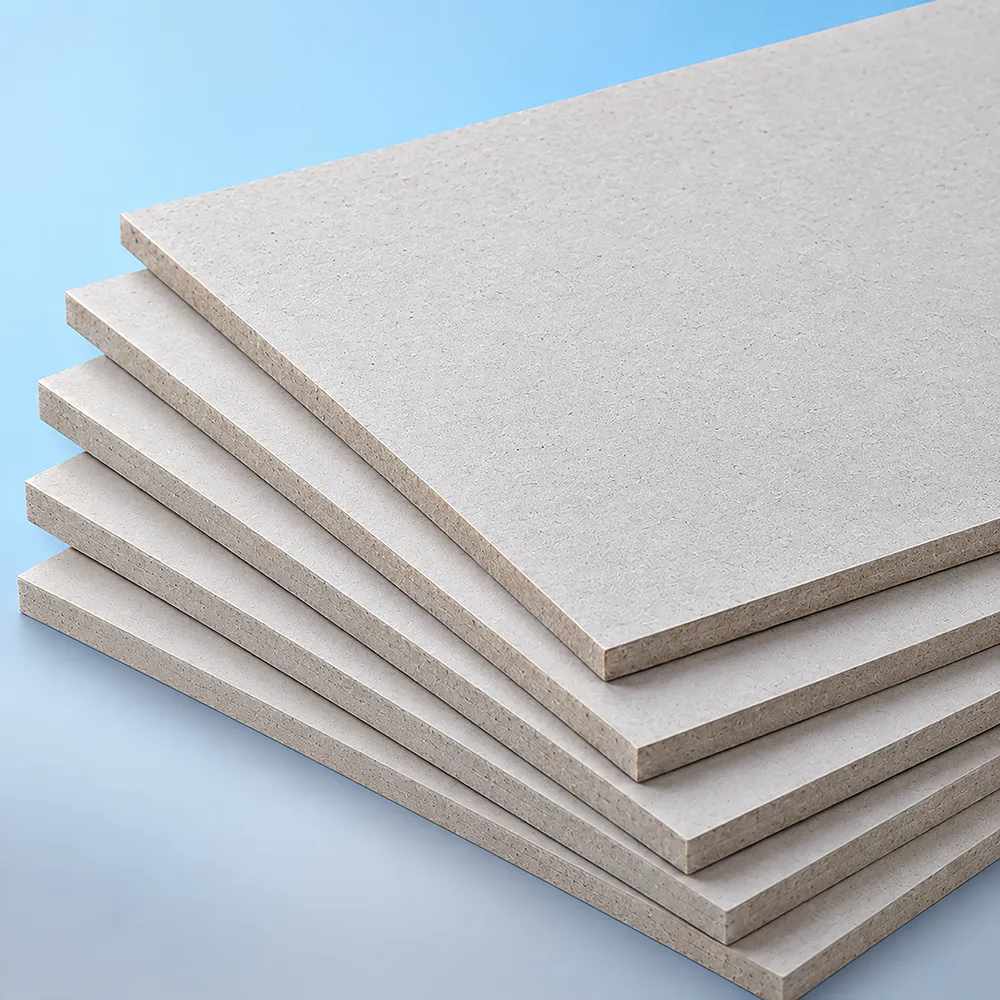
Rigid
Rigid is highly protective, affordable and recyclable material. These boxes provide maximum protection.
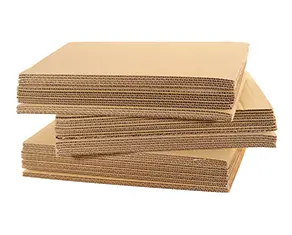
Corrugated
Corrugated material is easy to customize, cost effective and sustainable. It is also great for branding purposes.

Finishing Assortment
Foil Stamping
Enhance your packaging with premium foil stamping for a bold and luxurious appearance.

Spot UV
Our Spot UV coating adds a sleek shine and highlights key design elements beautifully.

Gloss
Give your packaging a polished, glossy finish that enhances color and visual appeal.

Holographic Foiling
Create eye-catching packaging with holographic foil effects that shimmer from every angle.

Embossing
Add raised textures and elegant detailing to make your packaging stand out.

Debossing
Create a refined pressed-in effect that adds depth and sophistication to your packaging.

Matte
Achieve a smooth matte finish that minimizes fingerprints and delivers a modern look.

Soft Touch Lamination
Protect your packaging with a silky-soft laminated finish for a premium feel.
How Custom Rigid Drawer Boxes Work
Custom rigid drawer boxes are built around two main structural components: a formed outer sleeve and an inner tray that slides in and out of the sleeve.The outer sleeve creates the main exterior structure and provides the primary surface for branding, colors, artwork, and finishing details. The sliding inner tray holds the product and can also accommodate inserts, accessories, printed materials, or divided compartments where required.Because the tray moves inside the sleeve, the product dimensions, insert requirements, accessories, and internal space should be planned together before the final box dimensions are approved.This structure works well when the opening action is part of the product presentation and when the contents need a more organized, formed package than a lightweight folding carton.For a broader comparison of rigid packaging styles and structures, explore our custom rigid boxes.
When a Rigid Drawer Box Is the Right Choice
A rigid drawer box is a strong choice when the product benefits from a sliding reveal, organized interior presentation, and a formed structure that supports repeated opening and closing.This format can work well when:
The customer should access the product by sliding out an inner tray
The product needs organized positioning inside the box
An insert or divided interior may be required
Accessories, manuals, or secondary items need to stay arranged with the main product
Exterior branding and interior presentation are both important
The package is intended for retail presentation, gifting, or repeated use
A drawer-style structure may not be the best option when a hinged opening is preferred, a removable lid is more practical, flat storage is essential, or a lighter folding carton can meet the product’s protection and presentation needs.For a hinged presentation format, compare our magnetic closure boxes.
How to Size Your Rigid Drawer Box
Start with the product itself rather than guessing the finished outside dimensions of the box.Provide the product’s:
Length
Width
Height or depth
Approximate weight
Also include anything that needs to fit inside the tray, such as:
Accessories
Manuals
Cards
Cables or chargers
Secondary products
Protective sleeves
Inserts or dividers
Product Dimensions
These are the actual measurements of the item being packaged.
Internal Box Dimensions
These describe the usable space available inside the sliding tray.
External Box Dimensions
These are the overall finished dimensions of the complete box, including the outer sleeve.These measurements are not interchangeable.When the final box size has not yet been established, provide the product dimensions and all items that need to fit inside rather than estimating the finished external dimensions.The final box size should be planned around the product, insert, accessories, required internal space, and the relationship between the sliding tray and outer sleeve.
Product Fit, Tray Clearance and Internal Space
A well-designed rigid drawer box should hold the product securely while still allowing the tray to slide smoothly and the contents to be removed without difficulty.The internal layout should account for:
Product dimensions
Insert thickness and compartments
Accessories or supporting items
Protective materials
Finger access or removal space
Tray movement inside the outer sleeve
A box that is too large can allow the product to move and weaken the intended presentation. A fit that is too tight can make packing, opening, or product removal difficult.If an insert is required, it should be planned at the same time as the tray because the insert occupies internal space and can change the final dimensions of the packaging.The product, insert, accessories, sliding tray, and outer sleeve should therefore be treated as one connected packaging system rather than separate components.Exact manufacturing clearances should be based on the final materials, construction, insert design, and production specification instead of relying on one generic tolerance for every product.
Product Weight Can Change the Box Specification
Two products with similar dimensions may still require different rigid drawer box specifications because their finished weights are different.Product weight can influence several parts of the packaging, including:
The structural requirements of the box
The level of support needed inside the tray
The type and layout of the insert
How easily the drawer can be opened and handled
The amount of protection required during storage and shipping
A lightweight jewelry item and a heavier electronics set should not automatically use the same box construction simply because their length, width, and height are similar.For heavier products, the tray, insert, and overall structure should be considered together so the packaging remains practical to handle and appropriate for the intended presentation.When requesting a custom quote, provide the approximate finished product weight along with the product dimensions and any accessories that will be packed inside the box. This gives a more complete basis for planning the final packaging specification.
Choose How the Drawer Is Opened
The way the inner tray is accessed affects both usability and the overall presentation of a rigid drawer box.The most suitable opening method depends on the box dimensions, product weight, tray design, and how you want the customer to interact with the packaging.
Finger or Thumb Access
A shaped opening can give the customer direct access to the edge of the tray without adding a separate pull component.This approach can work well when:
The tray edge is easy to grip
A simple, minimal exterior is preferred
The product is light enough for comfortable manual opening
The opening detail can be integrated cleanly into the sleeve design
The size and position of the access area should be planned around the final structure rather than added after the box dimensions have been finalized.
Pull Feature
A pull feature can provide a clear point for drawing the inner tray from the outer sleeve.Depending on the approved structure, this may help when:
Direct finger access is limited
The tray sits deeper inside the sleeve
The opening action is intended to form part of the presentation
A more visible or tactile opening cue is preferred
The pull method should be selected together with the tray dimensions, product weight, insert, and overall design.
Choosing the Right Opening Method
Do not select the drawer-opening detail based on appearance alone. Consider product and tray weight, opening frequency, exposed tray edge, customer grip, branding around the opening area, and the final structural design.Confirm the available opening configurations during the packaging specification process so the chosen method works with the final drawer construction.
Do You Need an Insert?
An insert can help position products, separate components, and create a more controlled presentation inside a rigid drawer box. However, not every product requires one.The decision should be based on how the product fits inside the tray and what needs to happen when the box is opened, handled, or transported.
When an Insert Is Useful
Consider an insert when:
The product can move inside the tray
Several items need to stay in fixed positions
Accessories need separate compartments
Product orientation is important
Fragile components need additional support
A specific presentation layout is required
Customers need clear access to individual items
The insert should be planned around the actual product dimensions rather than added after the tray size has already been finalized. Because an insert occupies internal space, it can affect the required tray dimensions and, in turn, the final size of the outer sleeve.
When an Insert May Not Be Necessary
An insert may not be required when:
The product already fits securely inside the tray
The product has its own protective primary packaging
No component separation is needed
A simpler open-tray presentation is preferred
Additional internal materials would add complexity without improving product fit
Removing an unnecessary insert can simplify the packaging structure, but the product should still remain appropriately positioned and easy to remove.
Plan the Product and Insert Together
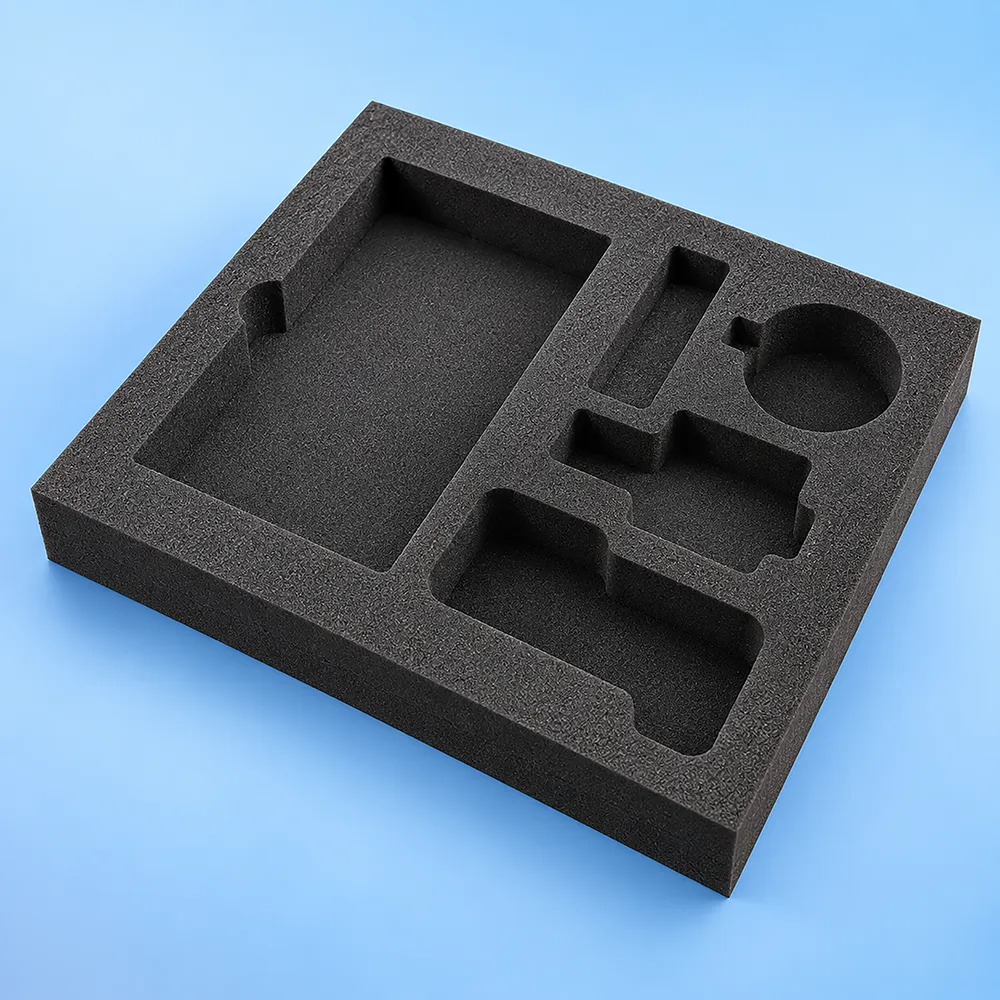
Before finalizing the packaging, confirm what needs to fit inside, how each item should be positioned, whether movement needs to be controlled, how customers will remove the product, and whether compartments are required.Where a fitted internal solution is needed, explore our custom foam inserts as one possible product-positioning option.
Rigid-Board Construction and Wrapped Surfaces
Custom rigid drawer boxes use a formed rigid-board structure to create the outer sleeve and inner tray. The visible surfaces are then wrapped or finished according to the approved packaging specification and artwork requirements.Unlike lightweight folding cartons, rigid drawer boxes are designed to keep their formed shape and provide a more structured presentation around the product.The final construction should be planned around factors such as:
Product dimensions
Approximate product weight
Tray depth
Insert requirements
Opening method
Handling and storage conditions
Distribution and shipping requirements
The structural board provides the main form and support, while the wrapped surfaces create the visible areas used for branding, colors, graphics, and finishing details.
Outer Sleeve
The outer sleeve surrounds the sliding tray and forms the main exterior of the package. It usually provides the largest uninterrupted branding area and should be planned together with logo placement, main artwork, brand colors, product information, opening details, and surface finishes.Because the tray moves through or within this structure, the sleeve must also work correctly with the final tray dimensions.
Sliding Inner Tray
The inner tray holds the product, insert, accessories, and supporting materials. Its specification should consider product fit, product weight, insert thickness, required compartments, removal access, and drawer movement.The tray should not be treated as an isolated component because changes to its dimensions or interior layout can affect the final outer sleeve size.
Wrapped Visible Surfaces
Wrapped surfaces provide the finished appearance of the rigid structure and can support custom artwork and decorative treatments where the approved material and production method allow.Material selection should consider both appearance and practical handling. A surface chosen only for visual effect may behave differently when exposed to repeated opening, storage, handling, or transit.The exact rigid-board specification, thickness, wrap material, and construction details should be confirmed according to the final product and project requirements before production.
Plan Branding Around the Sleeve and Tray
A rigid drawer box provides several branding surfaces, but the artwork should be planned around the final box structure rather than treated as one flat design area.The outer sleeve, tray front, interior surfaces, and insert-facing areas can each play a different role in the presentation.
Outer Sleeve
The outer sleeve is usually the primary exterior branding surface. It can be used for brand logo, product name, brand colors, main artwork, product information, and decorative finishing details.Important artwork should be positioned with the final dieline in mind so logos, text, and graphic elements do not conflict with structural joints, edges, or opening details.
Tray Front
The visible front edge of the sliding tray can provide a secondary branding opportunity for a secondary logo, short product or brand message, color contrast, opening cue, or small graphic detail. The tray-front artwork should complement the outer sleeve rather than compete with it.
Interior Branding
Interior surfaces can create an additional branded moment after the drawer is opened. Where the final structure and production method allow, interior branding may include brand messaging, product instructions, decorative artwork, secondary colors, and supporting graphics.Interior design should still leave enough visual space for the product itself to remain the main focus.
Coordinate Branding With the Insert
When an insert is used, its appearance should be considered as part of the complete packaging presentation. The product should remain clearly visible, accessories easy to identify, important messaging visible, and product removal practical.
Finalize the Structure Before Critical Artwork
Do not finalize important artwork placement before the box dimensions and dieline are approved. Structural changes can affect logo position, text alignment, tray-front artwork, interior print areas, QR-code placement, barcode placement, and edge-sensitive graphics.Using the approved dieline as the artwork template helps keep important design elements within the intended print and structural areas.
QR Codes and Barcodes
Where QR codes or barcodes are required, place them on a suitable flat area with enough visual contrast for scanning. Their final position and size should be checked during artwork approval rather than added as an afterthought.Avoid placing important scannable codes across folds or structural joints, highly textured areas, edges, openings, or surfaces that may be obscured during use.
Keep the Branding Hierarchy Clear
A strong rigid drawer box does not need every available surface to be filled with graphics. A clear hierarchy can use the outer sleeve for primary brand identity, the tray front for a secondary cue, the interior for a supporting message, and the insert for product positioning and presentation.
Choose Finishes Based on Appearance and Handling
Finishing choices affect more than how a rigid drawer box looks. They can also change how the surface feels, reflects light, responds to handling, and supports the overall artwork.The right finish should be selected around the final material, branding, expected handling, and product presentation rather than choosing an effect only because it looks decorative.
Matte Finish
A matte surface creates a softer, lower-glare appearance and can help produce a more understated presentation. The final behavior of matte surfaces can vary by material and treatment, so handling, scuff visibility, and fingerprint appearance should be reviewed against the actual specification.
Gloss Finish
A gloss surface reflects more light and can create stronger visual contrast. It should still be evaluated against expected handling and the final artwork rather than treated as automatically more durable or more suitable for every product.
Soft-Touch or Tactile Surface Treatments
Tactile finishes can change how the packaging feels when handled and can add another sensory element to the opening experience. Their suitability should be confirmed for the selected wrap material, artwork, and intended use.
Foil Details
Foil can be used to highlight selected artwork elements such as logos, borders, product names, small decorative details, and accent graphics. Foil generally works best when used intentionally rather than applied across every design element.
Embossing and Debossing
Raised or recessed artwork can create physical depth on selected branding elements such as logos, monograms, symbols, short text, and decorative patterns. The artwork should be suitable for the available surface area and structural location.
Selective Surface Effects
Selective gloss or similar localized effects can create contrast between highlighted areas and the surrounding surface where the approved production specification allows. These effects should be coordinated with the base surface treatment.
Choose Finishes Around Real Use
Before selecting a finish, consider how often the box will be handled, where it will be displayed or stored, whether the surface is likely to show fingerprints or scuffs, how the finish interacts with artwork, whether additional shipping protection is used, and which parts of the box are touched most often.Confirm the exact finishing options available for the selected material and project specification before finalizing the artwork.
Product-Specific Use Cases
Rigid drawer boxes can work across different product categories, but the internal layout should always be planned around the actual product dimensions, weight, accessories, and presentation requirements.
Jewelry and Watches
Rigid drawer boxes can create a controlled reveal for jewelry and watches while keeping the product positioned inside a structured tray. Depending on the product, the interior may need to accommodate rings, bracelets, necklaces, watches, certificates, care cards, or small accessories.A fitted insert can help hold the product in position and reduce unnecessary movement while leaving enough access for easy removal. The sleeve and tray also provide separate branding opportunities, allowing the exterior presentation and interior product reveal to be designed as one coordinated experience.For more specialized jewelry packaging structures, explore our rigid jewelry boxes.
Cosmetics and Skincare
Drawer-style rigid packaging can help organize cosmetics, skincare products, applicators, samples, and supporting materials within a single presentation. When several components are packed together, the insert and compartment layout should account for differences in product height, shape, and weight.The packaging should also provide enough removal access so customers can lift individual items without disturbing the rest of the presentation.
Electronics and Accessories
Rigid drawer boxes can be useful for products that include a main device together with supporting components such as charging cables, adapters, earphones, manuals, warranty cards, or additional accessories.The complete set should be measured before the internal tray is finalized. The heaviest component, cable storage, insert design, and product-removal method can all influence the final internal layout.For electronics, the presentation box should also be evaluated separately from the outer transit packaging required for courier or ecommerce delivery.
Corporate and Gift Sets
A rigid drawer structure can organize multiple products within one presentation box while controlling the order in which the contents are revealed. Each component should have a defined position rather than simply being placed into an oversized tray.For multi-item sets, consider the weight of the complete set, different product heights, insert or divider requirements, removal access, how the products should appear when the drawer opens, and whether additional transit protection is needed.The best drawer-box configuration is the one designed around the actual contents rather than a generic industry template.
Shipping and Outer-Protection Considerations
A custom rigid drawer box is primarily designed as presentation packaging. It should not automatically be treated as the final shipping carton for ecommerce, courier, or distribution environments.The level of outer protection required depends on product weight, product fragility, finished box construction, insert design, surface finish, shipping distance, courier handling, and stacking or storage conditions.
Presentation Packaging and Transit Packaging Serve Different Roles
The rigid drawer box is responsible for presenting and organizing the product. Transit packaging is responsible for protecting that presentation package while it moves through storage, handling, and delivery.For many ecommerce or courier shipments, the rigid drawer box may need to be placed inside additional protective packaging such as a corrugated shipping carton, protective mailer, void-fill material, protective wrapping, edge or corner protection, or internal cushioning where required.
Protect the Branded Box During Delivery
The exterior of a rigid drawer box may include printed artwork, wrapped paper, foil details, embossing, or other decorative surfaces. These surfaces are part of the customer-facing presentation and may not be intended to absorb the full impact of parcel handling.Using suitable outer transit protection can help reduce the risk of scuffed surfaces, crushed corners, damaged edges, moisture exposure, impact damage, or shipping labels being applied directly to branded packaging.
Consider the Product Inside the Box
Transit protection should not focus only on protecting the rigid box itself. The product inside may also require additional support depending on weight, fragility, shape, movement inside the tray, insert configuration, and the number of components.A well-designed insert can help position the product, but it does not automatically replace the need for suitable outer shipping protection.
Ecommerce Orders
Rigid drawer boxes can be used as branded presentation packaging for ecommerce products, but the shipping setup should be evaluated separately. Before dispatch, consider whether the presentation box needs an outer carton or mailer, whether empty space inside the shipping carton needs filling, whether fragile contents need additional cushioning, and whether corners or edges need added protection.
Plan Shipping Requirements Before Finalizing the Packaging
Shipping requirements can affect decisions made earlier in the packaging process. Product weight, insert design, finished box size, and surface treatment can all influence how the completed package should be protected during transit.Share your expected shipping or distribution method during the packaging specification process so the presentation box and outer protection can be considered as separate but connected parts of the complete packaging system.
When Another Rigid Box Structure May Be Better
A rigid drawer box is not the best structure for every product. The right packaging format should be chosen around how the product is accessed, displayed, stored, shipped, and used rather than selecting a box style based only on appearance.
Choose a Magnetic Closure Box When Hinged Access Works Better
A magnetic closure box may be more suitable when the customer should open the package from the top rather than slide out an inner tray. This can work well when hinged opening is more intuitive, the full product should be visible immediately, repeated top access is preferred, or a lid-style presentation better matches the brand experience.For this type of opening, compare our magnetic closure boxes.
Choose a Lid-and-Base Structure When a Removable Lid Is Preferred
A separate lid-and-base rigid box can be a better option when the product should be accessed by lifting off the entire top section. This may suit products where a traditional presentation format, full top access, or a deep base is more practical than a sliding tray.
Choose a Lighter Folding Format When Rigid Construction Is Unnecessary
A folding carton or other lighter packaging structure may be more appropriate when the product is lightweight, flat storage is important, shipping efficiency is a higher priority, the product already has strong primary protection, or rigid construction would add unnecessary complexity.
Consider Product Weight and Drawer Movement
A drawer-style structure may also be less suitable when the finished product and insert create a tray that is difficult to slide or handle comfortably. Product weight should therefore be considered before the opening style is finalized.
Match the Structure to the User Experience
Use a drawer-style rigid box when a sliding reveal and organized tray presentation support the product. Use a magnetic closure box when hinged access is more practical. Use a lid-and-base box when full top access and a removable lid better suit the contents. Use a lighter folding format when rigid construction is not necessary.For a broader comparison of available structures, explore our custom rigid boxes.
Common Ordering Mistakes to Avoid
Custom rigid drawer boxes work best when the product, insert, tray, sleeve, artwork, and shipping requirements are planned together. Many packaging problems begin when one of these elements is finalized too early or important product information is left out of the specification.
Guessing the Finished Box Size
When the final packaging dimensions are unknown, provide actual product measurements and everything that needs to fit inside instead of estimating the external box size.
Ignoring the Space Required for an Insert
An insert takes up space inside the tray. Plan the product and insert together before approving the tray size.
Forgetting Accessories or Supporting Materials
Include cables, chargers, manuals, certificates, cards, samples, secondary products, protective sleeves, and promotional materials that must fit inside.
Leaving Out the Product Weight
Dimensions alone do not provide the full packaging specification. Product weight can influence structural support, tray design, insert requirements, drawer movement, handling, and transit protection.
Making the Product Too Difficult to Remove
A secure fit should still provide practical finger access, lift points, and removal space.
Finalizing Artwork Before the Structure Is Approved
Approve the structure and dieline first so logos, text, tray-front graphics, QR codes, barcodes, joints, and edge-sensitive details are positioned correctly.
Choosing Finishes Without Considering Handling
Evaluate how the box will be handled, stored, displayed, opened repeatedly, and packed for shipping rather than choosing a finish only from a digital mockup.
Treating the Presentation Box as the Shipping Carton
Depending on the product and distribution method, additional corrugated outer packaging, cushioning, void fill, or edge protection may still be required.
Ordering Before All Product Details Are Final
Confirm product dimensions, approximate weight, accessories, insert requirements, opening preference, branding requirements, artwork status, quantity, and delivery destination before final approval.
Customization and Ordering Process
A custom rigid drawer box should be developed around the actual product, interior layout, branding, and delivery requirements rather than starting with a generic box size. A clear ordering process helps reduce specification changes later and keeps the structure, artwork, and product fit aligned.
1. Share Your Product Requirements
Provide product dimensions, approximate product weight, required quantity, accessories or secondary items, insert requirements, preferred opening style if known, artwork status, and delivery destination. If the final box dimensions are not known, provide the product measurements instead of estimating the finished packaging size.
2. Define the Box Structure and Interior Layout
Plan the outer sleeve, sliding tray, product, insert, and accessories as one connected system. Confirm product position, insert needs, accessory layout, drawer access, branding surfaces, and whether product weight affects the structure.
3. Prepare the Custom Quotation
Pricing should be based on the actual project requirements. Factors may include quantity, dimensions, structure, materials, printing and branding, surface treatments, inserts, proofing or sampling, and delivery requirements.
4. Finalize the Dieline and Artwork
Once structure and dimensions are established, prepare artwork against the approved dieline. Review logos, product name, brand colors, exterior and tray-front artwork, interior graphics, QR codes, barcodes, and required product or regulatory information.
5. Review the Required Proof or Sample
Review the applicable proofing or sampling stage available for the project, including dimensions, structural layout, product fit, insert positioning, artwork placement, colors, finishing details, and opening method. The exact proofing and sample options must be confirmed for the project.
6. Approve the Final Production Specification
Before production begins, confirm box dimensions, structure, material specification, insert, opening method, artwork, finishes, quantity, and delivery information.A useful project brief should answer what is being packaged, how much it weighs, what else goes inside, how items should be positioned, how the box should open, how it should look, how many are required, and where the order will be delivered.
Reordering Custom Rigid Drawer Boxes
A repeat order should not automatically assume that the previous packaging specification is still correct. Before reordering, confirm whether anything has changed in the product, interior layout, artwork, quantity, or delivery requirements.
Review the Product Dimensions
Confirm that length, width, height, and product shape are unchanged. Even a small change can affect the internal tray, insert, and final box dimensions.
Confirm the Product Weight
A change in weight may affect tray support, insert requirements, structural specification, drawer handling, and transit protection.
Check Accessories and Included Components
Confirm that cables, chargers, manuals, cards, samples, promotional materials, secondary products, and protective sleeves are still the same.
Review the Insert Configuration
Confirm that product shape, insert cutouts, accessory positions, removal access, and compartment needs are unchanged.
Confirm the Artwork Version
Check logo version, product name, brand colors, legal or regulatory text, QR codes, barcodes, product information, contact details, and interior messaging.
Review Finishes and Branding Details
Confirm whether the same surface treatment, foil details, embossed or debossed elements, exterior artwork, and interior artwork should be used again.
Confirm Quantity and Delivery Destination
A repeat order may use the same structure but a different quantity or destination, which can affect quotation and delivery planning.
Keep Approved Project Files Organized
Retain the approved dieline, artwork files, structural specification, insert layout, material details, finishing details, and previous approval records where available.Request a new specification review when product dimensions, weight, shape, accessories, insert design, opening method, artwork, materials, finishes, or shipping requirements have changed.
Request a Quote for Custom Rigid Drawer Boxes
Planning a custom rigid drawer box starts with the product that needs to fit inside it. Share the product and packaging information you already have so the box structure, interior layout, branding, and quotation can be considered around the actual project requirements.For a more accurate quotation, provide:
Required quantity
Product dimensions
Approximate product weight
Product type
Accessories or additional components
Insert requirements
Artwork status
Branding requirements
Preferred opening configuration, if known
Delivery destination
If the final box size or interior configuration is not yet known, share the product information you already have rather than estimating the finished packaging dimensions.
Frequently Asked Questions
Find all the urgent questions you may have.
Custom rigid drawer boxes are formed packaging structures made with an outer sleeve and an inner tray that slides in and out. The sleeve creates the main exterior structure, while the tray holds the product, insert, accessories, or supporting materials. They can be configured around product dimensions, branding, interior layout, and presentation requirements.
Rigid drawer boxes can work well for jewelry, watches, cosmetics, skincare products, electronics, accessories, gift sets, and corporate presentation sets when the product benefits from organized presentation and a sliding opening experience. The final structure should be selected according to product dimensions, approximate weight, interior requirements, and intended use.
Yes. The combination of an outer sleeve and sliding inner tray can create a controlled product reveal and provide separate areas for exterior branding, tray details, and interior presentation. Whether this structure is appropriate depends on the product, budget, packaging requirements, and how the customer should interact with the box.
Yes. Custom rigid drawer boxes can be configured around product and project requirements, including dimensions, branding, artwork, interior layout, inserts, surface treatments, and opening details. Exact materials, printing methods, finishes, inserts, and opening options should be confirmed according to the final project specification.
Rigid drawer boxes use a formed rigid-board structure to create the outer sleeve and sliding inner tray. The visible surfaces are typically wrapped or finished according to the approved packaging specification. The exact board specification, thickness, wrap material, and surface treatment should be selected according to product size, weight, artwork, and packaging requirements.
Not every rigid drawer box requires an insert. An insert can be useful when the product may move, several components need separate positions, product orientation is important, fragile items need support, or a specific presentation layout is required. Because inserts occupy internal space, they should be planned before final tray dimensions are approved.
Provide the product length, width, height or depth, and approximate weight. Also include details of accessories, manuals, cards, secondary products, inserts, or other components that must fit inside the tray. Clearly state whether measurements are product dimensions, required internal dimensions, or finished external box dimensions.
If the final packaging size has not yet been established, provide the actual product dimensions rather than guessing the finished box dimensions. The final size should be planned around the product, insert, accessories, required internal space, sliding tray, and outer sleeve.

Yes. Product weight can influence structural requirements, tray support, insert design, drawer handling, opening method, and transit protection. Include the approximate finished product weight when requesting a quotation, especially for heavier products or multi-item sets.
The inner tray needs an access method that works with the final structure, tray dimensions, product weight, and presentation design. Depending on the approved configuration, access may involve direct tray access, a finger or thumb opening, a pull feature, or another suitable method. Exact opening options should be confirmed during specification.
Available surface treatments depend on the selected material, artwork, and production specification. Depending on the project, visual or tactile treatments may be considered to create matte or lower-glare surfaces, gloss effects, tactile surfaces, foil accents, raised or recessed artwork, or selective visual contrast. Exact options should be confirmed before artwork is finalized.
Rigid drawer boxes use an inner tray that slides in and out of an outer sleeve. Magnetic closure boxes generally use a hinged opening and closure mechanism. Choose a drawer-style structure when a sliding reveal and organized tray presentation suit the product, and consider magnetic closure when hinged top access is more practical.
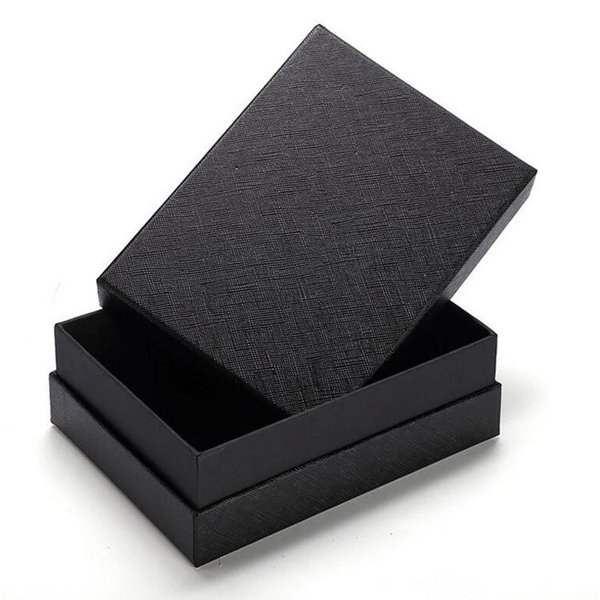
Yes, rigid drawer boxes can be used as branded presentation packaging for ecommerce products. However, they should not automatically be treated as the final courier or shipping carton. Depending on the product and distribution method, additional transit protection such as corrugated outer packaging, protective mailers, cushioning, void fill, or edge protection may be required.
Because rigid drawer boxes remain formed after opening, customers may retain them for storage, organization, or presentation depending on the product and final construction. Potential reuse should not automatically be treated as proof that a specific packaging configuration is recyclable, sustainable, or environmentally preferable.
Pricing is based on the final project specification rather than a single fixed rate. Factors may include quantity, dimensions, structure, materials, printing and branding, surface treatments, insert requirements, proofing or sampling requirements, and delivery requirements.
Provide the required quantity, product dimensions, approximate product weight, product type, accessories or secondary items, insert requirements, branding requirements, artwork status, preferred opening method if known, and delivery destination. If final box dimensions are not known, provide the product details you already have rather than estimating the finished packaging size.