


















Shoulder Neck Rigid Boxes

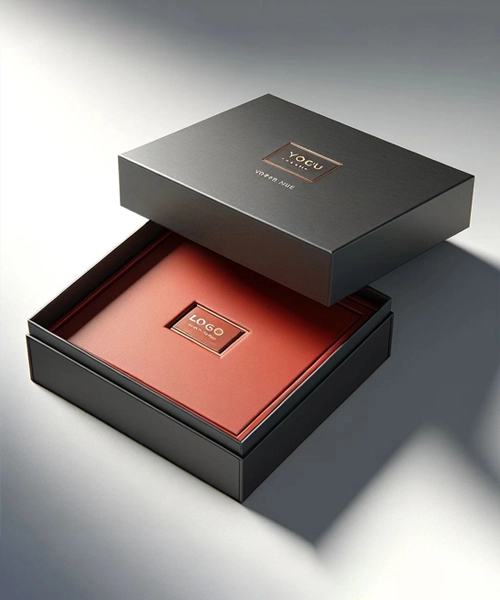
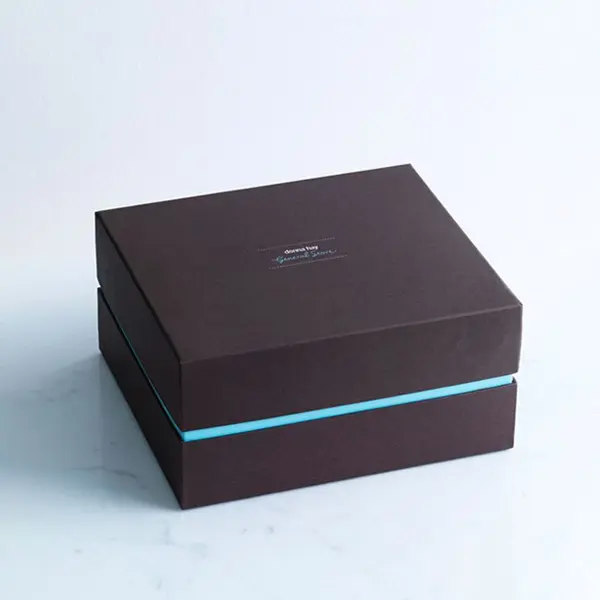
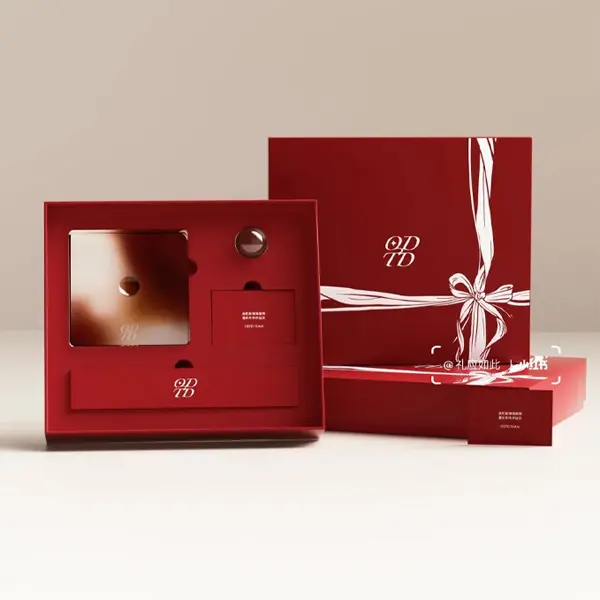
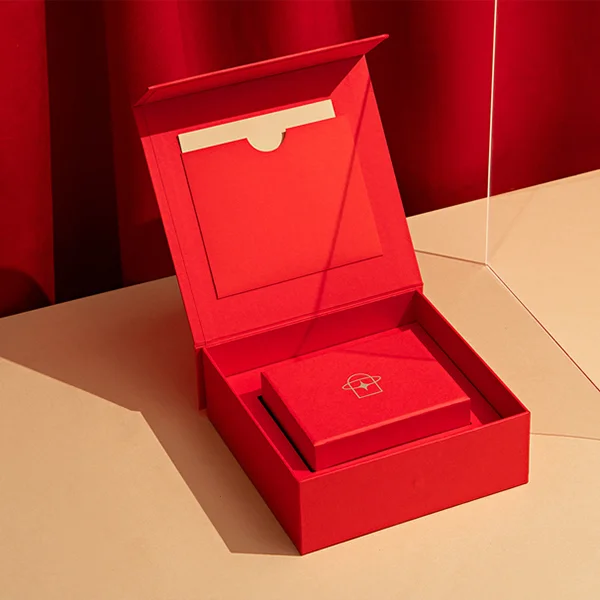
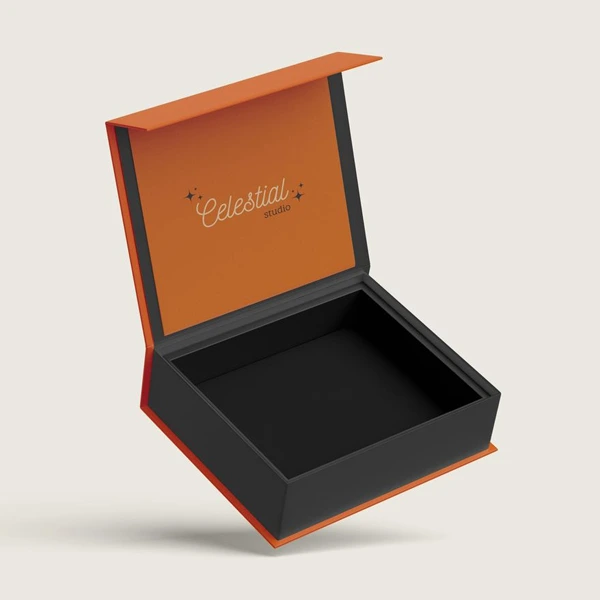
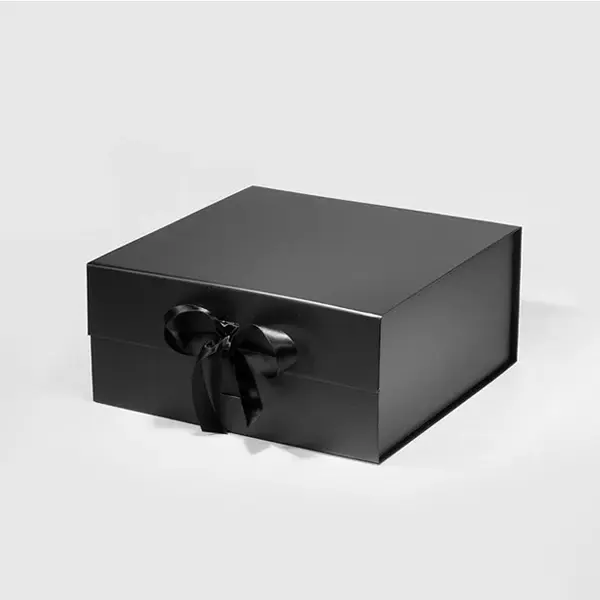
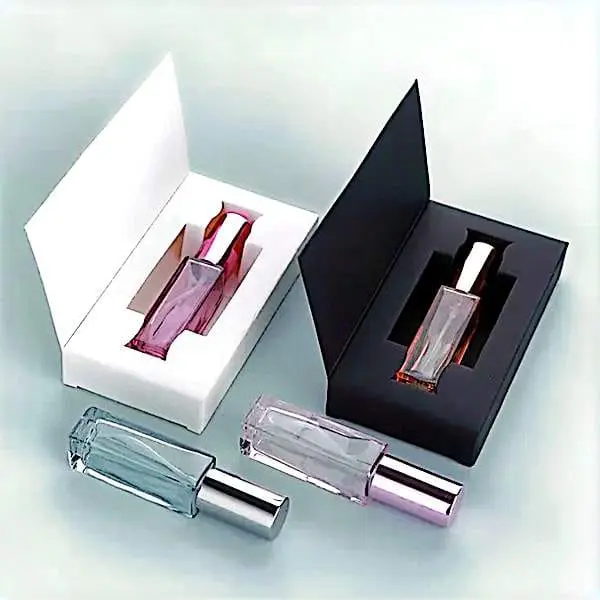
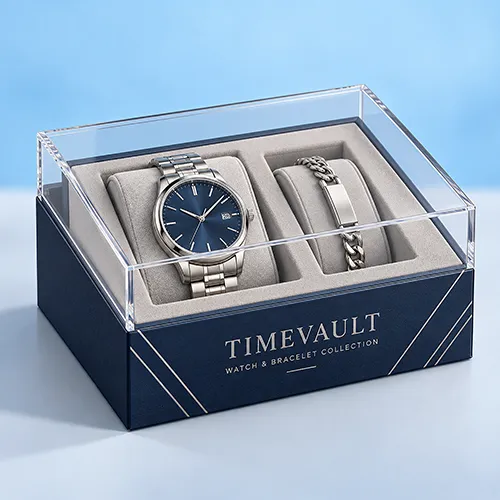
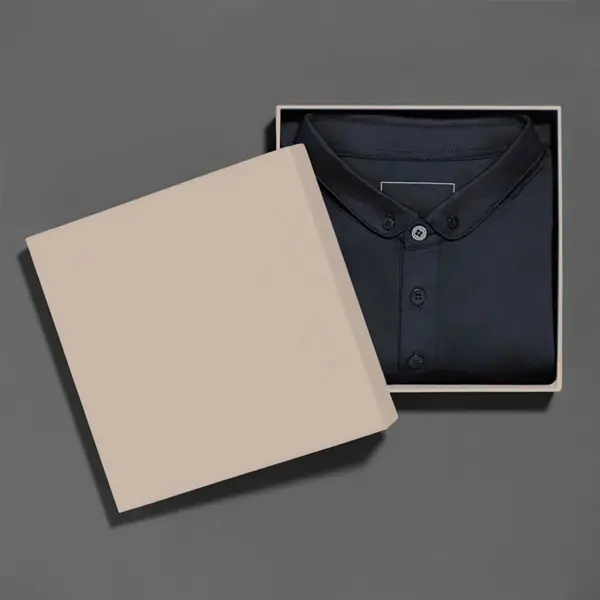
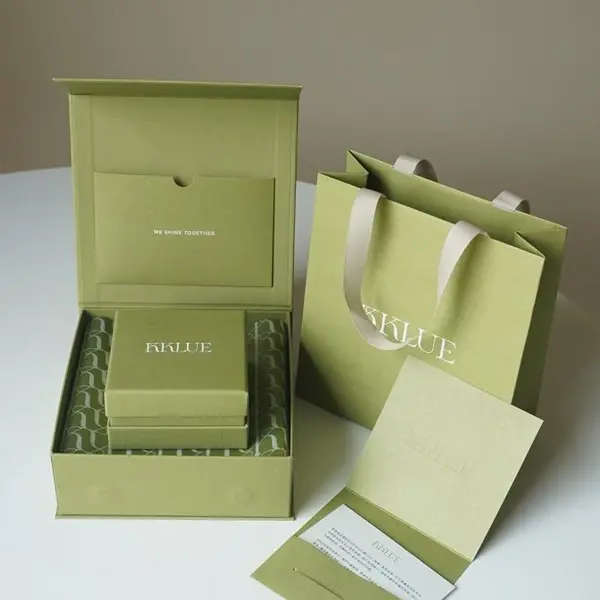
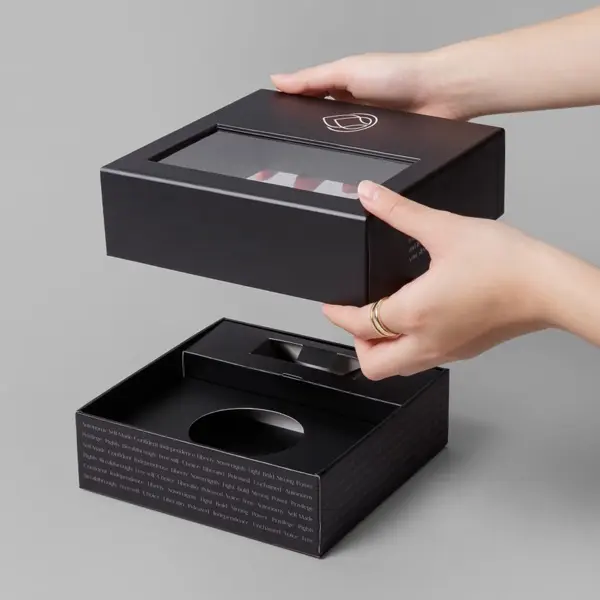
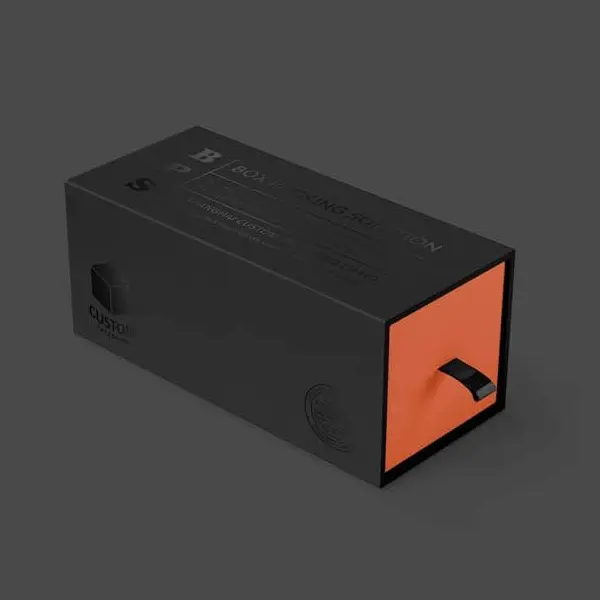
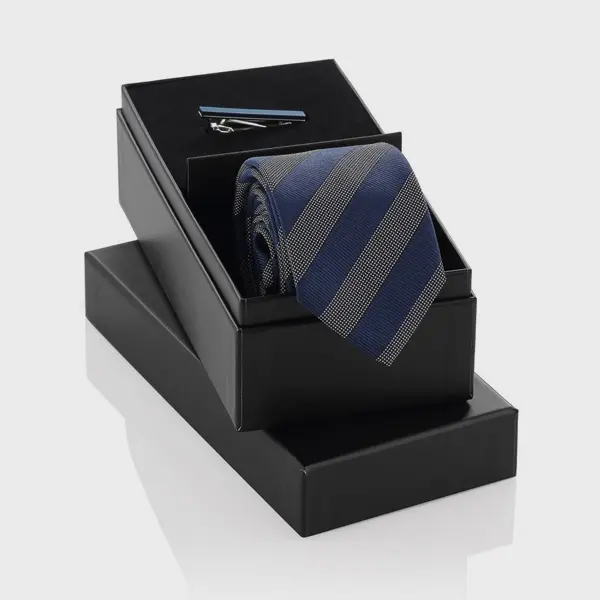
Custom Shoulder Neck Rigid Boxes use a lower rigid base, raised inner neck or collar, and removable lid to create a layered three-piece packaging structure. Unlike a standard lid-and-base box, the added neck can remain visible between the lid and base or be covered more fully depending on the intended reveal. This structure is useful when the neck contributes to product presentation, creates an additional branding surface, or frames the product and insert inside the package. As a specialist structure within BoxBaba’s broader Custom Boxes With Lids and Custom Rigid Boxes ranges, it should be specified around the actual product, neck height, lid relationship, insert and artwork rather than a generic stock dimension. Custom orders start from 100 units.
Trustpilot_Logo
5 out of 5 stars
4.5
Reviews 16 • Excellent

Custom Shoulder Neck Rigid Boxes for Premium Presentation Packaging

Custom shoulder neck rigid boxes feature a raised inner collar, precise lid-and-base alignment, durable rigid-board construction, branded printing, and premium presentation for luxury retail and gift packaging.

What We Give

Create Custom Boxes Quick and Easy

Design

Get your custom boxes made in the required size, shape, and style.

Print

Upload your artwork and get it superbly printed the way you want.

Get it done

Order any quantity, enjoy a wholesale price, pay no extra for die plates.

Related Products

What Is a Shoulder Neck Rigid Box?

A Shoulder Neck Rigid Box is a rigid package made from three primary structural elements: a lower base, a raised inner neck or collar, and a removable lid. The neck rises above the lower base and provides a separate surface for the lid to fit around. When part of that neck remains visible, it creates the characteristic layered band between the lid and base. That additional component is what distinguishes this product from Two Piece Rigid Boxes, where the removable lid normally fits directly over the lower base without a separate raised neck. Buyers who know they want rigid packaging with a lid but have not yet decided whether the lid should fit directly over the base, around a raised neck, or remain attached can first compare Rigid Boxes With Lid.

Visible vs Concealed Neck

The neck does not need to look the same on every shoulder-neck box.

Visible Neck

A lid that stops above the lower base can leave part of the neck exposed when the package is closed. That visible band becomes another design surface. The lid, neck and lower base may use matching or contrasting colors and wraps depending on the approved construction. The amount of exposed neck should be determined from the desired visual reveal and structural design rather than a universal measurement.

More Concealed Neck

A deeper lid can cover more of the raised neck while retaining the underlying shoulder-neck construction. This direction can work when the exterior should appear quieter while the neck becomes more apparent only after the lid is removed. Visible and concealed neck treatments are configuration choices within the same Shoulder Neck Rigid Box, not separate product types.

When Should You Choose a Shoulder-Neck Structure?

Choose a Shoulder Neck Rigid Box when the added raised collar provides a meaningful presentation or structural benefit. It can be appropriate when:
  • the opening should reveal another visual layer;
  • the product should appear framed within the package;
  • a contrasting neck color is part of the branding system;
  • the insert and product should sit within a defined raised perimeter;
  • the package needs more visual depth than a standard lid-and-base reveal;
  • the neck itself is an important part of the closed or open presentation.
The additional neck also means an additional structural component. If the project only needs a straightforward removable lid, Two Piece Rigid Boxes may provide the required opening experience with a simpler construction.

Plan the Neck, Lid, Insert and Product Together

The neck should not be added after the outside box dimensions have already been finalized. Its height and position interact with:
  • lid depth;
  • lower base height;
  • amount of visible neck;
  • insert height;
  • product position;
  • product-removal access;
  • available artwork surfaces;
  • finished external dimensions.
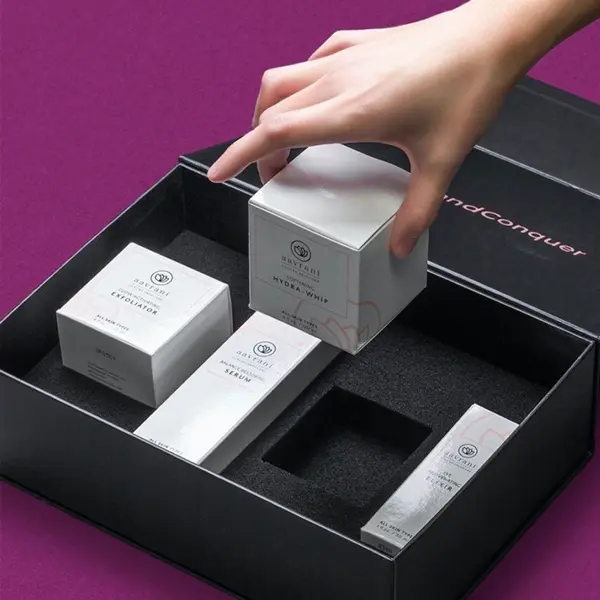
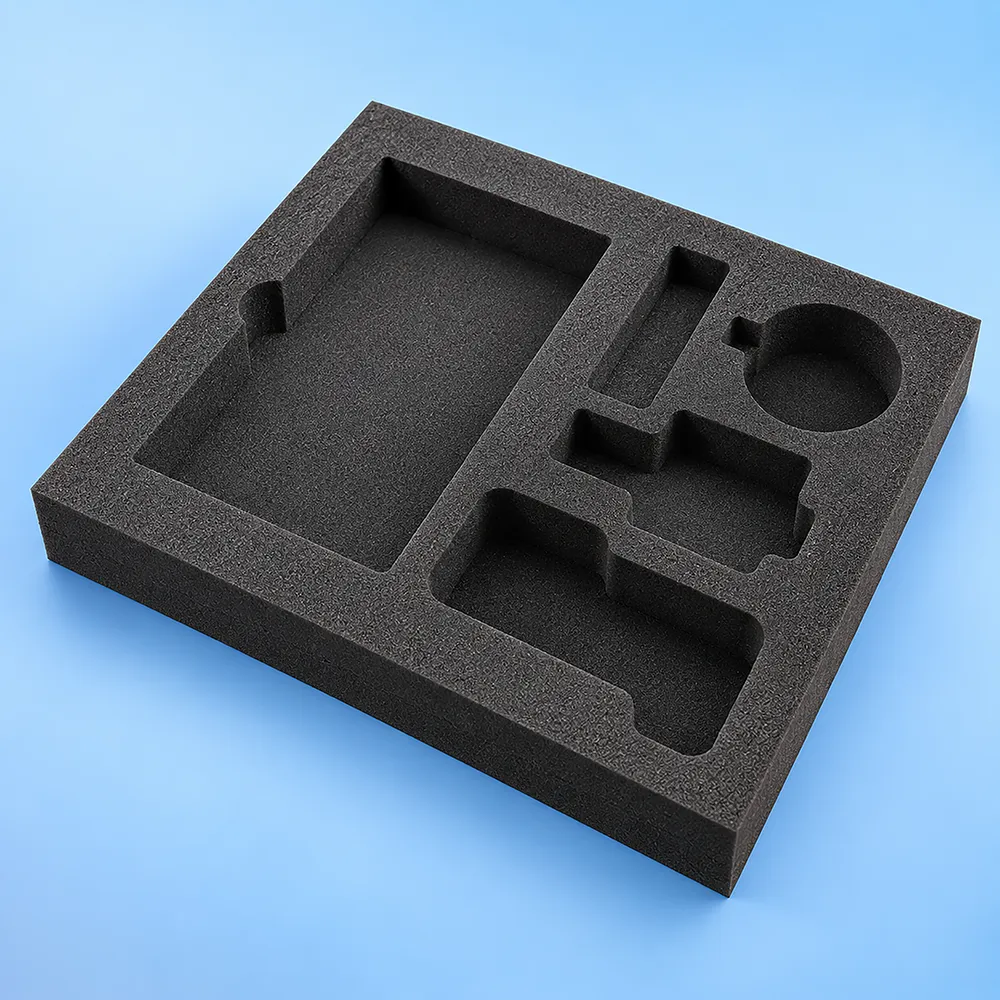
For example, an insert that raises the product higher inside the box may change how the product relates visually to the top edge of the neck. Likewise, increasing neck height can affect the amount visible below the lid. There is no universal neck height or lid clearance that works for every product. These dimensions should be established around the actual packed item and intended reveal. When a closely fitted internal cavity is needed, custom foam inserts can be evaluated together with the neck and lower base rather than after the outer structure has already been finalized.

How to Size a Shoulder Neck Rigid Box

Begin with the actual packed product or complete set. Provide:
  • finished product length;
  • width;
  • height;
  • widest or highest point;
  • product weight;
  • intended orientation;
  • quantity per box;
  • accessories or additional components.
For a product set, provide the dimensions and intended location of each component. Keep these measurements conceptually separate: Product dimensions describe the packed item. Insert-cavity dimensions describe the space that holds the item. Internal base dimensions describe usable space within the lower rigid structure. Neck dimensions define the raised collar and how it interacts with the lid. Finished external dimensions describe the outside package after lid, neck and base are assembled. If a specific amount of neck should remain visible when the box is closed, include that requirement during structural development. If your project does not require the raised-neck geometry at all, compare the measurements against a simpler two-piece lid-and-base structure before approving the final dieline.

Material for Shoulder Neck Rigid Boxes

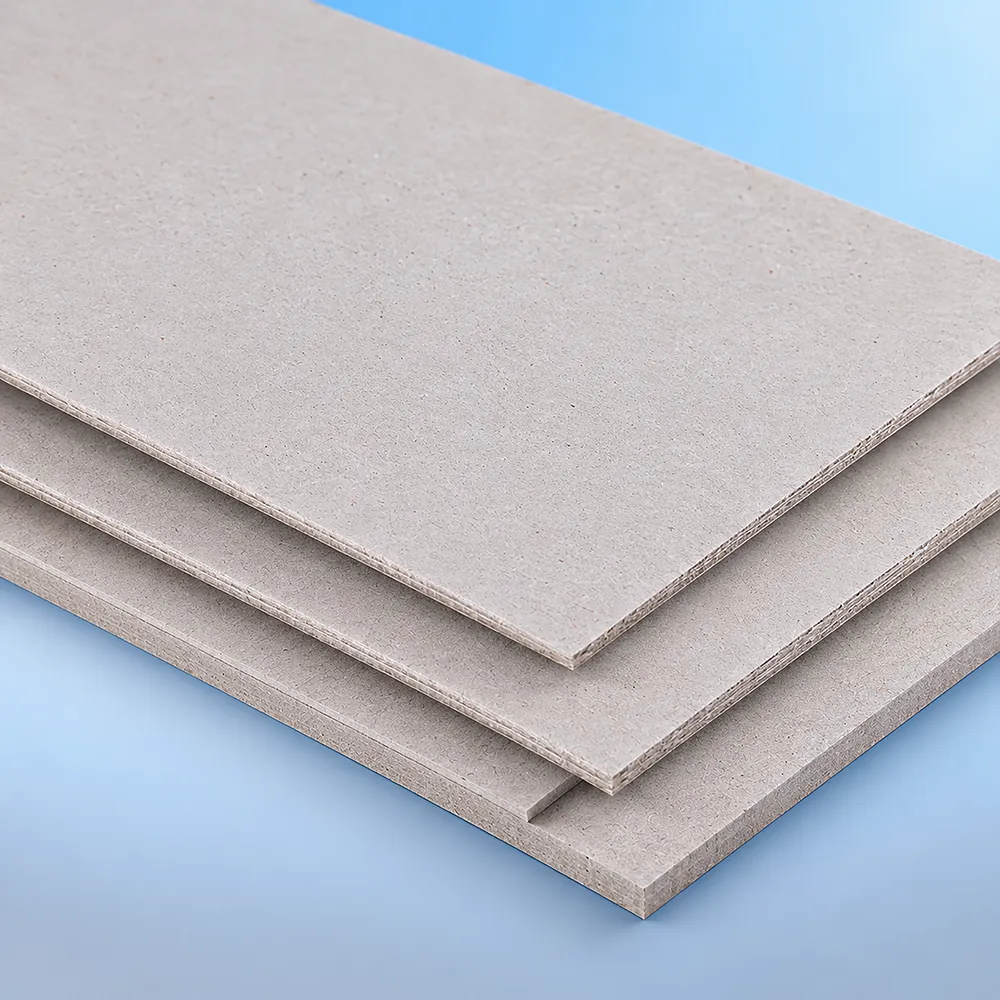
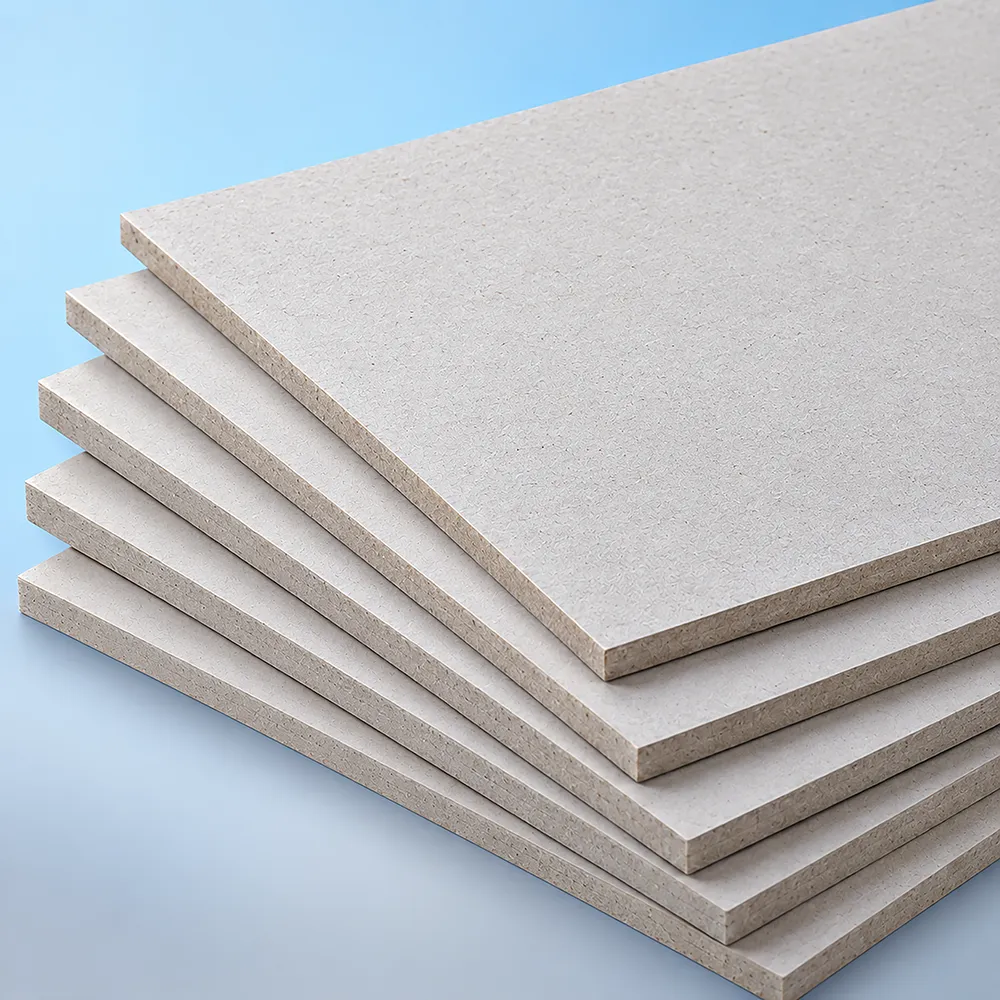
The structural components of a Shoulder Neck Rigid Box are typically produced from rigid board or chipboard and covered with compatible paper wraps. The rigid board creates the formed lid, neck and lower base. The visible wrap provides the surface for:
  • printed artwork;
  • brand colors;
  • textures;
  • specialty papers;
  • laminations;
  • decorative finishes.
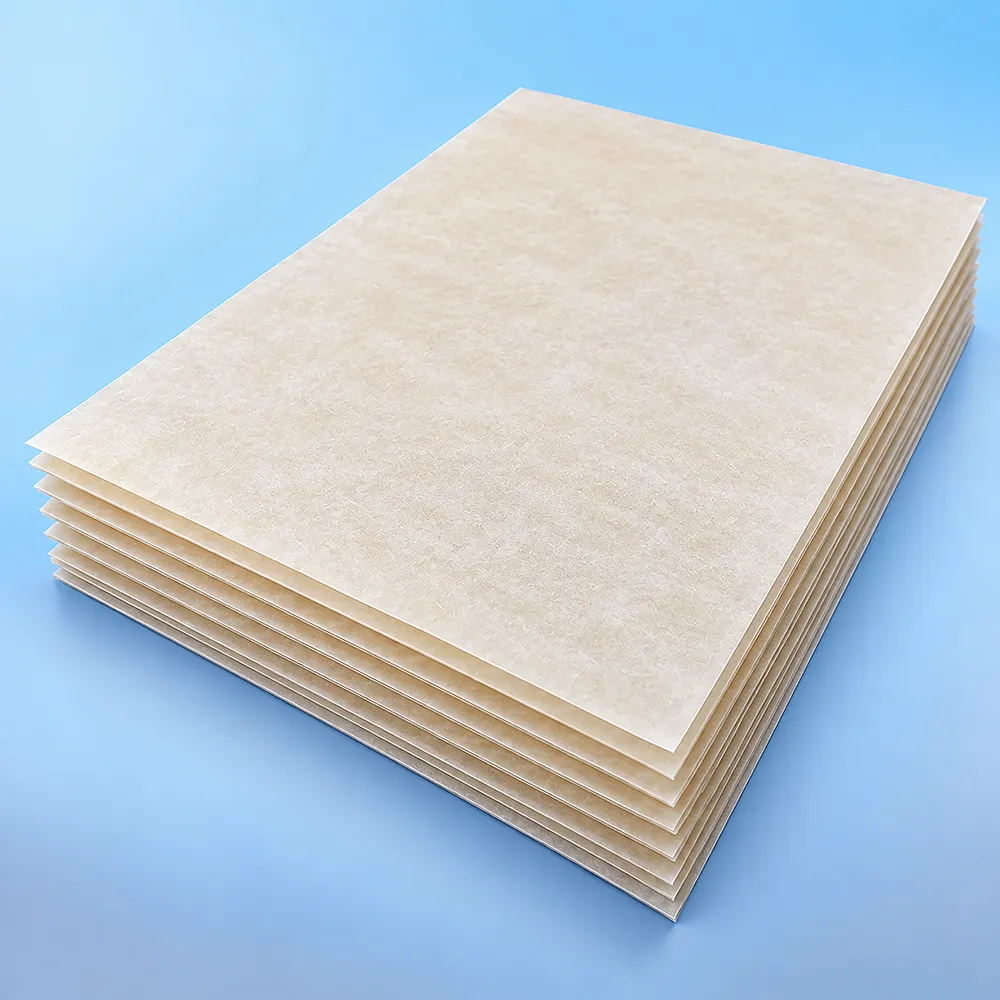
Because the lid, neck and lower base are separate visual surfaces, they may use coordinated or contrasting treatments where the approved design allows. Smooth printed wraps can suit detailed artwork and full-color graphics. Colored or textured papers can make the material itself part of the visual presentation. Kraft-style papers may be considered when that appearance fits the project. Buyers comparing other rigid packaging constructions that use the same general material family—but different opening systems—can explore the wider Custom Rigid Boxes range. Do not assume that every rigid shoulder-neck package is automatically recyclable, biodegradable or environmentally preferable. Adhesives, laminations, foil, inserts and other components affect the finished material system.

Inserts and Internal Product Support

The insert should be designed together with the neck and lower base. An insert may be useful when:
  • a bottle or device requires a fitted cavity;
  • several products need fixed positions;
  • accessories require separate compartments;
  • orientation matters to the reveal;
  • the product should remain at a defined height relative to the neck;
  • the internal arrangement is visible immediately after the lid is removed.
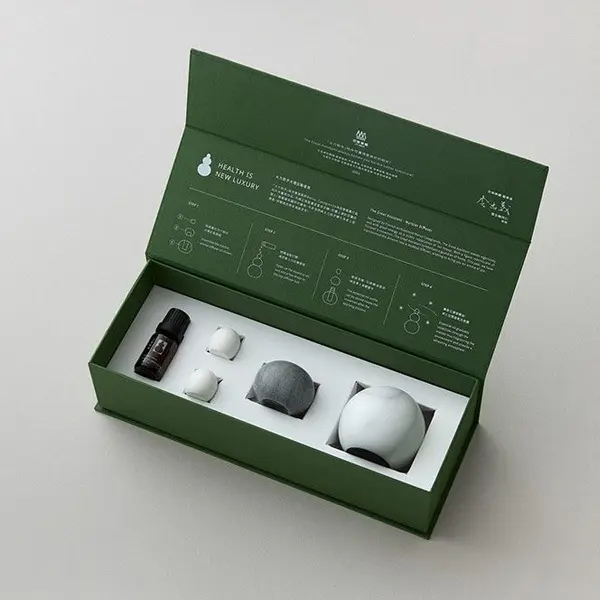
Depending on the project, paperboard supports, dividers or custom foam inserts can be evaluated. A fitted insert occupies internal volume. Its thickness and cavity depth can affect product height, usable base depth and how the product appears relative to the raised neck. If the product already sits securely without an insert, additional internal material may not be necessary. For multi-component kits, the insert layout should be approved before the shoulder-neck box dimensions are finalized because changing cavity depth later can alter both internal fit and visible product height.

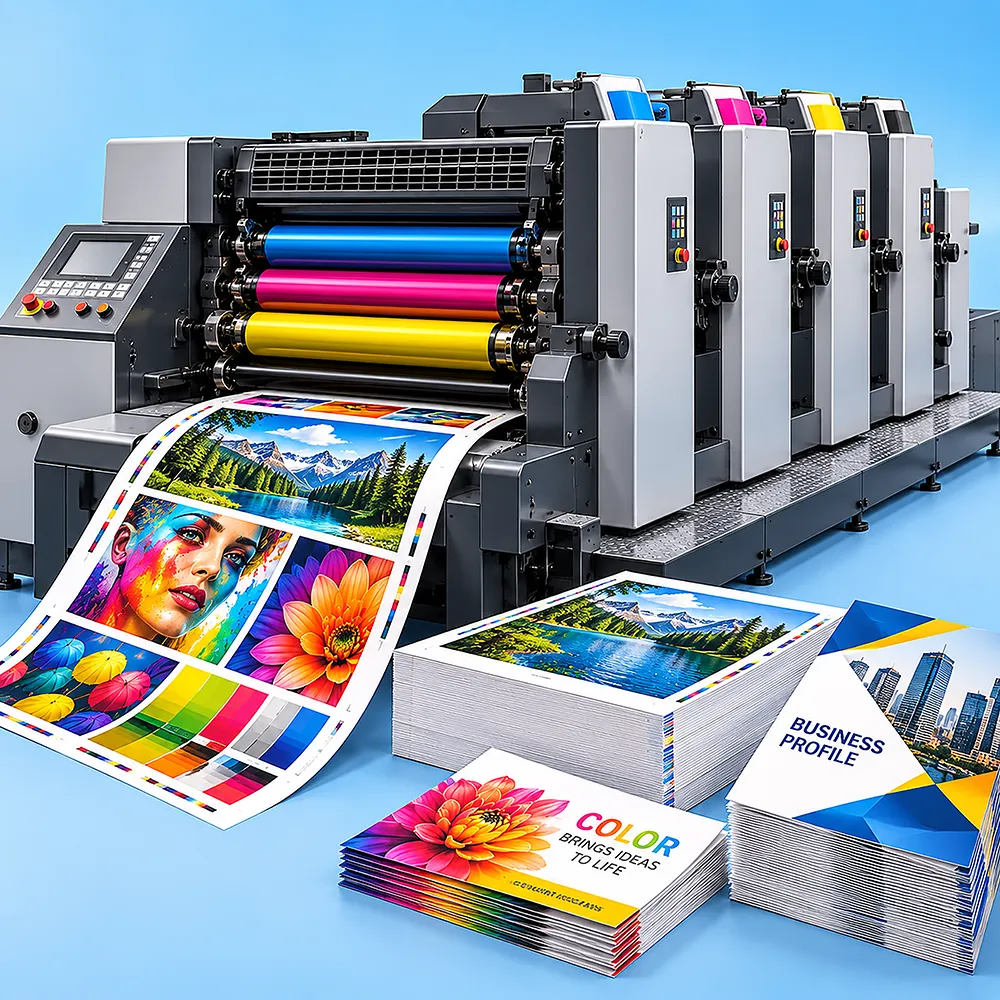
Printing & Finishing for Shoulder Neck Rigid Boxes

Printing and finishing should be planned around the three-part structure rather than treated as a generic decoration list. Printing applies artwork and color to the wrap or compatible paper component. Finishing changes the appearance or tactile character of selected surfaces.

Offset Printing

Offset printing can suit detailed printed wraps and projects requiring controlled artwork reproduction across a production run.

Digital Printing

Digital printing may suit compatible projects where flexible artwork production or another setup approach is useful.

Flexographic Printing

Flexographic printing may be considered for selected compatible paper-based components. Suitability should be confirmed for the specific material and artwork rather than assumed for every rigid-box wrap.

CMYK and Pantone/PMS

CMYK can reproduce photographs, illustrations, gradients and full-color process artwork. Pantone/PMS references can support projects where a defined spot-color target is useful. The final appearance of a printed color can vary with substrate, texture, ink, lamination and finish. Pantone/PMS should therefore be used for color management rather than as an absolute guarantee that every material will appear identical.

Finishing Options

Compatible projects may use:
  • matte lamination;
  • gloss lamination;
  • soft-touch finishing;
  • foil stamping;
  • embossing;
  • debossing;
  • Spot UV.
A finish should have a defined role in the design. For example, foil may emphasize the lid logo while a contrasting paper wrap on the neck creates the second focal point. Using more finishes does not automatically produce a better package. If the intended opening experience is attached rather than removable, finishing and artwork constraints change because folds, hinge areas and closure points become more important. In that case, Magnetic Closure Boxes may be the more relevant structural route.

Use the Neck as a Branding Surface

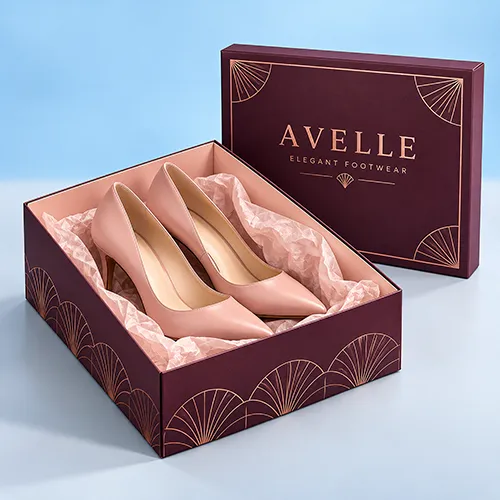
One of the main advantages of this structure is that the neck can become a deliberate part of the visual hierarchy. A dark lid and lower base with a light or metallic-looking neck can emphasize the horizontal reveal. A matching lid, neck and base can create a quieter monolithic appearance. A contrasting neck can also visually separate the outer shell from the product presentation inside. The right treatment depends on whether the neck should become a focal point or function primarily as a structural transition. Artwork should follow the approved dieline. Keep important text, barcodes, QR codes and fine elements away from wrapped edges, seams and areas where the lid overlaps another component. Where the interior includes a fitted foam insert, the insert color and exposed neck can also be considered together so the product presentation does not feel visually disconnected from the outer structure.

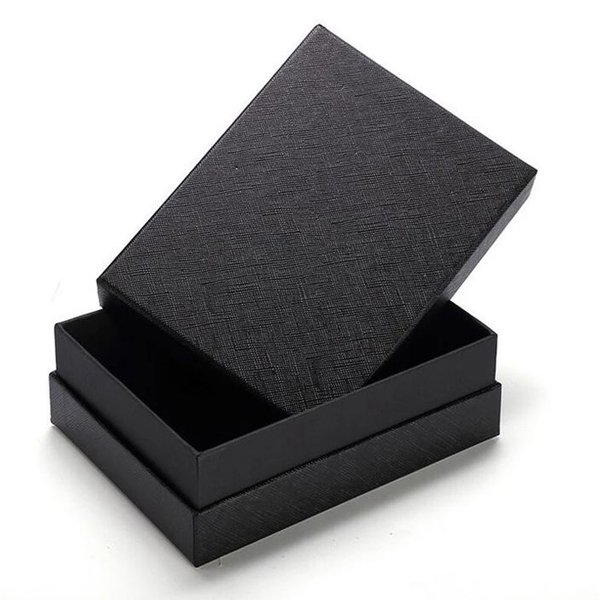
Shoulder Neck Rigid Boxes vs Two Piece Rigid Boxes

Both structures can use removable lids, but the construction is different.
Feature Shoulder Neck Rigid Box Two Piece Rigid Box
Primary Components Lid + raised neck + lower base Lid + base
Opening Lid lifts from raised neck Lid lifts directly from base
Reveal Adds another visible structural layer Direct lid-and-base reveal
Branding Surfaces Lid + neck + base Lid + base
Construction Additional neck component Simpler two-component format
Best Fit Neck contributes to presentation or fit Straightforward removable lid is sufficient
Do not select shoulder-neck construction only because it is perceived as more elaborate. If the additional neck does not materially improve product presentation, internal layout or opening behavior, Two Piece Rigid Boxes may be the better structural choice.

Other Structural Alternatives

Shoulder-neck packaging uses a removable lid. If the lid should stay attached during opening,Magnetic Closure Boxes may be a more appropriate rigid structure when an attached hinged opening and magnetic close are desired. If the customer should reveal the product by sliding a tray from an outer sleeve, a Custom Rigid Drawer Box creates a fundamentally different opening experience. If the buyer simply knows they want a rigid box with a lid but is still choosing between removable, shoulder-neck or attached mechanisms, Rigid Boxes With Lid provides the broader selection pathway. These are structural alternatives rather than variations of the shoulder-neck box.

Where Shoulder Neck Rigid Boxes Work Well

Shoulder-neck construction can work well for products where the package itself forms part of the presentation. Potential applications include:
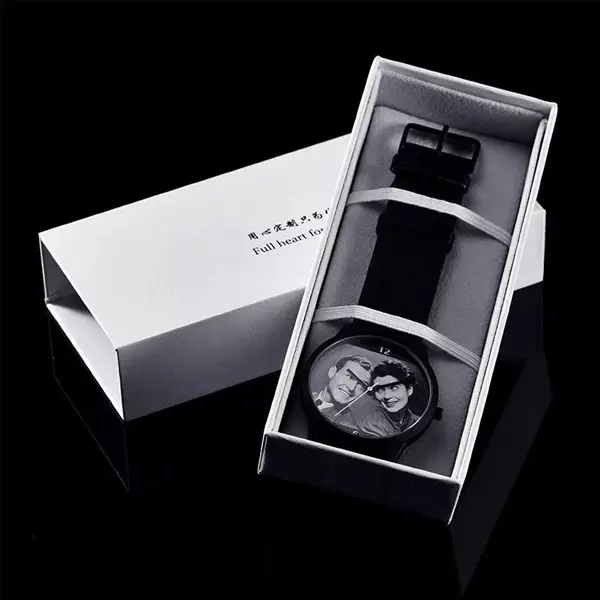
  • jewelry and watches;
  • fragrance;
  • cosmetics and skincare;
  • candles;
  • electronics accessories;
  • corporate gifts;
  • collector sets;
  • launch kits;
  • PR packages;
  • presentation sets.
The industry alone should not determine the structure. For example, one fragrance project may benefit from a visible neck and fitted insert, while another may only require a straightforward removable lid.

What Affects the Cost of Shoulder Neck Rigid Boxes?

Pricing depends on the complete specification. Important cost drivers include:
  • finished dimensions;
  • lower base construction;
  • neck height and configuration;
  • lid depth;
  • number of wrapped components;
  • wrap material;
  • order quantity;
  • number of SKUs;
  • artwork versions;
  • printing;
  • foil, embossing, Spot UV or other finishes;
  • insert material and complexity;
  • assembly requirements;
  • delivery requirements.
The additional neck means this construction includes another component compared with a conventional two-piece rigid box.

Samples and Proofing

Choose the proofing method according to the main project uncertainty. A digital artwork proof helps review copy, graphics and placement. A 3D mockup can help communicate the intended relationship between lid, neck and lower base. A structural sample, where available for the project, is more useful when questions involve physical fit, lid movement, neck height, neck visibility or insert position. A printed or finish-specific sample may be useful when color, texture, foil or another tactile or visual effect is central to approval. When a custom foam insert is important to the final presentation, evaluate the insert together with the shoulder-neck structure because cavity depth and product height can affect the perceived reveal after opening. Physical sample type, cost and timing should be confirmed during quotation.

MOQ, Production and USA Shipping

BoxBaba’s standard MOQ starts from 100 Shoulder Neck Rigid Boxes. Standard production takes 5–9 business days after the final digital proof, artwork and project specifications are approved. Production time and carrier transit time are separate. BoxBaba currently provides free shipping across the USA for custom packaging orders. Review the current Shipping Policy for production and shipping conditions. For time-sensitive projects, provide both the shipping destination and required arrival date during quotation.

Why Choose BoxBaba for Shoulder Neck Rigid Boxes?

BoxBaba can develop the shoulder-neck package around the actual product and intended reveal rather than treating the neck as a generic decorative feature. Projects can be planned around:
  • custom sizing;
  • neck height and visibility;
  • lid relationship;
  • insert layout;
  • product position;
  • artwork and dielines;
  • printing and finishing;
  • proofing;
  • quantity and production requirements.
If the raised neck does not add enough value to the packaging, the project can be compared with Custom Rigid Boxes before the final structure is approved.

Request a Custom Shoulder Neck Rigid Box Quote

For an accurate quotation, provide:
  • finished product dimensions;
  • product weight;
  • quantity;
  • number of SKUs;
  • intended product orientation;
  • visible or more concealed neck preference if known;
  • insert or divider requirements;
  • wrap/material preference if known;
  • artwork or logo files;
  • printing and finishing requirements;
  • shipping destination;
  • required project date.
If you are unsure whether the raised neck is necessary, describe the opening and presentation experience you want. BoxBaba can compare the project with a simpler structure before the specification is finalized. Call: +1 305 574 4357 Email: sales@boxbaba.com

Frequently Asked Questions

Find all the urgent questions you may have.

A Shoulder Neck Rigid Box is a rigid package made with a lower base, raised internal neck or collar, and removable lid. The neck creates an additional structural and visual layer between the base and lid.
No. A standard Two Piece Rigid Box uses a removable lid and base. A shoulder-neck box adds a separate raised inner neck or collar. If the additional neck is unnecessary, a Two Piece Rigid Box may be the simpler choice.
No. Neck visibility depends on the relationship between the lid and neck dimensions. The neck may be clearly visible, partially visible or more fully covered according to the approved design.
Provide the product's finished length, width, height, widest point and weight, plus accessories or additional components. For sets, provide the dimensions and intended layout of each item. Neck height, lid depth and inserts are then planned around those inputs.
Yes. Depending on the product, paperboard supports, dividers or custom foam inserts can be used for positioning and presentation. The insert should be designed together with the neck and lower base.
Yes, where compatible with the selected wrap and approved construction. A contrasting neck can emphasize the layered structure, while matching colors create a more unified appearance.
Depending on material, artwork and production requirements, offset, digital or suitable flexographic printing may be considered. The final method should be confirmed after the wrap and design are established.
Compatible projects may use matte, gloss, soft-touch, foil stamping, embossing, debossing and Spot UV. Finish placement should account for the lid, neck, base, wrap edges and final dieline.
BoxBaba's standard MOQ starts from 100 units. Final pricing depends on dimensions, neck construction, quantity, wrap, artwork, insert, printing and finishing requirements.
Standard production takes 5–9 business days after final proof, artwork and project specifications are approved. Carrier transit is separate from production time, and BoxBaba currently provides free USA shipping. Additional timing information is available in BoxBaba's Shipping Policy.

Get a Custom Quote