
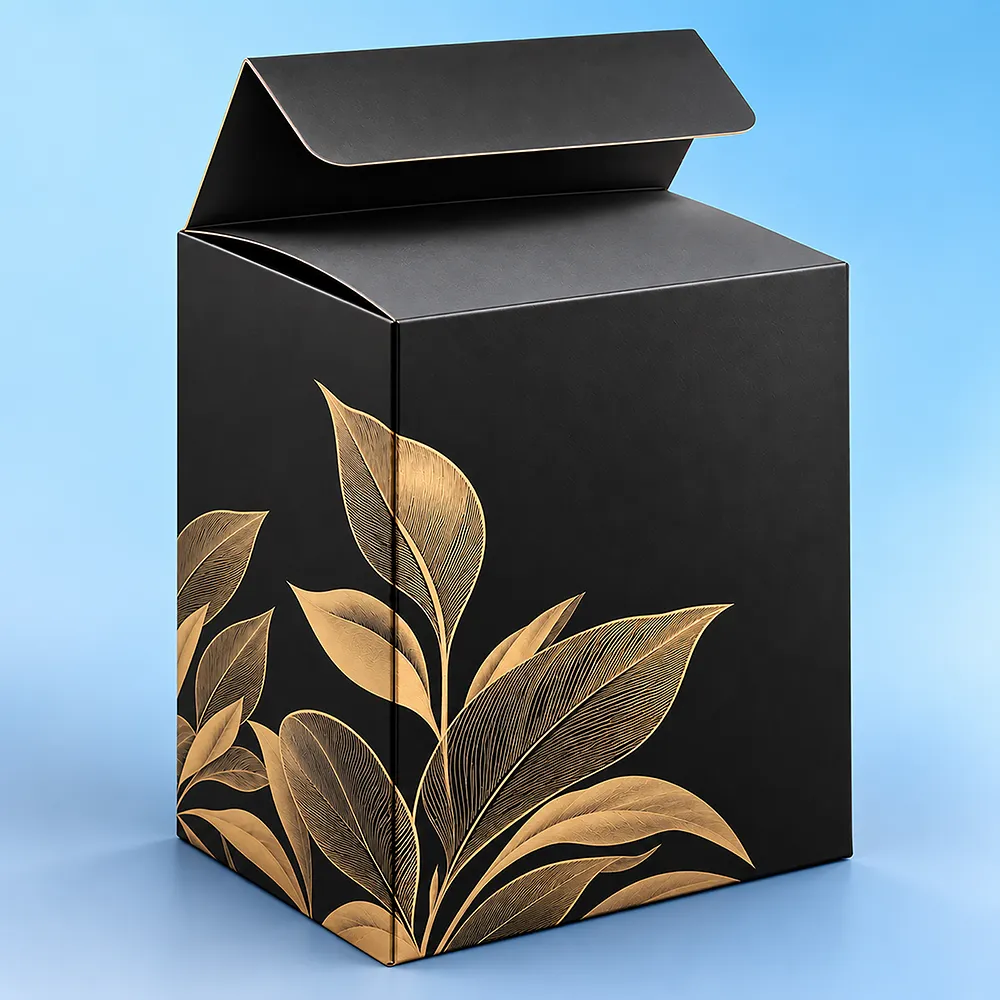
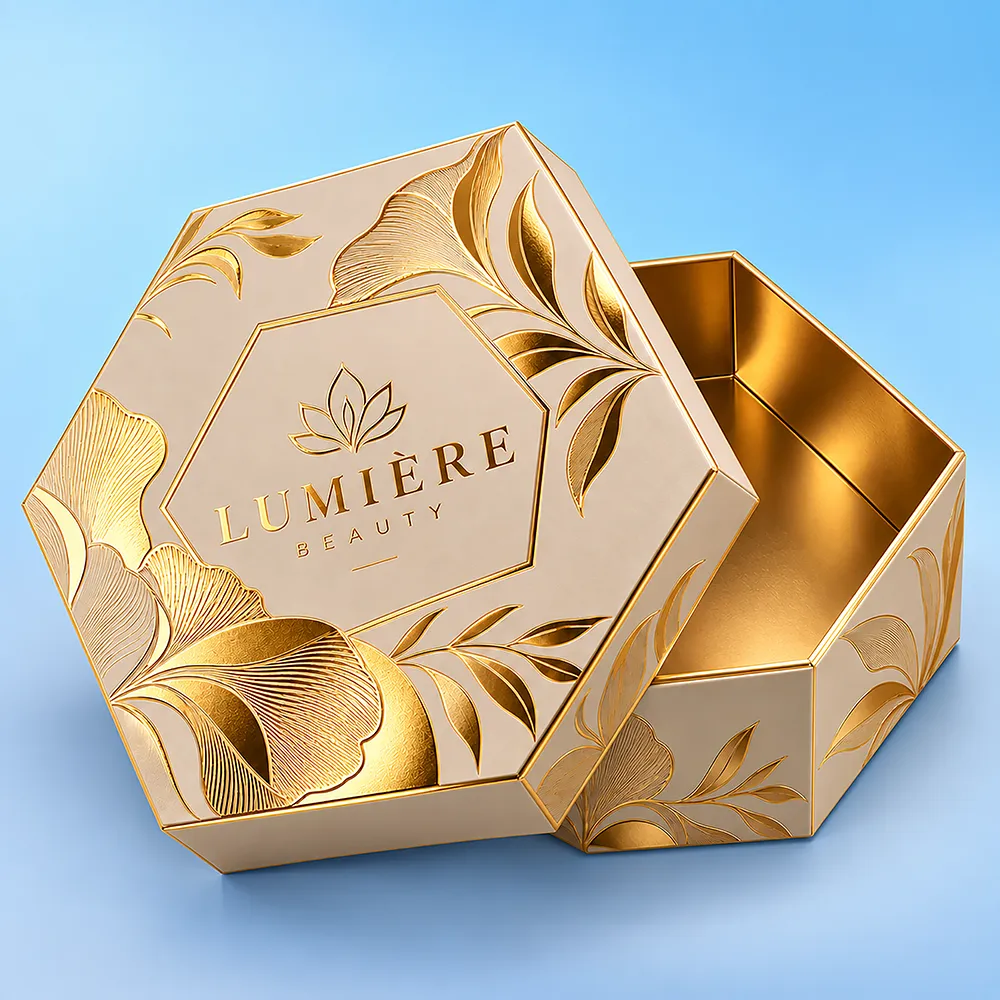
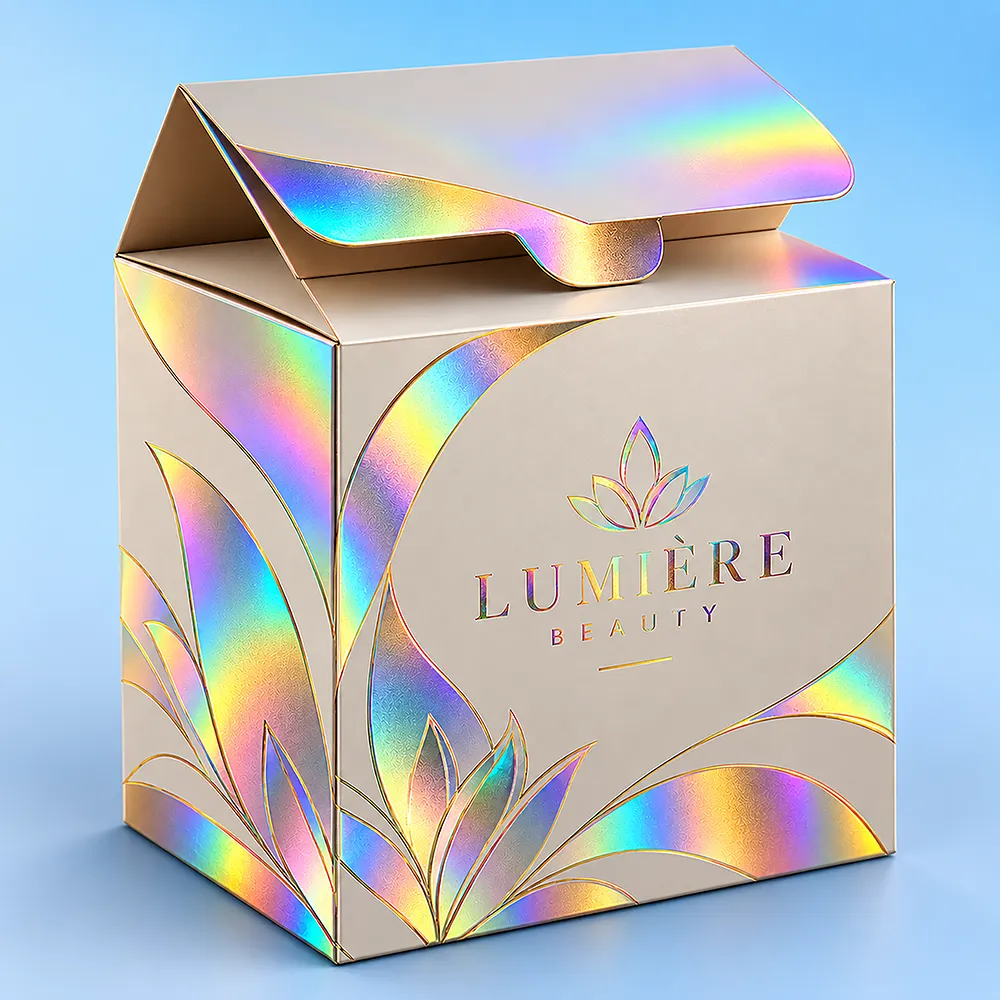
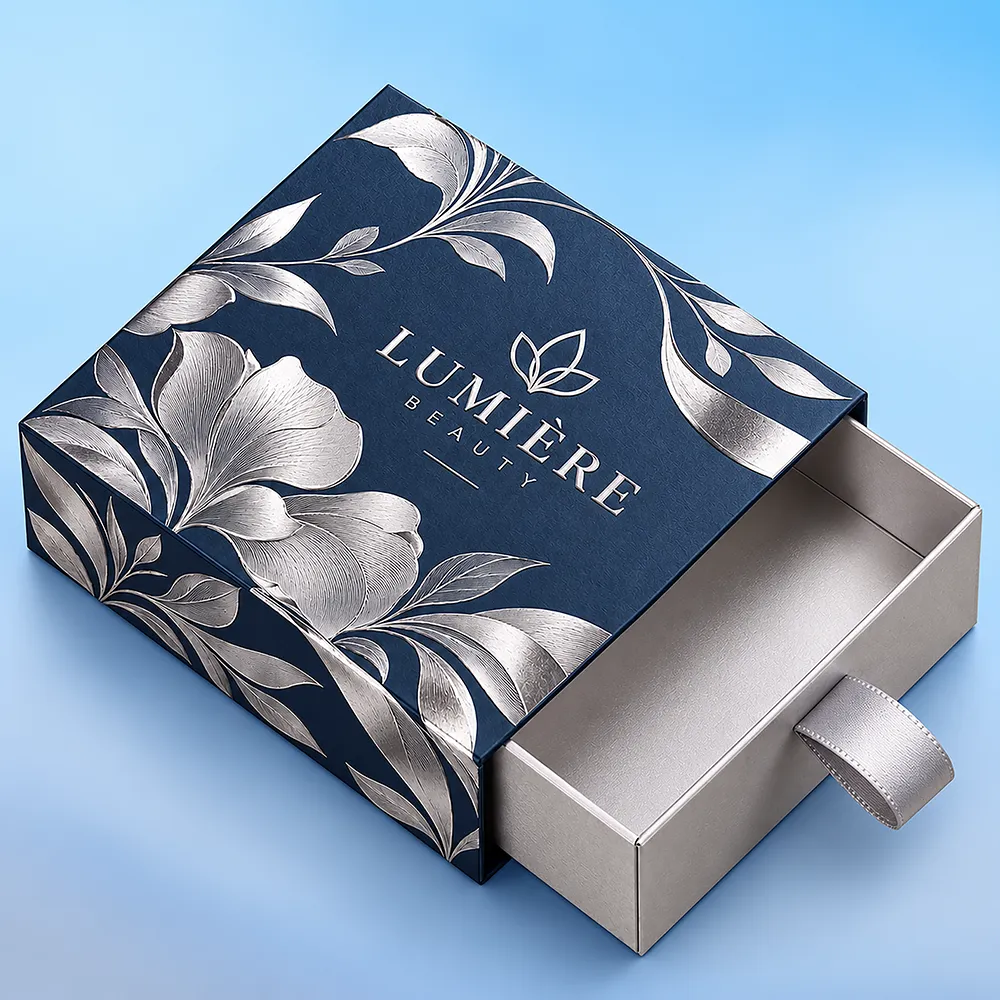
Partial Cover Rigid Boxes

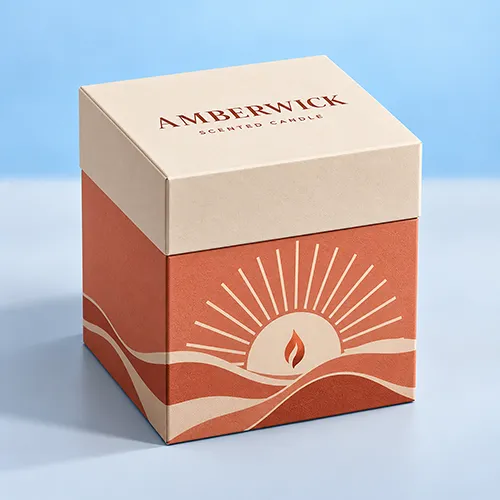
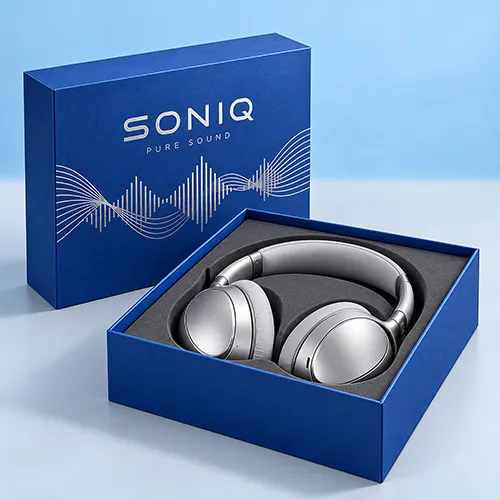
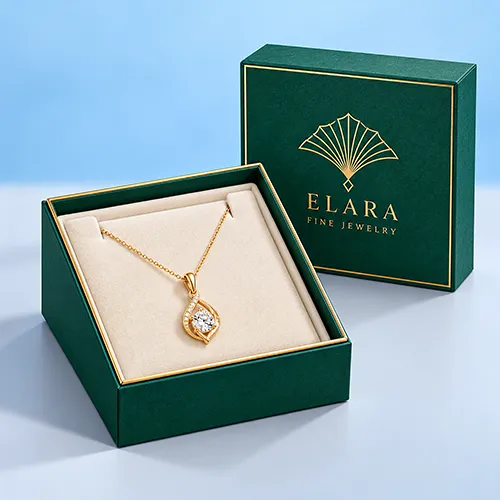
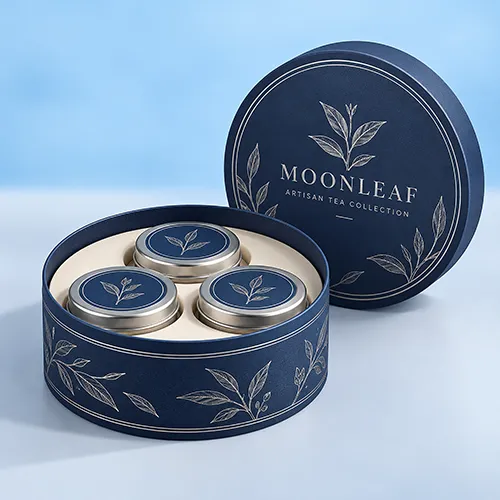
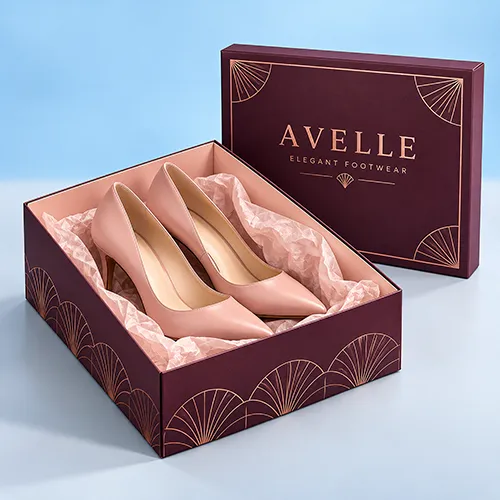
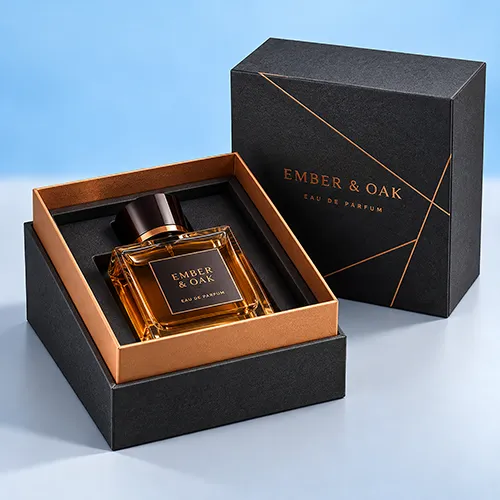
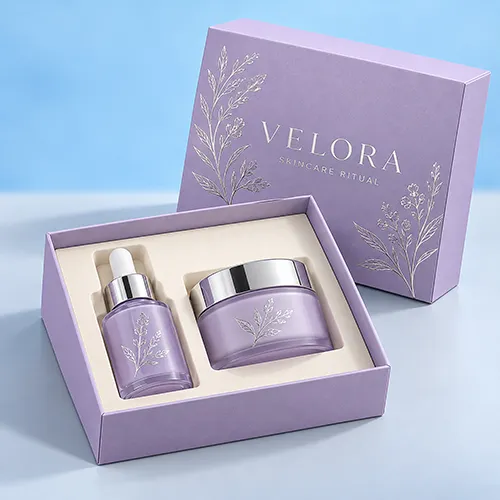
Custom Partial Cover Rigid Boxes use a separate rigid base and removable lid, but the lid intentionally stops above the bottom of the base so a planned section of the lower base remains visible when the package is closed. This exposed band can become part of the branding, change the visual proportions of the package, and provide a more accessible base edge for opening when the approved geometry supports it. Partial-cover construction is a specialist structure within Custom Boxes With Lids and the wider Custom Rigid Boxes family. The product, insert, base height, lid depth, and exposed-base treatment should be developed together instead of selecting a generic short lid first.
Trustpilot_Logo
5 out of 5 stars
4.5
Reviews 16 • Excellent

Custom Partial Cover Rigid Boxes for Premium Product Packaging

Custom partial cover rigid boxes feature a lid that covers part of the base, durable rigid-board construction, tailored sizing, branded printing, and premium presentation for retail and gift packaging.

What We Give

Create Custom Boxes Quick and Easy

Design

Get your custom boxes made in the required size, shape, and style.

Print

Upload your artwork and get it superbly printed the way you want.

Get it done

Order any quantity, enjoy a wholesale price, pay no extra for die plates.

Related Products

What Is a Partial Cover Rigid Box?

A Partial Cover Rigid Box is a two-piece rigid package where a separate removable lid covers only part of the height of the outer base. The lower section of the base intentionally remains visible when the box is closed. That makes partial-cover construction a specialist configuration within the broader Two Piece Rigid Boxes family. Both use a removable lid and base; the difference is how far the lid extends down the base. A deeper lid can cover more of the base. A partial-cover lid stops higher and creates a deliberate visible band below it.

Does Partial Cover Mean the Product Is Visible?

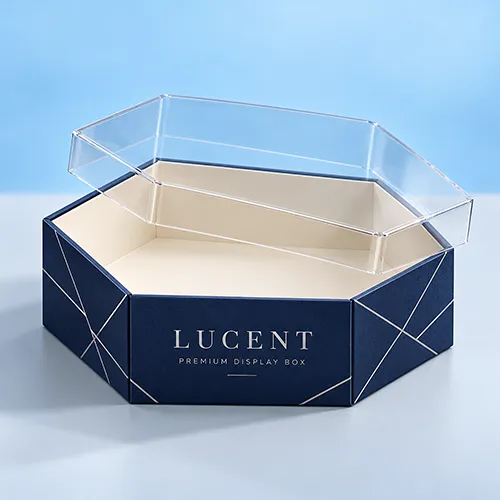
No. A normal partial-cover rigid box exposes part of the outer base, not necessarily the product inside. The top of the package can remain completely closed even though a section of the base wall remains visible. If the buyer needs customers to see the actual product while the package is closed, that requires a separate visibility feature or structure, such as a clear window or transparent lid where technically appropriate. That distinction keeps Partial Cover Rigid Boxes separate from clear-lid and window packaging.

Choose the Exposed Base Height Deliberately

The visible base band should be specified as part of the structure rather than created accidentally by shortening a generic lid. A relatively narrow visible section creates a subtle separation between lid and base. A larger visible base section makes the lower component more visually dominant. The final proportion should consider:
  • overall package height;
  • lid depth;
  • product and insert height;
  • desired lid/base balance;
  • accessible base edge for opening;
  • artwork placement;
  • lid/base color relationship;
  • final presentation goal.
There is no universal exposed-base height that is correct for every project. The right dimension comes from the product and approved structure.

Partial Cover vs Full Cover vs Shoulder Neck

These structures should not be treated as synonyms.
Structure Visible Element When Closed Main Structural Difference
Partial Cover Rigid Box Part of the outer base Shorter removable lid
Deeper/Full-Cover Two Piece Box Less or none of the outer base, depending on approved design Lid extends farther down the base
Shoulder Neck Rigid Box A separate raised neck may remain visible Additional internal neck/collar between lid and lower base
A Partial Cover Rigid Box exposes the outer base itself. A Shoulder Neck Rigid Box introduces another structural component: a raised inner neck or collar. The visible band in that construction may therefore be the neck rather than the outer base. If the project only requires a general removable lid without a deliberate visible-base treatment, the broader Two Piece Rigid Boxes specification may be the better starting point.

How to Size a Partial Cover Rigid Box

Start with the actual packed product rather than choosing the outside box size first. Provide:
  • finished product length;
  • width;
  • height;
  • widest or highest point;
  • product weight;
  • intended orientation;
  • quantity per box;
  • accessories and additional components.
For multi-product sets, provide the intended layout of every item. Then keep the dimensional layers separate. Product dimensions describe the item being packed. Insert-cavity dimensions describe the space that retains the item. Internal base dimensions describe usable space within the rigid base. Base height describes the structural height of the lower component. Lid depth describes how far the removable lid extends down the base. Exposed-base height describes the section intentionally left visible below the lid. External finished dimensions describe the complete package after the lid and base are assembled. A useful planning sequence is: product → insert → internal base → base height → lid depth → exposed base This helps prevent the exterior proportions from forcing an awkward internal fit.

Material for Partial Cover Rigid Boxes

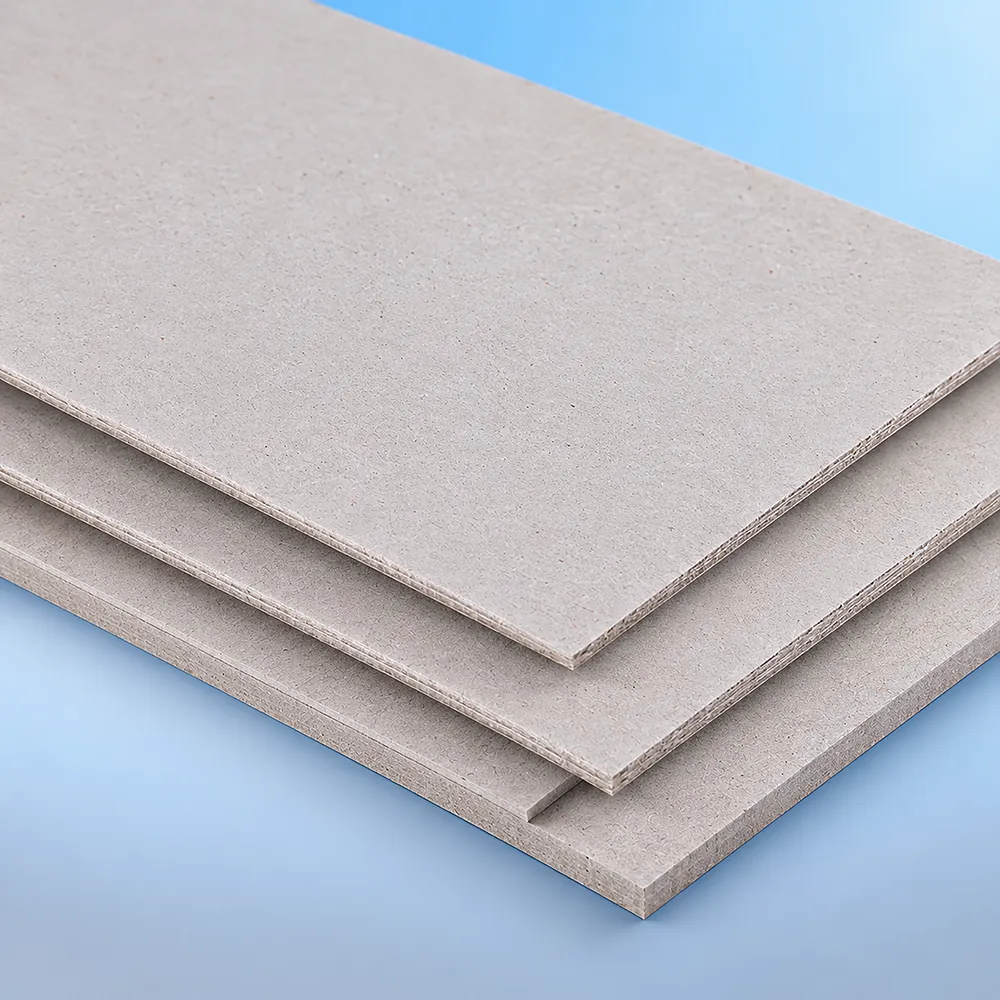
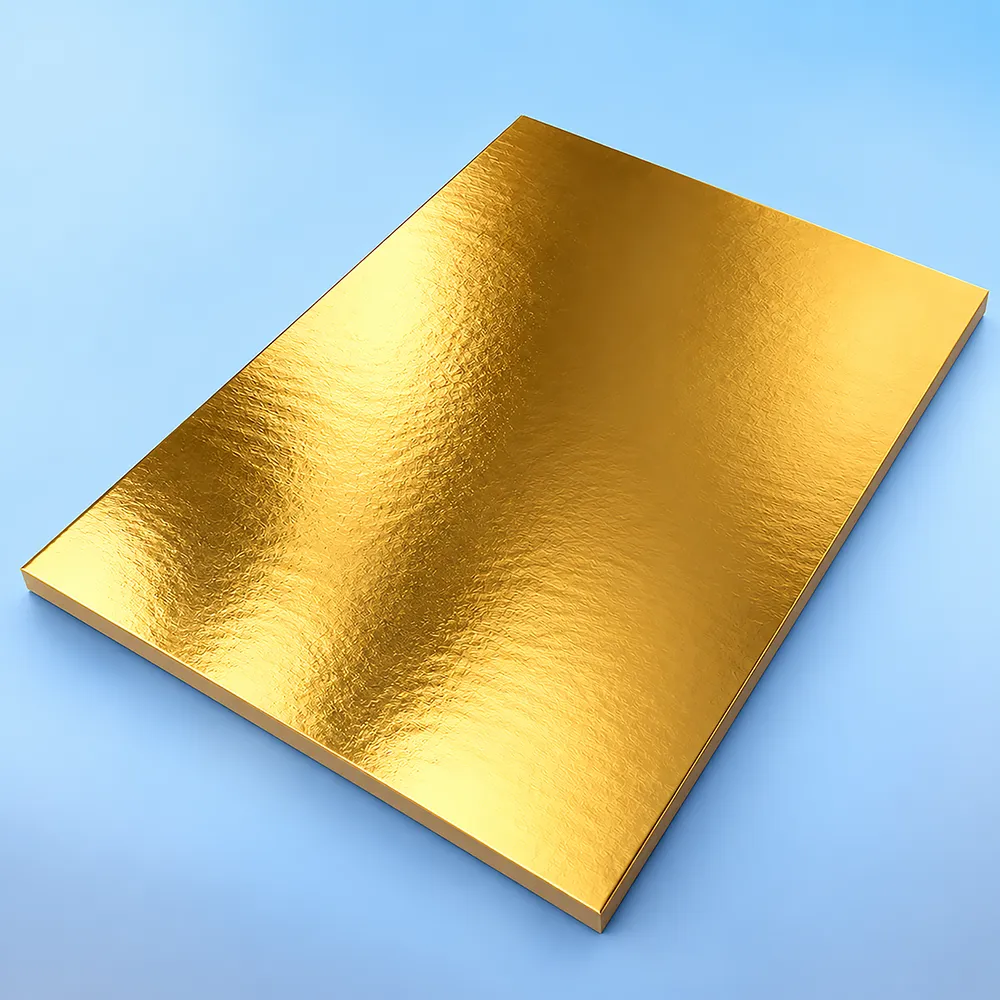
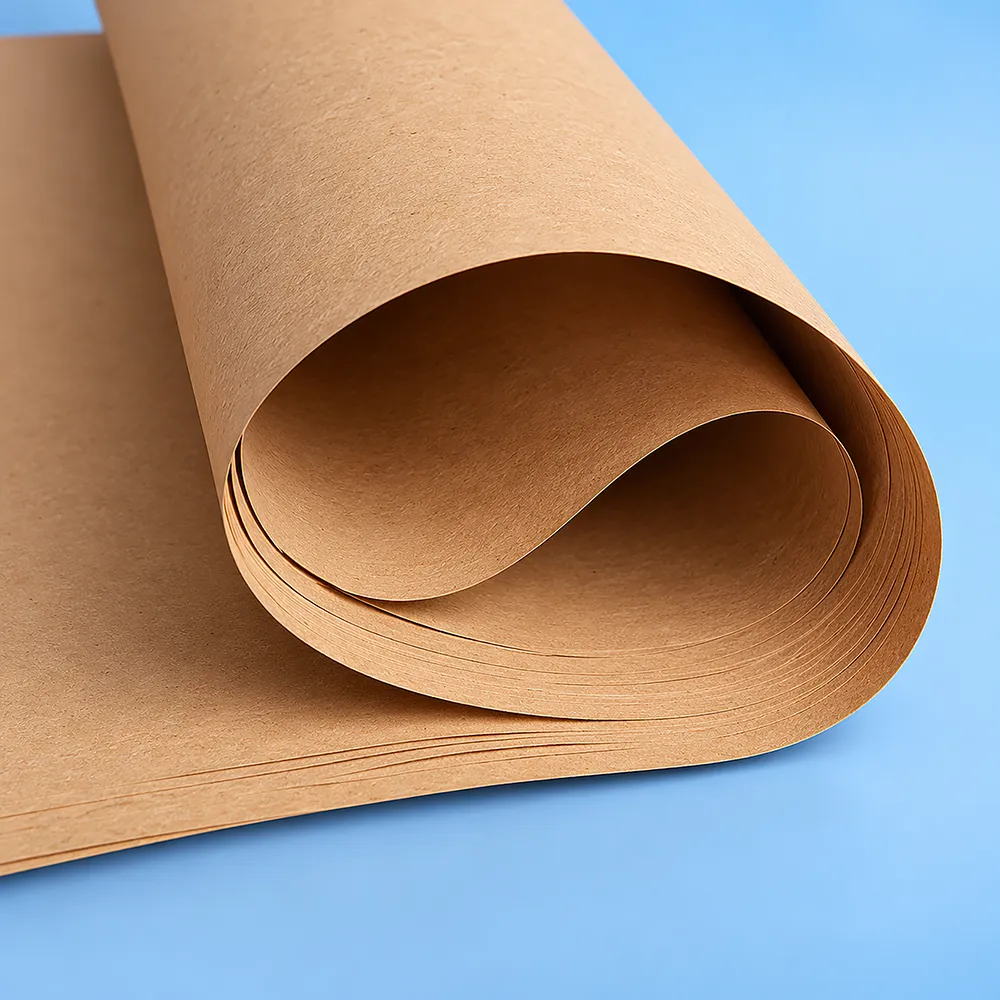
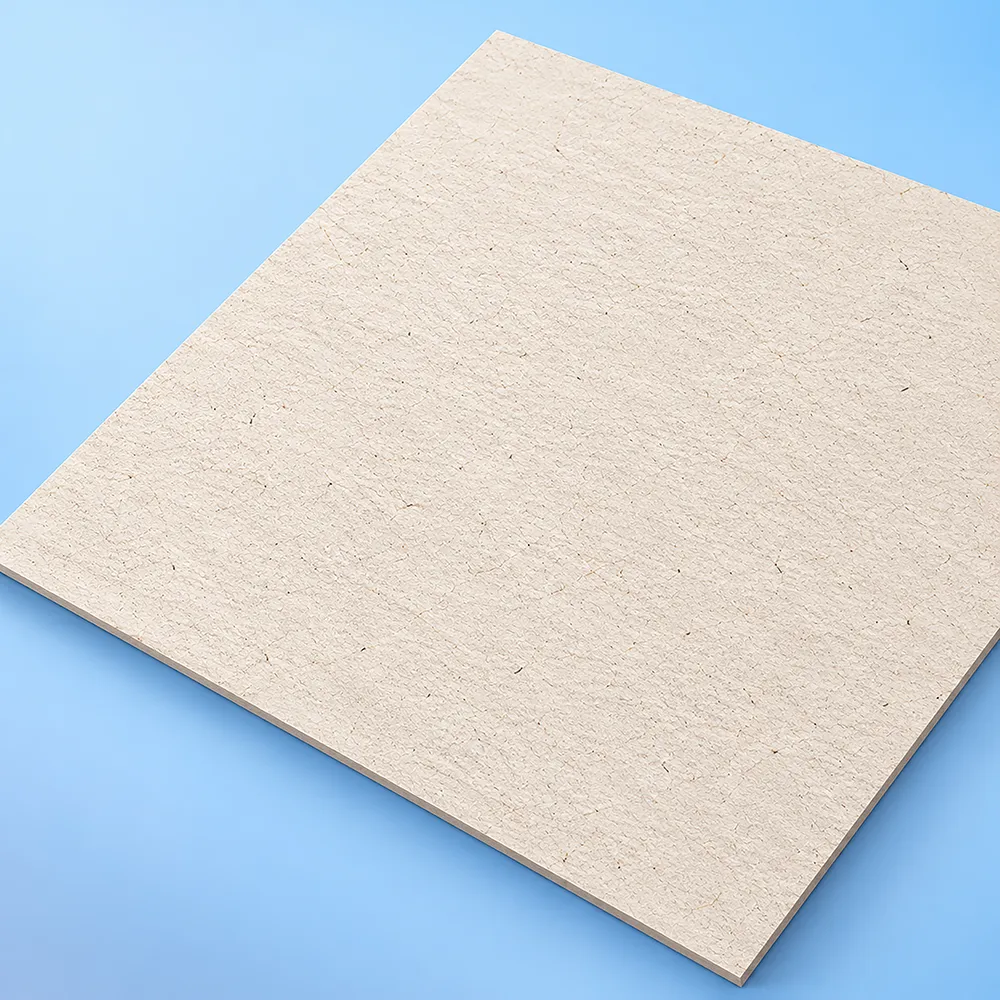
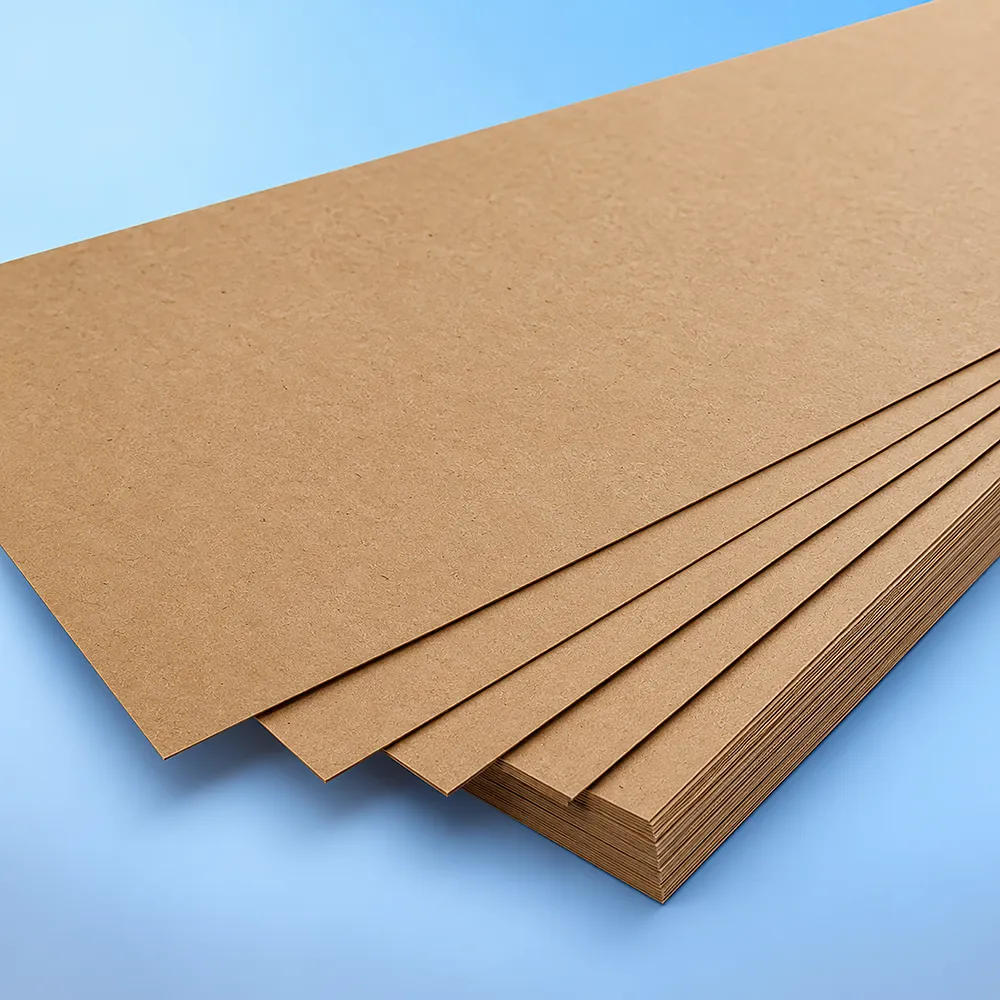
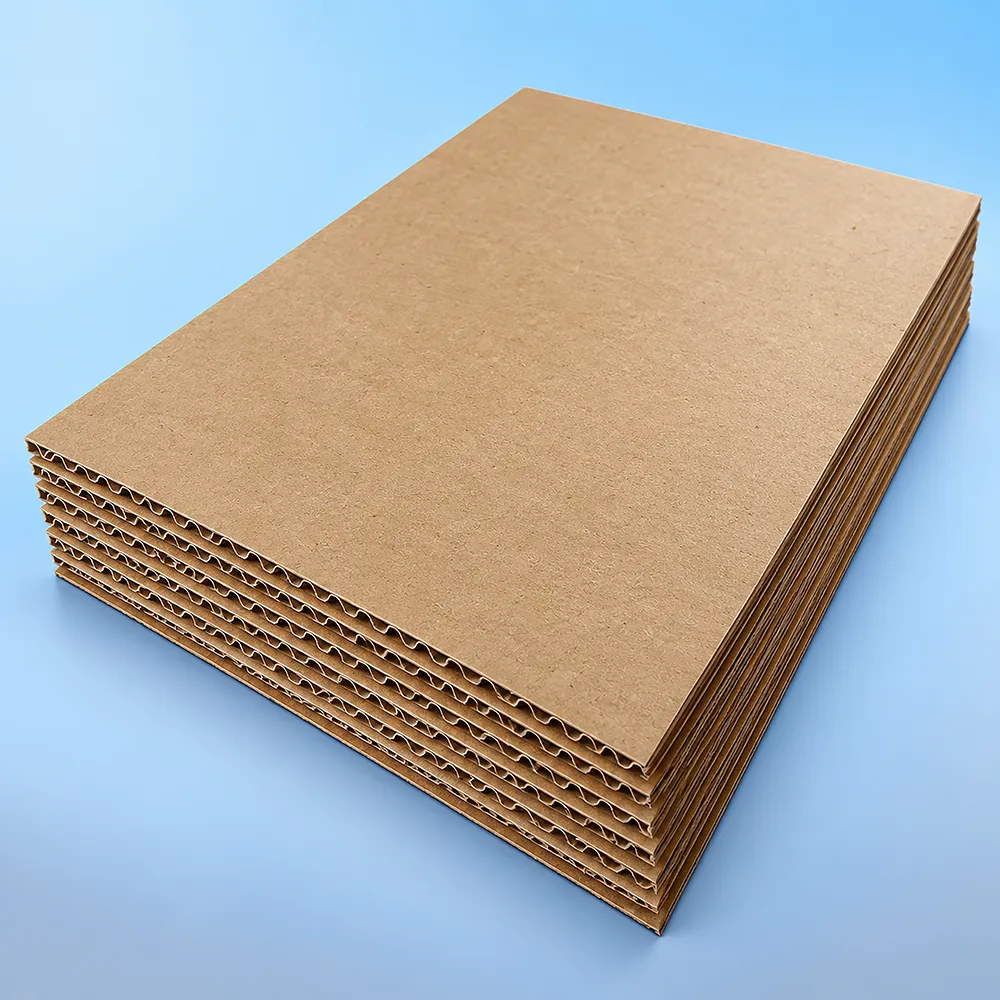
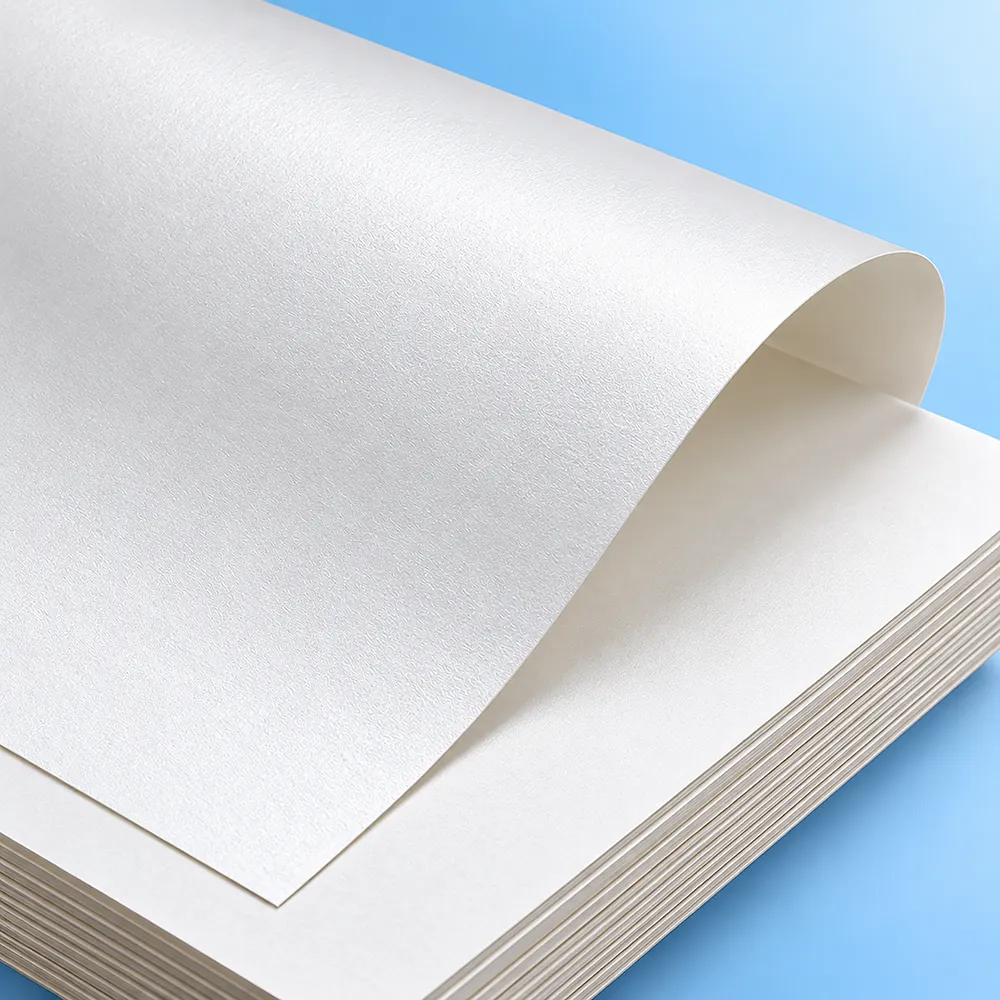
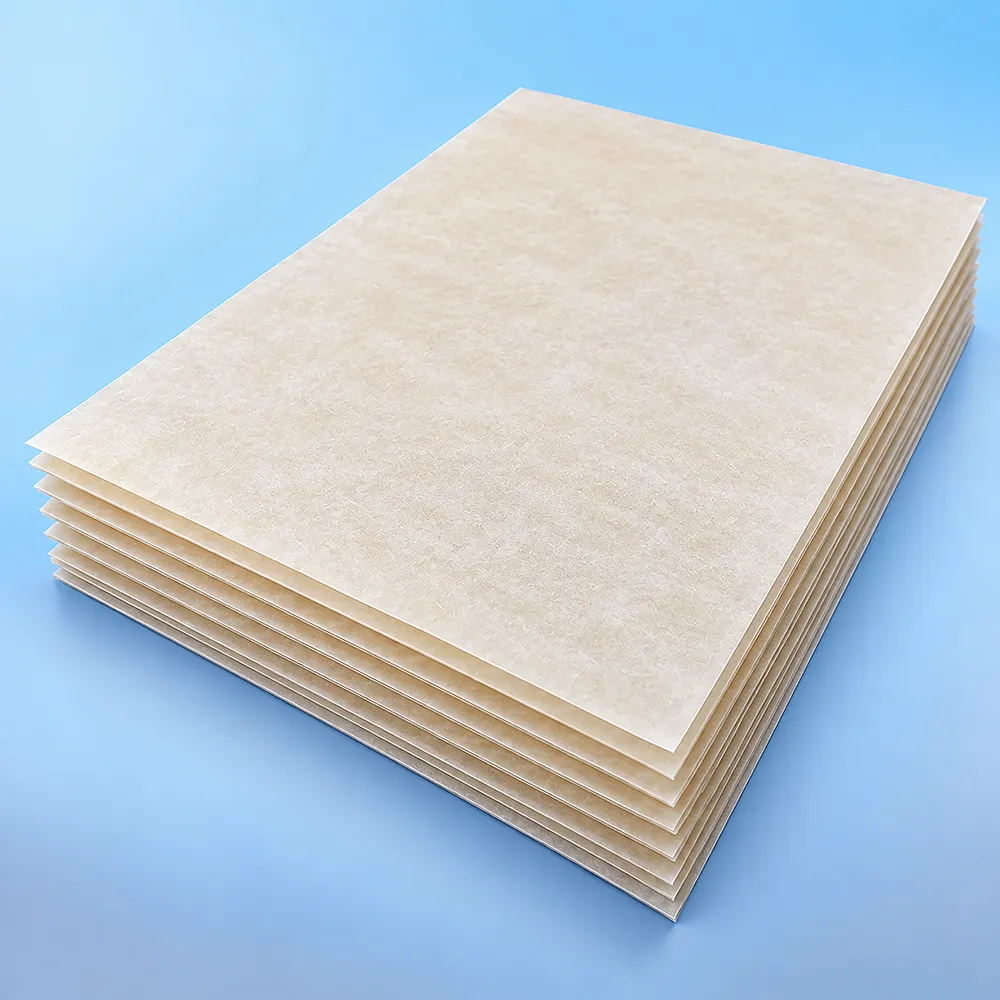
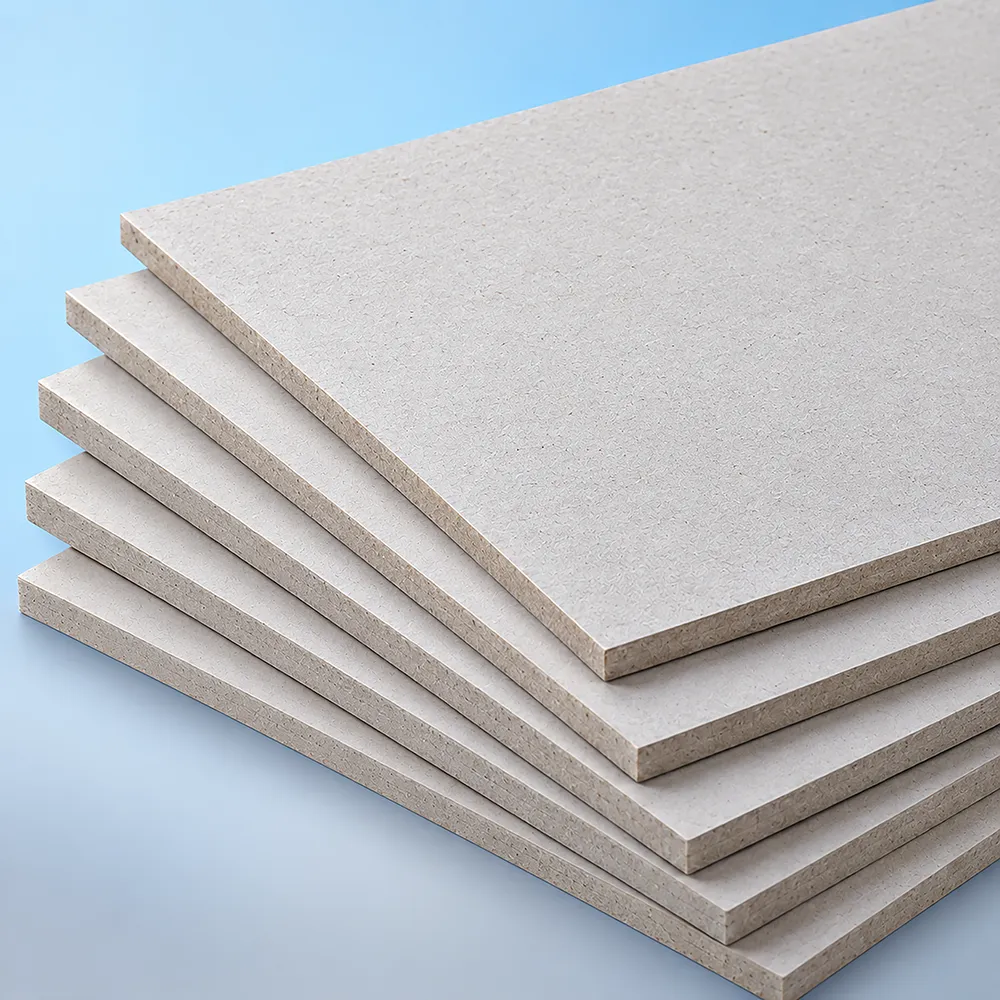
Partial Cover Rigid Boxes use rigid board or chipboard as the structural core, with compatible paper wraps applied to the visible lid and base surfaces. The rigid core creates the formed package. The paper wrap carries:
  • printed graphics;
  • brand colors;
  • textures;
  • specialty papers;
  • laminations;
  • decorative finishing.
Material choice is particularly visible on a partial-cover structure because both the lid and part of the base remain exposed when the package is closed. The lid and base can use the same wrap for a restrained appearance, or compatible contrasting wraps can make the visible base part of the design. Smooth printed papers can support detailed graphics and process color. Colored or textured wraps can create visual separation without relying entirely on additional finishing. Buyers comparing other opening systems using the same broader material family can explore Custom Rigid Boxes before finalizing the structure. Do not assume every paper-wrapped rigid package has the same sustainability or recycling outcome. Adhesives, laminations, foils, inserts and other components affect the finished construction.

Inserts and Internal Product Support

An insert is useful when it solves a specific positioning or presentation requirement. Consider internal support when:
  • a product can move inside the base;
  • multiple products need defined positions;
  • accessories require separate spaces;
  • orientation matters to the reveal;
  • the product should remain at a controlled height;
  • fragile surfaces should avoid unnecessary contact.
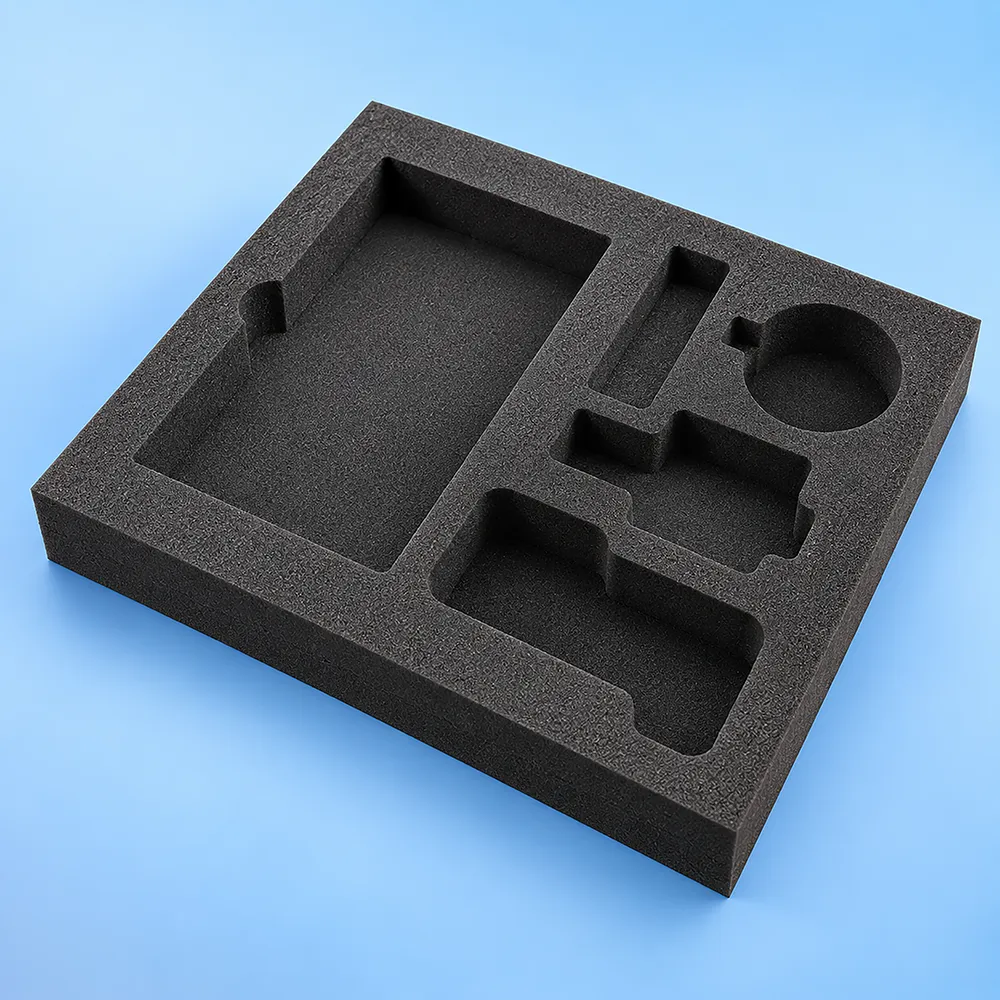
Depending on the project, possible options include paperboard supports, dividers and custom foam inserts. A fitted insert occupies usable internal volume. Its depth can change the final product position and overall internal height, so the insert should be developed before the lid depth and exposed-base proportions are finalized. If the product already fits appropriately without additional support, an insert may not be necessary.

Use the Exposed Base as a Branding Surface

Partial-cover construction naturally creates two visible exterior zones: the removable lid and the exposed lower base.

Matching Lid and Base

Using the same wrap and color creates a quieter appearance while preserving the structural line between the two components.

Contrasting Base

A different base color or compatible wrap treatment can emphasize the visible band. This can provide a second visual focal point without automatically adding another decorative finish.

Functional Color Coding

For multi-SKU projects, the visible base can potentially participate in color differentiation where that strategy fits the approved artwork system. The exposed section should therefore be treated as intentional exterior real estate rather than leftover space.

Printing & Finishing for Partial Cover Rigid Boxes

Printing and finishing should be planned around both the lid and the visible base. Printing places artwork and color onto compatible wrapped surfaces. Finishing changes the appearance or tactile character of selected areas.

Offset Printing

Offset printing can suit detailed printed wraps and projects where controlled artwork reproduction across the production run is important.

Digital Printing

Digital printing may suit compatible projects where artwork flexibility or a different production setup is useful.

Flexographic Printing

Flexographic printing may be considered for selected compatible paper-based components. Suitability depends on the exact material, artwork, quantity and production method.

CMYK and Pantone/PMS

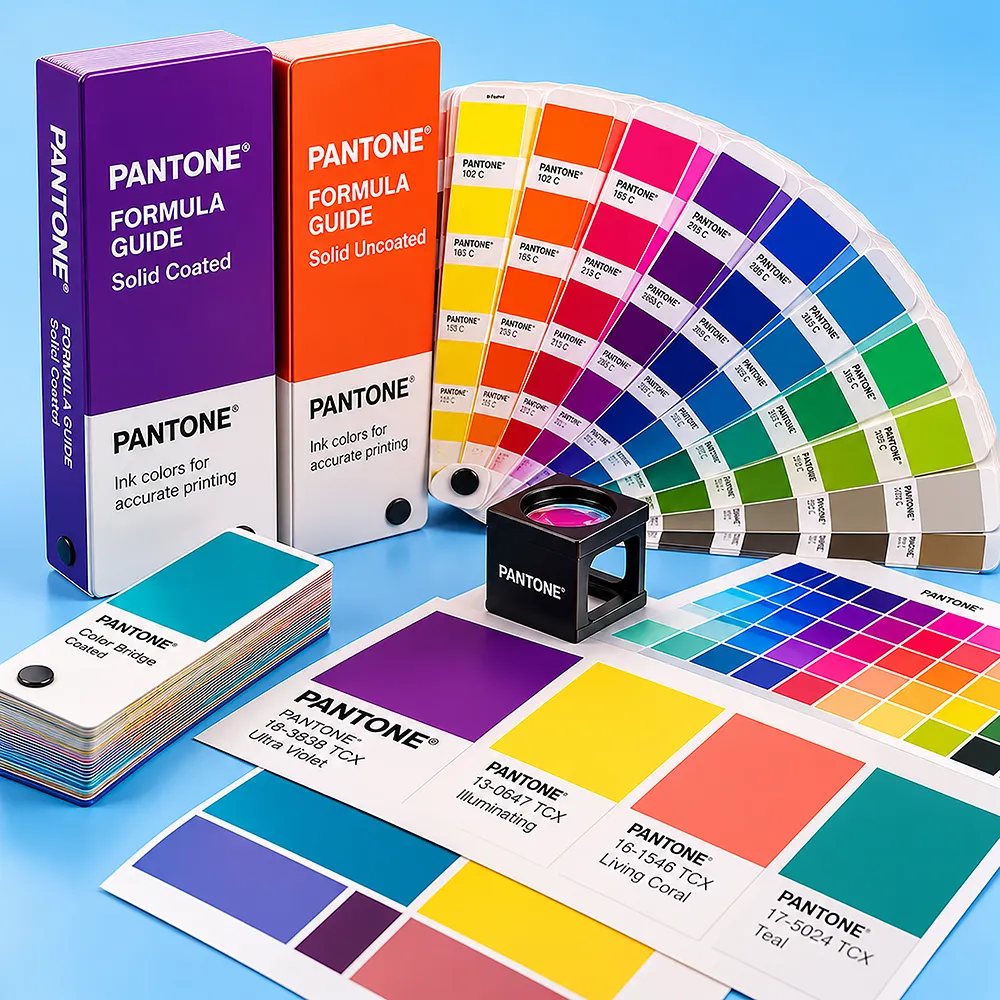
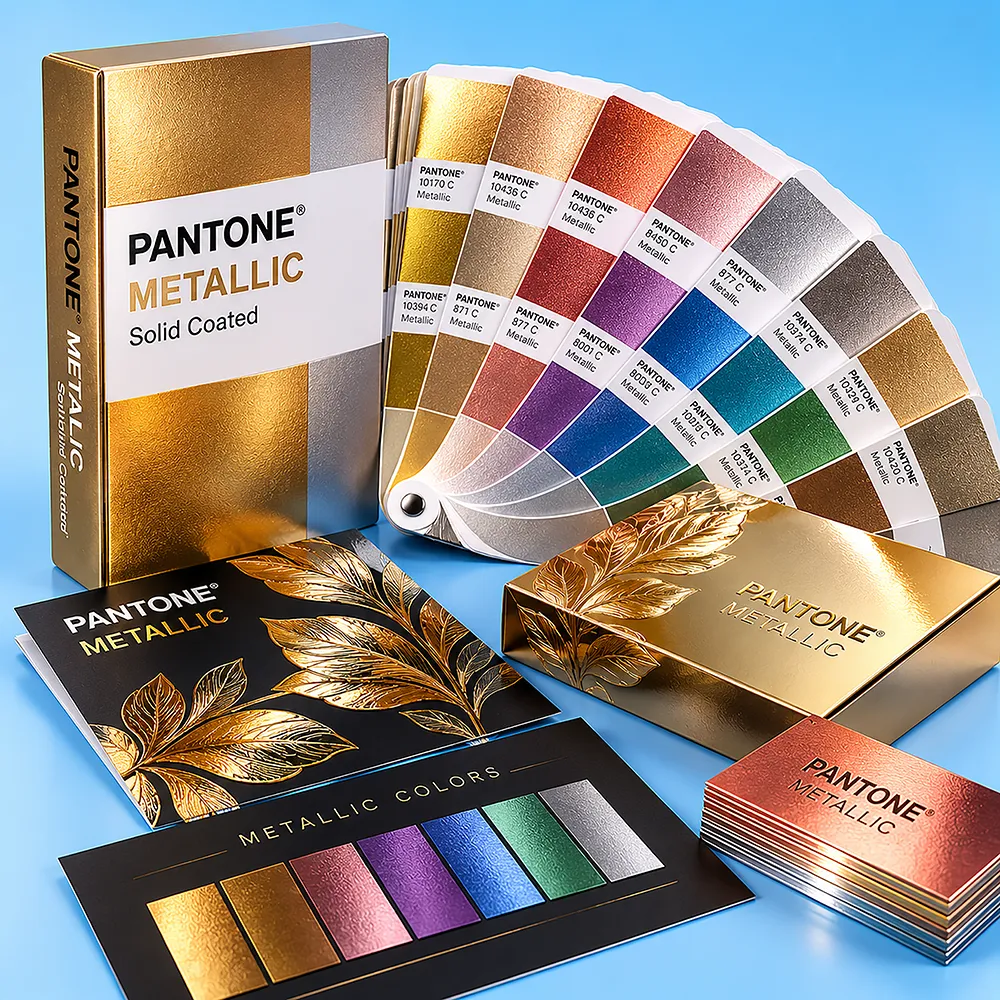
CMYK can reproduce photographs, gradients, illustrations and full-color graphics. Pantone/PMS references can help manage defined spot-color targets. Final appearance can change with the wrap material, surface texture, ink, coating, lamination and finish. A Pantone/PMS reference therefore guides color management rather than guaranteeing identical appearance across different surfaces.

Finishing Options

Where compatible, projects may use:
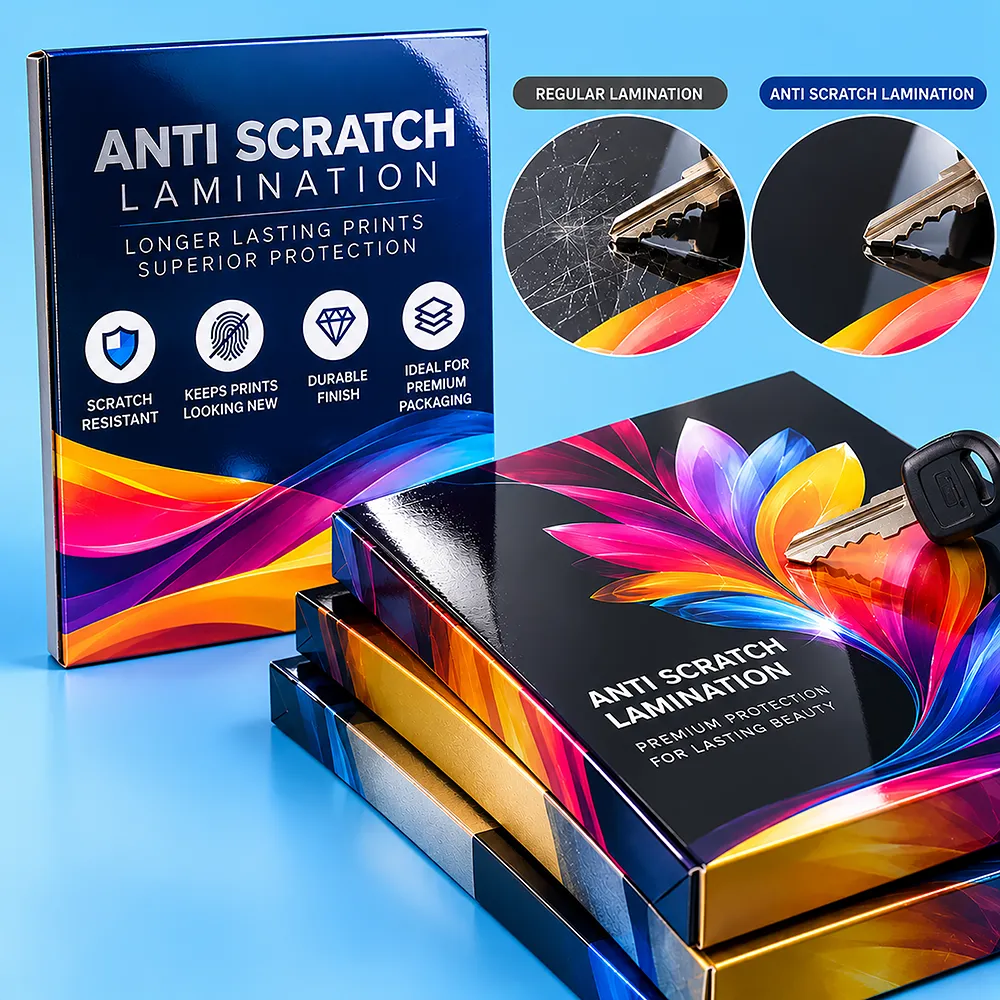
  • matte lamination;
  • gloss lamination;
  • soft-touch finishing;
  • foil stamping;
  • embossing;
  • debossing;
  • Spot UV.
The visible lid/base relationship can already create contrast, so additional finishes should have a defined purpose. For example, a foil logo on the lid combined with a contrasting exposed base may create a clearer hierarchy than applying several finishes across both components.

Plan Artwork Across the Lid and Base

A Partial Cover Rigid Box can provide artwork areas on:
  • lid top;
  • lid side walls;
  • exposed base walls;
  • interior base;
  • insert;
  • internal cards or printed components.
The product-specific artwork issue is the horizontal transition where the lid ends and the visible base begins. If different colors or graphics are used on the two components, the exposed-base height becomes part of the composition. If artwork appears to continue from lid to base, remember that these are separate manufactured components. Continuous visual alignment should be planned carefully rather than assumed. Keep critical small text, QR codes, barcodes and fine finishing details away from wrapped edges and lid-overlap areas where legibility or alignment could be affected.

When Is a Partial Cover Rigid Box a Good Fit?

Partial-cover construction works best when leaving part of the outer base visible contributes to the final design or opening experience. It may suit:
  • jewelry;
  • cosmetics;
  • fragrance;
  • candles;
  • watches and accessories;
  • confectionery gift sets;
  • electronics accessories;
  • corporate gifts;
  • PR kits;
  • presentation sets.
However, the product category alone should not dictate the structure. A cosmetics set may benefit from a contrasting exposed base, while another cosmetics project may look more appropriate with a deeper removable lid. Choose the lid depth from the actual product and presentation requirement.

When Might Another Structure Be Better?

Partial cover is not automatically the best lid-and-base configuration. A deeper removable lid within Two Piece Rigid Boxes may be more suitable when the buyer wants a more continuous closed exterior. A Shoulder Neck Rigid Box is more appropriate when the desired visible band should come from a separate raised internal neck instead of the outer base. If the buyer has not yet decided which rigid lid relationship fits the product, start with Rigid Boxes With Lid rather than selecting partial cover solely for appearance. The structure should solve a product, presentation or opening decision—not simply look different in a product catalog.

What Affects the Cost of Partial Cover Rigid Boxes?

Pricing depends on the complete project specification. Important cost drivers include:
  • finished dimensions;
  • lid depth;
  • base height;
  • rigid-board construction;
  • wrap materials;
  • order quantity;
  • number of SKUs;
  • lid and base artwork requirements;
  • printing;
  • finishing;
  • insert material and complexity;
  • internal components;
  • assembly;
  • delivery requirements.
Contrasting lid and base treatments may also require separate wrap or artwork specifications. An accurate quote should therefore identify both components and the intended visible-base treatment.

Samples and Proofing

Choose the proofing method according to the main uncertainty. A digital artwork proof helps review text, graphics and placement. A 3D mockup can help visualize the intended lid depth and exposed-base proportion. A structural sample, where available for the project, is more useful when the buyer needs to evaluate:
  • lid fit;
  • lid removal;
  • visible-base proportion;
  • insert fit;
  • product access;
  • overall physical balance.
A printed or finish-specific sample may be useful where wrap texture, color contrast, foil or another surface effect is central to approval. Exact physical sample type, cost and timing should be confirmed during quotation.

MOQ, Production and USA Shipping

BoxBaba standard MOQ starts from 100 Partial Cover Rigid Boxes. Standard production is 5–9 business days after final digital proof, artwork and project specifications are approved. Production time and carrier transit time are separate. BoxBaba currently provides free shipping across the USA for custom packaging orders. Review the current Shipping Policy when planning production and delivery. For a time-sensitive project, provide both the destination and required project date during quotation.

Why Choose BoxBaba for Partial Cover Rigid Boxes?

BoxBaba can develop the package around the actual product and intended base reveal instead of applying the same short lid proportion to every project. Projects can be reviewed for:
  • custom sizing;
  • lid depth;
  • exposed-base height;
  • product orientation;
  • insert layout;
  • lid/base visual treatment;
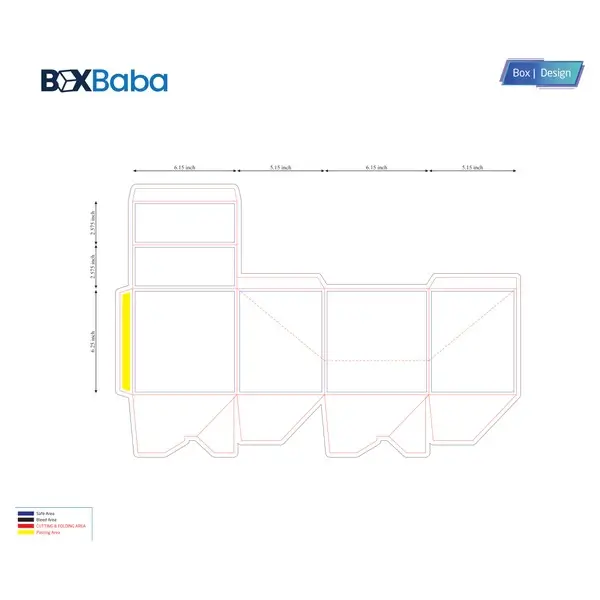
  • artwork and dielines;
  • printing and finishing;
  • proofing;
  • quantity and production requirements.

Request a Custom Partial Cover Rigid Box Quote

For an accurate quotation, provide:
  • finished product dimensions;
  • product weight;
  • quantity;
  • number of SKUs;
  • preferred lid depth if known;
  • insert or divider requirements;
  • material or wrap preference if known;
  • artwork or logo files;
  • printing and finishing requirements;
  • shipping destination;
  • required project date.
If you are unsure how much of the base should remain visible, describe the closed-box appearance and opening experience you want. BoxBaba can compare the project with the broader Rigid Boxes With Lid family before the final structure is approved. Call: +1 305 574 4357 Email: sales@boxbaba.com

Frequently Asked Questions

Find all the urgent questions you may have.

A Partial Cover Rigid Box uses a separate removable lid that covers only part of the height of a rigid base. A planned section of the outer base remains visible when the package is closed.
Yes. It belongs to the removable lid-and-base family. The distinguishing feature is the shorter lid depth and deliberately visible base section. Buyers looking for the broader structure can compare Two Piece Rigid Boxes.
A partial-cover lid stops higher and leaves more of the outer base visible. A deeper lid extends farther down the base. The final choice affects package proportions, accessible base area and lid/base artwork.
Not automatically. Partial cover normally exposes part of the outer base, not the product itself. Product visibility requires another appropriate feature or structure.
There is no universal dimension. The exposed section should be determined from the overall box proportions, lid depth, product and insert height, visual design and intended opening experience.
Provide the finished product length, width, height, widest point and weight, plus accessories and components. The final box also needs to account for the insert, internal base dimensions, lid depth and desired visible-base section.
Yes. Depending on the product, paperboard supports, dividers or custom foam inserts may be used for positioning or presentation. The insert should be planned before final lid and base dimensions are approved.
Depending on material and project requirements, offset, digital or suitable flexographic printing may be considered with CMYK or Pantone/PMS color references. Compatible finishes may include matte, gloss, soft-touch, foil stamping, embossing, debossing and Spot UV.
BoxBaba standard MOQ starts from 100 units. Final pricing depends on size, lid depth, base construction, quantity, material, artwork, inserts, printing and finishing.
Standard production takes 5–9 business days after final proof, artwork and project specifications are approved. Carrier transit is separate from production time, and BoxBaba currently provides free shipping across the USA.