Clear Lid Boxes With Kraft Base

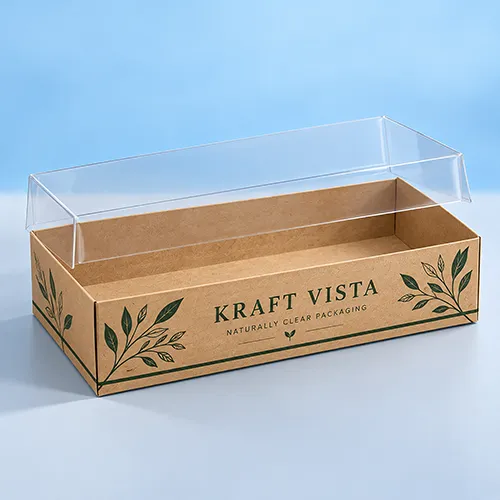
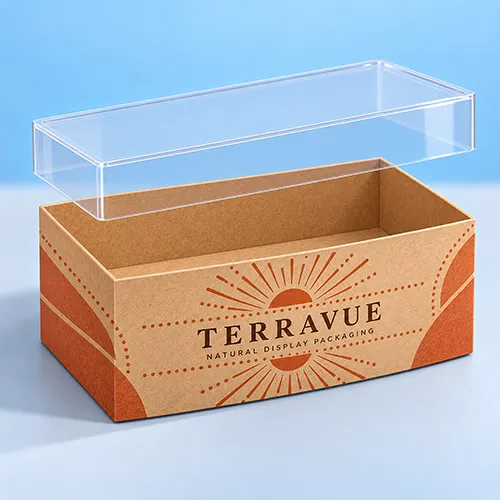
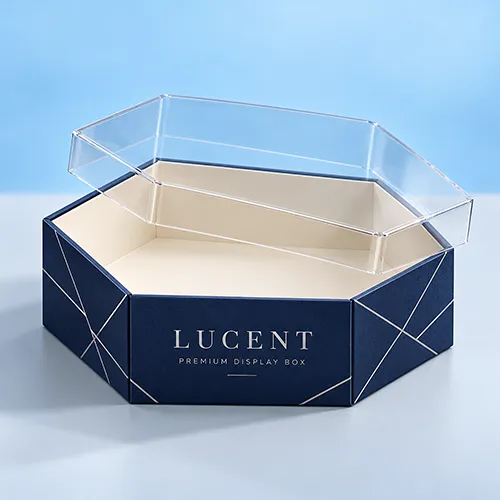
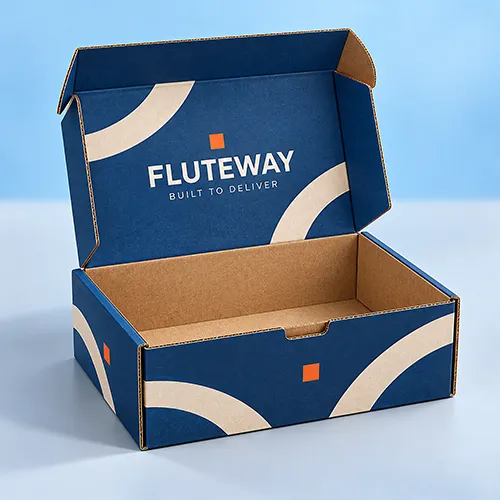
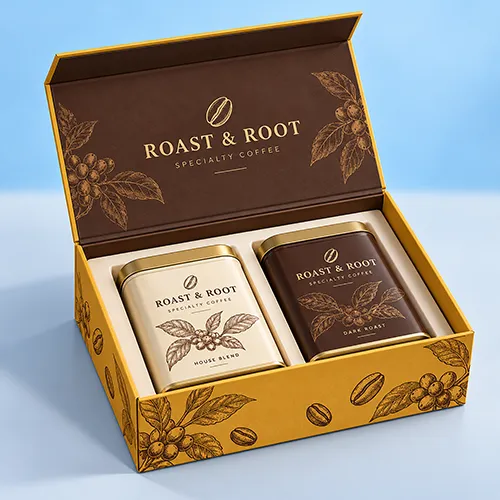
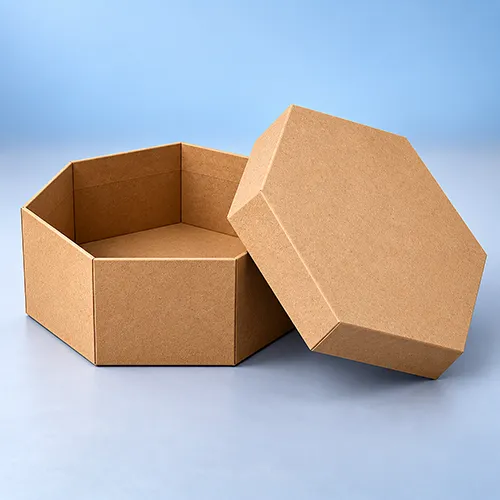
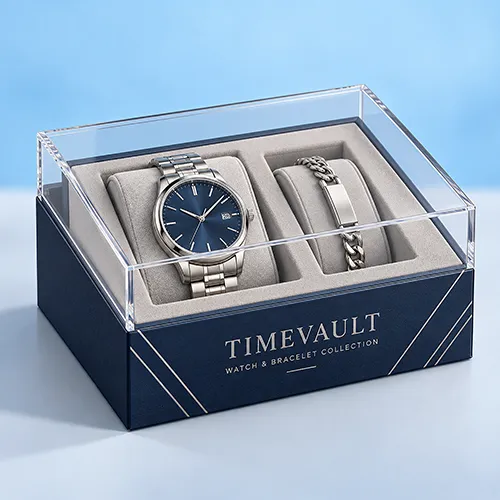
Custom Clear Lid Boxes With Kraft Base combine a natural Kraft paperboard base with a separate transparent lid so the product remains broadly visible while the brown Kraft surface forms part of the presentation. They can be developed for candles, soaps, cosmetics, stationery, jewelry, accessories and other retail products where both product visibility and a natural Kraft appearance matter. The product and any insert determine the required base interior first. The completed Kraft base then determines the clear-lid fit. Viewing orientation, loaded height, lid depth, visible Kraft area and artwork should also be established before the final structure is approved. Custom orders generally start from 100 units.
Trustpilot_Logo
5 out of 5 stars
4.5
Reviews 16 • Excellent

Custom Clear Lid Boxes With Kraft Base for Retail & Gift Packaging

Custom clear lid boxes with kraft bases combine transparent product visibility, natural kraft presentation, tailored sizing, branded printing, and fitted packaging for retail, gifting, and product display.

What We Give

Create Custom Boxes Quick and Easy

Design

Get your custom boxes made in the required size, shape, and style.

Print

Upload your artwork and get it superbly printed the way you want.

Get it done

Order any quantity, enjoy a wholesale price, pay no extra for die plates.

Related Products

What Are Clear Lid Boxes With Kraft Base?

Clear Lid Boxes With Kraft Base combine a natural Kraft lower base with a separate transparent top. The Kraft base provides the structural lower component and a visible brown background. The clear lid allows the product or arranged set to remain broadly visible while the package is closed. That creates three connected packaging decisions: product fit → Kraft presentation → clear-lid visibility P-13 is therefore more specific than a generic Kraft package and more specific than a material-neutral Clear Lid Box.

Clear Lid Kraft Boxes vs Kraft Boxes With Lids

Both products use a Kraft base, but they create different closed-box experiences. Kraft Boxes With Lids use an opaque Kraft top that substantially conceals the product until opening. P-13 uses a transparent lid. The distinction is: Opaque Kraft Lid → closed/concealed presentation Clear Lid → broad product visibility Choose an opaque Kraft lid when the reveal should happen after opening. Choose P-13 when the product itself should contribute to the closed-package presentation.

Clear Lid Kraft Boxes vs Kraft Window Boxes

A clear lid and a window solve different visibility problems. A Kraft Window Boxes retains an opaque Kraft panel and reveals the product only through a localized opening. A Clear Lid Box With Kraft Base makes most or a large portion of the top the viewing surface.
Feature Clear Lid With Kraft Base Kraft Window Box
Visibility Broad top visibility Selective product reveal
Opaque Kraft Top Area Limited or structure-dependent Larger surrounding Kraft panel
Primary Visual Focus Product + Kraft background Printed Kraft panel + selected visible product area
Useful When Merchandise should remain largely visible Only one feature or product area should be shown
Start with what the customer should see, not simply the size of the transparent component.

Size the Kraft Base Before the Clear Lid

Start with the finished product exactly as it will be packed. Provide:
  • maximum length;
  • width;
  • height;
  • highest or widest point;
  • packed weight;
  • intended viewing orientation;
  • quantity per box;
  • accessories or secondary components.
For multi-item packaging, establish the intended arrangement first. Then work through: product → insert if needed → required base interior Product measurements are an input to the base design. They are not the finished box dimensions.

Fit the Clear Lid Around the Completed Kraft Base

The clear lid is a second dimensional problem. Once the Kraft base is developed, the transparent lid needs to fit around the completed base according to the approved construction. The correct sequence is: Product → Base Interior → Completed Base Exterior → Clear Lid Keep these measurements separate: Base internal dimensions describe usable product space. Base external dimensions describe the completed outside of the Kraft tray/base. Clear-lid internal dimensions relate to the completed base exterior. Finished external dimensions describe the fully closed package. Do not apply one universal lid clearance or tolerance to every project.

Choose How Much Kraft Base Should Remain Visible

Clear-lid depth changes how much of the Kraft sidewalls remain visible when the package is closed. A deeper transparent lid covers more of the base. A shallower transparent lid leaves more Kraft exposed. That affects:
  • closed-box proportions;
  • available Kraft branding area;
  • gripping and opening;
  • product framing;
  • how strongly the natural Kraft material appears in the finished design.
There is no universal correct lid-depth ratio. Choose the lid relationship around the completed base and the intended presentation.

Plan the Visible Product Height

Physical fit and visible presentation are different decisions. Review: Kraft base → insert → product → highest loaded point → transparent lid If the merchandise sits too deeply in the base, the Kraft sidewalls may hide more of it than intended. If an insert raises it too high, the product may approach or interfere with the transparent lid. Visible height depends on:
  • product geometry;
  • base depth;
  • insert design;
  • lid structure;
  • desired product reveal.
This is particularly important for candles, jars, cosmetics, stationery sets, jewelry and other products where shoppers evaluate the merchandise through the clear top.

Material for Clear Lid Boxes With Kraft Base

P-13 combines two components that perform different material roles.

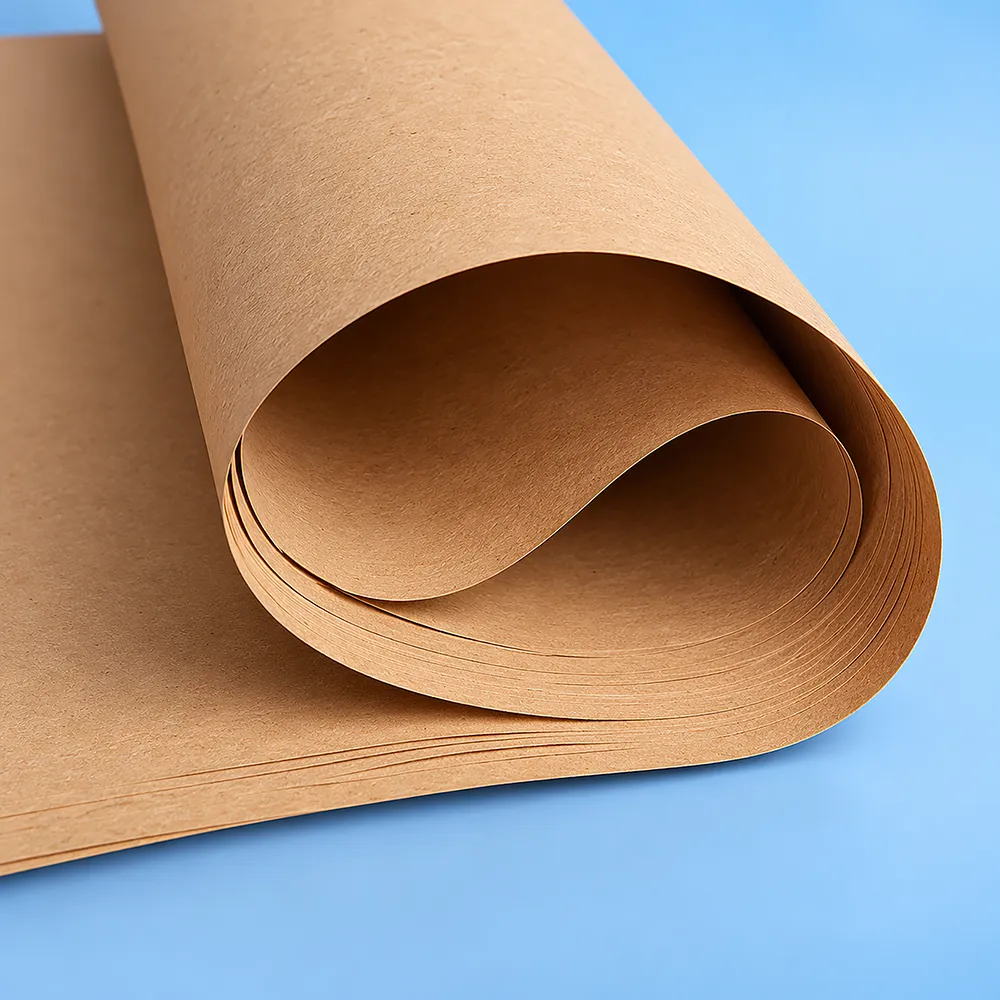
Natural Kraft Base

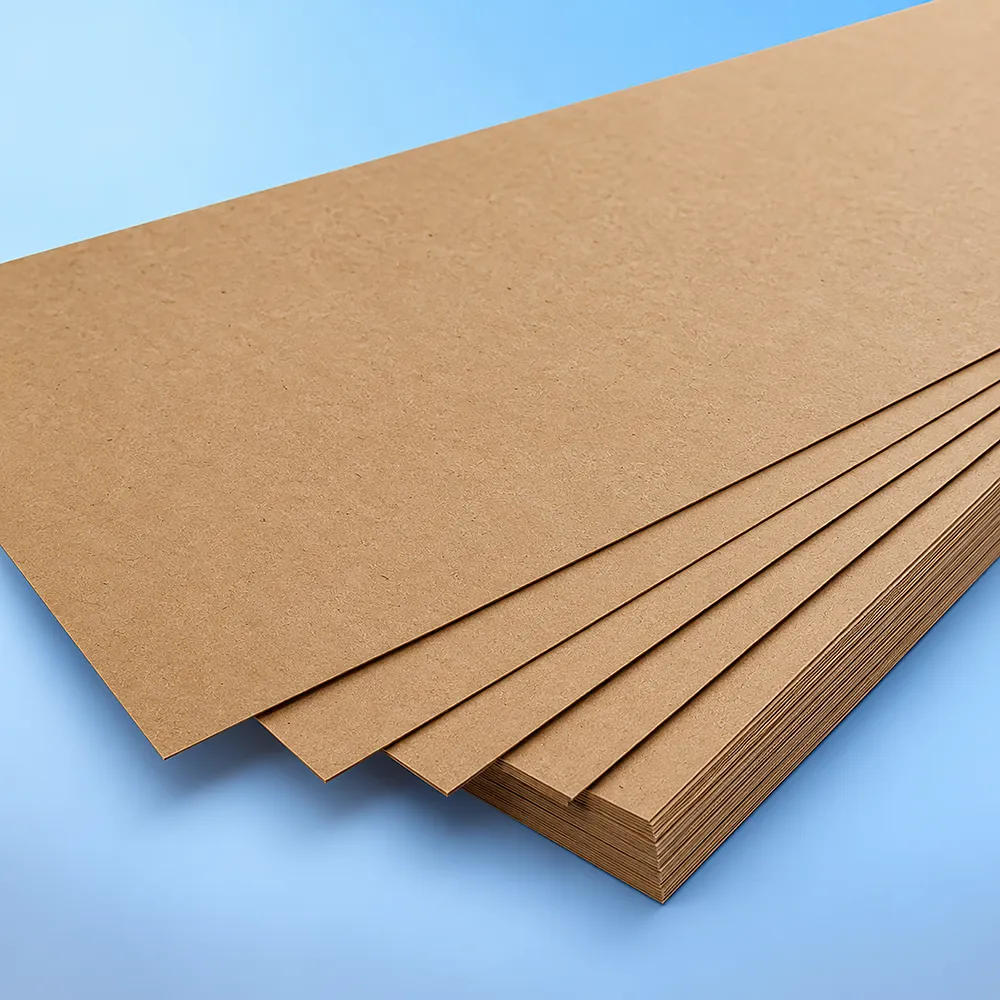
The Kraft base provides:
  • lower-box structure;
  • a natural brown visual background;
  • printable branding areas;
  • support for inserts or dividers.
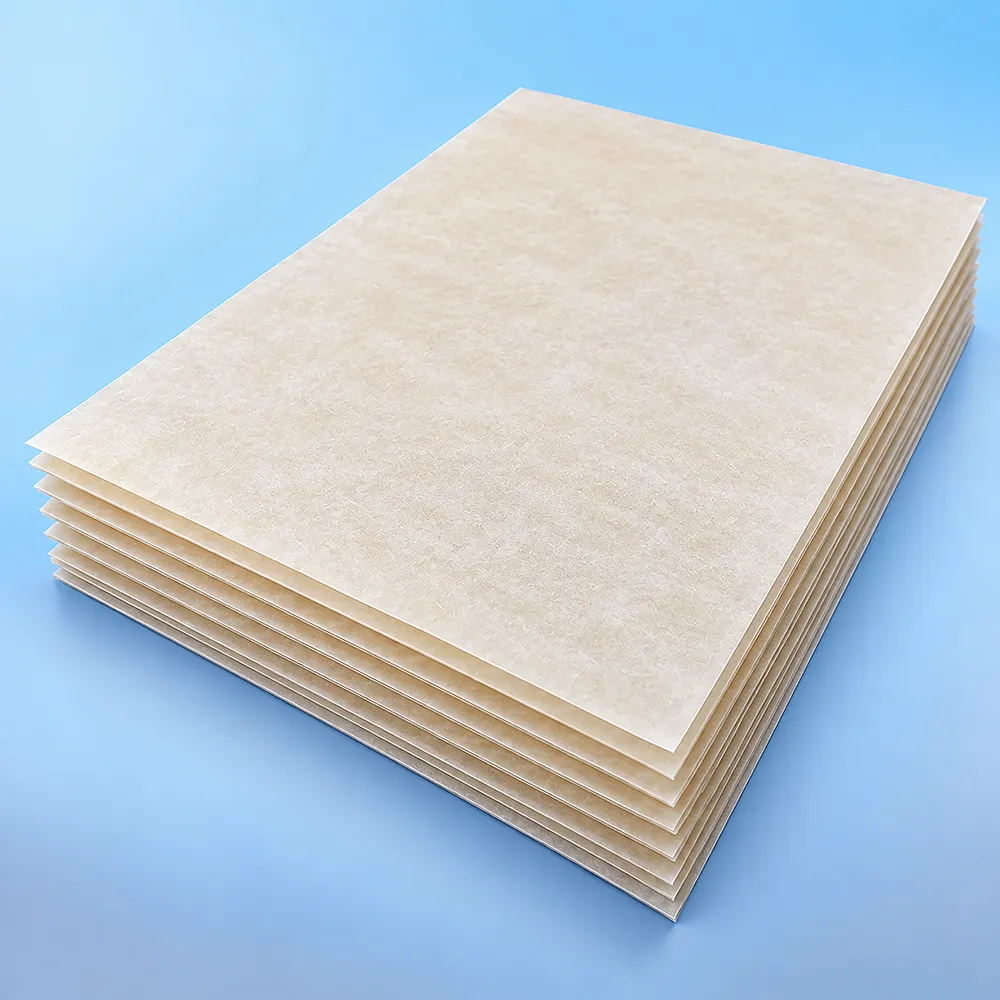
Natural Kraft is not one universal grade or thickness. The exact Kraft paperboard should be selected around:
  • product dimensions;
  • packed weight;
  • base geometry;
  • insert requirements;
  • printing;
  • finishing;
  • handling.
If the main requirement is general folding Kraft packaging without a transparent lid, explore Kraft Paperboard Boxes.

Transparent Lid

The transparent lid provides broad visibility and completes the two-part structure. Its exact material should be selected for the approved project. Do not assume every clear lid is PET, PVC, acetate, vinyl or another specific transparent material. Relevant considerations include:
  • clarity;
  • dimensions;
  • required rigidity or flexibility;
  • lid depth;
  • edge or fold construction;
  • fit around the completed Kraft base;
  • manufacturing method;
  • intended appearance.
If a particular clear material, certification or compliance characteristic is required, state that requirement during quotation so it can be confirmed for the actual project.

Natural Kraft Becomes Part of the Visible Background

With an opaque lid, much of the product/base relationship remains hidden until opening. P-13 changes that. The transparent top means customers see both the merchandise and the natural Kraft surrounding it. Consider:
  • product color;
  • label color;
  • exposed Kraft area;
  • insert color;
  • interior branding;
  • surrounding empty space.
A white or brightly colored product can create strong contrast against natural Kraft. A brown, tan, beige or neutral product can create a more tonal presentation. Neither direction is automatically better. The important step is to evaluate the actual merchandise and the Kraft background together before approving the presentation.

Inserts and Product Positioning

An insert is useful when the product needs controlled positioning beneath the clear lid. Internal support can help:
  • center the product;
  • maintain spacing;
  • organize several items;
  • hold labels facing upward;
  • control visible height;
  • separate accessories.
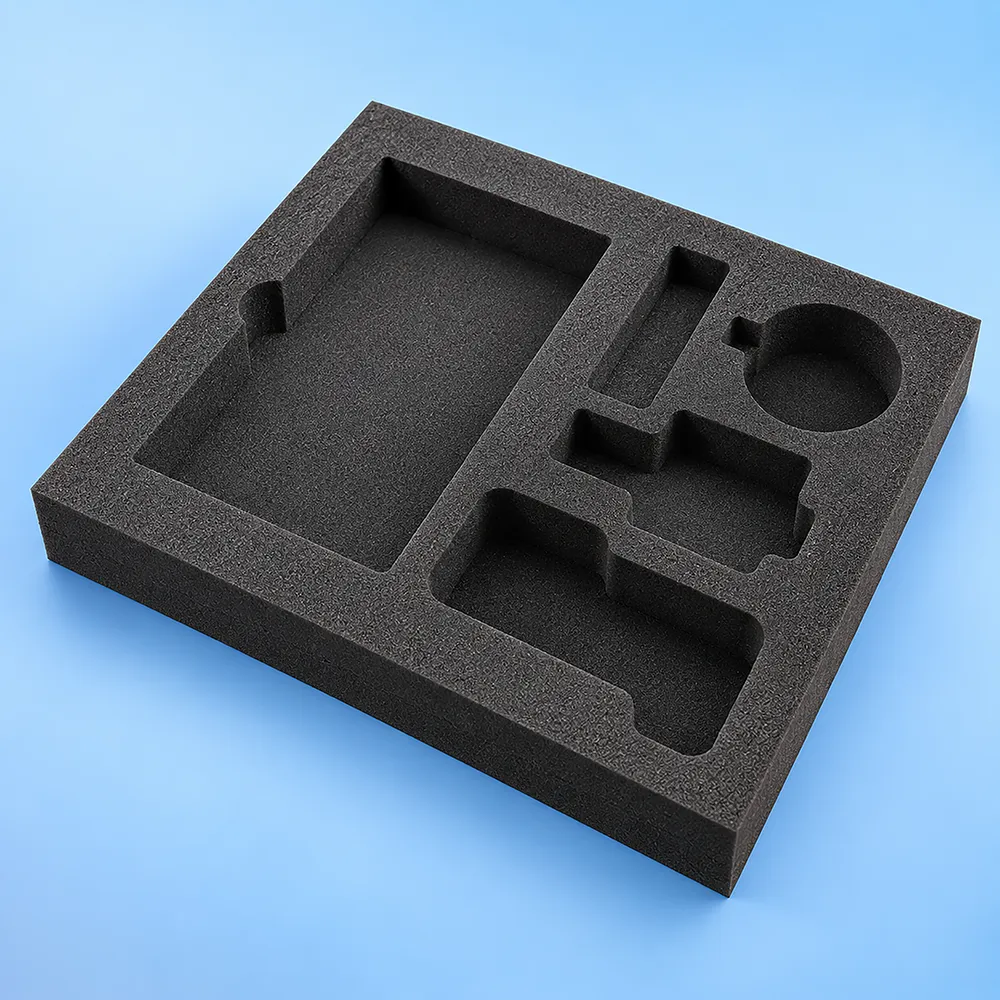
Paperboard inserts and dividers can integrate naturally with a Kraft-base structure. Where a fitted cavity is useful and compatible with the package, a custom foam insert may also be considered. An insert is not automatically required. If the product already remains in the intended position and looks balanced through the lid, additional internal material may consume space and add cost without solving a meaningful problem.

Printing & Finishing for the Kraft Base

Most conventional branding on P-13 is planned around the natural Kraft component. Printing applies artwork and color. Finishing changes or highlights compatible printed surfaces.

Offset Printing

Offset printing can suit compatible Kraft projects where detailed artwork and controlled reproduction are important.

Digital Printing

Digital printing may suit compatible projects where artwork flexibility or another production setup is useful.

Flexographic Printing

Flexographic printing may be considered where the selected Kraft paperboard, artwork, quantity and production method support it. The appropriate printing process should be selected after the exact Kraft stock and structure are known.

CMYK and Pantone/PMS on Natural Kraft

Natural Kraft is not a neutral white printing background. Its brown fiber tone becomes part of the finished visual result. Artwork that appears bright on a white digital screen may reproduce differently on natural Kraft, particularly:
  • pale colors;
  • low-contrast artwork;
  • photographs;
  • color-sensitive brand graphics.
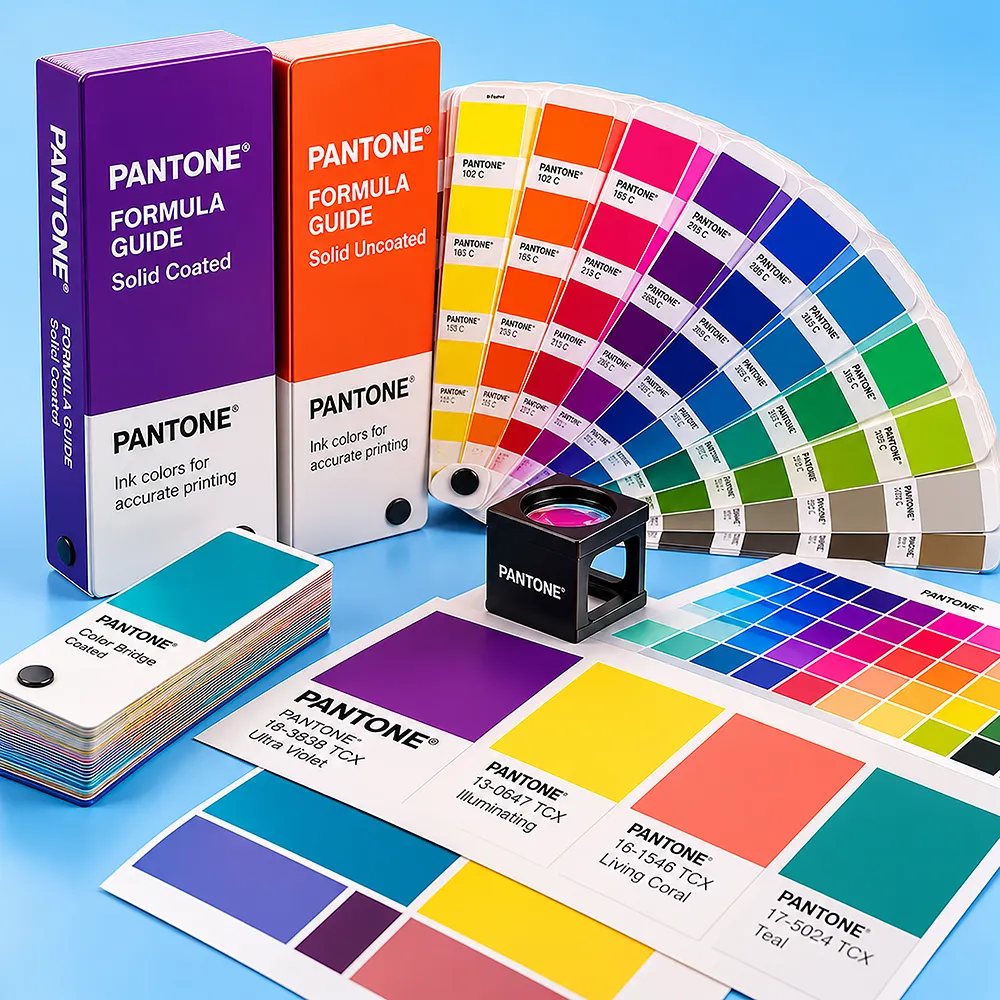
Pantone/PMS references can help manage defined color targets, but they do not guarantee identical appearance across different substrates, inks, coatings or finishing processes. For color-sensitive work, review the actual Kraft surface and appropriate proof/sample route before bulk production.

Finishing Options

Where compatible, Kraft printed surfaces may use:
  • matte;
  • gloss;
  • soft-touch;
  • foil stamping;
  • embossing;
  • debossing;
  • Spot UV.
Finishing should support the design purpose. If natural Kraft texture and color are central to the chosen look, heavy ink coverage or broader surface treatment may reduce the amount of visible Kraft character. Selective foil, embossing or another focused treatment can highlight branding while leaving more of the natural substrate visible.

Plan Artwork for the Kraft Base and Clear Lid Separately

The Kraft base and transparent lid are separate components. Potential branding areas can include:
  • exterior Kraft walls;
  • base interior;
  • inserts;
  • Kraft framing areas where the design provides them;
  • supporting cards or labels.
The transparent top often works best when the merchandise remains the main visual feature. If printing or decoration directly on the clear lid is required, it should be confirmed against the exact transparent material and production process. Do not assume a print method used on Kraft paperboard can automatically be applied to the clear component.

Retail and Product-Display Applications

Clear Lid Boxes With Kraft Base can suit products where natural Kraft appearance and broad visibility support the same presentation. Possible uses include:
  • candles;
  • soaps;
  • cosmetics;
  • jewelry;
  • stationery;
  • accessories;
  • handmade items;
  • small branded product sets.
The product category alone does not prove suitability. The structure should still be selected around:
  • finished dimensions;
  • packed weight;
  • viewing requirement;
  • lid/base fit;
  • insert requirement;
  • distribution role.
If coordinated gifting becomes the main buyer problem, compare Custom Clear Lid Gift Boxes.

Food and Bakery Applications Need Separate Material Review

Natural Kraft and clear visibility do not automatically establish direct-food-contact suitability. First determine whether the food will be: already wrapped or separately contained or in direct contact with the Kraft base or transparent component. For already packaged food products, P-13 may function as an outer presentation layer. For direct contact, the relevant substrate, coatings, inks, adhesives, transparent material and compliance requirements need to be confirmed for the exact project. Do not infer food safety from the natural appearance of Kraft or from the presence of a transparent lid.

Is a Clear Lid Box With Kraft Base a Shipping Box?

Not automatically. P-13 can function as:
  • retail packaging;
  • product presentation packaging;
  • gift packaging;
  • an inner ecommerce package.
That does not automatically make it the correct outer parcel carton. An ecommerce packaging system may use: product → Kraft-base Clear Lid Box → protective material where required → outer shipping carton The distribution package should be selected separately according to product weight, fragility, structure and carrier handling conditions.

When Might Another Structure Be Better?

P-13 is most useful when the buyer specifically wants natural Kraft plus broad top visibility. Choose Kraft Boxes With Lids when the product should remain concealed beneath an opaque Kraft top. Choose Kraft Window Boxes when only a selected portion of the product needs to remain visible. Choose Custom Clear Lid Gift Boxes when coordinated gifting and gift-set composition become the main buying problem. Choose Presentation Boxes With Clear Lid when presentation-focused construction is more important than a natural Kraft paperboard base. The structure should follow the dominant packaging requirement rather than simply adding clear material to an existing box.

What Affects the Cost of Clear Lid Boxes With Kraft Base?

Pricing depends on the complete project specification. Important cost drivers include:
  • finished dimensions;
  • Kraft base material;
  • base structure;
  • transparent-lid specification;
  • lid depth;
  • quantity;
  • number of SKUs;
  • print coverage;
  • interior printing;
  • finishing;
  • insert complexity;
  • assembly requirements;
  • sampling;
  • delivery requirements.
A simple single-product box and a multi-item package with a fitted insert, interior branding and special finishing require different production setups. For accurate pricing, provide the actual packed product and desired visible presentation instead of only the outside dimensions.

Samples and Proofing

Use the proofing method that addresses the main uncertainty. A digital artwork proof helps review:
  • artwork placement;
  • copy;
  • branding;
  • panel orientation;
  • dieline relationships;
  • finish placement.
A 3D mockup can help communicate the intended relationship between the product, Kraft base and transparent lid. A physical structural sample becomes more useful when the buyer needs to evaluate:
  • base dimensions;
  • clear-lid fit;
  • lid depth;
  • amount of exposed Kraft;
  • product position;
  • loaded height;
  • insert interaction;
  • overall proportions.
A custom-printed sample can be useful when the physical Kraft surface, printed color, finish or interaction between the product and natural base is central to approval. BoxBaba currently offers free stock samples on request. The customer initially pays the sample shipping charge, which is reimbursed with the first bulk order. Custom-printed samples are quoted separately according to material, printing, finishing, tooling and production requirements. Shipping charges for custom-printed samples are also reimbursed with the first bulk order. Stock samples may demonstrate related materials, structures, printing or finishes without representing the exact final project specification.

MOQ, Production and USA Shipping

BoxBaba standard MOQ generally starts from 100 units. Certain materials, structures or production processes may require a different project-specific minimum, which will be confirmed in the quotation. Standard production takes 5–9 business days after final artwork, proof and required order specifications are approved. Production time and carrier transit are separate. BoxBaba currently provides free shipping across the USA for custom packaging orders. Review the current Shipping Policy when planning production and delivery. For time-sensitive projects, provide both the delivery destination and required in-hand date during quotation.

Why Choose BoxBaba for Clear Lid Boxes With Kraft Base?

BoxBaba can develop the package around both defining requirements: natural Kraft presentation and broad product visibility. Projects can be reviewed for:
  • custom sizing;
  • base dimensions;
  • lid/base relationship;
  • lid depth;
  • Kraft material direction;
  • viewing orientation;
  • inserts;
  • loaded product height;
  • artwork and dielines;
  • printing and finishing;
  • samples and proofing;
  • quantity and production requirements.

Request a Custom Clear Lid Box With Kraft Base Quote

For an accurate quotation, provide:
  • finished product dimensions;
  • packed product weight;
  • quantity;
  • number of SKUs;
  • number of products per box;
  • desired amount of product visibility;
  • preferred lid depth or amount of visible Kraft base if known;
  • Kraft material direction if already specified;
  • transparent-lid material requirement if already specified;
  • insert or divider requirements;
  • artwork or logo files;
  • printing requirements;
  • finishing requirements;
  • shipping destination;
  • required in-hand date.
If you are deciding between an opaque Kraft lid, a localized window and a broadly transparent top, explain what the customer should be able to see before opening the package. BoxBaba will evaluate and guide you toward the right packaging solution. Call: +1 305 574 4357 Email: sales@boxbaba.com

Frequently Asked Questions

Find all the urgent questions you may have.

Clear Lid Boxes With Kraft Base combine a natural Kraft paperboard base with a separate transparent lid, allowing the product to remain broadly visible while the Kraft base provides the lower structure and natural visual background.
Kraft Boxes With Lids use an opaque Kraft top that substantially conceals the product while the box is closed. P-13 uses a transparent top for broad visibility.
A Kraft Window Box reveals a selected portion of the product through a localized opening. A Clear Lid Box With Kraft Base makes most or a large portion of the top transparent.
The exact transparent material is project-specific. It should be selected according to clarity, dimensions, lid geometry, structural requirements and fit rather than automatically assuming PET, PVC, acetate, vinyl or another material.
Provide the finished product maximum length, width, height, highest/widest point and packed weight, plus accessories or other components. The Kraft base is developed around the product and insert first; the transparent lid is then developed around the completed base.
Yes. Compatible natural Kraft surfaces can carry logos, text, graphics and other branding. The appropriate print process depends on the selected Kraft paperboard, artwork, quantity and production requirements.
Not necessarily. Natural brown Kraft becomes part of the printing background, so some colors, photographs and low-contrast graphics can appear different. Color-sensitive projects should review the actual material and appropriate proofing method.
Yes. Paperboard supports, dividers or a compatible custom foam insert may be considered when the product needs controlled positioning, separation or visible-height adjustment.
No blanket claim should be made from the Kraft appearance alone. Recyclability depends on the complete construction and local recovery conditions, while direct-food-contact suitability requires the relevant materials and project requirements to be specifically verified.
BoxBaba standard MOQ generally starts from 100 units, although project-specific minimums may vary. Standard production takes 5–9 business days after final artwork, proof and required order specifications are approved. Carrier transit time is separate.