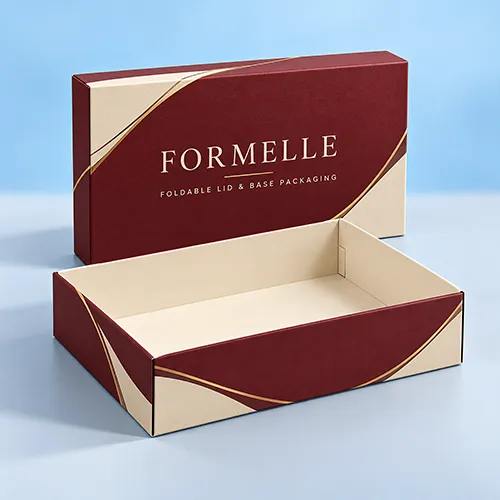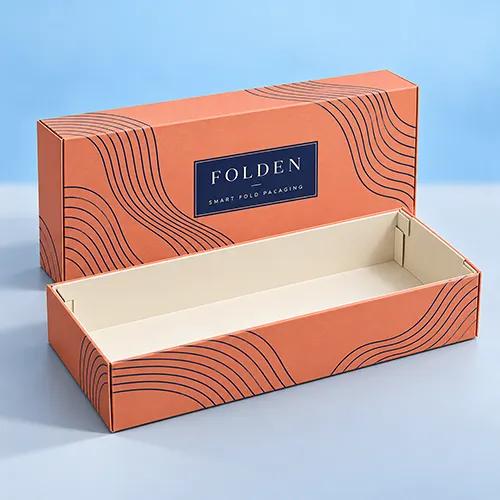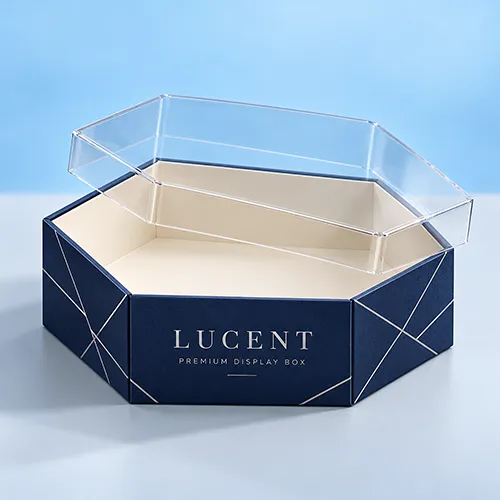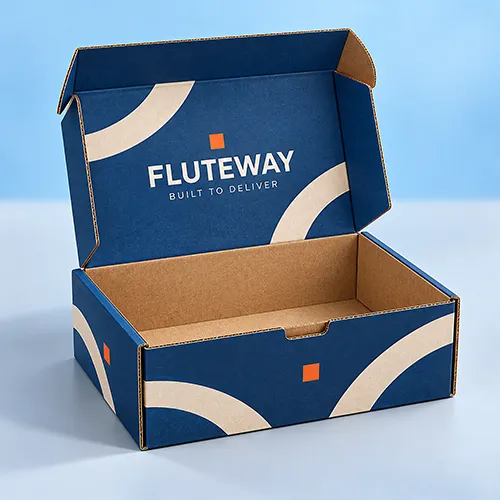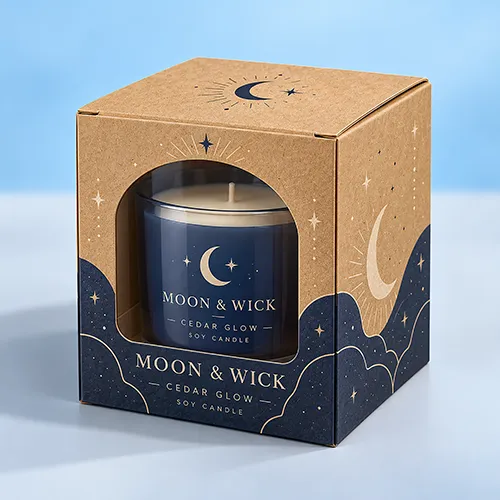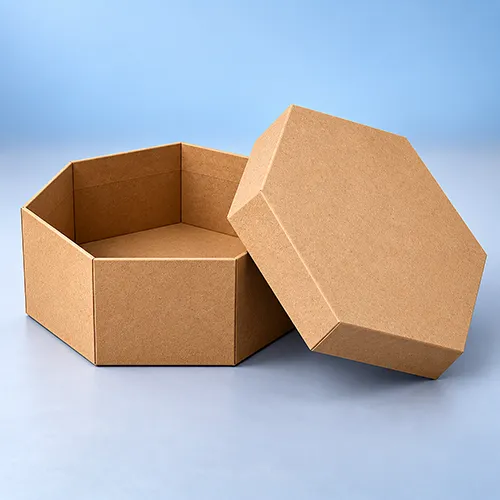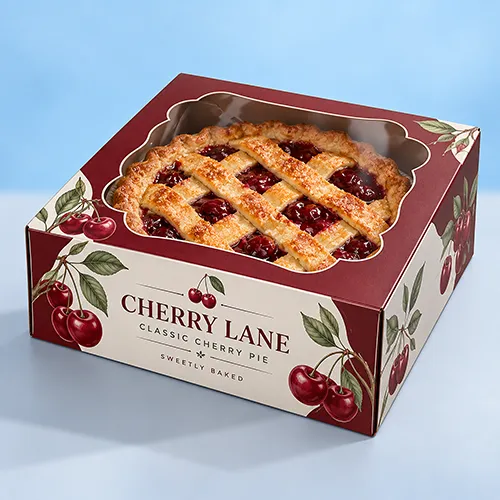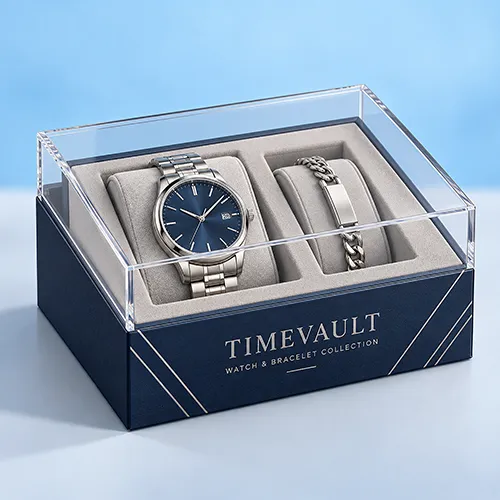



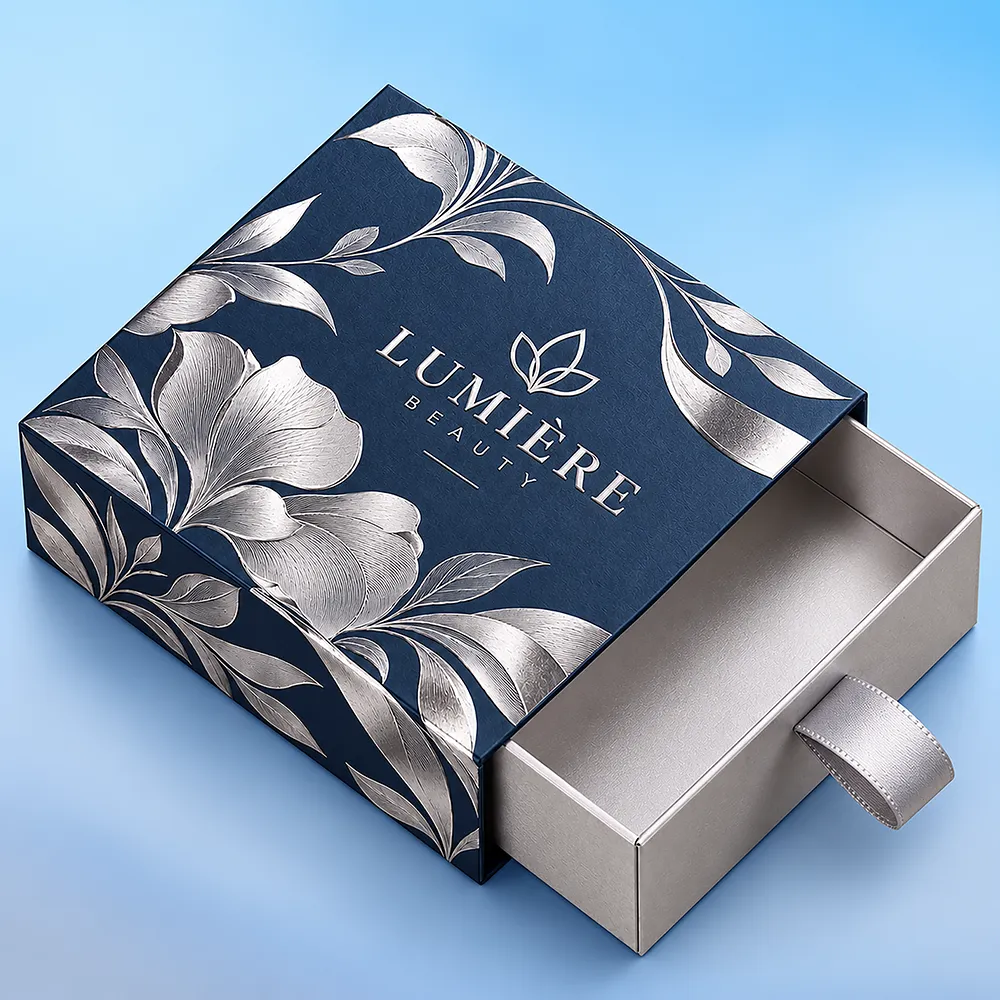
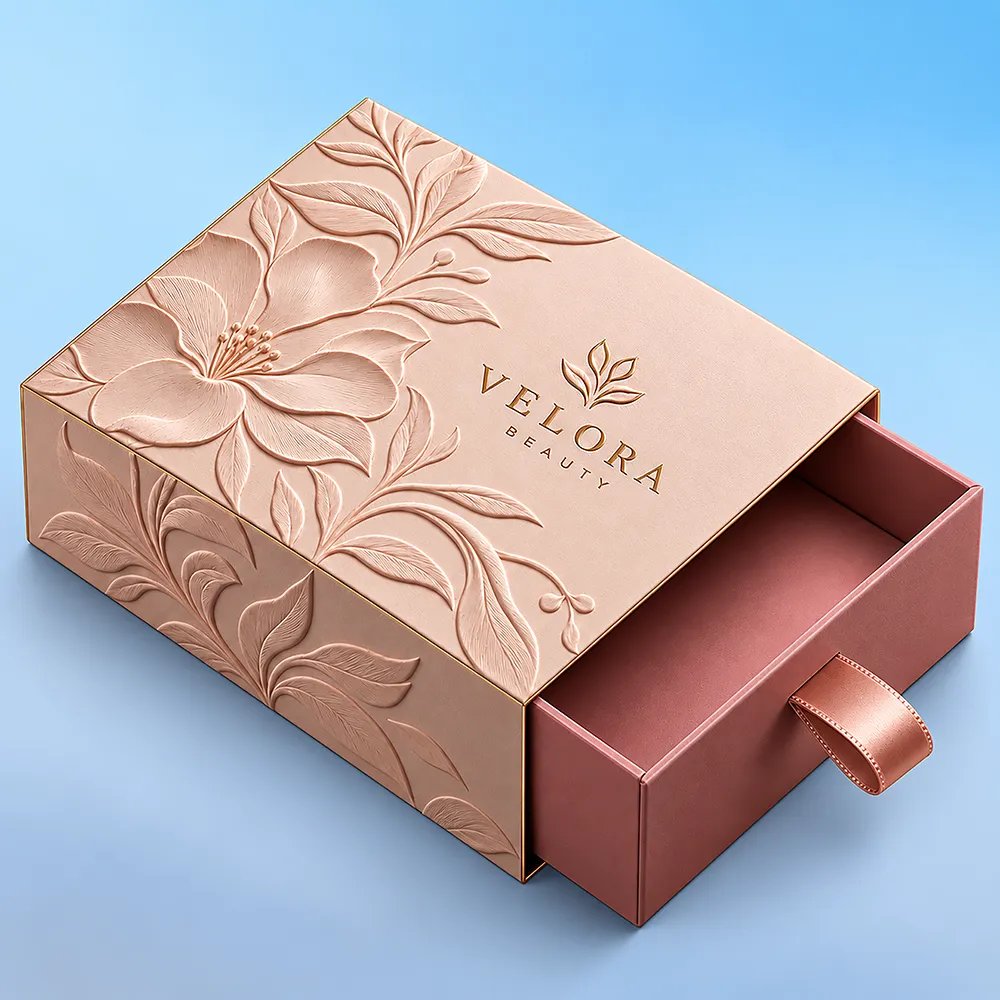
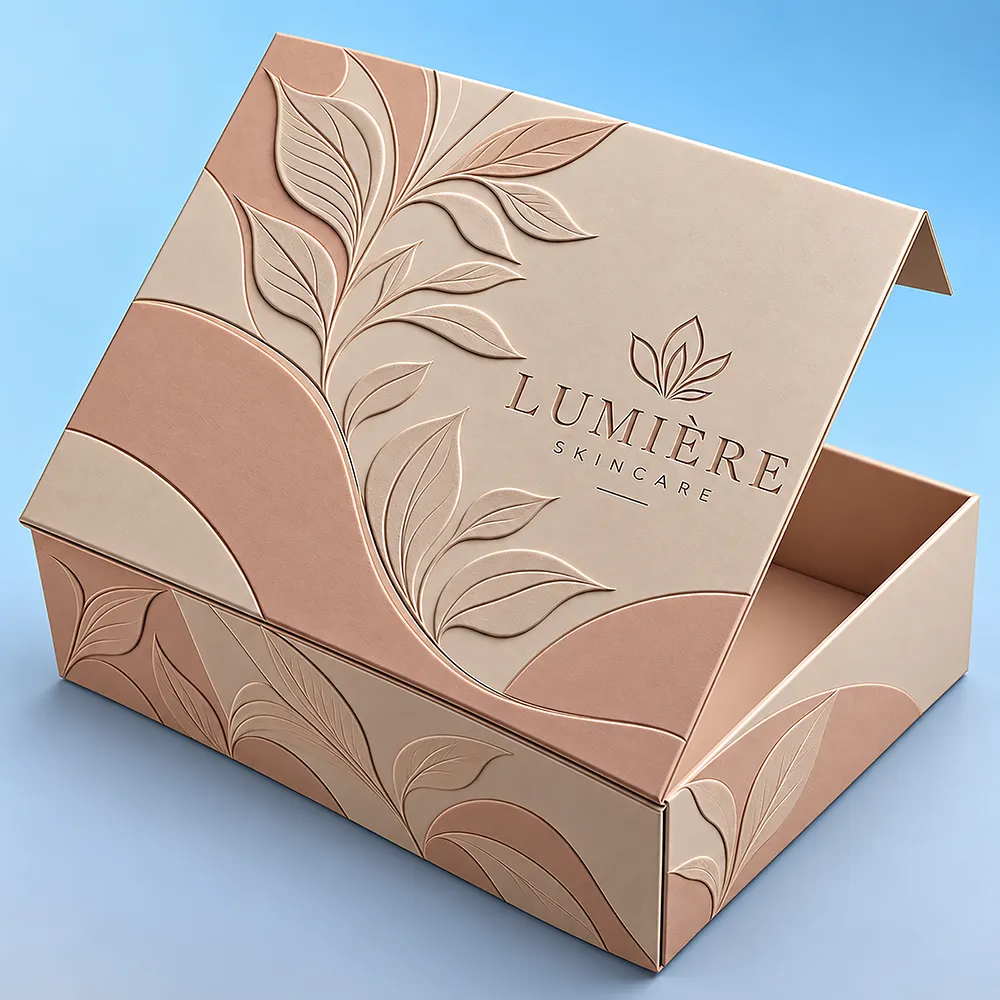

Foldable Lid and Base Boxes

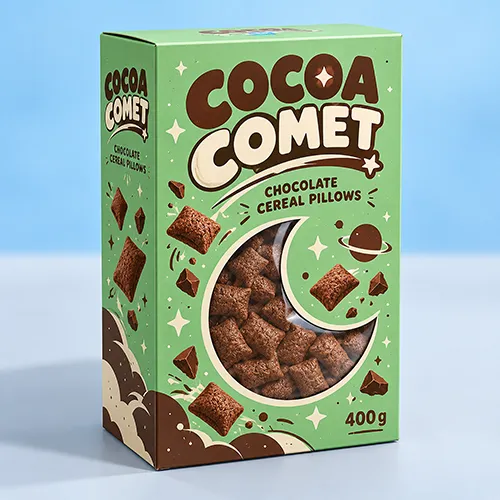
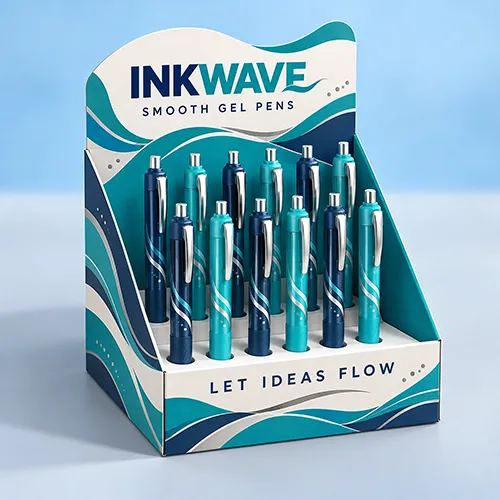
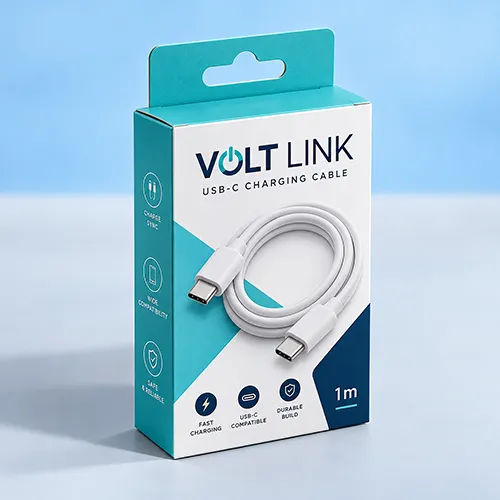
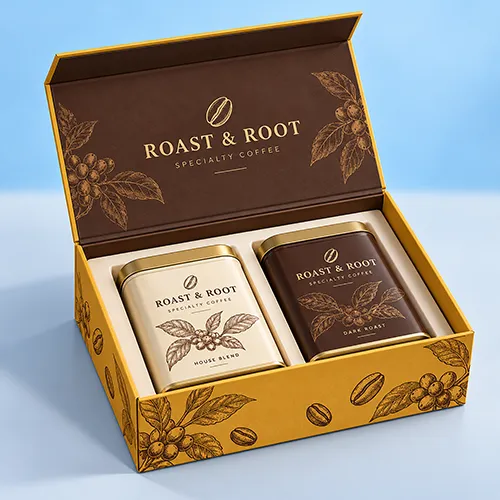
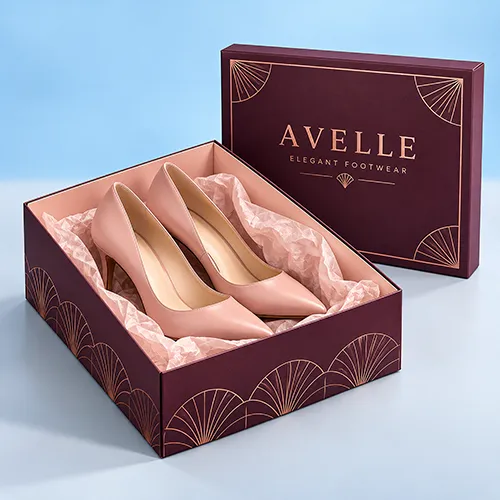
Custom Foldable Lid and Base Boxes use two separate folding-paperboard components—a removable lid and a base—that can remain flat before assembly and are formed before product pack-out. Once assembled, they provide the familiar two-piece opening experience without requiring every empty package to remain stored in its full finished volume. This structure can suit apparel, accessories, beauty sets, packaged confectionery, stationery, gift collections and other retail products where a removable lid is wanted together with efficient empty-package storage. As part of BoxBaba broader Custom Boxes With Lids range, the final box should be developed around the actual product, packed weight, insert, assembly workflow and artwork.
Trustpilot_Logo
5 out of 5 stars
4.5
Reviews 16 • Excellent

Custom Foldable Lid and Base Boxes for Premium Product Packaging

Custom foldable lid and base boxes combine collapsible construction, separate lid-and-base presentation, tailored sizing, branded printing, and premium finishes for retail, gifting, and product packaging.

What We Give

Create Custom Boxes Quick and Easy

Design

Get your custom boxes made in the required size, shape, and style.

Print

Upload your artwork and get it superbly printed the way you want.

Get it done

Order any quantity, enjoy a wholesale price, pay no extra for die plates.

Related Products

What Are Foldable Lid and Base Boxes?

Foldable Lid and Base Boxes are two-piece packages made from a separate folding-paperboard lid and base. Both components use cut and score geometry that allows them to be formed into their finished shape before the product is packed. The lid then remains removable, providing broad access to the contents. This makes the structure different from Two Piece Rigid Boxes, which use formed rigid-board components rather than folding-paperboard panels. It also differs from Collapsible Rigid Boxes, where rigid-board panels are engineered to fold flat or collapse while retaining a rigid-box construction after assembly. On this page, foldable means folding paperboard—not foldable rigid packaging.

Foldable Lid and Base vs Two Piece Rigid Boxes

Both structures have a removable lid and separate base, but their construction and operational priorities differ.
Feature Foldable Lid and Base Box Two Piece Rigid Box
Primary Construction Folding paperboard Rigid board/chipboard
Pre-Pack Storage Can remain flat before assembly Normally remains formed
Pack-Out Lid and base require forming Normally ready for product loading
Opening Separate removable lid Separate removable lid
Structural Character Folding-paperboard package Rigid setup package
Best Starting Point Flat storage and two-piece access both matter Formed rigid presentation is the priority
Choose Two Piece Rigid Boxes when the project specifically needs a permanently formed rigid lid-and-base presentation. Choose Foldable Lid and Base Boxes when a separate lid is still useful but reducing the volume occupied by empty packaging before use is an important operational requirement.

Foldable Lid and Base vs Collapsible Rigid Boxes

Flat storage does not make these products structurally identical. A Collapsible Rigid Box uses rigid-board panels that fold or collapse for storage and are assembled into a rigid presentation structure. A Foldable Lid and Base Box uses folding paperboard to create the lid and base. The choice affects:
  • material;
  • wall construction;
  • product-weight suitability;
  • assembly;
  • insert design;
  • finished presentation;
  • fulfillment workflow;
  • project cost drivers.
If the requirement is specifically fold-flat rigid packaging, use the collapsible rigid route rather than describing P-06 as a foldable rigid box.

Plan the Assembly Process Before Production

Assembly is not an afterthought with Foldable Lid and Base Boxes. The lid and base need to be formed correctly before product pack-out, so procurement teams should consider how assembly fits into fulfillment. Review:
  • who will form the boxes;
  • where assembly will happen;
  • expected packing volume;
  • whether the approved design uses folds, tabs, locks or another securing method;
  • whether an insert is placed before or after the base is fully formed;
  • how the assembled lid fits over the finished base;
  • how completed boxes move to the next packing stage.
The exact assembly sequence depends on the approved structural design. For larger projects, reviewing this workflow before production can help prevent the packaging itself from becoming an avoidable pack-out bottleneck.

How to Size Foldable Lid and Base Boxes

Start with the actual packed product. Provide:
  • product length;
  • width;
  • height;
  • widest or highest point;
  • product weight;
  • intended orientation;
  • quantity per box;
  • accessories or additional components.
For multi-item sets, provide the intended arrangement of every component. Keep these dimensional concepts separate: Product dimensions describe the item itself. Insert-cavity dimensions describe the space holding the product. Internal base dimensions describe usable space after the base is assembled. Finished external dimensions describe the assembled lid-and-base package. Dieline dimensions describe the flat structural layout and include panels, folds and assembly areas that are not equivalent to usable internal space. The box should therefore be developed from: product → insert → internal base → folded structure → assembled lid fit rather than by adding an arbitrary allowance to the product dimensions.

Material for Foldable Lid and Base Boxes

Foldable Lid and Base Boxes use folding paperboard selected to support die-cutting, scoring, folding, printing and the approved assembly method. That material system is different from the rigid-board core used in Custom Rigid Boxes. Material selection should consider:
  • product weight;
  • finished dimensions;
  • wall construction;
  • fold behavior;
  • printing coverage;
  • finishing;
  • insert weight;
  • assembly;
  • handling requirements.
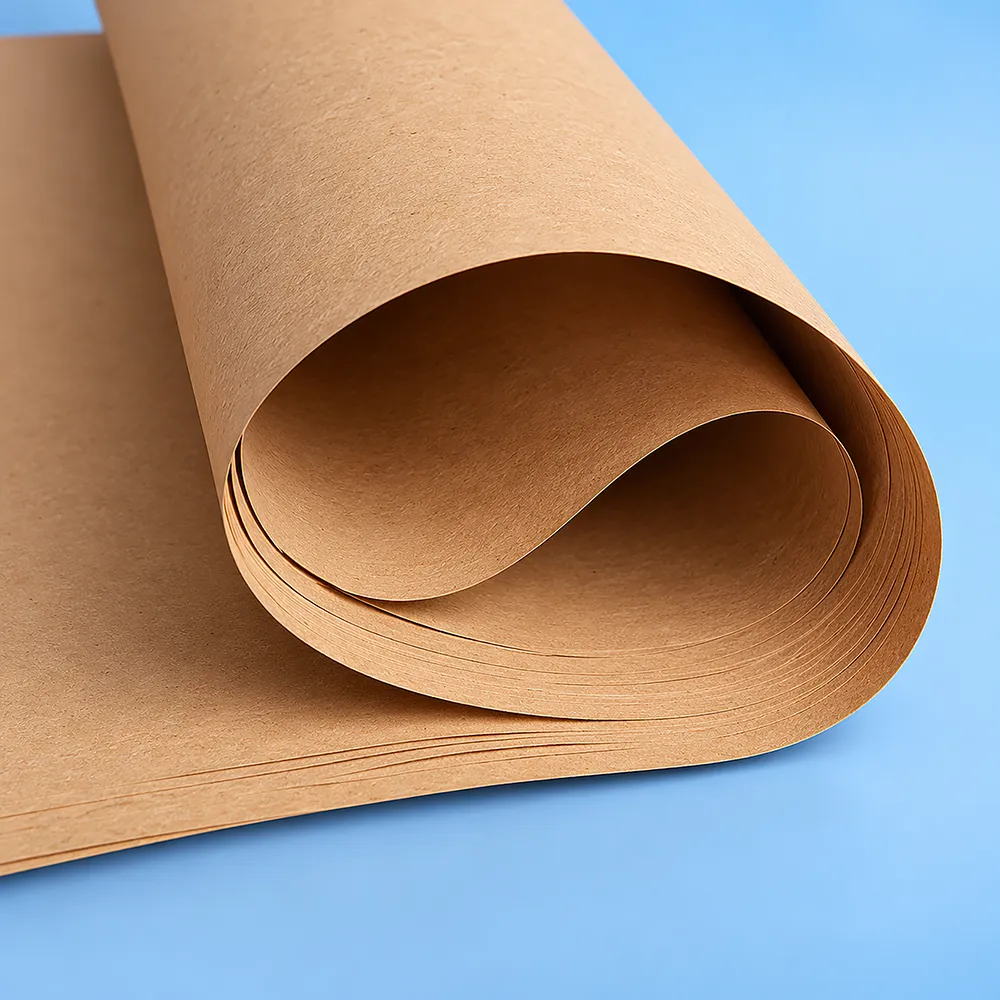
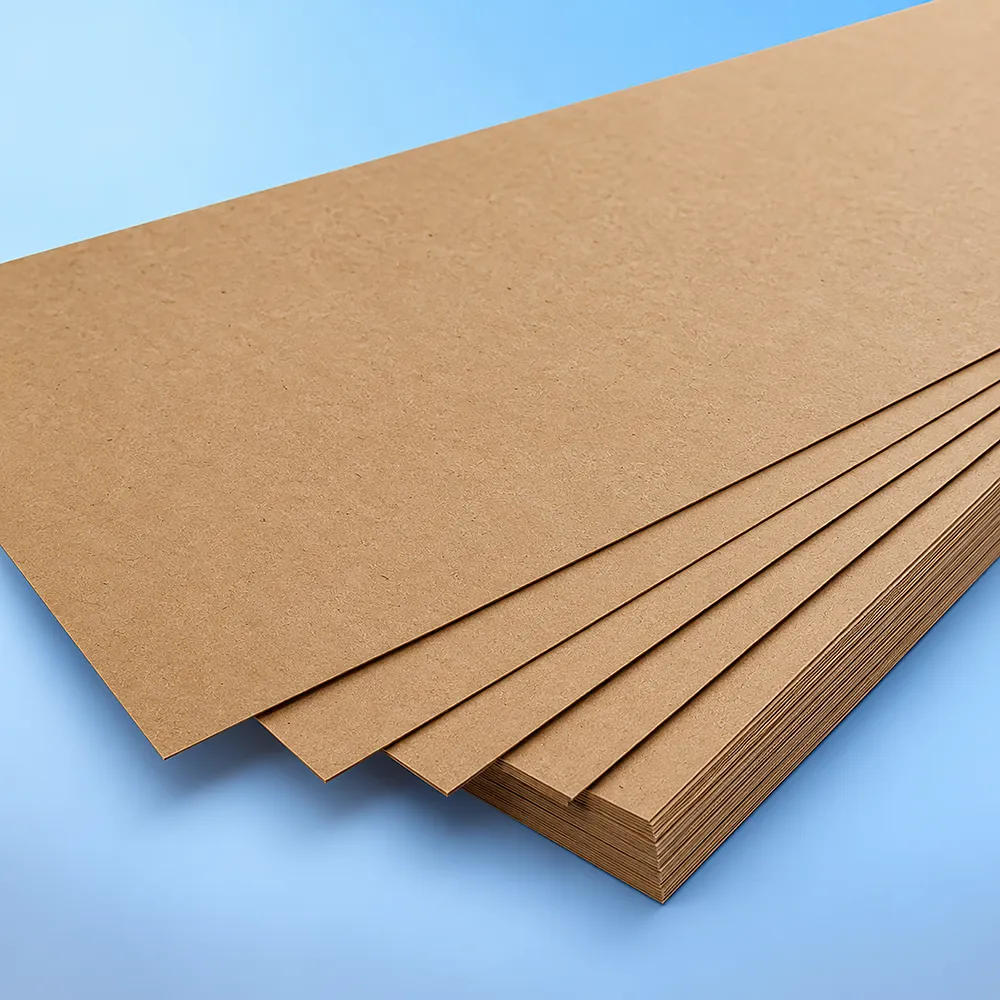
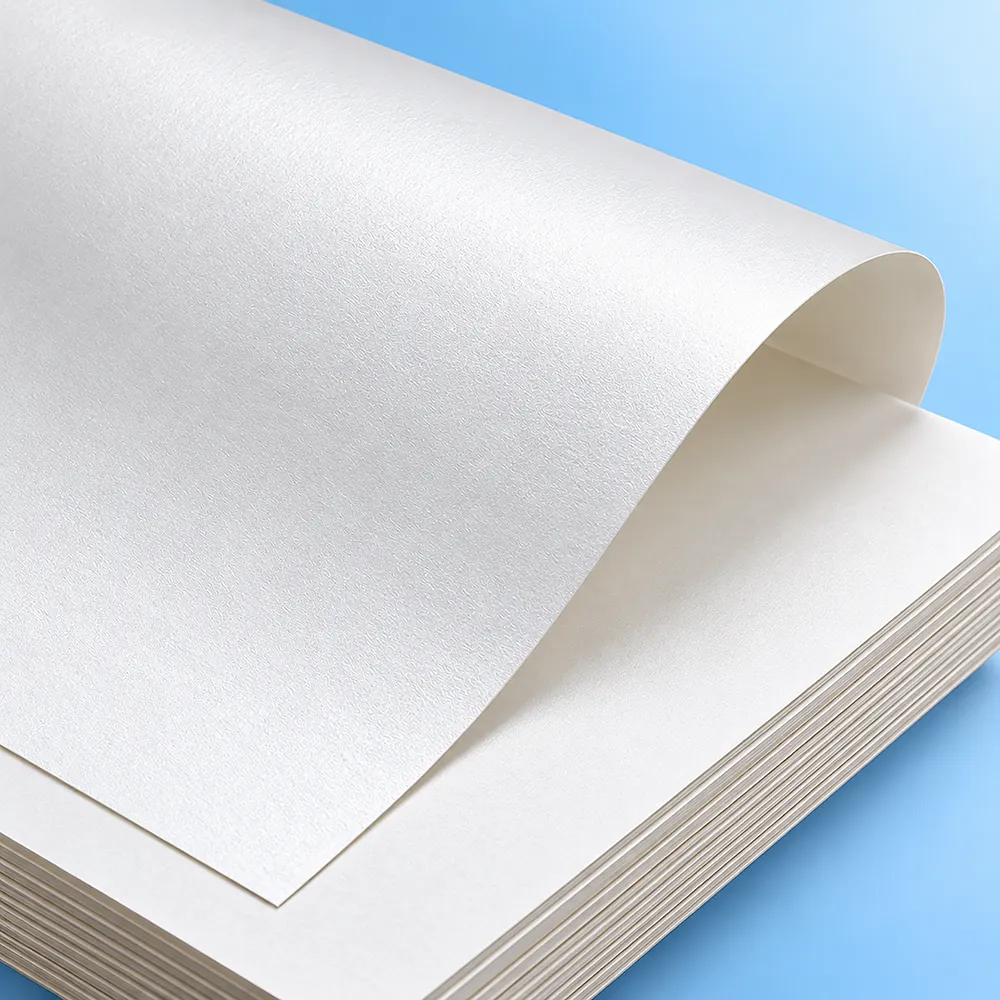
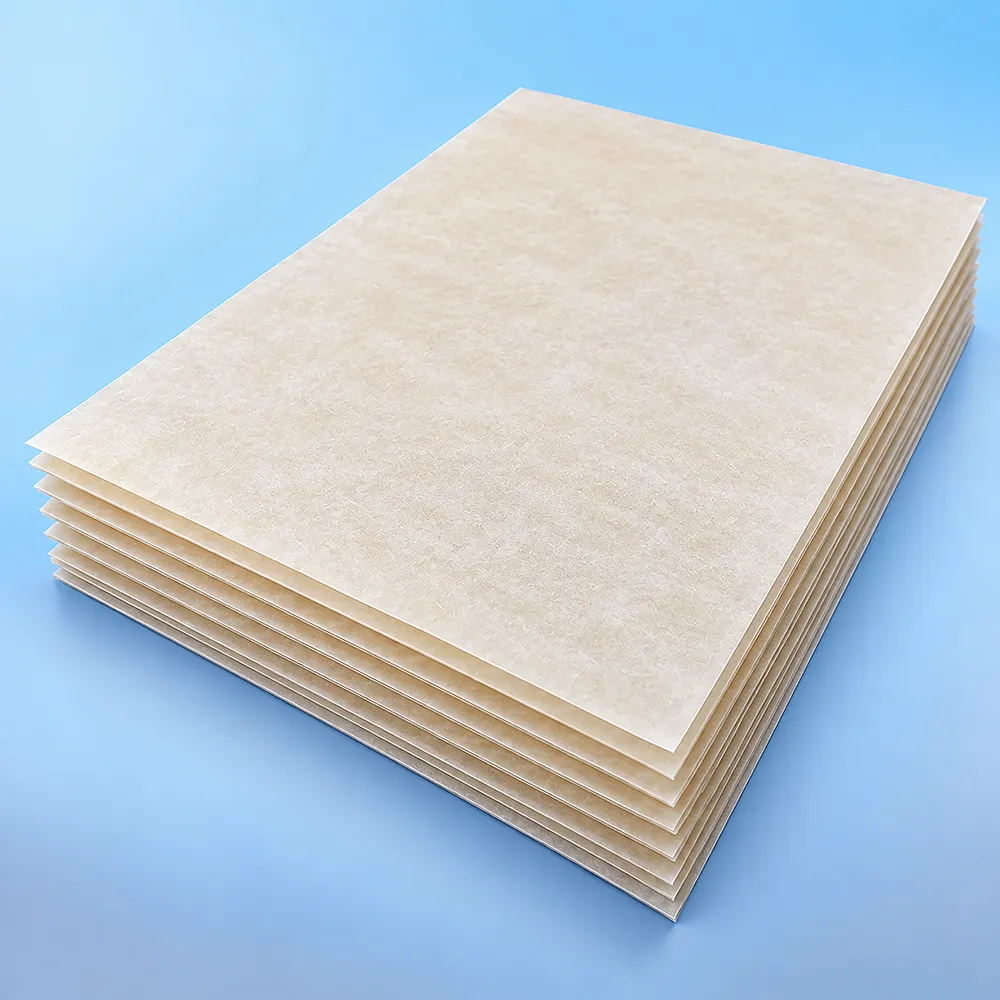
Smooth paperboard surfaces can work well for detailed printed graphics. Kraft-style paperboard may be considered where its natural color and print characteristics suit the project. Those are material choices within this exact structure; they do not change P-06 into a generic cardboard or kraft lidded-box page. Exact stock grade, thickness and caliper should be selected for the approved project rather than published as a universal specification.

Inserts and Internal Product Support

An insert should solve a defined fit, organization or presentation problem. Consider one when:
  • products can move inside the assembled base;
  • multiple items need fixed positions;
  • accessories require separate compartments;
  • orientation matters;
  • a product set needs a controlled reveal;
  • product removal needs a defined sequence.
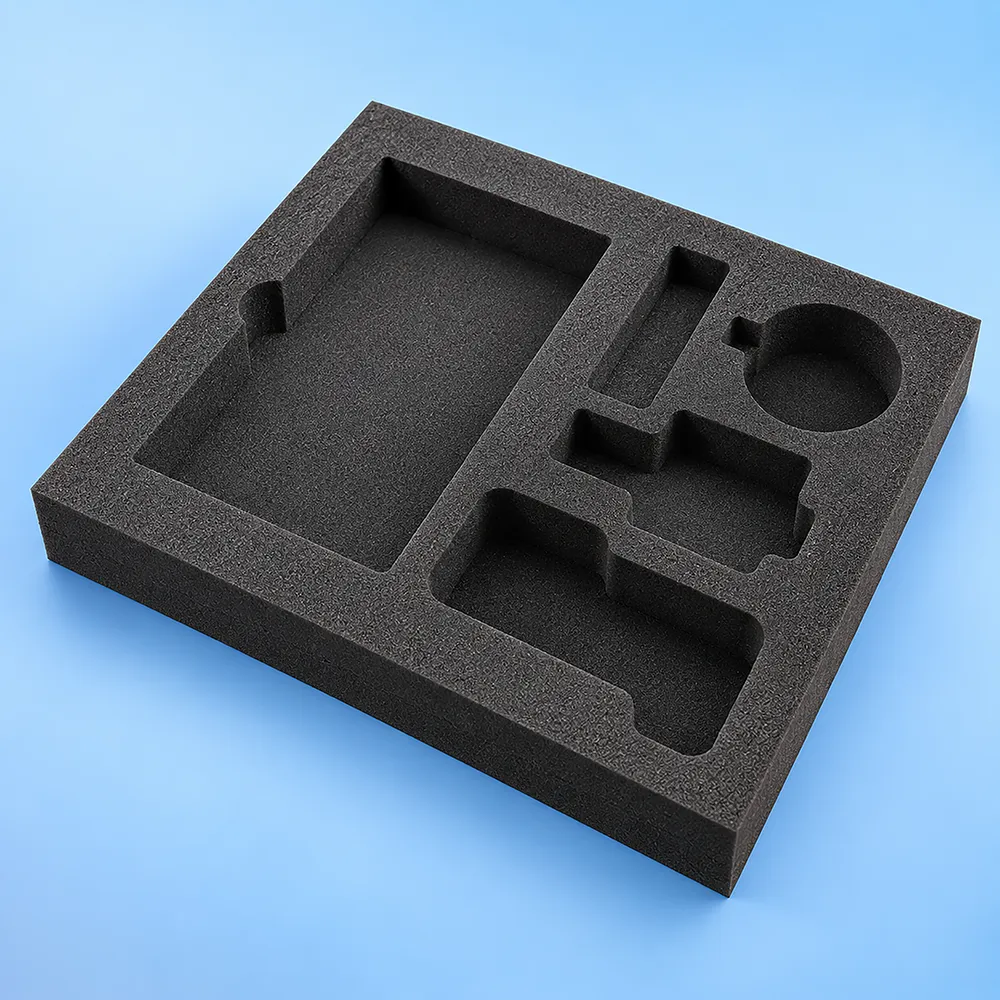
Paperboard inserts and dividers can work naturally with a folding-paperboard outer structure. Where a fitted cavity is appropriate, a project-compatible custom foam insert may also be considered. The insert adds weight and occupies internal volume, so it should be planned with the outer box rather than after the lid and base dimensions are approved. For heavier products or substantial inserts, reassess whether folding paperboard remains the appropriate outer structure or whether a rigid alternative provides a better project fit.

Flat-Pack Storage Comes With an Assembly Trade-Off

The main operational advantage of this structure is that empty packaging can occupy less space before assembly than permanently formed setup boxes of the same finished size. That can be useful when:
  • warehouse space is constrained;
  • packaging is stored in volume;
  • pack-out occurs in batches;
  • packaging moves between facilities before use;
  • the buyer wants removable lid-and-base presentation without storing every empty box fully assembled.
The trade-off is that the lid and base still need to be formed during fulfillment. Total packaging economics therefore involve more than the unit price of the empty box. For larger orders, evaluate: storage requirement + assembly labor + packing workflow + finished presentation rather than assuming flat packaging will automatically produce the lowest total cost.

Printing & Finishing for Foldable Lid and Base Boxes

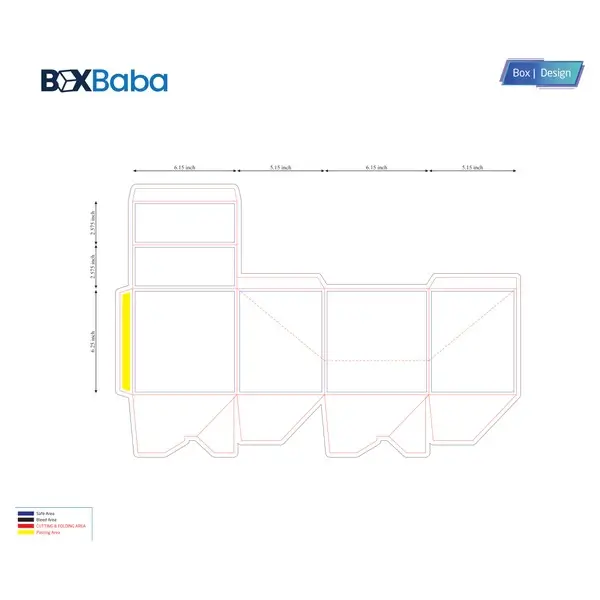
Printing and finishing should be developed around the flat dieline and the way its panels fold into the finished lid and base. Printing applies artwork and color. Finishing changes the visual or tactile treatment of selected areas.

Offset Printing

Offset printing can suit detailed artwork and production runs where controlled reproduction is important.

Digital Printing

Digital printing may suit compatible projects where artwork flexibility or another production setup is useful.

Flexographic Printing

Flexographic printing may be considered for selected compatible folding-paperboard projects depending on stock, artwork, quantity and production requirements. No single process is universally best for every box.

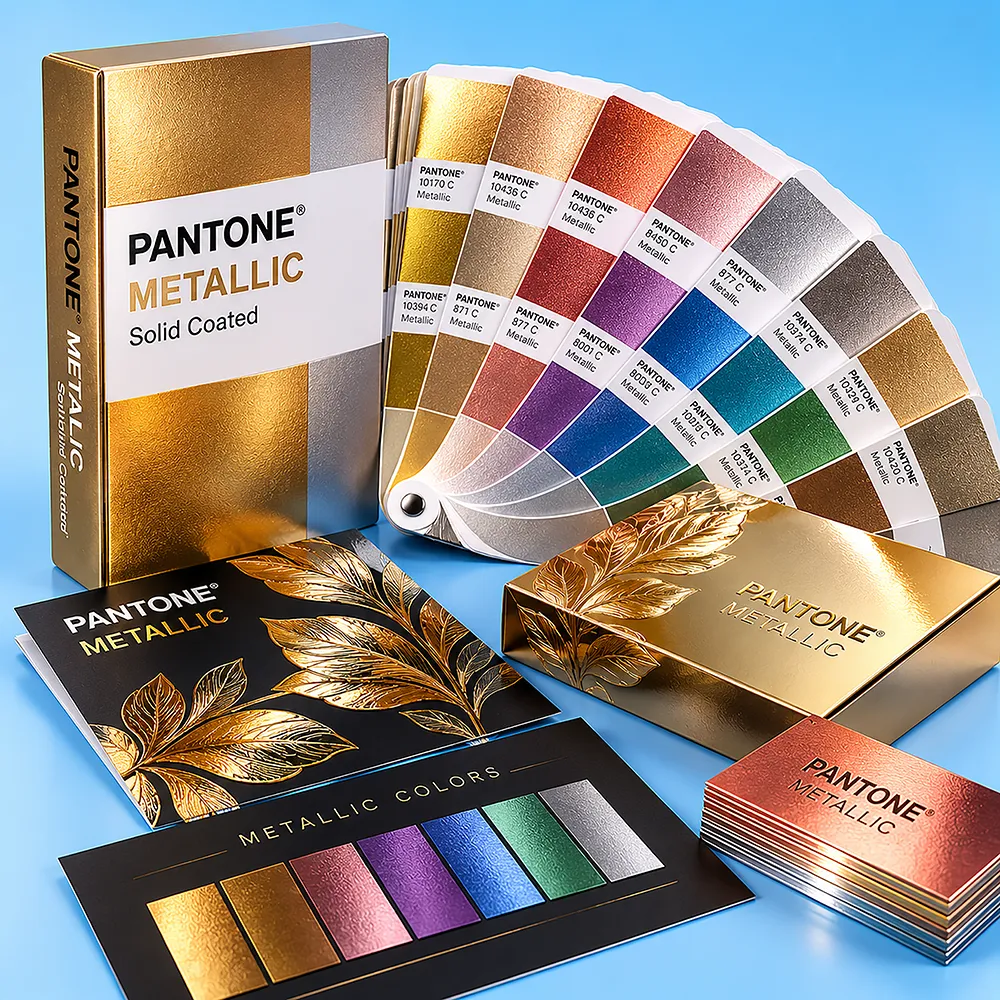
CMYK and Pantone/PMS

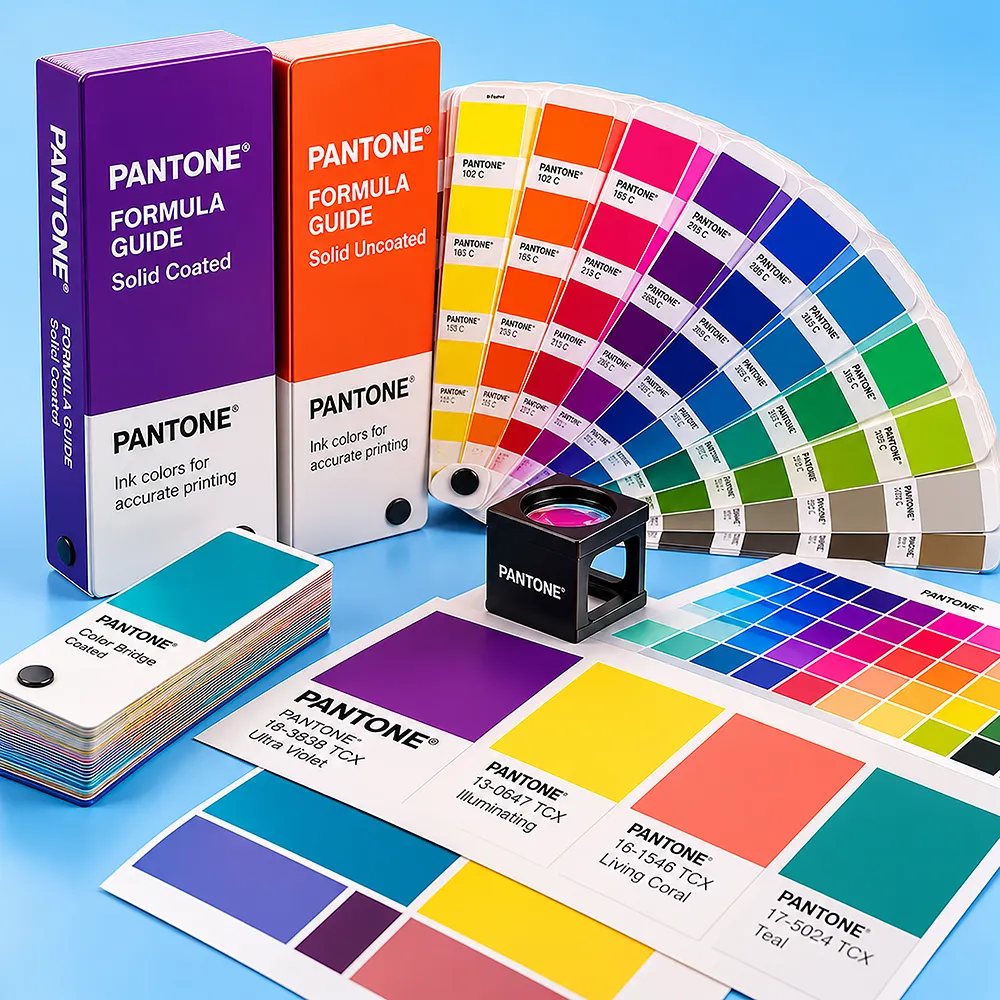
CMYK can reproduce photographs, illustrations, gradients and full-color artwork. Pantone/PMS references can support defined spot-color targets where compatible with the selected stock and process. Paper shade, surface texture, ink, coating and finishing can affect the final appearance. Pantone/PMS should therefore be used for color management rather than as an absolute guarantee that different materials or finishes will appear identical.

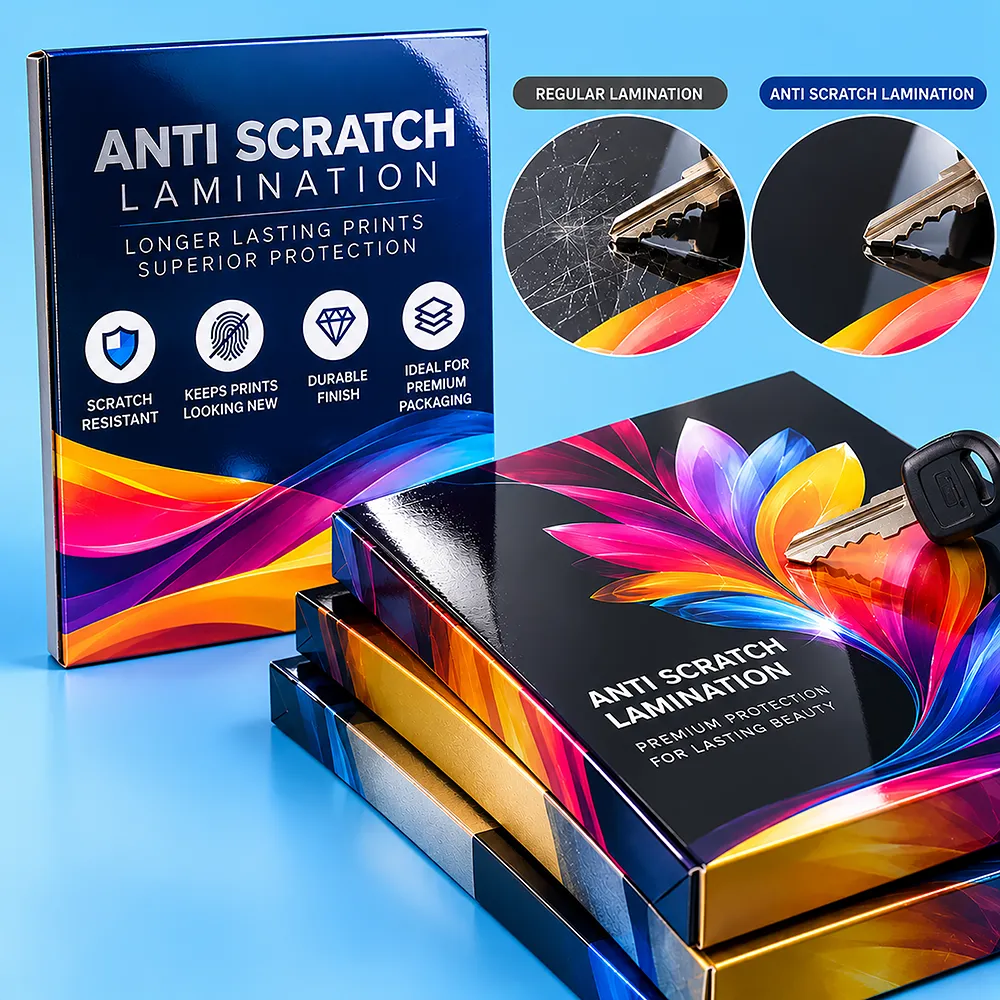
Finishing Options

Compatible projects may use:
  • matte;
  • gloss;
  • soft-touch;
  • foil stamping;
  • embossing;
  • debossing;
  • Spot UV.
The final finish should be checked against the dieline. A foil logo on the lid main display panel may work well, while detailed foil, embossing or Spot UV placed directly across score lines or folding corners may need repositioning.

Plan Artwork Around Score Lines and Panel Overlaps

The dieline represents the box while it is still flat. Artwork may eventually appear on:
  • lid top;
  • lid sides;
  • base exterior;
  • inside lid;
  • interior base;
  • inserts;
  • additional printed components.
Before approval, check the artwork against:
  • score lines;
  • folded corners;
  • panel overlaps;
  • securing areas;
  • cut edges;
  • lid/base orientation.
Keep critical small text, QR codes, barcodes and fine logo details away from locations where folds or overlaps can reduce clarity. Artwork intended to continue across multiple panels should also be reviewed in assembled form rather than judged only from the flat file.

When Are Foldable Lid and Base Boxes a Good Fit?

This structure can work well when a buyer wants removable lid-and-base presentation together with more efficient storage of unused packaging. Potential applications include:
  • apparel;
  • fashion accessories;
  • cosmetics and beauty sets;
  • stationery;
  • packaged confectionery;
  • promotional kits;
  • gift collections;
  • lightweight electronics accessories;
  • corporate gifts;
  • retail product sets.
The application alone does not determine suitability. Product weight, dimensions, insert requirements and fulfillment process should also support the folding-paperboard construction.

When Might a Rigid Box Be Better?

Foldable paperboard may not be the best choice when the package needs a more substantial permanently formed structure. For a conventional rigid lid and base, compare Two Piece Rigid Boxes. If reducing empty-package volume remains important but the project specifically needs rigid-board construction, compare Collapsible Rigid Boxes. Buyers evaluating rigid structures more broadly can review Custom Rigid Boxes before approving a material and opening system. The structure should be selected from the product, presentation requirement and operational workflow rather than from the word “foldable” alone.

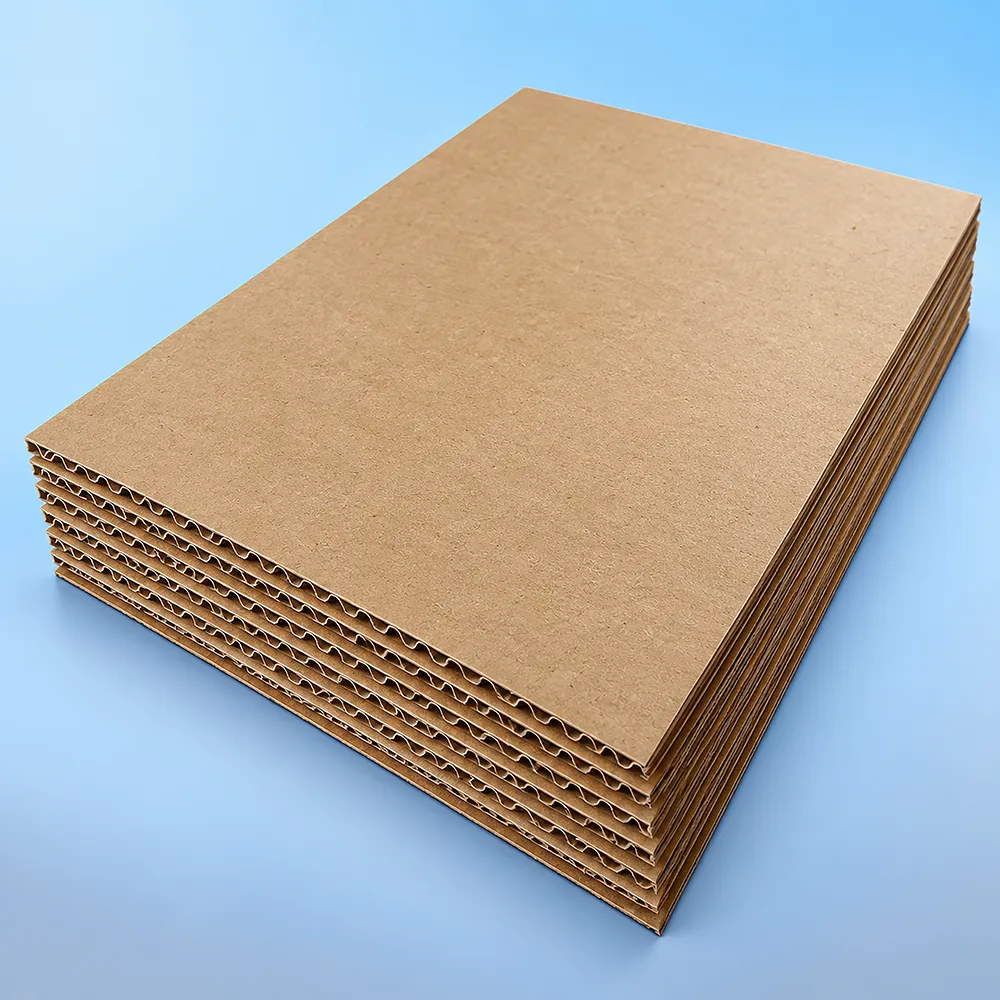
Are Foldable Lid and Base Boxes Shipping Boxes?

Not automatically. Foldable Lid and Base Boxes are primarily product and presentation packaging. When the packed product will travel through parcel or ecommerce distribution, the complete packaging system may still require:
  • an outer corrugated mailer;
  • a shipping carton;
  • protective material;
  • void fill;
  • another distribution-appropriate outer package.
The fact that empty P-06 boxes can be stored flat does not mean the assembled retail package is automatically engineered as the shipping container.

What Affects the Cost of Foldable Lid and Base Boxes?

Pricing depends on the complete project specification. Important cost drivers include:
  • finished dimensions;
  • folding-paperboard stock;
  • lid construction;
  • order quantity;
  • number of SKUs;
  • artwork versions;
  • printing;
  • decorative finishing;
  • insert material and complexity;
  • assembly requirements;
  • delivery requirements.
Operational cost can also include the time needed to form the lid and base during fulfillment. For an accurate comparison with rigid packaging, consider both the packaging specification and the intended pack-out process.

Samples and Proofing

Use the proofing method that addresses the main uncertainty. A digital artwork proof helps review graphics, copy and placement. A 3D mockup can help communicate the assembled shape and artwork orientation. A structural sample, where available for the project, is particularly useful when evaluating:
  • assembly;
  • lid fit;
  • finished dimensions;
  • product fit;
  • insert fit;
  • product access.
A printed sample may be useful when print reproduction, color, paper surface or finishing is central to approval. Exact physical sample type, cost and timing should be confirmed during quotation.

MOQ, Production and USA Shipping

BoxBaba standard MOQ starts from 100 Foldable Lid and Base Boxes. Standard production takes 5–9 business days after the final digital proof, artwork and project specifications are approved. Production time and carrier transit time are separate. BoxBaba currently provides free shipping across the USA for custom packaging orders. Review the current Shipping Policy when planning production and delivery. For time-sensitive projects, provide the shipping destination and required project date during quotation.

Why Choose BoxBaba for Foldable Lid and Base Boxes?

BoxBaba can develop the packaging around both the product and the way the lid and base will be assembled during fulfillment. Projects can be reviewed for:
  • custom sizing;
  • lid/base structure;
  • product weight;
  • insert requirements;
  • assembly workflow;
  • artwork and dielines;
  • printing;
  • finishing;
  • proofing;
  • quantity and production requirements.

Request a Custom Foldable Lid and Base Box Quote

For an accurate quotation, provide:
  • finished product dimensions;
  • product weight;
  • quantity;
  • number of SKUs;
  • product orientation;
  • insert or divider requirements;
  • material preference if known;
  • assembly or fulfillment requirements;
  • artwork or logo files;
  • printing and finishing requirements;
  • shipping destination;
  • required project date.
If you are deciding between folding paperboard and rigid packaging, describe how the empty boxes will be stored, how they will be assembled, and how the finished product should be presented. BoxBaba can then compare the project with a broader rigid category before the specification is finalized. Call: +1 305 574 4357 Email: sales@boxbaba.com

Frequently Asked Questions

Find all the urgent questions you may have.

Foldable Lid and Base Boxes are two-piece packages made from separate folding-paperboard lid and base components. The components are formed before product pack-out and create a removable-lid package after assembly.
No. Both use a separate lid and base, but Foldable Lid and Base Boxes use folding paperboard, while Two Piece Rigid Boxes use formed rigid-board components.
No. Collapsible Rigid Boxes use fold-flat rigid-board construction. P-06 uses separate folding-paperboard lid and base components.
Yes. The lid and base need to be formed before product pack-out. The exact assembly sequence depends on the approved folds, tabs, locks or other structural details.
Provide the finished product length, width, height, widest point and weight, plus accessories and other components. Final internal dimensions should also account for the insert and assembled box structure.
Yes. Paperboard supports, dividers or project-compatible custom foam inserts may be considered when the product needs positioning, separation or presentation support.
Depending on the approved paperboard, artwork, quantity and production requirements, offset, digital or suitable flexographic printing may be considered.
Compatible projects may use matte, gloss, soft-touch, foil stamping, embossing, debossing and Spot UV. Finish placement should account for score lines, folded corners and panel overlaps.
BoxBaba standard MOQ starts from 100 units. Final pricing depends on dimensions, stock, quantity, printing, finishing, inserts and project requirements.
Standard production takes 5–9 business days after final proof, artwork and project specifications are approved. Carrier transit is separate from production, and BoxBaba currently provides free shipping across the USA.