
Pie Boxes with Die Cut

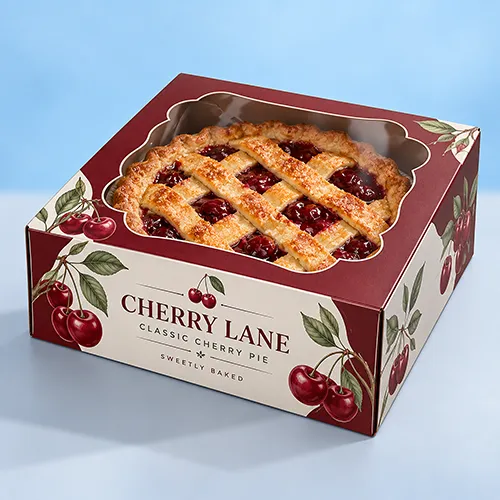
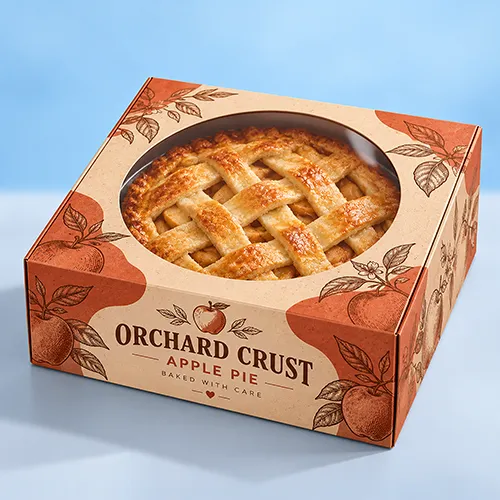
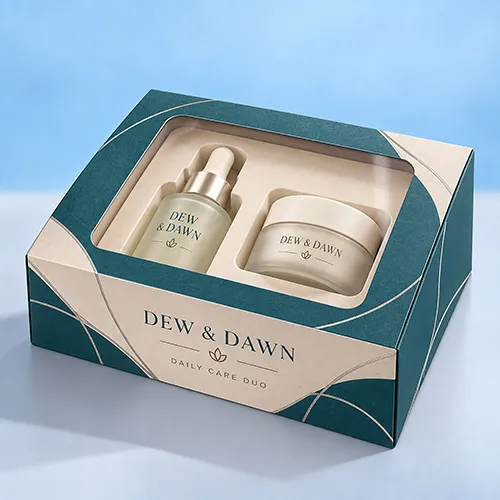
Custom pie boxes with window are product-specific bakery cartons designed around the finished pie, its pan or tray, overall height and the area buyers want customers to see. BoxBaba can configure the viewing opening after the actual packed footprint and product position are established rather than centering a window on an empty lid first. Depending on the project, the viewing area may use an open cutout or a covered transparent window, with the exact construction confirmed during quotation. Custom sizing, printing, artwork, dieline and proofing support are available. For accurate configuration, provide the finished pie and pan or tray measurements, product height, quantity and intended packaging use.
Trustpilot_Logo
5 out of 5 stars
4.5
Reviews 16 • Excellent

Custom Pie Boxes with Die Cut for Secure Bakery Packaging

Custom pie boxes with die cut features combine tailored sizing, precision-cut openings, secure carton structures, branded printing, and retail-ready presentation for bakery products.

What We Give

Create Custom Boxes Quick and Easy

Design

Get your custom boxes made in the required size, shape, and style.

Print

Upload your artwork and get it superbly printed the way you want.

Get it done

Order any quantity, enjoy a wholesale price, pay no extra for die plates.

Related Products

Design the Window Around the Finished Pie

The viewing window should follow the packed product—not the other way around. A pie box can have a visually centered opening and still present the product poorly if the actual pie sits differently inside the carton. The better planning sequence is: Finished Pie → Pan or Tray → Packed Position → Area to Show → Window Position This is what gives this page a different responsibility from broader Custom Pie Boxes. The broad pie-box page should help buyers choose the overall packaging format. This page is more specific: the buyer has already decided that seeing the pie matters and now needs to coordinate the viewing area with the actual product geometry. For bakeries comparing windows across cakes, pastries, cookies and other products rather than pies specifically, Window Bakery Boxes remains the broader window-packaging route.

Measure the Pie and Its Pan or Tray

Do not base the carton only on the advertised pie diameter. The package may need to accommodate the pie and the component carrying it. Provide measurements for the finished sale-ready configuration, including:
  • maximum pie diameter or length and width;
  • pan or tray dimensions;
  • widest flange or rim where applicable;
  • total packed height;
  • highest crust, topping or decorative point;
  • product weight where structurally relevant;
  • quantity per box;
  • and SKU variation.
The important distinction is: Pie Diameter ≠ Required Packaging Footprint A pan or tray can extend beyond the edible pie. Likewise: Product Measurements ≠ Finished Carton Dimensions The supplied measurements are design inputs. Final carton dimensions depend on the actual structure, material, loading method and project requirements.

Measure the Widest Pan or Tray Point

If the pie sits in a foil pan, paper tray, board, liner or another base component, provide the maximum dimensions of that complete arrangement. Do not measure only the inner food area when the pan flange occupies more space.

Record the Highest Product Point

Pie packaging is three-dimensional. A raised crust edge, lattice top or decorative topping can increase the height required inside the closed carton. The buyer should therefore provide the maximum packed height, not merely pan depth. That dimension also matters when the viewing window sits in the lid or top panel.

Check Every SKU Before Sharing One Structure

Two pies with the same nominal diameter can still differ in:
  • pan style;
  • flange width;
  • crust height;
  • topping height;
  • overall weight;
  • or sale-ready presentation.
If several SKUs will share one box, review the physical configuration of each before treating them as structurally identical.

Decide What Part of the Pie Should Remain Visible

A viewing window does not have to expose the entire product. First define what the customer should see. That may be:
  • the center of the pie;
  • crust detail;
  • decorative topping;
  • product color;
  • finishing pattern;
  • or a wider overall view.
Then consider the actual packed position of the pie. The useful relationship is: Desired Product View → Packed Pie Position → Window Geometry not: Decorative Window Shape → Hope the Pie Aligns With It This is especially important where the pie can move within the carton or the pan footprint leaves extra internal space.

Open Cutout vs Covered Viewing Window

An open die-cut aperture and a covered transparent window are not the same configuration.

Open Die-Cut Cutout

An open cutout removes part of the carton panel and leaves the product area uncovered through that opening. It eliminates a separate transparent window component but changes the level of product exposure.

Covered Transparent Window

A covered window combines a die-cut opening with a transparent component behind it. The exact transparent material and attachment method should be confirmed for the project rather than assumed from a generic specification.

How to Choose Between Them

Consider:
  • how much product exposure is appropriate;
  • the intended retail or pickup environment;
  • available artwork area;
  • material mix;
  • structural layout;
  • and the required customer view.
A larger viewing area is not automatically better. Every increase in the window removes more board from that panel and reduces the uninterrupted space available for printing, branding and finishing.

When Does a Pie Box Need an Insert?

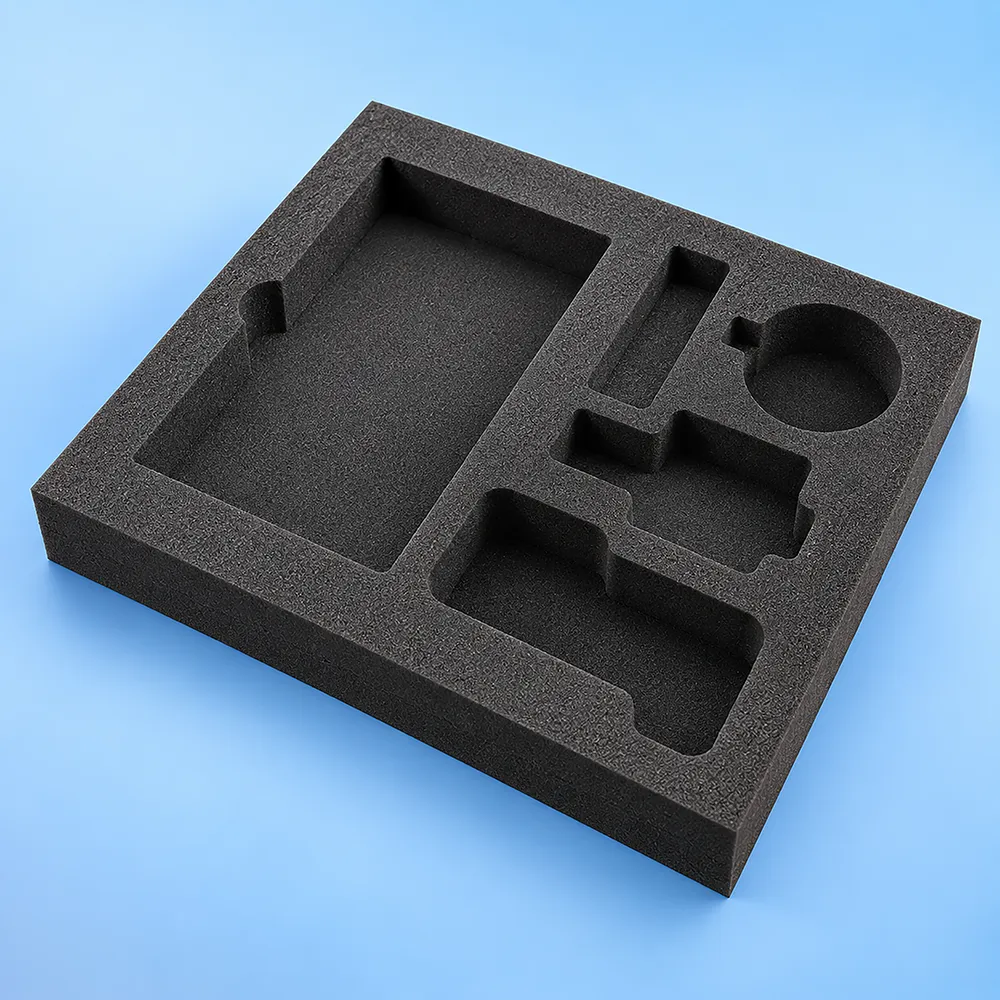
An insert is not inherent to a Pie Box with Window. For many projects, the pie existing pan or tray may already establish its position sufficiently for the intended carton structure. Additional support may become useful where:
  • the pan can move excessively inside the box;
  • the pie needs repeatable positioning beneath the window;
  • several smaller pies share one carton;
  • components require separation;
  • or the presentation depends on a defined arrangement.
If internal positioning is the main unresolved requirement, Cardboard Inserts should be treated as a separate structural decision. The correct logic is: Movement / Positioning Problem → Insert Decision not: Pie Box with Window → Insert Automatically Required An insert should also not be described as a universal guarantee against damage or movement during shipping.

Material Options for Pie Boxes with Window

Material selection should follow the package structure, the finished product configuration and how the box will be used.

Paperboard / Cardboard

Paperboard can be appropriate for compatible retail, bakery-counter and pickup cartons. It supports printing, folding and die-cut window geometry, but the final stock should be selected for the actual structure rather than assigning one universal thickness to every pie box.

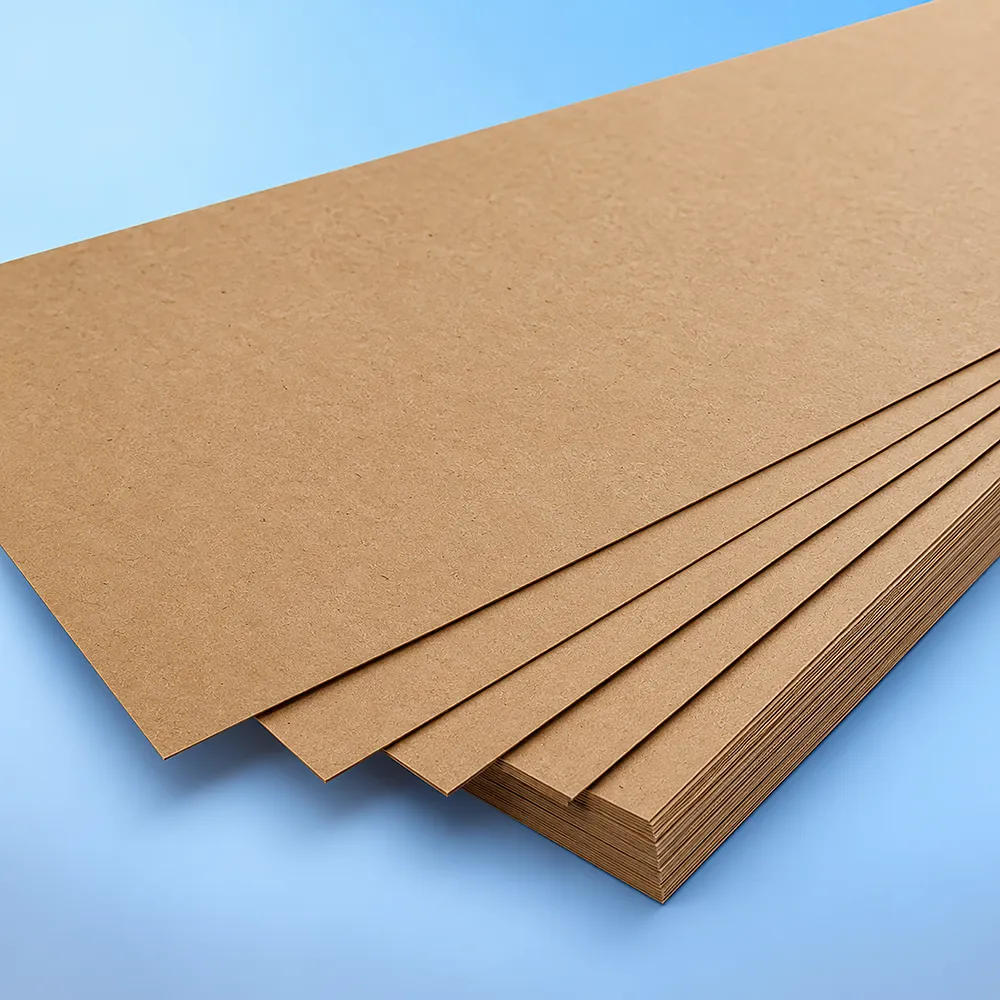
Kraft Paperboard

Kraft paperboard can be considered where a natural brown material direction is desired. Its surface influences printed appearance, particularly lighter colors and some brand graphics. A Kraft appearance does not by itself establish:
  • direct food-contact suitability;
  • grease resistance;
  • recycled content;
  • recyclability;
  • or other performance properties.
Those are separate material and project questions.

Corrugated Board

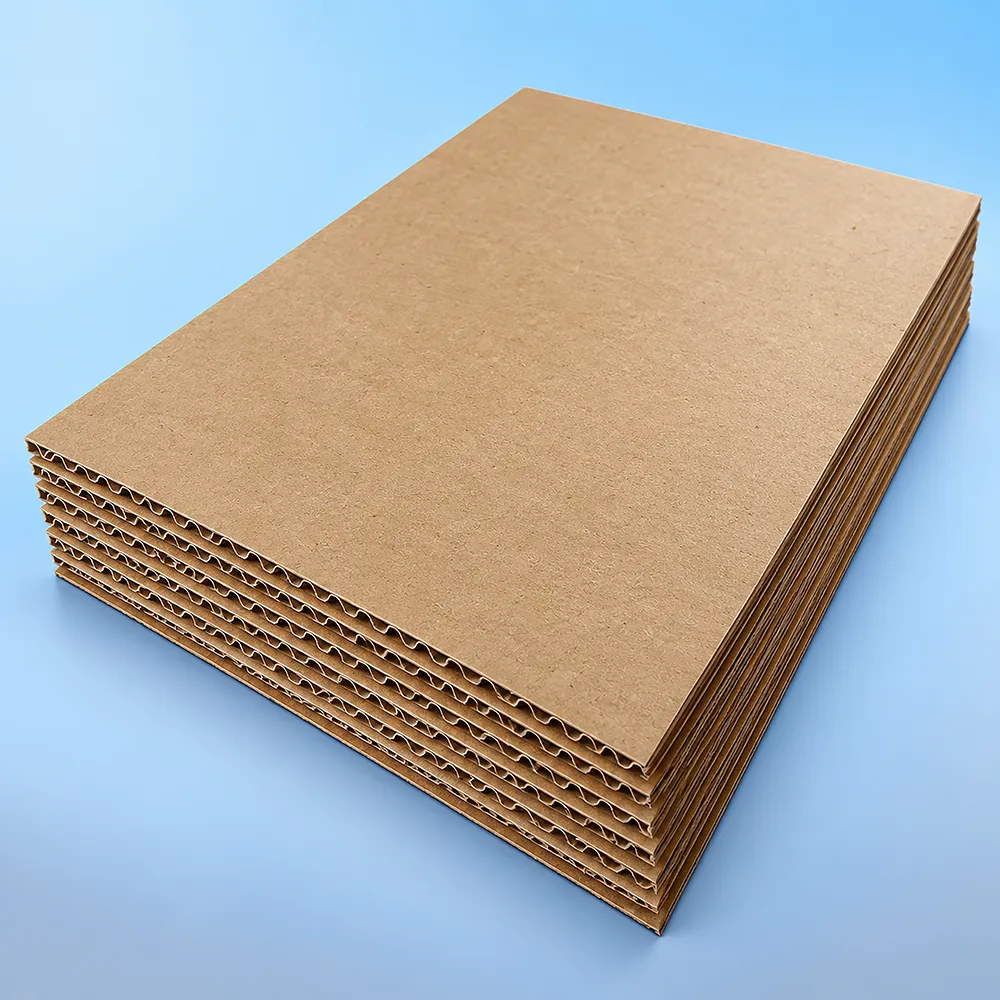
Corrugated board is a distinct fluted construction. It may become more relevant where the packaging requirement shifts toward heavier handling, distribution or an outer shipping layer. It should not be treated as interchangeable with a folding paperboard bakery carton simply because both can be printed and die cut.

Rigid Packaging

Rigid setup construction belongs to another packaging family and should not be presented as a routine Pie Box with Window material unless that exact structure is specifically requested and confirmed.

Direct Food Contact Requires a Verified Material Specification

Food packaging needs a clear distinction between secondary packaging and direct-contact packaging. A pie may be packed in a pan, tray, liner or another primary component that separates the food from parts of the outer carton. Another project may place food directly against packaging surfaces. Those are not the same material requirement. If the pie or another exposed food surface will directly contact the carton, window component, coating, adhesive, printed surface or another package element, state that clearly when requesting the quote. Material appearance alone is not enough to establish suitability. Do not assume that every paperboard or Kraft stock is automatically:
  • food-contact suitable;
  • grease resistant;
  • moisture resistant;
  • FDA compliant;
  • or appropriate for every baked product.
The material specification should follow the actual contact condition and intended use.

Printing and Finishing Around the Window

Printing creates the graphics and color on the carton. Finishing changes or highlights the surface. They should be planned separately.

Offset Printing

Offset printing can suit compatible paperboard projects where detailed graphics and larger production runs make that workflow appropriate.

Digital Printing

Digital printing may suit compatible projects where the quantity, artwork and production workflow support it.

Flexographic Printing

Flexographic printing can be relevant where the selected packaging construction and substrate make that process appropriate, including certain corrugated applications. No one method should be described as universally best. The decision should consider:
  • substrate;
  • quantity;
  • artwork;
  • structural format;
  • print coverage;
  • and project requirements.

CMYK and Pantone/PMS

CMYK can be used for suitable process-color graphics, photographs and illustrations. Pantone/PMS references may be useful where a defined brand-color reference is required and the selected workflow supports it. Substrate and production conditions affect appearance, so neither system should be presented as an unconditional exact-color guarantee.

Finishing Around the Window

Compatible projects may use:
  • matte;
  • gloss;
  • soft-touch;
  • foil stamping;
  • embossing;
  • debossing;
  • and spot UV.
Finish placement should respect:
  • the window edge;
  • folds;
  • glue zones;
  • closures;
  • narrow lid areas;
  • and other functional regions.
Increasing the window area may reduce the space available for foil, embossing, spot UV or other decorative effects. Finishing should not be described as providing food preservation, grease resistance, moisture resistance or structural shipping protection unless that performance has been separately verified.

Coordinate the Window With the Dieline and Artwork

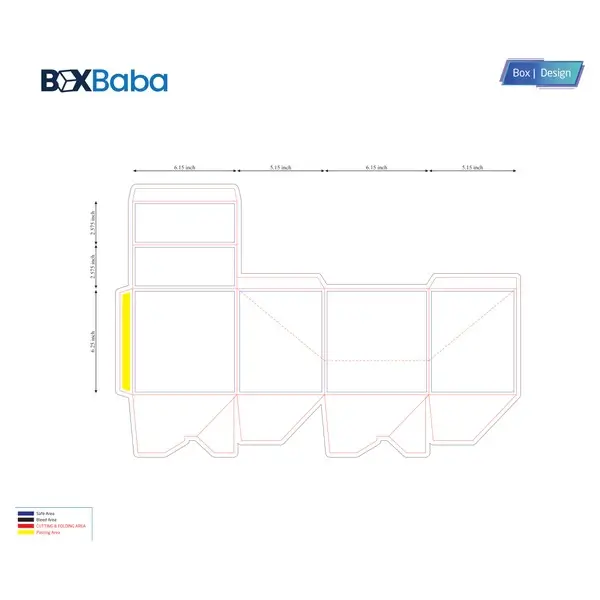
The window belongs to the carton structure, so it should be established before final artwork is approved. The dieline can define:
  • carton perimeter;
  • lid or top panel;
  • window opening;
  • fold lines;
  • glue areas;
  • closure features;
  • safe zones;
  • and printable panels.
Important artwork may include:
  • logo;
  • pie name or flavor;
  • product description;
  • barcode or QR code;
  • required product information;
  • and decorative graphics.
A late change to the viewing window can reduce or relocate the area available for those elements. The recommended sequence is: Pie / Pan Measurements → Carton Structure → Window → Approved Dieline → Final Artwork For deeper structural-file guidance, use BoxBaba Dieline in Packaging guide. For broader information about the cutting process that creates windows and other structural features, see the Die Cutting Process in Packaging guide.

Use a Physical Sample to Check Pie, Pan and Window Fit

Proofing methods answer different questions. A dieline helps review the flat structural geometry. A digital artwork proof helps review graphics, text, branding and print placement. A 3D mockup can help visualize the assembled carton and intended window position. A physical structural sample becomes more useful when the uncertainty involves:
  • actual pan or tray fit;
  • flange clearance;
  • overall product height;
  • lid relationship;
  • window location;
  • physical loading;
  • or carton assembly.
A digital proof or 3D mockup cannot physically demonstrate the real relationship between the pie, pan, highest product point and closed carton. That distinction is particularly important for window packaging because the final viewing area depends on real product geometry.

Retail and Pickup Pie Boxes Are Not Automatically Shipping Packages

A printed Pie Box with Window is primarily a product, retail, bakery-counter, pickup or presentation package. That does not automatically establish it as the correct external package for parcel shipment. Where carrier shipping is required, the packaging system may instead be: Pie / Primary Food Component → Pie Carton → Outer Shipping Package If the project requires a separate outer ecommerce or fulfillment layer, Corrugated Mailer Boxes may be relevant to that separate packaging decision. Do not infer:
  • courier suitability;
  • crush resistance;
  • impact performance;
  • temperature control;
  • or damage prevention
from the retail pie carton alone.

When a No-Window Custom Pie Box May Be Better

A window should solve a real merchandising or presentation need. A no-window carton may make more sense when:
  • product visibility is not important before opening;
  • the available top-panel area is needed for branding or information;
  • a viewing opening would remove too much material;
  • the packaging brief favors a fully printed lid;
  • or another packaging requirement matters more than seeing the pie.
In those situations, compare the broader Custom Pie Boxes page rather than forcing a window into the structure. The purpose of DC-P09 is not to make every pie box a window box. It is to solve the specific case where pie visibility is an intentional packaging requirement.

Common Pie Window Packaging Mistakes

Measuring Only the Pie and Ignoring the Pan

The pan, tray or flange can occupy more space than the food itself.

Using Nominal Diameter as the Only Dimension

A round pie still has height, base, crust and pan geometry that matter to the carton.

Ignoring the Highest Crust or Topping

The maximum product point may sit closer to the lid or window than expected.

Centering the Window Before Establishing Product Position

A perfectly centered lid opening may not align with the packed pie.

Making the Viewing Area Too Large

More visibility removes more board and reduces usable artwork area.

Assuming Different Pie SKUs Share One Structure

Pan style, overall height and presentation can change between products.

Assuming Kraft or Cardboard Is Automatically Food-Safe

Food-contact requirements must be evaluated for the actual package and intended use.

Treating the Bakery Carton as a Parcel Shipper

Pickup or display packaging and carrier distribution are different packaging layers.

MOQ, Production and Quote Planning

BoxBaba standard MOQ baseline is 100 units. Standard production is 5–9 business days after artwork approval. Production time is separate from shipping and delivery time. Free shipping across the USA is available under the current standard offer. Quote pricing depends on the actual project configuration, including:
  • carton dimensions;
  • pie and pan/tray size;
  • window configuration;
  • structure;
  • material;
  • quantity;
  • number of SKUs;
  • printing;
  • finishing;
  • inserts where needed;
  • and proof/sample requirements.
To reduce quote back-and-forth, provide:
  • pie type;
  • maximum pie or pan/tray length and width or diameter;
  • product weight where relevant;
  • quantity per box;
  • number of SKUs;
  • open or covered window preference if known;
  • direct-food-contact condition;
  • material preference;
  • artwork status;
  • printing and finishing direction;
  • total order quantity;
  • sample/proof requirement;
  • shipping destination;
  • packaging channel;
  • and target deadline.

Why Choose BoxBaba for Custom Pie Boxes with Window?

BoxBaba can develop the window carton from the real pie and pan/tray configuration rather than treating the viewing opening as an isolated decorative cut. Custom sizing and dieline support allow the footprint, product height, viewing area and printable panels to be coordinated before final artwork. Artwork, 3D mockup and applicable proofing support can then help review the packaging before production. BoxBaba standard commercial baseline includes:
  • a 100-unit MOQ;
  • standard production of 5–9 business days after artwork approval;
  • and free shipping across the USA.
The objective is to use the viewing window where it genuinely improves the packaging—and position it around the product that will actually sit inside the box.

Request a Custom Pie Box with Window Quote

Start with the finished pie and the component carrying it. Send BoxBaba the pie and pan or tray dimensions, flange or widest point, overall packed height, highest crust or topping point, quantity per box and SKU count. Then identify the area you want customers to see and provide any open or covered window preference, direct-food-contact requirement, insert need, material preference, artwork status, printing and finishing direction, total quantity, shipping destination and deadline. These inputs allow the product, pan, carton and viewing window to be reviewed as one packaging configuration. Call: +1 305 574 4357 Email: sales@boxbaba.com

Frequently Asked Questions

Find all the urgent questions you may have.

Custom Pie Boxes with Window are pie-specific cartons with a viewing opening positioned around the packed pie. The opening may be uncovered or use a transparent component depending on the approved project configuration.
Custom Pie Boxes is the broader packaging category. Pie Boxes with Window are more specific: product visibility is a defining requirement, so the viewing area must be coordinated with the pie, pan or tray and carton structure.
Provide the maximum pie or pan/tray diameter, or length and width, plus the widest flange or rim and the complete packed height. Include the pan, tray or liner if it remains with the pie inside the box.
Yes. The highest point of the finished pie can affect the internal height and its relationship with the lid or viewing window. Provide the maximum sale-ready product height rather than pan depth alone.
The viewing area may use an open die-cut opening or a transparent covered window where compatible with the project. The exact covered-window material and construction should be confirmed during quotation.
No blanket direct-contact claim should be assumed from the box material alone. If the pie or another food surface will directly touch the carton or another packaging component, identify that requirement so the actual material and construction can be reviewed.
Not necessarily. A pie pan or tray may already establish sufficient product positioning. An additional insert may be considered where movement, multi-item organization or window alignment creates a specific requirement.
Paperboard/cardboard and Kraft paperboard are primary retail-carton directions. BoxBaba can support offset, digital and flexographic printing where appropriate, along with compatible matte, gloss, soft-touch, foil stamping, embossing, debossing and spot UV finishes.
A physical sample can be useful when pan or tray fit, product height, window location, loading or carton assembly is difficult to confirm digitally. A digital artwork proof or 3D mockup does not physically prove these relationships.
The standard MOQ baseline is 100 units. Standard production is 5–9 business days after artwork approval. Production time is separate from shipping and delivery time.