


Die Cut Toy Boxes

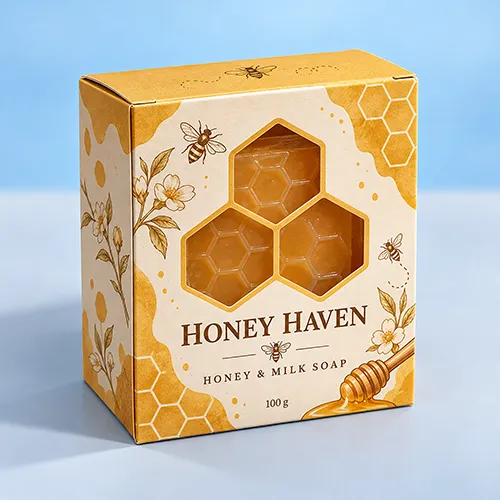
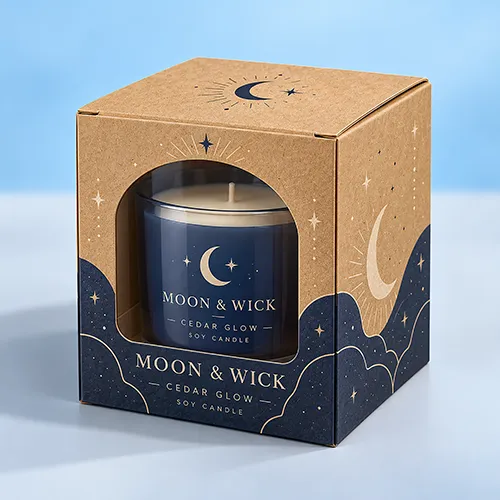
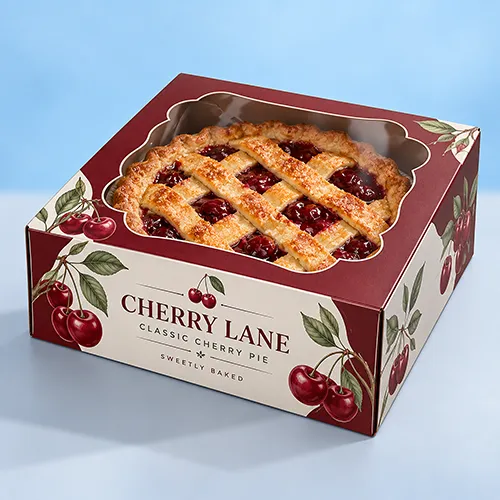
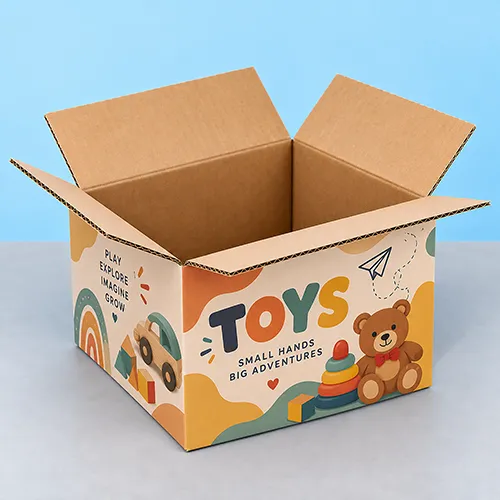
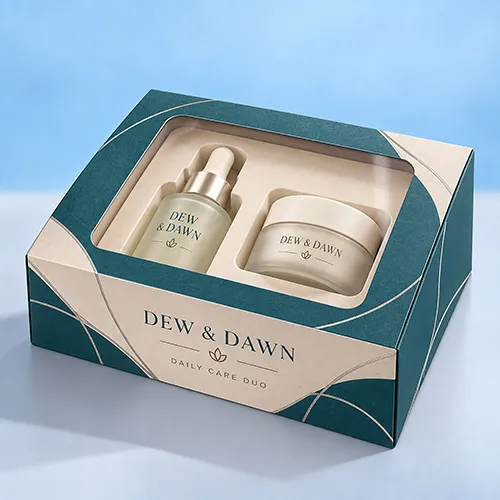
Custom die cut toy boxes are retail cartons built around a toy real packed pose and a shaped or open cutout that reveals a selected product feature. Instead of treating the opening as decoration, BoxBaba can plan it around the toy maximum packed dimensions, projections, orientation, accessories and the area intended for display. Internal support can be considered where movement would affect cutout alignment or component organization. Depending on the project, the opening may remain uncovered or use a transparent component, with exact materials confirmed during quotation. Custom sizing, printing, dieline, artwork and applicable proofing support are available for toy-specific packaging projects.
Trustpilot_Logo
5 out of 5 stars
4.5
Reviews 16 • Excellent

Custom Die Cut Toy Boxes for Branded Retail Packaging

Custom die cut toy boxes combine tailored sizing, precision-cut openings, secure product fit, branded printing, and retail-ready presentation for toys, collectibles, and gift products.

What We Give

Create Custom Boxes Quick and Easy

Design

Get your custom boxes made in the required size, shape, and style.

Print

Upload your artwork and get it superbly printed the way you want.

Get it done

Order any quantity, enjoy a wholesale price, pay no extra for die plates.

Related Products

What Makes a Die Cut Toy Box Different?

A Custom Die Cut Toy Box uses the structural opening itself as part of the product presentation. That is different from adding a conventional clear rectangular window to a standard carton. The cutout may be designed to reveal:
  • a character face;
  • part of a figure;
  • a wheel or vehicle detail;
  • a distinctive color;
  • a textured or interactive feature;
  • an accessory arrangement;
  • or another intentionally selected area of the packed toy.
The useful planning sequence is: Packed Toy → Feature to Reveal → Product Orientation → Cutout This gives DC-P14 a different commercial job from broader Toy Boxes, which should help buyers compare the complete toy-packaging family. It also remains more specific than the broad Custom Die Cut Boxes category, which covers die-cut structures across many product types.

Measure the Toy in Its Packed Pose

Toy packaging should be configured around the product as it will actually be packed, not automatically around its largest play position. This is particularly important for:
  • articulated figures;
  • dolls;
  • vehicles;
  • toys with wings;
  • plush products;
  • educational kits;
  • toys with removable accessories.
The key distinction is: Play Pose ≠ Packed Pose Before measuring, establish the production packing position. Then record the maximum occupied:
  • length;
  • width;
  • depth or height;
  • and projections.

Measure the Maximum Occupied Geometry

The main toy body may not determine the box size. A smaller feature can become the widest or tallest point, including:
  • wheels;
  • wings;
  • arms;
  • ears;
  • handles;
  • hair or decorative elements;
  • antennas;
  • bases;
  • stands;
  • fixed accessories.
Measure those projections in the actual packed position.

Movable Parts Need a Defined Packing Position

If arms, legs, wheels or another component can move, do not provide measurements from several random positions. Choose the intended packed orientation first. That establishes a repeatable reference for:
  • sizing;
  • cutout position;
  • insert planning;
  • artwork;
  • and physical sampling.

Include Accessories Before Structural Approval

If the package contains:
  • stands;
  • cards;
  • tools;
  • removable pieces;
  • game components;
  • character accessories;
  • or another item,
include those components in the initial layout. Adding them later can change the internal arrangement and move the main toy away from the intended cutout. Remember: Toy Dimensions ≠ Finished Carton Dimensions The supplied product measurements are structural inputs. Final box dimensions depend on the approved design, material and packing arrangement.

Decide What the Cutout Should Reveal

A shaped opening should have a clear visual or functional purpose. Do not choose its shape only because a decorative outline looks interesting on an empty front panel. Start by asking: What should a shopper see or access through this opening? Then define:
  1. the toy packed orientation;
  2. the exact feature to reveal;
  3. where that feature sits on the assembled package;
  4. how much surrounding board should remain available for structure and artwork.
For example, a character-led toy may need only the face or upper body exposed rather than a large opening around the entire figure. A toy vehicle may use a cutout around a wheel or body detail. The correct cut follows the product presentation.

Shaped Open Cutout vs Transparent Toy Window

These are neighboring packaging configurations, but they should not own the same primary intent.

Shaped Open Cutout

DC-P14 primarily owns a shaped or open reveal in which the structural cut itself is central to the design. The opening may follow a product-related or branded geometry where the approved dieline supports it.

Shaped Opening With Transparent Cover

A project may combine shaped geometry with a transparent component behind the opening. That remains conditional. The exact transparent material and attachment method should be confirmed during quotation.

Conventional Clear Toy Window

If the primary goal is simply to provide broad, enclosed visibility through a clear panel, Toy Boxes With Window are the more appropriate commercial destination. A simple decision rule is: Custom shaped/open reveal is dominant → Custom Die Cut Toy Boxes Clear enclosed visibility is dominant → Toy Boxes With Window The two features can sometimes appear together, but page ownership should follow the buyer main requirement.

When Does the Toy Need an Insert?

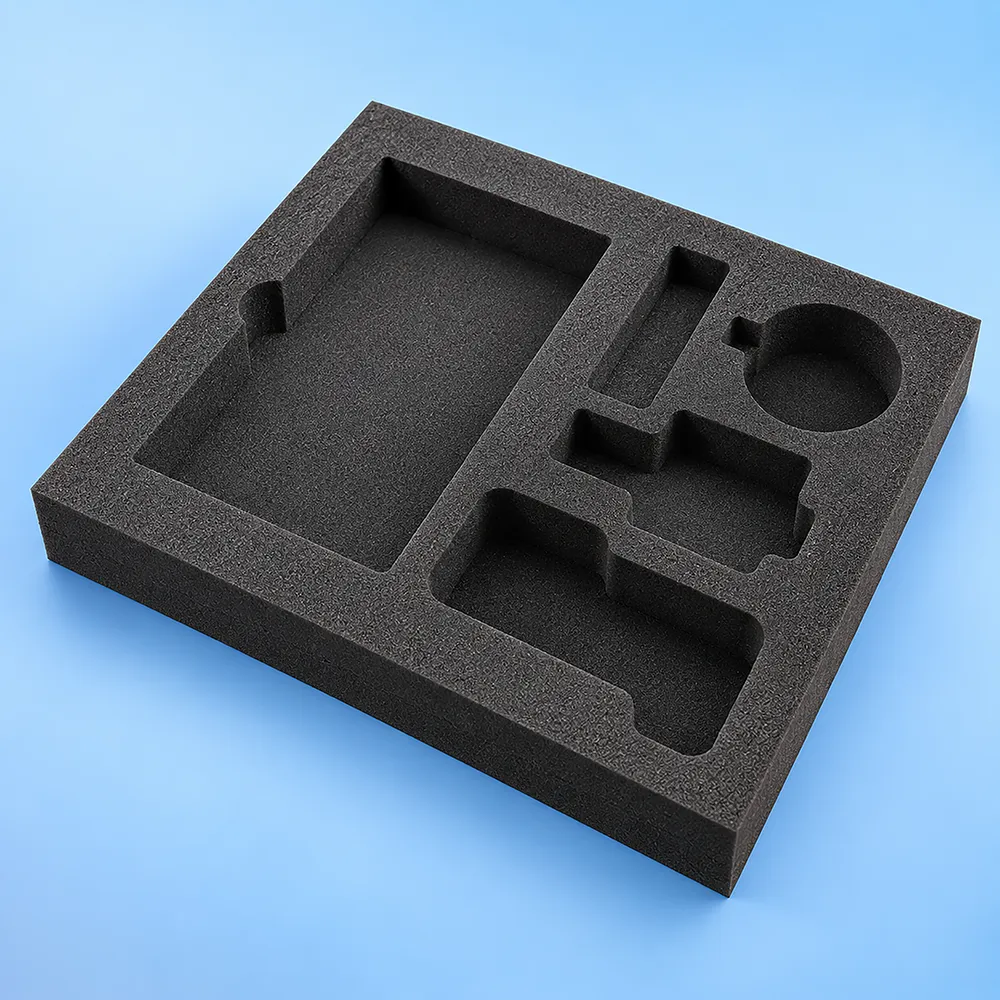
A cutout exposes the toy. It does not retain it. An internal insert, holder or divider becomes relevant when it solves a real packaging problem such as:
  • the toy rotating away from the opening;
  • the product moving vertically or laterally;
  • accessories needing separation;
  • several parts requiring organized presentation;
  • a figure needing repeatable orientation;
  • the removal sequence needing more control.
For a closely fitted simple toy carton, additional support may not be necessary. Use: Movement / Organization Problem → Insert Decision not: Die Cut Toy Box → Insert Automatically Required When internal positioning becomes a major part of the project, Cardboard Inserts can be evaluated separately. An insert should not be described as guaranteeing impact protection, breakage prevention or child safety.

Plan the Cutout Around Product Orientation

A cutout and product orientation must be developed together. A structurally correct opening can still fail the presentation goal if the product faces the wrong direction behind it. Use: Carton Front → Shopper and: Selected Toy Feature → Cutout as two connected orientation decisions. This becomes more important where:
  • figures can rotate;
  • dolls have irregular hair or clothing profiles;
  • toy vehicles sit at an angle;
  • accessories occupy the front of the package;
  • several SKUs reuse a common carton.
For multiple toy variants, compare each packed pose before assuming one shared cutout will reveal the same area consistently.

Material Options for Die Cut Toy Boxes

Material selection should follow the structure, toy geometry, cutout size, print requirements and sales channel.

Paperboard / Cardboard

Paperboard is a primary direction for compatible retail toy cartons. It supports:
  • folding structures;
  • shaped openings;
  • detailed printed artwork;
  • and compatible decorative finishes.
A large cutout removes board from the panel, so material selection should follow the actual structural layout rather than one universal stock thickness.

Kraft Paperboard

Kraft paperboard can be considered when a natural brown substrate suits the design direction. Its base color can affect the appearance of printed graphics, particularly lighter colors. Kraft appearance alone does not prove:
  • recycled content;
  • recyclability;
  • biodegradability;
  • or another environmental performance property.

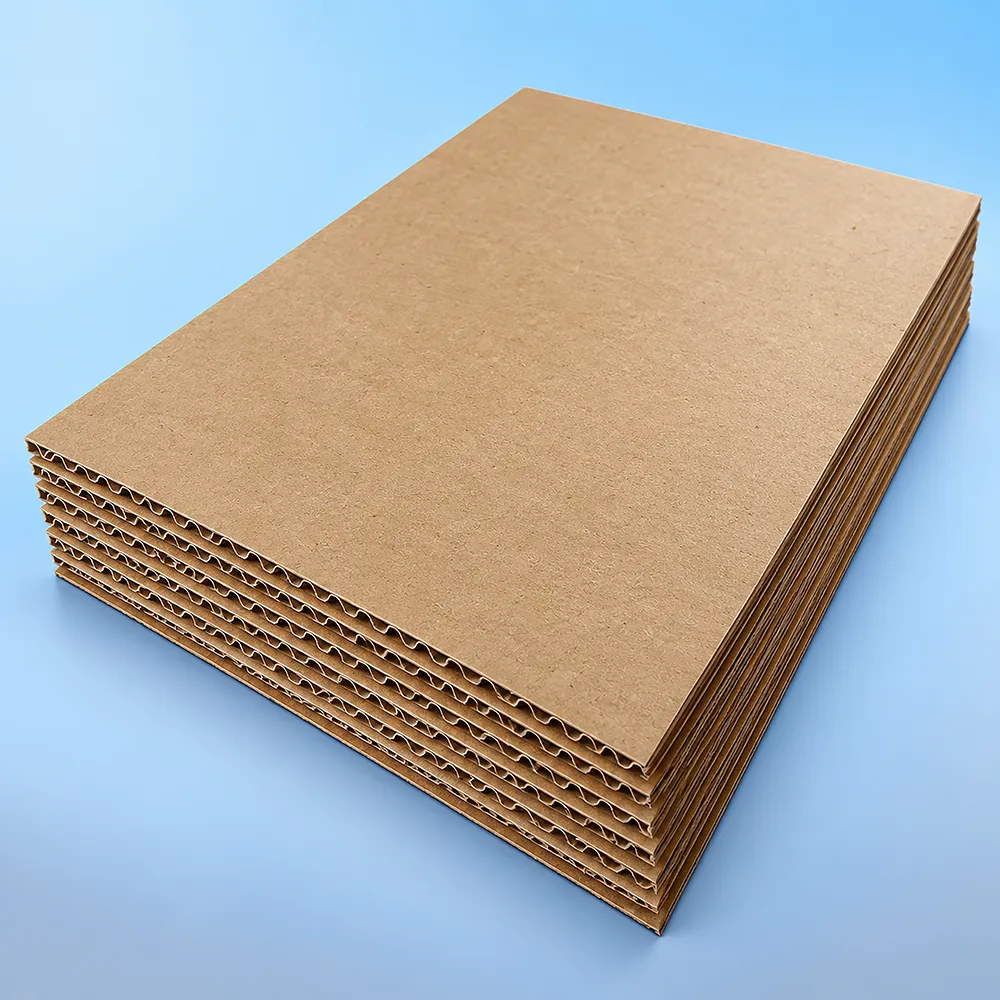
Corrugated Board

Corrugated board is a structurally different fluted material. It may be relevant for larger/heavier formats, wholesale handling or an outer shipping layer. It should not be treated as interchangeable with a normal folding retail toy carton.

Rigid Board

Rigid setup packaging belongs to another presentation family. It can be relevant to collector, gift or limited-edition packaging where a rigid structure is itself the primary requirement. Do not present rigid construction as the routine DC-P14 structure simply because it can also be custom cut.

Preserve Space for Toy Information and Buyer-Supplied Warnings

A shaped cutout consumes printable panel area. That matters because toy packaging may need space for buyer-approved:
  • brand and product name;
  • character artwork;
  • barcode or QR code;
  • age guidance;
  • instructions;
  • SKU information;
  • warnings;
  • tracking or manufacturing information;
  • other market-specific content.
The useful trade-off is: More Open Area → Less Uninterrupted Artwork / Information Area Approve the structural opening before locking the final information-panel layout. BoxBaba can support dieline and artwork preparation, but final product labeling, warnings, age grading and regulatory review remain the buyer responsibility.

Printing and Finishing Around the Cut

Printing and finishing are separate production decisions. Printing creates the artwork and color. Finishing changes selected surface appearance, texture or decorative emphasis.

Offset Printing

Offset printing can suit compatible paperboard toy cartons where artwork, quantity and production requirements support that workflow.

Digital Printing

Digital printing may suit compatible projects where quantity and artwork make a digital workflow appropriate.

Flexographic Printing

Flexographic printing may be relevant where the selected substrate and structure support it, including certain corrugated applications. The print method should follow: Material + Artwork + Quantity + Print Area + Structure rather than being treated as a universal best option.

CMYK and Pantone/PMS

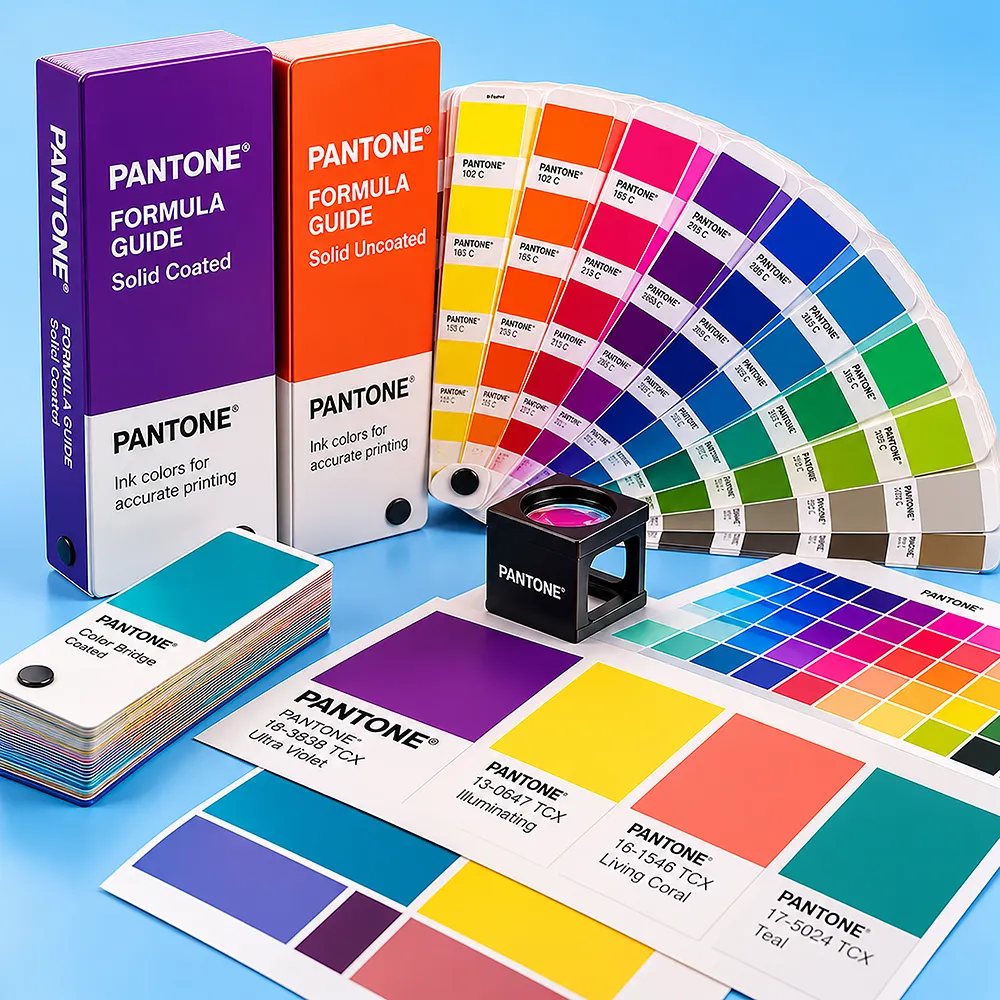
CMYK can support compatible full-color character artwork, illustrations and product graphics. Pantone/PMS references can be useful where a defined brand-color reference is required and the selected process supports it. Material and production conditions affect final appearance, so neither should be presented as an unconditional exact-color guarantee. Printed artwork should also not be described as an exact guaranteed reproduction of the physical toy color.

Finishing Around Shaped Cutouts

Compatible projects may use:
  • matte;
  • gloss;
  • soft-touch;
  • foil stamping;
  • embossing;
  • debossing;
  • spot UV.
Finish placement should account for:
  • shaped cut edges;
  • fold lines;
  • glue zones;
  • closures;
  • narrow borders;
  • barcode/QR placement;
  • warning or instruction areas.
An elaborate opening may reduce the space available for large foil areas or raised/debossed elements. Decorative finishing should not be presented as structural or child-safety protection.

Coordinate the Cutout, Dieline and Artwork

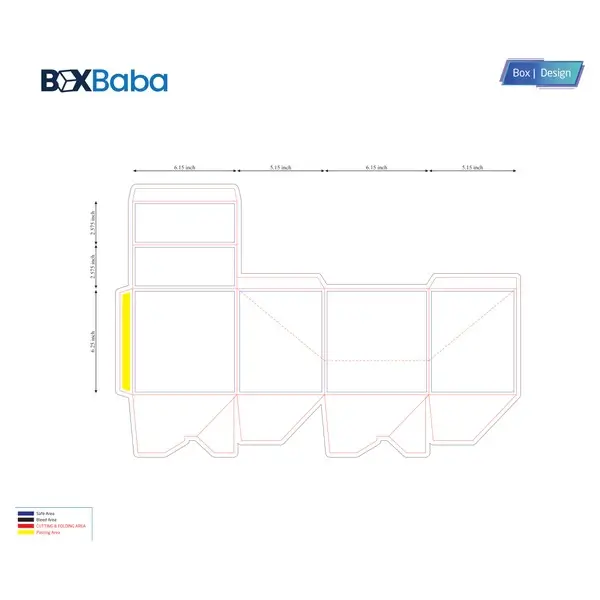
The cut geometry should be established before final artwork approval. A toy-carton dieline may define:
  • outer carton profile;
  • shaped opening;
  • fold lines;
  • glue areas;
  • closures;
  • safe zones;
  • bleed;
  • printable information panels.
A late structural change can move or reduce space available for:
  • logo placement;
  • character artwork;
  • barcode or QR code;
  • product information;
  • buyer-supplied warnings;
  • finishing effects.
Use: Packed Toy → Cutout Geometry → Approved Dieline → Final Artwork For deeper structural-file guidance, see BoxBaba  Dieline in Packaging guide. For broader information about how structural cuts and creases are produced, use the Die Cutting Process in Packaging guide.

Use a Physical Sample to Check Fit and Reveal Alignment

Different approval tools answer different questions. A dieline helps review flat structural geometry. A digital artwork proof helps review printed graphics, text and layout. A 3D mockup can help visualize the assembled carton and expected opening. A physical structural sample becomes more useful where the uncertainty involves:
  • real packed-pose fit;
  • projections;
  • movable parts;
  • product orientation;
  • cutout alignment;
  • insert fit;
  • accessory organization;
  • loading;
  • removal.
A digital rendering cannot physically demonstrate how an articulated or multi-component toy will sit inside the actual package. For irregular toy geometry, a structural sample can therefore answer questions that artwork approval alone cannot.

Retail Toy Carton vs Shipping Packaging

Custom Die Cut Toy Boxes are primarily retail or presentation cartons. That does not automatically make the same structure an external parcel-shipping package. For ecommerce, the packaging system may instead be: Toy → Retail Die Cut Carton → Outer Shipping Package If the primary problem is fulfillment and carrier transit rather than shaped retail presentation, Toy Shipping Boxes should be considered instead. Where a separate mailer layer is needed around a product carton, Corrugated Mailer Boxes may also be relevant. Do not infer:
  • drop protection;
  • crush resistance;
  • shipping suitability;
  • impact performance;
  • or damage prevention
from the retail die-cut carton alone.

When Another Toy Box Style May Be Better

DC-P14 is appropriate only when the shaped/open cut is a meaningful part of the brief. Another structure may be better when the buyer main need is different.

Choose Toy Boxes With Window When Visibility Is the Main Goal

If shoppers simply need an enclosed clear view of most of the product, compare Toy Boxes With Window.

Choose Toy Boxes With Handle When Portability Is the Main Goal

If carrying convenience is the primary structural requirement, Toy Boxes With Handle should lead the project instead.

Choose Action Figure Boxes for Figure-Specific Packaging

If the product is specifically a collectible or articulated figure and figure/accessory presentation is more important than the shaped cut itself, Action Figure Boxes may provide the better starting point.

Choose Toy Shipping Boxes for Fulfillment

If carrier transit and distribution are the primary tasks, use Toy Shipping Boxes rather than forcing a retail display carton to perform that role. The decision should follow the dominant packaging problem.

Common Die Cut Toy Packaging Mistakes

Measuring the Toy in a Play Pose

The carton may be developed around dimensions the toy will never occupy during packing.

Ignoring Projections

A wing, wheel, arm, ear, stand or accessory can define the maximum package geometry.

Approving the Cutout Before Product Orientation

The opening reveals the wrong feature.

Assuming the Cutout Holds the Toy in Place

Visibility and retention are separate functions.

Adding Accessories After Structural Approval

The internal layout changes after the cutout position has already been established.

Making the Opening Too Large

Too much panel area may be removed from the structure and artwork layout.

Reusing One Cutout Across Different Toy Variants Without Validation

Different characters or SKUs can have different projections and packed poses.

Finalizing Artwork Before the Dieline

A structural change can conflict with barcode, warning or branding areas.

Using a 3D Mockup as Proof of Physical Fit

A rendering cannot physically validate projections, movement or insert interaction.

Treating the Retail Carton as the Parcel Shipper

Retail presentation and shipping performance are separate packaging requirements.

MOQ, Production and Quote Planning

BoxBaba standard MOQ baseline is 100 units. Standard production is 5–9 business days after artwork approval. Production time is separate from shipping and delivery time. Free shipping across the USA is available under the current standard offer. Project pricing can depend on:
  • packed toy dimensions;
  • toy shape;
  • carton size;
  • cutout complexity;
  • structure;
  • material;
  • insert requirements;
  • accessories;
  • quantity;
  • number of SKUs;
  • printing;
  • finishing;
  • and sample/proof requirements.

Why Choose BoxBaba for Custom Die Cut Toy Boxes?

BoxBaba can develop the shaped opening around the real packed toy rather than treating the cutout as an isolated decoration. Custom sizing and dieline support allow the toy geometry, projections, product orientation, cutout and printable panels to be coordinated before final artwork approval. Artwork, 3D mockup and applicable proofing support can then help review the packaging before production. BoxBaba standard commercial baseline includes:
  • a 100-unit MOQ;
  • standard production of 5–9 business days after artwork approval;
  • and free shipping across the USA.
The objective is to make the structural cut reveal the intended product feature while preserving the space and geometry the finished carton requires.

Request a Custom Die Cut Toy Box Quote

Start with the toy in its actual production-packed position. Send BoxBaba the maximum packed length, width and depth/height, product weight where relevant, movable projections, accessories, quantity per box and SKU count. Then identify exactly which toy feature should be exposed and provide any preferred shaped-cut direction, open/covered configuration, insert requirement, material preference, artwork status, printing and finishing direction, sample needs and shipping destination. These inputs allow the toy geometry, structural cutout, internal positioning and artwork to be reviewed together. Call: +1 305 574 4357 Email: sales@boxbaba.com

Frequently Asked Questions

Find all the urgent questions you may have.

Custom Die Cut Toy Boxes are toy-specific retail cartons with shaped openings, open reveal areas or other approved structural cuts that become part of how the packed toy is presented.
Die Cut Toy Boxes primarily focus on the shape or function of the custom opening. Toy Boxes With Window primarily focus on clear enclosed product visibility through a transparent panel. A project may combine the two, but the dominant requirement should determine the product type.
Use the exact position in which the toy will be packed. Articulated or movable toys can occupy very different dimensions in a play pose versus a production packing pose.
Set movable parts in the intended packed position, then measure the maximum occupied length, width and depth/height. Include projections such as wheels, wings, arms, handles, hair, stands and fixed accessories.
A shaped opening can be reviewed according to the toy, desired reveal area and approved dieline. Structural feasibility should be confirmed for the exact geometry rather than assuming every decorative shape is suitable.
The opening may remain uncovered or, where compatible, use a transparent component. The exact transparent material and attachment method should be confirmed during quotation.
An insert or holder may be useful when the toy moves away from the intended opening, accessories need separation or several components require organized positioning. It is not automatically required.
Approve the structural opening before final artwork. The cut removes printable panel area, so buyer-approved age guidance, warnings, tracking information, barcode/QR and branding should be positioned around the final dieline.
A physical sample can be useful when packed-pose fit, projections, product orientation, cutout alignment, accessories or insert interaction cannot be confidently verified through a digital proof or 3D mockup.
The standard MOQ baseline is 100 units. Standard production is 5–9 business days after artwork approval. Production time is separate from shipping and delivery time.