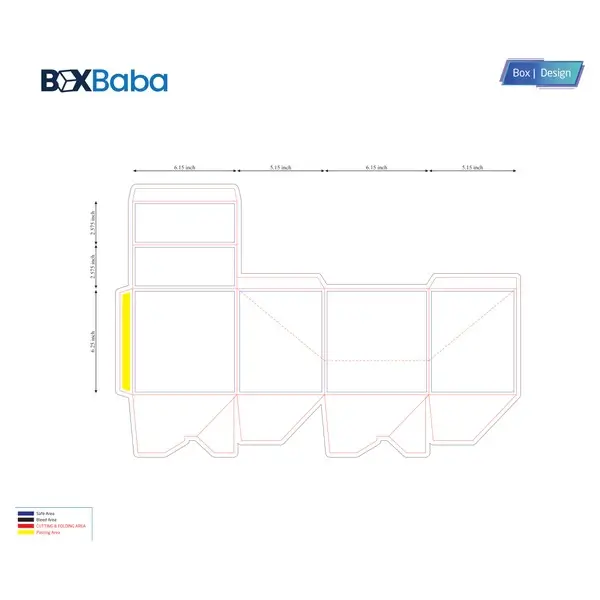

Toy Boxes With Window

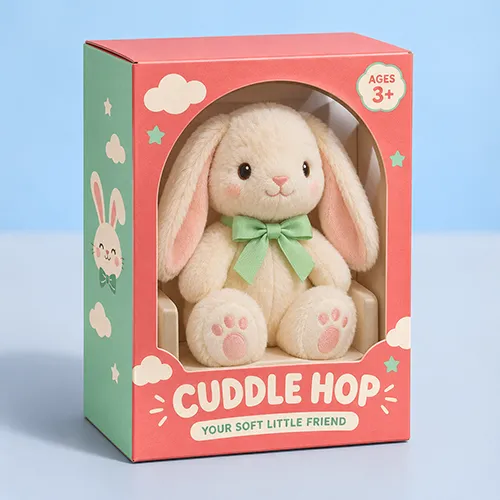
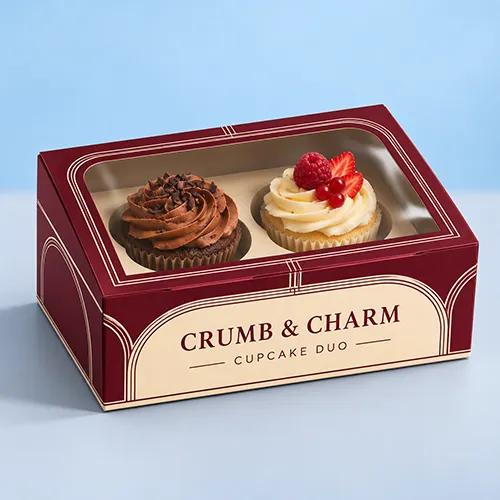
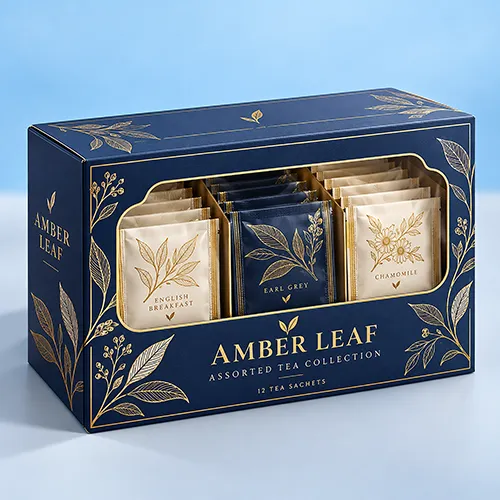
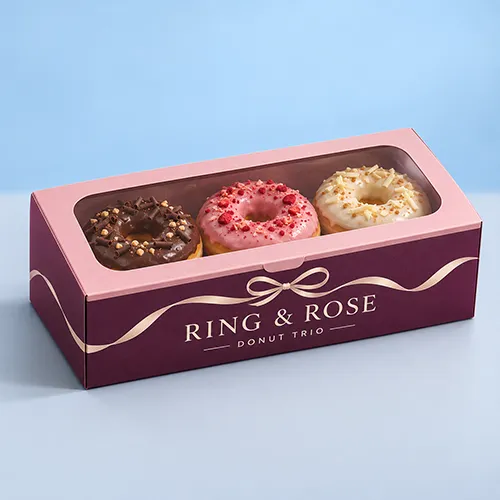
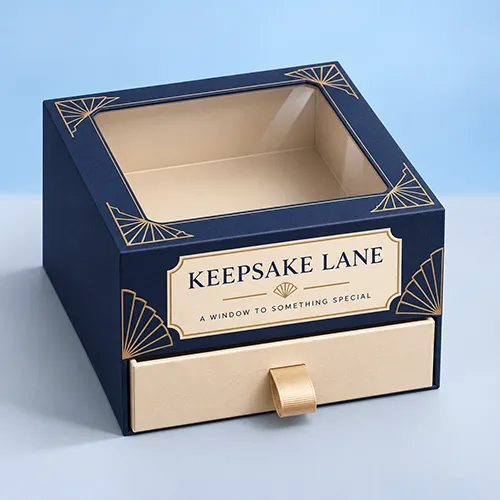
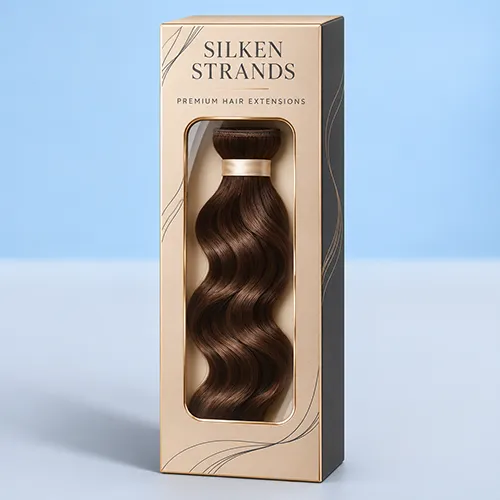
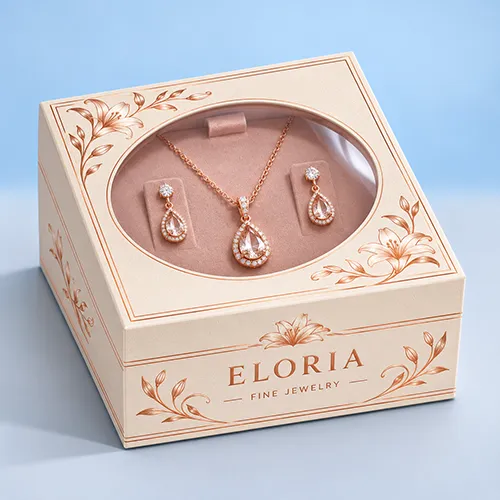
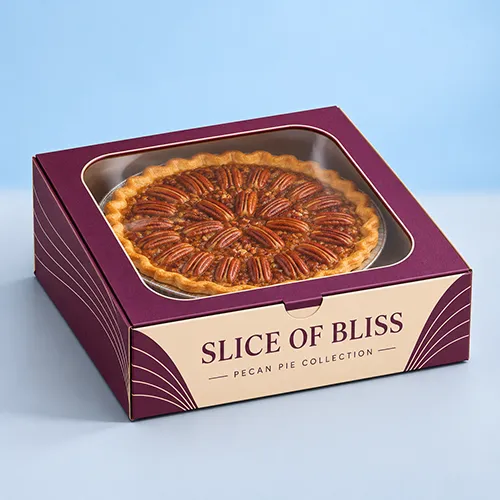
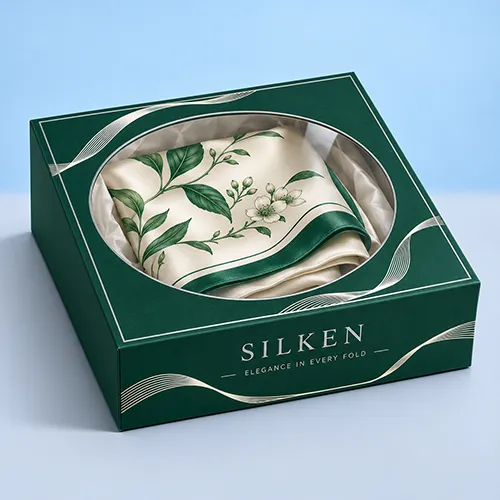
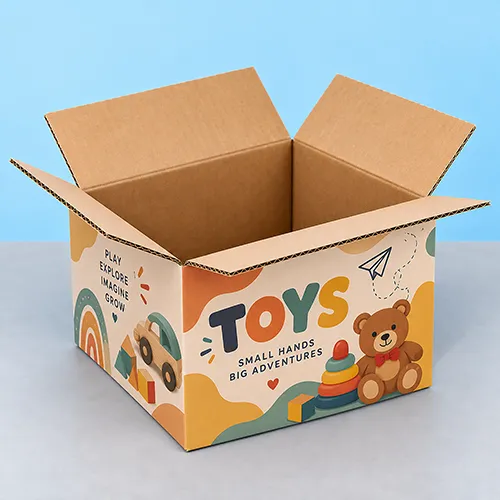
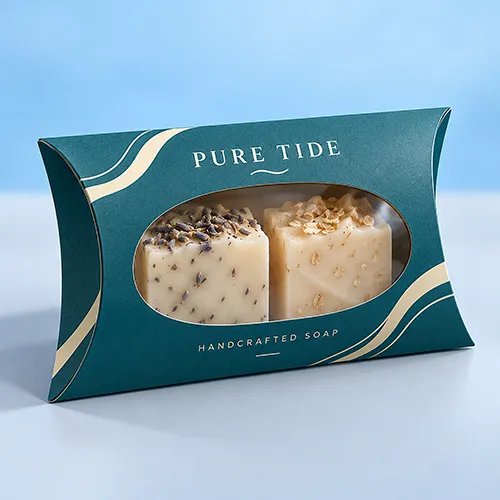
Custom Toy Boxes with Window combine printed retail packaging with a transparent viewing panel that displays the toy and selected accessories without opening the carton. BoxBaba offers custom-sized window toy boxes for dolls, action figures, model cars, collectibles, plush toys, educational kits, and other suitable merchandise, designed around the finished toy’s dimensions, packed orientation, and retail presentation. Choose the window shape and placement, paperboard material, box structure, fitted inserts, printed character artwork, and compatible finishes to match your toy packaging requirements. Wholesale quantities start from 100 boxes for eligible projects, with dieline and 3D mockup assistance, standard carton production generally taking 5–9 business days after final approval, and free shipping across the USA.
Trustpilot_Logo
5 out of 5 stars
4.5
Reviews 16 • Excellent

Custom Toy Boxes with Window | Wholesale Packaging | BoxBaba

Display toys with custom window boxes featuring clear viewing panels, sturdy cardboard construction, branded printing, and tailored sizes for retail shelves and gift packaging.

What We Give

Create Custom Boxes Quick and Easy

Design

Get your custom boxes made in the required size, shape, and style.

Print

Upload your artwork and get it superbly printed the way you want.

Get it done

Order any quantity, enjoy a wholesale price, pay no extra for die plates.

Related Products

What Are Toy Boxes with Window?

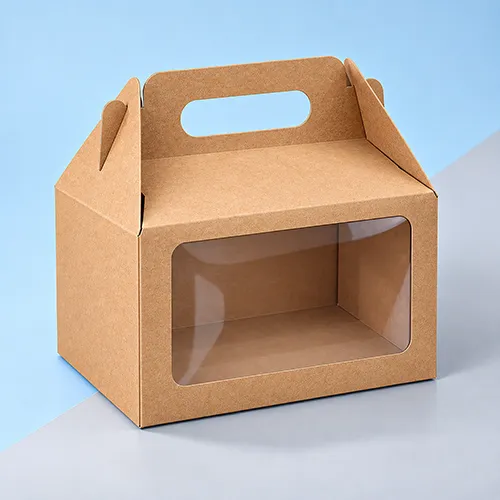
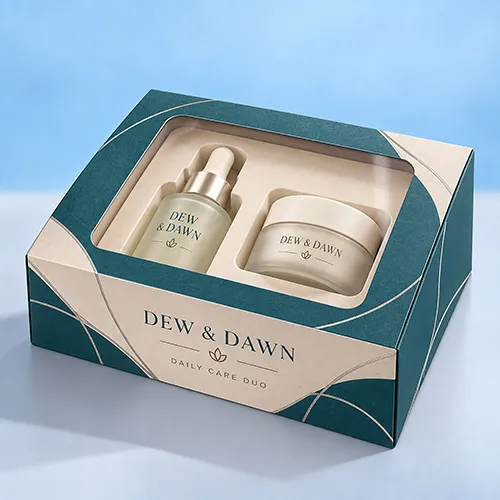
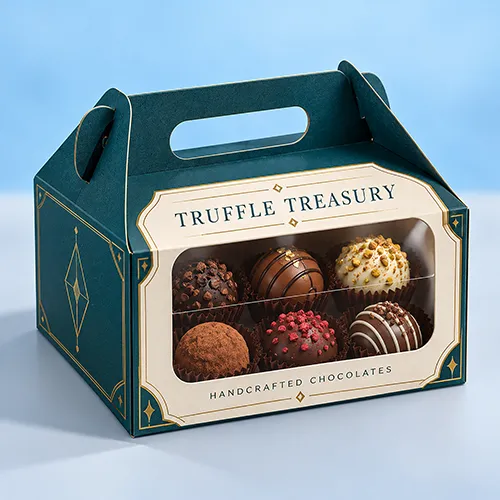
Toy boxes with window are custom packaging cartons with a transparent viewing panel positioned inside a die-cut opening. The clear panel reveals selected parts of the toy, while the surrounding cardboard provides space for branding, character artwork, product information, and retail labeling. Unlike a fully enclosed toy carton, window packaging allows shoppers to inspect the toy’s visible appearance before purchase. The value of the viewing area depends on how the actual toy is arranged. A window should show recognizable product features rather than empty space, packaging supports, or a surface hidden by accessories. For other toy packaging structures, explore BoxBaba Custom Toy Boxes collection. You can also compare applications and window styles in Custom Boxes with Window.
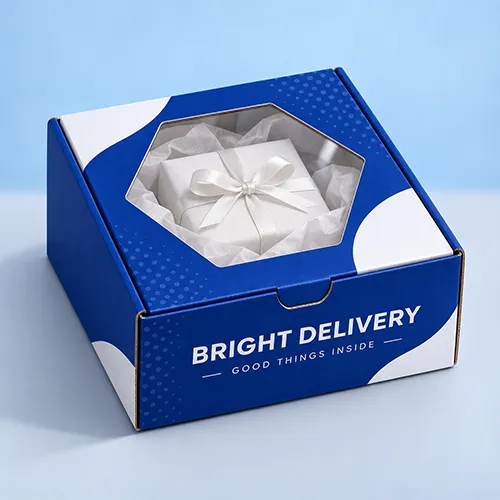
Custom Window Shapes and Placement for Toy Boxes

The window design should follow the product’s shape, intended shelf orientation, and the details buyers need to see.

Front-Panel Windows

Front windows are suitable for dolls, action figures, character collectibles, and other toys displayed upright. The opening can reveal the toy’s face, costume, body details, or selected accessories. For a figure, consider the actual pose. Arms, helmets, hairstyles, and attached equipment can change both the required box dimensions and the viewing area.

Side and Extended Viewing Windows

A side or extended window can reveal additional toy details, such as a model vehicle’s profile or the depth of a collectible figure. Windows extending across multiple panels require structural approval. The design must retain appropriate material around folds, closures, and the transparent panel attachment area.

Custom-Shaped Die-Cut Windows

Rectangular, square, rounded, and selected decorative apertures can be considered according to the carton design. A shaped opening can emphasize a particular product feature, but it should not compromise the approved structural layout. For packaging focused on shaped cutouts rather than a transparent display panel, compare Toy Box With Die Cut. BoxBaba Die-Cutting Process in Packaging guide explains how apertures, fold lines, and other structural details are developed.

How to Choose the Right Toy Box Size

The correct box dimensions depend on the finished toy as it will actually be packaged.

Measure the Complete Toy

Record the toy’s maximum length, width, height, and weight in its intended packed position. For dolls and action figures, include projecting arms, attached accessories, hairstyles, costumes, and display stands. For model cars, measure the complete vehicle, including wheels, spoilers, mirrors, and other projecting components. A toy’s advertised height may not describe the full space required for its packaged pose. To understand how these measurements translate into a carton, read the Box Dimension Measurement Guide.

Match the Window to the Visible Product

Once the toy’s orientation is established, determine which feature should face the viewing panel. An action figure may be displayed from the front to show its face and costume. A model vehicle may be more recognizable when viewed from the side. Check the completed arrangement with the box closed. The insert, printed panels, and other accessories should not obstruct the intended view.

Include Accessories and Product Components

Toy sets often contain additional items such as replacement parts, instruction cards, stands, tools, or small accessories. Their dimensions affect the usable internal space and may change the optimal window position. For products with several components, develop the insert layout and outer box dimensions together.

Custom Inserts for Window Toy Packaging

Inserts help establish the intended product arrangement inside the retail carton.

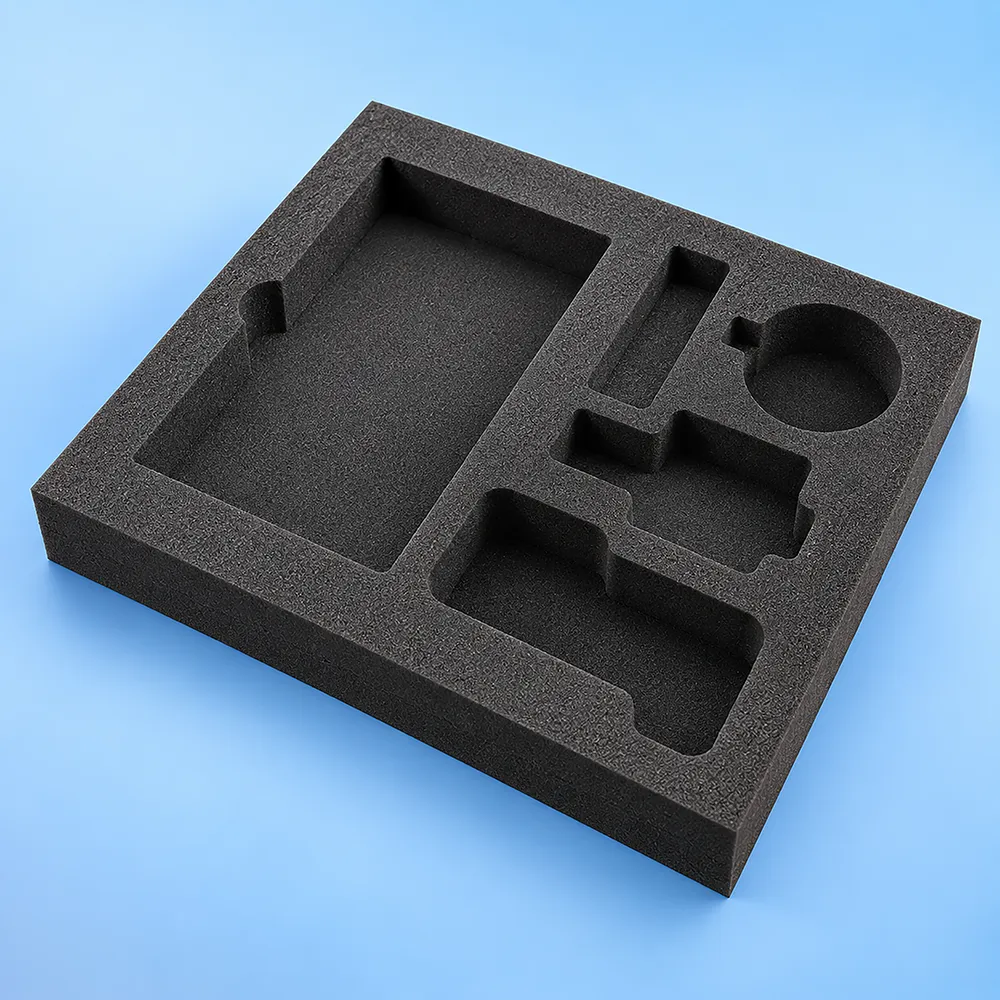
Die-Cut Paperboard Inserts

Paperboard inserts can be designed to position an action figure, toy vehicle, collectible, or other product within the box. The insert should account for the toy’s shape and loading direction while keeping the primary viewing area clear.

Dividers and Accessory Compartments

Dividers and separate compartments can organize accessories supplied with the main toy. For example, a collectible figure might have its display stand and additional parts arranged alongside the character. The insert configuration should support the intended presentation without making product removal unnecessarily difficult.

Alternative Fitted Supports

Alternative support materials can be reviewed for products with different shapes, weights, or packaging requirements. The insert material, construction, and contact points should be established through the approved project specification. For a wider packaging format combining an internal insert and display opening, explore Window Die Cut Insert Boxes. An insert designed for retail positioning should not be presented as proof of tested shipping protection.

Material Options for Toy Boxes with Window

Material selection affects the packaging’s structure, printed appearance, and compatibility with the transparent window.

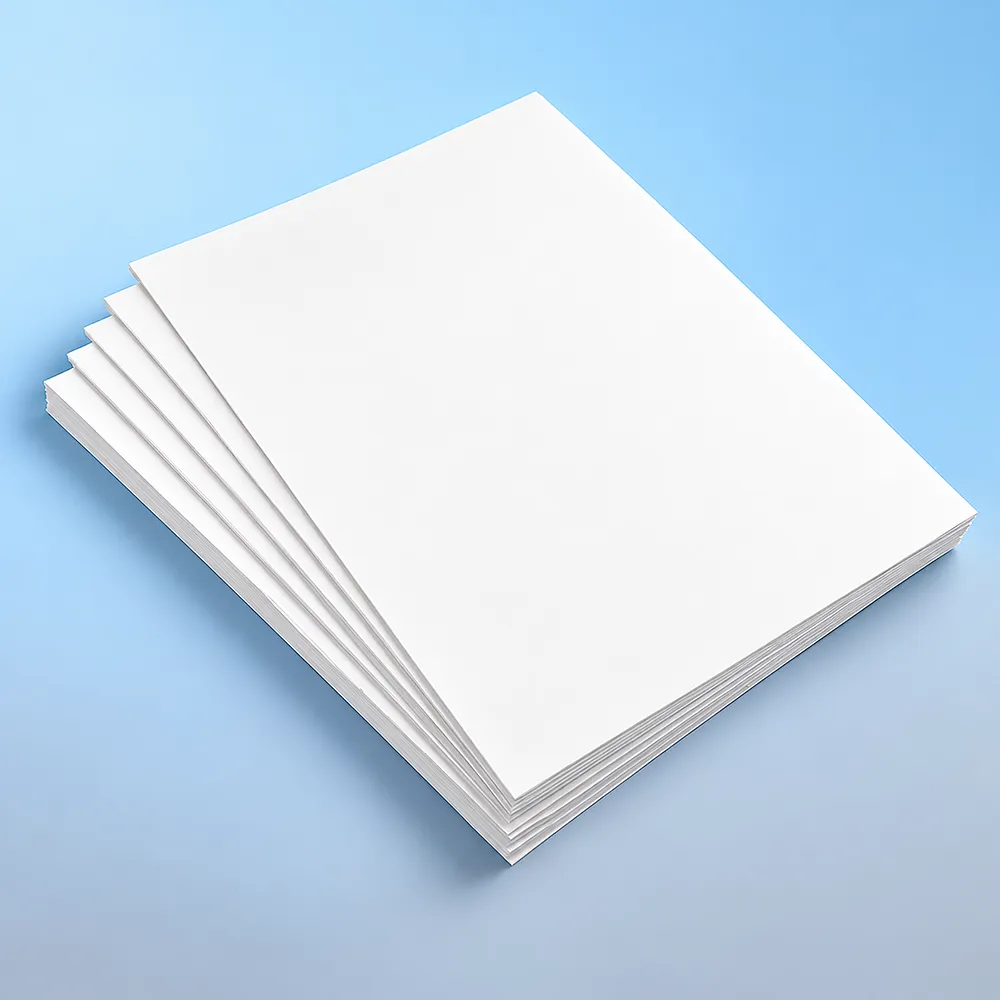
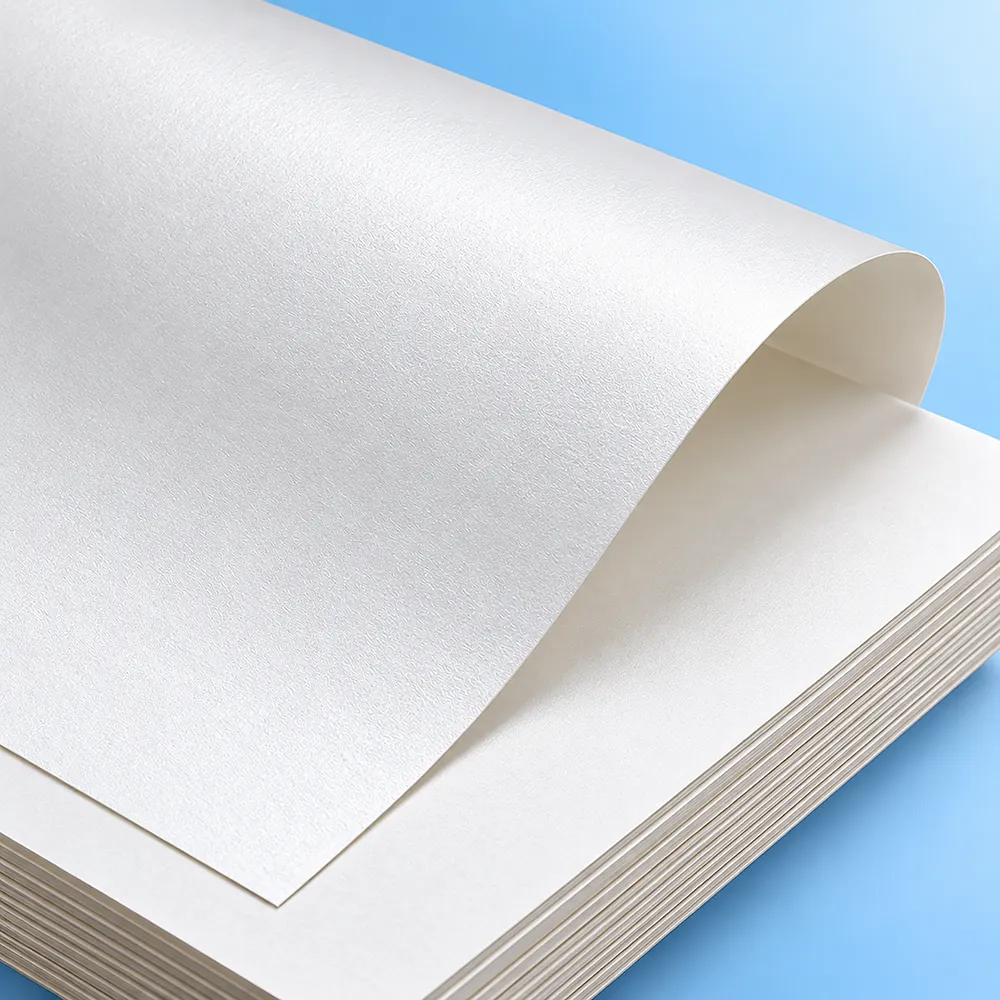
White Cardboard and SBS Paperboard

White/SBS paperboard provides a printable surface for colorful character illustrations, detailed graphics, logos, and product descriptions. It is particularly relevant for retail packaging that uses extensive artwork across the front, sides, and back panels.

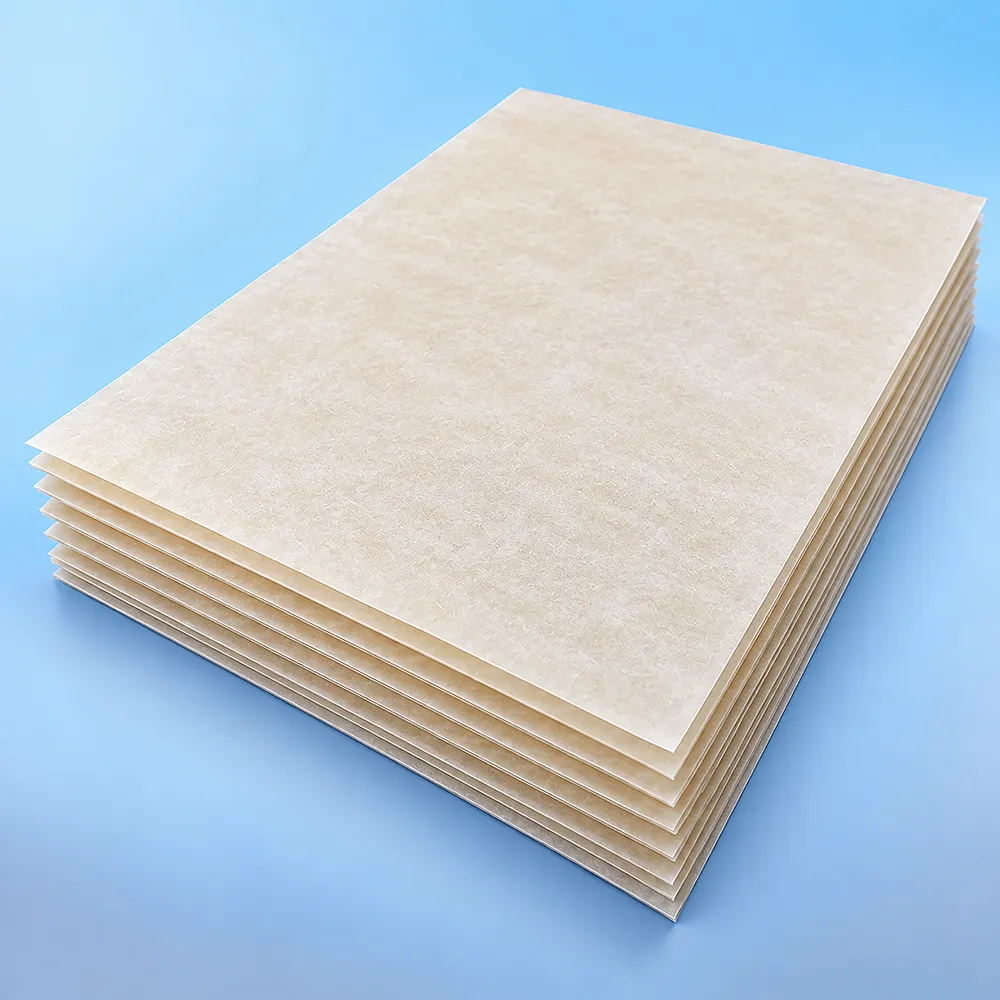
Kraft Paperboard

Kraft board provides a natural brown appearance for selected handmade toys, wooden toys, and understated gift products. Its base color influences the final appearance of printed artwork, especially light colors. A kraft appearance does not automatically establish that the completed window box is recyclable or compostable.

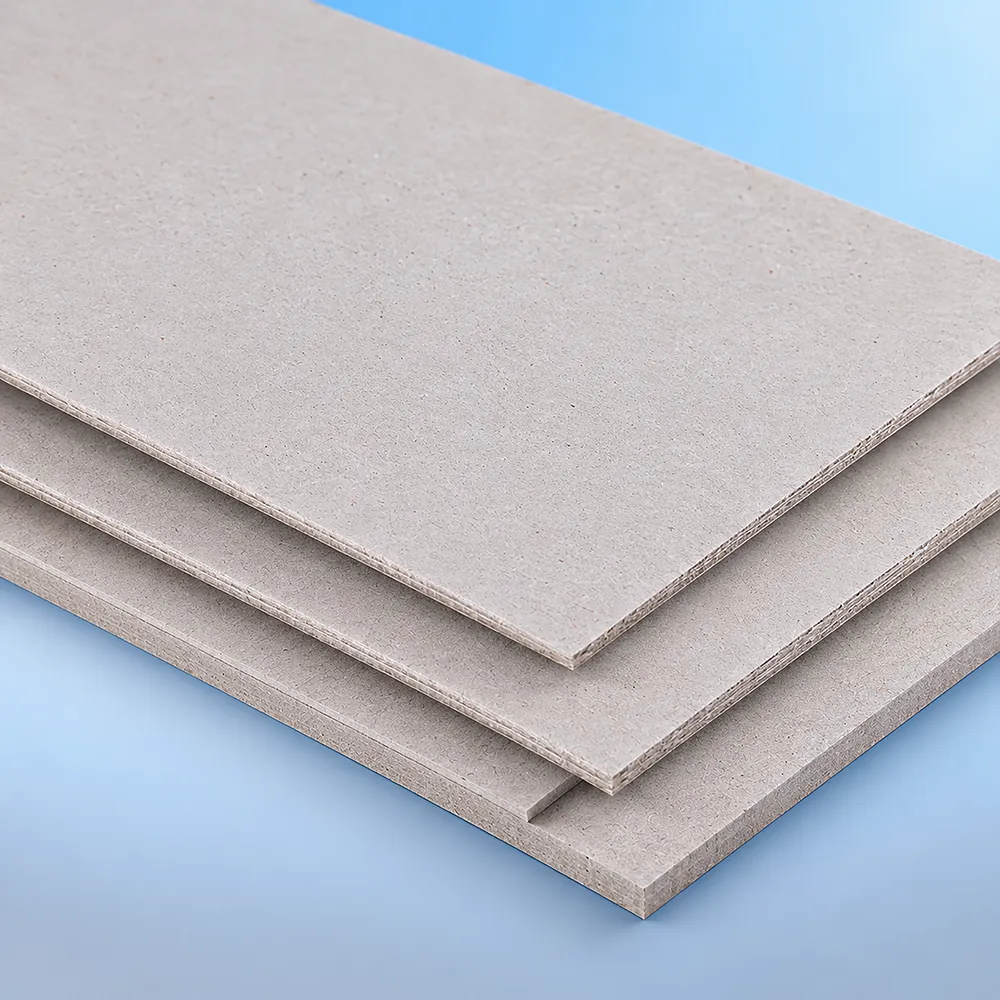
Corrugated Board

Corrugated board can be evaluated for toys that require a different structural configuration or support arrangement. The selected board construction, viewing aperture, closure, and internal supports must be developed together. A corrugated retail box does not automatically establish the transport performance of the complete shipping package.

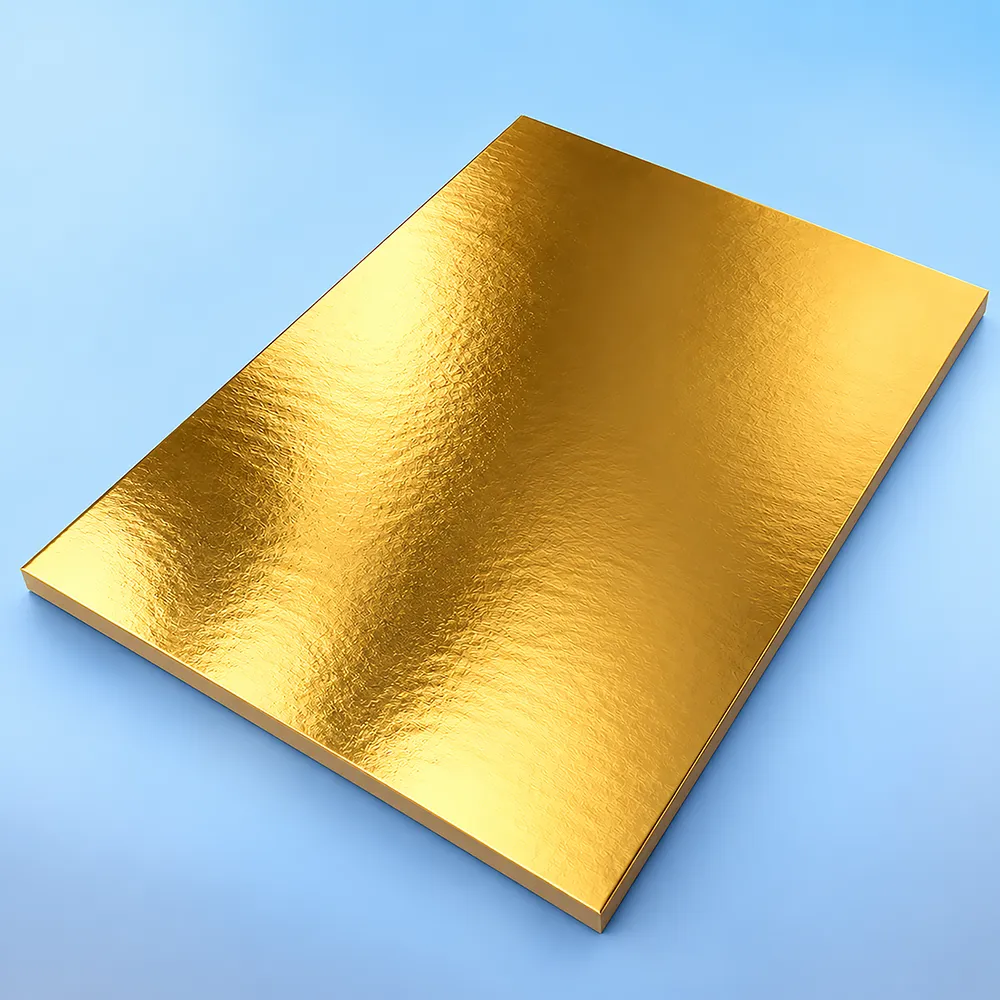
Rigid and Specialty Structures

Rigid-board packaging may be considered for presentation-focused collectibles or specialty toy products where the actual construction supports that format. These projects require separate evaluation of window assembly, internal positioning, materials, and production timing.

Transparent Window Film

The clear viewing panel is a separate component from the outer cardboard structure. Its film material, thickness, clarity, and attachment method should be confirmed against the approved packaging design. A transparent window does not automatically provide scratch resistance, airtightness, toy safety certification, or tested protection during shipment.

Printing & Finishing Options for Custom Toy Boxes with Window

Custom printing allows toy brands to display character artwork, logos, product names, illustrations, and brand information on the surrounding carton. Printing reproduces the artwork, while finishing adds decorative or tactile effects to compatible surfaces. Both must be developed around the window, folds, closures, and transparent-panel attachment areas.

Offset Printing

Offset printing can suit qualifying toy packaging projects requiring detailed character illustrations, photographs, or extensive color coverage. The selected substrate, artwork, production quantity, and finishing requirements determine whether offset printing is appropriate.

Digital Printing

Digital printing may be suitable for eligible smaller orders or toy collections using different artwork on a shared structural design. For example, several collectible characters might use the same approved box dimensions with different printed graphics. The final method depends on material compatibility, production quantity, and artwork requirements.

Flexographic Printing

Flexographic printing can be assessed for suitable packaging materials, artwork characteristics, and production volumes. It should not be assumed to be the preferred printing process for every retail toy window carton.

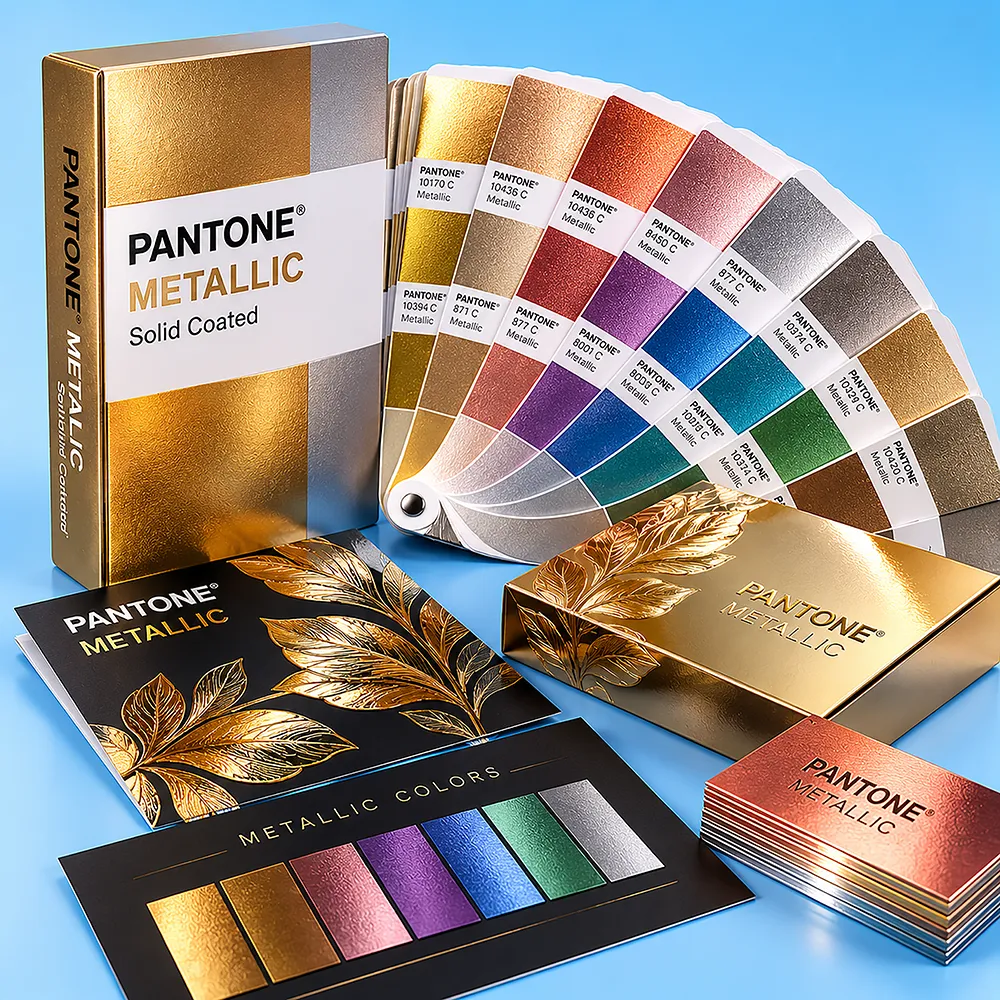
CMYK and Pantone Color Options

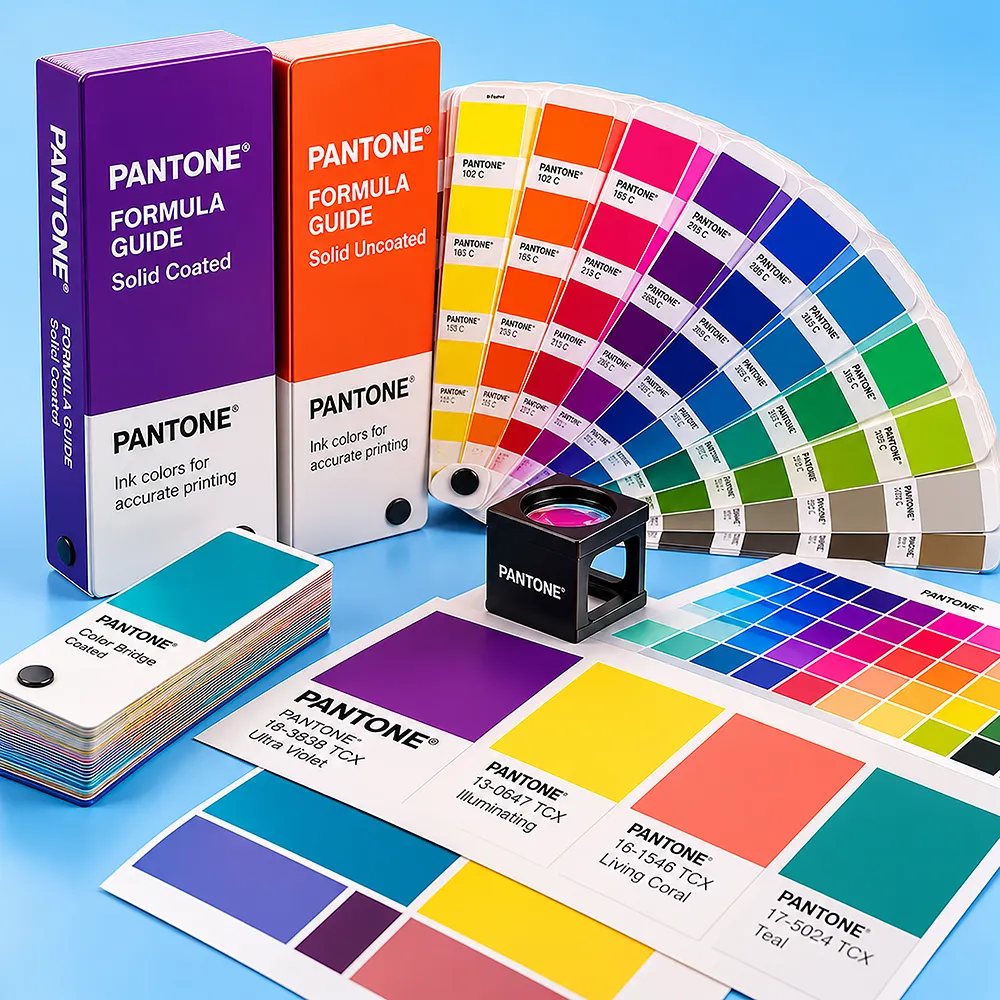
CMYK printing is used for full-color artwork, gradients, photographs, and illustrations. Pantone/PMS specifications may be evaluated where the selected printing process supports the required spot colors. The finished printed appearance depends on the board, ink, coatings, and production conditions. Important brand colors should be reviewed through suitable proofs or approved samples rather than assumed to match perfectly.

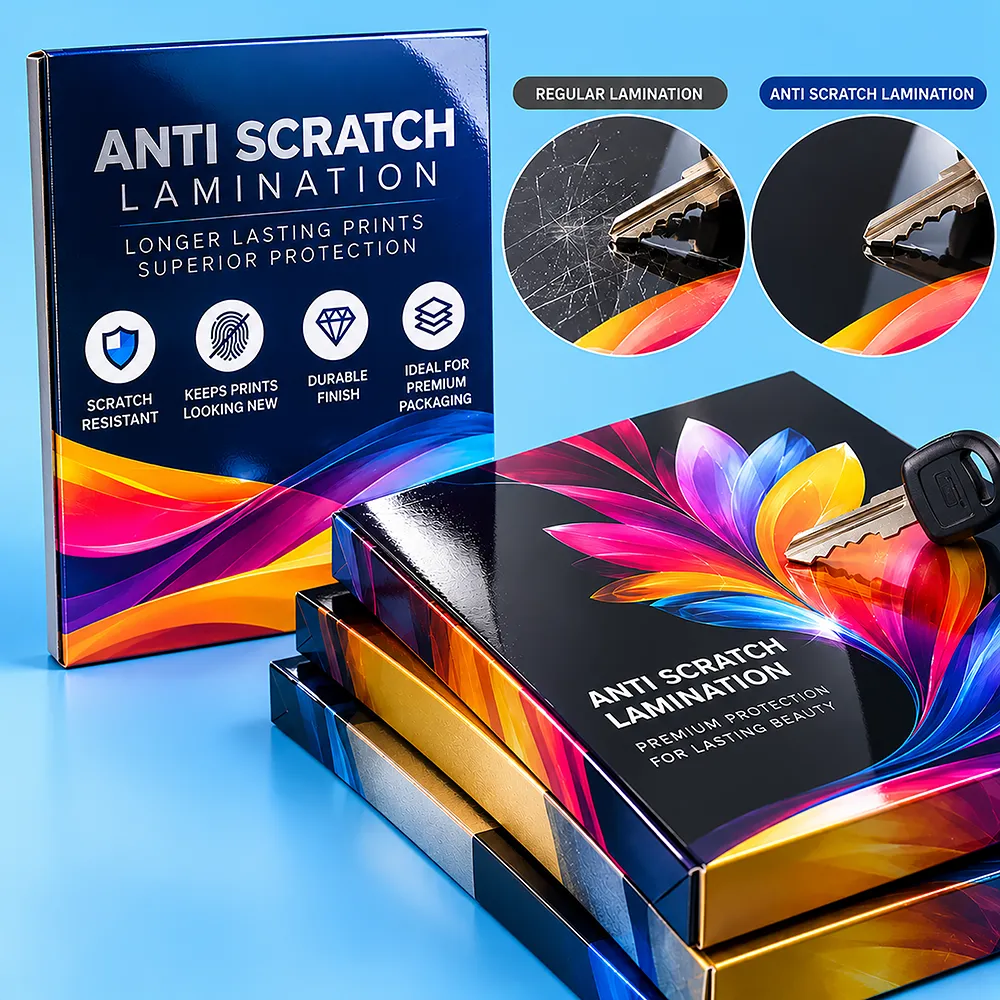
Compatible Finishing Options

BoxBaba can assess decorative finishes for suitable printed carton surfaces:
  • Matte lamination: Creates a low-glare printed appearance.
  • Gloss lamination: Provides a more reflective finish.
  • Soft-touch finishing: Adds a smooth tactile effect.
  • Foil stamping: Highlights selected logos, lettering, or decorative elements.
  • Embossing: Creates raised details on compatible material.
  • Debossing: Produces recessed artwork or lettering.
  • Spot UV: Adds localized glossy accents to selected printed areas.
These finishes should be selected according to the actual paperboard, artwork, quantity, and production process. Do not position important text, foil, embossing, debossing, or spot UV across window cut edges, fold lines, closure areas, or required film-attachment zones. The approved dieline should show where graphics can safely be positioned and which surfaces will remain visible after assembly.

Toy Boxes with Window for Different Products

Action Figures and Collectibles

Window packaging allows shoppers to inspect a figure’s appearance, costume, pose, and selected accessories. The internal support should position the character relative to the transparent panel. For packaging developed specifically around figures and collectibles, explore Action Figure Boxes.

Dolls and Fashion Toys

Doll packaging often needs a taller viewing area to display the face, hairstyle, clothing, and accessories. The full dressed product should be measured in its intended display position. For doll-focused packaging structures, compare BoxBaba Doll Packaging Boxes.

Toy Cars and Miniature Models

A model vehicle’s side profile, paint color, wheels, or decorative details may be the most recognizable features. Choose the viewing orientation around those details and consider fitted supports when positioning the model inside the box.

Plush Toys

Plush toys can have irregular or flexible shapes. Measure the product as it will actually be packed and check that the window displays the face or other intended features without an obstructed view.

Educational Toys and Activity Kits

Educational toy sets may include a main item, cards, instructions, accessories, or additional components. The window should reveal the intended product while the internal arrangement accommodates the remaining contents. For board games, tabletop sets, and packages dominated by cards or tokens, Board Game Boxes offer a more relevant packaging structure.

Window Toy Boxes vs. Other Toy Packaging Styles

Choose a toy packaging structure according to the product’s main presentation or handling requirement.
Packaging Type Primary Buying Consideration
Toy Boxes with Window Displaying the physical toy through a transparent panel
Toy Boxes with Die Cuts Using a custom-shaped opening or structural cutout
Toy Boxes with Inserts Positioning the toy and organizing components
Toy Shipping Boxes Planning packaging for ecommerce or distribution handling
Fully Printed Toy Cartons Using printed artwork without requiring a transparent viewing panel
These formats are not always mutually exclusive. A toy window carton can include inserts or custom die-cut shapes when supported by the approved design. For broader printed packaging choices, see Toys Packaging Boxes.

Toy Packaging Artwork, Labels, and Warning Space

Toy packaging often needs space for information beyond the brand’s main promotional artwork. Depending on the specific product and applicable regulations, this can include manufacturer-supplied age guidance, warnings, identification details, tracking information, instructions, and barcodes. The window position should not interrupt important text or labeling areas identified by the toy brand. Before approving artwork, check the size, location, and readability of all supplied information on the assembled carton. Toy manufacturers and importers are responsible for determining the testing, certification, labeling, and documentation requirements applicable to their products. Custom printing or a transparent viewing panel does not itself establish toy safety compliance.

Proofing and Sample Approval

A physical sample can help evaluate the relationship between the toy, window, inserts, and finished box. Before approving bulk production, review:
  1. Toy fit: Confirm the complete product fits within the usable box dimensions.
  2. Viewing position: Check that the intended toy features remain visible.
  3. Accessories: Verify that additional components fit their assigned positions.
  4. Window panel: Inspect the viewing area, clarity, and visible attachment edges.
  5. Box structure: Check folds, closures, and the board around the aperture.
  6. Printed information: Review logos, supplied warnings, labels, and barcodes.
  7. Loading and removal: Confirm that the product can be packed and removed as intended.
Digital proofs and 3D mockups help review artwork and structural layout. Physical samples provide additional evidence about assembled fit and appearance. When ecommerce delivery is part of the project, evaluate the retail carton with its proposed outer shipping packaging rather than assuming the window box alone provides adequate parcel protection.

Wholesale Toy Boxes with Window

Wholesale pricing depends on the approved box dimensions, material, window configuration, inserts, printing, finishing, and order quantity. BoxBaba’s minimum order quantity starts from 100 boxes for eligible projects. The minimum for a specialty window structure must be confirmed during quotation. Standard carton production generally takes 5–9 business days after final digital proof, artwork, and specifications are approved. Complex constructions or specialty finishes may require a separately confirmed schedule. BoxBaba provides free shipping across the USA under its Shipping Policy. Production time does not include shipping transit. For projects focused primarily on fulfillment and delivery packaging, explore Toy Shipping Boxes.

Why Choose BoxBaba?

BoxBaba helps toy brands develop custom printed packaging around their product dimensions, artwork, and intended retail presentation. Our available services include custom sizing assistance, dieline preparation, 3D mockup support, printing and compatible finishes, and project-specific wholesale quotations. We can help review how the toy, accessories, insert layout, window position, and branding work together before final design approval. Proofing and sample options can also be discussed according to the project requirements, with free shipping across the USA under applicable service terms.

Request a Custom Quote for Toy Boxes with Window

Create custom Toy Boxes with Window around your product’s finished dimensions, visible features, accessories, and brand artwork. For an accurate quotation, provide your toy dimensions and weight, packed orientation, quantity, number of SKUs, window shape and placement, insert requirements, preferred materials, printing colors, finishing details, and shipping destination. Request a Custom Quote Email: sales@boxbaba.com Phone: +1 305 574 4357 Contact BoxBaba to discuss your custom toy window packaging and wholesale order requirements.

Frequently Asked Questions

Find all the urgent questions you may have.

Toy boxes with window are retail packaging cartons containing a transparent viewing panel. The panel allows customers to see selected product features, while the surrounding carton provides space for branding and product information.
Window boxes can be considered for dolls, action figures, collectibles, toy vehicles, plush toys, educational kits, and other suitable merchandise. The design depends on the finished toy's shape, dimensions, and intended display position.
Custom window shapes and positions can be evaluated according to the approved dieline. The opening must remain compatible with surrounding board, folds, closures, and transparent-panel attachment requirements.
The configuration described here includes a transparent viewing panel. Its exact material and attachment method are determined by the approved product specifications.
Provide the toy's maximum length, width, height, and weight in its packed orientation. Include projecting parts, attached accessories, and additional components that affect internal box space.
Compatible inserts and dividers can be considered to organize the main toy and its accessories. The layout should be designed around the finished contents and intended visible arrangement.
White/SBS and kraft paperboard are relevant retail-carton options. Corrugated and specialty structures can also be assessed according to the toy's weight, dimensions, and packaging requirements.
BoxBaba can incorporate approved, customer-supplied information into suitable printed packaging areas. The toy manufacturer or importer is responsible for determining which warnings, labels, and other requirements apply.
Wholesale quantities start from 100 boxes for eligible projects. Standard carton production generally takes 5–9 business days after final approval. Specialty constructions may require different confirmed terms.
You can discuss digital proofs, 3D mockups, and available physical samples with BoxBaba. Physical samples are useful for checking product fit, window positioning, and assembly. Sample availability, initial charges, shipping costs, and any applicable bulk-order credit should be confirmed for the project.