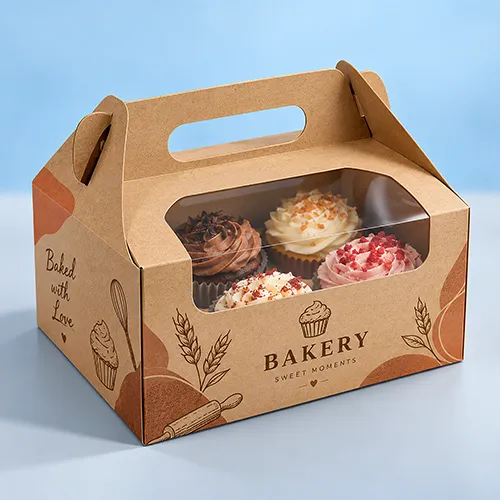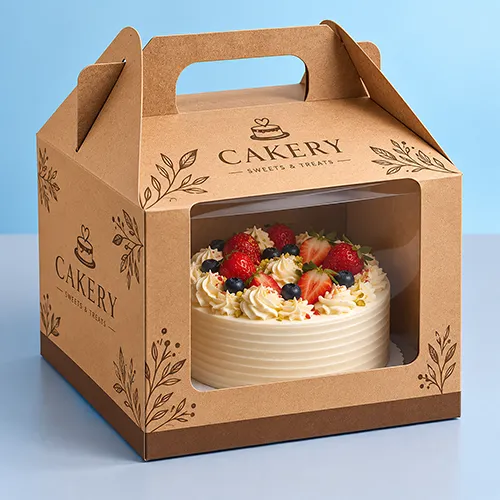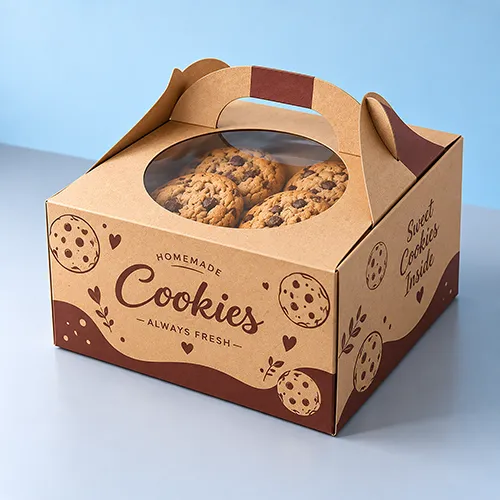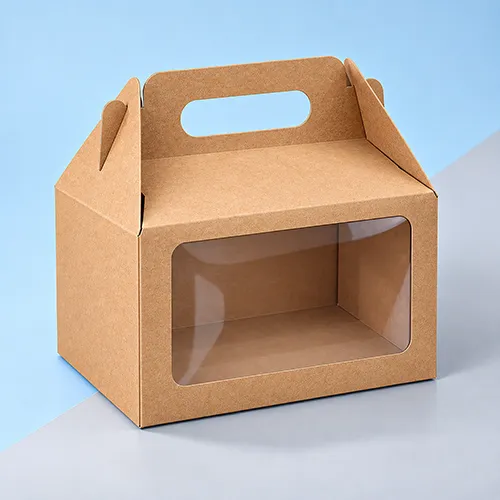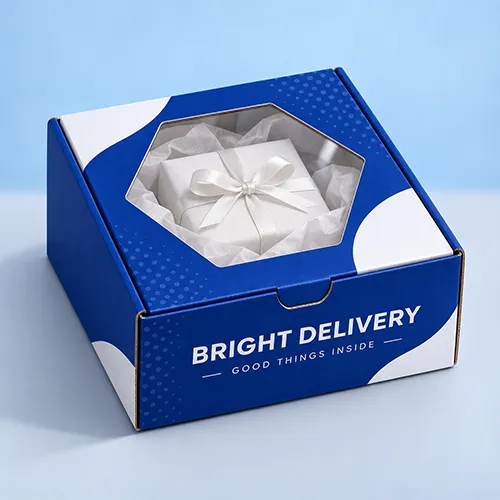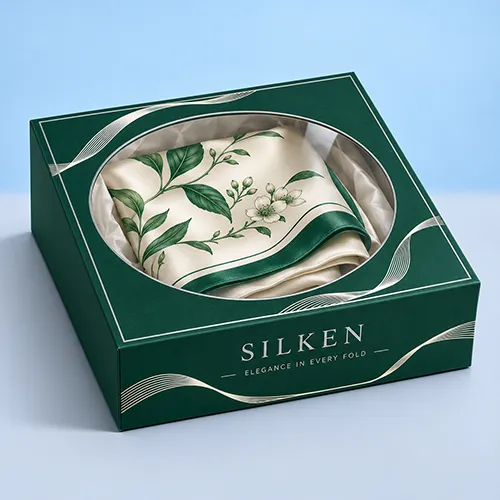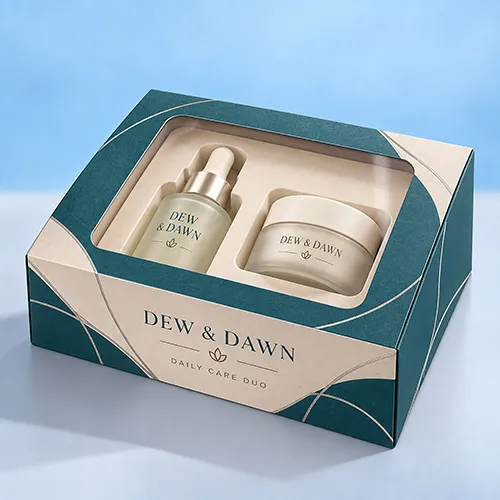

Pie Boxes with Window

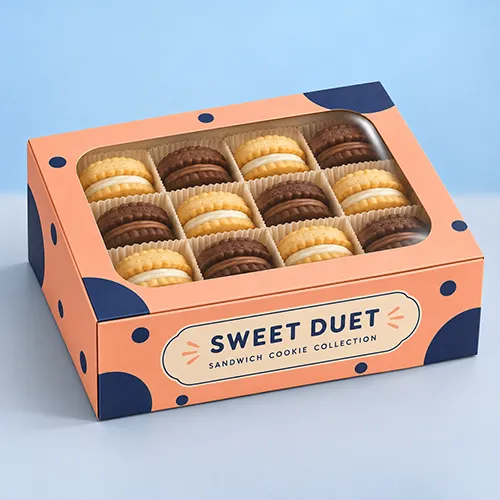
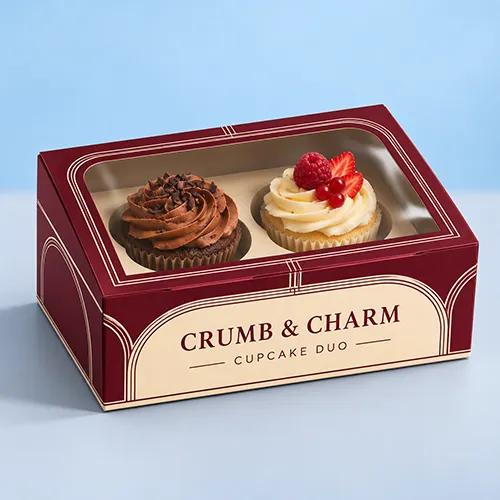
Custom Pie Boxes with Window combine branded bakery packaging with a transparent viewing area that displays finished pies without opening the box. BoxBaba offers custom-sized window pie packaging for fruit pies, lattice-crust pies, cream pies, mini pies, savory pies, and seasonal bakery products, with dimensions developed around the actual pie pan or tray, outer rim, crust height, toppings, and intended handling. Choose the window shape and position, box structure, paperboard material, pan support, printed branding, and compatible finishes to match your bakery packaging requirements. Wholesale orders start from 100 boxes for eligible projects, with dieline and 3D mockup assistance, standard carton production generally taking 5–9 business days after final approval, and free shipping across the USA.
Trustpilot_Logo
5 out of 5 stars
4.5
Reviews 16 • Excellent

Custom Pie Boxes with Window | Wholesale | BoxBaba

Showcase freshly baked pies with custom window boxes featuring transparent display panels, sturdy food-packaging paperboard, secure closures, and branded printing for bakeries and retail.

What We Give

Create Custom Boxes Quick and Easy

Design

Get your custom boxes made in the required size, shape, and style.

Print

Upload your artwork and get it superbly printed the way you want.

Get it done

Order any quantity, enjoy a wholesale price, pay no extra for die plates.

Related Products

What Are Pie Boxes with Window?

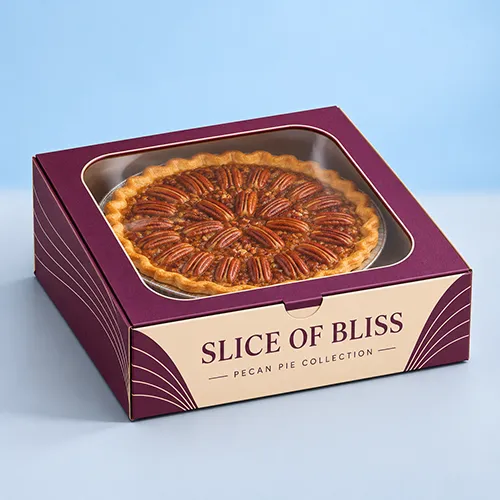
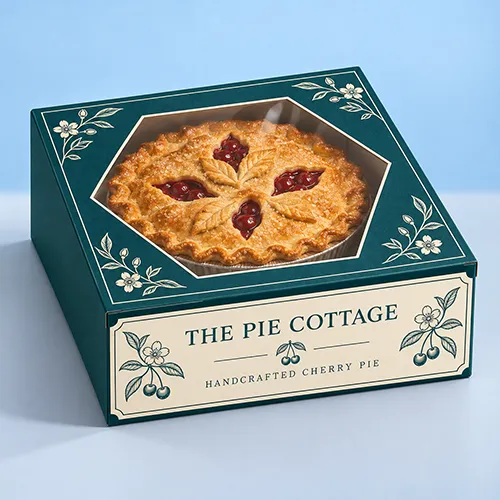
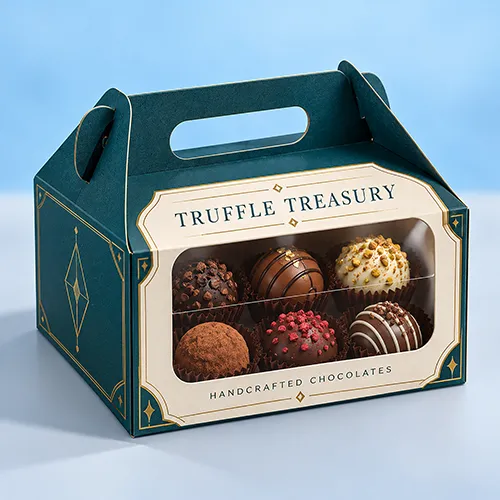
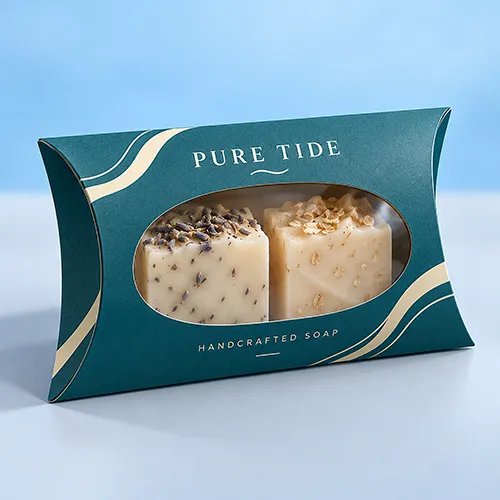
Pie Boxes with Window are bakery cartons featuring a die-cut viewing opening that reveals selected parts of a finished pie through a transparent panel or an approved open aperture. The window can display lattice crusts, decorative pastry patterns, fruit toppings, cream finishes, or other visible details, depending on the pie and its packed orientation. The surrounding paperboard provides printable space for bakery logos, product names, flavor information, seasonal artwork, and other approved labeling. Unlike general bakery boxes, pie packaging must account for the pie supporting pan or tray, the projecting outer rim, the finished crust profile, and the method used to place and remove the pie. For other product-viewing configurations, explore BoxBaba  Custom Boxes with Window. The broader Custom Bakery Boxes collection covers packaging for different baked goods.

Custom Window Styles for Pie Boxes

The right viewing window should show the intended pie features while remaining compatible with the carton structure.

Top-Window Pie Boxes

A top window displays the pie as viewed from above. This configuration can be considered for fruit pies, lattice-crust pies, decorated pies, and other products where the upper surface is the main visual feature. The window should align with the actual position of the pie pan inside the carton. For pies with raised crust edges or toppings, the closed viewing panel must provide suitable clearance from the finished product.

Clear Film Window Pie Boxes

A clear-film window uses a transparent panel attached across a die-cut opening. This configuration allows customers to view the pie while leaving the opening covered. The film material, clarity, attachment method, and compatibility with the selected box must be established during approval. A transparent window does not automatically make the packaging airtight, greaseproof, condensation-resistant, temperature-controlled, or suitable for every direct-food-contact condition.

Front and Side Window Pie Boxes

A front or side window can be evaluated where the box height, pan arrangement, and intended display position make that viewing angle useful. For example, a suitable side opening may reveal the decorated upper edge of a pie or part of a raised pastry crust. However, the pie pan may conceal much of the product when viewed from the side. The actual visible area must therefore be checked before approving the aperture.

Circular and Custom-Shaped Windows

A circular opening can visually complement a round pie, while rectangular, square, and selected decorative openings can support different branding layouts. The window does not need to reproduce the exact shape of the pie or pan. A larger aperture may show more of the product but leaves less paperboard around the opening. The approved design must account for cut edges, folds, closures, remaining board, and transparent-film attachment zones. For structural design guidance, read BoxBaba Die-Cutting Process in Packaging guide.

Open vs. Film-Covered Pie Windows

An open die-cut aperture leaves the viewing area uncovered. A film-covered window places a transparent material over the opening. These configurations differ in their exposure of the pie and their material requirements. The appropriate choice depends on the actual food-contact conditions, intended handling, and retail presentation. For exposed pies, the design should not assume that an open aperture provides the same separation as a covered window.

How to Choose the Right Size for Pie Boxes with Window

Correct pie packaging dimensions start with the completed pie in its actual pan, tray, or supporting board.

Measure the Pie Pan or Tray

Measure the maximum outside dimensions of the pan, including the rim, flange, handles, or any projecting edges. For round pans, record the maximum outside diameter. For square or rectangular pans, record the complete outside length and width. Do not use only the nominal baking diameter or the bottom diameter of a tapered pie pan. The pan rim may extend beyond the baked pie and become the measurement that determines the internal box footprint.

Measure the Finished Pie Height

Measure from the bottom of the pan or supporting board to the highest part of the finished pie. Include raised crust edges, lattice decoration, meringue peaks, whipped toppings, or other features that remain in place during packaging. A pie with a tall meringue topping can require different internal height from a flat-topped pie in the same pan.

Account for Crust and Topping Clearance

The closed lid and window panel should not unintentionally contact the finished crust or toppings. The required clearance depends on the pie final shape, its position in the box, and the approved carton construction. Avoid assuming that one fixed clearance is appropriate for fruit pies, cream pies, and tall specialty pies.

Check Loading and Removal

Pie packaging should be evaluated around the actual bakery workflow. A hinged-lid or lid-and-base construction may allow the pie to be placed on a base before the carton is closed. The finished opening must also allow the bakery and customer to remove the pie without unnecessary contact with the crust or toppings. For general measurement guidance, see BoxBaba How to Measure Box Dimensions guide.

Pie Boxes with Window for Different Pie Types

Different pies can have different packaging requirements even when their pans share similar outside dimensions.

Fruit Pie Boxes with Window

Fruit pies may feature decorative crusts, lattice patterns, or exposed fruit fillings. A top-facing viewing window can display the finished surface when its position and height are appropriate. The box should be sized around the full pan and any raised pastry edge.

Cream and Meringue Pie Boxes

Cream and meringue pies may have raised or delicate toppings. Their packaging requires attention to usable interior height, viewing-panel clearance, and the loading method. The carton should be reviewed for the pie actual storage and handling conditions. A transparent window alone does not provide refrigeration or temperature control.

Mini Pie Boxes with Window

Mini pies can be packaged individually or in a suitable assortment. The required internal space depends on the outside dimensions of each mini pan or tray, the finished pie height, and the chosen arrangement. A compact window can reveal the decorated pie top while retaining space for printed bakery information.

Savory Pie Boxes with Window

Savory pies can have different moisture, grease, and temperature requirements from chilled or room-temperature dessert pies. Material and contact requirements must be established according to the actual product and how it will be packaged. A carton with a clear window should not automatically be treated as suitable for hot filling, reheating, or direct contact with oily food.

Seasonal and Specialty Pie Packaging

Seasonal pies, holiday assortments, and specialty bakery products can use custom printed artwork and suitable viewing windows. One structural design may support different artwork versions when the pan dimensions, pie height, window position, and loading requirements remain unchanged.

Pie Pan Support, Liners, and Internal Fit

The pie pan, box base, and any internal support should be designed as a coordinated packaging arrangement.

Pie Pan Positioning

The actual pie pan or tray determines the starting footprint of the box. The carton should accommodate the complete pan rim and permit the intended loading and removal method. A pie pan is not automatically included with every packaging order; any additional support or tray should be specified during quotation.

Base Support and Loaded Weight

A lightweight mini pie and a large, filled pie can place different demands on the carton base and sidewalls. The box material and structure should be reviewed according to the completed product weight and the intended handling conditions. A reinforced base or different board construction can be evaluated where the approved design requires it.

Liners and Locating Inserts

Suitable liners or inserts can be considered where the packaging needs to separate contact surfaces or position a pan inside the carton. Any locating feature should accommodate the pan without creating unnecessary pressure on the crust or interfering with removal. An insert can help establish the intended arrangement, but it does not guarantee protection against movement or damage during transportation.

Pie Boxes vs. Cake Boxes

Pie packaging is typically planned around the finished pie and its pan or tray. Cake packaging may depend on a separate cake board, taller decorations, and different loading access.

Material Options for Pie Boxes with Window

Material choice should reflect the finished pie weight, pan dimensions, printing requirements, window design, and intended food-contact conditions.

White Cardboard and SBS Paperboard

White/SBS paperboard provides a printable surface for bakery logos, colorful graphics, seasonal illustrations, and product details. It can be considered for suitable folding pie cartons where the approved construction supports the completed pan and product.

Kraft Paperboard

Kraft paperboard offers a natural brown appearance for bakeries using understated or artisan-style branding. Its base color influences the final appearance of printed artwork, particularly lighter colors. Kraft appearance alone does not establish recyclability, biodegradability, or compostability for the completed window package.

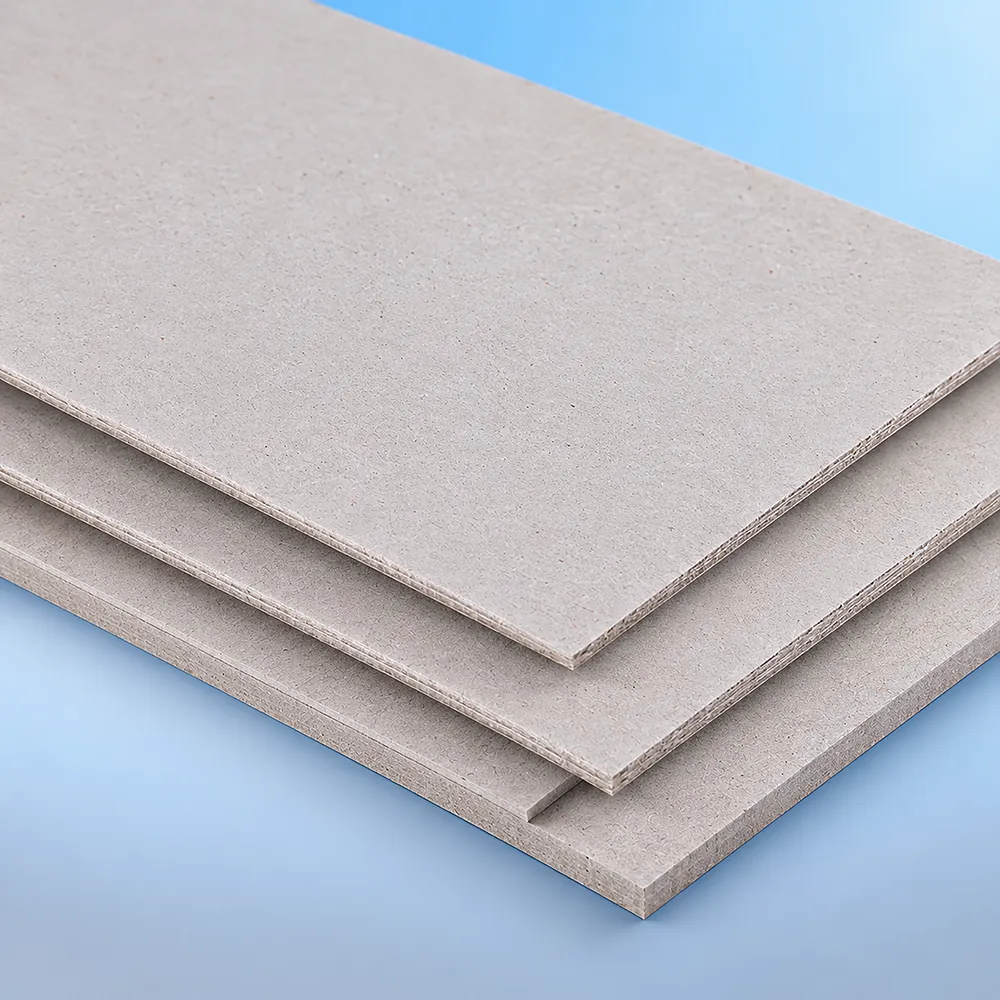
Corrugated Board

Corrugated material can be evaluated for larger or heavier pie packs that require a different structural construction. The base, closure, remaining board around the window, and packed weight should be assessed together. Corrugated material does not automatically establish tested courier-shipping performance.

Specialty Paperboard and Alternative Structures

Alternative board constructions can be evaluated where the pie packaging requires a different presentation or handling method. Any specialty construction needs its own approved size, structure, material, and production specifications.

Transparent Window Materials

The clear window panel is a separate component from the surrounding paperboard. The actual material, thickness, clarity, and attachment method should be established for the approved construction. Different transparent films should not be treated as interchangeable without checking the specific application. The completed box should not be described as plastic-free, recyclable, or universally food-safe unless the actual materials and construction support those claims.

Food-Contact Materials and Liners

The appropriate food-contact materials depend on how the pie is packed. A pie may remain inside a separate pan, while raised crust, toppings, or exposed food could still contact the carton lid, window panel, liner, or other components. If direct contact is possible, the relevant paperboard, film, coatings, liners, inks, and adhesives must be assessed for the actual conditions of use. Packaging intended for hot, chilled, frozen, or room-temperature products can have different material requirements. Food-contact suitability should be supported by component-specific specifications rather than a general claim that every cardboard pie box is FDA-approved. For more guidance on bakery stock selection, read BoxBaba Custom Bakery Boxes Wholesale Material Guide.

Printing & Finishing Options for Pie Boxes with Window

Custom printing allows bakeries to add logos, product names, seasonal graphics, flavor details, and other approved artwork around the viewing panel. Printing reproduces the graphic design on the selected material. Finishing adds decorative or tactile effects to compatible surfaces. Both should be planned around the window aperture, folds, closures, and any food-contact boundaries.

Offset Printing

Offset printing can be considered for qualifying pie packaging orders requiring detailed artwork, full-color graphics, or coordinated larger production runs. The selected board, quantity, print coverage, and finishing requirements determine suitability.

Digital Printing

Digital printing may suit eligible smaller orders or seasonal collections using several artwork variations. For example, a bakery may use the same approved window box structure with different printed designs for holiday pies and everyday retail products. A change to the pan dimensions, window position, or box structure may require a separate dieline, even if the printed artwork is similar.

Flexographic Printing

Flexographic printing can be evaluated for suitable paperboard or corrugated materials, artwork characteristics, and production quantities. It should not be assumed appropriate for every specialty structure or finishing combination.

CMYK and Pantone Color Options

CMYK printing supports full-color illustrations, photographs, gradients, and bakery branding. Pantone/PMS references may be considered where the selected printing process supports the intended spot colors. Final color appearance depends on the stock, ink, coatings, and production conditions. Critical colors should be reviewed using suitable proofs or approved samples rather than treated as guaranteed exact matches.

Compatible Decorative Finishes

Available treatments for evaluation may include:
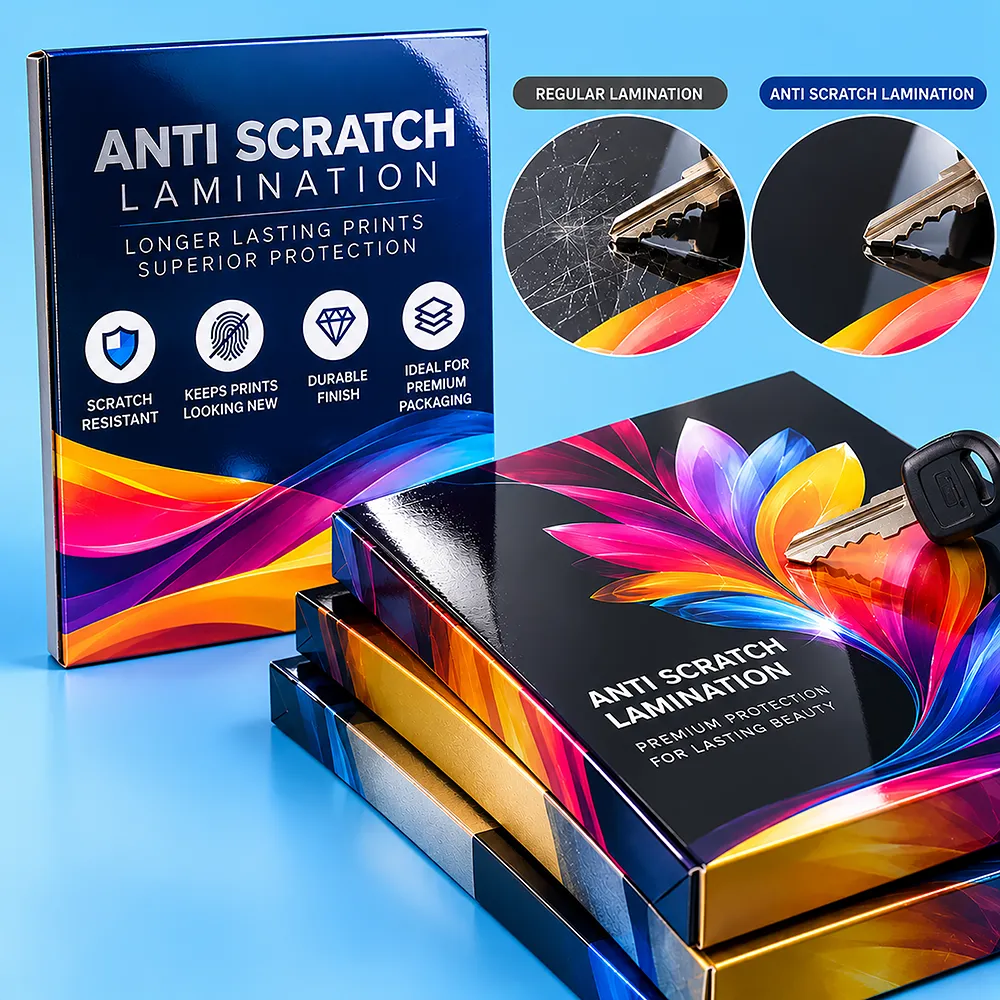
  • Matte lamination: Creates a low-glare printed surface.
  • Gloss lamination: Produces a more reflective appearance.
  • Soft-touch finishing: Adds a smooth tactile effect on compatible stock.
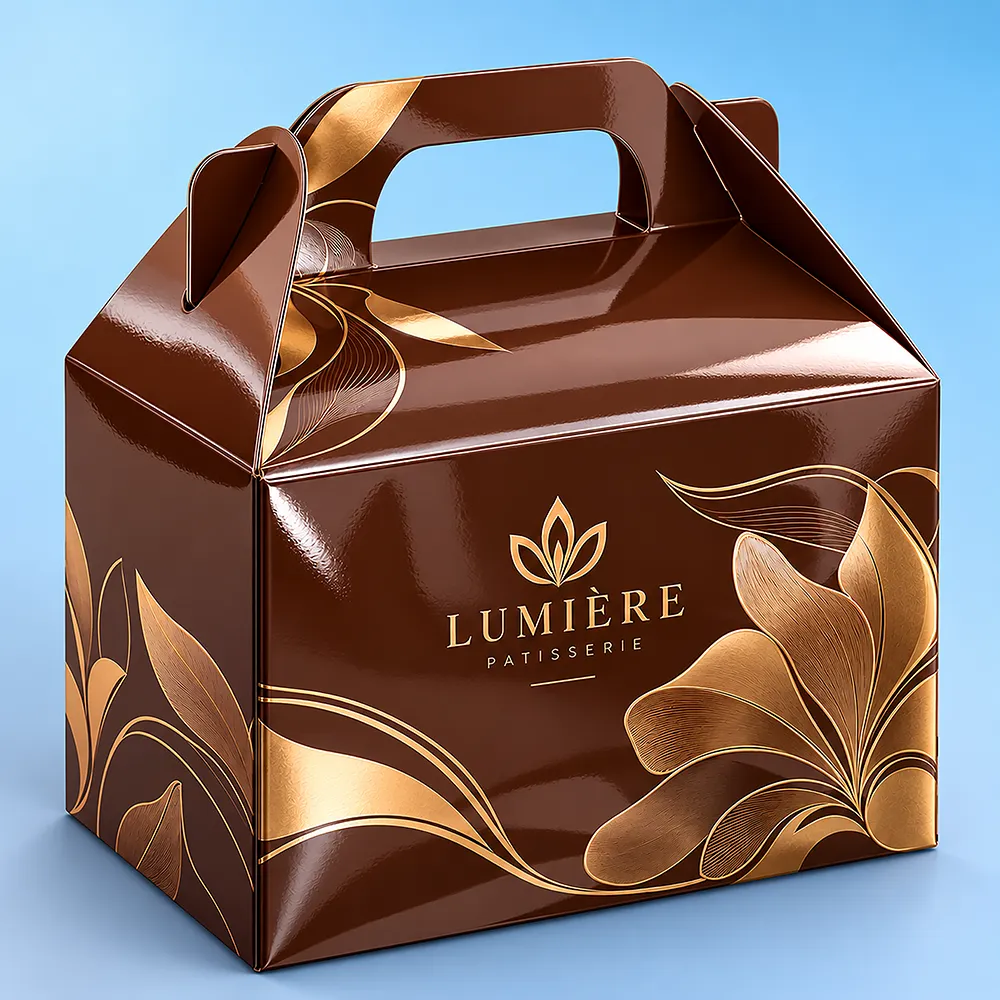
  • Foil stamping: Highlights selected logos or decorative elements.
  • Embossing: Adds raised details to suitable paperboard.
  • Debossing: Produces recessed lettering or graphics.
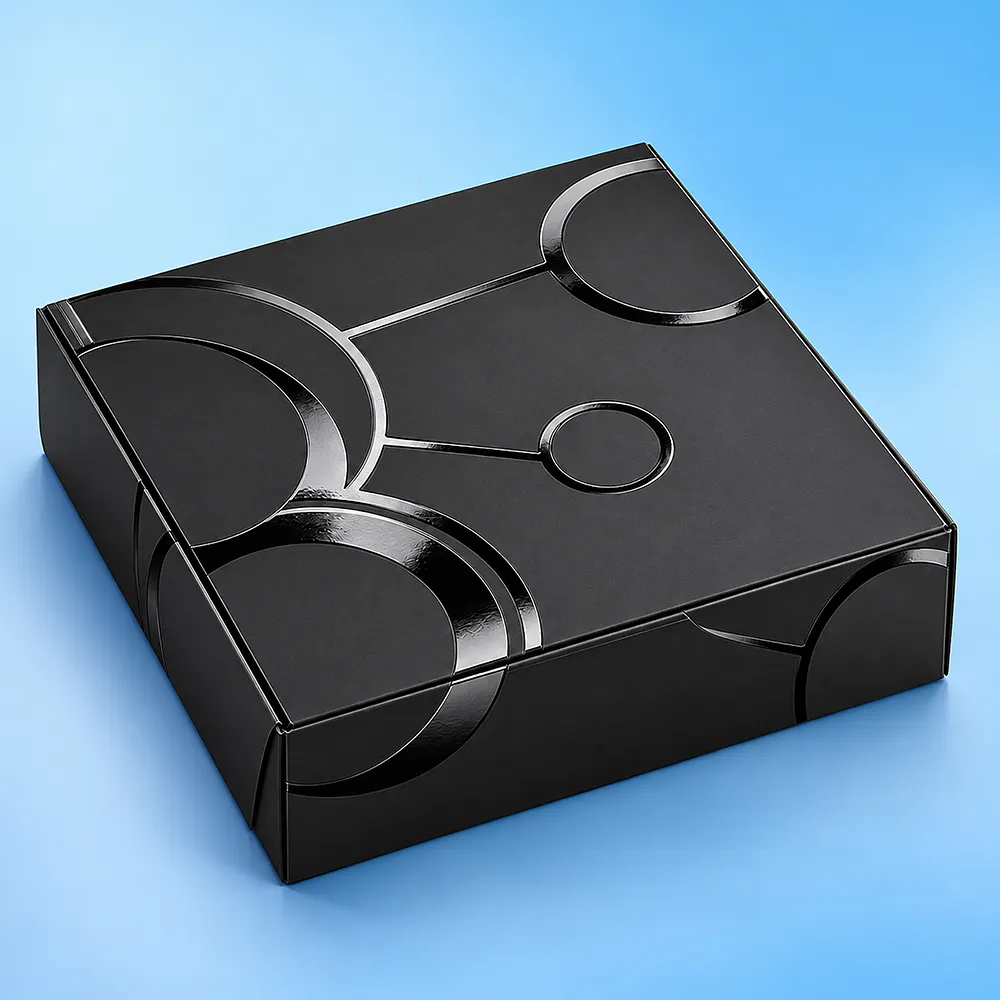
  • Spot UV: Applies localized glossy accents to selected printed areas.
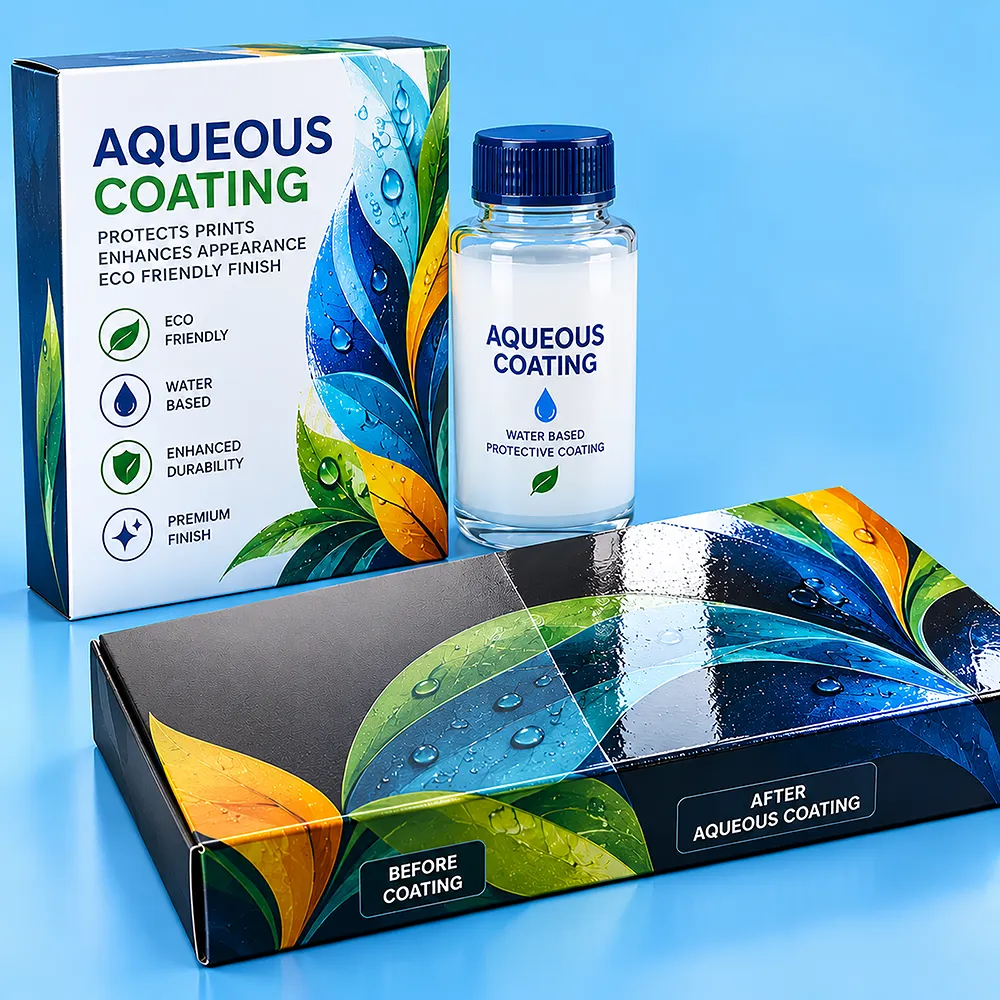
Coatings and lamination are different processes and should be specified according to the intended substrate and application. A decorative exterior finish should not automatically be treated as suitable for direct contact with exposed food.

Artwork Around the Viewing Window

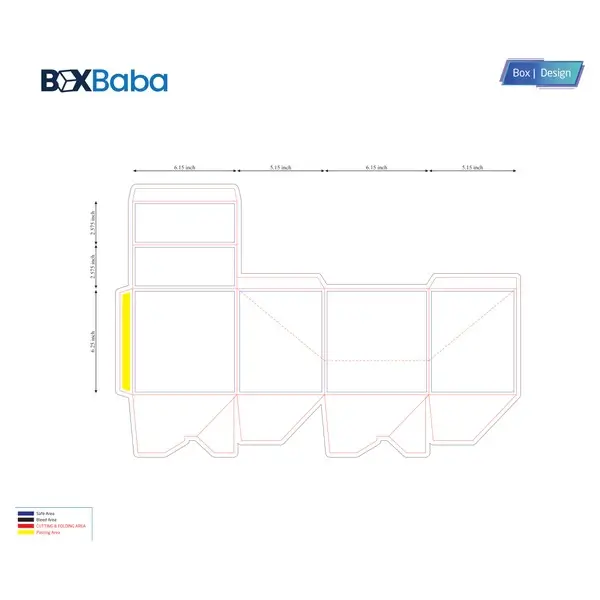
The die-cut window reduces the board area available for printing. The approved dieline should show the viewing opening, cut edges, folds, closure tabs, glue zones, and film-attachment areas. Important logos, product names, barcodes, ingredients, allergen information, and other buyer-approved labeling should remain legible after cutting and assembly. Foil, embossing, debossing, and spot UV elements should be positioned so they do not interfere with the aperture, folds, closures, or window attachment.

Pie Window Packaging for Retail, Pickup, and Gifting

Bakery Counter and Retail Display

A top-window pie box can reveal the baked crust, lattice design, or finished decorations while retaining printed branding around the opening. The window should align with the intended viewing direction when the closed package is displayed.

Bakery Pickup

For customer pickup, the carton should be reviewed around the finished pie, pan, base, closure, and intended carrying method. A practical opening and removal process is particularly important for pies with fragile crust edges or raised toppings.

Seasonal Gifts and Celebrations

Custom printed window boxes can be considered for holiday pies, bakery gifts, birthdays, and special-order desserts. Artwork variations may share an approved box structure when the product dimensions and packaging requirements remain unchanged.

Mixed Dessert Collections

Mixed assortments containing pies, pastries, cookies, or other desserts may require different supports or internal layouts. For packaging designed around a broader bakery assortment, explore Window Bakery Boxes. For smaller individual pastries rather than complete pies, BoxBaba Pastry Boxes may be the more relevant format.

Local Delivery and Ecommerce

A retail pie box with a transparent window is not automatically a complete parcel-shipping package. For delivery, the finished retail box, pie pan, transport arrangement, and any required outer shipping components should be evaluated together. A viewing window does not establish tested shock protection, temperature control, or freshness retention.

Sample Approval Before Bulk Production

A physical sample can help verify pan fit, crust clearance, window alignment, and the assembled box. Before final approval, review:
  1. Pie pan fit: Confirm that the complete pan, including its rim, fits the usable internal dimensions.
  2. Finished pie height: Check raised crust, toppings, or decorations against the closed lid.
  3. Window visibility: Confirm that the intended pie surface is visible in the closed package.
  4. Loading and removal: Check that the pan can be placed and removed without unintended contact with the finished pie.
  5. Base and closure: Review the construction against the intended loaded arrangement.
  6. Window construction: Inspect the transparent panel, cut edges, and attachment areas.
  7. Materials and artwork: Confirm printed information and the specifications of any potential food-contact components.
Digital proofs and 3D mockups help review proposed artwork and structure. Physical samples provide additional evidence of actual fit, assembly, and presentation. Sample availability, initial charges, shipping costs, and any applicable credit toward the first bulk order should be confirmed for the project.

Wholesale Pie Boxes with Window

Wholesale pricing depends on the box dimensions, material, construction, window shape, transparent panel, pan-support requirements, artwork, finishing, and order quantity. BoxBaba minimum order quantity starts from 100 boxes for eligible projects. Larger, specialty, or multi-component structures may require a different confirmed minimum. Qualifying standard carton production generally takes 5–9 business days after the final artwork, digital proof, and order specifications are approved. Specialty structures may require separately confirmed production terms. BoxBaba offers free shipping across the USA under its Shipping Policy. Production time and carrier transit are separate. For orders containing several box sizes or printed designs, provide the quantity required for each configuration.

Why Choose BoxBaba?

BoxBaba supports custom bakery packaging with sizing assistance, dieline preparation, artwork guidance, 3D mockups, and compatible printing and finishing options. For Pie Boxes with Window, the finished pie, pan dimensions, viewing opening, chosen materials, and outer structure can be reviewed together before final approval. Wholesale quotations and available sample options are based on the approved project requirements.

Request a Custom Quote for Pie Boxes with Window

Create custom Pie Boxes with Window that display your finished pies, complement your bakery branding, and accommodate the intended packing arrangement. For an accurate quotation, provide the pie type, pan outside dimensions, rim or flange size, finished pie height, packed weight, preferred box structure, window shape and placement, liner or insert requirements, materials, printing and finishing preferences, order quantity, artwork variations, intended food-contact conditions, and shipping destination. Request a Custom Quote Email: sales@boxbaba.com Phone: +1 305 574 4357 Contact BoxBaba to discuss your custom window pie packaging and wholesale order requirements.

Frequently Asked Questions

Find all the urgent questions you may have.

Pie Boxes with Window are custom printed bakery cartons with a die-cut opening that displays selected parts of a pie. The opening can use a transparent panel or an approved open configuration.
Yes. Top windows and other compatible viewing positions can be evaluated with circular, rectangular, square, rounded, or selected decorative openings. The final configuration depends on the approved box structure.
Measure the maximum outside dimensions of the actual pie pan or tray, including its rim. Also record the complete finished height, including any raised crust or toppings, and the packed weight.
Custom dimensions and suitable structures can be evaluated for deeper pies. The finished pan, crust height, lid clearance, and loading method must be reviewed before confirming suitability.
Yes. A suitable custom format can be developed for individual mini pies or compatible assortments. Sizing depends on the actual pan dimensions and intended arrangement.Yes. A suitable custom format can be developed for individual mini pies or compatible assortments. Sizing depends on the actual pan dimensions and intended arrangement.
A film-covered window can be specified for compatible constructions. The exact film and attachment method are confirmed during project approval.
Suitability depends on the actual materials and intended contact conditions. If crust, filling, or toppings may contact the box, liner, insert, or window, supporting material documentation should be confirmed.
Yes. BoxBaba offers custom printing and compatible decorative treatments, including matte, gloss, soft-touch, foil stamping, embossing, debossing, and spot UV, subject to the approved material and production process.
Wholesale quantities start from 100 boxes for eligible projects. Qualifying standard carton production generally takes 5–9 business days after final approval. Specialty structures may require different confirmed terms.
You can discuss digital proofs, 3D mockups, and available physical samples with BoxBaba. Physical samples help verify pie-pan fit, crust clearance, window visibility, and box assembly. Availability, charges, shipping costs, and applicable credits are confirmed by project.