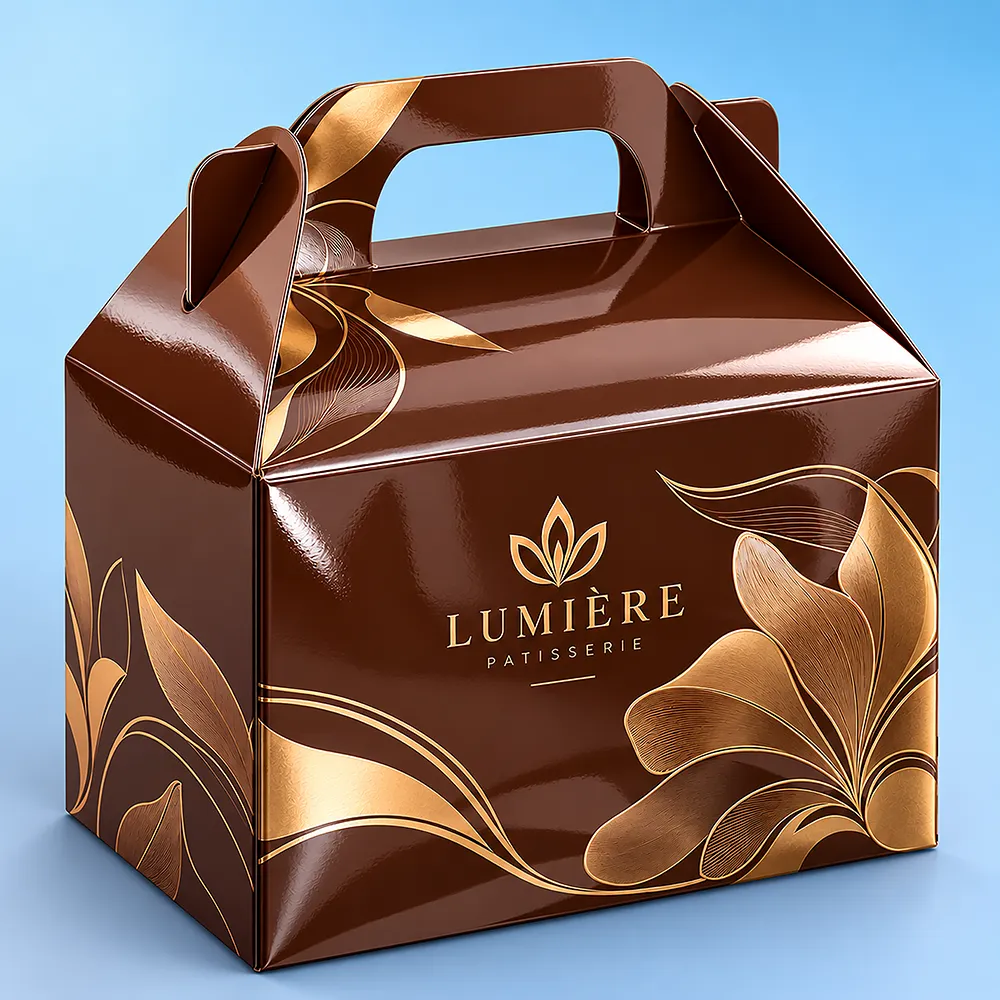
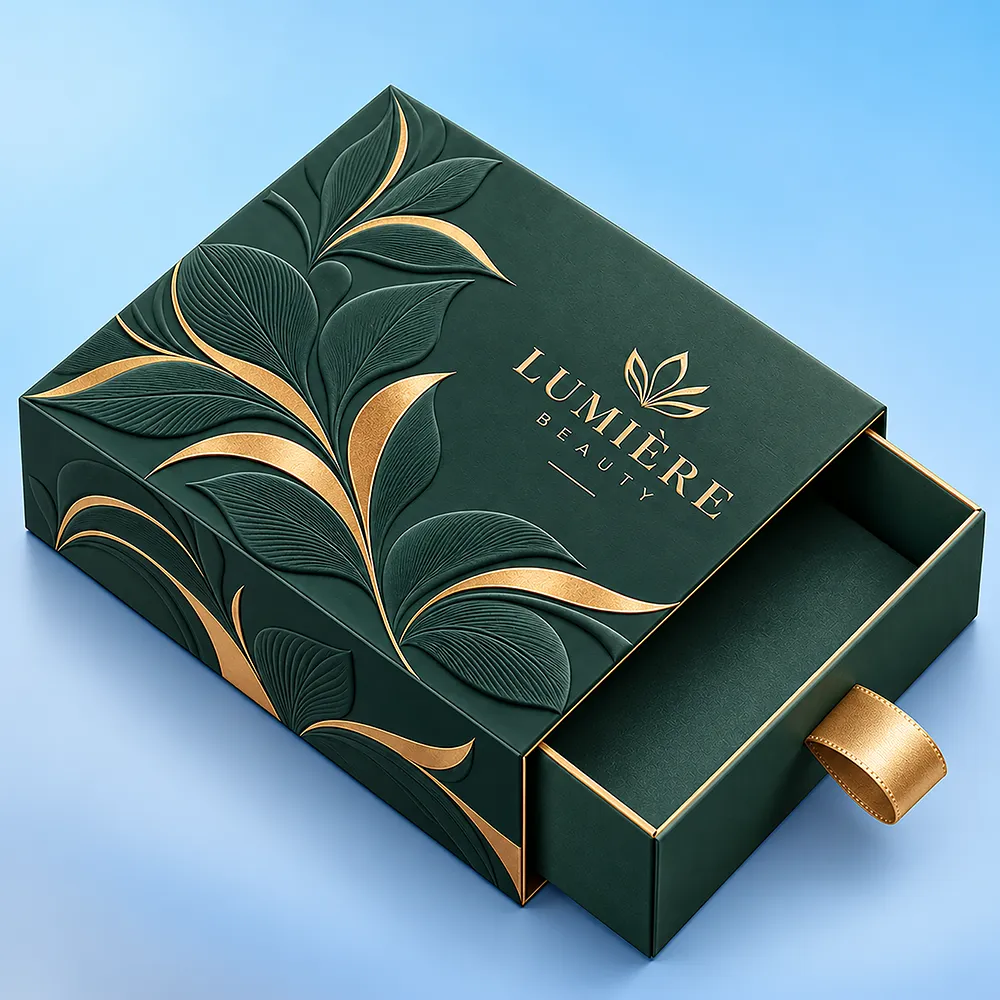
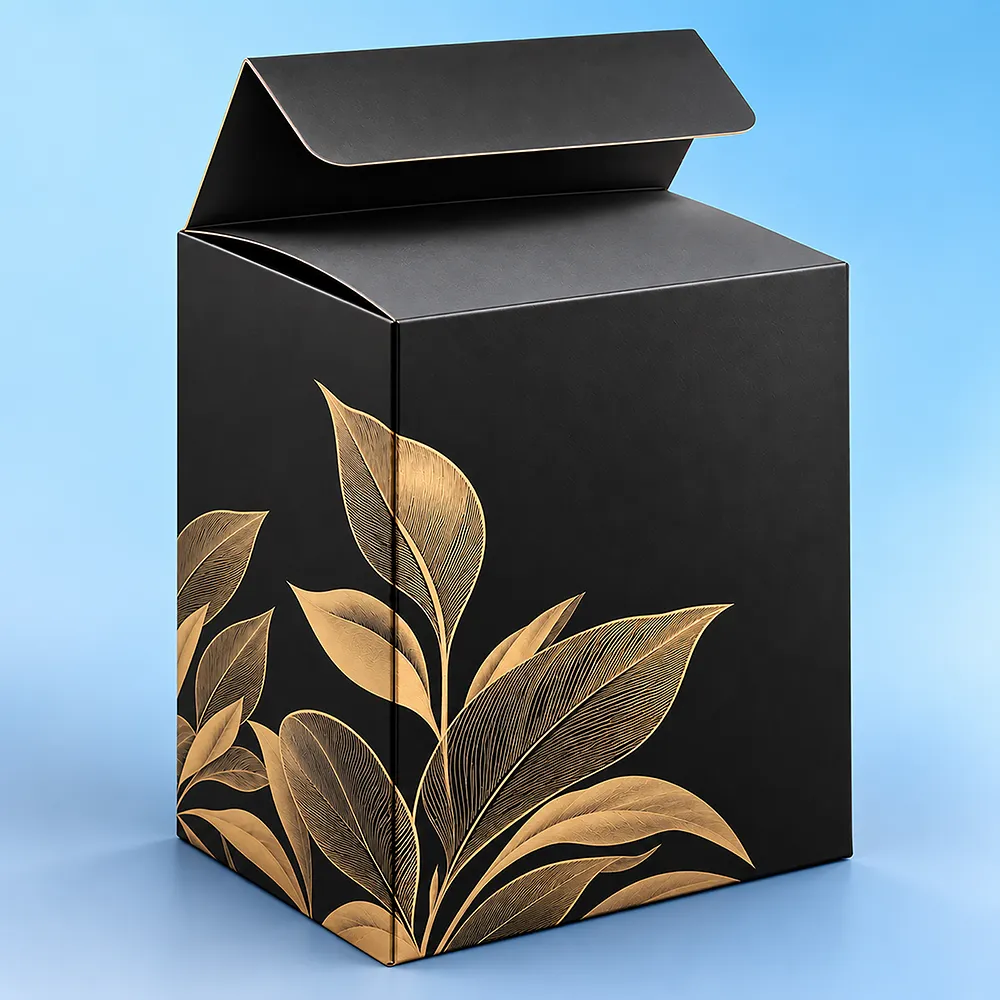
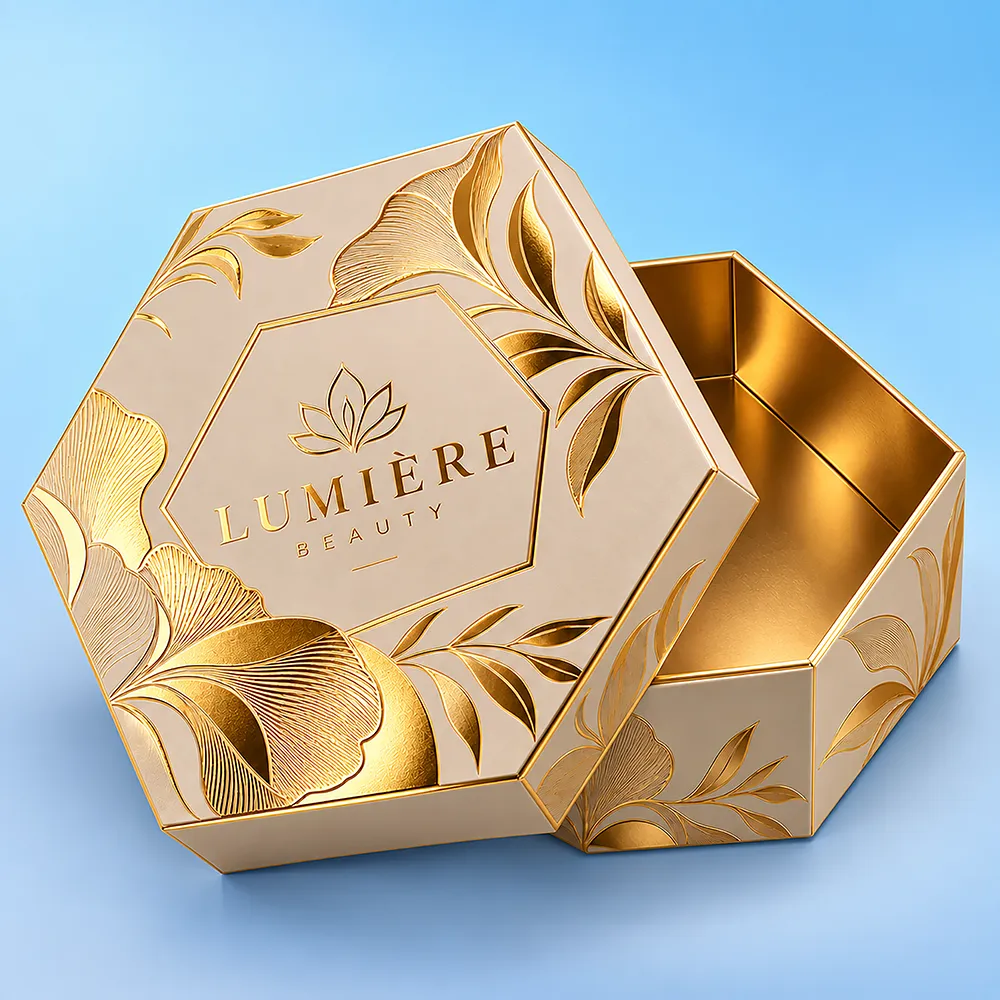
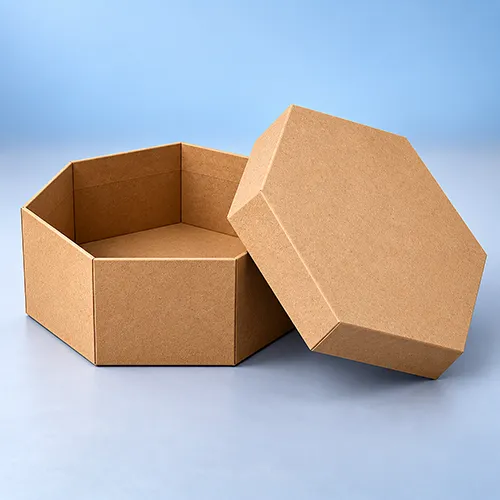
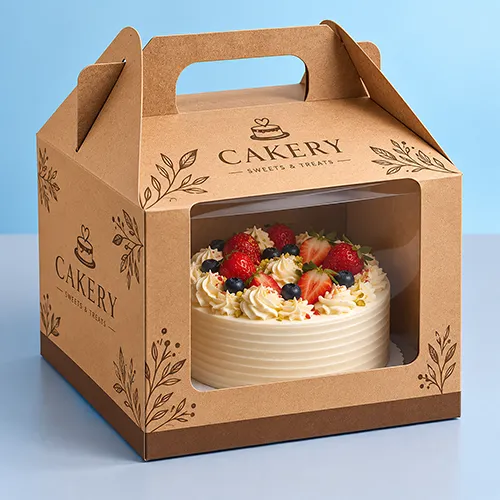
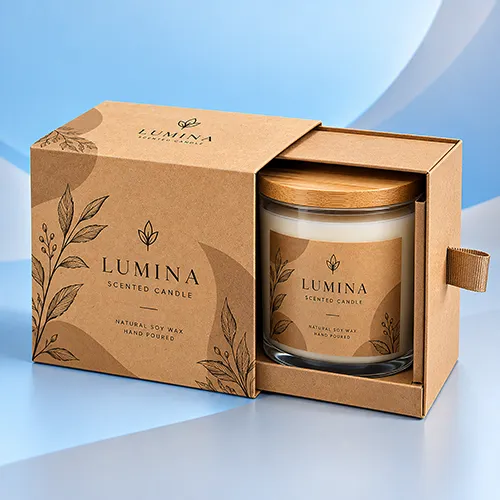
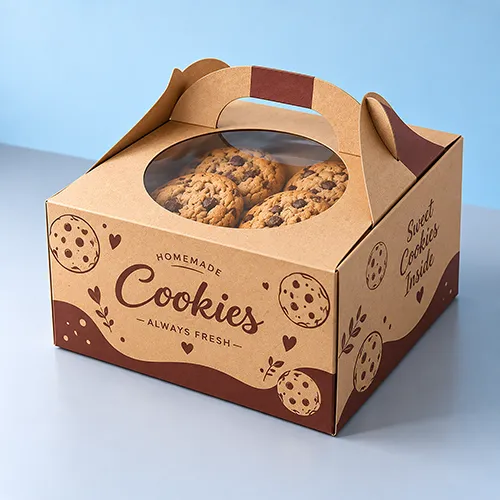
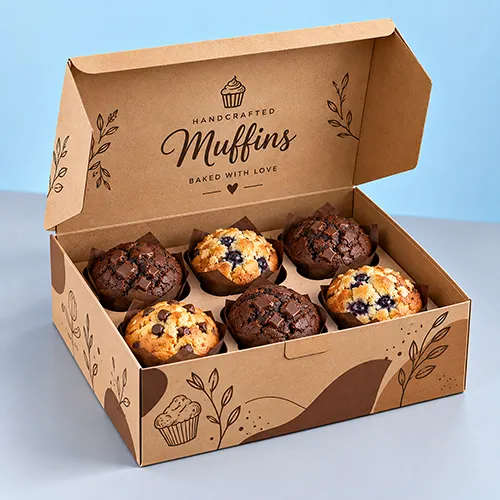
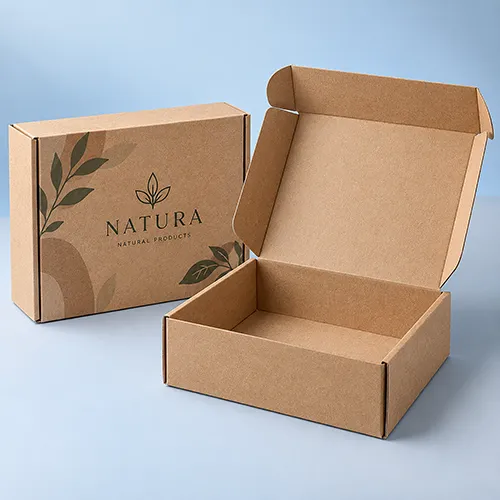
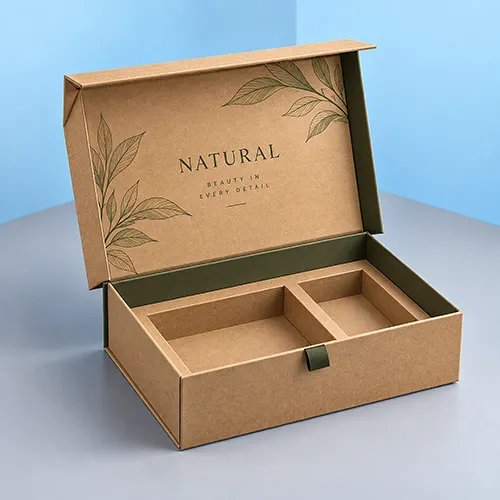
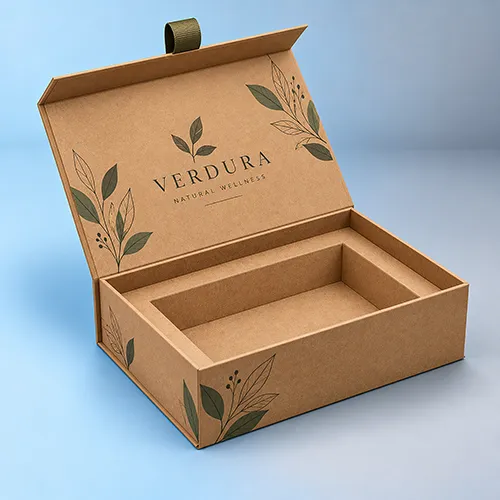
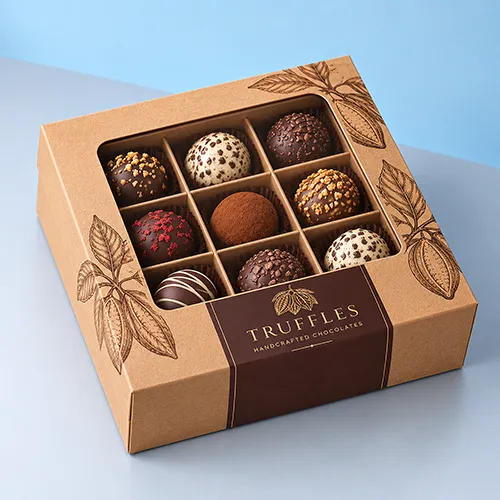
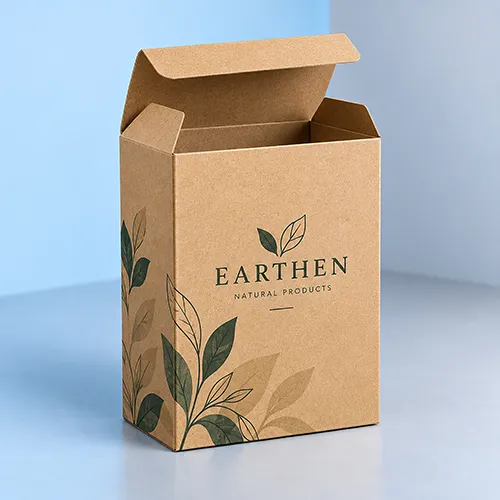
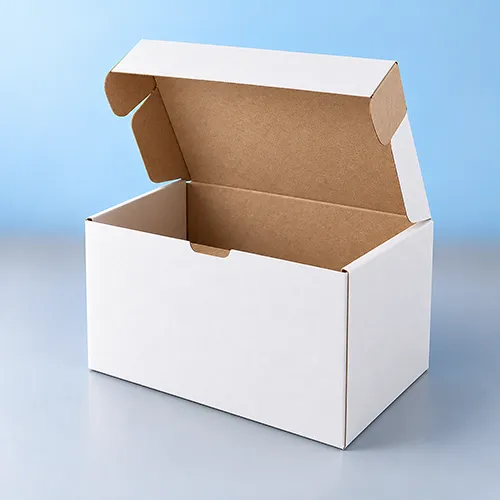
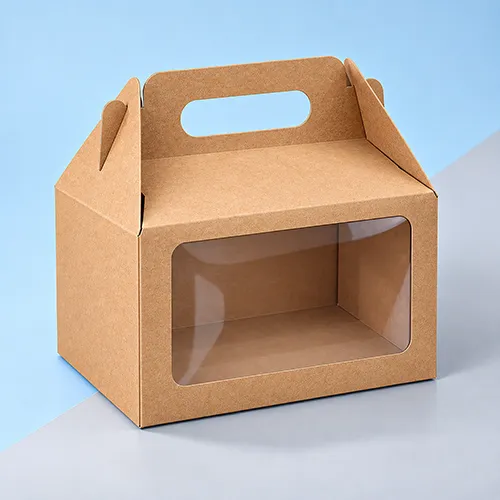
What Are Kraft Bakery Boxes?
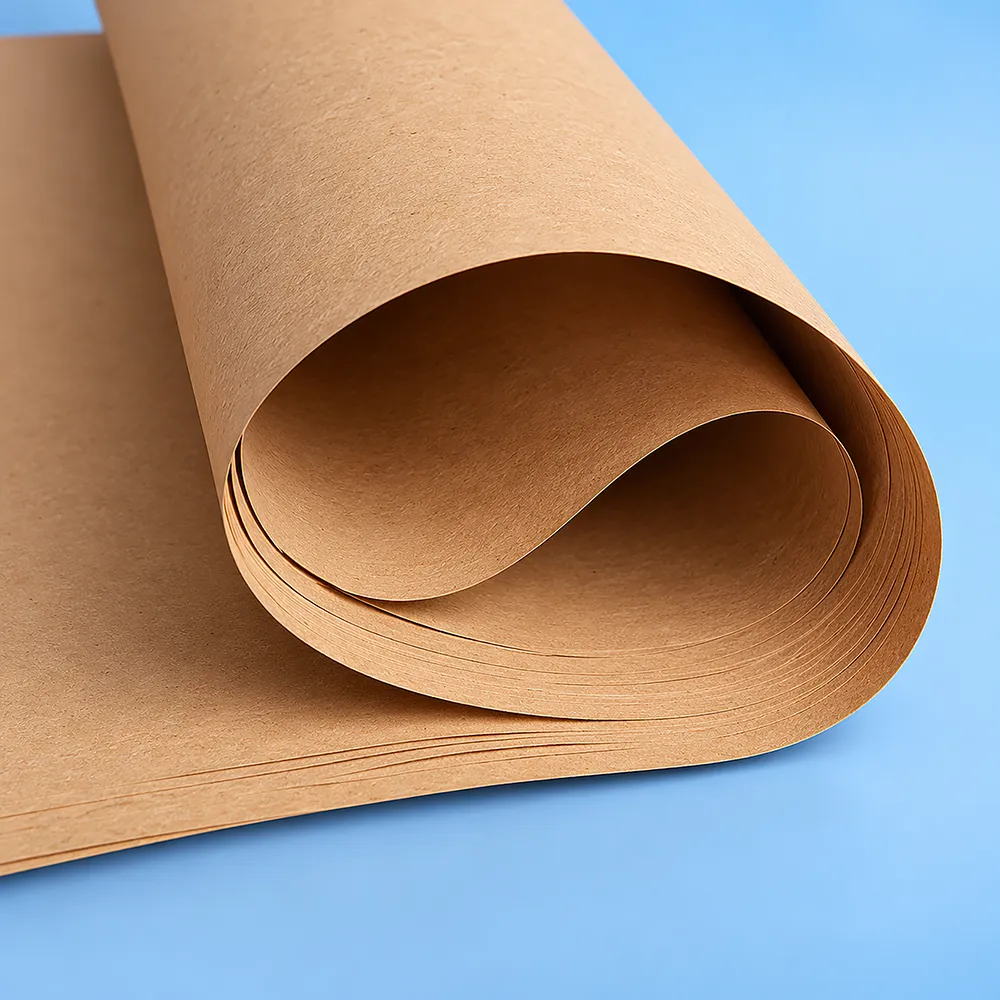
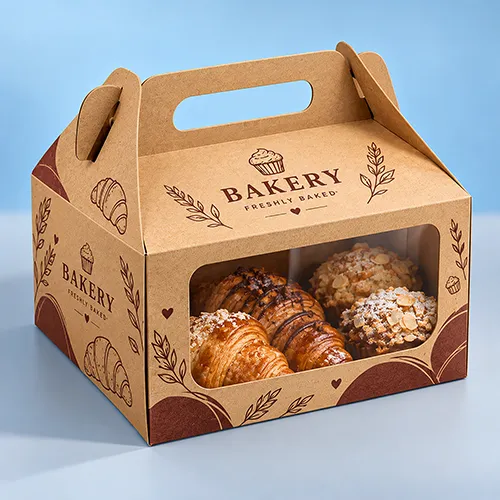
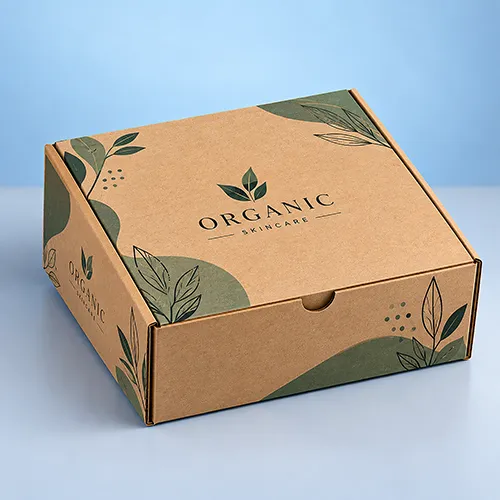
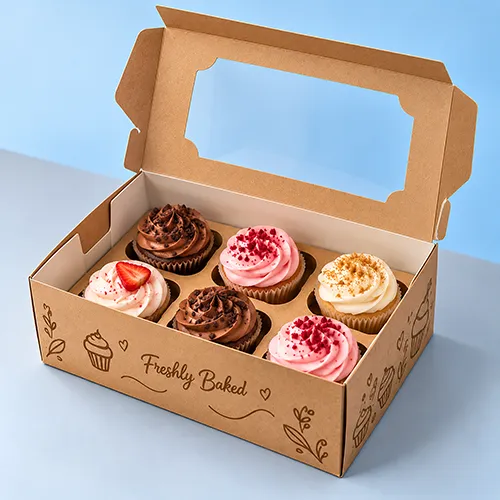
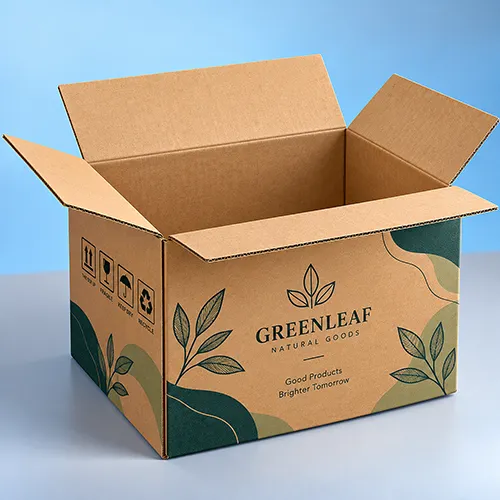
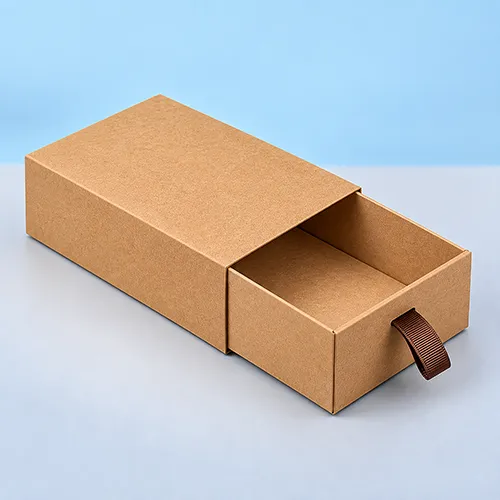
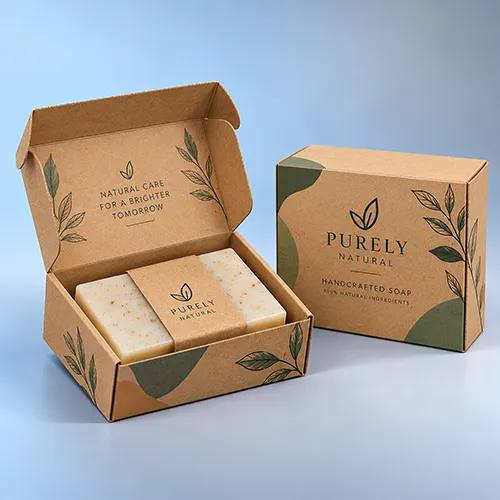
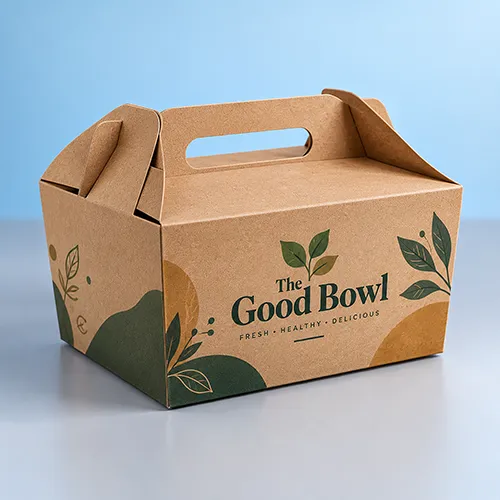
Kraft bakery boxes are bakery-specific paper-based packages where a natural Kraft material or surface is intentionally selected around the baked product and its presentation requirements.
Keep the entities separate:
Kraft → Material / Surface Direction
Bakery → Product Application
Tuck Lid / Auto-Bottom / Window / Gable / Tray-Style Format → Structure or Feature
Paperboard / Corrugated → Construction
This distinction matters because Kraft does not define one bakery box structure. A small cookie assortment may use a shallow folding carton, while a tall decorated cake needs a completely different internal height and loading relationship.
The structure should therefore follow the product before the Kraft appearance is finalized.
Size the Box Around the Finished Bakery Pack-Out
Bakery packaging should be measured after the product is baked, decorated and prepared for sale.
Do not measure an undecorated cake layer and assume those dimensions represent the final cake. Likewise, cupcake frosting, pastry toppings, wrappers, trays and bakery boards can change the finished dimensions.
Start with:
Finished Product → Maximum Width / Length → Maximum Height → Base Component → Required Interior
If you need to separate product dimensions from the internal and external box measurements, use BoxBaba guide on how to measure box dimensions.
Product Footprint Fit Is Different From Decoration Clearance
A bakery product can fit across the box base while still being too tall for the package. This is especially important for cakes, cupcakes and decorated pastries.
Use:
Product Footprint → Controls Base Fit
Include frosting, piping, fruit, chocolate pieces, toppers or other raised components when measuring the finished height.
The aim is not to add excessive empty space. The box should provide the required headroom without allowing avoidable oversizing.
Include Boards, Trays and Liners in the Fit
A cake board or bakery tray can control the required footprint even when the edible product itself is smaller.
Use:
Finished Product + Base Component → Complete Packaging Footprint
Likewise, a cupcake insert, tray lip or divider can reduce usable interior space. Plan these components before the outer dimensions are finalized.
Choose the Bakery Structure From the Product
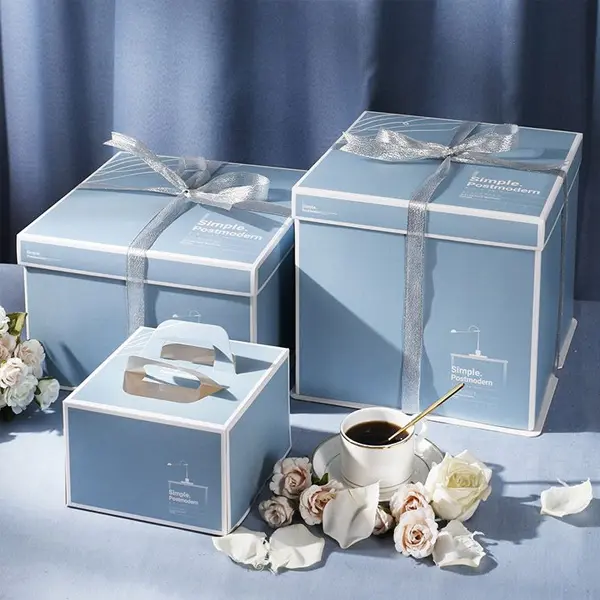
Kraft bakery packaging can use different structures depending on how the product will be loaded, presented, carried and removed.
The decision sequence is:
Bakery Product → Loading Method → Product Arrangement → Required Headroom → Customer Access → Structure
A shallow folding format can suit relatively flat baked goods. A decorated cake may need easier top access and more vertical clearance. Multi-count cupcakes commonly require internal positioning. Takeaway assortments may require a different closing or carrying format.
The broad Kraft Bakery page should help establish this direction without replacing the product-specific pages.
| Bakery Product |
Main Packaging Decision |
More Specific BoxBaba Page |
| Cakes |
Cake-board footprint + decoration height + loading access |
Cake Boxes |
| Cupcakes |
Quantity + insert cavity + frosting headroom |
Cupcake Boxes |
| Pastries |
Arrangement + topping clearance + grease/moisture conditions |
Pastry Boxes |
| Donuts |
Count + rows/arrangement + box height |
Donut Boxes |
Use these product-specific pages when the bakery item itself becomes the main structural decision.
Kraft Paperboard or Corrugated Bakery Packaging?
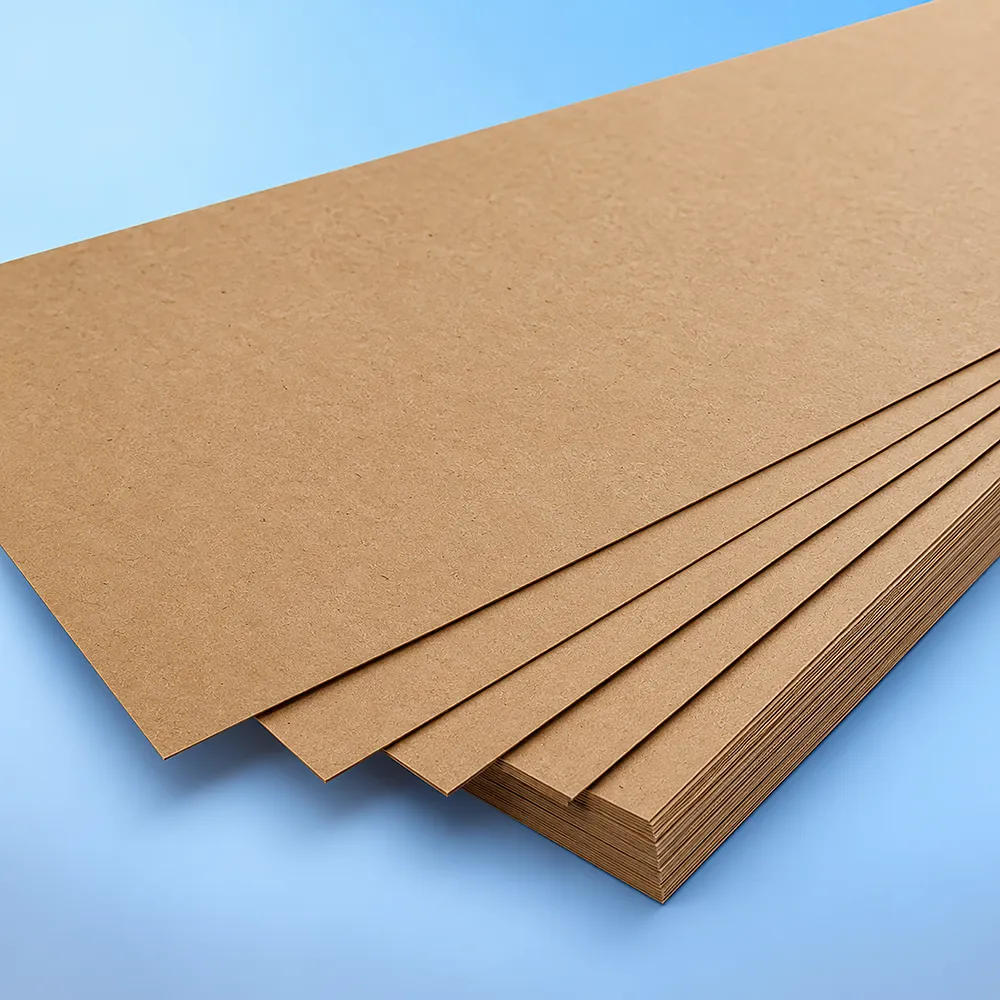
Kraft appearance does not tell you whether the package should use folding paperboard or corrugated construction. A suitable Kraft paperboard may work for folding bakery cartons where the product size, loaded weight and handling requirements support that construction.
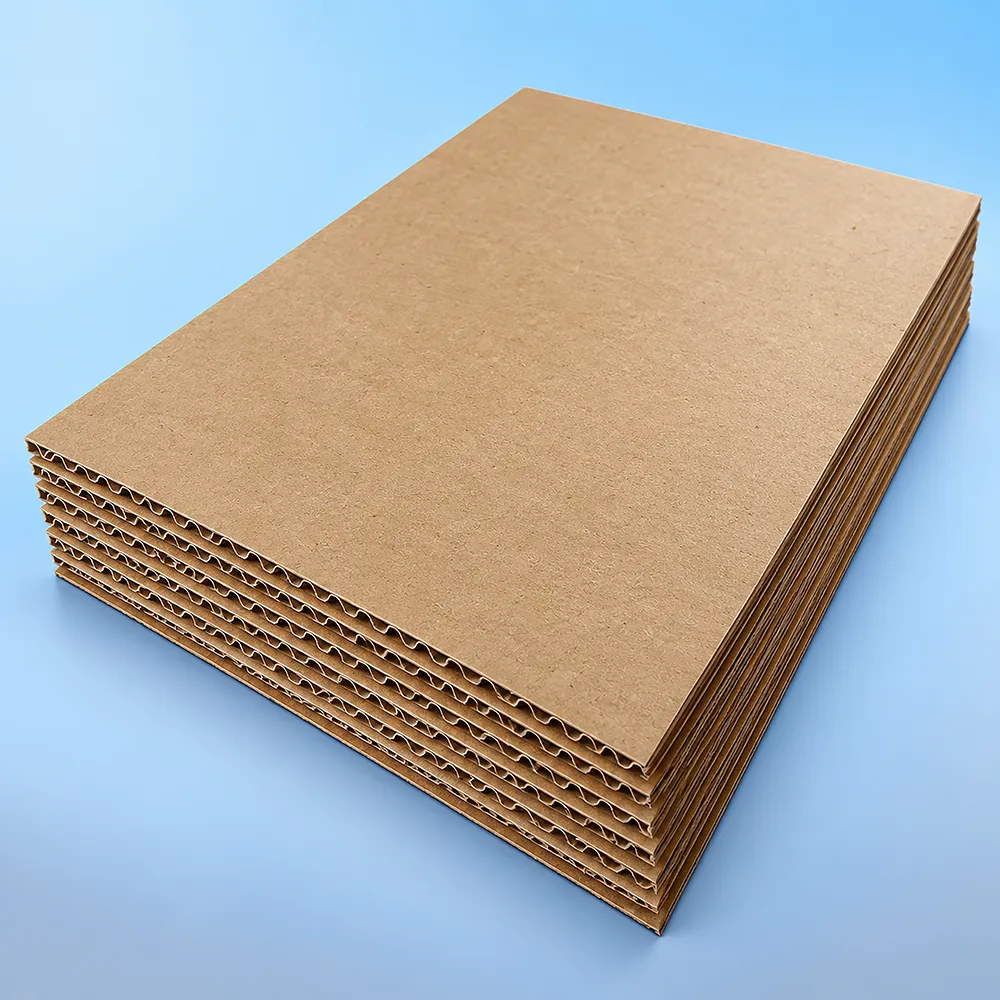
Corrugated board uses a fluted construction and may be evaluated when the loaded package, size, stacking or delivery conditions require a different structural system.
Use:
Product Size + Loaded Weight + Structure + Handling Conditions → Construction
For broader folding-material guidance, compare Kraft Paperboard Boxes. Where corrugated construction itself becomes the primary requirement, explore Custom Corrugated Boxes.
BoxBaba bakery packaging material guide provides the deeper comparison between Kraft, white paperboard, corrugated and rigid packaging, so this product page does not need to repeat the full material guide.
Direct and Indirect Food Contact Are Different Requirements
Natural Kraft appearance does not establish food-contact suitability. First determine what actually touches the packaging. A baked product may sit inside a wrapper, cup, liner or tray before entering the Kraft box. That is different from a bakery item touching the paperboard directly.
Use:
Food → Wrapper / Tray / Liner → Kraft Box
for an indirect-contact configuration.
A dry cookie, butter-rich pastry, glazed donut and frosted cake can create different grease, moisture and temperature conditions. For broader direct/indirect contact and food-packaging decisions, compare Custom Food Boxes.
Grease, Moisture and Temperature Should Be Specified
Kraft should not automatically be described as grease-resistant or moisture-resistant.
The relevant packaging requirement depends on the actual food.
Use:
Food Composition + Grease / Moisture + Temperature + Holding Time + Contact Type → Material / Liner Requirement
A dry baked item may create relatively limited surface exposure, while buttery, glazed or warm products can require a different material relationship.
If a grease-resistant liner, coating or other barrier is required, state that requirement when requesting the quote.
Warm products may also release moisture or contribute to condensation under some packing conditions. Ventilation can be considered where the actual product and holding process require it, but vent holes should not be added as a universal bakery feature.
Packaging should complement appropriate bakery cooling and food-handling practices rather than being treated as a substitute for them.
When Does a Kraft Bakery Box Need an Insert or Divider?
Not every bakery product requires an insert.
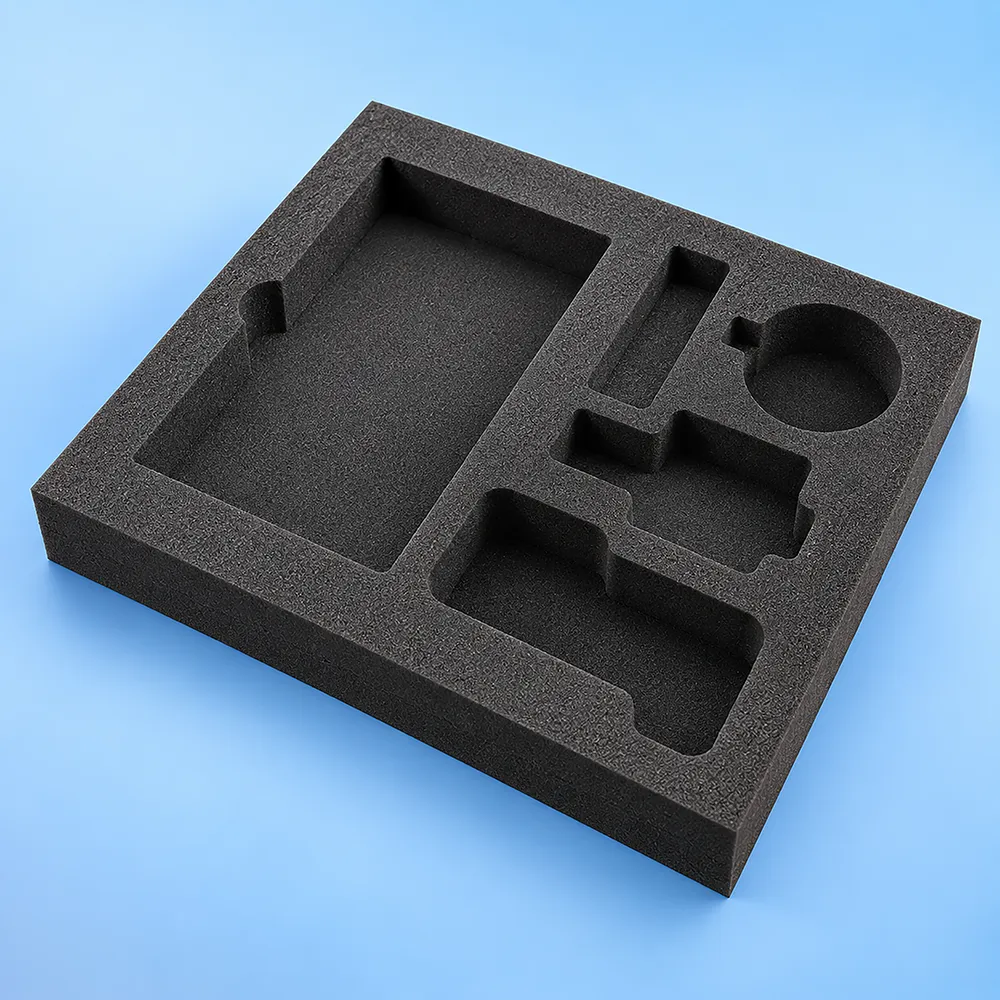
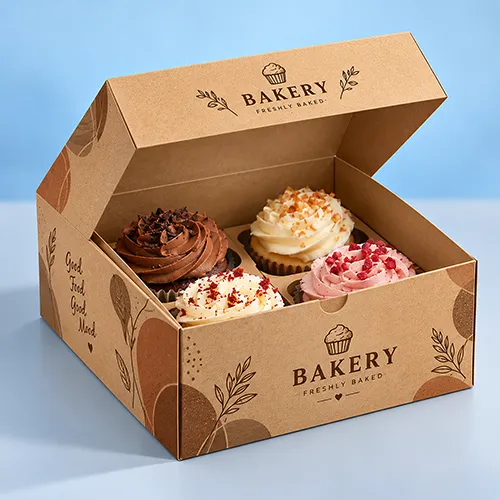
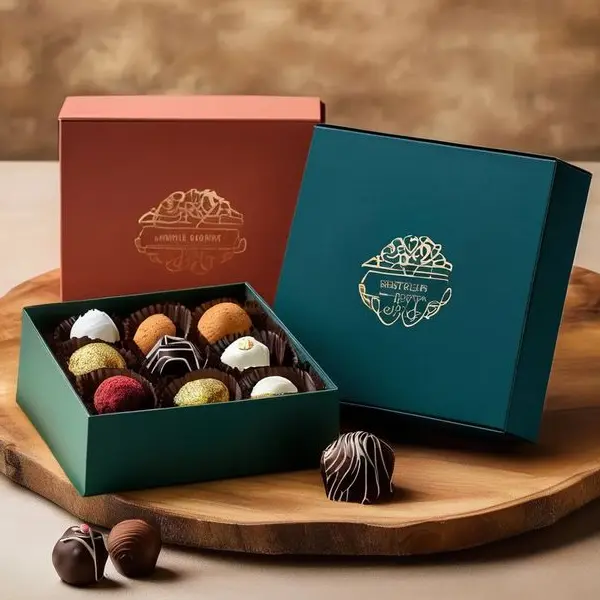
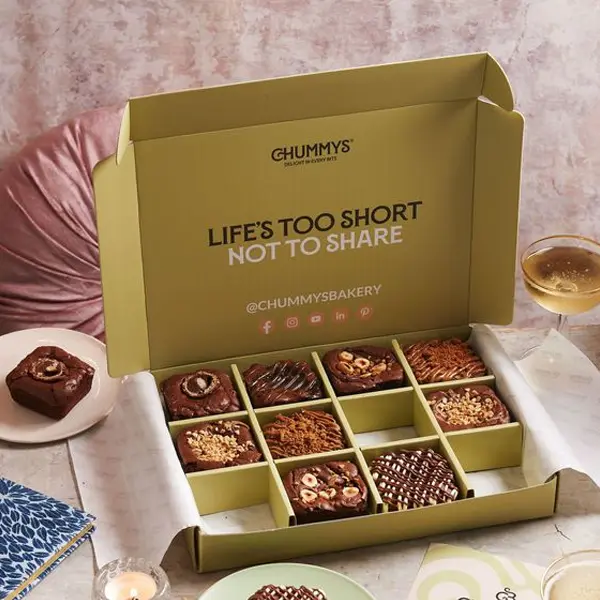
An insert becomes useful when products need controlled positions, several items need separation, or the presentation depends on a defined arrangement.
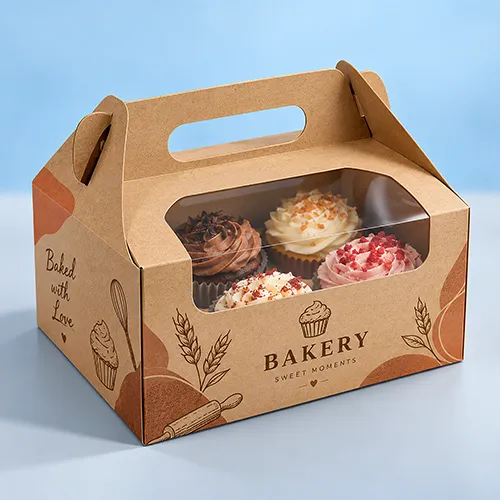
Cupcakes are a common example because individual cavities can define each product position. Bakery gift assortments, macarons, truffles and selected pastries may instead use other partitions or dividers.
Use:
Product Arrangement + Separation Requirement → Insert Decision
For projects where internal positioning is a major requirement, compare Printed Boxes With Inserts.
Use Windows Around the Loaded Product
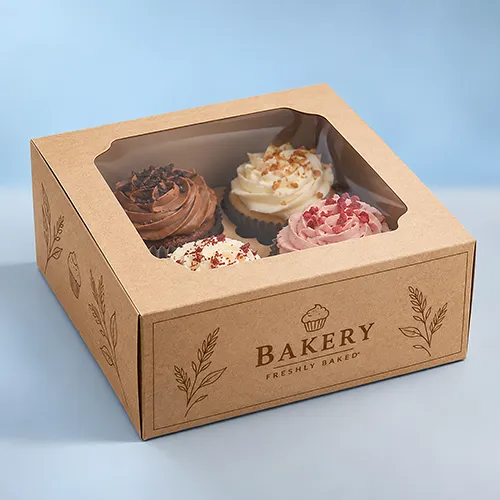
A window can allow customers to view the bakery product before the package is opened, but it should follow the actual product arrangement.
Use:
Loaded Product Position → Feature to Show → Available Panel → Window Location
A viewing opening for a cupcake set may need a different shape or placement from one intended for pastries or donuts.
Window geometry should also remain clear of important folds, locks, glue areas and other structural features.
An open die-cut aperture and a clear-patched window are different configurations and should be specified separately.
If product visibility becomes the main packaging requirement, compare Window Bakery Boxes for the more feature-specific route.
Natural Kraft Changes Printed Color Appearance
Natural brown Kraft provides a non-white printing background.
Artwork displayed against white on a monitor therefore does not automatically represent how the same design will look on the finished Kraft surface.
Use:
Artwork + Actual Kraft Substrate → Printed Appearance
Dark logos, typography and line graphics may interact differently with brown Kraft from pale colors, product photography or low-contrast artwork.
Where brand-color appearance matters, review the actual material and artwork together.
Do not promise exact printed-color reproduction based only on the digital screen view.
Printing Options for Kraft Bakery Boxes
The selected package can provide print areas for logos, bakery names, product graphics, seasonal artwork, QR codes, barcodes and buyer-supplied product information.
Keep printing methods and color references separate:
Digital / Offset → Printing Methods
CMYK / Pantone PMS → Color Systems or References
The suitable printing process should follow the Kraft material, artwork, quantity and box construction.
Where printing is required on an interior surface that may contact food, disclose the direct-contact relationship so the complete material, ink and coating specification can be evaluated accordingly.
Plan Artwork Around the Finished Bakery Structure
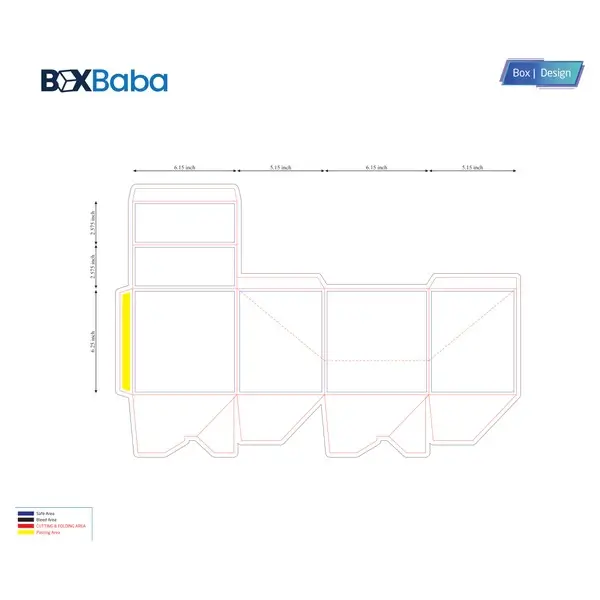
A bakery box is converted from a flat dieline into a three-dimensional package.
Lids, windows, folds, locking tabs, glue zones and opening direction can all affect the visible artwork area.
Use:
Flat Dieline → Finished Box → Loaded Product → Customer View
For a window box, important branding should remain visible around the cutout.
For a top-opening package, internal artwork should follow the actual opening orientation.
Ingredients, allergen, date, barcode or other information supplied by the buyer should be placed in appropriate readable areas where required.
Finishing Options Should Match the Material and Contact Condition
Printing and finishing are separate decisions.
Depending on the selected Kraft material and package construction, compatible treatments may include:
- Matte or Gloss lamination
- Soft-touch treatments
- Foil stamping
- Embossing
- Debossing
- Spot UV
A decorative finish used on an exterior branding panel does not automatically mean the same finish is appropriate where food directly contacts the package. Confirm the material, finish and food-contact relationship together before final production approval.
Kraft Appearance Does Not Automatically Establish Sustainability
Natural brown Kraft is often associated with environmental packaging, but appearance alone does not establish the environmental properties of the finished box.
Do not automatically assume:
Natural Kraft = Recycled
Kraft = Recyclable
Kraft = Biodegradable
Kraft = Compostable
The completed package can include coatings, adhesives, window films, liners and inserts that affect the overall material system.
Where recycled content, recyclability or another environmental requirement is important to procurement, request confirmation for the actual quoted material.
Kraft Bakery Boxes should own bakery + Kraft material intent
, rather than competing with BoxBaba’s separate sustainability-led bakery packaging page.
Retail Bakery Packaging Is Not Automatically Parcel Packaging
Bakery pickup, counter service, local delivery and parcel distribution are different handling environments.
A Kraft bakery carton should therefore not automatically be treated as a shipping package.
The packaging hierarchy may be:
Bakery Product → Kraft Bakery Box
then, where needed:
Kraft Bakery Box → Outer Distribution Package
If a bakery product will travel through ecommerce or parcel distribution, disclose the complete loaded configuration, fragility and delivery conditions before the outer packaging is selected.
A physical bakery carton alone cannot eliminate the handling risks associated with delicate frosting, toppings or temperature-sensitive products.
Plan Multi-SKU and Seasonal Packaging Around Physical Fit
A bakery may use one structural dieline for multiple flavors or seasonal designs when the physical pack-out remains the same.
Use:
Same Dimensions + Same Arrangement + Same Structure + Same Internal Components → Potential Shared Dieline
while:
Different Product Size / Headroom / Insert / Arrangement → Separate Structural Review
Artwork can then vary by flavor, holiday, event or promotion.
When requesting wholesale pricing, provide the quantity required for each artwork version rather than only one combined quantity.
For repeat orders, retain the approved dieline, material specification, artwork version and finishing requirements so a reorder does not unintentionally change the package.
Digital Proofs and Physical Samples Validate Different Things
A digital proof can help review artwork, text, logo placement, color references, window position on the dieline and panel orientation. It does not fully demonstrate the physical bakery-product fit.
Where fit is important, a structural or physical sample can help review product clearance, cake-board or tray fit, insert position, decoration headroom, opening/closing and overall presentation. A physical sample should not automatically be treated as proof of food-contact compliance, shelf-life performance, grease resistance, shipping performance or environmental characteristics unless those requirements have been separately evaluated.
Common Mistakes When Ordering Kraft Bakery Boxes
One common mistake is measuring only the edible portion and forgetting the cake board, tray, wrapper, frosting, topper or insert that changes the final pack-out.
Another is selecting Kraft because the brown appearance is assumed to guarantee food safety or environmental performance.
Other avoidable problems include choosing an insert after the box dimensions are finalized, positioning a window without checking the loaded product, overlooking grease or moisture conditions, and treating a retail bakery carton as automatically suitable for parcel shipping.
What to Send for a Kraft Bakery Box Quote
A useful quotation begins with the finished product rather than a generic request for “bakery boxes.”
Provide:
- bakery product type;
- finished width, length or diameter;
- maximum finished height;
- frosting, topping or decoration height;
- cake board, tray, wrapper or liner dimensions;
- units packed per box;
- product arrangement;
- loaded weight where relevant;
- direct or indirect food-contact condition;
- grease or moisture conditions where relevant;
- approximate product temperature at packing where relevant;
- preferred structure if known;
- insert or divider requirement;
- window requirement;
- ventilation requirement where relevant;
- natural Kraft material preference;
- inside or outside printing requirements;
- finishing requirements;
- total quantity;
- quantity by artwork version;
- delivery destination;
- required in-hand date.
If you already use another bakery package, specify whether its dimensions are internal or external
and provide the structural reference where useful.
Custom Kraft Bakery Boxes Wholesale
BoxBaba develops custom Kraft bakery packaging for bakeries, pastry shops, cafés, dessert businesses, food retailers and other B2B bakery programs.
Custom packaging orders start from 100 units
, with made-to-size structures, artwork assistance, dieline support and digital proof or 3D mockup review available for custom projects.
Production and delivery timing should be confirmed with the quotation after the finished product dimensions, packaging structure, Kraft material, contact requirements, quantity, artwork and finishing specifications are established.
Free shipping is available across the USA under applicable BoxBaba order terms.
Where product fit, decoration clearance, insert layout, window position or structural assembly needs physical review, discuss the appropriate sample option before bulk production.
Request a Quote for Custom Kraft Bakery Boxes
The package should be developed around the finished bakery pack-out, not only the basic product name or recipe size. Share your finished product dimensions, maximum decoration height, board or tray size, quantity per package, food-contact conditions and artwork requirements so BoxBaba can prepare a quotation around the actual bakery product. Place your order by calling +1 305 574 4357 or emailing sales@boxbaba.com.