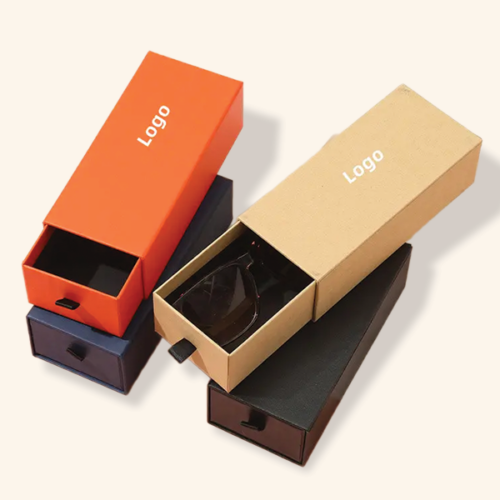
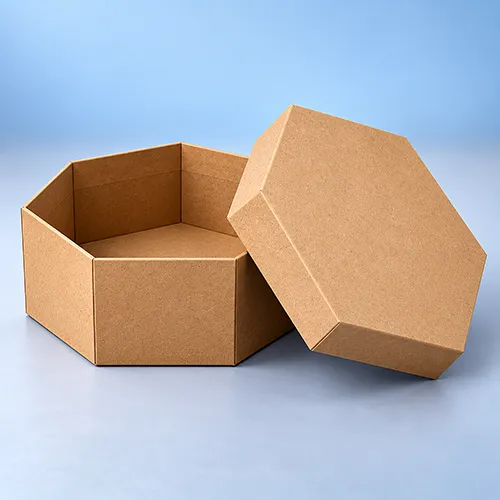
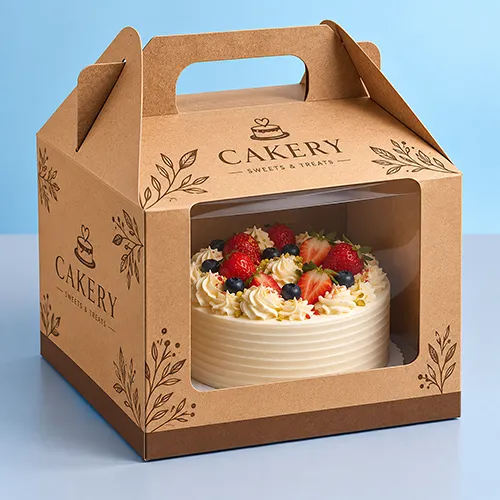
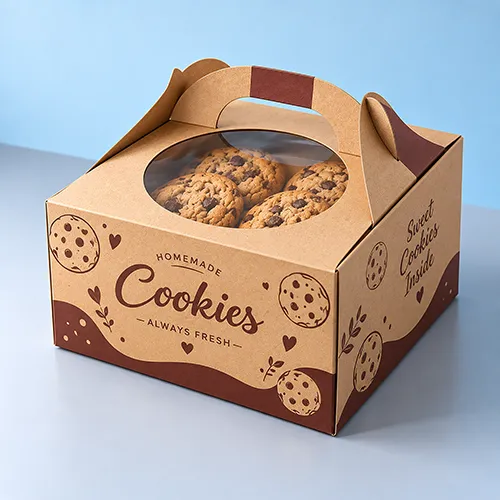
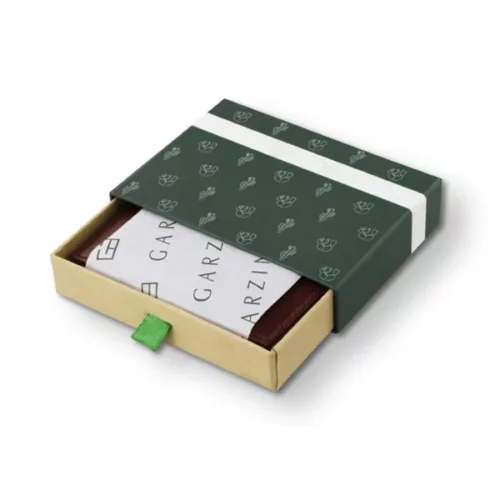
What Is a Kraft Sleeve Box?
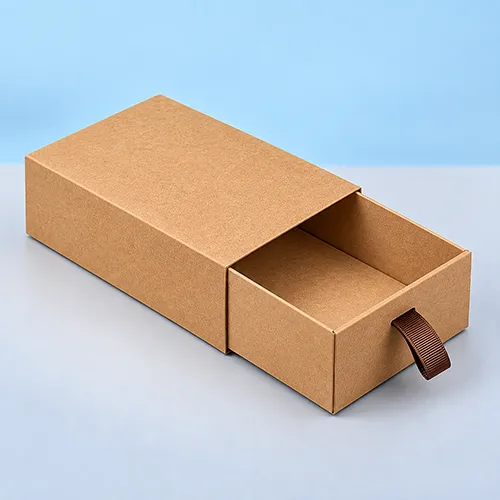
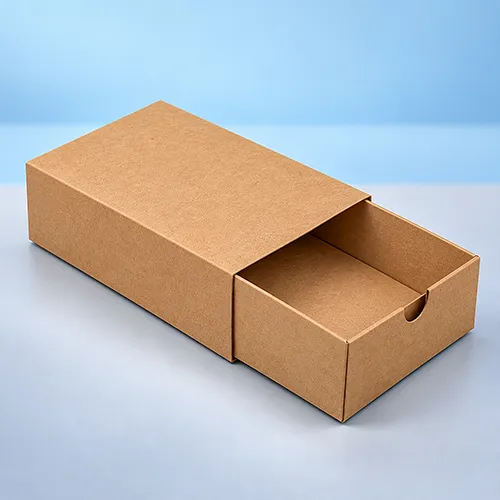
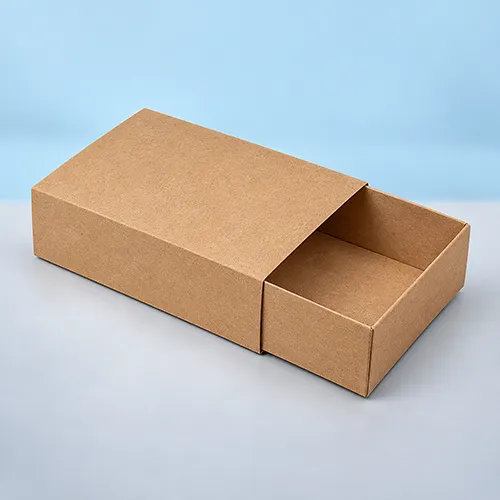
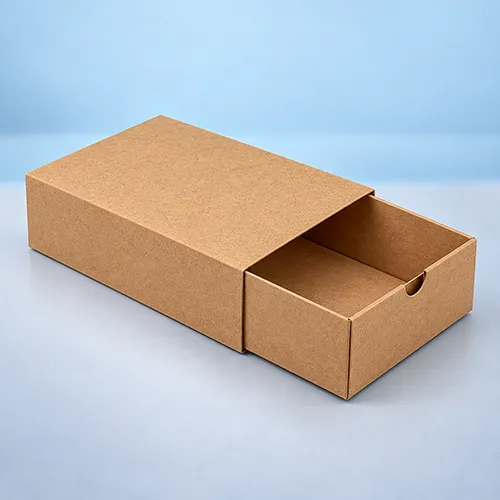
A Kraft sleeve is an outer paper-based component that wraps around another defined component or, where the structure permits, directly around the product.
Unlike a conventional folding carton that creates most of the enclosure itself, a sleeve normally depends on the product, tray or inner box passing through or sitting inside it.
The structural relationship is:
Inner Component → Provides Product-Holding Space
while:
Outer Kraft Sleeve → Provides Coverage, Branding and Opening Interaction
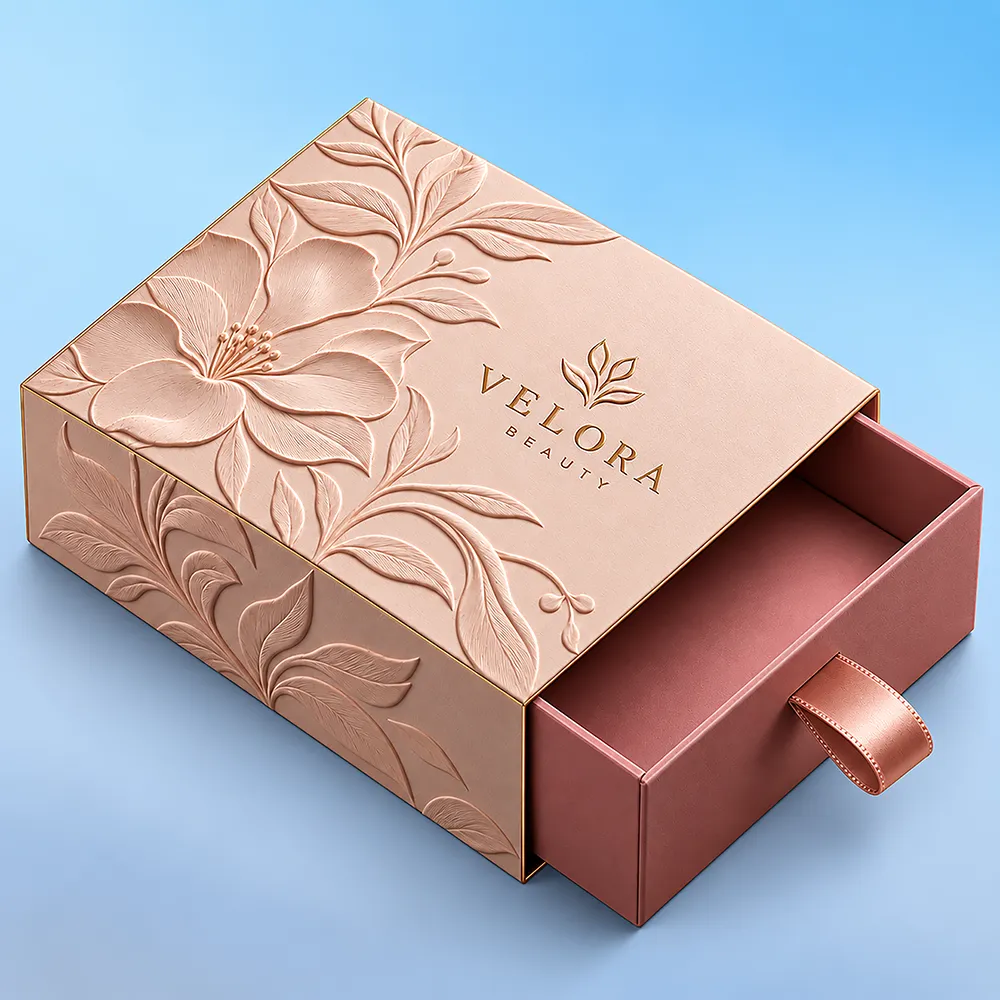
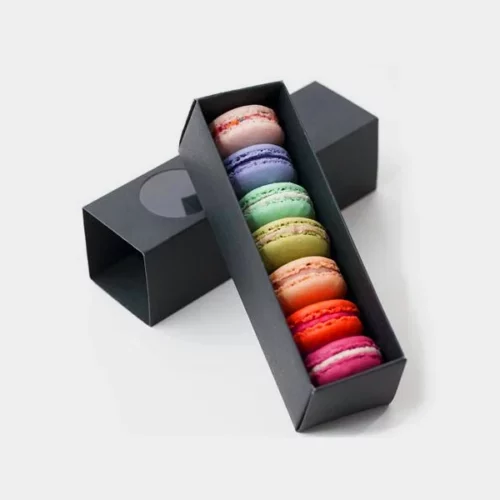
Sleeves can therefore be used in different ways. A simple sleeve may wrap around an existing retail carton. A full sleeve-and-tray package uses an outer sleeve together with a dedicated sliding tray.
If the structure is more important than the Kraft material, compare BoxBaba broader Custom Sleeve Boxes range.
Sleeve-Only Packaging vs Sleeve-and-Tray Boxes
Not every Kraft sleeve needs a dedicated tray.
A sleeve-only format
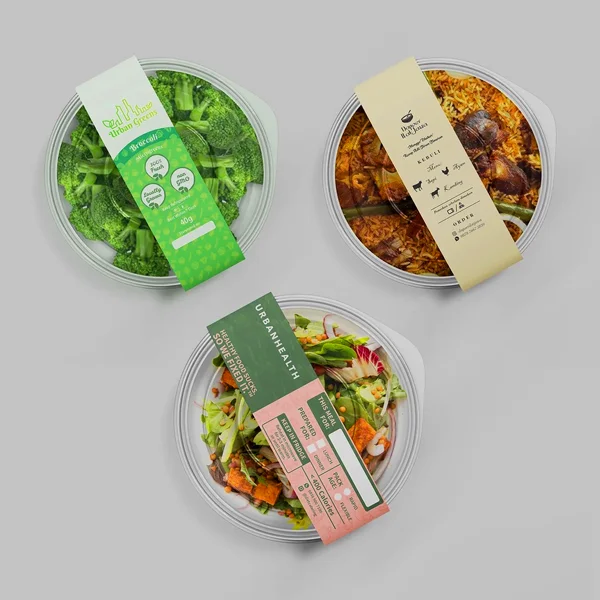
may wrap around an already finished carton, container or compatible product pack. In this case, the sleeve adds an outer branding or presentation layer without replacing the primary package. A sleeve-and-tray box
combines the Kraft sleeve with an inner tray developed specifically for the product.
Use:
Existing Product Box + Added Outer Branding → Sleeve Only
while:
Product Needs Dedicated Inner Presentation → Sleeve + Tray
This distinction should be confirmed before dimensions are finalized because the sleeve uses a different reference in each configuration.
Size the Sleeve Around the Finished Inner Component
Do not automatically size the sleeve from the bare product.
If the sleeve wraps an existing carton, measure the finished exterior dimensions of that carton
. If the package uses a tray, develop the tray around the product first. The sleeve should then be fitted around the completed outside dimensions of that tray.
Use:
Finished Product → Required Tray Interior → Completed Tray Exterior → Required Sleeve Interior
A correctly sized tray does not guarantee a correctly fitting sleeve.
Likewise, adjusting the sleeve cannot correct an inner tray that was designed too small for the product.
If you are unsure how to record product, internal or external box dimensions, BoxBaba guide on how to measure box dimensions correctly provides the general measurement framework.
Sleeve Fit Should Allow the Intended Sliding Action
A sleeve-and-tray package needs a controlled physical relationship between both components. The tray should enter and leave the sleeve as intended without excessive resistance, but the structure should not be specified from one universal clearance value.
The required relationship can change with:
Board Construction + Sleeve Dimensions + Tray Dimensions + Surface Treatment + Assembly
A sleeve that is unnecessarily tight may be difficult to use.
A sleeve that is too loose may not create the intended assembled presentation.
Use:
Finished Inner Component + Material + Required Opening Action → Sleeve Fit
The final relationship should be resolved through the production dieline and, where physical fit is important, the appropriate structural sample.
Opening Direction Affects the Product Reveal
A sliding package introduces a defined opening direction. The tray may slide from one side or use another approved relationship depending on the design.
That direction should be confirmed before artwork is prepared because it affects what the buyer sees first.
Use:
Product Orientation → Tray Orientation → Slide Direction → Customer Reveal
For example, a logo or product message placed correctly for a right-side opening may not create the same visual sequence if the tray is intended to slide from the opposite side.
The opening direction also affects where instructions, secondary branding and tray-front graphics should be positioned.
Check How the Product Will Be Removed From the Tray
A product can fit correctly inside a tray and still be inconvenient to remove.
This matters especially for compact or closely fitted products such as cosmetics, soaps, confectionery, stationery, accessories and other small retail goods.
Review:
Product Fit → Removal Access → Tray Geometry
Where access is limited, an appropriate finger notch, exposed edge or another structural removal feature may be considered.
The correct question is not only:
Will the product stay positioned?
It is also:
Can the customer remove the product in the intended way?
Do not add a notch or pull feature automatically. Its need depends on the actual product, tray and opening relationship.
Kraft Sleeve Boxes vs Rigid Drawer Boxes
Sleeve-and-tray packaging and drawer packaging can share a sliding opening concept, but they should not automatically be treated as the same construction.
A Kraft sleeve package can use folding paperboard components where that construction suits the product and presentation requirement.
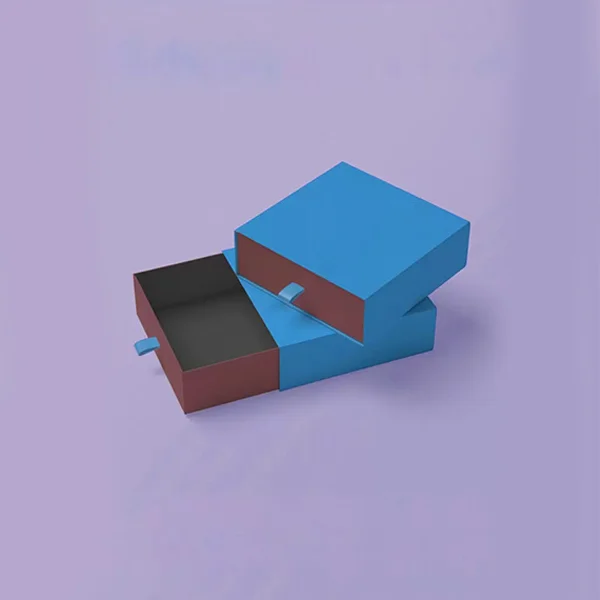
A Custom Rigid Drawer Box uses formed rigid-board construction with an outer sleeve and sliding inner tray.
Use:
Folding Kraft Sleeve / Tray Requirement → Kraft Sleeve Box
while:
Rigid Setup-Board Sliding Package → Rigid Drawer Box
The opening motion may look similar, but the construction, storage, production and presentation requirements can differ substantially.
Choose based on the required packaging structure rather than the word drawer alone.
Kraft Sleeve Boxes vs Belly Bands
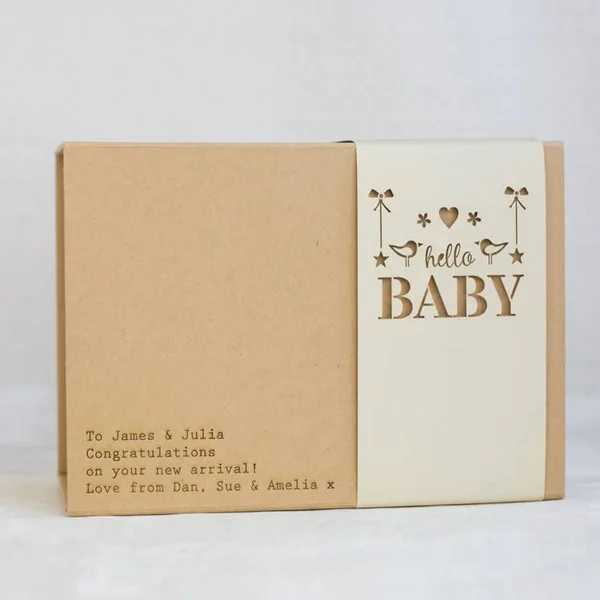
A belly band and a full box sleeve can both wrap around another package, but their coverage and role are not necessarily the same. A belly band is generally a narrower wrap used around only part of the underlying package. A full sleeve normally covers more of the component and may create a more complete sliding or wrap-around relationship.
Conceptually:
Narrow Partial Wrap → Belly Band
while:
Broader Outer Wrap / Sliding Component → Sleeve
The correct format should follow the required coverage, branding space, product interaction and opening method.
Choose Kraft Paperboard Around the Sleeve Requirement
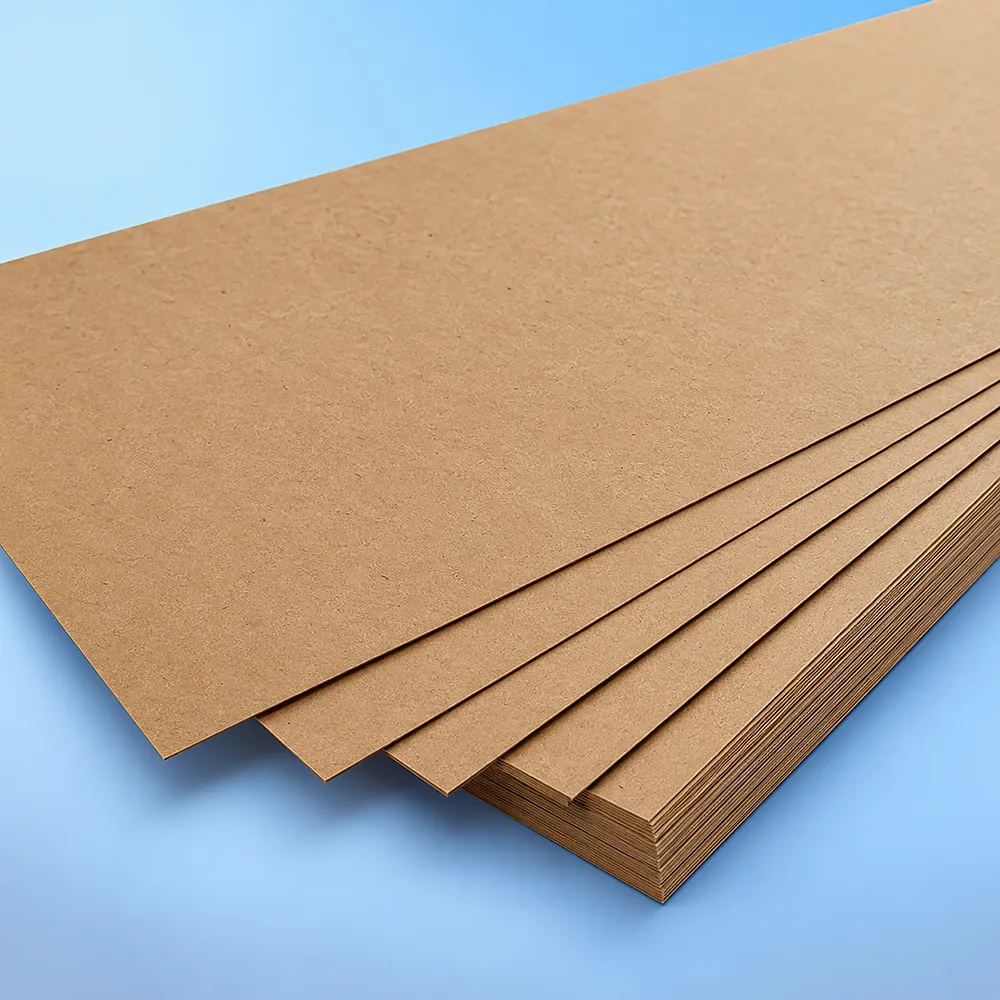
Kraft does not define one universal thickness, fiber composition or structural performance level. For a folding sleeve, Kraft paperboard is a relevant starting material because it can create a printable outer wrap around the inner package.
The appropriate stock should follow:
Sleeve Size + Inner Component + Required Fit + Printing + Finishing
rather than an arbitrary GSM or point thickness taken from another supplier specification.
For more material-focused information, explore Kraft Paperboard Boxes.
The environmental characteristics of the finished package depend on its actual board, coatings, adhesives, window materials and other components.
Natural Brown Kraft Changes the Printing Background
Natural Kraft provides a non-white surface.
Artwork displayed against white on a monitor therefore does not automatically represent how it will appear on the finished sleeve.
Use:
Artwork + Actual Kraft Surface → Final Printed Appearance
Dark typography, simple logos and line graphics may interact differently with natural brown Kraft from pale colors, photographs or low-contrast designs.
Where brand-color appearance is important, review the artwork together with the actual Kraft material direction.
If an opaque light-color treatment or another particular print effect is required, state that requirement during artwork review so compatibility can be confirmed for the selected stock and printing process.
Printing Options for Kraft Sleeve Boxes
The outer sleeve often provides the primary branding area because it is visible before the inner product or tray is revealed.
Artwork may include logos, product names, illustrations, product information, QR codes and barcodes where appropriate.
Printing methods and color systems should remain separate:
Digital / Offset → Printing Methods
CMYK / Pantone PMS → Color Systems or References
The suitable printing method depends on the selected Kraft surface, artwork, quantity and approved production specification.
Where both the sleeve and tray carry graphics, identify them as separate components in the artwork brief.
Do not assume artwork on one component automatically continues onto the other.
Design Artwork Around the Sliding Reveal
A sleeve-and-tray structure can present three different visual stages:
Closed Package → Sleeve Branding
Partial Opening → Sleeve + Tray Interaction
Open Package → Product / Interior Reveal
Artwork should be planned around all three where the opening sequence is part of the presentation.
For example, an inner message can remain hidden until the tray begins to slide out, while the main brand identity remains on the outer sleeve.
Avoid designing a continuous graphic across two independently moving components unless the production tolerances and approved structure support the intended alignment.
Finishing Options for Kraft Sleeve Packaging
Printing and finishing should be specified separately.
Depending on the selected Kraft stock and production method, BoxBaba can review compatible options such as matte or gloss lamination, soft-touch treatments, foil stamping, embossing, debossing or spot UV.
The useful production relationship is:
Component → Artwork Element → Finish Location
A foil logo on the outer sleeve creates a different instruction from a finish applied to the tray front or interior.
Not every finish behaves the same on every Kraft surface, so material and finishing compatibility should be confirmed before final artwork approval.
Can Kraft Sleeve Boxes Include a Window?
Yes, where the approved sleeve structure provides a suitable panel area.
A window should be developed around both the product position and the sleeve position over the inner component.
Use:
Product Position → Tray Position → Sleeve Position → Required Visible Feature → Window Location
This relationship is especially important with sliding packaging because the visible area can change as the tray moves.
The window should also remain clear of folds, seams and other structural zones.
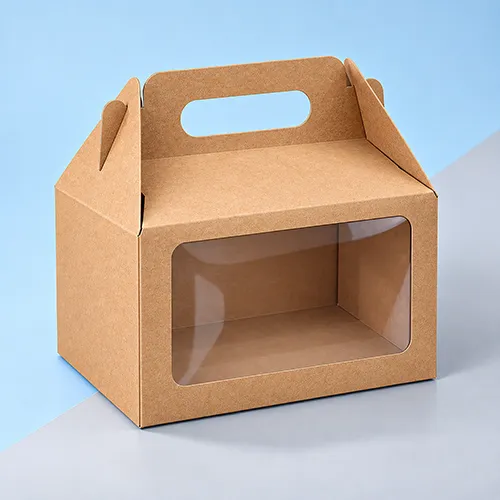
If selective product visibility is the main requirement rather than a sleeve structure, compare Kraft Window Boxes.
An open die-cut aperture and a clear-patched window are different configurations, so any transparent material requirement should be included in the project specification.
When Does a Sleeve-and-Tray Box Need an Insert?
The tray holds the general package arrangement, but it does not automatically control every product inside it.
An insert or divider may be useful when products need defined positioning, separation or support.
Use:
Tray → Creates the Main Inner Package
while:
Insert → Controls Individual Product Position Where Needed
For example, several small items may require separate cavities, while one suitably fitted product may not need another component.
The insert should be developed before final tray dimensions because it occupies internal space and can affect product height and removal access.
For projects where fitted internal positioning is a primary requirement, explore Printed Boxes With Inserts.
Can One Sleeve Structure Be Used Across Several SKUs?
Potentially—when the physical packaging requirements remain compatible.
Products with the same finished dimensions may be able to share one tray-and-sleeve structure while using different printed sleeves for fragrance, flavor, shade, collection or campaign variations.
But:
Same Product Family ≠ Same Dieline Automatically
Confirm that each SKU uses the same relevant:
- product dimensions;
- orientation;
- tray requirements;
- insert configuration;
- sleeve fit.
Also provide order quantity by artwork version.
This allows the production plan to separate:
Shared Structure
from:
Different Printed Versions
without assuming every SKU can use the same packaging.
Kraft Sleeve Packaging for Retail Products and Gift Sets
Kraft sleeves can suit soaps, cosmetics, candles, stationery, accessories, confectionery, apparel items and selected gift sets when the product benefits from a branded outer wrap or controlled sliding reveal.
The decision should follow the packaging interaction rather than a generic application list.
Ask:
Does the product benefit from a Kraft outer sleeve around an existing package or dedicated tray?
A lightweight retail product may only need a printed sleeve around an existing carton.
A presentation-led product may benefit from a dedicated sleeve-and-tray structure.
A premium product requiring rigid construction may be better suited to rigid drawer packaging.
Confectionery and Food Applications Need the Correct Material Specification
Kraft sleeve packaging can be considered for confectionery and other food-related products, but the Kraft appearance does not establish direct food-contact suitability.
Determine whether the food directly touches the sleeve, tray or insert, or whether another wrapper, pouch, cup or primary container sits between the food and the paper-based packaging.
Use:
Direct / Indirect Food Contact → Appropriate Material and Coating Specification
A sleeve around a sealed confectionery carton has a different contact requirement from a tray holding an unpackaged food product.
If direct food contact is part of the project, state that requirement before the material specification is finalized.
A Kraft Sleeve Is Not Automatically a Shipping Package
A sleeve primarily serves as a wrapping, branding or sliding packaging component.
It does not automatically establish parcel-shipping performance.
A retail sleeve-and-tray package may require an outer mailer or shipping carton when distributed through ecommerce.
Keep the roles separate:
Kraft Sleeve → Presentation / Structural Format
while:
Shipping Package → Distribution Requirement
If the sleeve package is expected to travel without another outer shipping carton, communicate that use before the material and structure are finalized.
For ecommerce-focused mailer structures, compare Kraft Mailer Boxes.
Digital Proofs and Structural Samples Validate Different Things
A digital proof can help review artwork, text, component identification, print direction and general layout.
It does not demonstrate the actual physical relationship between the sleeve and tray.
Where fit matters, a structural or physical sample can help review:
- product-to-tray fit;
- sleeve-to-tray fit;
- sliding action;
- product clearance;
- removal access;
- insert positioning;
- opening direction;
- overall assembled proportions.
Therefore:
Digital Proof → Artwork Review
while:
Structural Sample → Sleeve / Tray Fit and Assembly Review
A structural sample should not automatically be treated as evidence of shipping performance, food-contact compliance or environmental characteristics unless those requirements have been separately evaluated.
Common Mistakes When Ordering Kraft Sleeve Boxes
A common mistake is sizing the sleeve directly from the product when the sleeve actually needs to fit around an existing carton or finished tray.
Other avoidable problems include making the sliding relationship unnecessarily tight, choosing the opening direction after artwork is already complete, forgetting product-removal access, treating lightweight sleeve packaging as identical to a rigid drawer box, adding inserts after the tray dimensions are locked, and assuming natural brown Kraft automatically means recycled or recyclable packaging.
A better sequence is:
Finished Product → Inner Component → Product Fit → Finished Inner Dimensions → Sleeve Fit → Slide Direction → Artwork → Physical Review
What to Send for a Kraft Sleeve Box Quote
A useful quotation should identify exactly what the sleeve needs to fit around.
Provide:
- finished product dimensions;
- product weight where relevant;
- quantity packed per box;
- product orientation;
- sleeve-only or sleeve-and-tray requirement;
- finished dimensions of an existing inner carton where applicable;
- tray requirement;
- insert or divider requirement;
- desired slide or opening direction;
- product-removal requirement where relevant;
- order quantity;
- quantity by artwork version or SKU;
- natural Kraft surface preference;
- window requirement if needed;
- direct food-contact requirement where relevant;
- artwork status;
- printing requirements;
- finishing requirements;
- delivery destination;
- required in-hand date.
If an existing carton or tray will sit inside the sleeve, clearly identify its finished external dimensions
.
Those measurements are normally more useful for developing the sleeve than the dimensions of the product hidden inside that component.
Custom Kraft Sleeve Boxes Wholesale
BoxBaba supplies custom Kraft sleeve packaging for retail brands, cosmetic and skincare companies, candle businesses, gift suppliers, apparel brands and other B2B packaging programs.
Custom packaging orders start from 100 units
, with product-specific sizing, artwork assistance, dieline support and digital proof or 3D mockup review available for custom projects.
Production and delivery timing should be confirmed with the quotation after the sleeve structure, inner component, dimensions, order quantity, artwork and finishing requirements are finalized.
Free shipping is available across the USA under applicable BoxBaba order terms.
Where the sliding fit, tray fit, insert position or opening sequence requires a physical check, discuss the appropriate sample option before bulk production.
Request a Quote for Custom Kraft Sleeve Boxes
A successful Kraft sleeve package starts by identifying what the sleeve actually fits around
. Share your product dimensions, quantity, sleeve configuration, tray or insert requirements, opening direction and artwork details so BoxBaba can prepare a quotation around the actual packaging structure. Contact us now by calling +1 305 574 4357 or emailing sales@boxbaba.com.