What Is a Kraft Display Box?
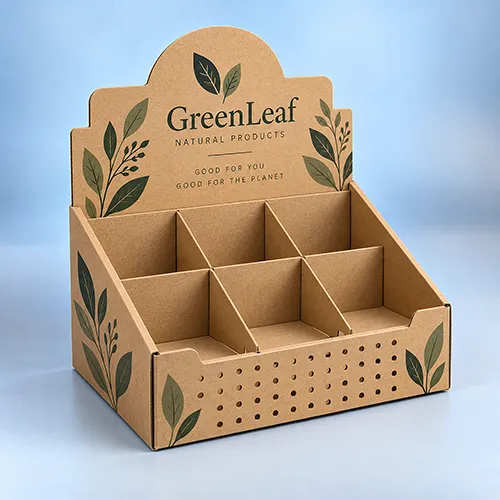
A Kraft display box is retail-merchandising packaging designed to organize and present one or more finished sellable units while using a Kraft material or surface direction.
“Display” describes what the package needs to do in the retail environment. It does not identify one universal dieline.
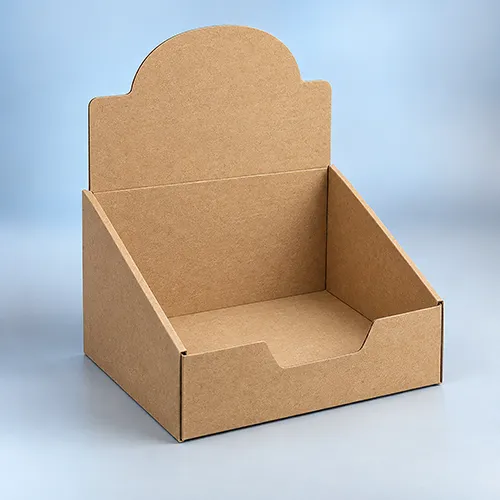
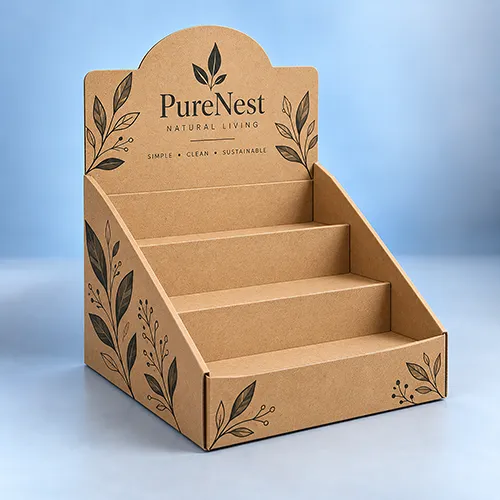
A display may use a countertop tray, raised header, open front, divided product channels, dispenser-style opening or another merchandising structure.
Keep these decisions separate:
Kraft → Material / Surface Direction
Display → Merchandising Function
Countertop / Shelf / Dispenser → Display Format
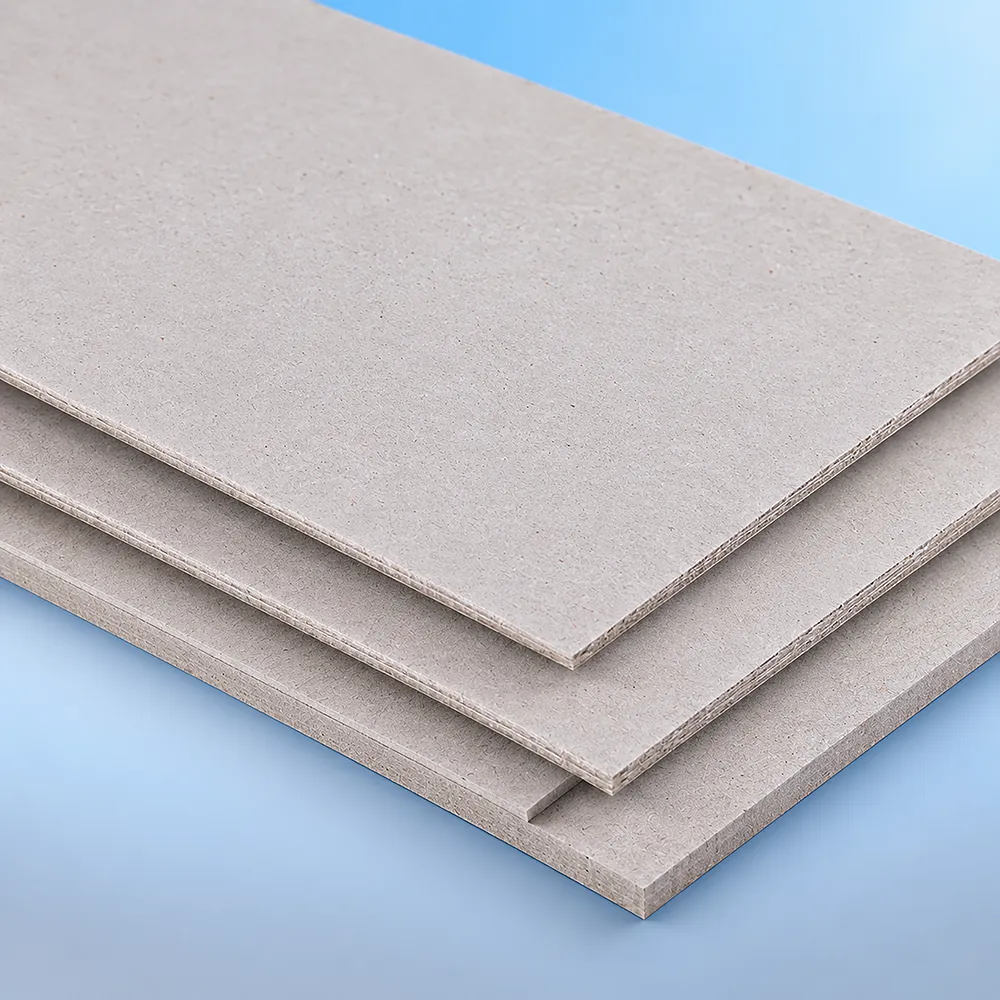
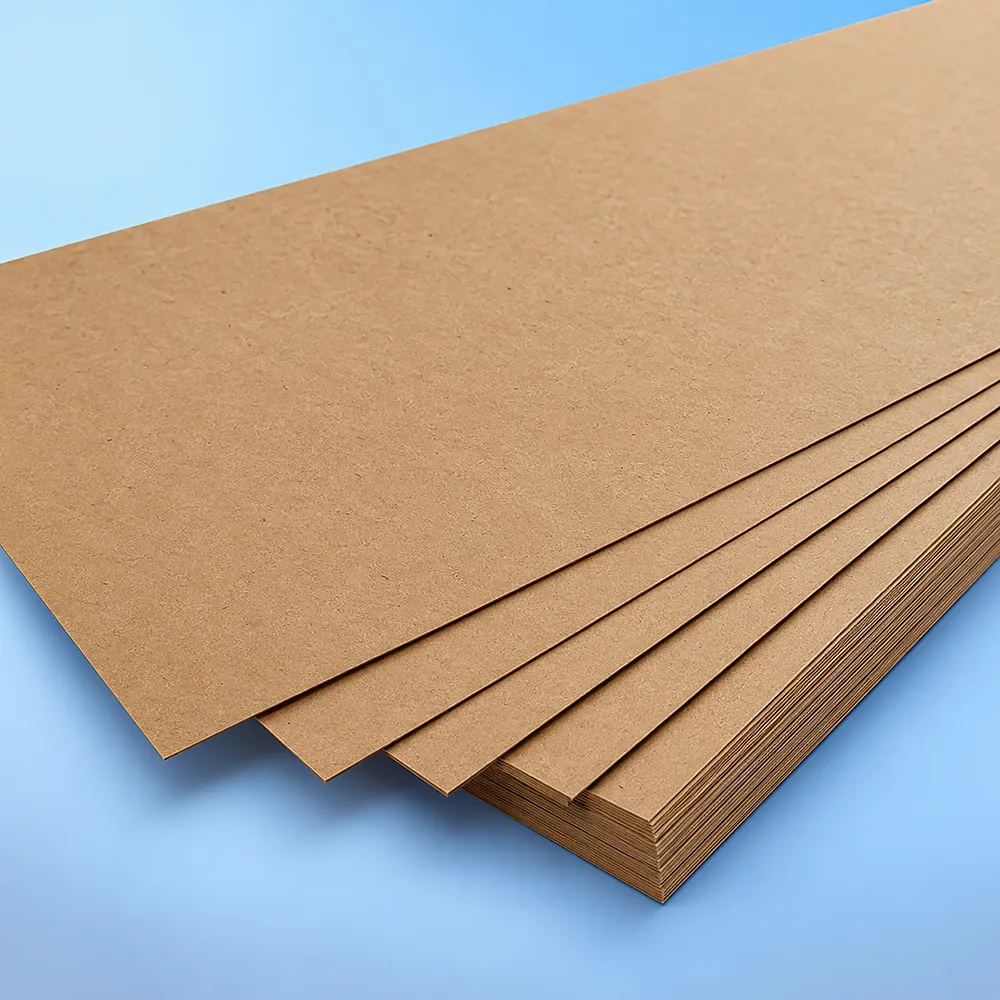
Kraft Paperboard / Kraft-Faced Corrugated → Material & Board-Construction Directions
If Kraft is not specifically required, compare the broader Custom Display Boxes range.
Start With the Finished Retail Unit
A display should normally be developed around the product in the condition shoppers will actually remove from it.
If a lip balm, serum or supplement is already packed inside an individual retail carton, size the display around that finished carton
, not the primary container hidden inside it.
Use:
Product → Individual Retail Package → Finished Display Unit
then:
Finished Display Unit → Multi-Unit Display Layout
Measure the maximum outside length, width and height of each sellable unit, including hang tabs, closures, sleeves or other projections that change the occupied space.
If you need to distinguish product-fit dimensions from external packaging measurements, review BoxBaba guide on how to measure box dimensions.
Unit Count, Facings and Arrangement Determine Display Capacity
Display capacity should be decided before the final dieline.
Start with the number of finished units that should appear in the display and how they should face the shopper.
A facing
is a product front presented toward the shopper. For example, three products positioned side by side create three facings even when additional stock sits behind them.
Use:
Unit Dimensions → Required Facings → Units Behind Each Facing → Rows / Channels → Display Footprint
The same 12 products can create very different displays depending on whether they are arranged as four facings with three units behind each, two rows of six, or another approved configuration. Do not select an arbitrary display size and then force the target quantity into the remaining space.
Balance Capacity With the Available Retail Footprint
A display can hold the correct quantity and still be unsuitable for the retailer if its footprint is too large. Where store requirements are known, provide the permitted:
- width;
- depth;
- overall height;
- shelf clearance;
- counter footprint;
- header/backer limit.
The design relationship is:
Required Capacity + Retail Space Limit → Final Arrangement
When both are fixed, the number of facings, product orientation or units per display may need adjustment.
A checkout display usually faces different space constraints from a wider shelf installation.
For projects specifically intended for compact counter placement, compare BoxBaba Counter Top Display Box.
Product-Holding Height Is Different From Overall Display Height
Displays with a raised header or backer can have two relevant vertical dimensions.
The lower body holds the sellable products.
The header extends above that area to provide additional branding space.
Therefore:
Product-Holding Height → Product Capacity
while:
Header Height → Branding / Merchandising Area
and:
Overall Display Height → Body + Header Relationship
Do not assume the full external height is available for the products.
This matters when the display needs to fit underneath a shelf or within a retailer maximum height restriction.
Choose the Structure From How Products Are Sold
Kraft does not define the display structure.
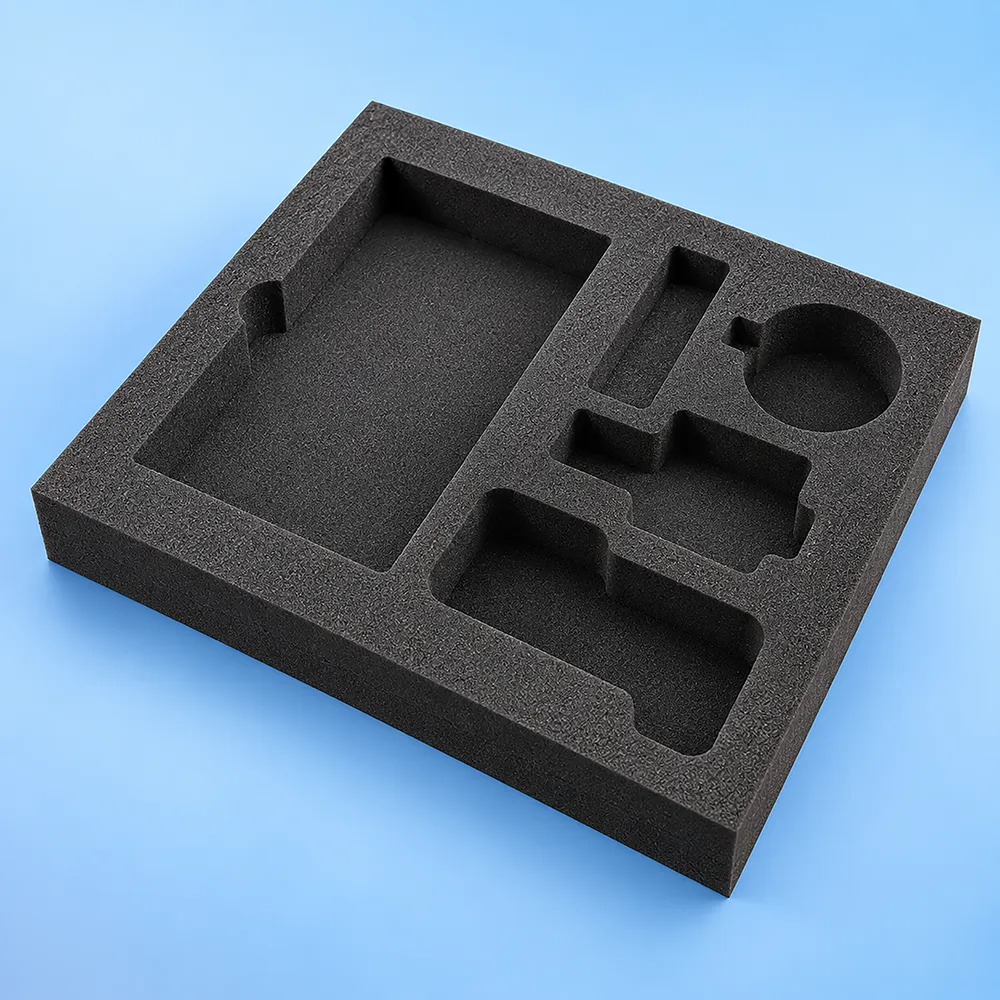
The structure should follow where the unit will sit, how shoppers access the products and how store staff replenish them.
A countertop display may use an open-front tray and raised header. A dispensing format may use a controlled opening. Multi-SKU displays can need separate channels or partitions. Shelf-ready cases may require a removable or tear-away section.
Use:
Retail Placement → Product Visibility → Shopper Removal → Replenishment → Display Structure
rather than:
Kraft Material → One Standard Display Design
This helps keep the page focused on retail function instead of presenting every display format as interchangeable.
Kraft Paperboard vs Corrugated Kraft Display Construction
The natural Kraft appearance can be used with more than one packaging construction.
A compact counter display carrying lightweight retail products may suit an appropriate Kraft paperboard structure.
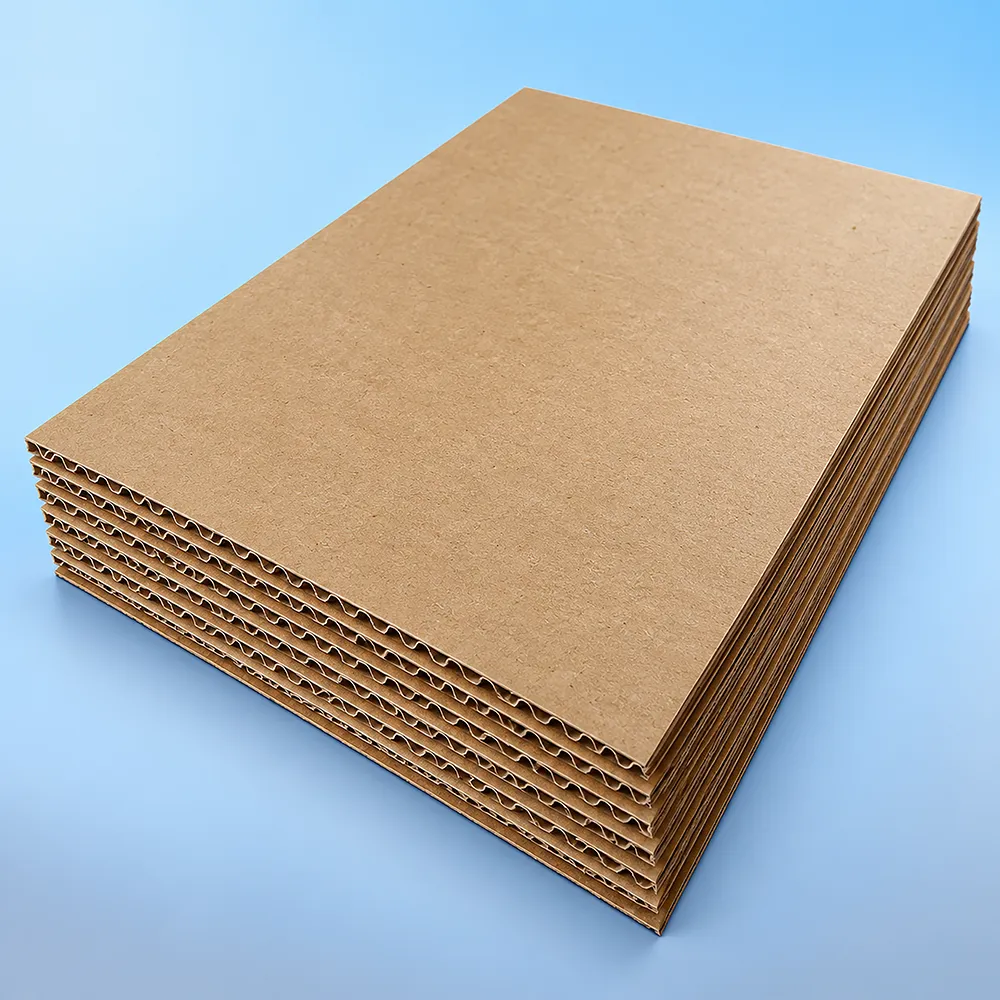
A larger unit or a display carrying a greater combined load may require Kraft-faced corrugated boards.
Keep the distinction clear:
Kraft Paperboard → Folding Material Direction
Kraft-Faced Corrugated → Fluted Board Construction
The appropriate choice follows:
Display Size + Unit Count + Loaded Weight + Structure + Retail Requirement
For more information about folding Kraft material, compare Kraft Paperboard Boxes.
When corrugated construction is itself the primary requirement, Corrugated Display Boxes provide the more construction-specific route. Do not copy another supplier paper thickness, GSM, flute or load recommendation and treat it as a universal BoxBaba specification.
Calculate the Loaded Display, Not Just One Product
For multi-unit merchandising, the relevant structural load is the complete display.
Use:
Weight per Unit × Units per Display + Dividers / Display Components → Loaded Display Weight
A display holding several glass jars has a different structural requirement from a similarly sized unit containing lightweight cartons.
Therefore, dimensions alone are not enough.
The final material and structure should be evaluated around the complete loaded configuration rather than a universal weight limit.
Product Visibility and Removal Affect the Front Wall
A retail display needs to hold the products while still allowing shoppers to see and remove them.
The front lip or wall therefore affects several relationships at the same time.
A taller front can cover more of a short package. A lower front exposes more of the product but changes how the units are contained.
Use:
Product Height + Required Visible Area + Removal Direction → Front-Lip Height
The same applies to side walls where they influence product visibility or access.
The final design should balance:
Product Position + Visibility + Customer Removal
rather than maximizing one factor at the expense of the others.
Plan for Retail Replenishment Too
The display should work after customers begin removing products.
Store staff may need to refill it repeatedly, so the loading path should be considered during structural development.
Depending on the approved design, replenishment may occur from the top, rear or front.
Use:
Product Arrangement → Customer Removal → Staff Replenishment → Display Workflow
A layout that looks correct when fully loaded can create friction if staff cannot easily add new units without disturbing the display.
For repeat retail programs, review both the shopper-facing and staff-facing use of the structure.
Single-SKU and Multi-SKU Kraft Displays Need Different Planning
A single-SKU display can use one repeated channel or product arrangement.
A multi-SKU display may need separate areas for different flavors, scents, shades, sizes or product types.
For a multi-SKU project, establish:
SKU → Finished Unit Dimensions → Quantity per SKU → Display Position
Products with different widths should not automatically receive equal-width channels.
The display must also make it easy to identify and replenish each variant.
Where several SKUs share the same individual carton size, they may use a common compartment geometry while artwork or labels distinguish the variants.
Dividers Should Be Planned Before Capacity Is Locked
Not every display needs additional partitions.
An open tray may already keep uniform products adequately organized.
Dividers become more useful when products need separate channels, different SKUs need defined locations or units otherwise move into one another.
Use:
Product Arrangement → Separation Requirement → Divider Decision
A divider also occupies width or depth.
Therefore:
Product Dimensions + Divider Geometry → Actual Display Capacity
Do not approve the capacity first and add partitions afterward without recalculating the usable space.
Tear-Away and Shelf-Ready Display Formats
Some retail programs need one package to move through distribution and then convert into an in-store display.
An enclosed or partly enclosed corrugated case may use a perforated or removable section so store staff can expose the products after delivery.
This creates a different workflow:
Packed Distribution Case → Store Setup → Removable Section → Retail Display
The tear-away geometry should be developed around the products, board construction, removal path and final display edge.
It should not interfere with product labels or internal dividers.
Do not assume every Kraft display is automatically shelf-ready or shipping-qualified.
If both distribution and merchandising functions are required, state that requirement before structural development.
Natural Kraft Changes the Printed Background
Natural brown Kraft creates a non-white printing surface.
That matters on display packaging because front panels and raised headers can provide relatively large branded areas.
Artwork shown against white on a monitor therefore does not automatically represent its appearance on natural Kraft.
Use:
Artwork + Actual Kraft Surface → Printed Appearance
Dark logos and typography may interact differently with the substrate from pale colors, photographs or low-contrast graphics.
Where brand color is important, evaluate artwork and the selected Kraft surface together.
Do not promise exact color reproduction from a screen preview alone.
Printing Options for Kraft Display Boxes
Display packaging can provide several distinct branding areas.
A raised header may carry the primary brand or campaign message. The front lip can identify the product family. Side or rear panels can provide supporting graphics or information where the final structure keeps them visible.
Printing methods and color systems remain separate:
Digital / Offset → Printing Methods
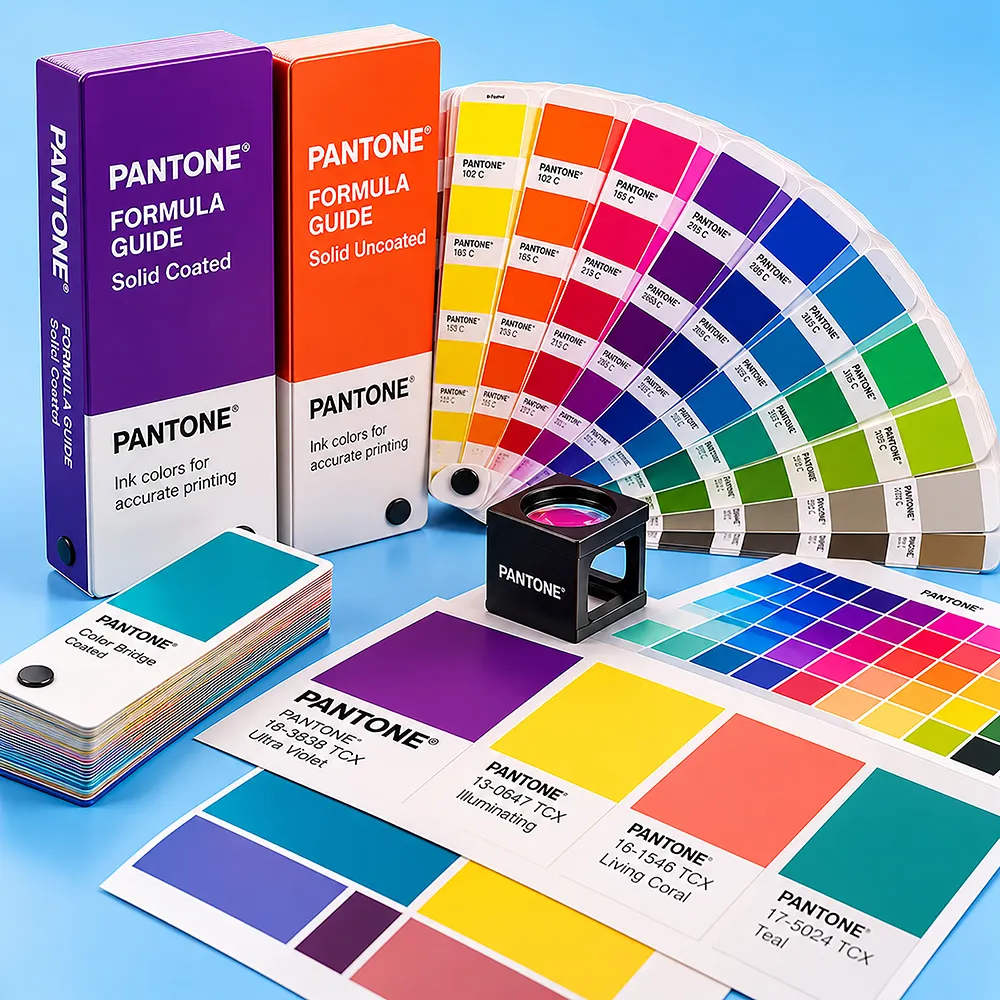
CMYK / Pantone PMS → Color Systems or References
Where corrugated construction is selected, the suitable printing approach should be confirmed according to the actual board, artwork and order requirements.
The printing method should follow the display specification rather than being copied from another Kraft product page.
Review Artwork With the Products Loaded
An empty display and a fully stocked display do not expose the same amount of printed surface.
Products may cover large sections of the rear panel, front lip or side graphics after loading. Important branding should remain visible at the actual intended fill level.
The raised header can provide a useful persistent branding area because it sits above the products, but it still needs to remain within the retailer overall-height allowance.
This is one of the most important display-specific artwork checks:
Printable Area ≠ Visible Area After Loading
Finishing Options for Kraft Display Packaging
Printing and finishing should be specified separately.
Depending on the selected Kraft material, display construction and production method, compatible options may include matte or gloss treatments, soft-touch finishes, foil stamping, embossing, debossing or spot UV.
The useful decision relationship is:
Visible Panel → Artwork Element → Finish Location
For example, foil on a raised header serves a different merchandising purpose from an overall surface treatment on the tray.
Natural Kraft itself may be part of the intended appearance, so additional finishing should not be added simply because it is available.
Material and finish compatibility should be confirmed before artwork approval.
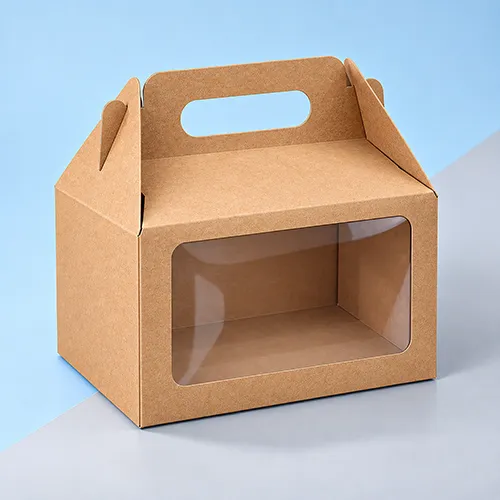
Does a Kraft Display Need an Additional Window?
Not necessarily.
Many counter and tray displays already expose the products through an open front or top.
A separate die-cut window only makes sense when it solves an additional visibility requirement on a more enclosed display structure.
If required, use:
Product Position → Feature to Show → Display Panel → Window Position
The opening should remain clear of folds, dividers and other structural areas.
If the primary requirement is an individual Kraft carton with selective product visibility
rather than a multi-unit retail display, compare Kraft Window Boxes.
Individual Product Packaging and Display Packaging Serve Different Roles
A Kraft display is normally designed around one or several finished retail packages
.
The packaging hierarchy may be:
Primary Product → Individual Retail Carton → Multi-Unit Display
Changing the individual carton can therefore change the display.
A small increase in retail-box width can affect the number of facings. A change in height can alter the header proportions. A new hang tab can affect shelf clearance.
For brands developing both packaging levels at the same time, finalize or control the retail-unit dimensions before the display dieline is locked.
For beauty products specifically, Cosmetic Display Boxes provide a more application-focused merchandising route.
Food Displays Need Direct vs Indirect Contact Qualification
Kraft display boxes can organize packaged snacks, confectionery and other food products, but Kraft appearance does not establish food-contact suitability.
In many stores, the display only holds already packaged retail units.
In that case:
Wrapped / Boxed Food → Display Acts as Secondary Merchandising Packaging
If unpackaged food directly contacts the tray, divider or another paper component:
Direct Food Contact → Appropriate Material / Coating Specification Required
Grease, moisture, temperature and holding conditions should also be disclosed when relevant to material selection.
A Retail Display Is Not Automatically a Shipping Carton
Display packaging is primarily developed for merchandising.
A display may travel inside a separate outer shipping carton.
Alternatively, a specifically developed corrugated shelf-ready case can combine distribution and merchandising functions.
Keep these requirements separate:
Retail Merchandising → Display Requirement
Parcel / Freight Handling → Distribution Requirement
Combined Shelf-Ready Case → Distribution + Store-Conversion Requirement
Do not infer shipping capability solely because the display is corrugated or made with Kraft-faced board.
Flat Supply and Store Setup
Many folding display formats can be supplied flat before assembly, but that depends on the selected structure.
Where fulfillment or store setup matters, consider:
Flat Display → Assembly → Divider Setup → Product Loading → Retail Placement
A structure that takes unnecessary effort to erect repeatedly may create operational friction across a large retail program.
Communicate who is expected to assemble and load the displays—your team, a fulfillment provider, distributor or store staff—where that affects the structural requirement.
Digital Proofs and Physical Samples Check Different Risks
A digital proof can help confirm artwork, panel orientation, text and graphic placement.
It cannot fully validate how the finished products interact with the physical display.
A structural or physical sample can help review:
- product fit;
- units per row or channel;
- customer removal;
- front-lip visibility;
- divider arrangement;
- header clearance;
- display footprint;
- assembly;
- replenishment.
Use:
Digital Proof → Artwork Review
while:
Structural Sample → Physical Fit / Merchandising Review
A sample should not be described as proof of certified load capacity, shipping performance or another untested performance characteristic.
Common Mistakes When Ordering Kraft Display Boxes
A common mistake is sizing the display from one product without deciding how many units the display needs to hold.
Other problems include ignoring the retailer maximum footprint, confusing product-holding height with total header height, choosing capacity without accounting for dividers, overlooking customer removal and staff replenishment, selecting board from appearance alone, placing artwork where loaded products hide it, or assuming natural Kraft automatically means recycled, recyclable or food-safe.
What to Send for a Kraft Display Box Quote
A useful quote should describe the complete retail setup.
Provide:
- finished external dimensions of each retail unit;
- unit weight where relevant;
- total units per display;
- required number of facings where known;
- number of SKUs;
- quantity per SKU where relevant;
- product orientation;
- preferred rows, columns or channels if already established;
- maximum retail width, depth and overall height where specified;
- header requirement;
- countertop, shelf, checkout or other retail location;
- desired customer-removal direction;
- replenishment method where relevant;
- divider requirement;
- shelf-ready or tear-away requirement where applicable;
- natural Kraft surface preference;
- direct-food-contact requirement where applicable;
- artwork status;
- printing requirements;
- finishing requirements;
- order quantity;
- quantity by artwork version;
- delivery destination;
- required in-hand date.
If the display will hold products already packed in retail cartons, provide the finished external dimensions of those cartons
, because they determine the space each sellable unit occupies.
Custom Kraft Display Boxes Wholesale
BoxBaba supplies custom Kraft display packaging for retailers, consumer-product brands, cosmetic and personal-care businesses, confectionery companies, supplement brands and other B2B merchandising programs.
Custom packaging orders start from 100 units
, with made-to-size display structures, artwork assistance, dieline support and digital proof or 3D mockup review available for custom projects.
Production and delivery timing should be confirmed with the quotation after the product dimensions, display capacity, retail footprint, material, structure, quantity, artwork and finishing requirements are finalized.
Free shipping is available across the USA under applicable BoxBaba order terms.
Where product arrangement, front-lip height, divider layout, header clearance or retailer setup needs physical review, discuss the appropriate sample option before bulk production.
Request a Quote for Custom Kraft Display Boxes
A successful display starts with the finished retail unit and merchandising requirement
, not an arbitrary tray size. Share your finished retail-unit dimensions, unit count, SKU arrangement, retail footprint and artwork requirements so BoxBaba can prepare a quotation around the actual merchandising setup. Place your order by calling +1 305 574 4357
or emailing sales@boxbaba.com.