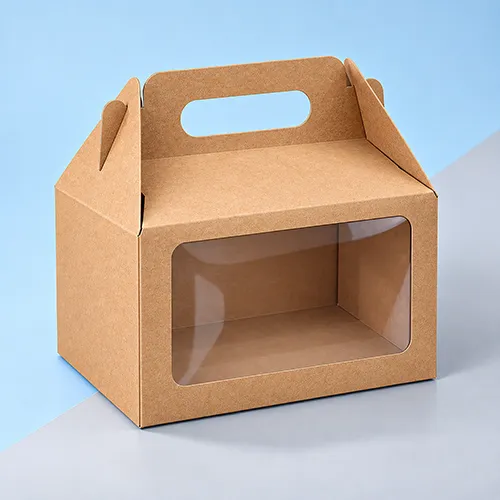
What Makes a Box Kraft Corrugated?
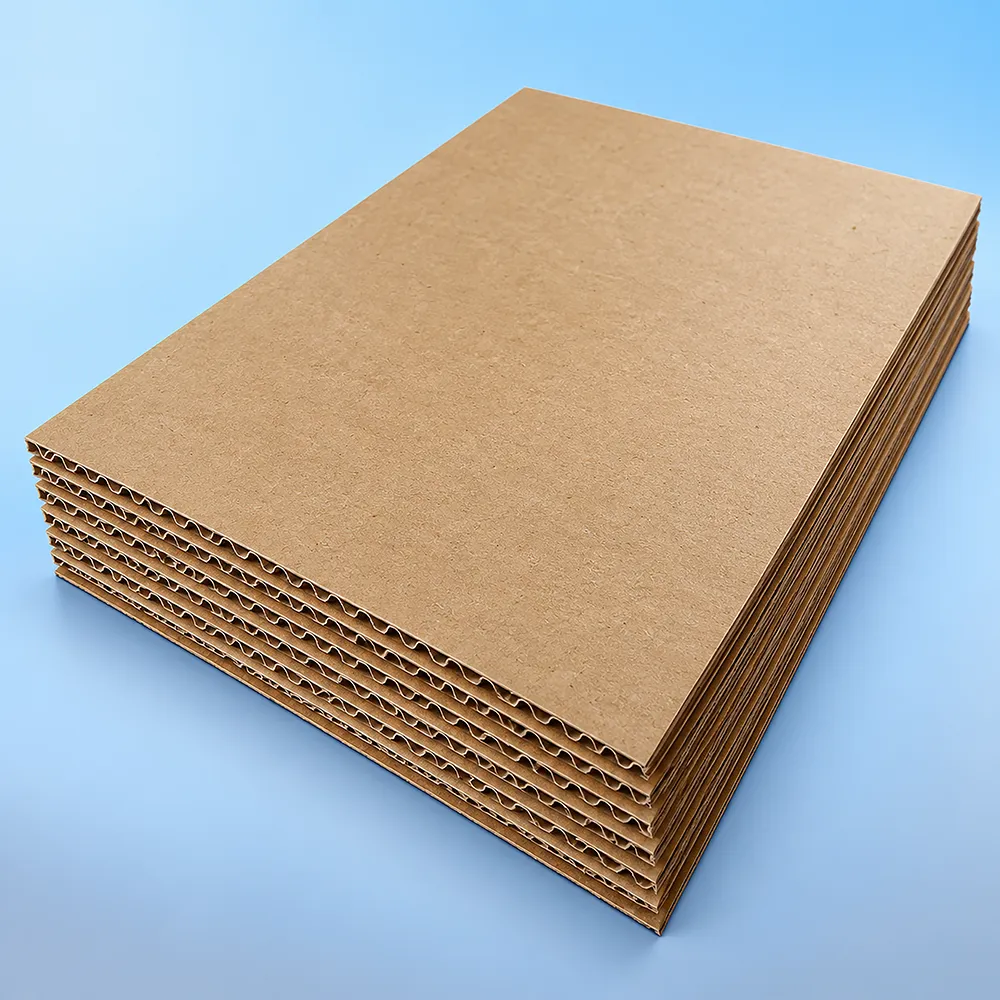
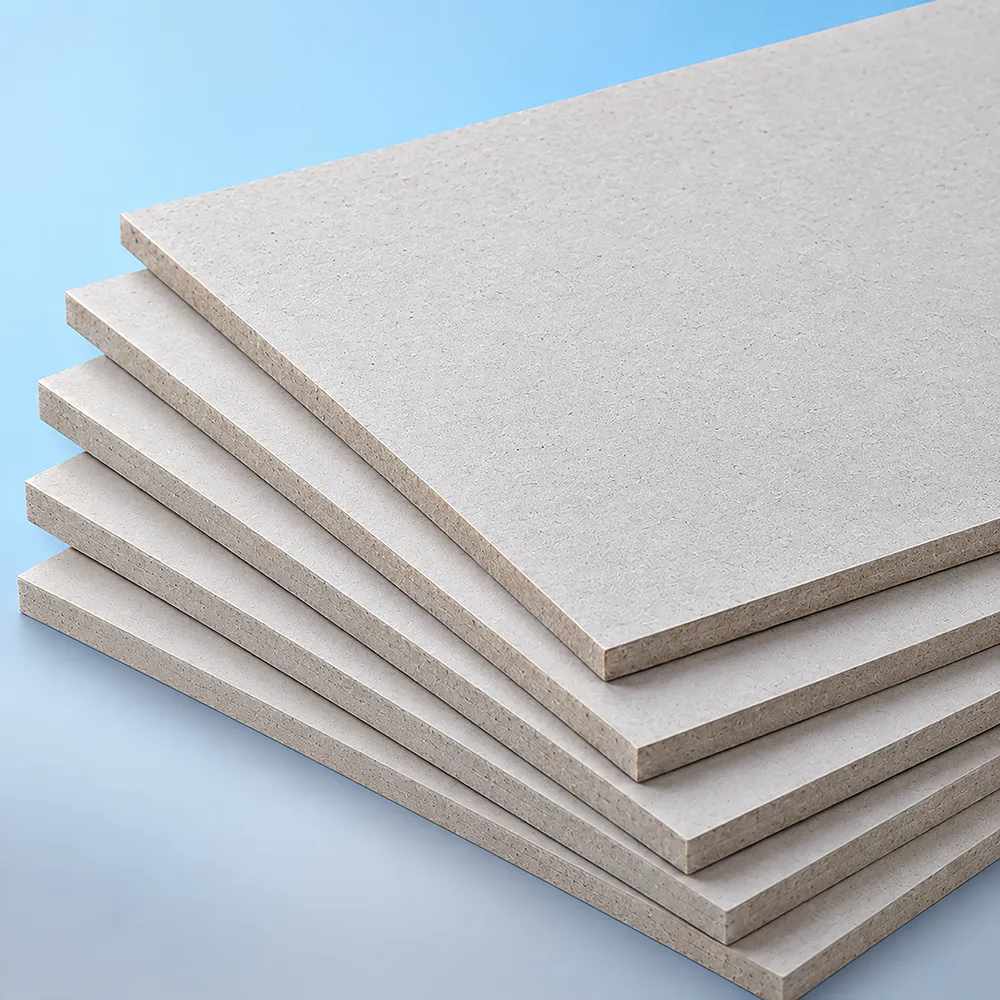
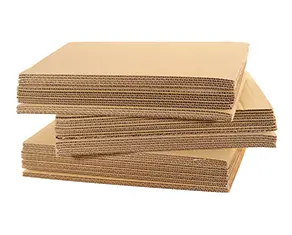
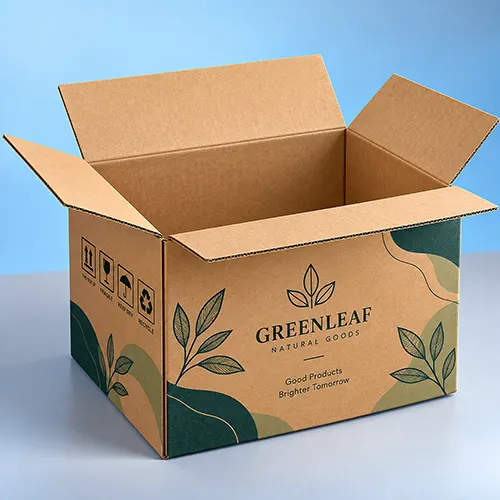
A Kraft corrugated box combines a corrugated board system with a Kraft liner or facing as part of the material specification. Corrugated board contains liner sheets bonded to one or more fluted media. A single-wall board uses one fluted medium, while multi-wall constructions use additional liners and fluted sections.
Therefore:
Liner Sheets + One or More Fluted Media → Corrugated Board
while:
Kraft Liner / Facing → Material and Visible Surface Direction
“Kraft corrugated” is not a complete structural specification by itself.
It does not automatically tell you the flute profile, wall construction, ECT value, burst/Mullen requirement, finished box structure, fiber composition or shipping-test performance.
Those decisions should follow the loaded package and the buyer’s operational requirements.
Kraft Corrugated vs Kraft Paperboard
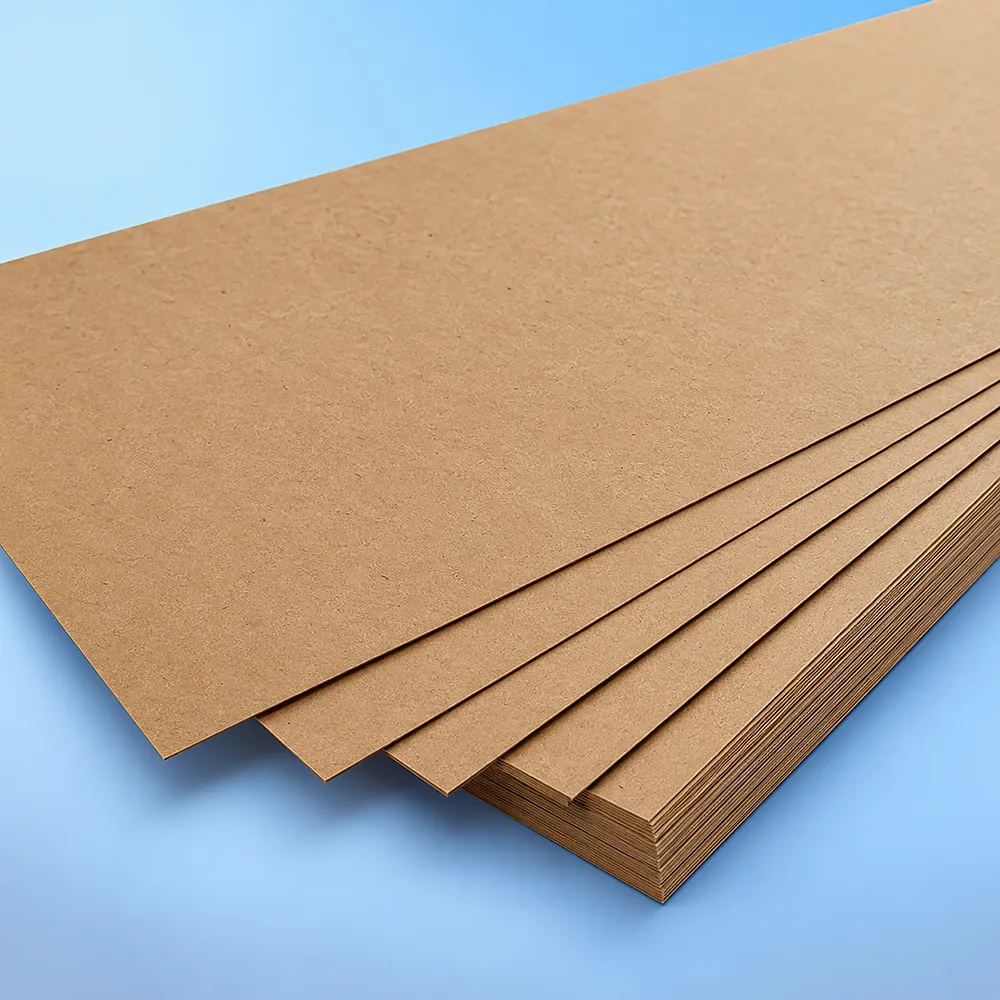
Kraft paperboard and Kraft corrugated board can both have a natural brown appearance, but they are different packaging constructions.
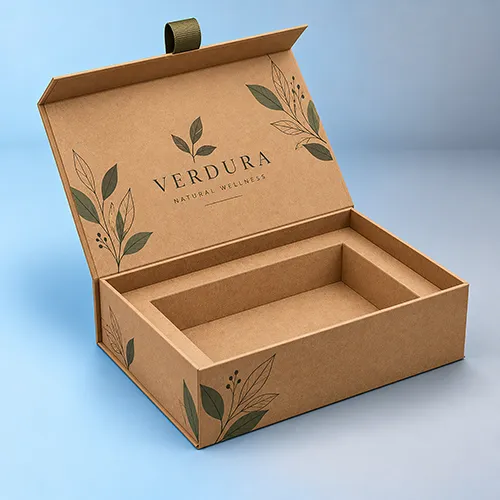
Kraft Paperboard Boxes generally use a non-fluted folding paperboard substrate that is cut, scored and folded into cartons.
Kraft corrugated packaging uses one or more fluted media between liner sheets.
Use:
Kraft Paperboard → Folding-Carton Material
while:
Kraft Corrugated → Fluted Board Construction
A lightweight retail carton may not need corrugated construction. If folding paperboard can meet the product, presentation and handling requirements, adding corrugated board solely because it appears more substantial may be unnecessary.
Choose Corrugated Construction From the Packaging Role
Corrugated board can be used in several packaging formats, but the board construction and the box’s application are not the same thing. Before choosing the structure, determine whether the project is primarily a branded mailer, shipping carton, wholesale case, retail kit, display or another corrugated package.
Use:
Packaging Role → Loaded Product → Handling Conditions → Corrugated Requirement → Structure
This prevents Kraft corrugated box from becoming another term for every brown shipping package.
Corrugated Construction vs Shipping Application
A corrugated box is not automatically a shipping box.
Corrugated → Construction
while:
Shipping → Application
A corrugated mailer, retail display and RSC shipping carton can all use fluted board while serving different commercial purposes.
If distribution performance is the primary buying requirement, compare Kraft Shipping Boxes.
If Kraft material is not specifically required and the project is broadly a corrugated outer shipper, use Corrugated Shipping Boxes for the more application-specific route.
Kraft Corrugated vs Kraft Mailer Boxes
Mailer describes a box structure.
Corrugated describes the board system used to produce the package.
Therefore:
Kraft Corrugated → Material + Board Construction
while:
Kraft Mailer → Mailer Structure + Kraft Preference
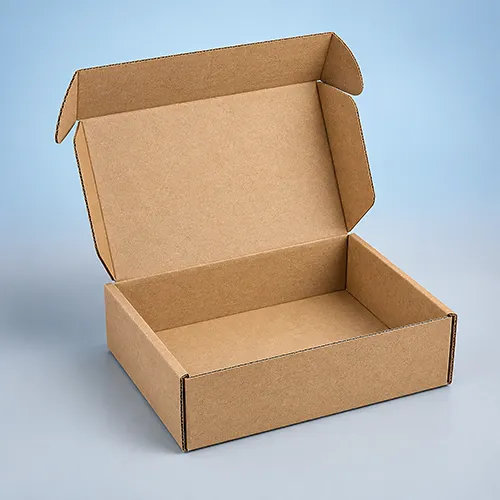
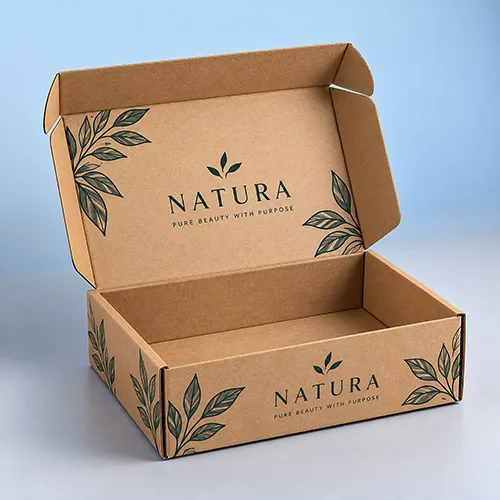
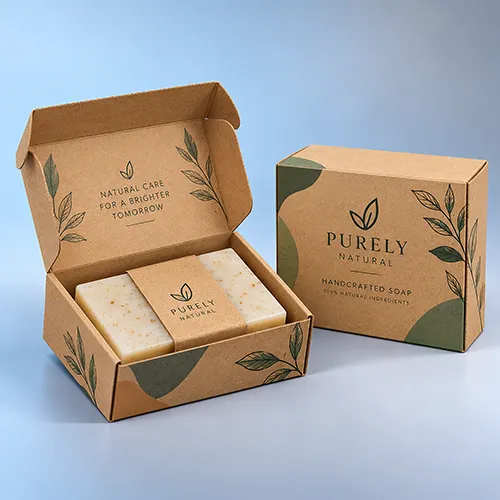
A mailer can use a hinged lid, side walls and front locking or tuck features that require their own fit and opening decisions.
If that format is already established, compare Kraft Mailer Boxes rather than using KB-12 for detailed mailer configuration.
RSC Is One Corrugated Structure
A Regular Slotted Container is a specific corrugated carton format with slotted top and bottom flaps.
It should not be treated as another name for corrugated board.
Use:
Corrugated → Construction
while:
RSC → Structural Format
If your project specifically requires an RSC case for storage, wholesale packing or distribution, use RSC Corrugated Shipping Boxes for the structure-specific route.
Size Kraft Corrugated Boxes Around the Complete Loaded Pack
Corrugated packaging should normally be sized from the inside out.
Start with the finished products and the complete case-pack arrangement rather than one individual item’s dimensions.
Use:
Finished Product Dimensions → Units per Carton → Orientation → Rows / Columns / Layers → Inserts or Dividers → Required Internal Dimensions
The selected corrugated construction and dieline then determine the finished outside dimensions.
This creates an important distinction:
Internal Dimensions → Product / Case-Pack Fit
while:
External Dimensions → Carrier / Warehouse / Pallet / Storage Planning
Do not copy the outside dimensions of an existing corrugated carton and assume they represent the usable internal space. If you need to standardize how dimensions are recorded, review BoxBaba’s guide on how to measure box dimensions.
Case-Pack Quantity Changes More Than Volume
Changing the number of products inside a case can alter the arrangement, required internal space, total packed weight and handling conditions.
Therefore:
Same Product + Different Case Pack ≠ Automatically the Same Corrugated Specification
For a multi-unit carton, determine the units per case and their orientation before the final board and structure are approved.
This matters especially for wholesale, warehouse and fulfillment programs where the carton is repeated across many shipments.
Use the Complete Packed Weight
The relevant structural input is the total loaded package, not only one product.
Use:
Individual Product Weight × Quantity + Internal Components + Other Packed Items → Total Packed Weight
Packed weight works together with the box footprint, structure, stacking conditions and distribution environment.
Do not use:
Product Category → Universal Corrugated Grade
Instead:
Loaded Configuration + Handling Requirement → Corrugated Specification
Flute, Wall Construction and Performance Specifications
Flute and wall construction matter, but they should not be selected from a generic “best flute for this product” table.
Flute Selection Is Project-Specific
The flute is the shaped paper medium between corrugated liners. Different flute profiles change aspects of the board such as overall caliper, surface characteristics and structural behavior. If your existing packaging program already specifies a flute, provide that specification with the quote.
If not, provide the loaded product and fulfillment requirements so the corrugated construction can be reviewed around the real application.
Single-Wall vs Multi-Wall Construction
A single-wall corrugated board has one fluted medium between liner sheets. Double-wall corrugated uses two fluted media with an additional liner between them. Other constructions can use additional layers where a project requires them.
Use:
Packed Weight + Carton Size + Stacking + Handling + Distribution → Wall Requirement
A large lightweight case can create different structural demands from a compact carton with a similar total weight.
ECT, Burst/Mullen and Existing Buyer Specifications
Some B2B buyers already have formal corrugated requirements from procurement teams, retailers, warehouses, 3PLs, carriers or an existing packaging program.
Those requirements may include:
- Edge Crush Test (ECT);
- burst or Mullen specification;
- Box Maker’s Certificate requirements;
- flute profile;
- wall construction;
- internal dimensions;
- case-pack configuration;
- pallet requirements.
If an approved specification already exists, provide it with the project. Do not replace a documented logistics requirement with a generic thickness recommendation. Likewise, BoxBaba should not assign a universal ECT, burst value or flute solely from the product category.
Plan Internal Retention Separately From the Outer Corrugated Board
A correctly specified outer carton does not automatically prevent movement inside the package. Products can still shift, collide or lose alignment when the internal space is too large or several units need separation.
Use:
Product Arrangement + Movement / Separation Requirement → Internal Retention
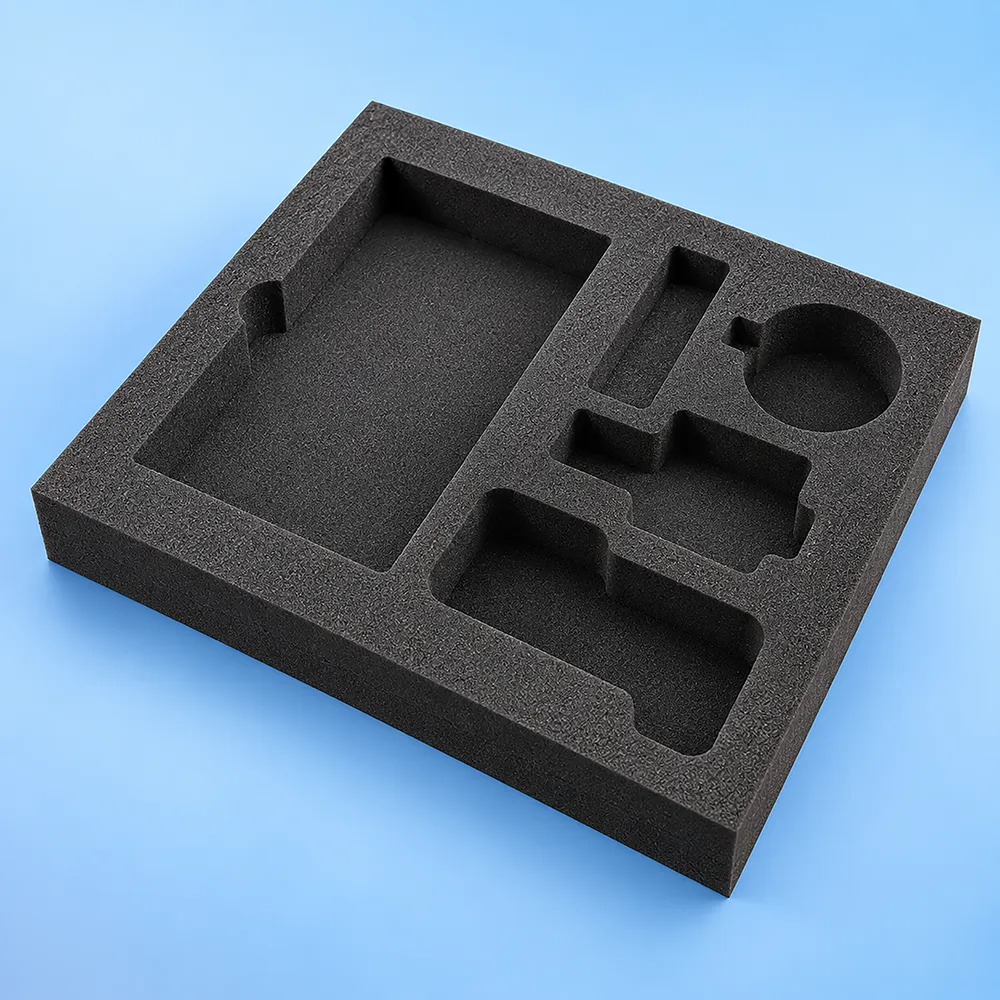
Internal components should be planned before the final inside dimensions are locked. Where fitted positioning is a major part of the project, compare Printed Boxes With Inserts. Increasing the outer board strength is not necessarily the correct solution for excessive internal movement. Right-sizing and appropriate internal retention may address a different part of the packaging problem.
Kraft Liner Appearance and Printing
Natural brown Kraft is both a material direction and a visual background, but appearance alone does not tell you the exact fiber composition. Where fiber content or another environmental attribute is part of a procurement requirement, confirm it against the actual board specification. The complete package can also include adhesives, coatings, printing, inserts and other components that affect how an environmental claim should be described.
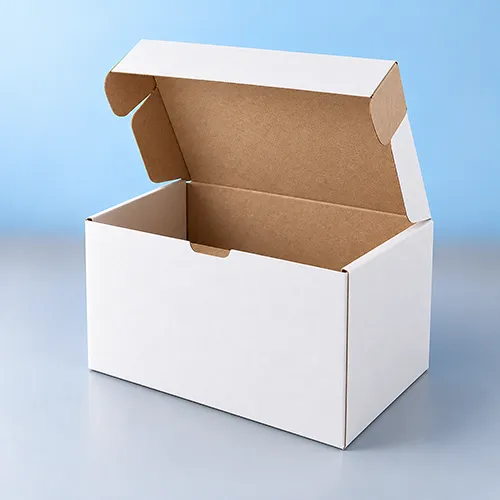
Natural Kraft vs White Corrugated Surfaces
Natural Kraft liner creates a brown print background.
A white corrugated surface creates a lighter background.
Use:
Natural Kraft Liner → Brown Artwork Background
while:
White Corrugated Surface → Lighter Artwork Background
If the primary requirement is a white corrugated surface rather than natural brown Kraft, compare White Corrugated Boxes.
Surface color should remain separate from the actual corrugated performance specification.
Printing Methods and Color References
Kraft corrugated packaging can carry logos, product information, barcodes, QR codes, handling marks and other approved artwork.
Keep printing methods and color systems separate:
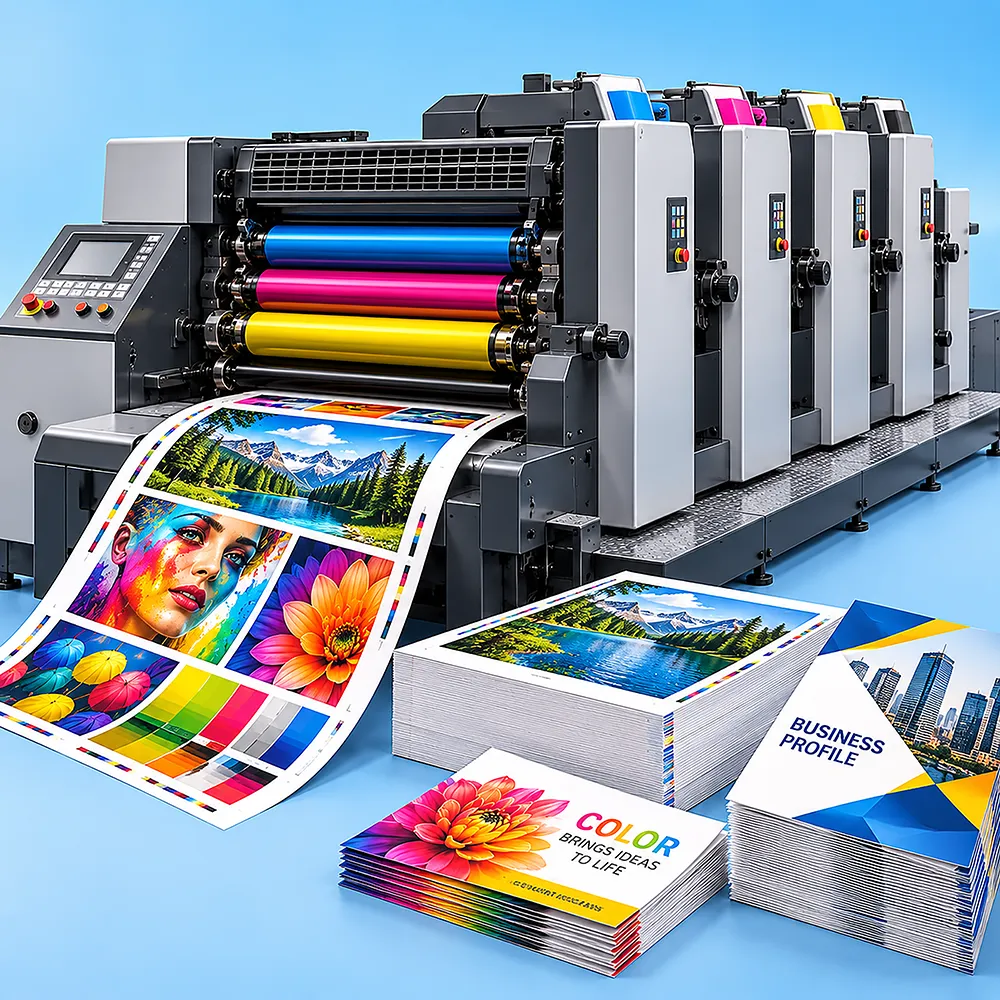
Digital / Flexographic / Offset-Lithographic Production Routes → Printing Methods
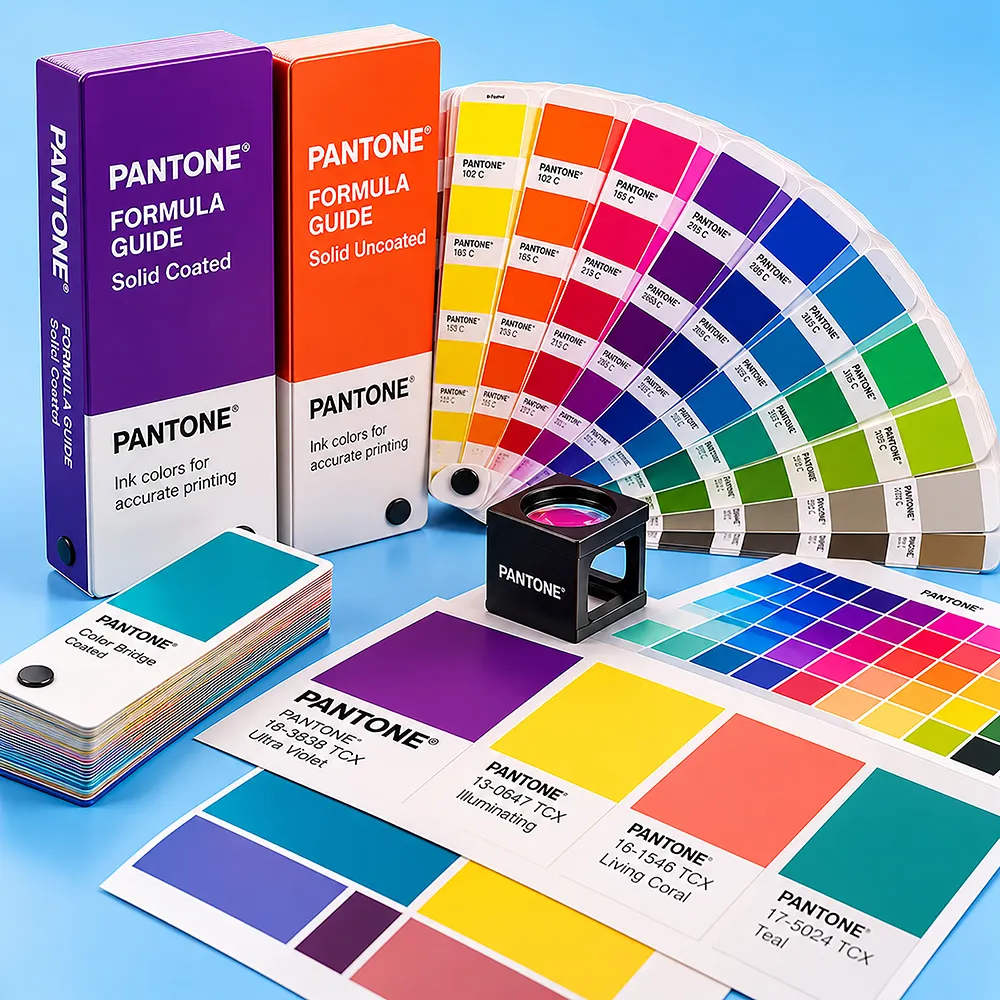
CMYK / Pantone PMS → Color Systems or References
The actual printing route depends on the board, artwork, quantity and required presentation.
Suitable digital or flexographic workflows may print onto an appropriate corrugated surface, while some offset/lithographic applications can involve a separately printed facing or liner that becomes part of the corrugated package.
The production method should therefore be confirmed for the actual construction rather than assumed from the word “corrugated.”
Natural Kraft is also a non-white background, so:
Artwork on White Screen ≠ Final Appearance on Brown Kraft
Where brand color is especially important, review the artwork together with the actual substrate and appropriate color reference.
Plan Artwork and Finishes Around the Corrugated Structure
A corrugated dieline contains scores, folds, slots, flaps, seams and other structural areas that affect artwork placement.
Use:
Dieline → Structural Areas → Printable Panels → Artwork Position
A logo, QR code or barcode that appears correctly positioned on a flat file can move onto an awkward fold or assembled surface if the structure is not considered.
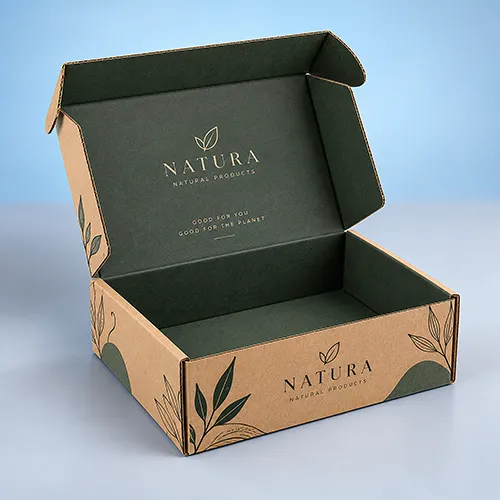
For shipping applications, handling or logistics marks may also need defined panels. For mailers, interior and exterior artwork can follow the opening sequence.
Finishing should be treated separately from printing.
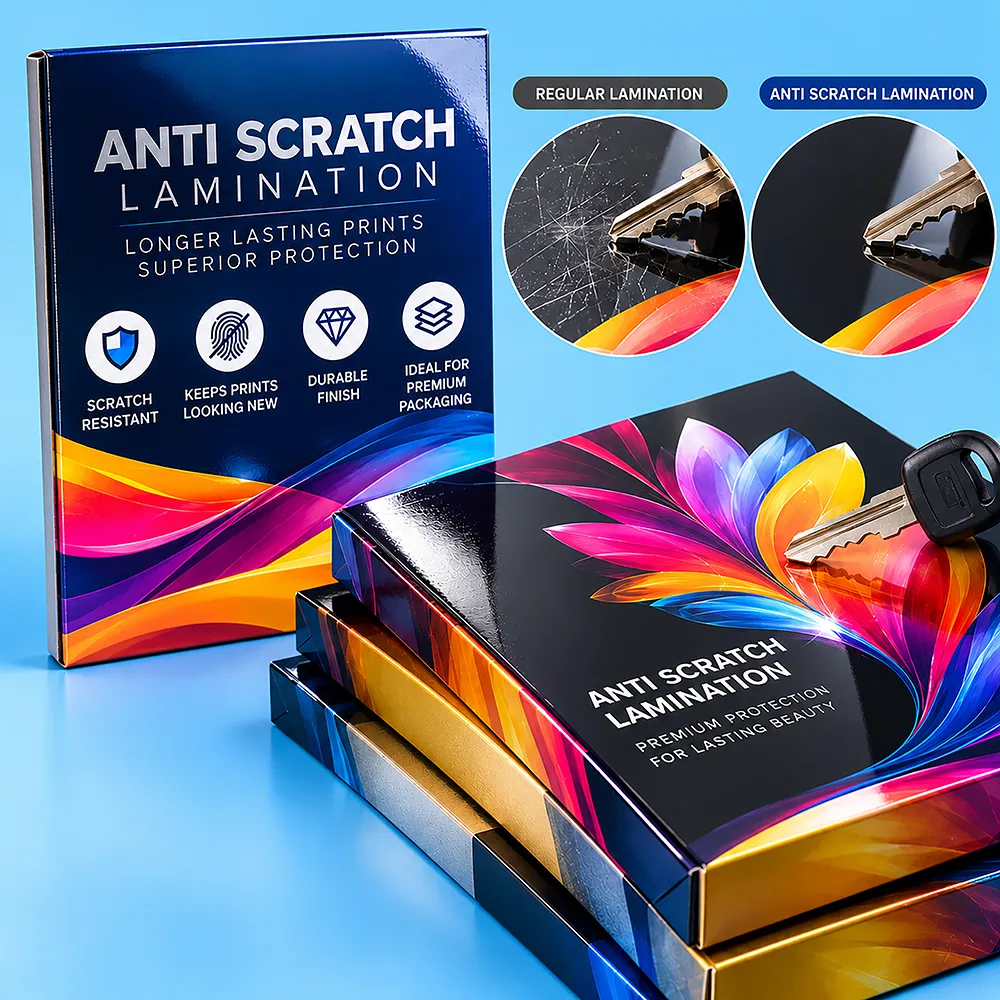
Depending on the corrugated surface, print construction and project, compatible finishes may include selected laminations, spot treatments, foil, embossing or debossing where technically appropriate.
Do not transfer a folding-carton finishing list automatically to every corrugated project.
Use:
Board + Printed Surface + Artwork Element → Compatible Finish
and confirm compatibility before final artwork approval.
Corrugated Display Packaging Has a Different Job
Corrugated board can also be used in retail merchandising.
In that case, product visibility, loaded display weight, customer access and replenishment become more important than simply designing a shipping carton.
Keep the relationship clear:
Corrugated → Board Construction
while:
Display → Merchandising Function
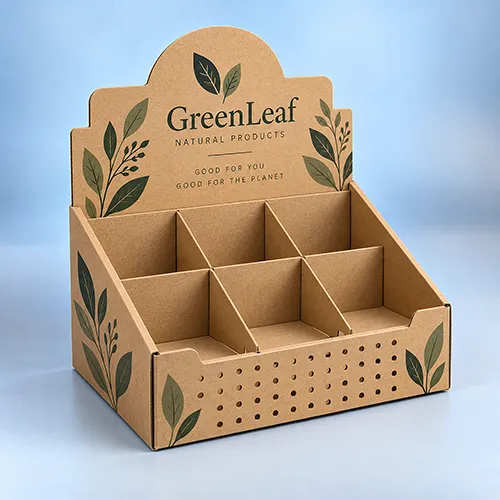
If the project is primarily a counter, shelf or multi-unit merchandising display, compare Corrugated Display Boxes.
A display should not automatically be treated as a distribution package unless the structure is intentionally developed to perform both roles.
Consider Warehouse, Pallet and Pack-Out Requirements
For wholesale, freight and repeated fulfillment programs, the external carton dimensions can influence more than carrier size. They may also affect warehouse storage and pallet layout.
Where relevant, provide the required pallet or case-handling information before the final carton is approved.
Use:
Carton Exterior → Logistics Footprint
while:
Carton Interior → Product / Case-Pack Fit
If an existing retailer, distributor or 3PL has a prescribed case-pack, pallet or handling specification, include it with the project instead of optimizing the box only around individual product dimensions. Many corrugated structures can be supplied flat or knocked down, but this also depends on the approved box style.
Food-Related Projects Need Contact Qualification
Kraft corrugated packaging can be used around food products, but a natural brown liner does not establish food-contact suitability. Many corrugated cartons hold food products that are already inside bottles, pouches, wrappers, trays or retail cartons. If unpackaged food will directly touch the board, insert or divider, the actual direct-contact material and coating requirement must be established.
Relevant grease, moisture, temperature and holding conditions should also be communicated where they affect material selection.
Multi-SKU and Repeat Corrugated Programs
Several SKUs may potentially use one corrugated dieline when their physical and logistical requirements remain compatible.
Use:
Same Internal Requirement + Same Case Pack + Same Structure → Potential Shared Dieline
Artwork can then vary by SKU, retailer or distribution destination where appropriate.
For repeat orders, retain the approved:
- structural dieline;
- corrugated-board specification;
- artwork version;
- print/finish specification;
- relevant production notes.
This helps prevent an apparently simple reorder from unintentionally changing the approved packaging configuration.
Common Mistakes When Ordering Kraft Corrugated Boxes
A frequent mistake is treating Kraft corrugated as a complete specification.
It is not.
Other avoidable problems include treating corrugated construction as synonymous with shipping, choosing a flute from a generic product table, supplying only external dimensions when internal fit is required, changing the case quantity without recalculating packed weight, assuming a stronger outer board will solve internal movement, and using natural brown appearance as proof of recycled content or recyclability.
What to Send for a Kraft Corrugated Box Quote
A useful quotation should describe the complete loaded package and the job the corrugated box must perform.
Provide:
- finished product dimensions;
- units per carton;
- product orientation and case-pack arrangement;
- total packed weight;
- required internal dimensions if already established;
- intended packaging role;
- preferred box structure if known;
- existing flute requirement where applicable;
- single-wall, double-wall or other existing construction requirement;
- ECT, burst/Mullen or Box Maker’s Certificate requirement if already specified;
- insert, partition, pad or divider requirements;
- natural Kraft liner/surface preference;
- exterior and interior printing requirements;
- handling marks, barcode or QR-code requirements;
- order quantity;
- quantity by artwork version;
- delivery destination;
- required in-hand date;
- retailer, warehouse, 3PL or pallet requirements where relevant.
If you are reproducing an existing corrugated package, identify whether the dimensions provided are internal or external
and share the current board/structural specification where available.
Custom Kraft Corrugated Boxes Wholesale
BoxBaba develops custom corrugated packaging for ecommerce brands, retailers, wholesalers, fulfillment operations, subscription businesses and other B2B programs where corrugated construction and a Kraft material direction are part of the packaging requirement.
Custom packaging orders start from 100 units
, with made-to-size structures, artwork assistance, dieline support and digital proof or 3D mockup review available for custom projects.
Production and delivery timing should be confirmed with the quotation after the case pack, dimensions, packed weight, corrugated construction, box structure, Kraft liner, order quantity, artwork and finishing requirements are finalized.
Free shipping is available across the USA under applicable BoxBaba order terms.
Where product fit, board construction, insert layout or assembly needs physical review, discuss the appropriate sample option before bulk production.
Request a Quote for Custom Kraft Corrugated Boxes
Share your product dimensions, case quantity, packed weight, packaging role, existing corrugated requirements and artwork details so BoxBaba can prepare a quotation around the actual loaded configuration.
Place your order by calling +1 305 574 4357
or emailing sales@boxbaba.com.