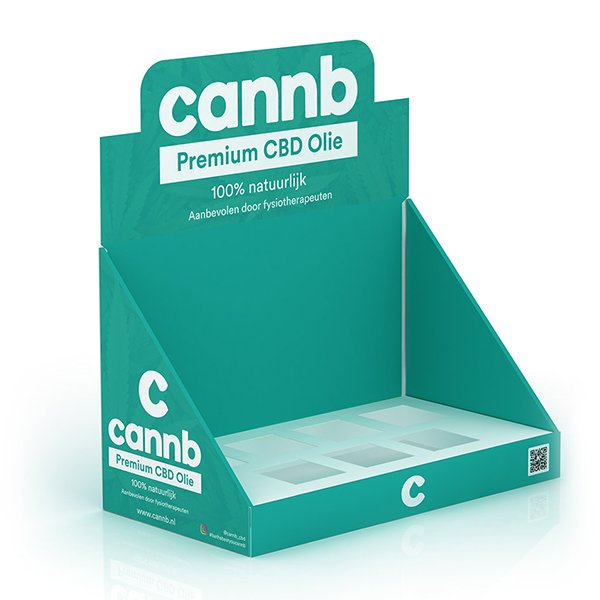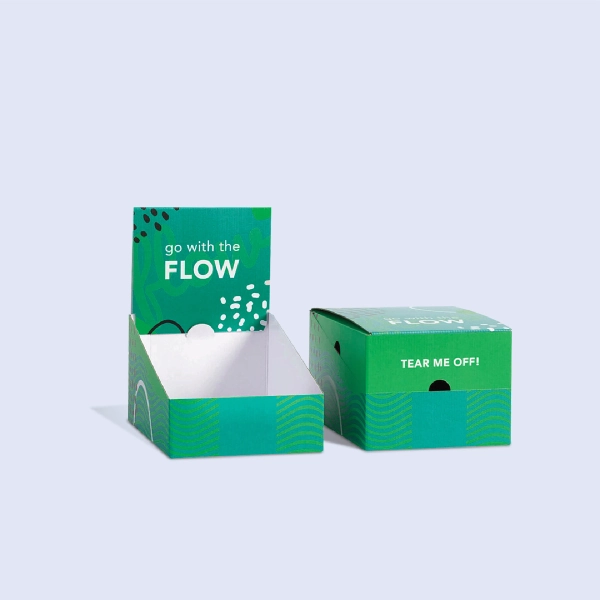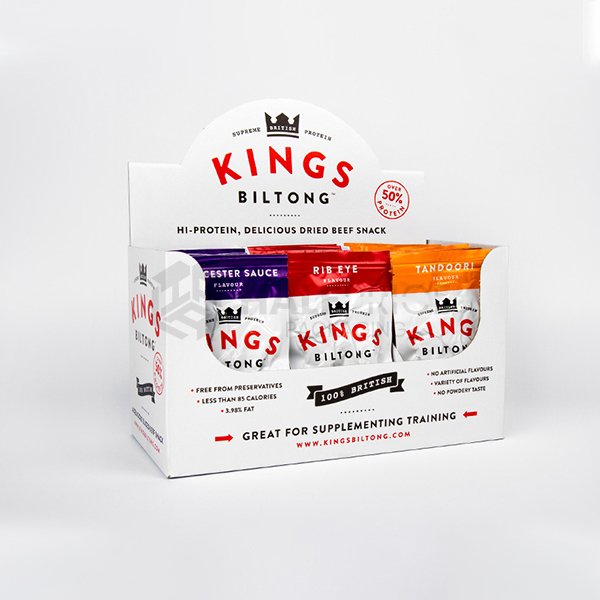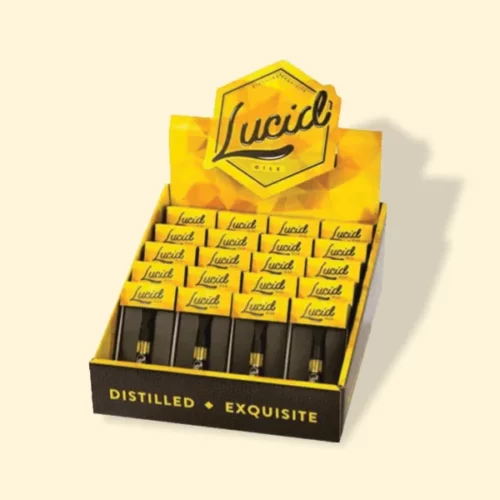













Corrugated Display Boxes

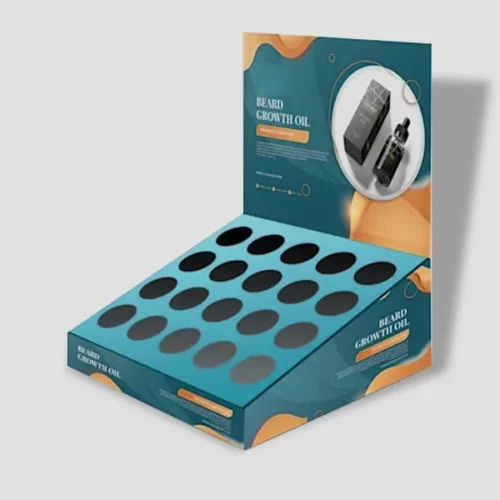
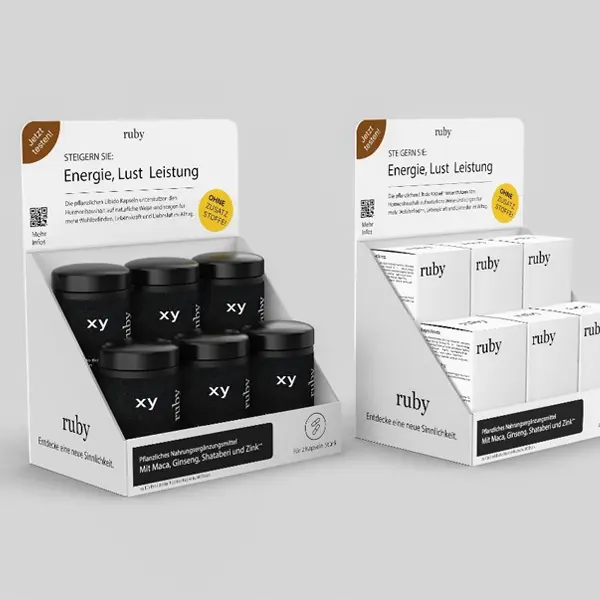
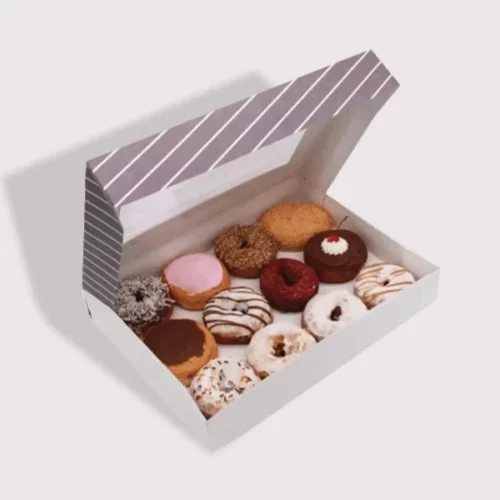
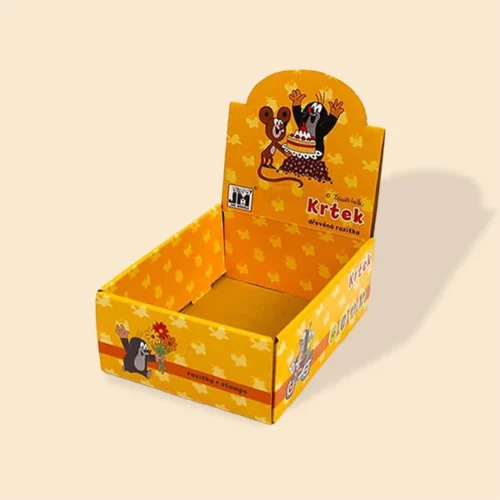
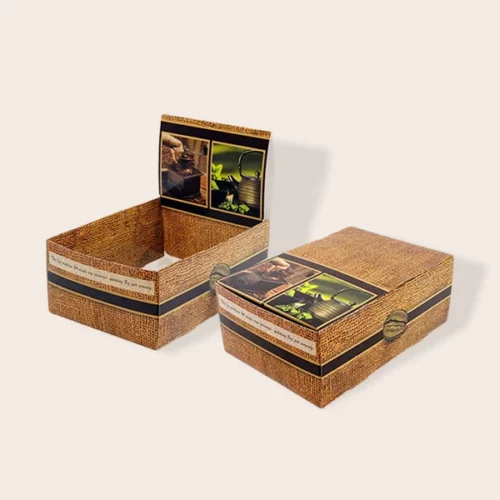
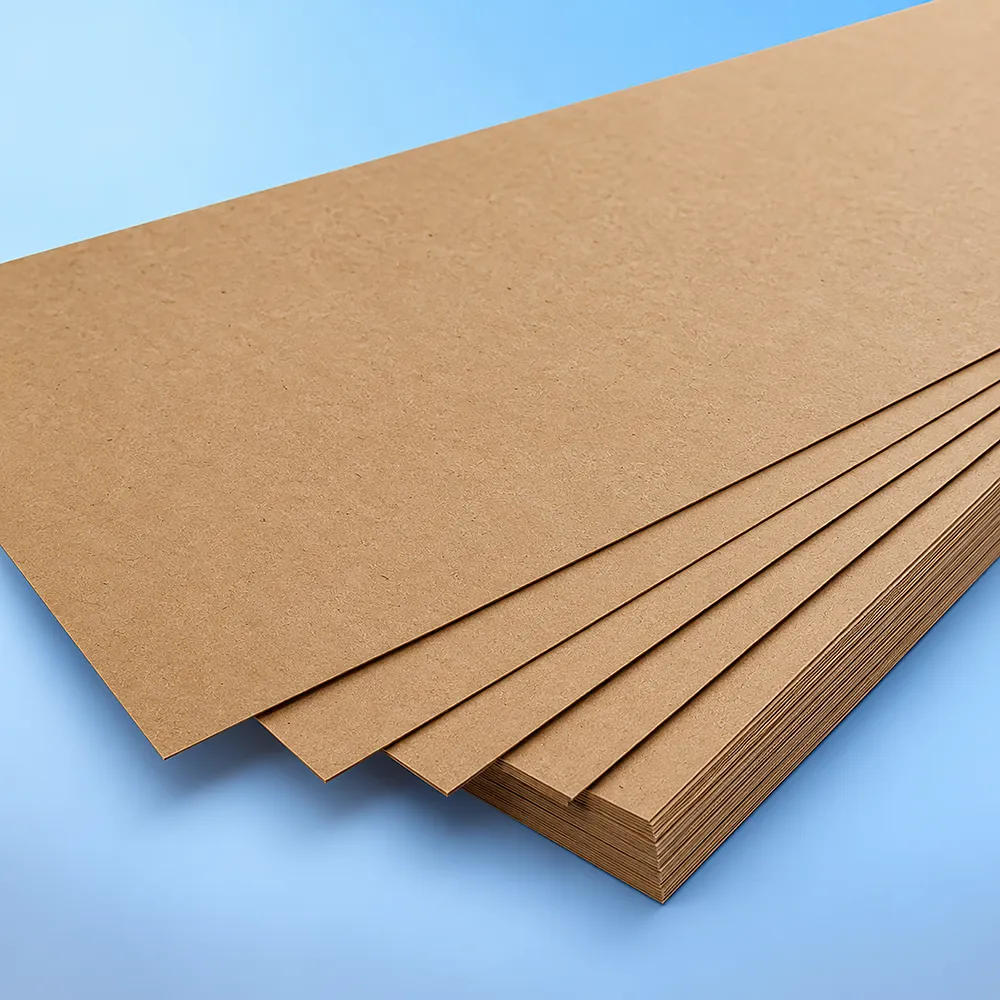
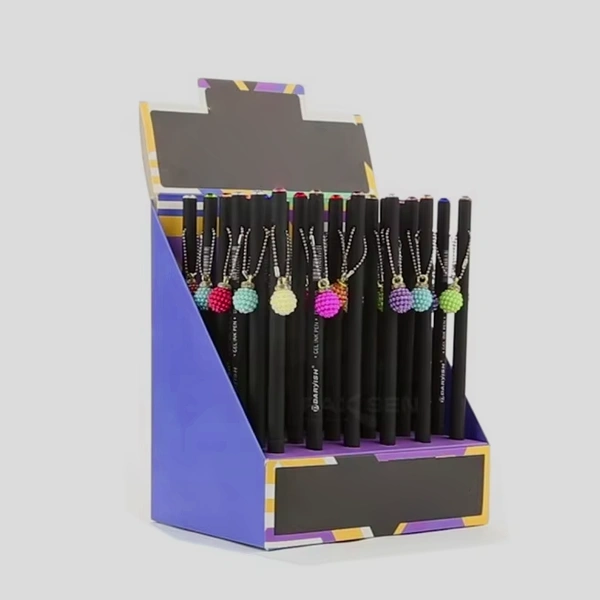
Custom corrugated display boxes organize retail products in fluted-board structures designed around the completed merchandising load. BoxBaba develops each display from your finished product dimensions, individual unit weight, total quantity, SKU arrangement and available counter or shelf space. Choose suitable open-front trays, printed headers, partitioned layouts, tiered arrangements or retail-ready configurations when the structural design supports them. Kraft or white corrugated surfaces can carry custom brand artwork, with printing and finishes selected for the approved board and production method. Share your handling and fulfillment requirements so the closed, assembled and loaded configurations are considered together. Order from 100 units, with standard production in 5–9 business days after artwork approval and free shipping across the USA.
Trustpilot_Logo
5 out of 5 stars
4.5
Reviews 16 • Excellent

Corrugated Display Boxes – Custom Printed Retail Packaging for Product Display & Branding

Corrugated display boxes made with durable materials and vibrant printing, ideal for retail merchandising, product organization, branding, and attracting customer attention with professional presentation.

What We Give

Create Custom Boxes Quick and Easy

Design

Get your custom boxes made in the required size, shape, and style.

Print

Upload your artwork and get it superbly printed the way you want.

Get it done

Order any quantity, enjoy a wholesale price, pay no extra for die plates.

Product Specification

Specification Available options
Product type Custom retail display boxes made from fluted corrugated board
Retail placement Suitable counter, shelf and promotional merchandising locations
Custom dimensions Determined by finished merchandise, unit arrangement and retail footprint
Display capacity Project-dependent; based on product dimensions, quantity and complete loaded configuration
SKU arrangement Single-SKU or multi-SKU rows, compartments and suitable tiers
Board specification Custom corrugated construction selected according to dimensions, loaded weight, structural design and handling
Liner appearance Kraft or white, according to the approved project specification
Display structures Open-front trays, header displays, partitioned arrangements, suitable PDQ-style trays and engineered shipper-to-display formats
Product support Appropriate dividers, compartments, retaining lips and tier supports
Printing Selected digital, offset or flexographic methods according to the board, artwork and production requirements
Finishing Compatible matte or gloss treatments, spot UV, foil or other approved effects where suitable
Artwork support Dieline assistance, artwork support, digital 3D mockups and proofing
Minimum order quantity 100 units
Standard production 5–9 business days after artwork approval; shipping time is separate
Shipping Free shipping across the USA
Samples Free samples; sample delivery charges reimbursed on the first bulk order. Confirm custom physical sample arrangements separately.

Related Products

Stock Type & Thickness

Cardboard

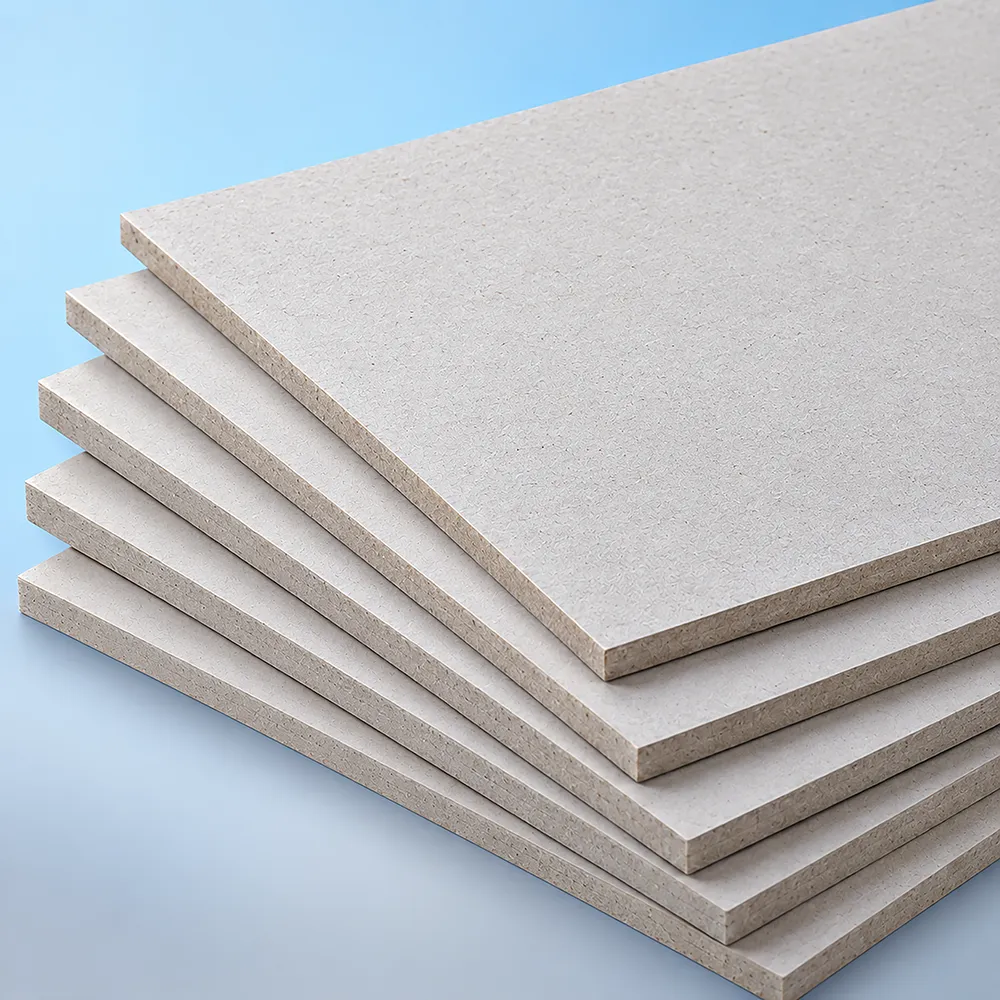
We use cardboard material with the least environmental impact and minimizes waste generation.

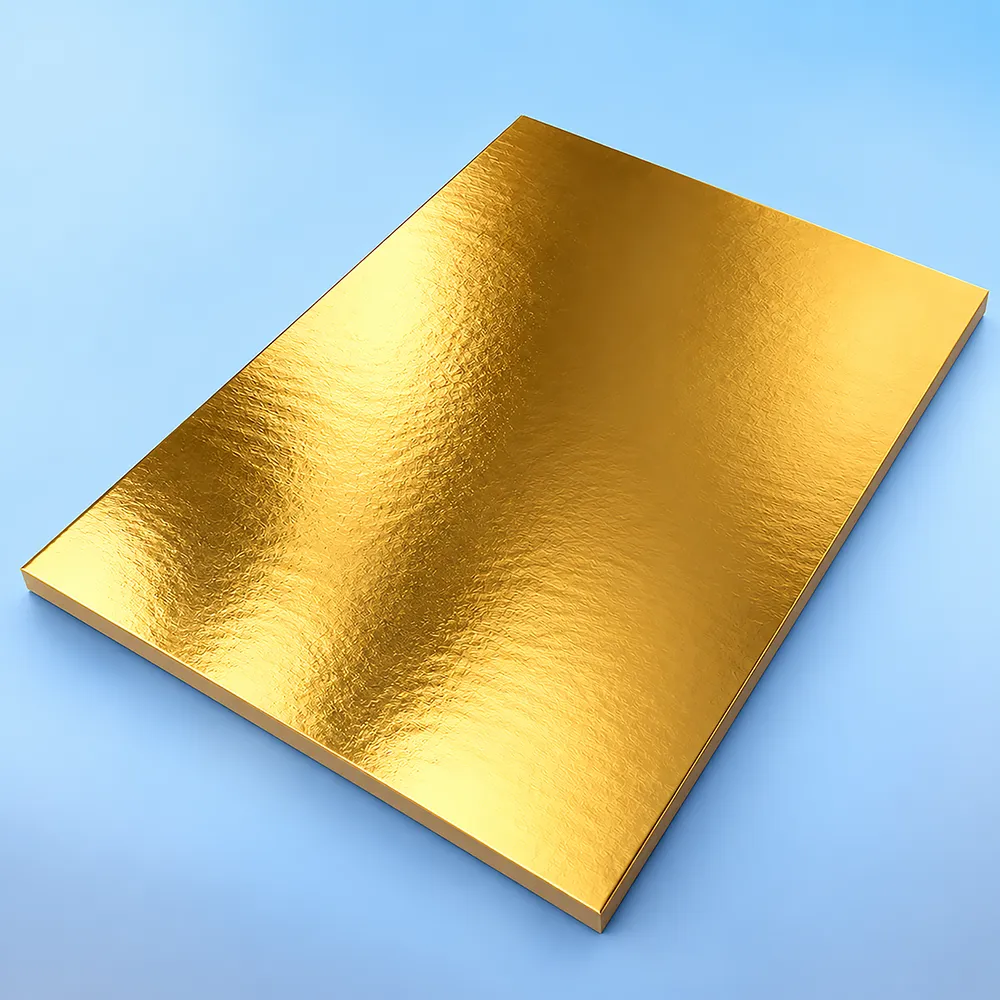
Kraft

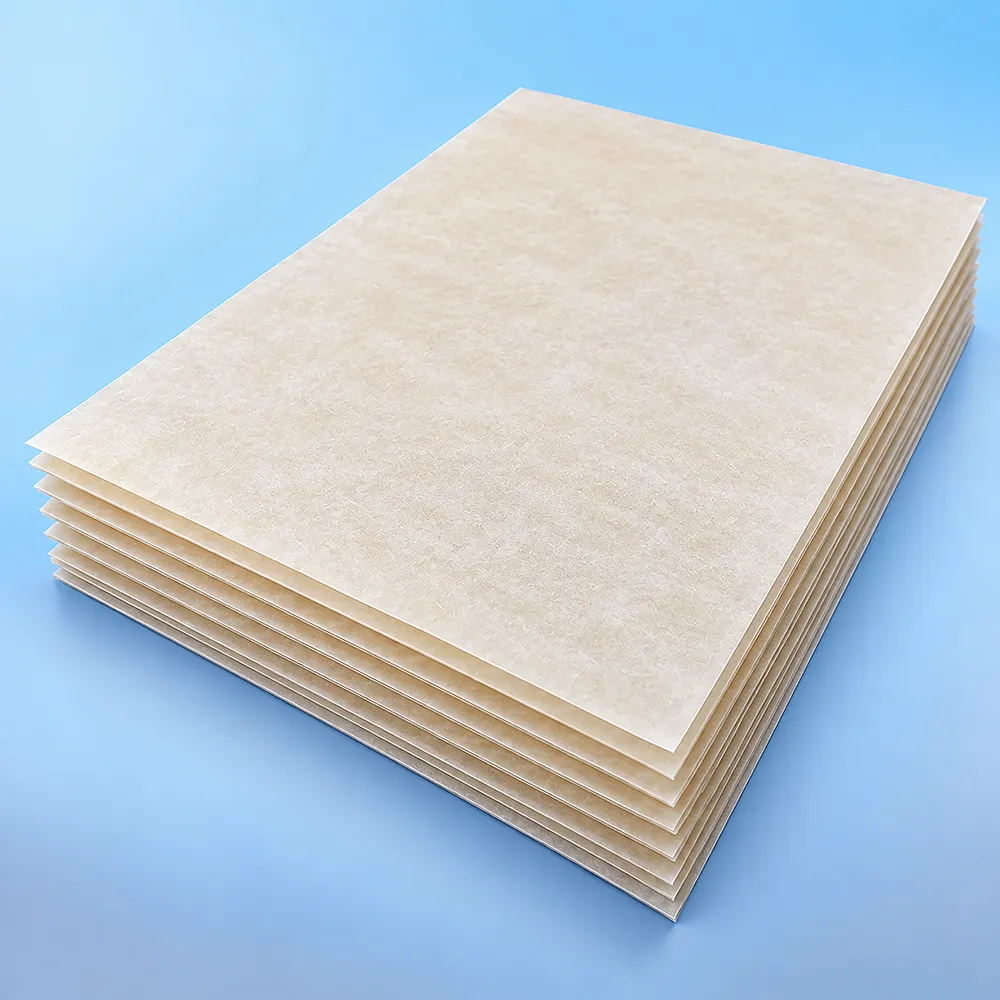
Kraft paper is a strong, durable and reliable material that is widely used across many different industries.
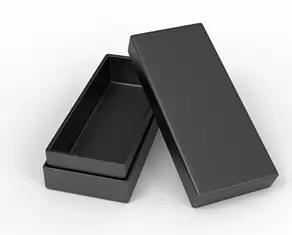
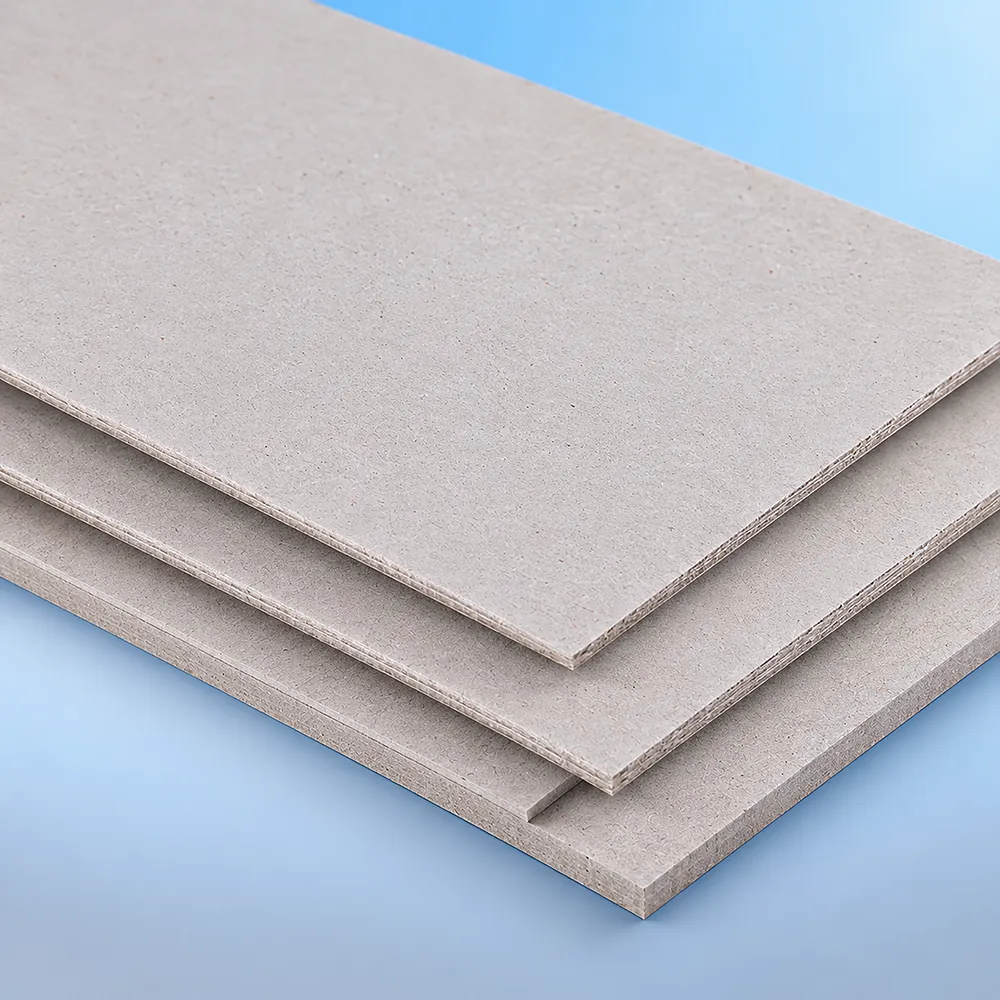
Rigid

Rigid is highly protective, affordable and recyclable material. These boxes provide maximum protection.
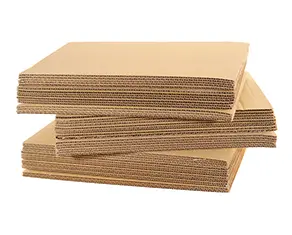
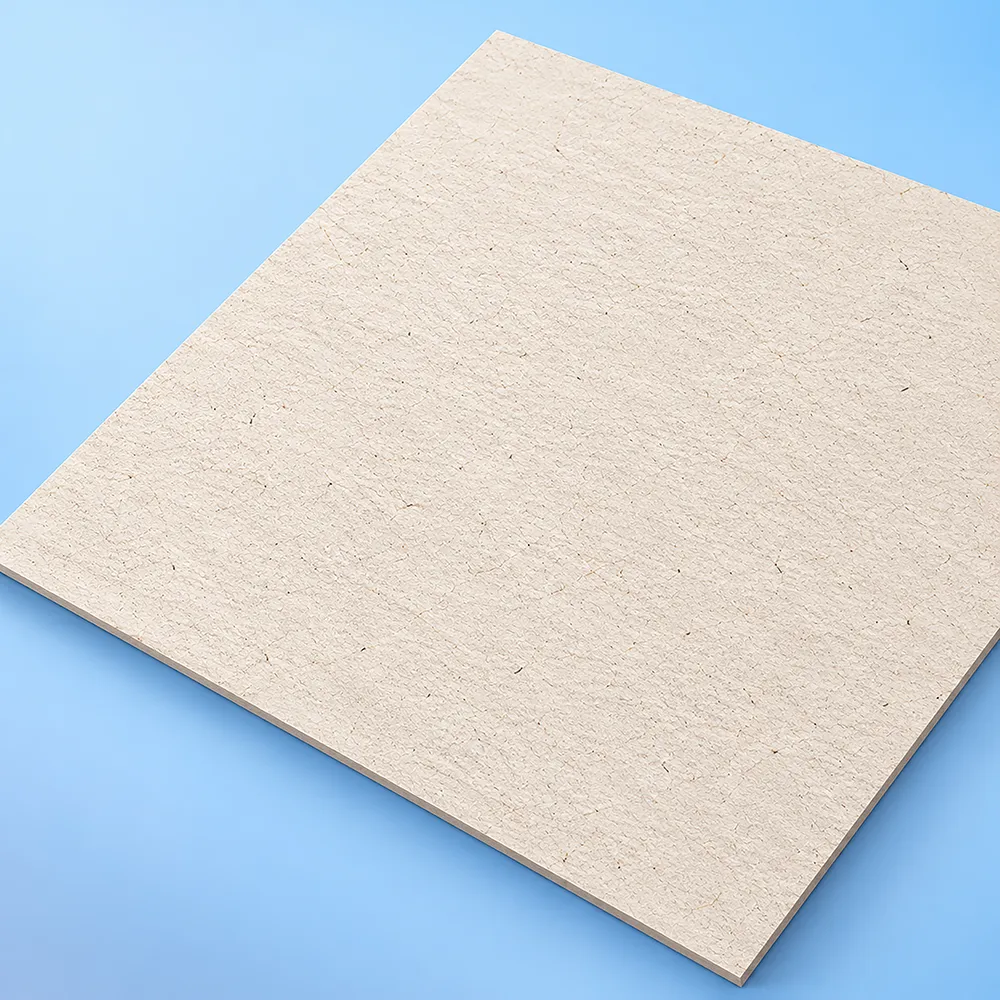
Corrugated

Corrugated material is easy to customize, cost effective and sustainable. It is also great for branding purposes.
Finishing Assortment

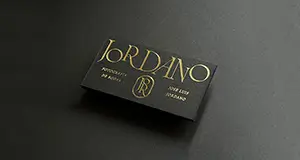
Foil Stamping

Foil Stamping

Enhance your packaging with premium foil stamping for a bold and luxurious appearance.

Spot UV

Spot UV

Our Spot UV coating adds a sleek shine and highlights key design elements beautifully.

Gloss-Lamination

Gloss

Give your packaging a polished, glossy finish that enhances color and visual appeal.

Holographic Foiling

Holographic Foiling

Create eye-catching packaging with holographic foil effects that shimmer from every angle.

Embossing

Embossing

Add raised textures and elegant detailing to make your packaging stand out.

Debossing

Debossing

Create a refined pressed-in effect that adds depth and sophistication to your packaging.

Matte

Matte

Achieve a smooth matte finish that minimizes fingerprints and delivers a modern look.
Soft Touch Lamination

Soft Touch Lamination

Protect your packaging with a silky-soft laminated finish for a premium feel.

Corrugated Retail Displays Planned Around the Complete Product Load

Corrugated display boxes use fluted board to form a retail merchandising structure. The correct configuration depends on what the display holds, where it will be placed and how products will be accessed and replenished. Corrugated construction may be appropriate when a display has a larger footprint, greater combined product weight or handling requirements that call for a different structure from lightweight solid paperboard. Unlike an individual sales carton, the display organizes several ready-to-sell products. Unlike an ordinary outer shipping carton, its design must also consider product visibility, shopper access, front-lip height and the completed retail footprint. If the merchandising format has not yet been selected, compare the wider Custom Display Boxes category before choosing a material-specific structure.

How to Size Custom Corrugated Display Boxes

Measure each sellable product at its maximum external width, depth and height, including caps, closures or its finished retail carton. For a mixed assortment, record the dimensions and finished weight of every SKU rather than assuming each variant is identical. Before approving the display dimensions, confirm:
  • Unit size and weight: the actual dimensions and filled weight of every ready-to-sell product.
  • Quantity and SKU mix: total units per display, number of variations and units assigned to each variation.
  • Merchandising arrangement: shopper-facing orientation, rows, columns, compartments and any suitable tiers.
  • Total loaded weight: combined merchandise weight, including the load supported by each tier if the design has multiple levels.
  • Retail footprint: allocated counter or shelf width, depth and overall height, including header clearance.
  • Product access: front or top removal, visible facings and the intended replenishment direction.
  • Handling and fulfillment: whether the display is supplied flat, assembled, loaded or inside a separate outer carton.

Loaded Weight and Multi-Level Capacity

Loaded weight is the combined weight of the merchandise supported by the completed display. It influences the base, walls, partitions, shelf supports and board selection. A multi-level arrangement should be reviewed by tier because the number of products on each level and the span supporting them may differ. There is no universal capacity for a corrugated display box. A design with a larger footprint or stronger board still needs to be assessed as a complete structure; the material name alone does not establish a safe load rating.

SKU Arrangement, Product Facings and Retail Space

A single-SKU display can often use repeated positions, while mixed assortments may need separate rows, compartment widths or product holders. For example, placing 24 units in four rows of six creates a different width and depth from three rows of eight. These are layout illustrations, not standard display capacities. Confirm the product panel that should face the shopper and the number of visible facings before the dieline is finalized. A unit that fits all the merchandise may still be unsuitable if it exceeds the available shelf depth or its header obstructs the retailer’s required clearance.

Corrugated Board Construction, Flute and ECT

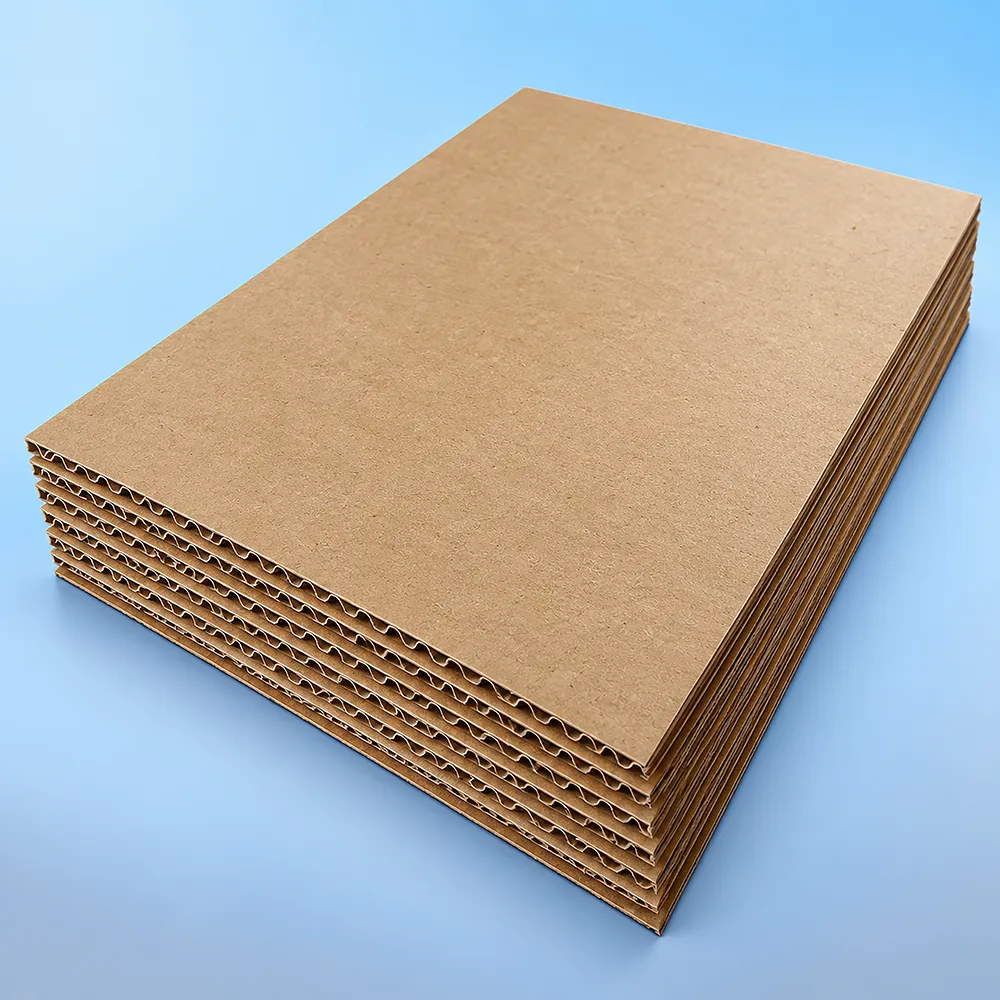
Corrugated board consists of liner sheets and one or more fluted mediums. Board construction and flute profile affect structural depth, rigidity, folding behavior and the surface available for printing. Select these attributes after the product arrangement, retail footprint, open areas and handling requirements are defined. ECT (Edge Crush Test) measures a corrugated board’s resistance to edgewise compression. A specified ECT value can be relevant when a retailer or distributor requires a particular board grade, but it does not independently establish how much weight a finished display can support. Open-front cutouts, tiers, perforations, base geometry and how the products distribute their weight all affect the completed structure. If your project also involves shipping-carton board grades or flute selection, explore the material guidance in Custom Corrugated Boxes. Provide any retailer-specified board requirement with your quotation request rather than assuming one flute is suitable for every display.

Available Styles for Custom Corrugated Display Boxes

Open-Front Corrugated Counter Displays

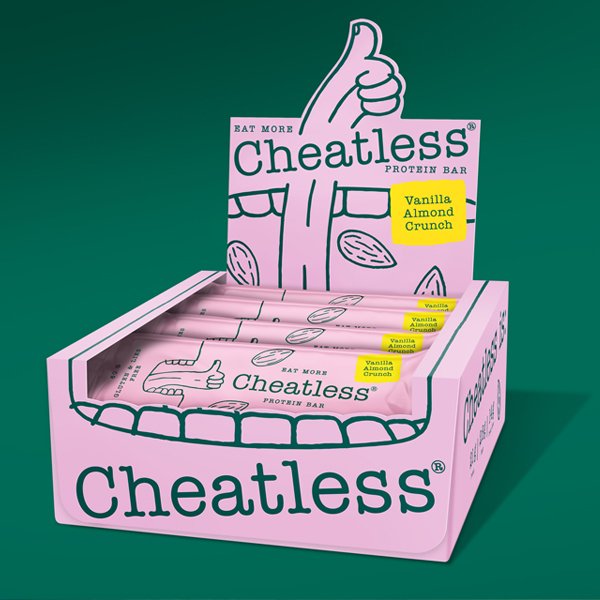
A corrugated counter display can organize suitable packaged products where the combined load or handling conditions justify fluted construction. Its finished width, depth and height must fit the available counter. The retaining front lip should support the product arrangement without unnecessarily hiding shopper-facing artwork. Where countertop placement rather than the material is the primary requirement, compare the broader structure choices described in our Types of Display Boxes guide.

Corrugated Shelf Displays With Printed Headers

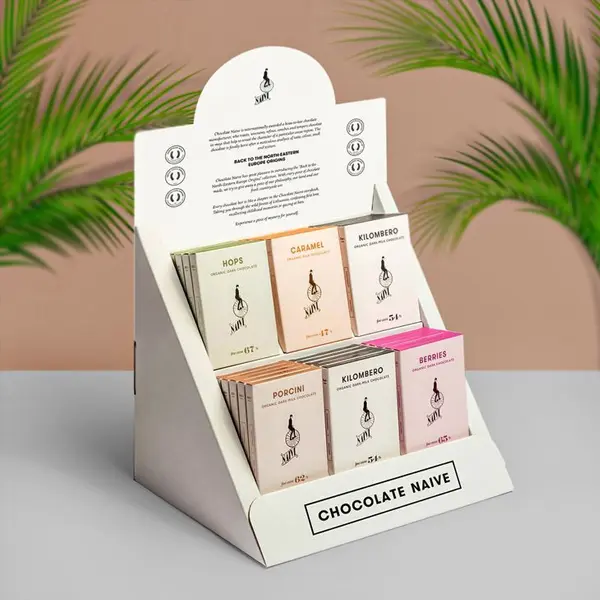
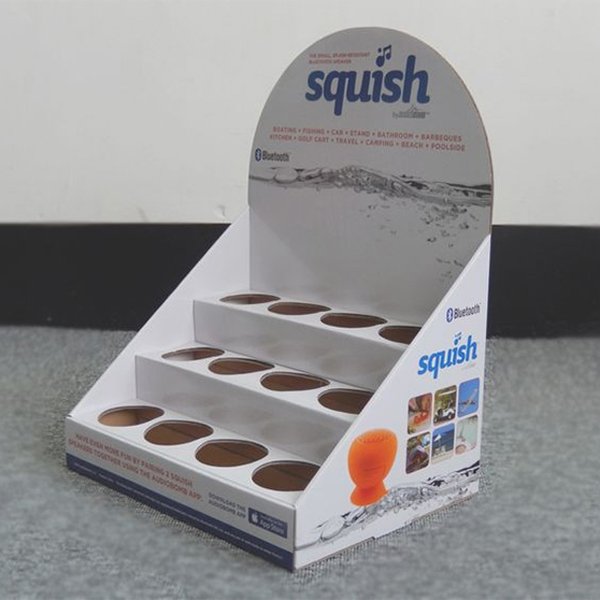
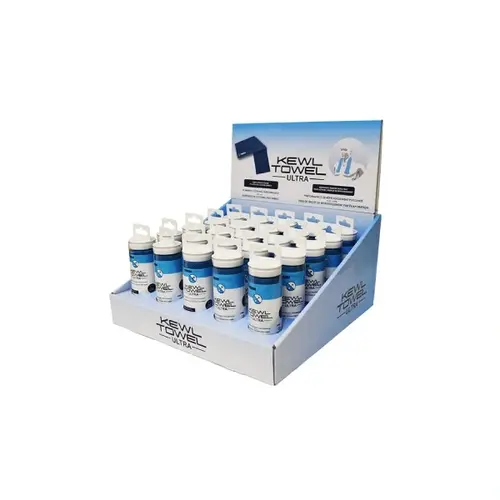
Shelf displays should fit the retailer’s assigned width, depth and vertical clearance after the merchandise is loaded. A printed rear header can carry logos or promotional information, provided its height fits the allocated space. The header, side walls and any access opening should be developed with the product arrangement rather than added after the box size is set.

Partitioned and Tiered Corrugated Displays

Partitions can maintain rows, separate SKUs or help position compatible bottles and cartons. Tiered arrangements can raise rear products when the merchandise and loaded configuration suit a multi-level structure. Each additional level needs appropriate support, customer-access space and consideration of its own loaded weight. A compartment or tier should solve a specific product-positioning problem. Extra structural components consume usable display space and can change the dimensions and material requirements.

Corrugated PDQ and Shelf-Ready Trays

A PDQ-style or shelf-ready tray starts with the intended case count, product orientation, SKU mix and retail-placement workflow. Corrugated material can be considered when the completed arrangement and handling requirements make it appropriate. The retailer’s planogram, permitted shelf footprint and packing method should be confirmed before designing a retail-ready tray.

Engineered Shipper-to-Display Formats

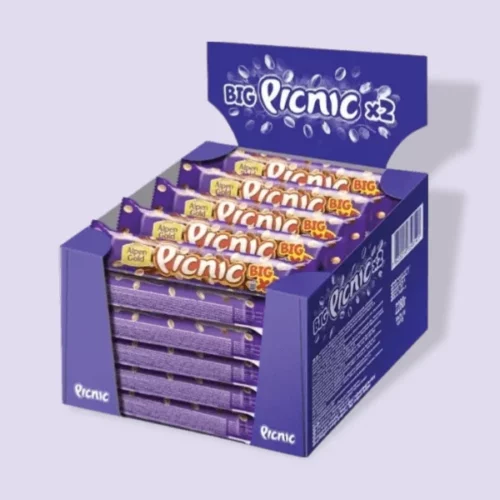
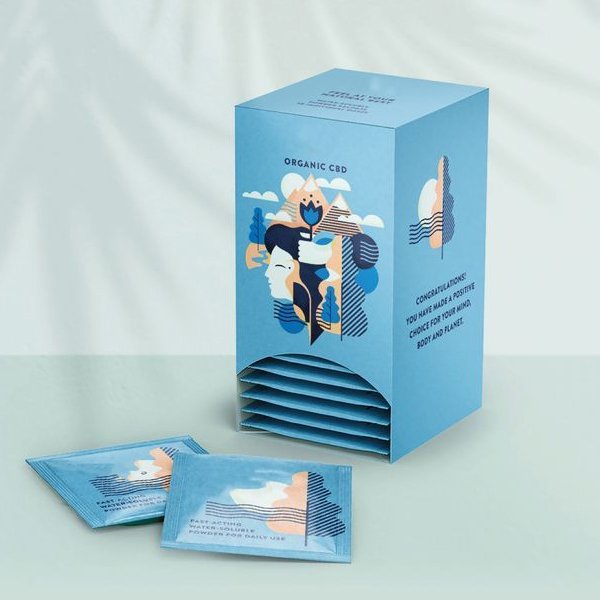
Some corrugated structures can be designed to arrive in a more enclosed configuration and convert to an open display by removing a suitable panel. These projects require separate consideration of product containment during distribution and structural support after opening. A perforated panel must not be treated as a purely decorative feature. Do not assume every corrugated retail display is also a qualified shipping carton. Where the main requirement is a ready-to-place assortment across different store locations, the broader Retail Display Boxes page explains the merchandising decisions beyond board selection.
Corrugated Displays vs Solid Cardboard Displays

Both solid paperboard and corrugated board can be used for retail merchandising, but they suit different loaded arrangements and printing requirements. Solid paperboard may suit comparatively compact, lighter displays where a thinner structure and smooth direct-print surface are appropriate. Corrugated board provides a fluted construction that can be considered for larger footprints, heavier loaded configurations or more demanding handling. Neither material is universally suitable for every product. Compare the total merchandise weight, shelf or counter space, structural cutouts, desired print appearance and fulfillment method before approving the board. Brands also considering solid-board secondary packaging can review the separate Custom Cardboard Boxes category.

Product Support, Dividers and Shopper Access

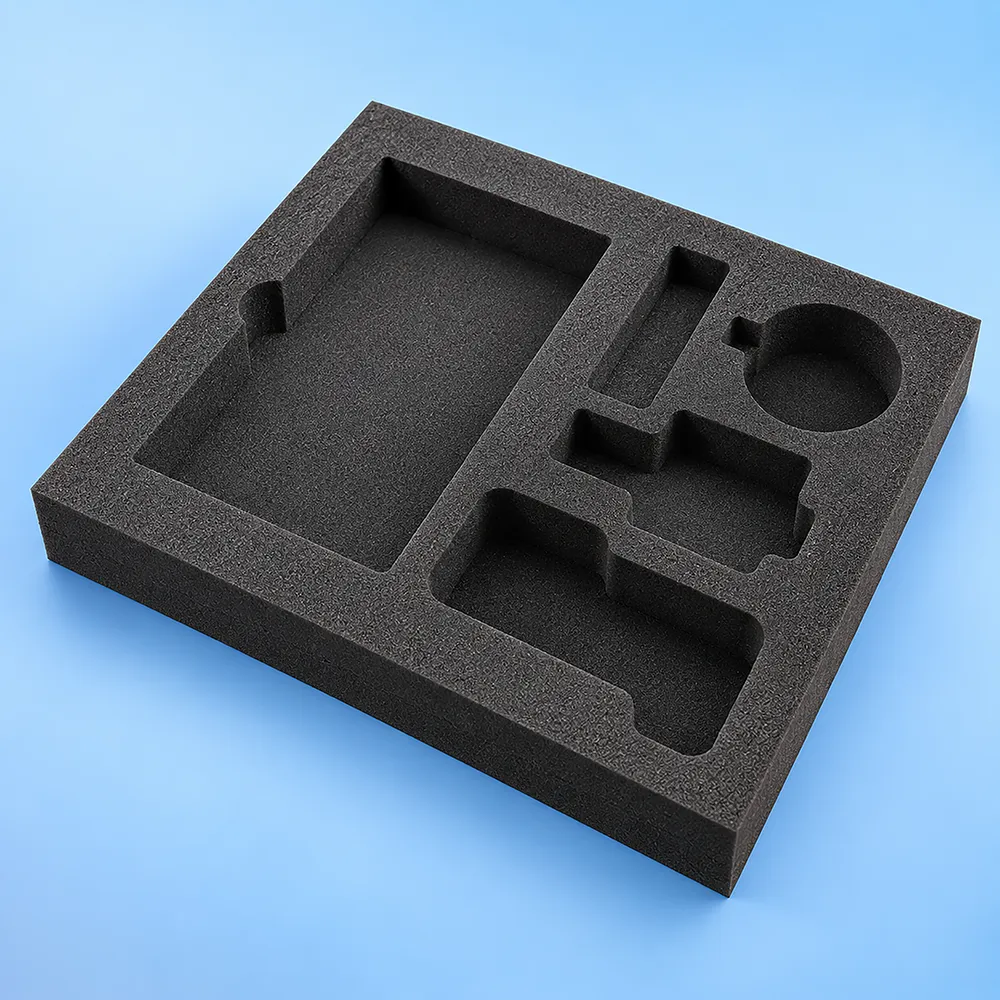
An open corrugated tray may hold merchandise in the intended arrangement without a separate insert. Dividers become useful where several SKUs need distinct positions, bottles need additional control or rows must remain aligned as individual products are removed. Retaining front lips should balance product support with visibility. Higher lips may help contain the front row but can obscure labels or make removal difficult. In a multi-tier design, adequate clearance is needed to reach products toward the rear. Plan replenishment along with shopper access. Retail staff may need to refill from the front, above or behind the display, depending on placement and the retailer’s workflow. Dividers and tier supports should not block the intended refill path.

Corrugated Displays for Bottles, Cosmetics and Mixed Assortments

Corrugated construction can be considered for displays containing filled bottles, jars, larger folding cartons and mixed assortments when the complete layout calls for it. For bottles, record maximum external dimensions, closure width, finished weight, quantity and orientation. Dividers or fitted product positions may be appropriate where units need defined spacing. Cosmetic brands may require more specialized shade organization, testers, product holders or beauty-counter presentation. Where those product-specific requirements lead the design, explore Cosmetic Display Boxes rather than treating corrugated material as the only decision. Individually packaged snacks, personal-care cartons, small accessories and other retail products may also fit suitable corrugated displays. If any part of the packaging will directly contact unpackaged food, its material and compliance requirements must be confirmed separately.

Corrugated Display Boxes vs Corrugated Shipping Boxes

A corrugated display is developed around retail presentation, product facings, shopper access and replenishment. A Corrugated Shipping Box is developed primarily for containment and transportation. A properly engineered shipper-to-display format can combine those functions, but the requirements must be established before the structure and dieline are approved. If the display will travel inside a separate transport carton, confirm the outer-carton dimensions and packing method as part of fulfillment planning.

Available Printing Methods for Custom Corrugated Display Boxes

Printing methods should be selected for the chosen corrugated surface, artwork, order quantity and required appearance. 
  • Flexographic printing may suit compatible corrugated projects with appropriate artwork and production requirements. 
  • Digital printing may be considered where the selected board and project support that method. 
  • Offset printing or lithographic laminated graphics can be evaluated where detailed imagery and a compatible printed surface are required. 
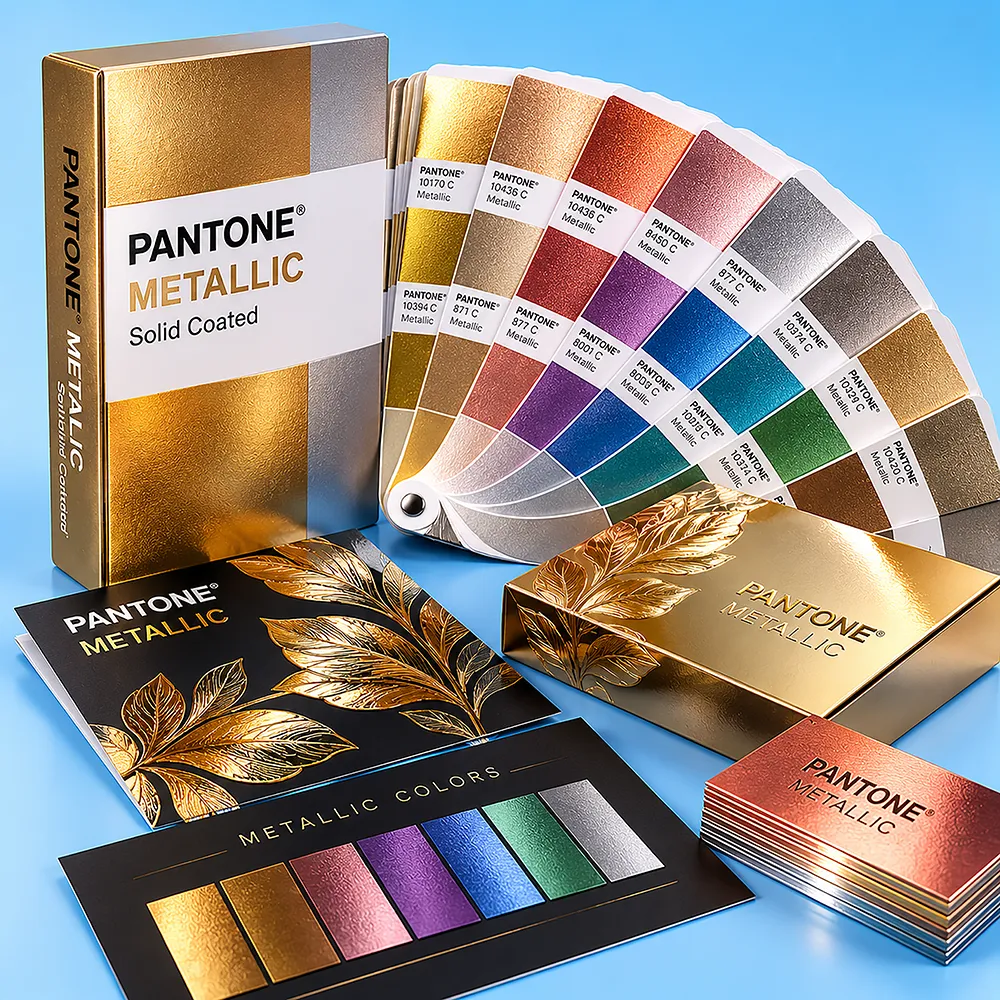
Availability depends on the approved specification rather than every method being suitable for every board. CMYK can reproduce process-color artwork, while Pantone references can communicate target brand colors when appropriate.

Finishing Options for Custom Corrugated Display Boxes

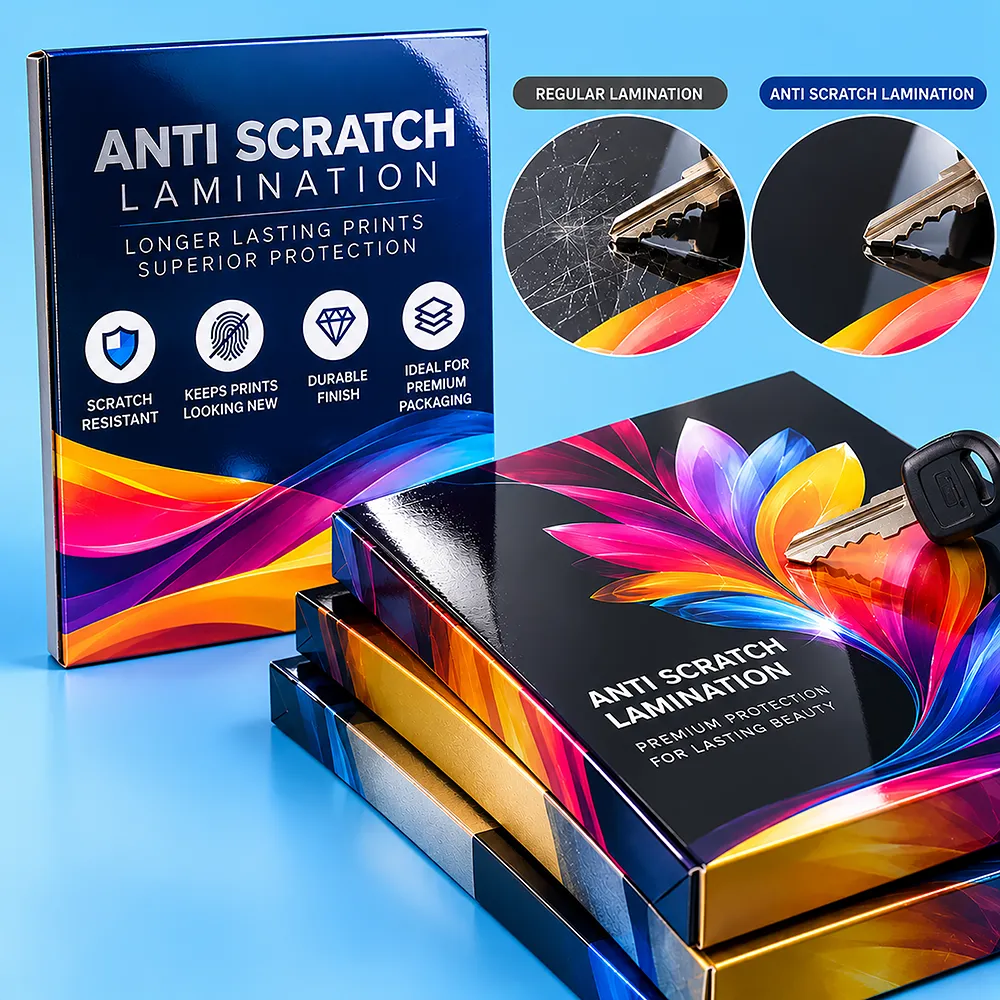
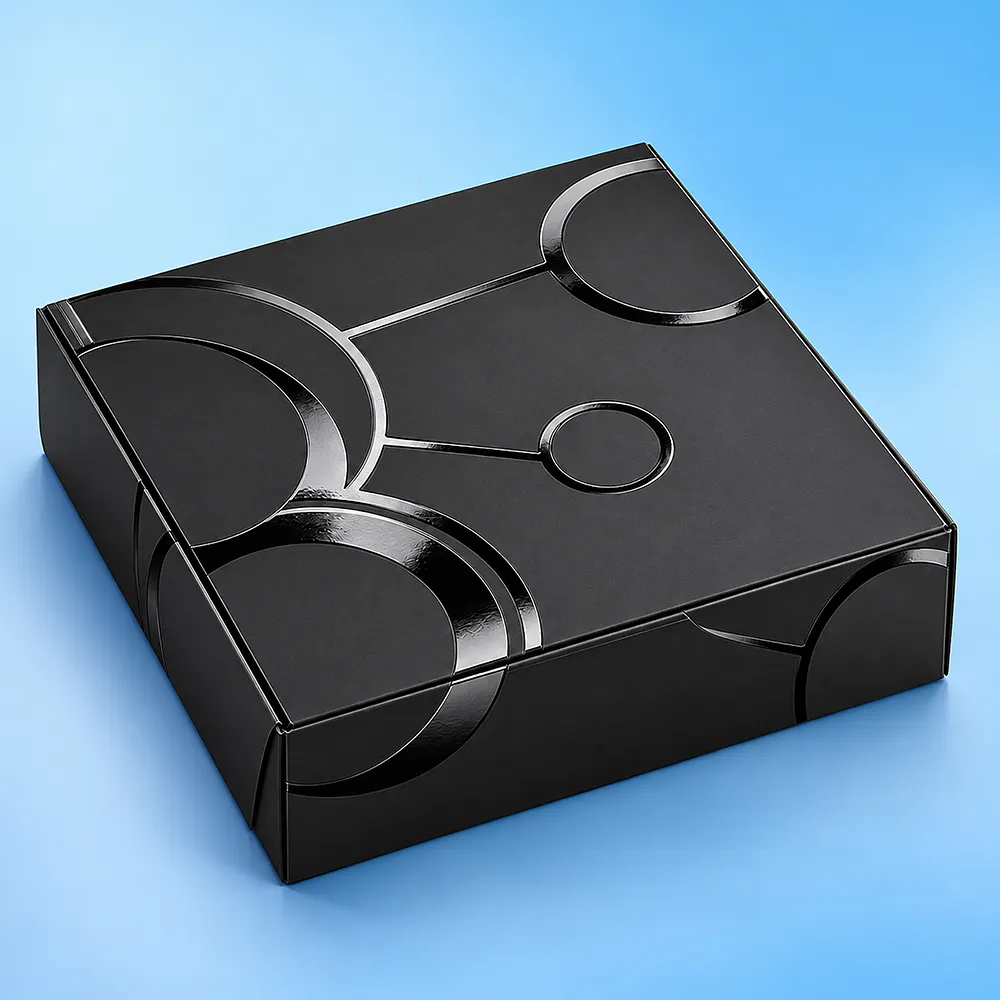
Finishes should be chosen for the approved corrugated surface and printing method. Compatible matte or gloss treatments can alter the overall appearance; spot UV and foil stamping may be considered for selected graphics when a suitable printed or laminated surface supports them. Some decorative effects cannot be applied directly to every exposed corrugated liner. Where specialty finishes are requested, their compatibility should be reviewed before the board and print route are finalized. Keep important decorative details away from folds, glue zones, perforations and die-cut edges that could affect application or opening.

Dielines, Artwork, Samples and Retail Setup

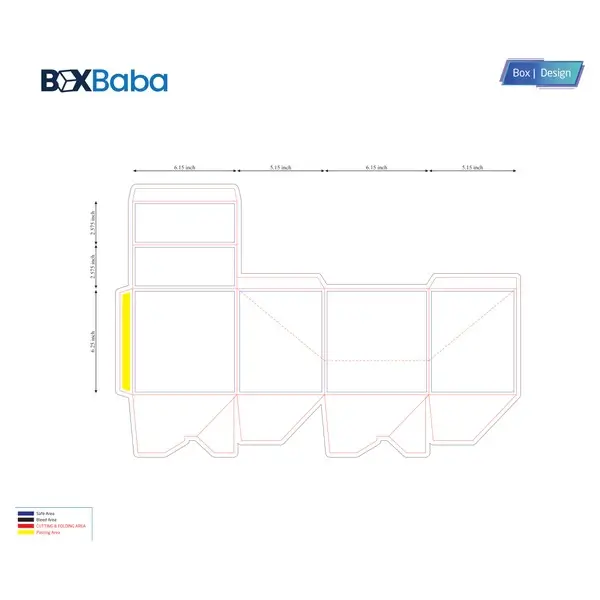
The final dieline should follow the measured products, complete loaded arrangement, retail footprint, board specification and intended assembly method. A corrugated display may include large side panels, a printed header, front lip, dividers, tier supports or removable sections. These areas should be identified before artwork is positioned. For a fuller explanation of cut lines, crease lines, bleed and artwork placement, read our Dieline in Packaging guide. A digital proof or 3D mockup helps review the proposed layout but does not demonstrate the weight capacity of a physically loaded display. Where fit, assembly, tear-away conversion or loaded stability is critical, discuss an appropriate physical sample before bulk production. BoxBaba offers free samples, with sample delivery charges reimbursed on the first bulk order; custom structural or production-representative sample arrangements should be confirmed separately.

What Affects the Cost of Custom Corrugated Display Boxes?

Pricing is project-dependent because display dimensions, product loads, structural geometry, corrugated-board specification and print requirements differ. Additional tiers, partitions, perforations or complex die cuts may change material use and production steps. Artwork coverage, finishing, order quantity, assembly and packing requirements can also affect the quotation. Share the complete merchandising requirements rather than asking for a price based on unit count alone. A compact single-level tray and a multi-tier loaded display may need different board specifications even when they contain the same product family.

Why Choose BoxBaba for Custom Corrugated Display Boxes?

BoxBaba develops corrugated displays around your finished merchandise, total loaded weight, SKU mix and available retail space. Select suitable kraft or white corrugated construction with relevant dividers, headers, tier supports or retail-ready features according to the project. Receive artwork assistance, dieline support, digital 3D mockups and proofing before production approval. Order from 100 units, with standard production in 5–9 business days after artwork approval and free shipping across the USA. Free samples are available, with sample delivery charges reimbursed on the first bulk order.

Request a Custom Corrugated Display Box Quote

Share the finished dimensions and weight of each product, total units per display, units per SKU, proposed rows or tiers, retail footprint and intended shopper-facing orientation. Include your preferred display format, any retailer planogram, loaded handling or shipper-to-display requirements, artwork, preferred finishes, order quantity and shipping destination. Request a custom display box quote through BoxBaba’s display-packaging quote form. These details will help establish the proposed structure, corrugated-board specification, dieline, print requirements and appropriate proofing arrangements for your project. Place your order by calling +1 305 574 4357 or emailing sales@boxbaba.com.  

Frequently Asked Questions

Find all the urgent questions you may have.

Custom corrugated display boxes are fluted-board retail structures designed to organize and present multiple sellable products on suitable shelves, counters or promotional fixtures. Their dimensions, material specification and internal arrangement are developed around the finished merchandise and intended retail placement.
Corrugated board may be appropriate for larger display footprints, greater combined product weight or more demanding handling requirements. Solid paperboard may suit relatively compact, lighter displays with detailed direct-print presentation. The completed loaded structure determines the appropriate choice.
There is no universal flute or ECT rating for every display. Board selection depends on product dimensions, total loaded weight, display geometry, structural openings and handling requirements. ECT describes board edgewise compression resistance, not the safe capacity of an entire finished display.
Yes, when the proposed structure is suitable for the actual container dimensions, finished unit weights, total quantity and SKU arrangement. Dividers and partitions can organize different product groups or provide defined positions where required.
A shipper-to-display format can combine both roles when specifically engineered for distribution and the final opened retail configuration. Other displays may need a separate outer shipping carton. Confirm the intended transport and opening requirements before structural approval.
Suitable configurations can include printed headers, front lips, partitions and appropriate tier supports. These features should follow the display's loaded weight, retail footprint, shopper-access requirements and approved structural design.
Custom branding and appropriate printing methods can be selected for the approved board. BoxBaba provides artwork and dieline support, digital 3D mockups and proofing. Free samples are available, with sample delivery charges reimbursed on the first bulk order; confirm any custom physical sample separately.
BoxBaba's minimum order quantity is 100 units. Pricing depends on the dimensions, board construction, loaded configuration, printing, finishing and total order quantity.
Standard production takes 5–9 business days after artwork approval. Shipping and transit time are separate. Confirm any project-specific sampling or additional approval requirements during quotation.
Yes. BoxBaba offers free shipping across the USA for its applicable custom corrugated display packaging orders. International arrangements and project-specific shipping requirements should be confirmed during quotation.

Get a Custom Quote