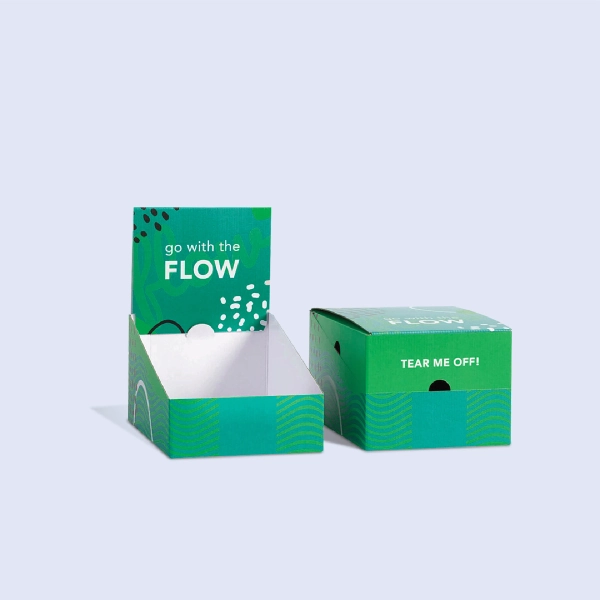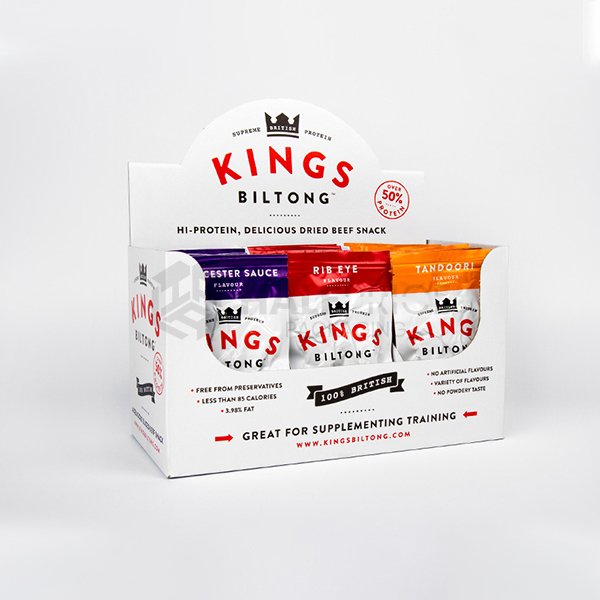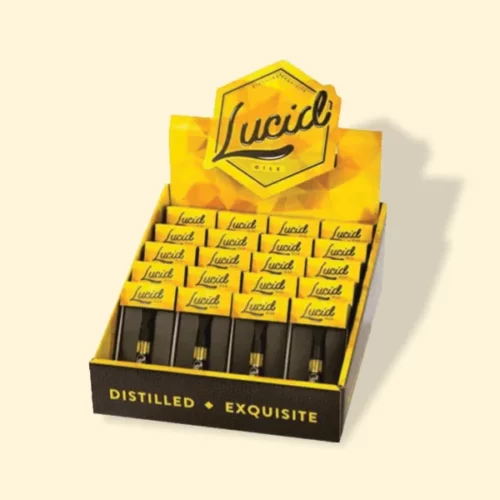
Pen Display Boxes

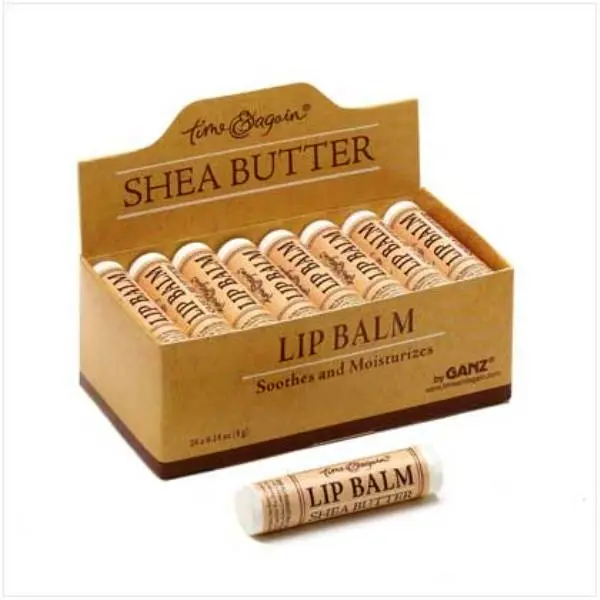
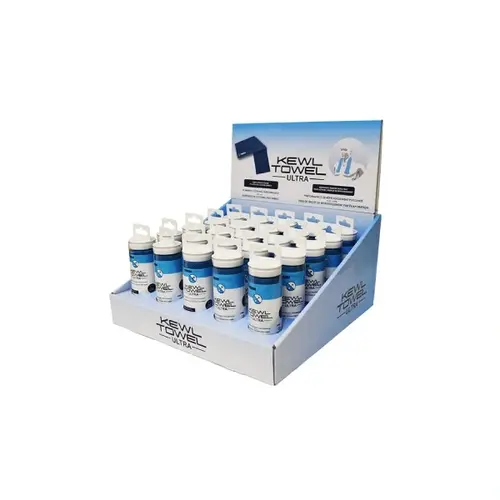
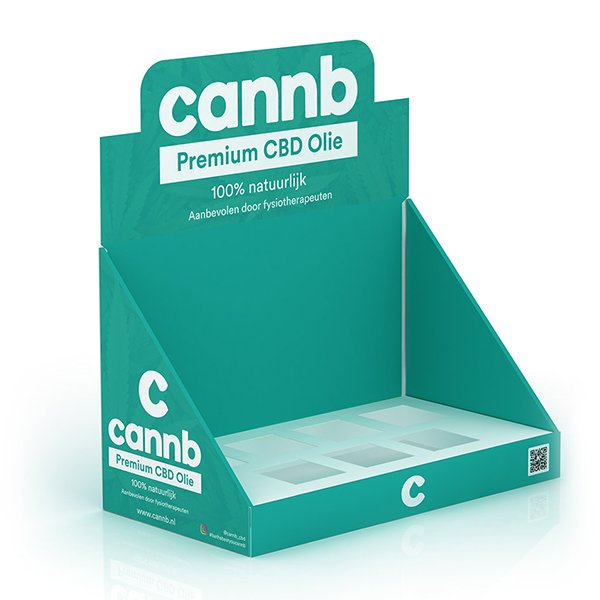
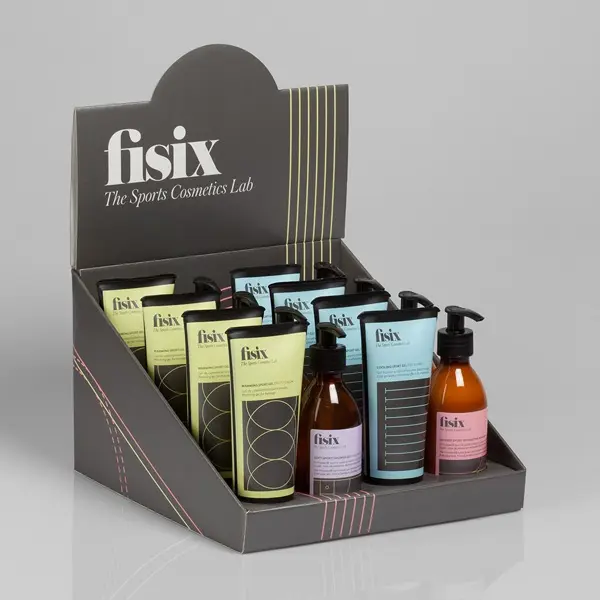
Custom pen display boxes organize multiple pens or individually packaged writing instruments within one retail presentation. BoxBaba develops each display around the finished pen or retail-package dimensions, barrel diameter, clip projection, cap or retractable-button profile, unit quantity, SKU arrangement, orientation, holder geometry and available retail footprint. Choose die-cut pen holders, divided trays, open displays and branded header structures according to the actual merchandise. MOQ starts from 100 units, with custom printing, artwork assistance, dieline support and digital 3D mockups.
Trustpilot_Logo
5 out of 5 stars
4.5
Reviews 16 • Excellent

Pen Display Boxes – Custom Printed Packaging for Pens, Retail Display & Professional Branding

Pen display boxes made with durable materials and premium printing, ideal for showcasing pens, protecting products, enhancing retail presentation, and creating professional branded displays.

What We Give

Create Custom Boxes Quick and Easy

Design

Get your custom boxes made in the required size, shape, and style.

Print

Upload your artwork and get it superbly printed the way you want.

Get it done

Order any quantity, enjoy a wholesale price, pay no extra for die plates.

Product Specification

Specification Available Options
Product Type Pen Display Boxes
Primary Function Organize and present multiple finished pens or individually packaged writing instruments
Dimensions Custom to actual pen or retail-package dimensions
Capacity Based on product dimensions, quantity, arrangement and retail footprint
Suitable Products Ballpoint pens, rollerball pens, fountain pens, gel pens, retractable pens, stylus pens, promotional pens and other compatible pen formats
Product Orientation Upright, angled, horizontal, row-based or another approved arrangement
SKU Arrangement Single-SKU or compatible multi-SKU displays
Display Formats Die-cut pen-holder display, divided tray, open display, header display and other compatible structures
Product Support Die-cut holder openings, product channels, dividers, partitions, retaining panels and other compatible supports
Materials Paperboard/cardstock, kraft-style paperboard and corrugated board where appropriate to the loaded structure
Printing Selected according to material, artwork, quantity and production requirements
Color References CMYK artwork and PMS/Pantone references where applicable
Finishes Matte, gloss, soft-touch, Spot UV, foil stamping, embossing and debossing where compatible
Artwork Support Dieline assistance and digital 3D mockup
MOQ From 100 units
Production Eligible standard projects may start from 5–9 business days after specifications and artwork approval
Shipping Free USA shipping on eligible custom packaging orders

Related Products

Stock Type & Thickness

Cardboard

We use cardboard material with the least environmental impact and minimizes waste generation.
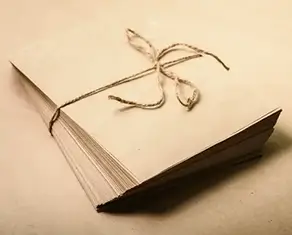
Kraft

Kraft paper is a strong, durable and reliable material that is widely used across many different industries.
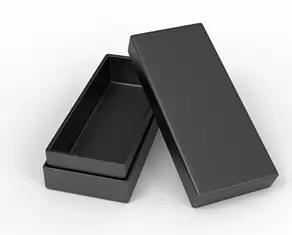
Rigid

Rigid is highly protective, affordable and recyclable material. These boxes provide maximum protection.
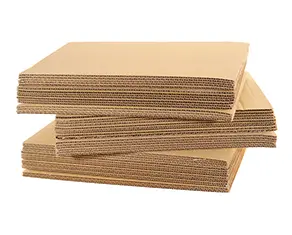
Corrugated

Corrugated material is easy to customize, cost effective and sustainable. It is also great for branding purposes.
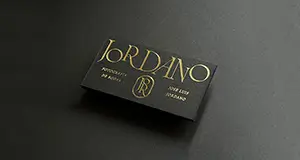
Finishing Assortment

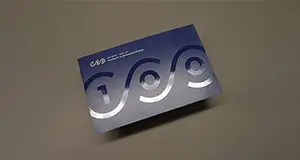
Foil Stamping

Foil Stamping

Enhance your packaging with premium foil stamping for a bold and luxurious appearance.
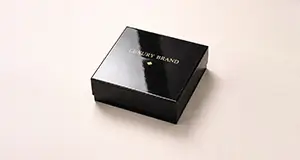
Spot UV

Spot UV

Our Spot UV coating adds a sleek shine and highlights key design elements beautifully.
Gloss-Lamination

Gloss

Give your packaging a polished, glossy finish that enhances color and visual appeal.
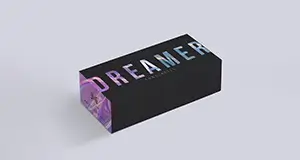
Holographic Foiling

Holographic Foiling

Create eye-catching packaging with holographic foil effects that shimmer from every angle.
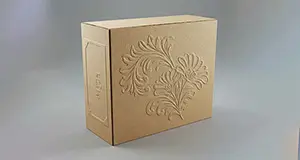
Embossing

Embossing

Add raised textures and elegant detailing to make your packaging stand out.
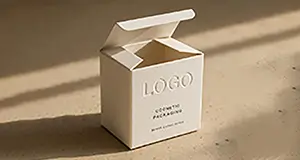
Debossing

Debossing

Create a refined pressed-in effect that adds depth and sophistication to your packaging.
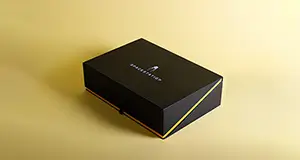
Matte

Matte

Achieve a smooth matte finish that minimizes fingerprints and delivers a modern look.
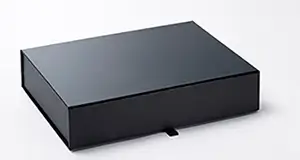
Soft Touch Lamination

Soft Touch Lamination

Protect your packaging with a silky-soft laminated finish for a premium feel.
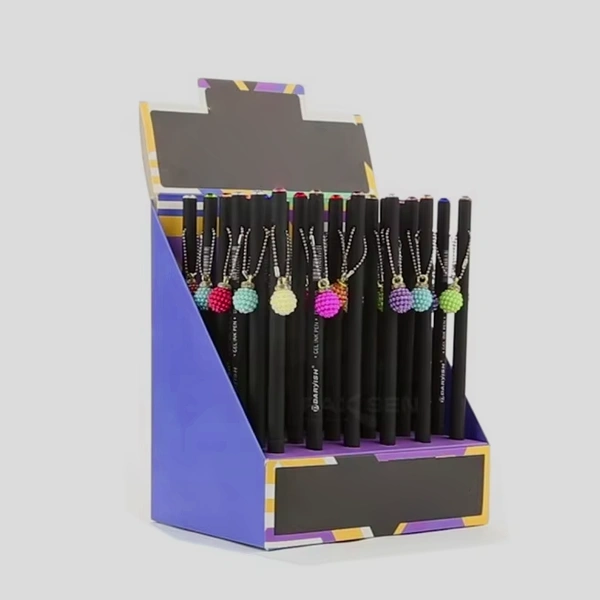
Pen Display Boxes for Multi-Unit Retail Merchandising

Pen Display Boxes bring several writing instruments together within one organized retail structure. Unlike an individual pen box, which contains one pen or a defined set, the display is developed around multiple sellable units and how those products remain positioned as shoppers remove them. Small differences in barrel diameter, clip projection, cap width and overall length can materially change the holder layout. The central relationship is: →→→→→Finished Pen  Product Profile  Quantity  Holder / Row Arrangement  Visibility  Shopper →→Access  Retail Footprint  Display Structure Buyers comparing broader merchandising structures can explore Custom Display Boxes.

What Are Pen Display Boxes?

Pen Display Boxes are multi-unit retail structures developed to organize several pens or individually packaged writing instruments together. Depending on the merchandise, they may use individual die-cut openings, divided product channels, open trays, angled positions, tiers or branded headers. Their defining role is: Multiple Finished Writing Instruments → Organized Retail Presentation rather than packaging one individual pen.

Pen Display Boxes vs Individual Pen Boxes

BoxBaba separately offers Custom Pen Boxes for individual pens, pen sets, gifts and presentation packaging. The two packaging layers perform different jobs. Custom Pen Boxes → Individual Pen / Pen Set Packaging →Pen Display Boxes  Multi-Unit Retail Merchandising A stationery brand may use: →→Pen  Individual Retail Box  Display Tray or: →Retail-Ready Pen  Holder Display The unit that physically enters the display should determine the structural dimensions.

When Should You Choose Pen Display Boxes?

Choose a dedicated display where multiple writing instruments need to remain grouped, visible and easy to select. A display can be useful where exposed pens need individual upright positions, several ink colors or tip sizes share one presentation, products would otherwise tilt or shift, a branded header is required or retail staff need defined SKU positions. A separate display may not be necessary where individually boxed pens already stand or hang effectively in the retailer’s existing fixture. The structure should solve a defined merchandising requirement.

Measure the Complete Finished Pen

Where an exposed pen sits directly in the display, measure the complete retail-ready writing instrument. Relevant dimensions include:
  • overall closed or retracted length;
  • maximum barrel diameter or width;
  • grip diameter where different;
  • cap diameter or width;
  • clip projection;
  • retractable-button projection where applicable;
  • widest external point;
  • finished unit weight.
Do not measure only the straight central barrel. The cap, clip, grip or mechanism can establish the maximum product profile.

Pen Length Does Not Determine Holder Fit

Overall pen length helps establish the product and display height, but it does not define the holder opening. Two pens with identical lengths can use different barrel diameters, caps, clips, grips and mechanisms. Use: Overall Length + Maximum Cross-Section + Clip / Cap Profile + Intended Support Point to understand the complete display requirement.

Barrel Profile and Holder Opening

For round pens, barrel diameter is an important input where individual die-cut holder openings are used. However, one nominal diameter does not determine the finished hole. Also consider:
  • which section passes through the opening;
  • where the pen is intended to rest;
  • barrel taper;
  • grip diameter;
  • cap position;
  • clip position;
  • loading and removal clearance;
  • approved product and die-cut tolerances.
Use: Finished Pen Profile → Insertion Path → Support Point → Required Clearance → Holder Opening There is no universal pen-holder hole size.

Clip Clearance

A clip can project substantially farther than the pen barrel. When products sit close together, neighboring clips can interfere even where barrel spacing appears sufficient. Measure maximum clip projection and decide how the clip will be oriented in the display. It may face forward, sideways or another approved direction according to the holder layout. Do not assume clip geometry is irrelevant simply because the holder supports the barrel.

Support the Pen at an Appropriate Contact Area

A clip is a functional product component, but it should not automatically be used as the primary structural support point. Where a holder is used, support the pen around an appropriate section of the barrel or another approved contact area. Avoid routinely suspending the entire product from the clip unless that exact arrangement has been intentionally evaluated. The same principle applies to decorative attachments.

Capped Pens

Capped pens can use caps that are materially wider than the main barrel. Measure: Barrel Profile + Cap Width / Diameter + Clip Projection + Overall Closed Length Where the cap remains above the holder platform, provide enough spacing between neighboring products. For premium individually boxed fountain pens or rollerballs, the finished individual presentation box may be the more appropriate display unit.

Retractable Pens

Retractable pens can use top buttons and mechanisms that project beyond the main barrel. Measure the complete product in its normal retail-ready state, including overall retracted length, barrel profile, button projection, clip projection and grip. The holder should avoid placing unnecessary pressure on the retractable mechanism. If neighboring products or a support platform can accidentally activate the pen, review the contact area before approval.

Fountain Pens and Rollerballs

Fountain pens and rollerballs may use wider caps, heavier bodies and more decorative surfaces than basic promotional pens. Where exposed products are displayed directly, consider the cap, clip, barrel finish, finished weight, holder contact area and removal direction. Do not describe a display as scratch-proof merely because separate product positions are provided. Where a visible pen finish is sensitive to contact, review the holder material and physical sample for the specific project.

Stylus and Multi-Function Pens

Stylus and multi-function pens can include buttons, tips or other components that change the maximum external profile. Measure the complete finished product rather than applying standard ballpoint dimensions. If a pen incorporates electronic features, do not claim that the cardboard display provides anti-static, electrical or impact-protection performance unless that capability has been specifically designed and verified.

Individually Boxed Pens

Where each pen already uses an individual retail carton or presentation box, measure that finished package rather than the pen inside it. Rectangular cartons can often be organized in open trays or divided product lanes without individual pen- holder openings. This can simplify the outer display. The structure should follow whichever finished unit the shopper actually selects.

Product Orientation

Pens can use several merchandising orientations. Upright Presentation places exposed pens vertically inside holder openings or defined product positions. Angled Presentation supports products at a planned angle where that improves visibility or access. Horizontal Presentation positions pens across a tray or product channel. Boxed Row Presentation arranges individual pen cartons in repeated lanes. The appropriate orientation depends on pen length, stability, available footprint, product visibility and shopper access. Confirm the orientation before final structural development.

How Should Pen Display Boxes Be Sized?

After measuring the finished product, establish the merchandise quantity and layout. Use: Finished Pen / Retail Unit → Maximum Dimensions → Unit Weight → Quantity → Rows / Columns → →→→→SKU Arrangement  Holder / Channel Geometry  Loaded Weight  Retail Footprint  Display →→Structure  Material  Dieline Do not begin with a presumed standard capacity and assume every pen will fit. The actual writing instrument and retail arrangement should determine the display.

Unit Count, Rows and SKU Arrangement

Quantity is only one part of the layout. The same number of pens can use one long row, several shorter rows, individual punched positions, SKU- specific sections or tiered product positions. Use: Unit Quantity → Rows → Columns → SKU Allocation → Product Spacing → Retail Footprint before approving the dieline. A single-SKU display can use repeating positions where every product is dimensionally consistent. A multi-SKU display can organize products by ink color, tip width, nib type, barrel color, model or collection. Where different SKUs use different physical pen bodies, measure each one separately.

Can Several Pen SKUs Share One Dieline?

Yes, where their structural requirements remain compatible. One display dieline can sometimes support several ink colors or artwork variants when the pen dimensions, clip profile, orientation, product count, holder geometry, row arrangement and header size remain unchanged. An artwork or ink-color change alone does not necessarily require a new structure. A change to the physical writing instrument can.

Die-Cut Pen Holder Displays

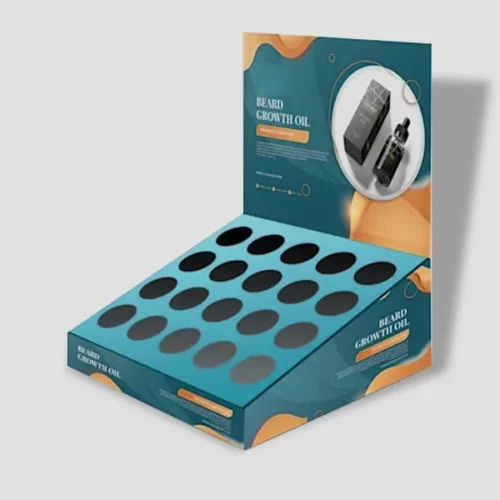
A die-cut holder can provide one defined position for each exposed pen. This can help maintain upright orientation, consistent spacing, predictable SKU organization and product positioning. Holder openings should follow the actual finished pen profile. Where permanent custom-cut geometry becomes the defining feature, explore Die Cut Display Boxes.

Holder Depth and Exposed Product Height

The holder opening is only one structural variable. Also consider:
  • support depth below the platform;
  • exposed pen height;
  • center of gravity;
  • clip clearance;
  • finger access;
  • visible barrel branding;
  • product-removal direction.
A pen positioned too deeply may hide branding or become inconvenient to remove. A pen supported too shallowly may not maintain the required orientation.

Product Channels and Divided Displays

Dividers can create product lanes without one die-cut opening for every pen. This may suit individually boxed pens, horizontal layouts or products that naturally remain sufficiently stable. Channel width should follow the maximum approved retail unit assigned to that section. Dividers should organize merchandise without unnecessarily restricting product removal.

Partially Empty Display Stability

A retail display changes as products are sold. When every position is full, neighboring pens can sometimes contribute to product alignment. As products are removed, unsupported pens may have more room to tilt or rotate. Where each pen needs to remain in a defined position throughout the selling cycle, individual holders or controlled product lanes may provide more consistent support. Evaluate the display both fully loaded and partially depleted.

Product Visibility

Pen displays should preserve the features shoppers use to distinguish products. These may include:
  • barrel color;
  • ink-color indicator;
  • clip branding;
  • product model;
  • grip design;
  • cap color;
  • tip-width or nib information on an individual package.
Plan the holder, front wall and header around the shopper-facing product features.

Shopper Access

Customers should be able to remove one pen without unnecessarily disturbing adjacent products. For die-cut holder displays, access can depend on opening spacing, exposed product height, clip orientation, cap width, finger clearance and holder depth. For divided product lanes, it can depend on channel width, front-wall height and product orientation. A compact display should still support practical removal.

Replenishment

Retail staff need a practical way to refill the display. Confirm whether pens load from the top, whether product lanes load from the front or top, whether holder platforms are integral or separately installed, whether individual SKUs use fixed positions and whether the display ships empty or product-loaded. The replenishment process should be considered together with shopper access.

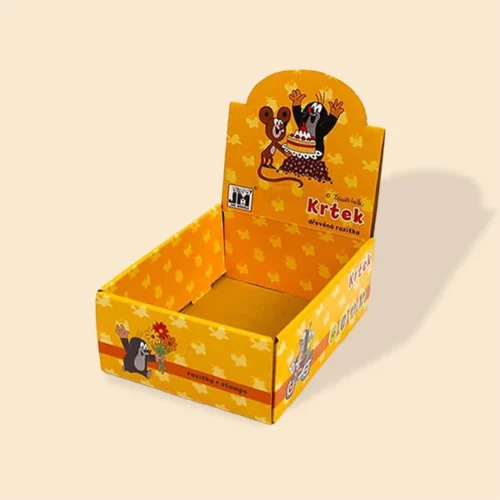
Open Tray Pen Displays

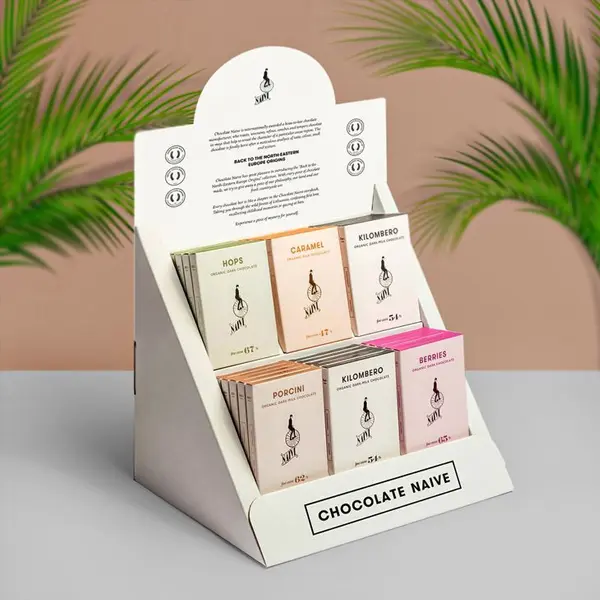
An open tray can suit individually boxed pens or writing instruments that remain organized without individual die-cut holders. The structure can use low retaining walls, row dividers, raised side panels or a header. Use a simpler tray where custom holder geometry does not solve a defined stability or merchandising requirement.

Header Panels

A header provides additional branding above the merchandise. It can carry a logo, collection name, ink-color range, writing style, tip-size information, campaign artwork, QR code or promotional message. Plan the header with the actual products loaded. Tall upright pens can obscure artwork that appears fully visible in an empty display.

Pen Display Boxes vs Counter Display Boxes

Pen Display Boxes are primarily defined by the product being merchandised. Counter Display Boxes are primarily defined by placement. Many pen displays are used at checkout areas or stationery counters, but they can also sit on shelves and other fixtures. Where barrel dimensions, clip profile, holder geometry and SKU arrangement drive the project, this page should own those product-specific decisions. Where countertop footprint is the dominant constraint, explore Counter Display Boxes.

Pen Display Boxes vs Individual Pen Packaging

Individual Custom Pen Boxes are intended for a single pen, writing set, gift product or presentation package. Pen Display Boxes organize several sellable units together. The merchandising flow can be: Pen → Individual Pen Box → Display Tray or: Retail-Ready Pen → Holder Display These packaging layers should remain distinct.

Pen Display Boxes vs Product Display Boxes

Product Display Boxes provide a generic merchandising framework across product categories. Pen Display Boxes add writing-instrument-specific decisions such as barrel diameter, clip projection, cap width, retractable-button clearance, holder geometry and exposed pen height. Where those product-specific variables are not the main issue, BoxBaba’s broader Product Display Boxes provide the generic display framework.

Material Selection

Material should follow the finished merchandise, loaded weight, retail footprint and holder geometry. Paperboard/cardstock can suit compact pen displays and die-cut holder platforms where the complete loaded structure is appropriate. For broader paperboard-led merchandising structures, explore Cardboard Display Boxes. Corrugated board can be considered for larger structures or configurations requiring additional board depth or rigidity. Where corrugated construction becomes the primary structural decision, explore Corrugated Display Boxes. The writing-instrument category itself does not determine the board.

Loaded Weight

The complete display load includes all pens or individual packages plus internal holder and divider components. Use: Individual Unit Weight × Quantity + Holder / Divider Components → Loaded Configuration Loaded weight can affect the tray base, holder platform, tier structure, side walls and material selection. There is no universal pen count that a particular material or structure will always support.

Pen Surface and Holder Contact

Some writing instruments use glossy coatings, painted finishes, metal barrels, plating or other decorative surfaces. Do not automatically describe a holder as scratch-proof or universally surface-safe. Where visible product surfaces contact the structure, consider the holder contact area, material surface, loading method, expected movement and product finish. A physical sample can provide a stronger reference where cosmetic surface interaction matters.

Ink and Leakage

The display is not responsible for containing ink inside the writing instrument. Do not describe Pen Display Boxes as ink-proof, leak-proof or stain-proof unless that specific performance has been separately designed and verified. Any product leakage issue should primarily be addressed through the writing instrument and its handling requirements.

Artwork Planning

Artwork should follow the approved product and holder arrangement. Printable surfaces may include the front retaining panel, side walls, header, back panel, tier surfaces and suitable holder or divider areas. Use: Pen Dimensions → Quantity → Holder / Row Arrangement → Display Structure → Material → Dieline →→→ Artwork  Proof  Approval Keep important branding, model information, QR codes and other content clear of cuts, folds, glue zones and holder openings where necessary.

Printing and Finishing Options

Pen Display Boxes can carry stationery branding and merchandising artwork across approved printable areas. Artwork can include logos, ink-color references, collection names, product imagery, model identifiers, QR codes and promotional messaging. CMYK can reproduce process-color artwork, while Pantone references can be supplied where a specific target brand color needs to be communicated. Compatible finishes may include matte or gloss lamination, soft-touch effects, Spot UV, foil stamping, embossing and debossing where suitable for the selected material and structure.

Can Pen Display Boxes Be Supplied Flat?

Many paperboard and corrugated display configurations can be developed for flat or partially pre-glued supply. Confirm:
  • assembly location;
  • whether the holder platform is integral or separate;
  • divider installation;
  • product-loading location;
  • whether the display ships empty or product-loaded;
  • final retail setup.
These factors can affect the approved dieline.

Should the Pen and Holder Be Physically Tested?

A digital 3D mockup can help review proportions, merchandise layout and artwork. It cannot physically confirm holder fit, pen insertion, clip clearance, upright stability, product removal, surface contact or partially empty display behavior. Where these factors are important, a physical structural sample can provide a stronger reference. Testing can be particularly useful for unusual pen shapes, large clips, premium finishes, mixed models and tightly spaced holder layouts. Confirm the available physical sample type and sampling process for the specific project.

How Do Product Changes Affect Repeat Orders?

A Pen Display Box is developed around an approved writing instrument and merchandise arrangement. Changes to pen length, barrel diameter, grip profile, clip projection, cap dimensions, retractable mechanism, unit weight, individual carton dimensions, product count, SKU layout, holder opening or material can affect the existing display. Before repeat production, compare the current product specifications with the approved version. Useful controlled references include:
  • approved artwork;
  • approved dieline;
  • current pen or retail-package dimensions;
  • clip and cap profile;
  • unit quantity;
  • SKU layout;
  • holder specification;
  • material specification;
  • finish specification;
  • production notes;
  • approved physical sample where available.
If the pen body or individual package changes, review the display fit before repeat production.

What Affects the Cost of Pen Display Boxes?

There is no universal price because pen formats, quantities and display structures vary. Pricing can be influenced by display dimensions, quantity per display, rows and columns, die-cut holder openings, dividers, tiering, header size, material, printing, print coverage, finishing, assembly requirements and total order quantity. A simple open tray for boxed pens has different production requirements from a punched-holder display containing multiple exposed writing instruments. Complete specifications allow the quotation to reflect the actual project.

What Information Should You Send for a Quote?

First identify what will physically enter the display:
  • exposed retail-ready pen;
  • individually boxed pen;
  • compatible writing set;
  • another approved pen retail unit.
For exposed pens, provide:
  • overall closed or retracted length;
  • maximum barrel diameter or width;
  • grip diameter where relevant;
  • cap dimensions;
  • clip projection;
  • retractable-button projection where applicable;
  • widest external point;
  • finished unit weight.
Also share:
  • quantity per display;
  • number of SKUs;
  • units per SKU;
  • desired orientation;
  • rows and columns where known;
  • holder-opening or channel requirement;
  • desired product exposure above the holder where relevant;
  • retail footprint or maximum available space;
  • header requirement;
  • shopper-access direction;
  • replenishment method;
  • whether the display ships empty or product-loaded;
  • material preference;
  • artwork status;
  • finishing requirements;
  • total order quantity;
  • shipping destination.
For unusual pen shapes or large clips, photographs, dimensional drawings or a physical product sample can improve structural planning.

Order Pen Display Boxes from BoxBaba

BoxBaba develops Pen Display Boxes around the finished writing instrument or retail package, barrel and clip profile, quantity, holder arrangement, SKU mix, loaded weight, retail footprint and shopper access rather than one predetermined display size. MOQ starts from 100 units on most product lines. BoxBaba provides artwork assistance, dieline support and digital 3D mockups before production. Eligible standard projects may have production turnaround starting from 5–9 business days after specifications and artwork are approved, depending on structure, material, quantity, finishing, sampling and other project requirements. Free USA shipping is available on eligible custom packaging orders. The process follows: Share Finished Pen Specifications → Confirm Product Orientation → Define Quantity and SKU Layout →→→ Choose Holder / Channel Arrangement  Check Loaded Weight and Retail Footprint  Select →→→→→Display Structure and Material  Prepare Dieline  Add Artwork  Review Proof  Approve Production

Request a Pen Display Box Quote

Share the finished pen or retail-package dimensions, barrel and clip profile, quantity, SKU arrangement, holder requirement, retail footprint, material preference, artwork and total order quantity. These details allow the display to be developed around the actual writing instruments before final dieline approval.

Frequently Asked Questions

Find all the urgent questions you may have.

Pen Display Boxes are multi-unit retail structures developed to organize and present several finished pens or individually packaged writing instruments together in one merchandising area.
Measure the complete finished pen, including overall closed or retracted length, maximum barrel diameter or width, cap dimensions, clip projection, widest external point and finished weight.
No. Pens with the same overall length can use different barrel diameters, clips, caps, grips and mechanisms. The complete product profile should be measured.
Yes, where the pen dimensions, clip profile, holder geometry, quantity and overall structure remain compatible.
No. Individually boxed pens or sufficiently stable retail units can use open trays or divided product lanes.
Pens can become less stable as neighboring products are removed. Defined holders or channels can provide more consistent positioning where each product needs to remain aligned throughout the selling cycle.
Many display structures can be developed for flat or partially pre-glued supply. The exact packing state depends on the approved holder, structure and fulfillment workflow.
Testing can be useful for holder fit, clip clearance, insertion, removal, stability and sensitive product finishes. Confirm the available sample type for the specific project.
MOQ starts from 100 units on most product lines. Exact requirements can depend on the structure, material, printing and finishing specifications.
Eligible standard projects may have production turnaround starting from 5–9 business days after specifications and artwork are approved. Final timing depends on structure, material, quantity, sampling and finishing requirements.

Get a Custom Quote