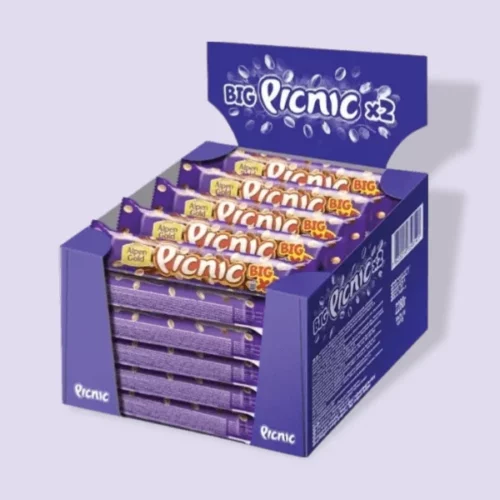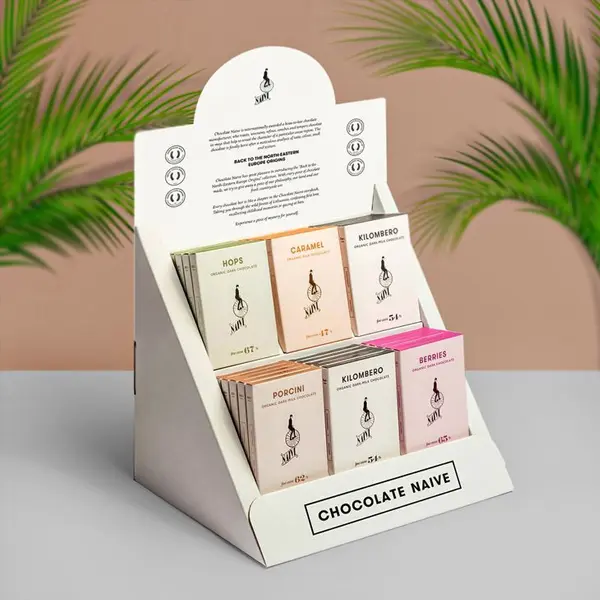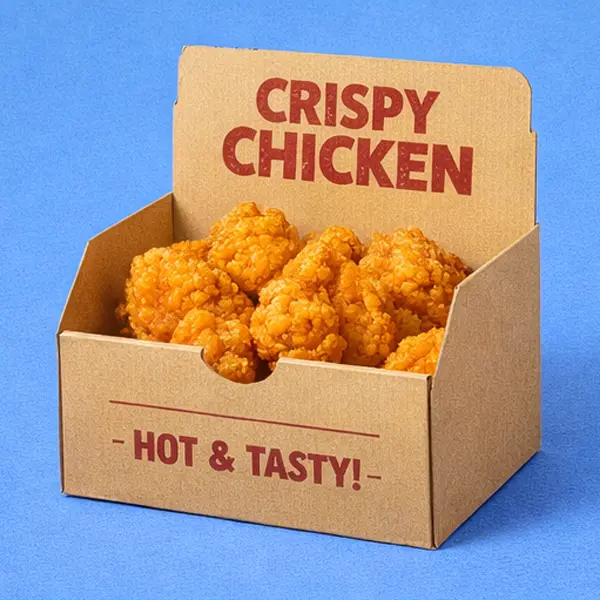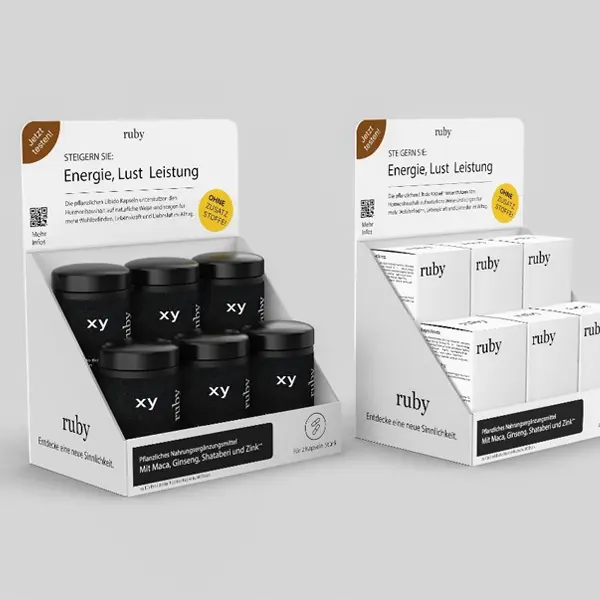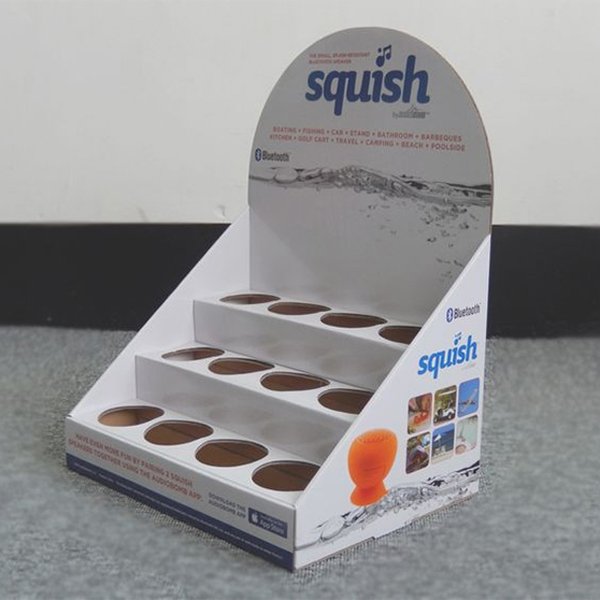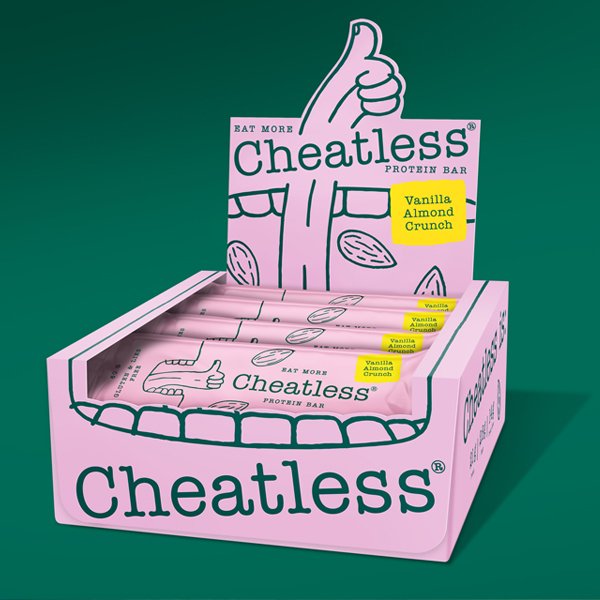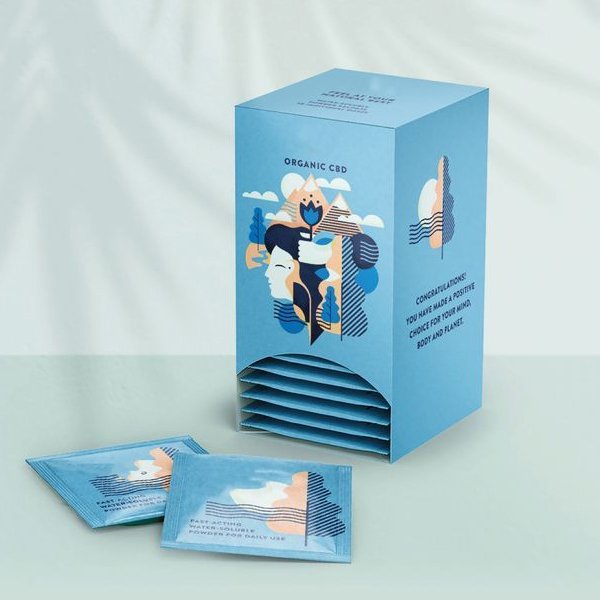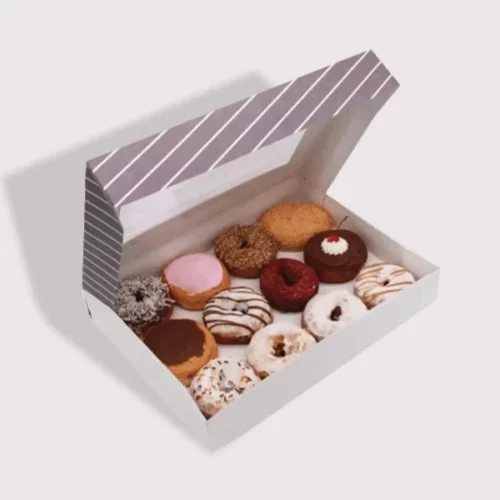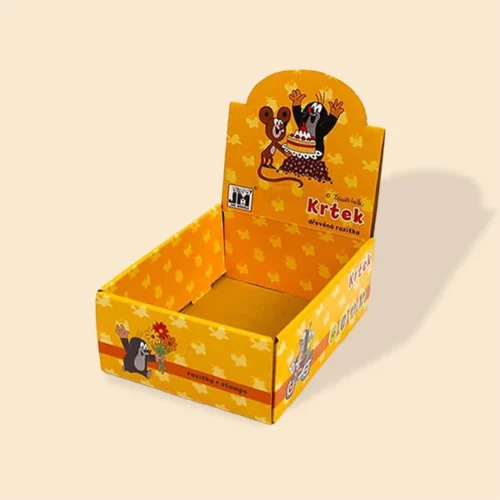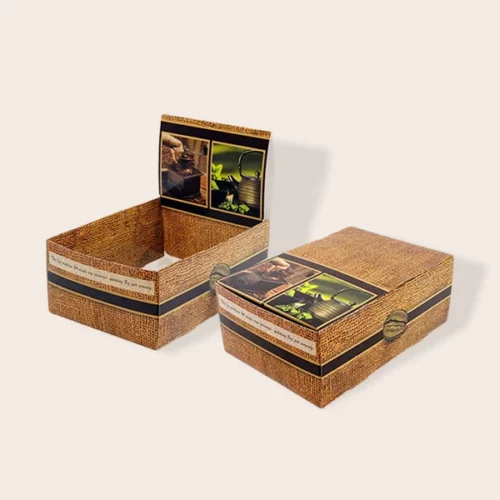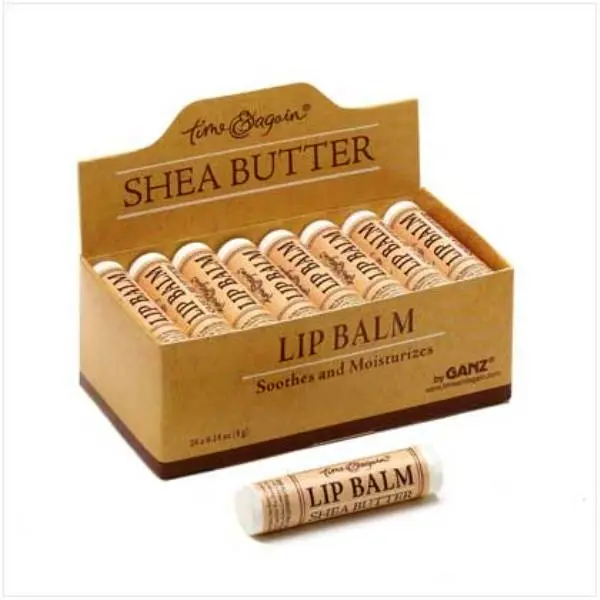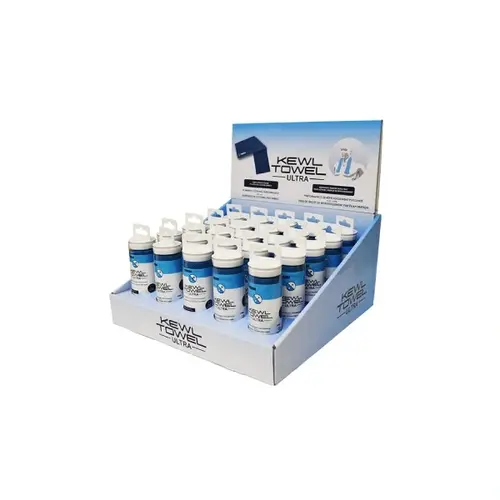
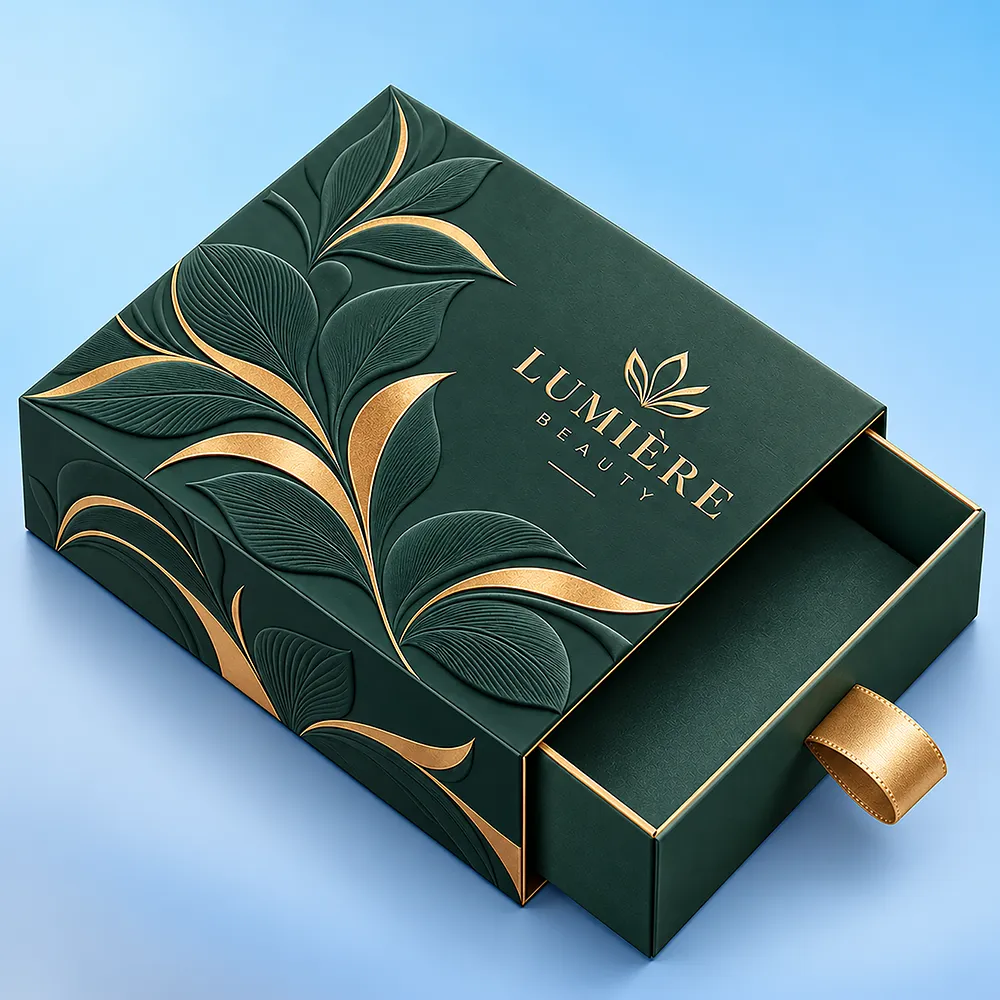
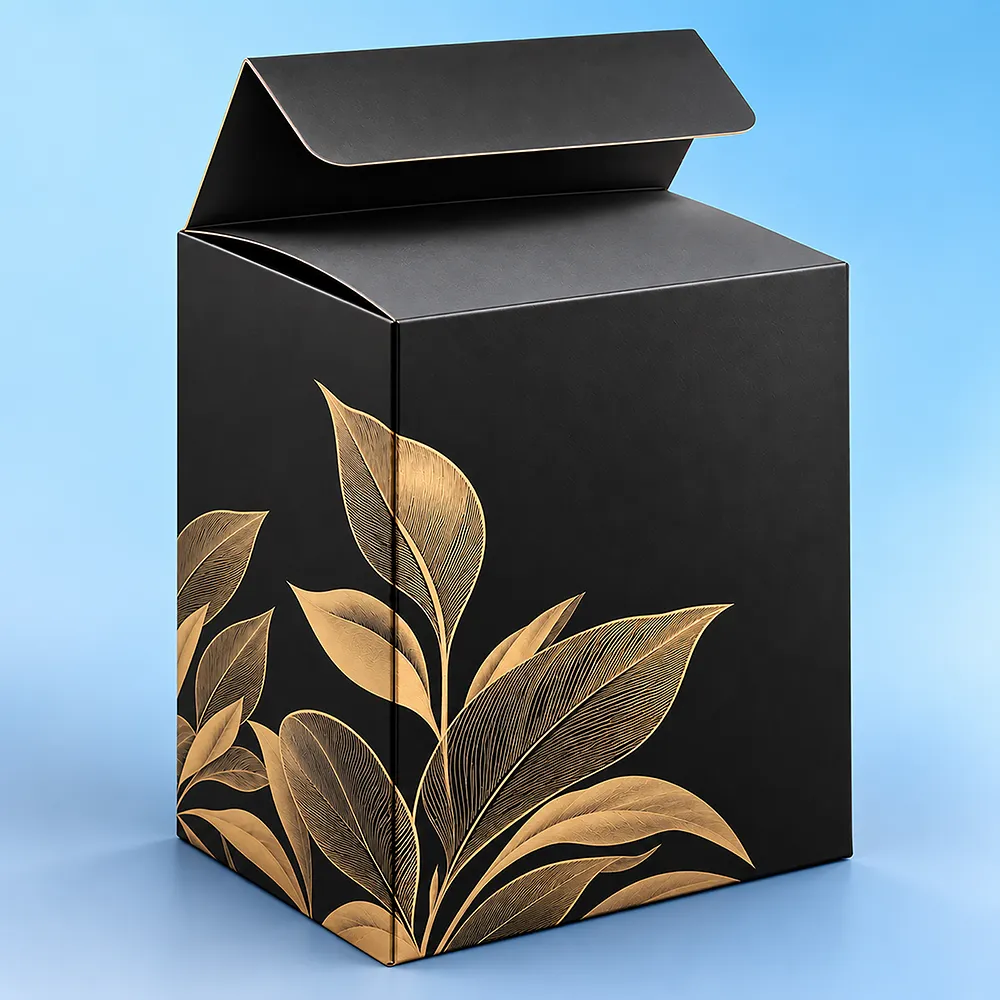

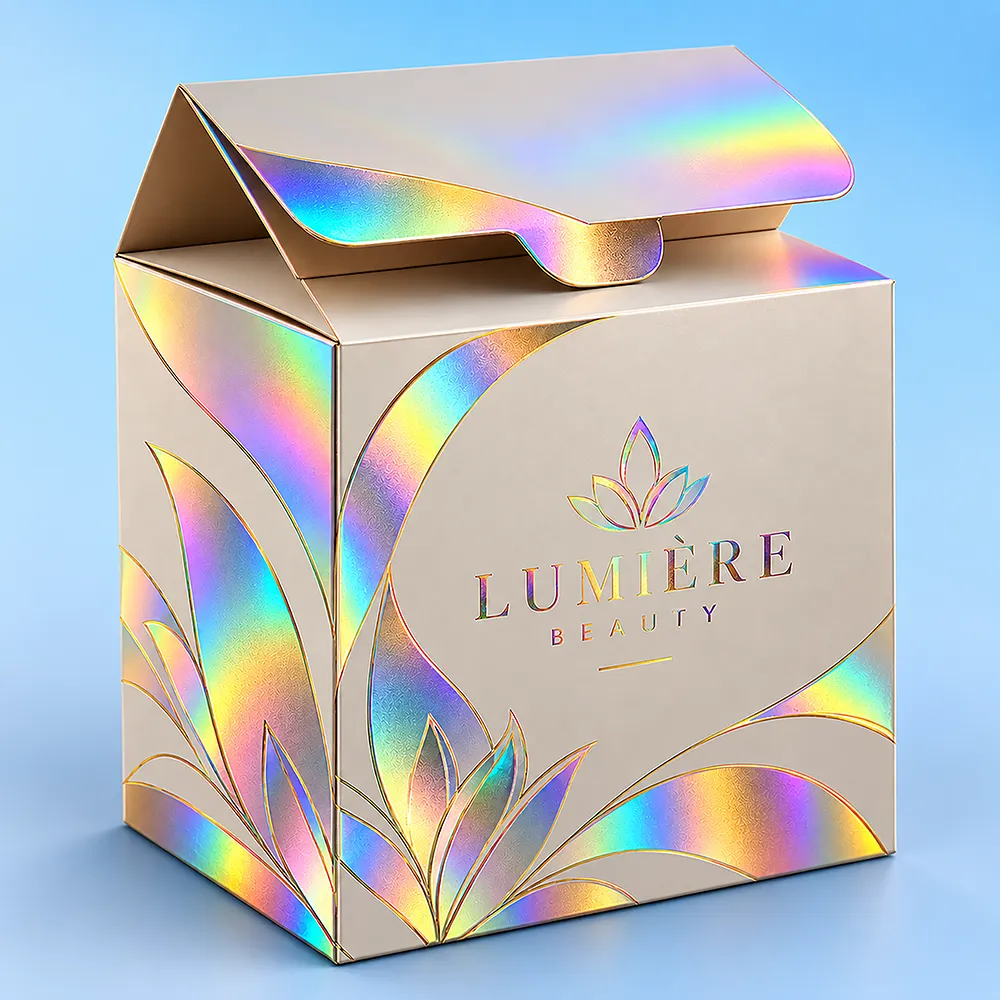
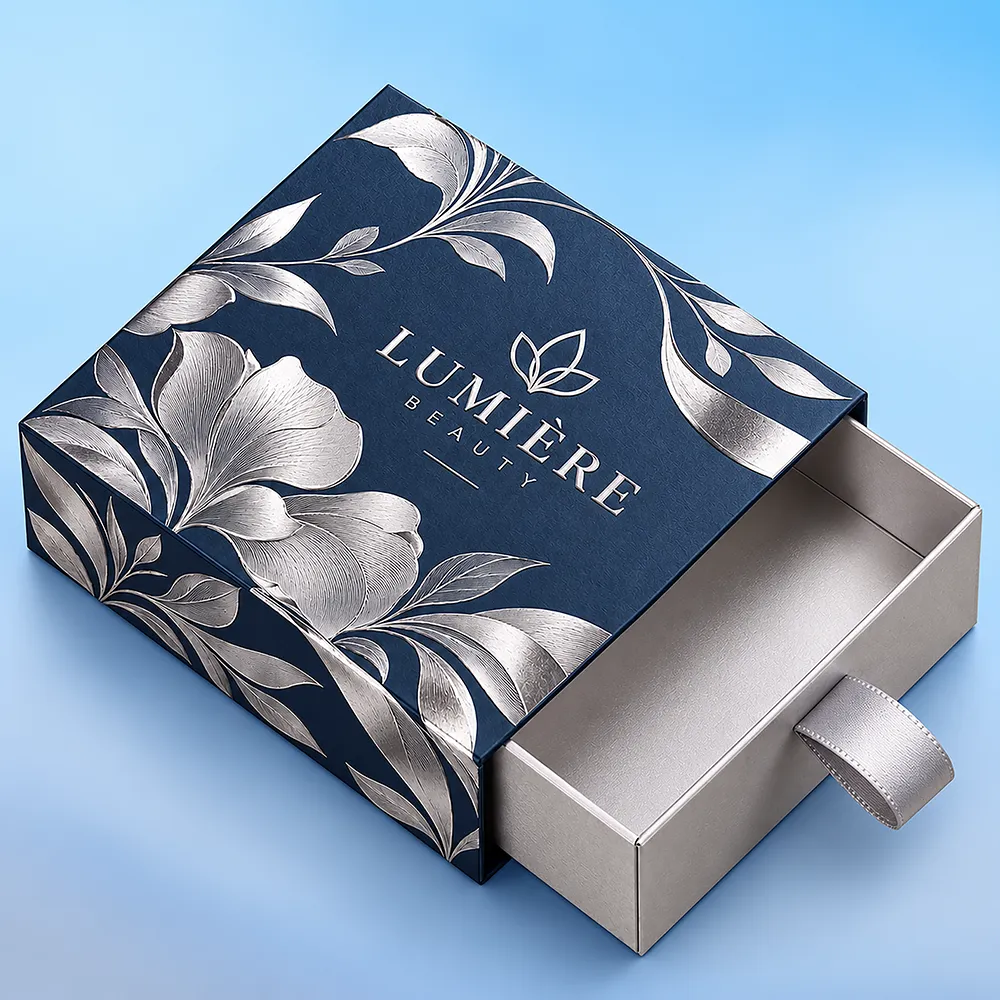
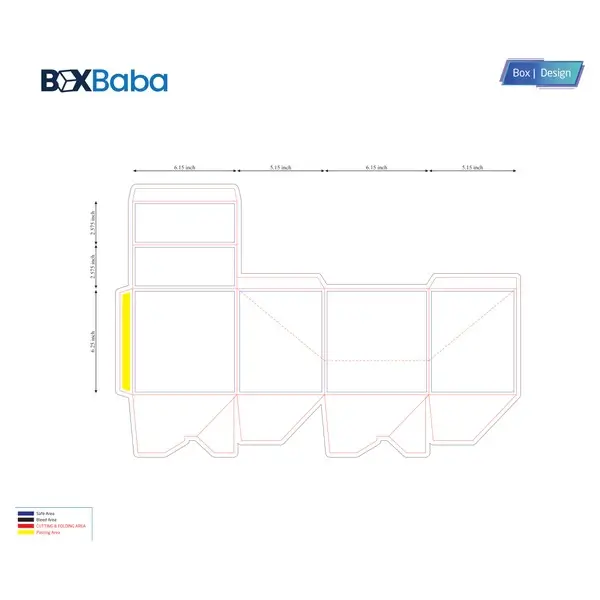

Auto Bottom Display Lid

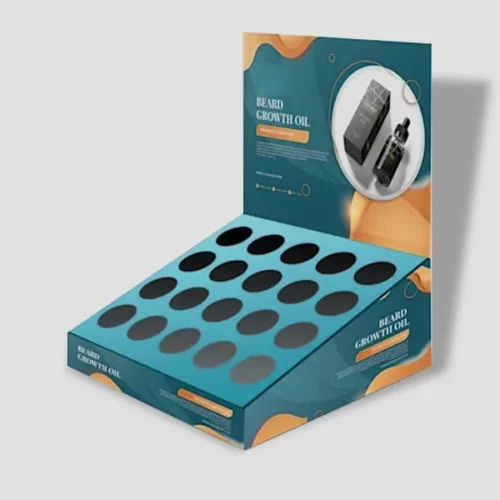
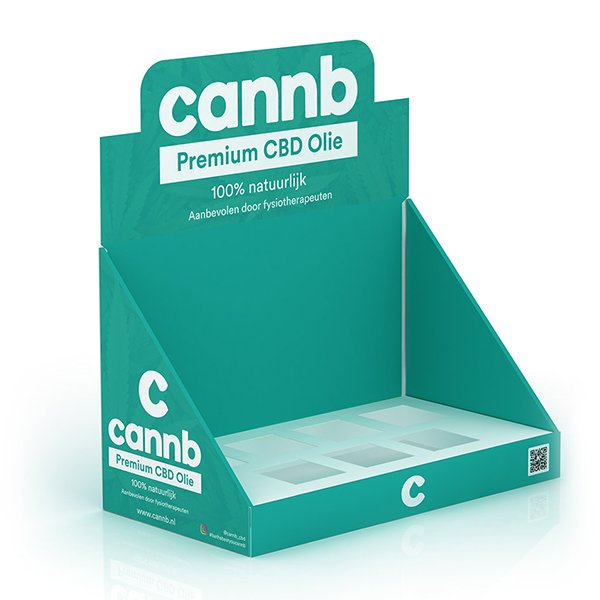
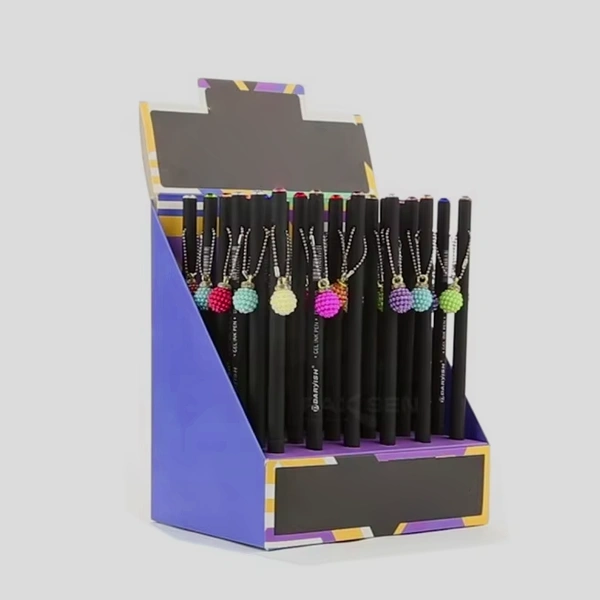
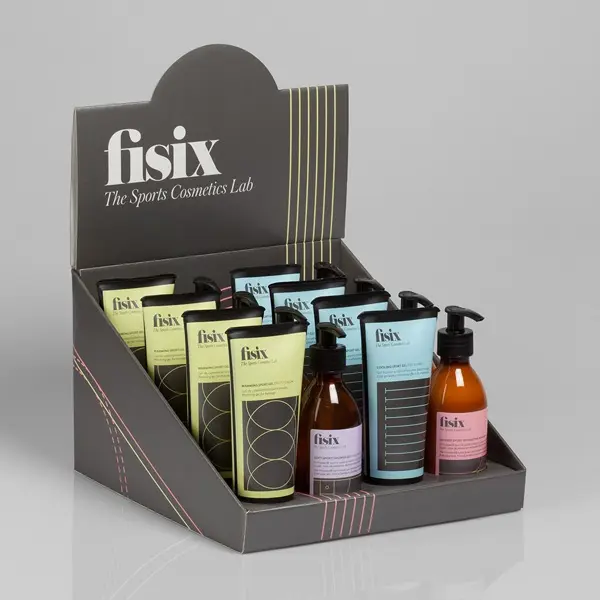
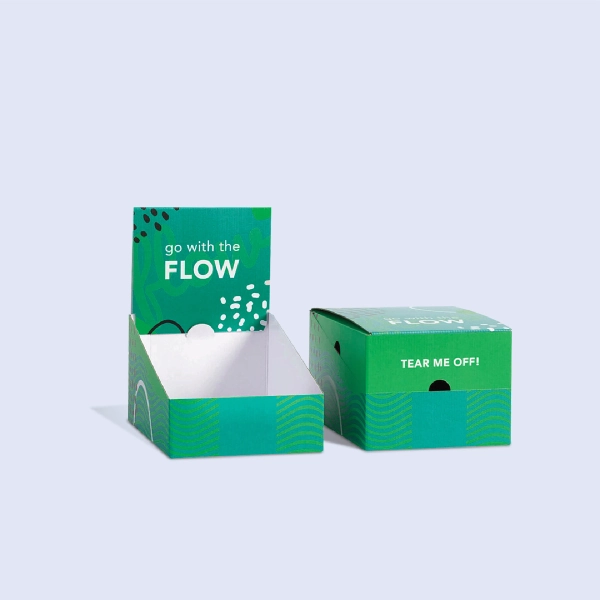
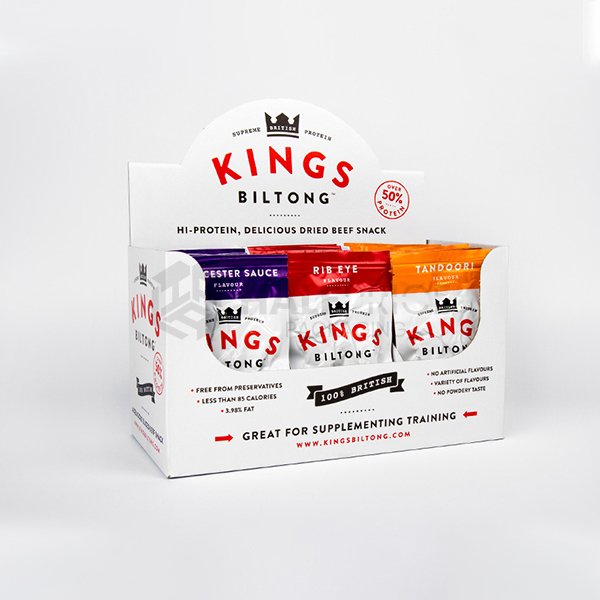
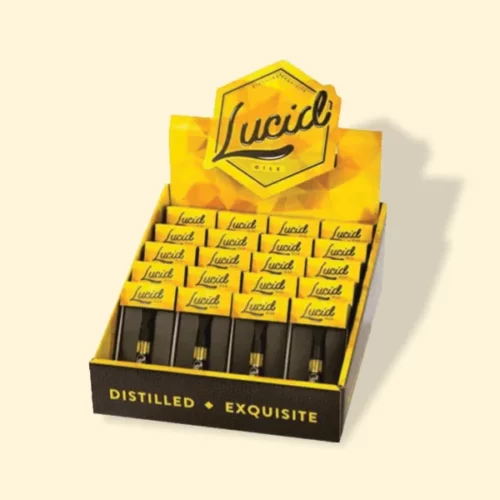
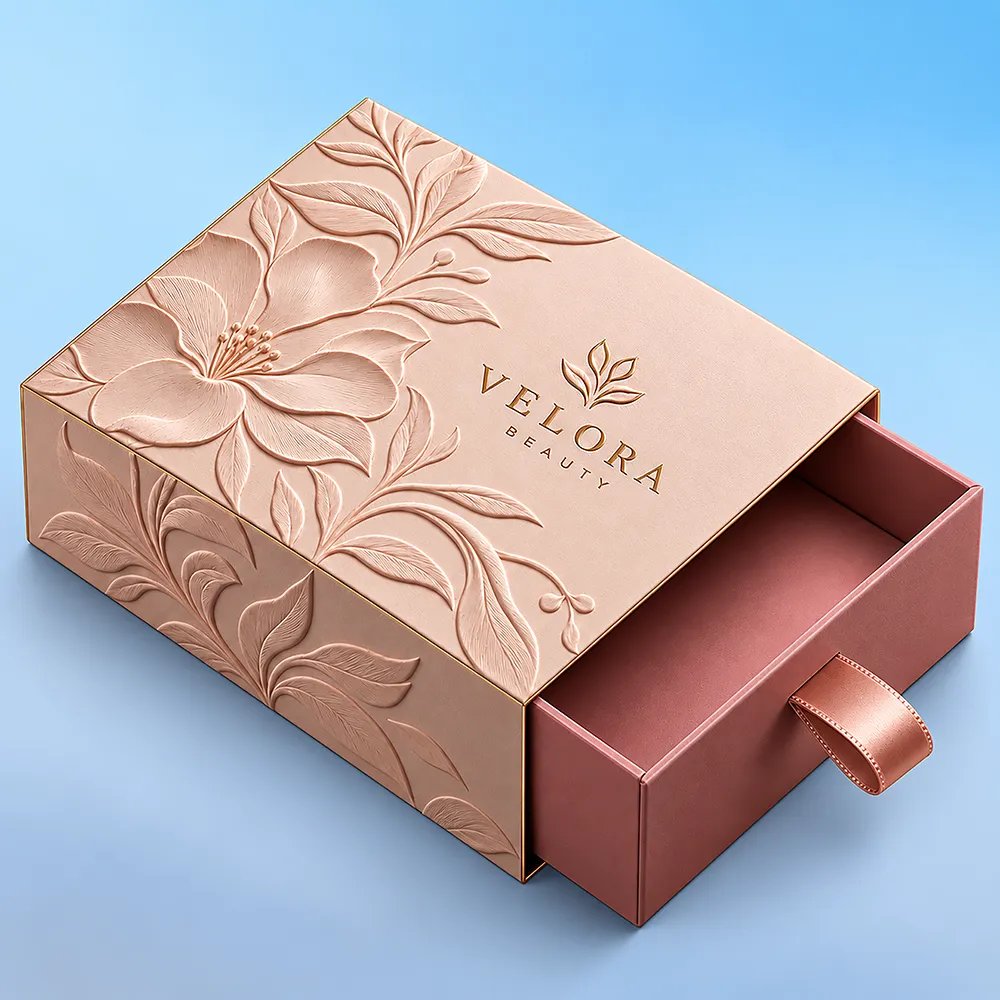
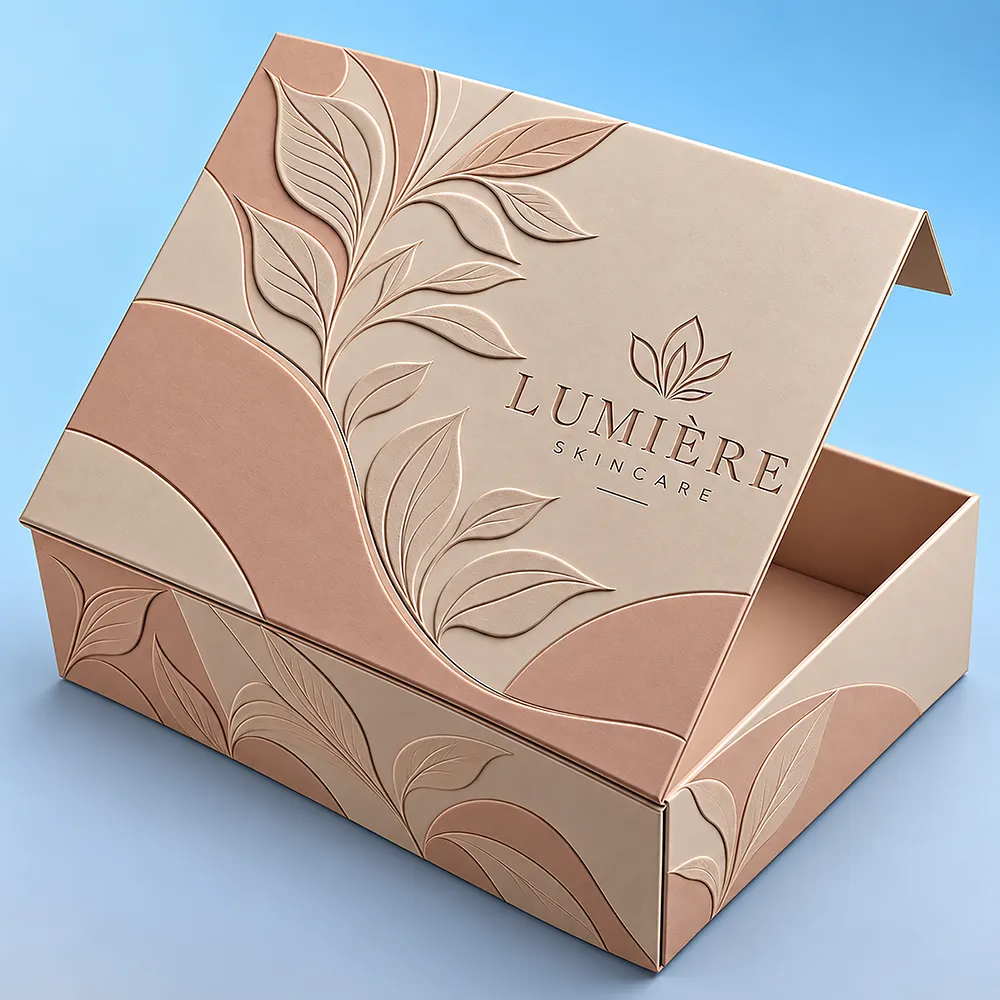
Custom auto bottom with display lid boxes combine a pre-glued automatic base with an upper panel configured for retail presentation. They can hold suitably sized packaged cosmetics, personal-care products, sachets, small cartons and other consumer goods on store shelves or counters. The base forms as the collapsed carton is erected, while the display lid is positioned according to the approved dieline for product visibility and shopper access. BoxBaba customizes internal dimensions, product count, compartment layout, display footprint and printable branding areas around your finished merchandise. Share unit measurements, loaded weight, preferred packing method and final display position to develop a structure that works for both fulfillment and in-store merchandising.
Trustpilot_Logo
5 out of 5 stars
4.5
Reviews 16 • Excellent

Auto Bottom Display Lid Boxes – Custom Printed Packaging for Retail Display, Fast Assembly & Branding

Auto bottom display lid boxes made with durable materials and premium printing, ideal for quick assembly, retail merchandising, product presentation, and secure packaging with professional branding.

What We Give

Create Custom Boxes Quick and Easy

Design

Get your custom boxes made in the required size, shape, and style.

Print

Upload your artwork and get it superbly printed the way you want.

Get it done

Order any quantity, enjoy a wholesale price, pay no extra for die plates.

Product Specification

Specification Details
Product Type Custom auto bottom with display lid boxes
Primary Function Automatic base erection with an integrated display-oriented upper panel
Retail Placement Suitable retail shelves, counters, checkout and promotional areas
Displayed Products Packaged cosmetics, personal-care products, small retail cartons, sachet packs and compatible consumer goods
Box Dimensions Custom, based on finished product measurements and arrangement
Display Capacity Custom; determined by unit dimensions, quantity, layout and loaded weight
Bottom Structure Pre-glued automatic or auto-lock bottom
Display Lid Upper panel configured according to the approved dieline
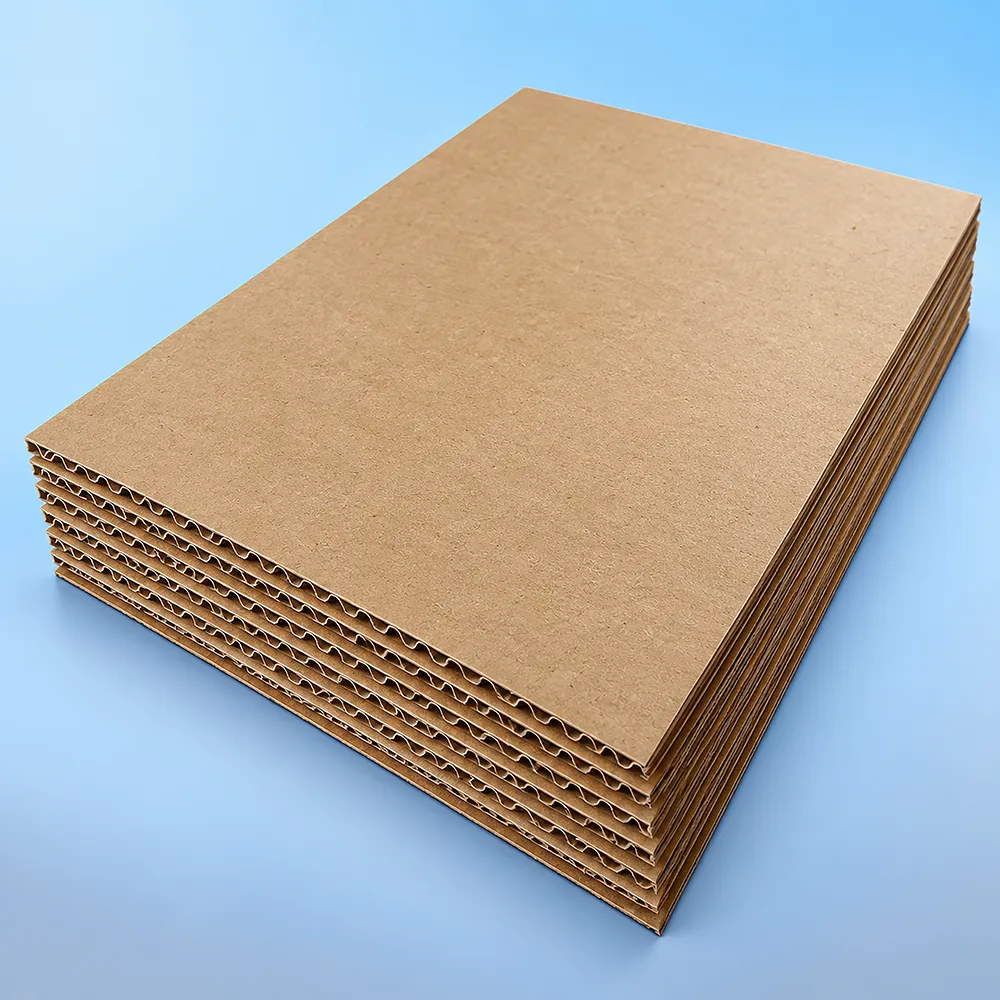
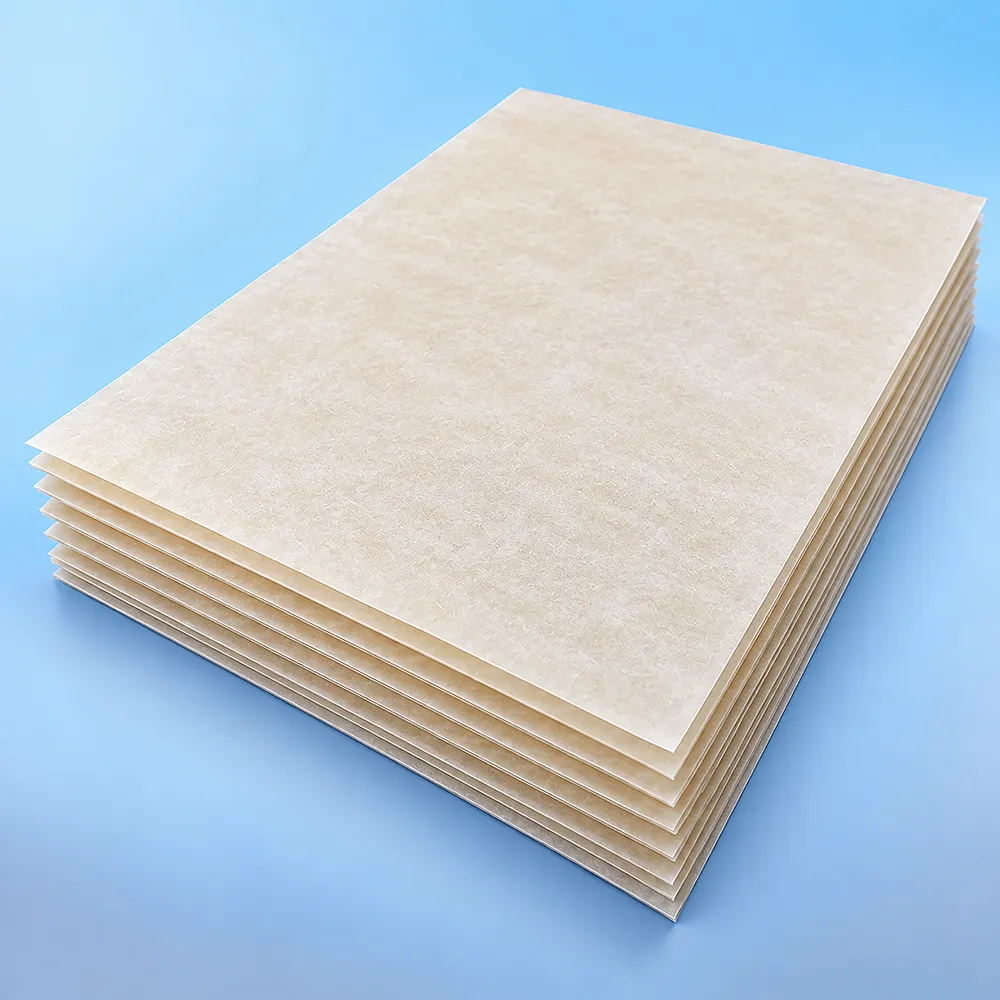
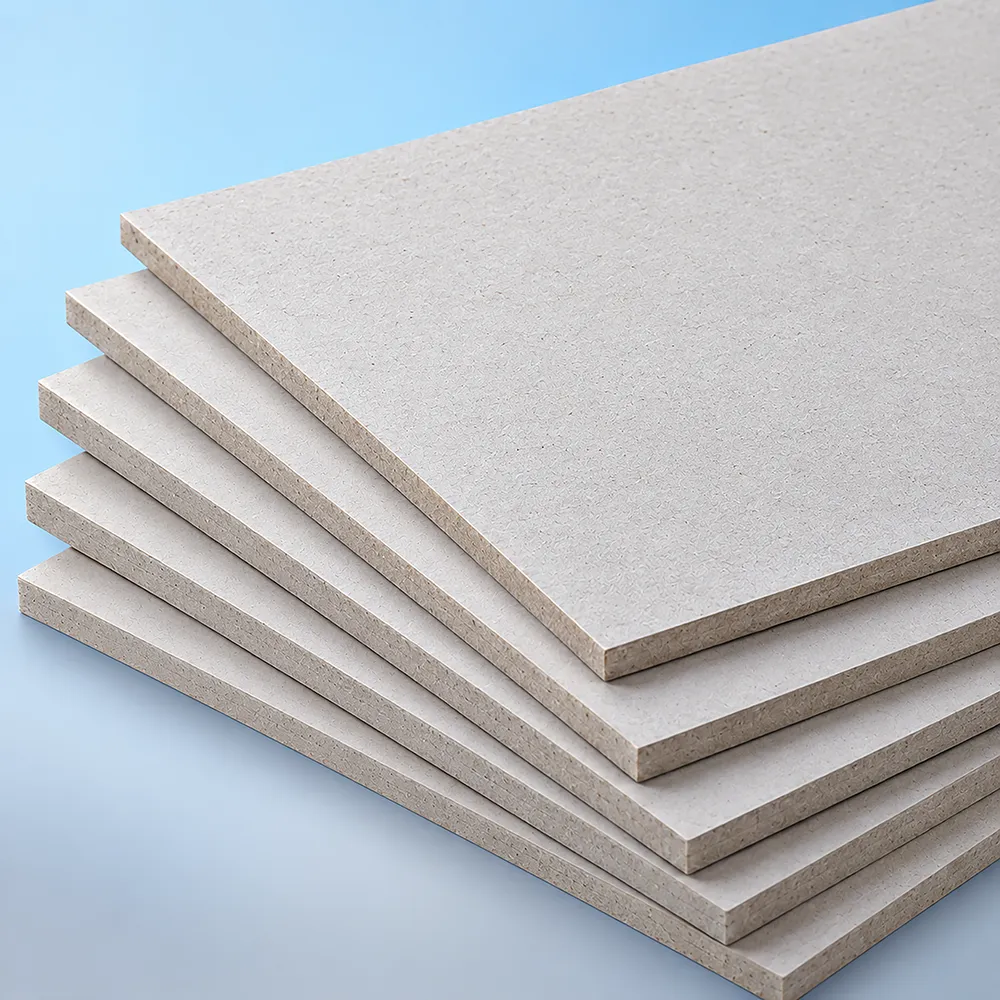
Material Options Paperboard, cardstock, kraft-style paperboard or compatible corrugated board
Product Arrangement Single-SKU, multi-unit or compatible mixed-SKU layouts
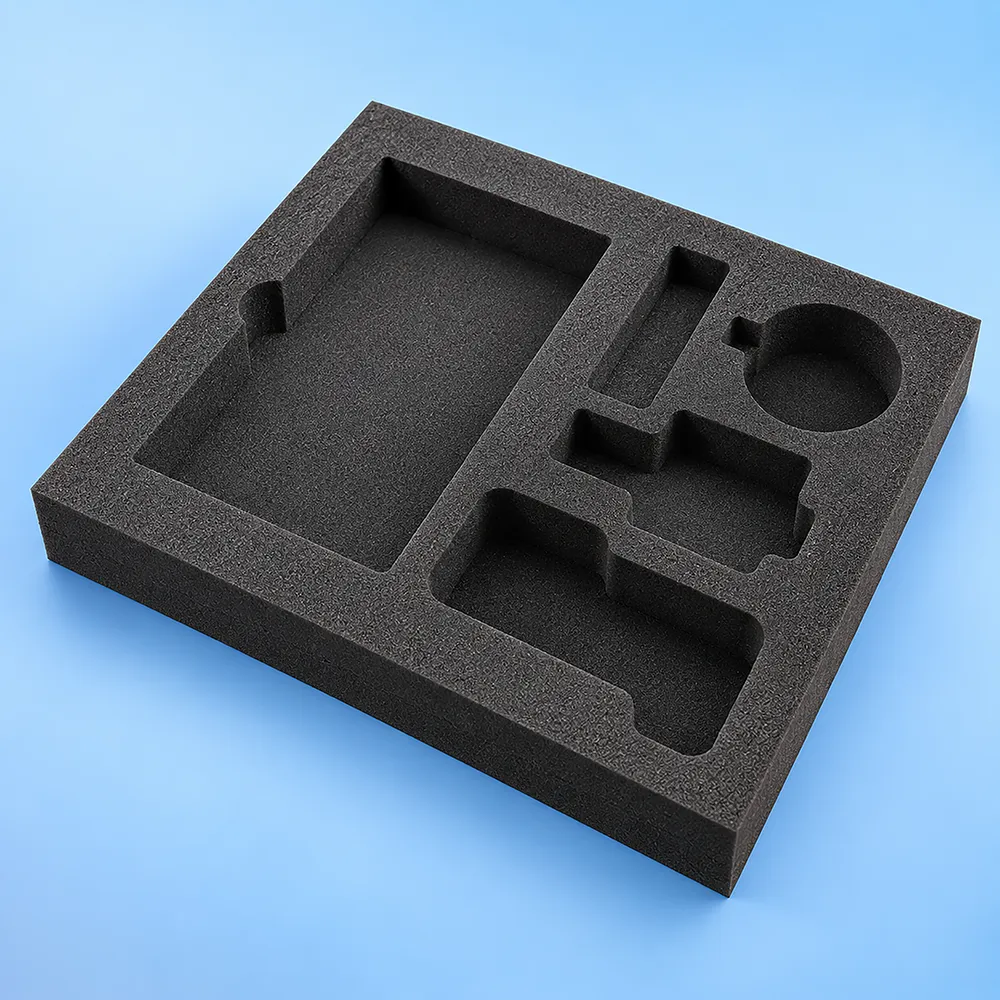
Additional Features Suitable dividers, partitions, product holders and printed display panels
Printing Appropriate digital, offset or flexographic methods, subject to the approved material and production requirements
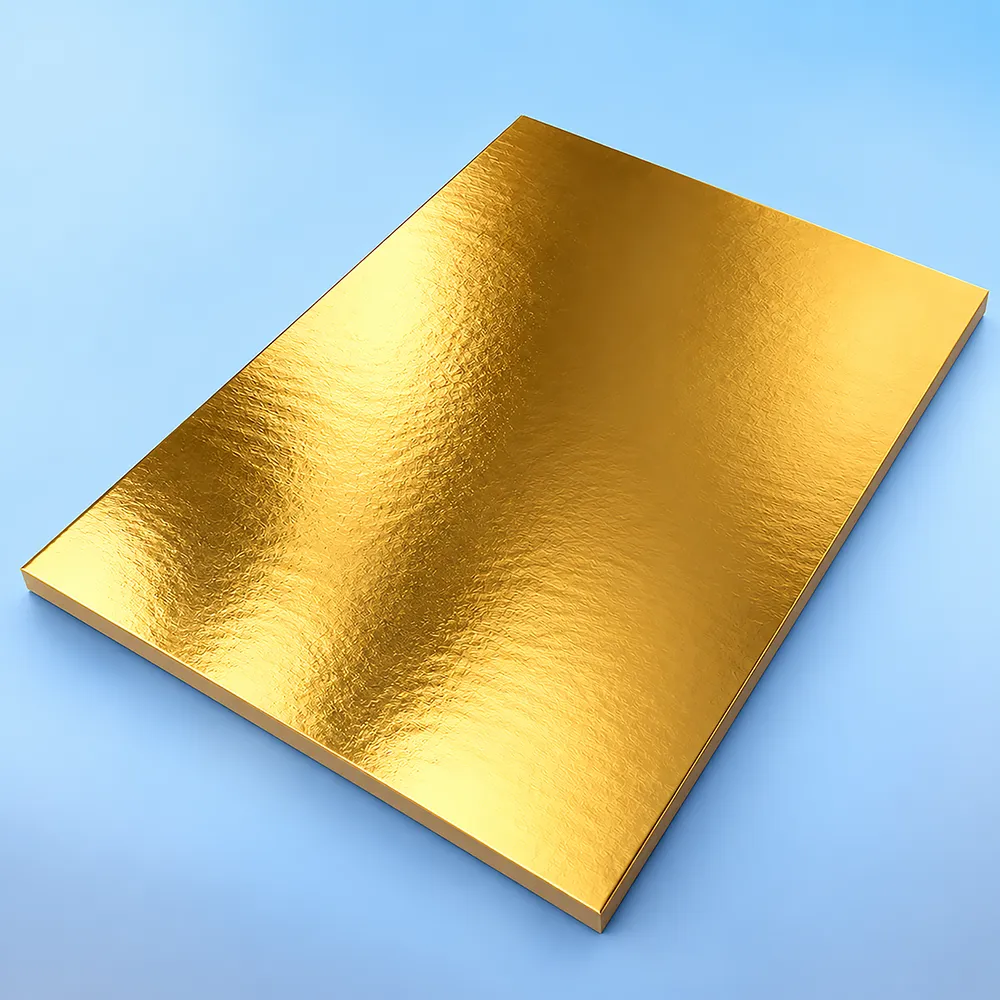
Finishing Options Compatible matte, gloss, soft-touch, foil, Spot UV, embossing and debossing
Artwork Support Dieline assistance, artwork support, digital 3D mockups and proofing
Samples Free samples available; sample delivery charges reimbursed on the first bulk order. Custom physical prototypes are subject to project confirmation.
Minimum Order Quantity 100 units
Standard Turnaround Time 5–9 business days after artwork approval
Shipping Free shipping across the USA; transit time is separate

Related Products

Stock Type & Thickness

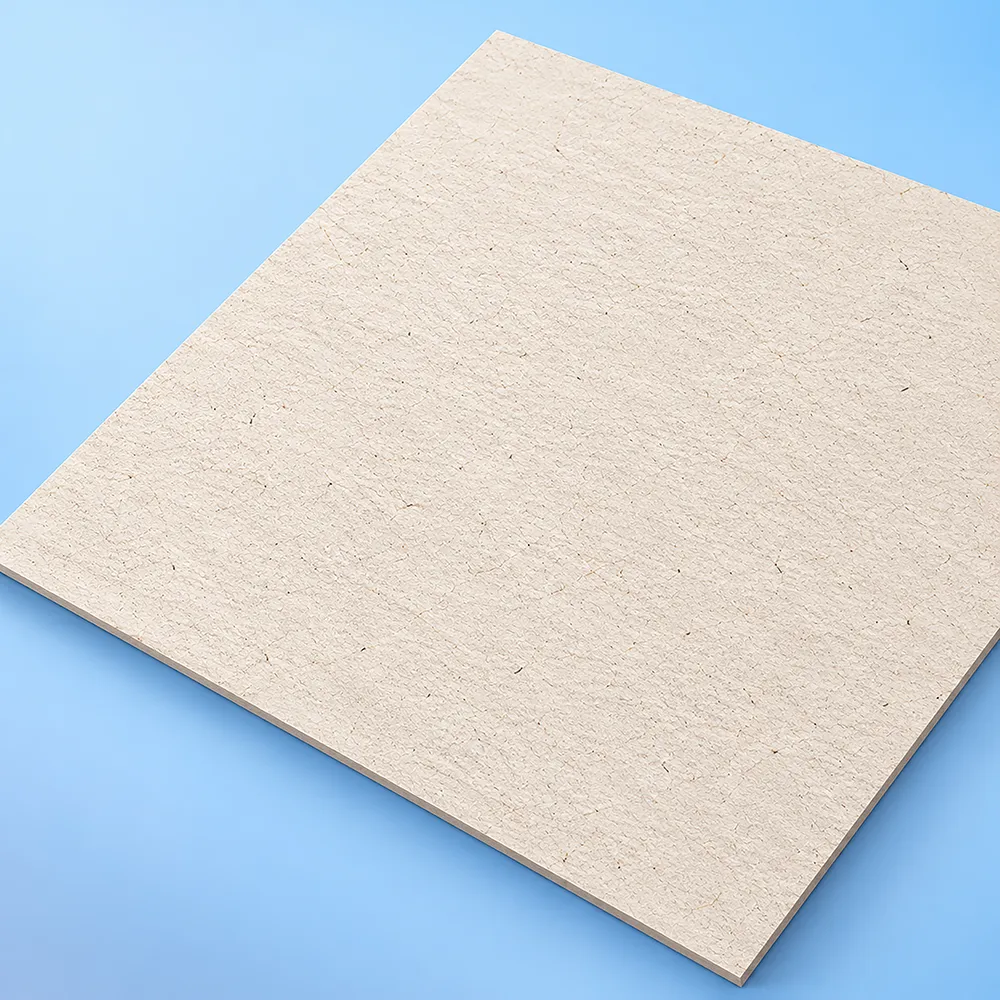
Cardboard

We use cardboard material with the least environmental impact and minimizes waste generation.

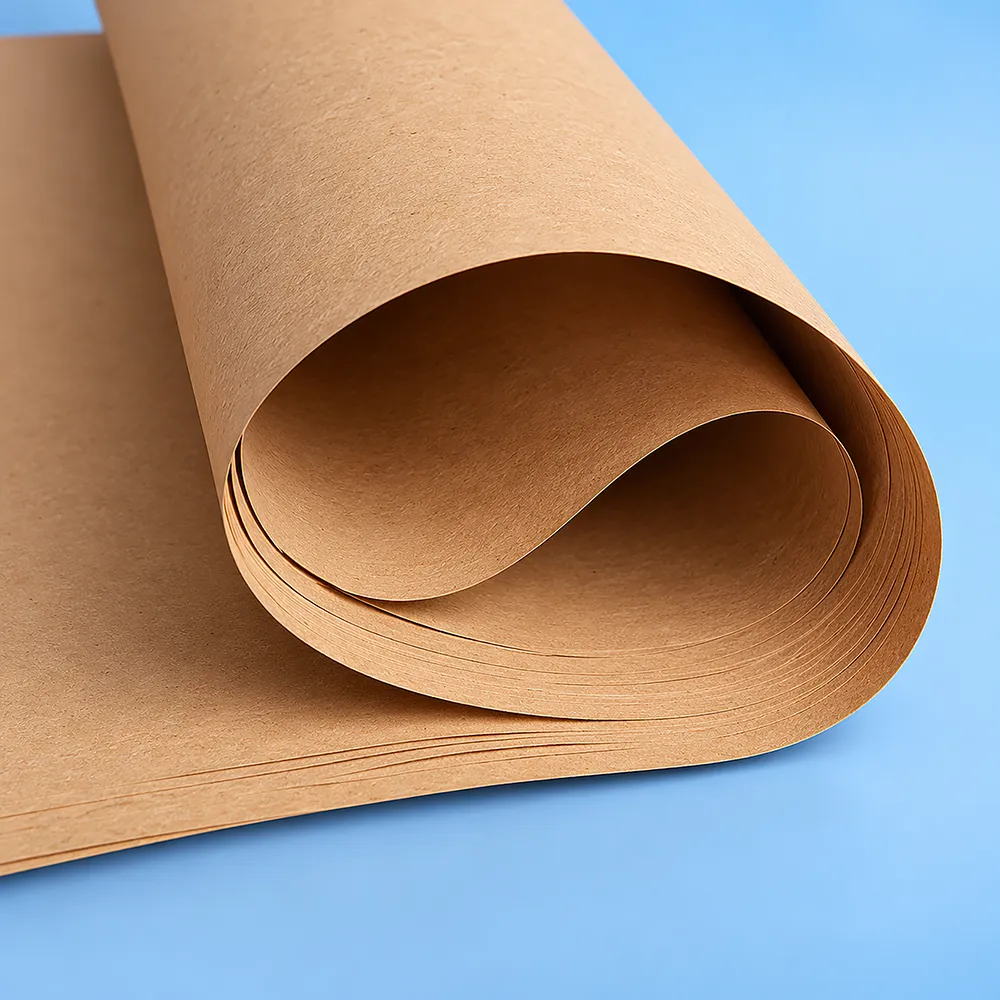
Kraft

Kraft paper is a strong, durable and reliable material that is widely used across many different industries.
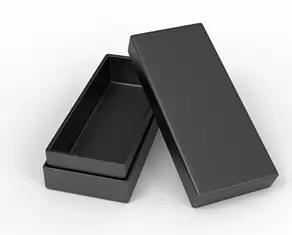
Rigid

Rigid is highly protective, affordable and recyclable material. These boxes provide maximum protection.
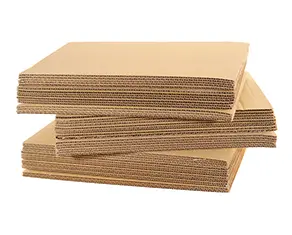
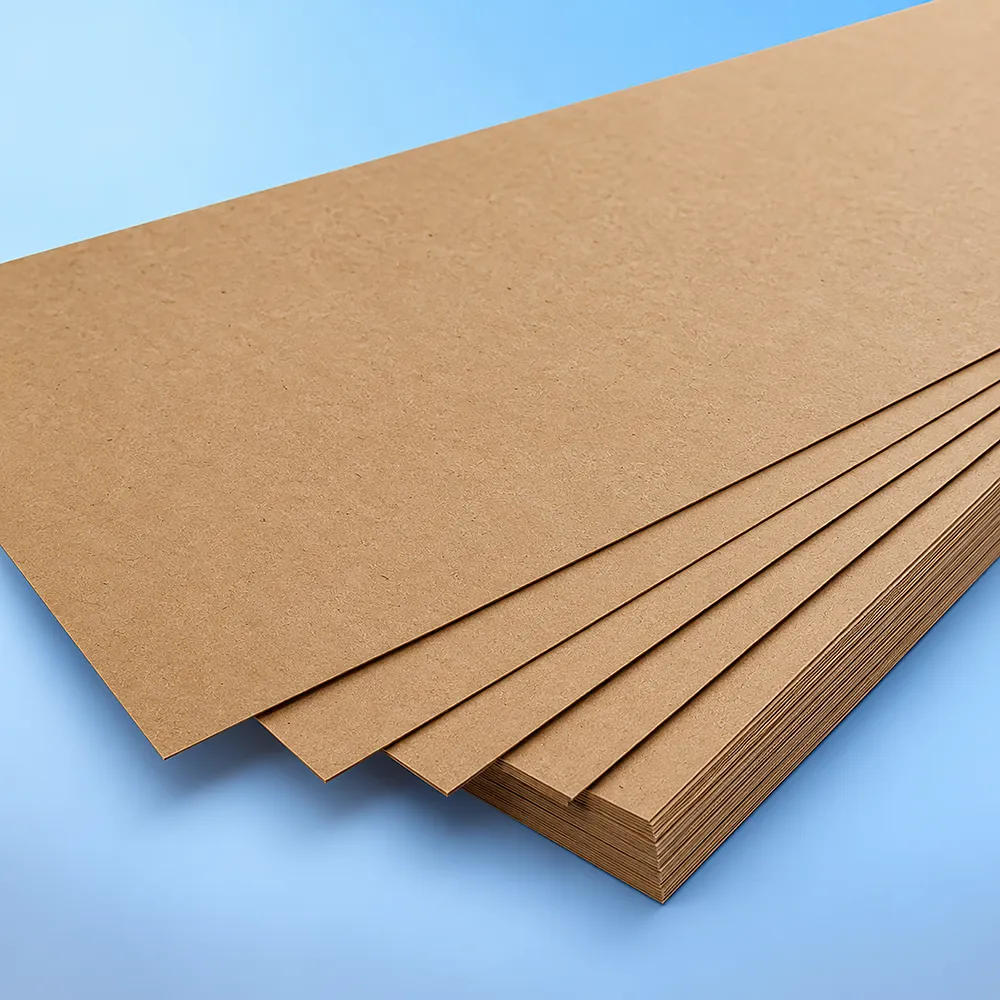
Corrugated

Corrugated material is easy to customize, cost effective and sustainable. It is also great for branding purposes.
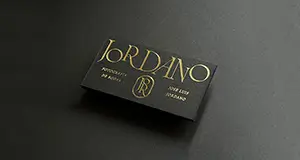
Finishing Assortment

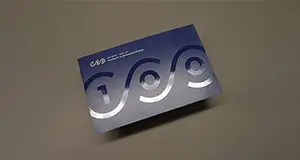
Foil Stamping

Foil Stamping

Enhance your packaging with premium foil stamping for a bold and luxurious appearance.
Spot UV

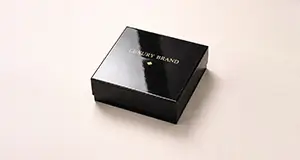
Spot UV

Our Spot UV coating adds a sleek shine and highlights key design elements beautifully.
Gloss-Lamination

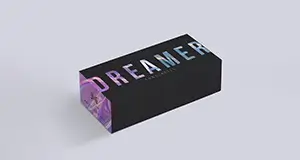
Gloss

Give your packaging a polished, glossy finish that enhances color and visual appeal.
Holographic Foiling

Holographic Foiling

Create eye-catching packaging with holographic foil effects that shimmer from every angle.
Embossing

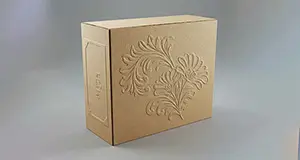
Embossing

Add raised textures and elegant detailing to make your packaging stand out.
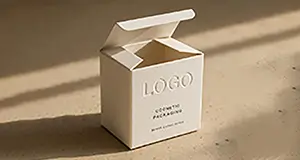
Debossing

Debossing

Create a refined pressed-in effect that adds depth and sophistication to your packaging.
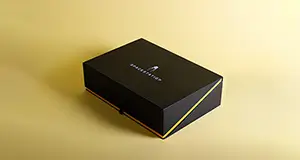
Matte

Matte

Achieve a smooth matte finish that minimizes fingerprints and delivers a modern look.
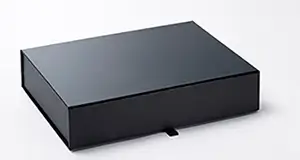
Soft Touch Lamination

Soft Touch Lamination

Protect your packaging with a silky-soft laminated finish for a premium feel.

Automatic Bottom Packaging with an Integrated Display Lid

Auto bottom with display lid boxes combine a folding carton’s automatic-base mechanism with an upper section designed for retail presentation. This construction is useful when a business needs to erect boxes during packing and use their integrated display panels when presenting products to customers. The automatic bottom is normally pre-glued during manufacturing. When the collapsed carton is opened and squared, its connected base panels move into their intended position according to the approved dieline. The display lid performs a separate function. Depending on the structural design, the upper panel may fold, hinge or reposition to expose merchandise and provide additional branding space. This format is particularly relevant when the same carton must accommodate both a packing configuration and a retail display configuration. For businesses considering other merchandising formats, BoxBaba also offers Custom Display Boxes developed around different retail placements, product arrangements and structural requirements.

How Does an Automatic Bottom Improve Box Assembly?

A pre-glued automatic base can reduce the manual bottom-folding steps required by cartons with separately assembled base flaps. The packing team opens the collapsed carton, brings the side walls into position and completes the setup specified by the approved structure. An automatic bottom is an assembly mechanism rather than a universal strength rating. Its suitability depends on the selected board, finished merchandise, total loaded weight, glue pattern and complete box geometry.

How Does the Display Lid Work?

The integrated upper panel is configured to support the intended retail presentation. Depending on the approved structure, it can provide additional branding space or be repositioned to create a more accessible product display. The panel’s position, folding direction and final appearance must be established during structural development. Its movement should not obstruct merchandise, reduce necessary product support or exceed the available retail space. Both the closed configuration and the final display configuration should be reviewed before production.

Products and Retail Locations Suitable for Auto Bottom Display Lid Boxes

These boxes can be developed for products that benefit from a defined packing arrangement and an integrated retail presentation panel. Suitable applications may include:
  • Individually packaged cosmetics and personal-care products.
  • Small retail cartons containing consumer goods.
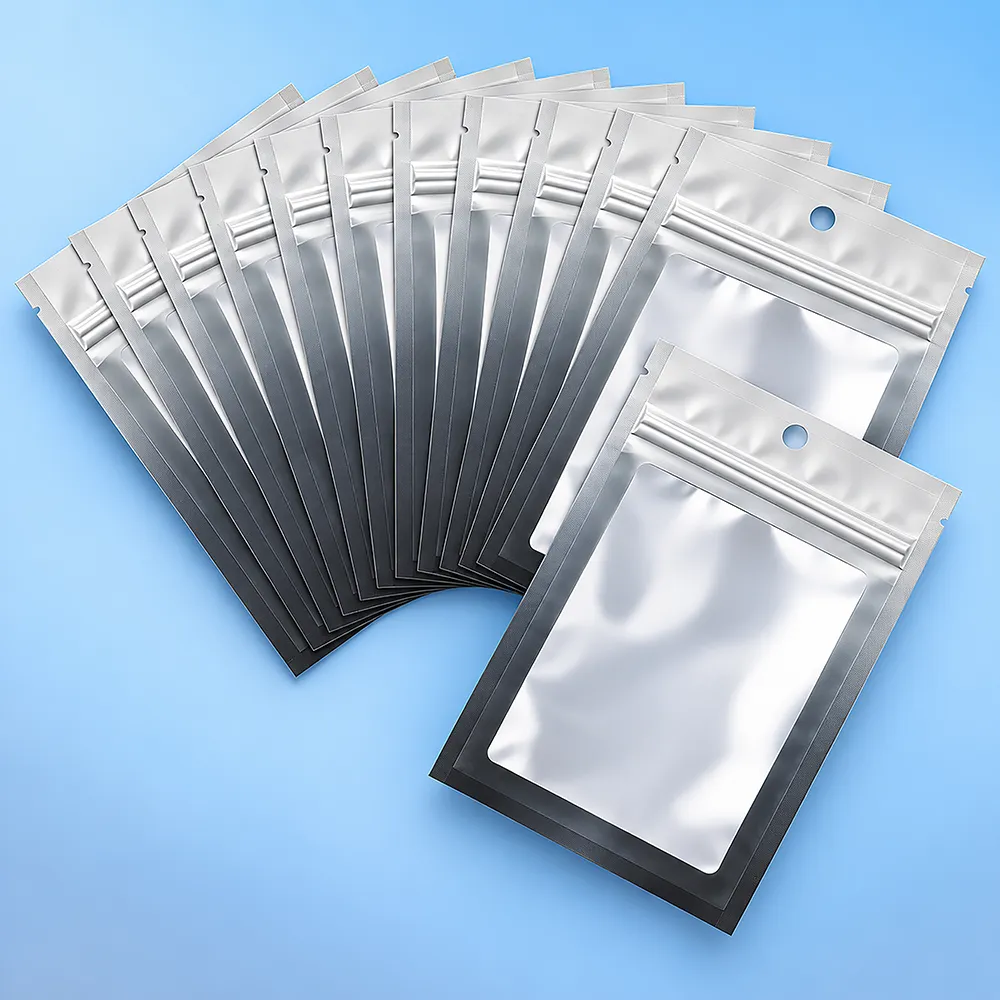
  • Compatible sachet and pouch collections that can be arranged and supported within the display.
  • Compact promotional products and small accessories.
  • Mixed-SKU assortments with compatible dimensions and support requirements.
The intended merchandise determines whether a single open compartment is sufficient or whether the box requires partitions or fitted holders. Filled bottles, jars and other relatively heavy products require additional review of the combined load and base structure. Brands developing dedicated beauty-product merchandising layouts can also explore Cosmetic Display Boxes designed around product families, SKU arrangements, dividers and retail visibility.

Countertop and Retail Shelf Applications

Auto bottom with display lid boxes may be suitable for checkout counters, promotional displays and retail shelves where their completed dimensions and product access meet the available space. For countertop placement, confirm the maximum usable width and depth before deciding how many products the box will contain. For retail shelves, the available vertical clearance also matters. A display lid that provides additional branding space may increase the completed display height or require clearance while it is being repositioned. The final arrangement should allow customers to remove products without unnecessarily disturbing the remaining merchandise.

Custom Sizes, Display Capacity and Retail Footprint

Auto bottom with display lid boxes do not have one universal production size or product capacity. Their dimensions must be developed around the actual merchandise, desired quantity and completed display configuration. The sizing process should begin with the finished product rather than its nominal capacity or an assumed standard carton size.

Measure the Finished Products

Provide the maximum external width, depth and height of every product that will be placed inside the display. Where the merchandise includes bottles, jars or irregular containers, measurements should account for caps, closures, shoulders and other protruding components. If the displayed products are already packed in individual retail cartons, measure those finished cartons. Also confirm the filled weight of each unit. The combined loaded weight affects the selection of the automatic-bottom structure and material.

Determine Product Quantity and Arrangement

Display capacity should be planned around the required number of units and their intended orientation. A box containing one product variety may need a different arrangement from a display holding multiple SKUs with different dimensions. Confirm the intended number of rows, columns and individual product positions, as well as whether merchandise should stand upright, lie flat or sit within a fitted holder. Where several SKUs are included, provide the dimensions, weight and quantity of each SKU separately. Dividers and inserts can improve product organization, but they also consume internal space. Their dimensions must be included when calculating the finished layout.

Confirm the Loaded Weight

The combined merchandise weight must be considered before the base construction and board specification are finalized. A display holding lightweight individual cartons presents different structural requirements from one containing several filled glass bottles. Increasing the unit count also increases the total loaded weight, even when the dimensions of individual products remain unchanged. The automatic bottom should therefore be evaluated as part of the complete loaded package rather than assumed suitable based on the name of the structure.

Plan the Retail Footprint and Display-Lid Clearance

Confirm the available retail width, depth and height before approving the completed display dimensions. The display lid may change the overall height or require additional space as it moves into its presentation position. The structural design should also account for the front wall or retaining lip. A taller retaining lip can help contain merchandise but may conceal part of the product’s front-facing artwork. The final dimensions should accommodate product visibility, retention, shopper access and the intended retail placement.

Available Structural Configurations for Auto Bottom with Display Lid Boxes

The automatic base and integrated display lid define this packaging style. However, the approved layout can vary according to the products, capacity and merchandising requirements.

Single-Compartment Auto Bottom Display Boxes

A single-compartment arrangement may suit products with compatible dimensions that can remain organized without separate internal holders. This configuration keeps the internal layout relatively simple while retaining the automatic-base and display-panel functions. The final structure still needs to account for product orientation, combined weight and the required display opening.

Auto Bottom Display Boxes with Dividers

Dividers or partitions can be considered when different SKUs need separation or when individual product rows require additional organization. The quantity, dimensions and arrangement of each product determine the divider geometry. Adding dividers may affect usable capacity and should be included in the structural drawing rather than introduced after the outer dimensions have been finalized.

Display-Lid Configurations

The upper section can be developed around the required closing and presentation functions. Its final folding direction, display position, support and artwork orientation depend on the approved dieline. The panel should be reviewed in both configurations so that it works during packing and remains practical during retail use.

Choosing Between Auto Bottom and Other Display Structures

An auto bottom with display lid is appropriate when automatic base erection and an integrated display panel are both relevant to the project. It differs from several adjacent structures:
Structure Defining Feature
Auto Bottom with Display Lid Pre-glued automatic base combined with an integrated display-oriented upper panel
Double Wall Display Lid Folded or doubled wall construction combined with a display-oriented lid
Perforated Display Box Planned perforation allows a section to be removed during display setup
1-2-3 Bottom Box Base flaps normally require a manual interlocking assembly sequence
Where the main requirement is a folded wall construction rather than automatic base erection, consider Double Wall Display Lid Boxes. Where the merchandise must arrive in a defined retail-ready arrangement and store-level setup is the primary concern, PDQ Trays and Boxes provide a related merchandising direction.

Material Options for Auto Bottom with Display Lid Boxes

Material selection should follow the finished product dimensions, combined loaded weight, display arrangement and approved structural design.

Paperboard and Cardstock

Paperboard or cardstock can be considered for compact displays containing lightweight merchandise where the automatic-base structure and product load are compatible. These materials provide suitable surfaces for detailed retail branding, subject to the selected printing process. The board specification must be reviewed against the completed box dimensions, loaded arrangement and fold requirements.

Kraft-Style Paperboard

Kraft-style paperboard may suit projects that require a natural-looking packaging appearance. The selected stock should be evaluated for its folding characteristics, print requirements and compatibility with the automatic-bottom and display-lid construction.

Corrugated Board

Corrugated board may be considered where the approved structure and merchandise require a fluted-board solution. However, not every corrugated construction is suitable for every automatic-bottom and moving-panel design. The final board and flute specification should be confirmed according to the loaded product arrangement, assembly requirements and approved dieline. Businesses that need to evaluate fluted-board merchandising structures more broadly can explore Corrugated Display Boxes.

Dividers, Inserts and Display-Lid Features

Additional structural features should be selected according to the actual merchandise and its retail presentation requirements. Compatible options may include:
  • Dividers and partitions to organize different SKUs or separate product rows.
  • Die-cut holders where smaller or irregular products require defined positions.
  • Front retaining lips that help keep merchandise within the display.
  • Printed display panels for logos, product-family information or campaign artwork.
  • Appropriate cutouts and access openings where the approved structure requires them.
  • Barcode or QR-code areas on suitable printable panels.

Available Printing Methods for Custom Auto Bottom with Display Lid Boxes

Printing should be selected according to the approved material, artwork detail, brand-color requirements and order quantity.
  • Digital printing may be considered for compatible projects where the artwork and production requirements suit the process.
  • Offset printing may suit detailed graphics and compatible paperboard constructions, subject to the required production setup.
  • Flexographic printing may be considered for appropriate corrugated applications when the selected board, artwork and production requirements support it.
The final quotation should confirm which method is applicable to the approved box.

Finishing Options for Custom Auto Bottom with Display Lid Boxes

The selected finish should complement the printed design without interfering with the automatic-bottom construction or the movement of the display panel. Options to consider, subject to material and structural compatibility, include:
  • Matte lamination: A low-sheen surface for understated retail branding.
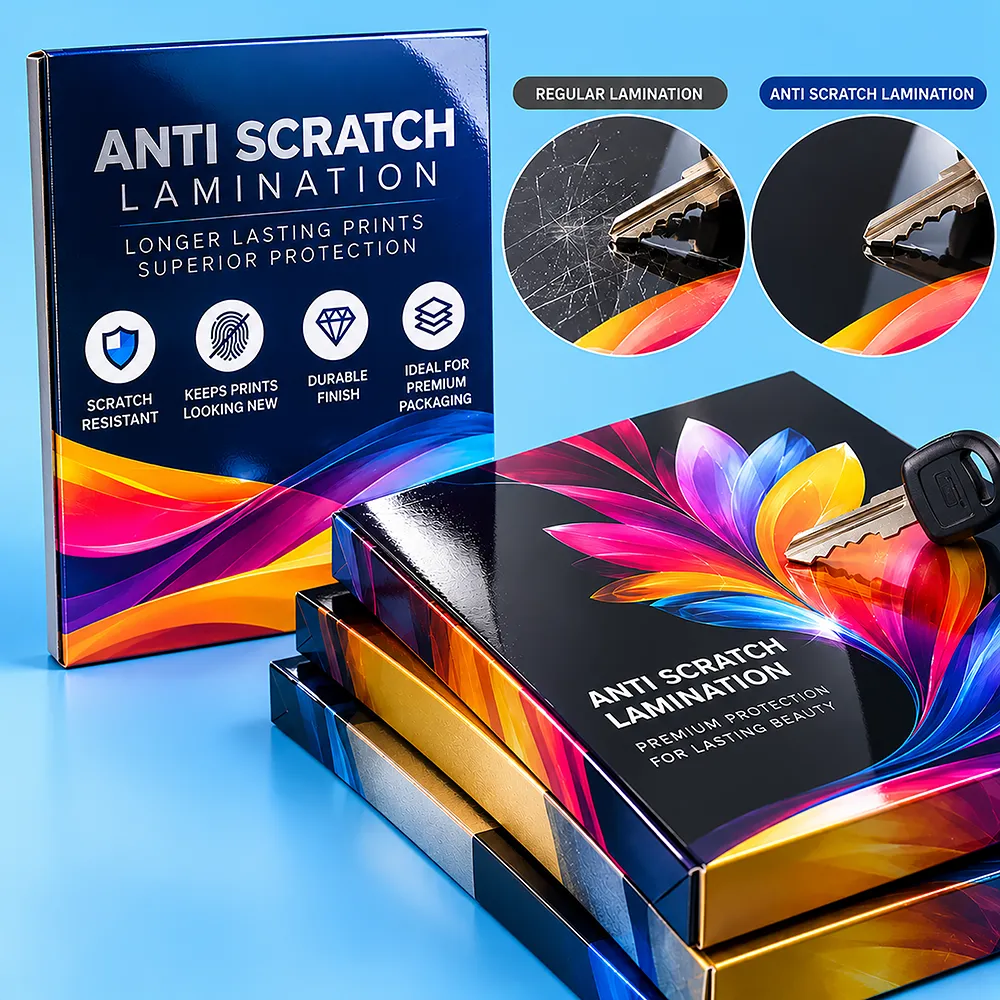
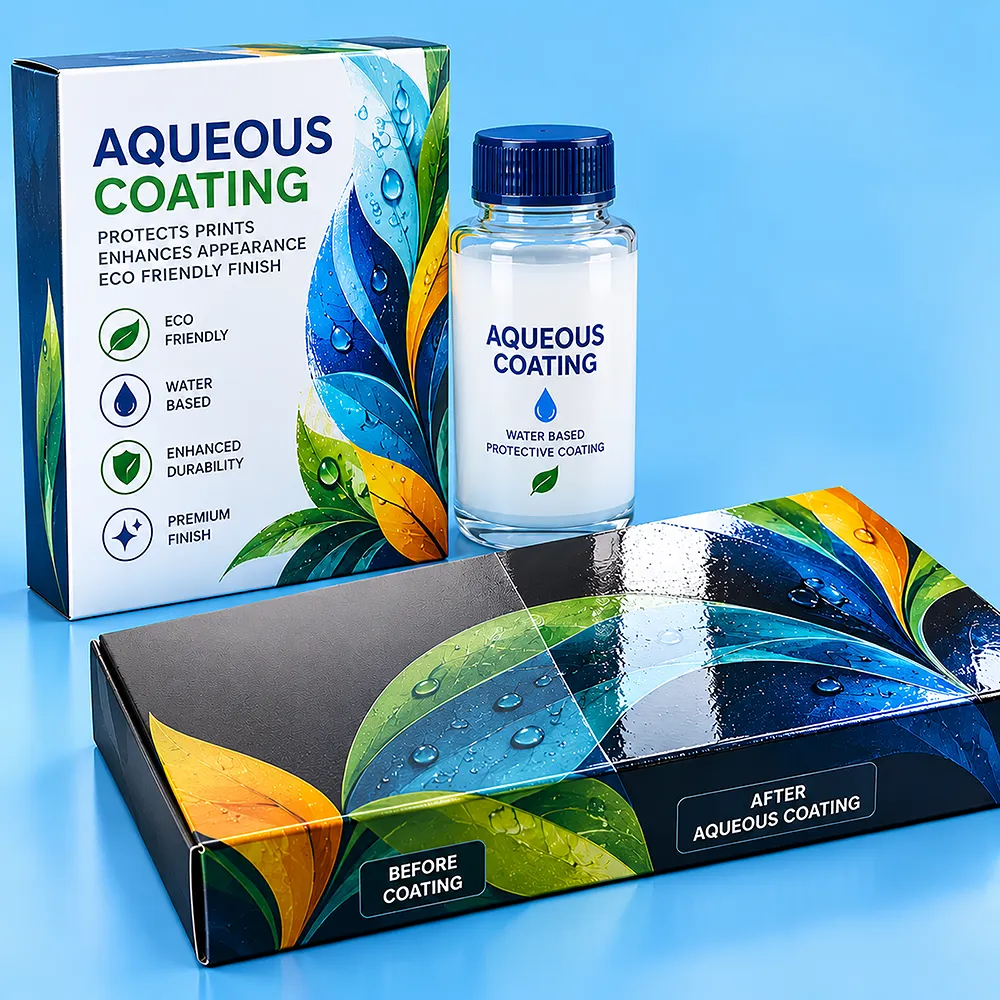
  • Gloss lamination: A reflective surface that can emphasize printed graphics.
  • Soft-touch lamination: A smooth, tactile finish for compatible premium retail designs.
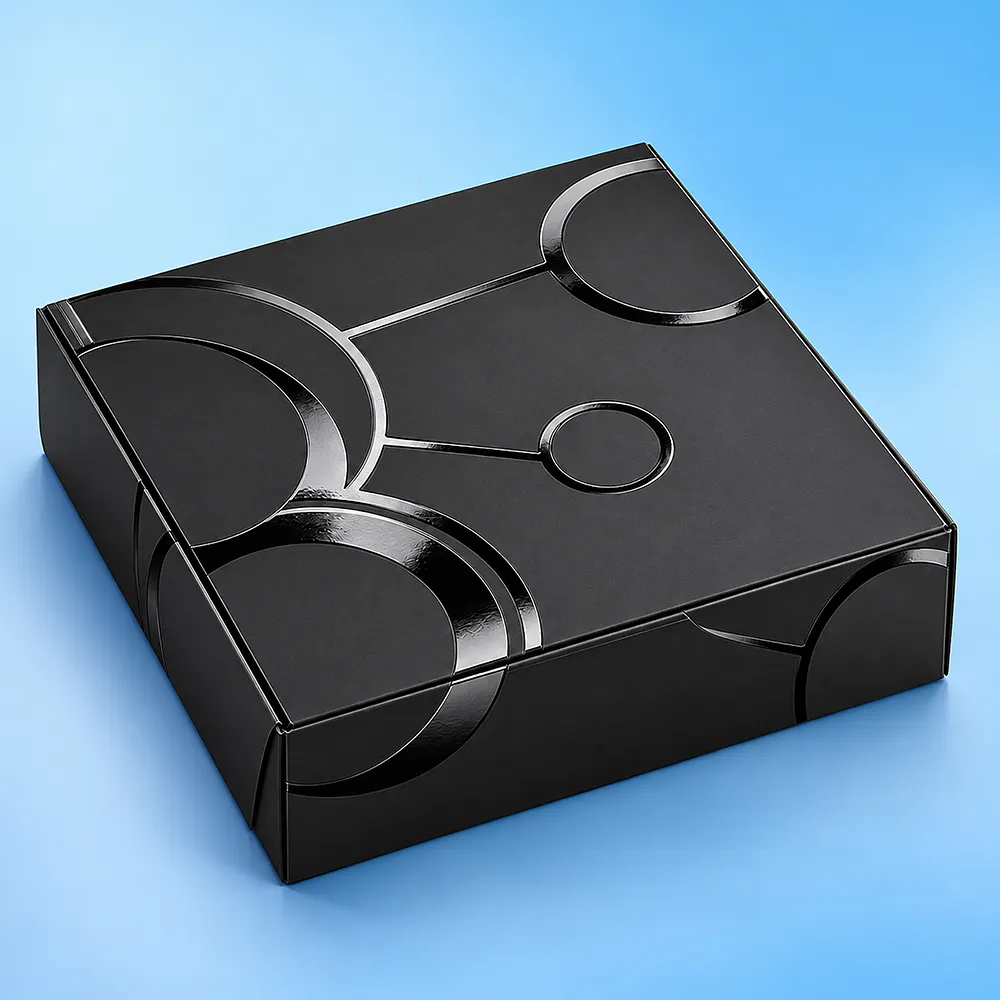
  • Spot UV: Selective gloss highlighting for suitable printed artwork.
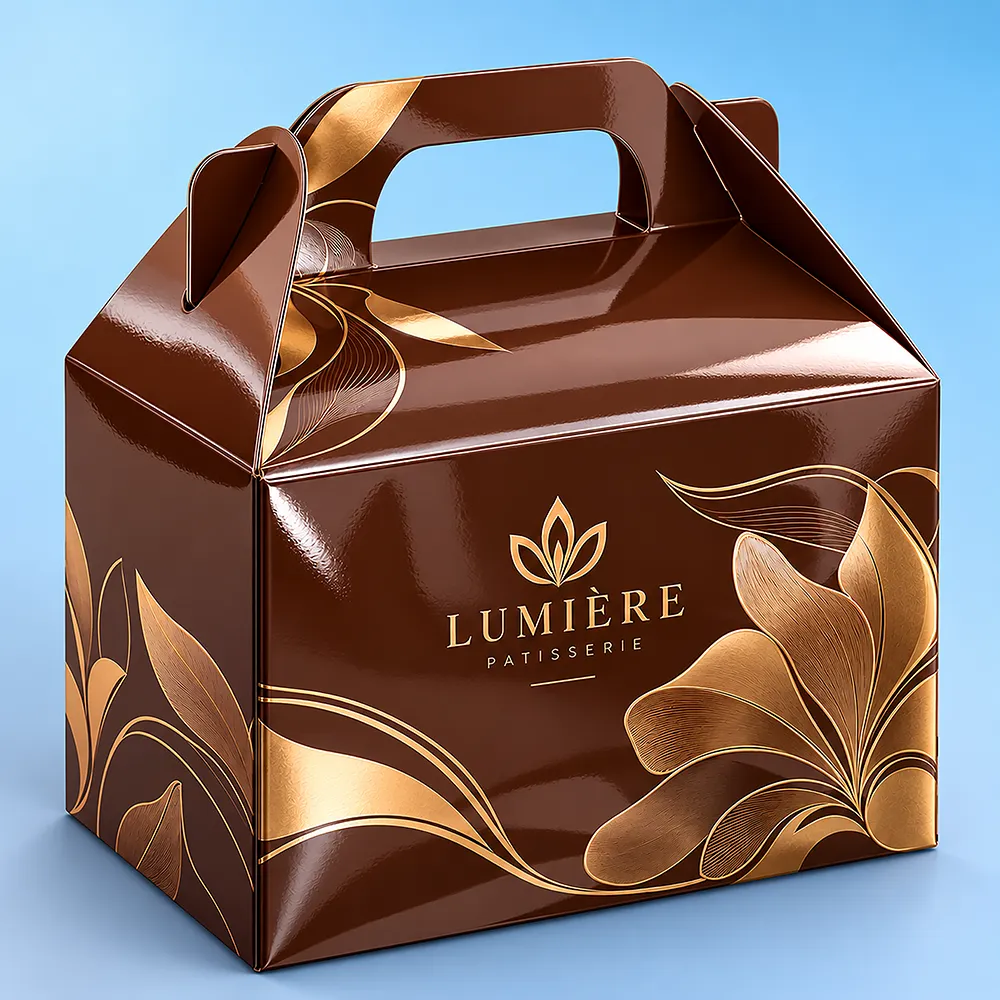
  • Foil stamping: Metallic or other decorative foil effects for approved design areas.
  • Embossing: Raised detailing for suitable logos or graphics.
  • Debossing: Pressed-in detailing for selected artwork elements.
Decorative treatments should be reviewed carefully around creases, moving panels, glue areas and other structural features. Finishes must be confirmed after the substrate and dieline have been approved. No single finishing treatment is automatically suitable for every display-lid construction.

Packing, Display Setup and Restocking

Auto bottom with display lid boxes are generally developed for collapsed supply with the automatic base pre-glued according to the approved design. During packing, the carton is opened and squared so that the connected base panels move into their intended position. Products are then loaded according to the approved quantity and arrangement. The upper section is closed or positioned according to the packing configuration defined in the structural drawing. At the retail location, the display lid is configured into its intended presentation position. The final setup should allow products to remain organized and accessible without requiring retailers to disturb the entire arrangement whenever one unit is removed. Where the display will be replenished, confirm that staff can access the relevant product rows or compartments without obstructing the display lid. If the display will be shipped already loaded, the complete packed configuration and any necessary outer transport packaging should be evaluated separately. The integrated display structure should not be assumed to provide all the protection required during distribution.

Artwork, Dieline and Sample Approval

The automatic bottom and movable display lid introduce structural details that should be established before final artwork approval. BoxBaba provides artwork assistance, dieline support, digital 3D mockups and proofing support. The dieline should identify cut lines, crease positions, glue areas, structural tabs and printable surfaces. Review the design in both its packing and display configurations to confirm that the branding remains correctly oriented and visible. A digital 3D mockup can help assess the overall appearance and panel arrangement. It does not physically validate loaded support, automatic-base erection or product fit. For projects where these factors are critical, a physical structural sample may be appropriate. Confirm the sample type and any custom-prototype requirements during quotation. BoxBaba offers free samples, with sample delivery charges reimbursed on the first bulk order under the approved sample offer. Changes to merchandise dimensions, loaded weight, SKU configuration or material after approval may require the dieline and structural fit to be reviewed again before repeat production.

What Affects the Price of Auto Bottom with Display Lid Boxes?

Pricing depends on the complete packaging specification rather than one standard box size. The principal factors include box dimensions, material, automatic-bottom construction, display-lid geometry, unit arrangement, dividers, printing requirements, finishing and total order quantity. Projects with heavier merchandise or complex internal layouts may require additional structural development compared with compact displays containing lightweight packaged products. Providing complete measurements, product quantities and artwork requirements allows the quotation to reflect the actual packing and retail presentation needs.

Why Choose BoxBaba for Custom Auto Bottom with Display Lid Boxes?

BoxBaba develops custom dimensions, automatic-bottom structures and integrated display panels around the finished merchandise and intended retail arrangement. Artwork assistance, dieline support, digital 3D mockups and proofing help buyers review the design before production. Compatible dividers, printing and finishing options can be selected according to the approved structure. Orders start from 100 units, with standard production taking 5–9 business days after artwork approval. Free shipping is available across the USA.

Request a Quote for Custom Auto Bottom with Display Lid Boxes

Order custom auto bottom with display lid boxes developed around your merchandise, packing workflow and final retail presentation. To request a quotation, share the finished product dimensions and weight, required units per display, SKU arrangement, preferred retail placement, available display footprint and intended display-lid position. BoxBaba can use these details to discuss the automatic-bottom structure, develop the appropriate dieline and arrange artwork and proof review before production. Place your order by calling +1 305 574 4357 or emailing sales@boxbaba.com.

Frequently Asked Questions

Find all the urgent questions you may have.

Auto bottom with display lid boxes combine a pre-glued automatic base with an integrated upper panel designed for retail presentation. The automatic base supports carton erection during packing, while the display lid contributes to the approved merchandising configuration.
They can be developed for suitably sized packaged cosmetics, personal-care products, sachet packs, small retail cartons and other compatible consumer goods. The final structure depends on the product dimensions, loaded weight, quantity and display requirements.
Capacity is custom and depends on the dimensions and weight of each product, total unit count, internal arrangement and approved structure. There is no universal product count for every design.
Provide each finished product's maximum width, depth, height and filled weight, along with the required quantity and arrangement. Include the available retail footprint, display-lid clearance and any divider or holder requirements.
No. An automatic bottom normally uses pre-glued base panels that move into position as the carton is erected. A 1-2-3 bottom typically requires a manual sequence of interlocking flaps. Both must be evaluated against the complete packaging requirements.
These boxes are generally designed for collapsed supply with the automatic bottom pre-glued during manufacturing. The final supply format, setup procedure and display-panel configuration depend on the approved structural design.
Yes. BoxBaba offers free samples, with sample delivery charges reimbursed on the first bulk order. Artwork support, dieline assistance, digital 3D mockups and proofing are available. Any custom physical prototype requirements should be confirmed during quotation.
The minimum order quantity for custom auto bottom with display lid boxes is 100 units.
Standard production takes 5–9 business days after artwork approval. Shipping and transit time are separate from the production period.
Yes. BoxBaba offers free shipping across the USA for the applicable custom packaging offering. International shipping arrangements and charges should be confirmed separately.

Get a Custom Quote