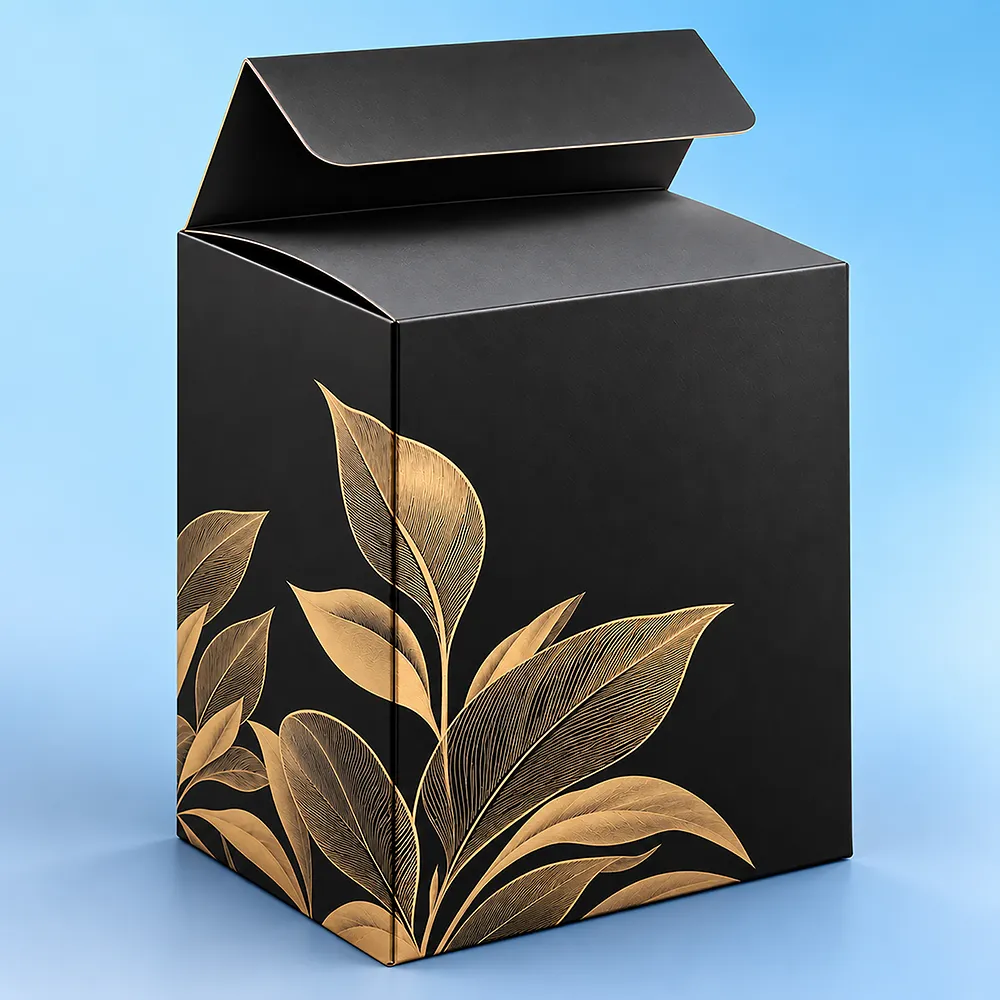
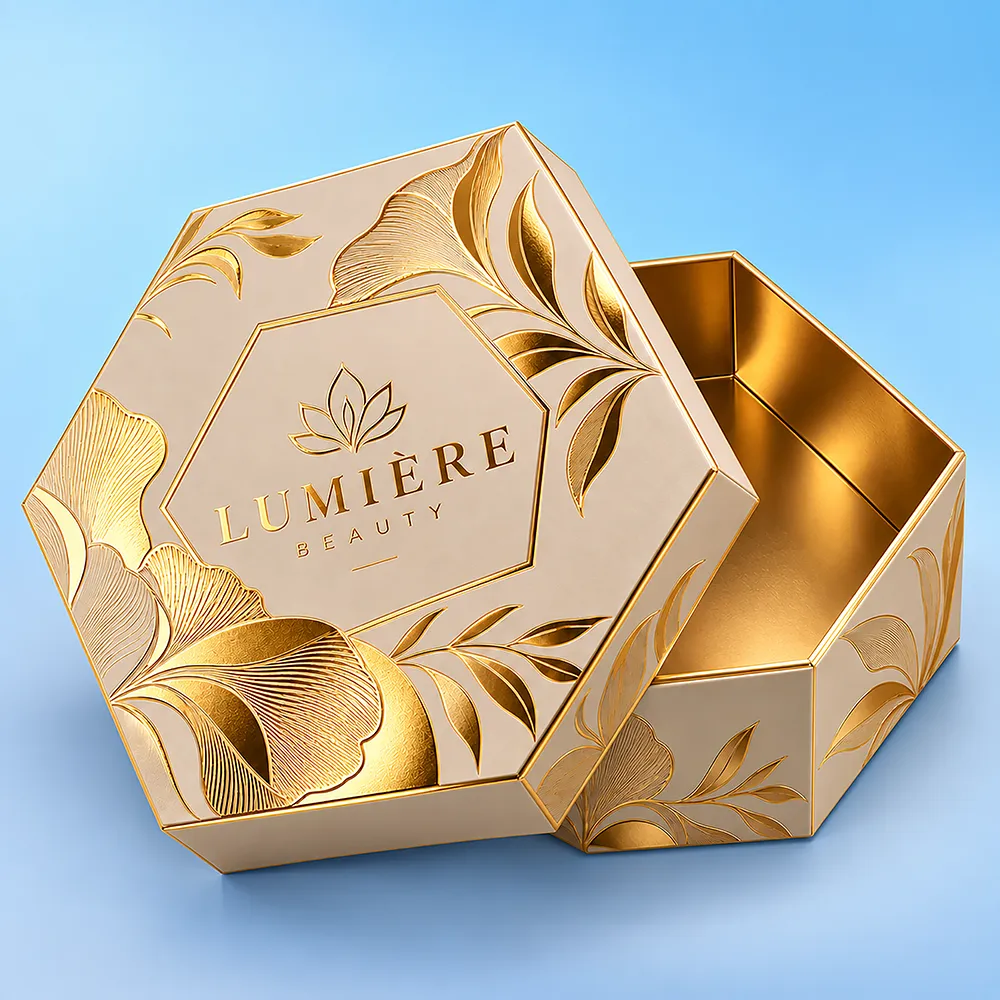
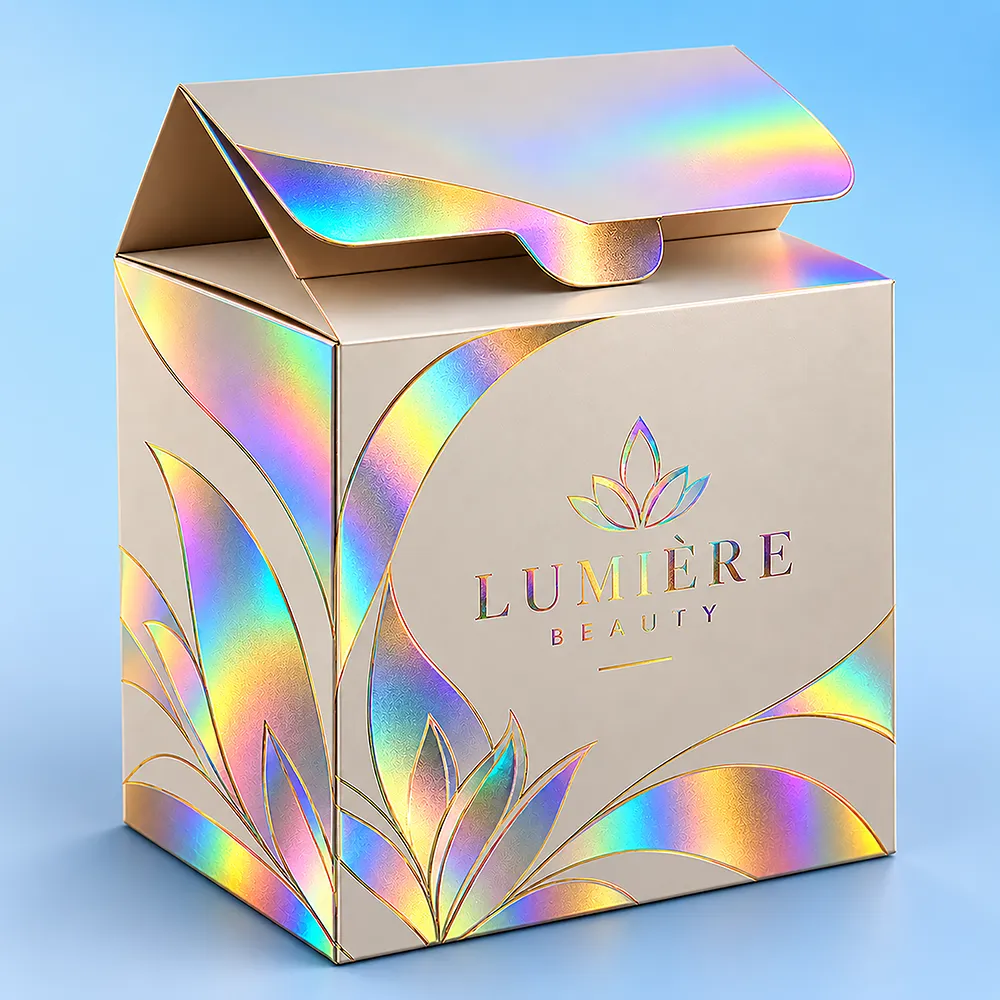
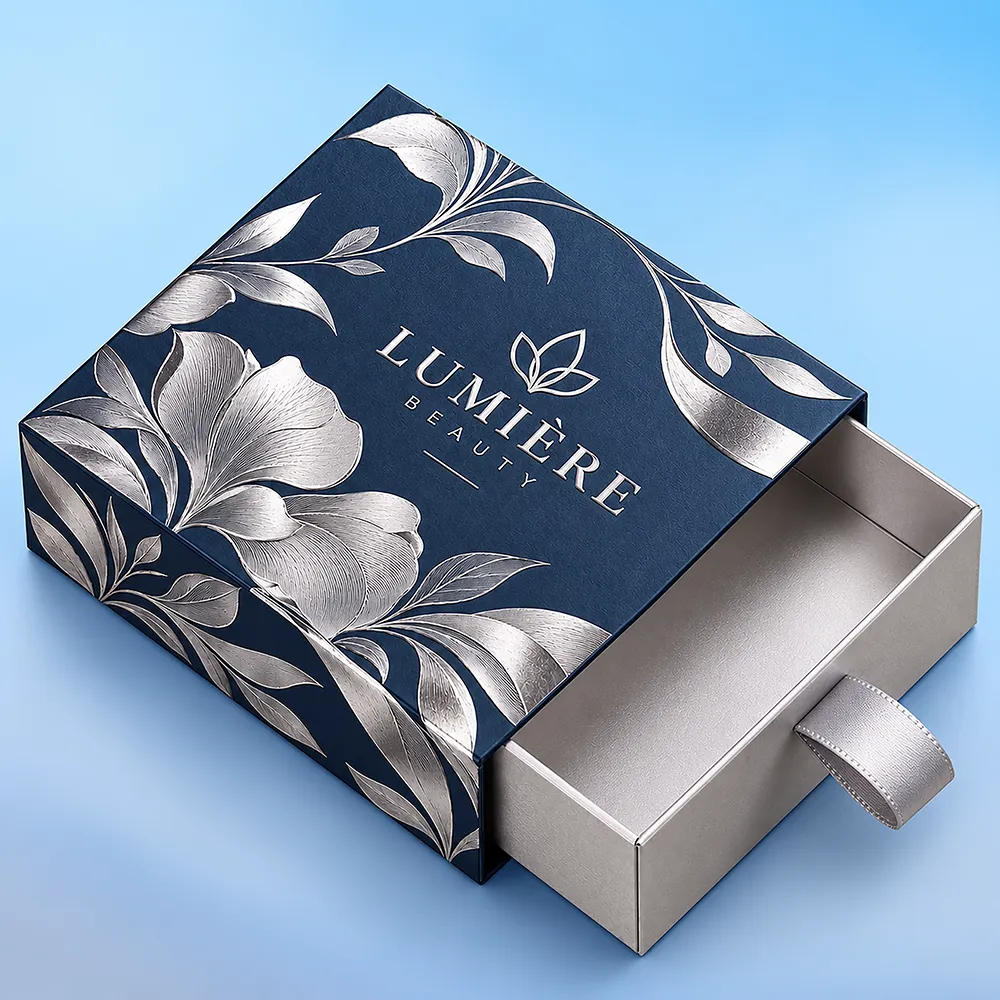
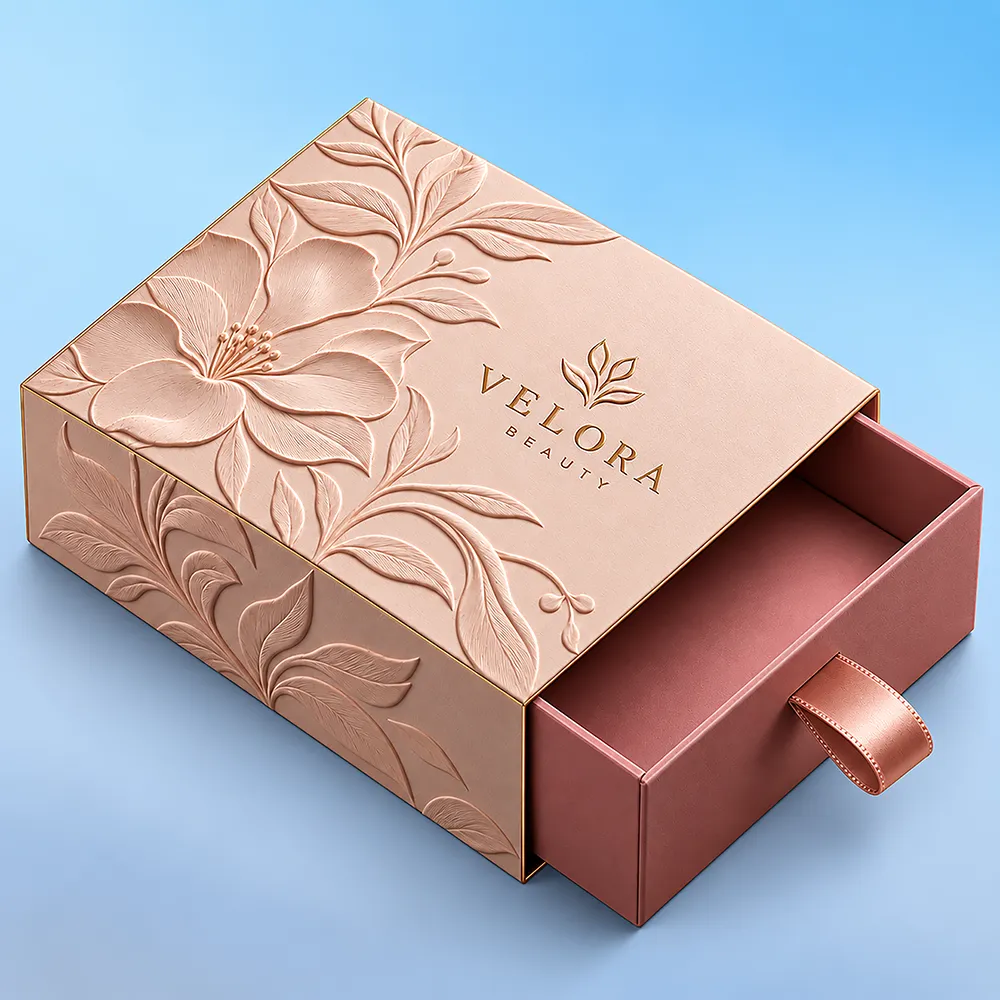
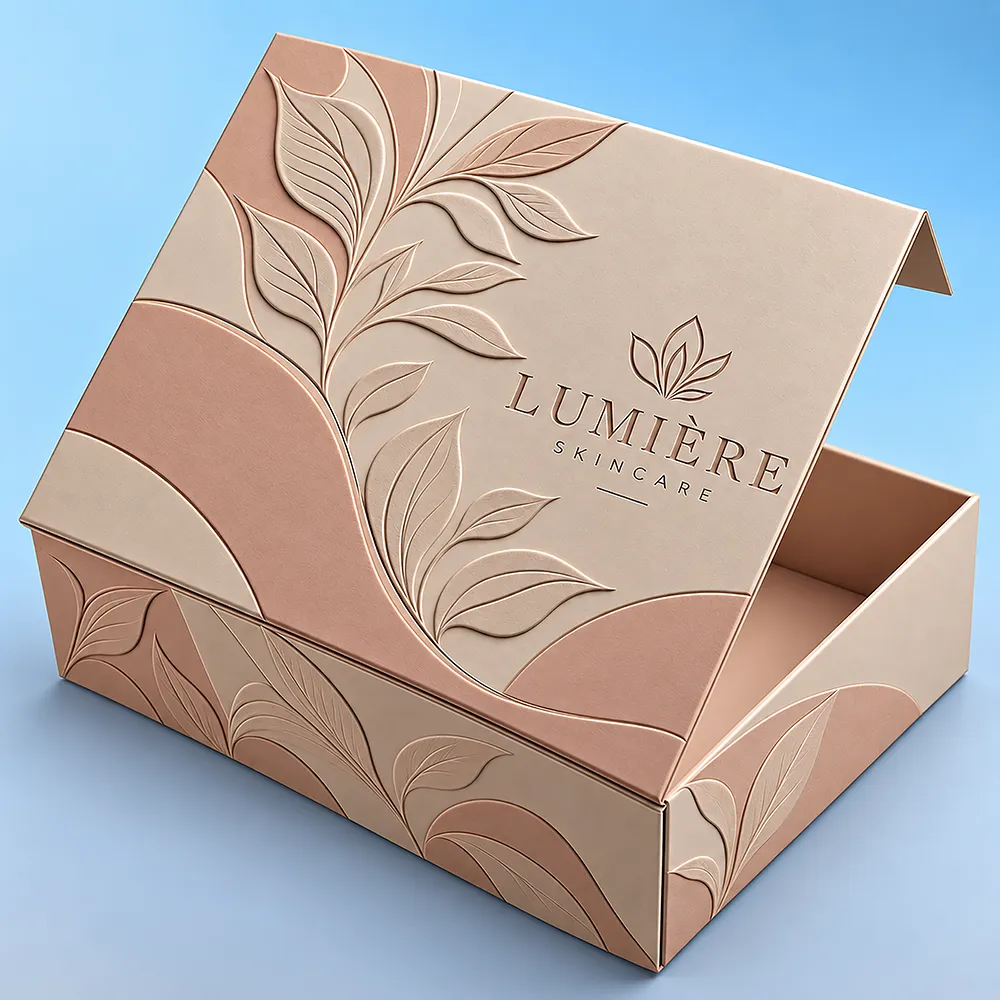
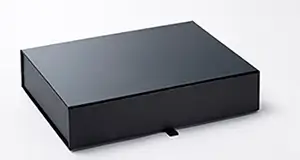
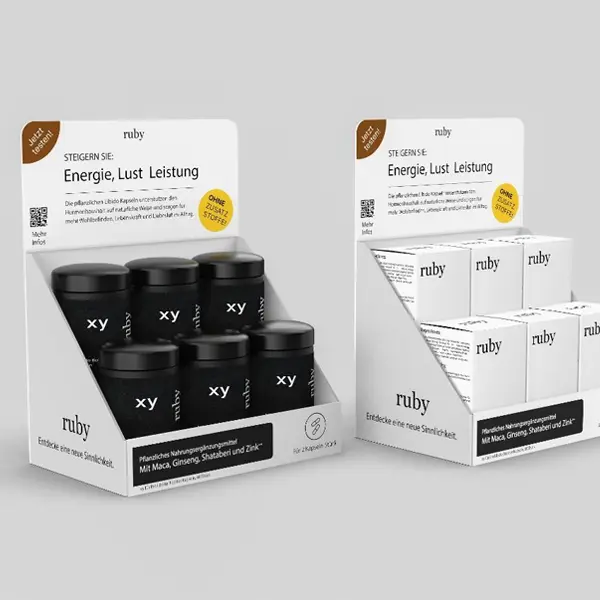
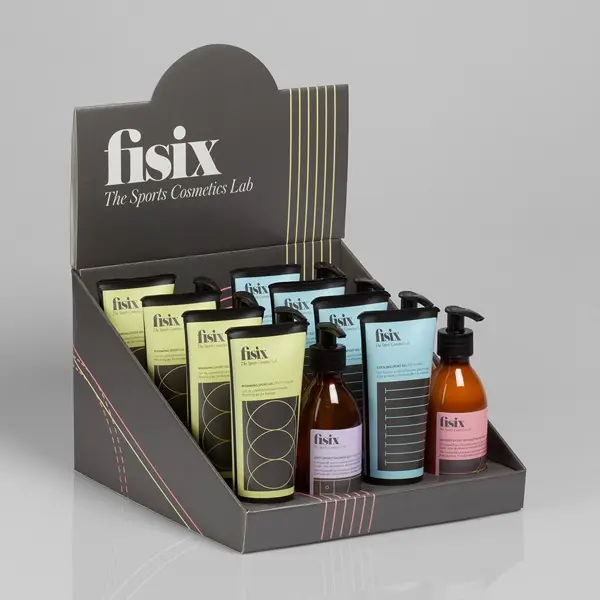
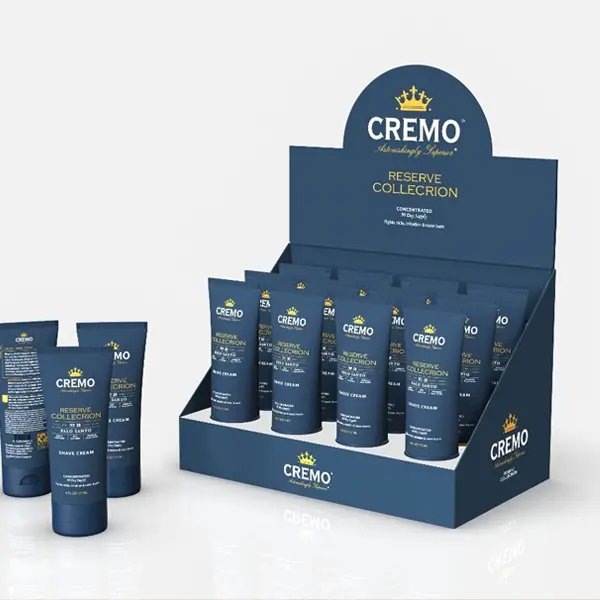
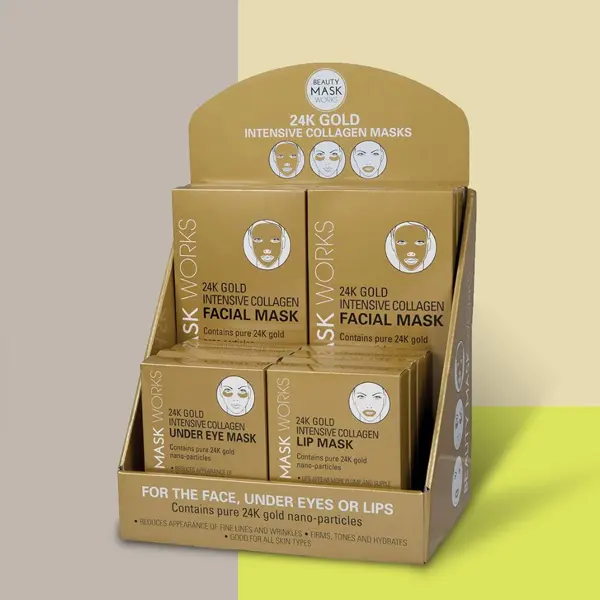
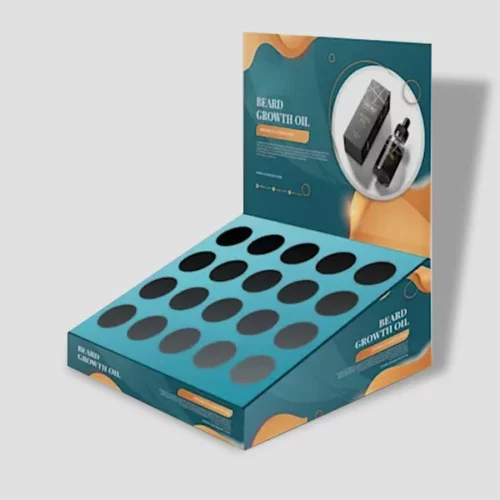
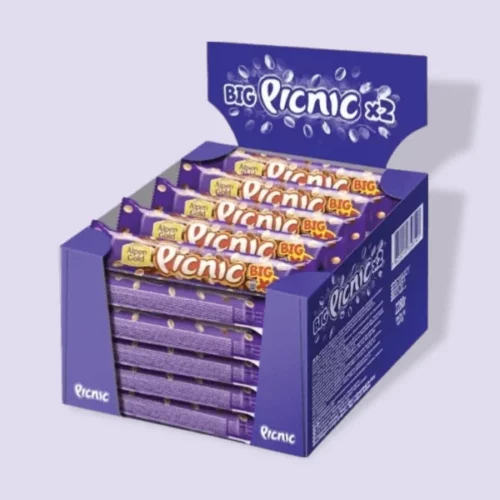
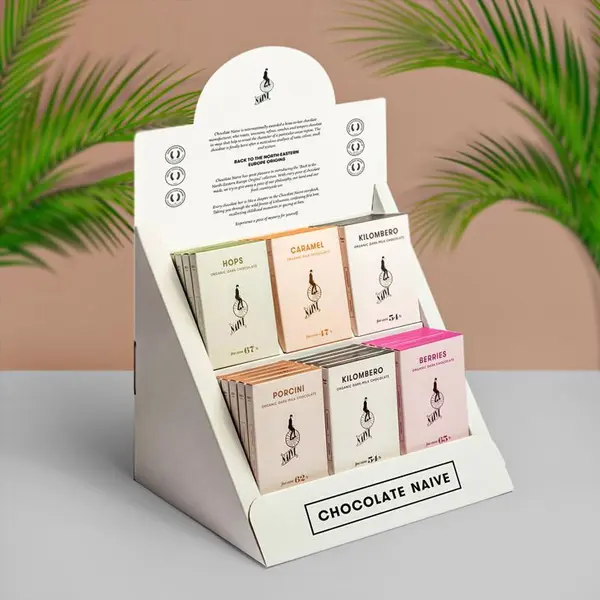
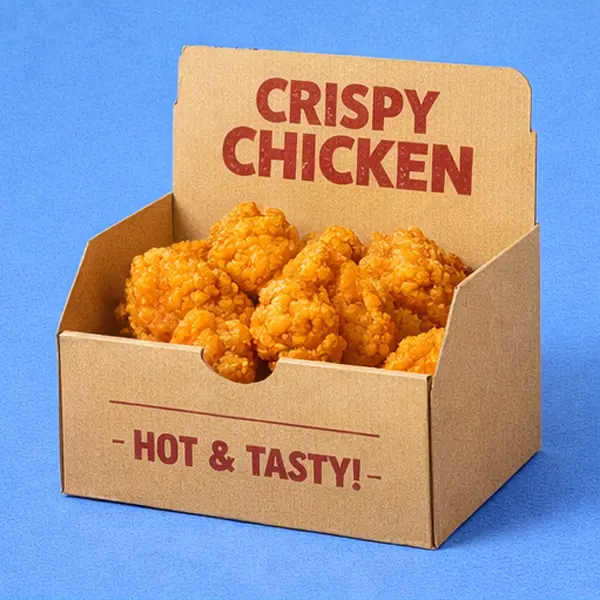
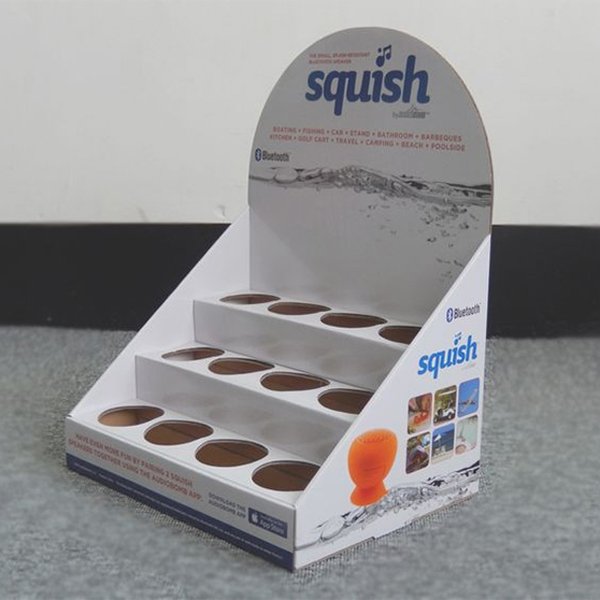
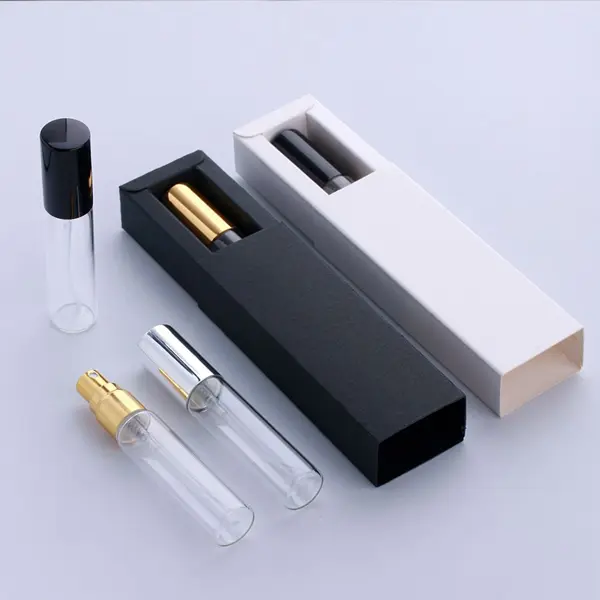
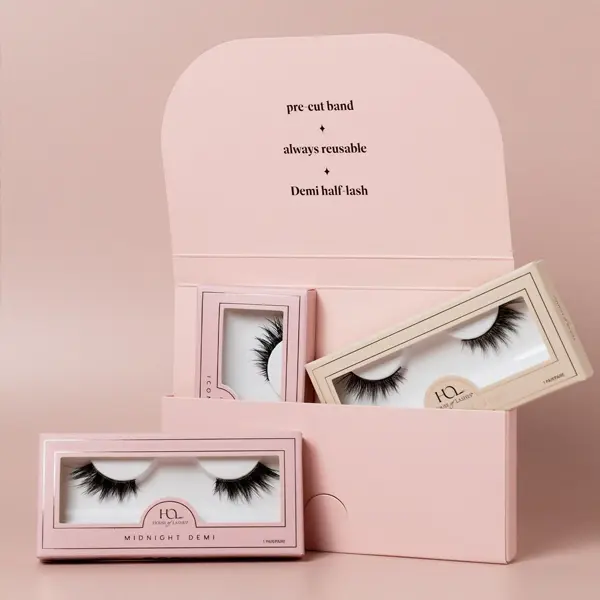
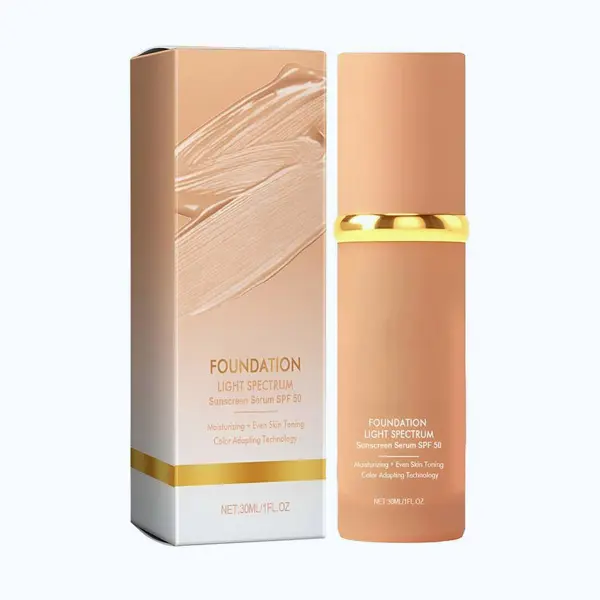
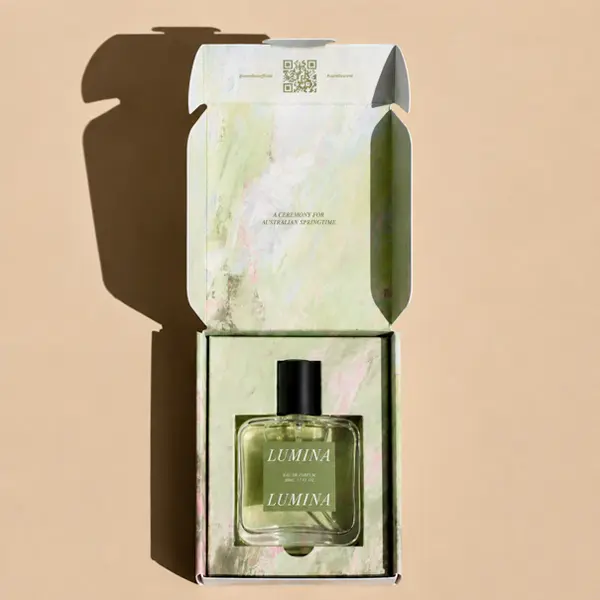
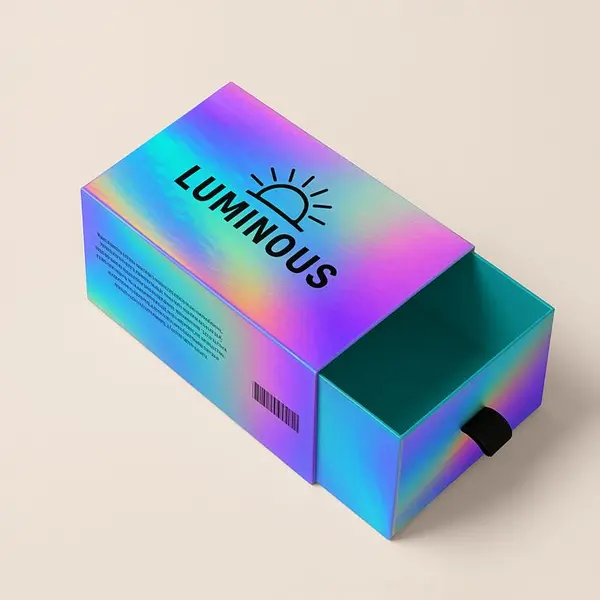
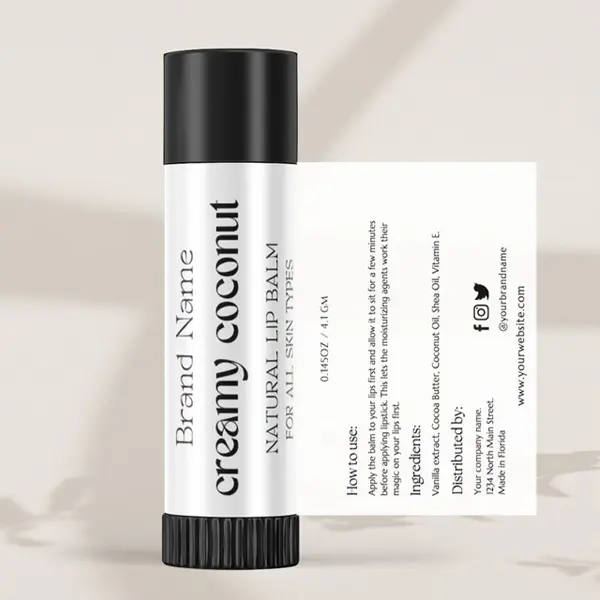
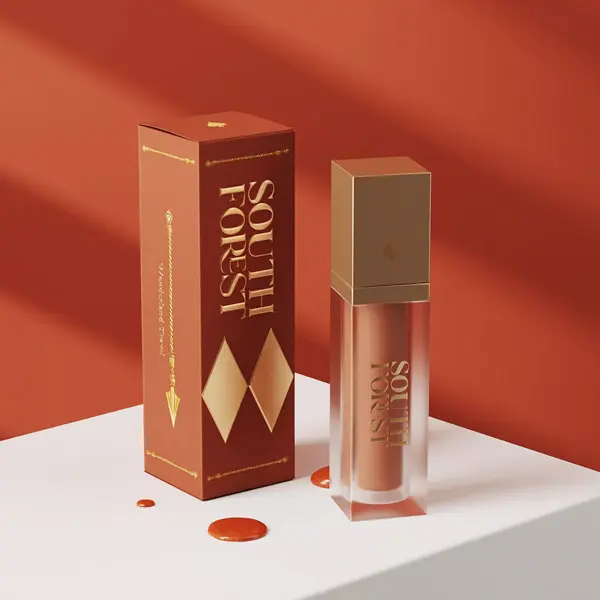
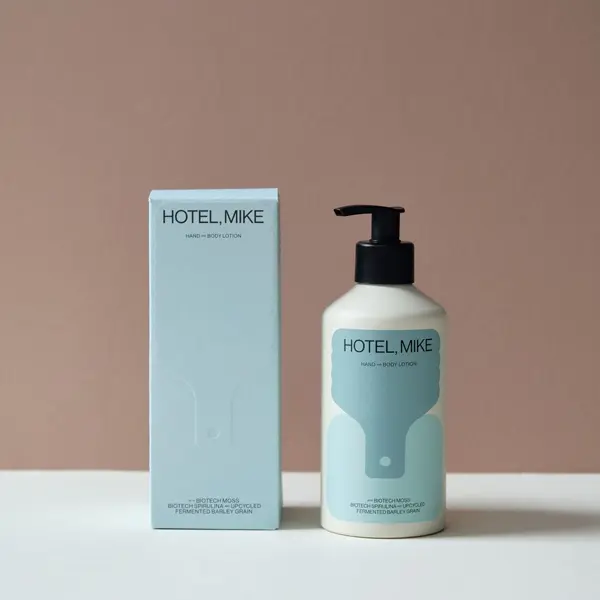
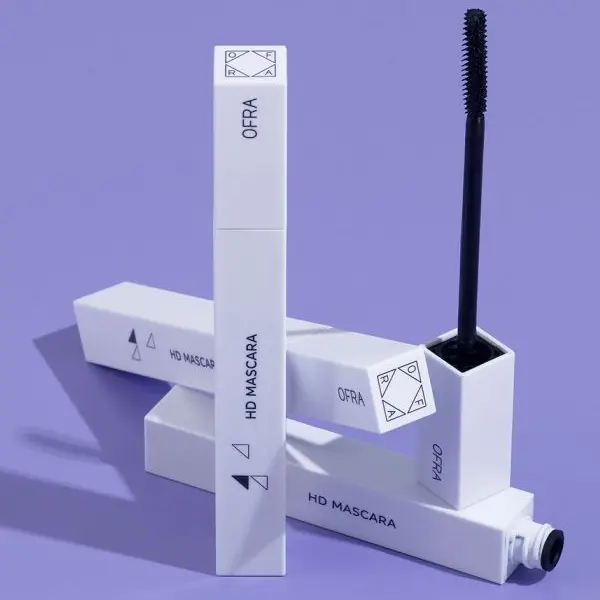
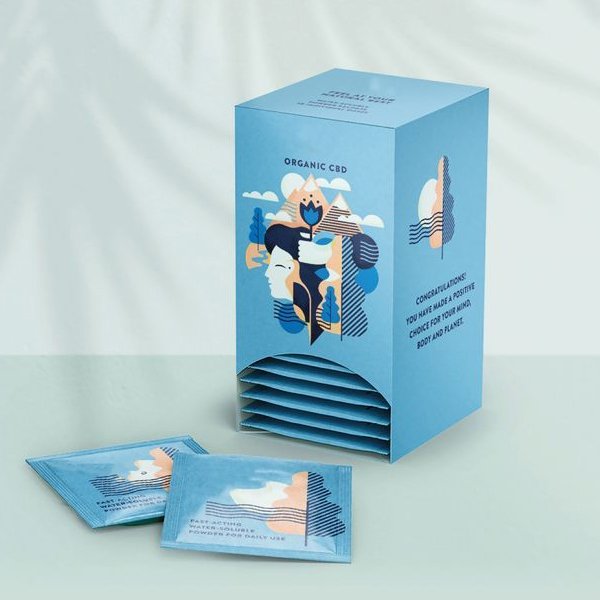
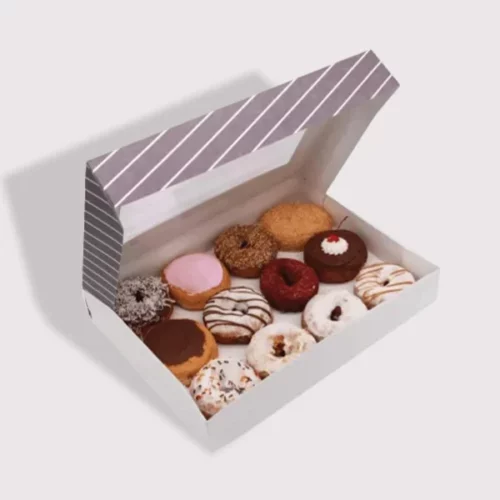
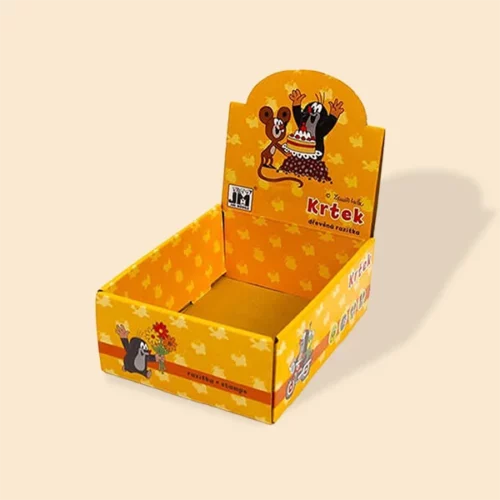
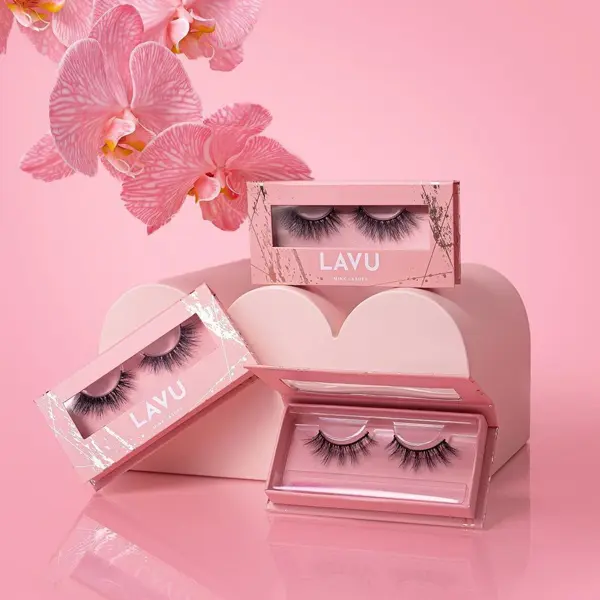
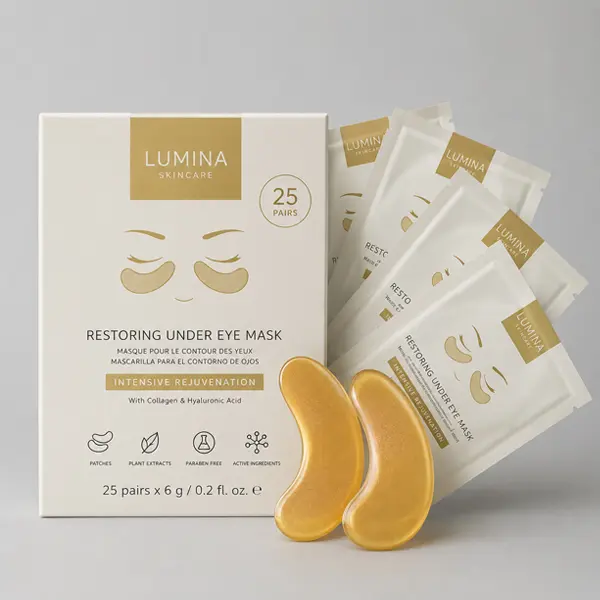
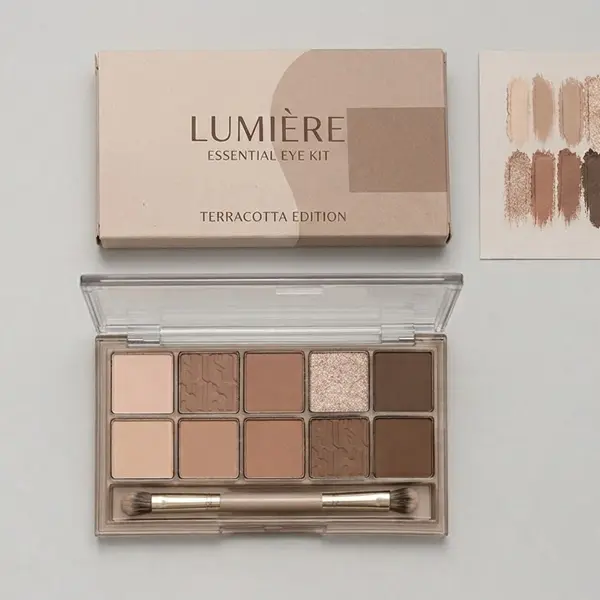
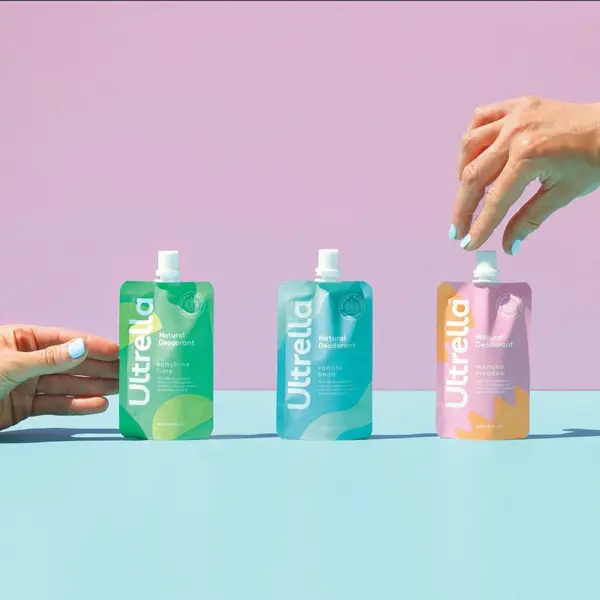
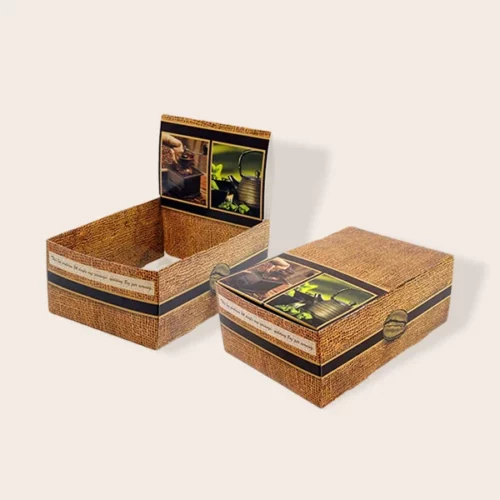
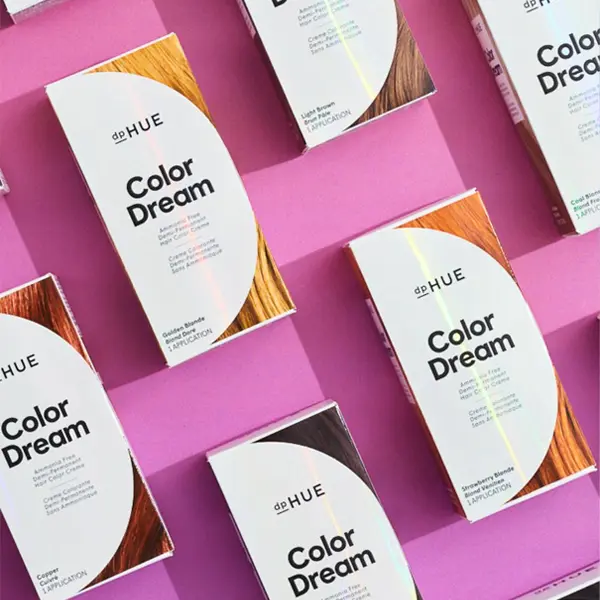
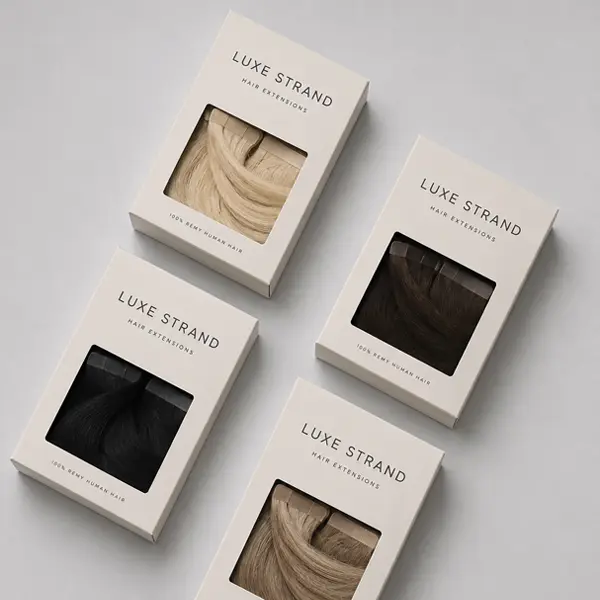
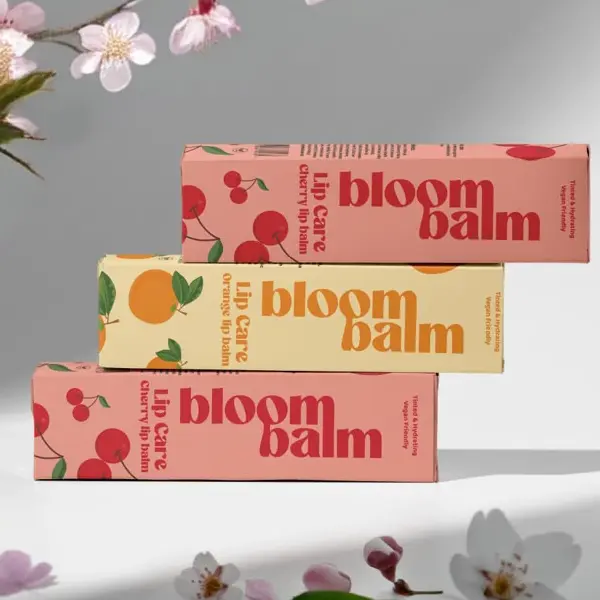
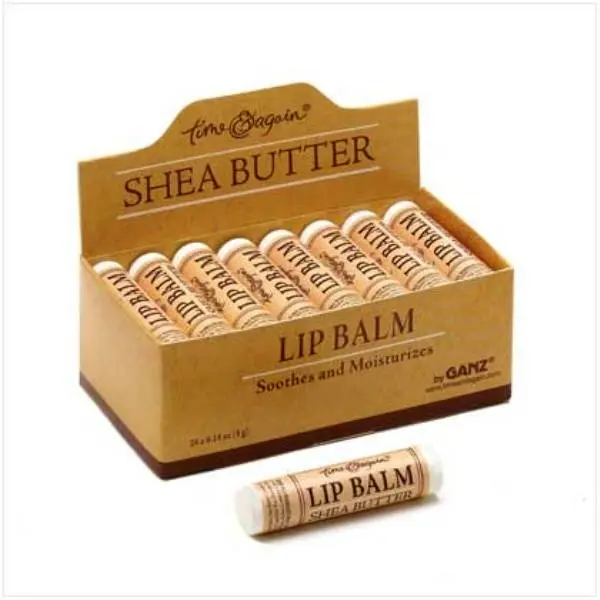
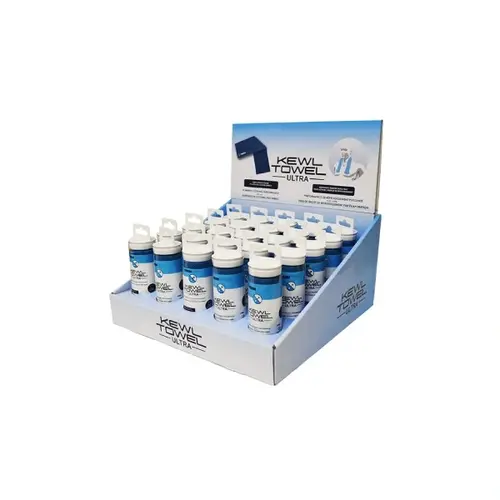
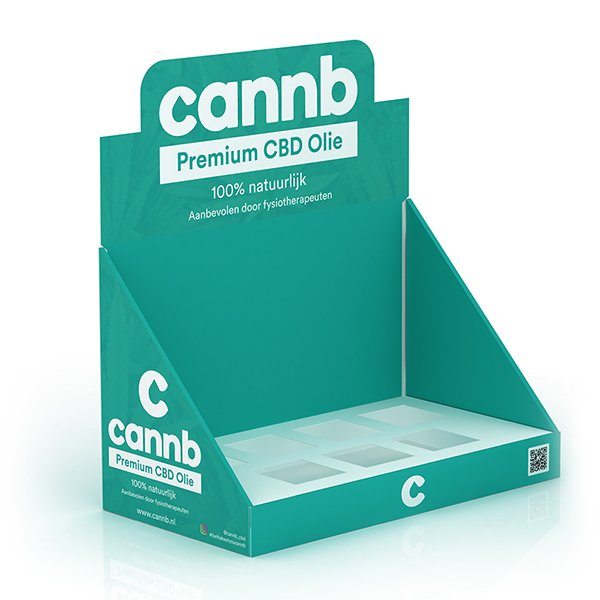
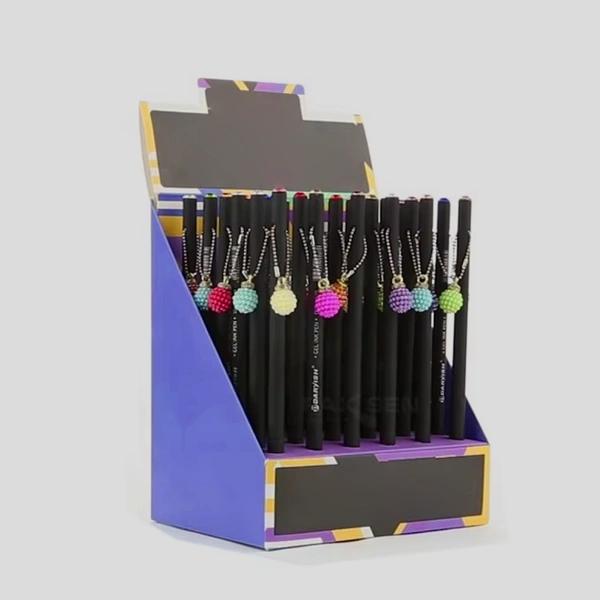
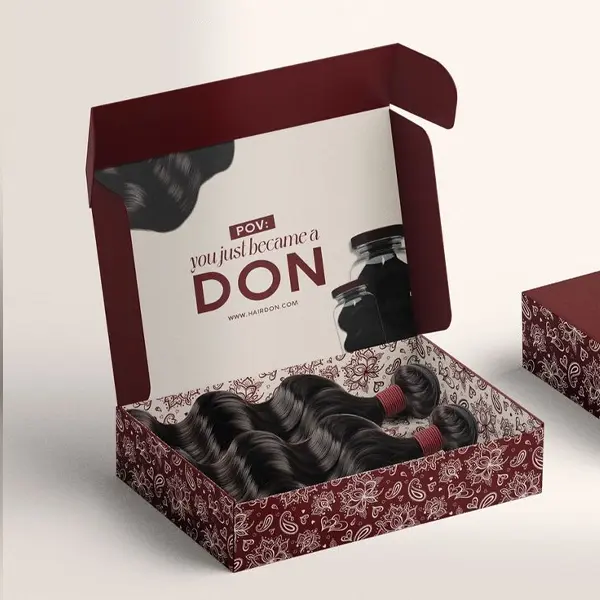
Custom cosmetic display boxes are multi-unit retail packaging structures designed to organize and present beauty products on counters, shelves, checkout areas and other point-of-sale locations. BoxBaba can plan each display around the finished product dimensions, unit capacity, SKU arrangement, loaded weight, available retail footprint, header requirements and divider layout instead of adapting one standard display to every cosmetic product.
Displays can be developed for lip balm, lipstick, lip gloss, mascara, eyeliner, nail products, skincare samples, mini tubes, beauty accessories, travel-size products and mixed-SKU collections. MOQ for custom cosmetic display boxes starts from 100 units.
Cosmetic Display Boxes for Retail Counters and Shelves
A retail cosmetic display should be selected according to more than its appearance. Product size, weight, number of units, customer access, replenishment direction and available counter or shelf space can all influence the finished structure.
Countertop, shelf-ready, tiered, dispenser and partitioned displays can be developed around the actual merchandising setup. If the individual products still need secondary cartons, explore our custom cosmetic boxes before finalizing the multi-unit display dimensions.
Quick Display Planning Facts
Product Fit: Provide the dimensions and finished weight of each retail-ready product.
Display Capacity: Confirm the total unit count, number of SKUs, rows, columns and product orientation.
Retail Footprint: Share any maximum counter or shelf width, depth and height.
Loaded Weight: Include the products, display structure, dividers, testers and other components when estimating the complete load.
Measure the Products Before Setting Display Capacity
A cosmetic display should be sized around the finished retail-ready products and complete loaded arrangement, not around unit count alone.
For individually boxed cosmetics, measure the outer carton that will actually sit inside the display. For bare bottles, jars, tubes or beauty accessories, measure the complete item including caps, pumps, applicators, overcaps, decorative collars and other projections.
For every product or SKU, provide:
- Product type
- Bare or individually boxed format
- Maximum height
- Maximum width
- Maximum depth
- Diameter where relevant
- Finished unit weight
- Closure or projection details
- Front-facing panel
- Removal direction
- Quantity per display
- Quantity by SKU
For irregular products, measure the widest and deepest points rather than only the main container body.
Why Product Count Alone Is Not Enough
Two displays may each contain 24 cosmetic products but require very different dimensions.
A possible 24-unit arrangement could be:
- 4 rows × 6 units
- 3 rows × 8 units
- 6 SKUs × 4 units
- 2 product groups × 12 units
Each arrangement can create different width, depth, divider and customer-access requirements.
A display containing lightweight lipstick cartons may also require a different structural direction from one containing filled glass skincare bottles, even when both hold the same number of units.
Plan Multi-SKU Cosmetic Displays by Product Variation
Cosmetic displays often contain several shades, fragrances, formulas or product types.
Possible combinations include:
- Lipstick shades
- Nail polish colors
- Eyeliner shades
- Lip balm flavors
- Fragrance variations
- Skincare formulas
- Travel-size assortments
- Product-and-tester combinations
Each SKU should be measured separately before divider or compartment dimensions are finalized.
For example, individually boxed serum products may first require correctly sized custom serum boxes before the multi-unit display layout can be established.
| SKU Detail |
What to Confirm |
| Product dimensions |
Maximum width, depth and height |
| Unit weight |
Finished weight of one unit |
| Quantity |
Units included in the display |
| Position |
Row, column or compartment |
| Facing direction |
Panel presented to the shopper |
| Identification |
Shade, name, number or SKU |
| Replenishment |
How retail staff refill the section |
Products with materially different dimensions should not automatically be forced into identical compartments.
Confirm the Available Retail Footprint
A display that holds the required products can still be unsuitable if it exceeds the retailer’s available counter or shelf area.
Confirm any maximum:
- Display width
- Display depth
- Display height
- Header-panel height
- Shelf clearance
- Counter footprint
- Front-lip height
- Side-wall height
Also identify where the display will be positioned, such as a checkout counter, beauty counter, retail shelf, promotional table, salon reception area or another merchandising fixture.
Retailer-specified dimensional limits should be confirmed before production.
Cosmetic Display Box Styles
Countertop Cosmetic Display Boxes
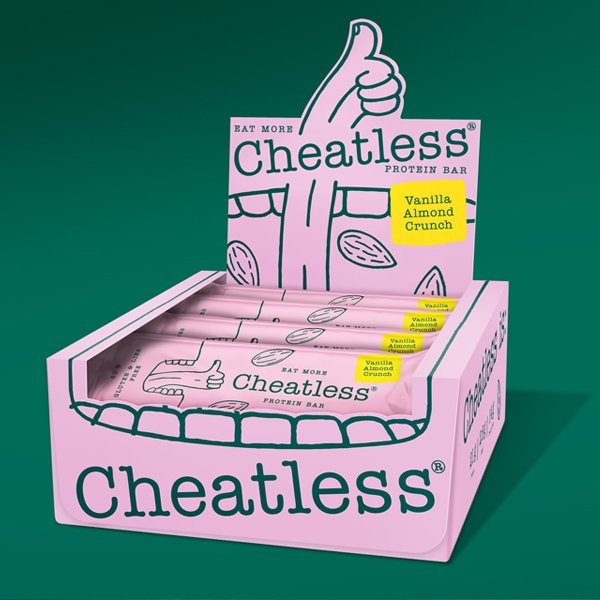
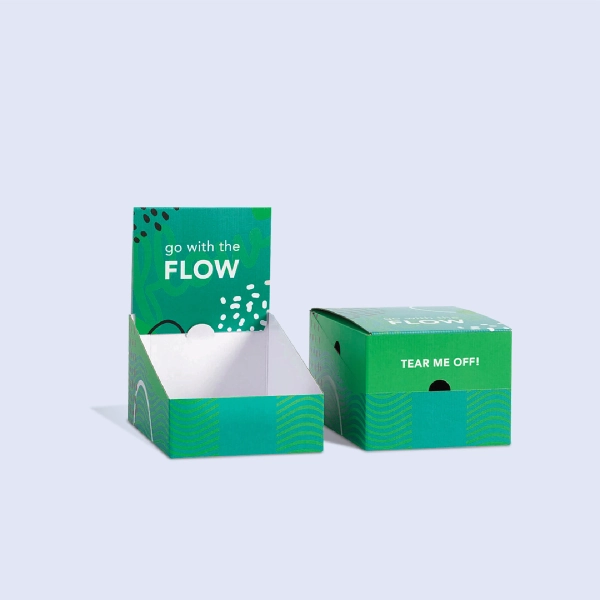
Countertop displays work well for compact cosmetic products positioned on checkout counters, salon desks, beauty counters and promotional tables.
They may be considered for lipstick, lip balm, mascara, eyeliner, mini skincare products, cosmetic samples and small beauty accessories.
Brands merchandising individually boxed lipstick products can establish the carton dimensions through custom lipstick boxes before determining the final display capacity and row arrangement.
Shelf-Ready Cosmetic Display Trays
Shelf-ready trays organize several products within a defined retail shelf footprint.
They can be useful where products need to remain grouped by brand, collection, shade or formula. Confirm shelf width, depth, vertical clearance, unit capacity, divider requirements and customer removal direction before setting the exterior dimensions.
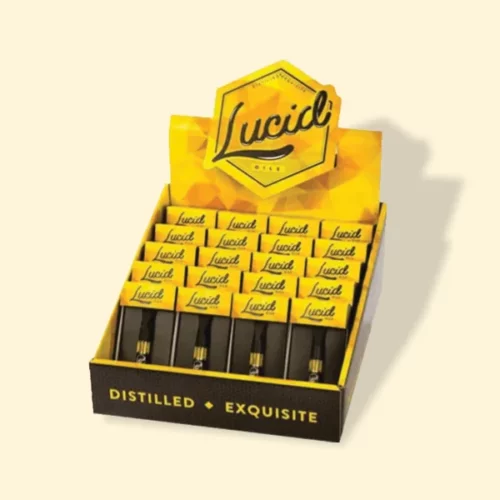
Tiered Cosmetic Displays
Tiered displays position products at different heights so products in rear rows remain more visible.
They may suit lipstick shades, nail-product collections, small skincare bottles, cosmetic tubes or mixed beauty ranges.
Confirm the rise and depth of each tier, units per level, overall display height and loaded weight. Additional levels should not be added simply for appearance if they interfere with retail clearance or product access.
Dispenser-Style Cosmetic Displays
Dispenser displays allow products to be removed one at a time through a defined opening or channel.
They may be considered for:
- Slim cosmetic cartons
- Lip balm packs
- Eyeliner cartons
- Mascara cartons
- Small skincare boxes
- Sample-size products
Opening width, product depth, front-stop height, channel width and refill direction should be planned around the actual finished product.
Partitioned Multi-SKU Displays
Partitions can create defined sections for several cosmetic shades, formulas or product families within one display.
Each compartment should be developed around the largest approved product assigned to that area, while still considering unit quantity and customer removal.
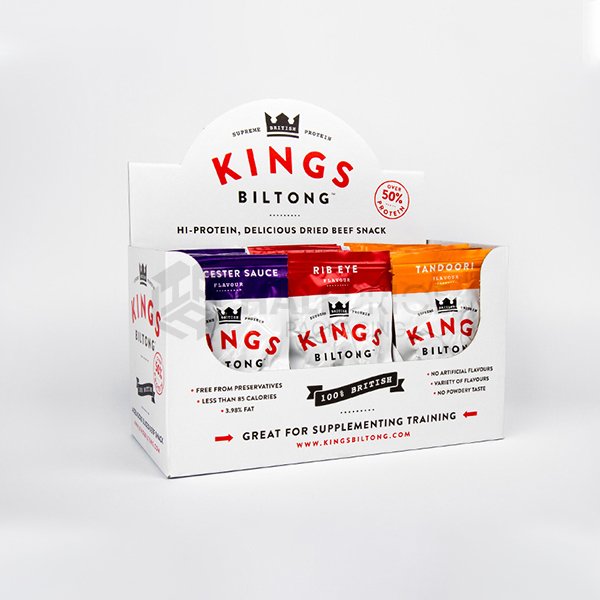
Cosmetic Displays with Header Panels
A raised header creates additional printable space above the products for:
- Brand logo
- Collection name
- Product family
- Campaign artwork
- Shade range
- Promotional messaging
- QR codes
- Retail information
Header dimensions should remain within the available shelf or counter clearance.
Punch-Insert Displays
Die-cut openings can position bare tubes, small bottles or accessories within a defined display layout.
The opening should be developed around the relevant product profile while allowing practical insertion and removal.
Stepped and Raised-Platform Displays
Raised platforms can place selected products at different presentation heights without requiring a completely separate tier for every row.
This format may be useful for tester areas, mixed-height products or collections where rear products need additional visibility.
Match the Display to the Retail Environment
A checkout display may require a compact footprint and front-facing product access, while a shelf display may need to work within retailer-specified width, depth and height limits.
Before choosing the structure, consider:
- Viewing direction
- Shopper access
- Product visibility
- Available footprint
- Neighboring merchandise
- Header clearance
- Product removal
- Staff replenishment
The most decorative or tallest structure is not automatically the best choice.
Tall side walls may hide product labels, deep compartments can make small items difficult to reach, and an oversized header can compete with the products or exceed shelf clearance.
Plan Tester Locations Separately
Displays for fragrance, skincare and other beauty products may include testers.
Where a tester is required, confirm:
- Tester dimensions
- Tester weight
- Tester quantity
- Tester location
- Whether it is removable
- Whether a separate compartment is required
- Required printed identification
- Whether tester space reduces sellable capacity
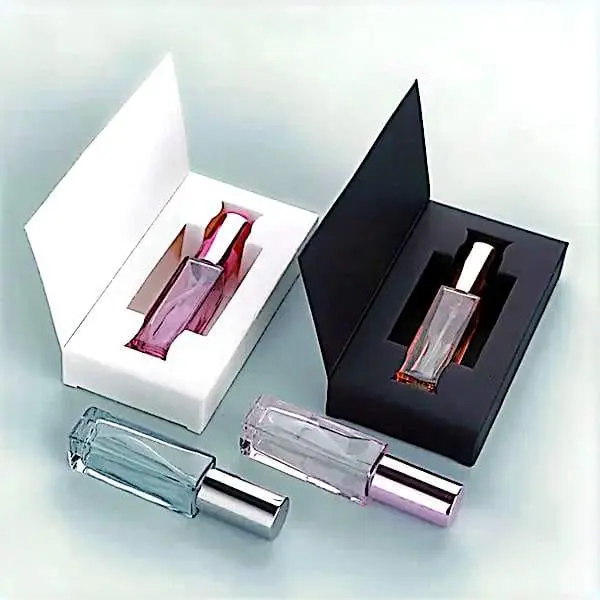
Fragrance brands can first establish the size of their packaged sellable products through custom perfume boxes before deciding how testers and retail units should share the display.
Design for Shopper Removal and Staff Replenishment
A retail display should be considered from both perspectives.
Customer Access
Check whether the shopper will remove products:
- From the front
- From the top
- From a defined compartment
- Through a punch opening
- Through a dispenser channel
The surrounding walls, dividers and neighboring products should be reviewed against the intended removal direction.
Staff Replenishment
Products may be restocked:
- From the front
- From the rear
- From the top
- By removing a divider
- By replacing a complete display tray
Planning replenishment before production can reduce the need to disturb header panels, printed areas or other display components during routine retail use.
Cosmetic Display Box vs Individual Carton vs Shipping Carton
These packaging layers perform different roles.
| Packaging Layer |
Main Role |
| Individual Cosmetic Carton |
Contains and presents one sellable product |
| Cosmetic Display Box |
Organizes several products for retail presentation |
| Outer Shipping Carton |
Carries the packed display through distribution |
A retail display should not automatically be treated as the only shipping package.
Where a display will travel with products already loaded, review its total weight, exterior dimensions, header configuration, divider positions, packing method and required outer shipping arrangement.
The individual product cartons can be selected from our broader custom cosmetic boxes range while the display is developed separately around the complete retail assortment.
Flat-Packed, Partially Assembled or Loaded Displays
The preferred fulfillment format can affect the structure.
Flat-Packed Displays may suit projects where store staff, distributors or fulfillment teams will complete assembly and product loading.
Partially Assembled Displays may arrive with selected structural components already connected while still requiring final setup.
Loaded Displays contain products during distribution and therefore need to be reviewed according to the complete packed configuration.
The appropriate packing format depends on the structure, products, order requirements and distribution plan.
Artwork and Branding Areas
Cosmetic displays can provide printable areas across the:
- Header
- Front lip
- Side panels
- Back panel
- Divider tabs
- Tester area
- Shade-identification strips
Artwork may include logos, product-family names, shade references, collection graphics, QR codes and merchandising information.
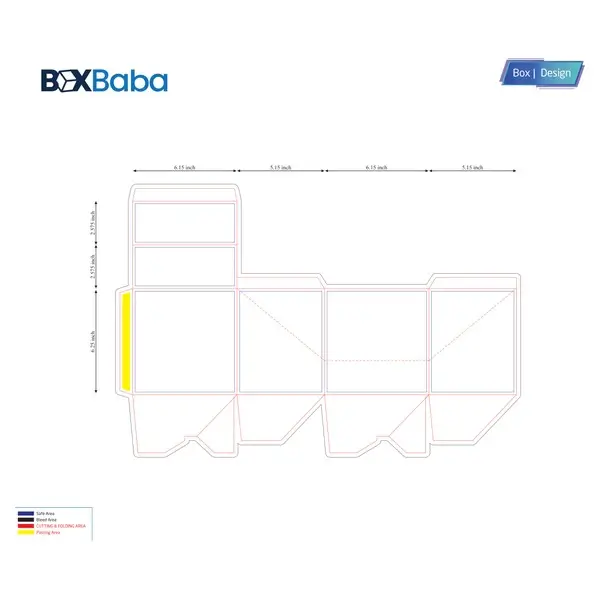
Important graphics should remain clear of score lines, folds, divider slots, perforations and product openings.
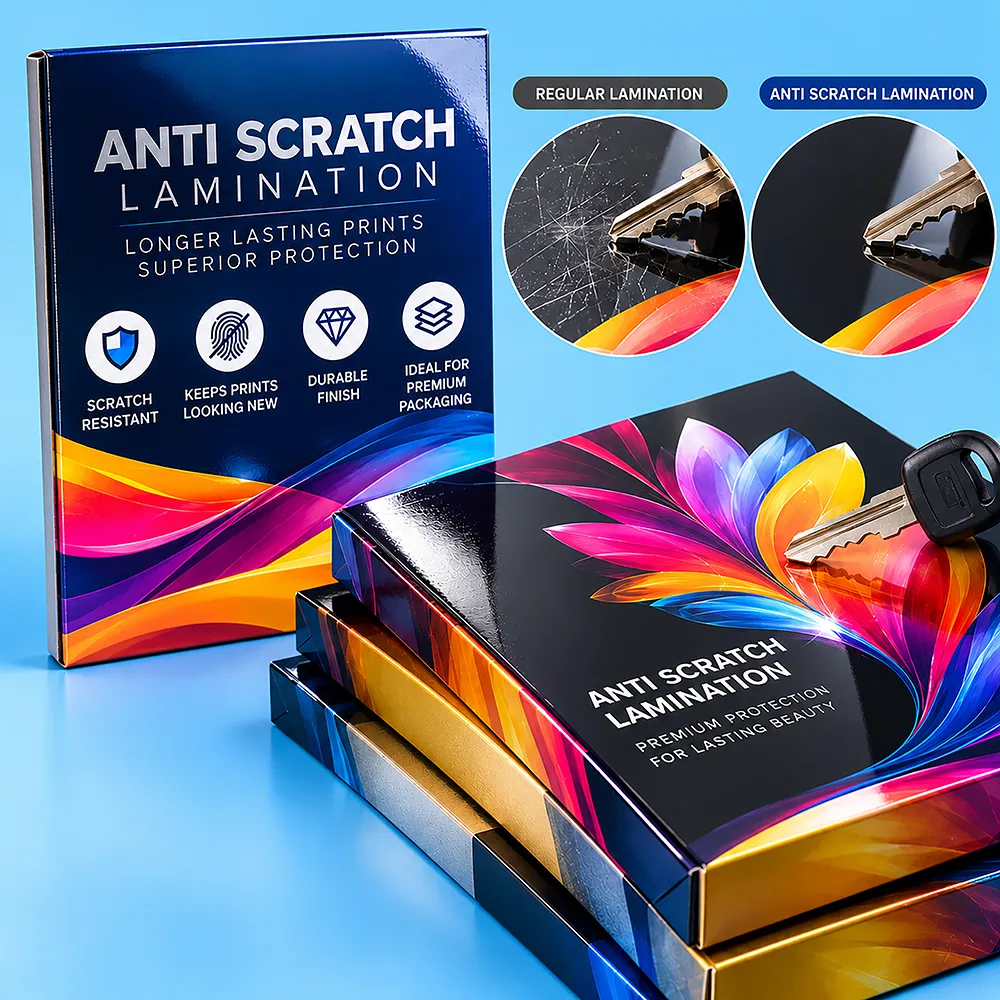
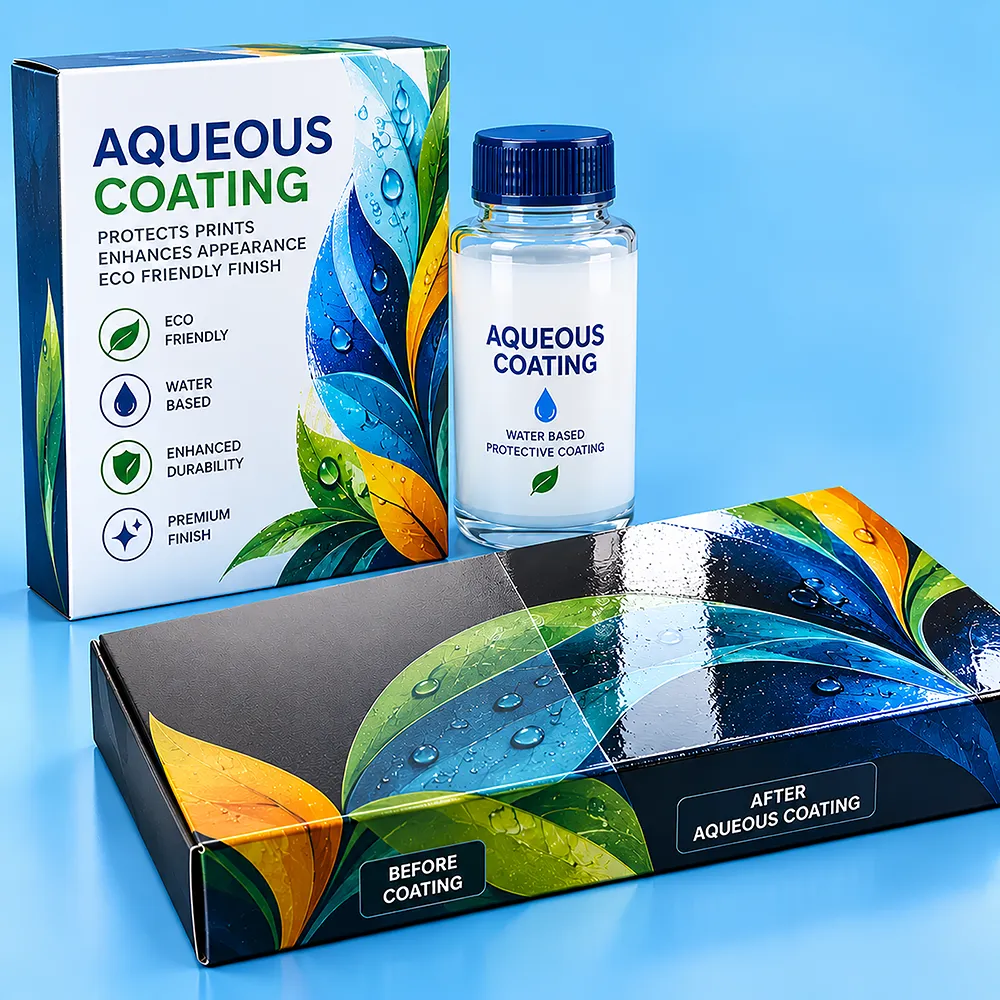
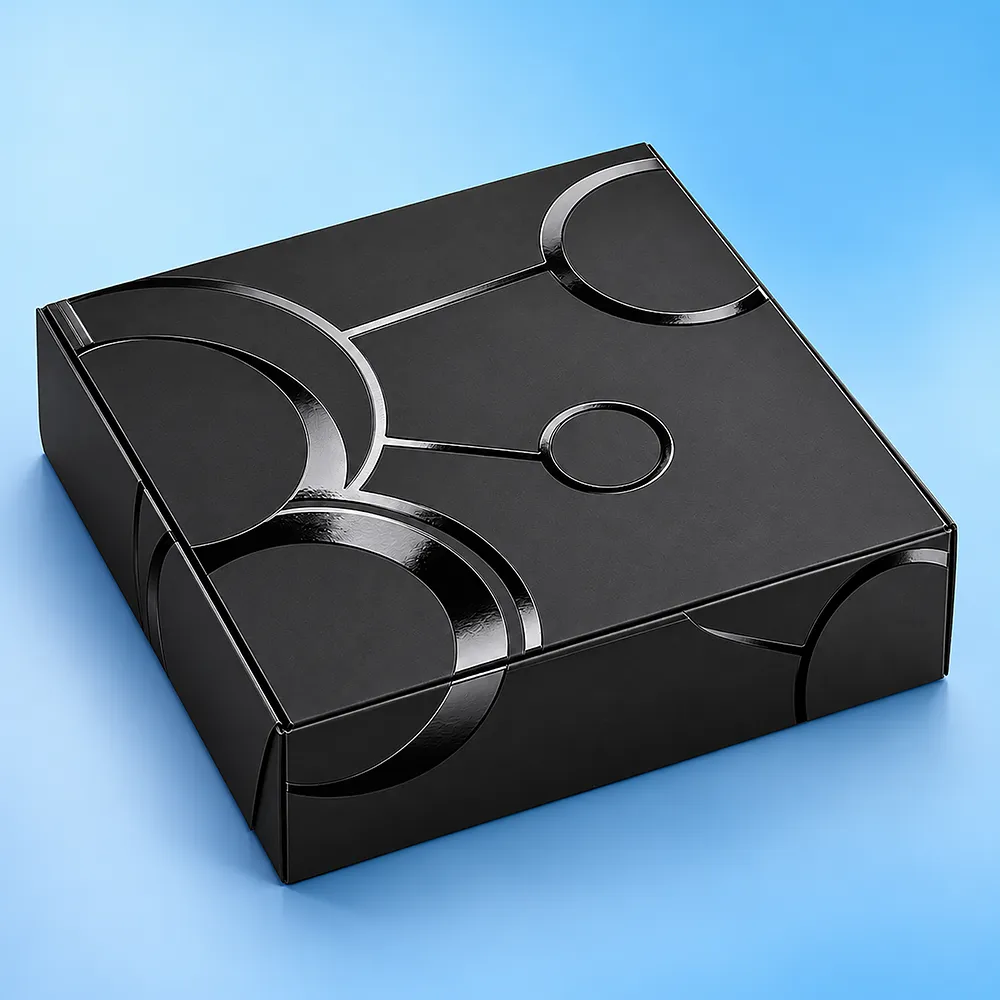
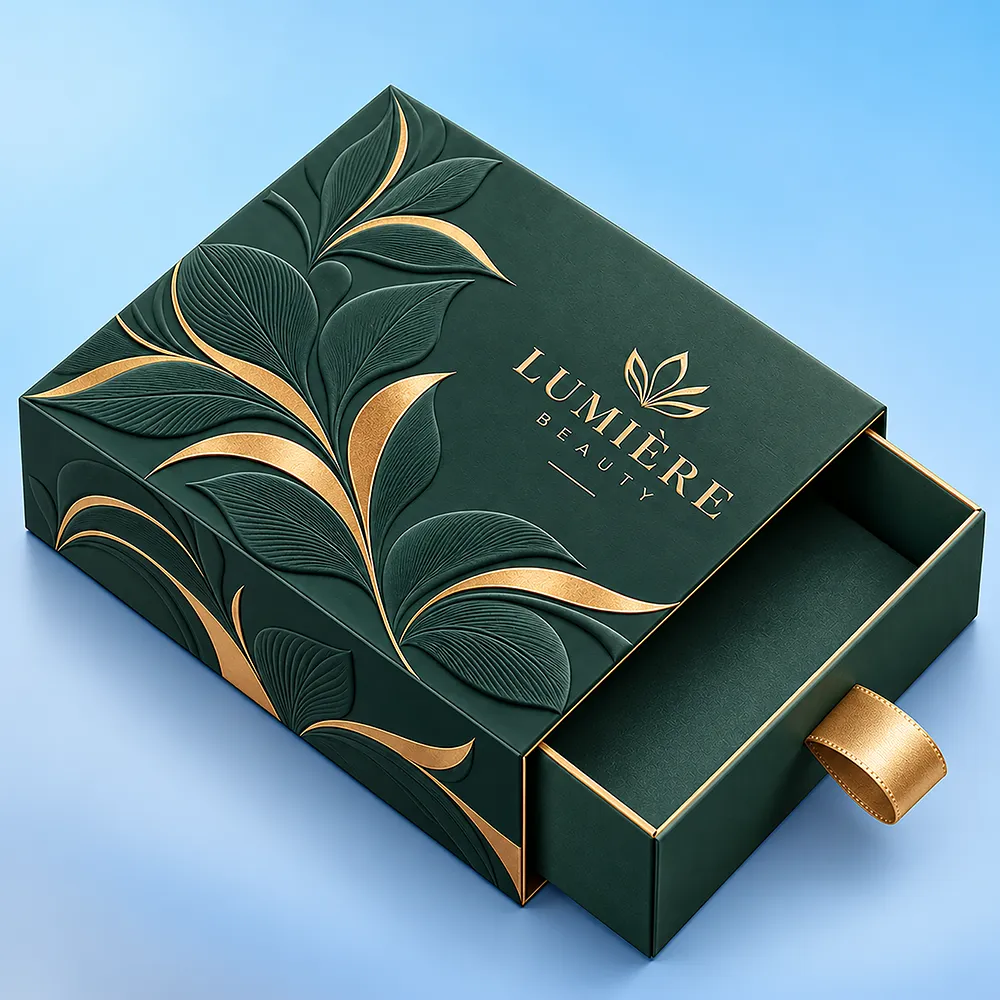
Available decorative directions can include matte or gloss finishes, soft-touch effects, foil, Spot UV, embossing and debossing where compatible with the selected board, print process and structure.
Finalize the structural dieline before committing important artwork or decorative finishing locations.
Avoid Using One Display for Every Cosmetic Product
One display may serve multiple SKUs where the finished dimensions, weights and orientation genuinely align.
Separate layouts may be more appropriate where products differ materially in:
- Height
- Width
- Depth
- Weight
- Closure
- Outer carton dimensions
- Product-facing panel
- Tester requirement
Forcing different container sizes into one repeated compartment can create inconsistent spacing or unnecessarily enlarge the overall display.
Information to Confirm Before Production
Before approving a custom cosmetic display, review:
- Finished product dimensions
- Finished unit weight
- Total capacity
- Number of SKUs
- Units per SKU
- Rows and columns
- Product orientation
- Retail footprint
- Total loaded weight
- Divider arrangement
- Tester position
- Removal direction
- Replenishment method
- Header dimensions
- Artwork safe zones
- Assembly format
- Outer shipping requirements
- Order quantity
Changes to the product dimensions, capacity or merchandising arrangement after structural approval may require the display layout or dieline to be reviewed again.
Custom Cosmetic Display Box Ordering Information
MOQ for custom cosmetic display boxes starts from 100 units.
Available proofing or sample routes are confirmed during quotation. Production timing is confirmed after the product dimensions, display capacity, structure, artwork, quantity and other project specifications have been approved.
Shipping methods, charges and estimated transit times are confirmed according to the completed order, packing format, destination and selected service.
Request Custom Cosmetic Display Box Pricing
Share the finished product dimensions, unit weight, number of products, SKU arrangement, rows and columns, retail footprint, loaded weight, preferred display style, tester requirements, artwork and required quantity.
BoxBaba can use these details to evaluate the display dimensions, structure, product arrangement, header and other project requirements before production.
Request a Custom Cosmetic Display Box Quote through the quote form, call +1 305 574 4357, or email sales@boxbaba.com.