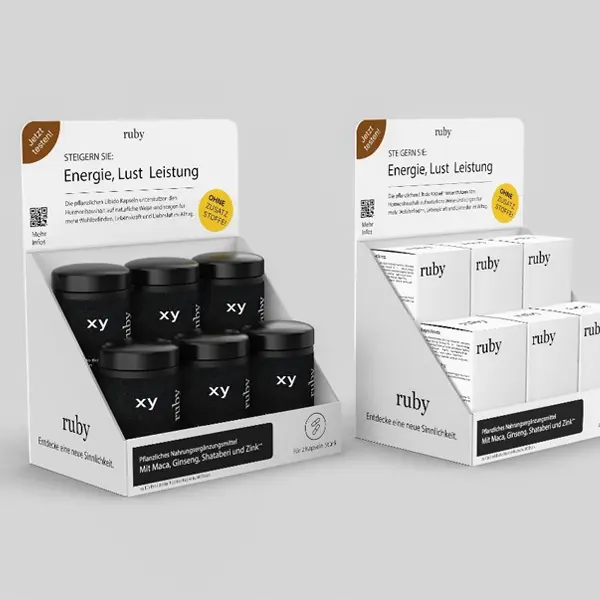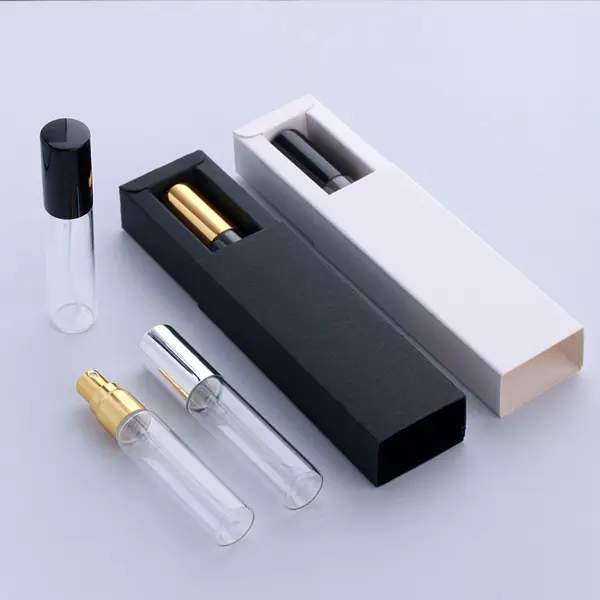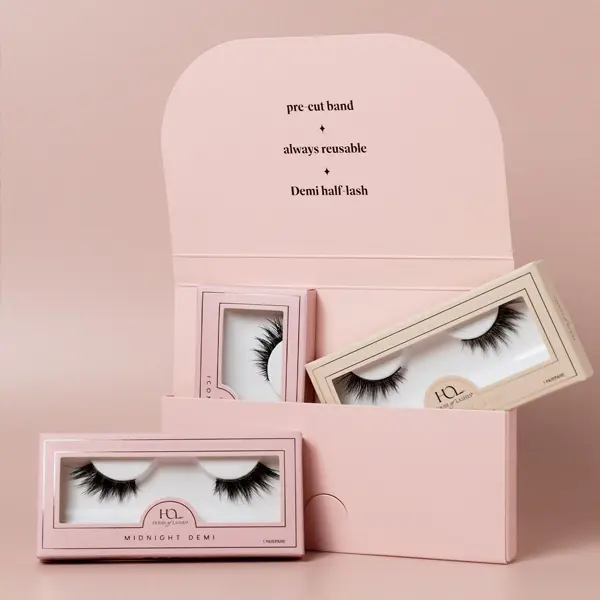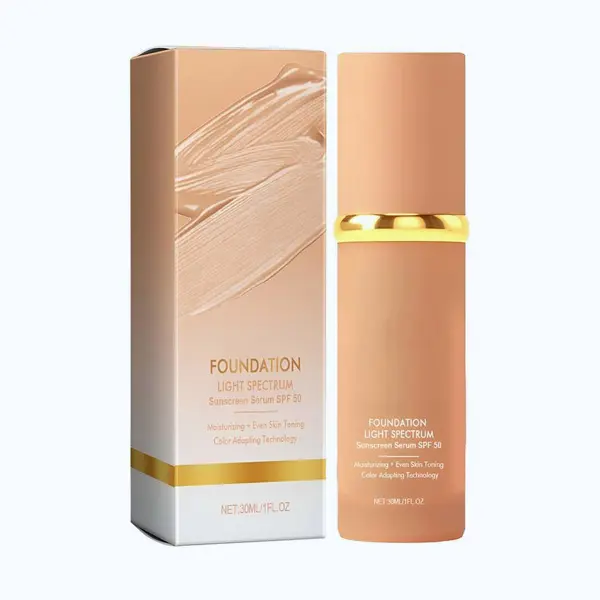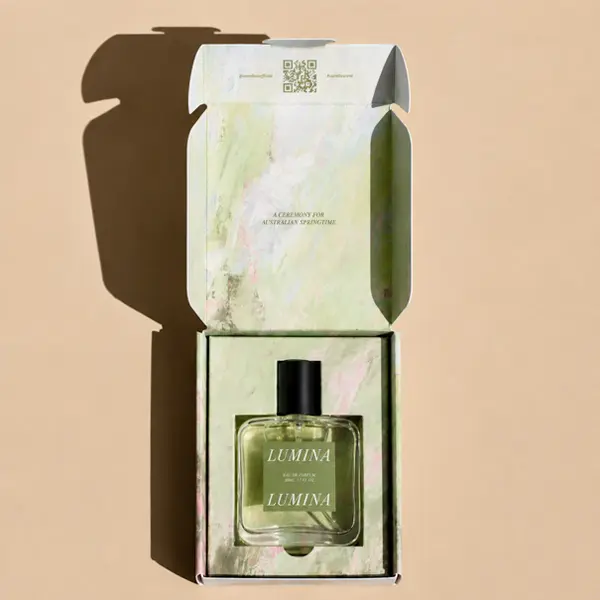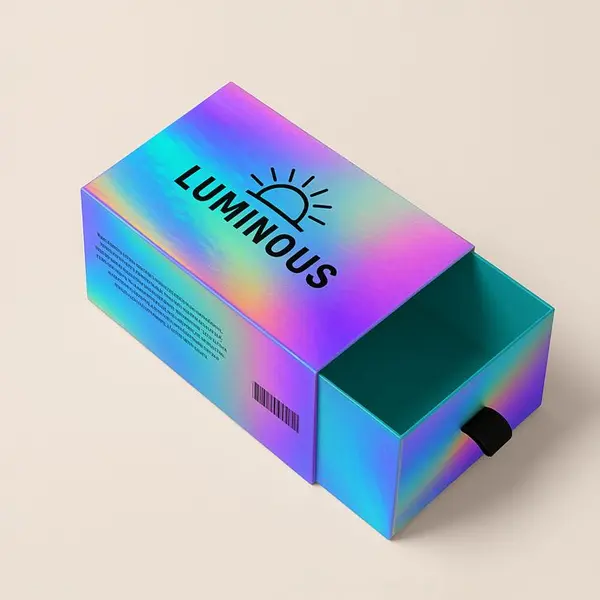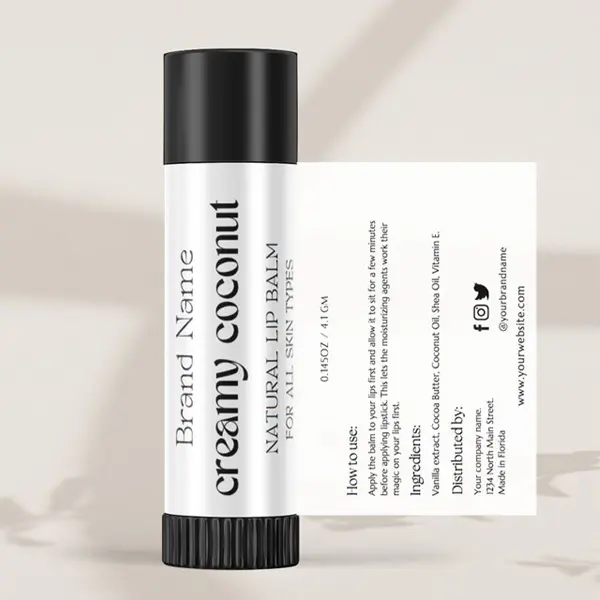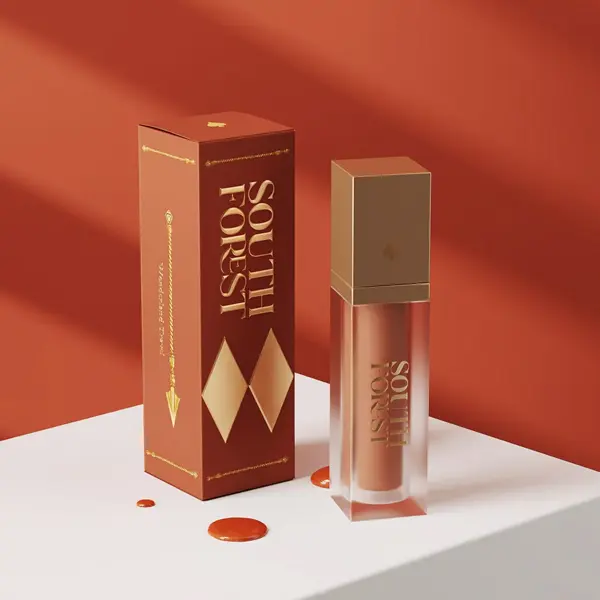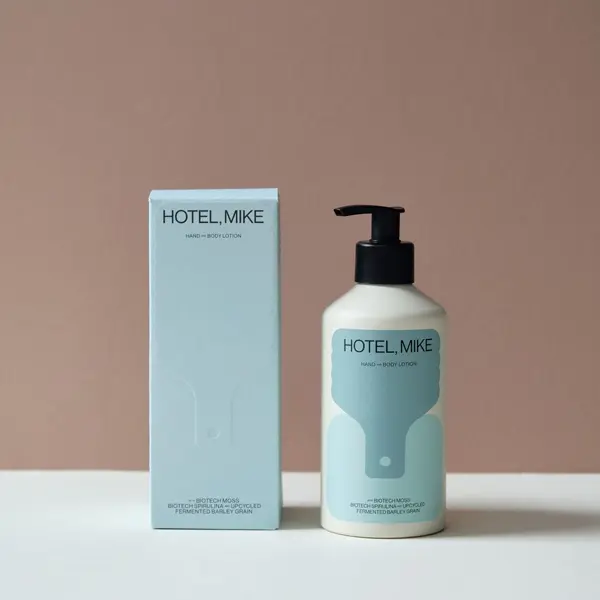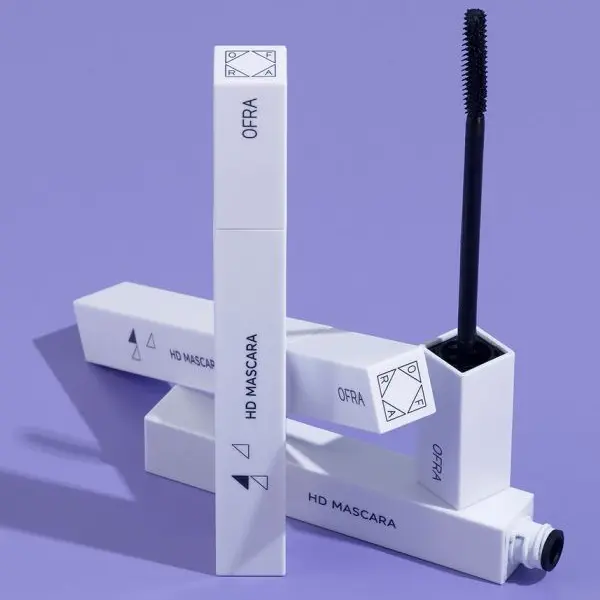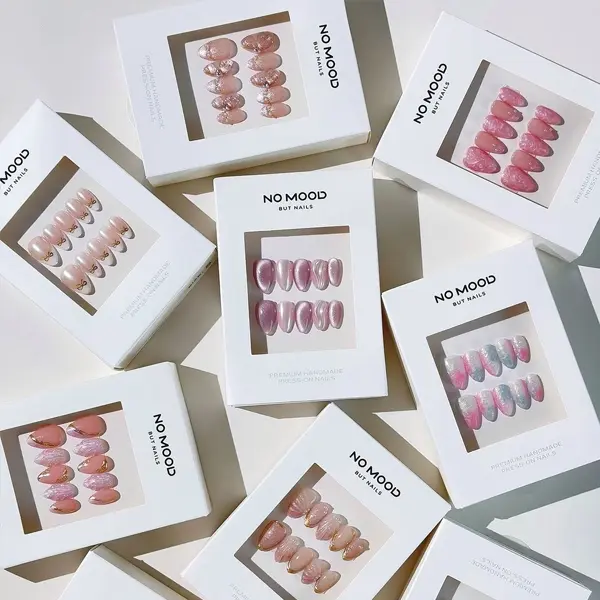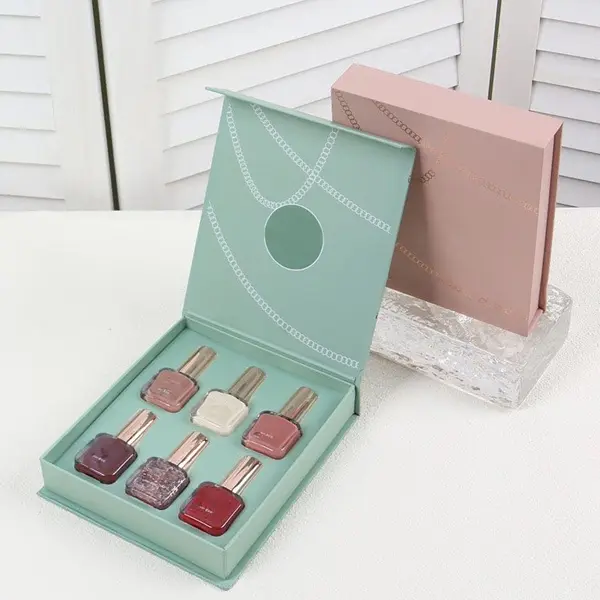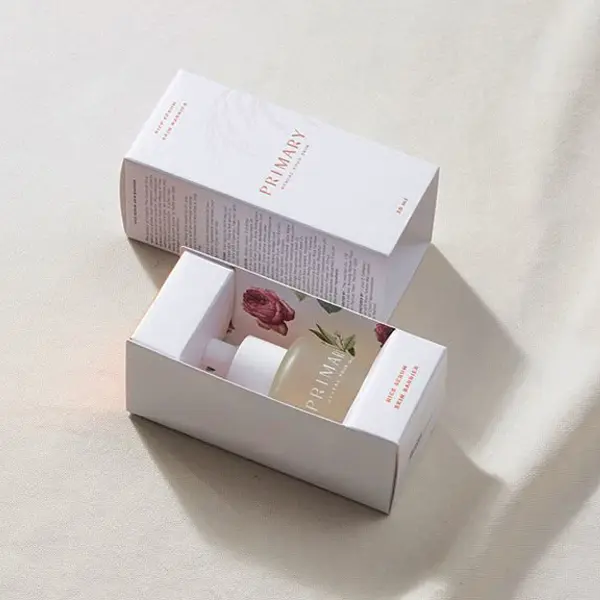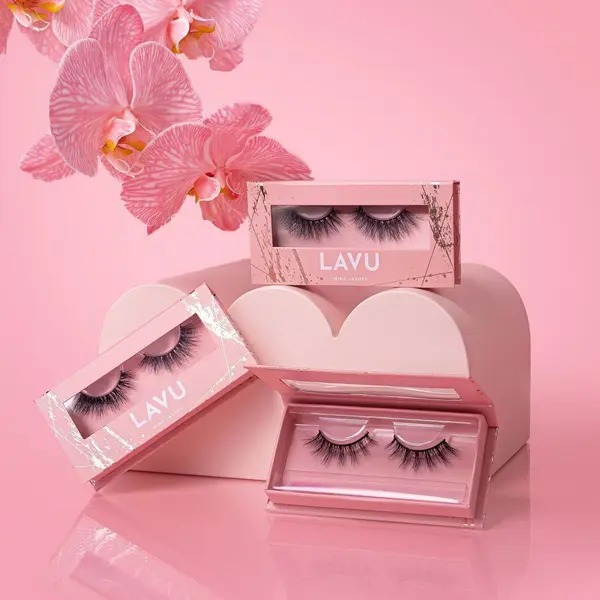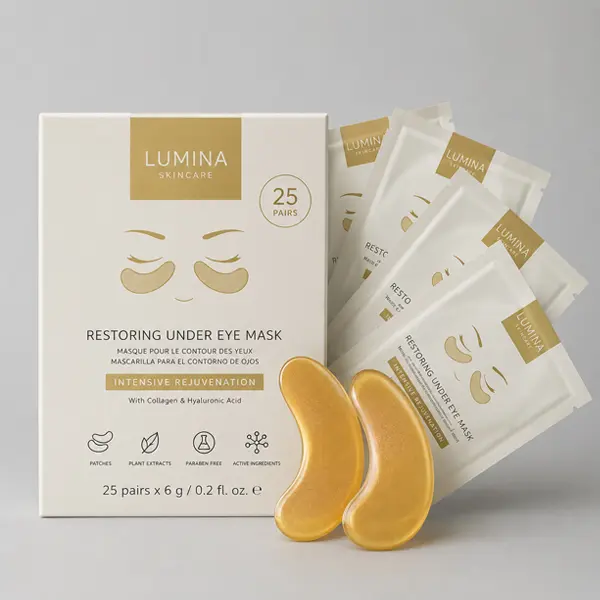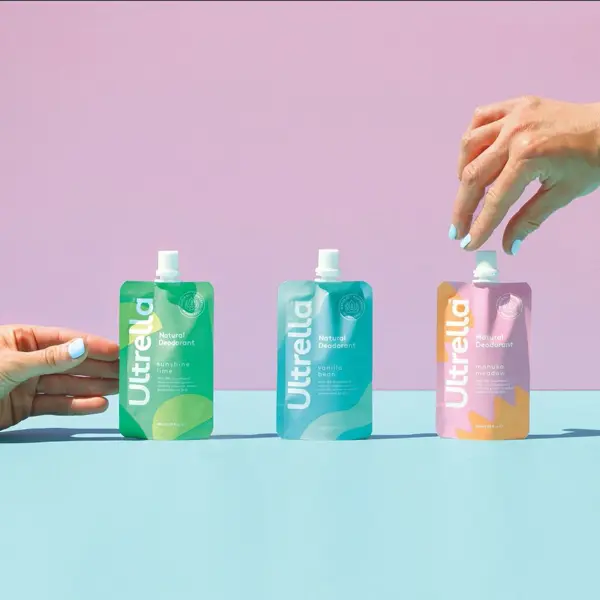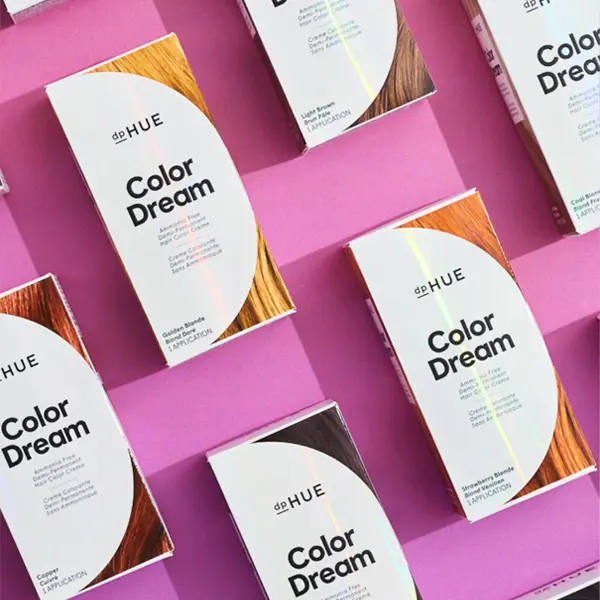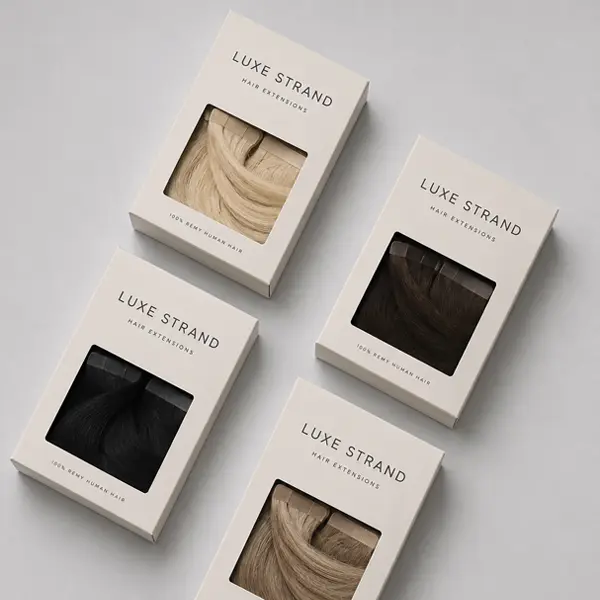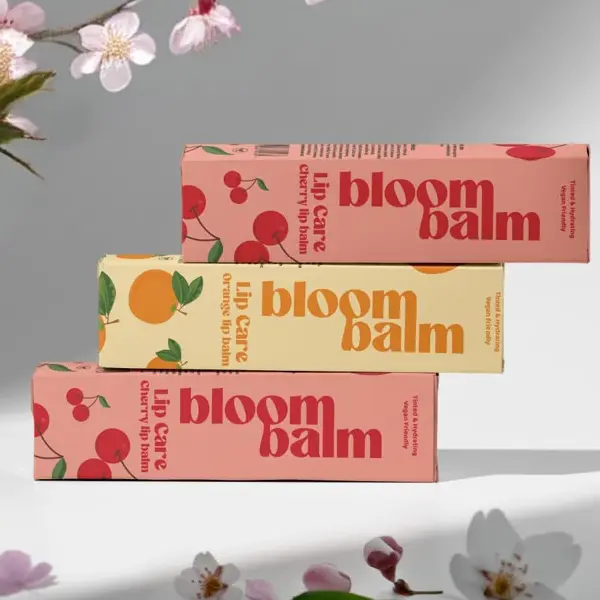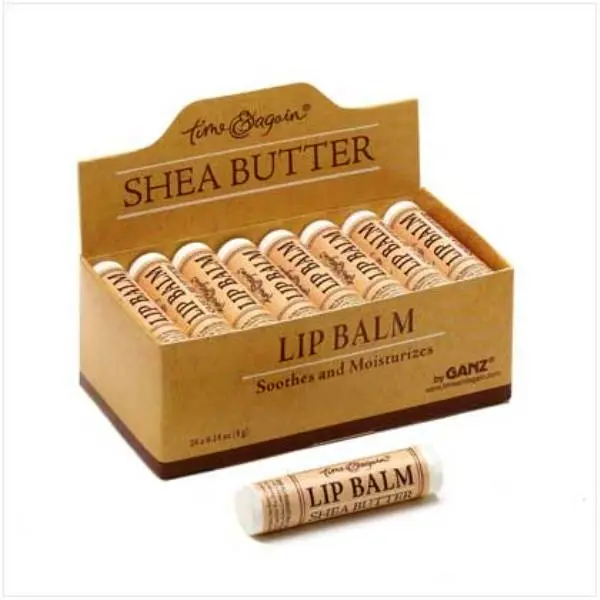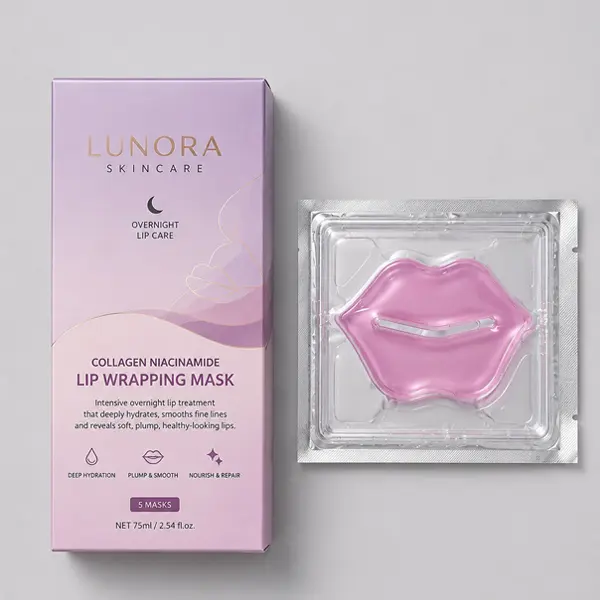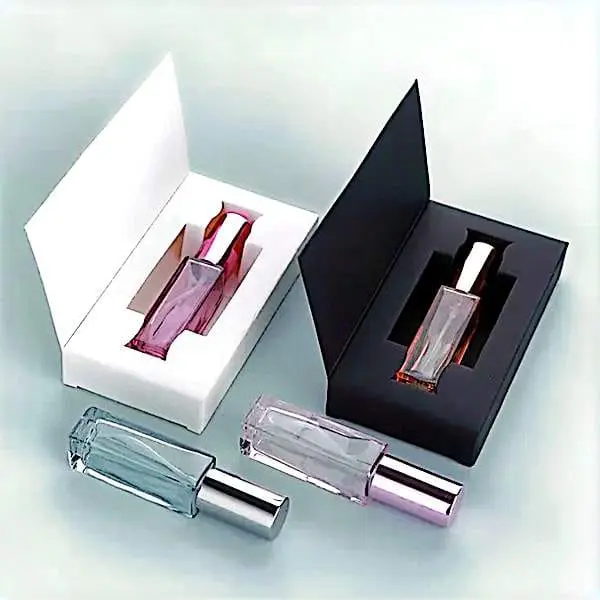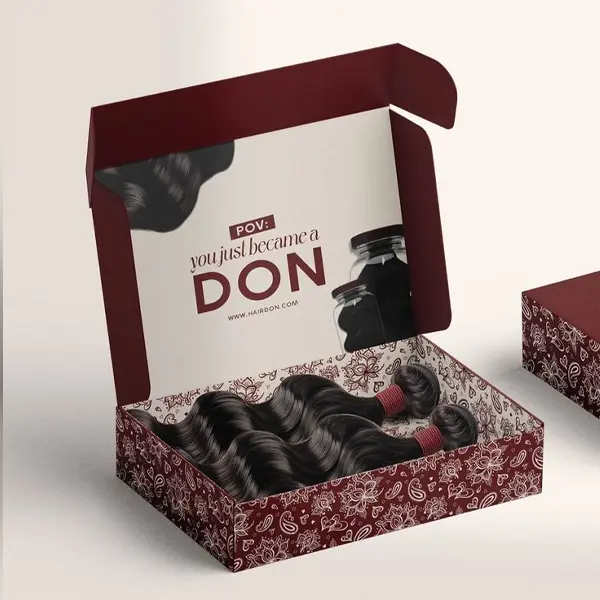
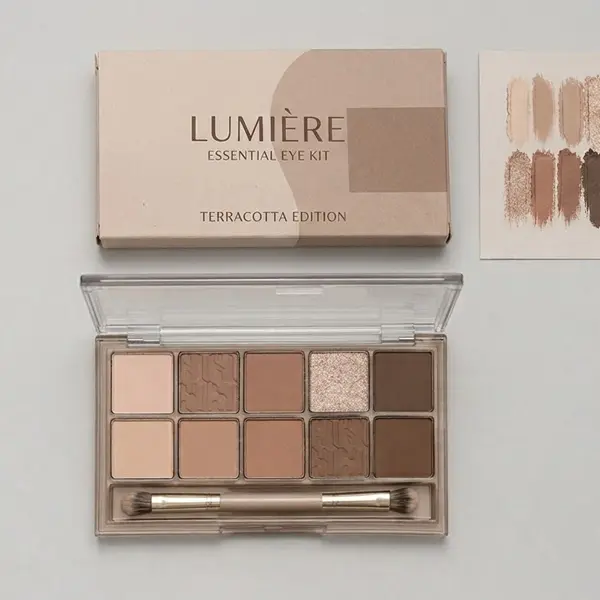




Present your eye shadows with style using Eye Shadow Boxes. Sturdy, eco-friendly, and fully customizable, these boxes protect your makeup while enhancing your brand with tailored sizes, colors, finishes, and logo printing.
Create Custom Boxes Quick and Easy
Get your custom boxes made in the required size, shape, and style.
Upload your artwork and get it superbly printed the way you want.
Order any quantity, enjoy a wholesale price, pay no extra for die plates.
| Specification | Eye Shadow Packaging Requirements |
|---|---|
| Product type | Custom secondary packaging developed around the complete closed dimensions, hinge and latch profile, mirror position, applicator compartment, pan layout, loaded weight, orientation, artwork and sales-channel requirements of an eye shadow palette or set. |
| Suitable product formats | Single-shade compacts, duo palettes, quad palettes, multi-pan eye shadow palettes, refill-pan sets, palettes with mirrors, palettes with brushes or applicators and coordinated makeup collections. |
| Required palette measurements | Provide the complete closed length, width and thickness together with the maximum external dimensions, hinge projection, latch projection, lid overhang and any projecting decorative components. |
| Measurement rule | Measure the fully assembled, filled, closed, labeled and decorated palette. Do not calculate the carton only from the number of shades, powder weight, pan diameter or empty primary-container dimensions. |
| Single-shade compact | Record the complete closed length, width and thickness, hinge, latch, lid profile, base footprint and loaded product weight. |
| Duo or quad palette | Provide the complete closed dimensions, hinge and latch projections, pan arrangement, mirror position, applicator compartment, opening direction and loaded weight. |
| Multi-pan palette | Measure the complete closed palette and record the pan count, arrangement, hinge, latch, mirror, applicator wells, loaded weight and center of gravity where relevant. |
| Palette with mirror | Provide the mirror dimensions and position, closed lid thickness, hinge profile, latch profile, decorated lid surface and preferred packing orientation. |
| Palette with applicator | Record the brush or applicator dimensions, compartment size, removal direction and required separation from the palette. |
| Refill-pan set | Confirm the number of refill pans, primary tray or holder dimensions, complete set dimensions, pan arrangement, cavity requirement and total loaded weight. |
| Primary packaging status | Confirm whether the product is a finished compact, refill pan in a primary holder, direct-contact package, secondary retail carton or multi-pan refill set. Direct cosmetic-powder contact requirements must be reviewed separately. |
| Loaded product weight | Provide the completed weight of the palette, including the pans, formula, case, lid, mirror, hinge, latch, applicator, label and attached decorative components. |
| Center of gravity | Confirm whether the completed palette is evenly balanced, lid-heavy or unevenly weighted due to a mirror, applicator compartment or irregular pan arrangement. |
| Base footprint | Record the complete base length and width together with rounded corners, feet, projections or irregular edges that may affect internal support. |
| Hinge profile | Measure the hinge at its widest and most projecting points in the closed condition. Allow suitable clearance without placing unnecessary pressure on the hinge area. |
| Latch profile | Record the latch width, depth and projection. Confirm the insertion direction so the carton or insert does not press against the closure. |
| Lid overhang | Include any lid edge, decorative frame, beveled profile or projecting top component that extends beyond the palette body. |
| Mirror position | Identify the mirror location and dimensions. The carton or insert should avoid unnecessary concentrated pressure on the mirror area, lid, hinge or latch. |
| Pan count and arrangement | Provide the number of pans together with the row, column, circular, irregular or mixed layout where it affects the palette dimensions, weight distribution or artwork. |
| Product orientation | Confirm whether the palette should lie flat, stand vertically, sit on an edge or remain within a fitted tray or platform. |
| Opening direction | Record the direction in which the palette opens and whether the product should be packed hinge-first, latch-first or in another approved orientation. |
| Internal box dimensions | Internal dimensions are developed around the approved palette measurements, board thickness, hinge and latch clearance, insert space, folds and removal method. |
| External box dimensions | External dimensions depend on the internal fit, board thickness, folded structure, locking features, sleeves, trays, windows and inserts. |
| Product clearance | The carton should allow the palette to be packed and removed without excessive force while avoiding unnecessary headspace, side clearance or pressure on the lid, hinge, latch, mirror or decorated surfaces. |
| Possible structures | Possible directions include fitted folding cartons, reverse-tuck cartons, locking-bottom boxes, sleeves, window cartons, tray-and-sleeve structures, drawer boxes, two-piece boxes and presentation boxes where justified. |
| Single-compact carton | A short fitted tuck carton, reverse-tuck carton, sleeve, locking-bottom box or window carton may be considered according to the compact dimensions and weight. |
| Duo and quad palette carton | A fitted folding carton, sleeve, short locking-bottom carton, window box or tray-and-sleeve structure may be considered according to the complete palette profile. |
| Multi-pan palette carton | A reinforced folding carton, tray-and-sleeve structure, drawer box, two-piece box or presentation package may be considered according to the loaded size, weight and sales channel. |
| Rigid packaging | A rigid box may be considered for selected presentation, gift or launch projects. It is not automatically required for every eye shadow palette. |
| Material direction | Paperboard, cardstock, kraft-style board, corrugated components and rigid greyboard structures may be considered according to the palette dimensions, loaded weight, insert, artwork, finishing and sales channel. |
| Board thickness | The final board thickness is confirmed according to the finished box dimensions, palette weight, structure, bottom construction, window, insert and distribution route. |
| Bottom construction | A tuck bottom, snap-lock bottom, auto-lock bottom, tray base or reinforced base may be considered according to the palette weight and structure. |
| Insert requirement | A separate insert may not be required for every regularly shaped lightweight palette. An insert may be useful for heavy, irregular, mirrored, windowed, multi-product or presentation-focused packaging. |
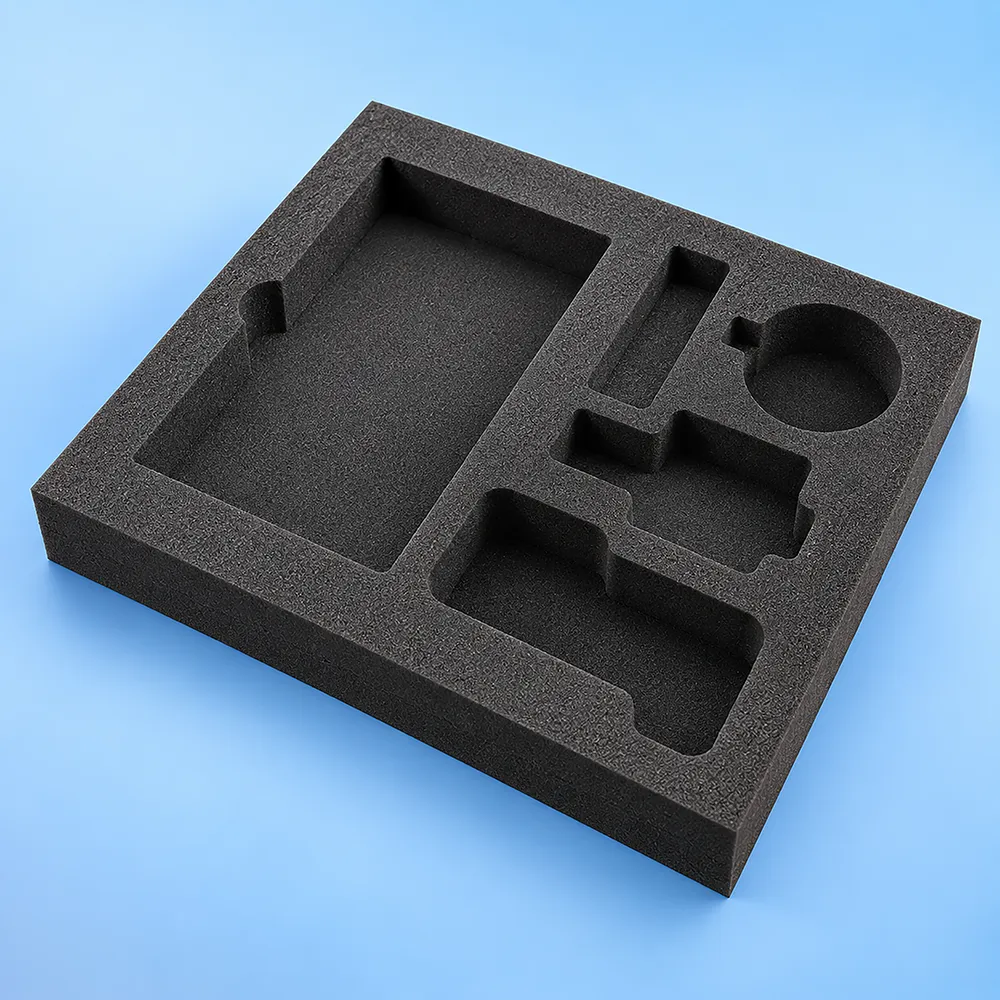
| Insert options | Possible directions include die-cut paperboard inserts, folded platforms, paperboard frames, dividers, corrugated stabilizers, molded pulp components and foam inserts for selected projects. |
| Insert contact areas | Internal supports should use approved contact areas around the palette body or base without placing unnecessary pressure on the lid, hinge, latch, mirror, pans, applicator or decorated surface. |
| Applicator separation | A paperboard divider, separate cavity, folded platform or accessory compartment may be considered where a brush or applicator must remain separate from the palette. |
| Window packaging | A window can reveal an approved section of the closed palette or decorated lid. Confirm the visible area, orientation, window dimensions, remaining border width, artwork safe zones and insert alignment. |
| Window limitation | A carton window does not automatically display the eye shadow powder when the primary palette remains closed. |
| Multi-palette sets | Measure every palette, refill tray, applicator and accessory separately. Confirm the unit count, shade order, spacing, removal direction, total loaded weight and presentation sequence. |
| Retail display coordination | Individual eye shadow cartons can be coordinated with a separate countertop or shelf display. Display capacity, facings, tiers, testers and replenishment should be planned separately. |
| Ecommerce packaging | The fitted retail carton should be coordinated with a separate mailer or corrugated shipping carton. The retail box and parcel-shipping package perform different functions. |
| Wholesale case packing | Confirm the number of retail cartons per master case, palette orientation, shade arrangement, divider requirement, total case weight and master-carton dimensions. |
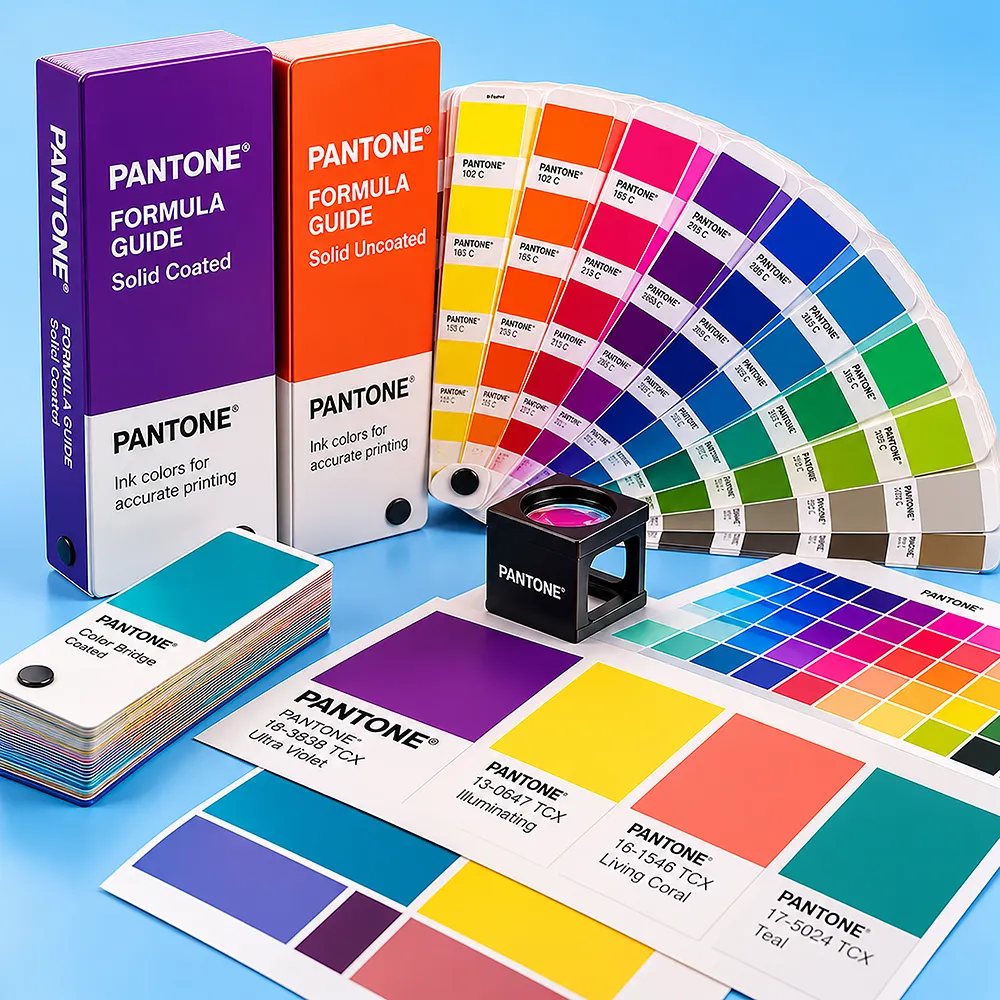
| Printing | CMYK, PMS or Pantone color directions and inside or outside printing may be considered where compatible with the selected material, artwork, quantity and production method. |
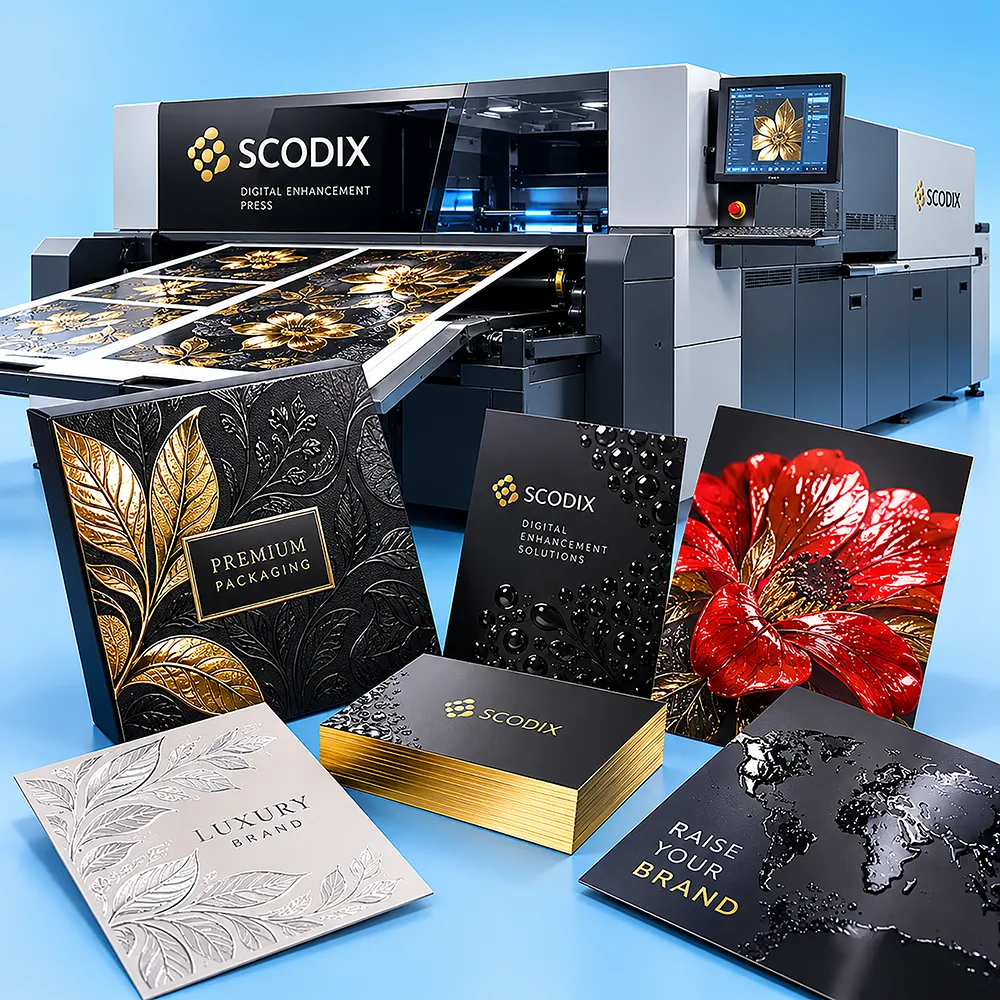
| Finishing options | Possible finishes include matte, gloss, soft-touch, foil stamping, Spot UV, embossing and debossing. Compatibility is confirmed according to the stock, structure, artwork and finish placement. |
| Shade identification | Shade names, collection names, numbers, swatches and palette diagrams can be coordinated across approved artwork files. Printed appearance should not be treated as an exact substitute for the physical eye shadow formula. |
| Artwork and dieline | Artwork should follow the approved dieline and account for cut lines, folds, glue areas, bleed, safe zones, windows, inserts and finishing locations. |
| Shade and collection variations | A shared dieline may support different shade collections, names, barcodes and artwork files when the physical palettes use the same approved dimensions, hinge, latch, weight range, orientation, insert and window position. |
| Different palette formats | Single, duo, quad and multi-pan palettes with materially different external dimensions, closures, mirrors or loaded weights may require separate box dimensions or dielines. |
| Quantity breakdown | Provide the total quantity and quantity required for every palette format, shade collection, artwork version, language, market and SKU. |
| Product-information panels | Panel space may be planned for the product name, shade collection, pan information, net contents, ingredients, directions, warnings, barcode, SKU, batch area, business information and other buyer-approved content. |
| Labeling responsibility | BoxBaba can plan printable panel space around approved artwork. The buyer remains responsible for final legal, regulatory, cosmetic-claim, ingredient, warning, shade and labeling review before printing. |
| Minimum order quantity | The verified minimum order quantity for custom cosmetic boxes is 100 boxes. Provide the total quantity and quantity required for each palette format, shade collection, artwork version or SKU. |
| Proofing and samples | Available proofing or sample routes are confirmed during quotation and may include an artwork proof, digital mockup, blank structural sample or printed physical sample depending on the project. |
| Production schedule | Production timing is confirmed after the dimensions, structure, material, insert, artwork, quantities, finishes and proofing requirements have been approved. |
| Shipping | Shipping methods, charges and estimated transit times are confirmed according to the completed order, packing format, delivery destination and selected service. |
| Supply format | Folding cartons may be supplied flat-packed. Tray-and-sleeve, drawer, two-piece, rigid, insert-supported or multi-part structures may require partial or complete assembly. |
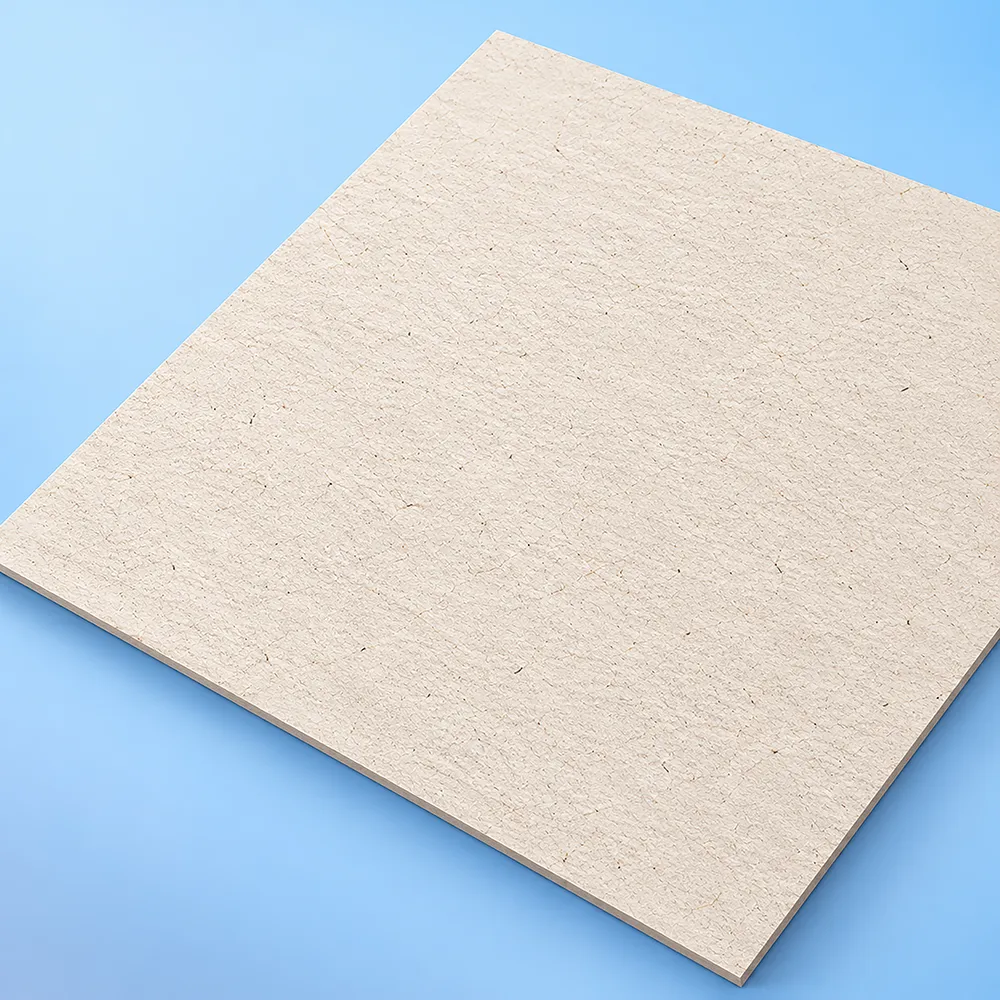
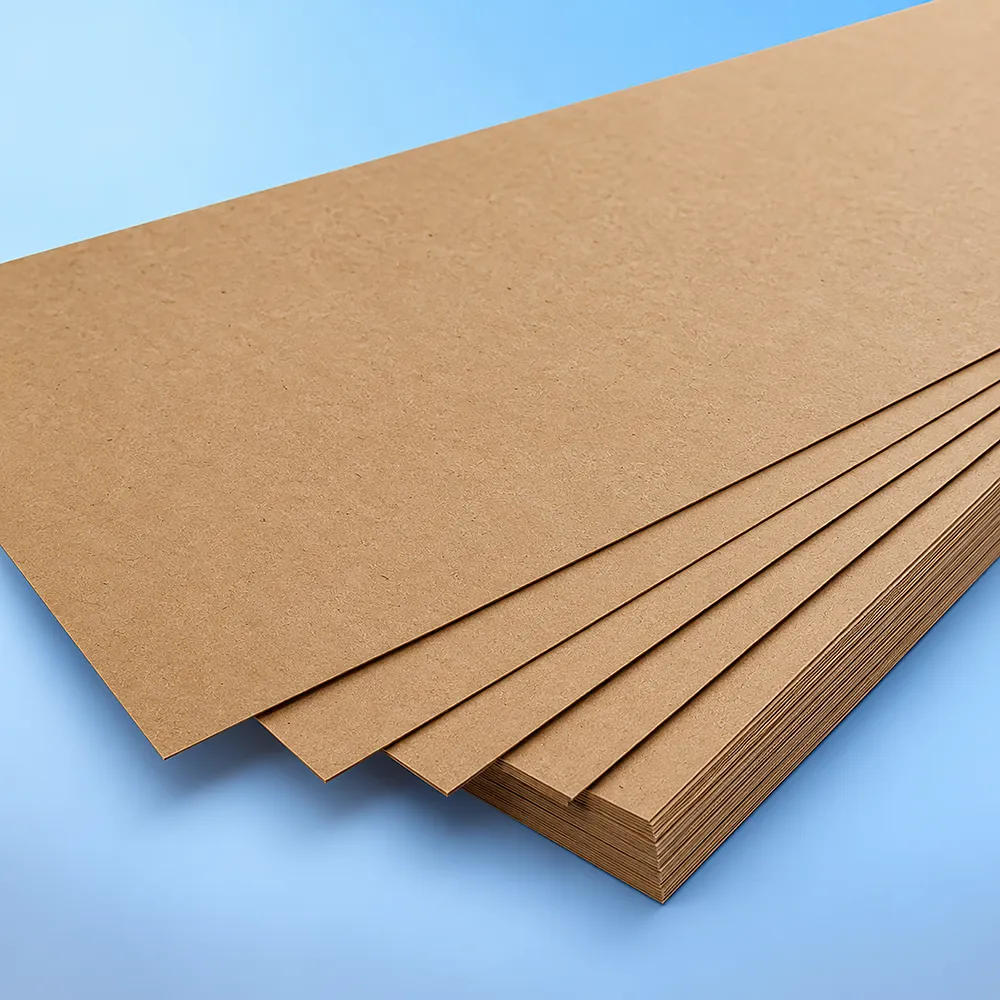
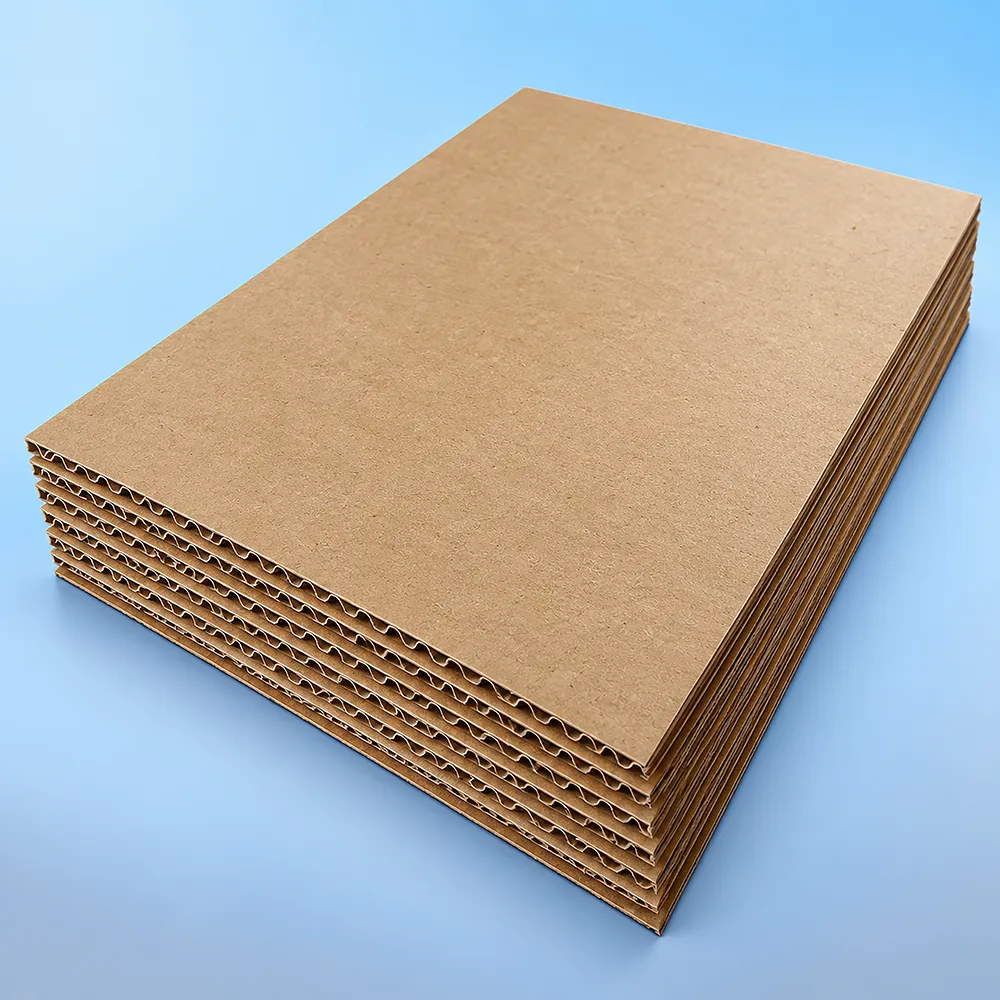
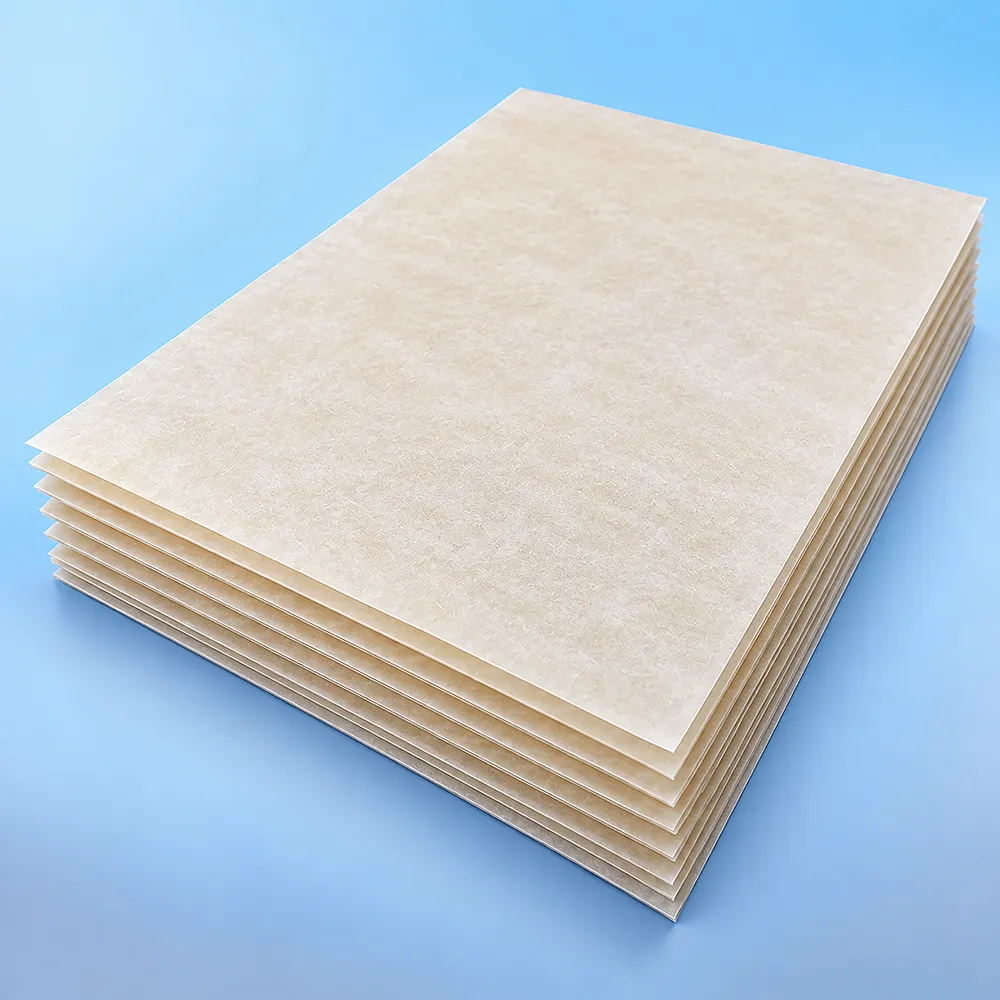
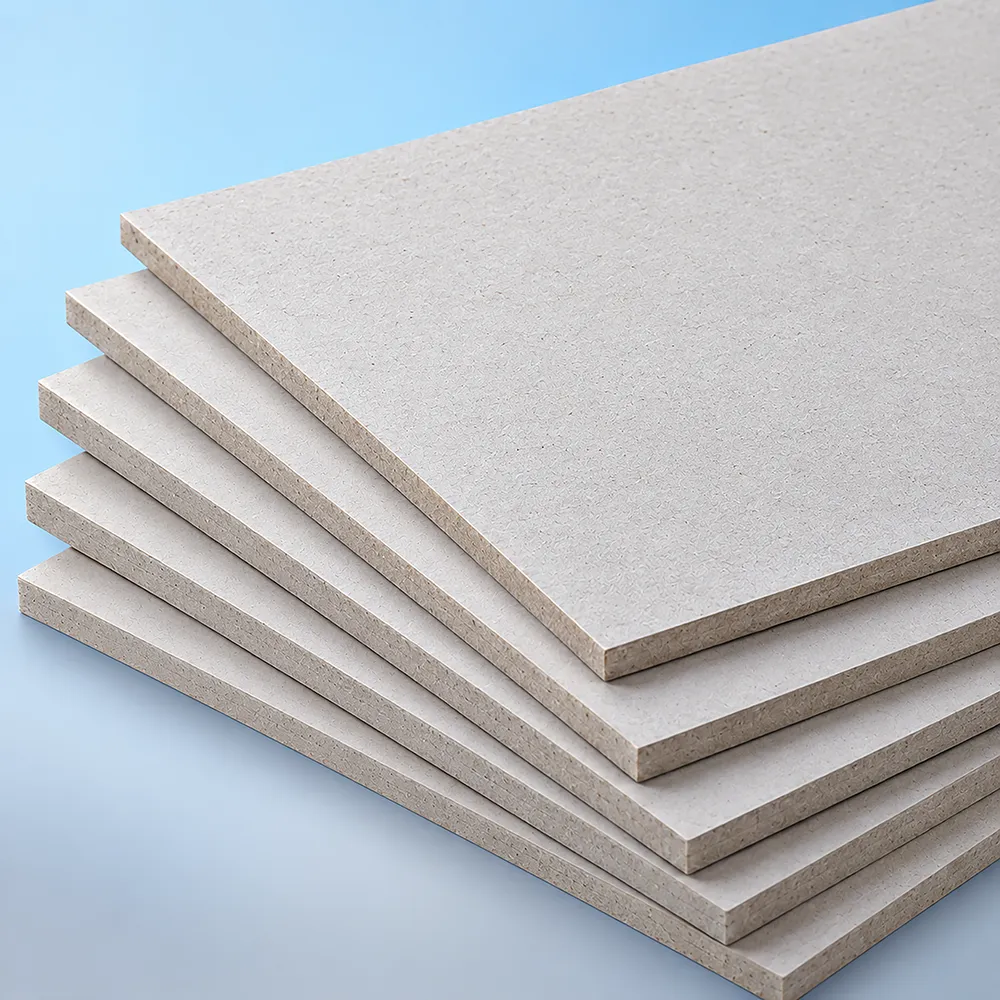
Packaging materials do more than hold a product; they influence protection, presentation and overall box performance. Cardboard provides a smooth, durable surface for custom printing and everyday retail packaging. Kraft paper offers a natural, sturdy option with an eco-conscious appearance. Corrugated stock adds extra strength for heavier products and shipping applications. We offer carefully selected paper stocks that balance durability, print quality, sustainability, affordability and premium presentation.
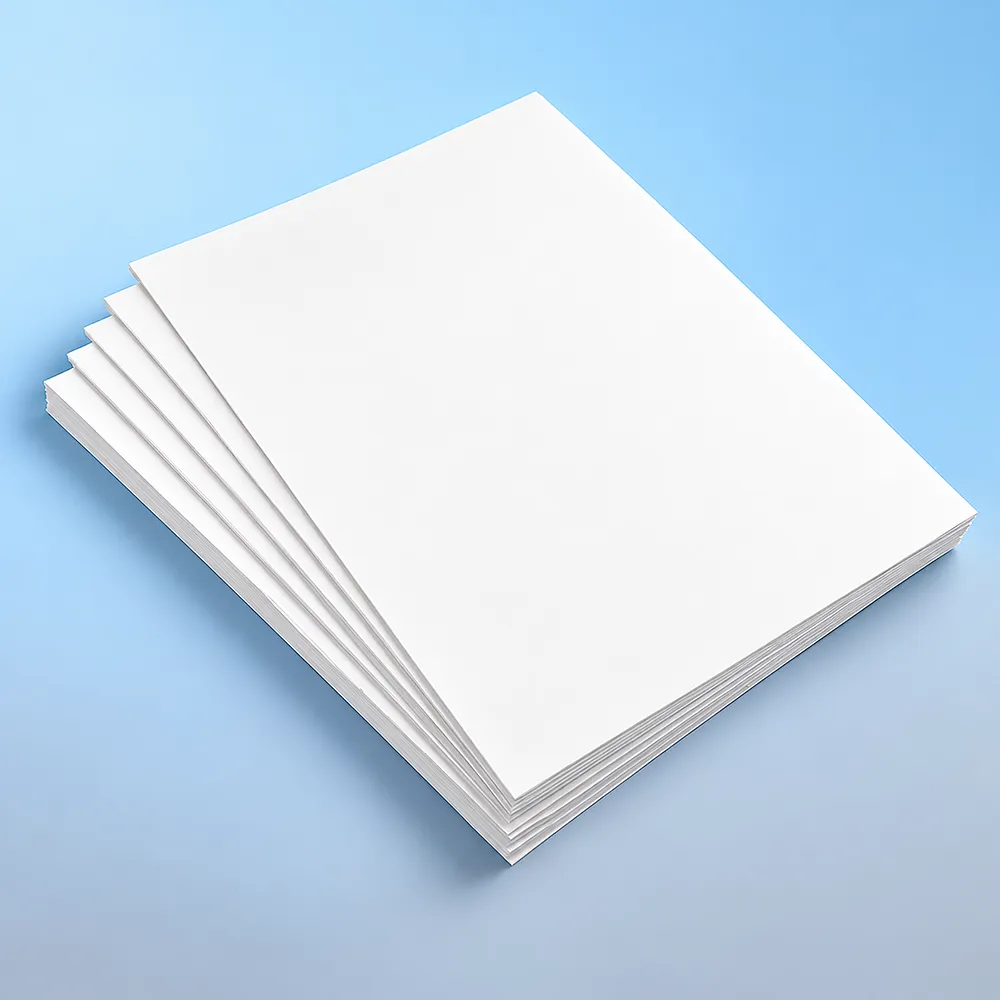
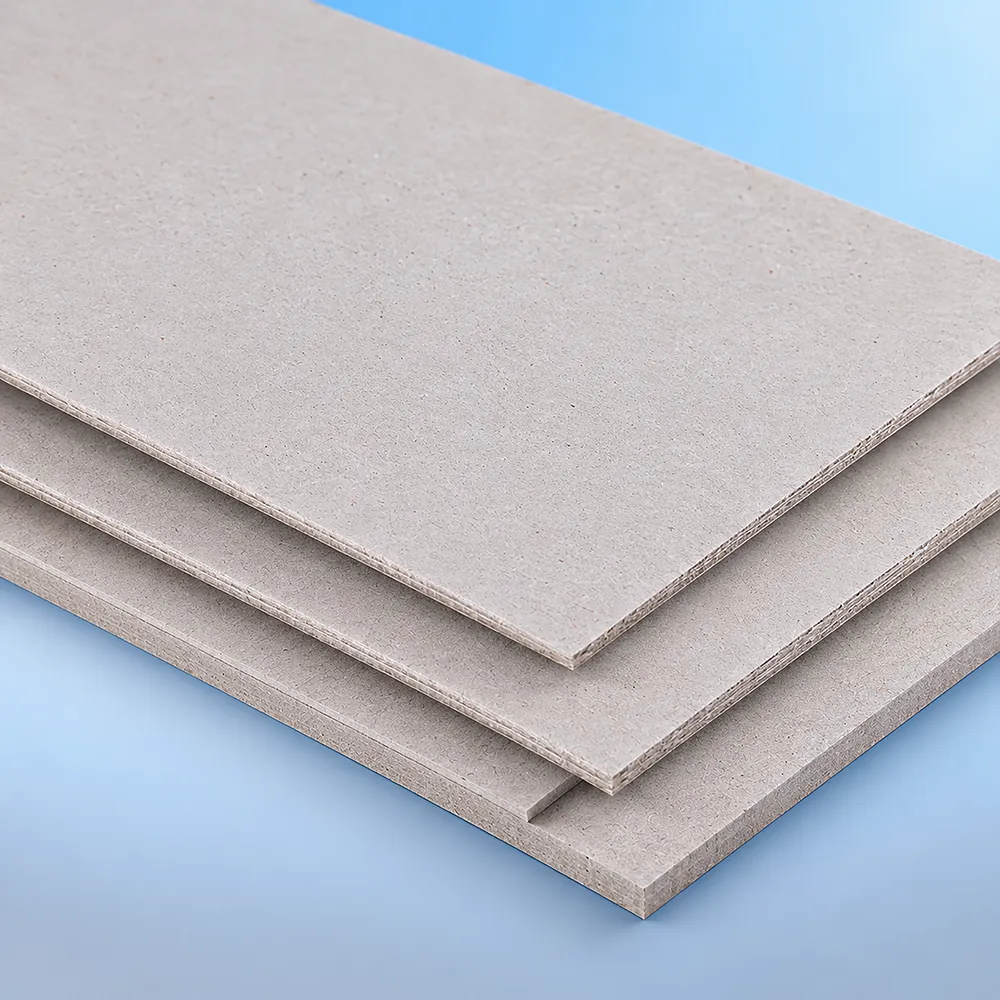
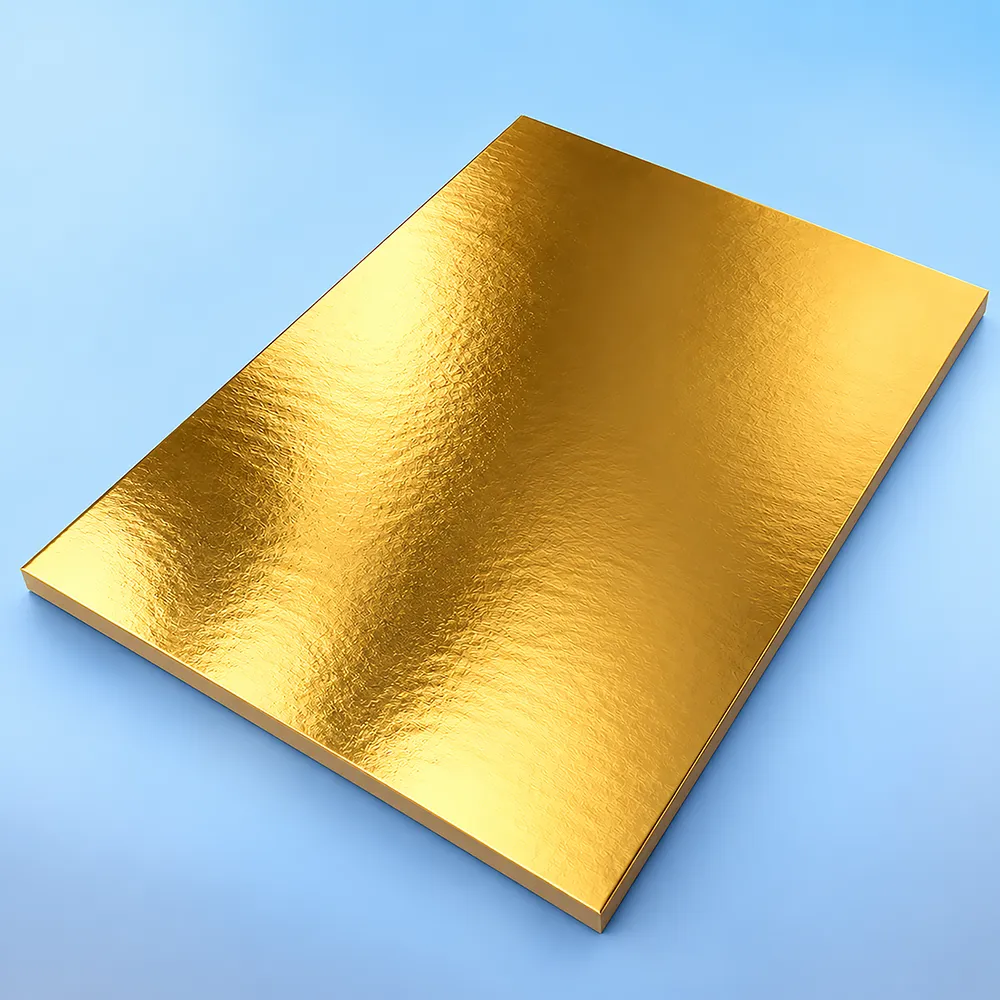
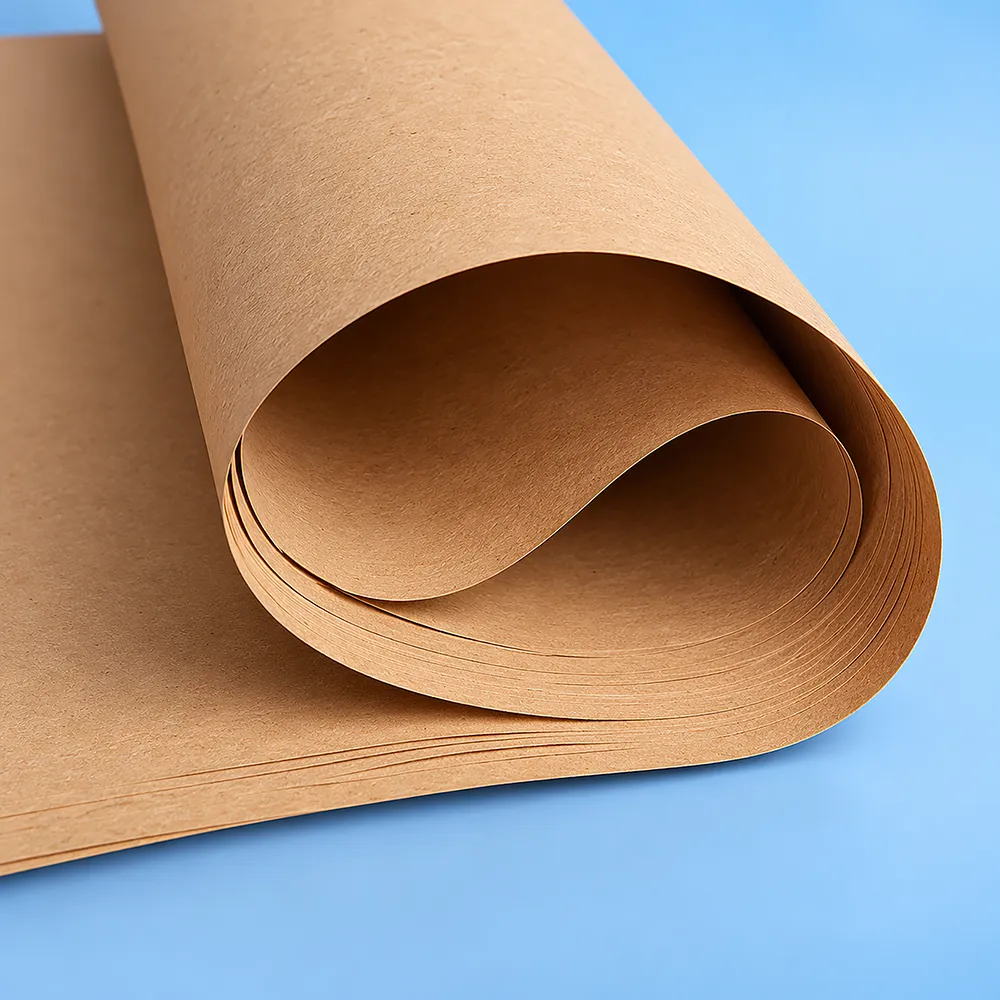
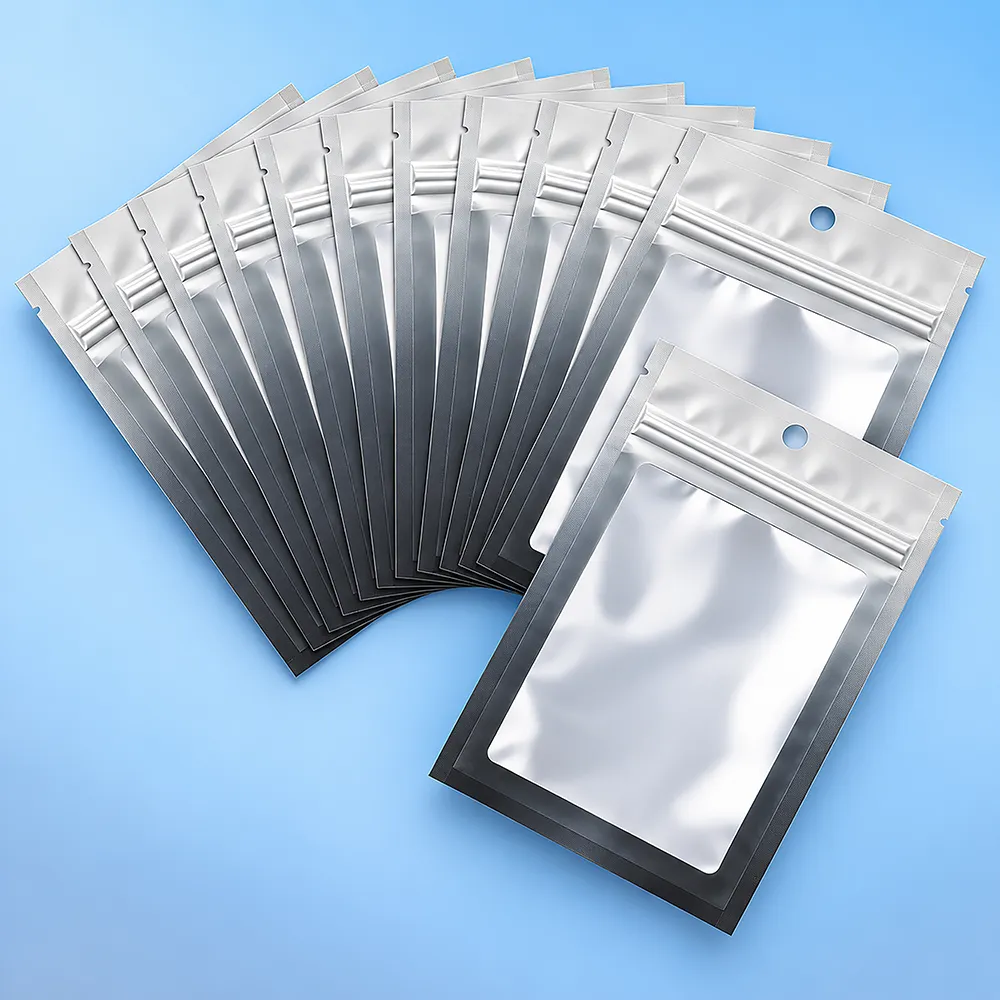

Printing methods enhance how your packaging looks and represents your brand. Digital printing delivers sharp details and vibrant colors, making it ideal for flexible custom packaging designs. Offset printing provides consistent color accuracy and crisp image quality for larger production runs. Screen printing creates bold, durable graphics on selected box surfaces and materials. We offer the latest printing methods to turn your creative ideas into realistic visuals, showcasing logos, patterns, artwork and branded graphics with clarity and precision.
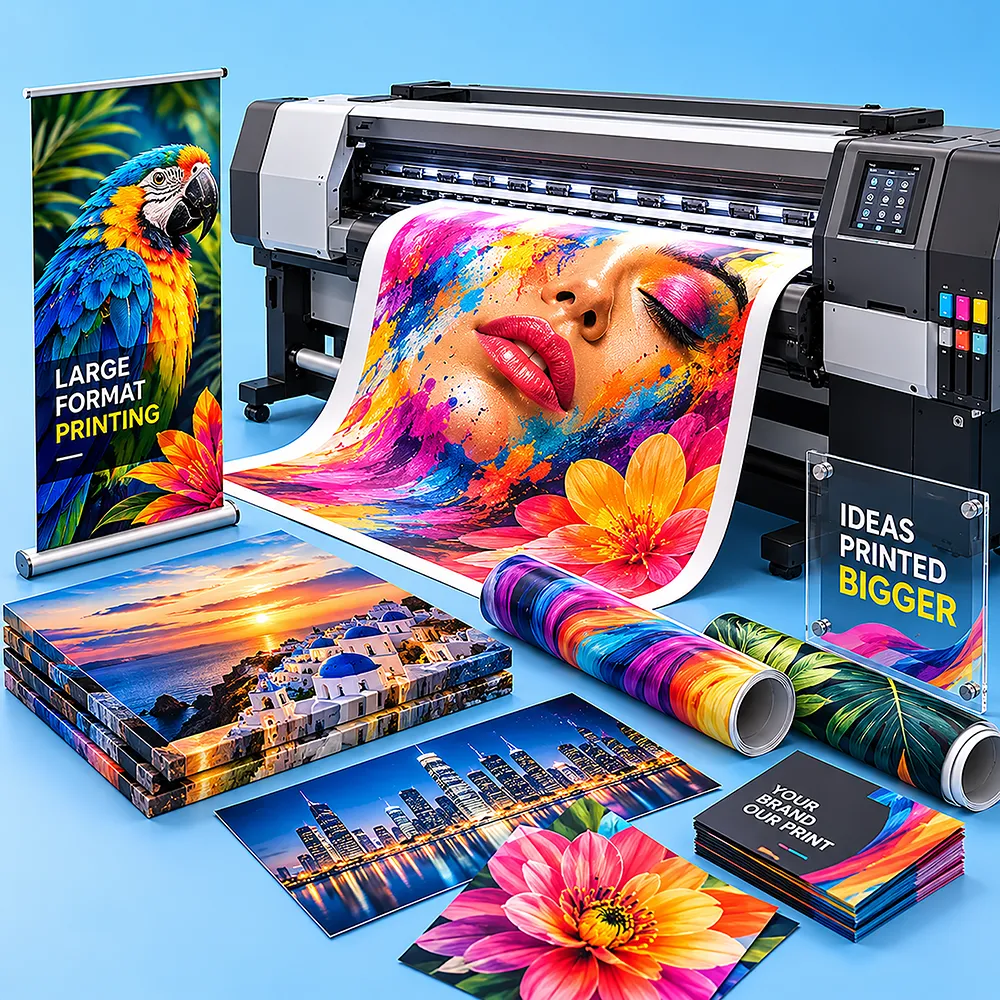
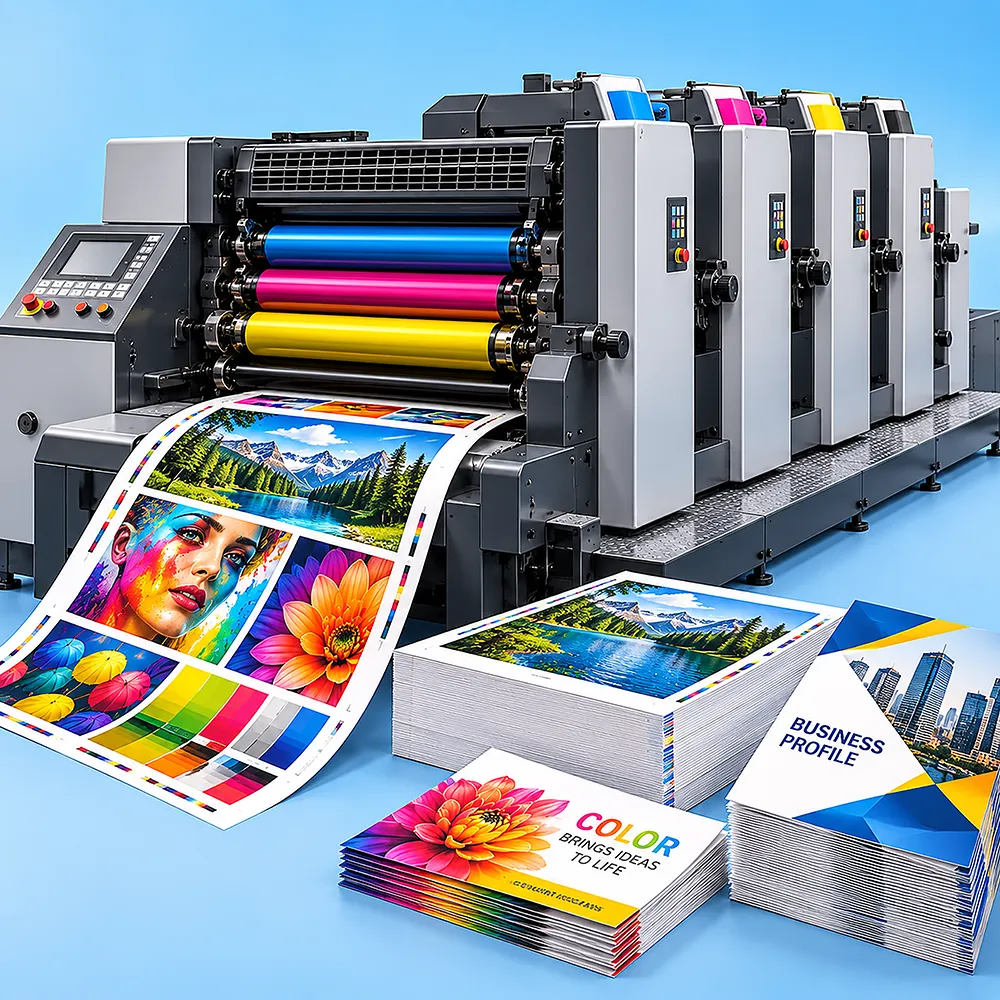
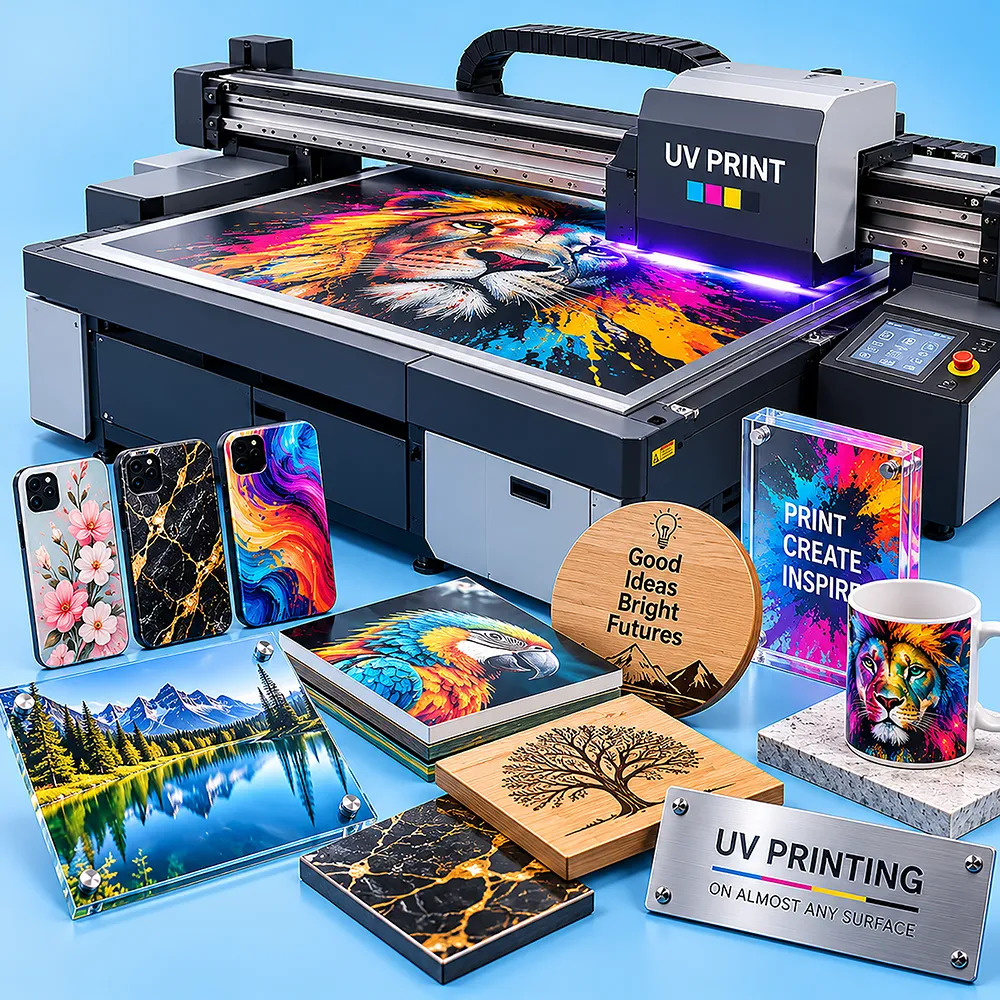
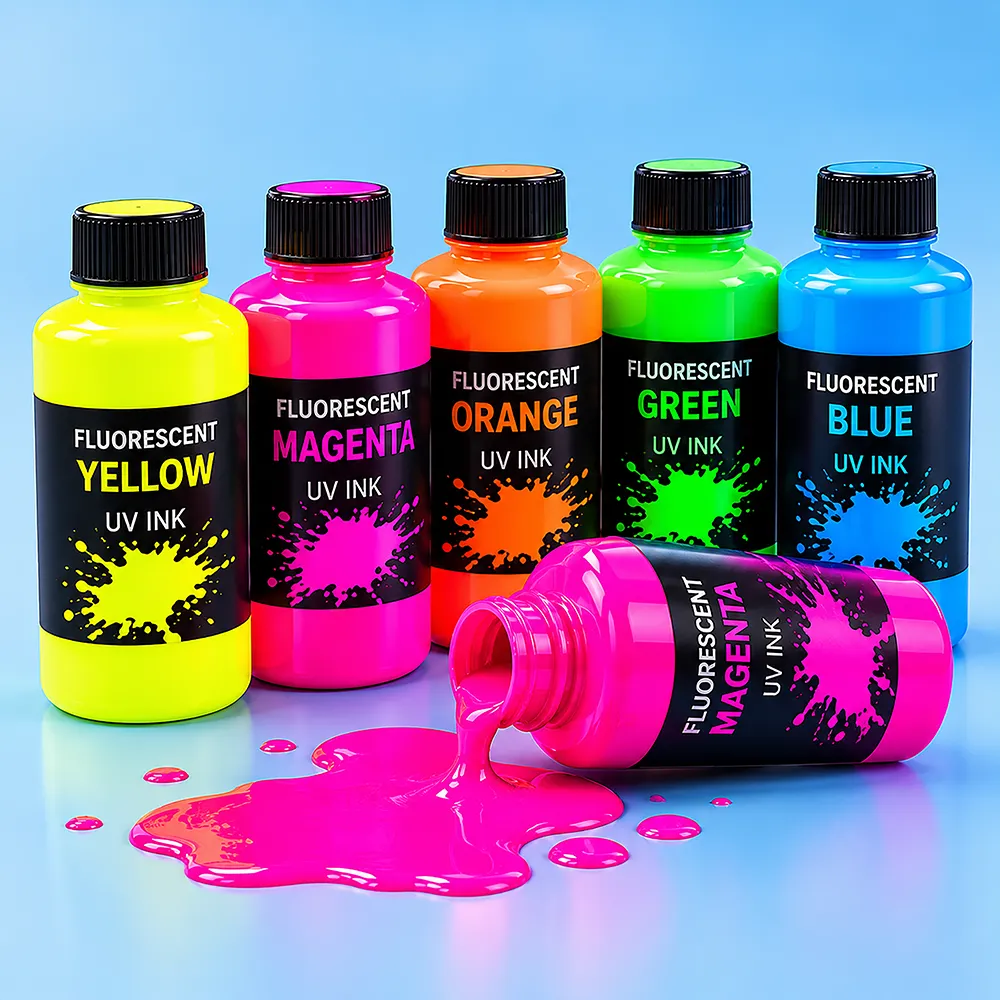
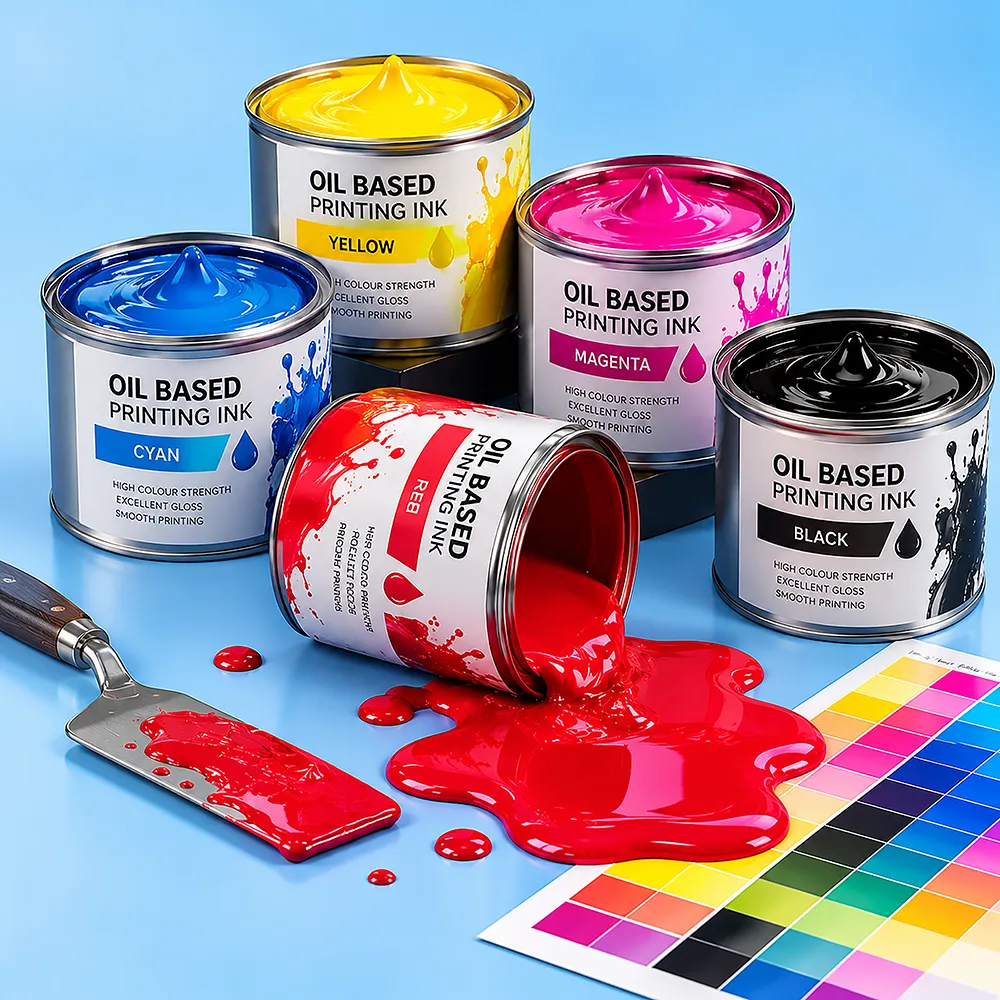
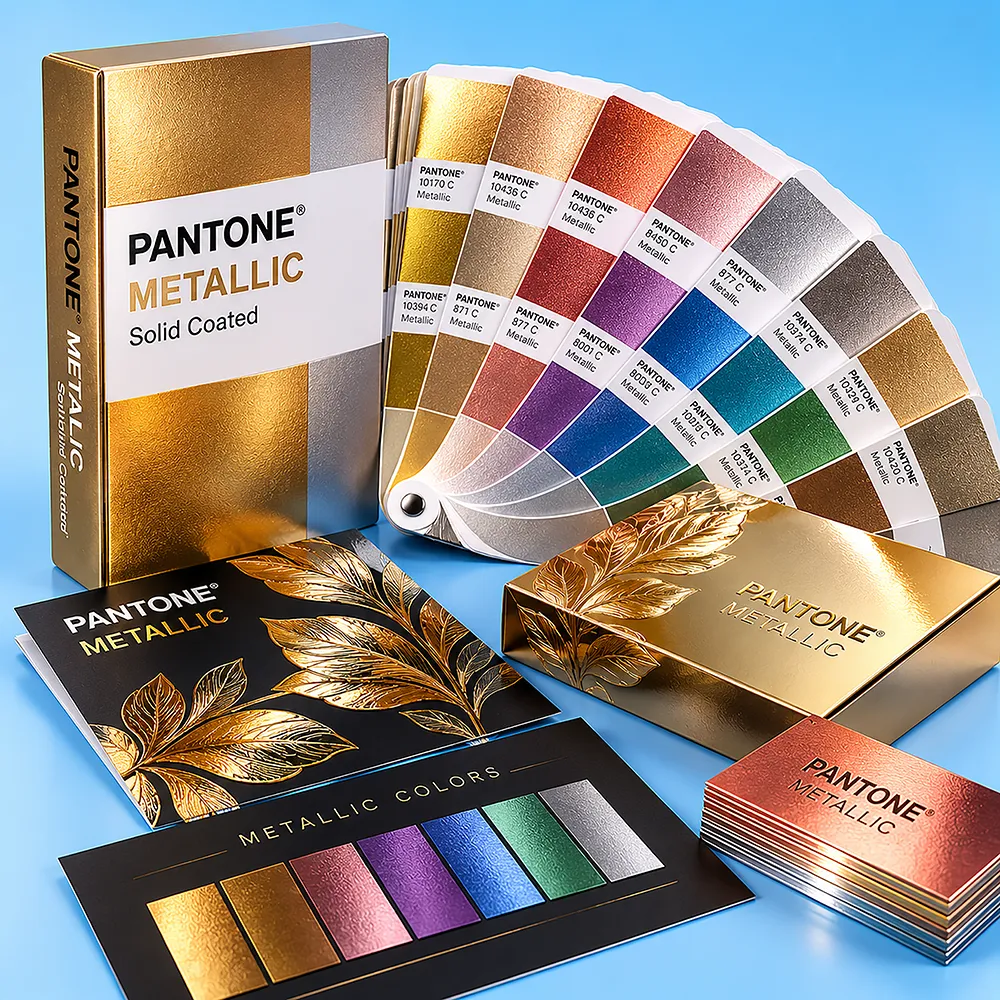
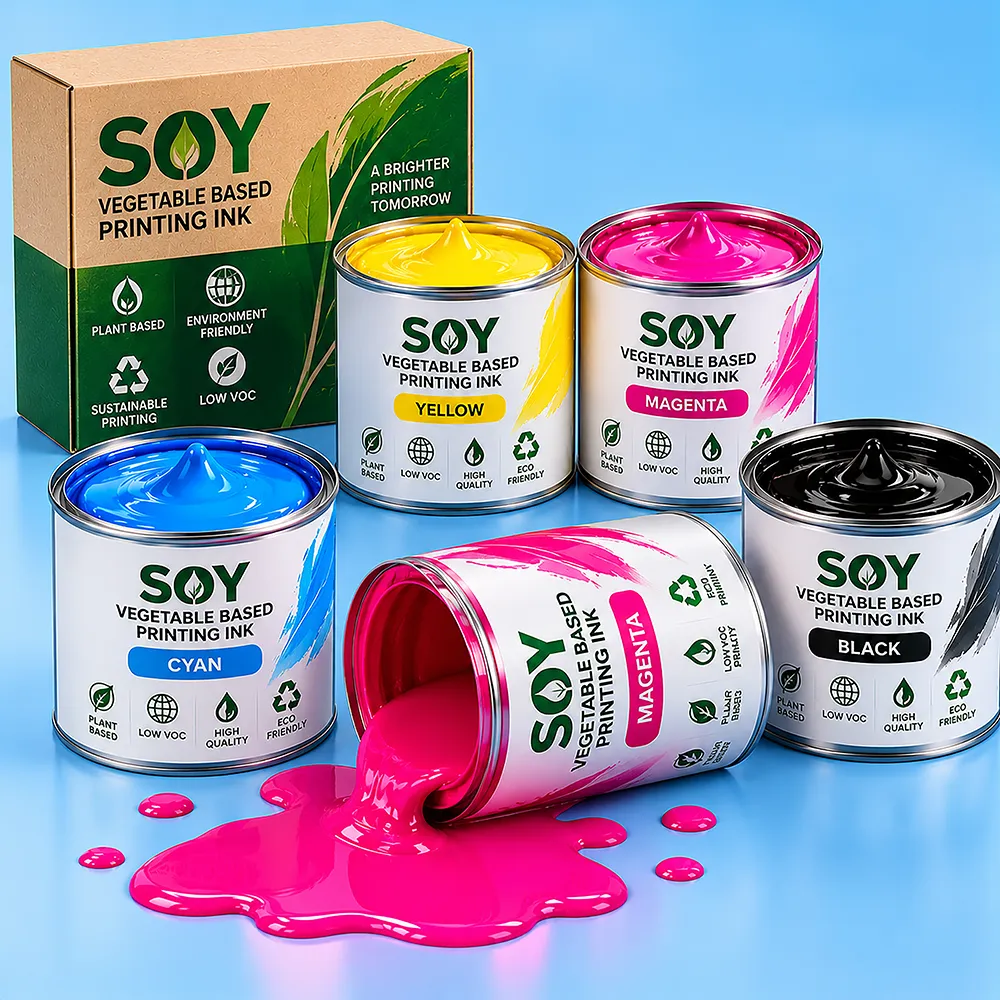
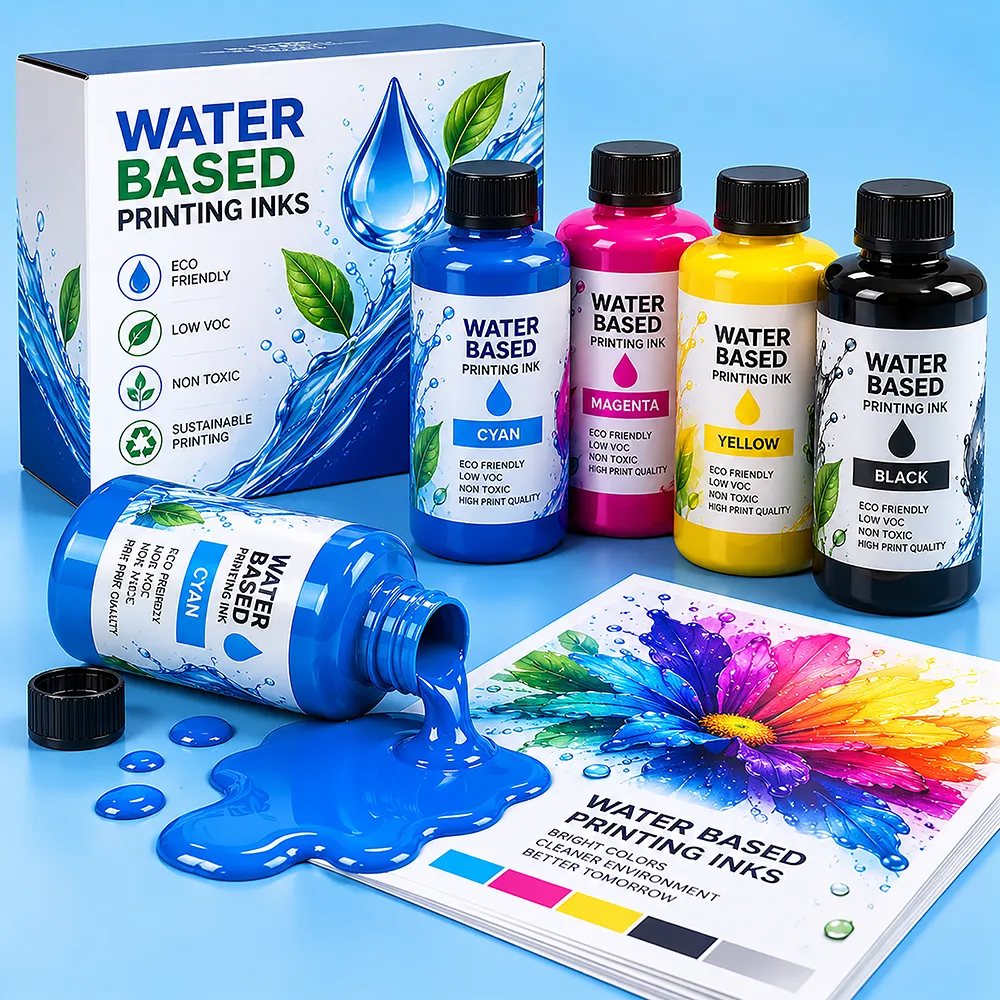
Printing inks bring packaging artwork to life with vibrant colors, clear details and consistent brand presentation. We offer a wide range of ink options, including Pantone colors, Pantone Metallic inks, oil-based inks and fluorescent inks for distinctive visual effects. Soy and vegetable-based inks provide versatile color reproduction, while water-based inks offer another practical printing option. Choose the right ink to reproduce logos, patterns, illustrations and branded artwork, turning creative ideas into attractive visuals with striking color and clarity.
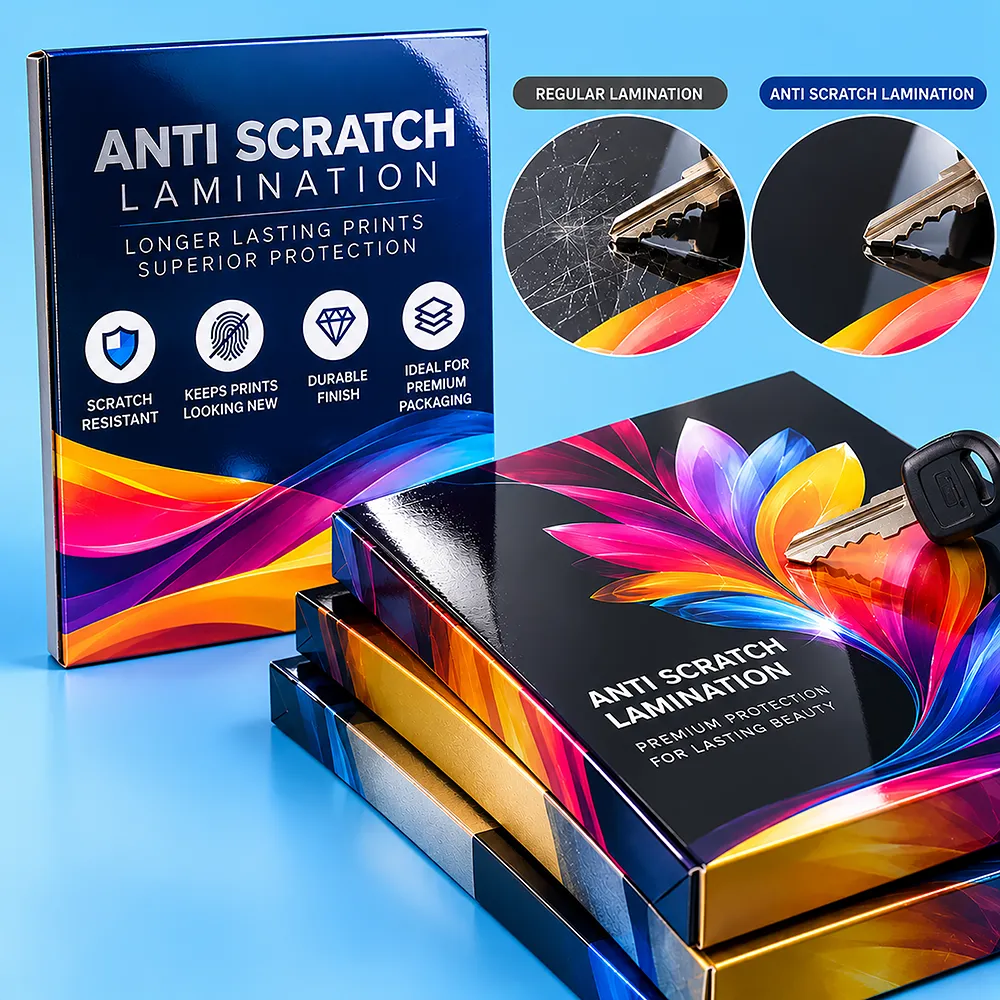
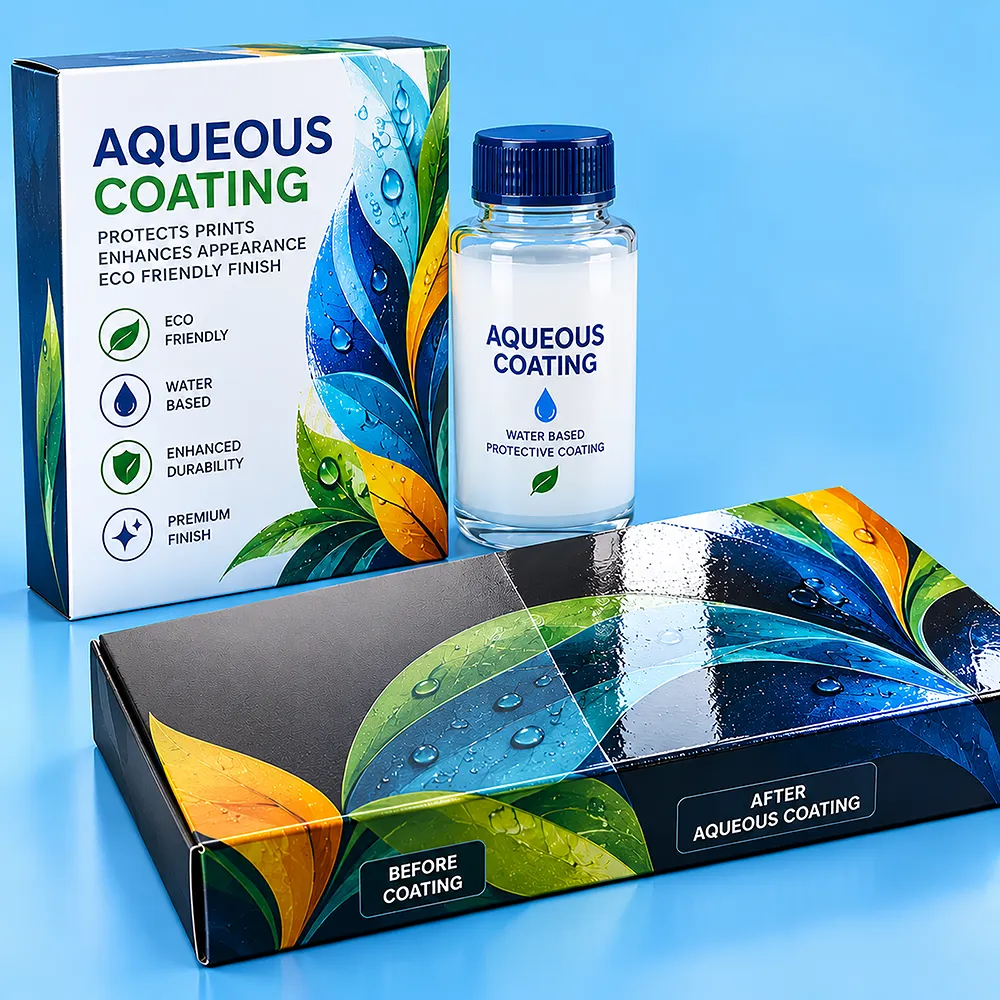
Premium finishes enhance the appearance and overall aesthetics of custom packaging. Matte and gloss laminations create smooth visual effects, while soft-touch adds a refined tactile feel. Foil stamping introduces metallic accents in gold, silver and other shades, while embossing and debossing add dimensional detail. Spot UV highlights selected design elements with added contrast and shine. Choose from versatile finishing options to make logos, patterns and branded artwork look more distinctive, polished and premium.
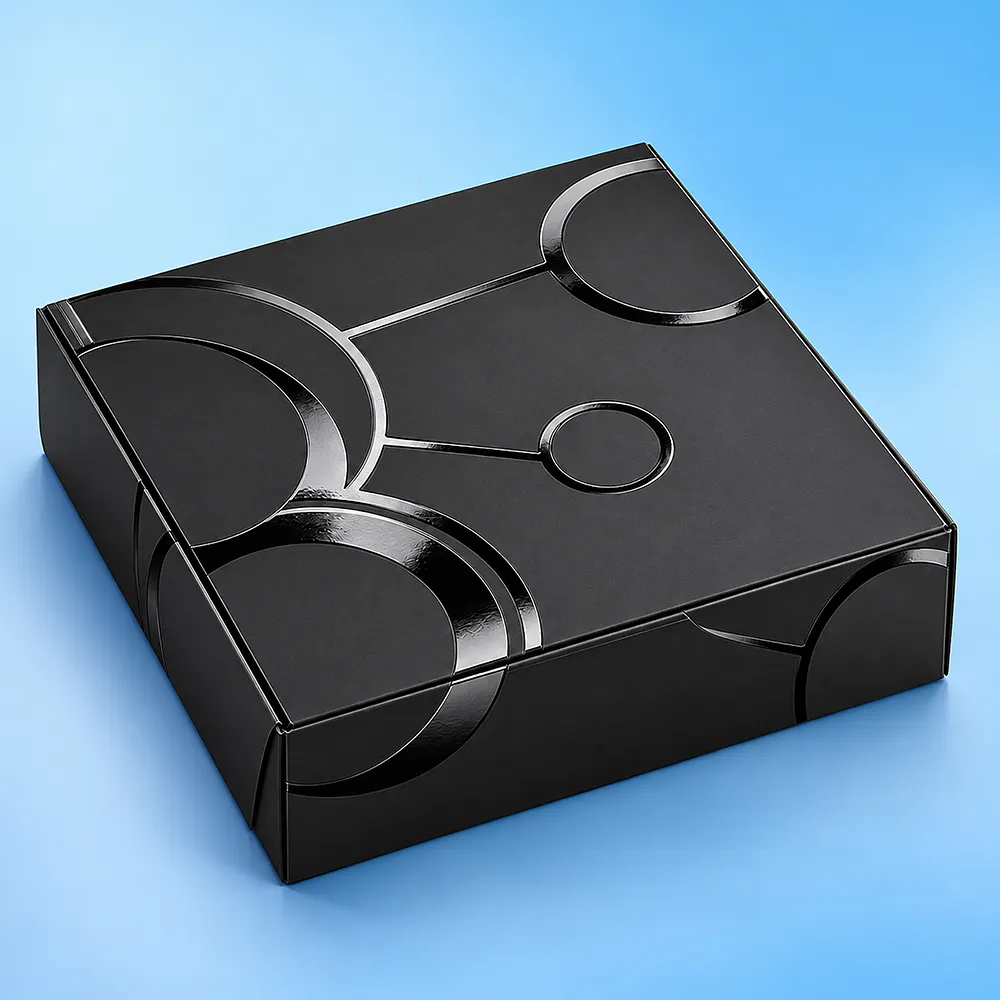
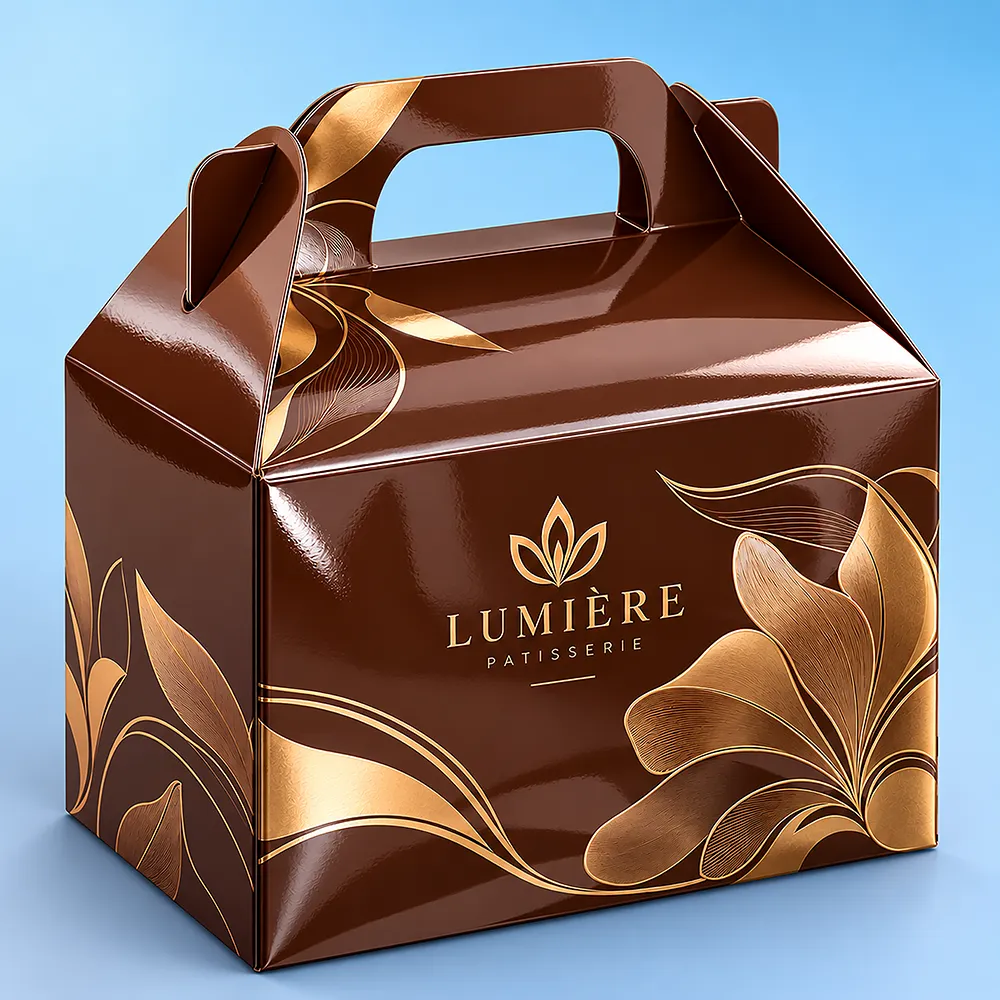
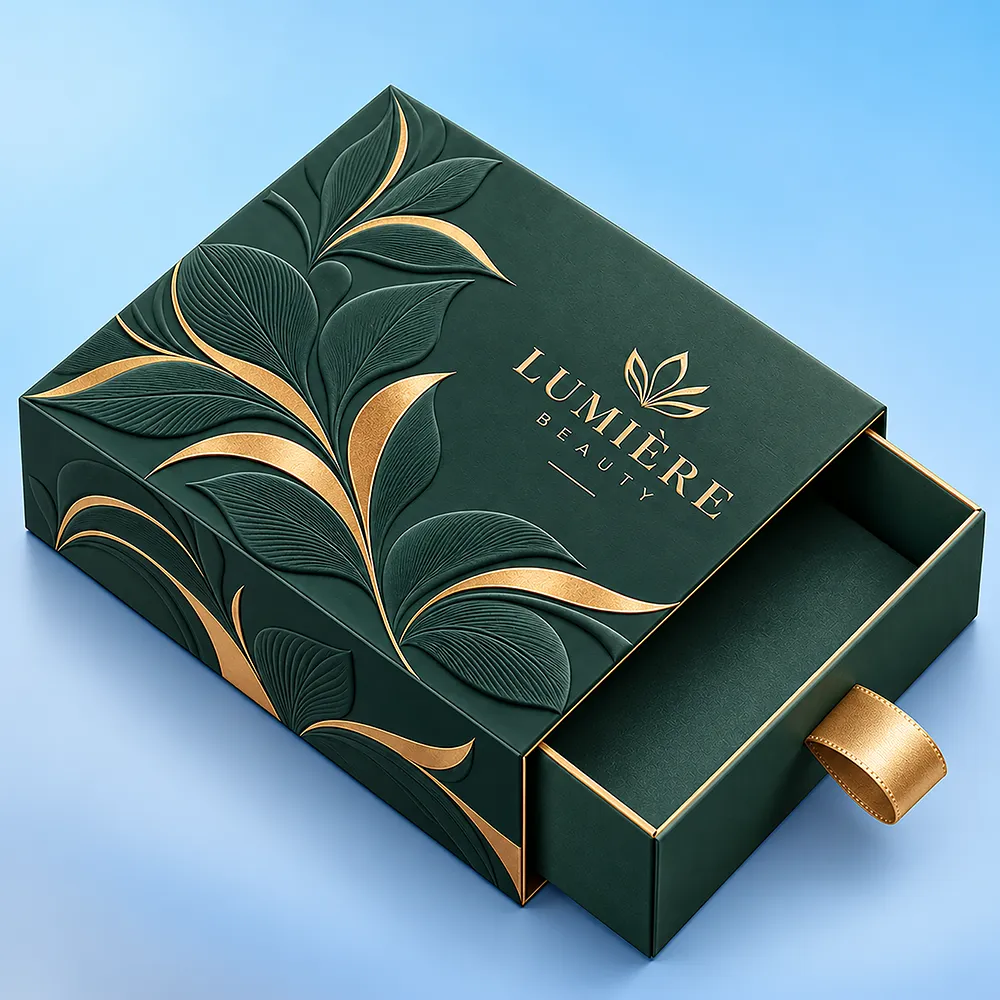
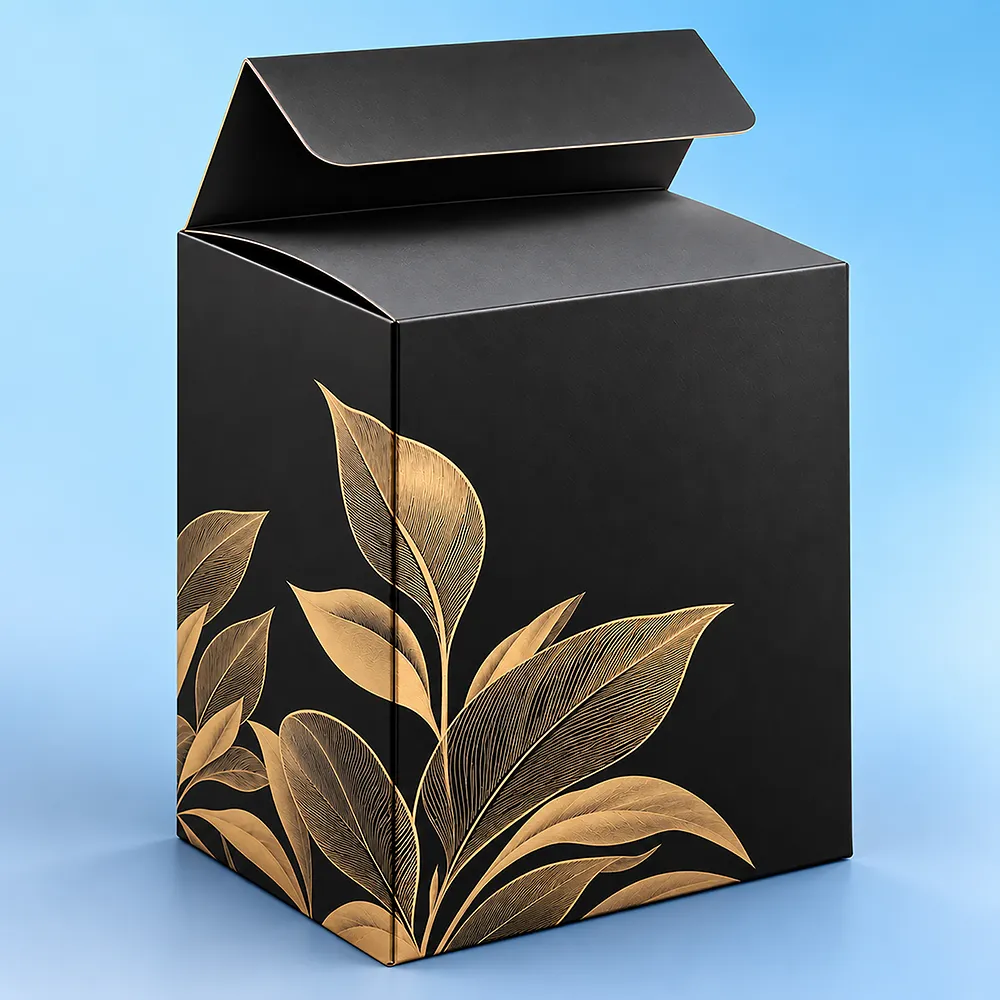
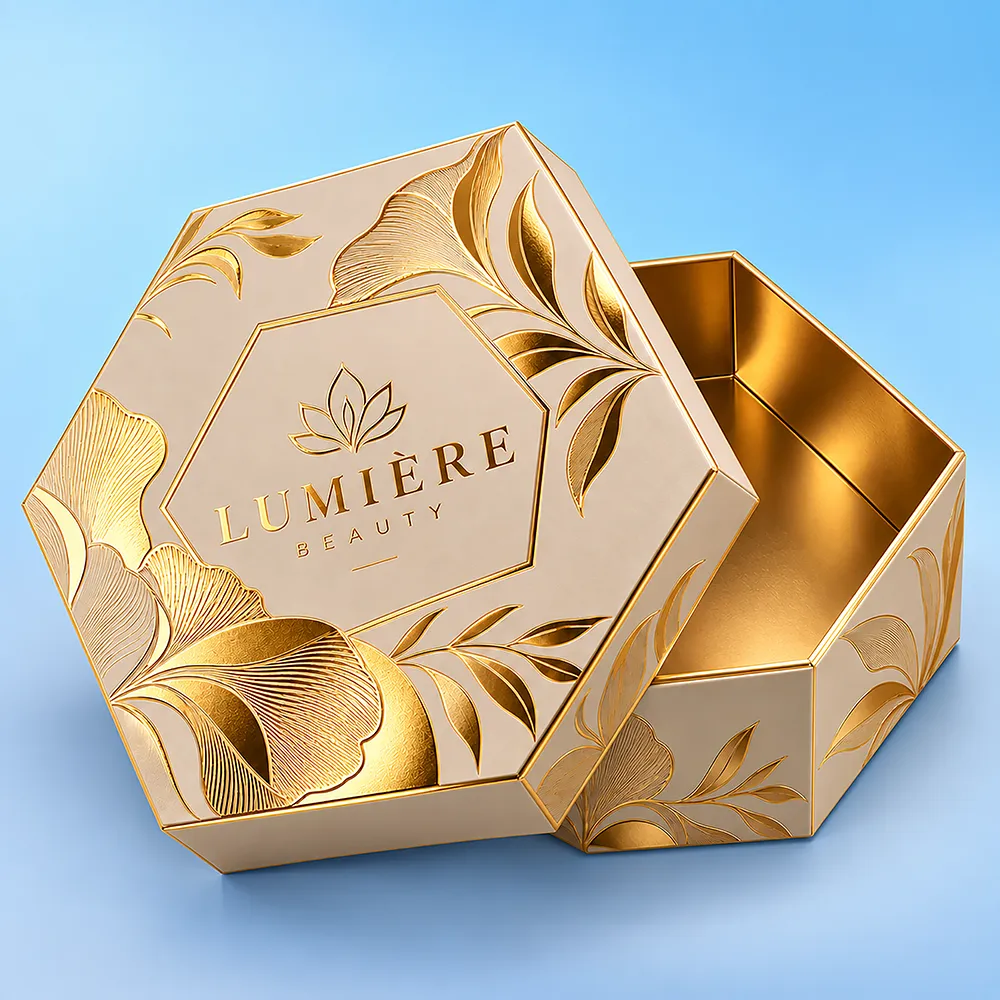
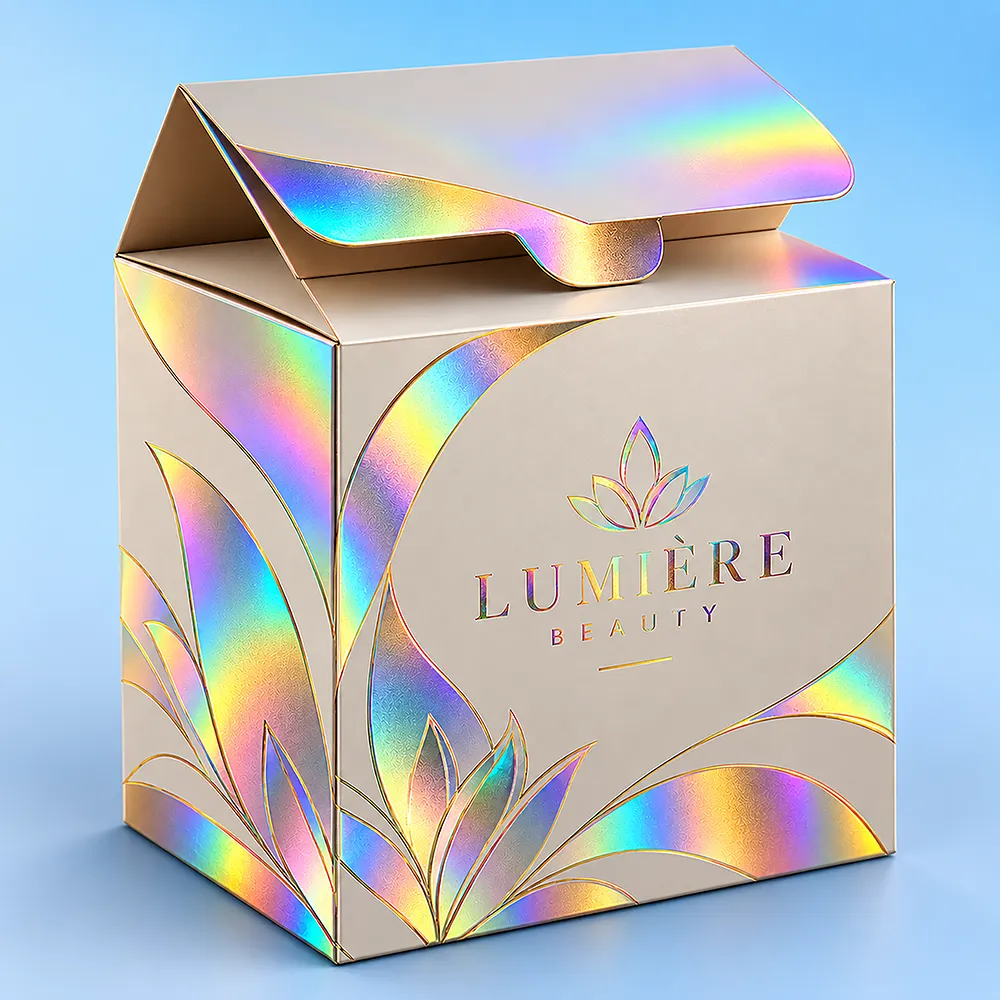
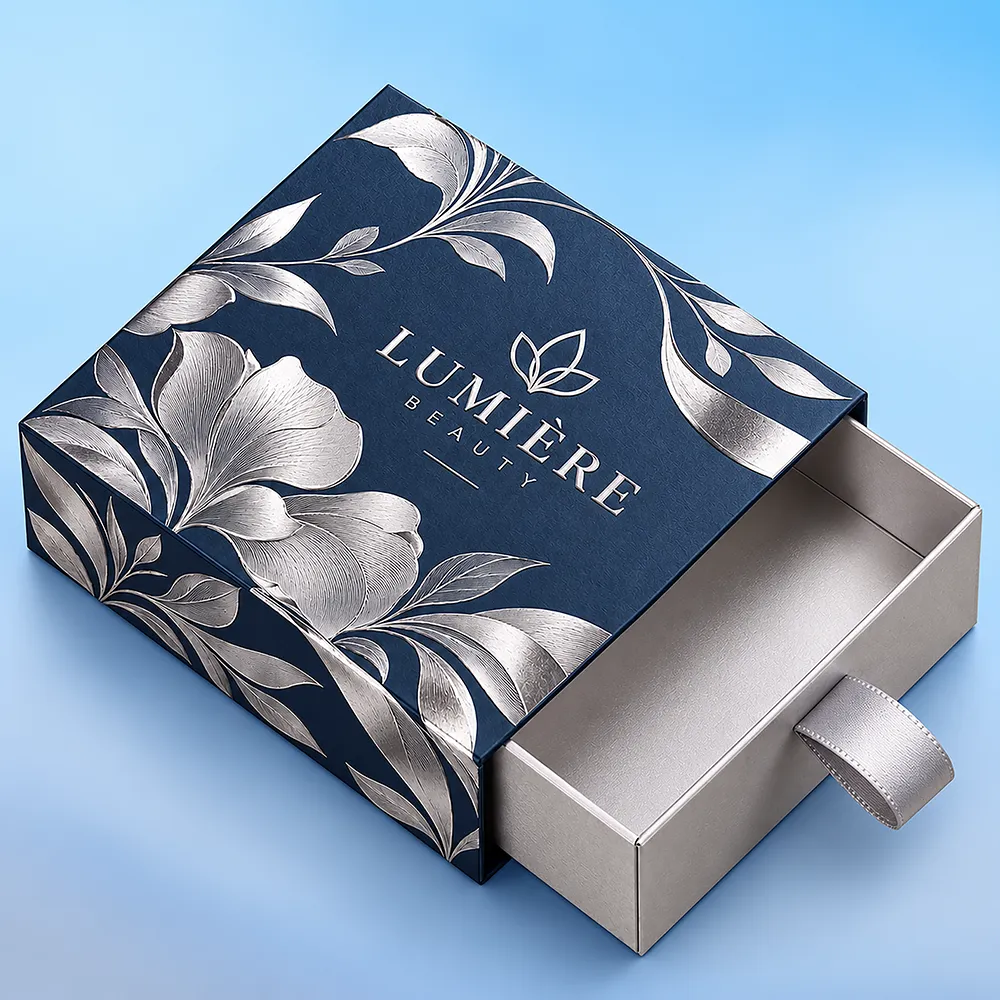
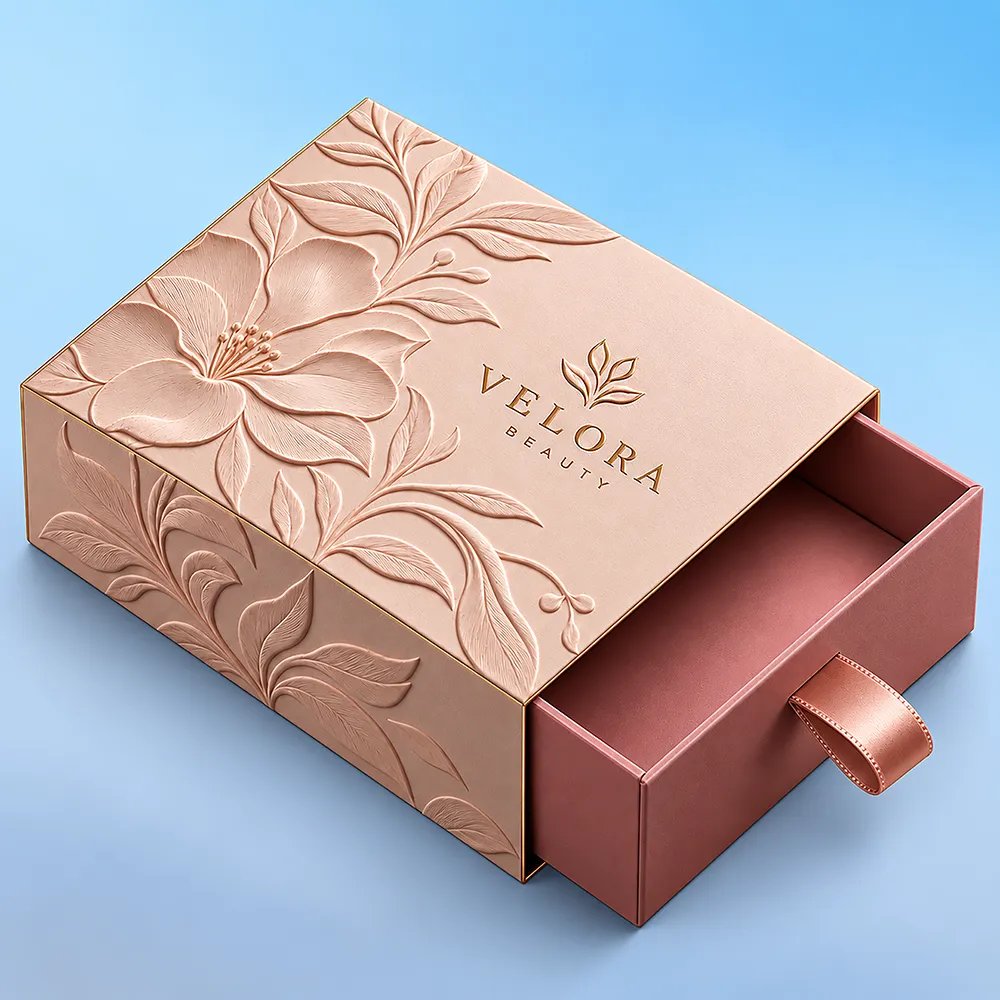
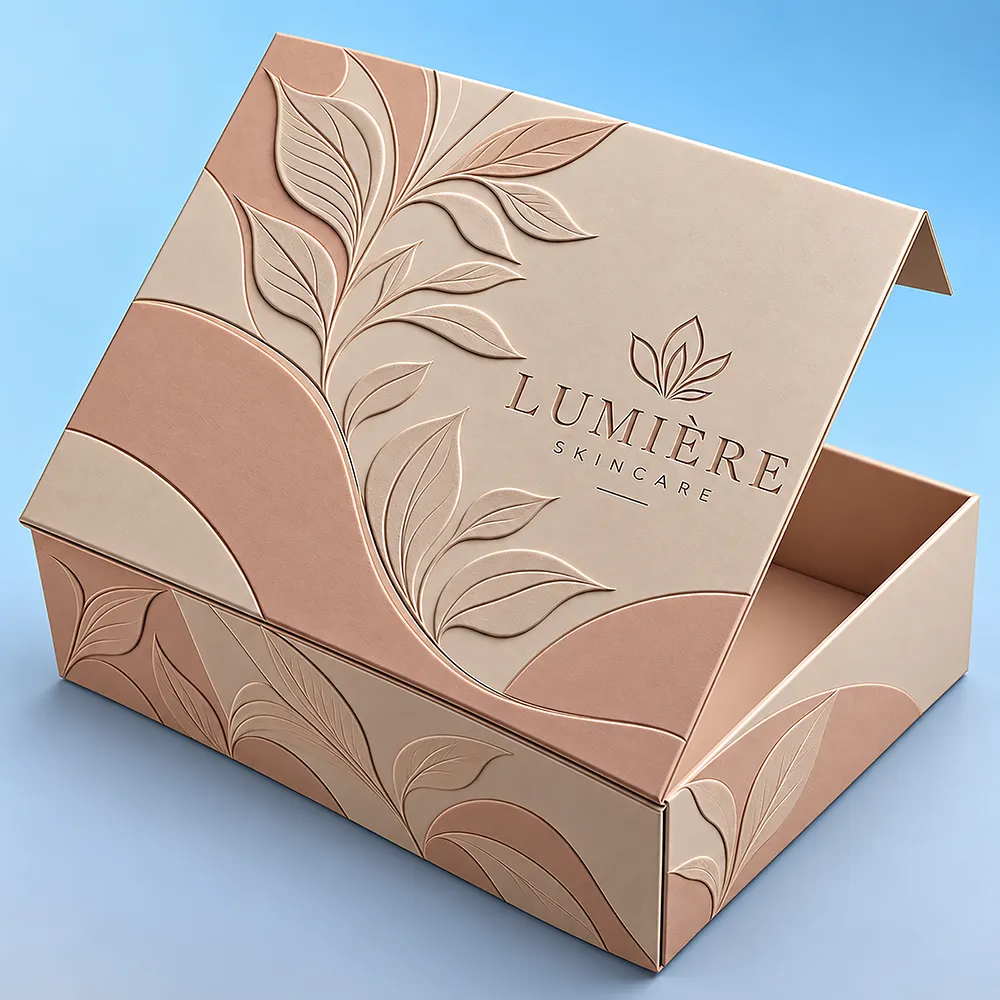
Packaging add-ons make custom packaging more attractive, presentable and visually captivating while increasing its perceived value. Gold foil adds a rich metallic accent, while silver foil creates a clean and sophisticated look. Holographic foil introduces eye-catching reflective effects that help selected design elements stand out. Embossing raises logos or patterns for added dimension, while debossing creates a refined recessed effect. Ribbons and handles add both decorative appeal and practical convenience, giving packaging a more distinctive and premium presentation.
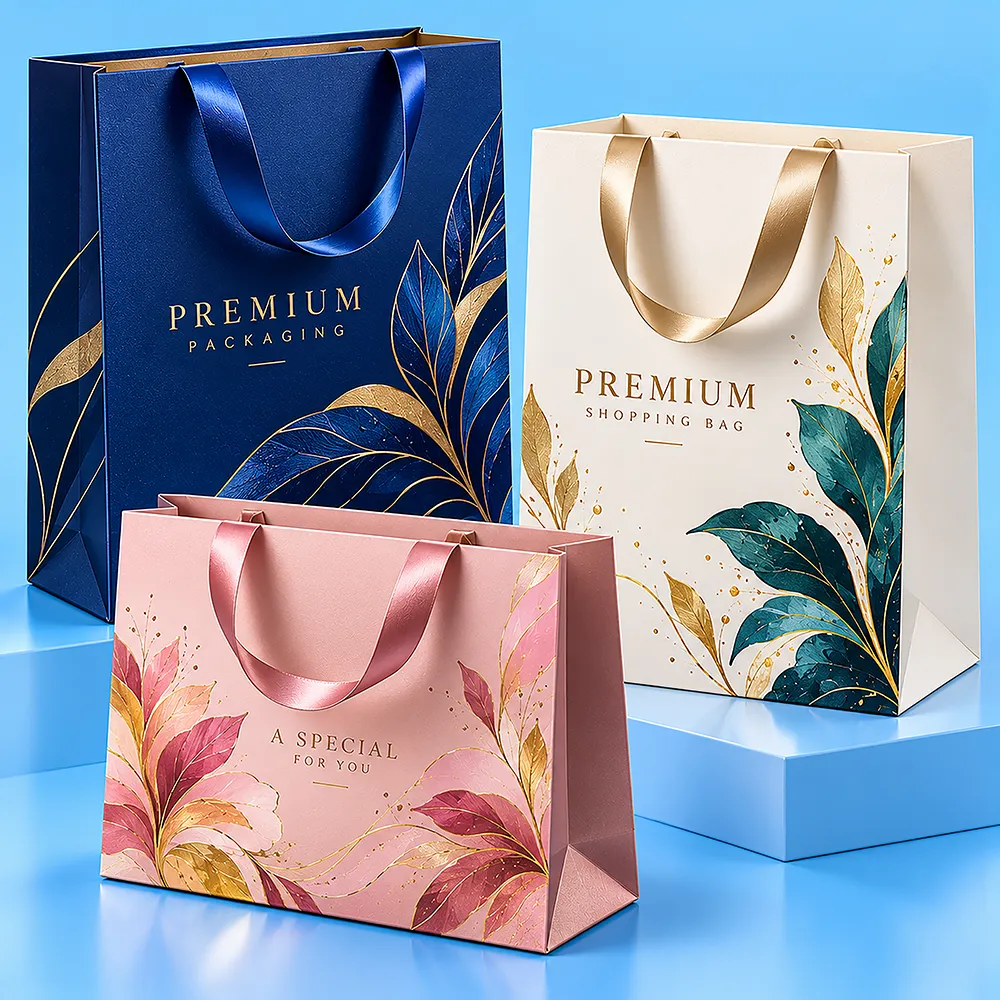
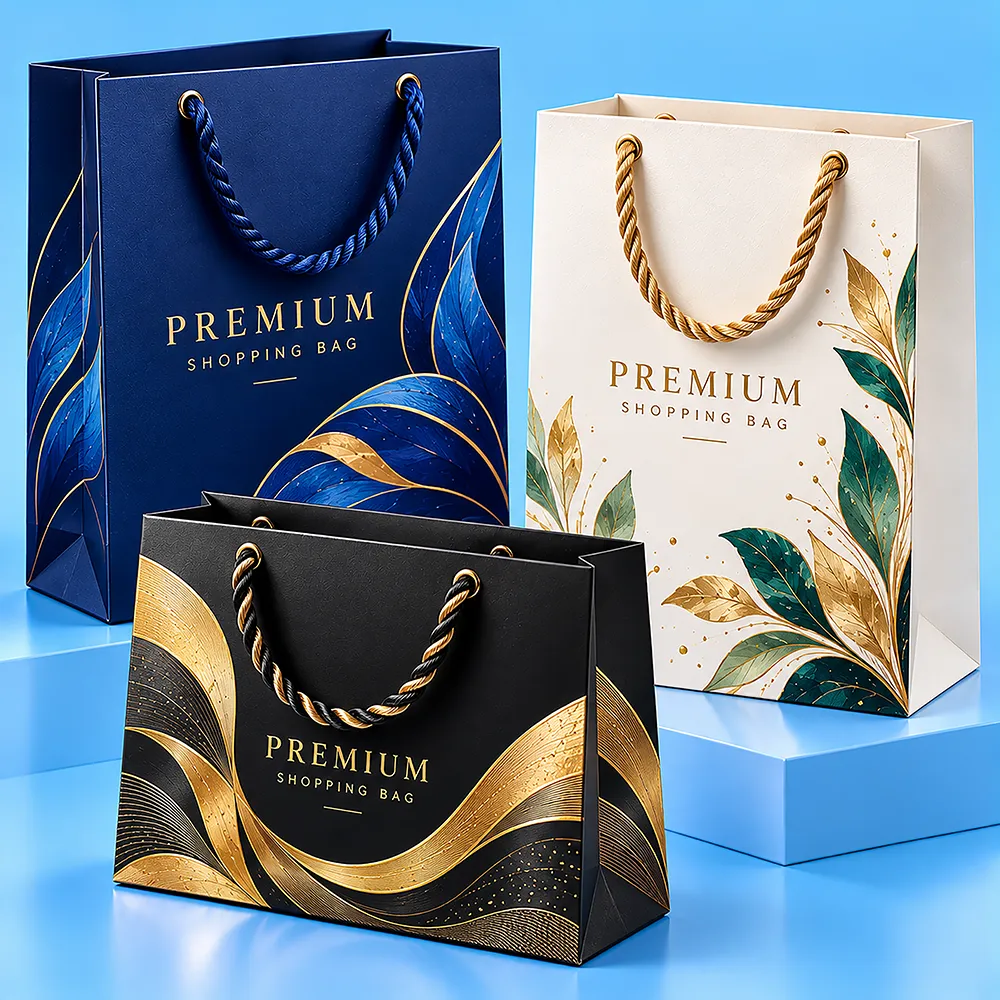
Our Artwork Preparation Guidelines help you prepare files for clean, accurate printing on your custom packaging. Always use the final BoxBaba-approved dieline and submit editable or print-ready artwork in the requested format, commonly AI, EPS or PDF. Prepare colors according to the approved CMYK or PMS workflow and use high-resolution graphics, typically around 300 DPI at final size where applicable. Extend backgrounds and edge-to-edge graphics into the designated bleed area. Keep important text, logos, barcodes and other critical artwork inside the safe area, and review your final digital proof carefully before approving the artwork for production.
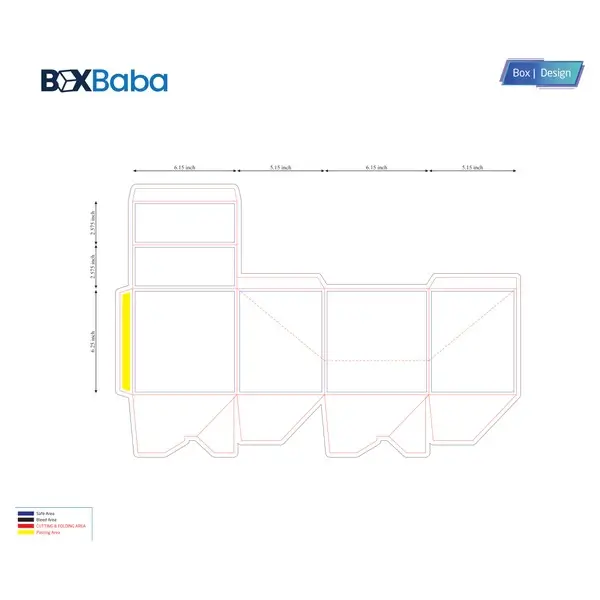

The red cut line marks where the packaging material will be trimmed to create the final box shape. Keep important text and critical design elements safely inside the safe area and away from these cutting edges.
Perforation lines are shown as dotted lines when required and indicate areas designed for controlled tearing or separation. They may be used for tear-away sections or other functional packaging features.

The black bleed boundary shows how far backgrounds, colors and graphics should extend beyond the final cutting area. Extending artwork into this area helps prevent unwanted white edges after trimming.

The blue safe area identifies where important artwork should remain. Keep logos, text, barcodes and other essential design elements clear of cutting and folding edges.

The red crease and fold lines show where the box will bend during assembly. Avoid placing important text, logos or graphics directly across these lines where folding may affect their appearance.

The yellow pasting area show the flap used to glue and secure the box during assembly. Avoid placing important text, logos or graphics here because it may be covered when the box is formed.
| Specification | Eye Shadow Packaging Requirements |
|---|---|
| Product type | Custom secondary packaging developed around the complete closed dimensions, hinge and latch profile, mirror position, applicator compartment, pan layout, loaded weight, orientation, artwork and sales-channel requirements of an eye shadow palette or set. |
| Suitable product formats | Single-shade compacts, duo palettes, quad palettes, multi-pan eye shadow palettes, refill-pan sets, palettes with mirrors, palettes with brushes or applicators and coordinated makeup collections. |
| Required palette measurements | Provide the complete closed length, width and thickness together with the maximum external dimensions, hinge projection, latch projection, lid overhang and any projecting decorative components. |
| Measurement rule | Measure the fully assembled, filled, closed, labeled and decorated palette. Do not calculate the carton only from the number of shades, powder weight, pan diameter or empty primary-container dimensions. |
| Single-shade compact | Record the complete closed length, width and thickness, hinge, latch, lid profile, base footprint and loaded product weight. |
| Duo or quad palette | Provide the complete closed dimensions, hinge and latch projections, pan arrangement, mirror position, applicator compartment, opening direction and loaded weight. |
| Multi-pan palette | Measure the complete closed palette and record the pan count, arrangement, hinge, latch, mirror, applicator wells, loaded weight and center of gravity where relevant. |
| Palette with mirror | Provide the mirror dimensions and position, closed lid thickness, hinge profile, latch profile, decorated lid surface and preferred packing orientation. |
| Palette with applicator | Record the brush or applicator dimensions, compartment size, removal direction and required separation from the palette. |
| Refill-pan set | Confirm the number of refill pans, primary tray or holder dimensions, complete set dimensions, pan arrangement, cavity requirement and total loaded weight. |
| Primary packaging status | Confirm whether the product is a finished compact, refill pan in a primary holder, direct-contact package, secondary retail carton or multi-pan refill set. Direct cosmetic-powder contact requirements must be reviewed separately. |
| Loaded product weight | Provide the completed weight of the palette, including the pans, formula, case, lid, mirror, hinge, latch, applicator, label and attached decorative components. |
| Center of gravity | Confirm whether the completed palette is evenly balanced, lid-heavy or unevenly weighted due to a mirror, applicator compartment or irregular pan arrangement. |
| Base footprint | Record the complete base length and width together with rounded corners, feet, projections or irregular edges that may affect internal support. |
| Hinge profile | Measure the hinge at its widest and most projecting points in the closed condition. Allow suitable clearance without placing unnecessary pressure on the hinge area. |
| Latch profile | Record the latch width, depth and projection. Confirm the insertion direction so the carton or insert does not press against the closure. |
| Lid overhang | Include any lid edge, decorative frame, beveled profile or projecting top component that extends beyond the palette body. |
| Mirror position | Identify the mirror location and dimensions. The carton or insert should avoid unnecessary concentrated pressure on the mirror area, lid, hinge or latch. |
| Pan count and arrangement | Provide the number of pans together with the row, column, circular, irregular or mixed layout where it affects the palette dimensions, weight distribution or artwork. |
| Product orientation | Confirm whether the palette should lie flat, stand vertically, sit on an edge or remain within a fitted tray or platform. |
| Opening direction | Record the direction in which the palette opens and whether the product should be packed hinge-first, latch-first or in another approved orientation. |
| Internal box dimensions | Internal dimensions are developed around the approved palette measurements, board thickness, hinge and latch clearance, insert space, folds and removal method. |
| External box dimensions | External dimensions depend on the internal fit, board thickness, folded structure, locking features, sleeves, trays, windows and inserts. |
| Product clearance | The carton should allow the palette to be packed and removed without excessive force while avoiding unnecessary headspace, side clearance or pressure on the lid, hinge, latch, mirror or decorated surfaces. |
| Possible structures | Possible directions include fitted folding cartons, reverse-tuck cartons, locking-bottom boxes, sleeves, window cartons, tray-and-sleeve structures, drawer boxes, two-piece boxes and presentation boxes where justified. |
| Single-compact carton | A short fitted tuck carton, reverse-tuck carton, sleeve, locking-bottom box or window carton may be considered according to the compact dimensions and weight. |
| Duo and quad palette carton | A fitted folding carton, sleeve, short locking-bottom carton, window box or tray-and-sleeve structure may be considered according to the complete palette profile. |
| Multi-pan palette carton | A reinforced folding carton, tray-and-sleeve structure, drawer box, two-piece box or presentation package may be considered according to the loaded size, weight and sales channel. |
| Rigid packaging | A rigid box may be considered for selected presentation, gift or launch projects. It is not automatically required for every eye shadow palette. |
| Material direction | Paperboard, cardstock, kraft-style board, corrugated components and rigid greyboard structures may be considered according to the palette dimensions, loaded weight, insert, artwork, finishing and sales channel. |
| Board thickness | The final board thickness is confirmed according to the finished box dimensions, palette weight, structure, bottom construction, window, insert and distribution route. |
| Bottom construction | A tuck bottom, snap-lock bottom, auto-lock bottom, tray base or reinforced base may be considered according to the palette weight and structure. |
| Insert requirement | A separate insert may not be required for every regularly shaped lightweight palette. An insert may be useful for heavy, irregular, mirrored, windowed, multi-product or presentation-focused packaging. |
| Insert options | Possible directions include die-cut paperboard inserts, folded platforms, paperboard frames, dividers, corrugated stabilizers, molded pulp components and foam inserts for selected projects. |
| Insert contact areas | Internal supports should use approved contact areas around the palette body or base without placing unnecessary pressure on the lid, hinge, latch, mirror, pans, applicator or decorated surface. |
| Applicator separation | A paperboard divider, separate cavity, folded platform or accessory compartment may be considered where a brush or applicator must remain separate from the palette. |
| Window packaging | A window can reveal an approved section of the closed palette or decorated lid. Confirm the visible area, orientation, window dimensions, remaining border width, artwork safe zones and insert alignment. |
| Window limitation | A carton window does not automatically display the eye shadow powder when the primary palette remains closed. |
| Multi-palette sets | Measure every palette, refill tray, applicator and accessory separately. Confirm the unit count, shade order, spacing, removal direction, total loaded weight and presentation sequence. |
| Retail display coordination | Individual eye shadow cartons can be coordinated with a separate countertop or shelf display. Display capacity, facings, tiers, testers and replenishment should be planned separately. |
| Ecommerce packaging | The fitted retail carton should be coordinated with a separate mailer or corrugated shipping carton. The retail box and parcel-shipping package perform different functions. |
| Wholesale case packing | Confirm the number of retail cartons per master case, palette orientation, shade arrangement, divider requirement, total case weight and master-carton dimensions. |
| Printing | CMYK, PMS or Pantone color directions and inside or outside printing may be considered where compatible with the selected material, artwork, quantity and production method. |
| Finishing options | Possible finishes include matte, gloss, soft-touch, foil stamping, Spot UV, embossing and debossing. Compatibility is confirmed according to the stock, structure, artwork and finish placement. |
| Shade identification | Shade names, collection names, numbers, swatches and palette diagrams can be coordinated across approved artwork files. Printed appearance should not be treated as an exact substitute for the physical eye shadow formula. |
| Artwork and dieline | Artwork should follow the approved dieline and account for cut lines, folds, glue areas, bleed, safe zones, windows, inserts and finishing locations. |
| Shade and collection variations | A shared dieline may support different shade collections, names, barcodes and artwork files when the physical palettes use the same approved dimensions, hinge, latch, weight range, orientation, insert and window position. |
| Different palette formats | Single, duo, quad and multi-pan palettes with materially different external dimensions, closures, mirrors or loaded weights may require separate box dimensions or dielines. |
| Quantity breakdown | Provide the total quantity and quantity required for every palette format, shade collection, artwork version, language, market and SKU. |
| Product-information panels | Panel space may be planned for the product name, shade collection, pan information, net contents, ingredients, directions, warnings, barcode, SKU, batch area, business information and other buyer-approved content. |
| Labeling responsibility | BoxBaba can plan printable panel space around approved artwork. The buyer remains responsible for final legal, regulatory, cosmetic-claim, ingredient, warning, shade and labeling review before printing. |
| Minimum order quantity | The verified minimum order quantity for custom cosmetic boxes is 100 boxes. Provide the total quantity and quantity required for each palette format, shade collection, artwork version or SKU. |
| Proofing and samples | Available proofing or sample routes are confirmed during quotation and may include an artwork proof, digital mockup, blank structural sample or printed physical sample depending on the project. |
| Production schedule | Production timing is confirmed after the dimensions, structure, material, insert, artwork, quantities, finishes and proofing requirements have been approved. |
| Shipping | Shipping methods, charges and estimated transit times are confirmed according to the completed order, packing format, delivery destination and selected service. |
| Supply format | Folding cartons may be supplied flat-packed. Tray-and-sleeve, drawer, two-piece, rigid, insert-supported or multi-part structures may require partial or complete assembly. |

We use cardboard material with the least environmental impact and minimizes waste generation.

Kraft paper is a strong, durable and reliable material that is widely used across many different industries.
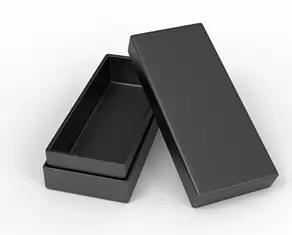
Rigid is highly protective, affordable and recyclable material. These boxes provide maximum protection.
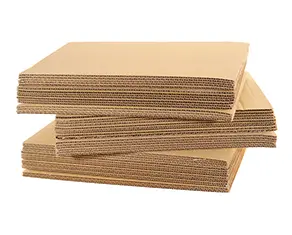
Corrugated material is easy to customize, cost effective and sustainable. It is also great for branding purposes.
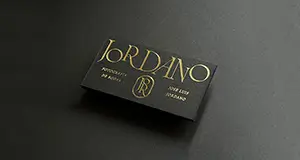
Enhance your packaging with premium foil stamping for a bold and luxurious appearance.
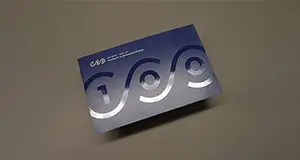
Our Spot UV coating adds a sleek shine and highlights key design elements beautifully.
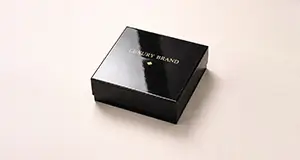
Give your packaging a polished, glossy finish that enhances color and visual appeal.
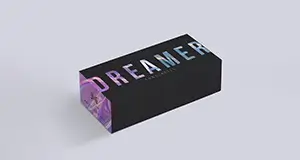
Create eye-catching packaging with holographic foil effects that shimmer from every angle.
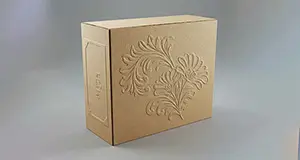
Add raised textures and elegant detailing to make your packaging stand out.
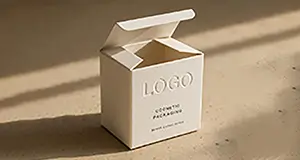
Create a refined pressed-in effect that adds depth and sophistication to your packaging.
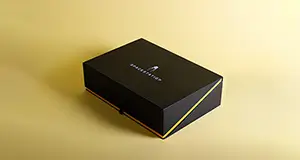
Achieve a smooth matte finish that minimizes fingerprints and delivers a modern look.
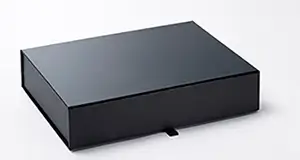
Protect your packaging with a silky-soft laminated finish for a premium feel.
| Palette format | Measurements to confirm | Possible packaging direction |
|---|---|---|
| Single-shade compact | Closed length, width, thickness, hinge, latch, lid profile, base footprint and loaded weight | Short tuck carton, reverse-tuck carton, fitted sleeve, locking-bottom box or window carton |
| Duo or quad palette | Complete closed dimensions, hinge, latch, mirror, pan arrangement, applicator well and opening direction | Fitted folding carton, sleeve, short locking-bottom box, window carton or tray-and-sleeve structure |
| Multi-pan palette | Complete closed size, pan count, pan arrangement, hinge, latch, mirror, applicator wells and loaded weight | Reinforced folding carton, tray-and-sleeve box, drawer box, two-piece box or presentation package |
| Palette with mirror | Mirror dimensions and position, lid thickness, hinge profile, latch profile and decorated lid surface | Fitted carton, sleeve, tray-and-sleeve structure or insert-supported presentation box |
| Palette with applicator | Applicator length, width or diameter, compartment size, removal direction and required separation | Carton with divider, accessory cavity, folded platform or tray insert |
| Refill-pan set | Primary tray dimensions, unit count, pan arrangement, complete set dimensions and total loaded weight | Folding carton, divided tray, sleeve, drawer box or multi-cavity presentation set |
| Multi-palette collection | Dimensions and weight of every palette, arrangement, spacing, shade order and removal direction | Divider, multi-cavity insert, tray-and-sleeve box, two-piece box or corrugated PR kit |
| Sales channel | Packaging priorities | Details to confirm |
|---|---|---|
| Retail shelf | Palette fit, shade identification, barcode placement, presentation and standing stability | Facing direction, shelf dimensions, palette orientation and retailer requirements |
| Ecommerce | Fitted retail carton coordinated with a separate mailer or corrugated shipping carton | Packed weight, internal movement, void space, dividers and parcel conditions |
| Private-label range | Repeatable structure, collection differentiation and quantity by artwork | Palette formats, shade schedules, barcodes, mirrors, applicators and reorder quantities |
| Wholesale distribution | Organized retail cartons and controlled master-case packing | Units per case, palette orientation, collection order, dividers and case weight |
| Gift or launch set | Presentation sequence, accessory separation and product removal | Palette count, arrangement, insert layout, printed materials and outer packaging |
| PR or influencer kit | Multi-palette presentation and campaign arrangement | Collection count, spacing, accessories, total loaded weight and shipping package |
Find all the urgent questions you may have.