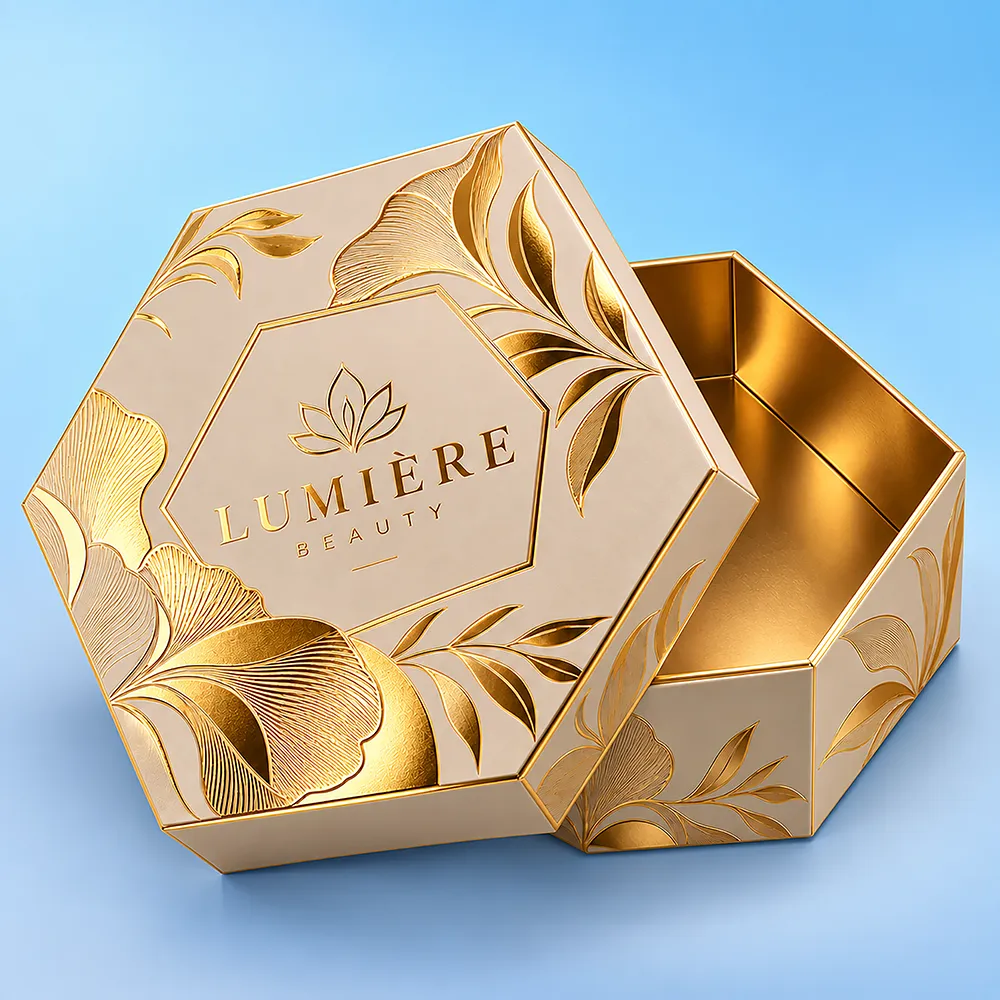
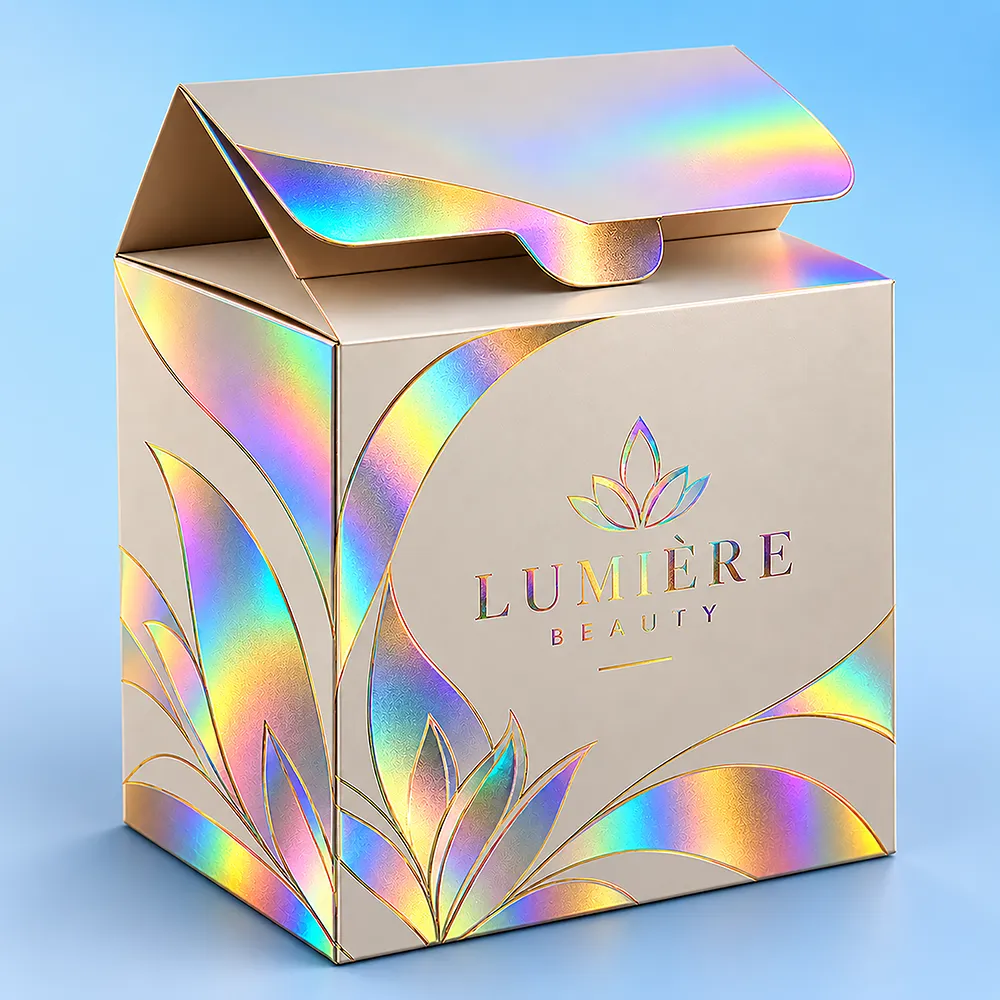
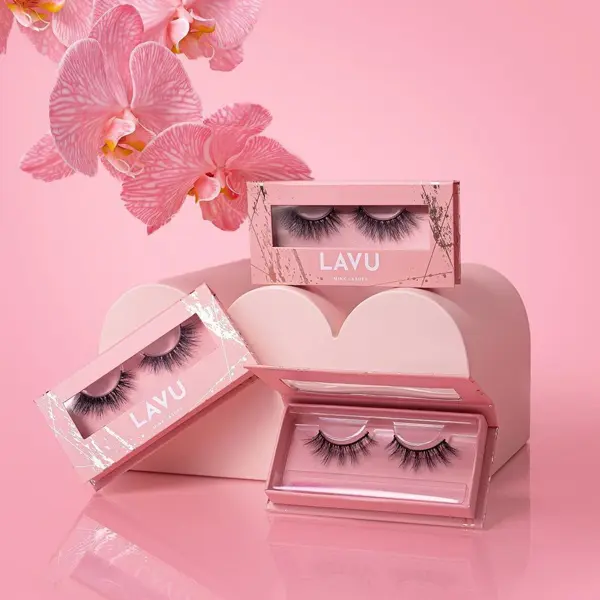
Custom Eyelash Cases for Single-Pair and Multi-Pair Lash Packaging
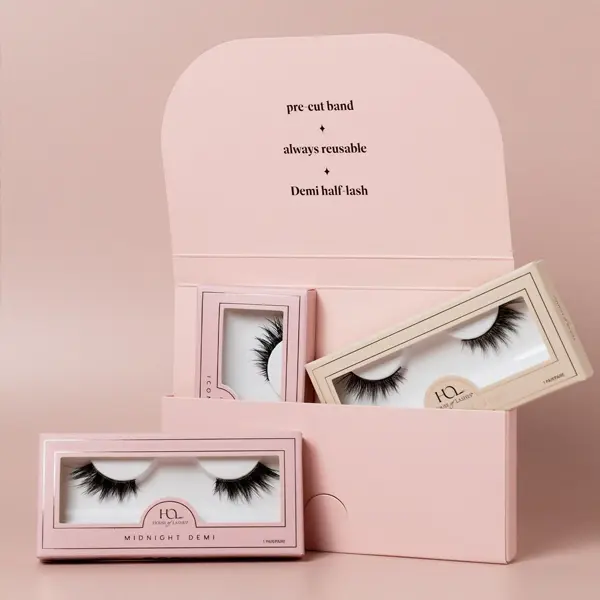
Custom eyelash cases help lash brands organize, present, store, and sell false eyelashes in packaging designed around the finished lash holder and product format. A case can be planned for one pair of lashes, several lash styles, magnetic lashes, cluster or segment lashes, refill sets, accessories, or a complete private-label lash kit.
The correct structure depends on more than the outside appearance. Lash-fiber height, band curve, holder dimensions, insert material, closure style, window requirements, number of pairs, retail channel, and expected reuse should all be reviewed before the case dimensions and dieline are finalized.
BoxBaba supports custom eyelash case projects with project-specific sizing, structural planning, internal-holder guidance, printing, finishes, artwork preparation, proofing, and quotation review. Options depend on the selected structure, materials, quantity, artwork, and production requirements.
Custom Eyelash Case Specification Overview
| Specification |
Available Direction |
| Suitable products |
Strip lashes, magnetic lashes, cluster or segment lashes, sample sets, multi-pair collections, lash kits, and project-specific false-lash products |
| Pack format |
Single-pair, double-pair, multi-pair, refill set, accessory set, launch kit, subscription set, or project-specific configuration |
| Case structures |
Drawer, sleeve-and-tray, two-piece, book-style, rigid setup, magnetic-closure, folding presentation case, or another confirmed structure |
| Internal support |
Die-cut paperboard holder, folded platform, rigid tray, formed insert, reusable holder, accessory compartment, or project-specific support |
| Materials |
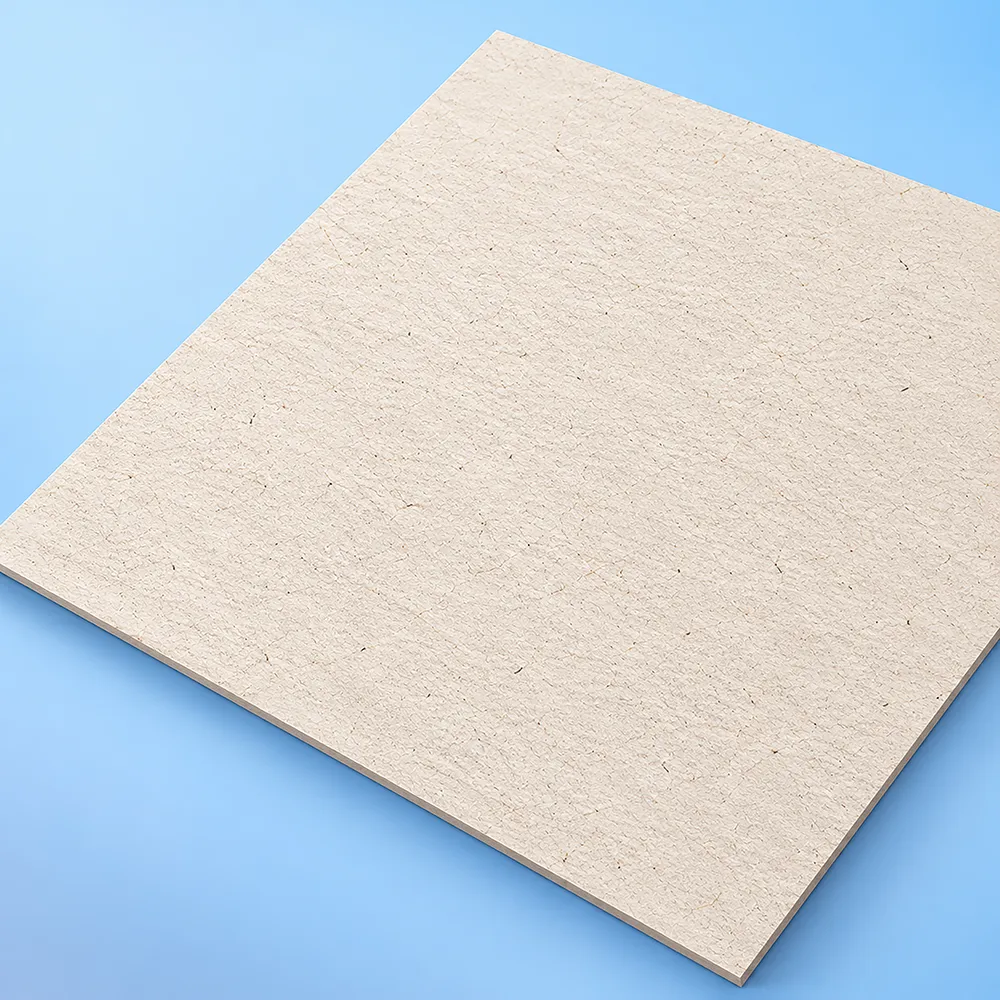
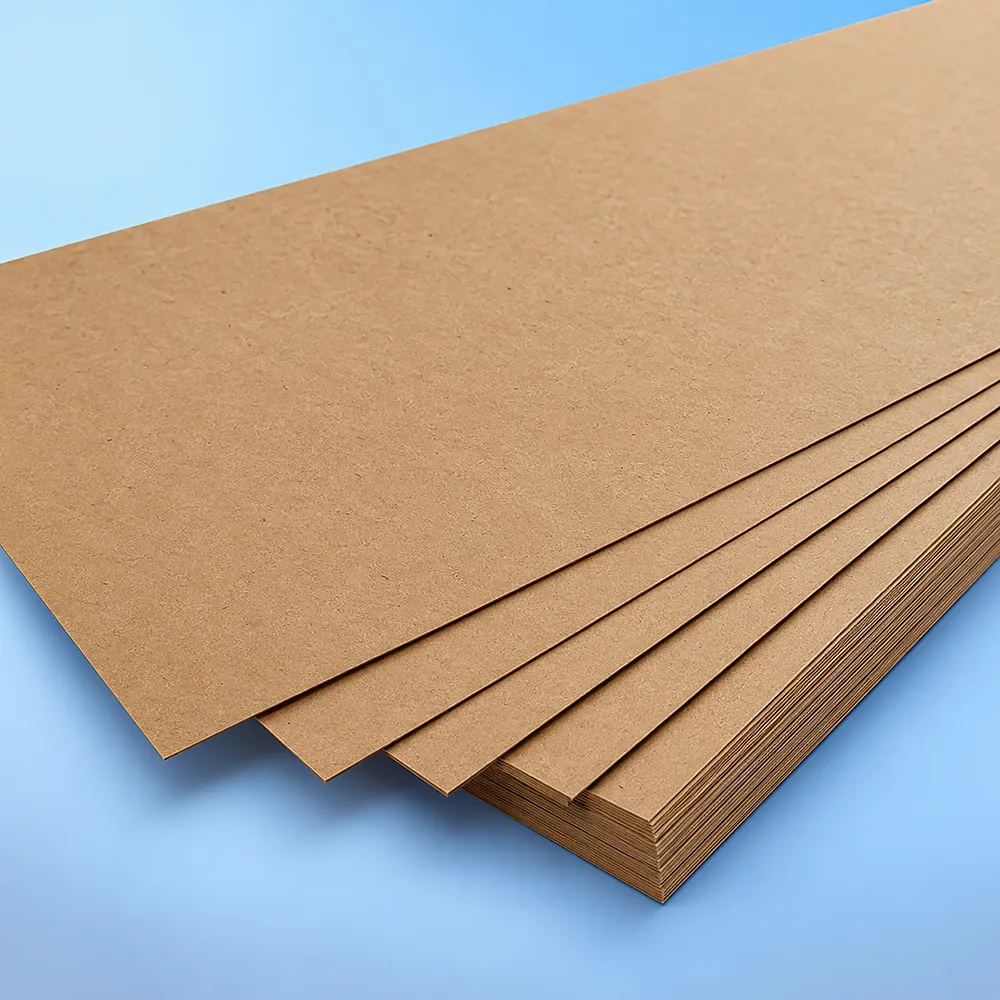
Folding paperboard, kraft-style board, rigid board, specialty paper, corrugated material for outer shipping packs, and confirmed insert materials |
| Closure options |
Sliding drawer, sleeve friction, tuck closure, lift-off lid, magnetic closure, ribbon pull, or project-specific closure |
| Window options |
Open die-cut window or window with a confirmed clear-film material where suitable |
| Printing |
Full-color CMYK, supported spot colors, interior printing, white ink on compatible materials, and multiple-SKU artwork |
| Finishing |
Matte, gloss, soft-touch, foil stamping, embossing, debossing, spot UV, textured paper, and other compatible finishes |
| MOQ |
Project-specific according to the structure, material, insert, printing, finishes, and number of designs |
| Proofing |
Digital artwork proof, structural sample, material sample, or printed physical sample according to project requirements |
| Production |
Standard production usually takes 8-12 business days after final artwork approval; specialty structures and samples may require additional time |
| Shipping |
Calculated separately according to finished quantity, packed volume, destination, and delivery method |
What Are Custom Eyelash Cases?
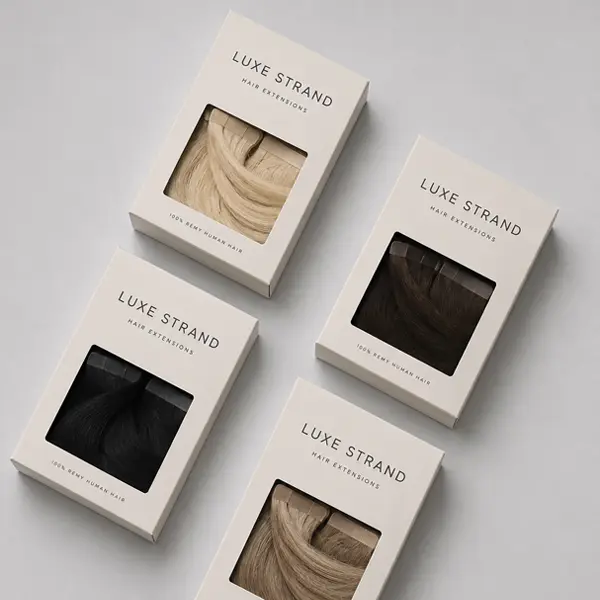
Custom eyelash cases are branded packaging structures designed to hold false eyelashes in a defined position while supporting retail presentation, storage, gifting, or reuse. The term can describe several formats, including sliding drawer cases, rigid magnetic cases, sleeve-and-tray packaging, book-style presentation cases, or multi-pair lash collections.
The outer case and the internal lash holder should be planned as one system. A visually attractive case can still fail if the lash fibers touch the lid, the band lifts from the holder, the insert moves inside the case, or the customer cannot remove the product comfortably.
For standard printed folding cartons and conventional retail lash packaging, view our
custom eyelash boxes. This page focuses on case-style, drawer, rigid, reusable, and premium presentation formats.
Custom Eyelash Cases vs Standard Eyelash Boxes
| Feature |
Custom Eyelash Cases |
Standard Eyelash Boxes |
| Primary purpose |
Presentation, organized storage, premium unboxing, or possible reuse |
Printed secondary packaging for retail display and product information |
| Common structures |
Drawer, rigid, magnetic, two-piece, sleeve-and-tray, or book-style case |
Straight tuck, reverse tuck, window carton, hanging carton, or basic sleeve |
| Typical delivery format |
Often assembled or partly assembled |
Often supplied flat |
| Internal holder |
Usually important to the structure and customer experience |
May use a separate lash card or tray |
| Presentation level |
Suitable for collections, launches, gifting, and higher-value presentation |
Suitable for standard retail, wholesale, and higher-volume product lines |
| Shipping requirement |
May still need a separate protective ecommerce mailer or shipping carton |
Usually requires an outer shipping package for parcel delivery |
Which Lash Products Can Use Custom Cases?
Single-Pair Lash Cases
A single-pair case holds one finished lash style and is commonly used for individual retail products, limited releases, salon lines, private-label collections, and influencer collaborations. The holder should match the lash-band curve and provide enough clearance for the complete fiber profile.
Multi-Pair Eyelash Cases
Multi-pair cases can organize two or more lash styles within one presentation structure. The internal layout should keep each pair separated, correctly oriented, and easy to identify. Multi-pair packaging may also need shade, length, style, or SKU labels for each position.
Magnetic Lash Cases
Magnetic lash products may include lashes, an applicator, eyeliner, adhesive, or another accessory. The internal layout should separate the components, prevent movement, and leave enough clearance for product removal without pressing against the lashes.
Cluster and Segment Lash Sets
Cluster, segment, or DIY lash systems may use multiple lengths, curls, or densities. A case can include labeled rows or separated compartments, but the final design should be based on the actual holder, product count, removal method, and accessory arrangement.
Lash Kits and Gift Sets
A lash kit may combine false lashes with tweezers, an applicator, adhesive, cleanser, mascara, eyeliner, or another beauty product. Each component should have a defined compartment. Products containing liquids or adhesives may also require additional orientation, leakage, labeling, and shipping review.
Reusable Lash Storage Cases
A reusable case is intended to remain useful after the first opening. The closure, hinge, holder, surface material, and removal process should therefore be reviewed for repeat handling. Reusable performance should not be claimed unless the selected construction has been tested for the intended use.
How to Measure Lashes and the Internal Holder
Start with the final production lash holder rather than estimating dimensions from the lash style name. Measure the complete holder after all tabs, raised areas, decorative elements, labels, and accessories have been added.
Provide the following information:
- Maximum holder width
- Maximum holder depth
- Total holder height
- Maximum lash-fiber height
- Lash-band curve and orientation
- Distance between the fibers and the holder edge
- Number of lash pairs
- Holder or tray material
- Finished product weight
- Required finger access or removal opening
- Accessory dimensions where applicable
Photographs, supplier drawings, existing samples, or physical holders can help confirm how the case should be sized. A physical fit test is recommended where fiber clearance, insert movement, or closure pressure is critical.
Lash-Fiber Height and Lid Clearance
Lash fibers may extend above the holder and can vary in curl, density, length, and orientation. The internal height should therefore be based on the highest point of the finished lashes, not only the height of the lash card or tray.
Insufficient clearance can allow the lid, window, insert, or internal panel to press against the fibers. Excessive clearance can create unnecessary case volume and may allow the holder to move. The correct allowance depends on the lash profile, holder tolerance, case structure, packing process, and expected handling.
Do not use one universal clearance value for every lash style. Confirm the dimensions using the final product wherever possible.
Internal Lash Holders and Insert Options
Die-Cut Paperboard Lash Holders
A die-cut paperboard holder can support lightweight lash products and maintain a paper-based visual direction. Its shape, cuts, tabs, folds, and surface should be tested against the lash band and removal process.
Folded Paperboard Platforms
A folded platform can raise the lash presentation inside a drawer, sleeve, or rigid case. It may also create finger access or space beneath the product, depending on the structure.
Rigid or Formed Trays
A rigid or formed tray may provide a defined curved holder and repeat-use function. The exact material, surface, recyclability, manufacturing tolerance, and disposal direction should be confirmed before environmental claims are published.
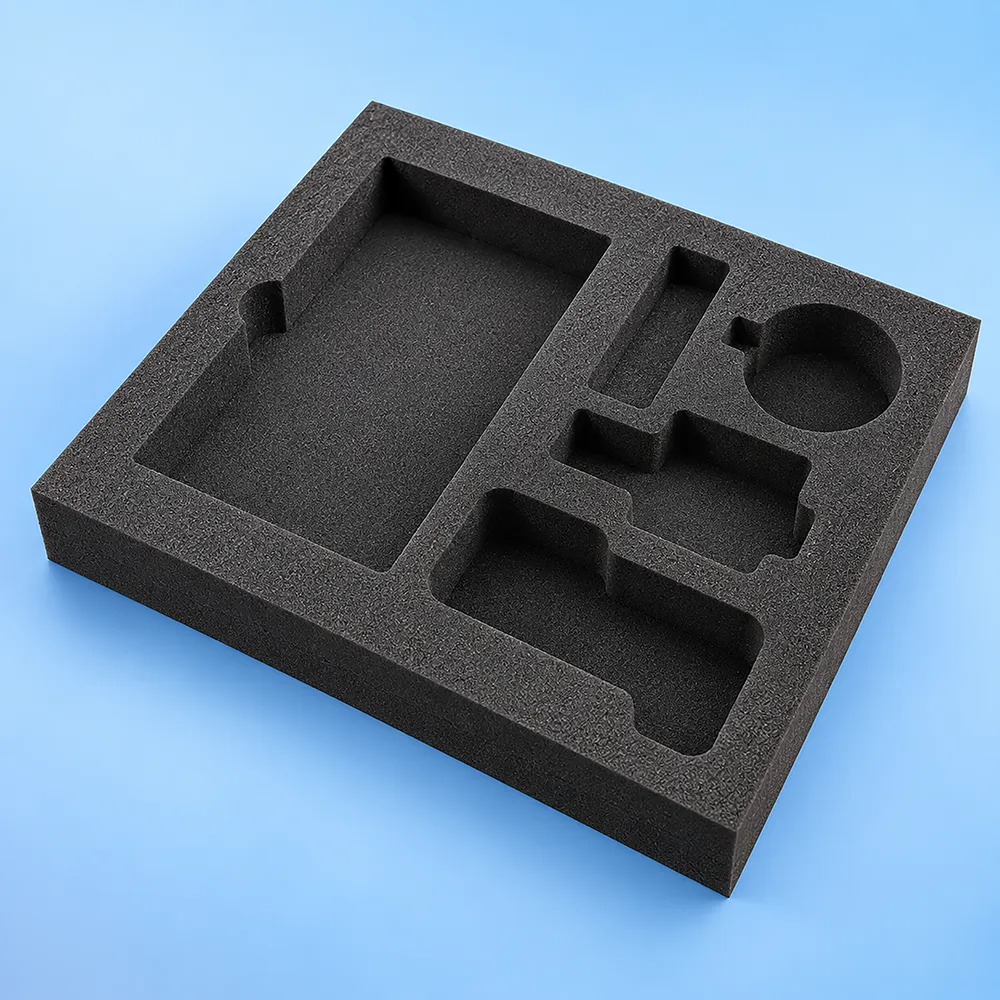
Foam or Specialty Inserts
Foam and specialty materials may be considered for accessory kits or presentation applications, but they should not automatically be described as recyclable, plastic-free, or environmentally preferable. Material type and end-of-life implications should be confirmed during quotation.
Accessory Compartments
Lash applicators, tweezers, adhesive, eyeliner, brushes, or instruction cards may need separate compartments. The insert should prevent the accessory from moving into the lash area or applying pressure to the fibers.
Choosing the Right Eyelash Case Structure
Drawer Eyelash Cases
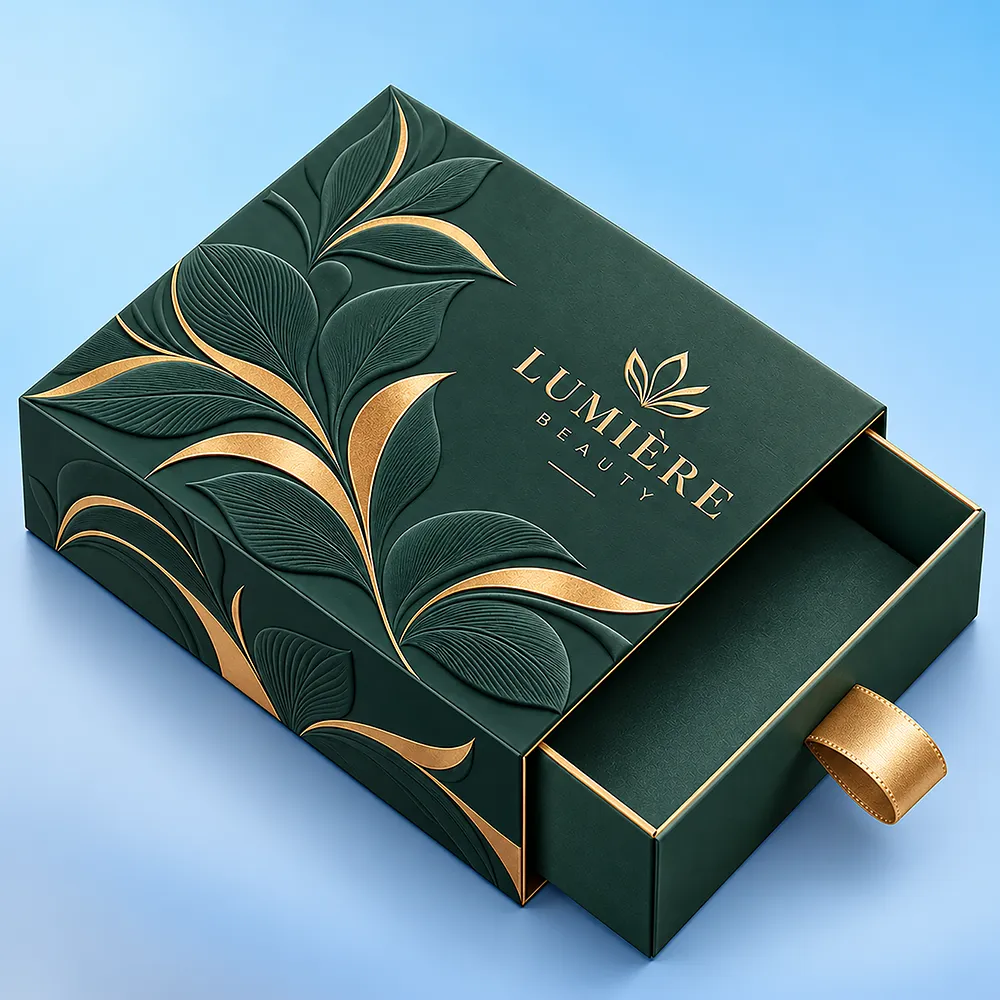
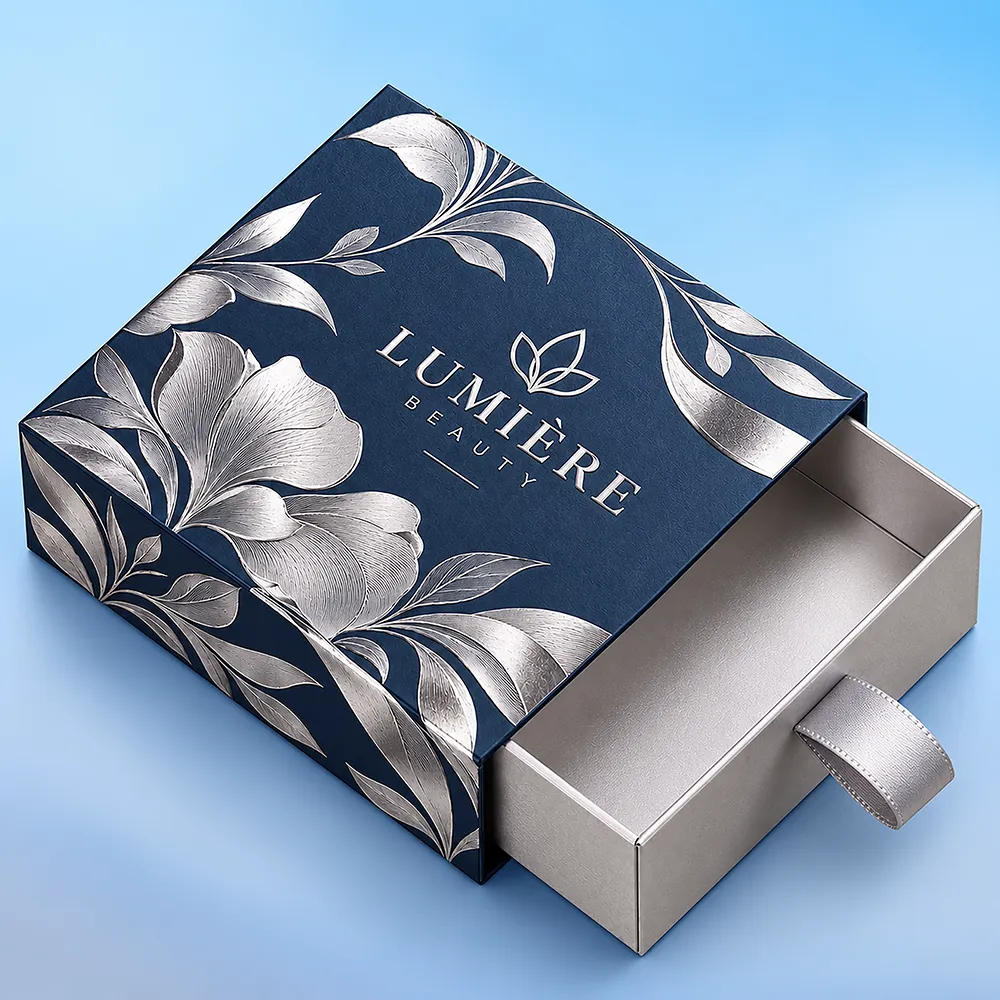
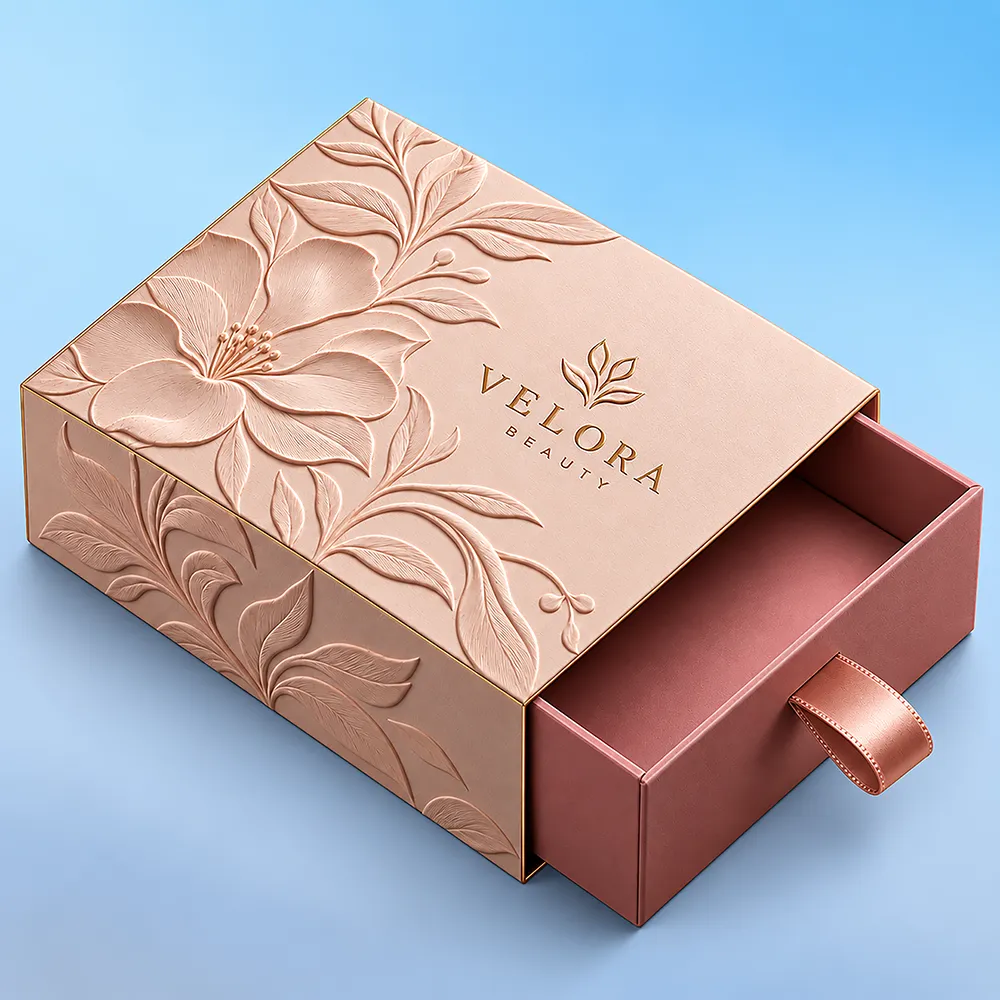
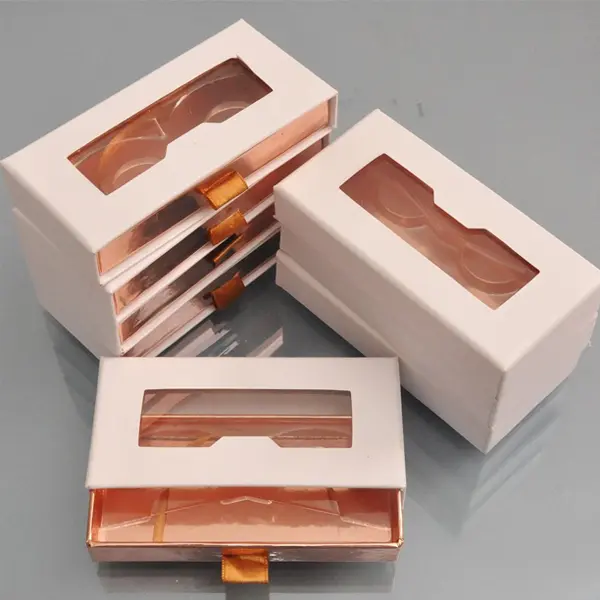
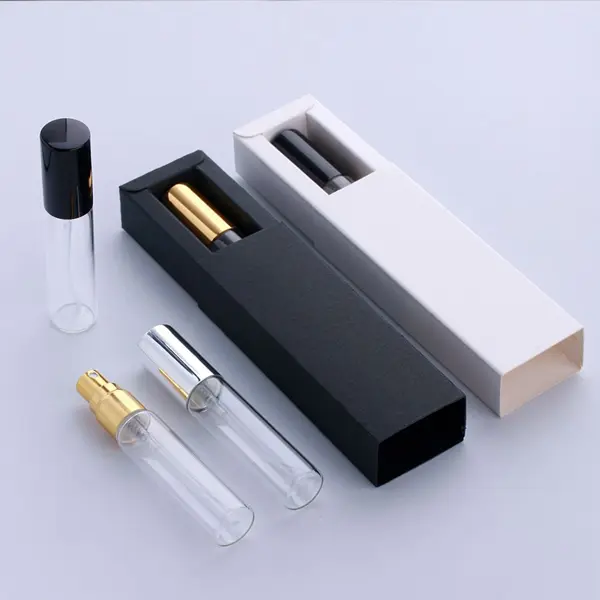
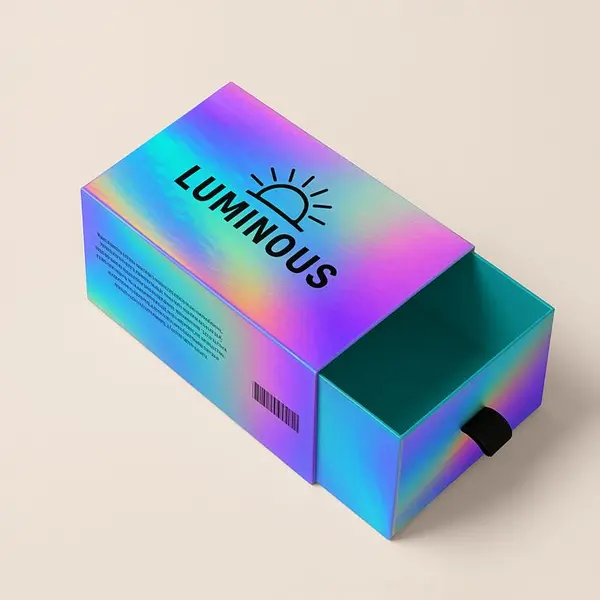
A drawer case uses an outer sleeve and a sliding inner tray. It works well for single-pair products, multi-pair collections, gift sets, and branded unboxing. The drawer tolerance, pull method, insert height, and product weight should be reviewed so the tray opens smoothly without sliding out unintentionally.
Sleeve-and-Tray Cases
A sleeve-and-tray structure can provide a clean presentation while remaining lighter than some rigid formats. The inner tray may be folding paperboard, reinforced board, or another confirmed material. A thumb notch, ribbon pull, or exposed edge can improve access.
Two-Piece Eyelash Cases
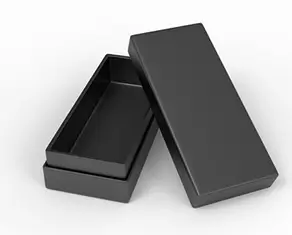
A two-piece case uses a separate lid and base. It may support single-pair, multi-pair, or gift-set layouts. The lid depth, fit tolerance, internal holder, and removal access should be considered before finalizing the structure.
Rigid Setup Cases
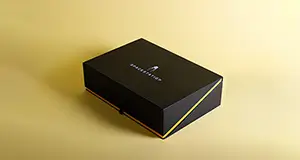
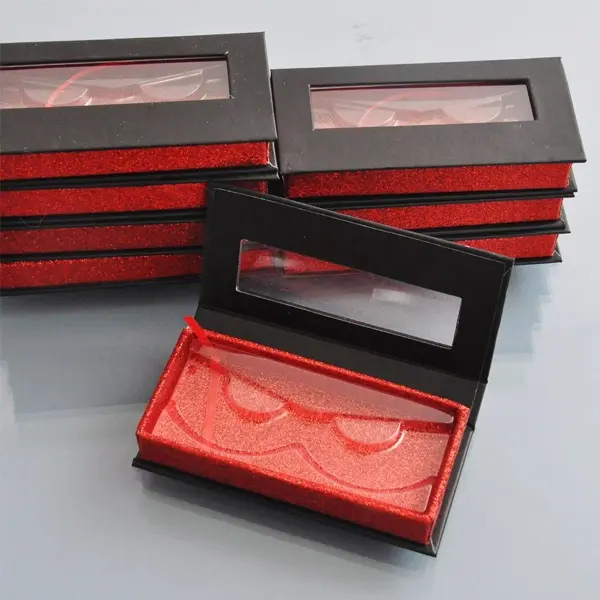
Rigid cases use wrapped board to create a more substantial presentation. They are generally supplied assembled and require more storage and shipping space than flat folding cartons. Rigid cases may be suitable for launches, collections, subscriptions, PR kits, and premium retail presentations.
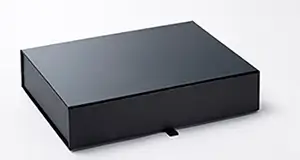
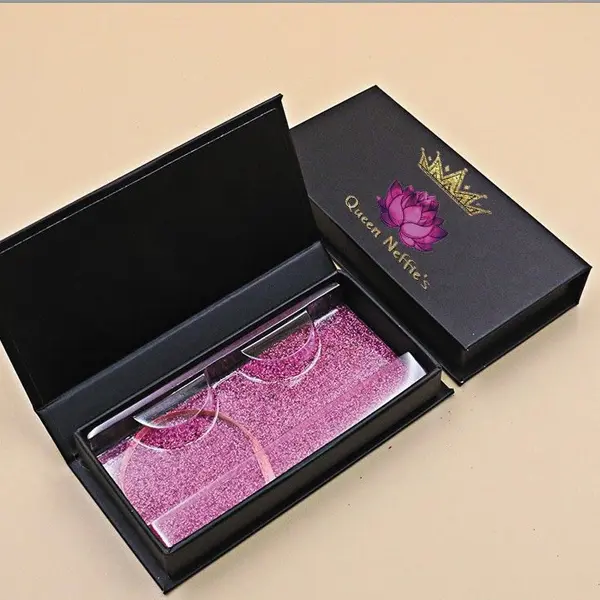
Magnetic-Closure Lash Cases
A magnetic closure can create a controlled opening experience, but it adds material, assembly, weight, and recycling considerations. Magnet strength, placement, board thickness, opening direction, and possible interference with other product components should be reviewed.
Book-Style or Hinged Cases
A book-style case opens from one side and can display lashes, instructions, a mirror, or accessories across separate panels. The hinge, internal depth, closure, and repeated opening requirements should be defined according to intended use.
Folding Presentation Cases
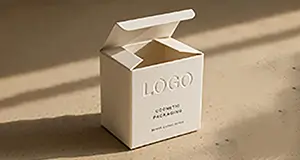
A folding presentation case may create a case-like opening experience while using lighter paperboard. This can be suitable when a brand wants more presentation than a standard tuck carton without moving to a fully rigid setup box.
Eyelash Case Style Selection Guide
| Project Need |
Possible Structure Direction |
| Single retail lash pair |
Compact drawer, sleeve-and-tray, two-piece, or folding presentation case |
| Two to six lash pairs |
Multi-level drawer, rigid case, book-style case, or divided tray |
| Reusable storage |
Rigid, hinged, magnetic, or project-specific reusable case after testing |
| Influencer or PR presentation |
Rigid setup, magnetic, book-style, or multi-component case |
| Subscription product |
Compact multi-pair case placed inside a suitable shipping package |
| High-volume standard retail |
Consider the separate Eye Lash Boxes page for folding-carton directions |
| Lashes with applicator or adhesive |
Divided drawer, rigid case, book-style case, or custom insert layout |
| Ecommerce delivery |
Retail case plus protective mailer, cushioning, or corrugated shipping carton |
Material Options for Custom Lash Cases
Folding Paperboard
Folding paperboard can support lighter drawer sleeves, folding trays, two-piece cartons, paperboard holders, and presentation structures. It provides a smooth printable surface and may be supplied flat or partly assembled depending on the design.
Kraft-Style Paperboard
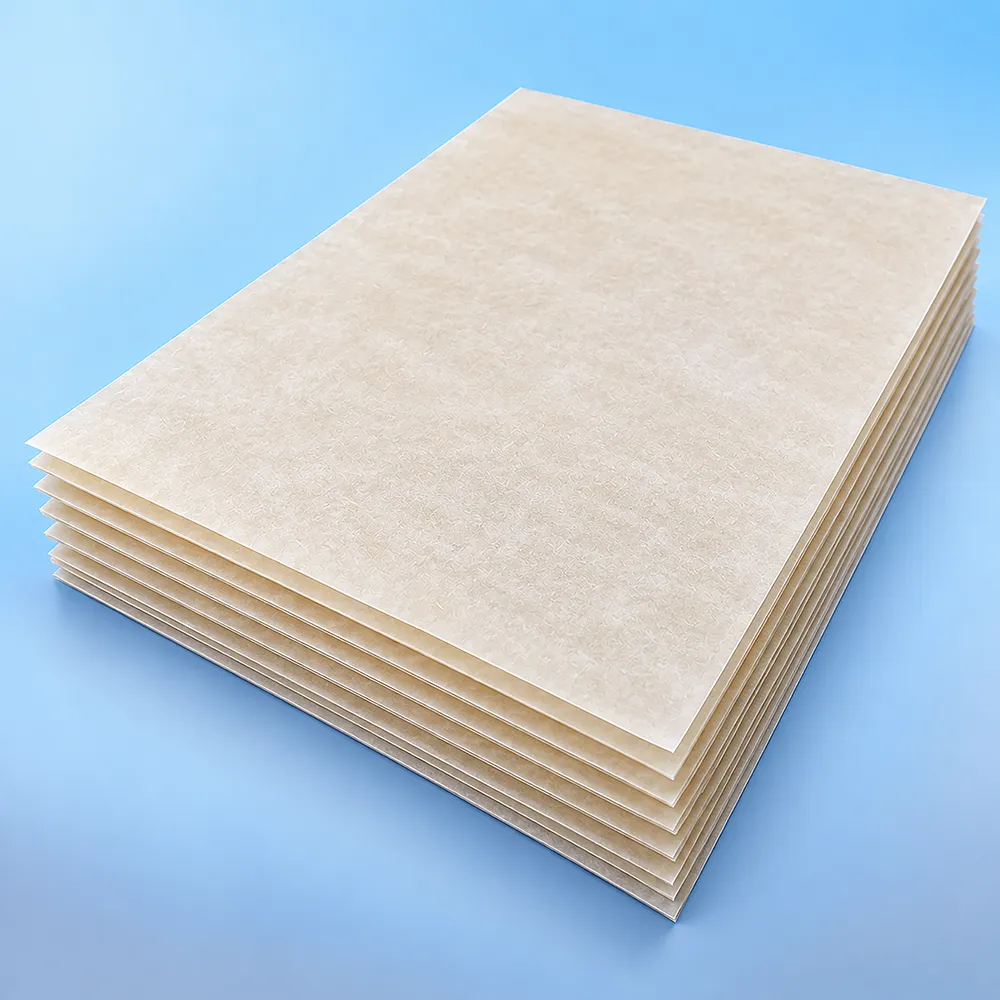
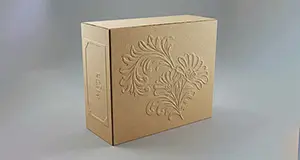
Kraft-style board creates a natural visual direction and can be printed according to the selected surface. Color results, white ink, fine detail, and finish compatibility should be reviewed because the board color can affect the printed appearance.
Rigid Board
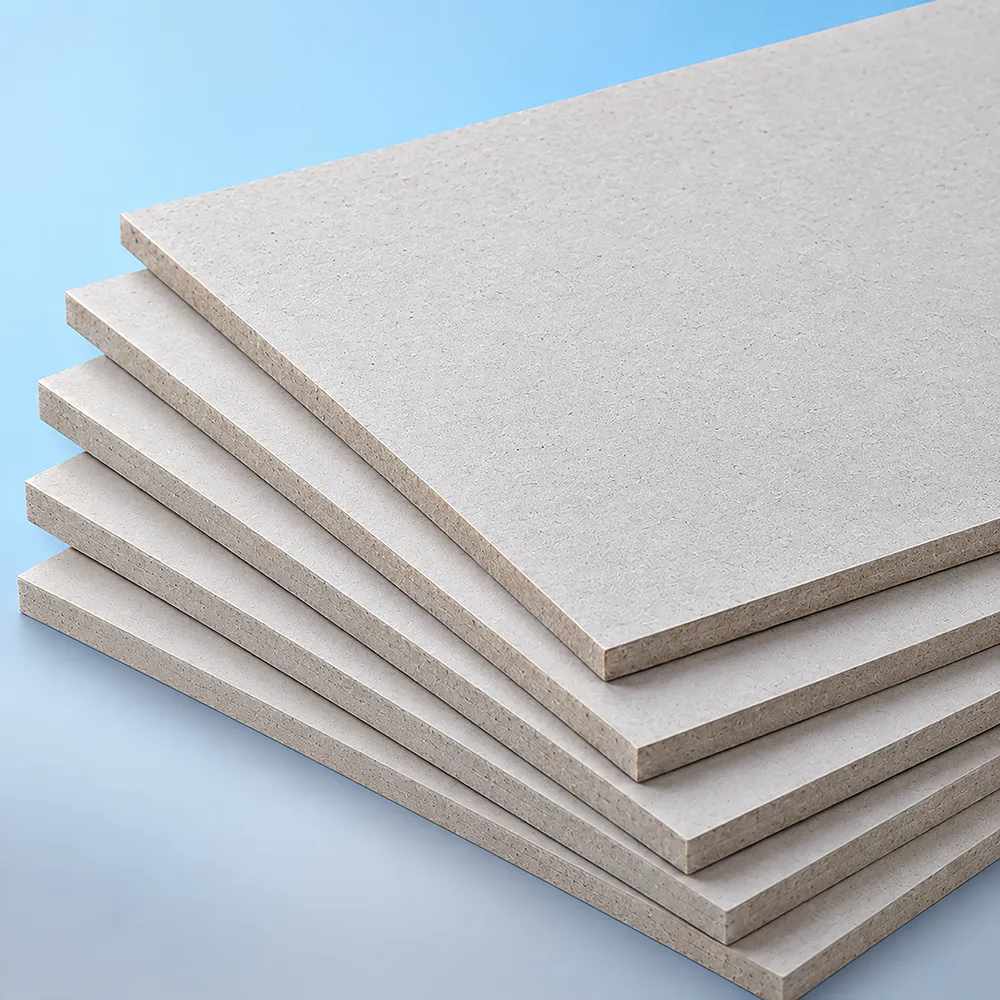
Rigid board is used for wrapped setup cases, magnetic cases, book-style structures, and substantial presentation packaging. Board thickness, wrap material, hinge design, insert, closure, and finished packed volume all affect the quotation.
Specialty and Textured Papers
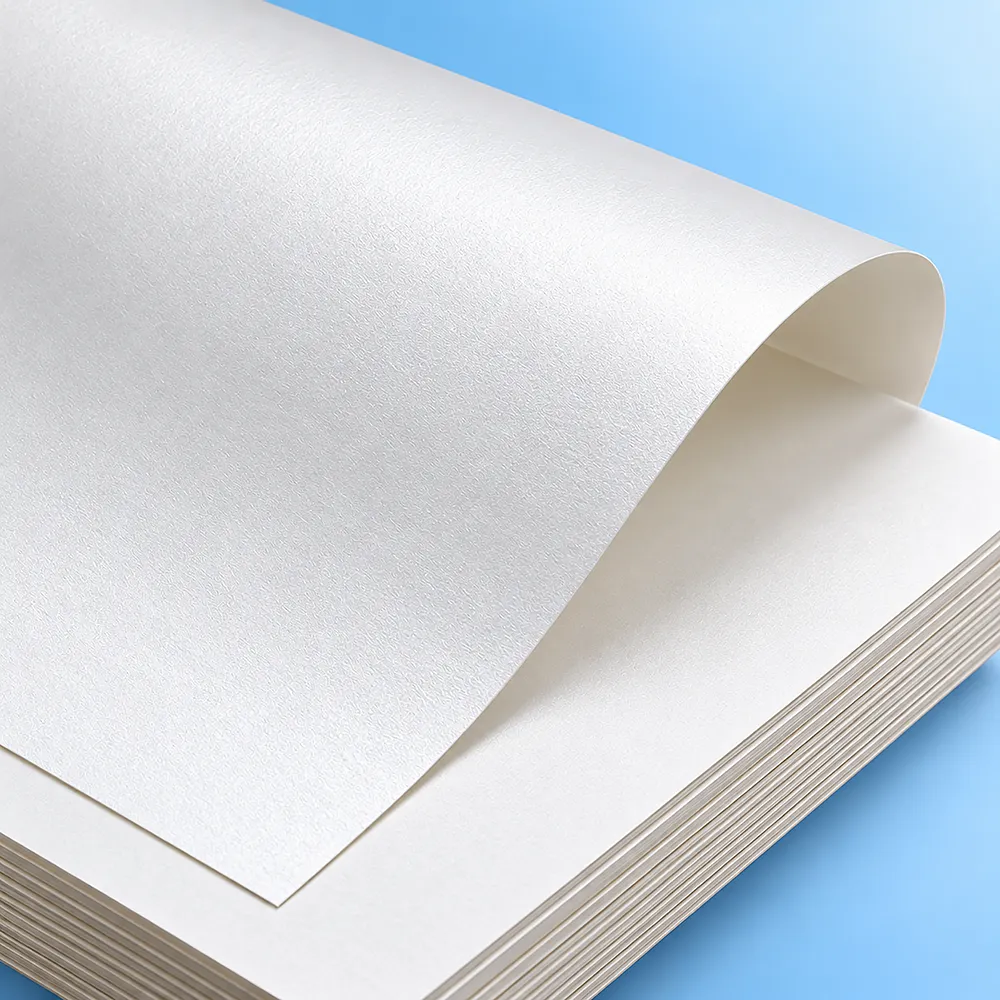
Textured, metallic, pearlescent, holographic, colored, or other specialty papers may support a distinctive visual direction. Printing, white ink, adhesives, foil, lamination, and scoring should be tested for compatibility with the selected stock.
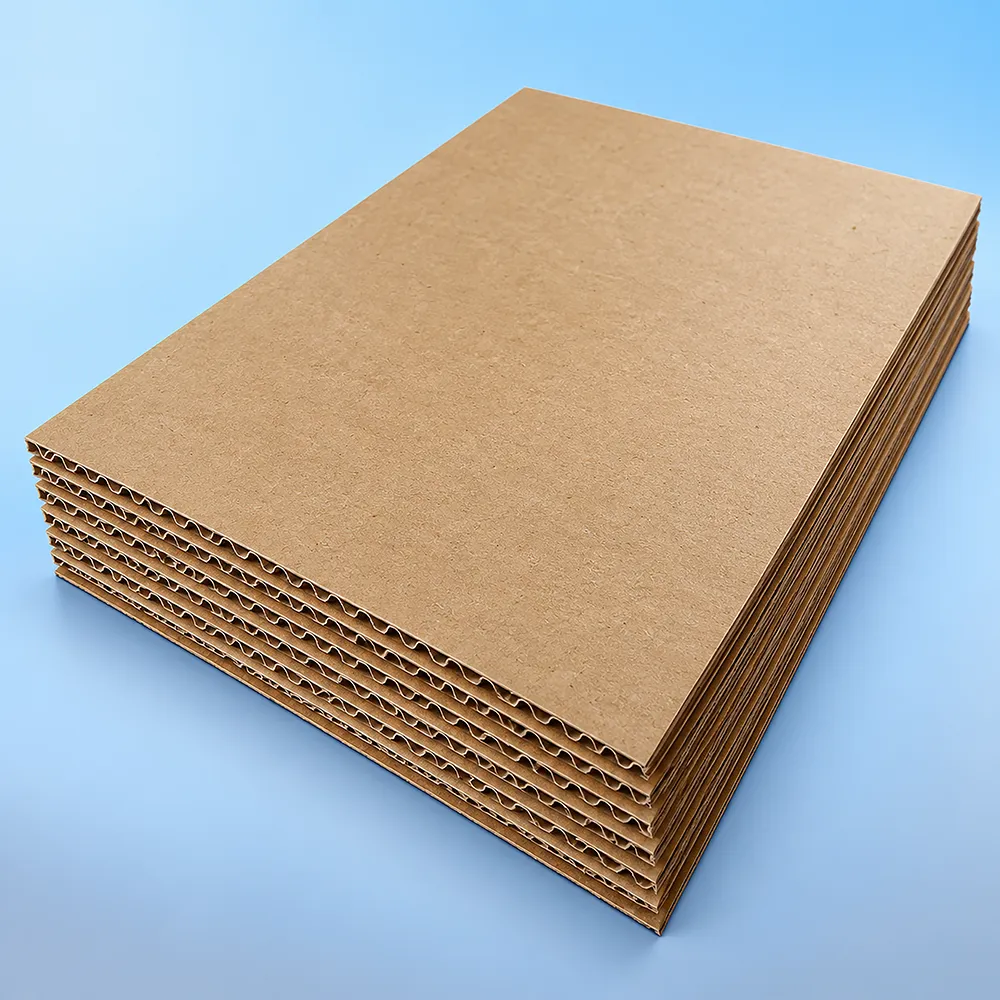
Corrugated Material
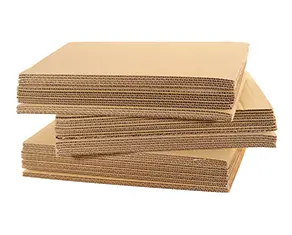
Corrugated material is generally more relevant to outer ecommerce mailers, wholesale shippers, subscription packs, and protective distribution packaging than to the small internal lash case itself.
Clear Windows and Product Visibility
A window can allow customers to view the lash style without opening the case. Possible directions include an open die-cut window or a window fitted with a confirmed transparent film.
Window planning should consider:
- Lash visibility and orientation
- Window size and edge strength
- Dust exposure
- Surface scratching
- Film clarity
- Adhesive application
- Material separation
- Recycling implications
- Shipping and handling conditions
A package containing a plastic window, foam insert, magnet, laminate, or mixed-material holder should not be described as plastic-free or universally recyclable without supporting information.
Closure and Opening Options
The closure affects product security, customer interaction, production complexity, and packed size. Possible directions include:
- Sliding drawer with exposed edge
- Ribbon-pull drawer
- Friction-fit sleeve
- Lift-off lid
- Tuck flap
- Magnetic flap
- Book-style magnetic closure
- Elastic or ribbon closure where confirmed
- Project-specific locking tabs
The selected closure should open without requiring excessive force while reducing unintended opening during normal handling. Final performance depends on material tolerances, product weight, assembly, and use conditions.
Printing and Brand-Color Options
Custom eyelash cases can be printed with logos, brand colors, lash names, style numbers, social handles, usage information, QR codes, and supporting artwork. Printing directions may include:
- Full-color CMYK printing
- Supported spot or Pantone color requirements
- Black-only or limited-color artwork
- Interior printing
- White ink on compatible dark, clear, or specialty materials
- Multiple artwork versions for different lash styles
- Variable barcode, shade, length, or SKU information where supported
For important brand colors, provide a physical reference or confirmed color specification. Screen colors, digital proofs, board color, coatings, and print methods can affect the final appearance.
Finishing Options for Eyelash Cases
Finishes can change the surface appearance, touch, scuff behavior, production time, cost, and recyclability of the package. Project-specific options may include:
- Matte lamination
- Gloss lamination
- Matte or gloss varnish
- Soft-touch finish
- Gold, silver, or custom-color foil stamping
- Embossing
- Debossing
- Spot UV
- Textured paper
- Metallic or holographic effects
- Interior printing
Not every finish is compatible with every board, wrap, window, or box structure. Confirm the selected combination during quotation and proofing.
Retail Cases, Reusable Cases, and Ecommerce Packaging
Retail Presentation
A retail case should clearly present the lash style and provide enough space for the brand name, product identity, barcode, usage information, warnings, business information, and other required details. Hanging or display requirements should be confirmed before the structure is finalized.
Reusable Storage
A reusable case should support repeat opening, lash removal, repositioning, and storage. Closure feel, holder condition, surface wear, and customer handling should be tested before marketing the case as reusable.
Ecommerce Shipping
A decorative lash case is not automatically a parcel-shipping package. Ecommerce orders may need an outer mailer, corrugated box, protective wrap, divider, or cushioning according to case structure, surface finish, window material, product quantity, and carrier handling.
Wholesale and Distribution
Wholesale cases may require master-carton planning, case counts, dividers, orientation markings, barcode labels, or other handling information. The shipping system should be reviewed separately from the consumer-facing presentation case.
Artwork and Product-Information Panels
The dieline should allocate space for branding and the information required for the actual product and sales market. Depending on the product, content may include:
- Brand and product name
- Lash style or collection name
- Length, curl, density, band, or product-type information
- Quantity or pack count
- Directions for use and care
- Warnings or precautions
- Materials or ingredient information where applicable
- Adhesive ingredients and warnings when adhesive is included
- Business or distributor information
- Country-of-origin information where applicable
- Barcode
- QR code
- Batch, lot, or internal tracking field
- Website and social information
- Recycling or disposal instructions supported by the construction
BoxBaba can help organize artwork panels and prepare the packaging dieline. The buyer’s legal, regulatory, or compliance team remains responsible for confirming final wording, claims, placement, type size, language, and market-specific requirements.
False Lash and Adhesive Compliance Considerations
False lashes, lash adhesive, eyeliner, applicators, and bundled cosmetic products may have different labeling and safety requirements. A case containing only false lashes may require different information from a kit that also includes adhesive or another cosmetic product.
Packaging should not be described as FDA-approved. The buyer is responsible for determining the product category, required label statements, ingredient information, warnings, business details, registration or listing obligations, and other legal requirements that apply to the finished product.
Artwork File Preparation
For a smoother artwork review, provide:
- Editable vector artwork where available
- Outlined or packaged fonts
- Linked or embedded high-resolution images
- Defined CMYK or spot colors
- Separate artwork files for each SKU
- Barcode files at usable resolution
- Clear foil, embossing, debossing, spot UV, and cut-window layers
- Bleed and safe-area allowance according to the final dieline
- Notes for inside printing and special materials
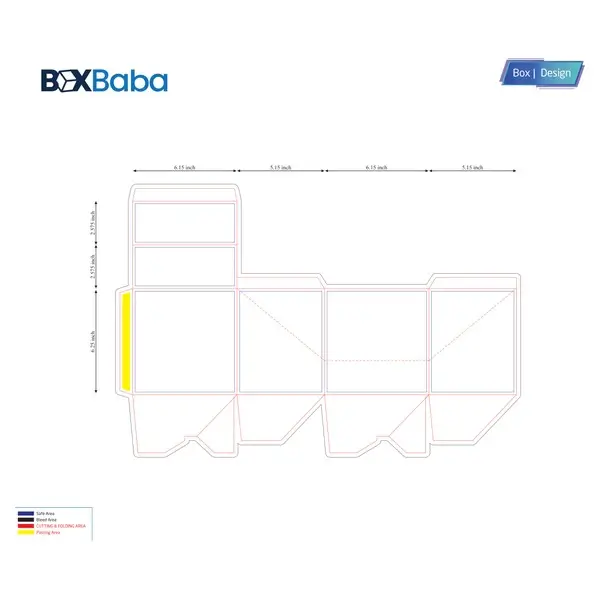
Do not finalize artwork on an estimated dieline when the holder dimensions, structure, or insert are still changing.
Digital Proofs and Physical Samples
Digital Artwork Proof
A digital proof can show artwork placement, text, colors, cut lines, folds, windows, and finishing positions. It does not fully reproduce material texture, printed color, foil reflection, embossing depth, closure feel, or physical fit.
Unprinted Structural Sample
An unprinted structural sample can help evaluate case dimensions, holder fit, fiber clearance, opening, closure, assembly, and product removal before the complete printed production run.
Printed Physical Sample
A printed sample may be useful for evaluating color, finish, presentation, assembly, and shelf appearance. Sample availability, method, price, lead time, and shipping are project-specific.
For case structures with complex inserts, tall lash fibers, magnets, multiple accessories, or reusable requirements, a physical sample may reduce the risk of fit and usability problems.
Flat-Packed vs Assembled Eyelash Cases
Some paperboard sleeves, trays, and folding presentation structures may be supplied flat or partly assembled. Rigid setup cases and many magnetic cases are generally supplied assembled.
| Delivery Format |
Considerations |
| Flat-packed |
Lower storage volume, possible assembly labor, packing instructions, and setup consistency |
| Partly assembled |
Reduced setup work while retaining some shipping efficiency |
| Fully assembled |
Faster product packing but greater storage and freight volume |
| Separate case and insert |
Requires a defined packing process and correct insert orientation |
The quotation should clearly state how the case, holder, insert, window, ribbon, and other components will be delivered.
Planning Multiple Lash Styles and SKUs
Lash brands often sell several lengths, curls, densities, band types, colors, or collection names using one case structure. Multi-SKU planning can reduce artwork errors and improve consistency.
Provide a SKU schedule containing:
- SKU or style name
- Lash-holder dimensions
- Fiber height
- Artwork filename
- Barcode
- Language version
- Quantity required
- Finish requirements
- Insert or accessory differences
Confirm whether every SKU uses the same holder and case dimensions. A small change in lash height, holder thickness, or accessory layout may require a different insert or internal height.
Common Eyelash Case Problems
Lash Fibers Touching the Lid
This may happen when the case height is based only on the holder instead of the highest point of the finished fibers.
Loose Internal Holder
A loose holder can rotate, slide, or lift during handling. The internal structure should control movement without making product removal difficult.
Drawer Opening Too Easily
A drawer with insufficient friction may slide open. Excessive friction may make the case difficult to use or damage the sleeve.
Weak Removal Access
Customers may struggle to remove the holder when there is no finger notch, ribbon, exposed edge, or suitable grip area.
Window Scratching or Clouding
Clear films and rigid transparent materials can show scratches, dust, adhesive marks, or surface haze. The material and handling method should match the presentation requirement.
Surface Scuffing
Dark colors, metallic surfaces, matte finishes, soft-touch coatings, and high-contact corners may show fingerprints or scuffing. Samples and suitable packing methods can help evaluate the finish.
Accessories Pressing Against the Lashes
Applicators, tweezers, adhesive, or eyeliner should have separate defined positions so they do not shift into the lash area.
Retail Case Used as a Shipping Box
A presentation case may develop crushed corners, scuffs, or opening problems when sent without suitable outer shipping protection.
What Affects the Price of Custom Eyelash Cases?
Custom eyelash case pricing depends on the complete specification rather than the outside dimensions alone.
- Finished case dimensions
- Single-pair or multi-pair layout
- Case structure
- Rigid or folding construction
- Board and wrap material
- Internal holder or insert
- Window material
- Magnetic closure or ribbon
- Printing colors and surfaces
- Foil, embossing, spot UV, and other finishes
- Number of SKUs
- Quantity per design
- Structural or printed sample requirements
- Assembly requirements
- Packing method
- Shipping destination and delivery method
Provide the quantity for each SKU rather than only the combined order quantity. Several low-quantity designs may be priced differently from one design produced at the same total volume.
Sustainability Considerations
The environmental characteristics of an eyelash case depend on the complete construction, not only the outer paperboard. Review the board, recycled content, wrap, coating, laminate, foil, ink, adhesive, magnet, ribbon, foam, window film, tray, and local recovery system.
Possible project directions may include:
- Reducing unnecessary case volume
- Using a paperboard holder where suitable
- Choosing an unlaminated paper-based structure where compatible
- Reducing mixed materials
- Making inserts easier to separate
- Using documented recycled content
- Providing accurate disposal instructions
- Designing a case for verified repeat use
Do not publish broad claims such as eco-friendly, biodegradable, compostable, recyclable, recycled, plastic-free, or sustainable unless the exact construction and supporting documentation justify the claim.
How to Order Custom Eyelash Cases
- Define the lash product: Confirm the lash type, number of pairs, holder, fiber height, accessories, and sales channel.
- Provide measurements: Share the finished holder dimensions, highest fiber point, product weight, photos, drawings, or physical samples.
- Select a case direction: Choose drawer, sleeve-and-tray, two-piece, rigid, magnetic, book-style, folding presentation, or request structural guidance.
- Plan the internal holder: Confirm the holder material, band curve, product orientation, removal method, and accessory compartments.
- Choose materials and finishes: Review board, wrap, window, printing, foil, coating, texture, and closure requirements.
- Prepare artwork: Supply branding, SKU information, barcodes, required label content, and finishing layers.
- Review proofing needs: Confirm digital proof, structural sample, material sample, or printed sample requirements.
- Confirm quantities: Provide the number of SKUs and required quantity for each design.
- Approve the specification: Review dimensions, structure, materials, insert, printing, finishes, delivery format, production time, and shipping.
- Approve production artwork: Production begins after the final files and project details have been approved.
Why Choose BoxBaba for Custom Eyelash Case Projects?
BoxBaba helps beauty and lash brands plan custom packaging around the actual product rather than relying only on generic box dimensions. The project can be reviewed according to the finished lash holder, fiber height, case structure, closure, insert, printing, finishes, artwork, quantity, and delivery requirements.
Support may include:
- Case-style and structure guidance
- Single-pair and multi-pair layout planning
- Lash-holder and insert review
- Dieline and artwork-layout guidance
- Digital proofing
- Project-specific sample options
- Multi-SKU artwork coordination
- Retail and ecommerce packaging direction
- Project-specific production and shipping quotation
For related beauty packaging, explore our
custom mascara boxes,
custom eyeliner boxes, and
custom cosmetic labels.
Request a Custom Eyelash Case Quote
Share your lash type, holder dimensions, maximum fiber height, number of pairs, preferred case structure, insert or tray requirement, window and closure options, printing, finishes, quantity by SKU, artwork status, shipping ZIP code, and required delivery date.
These details help the BoxBaba team review the internal fit, clearance, holder, case structure, materials, artwork, production, and shipping requirements before preparing project-specific quotation guidance.
Request a Custom Eyelash Case Quote, call +1 305 574 4357, or email sales@boxbaba.com.