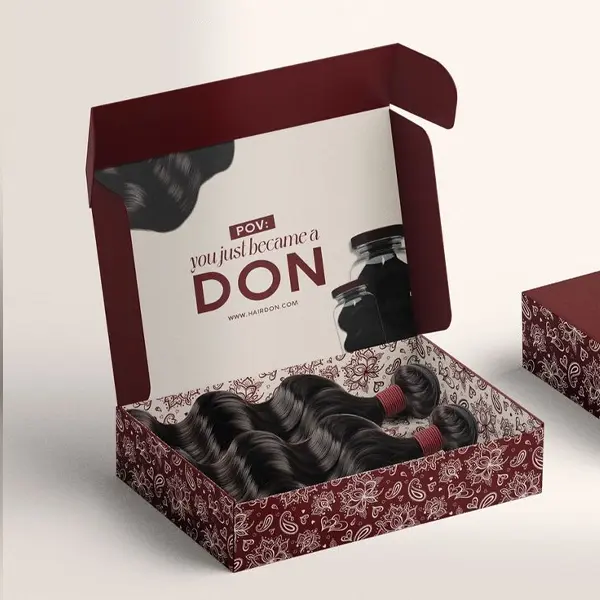
Custom Holographic Boxes

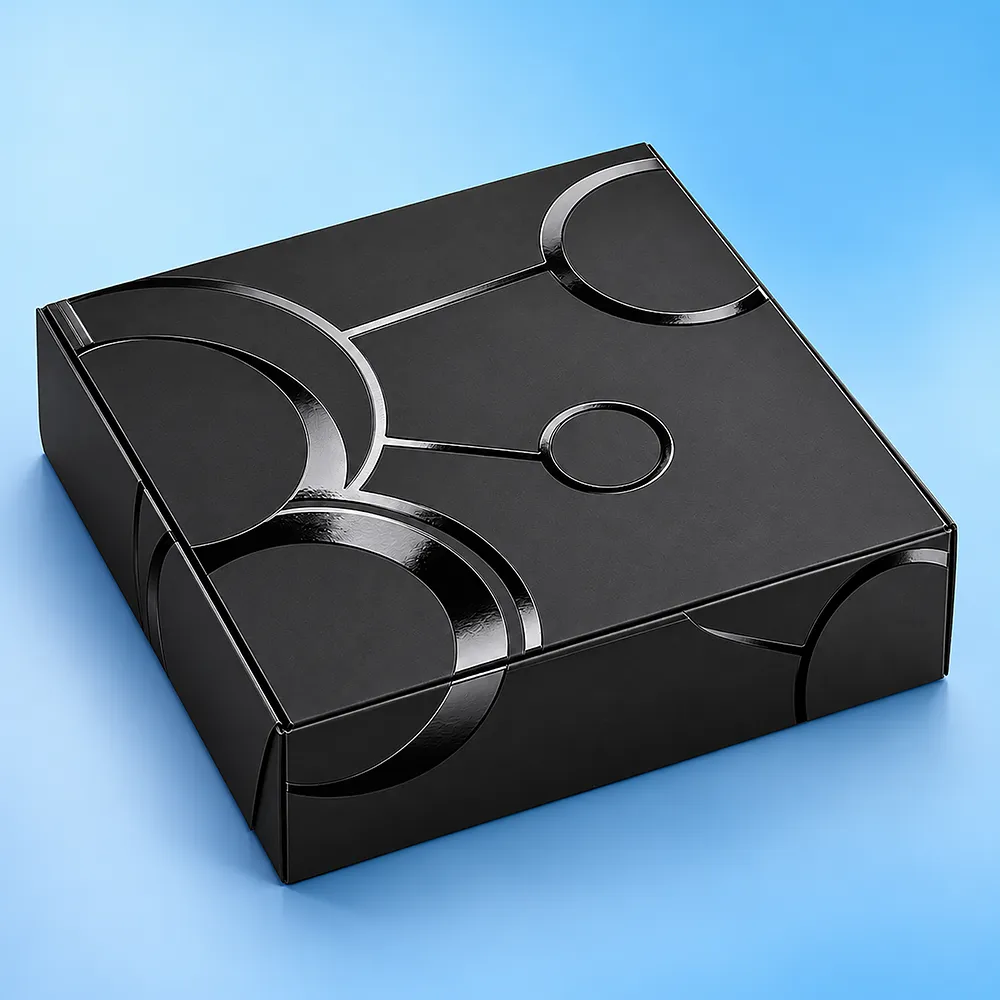
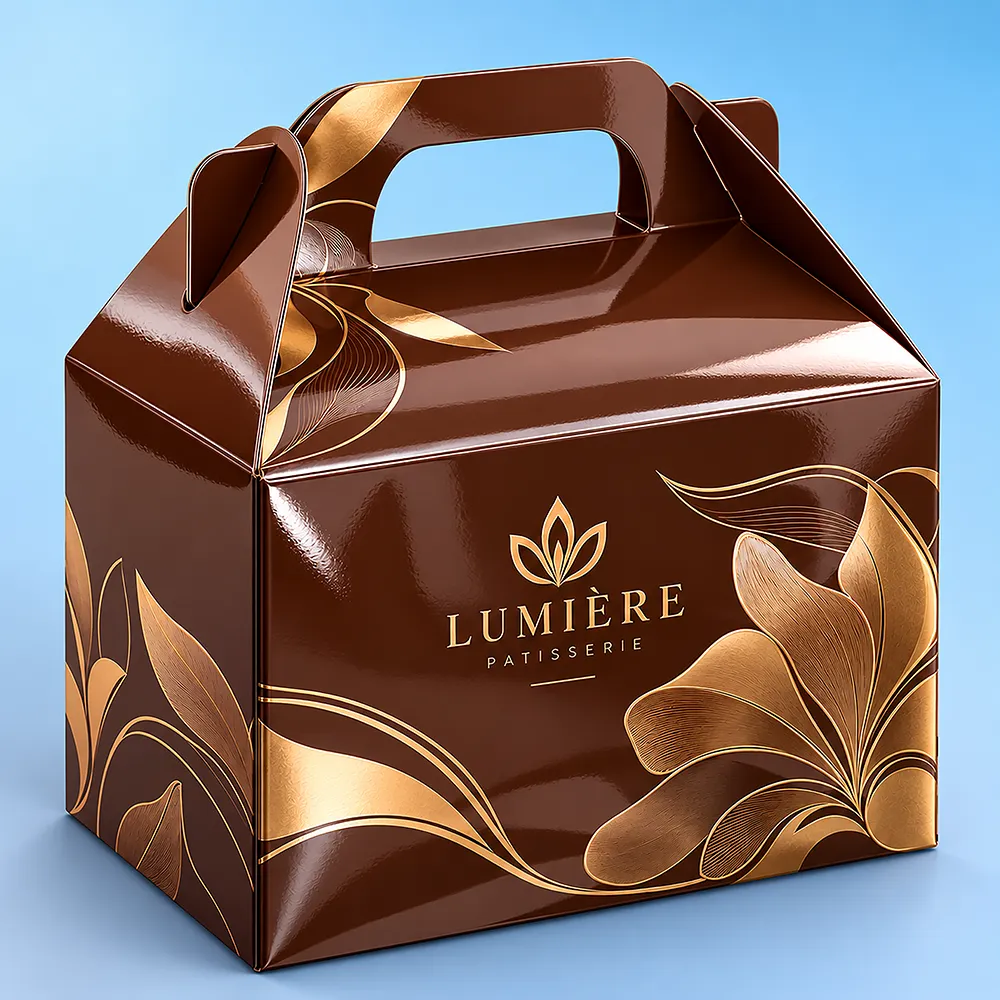
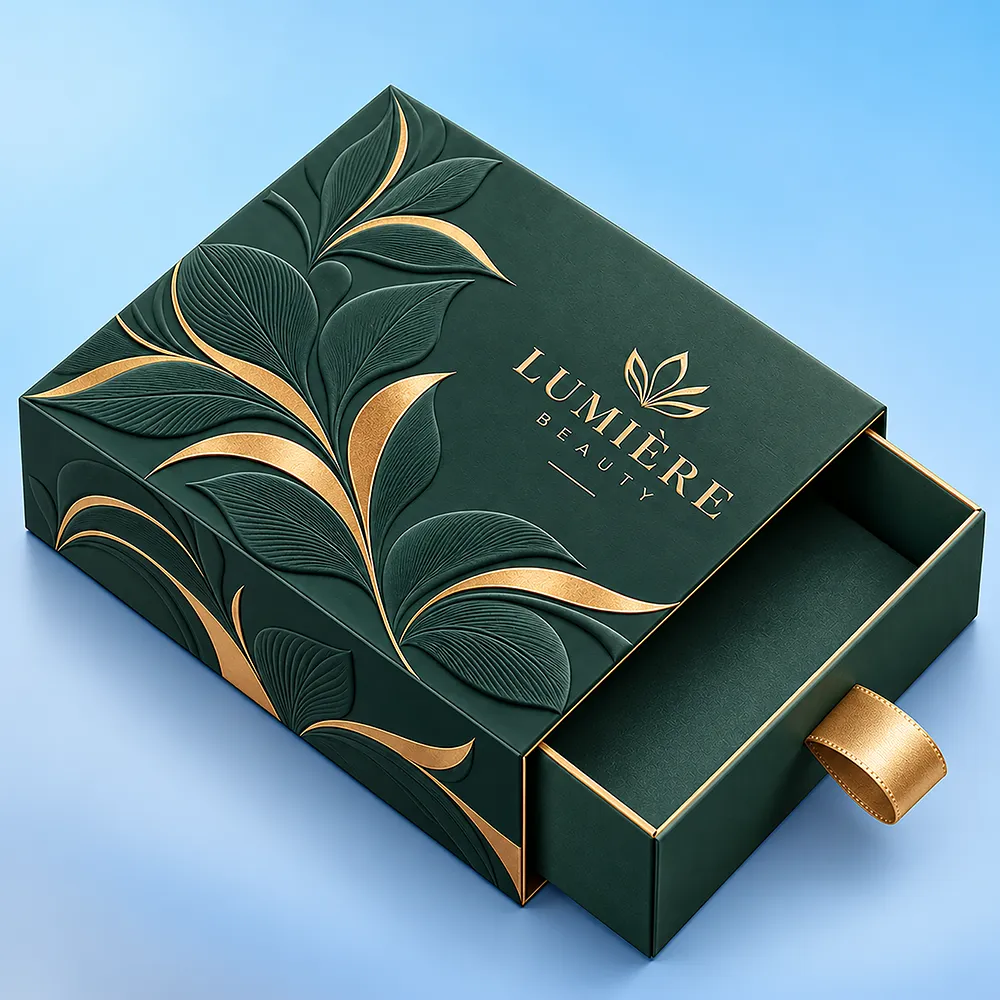
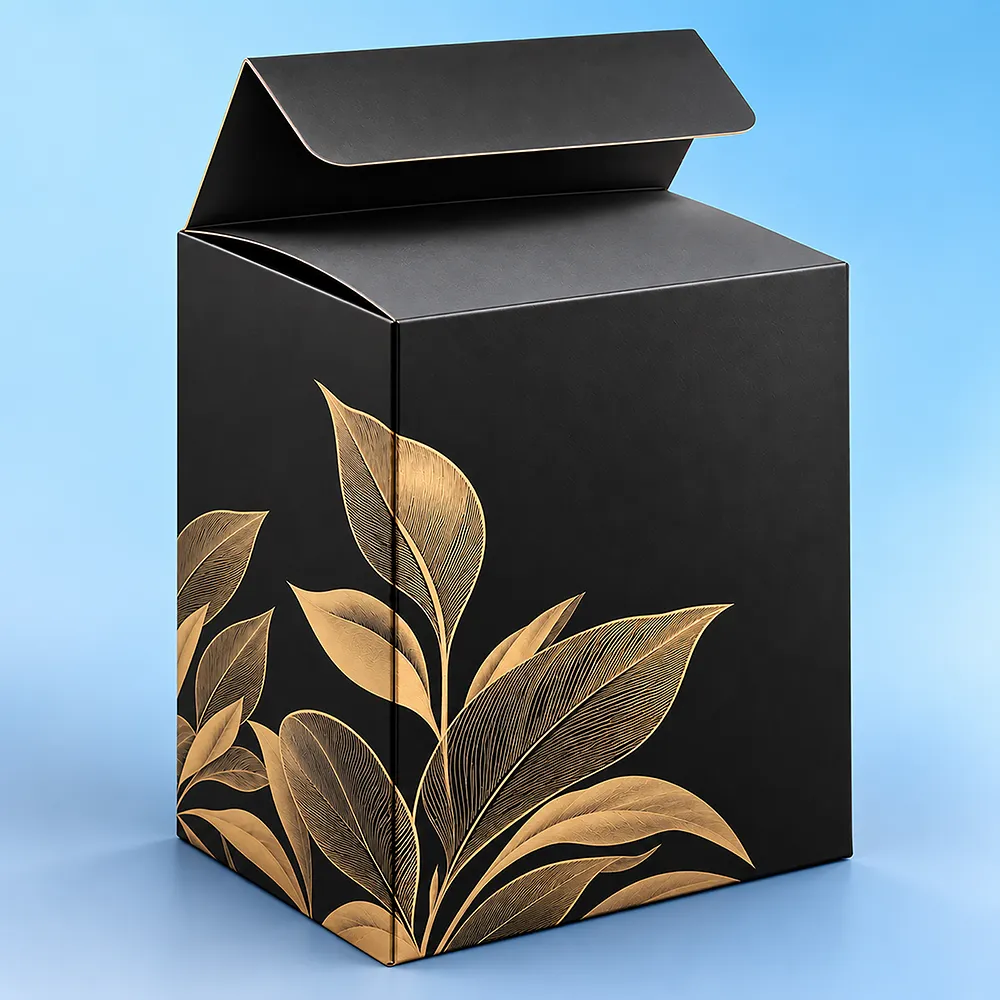
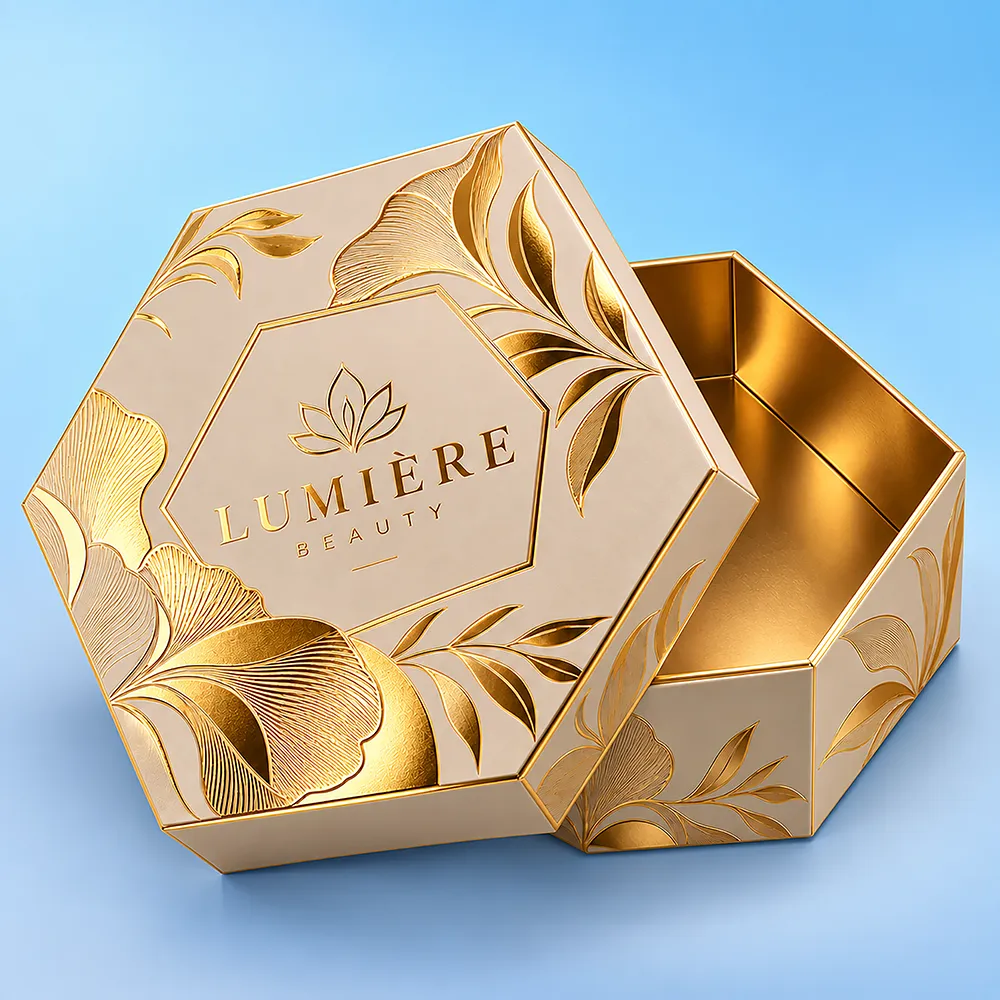
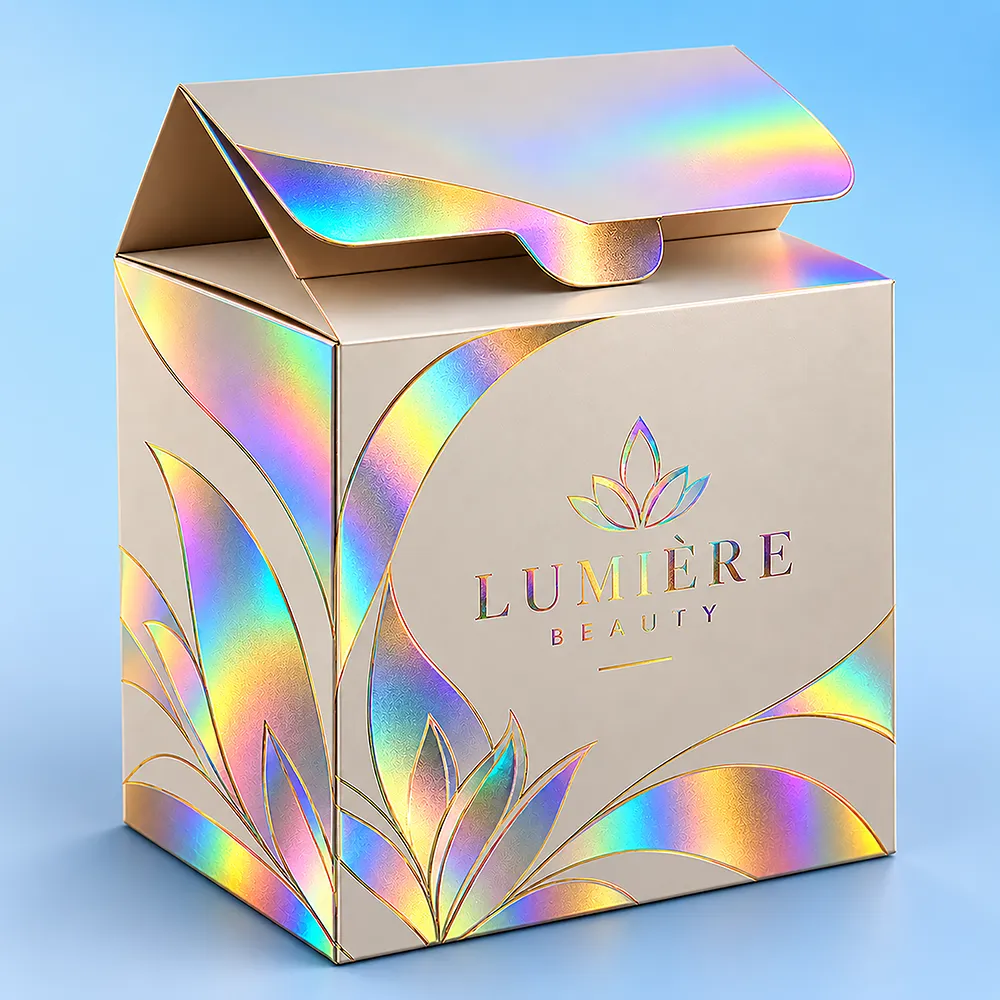
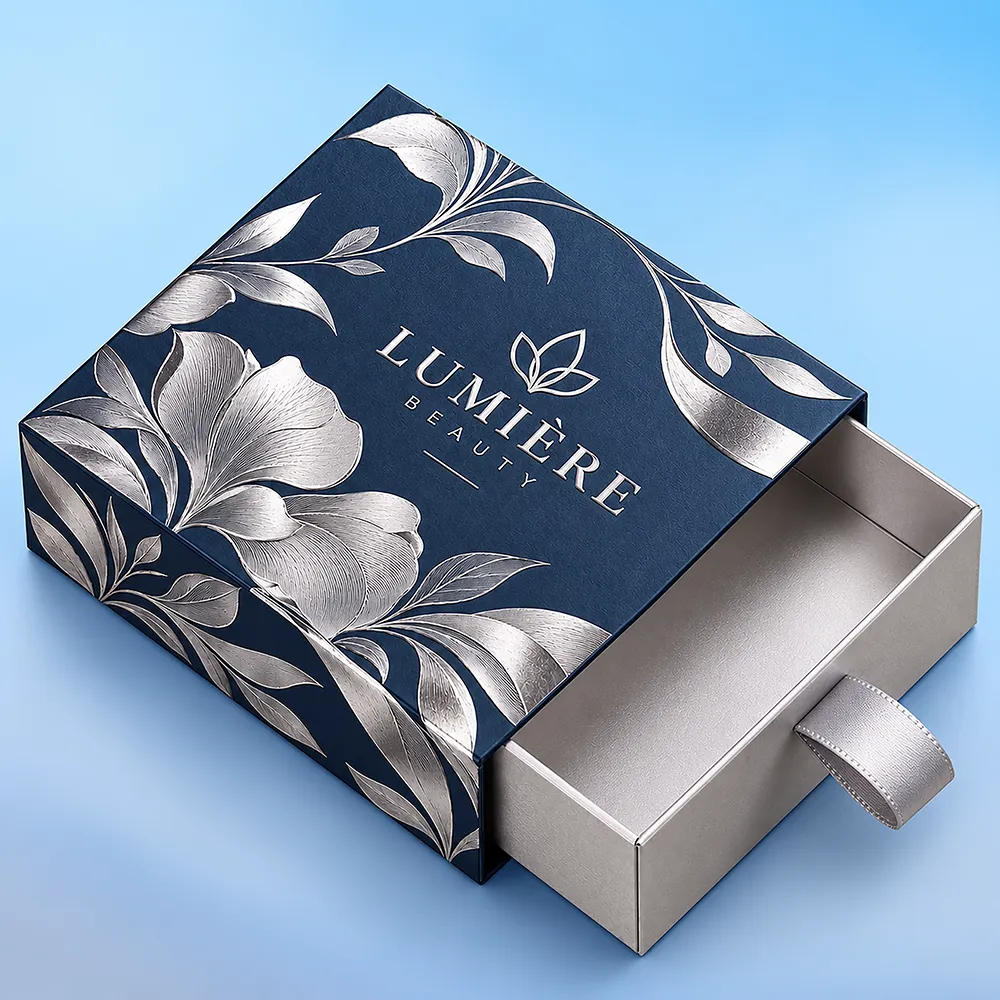
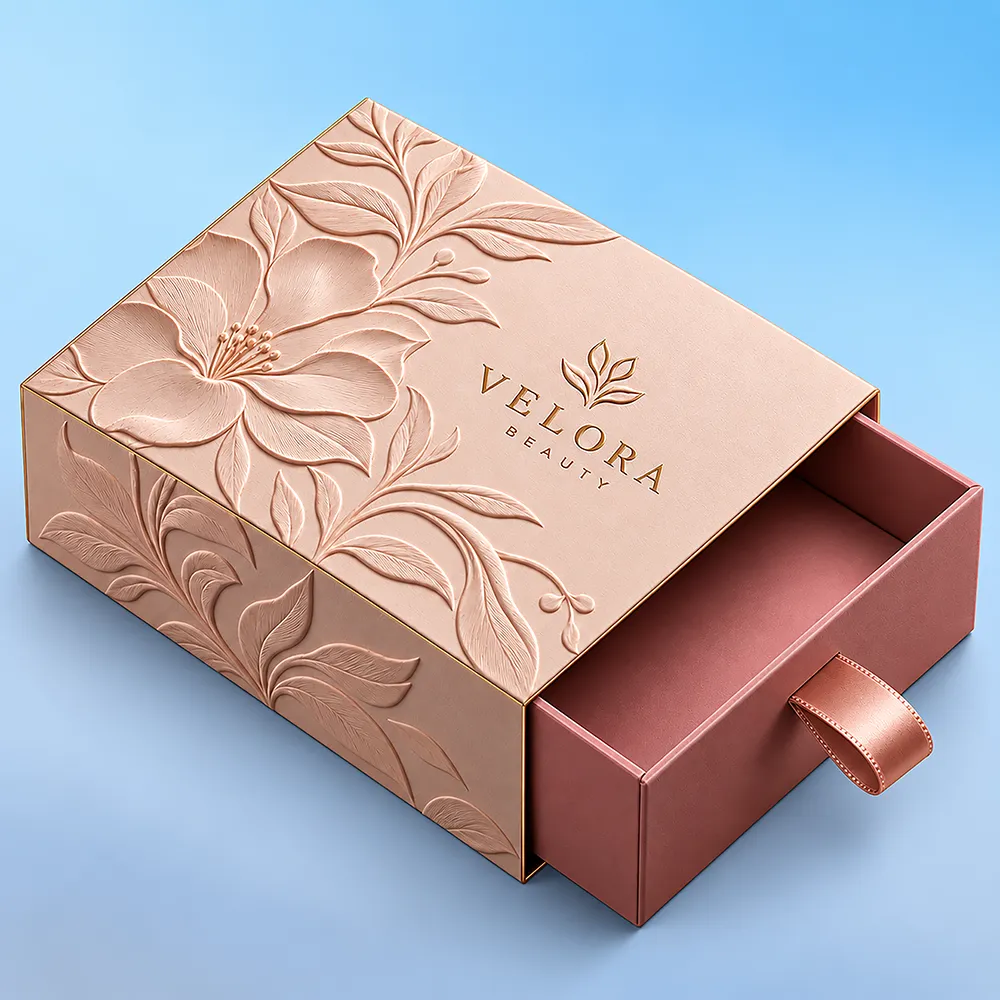
Custom holographic boxes with full-surface or selective reflective effects for folding cartons, sleeves, drawer boxes, rigid packaging, mailers, gift boxes, and product-specific retail structures. Each project can be planned around the packed product, box dimensions, holographic method, pattern direction, printing, white-ink coverage, inserts, and finishing requirements.
  • Full-surface holographic materials, selected holographic panels, or selective holographic foil effects
  • Folding cartons, sleeves, drawer boxes, two-piece boxes, rigid setup boxes, magnetic boxes, mailers, display boxes, and custom structures
  • Rainbow, prism, diffraction, geometric, shattered-glass, wave, dot, and supplier-supported patterns
  • CMYK printing, supported spot colors, opaque white ink, interior printing, embossing, debossing, spot UV, windows, and compatible finishes
  • Optional paperboard inserts, folded platforms, dividers, formed trays, foam or specialty inserts, and multi-product layouts
  • Dieline, pattern-direction, artwork-layer, barcode-area, proofing, and multi-SKU coordination according to project requirements
Share the product dimensions and weight, preferred box structure, full or selective holographic coverage, pattern direction, white-ink requirements, insert needs, additional finishes, quantity per SKU, artwork status, and shipping details to request a project-specific quote.
Trustpilot_Logo
5 out of 5 stars
4.3
Reviews 8 • Excellent

Custom Holographic Boxes Packaging That Stands Out

Make your packaging impossible to ignore with Custom Holographic Boxes. The eye-catching shine adds instant appeal while sturdy, eco-friendly materials keep products safe and give your brand a modern, premium feel.

What We Give

Create Custom Boxes Quick and Easy

Design

Get your custom boxes made in the required size, shape, and style.

Print

Upload your artwork and get it superbly printed the way you want.

Get it done

Order any quantity, enjoy a wholesale price, pay no extra for die plates.

Product Specification

Specification Details
Box Style Fully customizable Holographic Boxes, folding carton, magnetic closure, drawer, shoulder neck, mailer, or specialty box styles
Dimensions (L × W × H) Custom sizes manufactured according to your exact product dimensions and structural requirements
Order Quantity (MOQ) 100 units minimum (flexible for specific projects)
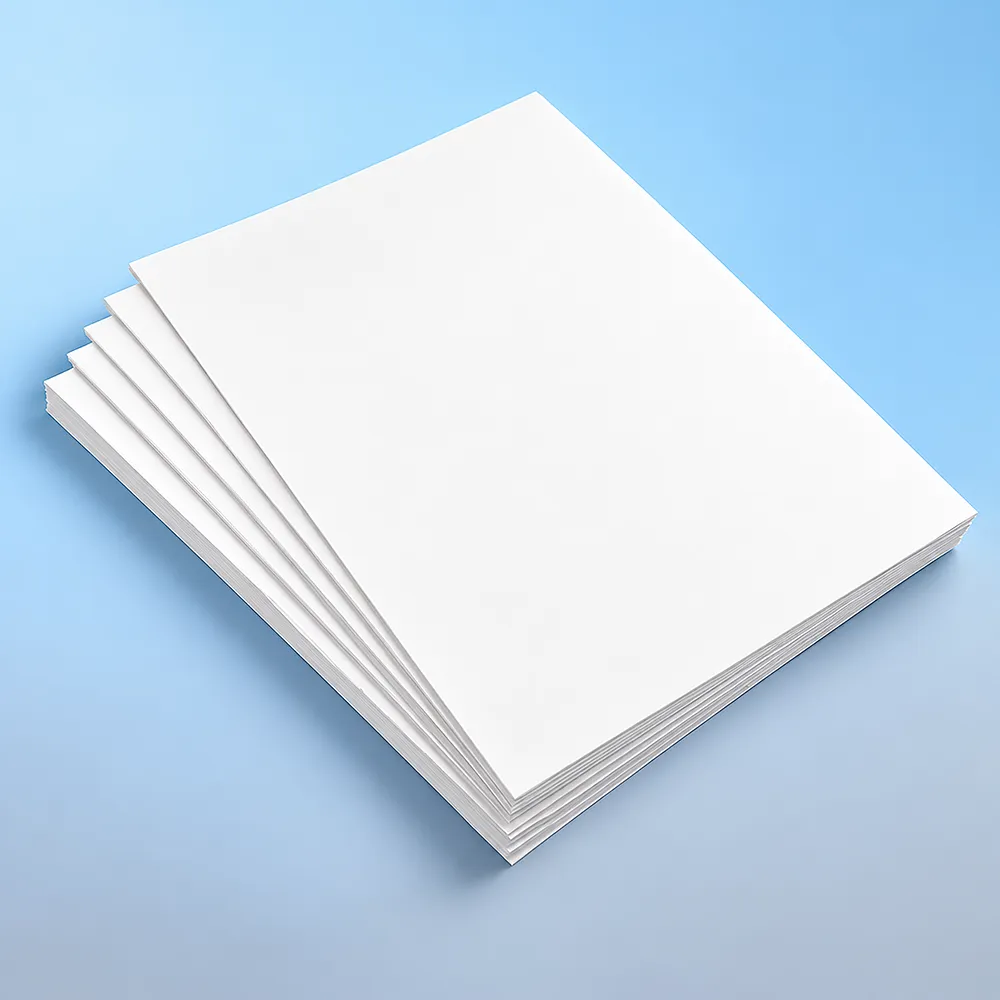
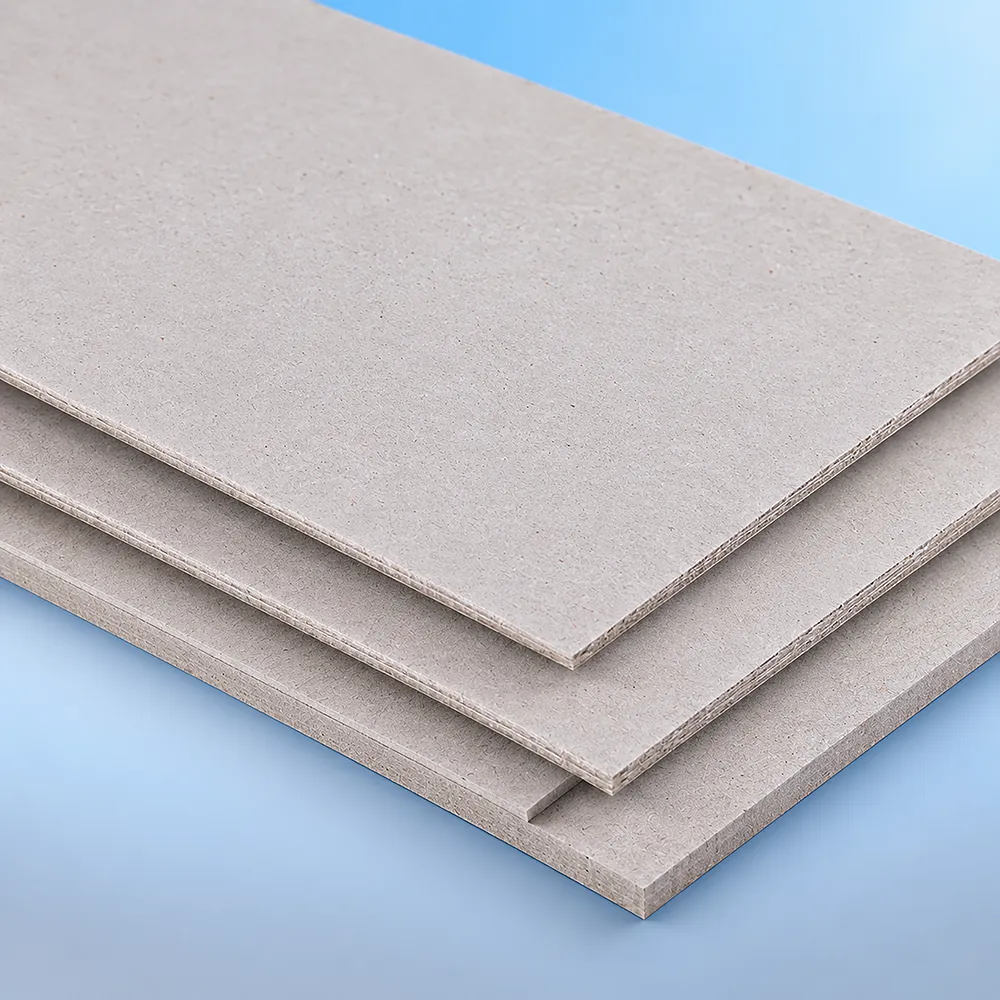
Material Options 10pt–24pt SBS  Kraft board, corrugated (B, E flute), high-density greyboard for rigid boxes
Printing Options CMYK offset printing, Pantone (PMS) color matching, inside & outside printing
Print Finishes Matte lamination, Gloss lamination, Soft-touch coating, Aqueous coating, UV coating
Premium Enhancements Foil stamping (gold/silver/custom colors), Embossing, Debossing, Spot UV, Raised UV
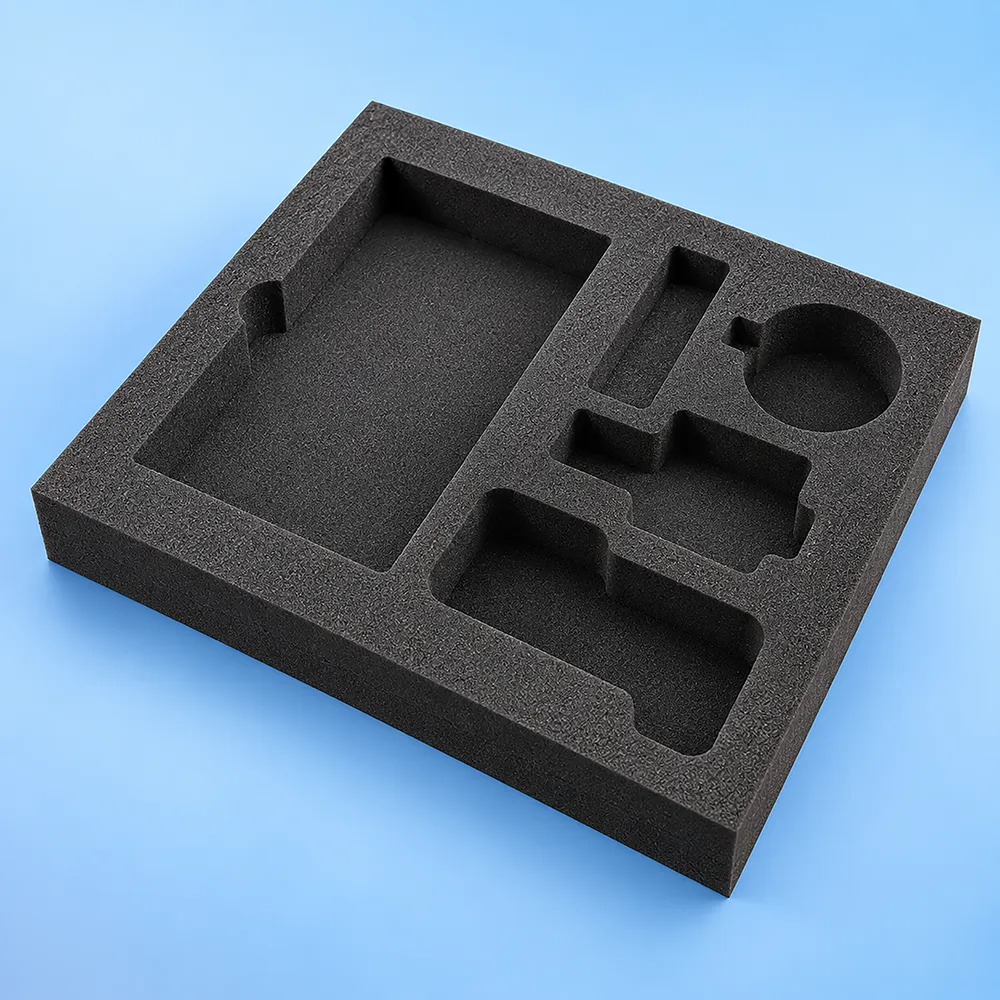
Insert Options EVA foam inserts, Die-cut paperboard inserts, Molded pulp, Cardboard dividers, Custom fit structural inserts
Embellishments Ribbons, magnetic closures, bows, glitters, sparkles, custom tags & hang tags
Compliance Support Labeling guidance & compliance support available for regulated products including hemp/CBD packaging
Sampling & Proofing Free 3D digital mockups, blank sample, printed sample (delivery reimbursable)
Production Timeline 5–9 business days standard production (rush orders available upon discussion)
Shipping Free USA shipping; flat-packed or assembled shipping options available

Related Products

Custom skincare packaging boxes for serum bottles and cream jars
Custom Nail Packaging Boxes: Printed Boxes for Beauty Brands
Custom Lip Balm Display Boxes: Printed Displays for Retail Shelves
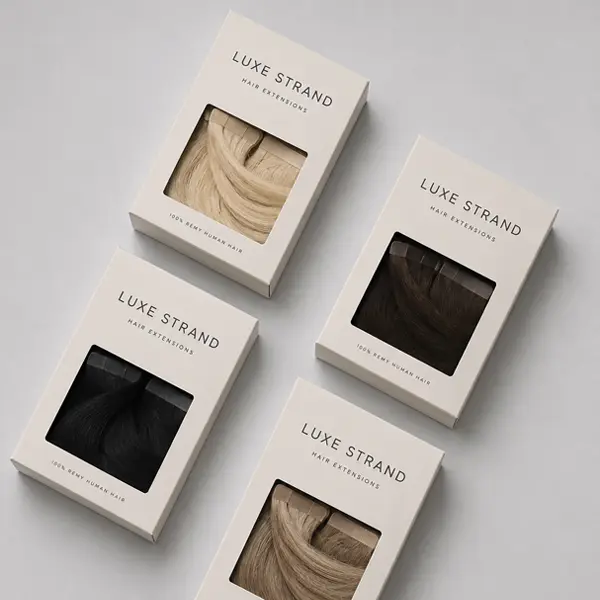
Hair Extension Boxes Premium Cardboard Packaging for Retail Display – BoxBaba USA
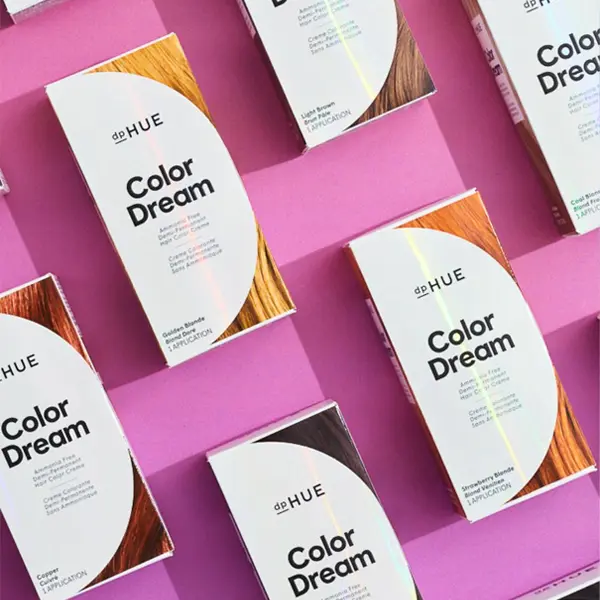
Custom printed hair color packaging box for dye kit with tube and developer bottle
Custom fragrance packaging boxes with folding carton and rigid box styles
Custom foundation packaging boxes — printed makeup packaging for USA beauty brands — BoxBaba
Custom printed skincare sheet mask pouch shown from the front
Custom Eye Lash Boxes | Elegant Packaging for Lash Brands
Lip Balm Label Printing | High-Quality Custom Cosmetic Labels
Clear rectangular fragrance bottle beside a white presentation box
Open black eyelash case with a pink glitter lash tray
Luxury rigid cologne box for fragrance bottle packaging
Luxury Lip Balm Boxes | High-End Packaging for Beauty Products
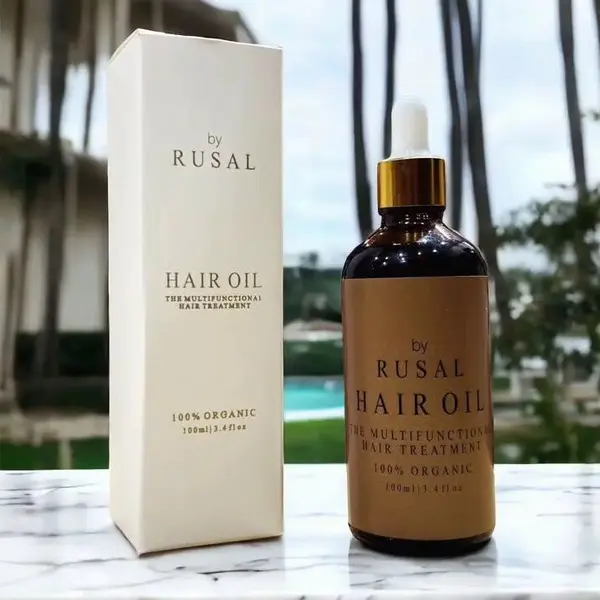
Hair Oil Packaging Boxes Premium Cardboard Bottles Packaging for Retail – BoxBaba USA
Wholesale Eye Mask Packaging | Affordable Custom Packaging Solutions
Custom cosmetic labels applied to skincare jars and bottles
Wig Boxes Premium Cardboard Packaging for Retail Display – BoxBaba USA
Cream jar displayed above a matching printed skincare carton
Luxury rigid Perfume Boxes for premium fragrance brands – BoxBaba
Wholesale custom eyeshadow boxes with window and full-color printing — BoxBaba USA
Custom eyeliner packaging boxes with gold foil stamping — printed cosmetic boxes USA — BoxBaba
Lotion Boxes: Protective Packaging for Skincare Products
Wholesale cosmetic display boxes for beauty brands

Stock Type & Thickness

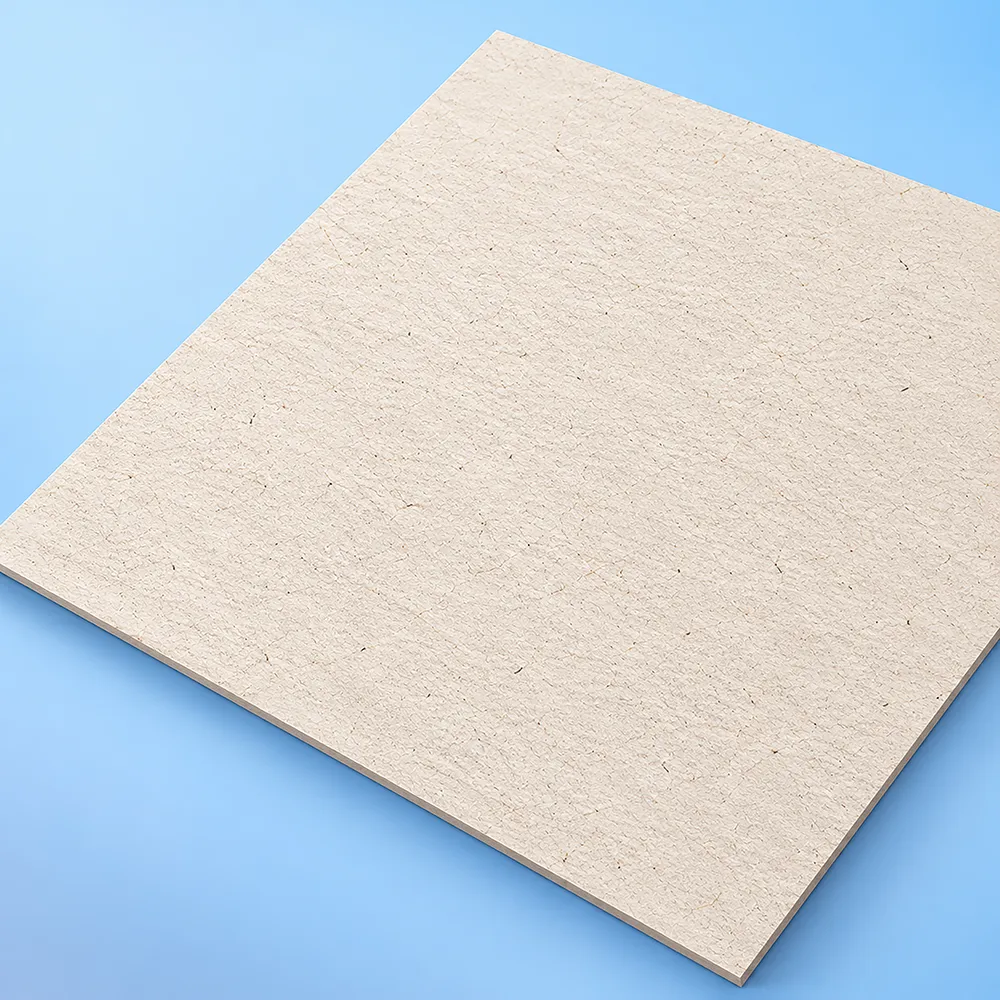
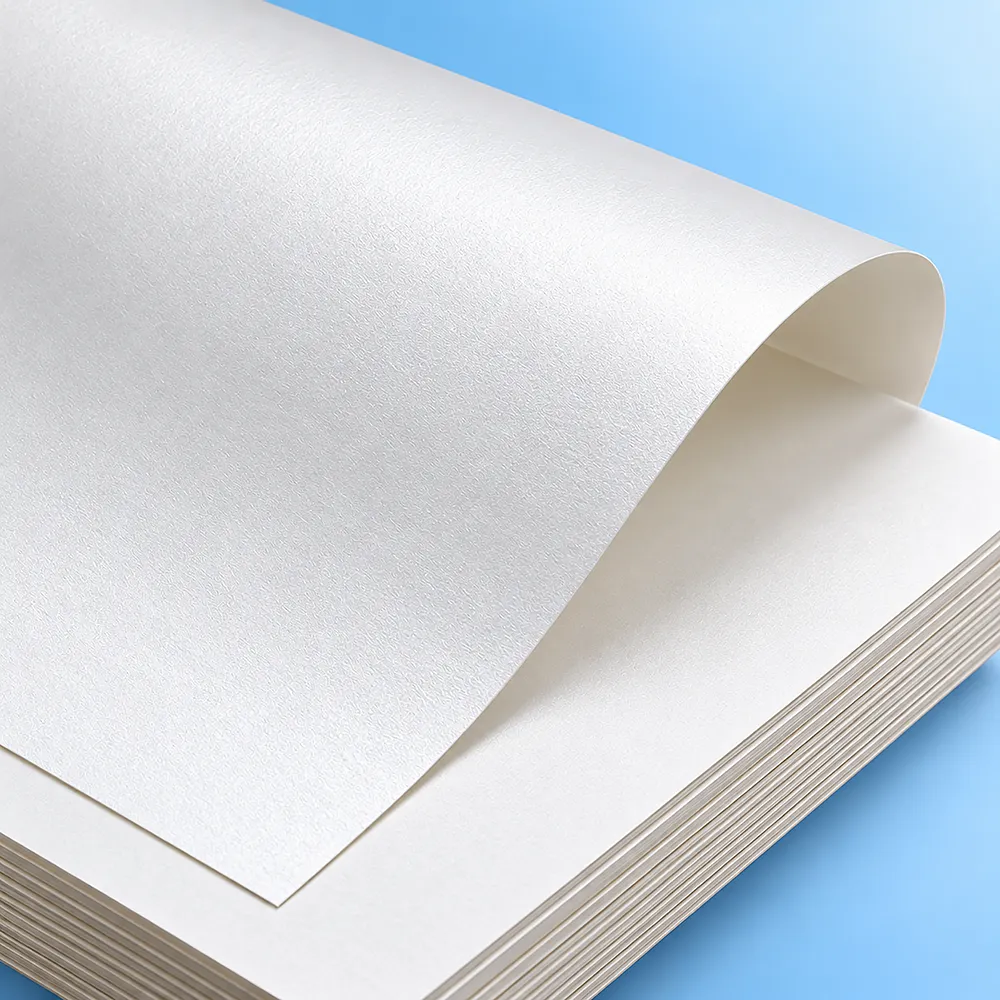
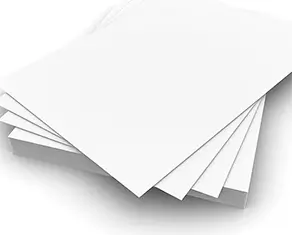
Cardboard

We use cardboard material with the least environmental impact and minimizes waste generation.

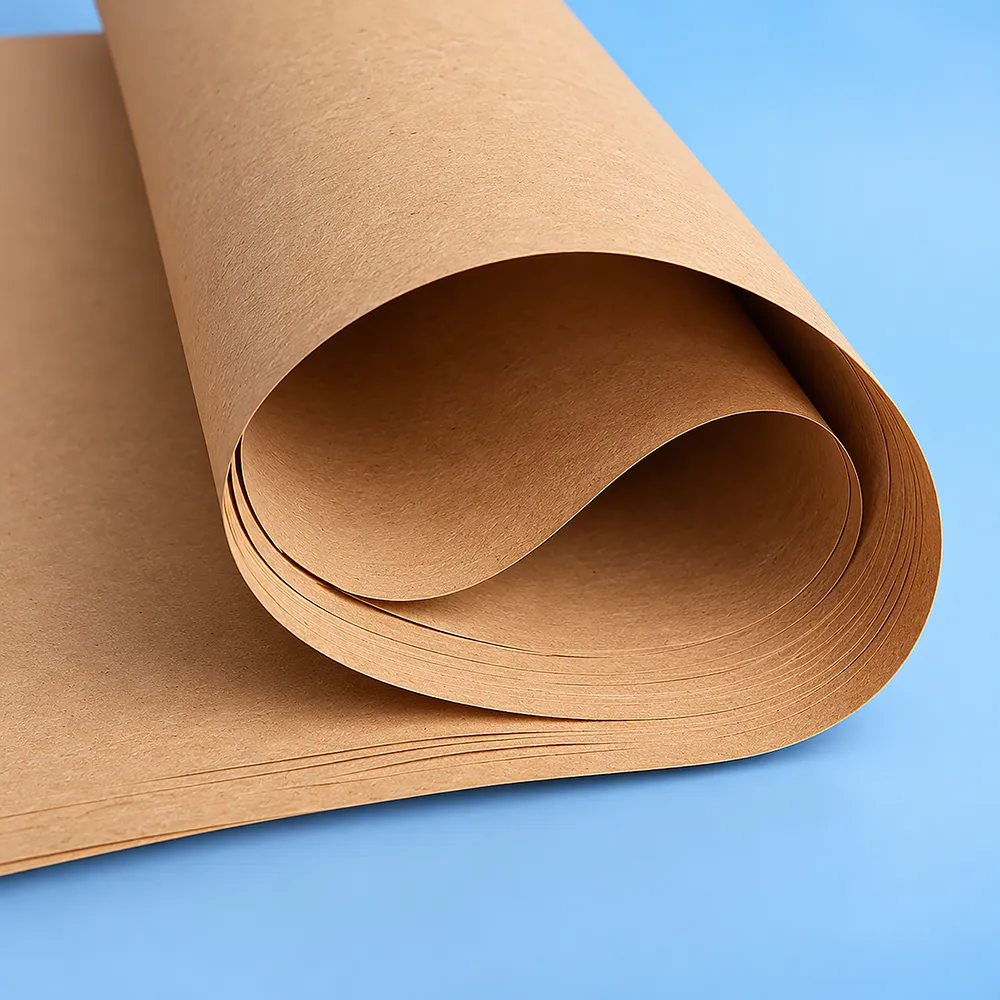
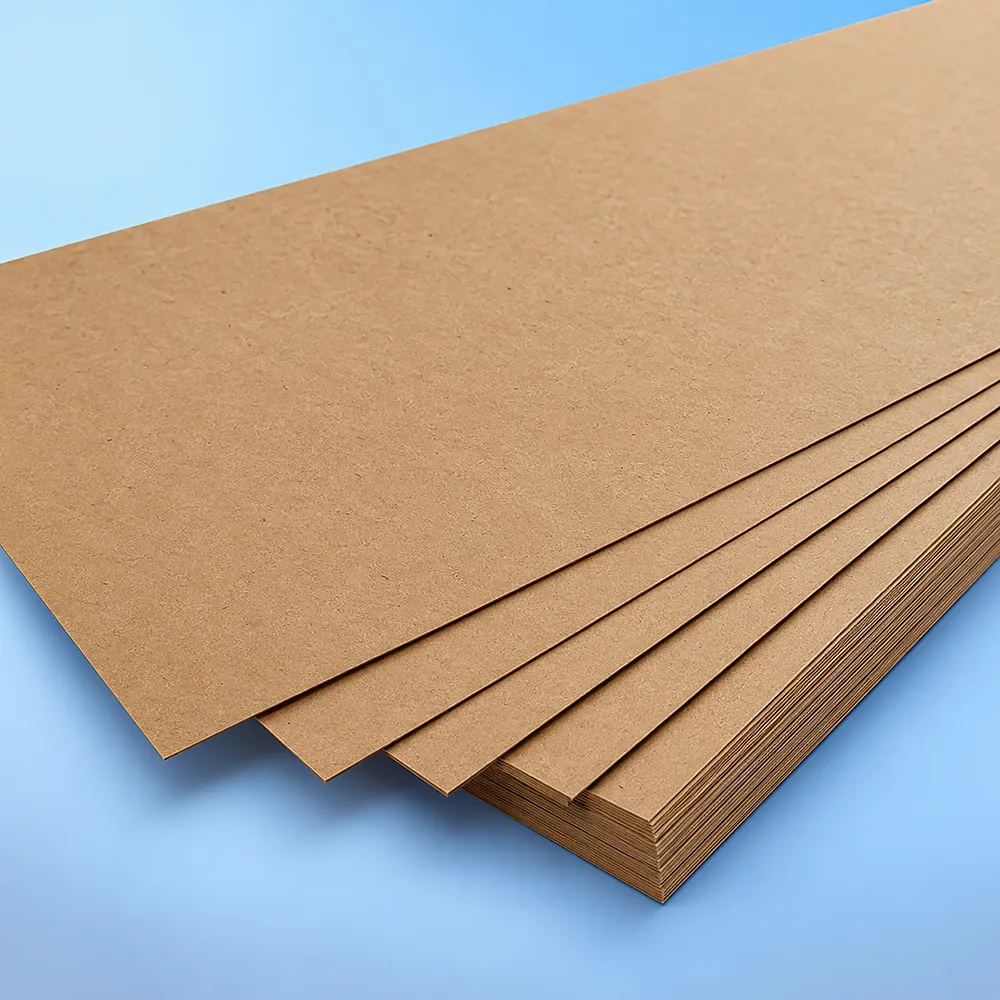
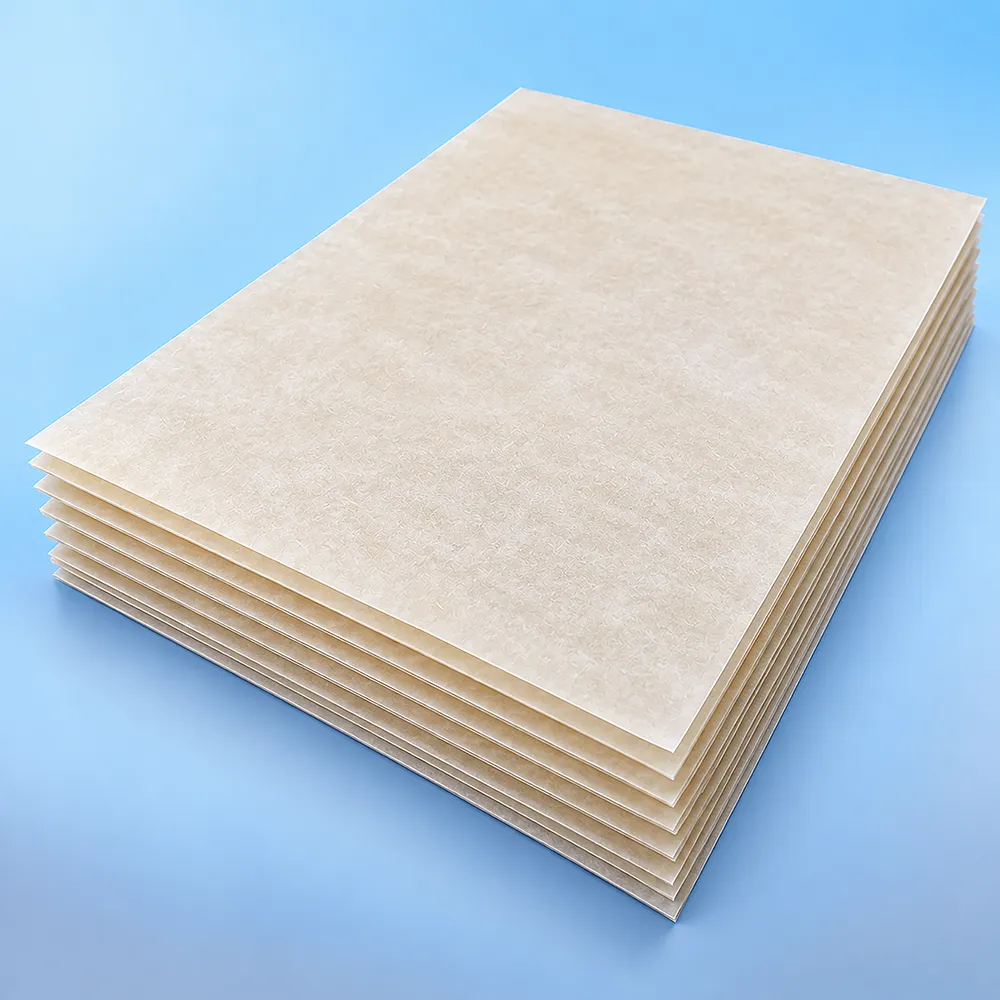
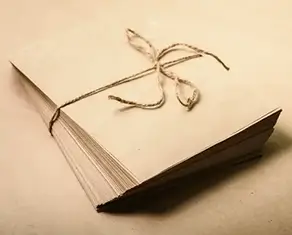
Kraft

Kraft paper is a strong, durable and reliable material that is widely used across many different industries.

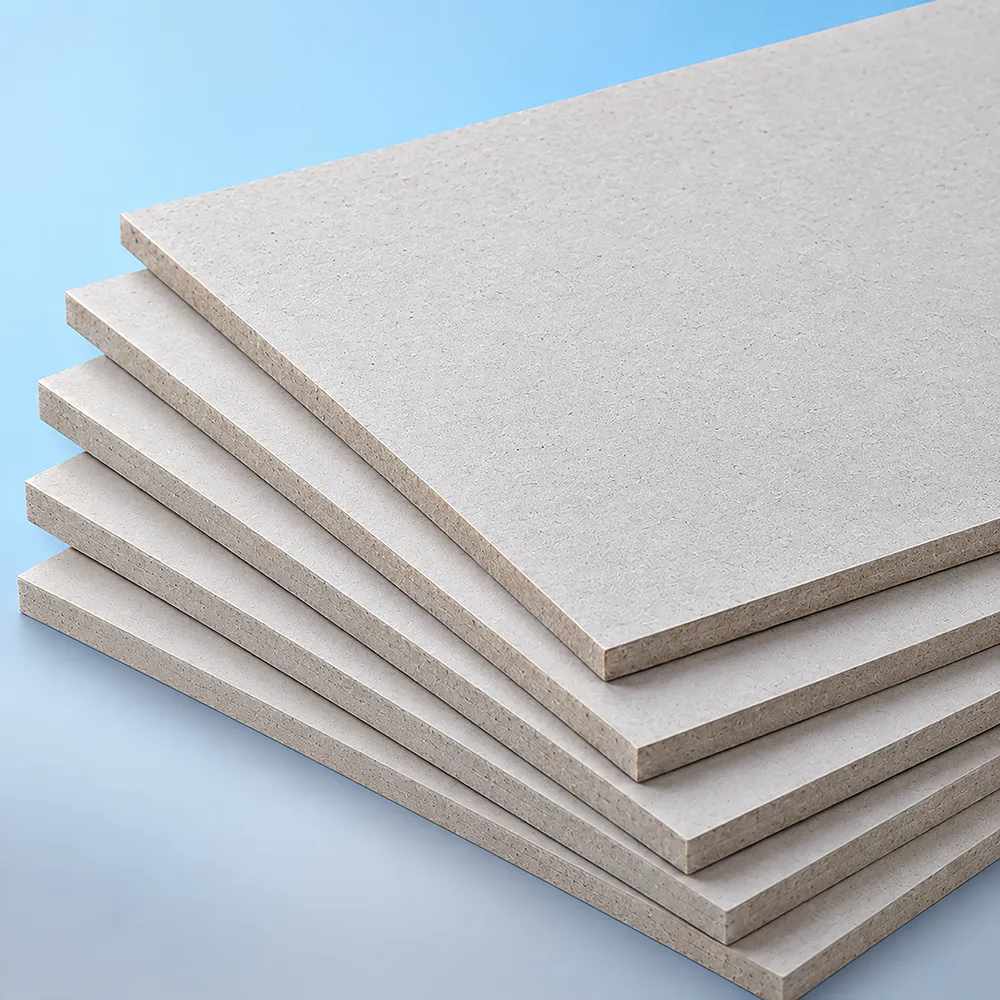
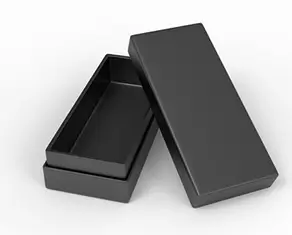
Rigid

Rigid is highly protective, affordable and recyclable material. These boxes provide maximum protection.

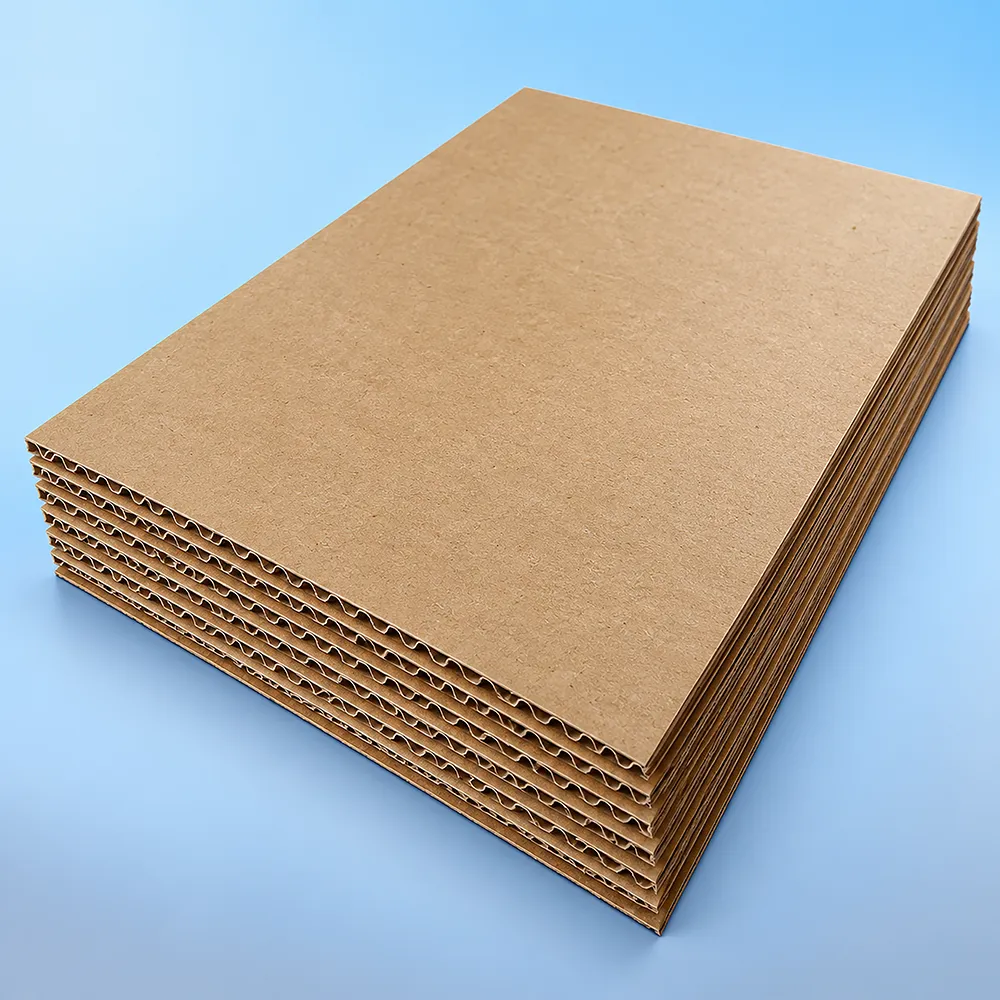
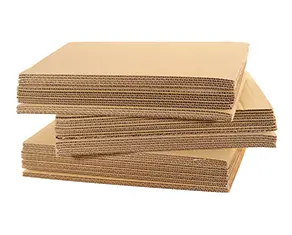
Corrugated

Corrugated material is easy to customize, cost effective and sustainable. It is also great for branding purposes.

Finishing Assortment

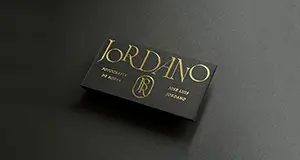
Foil Stamping

Foil Stamping

Enhance your packaging with premium foil stamping for a bold and luxurious appearance.

Spot UV

Spot UV

Our Spot UV coating adds a sleek shine and highlights key design elements beautifully.

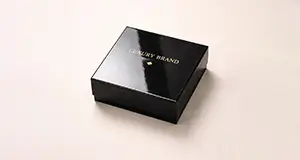
Gloss-Lamination

Gloss

Give your packaging a polished, glossy finish that enhances color and visual appeal.

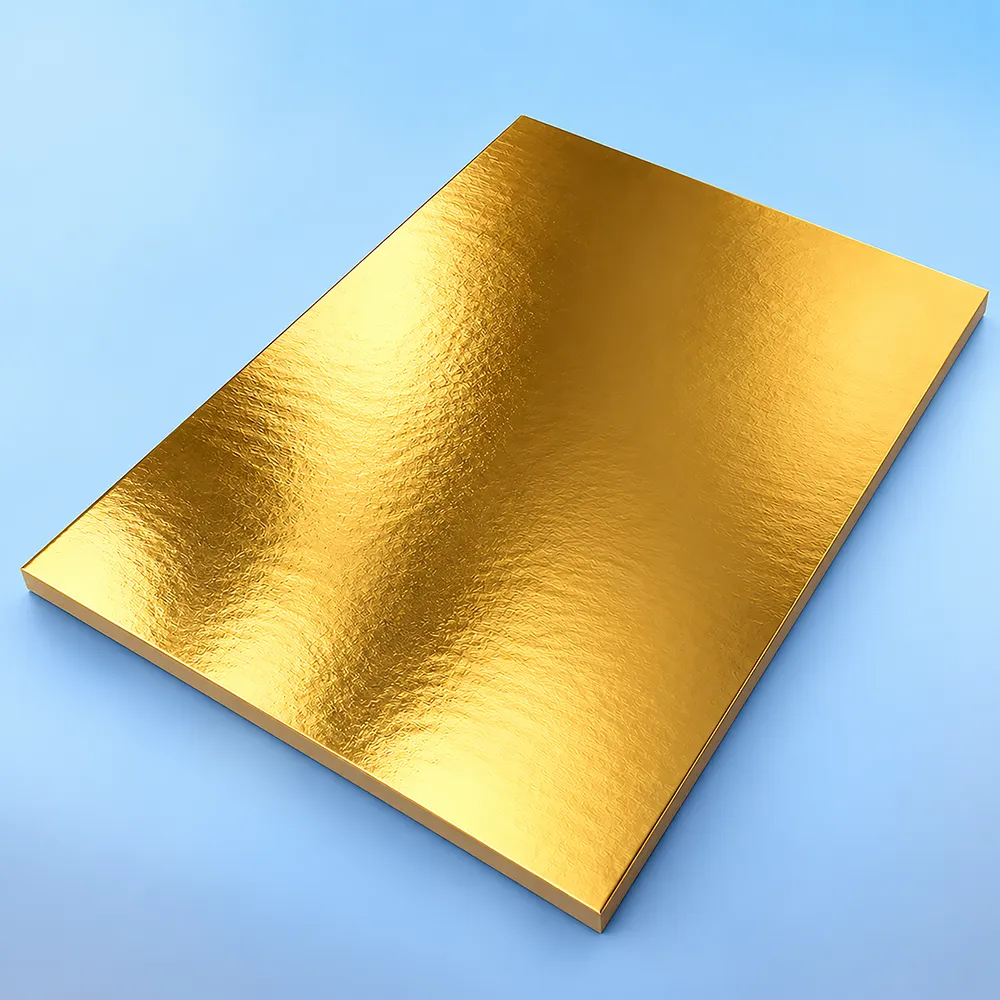
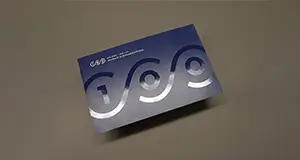
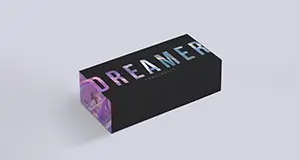
Holographic Foiling

Holographic Foiling

Create eye-catching packaging with holographic foil effects that shimmer from every angle.

Embossing

Embossing

Add raised textures and elegant detailing to make your packaging stand out.

Debossing

Debossing

Create a refined pressed-in effect that adds depth and sophistication to your packaging.

Matte

Matte

Achieve a smooth matte finish that minimizes fingerprints and delivers a modern look.

Soft Touch Lamination

Soft Touch Lamination

Protect your packaging with a silky-soft laminated finish for a premium feel.

Holographic Packaging Planned Around the Effect, Structure and Product

Custom holographic boxes use reflective, diffractive, iridescent, or color-shifting surface effects to create packaging that changes appearance under different lighting and viewing angles. The effect may cover most of the box, appear only on selected artwork elements, or be combined with printed color, white ink, embossing, windows, inserts, and other compatible finishes. A successful holographic package requires more than applying a shiny material to a standard box. The final result depends on the selected holographic method, substrate, pattern direction, printed opacity, artwork contrast, box structure, score lines, glue areas, product weight, insert, handling requirements, and approved production tolerances. BoxBaba supports custom holographic packaging projects with structure planning, material and effect selection, dieline preparation, artwork guidance, white-ink planning, pattern-direction review, printing, finishing, proofing, inserts, multi-SKU coordination, and project-specific quotation review.

Custom Holographic Box Specification Overview

Specification Available Direction
Coverage Full-surface holographic coverage, selected panels, selective logos or artwork, interior coverage, exterior coverage, or a project-specific combination
Effect methods Holographic paper or cardstock, film-laminated paperboard, wrapped rigid-board material, selective hot-stamped foil, cold-transfer effect, digital-transfer effect, or another confirmed process
Pattern directions Rainbow, prism, diffraction, shattered-glass, dot, wave, geometric, linear, custom-style, or supplier-supported patterns
Box structures Folding cartons, sleeves, drawer boxes, two-piece boxes, rigid setup boxes, magnetic boxes, book-style boxes, mailer boxes, display boxes, window cartons, and project-specific structures
Materials Folding paperboard, holographic cardstock, laminated paperboard, rigid board with holographic wrap, kraft-style board with selective transfer, and corrugated material where suitable
Printing CMYK, supported spot colors, opaque white ink on compatible materials, black ink, interior printing, and multiple artwork versions
Additional finishes Matte or gloss protection, foil stamping, embossing, debossing, spot UV, textured paper, windows, ribbons, magnets, and compatible specialty elements
Inserts Die-cut paperboard, folded platforms, corrugated inserts, dividers, formed trays, foam or specialty inserts, and project-specific product supports
MOQ Project-specific according to the dimensions, structure, holographic method, pattern, coverage, materials, printing, tooling, finishes, inserts, and number of artwork versions
Proofing Digital artwork proof, material sample, unprinted structural sample, transferred-finish sample, printed physical sample, or production-standard review according to project needs
Production Standard production usually takes 8-12 business days after final artwork approval; physical samples, rigid boxes, custom tooling, specialty effects, multiple SKUs, and complex finishes may require additional time
Shipping Calculated separately according to the box dimensions, packed volume, assembly format, quantity, destination, delivery method, and protective packaging requirements

What Are Custom Holographic Boxes?

Custom holographic boxes are made-to-size packaging structures that use a light-reactive surface or transferred effect. As the viewing angle or lighting changes, the visible color and pattern can shift across the package. Commercial holographic packaging does not necessarily contain a floating three-dimensional image. In many projects, the visible effect comes from a diffractive pattern embossed or transferred into a reflective layer, film, paper, or finishing material. The packaging may use holographic treatment across the complete exterior, on one or more panels, or only on selected artwork such as a logo, product name, border, pattern, security-style mark, or decorative accent. Holographic packaging can be developed for cosmetic, fragrance, lash, skincare, apparel-accessory, jewelry, electronics, collectible, promotional, subscription, gifting, and other retail applications. The correct structure should still be based on the dimensions, weight, fragility, presentation, and distribution requirements of the packed product.

Full-Surface vs Selective Holographic Coverage

Coverage Type Best Used For Main Planning Considerations
Full-surface coverage Bold launches, gift packaging, subscription boxes, limited editions, promotional kits, and designs where the reflective effect is the main visual feature White-ink blocking, text contrast, glare, pattern direction, folds, glue areas, fingerprints, surface protection, barcodes, and photography
Selected panels Front panels, sleeves, lids, drawers, side panels, or internal presentation areas Panel-to-panel alignment, cut position, pattern orientation, registration, score lines, and transition into non-holographic surfaces
Selective artwork Logos, borders, names, icons, line patterns, authenticity-style marks, and small accents Artwork separation, stamping or transfer tolerance, minimum detail, tooling, registration, surrounding print, and coverage area
Interior holographic treatment Unboxing reveals, internal trays, lids, message panels, and presentation-box interiors Adhesive, fold direction, insert contact, scuffing, product contact, readability, and assembly sequence

When Full Coverage May Be Suitable

Full holographic coverage may be suitable when the brand wants the reflective effect to remain visible across most of the package. It can work well for simple logos, bold typography, high-contrast artwork, limited-edition products, gifting, promotional releases, and packaging intended to change appearance under retail lighting. Because a reflective background competes with printed artwork, full coverage requires careful control of text, barcodes, product information, and image areas. White ink or another opaque printed layer may be needed where the holographic pattern should be reduced or hidden.

When Selective Coverage May Be Suitable

Selective holographic treatment may be suitable when the brand wants a controlled highlight rather than a fully reflective box. It can emphasize a logo, border, product name, icon, pattern, limited-edition message, or authenticity-style element without placing the entire information panel over a changing background. Selective effects require an accurate artwork layer and may require tooling, registration allowance, minimum line thickness, spacing, and production tolerances that differ from ordinary printed artwork.

Holographic Packaging Methods

Holographic packaging is not one material or production process. The selected method affects the visual result, artwork, coverage, box structure, pricing, and sampling requirements.

Holographic Paper or Cardstock

A pre-finished holographic paper or cardstock has a reflective pattern across the material before the box is printed and converted. Transparent printed colors may allow the underlying effect to remain visible, while opaque white or dark printed areas can be used to create contrast where supported. Available pattern, sheet size, grain, print compatibility, score behavior, adhesive performance, and supply consistency should be confirmed for the selected material.

Holographic Film-Laminated Paperboard

A holographic film may be laminated to a paperboard base before or during the production process. This can produce broad, continuous coverage and may be used for folding cartons, sleeves, panels, and other structures. The film, adhesive, paperboard, score lines, cut edges, print system, and protective coating should be evaluated together. A film-laminated package should not automatically be described as plastic-free or universally recyclable.

Wrapped Holographic Rigid Board

Rigid setup boxes may use a holographic wrap applied around greyboard or another rigid-board structure. This direction can support magnetic boxes, drawers, two-piece boxes, book-style packaging, and presentation kits. Rigid wrapping requires attention to corners, edges, seams, board thickness, hinge areas, lid fit, drawer movement, pattern direction, and wrap alignment. The box is generally supplied assembled and occupies more storage and shipping volume than a flat folding carton.

Selective Holographic Hot Stamping

Hot stamping can apply a holographic transfer effect to selected artwork areas using heat, pressure, and project-specific tooling. It may be used for logos, product names, borders, icons, line patterns, and decorative highlights. The final result depends on the foil, substrate, coating, stamping die, coverage, line detail, pressure, temperature, artwork separation, and registration tolerance. Fine details and large solid areas may require different production considerations.

Cold-Transfer Holographic Effects

Cold transfer can apply reflective or holographic material to selected areas through a printing and transfer process. It may support detailed artwork and inline overprinting according to the selected production system. Availability, material compatibility, coverage, opacity, registration, finishing sequence, and production quantity should be confirmed during quotation.

Digital-Transfer Effects

Digital transfer may be available for selected designs, prototypes, shorter projects, variable decoration, or applications that do not require conventional stamping tooling. The available effect, substrate, detail, coverage, consistency, and production quantity depend on the specific equipment and material.

Security Holograms and Decorative Holographic Effects

A decorative holographic box should not automatically be described as counterfeit-proof, tamper-proof, secure, or authenticated. Security holograms may use specialized optical features, controlled designs, serialization, hidden elements, or verification systems that are different from standard decorative holographic film or foil. When a project requires brand-protection or authentication features, the security objective and verification method should be defined separately from the decorative packaging design.

Holographic vs Metallic, Iridescent and Glitter Effects

Effect Typical Appearance Important Difference
Holographic Diffractive pattern with changing rainbow, prism, geometric, or color-shifting behavior May be full-surface material or a selective transferred effect
Metallic foil Reflective gold, silver, copper, colored metallic, or custom metallic appearance Usually does not display the same diffractive rainbow pattern as holographic material
Iridescent or pearlescent Softer color shift, pearl sheen, or translucent reflective appearance Often subtler than a strong prism or diffraction pattern
Mirror board Highly reflective metallic surface Creates a mirror-like appearance rather than a patterned holographic effect
Glitter or sparkle Visible particles or textured sparkle A separate decorative material or coating that may affect texture, shedding, recyclability, and surface contact
Spot UV Gloss contrast on selected printed areas Creates gloss and texture contrast but is not itself a holographic effect
Use the correct terminology in the quotation, proof, artwork, and purchase approval. A customer requesting holographic foil may not want a fully laminated holographic box, while a customer requesting full holographic packaging may not be satisfied with a small selective foil accent.

Holographic Pattern Selection

The visible pattern affects the character of the packaging and how printed artwork interacts with the surface. Possible project directions may include:
  • Rainbow diffraction
  • Prism pattern
  • Shattered-glass pattern
  • Dot or lens pattern
  • Wave pattern
  • Geometric pattern
  • Linear pattern
  • Star or sparkle-style pattern
  • Small repeating pattern
  • Large repeating pattern
  • Supplier-supported custom or security-style effects
Pattern names and appearance can vary between suppliers. Review an actual material sample before approving a color-sensitive or pattern-sensitive project.

Pattern Direction and Orientation

Many holographic patterns have a visible direction. Rotating the material can change how the light moves across the package and how the design appears on the front, back, sides, lid, sleeve, or drawer. Confirm:
  • Which direction should appear on the front panel
  • Whether the effect should run vertically, horizontally, or diagonally
  • How the pattern should continue around side panels
  • Whether the lid and base should match
  • Whether all SKUs require the same orientation
  • Whether the rigid-box wrap should align across edges
  • How the pattern should appear when a drawer is opened
  • Whether pattern repeat is critical to the artwork
Pattern position and repeat may vary according to the selected material and converting process. Do not assume that every box will show the exact same portion of an unregistered repeating pattern unless that requirement has been confirmed and approved.

How Printing Interacts with a Holographic Surface

Transparent or Semi-Transparent Printed Colors

Some printed colors allow the holographic pattern to remain visible through the ink. The final color may appear different from the same ink printed on white paper because the reflective substrate influences the visible result. This direction can be useful when the brand wants the holographic effect to remain active beneath colored artwork.

Opaque White Ink

Opaque white ink can be used on compatible materials as a blocking or foundation layer. It may reduce the holographic effect beneath text, product images, barcodes, logos, skin tones, or information panels. Possible white-ink directions include:
  • Full white blocking beneath printed artwork
  • Selective white beneath text and logos
  • White only beneath product photographs
  • White information panels
  • White barcode and QR-code areas
  • No white ink where the effect should remain visible
  • Graduated or intentionally varied blocking where supported
The opacity and appearance of white ink depend on the printing method, number of passes, material, artwork, and production process. A digital proof cannot accurately reproduce the final printed opacity on a reflective material.

Black and Dark Artwork

Black and dark printed areas may provide useful contrast, but their appearance can still be affected by the underlying material, ink density, coating, and viewing angle. Small text should be reviewed for readability rather than assumed to remain clear in every lighting condition.

Spot Colors and Brand Colors

Brand colors may change when printed directly over a holographic surface. Where exact visual matching is important, consider white-ink blocking, a non-holographic printed panel, a separate label, or a controlled physical sample. Provide a physical color reference or confirmed color specification when color consistency is important.

Logo, Text and Product-Information Readability

The holographic effect should support the information hierarchy rather than compete with it. Improve readability by considering:
  • Opaque white areas behind small text
  • High-contrast typography
  • Larger minimum type sizes
  • Reduced holographic coverage behind warnings or ingredients
  • Non-reflective panels for regulatory information
  • Clear separation between logos and active patterns
  • Simple artwork over visually complex holographic patterns
  • Testing under retail, daylight, photography, and low-light conditions
Artwork that is readable on a computer screen may behave differently when printed over a light-reactive surface.

Barcode and QR-Code Planning

Barcodes and QR codes require sufficient contrast, clear quiet zones, correct size, and a surface that can be read reliably by the intended scanner. A barcode should not be placed directly over an uncontrolled reflective or changing background without testing. A white or otherwise suitable non-reflective panel may be needed behind the code. Confirm:
  • Barcode type
  • Final printed size
  • Quiet zone
  • Dark and light color contrast
  • Surface reflectivity
  • Curvature or fold proximity
  • Distance from cut and score lines
  • Verification requirements
  • Retailer or distribution specifications
Each final barcode and QR-code version should be checked after printing, especially when it appears near holographic film, glossy lamination, metallic ink, windows, curved areas, or reflective transfer effects.

Choosing the Right Box Structure

Holographic Folding Cartons

Folding cartons can support lightweight and moderately weighted retail products. Possible styles include straight-tuck, reverse-tuck, auto-bottom, seal-end, sleeve, pillow, gable, window, display, and project-specific structures. The material, product weight, score lines, folds, bottom closure, insert, glue area, holographic coverage, and packing method should be reviewed together.

Holographic Sleeve Boxes

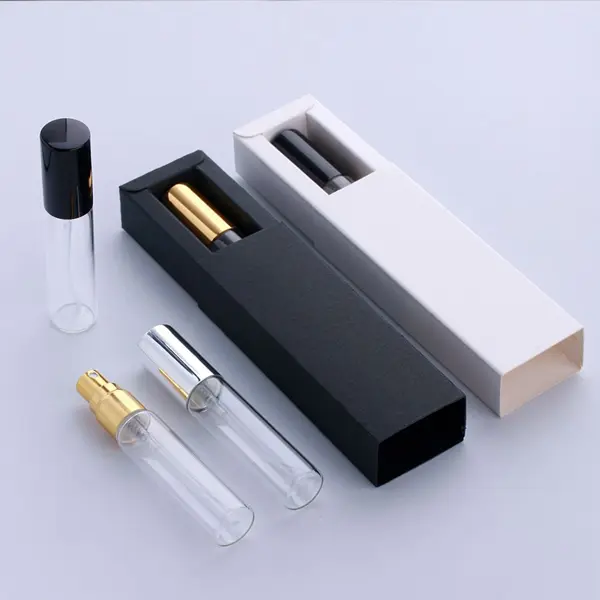
A holographic sleeve can be combined with a printed, plain, rigid, or contrasting inner tray. This can limit the reflective material to the outer component while maintaining a controlled product presentation.

Holographic Drawer Boxes

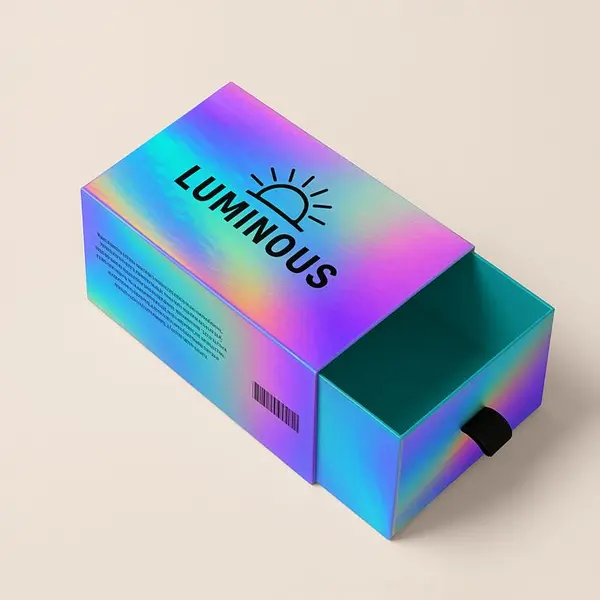
Drawer boxes can use a holographic sleeve, inner tray, pull tab, ribbon, or selected artwork effect. Drawer friction, insert depth, product weight, pull direction, pattern alignment, and unintended opening should be evaluated.

Holographic Two-Piece Boxes

Two-piece boxes use a separate lid and base. They may be made from folding board or rigid wrapped board. Lid fit, wrap alignment, corner treatment, product depth, insert, and holographic orientation affect the final result.

Holographic Rigid Boxes

Rigid setup boxes can support gift sets, launches, presentation kits, electronics, fragrance, jewelry, cosmetics, and higher-value products. Possible styles include magnetic, drawer, book-style, shoulder-neck, hinged, and two-piece structures. For additional rigid construction options, explore our custom rigid boxes.

Holographic Mailer Boxes

Mailer structures may use a holographic exterior, selected panels, an internal reveal, or a transferred logo. The suitability of the structure depends on the product weight, dimensions, shipping method, surface-protection needs, and whether a separate transit carton is required.

Holographic Window Boxes

A window can reveal the product while the holographic material frames the viewing area. Window size, film type, glue area, carton strength, surface scratching, recyclability, and product visibility should be reviewed.

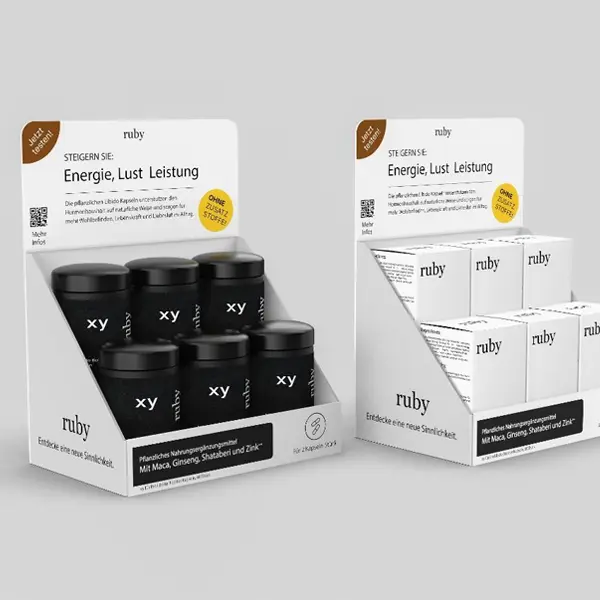
Holographic Display Boxes

Counter displays, retail trays, and shelf-ready structures may use holographic headers, front panels, side walls, or selective highlights. The effect should not interfere with pricing labels, barcodes, product names, retailer markings, or structural tear lines.

Structure Selection Guide

Project Need Possible Structure Direction
Small retail product Folding carton with full-surface material, selected panel, or holographic logo
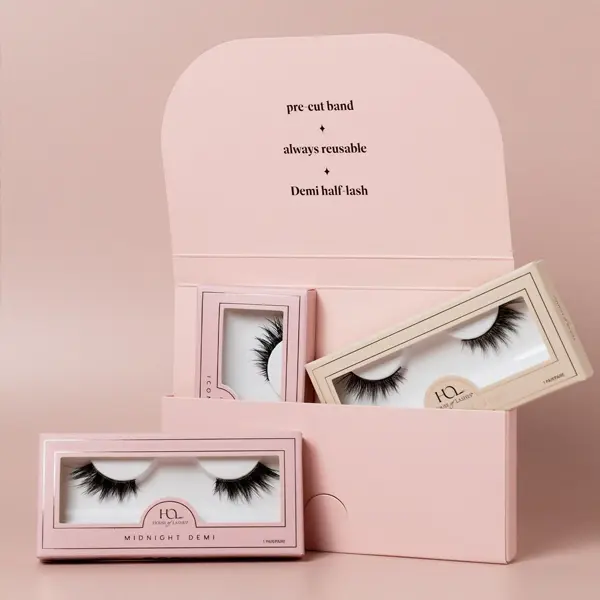
Cosmetic or lash product Window carton, sleeve, drawer, folding carton, or insert-supported rigid box
Gift set Rigid setup, two-piece, magnetic, drawer, book-style, or sleeve-and-tray structure
Subscription kit Mailer, presentation box inside a shipper, or corrugated structure with selected holographic treatment
Electronics accessory Folding carton, hanging carton, insert-supported box, or rigid presentation structure
Jewelry or collectible Small rigid box, drawer, hinged case, sleeve, or two-piece presentation box
Limited-edition launch Full-surface folding carton, holographic rigid box, selective effect, or multi-component launch kit
Ecommerce shipment Decorative holographic package placed inside a suitable protective mailer or corrugated shipper where required

Folds, Scores and Edge Behavior

Holographic films, laminated papers, wrapped materials, and transferred finishes can behave differently around folds and corners from standard uncoated paperboard. Important variables include:
  • Board thickness
  • Board grain direction
  • Film or coating thickness
  • Adhesive
  • Score depth
  • Crease width
  • Fold angle
  • Distance between the score and printed artwork
  • Temperature and humidity
  • Folding speed
  • Box structure
  • Holographic coverage around the fold
Tight folds or unsuitable scoring may contribute to whitening, lifting, splitting, visible stress, or cracking. The risk should be evaluated with the selected material and structure rather than addressed with a universal no-cracking promise.

Rigid-Box Corners, Edges and Wrap Alignment

Rigid holographic boxes require careful planning around wrapped corners, turn-ins, hinge areas, lid edges, drawers, seams, and interior transitions. Consider:
  • Direction of the holographic pattern
  • Whether the pattern should continue around the corner
  • Where wrap seams will appear
  • How the material behaves at tight corners
  • Whether edges require contrasting paper
  • Whether the interior should use the same material
  • How magnets, ribbons, and closures affect the wrap
  • How the pattern appears when the lid or drawer opens
A physical sample may be useful when alignment around the complete rigid structure is important.

Glue Areas, Windows and Special Construction Zones

Holographic film, coating, ink, or transfer material may affect adhesive performance. Glue areas may need to remain untreated, be prepared differently, or use a confirmed adhesive system. Special attention may be required around:
  • Side seams
  • Auto-bottom closures
  • Window-film attachment
  • Rigid-box wrap seams
  • Magnets
  • Ribbon attachment
  • Insert tabs
  • Double-sided tape
  • Labels and seals
  • Tear strips
  • Perforations
The final construction method should be confirmed before production artwork is approved.

Embossing, Debossing and Additional Finishes

Holographic packaging may be combined with other compatible finishes, but every additional process changes the production sequence and may affect registration, material behavior, cost, and lead time.

Embossing

Embossing raises selected artwork and can create tactile contrast against a reflective background. Fine details, depth, material stretch, cracking risk, reverse-side appearance, and proximity to folds should be considered.

Debossing

Debossing presses artwork into the surface. The result depends on the substrate, holographic layer, board thickness, tooling, depth, and surrounding artwork.

Spot UV

Spot UV may create gloss contrast over selected printed or blocked areas. Its compatibility with the holographic material and production sequence should be confirmed.

Additional Foil Stamping

Gold, silver, colored metallic, or another holographic foil may be added over selected areas. The design should clearly distinguish the base holographic surface from the additional transferred effect.

Matte or Soft-Touch Contrast

Matte or tactile finishes may be used on selected panels or components to reduce reflectivity and create contrast. Compatibility, adhesion, scuffing, and visual change should be reviewed using actual material samples.

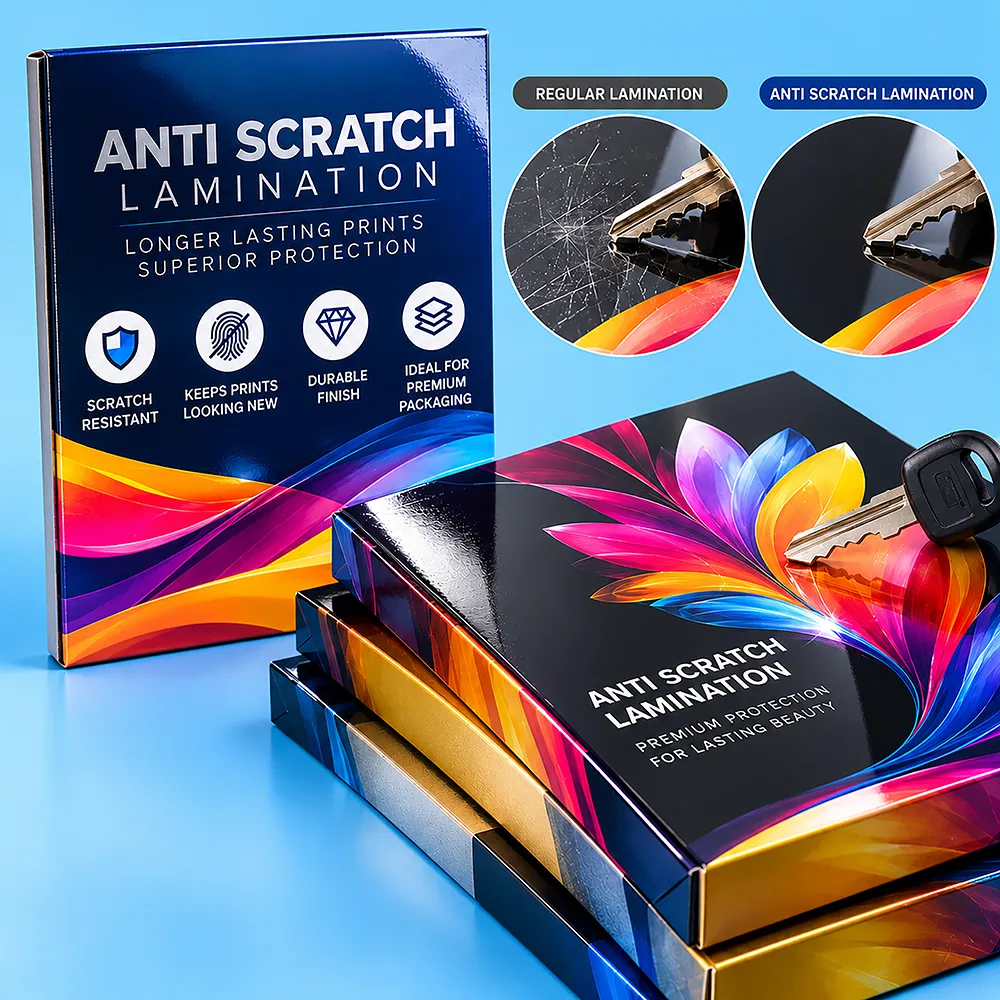
Scuffing, Scratches, Fingerprints and Surface Protection

Reflective surfaces may make scratches, fingerprints, rubbing, glue marks, dust, pressure marks, and handling residue more visible than they would appear on some matte materials. Possible project considerations include:
  • Protective coating or lamination where compatible
  • Interleaving during production
  • Protective tissue or sleeves
  • Gloves during final packing
  • Reduced contact with rough inserts
  • Separate transit packaging
  • Controlled stacking
  • Testing high-touch areas
  • Avoiding tight abrasion between box components
  • Reviewing the expected retail and ecommerce handling environment
No surface should be described as scratch-proof, fingerprint-proof, or scuff-proof without testing and supporting documentation.

Material Options

Folding Paperboard

Folding paperboard can be laminated, printed, wrapped, or selectively decorated according to the selected holographic method. Its suitability depends on box dimensions, packed weight, structure, score requirements, and printing process.

Holographic Cardstock

Holographic cardstock provides a ready-made reflective base. Confirm sheet size, pattern, direction, grain, print compatibility, white-ink requirements, fold behavior, and supply availability.

Rigid Board

Rigid board provides the internal structure for setup boxes and is normally covered with a separate printed or holographic wrap. The board, wrap, corner construction, hinge, magnet, ribbon, insert, and packed volume affect the project.

Kraft-Style Materials

Kraft-style materials may be combined with selective holographic foil or a contrasting holographic sleeve. Full-color printing and white ink can appear different on natural brown material.

Corrugated Board

Corrugated material may be used for mailers, subscription packaging, larger products, wholesale shipping, and outer transit cartons. Holographic treatment may be applied to a liner, label, sleeve, selected panel, or separate retail package according to the project.

Inserts and Internal Product Support

The visual finish does not replace the need for correct product fit and internal support. Possible insert directions include:
  • Die-cut paperboard inserts
  • Folded paperboard platforms
  • Corrugated inserts
  • Dividers
  • Formed trays
  • Foam or specialty inserts
  • Accessory compartments
  • Neck, base, or product-specific supports
  • Multi-product cavities
The insert should be planned according to the product dimensions, weight, fragility, center of gravity, surface decoration, removal method, and distribution channel. Foam, plastic trays, magnets, ribbons, window films, and mixed-material inserts should not automatically be described as recyclable, biodegradable, compostable, or plastic-free.

Retail Packaging

Retail holographic boxes should maintain readable product identification, variant information, warnings, ingredients, directions, barcode, business details, and other required content. Retail considerations may include:
  • Shelf lighting
  • Glare
  • Front-panel readability
  • Barcode scanning
  • Retailer labels
  • Hang tabs
  • Anti-tamper seals
  • Display trays
  • Price stickers
  • Photography for ecommerce listings

Ecommerce Packaging

A decorative holographic carton or rigid box is not automatically suitable as the only parcel-shipping package. Ecommerce orders may require an outer mailer, corrugated carton, divider, cushioning, wrap, corner protection, or other transit measures. Reflective finishes may also need protection from:
  • Abrasion
  • Pressure marks
  • Shipping labels
  • Tape
  • Moisture exposure
  • Dust
  • Repeated handling
  • Contact with corrugated surfaces
The final ecommerce packaging system should be reviewed according to product weight, fragility, package dimensions, finish, shipping distance, carrier method, and desired presentation at delivery.

Wholesale and Distribution Packaging

Wholesale shipments may require retail cartons packed into divided master cartons. Confirm:
  • Units per inner pack
  • Units per master carton
  • Box orientation
  • Surface separation
  • Divider requirements
  • Case markings
  • Pallet configuration
  • Retailer labeling
  • Maximum carton weight
  • Whether individual holographic boxes need protective sleeves

Holographic Cosmetic and Beauty Packaging

Holographic effects are often considered for cosmetics, lashes, lip products, fragrance, skincare, nail products, haircare accessories, PR kits, and limited-edition beauty collections. The selected box should still be planned around the product format, such as a tube, bottle, jar, compact, palette, lash tray, vial, applicator, or multi-product set. For product-specific beauty packaging with optional holographic finishing, explore our custom cosmetic boxes.

Other Holographic Packaging Applications

Custom holographic packaging may also be planned for:
  • Jewelry and fashion accessories
  • Small electronics and device accessories
  • Collectibles and trading products
  • Promotional kits
  • Event packaging
  • Apparel accessories
  • Subscription boxes
  • Gift cards and membership kits
  • Stationery and art products
  • Limited-edition merchandise
  • Influencer and media kits
  • Seasonal packaging
The page should remain focused on the holographic packaging method while product-specific pages remain focused on the packed item.

Artwork Preparation for Holographic Boxes

Artwork should clearly separate printed, blocked, holographic, and finishing areas. Provide:
  • Editable vector artwork where available
  • Outlined or packaged fonts
  • High-resolution linked or embedded images
  • Defined CMYK and supported spot colors
  • A separate white-ink layer
  • A separate holographic-effect layer
  • Separate foil, embossing, debossing, spot UV, and window layers
  • Barcode and QR-code files
  • Bleed and safe areas according to the final dieline
  • Pattern-direction notes
  • Panel-specific coverage instructions
  • Separate artwork for each SKU
  • Notes for interior printing
  • Notes showing which areas should remain untreated for glue or construction
Do not finalize artwork before the structure, dieline, holographic method, white-ink strategy, pattern direction, and finishing sequence have been approved.

Recommended Artwork Layer Structure

Artwork Layer Purpose
Dieline Cut, score, perforation, bleed, glue, window, and safe-area references
CMYK artwork Full-color printed graphics and photographs
Spot colors Named brand or production colors where supported
White ink Opaque foundation or blocking area beneath selected artwork
Holographic coverage Areas where the effect should remain visible or be selectively applied
Foil Additional hot-stamped, cold-transferred, or digital-transfer artwork
Emboss or deboss Raised or recessed artwork positions
Spot UV Selected gloss or texture areas
Window Open or film-covered viewing area
Non-treatment zones Glue, barcode, score, seal, or construction areas requiring controlled surface treatment

Digital Proofs and Physical Samples

Digital Artwork Proof

A digital proof can show artwork position, text, dielines, white-ink areas, selected holographic zones, windows, foil, embossing, and other finishing layers. It cannot accurately reproduce:
  • Changing holographic color
  • Pattern movement
  • Actual reflection
  • White-ink opacity
  • Foil brightness
  • Surface texture
  • Scuffing behavior
  • Fold stress
  • Rigid-wrap alignment
  • Appearance under different lighting

Material Sample

A material sample can help confirm the pattern, surface, direction, color shift, flexibility, and general printing expectations before the full box is produced.

Unprinted Structural Sample

An unprinted sample can help evaluate the dimensions, product fit, folds, closure, insert, opening sequence, assembly, and packing method.

Printed Physical Sample

A printed physical sample may help evaluate the holographic pattern, white ink, printed color, logo contrast, barcode area, folds, coating, foil, embossing, insert, and complete presentation. Sample availability, production method, cost, shipping, and lead time are project-specific.

Lighting and Photography Approval

Holographic packaging changes appearance under different light sources and camera angles. Review samples under:
  • Daylight
  • Warm indoor lighting
  • Cool retail lighting
  • Direct spot lighting
  • Diffuse studio lighting
  • Phone-camera flash
  • Ecommerce photography conditions
  • Video and social-media lighting
A design that appears subtle in diffuse light may look much stronger under direct lighting. Product photography may also require controlled reflections, polarizing filters, adjusted angles, or multiple exposures according to the desired result.

Planning Multiple SKUs

Brands may use one holographic packaging system across different colors, products, flavors, scents, shades, sizes, or limited-edition designs. Create an SKU schedule containing:
  • SKU or product name
  • Finished box dimensions
  • Product dimensions and weight
  • Box structure
  • Holographic method
  • Pattern
  • Pattern direction
  • Coverage area
  • White-ink requirement
  • Printed colors
  • Barcode
  • Finish layers
  • Insert version
  • Artwork filename
  • Quantity per SKU
Confirm whether all SKUs use the same dimensions, structure, pattern, and insert before combining them into one production plan.

Reorders and Production Variation

Record the approved production specification for future orders, including:
  • Material supplier or approved equivalent
  • Holographic pattern
  • Pattern direction
  • Board specification
  • Printing method
  • White-ink coverage
  • Coating or lamination
  • Foil reference
  • Tooling
  • Box dimensions
  • Insert version
  • Approved sample reference
  • Artwork revision
Material batches, production equipment, paper, ink, film, lighting, and process conditions may create visible variation between production runs. Reorders should be compared against the approved specification and sample rather than described as guaranteed identical.

Common Holographic Packaging Problems

Using the Wrong Holographic Method

A full-surface film, pre-finished cardstock, and selective holographic foil produce different results. Confusing these methods can lead to incorrect artwork and quotation expectations.

Artwork Becomes Difficult to Read

Small text, fine logos, warnings, and product information can lose contrast when placed directly over an active reflective pattern.

Barcode Does Not Scan Reliably

Reflective backgrounds, poor contrast, missing quiet zones, folds, windows, or incorrect size may affect barcode performance.

Unexpected Color Shift

Printed colors may look different when printed directly over a holographic substrate instead of white paper.

Pattern Runs in the Wrong Direction

The effect may appear horizontal, vertical, or diagonal depending on how the material is cut and applied.

Visible Stress Around Folds

Score lines, material thickness, grain direction, film, adhesive, and folding conditions may contribute to whitening, lifting, splitting, or cracking.

Scuffing and Fingerprints

Reflective surfaces may make handling marks more visible, especially on high-contact lids, sleeves, drawers, and mailers.

Rigid-Box Wrap Misalignment

Patterns may not appear continuous around corners or between the lid, base, spine, and drawer unless alignment expectations are defined.

Digital Proof Does Not Match the Optical Effect

A monitor or PDF cannot reproduce the complete changing reflection of the final material.

Retail Carton Used as the Shipping Box

A decorative package may be scratched, crushed, marked, or opened during parcel delivery without a suitable transit system.

Reorder Uses a Different Pattern or Material

Incomplete specifications or supplier changes may create a visible difference between production runs.

Environmental Claim Is Based Only on the Paperboard

A package may also contain film, transfer layers, coatings, adhesives, magnets, ribbons, windows, foam, and mixed-material inserts.

Production Tolerances and Approval Expectations

Custom packaging includes normal production tolerances. Holographic projects may require specific approval expectations for:
  • Print-to-cut registration
  • White-ink registration
  • Foil or transfer position
  • Emboss or deboss position
  • Pattern position
  • Pattern direction
  • Material color
  • Reflective intensity
  • Fold appearance
  • Wrap seams
  • Window position
  • Box dimensions
  • Insert fit
  • Color variation
Critical tolerances should be identified before production. Do not describe a custom holographic package as perfectly aligned, crack-free, identical across every unit, or guaranteed to match every reorder unless the requirement is supported by an approved production standard.

What Affects the Price of Custom Holographic Boxes?

Pricing depends on the complete specification rather than the holographic appearance alone.
  • Finished box dimensions
  • Folding, corrugated, or rigid structure
  • Holographic material or transfer method
  • Pattern type
  • Full or selective coverage
  • One-sided or multiple-sided coverage
  • White-ink coverage
  • CMYK or spot-color printing
  • Tooling requirements
  • Embossing or debossing
  • Spot UV
  • Additional foil colors
  • Window material
  • Insert type
  • Magnets, ribbons, or specialty closures
  • Number of SKUs
  • Quantity per artwork version
  • Physical sample requirements
  • Assembly requirements
  • Packing format
  • Shipping destination and delivery method
Provide the quantity required for every artwork version. Several low-quantity SKUs may be priced differently from one design produced at the same combined volume.

Sustainability Considerations

The environmental characteristics of holographic packaging depend on the complete construction. Review the paperboard, recycled content, holographic film, transfer layer, coating, laminate, adhesive, ink, window, magnet, ribbon, foam, tray, insert, and local recovery system. Possible project directions may include:
  • Using selective transfer instead of full film coverage where suitable
  • Reducing unnecessary box volume
  • Using a paperboard insert where appropriate
  • Reducing mixed materials
  • Avoiding unnecessary magnets, ribbons, or windows
  • Selecting documented recycled content
  • Making components easier to separate
  • Using a right-sized outer shipping carton
  • Providing accurate disposal instructions
  • Confirming recycling acceptance for the complete structure
A paperboard base does not automatically make the finished package recyclable, biodegradable, compostable, plastic-free, sustainable, or eco-friendly. Do not publish broad environmental claims unless the selected materials, complete construction, available documentation, and applicable recovery system support the claim.

How to Order Custom Holographic Boxes

  1. Define the packed product: Provide the product type, dimensions, weight, fragility, quantity per box, and intended presentation.
  2. Select the box structure: Choose a folding carton, sleeve, drawer, two-piece box, rigid setup box, magnetic box, mailer, display, or request structural guidance.
  3. Choose the holographic method: Confirm full-surface material, selected panels, selective foil, rigid wrap, or another approved process.
  4. Select the pattern: Review available rainbow, prism, geometric, wave, dot, shattered-glass, or other supported effects.
  5. Confirm pattern direction: Define how the effect should run across the front, sides, lid, drawer, or wrap.
  6. Plan printing and white ink: Identify areas where the holographic effect should remain visible and where it should be blocked.
  7. Plan barcodes and information panels: Create readable, testable areas for codes, warnings, ingredients, instructions, and business information.
  8. Select additional finishes: Confirm embossing, debossing, spot UV, additional foil, windows, coatings, magnets, ribbons, or specialty components.
  9. Plan the insert: Provide product-fit, removal-access, orientation, and multi-component requirements.
  10. Prepare artwork: Supply editable files with separate dieline, white-ink, holographic, foil, embossing, spot UV, and window layers.
  11. Confirm proofing: Select a digital proof, material sample, structural sample, transferred-effect sample, or printed physical sample according to the project.
  12. Provide quantities: State the number of SKUs and quantity required for every design.
  13. Approve the specification: Review dimensions, materials, effect, pattern, direction, printing, tolerances, finishes, production, delivery format, and shipping.
  14. Approve production artwork: Production begins after the final project specifications and files have been approved.

Why Choose BoxBaba for Custom Holographic Packaging?

BoxBaba helps brands plan holographic packaging as a complete structure and artwork system rather than treating the effect as an isolated decoration. Projects can be reviewed according to the product, dimensions, weight, box style, holographic method, coverage, pattern, printing, white ink, insert, finishes, quantities, and distribution requirements. Project support may include:
  • Full-surface and selective holographic-effect guidance
  • Folding and rigid structure planning
  • Material and pattern review
  • Pattern-direction planning
  • White-ink and artwork-layer guidance
  • Barcode and information-panel planning
  • Dieline preparation
  • Insert and product-fit guidance
  • Digital proofing
  • Project-specific physical sample options
  • Multi-SKU artwork coordination
  • Retail, ecommerce, and wholesale packaging direction
  • Project-specific production and shipping quotation

Request a Custom Holographic Box Quote

Share the product dimensions, product weight, preferred box structure, full or selective holographic coverage, pattern direction, printing requirements, white-ink areas, inserts, additional finishes, number of SKUs, quantity per design, artwork status, shipping ZIP code, and required delivery date. These details help the BoxBaba team review the structure, holographic method, material, pattern, artwork, production sequence, sample requirements, and shipping considerations before preparing project-specific quotation guidance. Request a Custom Holographic Box Quote, call +1 305 574 4357, or email sales@boxbaba.com.

Frequently Asked Questions

Find all the urgent questions you may have.

Custom holographic boxes are made-to-size packaging structures that use a reflective, diffractive, iridescent, or color-shifting surface effect. The holographic treatment may cover most of the box, appear on selected panels, or be applied only to artwork such as a logo, product name, border, icon, or decorative pattern.
Full-surface coverage places the holographic effect across most or all of the selected material or box panels. Selective coverage applies the effect only to defined artwork or areas. Full coverage usually requires more planning for white ink, readability, glare, pattern direction, folds, barcodes, and surface handling, while selective coverage requires accurate artwork separation, registration, tooling, and minimum-detail review.
Holographic film is typically laminated to a paperboard or other compatible base to create broad reflective coverage. Holographic cardstock or paper is supplied with the effect already present across the material. Holographic foil stamping transfers the effect only to selected artwork using heat, pressure, and project-specific tooling. These methods produce different visual results and require different artwork, materials, coverage, and production planning.
Holographic effects may be considered for folding cartons, sleeves, drawer boxes, two-piece boxes, rigid setup boxes, magnetic boxes, book-style boxes, mailer boxes, display boxes, window cartons, gift packaging, and project-specific structures. The suitable method depends on the box material, folds, corners, glue areas, product weight, insert, and required coverage.
Possible directions may include rainbow diffraction, prism, shattered-glass, dot, wave, geometric, linear, star, sparkle-style, small repeating, large repeating, and supplier-supported custom patterns. Pattern names and appearance can vary between suppliers, so an actual material sample should be reviewed when pattern or color shift is important.
Opaque white ink can reduce or block the holographic effect beneath selected artwork. It may be used behind logos, text, photographs, warnings, barcodes, QR codes, or information panels where stronger contrast is required. Areas without white ink may allow the reflective pattern to remain visible through transparent or semi-transparent printed colors.
Full-color CMYK and supported spot-color artwork may be printed on compatible holographic materials. Printed colors can appear different from the same colors printed on white paper because the reflective surface influences the visible result. White-ink blocking, simplified artwork, high-contrast typography, or a non-reflective panel may be needed for color-critical images and small text.
Confirm whether the pattern should run vertically, horizontally, diagonally, or in another approved direction across the front, back, sides, lid, sleeve, drawer, or rigid-box wrap. Pattern position and repeat may vary according to the material and converting process, so every unit should not be assumed to show the exact same portion of an unregistered repeating pattern.
Yes, but the code needs sufficient contrast, correct size, clear quiet zones, suitable positioning, and a controlled background. A white or otherwise non-reflective panel may be required behind a barcode or QR code. Each final code should be tested after printing because reflective materials, folds, windows, coatings, or incorrect positioning may affect scanning.
Visible stress, whitening, lifting, splitting, or cracking may occur when the material, film, adhesive, score depth, crease width, grain direction, board thickness, fold angle, or production conditions are unsuitable. Fold performance should be evaluated using the selected structure and material rather than supported by a universal no-cracking guarantee.
Reflective surfaces may make scratches, fingerprints, glue marks, dust, rubbing, and pressure marks more visible. Compatible protective coatings, careful handling, interleaving, protective sleeves, controlled stacking, and separate transit packaging may help, but the surface should not be described as scratch-proof, scuff-proof, or fingerprint-proof without testing.
A decorative holographic carton or rigid box should not automatically be treated as the only parcel-shipping package. Ecommerce orders may also require an outer mailer, corrugated carton, divider, cushioning, wrap, corner protection, or other measures according to the product weight, fragility, box structure, finish, shipping distance, and carrier handling.
Many folding cartons, sleeves, and paperboard trays may be supplied flat or partly assembled. Rigid setup boxes, magnetic boxes, and some drawer or book-style structures are generally supplied assembled. The quotation should state how the outer box, insert, window, magnet, ribbon, and other components will be delivered.
The minimum order quantity is project-specific and depends on the box dimensions, folding or rigid structure, holographic method, pattern, coverage, material, printing, white ink, tooling, insert, additional finishes, physical samples, number of SKUs, and quantity required for each artwork version.
A digital artwork proof can show the dieline, printing, white-ink areas, holographic coverage, foil, embossing, windows, and other artwork layers. Material samples, unprinted structural samples, transferred-effect samples, or printed physical samples may also be available. Sample type, cost, production method, shipping, and lead time are project-specific.
Standard production usually takes 8–12 business days after final artwork approval. Physical samples, rigid boxes, custom tooling, specialty materials, multiple SKUs, complex inserts, and multi-stage finishes may require additional time. Shipping time is separate from production time.
Recyclability and environmental performance depend on the complete construction, including the paperboard, recycled content, holographic film or transfer layer, coating, laminate, adhesive, ink, window, magnet, ribbon, foam, tray, insert, and local recovery system. Claims such as recyclable, recycled, biodegradable, compostable, sustainable, eco-friendly, or plastic-free should only be published when supported by the selected construction and relevant documentation.

Standard decorative holographic film or foil should not automatically be described as counterfeit-proof, tamper-proof, authenticated, or secure. Security holograms may require controlled optical designs, serialization, hidden features, verification systems, or specialist materials. The required authentication method should be defined separately from the decorative packaging effect.

Get a Custom Quote