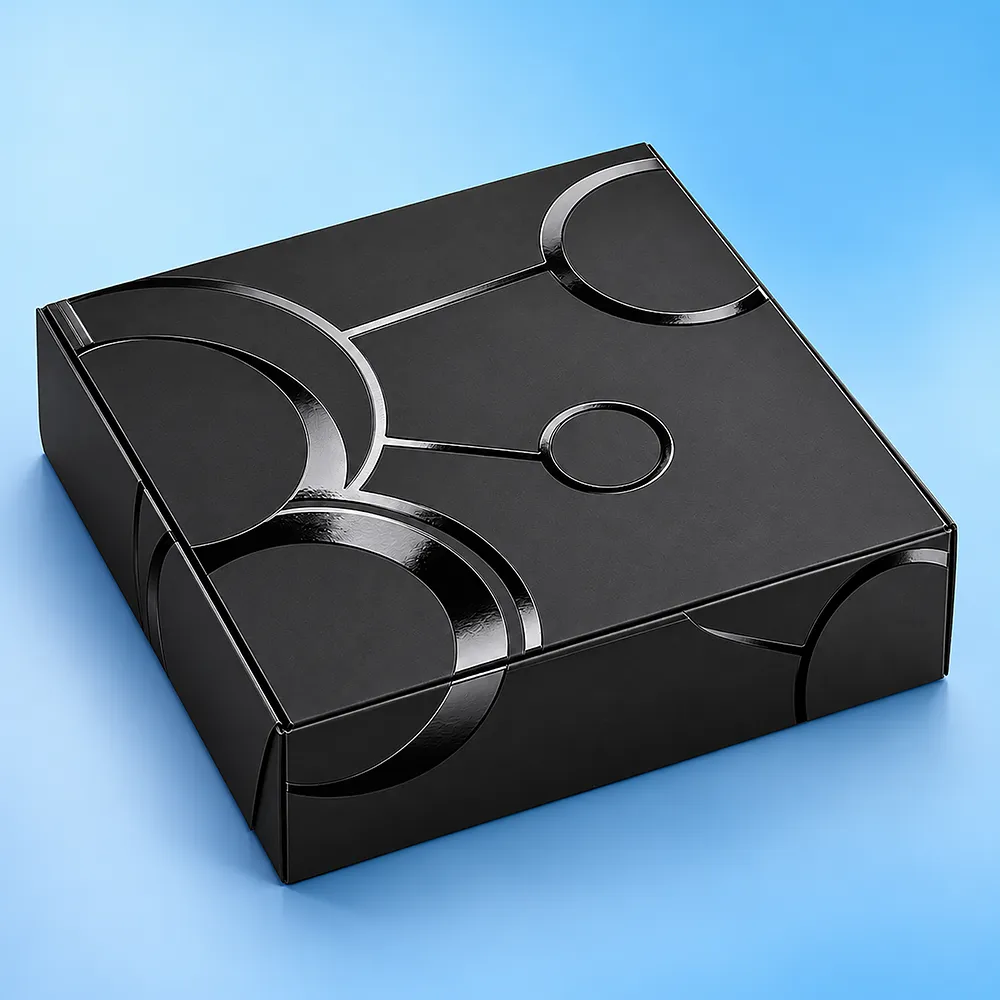
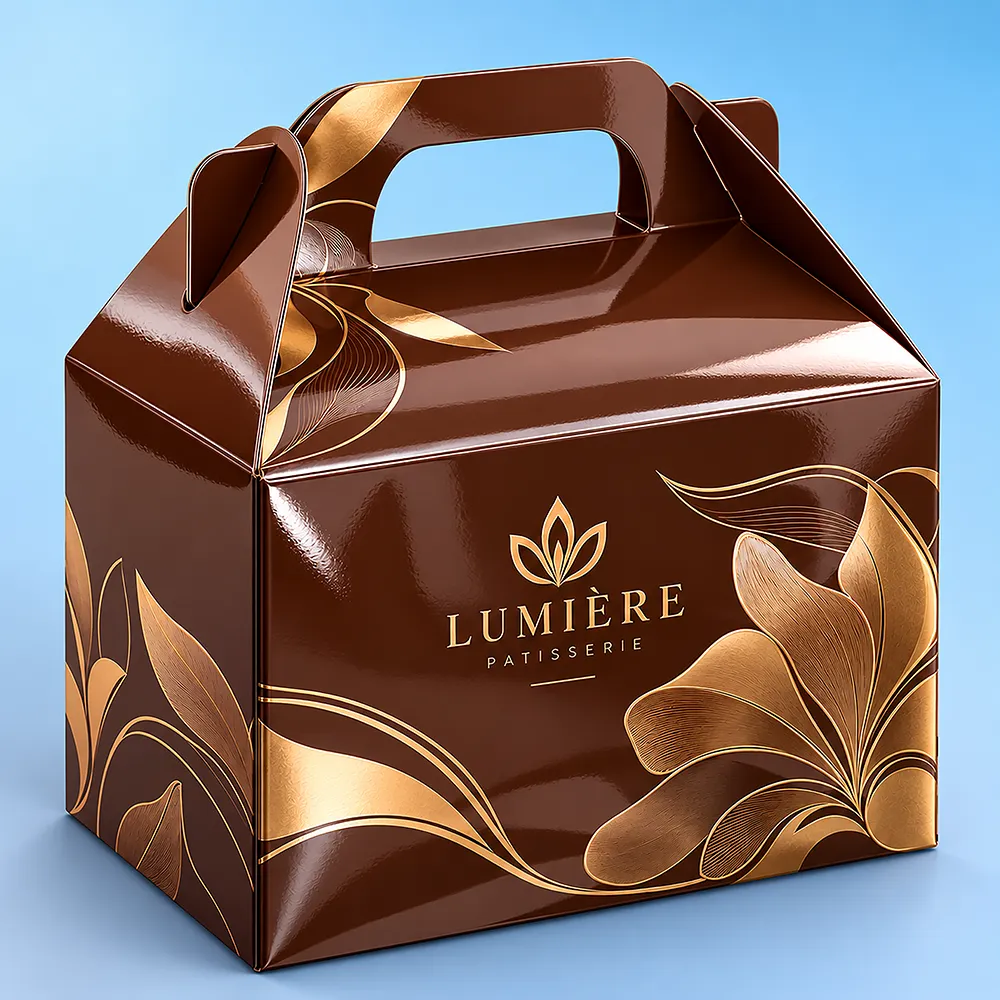
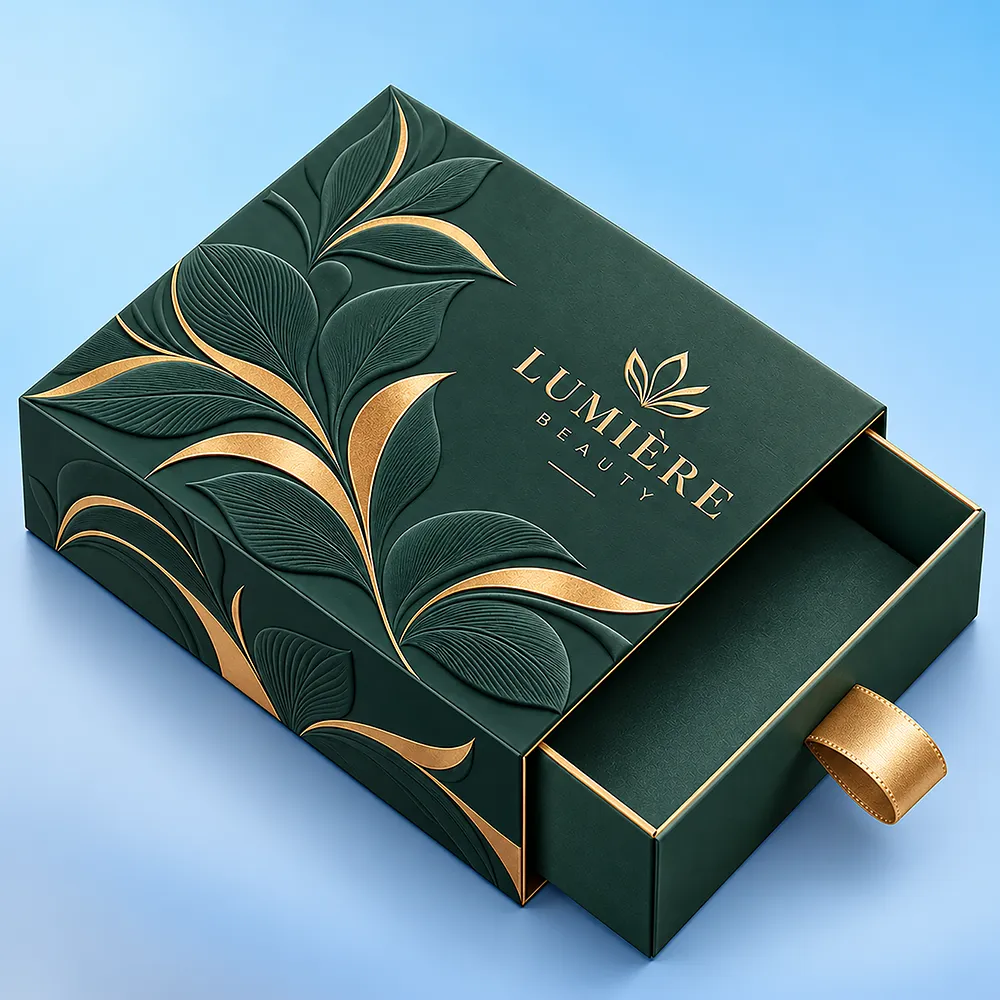
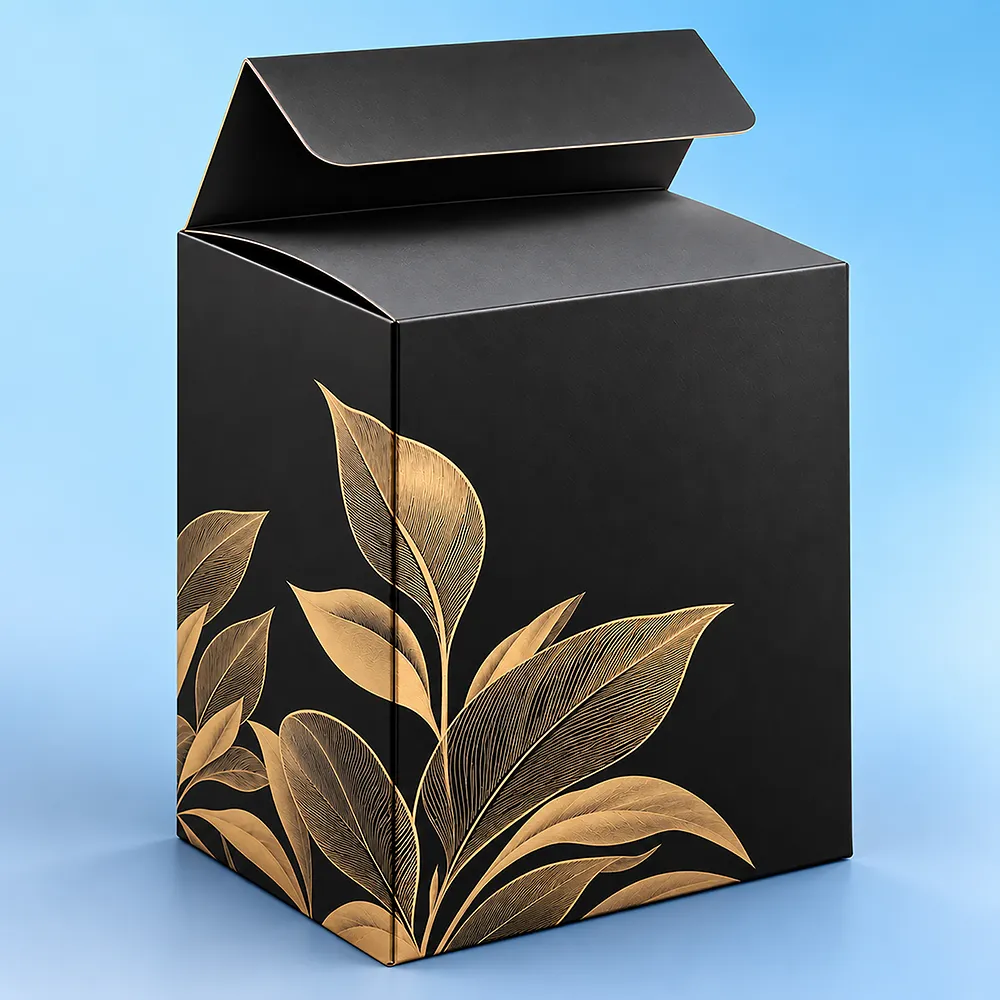
Cream Boxes

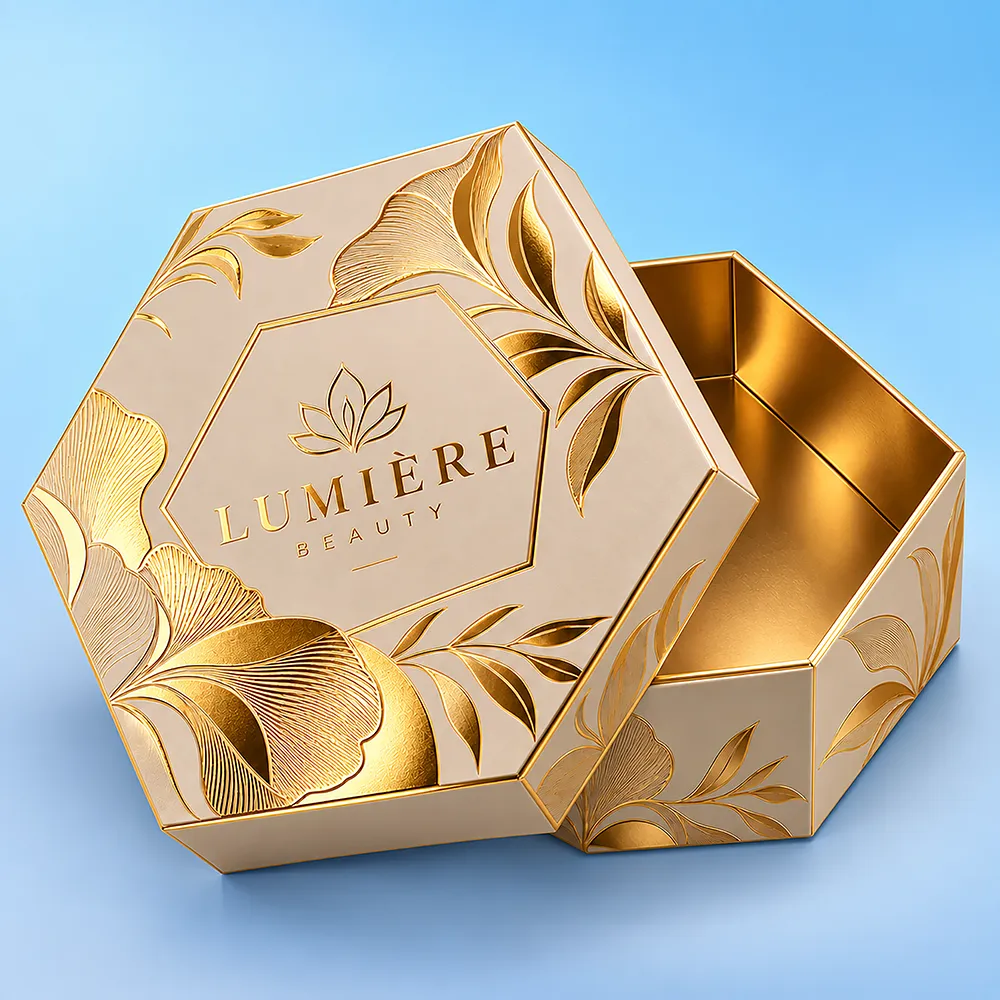
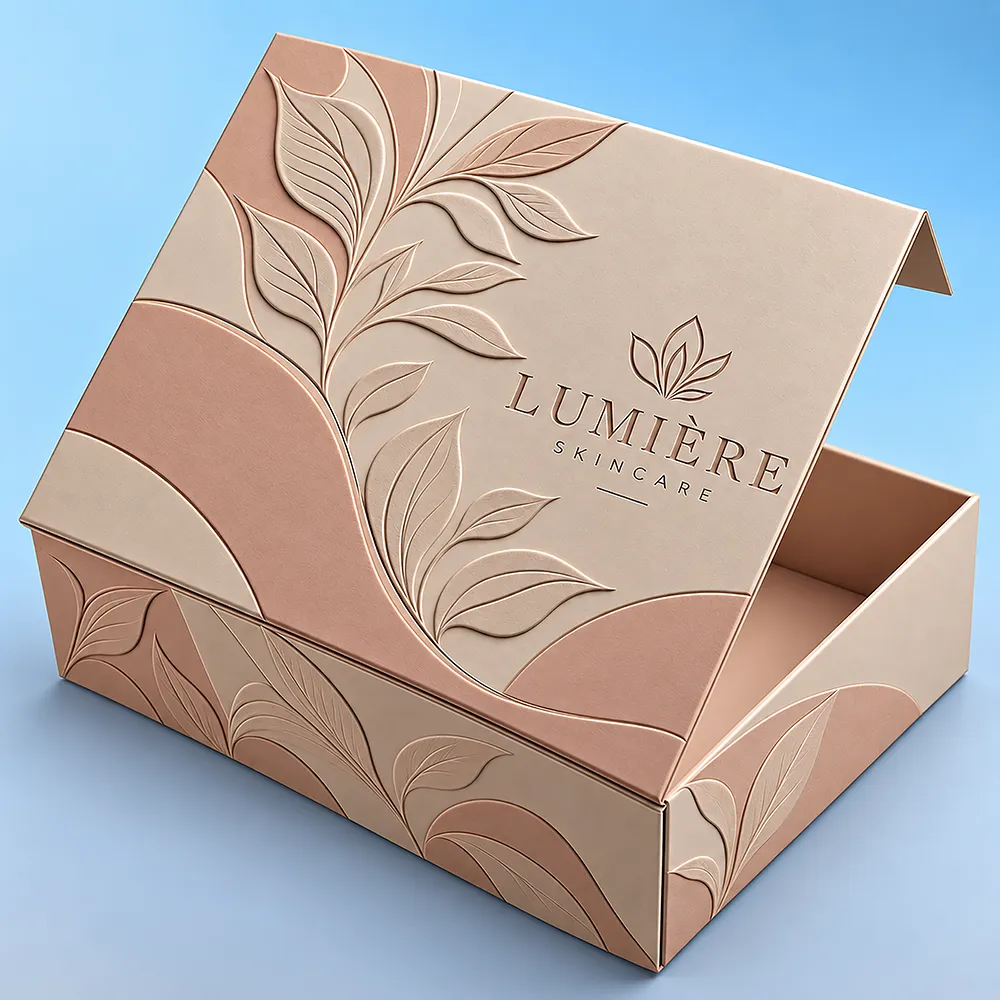
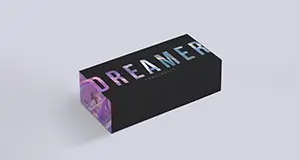
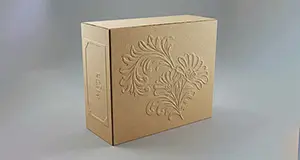
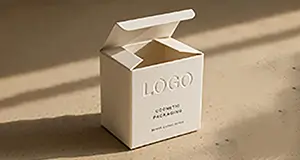
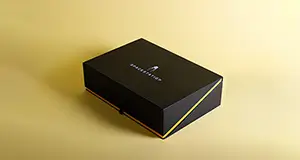
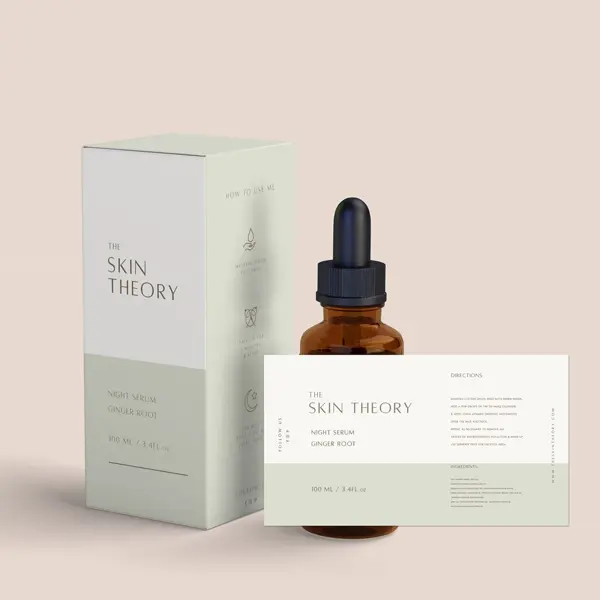
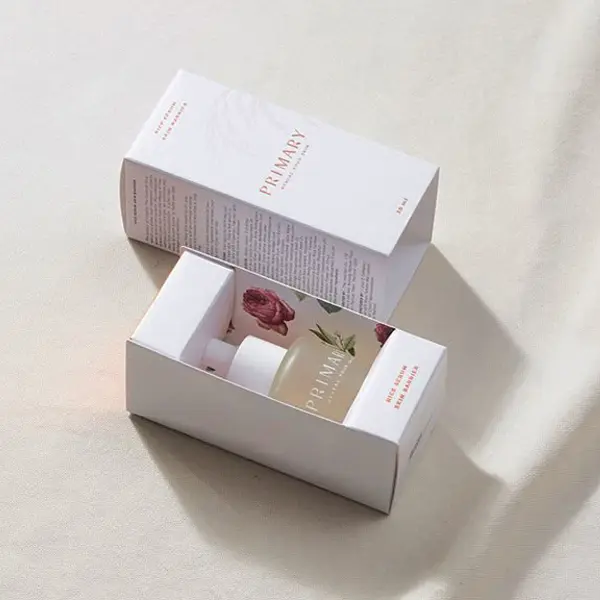
Custom cream boxes designed for skincare jars, moisturizers, body butter, balms, and other cream-based products. Choose custom dimensions, folding-carton or premium box structures, paperboard or kraft-style materials, optional inserts, full-color printing, brand-color matching, and compatible finishing options.
  • Suitable for glass jars, plastic tubs, airless containers, and other confirmed skincare packaging
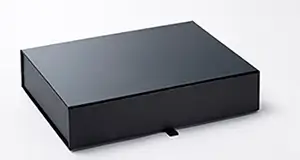
  • Available with tuck-end, reinforced-bottom, sleeve-and-tray, two-piece, rigid, or project-specific structures
  • Optional features may include paperboard inserts, matte or gloss finishes, foil stamping, embossing, debossing, spot UV, and window cutouts
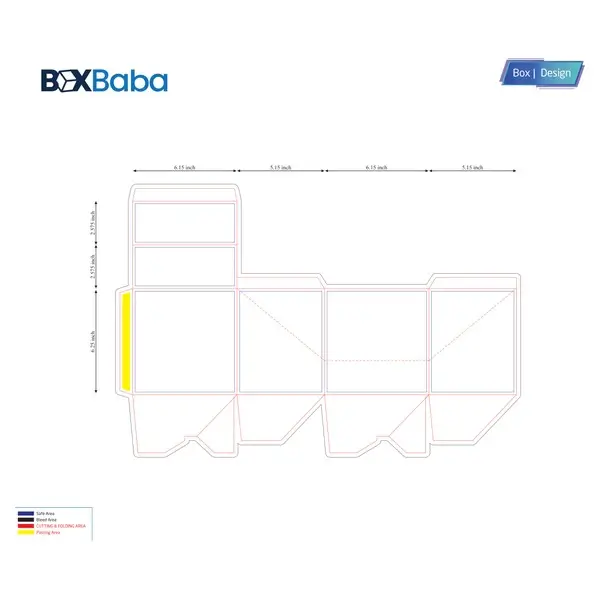
  • Dieline, artwork-layout, digital-proof, and container-fit guidance available according to project requirements
Share your finished container dimensions, filled weight, cap size, preferred box style, insert requirement, quantity by SKU, artwork status, and delivery details to request a custom cream box quote.
Trustpilot_Logo
5 out of 5 stars
4.3
Reviews 8 • Excellent

Cream Boxes Branding for Beauty Products

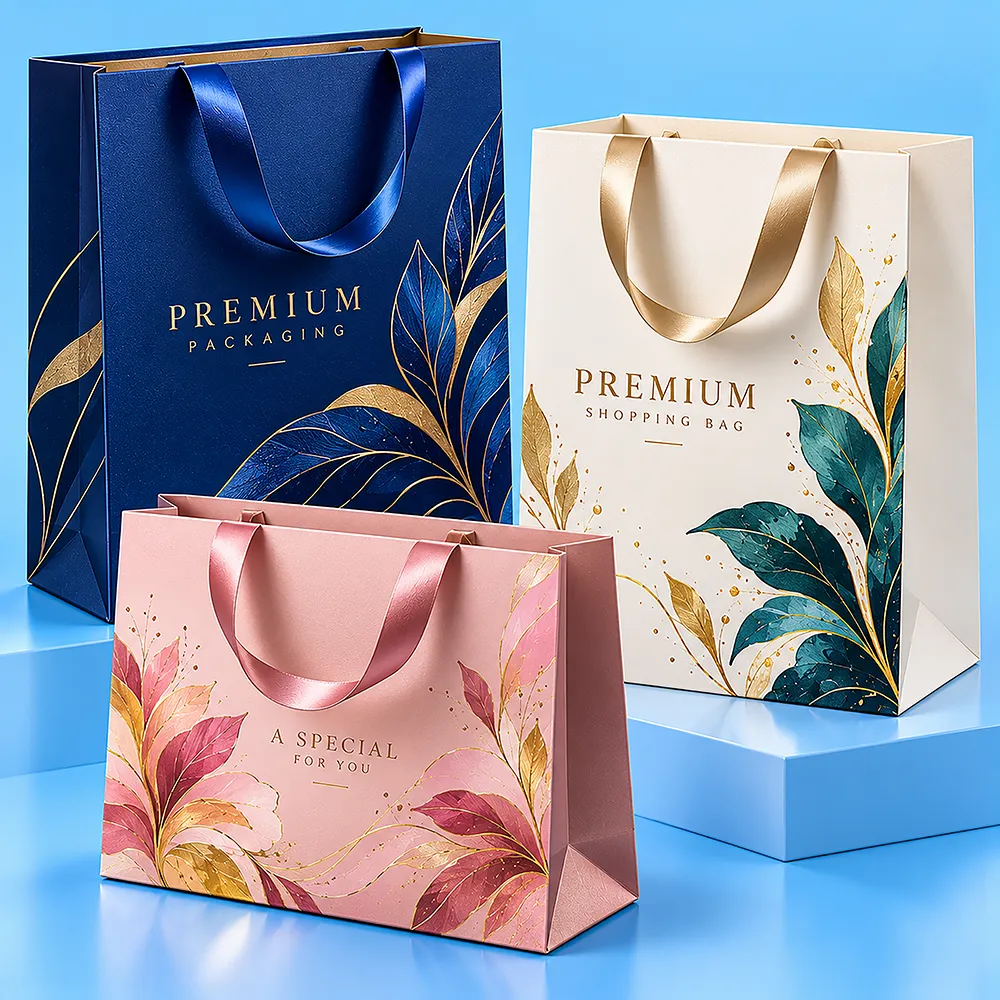
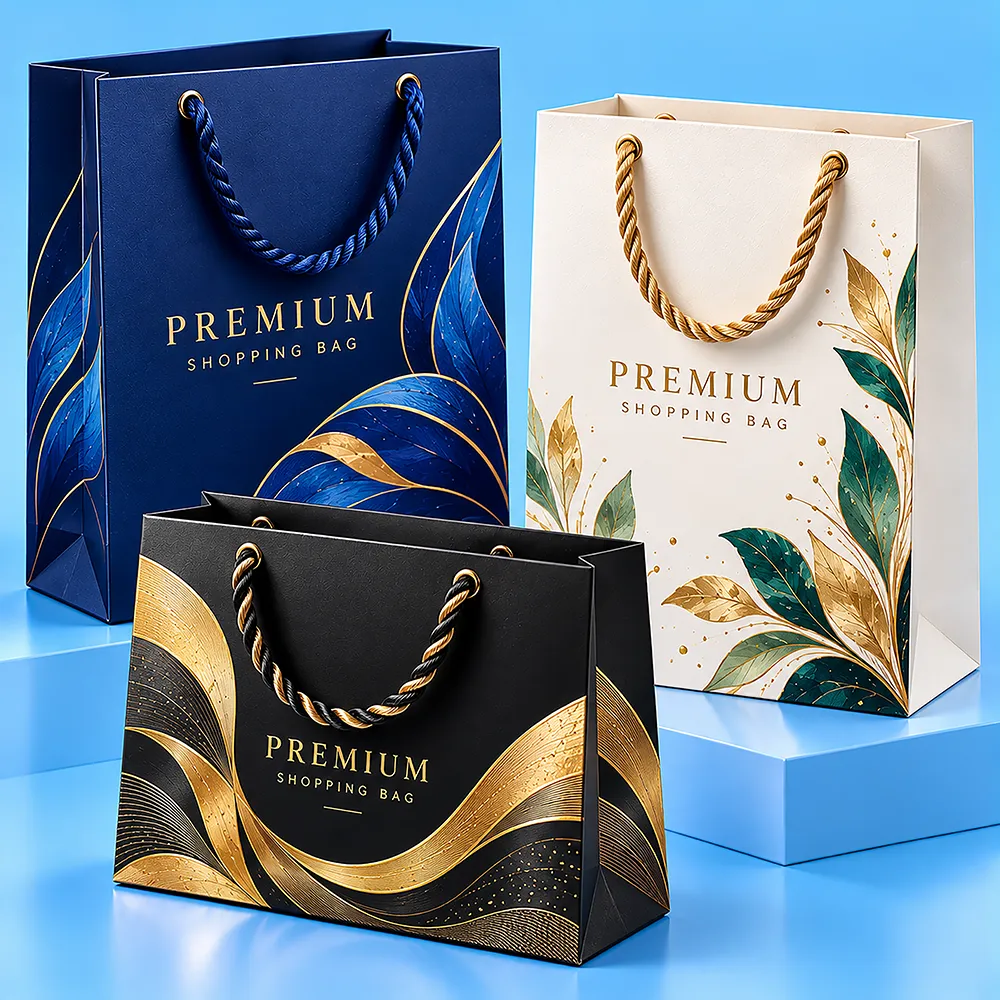
Elevate your skincare line with custom Cream Boxes. Sturdy, premium-quality, and fully customizable, these boxes highlight your brand, ingredients, and unique designs while giving your creams a professional, luxurious, and eye-catching presentation. Perfect for protecting your products and making a lasting impression on your customers.

What We Give

Create Custom Boxes Quick and Easy

Design

Get your custom boxes made in the required size, shape, and style.

Print

Upload your artwork and get it superbly printed the way you want.

Get it done

Order any quantity, enjoy a wholesale price, pay no extra for die plates.

Product Specification

Specification Details
Box Style Fully customizable Cream Boxes, folding carton, magnetic closure, drawer, shoulder neck, mailer, or specialty box styles
Dimensions (L × W × H) Custom sizes manufactured according to your exact product dimensions and structural requirements
Order Quantity (MOQ) 100 units minimum (flexible for specific projects)
Material Options 10pt–24pt SBS  Kraft board, corrugated (B, E flute), high-density greyboard for rigid boxes
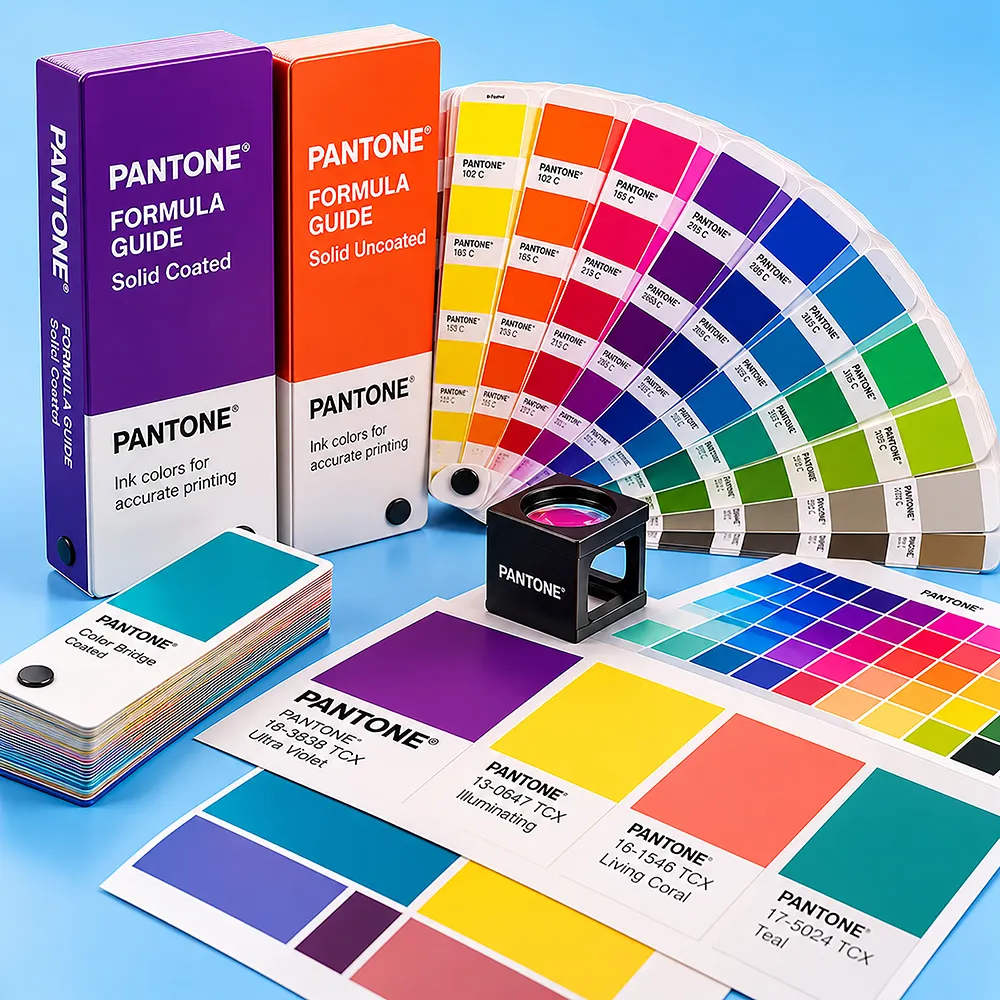
Printing Options CMYK offset printing, Pantone (PMS) color matching, inside & outside printing
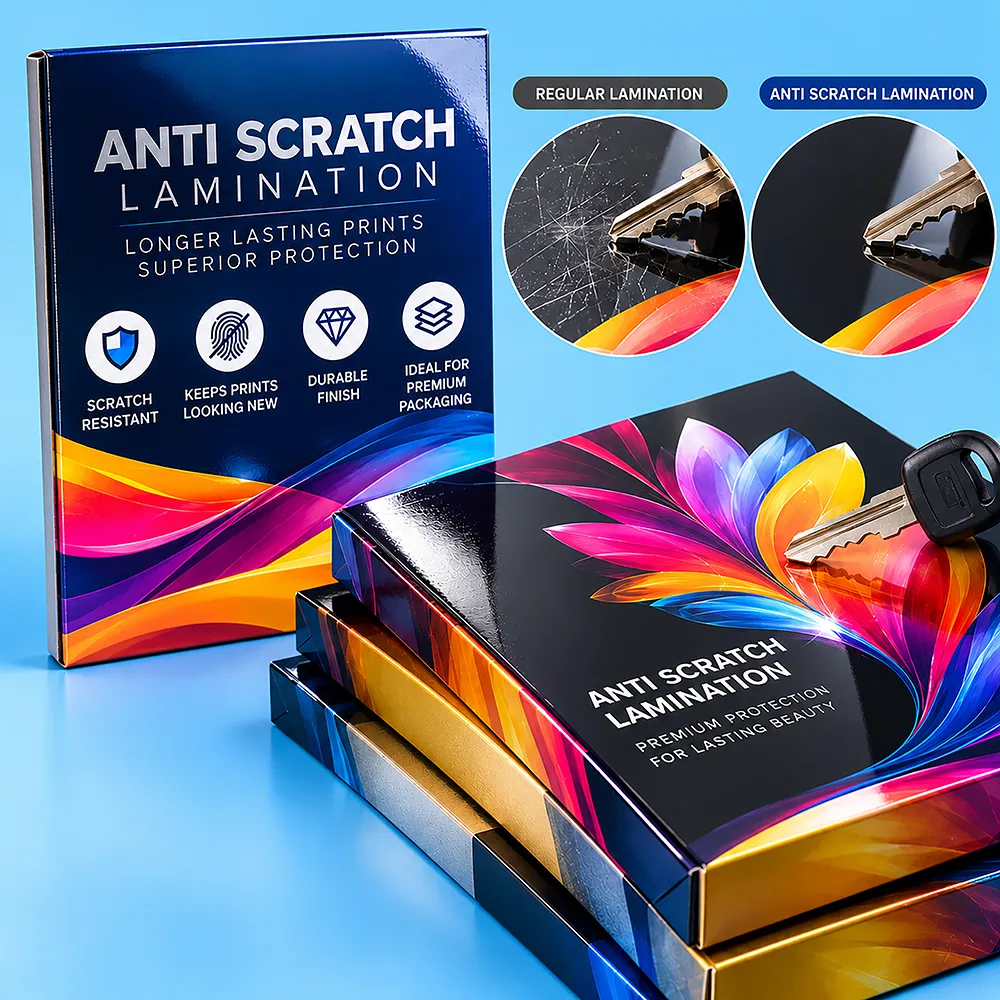
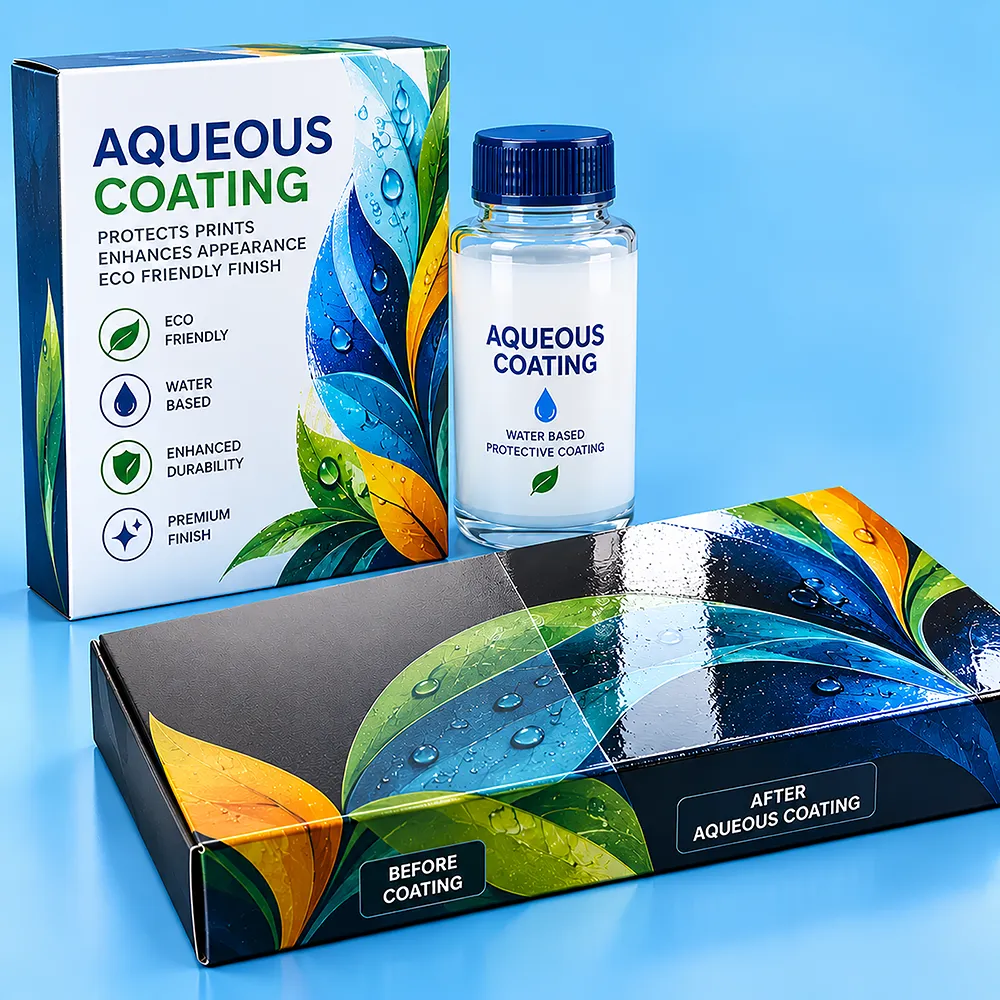
Print Finishes Matte lamination, Gloss lamination, Soft-touch coating, Aqueous coating, UV coating
Premium Enhancements Foil stamping (gold/silver/custom colors), Embossing, Debossing, Spot UV, Raised UV
Insert Options EVA foam inserts, Die-cut paperboard inserts, Molded pulp, Cardboard dividers, Custom fit structural inserts
Embellishments Ribbons, magnetic closures, bows, glitters, sparkles, custom tags & hang tags
Compliance Support Labeling guidance & compliance support available for regulated products including hemp/CBD packaging
Sampling & Proofing Free 3D digital mockups, blank sample, printed sample (delivery reimbursable)
Production Timeline 5–9 business days standard production (rush orders available upon discussion)
Shipping Free USA shipping; flat-packed or assembled shipping options available

Related Products

Custom serum box designed for a skincare dropper bottle
Custom skincare packaging boxes for serum bottles and cream jars
Custom Nail Packaging Boxes: Printed Boxes for Beauty Brands
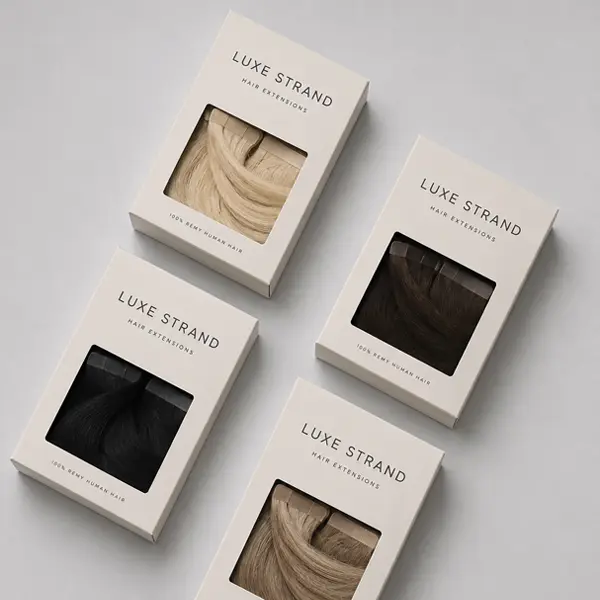
Hair Extension Boxes Premium Cardboard Packaging for Retail Display – BoxBaba USA
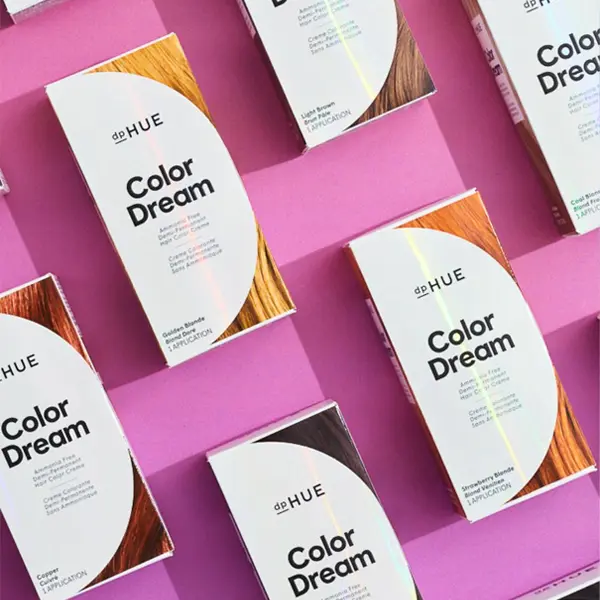
Custom printed hair color packaging box for dye kit with tube and developer bottle
Custom fragrance packaging boxes with folding carton and rigid box styles
Custom foundation packaging boxes — printed makeup packaging for USA beauty brands — BoxBaba
Custom Eye Lash Boxes | Elegant Packaging for Lash Brands
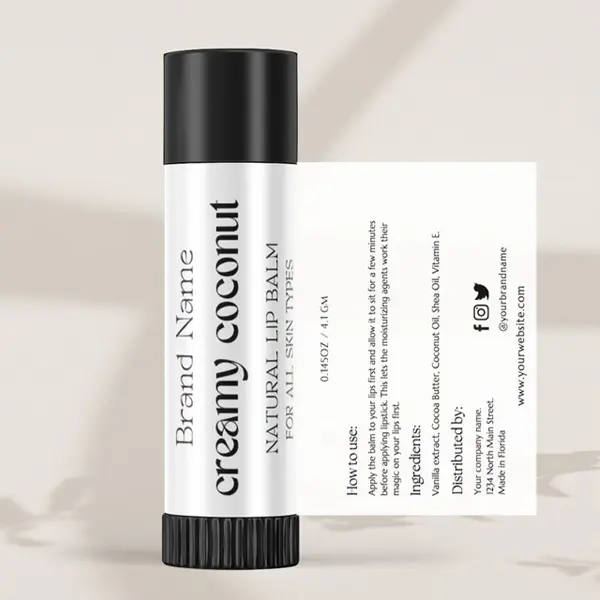
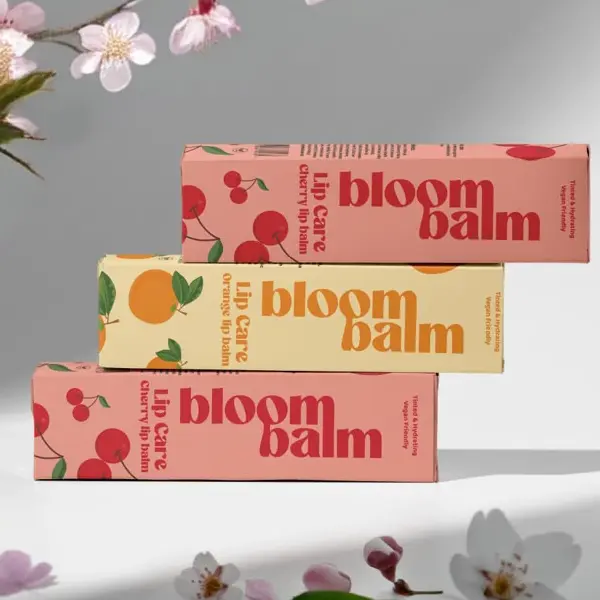
Lip Balm Label Printing | High-Quality Custom Cosmetic Labels
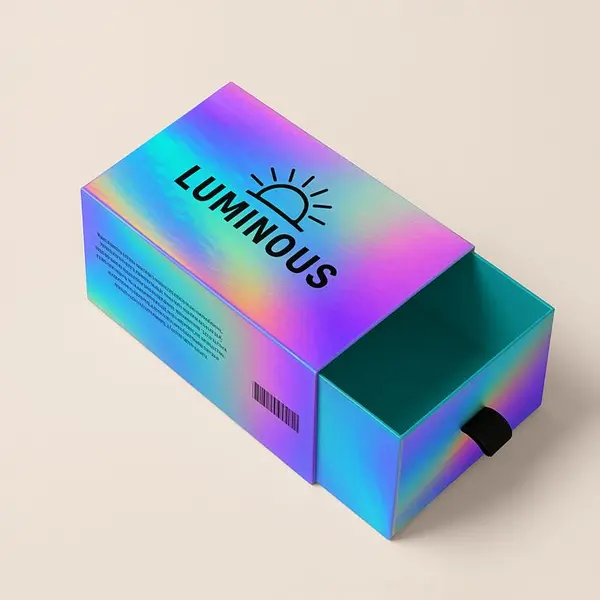
Open holographic drawer box with teal interior and black pull tab
Clear rectangular fragrance bottle beside a white presentation box
Open black eyelash case with a pink glitter lash tray
Luxury rigid cologne box for fragrance bottle packaging
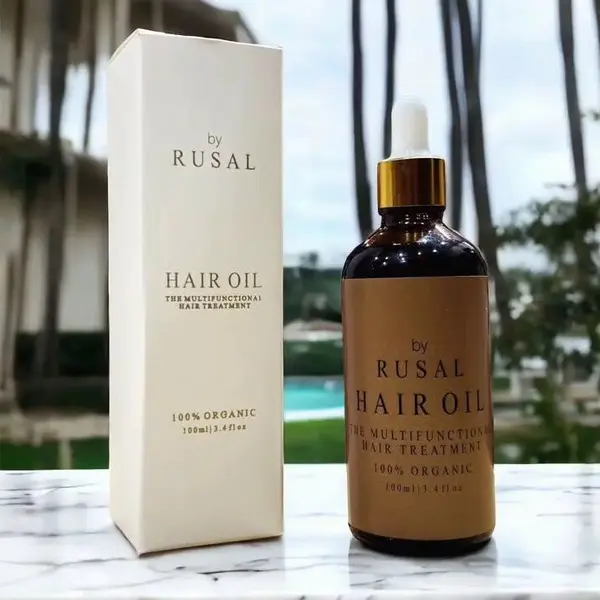
Hair Oil Packaging Boxes Premium Cardboard Bottles Packaging for Retail – BoxBaba USA
Wholesale Eye Mask Packaging | Affordable Custom Packaging Solutions
Custom cosmetic labels applied to skincare jars and bottles
Wig Boxes Premium Cardboard Packaging for Retail Display – BoxBaba USA
Custom printed mascara box for tall cosmetic tube packaging
Luxury Nail Polish Packaging: Premium Boxes for High-End Brands
Luxury rigid Perfume Boxes for premium fragrance brands – BoxBaba
Wholesale custom eyeshadow boxes with window and full-color printing — BoxBaba USA
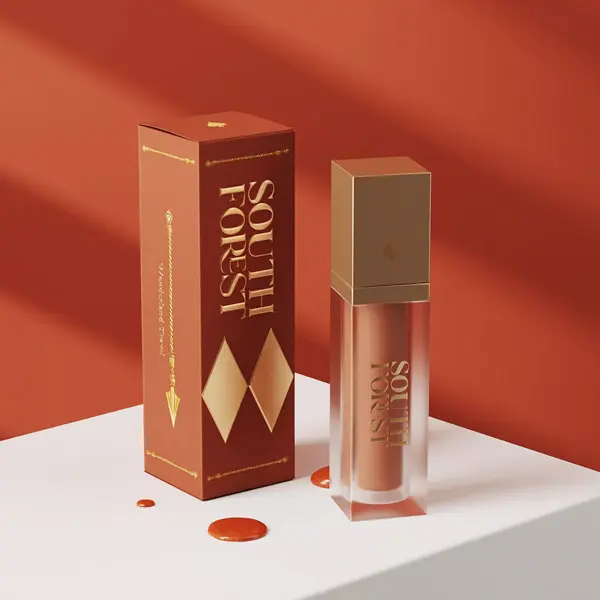
Printed lip gloss boxes displayed with matching cosmetic tubes
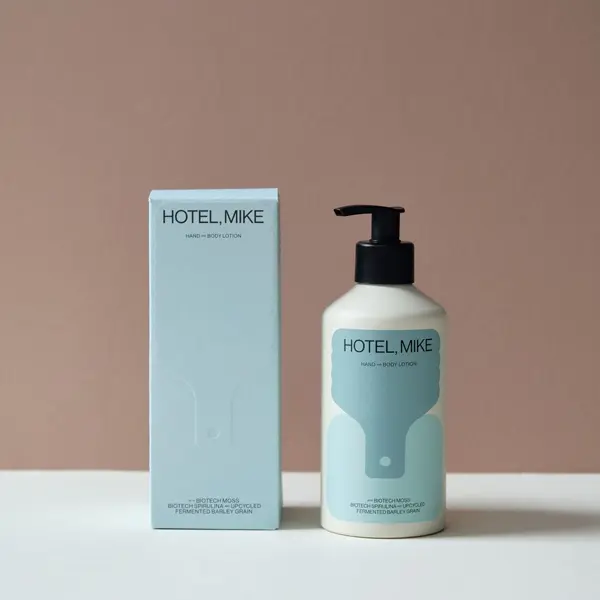
Lotion Boxes: Protective Packaging for Skincare Products
Wholesale cosmetic display boxes for beauty brands

Stock Type & Thickness

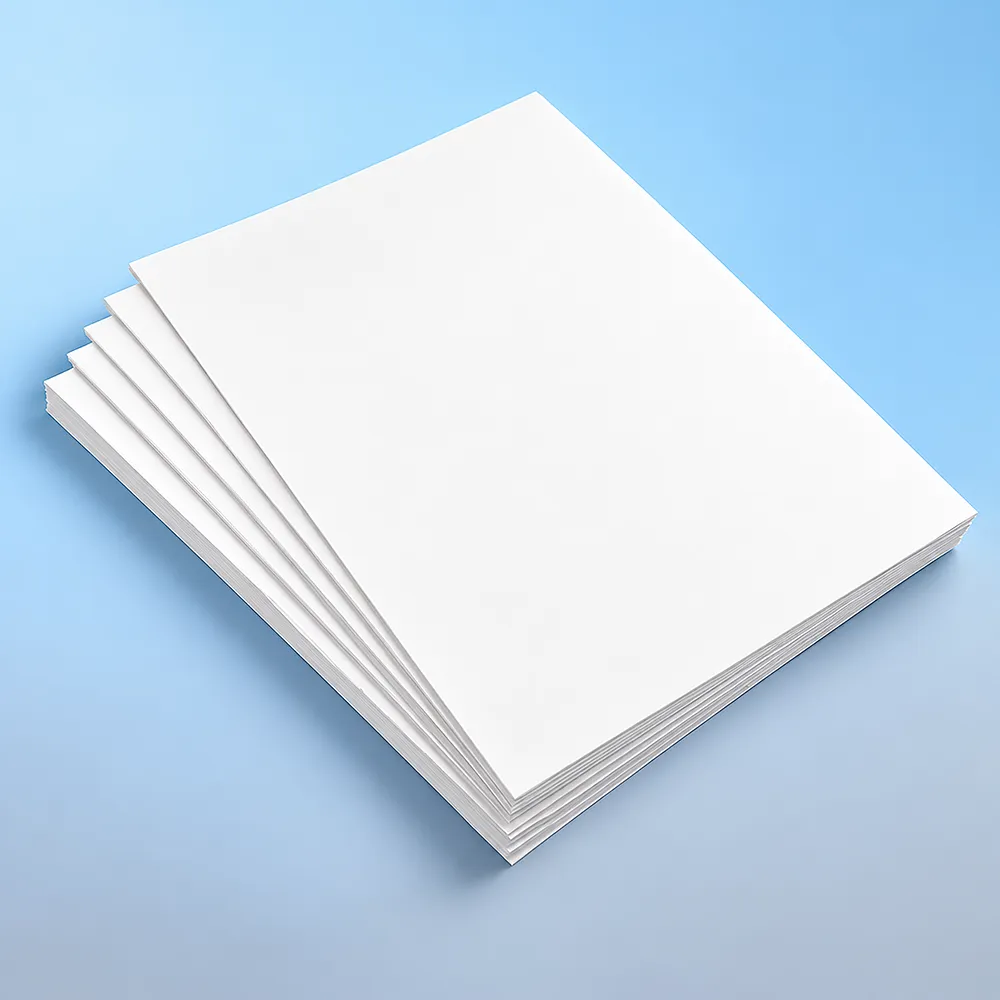
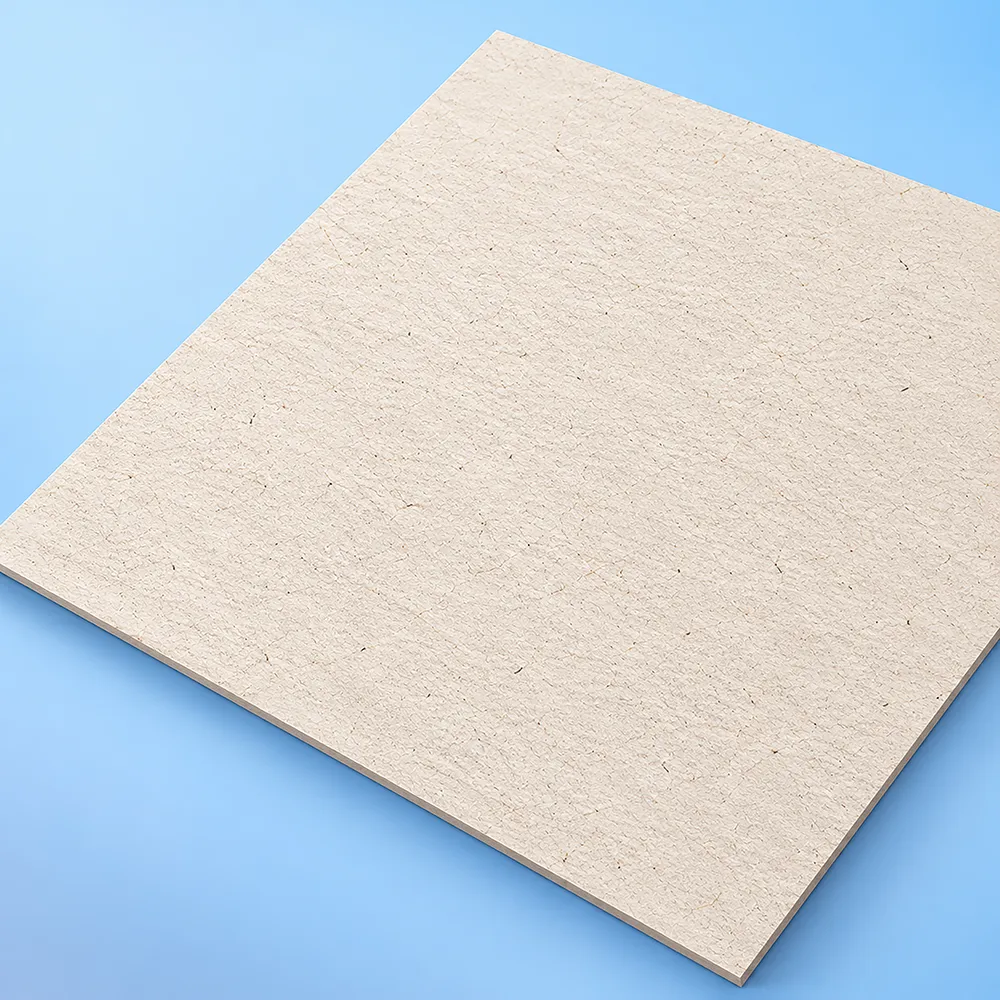
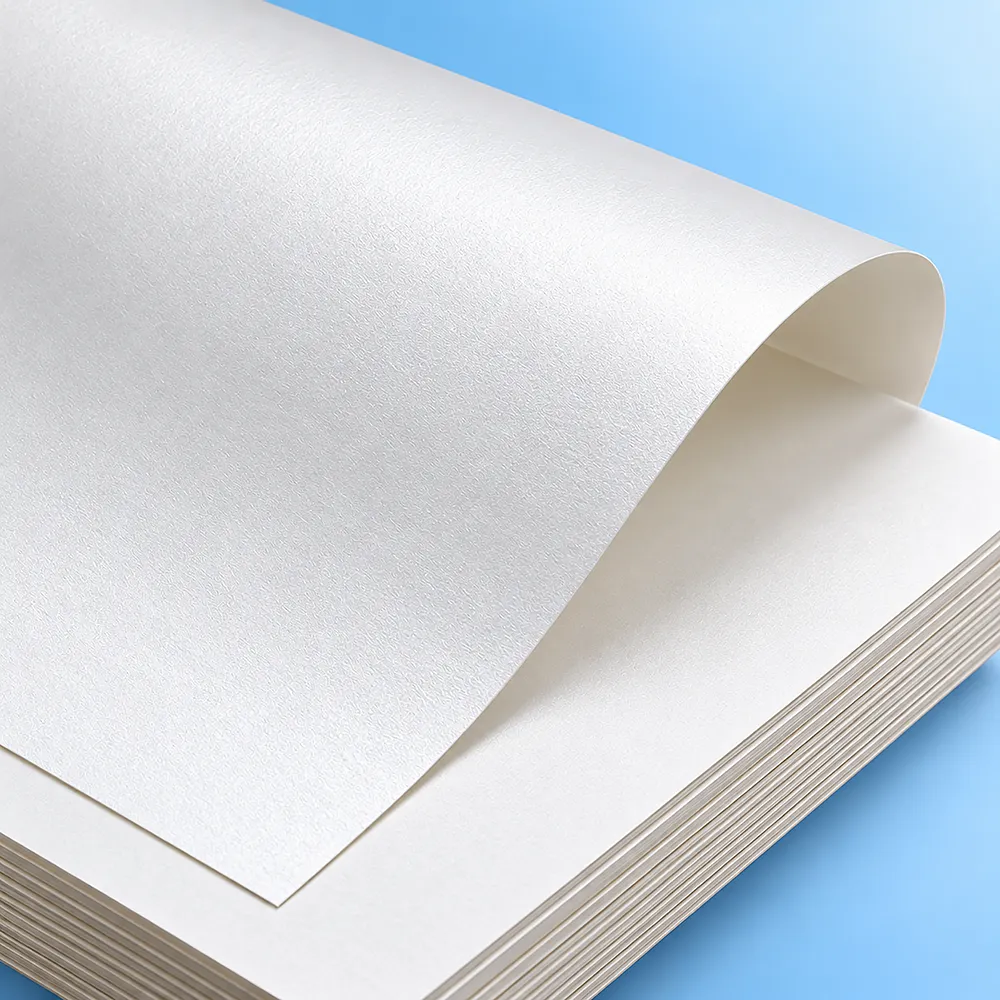
Cardboard

We use cardboard material with the least environmental impact and minimizes waste generation.

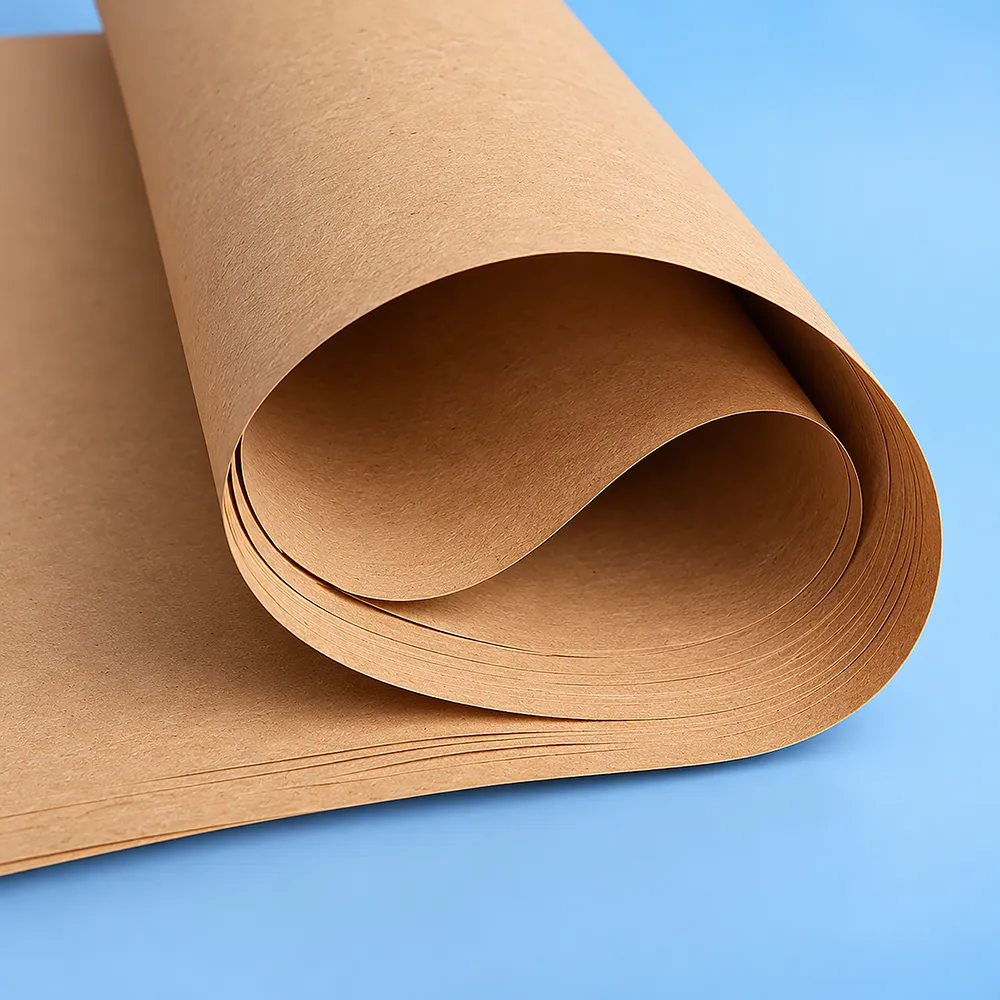
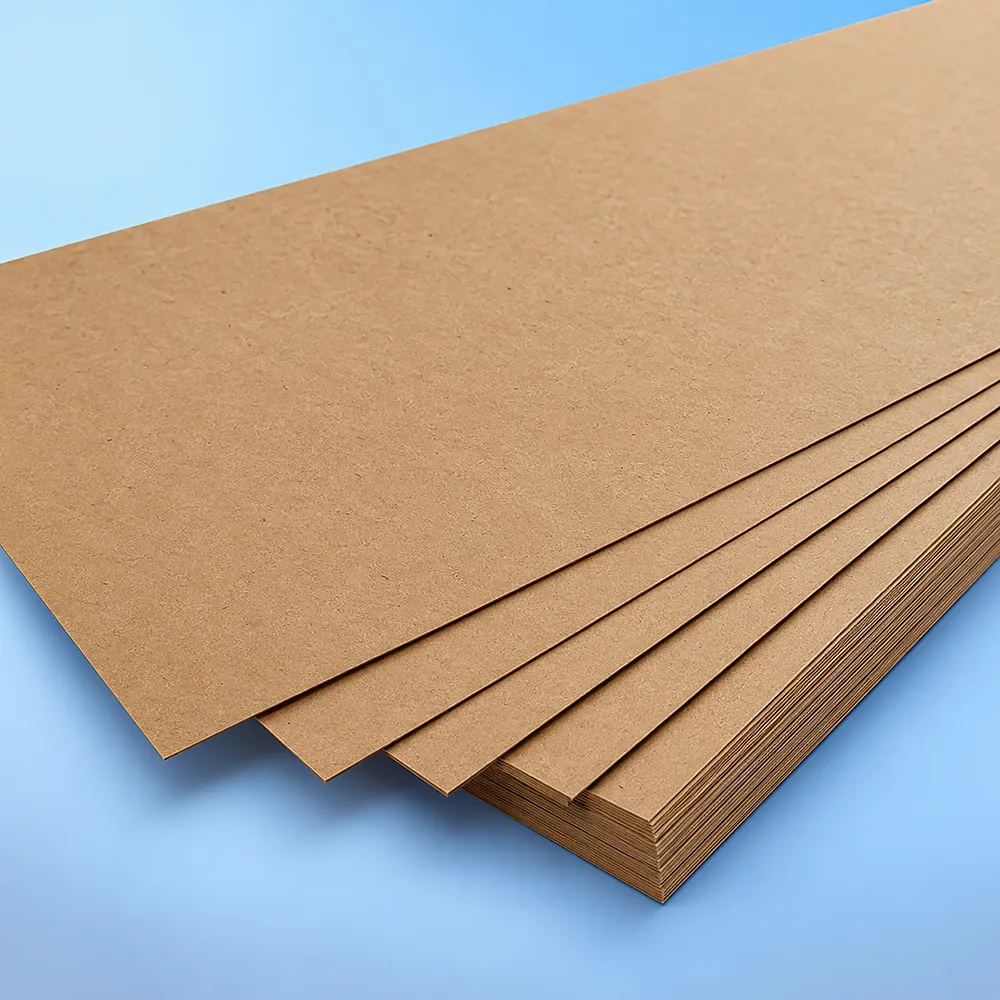
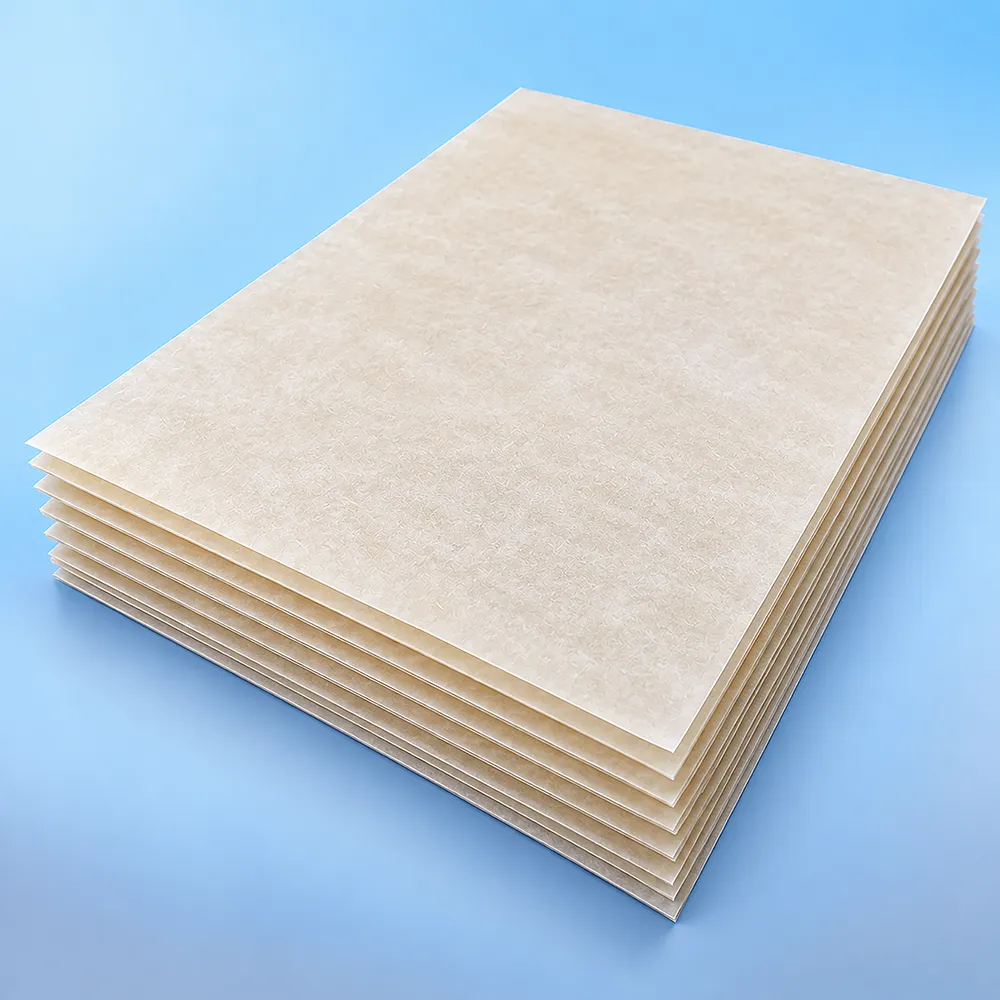
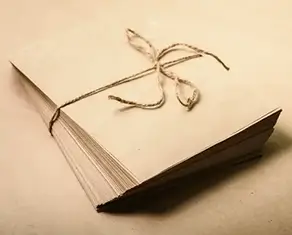
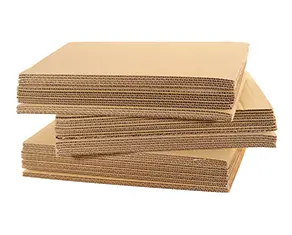
Kraft

Kraft paper is a strong, durable and reliable material that is widely used across many different industries.

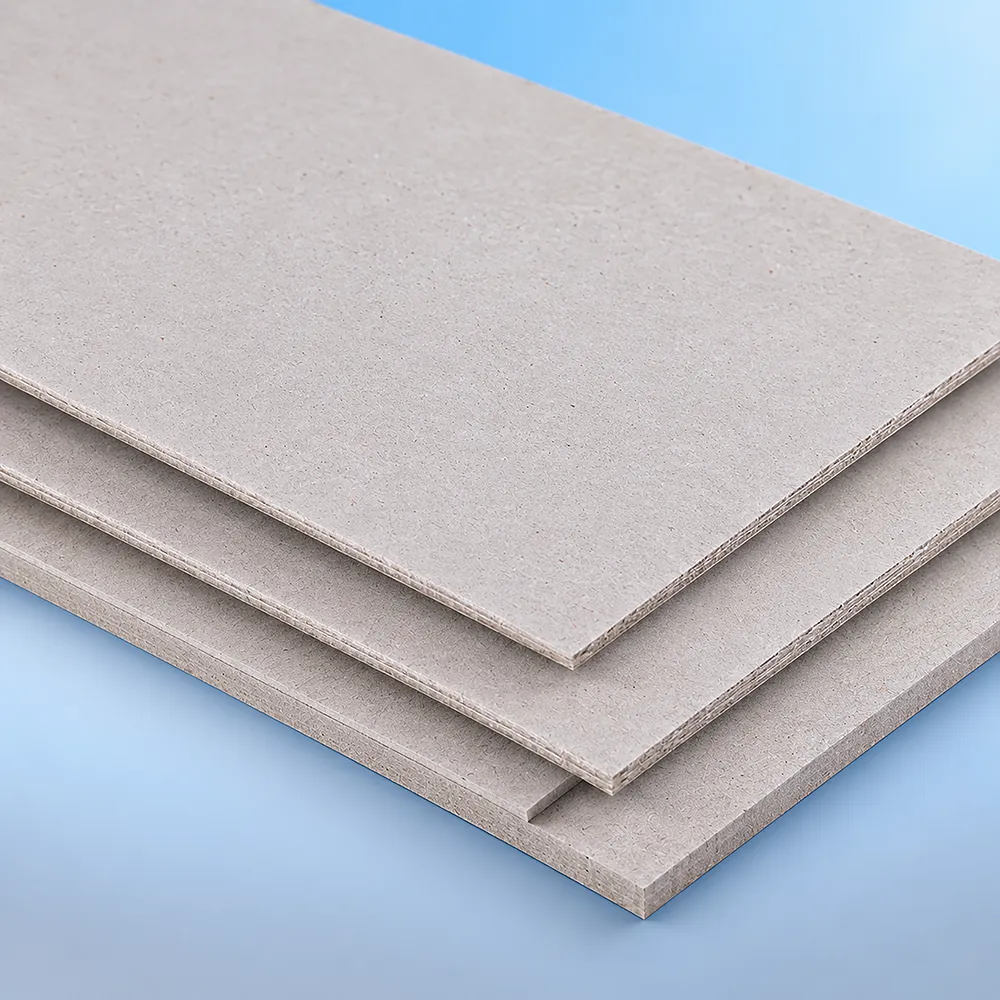
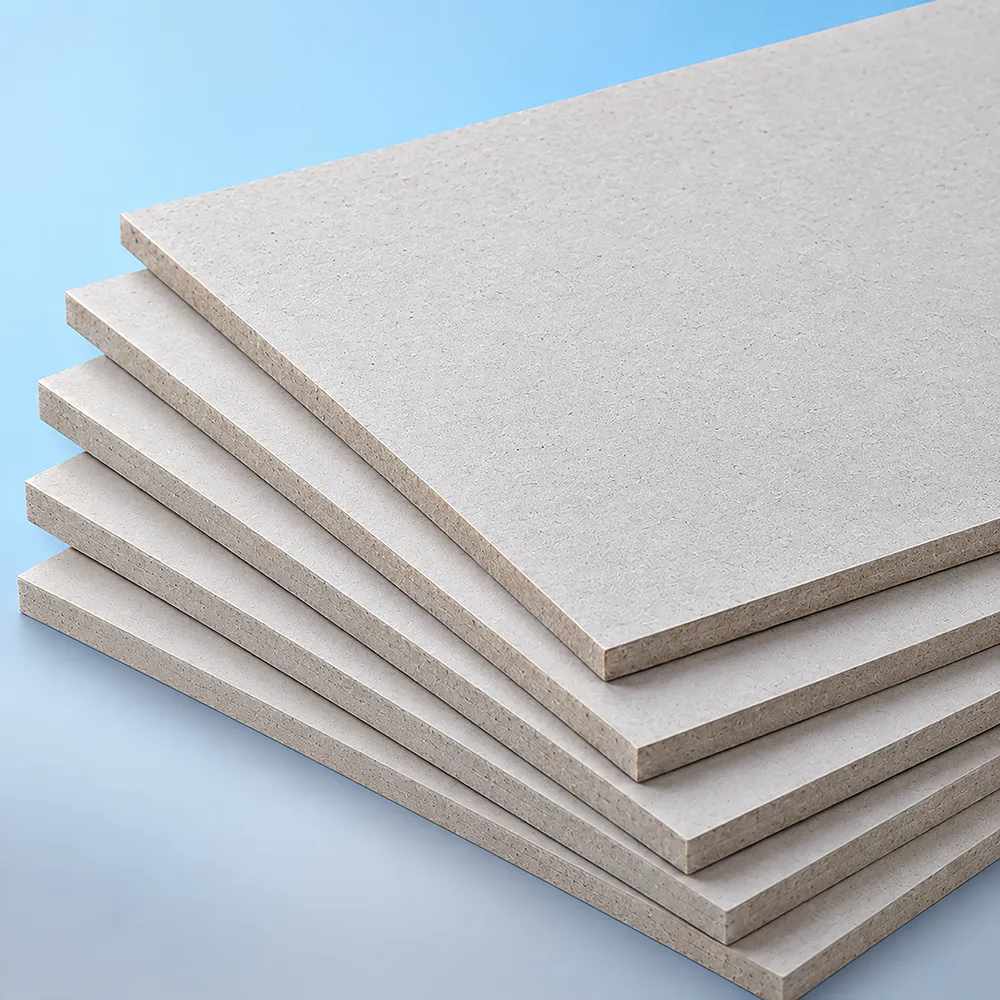
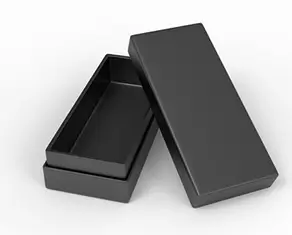
Rigid

Rigid is highly protective, affordable and recyclable material. These boxes provide maximum protection.

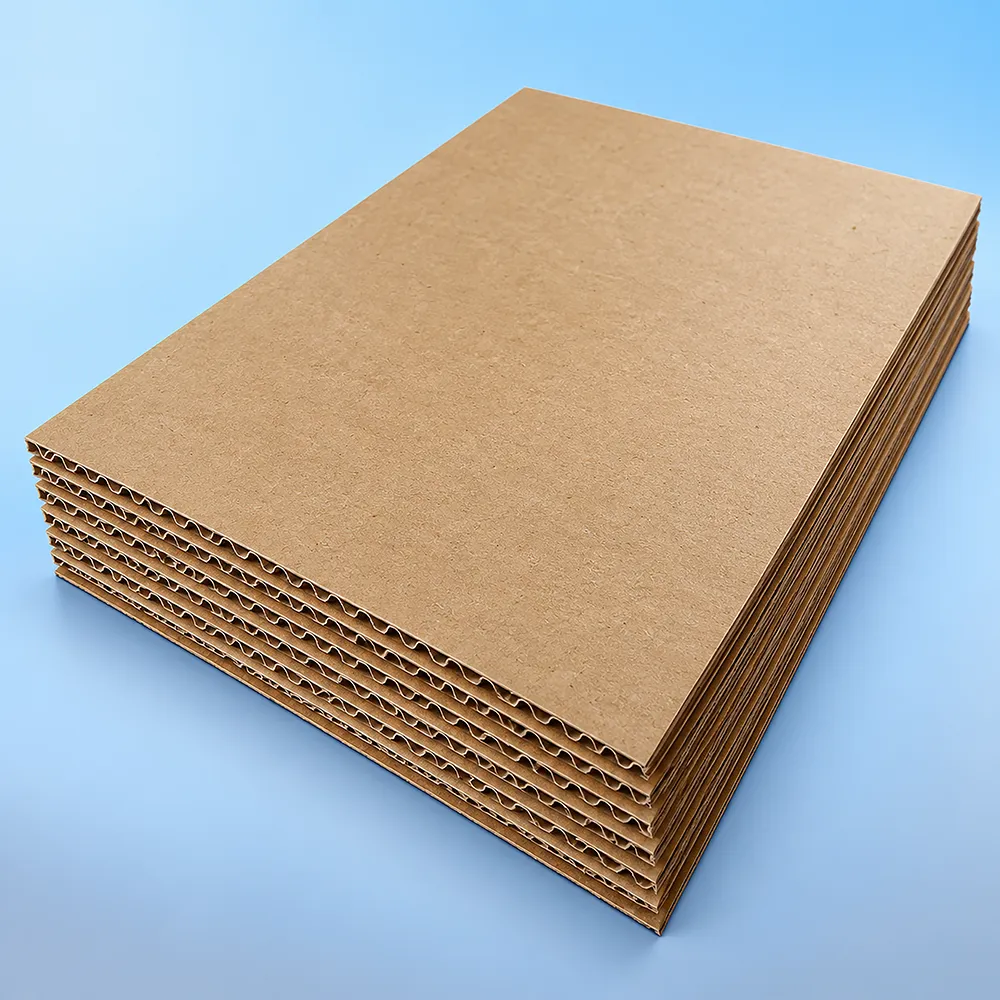
Corrugated

Corrugated material is easy to customize, cost effective and sustainable. It is also great for branding purposes.

Finishing Assortment

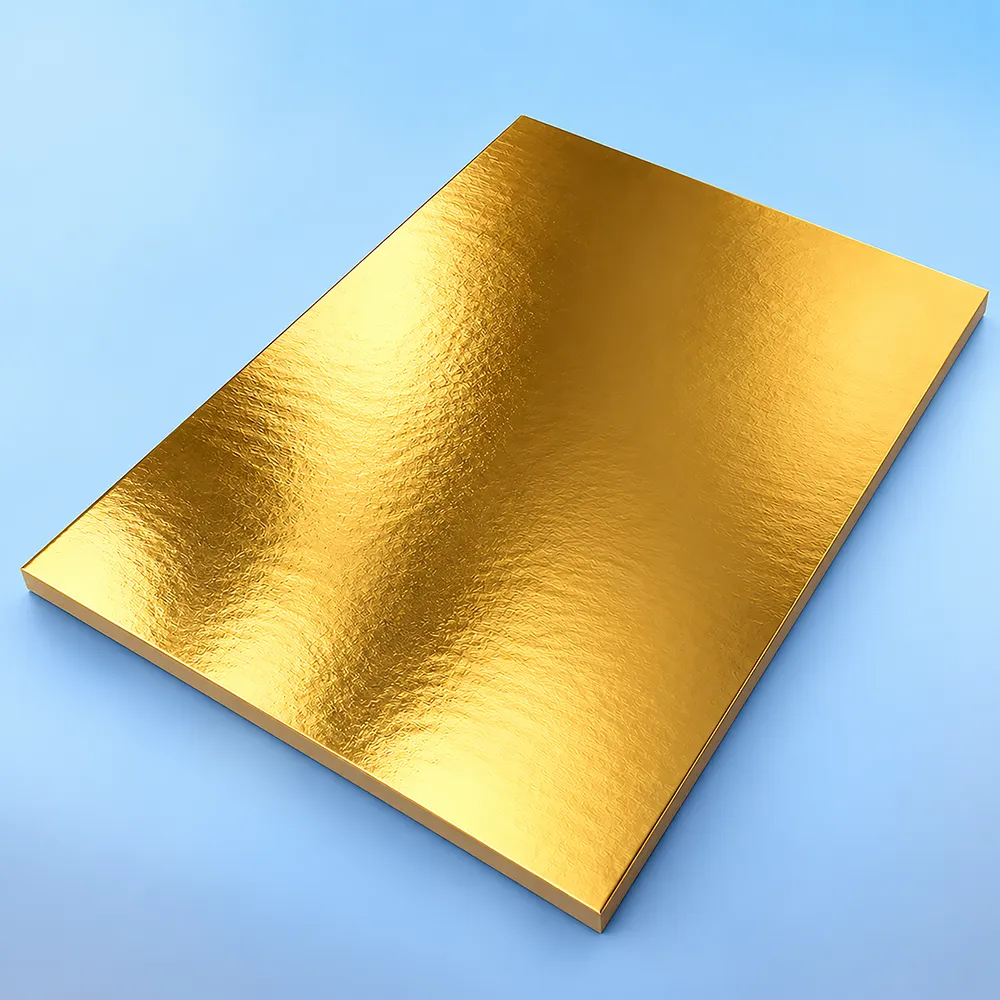
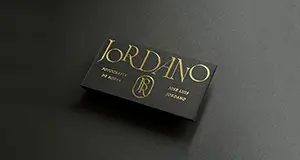
Foil Stamping

Foil Stamping

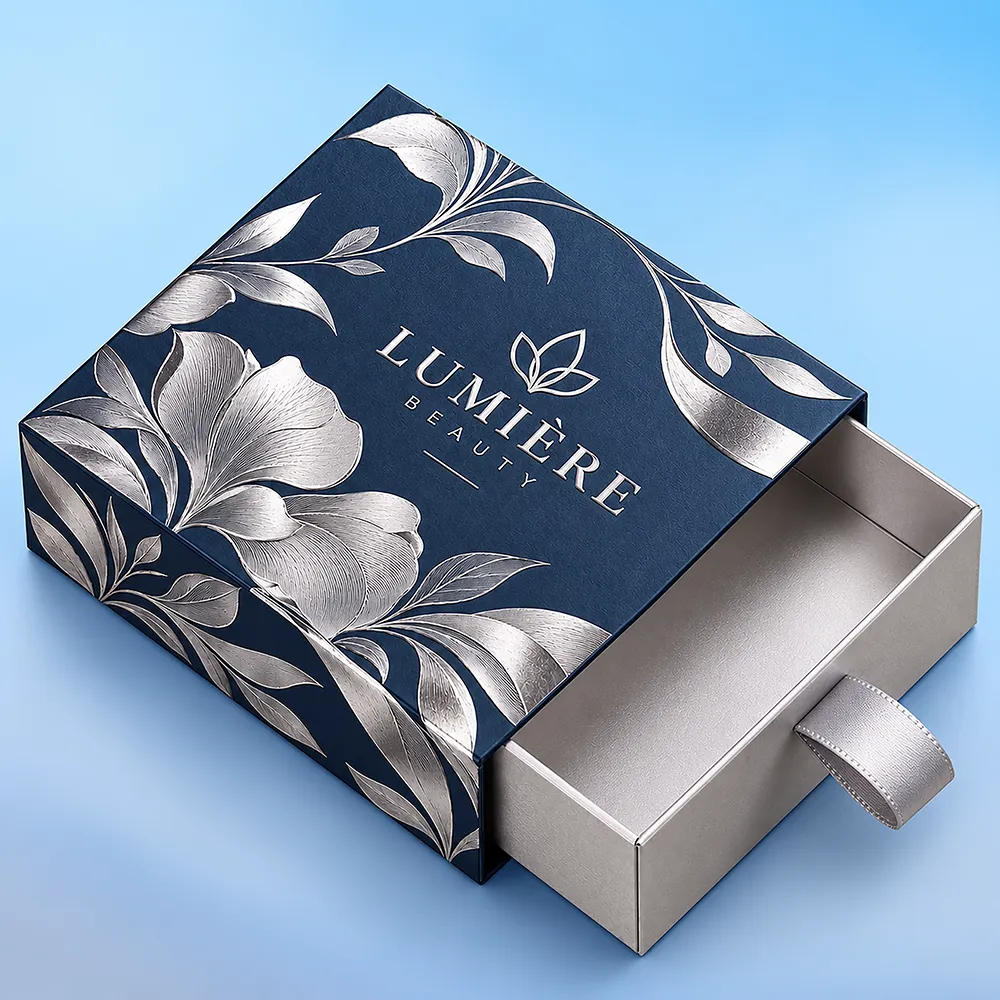
Enhance your packaging with premium foil stamping for a bold and luxurious appearance.

Spot UV

Spot UV

Our Spot UV coating adds a sleek shine and highlights key design elements beautifully.

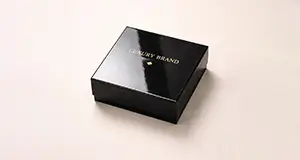
Gloss-Lamination

Gloss

Give your packaging a polished, glossy finish that enhances color and visual appeal.

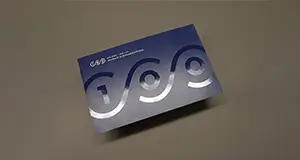
Holographic Foiling

Holographic Foiling

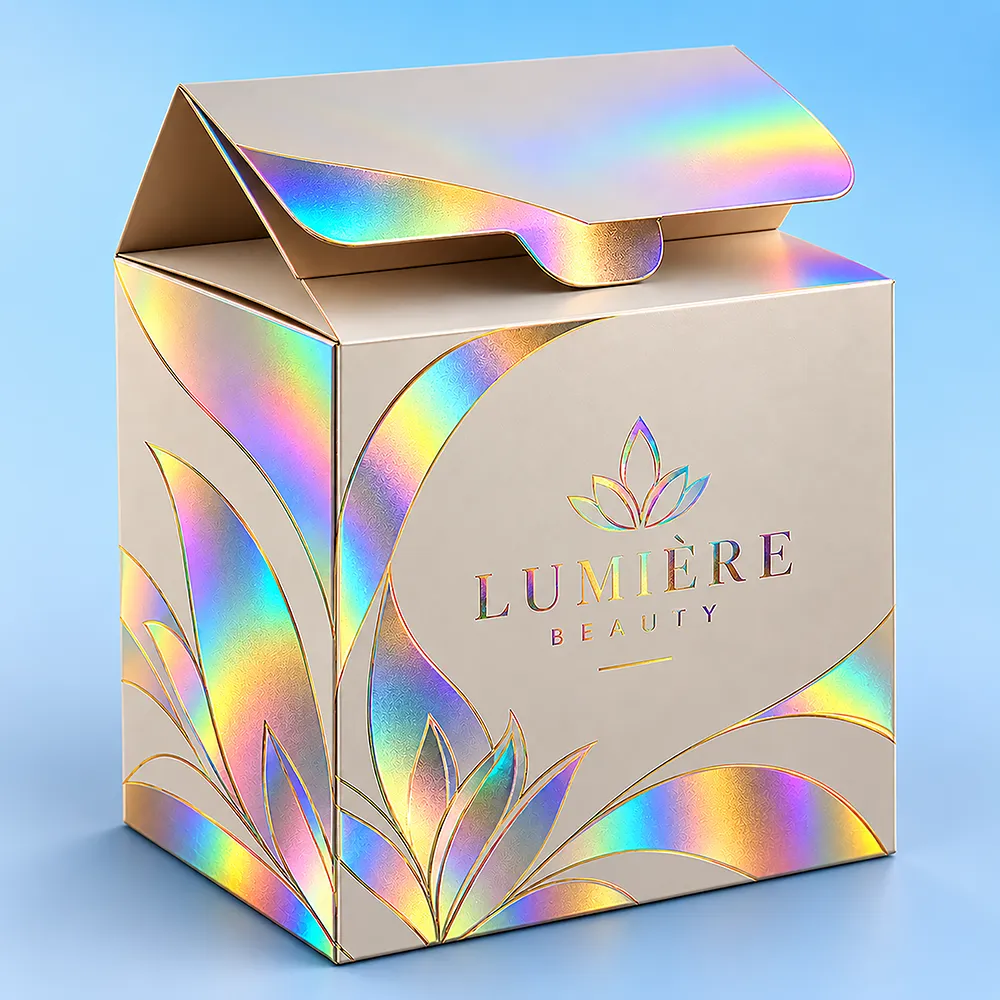
Create eye-catching packaging with holographic foil effects that shimmer from every angle.

Embossing

Embossing

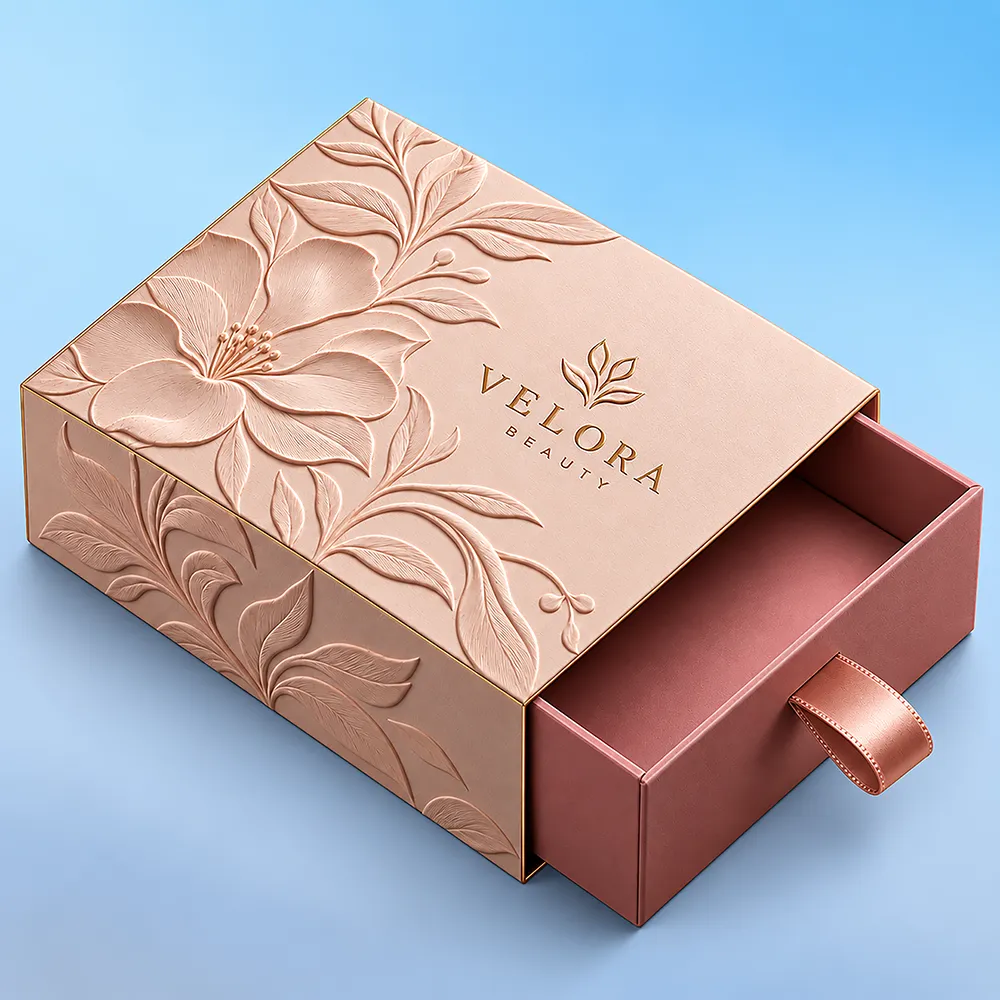
Add raised textures and elegant detailing to make your packaging stand out.

Debossing

Debossing

Create a refined pressed-in effect that adds depth and sophistication to your packaging.

Matte

Matte

Achieve a smooth matte finish that minimizes fingerprints and delivers a modern look.

Soft Touch Lamination

Soft Touch Lamination

Protect your packaging with a silky-soft laminated finish for a premium feel.

Custom Cream Boxes for Skincare Jars, Moisturizers, and Body Butter

Custom cream boxes are secondary packaging cartons created around the dimensions, weight, shape, closure, branding, and information requirements of a finished skincare container. They can be planned for face cream, moisturizer, night cream, body butter, balm, eye cream, wellness cream, and other jar- or tub-based skincare products. BoxBaba supports custom dimensions, folding-carton and premium packaging directions, paperboard and kraft-style materials, insert planning, full-color printing, brand-color requirements, product-information panels, and finishing options. The appropriate construction depends on the actual filled container rather than a standard cream-box size. Before requesting a quote, prepare the finished jar dimensions, filled weight, cap dimensions, preferred box style, quantity by SKU, artwork status, retail or ecommerce use, and any insert or finishing requirements.

Cream Box Specification Overview

Specification Available Direction
Primary use Secondary retail packaging for skincare jars, moisturizer tubs, cream containers, balms, body butter, and related personal-care products
Custom dimensions Planned around the finished container’s maximum width, depth, height, cap profile, filled weight, and required internal clearance
Container types Glass jars, plastic jars, airless jars, cosmetic tubs, small tubes, pumps, and other confirmed skincare containers
Box styles Straight tuck, reverse tuck, auto-lock or crash-bottom, sleeve-and-tray, two-piece, rigid setup, or project-specific structures
Material directions Folding paperboard, kraft-style board, reinforced paperboard, corrugated material, or rigid board depending on weight, structure, presentation, and sales channel
Internal support Paperboard partitions, die-cut platforms, corrugated supports, or other project-appropriate inserts may be available
Printing Full-color CMYK, spot or Pantone color requirements where supported, logo printing, product information, barcodes, and project-specific artwork
Surface finishes Matte, gloss, soft-touch, varnish, laminate, foil, embossing, debossing, spot UV, and other compatible finishes may be available
Window options Die-cut windows or clear-film window directions may be considered when compatible with the structure and product presentation
Artwork support Dieline, artwork-layout, panel-planning, and digital-proof support may be provided according to project requirements
Physical samples Availability, cost, production method, and lead time depend on the project and should be confirmed during quotation
Minimum quantity Project-specific and dependent on dimensions, structure, material, printing, finishes, inserts, and number of SKUs
Production planning Standard production usually takes 8-12 business days after final artwork approval; specialty structures, physical samples, inserts, and complex finishes may require additional time
Shipping Production and shipping are separate. Delivery timing and cost depend on quantity, destination, shipping method, packed dimensions, weight, and whether boxes are supplied flat or assembled

What Are Custom Cream Boxes?

Custom cream boxes are printed cartons or presentation boxes made to fit a particular skincare container. Unlike generic stock cartons, the box dimensions, material, closure, internal support, artwork, and finishes are selected for the finished product. The cream jar or tub remains the product’s primary container. The box acts as secondary packaging and may support:
  • Brand presentation
  • Retail shelf organization
  • Product identification
  • Ingredient and usage information
  • Barcode and batch information
  • Basic handling protection
  • Tamper-evident label or seal planning
  • Multi-SKU product differentiation
  • Gift, promotional, or launch presentation
A paperboard retail carton should not be treated as a complete shipping system for a fragile glass jar. Ecommerce orders may also require cushioning, partitions, a mailer, or a corrugated shipping carton.

Which Products Can Use Cream Packaging Boxes?

  • Face cream
  • Day and night moisturizer
  • Eye cream
  • Body butter
  • Hand cream
  • Foot cream
  • Facial balm
  • Skincare salve
  • Wellness cream
  • Herbal cream
  • Private-label skincare products
  • Travel-size and sample jars
  • Multi-product skincare sets
Products packaged in dropper bottles may be better suited to custom serum boxes, while bottled moisturizer products can be coordinated with custom lotion boxes. Buyers planning a broader product line can also review custom skincare packaging.

How to Measure a Cream Jar for Its Box

Measure the final production container after the cap, lid, label, seal, and any decorative components have been applied. Supplier drawings can be useful, but the physical container should be checked before the dieline is approved.

Measure the Maximum Width

Measure the widest part of the jar or tub. This may be the lid rather than the container body. For round jars, measure the maximum outside diameter. For square or rectangular jars, measure the widest outside points.

Measure the Maximum Depth

For a round jar, the width and depth are normally based on the same maximum diameter. For square, oval, or irregular containers, measure the complete depth separately.

Measure the Total Height

Measure from the lowest point of the base to the highest point of the closed cap. Include lid overhangs, raised logos, domed caps, pumps, spatula compartments, and decorative elements.

Record the Filled Weight

The empty container weight is not enough for structural planning. Record the complete filled weight, including the cream, jar, lid, seal, label, applicator, and any accessory packed inside the box.

Check the Cap Profile

A lid may be wider than the jar body, slightly tapered, domed, textured, or fitted with an overhanging edge. These details can affect both the internal dimensions and how easily the customer removes the container.

Confirm the Final Label

Labels, seals, shrink bands, and decorative wraps can slightly change the finished dimensions or surface friction. Where needed, coordinate the outer carton with custom cosmetic labels.

Internal Box Dimensions and Clearance

The internal box dimensions should allow the filled container to be packed and removed without excessive movement or pressure. The correct clearance depends on container shape, dimensional tolerances, filled weight, surface texture, label thickness, cap overhang, insert design, packing method, and whether the carton will be opened repeatedly. Too little clearance can make packing difficult, scrape labels, crush corners, or cause the jar to become stuck. Too much clearance can allow the product to move, rotate, or appear poorly fitted. Do not add one universal allowance to every project. Test the proposed internal fit using the production container and a physical blank or sample when fit is critical.

Glass Jars vs Plastic Cream Containers

Container type Main packaging considerations
Glass jar Higher filled weight, breakage risk, concentrated bottom load, cap overhang, and possible need for a stronger bottom or internal support
Plastic jar Lower weight in many applications, possible wall flexibility, scratching, label protection, and resistance to carton pressure
Airless jar Pump or dispensing mechanism, taller profile, cap clearance, orientation, and possible movement around the base
Cosmetic tub Wide footprint, lower height, lid diameter, stacking efficiency, and large top or side branding panels
Small sample jar Limited box size, small text, packing efficiency, insert requirements, and grouping several units into one set
Flexible tube Crimp clearance, cap orientation, tube compression, and whether a slimmer carton style would be more appropriate
The outer carton cannot correct a leaking or poorly sealed primary container. Closure integrity, filling, sealing, and leakage testing remain primary-container responsibilities.

Choosing the Right Cream Box Style

Straight Tuck-End Boxes

Straight tuck-end cartons place the top and bottom tuck flaps on the same side. They can provide a clean front and rear presentation and may suit lightweight to moderate-weight cream containers when the board and bottom design are appropriate.

Reverse Tuck-End Boxes

Reverse tuck-end cartons place the top and bottom closures on opposite sides. They can offer efficient sheet layout and are commonly considered for folding-carton projects. Suitability depends on the container weight, orientation, and packing process.

Auto-Lock or Crash-Bottom Boxes

An auto-lock or crash-bottom structure may be useful when the finished jar creates more concentrated bottom load or when faster assembly is important. The pre-glued bottom opens into position during assembly. The final structure still needs testing with the filled container.

Snap-Lock or 1-2-3 Bottom Boxes

A manually interlocking bottom can provide additional support compared with a basic tuck closure. It requires more assembly steps and should be evaluated for packing speed and user handling.

Sleeve-and-Tray Packaging

A sliding sleeve and inner tray can create a more deliberate presentation for premium skincare products, gift sets, launch kits, and multi-component packs.

Two-Piece Boxes

A separate lid and base can provide a gift-style presentation and broad artwork surfaces. Construction, material, internal support, assembly, and shipping volume affect cost.

Rigid Setup Boxes

Rigid boxes may suit premium cream jars, gift programs, PR kits, and luxury skincare launches. They normally cost more, use more shipping volume, and require different production and packing considerations than folding cartons.

Corrugated Packaging

Corrugated material may be used for heavier products, multi-unit packs, subscription programs, or ecommerce shipping. It should not be described as identical to a printed folding retail carton.

Box Style Selection Guide

Project need Possible direction Important check
Lightweight plastic jar for retail Straight or reverse tuck folding carton Board strength, fit, closure, and shelf presentation
Heavier glass cream jar Reinforced paperboard, auto-bottom, snap-lock bottom, or insert-supported structure Filled weight, drop risk, bottom load, and distribution method
Premium skincare launch Sleeve-and-tray, two-piece, or rigid setup box Budget, finish, shipping volume, insert, and unboxing sequence
Multiple jars in one set Rigid box, corrugated presentation pack, or folding carton with partition Combined weight, spacing, movement, and removal access
Ecommerce shipment Retail carton inside a protective mailer or corrugated shipping system Cushioning, leakage containment, movement, and carrier handling
Retail display program Individual cartons coordinated with a display tray or countertop unit Visible front panel, product count, footprint, and replenishment

Material Options for Cream Packaging

Folding Paperboard

Folding paperboard is suitable for many single-jar retail cartons. The correct grade and thickness should be selected after reviewing the filled weight, carton dimensions, box style, printing, finishes, and distribution conditions.

Kraft-Style Board

Kraft-style board can create a natural or uncoated presentation. Its base color affects printed colors, fine details, photographic artwork, and barcode contrast. Environmental claims should be based on the exact selected material and supporting documentation.

Reinforced Paperboard

Heavier or reinforced paperboard may be considered when a larger or heavier jar needs more panel stiffness. Increasing thickness alone does not replace correct structure, grain direction, closure design, or testing.

Corrugated Board

Corrugated board can add cushioning and stacking strength for heavier packs, multi-unit sets, and shipping applications. Flute type and board combination should be selected for the project rather than presented as a universal cosmetic-carton material.

Rigid Board

Rigid board supports premium presentation and can be wrapped with printed or specialty paper. It is normally supplied assembled and requires more storage and shipping volume than a flat folding carton. Exact material grade, caliper, board weight, recycled content, coating, and certification status should be confirmed before publication or production.

When Does a Cream Box Need an Insert?

An insert may be useful when the cream container is made from glass, has a heavy filled weight, is smaller than the outer presentation box, needs to remain centered, includes an applicator, is packed with another item, must face a specific direction, has a rounded base, or will be used in a gift, PR, or subscription set.

Paperboard Inserts

Die-cut paperboard inserts can support lighter containers, organize components, and provide a coordinated printed appearance.

Corrugated Inserts

Corrugated supports may be appropriate for heavier jars, ecommerce sets, or situations requiring more cushioning and edge strength.

Folded Platforms and Neck Supports

A raised platform or folded support can position the jar within a taller presentation box. The design should allow removal without pulling excessively on the cap or label.

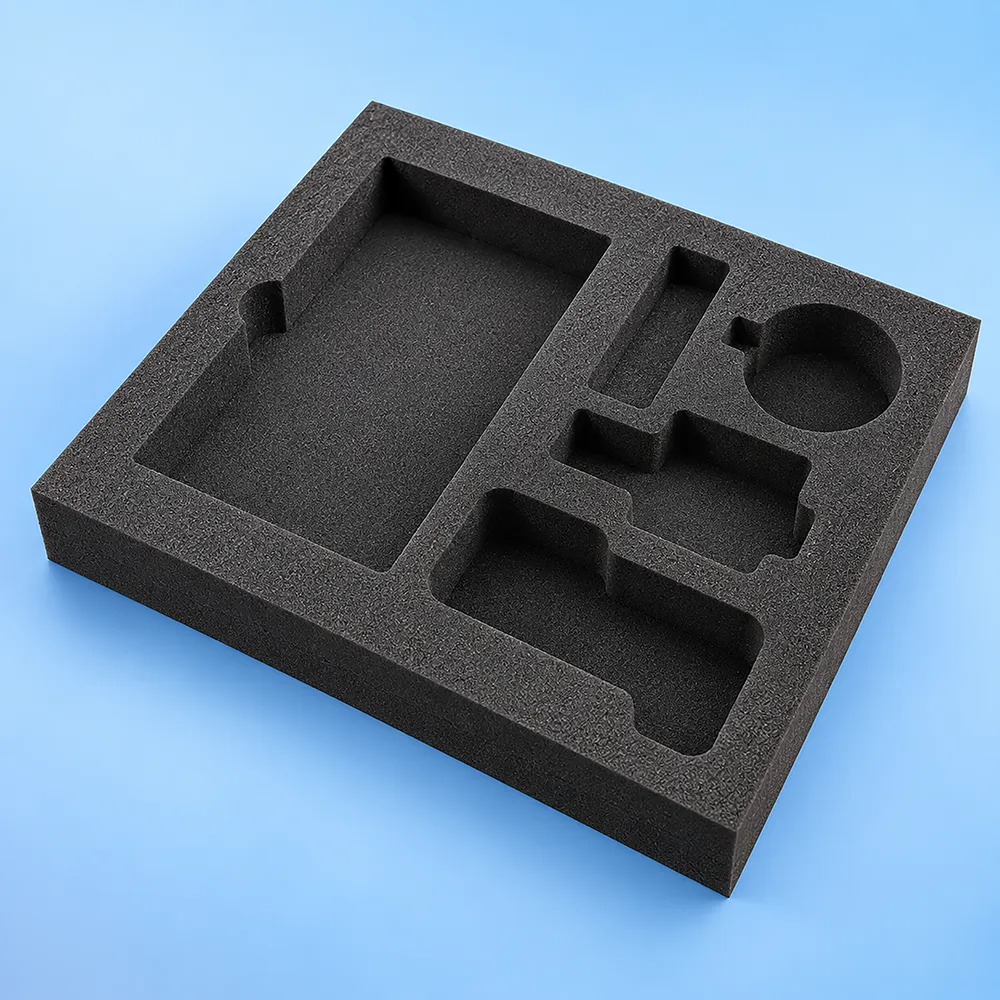
Foam and Specialty Inserts

Foam or other specialty inserts may be available for premium packaging, but compatibility, sustainability goals, appearance, cost, and supply should be confirmed before quotation. An insert can reduce movement, but it does not automatically make the package suitable for every shipping environment. Test the complete pack when breakage or damage risk is significant.

Printing and Brand-Color Options

Full-Color CMYK Printing

CMYK printing can reproduce photographs, gradients, illustrations, ingredient graphics, botanical imagery, and full-color brand artwork.

Spot and Pantone Color Requirements

Spot or Pantone references may be used when tighter brand-color control is required and the selected process supports them. The result can vary by board color, coating, laminate, ink coverage, and lighting.

Interior Printing

Interior printing may be considered for opening messages, instructions, brand stories, color accents, or premium unboxing details.

White Ink and Specialty Materials

White ink may be needed on metallic, transparent, holographic, or dark specialty materials to create opacity or preserve selected colors.

Finishing Options for Cream Boxes

Matte Lamination

Matte lamination creates a lower-glare appearance and can provide surface protection. Dark solid areas may still show fingerprints, rubbing, or scuffing.

Gloss Lamination

Gloss lamination adds shine and can make color and photographic artwork appear more vivid.

Soft-Touch Finish

A soft-touch surface may create a smoother premium feel. Evaluate oil exposure, fingerprints, scuffing, cost, and compatibility with foil or spot effects.

Foil Stamping

Foil can highlight logos, borders, product names, or selected details. Fine artwork, fold lines, registration, and scuffing should be reviewed during proofing.

Embossing and Debossing

Embossing raises selected artwork, while debossing presses it into the surface. Both require suitable artwork, board, location, and clearance from folds and cut edges.

Spot UV

Spot UV can create contrast between selected glossy areas and a matte or uncoated background.

Window Cutouts

A window can reveal the jar or product color, but it reduces printable area and may affect panel strength. Confirm whether the opening needs a clear film and whether the container remains correctly positioned.

Retail Packaging vs Ecommerce Shipping

Use environment Packaging priorities
Retail shelf Front-panel visibility, readable information, barcode placement, shelf dimensions, color consistency, and resistance to routine handling
Direct-to-consumer ecommerce Retail carton protection, cushioning, movement control, leak management, shipping carton strength, and unboxing presentation
Marketplace fulfillment Fulfillment-center rules, barcode placement, unit protection, bundle requirements, and shipping-label separation
Subscription box Multiple-product organization, weight distribution, product separation, insert cards, and repeated monthly packing
PR or influencer kit Premium presentation, product orientation, inserts, storytelling, photography, and shipping protection
Wholesale case packing Units per case, orientation, partitioning, stacking, case dimensions, and warehouse handling
Brands planning point-of-sale presentation can coordinate individual cream cartons with custom cosmetic display boxes.

Leakage, Oil Residue, and Surface Protection

Creams, balms, and body butter can leave oily or moist residue if the primary container is not properly filled, sealed, or cleaned. This residue may stain uncoated board, weaken adhesive seams, mark inserts, or affect the printed finish.
  • Confirm the jar and lid seal correctly
  • Clean filling residue from the container exterior
  • Check whether the product requires a liner, seal, or shrink band
  • Test the label and carton finish against realistic handling
  • Consider an insert or barrier when leakage risk exists
  • Do not rely on the outer carton to contain a significant leak
  • Test ecommerce packs using the filled production container
Terms such as oil-resistant, moisture-resistant, waterproof, and leakproof should only be used when the exact construction has been evaluated for the intended conditions.

Artwork and Product-Information Panels

  • Brand name and logo
  • Product identity
  • Net quantity
  • Ingredients
  • Directions for use
  • Warnings and precautions
  • Business or distributor information
  • Batch, lot, or date fields
  • Barcode
  • QR code
  • Shade, scent, or formula name
  • Country-of-origin information where applicable
  • Storage instructions
  • Recycling or disposal information when supported
Important text should remain inside the artwork safe area and away from cut lines, folds, glue flaps, locks, windows, and other structural features.

Cosmetic Labeling and Compliance Space

BoxBaba can help organize available carton panels and prepare a dieline that gives the designer space for product information. The buyer’s legal, regulatory, or compliance team remains responsible for confirming the final wording, claims, prominence, type size, language, ingredient declaration, warnings, and placement requirements. Some cream products can also be regulated as over-the-counter drugs depending on intended use and claims. Sunscreen or treatment creams may require different panel planning from a standard cosmetic moisturizer. Do not use wording such as “FDA approved packaging” without a specific, legally accurate basis.

Artwork File Preparation

  • The approved dieline
  • Bleed beyond cut edges
  • Safe margins for important content
  • Outlined or supplied fonts
  • High-resolution linked or embedded images
  • CMYK or approved spot-color references
  • Separate layers for foil, embossing, debossing, white ink, spot UV, or window cutouts
  • Correct barcode artwork
  • Clear SKU and revision naming
  • Notes identifying variable information
Do not place important text on glue flaps, directly across folds, too close to a window edge, or inside areas hidden by an insert.

Digital Proofs, Blank Samples, and Printed Samples

Digital Artwork Proof

A digital proof can confirm layout, dieline position, bleed, safe areas, spelling, panel order, colors specified in the file, barcode placement, and finishing layers. It does not reproduce exact board texture, physical strength, finish, metallic effect, or final printed color.

Unprinted Structural Sample

A plain sample can help evaluate internal dimensions, assembly, closure, container clearance, insert fit, and removal access before full production.

Printed Physical Sample

A printed sample can provide more information about material, print, color direction, finish, structure, and unboxing. Sample price, production method, quantity, shipping, and lead time depend on the project. For a heavy glass jar, unusual lid, complex insert, or premium rigid box, a physical fit test may be more valuable than relying only on a digital mockup.

Flat-Packed vs Assembled Cream Boxes

Flat-Packed Folding Cartons

Many folding cartons can be supplied flat to reduce shipping and storage volume. Confirm assembly steps, required labor, whether the bottom is pre-glued, packing-line speed, insert assembly, storage space, and unit orientation.

Assembled Rigid Boxes

Rigid setup boxes are generally supplied assembled. They occupy more shipping and warehouse space but require less structural assembly during product packing.

Sleeves, Trays, and Inserts

Some components may arrive flat while others arrive assembled. The quotation should clearly state how every component is supplied.

Multi-SKU Cream Packaging

Multi-SKU element Planning direction
Shared structure Use one dieline only when the finished container dimensions and weight are genuinely the same
Color coding Differentiate formula, scent, skin type, or product range using controlled color changes
Variable information Manage product names, ingredients, barcodes, net quantity, directions, and batch fields carefully
Artwork naming Use SKU, size, language, version, and approval date in the filename
Quantity allocation State the required quantity for each SKU rather than only the total project quantity
Reorder control Reference the approved dieline, material, finish, colors, insert, and artwork revision
Do not assume all SKU quantities can be combined into one production minimum. Structure, artwork changes, printing method, finish, and quantity per design can affect pricing.

Common Cream Packaging Problems

Problem Possible cause Planning response
Jar rattles inside the box Too much clearance, no insert, or inconsistent container dimensions Review internal dimensions and add project-appropriate support
Jar is difficult to remove Insufficient clearance, lid overhang, high-friction finish, or tight insert Test the finished container in a physical sample and improve removal access
Bottom opens under weight Closure not suited to the filled weight or incorrect assembly Review board, bottom style, glue, packing method, and full-pack testing
Carton corners crush Board too light, excessive empty space, shipping pressure, or weak case packing Review material, structure, case packing, and distribution conditions
Printed surface scuffs Rubbing, dark solid colors, unsuitable finish, tight case packing, or ecommerce handling Review laminate or varnish and test realistic distribution conditions
Oil stains the board Primary-container leakage or filling residue Correct the primary seal, clean containers, and review surface or insert requirements
Barcode does not scan Low contrast, small size, fold placement, finish glare, or poor print resolution Improve contrast and placement, then test the printed barcode
Text is unreadable Too much information, small type, low contrast, or poor panel planning Improve information hierarchy and confirm applicable labeling requirements
Insert bends or tears Slot too tight, material too light, or filled weight underestimated Recalculate the insert around the actual container and weight

What Affects the Price of Custom Cream Boxes?

Pricing factor Why it matters
Box dimensions Larger cartons use more board and affect sheet layout, packing, and shipping volume
Structure Tuck cartons, auto-bottom boxes, sleeves, rigid boxes, and custom structures have different setup and assembly requirements
Material Paperboard grade, kraft-style board, corrugated combinations, and rigid board have different costs
Filled product weight Heavier jars may require stronger board, bottom closures, inserts, or shipping protection
Quantity Production setup is distributed across the number of boxes ordered
Number of SKUs Artwork changes can require separate proofing, print setup, plates, or production handling
Printing Color coverage, interior printing, spot colors, white ink, and specialty processes affect production
Finishes Lamination, foil, embossing, debossing, spot UV, and specialty effects add processes and setup
Insert Insert material, cutting, assembly, printing, and fit testing add components
Window Die cutting and clear-film application can add materials and production steps
Proof or sample Physical prototypes require separate material, setup, labor, and shipping
Supply format Flat versus assembled boxes affect packing volume, labor, and freight
Delivery Destination, shipping speed, packed dimensions, weight, and split shipments affect cost

Sustainability Considerations

Sustainability decisions should be made using the exact material, coating, adhesive, insert, window, finish, box structure, and local recovery system.
  • Is the box made from paperboard, corrugated board, or rigid board?
  • Does the selected board contain verified recycled content?
  • Is a chain-of-custody certification required?
  • Can the box be supplied without plastic lamination?
  • Is the window film necessary?
  • Can a paperboard insert replace a mixed-material insert?
  • Does foil, laminate, adhesive, or magnetic hardware affect recycling?
  • Can the structure be reduced without compromising product fit?
  • Will boxes ship flat or assembled?
  • Are printed environmental claims supported by documentation?
Do not describe every kraft, paperboard, corrugated, or rigid box as recyclable, biodegradable, compostable, plastic-free, FSC-certified, or eco-friendly without confirming the complete selected construction.

How to Order Custom Cream Boxes

  1. Identify the skincare product: Explain whether the box is for face cream, moisturizer, eye cream, body butter, balm, or another product.
  2. Provide the finished container: Share maximum width, depth, height, lid dimensions, filled weight, material, and photographs.
  3. Explain the sales channel: Confirm retail, ecommerce, marketplace fulfillment, wholesale, subscription, gift, or PR use.
  4. Select a box-style direction: Choose a tuck carton, reinforced bottom, sleeve-and-tray, two-piece, rigid, or other structure.
  5. Confirm internal support: State whether the jar needs an insert, platform, partition, or accessory compartment.
  6. Select a material direction: Choose paperboard, kraft-style board, corrugated, rigid board, or request guidance.
  7. Choose printing: Provide artwork, brand colors, interior-printing needs, and product-information requirements.
  8. Select finishes: Confirm laminate, varnish, foil, embossing, debossing, spot UV, window, or other enhancements.
  9. Provide quantities: List the required quantity for every SKU and size.
  10. Confirm artwork status: Upload print-ready files or request a dieline and artwork guidance.
  11. Review the quotation: Check dimensions, structure, material, insert, printing, finishes, proofing, production, supply format, and delivery.
  12. Approve the dieline and proof: Review spelling, panels, dimensions, barcode, cut lines, folds, finishes, and revision details.
  13. Test the physical fit when needed: Use the final filled container for heavy, fragile, premium, or complex packaging.

Why Choose BoxBaba for Cream Packaging Projects?

  • Custom dimensions based on the finished cream jar or skincare container
  • Structure planning for lightweight plastic tubs and heavier glass jars
  • Folding-carton, reinforced-bottom, sleeve, two-piece, corrugated, and rigid-box directions
  • Paperboard, kraft-style, corrugated, and premium material planning
  • Insert and internal-support options where suitable
  • CMYK, spot-color, interior-printing, and product-information panel planning
  • Matte, gloss, soft-touch, foil, embossing, debossing, spot UV, and window directions where compatible
  • Dieline, artwork-layout, and digital-proof support
  • Multi-SKU, barcode, batch-field, and regulatory-panel planning
  • Retail, ecommerce, gift-set, and wholesale-packaging guidance
  • Project-specific quotation based on the complete specification

Request a Custom Cream Box Quote

Share your finished jar dimensions, filled weight, container material, lid dimensions, preferred structure, insert requirement, material direction, printing, finishes, quantity by SKU, artwork status, shipping ZIP code, and required delivery date. These details help BoxBaba review the internal fit, bottom structure, material, artwork panels, and production requirements before preparing a project-specific quotation. Email sales@boxbaba.com or call +1 305 574 4357 to discuss your cream-packaging project.

Frequently Asked Questions

Find all the urgent questions you may have.

Custom cream boxes are secondary packaging cartons created around a specific skincare jar, moisturizer tub, balm container, or cream product. Their dimensions, box structure, material, printing, finishes, and internal support can be customized according to the finished container and project requirements.
Cream boxes can be planned for face cream, moisturizer, night cream, eye cream, body butter, hand cream, foot cream, balms, skincare treatments, wellness creams, private-label beauty products, and sample-size jars. The final structure should be selected according to the container dimensions, filled weight, material, and sales channel.
Measure the final production container after the lid, label, seal, and decorative components have been applied. Record the maximum width, depth, total height, cap dimensions, container material, and complete filled weight. For round jars, use the widest outside diameter rather than the jar-body diameter alone.
The correct clearance depends on the container shape, manufacturing tolerances, cap overhang, label thickness, filled weight, insert design, and packing method. The box should allow the jar to be inserted and removed without scraping or excessive pressure while limiting unnecessary movement. A physical fit test is recommended when dimensions are critical.
A heavy glass jar may require reinforced paperboard, an auto-lock or snap-lock bottom, a supportive insert, corrugated material, or another weight-appropriate structure. The correct direction depends on the filled weight, carton dimensions, distribution method, packing process, and required presentation.
An insert may be useful when the jar is heavy, fragile, smaller than the outer box, part of a multi-product set, or required to remain centered and correctly oriented. Paperboard, corrugated, folded-platform, and other project-appropriate supports may be considered after reviewing the finished container.
Possible material directions include folding paperboard, kraft-style board, reinforced paperboard, corrugated material, and rigid board. Availability and suitability depend on the container weight, box dimensions, structure, printing, finishes, presentation requirements, and distribution conditions.
Options may include full-color CMYK printing, spot or Pantone color requirements, interior printing, matte or gloss protection, soft-touch finishes, foil stamping, embossing, debossing, spot UV, and window cutouts. Availability depends on the selected material, box style, artwork, quantity, and production requirements.
Yes. The artwork can allocate panels for product identity, net quantity, ingredients, directions, warnings, business information, barcodes, QR codes, batch fields, and other required content. The buyer’s legal or regulatory team remains responsible for confirming the final wording, claims, type size, placement, and market-specific requirements.
A printed retail cream box can support branding and basic handling protection, but it may not provide sufficient protection for parcel shipping on its own. Ecommerce orders may also require cushioning, dividers, a protective mailer, or a corrugated shipping carton based on the container material, filled weight, leakage risk, and carrier handling.
Many folding cartons can be supplied flat to reduce storage and shipping volume, while rigid setup boxes are generally supplied assembled. Sleeves, trays, inserts, and specialty structures may use a combination of flat and assembled components. The quotation should state how each component will be delivered.
The minimum order quantity is project-specific and depends on the box dimensions, structure, material, printing method, finishes, inserts, physical samples, and number of SKUs. Provide the required quantity for each design so the correct production direction can be reviewed.
A digital artwork proof and dieline review can be provided before production. Unprinted structural samples or printed physical samples may also be available depending on the project. Sample type, price, production method, shipping, and lead time should be confirmed during quotation.
Standard production usually takes 8-12 business days after final artwork approval. Specialty structures, physical samples, rigid boxes, inserts, multiple SKUs, and complex finishing requirements may require additional time. Shipping time is separate from production time.
Recyclability and environmental performance depend on the exact board, recycled content, coating, laminate, adhesive, window film, insert, foil, magnetic hardware, and local recovery system. Claims such as recyclable, biodegradable, compostable, plastic-free, or certified should only be published when supported by the selected construction and relevant documentation.

Get a Custom Quote