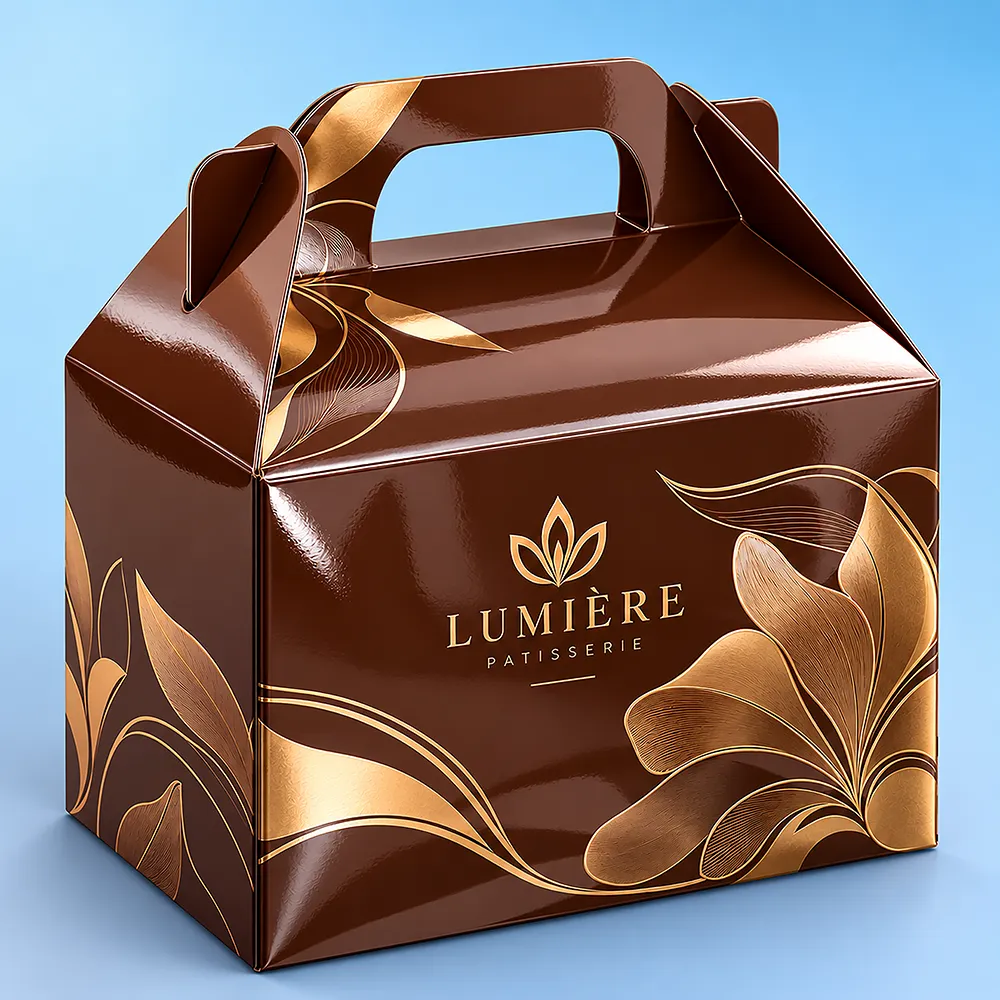
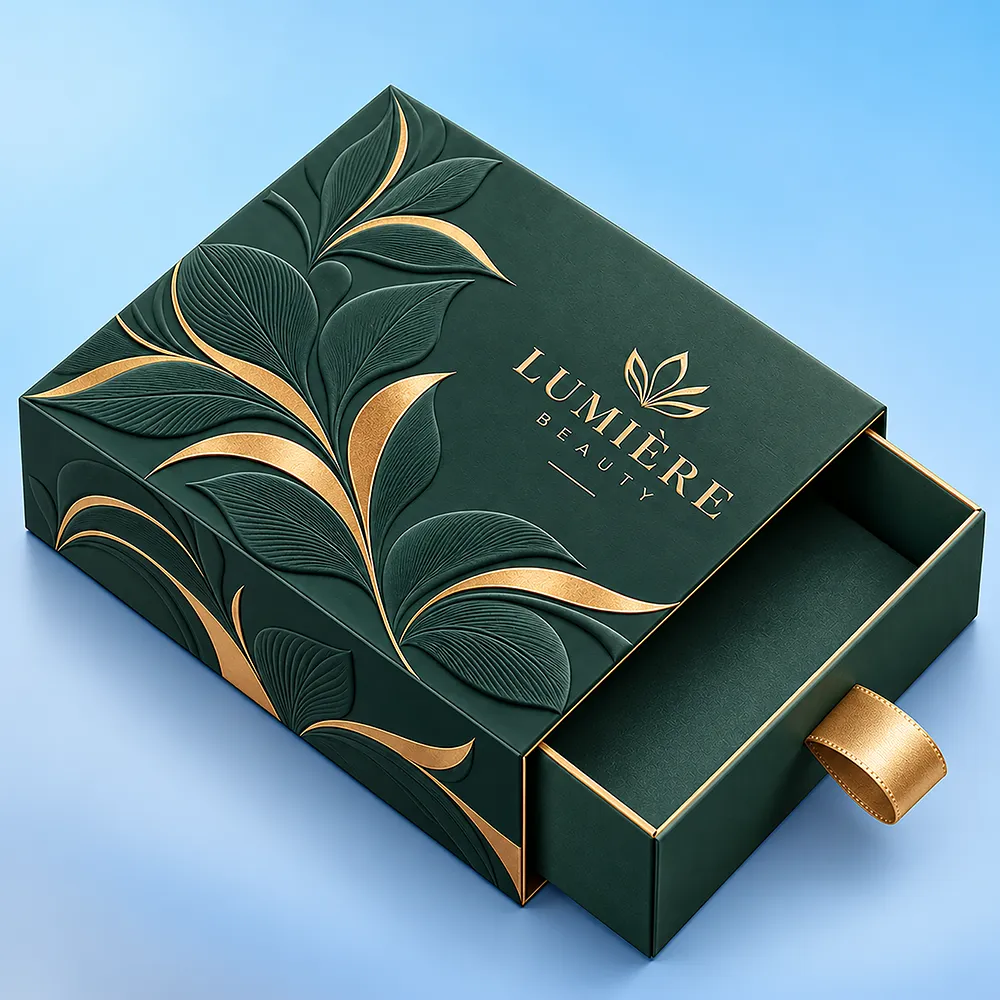
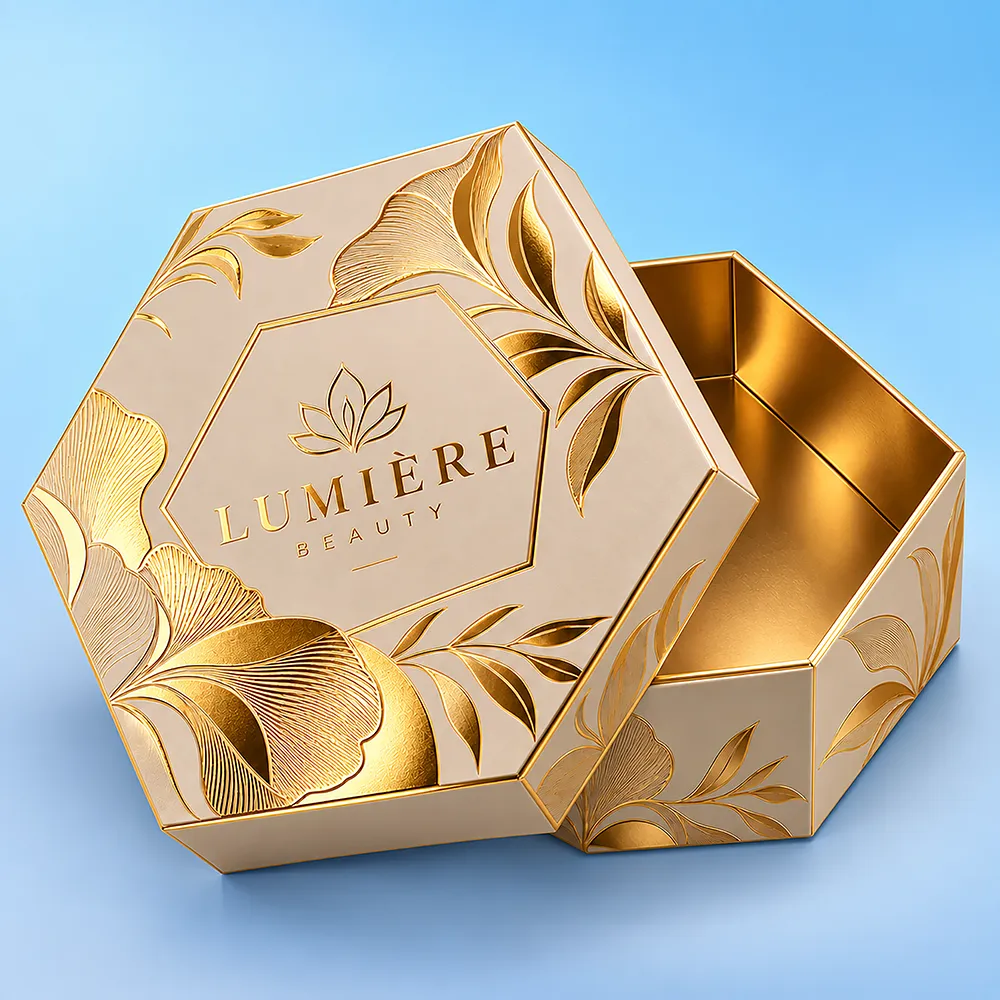
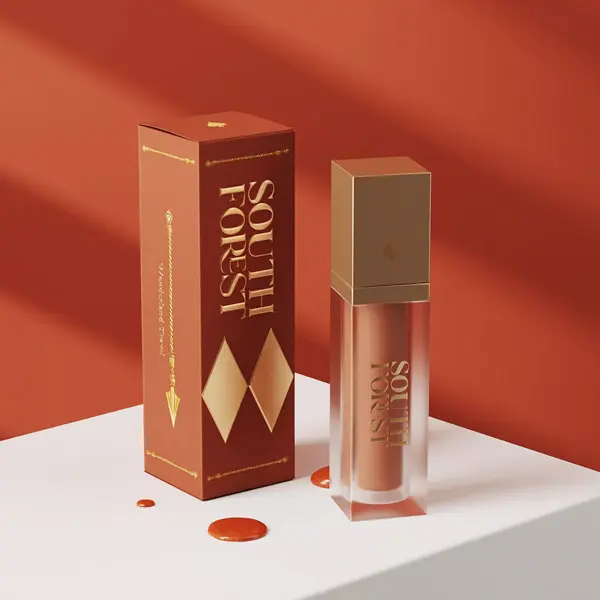
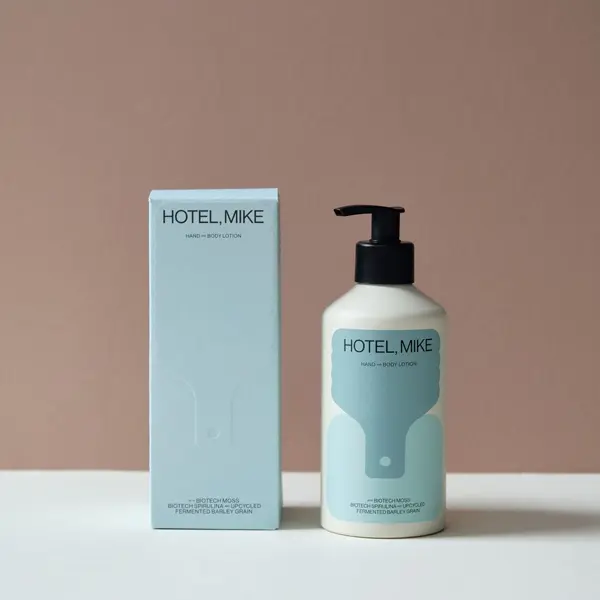
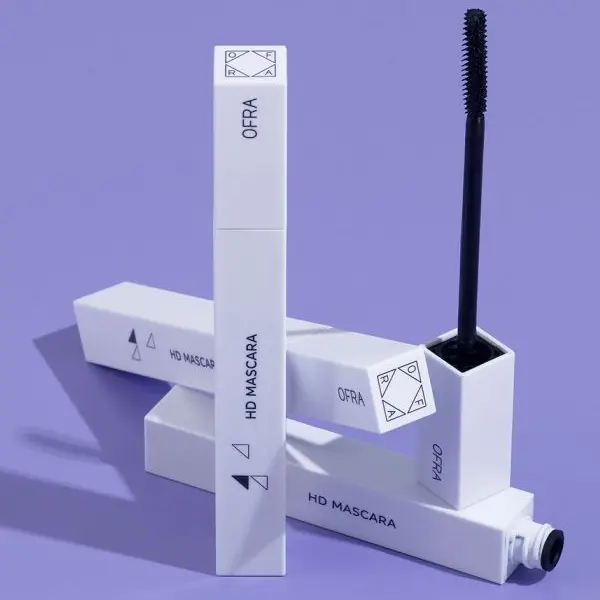
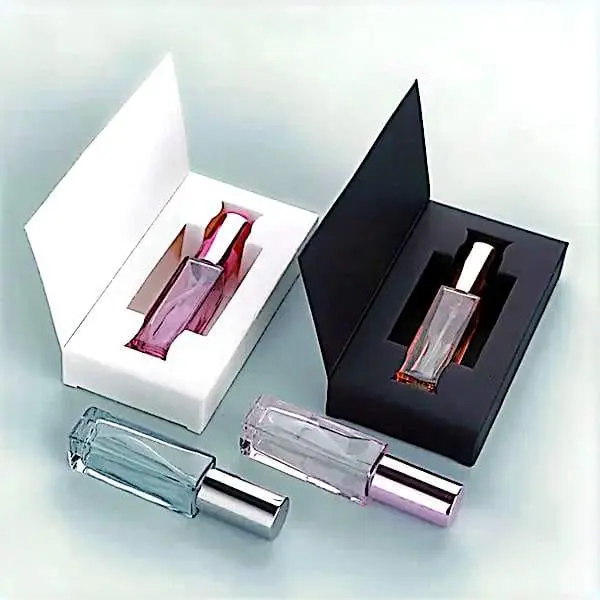
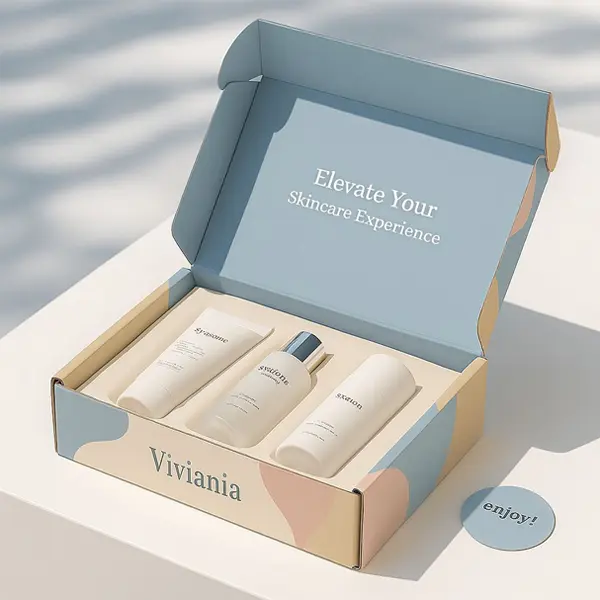
Custom Lip Gloss Packaging Planned Around the Finished Product
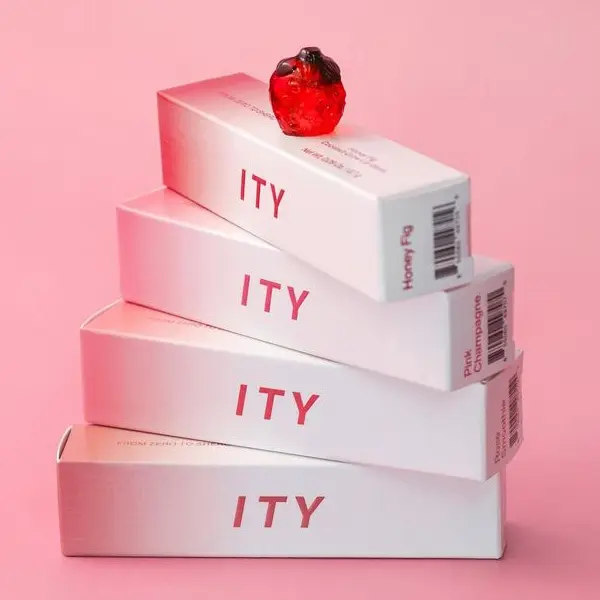
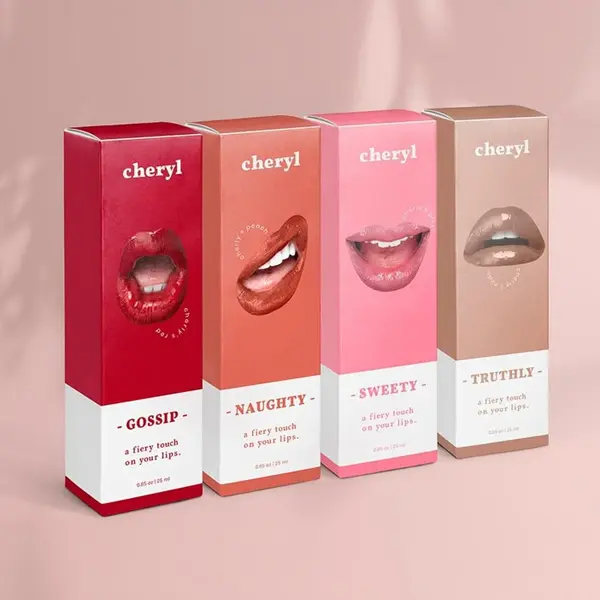
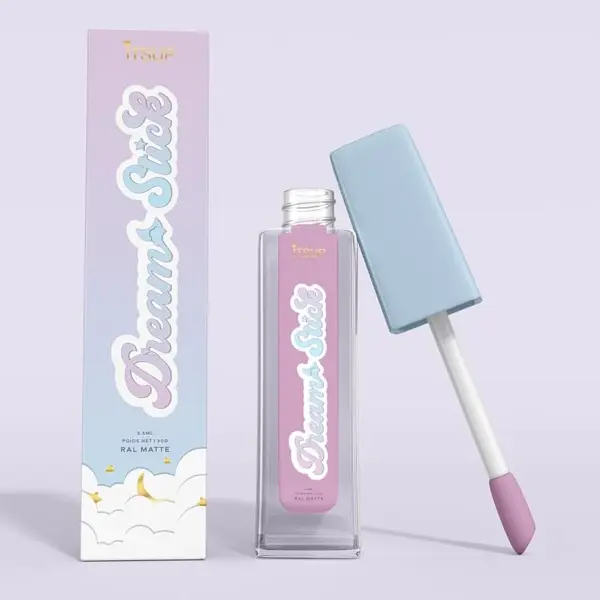
Custom lip gloss boxes are secondary packaging cartons developed around the dimensions, weight, closure and presentation requirements of the finished lip gloss container. They can be designed for wand tubes, squeeze tubes, pots, small jars, single retail units, multi-shade collections, subscription products and promotional sets.
The lip gloss tube, pot or jar is the primary container that holds the cosmetic product. The printed carton is normally the secondary package used for presentation, branding, product information and organization. For broader beauty packaging requirements, brands can explore
Custom Cosmetic Boxes.
A useful planning sequence is:
Finished Product → Maximum Dimensions → Filled Weight → Box Structure → Internal Support → Artwork → Sales Channel → Final Packaging System
This prevents the carton from being selected only by appearance or product fill volume.
Lip Gloss Products These Boxes Can Hold
Lip gloss packaging can be developed for:
- Wand applicator lip gloss tubes
- Cylindrical gloss tubes
- Rectangular or square tubes
- Squeeze lip gloss tubes
- Lip gloss pots and small jars
- Single-shade retail products
- Multi-shade collections
- Seasonal cosmetic sets
- Subscription-box products
- PR and influencer kits
- Gift and promotional sets
A slim wand tube normally needs a different internal layout from a short, wide pot or a box containing several shades.
Brands packaging related lip products can use
Lip Balm Boxes for balm tubes, tins and pots or
Custom Lipstick Boxes for lipstick-specific containers. Keeping each packaging page tied to its actual product format helps buyers choose the appropriate structure rather than treating all lip products as one packaging type.
How to Measure a Lip Gloss Tube for a Custom Box
Measure the finished retail-ready container rather than relying only on fill volume or an empty component.
Before developing the box:
- Measure the maximum width or diameter of the finished container.
- Measure the complete height from the base to the highest point of the closed cap or applicator.
- Include shoulders, collars, raised logos, decorative parts or other projections.
- Confirm whether labels, sleeves or seals change the finished dimensions.
- Record the filled product weight.
- State how many units will be packed in each box.
- Confirm whether the tubes will stand vertically, lie horizontally or sit side by side.
- Identify how the customer or packer should remove the product.
For irregular containers, use the largest finished measurement rather than the nominal diameter of the tube body.
A stated quantity such as milliliters or fluid ounces does not determine the carton size. Two containers holding the same amount of lip gloss can have different heights, widths, cap profiles and outside dimensions.
For additional measurement guidance, review the
Cosmetic Box Size Guide.
Final internal clearance should be confirmed around the actual container, selected board, structure and insert rather than applying one universal allowance to every lip gloss box.
Lip Gloss Packaging Selection Guide
Different product formats create different packaging requirements. The following directions can be used as starting points rather than fixed structural rules.
| Lip Gloss Format |
Packaging Direction to Review |
Insert Direction |
Common Use |
| Single wand tube |
Straight or reverse tuck carton |
Often unnecessary when fit is controlled |
Retail |
| Squeeze tube |
Tuck carton or sleeve |
Product-dependent |
Retail / DTC |
| Pot or small jar |
Folding carton |
May help control movement |
Retail |
| Two to five shade set |
Set box, sleeve or presentation carton |
Divider or fitted insert may be useful |
Gift / launch set |
| PR collection |
Two-piece or rigid presentation box |
Fitted insert often considered |
Influencer / PR |
| Subscription product |
Folding carton or coordinated set structure |
Based on product arrangement |
Subscription |
| Ecommerce order |
Retail carton plus suitable outer shipping package |
Based on complete order configuration |
DTC shipping |
The correct structure depends on more than product type.
Container Geometry + Filled Weight + Unit Count + Packing Method + Presentation + Distribution = Structural Direction
Box Structures for Lip Gloss Packaging
Straight Tuck-End Boxes
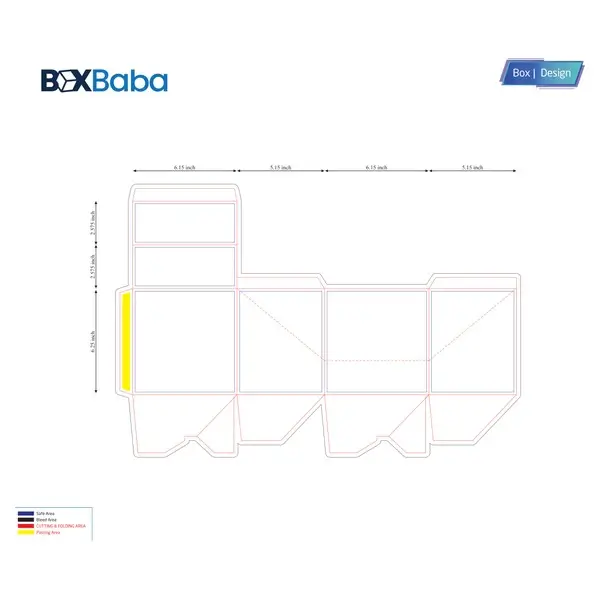
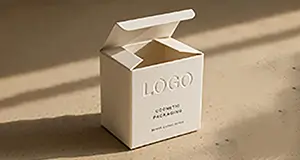
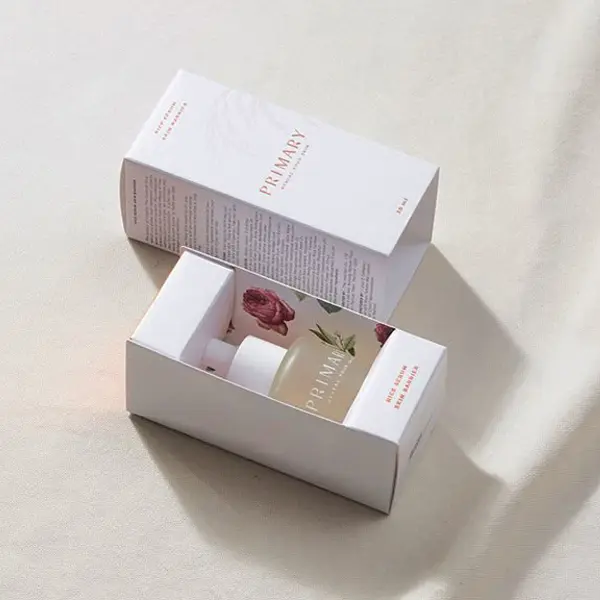
Straight tuck-end cartons can suit lightweight single lip gloss tubes when compact retail packaging and clear front-panel branding are required. Both tuck closures operate in the same direction.
Reverse Tuck-End Boxes
Reverse tuck-end cartons provide another compact folding-carton option for individual tubes. Their suitability depends on the finished product dimensions, packed weight, artwork layout and production requirements.
Auto-Lock Bottom Boxes
An auto-lock or reinforced bottom may be considered when additional base support or faster manual packing is required. The need for a stronger bottom should follow the packed product weight and structure rather than appearance alone.
Sleeve Boxes
Sleeves can be developed around an inner tray, folding carton or presentation component. They may suit minimalist packaging, limited collections and coordinated lip gloss sets.
The sleeve tolerance should allow controlled movement without being so tight that opening becomes difficult.
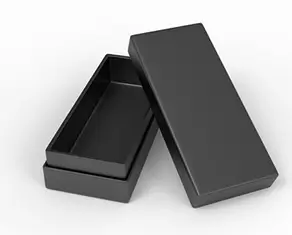
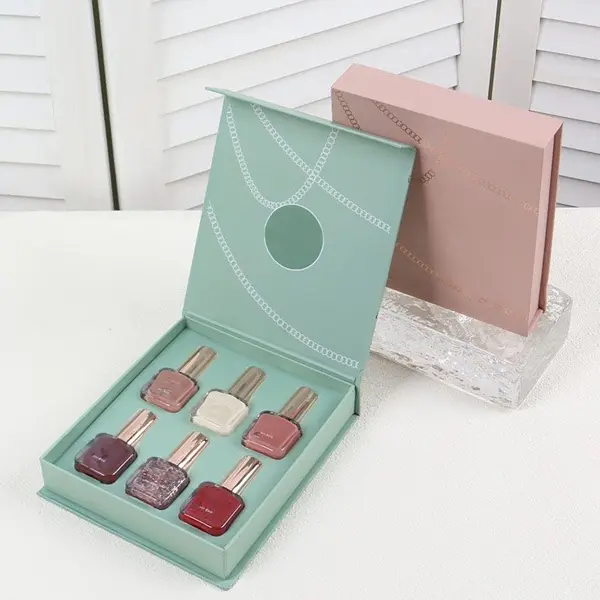
Two-Piece and Presentation Boxes
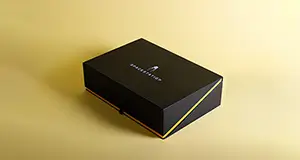
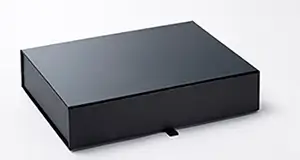
Lid-and-base or other presentation structures may suit lip gloss gift sets, PR campaigns, launches and premium collections where product arrangement and opening presentation are important.
Window Lip Gloss Boxes
A die-cut window can reveal the tube, shade, cap or primary-container branding before the carton is opened.
Window design should follow this sequence:
Product Orientation → Visible Area → Window Position → Structural Review → Artwork
A larger window is not automatically better. Removing board affects the available print area and may influence carton strength, so its dimensions and position should be reviewed with the selected structure.
Single Lip Gloss Boxes vs Multi-Shade Sets
Single-unit cartons can often be developed around one finished tube with controlled internal clearance. An insert may be unnecessary when the product already fits appropriately within the carton.
Multi-shade sets require more planning.
The final layout can depend on:
- Number of gloss tubes
- Tube dimensions
- Product orientation
- Space between individual units
- Divider or insert thickness
- Finger-access requirements
- Promotional cards or accessories
- Opening presentation
- Complete loaded dimensions
For example, two five-piece collections do not necessarily require the same box simply because both hold five tubes. Different tube diameters, cap profiles, orientations and insert layouts can change the finished dimensions.
When a set combines lip gloss with lipstick, mascara or other cosmetic products rather than gloss shades alone,
Custom Makeup Boxes may provide a more appropriate mixed-product packaging route.
Materials for Lip Gloss Boxes
Material selection should follow the product weight, box dimensions, structure, printing requirements, finishing method and distribution conditions.
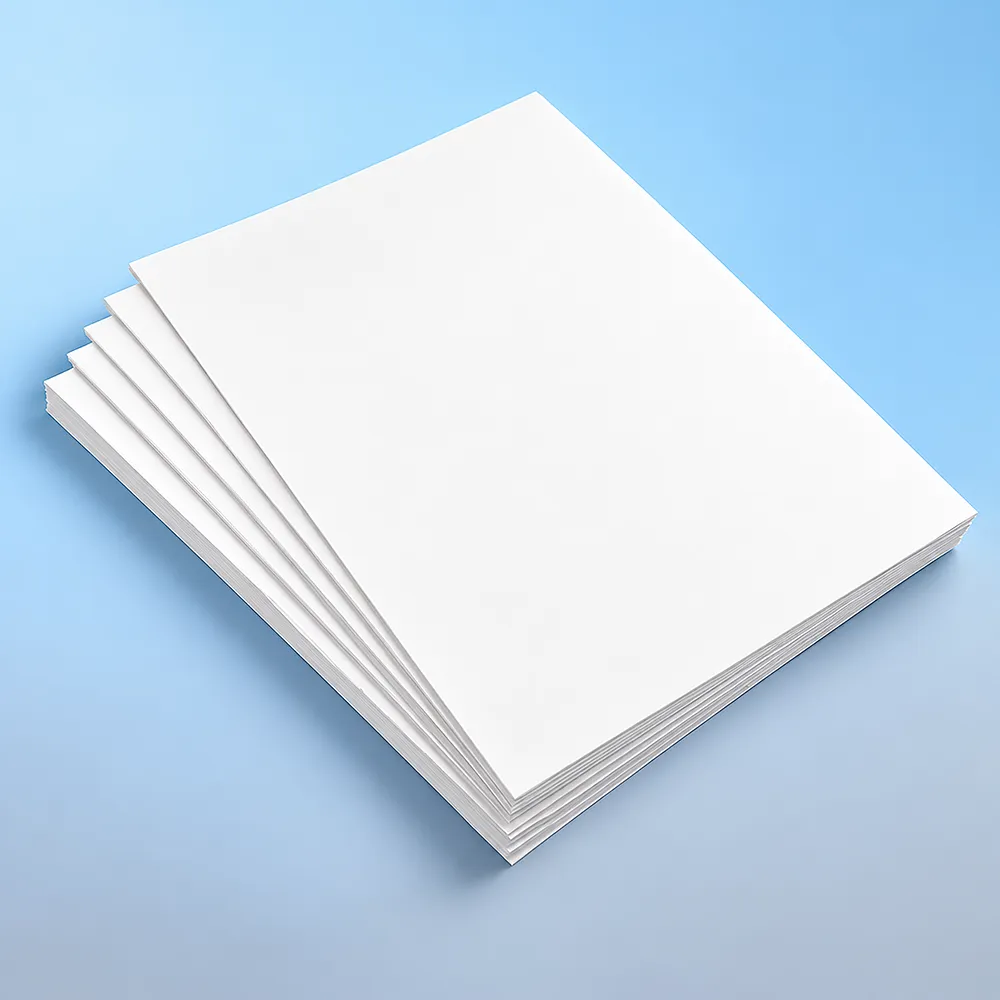
SBS Paperboard
SBS paperboard provides a smooth white surface suitable for detailed graphics, cosmetic branding and folding retail cartons. The appropriate board thickness should be selected according to the completed package rather than one universal specification.
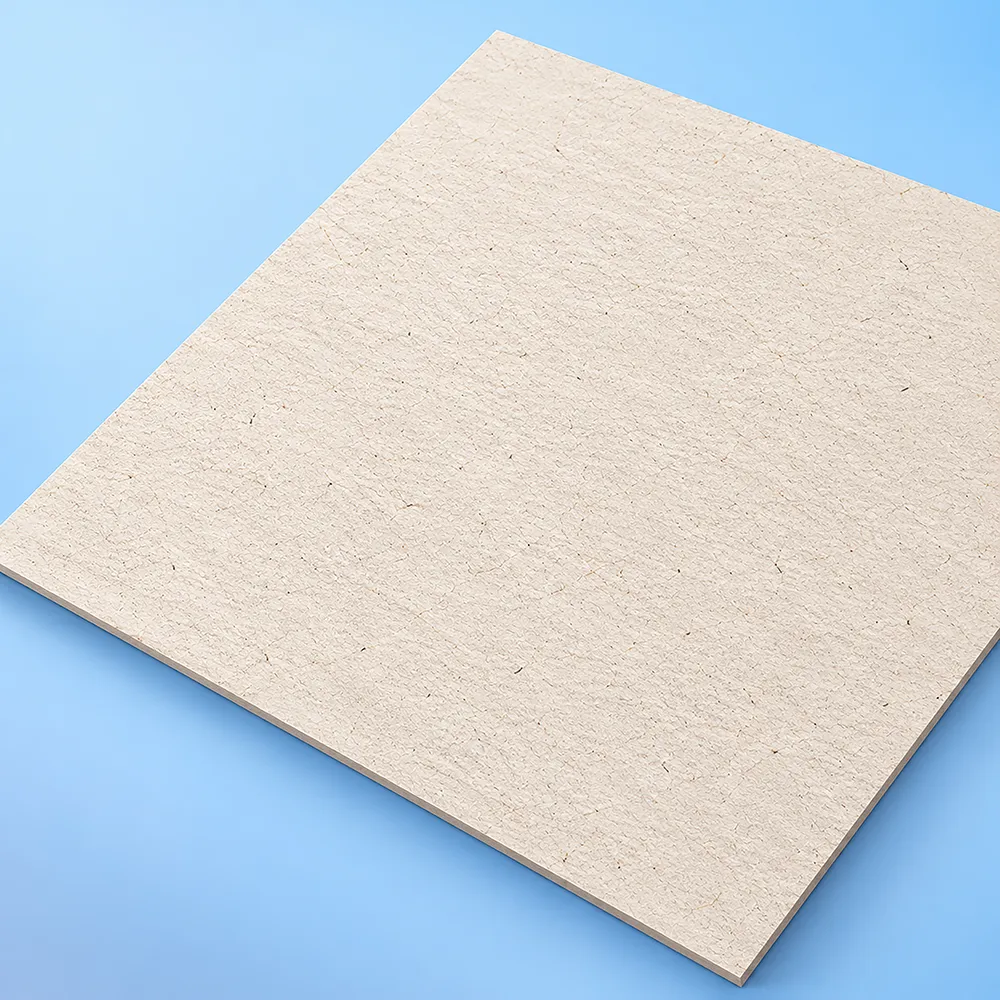
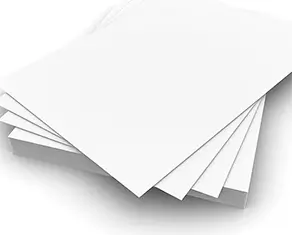
White Cardstock
White cardstock can support bright graphics, fine text and detailed cosmetic artwork. It may suit lightweight retail cartons where clean print reproduction is a priority.
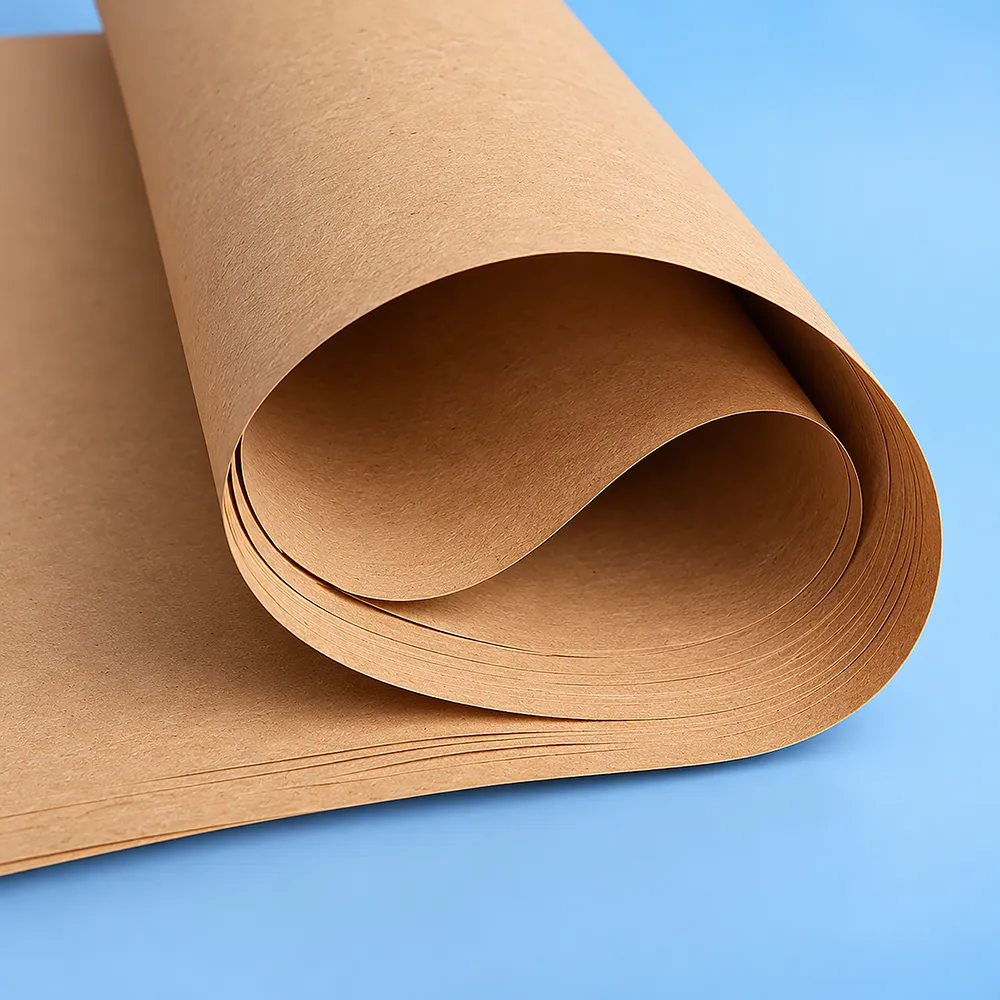
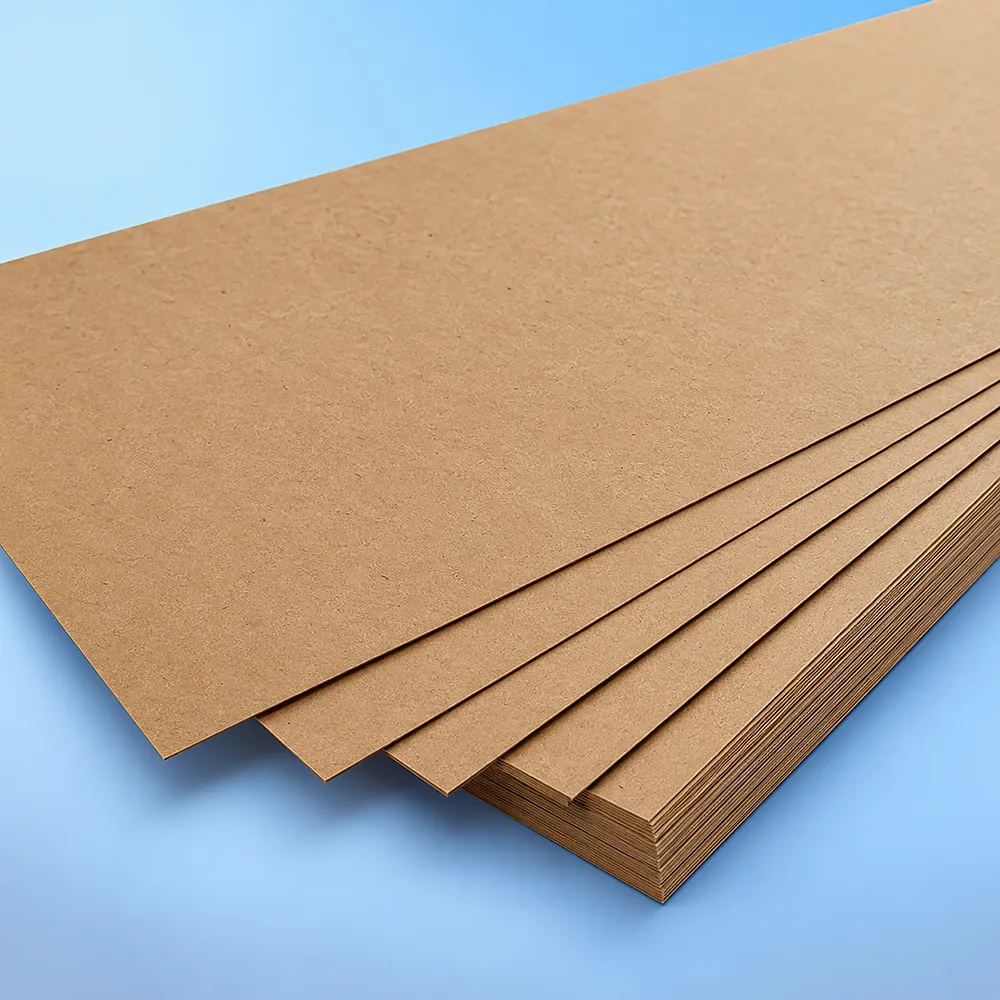
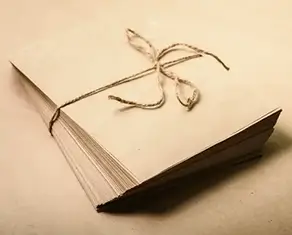
Kraft Paperboard
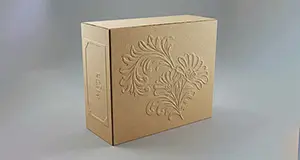
Natural kraft paperboard provides a brown paper appearance suitable for brands seeking a minimal or natural visual direction. Printed colors can appear differently on kraft compared with a white substrate, so artwork and color expectations should be reviewed accordingly.
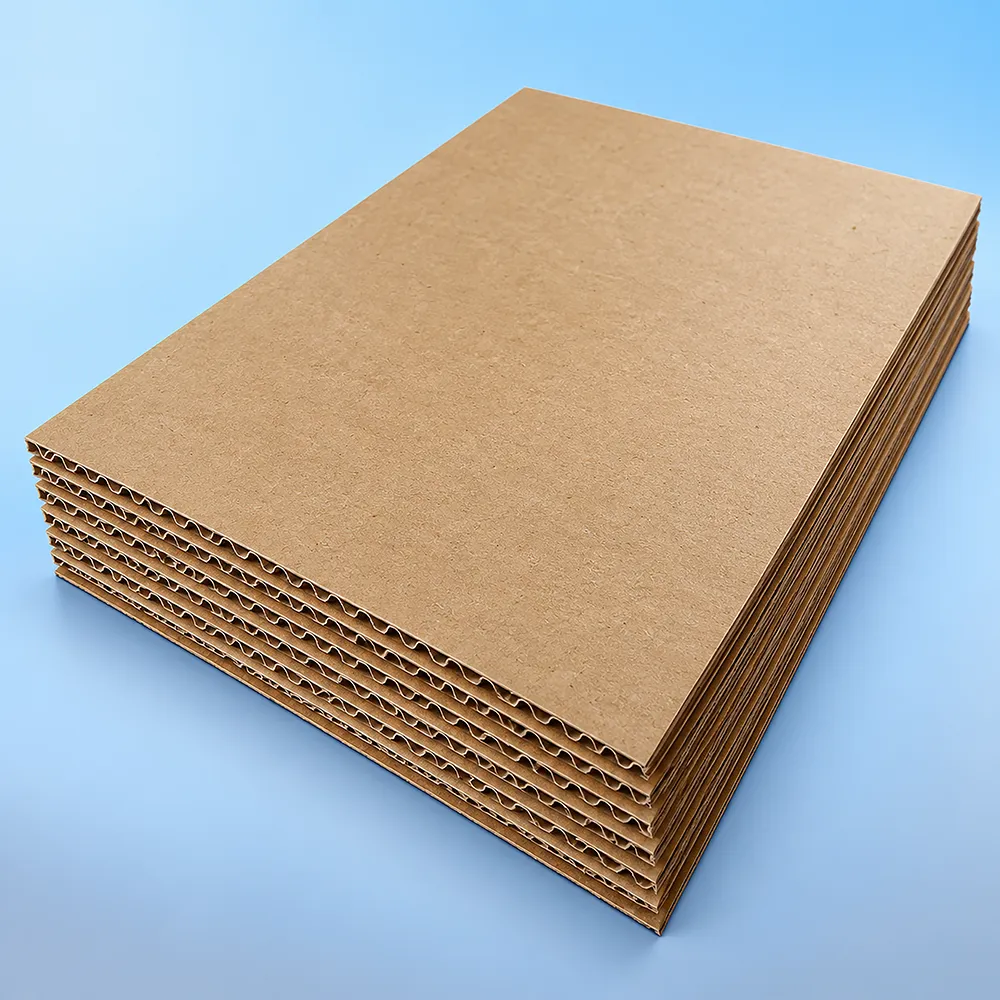
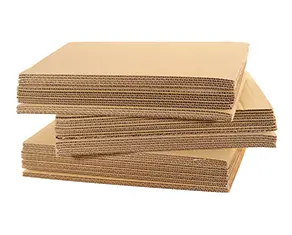
Corrugated Board
Corrugated board may be considered for larger cosmetic assortments, promotional kits or outer distribution packaging where more structural support is required.
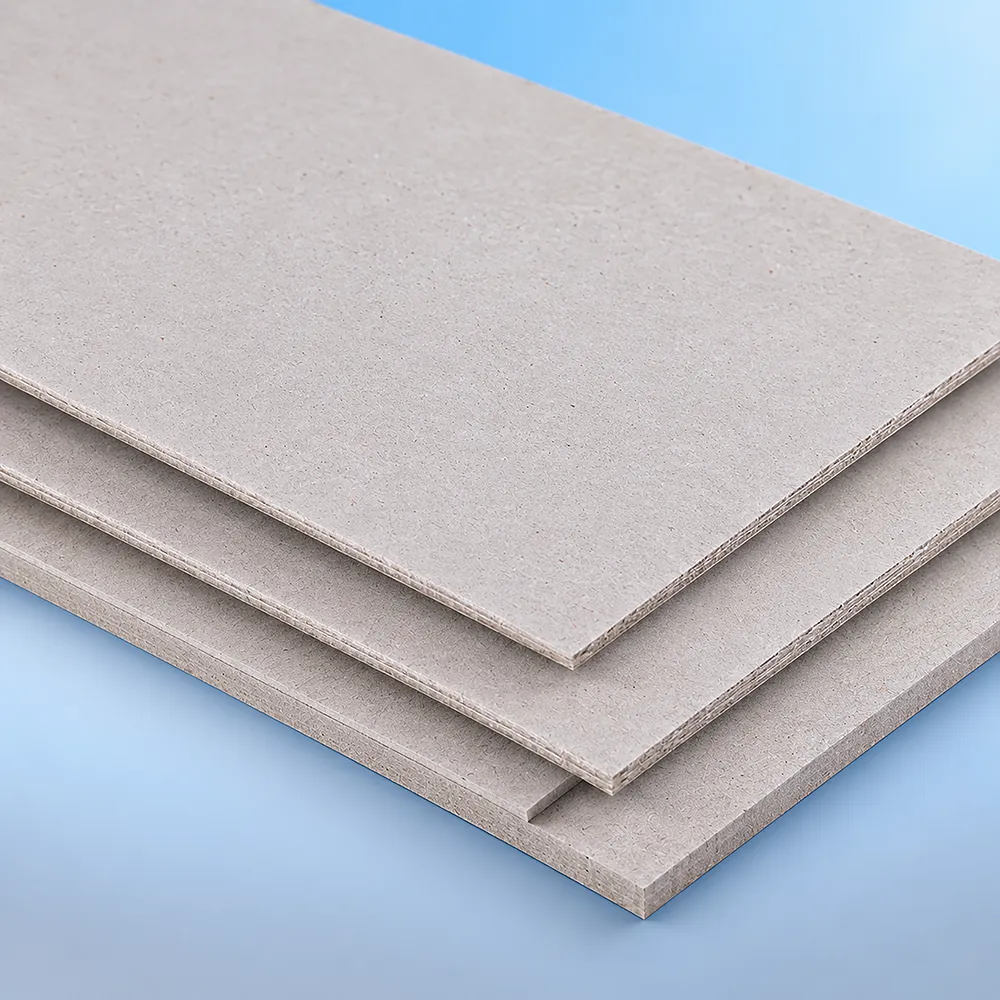
Rigid Greyboard
Rigid board can support higher-presentation lip gloss sets, PR kits and gift collections. It generally serves a different role from a lightweight folding retail carton.
Material should therefore be selected according to the application rather than described as universally stronger, greener or more protective than every alternative.
Printing and Multi-SKU Artwork
Lip gloss boxes can carry branding, product names, shade information, instructions, barcodes, QR codes and other buyer-approved product information.
Printing options may include:
- Digital printing
- Offset printing
- CMYK printing
- PMS or spot-color printing where applicable
- Outside printing
- Inside and outside printing
The print method should follow the artwork, order quantity, substrate, required color control and finishing requirements.
Can Several Lip Gloss Shades Share One Dieline?
Often, yes.
Several shades may share one structural dieline when they use the same:
- Finished container dimensions
- Cap or applicator profile
- Orientation
- Box dimensions
- Structure
- Insert configuration
- Window position
The artwork can then vary by shade name, color family, barcode, product information or graphics without automatically requiring another box structure.
A different container may require a different dieline even when it holds the same amount of lip gloss.
Private-label brands planning several cosmetic SKUs can review the
Private Label Cosmetic Packaging Guide for broader packaging coordination.
Finishes, Coatings and Decorative Effects
Finishes should be selected around the substrate, artwork, handling environment, budget and production method.
Available directions may include:
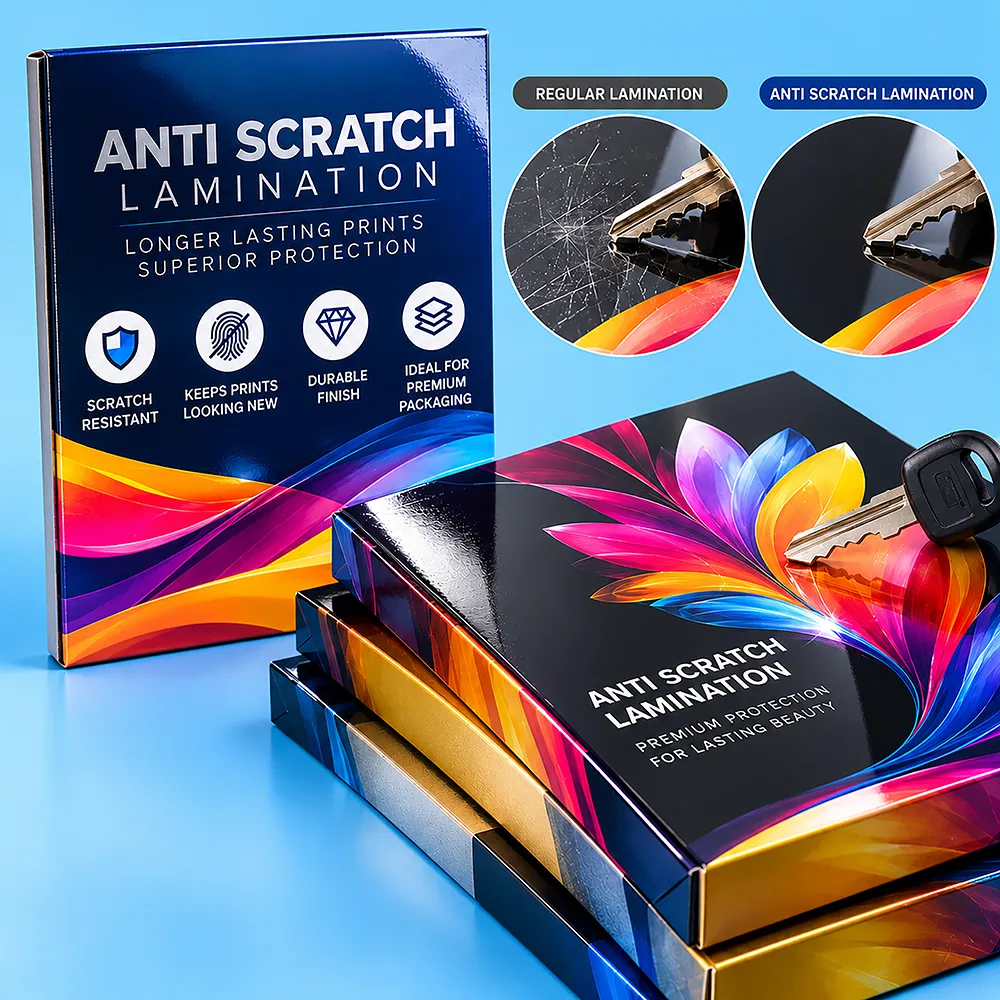
- Matte lamination
- Gloss lamination
- Soft-touch lamination
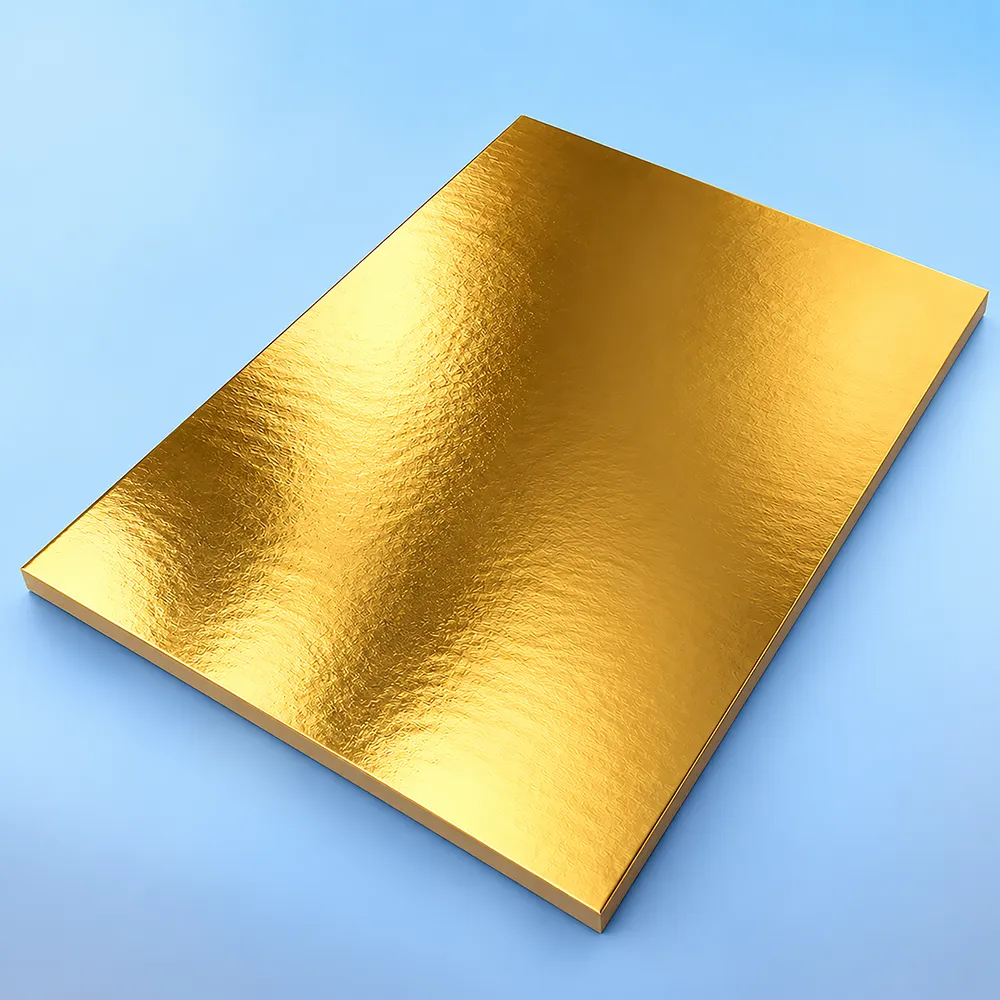
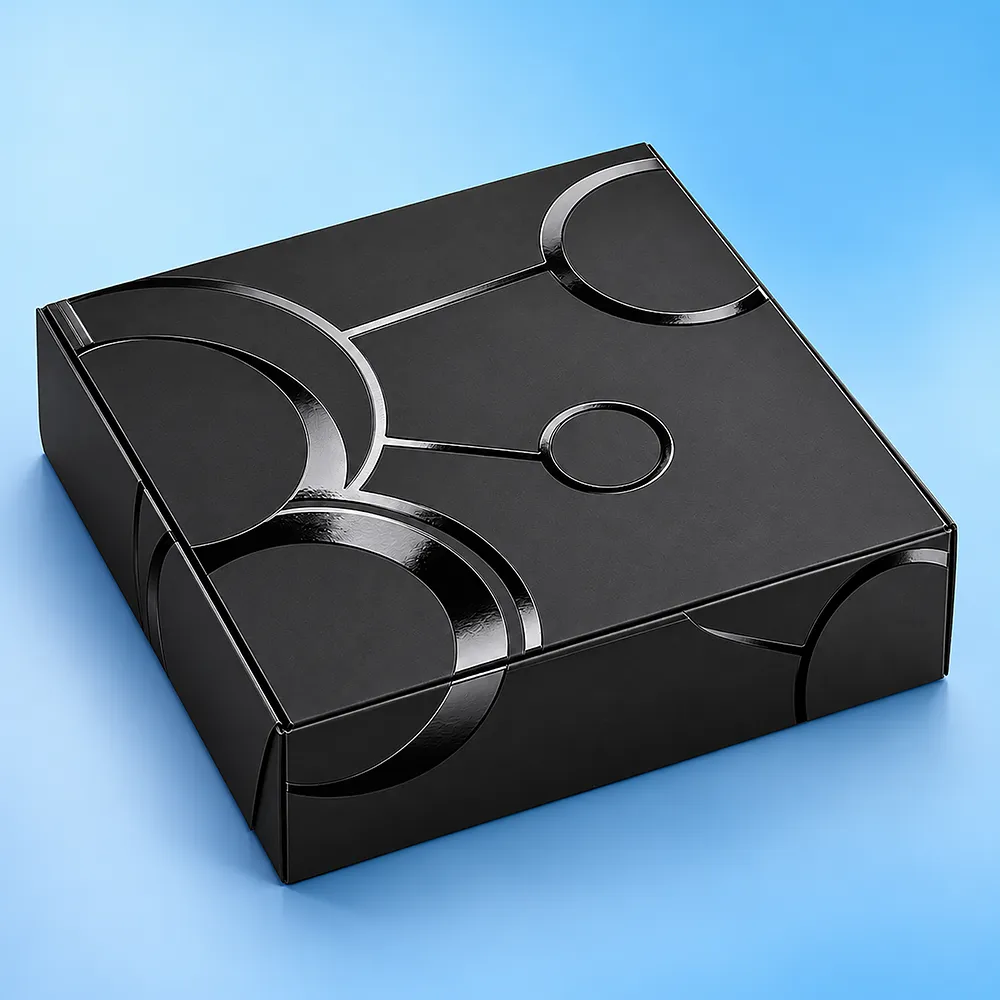
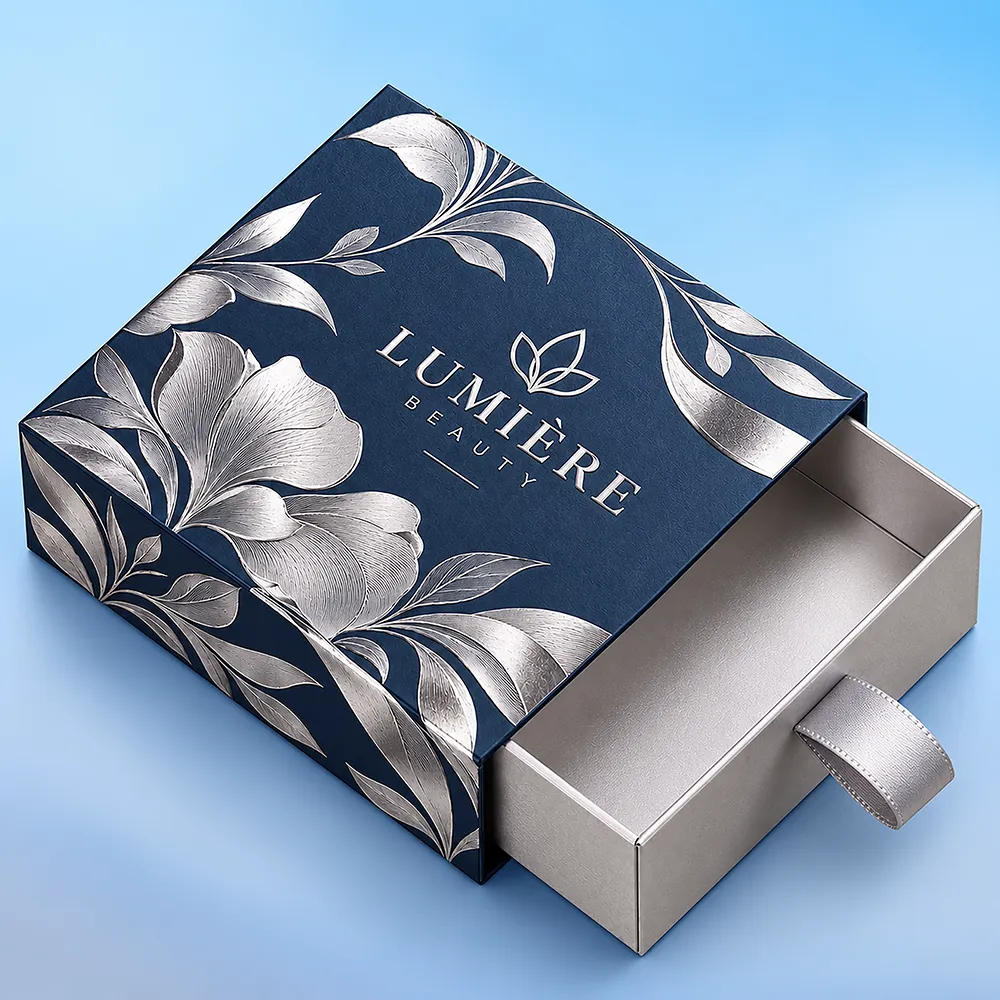
- Foil stamping
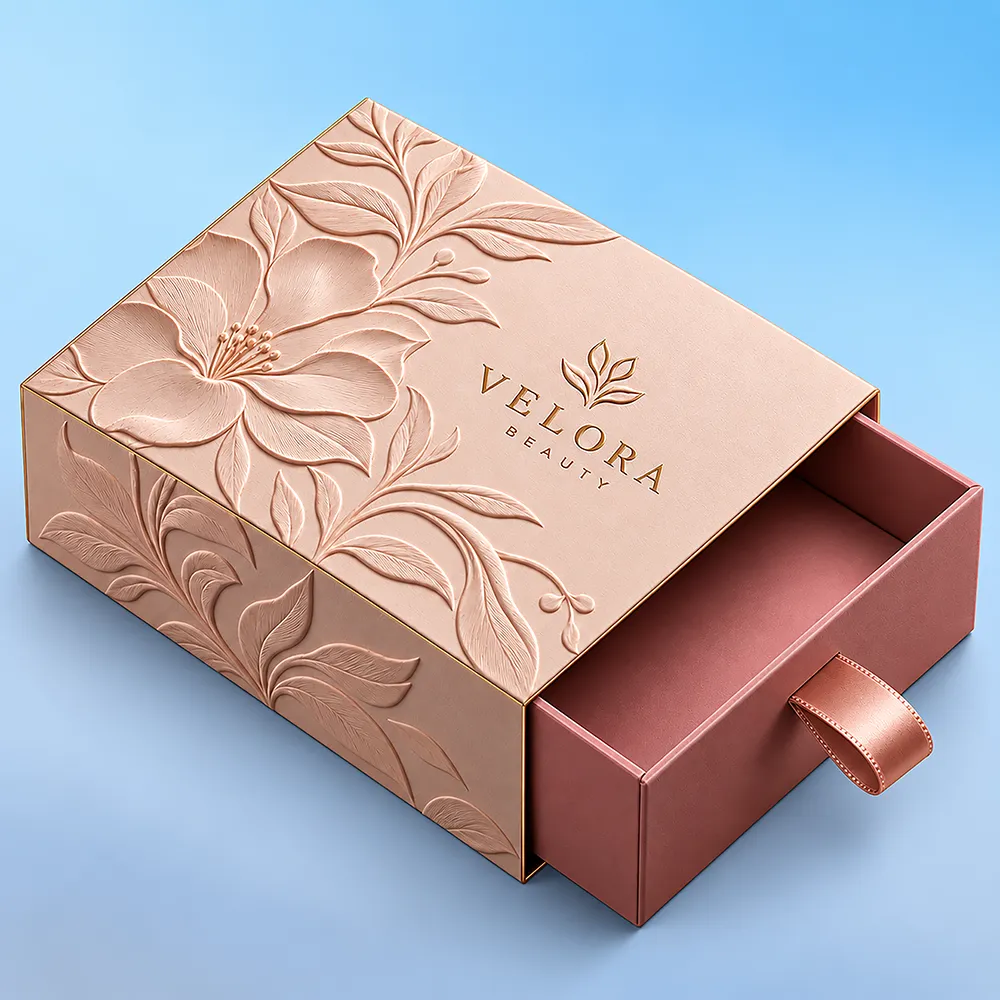
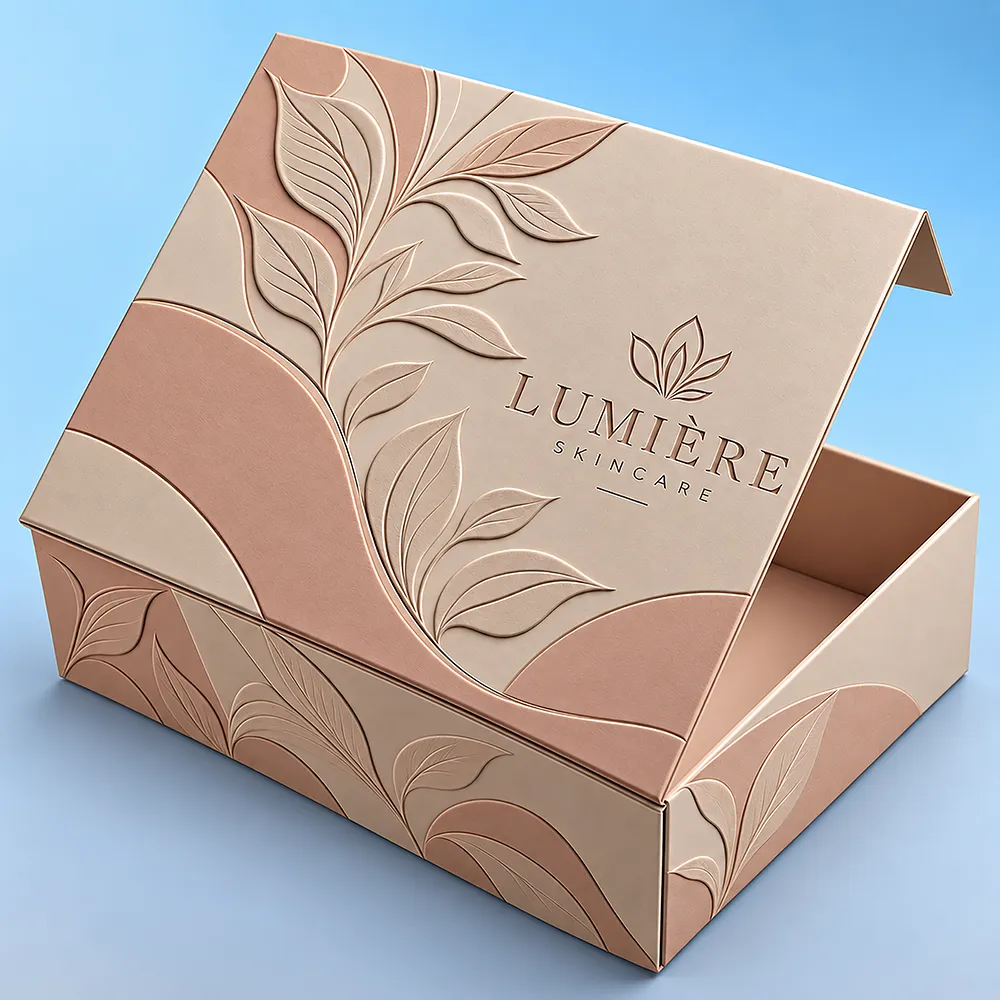
- Embossing
- Debossing
- Spot UV
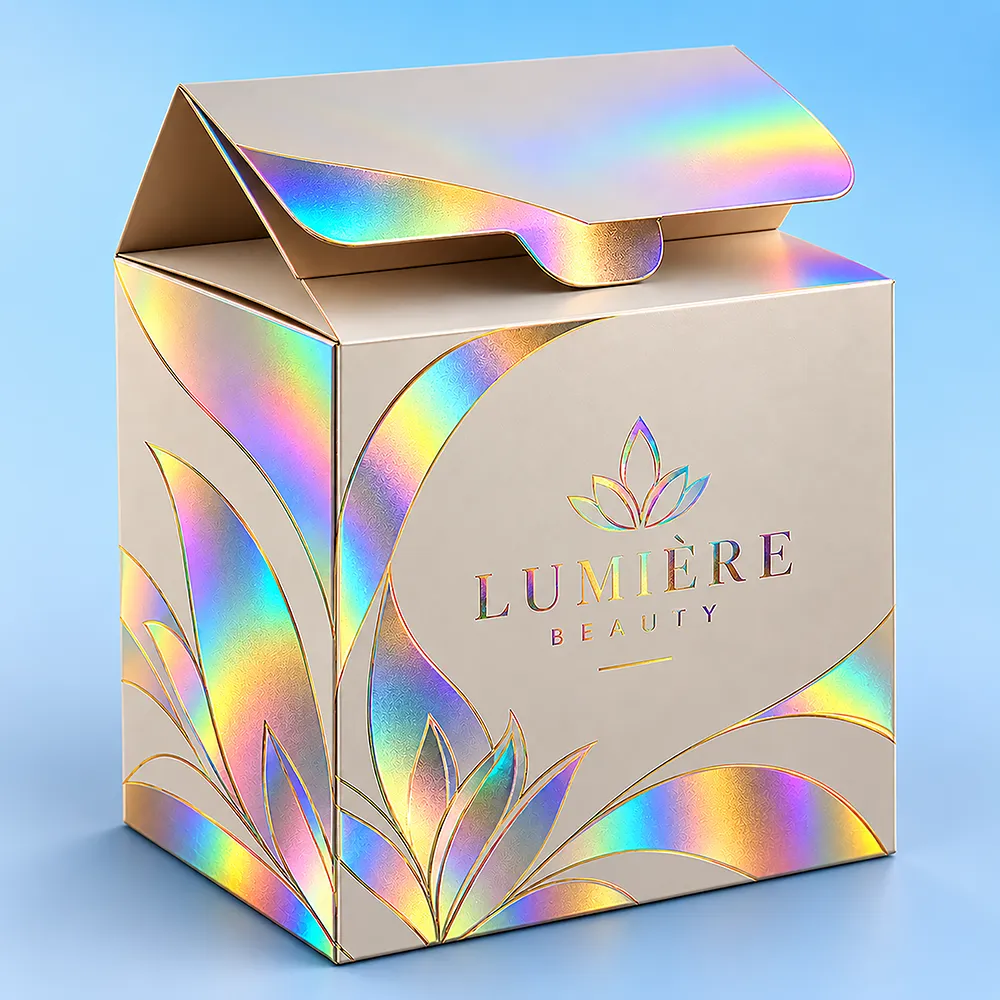
- Holographic foil where applicable
Foil can emphasize a logo, product name or selected graphic. Embossing and debossing can create raised or recessed details, while Spot UV can add selective visual contrast.
Decorative treatments should remain clear of score lines, glue areas, windows, barcodes and other functional elements where interference could affect production or usability.
Brands comparing these treatments can review the
Cosmetic Packaging Finishes Guide.
Inserts and Internal Support
A lip gloss box does not automatically need an insert.
For a compact single-unit carton, correctly controlled internal dimensions may provide the required product fit without an additional component.
An insert becomes more relevant when the packaging needs to organize or stabilize:
- Tall lip gloss tubes
- Heavy containers
- Glass components
- Multiple shades
- PR collections
- Gift sets
- Mixed products
- Products requiring a fixed presentation position
Die-Cut Paperboard Inserts
Paperboard inserts can hold tubes in defined positions and may be printed to coordinate with the outer packaging.
Fitted Trays
A tray can organize several lip gloss tubes or related products within one presentation box.
Dividers
Dividers can separate multiple products and help maintain an organized arrangement.
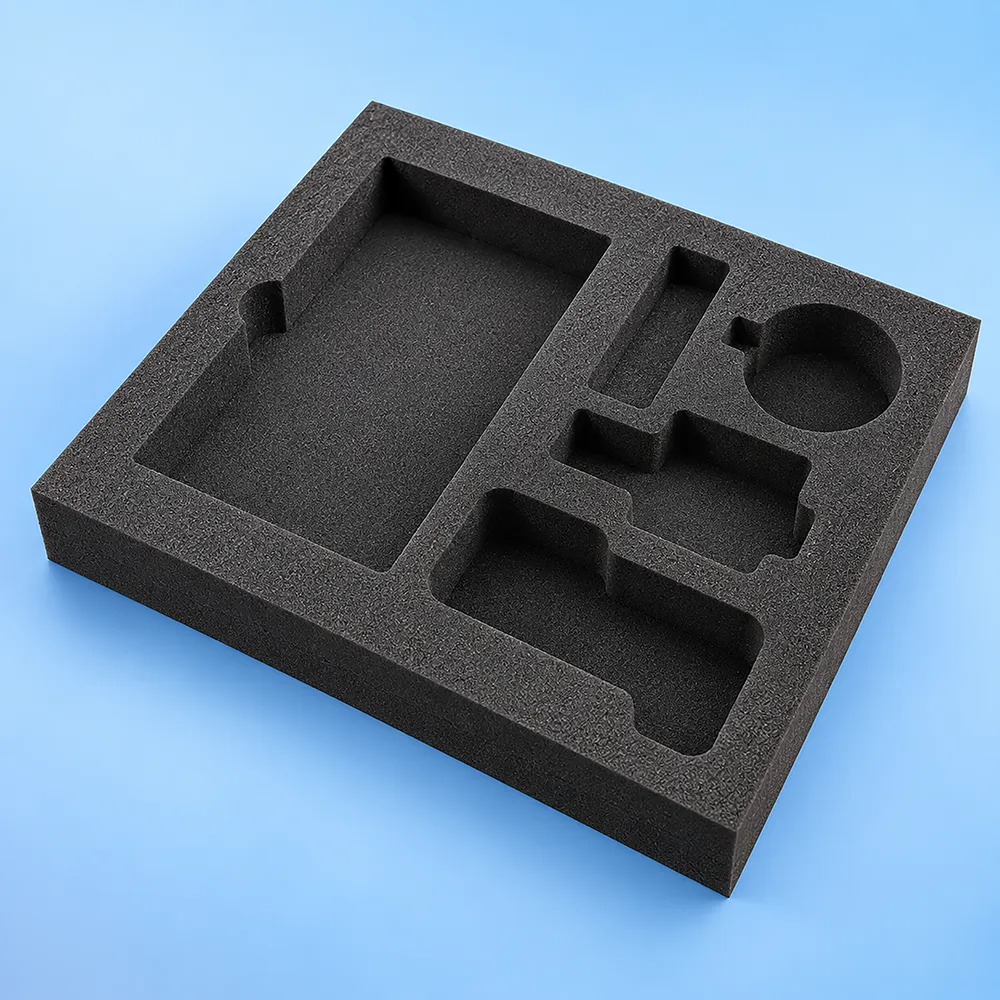
Foam Inserts
Foam may be considered for selected presentation, PR or gift-set projects where a fitted display is required. Material suitability should be confirmed for the project.
Insert planning should consider both retention and removal.
The goal is not simply:
Can the product fit inside the insert?
It is:
Can the product be loaded, held, presented and removed appropriately?
Finger access, product orientation and contact with decorated surfaces should therefore be reviewed before the insert layout is finalized.
Plan Enough Space for Product Information
Lip gloss cartons can have narrow panels, particularly when the primary container is a slim tube.
Before decorative artwork fills the available space, identify the information the brand intends or is required to place on the packaging.
Depending on the product and market, buyer-approved artwork may need space for elements such as:
- Brand and product name
- Shade or variant
- Net quantity
- Ingredients
- Directions
- Warnings
- Responsible-party or business information
- Barcode
- QR code
- Batch or lot information
A useful workflow is:
Required Information → Available Panel Area → Dieline → Artwork → Finishing Layers
BoxBaba can help organize available artwork panels around the approved dieline, while the buyer remains responsible for determining and approving the final product information and applicable compliance requirements.
Lip Gloss Packaging for Retail Stores
Retail lip gloss packaging may need front-facing branding, shade identification, barcode placement, usable product-information panels and dimensions suitable for the intended shelf or merchandising system.
A single lip gloss carton and a multi-unit display perform different packaging roles.
When several completed lip gloss units need to be arranged on a counter, shelf or checkout area,
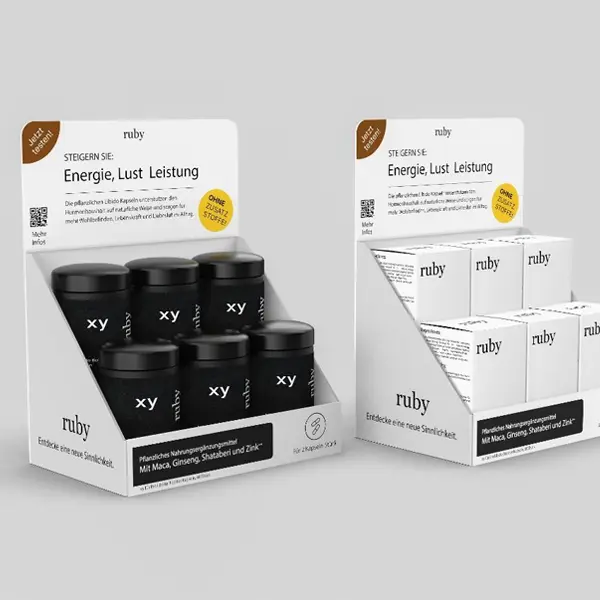
Cosmetic Display Boxes can be planned around the finished retail-carton dimensions, unit count and merchandising footprint.
This creates a clear packaging hierarchy:
Lip Gloss Tube → Individual Retail Box → Multi-Unit Display
Retail Lip Gloss Box vs Ecommerce Shipping Package
A retail lip gloss carton should not automatically be treated as the complete parcel-shipping package.
For ecommerce, the packaging system may include:
Primary Container → Retail Carton → Insert or Internal Restraint → Outer Mailer or Shipping Carton
The final configuration depends on the number of products per order, total packed weight, retail-carton dimensions and distribution conditions.
This distinction allows the individual carton to focus on product fit, branding and retail presentation while the outer packaging addresses fulfillment requirements.
Lip Gloss Packaging for Private-Label and Multi-SKU Brands
Private-label cosmetic companies frequently manage several shades or variants at the same time.
When all SKUs use the same finished tube and closure, one controlled structural dieline may simplify packaging management while separate artwork versions identify the individual products.
Before combining SKUs under one dieline, confirm:
Container Dimensions → Closure Profile → Orientation → Insert → Window → Structure
If these structural variables remain the same, the artwork can usually carry the shade-specific differences.
If the actual tube or packaging configuration changes, the structure should be reviewed again rather than assuming the existing dieline will fit.
What Determines the Cost of Custom Lip Gloss Boxes?
There is no meaningful universal price for every custom lip gloss box because the quotation depends on the complete packaging specification.
Common pricing factors include:
Box Size + Structure + Material + Printing + Quantity + Artwork Versions + Finishes + Window + Insert + Assembly + Delivery Requirements
A simple single-tube folding carton and a multi-shade presentation box with fitted inserts are different production configurations even though both package lip gloss.
For more useful supplier comparisons, request quotations using the same:
- Product dimensions
- Quantity
- Box structure
- Material
- Printing requirements
- Finish requirements
- Insert configuration
- Delivery destination
Changing one or more of these variables can change the quotation.
Common Lip Gloss Packaging Mistakes
Choosing the Box by Fill Volume
Milliliters or fluid ounces describe the amount of product inside the container, not its external dimensions.
Better direction: Measure the complete finished container.
Measuring Only the Tube Body
The cap, applicator, shoulder, collar or decorative element may be wider than the main tube.
Better direction: Use the maximum finished profile.
Adding a Universal Clearance
One fixed clearance does not suit every board, structure, closure or insert.
Better direction: Confirm internal clearance with the actual packaging configuration.
Leaving Too Much Empty Space
Excessive internal space can allow unnecessary product movement and increase the external box size.
Better direction: Develop the carton around the finished product and intended loading method.
Adding an Insert Automatically
An insert can increase material and assembly requirements without adding meaningful value when a single product already fits securely.
Better direction: Use an insert when retention, separation or presentation requires it.
Designing the Window After the Artwork
Adding a window late can interfere with branding, product information or structural areas.
Better direction: Plan product orientation, window position and artwork together.
Treating Every Shade as a Different Structure
Different artwork does not necessarily require a different dieline.
Better direction: Separate SKU artwork changes from structural changes.
Ignoring Product Removal
A container can fit inside a carton yet still be difficult for a customer to remove.
Better direction: Review finger access, opening direction, insert grip and product orientation.
Treating the Retail Carton as the Shipping Box
An individual cosmetic carton and parcel-shipping package perform different jobs.
Better direction: Review retail presentation and ecommerce distribution as separate packaging layers.
Suitable Businesses
Custom lip gloss boxes can be developed for:
- Cosmetic and makeup brands
- Private-label beauty companies
- Independent makeup startups
- Lip-care brands
- Cosmetic retailers
- Beauty salons
- Ecommerce and DTC businesses
- Subscription-box companies
- Cosmetic wholesalers
- PR and influencer campaigns
- Product-launch programs
- Gift and cosmetic-set businesses
The packaging specification should follow the finished product and intended sales channel rather than the business type alone.
What to Provide for a Lip Gloss Box Quote
Providing complete product information helps reduce revisions during structural planning.
Share:
- Lip gloss container type
- Maximum width or diameter
- Total finished height
- Cap or applicator profile
- Filled product weight
- Label, sleeve or decorative details
- Number of units per box
- Required product orientation
- Preferred box structure, if known
- Insert requirements
- Window requirements
- Printing requirements
- Finishing requirements
- Number of SKUs
- Artwork status
- Quantity per SKU
- Retail, ecommerce, subscription, PR or gifting use
- Delivery destination
For an unusual tube, pot, closure or multi-product arrangement, photos, a technical drawing or a physical product sample may also help with structural review.
Wholesale Lip Gloss Box Orders
The minimum order quantity starts from
100 custom boxes.
For multi-SKU projects, provide the required quantity for each shade or artwork version rather than only the combined quantity. This helps determine how the shared structure and individual artwork files should be organized.
Production typically takes
5–9 business days after artwork approval. Final production and delivery requirements should be confirmed with the project quotation.
Request Custom Lip Gloss Box Pricing
Share your finished lip gloss container dimensions, cap or applicator profile, filled weight, preferred structure, units per box, insert or window requirements, artwork, quantity and delivery destination.
BoxBaba can use these specifications to evaluate the carton dimensions, structure, material, internal support, printing and finishing requirements around the actual product instead of forcing the lip gloss into a generic stock box.