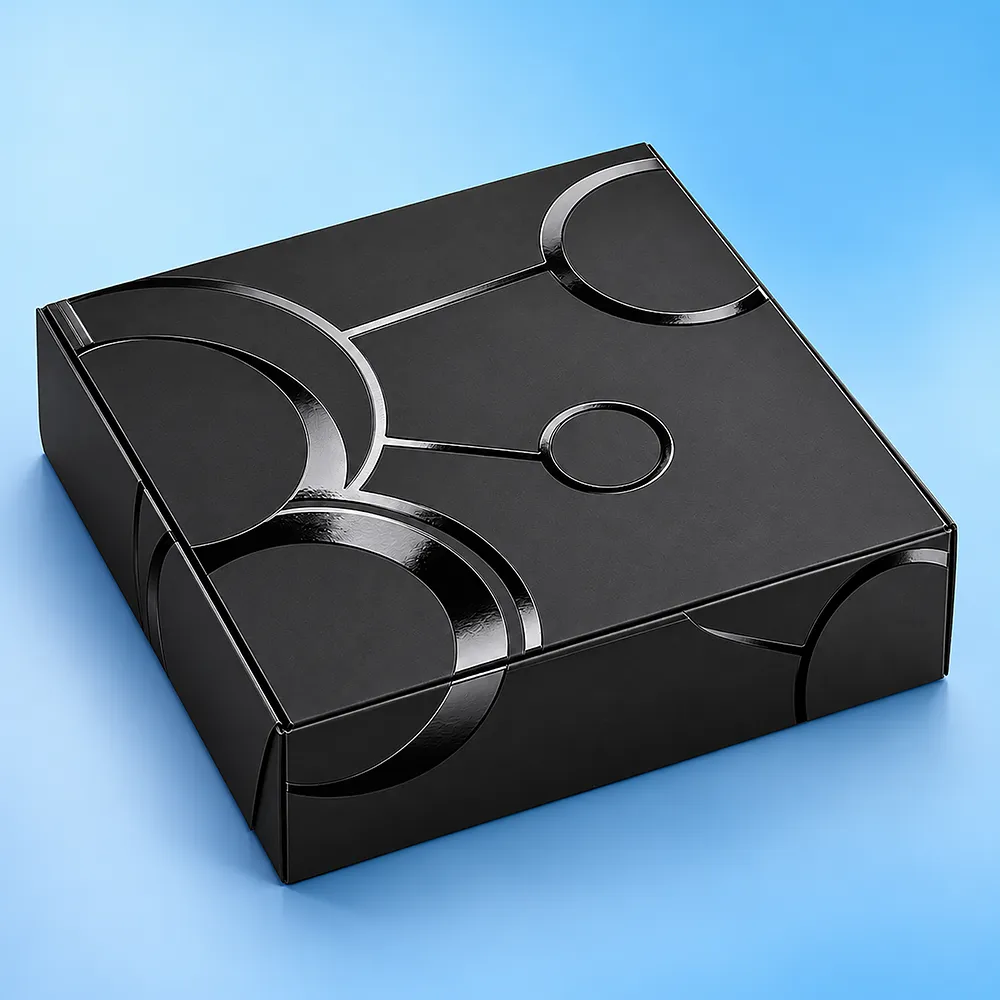
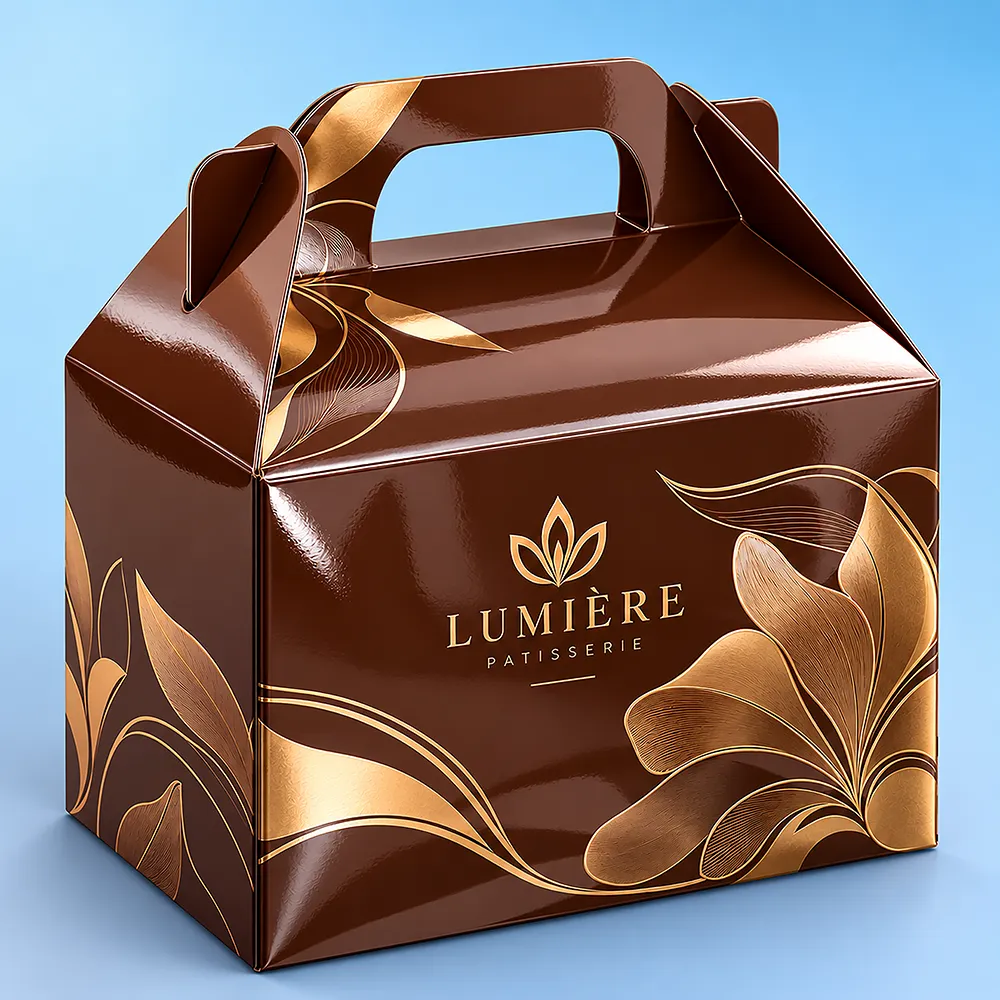
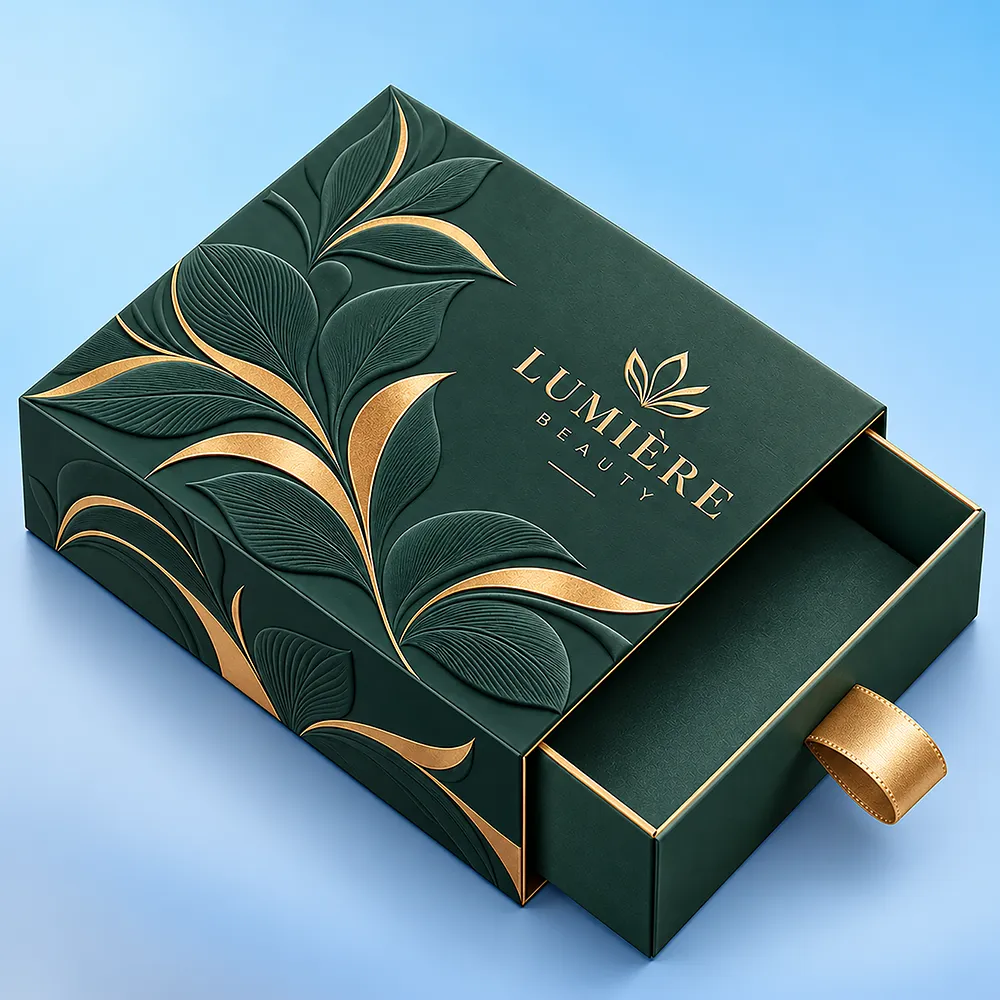
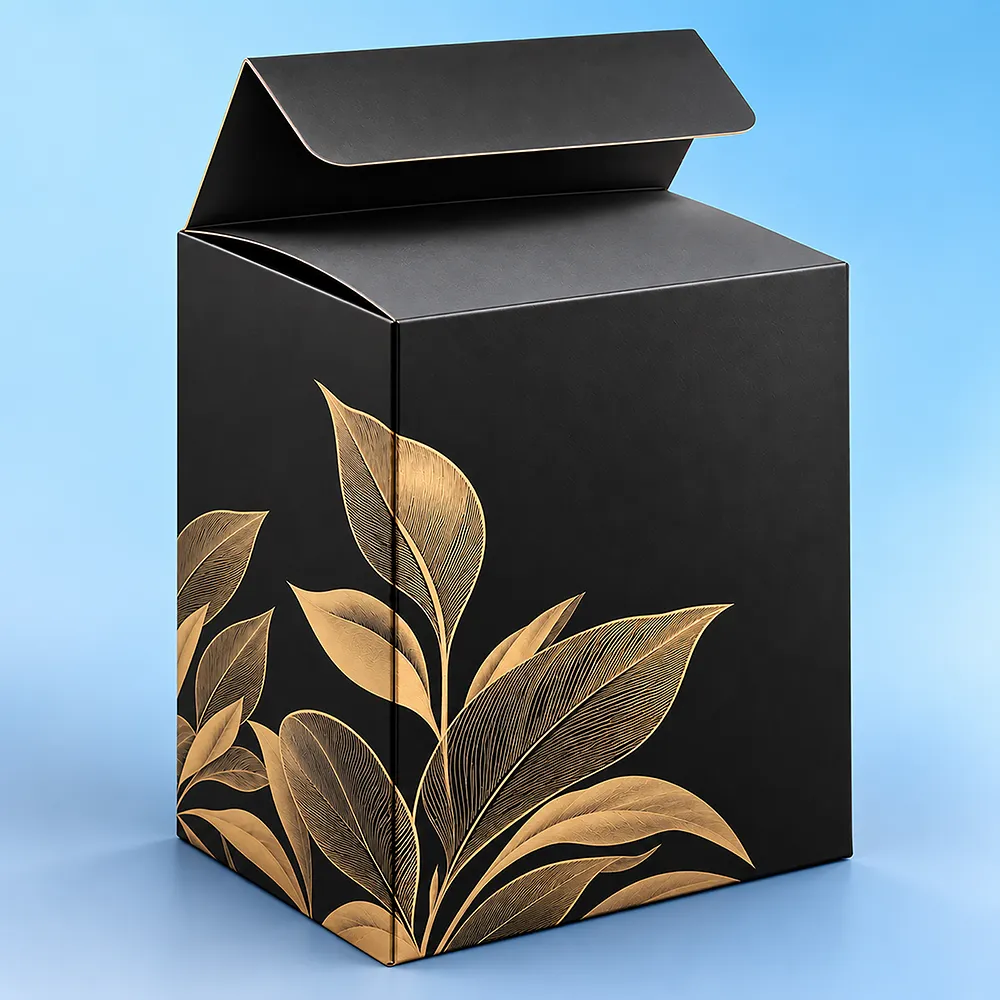
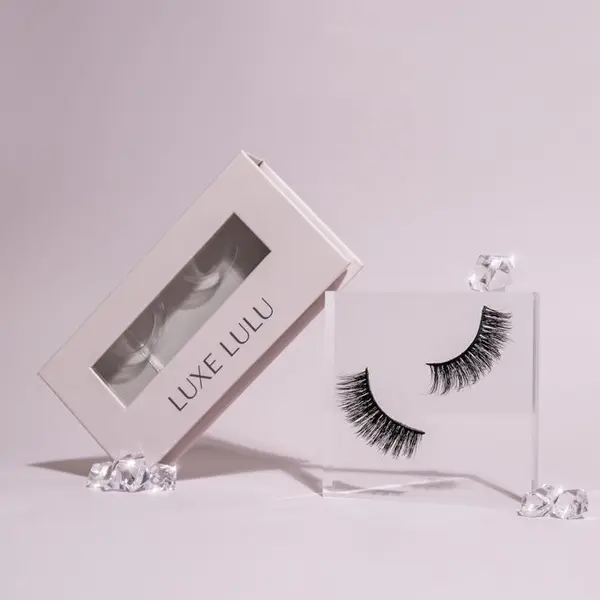
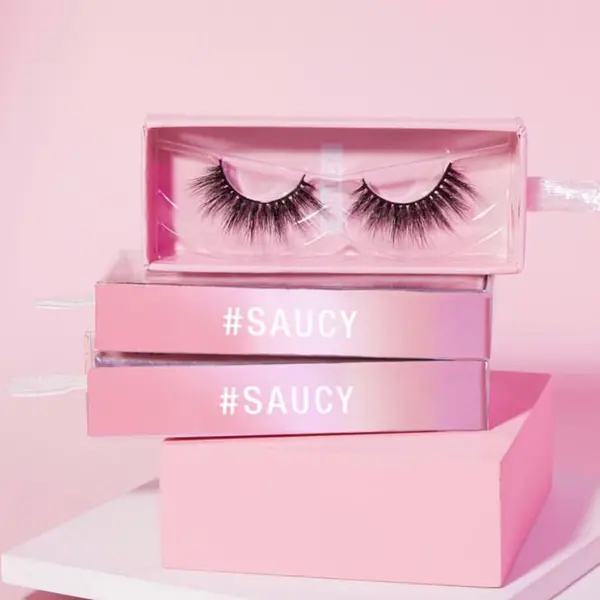
Eye Lash Boxes

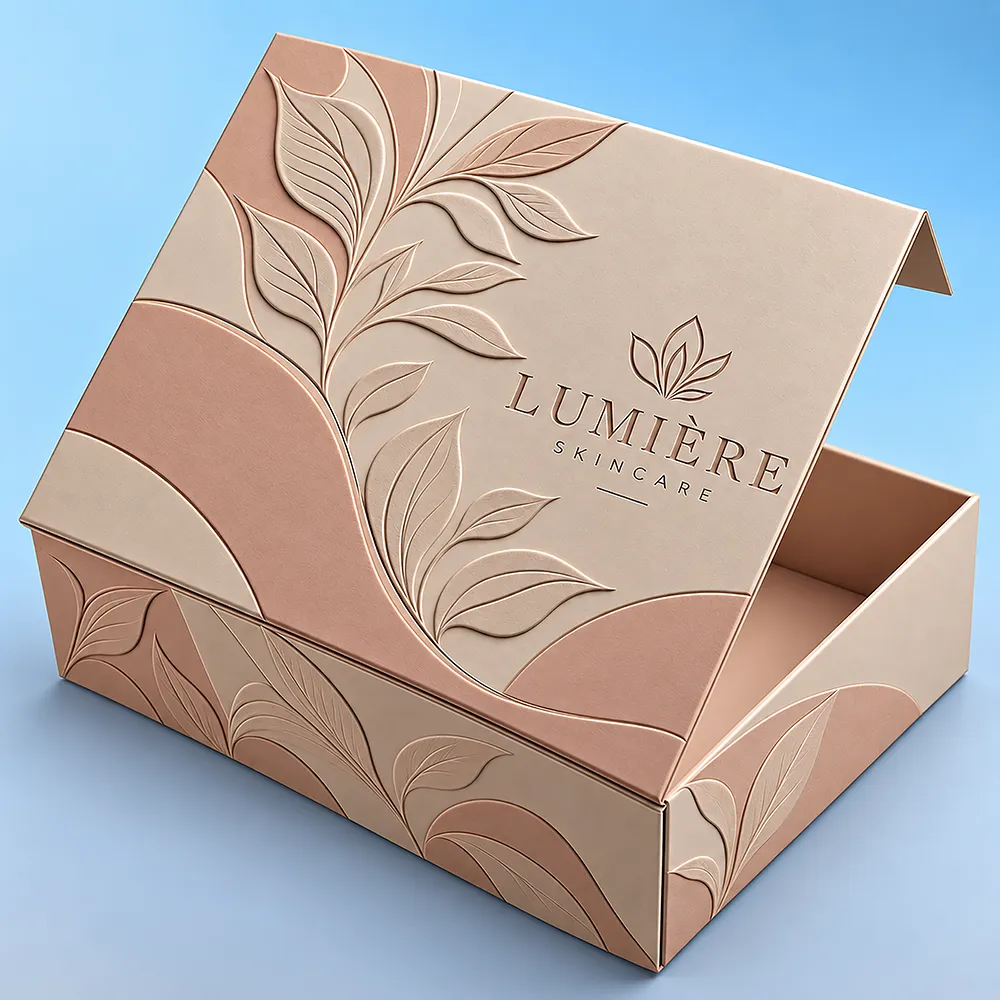
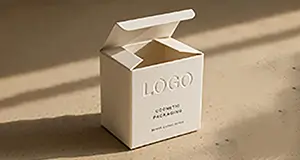
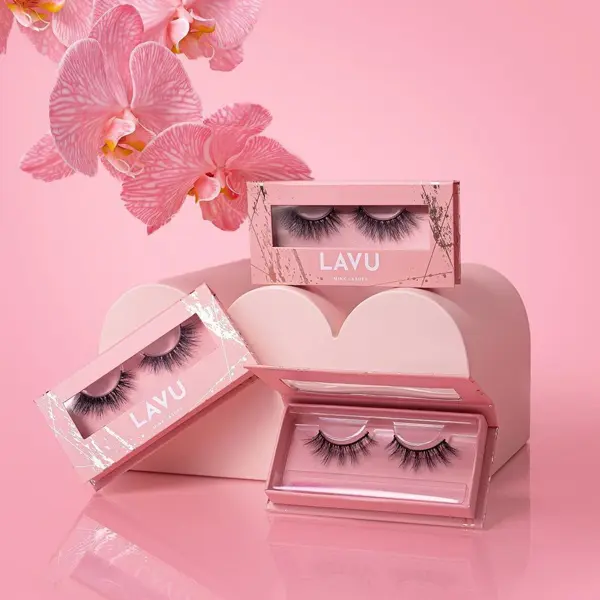
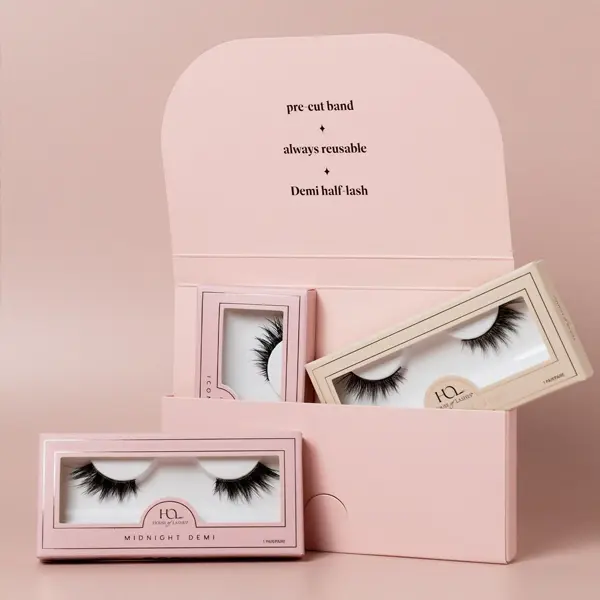
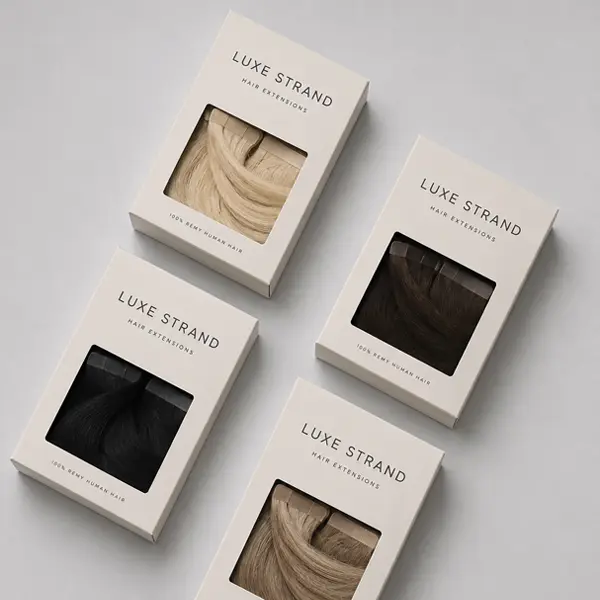
Custom eyelash boxes developed around the actual lash product, tray, insert, product count, retail presentation, and distribution requirements. Box dimensions, internal clearance, structure, window, materials, printing, and finishes can be planned for strip lashes, magnetic lashes, single-pair products, multi-pair sets, and lash collections.
  • Suitable for single-pair, multi-pair, strip-lash, magnetic-lash, cluster, and collection packaging
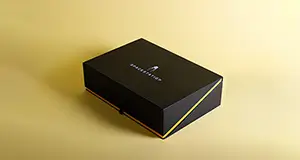
  • Available as tuck cartons, sleeve-and-tray boxes, drawer boxes, window cartons, hang-tab boxes, rigid boxes, and magnetic-closure structures
  • Compatible with buyer-supplied molded trays, paperboard platforms, die-cut cards, folded inserts, molded pulp, foam, and project-specific retention systems
  • Optional open or clear-film windows, interior printing, white ink, foil stamping, embossing, debossing, spot UV, and compatible coatings or laminates
  • Available flat-packed, pre-glued, assembled, tray-loaded, or in another approved delivery format
  • Suitable for retail presentation, wholesale programs, product launches, gift sets, PR kits, and subscription collections
Share the lash type, tray dimensions, number of pairs, preferred box structure, window requirement, insert or tray details, material, printing, finishes, number of SKUs, quantity per design, artwork status, delivery format, and shipping destination to request a custom eyelash box quote.
Trustpilot_Logo
5 out of 5 stars
4.3
Reviews 8 • Excellent

Custom Eyelash Boxes | Wholesale Lash Packaging USA | BoxBaba

Order custom eyelash boxes for beauty and cosmetic brands. Stylish, durable, fully customizable, and available in wholesale quantities with fast USA shipping. Get a free quote today!

What We Give

Create Custom Boxes Quick and Easy

Design

Get your custom boxes made in the required size, shape, and style.

Print

Upload your artwork and get it superbly printed the way you want.

Get it done

Order any quantity, enjoy a wholesale price, pay no extra for die plates.

Product Specification

Specification Details
Box Style Fully customizable EyeLashes Boxes, folding carton, magnetic closure, drawer, shoulder neck, mailer, or specialty box styles
Dimensions (L × W × H) Custom sizes manufactured according to your exact product dimensions and structural requirements
Order Quantity (MOQ) 100 units minimum (flexible for specific projects)
Material Options 10pt–24pt SBS  Kraft board, corrugated (B, E flute), high-density greyboard for rigid boxes
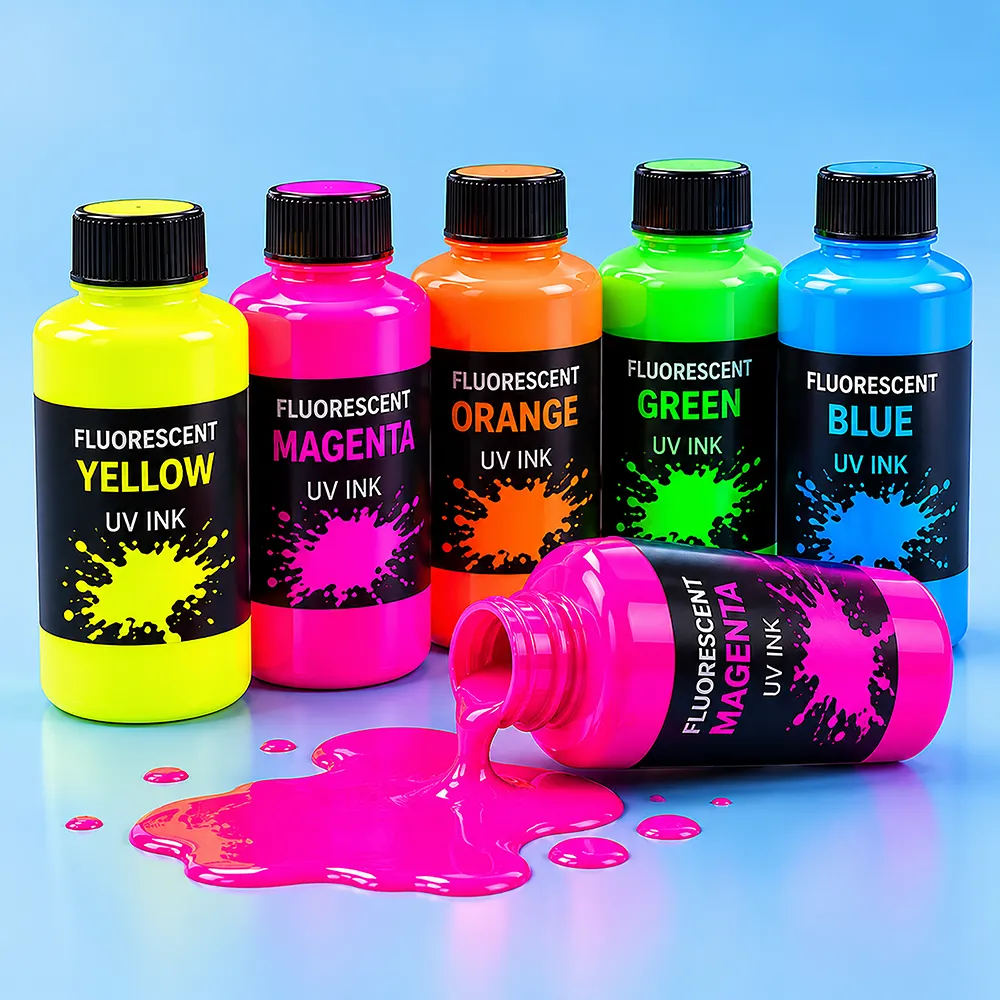
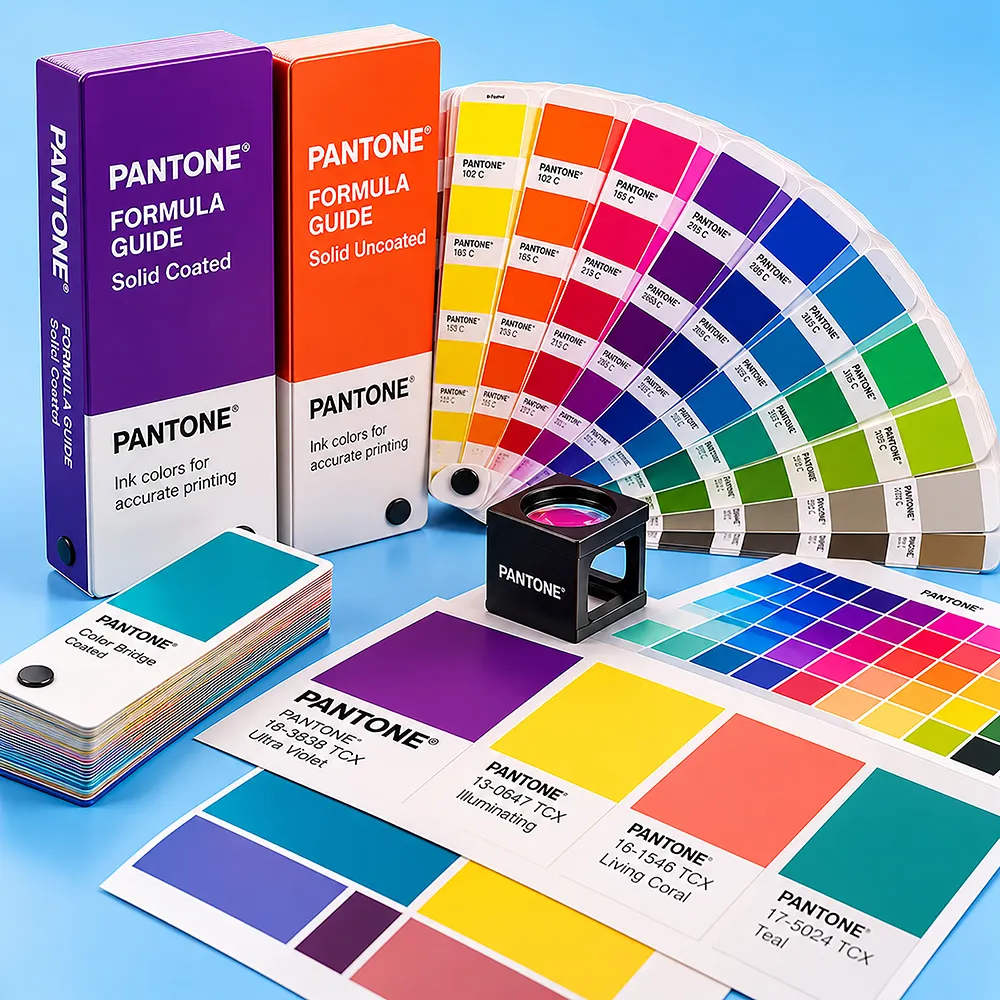
Printing Options CMYK offset printing, Pantone (PMS) color matching, inside & outside printing
Print Finishes Matte lamination, Gloss lamination, Soft-touch coating, Aqueous coating, UV coating
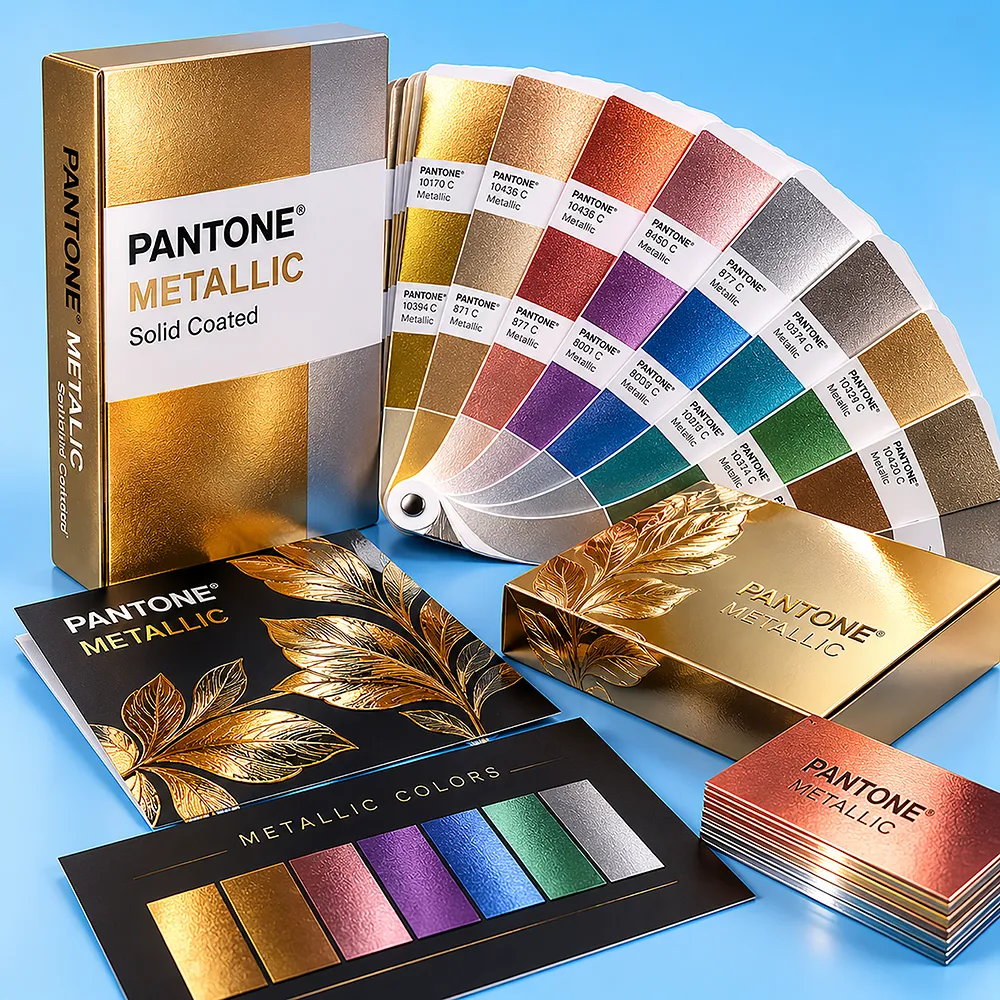
Premium Enhancements Foil stamping (gold/silver/custom colors), Embossing, Debossing, Spot UV, Raised UV
Insert Options EVA foam inserts, Die-cut paperboard inserts, Molded pulp, Cardboard dividers, Custom fit structural inserts
Embellishments Ribbons, magnetic closures, bows, glitters, sparkles, custom tags & hang tags
Compliance Support Labeling guidance & compliance support available for regulated products including hemp/CBD packaging
Sampling & Proofing Free 3D digital mockups, blank sample, printed sample (delivery reimbursable)
Production Timeline 5–9 business days standard production (rush orders available upon discussion)
Shipping Free USA shipping; flat-packed or assembled shipping options available

Related Products

Custom serum box designed for a skincare dropper bottle
Custom skincare packaging boxes for serum bottles and cream jars
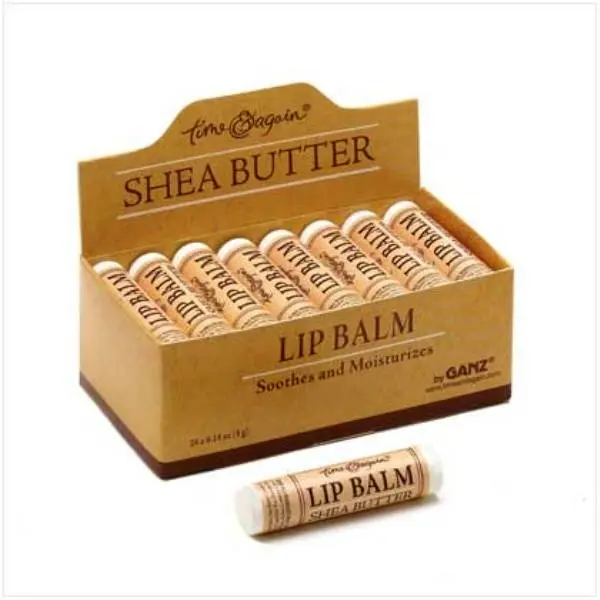
Custom Lip Balm Display Boxes: Printed Displays for Retail Shelves
Custom fragrance packaging boxes with folding carton and rigid box styles
Custom foundation packaging boxes — printed makeup packaging for USA beauty brands — BoxBaba
Custom printed skincare sheet mask pouch shown from the front
Lip Balm Label Printing | High-Quality Custom Cosmetic Labels
Open holographic drawer box with teal interior and black pull tab
Clear rectangular fragrance bottle beside a white presentation box
Open black eyelash case with a pink glitter lash tray
Luxury rigid cologne box for fragrance bottle packaging
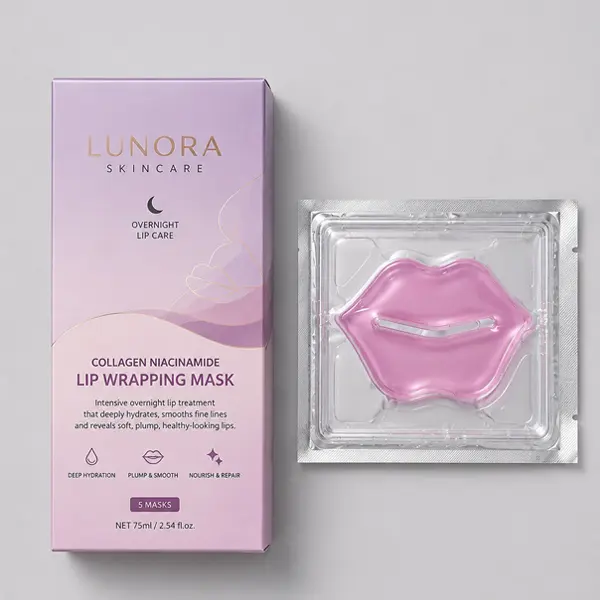
Lip Mask Packaging | Custom Cosmetic Packaging | BoxBaba USA
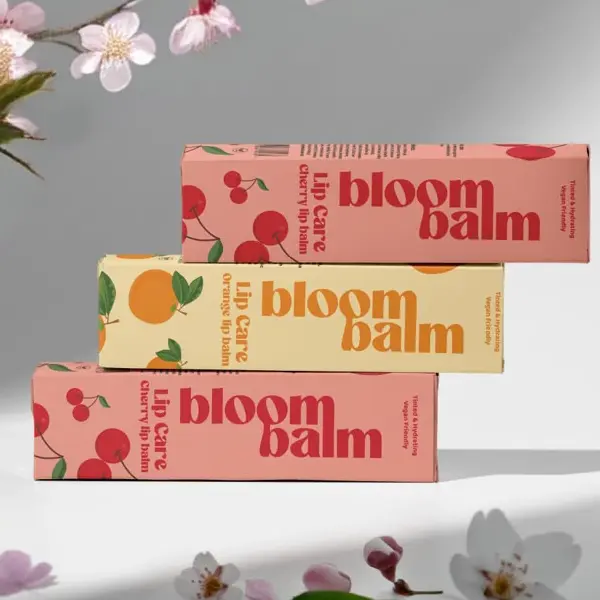
Luxury Lip Balm Boxes | High-End Packaging for Beauty Products
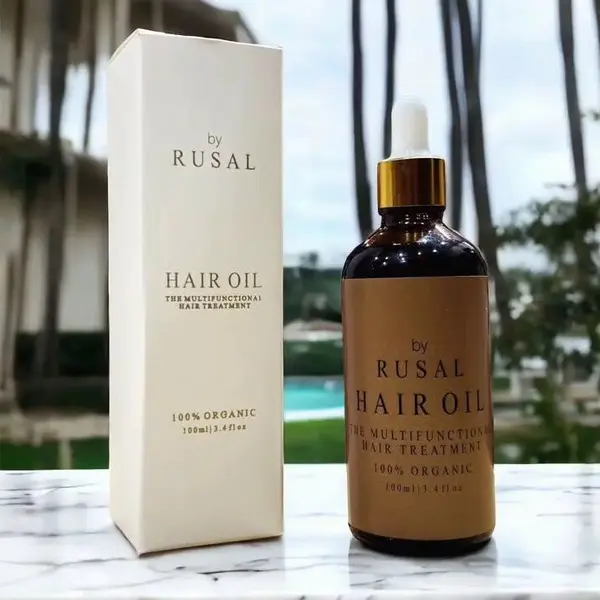
Hair Oil Packaging Boxes Premium Cardboard Bottles Packaging for Retail – BoxBaba USA
Custom cosmetic labels applied to skincare jars and bottles
Wig Boxes Premium Cardboard Packaging for Retail Display – BoxBaba USA
Custom printed makeup boxes with branded artwork and premium finishes
Luxury Nail Polish Packaging: Premium Boxes for High-End Brands
Luxury rigid Perfume Boxes for premium fragrance brands – BoxBaba
Wholesale custom eyeshadow boxes with window and full-color printing — BoxBaba USA
Printed lip gloss boxes displayed with matching cosmetic tubes
Custom eyeliner packaging boxes with gold foil stamping — printed cosmetic boxes USA — BoxBaba
Custom printed lipstick boxes sized for branded cosmetic tubes
Wholesale cosmetic display boxes for beauty brands

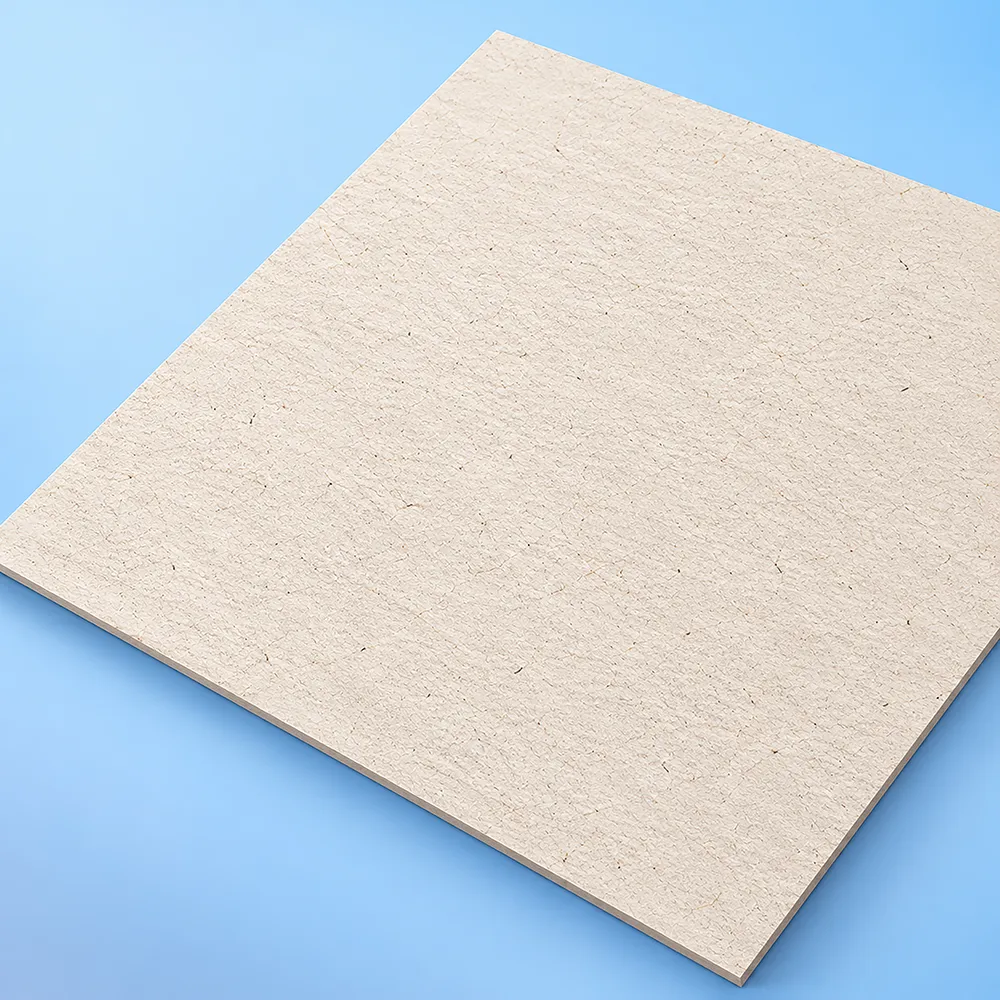
Stock Type & Thickness

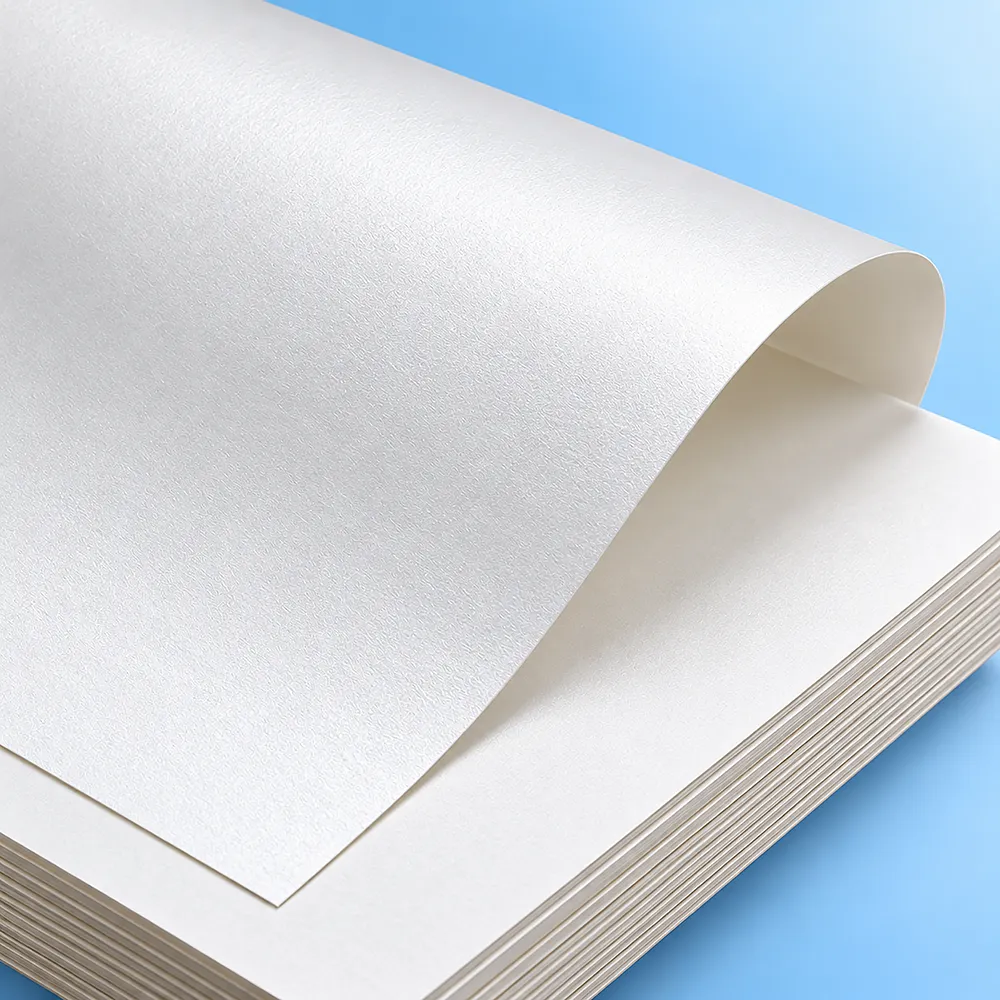
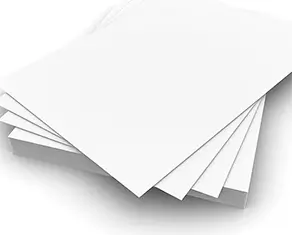
Cardboard

We use cardboard material with the least environmental impact and minimizes waste generation.

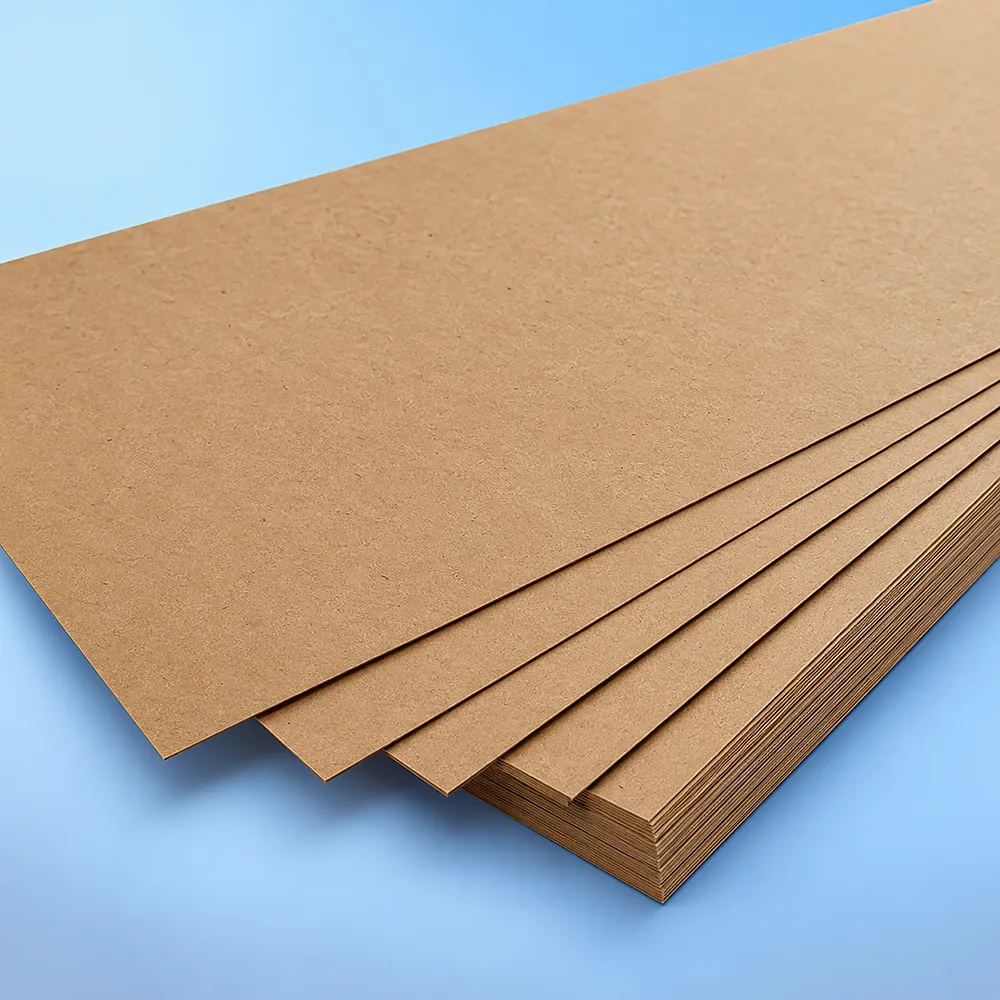
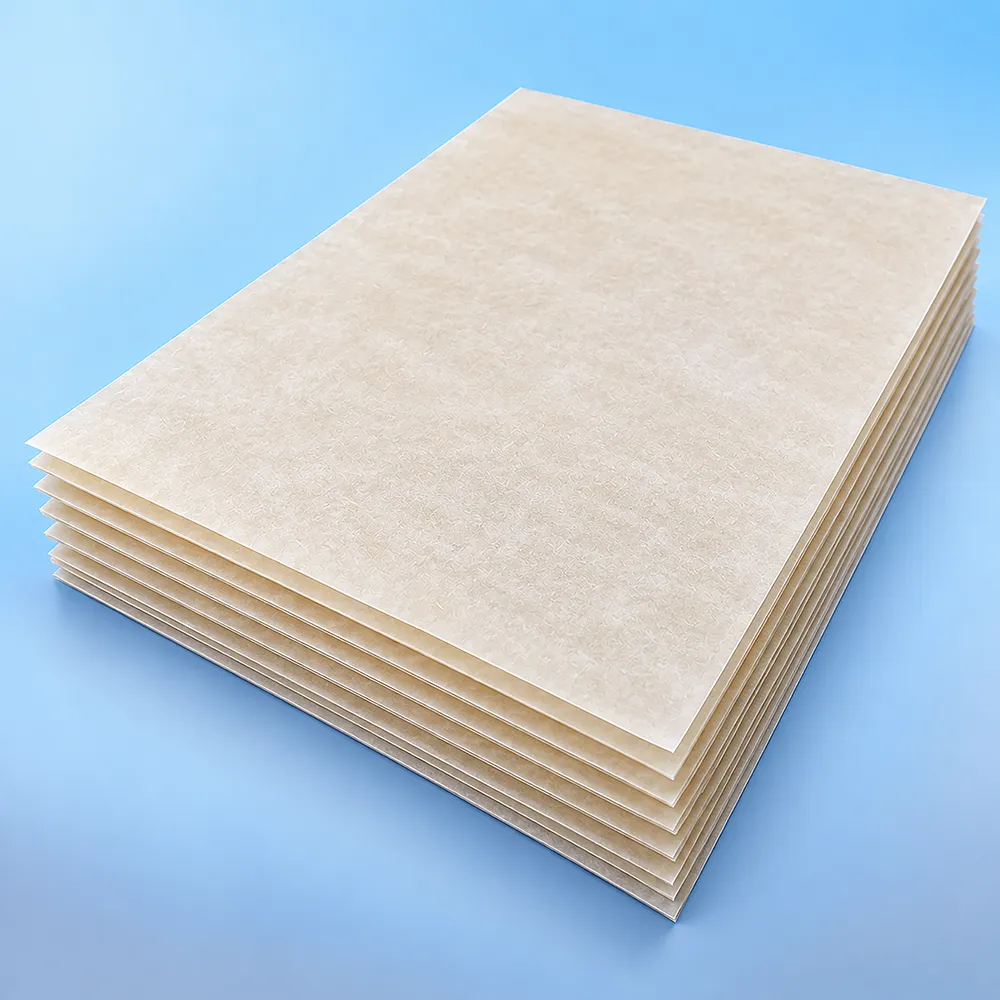
Kraft

Kraft paper is a strong, durable and reliable material that is widely used across many different industries.

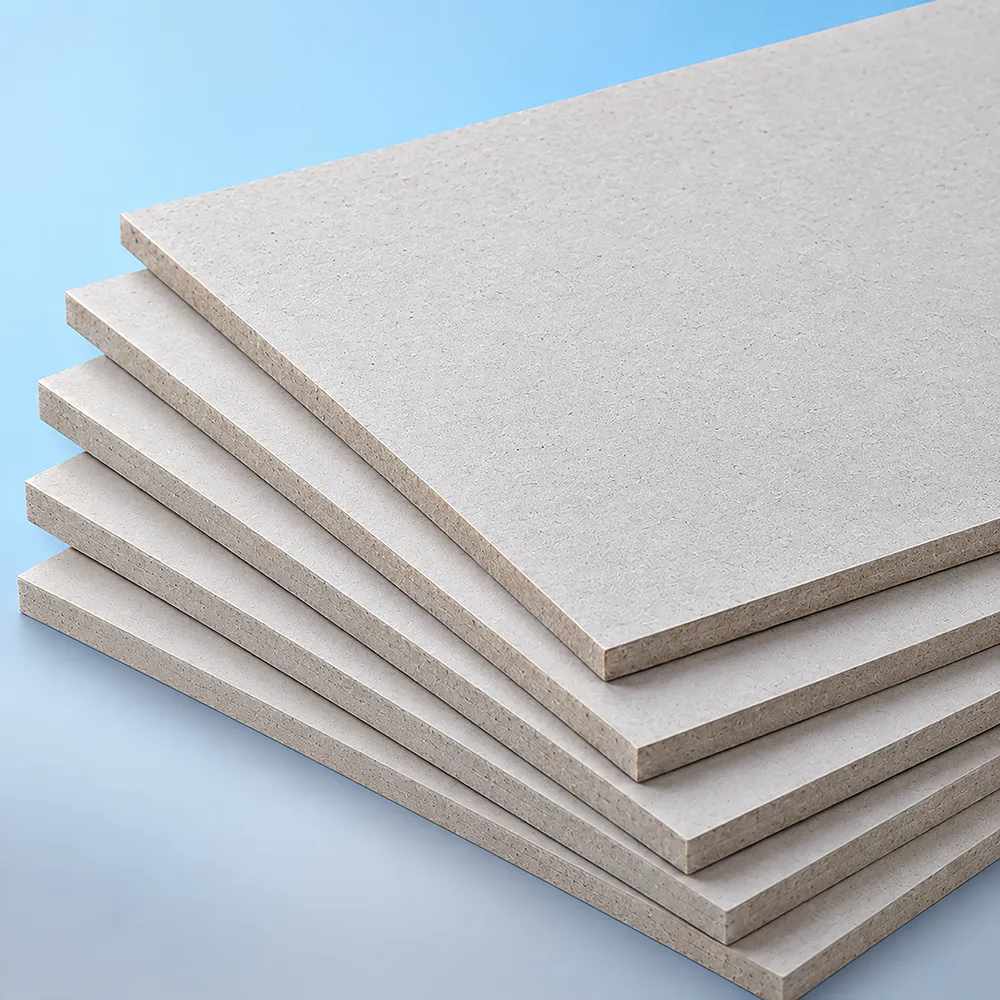
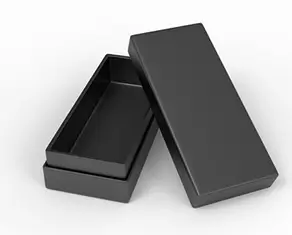
Rigid

Rigid is highly protective, affordable and recyclable material. These boxes provide maximum protection.

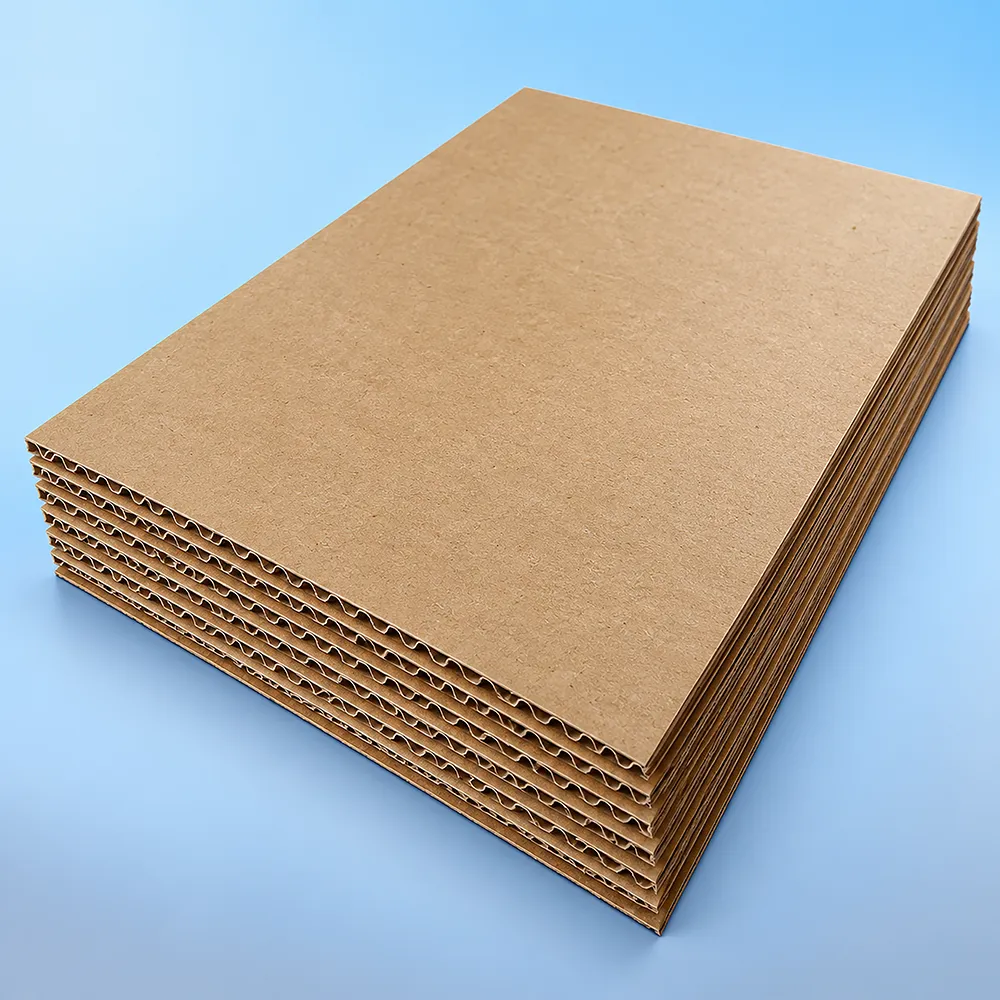
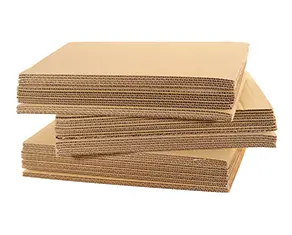
Corrugated

Corrugated material is easy to customize, cost effective and sustainable. It is also great for branding purposes.

Finishing Assortment

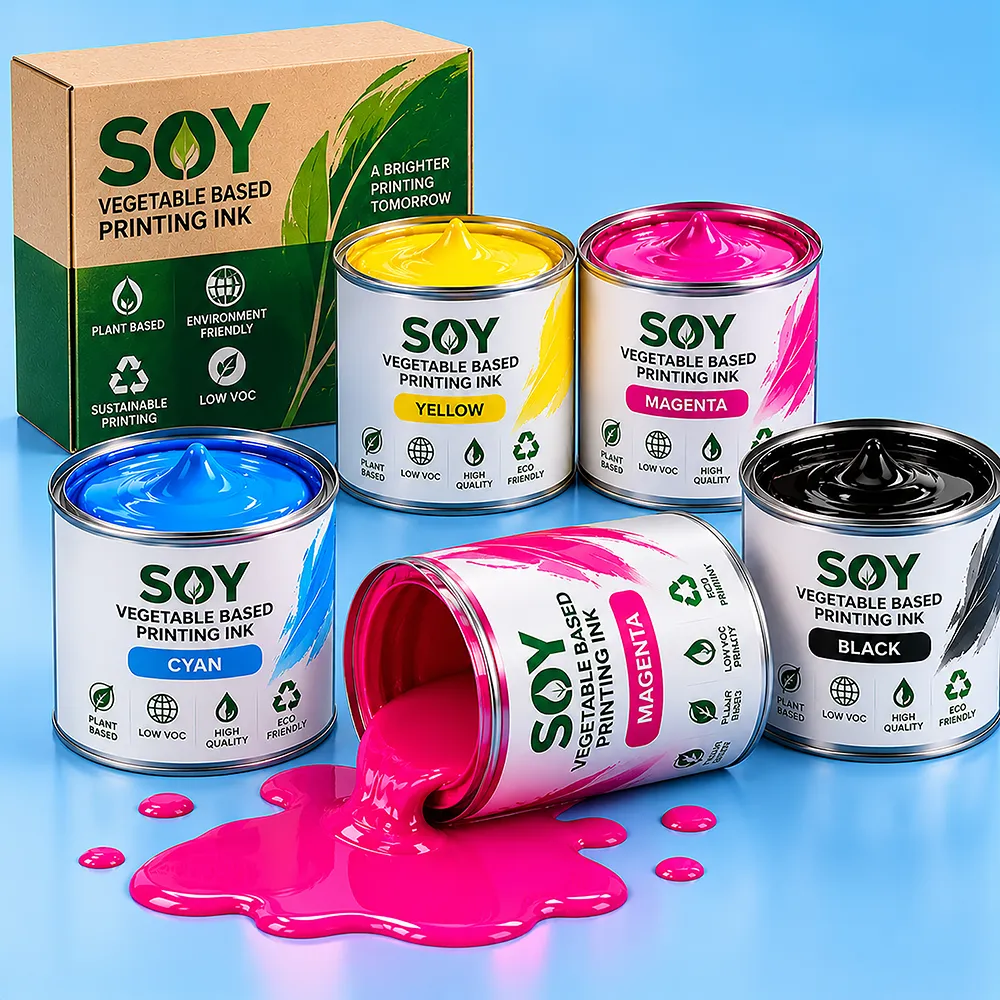
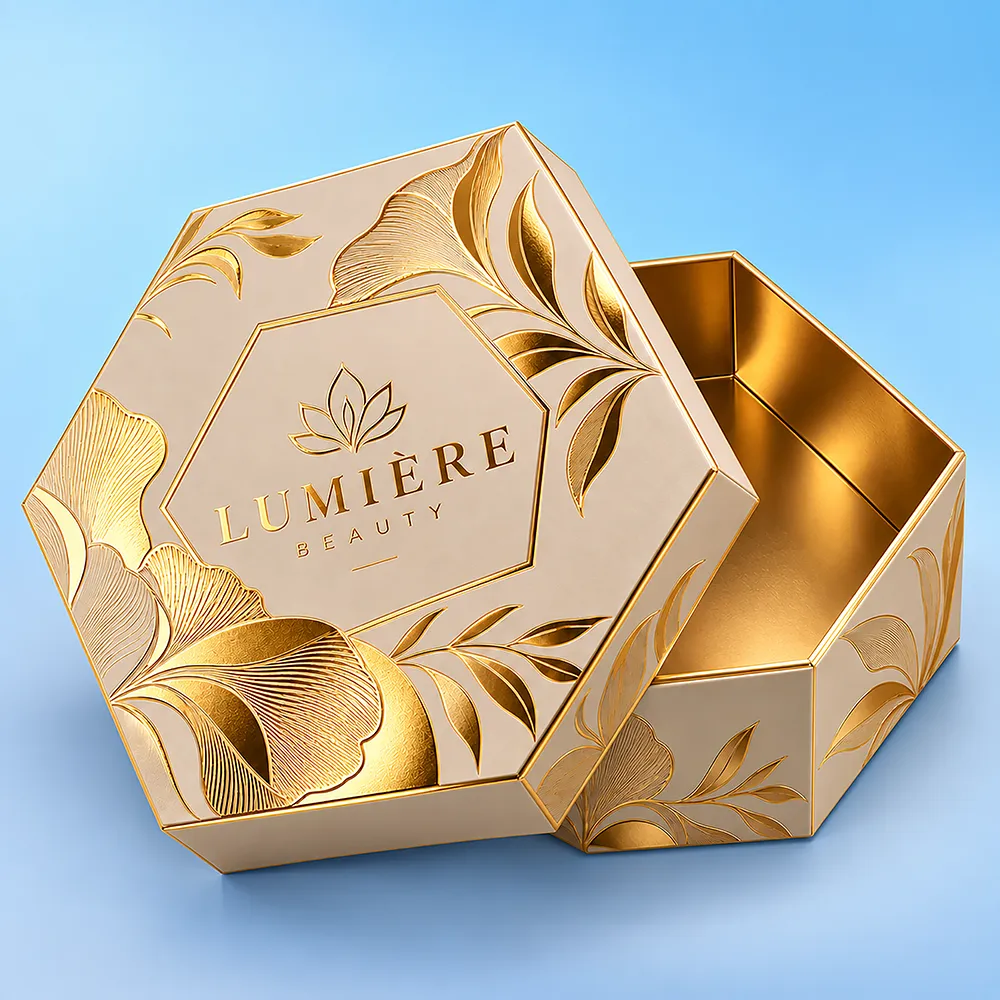
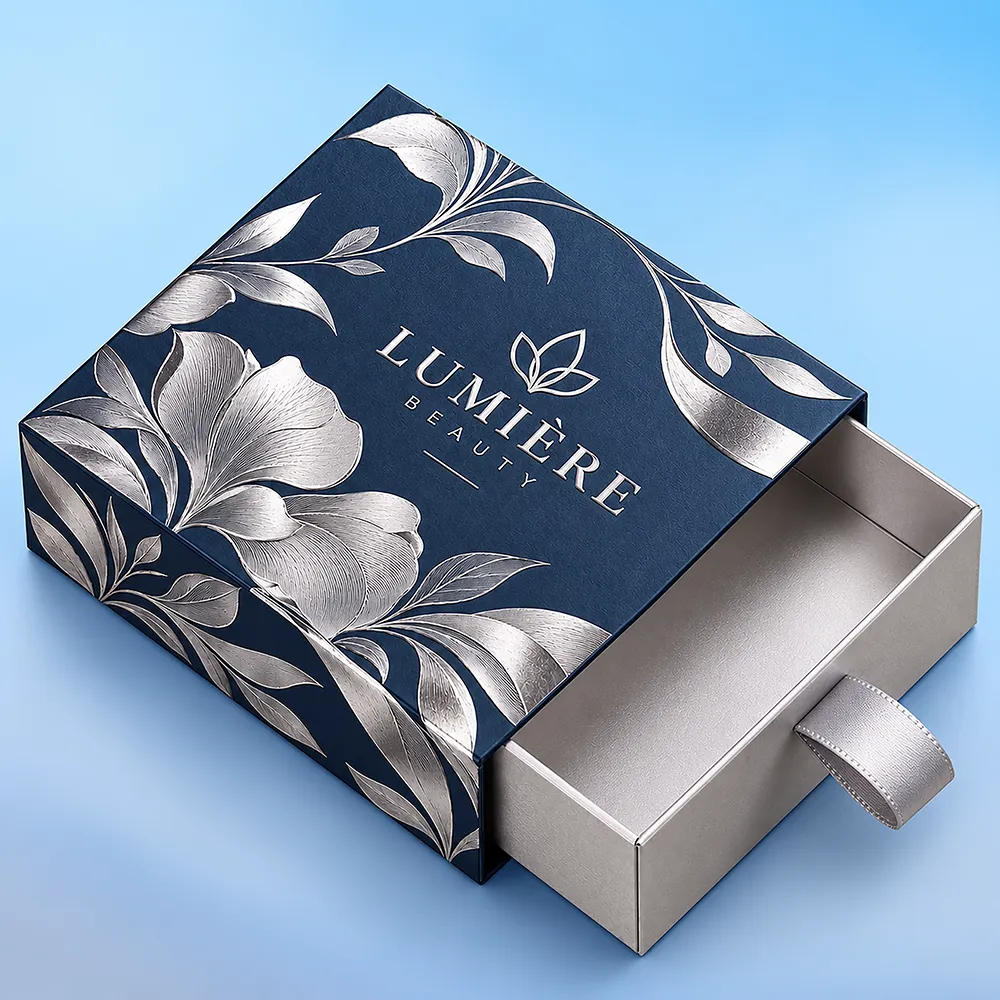
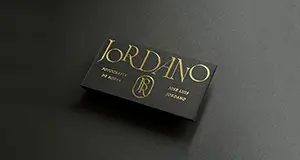
Foil Stamping

Foil Stamping

Enhance your packaging with premium foil stamping for a bold and luxurious appearance.

Spot UV

Spot UV

Our Spot UV coating adds a sleek shine and highlights key design elements beautifully.

Gloss-Lamination

Gloss

Give your packaging a polished, glossy finish that enhances color and visual appeal.

Holographic Foiling

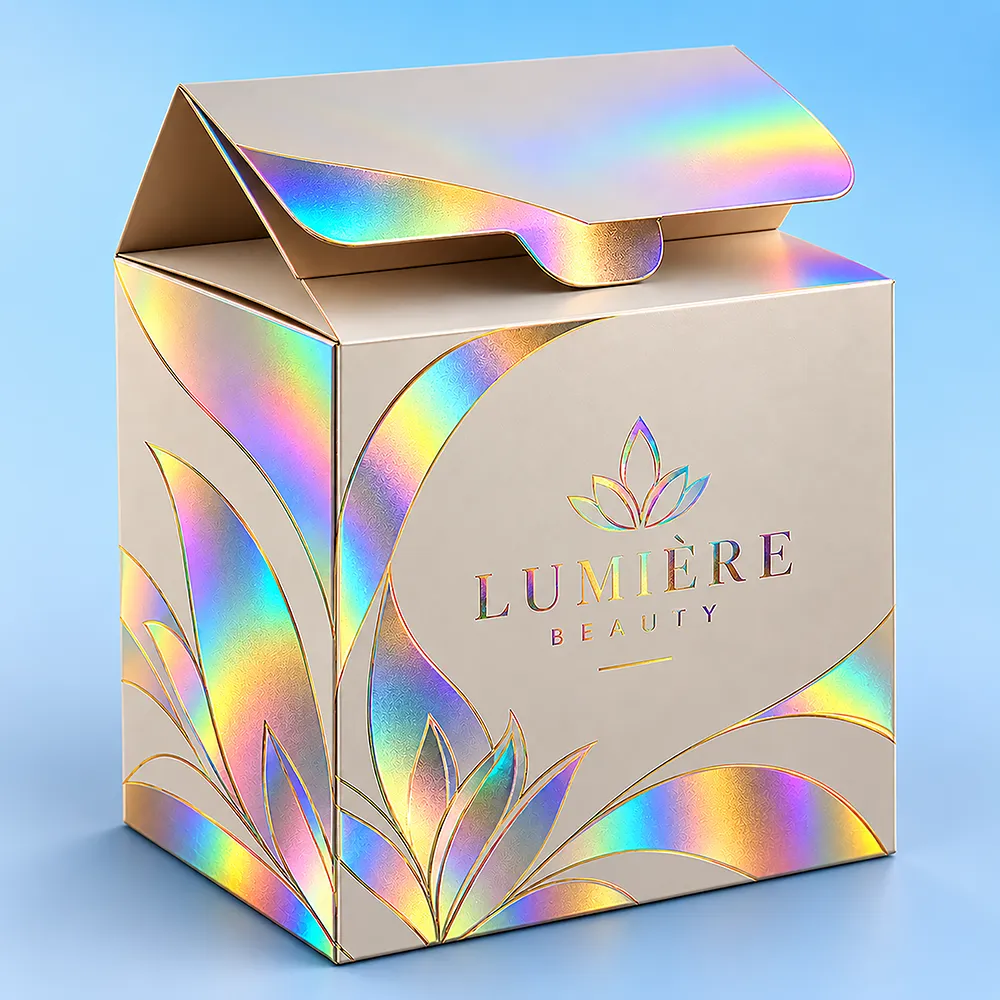
Holographic Foiling

Create eye-catching packaging with holographic foil effects that shimmer from every angle.

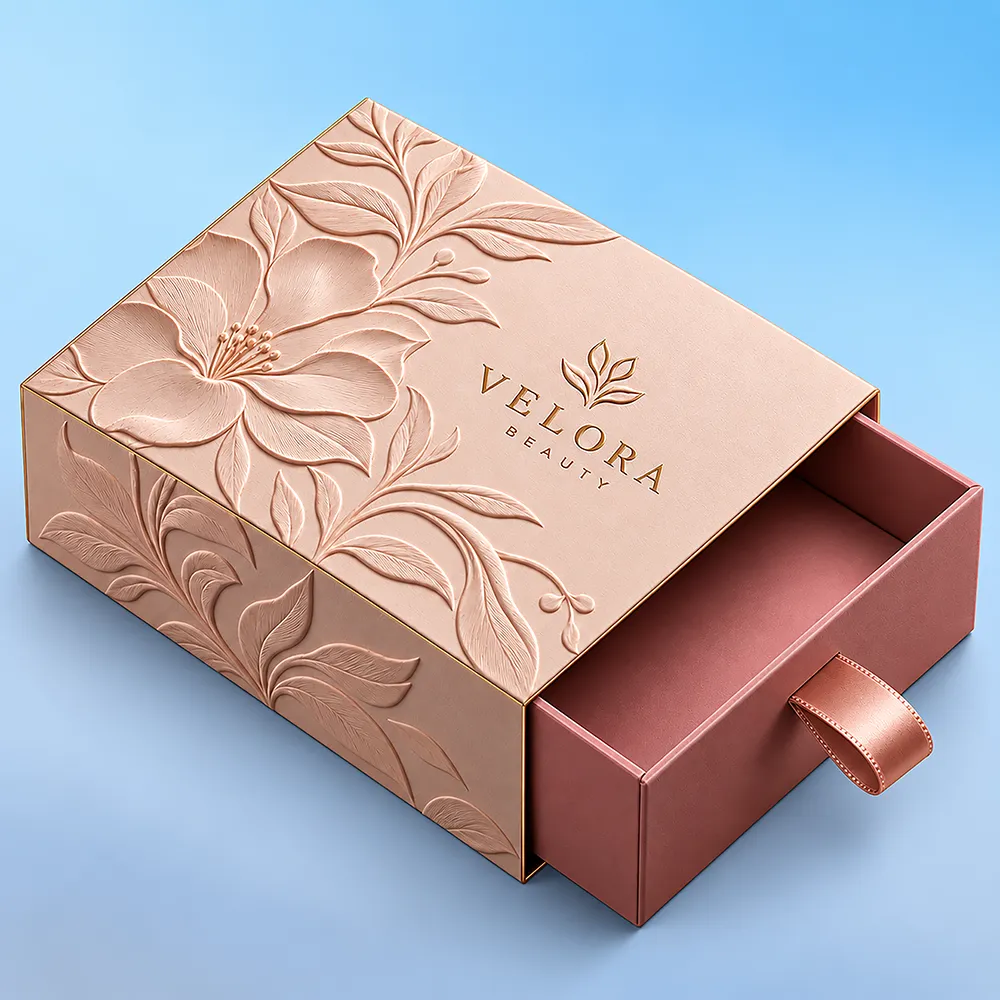
Embossing

Embossing

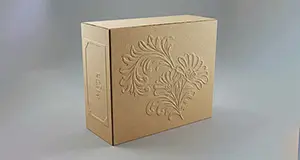
Add raised textures and elegant detailing to make your packaging stand out.

Debossing

Debossing

Create a refined pressed-in effect that adds depth and sophistication to your packaging.

Matte

Matte

Achieve a smooth matte finish that minimizes fingerprints and delivers a modern look.

Soft Touch Lamination

Soft Touch Lamination

Protect your packaging with a silky-soft laminated finish for a premium feel.

Custom Lash Packaging Planned Around the Product, Tray and Sales Channel

Custom eyelash boxes should be developed around the actual lash product, tray, insert, retail presentation and distribution method rather than selected from appearance alone. Lash length, curl profile, band position, tray depth, product count, internal clearance, opening style, window design and outer shipping protection can all affect the finished package. BoxBaba supports custom eyelash packaging projects for strip lashes, magnetic lashes, single-pair products, multi-pair sets, lash collections and project-specific beauty products. Available directions may include folding cartons, sleeve-and-tray boxes, drawer boxes, rigid presentation boxes, magnetic-closure structures, window cartons, hang-tab packaging and coordinated inserts. For fit-sensitive projects, provide the actual production lash tray, container or approved physical sample. Supplier drawings and nominal dimensions may not show raised edges, tray flanges, lash projection, molded details, assembly variation or the clearance required for reliable packing.

Custom Eyelash Box Specification Overview

Specification Project Direction
Lash formats Strip lashes, magnetic lashes, single-pair lashes, multi-pair sets, lash clusters, promotional collections and project-specific lash products
Packaging role Retail presentation box, reusable presentation structure, gift packaging, PR packaging, subscription presentation or wholesale unit packaging
Box structures Straight tuck, reverse tuck, sleeve-and-tray, folding drawer, rigid drawer, two-piece rigid, magnetic closure, window carton, hang-tab carton and custom structures
Tray and insert options Buyer-supplied molded tray, paperboard platform, die-cut card, folded insert, molded pulp, foam or another approved retention system
Dimensions Developed around the actual tray or product dimensions, lash projection, opening method, board thickness, insert and required internal clearance
Materials SBS paperboard, coated paperboard, kraft-style board, rigid greyboard, corrugated board for suitable outer packaging and specialty stocks
Windows Open die-cut window, clear-film window or no window according to visibility, dust exposure, strength, material and environmental requirements
Printing CMYK, supported spot-color printing, white ink, interior printing, variable artwork and other confirmed production methods
Finishes Matte or gloss coating, compatible lamination, soft-touch effect, foil stamping, embossing, debossing, spot UV and project-specific decorative treatments
Retail features Hang tabs, barcode panels, shade or style identification, product instructions, QR codes, tamper-evident labels and retailer-specific panel layouts
Delivery format Flat-packed, pre-glued, assembled, tray-loaded or another approved configuration according to the structure and packing workflow
Proofing Digital artwork proof, blank structural sample, printed prototype, material sample, tray-fit sample or project-specific production trial
MOQ Project-specific according to structure, size, material, tray, insert, window, printing, finishes, assembly, tooling and quantity per artwork version
Production Confirmed after the final structure, materials, artwork, samples, finishes, quantity and approval process have been reviewed
Shipping Calculated separately according to flat or assembled delivery, carton volume, quantity, destination, outer packing and service level

What Are Custom Eyelash Boxes?

Custom eyelash boxes are printed packaging structures designed for a specific lash product, tray, insert, product count and brand presentation. They may be used for retail shelves, ecommerce orders, wholesale distribution, subscription programs, product launches, influencer campaigns, gift sets and beauty collections. The retail box may carry the brand name, lash style, product identity, application instructions, warnings, barcode, QR code, responsible-business information and other buyer-approved content. It may also include a fitted tray, insert, viewing window, sleeve, drawer or reusable rigid structure. A custom eyelash box is different from a reusable lash-storage case. This page focuses primarily on printed retail and presentation packaging. For travel-friendly storage, mirrors, reusable organizers or multi-compartment formats, explore our custom eyelash cases.

Understand the Complete Eyelash Packaging System

Packaging Level Main Function
Primary tray or insert Positions and presents the lashes directly
Retail presentation box Carries branding, product information and the customer-facing opening experience
Ecommerce shipper Provides additional protection during parcel handling and delivery
Master wholesale carton Groups multiple finished units for storage, warehouse handling or retail distribution
These layers should not be treated as interchangeable. A decorative folding carton may be suitable for retail presentation but may still require a corrugated mailer, shipping carton or protective pack-out for parcel delivery.

Eyelash Products Supported by Custom Packaging

Strip Lash Boxes

Strip lashes are commonly packed as a single pair on a molded tray, paperboard platform or project-specific insert. The box should provide adequate space for the lash length, curl, tray flange and band position without allowing the outer structure to contact the lash fibers.

Magnetic Eyelash Boxes

Magnetic-lash packaging may need space for the lash pair, applicator, magnetic liner or other included components. The term “magnetic eyelash box” may also refer to a box with a magnetic closure, so the product configuration and closure requirement should be stated separately. Confirm whether magnets are part of the lash product, the packaging closure or both.

Single-Pair Eyelash Boxes

Single-pair packaging can use compact folding cartons, window boxes, drawer structures or rigid presentation boxes. The best direction depends on the tray dimensions, desired retail presentation, packing method, price positioning and distribution channel.

Multi-Pair Lash Packaging

Multi-pair boxes may arrange lashes in rows, columns, drawers, stacked trays or removable cards. The structure should be reviewed for product count, visibility, spacing, removal access, tray retention and the way the customer will return unused lashes to the package.

Lash Collections and Gift Sets

Collections may combine multiple lash styles, applicators, adhesive, magnetic liner, tweezers, brushes or instructional materials. These projects may require a divided insert, layered platform, drawer, book-style rigid box or two-piece presentation structure.

Lash Clusters and Segmented Lash Products

Cluster and segmented lash products may require multiple cavities, labeled rows, applicator storage or separate zones for different lengths and curl profiles. The packaging should be developed from the actual arrangement rather than adapted from a standard single-pair tray.

How to Measure an Existing Lash Tray

Measure the finished production tray rather than only the lash fibers. Include the complete tray flange, raised walls, tabs, molded lettering and other projections.

Step 1: Measure the Tray Length

Measure the tray from its widest outside edge to the opposite edge. Include flanges, pull tabs and raised borders that must fit inside the box.

Step 2: Measure the Tray Width

Measure the complete outside width at its widest point. A curved, oval or decorative tray may have a different center width and edge width.

Step 3: Measure the Tray Depth

Measure from the lowest tray surface to the highest tray feature. Include the lash curl and any fiber projection extending above the molded tray.

Step 4: Check Lash Projection

Confirm whether the fibers extend beyond the tray edge or above the tray wall. The internal box should not be approved using only the empty tray if the installed lashes increase the required clearance.

Step 5: Record Opening and Removal Features

Identify finger notches, ribbon pulls, thumb cuts, tray tabs, hinge points, applicator cavities and the direction from which the customer removes the tray.

Step 6: Test the Complete Packed Product

Place the filled tray inside a blank structural sample and check:
  • Top and side clearance
  • Tray movement
  • Fiber contact with the box
  • Drawer movement
  • Window alignment
  • Ease of removal
  • Closing pressure
  • Insert retention
  • Product orientation
  • Barcode and information-panel placement

Planning Packaging Without an Existing Lash Tray

When the tray has not yet been produced, provide:
  • Maximum lash length
  • Maximum lash width
  • Highest curl projection
  • Lash-band shape
  • Single-pair or multi-pair quantity
  • Applicators or accessories
  • Desired tray material
  • Retention method
  • Opening direction
  • Retail display requirement
  • Whether the customer must reuse the tray
A proposed tray or insert should be sampled with the actual lash products before the full box order is approved.

Internal Dimensions and Product Clearance

The internal dimensions of an eyelash box are not always identical to its external dimensions. Board thickness, folded panels, glue flaps, windows, inserts, drawer sleeves, wrapped edges and rigid-board construction reduce the usable interior space. The final dimensions should consider:
  • Tray length, width and depth
  • Lash curl projection
  • Insert thickness
  • Board thickness
  • Drawer movement
  • Window-film placement
  • Ribbon or pull-tab space
  • Applicators and accessories
  • Packing tolerance
  • Assembly variation
  • Product removal
Excessive space can allow unwanted movement, while insufficient clearance can place pressure on the tray, lash fibers or opening mechanism.

Choosing the Right Eyelash Box Structure

Box Structure Suitable Direction Main Considerations
Straight tuck-end carton Lightweight single-pair retail packaging Panel orientation, glue seam, tray loading, dust flaps and top-opening access
Reverse tuck-end carton Compact retail boxes and efficient folding-carton production Opposing tuck direction, product loading and artwork-panel arrangement
Sleeve-and-tray box Sliding product reveal and structured presentation Sleeve friction, tray clearance, pull direction, thumb notch and tray retention
Folding drawer box Premium-looking packaging with lower material weight than a rigid drawer Drawer strength, sleeve fit, assembly and repeated opening
Rigid drawer box Gift sets, premium launches and reusable presentation Greyboard thickness, wrapped edges, drawer tolerance, ribbon pull and freight volume
Two-piece rigid box Collections, PR kits and multi-pair presentation Lid fit, base depth, insert height, removal access and assembled shipping volume
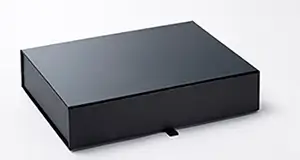
Magnetic-closure rigid box Reusable presentation and premium collections Magnet placement, board thickness, closure force, insert layout and material complexity
Window folding carton Retail visibility of the lashes and tray Window size, board strength, dust exposure, glare, film material and information-panel space
Hang-tab carton Pegboard or hanging retail display Product weight, tab position, tear resistance, retailer specifications and box balance
Round or cylindrical box Distinctive presentation or circular tray systems Tray geometry, rolling tendency, label or print area, closure and shipping efficiency

Folding Cartons vs Rigid Eyelash Boxes

Consideration Folding Carton Rigid Box
Typical use Retail, wholesale, high-volume and lightweight packaging Premium presentation, gift sets, PR kits and reusable structures
Delivery format Often shipped flat or pre-glued Usually shipped assembled or partially assembled
Storage and freight Generally uses less storage space before assembly Usually requires more carton and warehouse volume
Insert options Paperboard cards, folded inserts, molded trays and lightweight platforms Layered inserts, trays, foam, pulp, paperboard platforms and divided layouts
Presentation Clean retail carton with broad printing options Structured opening experience and greater perceived permanence
Project complexity Depends on die cutting, windows, gluing and finishes Often requires more sampling, wrapping, assembly and dimensional control

Lash Tray and Insert Options

Buyer-Supplied Molded Trays

A buyer-supplied PET, plastic or molded tray can be used when its dimensions, flange, depth, product orientation and material are confirmed. Supply production samples rather than only a photograph.

Paperboard Platforms

A folded or layered paperboard platform may support selected lash formats where the geometry, retention method and product presentation are suitable. It should not automatically be treated as a direct replacement for every molded tray.

Die-Cut Lash Cards

Die-cut cards may use slits, tabs, notches, adhesive points or other product-specific retention features. Test the card with the actual lash band and removal method.

Molded Pulp Inserts

Molded pulp may be considered for selected shapes and quantities. Tooling, surface texture, dimensional tolerance, color, fiber appearance and minimum production requirements should be reviewed.

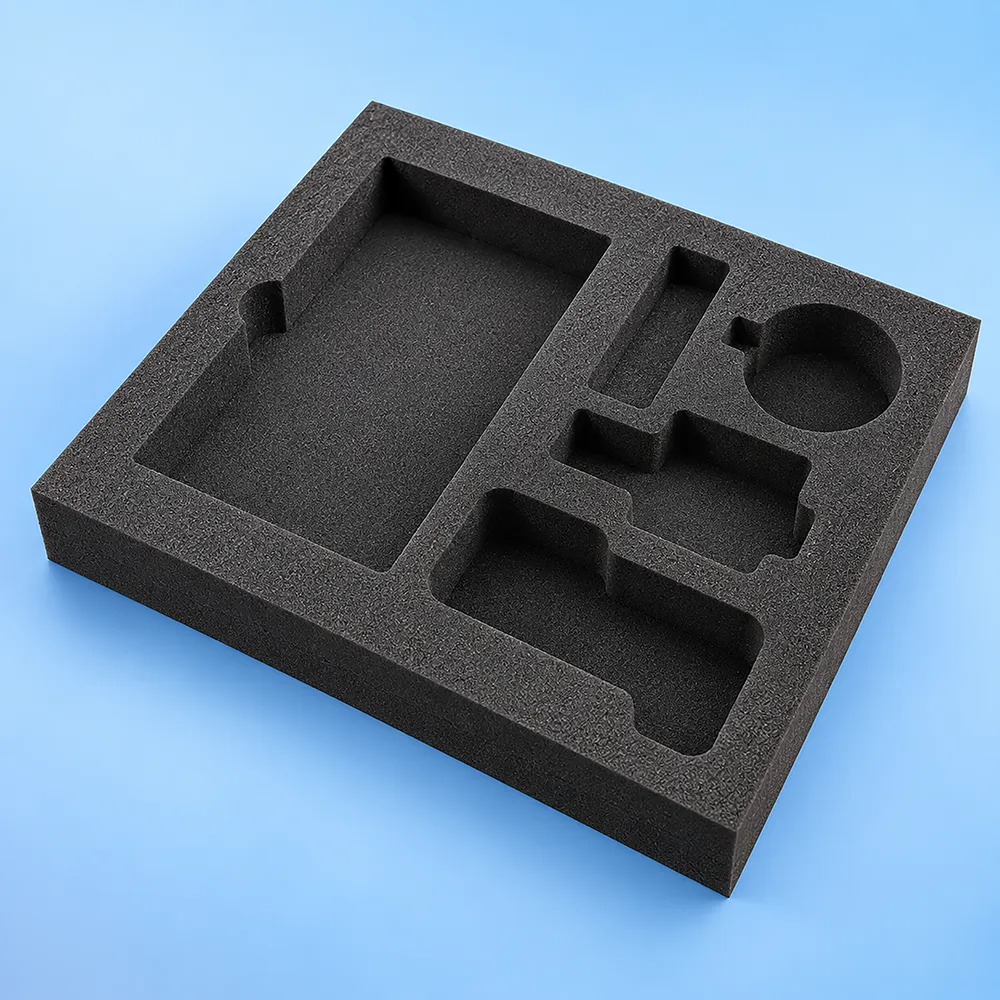
Foam Inserts

Foam may be considered for applicators, accessories or presentation sets where its material, density, cut profile and environmental implications are acceptable.

Adhesive Retention Points

Some lash trays or cards use removable adhesive areas to hold the lash band. Adhesive selection, placement, residue, band compatibility, removal force and repeated use should be evaluated by the lash-product supplier.

Tray Retention and Product Movement

A tray or insert may be retained using:
  • Friction fit
  • Folded paperboard walls
  • Locking tabs
  • Side rails
  • Die-cut shoulders
  • Adhesive attachment
  • Ribbon or pull-tab systems
  • Drawer stops
  • Layered inserts
  • Project-specific molded features
A fitted insert may help reduce unwanted movement, but final performance depends on the complete product, tray, insert, box, assembly process, pack-out and distribution environment.

Window Eyelash Boxes

A window can show the lash style, curl, tray or product arrangement without opening the box. Window packaging should be planned together with board strength, tray position and required information panels.

Open Die-Cut Window

An open window contains no transparent film. It may reduce material complexity but exposes the tray more directly to dust, handling and contact.

Clear-Film Window

A clear-film window creates a transparent barrier across the opening. Confirm the film type, clarity, glare, scratch appearance, adhesive area, recycling implications and compatibility with the selected board and finishing process.

Window Size and Position

Large windows reduce the amount of board surrounding the opening. Leave sufficient distance from folds, scores, glue areas, hang tabs and structural edges. Position the window so that it:
  • Shows the intended lash area
  • Does not expose an unfinished tray edge
  • Leaves space for branding
  • Leaves space for product information
  • Avoids the box glue seam
  • Does not weaken a critical fold
  • Aligns with normal tray-position tolerance

Hang-Tab Eyelash Boxes for Retail Display

A hang tab can support pegboard or hanging displays where permitted by the retailer. Its size and position should reflect the package weight, balance, board strength, hole shape and display hardware. Confirm:
  • Euro slot, round hole or retailer-specific profile
  • Distance from the top fold
  • Reinforcement requirement
  • Product weight
  • Package balance
  • Display orientation
  • Retailer testing or specification requirements

Materials for Custom Eyelash Boxes

SBS and Coated Paperboard

SBS and coated paperboards are commonly considered for printed folding cartons requiring a smooth surface, fine artwork, color coverage, windows and decorative finishing.

Kraft-Style Paperboard

Kraft-style board can create a natural or uncoated appearance. The visible color of the stock affects printed colors, white areas, small text and photographic artwork. The kraft appearance alone does not confirm recycled content, recyclability, compostability, certification or another environmental characteristic.

Rigid Greyboard

Rigid-board structures use a dense board wrapped with printed or decorative paper. They may be considered for drawers, lift-off lids, magnetic closures, gift sets and reusable presentation boxes.

Corrugated Board

Corrugated board may be suitable for ecommerce mailers, master cartons, subscription packaging and outer shipping structures. It is not automatically required for every lightweight retail lash box.

Specialty Stocks

Metallic, pearlescent, holographic, textured, colored and specialty papers may be considered when compatible with the structure, printing, gluing, scoring, window, finish and budget.

Board Thickness and Structural Selection

Board selection should reflect:
  • Box size
  • Tray weight
  • Product count
  • Window size
  • Hang-tab use
  • Drawer construction
  • Required stacking
  • Assembly method
  • Shipping configuration
  • Finish and lamination
  • Retail handling
A thicker board is not automatically the best choice. Excessive thickness may affect folding, scoring, drawer clearance, window edges, gluing and storage efficiency.

Printing Options for Eyelash Packaging

CMYK Printing

CMYK printing may be used for multi-color artwork, photographs, gradients, patterns and product collections. Final color is affected by the board, coating, finish and printing process.

Supported Spot Colors

Spot-color printing may be considered for brand colors and selected design elements. Confirm the color reference, substrate, coating, finish and acceptable production tolerance.

White Ink

White ink may be required on kraft, metallic, holographic, transparent or colored stocks where the artwork needs an opaque foundation.

Interior Printing

Inside printing can be used for application instructions, brand stories, social media details, product-care guidance, patterns or promotional messaging. Interior printing may affect cost, production method, ink coverage, rub resistance and glue areas.

Variable Artwork

Related lash styles can share a common structural format while changing style names, colors, patterns, barcode data, QR codes or other approved information. Every artwork version should be identified clearly before production.

Finishing Options

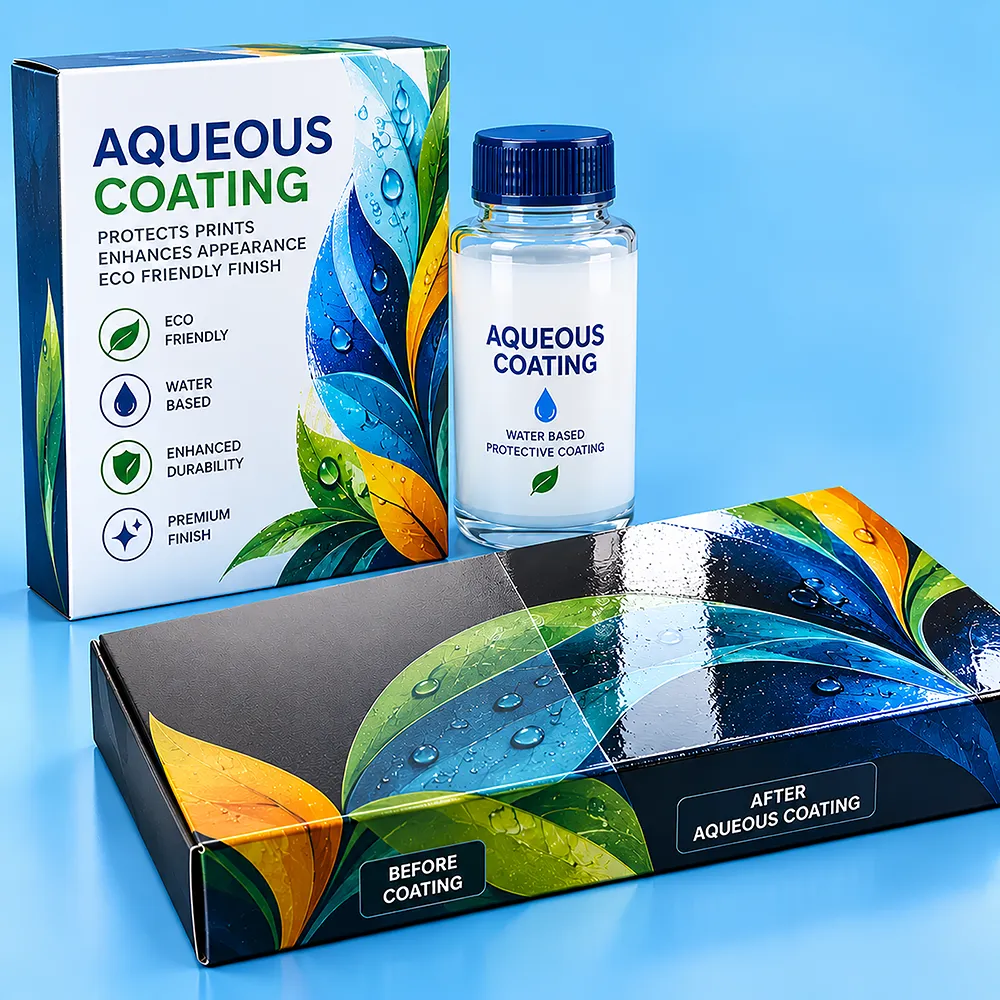
Matte and Gloss Coatings

Matte and gloss coatings can alter sheen, color appearance and surface feel. Their resistance to rubbing and scuffing depends on the complete printed construction and handling conditions.

Lamination

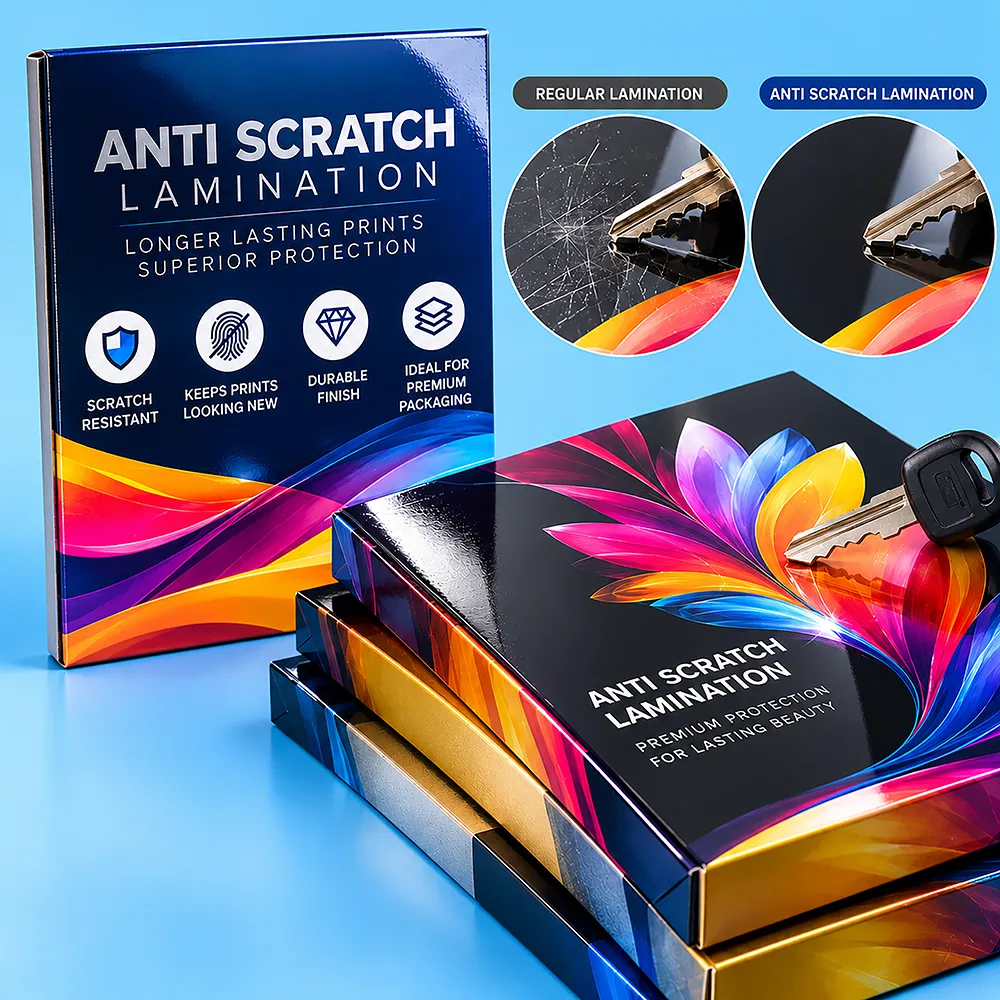
A compatible film laminate may provide additional surface protection and a consistent matte, gloss or soft-touch appearance. It also adds another material layer and can affect recyclability claims.

Foil Stamping

Foil can highlight logos, borders, product names and decorative details. Large coverage, fine lines, folds, textured stocks and tight registration may require additional review.

Embossing and Debossing

Embossing raises selected artwork, while debossing presses it inward. Position these effects away from critical folds, glue areas, window edges and fine product information.

Spot UV

Spot UV can add localized gloss and contrast. Registration, coating compatibility, artwork size and the selected substrate should be confirmed.

Holographic and Reflective Effects

Holographic film, foil or specialty stock may be used for selected lash launches and promotional designs. Review glare, barcode placement, text contrast and photographic color reproduction. No finish should be described as universally scratch-proof, scuff-proof or damage-proof without a defined construction and relevant testing.

Opening and Closure Options

Possible opening systems include:
  • Tuck flaps
  • Drawer sleeves
  • Lift-off lids
  • Hinged rigid lids
  • Magnetic closures
  • Ribbon pulls
  • Thumb notches
  • Paperboard locking tabs
  • Adhesive seals
  • Project-specific tamper-evident labels
The closure should be evaluated for repeated use, product access, tray removal, packing speed, retailer expectations and shipping conditions.

Retail Eyelash Boxes vs Reusable Eyelash Cases

Feature Custom Eyelash Box Reusable Eyelash Case
Primary purpose Retail presentation, product information and branded sale packaging Long-term organization, travel or repeated storage
Typical construction Folding carton, drawer, window box or rigid presentation structure Reusable rigid, plastic, mirrored or multi-compartment case
Product quantity Usually a defined retail SKU or collection May hold several reusable lash pairs or tools
Main search intent Printed wholesale lash packaging Storage, travel and consumer reuse

Retail Packaging vs Ecommerce Shipping Packaging

The retail box supports product presentation but may not be sufficient as the only shipping container. Ecommerce pack-out may additionally require:
  • Corrugated mailer
  • Shipping carton
  • Protective sleeve
  • Tissue or paper wrap
  • Void fill
  • Dividers
  • Multi-unit partitions
  • Corner or edge protection
  • Moisture-control measures where relevant
  • Shipping-label area
The selected pack-out should be evaluated against the intended parcel, wholesale, retailer or fulfillment environment.

Wholesale and Master-Carton Planning

Wholesale eyelash packaging may need:
  • Units per inner carton
  • Units per master carton
  • Carton orientation
  • SKU separation
  • Barcode or carton labels
  • Lot identification
  • Case dimensions
  • Case weight
  • Stacking plan
  • Pallet configuration
  • Retailer routing requirements
The retail unit, inner pack and master carton should be specified separately.

Artwork and Product-Information Planning

Possible packaging content includes:
  • Brand name
  • Product identity
  • Lash style or collection name
  • Length, curl or product variant
  • Quantity
  • Application instructions
  • Removal and care instructions
  • Warnings
  • Included accessories
  • Responsible-business information
  • Barcode
  • QR code
  • Website and social media details
  • Batch, lot or inventory information
  • Country-of-origin information where applicable
  • Material or disposal instructions where supported
The buyer’s legal or regulatory team should confirm the final product classification, claims, warnings, information placement and market-specific requirements. BoxBaba can help reserve practical panel space and prepare buyer-approved content for printing but does not replace legal or regulatory review.

Barcode and QR-Code Planning

Position barcodes and QR codes on a flat, readable panel with adequate contrast and clear surrounding space. Avoid placing machine-readable codes:
  • Across a fold
  • Across a glue seam
  • Over a drawer edge
  • On a heavily textured area
  • Directly over uncontrolled holographic reflection
  • Too close to a cut edge
  • Across embossing or debossing
  • Where the window interrupts the code
The final printed code should be checked on the completed package in its intended scanning environment.

Artwork File Preparation

Provide:
  • Editable vector artwork where available
  • Outlined or packaged fonts
  • High-resolution linked images
  • Defined CMYK or supported spot colors
  • Separate white-ink layer where required
  • Separate foil, embossing, debossing and spot-UV layers
  • Barcode and QR-code source files
  • Bleed
  • Safe areas
  • Cut lines
  • Fold and score lines
  • Window position
  • Glue zones
  • Tray or insert references
  • Separate artwork for every SKU
Important text, logos and codes should remain inside the approved safe area rather than positioned directly against folds, cuts, windows or glue seams.

Dielines and Structural Samples

Digital Dieline

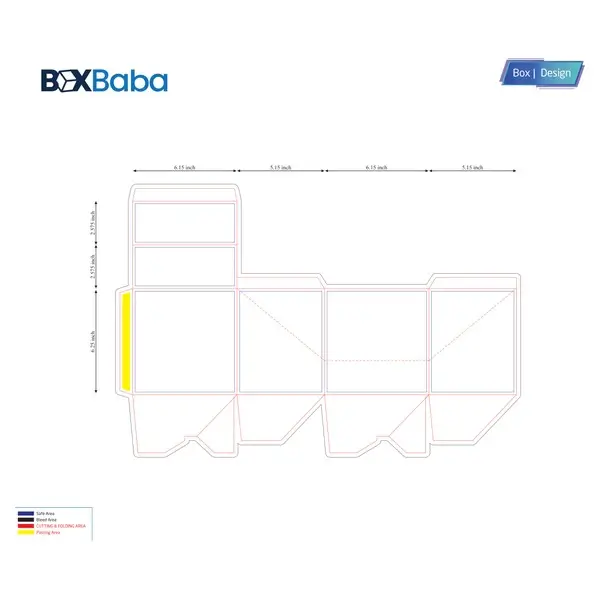
A dieline can show cut lines, folds, scores, glue flaps, window openings, insert cuts and artwork panels. It does not confirm physical fit by itself.

Blank Structural Sample

A blank sample can help evaluate:
  • Tray fit
  • Internal clearance
  • Drawer movement
  • Window alignment
  • Hang-tab balance
  • Opening sequence
  • Assembly
  • Product removal
  • Flat-pack configuration

Printed Prototype

A printed prototype can help evaluate color direction, typography, finish placement, window appearance, barcode position and overall presentation.

Production Trial

A production trial may be appropriate for complex trays, unusual structures, high-volume programs, automated packing, retailer requirements or projects with strict appearance and fit expectations. Sample method, tooling, cost, shipping and timing are project-specific.

Quality Review Before Full Production

The approval process should check:
  • Correct dimensions
  • Correct tray or insert
  • Lash clearance
  • Product count
  • Window alignment
  • Opening and closure
  • Board and material
  • Printing sides
  • Artwork revision
  • Text readability
  • Barcode and QR-code placement
  • Finish layers
  • Glue areas
  • Flat or assembled delivery
  • Units per carton
  • Shipping configuration

Planning Multiple Lash Styles and SKUs

Create an SKU schedule containing:
  • Product or style name
  • Lash type
  • Pair count
  • Tray reference
  • Box dimensions
  • Box structure
  • Window type
  • Insert type
  • Material
  • Finish
  • Barcode
  • Artwork filename
  • Quantity
  • Packing configuration
Confirm whether every SKU shares the same tray, dimensions, structure, material, window, finish and insert before combining production quantities.

Reorders and Version Control

Record the approved:
  • Dieline revision
  • Internal and external dimensions
  • Tray or insert reference
  • Board specification
  • Window construction
  • Printing method
  • Color references
  • Finishes
  • Closure
  • Assembly format
  • Packing quantity
  • Approved sample
  • Artwork revision
Materials, printing, finishing, equipment, artwork and production conditions may create visible variation between runs. Reorders should be reviewed against the approved specification rather than described as guaranteed identical.

Common Eyelash Packaging Problems

The Tray Moves Inside the Box

Possible causes include excessive internal space, an undersized insert, missing retention features, packing variation or an unsuitable structure.

The Lashes Touch the Lid or Window

The internal depth may not account for the highest curl projection, tray height, board thickness or window-film position.

The Drawer Is Too Tight

Possible causes include insufficient sleeve clearance, board thickness, finish build, wrapping variation, humidity or dimensional tolerance.

The Drawer Slides Out Too Easily

The sleeve may have excessive clearance or require a stop, notch, ribbon, friction adjustment or alternative retention feature.

The Window Does Not Align with the Tray

The window, tray and insert may use different reference points, or normal packing and dimensional variation may not have been allowed for.

The Box Bends Around a Large Window

The window may leave insufficient board around folds and structural edges, or the selected board may be unsuitable for the opening size.

The Hang Tab Tears

The package weight, board strength, tab position, hole shape or retail handling may exceed the approved configuration.

Foil or Spot UV Crosses a Fold

Decorative effects placed across scores or folds may crack, distort, lose registration or affect folding.

The Barcode Does Not Scan

The code may be too small, low contrast, positioned across a fold, printed over a reflective area or affected by the selected finish.

The Retail Box Is Damaged During Parcel Delivery

The decorative retail box may require an appropriate outer mailer, shipping carton, void fill or different pack-out for the distribution environment.

What Affects the Price of Custom Eyelash Boxes?

  • Box length, width and depth
  • Folding carton or rigid construction
  • Drawer, sleeve, lid or magnetic closure
  • Board grade and thickness
  • Window size and material
  • Tray or insert type
  • Custom tooling
  • Printing method
  • Number of printed sides
  • Ink coverage
  • White ink
  • Lamination or coating
  • Foil stamping
  • Embossing or debossing
  • Spot UV
  • Interior printing
  • Number of SKUs
  • Quantity per artwork version
  • Blank or printed samples
  • Flat or assembled delivery
  • Tray loading or final assembly
  • Outer packing
  • Shipping destination and service level
Provide quantities for every design rather than only a combined project total. Several small artwork versions may be priced differently from one design produced at the same overall quantity.

Sustainability Considerations

The environmental characteristics of eyelash packaging depend on the complete construction, including:
  • Paperboard
  • Recycled content
  • Certified fiber where documented
  • Tray material
  • Insert material
  • Window film
  • Laminate
  • Coating
  • Foil
  • Magnet
  • Ribbon
  • Foam
  • Adhesive
  • Ink
  • Package weight
  • Reusability
  • Material separation
  • Local recovery infrastructure
Possible project directions may include:
  • Reducing unnecessary package size
  • Using a folding carton instead of a rigid structure where suitable
  • Using documented recycled-content board
  • Using certified paperboard where documentation applies
  • Reducing laminate or foil coverage
  • Removing an unnecessary window
  • Replacing a specified plastic component where a tested paper-based option performs adequately
  • Designing components for easier separation
  • Providing accurate disposal instructions
  • Shipping folding cartons flat where appropriate
Do not describe the finished package as recyclable, biodegradable, compostable, sustainable, plastic-free or eco-friendly solely because the exterior is made from paperboard.

How to Order Custom Eyelash Boxes

  1. Identify the lash product: State whether the project contains strip lashes, magnetic lashes, clusters, single pairs, multiple pairs or accessories.
  2. Provide the tray or product: Supply physical samples, approved dimensions or supplier drawings.
  3. Confirm the packaging role: Define whether the box is for retail, reusable presentation, ecommerce, wholesale or a collection.
  4. Select a structure: Choose a folding carton, sleeve, drawer, window box, rigid box, magnetic closure or project-specific format.
  5. Confirm the insert: State whether the tray is buyer-supplied or requires development.
  6. Confirm visibility: Define the window type, size and product area to be shown.
  7. Select materials: Review paperboard, kraft-style stock, rigid board, corrugated outer packaging and specialty materials.
  8. Select printing and finishes: Confirm colors, inside printing, coating, laminate, foil, embossing, debossing or spot UV.
  9. Prepare artwork: Supply files with bleed, safe areas, barcode, information panels and separate finish layers.
  10. Confirm quantities: State the quantity for every SKU and artwork version.
  11. Select proofing: Choose a digital proof, blank sample, printed prototype or tray-fit review as needed.
  12. Confirm delivery format: State whether boxes are required flat, pre-glued, assembled, tray-loaded or fully packed.
  13. Confirm shipping: Provide the destination, service requirements and outer-packaging expectations.
  14. Approve the specification: Review the structure, dimensions, tray, artwork, materials, finishes, packing and production details before manufacturing.

Why Choose BoxBaba for Custom Eyelash Packaging?

BoxBaba helps beauty brands plan eyelash boxes around the actual product, tray, retail presentation and distribution requirements rather than treating every lash package as the same standard carton. Project support may include:
  • Tray and product measurement review
  • Internal-clearance planning
  • Single-pair and multi-pair layouts
  • Folding carton and rigid structure guidance
  • Drawer and sleeve development
  • Window positioning
  • Tray and insert coordination
  • Hang-tab planning
  • Printing and finish preparation
  • Barcode and information-panel planning
  • Dielines and structural samples
  • Multi-SKU coordination
  • Flat or assembled delivery planning
  • Retail and ecommerce pack-out review

Request a Custom Eyelash Box Quote

Share the lash type, tray dimensions, product count, required box structure, internal dimensions, window preference, tray or insert requirement, material preference, printing, finishes, number of SKUs, quantity per design, artwork status, flat or assembled delivery preference and shipping destination. These details help the BoxBaba team review the structure, fit, tray, materials, artwork, sampling, production and shipping requirements before preparing project-specific quotation guidance. Request a Custom Eyelash Box Quote, call +1 305 574 4357, or email sales@boxbaba.com.

Frequently Asked Questions

Find all the urgent questions you may have.

Custom eyelash boxes are printed retail or presentation packages produced around a specific lash product, tray, insert, product count and brand design. They may be made as folding cartons, window boxes, sleeve-and-tray structures, drawer boxes, rigid boxes, hang-tab cartons or project-specific formats for strip lashes, magnetic lashes, clusters and lash collections.
An eyelash box normally refers to printed retail packaging used to present and sell a defined lash product or collection. An eyelash case is generally intended for reusable storage, travel or long-term organization and may include mirrors, compartments or reusable trays. This page focuses primarily on printed retail and presentation boxes.
Measure the complete outside length, width and depth of the finished production tray. Include tray flanges, tabs, raised edges, molded details and the highest point of the installed lash fibers. Also record the opening direction, finger notches, pull tabs and any applicator or accessory cavities.
There is no universal box size for every lash product. Trays with similar pair counts may have different lengths, widths, depths, lash projections, flanges and removal features. The final dimensions should be developed from the actual filled tray, insert or approved production sample.
A common visual design may be adapted across related products, but single-pair and multi-pair packages often require different internal dimensions, tray layouts, inserts and product-removal methods. Confirm the tray, pair count, box depth and artwork version for every SKU before combining production quantities.
The suitable structure depends on the tray, product count, price position, retail channel, presentation goal, packing process and budget. Tuck cartons may suit lightweight retail products, sleeve-and-tray or drawer boxes provide a sliding reveal, and rigid structures may suit collections, PR packages, gifts or reusable presentation.
Folding cartons are usually lighter and may be supplied flat or pre-glued for retail and wholesale programs. Rigid boxes provide a more structured presentation but normally require more storage, assembly, sampling and freight volume. The decision should reflect the product, quantity, customer experience and distribution plan.
Yes. A box may use an open die-cut window or a clear-film window where the structure, board strength and product presentation allow it. Window size and position should account for tray alignment, folds, glue areas, dust exposure, glare, branding space and required product information.
Yes. Provide finished production trays so the box and insert can be reviewed around their actual dimensions, flanges, depth and lash projection. Supplier drawings can support planning, but a physical tray-fit sample is recommended when internal clearance and presentation are important.
Paperboard platforms, folded inserts and die-cut cards may work for selected lash products, but they are not universal replacements for every molded tray. The suitability depends on the lash band, curl, retention method, removal process, required reuse, product presentation and distribution environment.
A correctly developed paperboard insert may support selected strip lashes, magnetic lashes, clusters or accessories. It should be tested with the actual product to confirm fit, retention, removal force, lash clearance and handling. Do not assume that cardboard automatically prevents fiber movement or deformation.
Yes. Packaging can be planned for magnetic lashes, applicators, magnetic liner and related accessories. Confirm whether magnets are part of the lash product, the packaging closure or both. Tray depth, accessory cavities, closure force and product spacing should be reviewed separately.
Yes. A Euro slot, round hole or retailer-specific hang tab may be added where the board, product weight and package balance support it. The tab location, reinforcement, distance from the top fold and retailer requirements should be confirmed before production.
A retail eyelash box may not provide sufficient protection as the only parcel-shipping container. Ecommerce orders may also need a corrugated mailer, shipping carton, protective sleeve, tissue, void fill, dividers or another approved pack-out based on the product and distribution environment.
Yes. Artwork may include the brand logo, lash style, collection name, pair count, application instructions, care guidance, warnings, barcode, QR code, website, responsible-business information and other buyer-approved details. Leave adequate safe areas around folds, cuts, windows and glue seams.
Yes. Place machine-readable codes on a flat panel with adequate size, contrast and clear surrounding space. Avoid folds, glue seams, drawer edges, window openings, heavy texture, embossing and uncontrolled reflective effects. Test the final printed code on the completed package.
Yes. The box panels can be planned for product identity, quantity, directions, warnings, ingredients or material information, business details and other buyer-approved content where applicable. The buyer’s legal or regulatory team remains responsible for determining which information is required and approving the final wording and placement.
Available review methods may include a digital artwork proof, blank structural sample, printed prototype, material sample, tray-fit sample or production trial. The appropriate method depends on the structure, tray, window, insert, printing, finishes, quantity and level of fit or appearance risk.
The minimum order quantity is project-specific. It depends on the box dimensions, structure, material, tray or insert, window, printing method, finishes, tooling, assembly, number of SKUs and quantity required for each artwork version.
Production time is confirmed after the structure, dimensions, materials, tray, insert, window, printing, finishes, samples, quantity and artwork have been approved. Rigid boxes, custom trays, specialty materials, multiple SKUs and complex finishes may require additional production time. Shipping time is calculated separately.
A correctly sized box and compatible tray or insert may help limit unwanted movement and contact with the outer structure. Final protection depends on the lash product, tray, internal clearance, box construction, packing process, outer shipping package and distribution conditions. Reduced damage, complaints or returns should not be guaranteed without verified product-specific testing and data.
Environmental performance depends on the complete package, including the paperboard, recycled content, tray, insert, window film, laminate, coating, foil, magnet, ribbon, foam, ink, adhesive and local recovery system. Claims such as recyclable, biodegradable, compostable, sustainable, eco-friendly or plastic-free should only be used when supported by the selected construction and relevant documentation.

Get a Custom Quote