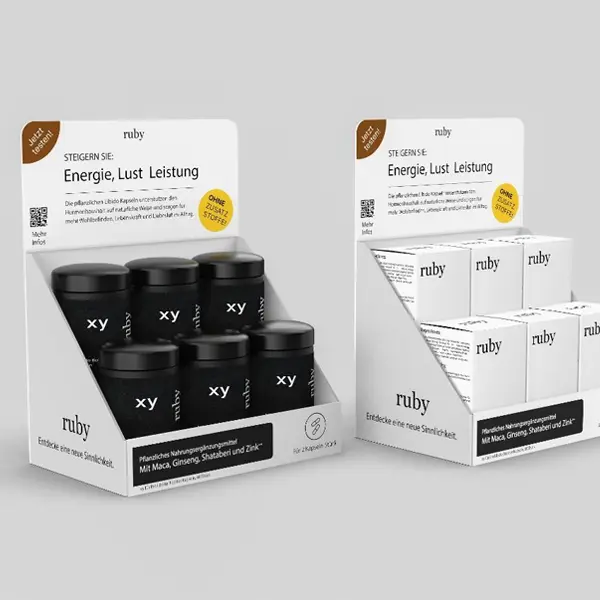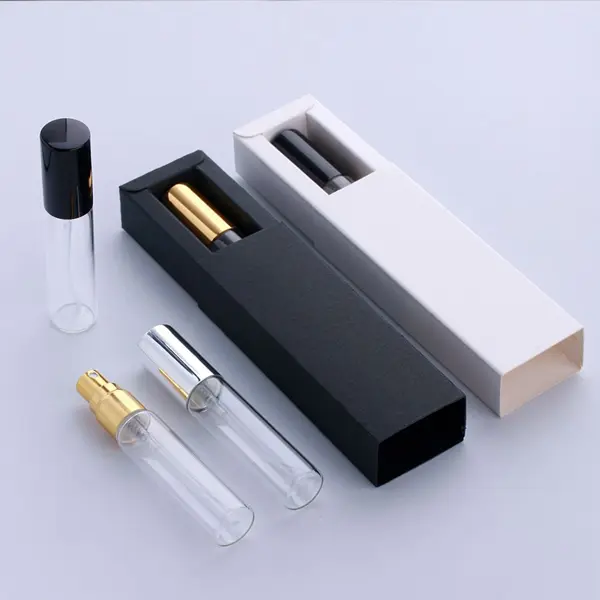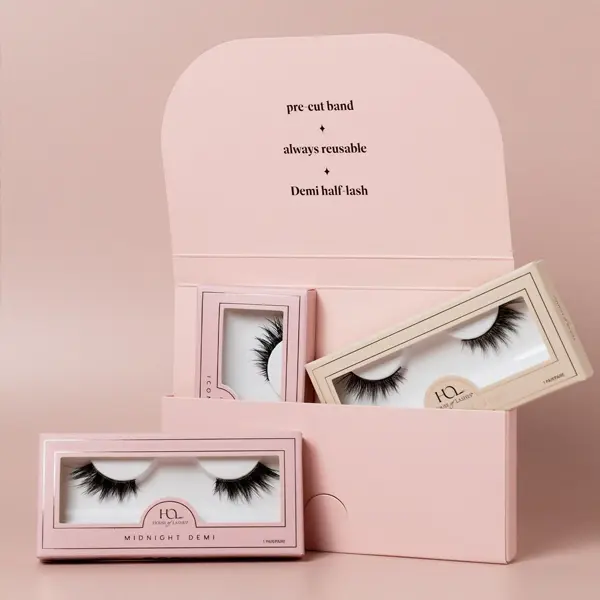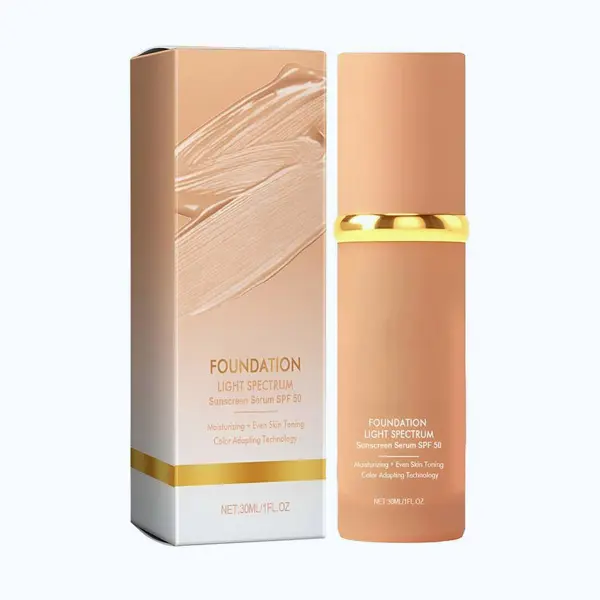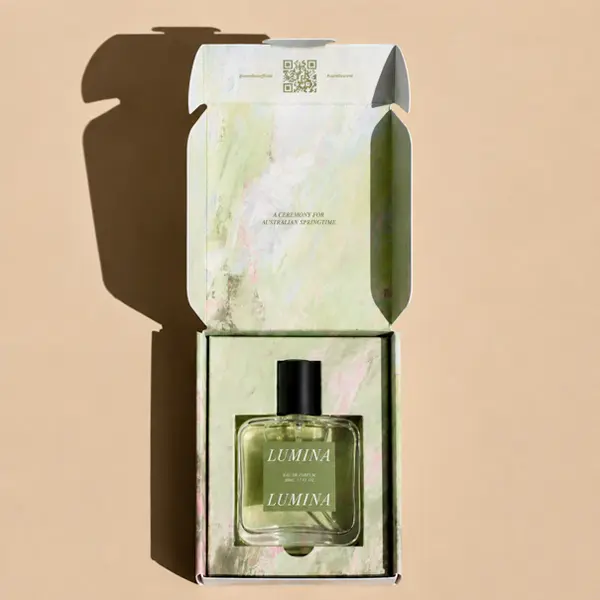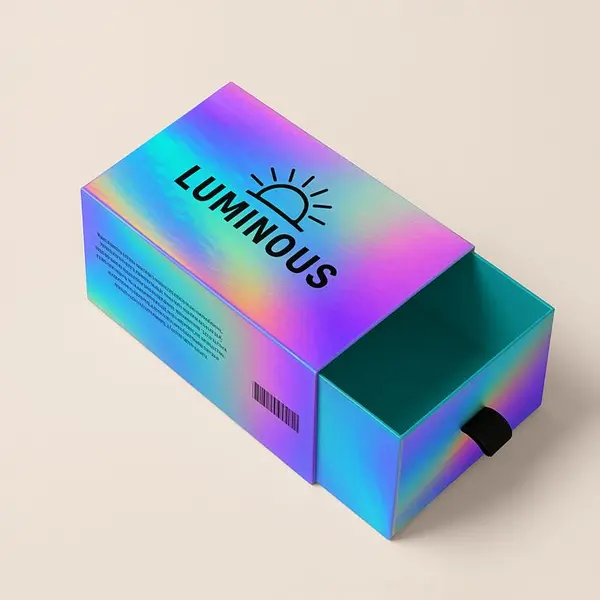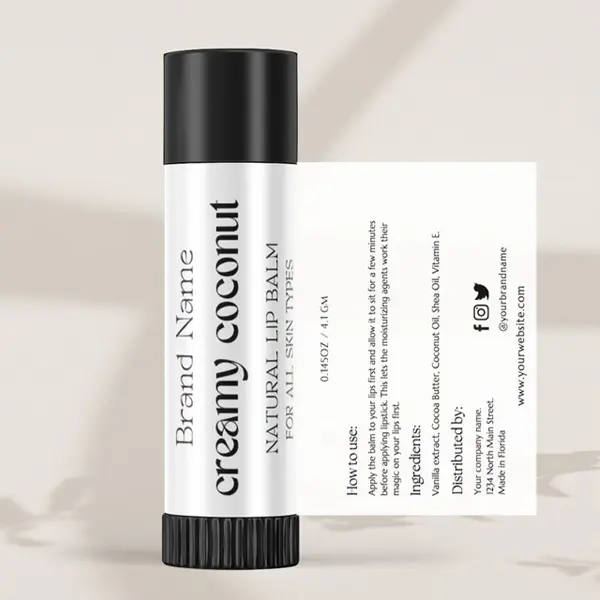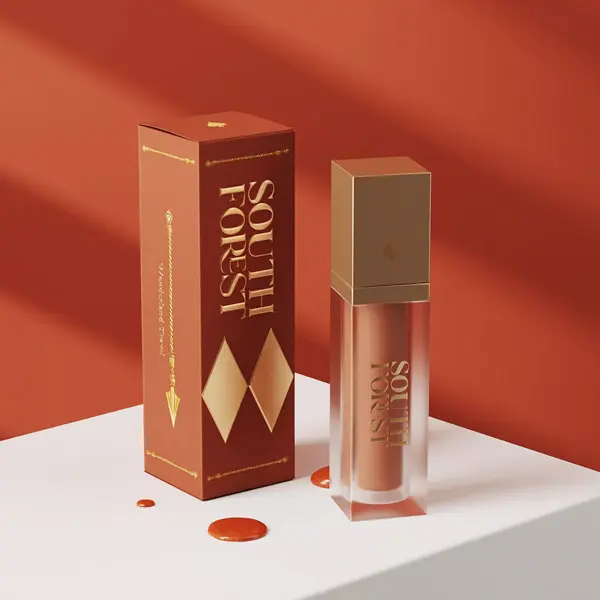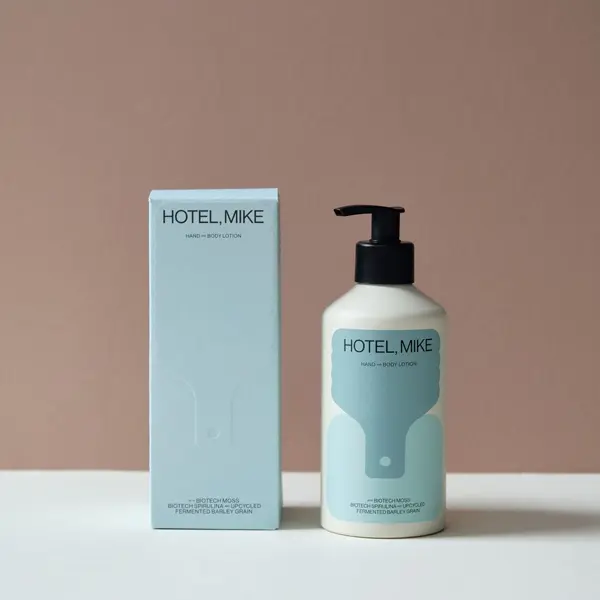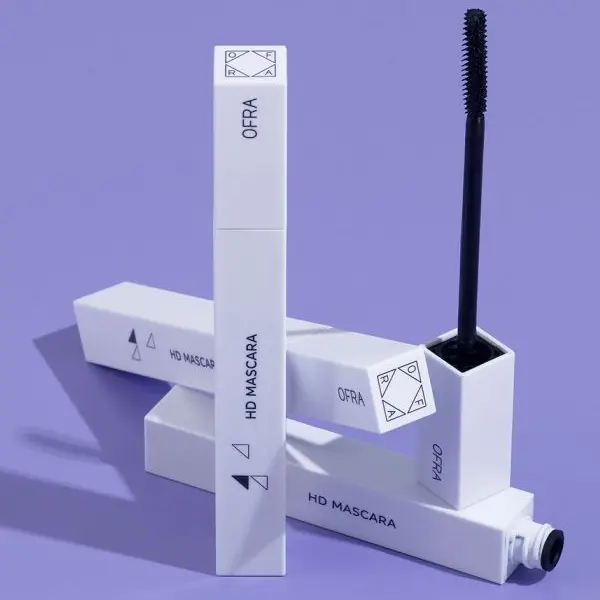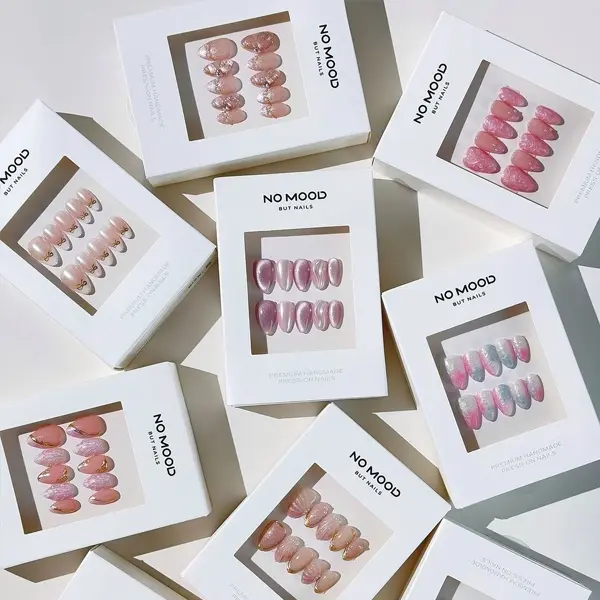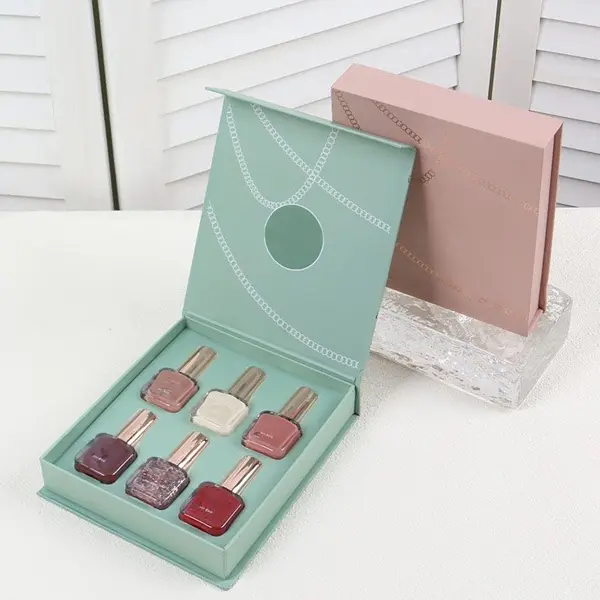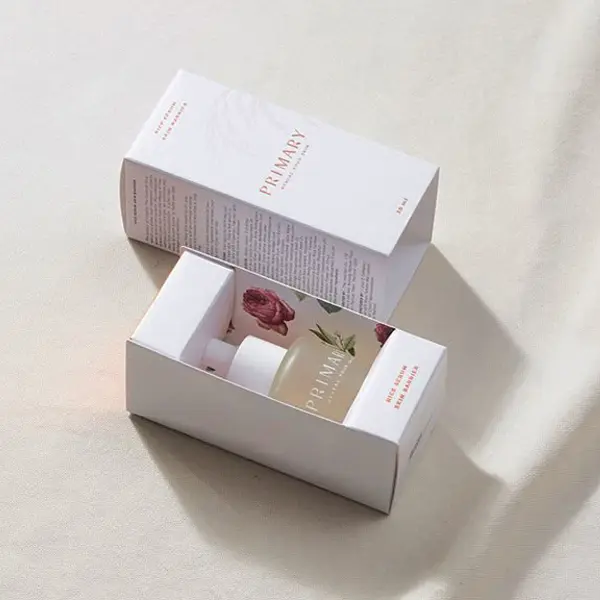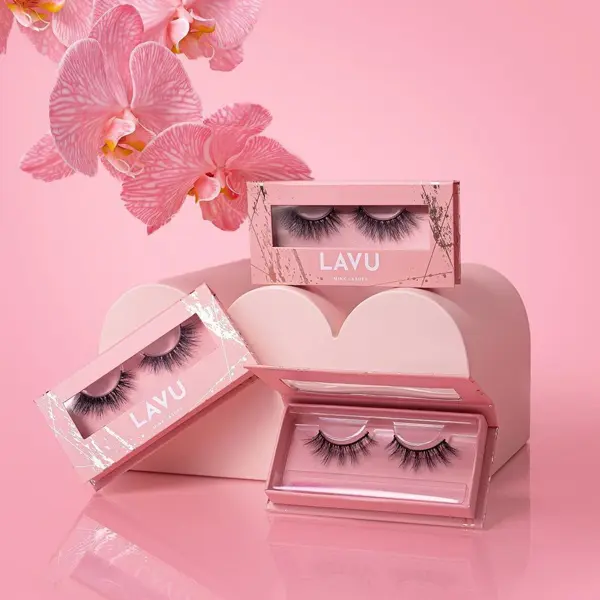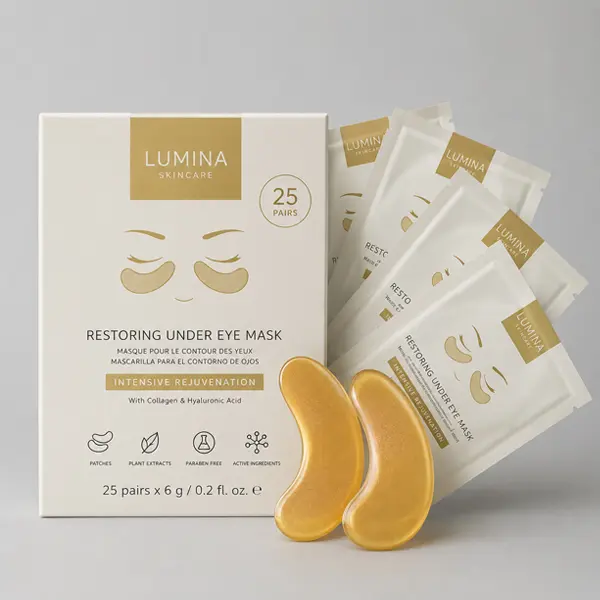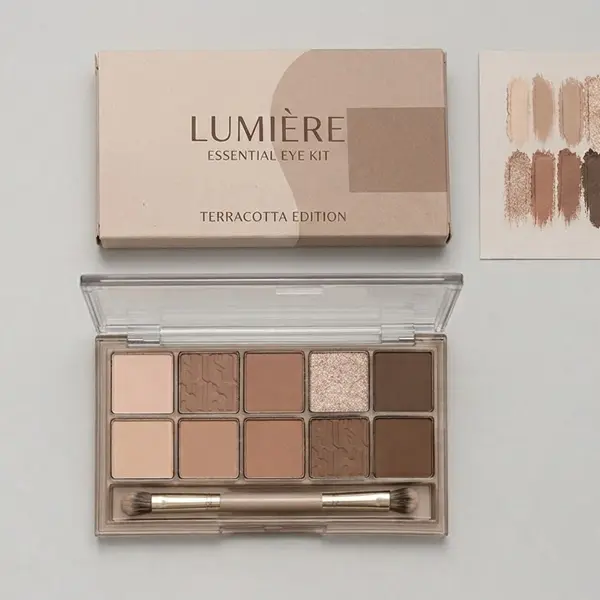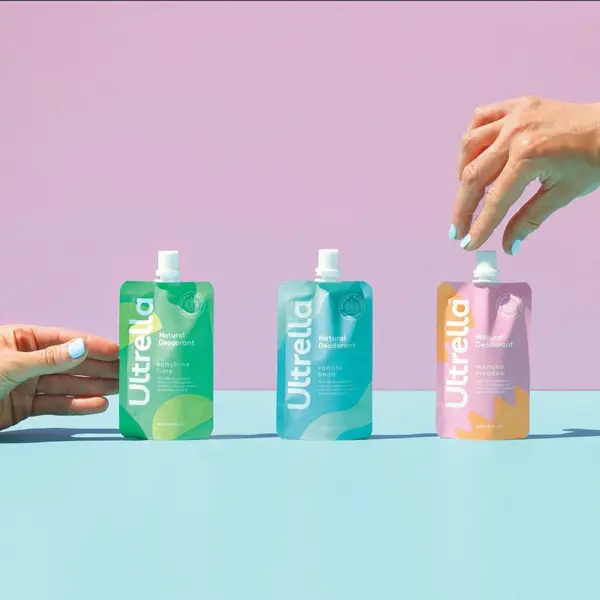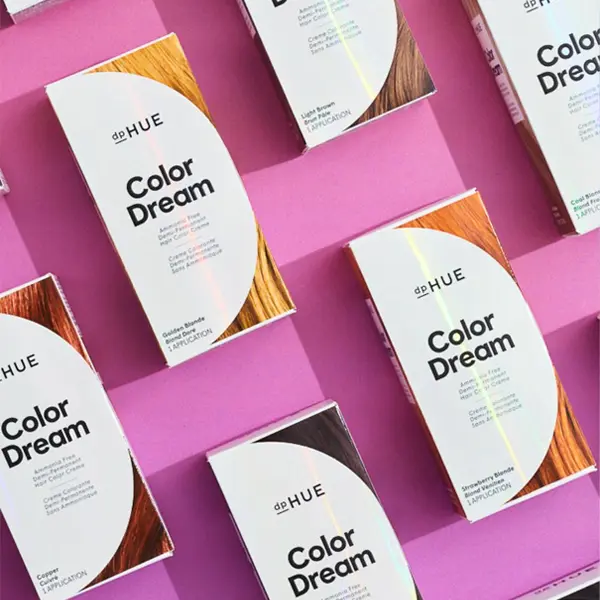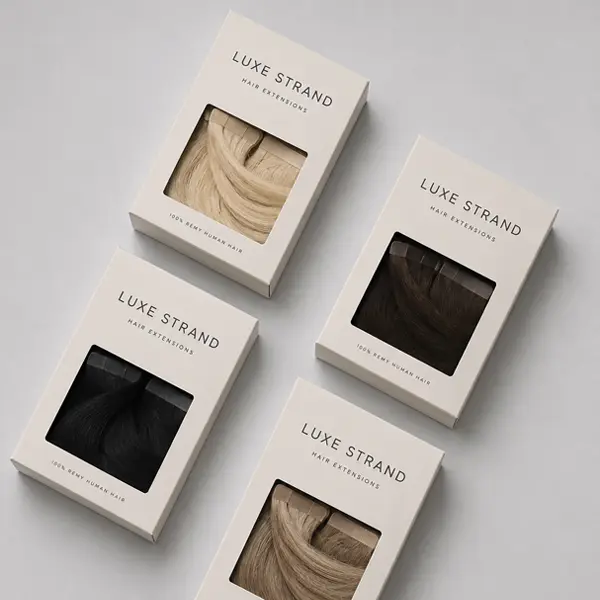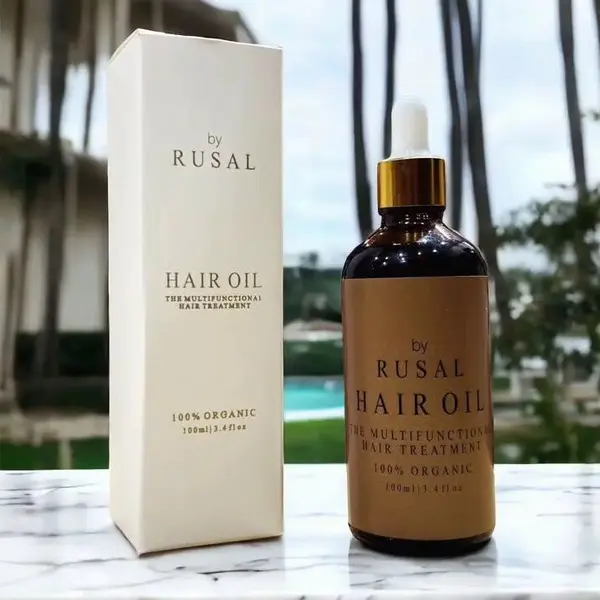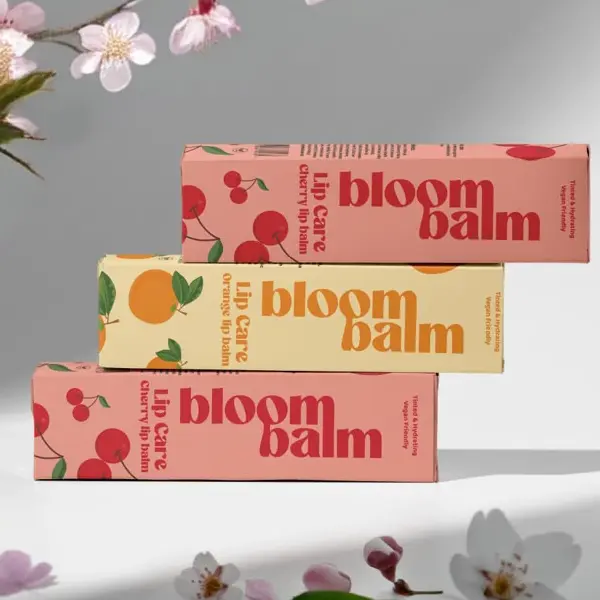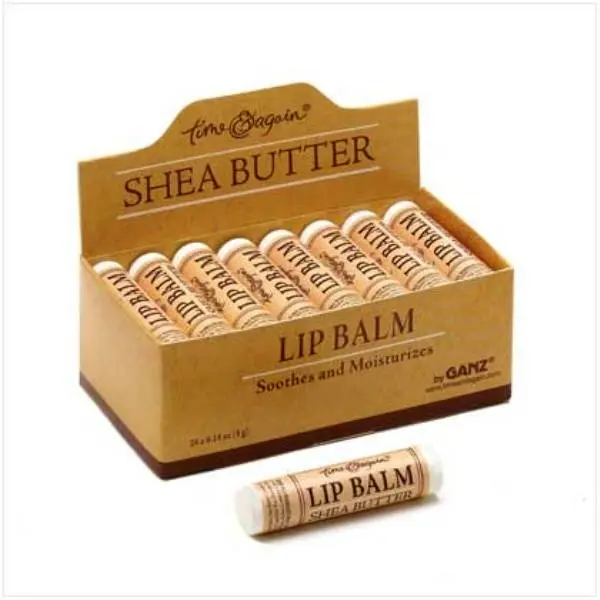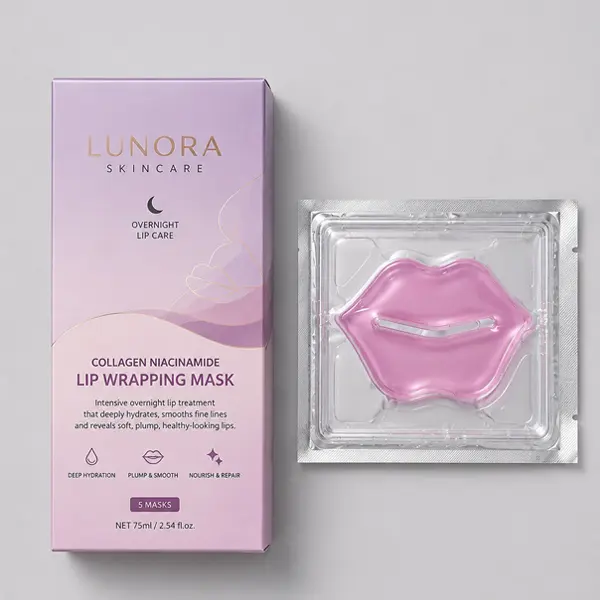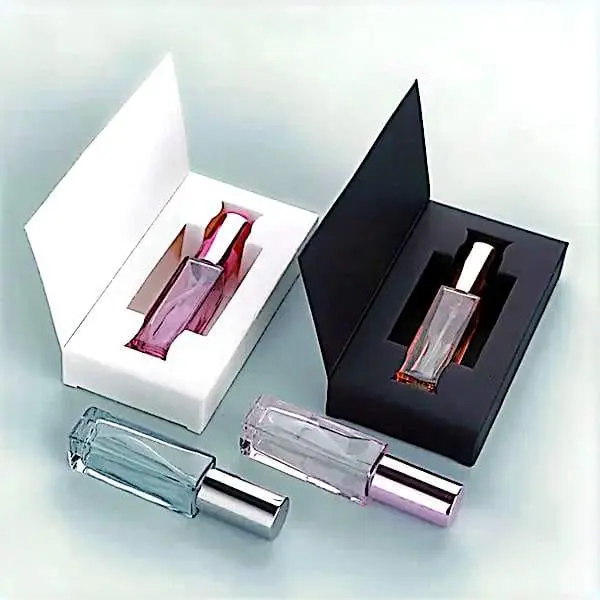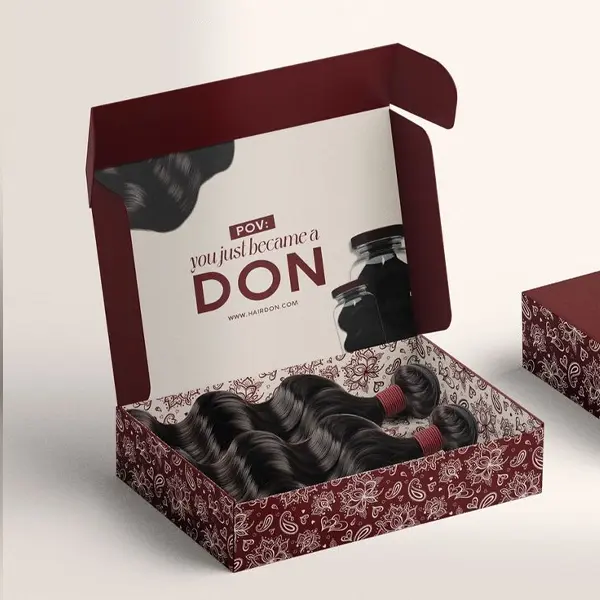

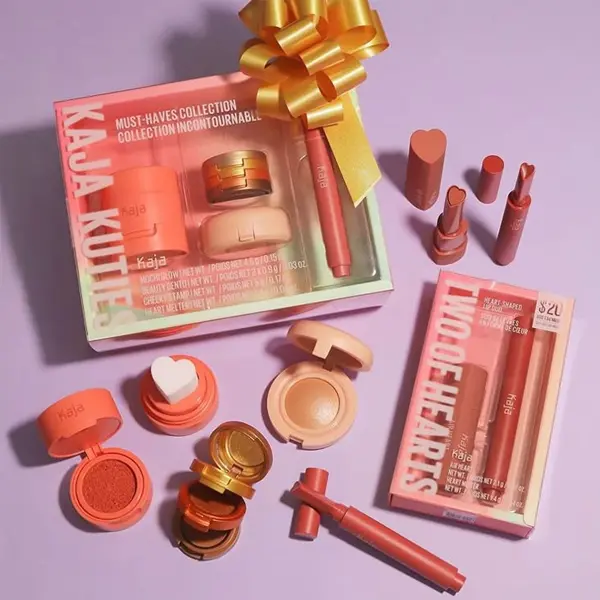
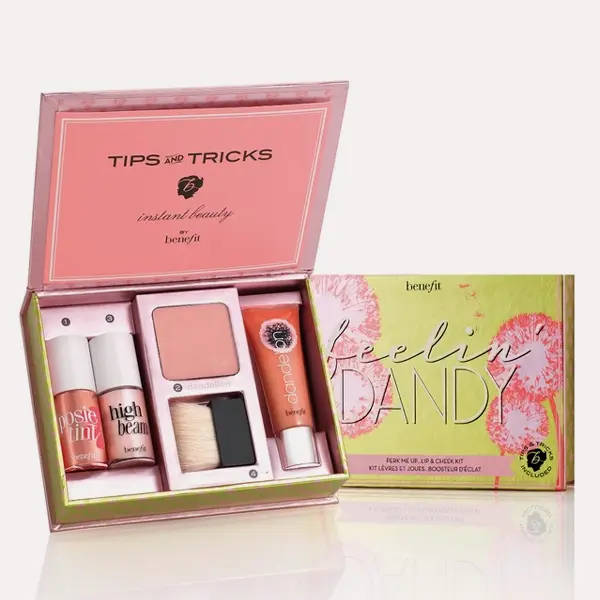
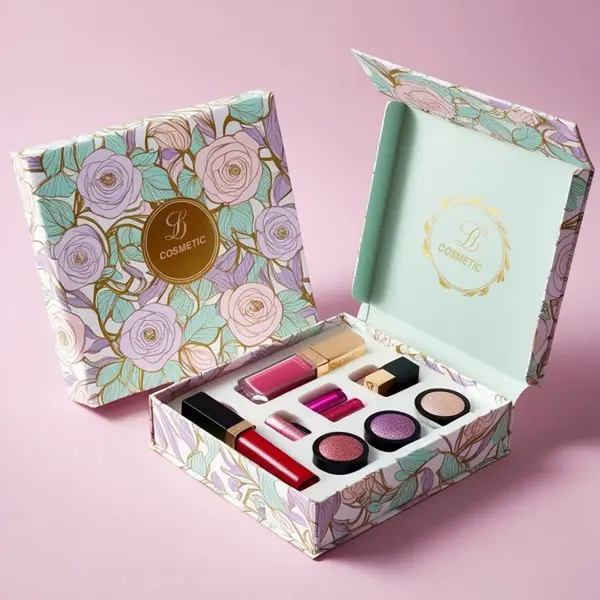


Organize and present your cosmetics with Makeup Boxes. Durable, eco-friendly, and fully customizable, these boxes protect products while highlighting your brand with tailored sizes, finishes, colors, and logo printing for a professional look.
Create Custom Boxes Quick and Easy
Get your custom boxes made in the required size, shape, and style.
Upload your artwork and get it superbly printed the way you want.
Order any quantity, enjoy a wholesale price, pay no extra for die plates.
| Specification | Project Direction |
|---|---|
| Packaging Role | Secondary retail, presentation or set packaging developed around finished makeup products |
| Suitable Products | Lipsticks, lip gloss, mascara, eyeliner, brow products, foundation bottles, compacts, powders, palettes, makeup kits and coordinated collections |
| Primary Product Formats | Tubes, sticks, bottles, compacts, pans, palettes, pencils and other finished retail-ready cosmetic formats |
| Sizing Basis | Actual finished product dimensions, packed closure state, hinge or projection, weight, orientation, insert requirements and required clearance |
| Critical Size Rule | Product category, fill volume, shade count or palette pan count does not determine final box size |
| Maximum Profile | Measure the widest, deepest and tallest finished points, including caps, pumps, applicators, hinges, clasps, collars or overcaps |
| Packed State | Measure the product in the configuration in which it will actually be packed and sold |
| Compact / Palette Rule | Measure closed length, width and thickness, including hinge, clasp or other projection |
| Dimension Hierarchy | Product dimensions, insert-cavity dimensions, internal box dimensions and external finished box dimensions should be treated separately |
| Product Orientation | Vertical, horizontal, flat, side-by-side or another approved presentation layout |
| Unit Capacity | Single makeup item, multi-unit assortment, kit, gift set, PR set or coordinated collection |
| Single vs Set Planning | Multi-product sets should be sized around the complete arranged configuration rather than the largest product alone |
| Box Structures | Straight-tuck, reverse-tuck, auto-bottom, sleeve-and-tray, drawer, two-piece, rigid presentation, window and hang-tab structures where suitable |
| Material Directions | SBS/white paperboard, coated paperboard, kraft-style paperboard, rigid greyboard with wrap and corrugated board for suitable outer or mailer applications |
| Insert Options | Die-cut paperboard holders, folded platforms, dividers, multi-cavity inserts, presentation trays, molded-pulp supports and other approved configurations |
| Insert Requirement | An insert may be unnecessary where a single lightweight makeup item already fits appropriately within the selected structure |
| Glass / Heavy Products | Filled weight, center of gravity, base support and insert requirements should be reviewed for glass foundation bottles, heavy compacts and other heavier formats |
| Palette / Compact Support | Product footprint, hinge position, closed thickness, removal method and presentation direction should be considered together |
| Window Options | Open die-cut or clear-film windows may be reviewed where compatible with the structure and artwork |
| Hang-Tab Option | May be considered for suitable eyeliner, brow, mascara or other individual retail units intended for peg or hook display |
| Printing | Printing method is confirmed according to material, artwork, quantity and production capability |
| Interior Printing | May be considered where compatible with the selected structure and production process |
| Finishes | Matte, gloss, soft-touch effects, foil, Spot UV, embossing and debossing may be reviewed where compatible |
| Shade / SKU Identification | Buyer artwork may include shade name, shade number, product variant, barcode, QR code or other SKU-specific information |
| SKU Planning | Different shades or artwork variants may share one structural dieline where product geometry, packed state, orientation, insert and box structure remain compatible |
| Retail Packaging | Individual cartons can be developed for shelf presentation, branding, product identification and information layout |
| Display Packaging | Multi-unit merchandising should be specified separately from the individual makeup carton |
| Ecommerce Packaging | Retail packaging should be evaluated separately from the outer mailer or shipping package |
| Gift / PR / Launch Sets | Product count, arrangement, insert cavities, presentation sequence and total loaded weight should be confirmed before the outer dimensions are finalized |
| Secondary Packaging Boundary | The makeup box does not replace the tube, bottle, compact, palette or other primary product format where that component directly contains or forms the cosmetic product |
| MOQ | Starts from 100 custom boxes |
| Proofing | Available proofing or sample routes are confirmed according to the project |
| Quote Factors | Dimensions, structure, material, insert, window, printing, finishes, SKU count, quantity, assembly and delivery format |
| Quote Information | Product type, finished dimensions, packed state, closure/hinge profile, weight, orientation, units per box, insert, artwork, SKU count, quantity and destination |
| Production | Timing is confirmed after relevant dimensions, structure, material, artwork, quantity and production specifications are approved |
| Shipping | Method, charges and transit estimates are confirmed according to the completed order, destination and selected service |
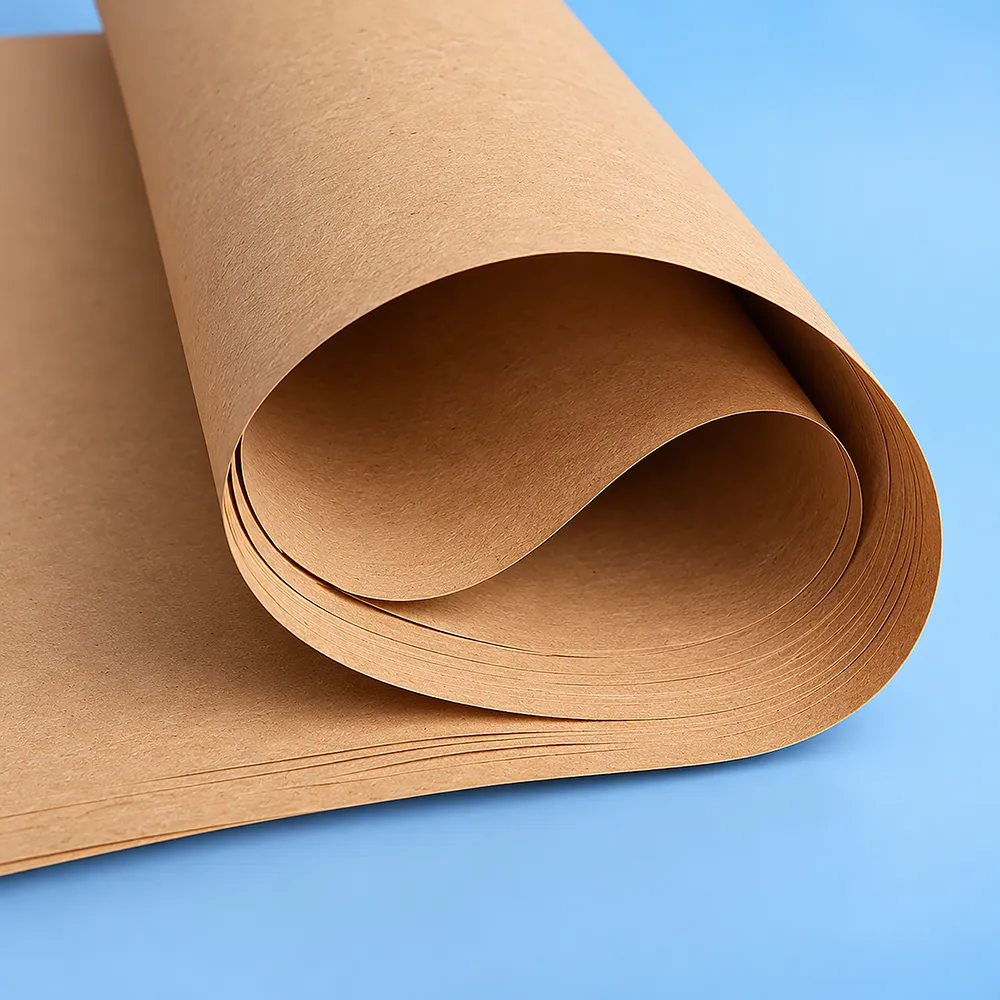
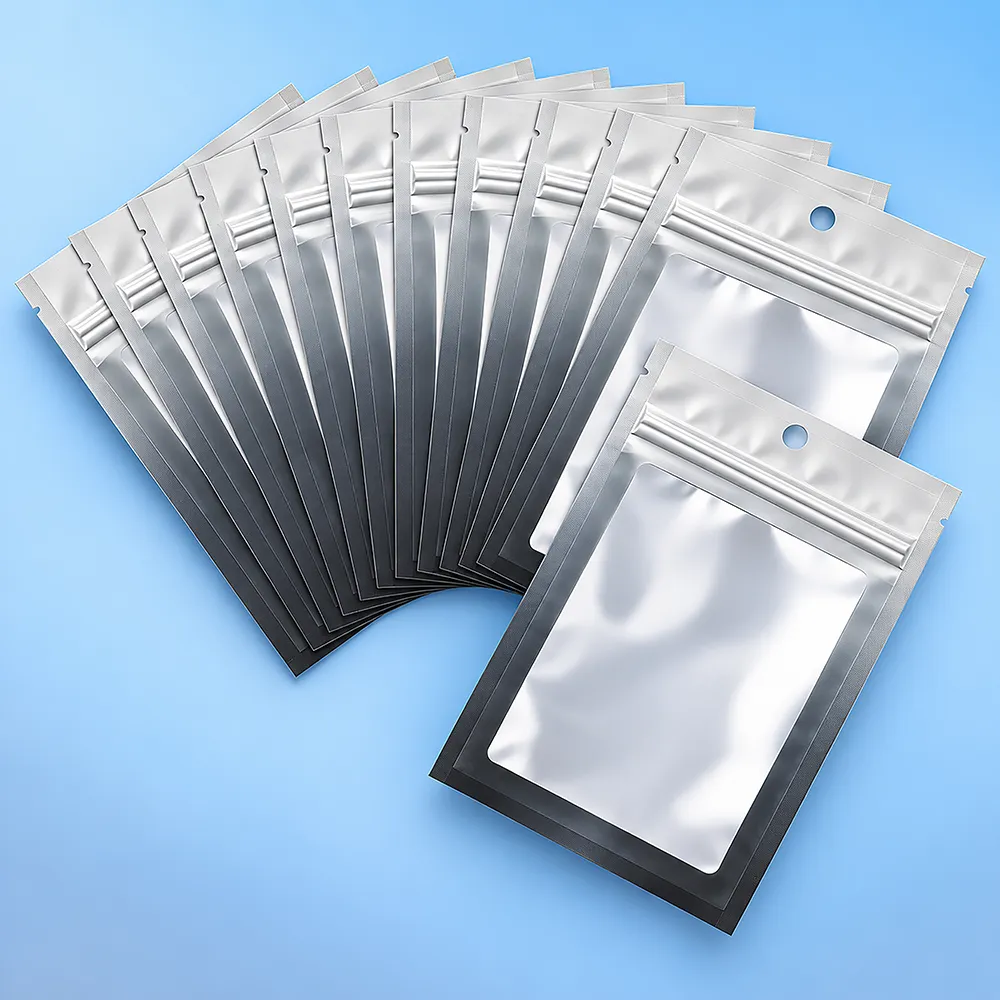
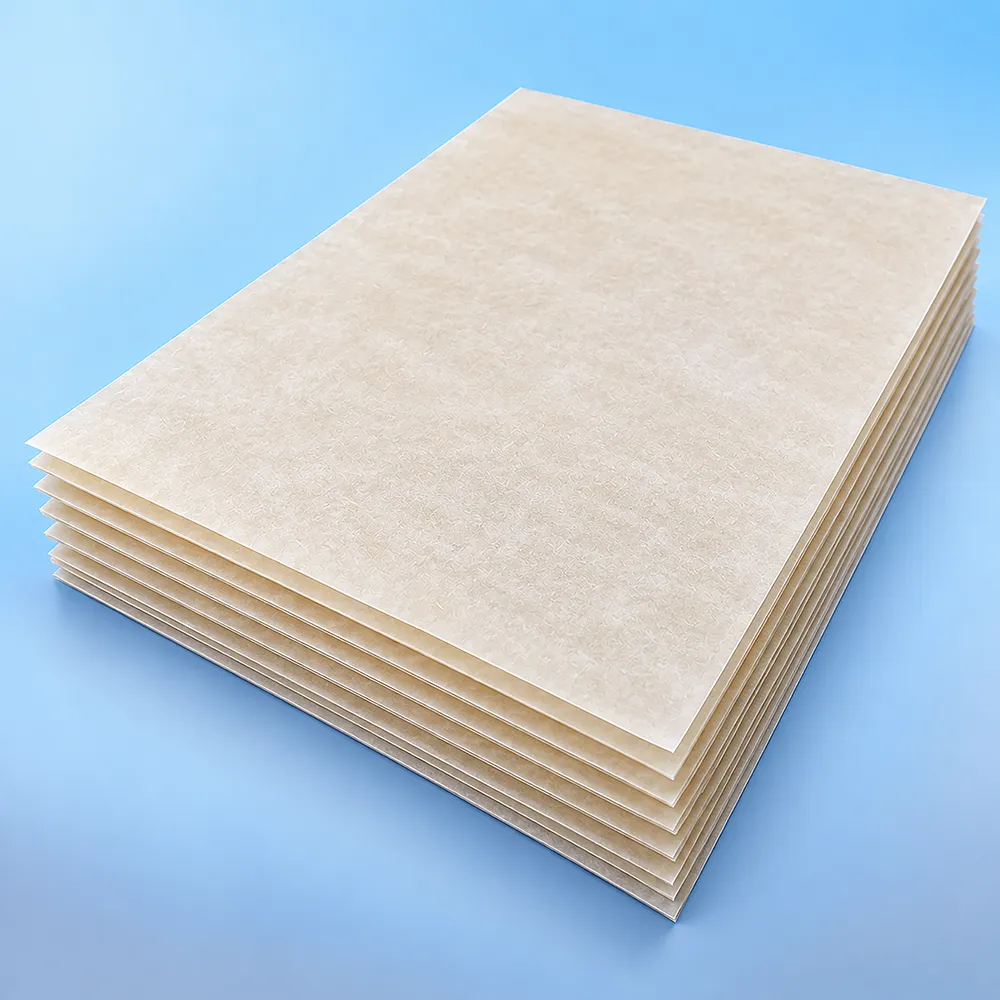
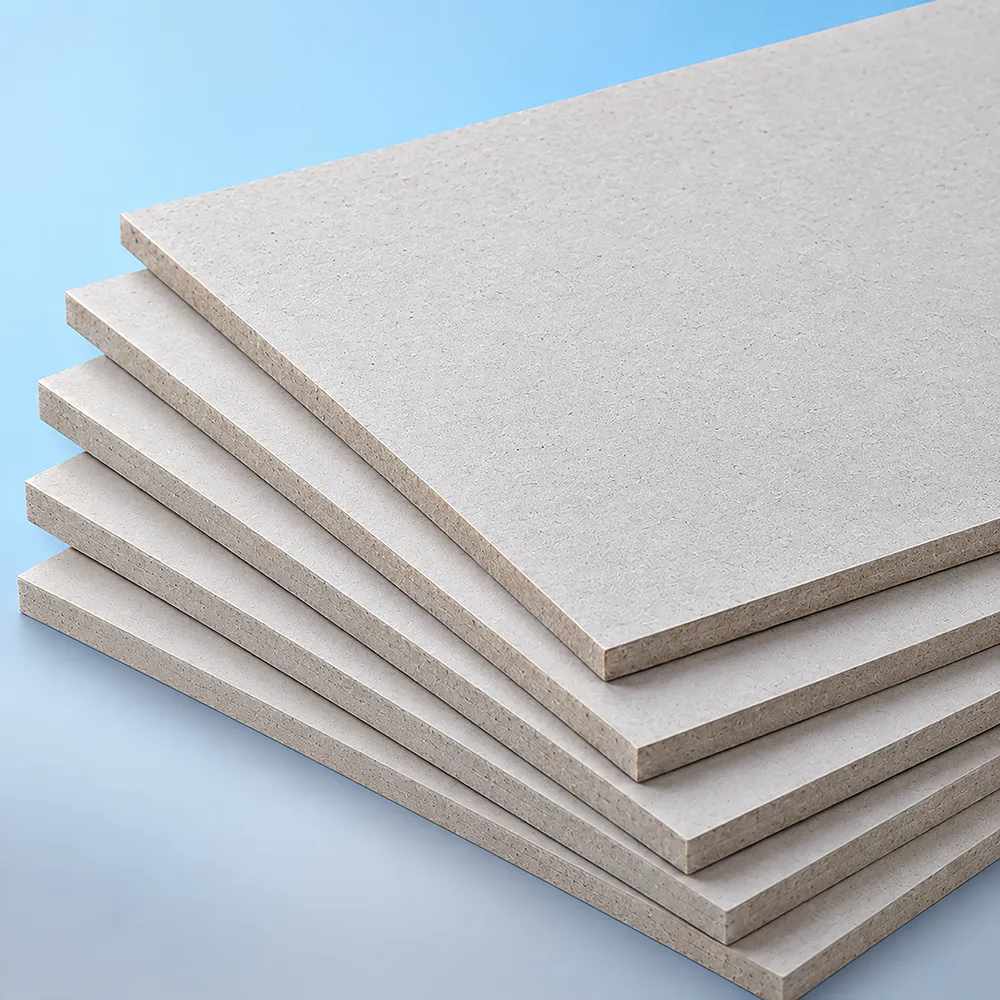
Packaging materials do more than hold a product; they influence protection, presentation and overall box performance. Cardboard provides a smooth, durable surface for custom printing and everyday retail packaging. Kraft paper offers a natural, sturdy option with an eco-conscious appearance. Corrugated stock adds extra strength for heavier products and shipping applications. We offer carefully selected paper stocks that balance durability, print quality, sustainability, affordability and premium presentation.
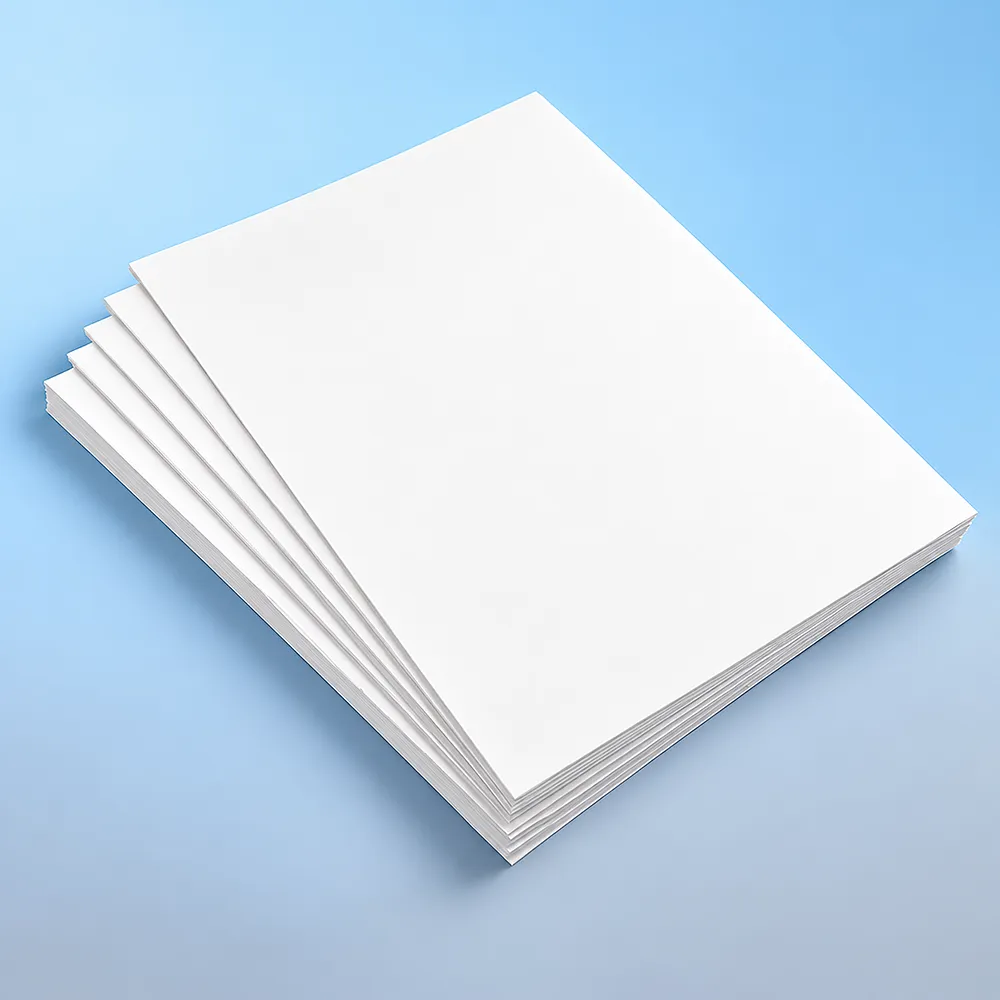
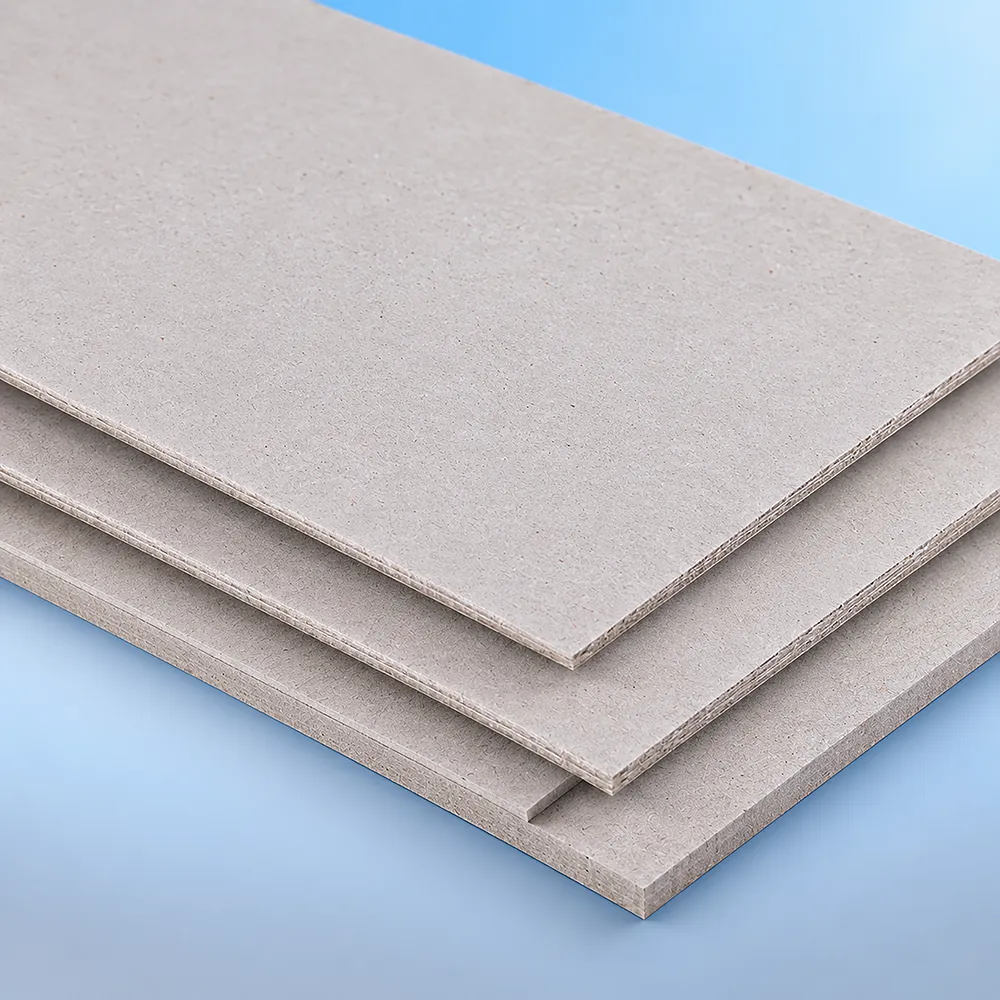
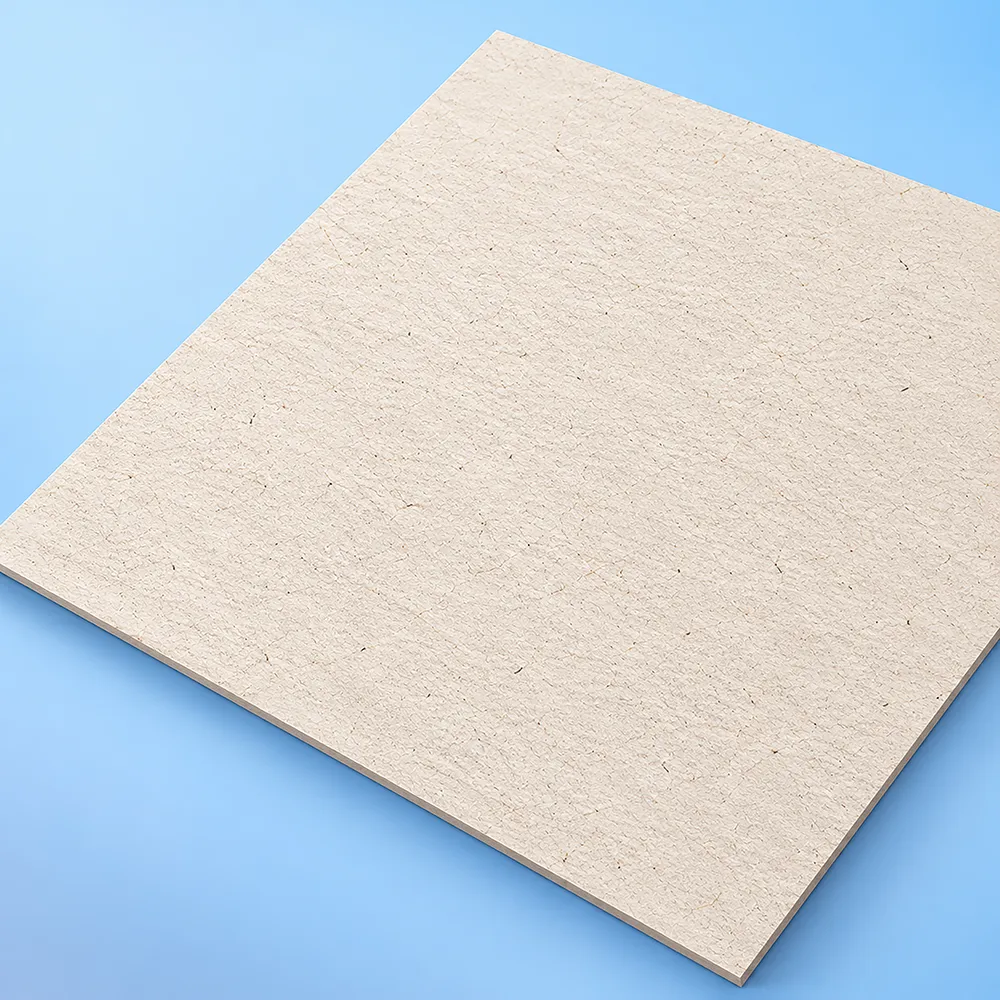
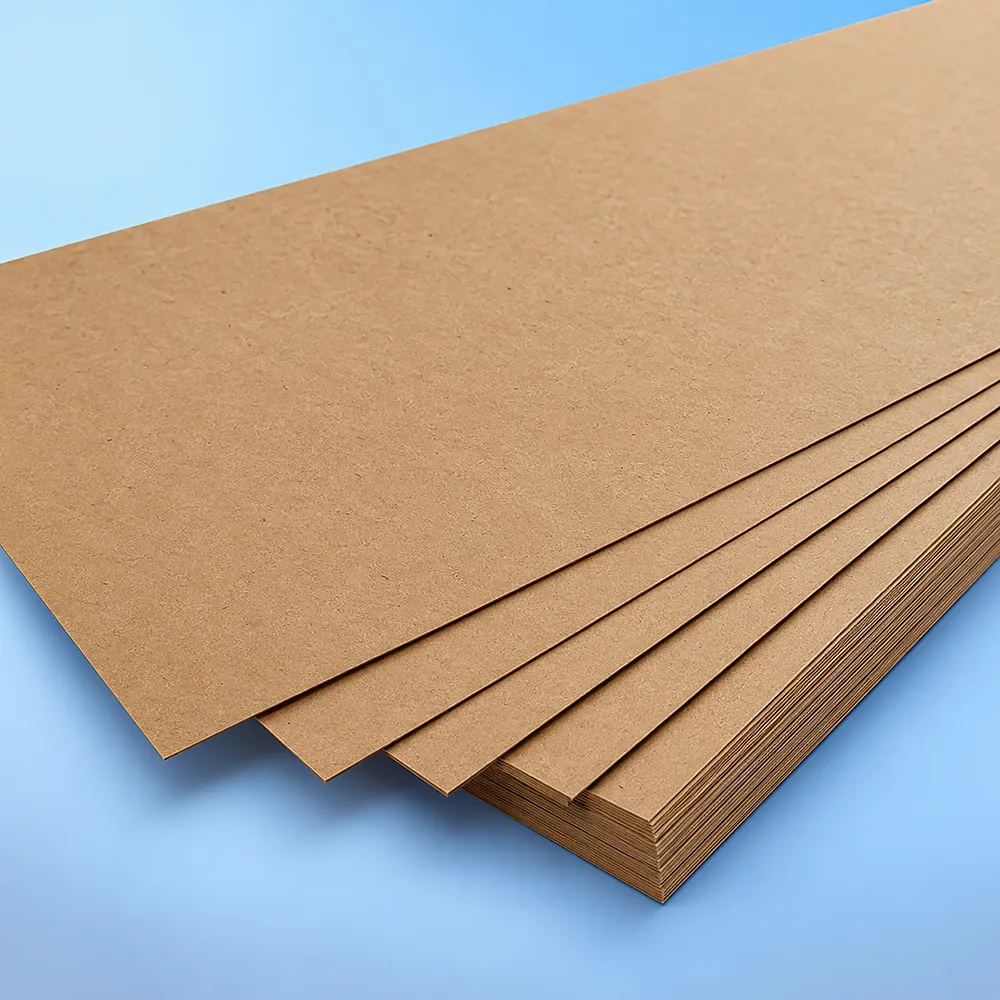
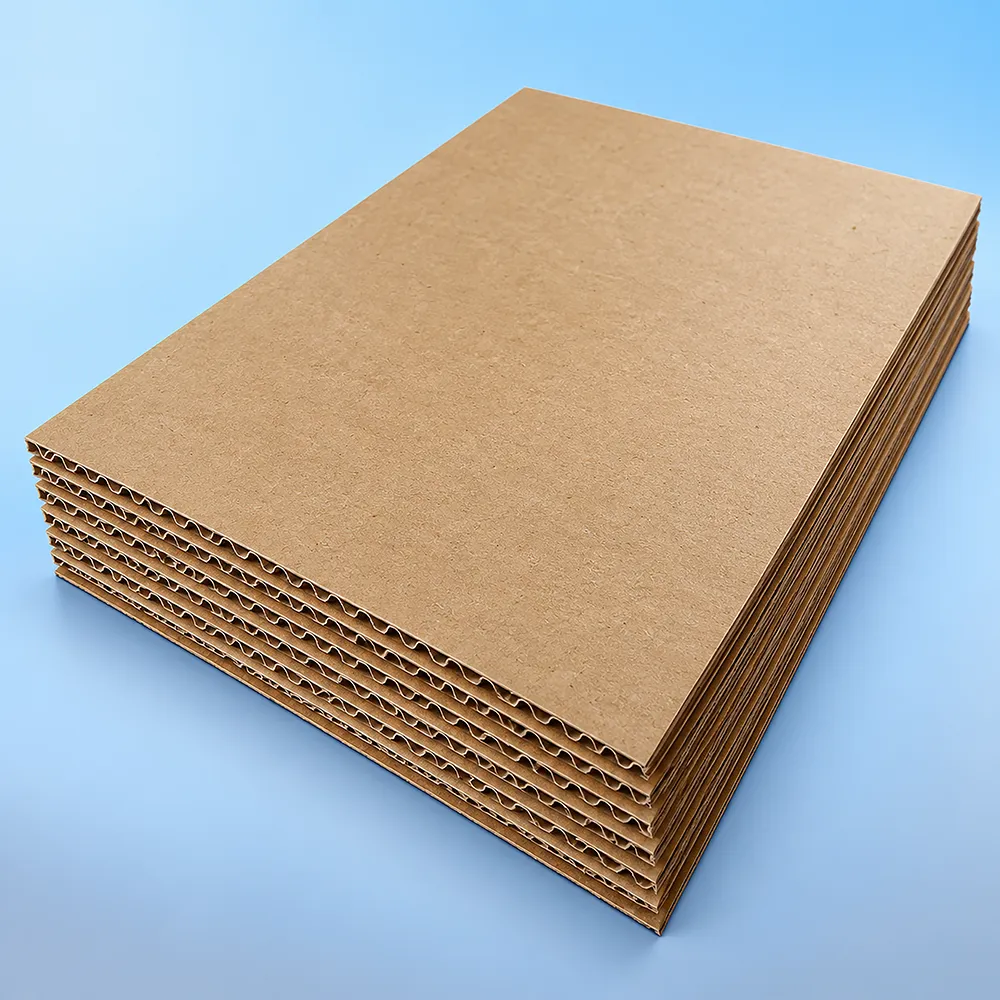
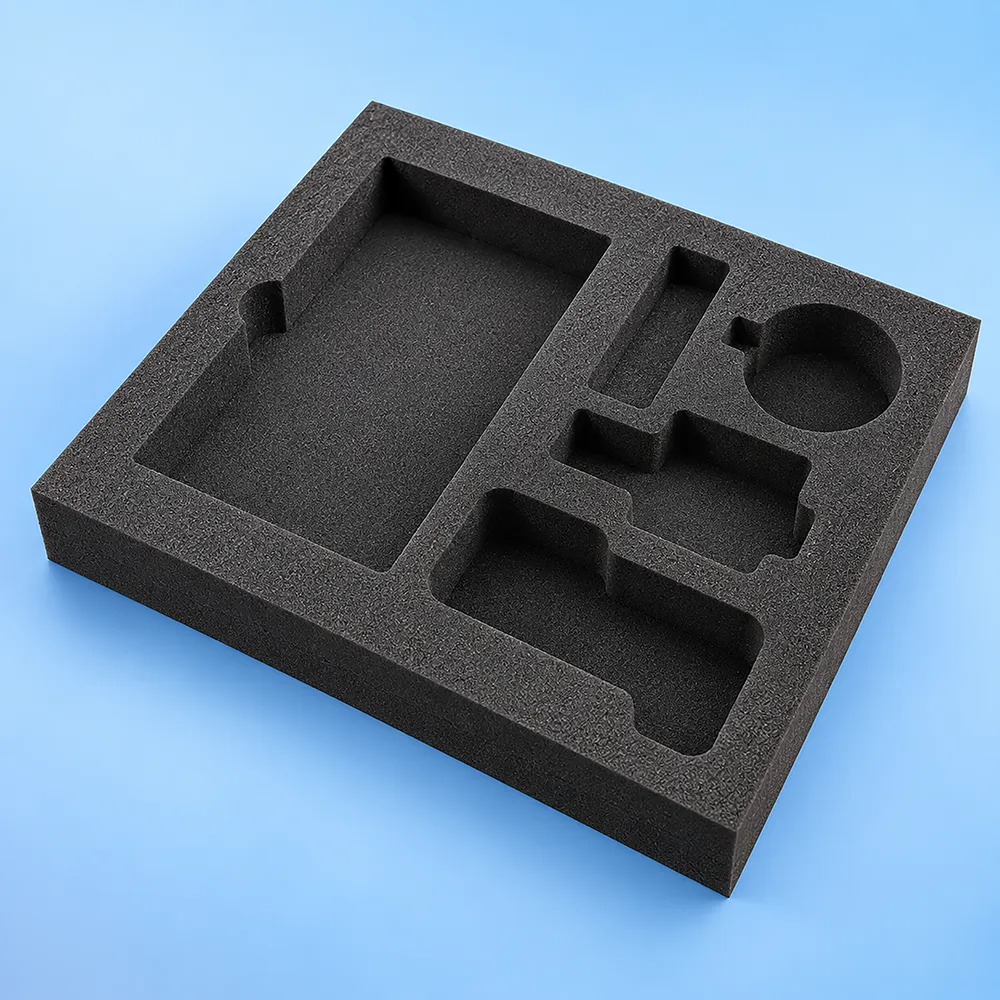

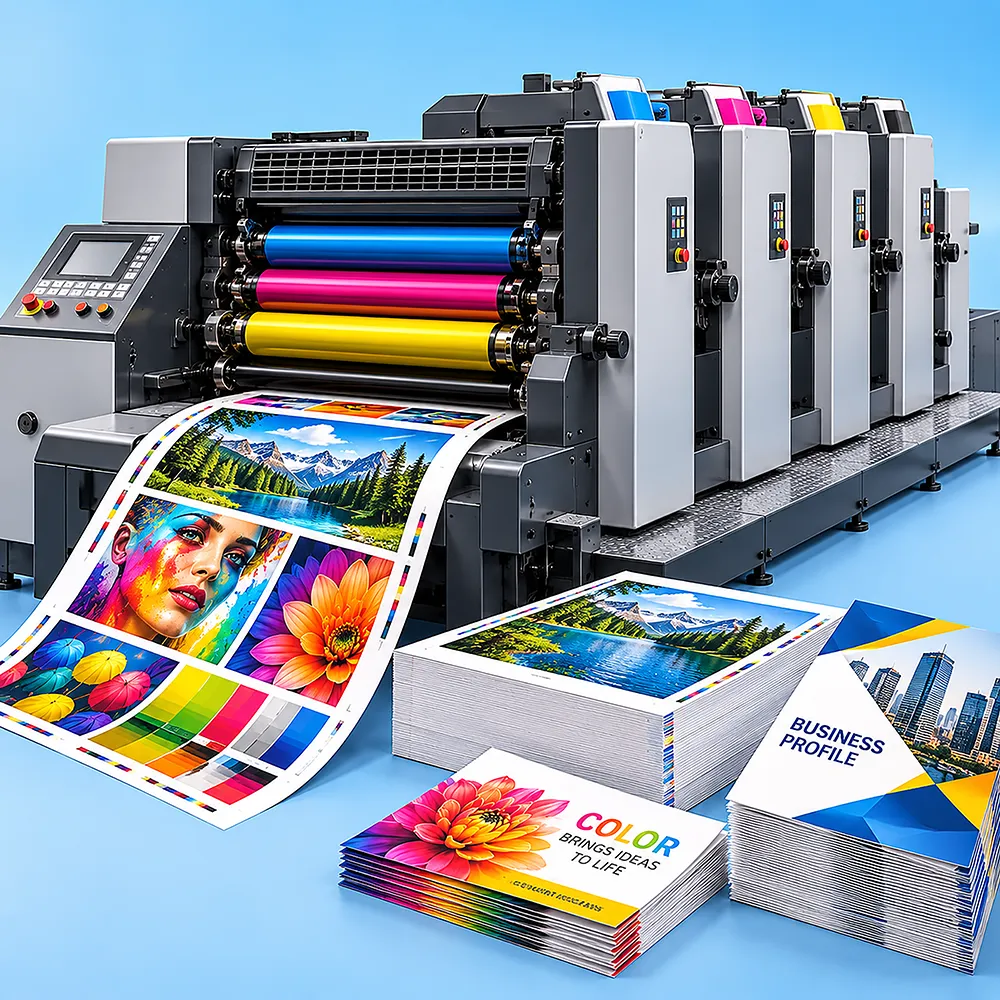
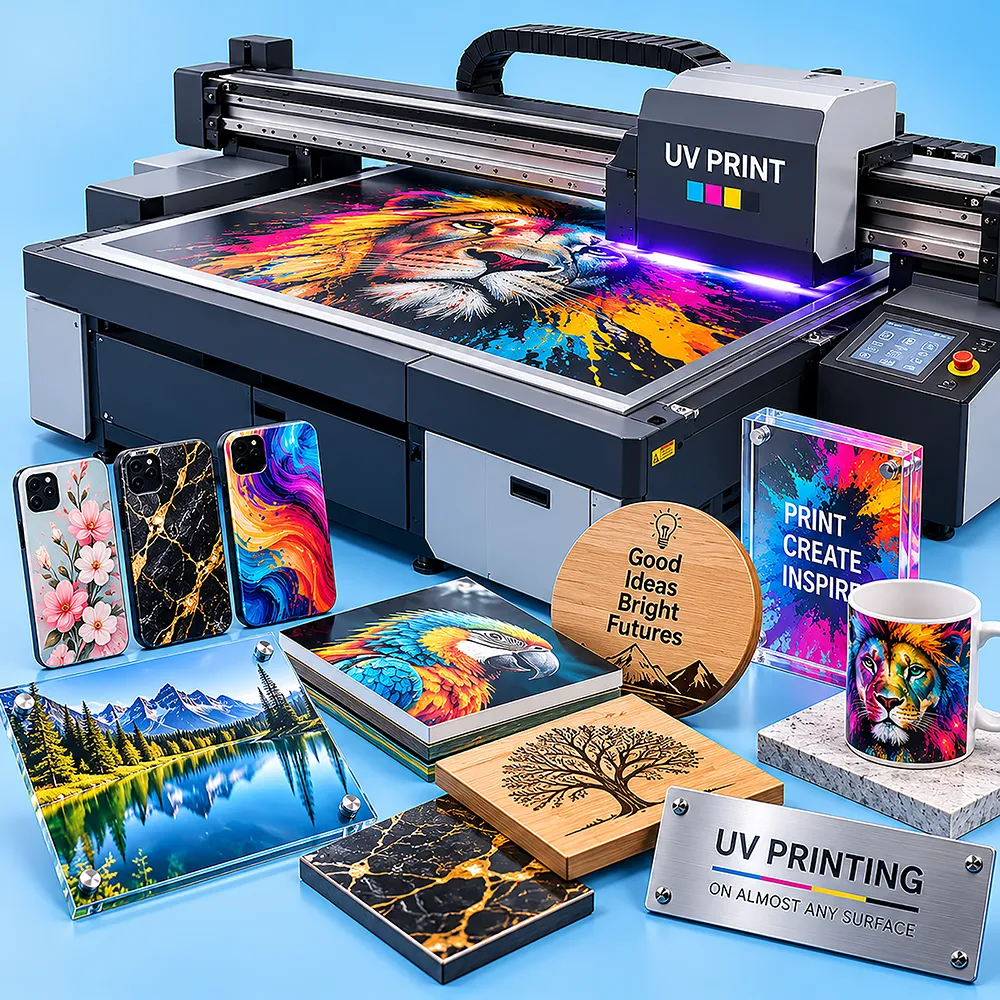
Printing methods enhance how your packaging looks and represents your brand. Digital printing delivers sharp details and vibrant colors, making it ideal for flexible custom packaging designs. Offset printing provides consistent color accuracy and crisp image quality for larger production runs. Screen printing creates bold, durable graphics on selected box surfaces and materials. We offer the latest printing methods to turn your creative ideas into realistic visuals, showcasing logos, patterns, artwork and branded graphics with clarity and precision.
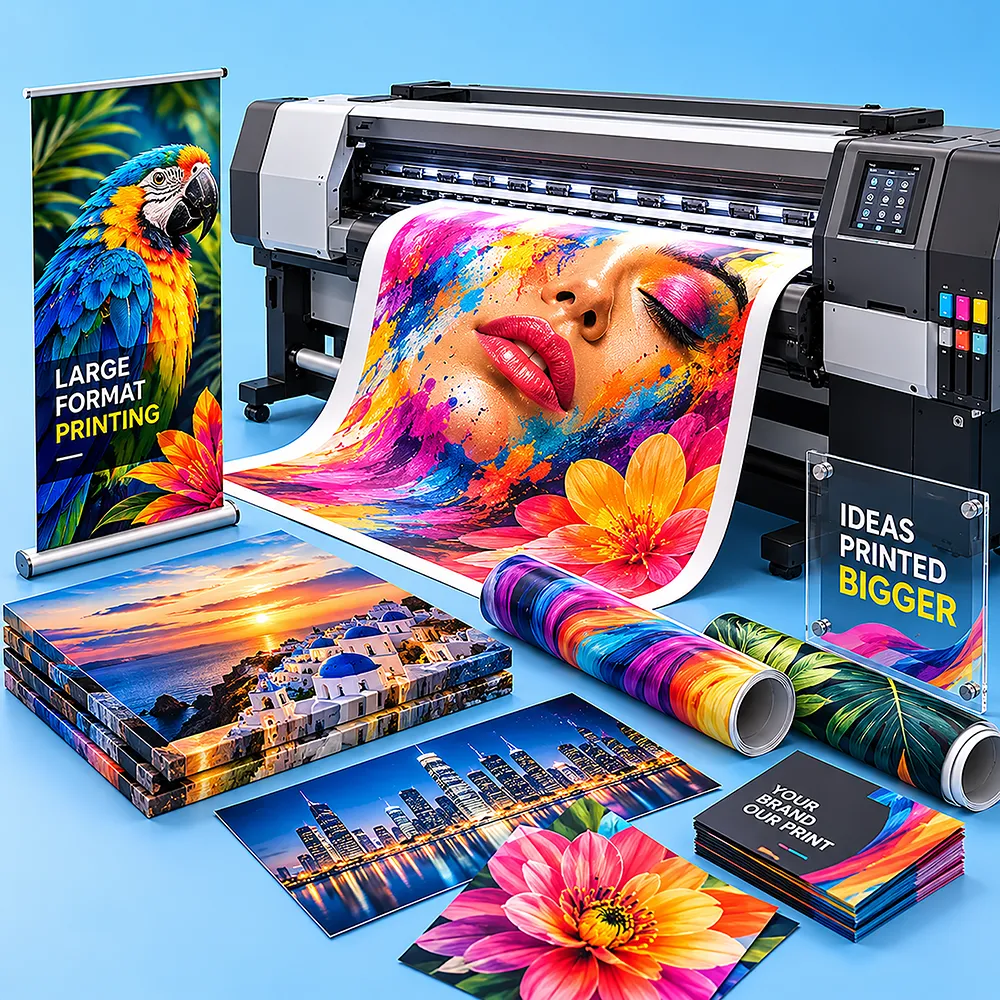
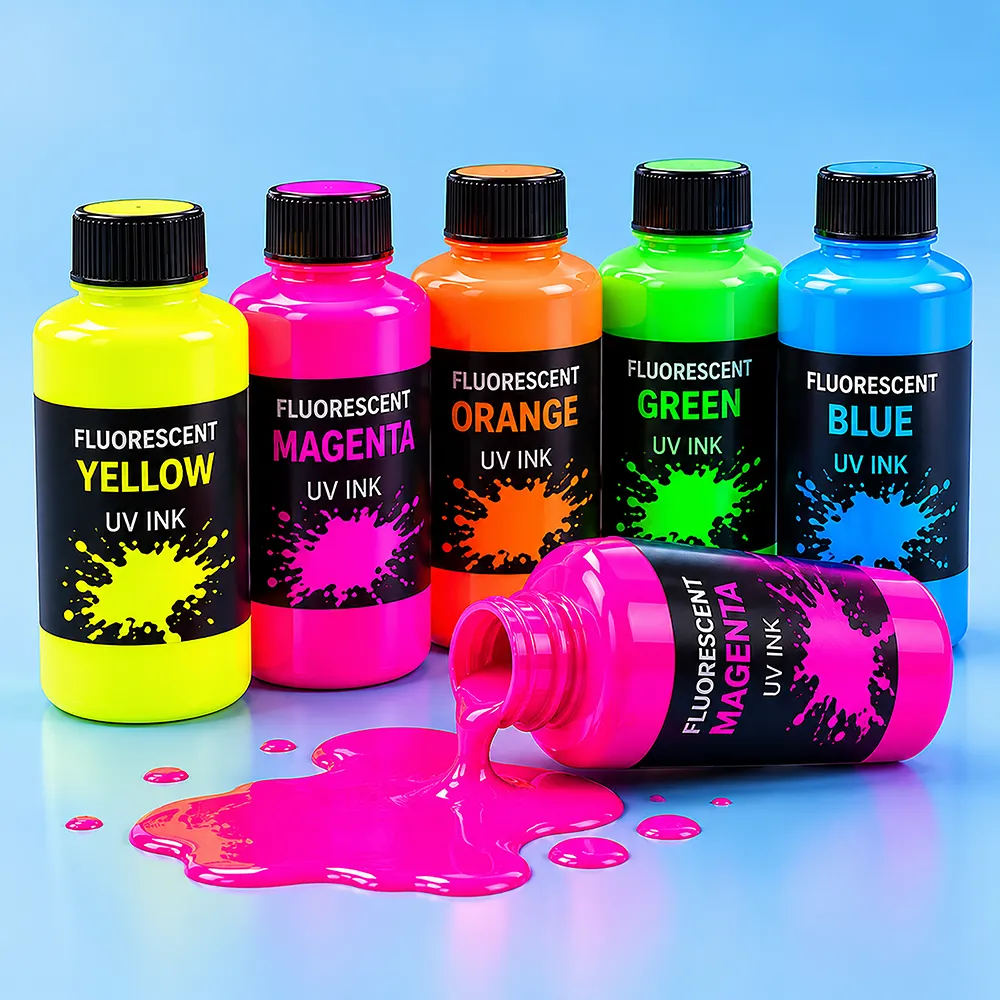
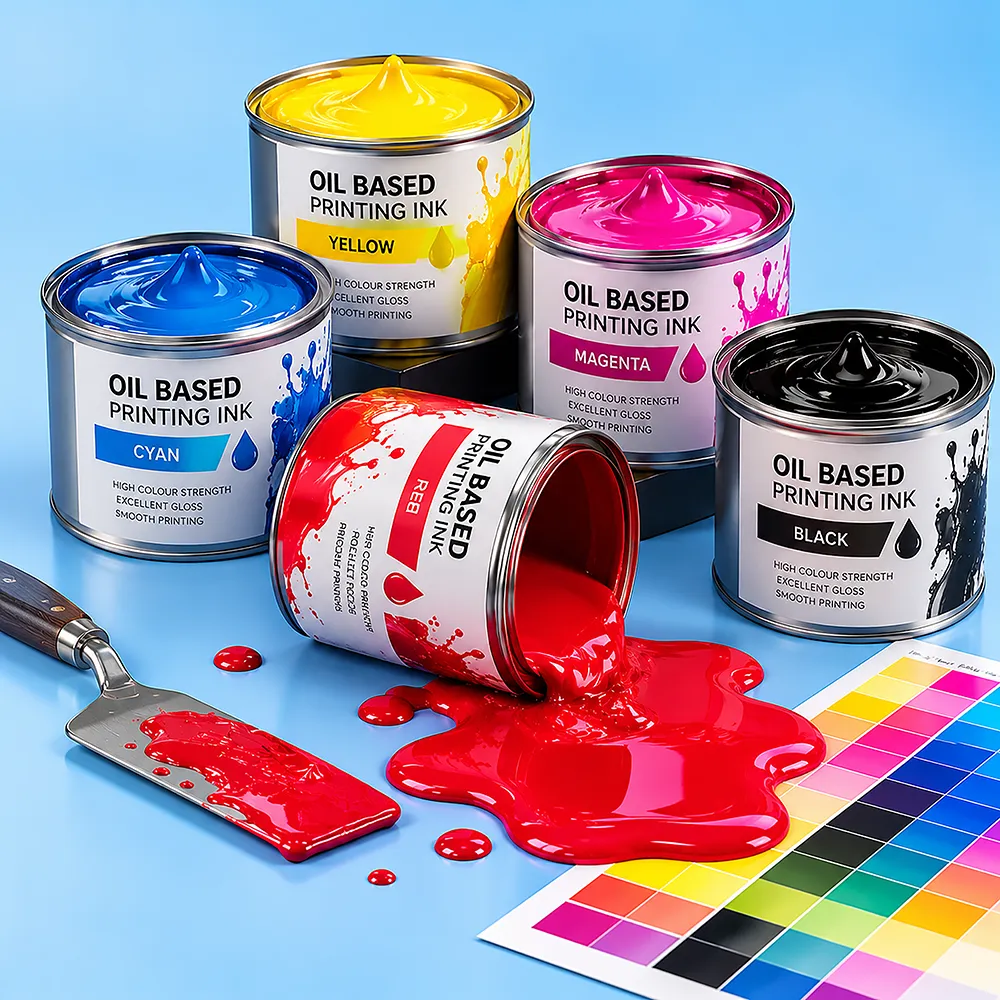
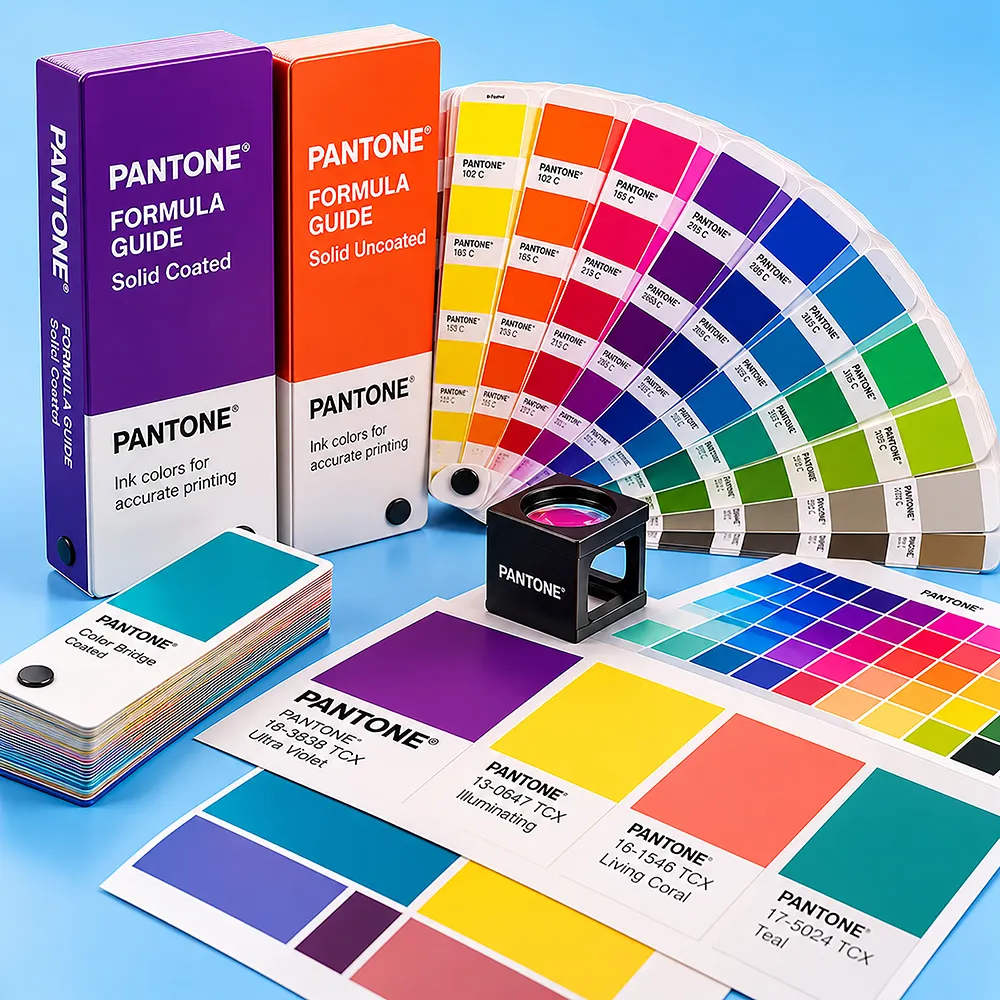
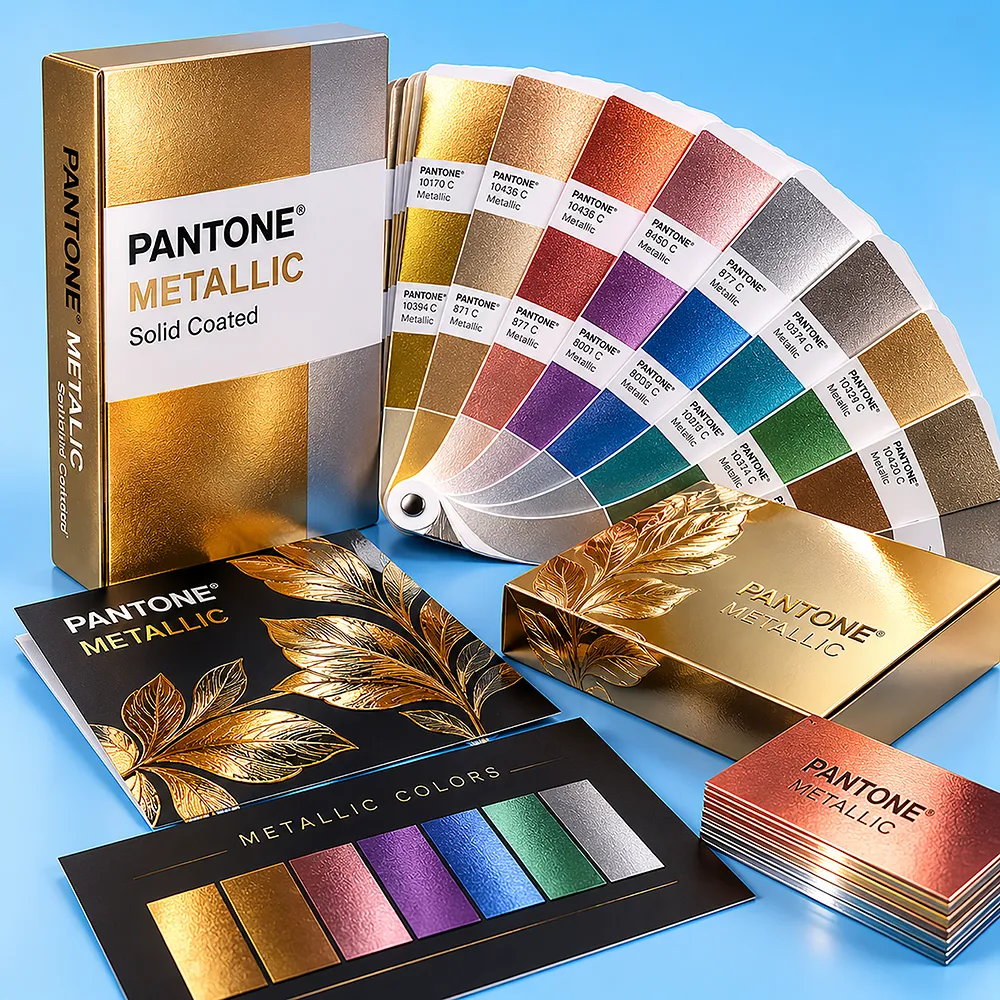
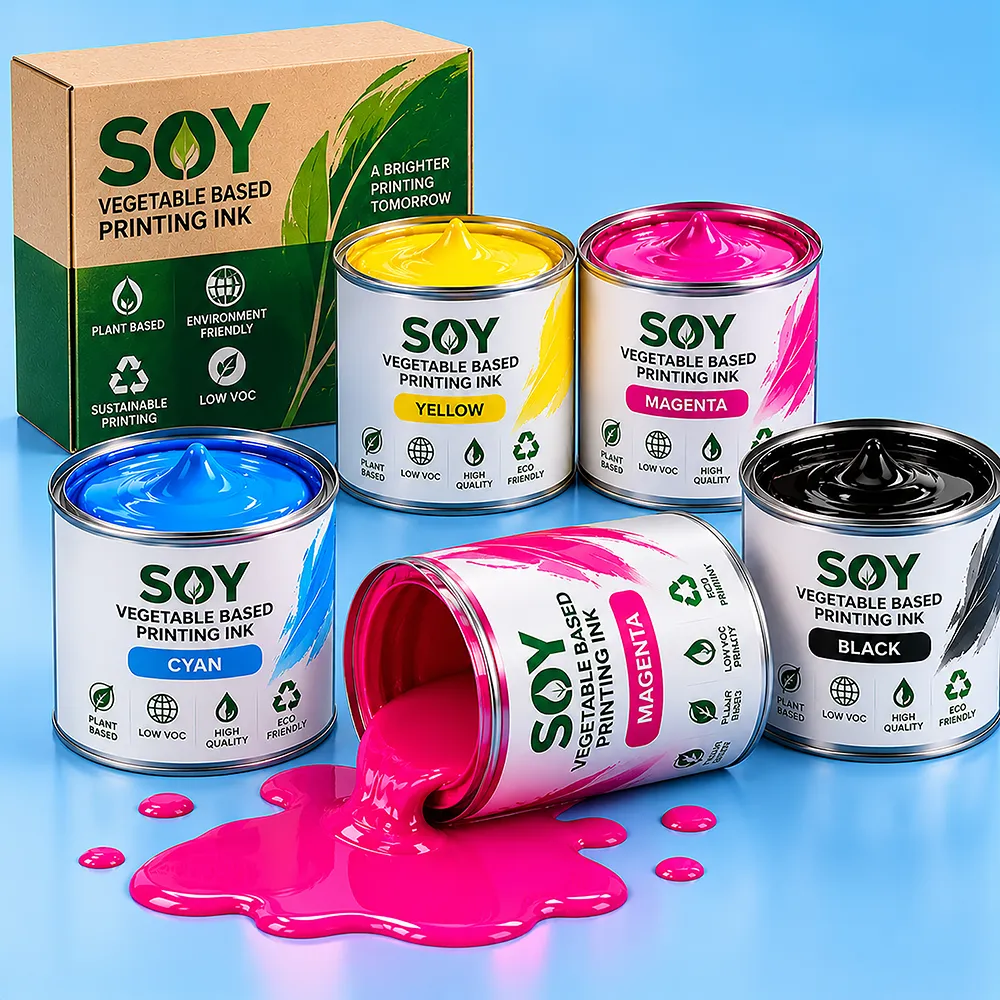
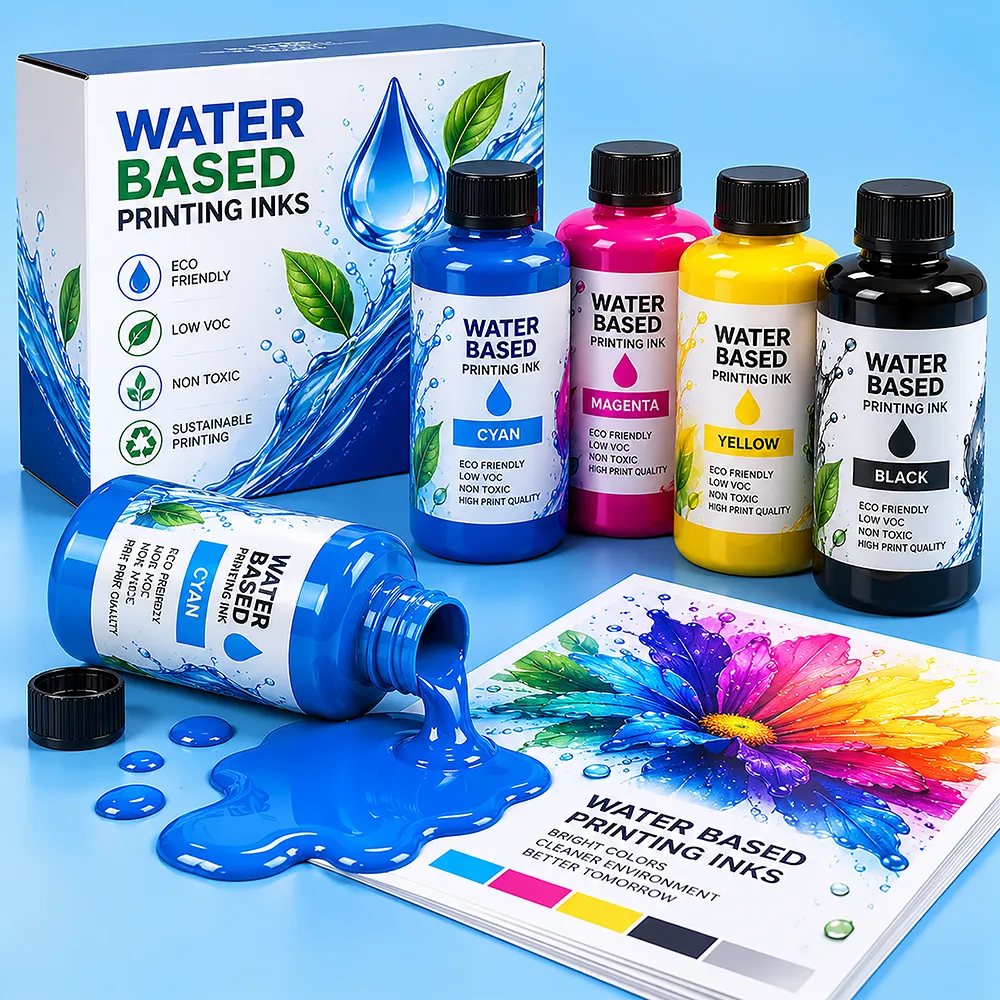
Printing inks bring packaging artwork to life with vibrant colors, clear details and consistent brand presentation. We offer a wide range of ink options, including Pantone colors, Pantone Metallic inks, oil-based inks and fluorescent inks for distinctive visual effects. Soy and vegetable-based inks provide versatile color reproduction, while water-based inks offer another practical printing option. Choose the right ink to reproduce logos, patterns, illustrations and branded artwork, turning creative ideas into attractive visuals with striking color and clarity.
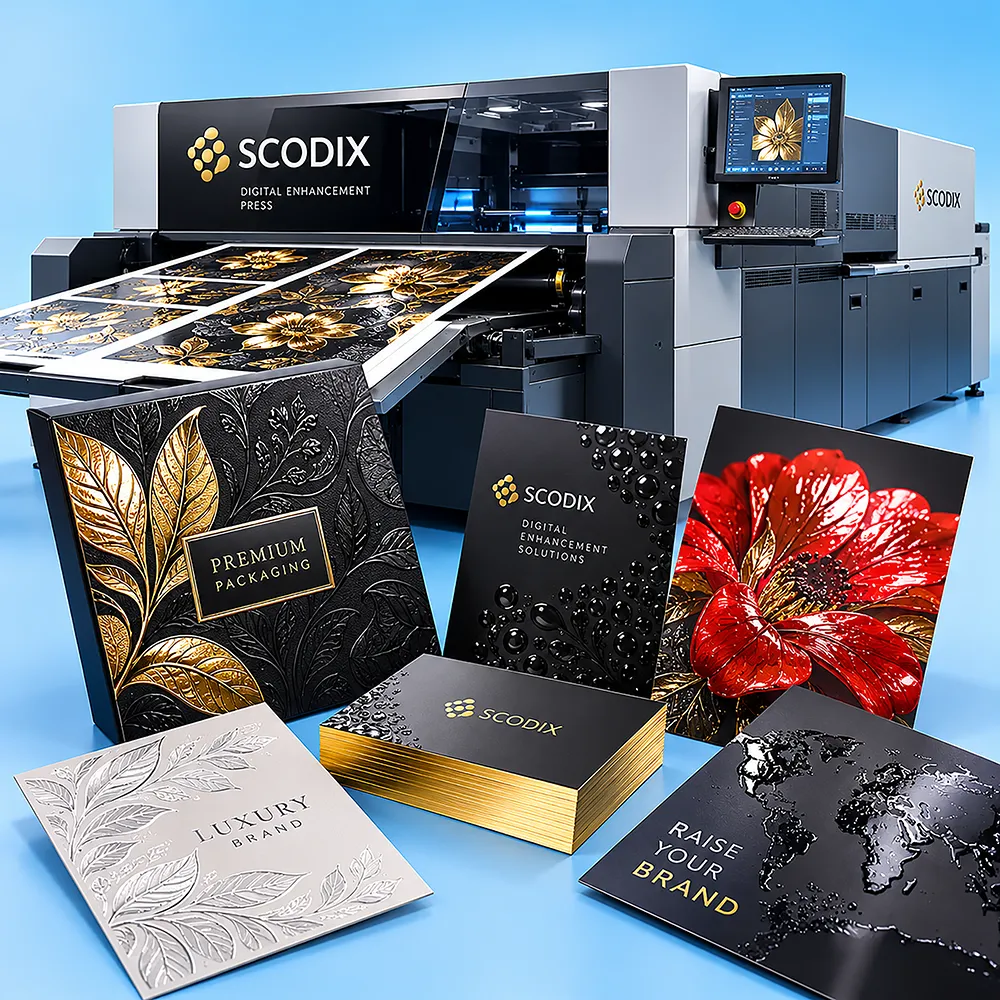
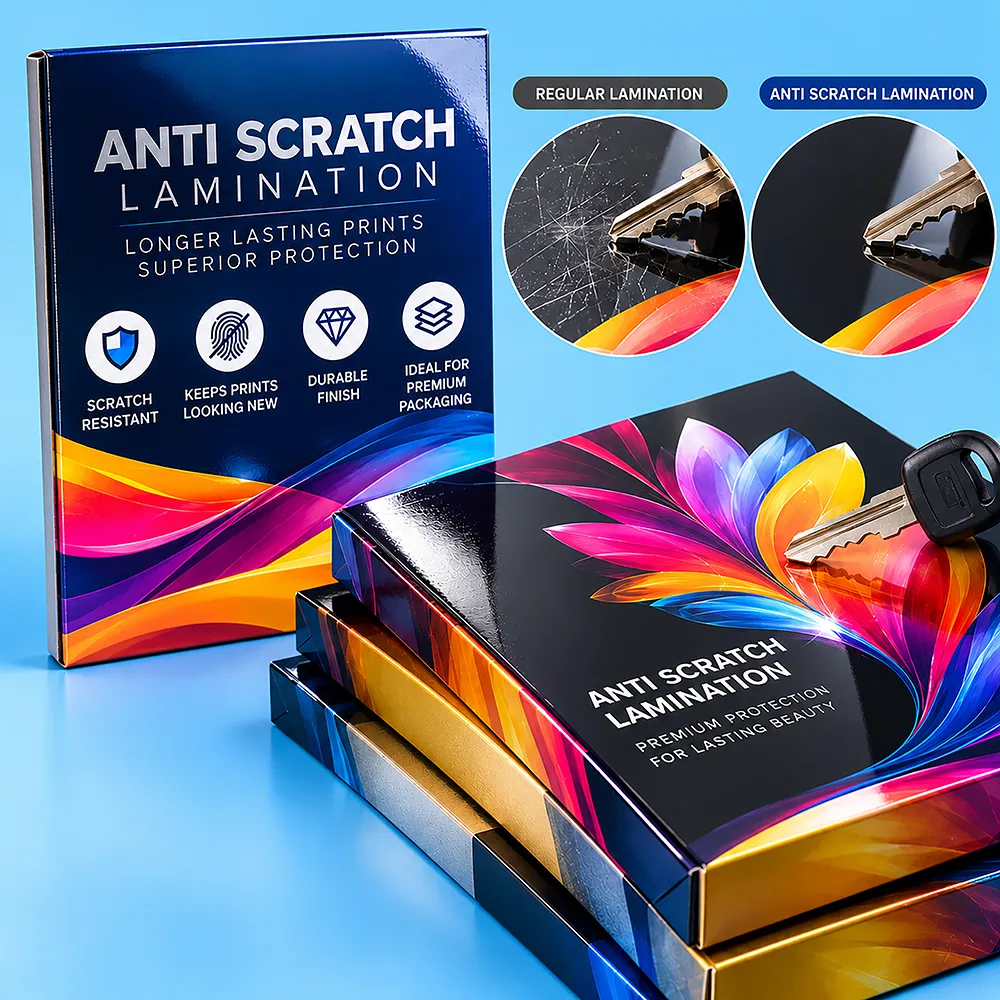
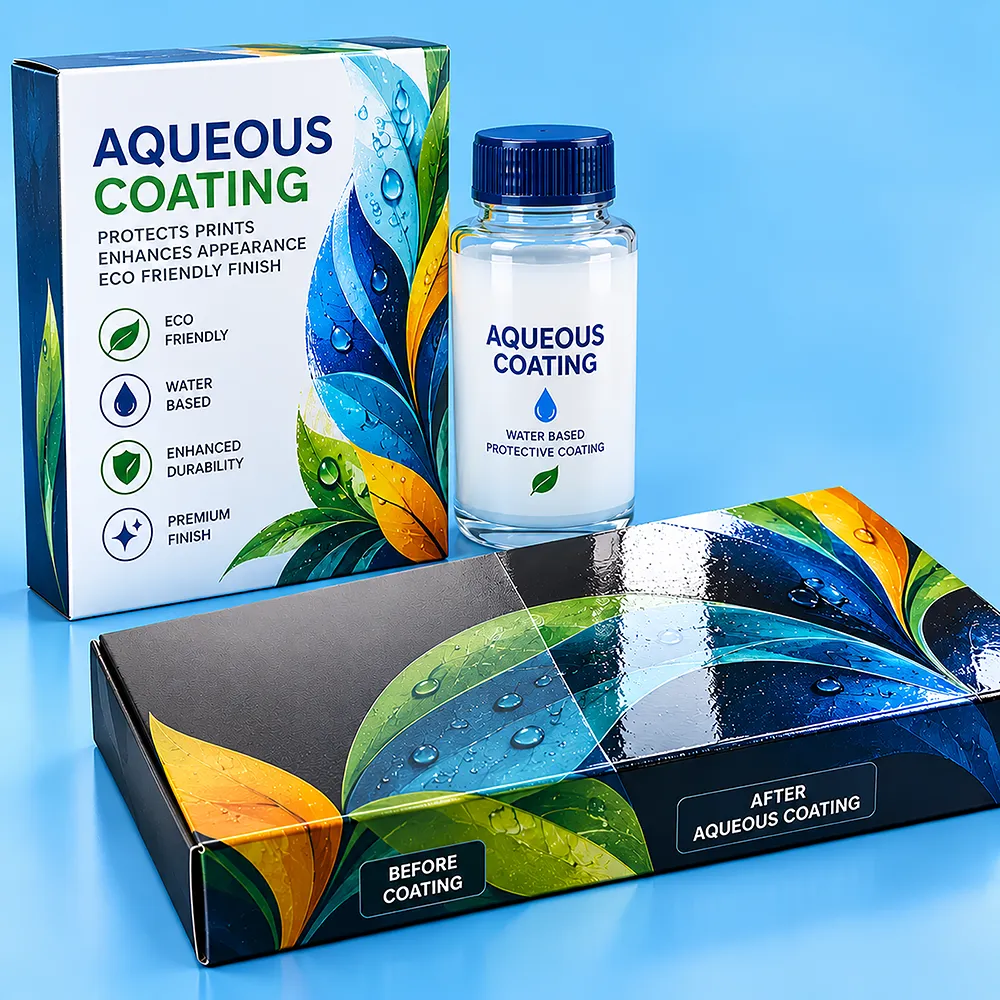
Premium finishes enhance the appearance and overall aesthetics of custom packaging. Matte and gloss laminations create smooth visual effects, while soft-touch adds a refined tactile feel. Foil stamping introduces metallic accents in gold, silver and other shades, while embossing and debossing add dimensional detail. Spot UV highlights selected design elements with added contrast and shine. Choose from versatile finishing options to make logos, patterns and branded artwork look more distinctive, polished and premium.
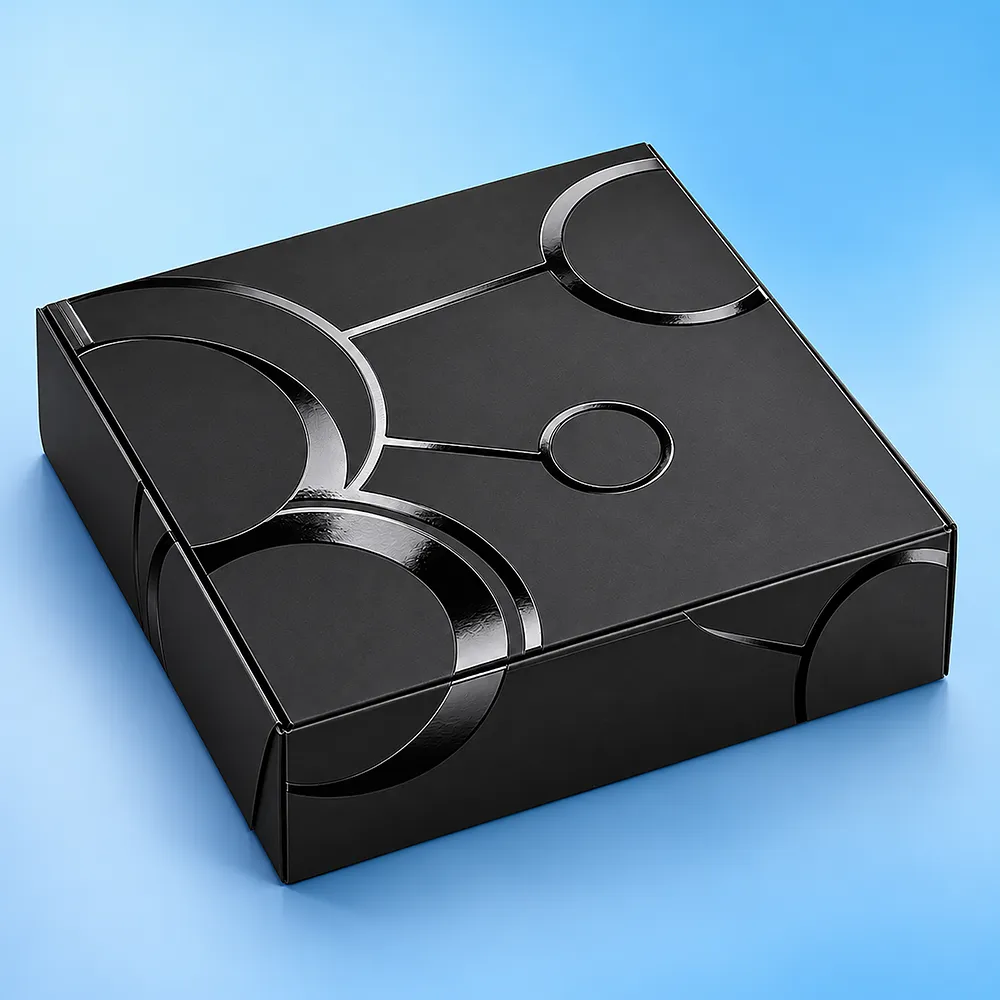
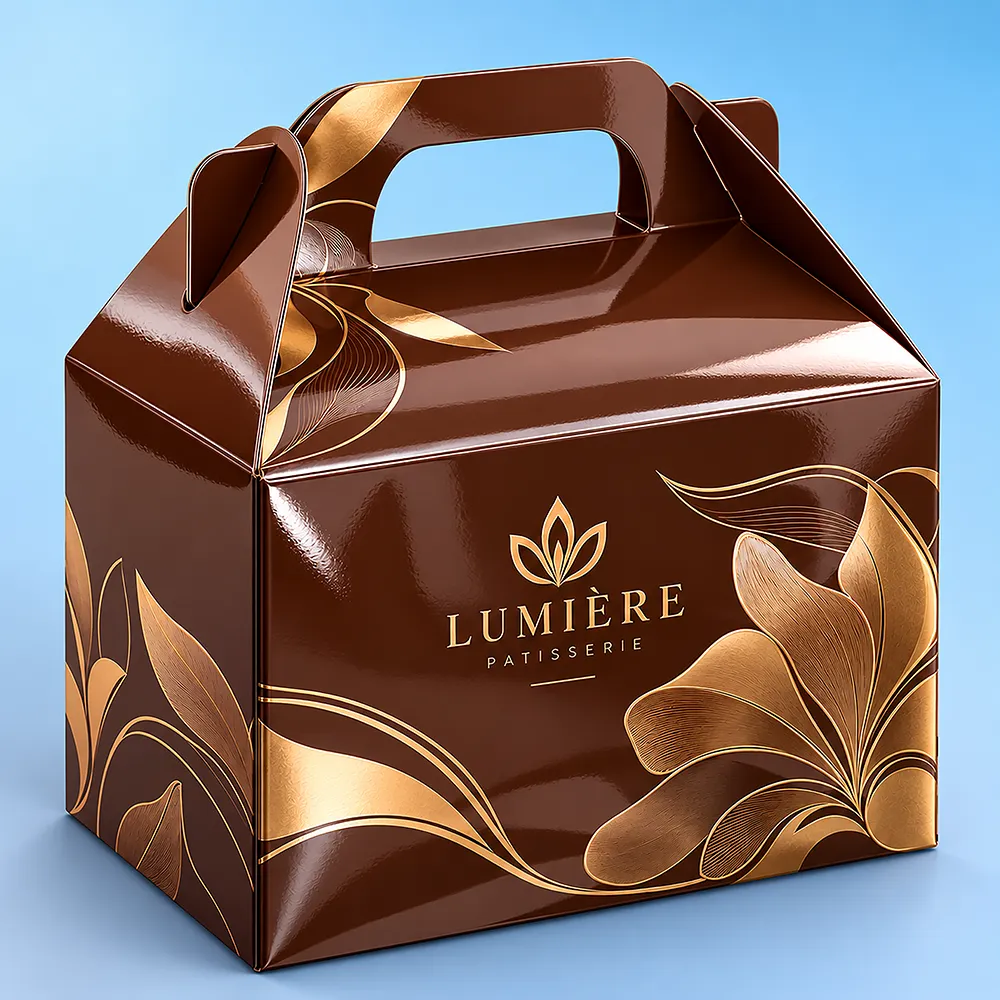
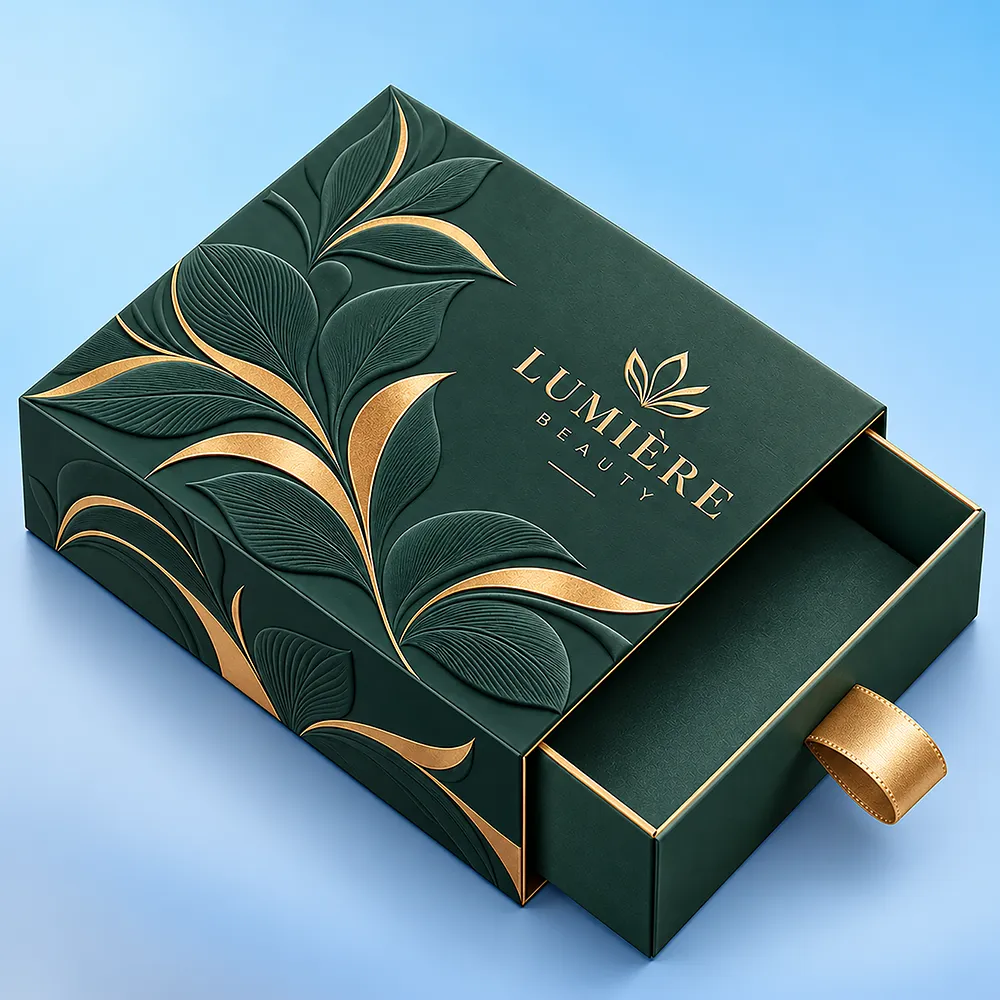
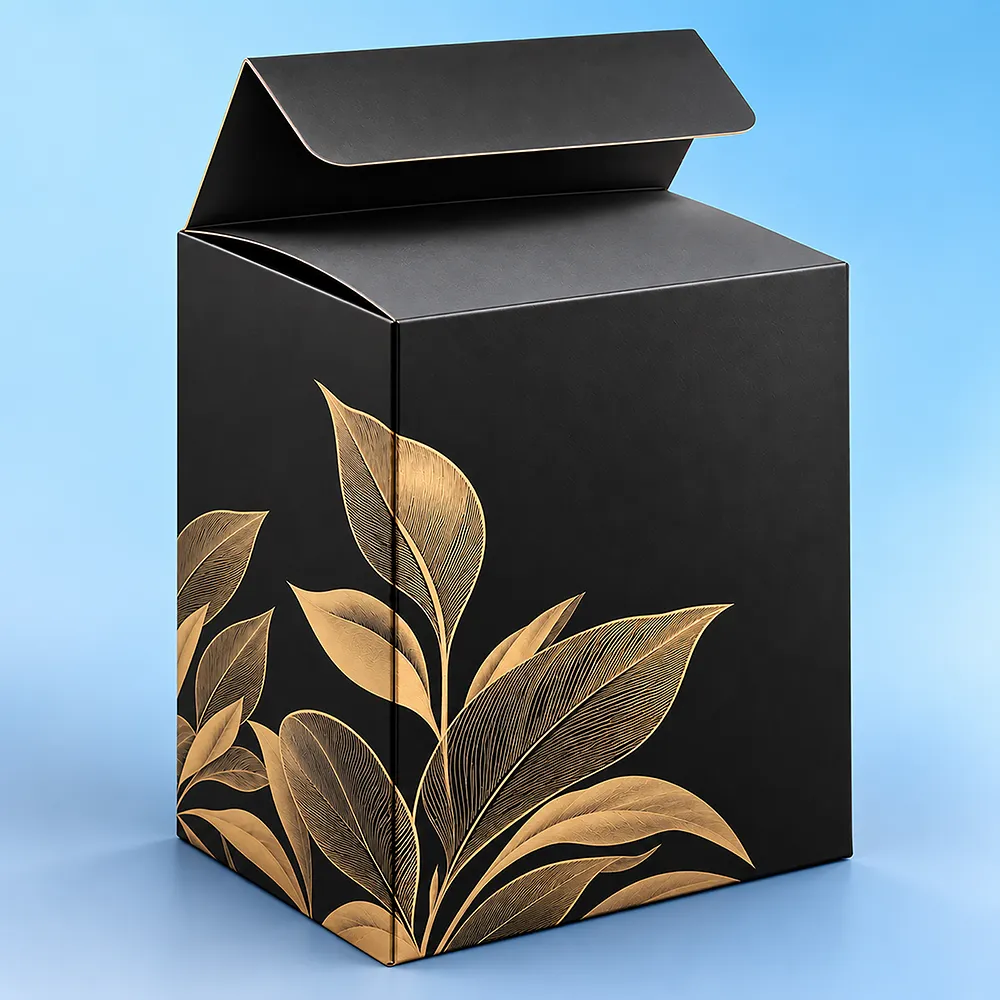
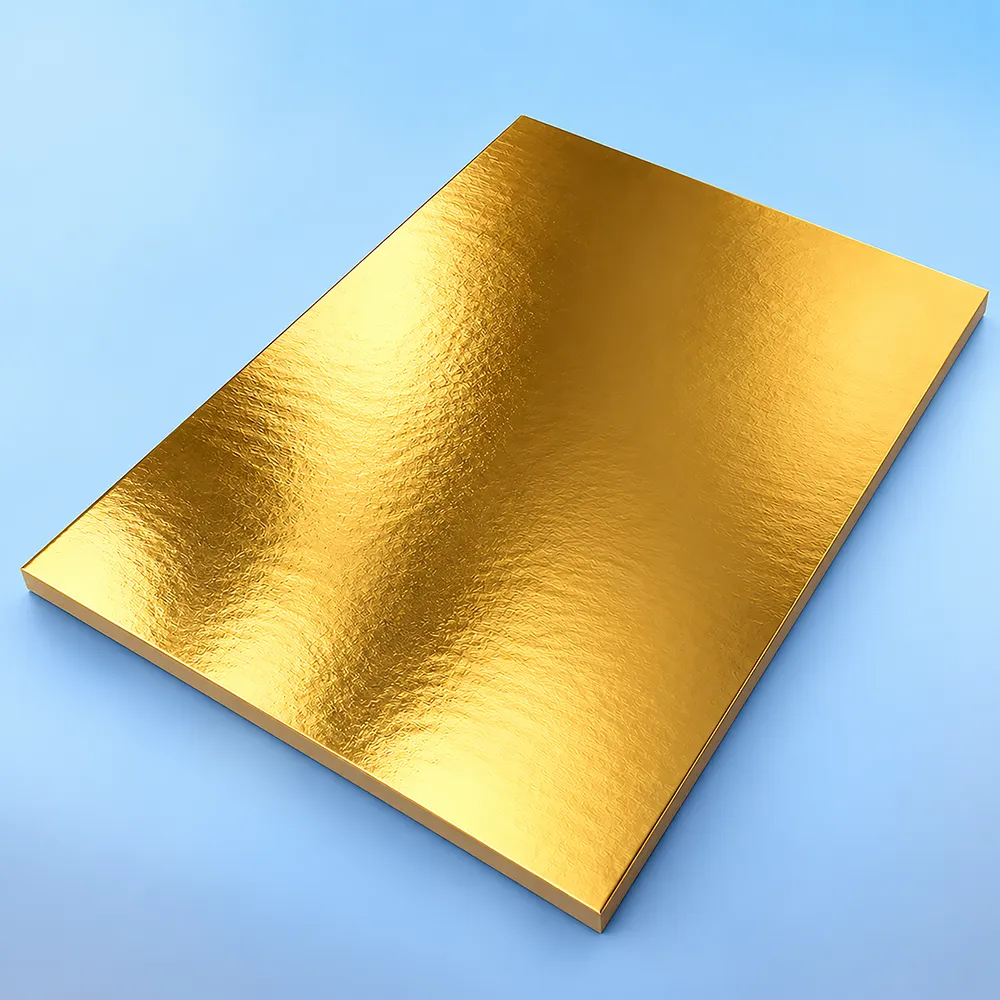
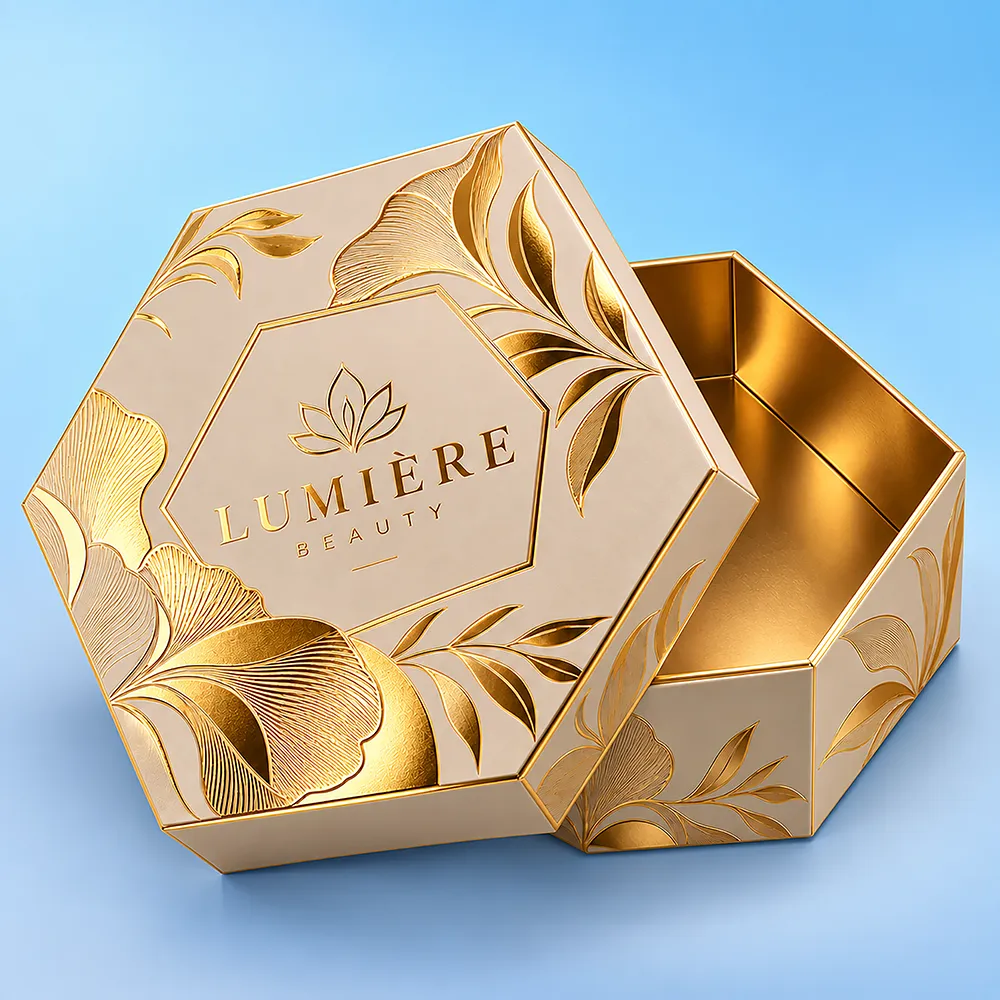
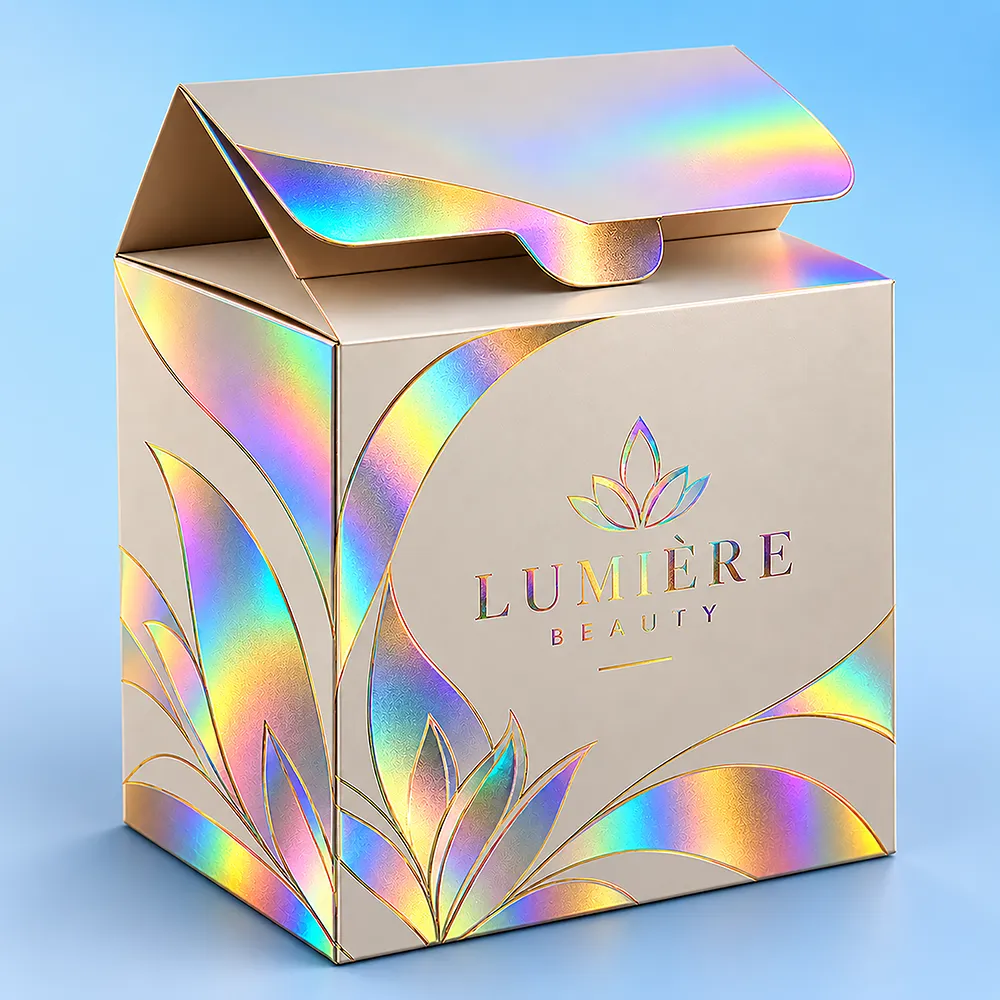
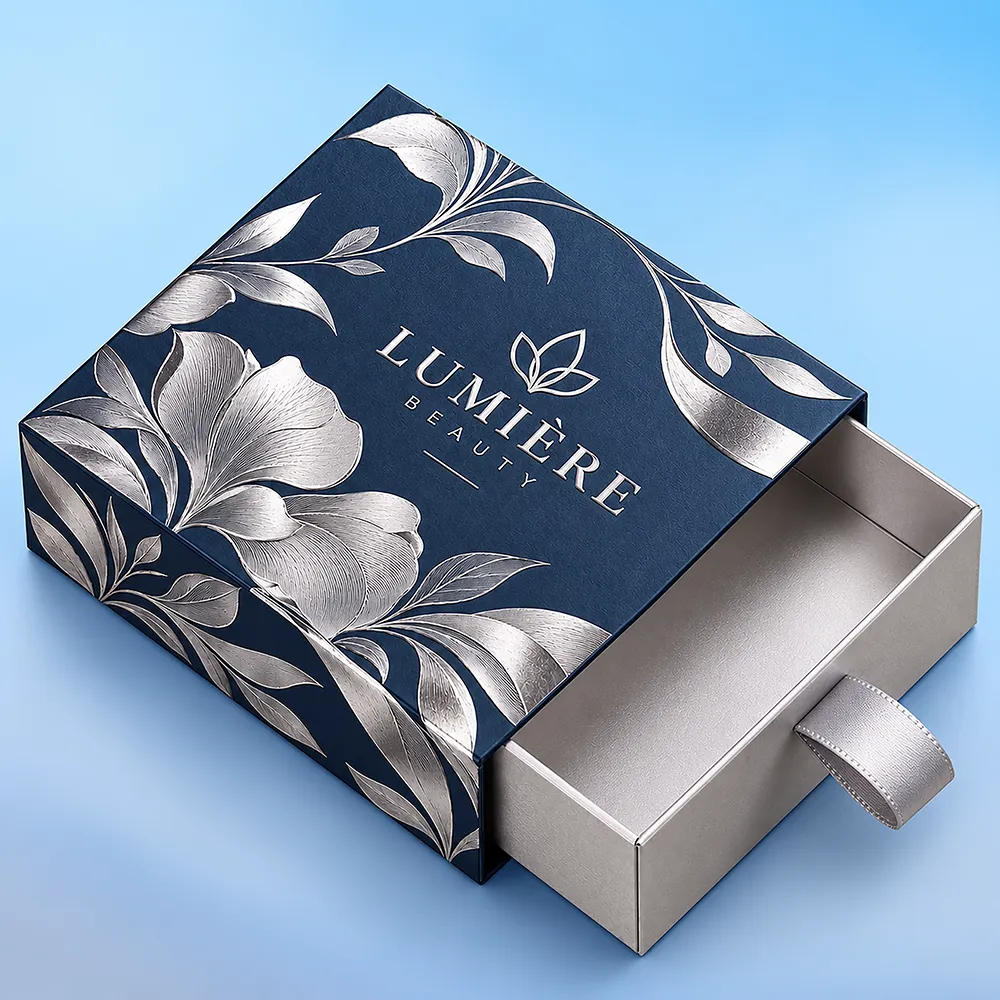
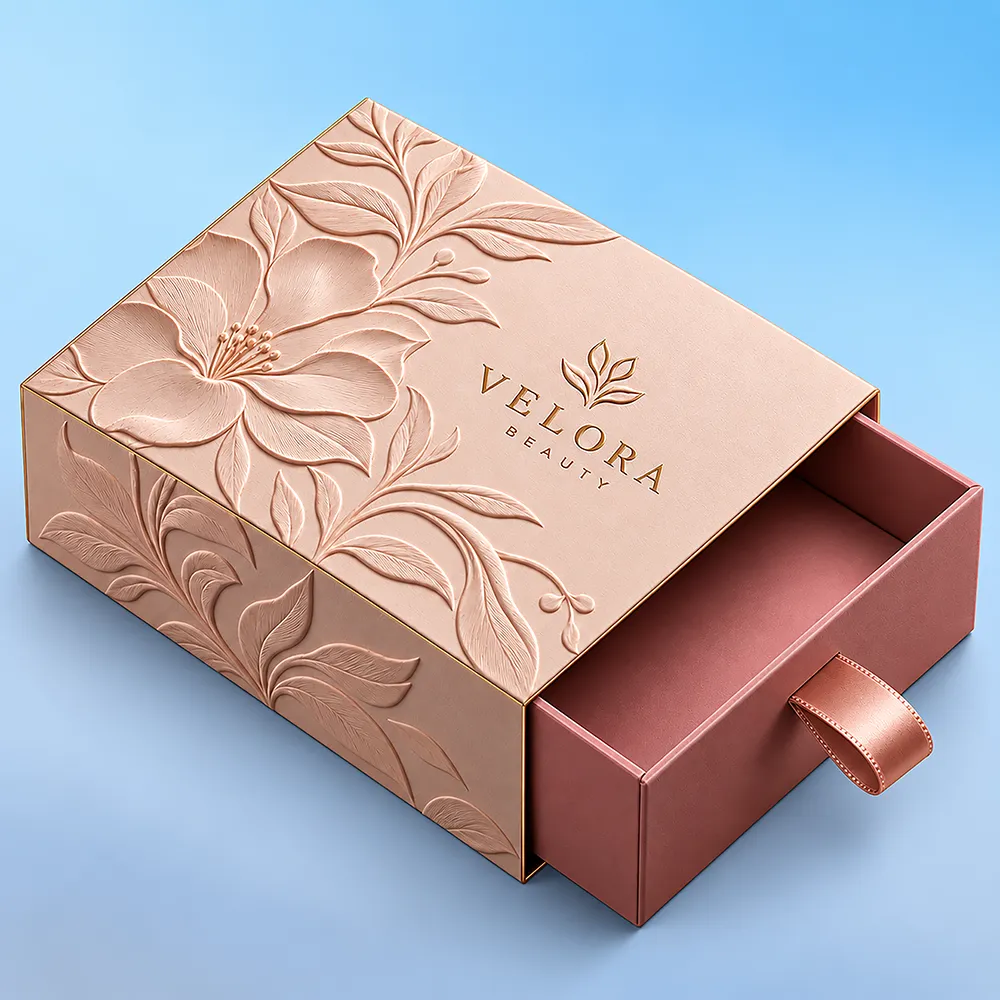
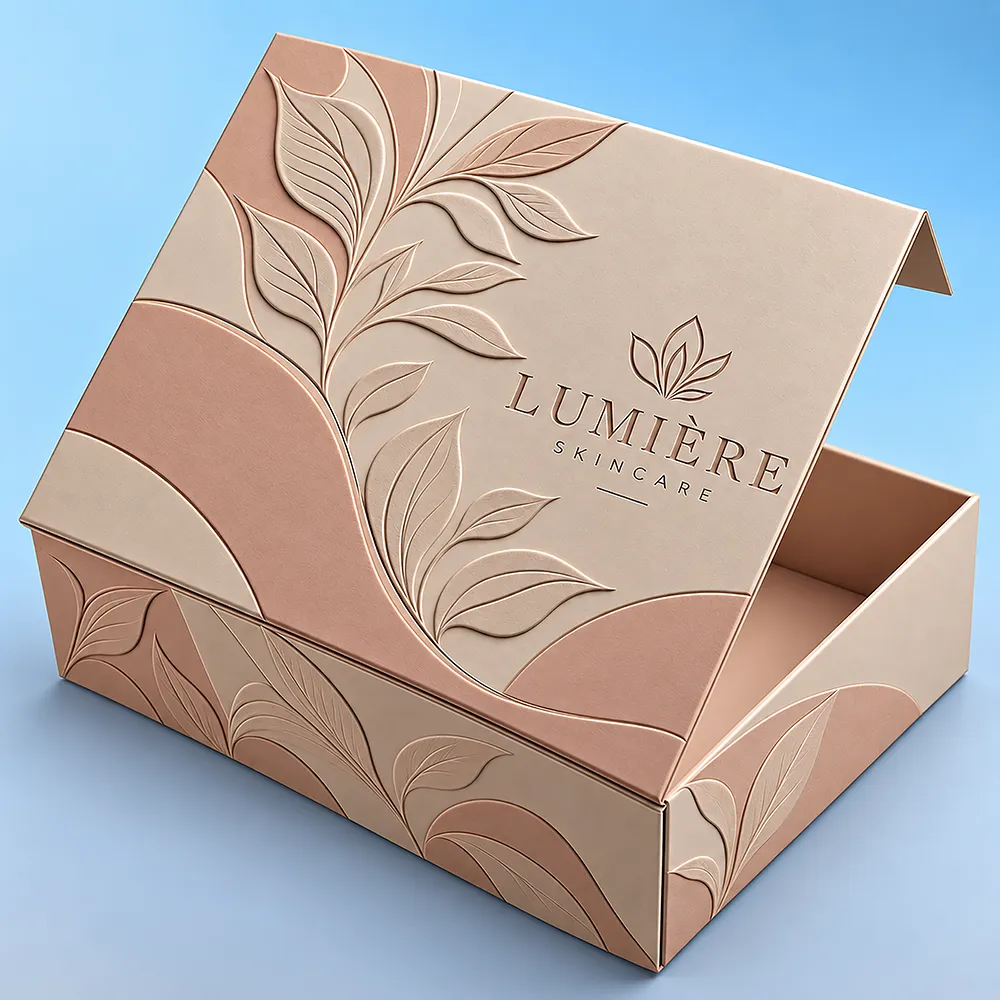
Packaging add-ons make custom packaging more attractive, presentable and visually captivating while increasing its perceived value. Gold foil adds a rich metallic accent, while silver foil creates a clean and sophisticated look. Holographic foil introduces eye-catching reflective effects that help selected design elements stand out. Embossing raises logos or patterns for added dimension, while debossing creates a refined recessed effect. Ribbons and handles add both decorative appeal and practical convenience, giving packaging a more distinctive and premium presentation.
Our Artwork Preparation Guidelines help you prepare files for clean, accurate printing on your custom packaging. Always use the final BoxBaba-approved dieline and submit editable or print-ready artwork in the requested format, commonly AI, EPS or PDF. Prepare colors according to the approved CMYK or PMS workflow and use high-resolution graphics, typically around 300 DPI at final size where applicable. Extend backgrounds and edge-to-edge graphics into the designated bleed area. Keep important text, logos, barcodes and other critical artwork inside the safe area, and review your final digital proof carefully before approving the artwork for production.
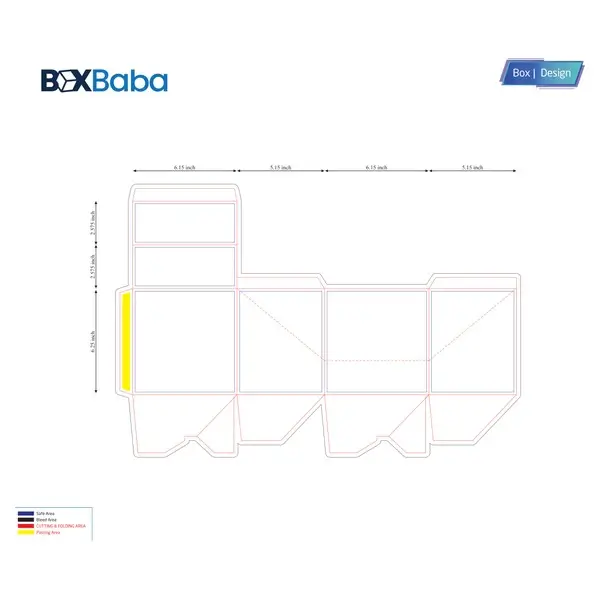
The red cut line marks where the packaging material will be trimmed to create the final box shape. Keep important text and critical design elements safely inside the safe area and away from these cutting edges.
Perforation lines are shown as dotted lines when required and indicate areas designed for controlled tearing or separation. They may be used for tear-away sections or other functional packaging features.

The black bleed boundary shows how far backgrounds, colors and graphics should extend beyond the final cutting area. Extending artwork into this area helps prevent unwanted white edges after trimming.

The blue safe area identifies where important artwork should remain. Keep logos, text, barcodes and other essential design elements clear of cutting and folding edges.

The red crease and fold lines show where the box will bend during assembly. Avoid placing important text, logos or graphics directly across these lines where folding may affect their appearance.

The yellow pasting area show the flap used to glue and secure the box during assembly. Avoid placing important text, logos or graphics here because it may be covered when the box is formed.
| Specification | Project Direction |
|---|---|
| Packaging Role | Secondary retail, presentation or set packaging developed around finished makeup products |
| Suitable Products | Lipsticks, lip gloss, mascara, eyeliner, brow products, foundation bottles, compacts, powders, palettes, makeup kits and coordinated collections |
| Primary Product Formats | Tubes, sticks, bottles, compacts, pans, palettes, pencils and other finished retail-ready cosmetic formats |
| Sizing Basis | Actual finished product dimensions, packed closure state, hinge or projection, weight, orientation, insert requirements and required clearance |
| Critical Size Rule | Product category, fill volume, shade count or palette pan count does not determine final box size |
| Maximum Profile | Measure the widest, deepest and tallest finished points, including caps, pumps, applicators, hinges, clasps, collars or overcaps |
| Packed State | Measure the product in the configuration in which it will actually be packed and sold |
| Compact / Palette Rule | Measure closed length, width and thickness, including hinge, clasp or other projection |
| Dimension Hierarchy | Product dimensions, insert-cavity dimensions, internal box dimensions and external finished box dimensions should be treated separately |
| Product Orientation | Vertical, horizontal, flat, side-by-side or another approved presentation layout |
| Unit Capacity | Single makeup item, multi-unit assortment, kit, gift set, PR set or coordinated collection |
| Single vs Set Planning | Multi-product sets should be sized around the complete arranged configuration rather than the largest product alone |
| Box Structures | Straight-tuck, reverse-tuck, auto-bottom, sleeve-and-tray, drawer, two-piece, rigid presentation, window and hang-tab structures where suitable |
| Material Directions | SBS/white paperboard, coated paperboard, kraft-style paperboard, rigid greyboard with wrap and corrugated board for suitable outer or mailer applications |
| Insert Options | Die-cut paperboard holders, folded platforms, dividers, multi-cavity inserts, presentation trays, molded-pulp supports and other approved configurations |
| Insert Requirement | An insert may be unnecessary where a single lightweight makeup item already fits appropriately within the selected structure |
| Glass / Heavy Products | Filled weight, center of gravity, base support and insert requirements should be reviewed for glass foundation bottles, heavy compacts and other heavier formats |
| Palette / Compact Support | Product footprint, hinge position, closed thickness, removal method and presentation direction should be considered together |
| Window Options | Open die-cut or clear-film windows may be reviewed where compatible with the structure and artwork |
| Hang-Tab Option | May be considered for suitable eyeliner, brow, mascara or other individual retail units intended for peg or hook display |
| Printing | Printing method is confirmed according to material, artwork, quantity and production capability |
| Interior Printing | May be considered where compatible with the selected structure and production process |
| Finishes | Matte, gloss, soft-touch effects, foil, Spot UV, embossing and debossing may be reviewed where compatible |
| Shade / SKU Identification | Buyer artwork may include shade name, shade number, product variant, barcode, QR code or other SKU-specific information |
| SKU Planning | Different shades or artwork variants may share one structural dieline where product geometry, packed state, orientation, insert and box structure remain compatible |
| Retail Packaging | Individual cartons can be developed for shelf presentation, branding, product identification and information layout |
| Display Packaging | Multi-unit merchandising should be specified separately from the individual makeup carton |
| Ecommerce Packaging | Retail packaging should be evaluated separately from the outer mailer or shipping package |
| Gift / PR / Launch Sets | Product count, arrangement, insert cavities, presentation sequence and total loaded weight should be confirmed before the outer dimensions are finalized |
| Secondary Packaging Boundary | The makeup box does not replace the tube, bottle, compact, palette or other primary product format where that component directly contains or forms the cosmetic product |
| MOQ | Starts from 100 custom boxes |
| Proofing | Available proofing or sample routes are confirmed according to the project |
| Quote Factors | Dimensions, structure, material, insert, window, printing, finishes, SKU count, quantity, assembly and delivery format |
| Quote Information | Product type, finished dimensions, packed state, closure/hinge profile, weight, orientation, units per box, insert, artwork, SKU count, quantity and destination |
| Production | Timing is confirmed after relevant dimensions, structure, material, artwork, quantity and production specifications are approved |
| Shipping | Method, charges and transit estimates are confirmed according to the completed order, destination and selected service |

We use cardboard material with the least environmental impact and minimizes waste generation.
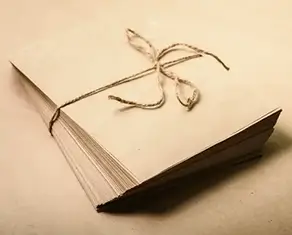
Kraft paper is a strong, durable and reliable material that is widely used across many different industries.
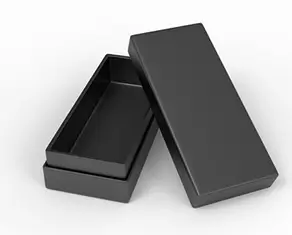
Rigid is highly protective, affordable and recyclable material. These boxes provide maximum protection.
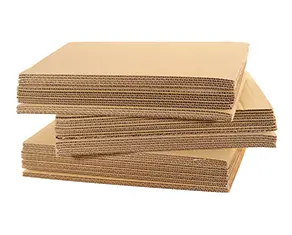
Corrugated material is easy to customize, cost effective and sustainable. It is also great for branding purposes.
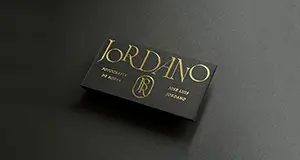
Enhance your packaging with premium foil stamping for a bold and luxurious appearance.
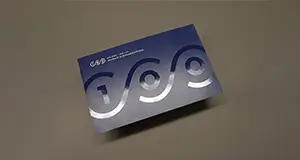
Our Spot UV coating adds a sleek shine and highlights key design elements beautifully.
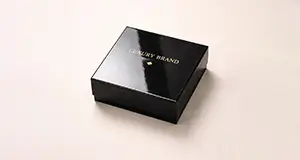
Give your packaging a polished, glossy finish that enhances color and visual appeal.
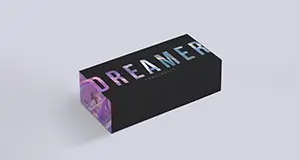
Create eye-catching packaging with holographic foil effects that shimmer from every angle.
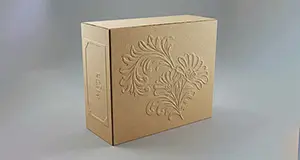
Add raised textures and elegant detailing to make your packaging stand out.
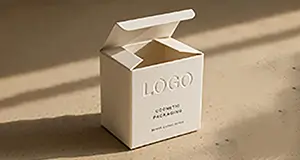
Create a refined pressed-in effect that adds depth and sophistication to your packaging.
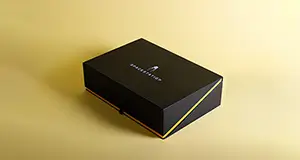
Achieve a smooth matte finish that minimizes fingerprints and delivers a modern look.
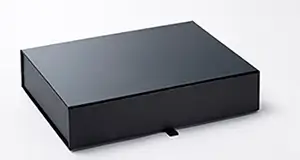
Protect your packaging with a silky-soft laminated finish for a premium feel.
Custom makeup packaging should begin with the finished retail-ready makeup product, not only the cosmetic category, fill volume, shade count or palette pan count.
A lipstick tube, mascara tube, foundation bottle, compact and eyeshadow palette can all require different carton geometry even when they belong to the same makeup collection.
A practical planning sequence is:
Makeup Product → Primary Product Format → Packed State → Finished Dimensions → Closure / Hinge / Projection → Weight → Orientation → Unit Count → Sales Channel → Box Structure → Material → Insert → Artwork → SKU System → Validation → Quote
For brands developing packaging across several beauty categories, custom cosmetic boxes provide the broader packaging route.
For many makeup products, the printed outer box is secondary packaging around the completed retail-ready item.
| Makeup Product | Finished Primary Product | Secondary Packaging |
|---|---|---|
| Lipstick | Closed lipstick tube | Individual carton |
| Mascara | Filled tube with applicator closure | Mascara carton |
| Foundation | Filled bottle, tube or compact | Foundation carton |
| Pressed powder | Closed compact | Compact carton |
| Eyeshadow | Finished palette | Palette outer box |
| Makeup kit | Several finished products | Multi-product set box |
The secondary carton should therefore be developed around the actual tube, bottle, compact, palette or other finished product rather than from the makeup category alone.
A product name is not a dimensional specification.
Makeup Category ≠ Fill Volume ≠ Shade Count ≠ Finished Product Geometry ≠ Finished Box Size
For example:
The actual retail-ready product should therefore be measured before the final carton dimensions are approved.
Measure the product in the configuration in which it will actually be packed and sold.
Depending on the format, include the:
The critical dimensions are the widest, deepest and tallest finished points.
A relatively small component such as a cap, clasp or hinge can become the dimension that determines the internal box space.
Measure a lipstick in its complete closed retail configuration.
Confirm:
Do not size the carton from the lipstick bullet, formula weight or product name.
The finished closed tube is the dimensional reference.
Mascara, lip gloss and other applicator products should be measured with the normal retail closure attached.
Confirm:
The applicator closure may be wider than the main tube body, so measuring only the cylinder can result in an incomplete specification.
For mascara-specific cartons, review custom mascara boxes. Brands packaging wand tubes, squeeze tubes or lip-gloss collections can use custom lip gloss boxes for more product-specific planning.
Pencil, liquid and gel eyeliner formats can have very different outside profiles.
Measure the complete closed product and confirm:
For narrow eye-product formats, custom eyeliner boxes provide a more focused packaging route.
Foundation can be supplied in bottles, pumps, tubes, compacts and other finished formats.
For a bottle, check:
Bottle Body → Shoulder → Pump / Closure → Overcap → Maximum Finished Height
Also provide the filled weight and intended orientation.
Fill volume alone does not establish the carton size. A 30 ml foundation with a tall pump can require different packaging from another 30 ml product using a shorter bottle and cap.
For detailed complexion-product planning, review custom foundation boxes.
For secondary packaging, compacts and palettes should normally be measured in the closed state in which they will be packed and sold.
Confirm:
The hinge, clasp or decorative housing may determine the maximum finished profile even if it occupies only a small area.
No.
Pan Count ≠ Palette Dimensions
A 9-pan palette can be physically larger than a 12-pan palette depending on:
The finished closed palette should therefore be measured directly.
For eye-shadow palettes, single shades and related eye-makeup formats, brands can also review custom eye shadow boxes.
Compacts and palettes can both use hinged formats, but they should not automatically be treated as identical packaging projects.
A compact may contain:
A palette may contain several eyeshadows, face powders or mixed cosmetic pans.
The box should follow the actual closed product geometry, not simply the words “compact” or “palette.”
A makeup packaging project can contain several dimensional layers:
Finished Product Dimensions → Insert Cavity → Internal Box Dimensions → External Box Dimensions
These measurements are related but not interchangeable.
An insert cavity may require space for loading and removal. The internal carton must accommodate the complete product-and-insert configuration. External dimensions can then change further because of material thickness, folds and structural construction.
This distinction is particularly important for:
A representative production sample or approved supplier drawing can provide the starting dimensions, but relevant manufacturing tolerances should also be considered where they could affect fit.
This becomes more important with:
A fitted cavity should not automatically be developed around an assumed zero-tolerance product dimension.
Where fit is particularly sensitive, the structural review should account for the actual component specification rather than treating one measured sample as proof that every production unit will be dimensionally identical.
Recheck the finished product before automatically reusing the existing box or insert dieline.
Two suppliers can describe components using the same nominal size or capacity while producing different:
A useful rule is:
Same Product Name or Capacity ≠ Automatically Same Finished Geometry
If the geometry changes, structural review may be required even when the artwork and makeup formulation remain unchanged.
There is no universal carton size for every lipstick, mascara, foundation bottle, compact or palette.
Even products within the same cosmetic category may use different container dimensions, closures, housing thicknesses and decorative profiles.
Final dimensions should therefore follow the actual finished product.
| Makeup Product | Packaging Direction | Important Inputs |
|---|---|---|
| Lipstick / Stick Product | Folding carton | Closed tube dimensions, cap/base and widest point |
| Mascara / Lip Gloss | Folding carton or sleeve | Closed length, diameter and applicator closure |
| Eyeliner / Brow Product | Narrow carton or suitable hanging format | Length, cap, orientation and unit count |
| Foundation Bottle | Folding or supported carton | Bottle geometry, pump/overcap and filled weight |
| Compact | Folding or presentation carton | Closed L × W × H, hinge and clasp |
| Eyeshadow / Face Palette | Folding carton, sleeve or presentation box | Closed dimensions, hinge and weight |
| Powder / Blush Pot | Folding carton | Maximum diameter/width and lid profile |
| Mixed Makeup Kit | Drawer, two-piece, rigid or set structure | All products, arrangement, insert and loaded weight |
The final structure should follow the completed product and use case rather than a generic box style chosen only because the item is makeup.
Straight-tuck, reverse-tuck and related folding cartons can suit many individual lipstick, mascara, eyeliner, foundation and compact products.
An auto-bottom or another suitable bottom configuration may be reviewed where loaded weight, assembly or packing requirements justify it.
Sleeve-and-tray structures can provide a slide-open presentation for compacts, palettes and selected makeup products.
Drawer structures may suit makeup launches, palette collections, gift sets and multi-product kits.
Base-and-lid structures can be considered for selected presentation-focused collections.
Rigid structures may be reviewed for PR kits, launch collections, gift sets and other higher-presentation projects.
A useful selection relationship is:
Product Geometry + Loaded Weight + Presentation + Insert + Sales Channel → Structure Direction
Material should be selected after the product and structure are understood, not simply because one substrate is commonly associated with makeup.
A useful relationship is:
Product Geometry + Weight + Box Structure + Insert + Printing + Finish + Sales Channel → Material Direction
| Project Direction | Material Direction |
|---|---|
| Individual retail carton | SBS, white or other suitable paperboard |
| Natural kraft-style presentation | Kraft-style paperboard |
| Premium presentation set | Rigid greyboard with suitable wrap |
| Multi-product folding set | Paperboard selected around loaded configuration |
| Suitable ecommerce outer layer | Corrugated board |
Material names alone should not be treated as guarantees of strength, sustainability or shipping performance.
The final material should be confirmed around the actual structure, product weight, print requirements and distribution use.
No.
An insert should solve a specific positioning, organization or presentation requirement.
| Product Situation | Insert Direction |
|---|---|
| Lightweight lipstick already fits appropriately | Insert may be unnecessary |
| Mascara or gloss fits suitably in a narrow carton | Insert may be unnecessary |
| Glass foundation bottle | Review paperboard holder or platform |
| Compact requiring defined positioning | Review fitted holder |
| Palette presentation | Review platform or fitted tray |
| Several pencils or tubes | Review divider or multi-cavity layout |
| Mixed makeup kit | Review custom multi-product insert |
| PR or gift collection | Review fitted presentation tray |
An insert should not be added automatically simply because the package is positioned as premium.
There is no universal clearance allowance suitable for every makeup product.
Required space can depend on:
Final clearance should therefore be reviewed around the actual product and approved structure rather than calculated from one universal percentage.
A product can fit dimensionally inside a box and still be inconvenient to load or remove.
Review:
Loading Direction → Clearance → Orientation → Insert Grip → Closure Position → Removal Method
For example, a compact inside a fitted tray may require finger access, while a long mascara carton may need enough end clearance for practical loading.
For presentation sets, customer removal should also be considered before final insert cavities are approved.
Start with all finished products in the set, not the largest item.
Use:
Product Count → Individual Dimensions → Arrangement → Orientation → Spacing → Insert Cavities → Removal → Loaded Weight → Outer Structure
A makeup kit may contain a lipstick, mascara, eyeliner, foundation, compact, palette and accessory, each with different dimensions and orientation requirements.
The largest item alone does not determine the finished size of the set box.
The product arrangement and insert concept should normally be established before the final outer dimensions are approved.
A useful sequence is:
Finished Products → Arrangement → Insert Cavities → Spacing → Internal Footprint → Outer Box
Starting with a fixed outer box and then forcing unrelated products into the available area can create unnecessary compromises in spacing, removal and presentation.
Yes, when the insert is developed around the entire loaded arrangement.
Different cavities may be required for:
A repeated cavity shape should not be assumed to work simply because every product belongs to the same cosmetic collection.
Makeup packaging frequently involves large numbers of visual variants.
A product range may include:
This makes it important to separate structural packaging from artwork variation.
A useful relationship is:
Structural Dieline → Artwork Family → Shade / SKU Variant
Sometimes.
Different shades may share the same structural dieline when the following remain compatible:
Artwork can then vary by shade name, shade number, color indicator, formula, finish, barcode and product variant.
A useful rule is:
Different Shade Artwork ≠ Automatically Different Dieline
but:
Different Product Geometry → May Require a Different Dieline
Yes, a makeup collection can use a common visual packaging system without forcing every product into the same structural dieline.
For example, a brand may carry the same:
across lipstick, mascara, foundation and palette packaging.
The structural dimensions can still differ according to each finished product.
A useful relationship is:
Shared Brand System + Product-Specific Geometry → Coordinated Packaging Family
This allows a makeup collection to appear visually related while preserving the structural requirements of each SKU.
For larger collections, maintain a packaging schedule containing:
This helps distinguish a simple shade or artwork change from a structural packaging change.
It is particularly useful for foundation shade ranges, lipstick collections and multiple palette editions.
Shade information should be planned according to how the finished carton will actually be displayed, picked and replenished.
Depending on the retail orientation, the brand may use the:
for the shade name, shade number, color indicator, barcode or SKU reference.
The correct location depends on the actual display method.
A useful planning relationship is:
Retail Orientation → Visible Panel → Shade Identification Position
Do not finalize the shade-identification system before understanding which panel will be visible to shoppers and retail staff.
Ideally, yes.
Knowing whether the box stands upright, lies flat, hangs from a peg or sits inside a retail display can influence:
The structural and artwork teams should therefore understand the intended retail orientation before the final artwork is approved.
Open die-cut or clear-film windows may be considered where compatible with the selected structure.
Plan the window using:
Product Orientation → Visible Product Area → Window Position → Dieline → Artwork
Before approval, review:
The window should be established before final artwork rather than cut into an already completed design.
Hang tabs may be considered for suitable individual products intended for peg or hook merchandising.
They can be relevant to products such as eyeliner, brow products, mascara and selected slim cosmetic accessories.
Before adding a hang tab, confirm:
A hanging unit carton is different from cosmetic display boxes, which are developed around several completed units, SKU arrangement and a defined retail footprint.
These packaging formats perform different roles.
An individual makeup carton surrounds one retail-ready product.
A cosmetic display box is planned around:
A useful hierarchy is:
Makeup Product → Individual Retail Carton → Optional Multi-Unit Display
The unit carton and display should therefore be specified separately.
The consumer-facing retail box and the outer shipping package should also be treated as separate packaging layers.
A useful hierarchy is:
Primary Makeup Product → Secondary Retail Box → Optional Display / Presentation Box → Ecommerce or Wholesale Shipper
A folding carton, palette sleeve or rigid gift package should not automatically be treated as the only parcel-shipping layer.
For ecommerce, also consider:
Prioritize product identification, shade/SKU recognition, barcode placement, shelf footprint and visible information panels.
Separate the consumer-facing retail carton from the outer distribution package.
Confirm the product mix, number of items, arrangement and outer shipment format. If the assortment changes between editions, the internal packaging layout may also need to change.
Multiple products, campaign materials and accessories may need to be organized within one presentation structure.
The internal arrangement may need to emphasize new products, shade families or usage sequence.
Confirm product count, orientation, insert cavities, total loaded weight and removal experience before choosing the final outer structure.
One makeup-box specification should not automatically be used across every sales channel.
Printing direction should follow the selected material, artwork, quantity, color requirements, print coverage and production setup.
Depending on the project, printing may include:
A full-color photographic design and a minimal two-color brand layout may require different production considerations.
Also remember:
Screen Color ≠ Guaranteed Printed Color
Color expectations should be reviewed through the applicable proofing and production process rather than judged only from an uncalibrated screen.
Artwork should follow the approved structural dielline.
Depending on the product and buyer requirements, available panels may contain:
Important content should remain clear of:
Barcodes and SKU identifiers should be treated as functional artwork elements rather than decorative graphics.
The selected area should provide appropriate usable print space and should be reviewed at the intended finished size.
Where a product family includes many shade variants, barcode placement should remain consistent enough to support the buyer’s own inventory and retail workflow while still following the approved dieline.
There is no universal panel-space requirement for every makeup product.
Required space can depend on:
A useful order is:
Required Information → Available Panel Area → Dieline → Artwork → Decorative Finishes
The buyer remains responsible for determining and approving the information required for the actual cosmetic product and intended market.
Matte, gloss, soft-touch effects, foil, Spot UV, embossing and debossing may be reviewed where compatible with the material, structure, printing method and artwork.
These options primarily affect the visual or tactile presentation of the box.
They should not automatically be described as functional product-protection systems.
A standard folding carton is not automatically tamper-evident.
Where visible evidence of prior opening is required, a project may need a specified:
The exact requirement should be established before the structure and artwork are finalized.
A standard tuck closure alone should not automatically be described as tamper-evident.
These terms should not be used interchangeably.
A seal, tear strip or opening indicator intended to make prior opening more visible is not automatically child-resistant.
If a particular product has a defined child-resistant or other regulated packaging requirement, that requirement should be identified separately from the standard secondary makeup carton.
| Review Route | Can Help Review | Does Not Automatically Validate |
|---|---|---|
| Digital Proof / Mockup | Artwork, dieline relationship, panels, orientation and SKU layout | Physical product fit |
| Blank Structural Sample | Basic dimensions, loading, removal and structure | Final printed appearance |
| Printed Sample, where available | Artwork and surface appearance | Full production-run consistency |
| Product-Fit Review | Product, insert and structure interaction under reviewed conditions | Conditions that were not evaluated |
Available proofing and sample routes should be confirmed according to the project.
No.
A digital proof can help review artwork, panel orientation, shade/SKU information and the relationship between graphics and the dieline.
It does not physically establish:
Where physical fit is important, the appropriate structural or product-fit review should be considered.
Before approving custom makeup packaging, confirm:
For palettes, compacts, unusual containers or fitted sets, a representative product sample or detailed supplier drawing can provide useful structural reference.
Pricing depends on the complete project specification.
A useful relationship is:
Box Size + Structure + Material + Insert + Window + Printing + Finishes + SKU Count + Quantity + Assembly + Delivery Format + Production Setup
A narrow lipstick carton, a palette sleeve and a rigid multi-product PR box are different manufacturing configurations even though each may be described as makeup packaging.
For more meaningful supplier comparisons, provide the same dimensions, structure, material, printing specification and quantity when requesting quotations.
| Mistake | Better Planning Direction |
|---|---|
| Choosing a carton from product category | Measure the finished makeup product |
| Sizing foundation packaging from fill volume | Measure bottle, closure, pump and overcap |
| Sizing palettes from pan count | Measure the closed finished palette |
| Measuring only the tube body | Include the cap or applicator closure |
| Ignoring a compact hinge or clasp | Measure the maximum closed profile |
| Treating product dimensions as box dimensions | Separate product, cavity, internal and external measurements |
| Assuming one physical sample has zero dimensional variation | Consider relevant component tolerances |
| Changing suppliers without reviewing the existing dieline | Recheck the new finished component |
| Selecting material before structure and weight are known | Choose material from the complete project specification |
| Adding an insert automatically | Use one only where the layout justifies it |
| Designing a kit box before arranging the products | Establish product and insert layout first |
| Sizing a set from the largest item | Evaluate the complete loaded arrangement |
| Ignoring product-removal clearance | Review loading and removal during structural planning |
| Assuming every shade needs another dieline | Separate artwork variants from geometry changes |
| Placing shade identification without considering shelf orientation | Identify the visible retail panel first |
| Adding a window after artwork | Plan the window with the structure |
| Treating a retail carton as the ecommerce shipper | Specify distribution packaging separately |
| Calling decorative finishes protective | Keep visual finish and functional requirements separate |
| Calling a standard tuck carton tamper-evident | Specify an actual opening indicator where required |
Provide:
For multi-product sets, also provide the dimensions of every finished item and the intended arrangement.
Where a fitted insert or unusual component geometry is involved, a representative sample or approved technical drawing may also be useful during structural review.
For makeup collections containing several shades or variants, provide the quantity required per SKU, not only the combined order quantity.
MOQ starts from 100 custom boxes.
Separate:
Shared Structural Dieline
from:
Shared Brand Design System
and:
Shade / SKU-Specific Artwork
This helps determine which products can share the same structure and which require separate structural development.
Proofing routes, production timing, shipping methods, charges and transit estimates are confirmed according to the approved project specification.
BoxBaba can use buyer-supplied dimensions and project requirements to review box size, structural direction, insert layout and available artwork space.
The buyer remains responsible for determining and approving:
These requirements should be identified before final artwork approval.
Share the finished product dimensions, packed state, cap or closure profile, weight, orientation, unit count, preferred structure, insert requirements, artwork, SKU count and quantity.
For makeup kits and collections, also include the dimensions of every finished product and the intended arrangement.
BoxBaba can use these details to review internal dimensions, material and structural direction, insert configuration, artwork requirements and production specifications around the actual makeup products.
Request a Custom Makeup Box Quote, call +1 305 574 4357, or email sales@boxbaba.com.
Find all the urgent questions you may have.