Custom Lip Balm labels

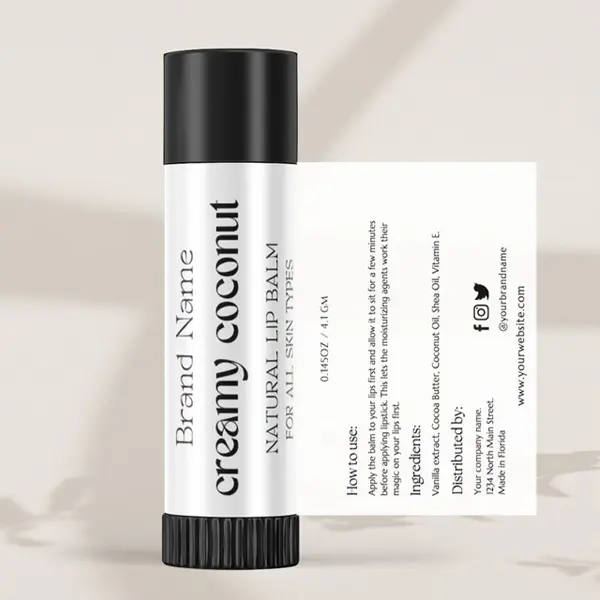
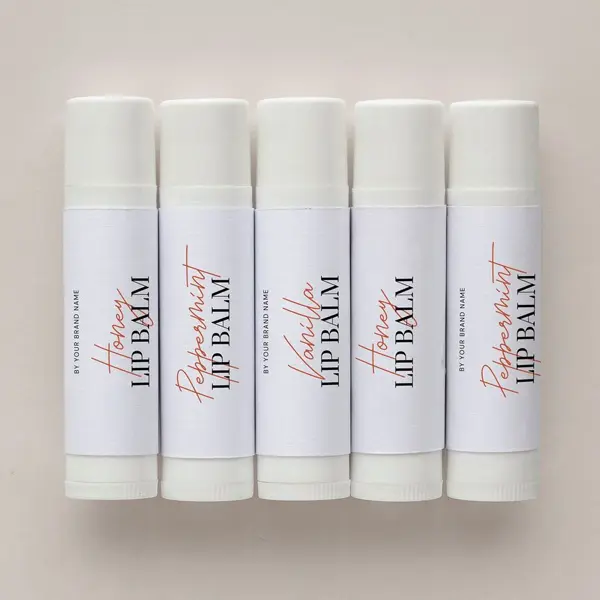
Custom lip balm labels designed around the finished tube, stick, tin, pot, jar, or paperboard container. Label dimensions, material, adhesive, seam position, printing, roll format, and surface protection can be planned according to the container shape, application method, formula exposure, and handling requirements.
  • Suitable for round tubes, slim tubes, oval sticks, tapered containers, paperboard push-up tubes, tins, pots, and small jars
  • Available as full-wrap, partial-wrap, lid, base, front-and-back, tamper-evident, and custom die-cut labels
  • Paper, white film, clear film, metallic, holographic, and project-specific facestock options
  • Digital, flexographic, supported spot-color, white-ink, and variable-data printing according to project requirements
  • Optional matte or gloss laminate, varnish, foil, and compatible specialty finishes
  • Available on rolls, sheets, or another approved format for hand, semi-automatic, or machine application
Share the container type, material, circumference, printable height, preferred label format, overlap or seam gap, expected oil or moisture exposure, application method, roll specifications, number of SKUs, quantity per design, artwork status, and shipping details to request a custom lip balm label quote.
Trustpilot_Logo
5 out of 5 stars
4.3
Reviews 8 • Excellent

Custom Lip Balm Labels USA | Waterproof & Wholesale | BoxBaba

Order custom lip balm labels with waterproof, FDA-compliant printing. Wholesale pricing, eco-friendly materials & fast USA delivery. Get a quote today!

What We Give

Create Custom Boxes Quick and Easy

Design

Get your custom boxes made in the required size, shape, and style.

Print

Upload your artwork and get it superbly printed the way you want.

Get it done

Order any quantity, enjoy a wholesale price, pay no extra for die plates.

Product Specification

Specification Details
Box Style Fully customizable Lip Balm Labels, folding carton, magnetic closure, drawer, shoulder neck, mailer, or specialty box styles
Dimensions (L × W × H) Custom sizes manufactured according to your exact product dimensions and structural requirements
Order Quantity (MOQ) 100 units minimum (flexible for specific projects)
Material Options 10pt–24pt SBS  Kraft board, corrugated (B, E flute), high-density greyboard for rigid boxes
Printing Options CMYK offset printing, Pantone (PMS) color matching, inside & outside printing
Print Finishes Matte lamination, Gloss lamination, Soft-touch coating, Aqueous coating, UV coating
Premium Enhancements Foil stamping (gold/silver/custom colors), Embossing, Debossing, Spot UV, Raised UV
Insert Options EVA foam inserts, Die-cut paperboard inserts, Molded pulp, Cardboard dividers, Custom fit structural inserts
Embellishments Ribbons, magnetic closures, bows, glitters, sparkles, custom tags & hang tags
Compliance Support Labeling guidance & compliance support available for regulated products including hemp/CBD packaging
Sampling & Proofing Free 3D digital mockups, blank sample, printed sample (delivery reimbursable)
Production Timeline 5–9 business days standard production (rush orders available upon discussion)
Shipping Free USA shipping; flat-packed or assembled shipping options available

Related Products

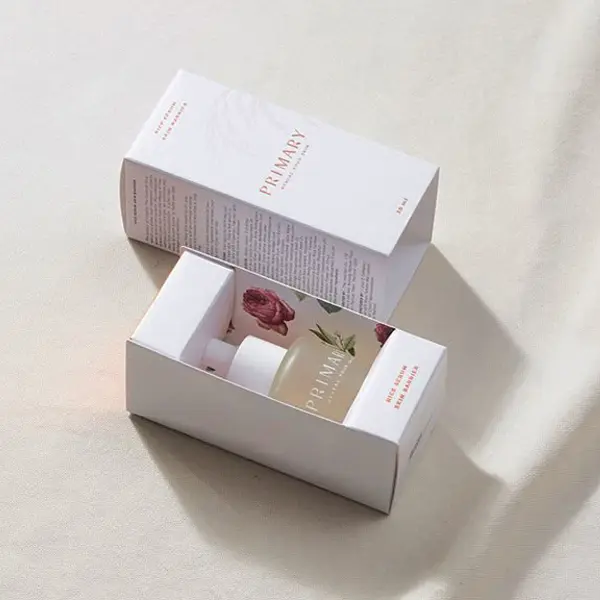
Custom serum box designed for a skincare dropper bottle
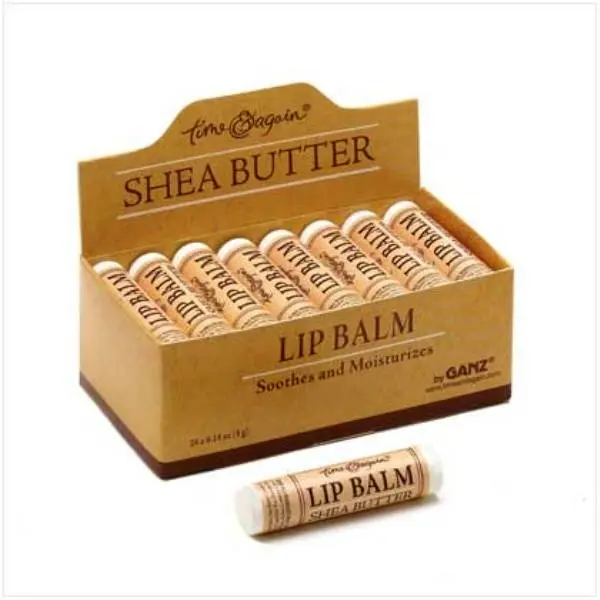
Custom Lip Balm Display Boxes: Printed Displays for Retail Shelves
Hair Extension Boxes Premium Cardboard Packaging for Retail Display – BoxBaba USA
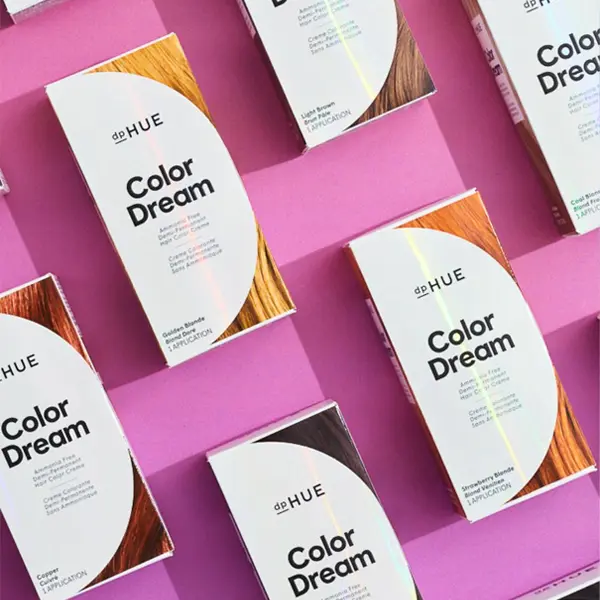
Custom printed hair color packaging box for dye kit with tube and developer bottle
Custom foundation packaging boxes — printed makeup packaging for USA beauty brands — BoxBaba
Custom Eye Lash Boxes | Elegant Packaging for Lash Brands
Open holographic drawer box with teal interior and black pull tab
Clear rectangular fragrance bottle beside a white presentation box
Open black eyelash case with a pink glitter lash tray
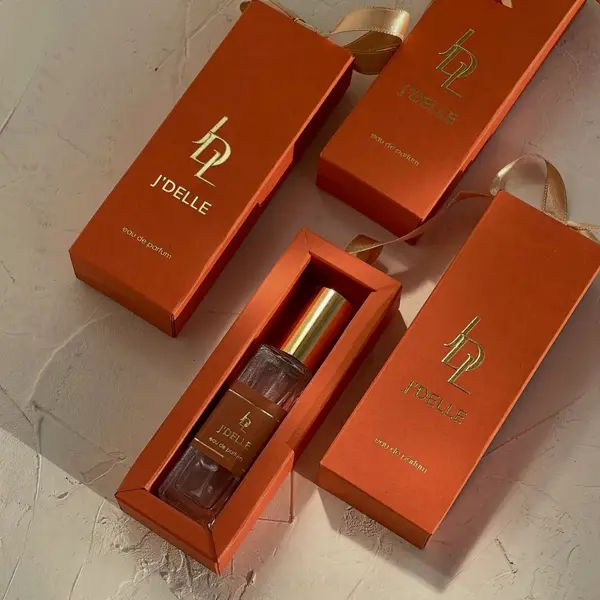
Luxury rigid cologne box for fragrance bottle packaging
Lip Mask Packaging | Custom Cosmetic Packaging | BoxBaba USA
Luxury Lip Balm Boxes | High-End Packaging for Beauty Products
Wholesale Eye Mask Packaging | Affordable Custom Packaging Solutions
Custom cosmetic labels applied to skincare jars and bottles
Wig Boxes Premium Cardboard Packaging for Retail Display – BoxBaba USA
Cream jar displayed above a matching printed skincare carton
Custom printed makeup boxes with branded artwork and premium finishes
Custom printed mascara box for tall cosmetic tube packaging
Luxury Nail Polish Packaging: Premium Boxes for High-End Brands
Printed lip gloss boxes displayed with matching cosmetic tubes
Custom eyeliner packaging boxes with gold foil stamping — printed cosmetic boxes USA — BoxBaba
Custom printed lipstick boxes sized for branded cosmetic tubes
Lotion Boxes: Protective Packaging for Skincare Products
Wholesale cosmetic display boxes for beauty brands

Stock Type & Thickness

Cardboard

We use cardboard material with the least environmental impact and minimizes waste generation.

Kraft

Kraft paper is a strong, durable and reliable material that is widely used across many different industries.

Rigid

Rigid is highly protective, affordable and recyclable material. These boxes provide maximum protection.

Corrugated

Corrugated material is easy to customize, cost effective and sustainable. It is also great for branding purposes.

Finishing Assortment

Foil Stamping

Foil Stamping

Enhance your packaging with premium foil stamping for a bold and luxurious appearance.

Spot UV

Spot UV

Our Spot UV coating adds a sleek shine and highlights key design elements beautifully.

Gloss-Lamination

Gloss

Give your packaging a polished, glossy finish that enhances color and visual appeal.

Holographic Foiling

Holographic Foiling

Create eye-catching packaging with holographic foil effects that shimmer from every angle.

Embossing

Embossing

Add raised textures and elegant detailing to make your packaging stand out.

Debossing

Debossing

Create a refined pressed-in effect that adds depth and sophistication to your packaging.

Matte

Matte

Achieve a smooth matte finish that minimizes fingerprints and delivers a modern look.

Soft Touch Lamination

Soft Touch Lamination

Protect your packaging with a silky-soft laminated finish for a premium feel.

Lip Balm Labels Planned Around the Finished Container and Application Method

Custom lip balm labels should be specified around the finished tube, stick, tin, pot, jar, or paperboard container rather than selected only from a product capacity or assumed standard size. The container shape, circumference, printable height, surface material, seam position, formula exposure, application method, label construction, and retail information requirements all affect the final label. BoxBaba supports custom lip balm label projects with container measurement review, label-size planning, facestock and adhesive selection, roll or sheet configuration, artwork preparation, printing, compatible surface protection, tamper-evident layouts, proofing, multi-SKU coordination, and project-specific quotation review. For compatibility-sensitive projects, provide actual production containers rather than only drawings or nominal capacity information. A container sample can help evaluate the available labeling area, curvature, surface texture, closure, twist mechanism, seam location, and application behavior before the complete run is approved.
Custom Lip Balm Label Specification Overview

Specification Project Direction
Container formats Round lip balm tubes, slim tubes, oval sticks, tapered containers, paperboard push-up tubes, aluminum tins, plastic pots, small jars, promotional containers, and project-specific formats
Label formats Full-wrap labels, partial-wrap labels, front-and-back labels, lid labels, base labels, tamper-evident labels, extended tabs, perforated tabs, and custom die-cut shapes
Label sizing Project-specific according to the finished container circumference, printable height, cap clearance, twist-base clearance, seam, desired overlap or gap, and application tolerance
Facestocks Coated or uncoated paper, white film, clear film, metallic or specialty film, and other confirmed pressure-sensitive materials
Adhesive Selected according to container material, surface energy, texture, curvature, application temperature, service conditions, formula exposure, and required permanence
Printing Digital, flexographic, supported spot-color, white-ink, variable-data, or another confirmed label-printing method according to the project
Surface protection Compatible gloss or matte laminate, varnish, coating, or unlaminated construction according to moisture, oil, abrasion, flexibility, and application requirements
Supply format Rolls, sheets, cut labels, or another approved format
Roll configuration Project-specific core diameter, maximum roll diameter, labels per roll, gap, web width, winding direction, and outside- or inside-wound orientation
Application Manual application, tabletop dispensing, semi-automatic equipment, or automated application line
Proofing Digital artwork proof, material sample, blank size sample, printed sample, short trial, or production-container application review according to project requirements
MOQ Project-specific according to the label size, shape, material, adhesive, printing method, finishes, roll configuration, number of SKUs, and quantity per artwork version
Production Standard production usually takes 8-12 business days after final artwork approval; physical samples, specialty materials, custom tooling, complex finishes, and multiple SKUs may require additional time
Shipping Calculated separately according to roll or sheet format, quantity, carton size, destination, service level, and delivery requirements

What Are Custom Lip Balm Labels?

Custom lip balm labels are printed pressure-sensitive labels designed around a specific lip-care container and brand artwork. They may carry product identity, flavor or variant information, net quantity, ingredients, directions, warnings, responsible-business details, barcode, lot or batch information, promotional messages, and other buyer-approved content. The labels may wrap around a tube, cover part of a container, identify the lid or base of a tin, or include an extended tab across the cap to create a visible opening feature. The final construction should reflect the actual container, application process, handling environment, formula exposure, and required presentation. A lip balm label is different from a printed lip balm carton. The label is normally applied directly to the primary container, while the carton is secondary packaging placed around the labeled tube or pot. For printed secondary packaging, explore our custom lip balm boxes. For multi-unit counter presentation, view our lip balm display boxes.
Lip Balm Container Types

Round Plastic Lip Balm Tubes

Round twist-up tubes are commonly labeled with a rectangular full-wrap or partial-wrap label. The label must fit between the cap and bottom mechanism without interfering with opening, closing, twisting, or container assembly. Review the actual tube diameter, body height, cap overlap, molded seams, surface material, and the location where the label seam will appear.

Slim Lip Balm Tubes

Slim tubes have a tighter curvature than many standard lip balm containers. A stiff label construction may place more lifting force at the label edge or seam. The facestock, adhesive, label width, corner shape, and overlap should be reviewed together.

Oval Lip Balm Sticks

An oval tube does not have one consistent radius around its entire surface. A label may experience different bending forces across the wider and narrower portions of the container. Use the finished oval container to confirm label width, seam position, cap clearance, and application behavior. Do not calculate the complete label only from one nominal diameter.

Tapered Lip Balm Containers

A tapered tube changes circumference from one end of the label area to the other. A standard rectangular label may form wrinkles, gaps, skewing, or uneven overlap. Possible project directions include a custom tapered label shape, a shorter labeling area, a partial-wrap label, or another layout developed from the actual container profile.

Paperboard Push-Up Tubes

Paperboard tubes may have visible seams, textured surfaces, natural fibers, coatings, waxes, or dimensional variation. Confirm whether the label is intended for branding, tamper evidence, closure support, or information that cannot be printed directly on the tube. The adhesive should be selected for the actual coated or uncoated tube surface. A natural appearance does not automatically mean that the completed label-and-container system is recyclable, biodegradable, compostable, or plastic-free.

Aluminum Lip Balm Tins

Tins may use a circular lid label, base label, side-wall label, closure seal, or coordinated set. Measure the flat printable area rather than the complete lid diameter, leaving space for rolled edges, embossed rims, hinges, seams, or opening points.

Plastic Pots and Small Jars

Pots and jars may use lid labels, wrap labels, front-and-back labels, base labels, or closure seals. Consider wall taper, lid movement, shoulder curves, product contact, filling residue, and whether the label needs to remain clear when the container is repeatedly handled.

How to Measure a Lip Balm Tube for a Custom Label

Measure the actual finished production container with the cap and bottom mechanism installed. Do not rely only on product capacity, a supplier’s marketing name, or dimensions from a different tube version.

Step 1: Measure the Printable Body Height

Measure the straight body area available between the bottom of the cap and the top of the twist mechanism, base rim, shoulder, or other obstruction. Leave practical clearance so the label does not:
  • Catch under the cap
  • Cover the twist mechanism
  • Extend onto a shoulder or curve
  • Cross a molded ridge
  • Interfere with a closure seal
  • Move onto an unstable surface

Step 2: Measure the Circumference

Wrap a flexible measuring tape or a narrow strip of paper around the intended label area. Mark the point where it completes the wrap, then measure the strip flat. For a consistently round container, circumference can also be estimated from the diameter: Circumference = diameter x 3.1416 Physical measurement is still recommended because molded plastic, coatings, seams, taper, and nominal supplier dimensions may affect the finished result.

Step 3: Select an Overlap or Seam Gap

A full-wrap label may be designed with:
  • A small overlap
  • An edge-to-edge butt seam
  • A controlled gap
  • A larger overlap used as part of a closure or tamper-evident design
The correct direction depends on the facestock, adhesive, tube circumference, artwork, seam location, application method, and visual requirement.

Step 4: Record Container Features

Identify:
  • Molded seams
  • Raised logos
  • Recessed panels
  • Texture
  • Shoulders
  • Taper
  • Ribs
  • Cap edges
  • Twist-base movement
  • Hinges or opening points
  • Existing coatings or release agents

Step 5: Test the Final Size on the Container

Apply a blank or printed size sample to the finished container. Check the seam, edge position, cap clearance, bottom clearance, artwork orientation, rotation, wrinkles, bubbles, and opening function.

Do Not Select a Label by Lip Balm Capacity Alone

Two containers holding the same amount of lip balm can have different:
  • Diameters
  • Body heights
  • Cap lengths
  • Base mechanisms
  • Profiles
  • Surface materials
  • Molded seams
  • Printable areas
A label described as suitable for one standard 0.15-ounce tube should not automatically be approved for another supplier’s tube without measurement and application review.

Full-Wrap, Partial-Wrap and Separate Labels

Label Format Typical Use Main Considerations
Full-wrap label Branding and information around most of a round or oval tube Circumference, overlap or gap, seam position, edge lift, artwork continuation, and application alignment
Partial-wrap label Front-facing branding or limited information Centering, rotation, label edge visibility, application accuracy, and available information area
Front-and-back labels Separate branding and information panels Consistent spacing, alignment, container rotation, and machine-sensor requirements
Lid label Tins, pots, jars, or top-facing display Flat printable area, rim clearance, lid texture, opening point, and label diameter
Base label Barcode, batch details, instructions, or secondary information Flat base area, recessed center, readability, abrasion, and surface contact
Tamper-evident label Visible connection between cap and body Tab length, perforation, cap movement, opening force, container shape, and whether the label is evidence of opening rather than a security guarantee

Label Overlap, Butt Seams and Controlled Gaps

Overlap

An overlap places one label edge over the other. It may help accommodate normal application variation, but the top edge must bond to the underlying label surface rather than directly to the container. Confirm that the adhesive can bond to the printed, coated, laminated, or varnished surface beneath it. Excessive overlap can create a raised seam or cover artwork and information.

Butt Seam

A butt seam places the two edges close together without intentional overlap. It can create a clean appearance, but it requires more precise sizing and application alignment. Small dimensional or application variation may produce an unintended gap or edge collision.

Controlled Gap

A controlled gap leaves visible container surface between the label edges. This can avoid label-on-label adhesion, but it must be wide enough to accommodate normal size and placement variation without appearing accidental.

Seam Position

Place the seam where it does not interfere with:
  • The primary logo
  • Ingredient information
  • Warnings
  • Barcode or QR code
  • Opening instructions
  • Batch coding
  • Tamper-evident tabs
  • Retail-facing artwork

Cap and Twist-Base Clearance

The label should not normally interfere with the cap or bottom mechanism unless it is intentionally designed as a closure seal. Check:
  • Cap installation and removal
  • Cap skirt movement
  • Twist-base rotation
  • Product elevation
  • Bottom-disc movement
  • Label edge rubbing
  • Whether the consumer’s hand repeatedly contacts an edge
  • Whether the label is applied before or after the tube is filled and capped

Choosing the Label Facestock

A facestock is the visible paper, film, or specialty material that carries the printing. The correct choice depends on the container, curvature, adhesive, exposure, printing process, finish, application equipment, and desired appearance.

Paper Labels

Paper can provide a natural, textured, matte, gloss, uncoated, or coated appearance. It may be suitable for dry environments, short runs, craft positioning, promotional projects, or containers where the exposure and curvature are compatible with the selected construction. Paper is not one universal material. Coating, thickness, grain, stiffness, adhesive, overlaminate, and moisture exposure can significantly affect performance.

White Film Labels

White film can provide flexibility, tear resistance, opacity, and a smooth print surface. It may be considered for narrow tubes, frequent handling, or exposure to moisture, oils, waxes, or abrasion when paired with a suitable adhesive and surface protection. Film should not automatically be described as waterproof, oil-proof, scratch-proof, or universally compatible.

Clear Film Labels

Clear film can create a no-label-style appearance on compatible transparent, translucent, metallic, or colored containers. Review:
  • Container color
  • Surface clarity
  • Adhesive appearance
  • Air bubbles
  • White-ink requirements
  • Artwork opacity
  • Seam visibility
  • Surface scratches
  • Whether the tube itself is visually consistent

Metallic and Holographic Labels

Metallic or holographic facestocks can create reflective effects across the label. White ink may be used where the reflective surface should be reduced behind text, photographs, barcodes, or brand colors. Reflective materials may require controlled areas for small text and machine-readable codes.

Textured and Specialty Papers

Textured papers may support handmade, natural, or tactile branding, but the texture and stiffness can affect ink detail, coating, label dispensing, small-diameter conformity, and edge behavior.

Paper vs Film Label Selection Guide

Consideration Paper Direction Film Direction
Visual appearance Natural, tactile, matte, coated, textured, or traditional printed look Smooth, clear, opaque, metallic, glossy, or no-label-style appearance
Small-diameter conformity Depends on paper thickness, stiffness, coating, adhesive, and tube diameter A flexible film may conform well, but the complete construction still requires testing
Moisture exposure Depends on coating, laminate, adhesive, edges, and duration of exposure May offer improved moisture tolerance with the correct construction
Oil or wax exposure Requires construction-specific review and possible surface protection May be considered with suitable ink, laminate, and adhesive
Tear behavior Usually tears more easily than many films Often more tear-resistant, depending on film type and thickness
Application Suitable for hand or machine application when correctly specified Suitable for hand or machine application when stiffness, liner, adhesive, and roll configuration are compatible
Environmental claims Must consider coating, adhesive, liner, container and recovery pathway Must consider polymer type, thickness, adhesive, liner, container and recovery pathway

Adhesive Selection for Lip Balm Containers

The adhesive should be selected as part of the complete label construction. A permanent adhesive that works on a flat glass jar may not perform the same way on a narrow polyethylene tube or a textured paperboard container.

Container Material and Surface Energy

Plastic tubes may be produced from polyethylene, polypropylene, recycled-content polymers, or other materials. Some plastics can be more difficult to bond to than coated paper, metal, or higher-energy surfaces. Provide the container material and supplier information when available. Testing on the actual tube is recommended where adhesion is critical.

Small-Diameter or Mandrel Hold

A label wrapped around a narrow tube naturally tries to return toward its flat shape. Facestock stiffness, adhesive strength, label width, overlap, corner shape, and container diameter all influence the force at the seam and label edges. A flexible facestock and suitable adhesive may help reduce edge lift, but no construction should be described as universally lift-proof without testing.

Surface Texture

Textured surfaces reduce the amount of direct contact between adhesive and container. The label may need a different adhesive, more application pressure, a larger bonding area, or a different container treatment.

Surface Contamination

Oil, wax, dust, moisture, silicone, release agents, hand lotion, filling residue, and cleaning products can affect label adhesion. Containers should be clean, dry, and at the approved application temperature. Labels applied to contaminated tubes may lift, rotate, wrinkle, or fail even when the material is otherwise suitable.

Application Temperature

Application temperature is the temperature of the label and container when the label is first applied. Adhesives may not develop adequate initial tack when applied outside their approved range.

Service Temperature

Service temperature is the range the applied label may experience during storage, transport, retail display, consumer use, or ecommerce delivery. Tell the quotation team when products may be exposed to:
  • Hot filling
  • Warm warehouses
  • Cold storage
  • Freezing conditions
  • Vehicle heat
  • Direct sunlight
  • High humidity
  • Repeated temperature cycling

Permanent vs Removable Adhesive

Most retail lip balm labels are intended to remain in place, but removable or repositionable directions may be considered for temporary promotions, testing, reusable containers, or special applications. Removability depends on the container surface, time, temperature, adhesive, and whether clean removal is required.

Oil, Wax, Moisture and Abrasion Exposure

Lip balm formulas may contain oils, waxes, flavor components, colorants, fragrances, or other ingredients that can contact the label through filling residue, handling, leakage, smearing, or consumer use. The label construction should be reviewed according to the expected exposure rather than described with one universal “waterproof” or “oil-proof” claim.
Exposure Planning Considerations
Occasional water contact Facestock, adhesive, ink, laminate or varnish, cut edges, seam, and drying conditions
Condensation or humidity Moisture duration, temperature changes, paper swelling, adhesive whitening, and container surface
Oil or wax residue Formula compatibility, contamination before application, surface protection, adhesive and dwell time
Frequent hand contact Abrasion, skin oils, rubbing, label edges, laminate, varnish, and print durability
Cleaning or wiping Cleaning agent, wipe method, pressure, exposure time, ink and coating compatibility
Submersion Requires project-specific testing and should not be implied by general water-resistance language

Lamination, Varnish and Surface Protection

Gloss Lamination

A compatible gloss laminate can increase surface gloss and may provide additional protection from handling, abrasion, moisture, and contact with oils or waxes. The laminate also adds thickness and stiffness, which may affect tight tube conformity and seam behavior.

Matte Lamination

Matte laminate can reduce glare and create a softer appearance. It may show rubbing, oils, scratches, or changes in surface sheen differently from gloss constructions.

Varnish

A varnish may provide a thinner protective surface than some laminates. The available gloss level, resistance, flexibility, and compatibility depend on the print method and material.

Soft-Touch Effects

Soft-touch materials or coatings may be available for selected projects, but they should be evaluated for friction, fingerprints, oil contact, abrasion, roll winding, label dispensing, and small-diameter application.

Spot UV, Foil, Embossing and Specialty Finishes

Special finishes may be considered where compatible with the label size, facestock, liner, printing method, application equipment, and tube curvature. Heavy finish build, stiff areas, deep embossing, large foil coverage, or sharp transitions may affect flexibility, roll winding, dispensing, seam behavior, and edge lift.

Printing Methods for Custom Lip Balm Labels

Digital Label Printing

Digital printing may be suitable for shorter and medium runs, multiple SKUs, versioned artwork, variable data, and projects that need efficient artwork changes without conventional printing plates.

Flexographic Printing

Flexographic printing may be suitable for repeat production, higher quantities, roll labels, selected spot colors, white ink, varnishes, and inline finishing according to the selected material and production setup.

Supported Spot Colors

Spot-color printing may be considered where brand-color control is important. The visible result depends on the facestock, white ink, coating, laminate, ink system, and approved production tolerances.

Variable Data

Variable-data printing may be used for changing barcodes, QR codes, batch references, serial numbers, names, promotional codes, or other approved information where the printing method supports it. Provide a validated data file and clear rules for every variable field.

White Ink and Clear Labels

Clear labels may require opaque white ink beneath selected artwork. Without white ink, printed colors can become transparent and may change according to the container color or product visible behind the label. White ink may be used beneath:
  • Logos
  • Product names
  • Photographs
  • Fine text
  • Warnings
  • Barcodes
  • QR codes
  • Brand colors
A digital proof can show the intended white-ink area but cannot fully reproduce the final opacity, transparency, container color, adhesive appearance, or no-label effect.

Hand Application vs Machine Application

Hand-Applied Labels

Labels applied by hand should be easy to separate from the liner, align on the container, smooth around the curve, and reposition only when the approved adhesive allows it. Consider:
  • Sheet or roll handling
  • Label stiffness
  • Corner radius
  • Seam alignment
  • Application guide or jig
  • Operator training
  • Application pressure
  • Tube cleanliness
  • Dwell time before packing

Machine-Applied Labels

Automated or semi-automated application requires the label construction and roll configuration to match the equipment. Provide:
  • Applicator make and model
  • Core diameter
  • Maximum roll outside diameter
  • Web width
  • Unwind direction
  • Labels per roll
  • Gap between labels
  • Label orientation
  • Outside- or inside-wound requirement
  • Container feed direction
  • Sensor or eye-mark requirements
  • Application speed
Do not approve the complete order using only a visual PDF when equipment compatibility has not been confirmed.

Roll Label Specifications

Roll Requirement Why It Matters
Core diameter Must fit the dispenser or application equipment
Maximum outside diameter Determines whether the roll fits the applicator and how many labels can be supplied per roll
Unwind direction Controls which label edge and artwork orientation feed first
Outside or inside winding Determines whether the labels face outward or inward on the roll
Labels per roll Affects roll weight, changeover frequency, storage, and equipment handling
Web width Must fit the application equipment and label orientation
Gap between labels Supports die cutting, sensing, dispensing, and equipment timing
Leading and trailing liner May be needed for loading, threading, and roll changeover
Splice requirements May affect automated application and quality-control procedures

Rolls, Sheets and Individually Cut Labels

Labels on Rolls

Rolls may be suitable for hand dispensers, tabletop applicators, semi-automatic machines, automated lines, and efficient storage.

Sheet Labels

Sheets may be suitable for hand application, smaller projects, multiple designs, test runs, events, or users who prefer a flat format.

Individually Cut Labels

Cut labels may be used for promotional distribution, manual application, kits, or specialized workflows. They are generally less efficient for high-volume tube labeling. The final supply format should be confirmed in the quotation rather than assumed from the artwork.

Tamper-Evident Lip Balm Labels

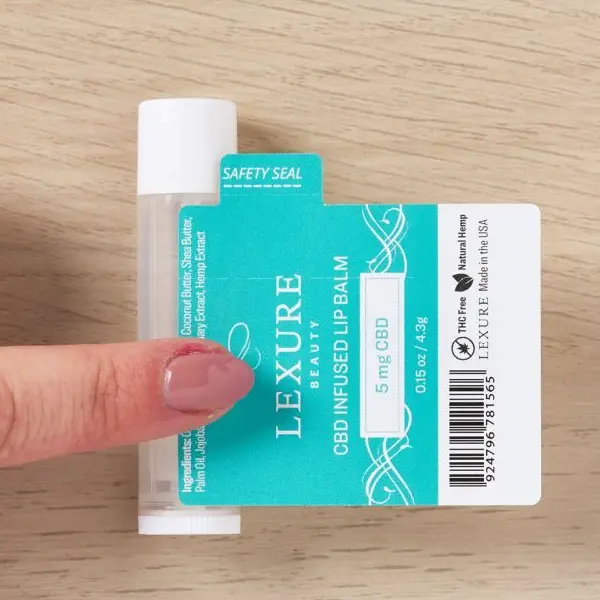
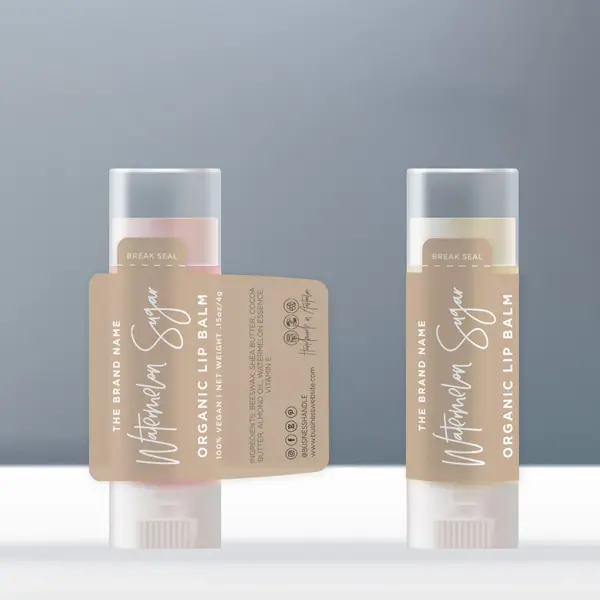
A tamper-evident lip balm label may include a tab that extends from the tube body across the cap. Opening the cap may tear, separate, distort, or visibly disturb the tab. Possible directions include:
  • Full-width safety tab
  • Narrow partial tab
  • Perforated tab
  • Separate closure seal
  • Front or rear tab position
  • Round- or oval-tube format
  • Coordinated label-and-carton closure system
Confirm:
  • Cap length
  • Cap-to-body step
  • Tab width
  • Tab length
  • Perforation location
  • Opening direction
  • Adhesive on the cap
  • Container texture
  • Whether residue is acceptable
  • Whether the tab must break before the cap opens
A visible closure tab may provide evidence that the package has been opened, but it should not automatically be described as tamper-proof, counterfeit-proof, secure, or impossible to replace.

Barcode and QR-Code Planning

Lip balm labels provide limited space, so barcodes and QR codes must be planned early rather than reduced at the end of artwork preparation. Review:
  • Barcode type
  • Final printed dimensions
  • Quiet zones
  • Dark and light contrast
  • Print direction
  • Curve around the tube
  • Distance from the seam
  • Distance from label edges
  • Surface gloss
  • Clear or metallic background
  • White-ink foundation
  • Retailer specifications
  • Intended scanning environment
A code that scans from a computer screen may not scan after being reduced, curved around a narrow tube, printed over a transparent or reflective material, or placed across a seam. Verify the final printed code on the finished labeled container.

Artwork and Information Planning

The available label area should be divided according to the required content and visual hierarchy. Possible information includes:
  • Brand name
  • Product identity
  • Flavor, scent, tint, or variant
  • Net quantity
  • Ingredients
  • Directions
  • Warnings
  • Responsible-business information
  • Country-of-origin statement where applicable
  • Barcode
  • QR code
  • Website
  • Lot or batch information
  • Expiration or period-after-opening information where applicable
  • Recycling or disposal instructions where supported
The buyer’s regulatory or legal team should confirm the final product classification, claims, ingredient format, net-quantity presentation, warnings, business details, and market-specific requirements. BoxBaba can prepare the approved content for printing and help reserve practical artwork areas, but does not replace the buyer’s regulatory review.

Cosmetic, Drug and Product-Claim Considerations

A lip product may be regulated differently according to its intended use and claims. Statements about treating, preventing, healing, medicating, providing sun protection, or affecting body structure or function may create requirements beyond ordinary cosmetic branding. Do not rely on phrases such as “FDA approved label,” “FDA-compliant printing,” or “FDA-approved packaging” as a substitute for reviewing the finished product, claims, ingredients, business responsibilities, and labeling.

Small Text and Readability

Small lip balm containers create limited space, but required and important information should remain readable. Consider:
  • Final printed type size
  • Font weight
  • Contrast
  • Line spacing
  • Text over curved areas
  • Text crossing the seam
  • Clear or metallic backgrounds
  • White-ink support
  • Print gain
  • Whether the outer carton carries additional information
Do not judge readability only from a zoomed-in artwork file.

Artwork File Preparation

Provide:
  • Editable vector artwork where available
  • Outlined or packaged fonts
  • High-resolution linked images
  • Defined CMYK or supported spot colors
  • Separate white-ink layer
  • Separate foil, varnish, laminate, embossing, or specialty layers
  • Barcode and QR-code source files
  • Bleed
  • Safe areas
  • Cut line
  • Perforation line
  • Seam or overlap reference
  • Clear cap and base zones
  • Separate artwork for every SKU
Do not use the cut line, label edge, or seam as the safe boundary for important text.

Digital Proofs, Material Samples and Application Tests

Digital Artwork Proof

A digital proof can confirm:
  • Artwork placement
  • Label dimensions
  • Cut line
  • Bleed
  • Safe areas
  • White ink
  • Barcode position
  • Perforation
  • Artwork version
  • Roll orientation notes
A digital proof cannot fully confirm:
  • Actual adhesion
  • Edge lift
  • Tube rotation
  • Film flexibility
  • Paper stiffness
  • Formula resistance
  • Moisture resistance
  • Application behavior
  • Machine dispensing
  • Final printed color on the selected container

Blank Size Sample

A blank sample can help confirm label dimensions, seam position, cap and base clearance, corner shape, and manual application.

Material Sample

A material sample can help compare paper, film, clear, metallic, matte, gloss, textured, laminated, and unlaminated options.

Printed Container Sample

A printed label applied to the actual production container can help evaluate color, readability, adhesion, seam, appearance, barcode position, and handling.

Application Trial

A trial may be useful for automatic application, high-volume projects, unusual containers, low-surface-energy plastics, textured tubes, formula exposure, or compatibility-sensitive conditions. Sample type, cost, method, shipping, and timeline are project-specific.

Planning Multiple Flavors, Tints and SKUs

Create an SKU schedule that records:
  • SKU or product name
  • Flavor, scent, or tint
  • Container supplier and model
  • Container material
  • Label dimensions
  • Label construction
  • Adhesive
  • Finish
  • Barcode
  • Variable information
  • Artwork filename
  • Roll orientation
  • Quantity
  • Labels per roll
Confirm whether every SKU uses the same tube, label size, material, adhesive, finish, and roll specification before combining quantities.

Reorders and Version Control

Record the approved:
  • Label dimensions
  • Die or cut reference
  • Facestock
  • Adhesive
  • Liner
  • Print method
  • Color references
  • White-ink layer
  • Laminate or varnish
  • Roll core
  • Unwind direction
  • Labels per roll
  • Artwork revision
  • Approved physical sample
Materials, inks, equipment, containers, and production conditions may create visible or functional variation between runs. Reorders should be checked against the approved specification rather than described as guaranteed identical.

Common Lip Balm Label Problems

Label Edges Lift

Possible causes include a stiff facestock, tight curvature, unsuitable adhesive, contamination, insufficient application pressure, incorrect temperature, short dwell time, square corners, or label-on-label bonding problems.

Label Rotates Around the Tube

Possible causes include low adhesion, surface contamination, label width, smooth container material, application pressure, or consumer handling.

Wrinkles or Bubbles Appear

Possible causes include taper, oval shape, curved shoulders, trapped air, inconsistent hand application, unsuitable label shape, or application speed.

Seam Opens

Possible causes include excessive material memory, incorrect overlap, adhesive incompatibility with the underlying printed surface, contamination, or tension around the tube.

Cap Rubs the Label Edge

The label may be too tall, applied too high, or placed within the cap’s movement area.

Twist Mechanism Is Obstructed

The label may extend too low or be placed across a moving base component.

Print Smears or Scuffs

The ink, coating, laminate, curing, formula exposure, abrasion, or handling environment may be unsuitable for the project.

Barcode Does Not Scan

The code may be too small, curved too tightly, printed with insufficient contrast, positioned across the seam, placed over a clear or reflective background, or affected by print quality.

Clear Label Looks Cloudy or Bubbled

The adhesive, container surface, application method, trapped air, tube texture, contamination, or label construction may affect clarity.

Tamper-Evident Tab Tears Too Early or Does Not Break

The tab dimensions, perforation, facestock, adhesive, cap geometry, opening direction, or application position may require adjustment.

Machine Cannot Dispense the Labels

The core, roll diameter, winding direction, gap, web width, liner, die cut, stiffness, or sensor setup may not match the equipment.

What Affects the Price of Custom Lip Balm Labels?

  • Label width and height
  • Shape
  • Full-wrap, partial-wrap, lid, base, or tamper-evident format
  • Paper, film, clear, metallic, or specialty facestock
  • Adhesive
  • Liner
  • Printing method
  • Number of colors
  • White ink
  • Variable data
  • Laminate or varnish
  • Foil or specialty finish
  • Custom die or tooling
  • Roll or sheet format
  • Core and roll specifications
  • Number of SKUs
  • Quantity per artwork version
  • Proof or sample requirements
  • Application testing
  • Shipping destination and service level
Provide the quantity for every SKU rather than only the combined total. Several small artwork versions may be priced differently from one label design produced at the same total volume.

Sustainability Considerations

The environmental characteristics of a lip balm label depend on the complete system, including:
  • Facestock
  • Adhesive
  • Release liner
  • Ink
  • Laminate
  • Varnish
  • Foil
  • Container material
  • Label coverage
  • Whether the label can be separated
  • Local recovery infrastructure
Possible project directions may include:
  • Reducing label size where practical
  • Using a thinner construction where performance remains suitable
  • Reducing unnecessary laminate or foil
  • Using documented recycled-content materials
  • Evaluating liner collection or recycling options
  • Selecting a label compatible with the intended container recovery stream where confirmed
  • Using one material family where appropriate
  • Providing accurate disposal instructions
Do not describe the final label as recyclable, biodegradable, compostable, sustainable, eco-friendly, or plastic-free solely because one component has that characteristic.

How to Order Custom Lip Balm Labels

  1. Identify the container: Provide the container type, supplier, material, shape, dimensions, and photographs.
  2. Measure the labeling area: Confirm circumference, printable height, cap clearance, base clearance, taper, and molded features.
  3. Select the format: Choose full wrap, partial wrap, lid, base, front-and-back, or tamper-evident construction.
  4. Confirm the seam: Define the overlap, butt seam, gap, and preferred seam location.
  5. Describe the environment: Explain expected oil, wax, moisture, abrasion, temperature, cleaning, and handling exposure.
  6. Choose a label construction: Review facestock, adhesive, liner, printing, and surface protection.
  7. Confirm application: State whether labels will be applied by hand or machine.
  8. Provide roll requirements: Supply core, outside diameter, unwind, winding, gap, and labels-per-roll requirements where applicable.
  9. Prepare artwork: Supply files with bleed, safe areas, barcode, white ink, perforation, and separate SKU versions.
  10. Confirm compliance review: Have the buyer’s legal or regulatory team approve all final content and claims.
  11. Select proofing: Choose digital proof, blank size sample, material sample, printed sample, or application trial as needed.
  12. Provide quantities: State the quantity for every SKU and required delivery destination.
  13. Approve the specification: Review the label size, construction, roll format, artwork, production timeline, and shipping details before production.

Why Choose BoxBaba for Custom Lip Balm Labels?

BoxBaba helps brands plan lip balm labels as a complete container, material, adhesive, printing, and application system rather than treating the project as artwork placed on a generic sticker. Project support may include:
  • Finished-container measurement review
  • Full-wrap, partial-wrap, lid, base, and tamper-evident sizing
  • Paper, film, clear, metallic, and specialty material direction
  • Adhesive review according to container and environment
  • Seam, overlap, and clearance planning
  • Roll and sheet configuration
  • Manual and machine-application coordination
  • White-ink and clear-label artwork guidance
  • Barcode and small-text planning
  • Dieline and artwork preparation
  • Multi-SKU coordination
  • Project-specific proofs and samples
  • Production and shipping quotation review

Request a Custom Lip Balm Label Quote

Share the finished container type, material, circumference, printable height, preferred label size, full or partial wrap, overlap or seam gap, facestock preference, expected oil or moisture exposure, hand or machine application, roll specifications, number of SKUs, quantity per design, artwork status, shipping ZIP code, and required delivery date. These details help the BoxBaba team review the label construction, adhesive, printing, roll format, proofing requirements, production plan, and shipping considerations before preparing project-specific quotation guidance. Request a Custom Lip Balm Label Quote, call +1 305 574 4357, or email sales@boxbaba.com.
 

Frequently Asked Questions

Find all the urgent questions you may have.

Custom lip balm labels are printed pressure-sensitive labels produced around a specific tube, stick, tin, pot, jar, or paperboard container. The label size, material, adhesive, printing, seam, finish, and supply format can be planned according to the finished container, application method, formula exposure, branding, and buyer-approved product information.
Measure the straight printable body height between the cap and the twist mechanism, base rim, shoulder, or other obstruction. Measure the circumference by wrapping a flexible tape or paper strip around the intended label area. Also record the container shape, taper, molded seams, texture, cap clearance, base clearance, and preferred label-seam position.
Some tube suppliers use common dimensions, but there is no universal label size for every lip balm container. Tubes with the same product capacity may have different diameters, body heights, caps, base mechanisms, materials, and printable areas. The final size should be confirmed using the actual production container or an approved container specification.
A full-wrap label covers most of the available circumference and can provide more space for branding and product information. A partial-wrap label covers only part of the container and may be used for front-facing branding or limited information. Full wraps require seam and overlap planning, while partial wraps require accurate centering and rotation control.
A full-wrap label may use a small overlap, a butt seam, or a controlled gap. The suitable direction depends on the tube circumference, facestock, adhesive, artwork, application tolerance, seam location, and whether one label edge must bond to the printed or laminated surface beneath it. The approved arrangement should be tested on the finished container.
Custom labels may be planned for round plastic tubes, slim tubes, oval sticks, tapered containers, paperboard push-up tubes, aluminum tins, plastic pots, small jars, and project-specific containers. Oval, tapered, textured, recycled-content, or low-surface-energy containers may require custom sizing, material selection, adhesive review, or application testing.
Paper can provide a natural, coated, uncoated, textured, matte, or traditional printed appearance. Film may offer greater flexibility, tear resistance, or tolerance for moisture, oils, waxes, and frequent handling when paired with a suitable adhesive and surface protection. Neither material is universally better; the complete construction should match the container and expected environment.
Water and oil performance depends on the facestock, adhesive, ink, laminate or varnish, cut edges, seam, application, exposure time, temperature, formula, and handling conditions. A confirmed construction may be described as water-resistant, moisture-resistant, oil-resistant, wipeable, or abrasion-resistant when supported by relevant specifications or testing, but every label should not be described as universally waterproof or oil-proof.
Adhesive selection depends on the container material, surface energy, texture, curvature, cleanliness, application temperature, service temperature, formula exposure, required permanence, and application method. Plastic tubes, paperboard tubes, tins, jars, and textured surfaces may require different adhesive directions. Testing on the actual production container is recommended when adhesion is critical.
A suitable facestock, adhesive, label width, corner radius, overlap, application pressure, temperature, and clean container surface may help reduce edge lift or rotation. Performance can still be affected by tight curvature, material stiffness, contamination, handling, formula residue, or storage conditions, so the label should not be described as universally lift-proof or rotation-proof.
Yes. Opaque white ink can be printed beneath selected artwork on a clear label to improve opacity, contrast, color appearance, small-text readability, or barcode visibility. Areas without white ink may allow the container color or product to remain visible through the printed design. A digital proof shows white-ink placement but cannot fully reproduce final transparency or opacity.
Labels may be supplied on rolls, sheets, as individually cut labels, or in another approved format. Rolls may support hand dispensers and automated application, while sheets may suit manual application, test runs, short projects, or multiple designs. The supply format should be confirmed in the quotation and production specification.
Provide the applicator make and model, core diameter, maximum roll outside diameter, web width, unwind direction, inside- or outside-wound requirement, labels per roll, gap between labels, artwork orientation, container feed direction, sensor requirements, and application speed. These specifications help match the finished rolls to the labeling equipment.
Yes. Hand application may be suitable for smaller runs, test projects, events, or businesses without label-application equipment. Consistent results depend on clean containers, alignment, pressure, seam placement, operator technique, label stiffness, and sufficient dwell time before the labeled tubes are packed or handled.
Yes. A label may include a full-width tab, narrow partial tab, perforated tab, or separate closure seal extending between the tube body and cap. The tab dimensions, adhesive, perforation, cap geometry, opening direction, and application position should be reviewed. A disturbed tab may provide visible evidence of opening but should not automatically be described as tamper-proof or impossible to replace.
Yes, but the code needs suitable final dimensions, sufficient contrast, clear quiet zones, correct positioning, and adequate print quality. Avoid placing the code across the label seam, on an uncontrolled reflective or transparent background, or around excessive curvature. The final printed code should be tested on the finished labeled container.
BoxBaba can print buyer-approved artwork and help reserve space for product identity, net quantity, ingredients, warnings, business information, barcodes, and other content. Cosmetic labels are not generally pre-approved by FDA, and the buyer's legal or regulatory team remains responsible for confirming product classification, claims, ingredients, required statements, formatting, and market-specific requirements.
Available review options may include a digital artwork proof, blank size sample, material sample, printed sample, short trial, or application test using the actual production container. The appropriate sample depends on the label size, material, adhesive, finish, container, application equipment, exposure conditions, and project risk. Sample cost, method, shipping, and lead time are project-specific.
The minimum order quantity is project-specific and depends on the label dimensions, shape, facestock, adhesive, liner, printing method, finishes, die or tooling, roll or sheet format, number of SKUs, roll configuration, sample requirements, and quantity needed for each artwork version.
Standard production usually takes 8-12 business days after final artwork and specification approval. Physical samples, specialty materials, custom dies, foil, complex finishes, variable data, equipment trials, and multiple SKUs may require additional time. Shipping time is calculated separately from production time.
Environmental performance depends on the complete label-and-container system, including the facestock, adhesive, release liner, ink, laminate, varnish, foil, label coverage, container material, removability, and local recovery infrastructure. Claims such as recyclable, recycled, biodegradable, compostable, sustainable, eco-friendly, or plastic-free should only be published when supported by the selected construction and relevant documentation.

Get a Custom Quote