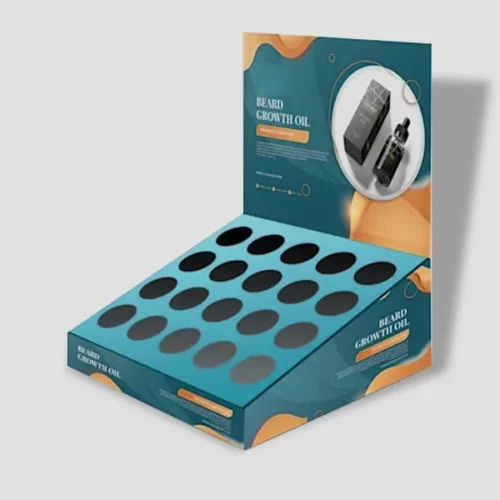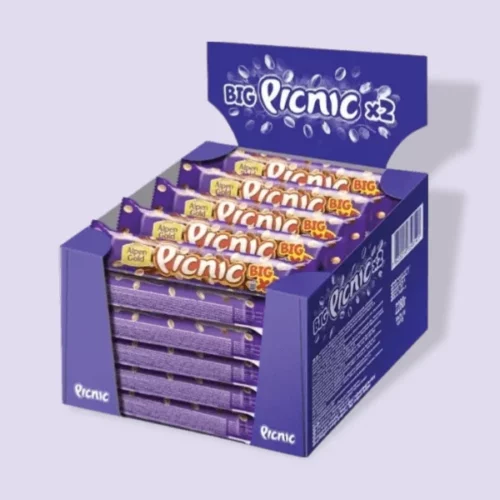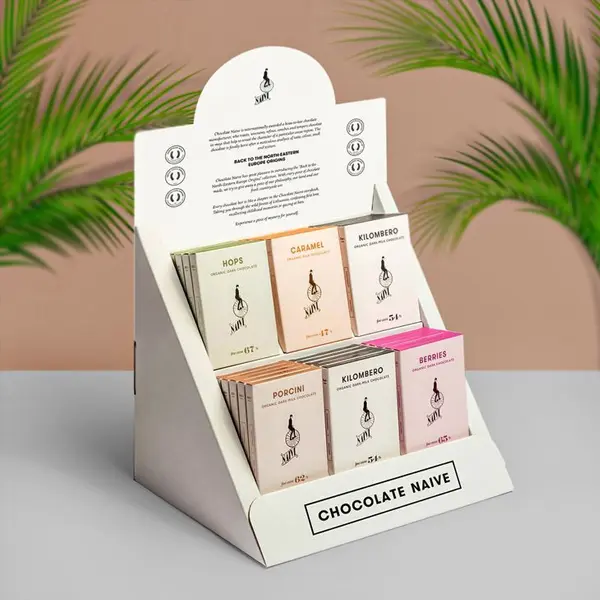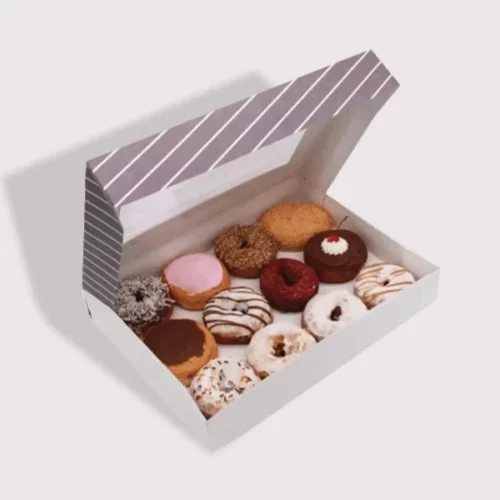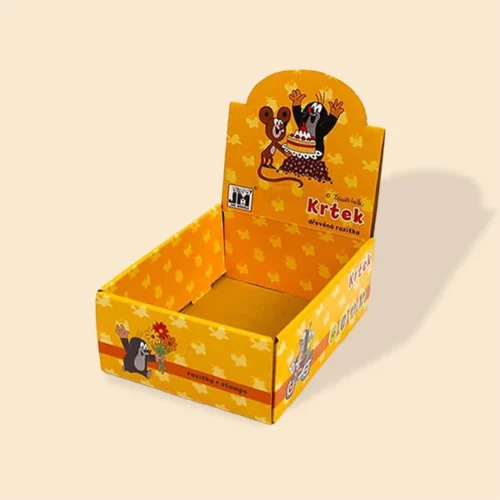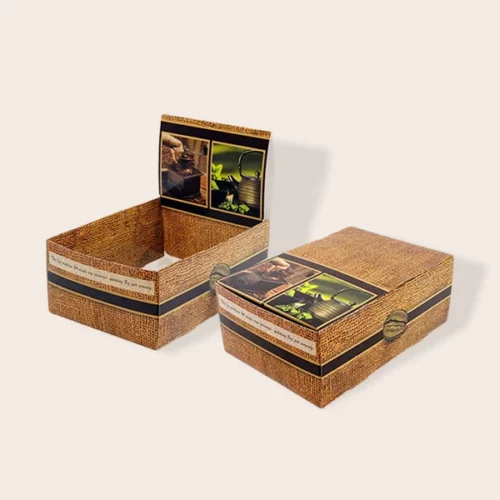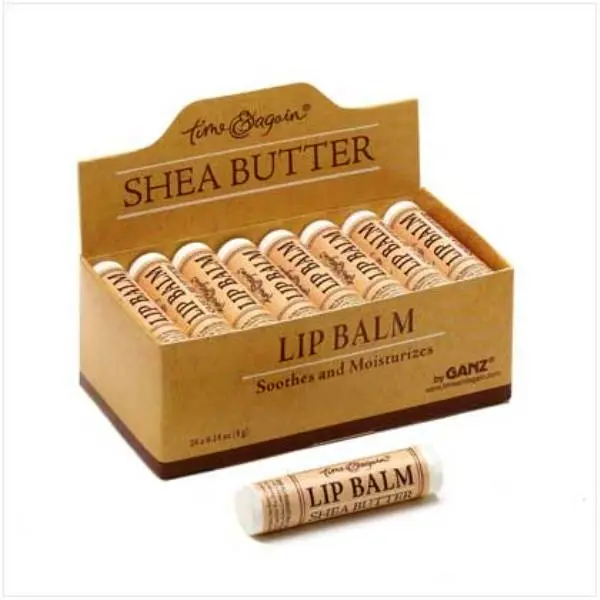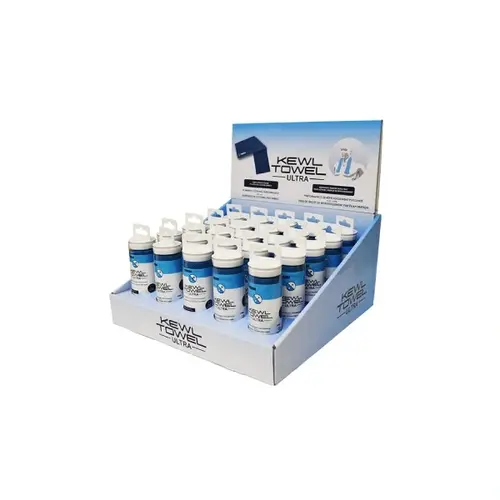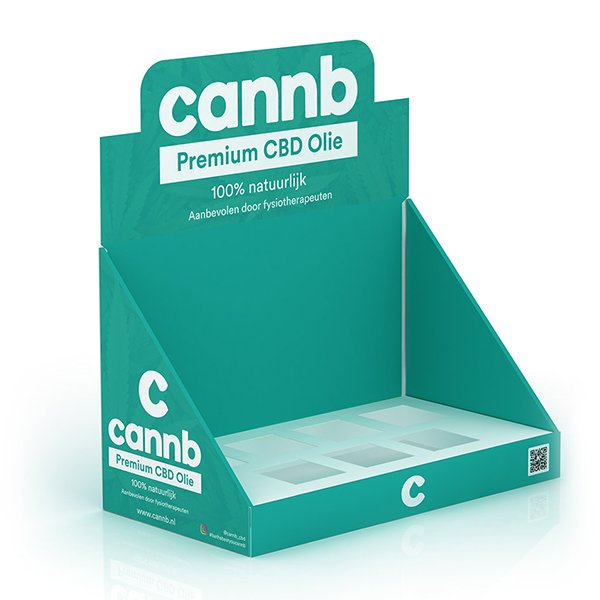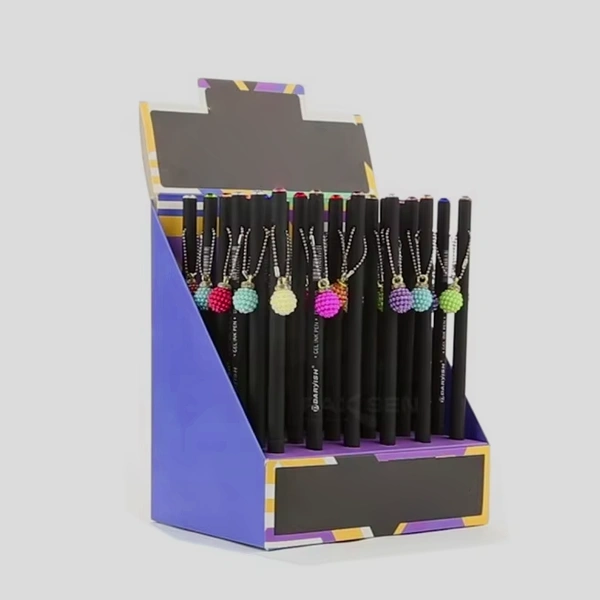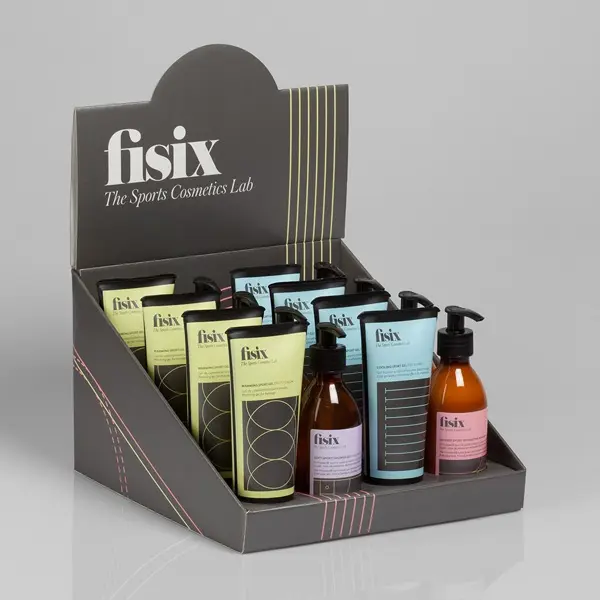













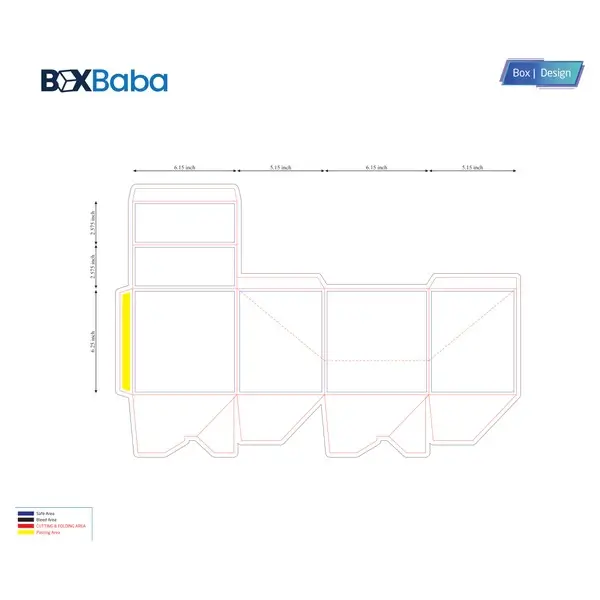

Supplement Display Boxes

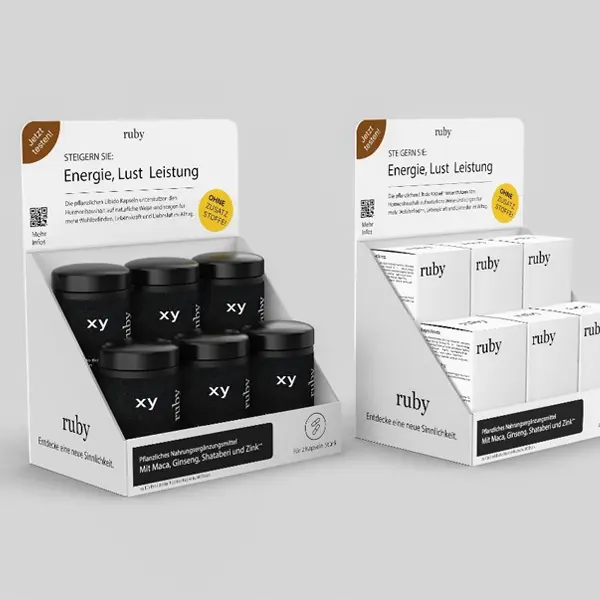
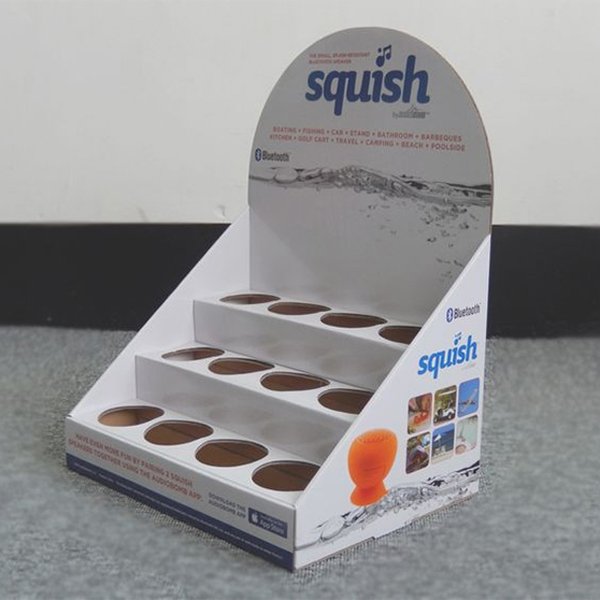
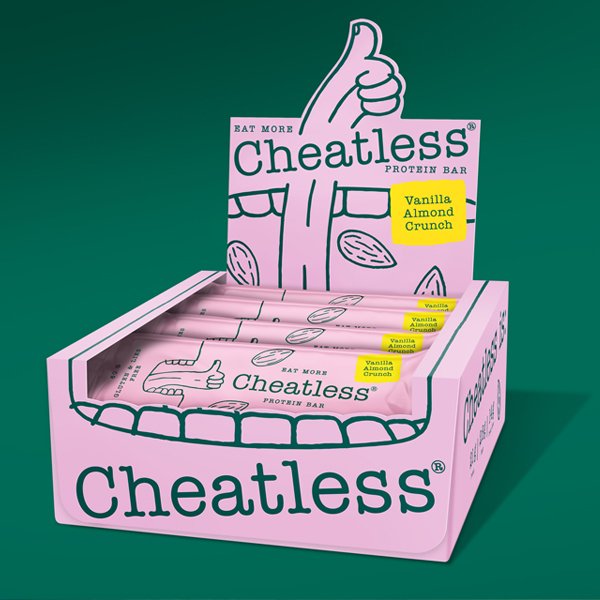
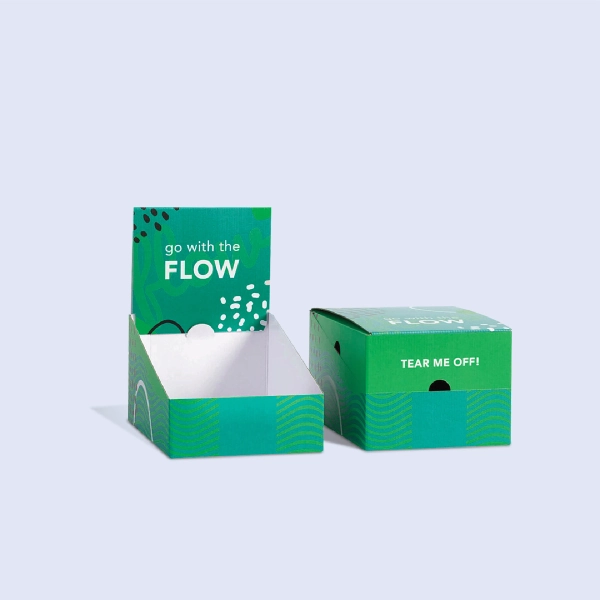
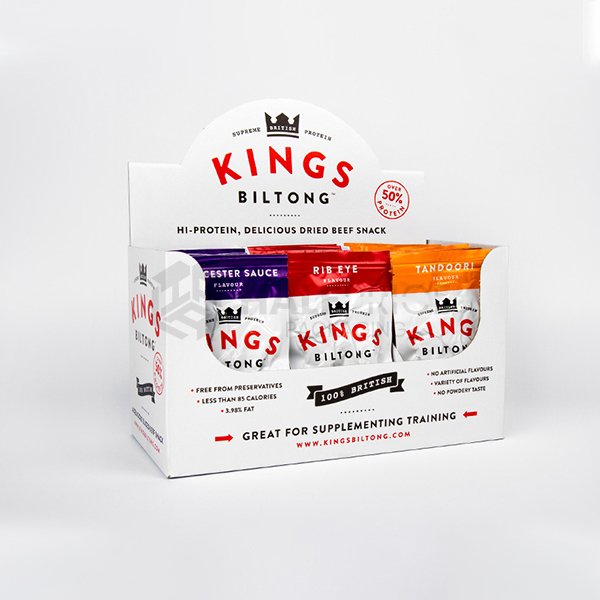
Custom supplement display boxes organize multiple finished vitamin and dietary supplement retail packages within one merchandising structure. BoxBaba develops each display around the actual bottle, carton, pouch, sachet or other retail-ready package, including its dimensions, closure profile, unit weight, quantity, SKU arrangement, required label visibility, product support and available retail footprint. Choose open trays, bottle-holder layouts, divided rows, tiered displays and branded headers according to the finished merchandise. MOQ starts from 100 units, with custom printing, artwork assistance, dieline support and digital 3D mockups.
Trustpilot_Logo
5 out of 5 stars
4.5
Reviews 16 • Excellent

Supplement Display Boxes – Custom Printed Packaging for Supplements, Retail Display & Branding

Supplement display boxes made with durable materials and premium printing, ideal for showcasing supplement products, protecting packaging, enhancing retail presentation, and strengthening professional brand visibility.

What We Give

Create Custom Boxes Quick and Easy

Design

Get your custom boxes made in the required size, shape, and style.

Print

Upload your artwork and get it superbly printed the way you want.

Get it done

Order any quantity, enjoy a wholesale price, pay no extra for die plates.

Product Specification

Specification Available Options
Product Type Supplement Display Boxes
Primary Function Organize and present multiple finished supplement retail units
Dimensions Custom to actual bottle, carton, pouch or retail-package dimensions
Capacity Based on finished unit dimensions, quantity, arrangement and loaded weight
Suitable Retail Units Vitamin bottles, supplement bottles, jars, cartons, sachets, pouches, powder tubs and other compatible finished packages
Product Orientation Upright, horizontal, angled, row-based or another approved arrangement
SKU Arrangement Single-SKU or compatible multi-SKU/formula displays
Display Formats Open tray, bottle-holder display, divided display, tiered display, header display and other compatible structures
Product Support Bottle positions, dividers, product lanes, partitions, retaining panels and other compatible supports
Materials Paperboard/cardstock, kraft-style paperboard and corrugated board where appropriate to the loaded structure
Printing Selected according to material, artwork, quantity and production requirements
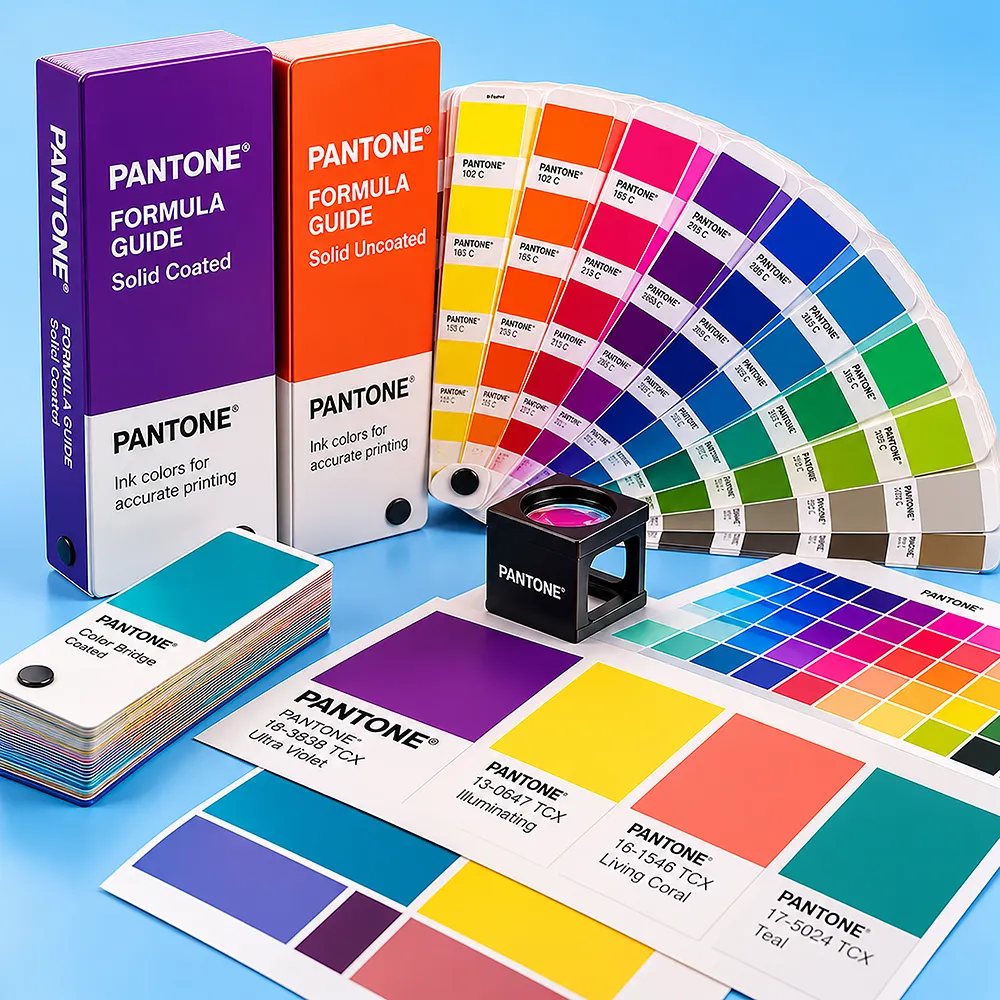
Color References CMYK artwork and PMS/Pantone references where applicable
Finishes Matte, gloss, soft-touch, Spot UV, foil stamping, embossing and debossing where compatible
Artwork Support Dieline assistance and digital 3D mockup
MOQ From 100 units
Production Eligible standard projects may start from 5–9 business days after specifications and artwork approval
Shipping Free USA shipping on eligible custom packaging orders

Related Products

Stock Type & Thickness

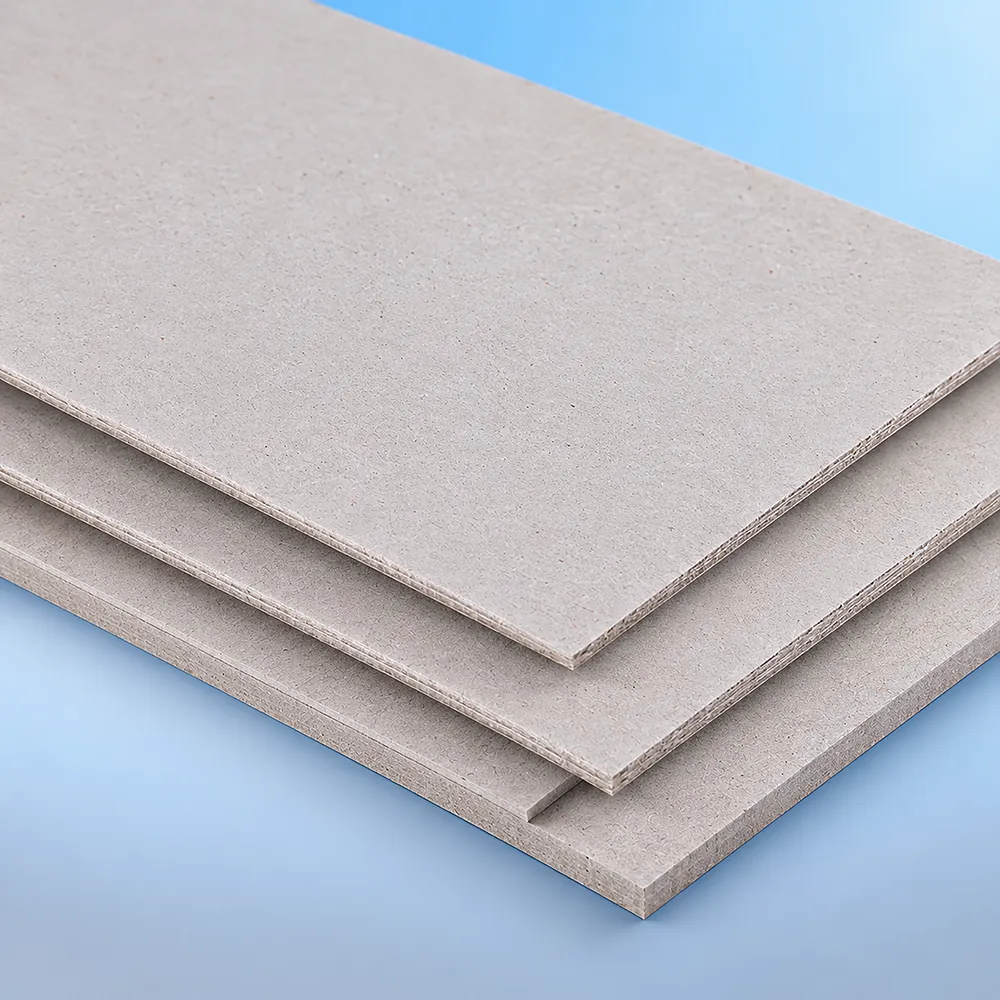
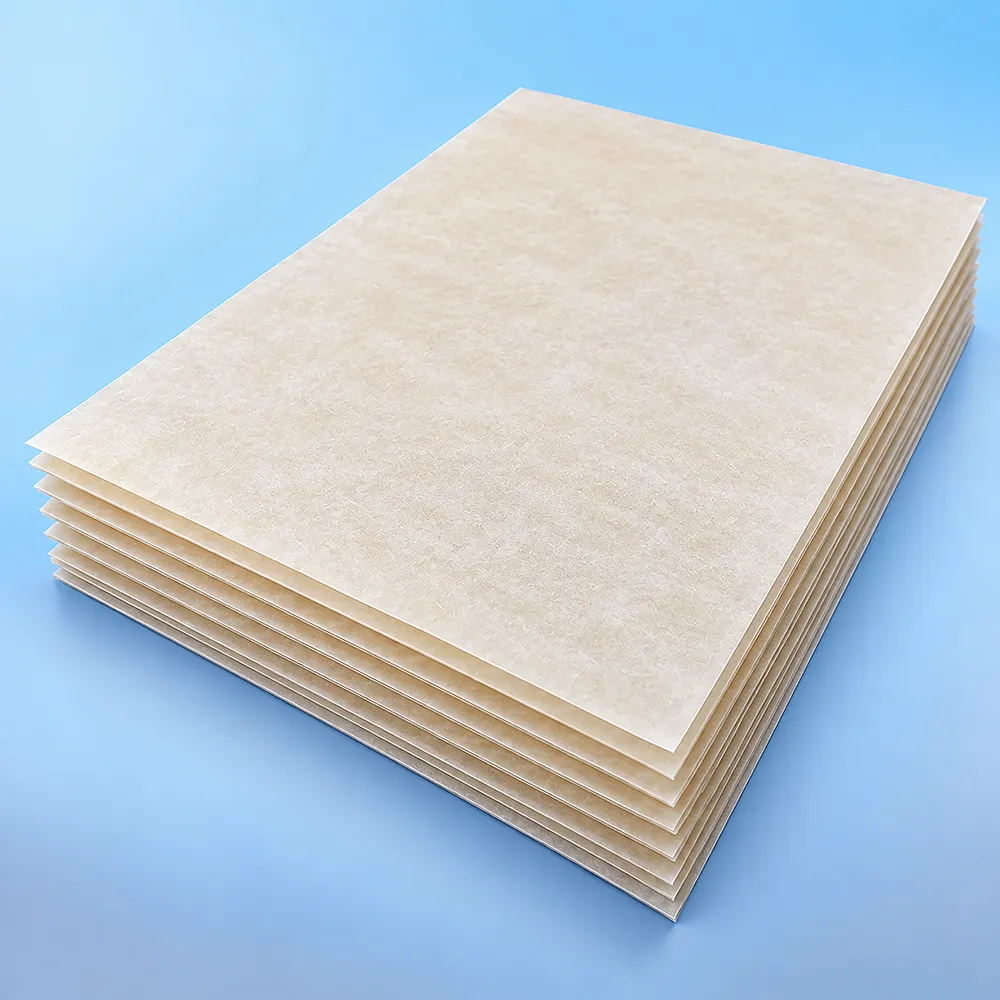
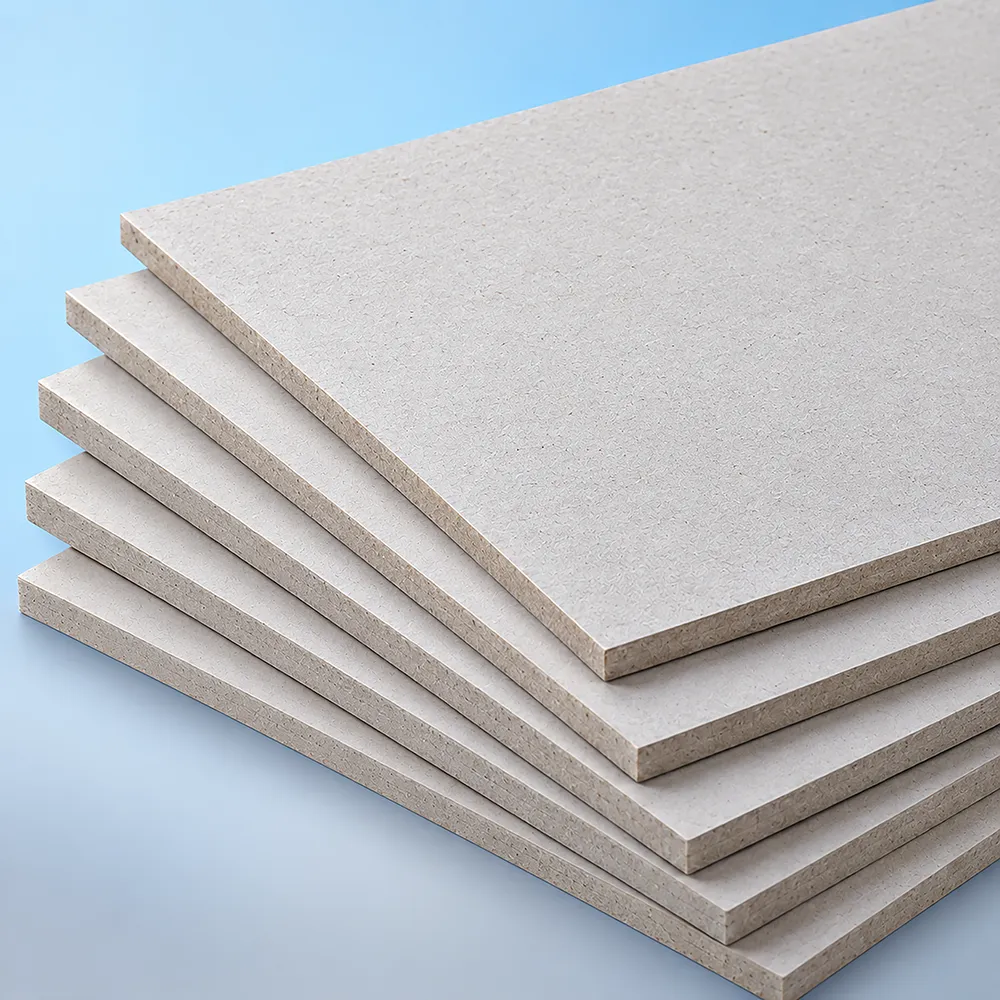
Cardboard

We use cardboard material with the least environmental impact and minimizes waste generation.

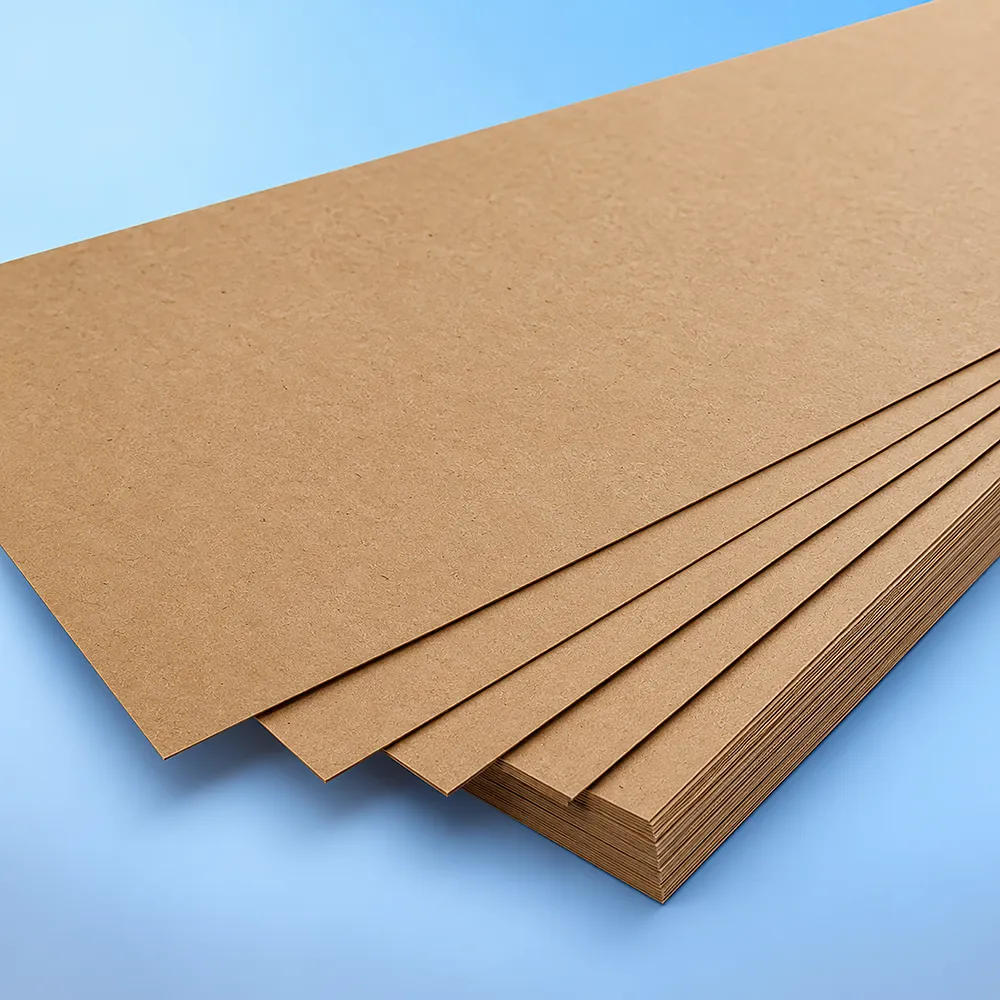
Kraft

Kraft paper is a strong, durable and reliable material that is widely used across many different industries.
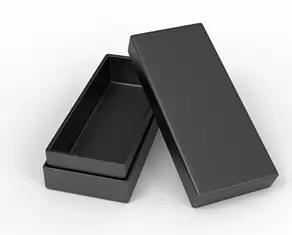
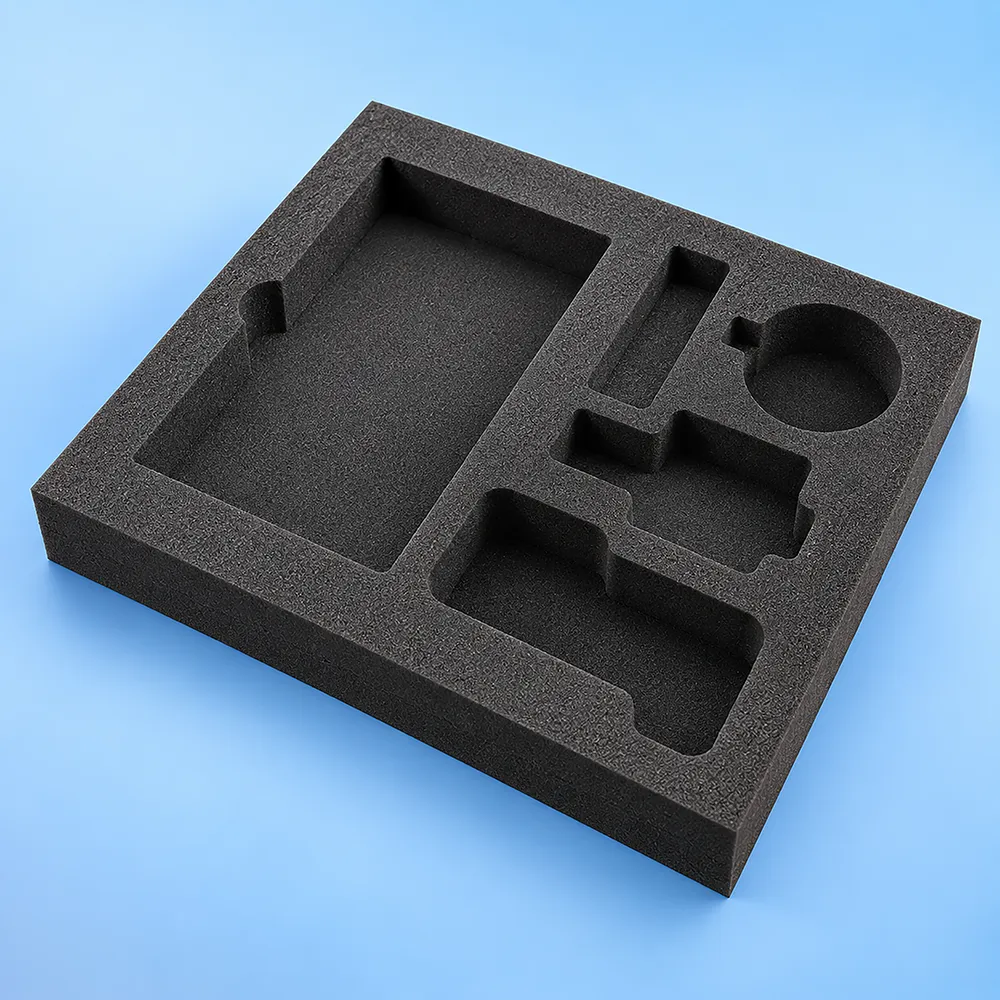
Rigid

Rigid is highly protective, affordable and recyclable material. These boxes provide maximum protection.
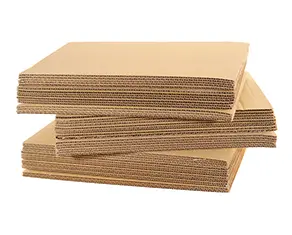
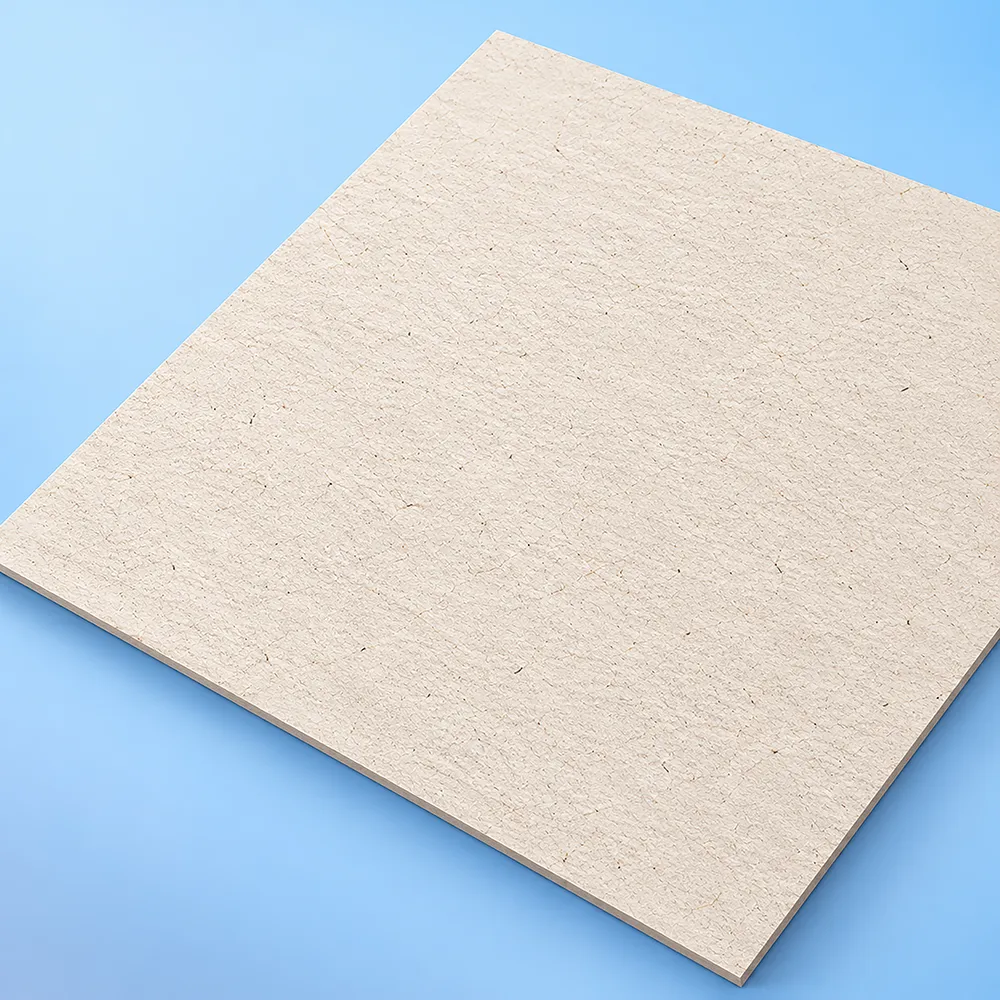
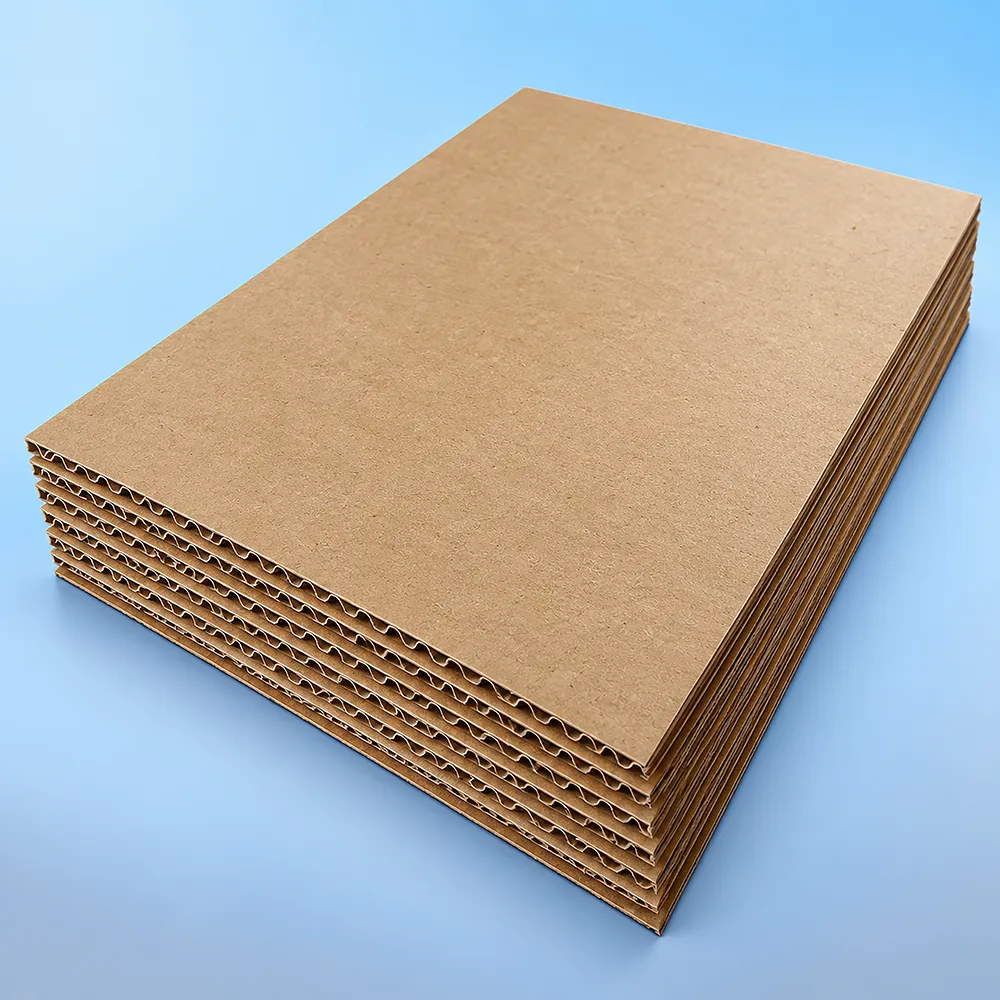
Corrugated

Corrugated material is easy to customize, cost effective and sustainable. It is also great for branding purposes.
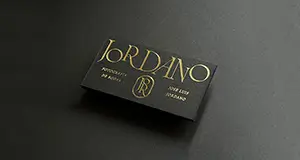
Finishing Assortment

Foil Stamping

Foil Stamping

Enhance your packaging with premium foil stamping for a bold and luxurious appearance.

Spot UV

Spot UV

Our Spot UV coating adds a sleek shine and highlights key design elements beautifully.

Gloss-Lamination

Gloss

Give your packaging a polished, glossy finish that enhances color and visual appeal.

Holographic Foiling

Holographic Foiling

Create eye-catching packaging with holographic foil effects that shimmer from every angle.

Embossing

Embossing

Add raised textures and elegant detailing to make your packaging stand out.

Debossing

Debossing

Create a refined pressed-in effect that adds depth and sophistication to your packaging.

Matte

Matte

Achieve a smooth matte finish that minimizes fingerprints and delivers a modern look.
Soft Touch Lamination

Soft Touch Lamination

Protect your packaging with a silky-soft laminated finish for a premium feel.
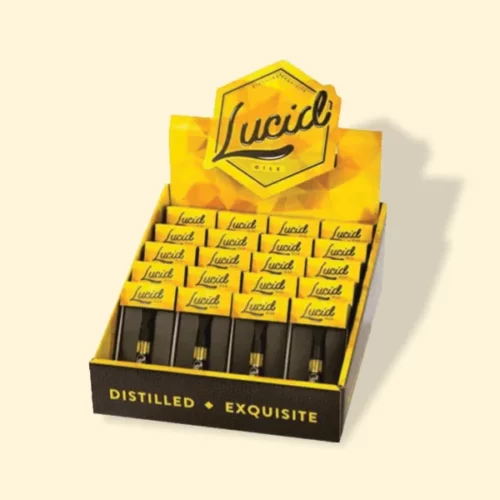
Supplement Display Boxes for Multi-Unit Retail Merchandising

Supplement Display Boxes bring several finished vitamin or dietary supplement packages together within one organized retail structure. Their primary role is merchandising rather than replacing the bottle, jar, carton, sachet, pouch or other package that contains the supplement. The central relationship is: →→→→Finished Supplement Package  Package Profile  Quantity  Formula/SKU Arrangement →→→Required Visibility  Shopper Access  Retail Footprint  Display Structure For broader display-family selection, explore Custom Display Boxes.

What Are Supplement Display Boxes?

Supplement Display Boxes are multi-unit retail structures developed to organize several finished vitamin or dietary supplement packages together. Depending on the products, the structure may use open trays, individual bottle positions, divided product lanes, tiers or branded headers. Their defining role is: Multiple Finished Supplement Retail Units → Organized Retail Presentation rather than packaging one supplement product individually.

When Should You Choose Supplement Display Boxes?

Choose a dedicated display where multiple supplement packages need to remain grouped, identifiable and accessible within one retail footprint. A display can be useful where bottles need defined positions, several formulas share one presentation, different flavors or variants require organized rows, small cartons or sachets need product lanes, a branded header is required or customer-facing package information needs to remain visible. A separate display may not be necessary where the finished packages already stand or hang effectively within the retailer’s existing fixture. The structure should solve a defined merchandising requirement.

Supplement Display Boxes vs Individual Supplement Packaging

Supplement Display Boxes organize multiple finished retail packages. Individual supplement packaging contains or encloses one bottle, jar, pouch, carton or other defined unit. A packaging relationship can therefore be: Supplement Product → Bottle / Jar / Individual Carton → Supplement Display or: →Finished Sachet / Pouch  Supplement Display The unit physically entering the display should determine the structural dimensions. For a material-specific example of individual packaging, BoxBaba also offers Kraft Supplement Boxes.

Start With the Finished Retail Unit

Before choosing the display structure, identify what the retailer or shopper will physically remove from it. This may be a sealed vitamin bottle, supplement jar, individual folding carton, powder tub, finished sachet, flexible pouch or another compatible retail-ready package. Measure that finished unit rather than the ingredient, dose or serving count.

Measure the Complete Supplement Bottle

Where bottles sit directly in the display, measure the complete retail-ready container. Confirm:
  • maximum bottle diameter or width;
  • maximum depth where applicable;
  • overall closed height;
  • base footprint;
  • shoulder profile;
  • closure/cap diameter;
  • widest external point;
  • finished unit weight;
  • intended orientation.
Do not measure only the central bottle body. The cap may be wider than the bottle and can control spacing between neighboring units.

Bottle Profile and Closure Clearance

A useful dimensional sequence is: Base Profile → Body Profile → Shoulder → Closure Profile → Overall Closed Height The display should accommodate all of these areas. Where bottles sit close together, cap or closure overhang can require additional spacing even when the bottle bodies themselves fit. Do not use one nominal bottle diameter as the complete structural specification.

Develop Holder Geometry From the Actual Bottle

Where individual bottle positions are required, first establish which part of the bottle enters the holder and which part provides the intended support. Consider:
  • base profile;
  • body diameter;
  • shoulder geometry;
  • closure diameter;
  • label thickness where relevant;
  • insertion path;
  • support point;
  • loading clearance;
  • removal clearance;
  • approved product and die-cut tolerances.
Use: Finished Bottle Profile → Insertion Path → Support Point → Required Clearance → Holder Geometry There is no universal supplement-bottle holder diameter. Where permanent custom-cut bottle positions become the dominant structural feature, explore Die Cut Display Boxes.

Do Not Automatically Support the Bottle From Its Closure

The holder should normally support an appropriate bottle area rather than relying on the cap or opening mechanism as the primary structural support point. The display should also avoid unnecessary interference with closure function. For unusual bottle shapes, confirm the intended support location before holder geometry is finalized.

Holder Depth and Exposed Bottle Height

Opening size alone does not determine whether a bottle will display properly. Also consider:
  • holder depth;
  • exposed bottle height;
  • center of gravity;
  • label visibility;
  • cap access;
  • finger clearance;
  • removal direction.
A bottle positioned too deeply can hide important customer-facing artwork. A bottle supported too shallowly may not maintain the intended position.

Bottle Rotation and Front-Label Orientation

Round bottles can rotate inside a holder or product lane. That matters where the brand wants the main product name, formula identity or another designated front panel consistently facing the shopper. Do not assume a circular opening automatically controls orientation. If front-label direction is important, identify that requirement before structural approval so the holder, spacing or another positioning approach can be reviewed.

Measuring Individual Supplement Cartons

Where shoppers select an individually boxed supplement, measure the finished carton rather than the bottle or product inside it. Confirm: Maximum Width × Depth × Height + Finished Unit Weight + Shopper-Facing Panel Rigid cartons can often use open trays or divided product lanes without individual bottle-holder positions. Where the carton already controls orientation and label presentation, a more complex holder may not be necessary.

Powder Tubs and Larger Jars

Powder supplements and other larger products can use containers substantially wider and heavier than standard vitamin bottles. Measure:
  • maximum body diameter or width;
  • base footprint;
  • overall closed height;
  • closure diameter;
  • widest external point;
  • finished unit weight.
Do not apply a holder, quantity or material assumption developed around smaller supplement bottles without reviewing the actual tubs.

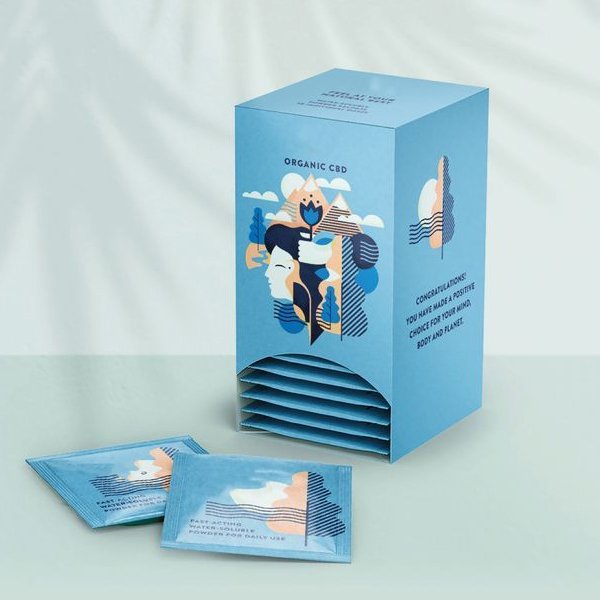
Sachets and Single-Serve Packs

For finished sachets or packets, confirm:
  • maximum width;
  • height;
  • filled thickness;
  • seal profile where it affects fit;
  • unit weight;
  • intended orientation.
Flexible packets may need product lanes or retaining structures if they do not remain reliably upright on their own.

Flexible Supplement Pouches

Measure flexible pouches in their filled retail-ready condition. Confirm:
  • maximum filled width;
  • maximum height;
  • maximum depth/thickness;
  • gusset expansion where applicable;
  • seals that affect the external profile;
  • finished unit weight.
Flexible-pack behavior differs from rigid bottles and cartons and should be evaluated from the actual finished package.

Serving Count Does Not Determine Display Size

Serving count, capsule count, tablet count, gummy count or net fill quantity does not define the retail- package dimensions. Two packages containing similar quantities can use different bottle bodies, closures or cartons. Therefore: Serving Count / Capsule Count / Fill Quantity ≠ Retail Package Dimensions ≠ Display Dimensions Use the finished external package as the structural reference.

Product Orientation

Supplement retail units can use several merchandising orientations. Upright Bottle Presentation uses repeated bottle positions or rows. Upright Carton Presentation keeps individual cartons in shopper-facing rows. Horizontal Presentation can suit compatible sachets, packets or cartons. Angled Presentation may be used where the actual package and retail footprint support improved visibility or access. Confirm orientation before finalizing the outside dimensions and internal support.

How Should Supplement Display Boxes Be Sized?

After measuring the finished unit, define the merchandise quantity and arrangement. Use: Finished Retail Unit → Maximum Dimensions → Unit Weight → Quantity → Rows / Columns → SKU →→→→→Arrangement  Product Support  Loaded Weight  Retail Footprint  Display Structure →Material  Dieline Do not begin with a presumed supplement-display capacity. The actual finished packages should determine the structure.

Unit Count, Rows and SKU Arrangement

Quantity is only one sizing input. The same number of bottles or cartons can use one long row, several shorter rows, individual holder positions, formula-specific sections or tiers. Use: Unit Quantity → Rows → Columns → SKU Allocation → Product Spacing → Retail Footprint before approving the dieline. For mixed-size assortments, identify the largest retail-package profile assigned to each row or holder group.

Single-SKU and Multi-Formula Displays

A single-SKU display uses repeated packages with compatible dimensions. A multi-SKU display may organize different formulas, flavors, strengths, serving counts, package sizes or customer-defined variants. Where all formulas use the same physical package, one structural arrangement may support several artwork versions. Where bottle or carton dimensions differ, measure every structurally distinct SKU. Do not assume similar branding means identical packaging.

Can Several Supplement SKUs Share One Dieline?

Yes, where the structural requirements remain compatible. A shared dieline can sometimes support several formula or artwork variants when the following remain unchanged:
  • retail-unit dimensions;
  • bottle and closure profile;
  • orientation;
  • quantity;
  • holder geometry;
  • row layout;
  • header dimensions.
Changing a formula name or artwork does not automatically require a new structure. Changing the physical bottle, cap or carton can.

Bottle-Holder Displays

Defined bottle positions can support upright presentation and predictable spacing where the retail brief requires it. Not every bottle display needs individual holder openings. A simpler open tray or divided row may be more appropriate where the bottles naturally remain stable and the holder would add no meaningful positioning benefit. Select the structure according to the actual merchandise.

Product Lanes and Dividers

Dividers can organize bottles, cartons, sachets or pouches without one custom holder for every unit. Product lanes may help where formulas need separation, cartons require repeated rows, flexible packets need side support or different package sizes share one outer display. Lane width should follow the largest approved retail unit assigned to that section while allowing practical loading and removal.

Partially Empty Display Stability

A display can behave differently as merchandise is sold. When every position is full, neighboring packages may contribute to alignment. As units are removed, remaining bottles can rotate or shift, while cartons and flexible packs may lean inside oversized lanes. Where consistent organization matters throughout the selling cycle, individual holders, suitable dividers or controlled lane widths can provide more predictable positioning. Evaluate the structure when full and partially depleted.

Label and Information Visibility

The display should avoid unnecessarily covering package panels that the buyer wants shoppers to see. Depending on the product, these areas can include:
  • brand/product name;
  • formula name;
  • serving information;
  • net quantity;
  • customer-designated warnings;
  • Supplement Facts information where applicable;
  • customer-supplied claims;
  • QR codes;
  • other retail labeling.
BoxBaba can develop the display around an identified visible panel. The product owner remains responsible for determining and approving required labeling and claims, with appropriate regulatory advice where needed.

Supplement Facts and Display Geometry

A multi-unit display does not automatically need every individual package panel visible at all times. However, if a particular panel must remain visible without removing the bottle or carton, identify that requirement during the structural brief. Front-wall height, bottle orientation, holder depth and row arrangement can all affect visibility. Use: Required Visible Panel → Product Orientation → Retention Geometry → Display Layout where panel visibility is part of the retail requirement.

Customer-Supplied Supplement Claims

BoxBaba can position customer-supplied branding and promotional content within the approved dieline. The product owner is responsible for determining and approving any required Supplement Facts information, warnings, disclaimers, health or structure/function claims and other regulated labeling for the intended market. A dieline, artwork service, digital proof or printed display should not be interpreted as regulatory approval.

Supplement Display Boxes vs Medicine Display Boxes

Supplement and medicine displays can sometimes use similar bottles, cartons and retail structures, but they belong to different application entities. Supplement Display Boxes focus on vitamins, dietary supplements and compatible supplement products. Medicine Display Boxes focus on finished OTC medicine and healthcare retail units. Where the product is an OTC medicine rather than a dietary supplement, explore Medicine Display Boxes. Keep the product contexts and labeling requirements separate even when the structural geometry looks similar.

Front Retaining Panels

A retaining front can help control bottles, cartons and flexible packages. Its height should follow: Package Height + Stability + Required Retention + Label Visibility + Shopper Access A high wall can cover too much of the package. A low wall may provide insufficient product control. There is no universal front-panel height.

Shopper Access

Customers or staff should be able to remove one package without unnecessarily disturbing neighboring units. For bottle-holder layouts, access can depend on opening spacing, cap diameter, exposed bottle height, finger clearance and holder depth. For divided rows, it can depend on lane width, front-wall height, carton depth, divider height and package orientation. A compact display should still provide practical removal.

Replenishment

Retail staff also need a clear restocking workflow. Confirm:
  • whether bottles load from the top;
  • whether cartons or packets load from the front or top;
  • whether each formula has a defined position;
  • whether holders/dividers are integral or separately installed;
  • whether the display ships empty or product-loaded;
  • where final setup occurs.
The replenishment method can affect display depth, access and support geometry.

Header Panels

A header provides additional branding above the merchandise. It can carry customer-approved logos, product-family names, formula ranges, campaign artwork, QR codes or other retail messaging. Plan the header with the actual products loaded. Tall bottles, tubs or cartons can obscure artwork that appears fully visible on an empty display.

Supplement Display Boxes vs Counter Display Boxes

Supplement Display Boxes are primarily defined by the merchandise. Counter Display Boxes are primarily defined by placement and available footprint. A supplement display can sit on a health-store, pharmacy, gym or general retail counter, shelf or other compatible surface. Where bottle geometry, formula layout and label visibility drive the structure, this page owns those product- specific decisions. Where counter dimensions are the dominant constraint, explore Counter Display Boxes.

Supplement Display Boxes vs Product Display Boxes

Product Display Boxes provide a generic multi-unit merchandising framework. Supplement Display Boxes go deeper into bottle/closure geometry, label direction, Supplement Facts visibility where required, multi-formula layouts, flexible supplement packs and holder geometry. Those product-specific decisions should remain here.

Material Selection

Material should follow the finished packages, loaded weight, holder requirements and display footprint. Paperboard/cardstock can suit appropriate compact bottle, carton and sachet displays where the complete loaded configuration supports the structure. For paperboard-led merchandising, explore Cardboard Display Boxes. Corrugated board can be considered where the approved structure requires additional board depth or rigidity. For corrugated-led displays, explore Corrugated Display Boxes. The supplement category itself does not determine one material.

Loaded Weight

Several filled bottles or tubs can create a materially different load from the same number of lightweight cartons or sachets. Use: →Individual Finished-Unit Weight × Quantity + Holder / Divider Components  Loaded Configuration Loaded weight can influence the tray base, holder platform, side walls, tiers and material selection. There is no universal Supplement Display Box bottle count or load rating. Review the complete loaded arrangement.

Product Containment and Barrier Performance

The display should not automatically be treated as the primary containment or barrier package. Do not describe Supplement Display Boxes as inherently:
  • airtight;
  • moisture-proof;
  • odor-proof;
  • light-barrier;
  • freshness-preserving.
Those functions depend on the individual bottle, jar, pouch, closure or complete product-packaging system. The display’s primary role remains: Retail Organization + Presentation + Access

Tamper and Child-Resistant Features

A standard paperboard merchandising display should not automatically be described as tamper-resistant, tamper-evident or child-resistant. Where a particular supplement/package configuration requires one of these functions, the applicable packaging specification should be separately defined and verified. Do not infer regulated performance from the presence of an outer retail display.

Artwork Planning

Artwork should follow the approved merchandise arrangement. Printable surfaces may include front retaining panels, side walls, headers, back panels, tiers and suitable holder/divider areas. Use: →→→→→→Retail-Unit Dimensions  Quantity  SKU Arrangement  Display Structure  Material  Dieline Customer-Supplied Artwork → Proof → Approval Keep key branding and customer-designated package information clear of cuts, folds, glue zones and structural interruptions where necessary.

Printing and Finishing Options

Supplement Display Boxes can carry approved branding across compatible printable surfaces. Artwork may include logos, formula identifiers, product-family graphics, QR codes and other customer- approved retail content. CMYK can reproduce process-color artwork, while Pantone references can be supplied where a specific target brand color needs to be communicated. Compatible finishes may include matte or gloss lamination, soft-touch effects, Spot UV, foil stamping, embossing and debossing where appropriate to the chosen material and structure. Decorative finishes should not be interpreted as product-barrier performance or regulatory approval.

Can Supplement Display Boxes Be Supplied Flat?

Many paperboard and corrugated display structures can be developed for flat or partially pre-glued supply. Confirm:
  • assembly location;
  • holder/divider installation;
  • product-loading location;
  • whether the display ships empty or product-loaded;
  • final retail setup.
These factors can affect the final dieline and production specification.

Should Supplement Display Boxes Be Physically Tested?

A digital 3D mockup can help review proportions, product arrangement and artwork. It cannot physically confirm bottle-holder fit, closure clearance, bottle rotation, carton-lane fit, loaded stability, product removal or partially empty behavior. Where those factors matter, a physical structural sample can provide a stronger reference. Testing can be particularly useful for filled bottles, wide closures, mixed bottle sizes, powder tubs, tightly spaced multi-formula arrangements and custom bottle holders. Confirm the available physical sample type and sampling process for the specific project.

How Do Package Changes Affect Repeat Orders?

Supplement Display Boxes are developed around approved retail packages and a defined merchandising arrangement. Changes to bottle diameter, height, closure profile, jar/tub dimensions, carton dimensions, pouch dimensions, unit weight, quantity, SKU mix, holder geometry, row arrangement, material or artwork can affect the existing display. Before repeat production, compare current package specifications with the approved version. Useful controlled references include:
  • approved artwork;
  • approved dieline;
  • current retail-unit dimensions;
  • bottle/closure profile;
  • quantity;
  • SKU arrangement;
  • holder/divider specification;
  • material specification;
  • finish specification;
  • production notes;
  • approved physical sample where available.
If the retail package changes, review display fit before repeat production.

What Affects the Cost of Supplement Display Boxes?

There is no universal price because package formats, quantities and structures vary. Pricing can be influenced by display dimensions, quantity per display, row layout, custom bottle positions, dividers, tiers, header size, material, printing, finishing, assembly requirements and total order quantity. A simple open tray for individual cartons has different production requirements from a holder display carrying several filled supplement bottles. Complete specifications allow the quotation to reflect the actual project.

What Information Should You Send for a Quote?

First identify the finished supplement retail unit:
  • bottle;
  • jar;
  • powder tub;
  • individual carton;
  • sachet;
  • pouch;
  • another compatible package.
For bottles or jars, provide:
  • maximum body diameter or width;
  • maximum depth where applicable;
  • overall closed height;
  • base footprint;
  • closure diameter;
  • widest external point;
  • finished unit weight.
For cartons, provide:
  • maximum width;
  • depth;
  • height;
  • finished unit weight.
For flexible packs, provide:
  • maximum filled width;
  • height;
  • depth/thickness;
  • gusset dimensions where applicable;
  • finished unit weight.
Also share:
  • quantity per display;
  • number of SKUs/formulas;
  • units per SKU;
  • product orientation;
  • rows and columns where known;
  • largest retail-package profile assigned to each row or holder group;
  • bottle-holder or product-lane requirement;
  • required shopper-facing/label panel;
  • whether consistent front-label orientation is required;
  • retail footprint or maximum available space;
  • header requirement;
  • shopper-access direction;
  • replenishment method;
  • whether the display ships empty or product-loaded;
  • target market where regulated artwork requirements affect the brief;
  • material preference;
  • artwork status;
  • finishing requirements;
  • total order quantity;
  • shipping destination.
For unusual bottle shapes, wide closures or mixed package formats, photographs, dimensional drawings or representative physical samples can improve structural planning.

Order Supplement Display Boxes from BoxBaba

BoxBaba develops Supplement Display Boxes around the finished bottle, carton, pouch or other retail unit, quantity, formula/SKU arrangement, closure profile, required label visibility, product support, loaded weight, retail footprint and shopper access rather than one predetermined display size. MOQ starts from 100 units on most product lines. BoxBaba provides artwork assistance, dieline support and digital 3D mockups before production. Eligible standard projects may have production turnaround starting from 5–9 business days after specifications and artwork are approved, depending on structure, material, quantity, finishing, sampling and other project requirements. Free USA shipping is available on eligible custom packaging orders. The process follows: Share Finished Retail-Unit Specifications → Confirm Orientation and Required Visible Panel → Define →→Quantity and Formula/SKU Arrangement  Select Holder / Divider Approach  Check Loaded Weight →→→and Retail Footprint  Select Display Structure and Material  Prepare Dieline  Add Customer- →→→Approved Artwork  Review Proof  Approve  Production

Request a Supplement Display Box Quote

Share the finished supplement-package dimensions, closure profile, unit weight, quantity, SKU arrangement, holder/divider requirement, required visible panel, retail footprint, material preference, artwork and total order quantity. These details allow the display to be developed around the actual finished retail packages before final dieline approval.

Frequently Asked Questions

Find all the urgent questions you may have.

Supplement Display Boxes are multi-unit retail structures developed to organize and present several finished vitamin or dietary supplement packages together.
No. Holder geometry should follow the finished bottle profile, insertion path, support point and required clearance.
Yes. Multiple formulas or SKUs can share one structure where the retail-package dimensions and intended arrangement are compatible.
Yes, where the package dimensions, closure profile, orientation, quantity, holder geometry and row layout remain structurally compatible.
Yes, where the finished tub dimensions, unit weight and intended display arrangement support the structure. Larger tubs should be evaluated independently rather than treated as standard vitamin bottles.
Where a brand requires a particular label panel to remain visible without removing the product, identify that requirement during display planning. The product owner remains responsible for required supplement labeling.
Corrugated board can be considered where the approved display requires additional board depth or rigidity.
Not automatically. Barrier performance depends on the individual supplement package and complete packaging system and should not be inferred from an outer merchandising display.
Not automatically. A standard retail display should not be assigned tamper-resistant or tamper-evident performance unless that function has been specifically developed and verified.
Eligible standard projects may have production turnaround starting from 5–9 business days after specifications and artwork are approved. Final timing depends on structure, material, quantity, sampling and finishing requirements.

Get a Custom Quote