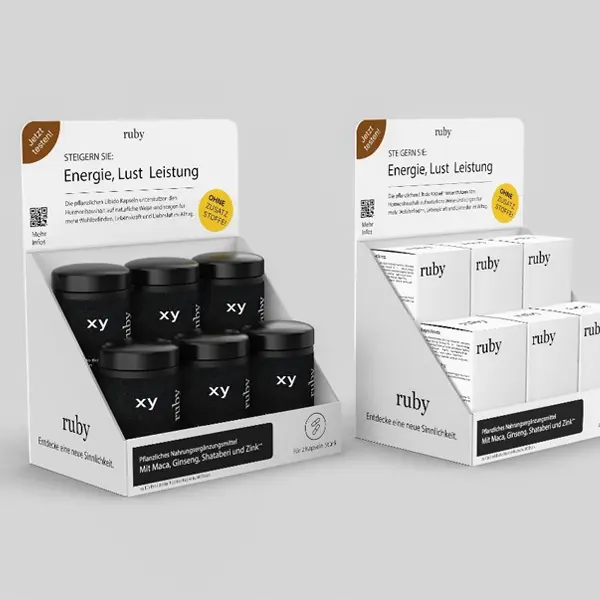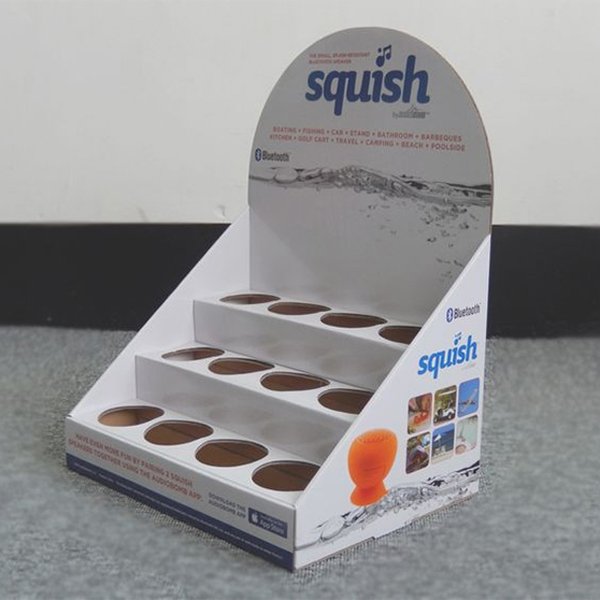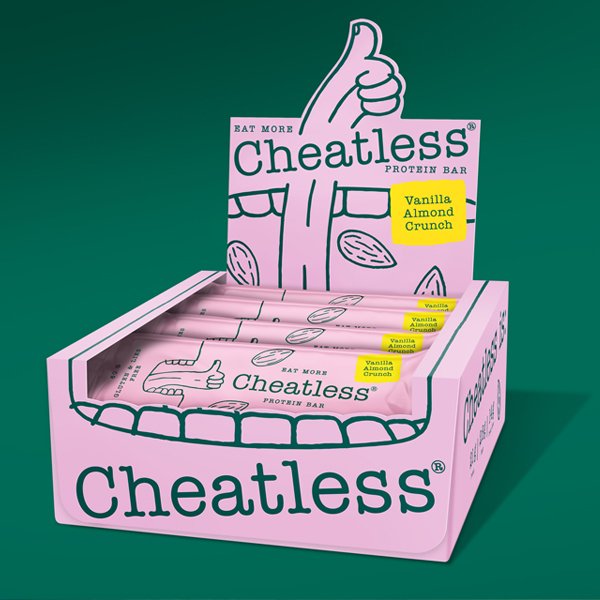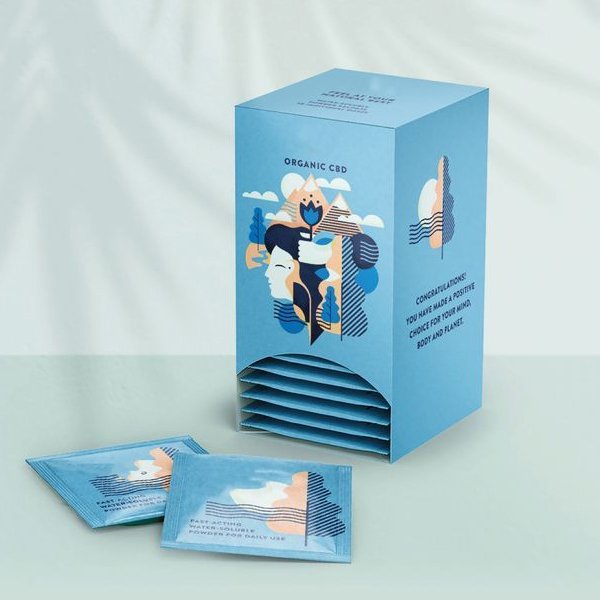
Perforated Display Boxes

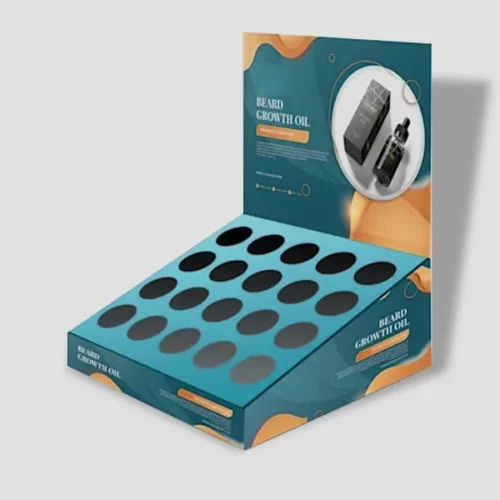
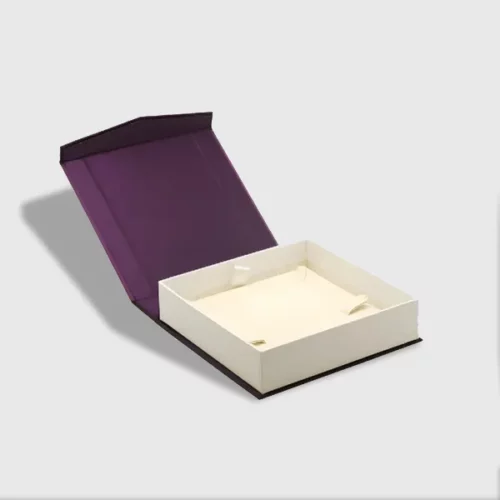
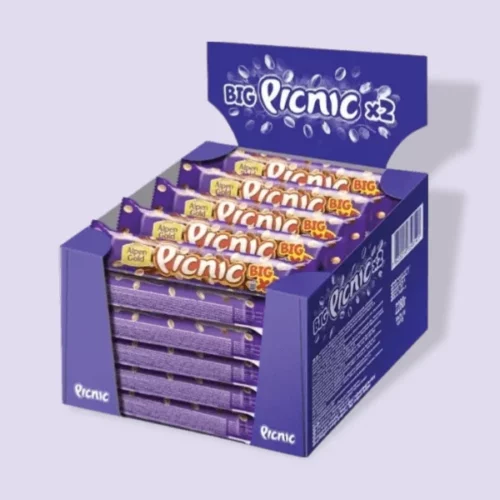
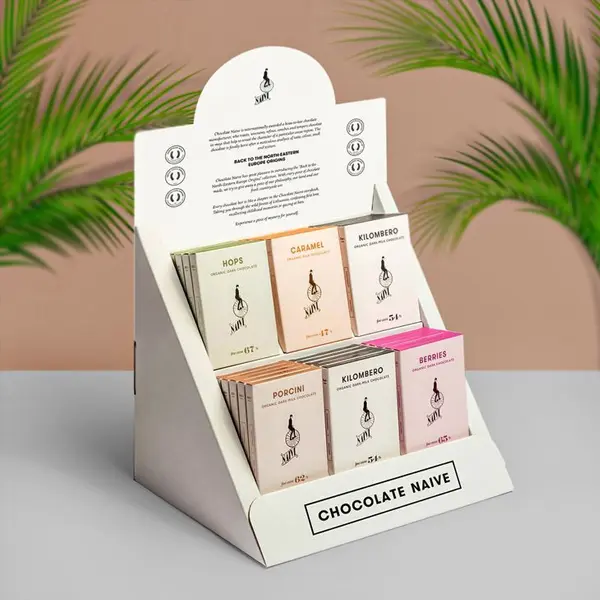
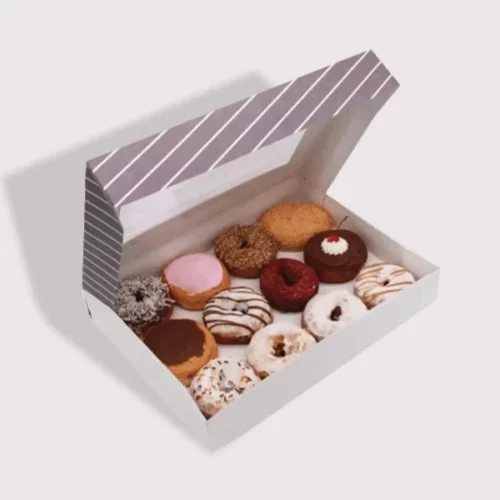
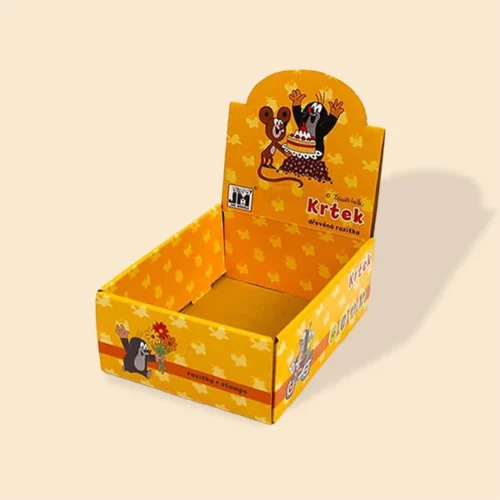
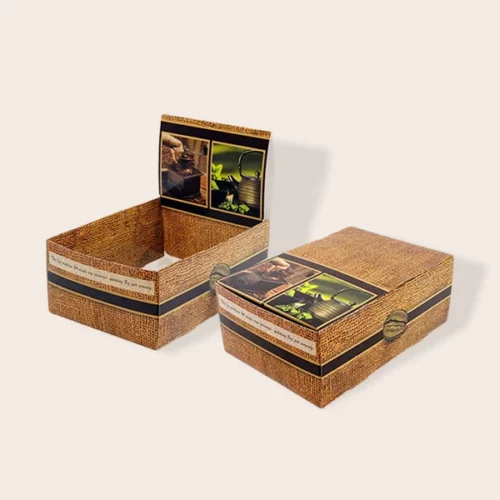
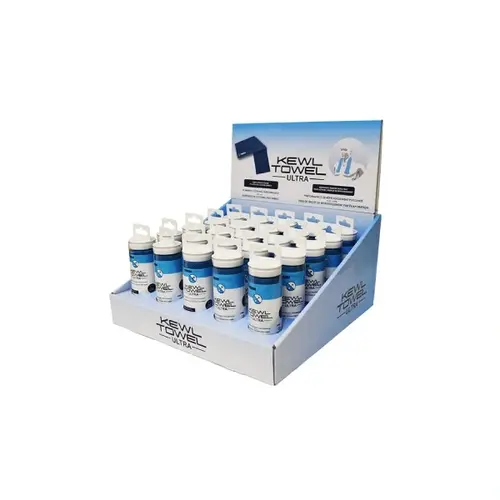
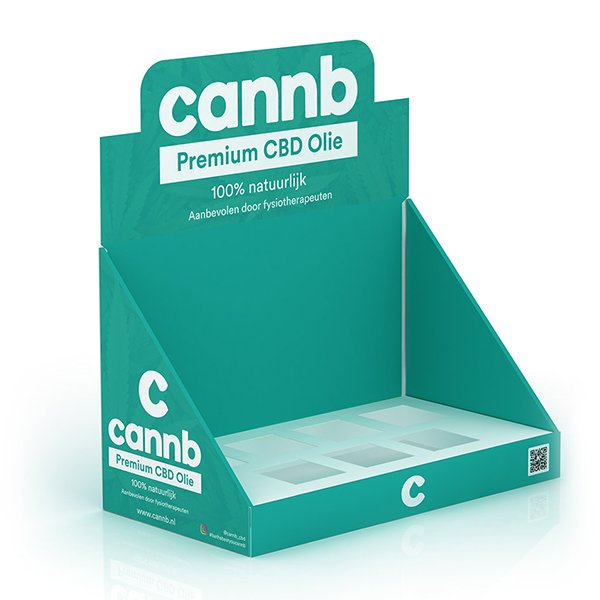
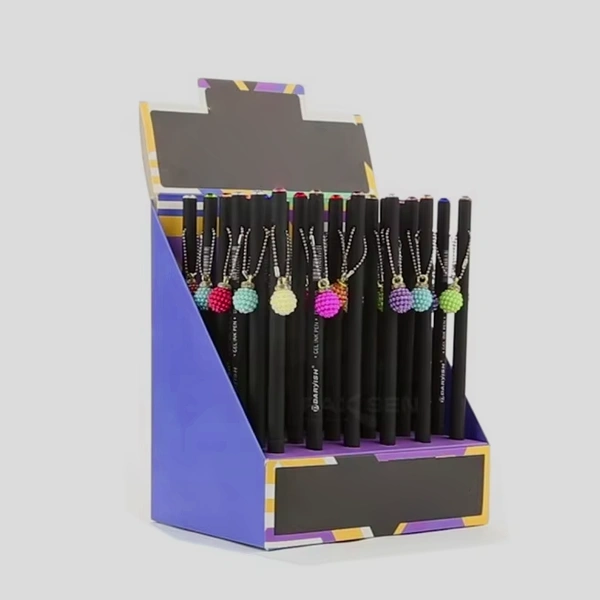
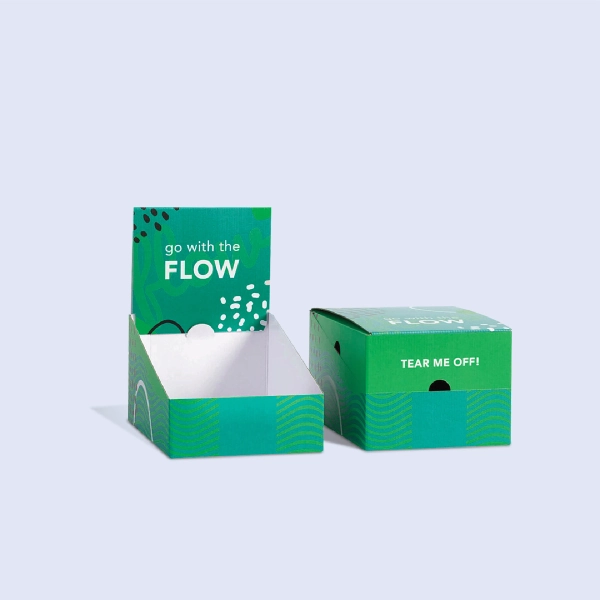
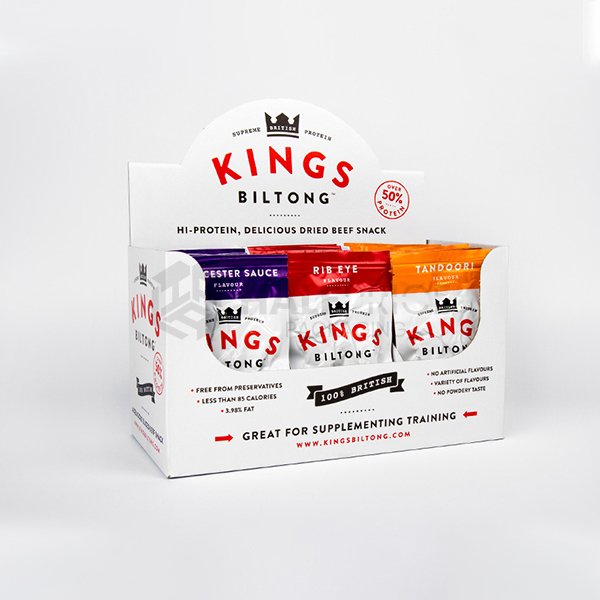
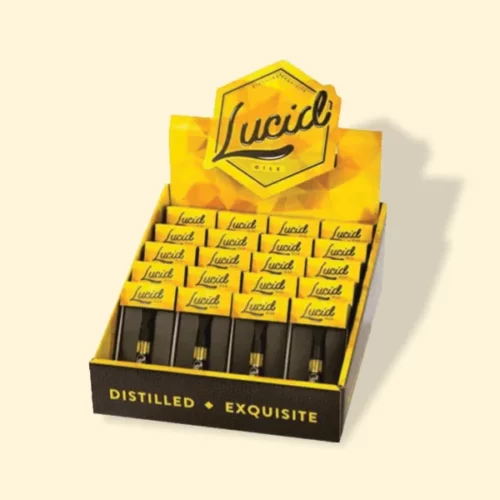
Custom perforated display boxes convert a more enclosed product pack into an open retail display through a planned tear-away panel. BoxBaba develops each structure around your finished product dimensions, unit count, SKU arrangement, loaded weight, distribution method and available shelf or counter space. Choose a removable front, top or combined opening that retains enough of the base and side walls to keep merchandise organized after conversion. Add compatible paperboard or corrugated materials, printed headers, dividers and brand artwork suited to both the closed and opened package. Our artwork and dieline support helps define the tear path and final display layout. Order from 100 units, with standard production in 5–9 business days after artwork approval and free shipping across the USA.
Trustpilot_Logo
5 out of 5 stars
4.5
Reviews 16 • Excellent

Custom Perforated Display Boxes – Custom Printed Retail Packaging for Easy Product Display & Merchandising

Custom perforated display boxes made with durable materials and premium printing, ideal for retail merchandising, quick product access, shelf presentation, and strengthening brand visibility.

What We Give

Create Custom Boxes Quick and Easy

Design

Get your custom boxes made in the required size, shape, and style.

Print

Upload your artwork and get it superbly printed the way you want.

Get it done

Order any quantity, enjoy a wholesale price, pay no extra for die plates.

Product Specification

Specification Available Options
Product Type Custom perforated and tear-away retail display boxes
Primary Function Convert a more enclosed product package into an accessible retail display
Dimensions Custom sizes based on finished products, unit count and retail footprint
Display Capacity Single-SKU or multi-SKU arrangements
Conversion Styles Tear-away fronts, removable tops and combined front-and-top openings
Retail Placement Store shelves, checkout counters and promotional areas
Materials White paperboard, kraft paperboard and suitable corrugated board
Structural Features Retaining front lips, side walls, printed headers, dividers and compartments
Perforation Custom tear path based on opening method, material and remaining support
Printing Digital, offset or suitable flexographic printing, depending on the project
Finishing Options Matte, gloss, soft-touch, spot UV, foil stamping, embossing and debossing, where compatible
Artwork Support Dieline assistance, artwork support, digital 3D mockups and proofing
Minimum Order Quantity 100 units
Standard Production Time 5–9 business days after artwork approval
Shipping Free shipping across the USA
Samples Free samples; sample delivery charges reimbursed on the first bulk order

Related Products

Stock Type & Thickness

Cardboard

We use cardboard material with the least environmental impact and minimizes waste generation.

Kraft

Kraft paper is a strong, durable and reliable material that is widely used across many different industries.
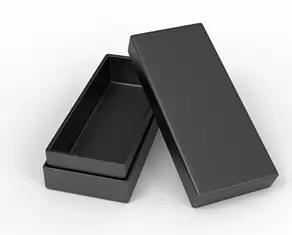
Rigid

Rigid is highly protective, affordable and recyclable material. These boxes provide maximum protection.
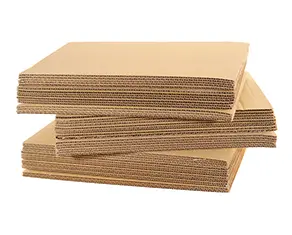
Corrugated

Corrugated material is easy to customize, cost effective and sustainable. It is also great for branding purposes.
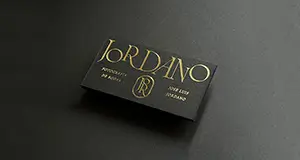
Finishing Assortment

Foil Stamping

Foil Stamping

Enhance your packaging with premium foil stamping for a bold and luxurious appearance.

Spot UV

Spot UV

Our Spot UV coating adds a sleek shine and highlights key design elements beautifully.
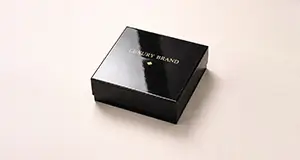
Gloss-Lamination

Gloss

Give your packaging a polished, glossy finish that enhances color and visual appeal.

Holographic Foiling

Holographic Foiling

Create eye-catching packaging with holographic foil effects that shimmer from every angle.
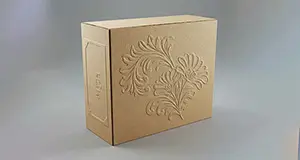
Embossing

Embossing

Add raised textures and elegant detailing to make your packaging stand out.

Debossing

Debossing

Create a refined pressed-in effect that adds depth and sophistication to your packaging.

Matte

Matte

Achieve a smooth matte finish that minimizes fingerprints and delivers a modern look.
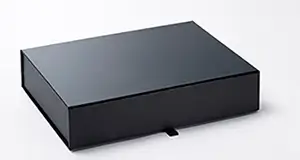
Soft Touch Lamination

Soft Touch Lamination

Protect your packaging with a silky-soft laminated finish for a premium feel.
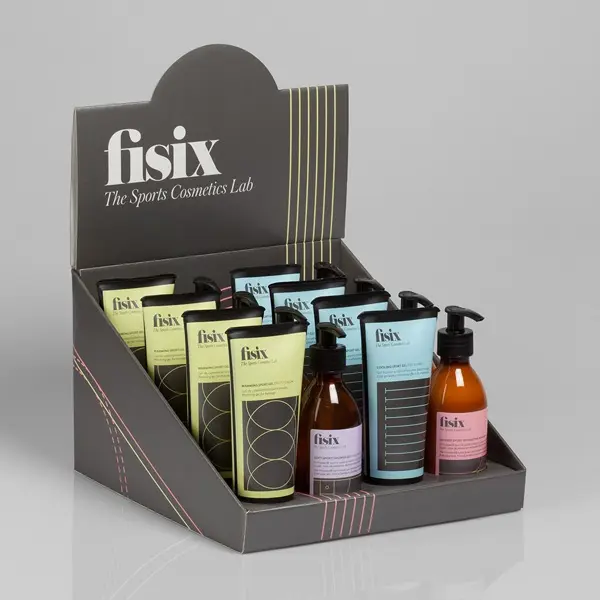
How Custom Perforated Display Boxes Work

Perforated display boxes use planned tear lines to convert a more enclosed package into an open merchandising structure. When products reach their retail location, staff remove the designated panel to expose the merchandise. Before opening, the structure provides the containment required by its packing and distribution method. After opening, the remaining base, walls and product-retaining features organize the merchandise and allow shoppers to remove individual units. This makes perforated displays different from permanently open trays. If your products do not need tear-away conversion, explore our wider Custom Display Boxes range for other merchandising structures.

Available Styles for Custom Perforated Display Boxes

The correct tear-away style depends on the merchandise, opening direction, retail footprint and support needed after the removable section is taken away.

Tear-Away Front Display Boxes

A tear-away front incorporates a removable section across the front of the package. Retail staff remove it to expose the products while retaining the required base, side walls and lower front lip. The remaining lip should hold products in position without unnecessarily concealing their shopper-facing packaging.

Perforated Front-and-Top Display Boxes

A combined front-and-top opening removes part of both panels to create a larger merchandising area. It can be considered when a front opening alone does not provide adequate visibility or customer access. The tear path must account for the remaining side walls, rear support and internal components.

Removable-Top Display Boxes

A removable-top structure uses a planned detachable or perforated cover to expose products arranged inside the remaining base. The opened tray can be used on a shelf or counter when its dimensions, product arrangement and material suit the intended location.

Custom-Shaped Tear-Away Display Boxes

Custom perforations can create shaped removable areas when a conventional opening does not meet the merchandising requirement. The tear path should account for product visibility, access, remaining wall height, folds, glue areas and board construction. Removing additional material solely for appearance may affect support after conversion. For an explanation of how tear-away displays relate to other formats, read our Types of Display Boxes guide.

Design the Closed Package and Open Retail Display Together

A perforated display must be evaluated in both configurations. Planning only the enclosed package can overlook support and customer access after opening; designing only the final display can overlook containment and handling before retail setup.

Before Retail Opening

The more enclosed package should accommodate the intended product quantity and arrangement. Consider closure, product movement, handling requirements and protection of the tear-away panel from unintended opening. Confirm whether the package travels inside a separate outer carton or serves a defined distribution function of its own.

After Retail Opening

The remaining base, side walls, rear panel, retaining lip and any compartments should continue to organize the products. The final opening needs to provide suitable visibility, customer access and practical replenishment without unnecessarily removing structural material.

How to Size Custom Perforated Display Boxes

Begin with the finished merchandise. For individually boxed products, measure the complete external retail carton; for bottles, jars and tubes, include caps, lids and other projections. Confirm these inputs before developing the dieline:
  • Product dimensions: Maximum width, depth and height of every SKU.
  • Finished unit weight: Actual weight of each retail-ready product.
  • Display capacity: Total quantity and units allocated to each SKU.
  • Product orientation: Shopper-facing panel and intended removal direction.
  • Retail footprint: Available shelf or counter width, depth and vertical clearance.
  • Tear-away configuration: Removable panel, tear direction and structure remaining after opening.
  • Packing method: Whether the display travels loaded, flat or inside another carton.
Establish both the enclosed-package dimensions and the opened-display footprint before artwork approval.

How Do Unit Count and SKU Arrangement Affect Display Size?

Unit count does not establish dimensions by itself. For example, a proposed 24-unit display might contain four rows of six, three rows of eight or several SKU groups with separate compartments. These are illustrative layouts, not standard capacities. Each arrangement affects width, depth, dividers, product access and potentially the tear-away geometry.

How Does Shelf Space Affect the Opened Display?

The remaining display must fit its allocated space after conversion. For shelf placement, confirm usable width, depth and vertical clearance; for counter placement, confirm the surface area and practical overall height. If a retailer supplies a planogram or packaging specification, provide it before structural approval.

Perforation Placement, Tear Direction and Product Access

The removable panel should expose merchandise while preserving enough structural material for the opened display to function. A front opening may leave a retaining lip; a top opening can expose products in a tray; a combined opening can provide greater visibility when the remaining structure allows it. Perforation behavior depends on the board, tear direction, panel dimensions, nearby folds, glue areas, coatings and product arrangement. A single pattern should not be assumed suitable for every structure. Where useful, printed instructions can identify the tear starting point, pull direction and removable section.

Paperboard and Corrugated Materials for Perforated Display Boxes

Material selection should reflect both the enclosed package and the display remaining after conversion. A compact unit of lightweight cartons may have different requirements from a larger structure carrying filled bottles or serving a greater distribution role.

Paperboard Perforated Display Boxes

Solid paperboard or cardstock can suit comparatively compact displays when the combined load and handling requirements are appropriate. White paperboard offers a light surface for detailed printing; kraft paperboard provides a natural brown background for compatible artwork. For other folding-carton materials and structures, explore Custom Cardboard Boxes. If solid-board retail presentation is your main requirement rather than tear-away conversion, compare Cardboard Display Boxes.

Corrugated Perforated Display Boxes

Corrugated board can be considered for larger displays, greater loaded weights or more demanding handling conditions. Choose the board specification according to the completed product arrangement, distribution method, perforation design and final display.

Dividers, Front Lips and Product-Retaining Features

A perforated display may need components that continue working after the removable panel is discarded. Dividers can separate SKUs, maintain rows and help control product movement. A retaining lip can keep products in position, while remaining side and rear walls provide additional containment. Not every display needs a separate insert. For multi-SKU arrangements, the tear-away panel should expose the required product groups without removing components that keep those groups organized. Include divider thickness when calculating usable internal space.

Perforated Display Boxes for Different Retail Products

Packaged Snacks and Confectionery

Individually packaged snacks, confectionery and similar products can be arranged in a perforated carton before shelf placement. The removable panel should expose the merchandise while leaving the required retaining structure intact. If the display directly contacts unpackaged food, confirm relevant material and food-contact requirements separately.

Cosmetics and Personal Care

Cosmetic cartons, lip-care products, skincare items and compact beauty accessories can use perforated packaging when a prepared assortment needs to convert into an open retail presentation. The tear-away configuration should preserve the SKU layout and permanent artwork. For tiered beauty presentation, tester positions or fitted holders where tear-away conversion is not the main requirement, explore Cosmetic Display Boxes.

Supplements, Wellness and Small Consumer Products

Supplement cartons, sachets, suitable containers and compact packaged accessories can be organized in tear-away structures where the format suits the retail program. Filled bottles and jars should be evaluated using their actual finished weight, not nominal volume alone.

Perforated Display Boxes vs Other Retail Display Formats

Perforated Displays vs PDQ Trays

A perforated display is defined by its tear-away conversion. A PDQ tray focuses on a prepared product arrangement, defined case count and efficient retail-ready placement. A PDQ may incorporate perforation, but does not always need it. When case-pack organization is the main requirement, explore PDQ Trays and Boxes.

Perforated Displays vs Dispenser Boxes

A dispenser controls how individual products are removed after setup, whereas a perforated display removes a section to expose merchandise. A dispenser may have a removable cover, but dispensing remains its primary function. For products requiring a controlled access opening, compare Dispenser Boxes.

Perforated Displays vs Countertop Displays

Counter displays are defined by placement; perforated displays are defined by conversion. A perforated box can become a countertop display after opening, but not every counter display requires a removable panel. If checkout-counter placement is your main purchasing requirement, see Counter Top Display Box.

Can Perforated Display Boxes Work as Shipper-to-Display Packaging?

A perforated box can serve both distribution and retail-display functions when specifically engineered for those purposes. Its enclosed configuration must accommodate the planned distribution process, while the opened structure must retain the products and permit access. Some perforated displays travel inside separate outer cartons; others may be designed for flat packing or later loading. A retail display should not automatically be assumed suitable as its own shipping carton. Establish the packing, handling and retail setup requirements before structural approval.

Available Printing Methods for Custom Perforated Display Boxes

Custom printed perforated displays can include logos, product imagery, promotional messages, opening instructions, SKU identifiers, barcodes, QR codes and suitable retail markings. Choose a printing method according to the board, artwork, order quantity and production specification. Digital printing can suit compatible projects requiring flexible artwork setup. Offset printing can be considered for detailed graphics and suitable production quantities. Flexographic printing may be appropriate for compatible corrugated projects when the artwork and production requirements support it. CMYK artwork supports process-color graphics; Pantone references can communicate brand-color targets where needed. Review printing in both closed and opened configurations so essential permanent information does not disappear with a removed panel.

Finishing Options for Custom Perforated Display Boxes

Compatible decorative options can include matte and gloss lamination, soft-touch lamination, spot UV, foil stamping, and embossing or debossing. Their suitability depends on the board, print process and approved structure. Treatments crossing tear lines may be disrupted during opening or interfere with the intended conversion. Confirm decorative placement against perforations, folds, glue areas and removable panels before approval.

Artwork, Dieline and Proofing for Tear-Away Displays

A perforated display dieline defines the cuts, creases, tear lines, glue areas and structural panels. Establish the removable section before positioning essential graphics. Review both the enclosed-package and opened-display views. A removable panel may carry opening instructions or temporary campaign artwork, but permanent brand identification and required retail information should remain visible on the finished display. Changes to the product dimensions, quantity, material or tear-away geometry after approval may require revisions to the dieline and artwork.

Samples and Physical Evaluation

Digital proofs and 3D mockups help buyers review artwork and proposed geometry; they cannot physically demonstrate tear behavior. When opening quality, product fit or loaded-display stability matters, a suitable physical sample can provide additional information before bulk production. Confirm the sample type and availability for the project. BoxBaba offers free samples, with sample delivery charges reimbursed on the first bulk order; custom structural sampling requirements should be discussed when requesting a quotation.

What Affects the Cost of Custom Perforated Display Boxes?

Quotation depends on enclosed-package and opened-display dimensions, material, product quantity, loaded weight, perforation and die-cut complexity, dividers, printing, finishes, assembly requirements and total order quantity. A straightforward front tear-away box and a multi-compartment display with a combined front-and-top opening may require different production steps. Providing complete product and retailer specifications helps the quotation reflect the intended configuration.

Why Choose BoxBaba for Custom Perforated Display Boxes?

BoxBaba develops tear-away displays around your product dimensions, unit quantity, loaded weight and intended retail presentation. Choose suitable paperboard or corrugated construction with compatible front lips, dividers and printed headers. Get artwork assistance, dieline support, digital 3D mockups and proofing before production approval. Order from 100 units, with standard production in 5–9 business days after artwork approval and free shipping across the USA. Free samples are available, with sample delivery charges reimbursed on the first bulk order.

Request a Custom Perforated Display Box Quote

Order perforated display boxes developed around your merchandise, required containment and final retail-presentation requirements. Share finished product dimensions and weight, quantity per display, SKU arrangement, desired tear-away area, available shelf or counter space, material preference, packing method, artwork, retailer specifications, finishing requirements and total order quantity. Request a custom display box quote using BoxBaba’s display-packaging quotation form. Include your product measurements and intended tear-away arrangement so the proposed structure, perforation, remaining support and proofing requirements can be evaluated. Place your order by calling +1 305 574 4357 or emailing sales@boxbaba.com.

Frequently Asked Questions

Find all the urgent questions you may have.

Custom perforated display boxes have planned tear lines that allow a designated panel to be removed, converting a more enclosed package into an open retail display. Dimensions, material, tear-away geometry and product arrangement can be customized according to the merchandise.
The removable section can be developed around a suitable front, top or combined opening. Placement depends on product visibility, customer access, remaining structural support and the final retail configuration.
No. Shelf-ready packaging can also use permanently open trays and other retail-ready structures. Perforation is useful when part of the package needs to remain enclosed before retail setup and then be removed.
Yes, when specifically developed for both distribution and retail presentation. Some projects instead require a separate outer shipping carton. Confirm the intended handling and remaining support after opening before production.
Measure the finished products and confirm quantity, SKU arrangement, loaded weight and available retail footprint. Establish both the enclosed-package requirements and final opened-display dimensions before approving the dieline.
Yes. Multiple product variations can be organized using rows, compartments or dividers. Measure products with different dimensions separately and make sure the removable panel does not disturb the intended arrangement.
A physical sample can be useful when opening behavior, product fit or loaded-display stability matters. Digital proofs show planned structure and artwork but do not demonstrate physical tear performance. Confirm suitable sample options during quotation.
BoxBaba's minimum order quantity is 100 units. Final pricing depends on dimensions, material, perforation design, printing, finishing and order quantity.
Standard production takes 5–9 business days after artwork approval. Shipping and transit time are separate; establish any project-specific sampling requirements when ordering.
Yes. BoxBaba offers free shipping across the USA for its applicable custom perforated display packaging orders. Confirm international shipping arrangements and project-specific requirements during quotation.

Get a Custom Quote