
































Free Shipping

On All Orders

No Setup Charges

On Bulk Orders

Free Design Support

From Our Experts

100% Secure Payment

Safe & Encrypted

Four Corner Display Lid

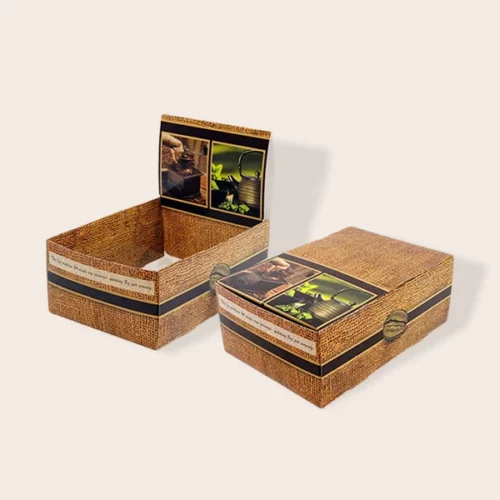
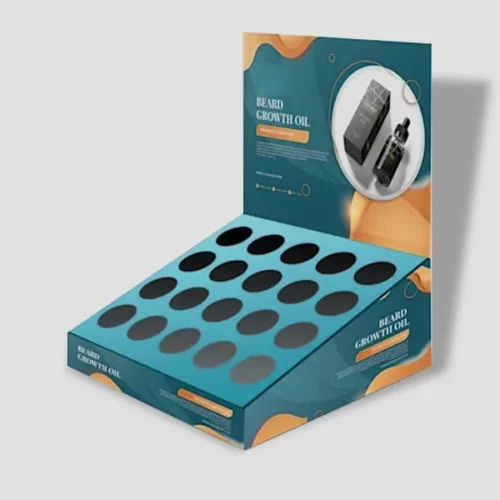
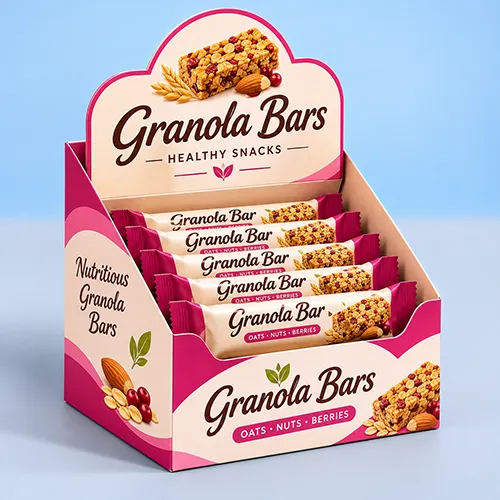
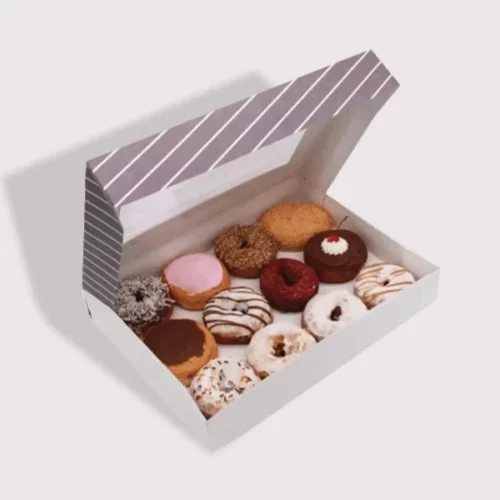
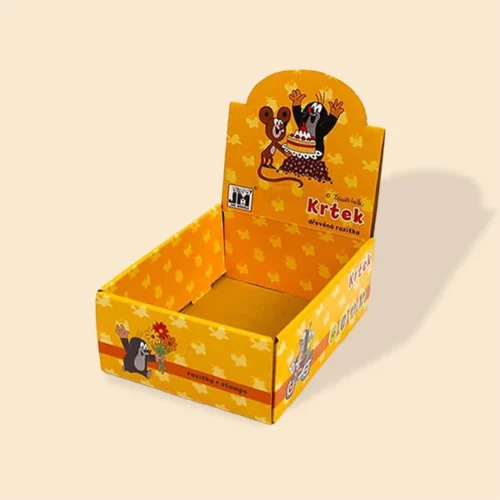
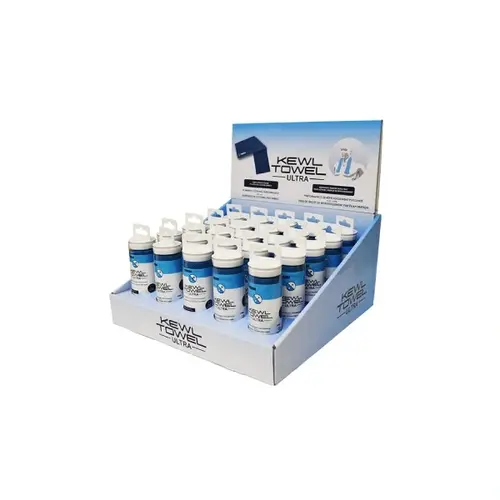
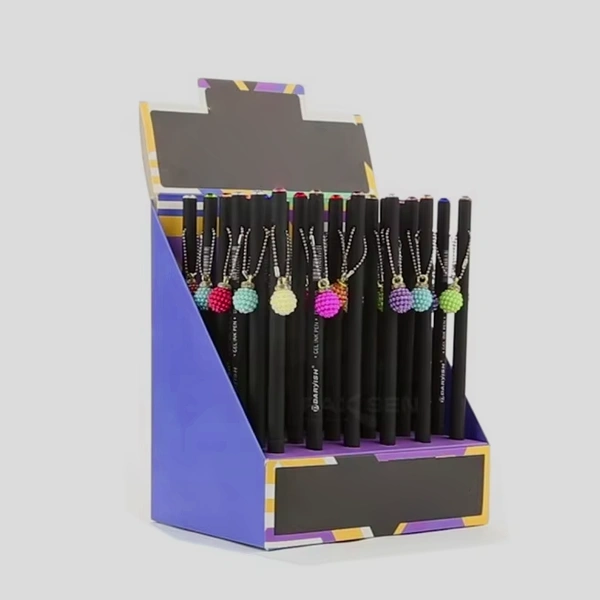
Custom four corner with display lid boxes combine a four-corner tray structure with an integrated upper panel for product presentation. BoxBaba develops each box around your finished product dimensions, unit quantity, SKU arrangement, loaded weight and intended display setup. The tray and display lid are developed as one structural system according to the approved dieline. Choose custom dimensions, dividers, printing and compatible finishes according to the actual merchandise and packing requirements. MOQ starts from 100 units, with artwork assistance, dieline support and digital 3D mockups.

Why Choose BoxBaba for Four Corner Display Lid

Four Corner Display Lid Boxes – Custom Printed Packaging for Retail Display, Product Protection & Branding

Four corner display lid boxes made with durable materials and premium printing, ideal for retail merchandising, product presentation, secure packaging, easy access, and professional branding.

How It Works

Custom Packaging Made Quick & Easy

Quote & Design Support

Share your packaging requirements, get a competitive quote, and receive free design assistance from our team.

Artwork & Printing

Finalize your artwork, printing options, and finishes the way you want with help from our design team.

Production & Delivery

Once your artwork is approved, we’ll produce and deliver your custom boxes within an estimated 5–9 business days.

Related Products

Four Corner with Display Lid Boxes for Product Presentation

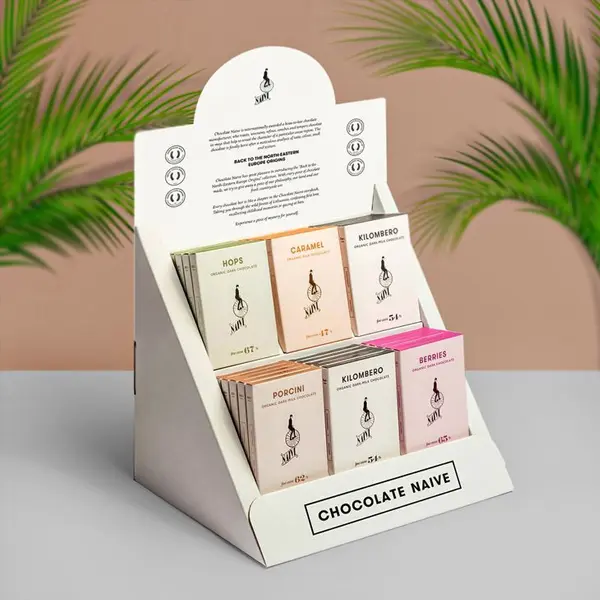
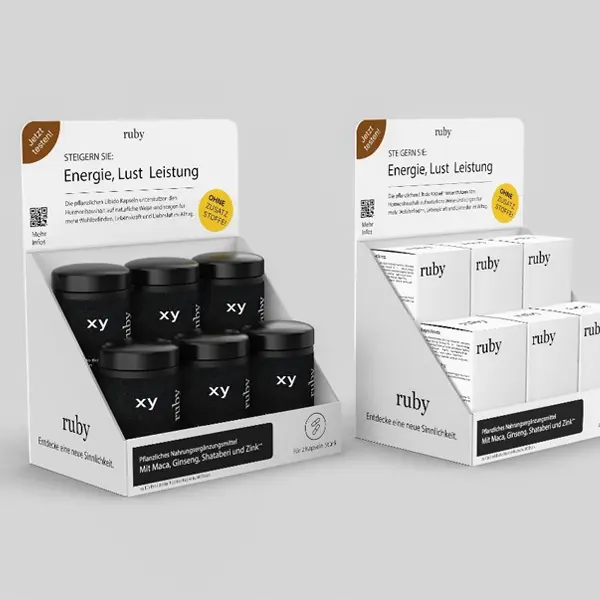
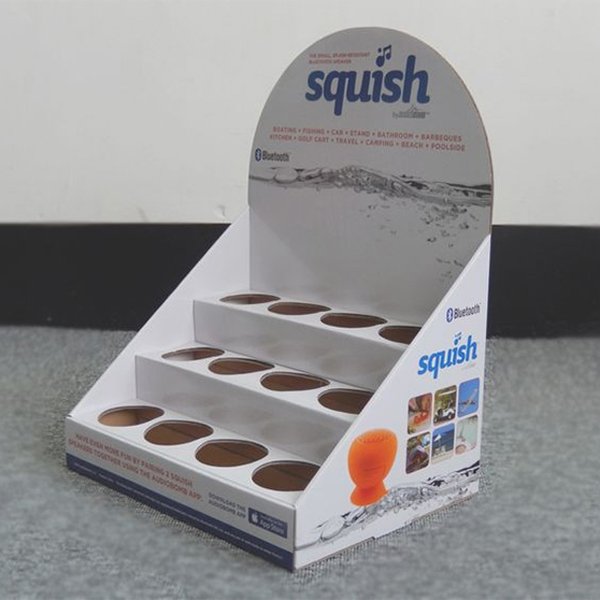
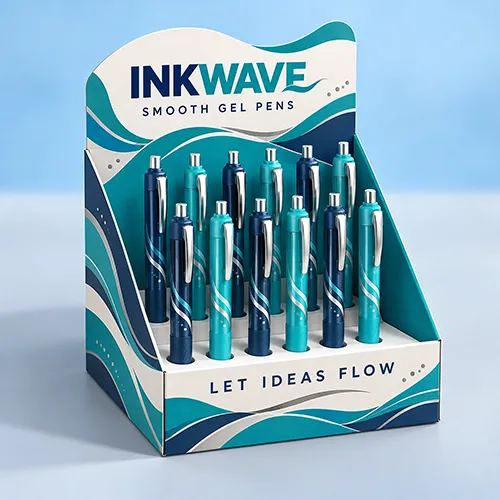
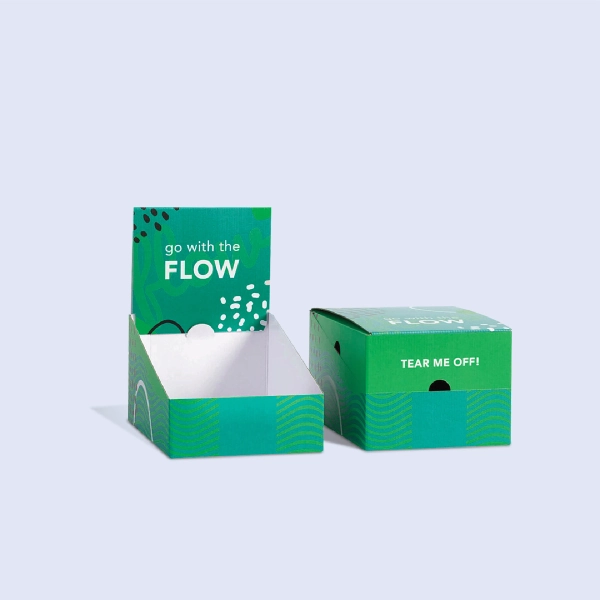
A Four Corner with Display Lid Box combines a product-holding tray with an upper panel developed for presentation. The four-corner structure defines the tray. The display-oriented lid provides the second function. Depending on the approved dieline, the corner areas may be prepared during manufacturing so the tray can be supplied in a collapsed configuration and erected at the packing location. The upper panel is then configured according to the intended closing and display requirements. The central relationship is: →→→→Four-Corner Tray  Product Arrangement  Product Retention  Display Lid  Visibility and Access Buyers comparing other retail-display structures can explore Custom Display Boxes.

What Is a Four Corner with Display Lid Box?

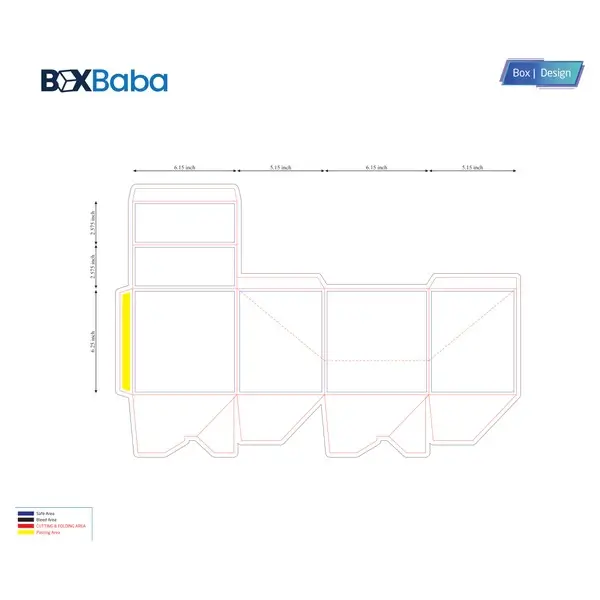
A Four Corner with Display Lid Box combines a four-corner tray with an integrated lid or upper panel used as part of the final packaging and presentation. The tray forms the primary product-holding area. Four-corner tray configurations commonly use connected corner sections to establish their shape. Some are pre-glued for collapsed supply, while other construction details can vary according to the dieline and production method. The lid adds the display-oriented function. The exact corner joints, lid folds, locking features and assembly sequence should therefore be defined by the approved structural dieline.

When Should You Choose This Structure?

Choose a Four Corner with Display Lid when both the tray construction and integrated upper panel contribute to the required packaging workflow. It can suit projects where merchandise needs a tray-style base plus an additional panel for closure, branding or retail presentation. A standalone Four Corner Tray may be more appropriate when the open tray already performs the required product-holding and merchandising function. The display-lid version should be selected because the upper panel provides genuine functional or presentation value, not simply because it creates a more complex structure.

How Does the Four-Corner Tray Work?

A four-corner tray forms its base and side walls through connected corner sections. Many commercial configurations use corner connections prepared during production so the tray can remain collapsed during storage and be erected before loading. However, “four corner” describes the tray style rather than one universal glue or locking method. The exact construction depends on the board, dimensions, corner geometry and production method. The approved dieline should remain the final reference for assembly.

How Should a Four Corner Display Lid Box Be Sized?

Start with the finished merchandise. Measure the maximum external width, depth and height of every SKU that will sit inside the tray. Include lids, caps, closures and other projections that change the product footprint. Also confirm finished unit weight and quantity. Then establish the intended product arrangement. Use this sequence: Finished Product → Maximum Dimensions → Unit Weight → Unit Quantity → SKU Arrangement → →→→→→Loaded Weight  Internal Tray Size  Four-Corner Structure  Display Lid  Material  Dieline There is no universal Four Corner Display Lid size or capacity. The structure should follow the complete loaded arrangement.

Internal Dimensions and Product Fit

The usable internal tray dimensions need to be developed around the actual products. Corner geometry, wall folds, dividers and other structural components can reduce the space available inside the finished tray. This means an outside dimension alone is not enough to confirm product fit. For rectangular cartons, review the complete row arrangement. For bottles, jars and irregular products, measure the widest finished profile. The tray should be developed around the loaded internal arrangement first, with the external structure calculated from that requirement.

Why Does Loaded Weight Matter?

The four-corner tray supports the complete merchandise load once erected. The combined product weight therefore matters when the board and structural configuration are selected. A tray holding lightweight folding cartons creates different requirements from one containing several filled bottles or jars. Loaded weight can influence the base, side walls, corner structure, dividers and material. A four-corner structure should not be assigned a universal load capacity based only on its style name.

Packing and Display Configurations

Where the lid performs a role during both packing and merchandising, review the box in each intended configuration. Before display setup, confirm product fit, loading direction, closure and handling requirements. In the display configuration, confirm that the upper panel reaches its intended position without interfering with product visibility or access. The exact lid movement is dieline-dependent. Depending on the approved structure, the panel may fold, hinge, reposition or use another configuration. Do not assume one lid movement applies to every Four Corner with Display Lid project.

How Should the Display Lid Be Planned?

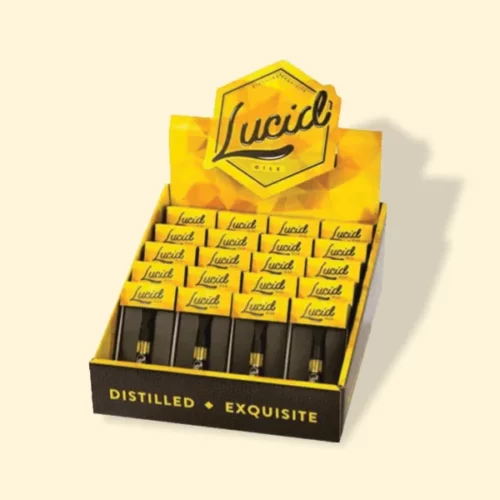
The display lid should be developed together with the tray rather than added after the base dimensions are established. Its dimensions affect the flat dieline, total packaging height, artwork space and potentially the final retail footprint. Product height also affects how the display panel appears behind or around the merchandise. The lid should be large enough to perform its required presentation function without making packing, handling or final placement impractical.

Product Visibility and Shopper Access

The tray should expose enough of the merchandise for shoppers to identify the product while retaining enough structure to keep the units organized. The important visible area may be the product name, label, flavor, shade, container shape or another shopper-facing feature. Access needs to be planned separately. A product can be easy to see but difficult to remove if the tray wall or display-panel position restricts access. The target relationship is: Product Retention + Visibility + Shopper Access + Display-Lid Presentation

Four Corner with Display Lid vs Standard Four Corner Tray

Both structures belong to the four-corner tray family. The difference is the upper presentation component. A standard Four Corner Tray provides the tray structure without making an integrated display lid its defining feature. A Four Corner with Display Lid includes an upper panel that contributes to the packaging or merchandising configuration. Choose the open tray where no display lid is required. Choose the display-lid structure where the integrated upper panel has a defined purpose. For tray-only projects, explore Custom Four Corner Trays.

Four Corner Display Lid vs Auto Bottom with Display Lid

These structures can both contain display-oriented upper panels, but their base systems are different. Four Corner with Display Lid is defined by its four-corner tray construction. Auto Bottom with Display Lid is defined by its automatic-bottom erection method. The distinction is: Four Corner Display Lid → Tray Construction Auto Bottom Display Lid → Bottom Erection Method The correct format should follow the packing and structural requirement rather than assuming one is universally better.

Four Corner Display Lid vs Double Wall Display Lid

A Four Corner Display Lid is organized around its four-corner tray structure. A Double Wall Display Lid is organized around doubled or folded side-wall geometry. Both can include a display-oriented upper panel, but their underlying tray and wall construction differ. Product dimensions, loaded weight, assembly method and the approved dieline should determine which structure is more appropriate.

Four Corner Display Lid vs Perforated Display Boxes

A Four Corner Display Lid uses the four-corner tray and display panel as its defining structure. A Perforated Display Box relies on a planned tear path so a section of the packaging can be removed during setup. The distinction is: Four Corner Display Lid → Four-Corner Tray + Display Panel Perforated Display → Tear-Away Conversion Where panel removal is the main setup mechanism, the perforated format should own that decision.

Single-SKU and Multi-SKU Arrangements

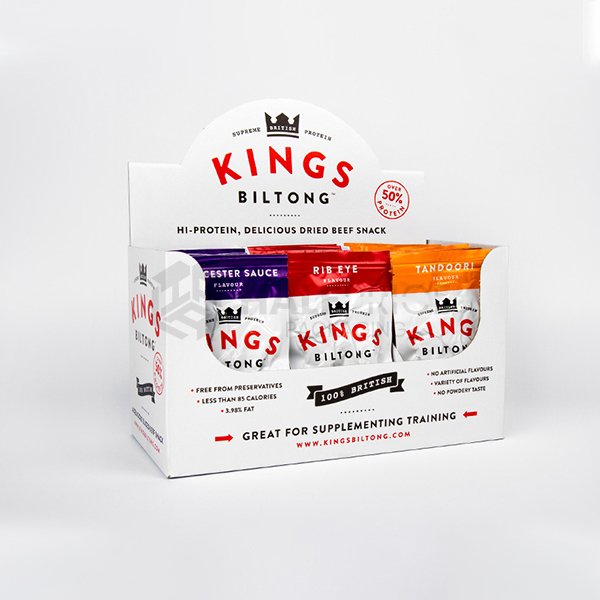
A four-corner display can contain one product type or a compatible assortment. Single-SKU displays may use repeating rows of products with matching dimensions. Multi-SKU displays can use separate rows, compartments or partitions where different variations need to remain organized. Measure each SKU independently when its external dimensions differ. The same total quantity can require a different tray when the product arrangement changes.

Do Four Corner Display Lid Boxes Need Dividers?

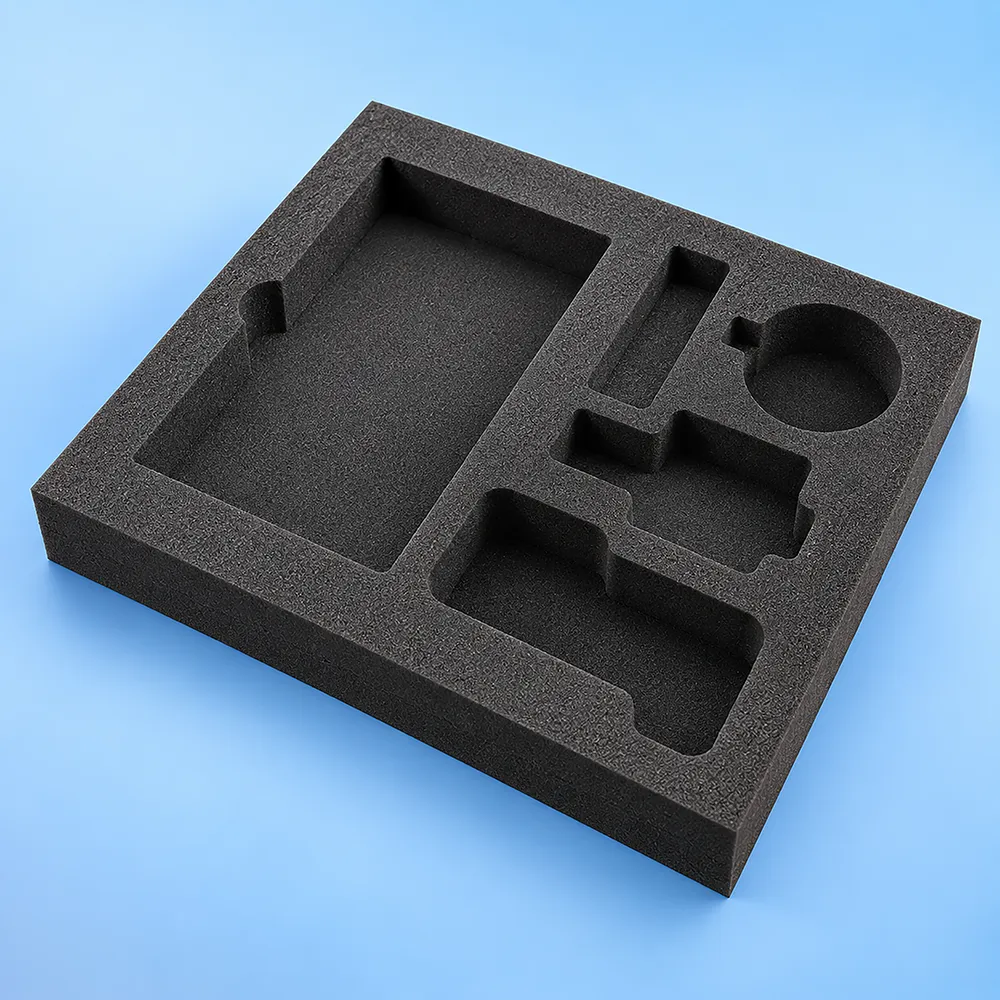
Not always. Stable cartons may remain organized inside the tray without separate partitions. Dividers become useful where different SKUs need separation, narrow products require row alignment or bottles and other products need additional movement control. The internal component should solve a defined product-fit or organization problem. Do not add partitions automatically when the tray itself already performs the required function.

Four Corner Displays for Cartons and Packaged Products

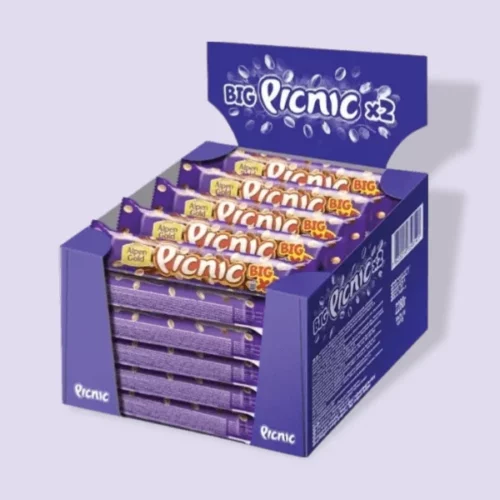
Folding cartons and other rectangular packaged goods can often be arranged efficiently inside four-corner trays. Size the tray from the finished package dimensions rather than from the product contained inside the carton. For multi-SKU arrangements, partitions can help maintain separate sections where necessary. The front retaining area should also keep important shopper-facing product information visible.

Four Corner Displays for Bottles and Jars

Bottles and jars require additional attention to loaded weight and stability. Measure the widest external point, base footprint, overall height and closure profile. When several units share the tray, evaluate the complete loaded arrangement instead of sizing from one container alone. Do not use nominal container capacity as a substitute for external measurements. Containers with the same stated capacity can have different dimensions and finished weights.

Four Corner Displays for Cosmetics and Personal Care

Cosmetic cartons, skincare products and other compact personal-care items can use Four Corner with Display Lid structures where the tray-and-lid relationship fits the merchandising program. Rows or partitions may help organize shades, formulas or multiple SKUs. Where tester positioning, custom product holders or more complex beauty-merchandising requirements become central, explore Cosmetic Display Boxes.

Packaged Food Applications

Four-corner tray structures can also be used around suitable packaged-food products where the structural format fits the merchandise. The box should be developed around the finished packaged item unless direct-food-contact requirements have specifically been established. Do not assume that every board, coating, ink or finish available for this structure is suitable for direct contact with unpackaged food. Confirm direct-food-contact requirements separately before production.

Material Selection

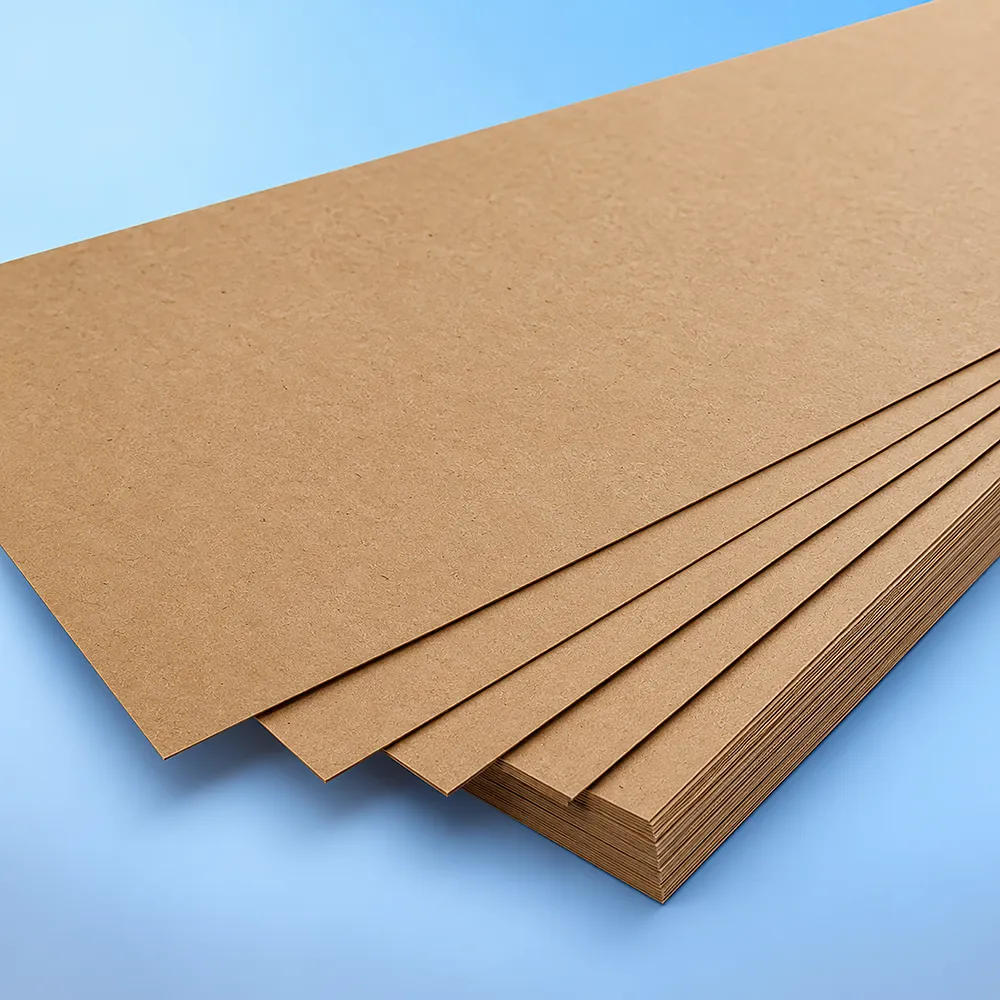
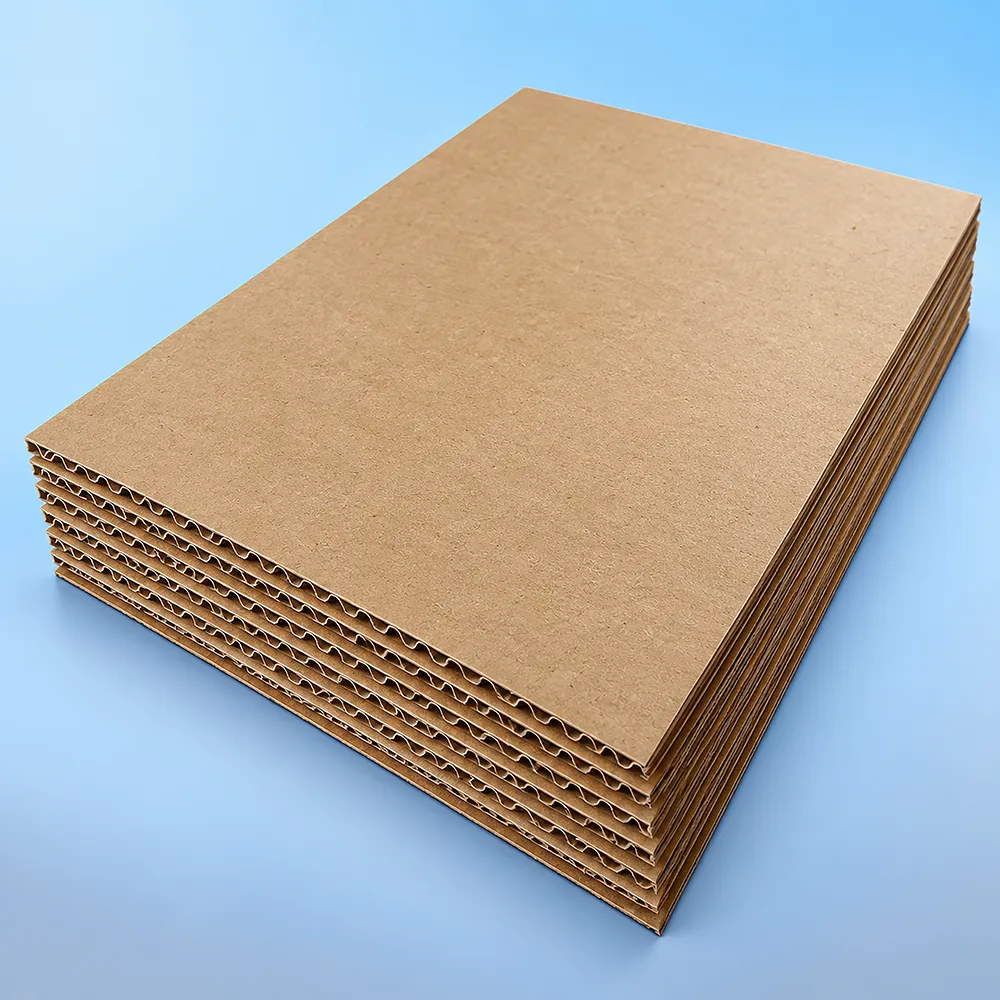
Material should follow the finished dimensions, loaded weight, corner construction, lid geometry and printing requirements. Paperboard or cardstock can suit compact display structures where the loaded arrangement is appropriate. Kraft-style paperboard may also be considered where it fits the desired appearance and print specification. Corrugated or other board constructions should be used only where compatible with the approved Four Corner with Display Lid structure. The box style itself does not determine the material specification.

Can a Window Be Added to the Display Lid?

A die-cut opening may be possible where the lid geometry and remaining panel area allow it. If transparent film is required, treat the film-backed window as a separate structural and material specification. The opening should be planned around product location, lid folds, artwork and remaining structural support. Window feasibility should be reviewed before the dieline is approved rather than added afterward.

Artwork for the Display Lid

The display panel can provide one of the most visible printed areas of the finished structure. Artwork may include a logo, product-family name, campaign message, promotional graphic or approved QR code. Its orientation should be checked in the actual display configuration. A graphic that appears correct on the flat dieline may rotate or shift visually after the lid is positioned. Use this workflow: →→→→Product Dimensions  Product Arrangement  Four-Corner Tray  Display-Lid Position  Material → Dieline → Artwork → Proof → Approval

Artwork Around Corner and Fold Areas

Four-corner construction introduces structural folds, corner areas and possible glue zones that need attention during artwork preparation. Keep important text, logos and barcodes clear of critical structural areas unless their placement has been specifically reviewed. The same applies to the display-lid fold. Final artwork should be checked on the approved structural mockup rather than only as a flat graphic.

Printing and Finishing Options

Four Corner with Display Lid Boxes can carry artwork across the display lid, tray walls and other approved printable areas. Printing can include logos, product graphics, SKU identifiers, promotional messaging, QR codes, barcodes and other approved information. CMYK can reproduce process-color artwork. Pantone references can be supplied where a specific target brand color needs to be communicated. Compatible finishing options can include matte or gloss lamination, soft-touch lamination, Spot UV, foil stamping, embossing and debossing. Final compatibility depends on the selected material and structure. Keep critical treatments clear of active folds, glue zones and structural edges where necessary.

Can Four Corner Display Lid Boxes Be Supplied Flat?

Many four-corner configurations can be developed for collapsed supply. The tray is then erected at the packing location before merchandise is loaded. The exact collapsed format and erection sequence depend on the approved configuration. Confirm where assembly will occur, where products will be loaded and whether the package needs to travel in another configuration before retail setup. The structure should fit the actual fulfillment workflow.

Should the Structure Be Physically Tested?

A digital 3D mockup can help review overall proportions, lid position and artwork. It cannot physically confirm tray erection, corner behavior, loaded stability, product fit or shopper access. Where these factors are important, a physical structural sample may provide a stronger reference. Confirm the available physical sample type and sampling process for the specific project.

How Do Product Changes Affect Repeat Orders?

A Four Corner with Display Lid dieline is developed around an approved combination of product dimensions, quantity, arrangement, material and lid geometry. Changes to product width, container diameter, carton height, SKU arrangement, divider pattern, material or display-lid dimensions can affect the existing structure. Before repeat production, compare the current specifications with the previously approved version. Useful controlled references include:
  • approved artwork;
  • approved dieline;
  • current product dimensions;
  • SKU arrangement;
  • material specification;
  • finish specification;
  • production notes;
  • approved physical sample where available.
If the merchandise or structure changes, review the fit before repeating production.

What Affects the Cost of Four Corner Display Lid Boxes?

There is no universal price because projects vary in dimensions, materials and structural requirements. Pricing can be influenced by tray dimensions, product quantity, loaded weight, corner construction, display- lid size, dividers, printing, print coverage, finishing, assembly requirements and total order quantity. A compact paperboard display holding lightweight cartons has different production requirements from a larger structure containing heavier products. Complete specifications allow the quotation to reflect the actual project.

What Information Should You Send for a Quote?

Provide the finished dimensions and weight of each product, quantity per display, number of SKUs and intended product arrangement. Also explain the required display-lid configuration, important shopper-facing product areas, access direction and whether dividers or other internal supports are required. Where known, include the material preference, artwork status, printing and finishing requirements, total order quantity and shipping destination. Also identify where the displays will be assembled and products loaded when fulfillment affects the structure. If you already have an approved dieline or physical packaging reference, include it with the project information.

Order Custom Four Corner with Display Lid Boxes from BoxBaba

BoxBaba develops Four Corner with Display Lid Boxes around the finished merchandise, loaded arrangement, four-corner tray geometry and display-lid configuration rather than one predetermined size. MOQ starts from 100 units on most product lines. BoxBaba provides artwork assistance, dieline support and digital 3D mockups before production. Eligible standard projects may have production turnaround starting from 5–9 business days after specifications and artwork are approved, depending on structure, material, quantity, finishing, sampling and other project requirements. Free USA shipping is available on eligible custom packaging orders. The process follows: Share Product Specifications → Define Product Arrangement → Confirm Four-Corner Tray → Define Display-Lid Configuration → Select Material → Prepare Dieline → Add Artwork → Review Proof → Approve → Production

Request a Four Corner with Display Lid Quote

Share your finished product dimensions, unit weight, quantity, SKU arrangement, display-lid requirement, preferred material, artwork and total order quantity. These details allow the tray and display panel to be developed around the actual merchandise before final dieline approval.

Packaging Partner for Your Success

At BoxBaba, innovation meets quality. We offer fully customized printed boxes, backed by a team that is responsive, reliable, and effortless to work with.

5000+

Clients Served

2.5M+

Boxes Delivered

98%+

Happy Clients

5+

Years of Trust

Frequently Asked Questions

Find all the urgent questions you may have.

A Four Corner with Display Lid Box combines a four-corner tray structure with an integrated lid or upper panel developed for product presentation.
A four-corner tray forms its base and side walls through connected corner sections. The exact corner connection and erection method depend on the approved structural dieline.
No. Pre-glued corner constructions are common, but the exact corner connection should be confirmed for the specific BoxBaba structure.
Yes, where the structure is developed around the finished dimensions, total loaded weight and required product support.
Yes. Artwork can be placed on the display lid, tray walls and other approved printable surfaces.
A window may be possible where the lid geometry and selected material allow it. Film-backed windows should be specified separately and reviewed during structural development.
Many four-corner configurations can be developed for collapsed supply. The exact format and erection sequence depend on the approved structure.
Testing can be useful where tray erection, product fit, loaded stability, lid movement or shopper access is critical. Confirm the available sample type for the specific project.
BoxBaba's MOQ starts from 100 units on most product lines. Exact requirements can depend on the structure, material, printing and finishing specifications.
Eligible standard projects may have production turnaround starting from 5–9 business days after specifications and artwork are approved. Final timing depends on the structure, material, quantity, sampling and finishing requirements.