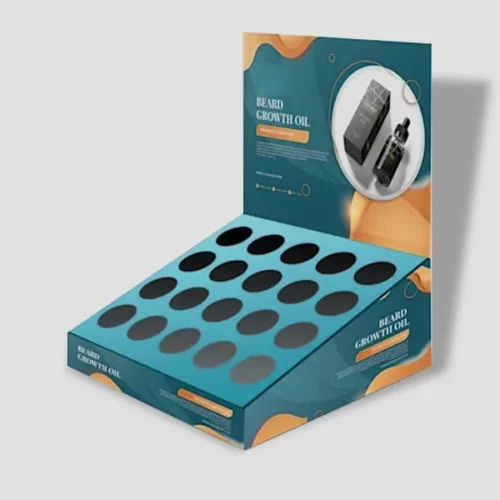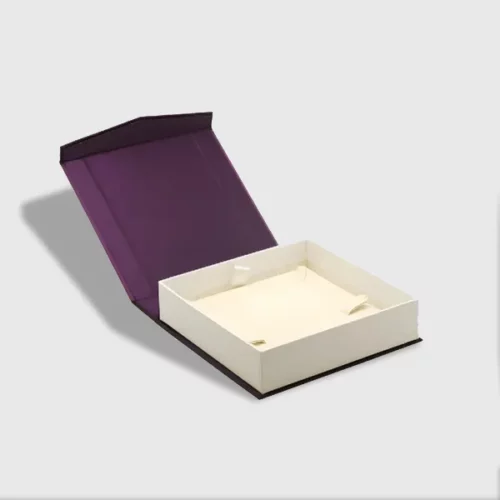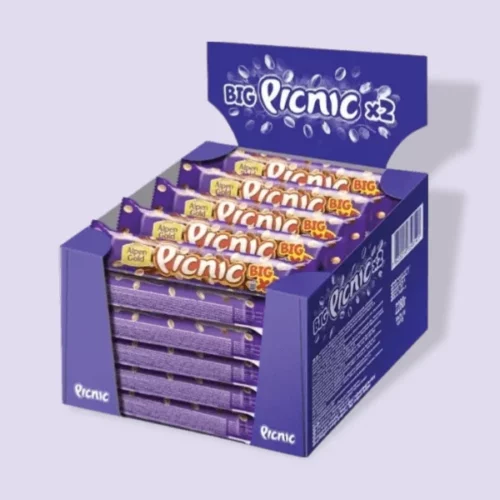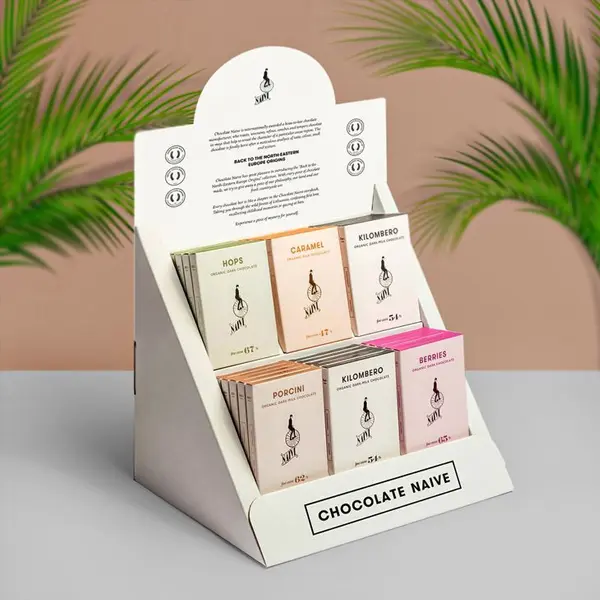

Dispenser Display Boxes

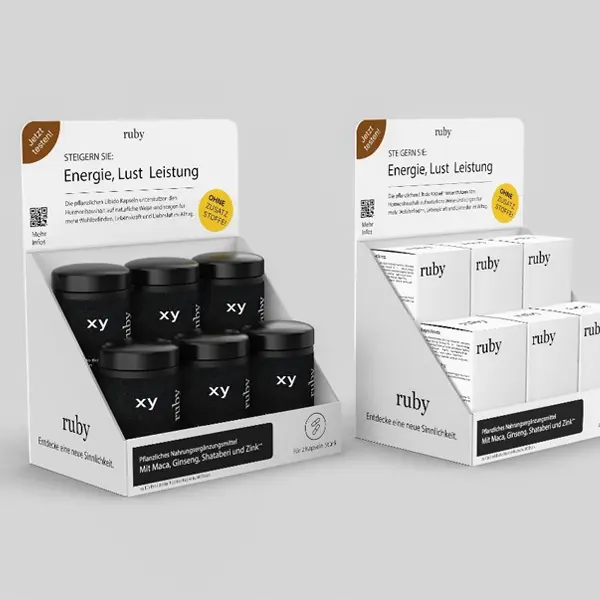
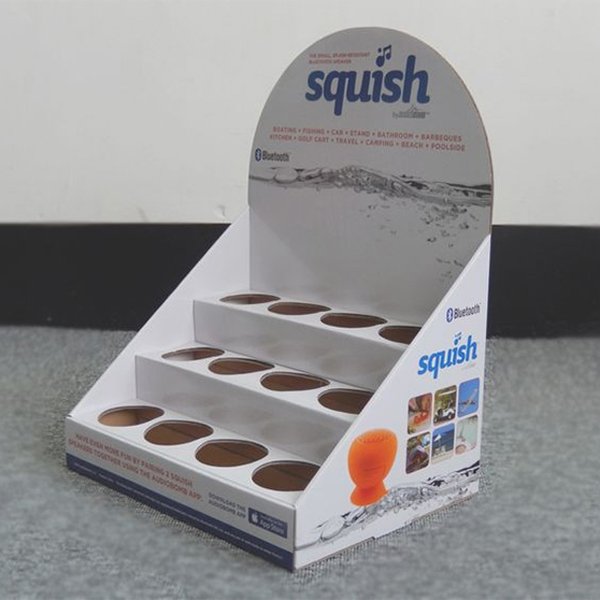
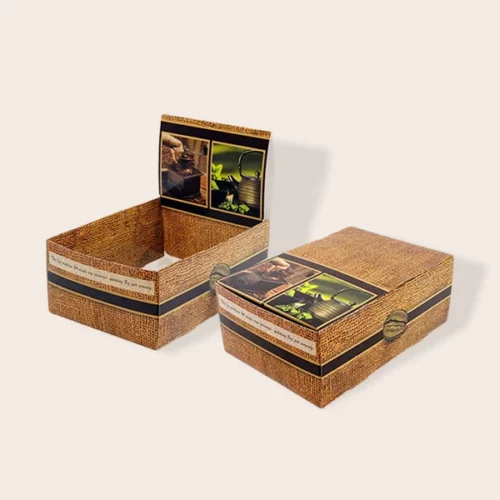
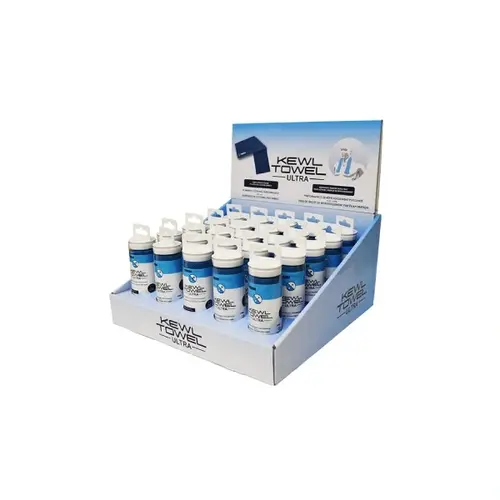
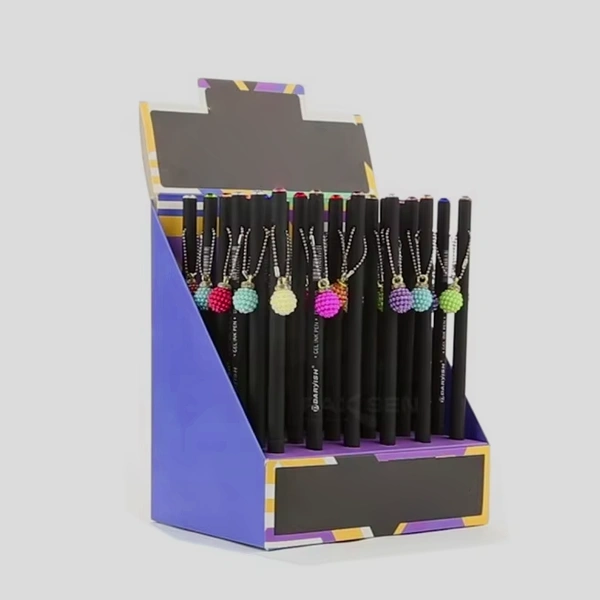
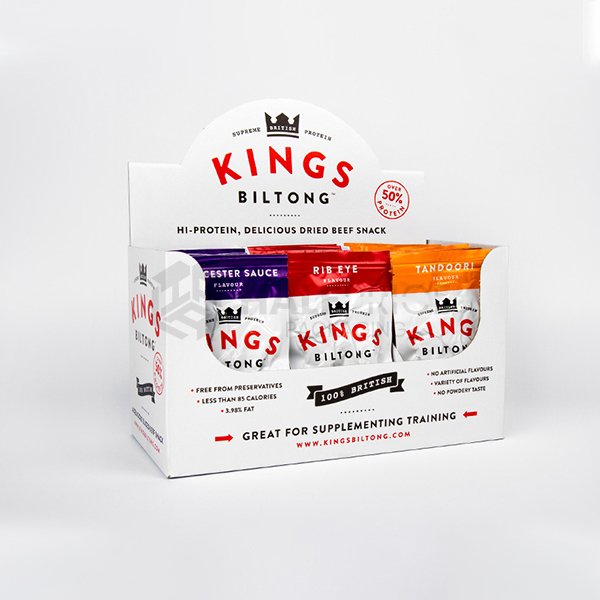
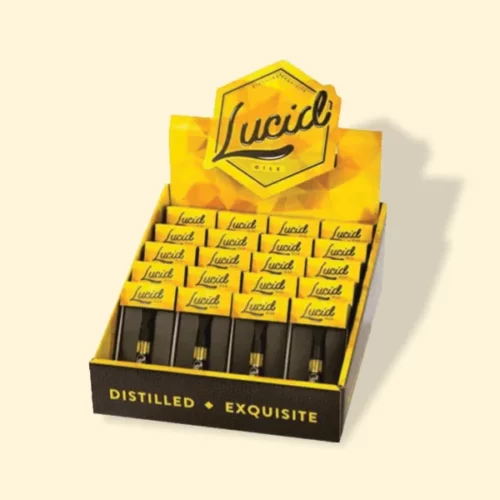
Custom Dispenser Display Boxes help retailers organize packaged products while controlling how each unit is presented, accessed and replenished. Designed for sachets, pouches, small cartons, tubes, wrapped bars, accessories and other retail-ready items, these displays can use front openings, lower slots, side access or gravity-feed channels based on the finished product and merchandising goal. The structure is planned around product dimensions, weight, rigidity, surface orientation, capacity, lane layout, dispensing direction and available counter or shelf space. This product-specific approach helps support smoother product flow, better retention, practical shopper access and easier restocking. BoxBaba offers custom sizing, artwork support and samples, with MOQ starting from 100 units, 5–9 business-day turnaround and Free Shipping Across USA for custom retail display packaging projects.
Trustpilot_Logo
5 out of 5 stars
4.5
Reviews 16 • Excellent

Dispenser Display Boxes – Custom Printed Packaging for Dispensers, Retail Display & Product Branding

Dispenser display boxes made with durable materials and premium printing, ideal for showcasing dispenser products, protecting packaging, enhancing retail presentation, and strengthening brand visibility.

What We Give

Create Custom Boxes Quick and Easy

Design

Get your custom boxes made in the required size, shape, and style.

Print

Upload your artwork and get it superbly printed the way you want.

Get it done

Order any quantity, enjoy a wholesale price, pay no extra for die plates.

Product Specification

Specification Available Options
Product Type Custom Dispenser Display Boxes
Primary Use Retail counters, checkout areas, shelves, point-of-sale displays and promotional merchandising
Suitable Products Sachets, packets, pouches, small cartons, tubes, wrapped bars, accessories and other lightweight retail-ready products
Materials SBS Paperboard, Folding Paperboard/Cardstock, Natural Kraft Paperboard, E-Flute Corrugated Board and Litho-Laminated Corrugated Construction
Display Styles Front-Opening Dispensers, Lower-Slot Dispensers, Multi-Lane Gravity Displays, Side-Opening Displays, Top-Access Displays, Open-Front Displays and Tear-Away Dispenser Displays
Sizing Fully customizable according to finished product dimensions, capacity, lane layout and retail footprint
Dispensing Opening Front, lower, side or top-access openings according to the required product-release method
Internal Components Feed channels, lane dividers, internal ramps, guide walls, front stops, product wells and refill flaps where required
Header Options Raised or integrated printed headers for branding, product messaging and retail communication
Printing Options Digital Printing, Offset/Lithographic Printing and Flexographic Printing on suitable materials
Color Options CMYK artwork reproduction and spot-color requirements where compatible with the selected printing process
Finishing Options Matte Lamination, Gloss Lamination, Soft-Touch Lamination, Aqueous Coating, Spot UV, Foil Stamping, Embossing and Debossing
Artwork Support Artwork assistance, dieline preparation, 3D mockup and proofing available
Minimum Order Quantity 100 units
Standard Production Time 5–9 business days after artwork approval
Samples Free samples available; applicable sample charges are reimbursed on the first bulk order
Shipping Free Shipping Across USA

Related Products

Stock Type & Thickness

Cardboard

We use cardboard material with the least environmental impact and minimizes waste generation.

Kraft

Kraft paper is a strong, durable and reliable material that is widely used across many different industries.
Rigid

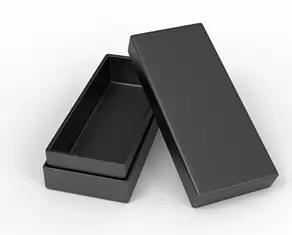
Rigid is highly protective, affordable and recyclable material. These boxes provide maximum protection.
Corrugated

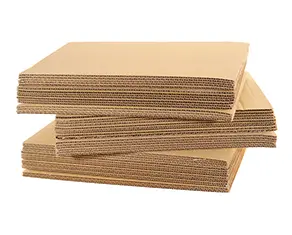
Corrugated material is easy to customize, cost effective and sustainable. It is also great for branding purposes.

Finishing Assortment

Foil Stamping

Foil Stamping

Enhance your packaging with premium foil stamping for a bold and luxurious appearance.

Spot UV

Spot UV

Our Spot UV coating adds a sleek shine and highlights key design elements beautifully.

Gloss-Lamination

Gloss

Give your packaging a polished, glossy finish that enhances color and visual appeal.

Holographic Foiling

Holographic Foiling

Create eye-catching packaging with holographic foil effects that shimmer from every angle.

Embossing

Embossing

Add raised textures and elegant detailing to make your packaging stand out.

Debossing

Debossing

Create a refined pressed-in effect that adds depth and sophistication to your packaging.

Matte

Matte

Achieve a smooth matte finish that minimizes fingerprints and delivers a modern look.
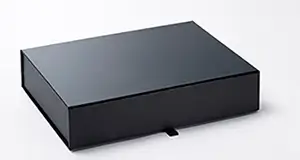
Soft Touch Lamination

Soft Touch Lamination

Protect your packaging with a silky-soft laminated finish for a premium feel.
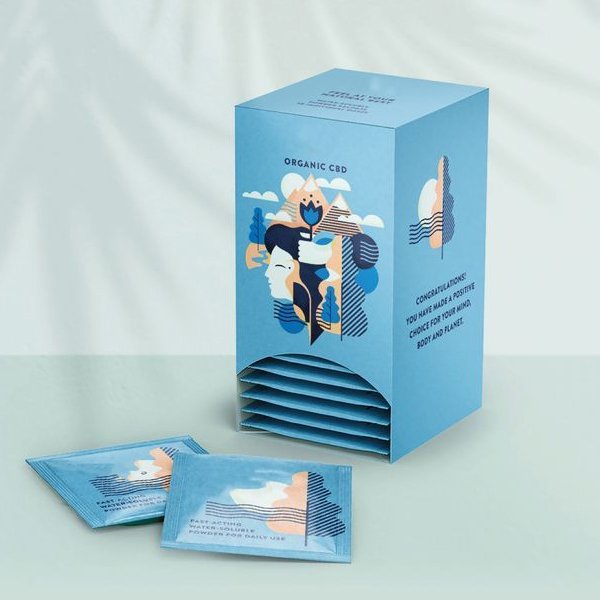
How Custom Dispenser Display Boxes Control Product Movement

A dispenser display should not be designed from outer box dimensions alone. A product may physically fit inside the structure but still fail to dispense correctly. Depending on the product and internal geometry, units may:
  • Jam inside the dispensing path
  • Rotate or lean
  • Overlap
  • Catch against adjacent packs
  • Release more than one unit at once
  • Stop feeding as stock levels decrease
For this reason, dispenser packaging should be planned around both product fit and product movement. The main design sequence is: Product Flow → Retention → Shopper Access → Replenishment If your products simply need open countertop or shelf presentation without controlled dispensing, our Retail Display Boxes may provide a more appropriate merchandising structure.

Custom Dispenser Display Box Styles

Different dispenser structures solve different product-access and merchandising requirements.

Front-Opening Dispenser Display Boxes

Front-opening dispensers allow customers to remove products through a defined opening in the front panel. They can suit compatible:
  • Sachets
  • Packets
  • Small cartons
  • Wrapped products
  • Lightweight accessories
The opening should provide enough access for product removal while retaining the remaining inventory inside the display.

Lower-Slot Dispenser Display Boxes

A lower-slot dispenser positions the product-access point near the bottom of the structure. Products may be stacked vertically or guided toward the opening depending on their dimensions, rigidity, weight and surface characteristics. The opening and internal geometry should work together so the leading product remains accessible without allowing uncontrolled product release.

Multi-Lane Gravity Feed Display Boxes

Multi-lane dispenser displays can organize several product facings within one retail structure. Separate lanes may be used for:
  • Different SKUs
  • Flavors
  • Shades or variants
  • Multiple retail facings
Lane width, product orientation and feed behavior should be considered independently for each product format.

Side-Opening Dispenser Boxes

Side-access structures can be useful where front removal is impractical. They may suit products that are relatively long, naturally positioned horizontally or displayed in retail spaces where lateral access is more practical than front access.

Top-Access Dispenser Displays

Top-access structures allow suitable products to be loaded or removed vertically. Available shelf clearance should be considered before selecting this format because shelving above the display may restrict customer or staff access.

Open-Front Dispenser Displays

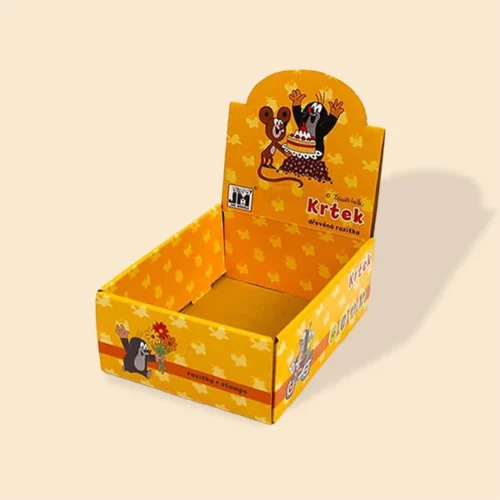
Not every dispenser requires a narrow product slot. A larger front-access opening may work for products that require easier shopper access while surrounding side and front walls continue to contain the remaining inventory.

Tear-Away Dispenser Displays

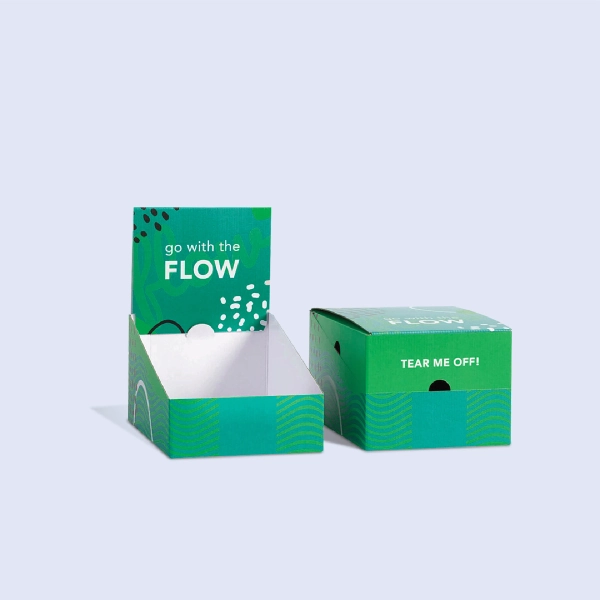
Some dispenser structures can be transported in a more enclosed configuration and converted for retail presentation by removing a perforated section. Where perforation and shipper-to-display conversion are the main structural requirements, explore our Perforated Display Boxes for a more specialized solution.

Dispensing Openings vs Product-Viewing Windows

A product-viewing opening and a dispensing opening do not necessarily perform the same function. A viewing window is primarily intended to show the product or remaining inventory. A dispensing opening is designed primarily to control shopper access and product release. One opening may perform both functions when the structure allows it, but this should be planned intentionally. When permanent shaped openings, product contours or custom-cut geometry are the main structural requirement, our Die Cut Display Boxes may be a better fit.

How to Determine the Right Dispenser Display Box Size

There is no universal dispenser display box size because the internal structure must work with the finished packaged product. Start by measuring the actual product rather than estimating from nominal packaging dimensions.

Finished Product Measurements

Confirm:
  • Maximum length
  • Maximum width
  • Maximum depth or thickness
  • Finished product weight
  • Product orientation
  • Surface type
  • Rigidity or flexibility
  • Sealed or projecting edges
Flexible pouches and sachets should generally be evaluated in their finished filled state where filling changes their thickness, profile or movement behavior.

Display Configuration

After confirming the product measurements, determine:
  • Total display capacity
  • Number of lanes
  • Units per lane
  • SKU arrangement
  • Dispensing direction
  • Refill direction
  • Opening geometry
  • Maximum counter or shelf footprint
Changing the product dimensions, weight, orientation or capacity after structural approval may require the dieline to be reviewed again.

Materials for Custom Dispenser Display Boxes

Material selection should consider the finished product, display dimensions, total loaded weight, structural openings and merchandising requirements.

SBS Paperboard

SBS paperboard can suit compact dispenser displays for lightweight packaged products where detailed graphics and precise die-cut openings are required. Typical applications can include sachet displays, small carton dispensers, sample displays and compact countertop structures.

Folding Paperboard and Cardstock

Folding paperboard can work for lightweight front-opening, lower-slot and tear-away dispenser formats where corrugated construction is unnecessary. It can also support detailed branded artwork for countertop merchandising.

Natural Kraft Paperboard

Natural kraft paperboard may be selected when its brown material appearance supports the intended packaging presentation. Because printed colors can appear differently on kraft compared with white paperboard, artwork should be evaluated on the selected material before production.

E-Flute Corrugated Board

E-flute corrugated construction may be considered for larger dispenser displays, higher capacities or structures carrying greater combined product weight. It can also suit wider displays, larger gravity-feed systems and selected product-loaded shipper-display applications.

Litho-Laminated Corrugated Construction

Litho-laminated construction combines corrugated structural support with a printed outer facing where more detailed graphics are required. Material choice should not depend on product weight alone. Large openings, internal ramps, multiple lanes and overall display span can also influence structural requirements.

Functional Inserts and Internal Components

Dispenser displays can include additional structural components where they support product movement, organization or replenishment.

Feed Channels

Feed channels guide products toward the dispensing position and can help control movement through the display.

Lane Dividers

Lane dividers separate SKUs or product facings and help maintain independent dispensing paths.

Internal Ramps

Internal ramps may help compatible products move toward a lower or front dispensing area. Their suitability depends on product shape, weight, surface characteristics and feed direction.

Guide Walls

Guide walls reduce unnecessary lateral movement and can help keep products aligned.

Front Stops

Front stops retain remaining inventory while keeping the leading unit accessible to the shopper.

Product Wells

Product wells can position individual units where controlled placement is required instead of free product movement.

Refill Flaps

Refill flaps provide staff access for replenishing the display without interfering with the primary shopper-facing area.

Tear-Away Panels

Perforated or removable panels can reveal the dispensing opening during retail setup.

Stock-View Windows

Stock-view openings can help retail staff see the remaining inventory without opening the dispenser.

Raised Header Panels

Raised headers create additional space above the functional dispensing area for logos, promotional artwork, product information or campaign messaging.

Printing Options for Custom Dispenser Display Boxes

Printing should be planned around both branding and structural functionality. Available methods can include:
  • Digital printing
  • Offset or lithographic printing
  • Flexographic printing on suitable constructions
CMYK may be used for full-color artwork reproduction, while compatible spot-color requirements can be discussed according to the selected material and printing process. Possible printed areas include the header, front panel, side walls, rear panel, refill flap, lane identifiers and surfaces surrounding the dispensing opening. Artwork should be positioned only after the dispensing geometry and structural dieline have been established.

Finishing Options for Printed Dispenser Display Boxes

Finishing options can be selected according to the material, printing method and required retail presentation. Available options may include:
  • Matte lamination
  • Gloss lamination
  • Soft-touch lamination
  • Aqueous coating
  • Spot UV
  • Foil stamping
  • Embossing
  • Debossing
Finishes should not interfere with dispensing openings, tear-away sections, folds, glue areas or refill surfaces. For highly functional dispenser structures, a simpler finish may sometimes be more appropriate than additional decorative treatments.

Important Dispenser Display Design Tradeoffs

Effective dispenser packaging requires balancing product access, retention, capacity and product movement.

Larger Opening vs Product Retention

A larger opening may make product removal easier but can reduce control over the remaining inventory.

Narrower Lane vs Product Restriction

A tighter lane can improve product guidance but may increase the chance of snagging or restricted movement.

Wider Lane vs Product Rotation

Additional lane clearance may reduce restriction but allow products to twist, lean or overlap.

Stronger Gravity Feed vs Front Pressure

More aggressive product movement toward the front can increase pressure on the leading product or retaining structure.

Reduced Feed vs Incomplete Product Movement

Insufficient movement may leave remaining products away from the shopper-access position.

Higher Capacity vs Retail Footprint

Increasing inventory capacity generally requires more height, depth or additional lanes. The maximum available shelf or countertop footprint should therefore be defined early in the design process.

More Lanes vs Overall Display Width

Additional SKUs and retail facings can increase the total display width. The number of lanes should be balanced against available merchandising space.

Gravity Feed vs Simple Front Access

Gravity-feed construction is not necessary for every product. Where products remain easy to reach through an open-front structure, a simpler dispenser may provide sufficient functionality without unnecessary internal complexity.

Shipper-to-Display vs Separate Retail Display

A transport carton that converts into a retail dispenser can support selected distribution workflows. However, this approach may introduce additional structural complexity where shipping and retail display functions are already handled separately.

Common Dispenser Display Packaging Mistakes

Avoid designing dispenser displays around assumptions rather than the finished product. Common problems include:
  • Sizing the structure without measuring the finished packaged product
  • Assuming every product works with gravity feed
  • Assuming physical fit guarantees reliable dispensing
  • Choosing an opening without considering product retention
  • Ignoring product surface characteristics
  • Ignoring finished product weight
  • Measuring flexible packages only when empty
  • Ignoring sealed-edge orientation
  • Making lanes too narrow
  • Making lanes unnecessarily wide
  • Ignoring how feed behavior changes as inventory decreases
  • Ignoring the refill direction
  • Maximizing capacity before confirming the retail footprint
  • Assuming the retail dispenser must also serve as the shipping carton
  • Copying competitor display dimensions as standard sizes
  • Finalizing artwork before confirming structural geometry
  • Adding gravity-feed complexity where simple product access would work better

Dispenser Display Boxes vs Custom Dispenser Boxes

These packaging types can serve different buyer requirements.

Custom Dispenser Boxes

The broader dispenser-box category can include product-specific formats such as tissue dispensers, glove dispensers, bandage dispensers, lip balm dispensers and other dedicated packaging structures. If your project requires a product-specific dispensing package rather than a multi-unit retail merchandising display, explore our Custom Dispenser Boxes.

Dispenser Display Boxes

Custom Dispenser Display Boxes focus more specifically on retail merchandising and controlled product release. Their structural planning may involve:
  • Gravity feed
  • Feed lanes
  • Retail facings
  • Dispensing openings
  • Product movement
  • Inventory depletion
  • Replenishment
  • Counter or shelf footprint
This distinction helps keep the retail display function separate from product-specific dispenser packaging.

Dispenser Display Boxes vs Die Cut Display Boxes

A dispenser display can contain die-cut features such as front openings, access slots, viewing windows and custom-shaped cutouts. However, the primary purpose of a dispenser remains controlled retail access and product release. When custom-cut geometry, shaped openings or product visibility are the main packaging requirements rather than dispensing behavior, explore our Die Cut Display Boxes.

Information Needed for a Custom Dispenser Display Box Quote

To help configure the structure around your product, provide:
  • Finished product dimensions
  • Number of SKUs
  • Number of lanes
  • Divider or guide requirements
  • Maximum counter or shelf width
  • Maximum display depth
  • Header requirements
  • Tear-away requirements where applicable
  • Flat-packed, assembled or product-loaded preference
  • Artwork files
  • Printing requirements
  • Finishing requirements
  • Order quantity
If the product dimensions, weight, surface, rigidity, sealed-edge configuration, orientation, capacity, lane geometry, opening or available retail footprint changes after structural approval, the dieline may need to be reviewed again.

Why Choose BoxBaba for Custom Dispenser Display Boxes?

BoxBaba develops dispenser display packaging around the finished product rather than forcing products into generic stock structures. Display dimensions, dispensing direction, opening geometry, lane layout, capacity and retail footprint can all be customized according to project requirements. We also provide artwork support, dieline assistance, 3D mockups and proofing to help coordinate structural and branded elements before production. Our standard BoxBaba order terms include:
  • MOQ starting from 100 units
  • 5–9 business-day standard production after artwork approval
  • Free Shipping Across USA
  • Free samples available, with applicable sample charges reimbursed on the first bulk order
  • Custom sizing and artwork support

Request a Quote for Custom Dispenser Display Boxes

Share your finished product dimensions, weight, package format, required capacity, SKU mix, dispensing direction, lane or opening requirements, refill method, retail footprint, artwork and order quantity. These details help configure the display around how your products need to present, move, dispense, deplete and replenish instead of forcing them into a generic display structure. Request a Custom Quote, call +1 305 574 4357, or email sales@boxbaba.com.

Frequently Asked Questions

Find all the urgent questions you may have.

A Custom Dispenser Display Box is a multi-unit retail packaging structure that holds and presents products while controlling how individual units are removed through a dispensing opening, access area or feed system.
Custom Dispenser Boxes are a broader packaging family that can include product-specific structures such as tissue, glove or bandage dispensers. Dispenser Display Boxes focus specifically on multi-unit retail merchandising combined with controlled product access or release.
Compatible products may include sachets, packets, pouches, small cartons, tubes, wrapped products, accessories and other retail-ready items that can be organized around a controlled dispensing path.
Important factors can include the finished product's dimensions, shape, weight, rigidity, surface, sealed edges and orientation, along with the dispenser's lane width, opening geometry and feed path.
No.The lane helps guide products toward the dispensing area, while the opening controls shopper access and product release.Each dimension should be determined according to its specific function.
No. A larger opening may improve product access but can also reduce retention or allow more than one product to move forward.The opening should balance accessibility with control.
A viewing window is mainly intended to show the product or remaining inventory.A dispensing opening is primarily designed for product removal and controlled access.
Display capacity refers to the total number of products contained within the complete display.Lane capacity refers to the number of units held within one individual dispensing channel.
A physical sample can be evaluated throughout the dispensing cycle, including fully loaded, first product removal, mid-load, low-stock, final-product removal and replenishment.This helps evaluate how the finished products interact with the proposed structure.

Get a Custom Quote