




















RSC Corrugated Shipping Boxes

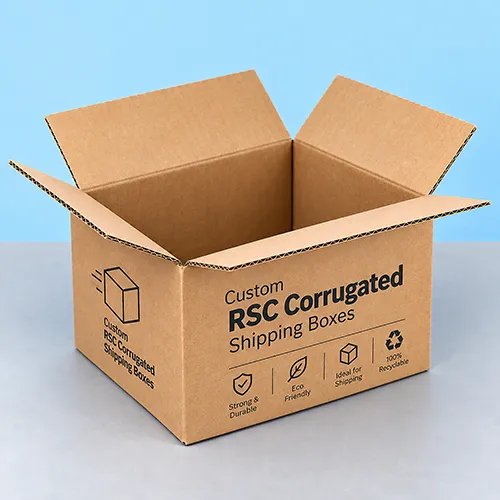
Custom RSC corrugated shipping boxes are regular slotted cartons with four side panels and equal-length flaps; the outer flaps meet at the center on both ends. This FEFCO 0201 construction suits ecommerce fulfillment, warehouse packing and wholesale distribution when businesses need repeatable case sizes and a conventional sealing workflow. BoxBaba offers custom dimensions with kraft or white corrugated board, single-wall or double-wall options, compatible logo printing and suitable protective inserts. Specify your packed-product dimensions, quantity per carton, loaded weight and any packing-equipment requirements to establish the correct configuration. Orders start at 100 units, with artwork, dieline and proofing support, standard production in 5–9 business days after final approval and free shipping across the USA.
Trustpilot_Logo
5 out of 5 stars
4.5
Reviews 16 • Excellent

RSC Corrugated Shipping Boxes for Ecommerce, Warehousing & Secure Product Delivery

RSC corrugated shipping boxes feature regular slotted flaps and durable corrugated construction, making them ideal for ecommerce orders, warehouse storage, retail shipments, and product transportation while supporting efficient packing and reliable protection in transit.

What We Give

Create Custom Boxes Quick and Easy

Design

Get your custom boxes made in the required size, shape, and style.

Print

Upload your artwork and get it superbly printed the way you want.

Get it done

Order any quantity, enjoy a wholesale price, pay no extra for die plates.

Related Products

What Are RSC Corrugated Shipping Boxes?

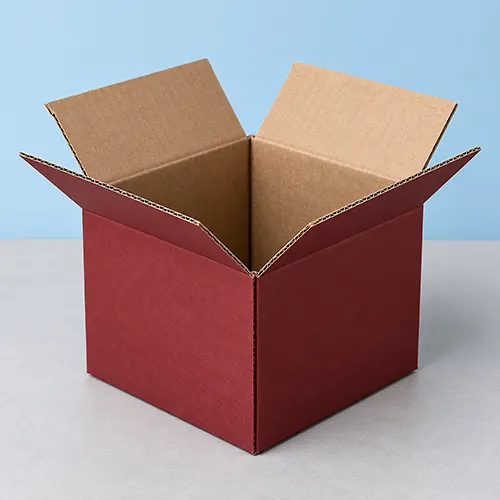
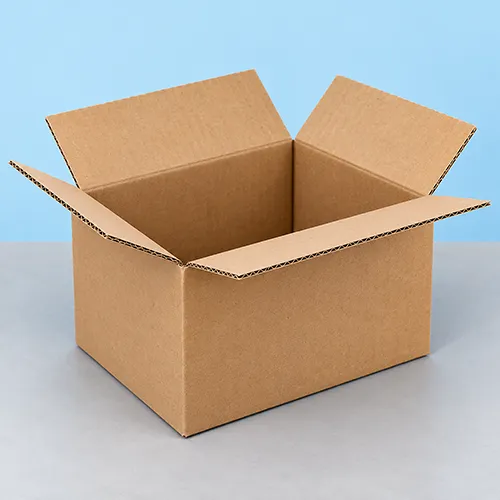
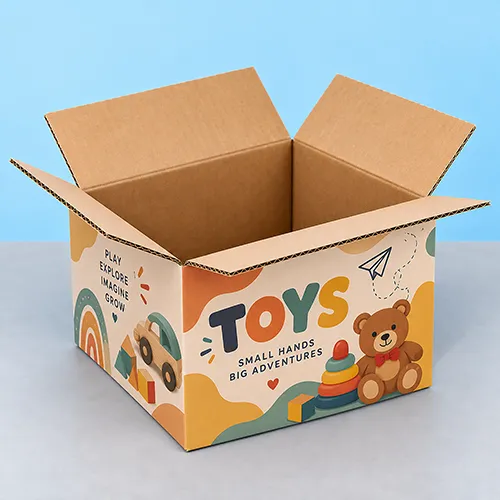
A Regular Slotted Container is a corrugated shipping carton formed from four connected side panels with attached flaps at the top and bottom. In the standard FEFCO 0201 construction, all flaps have the same length. When the carton is closed, the two outer flaps on each opening meet at the center. Depending on the carton proportions, the inner flaps may leave a gap beneath them. This standard arrangement gives businesses a familiar carton that can be erected, filled and sealed using a repeatable packing procedure. The RSC structure is independent of its liner color or board grade. A kraft RSC and a white RSC can have the same flap geometry while using different exterior surfaces or printed artwork. The final specifications should be determined by the products being shipped, their combined weight, the intended packing process and distribution conditions.

RSC Shipping Boxes vs Other Corrugated Carton Styles

An RSC is a specific slotted-carton construction, not a general name for every corrugated shipping box.
Box structure Defining difference Primary purchasing consideration
RSC — Regular Slotted Container Outer flaps meet at the center Conventional packing and case sealing
FOL — Full Overlap Container Outer flaps fully overlap across the opening Additional full-width flap coverage
HSC — Half-Slotted Container Open top with a slotted bottom Open-top packing or a separately specified cover
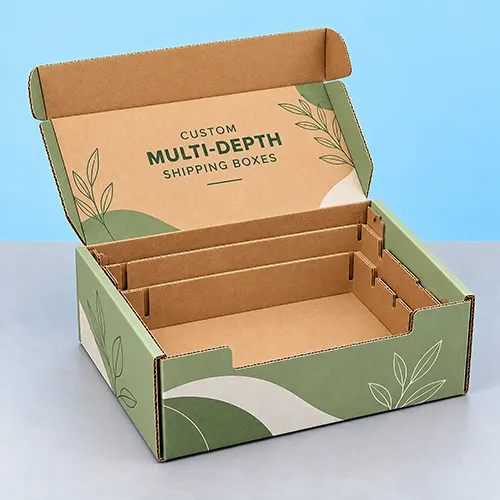
Multi-Depth Carton Extra scores provide predefined closing heights Several compatible packed heights
Telescopic Carton Separate overlapping components Base-and-cover loading and closure
An RSC is suitable when a fixed-size slotted carton meets the shipment requirements and can be integrated with the intended sealing operation. Different flap geometry, multiple closing heights or a separate cover may call for another design. The choice should depend on the packed products and the complete carton specification rather than assuming one structure offers universal protection. For businesses comparing a wider range of transit structures, explore our Corrugated Shipping Boxes.

RSC Corrugated Shipping Boxes for Commercial Applications

The conventional RSC structure can be customized for different shipment requirements without changing its defining flap geometry.

RSC Boxes for Ecommerce Fulfillment

Ecommerce businesses can configure RSC cartons for repeatable individual orders, multi-item purchases and suitable product bundles. An appropriate carton should accommodate the complete product arrangement, including existing retail packaging and any necessary cushioning or protective inserts. Standardizing around compatible carton sizes can simplify aspects of the fulfillment workflow, but a size should not be selected merely because it accommodates the largest product. Excessive unused space can create additional packing requirements, while insufficient clearance can interfere with protection.

RSC Cartons for Wholesale and Retail Distribution

Wholesale cases often hold several identical products or a defined assortment of retail-ready items. The required carton size depends on the units per case, intended product arrangement and combined loaded weight. Protective partitions or pads may be necessary for particular items. If cases will be stacked during storage or transportation, include the relevant handling and stacking requirements when specifying the corrugated board.

RSC Boxes for Warehouse Packing

RSC cartons may be supplied flat and erected when needed, according to the confirmed order configuration. Their conventional construction supports a consistent packing sequence: erect the carton, seal the bottom, load the merchandise, then close and seal the top. For warehouses using automatic case erectors or sealers, compatibility must be checked against the actual carton dimensions, material and equipment settings.

Available RSC Carton Configurations

The standard RSC structure can be customized through its dimensions, board specification, exterior liner and internal protective arrangement.

Custom-Size RSC Corrugated Boxes

The usable internal length, width and height should be established from the products as they will be packed. For single-product orders, include any existing retail packaging, accessories and necessary cushioning. For wholesale cases, arrange the intended number of products before finalizing the dimensions. Divider thickness and the space occupied by inserts must be accounted for.

Single-Wall and Double-Wall RSC Boxes

RSC cartons can be specified using different corrugated-board constructions without changing their standard flap geometry. The required wall construction and grade depend on the loaded weight, carton dimensions, stacking and distribution conditions. A carton should not be classified as heavy-duty based on the RSC structure alone. Its finished performance depends on the selected board and complete packed configuration.

RSC Boxes with Protective Components

Partitions, pads and fitted inserts can be considered when a product arrangement requires separation, positioning or additional protective materials. These components should be developed together with the outer carton. Adding them after the carton dimensions have been approved may leave insufficient usable space.

How to Measure Custom RSC Corrugated Shipping Boxes

Begin with the complete packed products rather than their individual bare dimensions. For a single item, measure the finished product in its intended shipping orientation. Include any existing retail carton, fixed accessories and planned protective packaging. For multiple products, establish the quantity per case and arrange the items as they will be packed.
Measurement Information required
Packed length Maximum length of the complete product arrangement
Packed width Maximum width of the complete arrangement
Packed height Overall height, including products and protective components
Quantity per carton Number of items in each shipping case
Loaded weight Combined weight of products and internal packaging
Protective allowance Space required for dividers, inserts, pads or cushioning
Internal dimensions Required usable length × width × height
External restrictions Relevant carrier, storage, pallet or equipment limits
Packing method Manual operation or applicable machine requirements

Internal vs External RSC Dimensions

Internal dimensions determine the usable space available to the products and protective packaging. External dimensions include the corrugated-board construction. They are relevant to transportation, storage, pallet planning and applicable carrier-size calculations. A single-wall carton and a double-wall carton with identical internal dimensions may have different external measurements. The actual finished dimensions should be confirmed once the board specification and structural dieline are approved. For detailed sizing guidance, read our How to Measure a Box Dimension article.
Planning the Correct Product Fit

An RSC carton should provide enough room for the products and their intended protection without unnecessary unused space. A carton that is too small may compress products, deform inserts or interfere with the top-flap closure. A carton that is too large may require additional cushioning or restraints to control movement. For multiple products, confirm that the loaded arrangement remains compatible with the inner flaps and the approved closing procedure.

Corrugated Board Options for Custom RSC Shipping Boxes

The board specification should be based on the carton dimensions, packed weight and intended distribution conditions.

Single-Wall RSC Corrugated Boxes

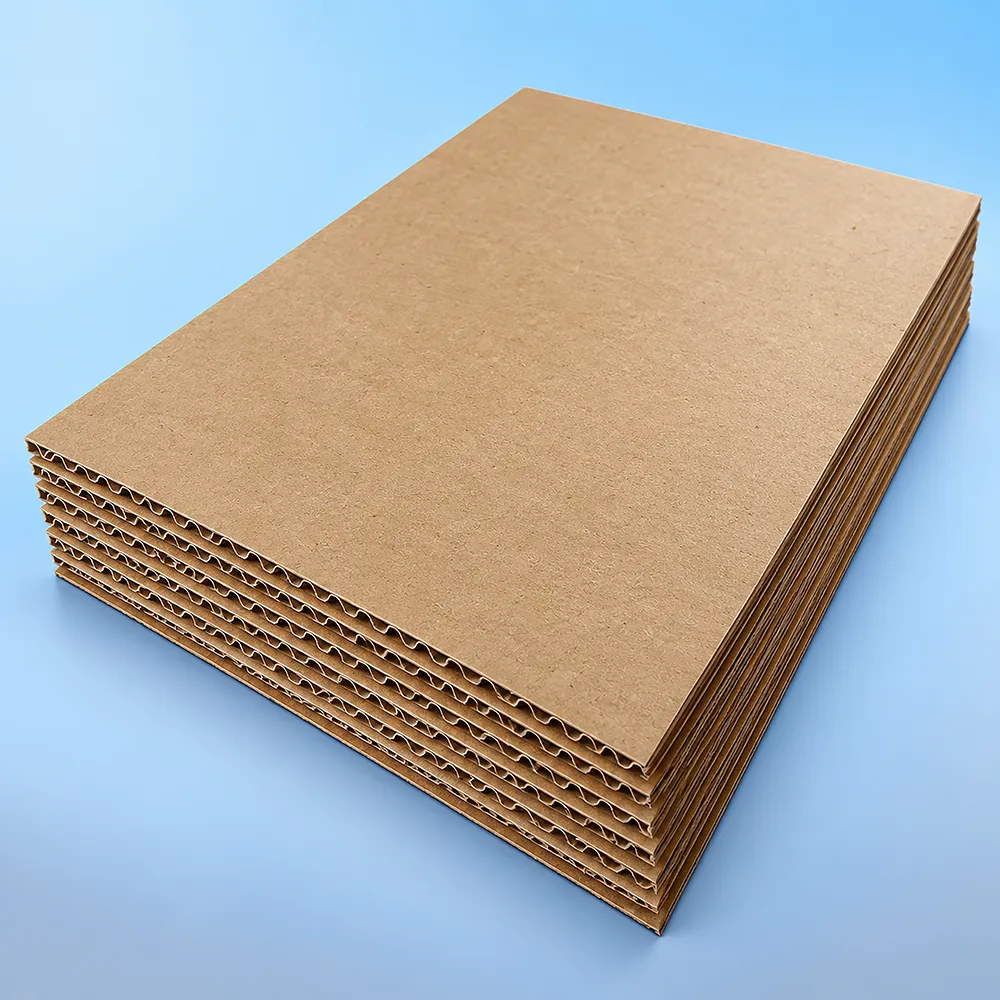
Single-wall corrugated board contains one fluted medium between two liner sheets. It may be suitable for particular ecommerce, wholesale and warehouse applications when the chosen board grade and complete carton meet the required shipment specification. The decision should be based on the actual packed load rather than assuming that all lightweight or medium-weight products require the same board.

Double-Wall RSC Corrugated Boxes

Double-wall corrugated board contains two fluted mediums between three liner sheets. It may be considered when carton size, packed weight, stacking or distribution conditions call for a different material specification. Double-wall construction does not provide a universal safe weight capacity. The finished carton, closure and internal protective arrangement must still be appropriate for the shipment.

Kraft RSC Shipping Boxes

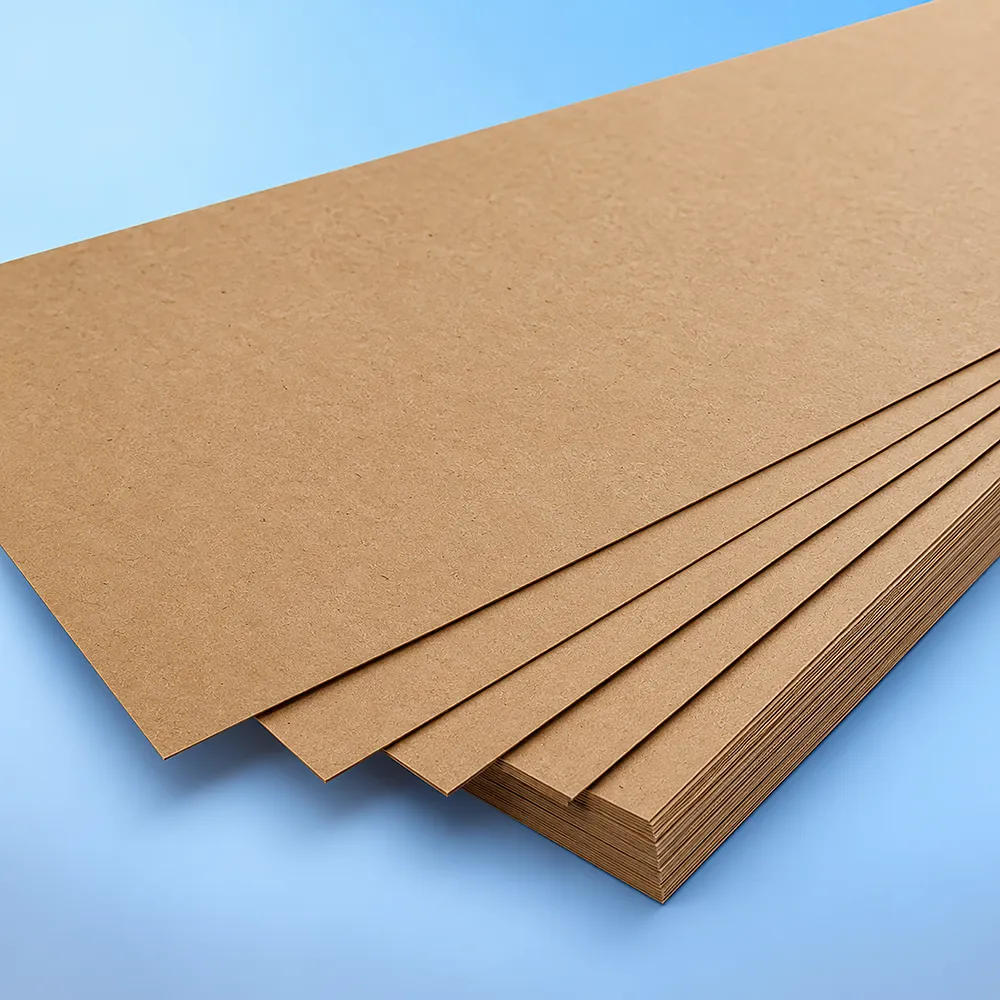
Kraft corrugated board provides a natural brown exterior suitable for conventional shipping identification and compatible printed logos. If the principal purchasing requirement is the appearance of natural brown transit packaging rather than the RSC structure itself, explore our Kraft Shipping Boxes.

White RSC Corrugated Boxes

White corrugated liners offer a lighter exterior for suitable branded graphics, product information and case identification. A white exterior does not automatically change the carton structural strength. The board grade and wall construction should be specified separately. For buyers comparing exterior color and artwork requirements, our White Shipping Boxes address that specific purchasing need.

Board Grades, Flutes and ECT Specifications

If your purchasing department has an established board grade, flute profile or Edge Crush Test requirement, include it with your quotation. Otherwise, provide the internal dimensions, loaded weight and intended storage and distribution conditions for review. Board ratings describe material properties. They do not independently demonstrate that the completed package will protect every product or withstand all handling conditions.

RSC Box Assembly, Closure and Packing Workflow

The standard RSC structure is designed around a conventional sequence of carton erection, bottom sealing, product loading and top sealing.

How to Assemble an RSC Shipping Box

  1. Erect the carton. Open the flat-packed box into its intended rectangular or square shape.
  2. Fold the bottom flaps. Fold the inner flaps inward, followed by the outer flaps so they meet at the center.
  3. Seal the bottom. Apply the specified packaging tape or another approved sealing method.
  4. Load the products. Add the merchandise and its required dividers, inserts or cushioning.
  5. Close the top flaps. Fold the top inner and outer flaps in the approved sequence.
  6. Seal and label the carton. Secure the top and apply the required shipping labels and identification.
The final assembly instructions should correspond to the approved board, dimensions and sealing method.

Selecting the Appropriate RSC Closure

A standard RSC does not include a self-sealing adhesive strip or a self-locking lid merely by virtue of its slotted construction. Compatible packaging tape is a common sealing method. Any alternative closure needs to be assessed against the selected material, packed weight and intended distribution conditions. If the operation uses a particular tape specification, tamper-evident sealing material or automatic case sealer, include that requirement with the quotation.

RSC Boxes for Automated Case Packing

An RSC may be compatible with automatic case-erecting or sealing equipment, but compatibility depends on the exact manufactured carton. Relevant requirements can include its dimensions, board stiffness, manufacturer-joint configuration, flap geometry and the machine accepted size range. Provide the equipment specifications if the cartons are intended for an automated packing line. A custom RSC should be checked against the actual machine before bulk production.

Protective Inserts and Dividers for RSC Shipping Boxes

The outer RSC carton establishes the shipping structure. Internal components should be selected according to the products and intended packing arrangement.

Corrugated Partitions and Dividers

Corrugated partitions can help separate multiple products inside one shipping case. The compartment dimensions should correspond to the actual products, including projecting parts or relevant protective coverings. Divider thickness occupies internal space, so partitions should be designed before the outer carton dimensions are finalized.

Fitted Inserts and Protective Pads

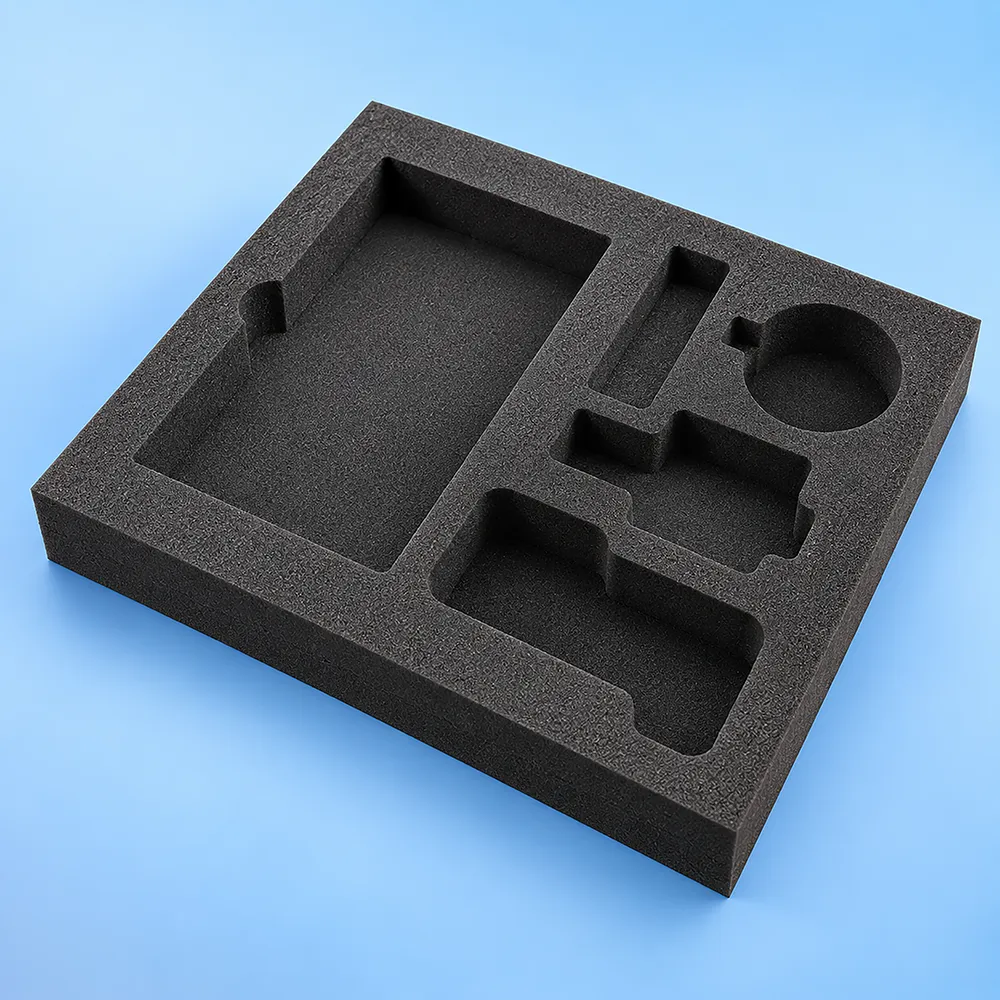
Fitted inserts may be considered when particular products require more controlled positioning than a simple partition provides. Protective pads can also be used where appropriate to separate layers or address specific contact areas. The design should avoid placing unnecessary pressure on delicate products or projecting components. Suitable insert dimensions depend on the actual packed items rather than the outer box size alone.

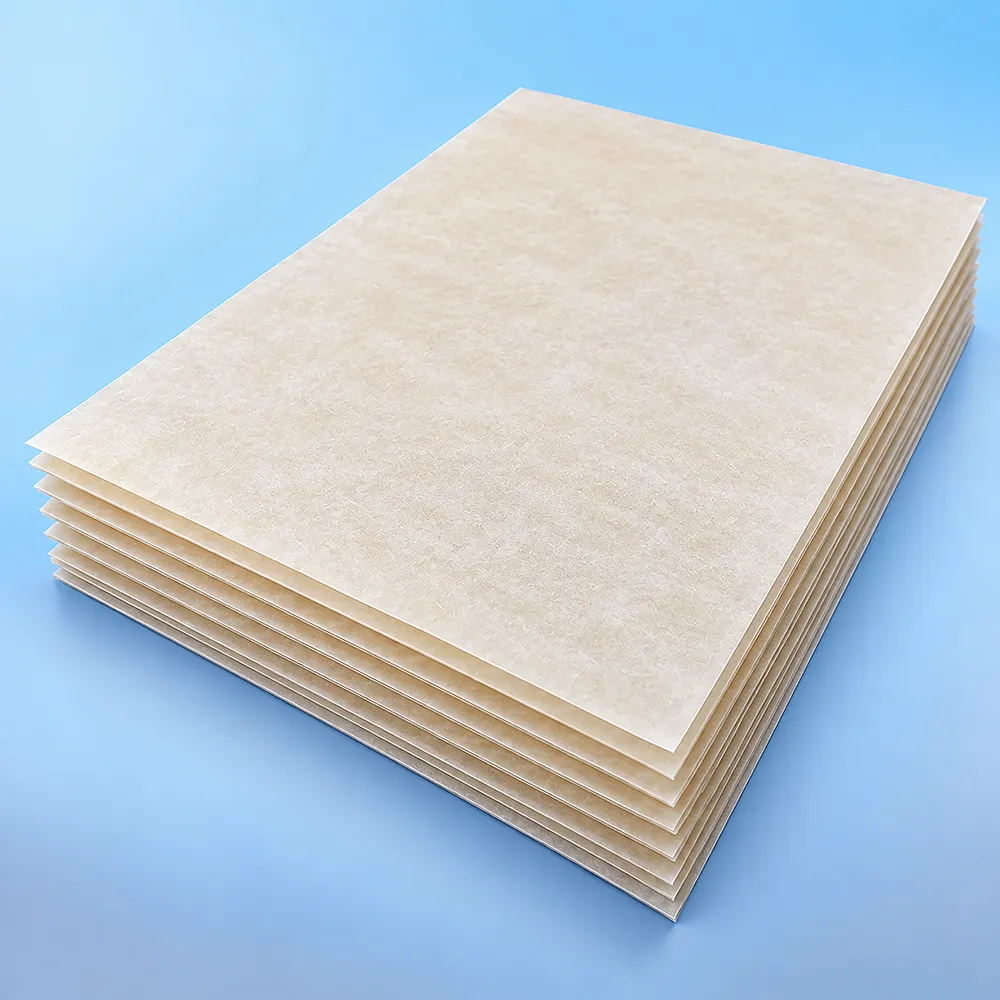
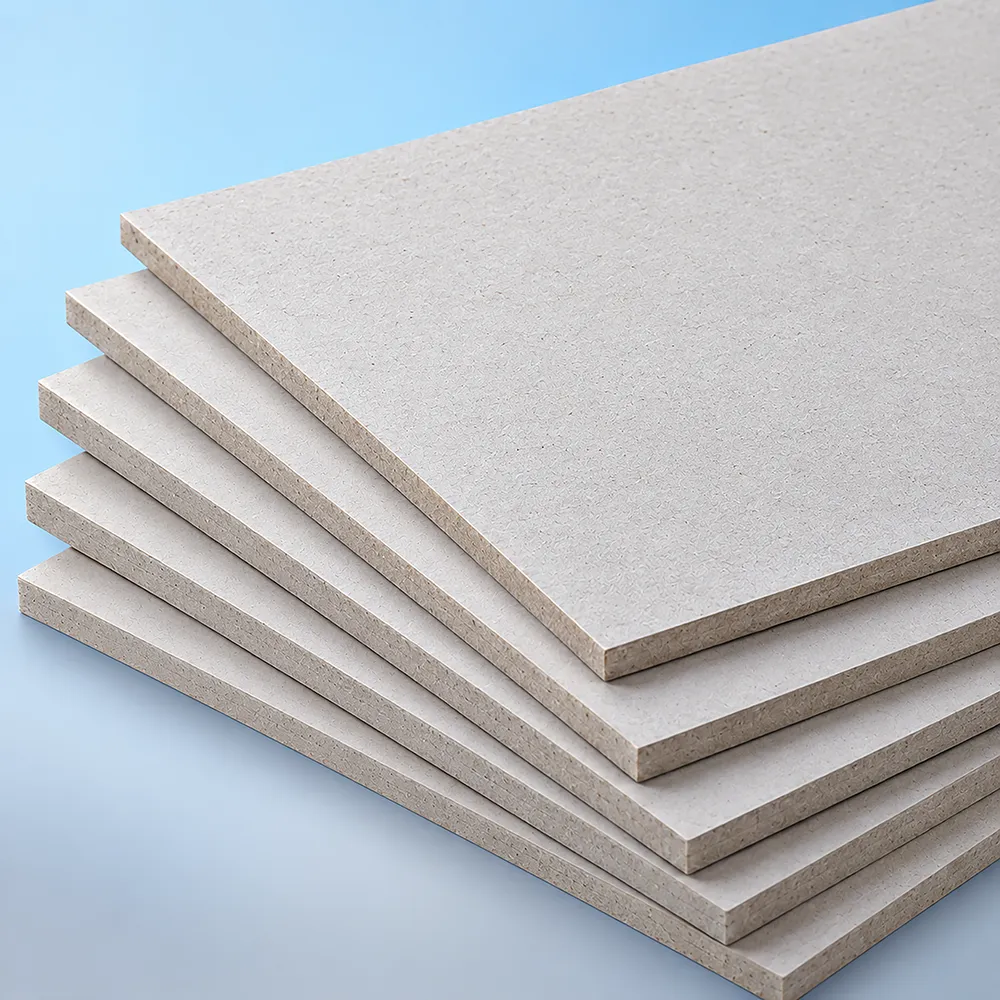
Bottom Support and Fill-In Pads

In a conventional rectangular RSC, the inner flaps may leave a gap beneath the closed outer flaps. Where the packed arrangement requires a particular bottom surface or an additional protective layer, a suitable fill-in pad may be considered as part of the design. Its dimensions and material should be specified for the actual product and included in the required internal space.

Checking the Complete Protective Arrangement

The finished carton should be reviewed with the products and internal components in their intended positions. Excessive movement, unsuitable contact or interference with the top flaps may indicate that the carton or protective arrangement needs adjustment. For fragile, heavy or demanding shipments, a physical sample and appropriate completed-package evaluation may be needed before bulk production.

Available Printing Methods for Custom RSC Corrugated Shipping Boxes

Custom RSC printing can incorporate branding, product identification and operational information. The available method depends on the selected board, exterior liner, artwork and manufacturing requirements.

Flexographic Printing

Flexographic printing may be considered for suitable RSC cartons carrying logos, product identification, handling graphics and straightforward printed designs. The available colors and print coverage should be confirmed for the approved material and order.

Digital Printing

Digital printing may be considered for eligible projects requiring detailed branding or particular artwork customization.

Offset Printing

Offset printing may be used in suitable printed-liner or laminated constructions where the manufacturing process supports it.

Logo Placement, Barcodes and Shipping Labels

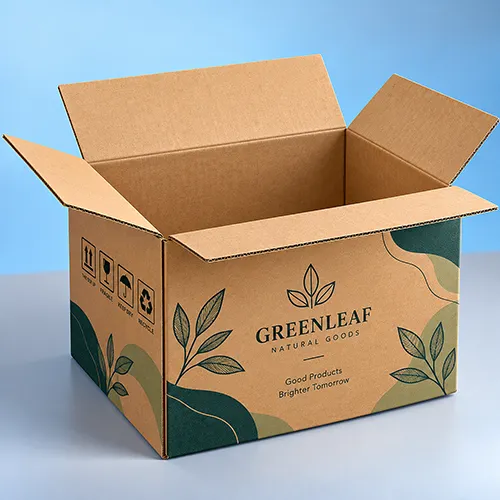
An RSC has four side panels, attached top and bottom flaps and a manufacturer joint. The approved structural dieline should guide the position of logos, product information, barcodes, QR codes and handling instructions.

Finishing Options for Custom RSC Corrugated Shipping Boxes

Finishing should be selected according to the corrugated liner, printing method, carton folding and intended sealing operation.

Natural Kraft and White Surfaces

An uncoated kraft or white corrugated exterior may be appropriate for conventional case identification and compatible logo printing.

Matte and Gloss Treatments

Compatible matte or gloss treatments may be considered where the approved corrugated material and printing process support them. The selected treatment should remain suitable for folding and for the adhesion of packaging tape and shipping labels.

Artwork, Dielines and Structural Samples for RSC Boxes

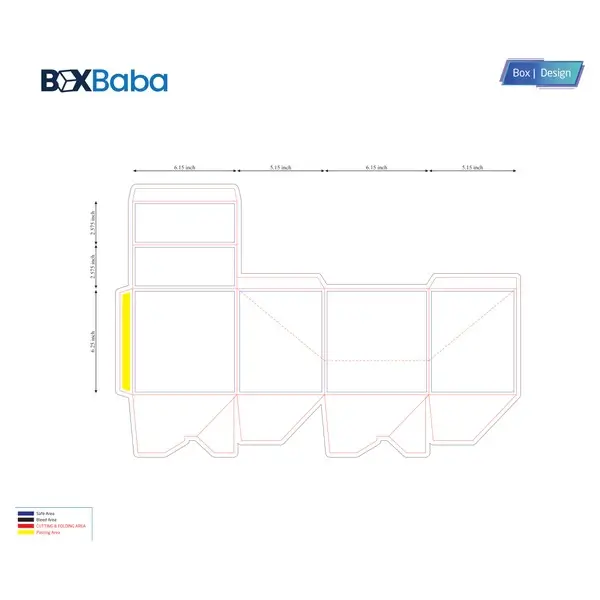
The final RSC dieline should define the internal dimensions, selected board, four side panels, equal-length flap geometry, manufacturer joint and relevant sealing areas. If the shipment includes partitions, fitted inserts or protective pads, their positions and dimensions should be coordinated with the carton structure. BoxBaba provides artwork support, structural dielines, 3D mockups and proofing for custom packaging orders. If the cartons will be used on automated equipment, a representative sample should be checked against the intended packing and sealing process. An approved artwork proof does not independently demonstrate transit performance. Specific shipping-performance requirements may call for appropriate evaluation or testing of the complete packed package.

What Affects the Cost of Custom RSC Shipping Boxes?

The cost of an RSC order depends on the approved carton specification rather than its dimensions alone. Relevant factors include the internal size, board grade, wall construction, order quantity, kraft or white exterior, printing coverage and any protective inserts or partitions. A change in board thickness or internal dimensions may also affect material usage and the finished carton size. Special printing or protective components can change the production requirements. For an accurate comparison, request quotations using the same packed-product requirements and identify which material, printing and insert specifications are included.

How to Order Custom RSC Corrugated Shipping Boxes Wholesale

To request a quotation, provide your required internal length, width and height, quantity per carton, complete packed weight and intended shipping application. If you currently use an RSC carton, share its dimensions and any problems involving product fit, unused space, packing speed or closure. Include your preferred kraft or white exterior, logo artwork, any required board specification and the intended inserts or dividers. If the cartons will be used with automated equipment, provide the relevant case-erecting and sealing requirements. After the final artwork, proof and specifications are approved, standard production takes 5–9 business days. Carrier transit is separate. For other available transit-packaging structures, visit our Custom Shipping Boxes category.

Why Choose BoxBaba for Custom RSC Corrugated Shipping Boxes?

BoxBaba offers custom RSC dimensions, kraft and white corrugated board, single-wall and double-wall options, compatible branded printing and suitable protective components. Our artwork, dieline, 3D mockup and proofing support helps businesses review their specifications before production. Orders start at 100 units, with standard production in 5–9 business days after final approval. Free samples are available on request, with initial sample-shipping charges reimbursed on the first bulk order, and free shipping across the USA under applicable terms.

Order Custom RSC Corrugated Shipping Boxes Wholesale

Request a custom quotation for RSC shipping cartons developed around your packed-product dimensions, case quantity, loaded weight and fulfillment process. Share your preferred corrugated board, artwork, protective components and any machine or sealing requirements. Start with 100 units. Place your order by phone at +1 305 574 4357 or email sales@boxbaba.com.

Frequently Asked Questions

Find all the urgent questions you may have.

RSC stands for Regular Slotted Container. It is a corrugated carton with four connected side panels and equal-length top and bottom flaps. Its outer flaps meet at the center when folded.
The standard RSC is commonly identified as FEFCO 0201. The code describes its structural design rather than a specific board grade, strength rating or safe load capacity.
RSC outer flaps meet at the center. Full Overlap Container (FOL) outer flaps extend across the opening and overlap fully. The relevant choice depends on the packed product, required flap coverage, board and sealing process.
Yes. RSC cartons can be manufactured to custom internal dimensions within the available production limits. Provide the complete packed-product measurements, loaded weight and quantity per carton when requesting a quote.
BoxBaba offers single-wall and double-wall RSC construction. The appropriate grade depends on the carton dimensions, packed load, stacking and distribution conditions. Exact flute and board specifications should be confirmed in the quotation.
They may be suitable for compatible packing equipment. However, machine compatibility depends on the actual carton dimensions, board, manufacturer joint and flap geometry. Share your equipment specifications before approving production.
Conventional RSC cartons generally require a separate sealing method, commonly suitable packaging tape. Any alternative closure should be confirmed for the selected carton construction and packed load.
Suitable partitions, dividers, pads and fitted inserts can be included in an approved RSC design. Their dimensions should be coordinated with the products and outer carton before the structural dieline is finalized.
Yes. Compatible custom printing can incorporate logos, SKU identification, handling graphics, barcode areas and other suitable information. The available printing process depends on the approved board and production specification.
The standard minimum order is 100 units. Free samples are available on request; initial sample-shipping charges are reimbursed on the first bulk order, while custom-printed samples are quoted separately. Standard production is 5–9 business days after final artwork, proof and specification approval, with free shipping across the USA under applicable terms.