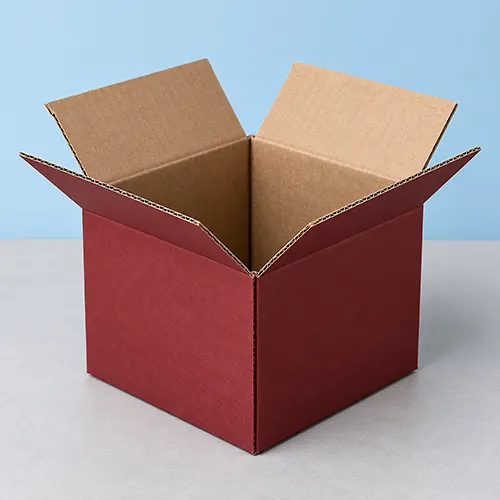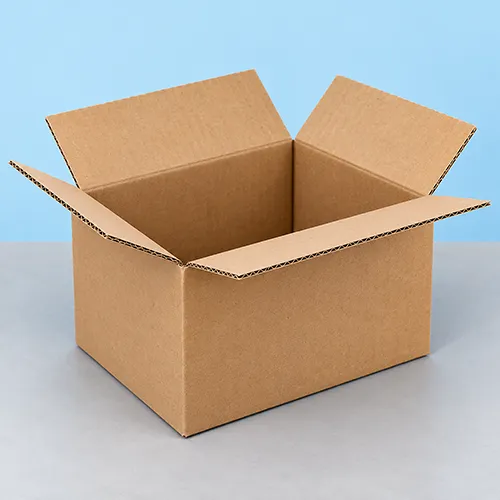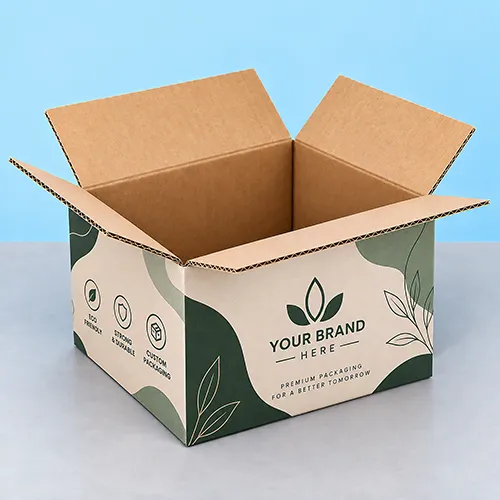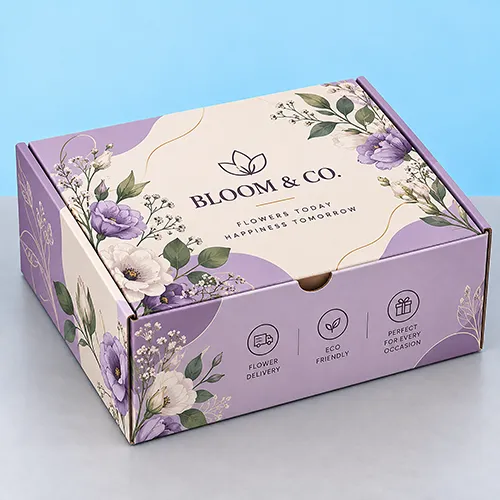


Self Seal Boxes

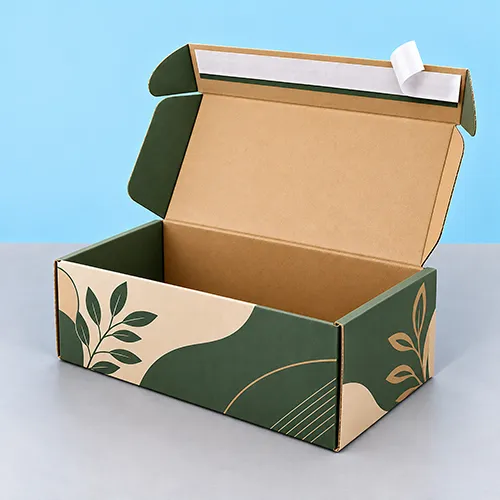
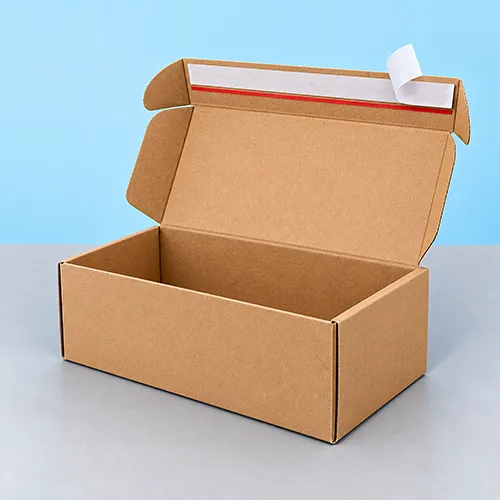
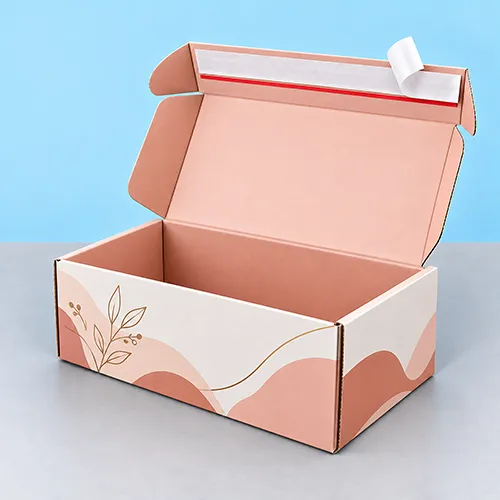
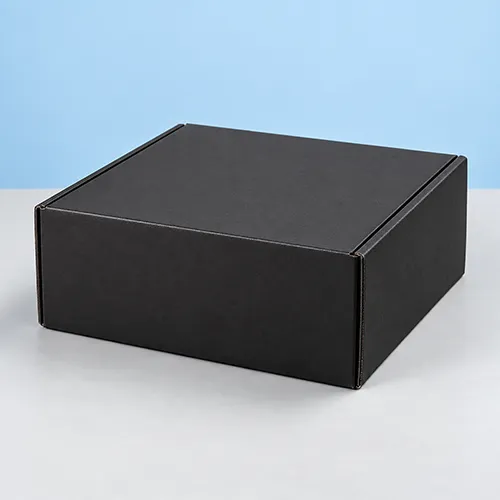
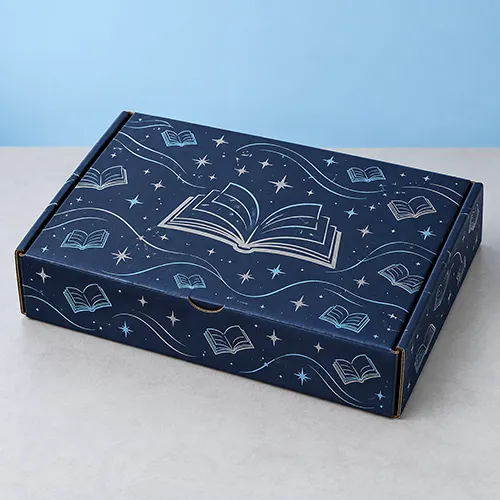
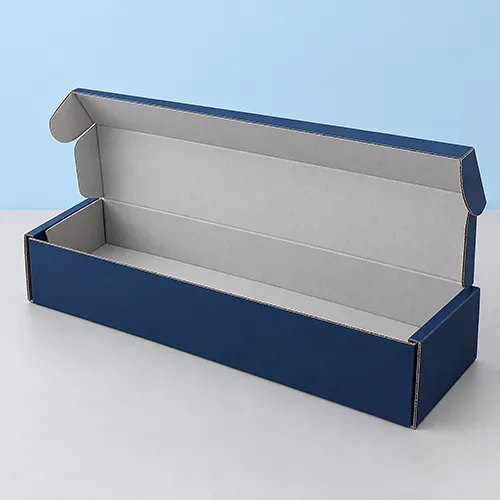
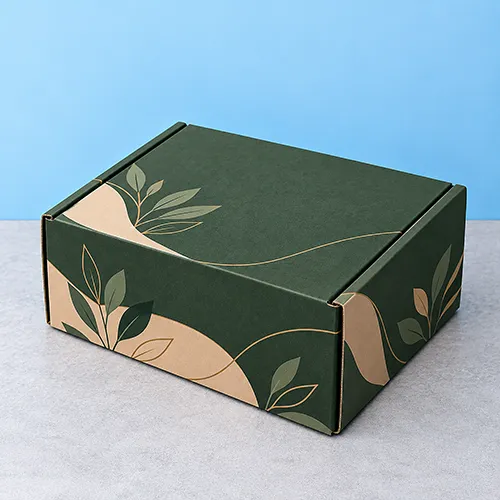
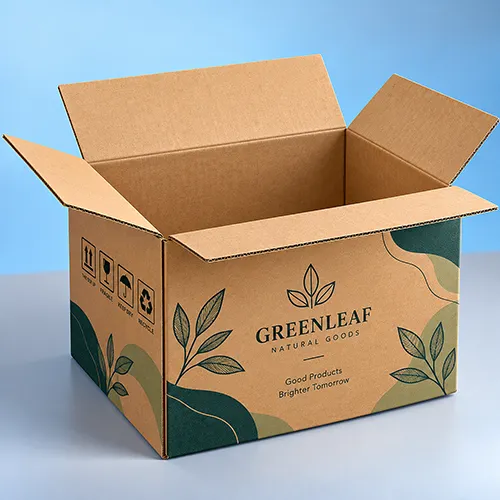
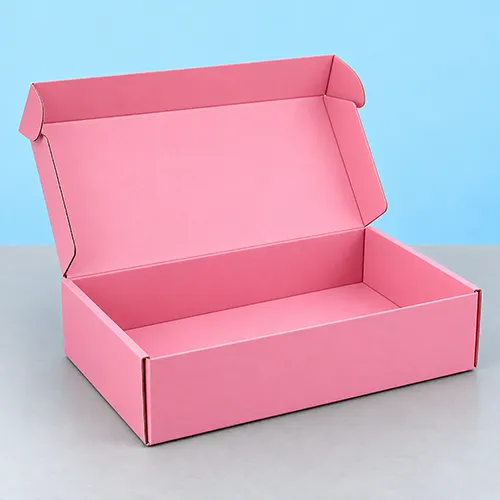
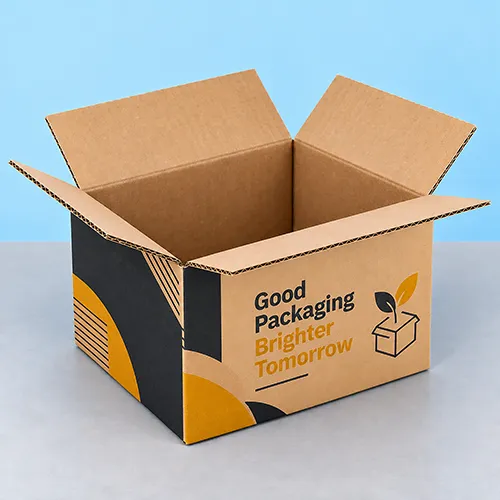
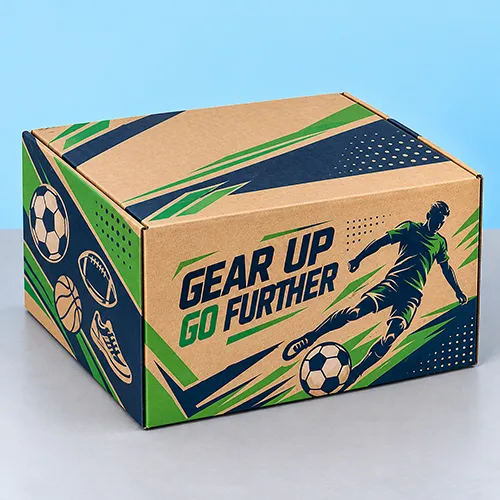
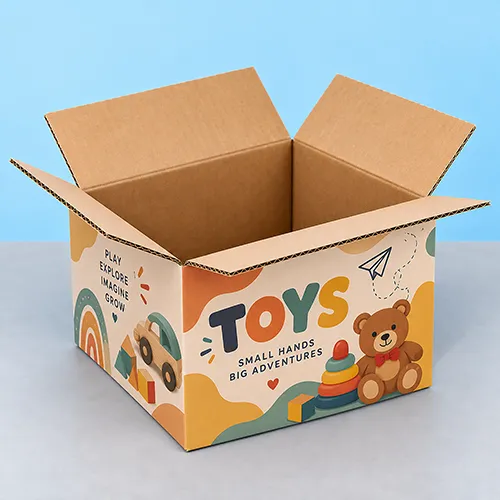
Custom self seal boxes are made-to-size shipping cartons with an integrated peel-and-seal adhesive closure for ecommerce orders, subscription deliveries and business shipments. A removable liner protects the adhesive until packing, when the closing flap is pressed onto its designated sealing surface. This configuration can eliminate a separate taping step for suitable parcels. BoxBaba provides custom sizing, printed branding and appropriate protective inserts developed around your products and fulfillment requirements. Choose the carton structure, board and closure according to the packed weight and expected handling conditions. Orders start at 100 units, with artwork support, standard production in 5–9 business days after artwork approval and free shipping across the USA.
Trustpilot_Logo
5 out of 5 stars
4.5
Reviews 16 • Excellent

Self Seal Boxes – Custom Packaging for Ecommerce Shipping, Secure Closure & Product Protection

Self seal boxes made with durable packaging materials and convenient adhesive closures, ideal for ecommerce orders, retail products, and shipping applications while simplifying packing and supporting secure product delivery.

What We Give

Create Custom Boxes Quick and Easy

Design

Get your custom boxes made in the required size, shape, and style.

Print

Upload your artwork and get it superbly printed the way you want.

Get it done

Order any quantity, enjoy a wholesale price, pay no extra for die plates.

Product Specification

Specification Details
Minimum Order Quantity 100 units
Dimensions Custom length × width × height
Closure Integrated peel-and-seal adhesive strip
Closure Components Pre-applied adhesive, removable release liner and designated sealing surface
Box Structure Custom folded or corrugated shipping construction, according to the approved design
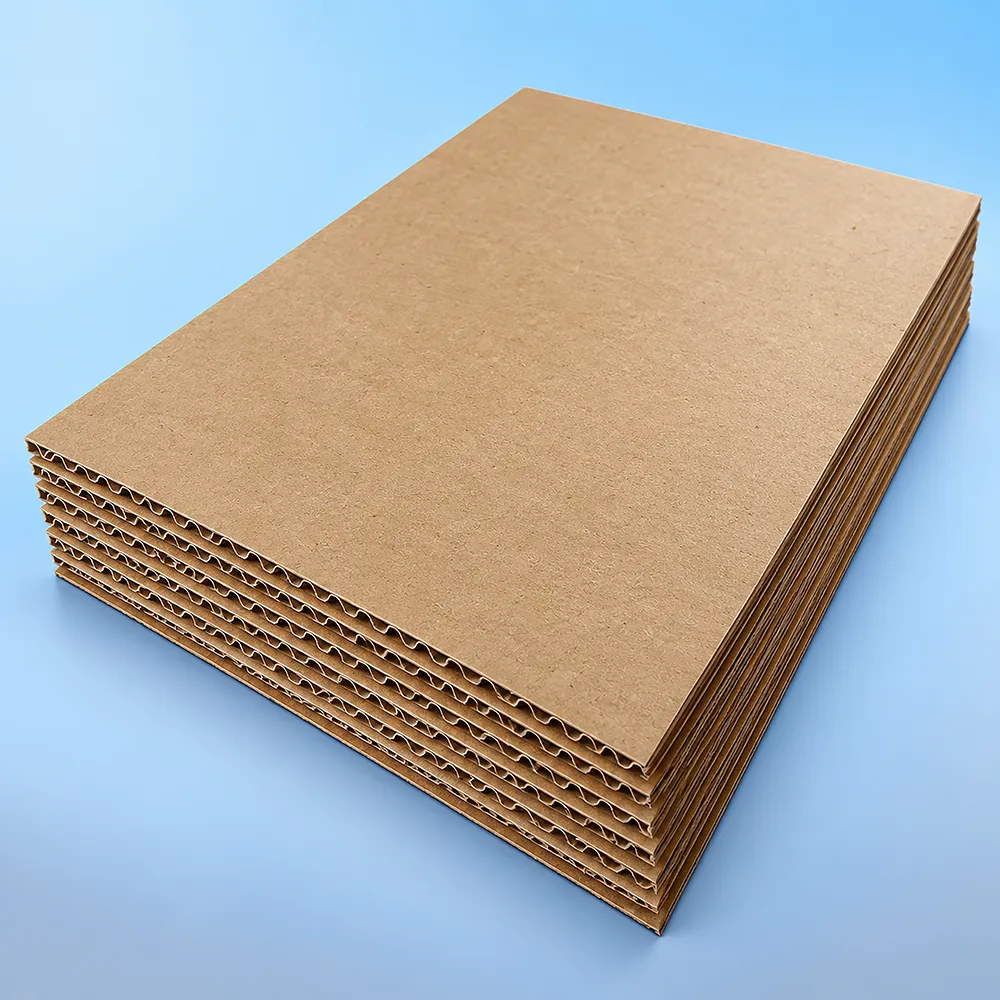
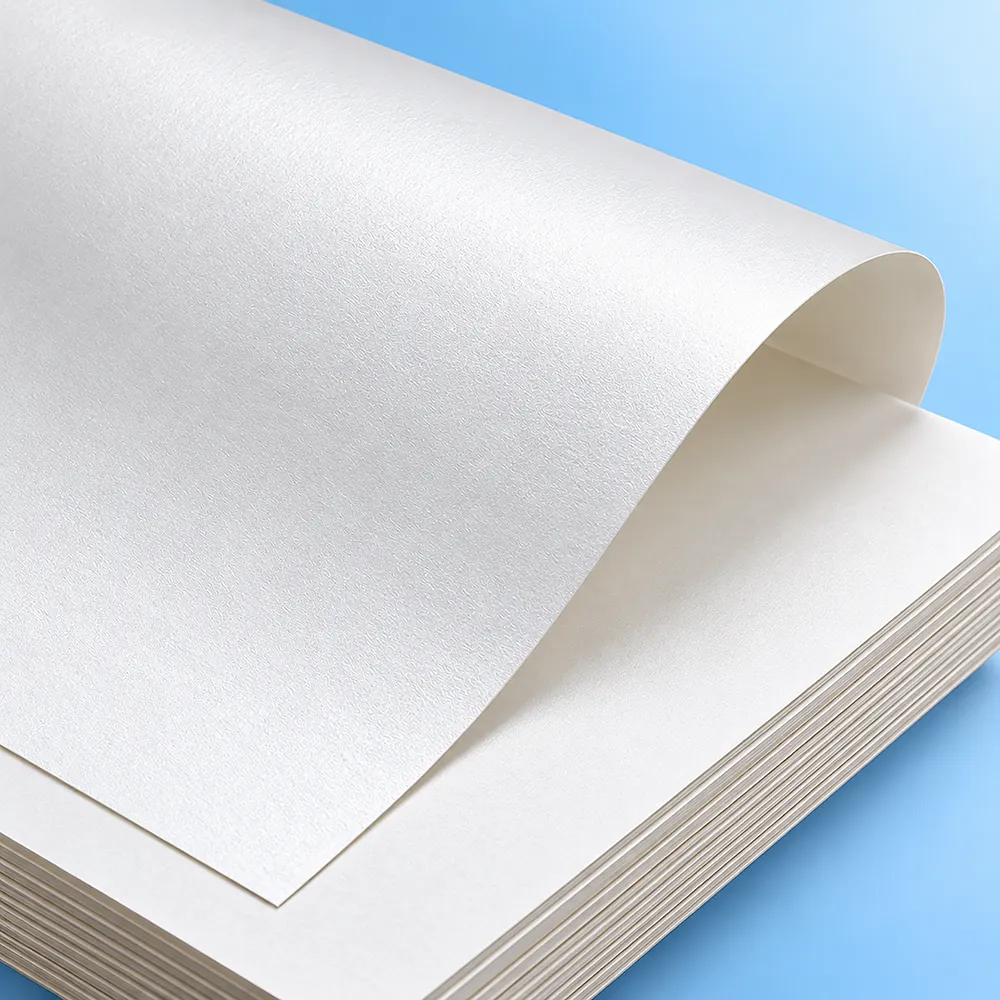
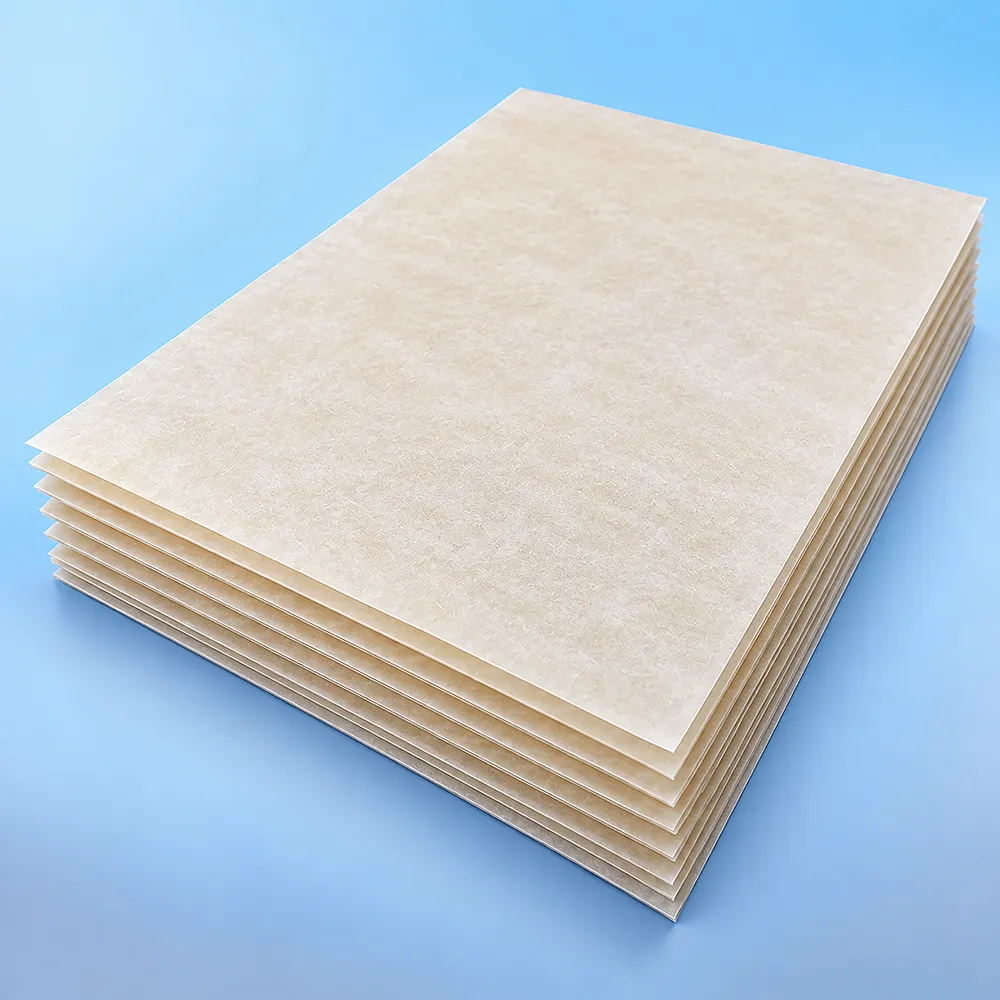
Materials Suitable corrugated paperboard; kraft or white liner according to project specifications
Printing Custom logos, brand graphics, product identification and suitable color printing
Finishing Uncoated or compatible coated surfaces according to the approved closure and printing method
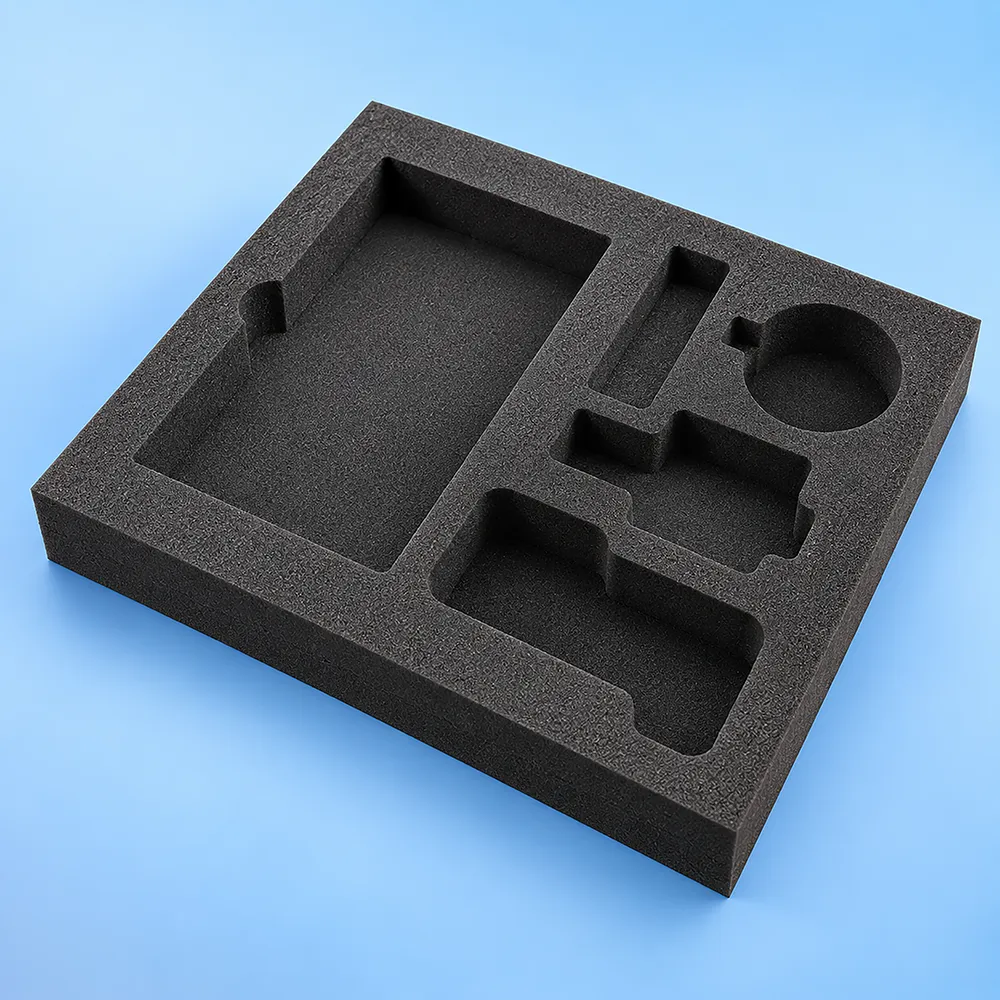
Protective Components Suitable dividers, die-cut inserts and fitted product holders
Artwork Support Dielines, 3D mockups and artwork proofing
Samples Free-sample support; applicable delivery charges reimbursed on the first bulk order
Standard Production 5–9 business days after artwork approval
USA Shipping Free shipping across the USA under confirmed order terms

Related Products

Stock Type & Thickness

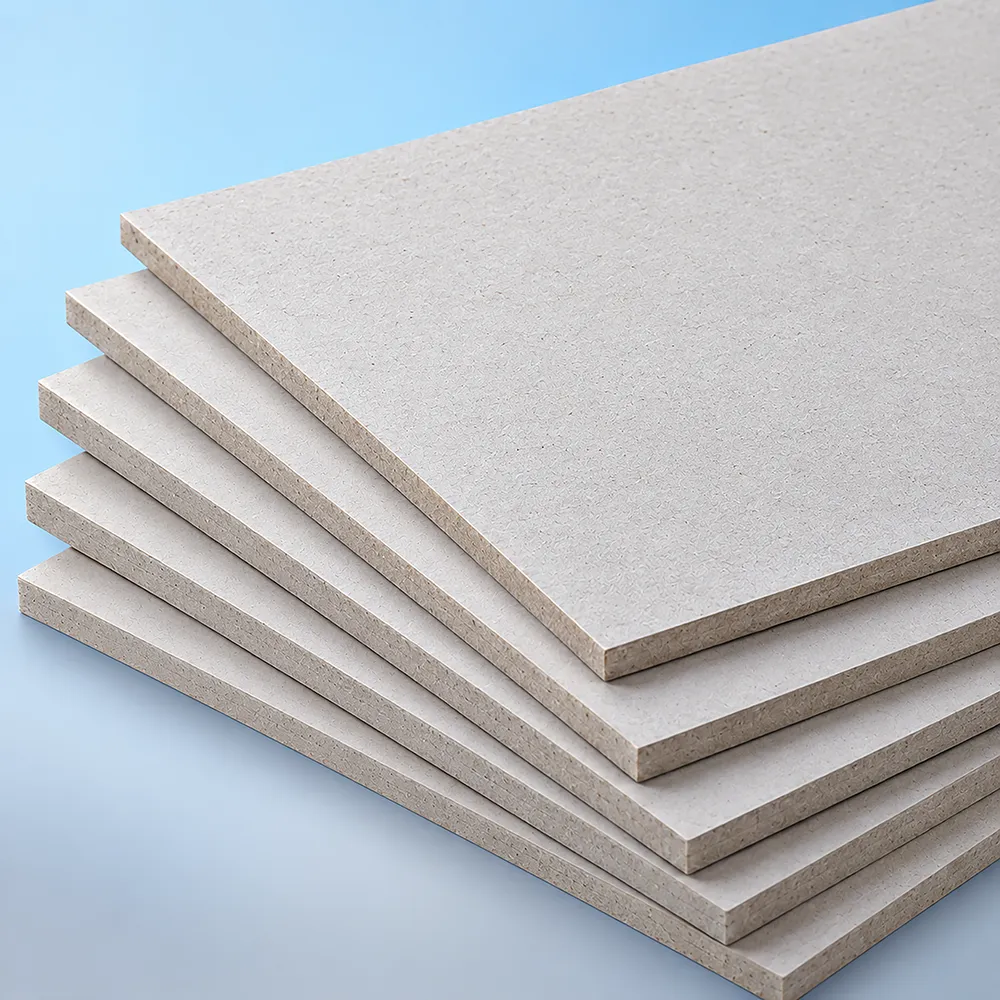
Cardboard

We use cardboard material with the least environmental impact and minimizes waste generation.

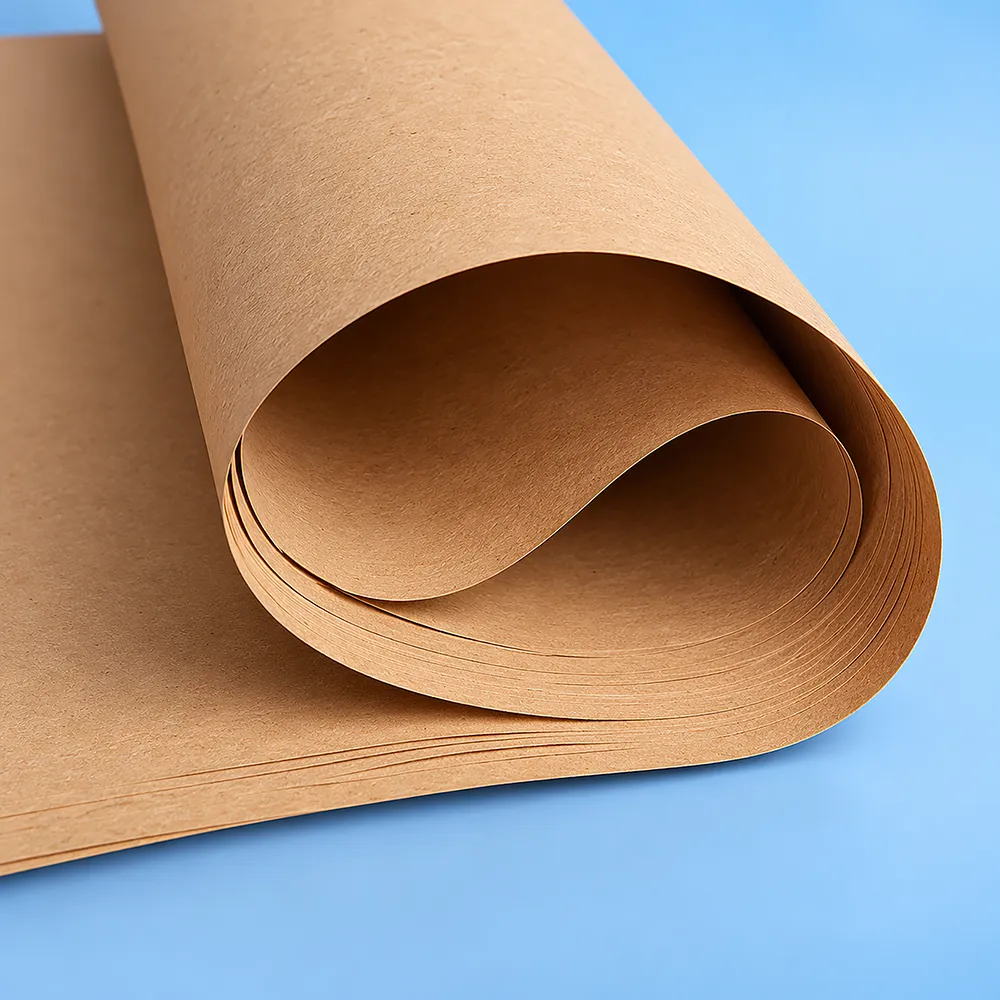
Kraft

Kraft paper is a strong, durable and reliable material that is widely used across many different industries.
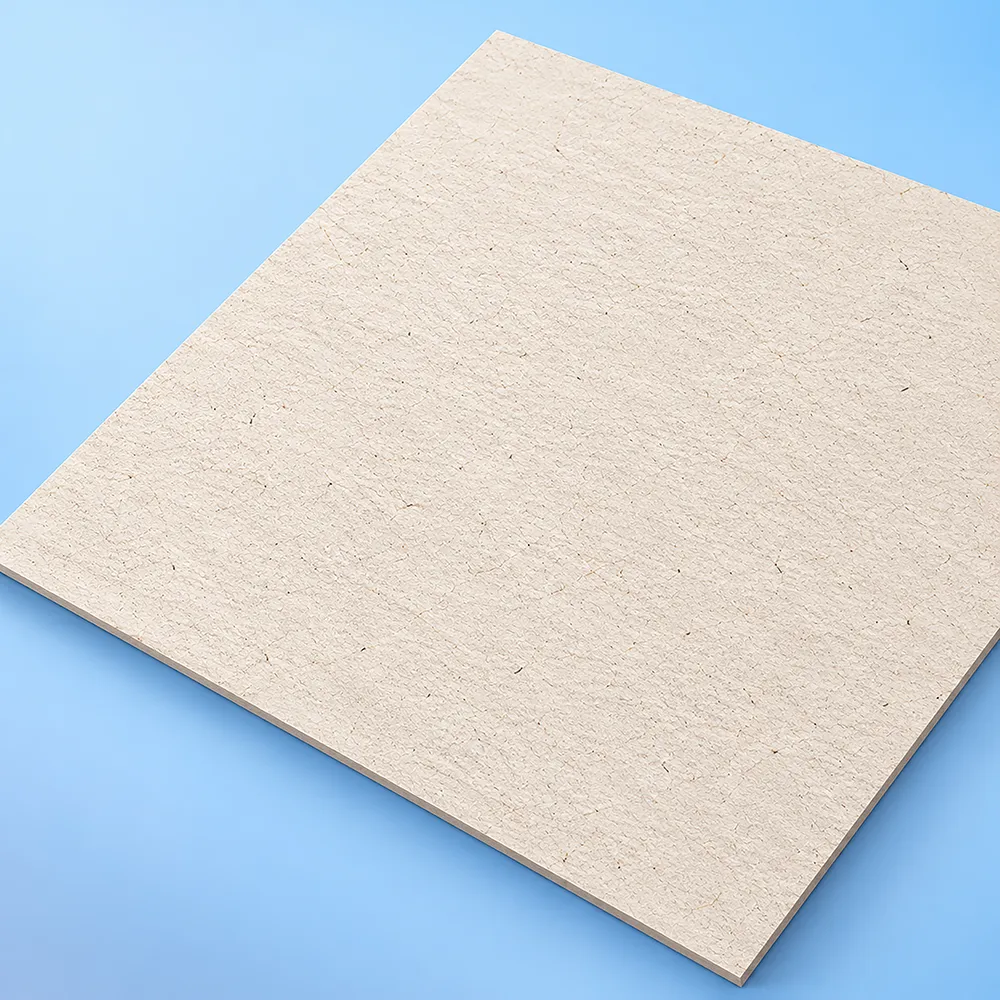
Rigid

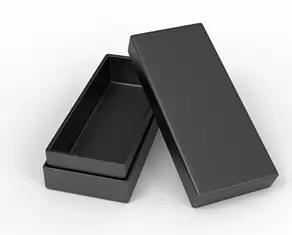
Rigid is highly protective, affordable and recyclable material. These boxes provide maximum protection.
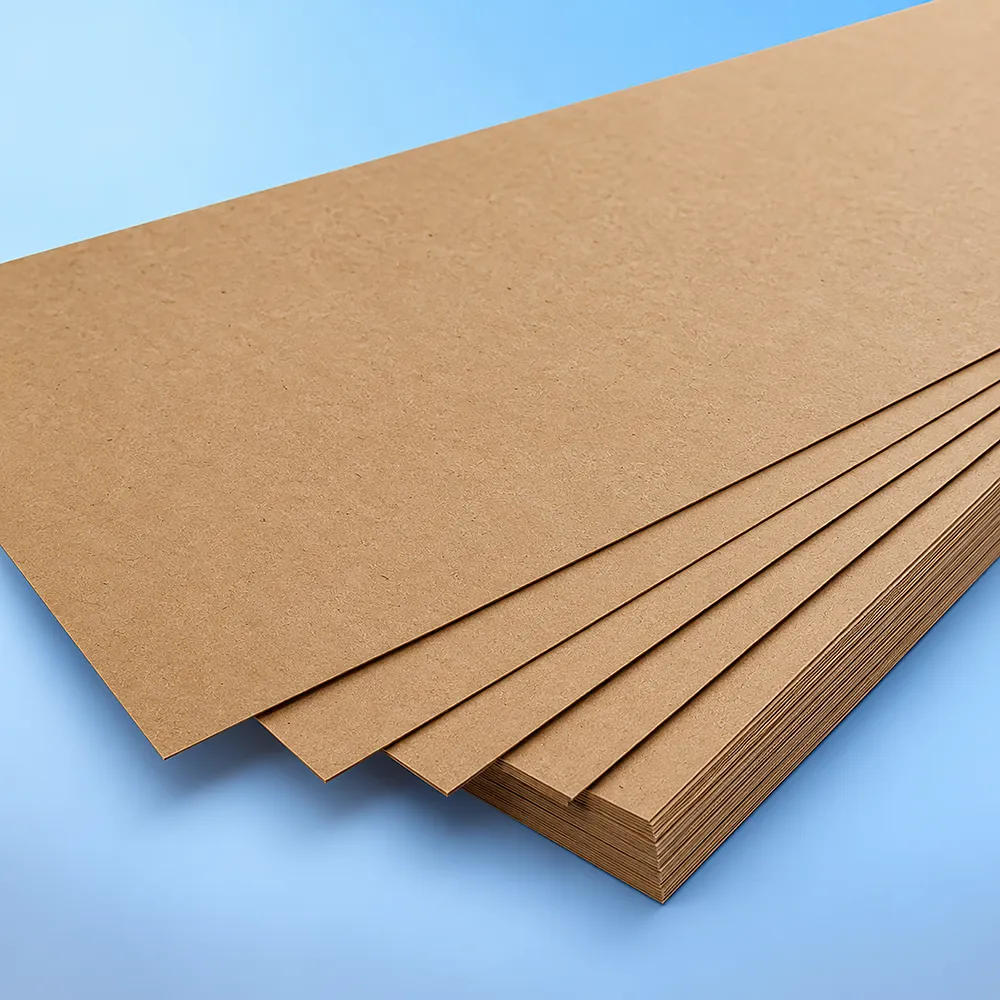
Corrugated

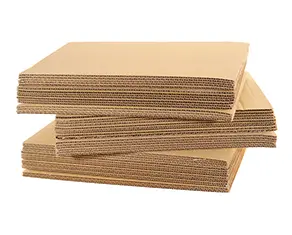
Corrugated material is easy to customize, cost effective and sustainable. It is also great for branding purposes.
Finishing Assortment

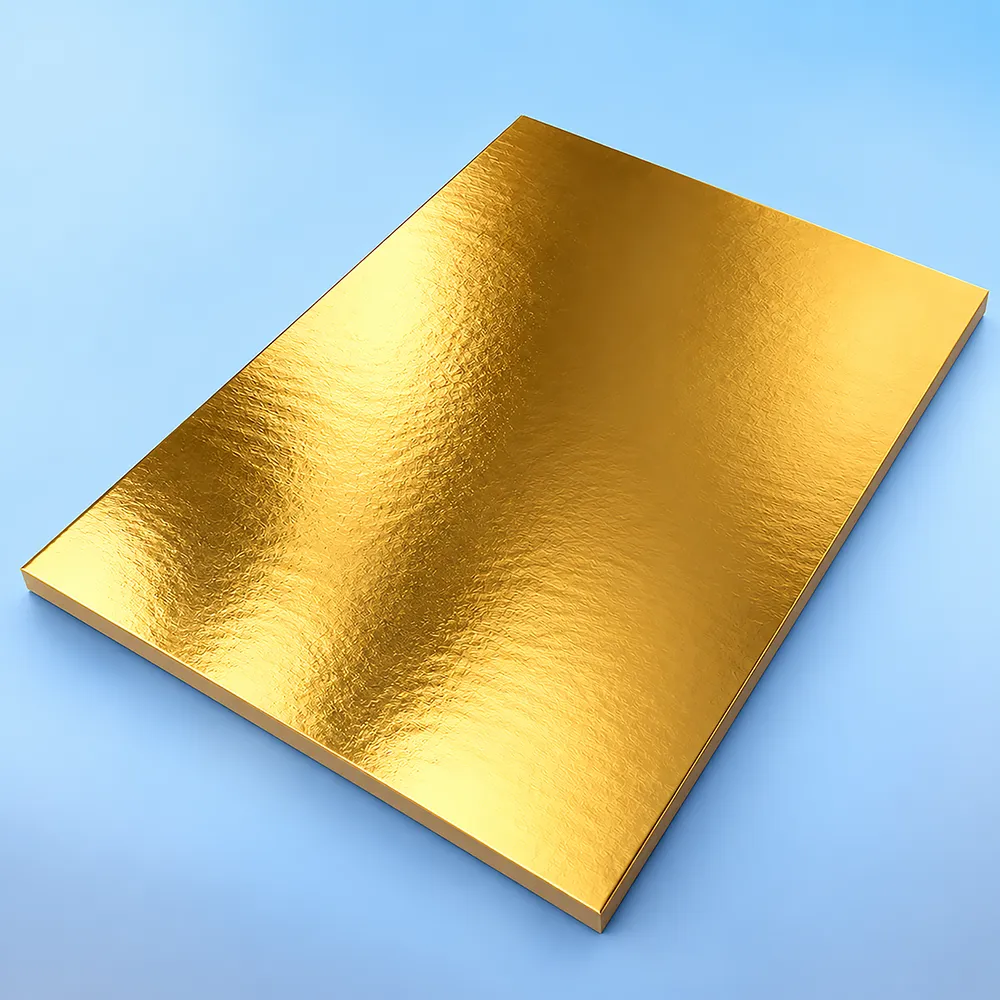
Foil Stamping

Foil Stamping

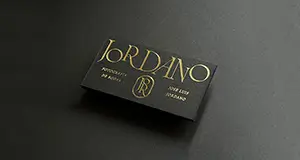
Enhance your packaging with premium foil stamping for a bold and luxurious appearance.

Spot UV

Spot UV

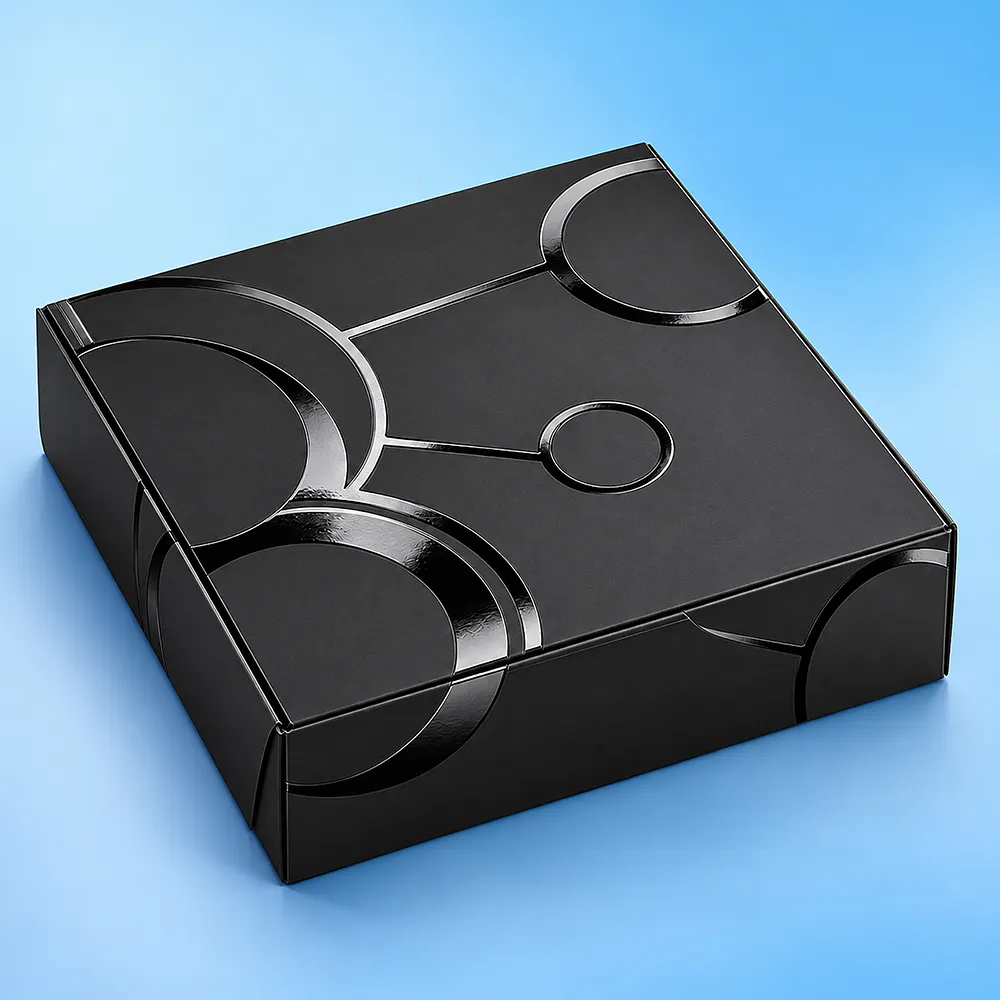
Our Spot UV coating adds a sleek shine and highlights key design elements beautifully.
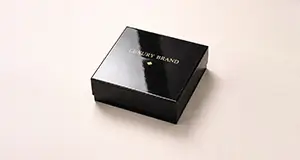
Gloss-Lamination

Gloss

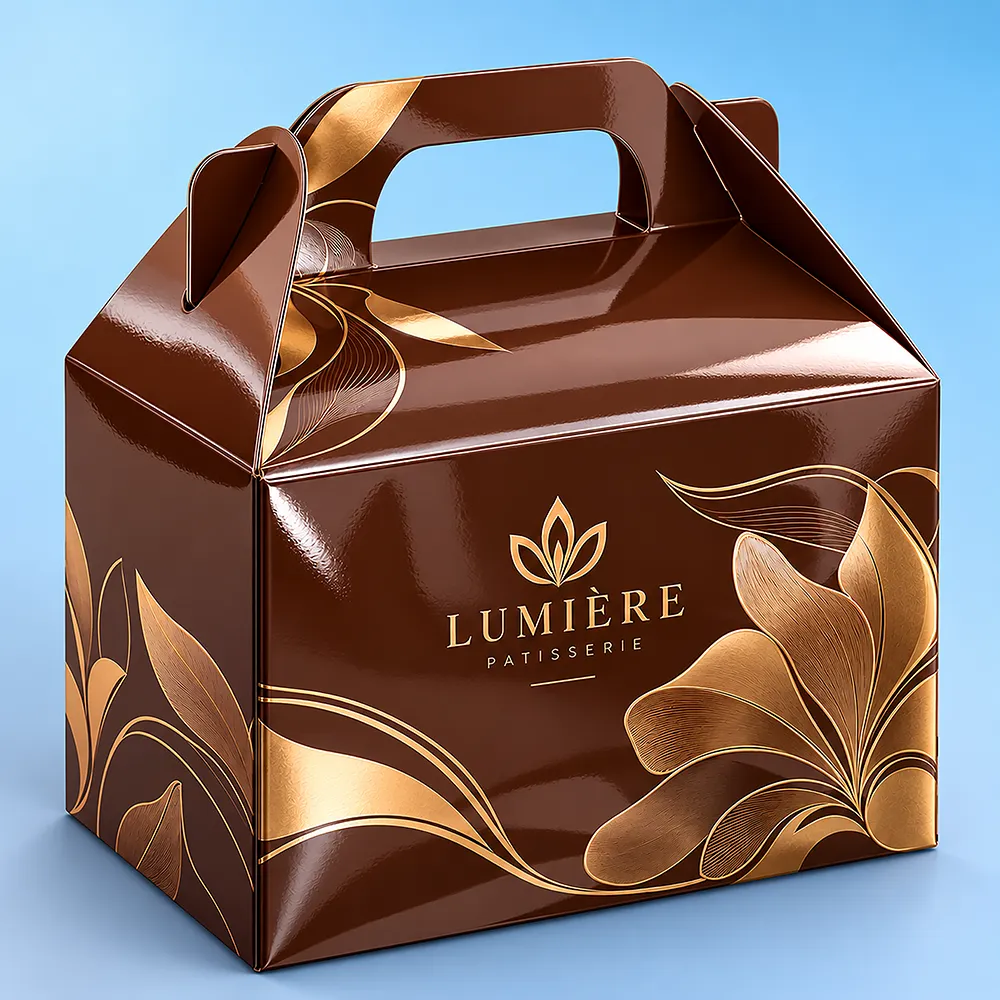
Give your packaging a polished, glossy finish that enhances color and visual appeal.
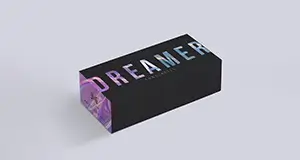
Holographic Foiling

Holographic Foiling

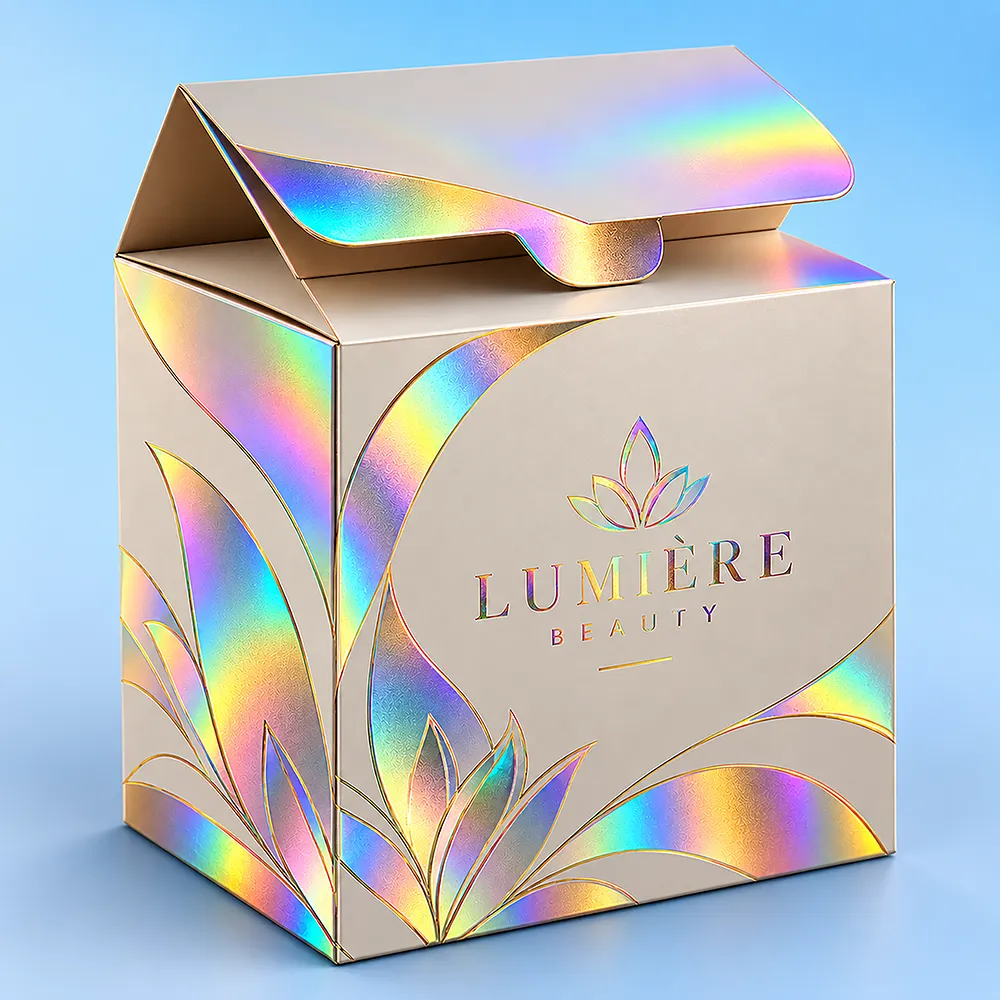
Create eye-catching packaging with holographic foil effects that shimmer from every angle.
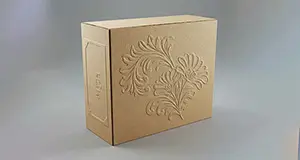
Embossing

Embossing

Add raised textures and elegant detailing to make your packaging stand out.
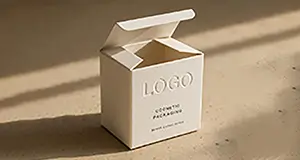
Debossing

Debossing

Create a refined pressed-in effect that adds depth and sophistication to your packaging.
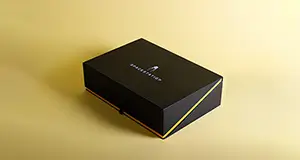
Matte

Matte

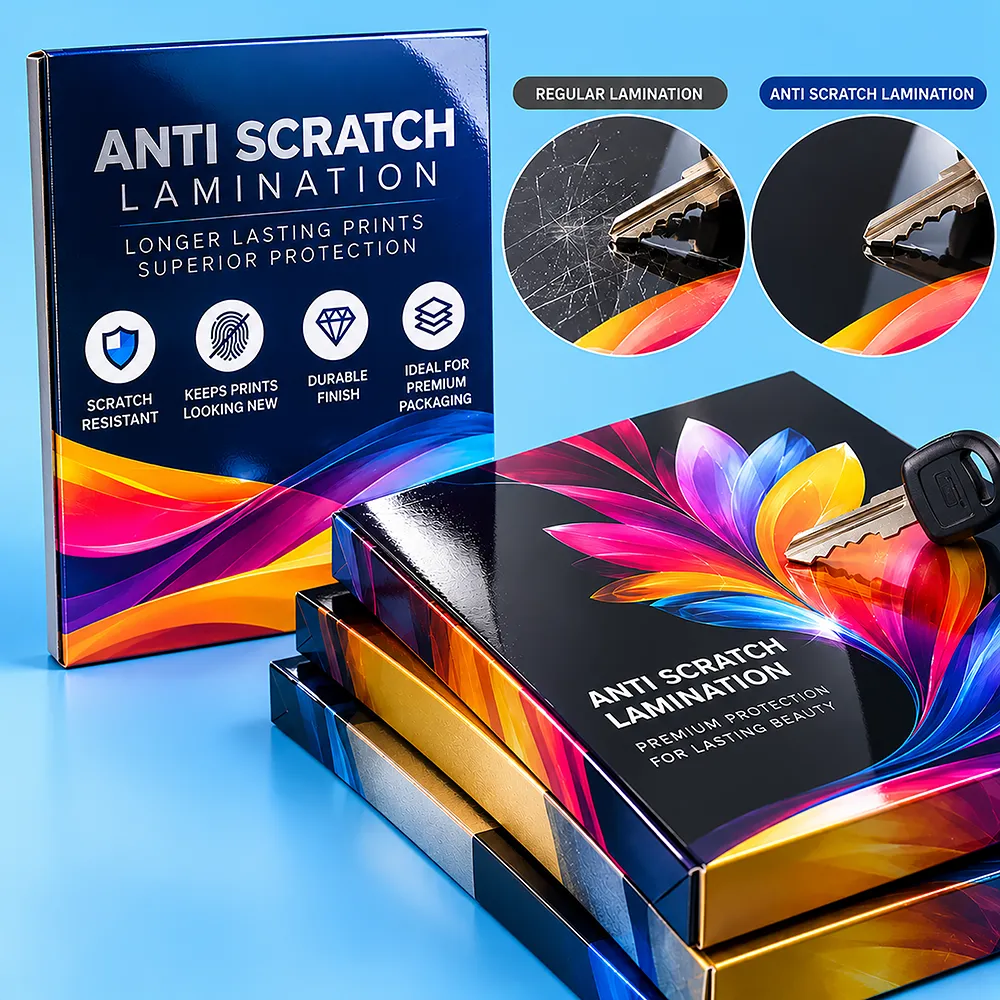
Achieve a smooth matte finish that minimizes fingerprints and delivers a modern look.
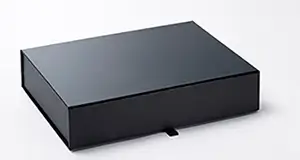
Soft Touch Lamination

Soft Touch Lamination

Protect your packaging with a silky-soft laminated finish for a premium feel.
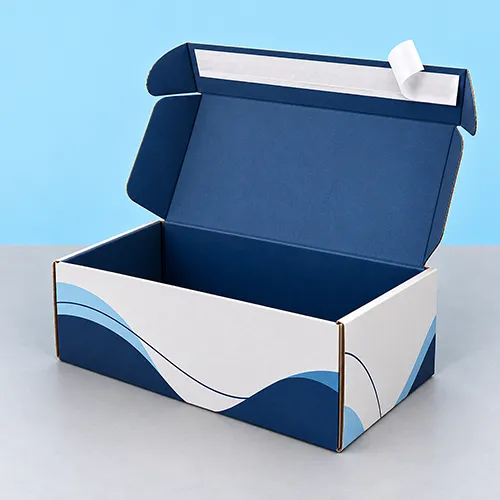
How Do Self Seal Shipping Boxes Work?

A peel-and-seal shipping box uses an adhesive strip applied to a designated closing flap during manufacturing. A removable release liner covers the adhesive until the carton is ready to be sealed. After the carton is assembled and filled, the packing operator removes the release liner, positions the closing flap and applies pressure along the specified contact area. This creates an integrated sealing process without requiring separate packaging tape when the adhesive closure has been specified for the intended shipment. The suitability of the closure depends on the adhesive system, board surface, closing-flap geometry, loaded weight and distribution conditions. An integrated adhesive strip does not automatically make every carton suitable for every shipping application. Businesses comparing integrated closures with conventional taped shipping cartons can also explore our Corrugated Shipping Boxes.

Self Seal Boxes vs Self-Locking Mailer Boxes

Self-sealing and self-locking describe different closure mechanisms. A peel-and-seal box uses a pre-applied adhesive strip to bond its closing flap to the designated contact surface. A mechanically self-locking box uses folded panels, tabs or other interlocking features. These mechanisms are not necessarily mutually exclusive. Some cartons can combine a folded, mechanically assembled structure with an adhesive sealing feature. The distinction matters when choosing packaging for a particular packing operation. An adhesive closure may remove a separate taping step, while a mechanically locking design can meet different assembly and presentation requirements. Businesses primarily seeking folded, presentation-oriented cartons without an adhesive-strip requirement can explore our Custom Mailer Boxes category.

Self Seal Box Closure and Packing Configurations

The closing mechanism should be designed around the carton structure, intended product and daily packing operation.

Peel-and-Seal Adhesive Closure

The principal configuration uses a pre-applied adhesive strip covered by a removable liner. Its position and length depend on the closing flap, carton dimensions and intended sealing surface. The adhesive must make appropriate contact after the carton has been filled. A closure that works on an empty sample may behave differently when the carton contains its actual products and protective components. The final packed configuration should therefore be considered during structural development.

Sealing-Surface and Flap Design

The closing flap must align with the intended sealing surface without excessive tension, distortion or obstruction. Board texture, printed ink, coatings and surface treatments may influence adhesive compatibility. The exact contact area should be reviewed as part of the structural design rather than treated as ordinary printable space. The finished carton must also accommodate the products without forcing the closing flap away from its intended sealing position.

Return-Sealing and Easy-Open Requirements

Businesses operating a returns program may require a second adhesive strip or a defined tear-open feature. These are distinct construction requirements, not automatic features of every self-seal box. Specify any return-sealing or easy-opening requirement during quotation so its manufacturing availability and compatibility can be assessed. Do not assume that an adhesive closure or tear strip provides a certified tamper-evident or tamper-resistant function without specific supporting evidence.

Custom Self Seal Boxes for Ecommerce and Business Shipping

Self-seal cartons address a closure and packing-workflow requirement. Their suitability for a particular business depends on the actual packed product and how shipments are prepared.

Ecommerce Order Fulfillment

Ecommerce businesses packing repeated orders can consider an integrated adhesive closure where it is compatible with their carton structure and shipping requirements. A suitable configuration should allow the operator to assemble the box, position the products and protective components, and close the flap without obstructing the sealing area. Businesses handling several common order configurations may also benefit from selecting carton sizes around their actual product combinations. For a broader range of direct-to-consumer packaging structures, explore our Ecommerce Packaging Boxes.

Subscription and Branded Deliveries

Subscription shipments frequently contain several products, promotional materials or accessories packed together. The carton should accommodate that complete arrangement while keeping the adhesive closure accessible during packing. Printed branding can be positioned on the exterior panels, while any intended interior graphics should be coordinated with the structural dieline and closure components. For eligible projects, opening and return requirements should be reviewed before the final carton design is approved.

Retail Replenishment and Wholesale Orders

Some retail replenishment shipments may be compatible with an integrated adhesive closure, depending on carton dimensions, packed weight and handling requirements. For heavier case-packed products or shipments with particular stacking requirements, a conventional slotted carton and suitable separate sealing method may be more appropriate. Businesses primarily selecting a standard case-packing structure can review our RSC Corrugated Shipping Boxes page.

Materials and Board Options for Self Seal Shipping Boxes

The selected material must support both the assembled carton and the approved sealing mechanism. Corrugated paperboard is a suitable material family to consider for shipping applications. Its wall construction, board grade and flute profile should be selected according to the product, carton dimensions and distribution conditions. The exterior liner also influences printing appearance and may affect the adhesive system selected for the closing flap.

Kraft and White Corrugated Board

Natural kraft corrugated board provides a brown exterior that can accommodate simple logos, shipping identification and suitable printed graphics. White liner options provide a brighter printing surface for detailed brand artwork and product identification. When selecting either material, the surface properties of the designated sealing area must be compatible with the adhesive closure. If a natural brown exterior is your main requirement rather than integrated sealing, our Kraft Shipping Boxes address that material-specific purchasing need.

Choosing the Appropriate Board Construction

The board configuration should be determined by the complete packed product rather than the presence of an adhesive strip. Single-wall corrugated board can suit many conventional shipping applications when the selected grade and package design meet the intended requirements. Different wall constructions may be considered for projects involving heavier loads or more demanding distribution conditions. Board selection and adhesive compatibility must be reviewed together. A thicker board does not automatically provide a more reliable adhesive seal.

How to Measure Custom Self Seal Boxes

The final dimensions must accommodate both the packed contents and the intended closing mechanism. Begin by measuring the product in its shipping orientation, including any existing retail packaging and fixed accessories. For multi-item shipments, establish the number of units and their arrangement inside the carton. Add the space required for dividers, fitted inserts or cushioning before finalizing the internal dimensions. The finished arrangement must also leave sufficient clearance for the closing flap to reach its intended sealing surface without excessive pressure from the contents.
Measurement What to provide
Product Dimensions Maximum finished length, width and height
Quantity per Box Number of items inside one shipping carton
Packed Weight Combined weight of the products and internal packaging
Product Arrangement Intended orientation and position inside the box
Protective Allowance Space required for inserts, dividers or cushioning
Internal Dimensions Required usable length, width and height
Closure Requirements Intended sealing direction and any opening or return requirements
Internal dimensions describe the usable space inside the carton, while external dimensions include its board construction and may affect storage and carrier charges. For additional dimensional guidance, read our How to Measure a Box Dimension guide.

Protective Inserts and Dividers for Self Seal Boxes

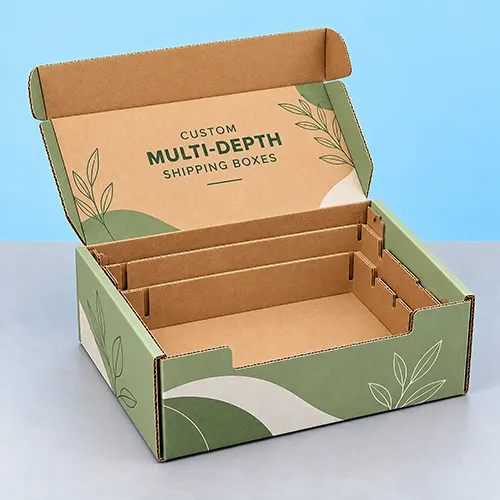
Internal protection should be selected according to the packed products and their expected handling conditions. Corrugated partitions can separate multiple items within one carton. Die-cut paperboard inserts and suitable fitted holders can help position products, while fragile items may require additional cushioning. The insert design must also accommodate the closure. An insert that occupies too much space or pushes against the closing flap can prevent proper alignment with the sealing surface. When internal protection is necessary, establish the complete product-and-insert arrangement before approving the structural dieline. For projects where transit performance is critical, a physical sample or appropriate completed-package testing may be needed to assess the carton, closure and protective components together.

Available Printing Methods for Custom Self Seal Boxes

Custom printing allows businesses to add logos, brand graphics, product identification and suitable handling information to their self-seal packaging. The appropriate process depends on the selected board, liner surface, artwork complexity, print coverage and production quantity.

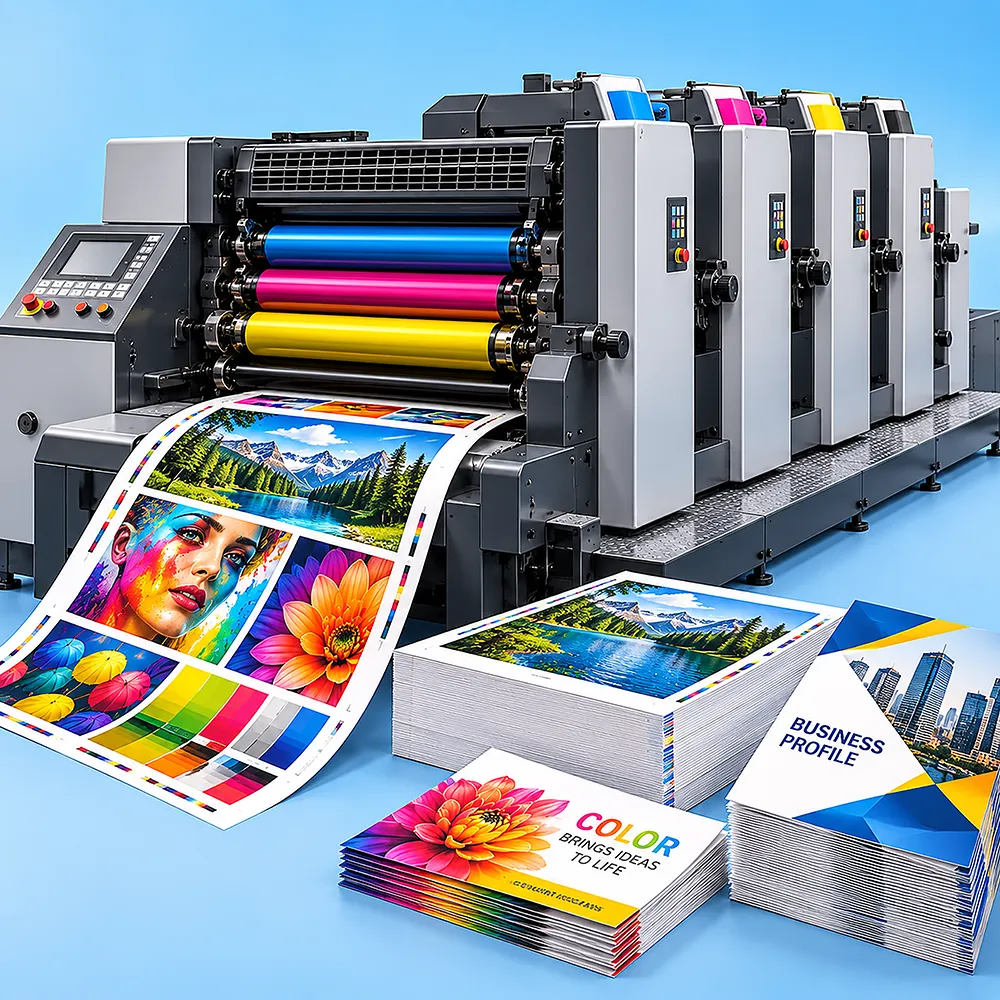
Flexographic Printing

Flexographic printing can be considered for eligible corrugated constructions carrying logos, identification panels and suitable graphics. The selected adhesive system and printing layout must be coordinated so that the intended sealing area remains compatible with the closure.

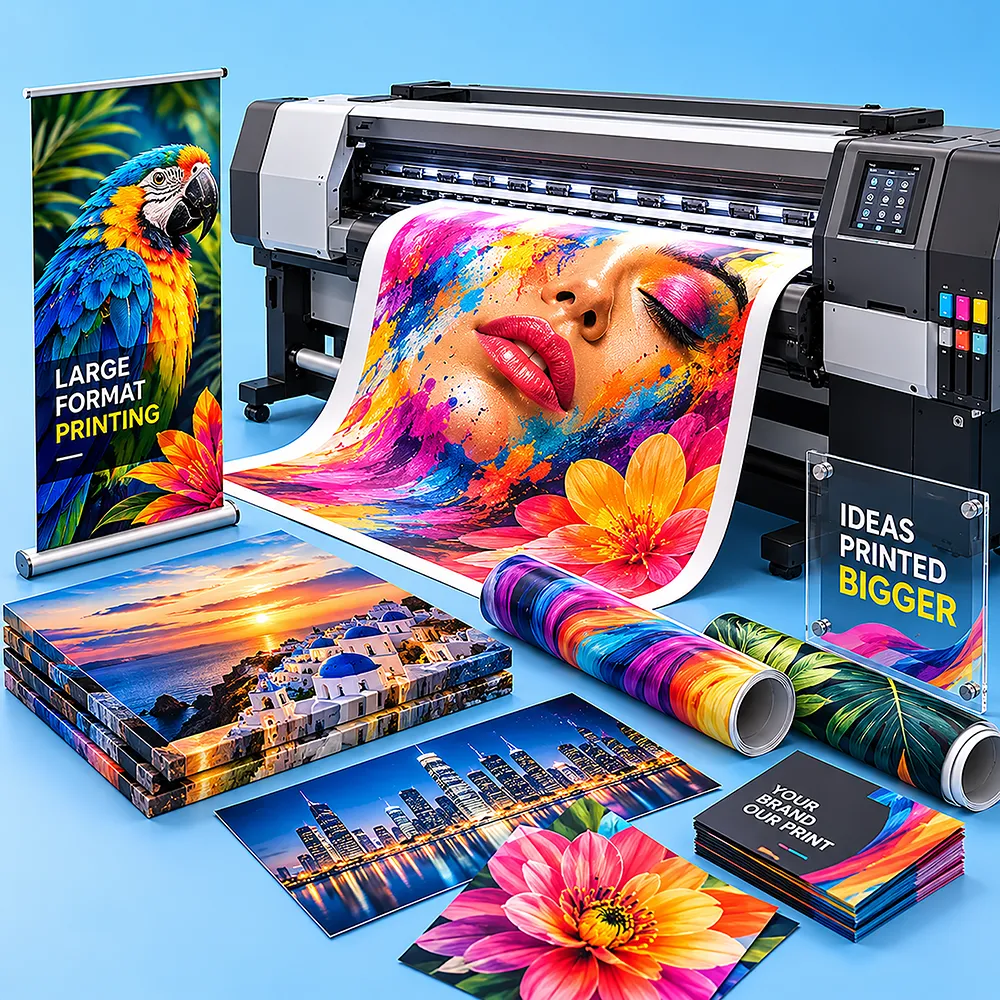
Digital Printing

Digital printing may be considered for suitable projects requiring detailed artwork or particular customization requirements. The print layout should account for the closing flap, release-liner position and any structural opening features.

Artwork Placement and Functional Areas

Custom self-seal cartons may incorporate exterior branding, product identifiers, handling marks, barcode panels and QR-code areas. These elements should be placed where they remain visible and functional after assembly. Printing and coatings over the sealing area require specific compatibility review. The available printing process and final artwork layout should be confirmed during the production review.

Finishing Options for Custom Self Seal Boxes

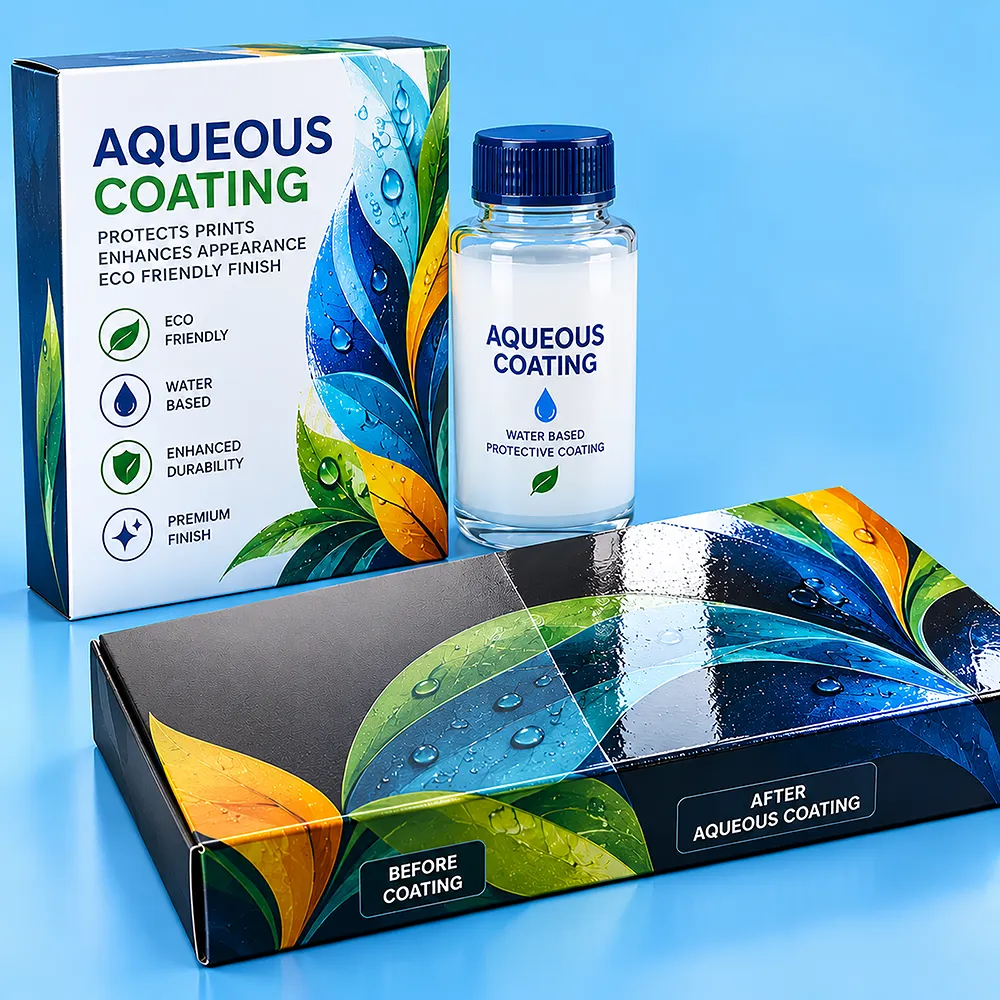
The finish must be compatible with the selected carton material and adhesive closure. An uncoated surface can be suitable for straightforward shipping identification and minimal branded printing. Compatible matte or gloss treatments may also be considered for eligible constructions. However, the chosen surface treatment should not interfere with adhesive contact, carton folding, shipping-label adhesion or barcode scanning. The adhesive system and sealing area must be reviewed alongside the ink and coating specifications. A treatment suitable for an exterior display panel may not be appropriate for the designated sealing surface. Decorative finishing options should be evaluated according to the actual shipping application rather than applied automatically to every self-seal carton.

Artwork, Structural Samples and Ordering Self Seal Boxes

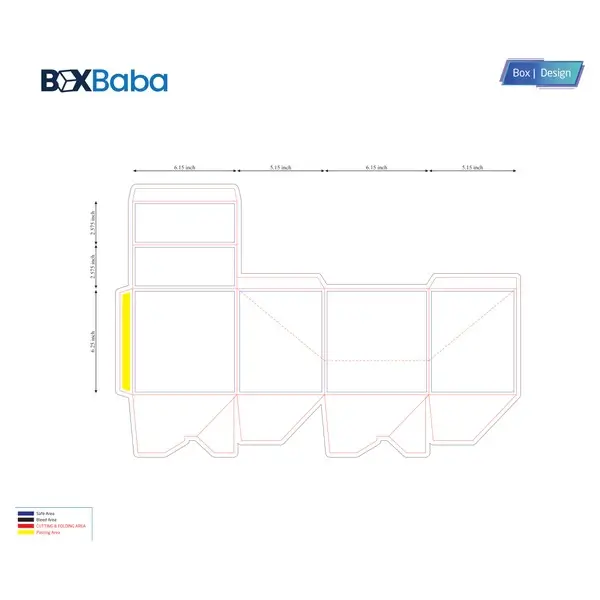
The dieline must establish the carton panels, fold lines, closing-flap geometry and intended adhesive position. It should also account for any protective inserts and optional opening or return-related features included in the approved project. Before requesting a quotation, prepare your product dimensions, quantity per carton, estimated packed weight, preferred material, printing requirements and intended sealing workflow. If you currently use a taped carton or another self-sealing package, sharing its specifications or a physical sample can help clarify your requirements. BoxBaba provides artwork assistance, dieline support, 3D mockups and proofing. A structural sample is especially useful for reviewing product fit, flap alignment and the proposed packing process. A digital artwork proof confirms graphic positioning and visual details. It does not establish the physical performance of an adhesive closure or the completed package during distribution. Once the approved construction and artwork are finalized, standard production takes 5–9 business days. Carrier transit time is separate.

Why Choose BoxBaba for Custom Self Seal Boxes?

BoxBaba helps businesses develop custom-sized packaging around their products, packing workflow and branding requirements. Our artwork, dieline and proofing support allows buyers to review the proposed design before production. Orders start at 100 units, with standard production in 5–9 business days after artwork approval. We also offer free-sample support, with applicable delivery charges reimbursed on the first bulk order, and free shipping across the USA under confirmed order terms.

Order Custom Self Seal Boxes Wholesale

Get custom self seal boxes configured for your products, fulfillment process and branding requirements. Share your dimensions, packed weight, intended closure, printing requirements and order quantity to request a tailored quotation. Start with 100 units. Place your order by phone at +1 305 574 4357 or email sales@boxbaba.com.

Frequently Asked Questions

Find all the urgent questions you may have.

Self-seal boxes with a peel-and-seal configuration use a pre-applied adhesive strip protected by a removable liner. The operator removes the liner and presses the closing flap onto the designated sealing surface. The final carton construction depends on the product and shipping requirements.
An appropriately specified adhesive-strip closure can remove the need for a separate taping step on suitable parcels. However, the finished package must be assessed against its loaded weight, closure configuration and distribution conditions. Some shipments may still require additional sealing.
No. Self-sealing describes an adhesive closure, while self-locking describes a mechanical closing mechanism using folded panels or interlocking tabs. A carton may incorporate both features, but they address different structural functions.
Yes. Custom dimensions can be developed around the packed product, protective components and intended carton structure. The closing flap and adhesive contact area must also be considered when finalizing the dieline.
Suitable corrugated paperboard can be considered according to the carton structure and shipping requirements. The selected board and liner must also be compatible with the intended adhesive closure. The exact material specification is confirmed during quotation.
Potentially, but compatibility depends on the adhesive, board, ink, coating and intended sealing surface. The design should be reviewed so that decorative printing or finishing does not interfere with the required adhesive contact.
Yes. Suitable configurations can incorporate partitions, die-cut inserts or fitted protective components. They must accommodate the products while leaving adequate internal space for the carton to close and seal correctly.
These features exist in suitable adhesive-strip packaging designs, but they are not automatic features of every self-seal box. Specify your return and opening requirements during quotation so their availability and compatibility can be confirmed.
Provide the packed product dimensions, loaded weight, quantity per carton, protective requirements and expected distribution conditions. A structural sample can help assess fit and closure alignment. Appropriate completed-package testing may be necessary for demanding applications.
The standard minimum order quantity is 100 units. Standard production takes 5–9 business days after artwork approval, subject to the confirmed project specifications. Free-sample support and free shipping across the USA are available under the applicable order terms.

Get a Custom Quote