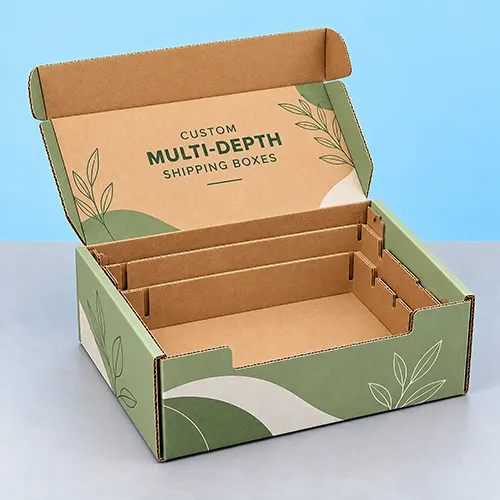




Bottle Shipping Boxes

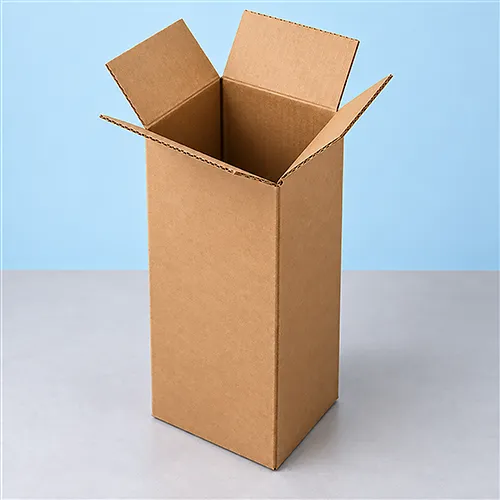
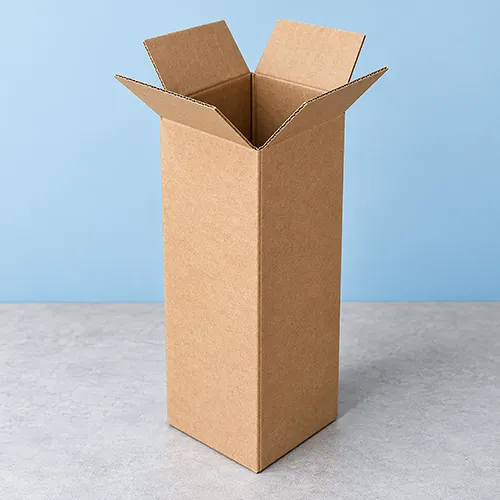
Custom bottle shipping boxes are corrugated outer cartons developed around the finished dimensions, filled weight and shipping arrangement of one or more bottles. They are relevant to brands shipping glass or plastic containers for sauces, skincare, oils and other bottled products. Unlike retail bottle cartons, transit packaging must account for closure clearance, bottle separation, support and the complete packed load. For an approved project, BoxBaba can review custom carton dimensions, appropriate board, branded printing and compatible protective components. Supply measurements of the closed bottle, the quantity per carton, the preferred orientation and your distribution requirements. Orders start at 100 units, with artwork support, production in 5–9 business days after approval and free shipping across the USA.
Trustpilot_Logo
5 out of 5 stars
4.5
Reviews 16 • Excellent

Bottle Shipping Boxes for Glass Bottles, Beverage Shipping & Product Protection

Bottle shipping boxes made with durable corrugated materials and customizable inserts, ideal for shipping beverage bottles, glass containers, and specialty liquids while helping limit movement and reduce the risk of damage during transit.

What We Give

Create Custom Boxes Quick and Easy

Design

Get your custom boxes made in the required size, shape, and style.

Print

Upload your artwork and get it superbly printed the way you want.

Get it done

Order any quantity, enjoy a wholesale price, pay no extra for die plates.

Product Specification

Specification Details
Product Type Corrugated outer shipping carton for individual or multiple bottles
Minimum Order Quantity 100 units
Dimensions Custom internal length × width × height, subject to manufacturing approval
Bottle Formats Glass and plastic bottles with approved packing configurations
Bottle Measurements Maximum width, depth, total closed height and filled weight
Quantity per Carton Single- or multi-bottle arrangements, subject to confirmation
Structure Suitable slotted or other approved corrugated transit design
Board Appropriate corrugated grade and wall construction
Printing Logos, product identification, handling information and labeling areas
Finishing Uncoated or other compatible treatment, where available
Artwork Support Dielines, 3D mockups and artwork proofing
Samples Free-sample support; applicable delivery charges reimbursed on the first bulk order
Standard Production 5–9 business days after final artwork and specification approval, subject to quotation
USA Shipping Free shipping across the USA under applicable order terms

Related Products

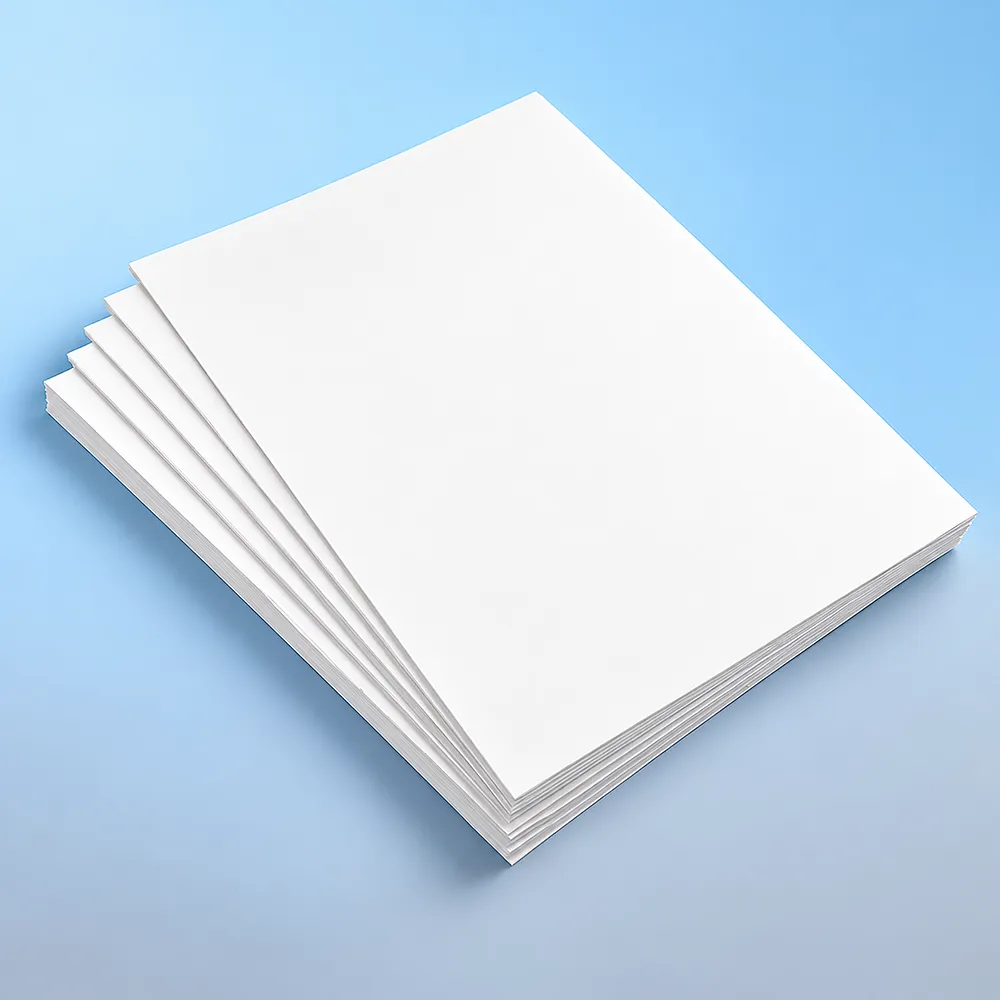
Stock Type & Thickness

Cardboard

We use cardboard material with the least environmental impact and minimizes waste generation.

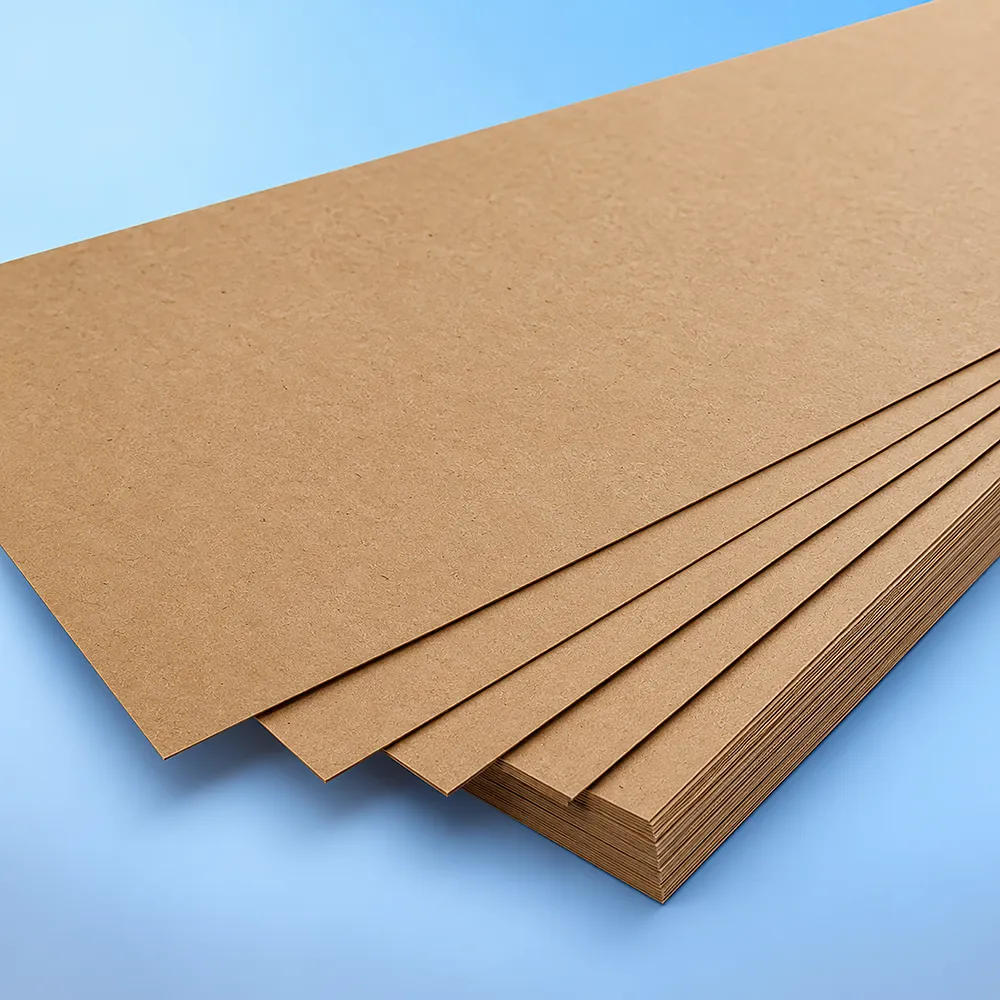
Kraft

Kraft paper is a strong, durable and reliable material that is widely used across many different industries.
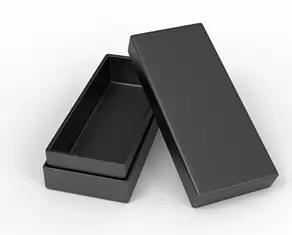
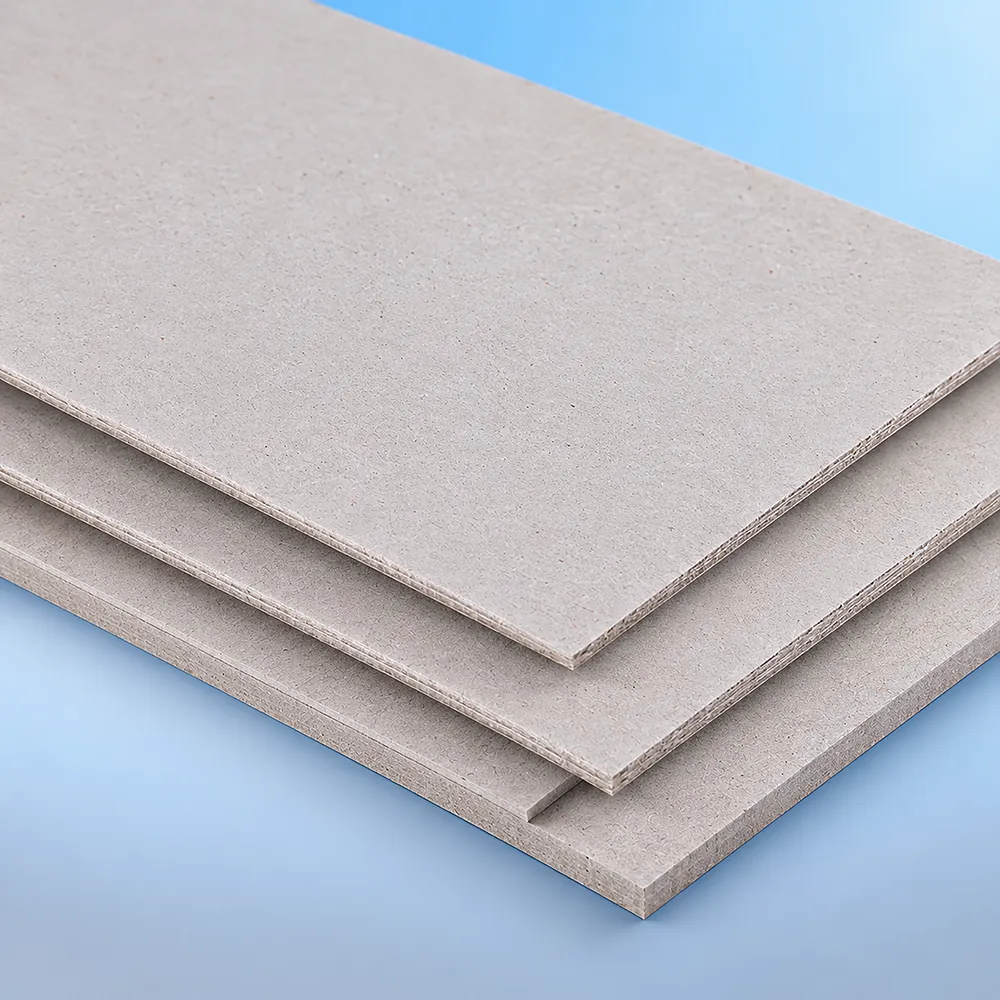
Rigid

Rigid is highly protective, affordable and recyclable material. These boxes provide maximum protection.
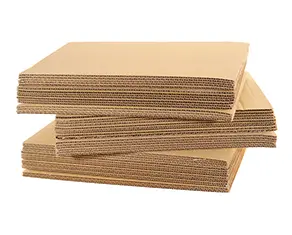
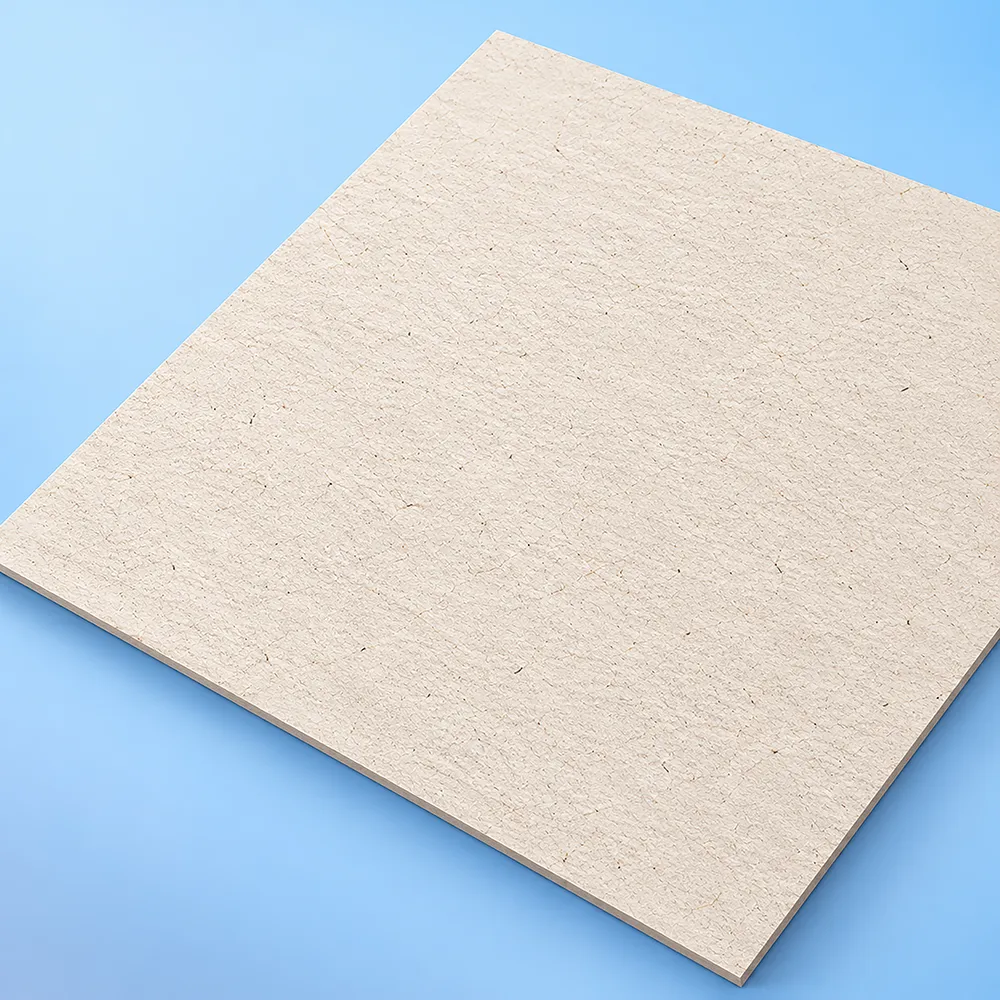
Corrugated

Corrugated material is easy to customize, cost effective and sustainable. It is also great for branding purposes.
Finishing Assortment

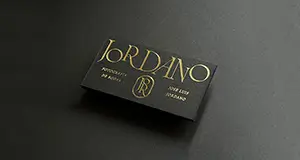
Foil Stamping

Foil Stamping

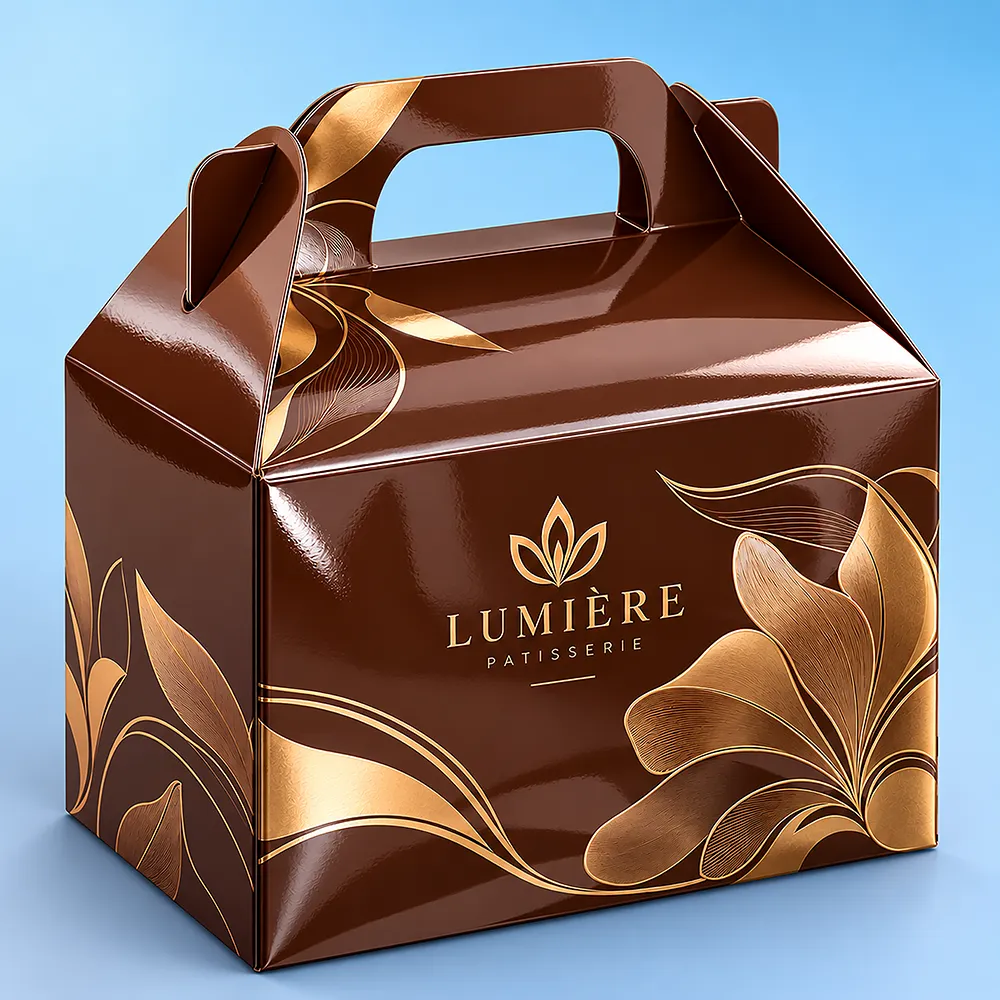
Enhance your packaging with premium foil stamping for a bold and luxurious appearance.

Spot UV

Spot UV

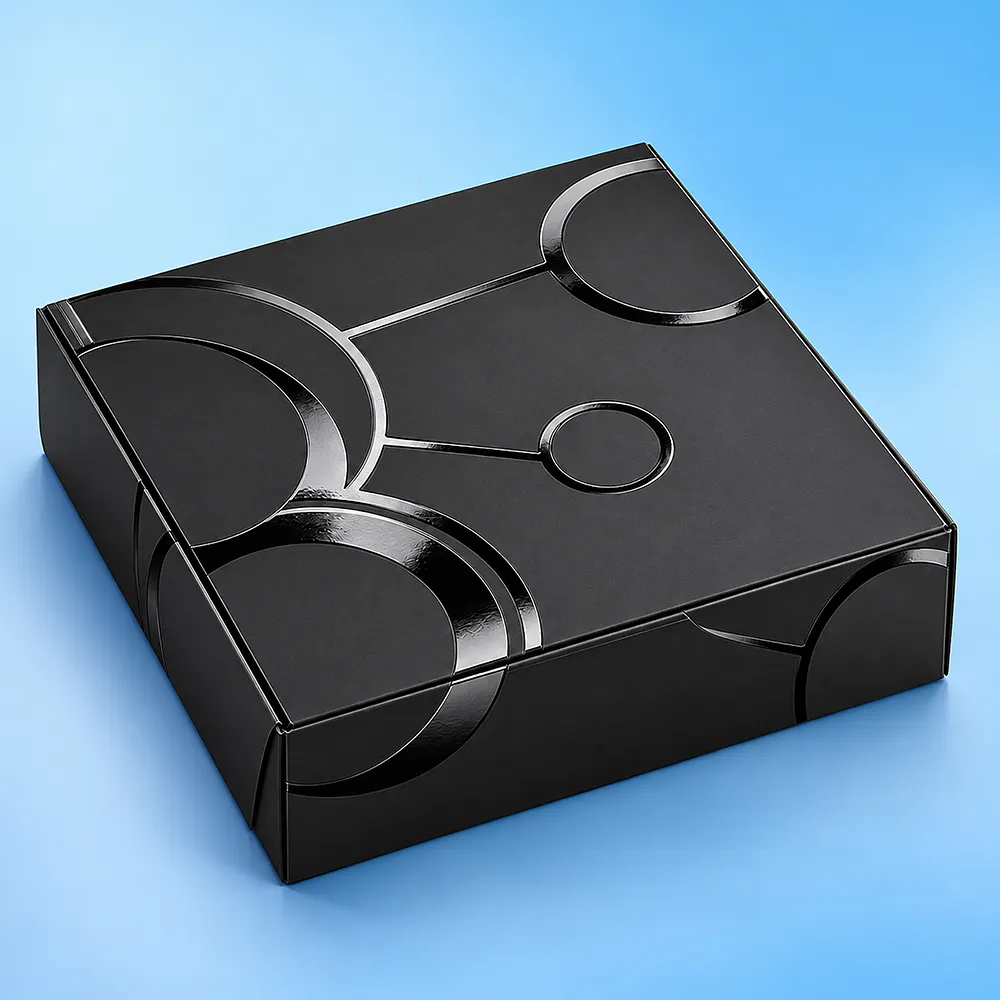
Our Spot UV coating adds a sleek shine and highlights key design elements beautifully.
Gloss-Lamination

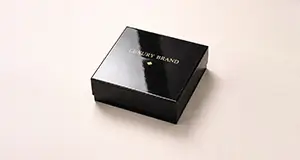
Gloss

Give your packaging a polished, glossy finish that enhances color and visual appeal.

Holographic Foiling

Holographic Foiling

Create eye-catching packaging with holographic foil effects that shimmer from every angle.
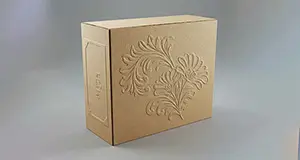
Embossing

Embossing

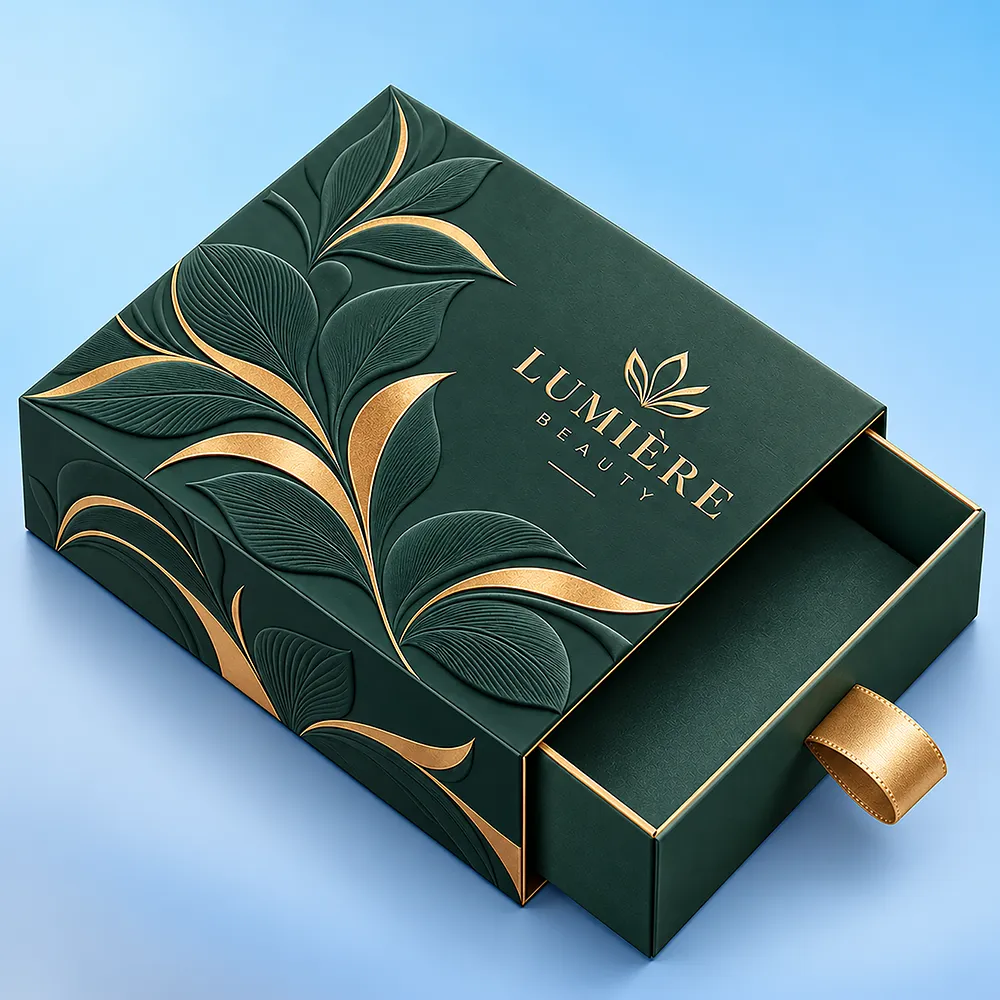
Add raised textures and elegant detailing to make your packaging stand out.
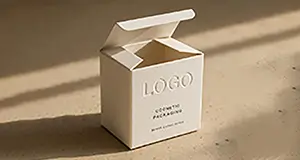
Debossing

Debossing

Create a refined pressed-in effect that adds depth and sophistication to your packaging.
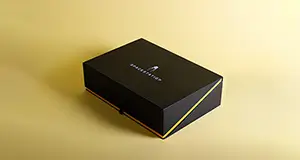
Matte

Matte

Achieve a smooth matte finish that minimizes fingerprints and delivers a modern look.
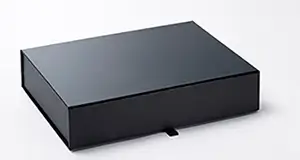
Soft Touch Lamination

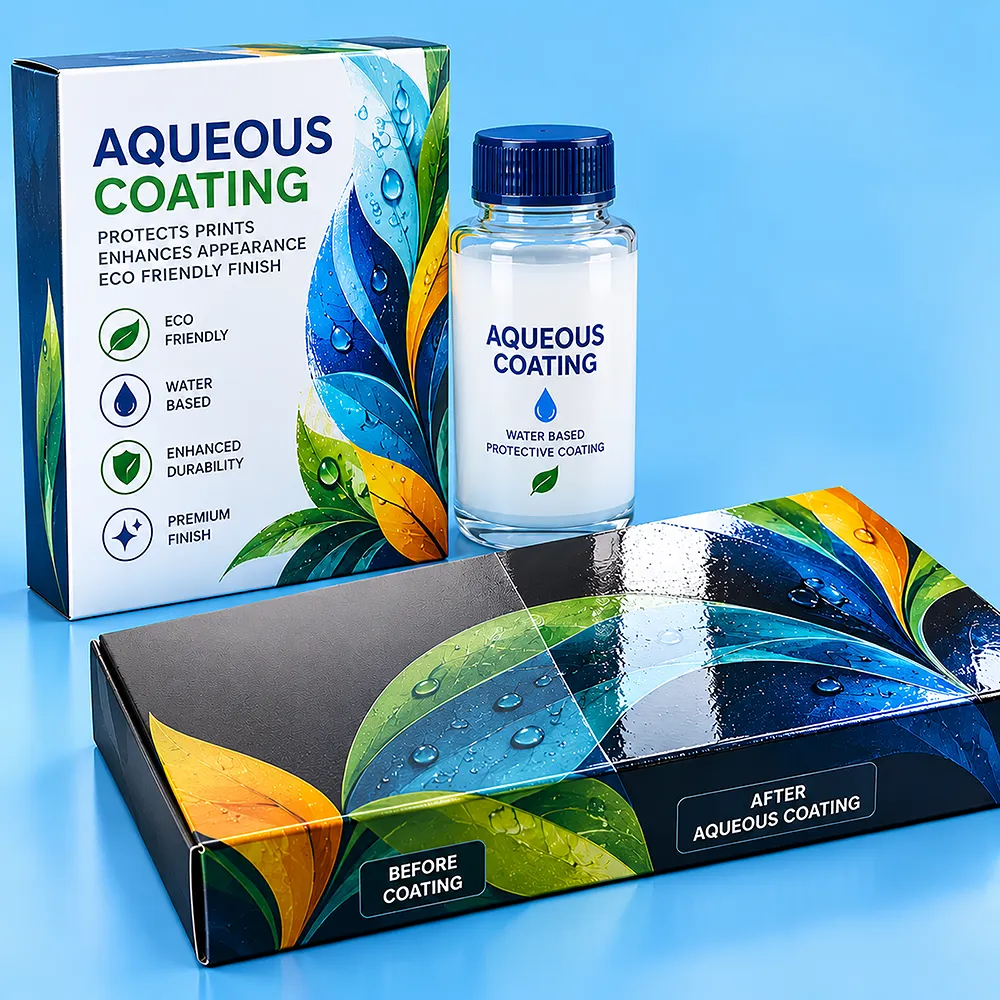
Soft Touch Lamination

Protect your packaging with a silky-soft laminated finish for a premium feel.
What Makes Bottle Shipping Boxes Different?

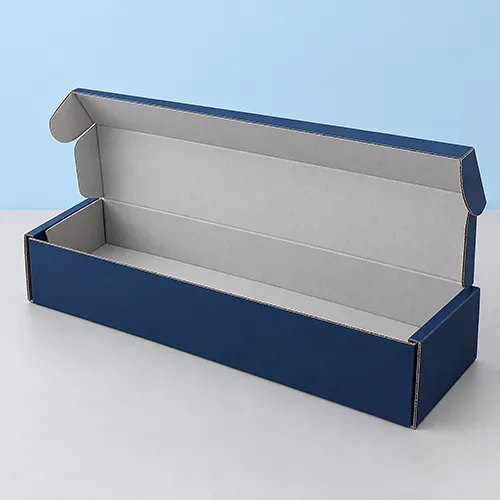
Bottle shipping cartons are developed around the physical requirements of completed bottles and the way those bottles are transported. A bottle stated liquid capacity is not enough to determine its shipping-box dimensions. Two bottles containing the same volume may have different bases, shoulders, necks, heights and closures. The shipping configuration must also reflect the number of bottles per carton. One bottle may need a fitted protective arrangement, while several bottles may require partitions, individual compartments or another approved internal design. Closure clearance matters as much as body fit. A box or insert should not place inappropriate pressure on a narrow neck, pump, dropper bulb, dispenser or other projecting component. The finished package performance depends on the outer carton, bottle containers, internal protection, closure and intended distribution conditions. No ordinary corrugated carton should be assumed leakproof or breakproof.

Single-Bottle vs Multi-Bottle Shipping Boxes

The number and arrangement of bottles determine the internal design and influence the required carton structure.
Packing configuration Main requirement Protective design consideration
Single bottle Fit one completed container Base and body support, suitable clearance around the closure
Several identical bottles Repeatable compartments Cell dimensions, separation and combined loaded weight
Bottles of different sizes Mixed-container arrangement Different compartment dimensions or fitted supports
Retail-boxed bottles Fit the finished retail packages Separation and protection of the complete retail cartons
Wholesale bottle case Defined units per case Consistent bottle arrangement, appropriate board and closure

Single-Bottle Corrugated Shipping Boxes

A single-bottle carton should be designed around the completed container, including its base, widest point and fully installed closure. The internal arrangement may use a fitted support or another appropriate protective configuration to position the bottle within the outer carton. For tall or top-heavy containers, review whether the selected arrangement provides adequate support around suitable contact areas without placing unwanted pressure on the closure.

Multi-Bottle Shipping Cartons

Multi-bottle cartons require more than enough space for several bottles. The design must account for the actual container positions, separation between units, combined filled weight and any contact that could occur between shoulders, necks, caps or projecting closures. Identical cylindrical bottles may suit a repeatable compartment arrangement. Mixed-size bottles may require different cell dimensions or a project-specific fitted layout.

Bottle Shipping Boxes for Different Product Applications

The completed bottle material, geometry and distribution requirements should guide the carton design.

Glass Bottle Shipping Boxes

Glass bottles require particular attention to their filled weight, base shape, shoulders, neck and possible contact with adjacent containers. For multi-bottle glass shipments, suitable partitions or fitted supports may form part of the protective arrangement. Their dimensions should correspond to the containers rather than simply dividing the carton into equal spaces. Additional cushioning or other protective components may be required for the actual shipment. A divider alone does not guarantee protection against breakage.

Shipping Boxes for Sauces and Bottled Condiments

Sauce, oil and condiment brands may need outer cartons for individual ecommerce orders or repeatable wholesale cases. The carton design should account for the bottle material, installed cap, filled weight, case quantity and intended shipping orientation. If each bottle already has a retail carton, measure those completed packs when developing the outer shipping case. Brands developing individual sauce-bottle cartons, gift sets or product-specific packaging can also explore our Hot Sauce Packaging Boxes.

Shipping Boxes for Skincare and Cosmetic Bottles

Serum, lotion, cosmetic oil and similar bottles may have droppers, pumps or other closures that extend beyond the main container body. The outer shipping case must accommodate the complete product, including any existing retail packaging and internal protective components. For mixed-product cases, establish whether the different bottle formats can share a suitable internal arrangement. A single uniform divider design may not fit every closure or container profile. If you also need individual product cartons, our Serum Boxes page addresses serum-specific retail packaging.

Wholesale Bottle Distribution

Wholesale bottle cases should be designed around a defined number of products and a repeatable packing arrangement. Provide the filled weight of each bottle, total case quantity, intended orientation and expected distribution conditions. Where relevant, the exterior can include suitable product identifiers, quantity markings, barcode panels and handling information.

Available Styles for Custom Bottle Shipping Boxes

The correct outer carton depends on the packed arrangement, loaded weight and sealing requirements.

Regular Slotted Bottle Shipping Cartons

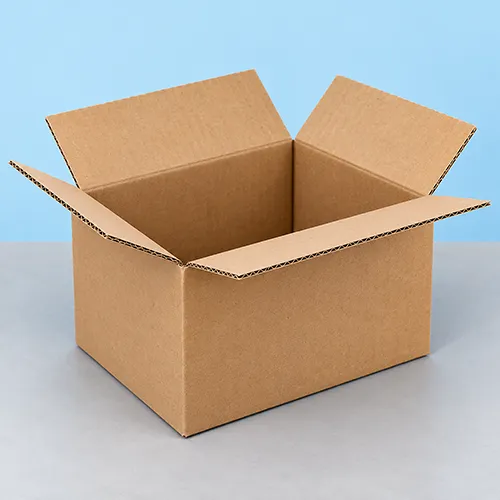
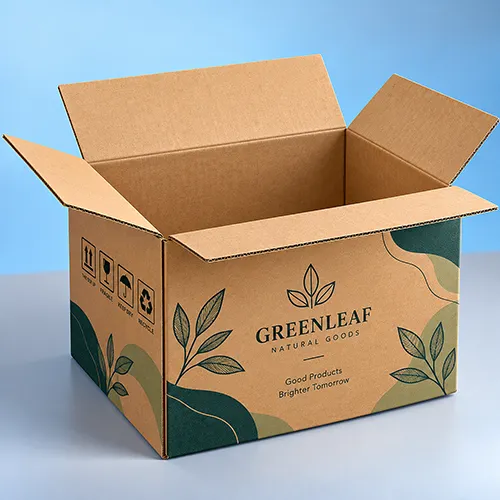
A Regular Slotted Container (RSC) has top and bottom flaps, with the outer flaps meeting at the center when closed. A suitably specified RSC may be considered for bottle distribution cases and other appropriate transit applications. It can be combined with an approved partition or insert design where required. The finished carton normally needs a suitable separate sealing method, such as compatible packaging tape. For more information about the underlying structure, explore our RSC Corrugated Shipping Boxes.

Custom Bottle Shipping Configurations

Some bottles or product assortments may require a different corrugated structure or specialized internal arrangement. The design should be developed using the actual completed bottles, carton quantity, loaded weight and distribution requirements. Any alternative carton style, special closure or fitted protective system must be confirmed for the project rather than assumed to be a standard offering.

How to Measure Custom Bottle Shipping Boxes

Measure each bottle in its fully assembled shipping condition. Include the installed cap, pump, dropper, overcap, handle or other component that changes its exterior profile. Record the actual filled weight rather than relying on its stated liquid capacity. For round containers, measure the maximum diameter. For square, rectangular, oval or irregular bottles, record the maximum width and depth separately.
Measurement What to provide
Maximum width or diameter Widest point of the completed bottle
Maximum depth Relevant for non-cylindrical containers
Total closed height From the base to the highest installed component
Base footprint Dimensions of the intended lower support area
Shoulder and neck profile Shape and position of narrowed or projecting sections
Closure dimensions Full profile of caps, pumps, droppers and overcaps
Filled weight Weight of the completed filled and closed container
Quantity per carton Number of bottles in the shipment
Intended orientation Upright or another proposed position
Protective components Space required for dividers, inserts, pads or cushioning

Single-Bottle Carton Dimensions

The usable internal space must accommodate the bottle complete exterior profile and the approved protective arrangement. If an insert supports the body or base, its thickness and position must be included in the carton dimensions. The closed carton must retain suitable clearance around the bottle top and other sensitive components.

Multi-Bottle Carton Dimensions

For several bottles, calculate the dimensions of the entire proposed arrangement rather than multiplying the bottle diameter without accounting for separation. Partition thickness, individual compartment dimensions, top and bottom protection and the position of each container all affect the required internal space. The bottle dimensions, usable protective compartments, internal carton dimensions and finished external dimensions are different measurements. They should be reviewed separately. External dimensions include the corrugated construction and may affect shipping, storage and pallet planning. For general measurement guidance, see our How to Measure a Box Dimension article.

Protective Inserts and Dividers for Bottle Shipping Boxes

The protective arrangement should address the actual bottle shapes and the possible movement of the completed containers during handling.

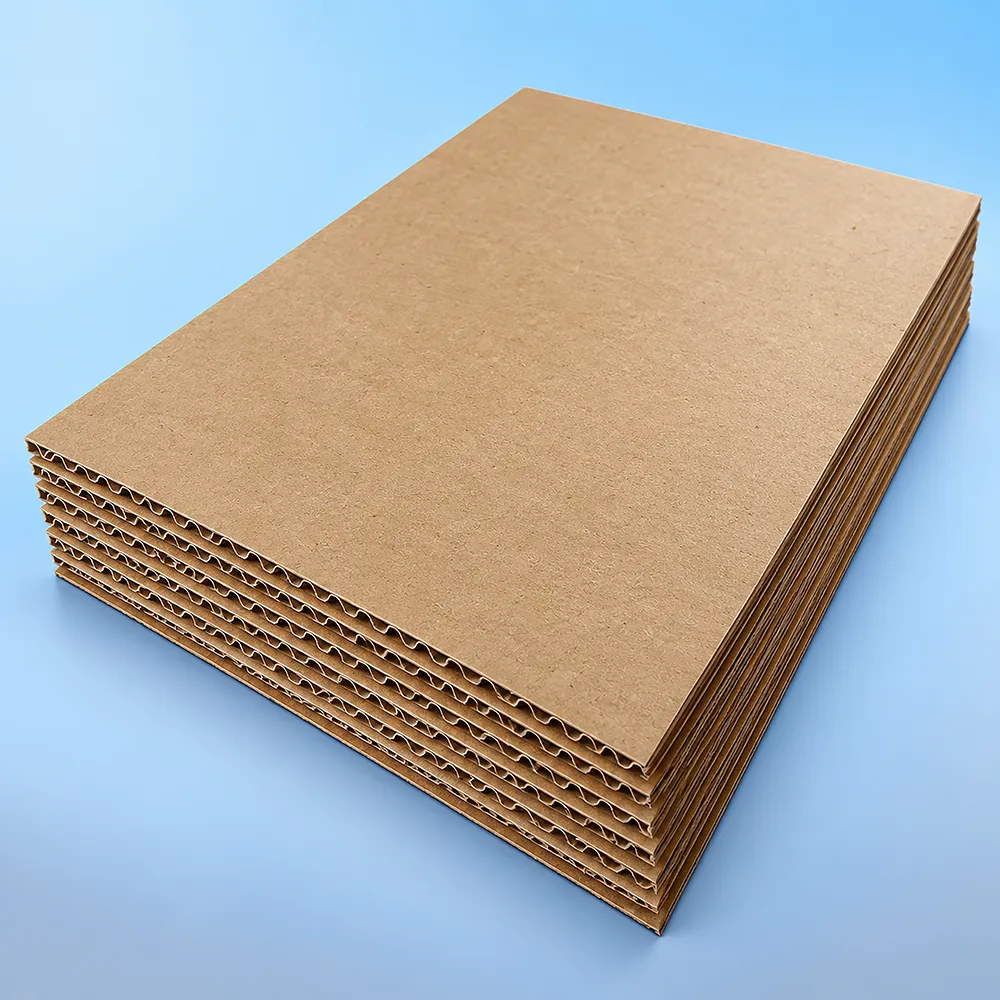
Corrugated Bottle Dividers

Corrugated partitions can provide separate compartments for multiple bottles in one carton. Their cell dimensions should accommodate the widest relevant parts of the containers and any necessary clearance. A partition that separates the bottle bodies may still leave wider shoulders or protruding closures able to contact one another. For that reason, divider height and the arrangement above the bottle bodies should be considered alongside the basic compartment footprint.

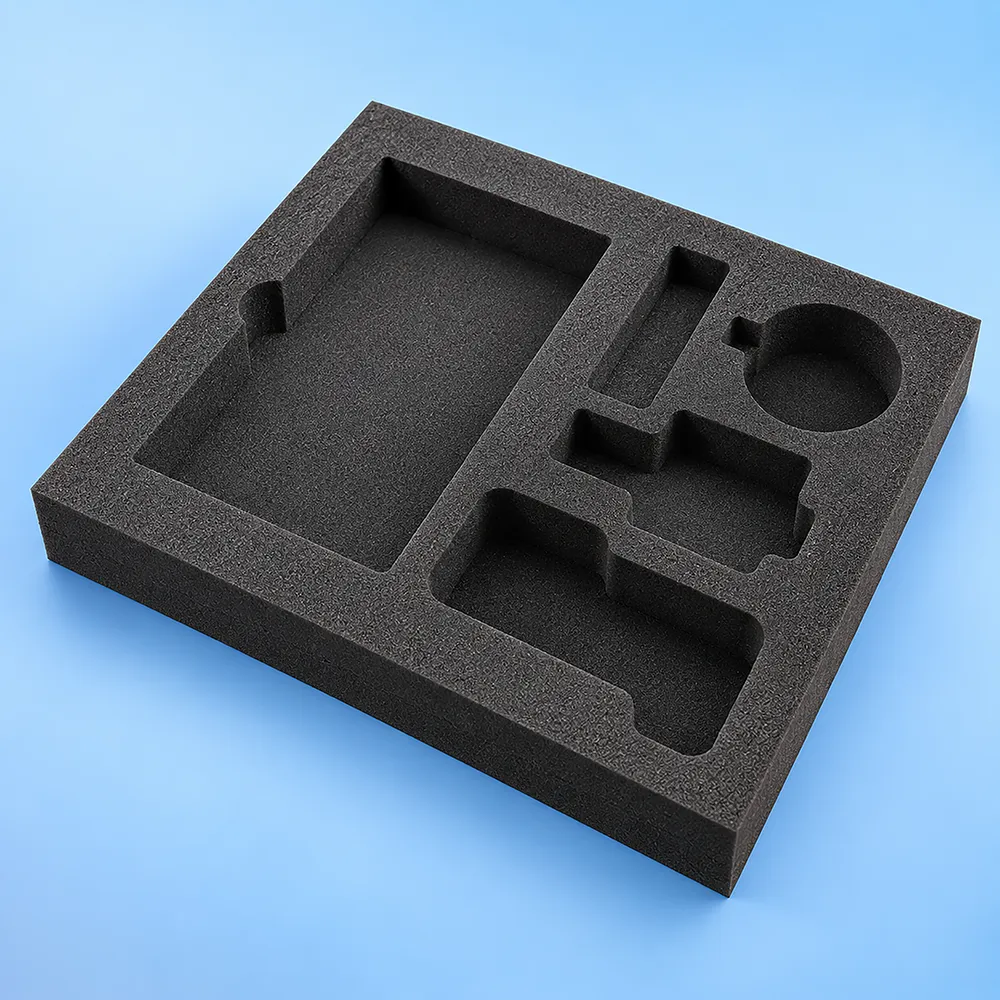
Fitted Bottle Inserts

A fitted insert may be appropriate when a container needs more controlled positioning than a simple partition provides. The design should establish suitable support around the base, body or another approved contact area. Avoid placing inappropriate concentrated pressure on narrow necks, glass shoulders, pump heads, dropper bulbs or decorative bottle surfaces.

Base Support and Closure Clearance

Filled bottles can place substantial loads on the lower protective components, depending on their weight and shape. The proposed base arrangement should be reviewed together with the outer carton and any cushioning. At the top, retain the clearance required by the installed cap or dispenser. Protective pads should not press against sensitive closures when the shipping carton is sealed.

Movement and Contact Between Bottles

The completed protective arrangement should be assessed for unwanted movement, bottle-to-bottle contact and contact with the outer carton. Multiple identical bottles may use a repeatable compartment layout, while mixed containers can need a different internal configuration. Where appropriate, review a physical sample containing the actual finished bottles or suitably representative items.

Corrugated Materials and Closure for Bottle Shipping Boxes

The board specification should be selected according to the carton dimensions, total packed weight and expected handling conditions. Single-wall corrugated board may be considered when the approved grade and finished package meet the intended requirements. Double-wall construction may be appropriate for projects requiring a different specification because of loaded weight, carton geometry or stacking conditions. Neither the board wall construction nor the presence of partitions independently proves that the package is suitable for a particular glass-bottle shipment. If your fulfillment operation has an established flute or Edge Crush Test requirement, include it with your quotation. Otherwise, provide the completed package dimensions, case weight and distribution details for review. The outer-carton closure must also suit the selected structure and packed load. A conventional slotted carton generally requires an appropriate sealing method. For other material and construction choices, explore our Corrugated Shipping Boxes range.

Bottle Orientation and Liquid-Shipping Requirements

Bottle orientation should be established before the final carton and insert design is approved. An upright arrangement may suit certain containers, but alternative orientations must be reviewed against the bottle primary closure, geometry, protective components and distribution requirements. The outer corrugated carton is separate from the container liquid-containment system. A tight-fitting insert cannot correct an unsuitable cap, seal or other primary closure. Where a shipment needs secondary containment or spill-control materials, specify those requirements independently from the ordinary carton and divider design. If the bottle contents are subject to particular transportation restrictions, the buyer must establish the applicable shipping and carrier requirements. An ordinary custom bottle shipping box should not be represented as an approved package for regulated contents without the relevant documentation.

Available Printing Methods for Custom Bottle Shipping Boxes

Custom printing can support branding, case identification and the normal warehouse and shipping process. The suitable process depends on the approved carton construction, exterior liner, artwork and production requirements.

Flexographic Printing

Flexographic printing may be considered for eligible corrugated bottle cartons carrying straightforward logos, product identification and suitable handling graphics. Its availability and print coverage must be confirmed for the selected board and project.

Digital Printing

Digital printing may be considered where the approved construction and available process support more detailed branding or particular customization requirements. The finished appearance depends on the selected substrate, printing system and artwork specifications.

Logos, Case Identification and Shipping Labels

Exterior artwork can include your logo, product name, SKU identification, case quantity and suitable handling information. Reserve practical areas for carrier labels, barcodes and QR codes. Critical information should remain visible after the carton has been assembled, sealed and labeled. Printing a handling symbol does not replace the need for a suitable packaging structure or protective arrangement.

Finishing Options for Custom Bottle Shipping Boxes

Finishing should be compatible with the corrugated board, printing process, carton folding and intended sealing method.

Kraft and White Exterior Surfaces

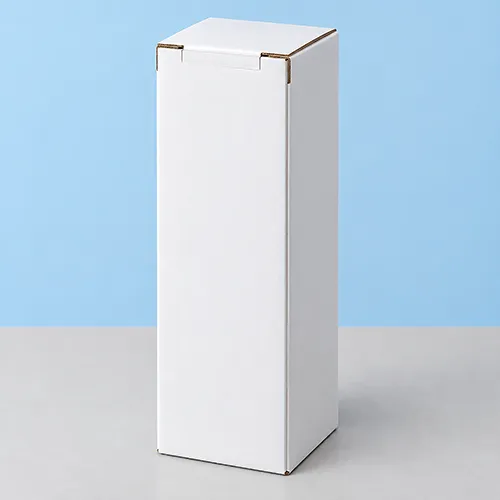
An appropriate kraft liner can provide a natural brown shipping-carton exterior with suitable printed identification. A white liner offers a lighter background for logos and other compatible graphics.

Matte and Gloss Treatments

Compatible matte or gloss treatments may be considered for eligible printed cartons when the manufacturing process supports them. Any proposed finish should remain compatible with folding, tape application and shipping-label adhesion.

Artwork, Physical Samples and Bottle-Shipping Validation

The bottle shipping-carton dieline should be developed from the complete packed arrangement. It must define the usable internal dimensions, approved board construction, carton panels, closure areas and any fitted components or partitions. For multi-bottle cases, the structural layout should establish the compartment positions and the clearances needed around the bodies, shoulders, necks and closures. A physical sample is particularly useful for reviewing fit, movement, assembly and sealing with the intended bottles or suitable representative products. An artwork proof confirms the proposed graphics. A structural sample helps confirm dimensions and assembly. Neither automatically establishes package performance during transportation. Where required by the intended shipment or carrier, the completed packed package should undergo appropriate evaluation or testing. Do not assume that a sample or ordinary divider makes a carton certified for glass bottles or regulated liquids.

How to Order Custom Bottle Shipping Boxes Wholesale

An accurate quotation starts with the actual completed containers. Provide the maximum bottle dimensions, closed height, filled weight and photographs or technical drawings where available. Include the quantity per carton, proposed arrangement and intended shipping orientation. Identify any existing retail cartons, required partitions, fitted inserts or cushioning. Share the preferred carton construction or material grade if you already have a packaging specification. Supply your logo artwork, order quantity, shipping-label requirements and relevant distribution details. If the contents require special containment or carrier-specific packaging, identify those requirements so they can be assessed separately from ordinary corrugated-carton production. Once the proposed design and manufacturing feasibility are confirmed, the final dieline, protective components, sampling arrangements and quotation can be approved. For businesses comparing other outer-carton formats, our Custom Shipping Boxes category covers the broader transit-packaging range.

Why Choose BoxBaba for Custom Bottle Shipping Boxes?

For approved bottle-shipping projects, BoxBaba provides artwork, dieline, 3D mockup and proofing support to help develop the proposed carton around your completed containers. Suitable corrugated structures and protective components can be reviewed against the confirmed product specification. Orders start at 100 units, with standard production in 5–9 business days after final artwork and specification approval. Free-sample support is available, with applicable delivery charges reimbursed on the first bulk order, alongside free shipping across the USA under the applicable terms.

Order Custom Bottle Shipping Boxes Wholesale

Request custom bottle shipping cartons for your individual bottles, multi-product shipments or wholesale cases. Share your completed bottle dimensions, filled weight, quantity per carton, intended orientation, protective requirements and artwork so the proposed design can be reviewed and quoted. Start with 100 units. Place your order by phone at +1 305 574 4357 or email sales@boxbaba.com.

Frequently Asked Questions

Find all the urgent questions you may have.

Custom bottle shipping boxes are outer corrugated cartons configured around the dimensions, quantity and shipping requirements of completed bottles. Their structural and protective specifications should be developed around the actual containers and intended distribution conditions.
An appropriate corrugated shipping configuration can be considered for glass bottles, but its suitability depends on the filled containers, protective components, board, closure and intended distribution process. A physical sample and applicable packed-package evaluation may be needed.
A single-bottle carton is designed around one completed container and its protective arrangement. A multi-bottle case must also account for separation, compartment dimensions, the position of each bottle and the combined loaded weight.
A mixed-bottle configuration may be possible using an approved internal arrangement. Bottles with different widths, heights or closures may need separate compartment dimensions or fitted supports rather than a uniform divider grid.
Not every bottle shipment requires the same protective components. The decision depends on the bottle material, geometry, quantity, contact risks and distribution requirements. Partitions separate containers, while fitted inserts may provide more controlled support.
Measure the fully assembled bottle with the pump, dropper, cap or other closure installed. Record its maximum width and depth, total closed height, base dimensions and filled weight. Do not rely on liquid capacity alone.
No. An ordinary corrugated shipping carton does not make the contents leakproof or guarantee that bottles will not break. Primary closure integrity, any required secondary containment, protective packaging and distribution conditions must be addressed separately.
Suitable approved designs may include logos, case identification, product information and handling graphics. The available printing process depends on the selected corrugated board and manufacturing specifications.
BoxBaba provides free-sample support, with applicable delivery charges reimbursed on the first bulk order. For an approved bottle-shipping project, a physical structural sample may be useful for reviewing actual bottle fit, compartment design, assembly and closure.
BoxBaba standard MOQ is 100 units. For a confirmed bottle-shipping configuration, standard production is 5–9 business days after final artwork and specification approval, subject to quotation. Provide your bottle measurements, filled weight, quantity per carton, protective requirements and artwork when requesting a quote.

Get a Custom Quote