










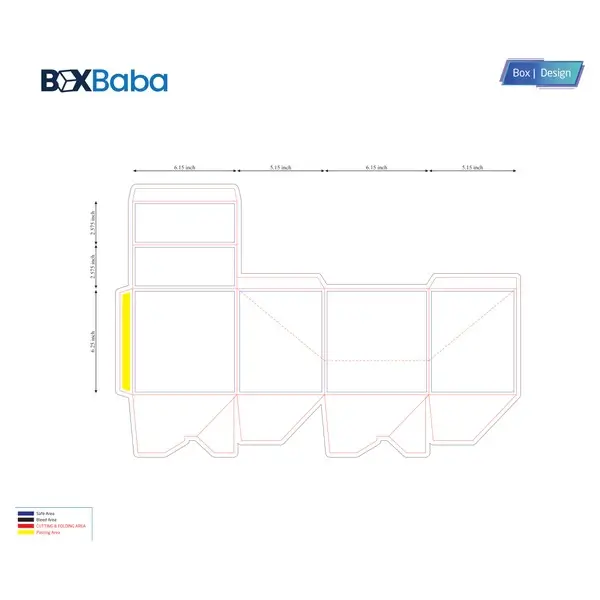

Corrugated Boxes With Lid

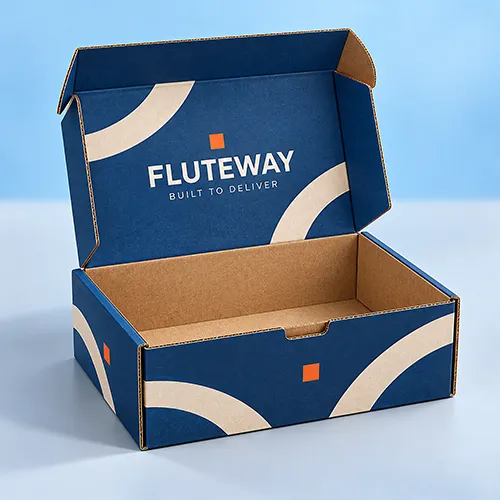
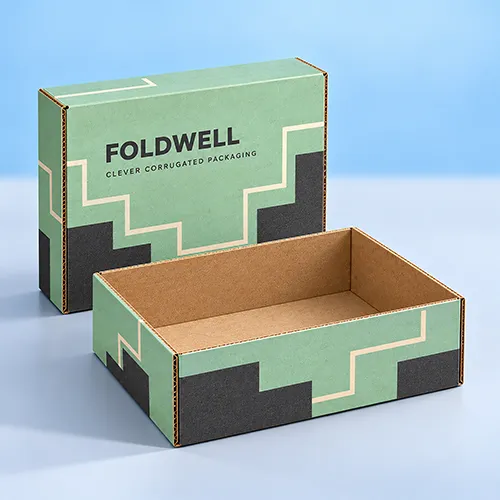
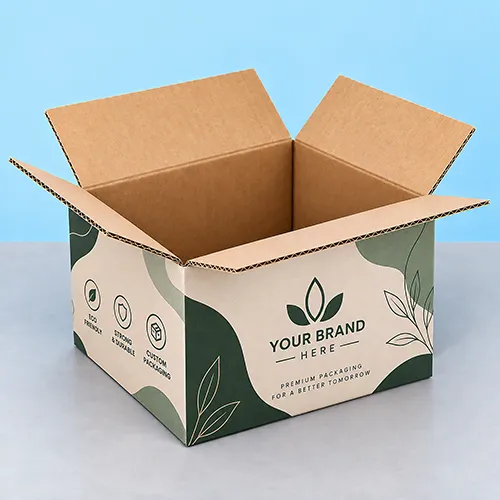
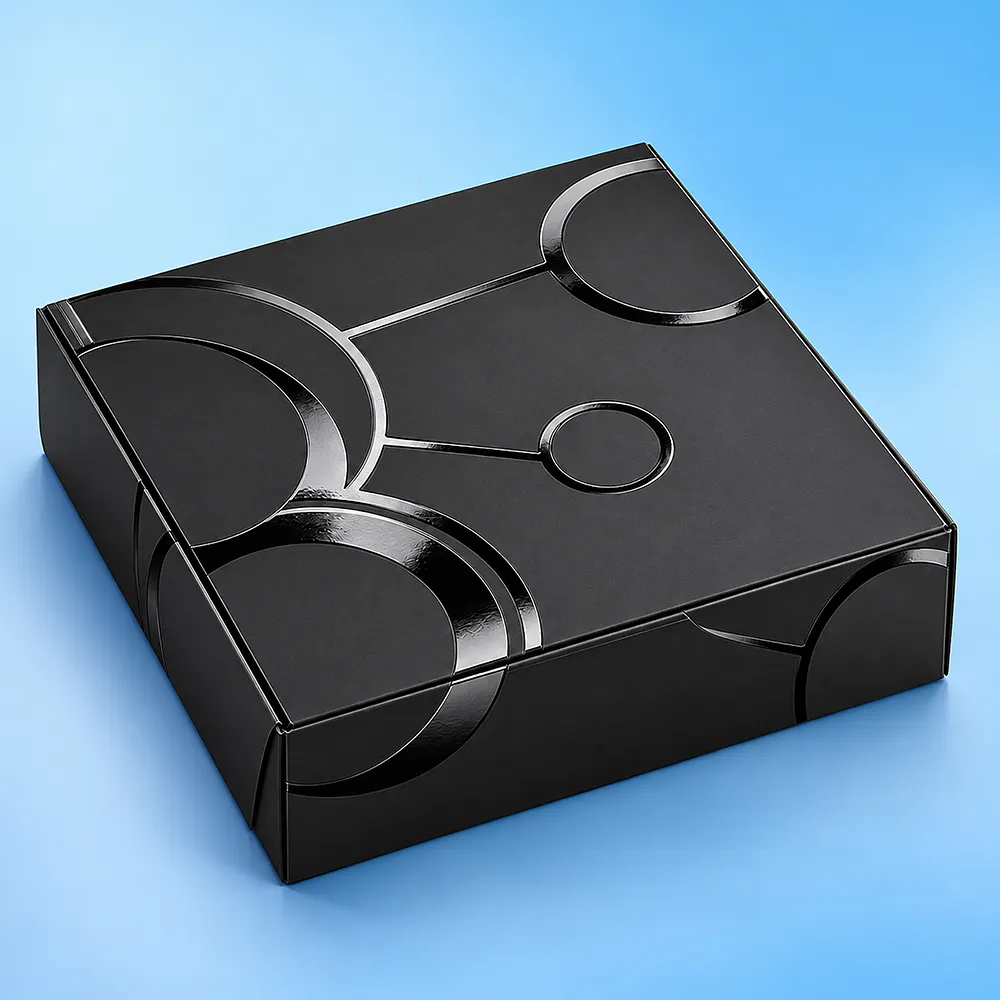
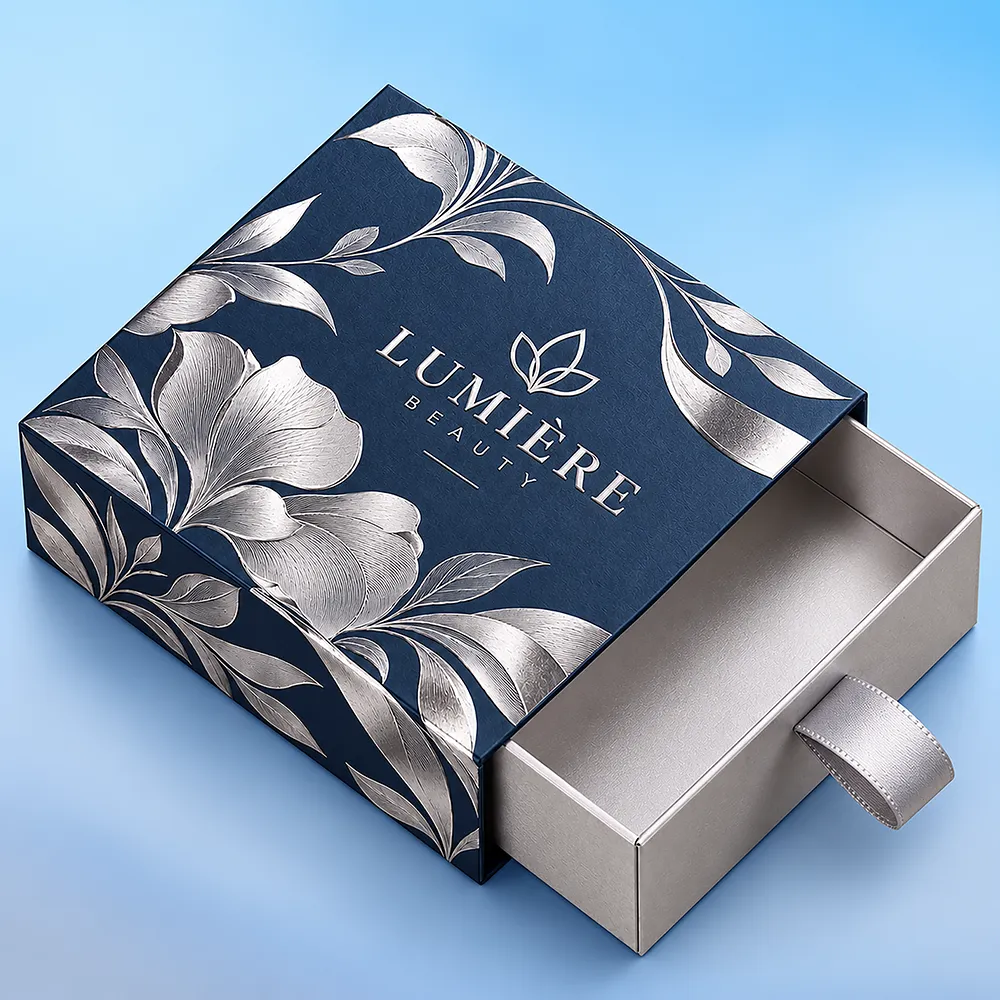
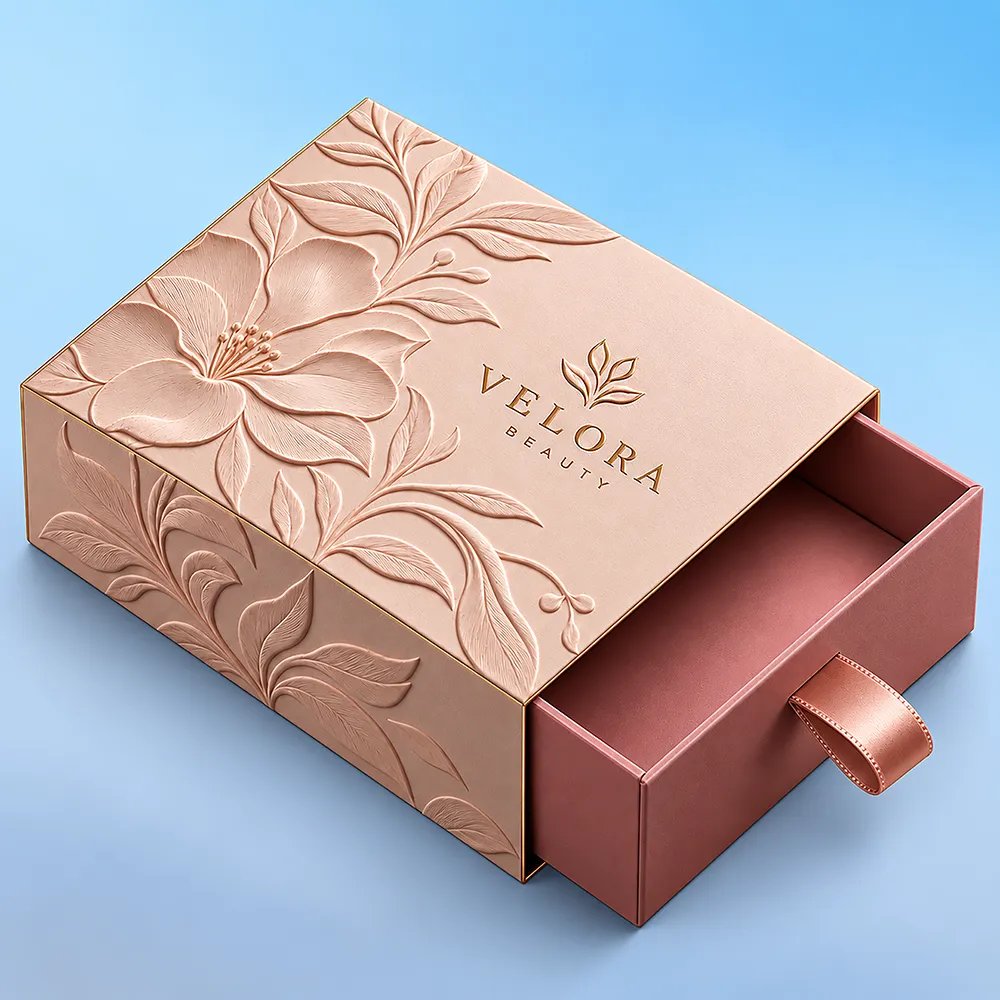
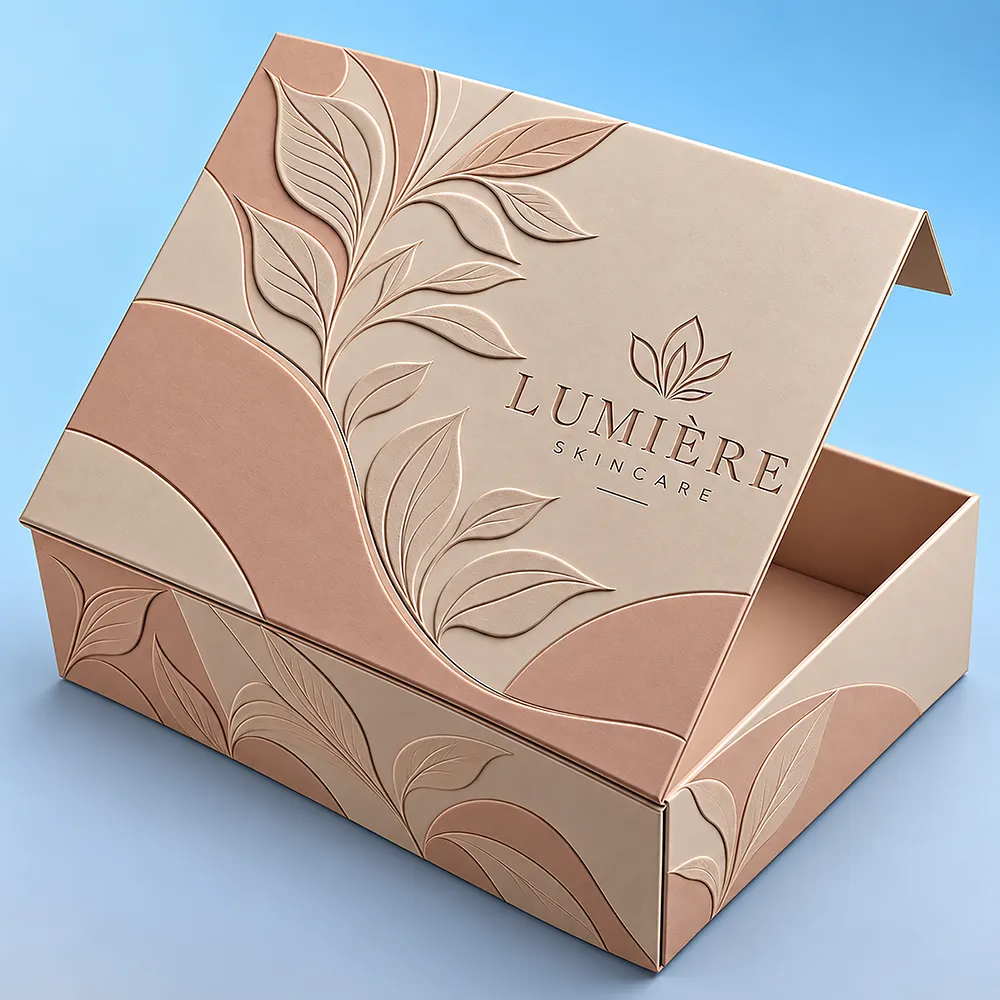
Custom Corrugated Boxes With Lids use a fluted corrugated base with a separate removable lid, combining a two-piece opening with corrugated construction for product kits, apparel, footwear, retail sets, storage, ecommerce projects and other applications where folding paperboard may not provide the desired structure. The base can be customized around the packed product, insert and distribution requirements, while the lid is developed around the completed base. As a specialist format within Custom Boxes With Lids and BoxBaba wider Custom Corrugated Boxes range, the key decisions are product fit, corrugated-board construction, lid depth, internal support and whether the package will serve mainly as presentation packaging or part of the shipping system.
Trustpilot_Logo
5 out of 5 stars
4.5
Reviews 16 • Excellent

Custom Corrugated Boxes with Lid for Shipping & Product Packaging

Custom corrugated boxes with lid combine fluted-board strength, tailored sizing, secure lid construction, branded printing, and protective presentation for shipping, retail, gifting, and heavier products.

What We Give

Create Custom Boxes Quick and Easy

Design

Get your custom boxes made in the required size, shape, and style.

Print

Upload your artwork and get it superbly printed the way you want.

Get it done

Order any quantity, enjoy a wholesale price, pay no extra for die plates.

Related Products

What Is a Corrugated Box With a Lid?

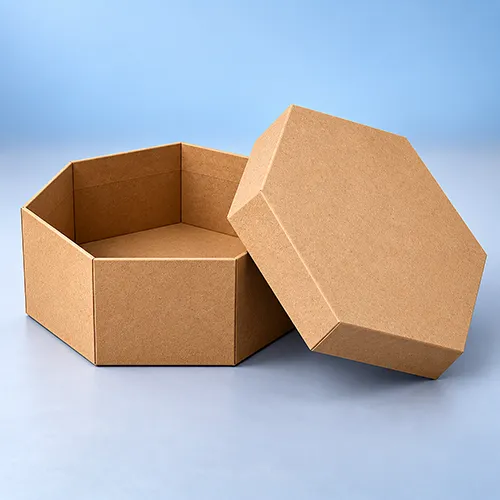
A Corrugated Box With a Lid is a two-piece package made from fluted corrugated board with a lower base and a separate removable cover. The lid lifts away from the base rather than remaining permanently attached. That opening makes P-09 different from Corrugated Mailer Boxes, where the top panel is part of the box body, and from RSC Corrugated Shipping Boxes, which close with slotted flaps. P-09 is therefore not a general page for every corrugated package that has something on top. Its defining combination is: corrugated board + separate removable lid + base

Corrugated Lid-and-Base vs Corrugated Mailer Boxes

Both structures can use corrugated board, but they open differently.
Feature Corrugated Box With Lid Corrugated Mailer Box
Top Separate removable lid Attached top panel
Main Components Base + lid Primarily one-piece die-cut structure
Opening Lid lifts away Lid folds open
Pack-Out Two components to manage Box remains one connected structure
Useful When Lift-off reveal or removable cover matters Self-contained mailer opening matters
If a connected lid and front-locking mailer structure are important for ecommerce fulfillment, compare Corrugated Mailer Boxes rather than converting P-09 into a hinged mailer page.

Corrugated Lid-and-Base vs RSC Shipping Boxes

An RSC is a different corrugated structure. RSC Corrugated Shipping Boxes use four top flaps and four bottom flaps that close toward the center and are typically sealed for storage or shipping. P-09 uses a removable lid instead. That distinction matters because a lift-off lid changes:
  • packing sequence;
  • opening experience;
  • storage;
  • closure;
  • parcel-shipping preparation.
If packing speed and standard shipping-carton closure are the main priorities, an RSC may be more appropriate than a separate lid-and-base box.

Corrugated Boxes With Lids vs Two Piece Rigid Boxes

Both structures can provide a separate lid and base. The material system is different. A Two Piece Rigid Box uses rigid setup-board components that remain formed. A Corrugated Box With a Lid uses fluted corrugated board. Corrugated construction may be more appropriate when board geometry, handling, larger dimensions, storage or distribution requirements point toward a fluted material system. Rigid construction may be more appropriate when the project specifically requires the feel and presentation of a formed rigid setup box. Do not choose between them from appearance alone.

How to Size a Corrugated Box With a Lid

Start with the finished packed product. Provide:
  • maximum product length;
  • width;
  • height;
  • highest or widest point;
  • packed weight;
  • intended orientation;
  • quantity per box;
  • accessories and additional components.
For multi-item kits, establish the intended layout first. Then work through the packaging layers. Product dimensions describe the item being packed. Insert or divider dimensions describe the support arrangement. Base internal dimensions describe usable space within the lower tray. Base external dimensions describe the completed outside of that tray. Lid internal dimensions need to fit around the completed base. Finished external dimensions describe the closed package. A useful planning sequence is: product → insert/divider → base interior → completed base exterior → lid interior Do not create the lid directly from the product dimensions or apply one universal lid clearance across all corrugated projects.

Choose Lid Depth Deliberately

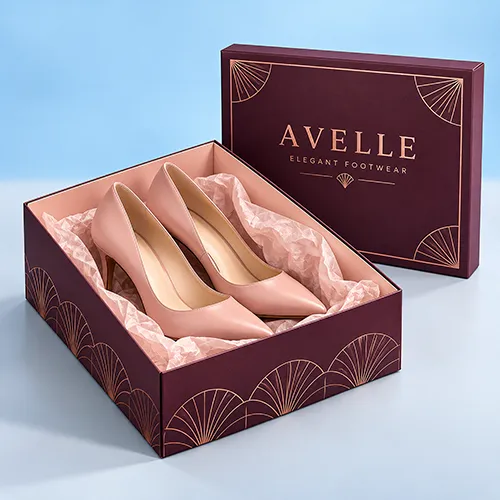
Lid depth determines how far the removable top extends down the walls of the base. A deeper lid covers more of the base. A shallower lid leaves more of the base exposed. That affects:
  • closed-box proportions;
  • gripping/opening;
  • available side-panel artwork;
  • base visibility;
  • pack-out;
  • lid removal.

There is no universal correct lid depth. The appropriate relationship depends on the finished base, board construction, product, presentation and intended use. If the project specifically seeks a partial-cover rigid presentation rather than corrugated construction, that belongs to a different structural family.

Material for Corrugated Boxes With Lids

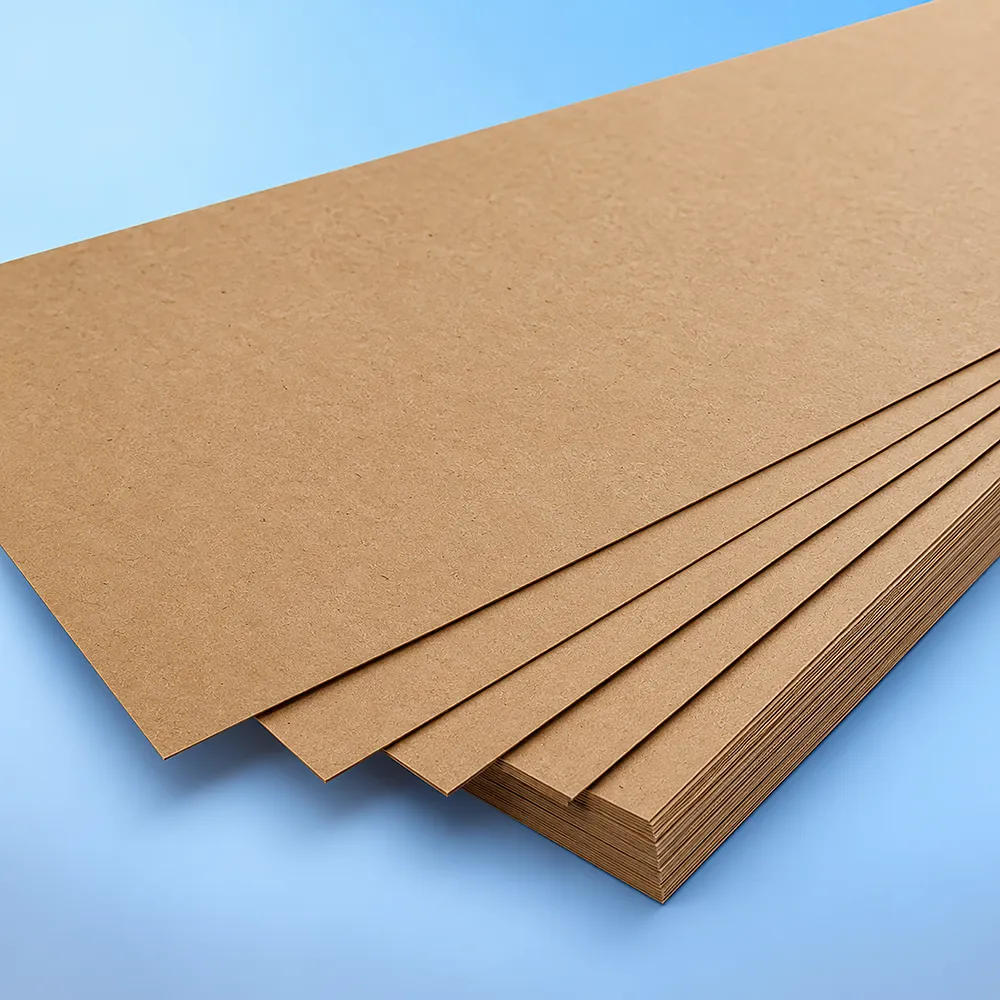
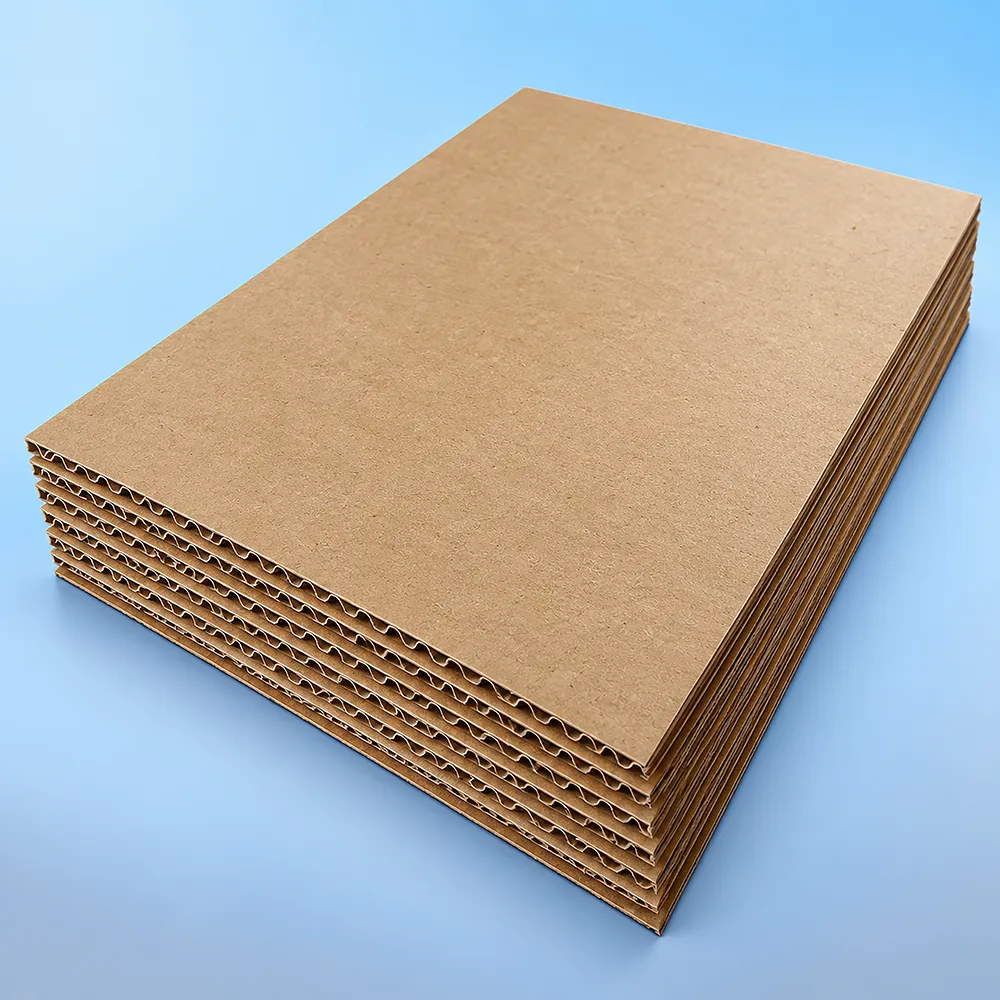
Corrugated board is built from flat liner material combined with a fluted paper medium. That fluted construction differentiates P-09 from the non-corrugated folding paperboard used for standard Cardboard Boxes and from the formed board used in Custom Rigid Boxes. For Corrugated Boxes With Lids, material selection should consider:
  • packed product weight;
  • box dimensions;
  • lid and base geometry;
  • handling;
  • stacking requirements;
  • storage;
  • distribution role;
  • insert/divider weight;
  • printing.
Kraft and white surface directions may both be considered where compatible with the approved corrugated board. The exact flute profile, wall construction and board specification should be chosen for the real project rather than copied from a universal chart. A flute name alone does not describe the complete performance of a finished box.

Single-Wall, Double-Wall and Flute Decisions

Corrugated-board construction should be selected from the product and use case. A single-wall construction uses one fluted medium between liners. A double-wall construction uses additional liner and flute layers. The appropriate direction depends on factors such as:
  • packed weight;
  • box size;
  • product fragility;
  • stacking;
  • handling;
  • shipment method;
  • print requirement.
Flute profile also changes the geometry of the board and can influence the finished surface and box design. Avoid selecting a flute solely because a competitor calls one option premium, shipping grade or best. If a project has a required ECT, burst, compression or other performance specification, provide that requirement during quotation so the board can be evaluated against the actual application.

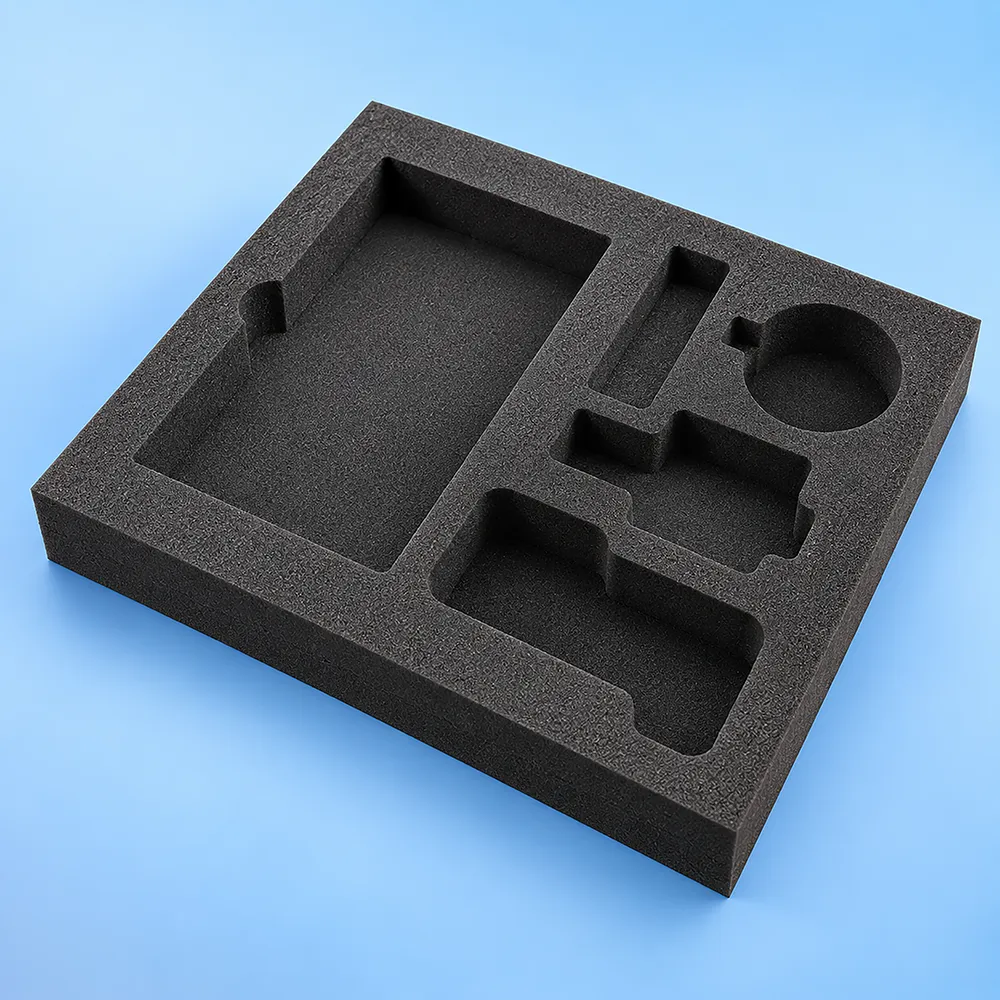
Inserts and Dividers for Corrugated Lid Boxes

Corrugated Boxes With Lids can use internal support when the contents need positioning or separation. Possible project-specific approaches include:
  • corrugated dividers;
  • corrugated platforms;
  • paperboard inserts;
  • product separators;
  • compatible fitted foam.
A custom foam insert may be considered when a fitted cavity is useful and the overall structure supports it. An insert should solve a real problem such as:
  • product movement;
  • separation of several items;
  • maintaining orientation;
  • holding products at a defined height;
  • organizing a kit;
  • limiting product-to-product contact.
Internal support consumes usable volume. Develop the insert before final base and lid dimensions are approved.

Check Loaded Height Before Finalizing the Lid

A product can fit the base footprint correctly and still interfere with lid closure. This can happen when:
  • a platform raises the product;
  • accessories are stacked;
  • dividers add height;
  • an insert has raised walls;
  • several products sit above one another.
Review: base interior → insert/dividers → full product arrangement → highest loaded point → closed-lid space before structural approval. This is particularly important for multi-item kits and layered packs.

Printing & Finishing for Corrugated Boxes With Lids

Printing decisions should begin with the selected corrugated surface and artwork—not with a generic list of processes. Printing applies graphics and color. Finishing changes the surface treatment or emphasizes selected printed areas.

Flexographic Printing

Flexographic printing can be suitable for direct printing on compatible corrugated surfaces, particularly when the artwork and production setup fit that process.

Digital Printing

Digital printing may suit compatible corrugated projects where detailed graphics, artwork flexibility or another production workflow is useful.

Offset Printing

Offset printing may be used in a compatible printed-liner or laminated print construction where the project requires that route. The exact method depends on:
  • artwork detail;
  • quantity;
  • liner/surface;
  • color requirement;
  • finish;
  • structural design.
No one process is automatically superior.

CMYK and Pantone/PMS

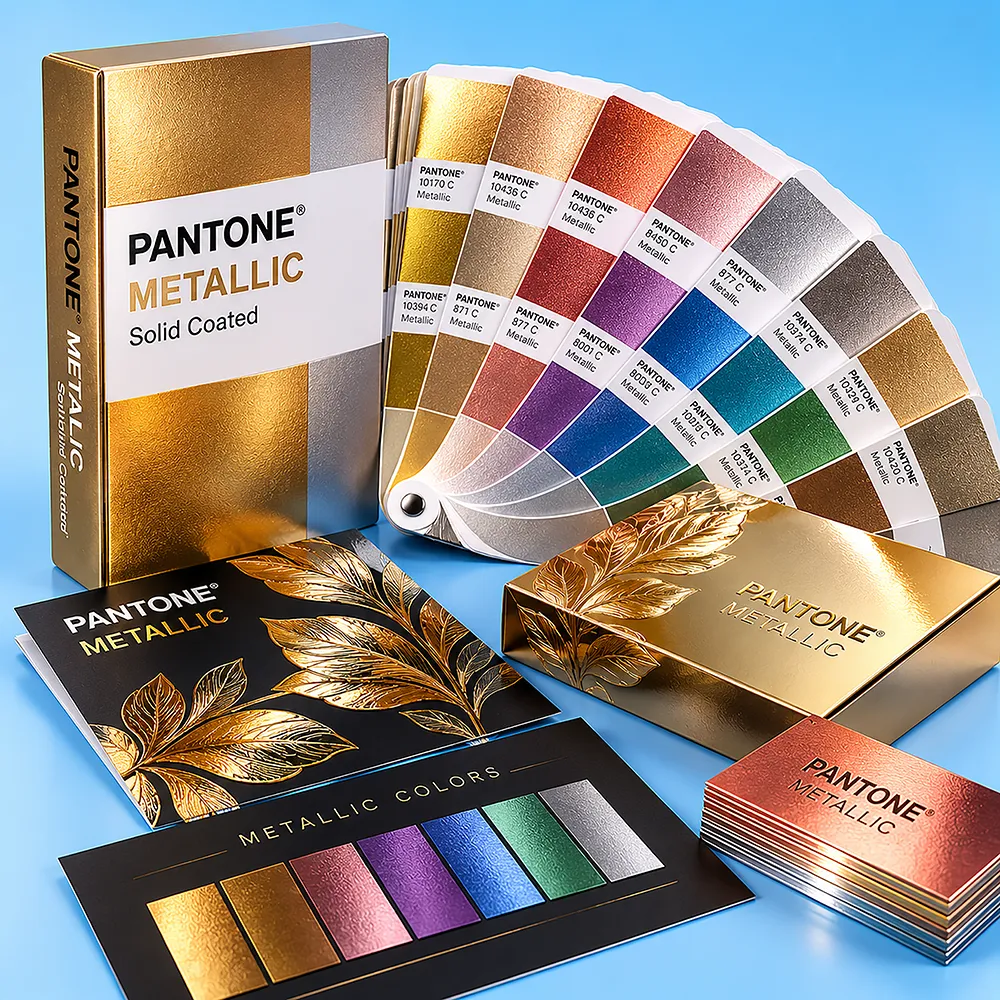
CMYK can support process-color artwork. Pantone/PMS references can help manage defined brand-color targets. Final appearance may change with the liner, ink, print process, coating and finishing. Pantone/PMS is therefore a color-management reference rather than a guarantee of identical appearance across every corrugated surface.

Finishing Options

Depending on the print surface and board construction, compatible projects may use:
  • matte;
  • gloss;
  • soft-touch;
  • foil stamping;
  • Spot UV;
  • embossing;
  • debossing.
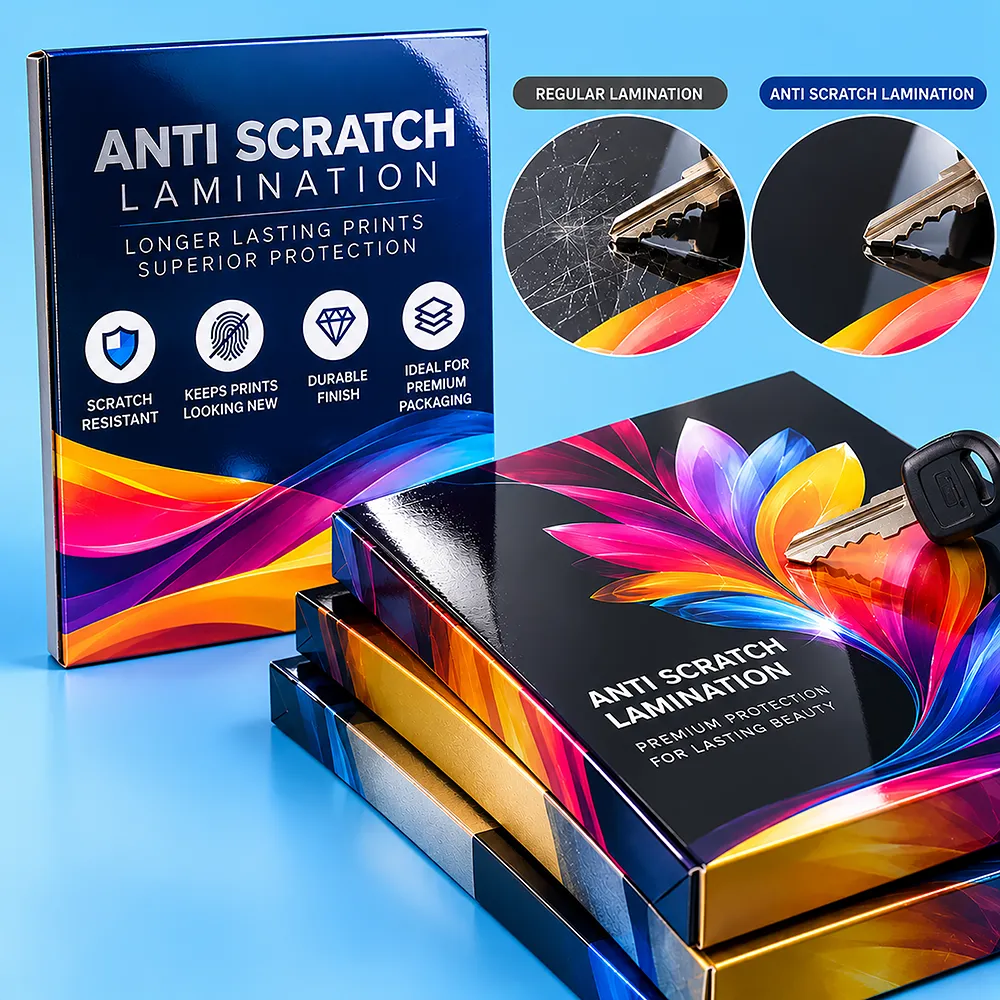
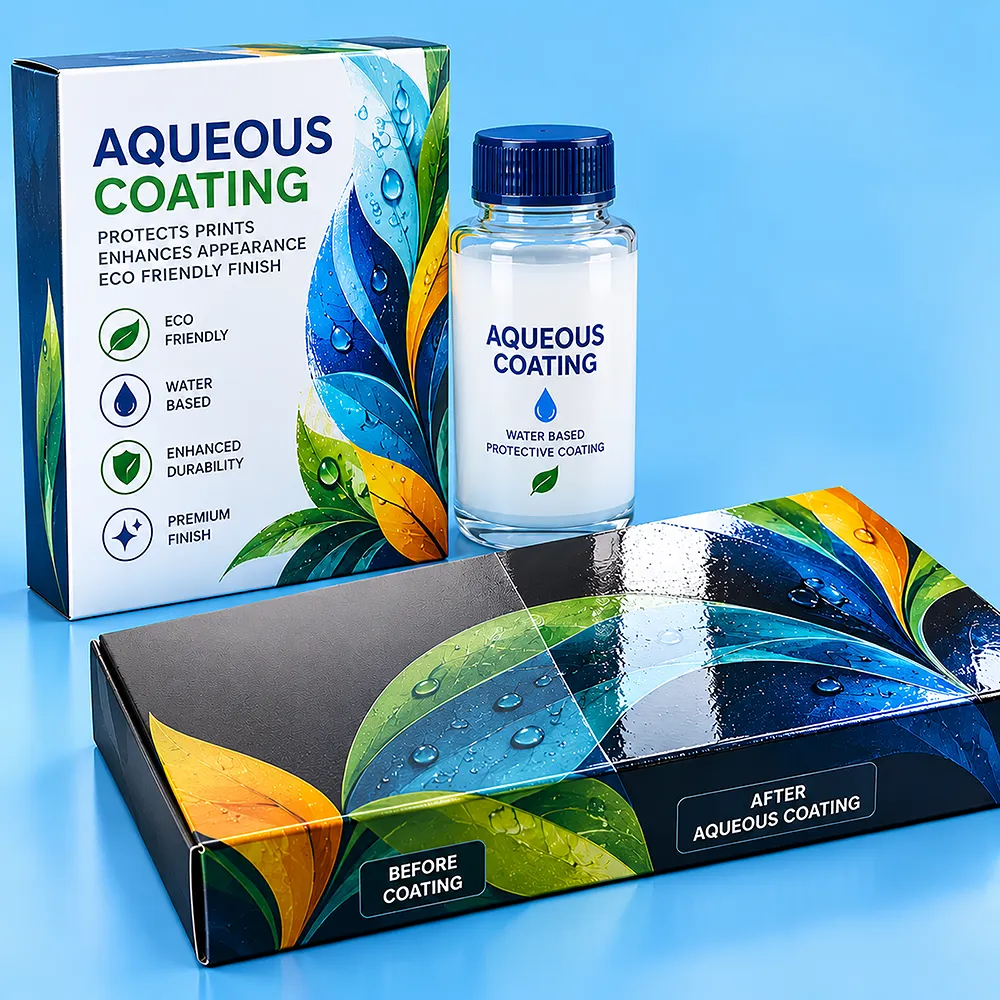
However, corrugated board is structurally different from flat folding paperboard. Pressure-based decorative treatments such as embossing or debossing require special compatibility review because the flute structure can influence the result. Foil, Spot UV and higher-detail surface finishes may also depend on the chosen printed liner or laminated construction. Choose finishes after the print route and board structure are known.

Plan Artwork for Two Separate Components

A Corrugated Box With a Lid creates at least two primary artwork components: the lid and the base. Potential print areas include:
  • lid top;
  • lid side walls;
  • base side walls;
  • base interior;
  • inside lid;
  • inserts/dividers.
Artwork should follow the approved dieline and account for:
  • folds;
  • board edges;
  • seams;
  • corner construction;
  • overlapping walls;
  • lid coverage;
  • assembly areas.
If lid artwork is intended to align visually with artwork on the base, remember that the components are separate and move independently. Do not assume perfect continuous registration across the lid/base boundary.

Do Corrugated Boxes With Lids Ship Flat?

Some can, but not every construction should be assumed to do so. Flat-pack capability depends on how the base and lid trays are engineered. Some structures can be folded or locked into shape during pack-out. Other constructions may use preformed or glued corners and therefore require more storage volume before packing. If storage cube and assembly labor matter to the project, include them in the quotation brief. Ask:
  • Will the components arrive flat or formed?
  • Who will assemble them?
  • How many units will be packed per shift?
  • Does an insert install before or after the base is formed?
The best structure is the one that works in the actual fulfillment process.

Is a Corrugated Box With a Removable Lid Suitable for Shipping?

It can be part of a shipping system, but a removable lid is not automatically a secure parcel closure. The appropriate shipping setup depends on:
  • lid geometry;
  • board construction;
  • packed weight;
  • handling;
  • carrier environment;
  • closure method;
  • whether an outer shipping carton is used.
If P-09 will travel as the outer parcel package, specify how the removable lid will be retained during distribution. That may involve an approved seal, tape, band, another closing method, or a different box structure. If a self-contained attached-lid ecommerce structure is more appropriate, consider Corrugated Mailer Boxes. For conventional shipping-carton requirements, compare RSC Corrugated Shipping Boxes or Corrugated Shipping Boxes. Do not assume a presentation-style lift-off lid has the same shipping behavior as a sealed corrugated carton.

When Are Corrugated Boxes With Lids a Good Fit?

P-09 works well when the project specifically needs both: corrugated construction and a separate removable cover. Potential applications include:
  • apparel;
  • footwear;
  • retail kits;
  • product bundles;
  • subscription-style sets;
  • promotional kits;
  • larger product sets;
  • organized storage;
  • ecommerce presentation packs.
The product category alone does not prove suitability. Board construction, product weight, distribution route and closure requirements should still be evaluated.

When Might Another Corrugated Structure Be Better?

Choose another structure when the removable top does not solve the main packaging task. Use Corrugated Mailer Boxes when an attached lid and integrated mailer opening are preferred. Use RSC Corrugated Shipping Boxes when standard shipping-carton closure and packing efficiency are the main requirements. Use Corrugated Shipping Boxes for broader shipping-focused corrugated options. If the project requires a formed presentation structure instead of fluted board, compare Two Piece Rigid Boxes. The lid style should follow the packing, opening and distribution requirements rather than being selected from appearance alone.

What Affects the Cost of Corrugated Boxes With Lids?

Pricing depends on the complete specification. Important cost drivers include:
  • finished dimensions;
  • amount of corrugated board required;
  • wall construction;
  • flute/board specification;
  • lid depth;
  • tray construction;
  • quantity;
  • number of SKUs;
  • printing method;
  • inside/outside printing;
  • finishing;
  • inserts/dividers;
  • samples;
  • assembly;
  • shipping requirements.
A corrugated two-piece box also uses separate lid and base components, which should both be included in the structural and artwork brief. Accurate pricing requires the real product and distribution information rather than a generic corrugated box with lid size.

Samples and Proofing

Use the proofing method that addresses the main uncertainty. A digital artwork proof helps review graphics, copy and placement. A 3D mockup can help visualize the separate lid and base. A structural sample, where available, is more useful for evaluating:
  • base dimensions;
  • lid fit;
  • lid depth;
  • product fit;
  • assembly;
  • insert/divider fit;
  • loaded height;
  • closure behavior.
A printed sample may be useful when print quality, liner color or finishing is central to approval. Stock and custom-printed samples should follow BoxBaba current sample terms and the requirements of the specific project.

MOQ, Production and USA Shipping

BoxBaba standard MOQ starts from 100 Corrugated Boxes With Lids. Standard production takes 5–9 business days after the final digital proof, artwork and required order specifications are approved. Production time and carrier transit time are separate. BoxBaba currently provides free shipping across the USA for custom packaging orders. Review the current Shipping Policy when planning production and delivery. For time-sensitive projects, provide both the shipping destination and required in-hand date during quotation.

Why Choose BoxBaba for Corrugated Boxes With Lids?

BoxBaba can develop the corrugated lid-and-base package around the product, insert, board system and distribution role instead of applying one generic corrugated specification to every project. Projects can be reviewed for:
  • custom sizing;
  • lid/base geometry;
  • lid depth;
  • corrugated board direction;
  • wall/flute requirements;
  • inserts and dividers;
  • artwork and dielines;
  • printing;
  • finishing;
  • proofing;
  • production requirements.

Request a Custom Corrugated Box With Lid Quote

For an accurate quotation, provide:
  • finished product dimensions;
  • packed product weight;
  • quantity;
  • number of SKUs;
  • product orientation;
  • quantity of products per box;
  • preferred lid depth if known;
  • shipping or retail use;
  • insert or divider requirements;
  • artwork or logo files;
  • printing requirements;
  • finishing requirements;
  • shipping destination;
  • required in-hand date.
If you are unsure whether a separate corrugated lid is the right structure, explain how the package will be stored, packed, opened and transported. BoxBaba will evaluate and guide you toward the right packaging solution.  Call: +1 305 574 4357 Email: sales@boxbaba.com

Frequently Asked Questions

Find all the urgent questions you may have.

A Corrugated Box With a Lid is a two-piece package made from fluted corrugated board with a lower base and separate removable top. On P-09, the removable lid-and-base relationship is the defining structure.
No. A corrugated lid-and-base box uses a separate removable lid. A Corrugated Mailer Box normally keeps the top attached as part of the main die-cut structure.
Provide the finished product length, width, height, highest/widest point and packed weight, plus accessories and components. The base is then developed around the product and any insert, while the lid is developed around the completed base.
No. The base needs usable interior space for the product, while the lid must fit around the outside of the completed base. They are matched components but use different dimensional references.
The appropriate flute and wall construction depend on the packed product, box size, handling, printing, stacking and distribution requirements. There is no one flute that is best for every Corrugated Box With a Lid.
Yes. Depending on the project, corrugated dividers, paperboard supports or a compatible custom foam insert may be used to position, separate or organize the contents.
Yes, compatible projects may use dappropriate igital, offset or flexographic printing depending on the board surface, artwork, quantity and desired result. The process should be selected after the corrugated construction is known.
Some structures can be supplied flat, while others may be preformed or use glued corners. Flat-pack capability depends on the exact lid and base construction and should be confirmed for the project.
Potentially, but the removable lid is not automatically a secure parcel closure. The board, packed product, closure method and distribution environment should be evaluated. A mailer, RSC or additional outer shipping package may be more appropriate for some projects.
BoxBaba standard MOQ starts from 100 units. Standard production is 5–9 business days after final proof, artwork and required order specifications are approved. Carrier transit time is separate.