Round Boxes With Lids

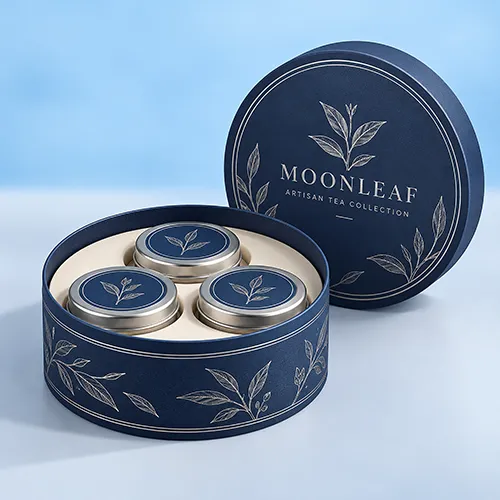
Custom Round Boxes With Lids combine a circular or cylindrical base with a separate removable round top for retail, gift and product presentation. They can be developed for candles, cosmetics, accessories, apparel items, hats, product sets and other goods where round geometry supports the product or brand presentation. Round packaging requires different sizing logic from a rectangular box. Product diameter or complete footprint, height, orientation, insert geometry, base-wall construction and lid fit should all be established before the finished dimensions are approved. BoxBaba can customize the diameter, height, branding, inserts, printing and compatible finishes, with a standard MOQ generally starting from 100 units.
Trustpilot_Logo
5 out of 5 stars
4.5
Reviews 16 • Excellent

Custom Round Boxes With Lids for Gifts & Product Packaging

Custom round boxes with lids offer distinctive cylindrical packaging for gifts, retail products, cosmetics, candles, and premium presentation with custom printing and finishes.

What We Give

Create Custom Boxes Quick and Easy

Design

Get your custom boxes made in the required size, shape, and style.

Print

Upload your artwork and get it superbly printed the way you want.

Get it done

Order any quantity, enjoy a wholesale price, pay no extra for die plates.

Related Products

What Are Round Boxes With Lids?

Round Boxes With Lids are circular packaging structures with a round lower base and a separate removable top. Their defining characteristic is the geometry. A rectangular lid-and-base package is normally planned around separate length and width values. A round package is planned around a circular internal footprint. That changes how buyers need to think about:
  • product measurements;
  • internal diameter;
  • product orientation;
  • inserts;
  • lid fit;
  • artwork;
  • storage and shipping space.
The round shape should therefore be selected because it works for the product or presentation—not simply because it looks different.

Measure the Product for a Round Box

Start with the completed product exactly as it will be packed.

For a Round Product

Measure the maximum outside diameter at the widest point. Also provide:
  • total finished height;
  • highest point;
  • weight;
  • lid, cap, handle or decorative features that extend beyond the main body.
A jar or candle, for example, may have a lid wider than its main container body. Use the widest finished profile.

For a Square, Rectangular or Irregular Product

Provide:
  • maximum length;
  • maximum width or depth;
  • height;
  • widest/highest point;
  • intended orientation.
Do not simply use the shortest side as the required box diameter. The complete footprint must fit inside the circular interior.

A Rectangular Product May Need More Diameter Than Its Width

This is one of the most important round-box sizing differences. Imagine placing a rectangular product inside a circle. Even if the product’s width appears small enough, its corners may extend farther outward. The corner-to-corner footprint can therefore become the limiting dimension. The correct sequence is: product footprint → intended orientation → required circular interior → box structure Do not apply a universal clearance after measuring the product. Final allowances depend on the actual product, insert and approved construction.

Product Dimensions and Round Box Dimensions Are Different

Keep the following values separate: Product diameter / footprint describes the packaged item. Base internal diameter describes the usable circular interior. Base external diameter describes the outside of the completed lower structure. Lid internal diameter relates to the completed base exterior. Finished external diameter describes the closed package. The product determines the required base interior first. The completed base then determines how the lid must fit.

Diameter and Height Should Be Planned Together

A round package is not defined by diameter alone. The relationship between diameter and height changes:
  • overall proportions;
  • product recess;
  • visible sidewall area;
  • insert requirements;
  • how the box opens and presents.
A short, wide round box creates a very different package from a narrow, tall cylinder even when internal volume is similar. Choose the proportions around the actual product rather than using an arbitrary “standard round box” ratio.

Plan the Lid Around the Completed Round Base

The separate round lid should be developed around the completed lower structure. Do not use the product’s diameter directly as the lid’s internal diameter. Review: product → base interior → completed base exterior → lid interior → closed package The exact relationship depends on:
  • base construction;
  • material system;
  • wall geometry;
  • manufacturing method;
  • lid depth.
There is no universal lid clearance or tolerance that applies to every custom round box.

Lid Depth Changes the Exterior Proportions

Round lids can cover more or less of the lower sidewall. A deeper lid covers more of the base. A shallower lid leaves more of the lower structure visible. That affects:
  • exterior proportions;
  • color blocking;
  • branding area;
  • grip;
  • opening experience.
A contrasting base color may become more visible with a shallower lid. A deeper lid creates a more covered exterior. The lid depth should be selected with the complete box proportions rather than treated as a separate decorative choice.

Material for Round Boxes With Lids

Material should follow the product dimensions, weight, desired structure, presentation and distribution role. There is no one universal stock for every round package.

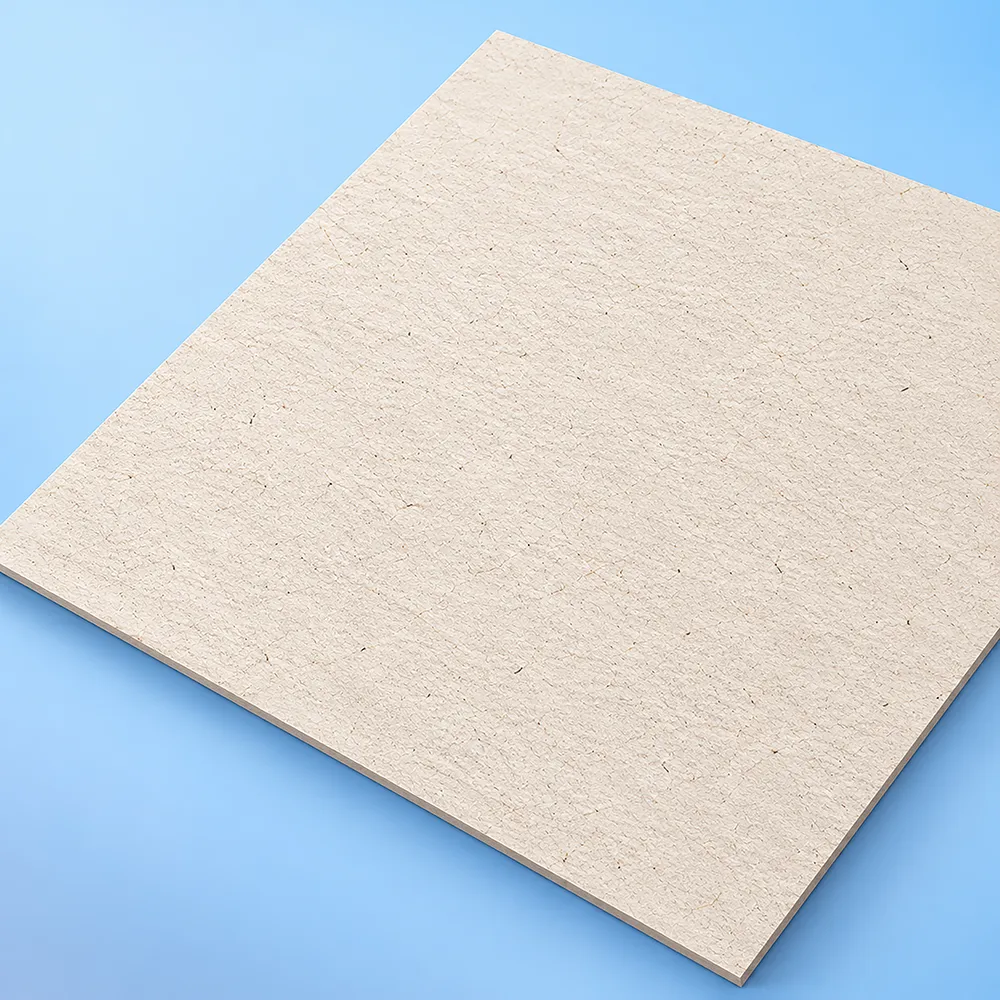
Formed Paperboard / Cardboard Direction

A suitable paperboard or cardboard construction can work for compatible round retail and presentation projects. It can provide printable surfaces across:
  • the lid;
  • the curved exterior wall;
  • selected interior surfaces where the approved construction supports them.
The exact board system should be selected around the product and round structure rather than using one published thickness for every project.

Rigid Setup Direction

A rigid setup structure may be considered when a more substantial formed round presentation box is required. If rigid-board lid-and-base construction itself becomes the dominant buying requirement, compare Two Piece Rigid Boxes instead. That page owns the deeper rigid-structure decision.

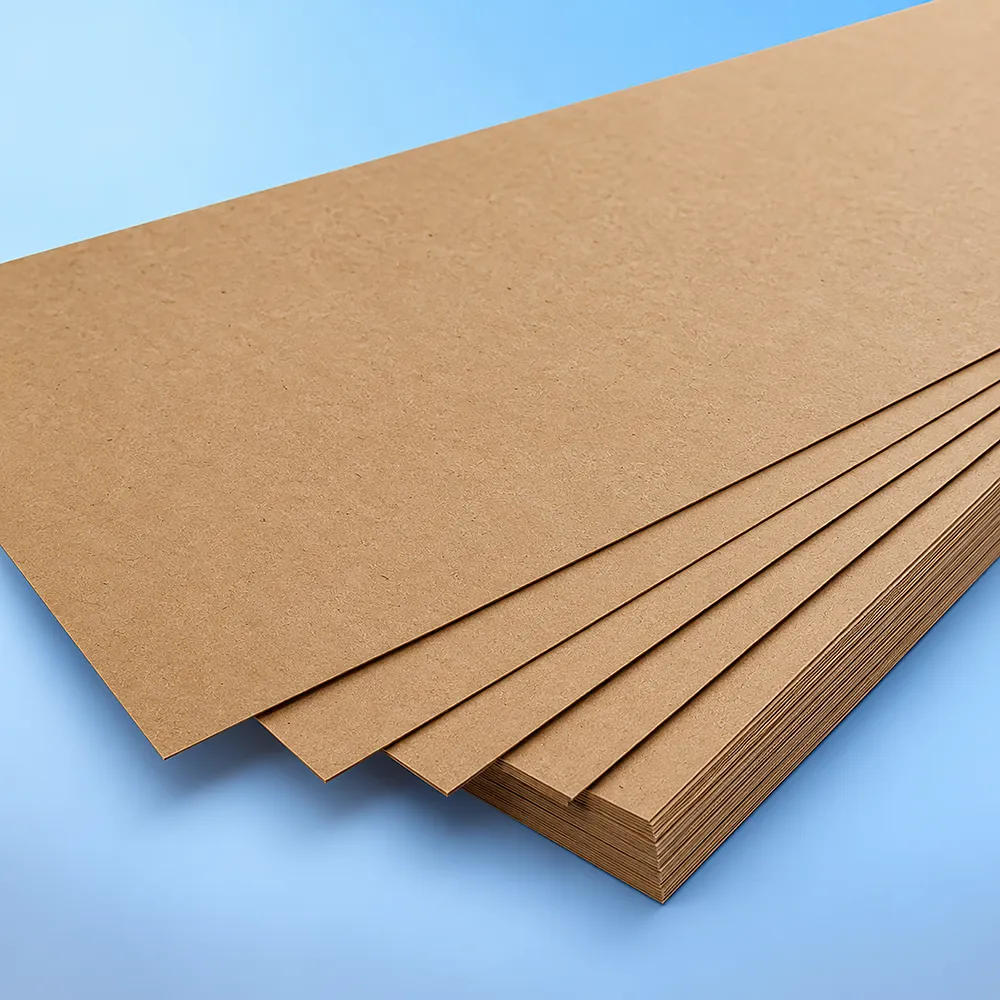
Kraft Direction

A natural Kraft surface may be considered where the approved round construction supports it. Kraft appearance alone does not prove that the finished package is recycled, recyclable, biodegradable or compostable.

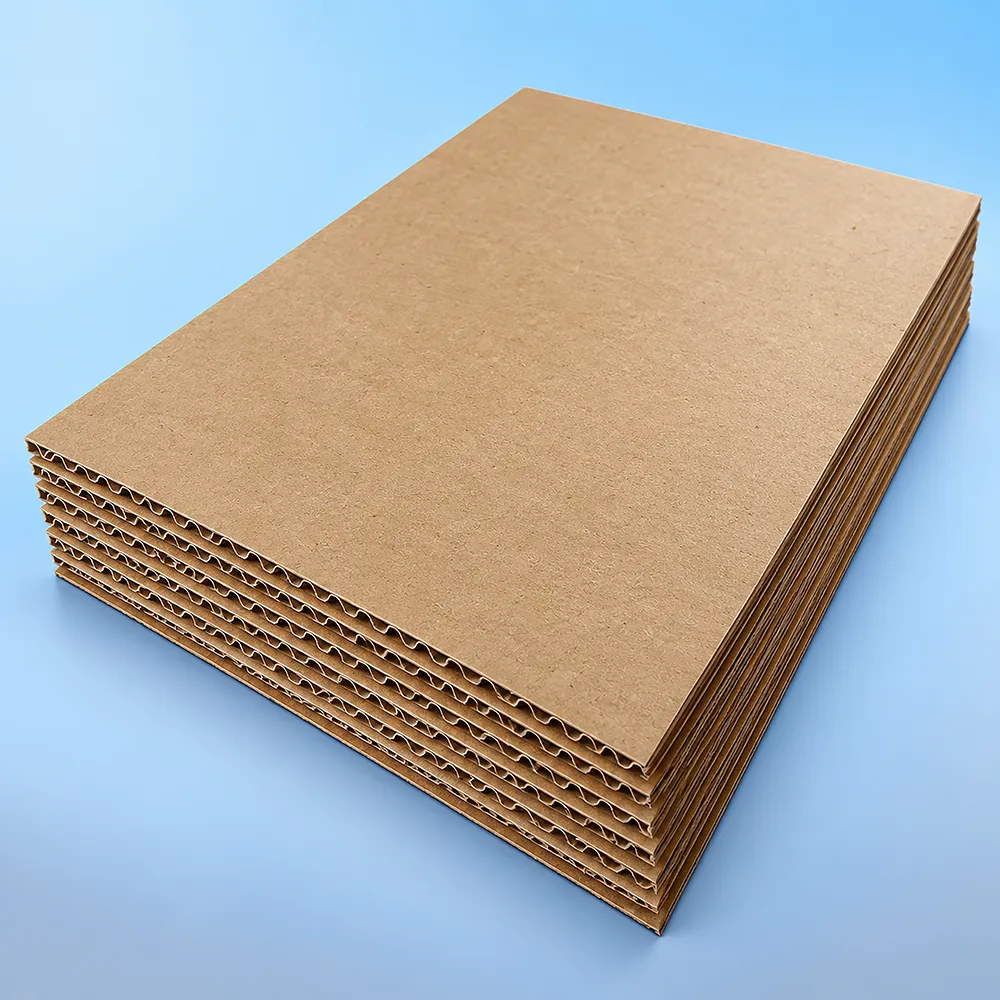
Corrugated / Shipping-Oriented Direction

Corrugated construction may become relevant where transport requirements drive the packaging project. It should not be treated as the default material merely because the finished package is round. Retail presentation and shipping performance are separate packaging decisions.

Do Round Boxes With Lids Need Inserts?

Not always. A round product that already fits the base correctly may not require additional internal support. An insert becomes useful when it needs to:
  • center a product;
  • stop a smaller item from shifting;
  • separate several components;
  • create a presentation platform;
  • control product orientation;
  • prevent a non-round product from rotating.
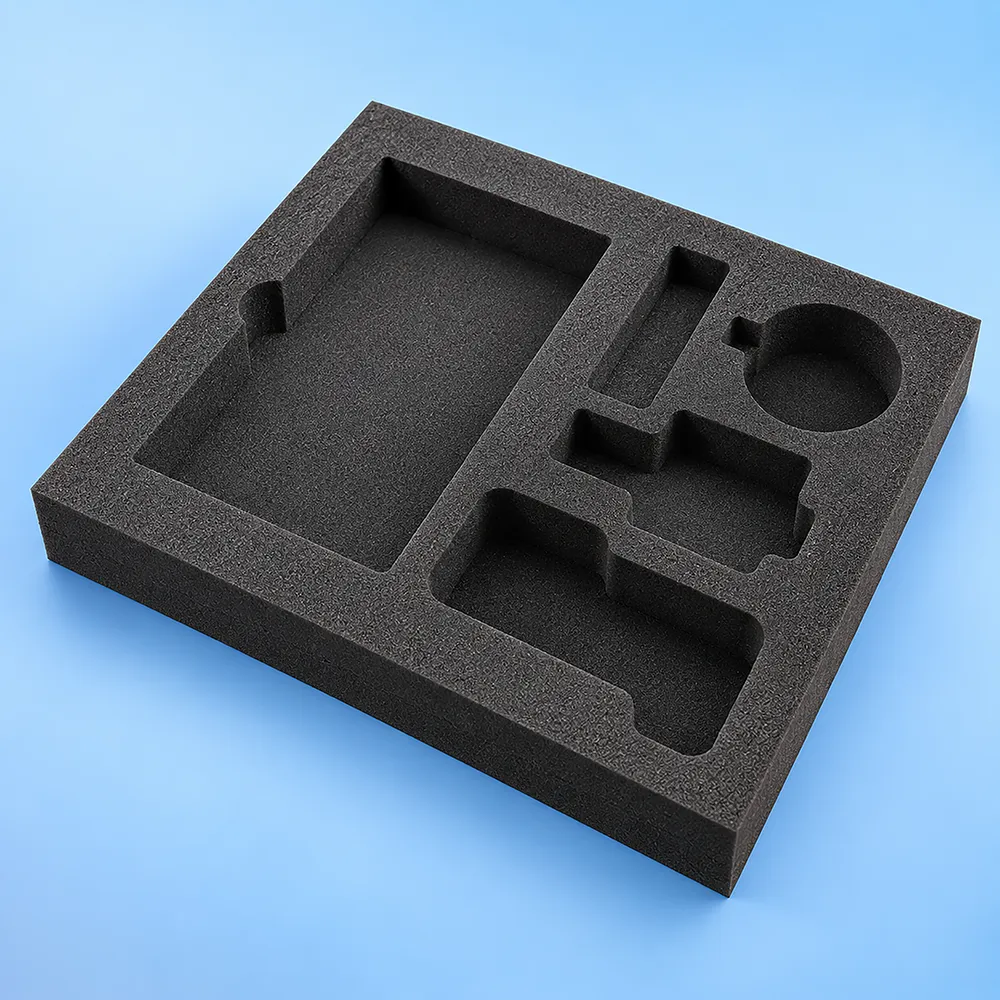
Circular paperboard supports or other custom-shaped inserts may suit some projects. Where a fitted cavity is appropriate, a custom foam insert may also be considered. Include the insert before finalizing the base dimensions because it consumes internal space.

Circular Inserts Need Their Own Geometry

A rectangular insert design cannot simply be copied into a round box. The insert has to work inside the usable circular footprint. For a centered round product, the geometry may be relatively simple. For an irregular or rectangular product, the insert may need:
  • an off-center cavity;
  • multiple retaining points;
  • a shaped opening;
  • accessory compartments;
  • anti-rotation support.
Plan the product and insert together rather than designing the outer round package first and trying to fit the insert afterward.

Printing & Finishing for Round Boxes With Lids

Round packaging creates different artwork challenges from flat rectangular cartons. Printing applies artwork and color. Finishing modifies or highlights compatible printed surfaces.

Offset Printing

Offset printing can suit compatible round-box projects where detailed graphics and controlled reproduction are important.

Digital Printing

Digital printing may suit compatible projects where artwork flexibility or another production setup is useful.

Flexographic Printing

Flexographic printing may be considered where the selected substrate, artwork, quantity and manufacturing route make it appropriate. The suitable process depends on the exact construction.

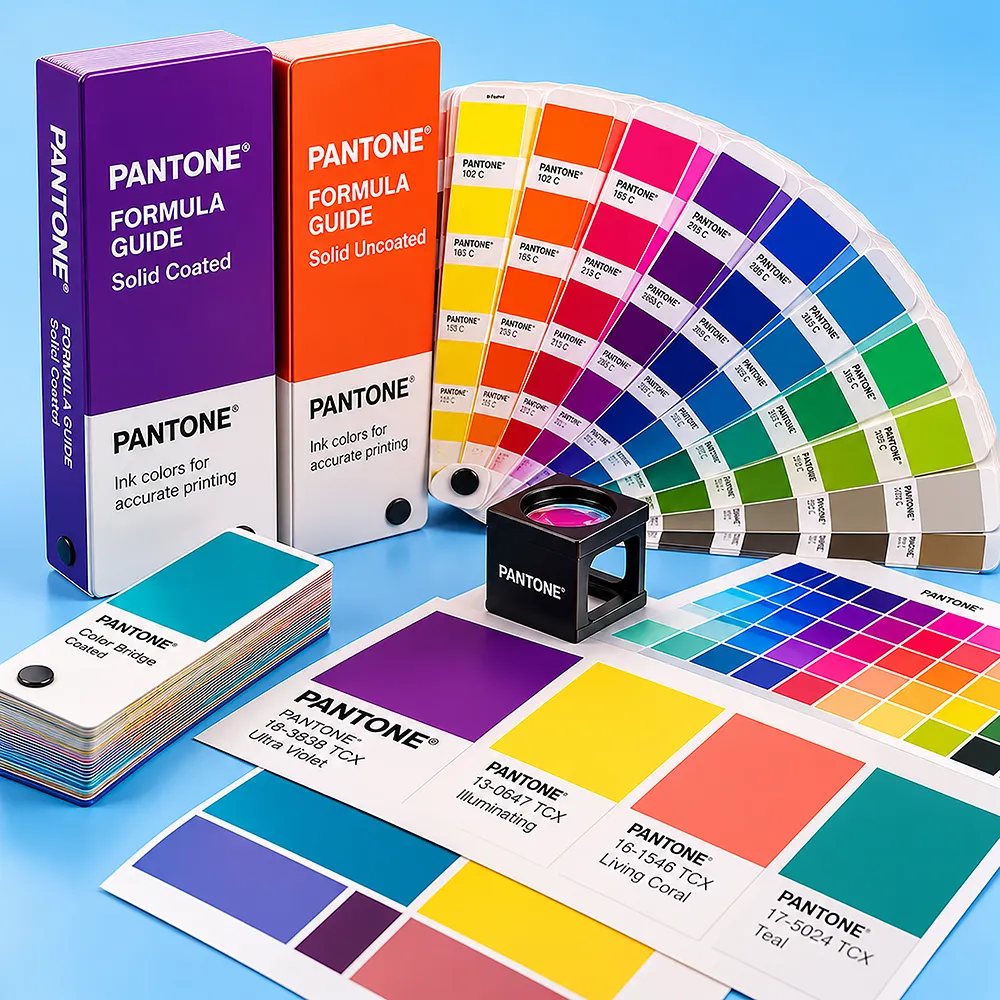
CMYK and Pantone/PMS

CMYK can support:
  • photographs;
  • illustrations;
  • gradients;
  • patterns;
  • full-color graphics.
Pantone/PMS references can help control defined brand-color targets. Final physical appearance can still vary with:
  • material;
  • ink;
  • printing process;
  • coating;
  • lamination;
  • foil;
  • surface finish.
Pantone/PMS should therefore support color management rather than guarantee identical appearance across every substrate and process.

Finishing Options

Where compatible, Round Boxes With Lids may use:
  • matte;
  • gloss;
  • soft-touch;
  • foil stamping;
  • embossing;
  • debossing;
  • Spot UV.
Finishing placement should follow the final dieline and approved round construction.

Plan Lid Artwork and Curved Sidewall Artwork Separately

A round package has two very different artwork zones.

Round Lid Top

The lid top is a circular design field. Artwork can be centered, radial or otherwise developed around the round format. Review:
  • logo orientation;
  • text hierarchy;
  • safe area near the edge;
  • circular borders;
  • finish placement.

Curved Sidewall

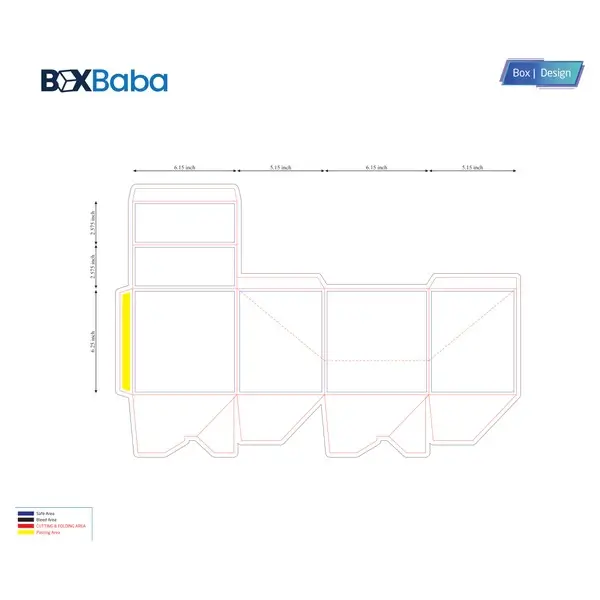
The sidewall wraps around the box. Depending on the construction, the artwork may include a seam, overlap or another assembly zone. Continuous graphics should therefore be checked against the final dieline. Avoid placing critical:
  • logos;
  • small text;
  • QR codes;
  • barcodes;
  • legal/product information
across an unverified seam or structural interruption. The final approved artwork should show how the flat design becomes the assembled curved surface.

Round Boxes vs Rectangular Boxes

Round packaging creates a different visual and spatial result from a rectangular lid-and-base box.

Round Box

Useful when:
  • circular geometry complements the product;
  • brand presentation benefits from a curved form;
  • a circular insert or centered product layout makes sense;
  • shape differentiation is worth the additional geometry considerations.

Rectangular Box

May be more practical when:
  • the product itself is rectangular;
  • shelf or master-carton cube efficiency is important;
  • large flat artwork panels are needed;
  • internal space should follow a rectangular footprint.
Round is not automatically better. The correct shape should follow the actual product and commercial requirements.

Round Packaging Can Use Rectangular Shipping Space Less Efficiently

Most master cartons, shelves and parcel systems are rectangular. A circular package can therefore leave unused corner space when packed inside a rectangular outer carton. That does not make round packaging unsuitable. It simply creates a trade-off between: distinctive circular presentation and rectangular space efficiency For projects with high shipping-volume sensitivity, include the full distribution setup when the packaging is quoted.

Round Boxes With Lids vs Gift Boxes With Lids

Gift Boxes With Lids are organized primarily around gifting and the removable-lid reveal. Round Boxes With Lids are organized primarily around geometry. A round package can certainly be used for gifting, but the main design decisions remain:
  • diameter;
  • height;
  • circular fit;
  • curved artwork;
  • lid relationship.
Choose the general gift page when gifting is the dominant requirement and the final shape is still open. Choose the round page when circular geometry is already central to the project.

Round Boxes With Lids vs Two Piece Rigid Boxes

A Two Piece Rigid Box is defined primarily by rigid-board construction. Round Boxes With Lids are defined by shape. A project may be both round and rigid. Use the rigid structural route when the primary requirement is rigid setup-board construction. Use Round Boxes With Lids when the main challenge is circular geometry, diameter, curved artwork and round lid/base fit.

Round Boxes With Lids vs Round Cake Boxes

BoxBaba also has a dedicated Round Cake Boxes page for cake-specific applications. Use that route when the project is primarily about cake or bakery packaging. Use Round Boxes With Lids for broader retail, gift and product applications. Direct food-contact suitability should never be inferred from the round shape. Any project requiring food-contact materials or related compliance should have those requirements verified for the exact packaging specification.

Is a Round Box With Lid a Shipping Box?

Not automatically. A round box may function as:
  • retail packaging;
  • presentation packaging;
  • gift packaging;
  • an inner ecommerce package.
That does not automatically make it the correct outer parcel shipper. A distribution system may instead use: product → Round Box With Lid → additional protection where required → outer shipping carton The transport layer should be specified separately according to the product, box structure and distribution environment. Review the current Shipping Policy when planning the production and delivery schedule.

When Might a Round Box Not Be the Best Choice?

A round structure may not be the most efficient option when:
  • the product has a strongly rectangular footprint;
  • space efficiency is the highest priority;
  • the design requires large flat side panels;
  • the package primarily needs to function as a shipping carton;
  • another geometry follows the product more naturally.
Shape should solve a real presentation or fit requirement rather than simply add novelty.

What Affects the Cost of Round Boxes With Lids?

Pricing depends on the complete round-box specification. Important cost drivers can include:
  • required internal diameter;
  • finished external diameter;
  • box height;
  • lid depth;
  • structure/material;
  • quantity;
  • number of SKUs;
  • insert complexity;
  • exterior printing;
  • interior printing where applicable;
  • sidewall artwork;
  • decorative finishing;
  • sampling;
  • assembly requirements;
  • delivery requirements.
A simple centered round product and an irregular multi-item set with a custom circular insert require different packaging setups. For accurate pricing, provide the actual product dimensions and intended arrangement rather than requesting only a generic round-box diameter.

Samples and Proofing

Choose the proofing method according to the risk you need to evaluate.

Digital Artwork Proof

Useful for reviewing:
  • lid artwork;
  • sidewall artwork;
  • copy;
  • logo placement;
  • seam-aware positioning;
  • finish placement.
A digital proof does not physically confirm lid fit or product clearance.

3D Mockup

Useful for showing the proposed assembled round shape and artwork orientation.

Physical Structural Sample

More useful when you need to evaluate:
  • internal diameter;
  • base proportions;
  • lid fit;
  • lid depth;
  • product orientation;
  • insert geometry;
  • opening behavior.

Custom-Printed Sample

May be useful when physical material, sidewall artwork, print color, finishing and the complete presentation require closer approval. BoxBaba currently offers free stock samples on request. The customer initially pays sample shipping, which is reimbursed with the first bulk order. Custom-printed samples are quoted separately according to material, printing, finishing, tooling and production requirements. Their sample shipping charges are also reimbursed with the first bulk order. Stock samples may demonstrate related materials, structures or finishes without representing the exact final round-box specification.

MOQ, Production and USA Shipping

BoxBaba’s standard MOQ generally starts from 100 units. Certain round structures, materials or production methods may require a different project-specific minimum, which will be confirmed in the quotation. Standard production takes 5–9 business days after final artwork, proof and required order specifications are approved. Production time and carrier transit are separate. BoxBaba currently provides free shipping across the USA for custom packaging orders. For deadline-sensitive launches or campaigns, provide the destination and required in-hand date during quotation.

Why Choose BoxBaba for Custom Round Boxes With Lids?

BoxBaba can develop the package around the actual product footprint and round geometry instead of forcing a circular product into generic rectangular-box sizing logic. Projects can be reviewed for:
  • required diameter;
  • product footprint;
  • box height;
  • lid depth;
  • round base/lid relationship;
  • insert geometry;
  • material direction;
  • dielines and proofing;
  • printing and finishing;
  • samples;
  • quantity and production requirements.

Request a Custom Round Box With Lid Quote

For accurate pricing, send:
  • product type;
  • maximum outside diameter if the product is round;
  • maximum length and width/depth if the product is non-round;
  • product height or highest point;
  • quantity;
  • number of SKUs;
  • number of products/components per box;
  • insert requirements;
  • preferred lid depth if known;
  • material preference if known;
  • artwork or logo files;
  • sidewall artwork requirements;
  • printing and finishing preferences;
  • shipping destination;
  • required in-hand date.
For a rectangular or irregular product, provide photographs or a drawing along with the measurements so the complete footprint can be reviewed against the circular interior. BoxBaba can then develop the required round base, lid relationship and insert around the actual product rather than relying on a generic diameter assumption. Call: +1 305 574 4357 Email: sales@boxbaba.com

Frequently Asked Questions

Find all the urgent questions you may have.

Custom Round Boxes With Lids use a circular or cylindrical base and a separate removable round top. They are developed around the product's footprint, required internal diameter, height and lid/base relationship.
Round packaging is normally planned around the required internal diameter and height rather than treating separate rectangular length and width values as the finished geometry.
Measure the maximum outside diameter at its widest point and the complete finished height. Include lids, caps, handles, decorative features or other components that extend beyond the main body.
Yes, where the required circular footprint is large enough. The product's corners may extend farther than its width, so the complete footprint and intended orientation must be reviewed rather than using width alone.
The material is project-dependent. Compatible formed paperboard/cardboard or rigid setup construction may be considered according to dimensions, product weight, presentation and manufacturing requirements.
Not always. An insert is useful when it needs to center the product, prevent movement or rotation, organize several items or create a particular presentation.
Yes, the lid/base relationship is developed around the approved structure. A deeper lid covers more of the lower round sidewall, while a shallower lid leaves more of the base visible.
The lid top and curved sidewall should be treated as separate artwork zones. Sidewall artwork needs to follow the approved dieline and account for any seam, overlap or other structural assembly area.
Not automatically. It can serve as retail or inner ecommerce packaging, while a separate outer shipping carton may be needed for parcel distribution.
BoxBaba's standard MOQ generally starts from 100 units, although some round structures or materials may require a different project minimum. Standard production takes 5–9 business days after final artwork, proof and required order specifications are approved. Carrier transit is separate.