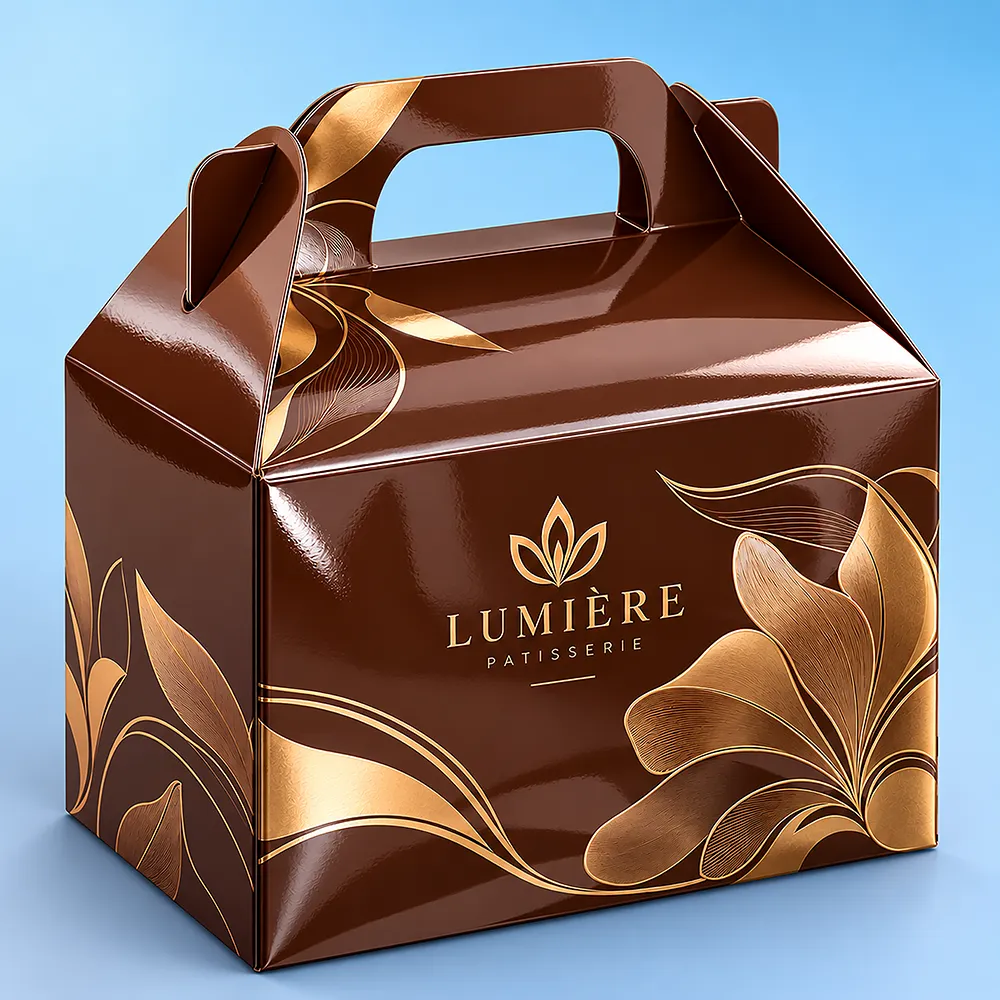
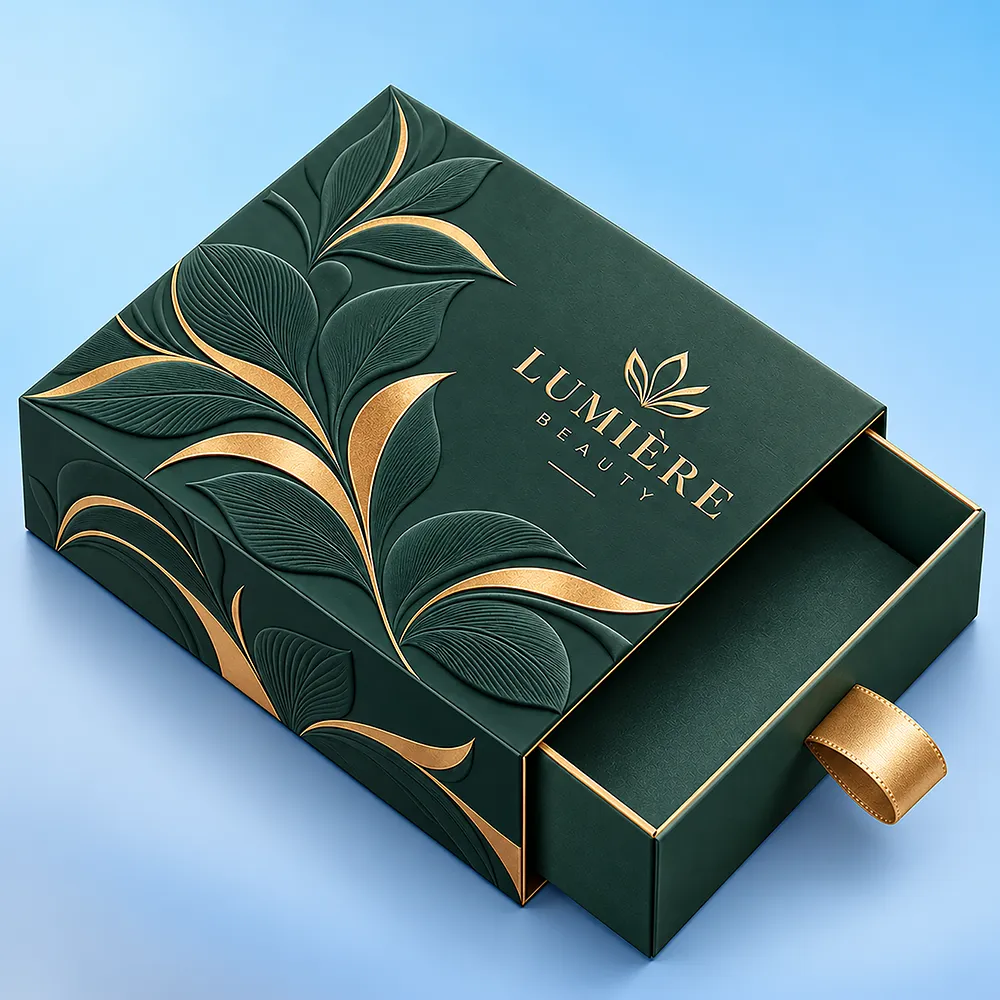
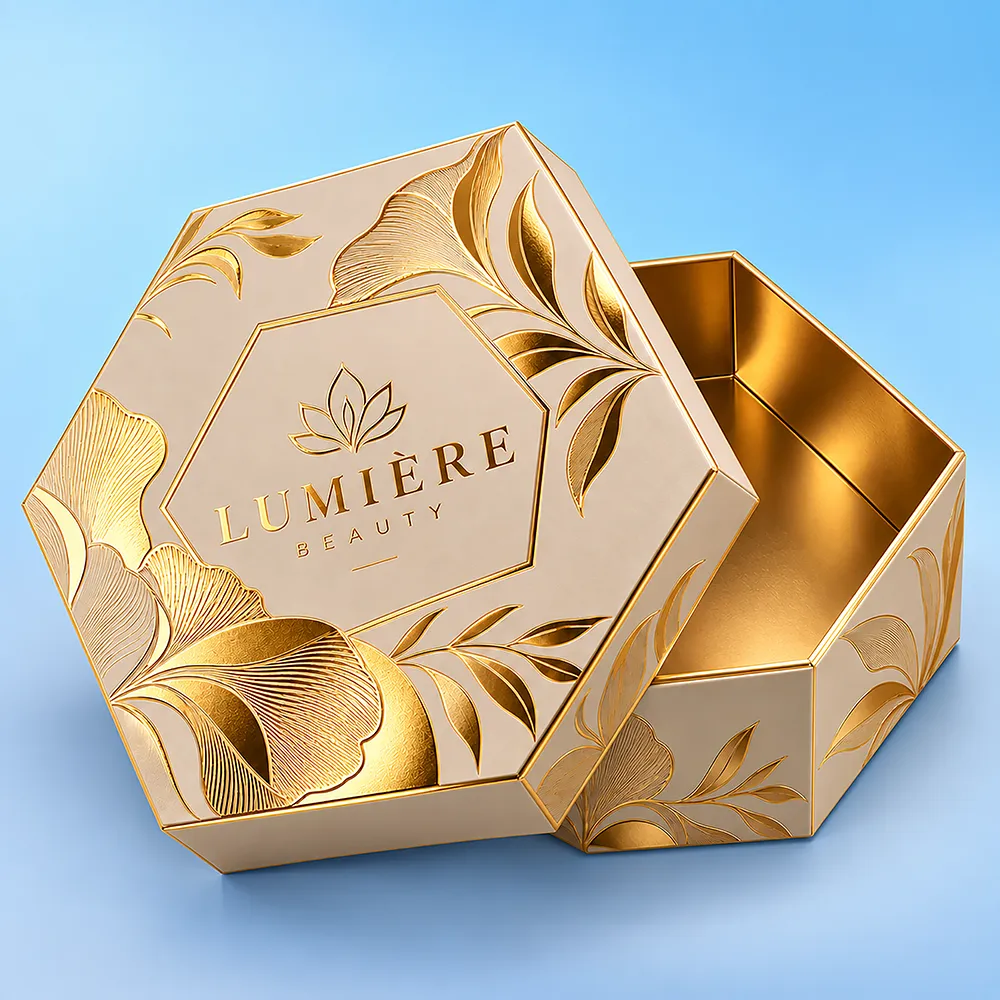
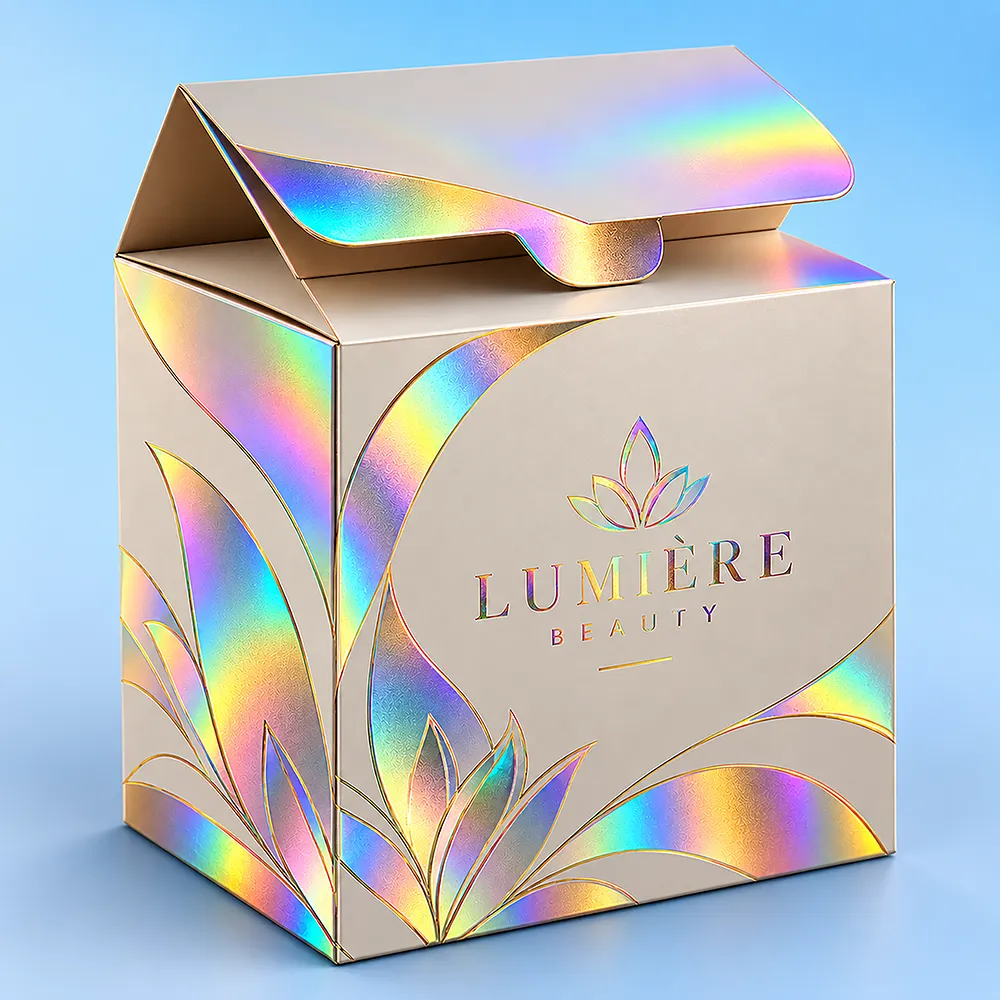
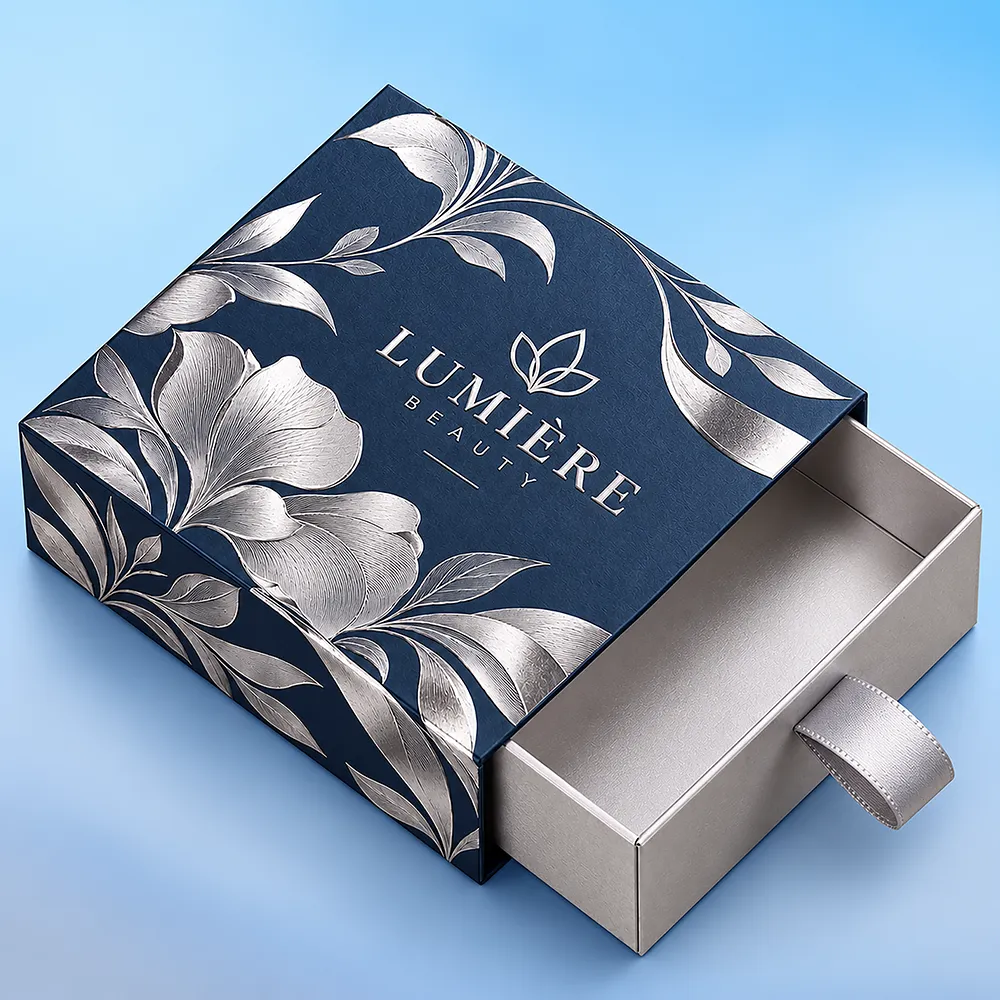
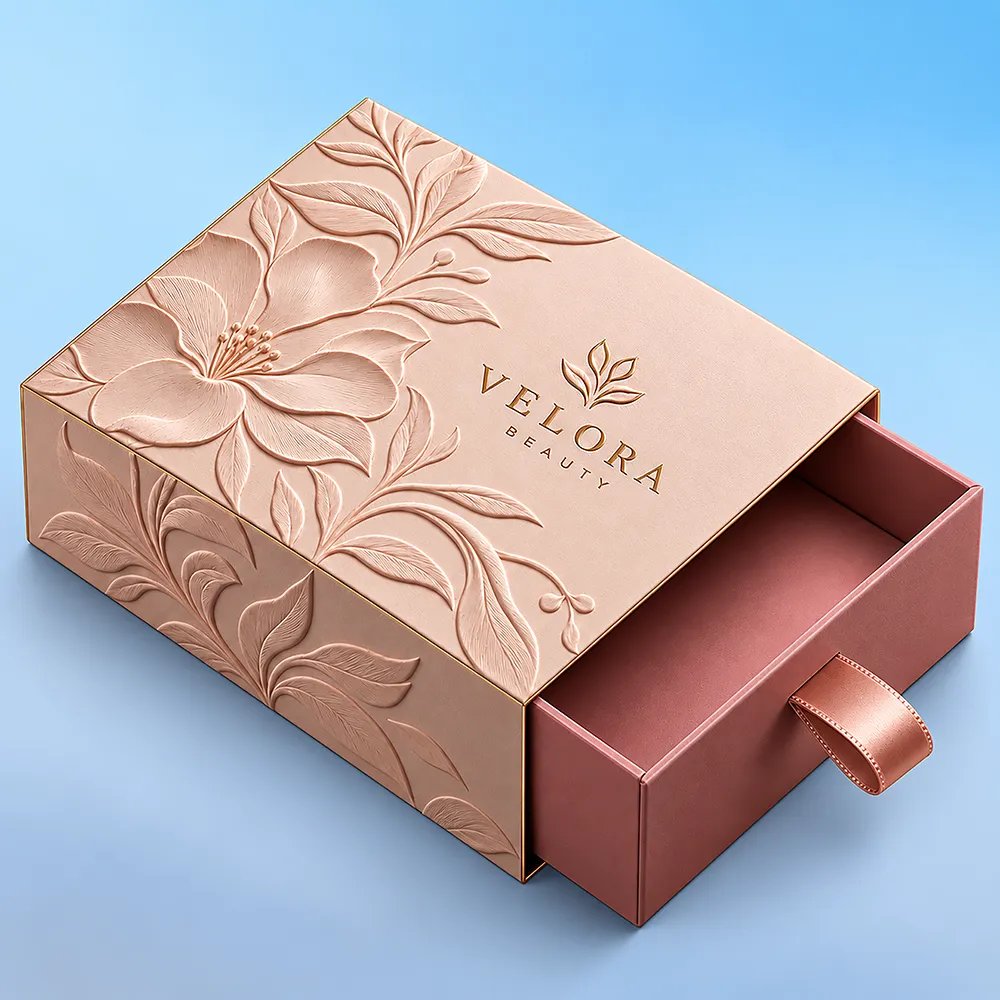
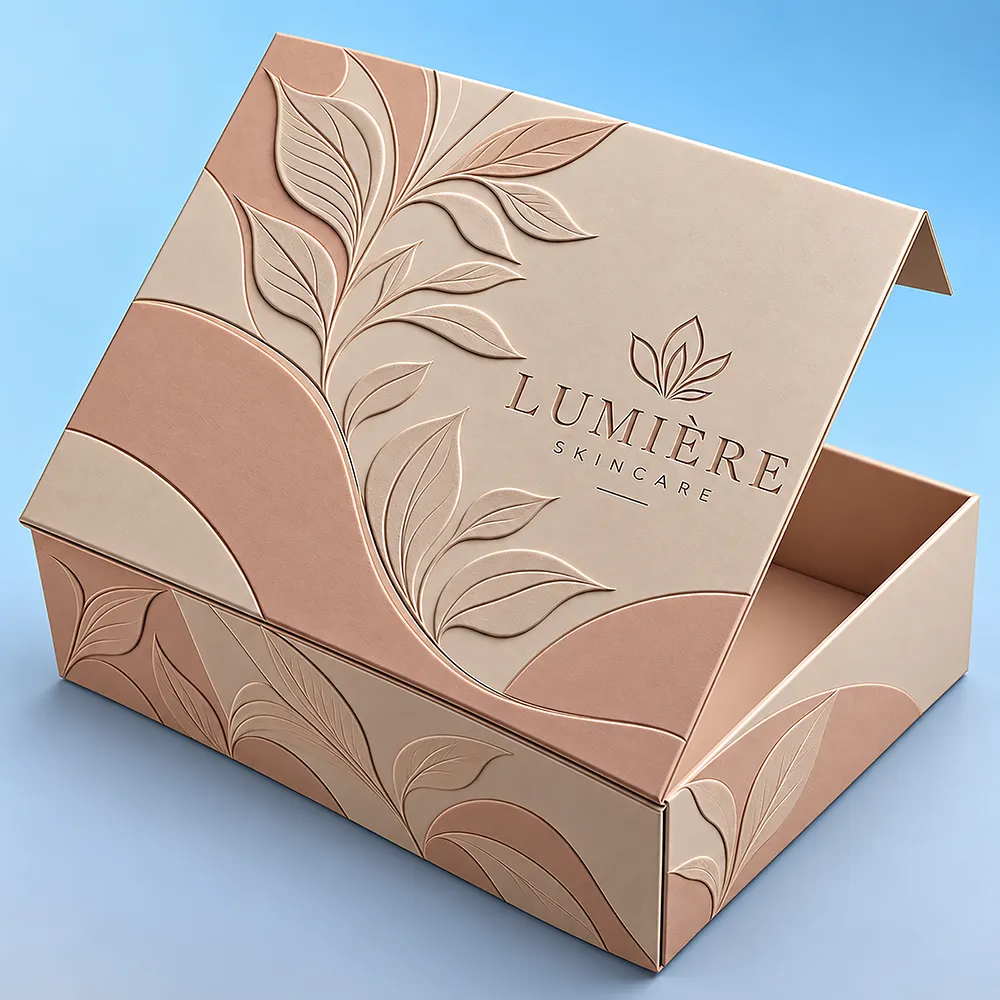
Hinged Lid Boxes

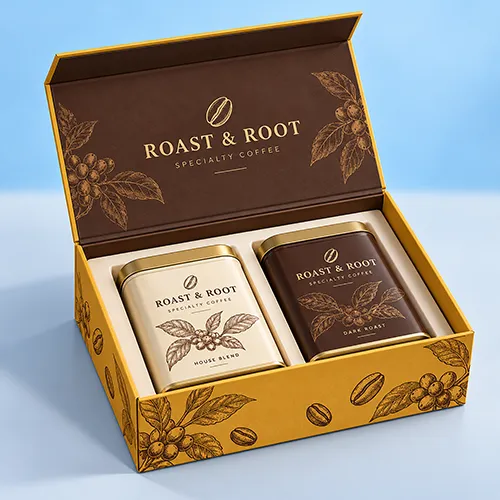
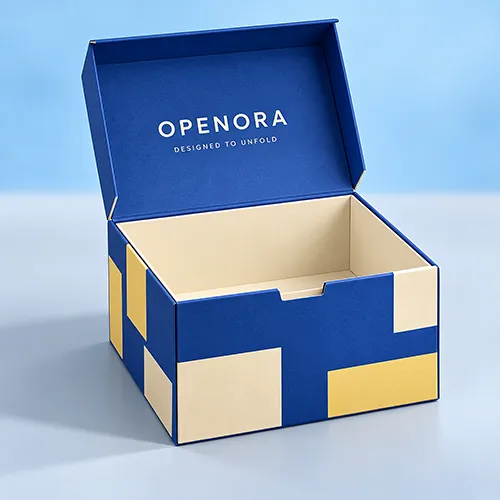
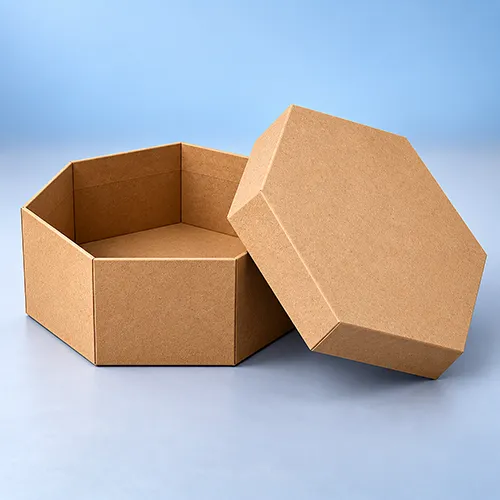
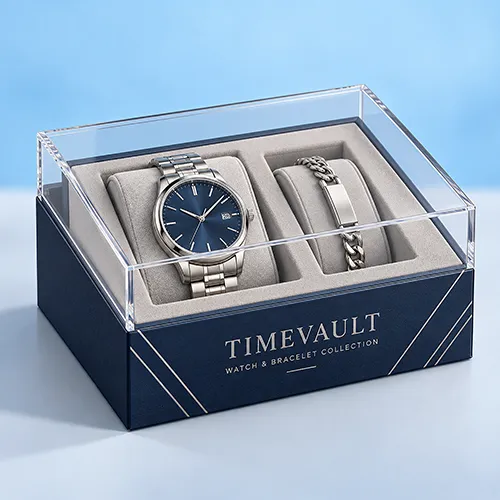
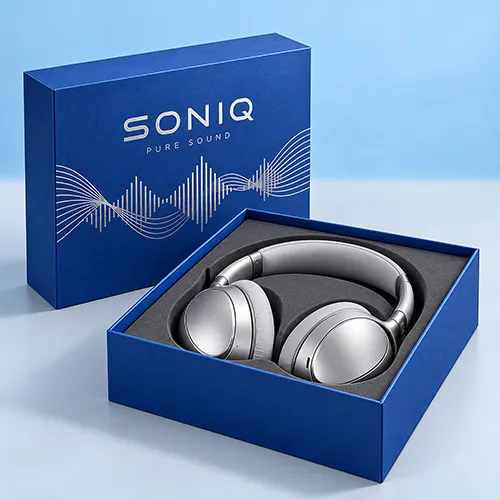
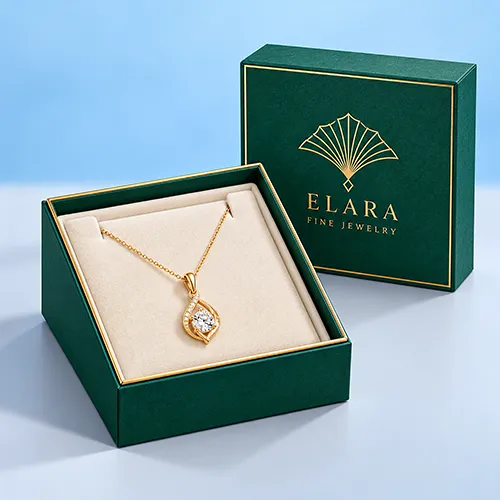
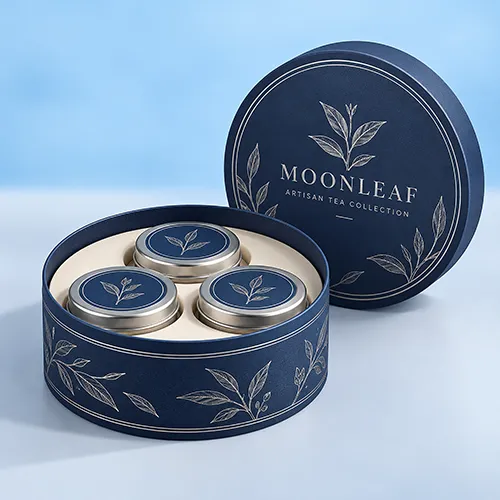
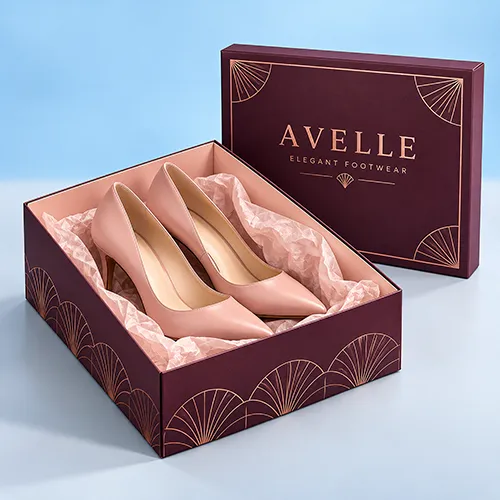
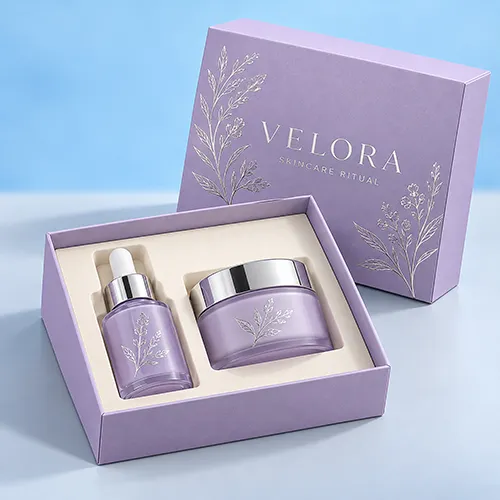
Custom Hinged Lid Boxes keep the lid physically attached to the box body so the package opens in one controlled motion instead of separating into a loose lid and base. This rigid attached-lid structure can suit retail products, gift sets, cosmetics, jewelry, electronics, presentation kits and other products where repeated access and a connected opening experience matter. As a structural option within Custom Boxes With Lids and the wider Custom Rigid Boxes family, a hinged box should be sized around the actual product, insert, lid movement and closure requirement. If concealed magnets are required, that becomes a more specific magnetic-closure configuration. Custom orders start from 100 units.
Trustpilot_Logo
5 out of 5 stars
4.5
Reviews 16 • Excellent

Custom Hinged Lid Boxes for Premium Retail & Gift Packaging

Custom hinged lid boxes feature an attached lid, durable construction, tailored sizing, branded printing, and premium finishes for retail, gifting, presentation, and luxury product packaging.

What We Give

Create Custom Boxes Quick and Easy

Design

Get your custom boxes made in the required size, shape, and style.

Print

Upload your artwork and get it superbly printed the way you want.

Get it done

Order any quantity, enjoy a wholesale price, pay no extra for die plates.

Related Products

What Are Hinged Lid Boxes?

A Hinged Lid Box is packaging in which the lid stays physically connected to the box body or base during opening. The defining feature is the attached lid, not the closure method. This distinguishes hinged boxes from Two Piece Rigid Boxes, where the entire lid lifts away from the base. It also distinguishes the general hinged structure from Magnetic Closure Boxes. A magnetic closure box commonly uses a hinged lid, but concealed magnets add a specific closing mechanism that is not required for every hinged-lid project. If the buyer knows rigid lidded packaging is required but has not yet decided whether the lid should remain attached or lift away, Rigid Boxes With Lid provides the broader comparison pathway.

When Does an Attached Lid Make Sense?

A hinged lid works best when keeping the lid connected improves how the product is accessed, presented or handled. Consider this structure when:
  • the box will be opened repeatedly;
  • a loose lid would be inconvenient;
  • the package should display well while open;
  • the inside lid carries branding, instructions or presentation graphics;
  • the customer should access the complete interior in one motion;
  • the packaging is intended to remain with the product;
  • a product set or kit benefits from a fixed opening direction.
The attached lid should solve a real usability or presentation requirement. If unrestricted access from every side is more useful than keeping the lid connected, a removable Two Piece Rigid Box may be the better structure.

Plan Lid Movement Before Finalizing the Interior

The lid moves through space every time the box opens. That means the lid, product and insert should be considered together. Review:
  • product height;
  • insert height;
  • product position;
  • opening direction;
  • inside-lid components;
  • lid edge clearance;
  • closure location;
  • artwork close to the hinge;
  • accessories that may project above the insert.
A tall product or raised insert can create an awkward opening if the interior layout is developed without considering how the lid moves. There is no universal hinge clearance or opening angle that applies to every project. Final geometry depends on the approved structure and packed product.

How to Size a Hinged Lid Box

Start with the actual product or complete packed set. Provide:
  • product length;
  • width;
  • height;
  • widest or highest point;
  • finished weight;
  • intended orientation;
  • quantity per box;
  • accessories or supporting components.
For multi-product kits, show the intended position of each item. Keep these dimensions separate: Product dimensions describe the item being packed. Insert-cavity dimensions describe the space retaining the product. Internal dimensions describe usable space inside the box body. External dimensions describe the finished outside package. The lid also needs room to move around the packed arrangement. If an insert changes the product final height or creates raised compartments, approve that internal structure before the outside box dimensions and hinge relationship are finalized.

Material for Hinged Lid Boxes

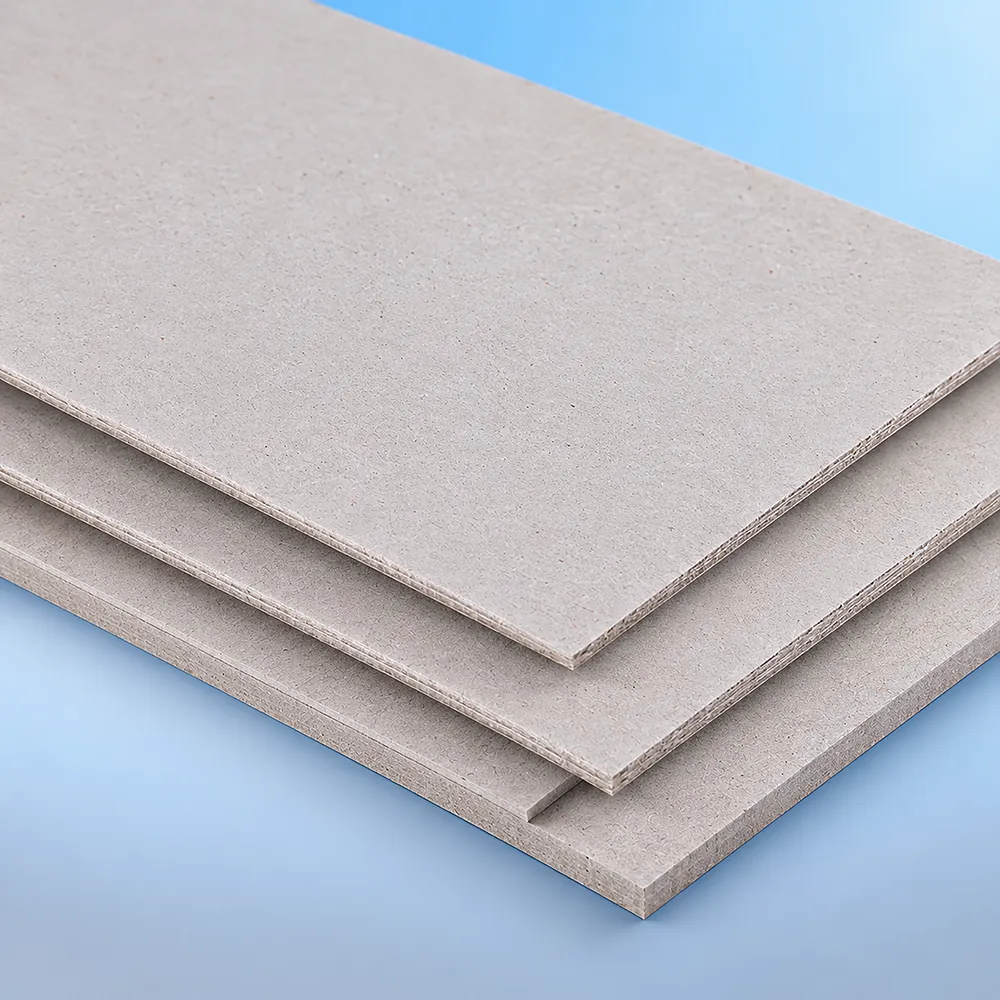
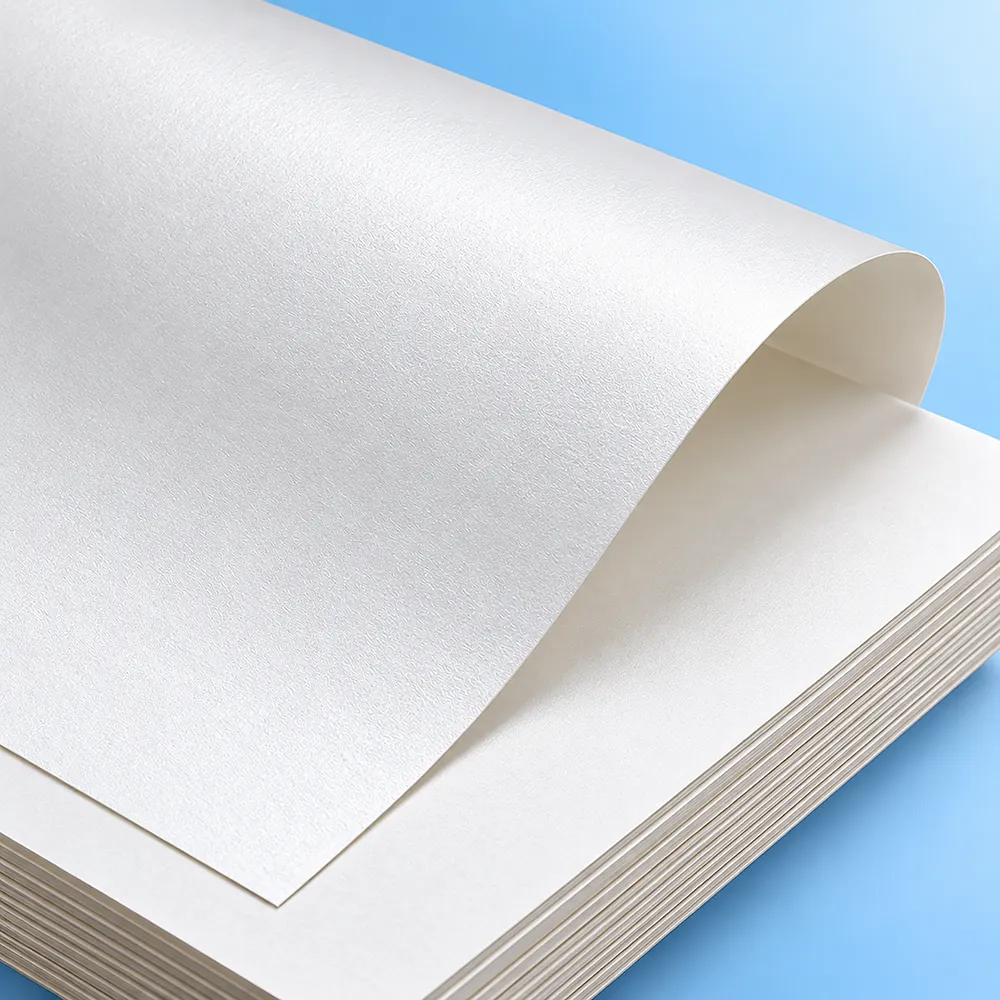
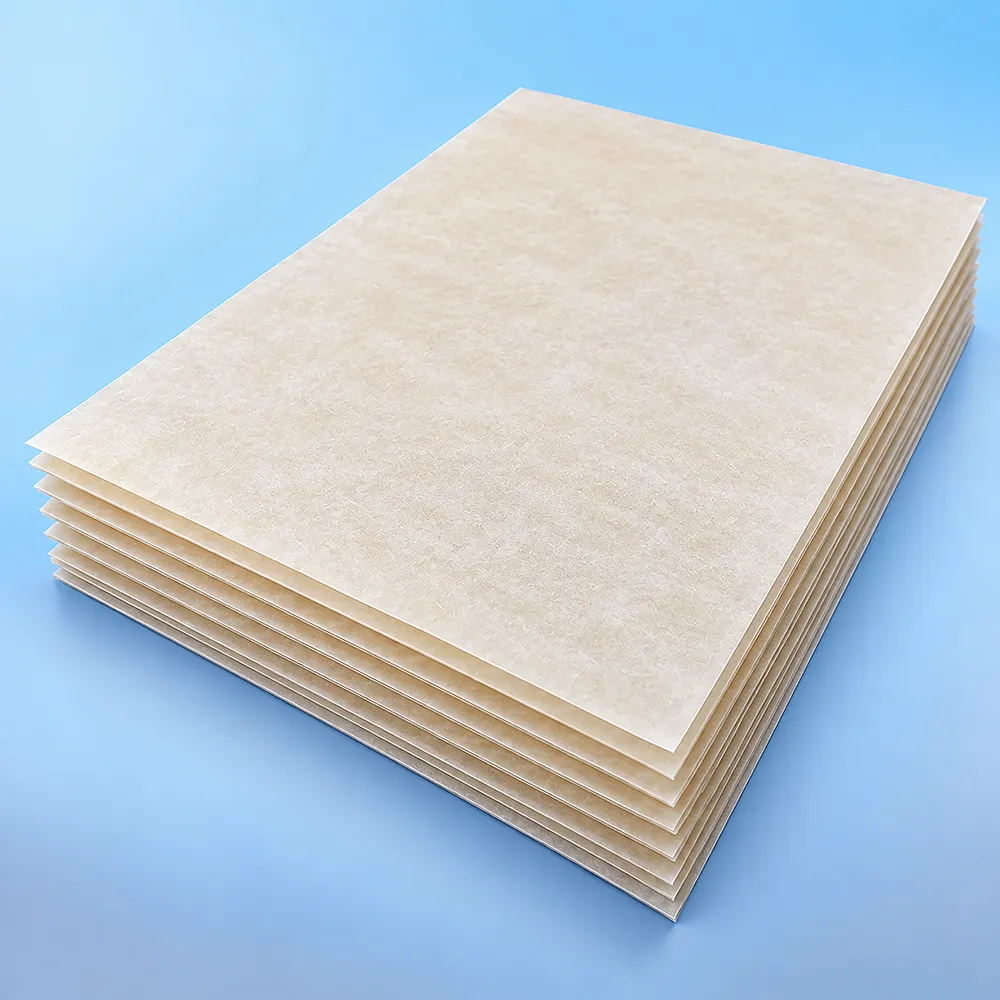
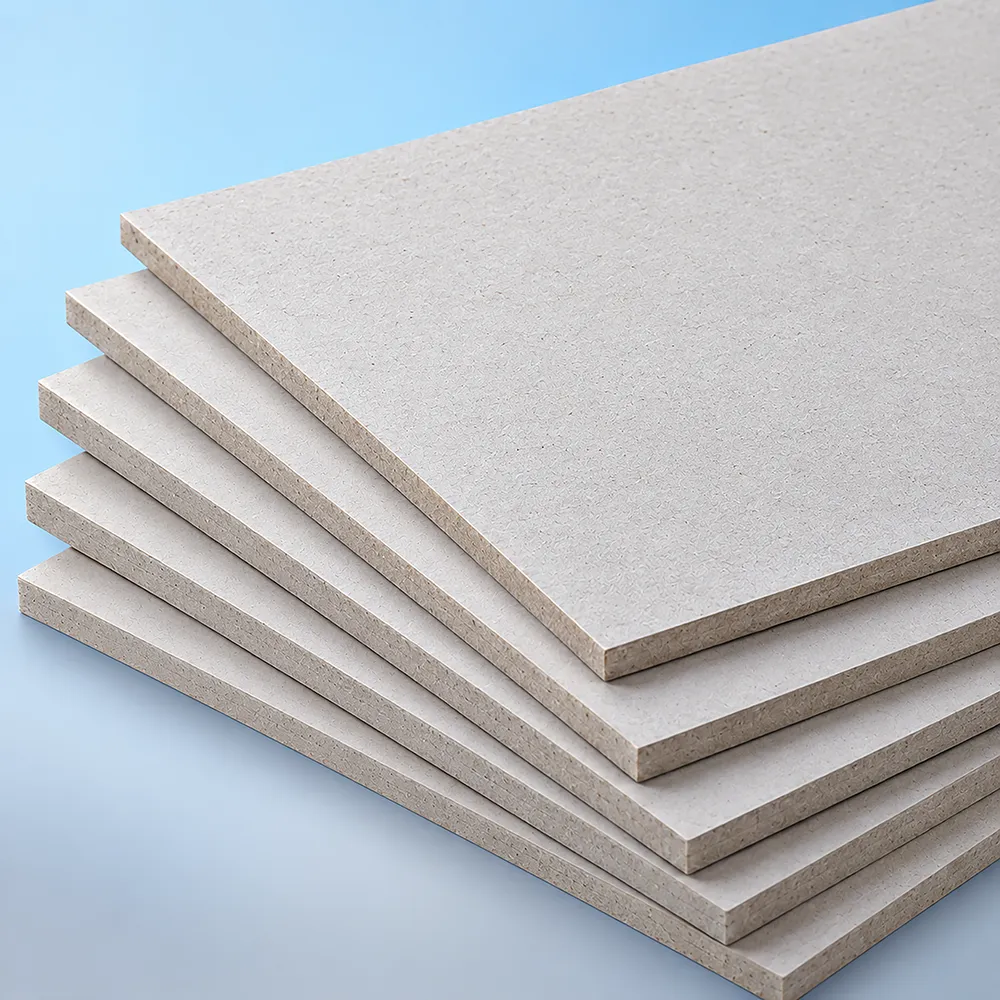
For this product family, the primary construction uses rigid board or chipboard panels covered with compatible paper wraps. The rigid board creates the permanent formed structure. The paper wrap provides the visible surface for:
  • printed graphics;
  • brand colors;
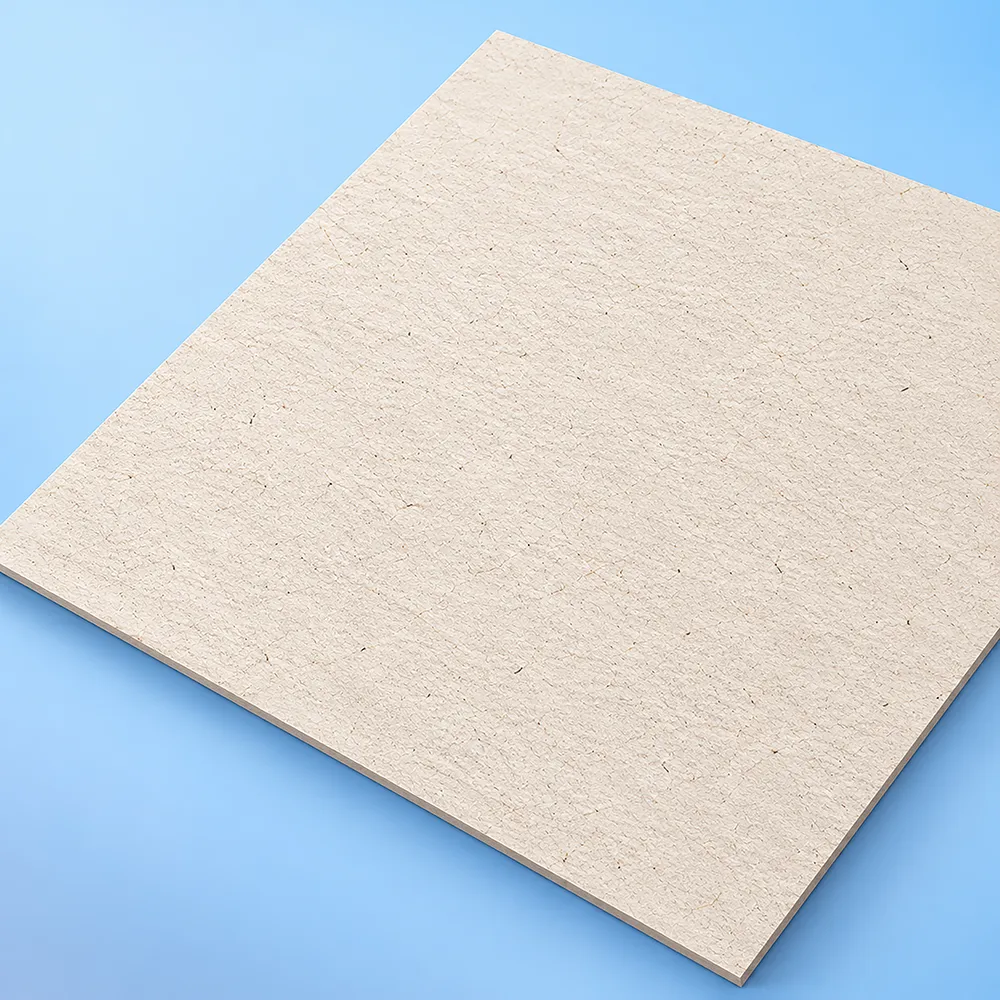
  • textures;
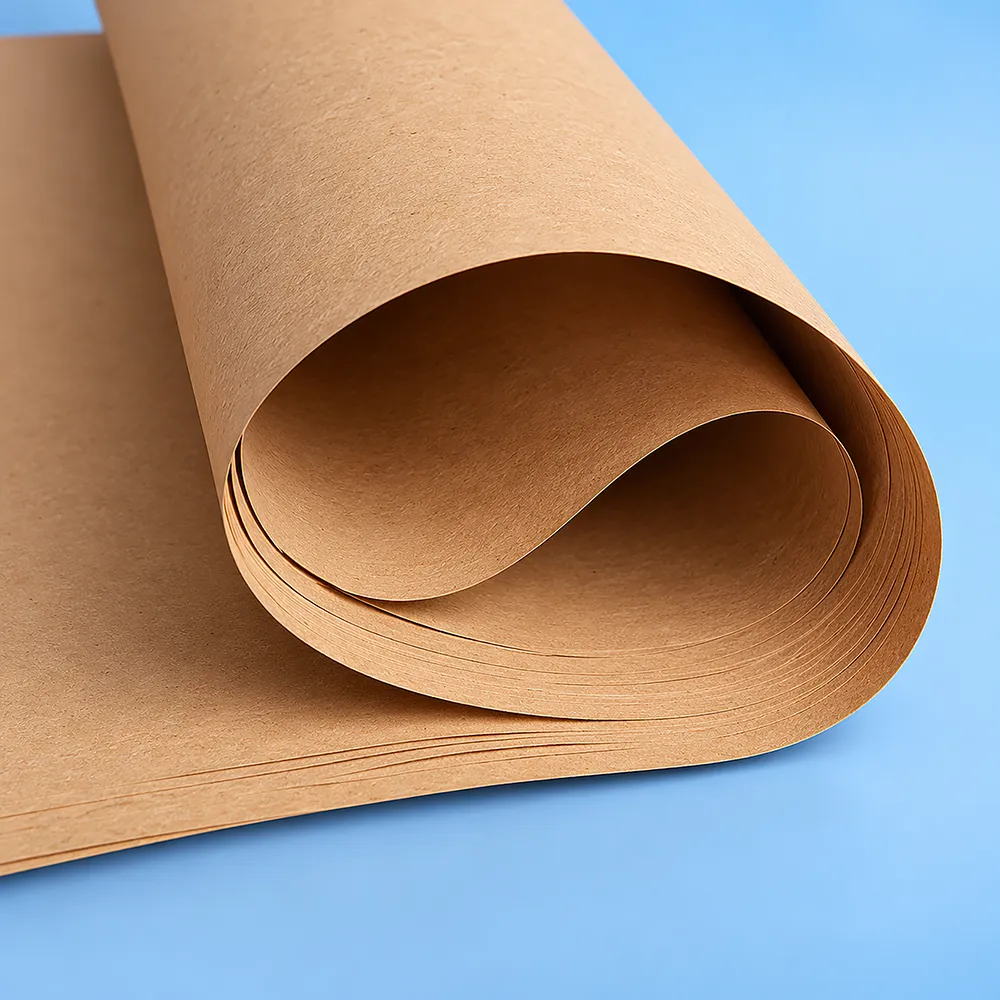
  • specialty papers;
  • lamination;
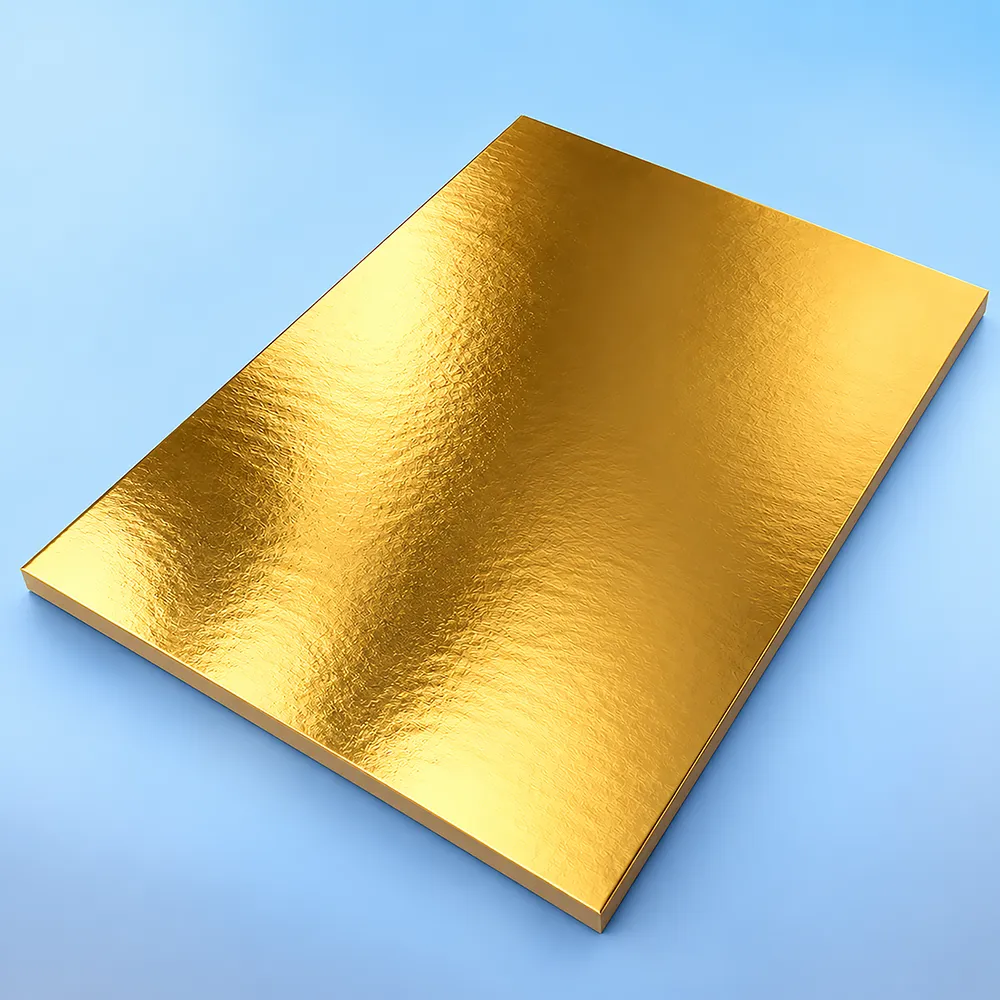
  • foil;
  • embossing;
  • other compatible finishes.
Smooth wraps can suit detailed printed artwork, while colored or textured wraps can make the material itself part of the presentation. Material selection should also account for the hinged area. A decorative treatment that works well on a broad lid panel may need different placement near the moving fold or connection. Buyers still comparing attached-lid packaging with other rigid structures can review the broader Custom Rigid Boxes collection before the final construction is approved. Do not assume that every finished rigid hinged box has the same recycling or sustainability profile. Adhesives, wraps, laminations, closure components and inserts all affect the complete material system.

Inserts and Internal Product Support

An insert may be useful when the product needs a defined position inside the box. Consider internal support when:
  • products can move within the cavity;
  • several items need separate locations;
  • orientation is important;
  • a bottle, device or accessory requires a fitted opening;
  • the interior should present items in a specific sequence;
  • the product must remain at a controlled height below the lid.
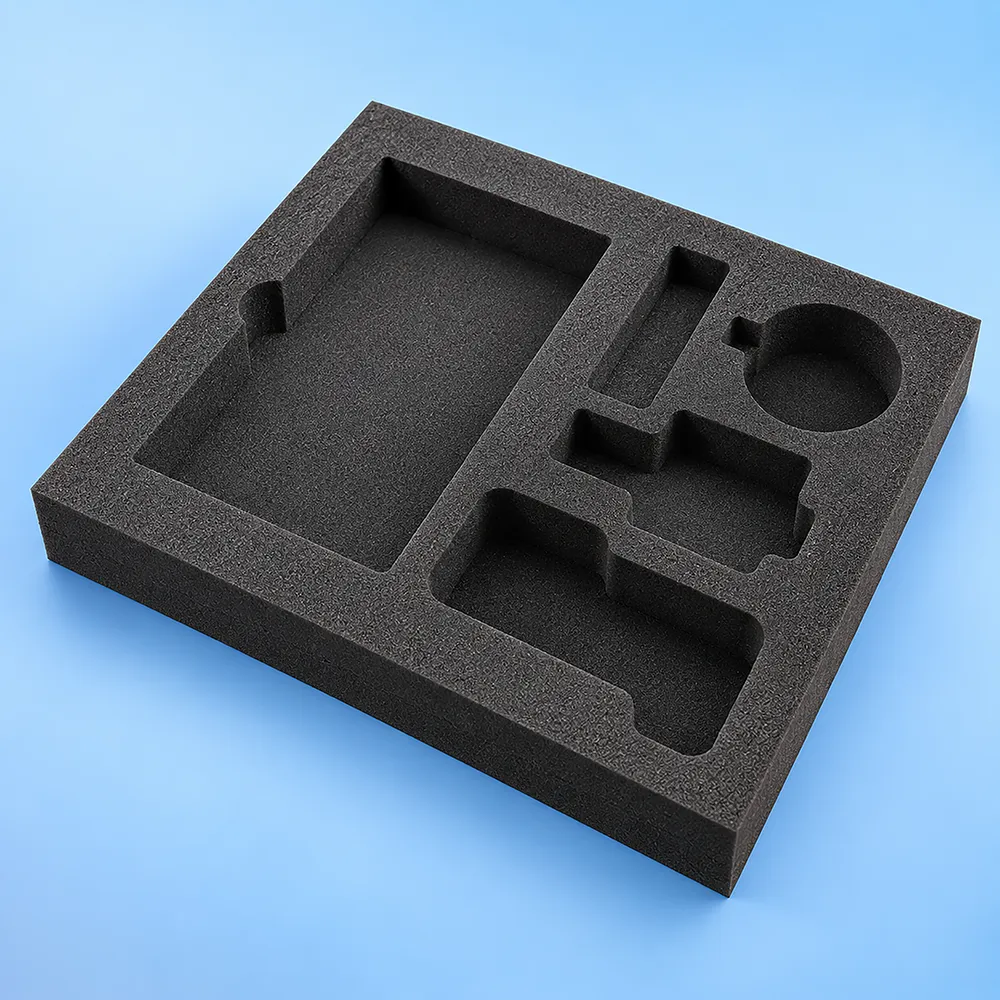
Possible project-specific solutions include paperboard supports, dividers and custom foam inserts. The insert should be planned with the hinged structure because cavity depth and product height can affect usable lid movement. An insert is not automatically required. If the product already fits securely and presents correctly without one, additional internal material may add unnecessary complexity.

Hinged Lid Boxes vs Magnetic Closure Boxes

A hinged lid and a magnetic closure describe two different attributes. Hinged lid describes how the lid is attached and moves. Magnetic closure describes how selected attached-lid packaging stays closed. A hinged box can therefore be conceptually broader than a magnetic box. Choose Magnetic Closure Boxes when concealed magnets and the magnetic closing action are part of the project requirement. Choose the broader Hinged Lid Box specification when the central requirement is that the lid remains attached and the exact closing method is still project-dependent. This distinction prevents a common packaging mistake: selecting magnets automatically when the actual buyer requirement is simply connected-lid access.

Printing & Finishing for Hinged Lid Boxes

Printing and finishing should account for both the visible panels and the moving hinge area. Printing applies artwork and color. Finishing modifies the visual or tactile surface.

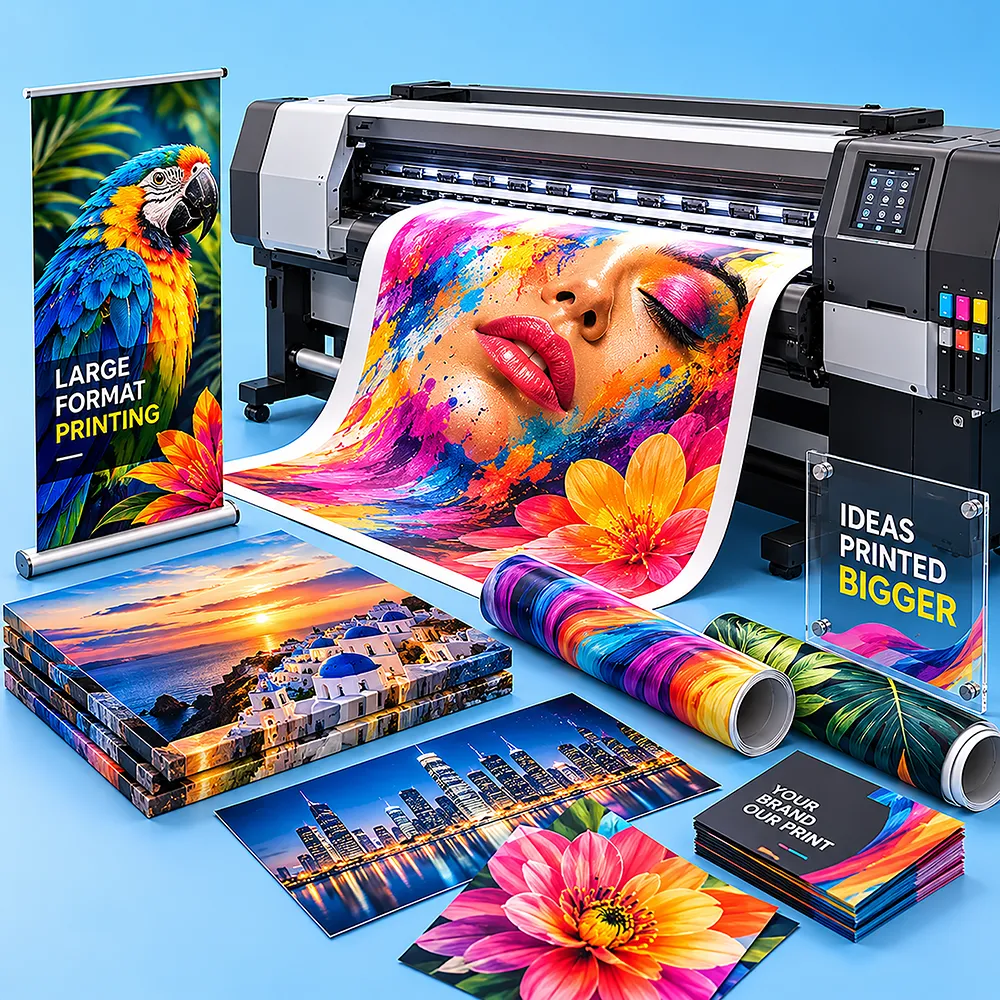
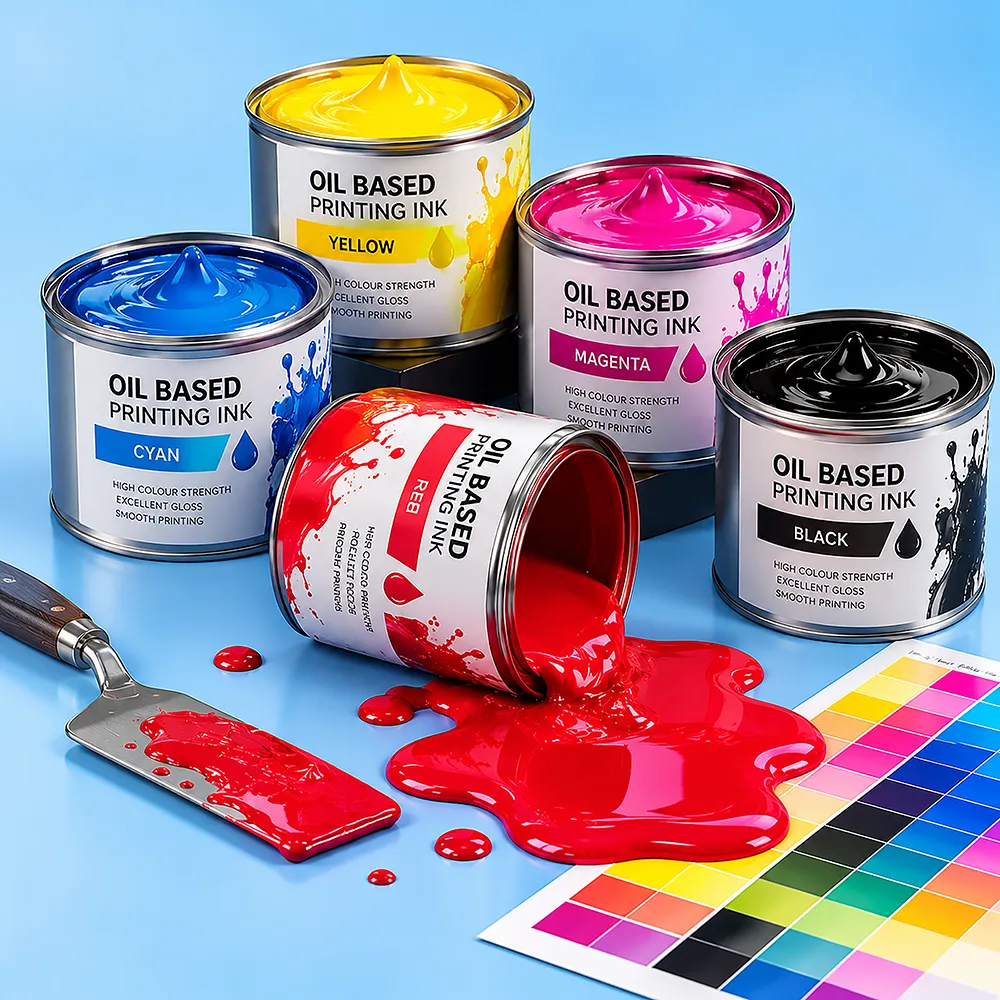
Offset Printing

Offset printing can suit detailed wrapped artwork and production runs where controlled graphic reproduction is important.

Digital Printing

Digital printing may suit compatible projects requiring flexible artwork production or a different setup approach.

Flexographic Printing

Flexographic printing may be considered for selected compatible paper-based components. Suitability depends on the actual substrate, artwork and production setup.

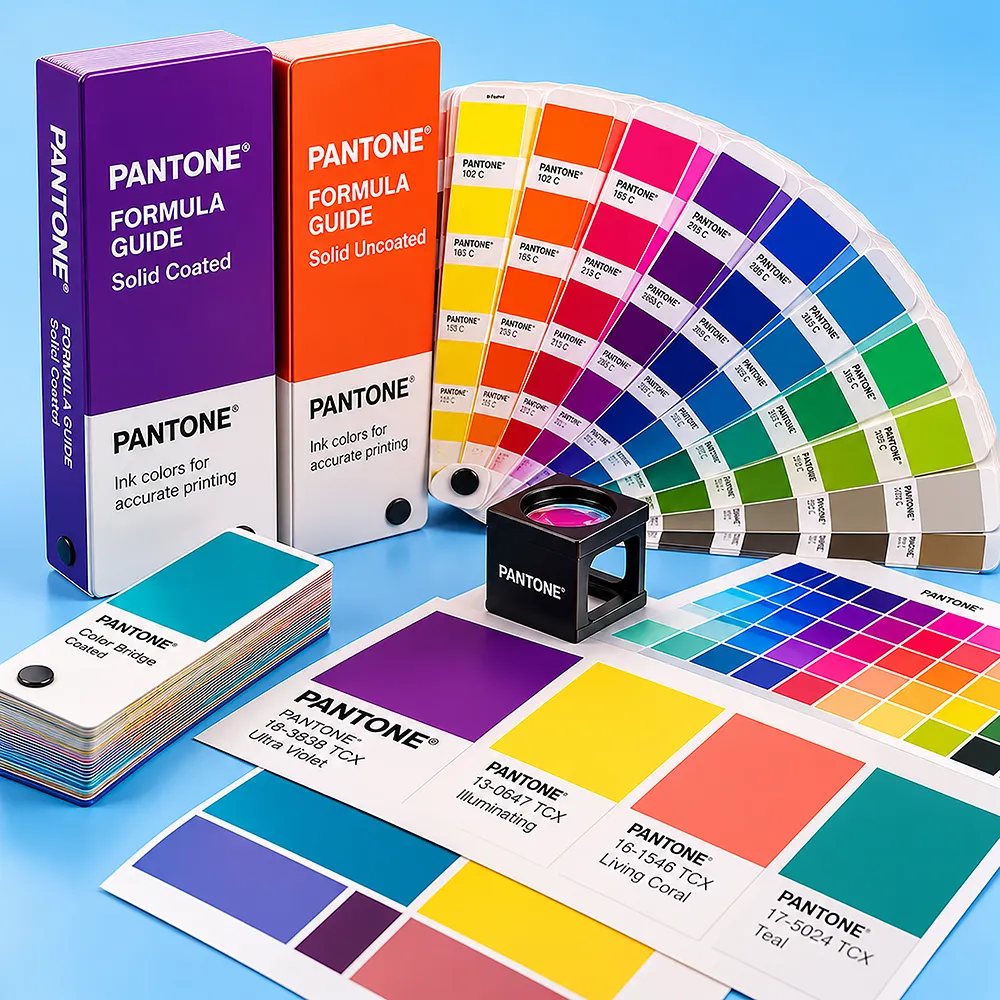
CMYK and Pantone/PMS

CMYK supports photographs, gradients, illustrations and full-color artwork. Pantone/PMS references can be useful where a defined spot-color target is required. Final printed appearance can vary with paper, texture, ink, lamination and finish, so Pantone/PMS should be treated as a color-management reference rather than an absolute guarantee of identical appearance across different materials.

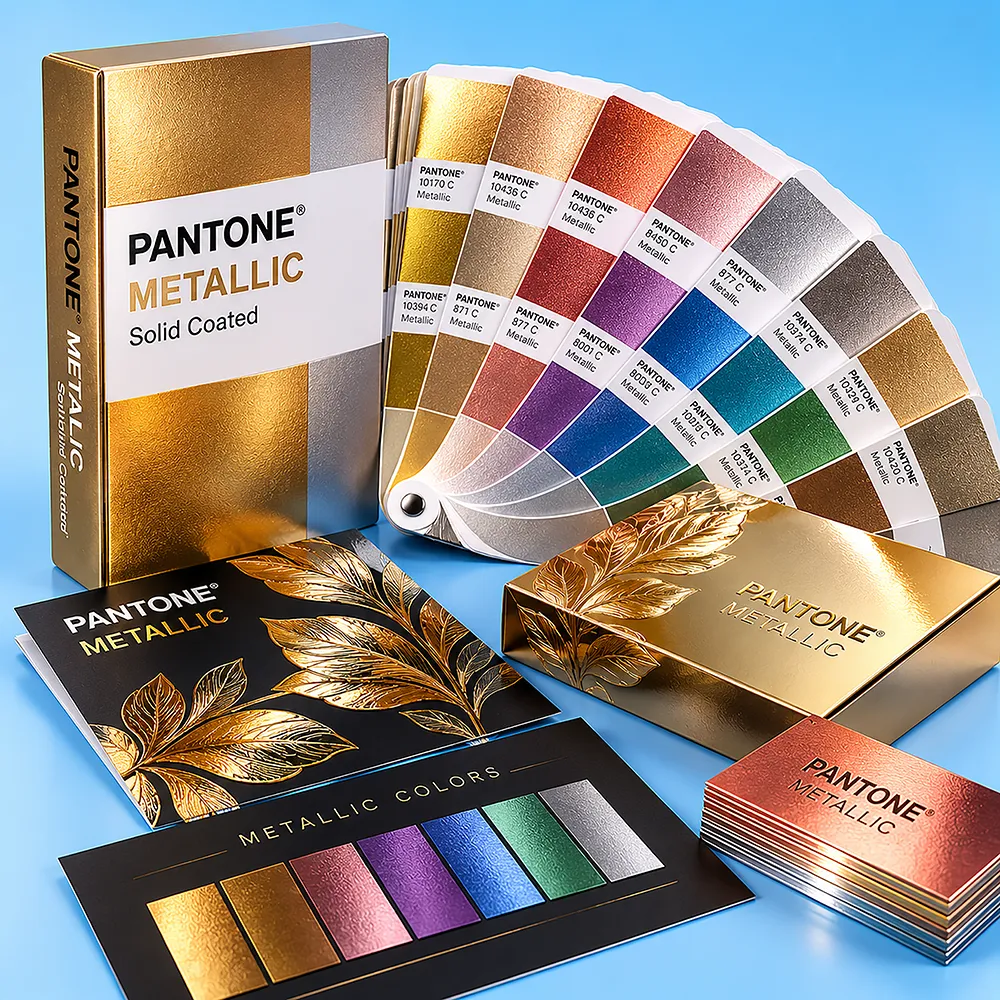
Finishing Options

Where compatible, options may include:
  • matte lamination;
  • gloss lamination;
  • soft-touch finishing;
  • foil stamping;
  • embossing;
  • debossing;
  • Spot UV.
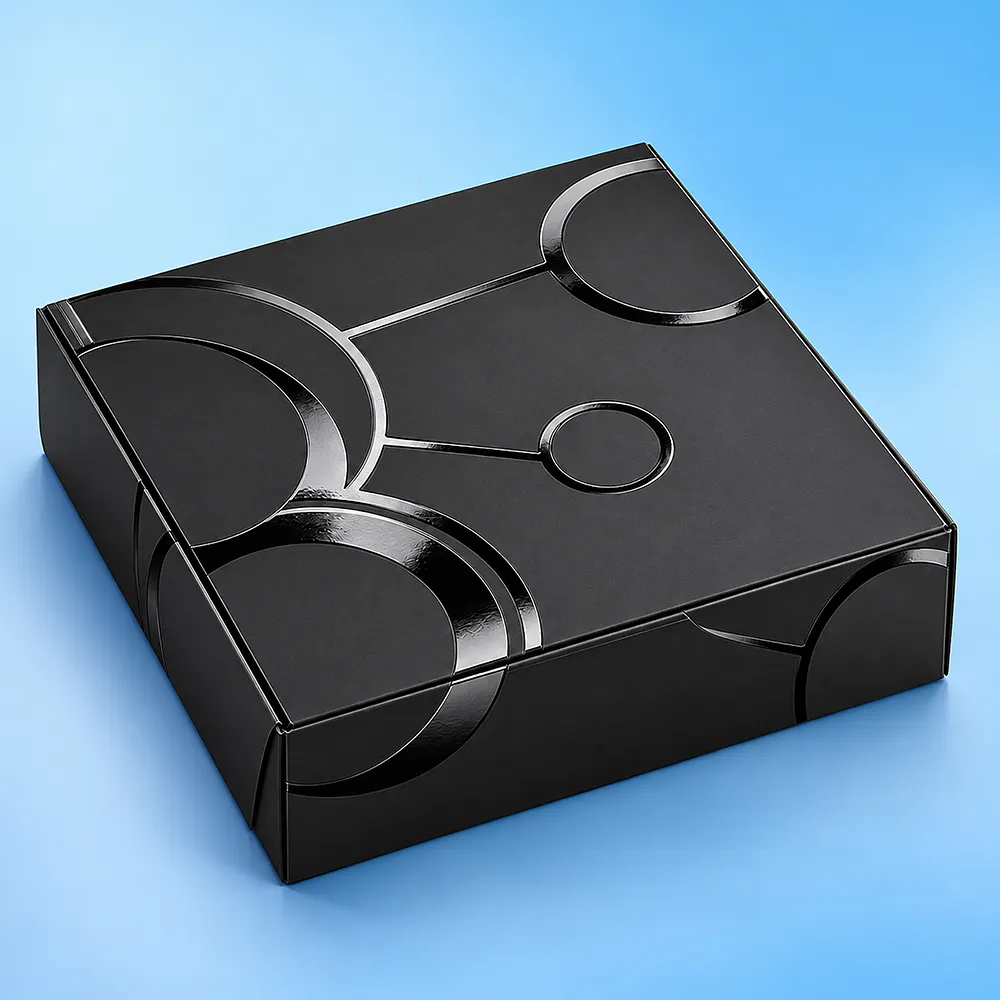
Finish placement should follow the approved dieline. A large foil logo can work effectively on a rigid lid panel, while highly detailed treatments may need to stay away from the hinge or fold area where repeated movement occurs. The strongest design does not necessarily use the largest number of finishes.

Plan Artwork Around the Hinge

A Hinged Lid Box creates several useful branding areas:
  • exterior lid;
  • inside lid;
  • front and side walls;
  • interior base;
  • insert;
  • cards or internal printed components.
The inside lid can be particularly useful for a message, instructions, brand story or presentation graphic because it becomes visible immediately when the package opens. However, the hinged area itself should be treated as a structural zone. Avoid positioning critical small text, barcodes, QR codes or delicate finish alignment directly across moving folds unless the approved dieline confirms the placement. Artwork that visually continues from the lid onto another panel also needs to account for the structural transition.

Hinged Lid Boxes vs Other Opening Styles

Structure Opening Method Best Fit When
Hinged Lid Box Lid remains attached Connected top access and repeated opening are important
Magnetic Closure Box Hinged lid closes with concealed magnets Magnetic closing action is specifically wanted
Two Piece Rigid Box Lid lifts completely away Full removable-lid access is preferred
Shoulder Neck Rigid Box Removable lid fits around raised neck Layered/framed reveal is important
Rigid Drawer Box Tray slides from sleeve A slide-out reveal is preferred
If the reveal should come from pulling a tray rather than lifting a lid, consider a Custom Rigid Drawer Box.

Where Hinged Lid Boxes Work Well

Custom Hinged Lid Boxes can suit products where connected access and presentation are important. Potential applications include:
  • jewelry and watches;
  • cosmetics;
  • fragrance;
  • electronics and accessories;
  • candles;
  • corporate gifts;
  • product launch kits;
  • PR packages;
  • presentation sets;
  • collector products.
The application alone should not determine the structure. A jewelry set may benefit from an attached lid because the box stays open during presentation, while another jewelry project may work better with a fully removable lid. Choose the opening system around the product and customer interaction rather than the industry label.

Retail, Gifting and Ecommerce Considerations

Retail and Presentation

An attached lid can make it easier to keep all package components together during demonstrations, repeated opening and presentation.

Gifting

The inside lid can become part of the reveal, particularly when it carries a printed message or interior branding.

Ecommerce

A Hinged Lid Box can form part of an ecommerce presentation system, but rigid presentation packaging is not automatically a complete shipping carton. Depending on product weight, fragility and distribution conditions, an appropriate outer shipper may still be necessary.

What Affects the Cost of Hinged Lid Boxes?

Pricing depends on the complete packaging specification. Important cost drivers include:
  • finished dimensions;
  • rigid-board construction;
  • lid and hinge configuration;
  • closure requirement;
  • paper wrap;
  • quantity;
  • number of SKUs;
  • artwork versions;
  • printing;
  • decorative finishes;
  • insert material and complexity;
  • internal components;
  • assembly;
  • delivery requirements.
A magnetic closure can also introduce components and production requirements that a non-magnetic hinged structure may not need. If magnets are required, specify the project through Magnetic Closure Boxes rather than treating them as an automatic feature of every hinged box.

Samples and Proofing

Use the proofing method that addresses the main uncertainty. A digital artwork proof helps check graphics, copy and placement. A 3D mockup can help communicate the overall appearance and opening direction. A structural sample, when appropriate and available, is more useful when lid movement, product height, insert fit or closure behavior needs physical review. A printed or finish-specific sample may be useful when color, foil, texture or another surface treatment is important to approval. Physical sample type, cost and timing should be confirmed during quotation.

MOQ, Production and USA Shipping

BoxBaba standard MOQ starts from 100 Hinged Lid Boxes. Standard production takes 5–9 business days after the final digital proof, artwork and project specifications are approved. Production time and carrier transit time are separate. BoxBaba currently provides free shipping across the USA for custom packaging orders. Review the current Shipping Policy for production and shipping conditions. For time-sensitive projects, provide the required delivery destination and project date during quotation.

Why Choose BoxBaba for Hinged Lid Boxes?

BoxBaba can develop the packaging around how the customer should actually open and access the product rather than automatically adding a magnetic closure or another unnecessary component. Projects can be reviewed for:
  • custom sizing;
  • attached-lid configuration;
  • product and insert height;
  • closure requirements;
  • artwork and dielines;
  • printing;
  • finishing;
  • digital proofing;
  • quantity;
  • production requirements.

Request a Custom Hinged Lid Box Quote

For an accurate quotation, provide:
  • finished product dimensions;
  • product weight;
  • quantity;
  • number of SKUs;
  • preferred opening direction if known;
  • closure requirement if known;
  • product orientation;
  • insert or divider requirements;
  • material/wrap preference if known;
  • artwork or logo files;
  • printing and finishing requirements;
  • shipping destination;
  • required project date.
If you are unsure whether the lid should remain attached, describe how the customer should access and present the product. BoxBaba can compare the project with other rigid structures before production. Call: +1 305 574 4357 Email: sales@boxbaba.com

Frequently Asked Questions

Find all the urgent questions you may have.

A Hinged Lid Box keeps the lid physically attached to the box body or base. The lid opens from one side instead of separating completely from the package.
Not necessarily. Hinged describes how the lid is attached and moves. Magnetic closure describes a specific closing method. If concealed magnets are required, use the dedicated Magnetic Closure Boxes specification.
A hinged box keeps its lid attached. A Two Piece Rigid Box uses a separate lid that lifts completely away from the base.
Provide the finished product length, width, height, widest point and weight, plus accessories and additional components. The insert, product height and lid movement should then be considered before final box dimensions are approved.
Yes. Paperboard supports, dividers or custom foam inserts may be considered when product positioning or compartmentalization is needed. The insert should be planned together with the lid movement.
Interior lid artwork may be possible depending on the approved construction and wrap. It can be useful for branding, instructions or presentation graphics. Final printable areas should follow the approved dieline.
Depending on the wrap material, artwork and production requirements, offset, digital or suitable flexographic printing may be considered. The final process should be confirmed for the specific project.
Compatible projects may use matte, gloss, soft-touch, foil stamping, embossing, debossing and Spot UV. Finish placement should account for the hinge, folds, edges and approved artwork.
BoxBaba standard MOQ starts from 100 units. Final pricing depends on dimensions, structure, closure, quantity, material, artwork, inserts, printing and finishes.
Standard production takes 5–9 business days after final proof, artwork and project specifications are approved. Carrier transit is separate from production time, and BoxBaba currently provides free shipping across the USA.